1/2
Timber-concrete composite floor systems for tall buildings
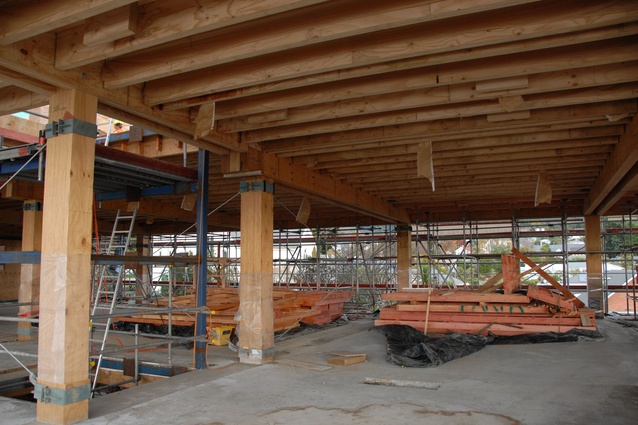
Mass-timber construction, encompassing elements like glued-laminated timber (glulam), cross-laminated timber (CLT), and nail-laminated timber (NLT), is gaining traction in the United States. These timber components offer inherent fire resistance through charring and possess high load-carrying capacities, making them suitable for high-rise buildings. Skidmore, Owings & Merrill LLP (SOM) has been researching the application of mass-timber in tall buildings since 2013. Their initial report, the Timber Tower Research Project, identified timber-concrete composites as an efficient solution for high-rise structures, capable of reducing embodied carbon.
Following this, SOM released three additional reports specifically addressing the floor systems in high-rise, mass-timber buildings. Floor systems typically constitute the largest portion of a structure's cost and carbon footprint. While often governed by non-structural factors, floor systems significantly influence the design of supporting structural elements. They commonly incorporate concrete for acoustic control, fire resistance, and to conceal utilities. In conventional reinforced concrete and structural steel buildings, floor weight typically accounts for 60 to 80 percent of the total structural frame weight. Mass-timber floor systems, with their natural insulation and lower density (20 to 25 percent of concrete), offer an alternative.
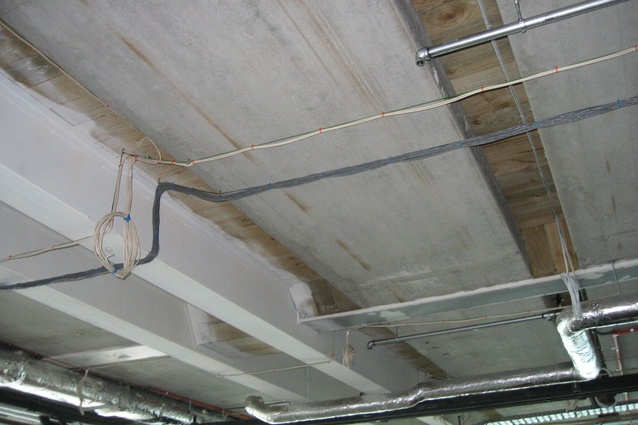
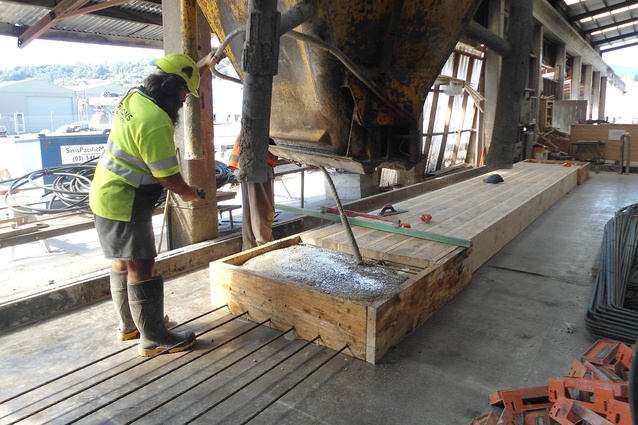
CLT floor planks, usually comprising three to five plies of wood for cost-effectiveness, range from 105 to 175 mm (4 1/8 to 6 7/8 in.) in thickness. These planks have a sound transmission class (STC) of 30 to 40, which falls below the International Building Code (IBC) requirement of 50 for dwelling units, thus necessitating acoustic treatment. A common method to enhance acoustic performance, as well as fire resistance and utility concealment, involves adding a 50 to 75 mm (2 to 3 in.) thin concrete topping slab over the timber. European mass-timber construction has already adopted this approach, developing connector systems to create structurally composite CLT and concrete topping slabs. These timber-concrete composite floor systems can achieve longer spans than conventional timber floors, thereby reducing the need for columns and bearing walls, which increases their market competitiveness.
SOM's two recent reports further explore timber-concrete composite floors. The first details a physical testing program of these systems at Oregon State University (OSU), funded by the Softwood Lumber Board. The second, conducted with the American Institute of Steel Construction (AISC), investigates combining timber-concrete composite floors with structural steel frames for multifamily construction. Both reports are accessible on SOM's research website.
The OSU testing program, completed in 2016, involved 20 individual tests across 14 full-scale specimens. These tests focused on structural behaviors crucial for design, such as composite connector effectiveness, two-way bending stiffness, long-term creep deflections, and a full-scale mockup test. The results indicated superior performance from epoxied connectors compared to mechanical ones, and that connector tests aligned with predictions. Two-way bending stiffness varied as anticipated across different axes and bending types. Long-term creep deflection increases were consistent with recommendations from the American Concrete Institute (ACI) and the US CLT Handbook. The full-scale mockup test demonstrated the floor system's capacity to support approximately eight times the code-required design load. While not necessary for design (which is governed by deflections and vibrations), this excess strength is advantageous for fire resistance, allowing for significant charring before load-carrying capacity is compromised. Future research at SOM will concentrate on fire testing of the system.
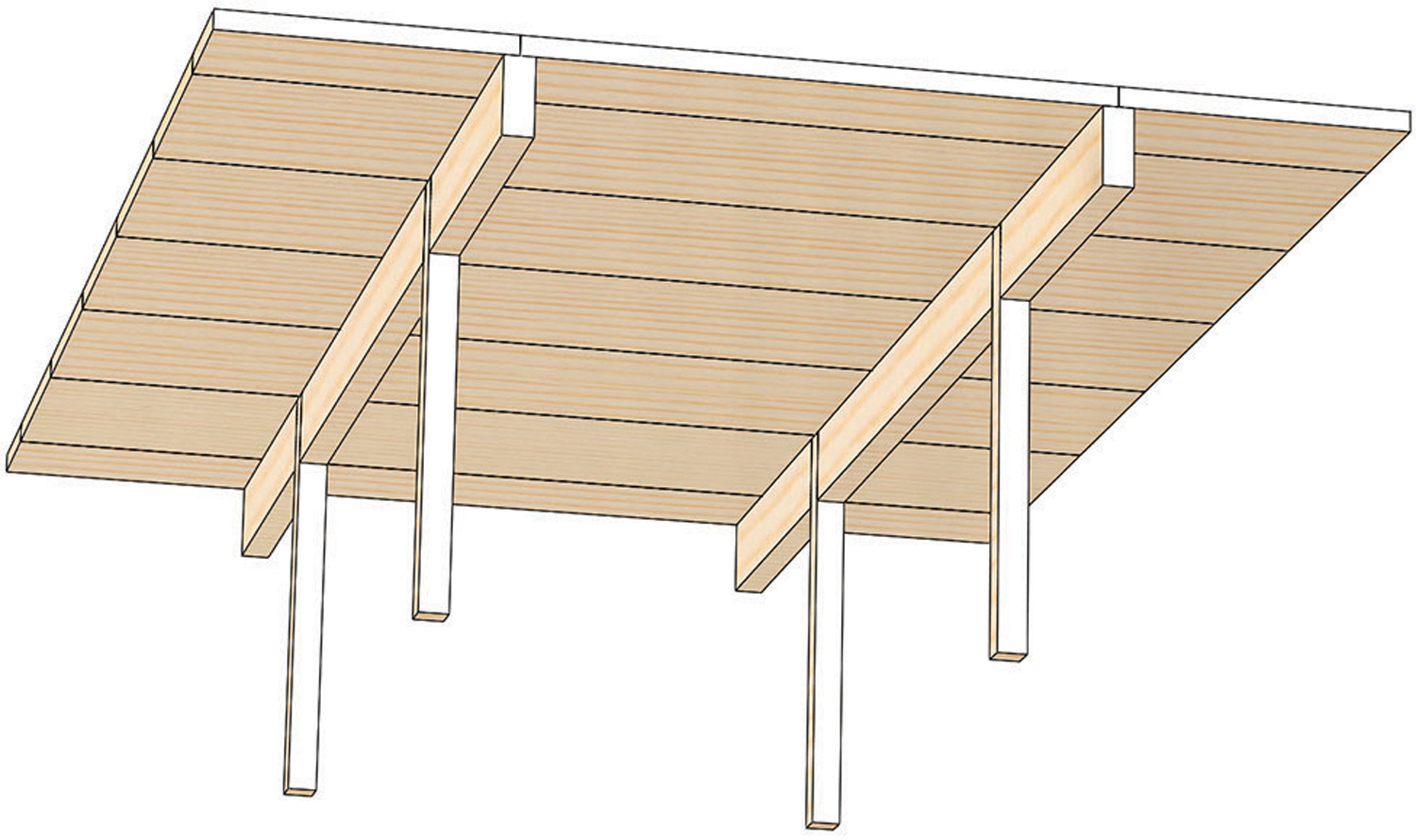
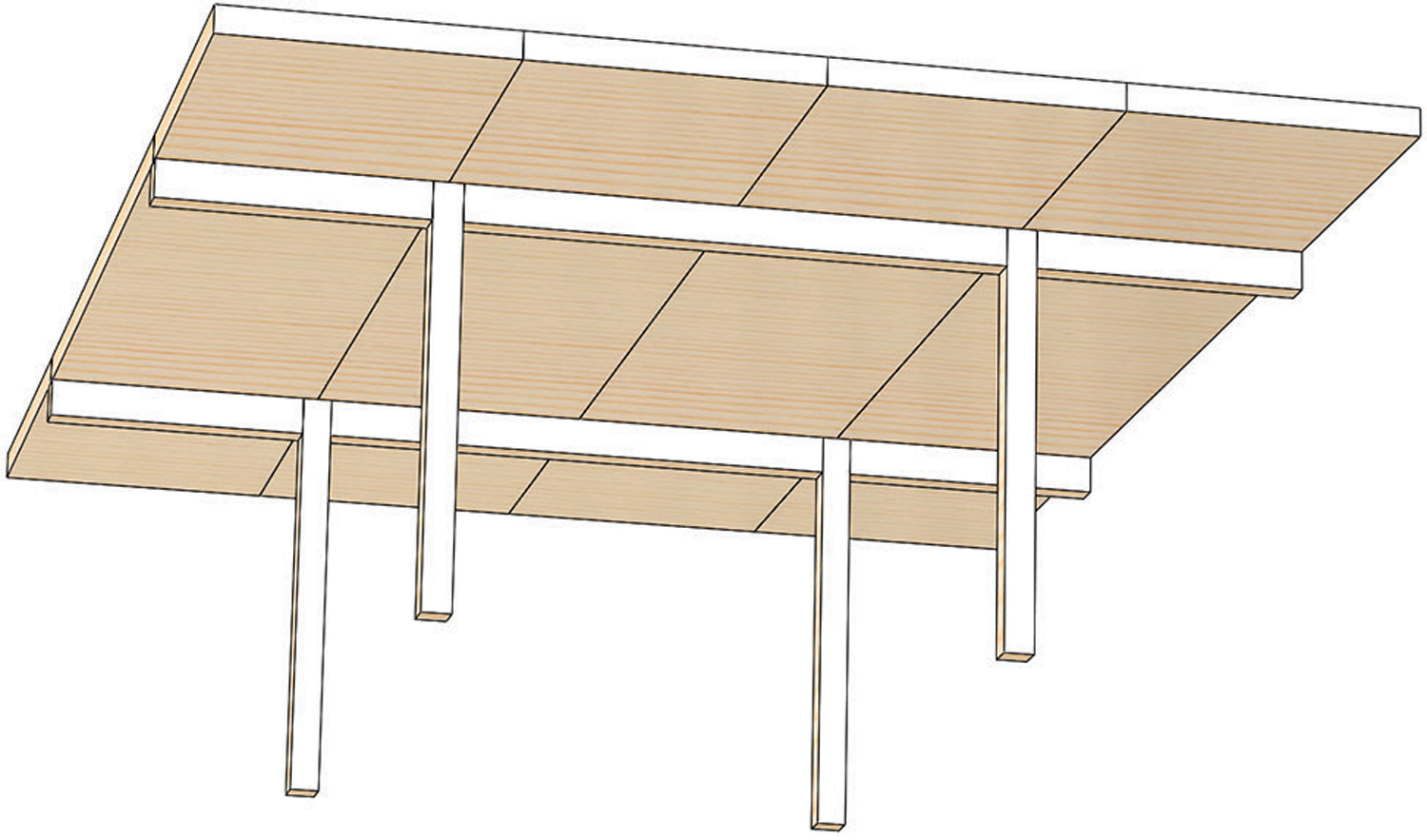
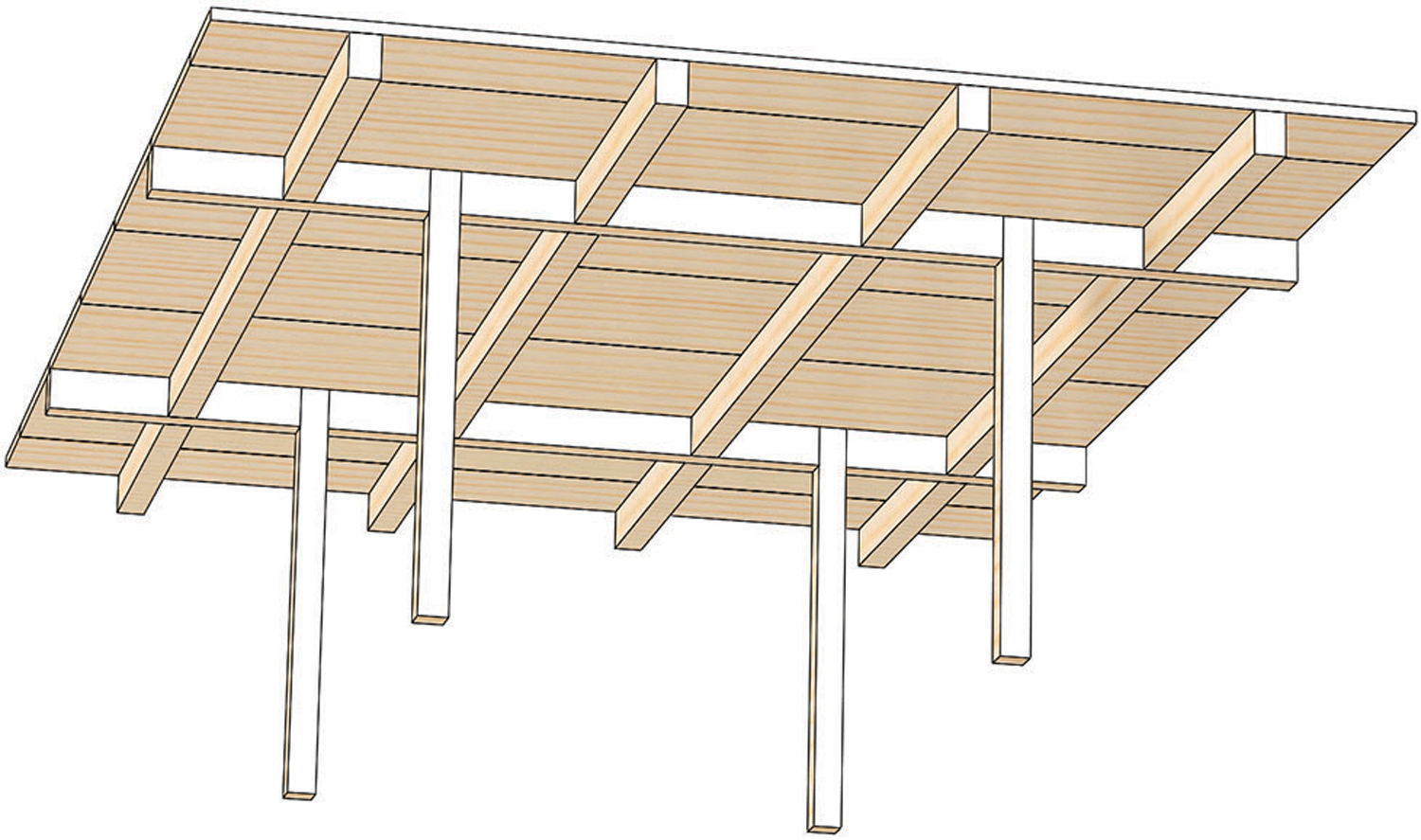
The joint research project between SOM and AISC, concluded in 2017, explored timber-concrete composite floor systems with structural steel framing for high-rise residential buildings. The research aimed to develop a lightweight, prefabricated steel and timber system for buildings typically constructed with reinforced concrete. An 11-story reinforced concrete building designed by SOM, featuring a 200-mm (8-in.) thick post-tensioned flat plate floor, served as the benchmark. The proposed SOM and AISC solution involved timber-concrete composite floor planks supported by asymmetric steel beams. These beams had wider bottom flanges to support CLT plank ends, and their depth was designed to be integrated within the composite timber floor planks, creating a floor structure similar to a concrete flat plate without downward-projecting beams. Careful design of the steel beams and their column connections was essential to control deflections and vibrations. Material quantity estimates revealed the proposed system could achieve marketable column bays and a structural slab thickness comparable to concrete-framed buildings. Although further verification is needed, initial findings are promising, suggesting the system's market competitiveness.
Timber-concrete composite floor systems represent an emerging technology in the United States, offering a unique combination of low weight, extensive spanning capabilities, and sustainability. They can be integrated with various framing systems to optimize overall performance. Further testing and precedent projects are necessary to establish a foundation for future code provisions governing the design of these innovative floor systems.
#MassTimber #CompositeFlooring #TimberConcrete #TallBuildings #SustainableConstruction #StructuralEngineering #BuildingCodes #FireResistance #AcousticPerformance #MassTimber #CompositeFlooring #TimberConcrete #TallBuildings #SustainableConstruction #StructuralEngineering #BuildingCodes #FireResistance #AcousticPerformance
0 comment in total
 No comments yet
You may also like
Taking the floor
Roof and ceiling systems with versatile application
Walk on by: flooring focus
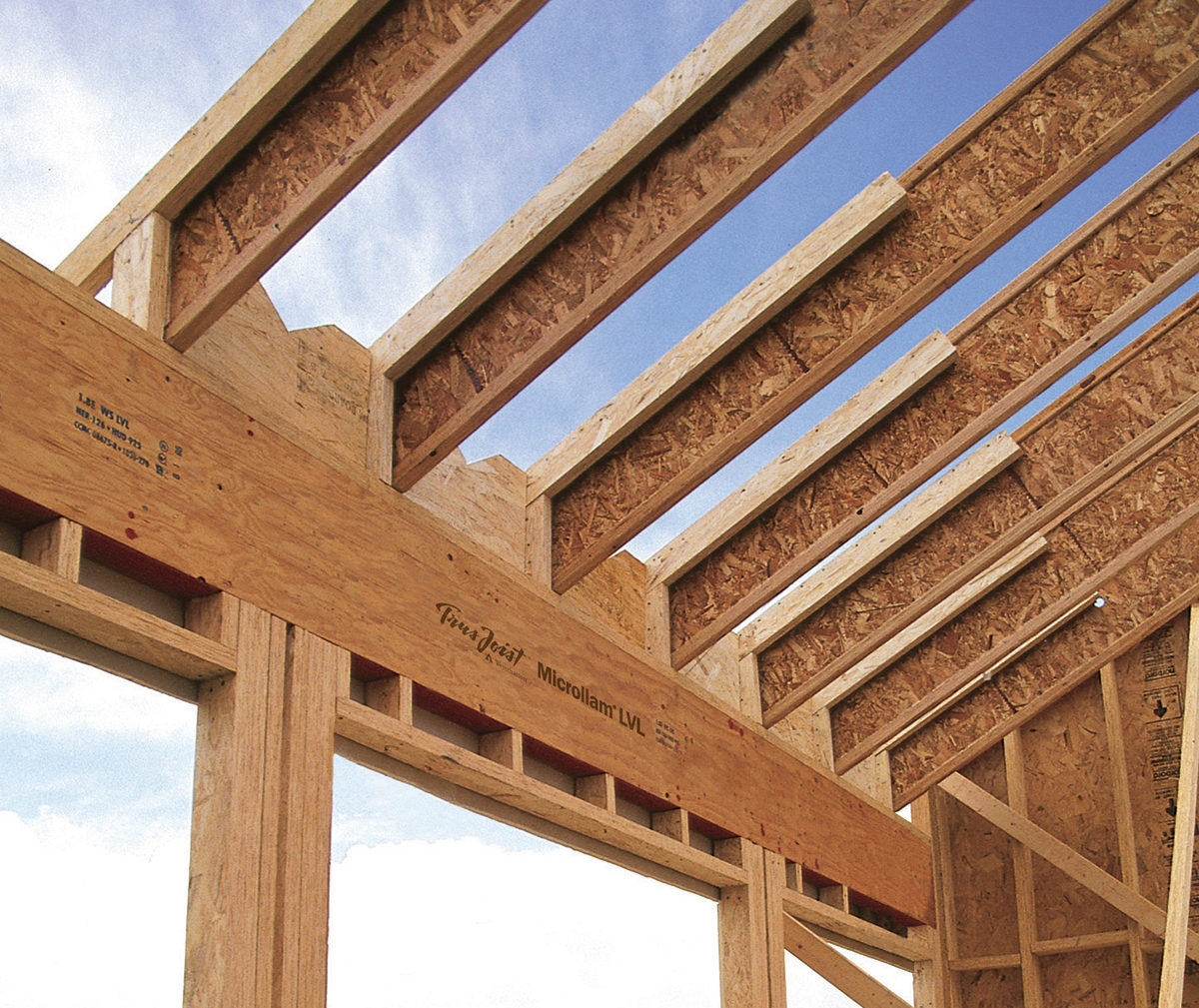
Examining some of the important factors when choosing products for ceilings and roofs

Flooring


A new life with composites

Eco-friendly materials: the future of residential and commercial construction
Carpets Central


Turning reclaimed timber power poles into architectural products
Why Choose Engineered Timber Flooring? An Expert Opinion

10 Flooring Products that Look Good and Work Hard

15 of the best flooring materials for the home and why they work

Timber Look Tiles: Top 10 Wood Tiles on the Market
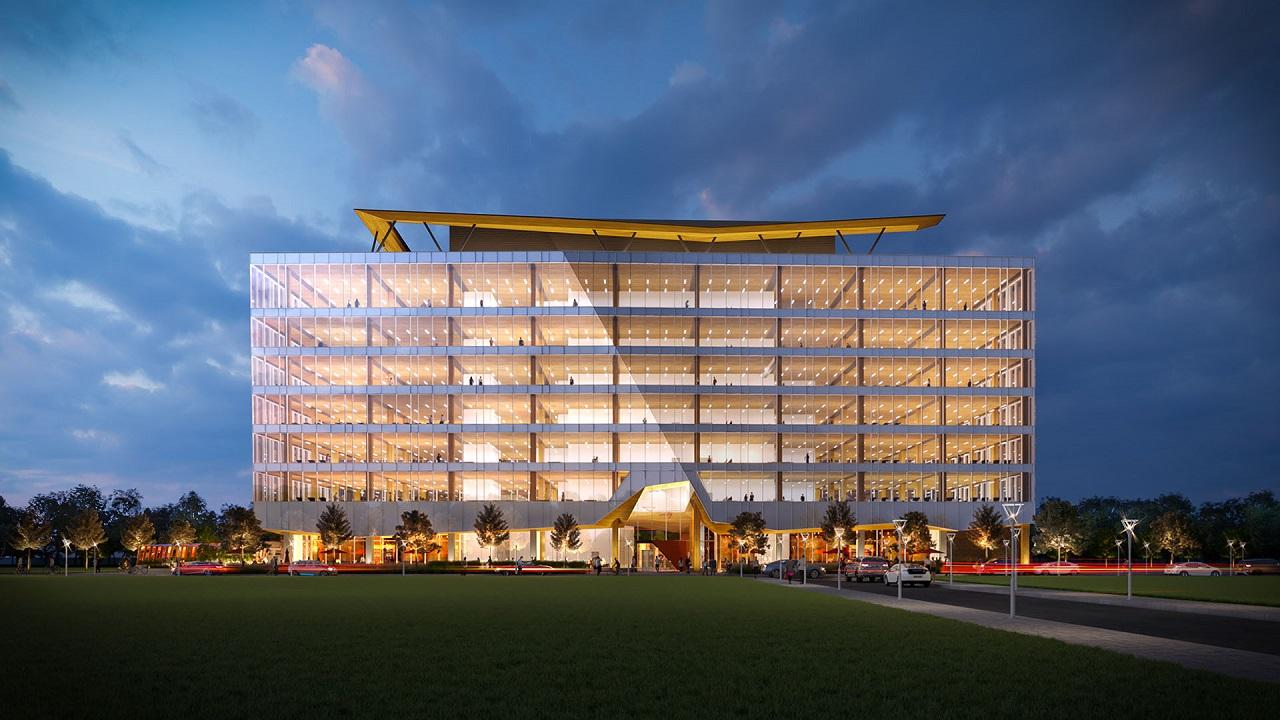
Mass Timber Primer

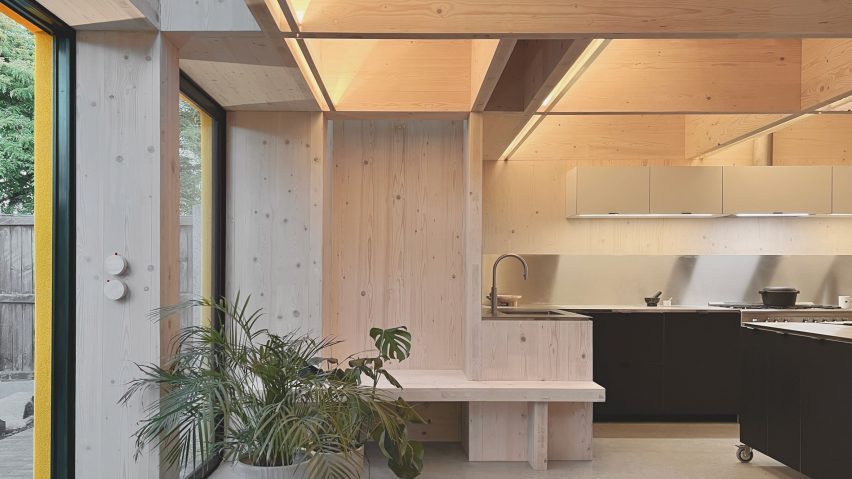
Fourteen homes where exposed cross-laminated timber creates cosy interiors
Set the Stage With These Flooring Options


Types of wood flooring
6 Wood Substitutes and When to Use Them


Building Materials - Building Supplies

Mayne timber flooring and Ermont veneer bring vibrant design to life at Melbourne’s Bistrot Bisou