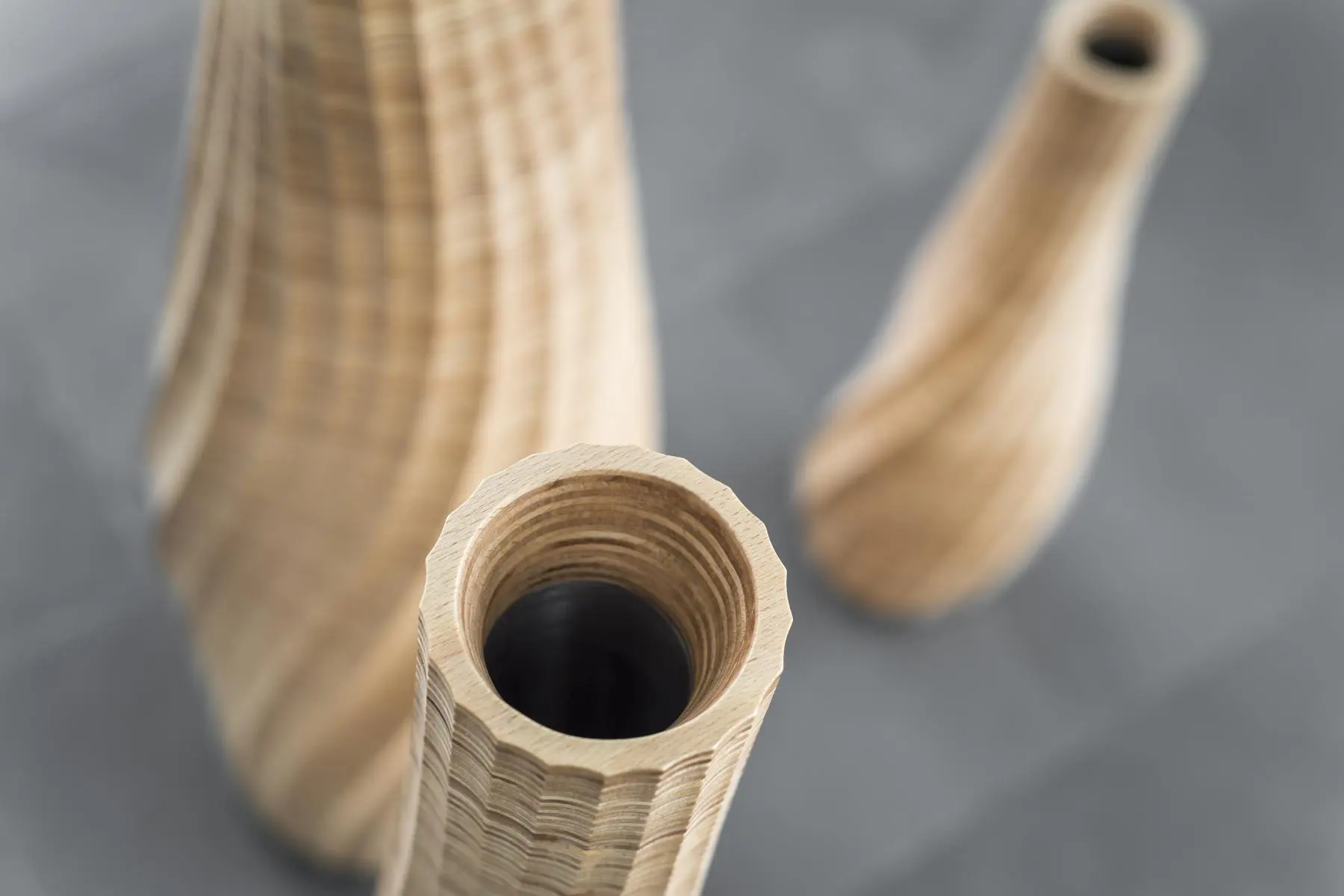
1/5
Turning reclaimed timber power poles into architectural products
The article describes the process and benefits of repurposing decommissioned timber power poles into various architectural products, highlighting a sustainable practice in the building industry. In Australia alone, approximately 60,000 to 80,000 timber power poles are removed from service annually. Historically, these poles were either sent to landfills or used as low-grade landscaping materials. However, a growing trend in sustainable building practices has led to innovative ways of transforming these discarded poles into high-value construction materials.
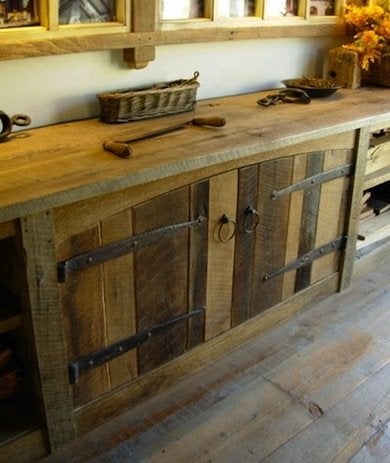
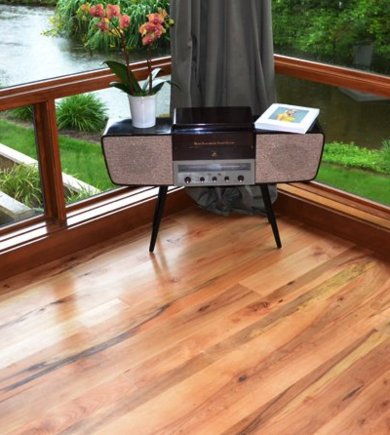
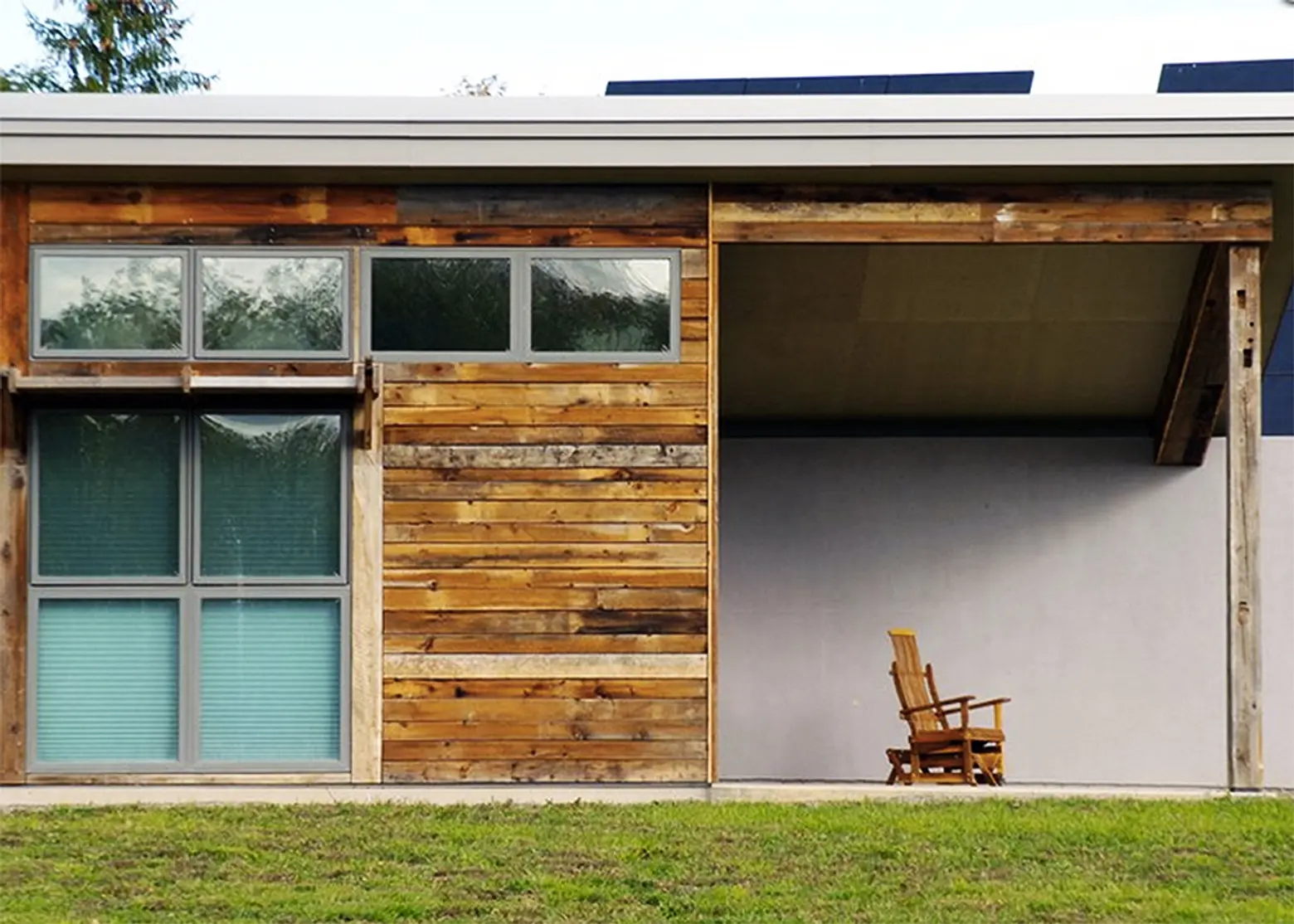
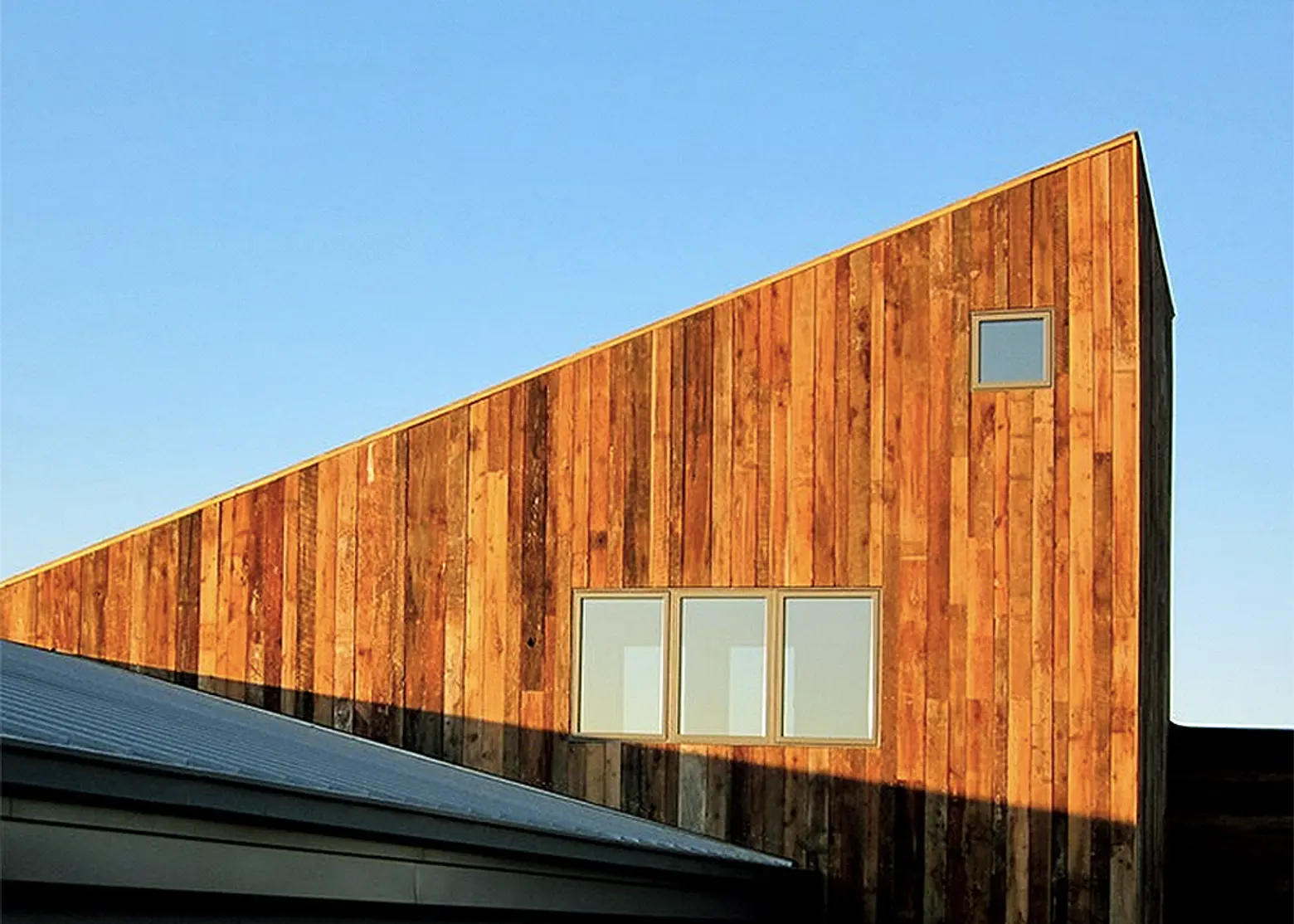
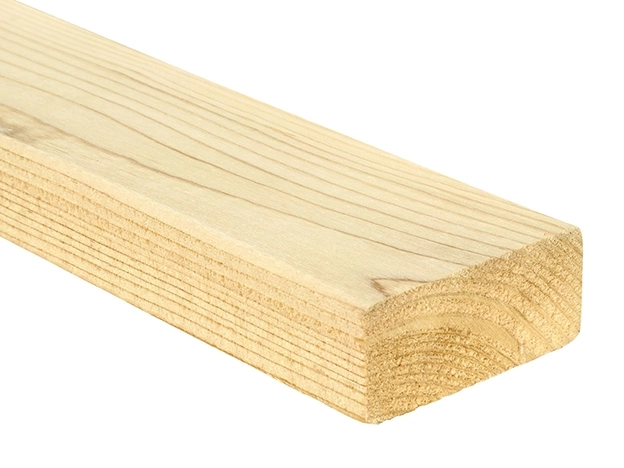
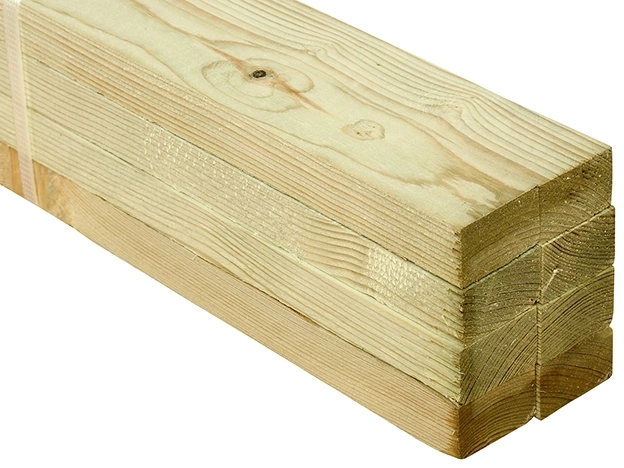
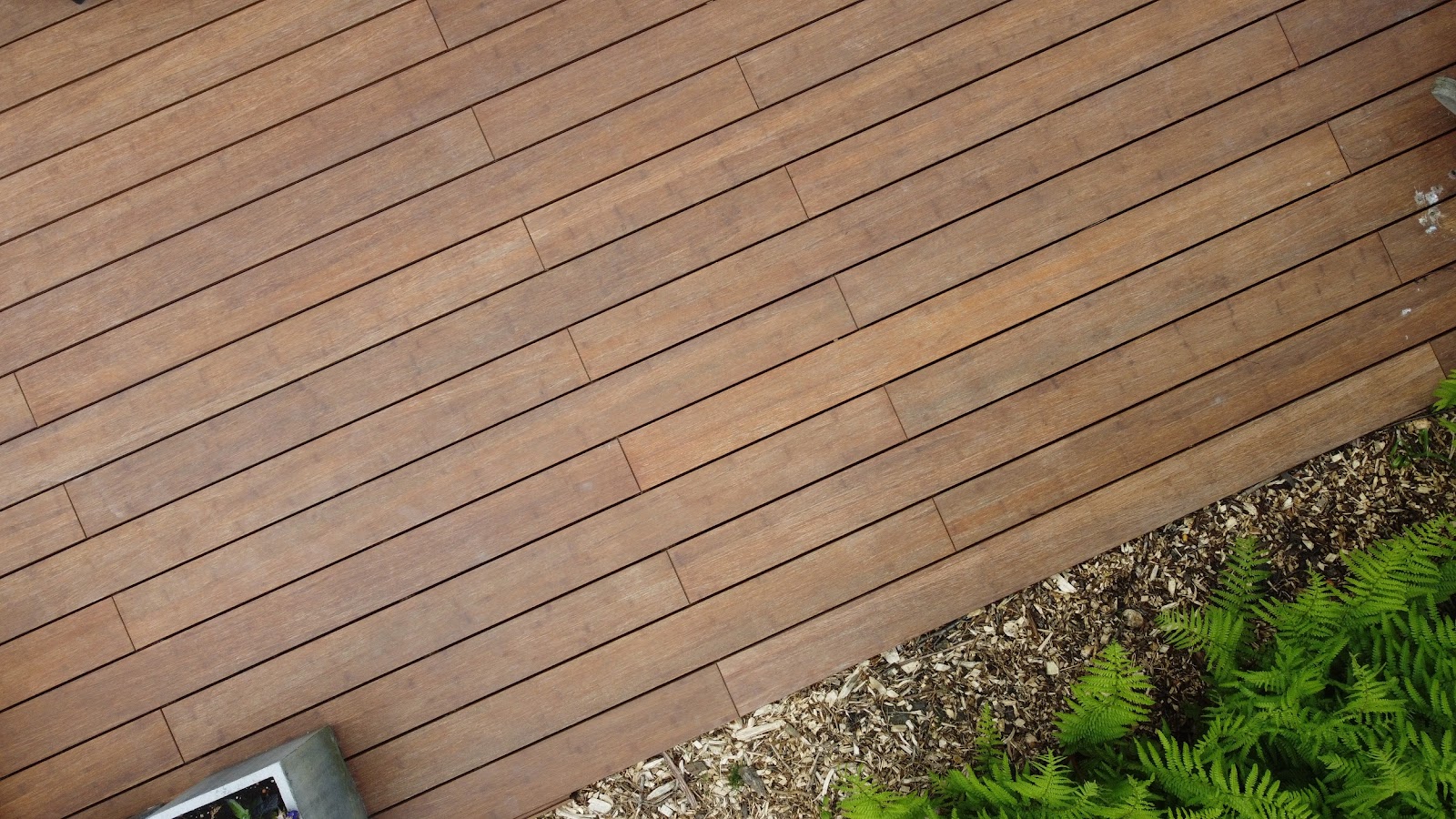
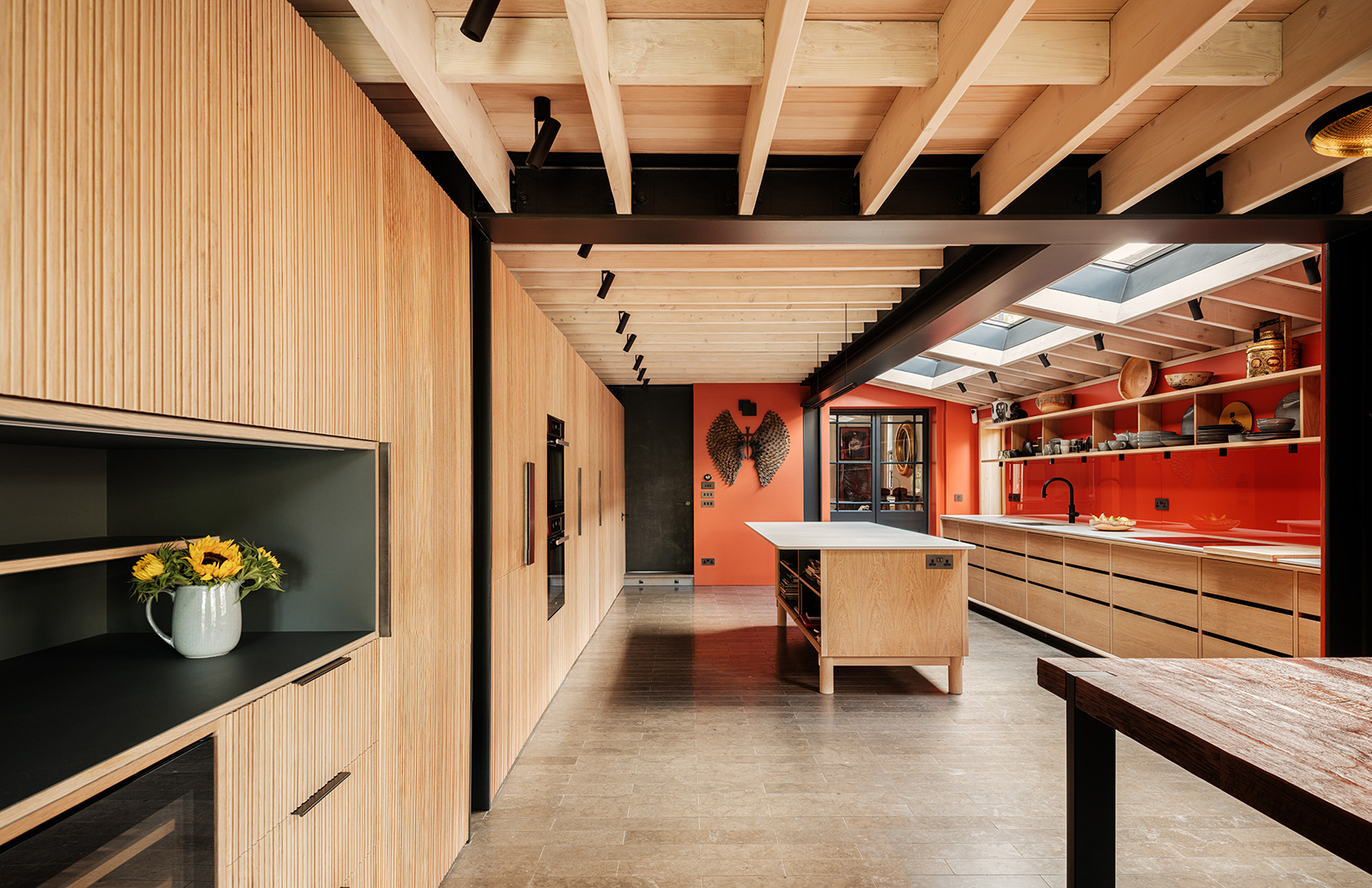
After their removal from the grid, these timber poles undergo a meticulous process to be converted into usable architectural products. The first step involves careful inspection to assess their condition and suitability for repurposing. Poles that meet specific criteria are then transported to specialized facilities where they are de-nailed and sawn into various dimensions, such as planks, beams, and posts. This transformation allows them to be utilized in a wide range of applications, including flooring, cladding, decking, and structural elements.
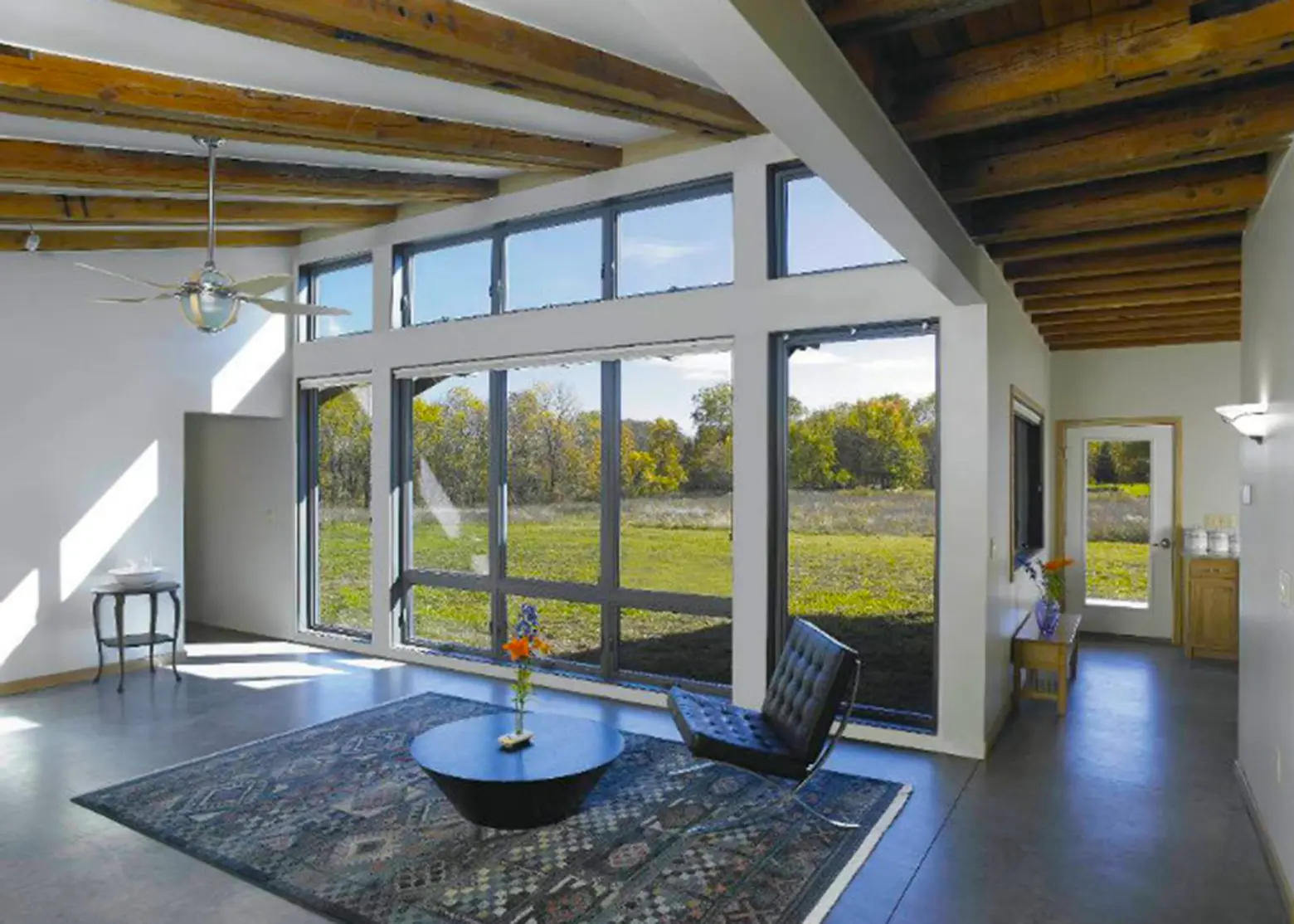
One of the primary advantages of using reclaimed timber power poles is their environmental benefit. By diverting these poles from landfills, the process reduces waste and minimizes the demand for newly harvested timber, thereby conserving forests and reducing the carbon footprint associated with logging and processing new wood. Furthermore, reclaimed timber often possesses a unique aesthetic appeal, characterized by its aged appearance, rich patina, and distinctive grain patterns, which can add character and warmth to architectural projects.
In addition to environmental and aesthetic benefits, reclaimed timber from power poles can offer superior durability. These poles are typically made from dense hardwoods like Jarrah and Tallowwood, known for their inherent strength and resistance to decay. Over decades of exposure to the elements, the wood undergoes a natural seasoning process, which can enhance its stability and longevity. This makes the repurposed timber well-suited for both internal and external applications in residential and commercial buildings.
The article also touches upon the economic viability of this practice. While initial processing costs may be involved, the long-term benefits of using a sustainable and durable material can outweigh these expenses. For architects, designers, and builders, specifying reclaimed timber power poles provides an opportunity to incorporate environmentally responsible materials into their projects, meet green building standards, and offer clients unique and high-quality finishes. The growing market for sustainable building materials suggests that the repurposing of timber power poles will continue to gain traction as a valuable resource in the construction industry.
#ReclaimedTimber #SustainableBuilding #ArchitecturalProducts #TimberRecycling #HardwoodFlooring #EnvironmentalBenefits #ConstructionMaterials #EcoFriendlyDesign #ReclaimedTimber #SustainableBuilding #ArchitecturalProducts #TimberRecycling #HardwoodFlooring #EnvironmentalBenefits #ConstructionMaterials #EcoFriendlyDesign
0 comment in total
 No comments yet
You may also like
6 Architectural Salvage Stores That Can Fill Your Philly Home With Historic Charm

9 amazing wooden homes that go against the grain | loveproperty.com


Mouldings | Decorative Moulding


Woodworker explains how raised panels are functional, not just decorative, and minds are blown

For These Designers and Homebuilders, the Best Materials Are Ones That Have Already Been Used

15 Ways to Use Salvaged Wood in Your Home

Materials 101: The Versatility of Wood with Manomin Resawn Timbers


Roc H Biel Turns Wood Dust Into Column-Inspired Furniture
![Ask the Outdoor Living Experts: What Makes a Masterful Barn, Garage, or Pavilion Builder? [Sponsor Content]](https://gstatic.ideal.house/news/images/fae78759d2564e8aa5615d5c79f2227d.jpg)
Ask the Outdoor Living Experts: What Makes a Masterful Barn, Garage, or Pavilion Builder? [Sponsor Content]


wood and timber architecture and design Archives
6 Wood Substitutes and When to Use Them
Wood slats are everywhere. Why are designers such fans?

Sustainable Material Spotlight: Reclaimed Wood
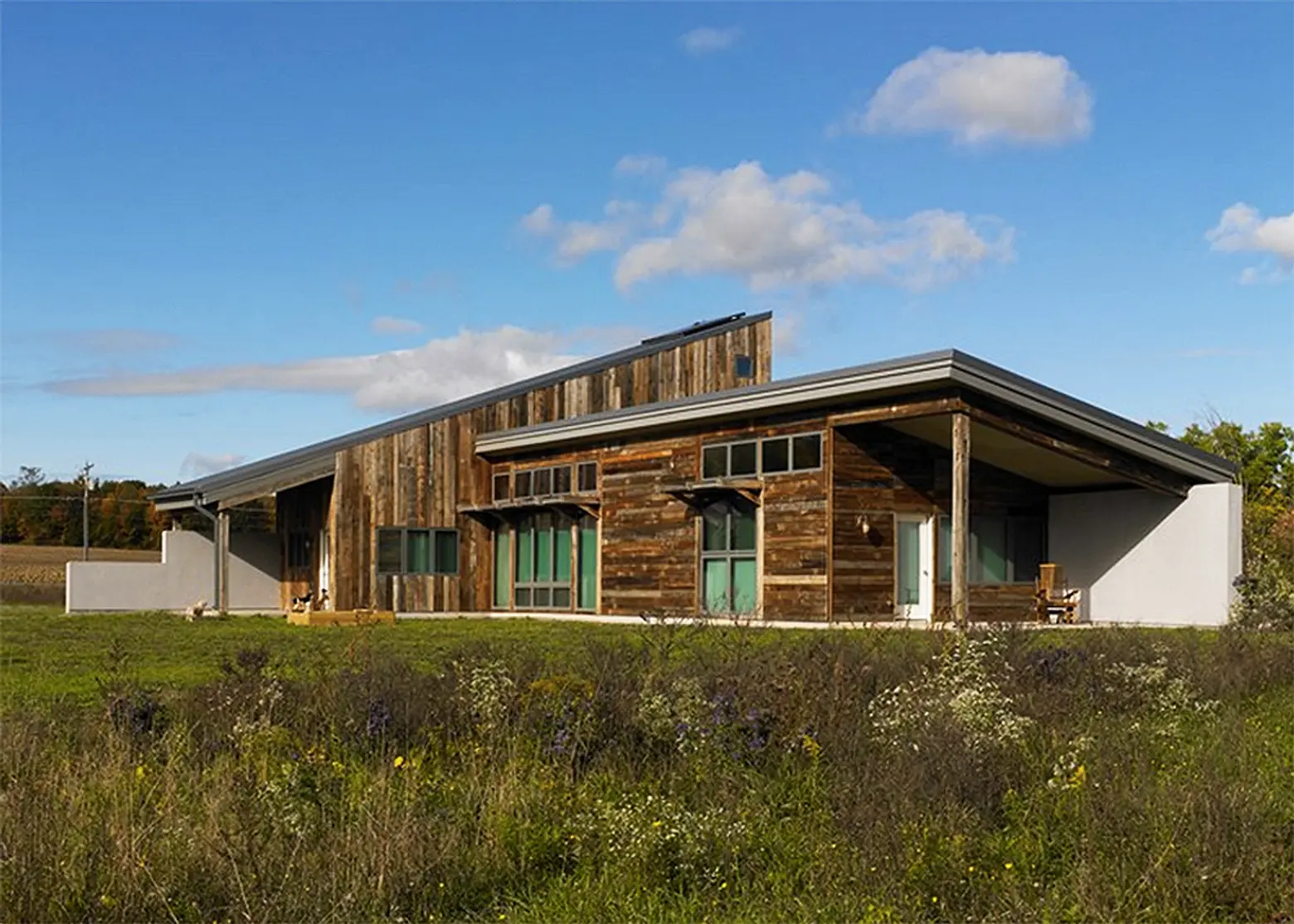
BARNagain is Built From Recycled Old Barns


Fabric awnings vs. metal

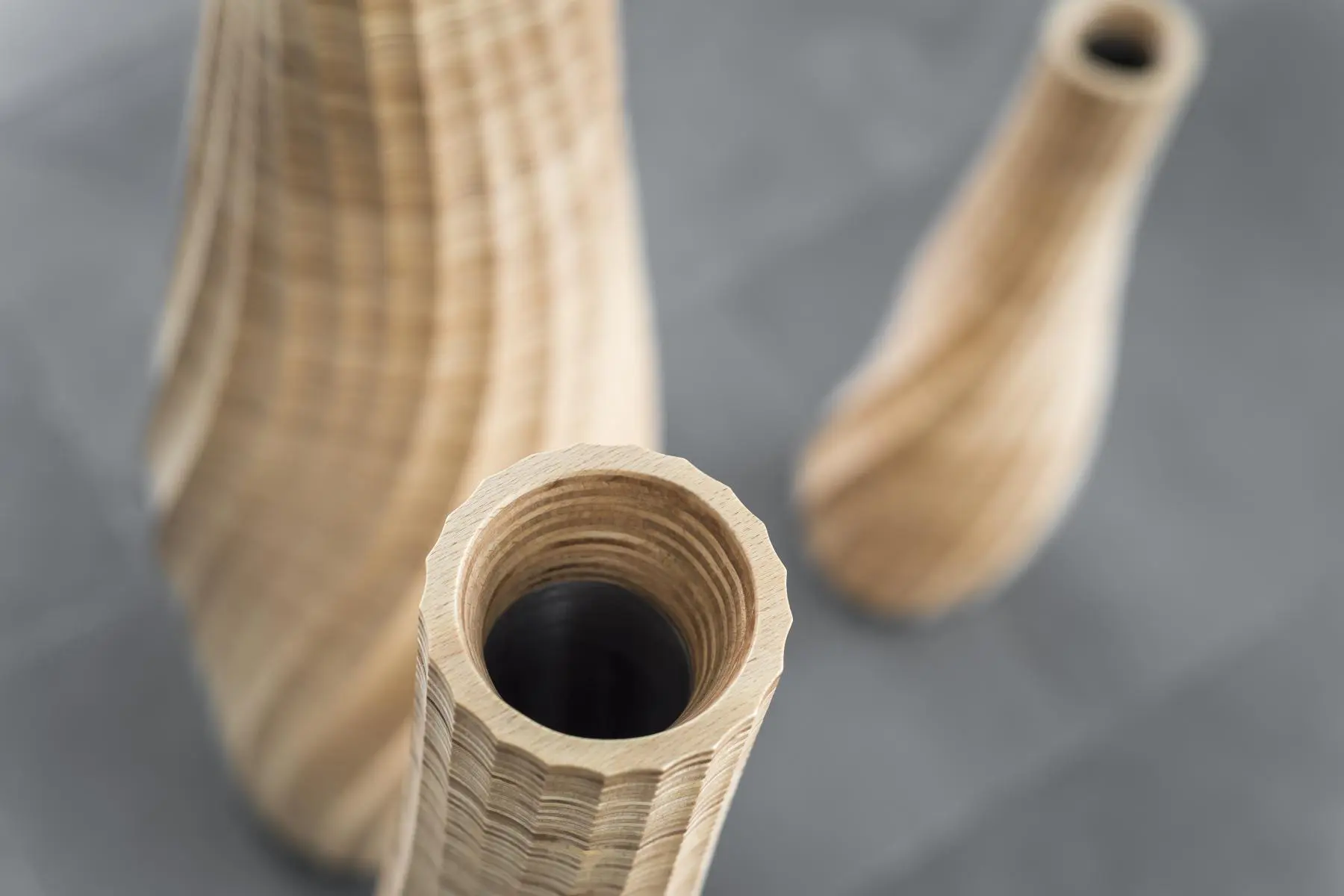
Hundreds of layers of beech wood are aligned, combined and gently sculpted

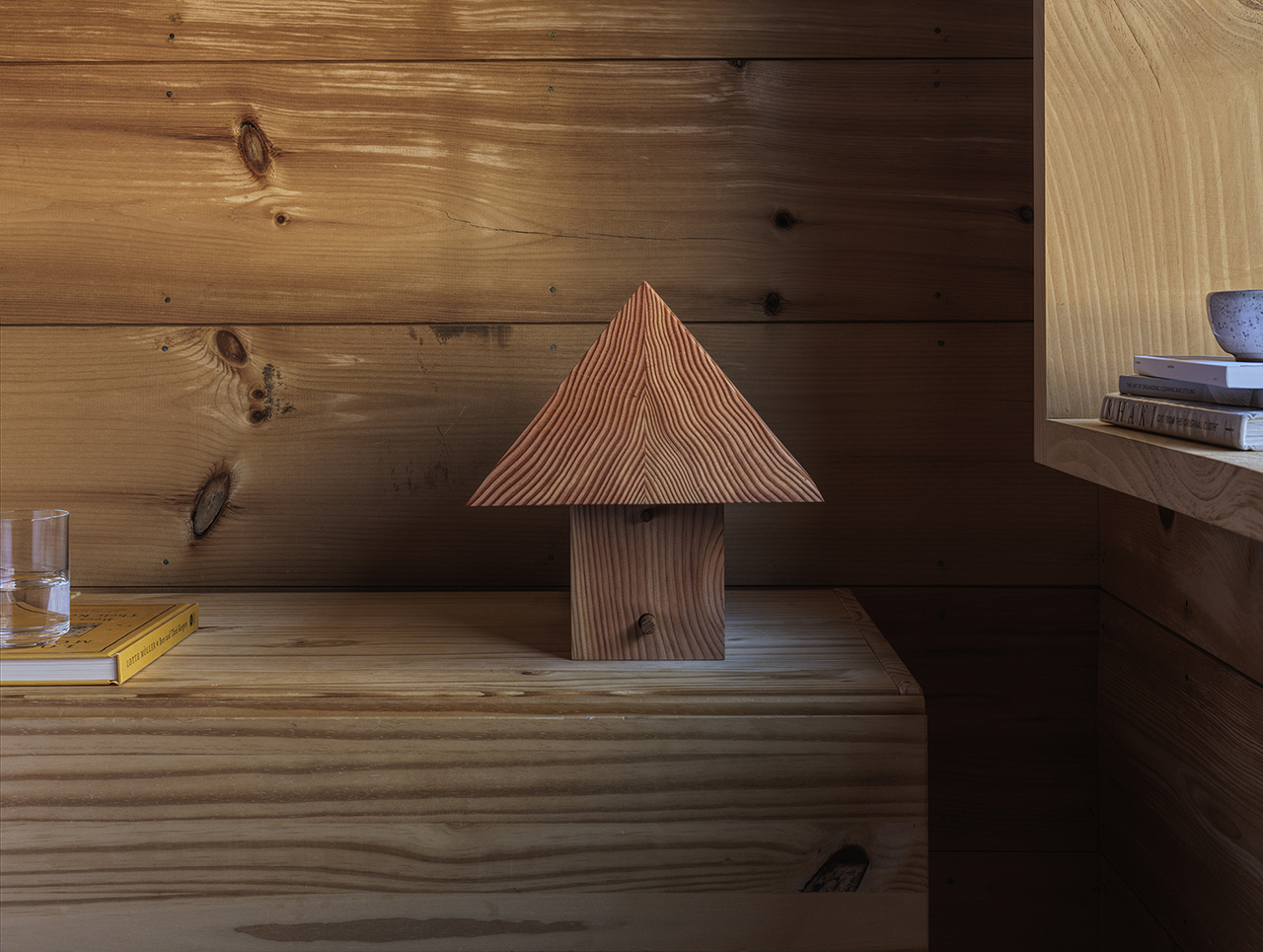
Architectural Lighting That Celebrates Wood as a Material
Timber

How to See a Structural Column as an 'Oh-Wow' Moment, Rather Than an Obstacle

Tree Forks As Natural Composite Joints In Architecture