Tree Forks As Natural Composite Joints In Architecture
Architects frequently encounter challenges in designing robust yet aesthetically integrated joints for complex three-dimensional structures. These joints must bear significant loads and vector forces without appearing cumbersome or visually dominant. While various innovative approaches, including generative design and advanced composites, have been explored to address this issue, a research team at MIT is investigating a surprisingly traditional solution: the use of naturally occurring tree forks.
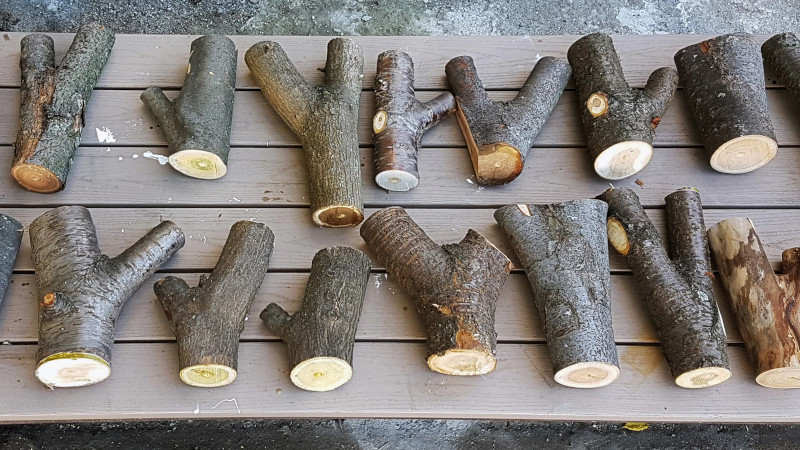
Tree forks, specifically the juncture where a branch extends from the main trunk, constitute a natural composite material. This area is characterized by an intricate, interlocking mesh of wood grain fibers, which imbues it with exceptional strength and resilience. Paradoxically, these parts of a tree are typically discarded by timber processors because their irregular shape hinders the production of uniform, smooth lumber. However, the very properties that enable these forks to support the substantial weight of tree branches make them ideal candidates for structural applications in architecture.
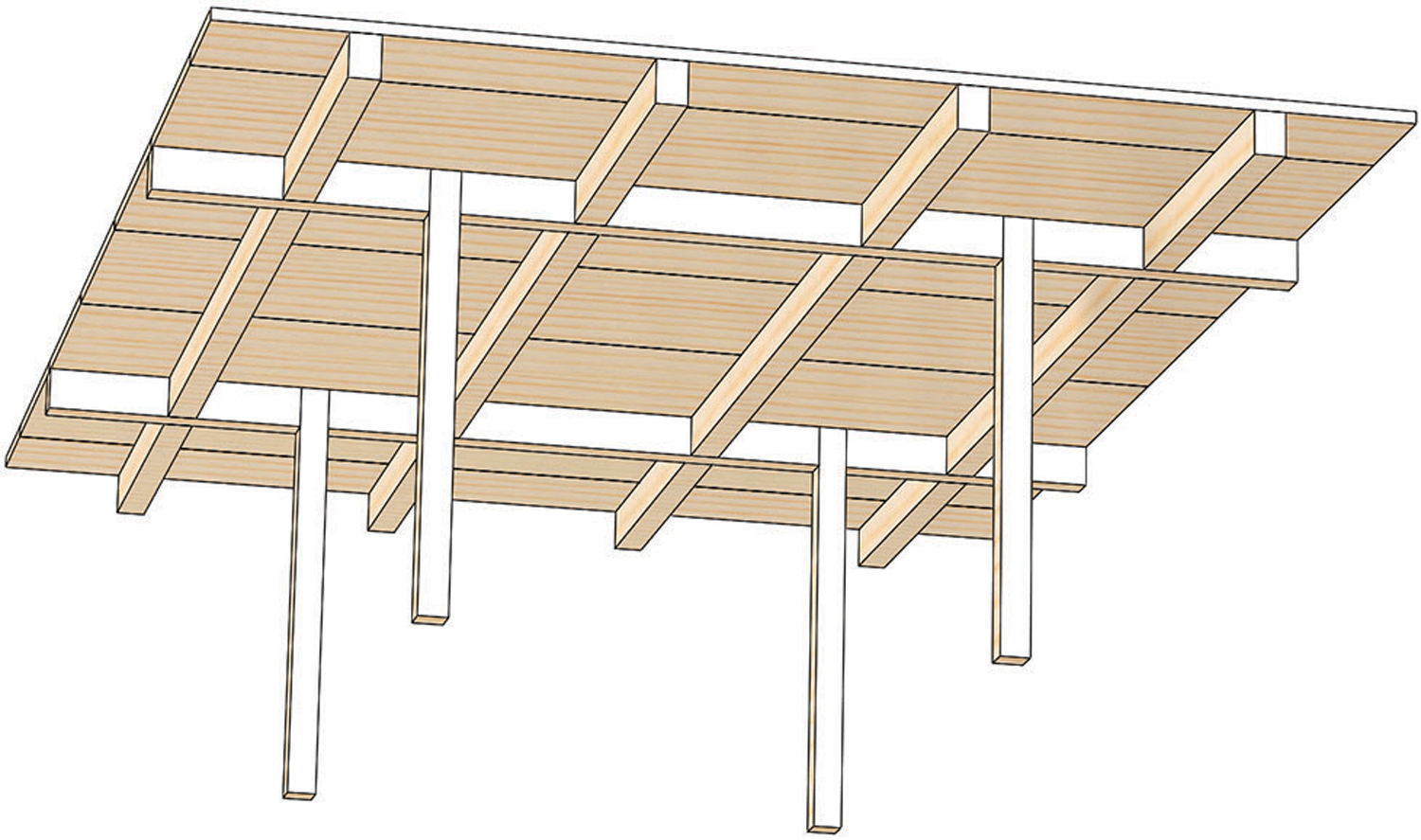
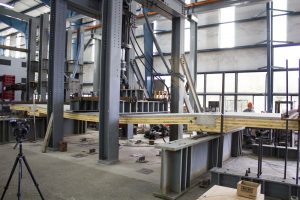
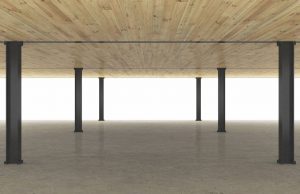
The MIT team's methodology involves a systematic process of scanning and cataloging a diverse library of tree forks. This digital inventory allows architects to match specific forks from the database to critical vertices within an architectural design. After selection, the tree forks undergo minimal machining to prepare them for integration into the structure. To validate the efficacy of this approach, the MIT researchers have constructed a test structure, demonstrating the practical application of their findings.
This innovative use of tree forks, while presented as a modern exploration, is not entirely novel. Historical architectural examples, such as medieval barns and half-timbered houses, frequently incorporated naturally curved pieces of wood, including cruck frames, into their designs. This historical precedent suggests a long-standing understanding of the inherent structural advantages offered by wood's natural growth patterns. The re-discovery and re-application of these age-old techniques, enhanced by contemporary digital tools for cataloging and design, represent a sustainable and structurally optimized approach to modern architecture. The initiative highlights a circular economy principle, utilizing what was previously considered waste material into a high-value structural component. The approach emphasizes both the aesthetic potential and the engineering benefits of integrating natural forms into building practices, showcasing a blend of traditional craftsmanship with cutting-edge technology.
#Architecture #StructuralJoint #TreeFork #Wood #MITResearch #NaturalMaterials #SustainableDesign #TimberFraming #Biomimicry #Architecture #StructuralJoint #TreeFork #Wood #MITResearch #NaturalMaterials #SustainableDesign #TimberFraming #Biomimicry
0 comment in total
 No comments yet
You may also like
6 Wood Substitutes and When to Use Them

Wood slats are everywhere. Why are designers such fans?
Timber

Sustainable Carpentry


PARKLEX PRODEMA: Maintenance-Free Natural Wood Veneer Cladding
Biophilic-Inspired Design Takes Center Stage: How Bricks Bring Nature In

Is timber the most sustainable building material?

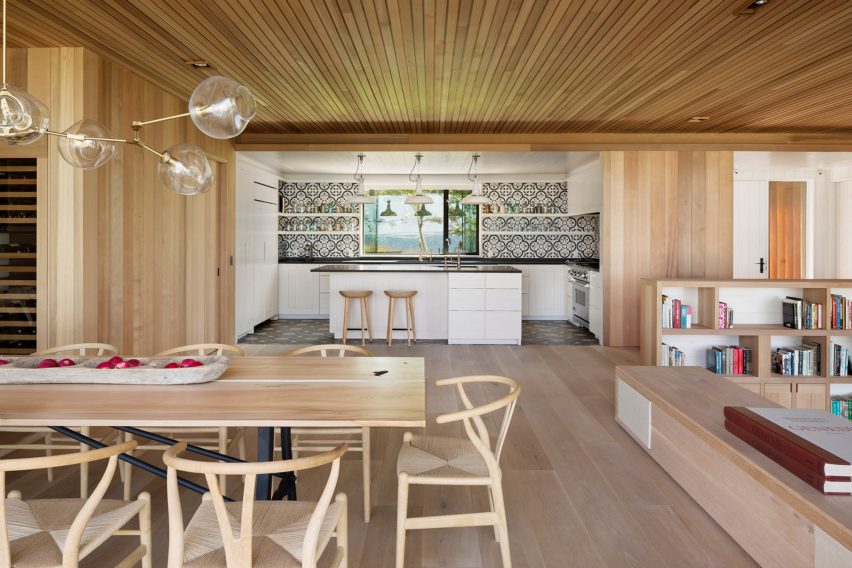
Ten projects that seamlessly integrate wood into the design
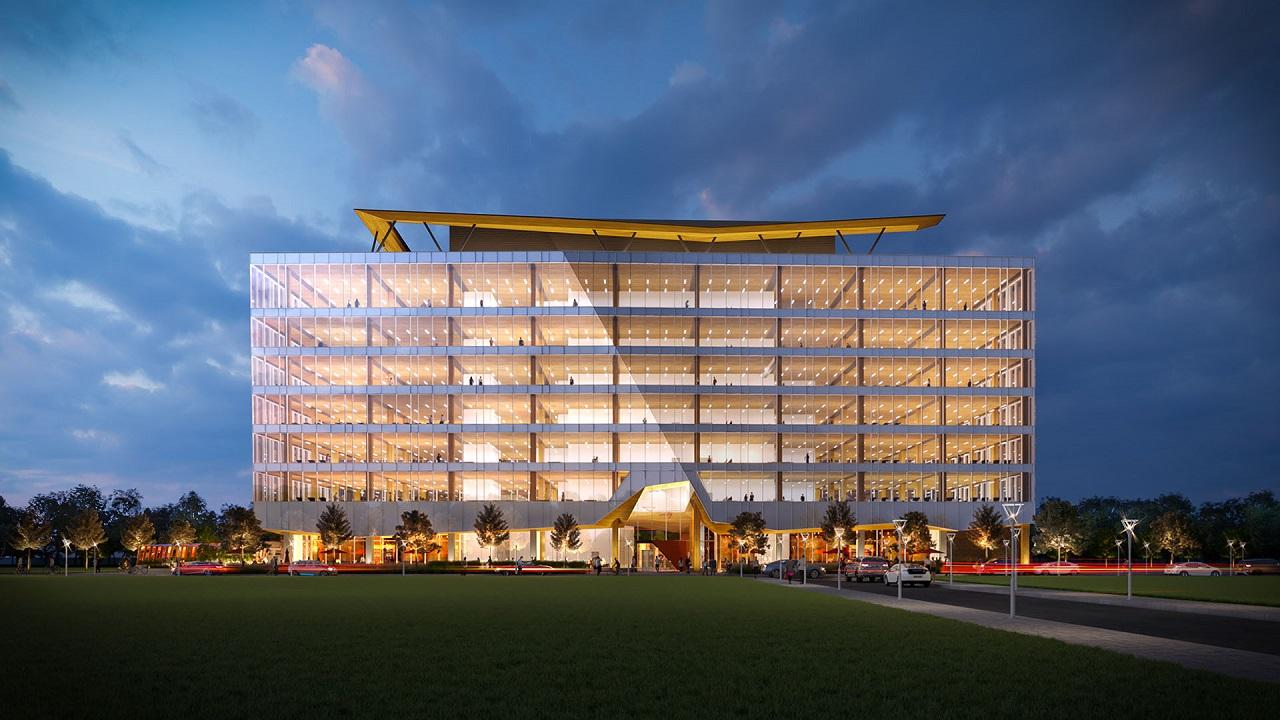
Mass Timber Primer

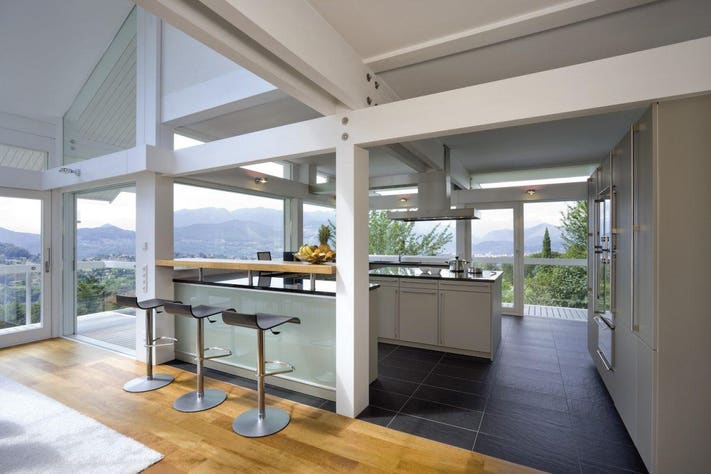
Timber Frame Vs Post And Beam Construction

The Circular Potential of Fiber Cement Cladding

How SUPAWOOD’s MAXI BEAM is meeting the growing demand for lightweight timber-look beams
wood and timber architecture and design Archives

Turning reclaimed timber power poles into architectural products
9 amazing wooden homes that go against the grain | loveproperty.com
Biophilic architecture: 11 projects where nature meets concrete

Twisting rammed earth home wraps around a grand jackfruit tree
Facade Panel – Twine from Rieder Smart Elements GmbH & Co KG
8 Remarkable Buildings That Use Trees as a Design Element

Timber-concrete composite floor systems for tall buildings