1/31
The Novelty and Excess of American Design During the Jazz Age
The Cooper Hewitt, Smithsonian Design Museum's exhibition, "The Jazz Age: American Style in the 1920s," is presented as the inaugural major museum exhibition focusing on American design trends during the 1920s. Despite its American concentration, the exhibition serves as a dynamic international showcase, reflecting the era's rapid cultural and technological advancements. Sarah Coffin, curator and head of product design and decorative arts at Cooper Hewitt, co-organized the exhibition with Stephen Harrison of the Cleveland Museum of Art. Coffin noted that previous European Art Deco exhibitions often overlooked American contributions. The exhibition's inception stemmed from the discovery of a significant collection of previously underexhibited 1920s materials during the Cooper Hewitt's multi-year renovation, coinciding with the Cleveland Museum of Art's holdings, which include pieces from the influential Paris 1925 International Exhibition of Modern Decorative and Industrial Arts.
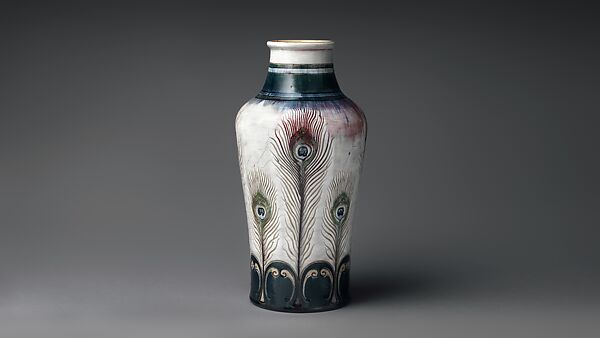
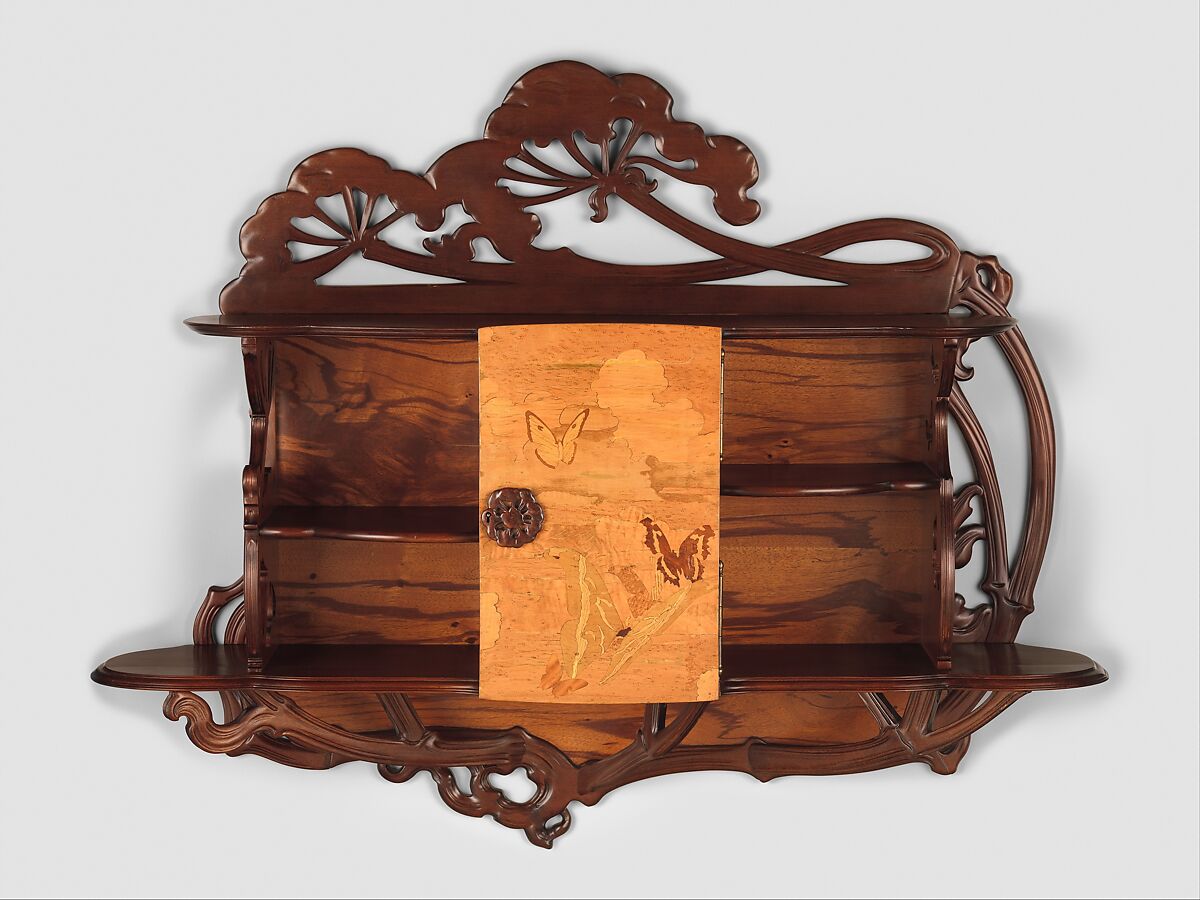
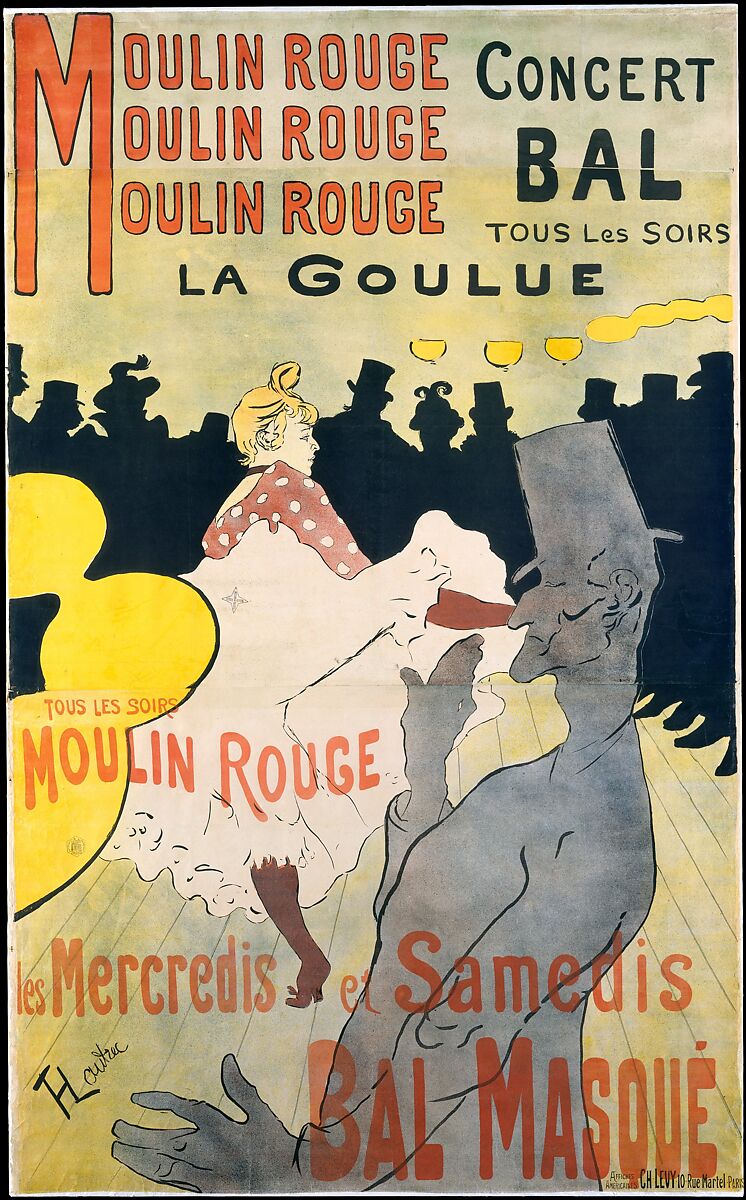
The two-floor exhibition is a visually overwhelming experience, featuring over 400 objects that embody the decadence, novelty, and eclectic styles characteristic of the Roaring Twenties, as described by F. Scott Fitzgerald as an "age of miracles, it was an age of art, it was an age of excess, and it was an age of satire." Organized around themes such as "Bending the Rules" and "Abstraction and Reinvention," the exhibition displays a diverse array of items, including furniture, flapper dresses, paintings, and Prohibition-era cocktail shakers, illustrating the cross-pollination of influences across various artistic media. Many contributing designers were European immigrants or had their works imported, while American designers often studied abroad, incorporating European techniques and aesthetics like tubular metal from the Bauhaus or bold colors from De Stijl.
Examples include Ruth Reeves, who studied textiles with Fernand Léger in Paris before working on Radio City Music Hall designs, and Viktor Schreckengost, who blended his Vienna sculpture studies with his Ohio pottery background. Coffin emphasized that the exhibition highlights the vibrant exchange of ideas among designers from different countries converging in American urban centers, leading to an extraordinary amalgamation of modern design thinking on American soil. The installations showcase this international exchange, such as British designer Wells Coates’s Bakelite radio on German designer Kem Weber’s streamlined sideboard, both intended for mass production. Pieces like Russian-born craftsman Samuel Yellin’s wrought iron fire screen alongside Lorentz Kleiser’s tapestry of Newark’s transformation demonstrate the persistence of historical European aesthetics.
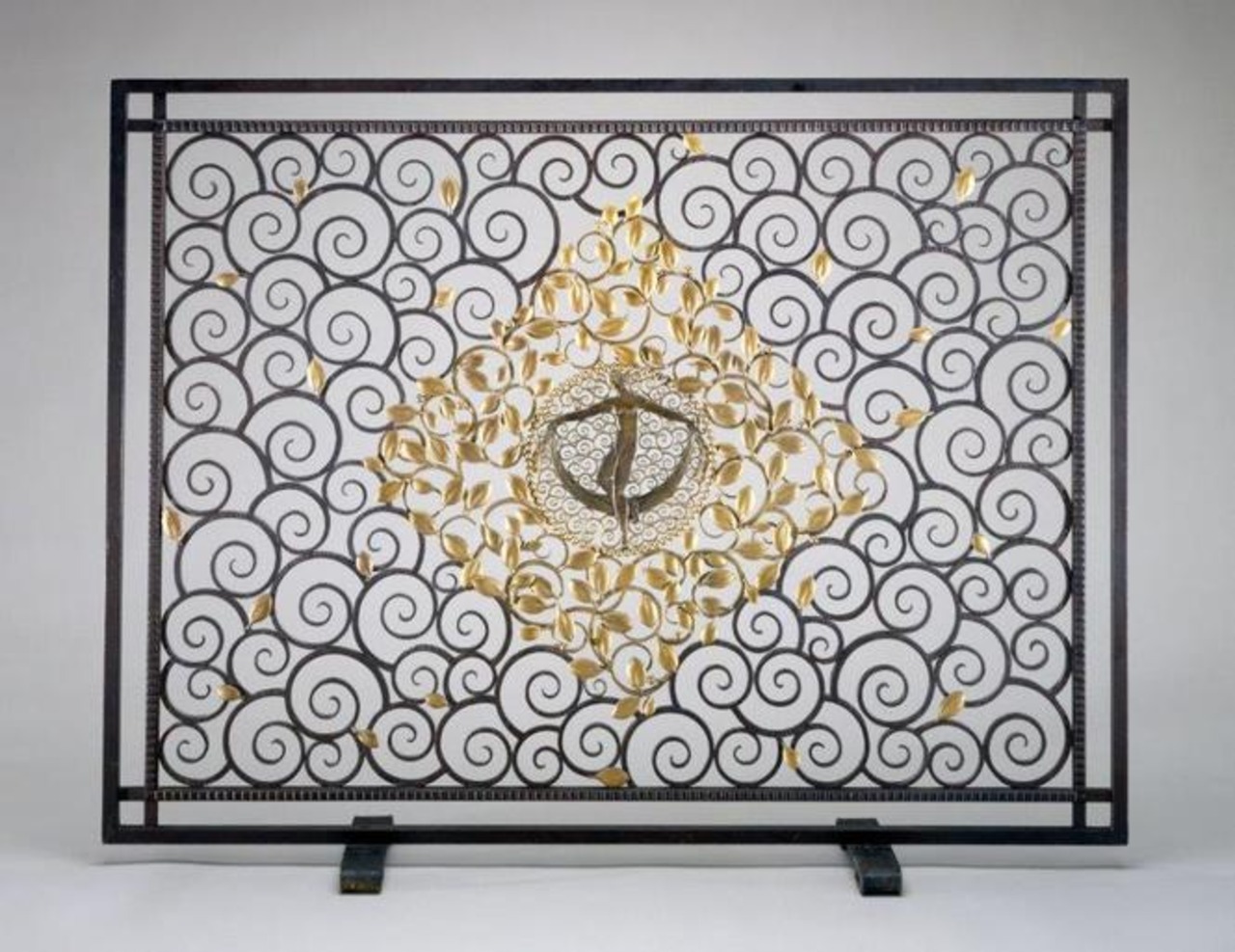
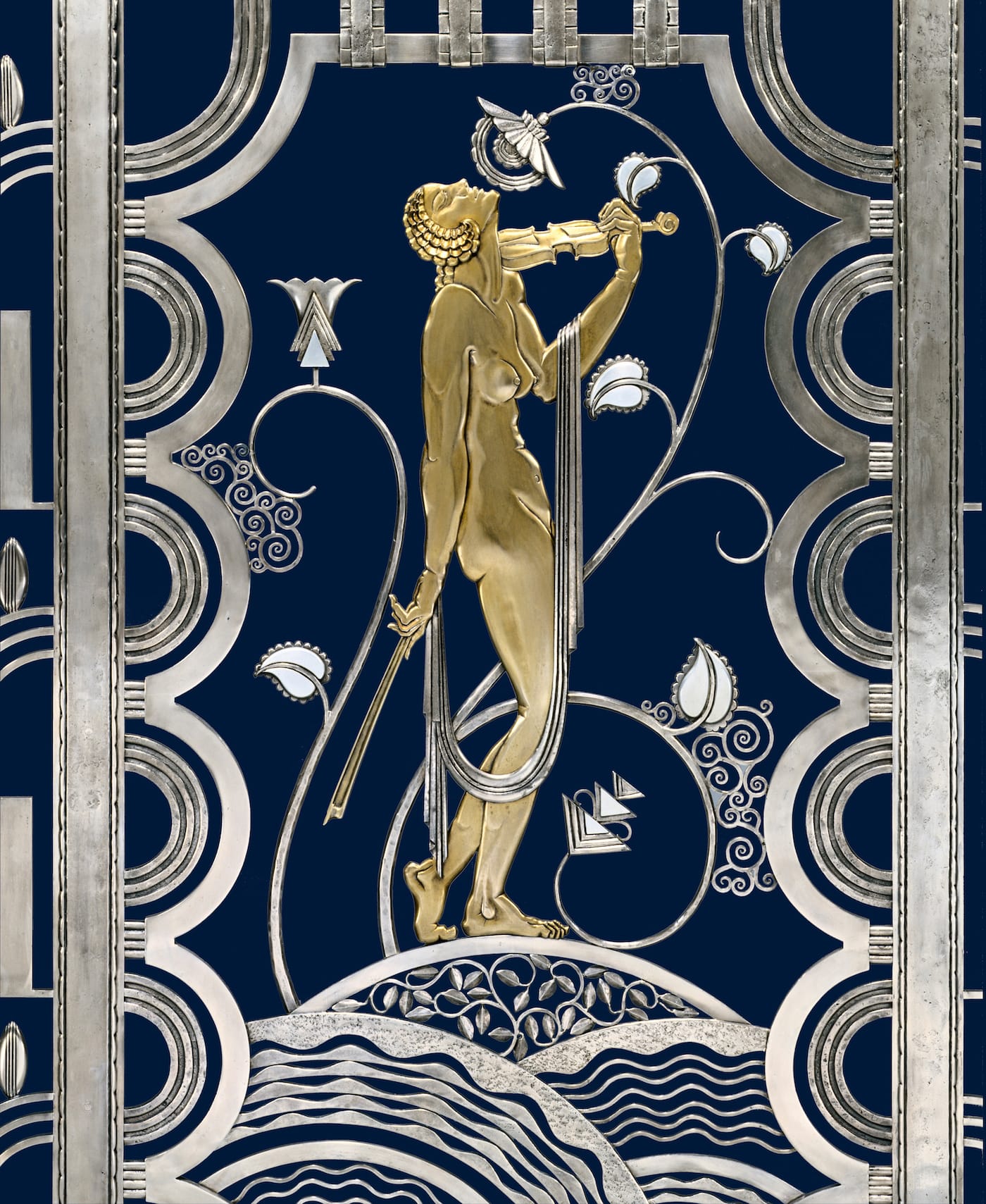
Architectural influences are also evident, with Austrian émigré Paul Frankl’s "Skyscraper Bookcase" incorporating the zoning-enforced setbacks of new skyscrapers, a motif echoed on a smaller scale in Erik Magnussen’s Cubic coffee service. The exhibition aims to draw connections between objects, illustrating the palette and styles of the era, such as a Jean Dunand enamel vase placed beside a similarly colored dress. It also reveals influences between designers, like Edgar Brandt’s screen impacting the Rose Iron Works of Cleveland, highlighting a continuous artistic dialogue. The exhibition "The Jazz Age: American Style in the 1920s" remains open at the Cooper Hewitt, Smithsonian Design Museum through August 20.
#JazzAge #AmericanDesign #ArtDeco #CooperHewitt #DesignHistory #CulturalExchange #ExhibitionReview #RoaringTwenties #ModernDesign #JazzAge #AmericanDesign #ArtDeco #CooperHewitt #DesignHistory #CulturalExchange #ExhibitionReview #RoaringTwenties #ModernDesign
0 comment in total
 No comments yet
You may also like
These Modern American Design Icons Pay Homage to the Old—and Make It New


6 "Essential" Architecture Trends Design Lovers Need to Know


"Mid-century modern is classic, it's never going away" says Cara Greenberg

American Rhapsody: Doug Meyer’s Inspired Hardware Collection
Here's What the American Home Looked Like the Year You Were Born


The Legacy of the First Licensed Black Architect in Texas Lives Here
The Calculated Curve: Eighteenth-Century American Furniture

Art Nouveau

20 Old House Styles No Longer Built Today

Instagram’s Favorite Furniture Style Has an Uncomfortable History
Idyllic, Depression-Era Watercolors of American Design
Art Deco Interior Design: Everything You Need to Know About This Opulent Style

The Jazz Age: American Style in the 1920s can inspire a bit of the Roaring 20s in our own homes
Americana Decor Is Trending Again—Here’s How to Keep It Chic and Balanced, According to Experts

Here's Why Everyone Is Talking About American Craft Right Now

A Tale of Two Styles: French Elegance Meets Nashville Cool in This Southern Home With European Soul

5 art deco homes that celebrate the lavish style of the Jazz era

What Houses Used to Look Like 100 Years Ago

What Exactly Is a Colonial Revival Home?
This Is the Most Popular Interior Design Style in the U.S.