1/2
The Jazz Age: American Style in the 1920s can inspire a bit of the Roaring 20s in our own homes
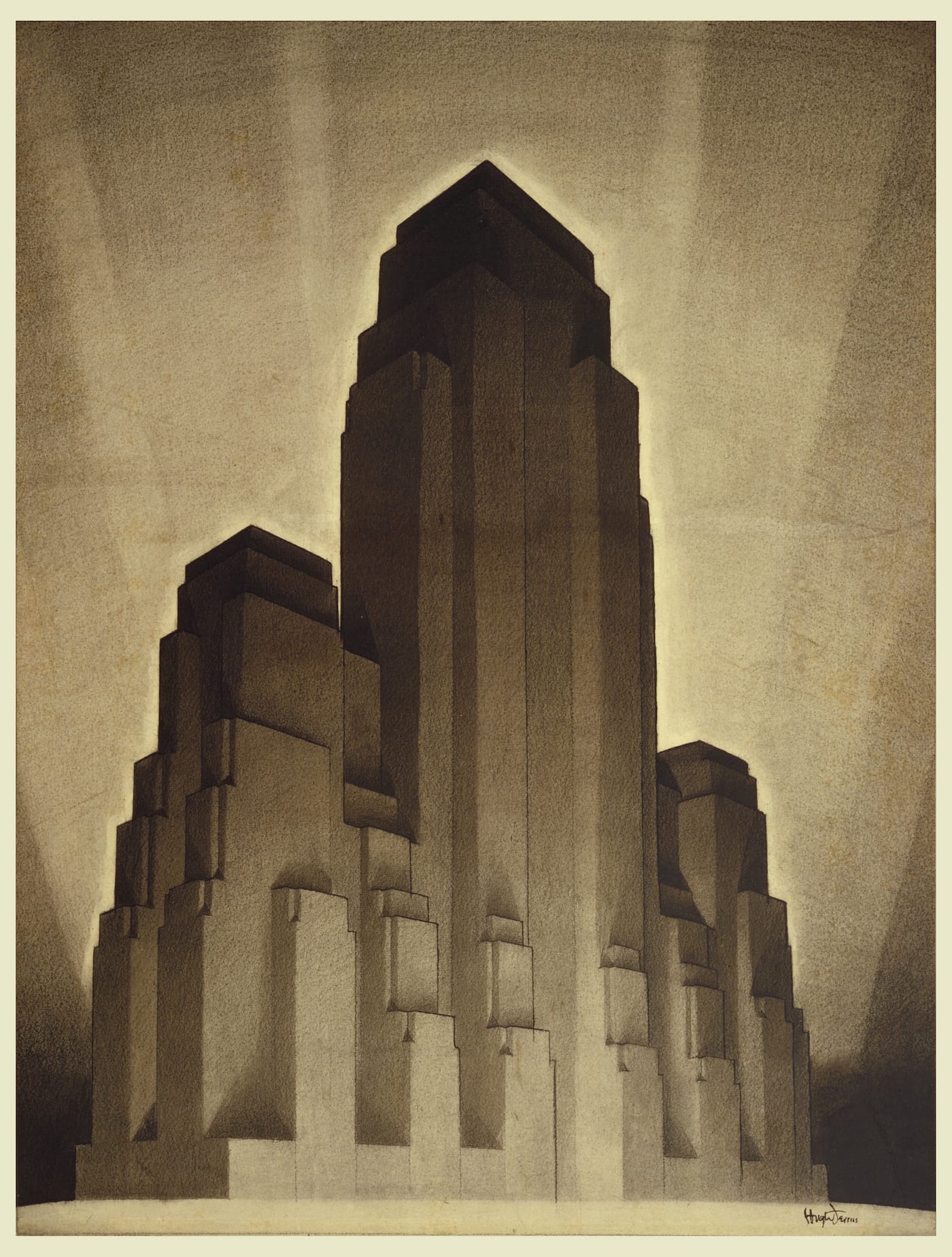
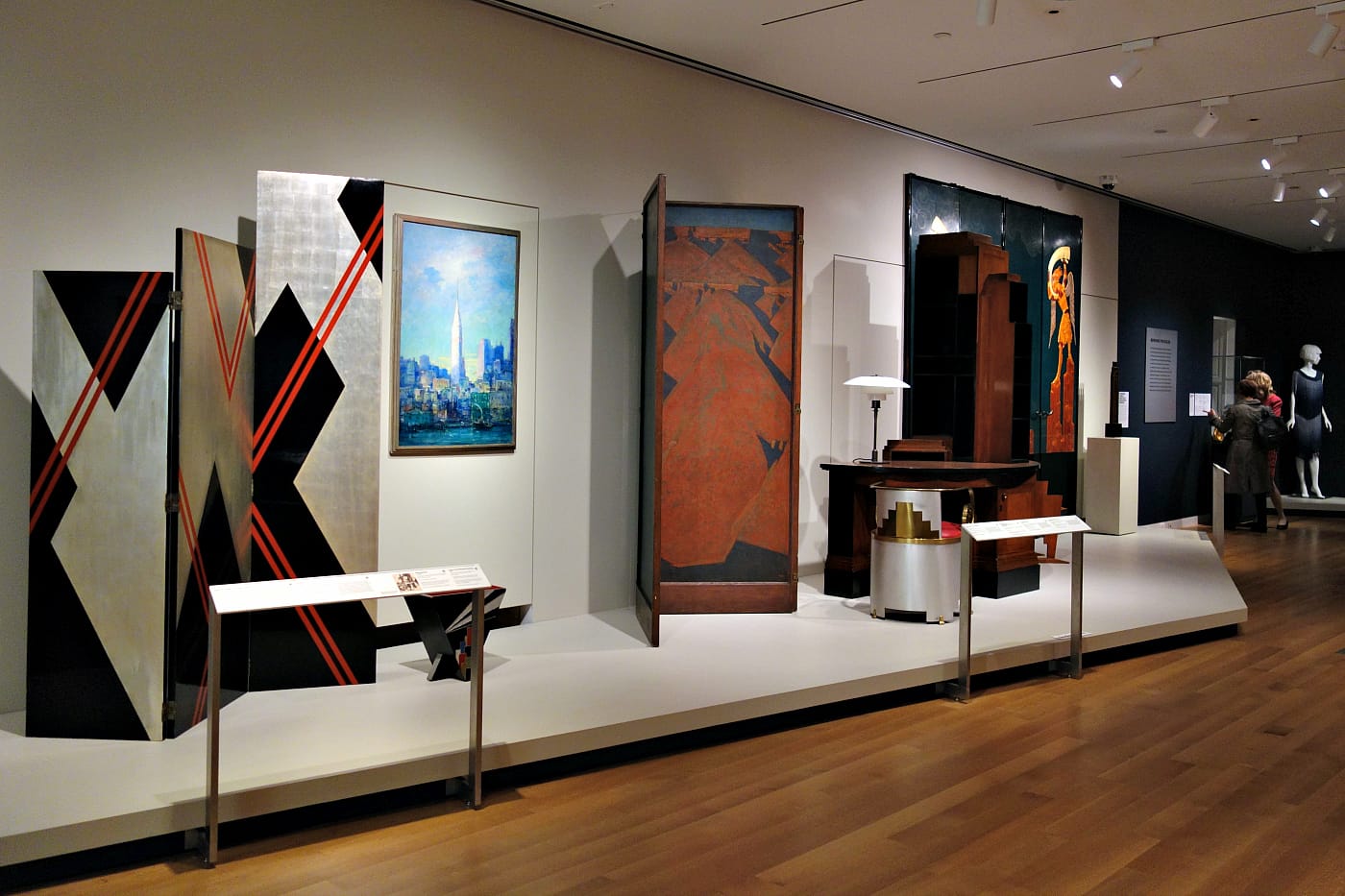
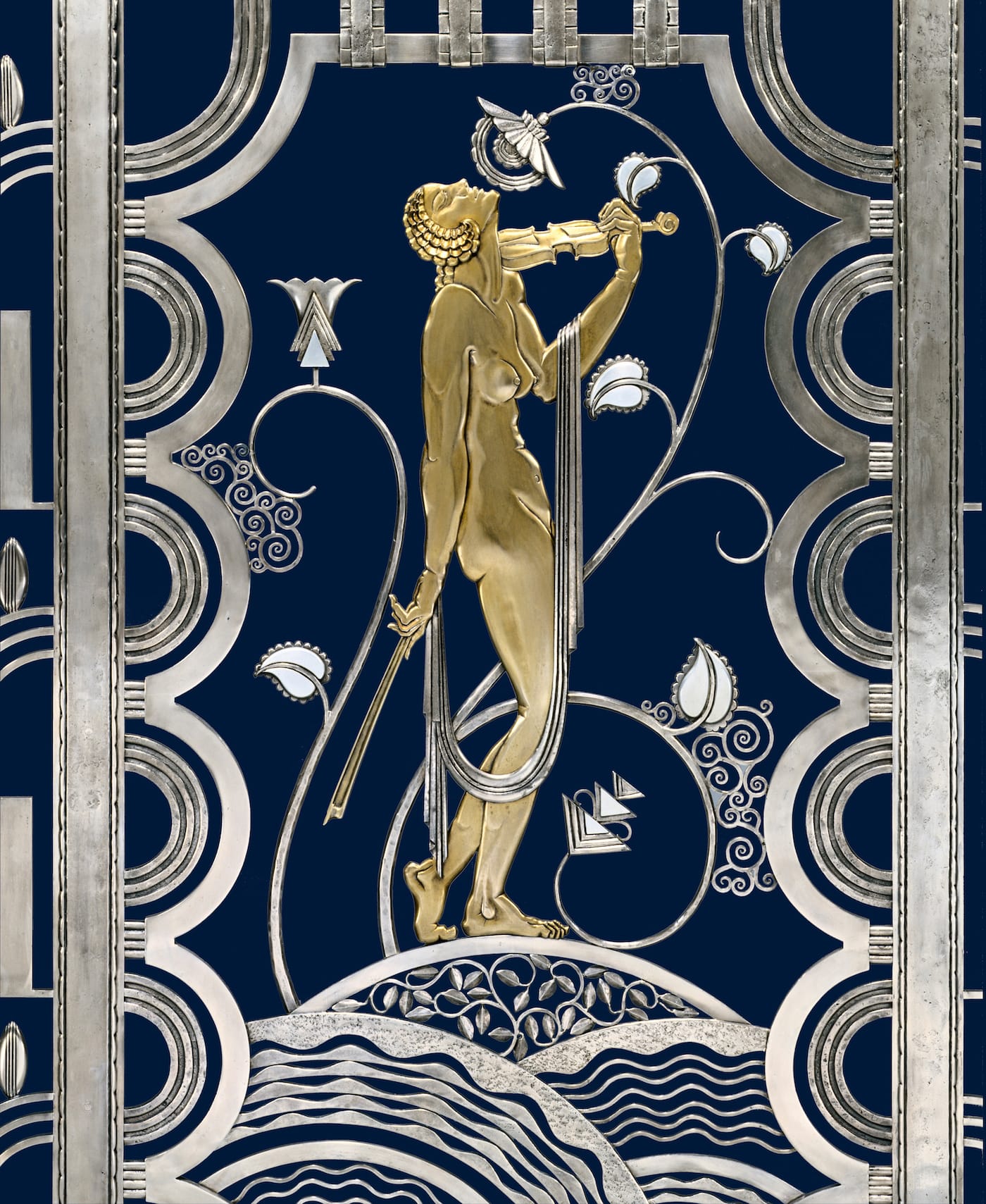
The Cleveland Museum of Art's exhibit, "The Jazz Age: American Style in the 1920s," showcases over 300 objects, including furniture, jewelry, clothing, and home accessories, reflecting the distinct aesthetics of the era. Among the notable home decor items featured are a wrought iron and gilding fire screen by Frenchman Edgar Brandt, and the Muse with Violin Screen designed by Hungarian Paul Feher, crafted by Rose Iron Works in Cleveland using wrought iron, brass, silver, and gold plating. The exhibit, running through January 14, highlights how the Jazz Age influenced design, moving from a celebration of the end of World War I to an embrace of modernism and exotic travel.
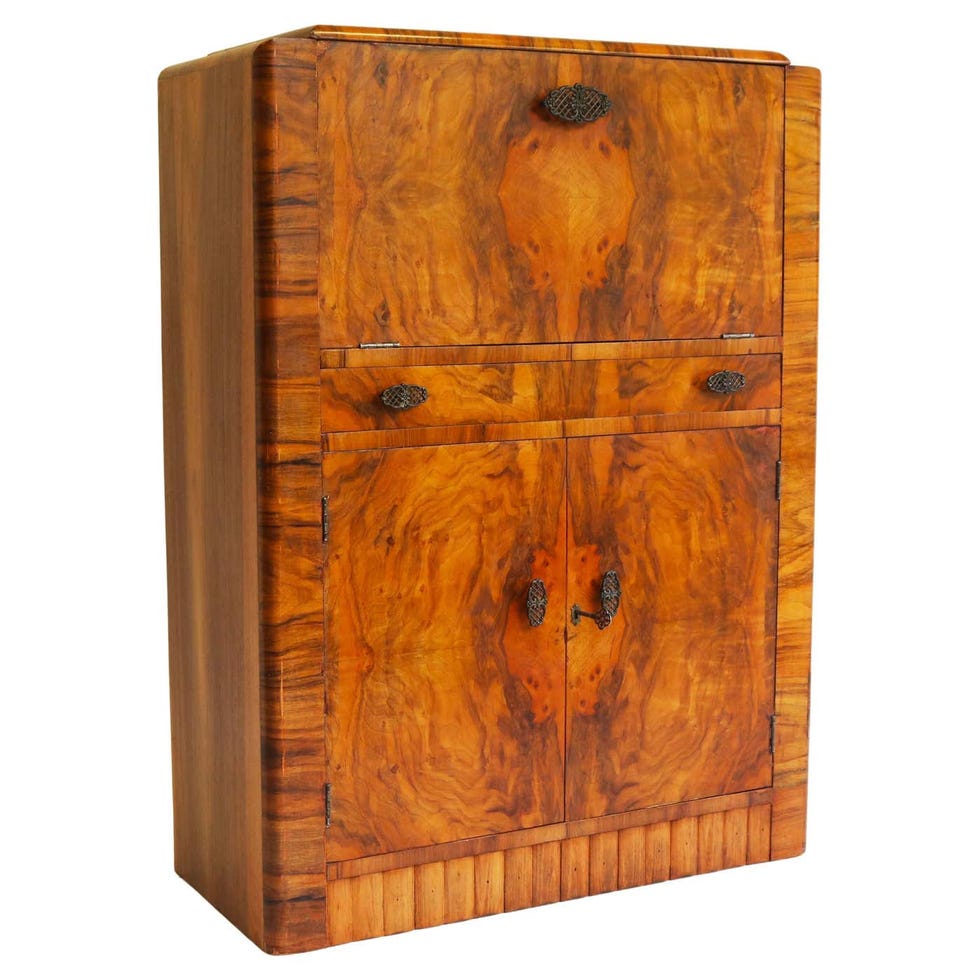
A particularly unique piece is the "Aviation Chair" designed by Robert Bonfils. This upholstered chair features an ornately carved giltwood frame and dark blue fabric, with an oval image on the seat back depicting colorful flowers surrounding an airplane in flight. This design reflects the era's fascination with new modes of transportation and the excitement of air travel becoming more accessible. The 1920s design landscape was diverse, ranging from the glamorous Hollywood-inspired Art Deco and modernist styles to the more rustic farmhouse aesthetic. However, the exhibit predominantly features luxurious items such as high-end wallpapers, textiles, a massive chandelier, and exquisite cabinets with ivory and ebony floral inlays.
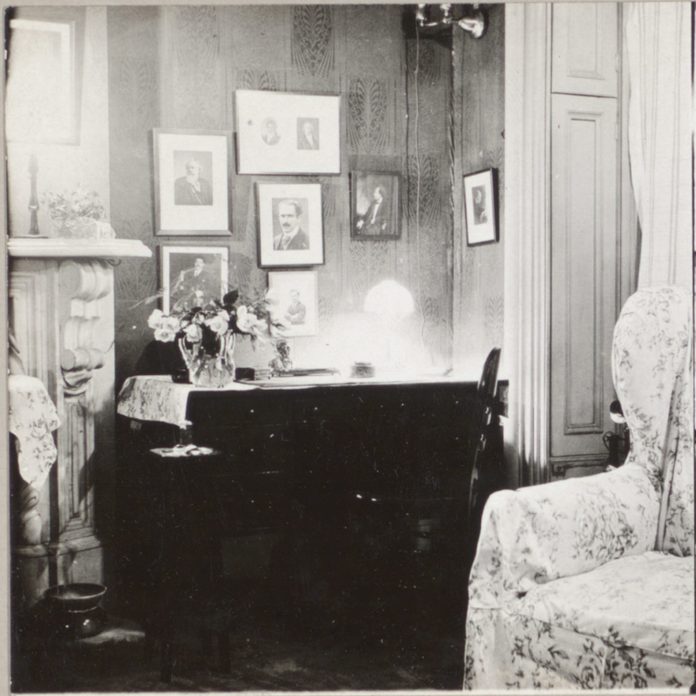
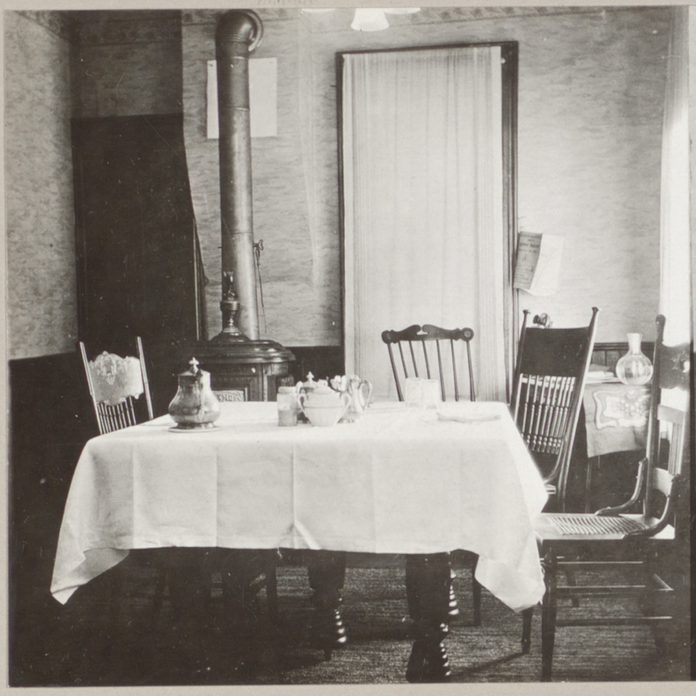
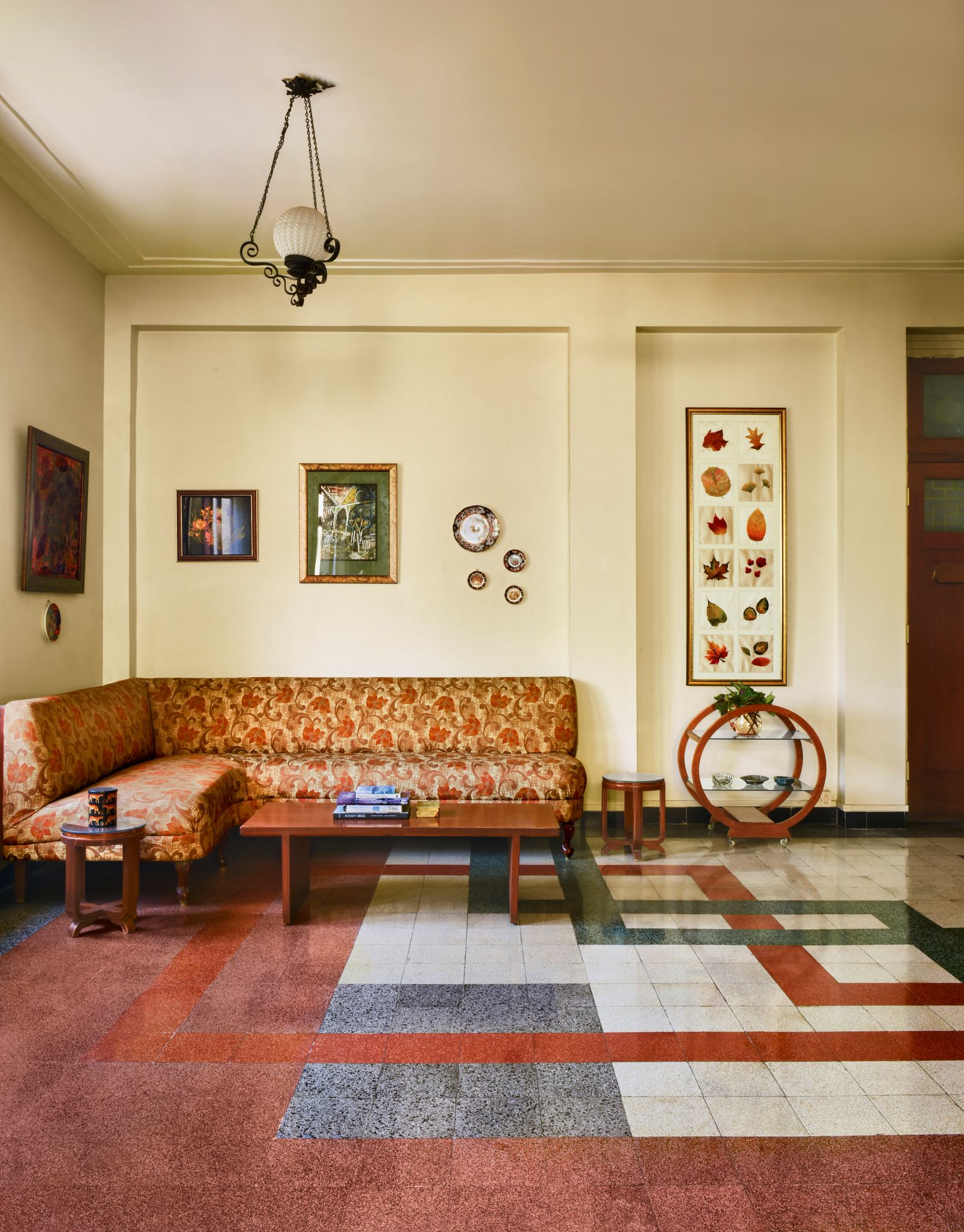
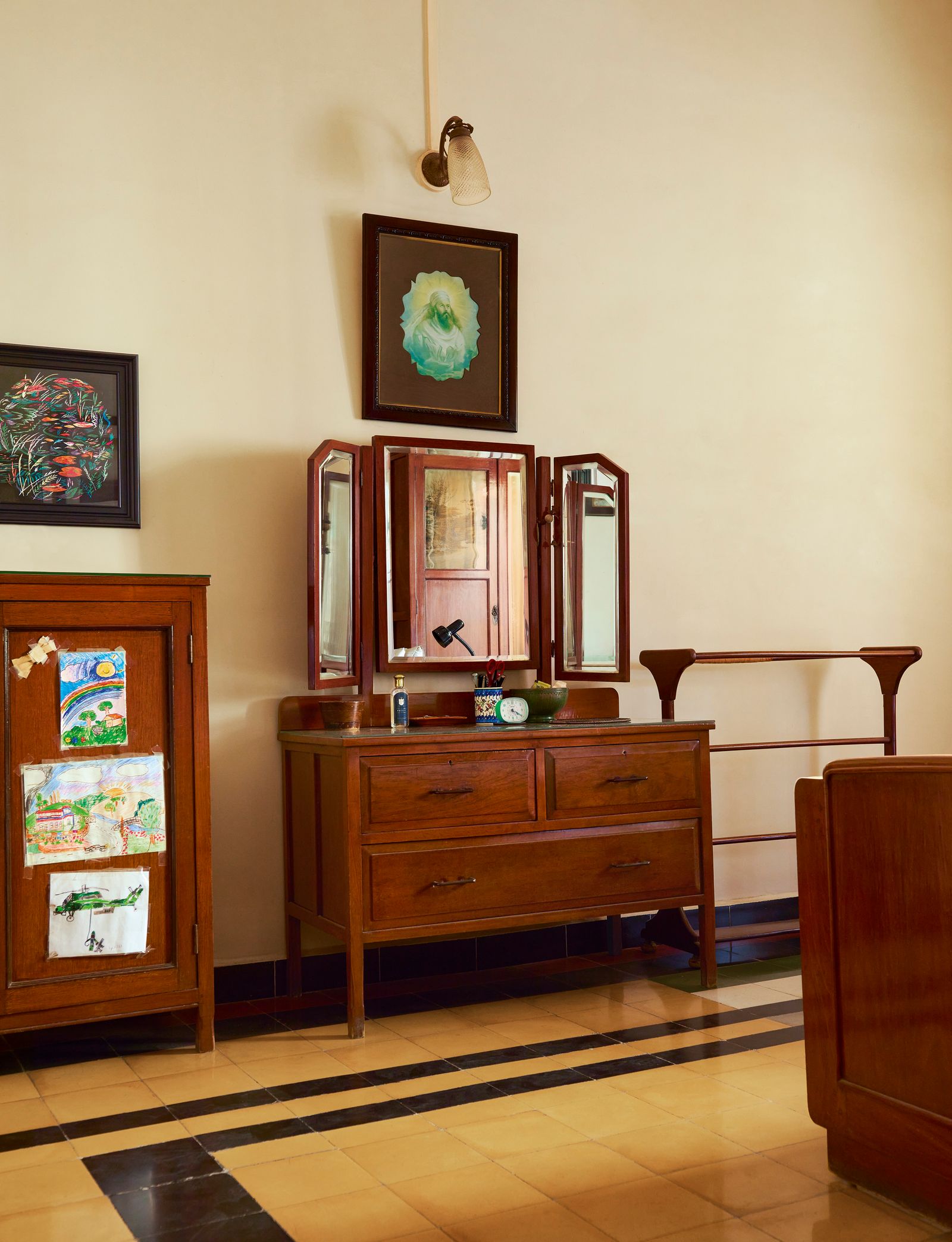
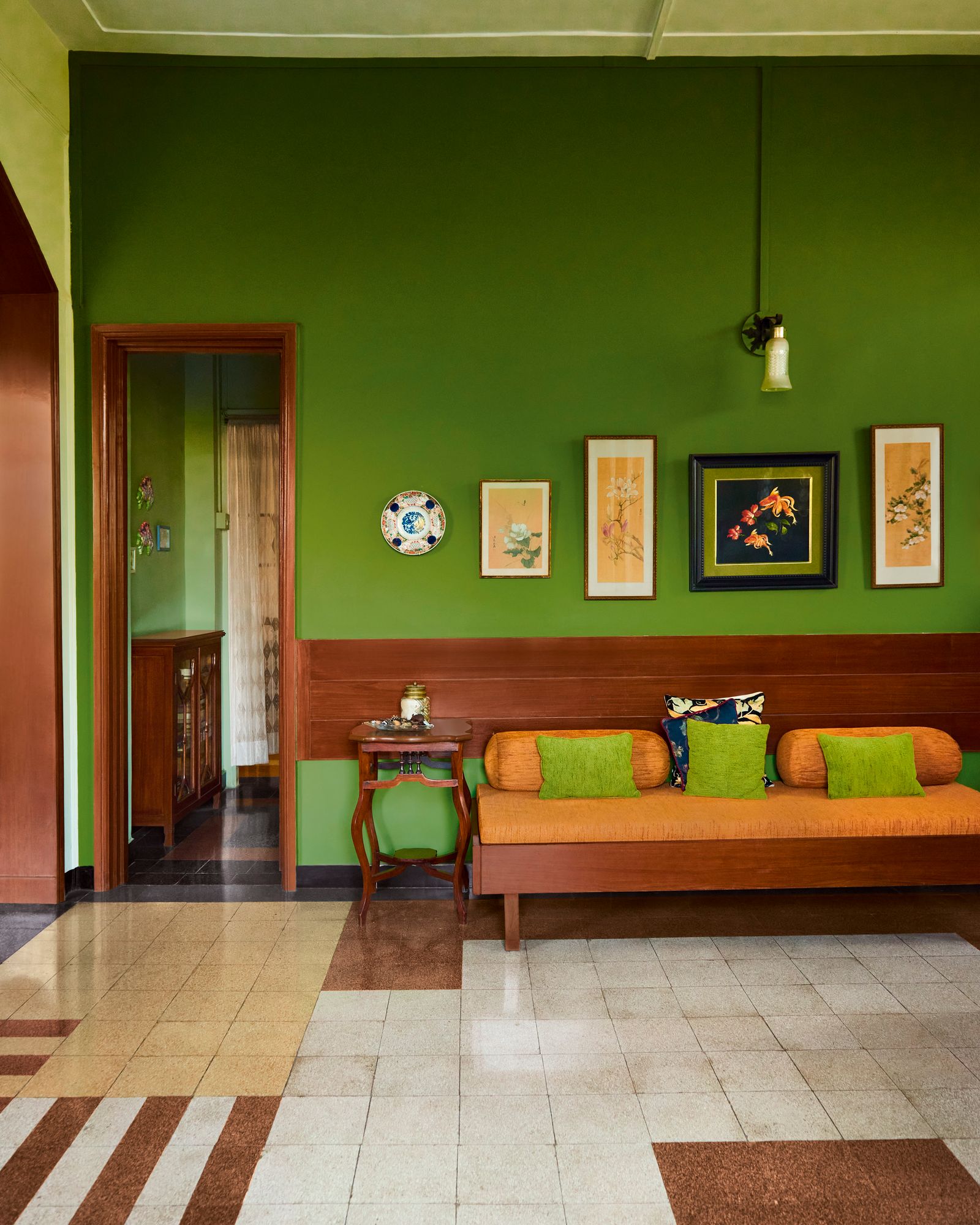
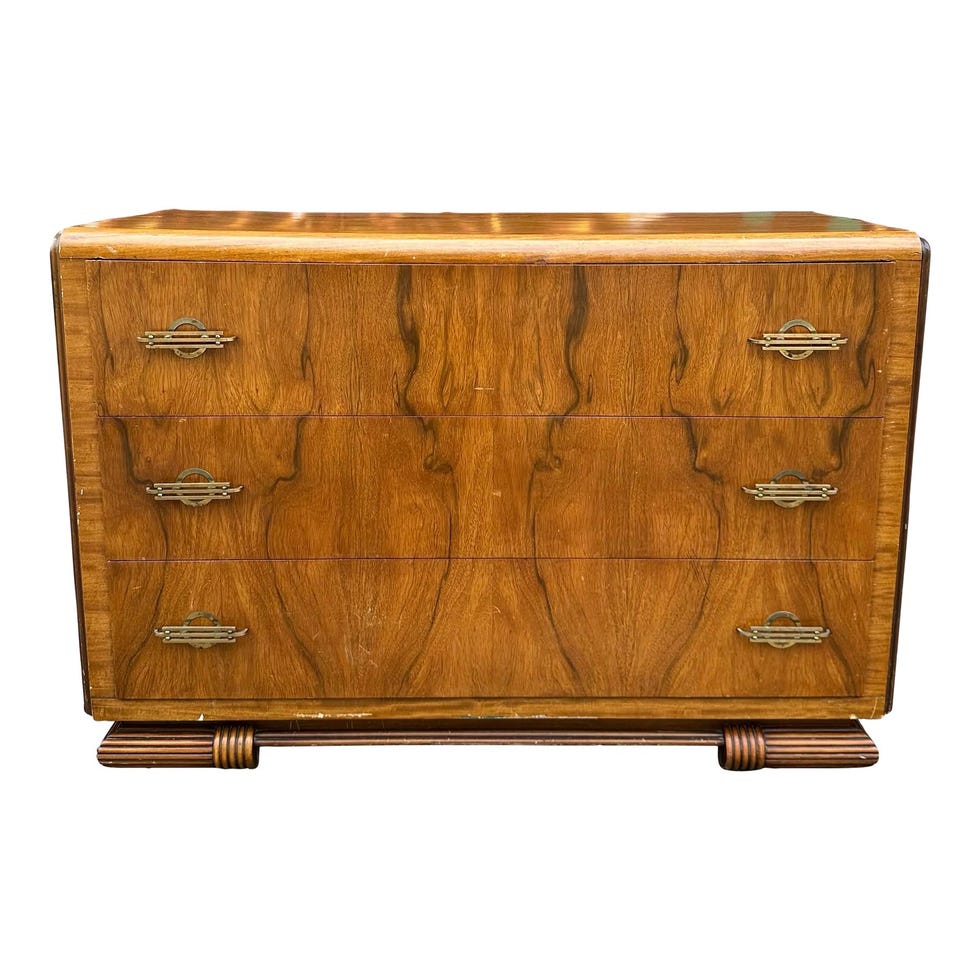
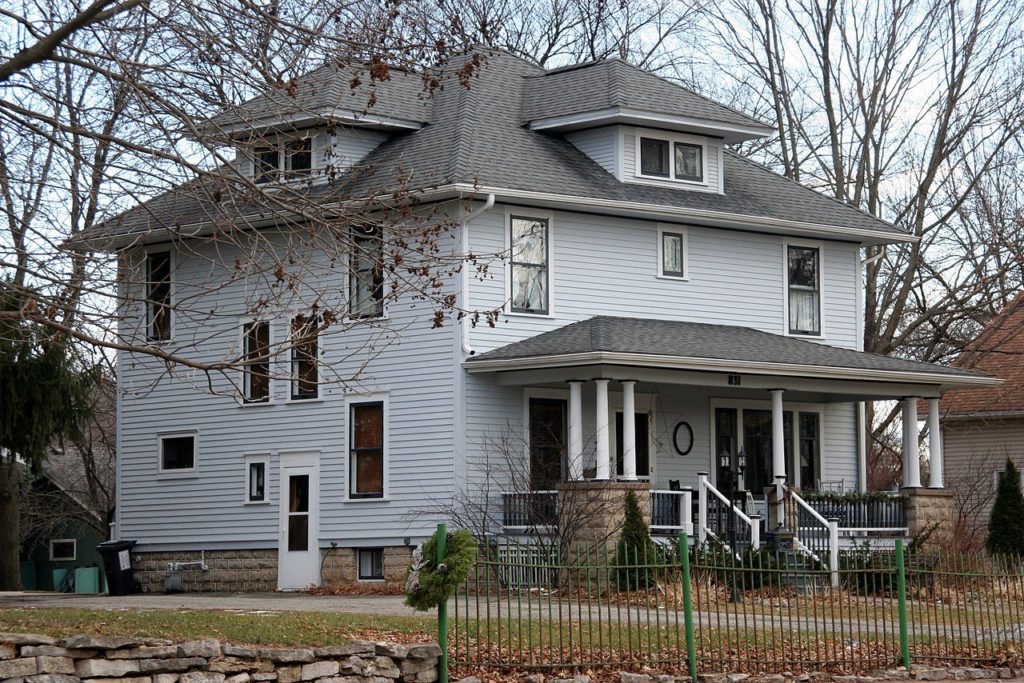
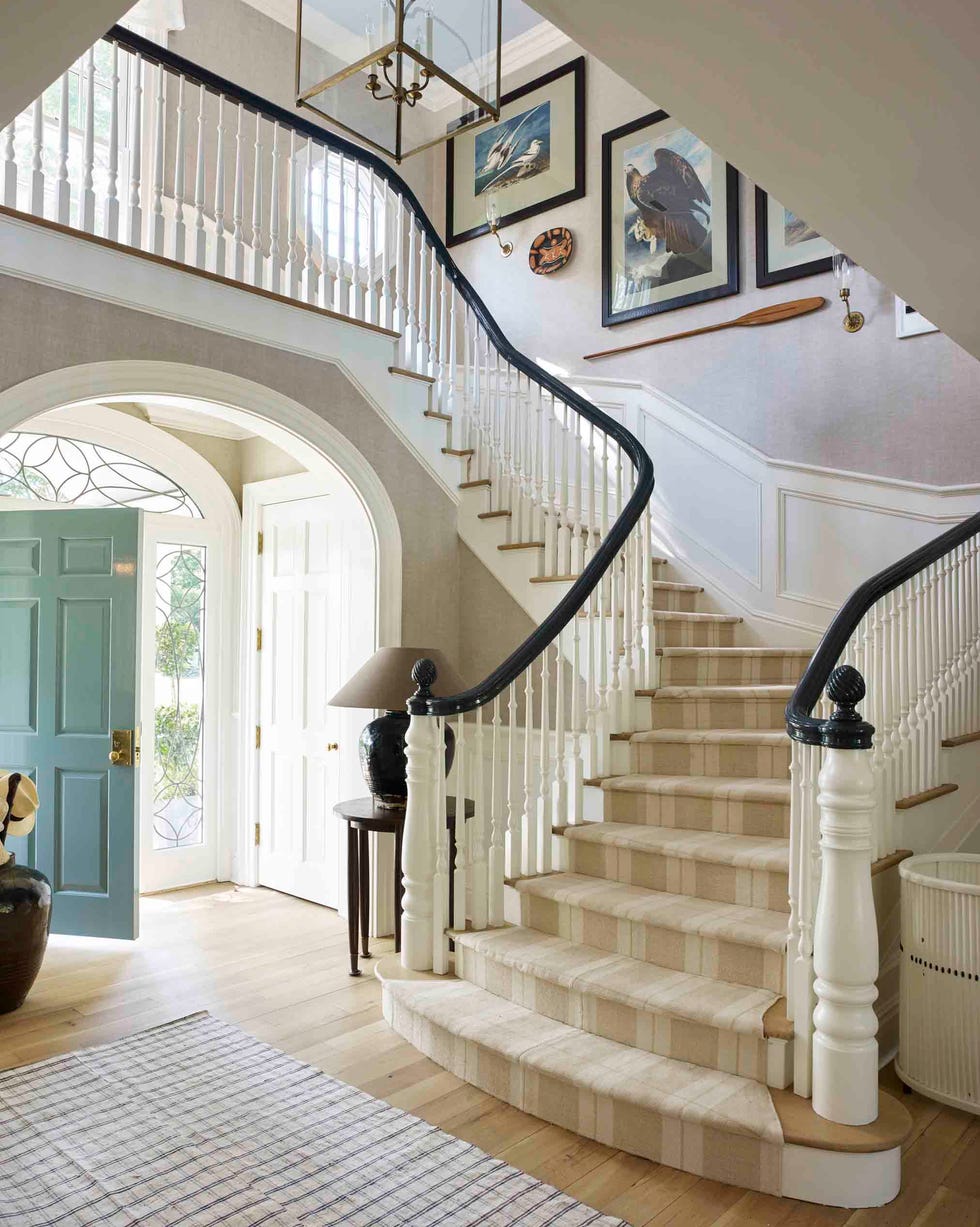
The article suggests that elements from the Jazz Age can be incorporated into contemporary home design. Dawn Cook, owner of Dawn Cook Design in Shaker Heights, notes that homes from the 1920s and 1930s were built with meticulous attention to detail, featuring rich wooden inlays, carved fireplace mantles, marble flooring, stone and masonry details, and hardwood doors with brass hardware. Even more modest homes of the period included intricate moldings, woodwork, arches, and unique leaded windows. Kitchens were typically placed in the back and were less grand, reflecting their functional role.
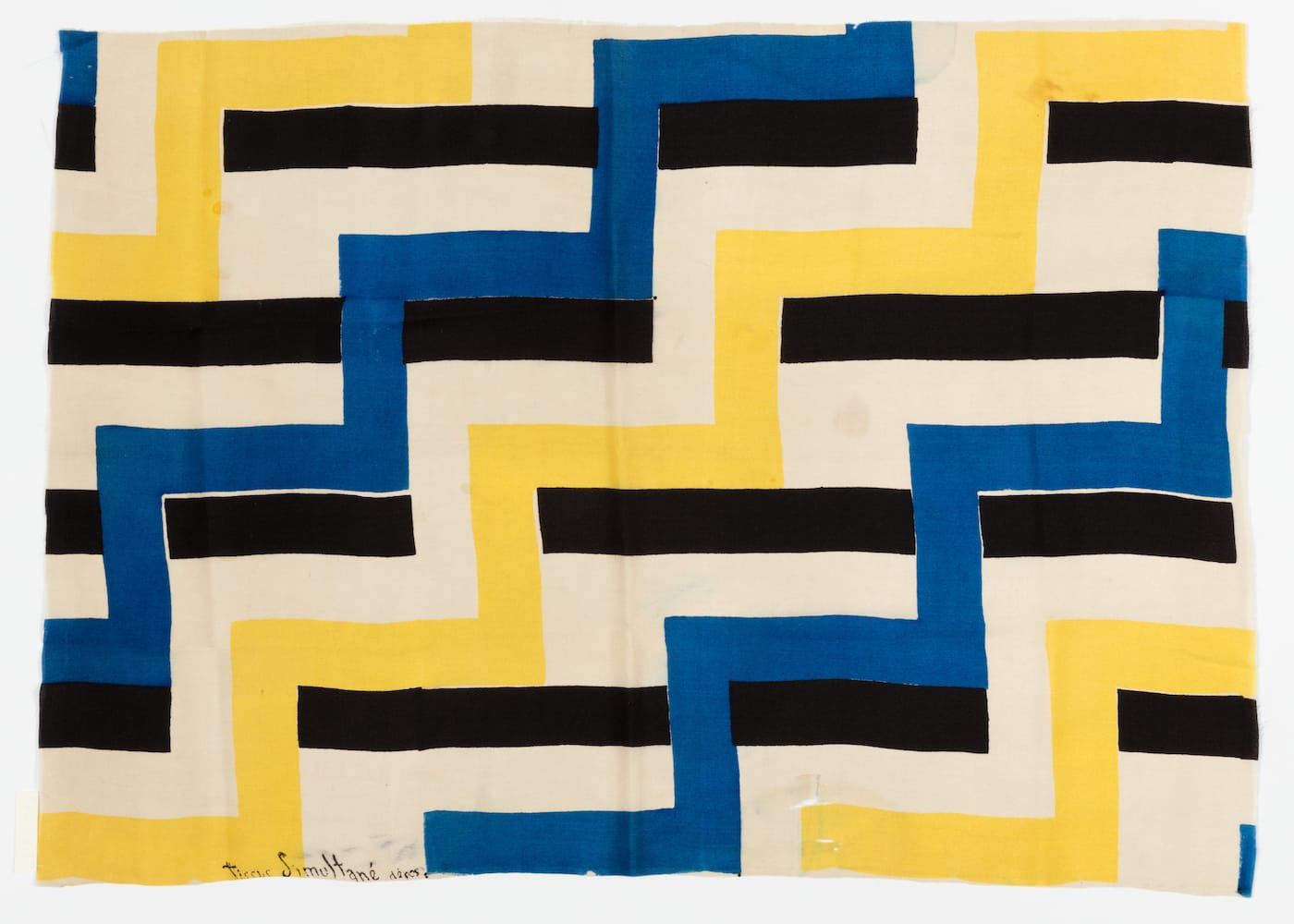
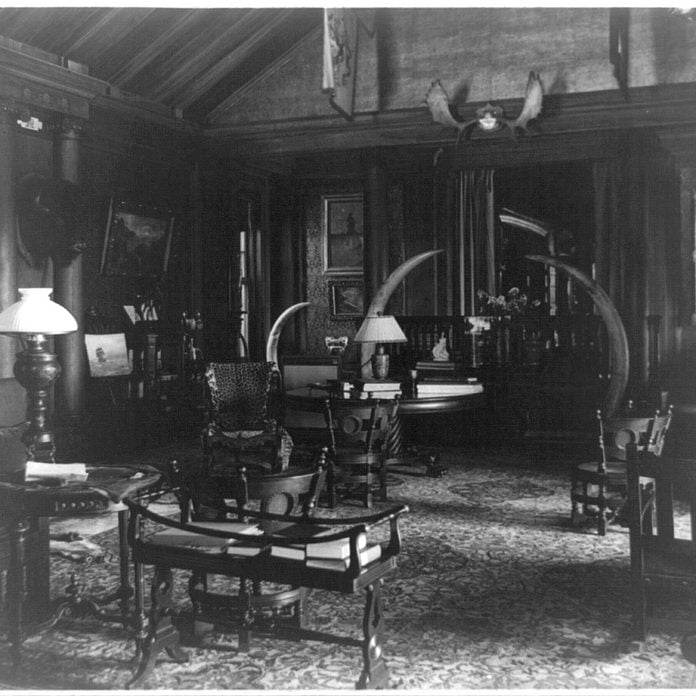
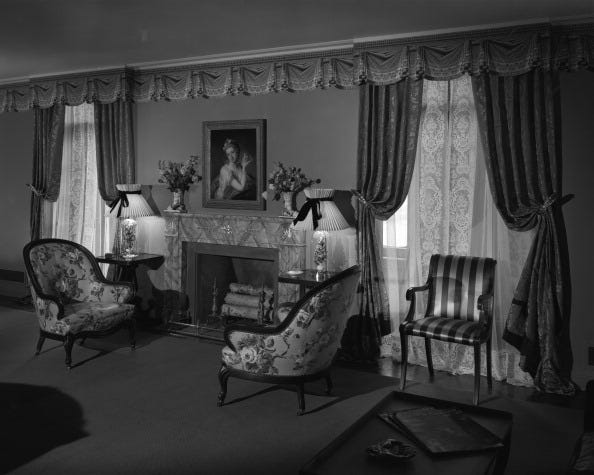
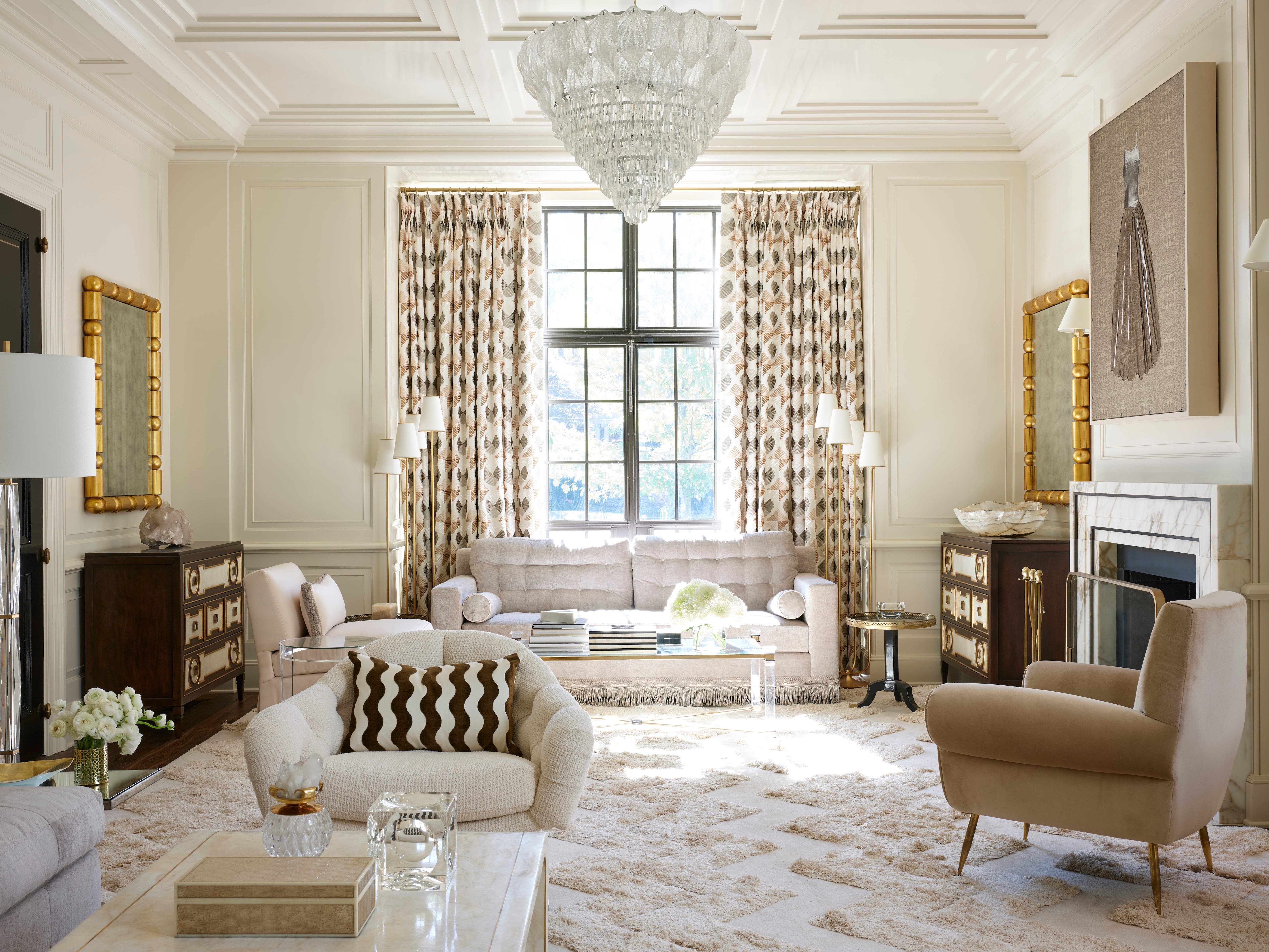
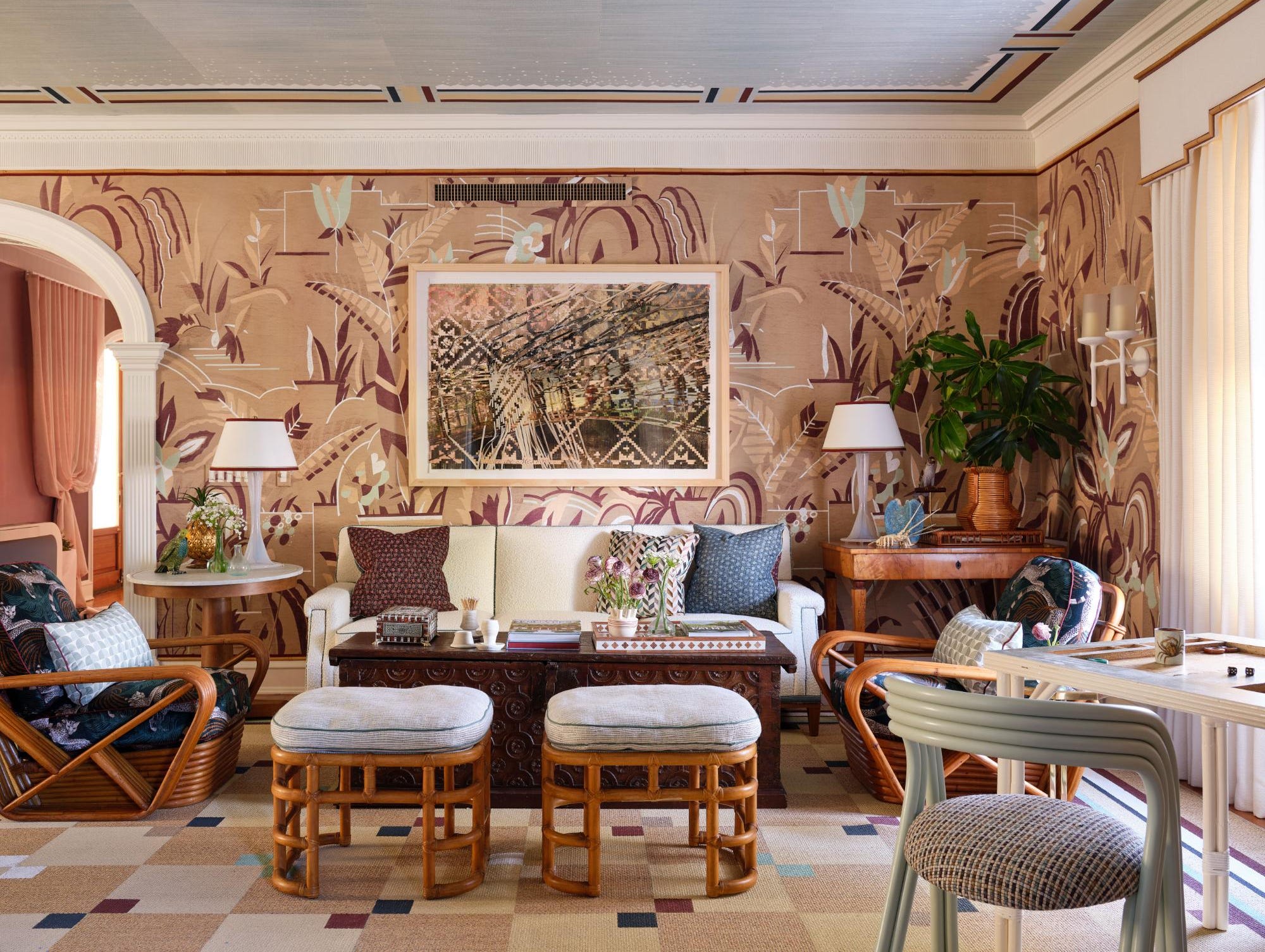
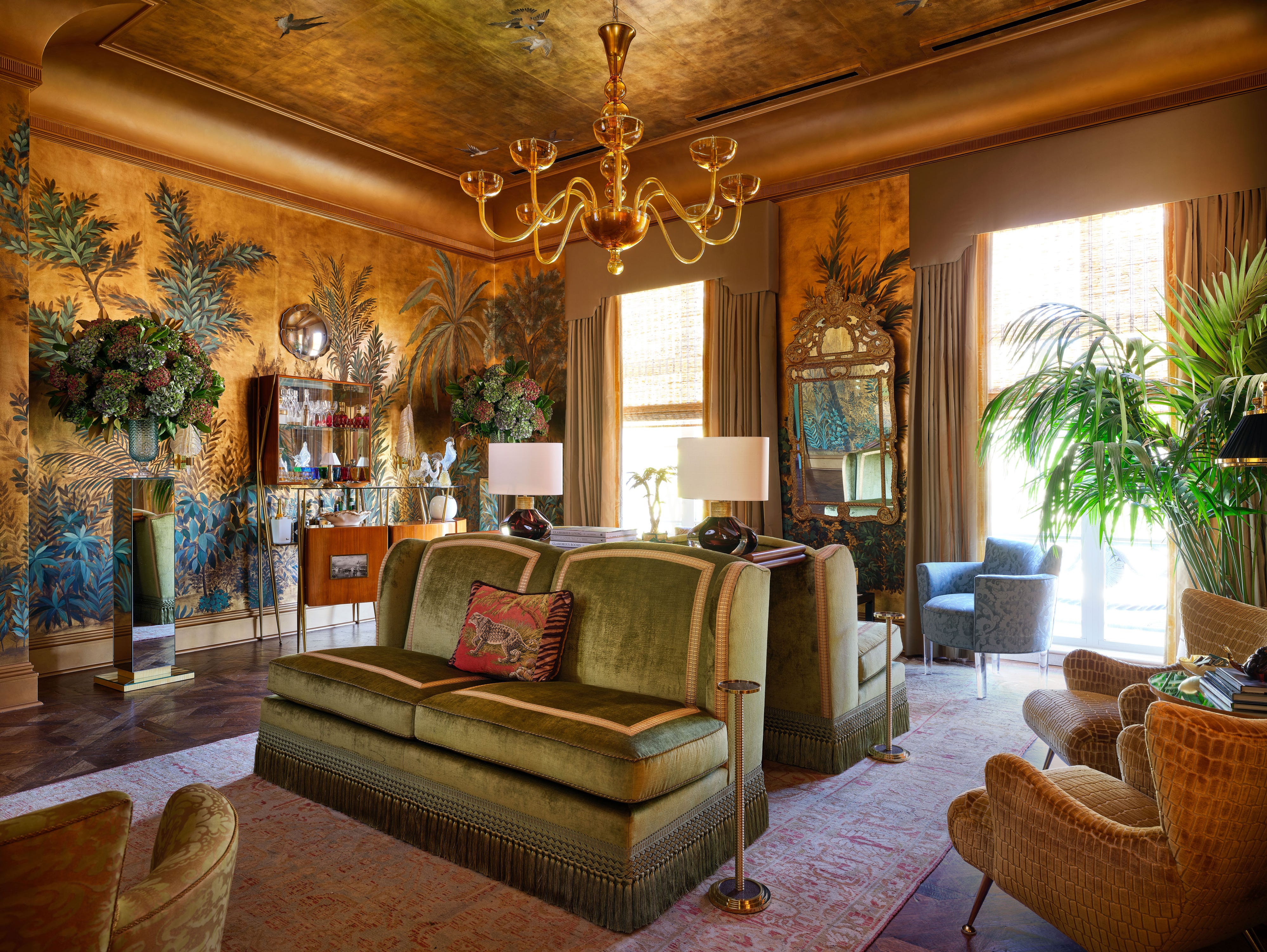
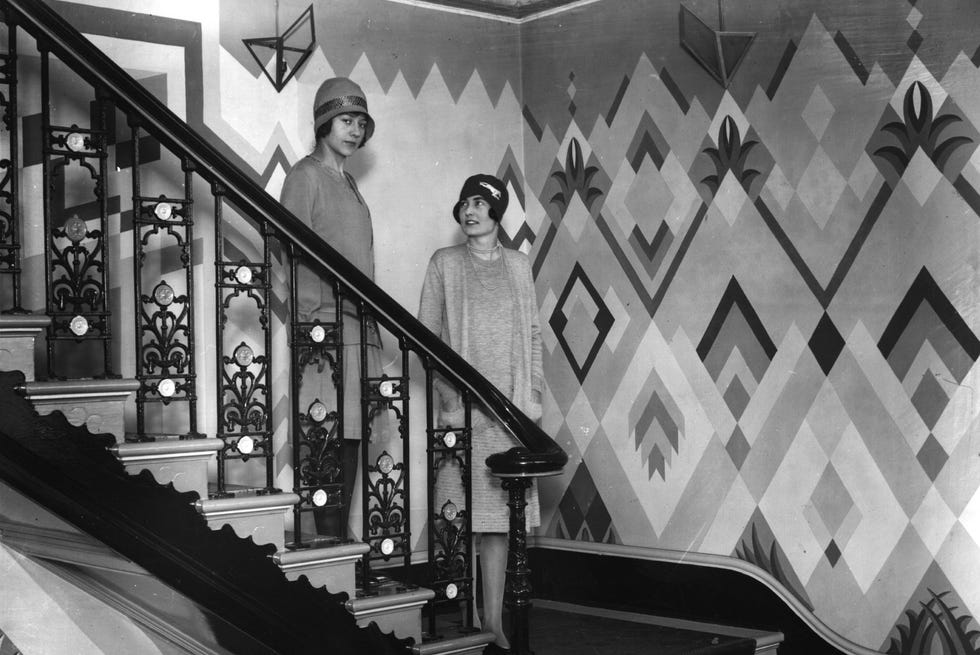
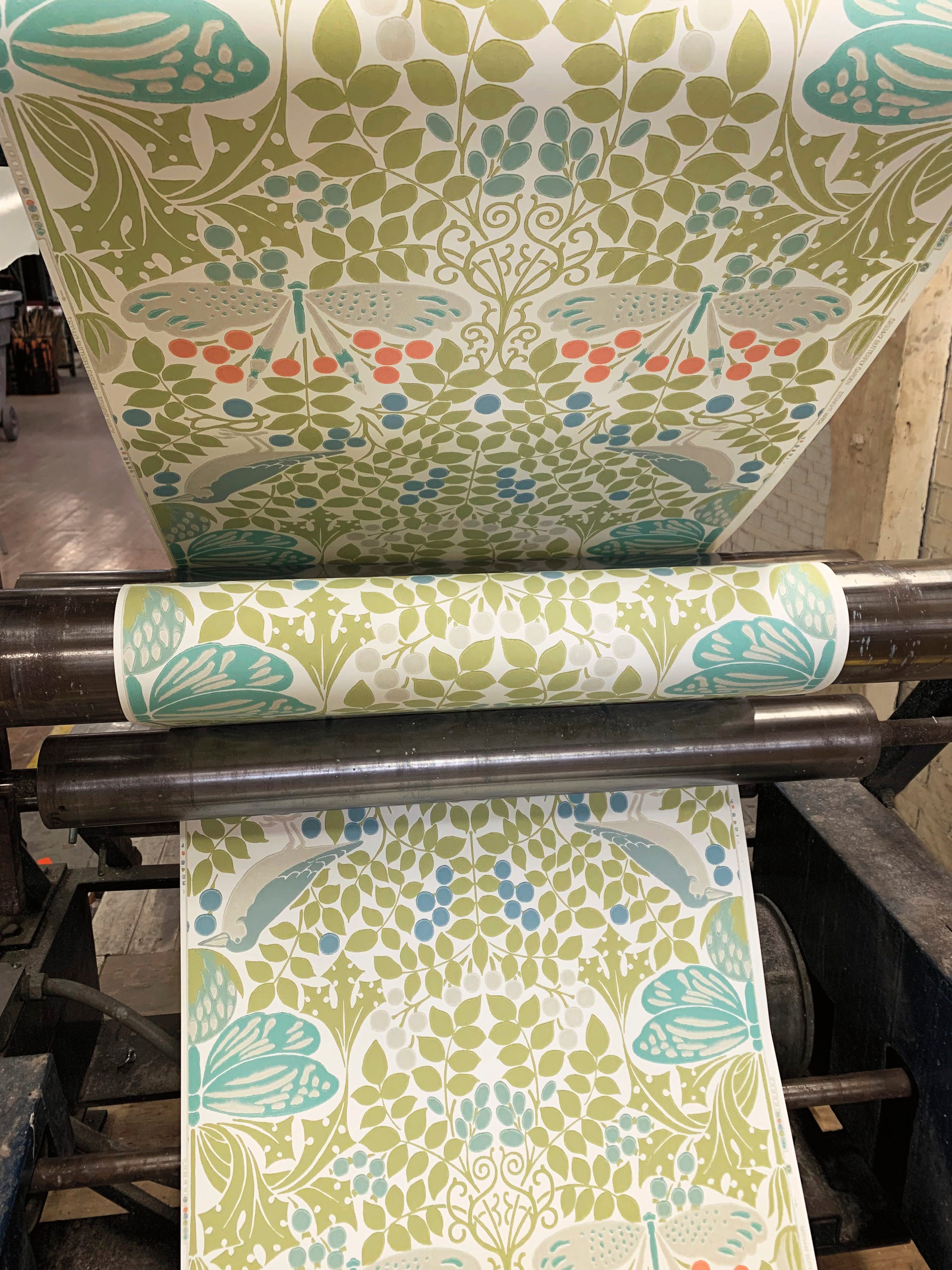
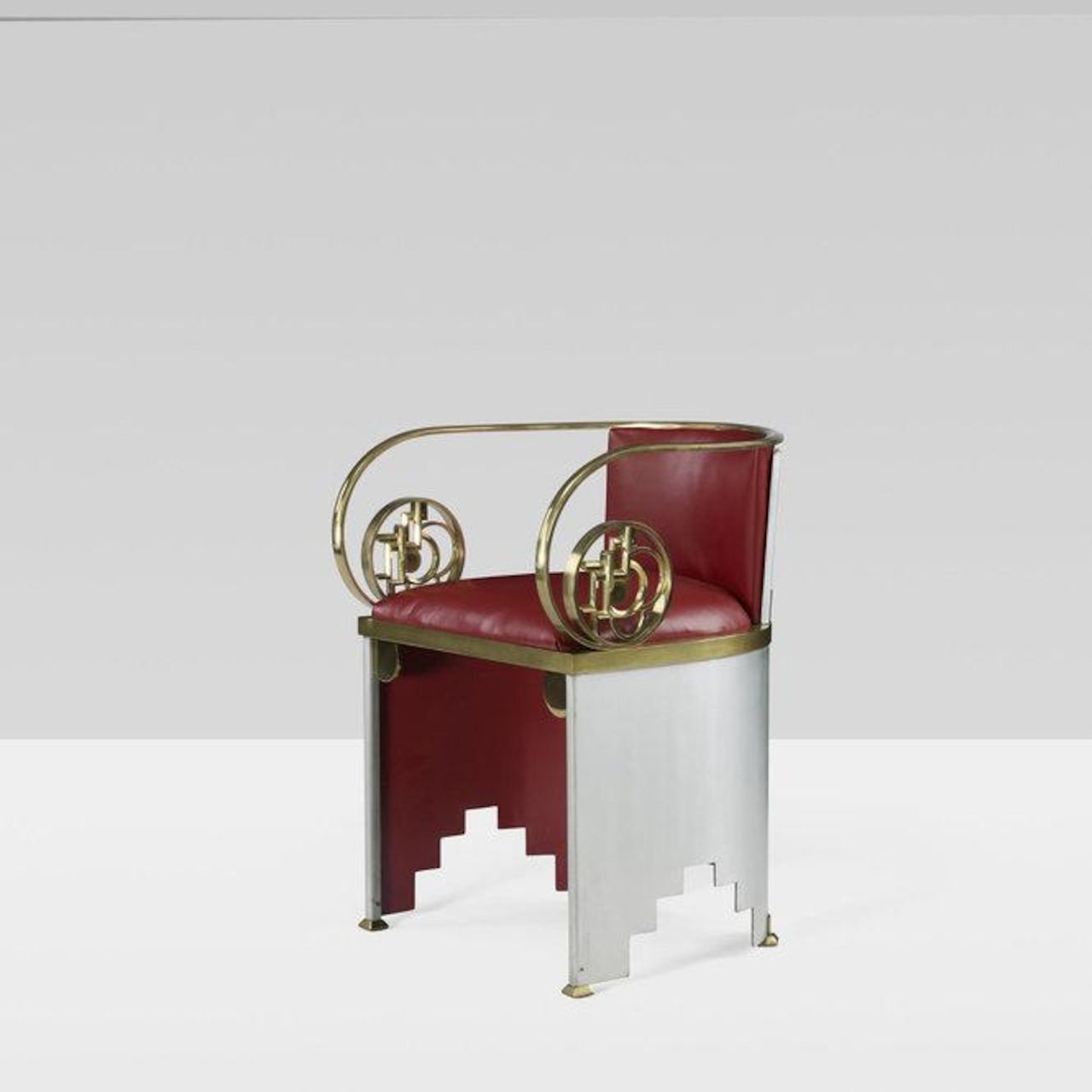
Cook emphasizes that Clevelanders appreciate the quality and formality of these well-made homes, with their grand entrances and beautiful wood floors, noting the timeless nature of this design aesthetic as many homes approach their centennial. Key design elements of the era include opulent golds and silvers, geometric patterns, and bold color schemes featuring black, white, neutrals, deep reds, greens, and blues. The curvilinear lines of Art Deco provided a counterbalance to strong geometric patterns, while detailed floral wallpaper and animal print rugs were also popular. Cook suggests that an over-the-top mirror or mirrored screen combined with more understated furnishings can evoke the Jazz Age, or that strong geometric prints on wallpaper or fabrics in black and white or brown and white, mixed with gold, silver, or cream, can create a glamorous yet timeless look. For millennials who may be more nomadic, Cook recommends investing in graphic chairs or art pieces that can be easily moved, as a way to incorporate the Jazz Age aesthetic without permanent installations.
#JazzAgeDesign #ArtDeco #HomeDecorTrends #ClevelandMuseumOfArt #InteriorDesignHistory #1920sStyle #ArchitecturalDetails #LuxuryInteriors #JazzAgeDesign #ArtDeco #HomeDecorTrends #ClevelandMuseumOfArt #InteriorDesignHistory #1920sStyle #ArchitecturalDetails #LuxuryInteriors
0 comment in total
 No comments yet
You may also like
The Novelty and Excess of American Design During the Jazz Age

How to Thrift The 1920s Design Trend Gen Z is Making Cool Again
This Furniture Trend From the 1920s Is Officially Back

Right at home: It's that '70s (and '80s) show in home decor
What Houses Used to Look Like 100 Years Ago

These 12 Art Deco Living Rooms Make a Bold Case for Unapologetic Glamour

Why This Architect Says Ranch-Style Houses Are ‘Important Historical Artifacts’

Here's Why Everyone Is Talking About American Craft Right Now

Here's What the American Home Looked Like the Year You Were Born

Younger Generations Are Reviving Bicentennial Style—Here's How to Make It Feel Fresh for 2024

These Modern American Design Icons Pay Homage to the Old—and Make It New


Everything You Need to Know About Ranch-Style Houses
Jazz, Blues and Cuisine

6 "Essential" Architecture Trends Design Lovers Need to Know
Americana Decor Is Trending Again—Here’s How to Keep It Chic and Balanced, According to Experts
"I Grit My Teeth When I See It": People In Their 60s, 70s, And 80s Are Sharing The Modern Home Trends They Simply Cannot Stand

5 art deco homes that celebrate the lavish style of the Jazz era


20 Old House Styles No Longer Built Today
This 1920s-Inspired Design Trend Is Taking Over Homes in Fall 2025
20 Photos of 1990s Home Décor to Overwhelm You With Nostalgia