The Calculated Curve: Eighteenth-Century American Furniture
This blog post explores the intricate world of eighteenth-century American furniture, focusing on a special installation that brings together a high chest and a dressing table after decades of separation. The narrative delves into the craftsmanship and artistry involved in creating these pieces, particularly highlighting the use of various wood types and decorative techniques. The audio guide, narrated by Danielle Parker, features insights from contemporary artists and a former Met intern, providing a comprehensive understanding of the challenges and joys of working with wood and the historical context of furniture making.
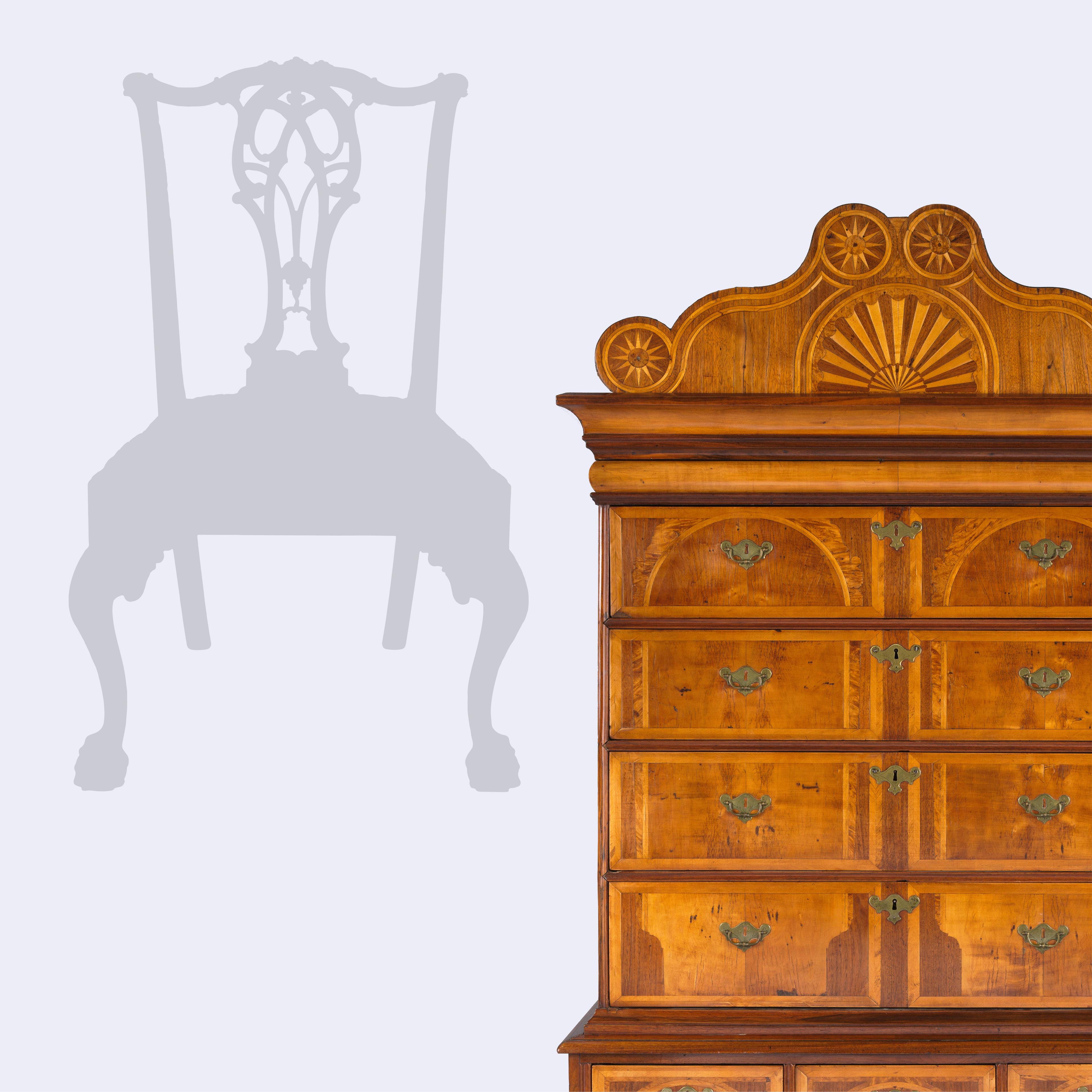
The discussion begins with a high chest, also known as a “highboy,” where woodworker, conservator, and musician Leslie Dockeray describes the captivating whimsy of its details. Dockeray points out the elaborate top, adorned with inlaid stars and intricate curves, including a prominent fan in the middle. This same curvilinear shape is mirrored in reverse at the bottom of the piece, creating a cohesive and visually striking design. The absence of stars on the bottom, in contrast to the top, is noted as a deliberate artistic choice that enhances the overall brilliance and eye-catching quality of the furniture.
The article further elaborates on the materials and techniques used in the high chest. Various wood types contribute to its aesthetic, including light, gleaming maple; dark mahogany; and highly-textured burl walnut. These woods are meticulously arranged to form neat bands and other patterns, such as the intricate curls of burl wood that frame the arches on the topmost pair of drawers. This decorative technique is identified as inlay, or marquetry, which involves embedding small, thin pieces of wood into channels cut into a solid base. Dockeray explains that this method allows for complex designs and textures.
A key aspect of the craftsmanship highlighted is the technique of “book matching.” When observing the drawers closely, one can notice that the patterns on adjacent panels of wood mirror each other. Dockeray clarifies that this is achieved by taking a piece of wood, cutting it straight down the middle, and then opening it up like a book. This process creates a symmetrical, mirror image on both pieces, ensuring uniformity and a harmonious visual flow. The article emphasizes that most makers aimed for this uniformity in their creations.
The blog post concludes by noting the unique design of this particular high chest. Its distinctive form and inlay patterns were instrumental in identifying a matching dressing table, leading to the reunion of these two pieces of furniture after they had been held in different collections for many decades. This installation marks the first time that the high chest and dressing table are displayed together for the public, offering a rare opportunity to appreciate their combined historical and artistic significance. The playlist, sponsored by Bloomberg Philanthropies, includes contributions from Coumba Diagne, a college student and former Met Museum intern, and Sharon Mehrman, a furniture maker and historian, enriching the visitor's experience with diverse perspectives on the art of furniture making.
#EighteenthCenturyFurniture #AmericanFurniture #MetMuseumExhibition #Woodworking #FurnitureConservation #Marquetry #BookMatching #HighChest #DressingTable #EighteenthCenturyFurniture #AmericanFurniture #MetMuseumExhibition #Woodworking #FurnitureConservation #Marquetry #BookMatching #HighChest #DressingTable
0 comment in total
 No comments yet
You may also like
"Mid-century modern is classic, it's never going away" says Cara Greenberg
Here's Why Everyone Is Talking About American Craft Right Now


25 Midcentury Modern Furniture Pieces That Will Always Be in Style

Younger Generations Are Reviving Bicentennial Style—Here's How to Make It Feel Fresh for 2024

Which furniture brands do interior designers always rely on? 26 American-made stores for timeless quality pieces

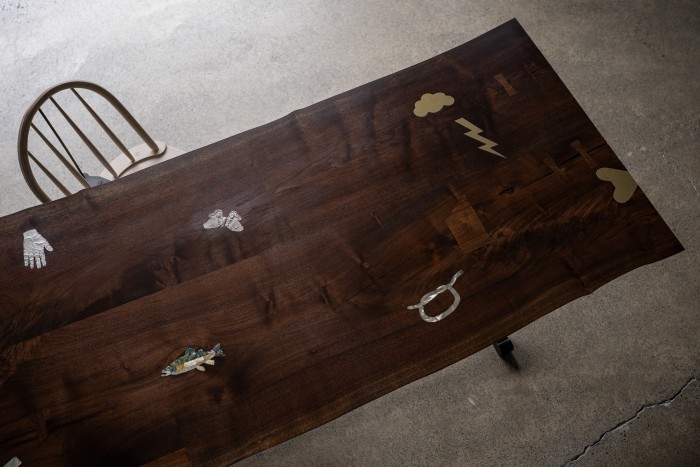
The crafted home: American hardwood furniture with personal ‘talismanic’ inlays

Our Editors Found the Best American-Made Furniture Companies—These Are the 12 Worth Scrolling Now

14 Furniture Stores Like West Elm For Midcentury Modern Home Decor

Among the ‘it’ pieces of MidcenturyLA


Instagram’s Favorite Furniture Style Has an Uncomfortable History
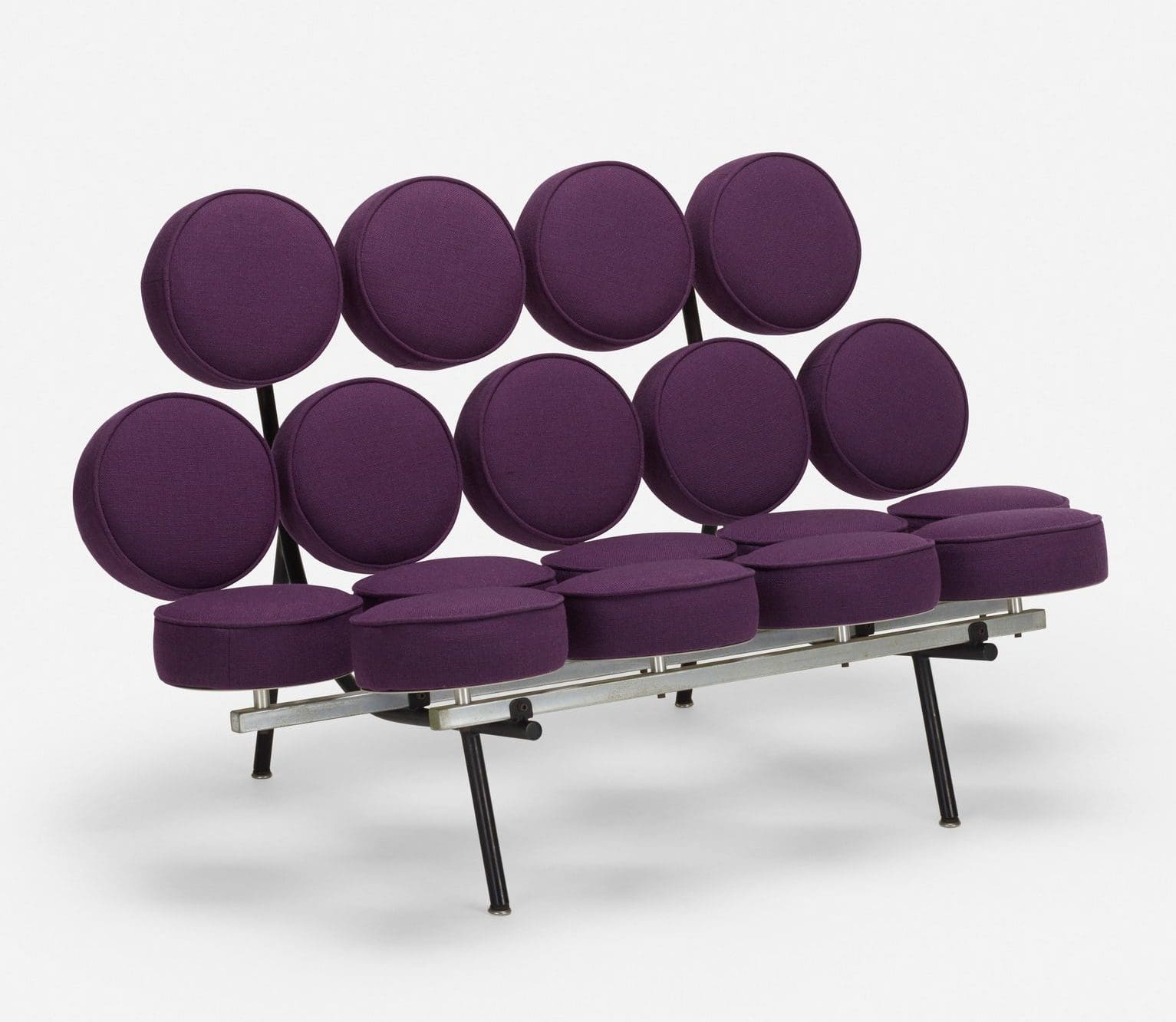
Wright Auction Sells Iconic and Rare 20th Century Furniture
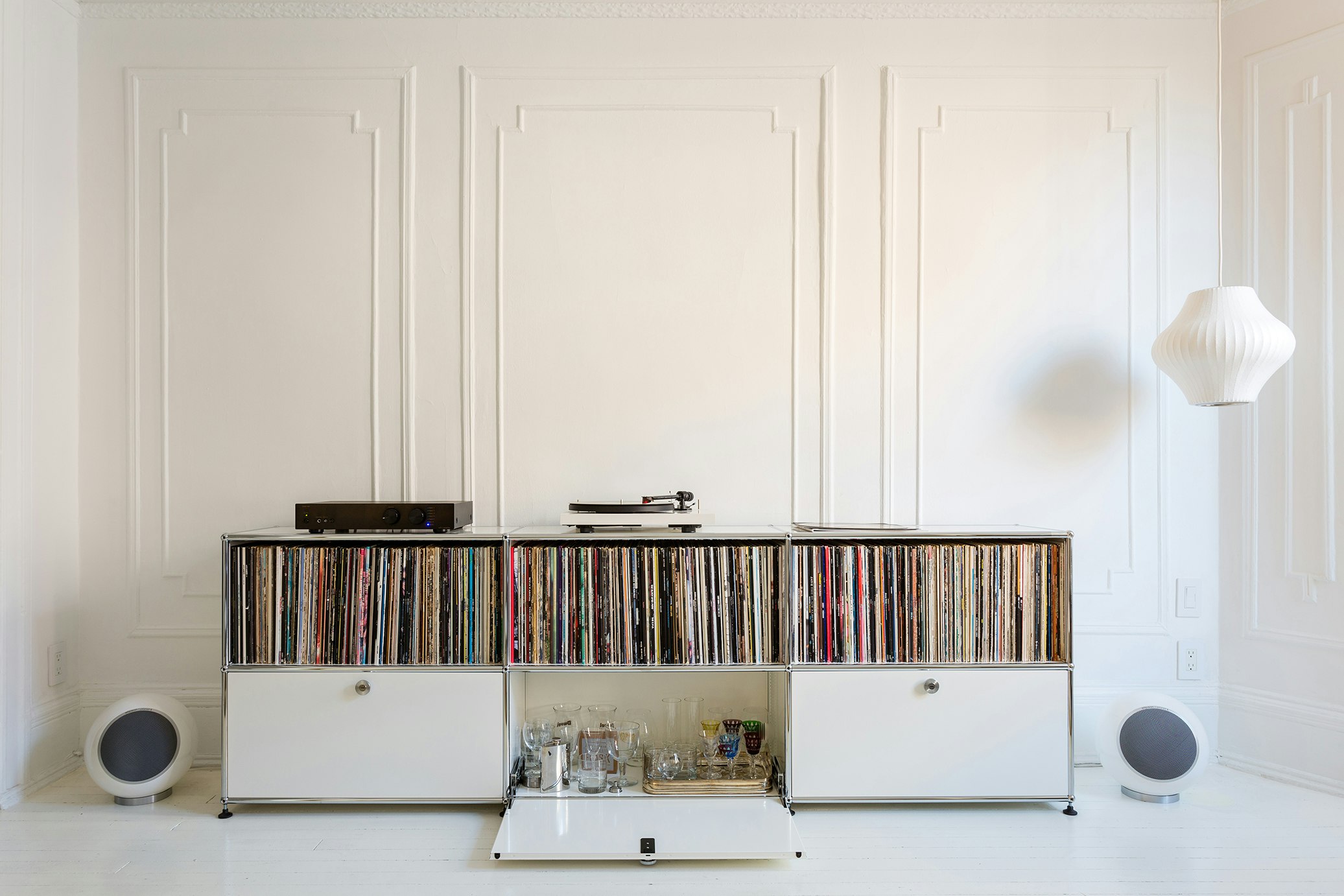
Why Are These Sleek Shelving Systems From the ’60s Suddenly Everywhere?

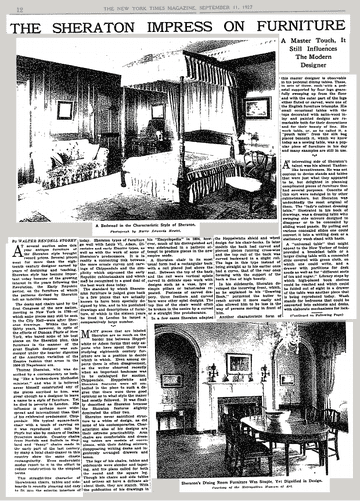
THE SHERATON IMPRESS ON FURNITURE; A Master Touch, It Still Influences The Modern Designer THE FURNITURE OF SHERATON (Published 1927)
Here's What the American Home Looked Like the Year You Were Born


19 Furniture Stores Like West Elm For Midcentury Modern Home Decor
12 Furniture Trends That Will Dominate 2025, According to Designers
6 Furniture Trends We Guarantee Will Transform Your Home into the Sanctuary You’ve Been Dreaming of

10 Classic Midcentury Pieces That Will Never Go Out of Style
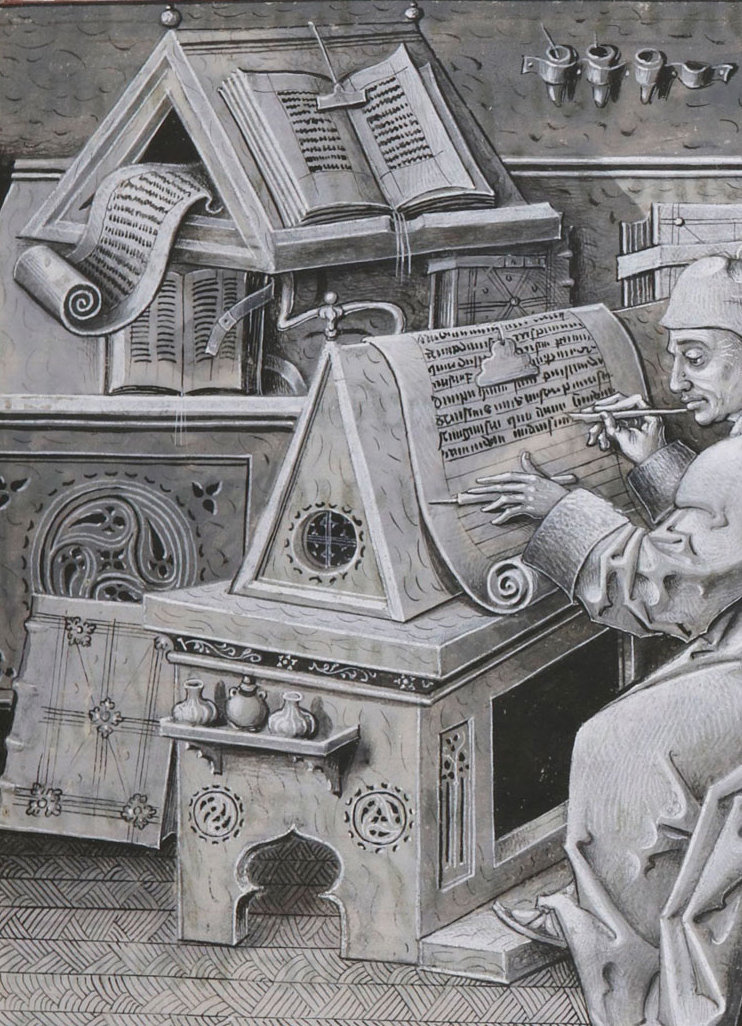
Best Furniture Design History Lessons Learned in 2023

Amy King Pope of AKP Furnish & Design