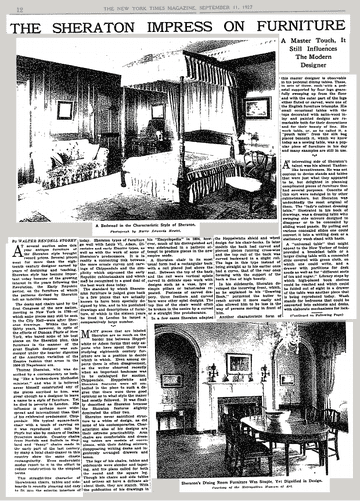
THE SHERATON IMPRESS ON FURNITURE; A Master Touch, It Still Influences The Modern Designer THE FURNITURE OF SHERATON (Published 1927)
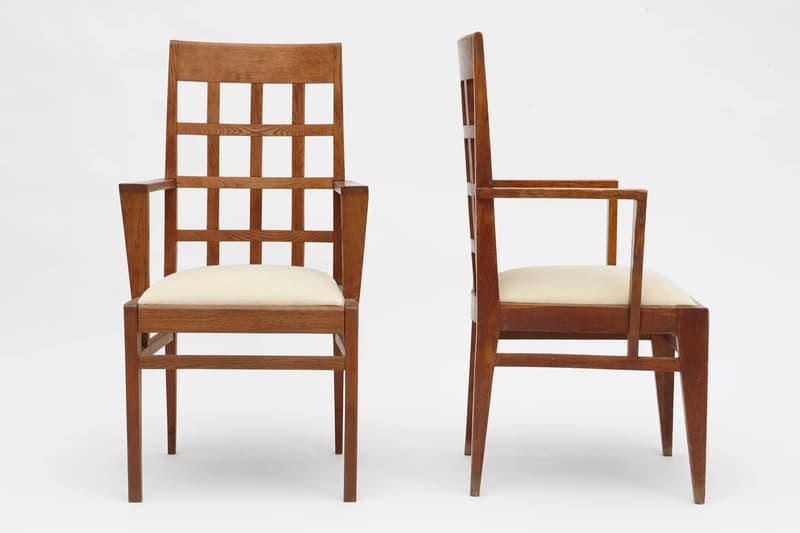
The furniture style of Thomas Sheraton, an 18th-century English designer, continues to influence modern design, evidenced by record prices at auction sales for pieces in his style. Sheraton’s impact is particularly significant in the early American Republic period, with furniture for the first Congress in 1789 reflecting his designs. While his style was briefly overshadowed by the American Empire fashion, it maintained its prominence through the work of designers like Duncan Phyfe and later, modernistic movements seeking simplicity. Sheraton's influence extends beyond his famous predecessor, Chippendale, with his characteristic square-back chair replicated across various European and American designs, known for its chaste rectangularity and straight-line character. This aesthetic allows Sheraton pieces to integrate well into diverse interior styles, serving as a link between Chippendale's ornate curves and the simpler forms favored by early Republic cabinetmakers and contemporary designers.
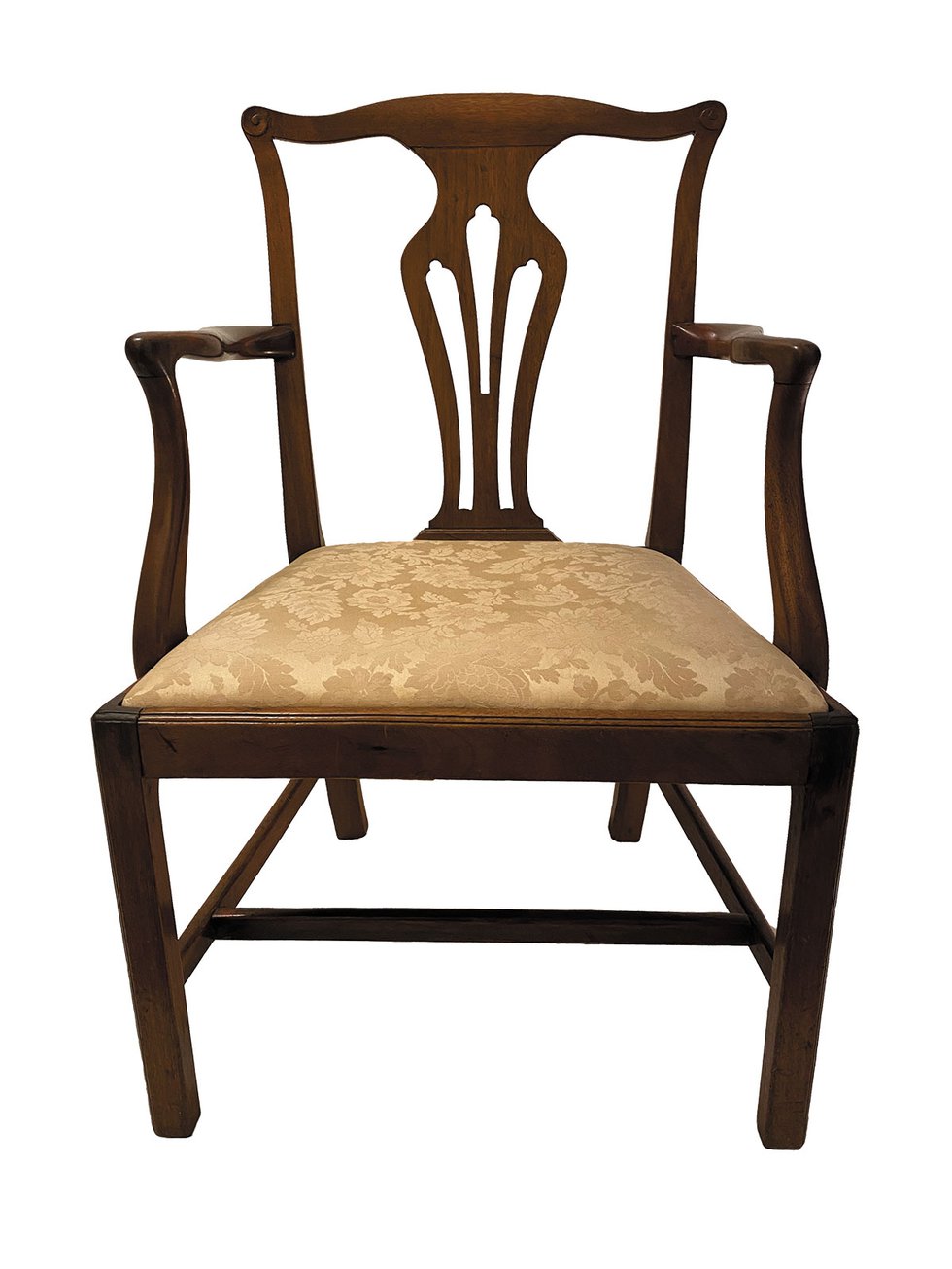
Sheraton, despite dying in poverty, was a prolific designer whose published drawings and descriptions of furniture, not actual constructions, defined his style. Many pieces labeled "Sheraton" often blend elements of Heppelwhite or Adam forms, making definitive attribution challenging even for experts. A hallmark of his design is its practicality, with comfortable armchairs and convenient dressing tables featuring folding mirrors and hidden compartments. His furniture is characterized by slender, tapering legs, both round and square, and a delicate yet sturdy construction. His chair designs often featured rectangular backs with vertical splats carved with motifs like vases or lyres, and later models introduced curved backs and legs. Sheraton's innovative designs included the incurving front for sideboards, facilitating access for butlers, and pedestal dining tables known for their elegant support structures. His small occasional tables were celebrated for their satin-wood inlay and painted decorations, while his "pouch table," a precursor to the modern sewing table, was widely popular.
Sheraton displayed significant inventiveness, designing multi-purpose furniture pieces. Examples include the "lady’s cabinet dressing table," which could transform into a writing desk or washstand with hidden slides and mirrors, and a "universal table" serving as a breakfast table, dining table, or writing desk. He also conceived library steps that folded into table drawers and transformable washstands for bedrooms. Ambitious to gain royal patronage, he designed an elaborate state bed and what is believed to be one of the earliest sets of twin beds, which he called a "Summer bed" for its cooling properties.
Despite his widespread design influence, Sheraton is not believed to have personally constructed much of the furniture attributed to him. His fame rests primarily on his published designs, many of which drew inspiration from others. Beyond furniture design, Sheraton was a polymath who wrote dictionaries and encyclopedias, preached, and taught drawing and geometry. His life was marked by financial struggles, constantly on the brink of poverty, despite the success of his "Drawing Book" and other publications. His personality, often described as scornful of contemporaries and overconfident in his own abilities, coupled with his strong religious convictions, may have hindered his business prospects. He viewed himself primarily as a pedagogue, imparting general information and theories, with his books often dedicating more space to geometry and perspective than to actual furniture designs. Adam Black's memoirs depict Sheraton living in squalor, highlighting his dire poverty before his death in 1806. Despite his personal hardships, Sheraton's legacy as one of the world's great furniture designers was recognized posthumously, with his style continuing to be a significant reference for collectors, decorators, and buyers today.
#SheratonFurniture #FurnitureDesign #AntiqueFurniture #EighteenthCenturyDesign #InteriorDesign #ThomasSheraton #AmericanRepublicFurniture #Cabinetmaking #DesignInfluence #SheratonFurniture #FurnitureDesign #AntiqueFurniture #EighteenthCenturyDesign #InteriorDesign #ThomasSheraton #AmericanRepublicFurniture #Cabinetmaking #DesignInfluence
0 comment in total
 No comments yet
You may also like
Classic Cool
The Row Has Dropped a Curated Vintage Furniture Line
These New Furniture Pieces Are Future Heirlooms
Going with the Flow

Interior Designers on the Most Iconic Furniture of All Time
Fall in Love with Fabric Samples


Classic Elegance Meets Modern Practicality

Designer Creates Furniture Using Only Forces of Tension, No Nails Needed

"Mid-century modern is classic, it's never going away" says Cara Greenberg
How to Decorate with Sherwin-Williams’ Shade ‘Debonair’ — 'It's The Embodiment of Modern Sophistication!'

The vintage French style taking interiors by storm

Blending functionality with artistry: the essence of Albert Potgieter’s designs

Why This Designer Says Accent Walls Are Totally Over—Plus Her Main Design Inspiration

Do’s and don’ts of visiting a design center

Twelve modernist furniture designs by 20th-century architects
5 Modern Furnishings With Fun Fringe Accents

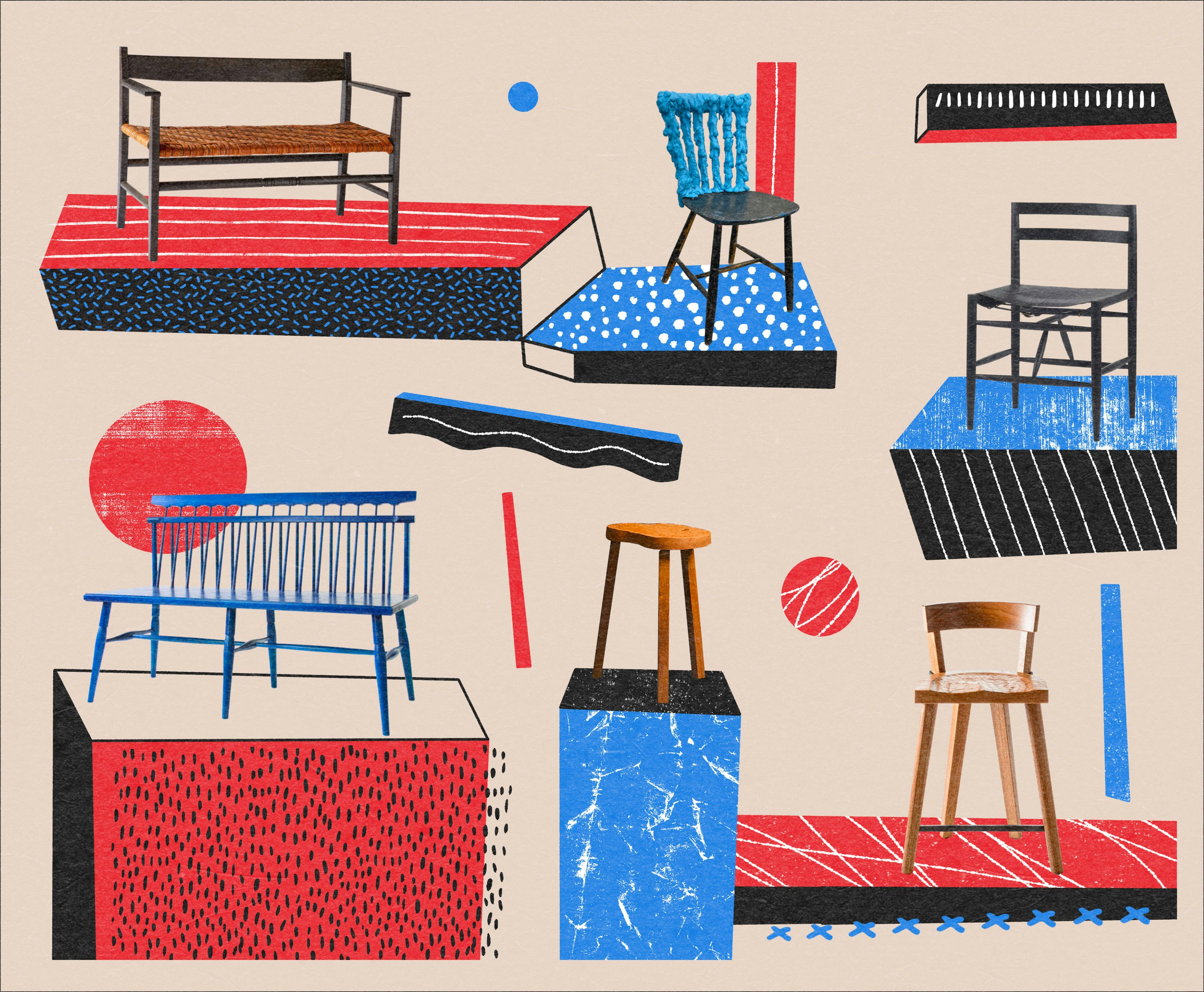
These Modern American Design Icons Pay Homage to the Old—and Make It New


Sharon Osbourne's living room mixes traditional and coastal

The ancient symbols found in contemporary interiors
Amy King Pope of AKP Furnish & Design