1/7
The Psychology of High Ceilings and Creative Work Spaces
This article, adapted from Donald M. Rattner's book 'My Creative Space: How to Design Your Home to Stimulate Ideas and Spark Innovation,' delves into the psychological impact of ceiling height on creativity, particularly in home environments. Rattner's book, published last year, offers 48 science-based spatial strategies to optimize living spaces for enhanced creative performance, covering aspects from color psychology to the influence of scent on problem-solving. This excerpt focuses on 'Tactic #3: Do creative work under a lofty ceiling,' emphasizing the recommendation to perform creative tasks in spaces with ceilings ten feet or higher, or to visually manipulate surroundings to exaggerate apparent height.
The rationale behind this tactic stems from research indicating that individuals in rooms with higher ceilings (ten feet or more) tend to score higher on creativity assessment tests compared to those in rooms with lower ceilings (eight feet). This phenomenon is attributed to the parallel relationship between our perception of mental space and physical space. A greater sense of spatial depth and expansiveness, including vertical dimensions, is believed to foster a more open mind, encouraging unorthodox ideas and fresh perspectives. Conversely, lower ceilings were found to promote more focused, analytical, and logical thinking.
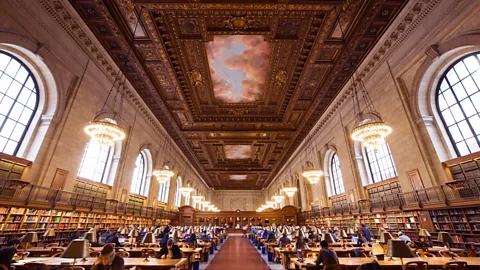
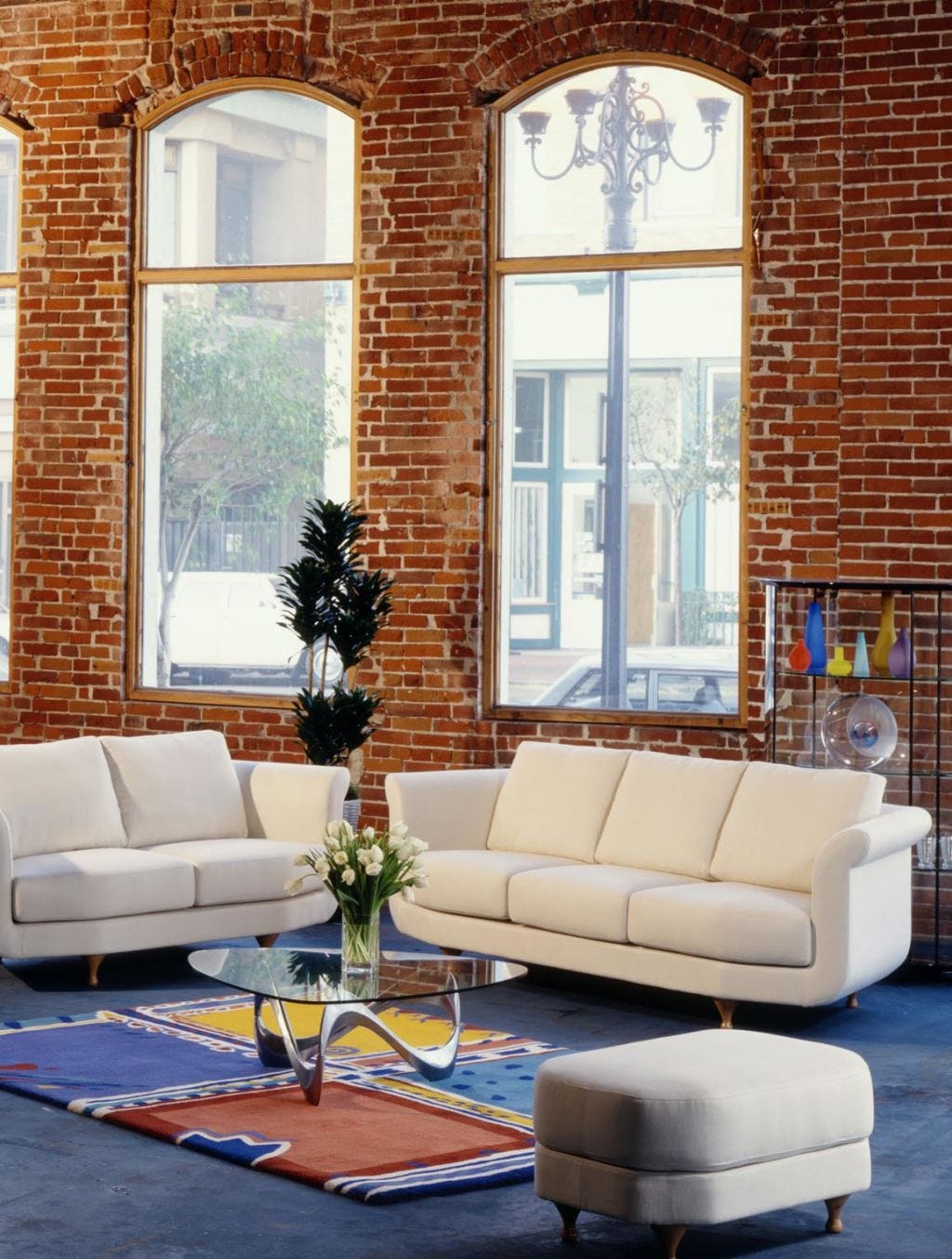
A 2007 study provided empirical support for this theory, demonstrating that subjects were more adept at innovative problem-solving in a ten-foot-high room, while those in an eight-foot-high room excelled in analytical tasks. Further neurological research using fMRI brain scans revealed that high ceilings activate the part of the brain associated with visual exploration, suggesting a predisposition to a 'big brush abstract view of the world,' a concept William Lidwell termed the 'Cathedral Effect.' This effect is historically evident in the design of grand cathedrals with exceptionally tall naves, implying an ancient understanding of vertical space's influence on contemplation and abstract thought.
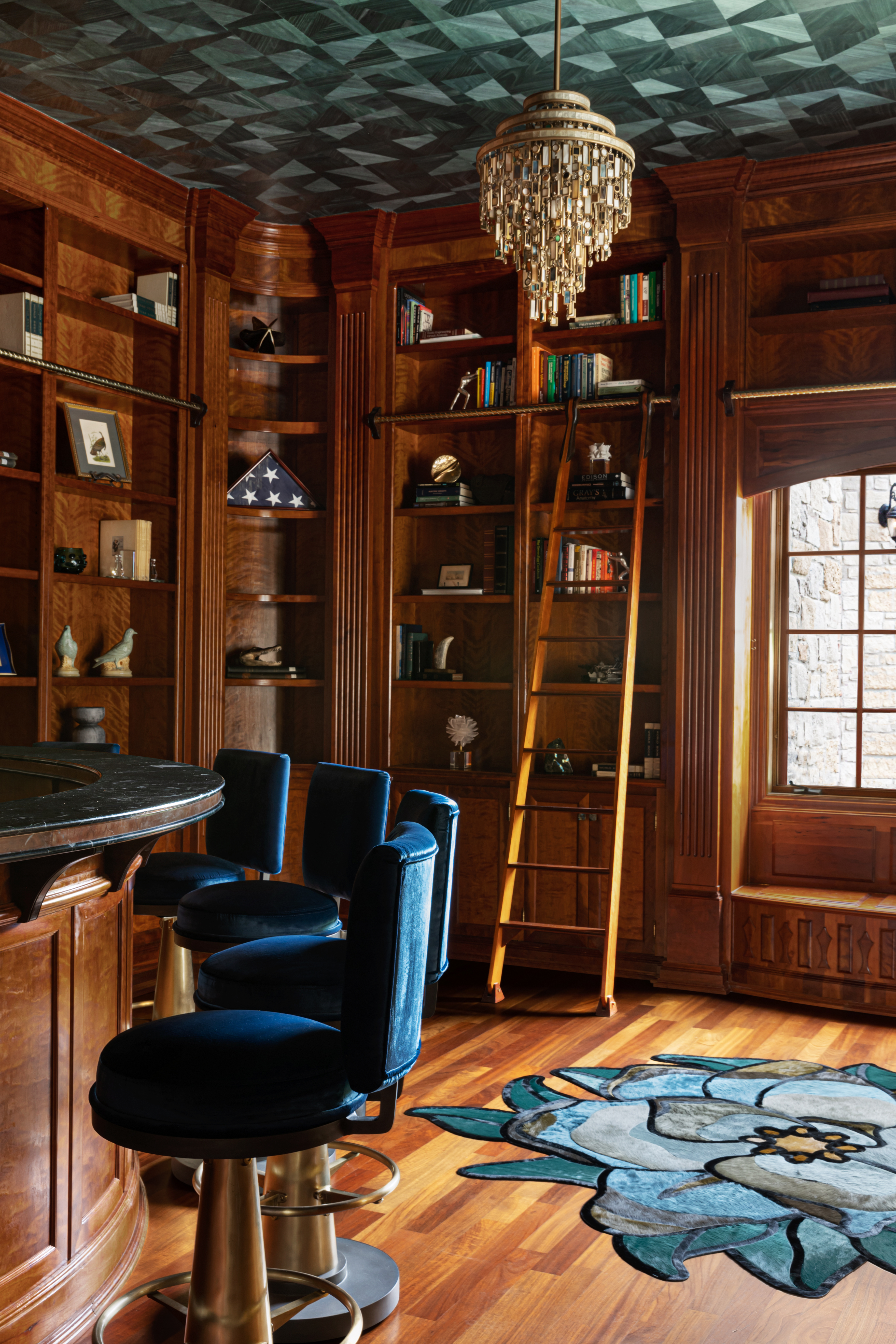
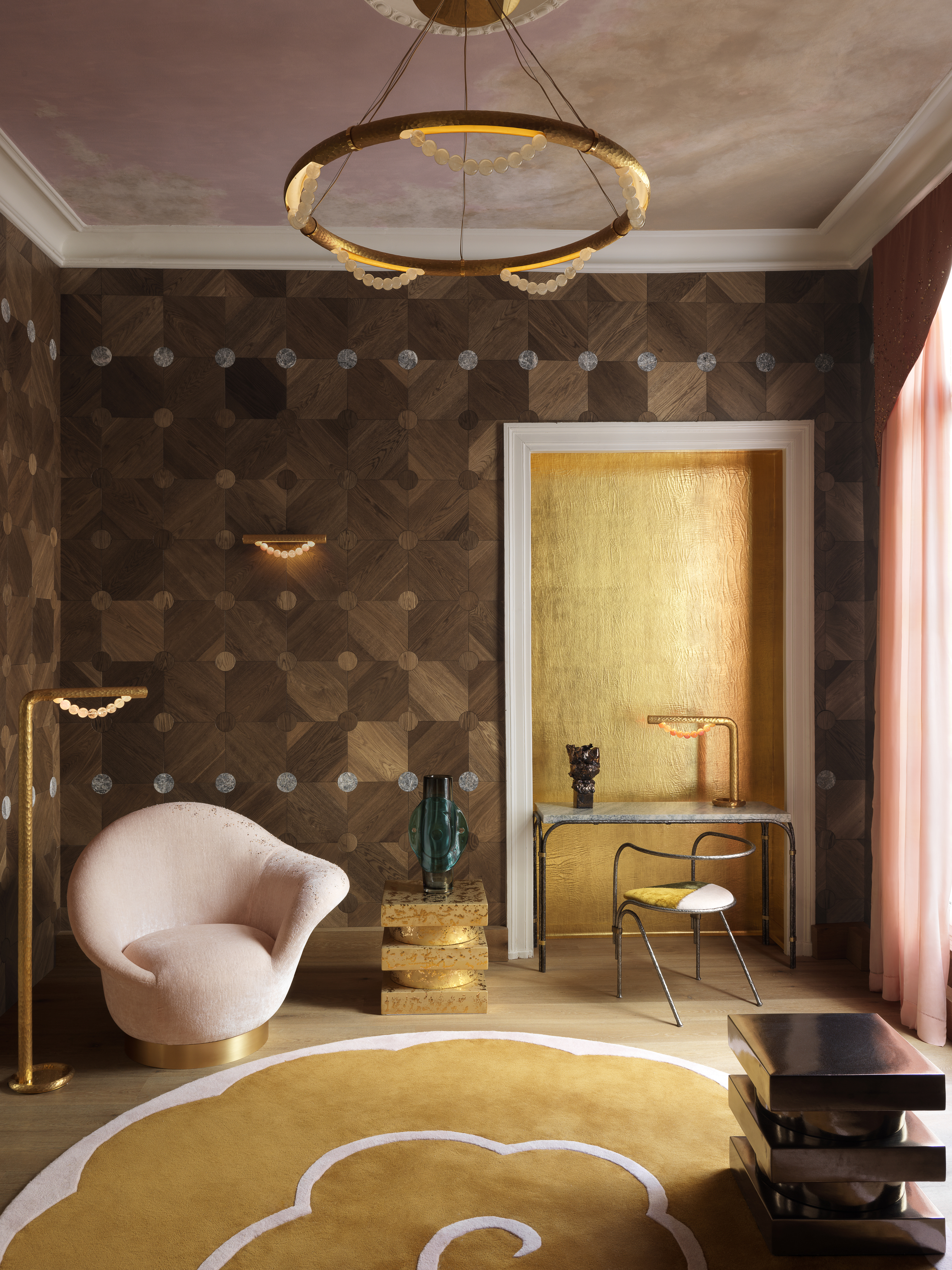
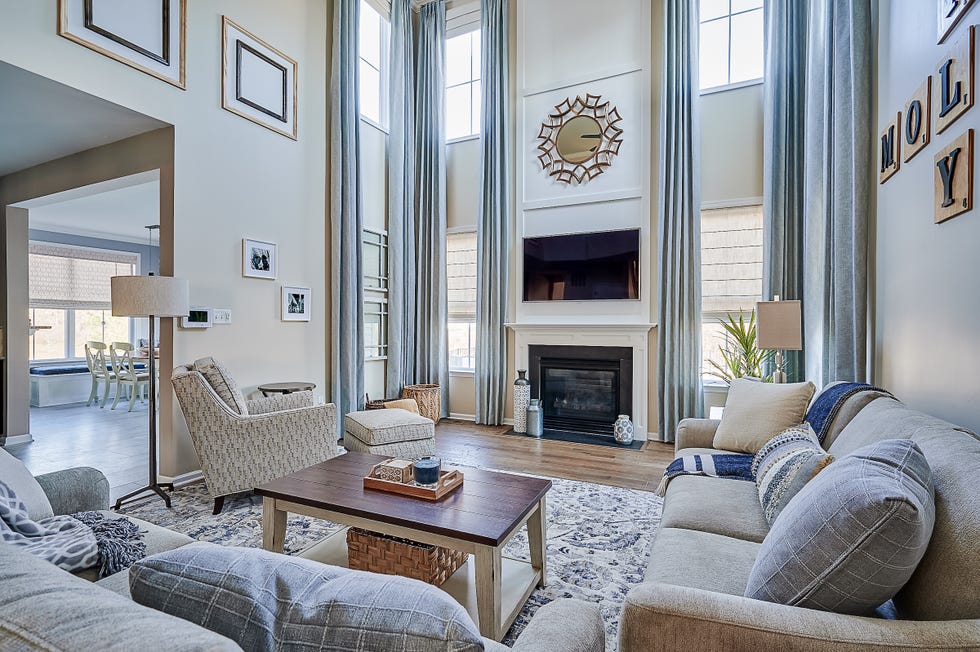
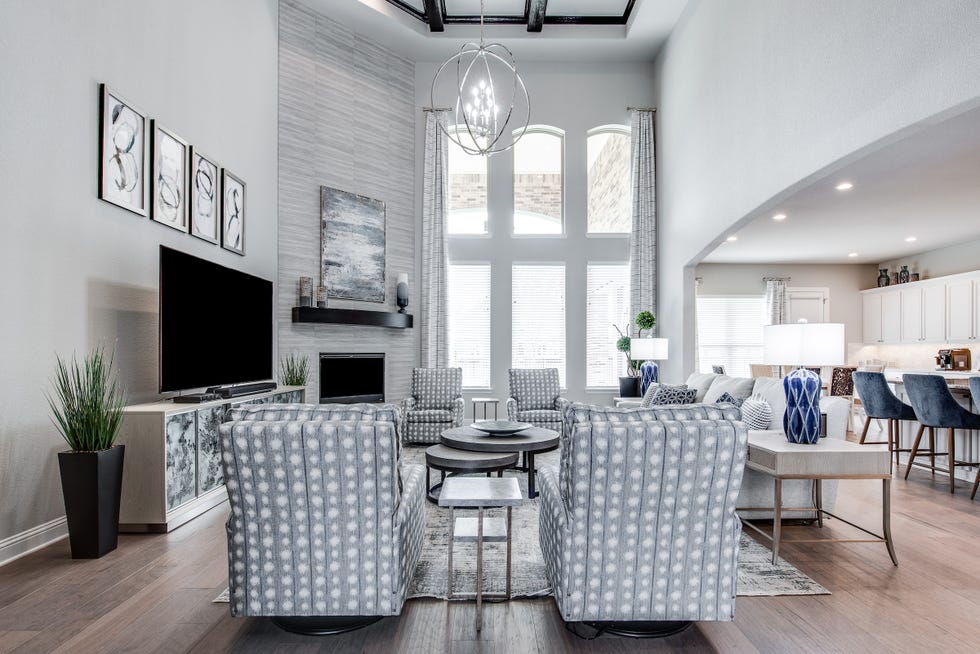
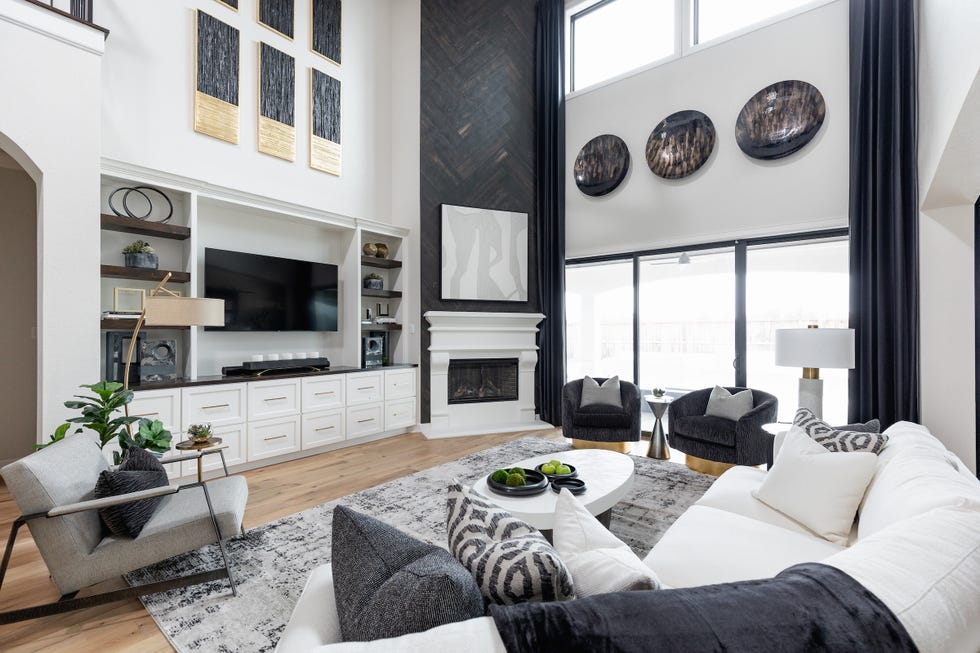
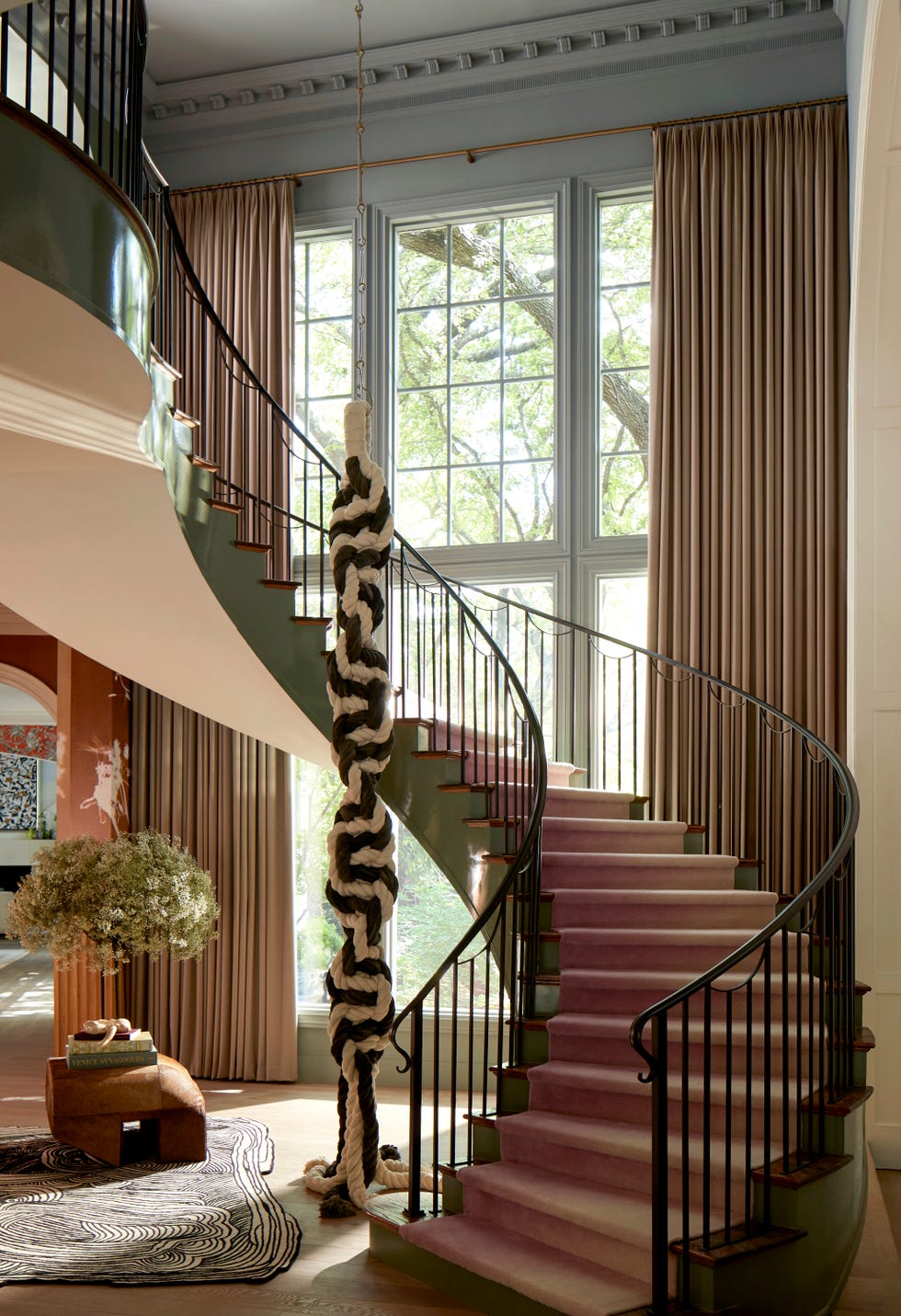
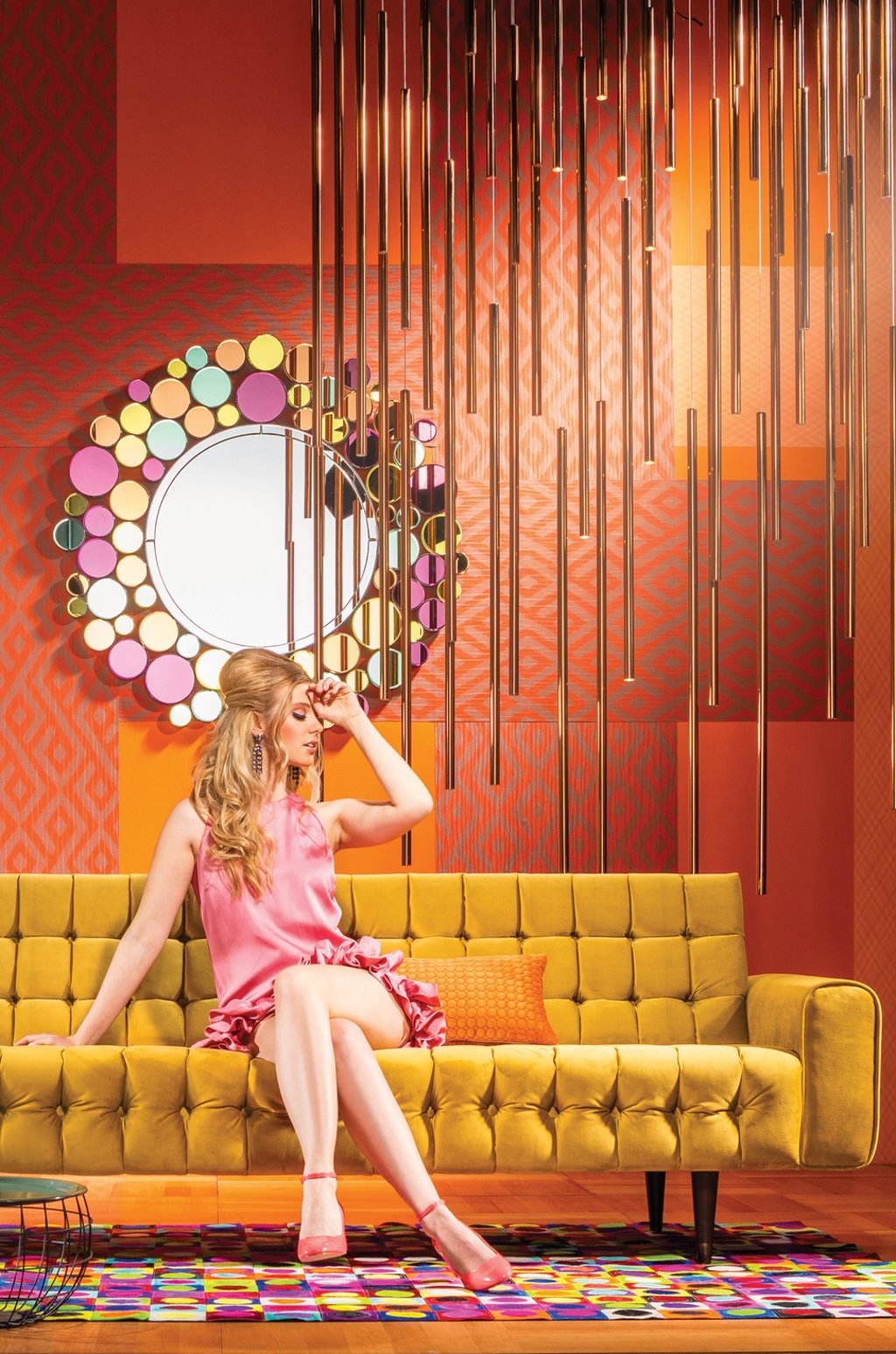
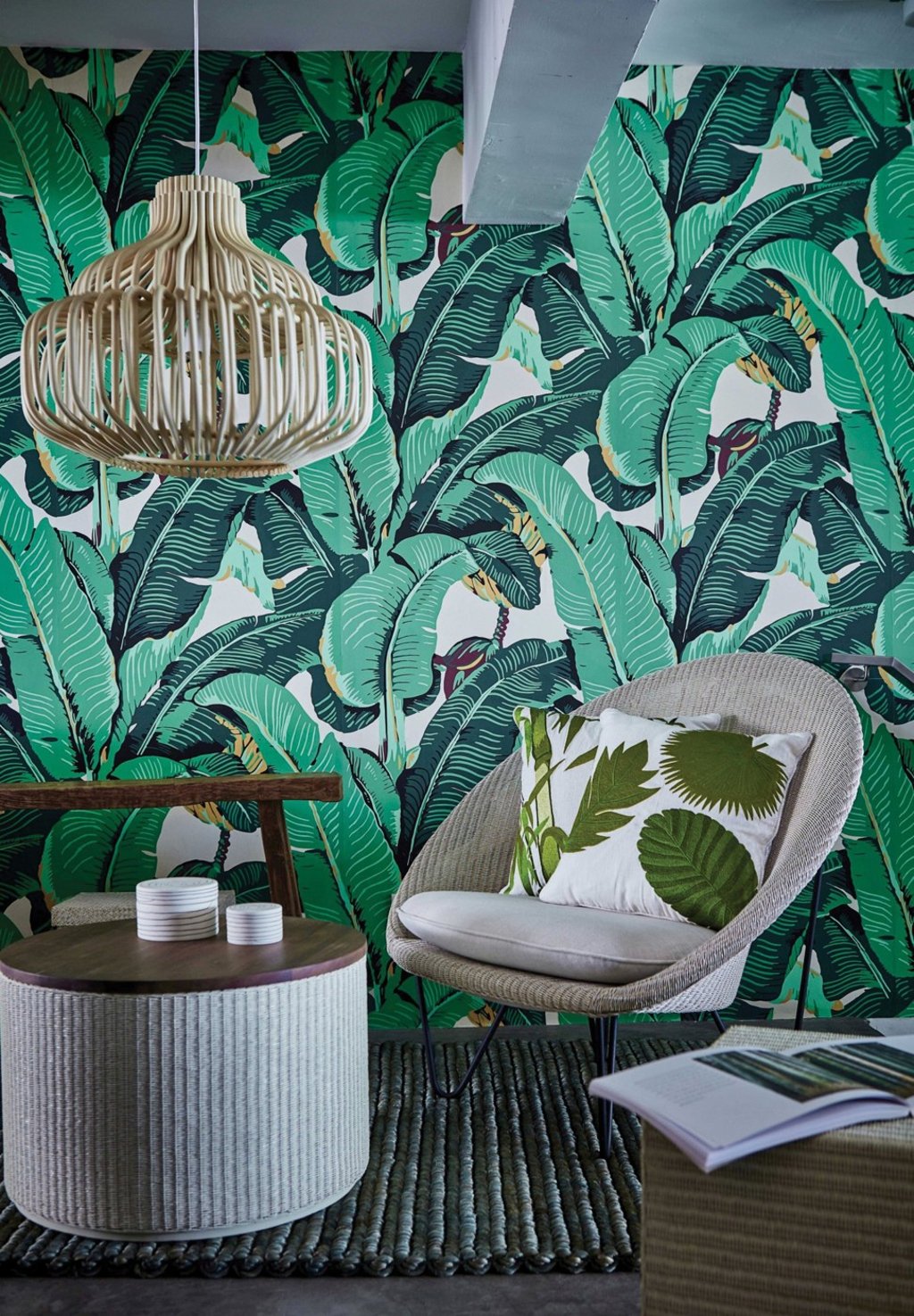
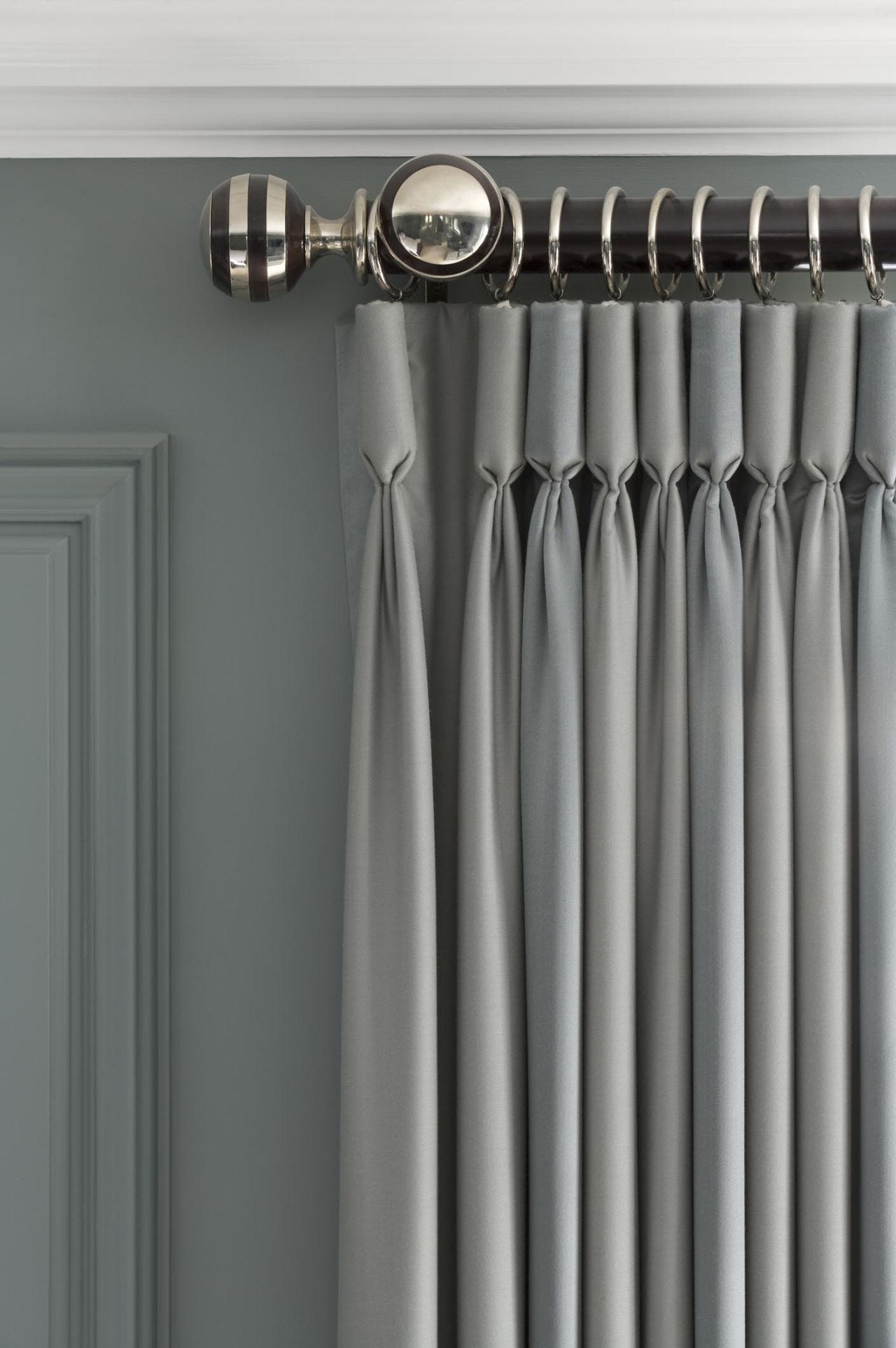
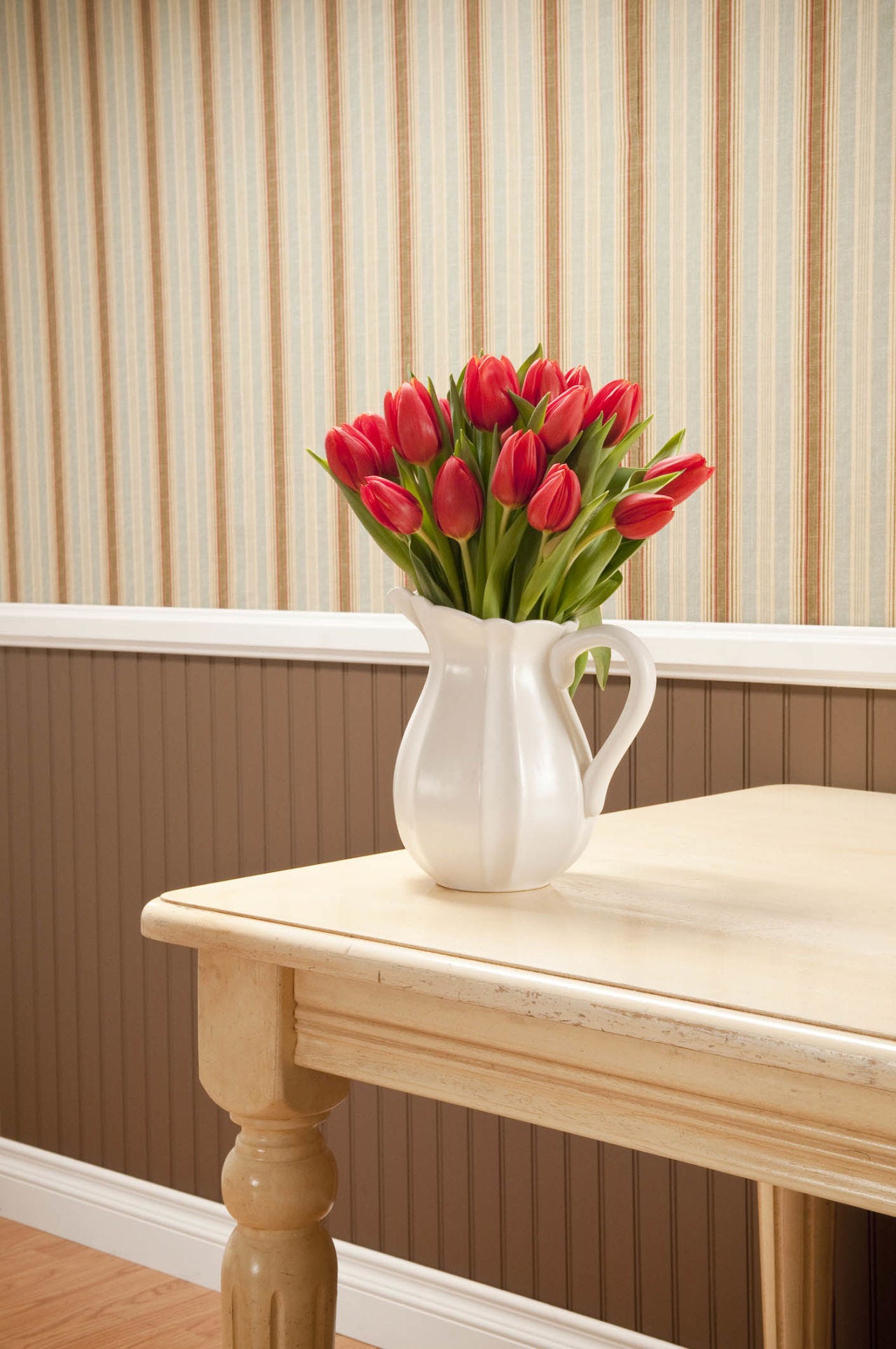
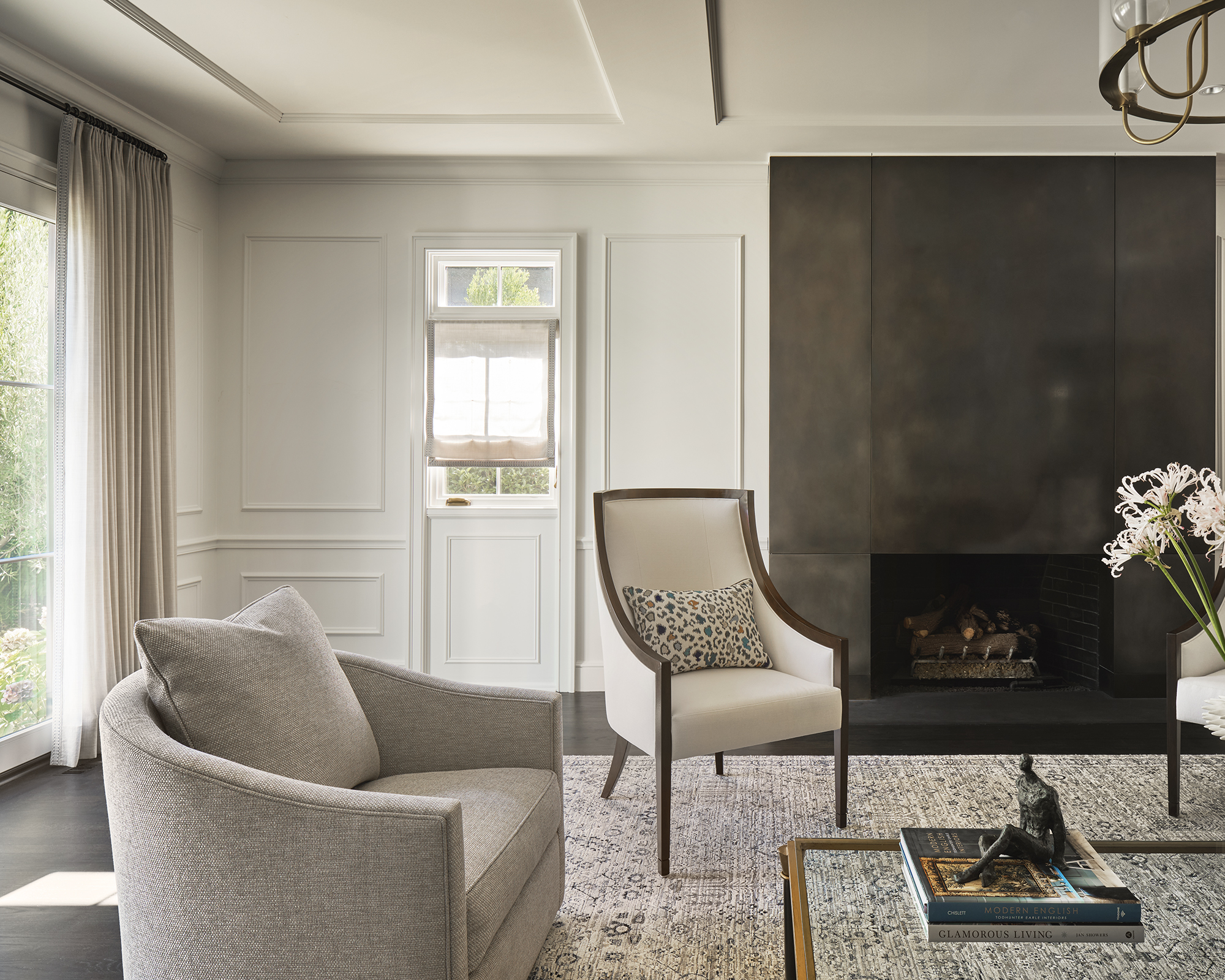
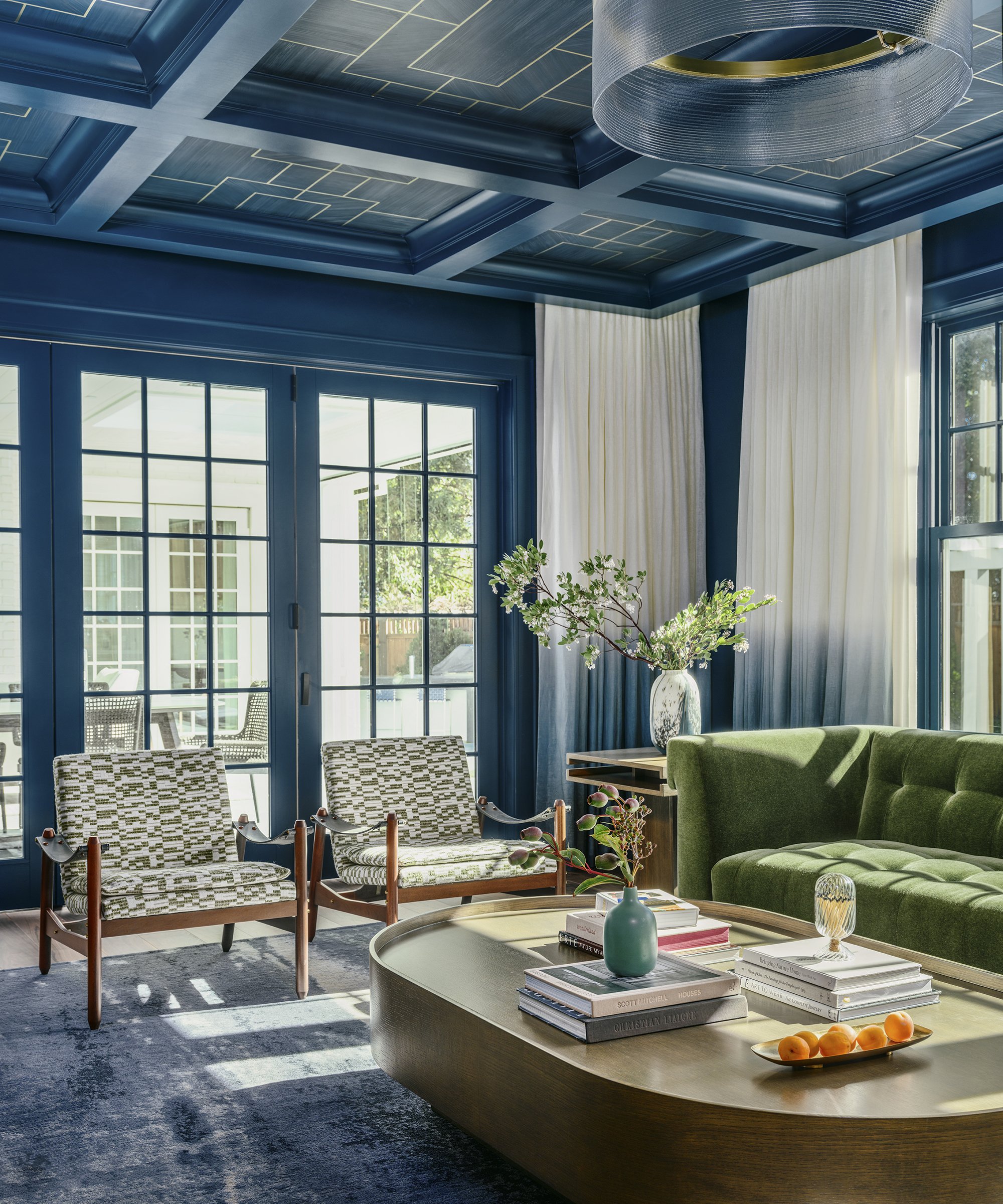
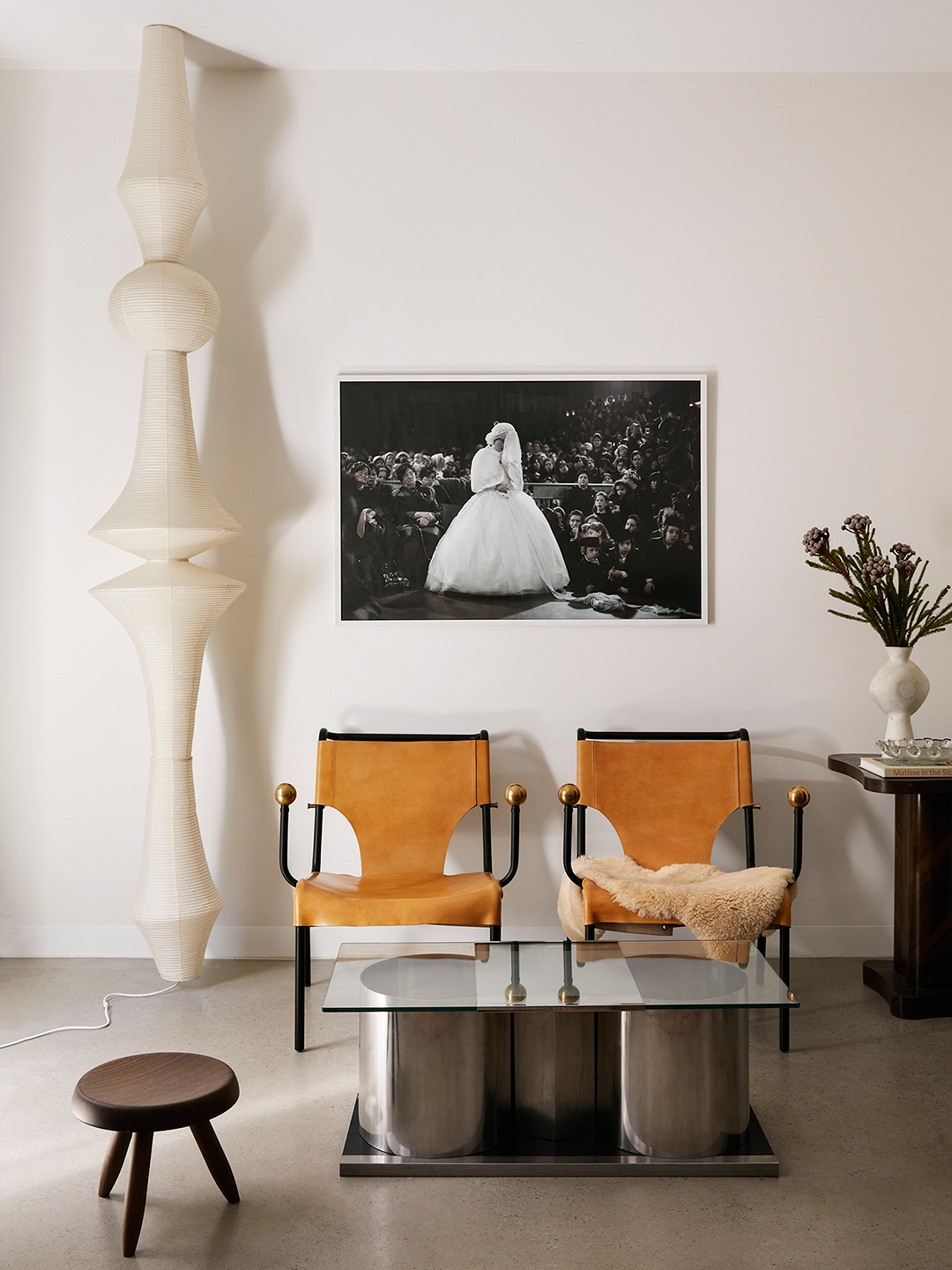
The article then provides practical methods for implementing this tactic, particularly for individuals without naturally high ceilings. It highlights that perceived truth in matters of the human psyche can be more potent than actual truth, allowing for visual manipulations to create the illusion of greater height. These techniques aim to emphasize the vertical axis and draw the eye upward, simulating the Cathedral Effect. Recommendations include applying vertical elements and patterns to walls, such as striped wallpaper, architectural paneling, or vertically arranged structural elements. Exploiting furnishings and décor, such as tall bookcases, full-length drapes, portrait-oriented artwork, vertically mounted decorative accessories, and standing lamps, can also amplify visual height.
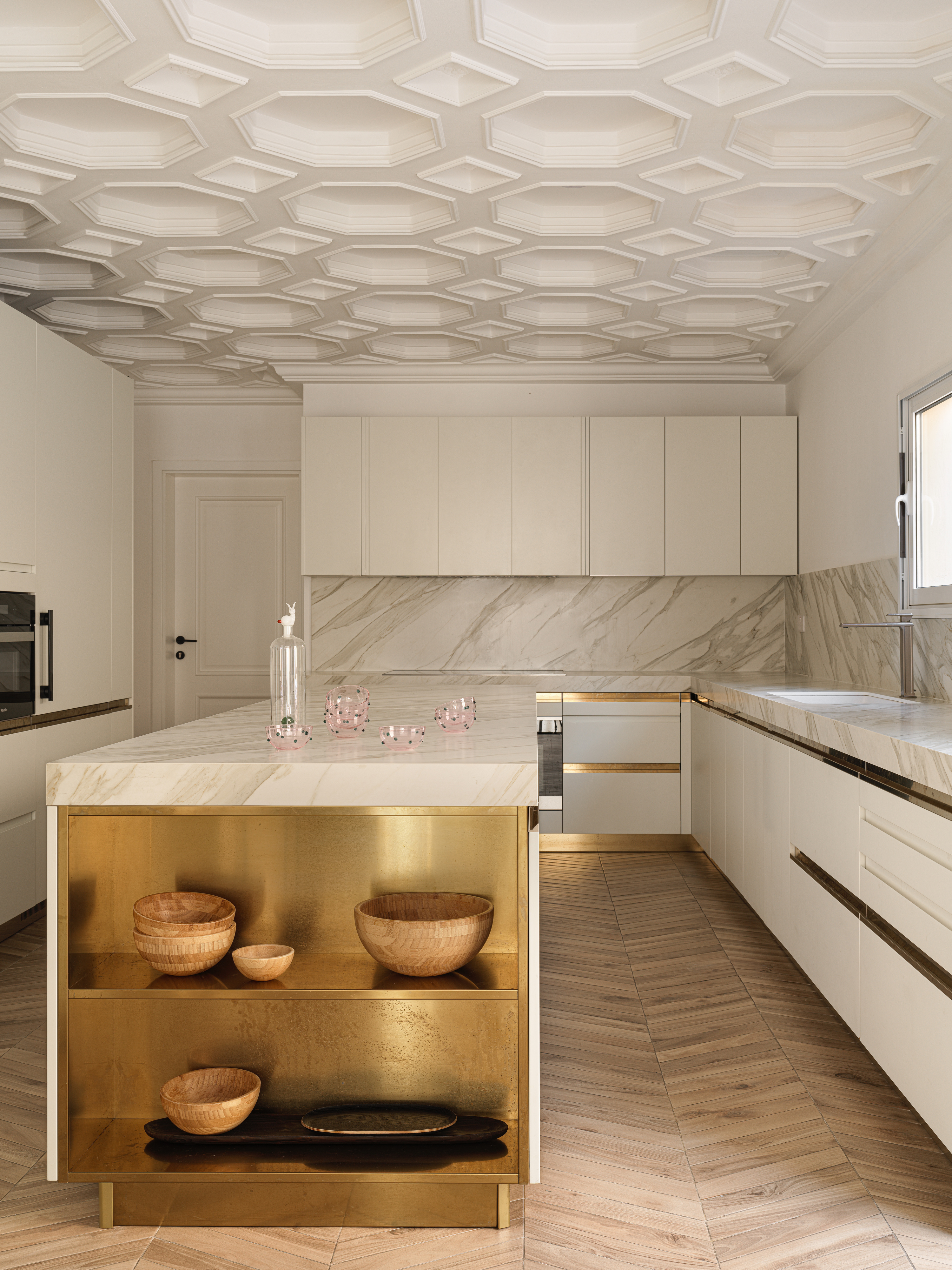
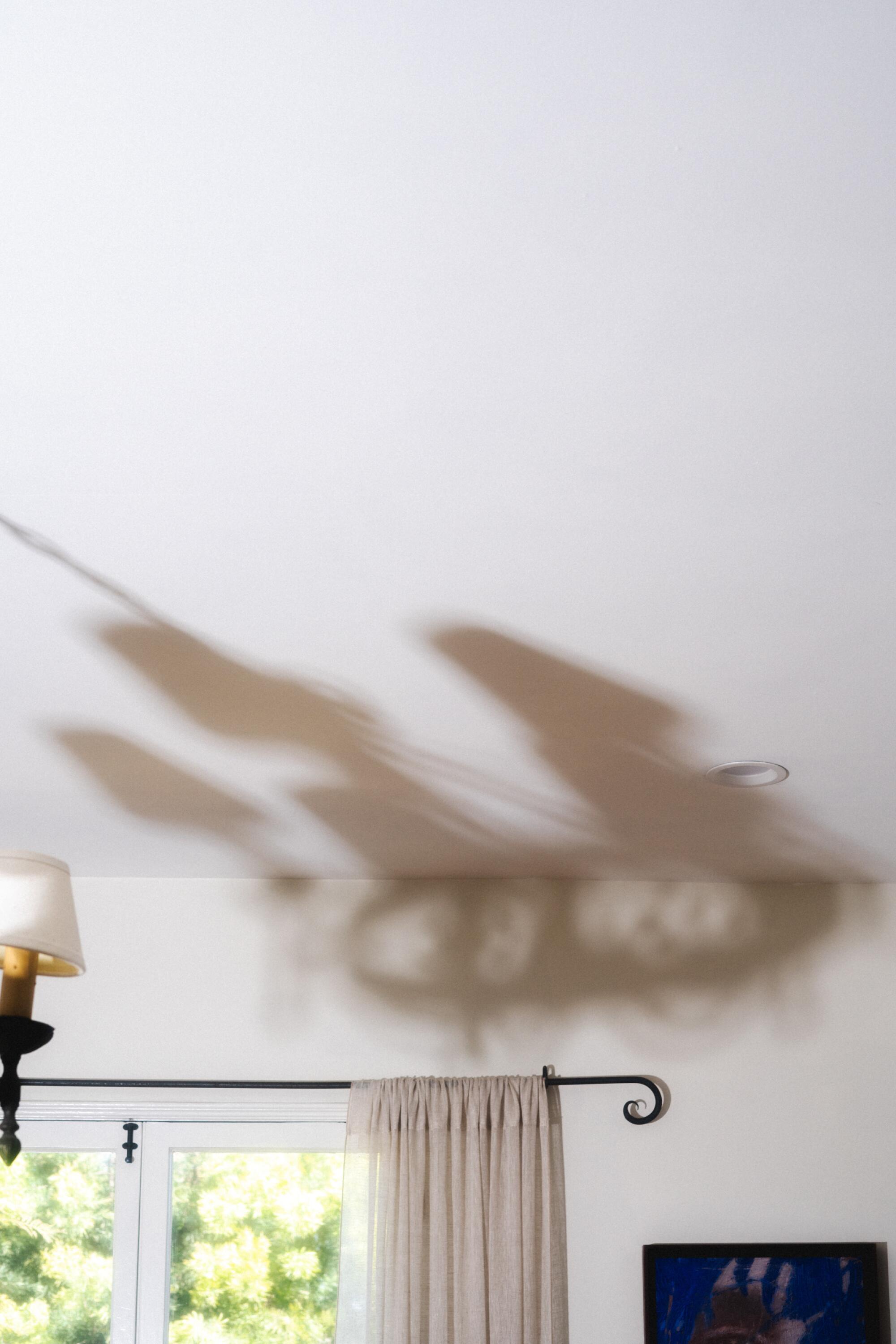
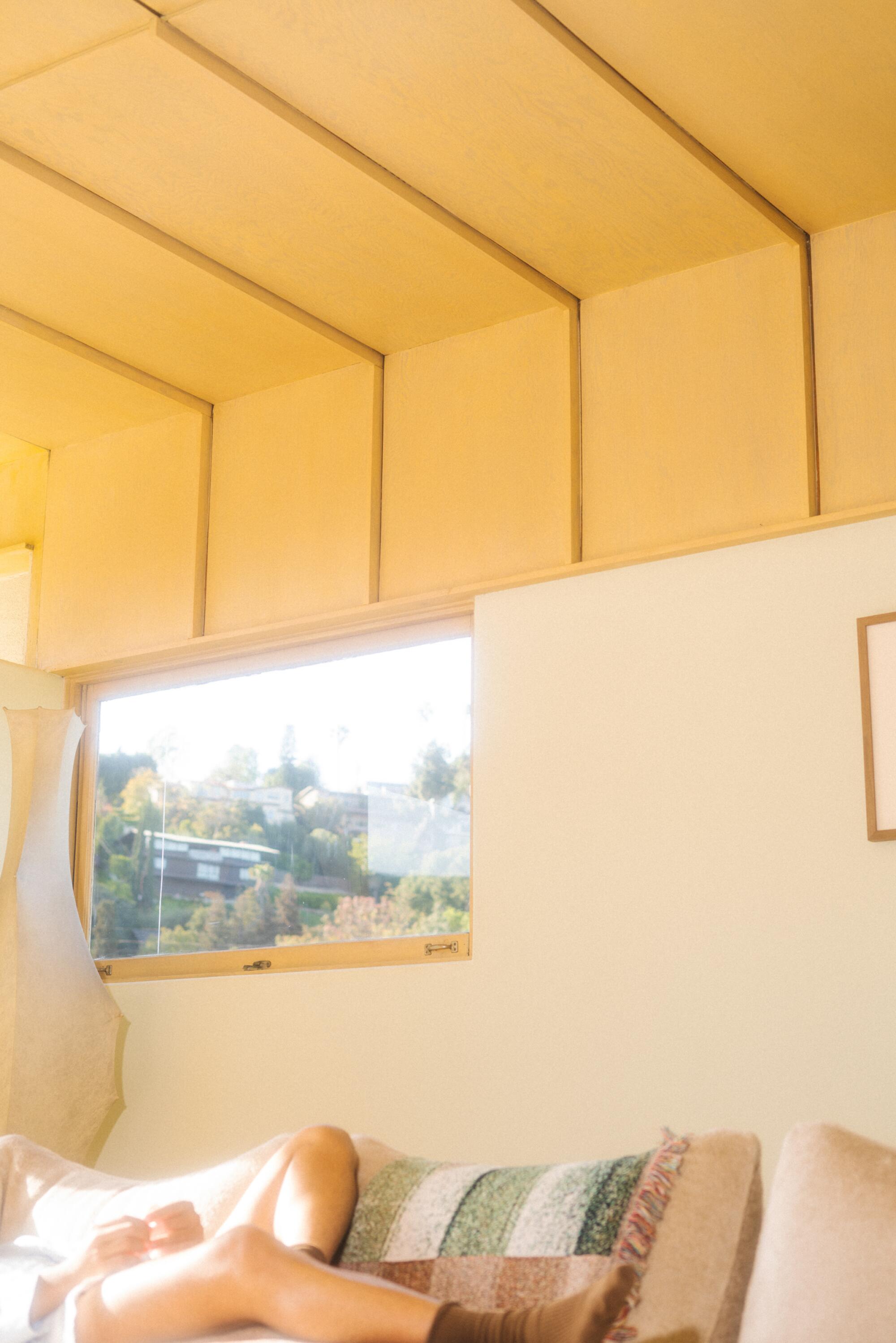
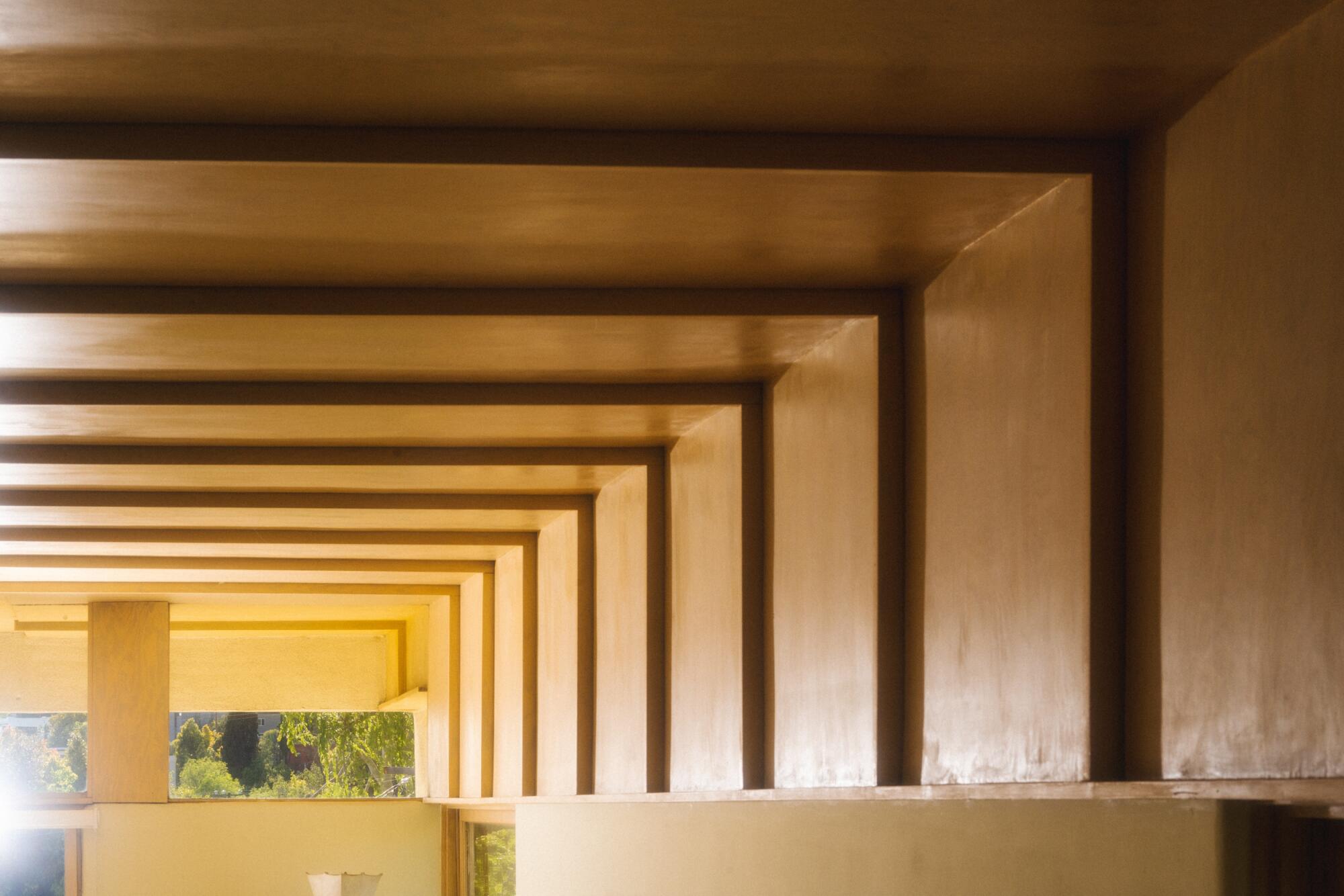
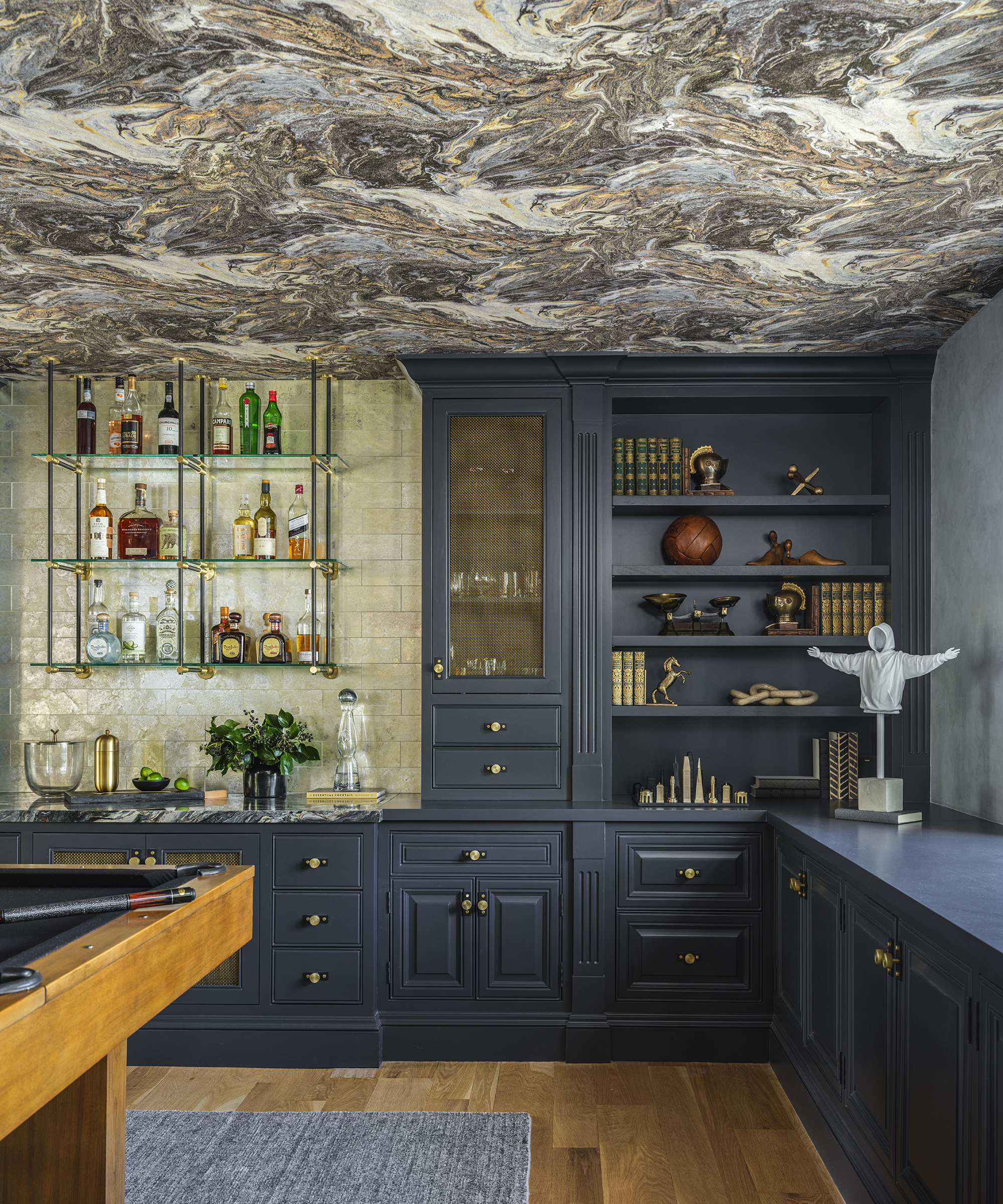
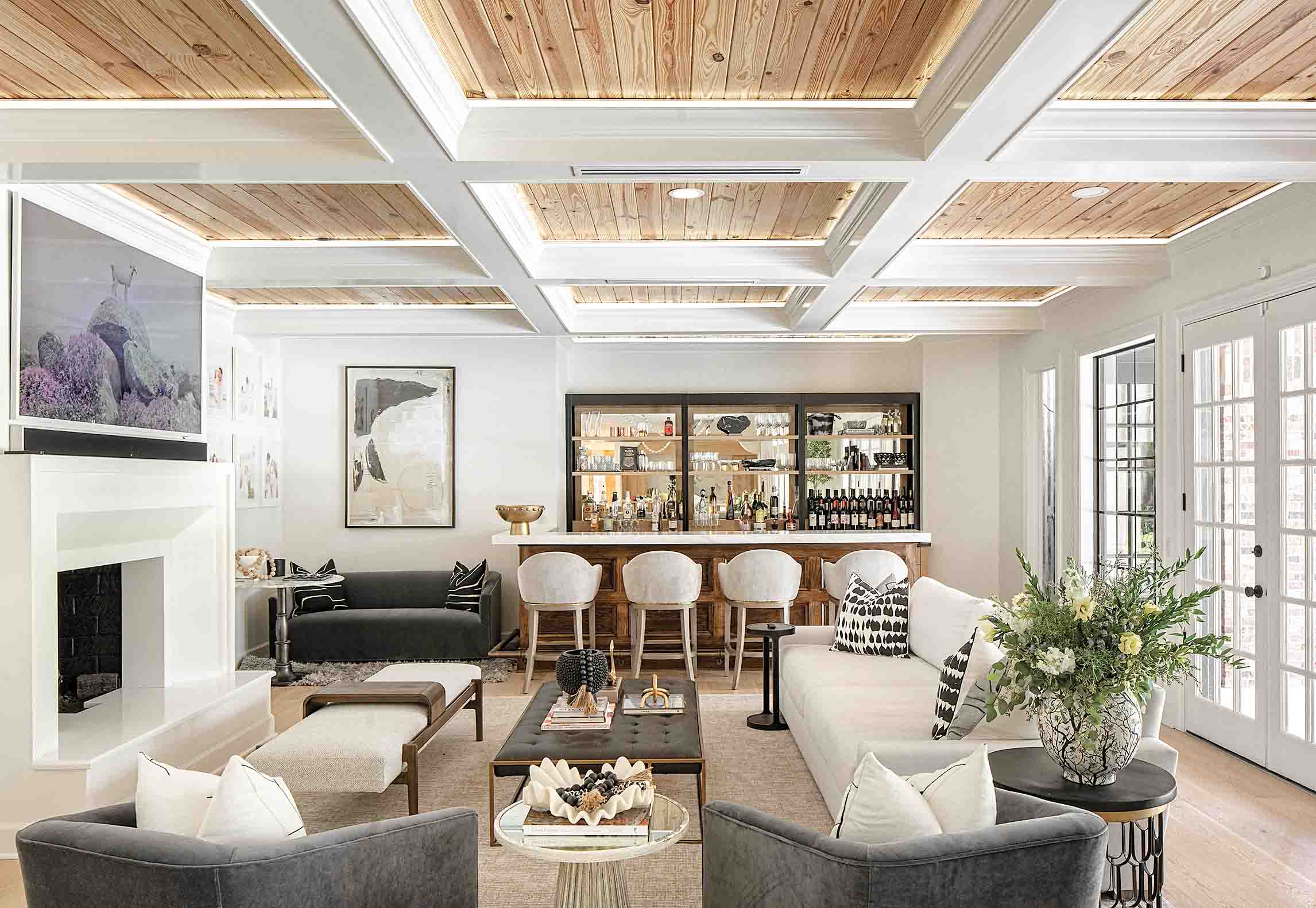
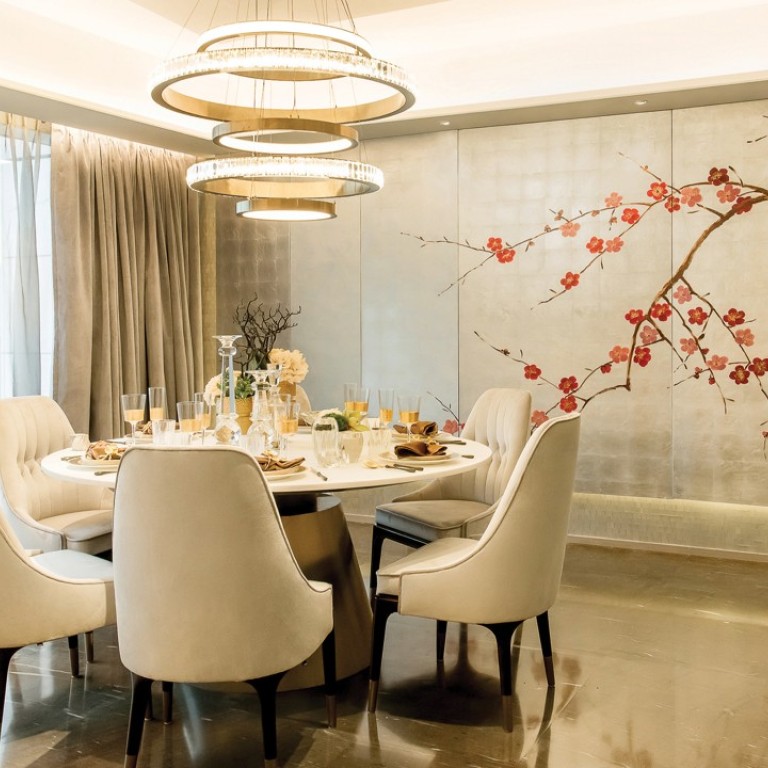
Lighting also plays a crucial role; lighter walls and ceilings, independent of each other, make a space appear taller, debunking the misconception that contrast between ceiling and wall color impacts height perception. Another technique involves extending the wall color or material into the ceiling as a border, or even applying the same color/material to both walls and ceiling, to create a seamless vertical flow. Raising door and window headers significantly influences height perception, as higher openings lead to a perception of a more elevated space. Finally, 'topping off' the space with elements like light fixtures, skylights, ceiling fans, or decorative features draws attention upwards, serving as a prime for the mind to register the room's height.
Conversely, the article advises against design elements that diminish height in creative environments with lower ceilings. These include chair rails, oblong wall paneling, deep friezes, picture molds, heavy cornices, wallcoverings and drapery with longitudinal patterns, openings wider than they are tall, and oversized or horizontally profiled furniture like straight-back sofas. These considerations offer a comprehensive guide to optimizing spatial design for creative thinking, drawing on both psychological research and architectural principles.
#WorkFromHome #RemoteWork #Creativity #SpatialDesign #CeilingHeight #PsychologyOfSpace #HomeDesign #InteriorDesign #CreativeWorkspaces #WorkFromHome #RemoteWork #Creativity #SpatialDesign #CeilingHeight #PsychologyOfSpace #HomeDesign #InteriorDesign #CreativeWorkspaces
0 comment in total
 No comments yet
You may also like
The subtle design tricks that help – and harm – creativity

Designer-Approved Tips to Make the Most of High Ceilings

11 Pro Tricks to Make It Look Like You Have High Ceilings
Hate open floor office spaces? There’s a better way.
Uncovering the connection between ceiling height and emotional reactions in art galleries with editable 360-degree VR panoramic scenes
How to Decorate a Room with a High Ceiling, According to Designers
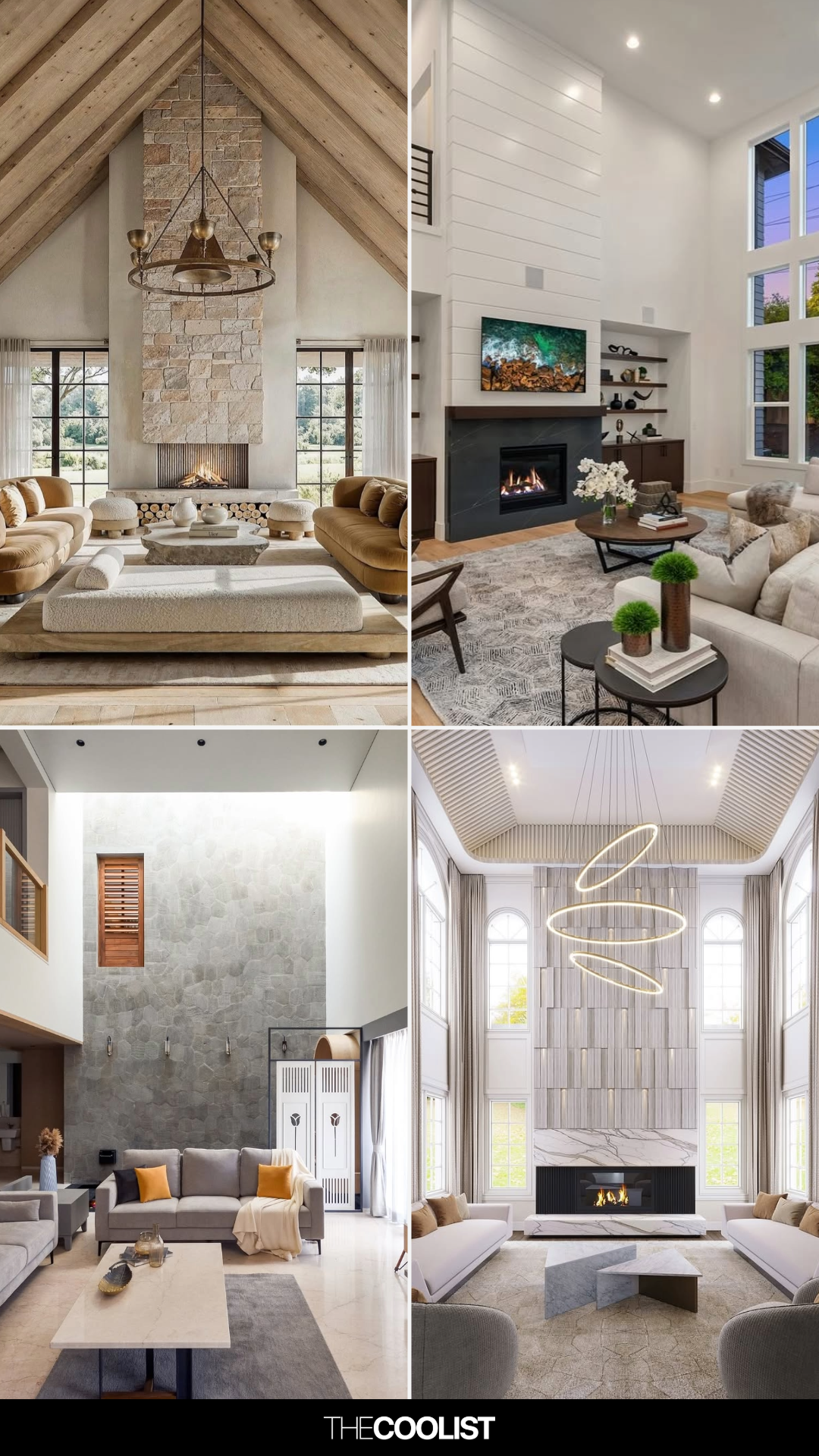
26 High Ceiling Living Room Ideas People Are Copying Because They Actually Work

Design-conscious co-working spaces around the world

Designers Are in Love With "Unexpected Ceilings" — This Creative Trend is Elevating Modern Spaces


How Leaders Can Decide If An Open-Plan Office Is Right For Their Company


5 designers share secrets to motivating and retaining talent

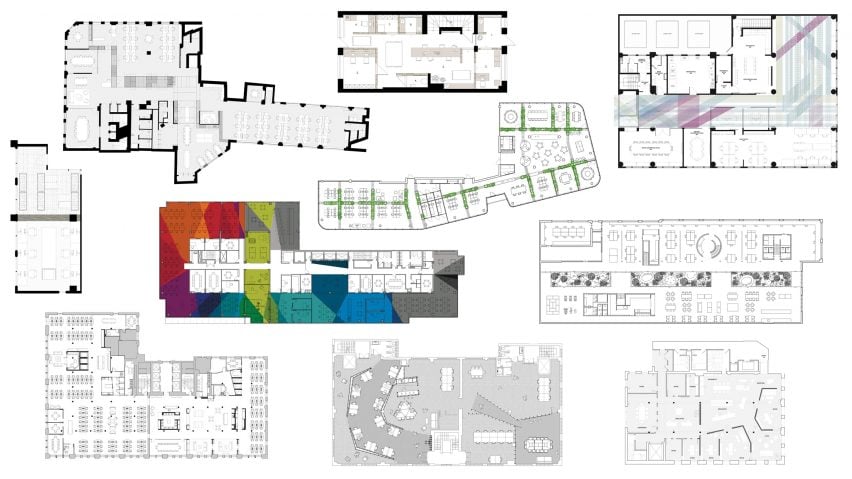
Ten offices with floor plans divided in interesting ways


Working environment has huge impact on artist creative process
Consider the ceiling! On the possibilities to be found on the flip side

The ceiling is the most important wall in your home – and as a designer, this is how I get them right

Home Design: Elevated Environment

The Power of Scale: How Proportions Shape Human Experience

How to make your ceiling light up the room

This Australian Designer’s Desk Chair Is “Truly Uncomfortable But So Attractive”


5 Strategies For Making Your Office Space The Ultimate Employee Destination