1/8
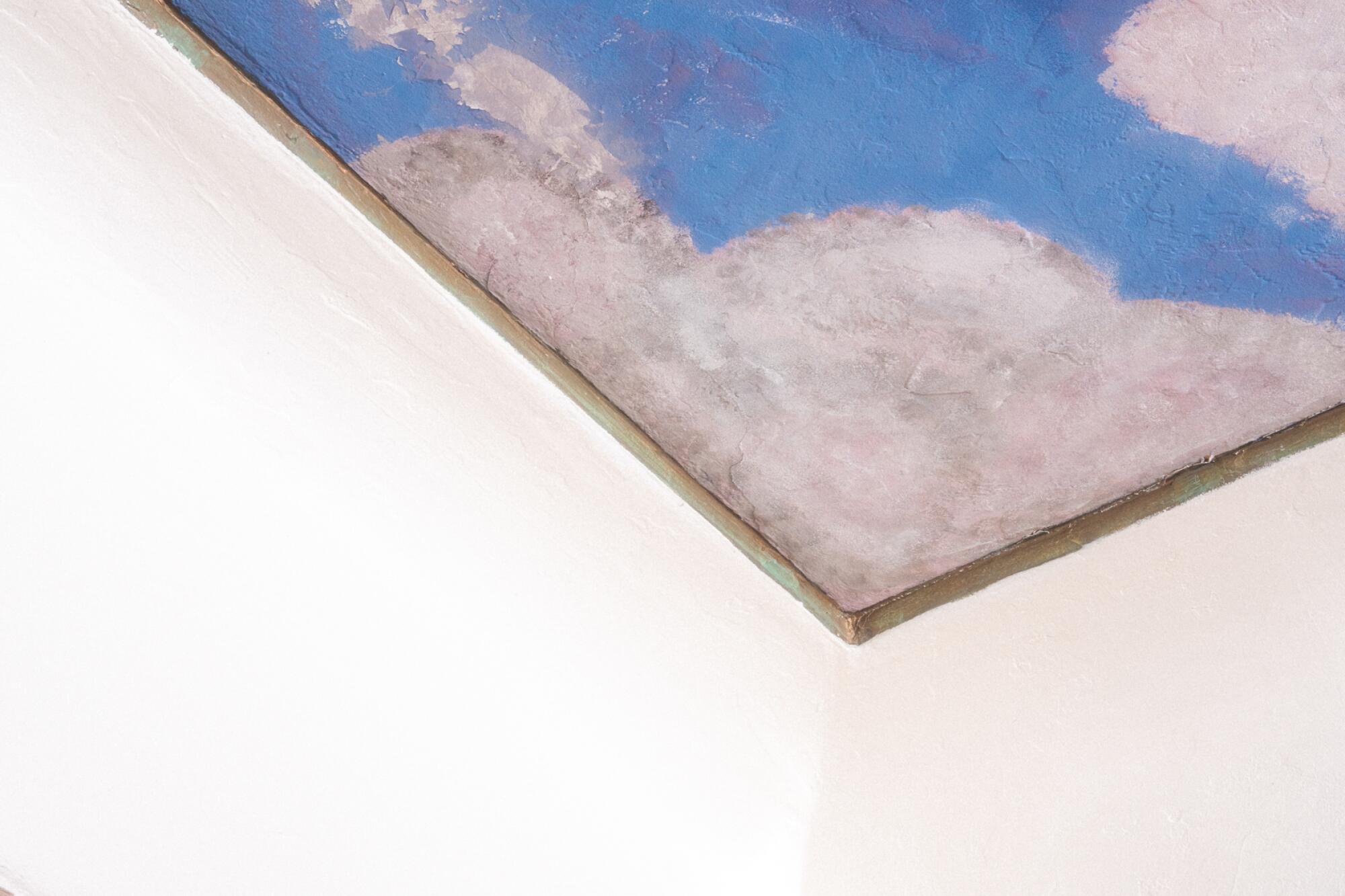
Consider the ceiling! On the possibilities to be found on the flip side
The article explores the often-overlooked potential of ceilings in home design and their profound impact on our perception and experience of a space. It begins by reflecting on the author's childhood experience with a popcorn ceiling, highlighting how this common yet maligned feature left a lasting impression, evoking memories of glow-in-the-dark stars and a crystal prism. This personal anecdote sets the stage for a broader discussion on why ceilings, despite being a fundamental element of shelter, are frequently neglected in design considerations compared to walls, floors, and decor.
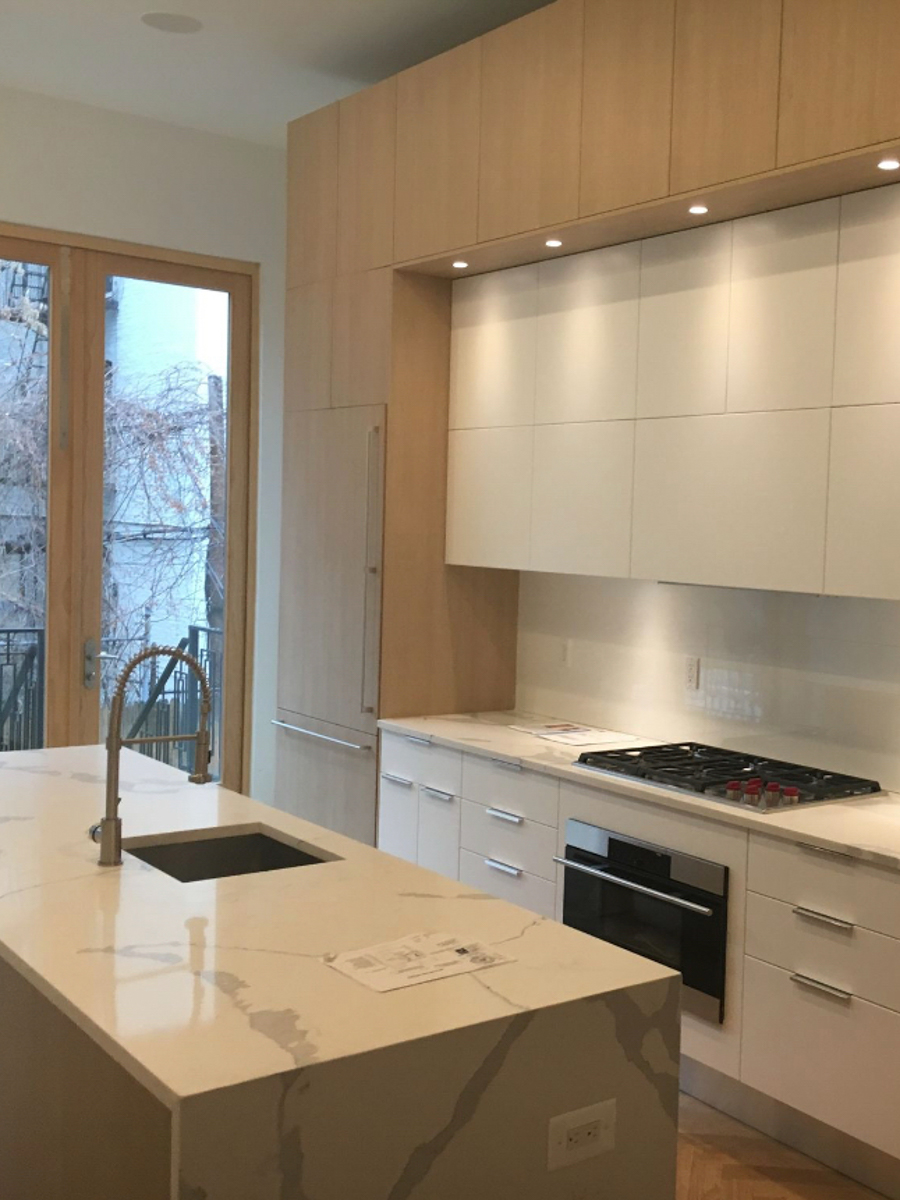
The author critiques the prevalent minimalist aesthetic, which often prioritizes blank, unadorned ceiling surfaces, interrupted only by functional elements like recessed lights and vents. This approach, likened to "quiet luxury," values height and simplicity without fully engaging with the ceiling's potential to shape the atmosphere. Such minimalism can lead to cavernous, echoing spaces that lack character and warmth. In contrast, the article points to industrial lofts, where exposed structural elements like wood subfloors, brick, and metal conduits inadvertently create rich textures and a sense of lived history.
The discussion then delves into instances where ceilings are intentionally integrated into the design, adding significant depth and character to a space. Examples include heavy crown moldings signifying history and status, stepped curves in Southwestern designs recalling traditional adobe, and painted ceilings used to manipulate the perceived height and temperature of a room. Exposed wood beams are presented as elements that introduce visual rhythm and convey structural integrity, making a case against the use of faux beams.
The article emphasizes that while these design choices might not always be consciously registered, they profoundly influence how a space feels—whether low or high, light or dark, confined or airy, cold or hot. Frank Lloyd Wright's Hollyhock House is cited as an exemplary case, where the ceilings are as meticulously designed as the walls, featuring richly colored panels, intricate wood moldings, integrated lighting, and a unique skylight above the hearth that functions as an artwork, filtering light through a geometric wood pattern. Such deliberate design evokes a visceral reaction in occupants.
Moving to more contemporary examples, the article highlights John Lautner's architectural works in Los Angeles, which are characterized by a seamless integration of nature and fantasy through structural elegance. Lautner's designs, such as the cantilevered Chemosphere and the parabolic Garcia House, eschew traditional flat planes, allowing walls and ceilings to curve, fold, and blend with the outdoors. The author notes Lautner's unique architectural education, partly derived from building a cabin with his parents where the ceiling was painted with blue sky and clouds, a design concept that inspired his later work and the Space Age cartoon buildings of "The Jetsons.
Finally, the piece draws a connection between all ceilings and the primal archetypes of shelter—the compressive cave and the tensile tent—suggesting that ceilings are always a reflection of past forms and a canvas for new beginnings. They are presented as silent observers that both reflect and shape the lives lived beneath them. The author concludes by describing their current bedroom ceiling, which, despite its apparent emptiness, reveals a world of natural phenomena and reflections, underscoring the idea that even in perceived void, one can find or create a world. The overarching message is to "look up" and recognize the untapped artistic and experiential possibilities that ceilings offer in enriching our living environments.
#HomeDesign #InteriorDesign #CeilingDesign #ArchitecturalFeatures #SpacePerception #FrankLloydWright #JohnLautner #ArchitecturalHistory #DesignPhilosophy #HomeDesign #InteriorDesign #CeilingDesign #ArchitecturalFeatures #SpacePerception #FrankLloydWright #JohnLautner #ArchitecturalHistory #DesignPhilosophy
 No comments yet
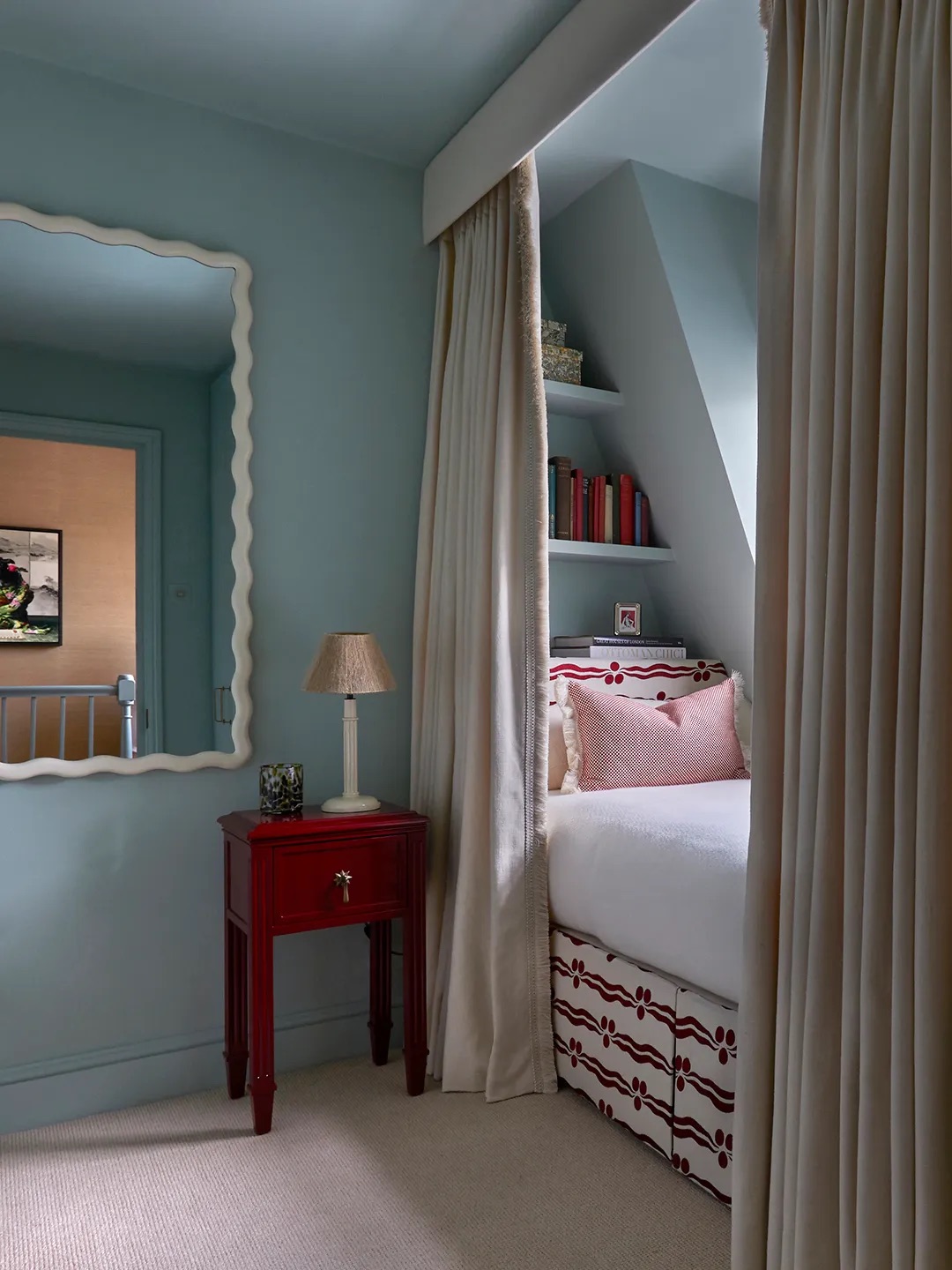
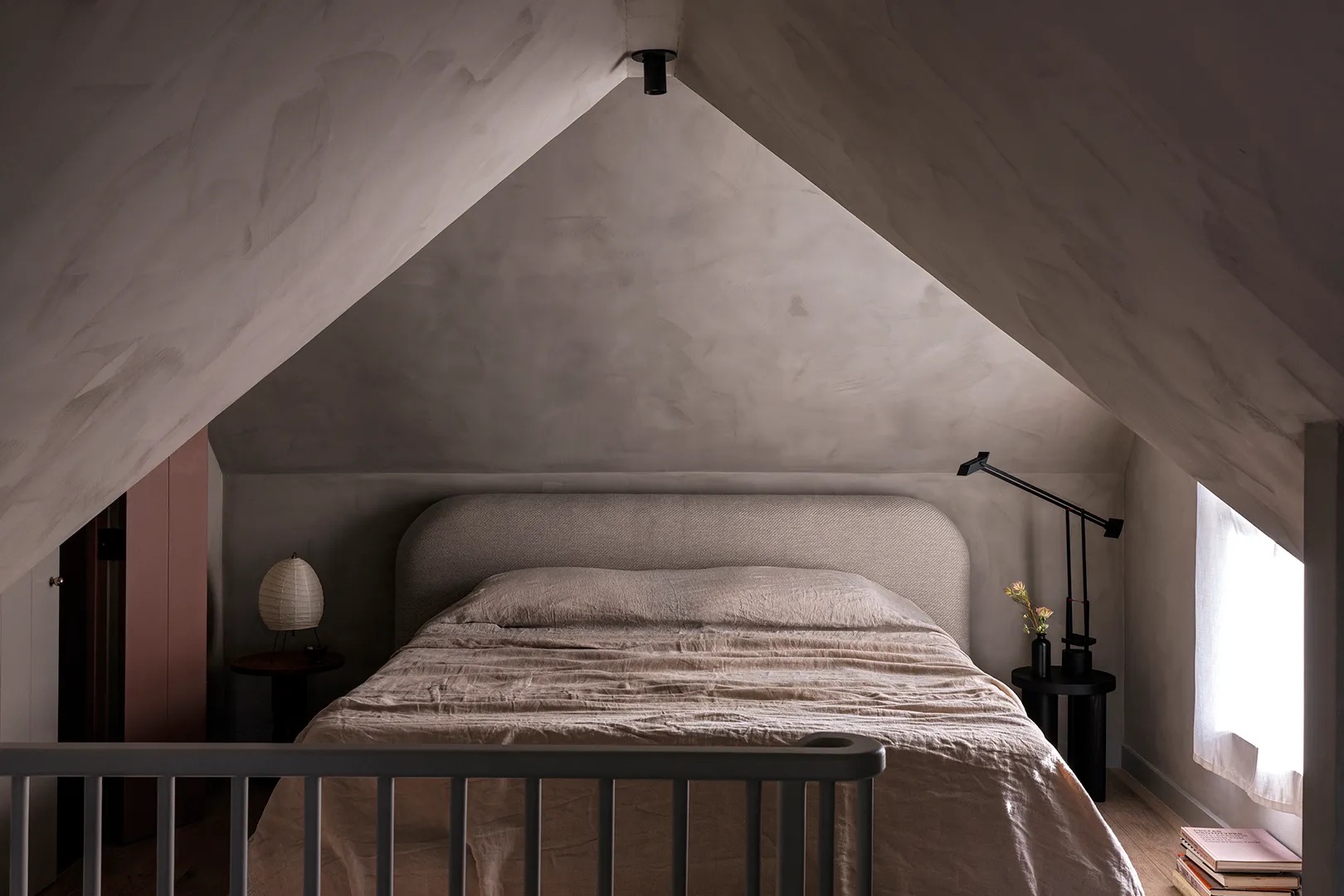
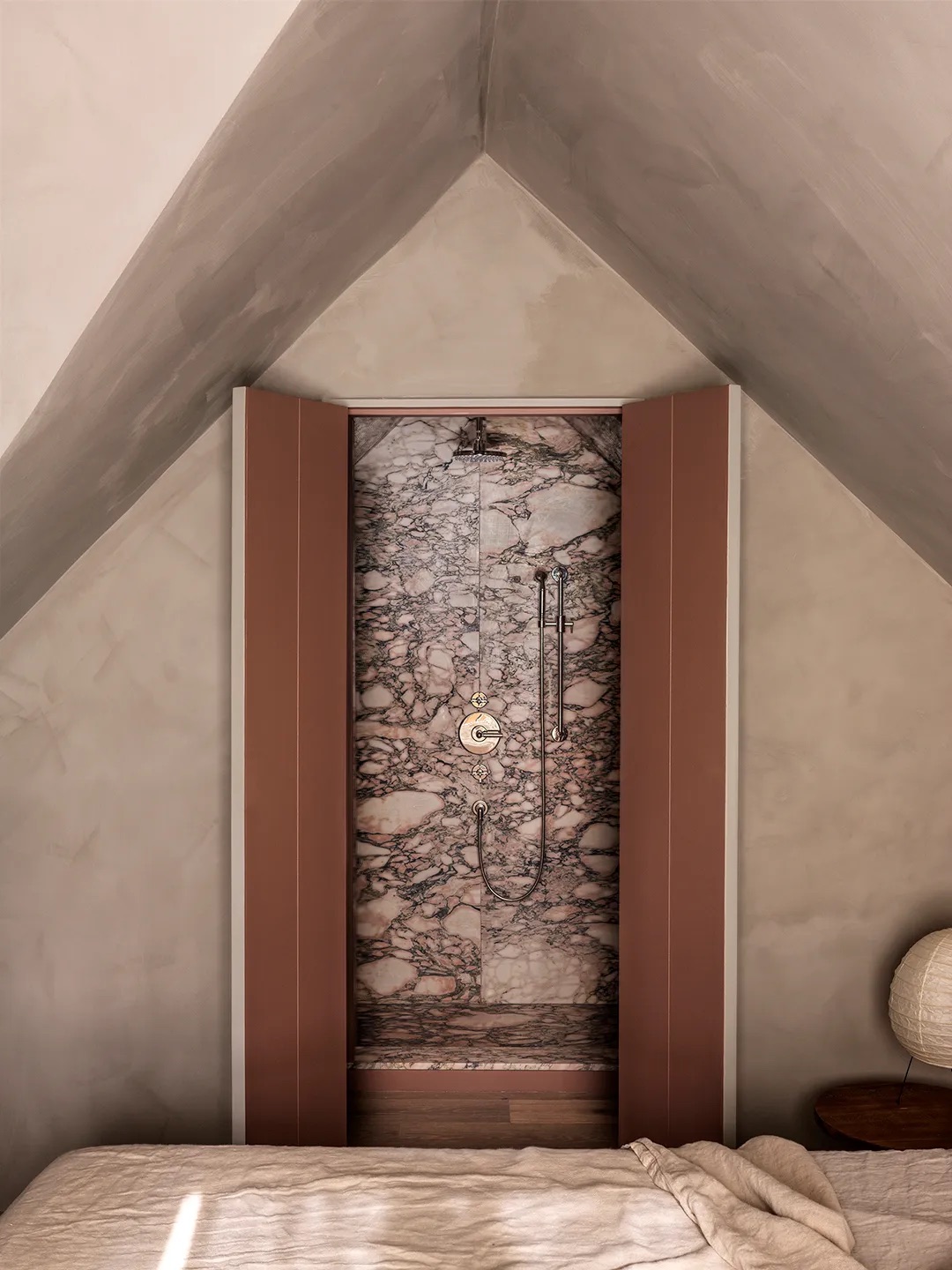
Awkward Rooflines Are No Match for These Clever Solutions

Ceiling makeovers uplifting
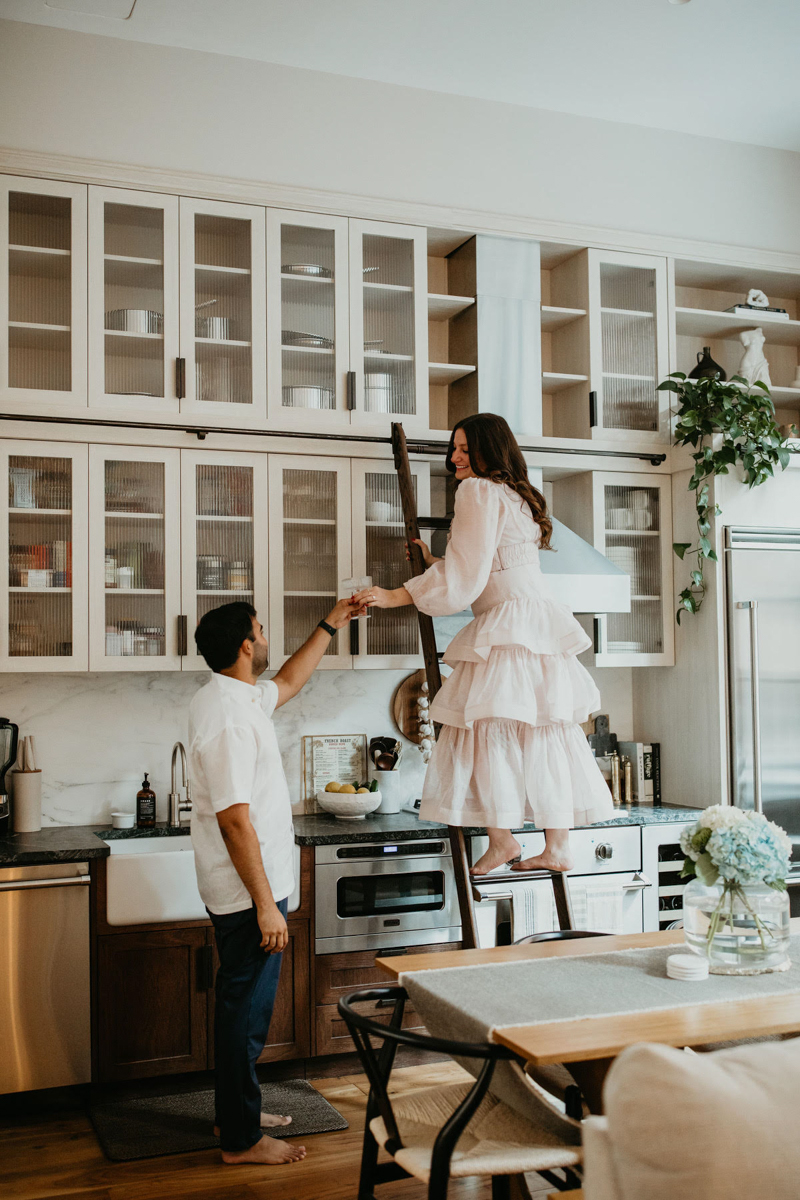
Before You Take Your Kitchen Cabinets Up to the Ceiling, Consider This Overlooked Addition

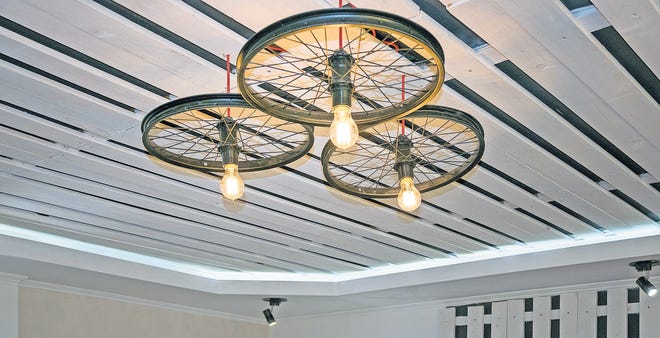
Appealing ceilings: Design future is looking up

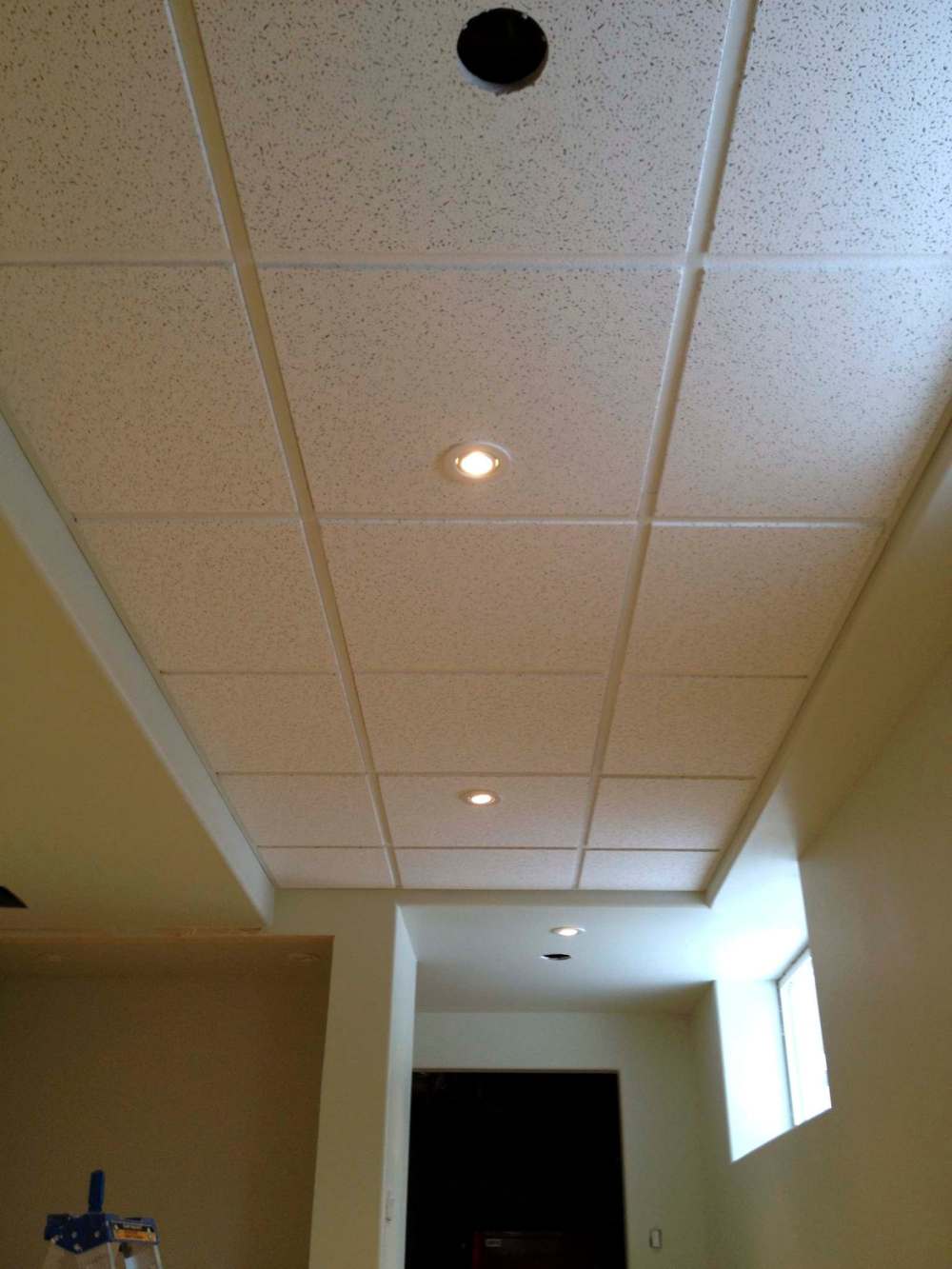
Apr 2017: Sometimes only a suspended ceiling will do


Decorative and architectural ceiling solutions
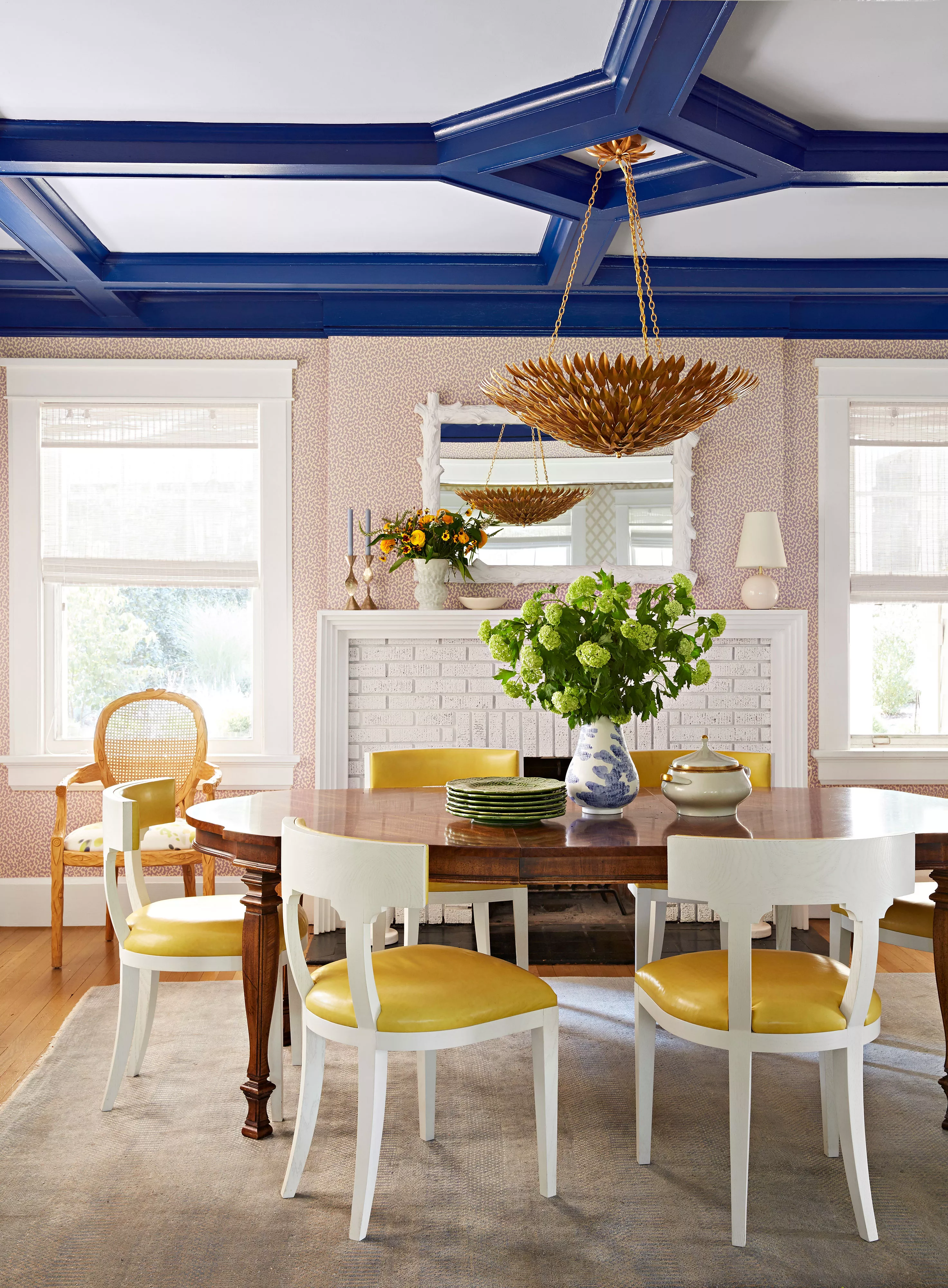
20 Ways to Try the Ceiling Maximalism Trend

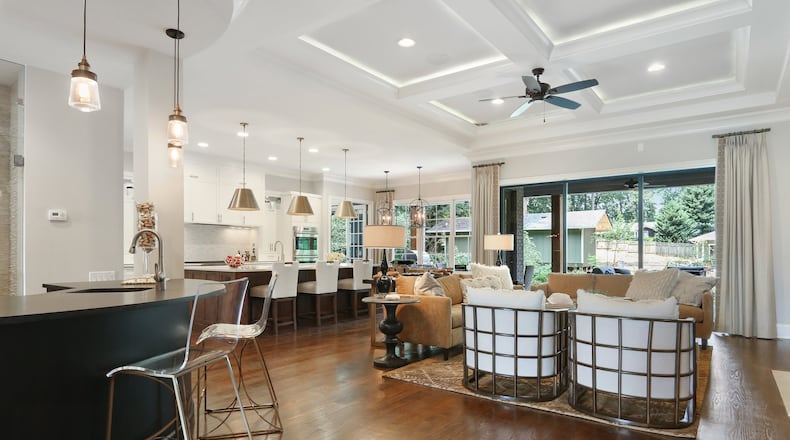
Ceilings can be turned into eye-popping attention-getters