1/17
The Power of Scale: How Proportions Shape Human Experience
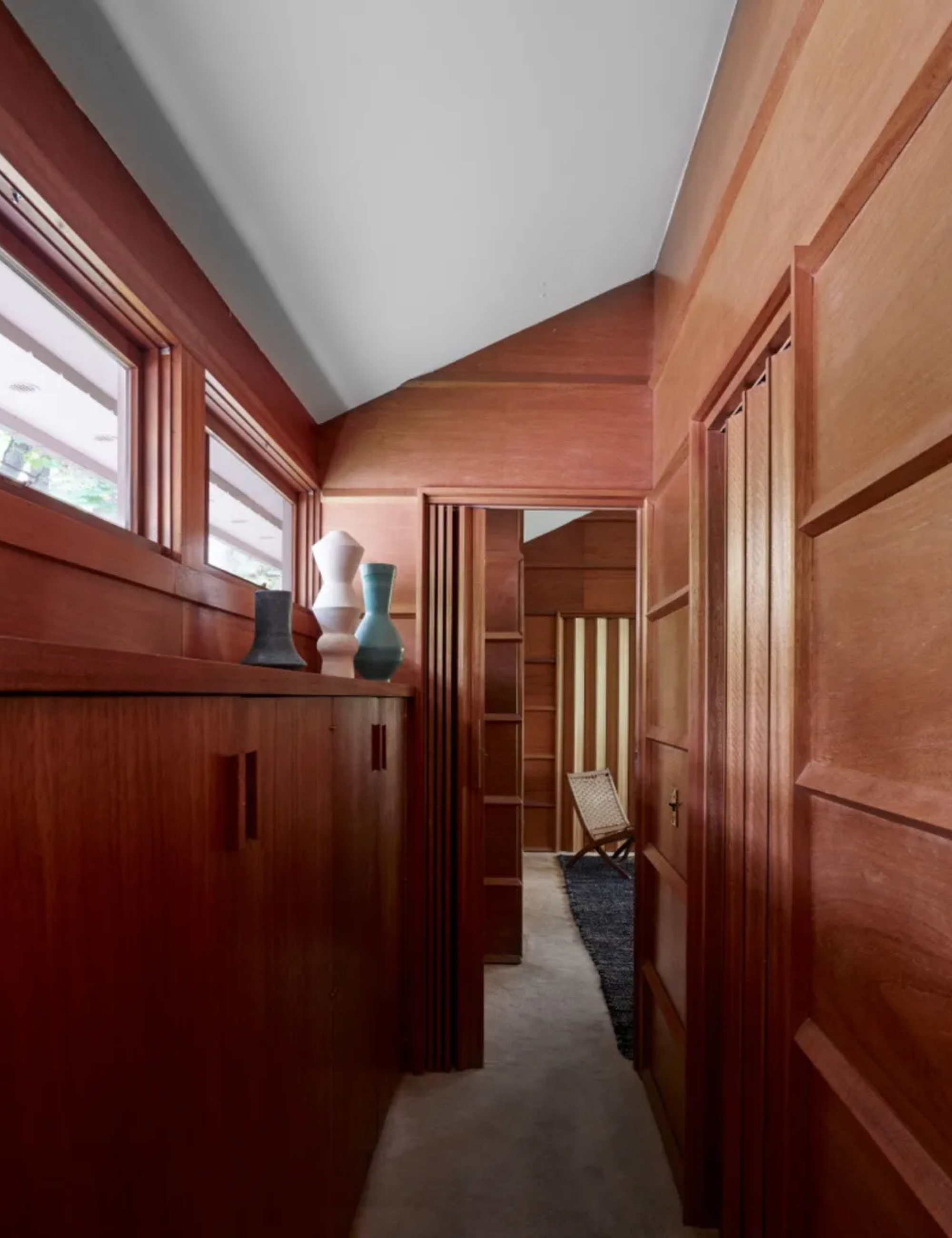
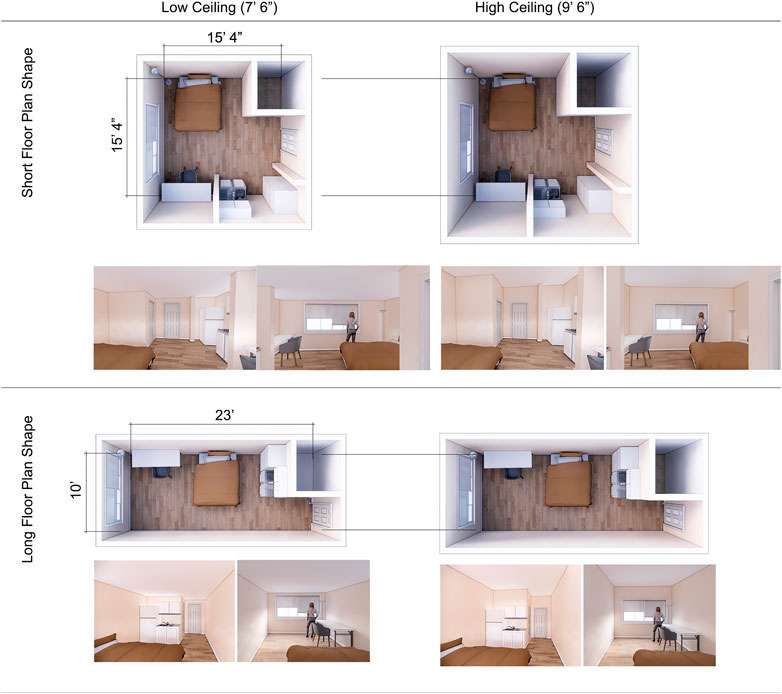
The perception and experience of spaces extend beyond aesthetics, directly influencing emotions, thoughts, and creativity. Spacious environments with high ceilings often evoke a sense of freedom and inspiration, while smaller, enclosed spaces encourage focus and introspection. This phenomenon, known as the 'Cathedral Effect,' was introduced by anthropologist Edward T. Hall in the 1960s, describing how ceiling height impacts cognition and behavior. Recent research has further demonstrated how architecture shapes decision-making and emotional states. High ceilings are associated with abstract thinking, creativity, and holistic problem-solving, whereas lower ceilings foster confinement, enhancing focus and analytical thinking. In retail, high ceilings encourage broad product evaluations, while lower ones promote detailed analysis. Similarly, open spaces in work and educational environments foster innovation, and smaller rooms support concentration on meticulous tasks.
Historically, architecture has intuitively applied this understanding for centuries, with Gothic cathedrals using soaring ceilings to symbolize divine grandeur. This connection between environment and perception is a fundamental principle of neuroarchitecture, which studies how spatial elements influence human emotions and behaviors. This concept is now applied in various settings, including museums and government buildings, to evoke specific emotional responses like awe or inspiration.
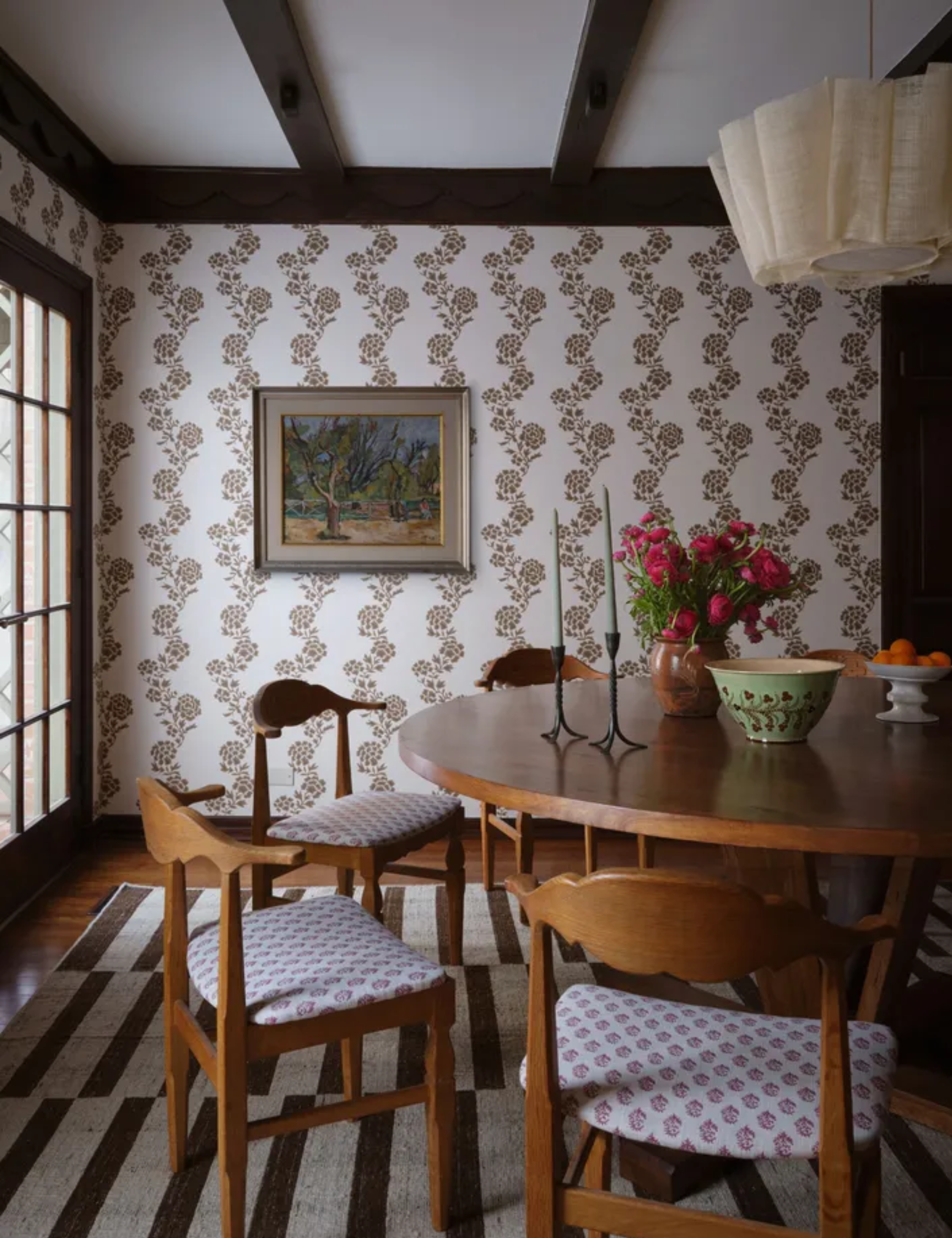
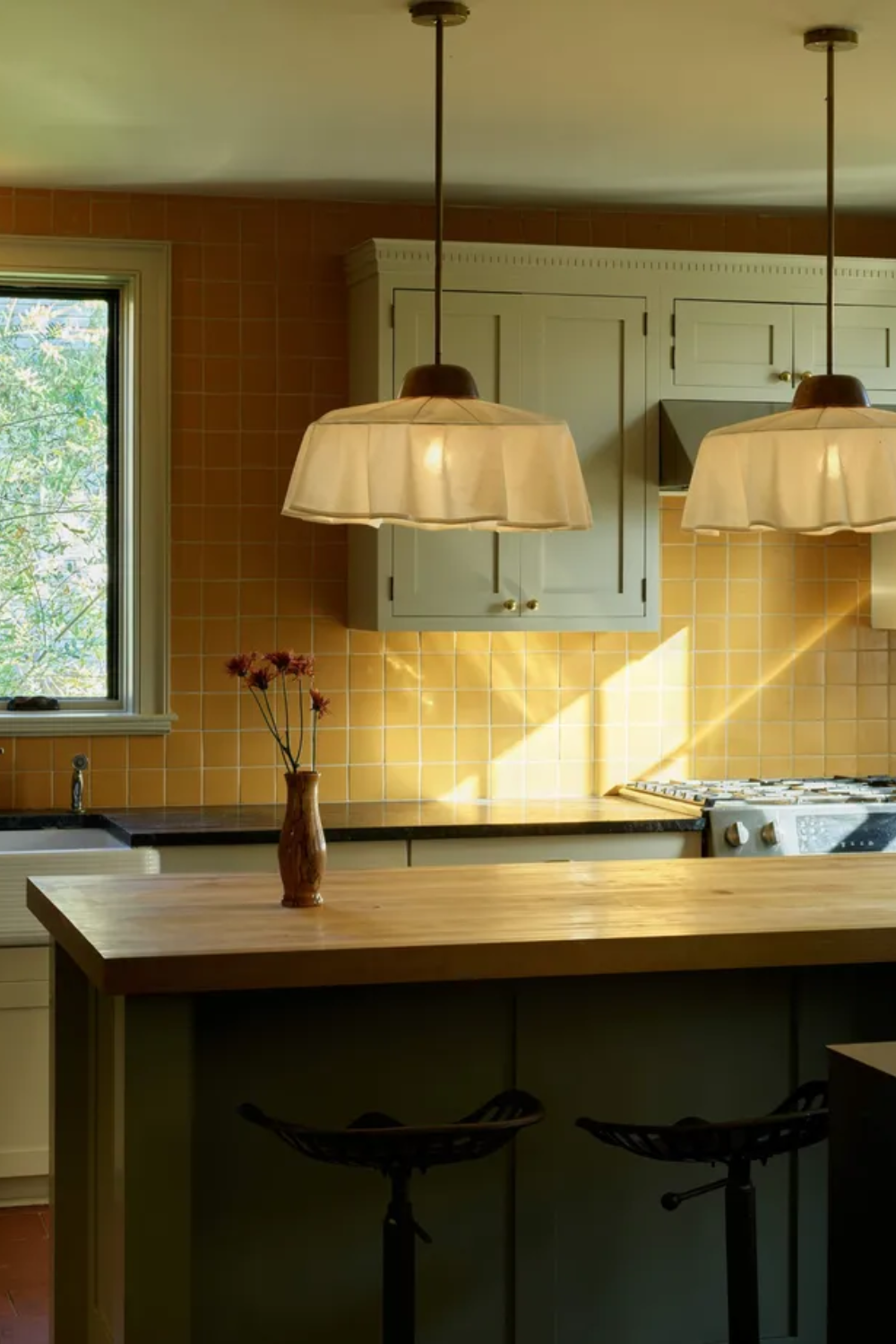
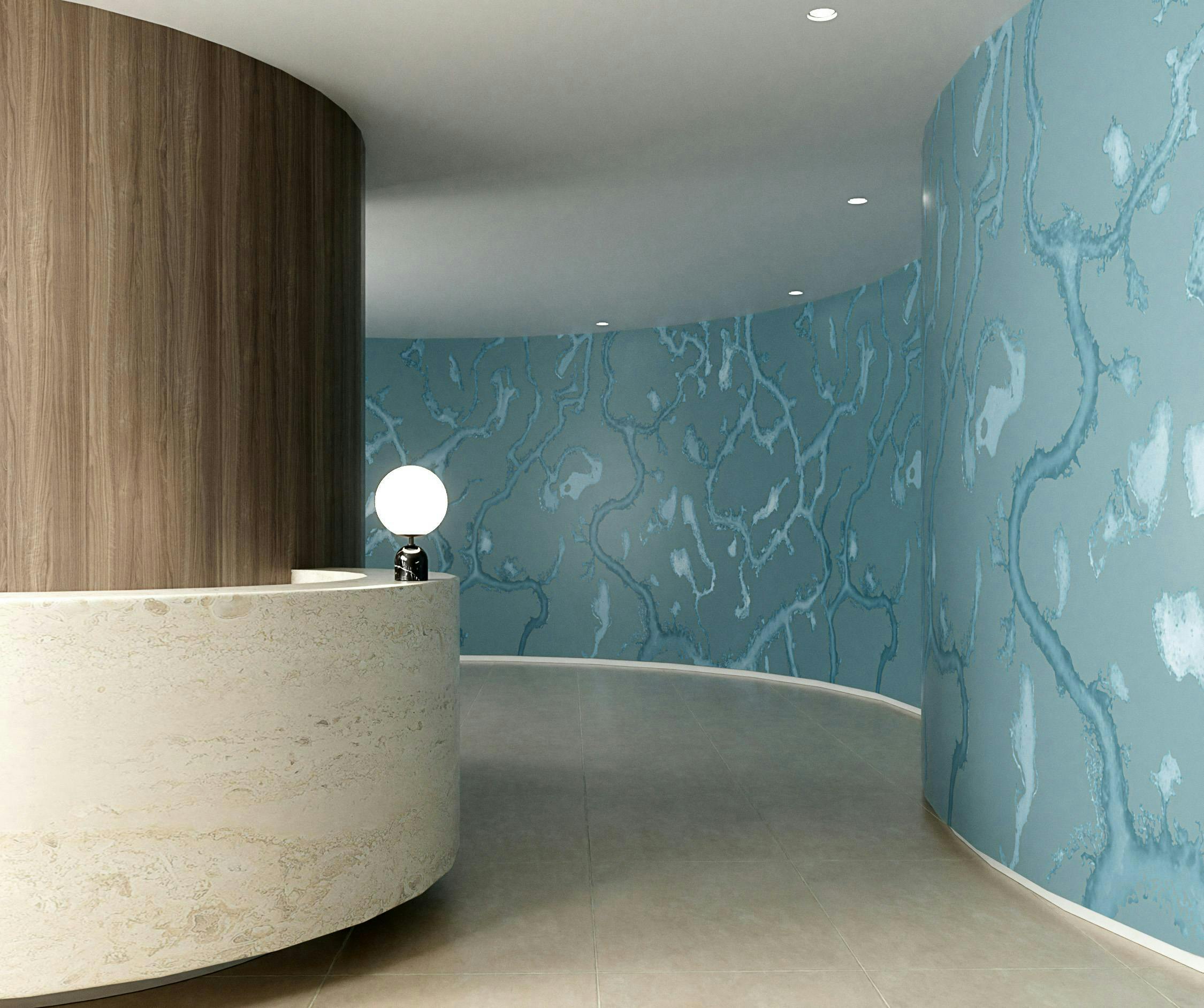
Beyond ceiling height, other architectural elements such as color, materials, and lighting also play crucial roles in creating distinct atmospheres, enhancing spaciousness or fostering warmth and intimacy. These factors highlight the deep connection between a space's perception and the emotions it evokes. Scale, therefore, becomes a fundamental tool for humanizing architecture, making spaces more livable and attuned to sensory needs. Eugene Raskin, in 'Architectural Speaking,' outlines four types of scale that balance proportion, comfort, and experience, always prioritizing the human perspective.
Natural scale aligns with the human horizontal field of vision (50-55 degrees), making smaller, lower buildings feel more intuitive and harmonious. Spaces designed with human scale in mind encourage organic connections, ease of navigation, and a sense of belonging, often reflecting proportions found in nature and the human body. Examples include Maggie's Lanarkshire by Reiach and Hall Architects, Casa Scout by BAAG, Restaurante Greta Kouzina by Babel Arquitetura, and Bentleigh Secondary College Meditation and Indigenous Cultural Centre by dwpIsuters.
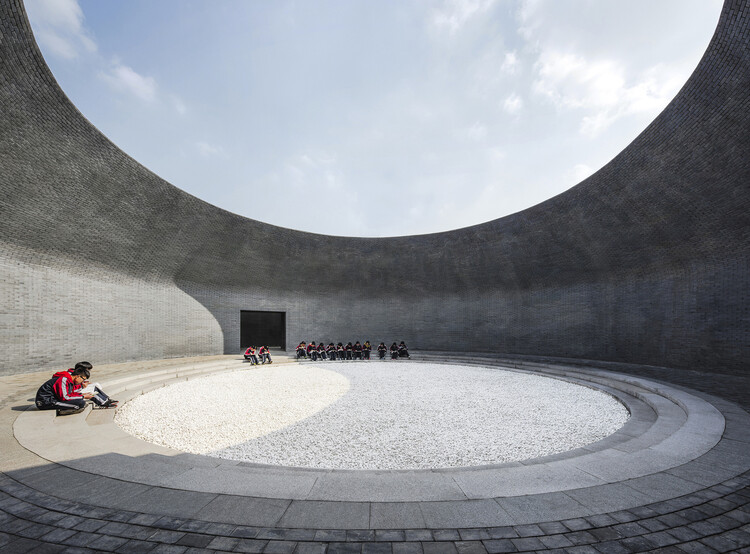
Monumental scale, significantly larger than human scale, is typically found in public buildings, religious structures, and memorials. Its imposing nature makes users feel small and contained, historically serving as a tool of power to assert dominance. Modern applications, however, often repurpose monumental architecture to reinforce accessibility, cultural identity, and collective belonging. Examples include La Bourse de Commerce by Tadao Ando Architect & Associates, Astronomical Park of Zhenze High School by Specific Architects + Unit Architects, The Cathedral of Christ the Light by SOM, and Chinese Culture Exhibition Center by ECA2 & Tengyuan Design.
Intimate scale, a subcategory of human scale, is personal and inviting, designed to foster comfort, privacy, and retreat. Elements like inglenooks or window benches exemplify this scale, where enclosed spaces enhance coziness and security, ideal for relaxation or contemplation. This scale is relevant in residential and commercial settings, creating warm and welcoming atmospheres. Examples include Zaishui Art Museum by junya ishigami + associates, U-shape room by Atelier TAO+C, Warm Studio Home by Shanghai Jiao Tong University, and Chapel of the Earth by Cabrera Arqs.
Shock scale, the least conventional, aims to surprise and challenge perception through exaggeratedly large or unexpectedly small proportions. Common in experimental or artistic projects, it creates immediate impact and disrupts traditional spatial expectations, evoking curiosity or awe. While less common in residential design, it is prevalent in provocative architectural works, sometimes resembling kitsch architecture, which prioritizes instant gratification over deep intellectual engagement. Examples include Dubai Frame by Fernando Donis and Big Duck by Martin Maurer.
When manipulating architectural scale, two primary considerations are crucial: aligning the space with its intended function and acknowledging the variability of user perception, which is influenced by cultural background, personal experiences, and expectations.
#ArchitecturalScale #HumanExperience #Neuroarchitecture #SpatialPerception #DesignPsychology #CeilingHeight #InteriorDesign #ArchitecturalProportions #CognitiveImpact #ArchitecturalScale #HumanExperience #Neuroarchitecture #SpatialPerception #DesignPsychology #CeilingHeight #InteriorDesign #ArchitecturalProportions #CognitiveImpact
 No comments yet
5 Ways Designers Use Scale to Make Rooms Feel Right


Nature's Geometry: The Impact of Fractals on Human Well-being
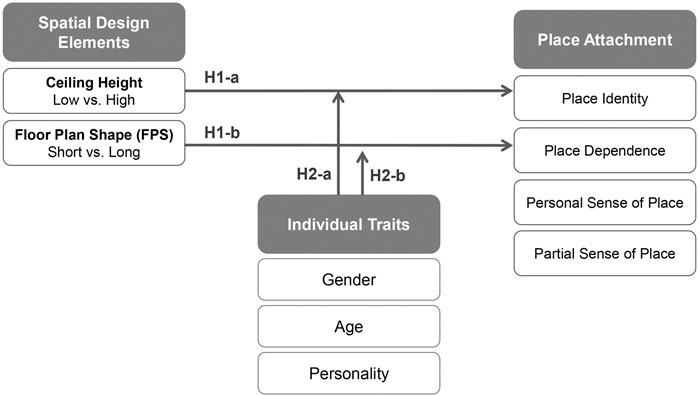
Effects of gender and personality on experience of small living spaces: Ceiling height and floor plan shape in virtual environment
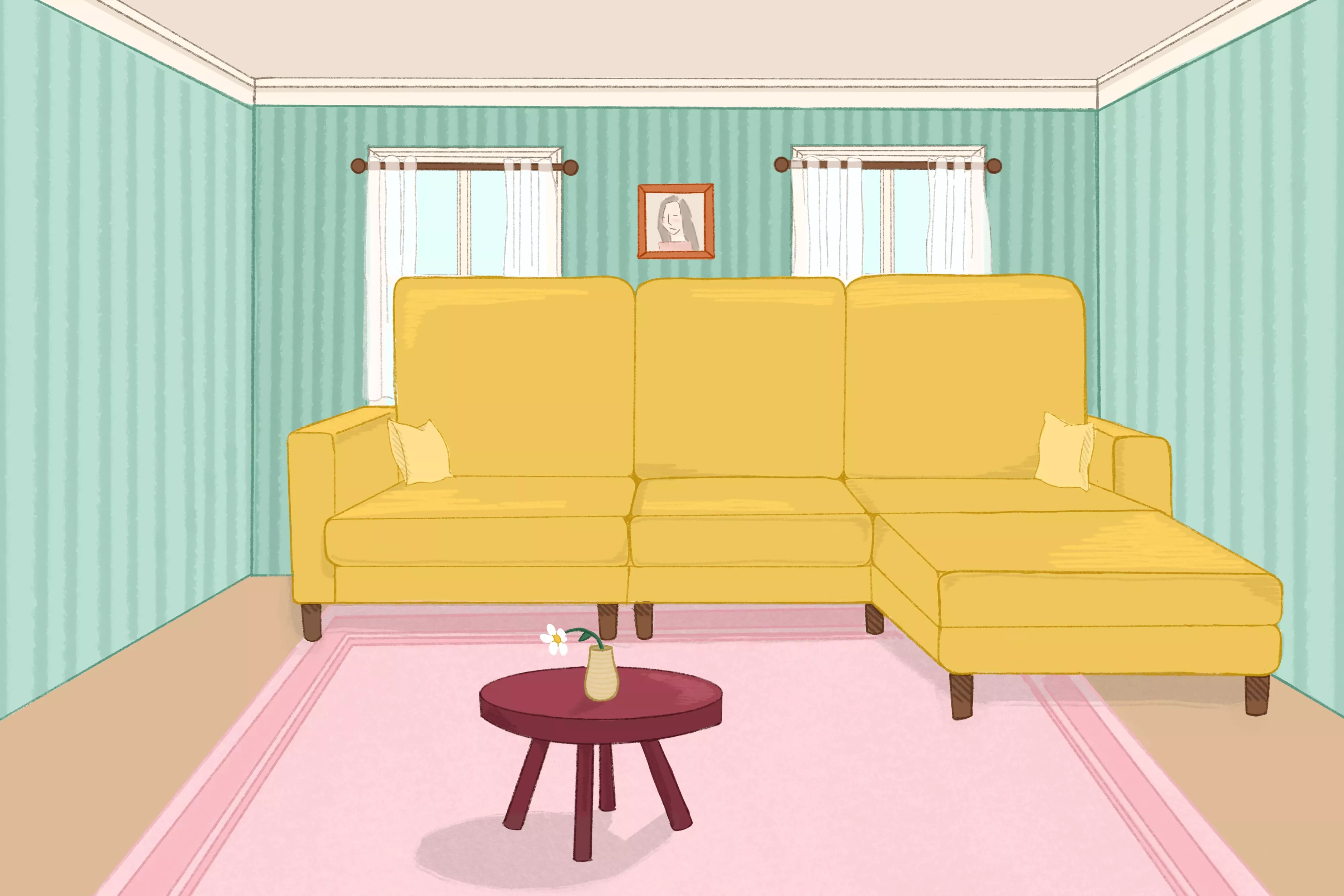
Why Your Room Feels 'Off'—6 Designer Rules for Perfecting Furniture Scale and Proportion