Working environment has huge impact on artist creative process
The article explores the profound influence of an artist's working environment on their creative process, highlighting various approaches to studio spaces and their implications. It delves into how different settings, from home-based studios to community art spaces and private backyard structures, shape an artist's discipline, interaction, and artistic output. The piece emphasizes that while the immediate tools and techniques are crucial, the physical and social context of creation is equally vital.
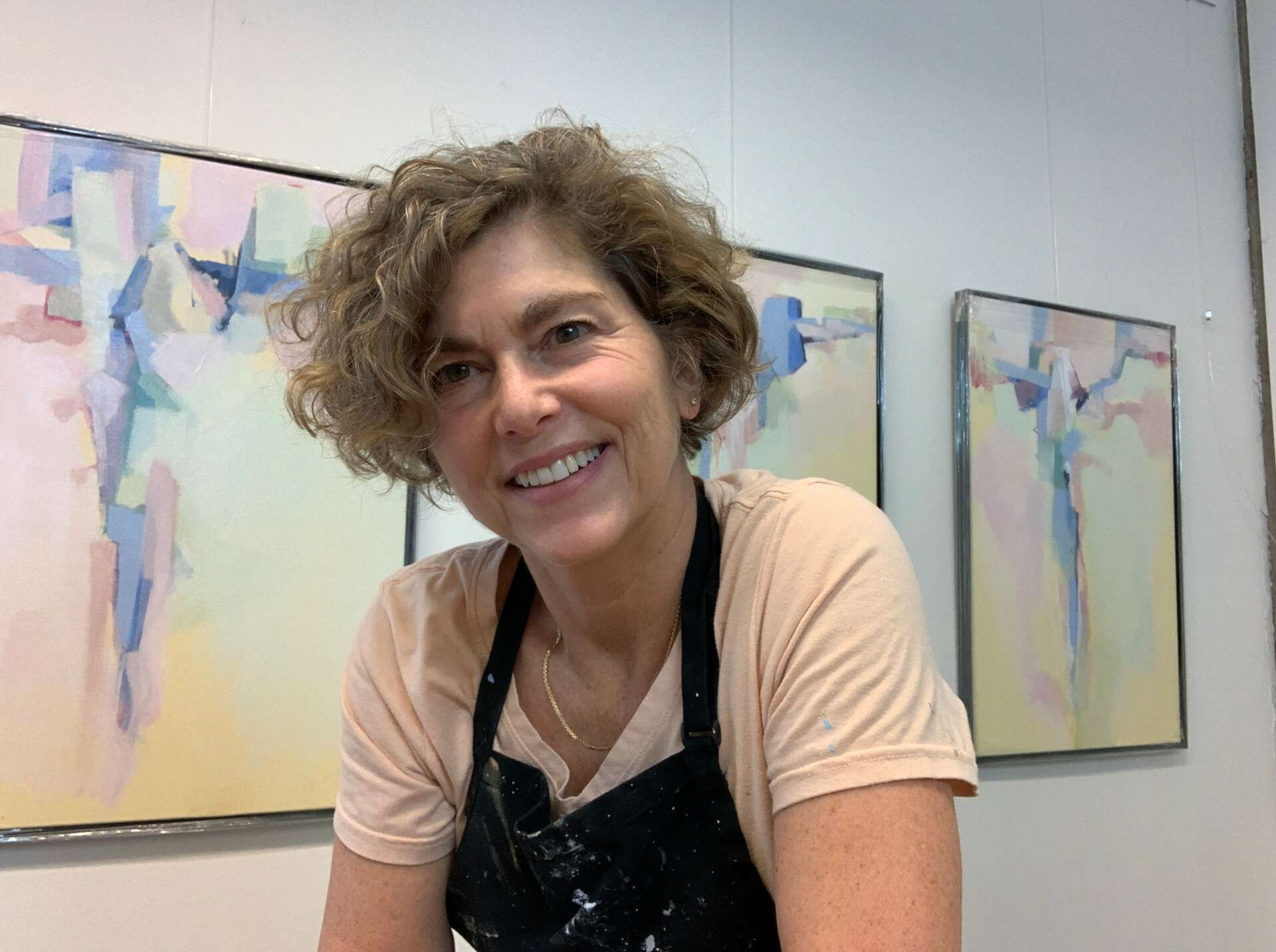
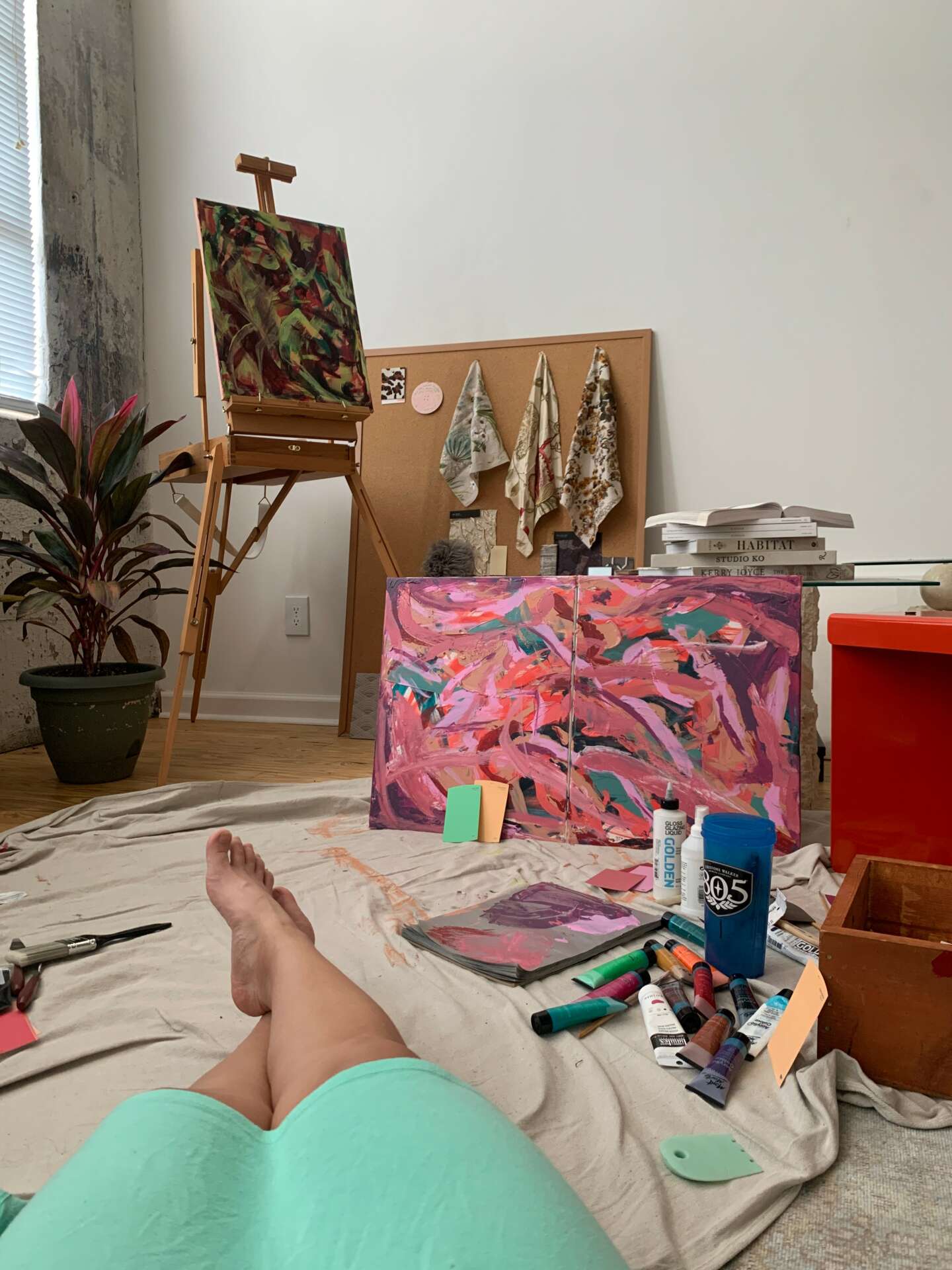
Kristin Gibson, a full-time artist and mother of two, exemplifies the challenges and strategies of working from home. For a decade, she utilized her dining room table in Carolina Beach as her primary studio, meticulously setting up a workspace each day. Gibson maintained strict hours, treating her art career like an office job to combat household distractions. Her disciplined approach allowed her to produce still-life acrylic paintings, some featuring the very chairs from her dining room. A significant shift occurred for Gibson after attending the No Boundaries International Art Colony, which inspired her to lease a studio space at Artful Living Group. This move introduced a social dimension to her work, allowing her to interact with shoppers and other artists, though she maintained familiar elements from her home setup to ensure a comfortable transition.
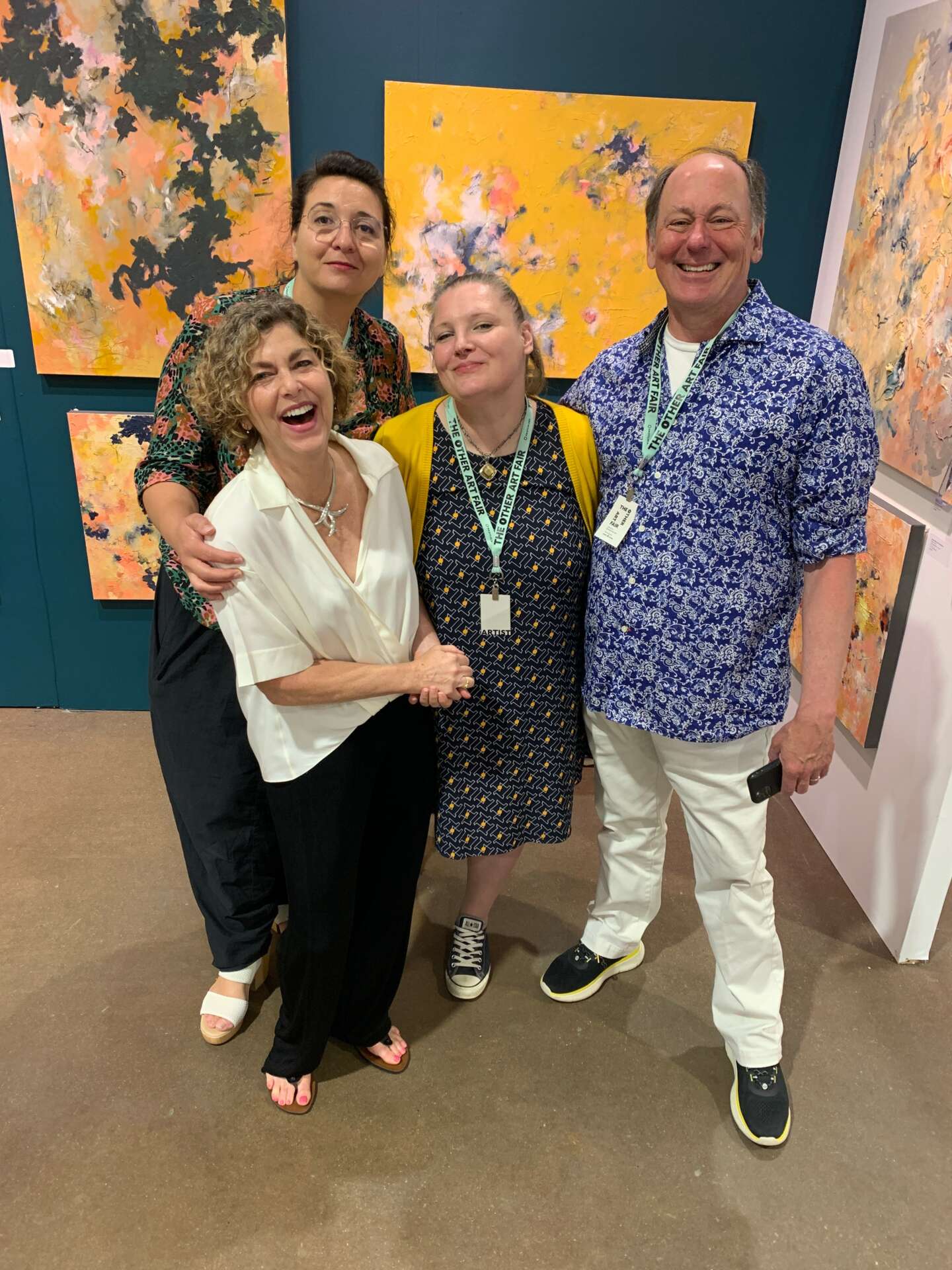
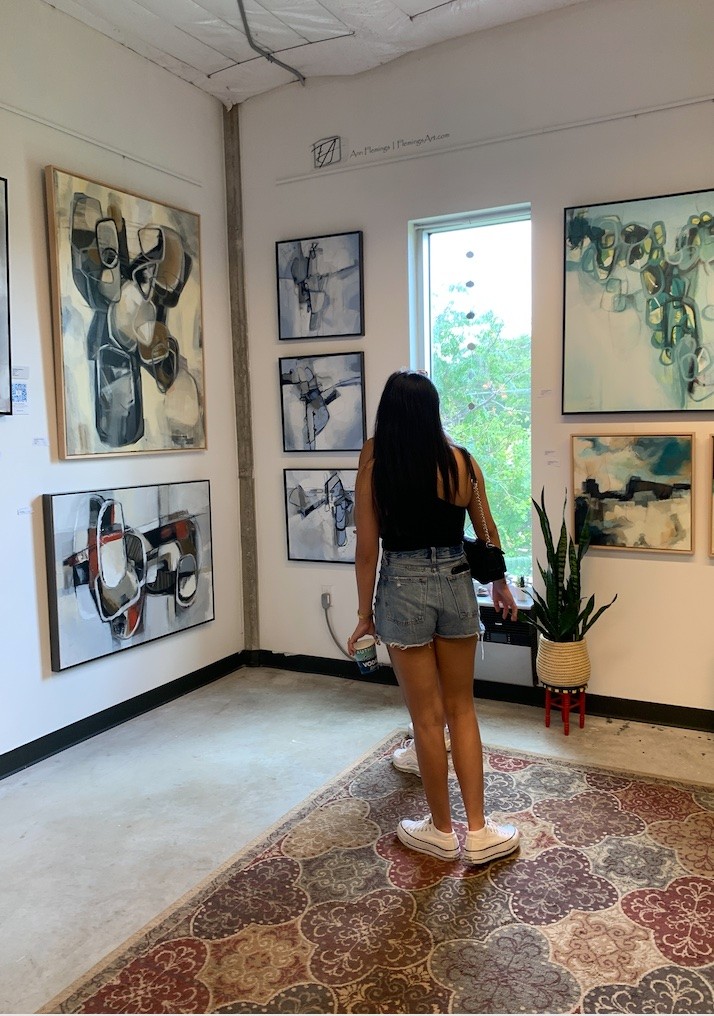
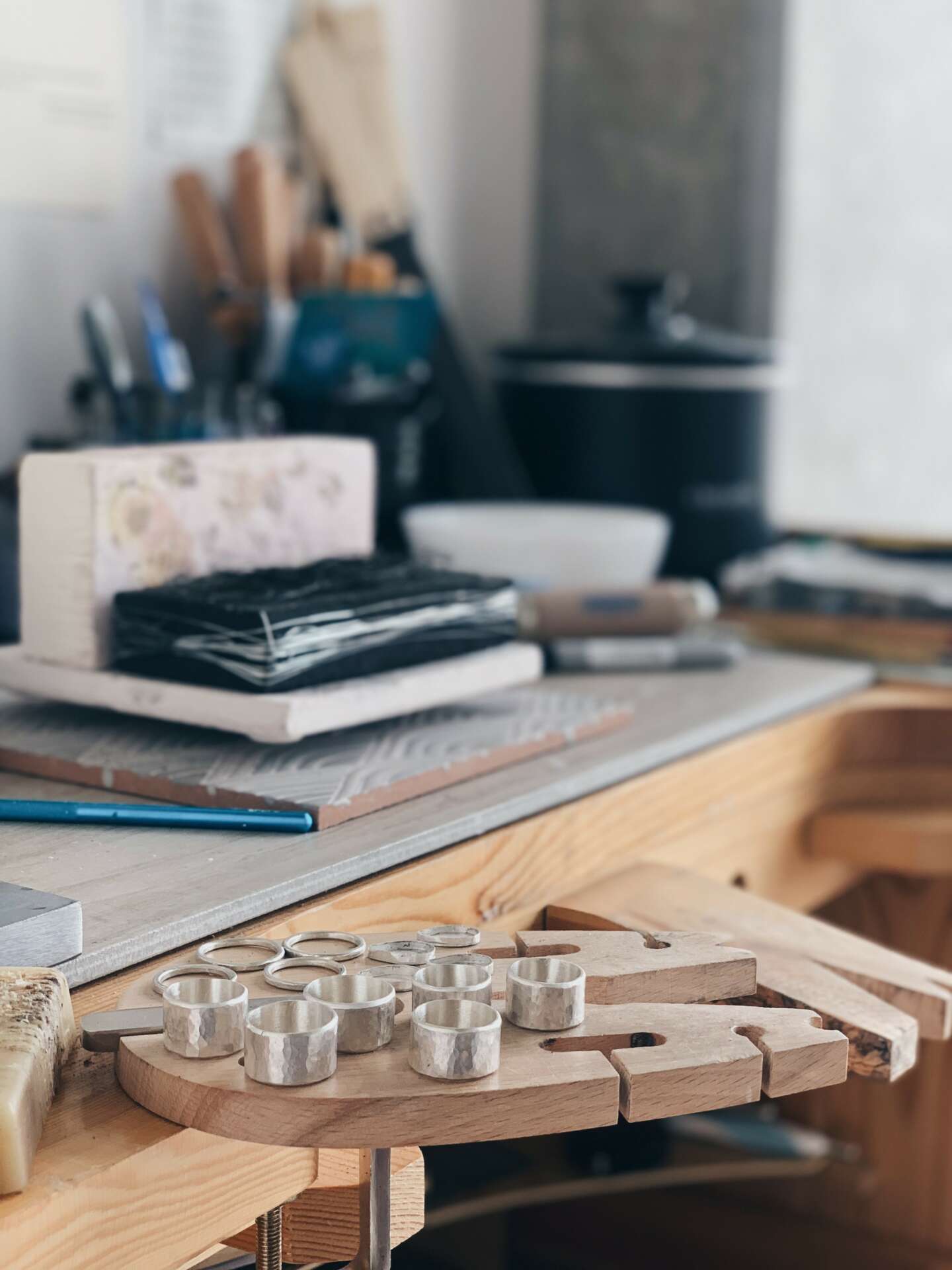
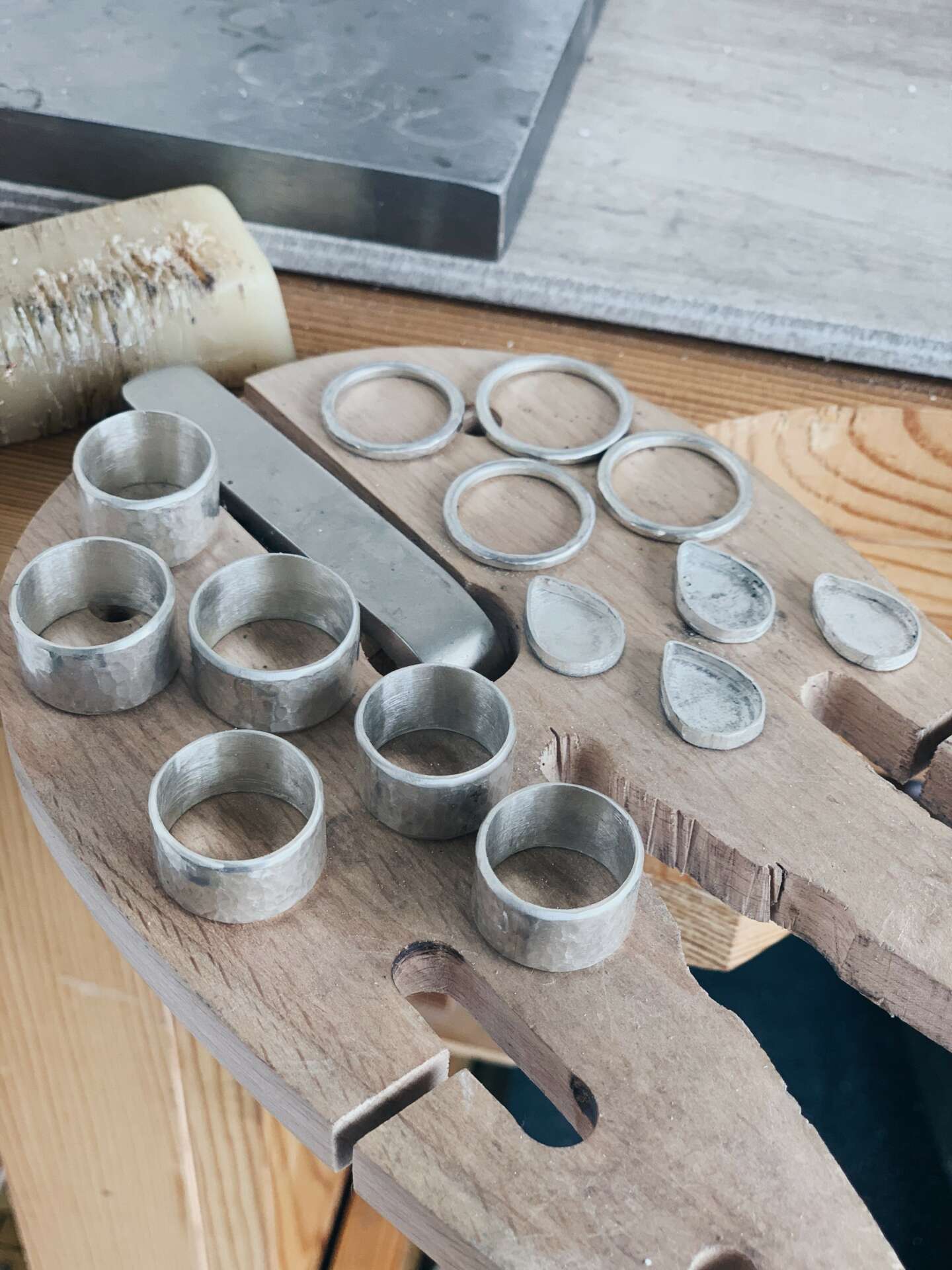
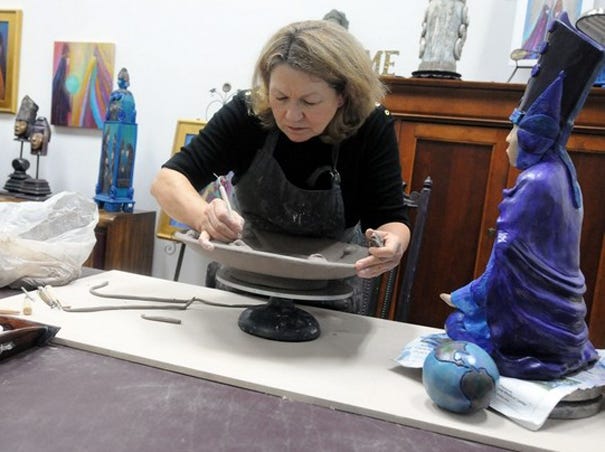
Community art spaces, such as The ArtWorks, ACME Art Studios, Wabi Sabi Warehouse, and The Art Factory in Wilmington, are presented as environments that foster peer interaction. Erika Lawrence, a Hungary-born painter and sculptor, designed her studio at The ArtWorks to resemble a palace, providing both isolation and the opportunity for engagement. She stresses that while solitude is often necessary for deep creative work, continuous isolation can be detrimental to an artist's mental well-being and connection to the broader artistic community. Gregory Hall, who works with metal and clay, found a community studio essential due to the messy and hazardous nature of his craft. For him, working away from home creates a mental separation between his personal and professional life and offers a source of inspiration through observation of fellow artists.
Pam Toll, a co-founder of ACME Art Studios, echoes the sentiment of needing a dedicated space separate from home life, especially when raising a family. She established her studio 22 years ago, treating it as a professional workplace to prioritize her art. Toll, known for her process-oriented painting style, acknowledges the potential for distractions in a community setting but highlights the importance of assertiveness and mutual respect among artists. She suggests that such an environment might not suit everyone, as it requires the ability to filter out external stimuli.
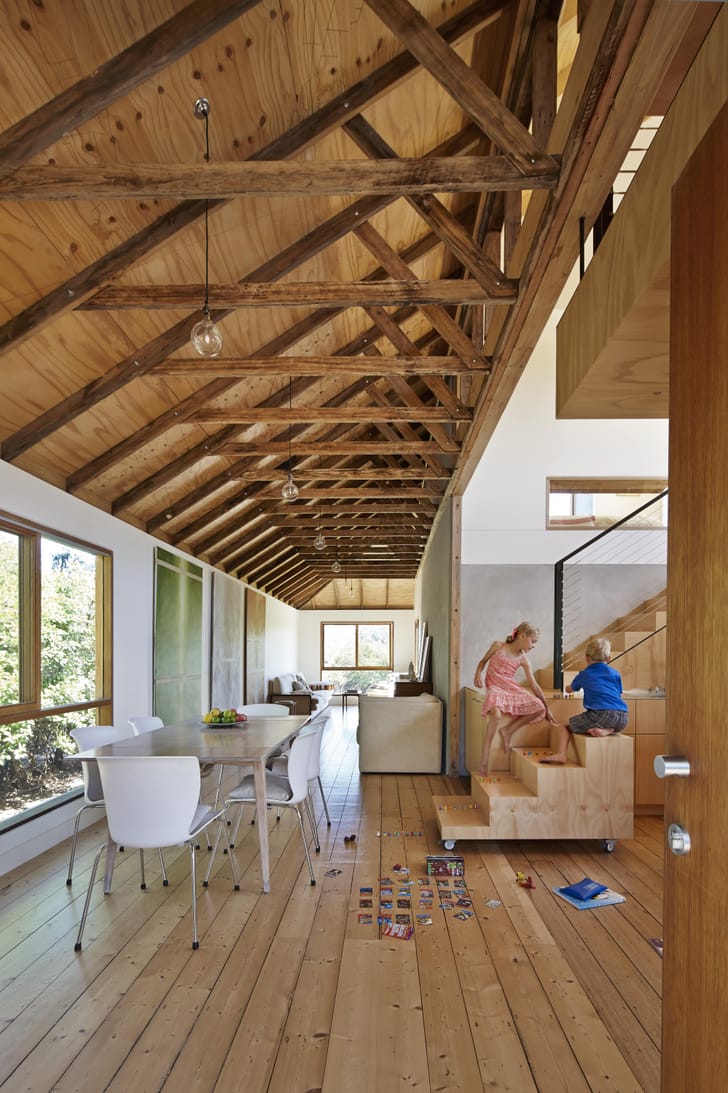
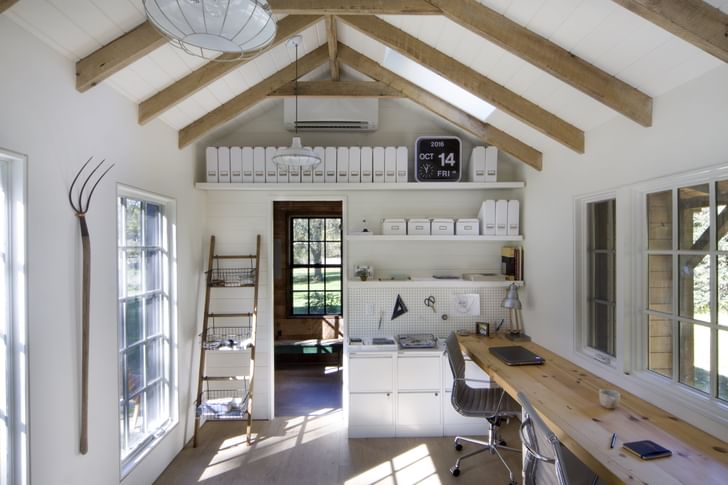
Conversely, artists like Francisca Dekker prefer the privacy and tranquility of backyard studios. Dekker's Red Tulip Studio, a mere 20 steps from her home, provides sufficient mental distance from household duties. Her two-story studio, designed with an open floor plan and abundant natural light, offers a spacious and private sanctuary where she can experiment and reflect without interruption. This isolation allows her to engage in deep creative thought and draw inspiration from her garden, although she humorously admits that gardening itself can become a distraction. The article concludes by emphasizing that the ideal working environment is deeply personal and significantly impacts an artist's ability to create and thrive.
#ArtistStudio #CreativeProcess #WorkingEnvironment #CommunityArtSpaces #HomeStudio #ArtisticDiscipline #WilmingtonArtists #ArtistInteractions #ArtistStudio #CreativeProcess #WorkingEnvironment #CommunityArtSpaces #HomeStudio #ArtisticDiscipline #WilmingtonArtists #ArtistInteractions
0 comment in total
 No comments yet
You may also like
The subtle design tricks that help – and harm – creativity

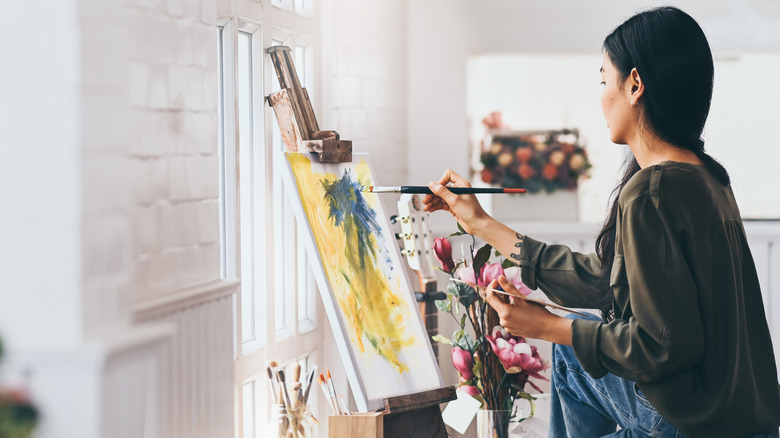
21 Must-Haves To Update Your Home Arts And Crafts Studio


Meet Dana Toledo

How Leaders Can Decide If An Open-Plan Office Is Right For Their Company

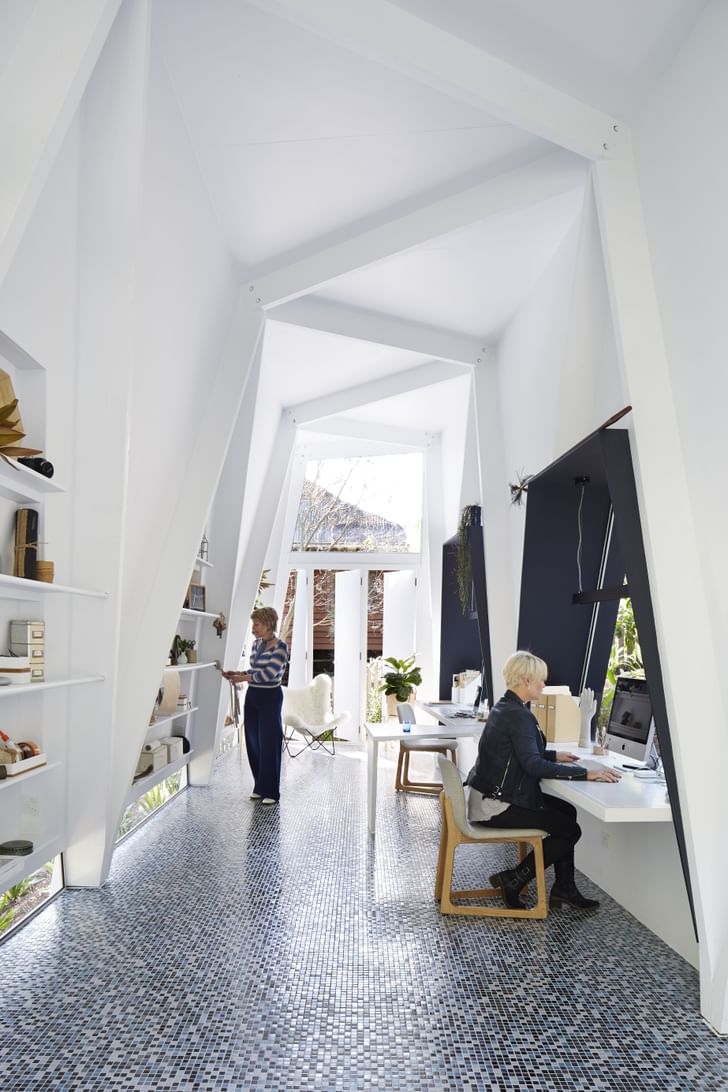
The Psychology of High Ceilings and Creative Work Spaces
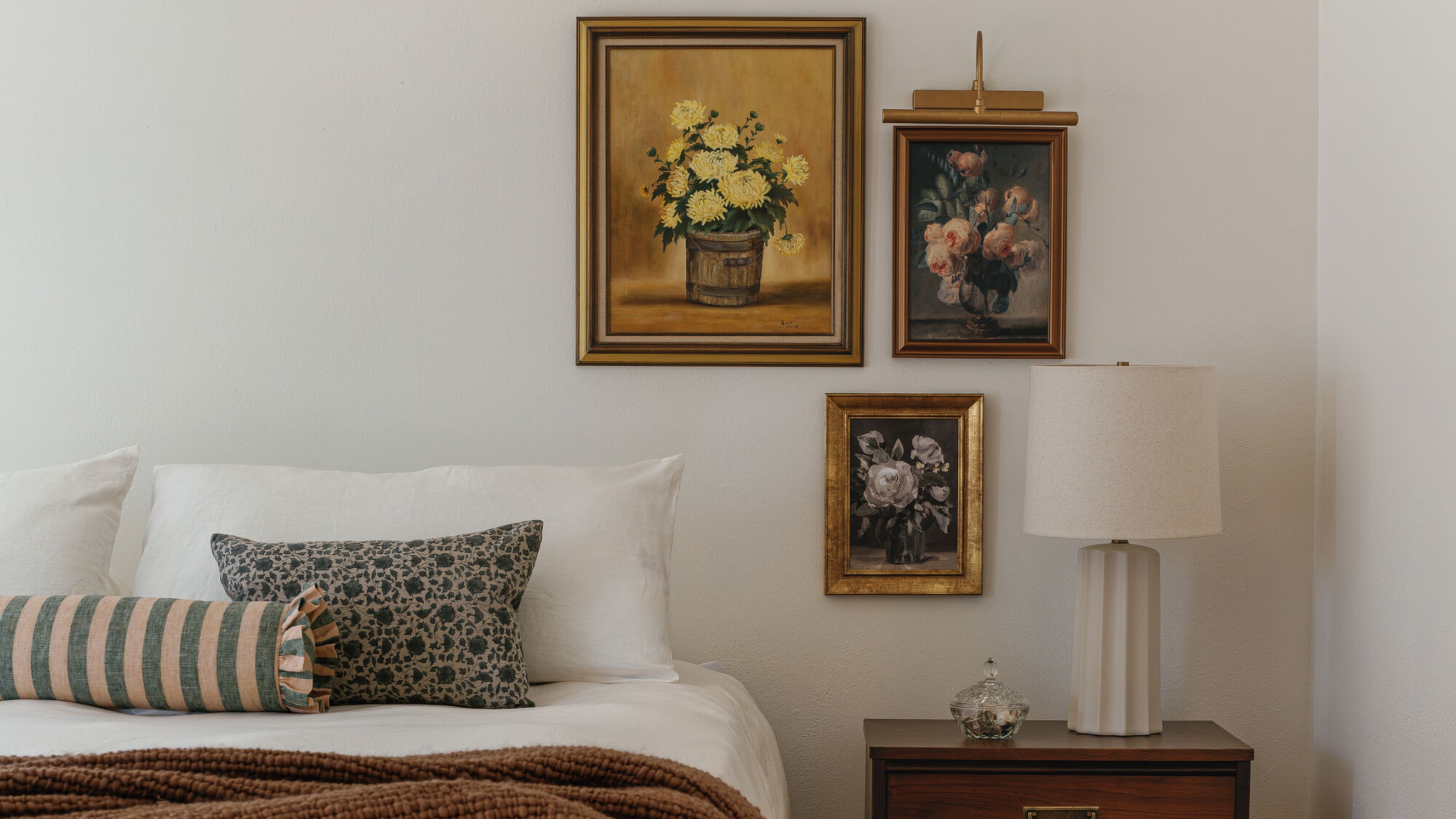
5 Places You Should Never Hang Art in Your Home

10 Things I Miss About Being an Architect
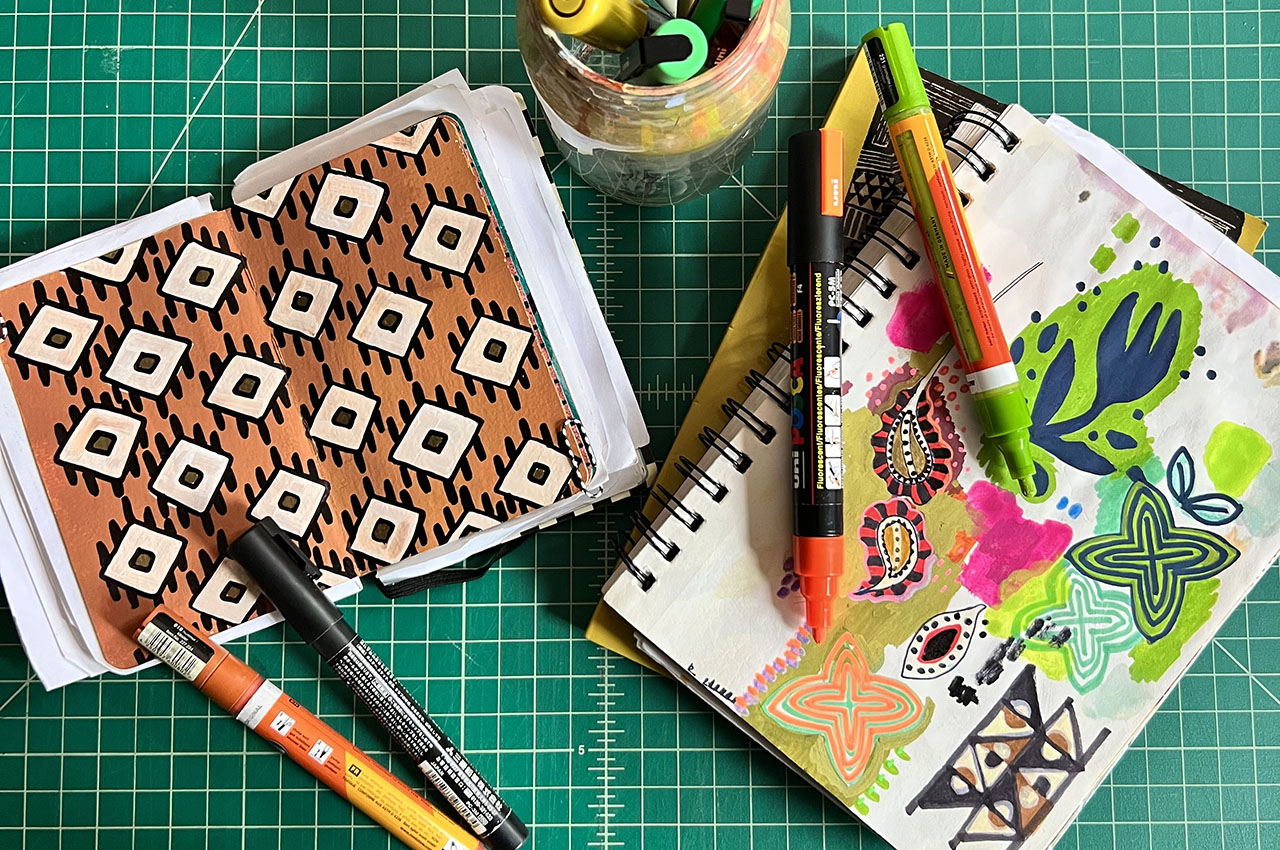
Let’s Talk Pattern Design With Shadé Akanbi
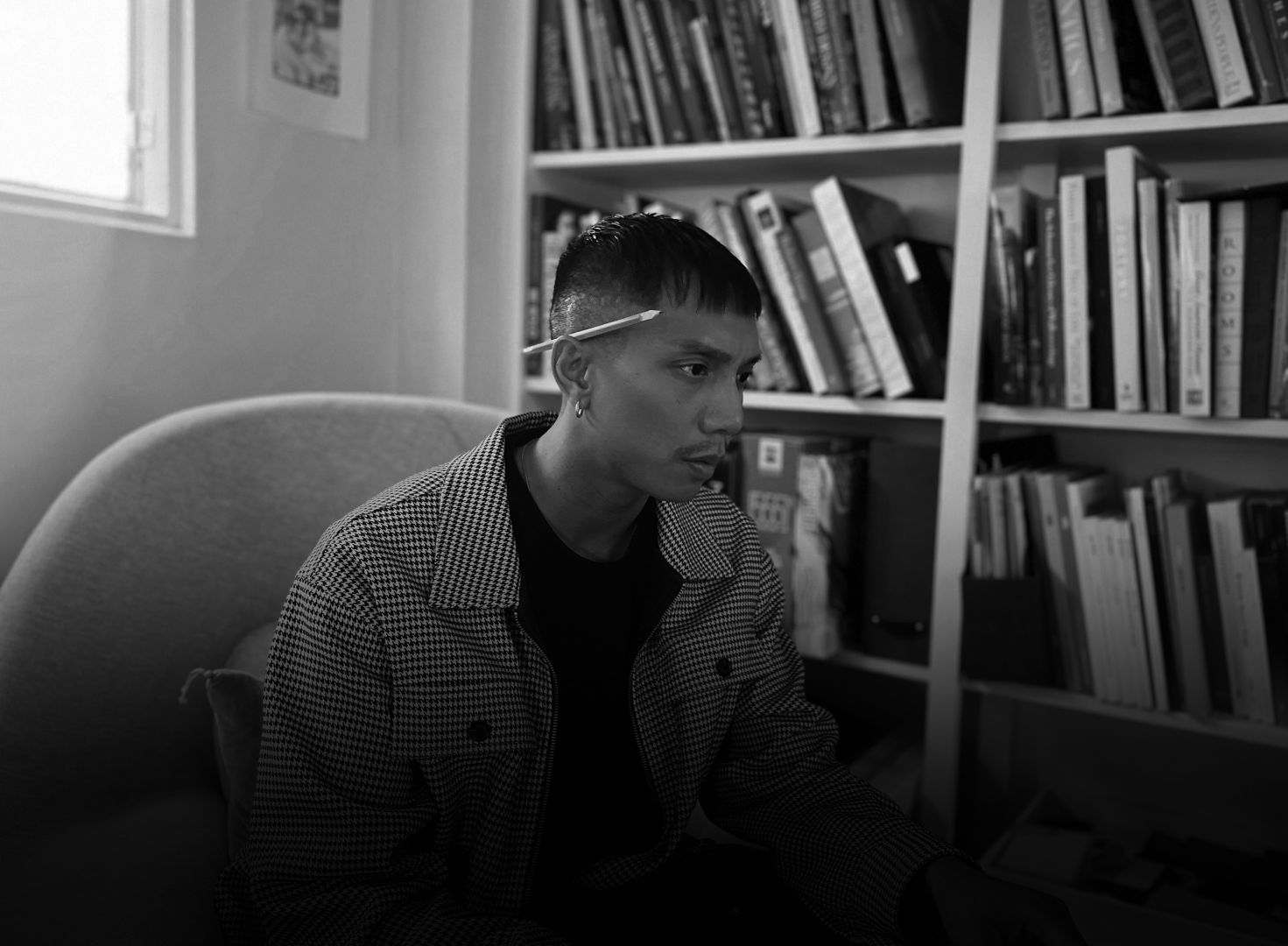
Meet Jason Apilado | Senior Interior Designer

15 high-paying jobs for creative people


Meet Leo Cesareo | Interior Designer
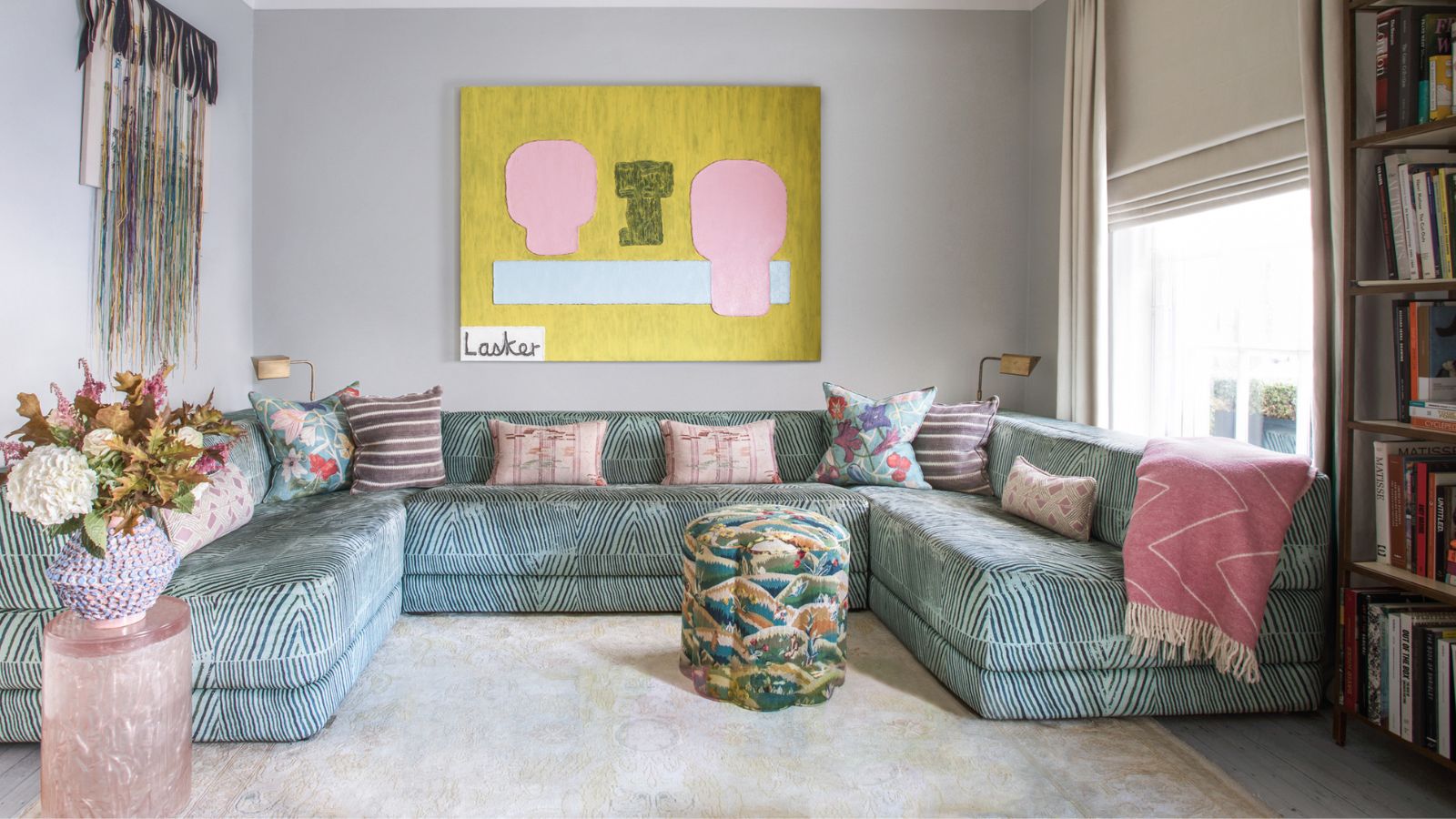
I'm an interior designer – and this is how I design my clients' rooms with art in mind

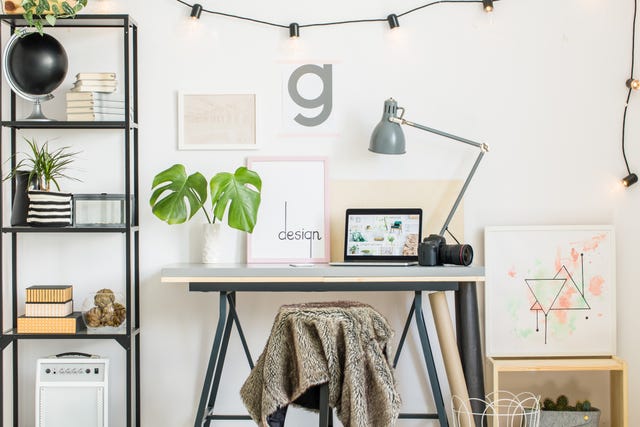
The simple trick to increase productivity in your home office


5 designers share secrets to motivating and retaining talent

7 Interior Designers Share Their Tips on Buying Art for Your Home
Lieu Painting Studio / ATELIER MOZH

This Australian Designer’s Desk Chair Is “Truly Uncomfortable But So Attractive”

Meet Ann Flemings
Meet Melinda Cardenas | Interior Designer and Creative Thinker
An Interior Designer’s Take on Return-to-Work Strategies