1/4
The subtle design tricks that help – and harm – creativity
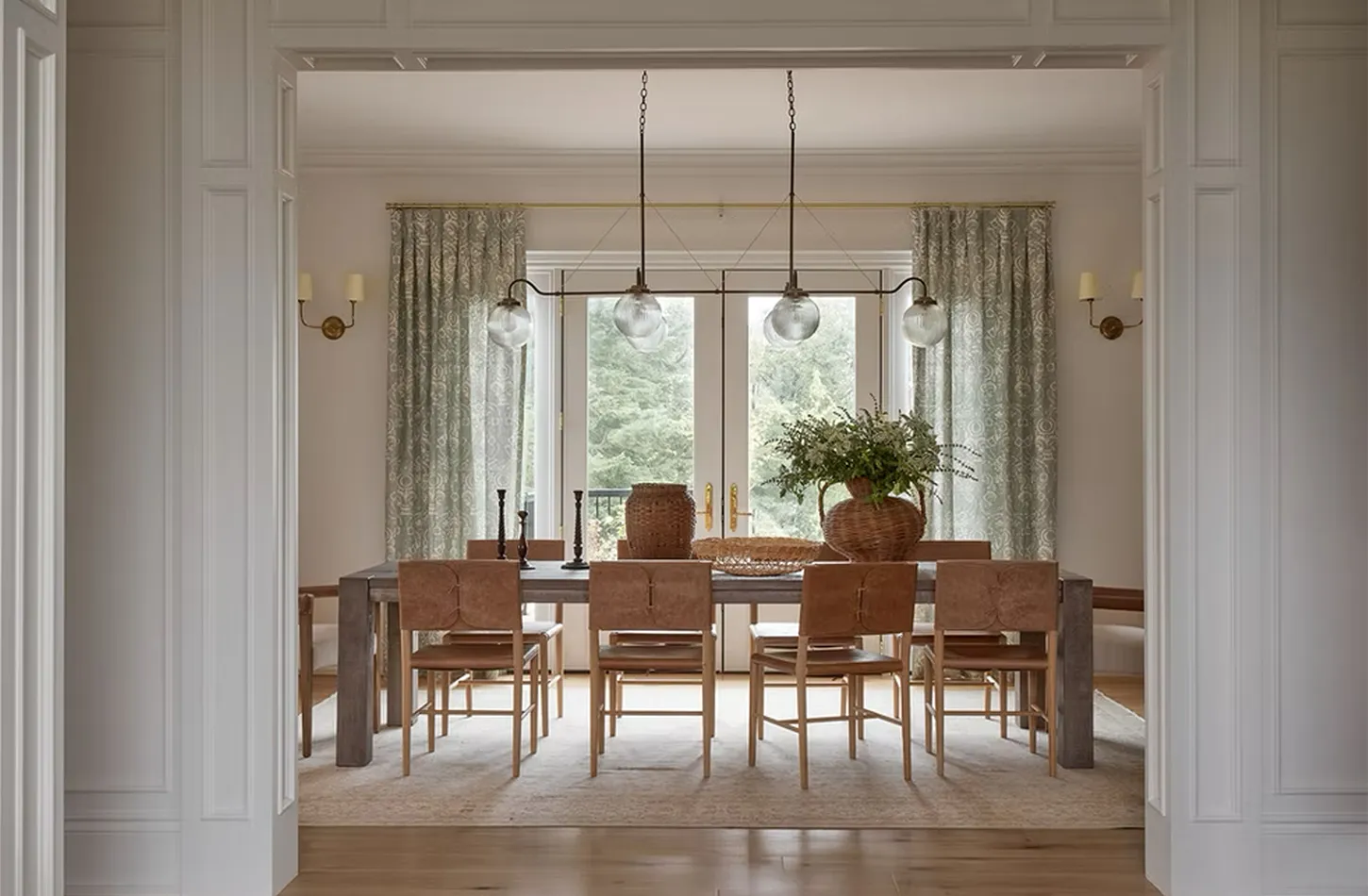
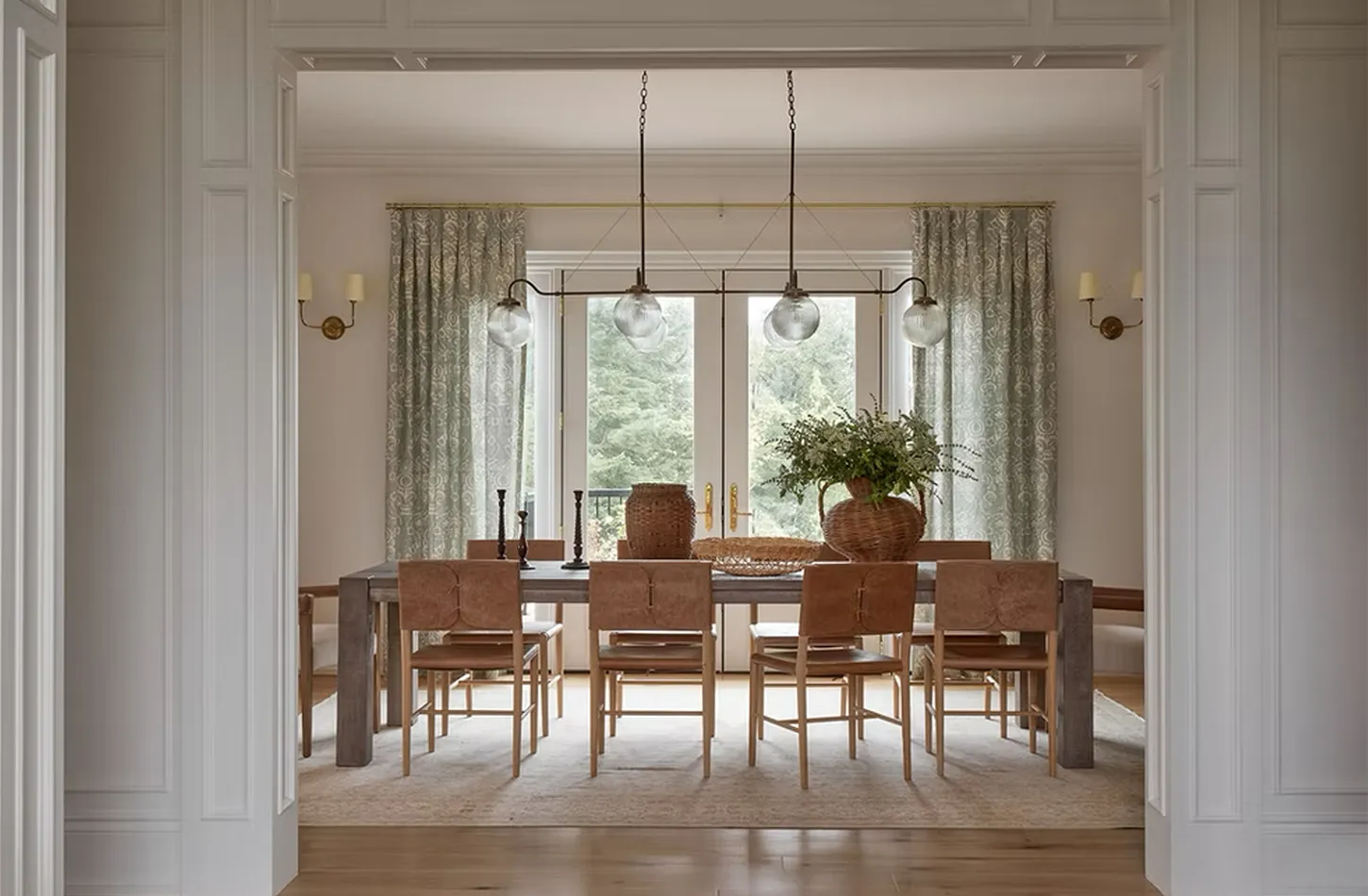
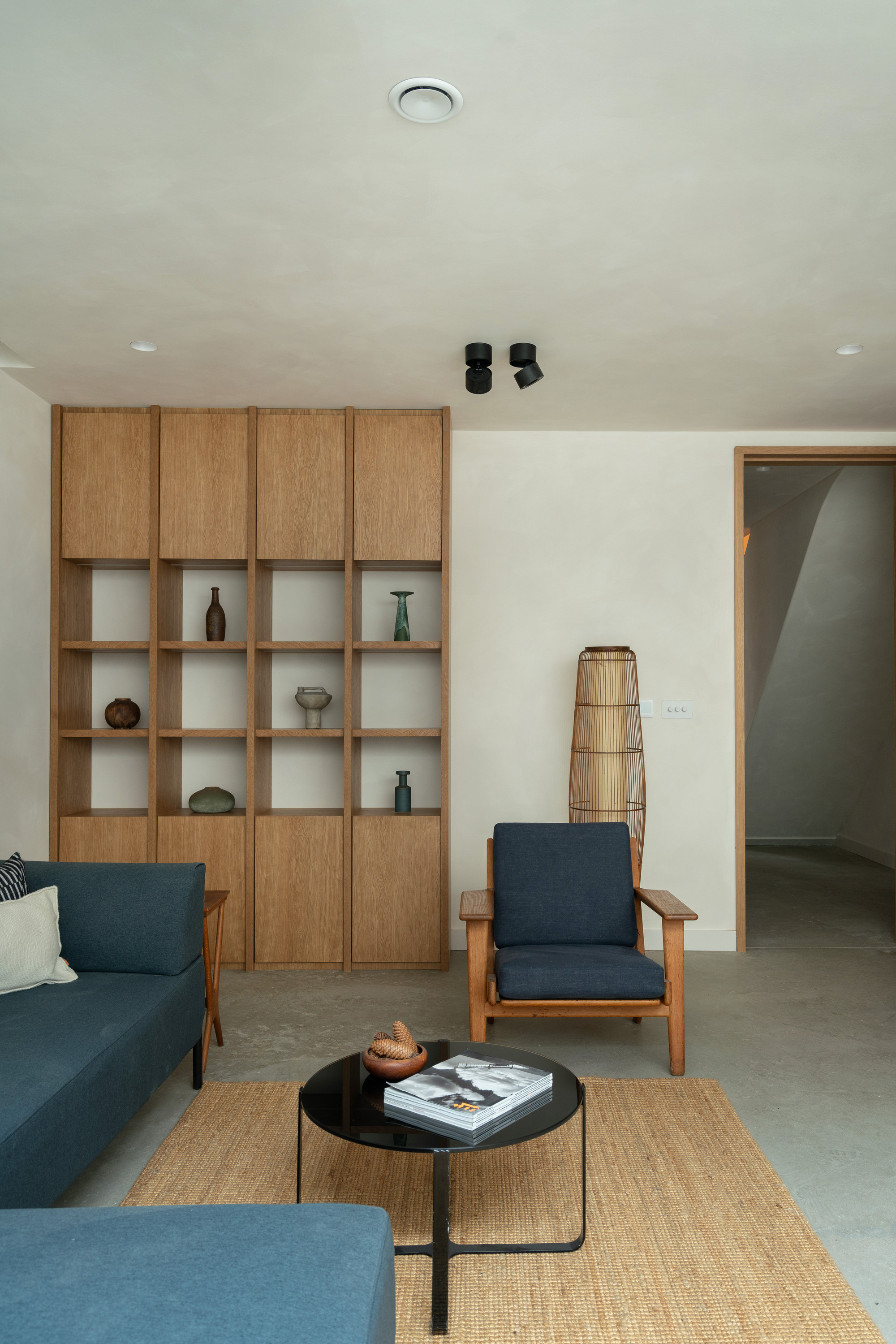
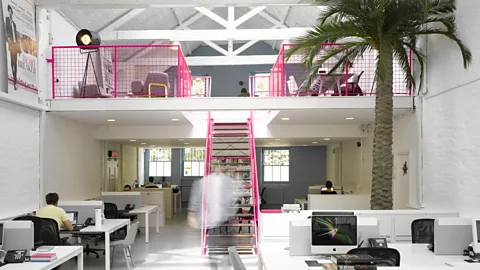
The design of a workspace significantly influences employee creativity and productivity, often in ways that are not immediately obvious. Research suggests that elements such as lighting, wall color, and even ceiling height can profoundly impact an individual's cognitive processes and ability to generate innovative ideas. Traditional office designs, particularly cramped open-plan layouts, may inadvertently hinder creativity, as they were often conceived with a manufacturing mindset rather than one that prioritizes innovation and comfort. People require a sense of security and comfort in their environment to foster creativity, and without these conditions, creative output can diminish.
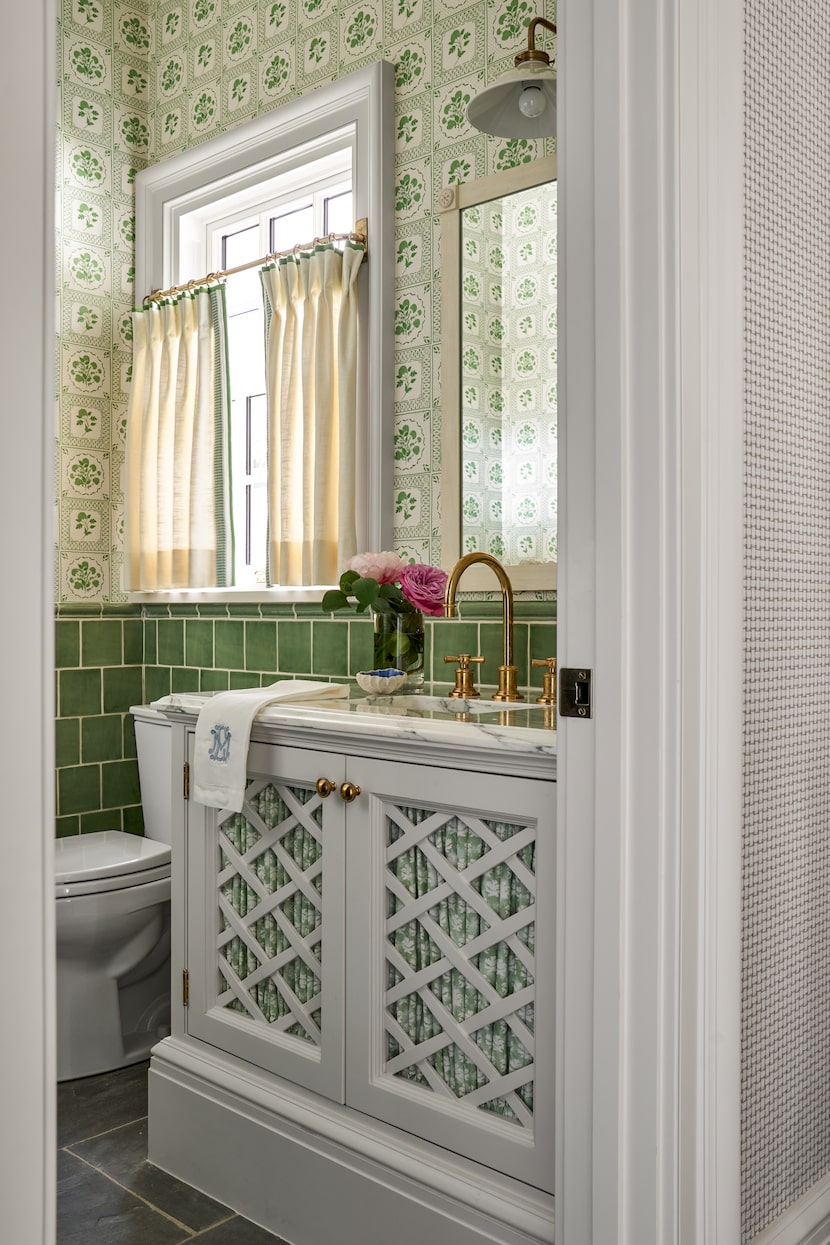
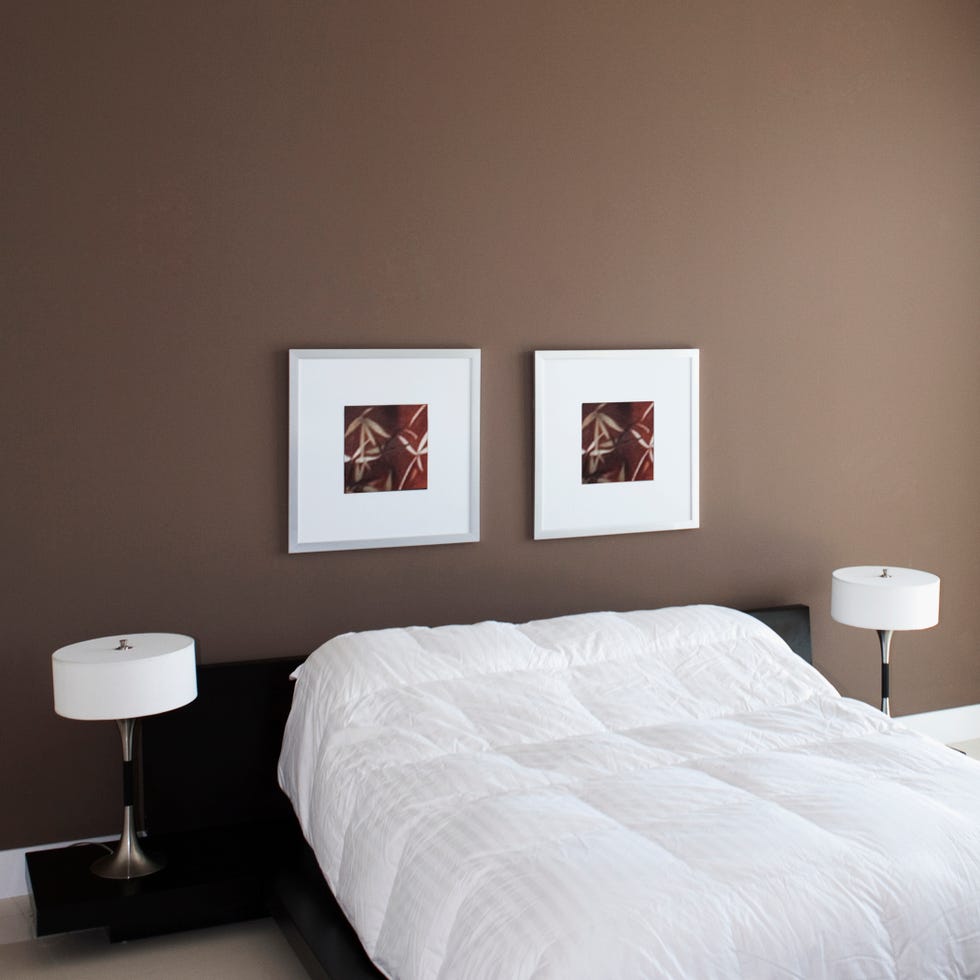
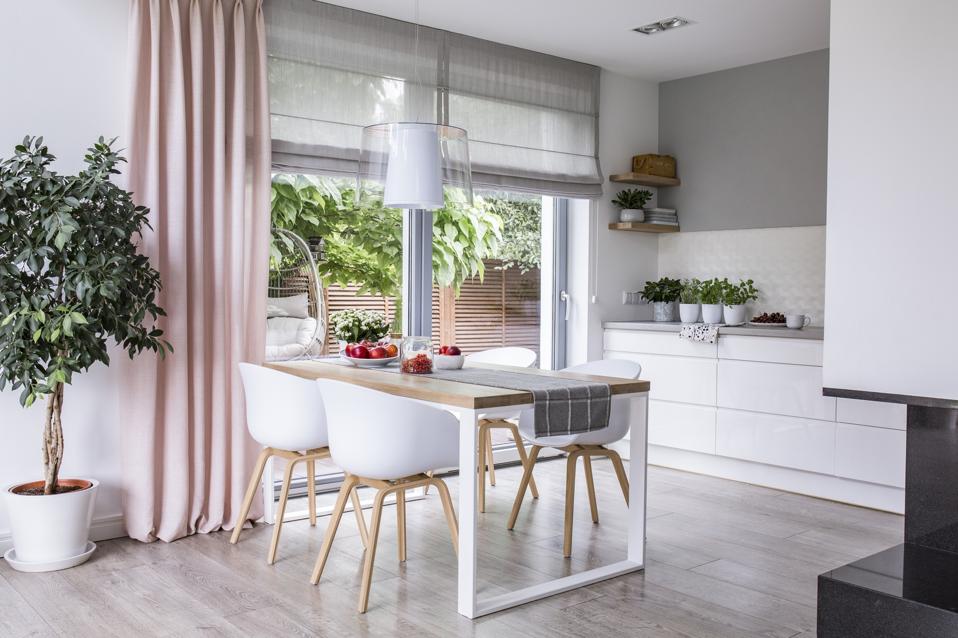
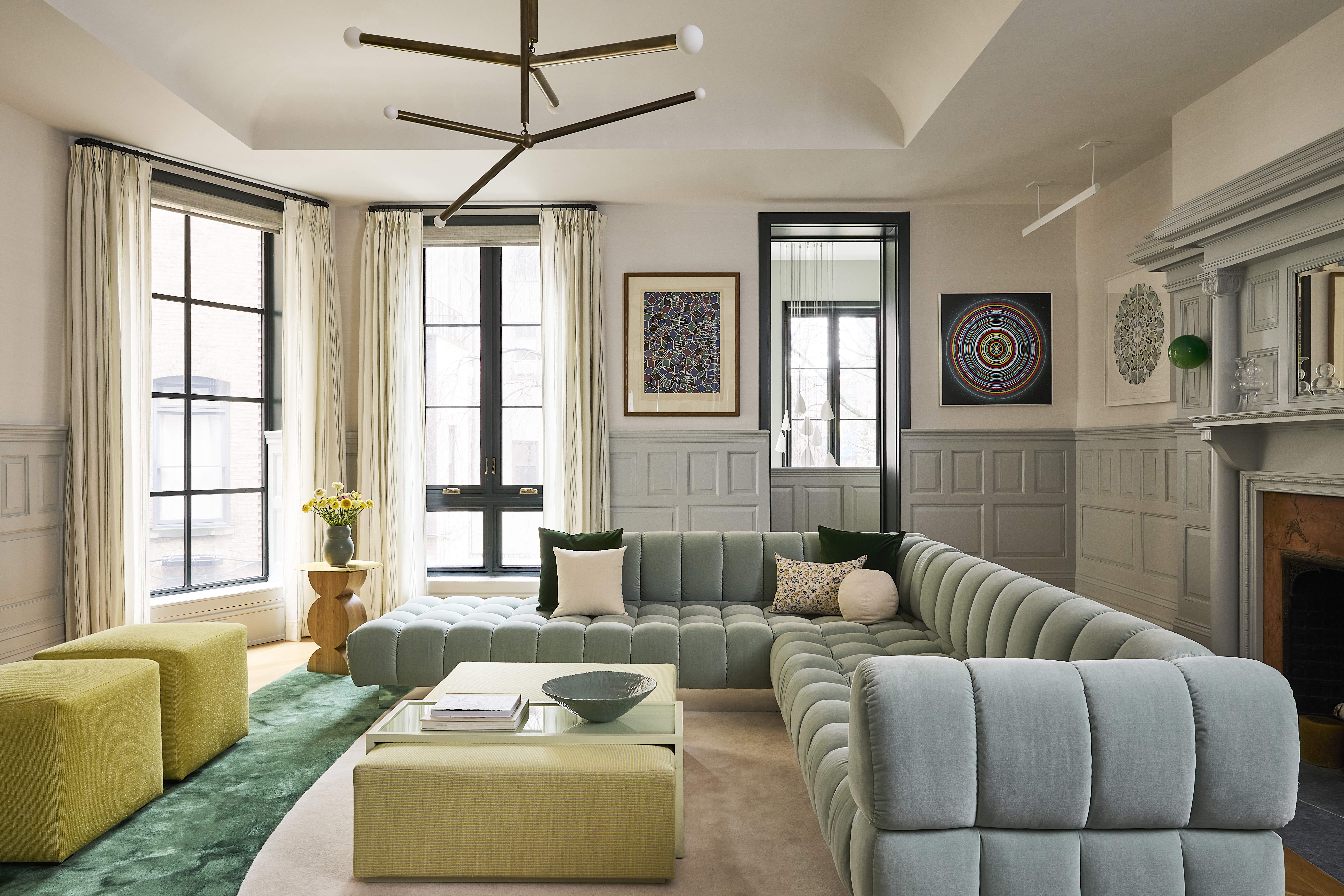
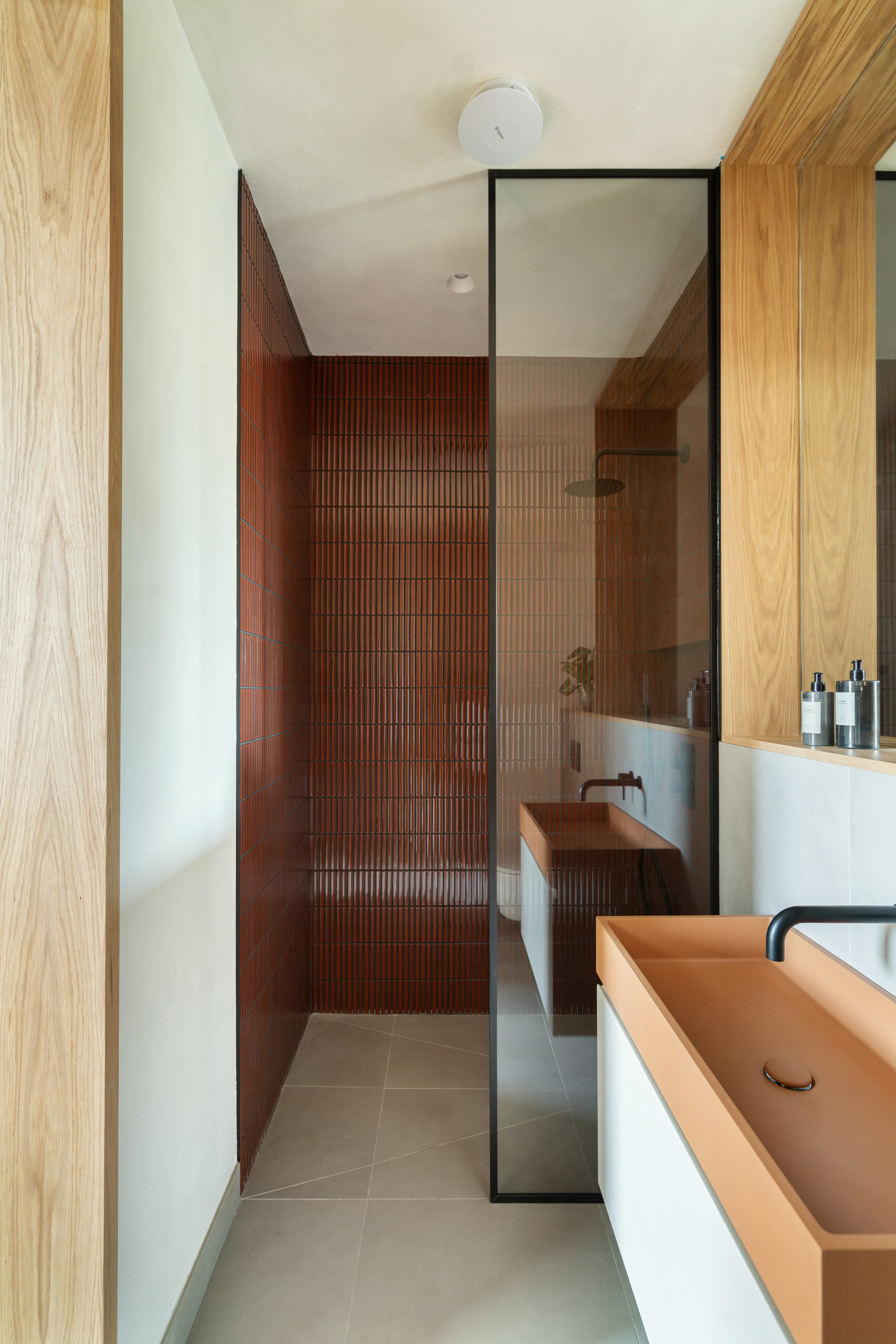
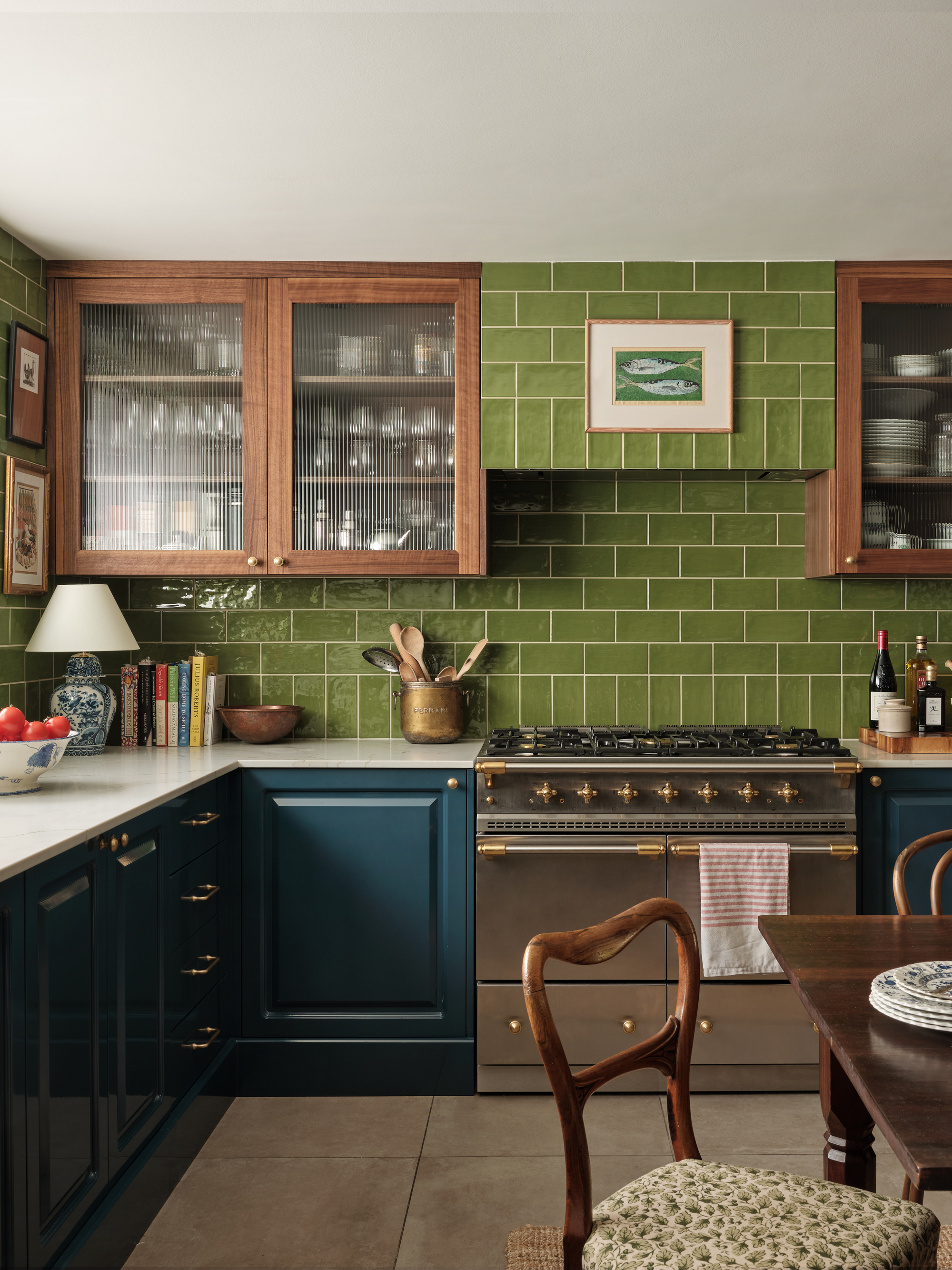
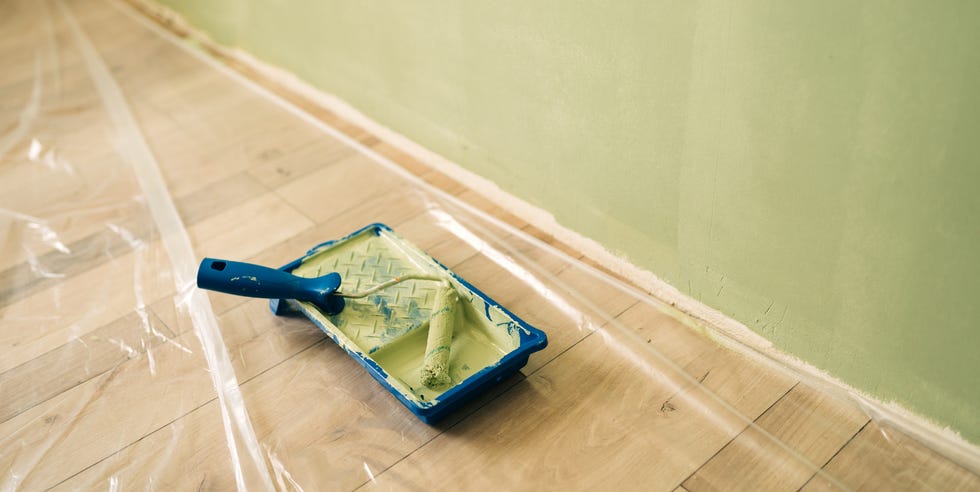
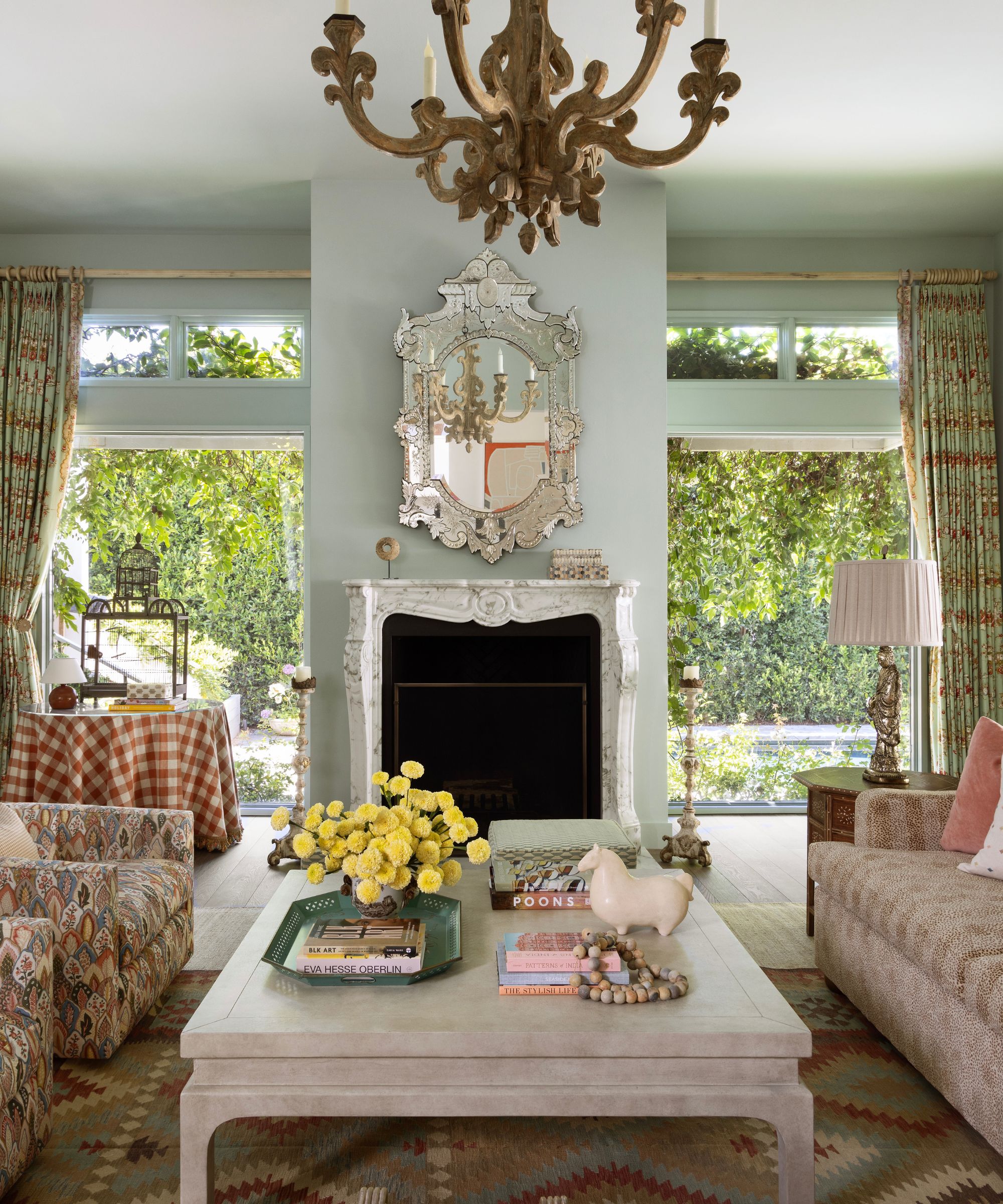
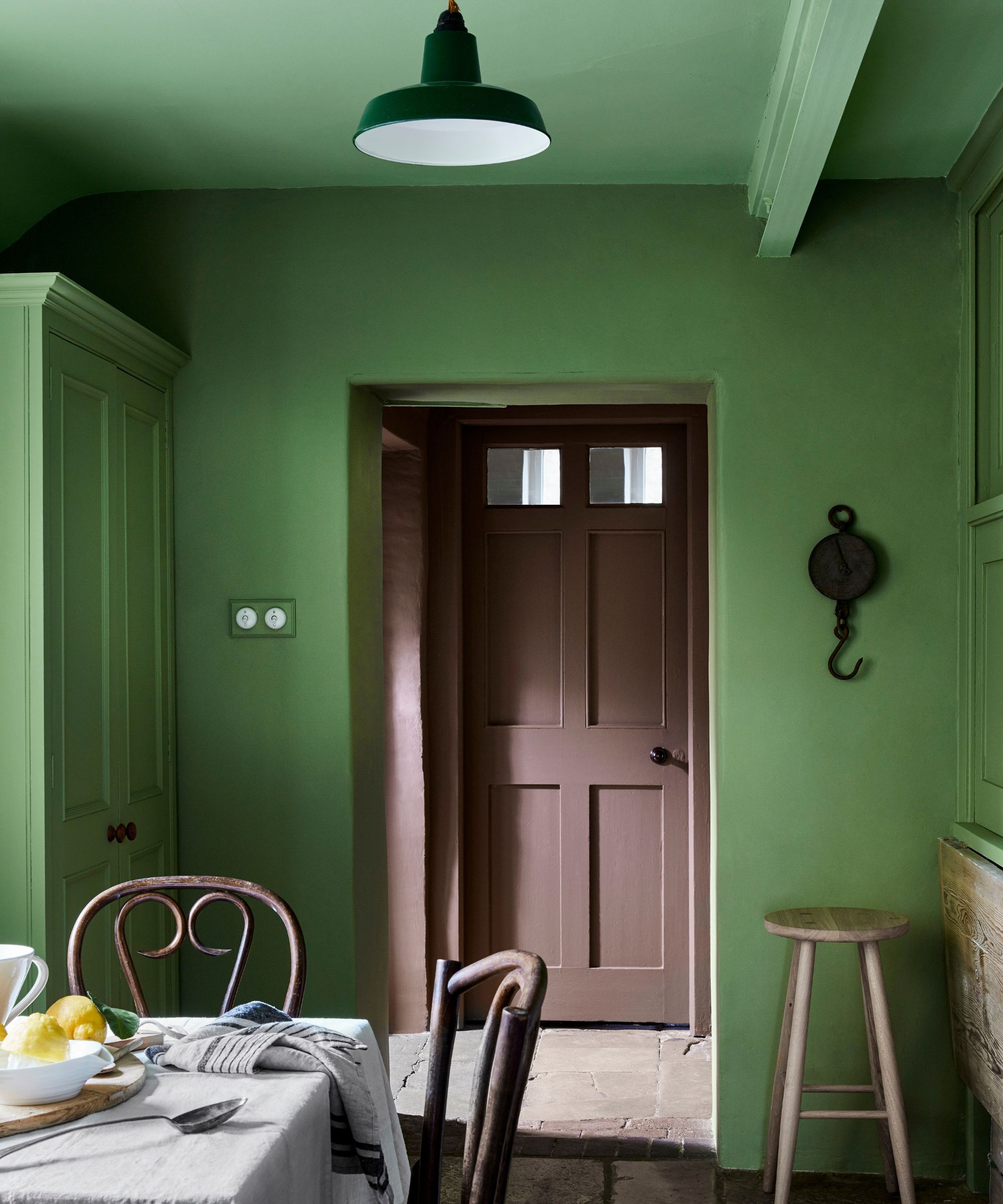
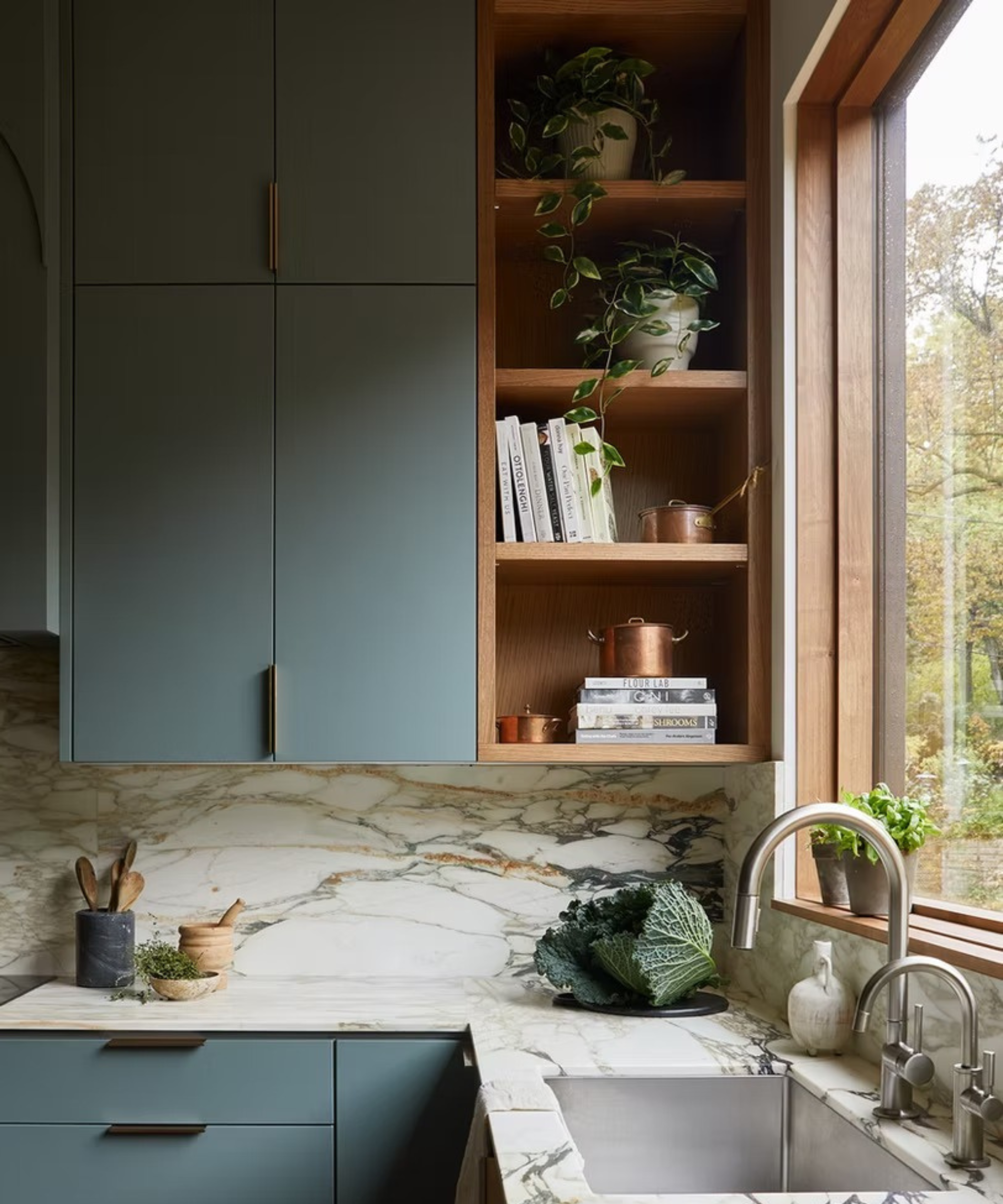
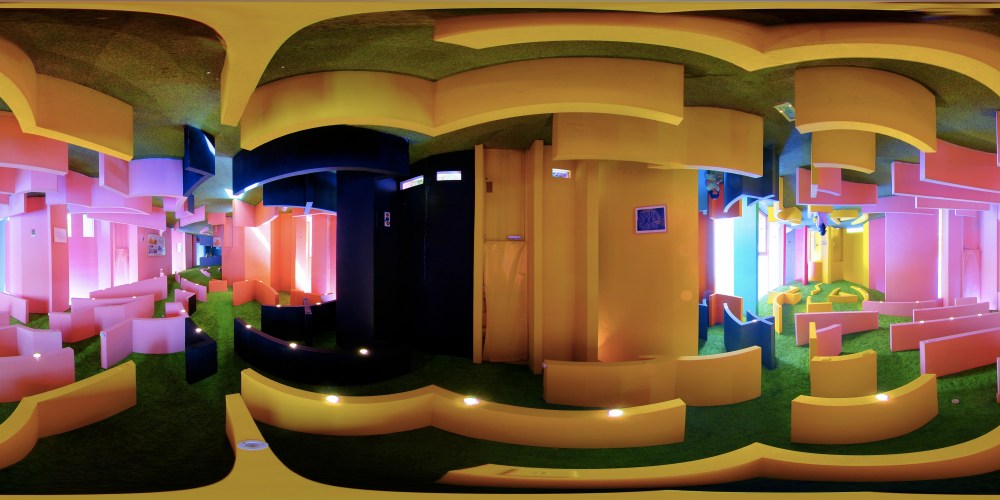
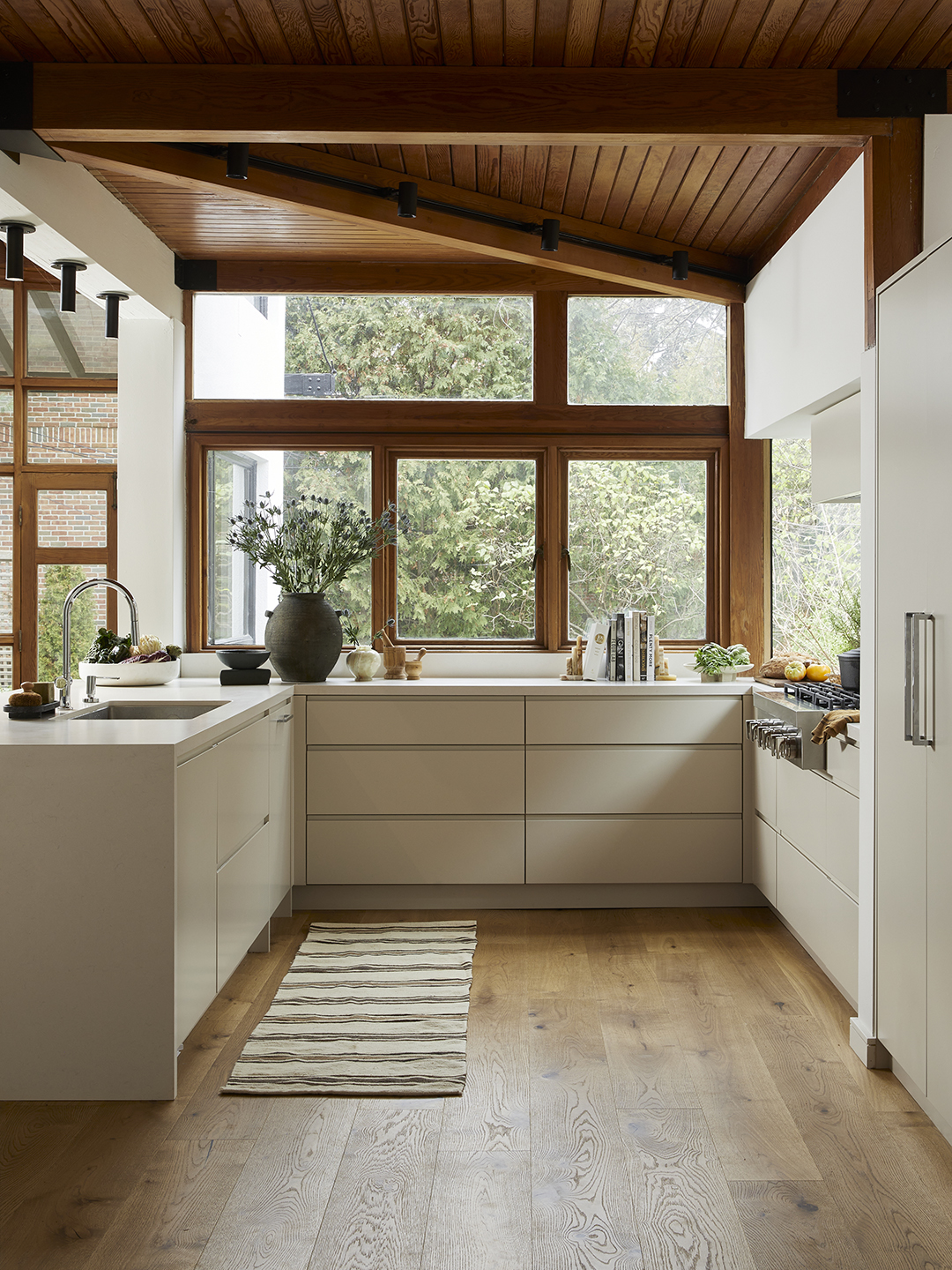
Environmental design psychologists advocate for incorporating specific design principles to enhance creativity. For instance, the choice of wall color plays a crucial role. Green has been directly linked to increased creativity, as have light blues and yellows. These calmer colors are less stimulating than saturated hues like red, which helps reduce distractions. Green also evokes a sense of nature, potentially promoting relaxation. Conversely, red should generally be avoided in creative spaces, as it has been associated with degraded analytical performance and increased aggression. The optimal level of brightness in an office is approximately 500 lux, similar to the light at sunrise on a clear day. However, natural light is considered the most beneficial, as it is known to improve mood, enhance sleep quality, and boost productivity. To maximize the benefits of natural light, it should be accompanied by views of natural elements like greenery, water, or wood, as these have a universally positive impact on individuals.
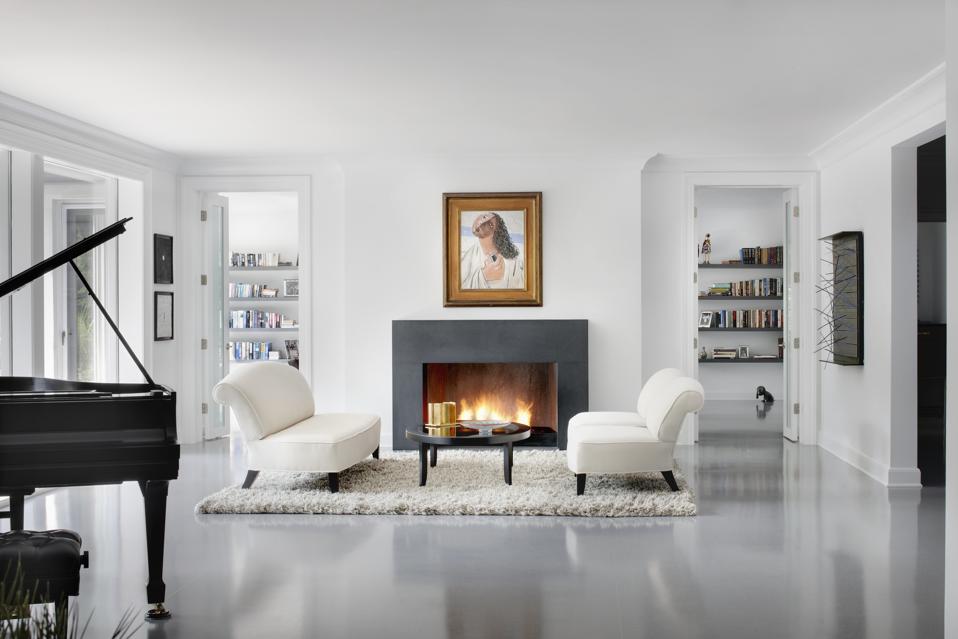
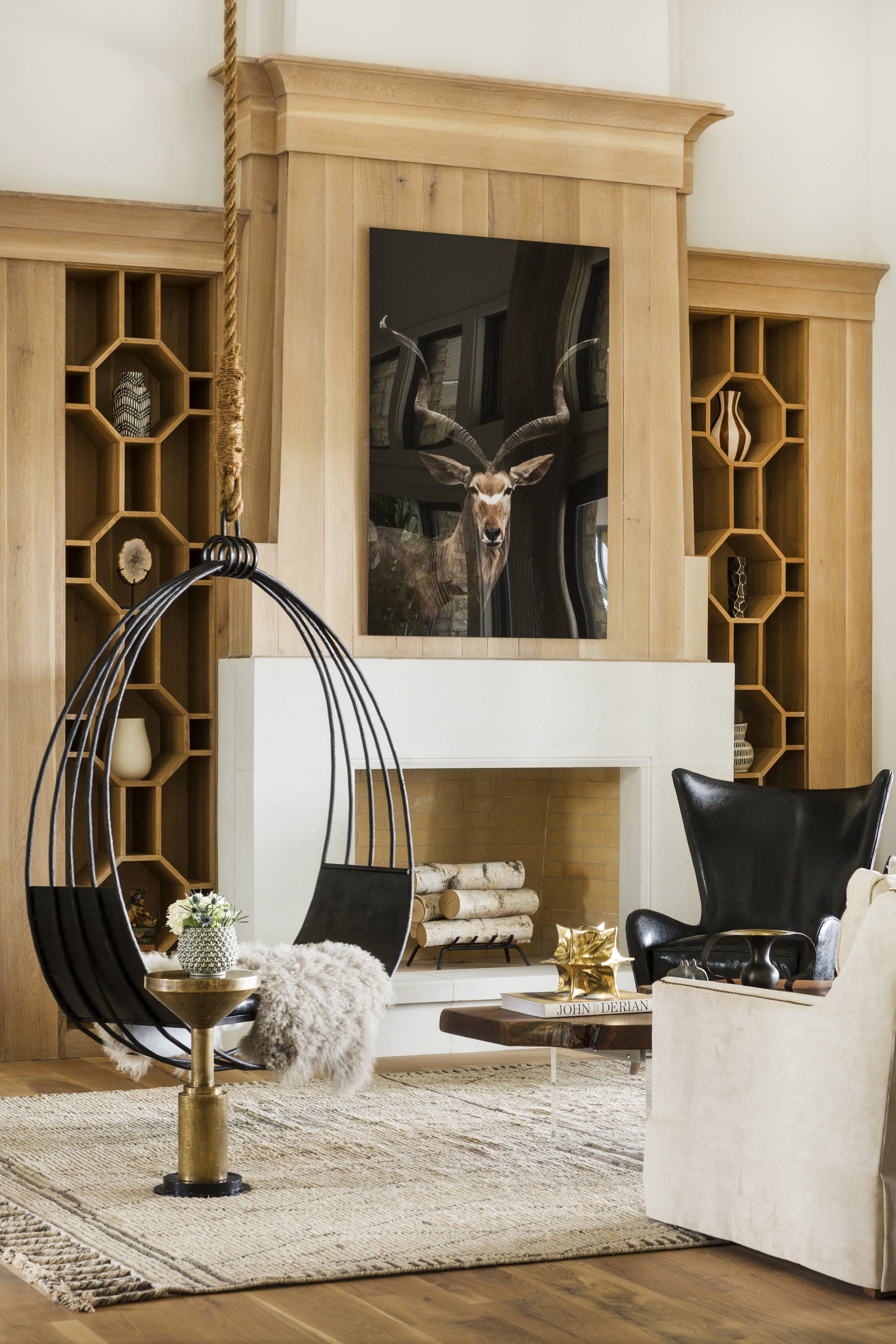
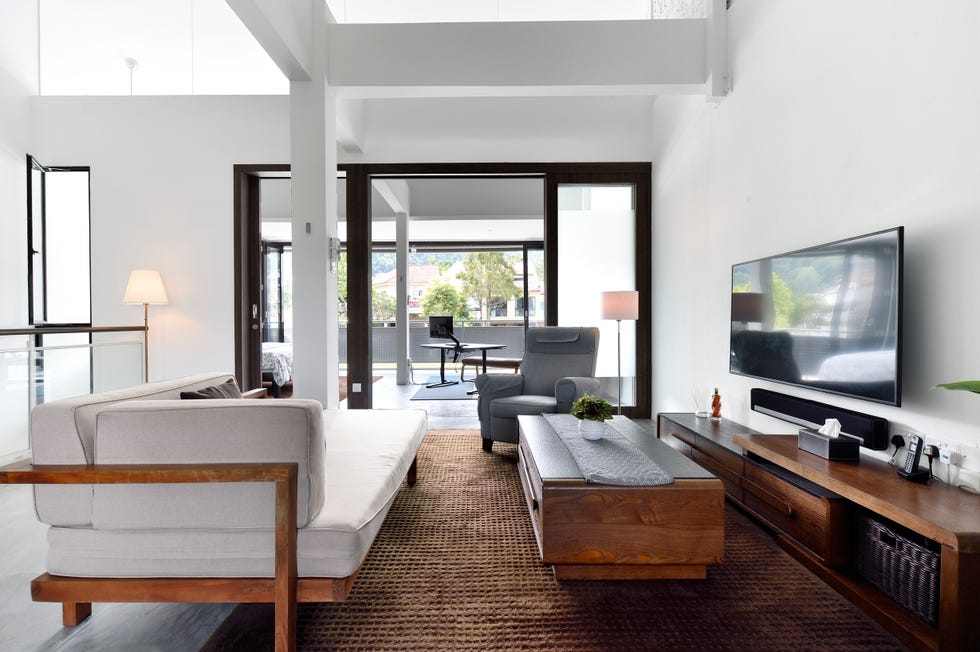
Artificial lighting also requires careful consideration. Warmer light colors are ideal for collaborative workspaces that demand creative thinking, while bluer light is more suitable for tasks requiring concentration and analytical thought. A study from Cornell University highlighted that focused, indirect uplighting significantly increased office workers' satisfaction and productivity compared to the common wide, parabolic downlights found in many open-plan offices. The physical dimensions of a space, particularly ceiling height, also affect cognitive function. Higher ceilings tend to promote more abstract and free-thinking, fostering creativity, while lower ceilings are more conducive to hands-on tasks. This phenomenon aligns with historical observations, such as Edward Hall's 1966 work on places of worship, where grand cathedrals with high ceilings inspire freedom and openness, contrasting with the confinement suggested by smaller, contained chapels.
Implementing these design principles involves creating diverse office spaces tailored to different types of work. This could mean having rooms with high ceilings for creative work and others with lower ceilings for tasks requiring concentration. Different wall colors can also be used to establish varied moods in distinct areas. While office design is not the sole determinant of creativity—colleagues, management, and passion for work also contribute—a thoughtfully designed environment can provide a significant creative boost. Even in existing, less-than-ideal spaces, simple additions like plants or colorful photographs can help stimulate creative thinking. The overarching goal is to develop environments that maximize the potential for success by accommodating various work styles and psychological needs.
#WorkplaceDesign #CreativityBoost #OfficeEnvironment #ColorPsychology #NaturalLight #CeilingHeight #ProductivityImprovement #EnvironmentalPsychology #WorkplaceInnovation #WorkplaceDesign #CreativityBoost #OfficeEnvironment #ColorPsychology #NaturalLight #CeilingHeight #ProductivityImprovement #EnvironmentalPsychology #WorkplaceInnovation
0 comment in total
 No comments yet
You may also like
Designers Are Ditching the "Rule of Threes" for THESE Genius Styling Alternatives

The unexpected 'microtrends' that designers say are actually timeless
10 Mistakes Designers IMMEDIATELY Notice When They Walk Into Your Home
7 Decor Pieces Designers Ditch for a Cleaner, More Cohesive Look

Skip the cookie-cutter cabinets and add pops of personality with these designer ideas

6 Underrated Designer Secrets That Instantly Make Any Room Look Better
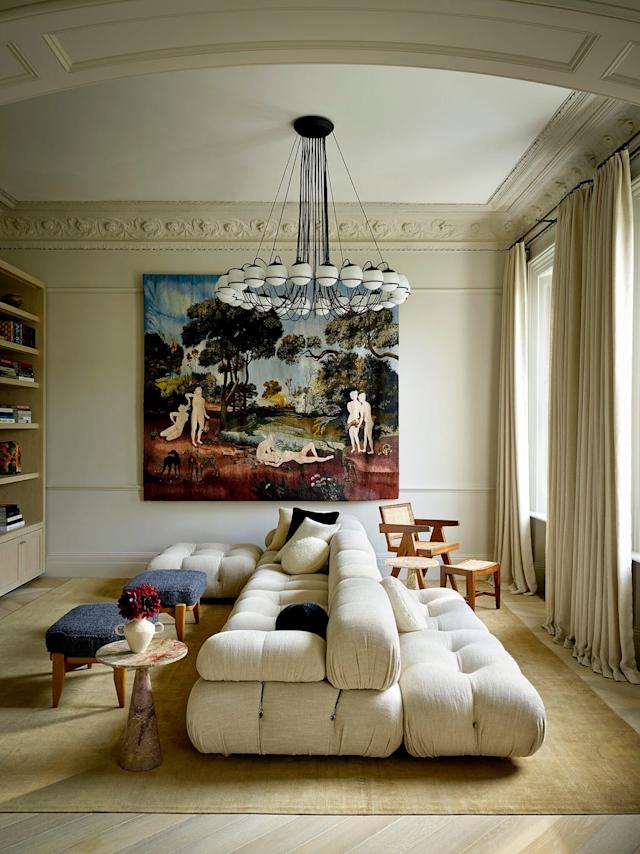
Designers Reveal the TINY Detail That Instantly Adds Character to Any Home
Why Bad Design is Good

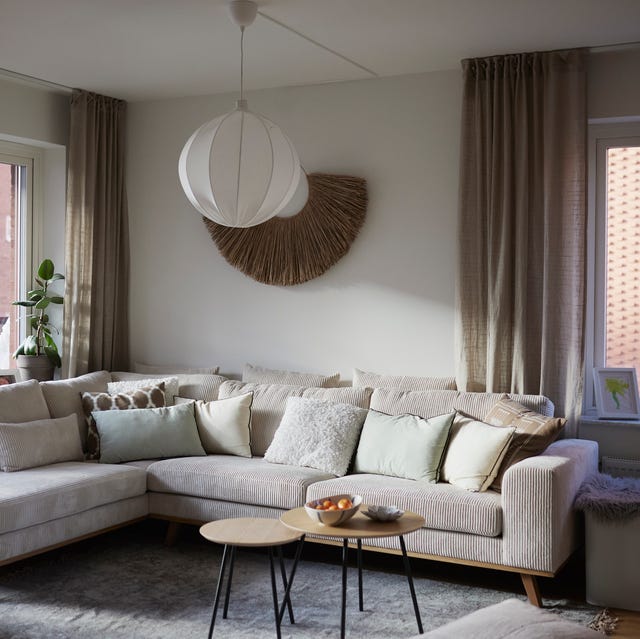
9 CONTROVERSIAL Decor Choices Designers Secretly Wish You’d Stop Making
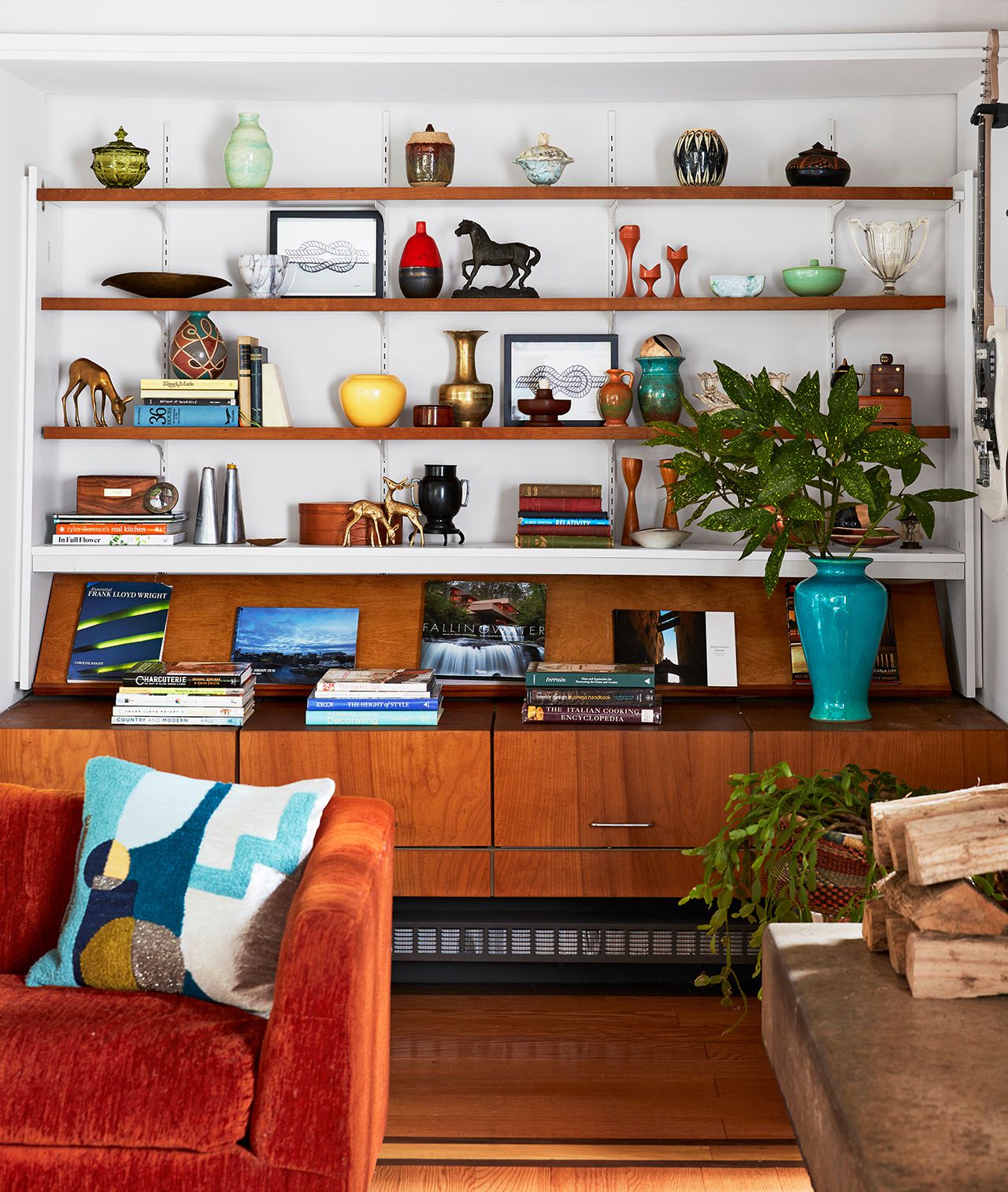
10 Ways to Nail the Slow Decorating Trend Designers Are Loving
6 'old-fashioned' decorating techniques that designers still swear by

What’s the most underused design element?

5 Minimalist Decorating Mistakes Designers Always Notice

This 'Invisible' Design Rule Is What Makes a Good Room Just Click — Psychologists and Designers Swear By It

This ONE Tiny Detail Makes the Biggest Impact in Any Room, According to Designers
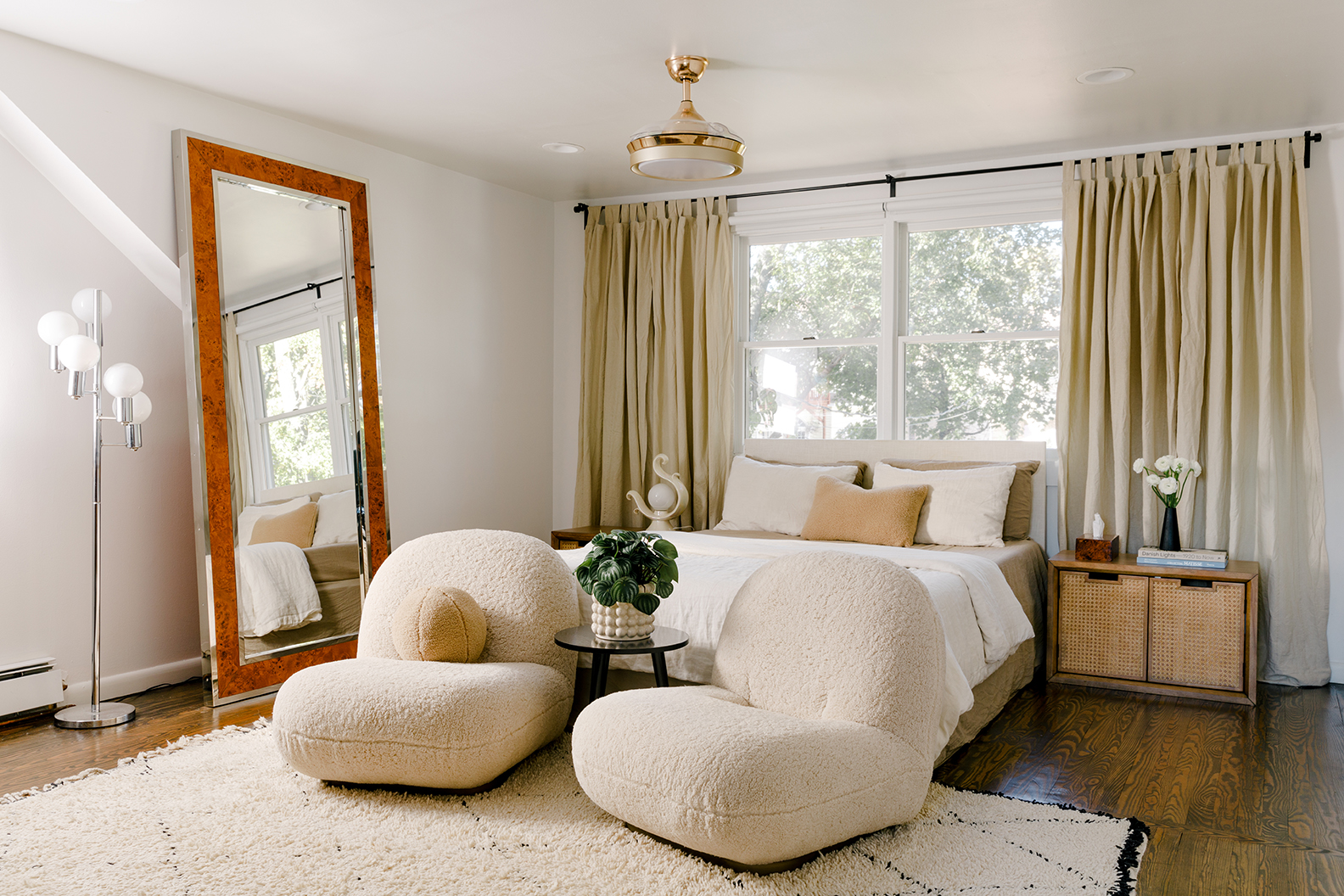
Awkwardly Placed Windows Are No Match for These Designer Tricks

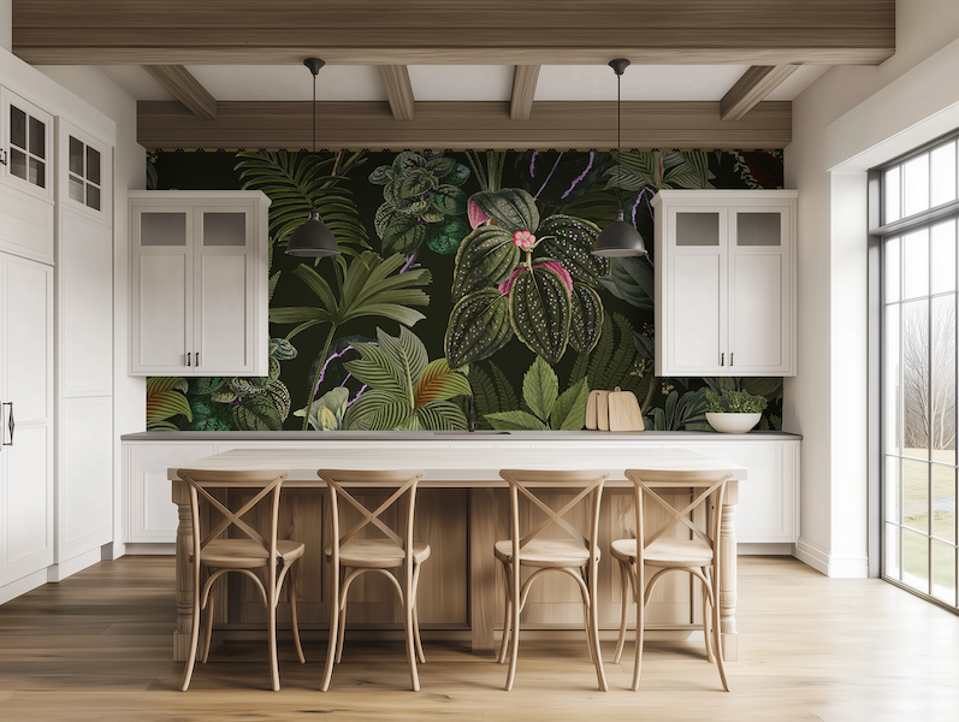
7 Design Mistakes Interior Designers Always Notice

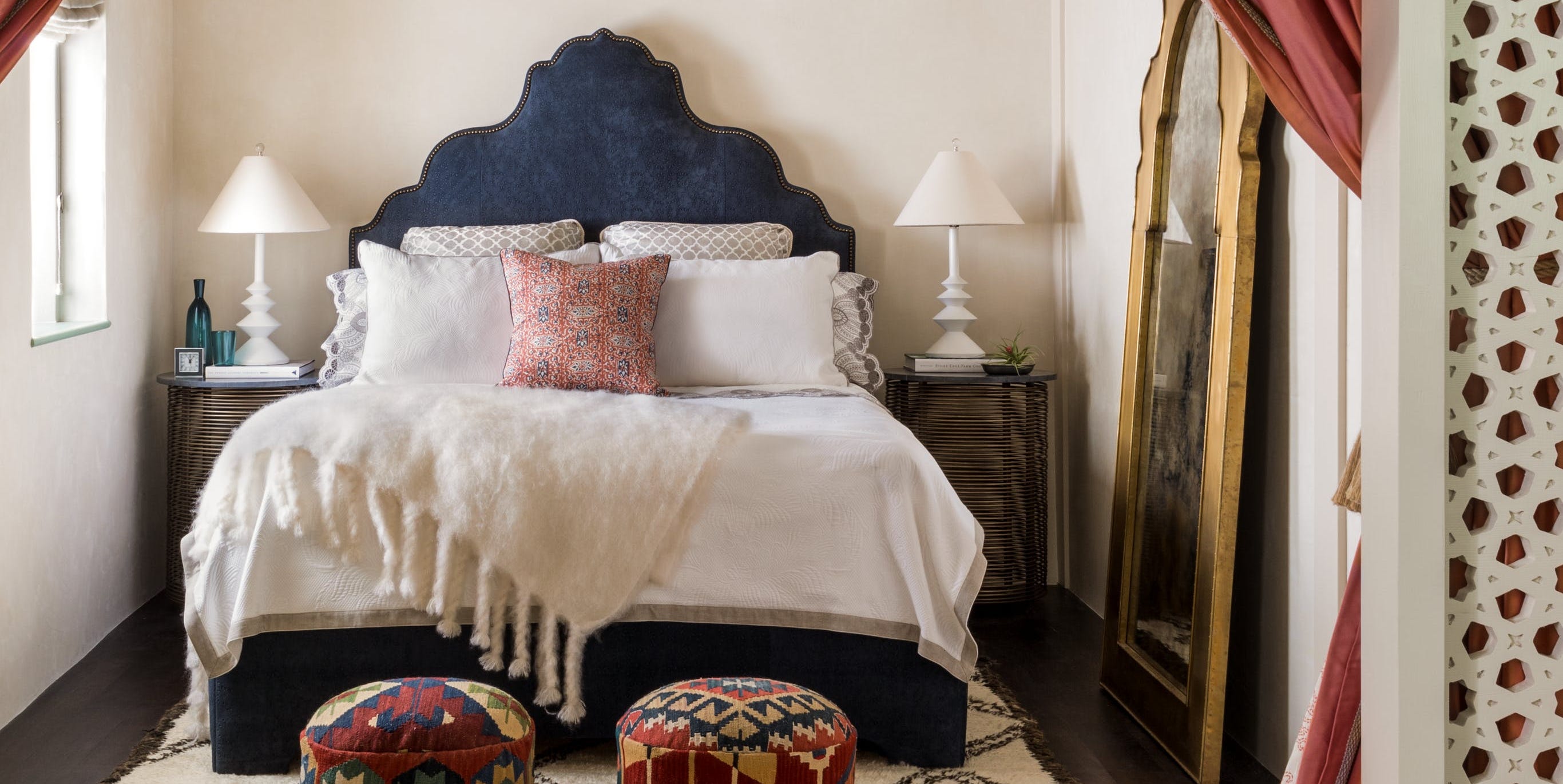
See These Designer-Approved Ways to Decorate with Throws
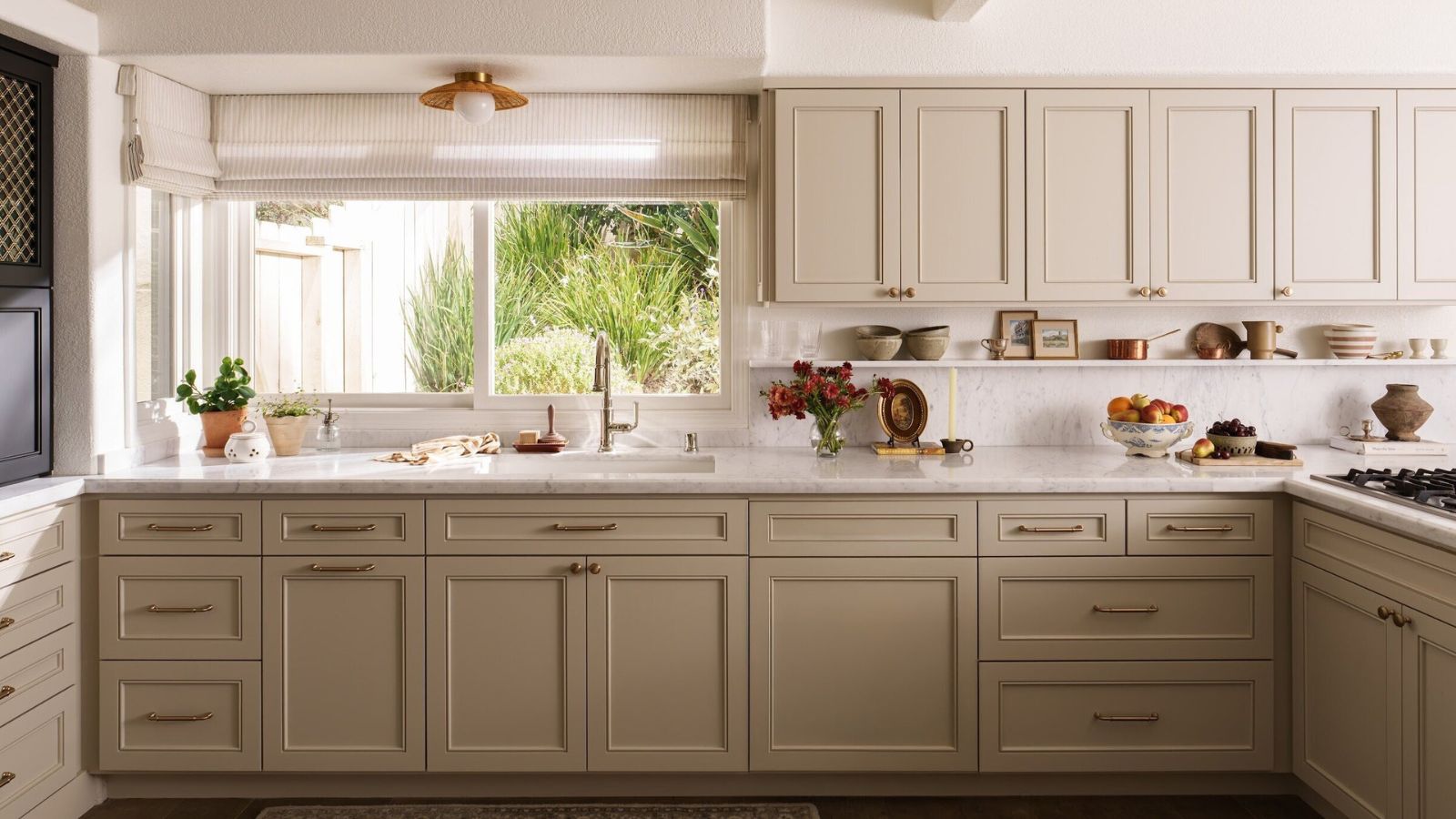
‘The Little Moments Do the Heavy Lifting’ – Here’s How Designers Perfectly Style the Corners of Their Kitchens While Still Keeping Them Practical

7 Kitchen Details That Always Give Designers the Ick—and What to Do Instead