Hate open floor office spaces? There’s a better way.
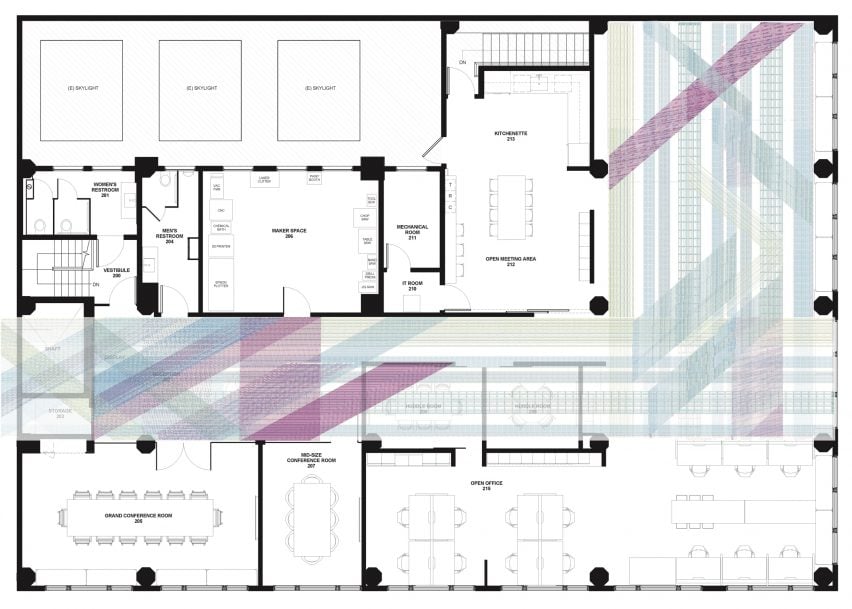
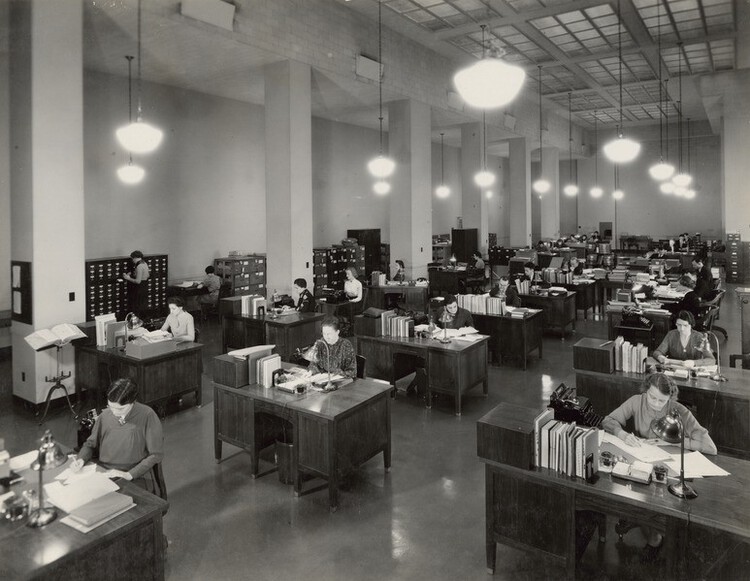
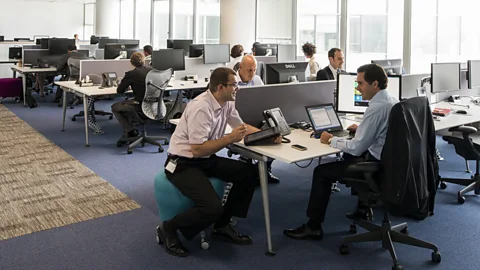
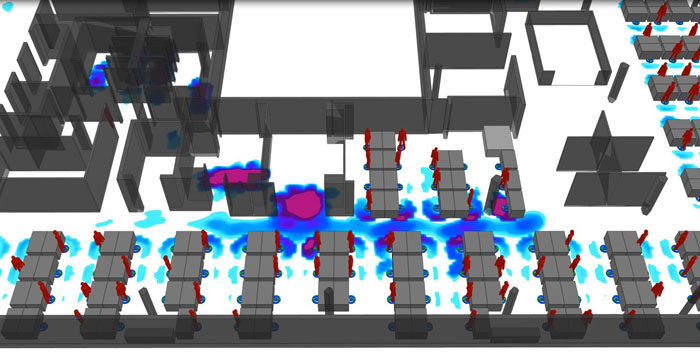
The shift towards open-plan office spaces has been a dominant trend globally for the past five to ten years, driven largely by the desire to reduce real estate costs and foster greater collaboration among employees. European companies were early adopters of this bench-style seating arrangement, with North American counterparts following suit, resulting in 68% of North American employees now working in open or open-seating environments. This change is partly facilitated by advancements in mobile devices, remote conferencing technology, and the rise of a global workforce, leading to employees spending less time physically at their desks. Companies like Citrix have successfully reduced real estate costs by converting office buildings into more open, collaborative spaces.
However, this transition has not been universally embraced. Older employees, accustomed to traditional private offices, and professionals in fields requiring high levels of privacy, such as legal and financial sectors, often find the non-hierarchical, open environment challenging. Research studies have also highlighted significant drawbacks, including reduced employee productivity, compromised morale, and increased absenteeism. Noise and a lack of privacy are identified as the primary issues, leading to distractions and difficulties in concentrating on individual tasks. A 2013 study by Gensler revealed that only a quarter of employees in open office environments felt their workspace supported both collaboration and individual concentration, with over half reporting distractions.
Despite these challenges, proponents argue that open offices promote an "open-door policy" and facilitate spontaneous collaboration, leading to better team dynamics and quicker problem-solving. This is particularly relevant in modern business environments where team collaboration is crucial. The evolving nature of work, supported by wireless technology and cloud storage, further enables nomadic workstations, which some workers, particularly millennials, prefer for greater flexibility.
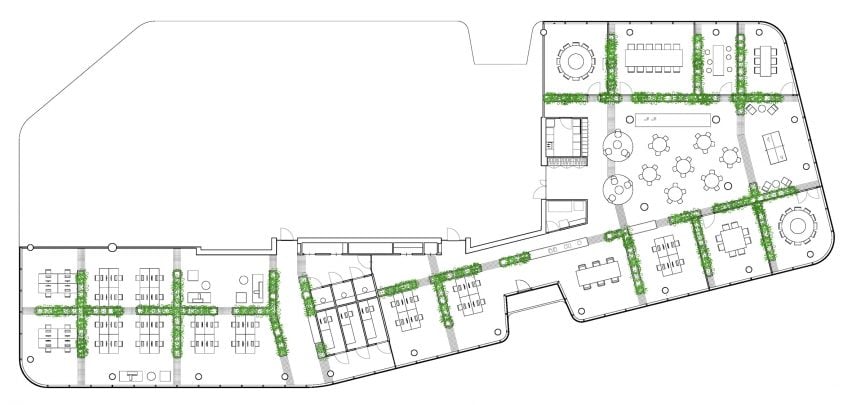
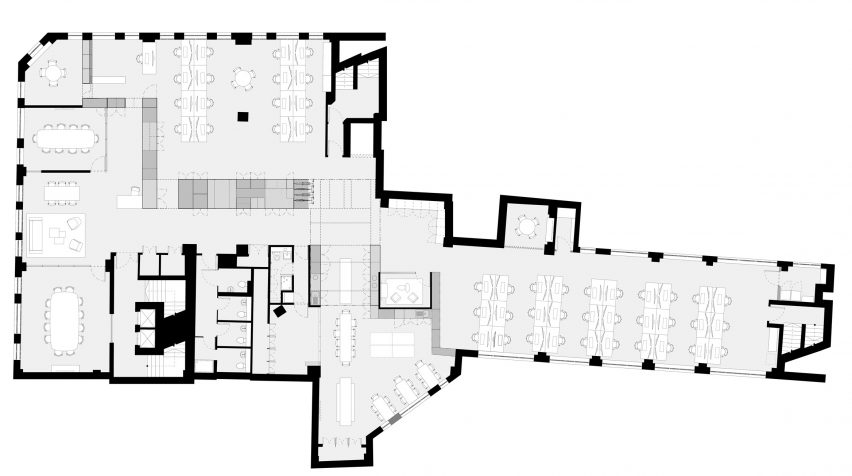
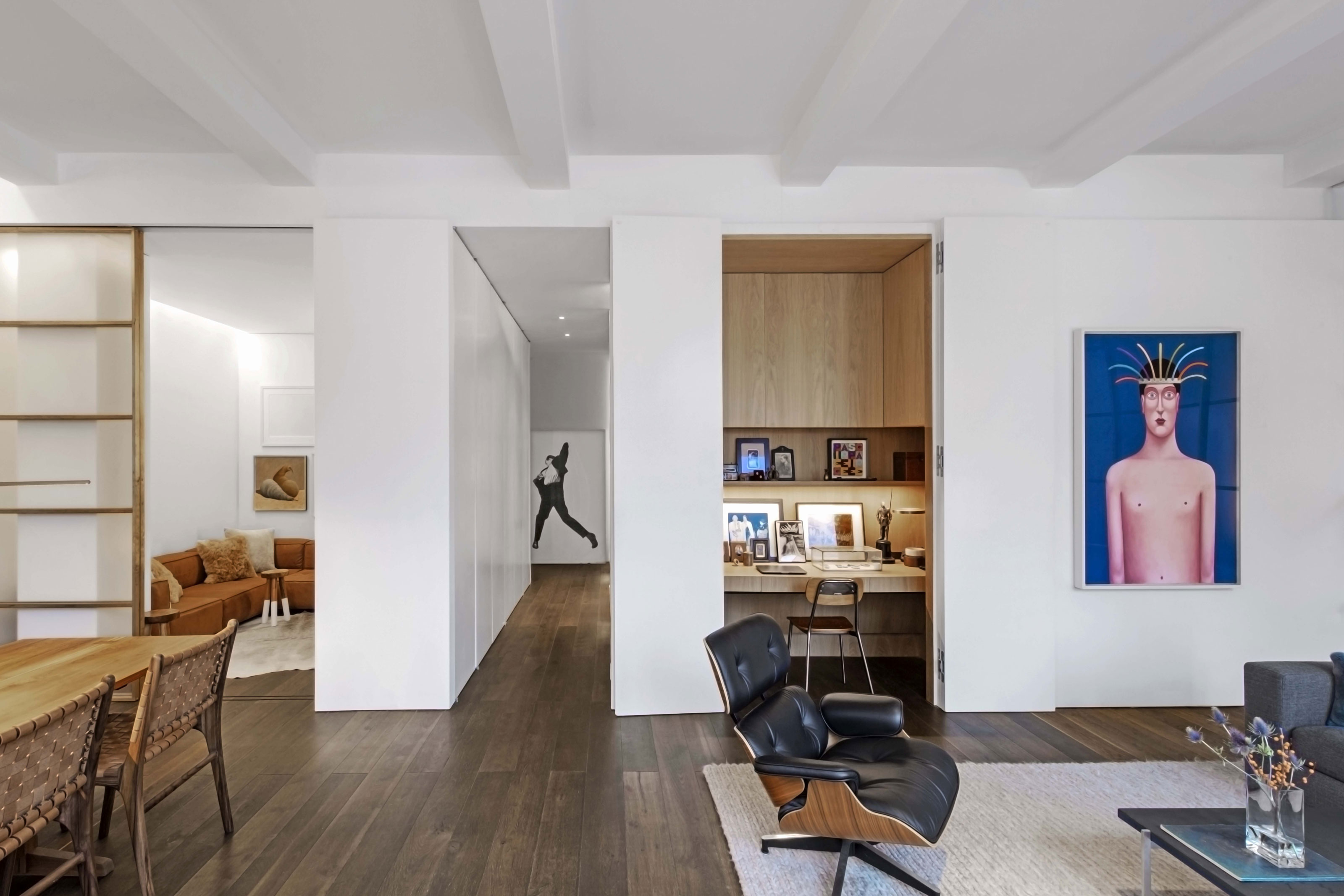
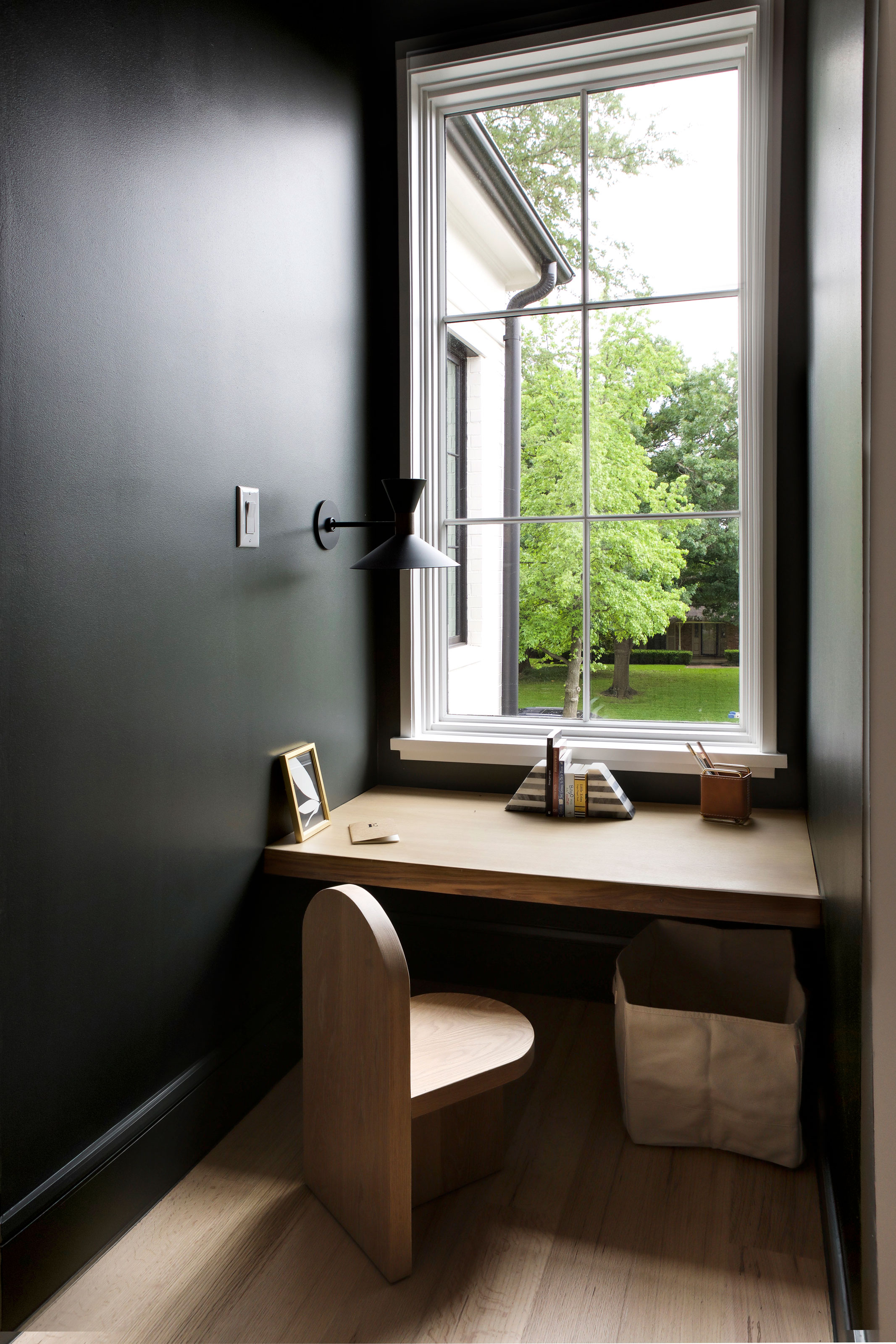
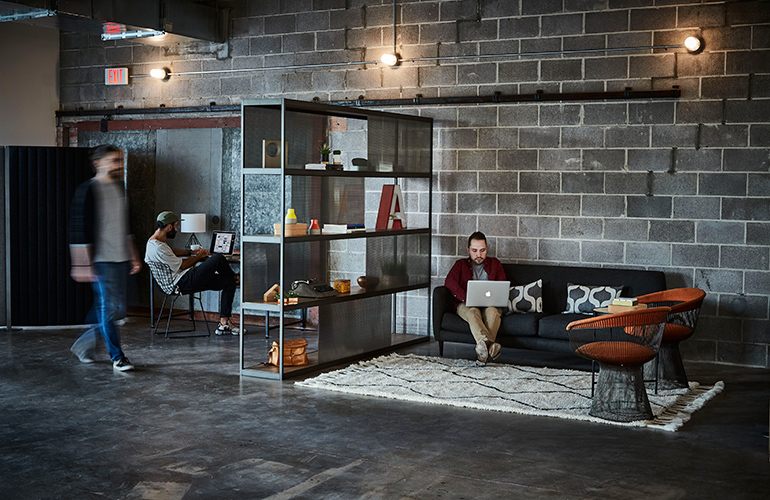
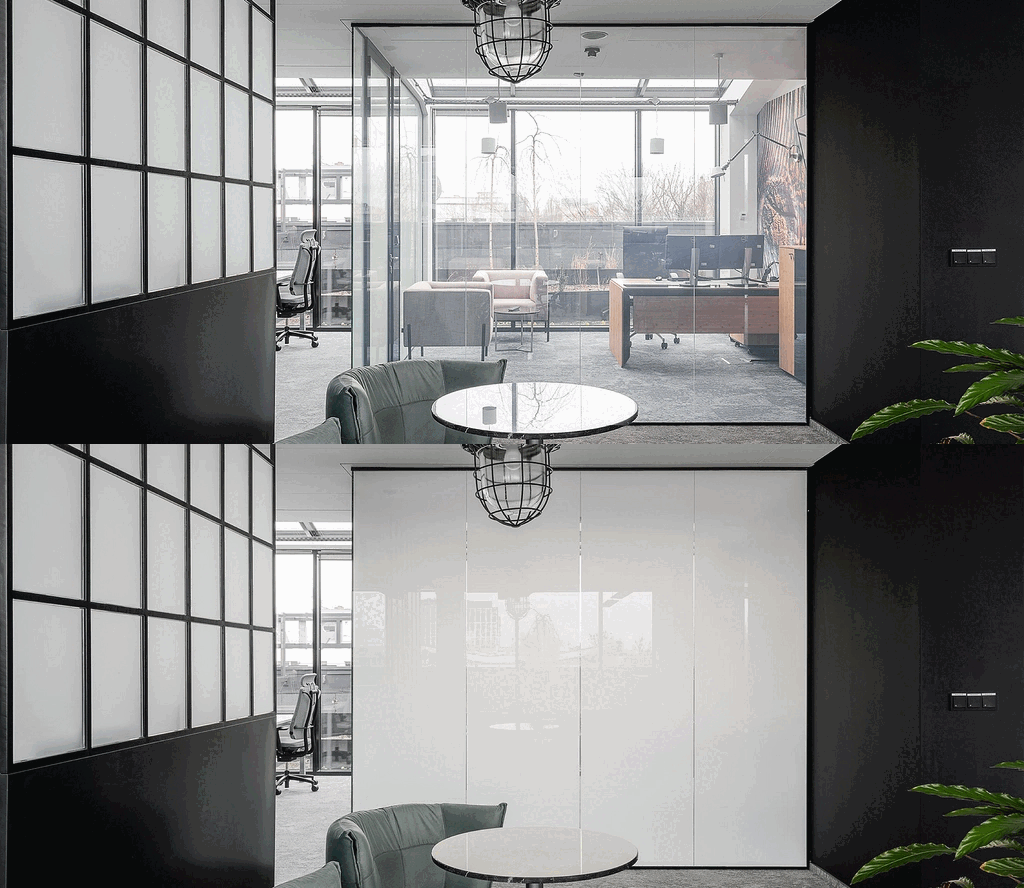
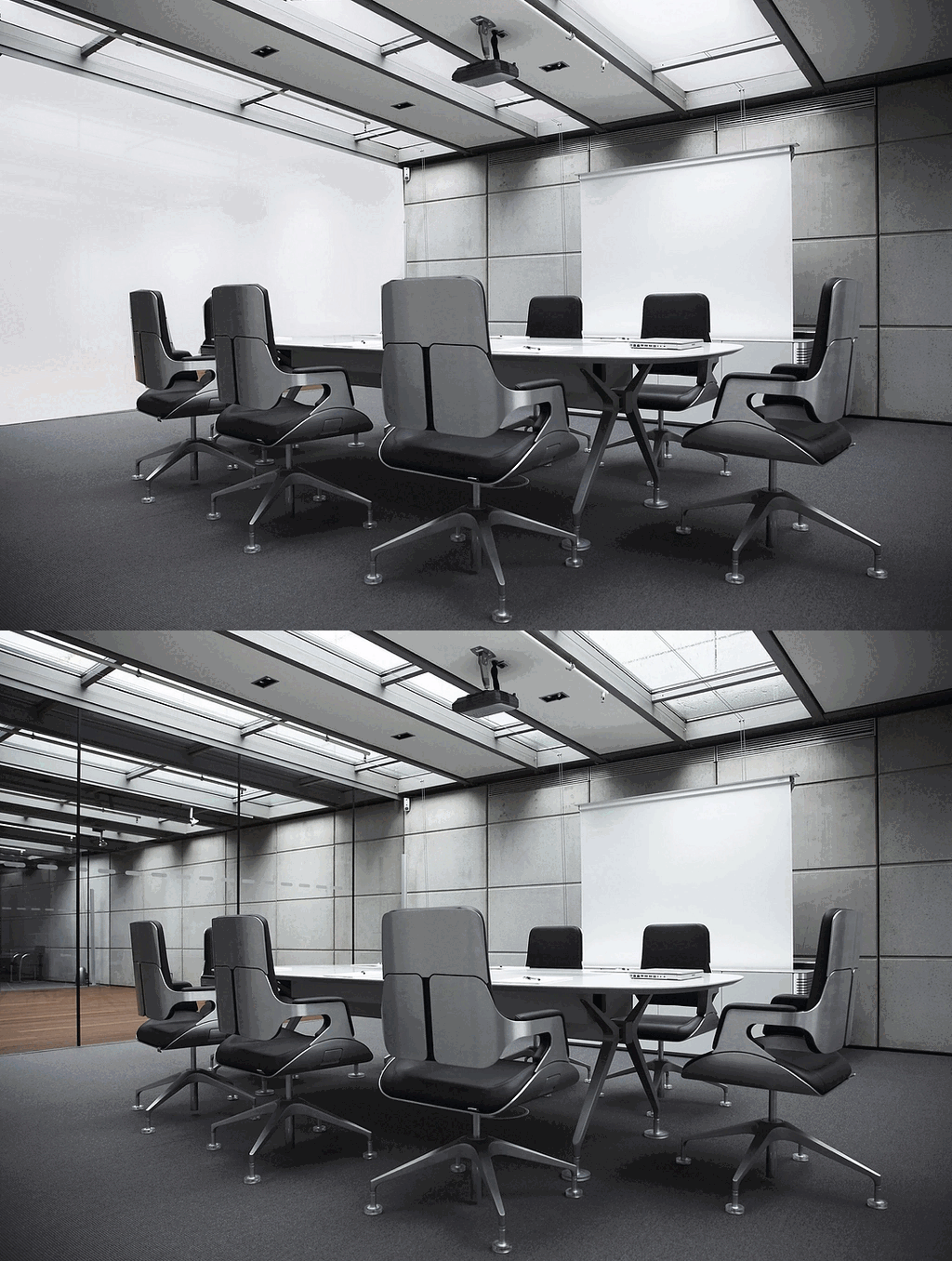
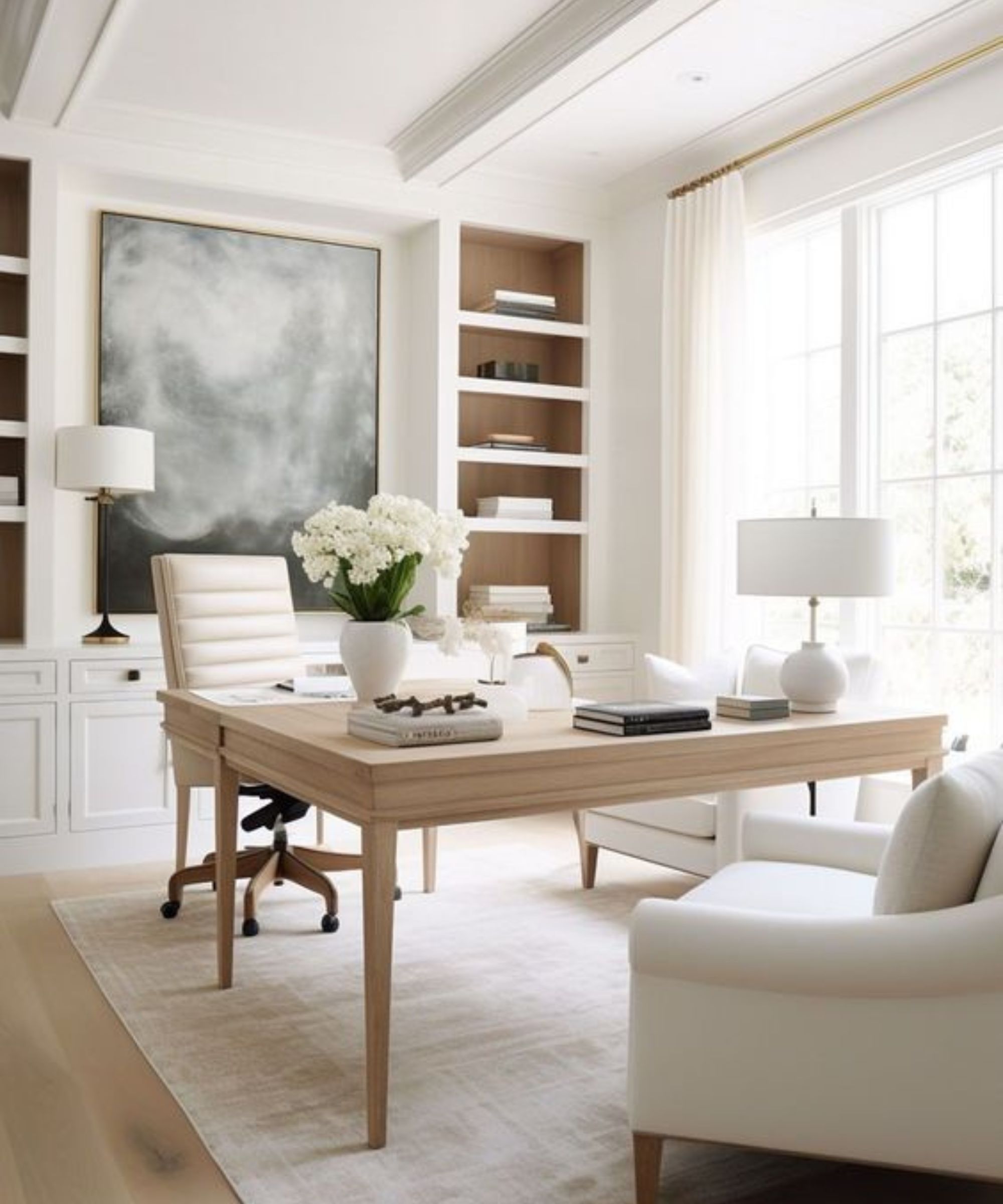
To address the criticisms and mitigate the negative impacts, a balanced approach is emerging. Design firms and companies are advocating for a hybrid model that combines open, collaborative areas with quiet, private spaces for focused work. This allows employees to choose the environment best suited for their current task, whether it requires team interaction or deep concentration. Zurich Insurance Group, for example, incorporates both traditional assigned desks and team-oriented areas, along with living-room-style spaces for relaxation and private meeting rooms. This approach aims to create a workplace that fosters productivity and employee well-being by providing choice and flexibility, acknowledging that different tasks require different types of environments.
#OpenOffice #WorkplaceDesign #EmployeeProductivity #OfficeCulture #RealEstate #CollaborativeWorkspaces #WorkplaceTrends #FlexibleWork #CorporateStrategy #OpenOffice #WorkplaceDesign #EmployeeProductivity #OfficeCulture #RealEstate #CollaborativeWorkspaces #WorkplaceTrends #FlexibleWork #CorporateStrategy
0 comment in total
 No comments yet
You may also like
Open floor plans and home offices: How to make it work
A New Solution for Open Office Shelving

How to make a small office look bigger — 7 easy-peasy effective tips

Designer-Approved Tips That Make Decorating an Open Floor Plan a Little Less Daunting
5 New Ways With An Open Floor Plan


How to make your home office a more pleasant place to work
How to make an open floor plan feel more cozy

5 small office layout ideas you've never thought about before
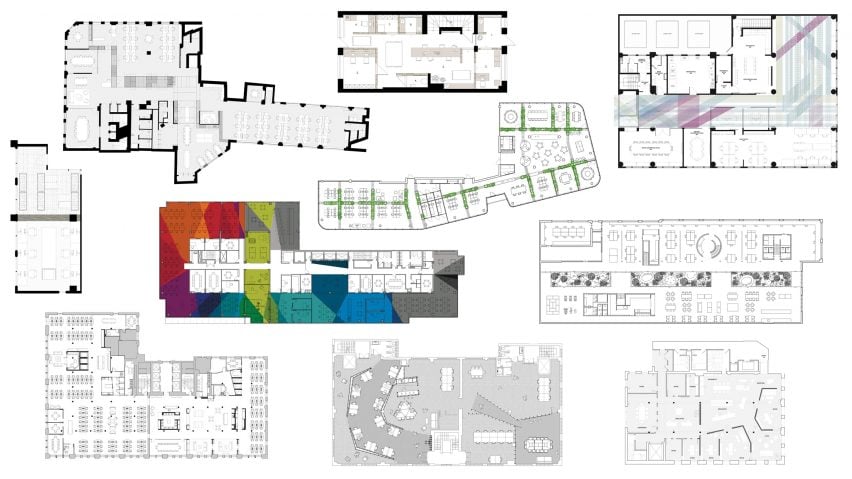
Ten offices with floor plans divided in interesting ways

How to Deal When Your Company Moves to an Open Floor Plan
Step up your home office game with these tips from an interior designer
Planning the office space of the future
Home Office Ideas for Open-Plan Living
The Curse of an Open Floor Plan

5 Ways To Make Your Home Office Feel Like A Chic NYC Loft
Easy Home Office Upgrades for a Productive Workspace
Apartment office ideas – 10 ways to make room for a desk when space is tight

The Importance of Privacy in Open-Plan Offices

6 ideas for turning a spare closet into an office

How To Recreate Our Favorite Office Spaces