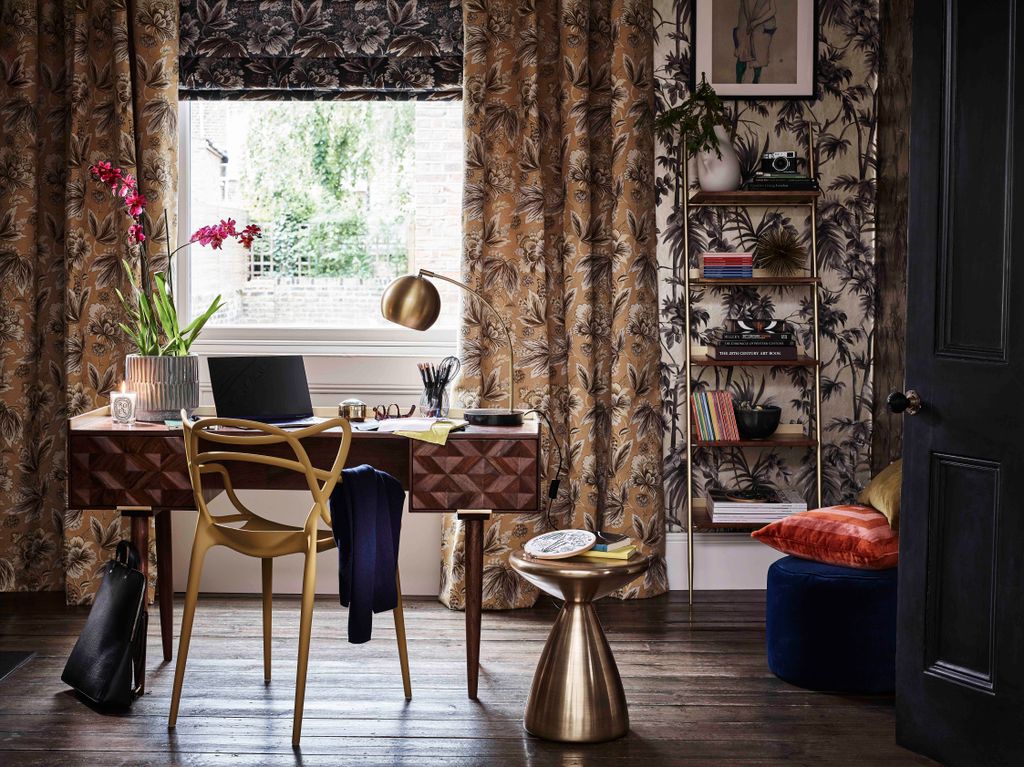

5 Strategies For Making Your Office Space The Ultimate Employee Destination
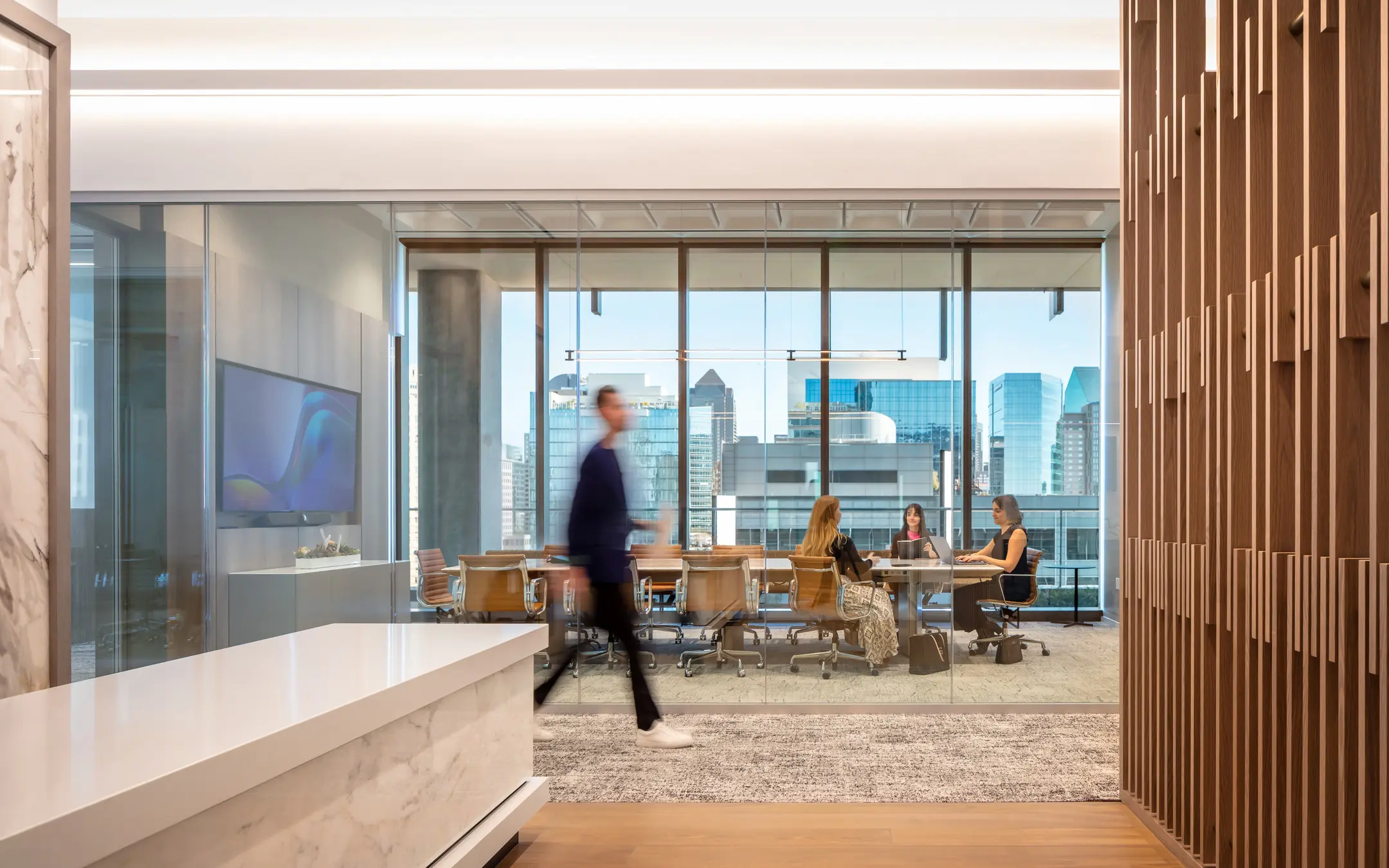
The article discusses five strategies for making office spaces more appealing to employees, acknowledging the ongoing debate between remote and in-person work. The central idea is that if employers want workers to come into the office, the office environment must be designed to be an attractive and engaging destination.
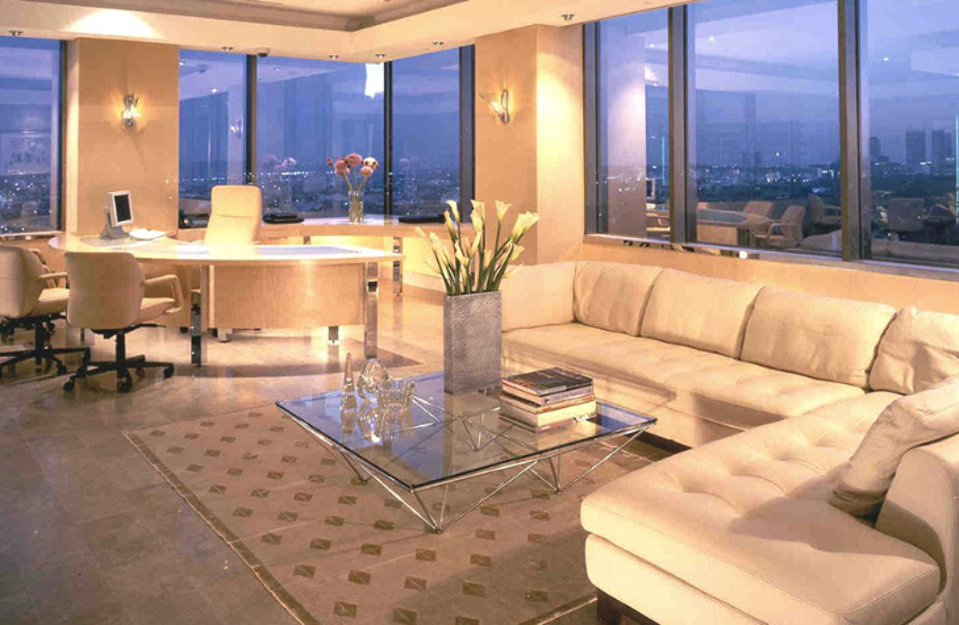
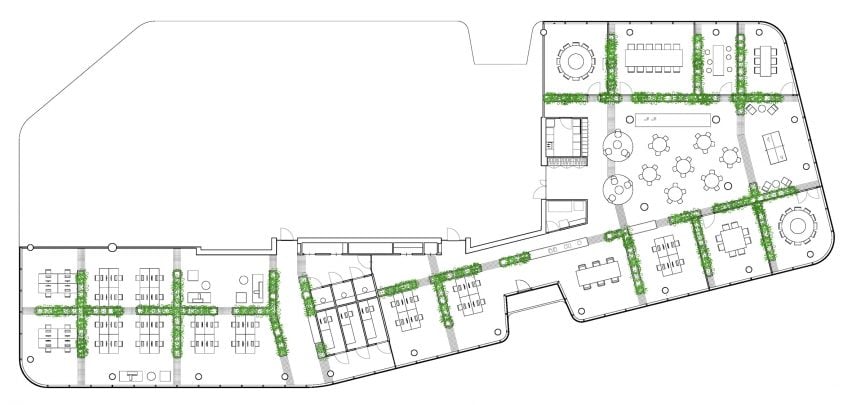
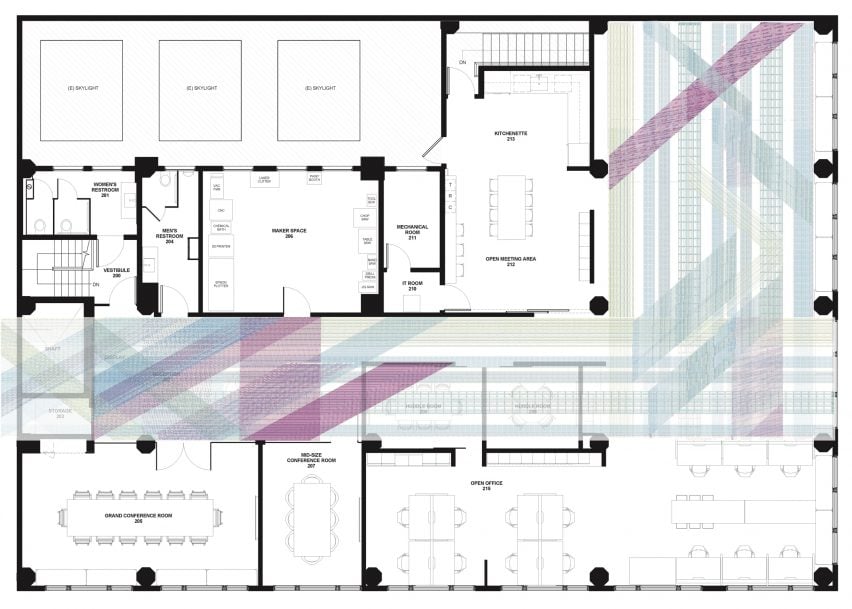
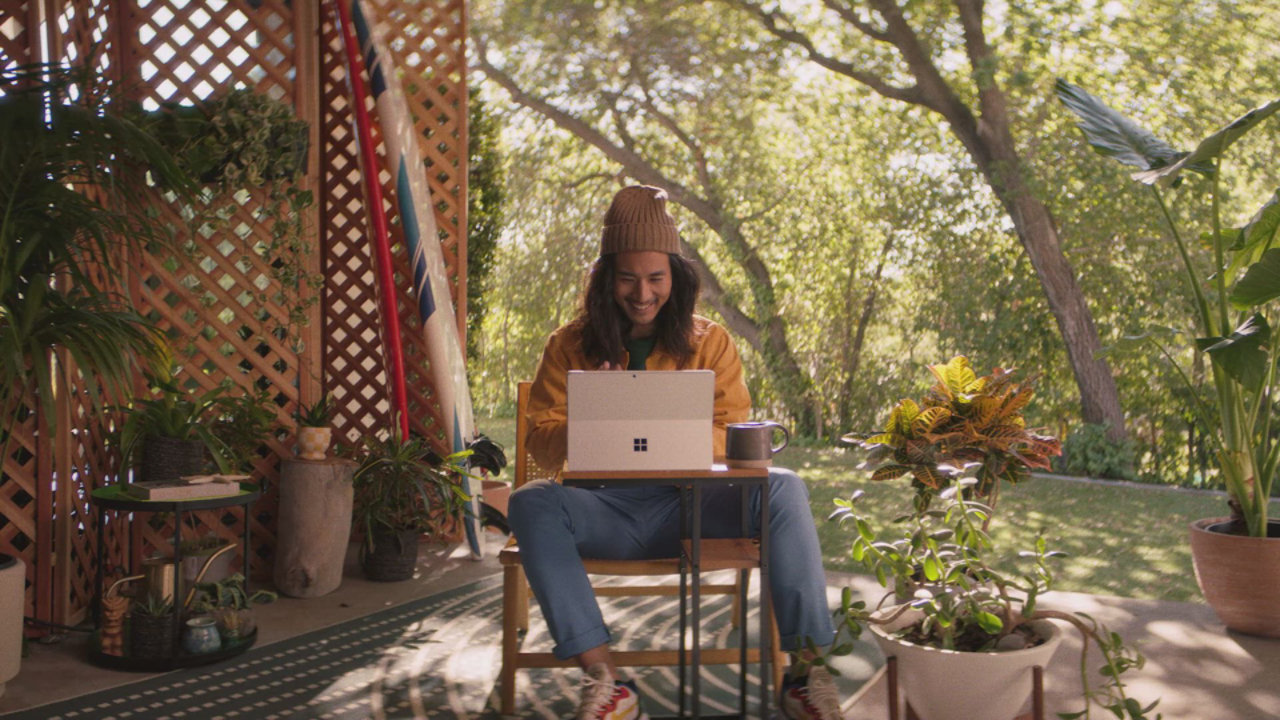
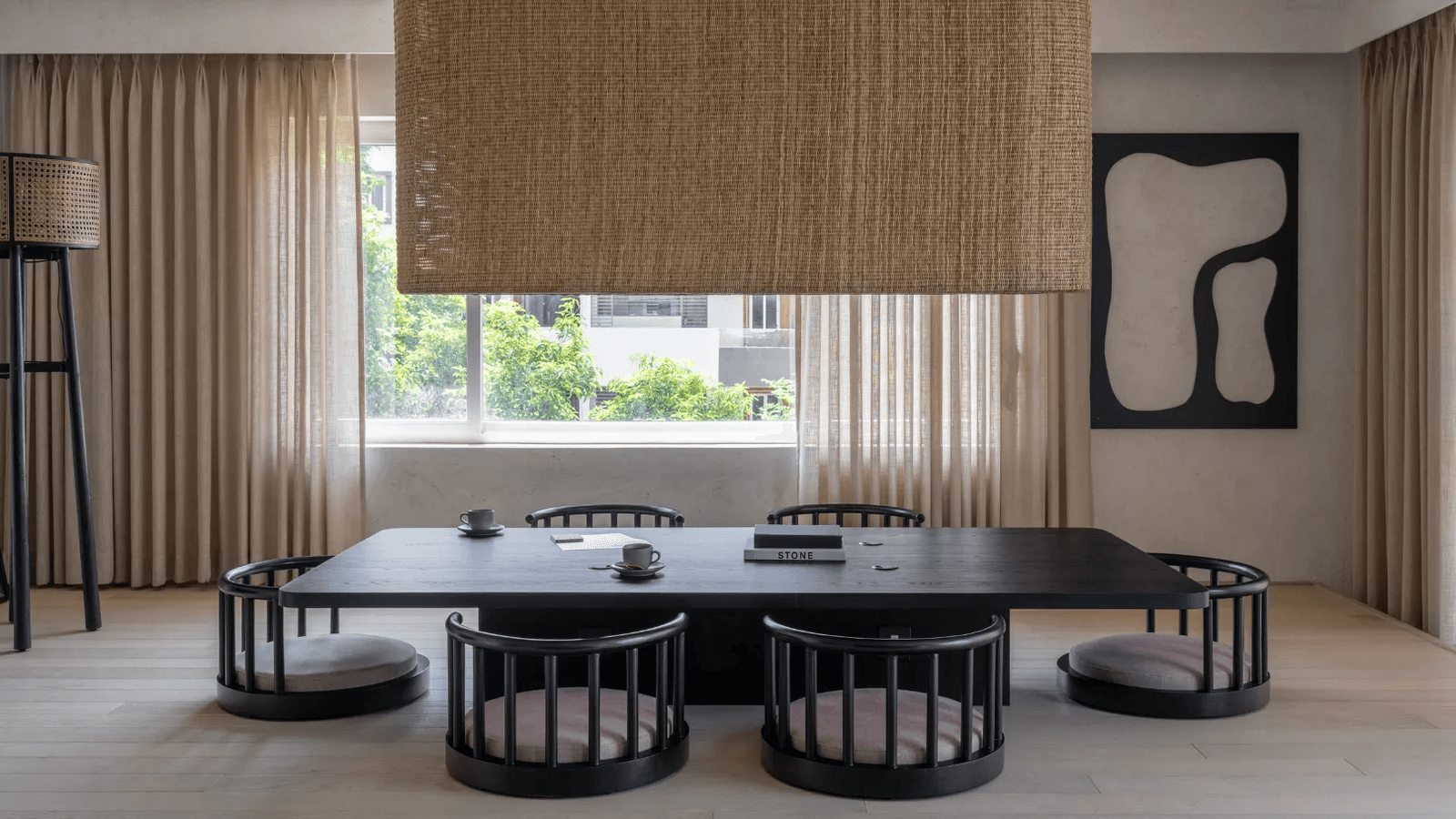
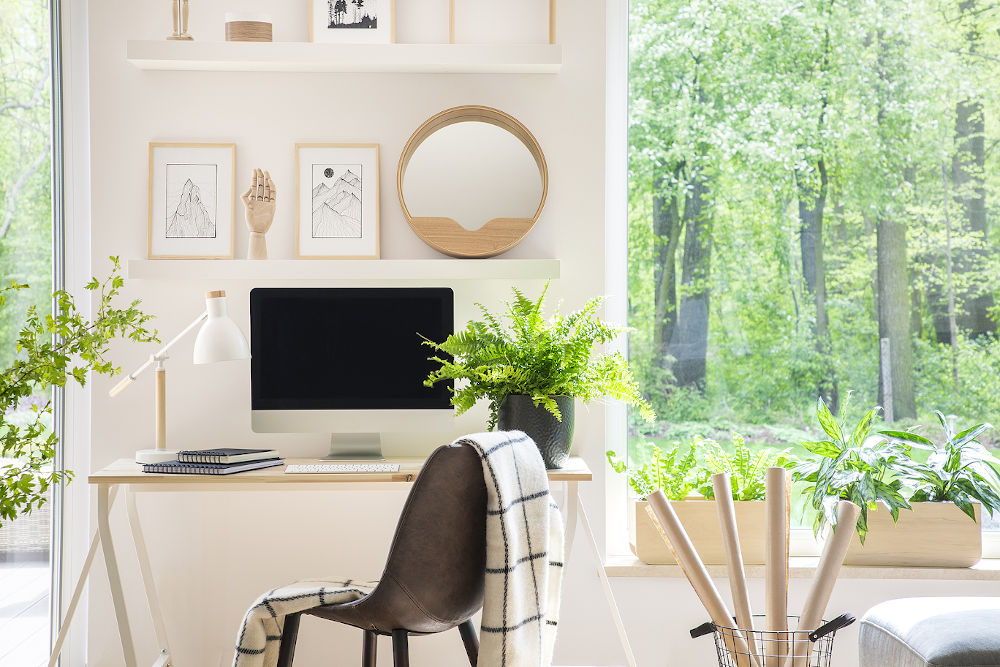
The first strategy focuses on designing community spaces. The author highlights that remote work can be isolating, and creating communal areas can foster social interaction and team bonding. Examples include café-style break rooms, game areas with activities like ping-pong and foosball, and shared kitchens. Additionally, incorporating biophilic design elements such as indoor plants and natural light is recommended to improve well-being, reduce stress, and boost productivity. Wellness zones, offering spaces for meditation, yoga, or quiet reflection with comfortable seating, calming lighting, and noise-canceling features, are also suggested to help employees relax and re-energize.
The second strategy addresses the needs of parents by suggesting considerations for childcare services. The article notes that remote work is attractive to many parents due to childcare costs and logistical challenges. To encourage parents to come to the office, providing onsite childcare or partnering with local daycare centers is proposed. Organizing family-friendly events, such as bring-your-child-to-work days, picnics, or holiday celebrations, is also recommended to strengthen community bonds and allow employees to spend quality time with their families. Creating child-friendly workspaces with play areas, suitable furniture, and age-appropriate toys is another suggestion to support working parents and promote work-life balance.
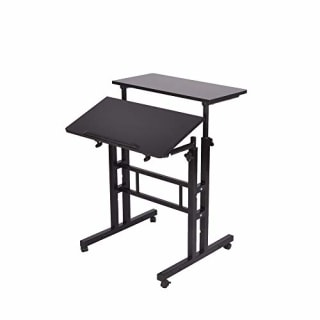
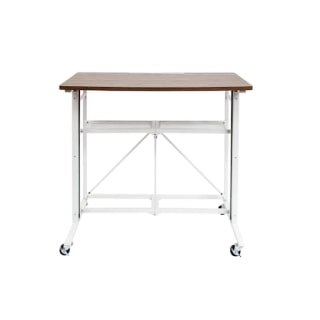
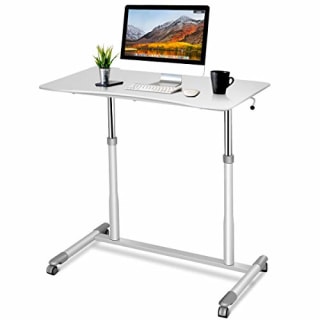
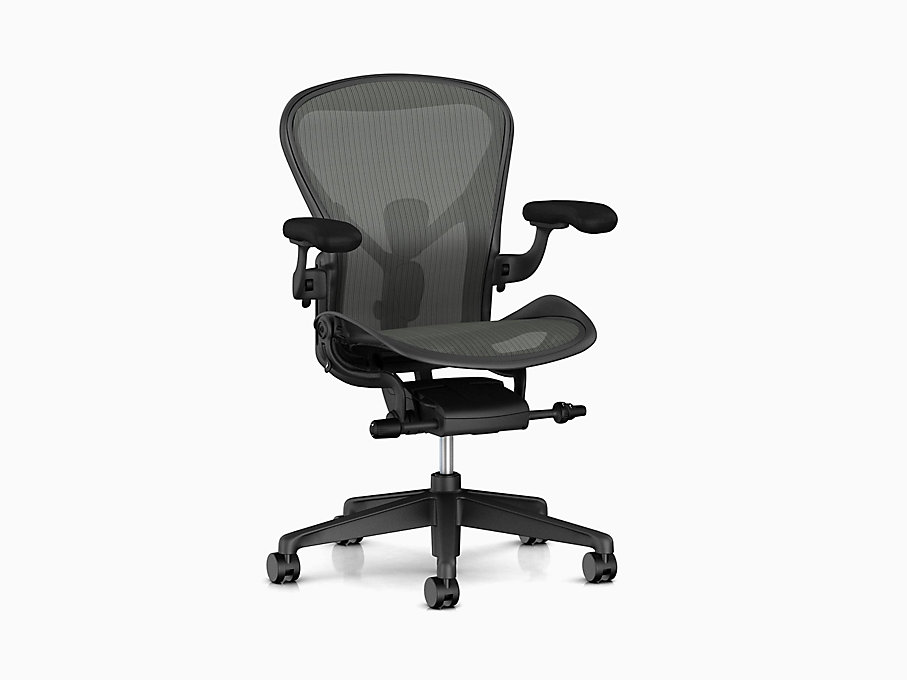
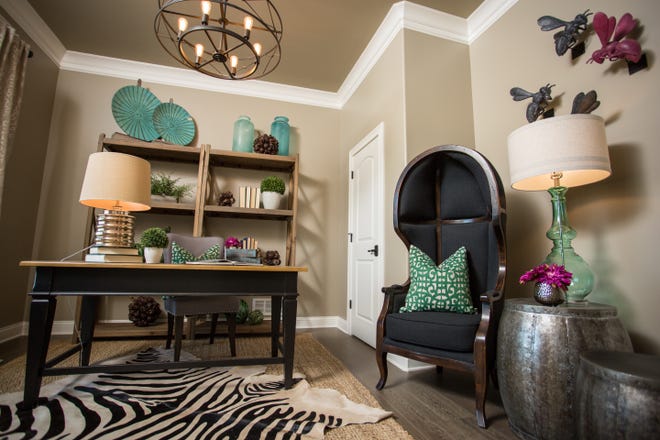
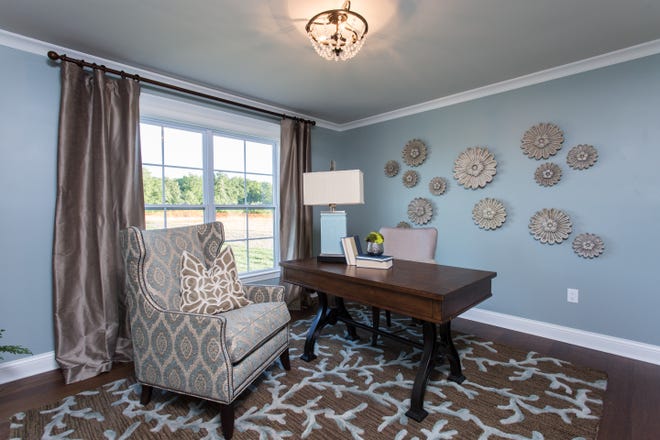
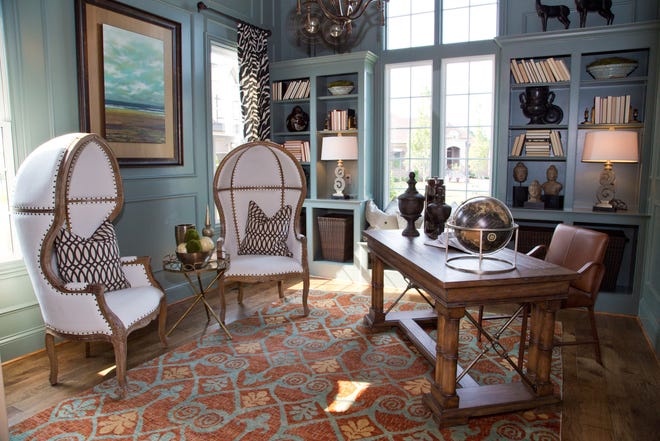
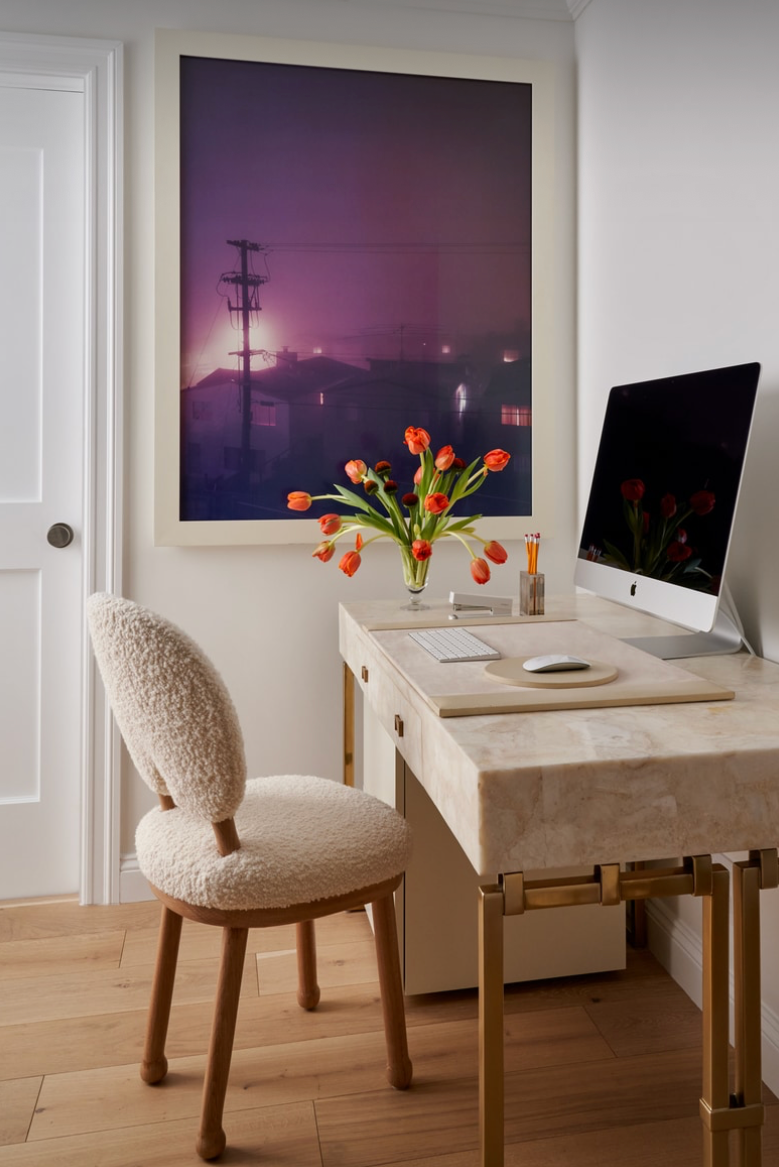
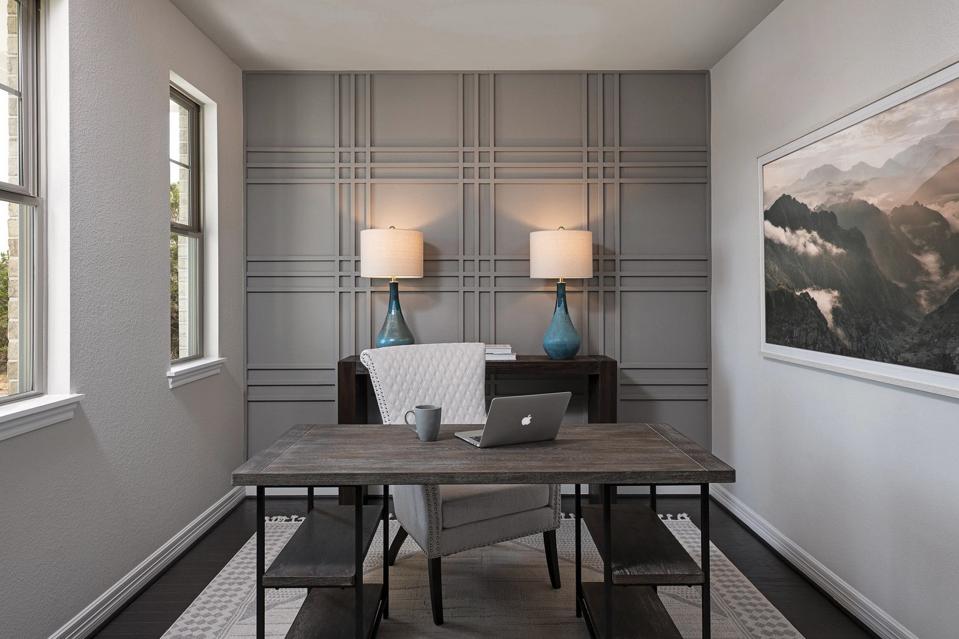
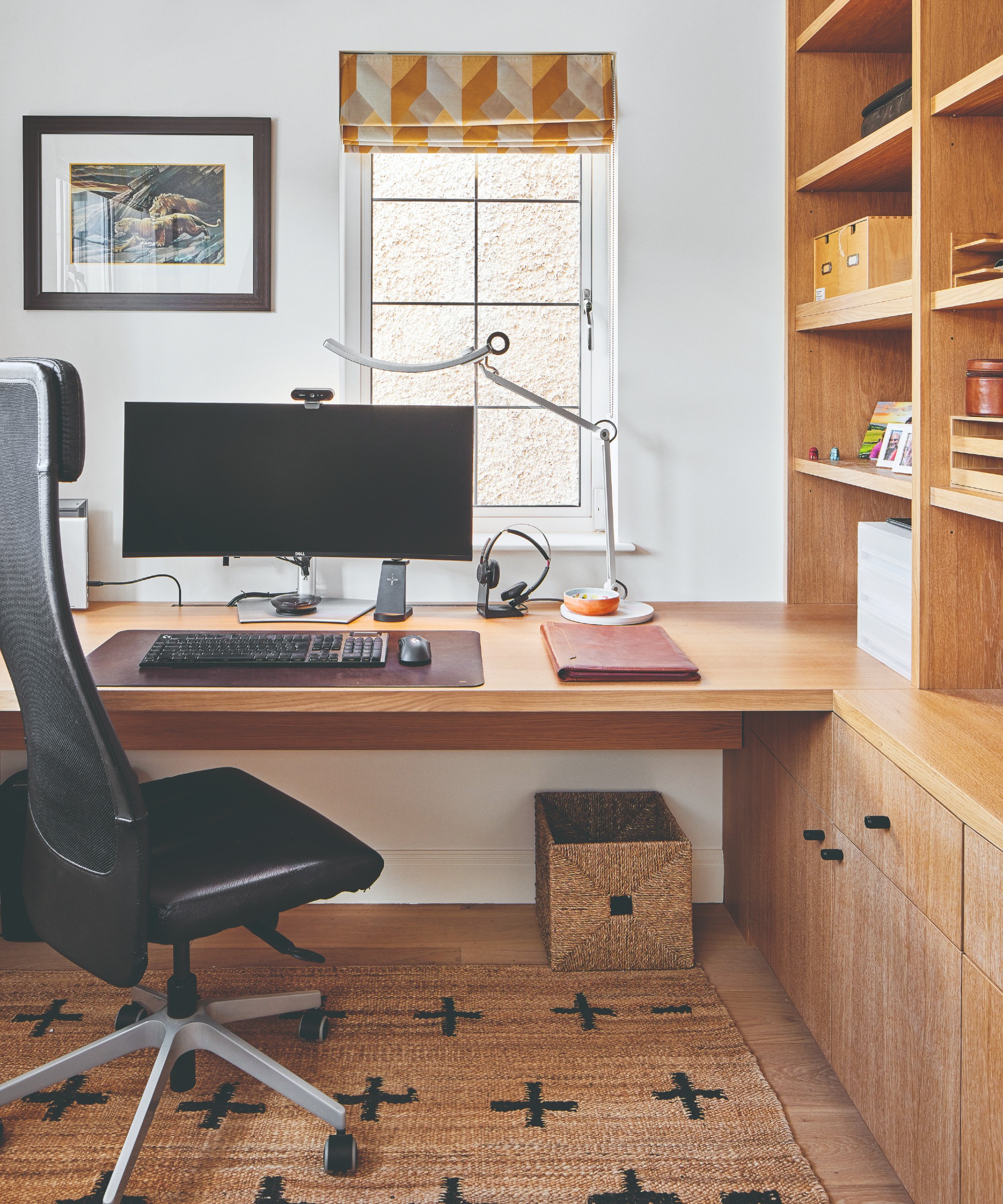
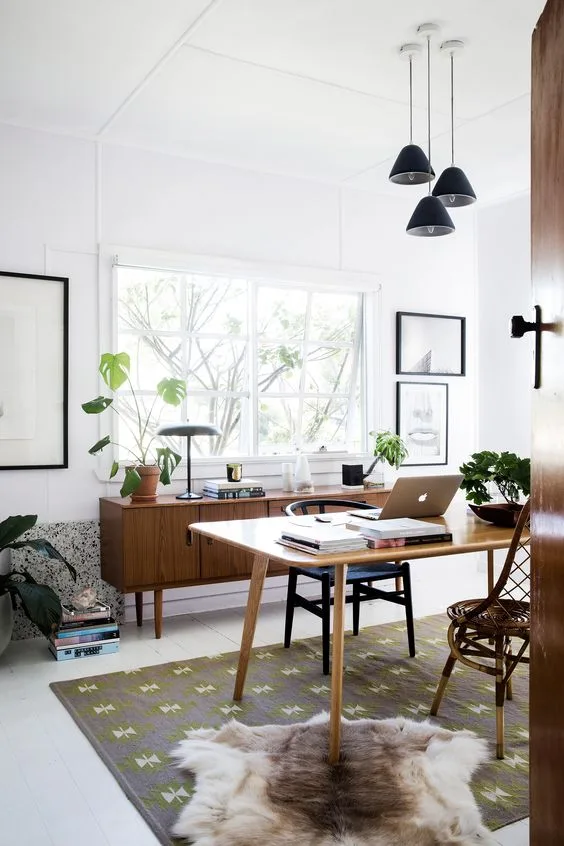
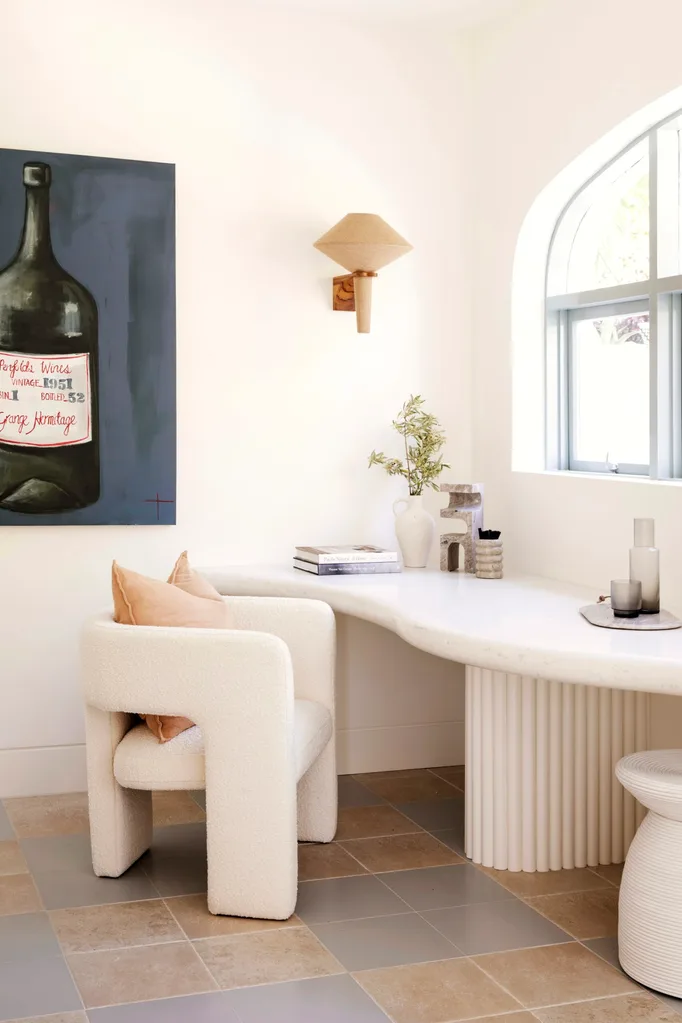
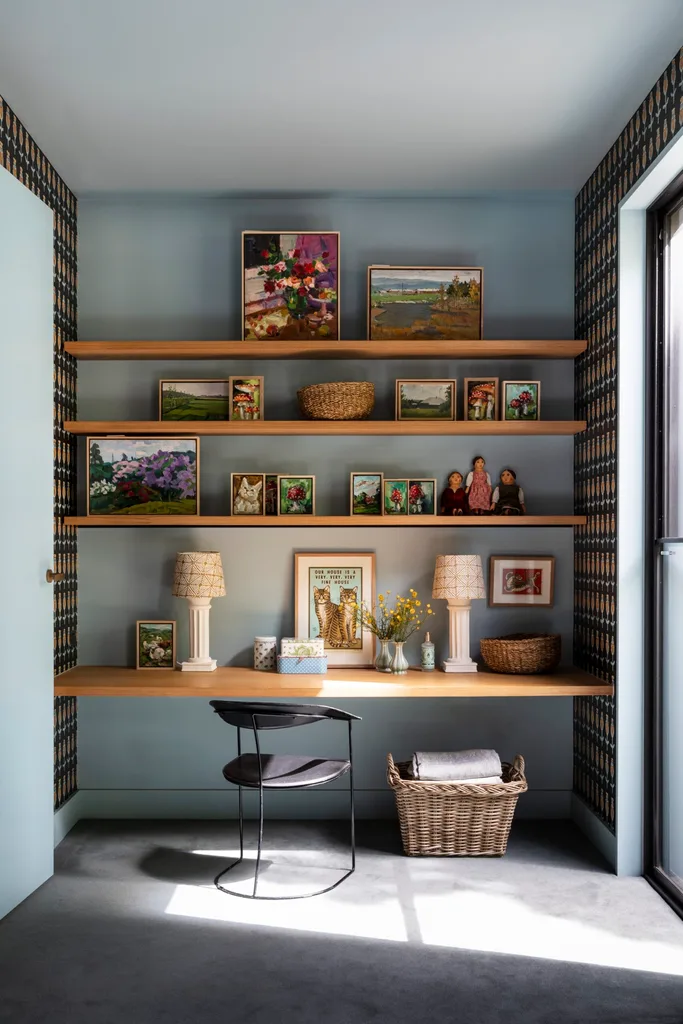
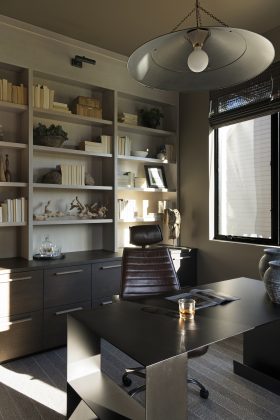
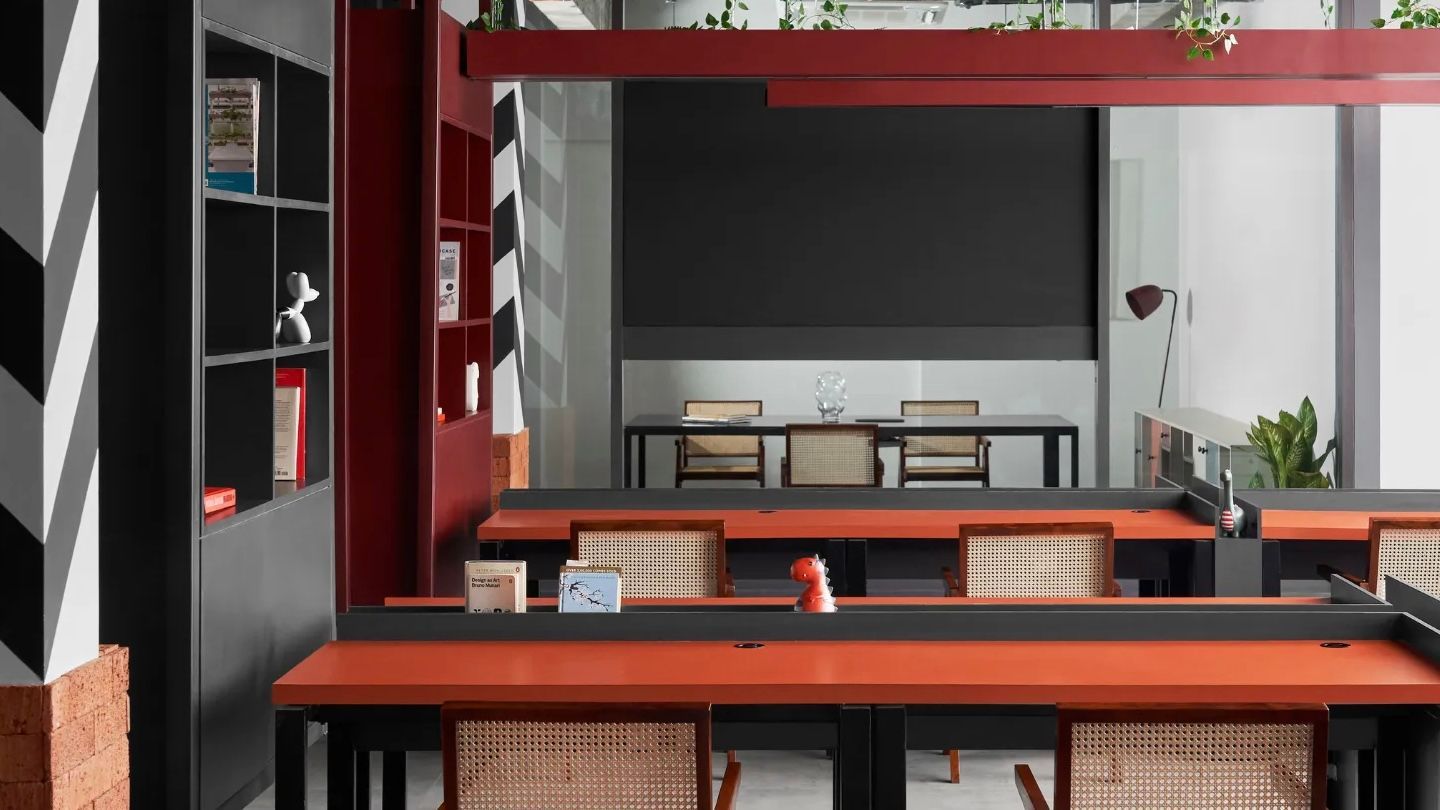
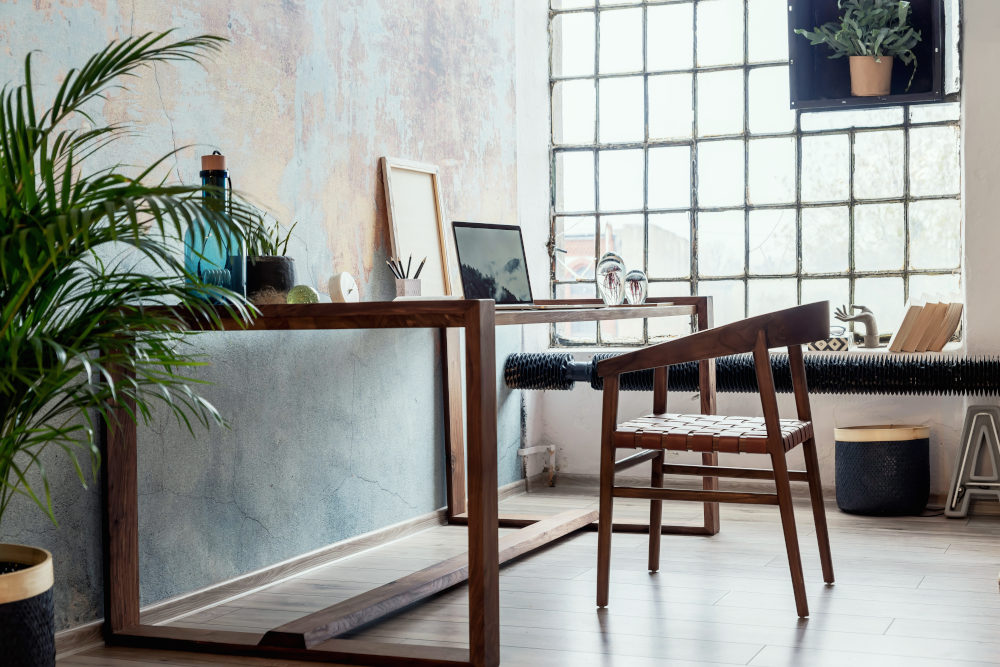
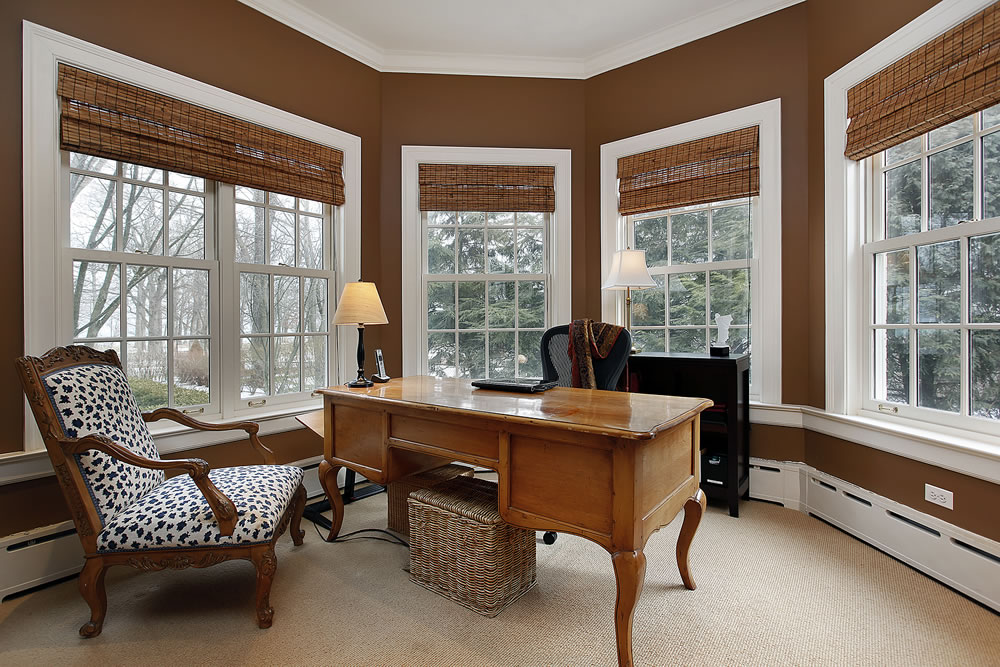
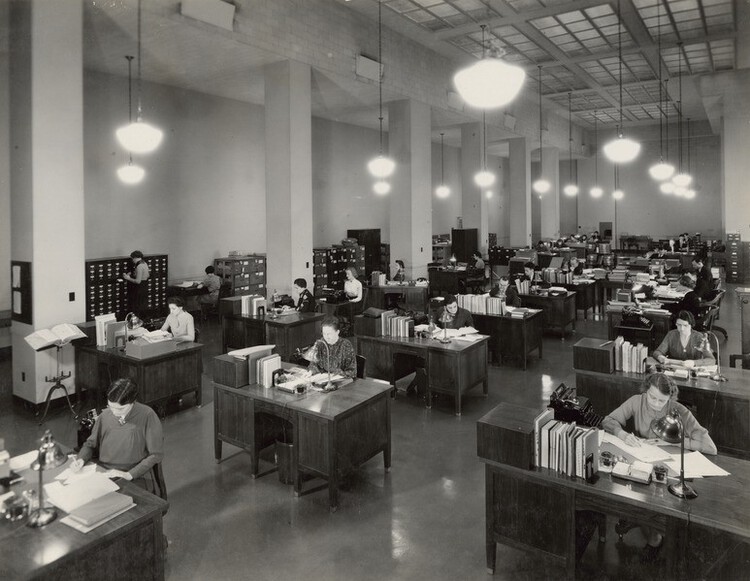
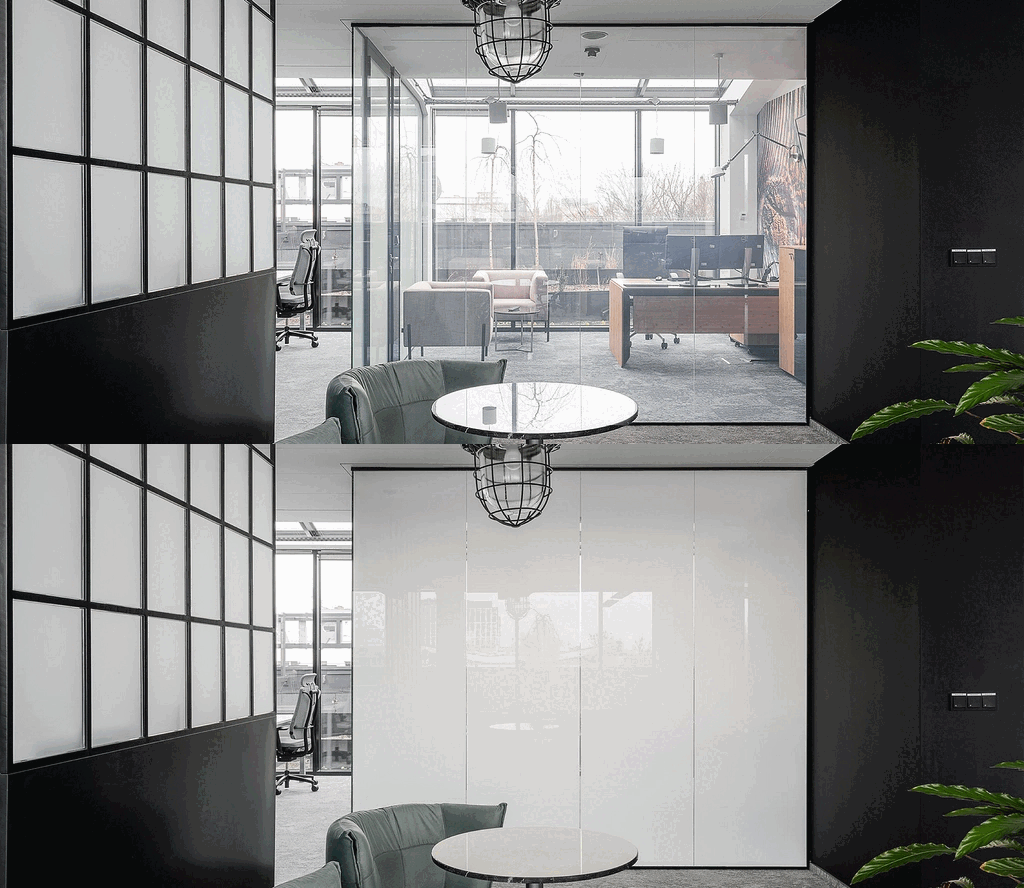
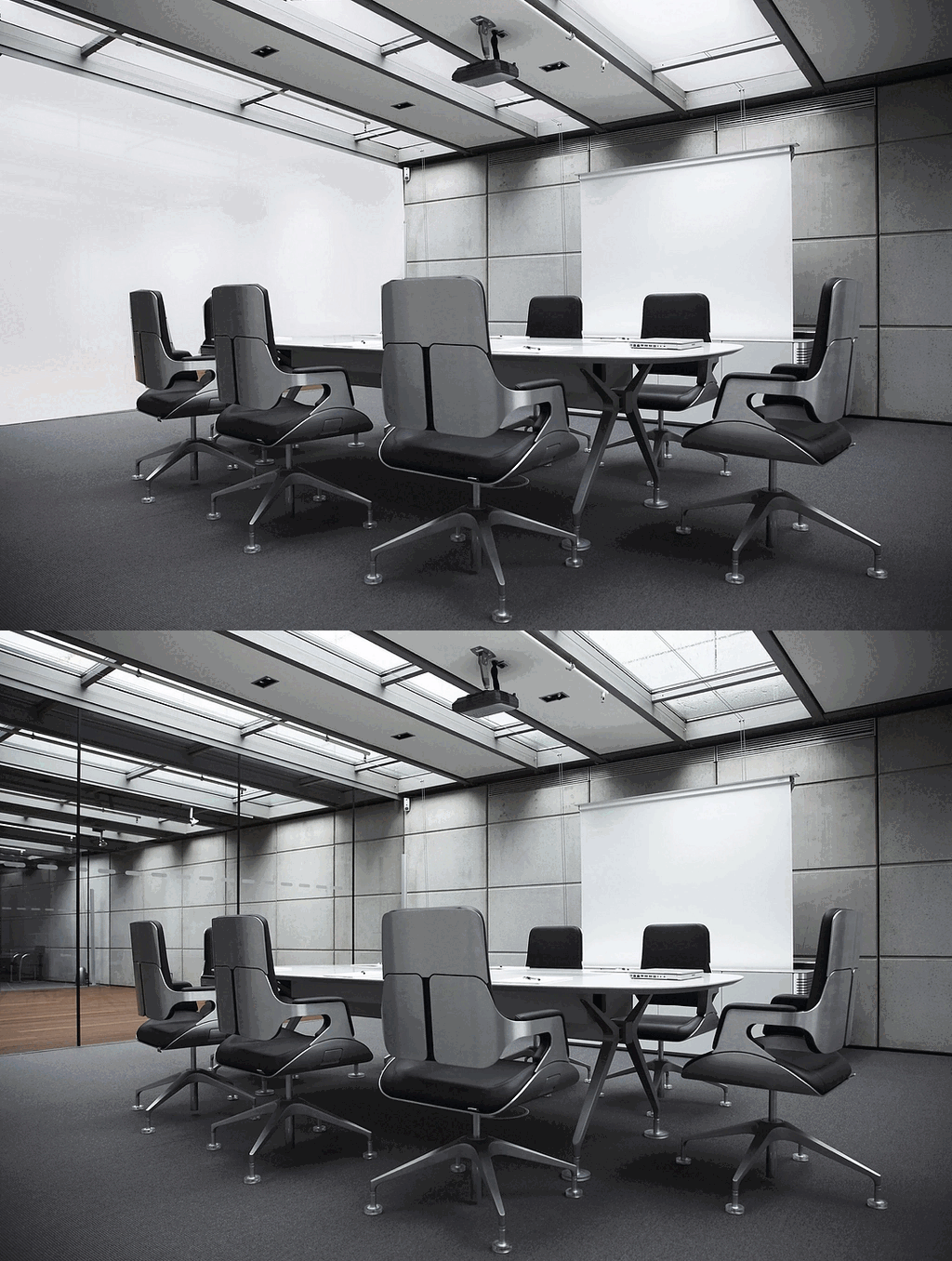
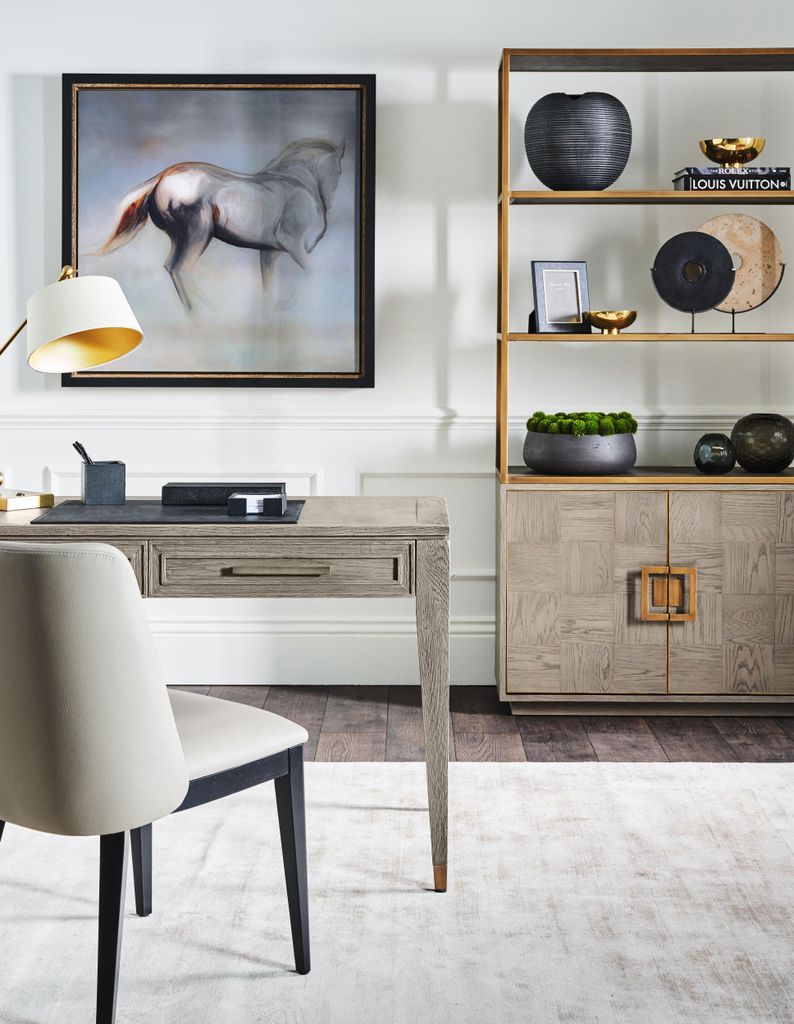
Personalizing workstations is the third strategy. The article argues against traditional cubicles, citing a lack of privacy and increased distractions. Instead, it advocates for versatile office designs with flexible layouts and movable furniture that can adapt to different tasks and team sizes. This flexibility allows employees to customize their individual workspaces, fostering a sense of autonomy and ownership. Providing adjustable desks and ergonomic seating options is mentioned as a basic step toward personalization.
The fourth strategy is to provide healthy snacks. The author explains that energy dips during the day can impact productivity, and offering nutritious snacks can sustain energy levels and improve focus. Instead of convenience foods, prioritizing options like granola bars, fresh fruit, pistachio packs, oatmeal, and green drink mixes is advised. Making healthier choices readily available communicates to employees that their health and well-being are valued, potentially leading to fewer sick days and reduced healthcare costs.
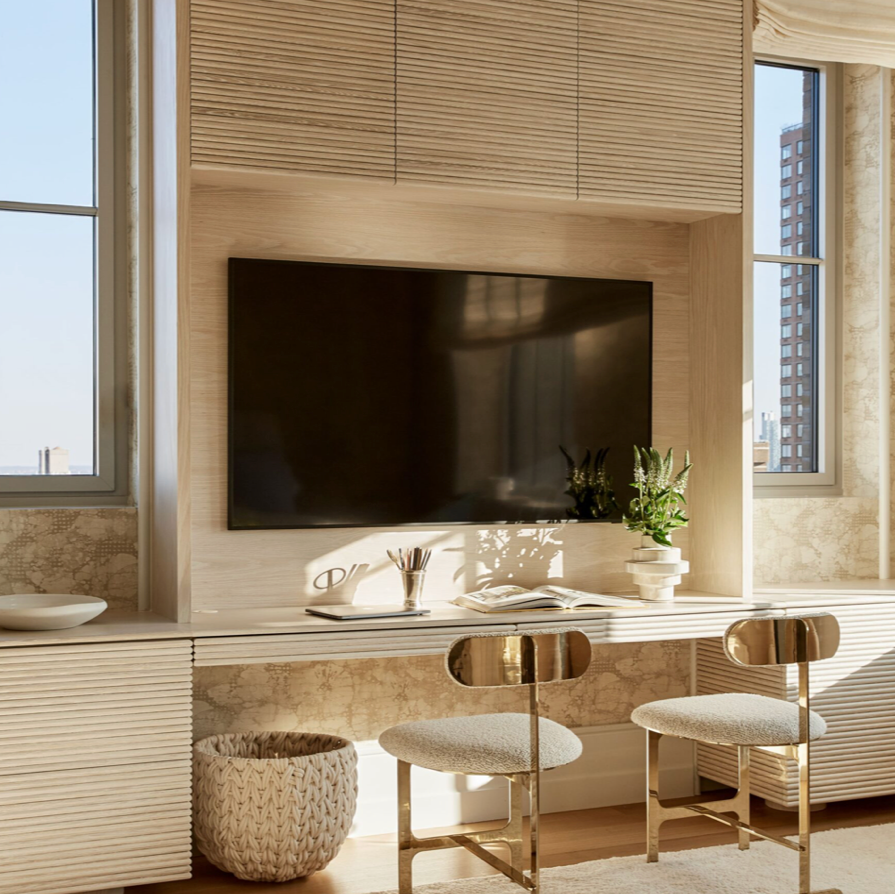
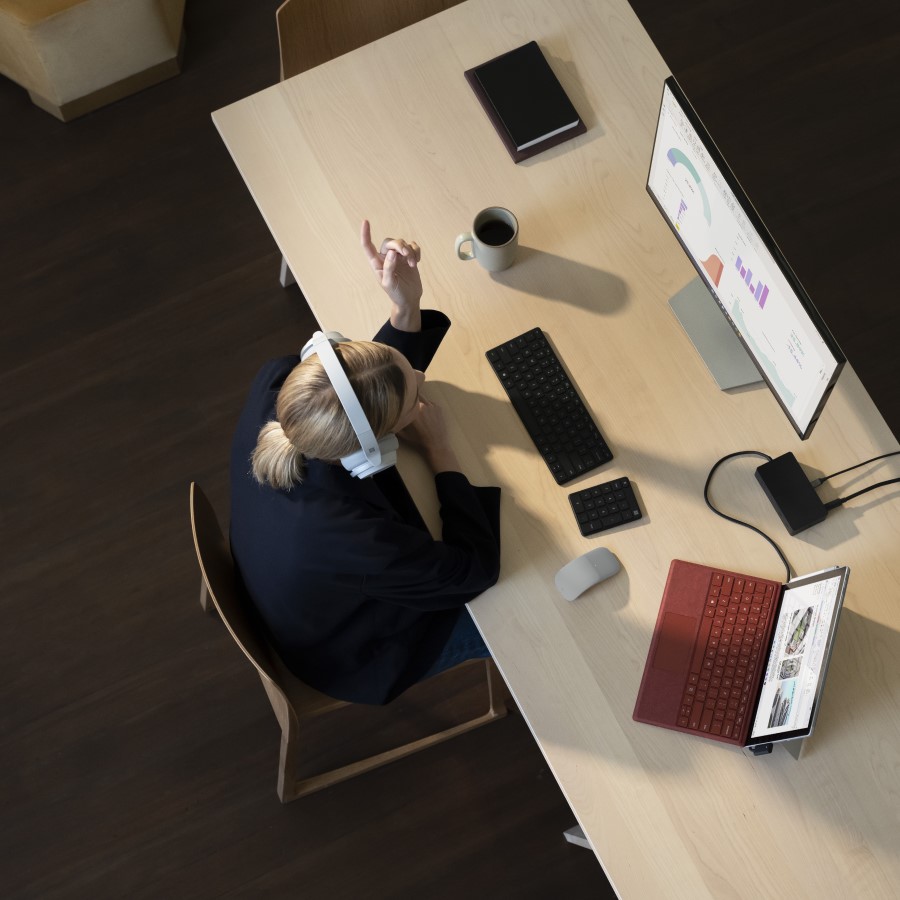
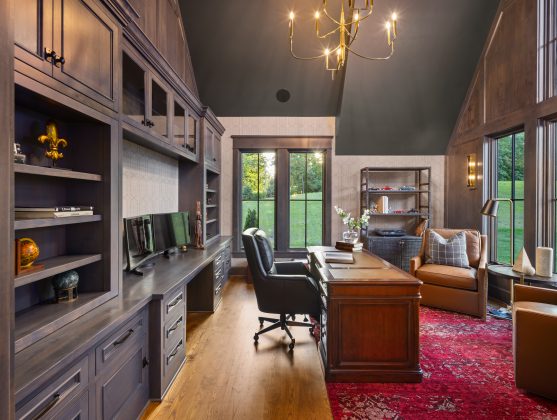
Finally, integrating cutting-edge technology is presented as the fifth strategy. The article suggests that offices should be equipped with advanced technology that might not be available at home, such as multiple screens for improved productivity, high-speed internet, wireless charging stations, and updated computer systems and software. Beyond individual workstations, implementing smart building solutions for temperature control and lighting automation can ensure a comfortable and productive environment. These technological advancements aim to create an office space that stimulates creativity and collaboration, ultimately contributing to employee satisfaction and organizational success.
#OfficeSpace #EmployeeWellbeing #WorkplaceCulture #FlexibleWorkspaces #WorkLifeBalance #OfficeDesign #EmployeeProductivity #WorkplaceTechnology #CorporateWellness #OfficeSpace #EmployeeWellbeing #WorkplaceCulture #FlexibleWorkspaces #WorkLifeBalance #OfficeDesign #EmployeeProductivity #WorkplaceTechnology #CorporateWellness
0 comment in total
 No comments yet
You may also like

5 home office ideas to create the perfect workspace

If You Work From Home, Here Are 6 Tips To Create The Perfect WFH Office

How to design the ultimate home office, according to the experts

How to Deal When Your Company Moves to an Open Floor Plan

How to make your home office a more pleasant place to work
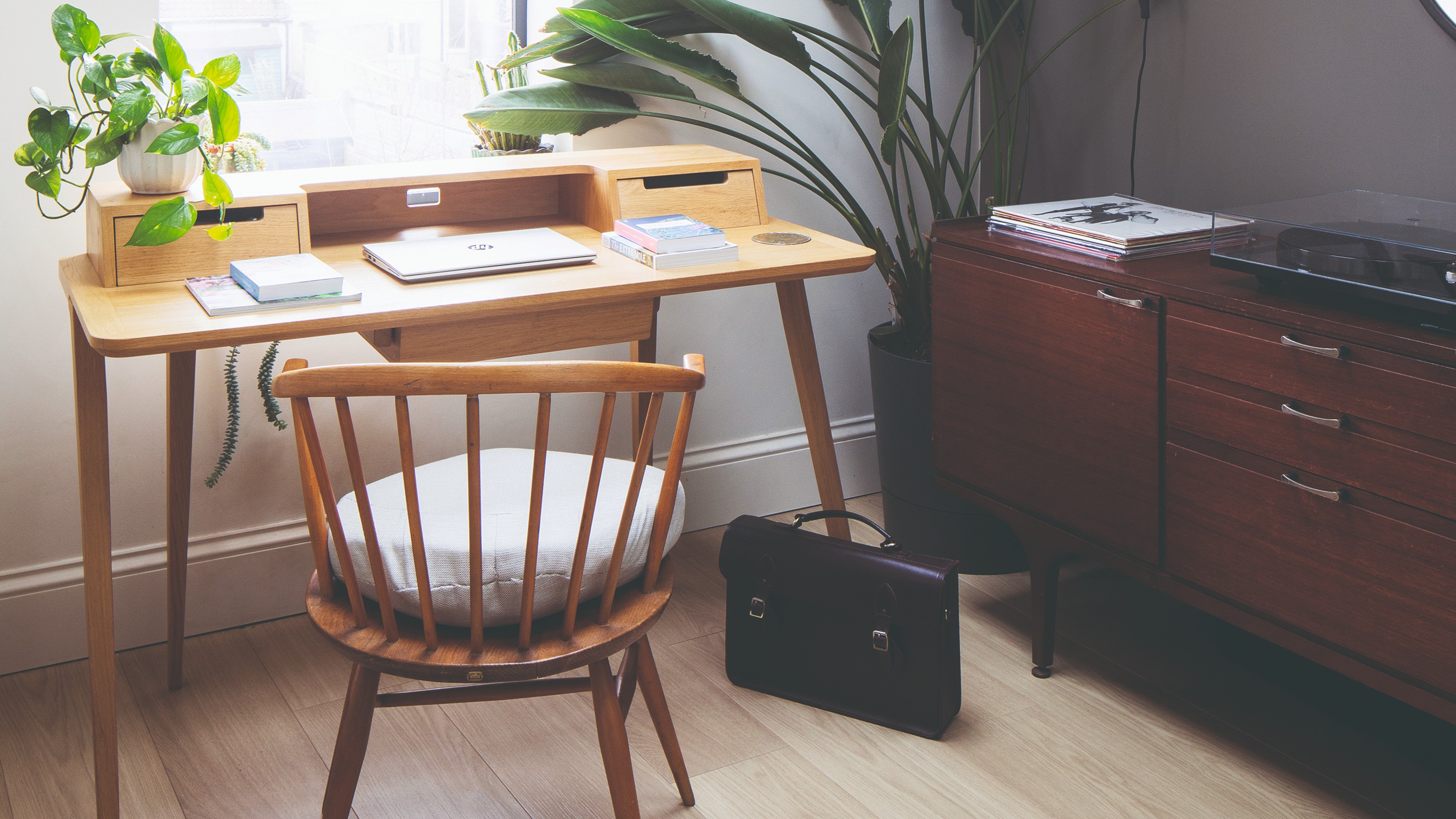
16 home office layout ideas to boost productivity and create a comfortable work space
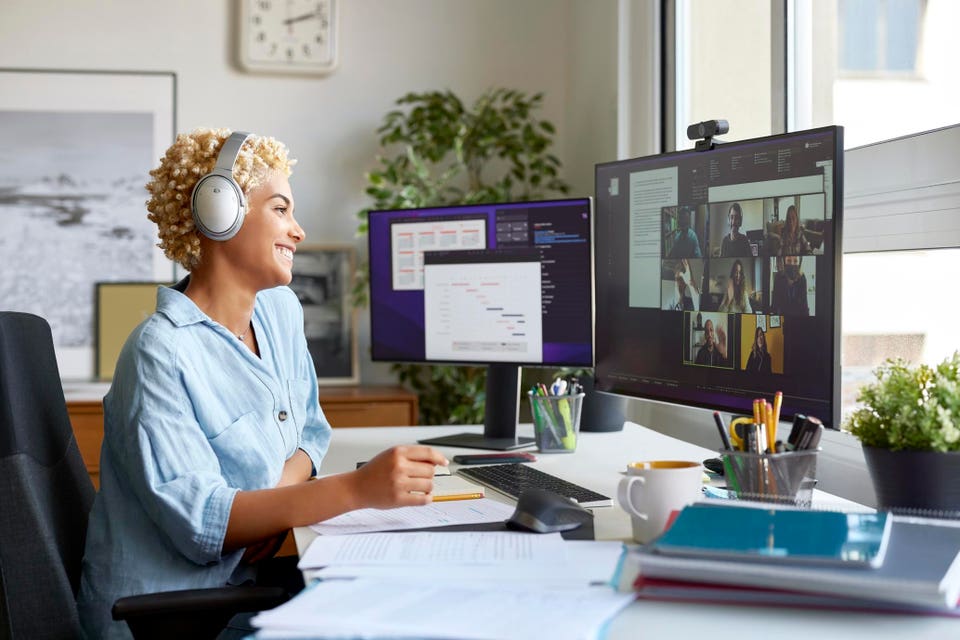
5 Tips For Creating A Remote Work Setup That Rivals Any Office
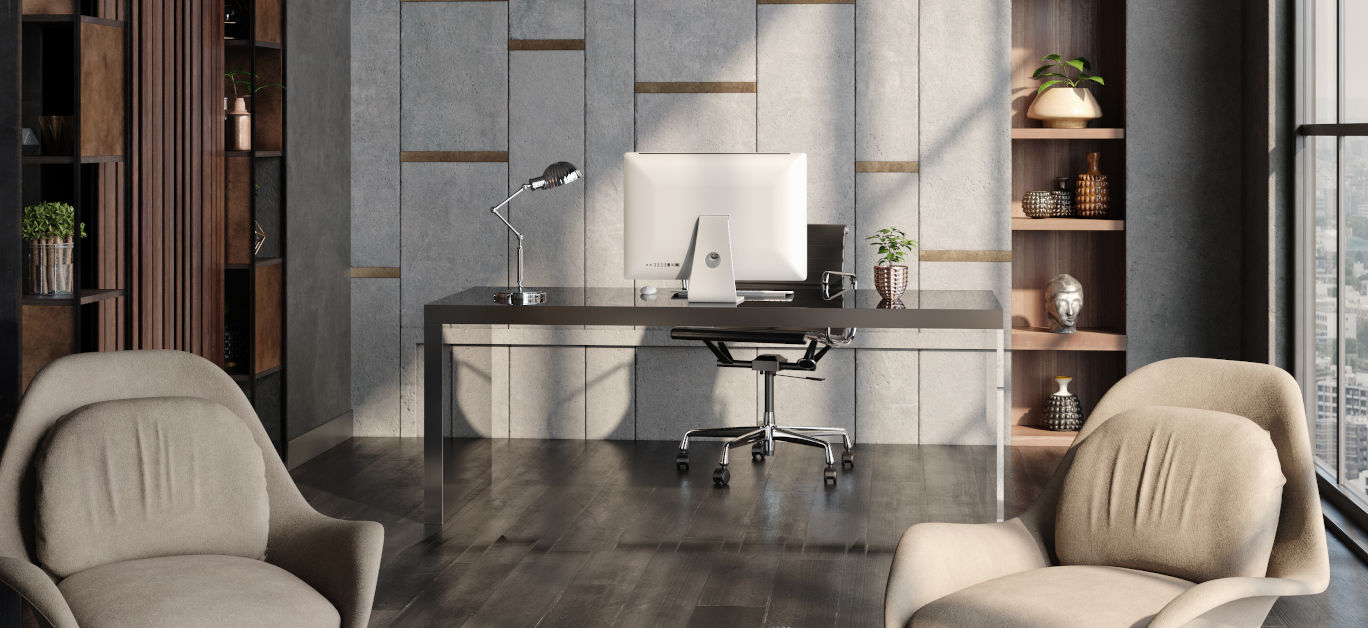
Creating a comfortable and luxury home office in 2024: From design to maintenance

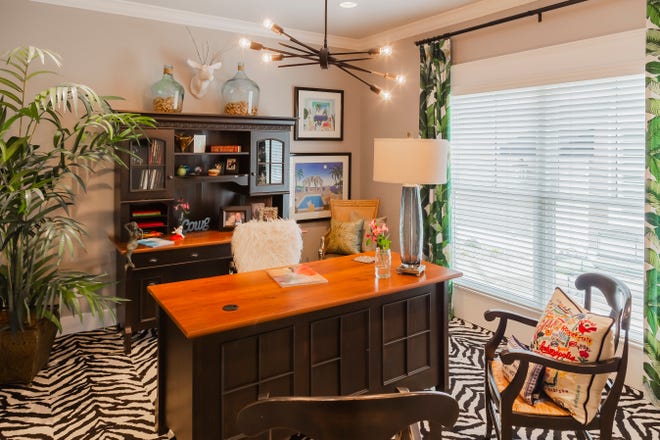
Step up your home office game with these tips from an interior designer
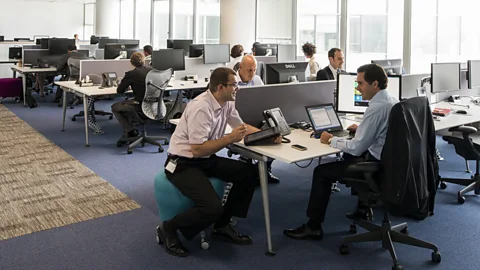
Hate open floor office spaces? There’s a better way.

Introducing Microsoft Places: Turn your spaces into places
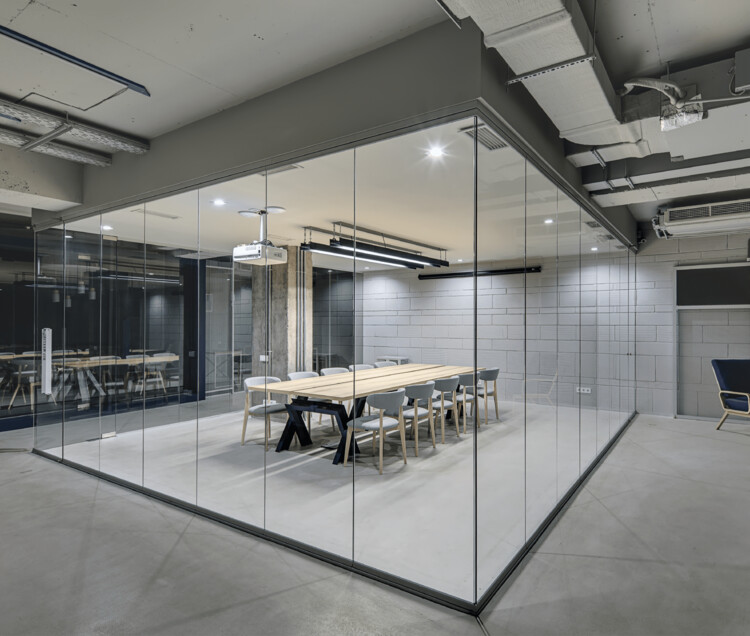
The Importance of Privacy in Open-Plan Offices


How Leaders Can Decide If An Open-Plan Office Is Right For Their Company
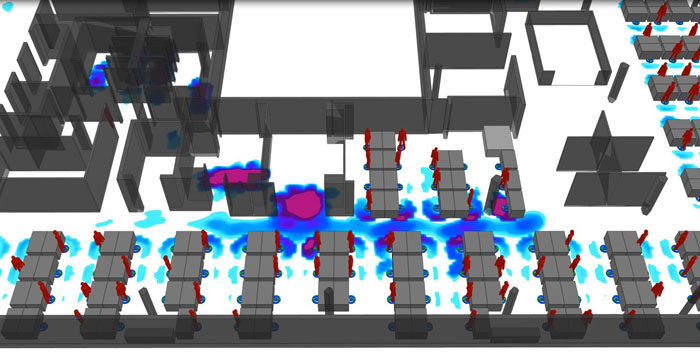
Planning the office space of the future
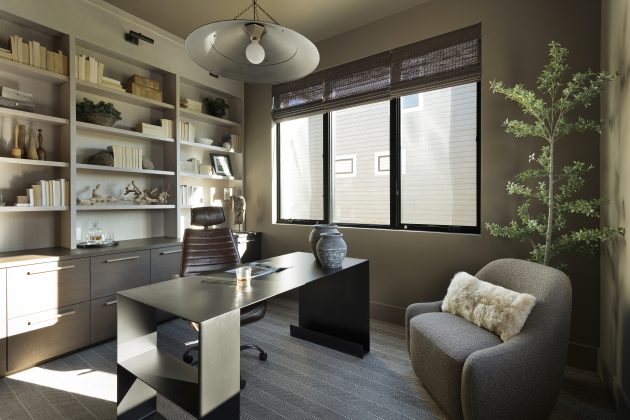
5 Libraries, Studies & Offices to Inspire Your Workspace

15 home office décor ideas for every WFH setup

5 Ways To Make Your Home Office Feel Like A Chic NYC Loft
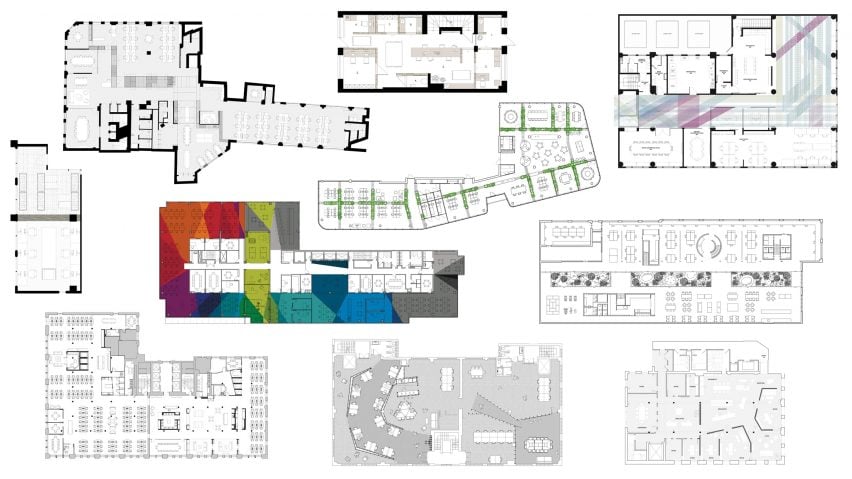
Ten offices with floor plans divided in interesting ways

5 extraordinary office designs in India that will blow your mind

An Interior Designer’s Take on Return-to-Work Strategies