1/6
How to design the ultimate home office, according to the experts
The increasing prevalence of working from home necessitates well-designed home office spaces to maintain productivity and comfort. A significant portion of the Australian workforce regularly operates from home, often improvising workspaces on kitchen benches or dining tables, which are not conducive to ergonomic health or an inspiring environment. This article addresses the challenge of creating a functional and stylish home office, especially in homes with limited space, by compiling insights from leading Australian interior designers and stylists.
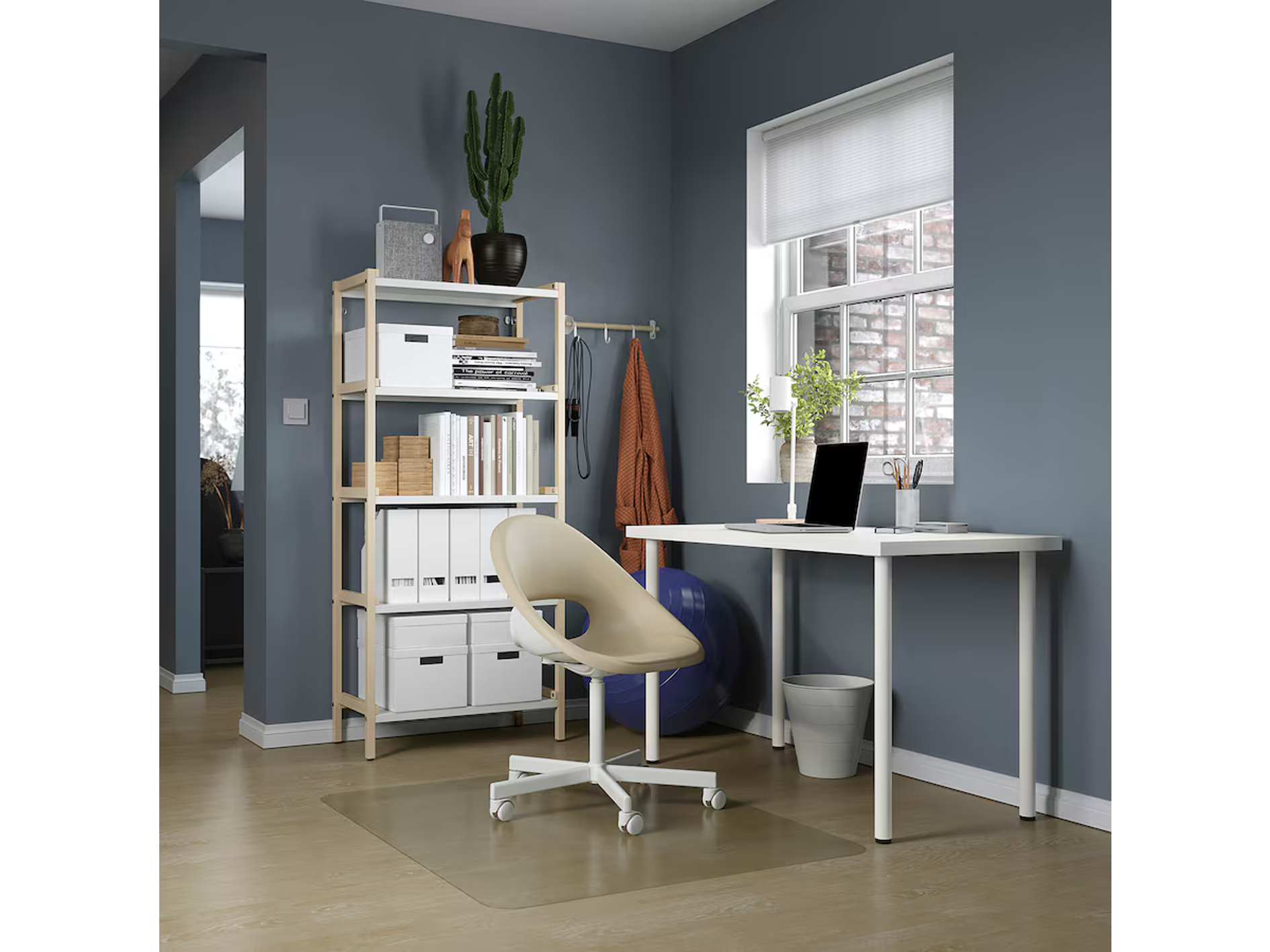
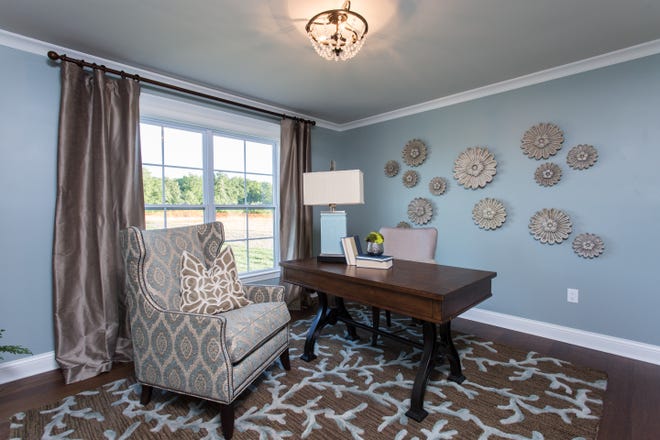
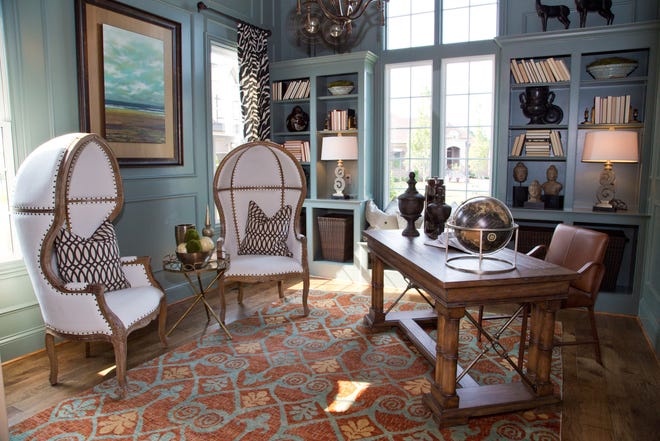
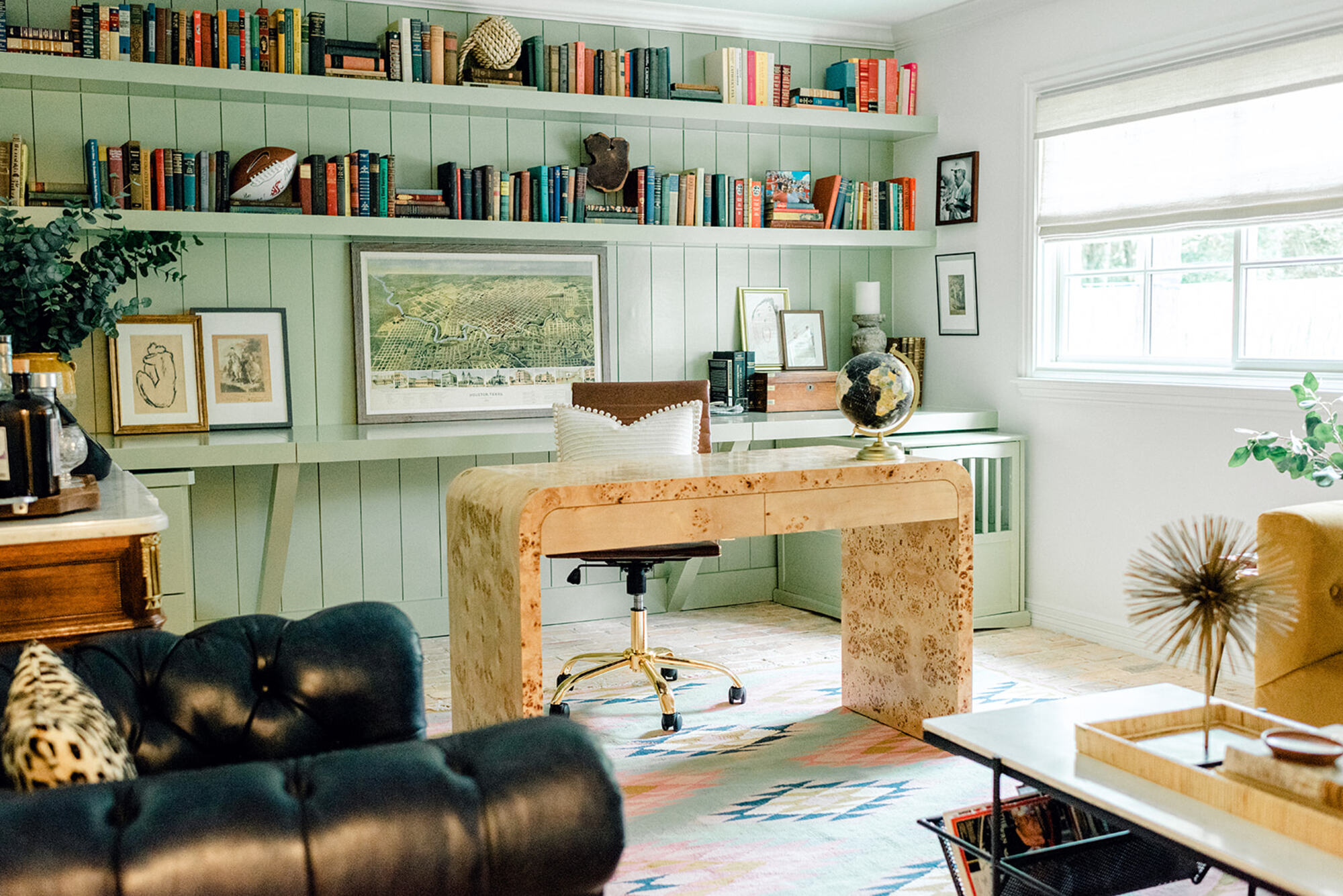
The first key tip involves zoning the workspace, particularly for those without a dedicated office room. Stylist Allira Bell from Temple & Webster suggests using rugs or concertinas to visually delineate a home office area within a larger room. Strategic desk placement is crucial; avoiding squashing it into a living room corner can significantly boost productivity. For individuals with a dedicated office, placing the desk away from the wall can elevate its status and reinforce the room's purpose.
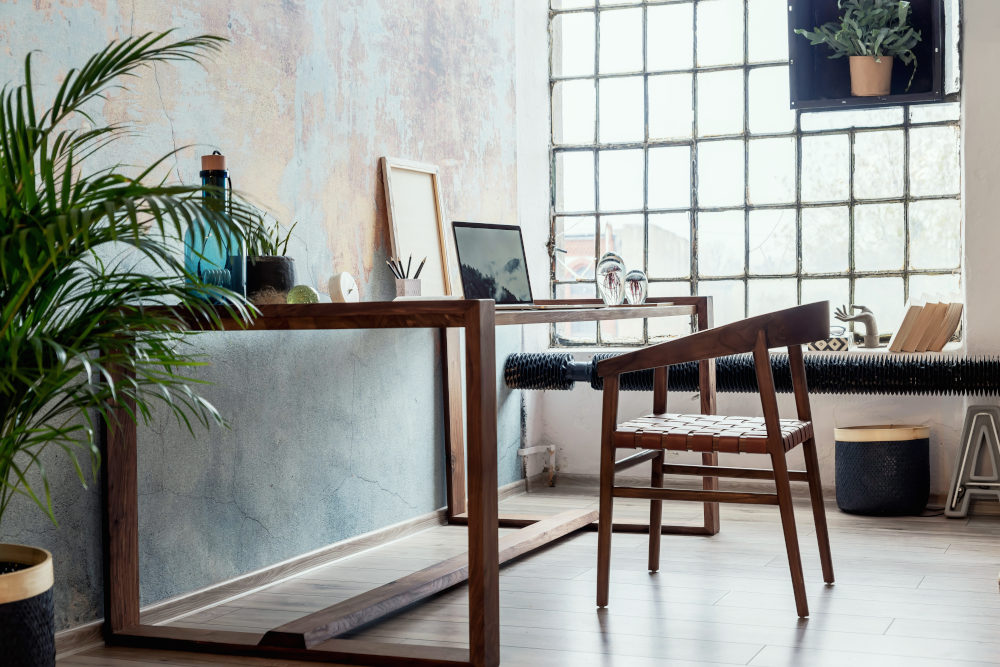
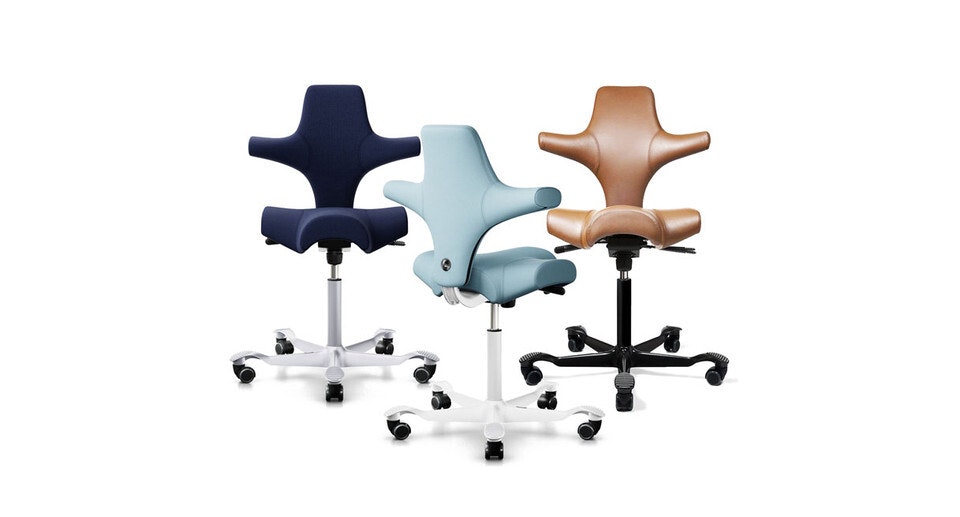
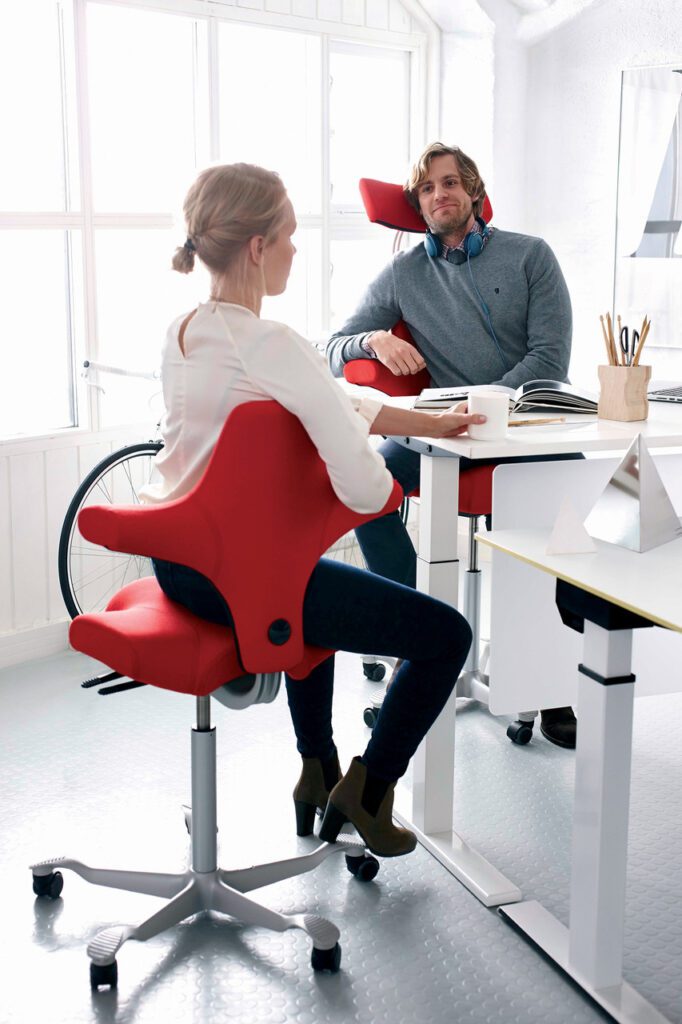
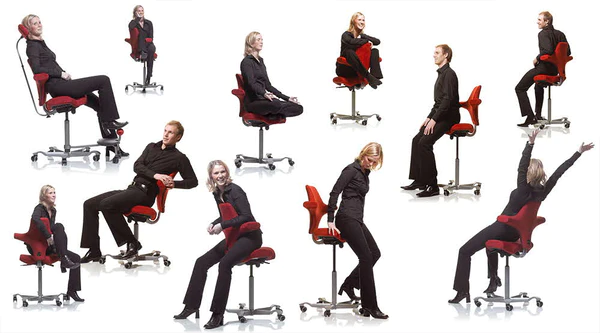
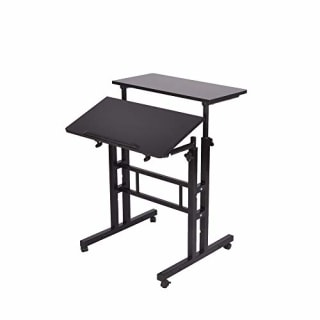
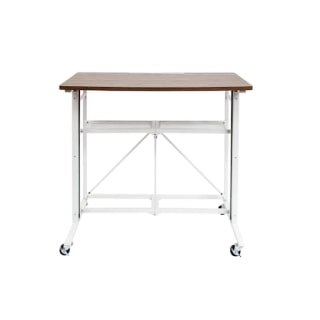
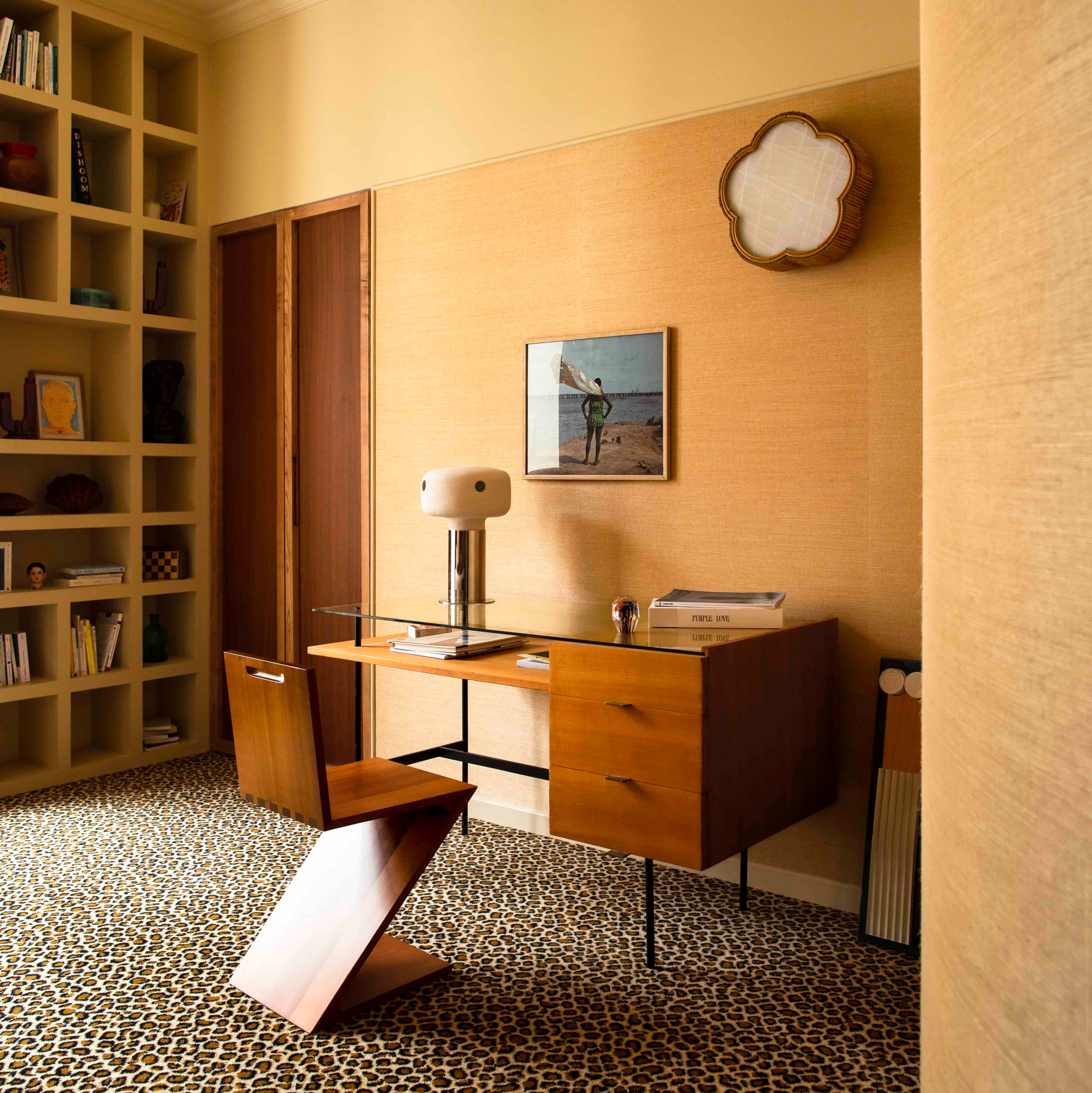
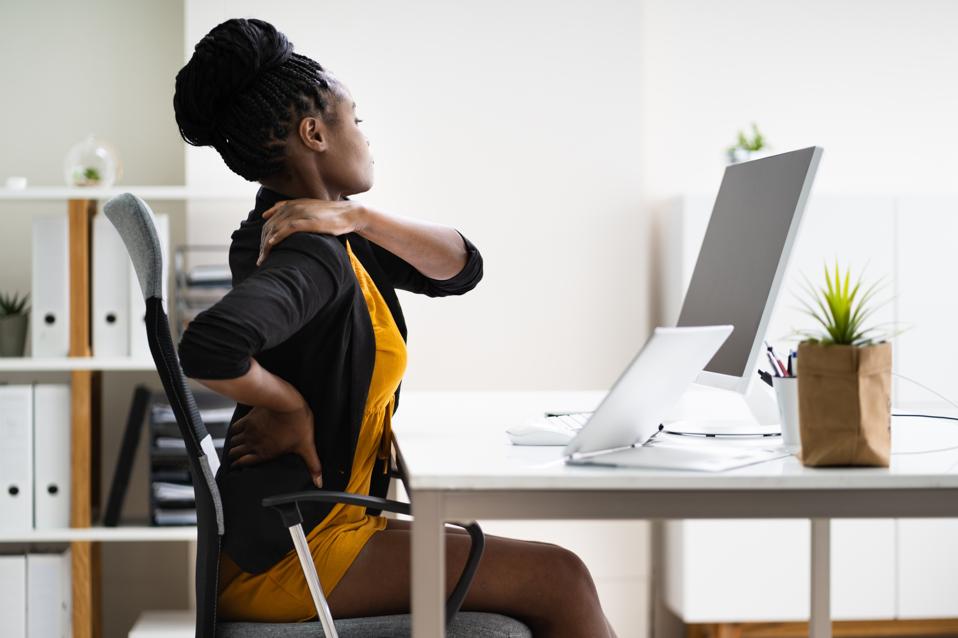
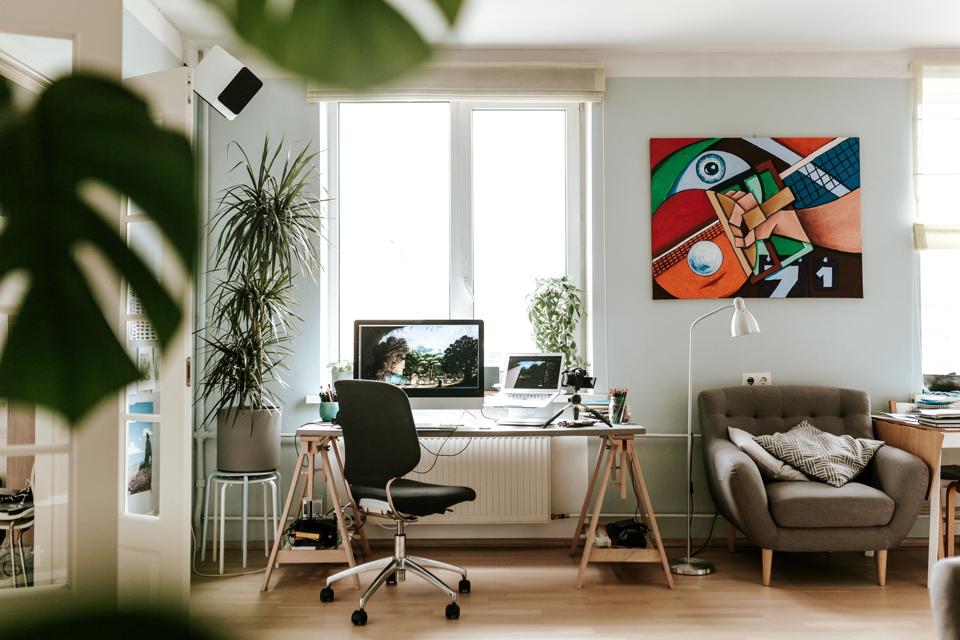
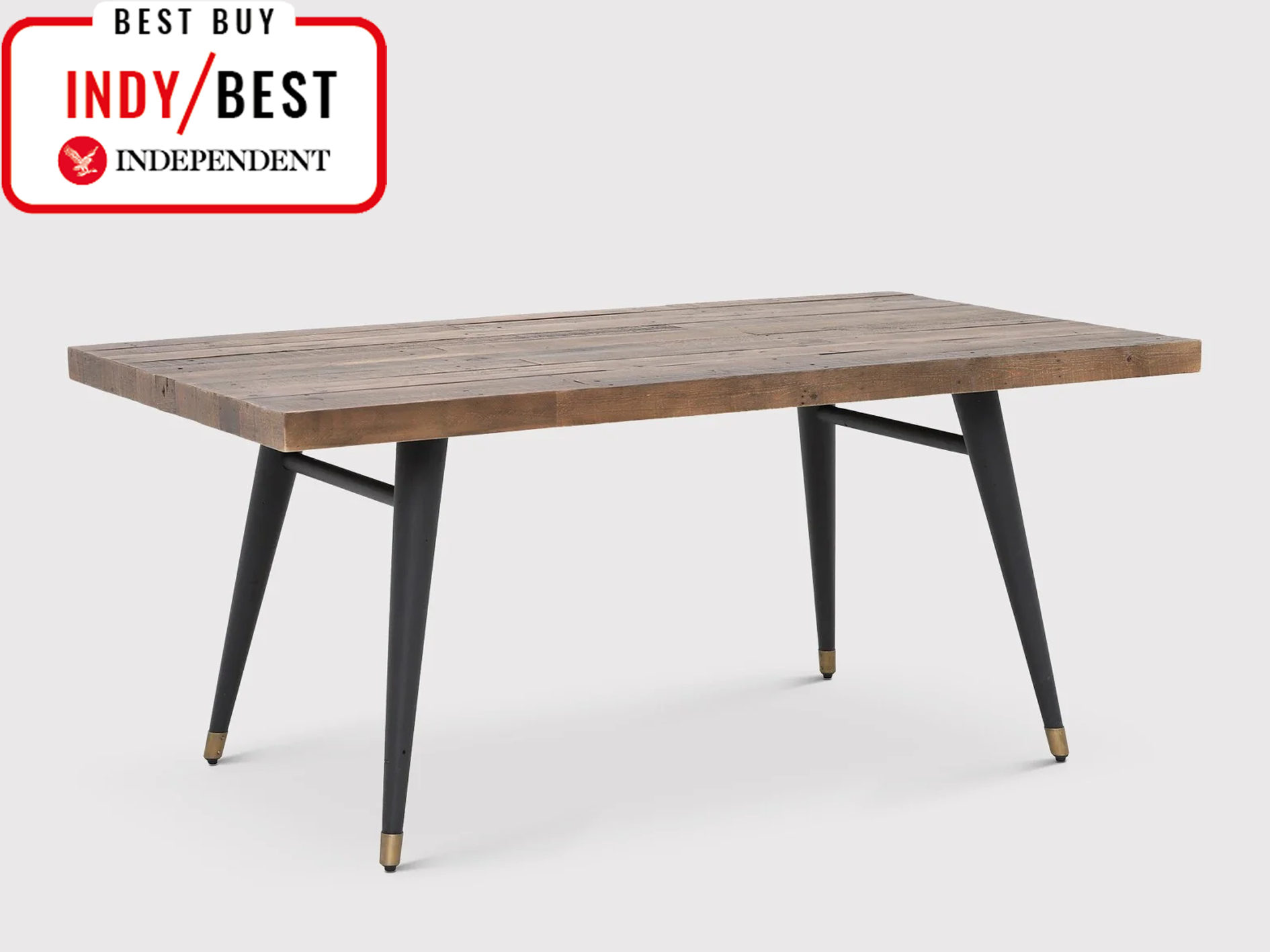
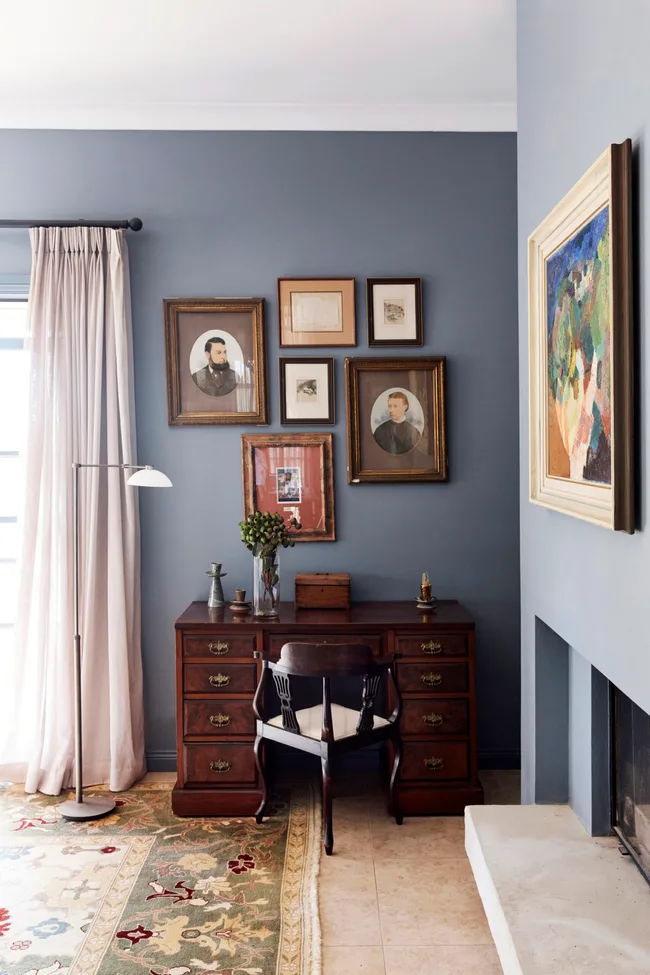
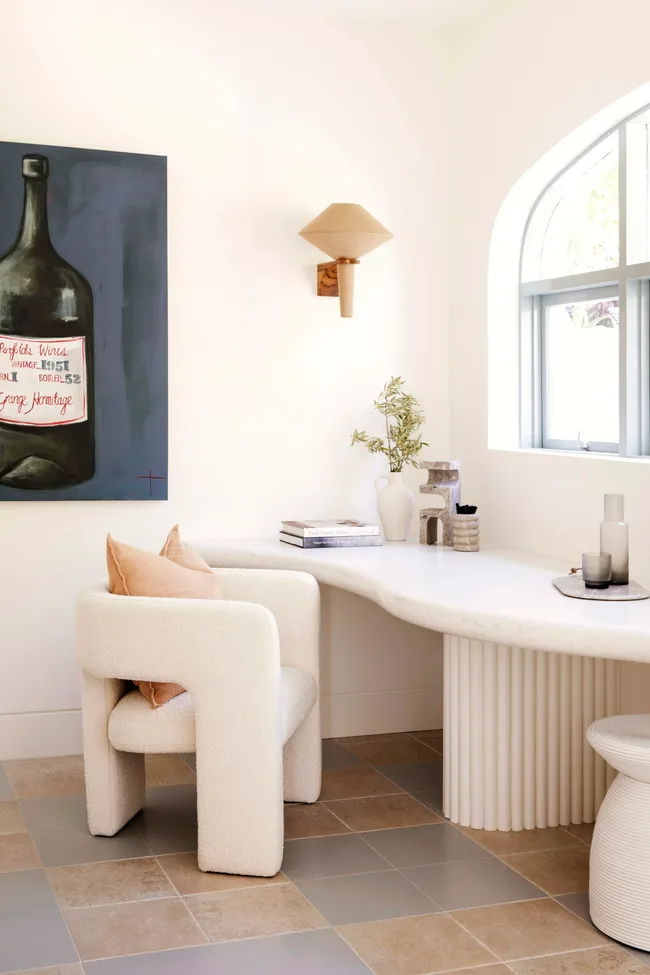
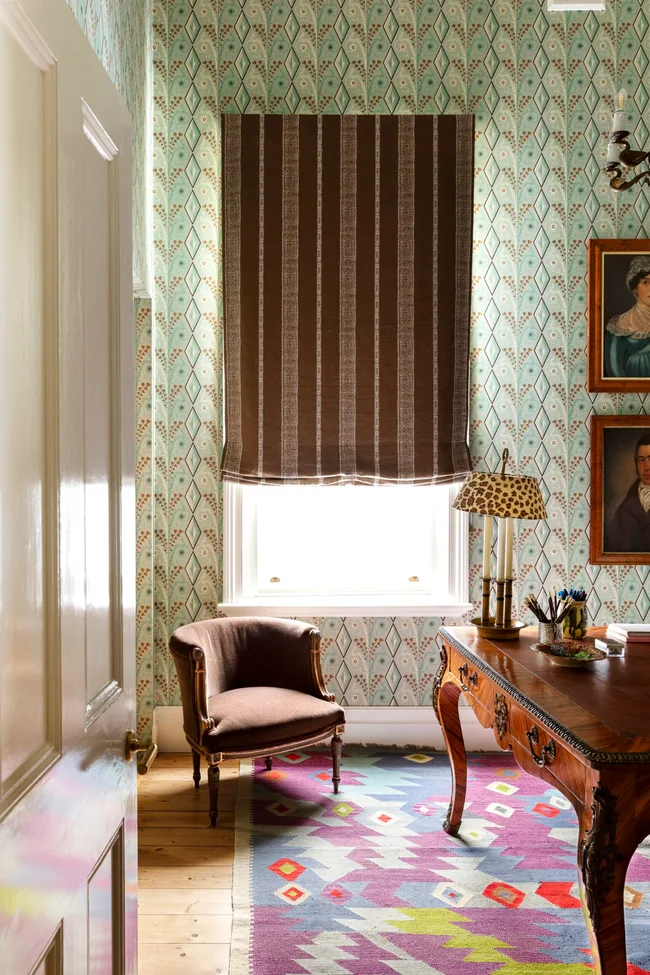
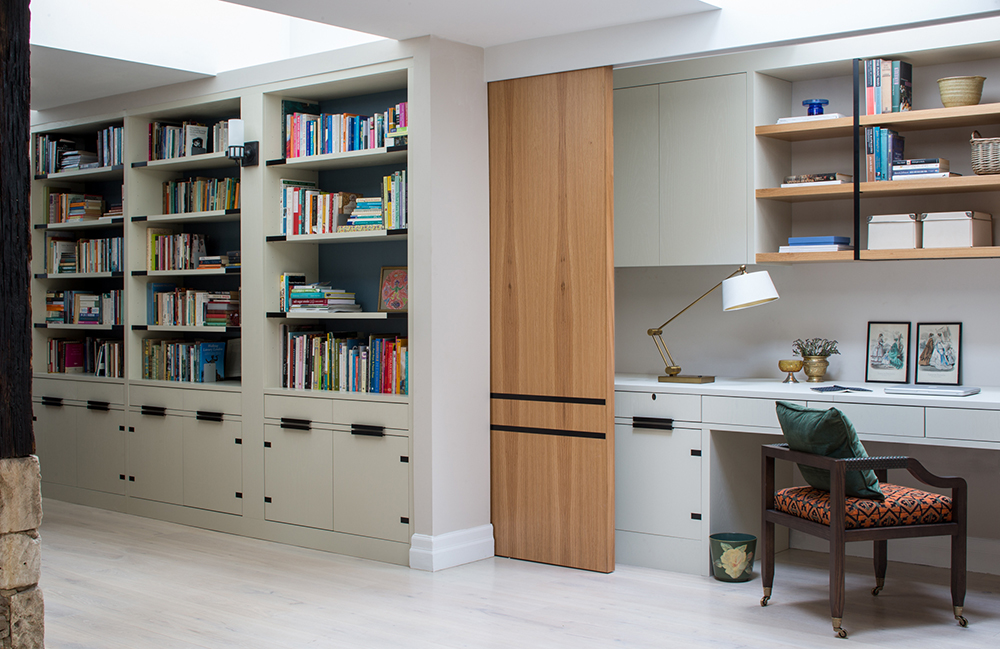
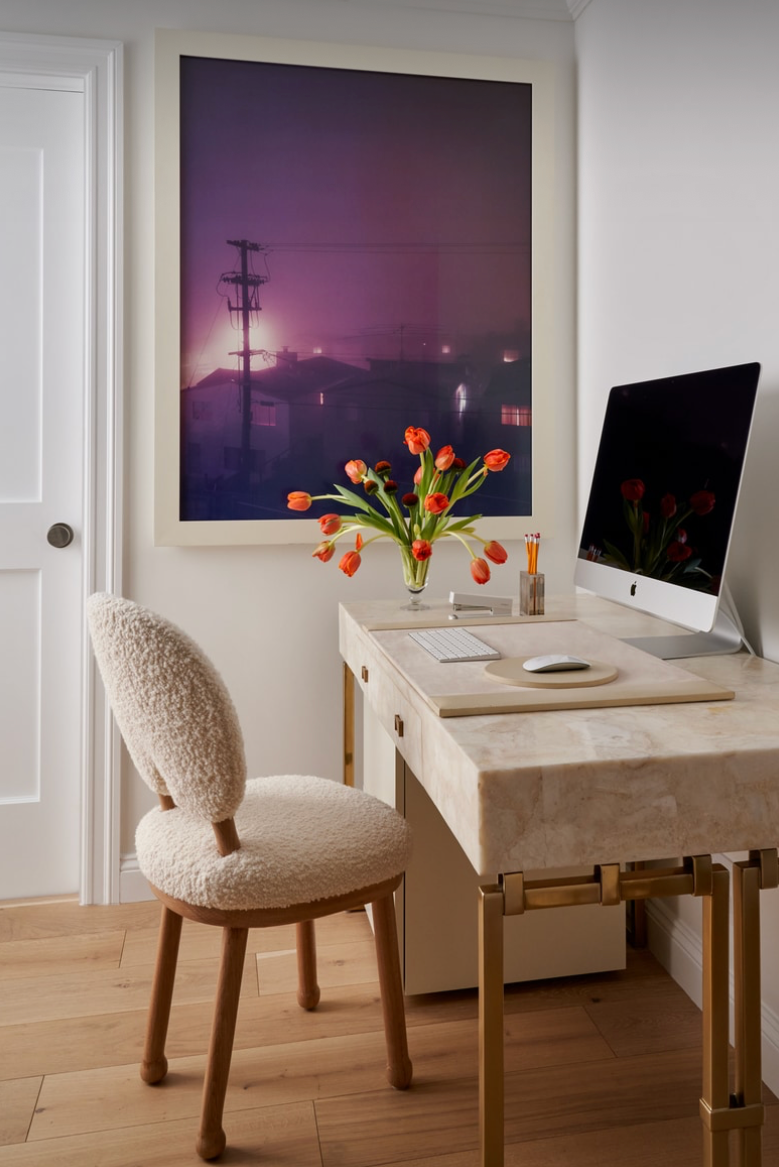
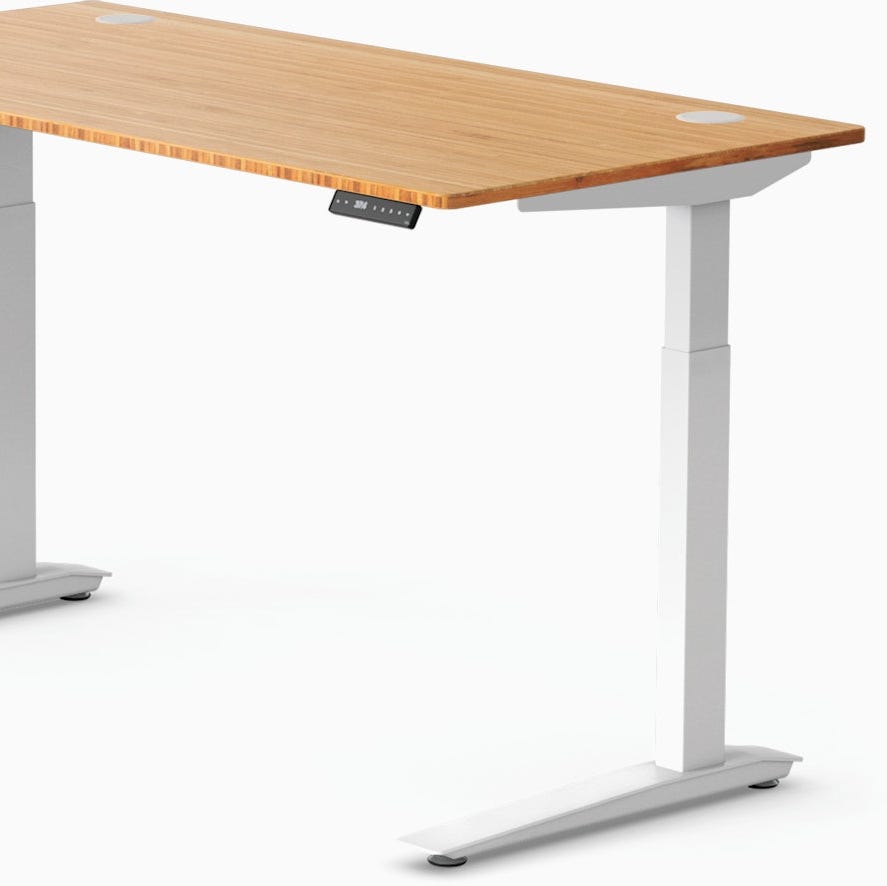
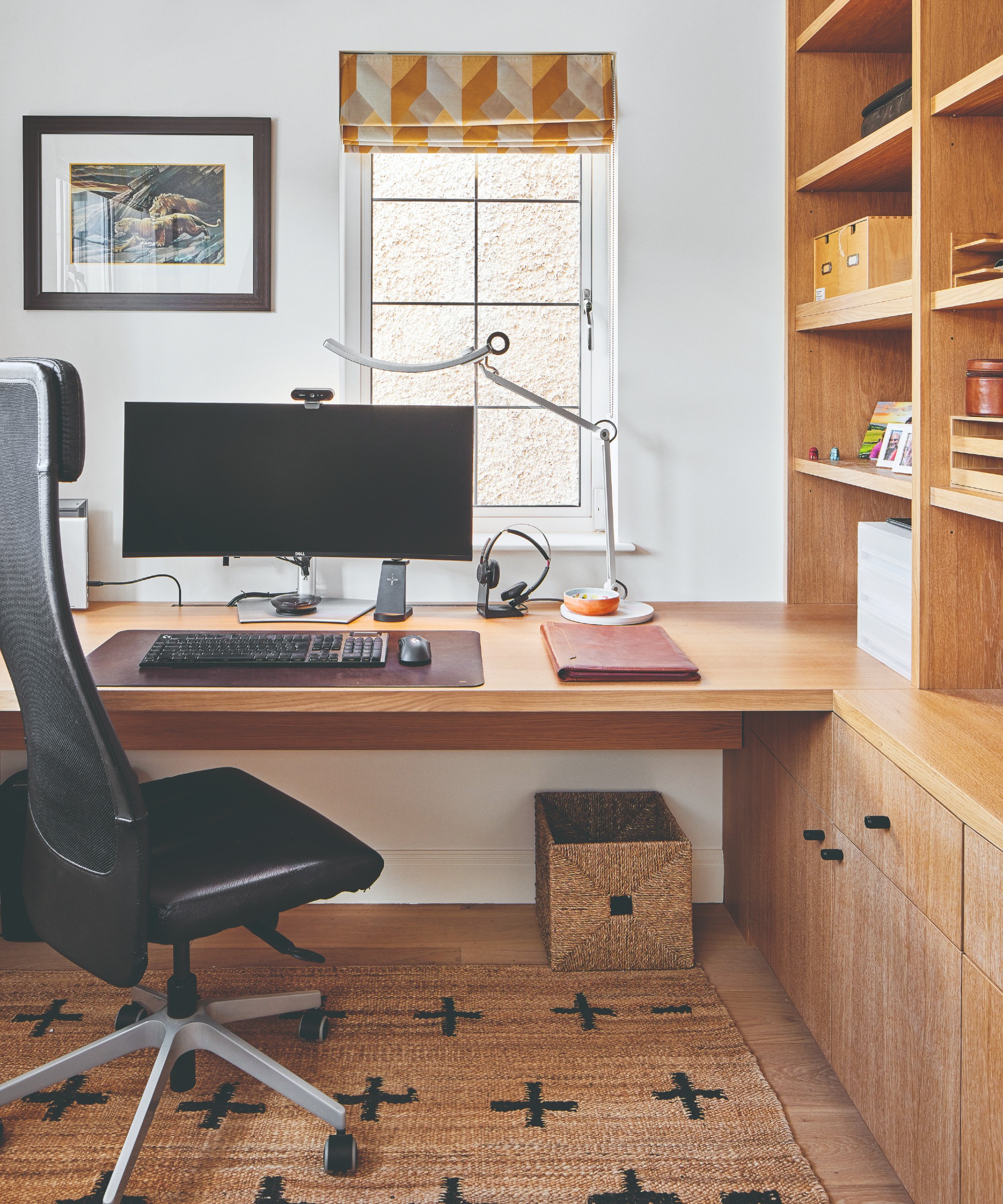
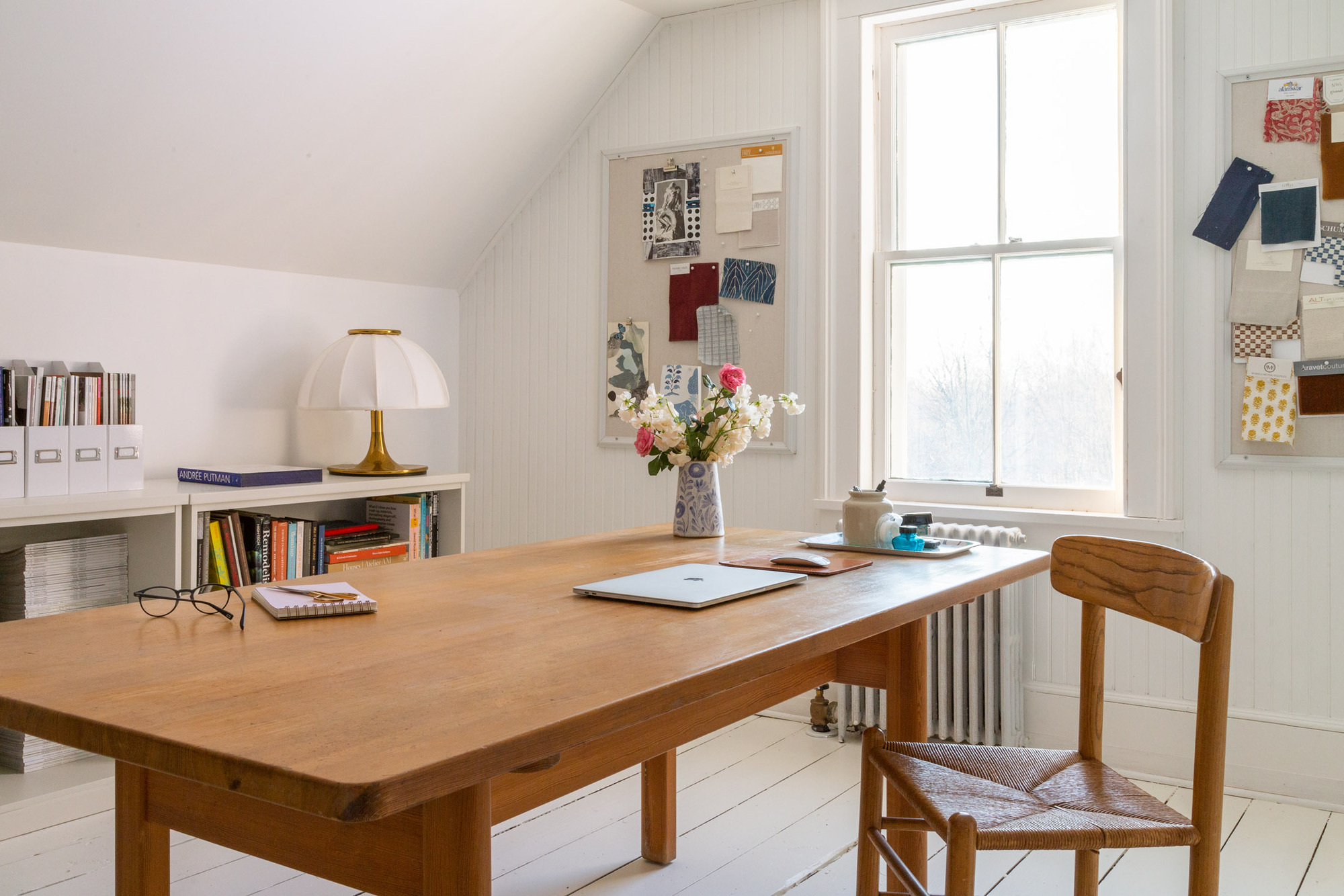
Selecting the appropriate desk and chair is another fundamental aspect. Interior designer James Treble emphasizes the benefits of a large, open desk for those who tend to spread out their work. Desks equipped with drawers are practical for concealing stationery and maintaining a tidy workspace. While some prefer matching desks and shelving for a cohesive look, others opt for more eclectic designs like tabletop and trestle combinations. Regardless of aesthetic preference, a designated desk fosters organization. Crucially, investing in a supportive, ergonomic desk chair is paramount for long working hours, providing essential back support and adjustability to prevent discomfort and injury.
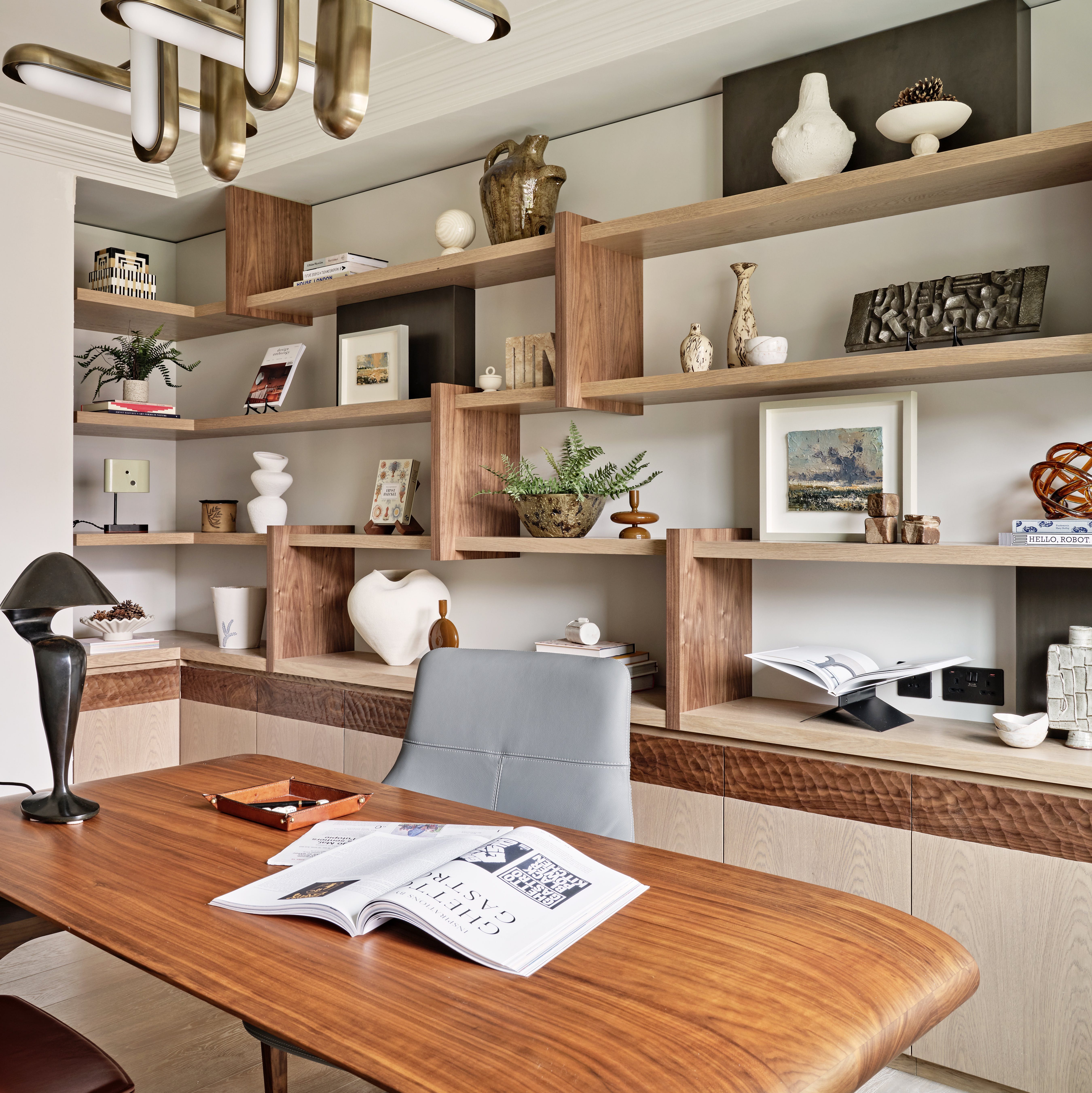
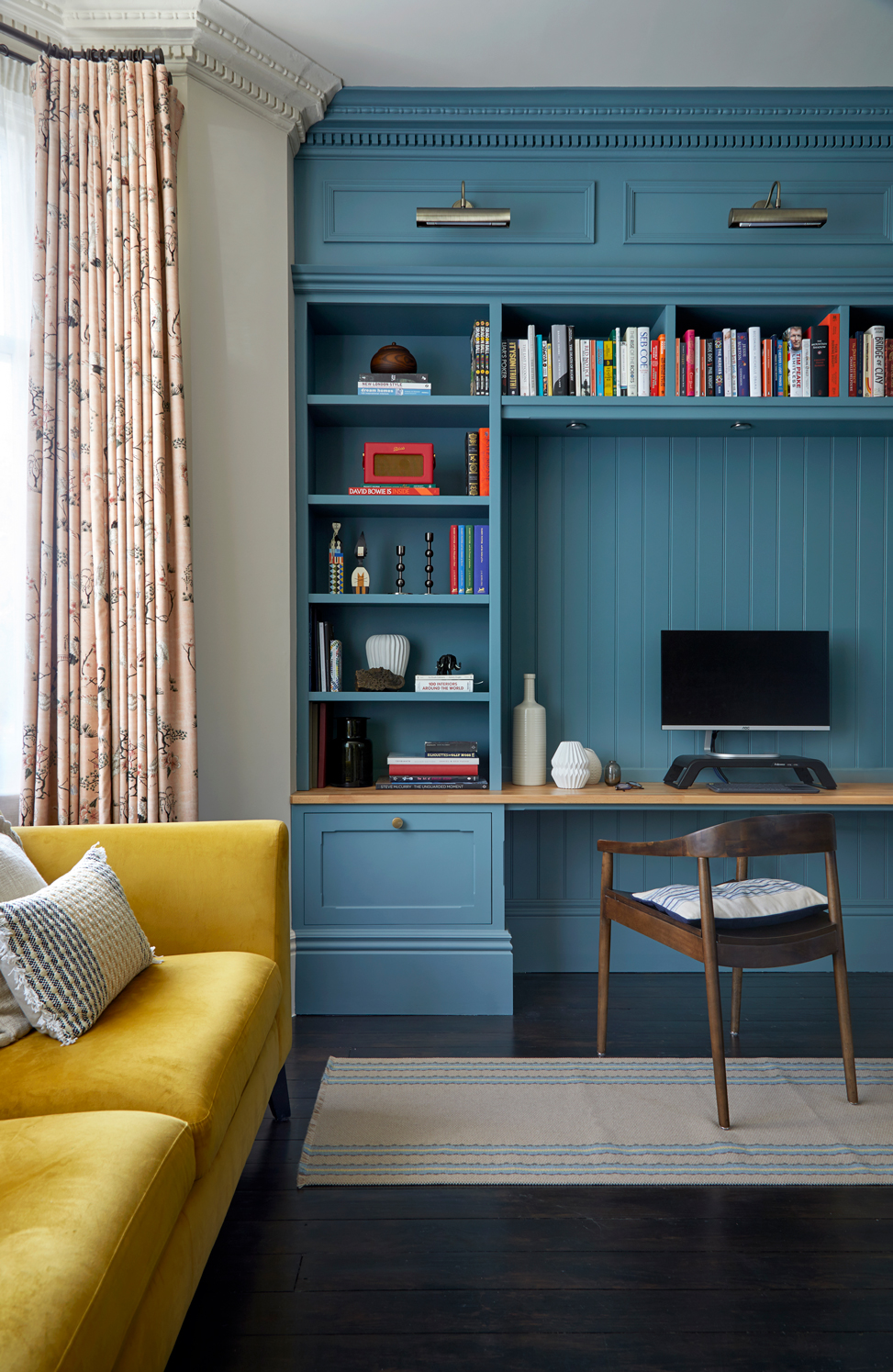
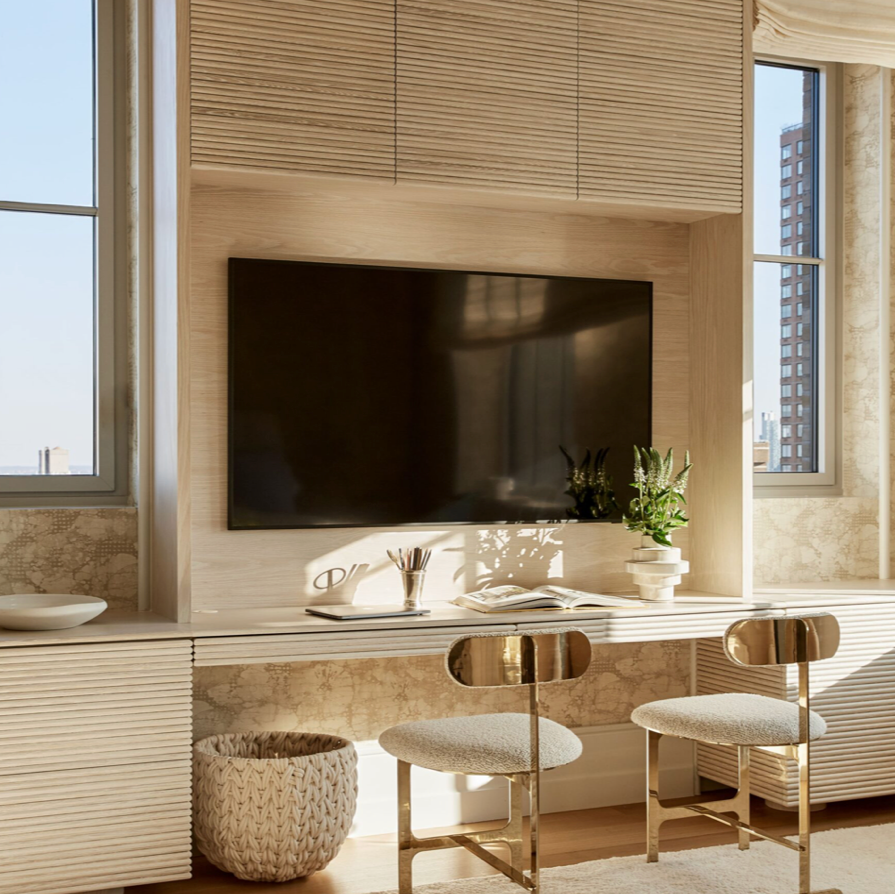
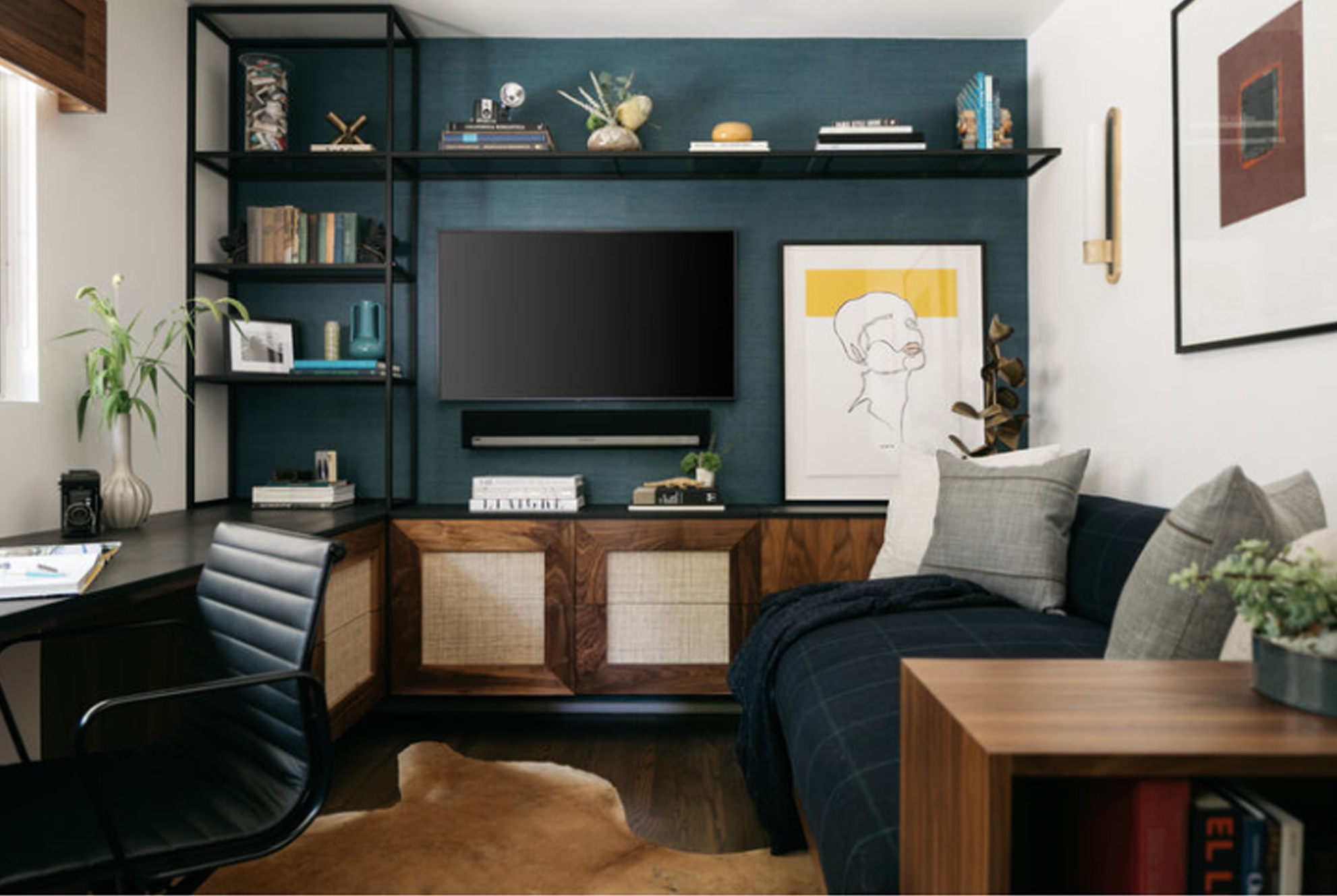
Effective storage solutions are vital for a clutter-free and aesthetically pleasing home office. Allira Bell highlights the transformative impact of small, stylish storage options. For paper organization, discreet filing cabinets or trays can be tucked under the desk. Open bookshelves offer a dual purpose, allowing for the display of decorative items alongside essential books. Internal dividers in filing cabinets help categorize paperwork, keeping everything from school information to tax documents neatly sorted.
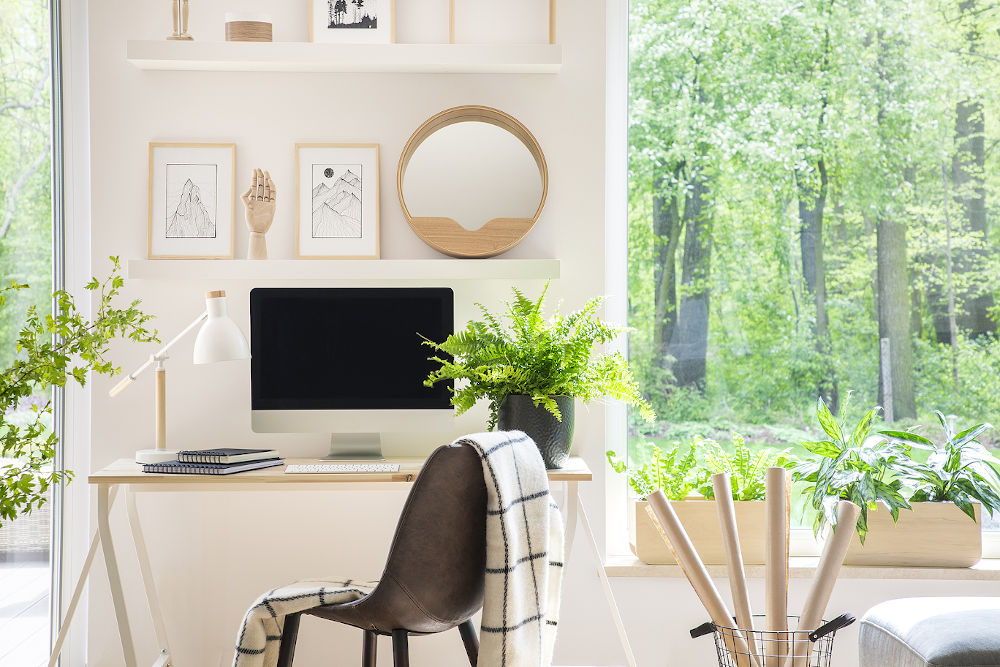
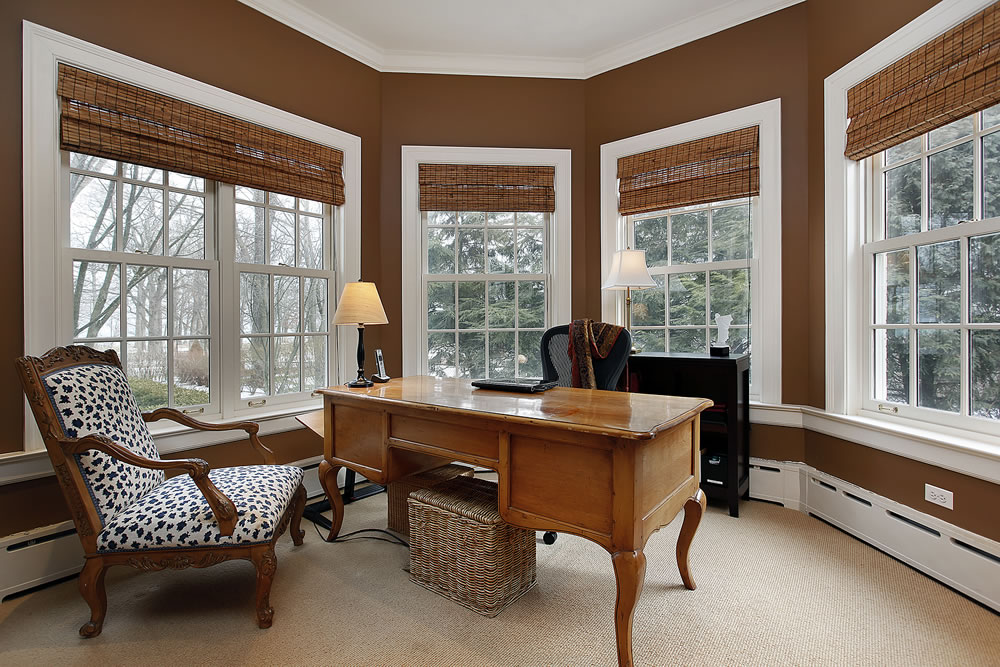
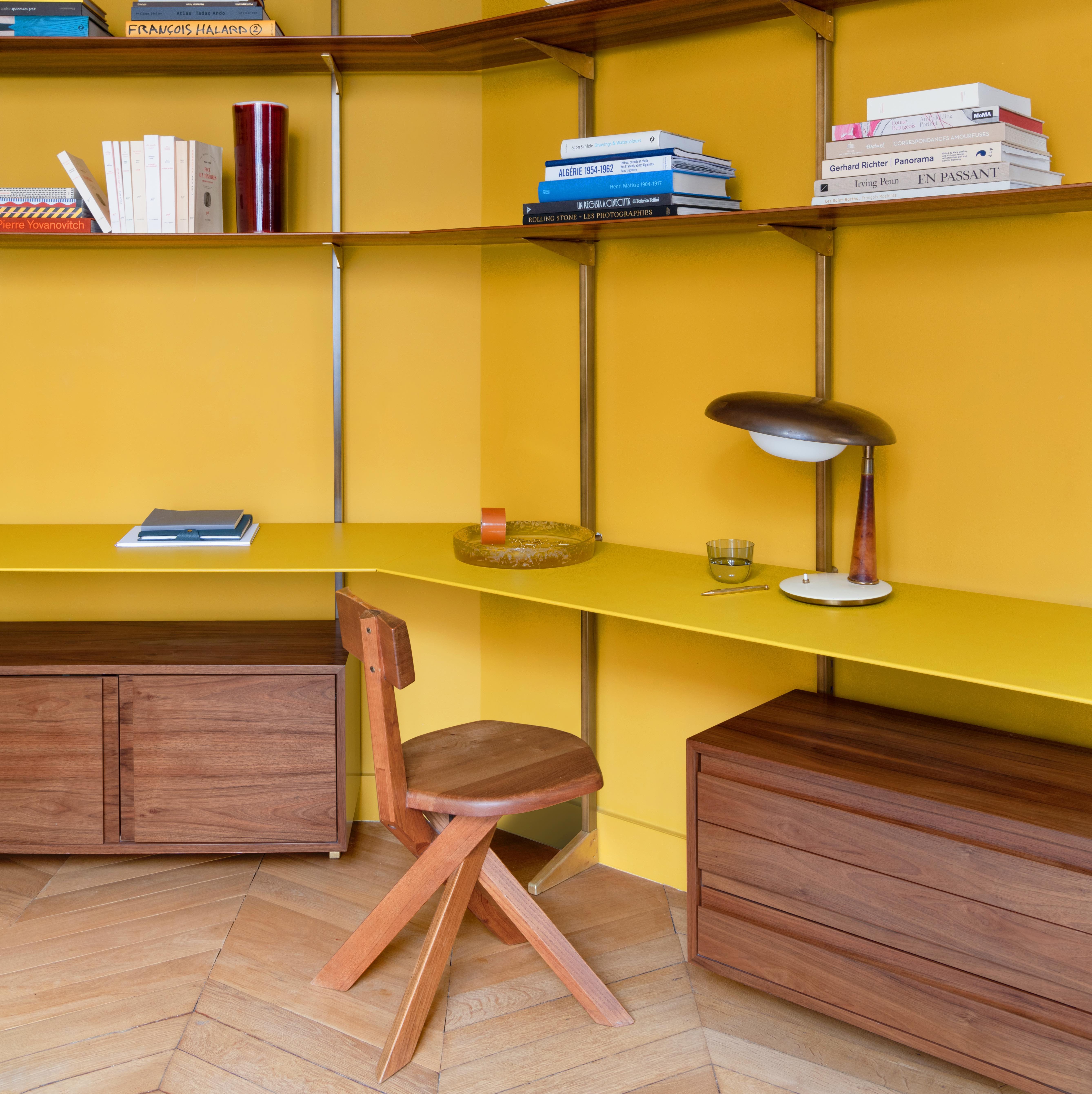
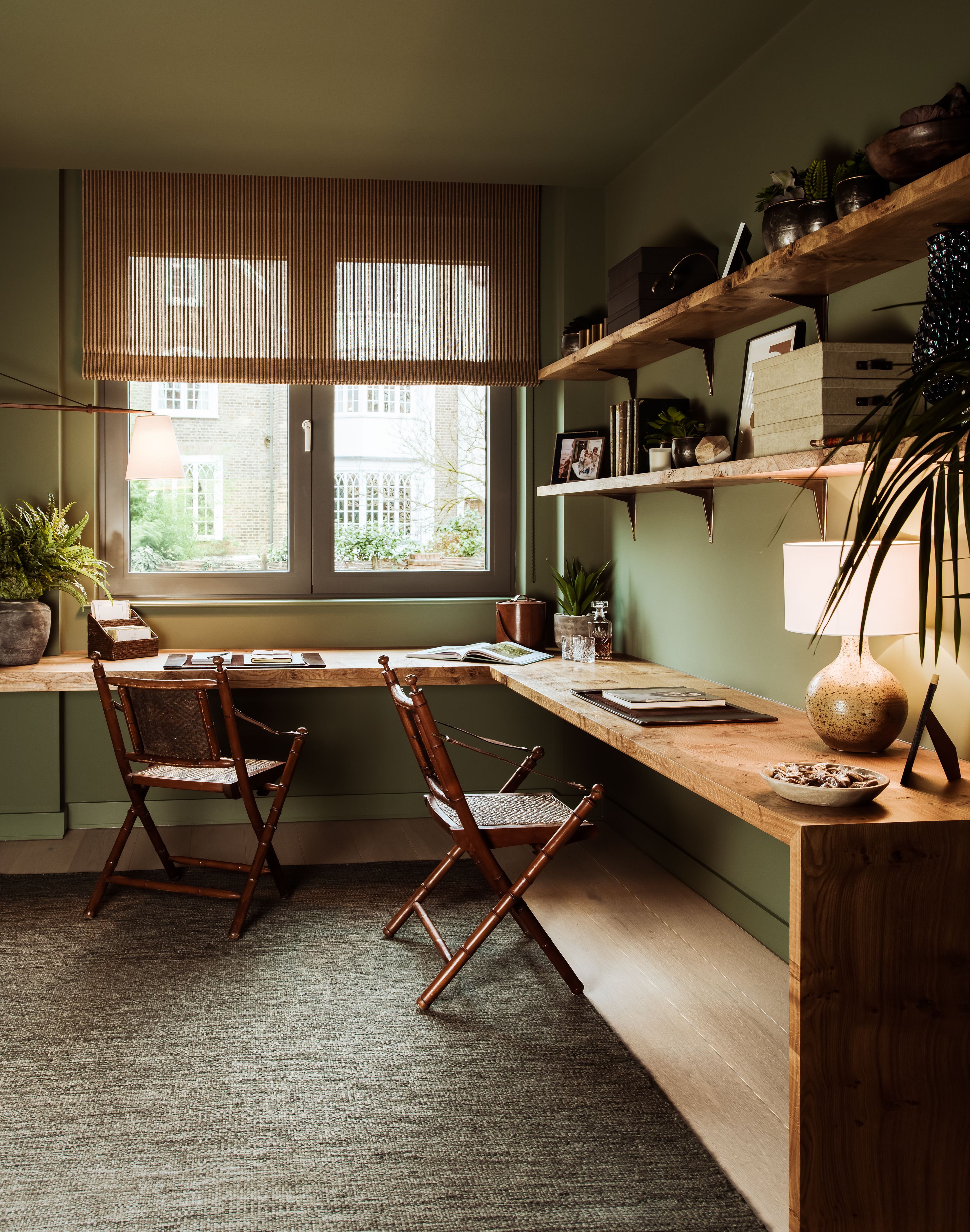
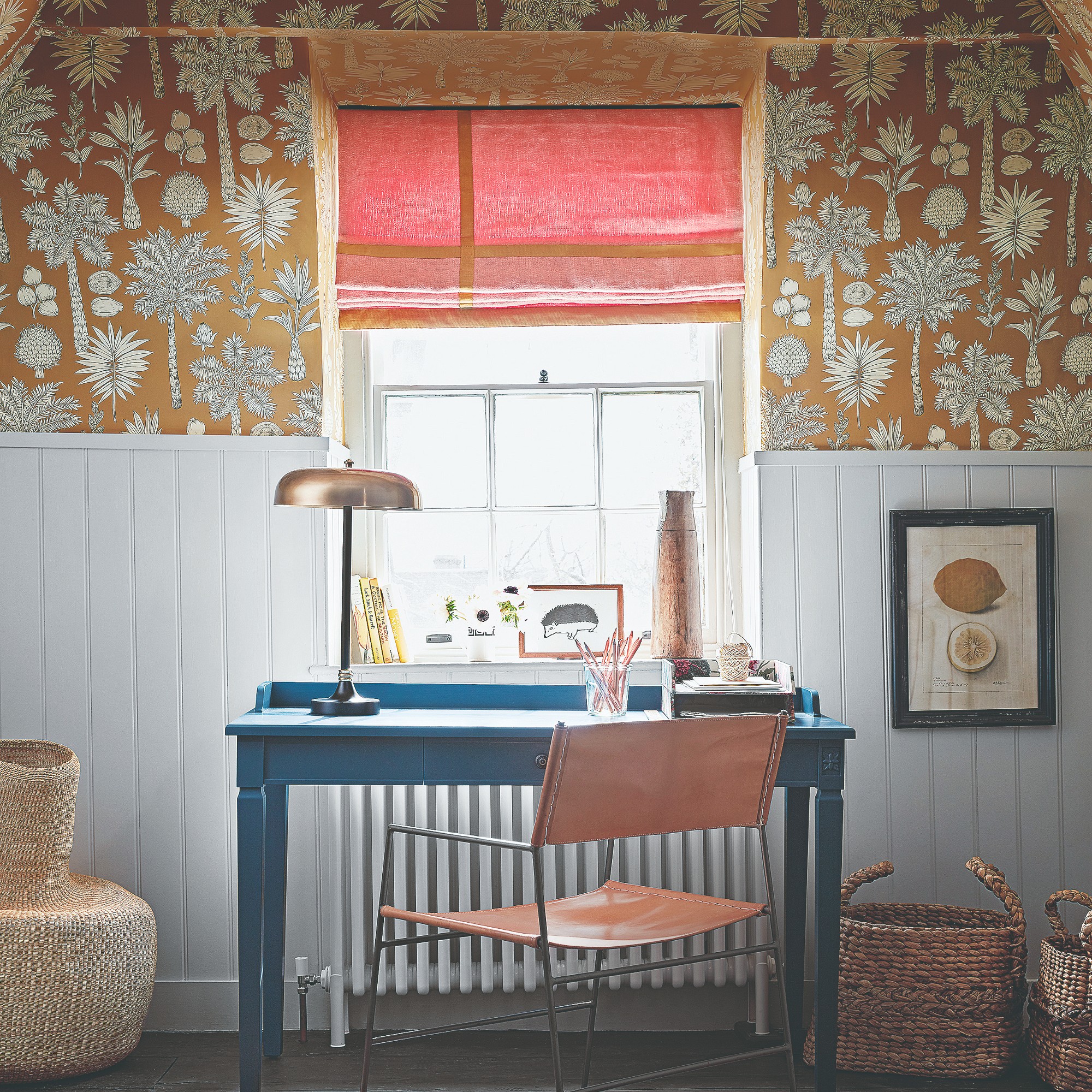
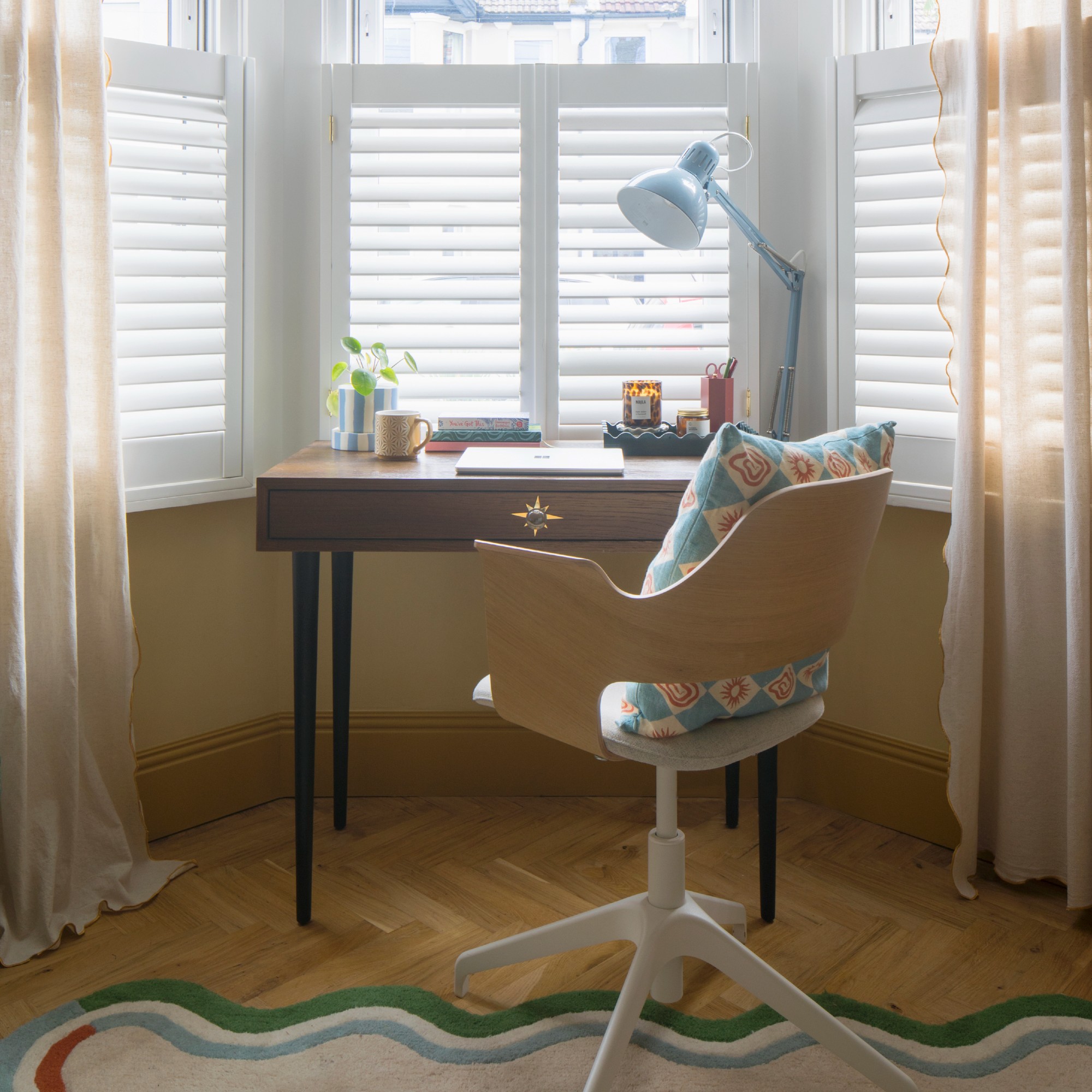
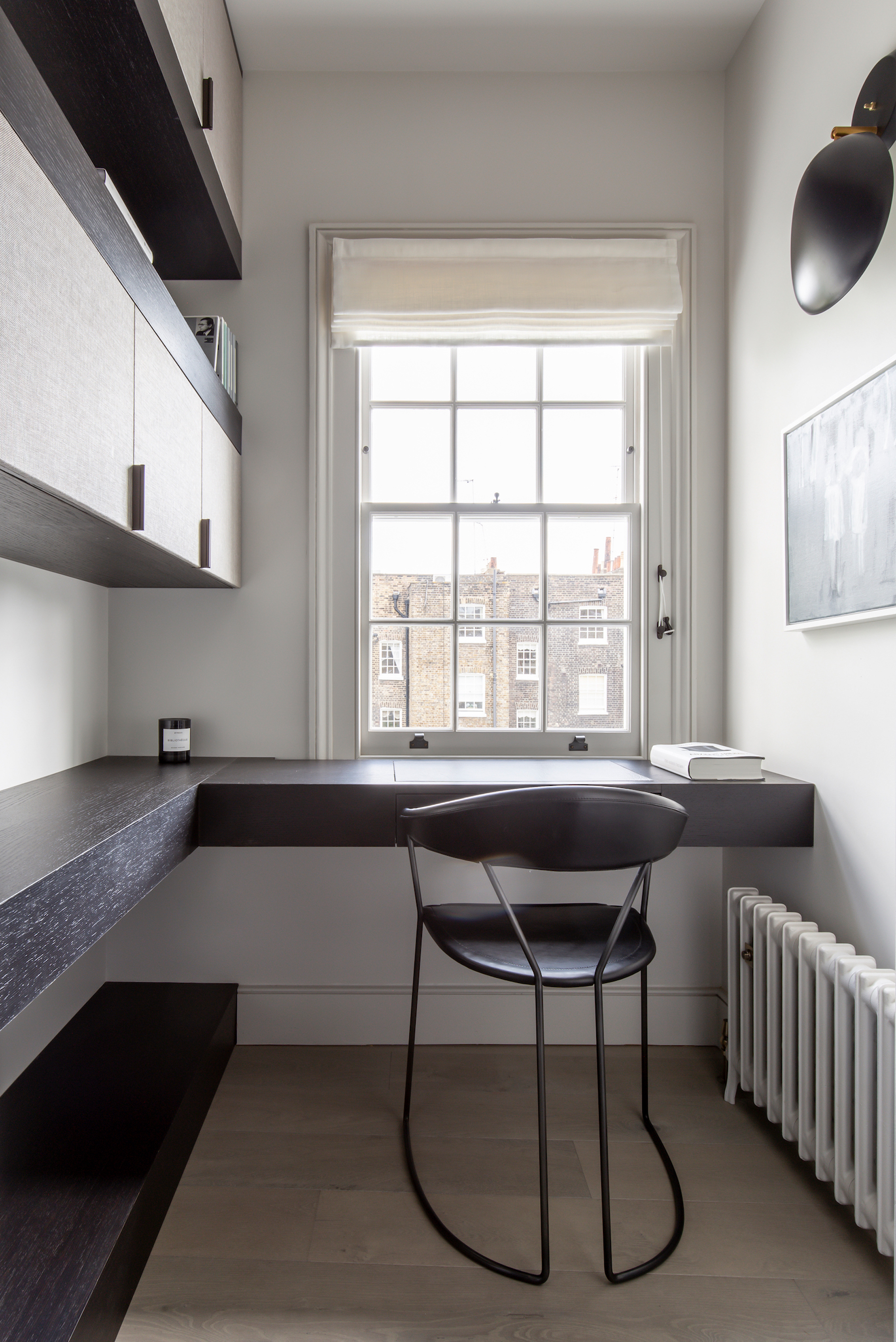
Optimizing lighting is essential for eye health and overall ambiance. Proper lighting is critical for tasks, especially when working during off-hours. James Treble suggests incorporating statement lighting, such as retro table lamps in chrome or brass, or industrial-style pendant lights for task-specific illumination. Natural light is equally important; positioning the desk near a window not only reduces eye strain but also provides ventilation. A blend of natural and artificial light sources ensures the workspace is well-lit at all times.
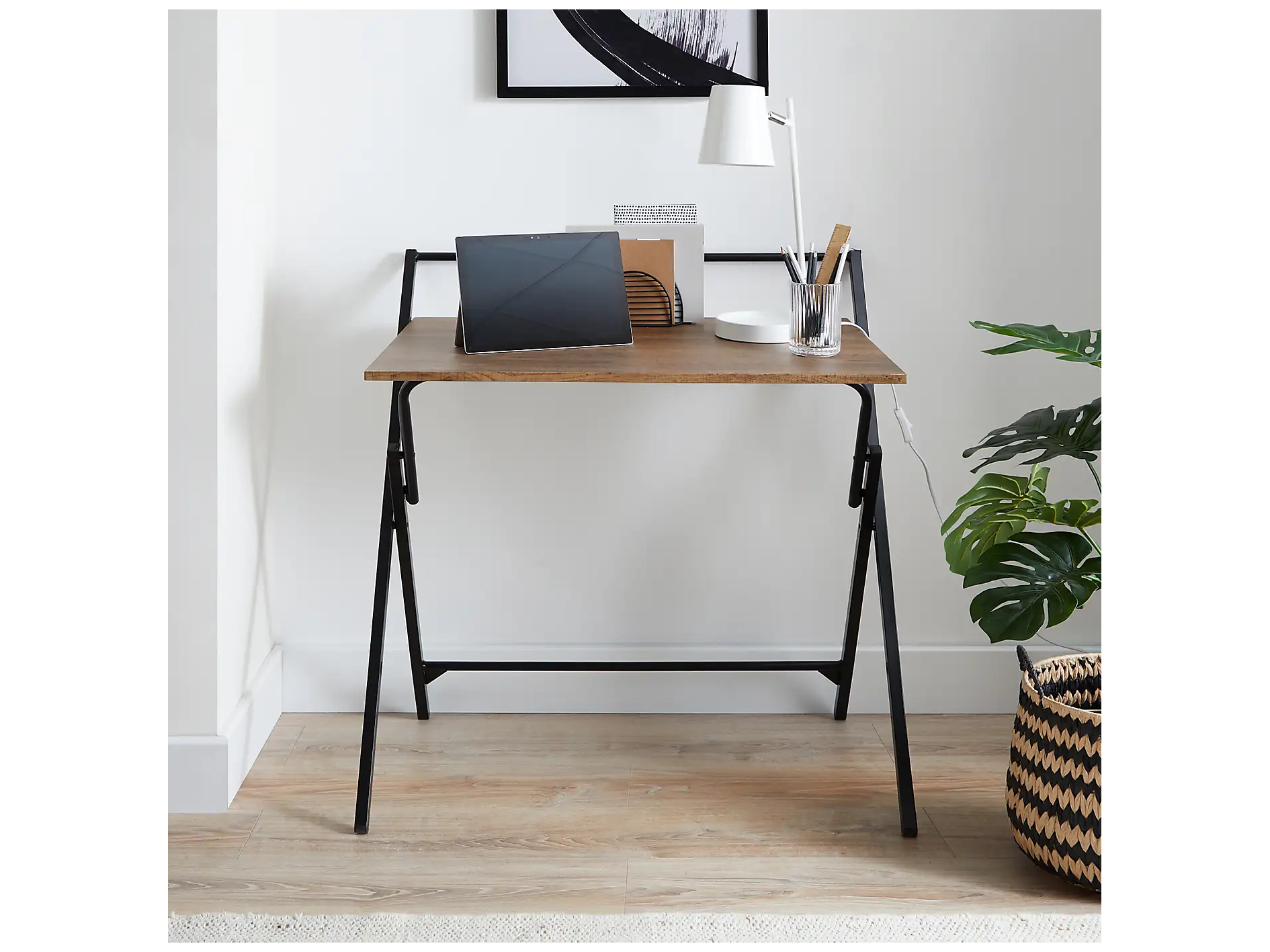
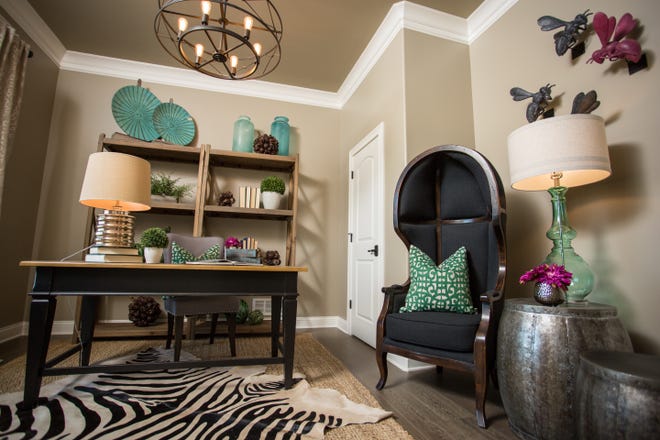
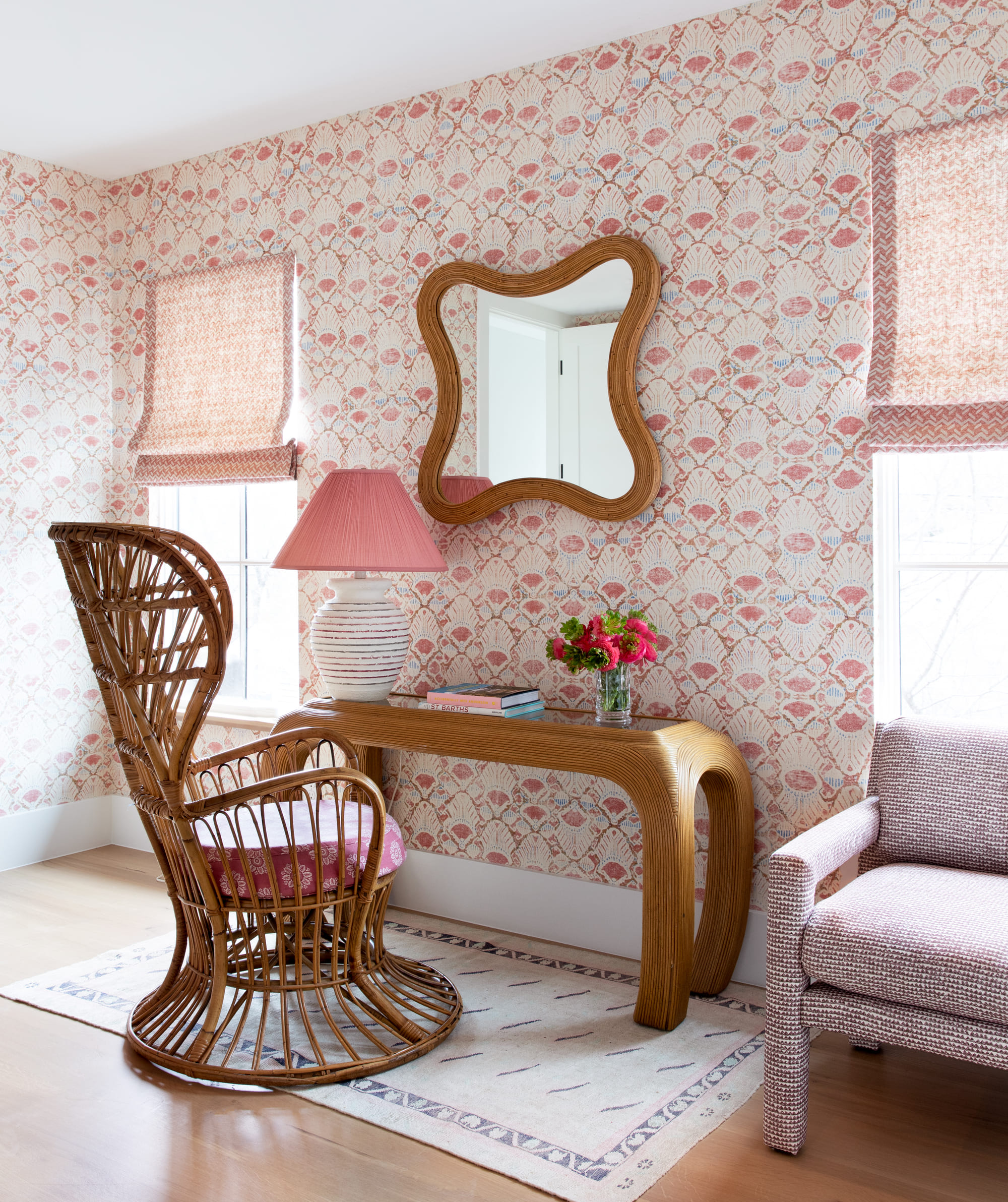
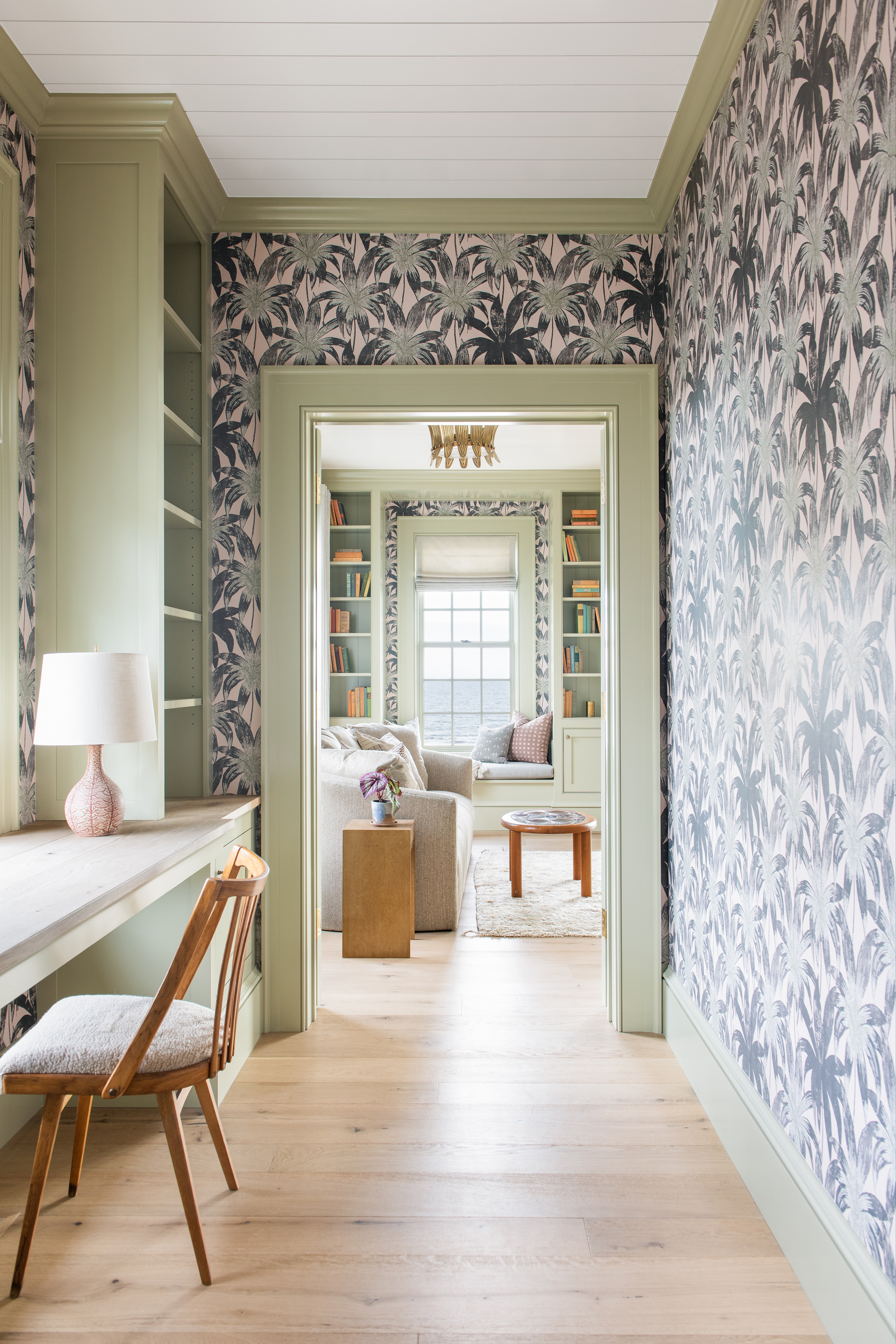
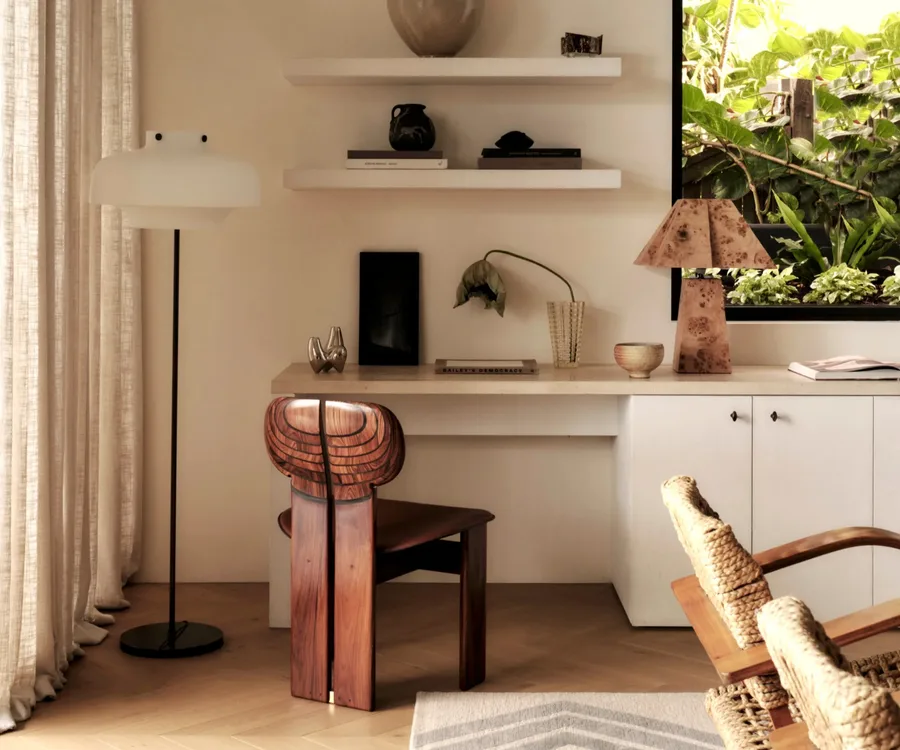
Finally, styling the home office to balance functionality with personal enjoyment is crucial. Beyond practical furniture, the space should be filled with items that inspire and reduce the feeling of drudgery associated with work. Allira Bell recommends integrating indoor plants to introduce a touch of nature, which is known to offer stress-relieving benefits and enhance productivity. Mixing real and faux plants of various shapes and sizes can create an interior jungle effect that is both visually appealing and low-maintenance. The arrangement of the home office also depends on space availability. For smaller areas, positioning the desk near a window maximizes light and airflow, while prioritizing storage solutions above or below the desk helps conserve bench space. Floating shelves are ideal for displaying decorative elements, while closed cabinets and drawers are better suited for concealing less attractive items like paperwork. These expert tips collectively aim to transform any workspace into an inspiring and efficient home office environment.
#HomeOffice #InteriorDesign #WorkFromHome #Ergonomics #HomeDecor #Productivity #StorageSolutions #LightingDesign #SpacePlanning #HomeOffice #InteriorDesign #WorkFromHome #Ergonomics #HomeDecor #Productivity #StorageSolutions #LightingDesign #SpacePlanning
0 comment in total
 No comments yet
You may also like
Creating a comfortable and luxury home office in 2024: From design to maintenance

6 Work From Home Office Essentials You Need In 2024

Desk ideas for the home office - how to make sure your space works hard in the style stakes

Creating an Office Nook
Four Years Into WFH Life, Here’s What You Need for an Aesthetically Pleasing Home Office


How to Create the Perfect Home Office for $500 (or $50 or $1,000)
Creative interior design looks to help you redesign your home office
16 home office layout ideas to boost productivity and create a comfortable work space
5 home office ideas to create the perfect workspace

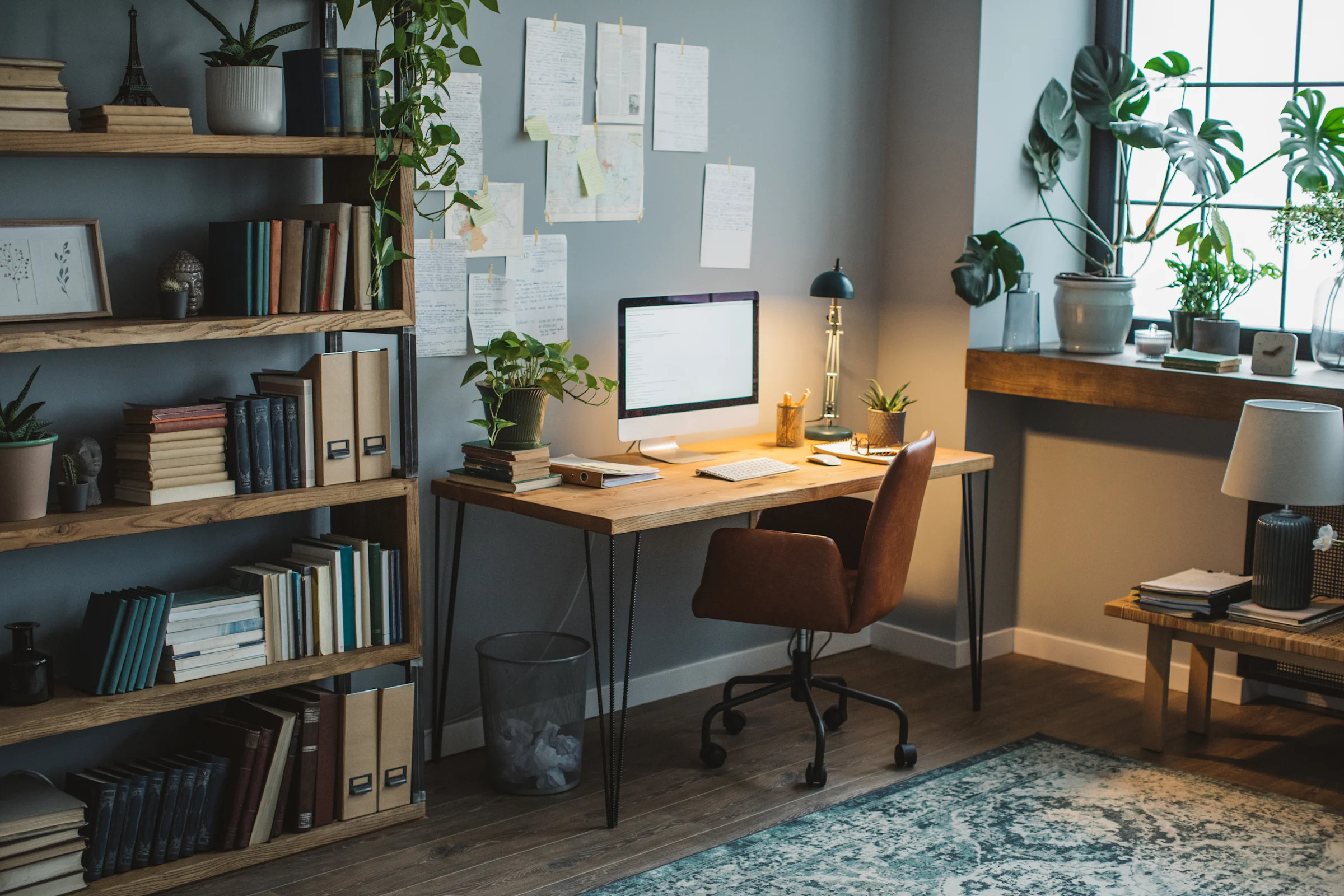
8 Home Office Layout Ideas That Are Up to Any Task

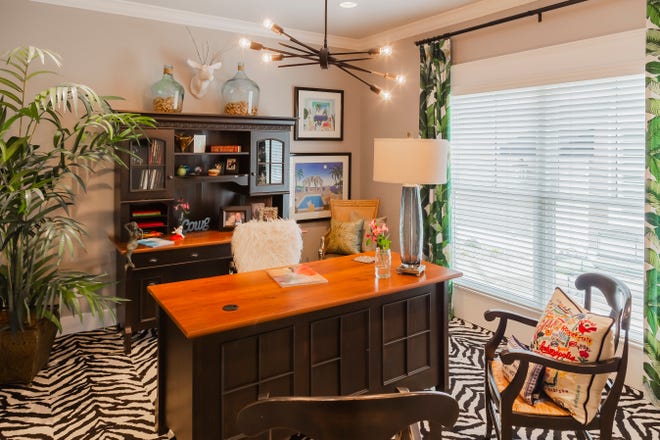
Step up your home office game with these tips from an interior designer
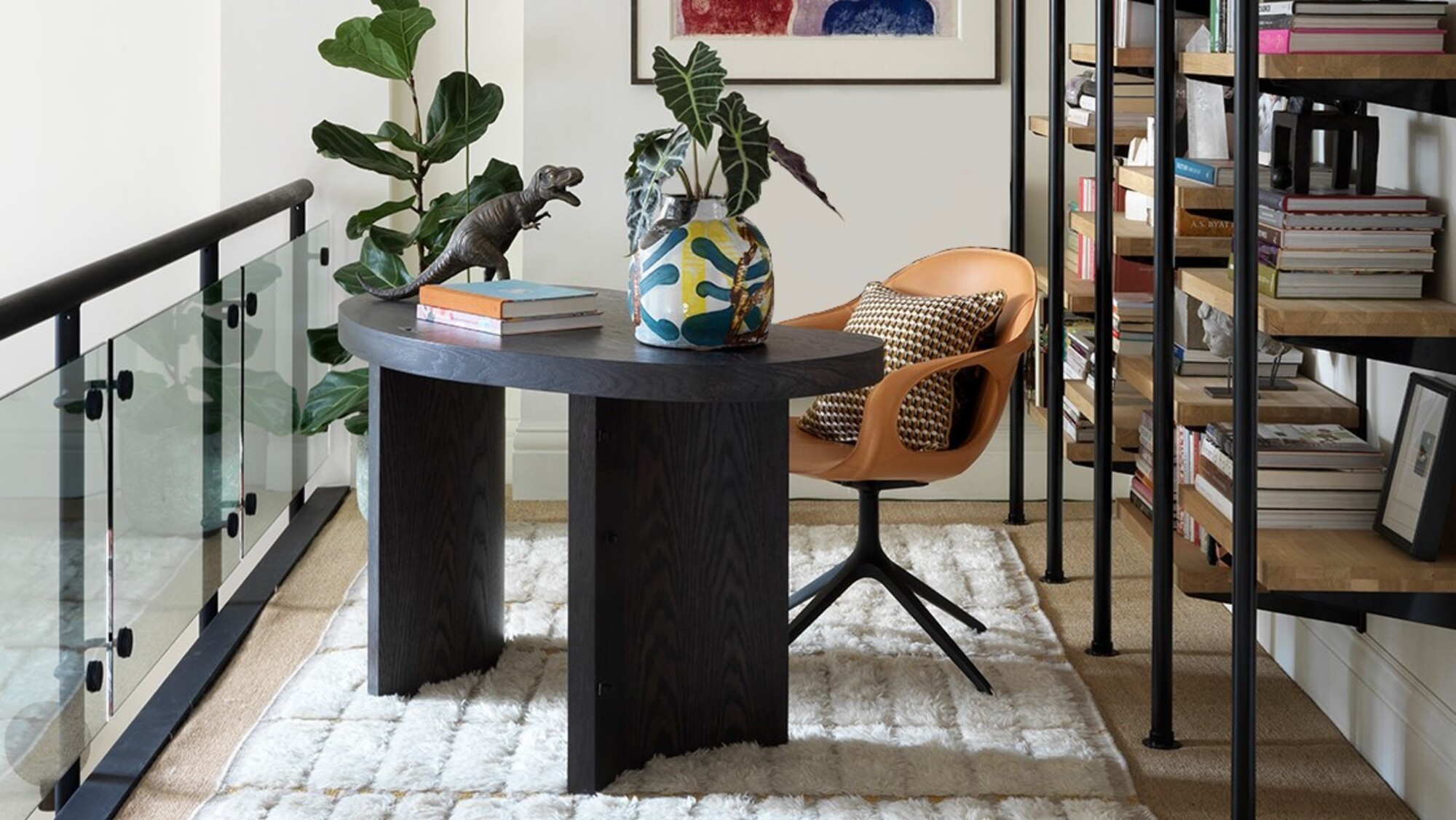
Home office ideas – 29 WFH spaces that marry practicality and style
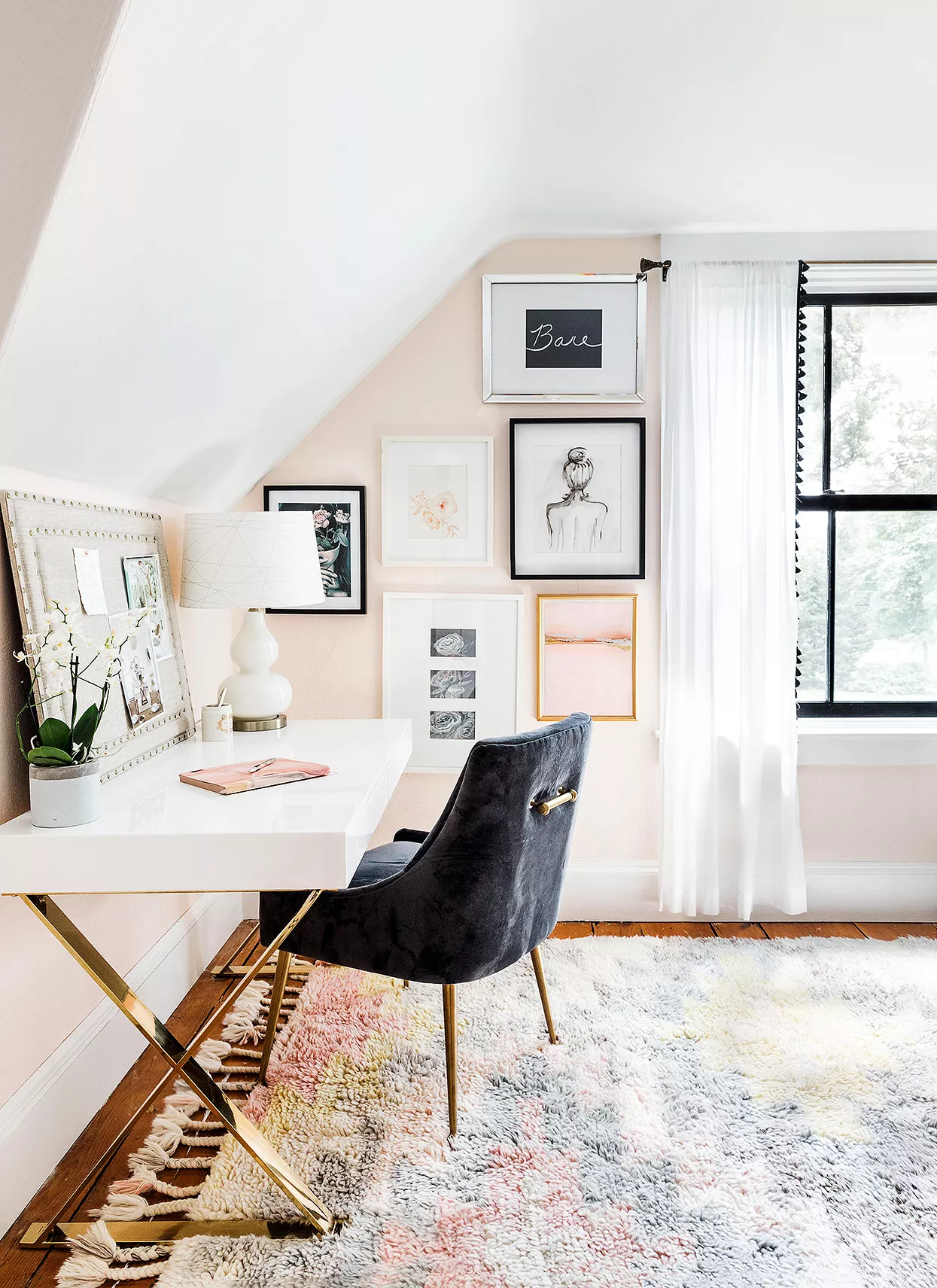
Corporate Natalie’s Top Tips for a Functional Home Office

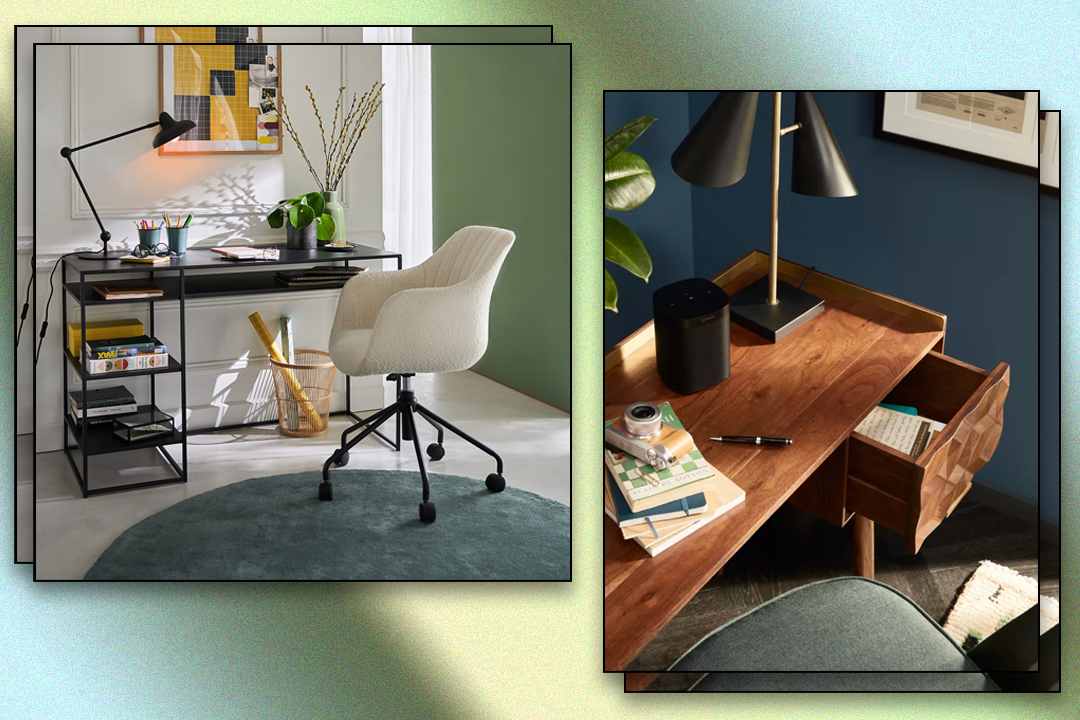
Best desks for home offices and bedrooms 2024

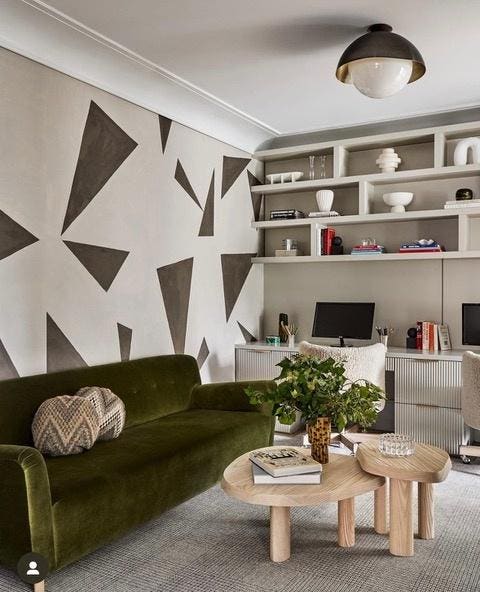
5 Ways To Make Your Home Office Feel Like A Chic NYC Loft
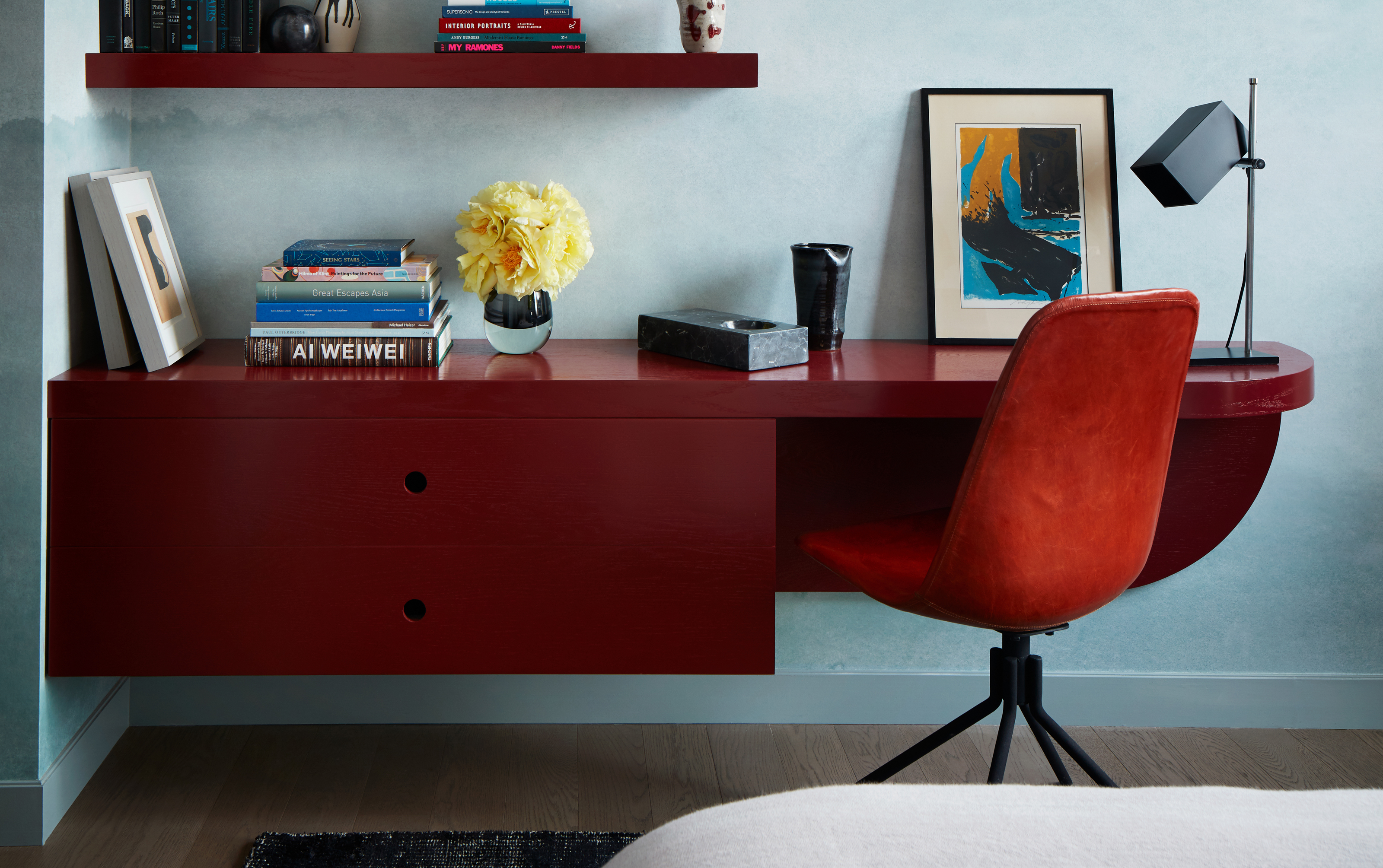
Genius built-in desk ideas that will help you make the most of your work from home space
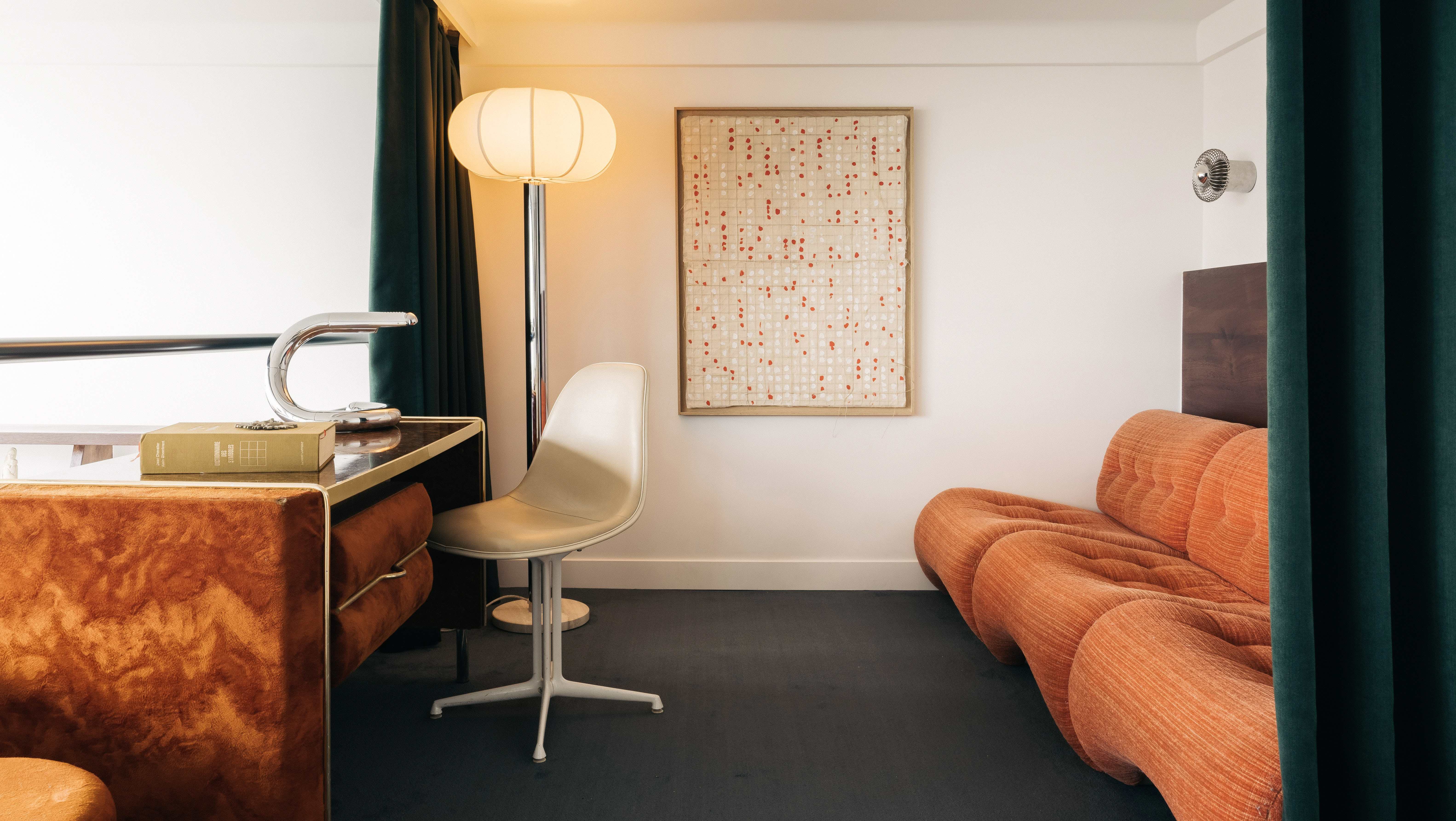
Who needs a Zoom background when your home office looks this good?

23 home office ideas that will kick your mind into gear

Everything You Need For the Perfect Work From Home Setup
How To Set Up A Dedicated Office Space In Your Home