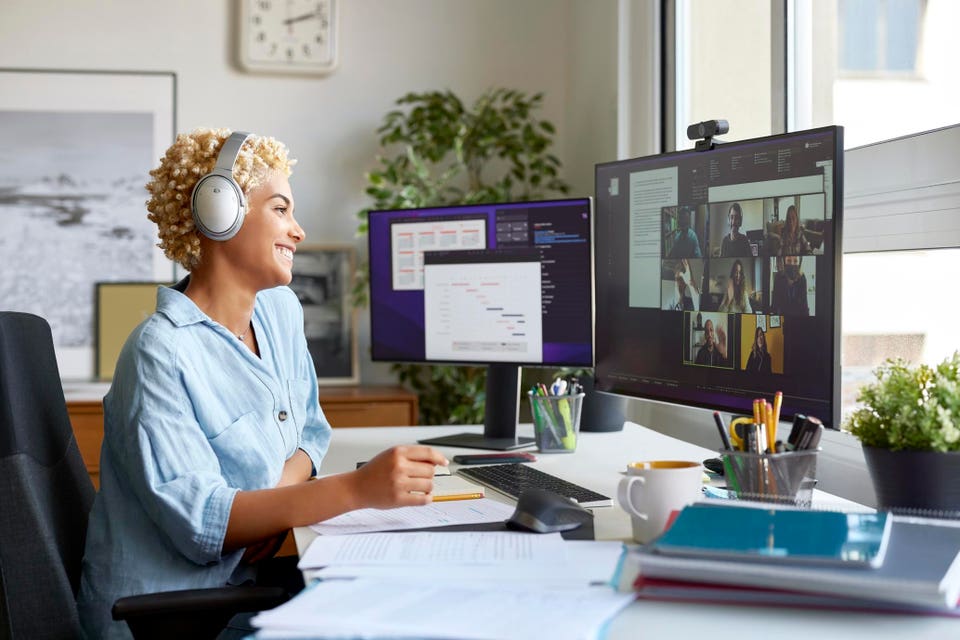
5 Tips For Creating A Remote Work Setup That Rivals Any Office
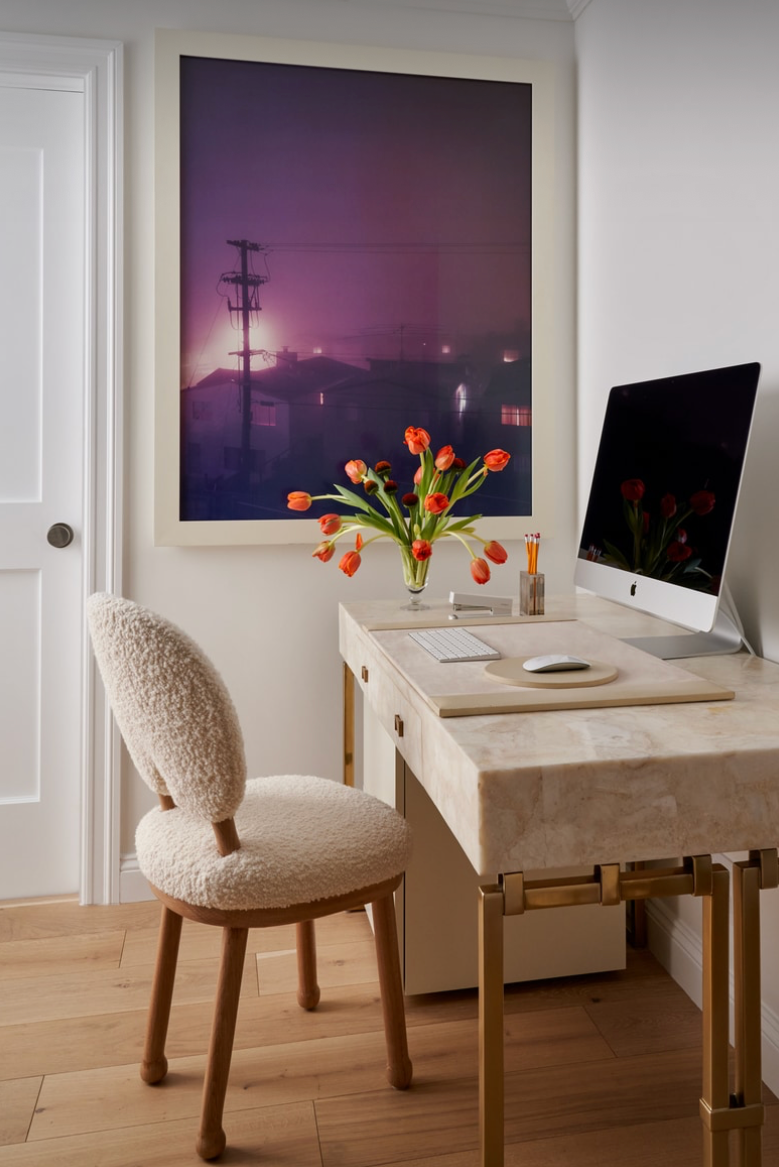
The transition to remote work has prompted many to re-evaluate their home office setups. While some companies have enforced a return-to-office mandate, others embrace flexibility. Regardless of the company's stance, individuals can create a tranquil and productive home environment that rivals any traditional office. This article outlines five essential tips to achieve such a workspace.
The first tip emphasizes prioritizing daily routines to establish clear boundaries between work and personal life. It suggests starting the day with self-care practices like journaling, meditation, or exercise, rather than immediately engaging with work. Jessica Padula, VP of Marketing & Head of Sustainability at Nespresso USA, highlights that rituals can enhance motivation, focus, and creativity, advocating for mindfulness throughout the day. Remote work offers the freedom to tailor daily schedules to individual needs, making it easier to maintain work-life balance compared to the structured environment of a physical office with its commutes.
Secondly, the article recommends investing in quality coffee and snacks for the home office. It notes that busy individuals often neglect self-indulgence, citing a Cornell SC Johnson College of Business study. With daily coffee consumption in the U.S. at a 20-year high, as reported by the National Coffee Association, creating a premium at-home coffee station can transform a routine into a productive break. Scheduled breaks for enjoying good food and beverages are crucial for boosting productivity and mental rejuvenation.
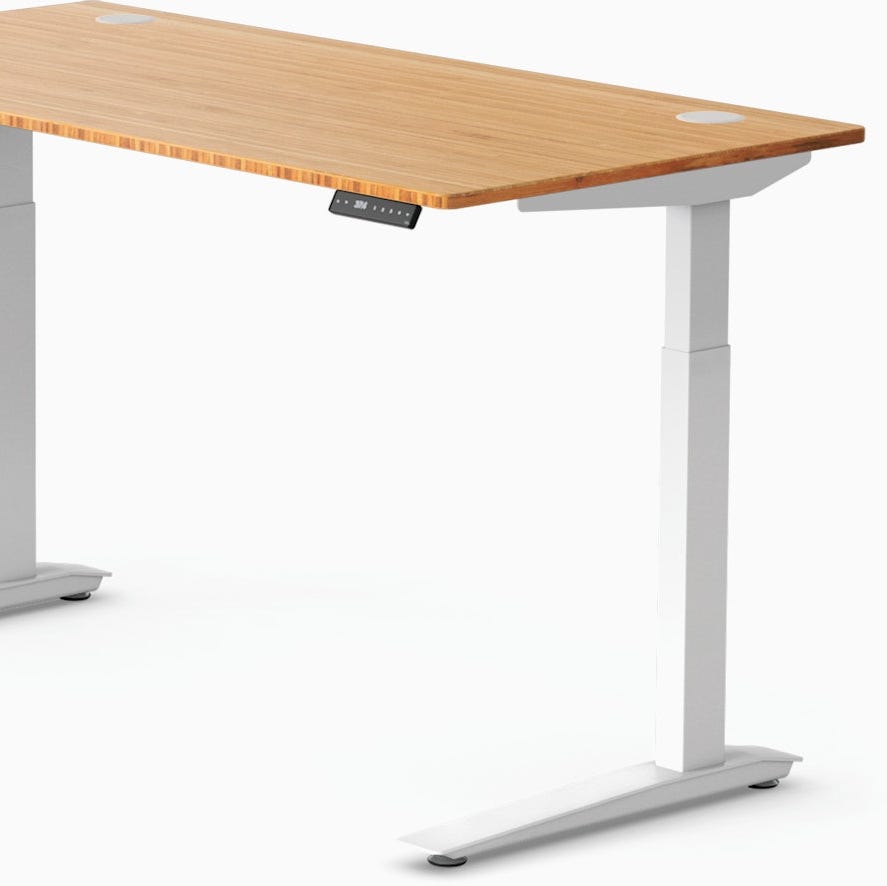
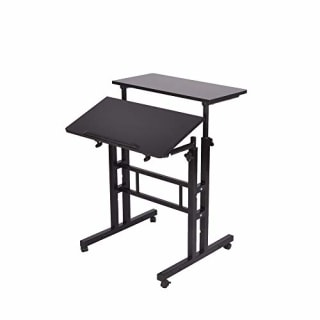
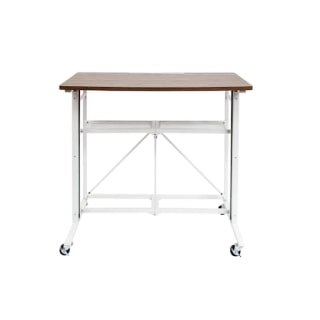
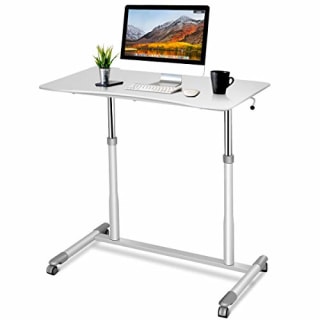
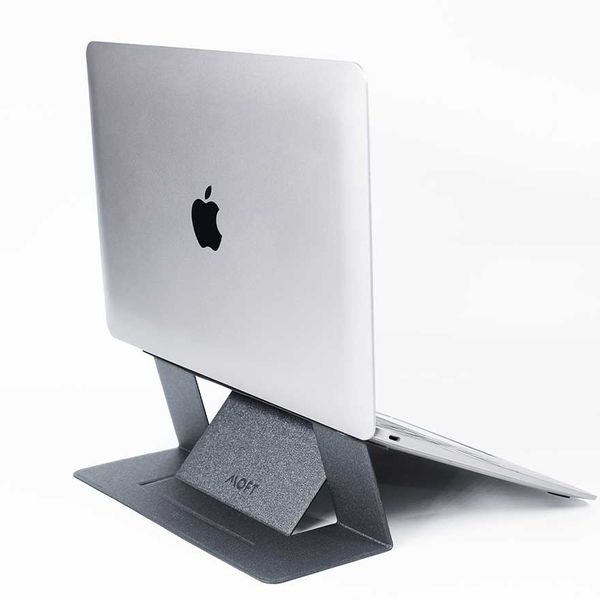
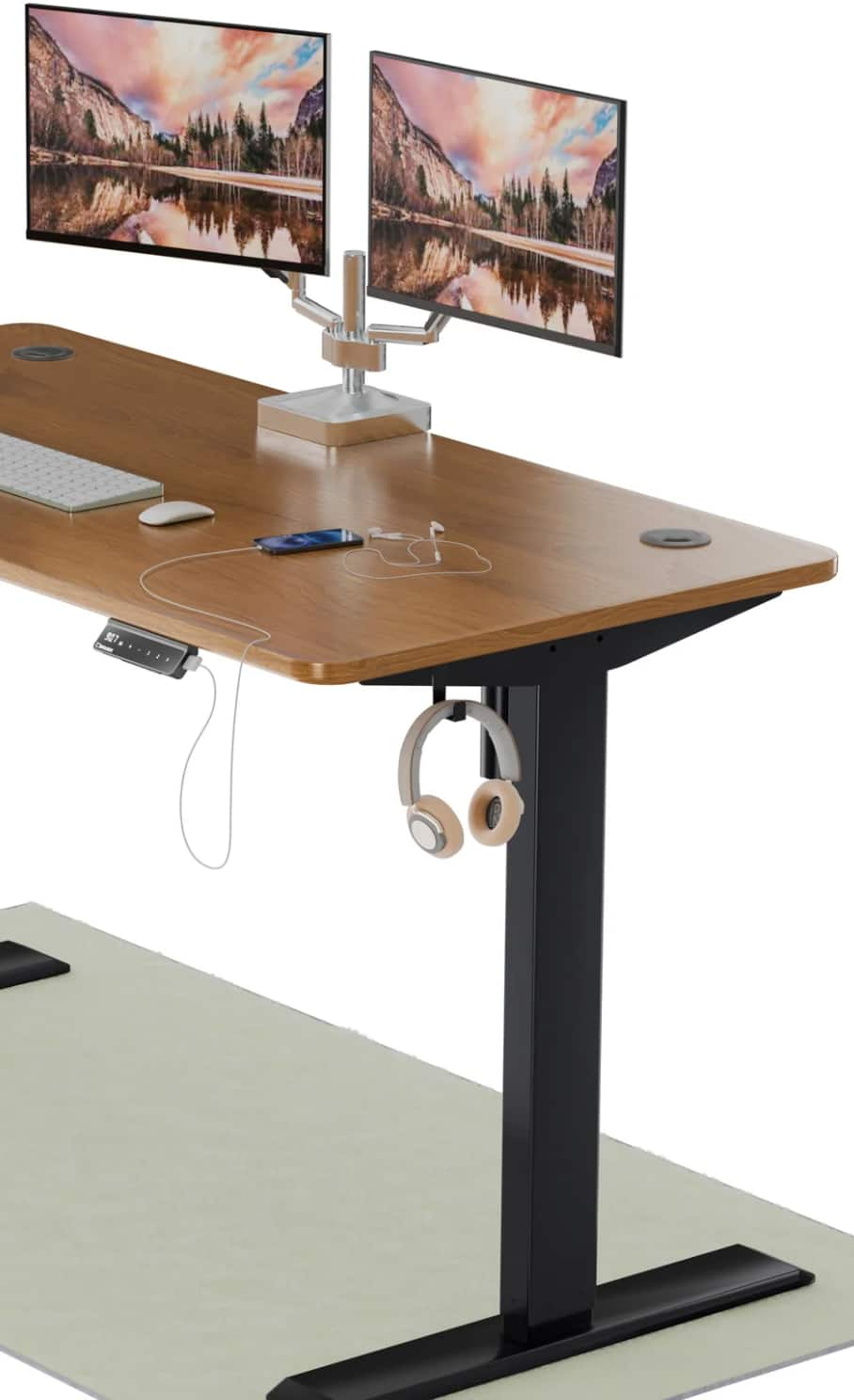
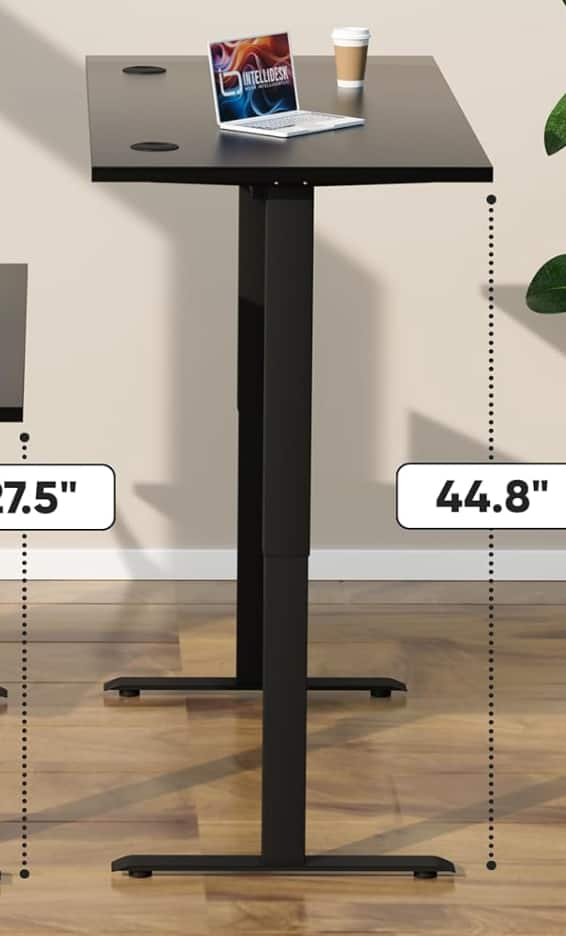
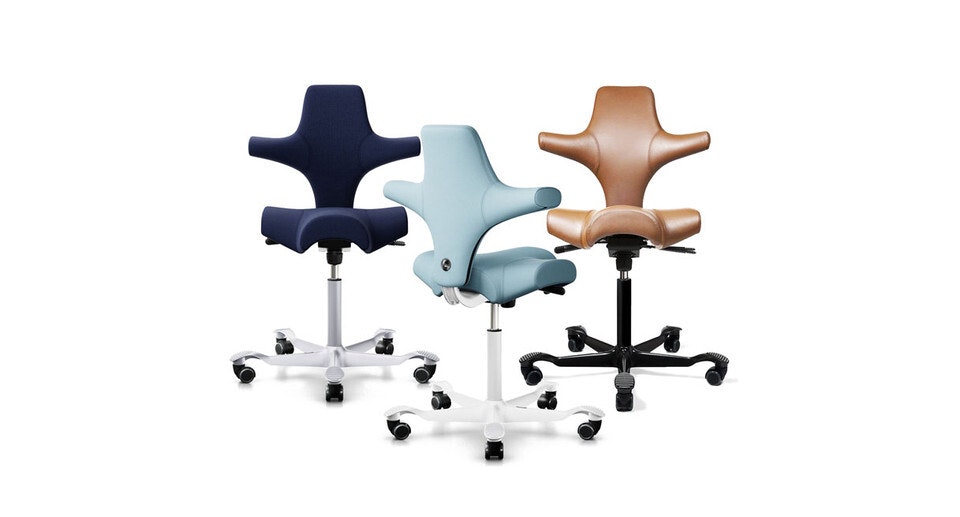
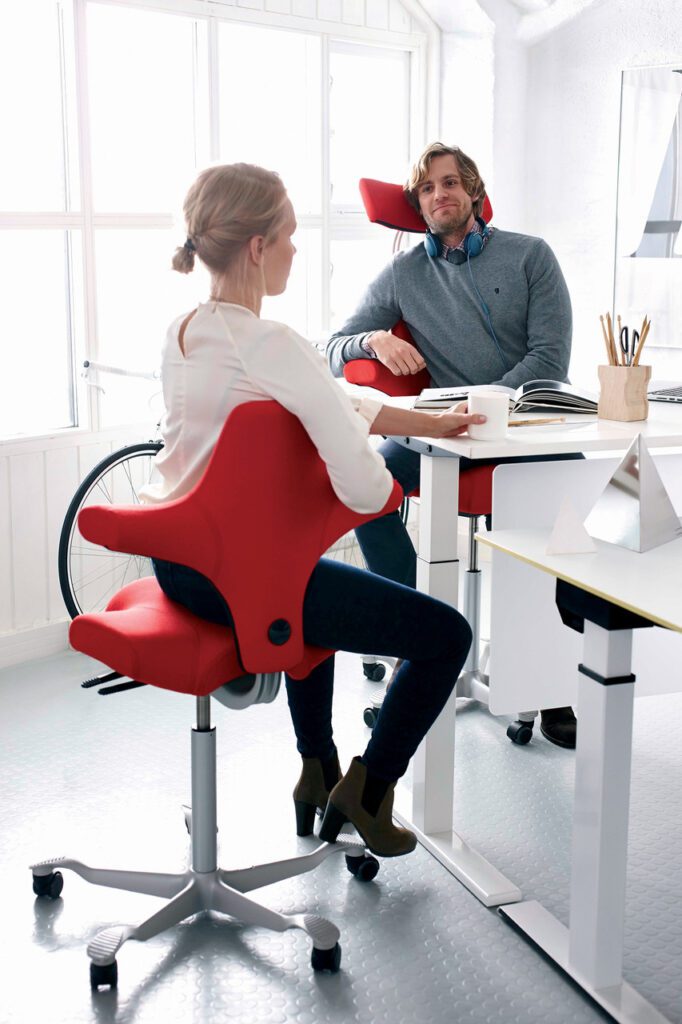
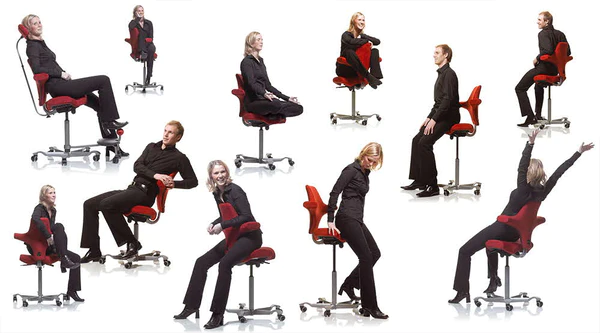
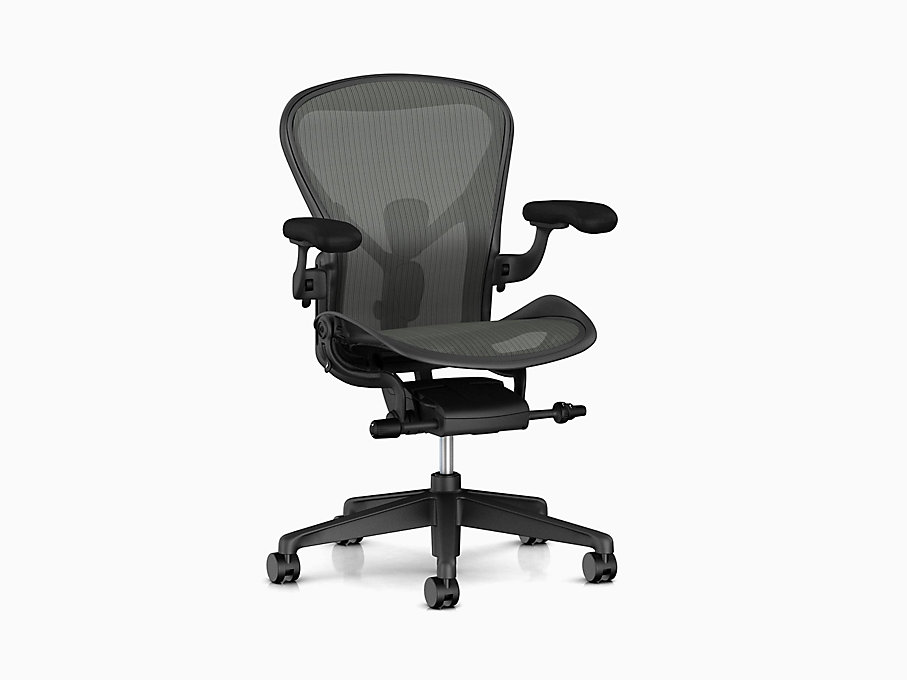
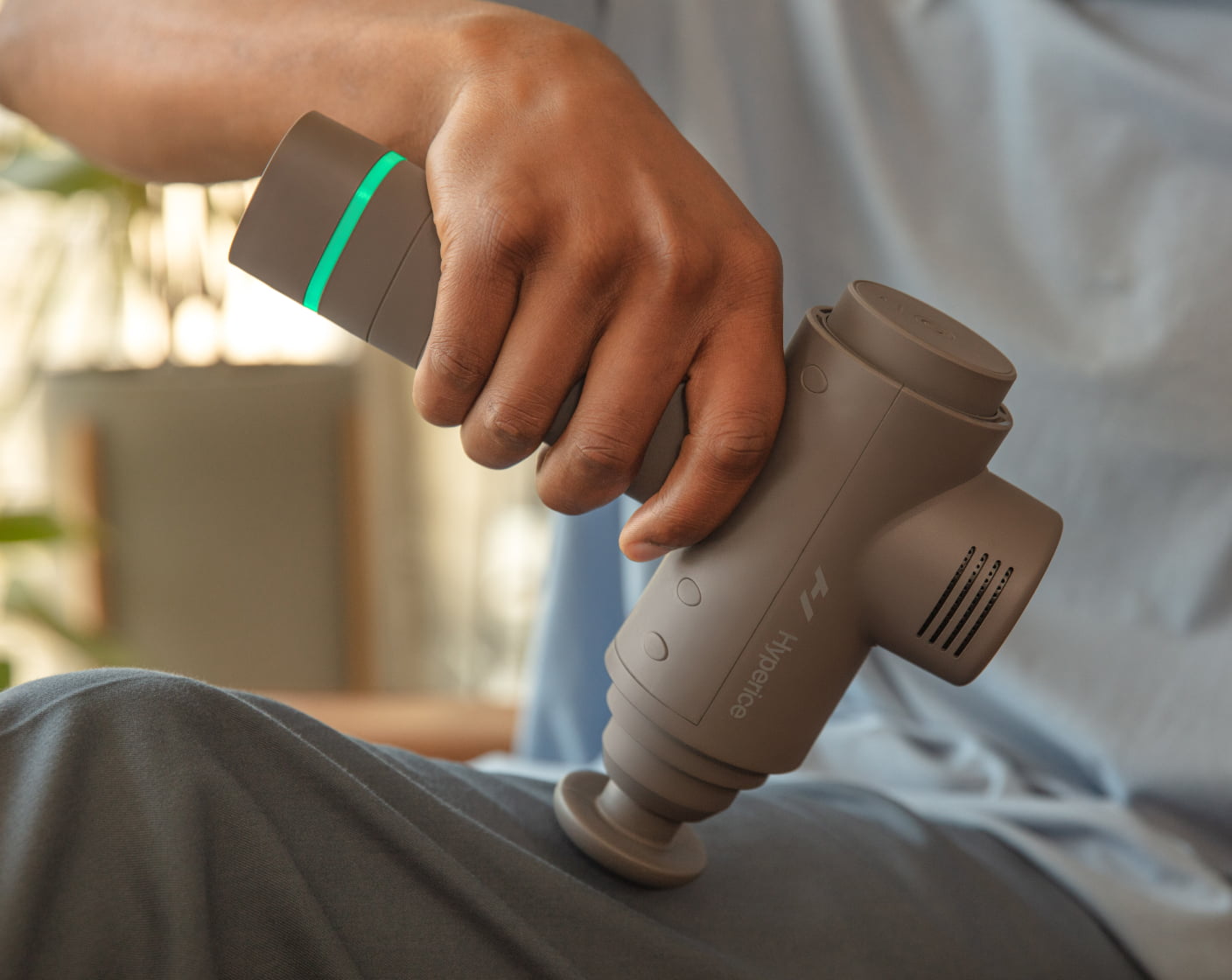
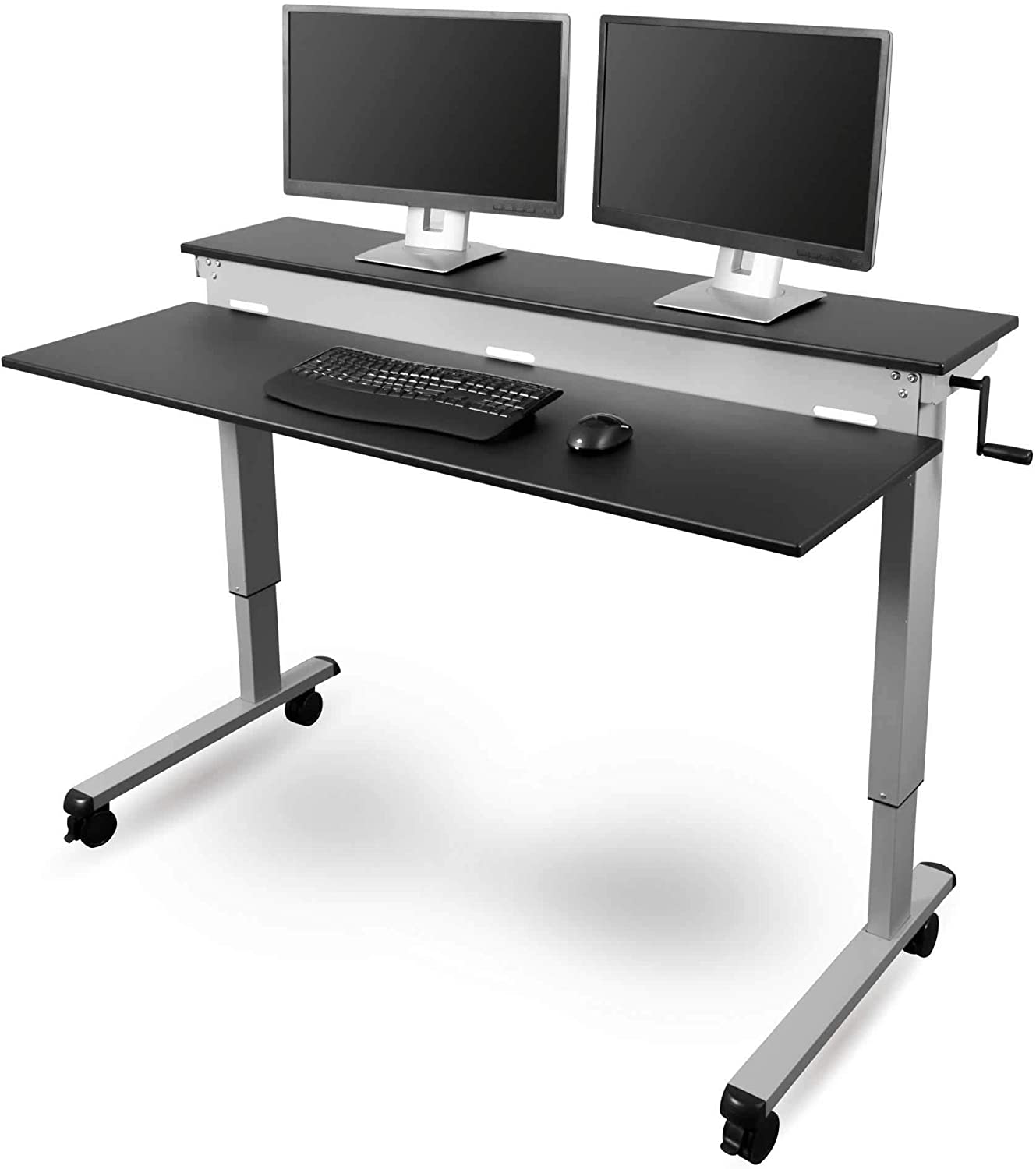
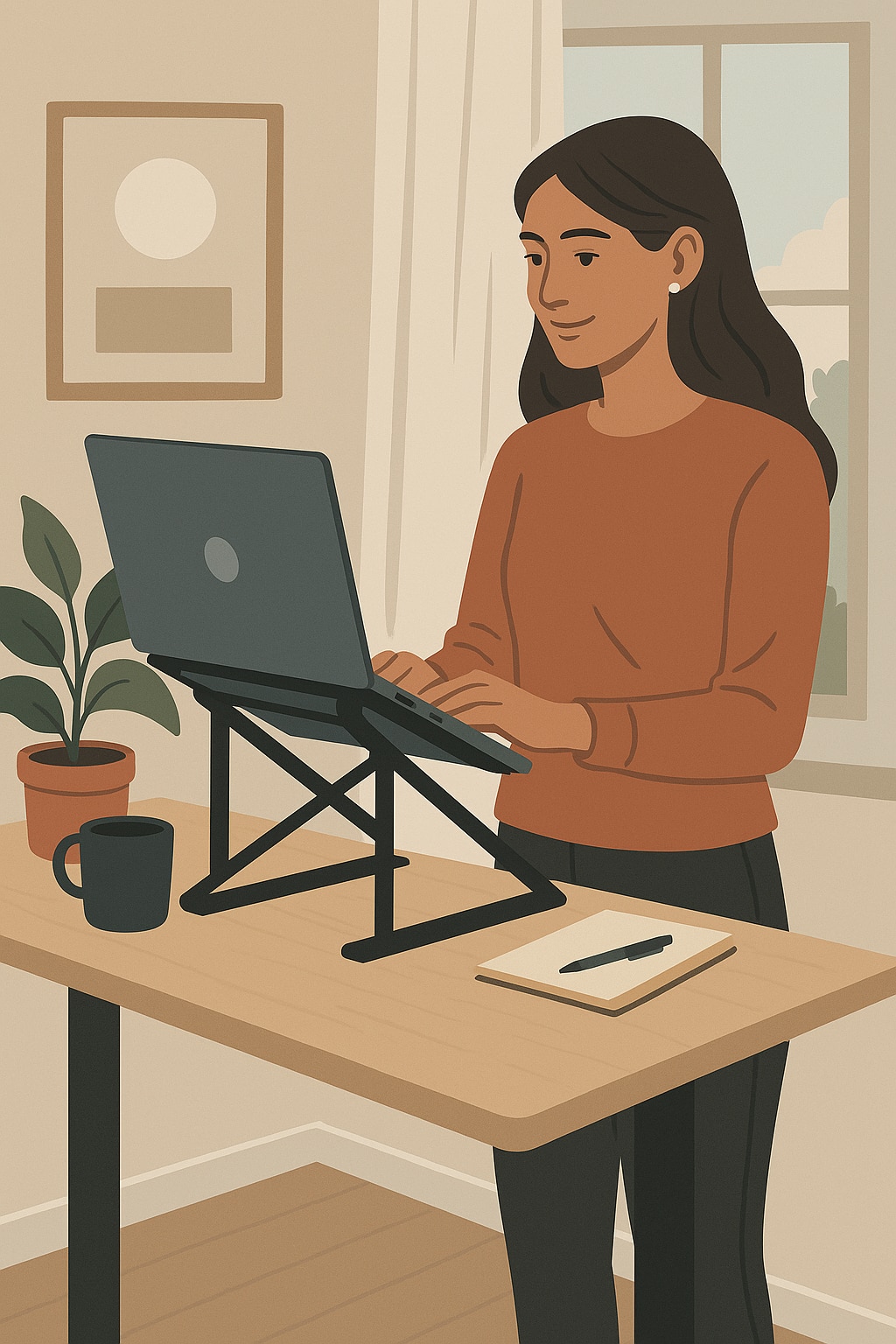
Thirdly, ergonomics are crucial for a remote workspace. Ergonomics involves designing and arranging work items to minimize discomfort and injury risks, extending beyond just selecting the right chair and desk. It includes incorporating movement, such as stretching every 20 minutes, working in well-lit areas, or even outdoors. Neglecting ergonomics can be costly, with repetitive motions being among the leading causes of serious workplace injuries, costing U.S. businesses billions annually. A four-year study published in the National Library of Medicine also links chronic low back pain to job stress. The flexibility of remote work allows for integrating relaxation techniques like yoga or meditation breaks, which are often difficult in traditional office settings.
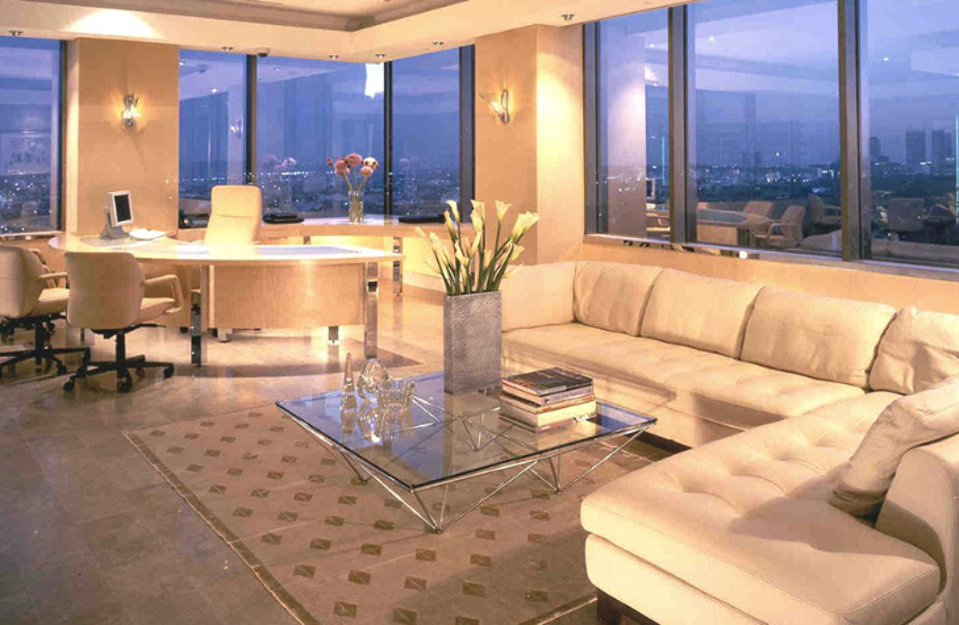
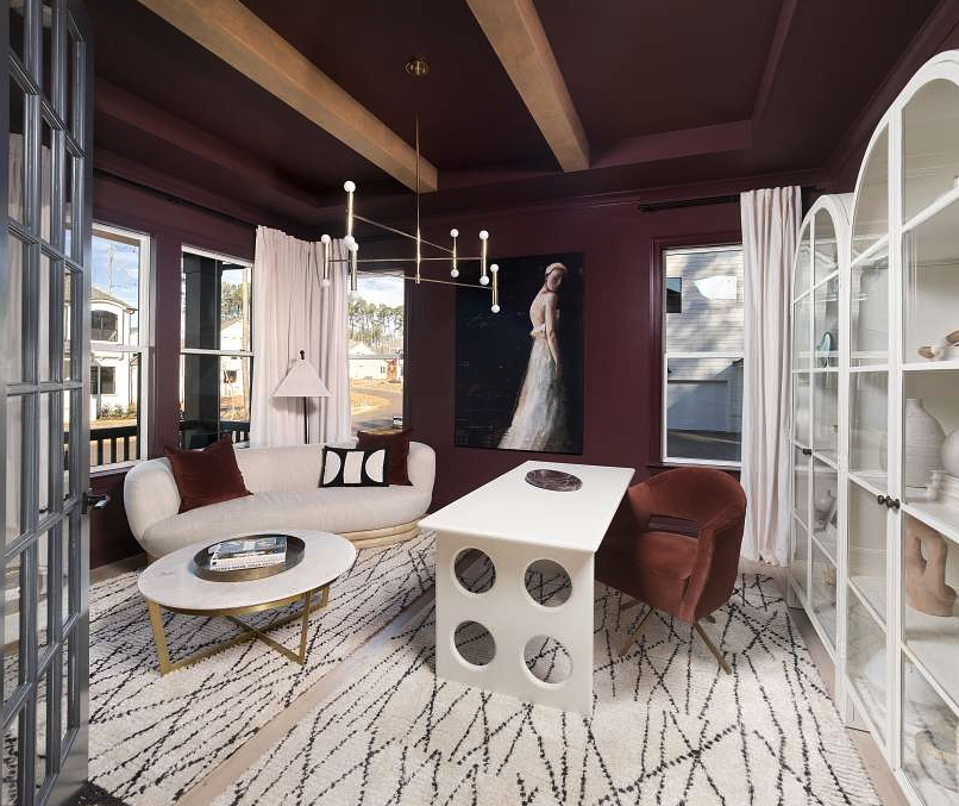
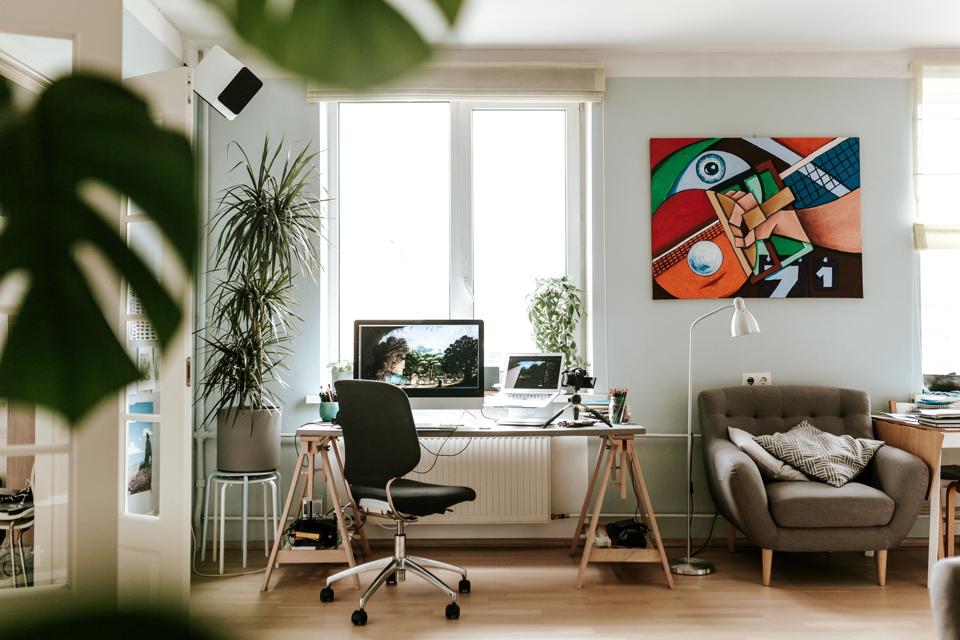
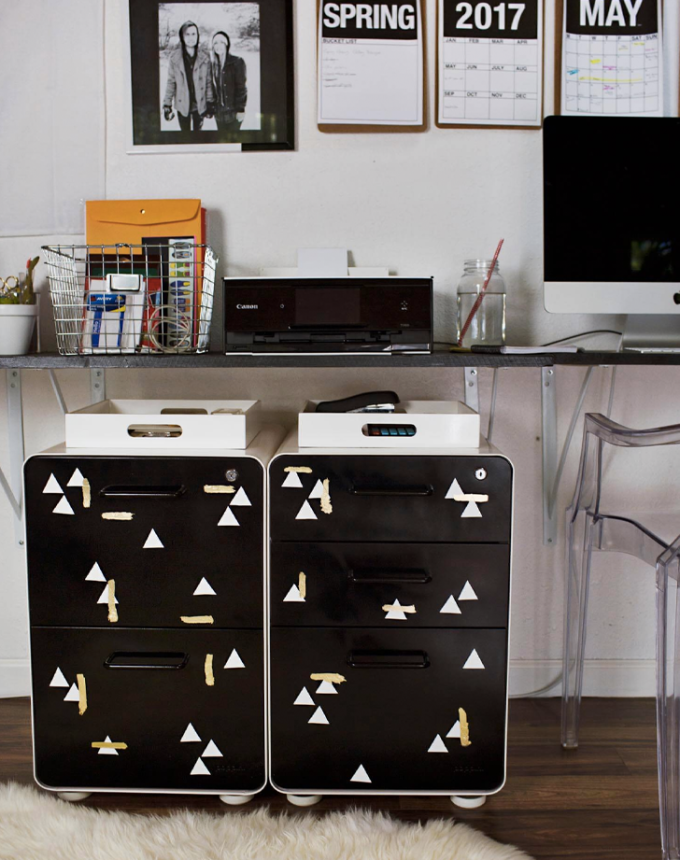
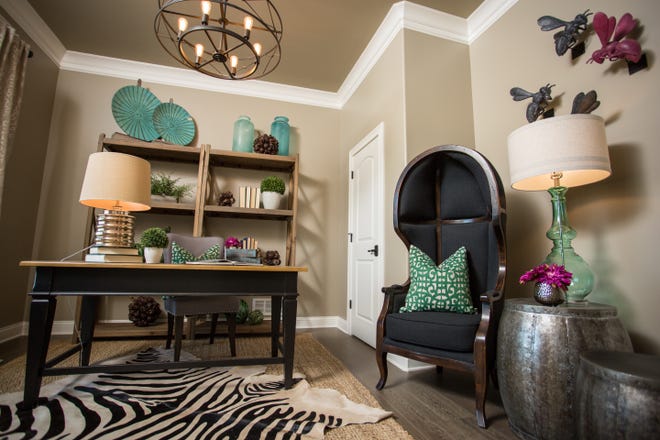
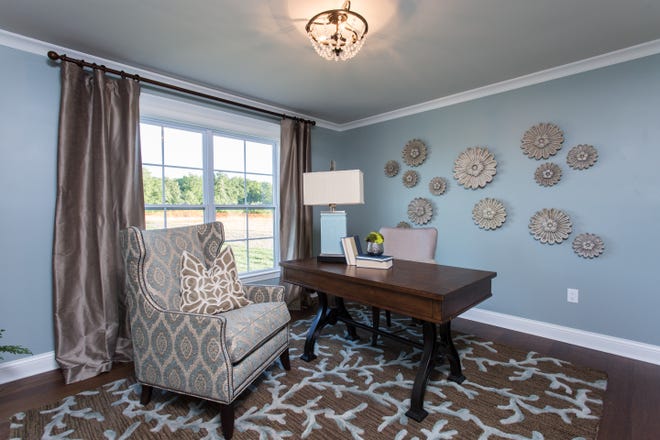
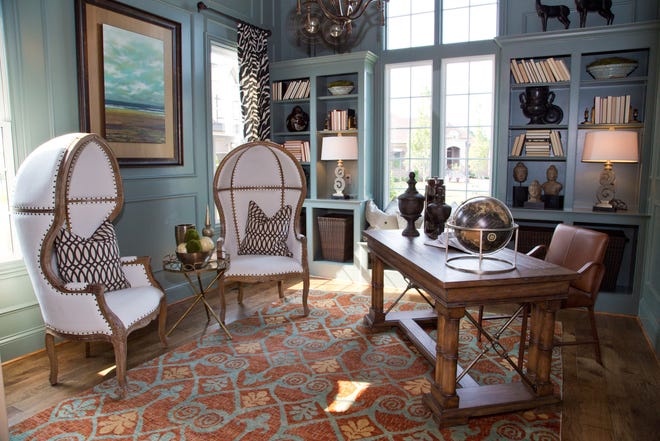
Fourthly, creating distinct zones of activity within the home is vital for varied work tasks. Just as employees move between different areas in a corporate office (e.g., meeting rooms, break areas), remote workers can designate specific spots for ideation, focused work, administrative duties, virtual meetings, or breaks, even within limited space. Moving around throughout the day is encouraged, as a Stanford University study published in the American Psychological Association found that walking increases creative output by 60%. Establishing specific environments helps cultivate a task-oriented mindset.
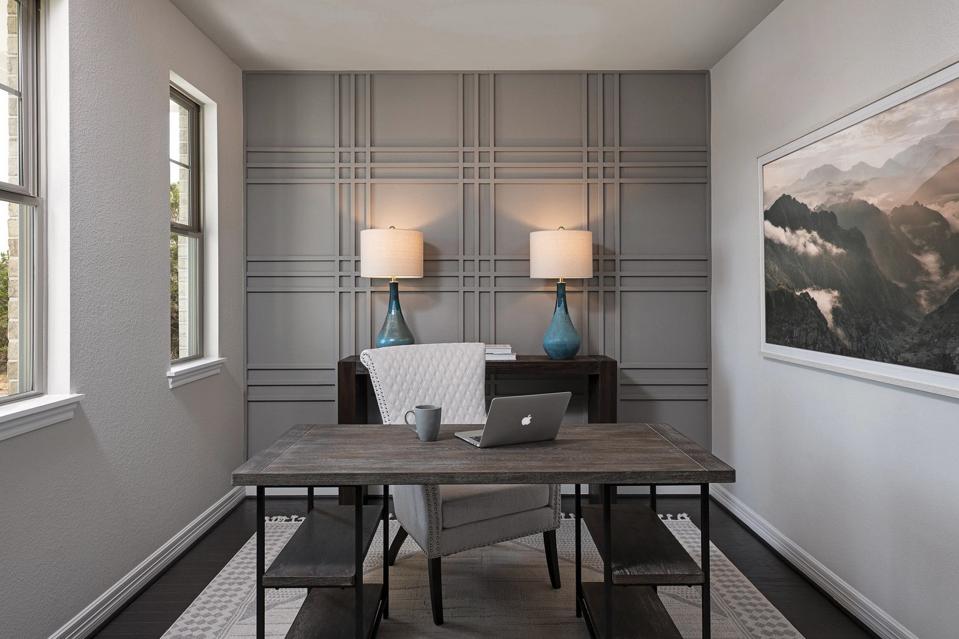
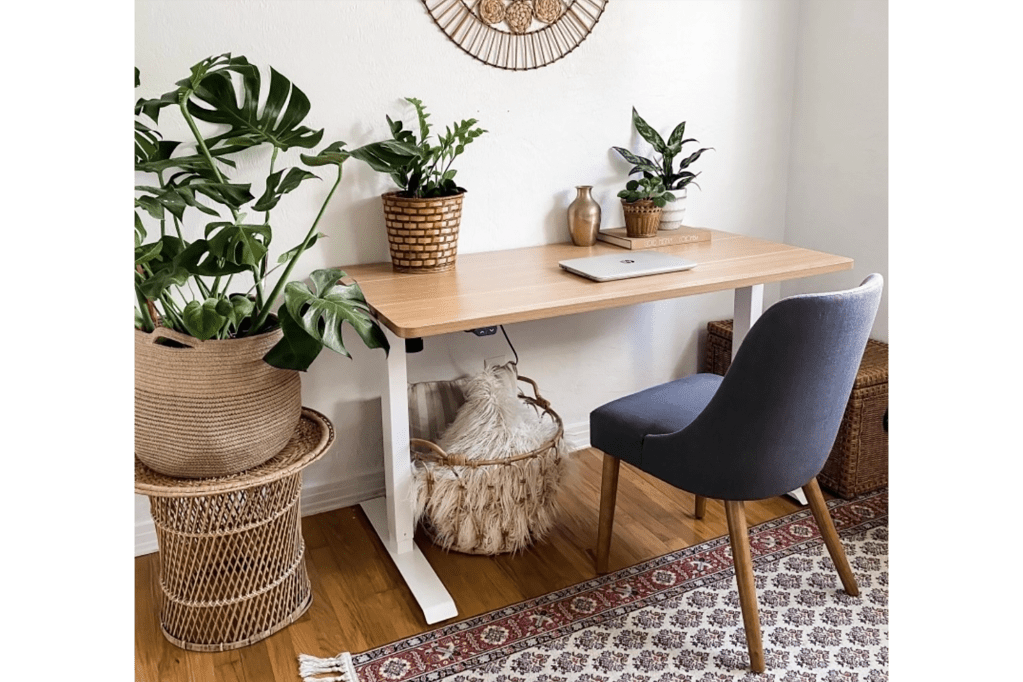
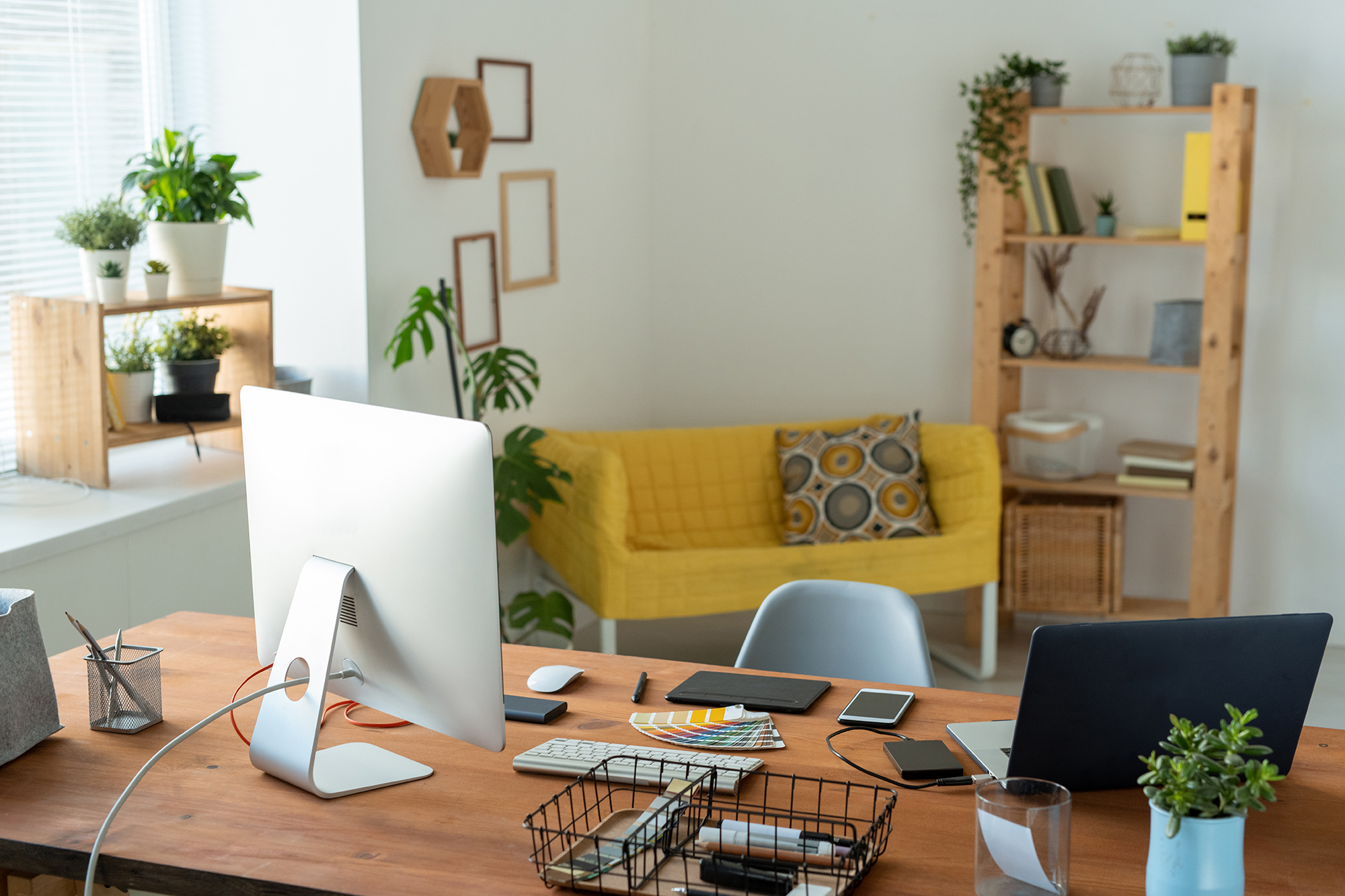
Finally, engaging the senses allows for personalized control over the work environment. Unlike shared offices where loud music or scented candles might be prohibited, a home office offers complete freedom to customize auditory and visual stimuli. Experimenting with different music genres, podcasts, scented candles, or even incorporating natural elements like plants and nature photos can enhance workflow and overall well-being. The article concludes by emphasizing that a thoughtfully designed home office supports not only efficiency but also mental health, encouraging remote workers to embrace flexibility and personalize their routines as their needs evolve.
#RemoteWork #HomeOfficeSetup #WorkLifeBalance #Ergonomics #Productivity #WorkspaceDesign #MentalWellbeing #DailyRoutines #FlexibleWorking #RemoteWork #HomeOfficeSetup #WorkLifeBalance #Ergonomics #Productivity #WorkspaceDesign #MentalWellbeing #DailyRoutines #FlexibleWorking
0 comment in total
 No comments yet
You may also like
Everything You Need For the Perfect Work From Home Setup

How to Create the Perfect Home Office for $500 (or $50 or $1,000)
How to design the ultimate home office, according to the experts

Corporate Natalie’s Top Tips for a Functional Home Office


5 home office ideas to create the perfect workspace

4 must have gadgets in your home office

How To Set Up A Work-From-Home ‘Office’ For The Long Term

How to make your home office a more pleasant place to work
If You Work From Home, Here Are 6 Tips To Create The Perfect WFH Office
How To Set Up A Dedicated Office Space In Your Home

Four Years Into WFH Life, Here’s What You Need for an Aesthetically Pleasing Home Office

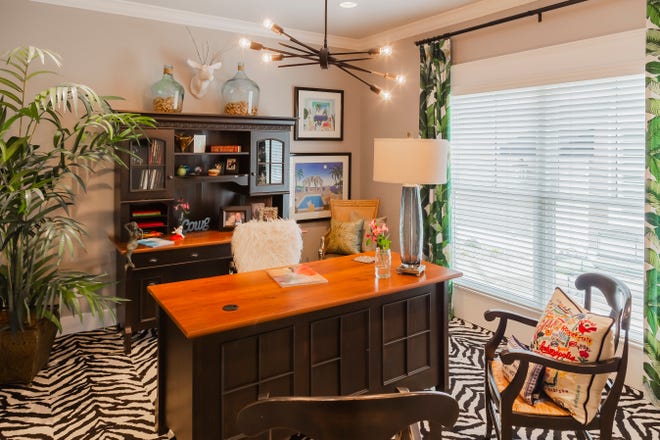
Step up your home office game with these tips from an interior designer
Remote Work Setup Hacks for Small Spaces and Apartments
What a Wirecutter Home-Office Expert Uses to Organize Her Desk

5 things I bought that made my working-from-home life better — and 2 items that are in my cart
25 fresh office decor ideas: Revamp your work from home space in 2022