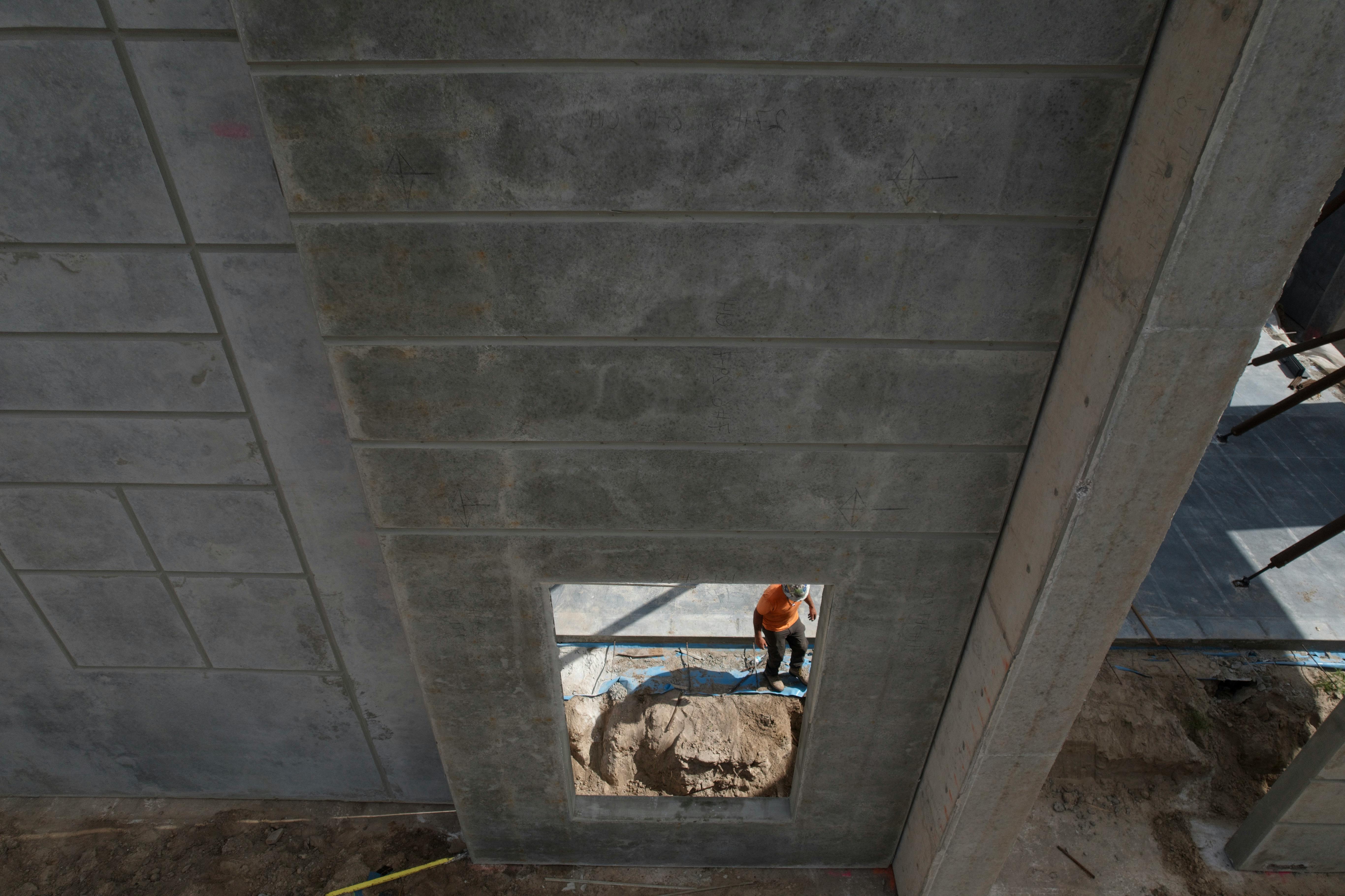
5 Concrete Technologies to Reduce Carbon Footprint
Concrete, a fundamental material in modern infrastructure, faces increasing scrutiny due to its environmental impact and the challenges posed by aging infrastructure and changing climate conditions. This has prompted a shift towards future-proofing concrete through innovative solutions. The longevity of concrete is affected by several factors, including freeze-thaw cycles that cause internal cracking and surface spalling, and chemical exposure from acidic rain, industrial pollutants, and de-icing salts, which degrade the cement paste. Chloride-induced corrosion, particularly in marine environments, is another significant issue, where chlorides penetrate the concrete and corrode steel reinforcement, leading to expansion and cracking.
Construction and maintenance practices also play a crucial role in concrete's lifespan. Inadequate curing, improper mix design, and insufficient compaction can create structural defects, allowing environmental agents to infiltrate and cause deterioration. Poor maintenance, such as neglecting crack sealing or timely repairs, exacerbates damage and increases future costs. Modern concrete structures, with their complex designs and high-strength materials, demand precise construction techniques to maintain structural integrity. Additionally, older structures are more susceptible to dynamic loads like traffic vibrations and seismic activity, which can accelerate existing weaknesses.
To address these challenges and meet the demand for durable and sustainable infrastructure, the construction industry is adopting advanced concrete technologies. One key area is advanced cementitious materials, including high-performance concrete and ultra-high-performance concrete. These materials incorporate supplementary cementitious materials like fly ash, slag, and silica fume to enhance strength, durability, and resistance to environmental stressors, reducing permeability and improving chemical and abrasion resistance. This extends the concrete's lifespan and maintains cost-effectiveness.
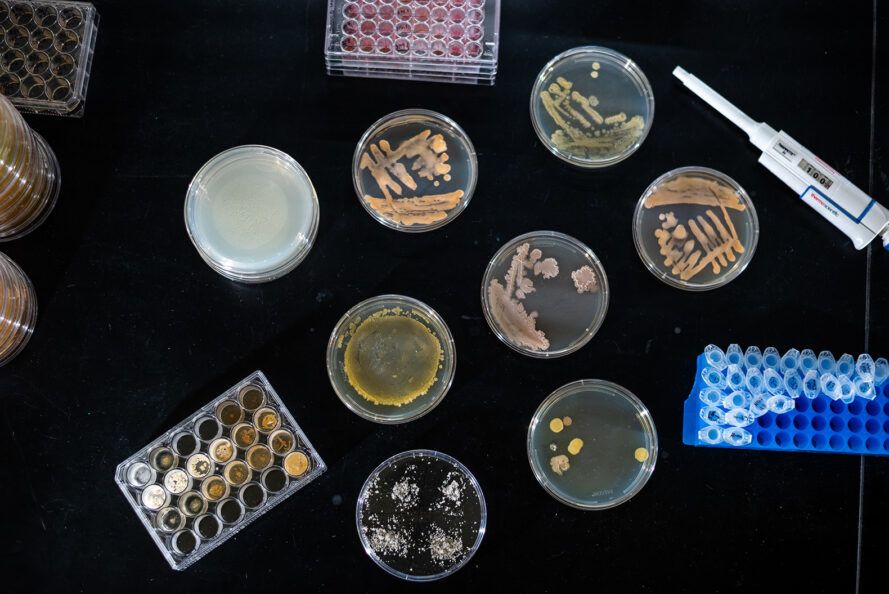
Carbon capture and utilization represents another significant advancement. This technology captures CO2 emissions from industrial processes and integrates them into the concrete mix, where they mineralize into stable carbonates. This process not only reduces the carbon footprint but also enhances the concrete matrix, improving density, reducing porosity, and increasing resistance to carbonation and chloride ingress. Self-healing concrete is a revolutionary development that enables autonomous repair of cracks and micro-damage. It uses encapsulated healing agents, such as polymers or bacteria-based systems, that activate upon cracking to seal fissures, thereby significantly improving durability and reducing maintenance requirements.
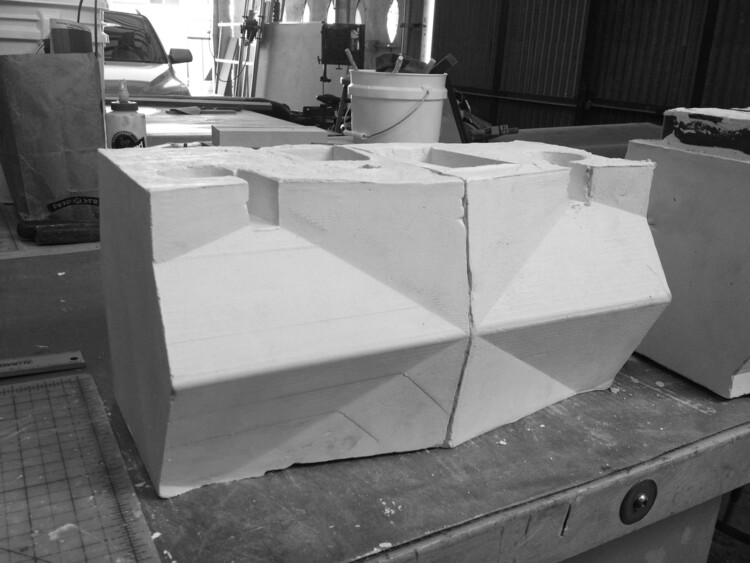
Nanotechnology is revolutionizing concrete by manipulating materials at the molecular level. The incorporation of nanoparticles like nano-silica and carbon nanotubes boosts strength, durability, and resistance to environmental stressors by filling voids, reducing porosity, and reinforcing the interfacial transition zone between cement paste and aggregates. This results in denser, more resilient concrete and enables the development of smart concrete with real-time structural health monitoring capabilities. Finally, 3D printing technology is transforming construction by allowing for precise and efficient fabrication of complex concrete structures layer by layer. This method optimizes material usage, minimizes waste, and reduces the need for traditional formwork, speeding up construction. 3D-printed concrete can also integrate advanced materials to further enhance durability and performance, leading to longer-lasting, low-maintenance structures. The integration of these advanced technologies with sustainable practices offers a comprehensive approach to future-proofing concrete, ensuring durable, cost-effective, and eco-friendly solutions for modern infrastructure.
#ConcreteTechnology #CarbonFootprint #SustainableConstruction #AdvancedMaterials #CarbonCapture #SelfHealingConcrete #Nanotechnology #3DPrinting #InfrastructureDurability #ConcreteTechnology #CarbonFootprint #SustainableConstruction #AdvancedMaterials #CarbonCapture #SelfHealingConcrete #Nanotechnology #3DPrinting #InfrastructureDurability
0 comment in total
 No comments yet
You may also like
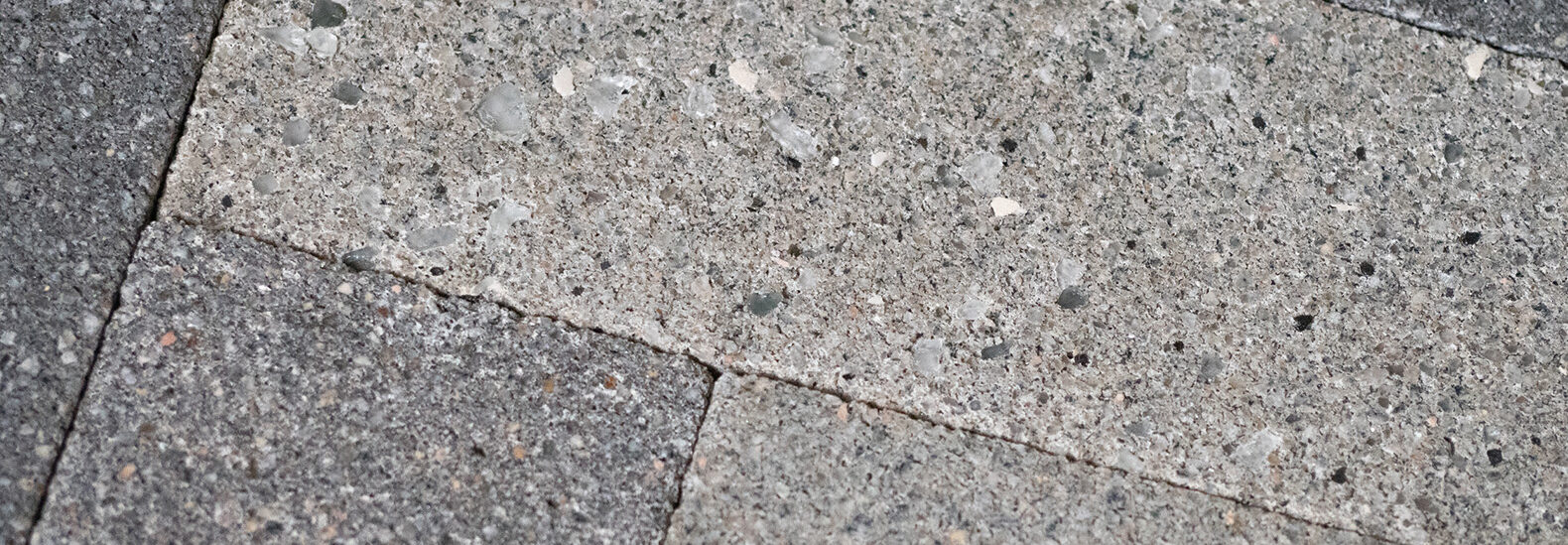
The BioBased concrete tiles cut carbon emissions and waste


5 brilliant budget alternatives to paving slabs that won't cost the earth
Learn about Amazon HQ2's sustainable construction and design
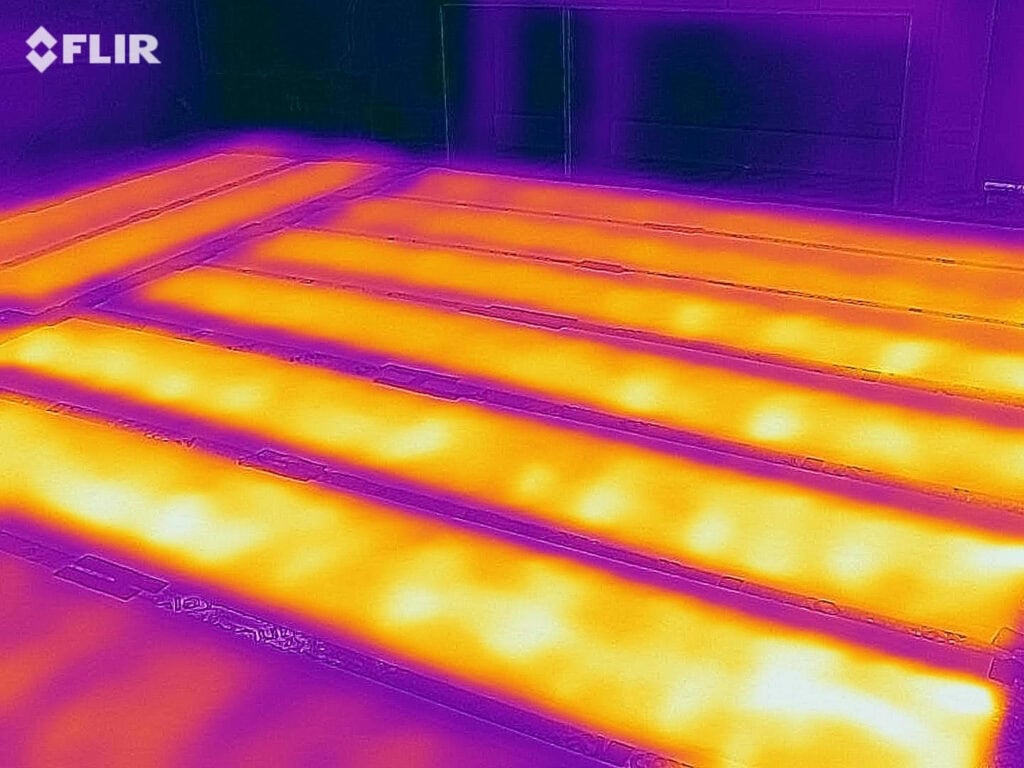
Simple and efficient underfloor heating system
10 Start-ups Creating Innovative and Sustainable Building Materials, from Mycelium Bricks to Water Purifying Tiles

Sustainable Concrete Panel Construction | Spotlight on Nexii and Vero Building Systems
20 Years of Concrete Contractor Magazine
The AIA-CLF Embodied Carbon Toolkit for Architects
7 Concrete Alternatives


How To Reduce Your Carbon Footprint with Sustainable Housing

The future of sustainable building materials

Top 10 Green Heating and Cooling Technologies

Sustainable Construction in Concrete - A Greener Future

12 Ways To Create a More Sustainable Home
Is timber the most sustainable building material?


Going green...the concrete way!


CO Adaptive Uses Low-carbon Design to Rejuvenate Old Buildings

Cost-effectiveness and affordability evaluation of a residential prototype built with compressed earth bricks, hybrid roofs and palm midribs

Sustainable Material Spotlight: Concrete
Emerging Trends in Green Building and Sustainable Design