1/2
Is timber the most sustainable building material?
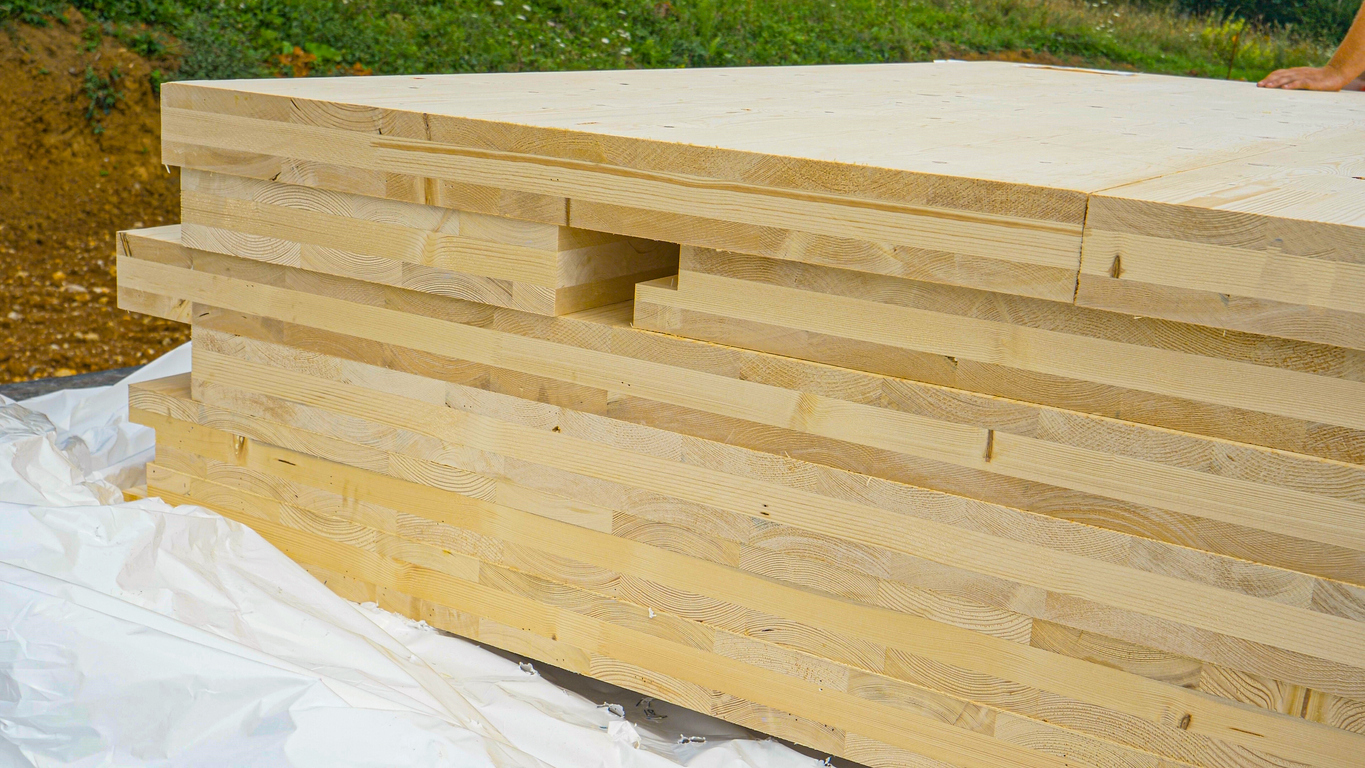
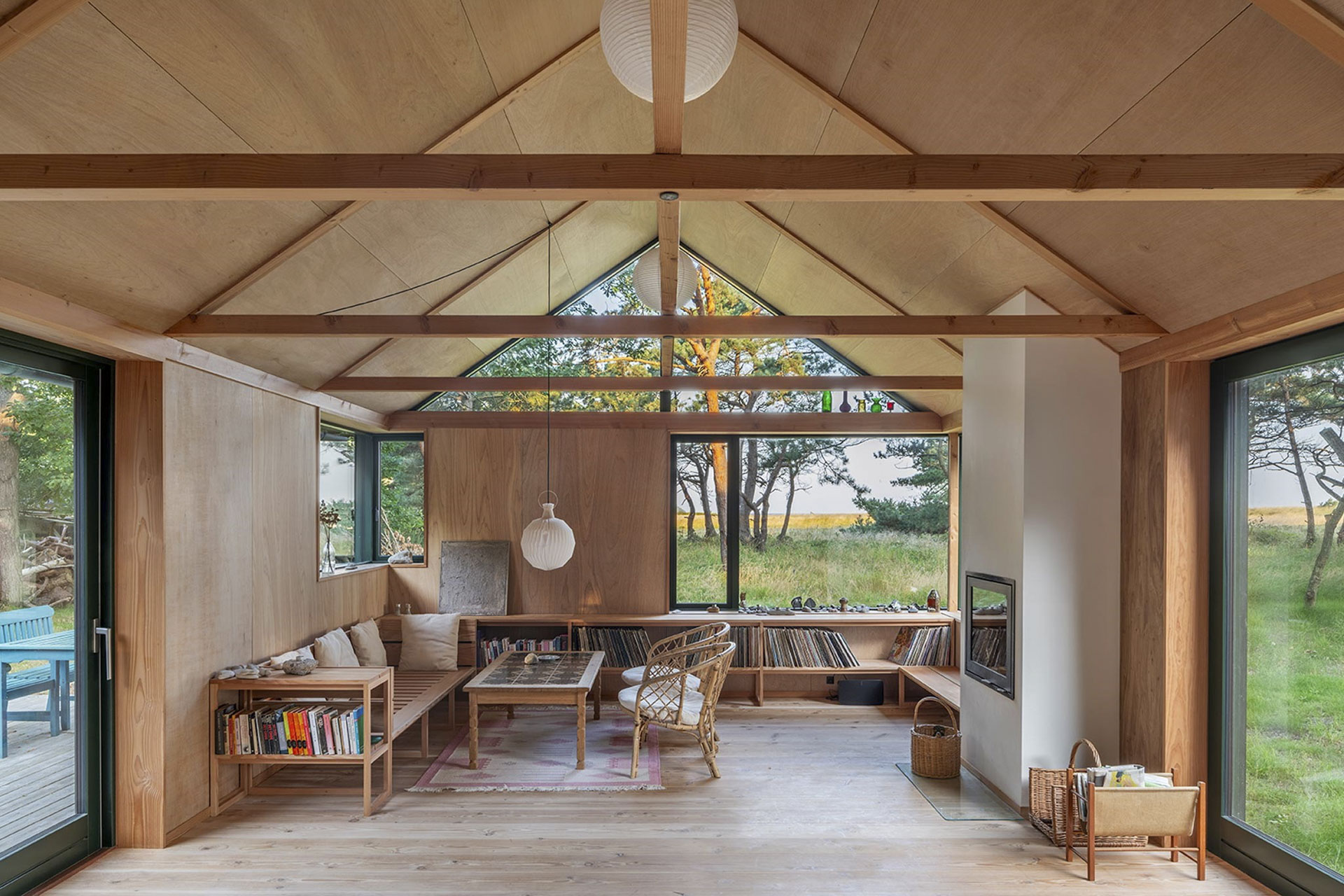
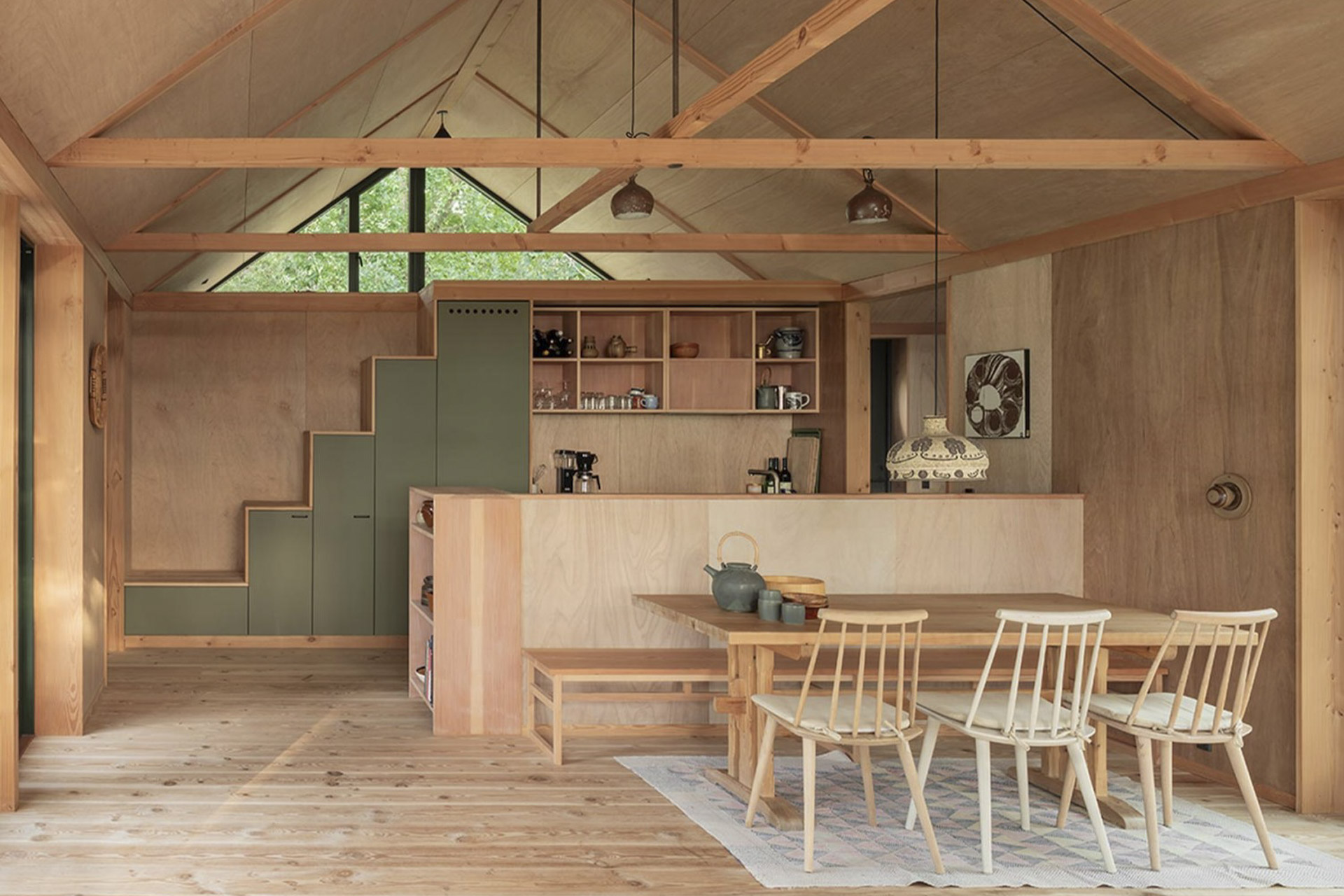
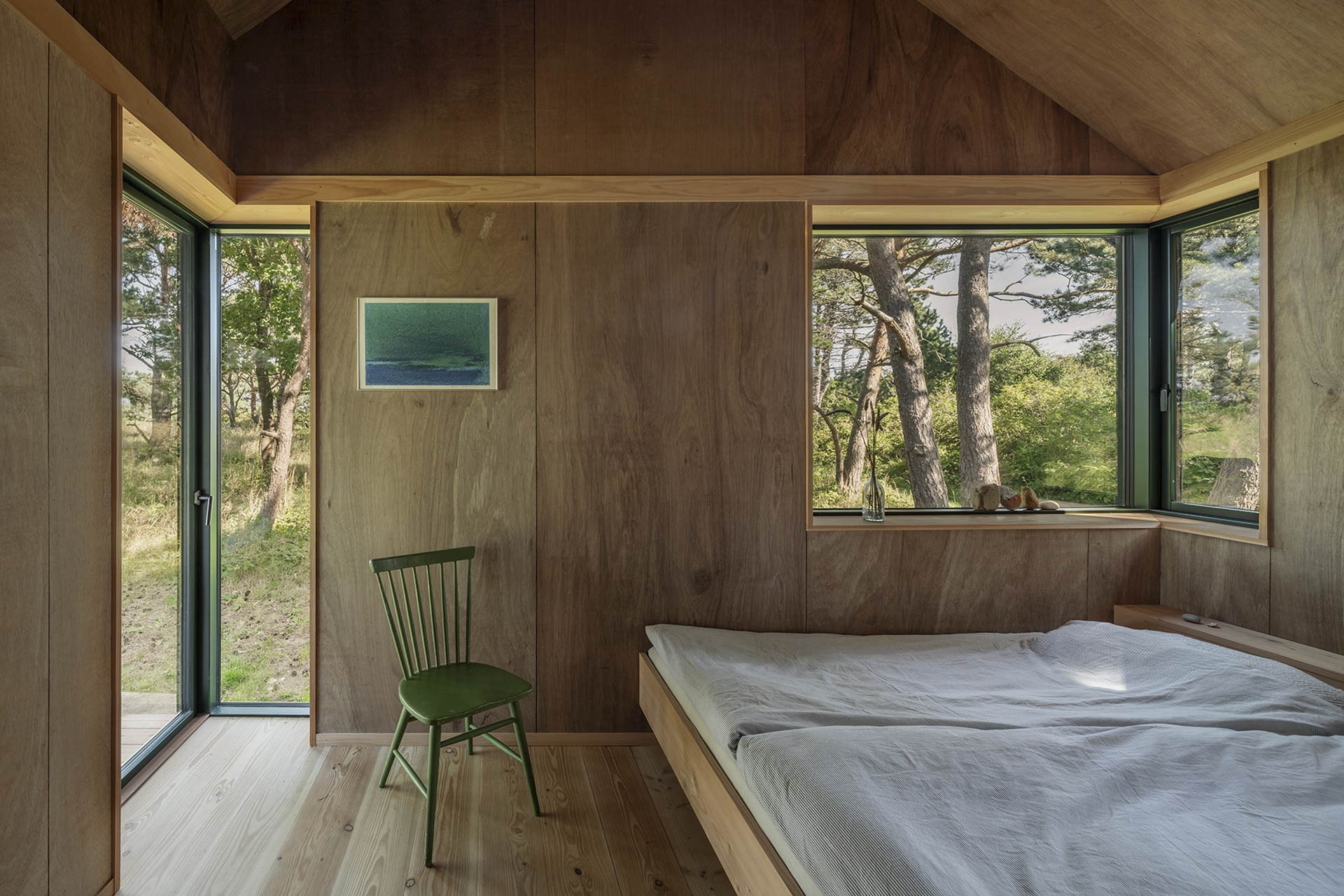
Timber is often regarded as a highly sustainable building material within the construction sector due to its low embodied carbon footprint, which can contribute significantly to a project’s green credentials. Unlike steel and concrete, timber is a renewable resource, with a life cycle that can be regenerative. The material’s elemental constituents are acquired by trees through a natural process spanning decades to centuries, contrasting sharply with the finite and much longer formation timescales of steel and concrete components. This renewability is a key factor in its sustainability claims. As trees grow, they sequester carbon dioxide (CO2) from the atmosphere, storing it for a finite period before its eventual release back into the cycle. Consequently, any embodied CO2 equivalent (CO2e) values attributed to timber, which include this sequestration, should be carefully considered, as the carbon stored in timber structures is only temporarily diverted from the natural carbon cycle, similar to how it is stored in a living tree, albeit in a static state.
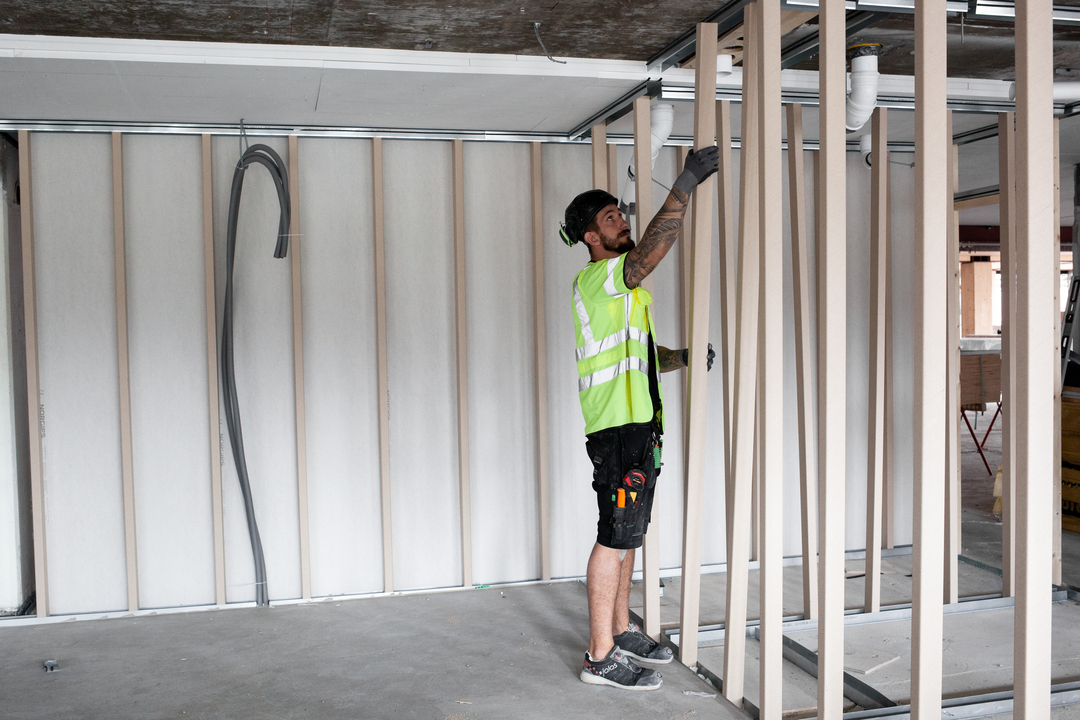
While timber offers substantial environmental benefits, its effective application requires careful consideration within the broader context of building design to ensure genuine sustainability outcomes. Simply incorporating timber into a structure does not automatically guarantee a sustainable result; improper use can paradoxically lead to less sustainable outcomes compared to using steel or concrete. Beyond embodied carbon, timber possesses several positive attributes that contribute to efficient construction processes. It is easily machined with high accuracy, and its components are relatively lightweight, facilitating efficient movement and quick assembly. These characteristics lead to dramatically reduced on-site construction times and require a smaller workforce. Furthermore, the lighter mass of timber structures can reduce the material needed for foundations, enable construction on challenging sites, or allow for additional stories, thereby optimizing material use across the entire project.
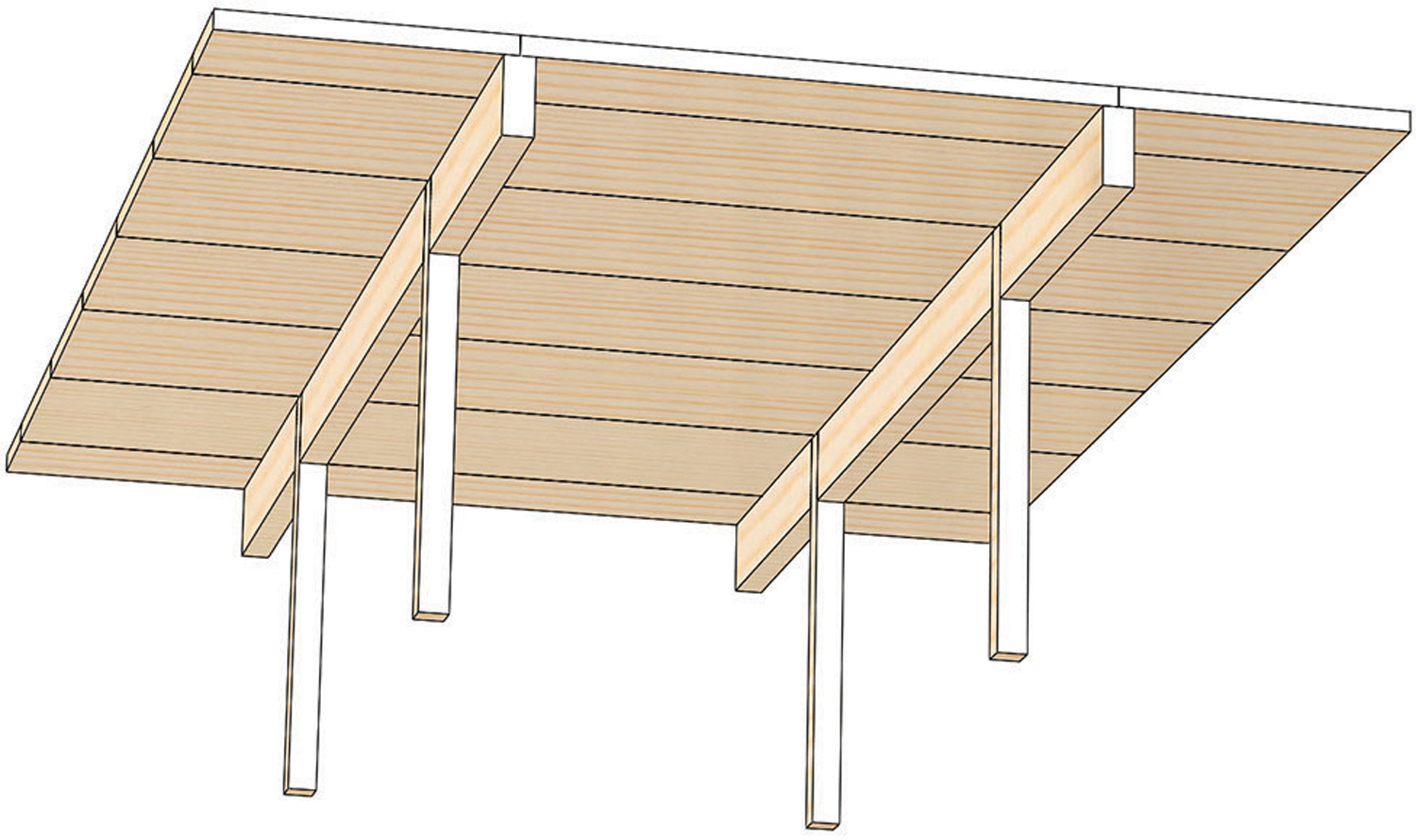
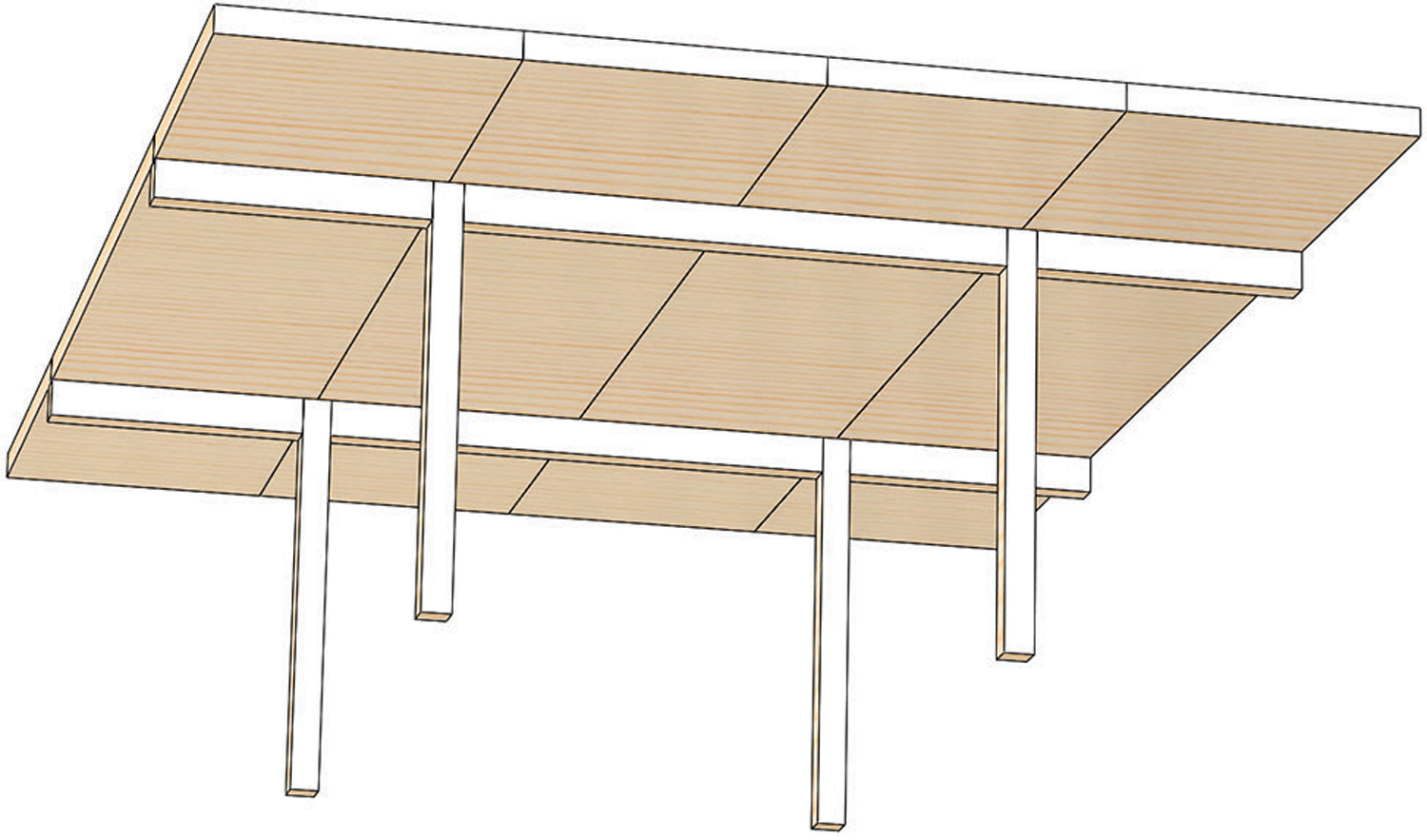
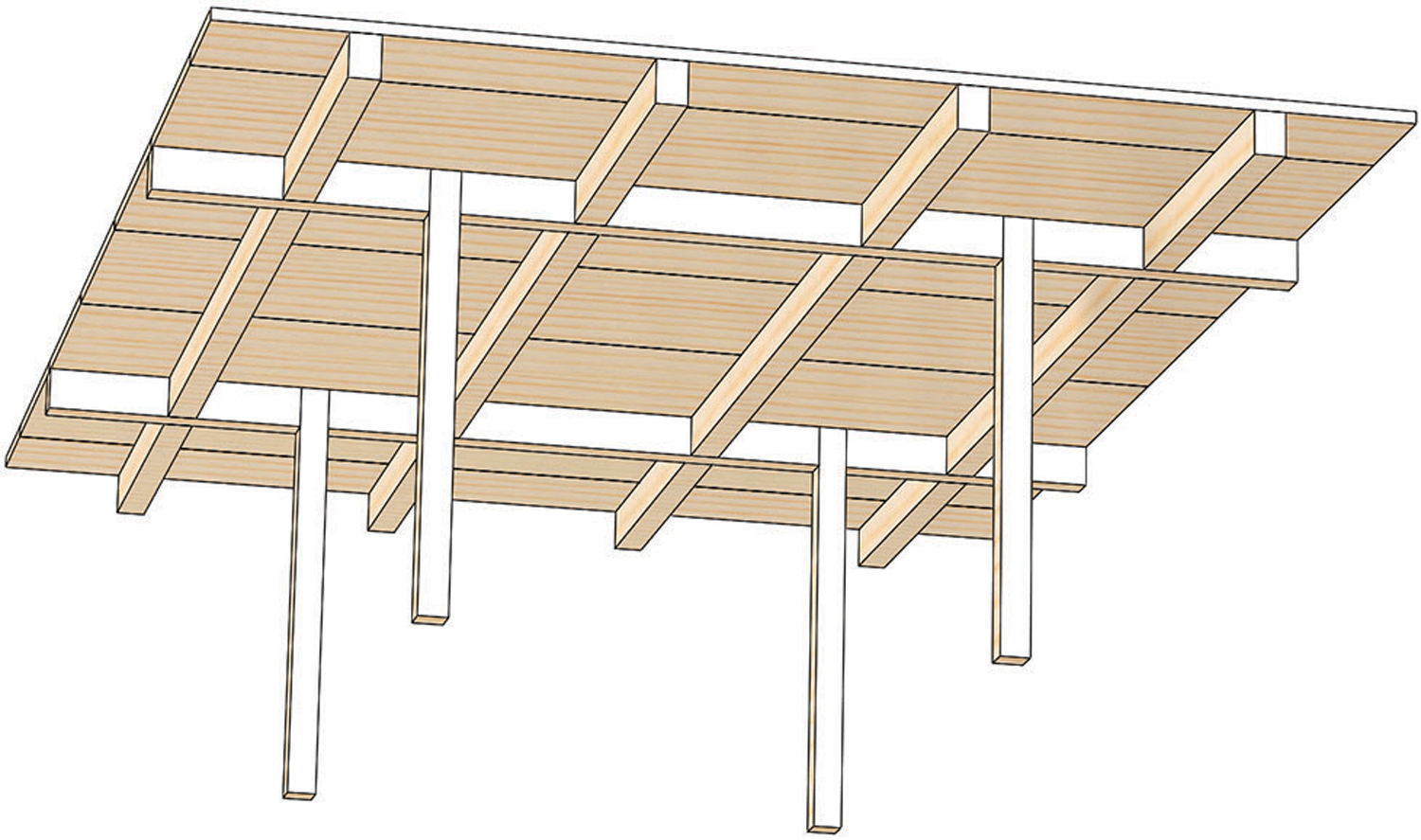
The overall sustainability of a building project relies on a holistic approach to design decisions, rather than solely on material choice. Geometric considerations, such as adopting sensible spans, are identified as potentially offering the most significant gains in achieving sustainable outcomes. After optimizing geometry, the selection of appropriate construction materials, including timber, should be tailored to maximize their specific advantages within the design. A comprehensive understanding of the entire life cycle of materials and deep knowledge of their properties are critical for realizing truly effective and consistent design outcomes. This approach helps avoid the pitfalls of inflated expectations and subsequent disillusionment often associated with new technologies, instead guiding projects toward a sustained level of productivity and genuine sustainability. The principles of sustainability within building design emphasize the efficient use of energy and resources, and timber, when appropriately utilized, can play a significant role in meeting these objectives.
#Timber #SustainableBuilding #EmbodiedCarbon #ConstructionMaterials #RenewableResources #BuildingDesign #CarbonSequestration #GreenConstruction #Timber #SustainableBuilding #EmbodiedCarbon #ConstructionMaterials #RenewableResources #BuildingDesign #CarbonSequestration #GreenConstruction
0 comment in total
 No comments yet
You may also like
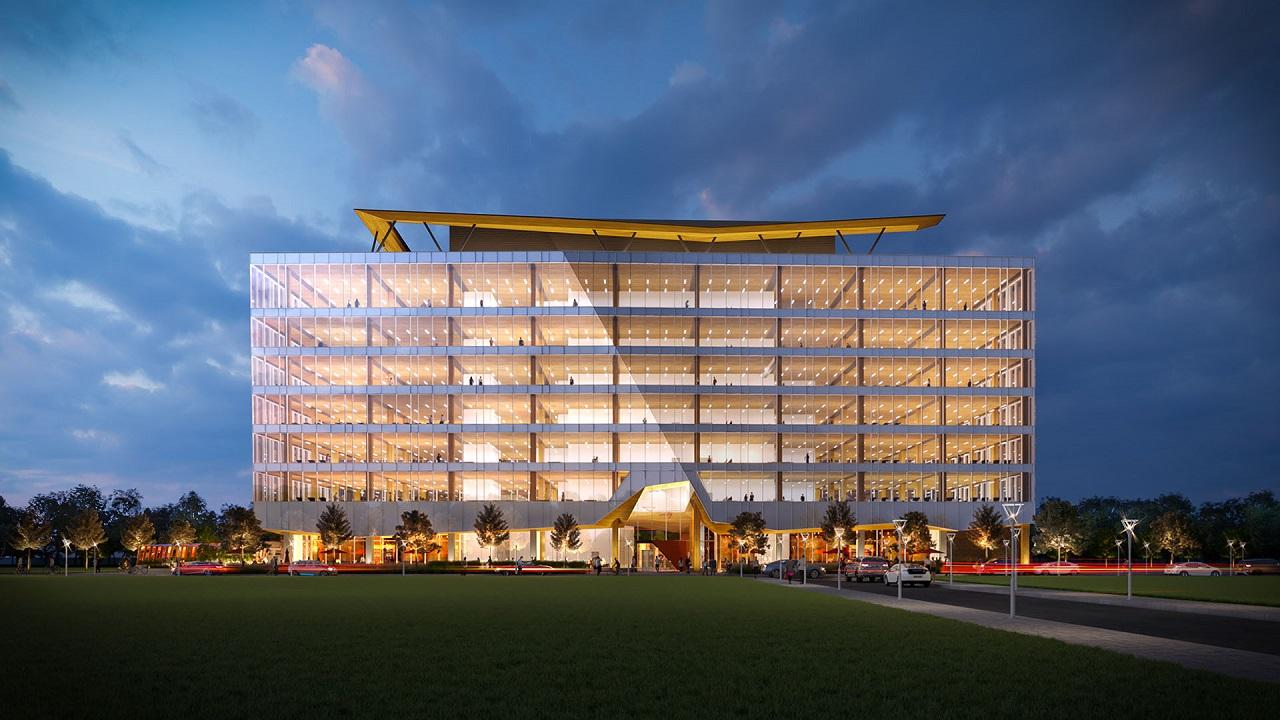
Mass Timber Primer

6 Wood Substitutes and When to Use Them

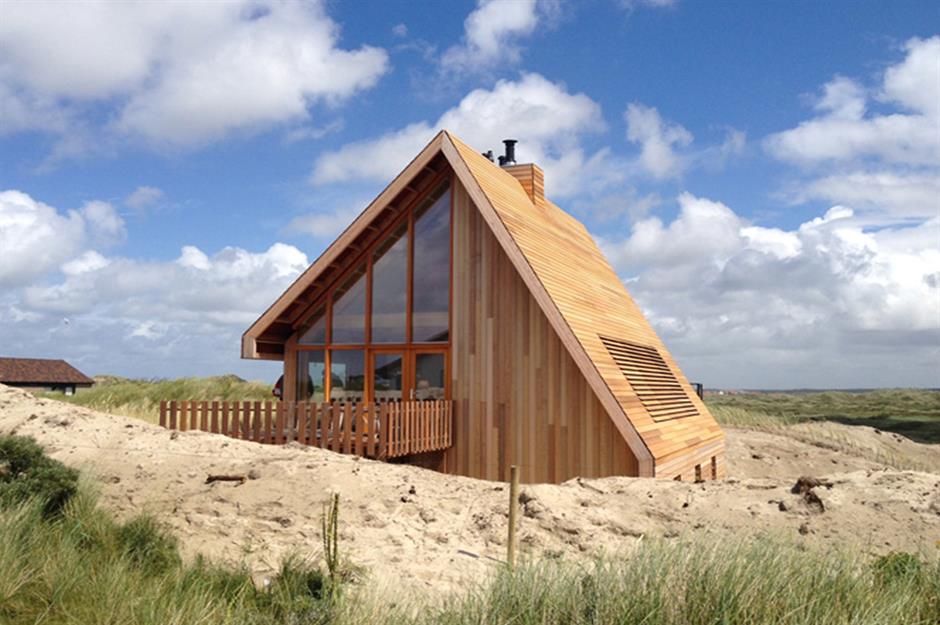
9 amazing wooden homes that go against the grain | loveproperty.com


Sustainable Cladding: 5 Best Eco-Friendly Wall Cladding Options Available in Australia

Turning reclaimed timber power poles into architectural products
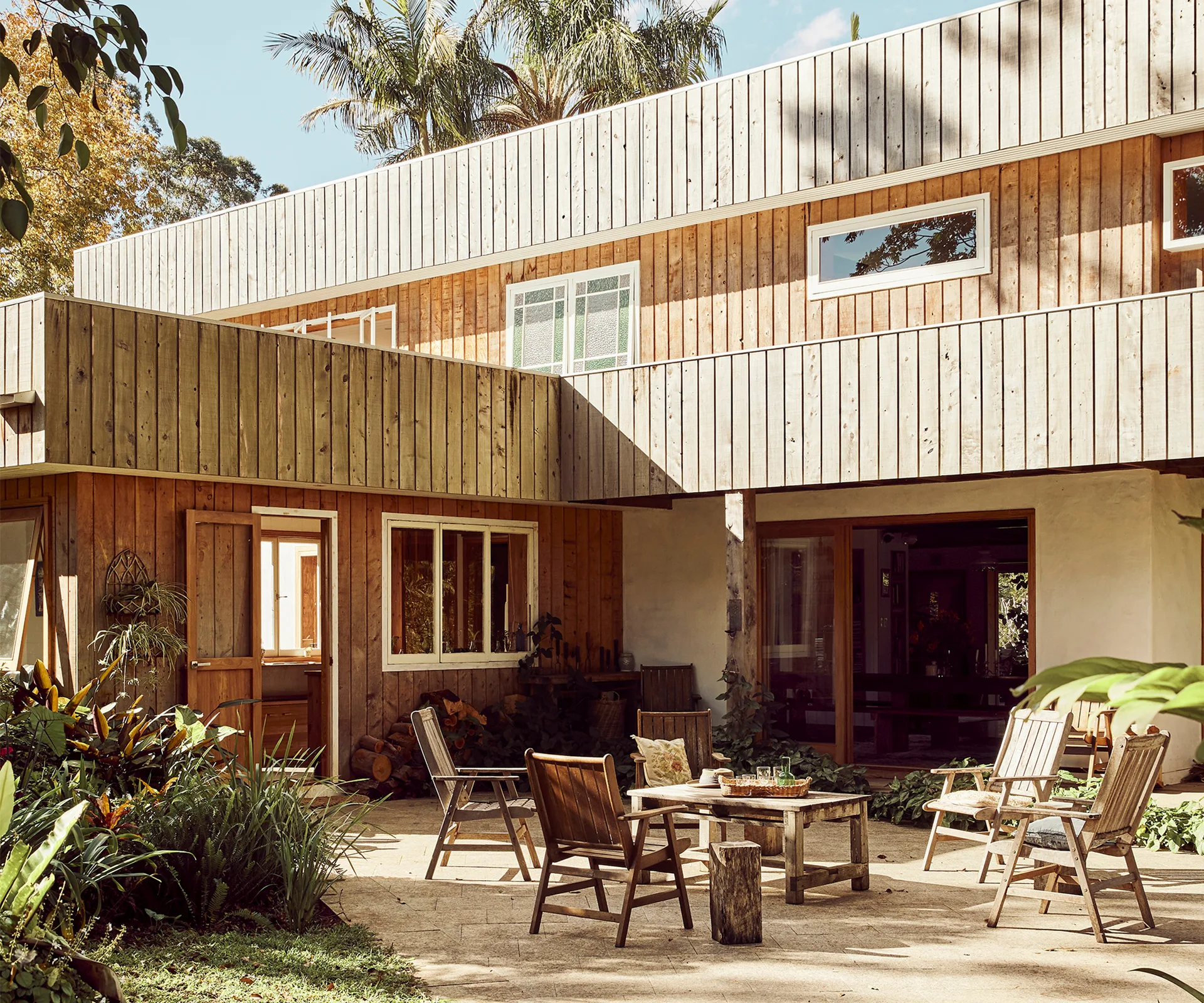
A multi-generational family home built from sustainable and recycled timbers

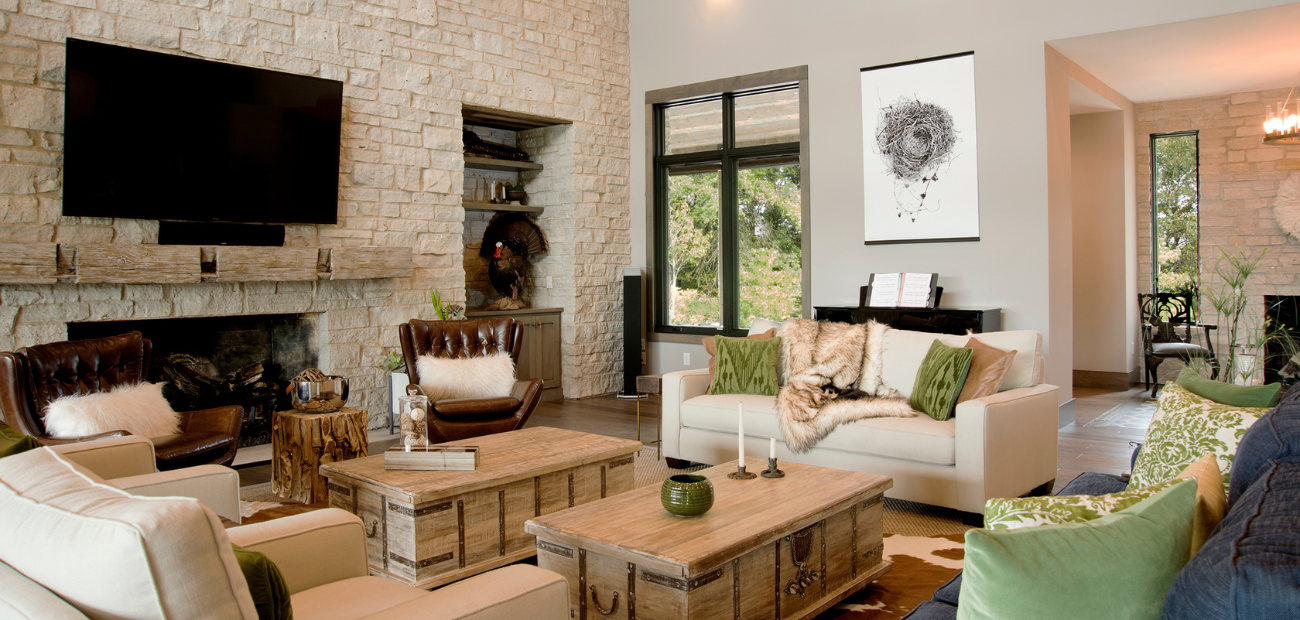
Sustainable Material Spotlight: Reclaimed Wood

The BioBased concrete tiles cut carbon emissions and waste

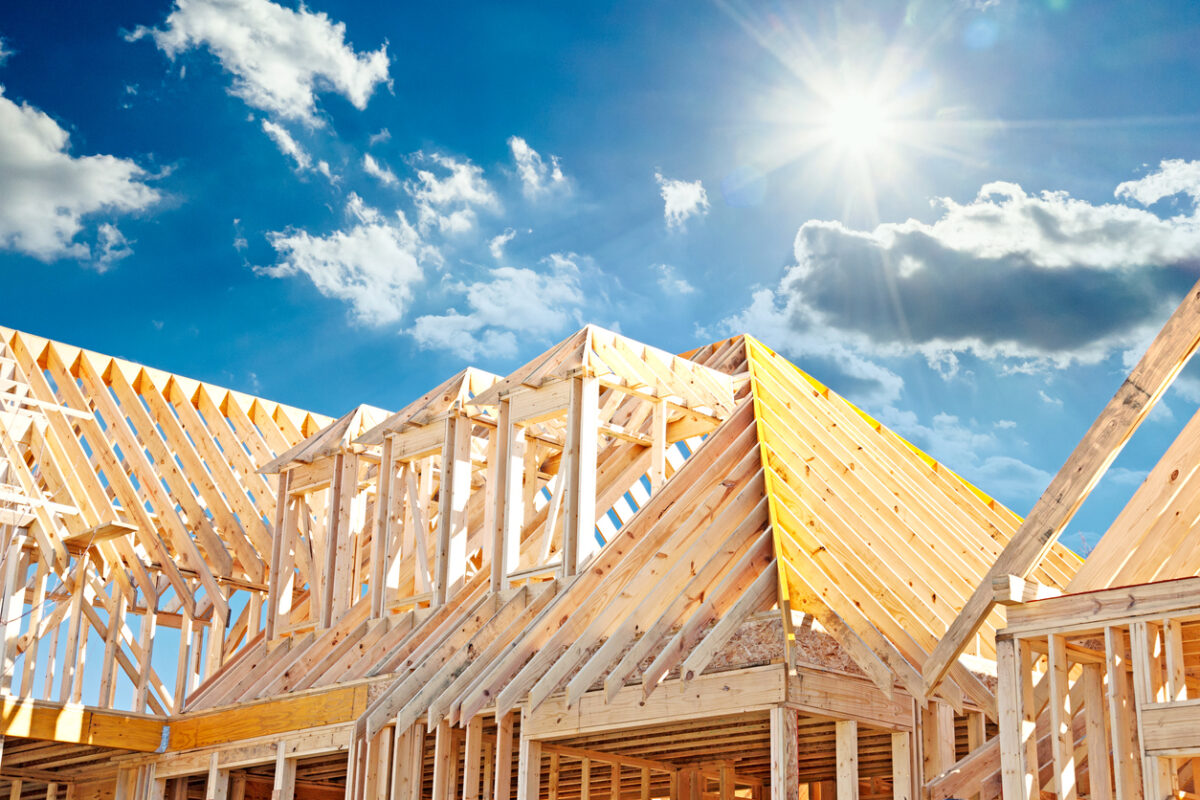
10 Innovative Materials Poised to Make Home Building More Sustainable


wood and timber architecture and design Archives

10 Ways to Use Recycled Materials in Your Home Reno
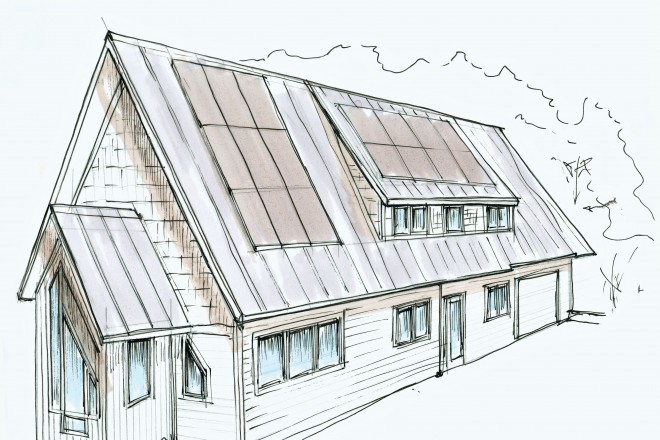
Sustainable Homes
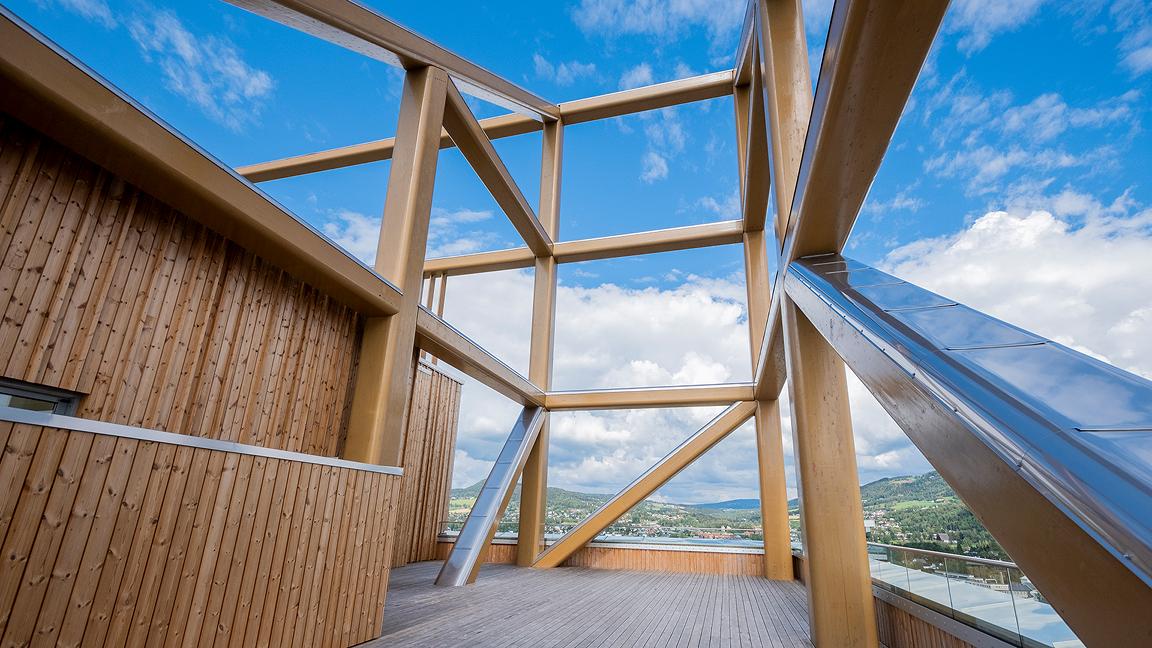
The future of sustainable building materials
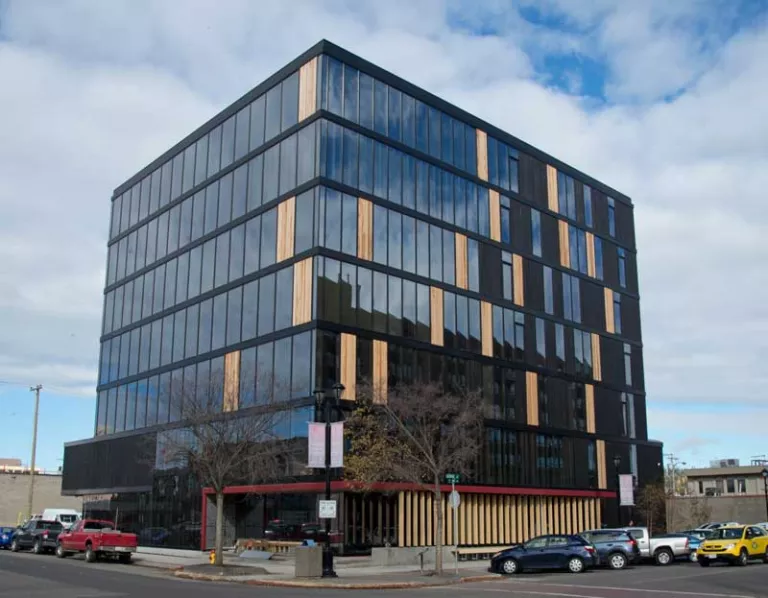
The Wood Innovation and Design Centre


In Depth: Engineered wood products

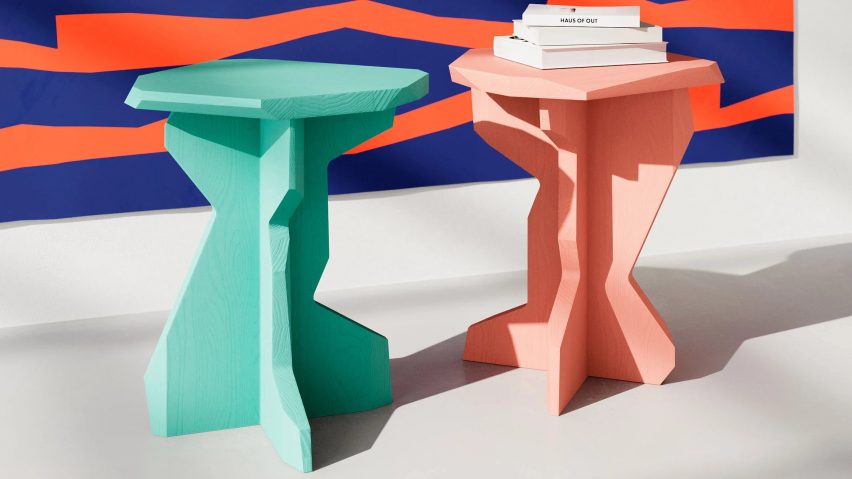
Ten furniture designs made from sustainable materials
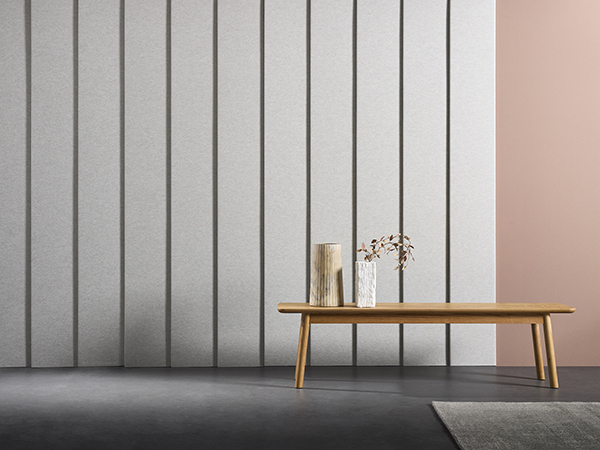
The latest and greatest innovations in sustainable building materials
Timber

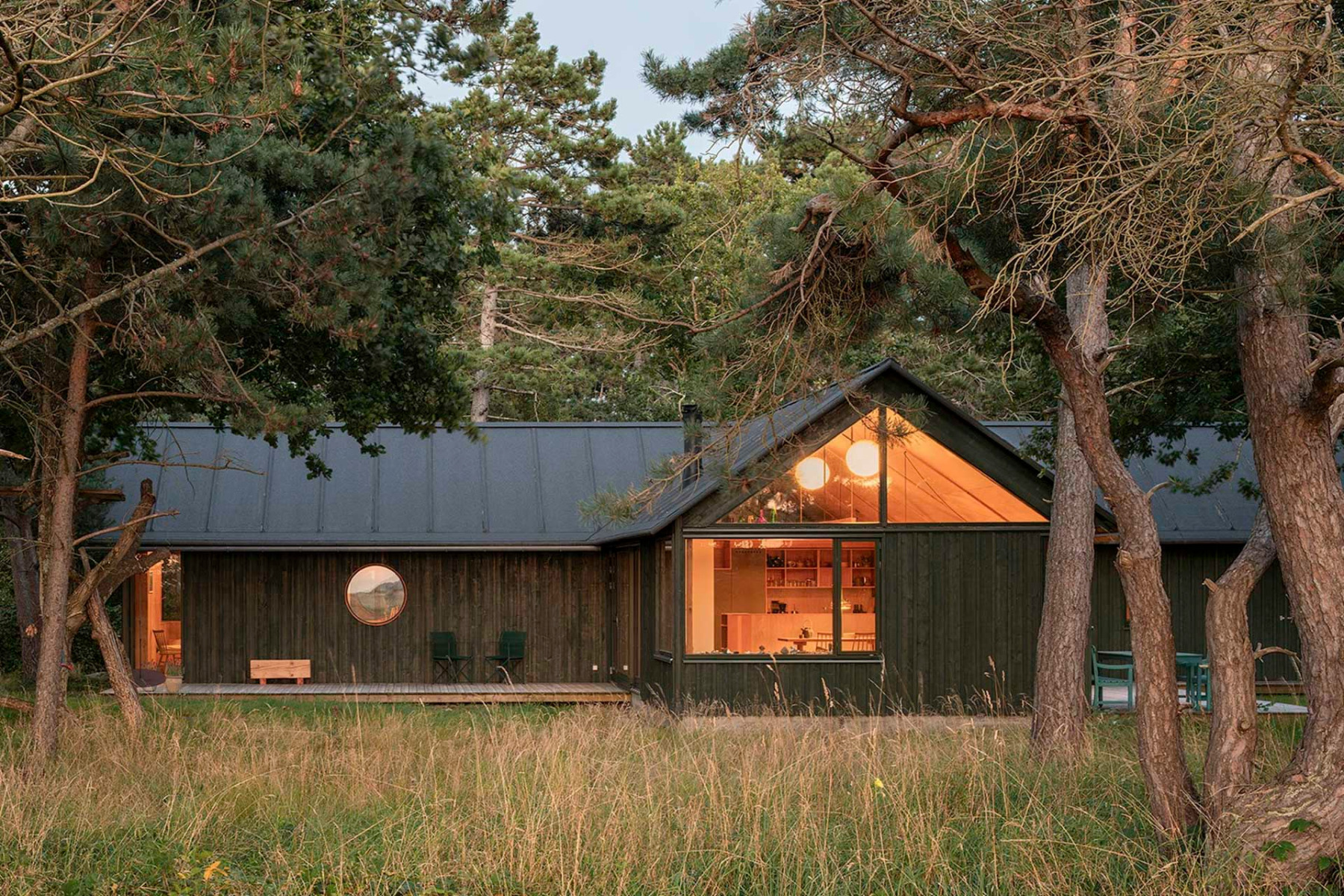
Summer House in Denmark by Peter Kjaer Arkitekter

Finding Sustainable Alternatives to Traditional Building Materials