We Asked Designers How to Cover Up Dingy Kitchen Floor Tiles, And It's Actually So Easy
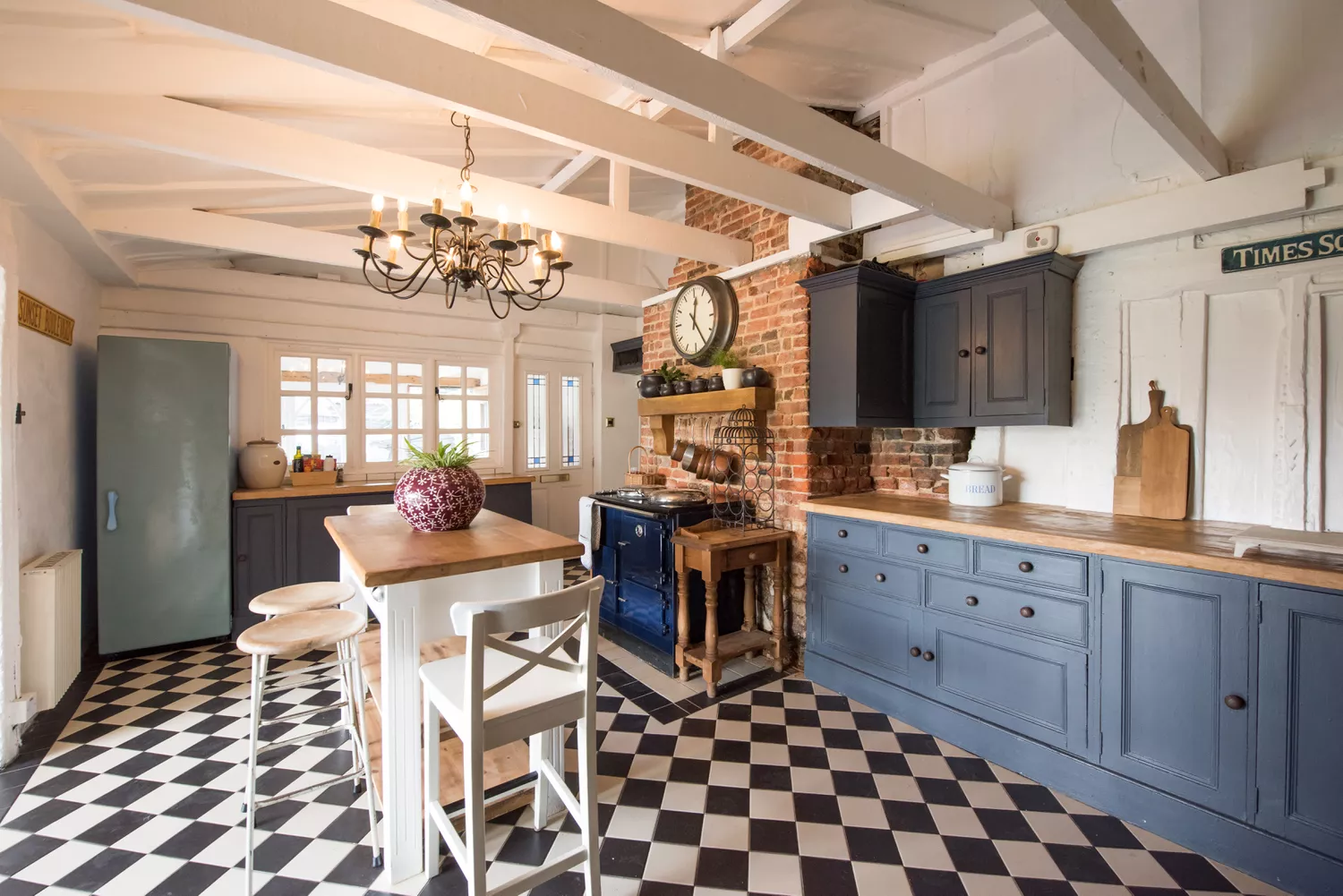
Dated and dingy kitchen floor tiles can significantly detract from a room's overall aesthetic, often leading homeowners to consider costly and time-consuming renovations. However, there are several effective and affordable DIY methods to refresh kitchen flooring without the need for a complete tile replacement. These solutions offer a brand-new look with minimal disruption and expense.
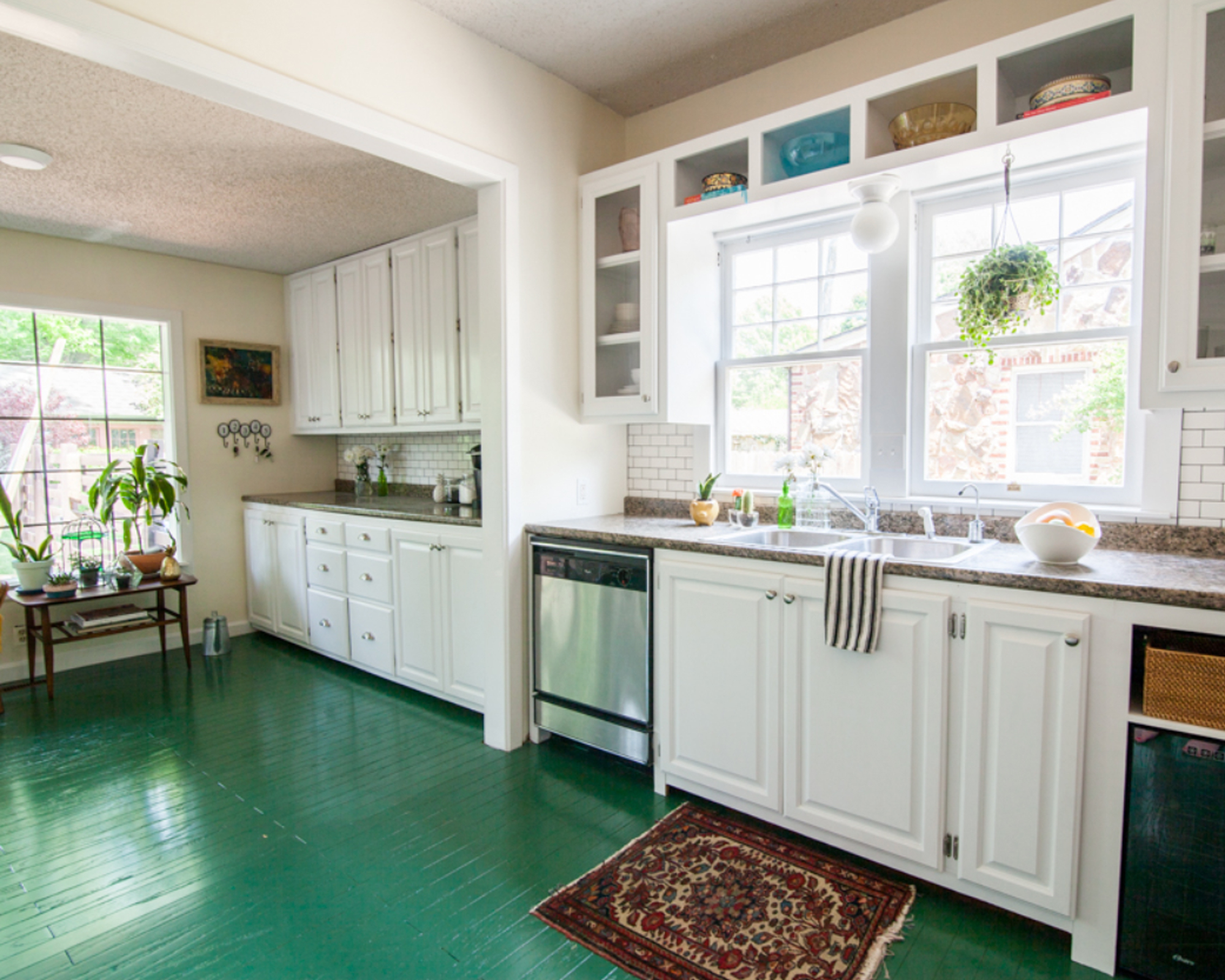
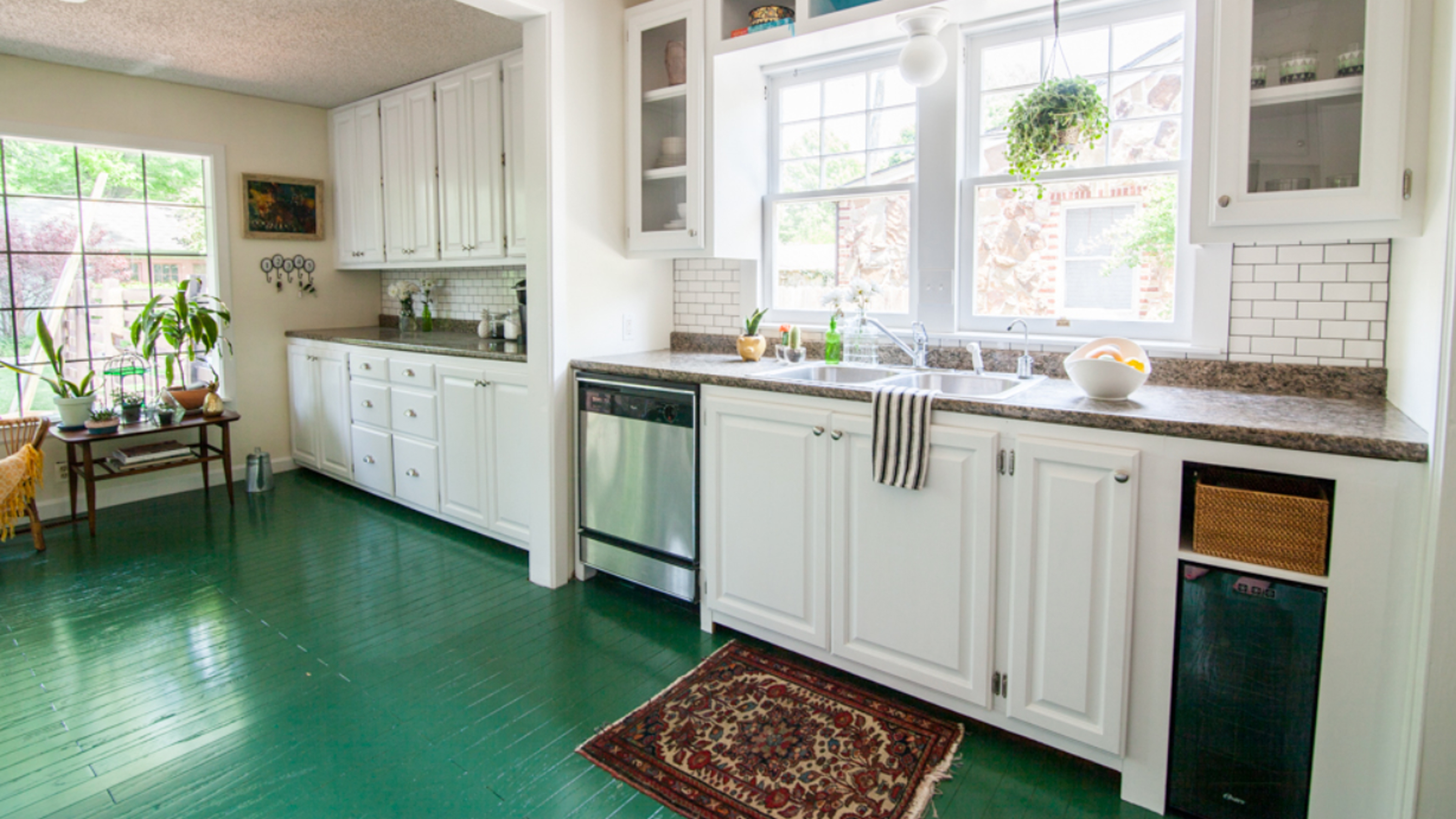
One of the simplest and most customizable options is painting the kitchen floor tiles. For this method to be successful, it is crucial to use epoxy or acrylic paint specifically designed for ceramics, as regular paint will not adhere properly or withstand moisture and cleaning. Before painting, a thorough cleaning, sanding, and priming of the existing tiles are necessary to ensure proper adhesion and a smooth finish. While paint offers a sharp aesthetic at a low cost, it is important to note that its durability may be limited, especially in high-traffic areas, and may require touch-ups over time.
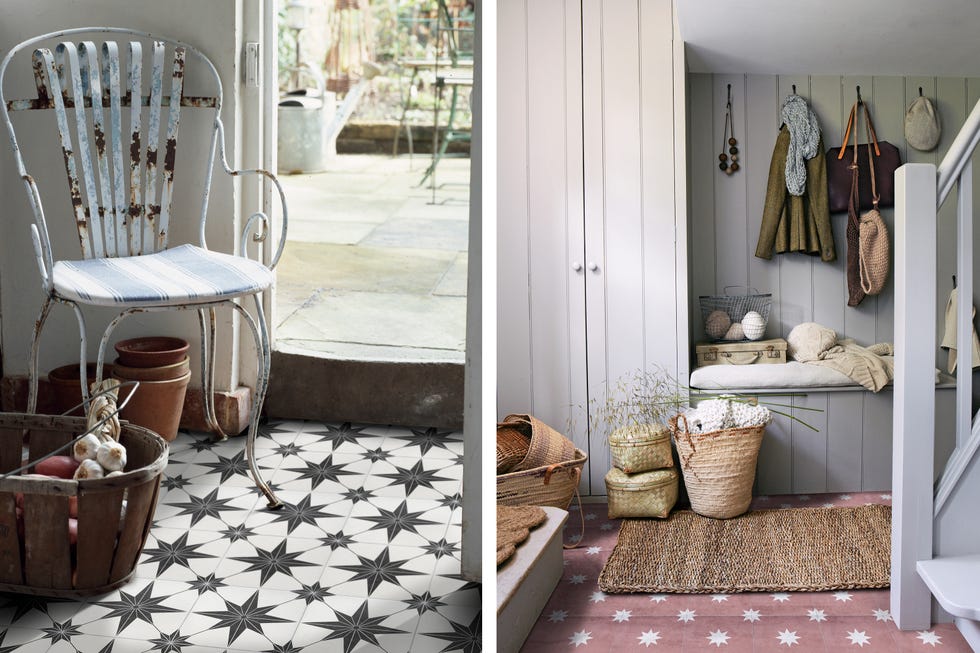
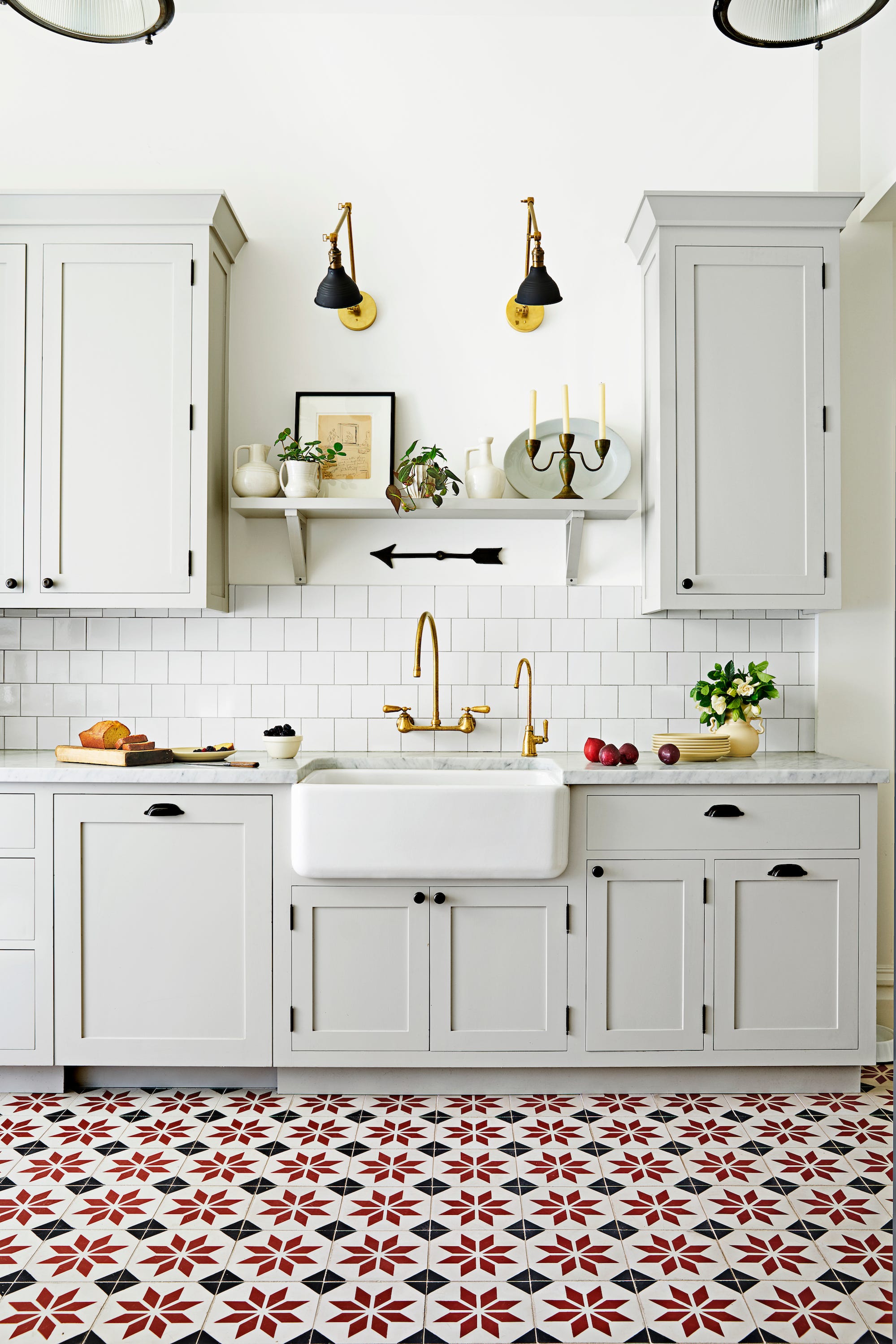
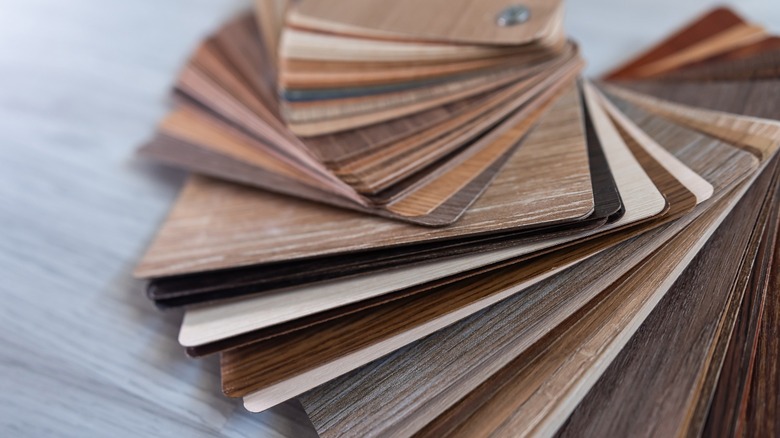
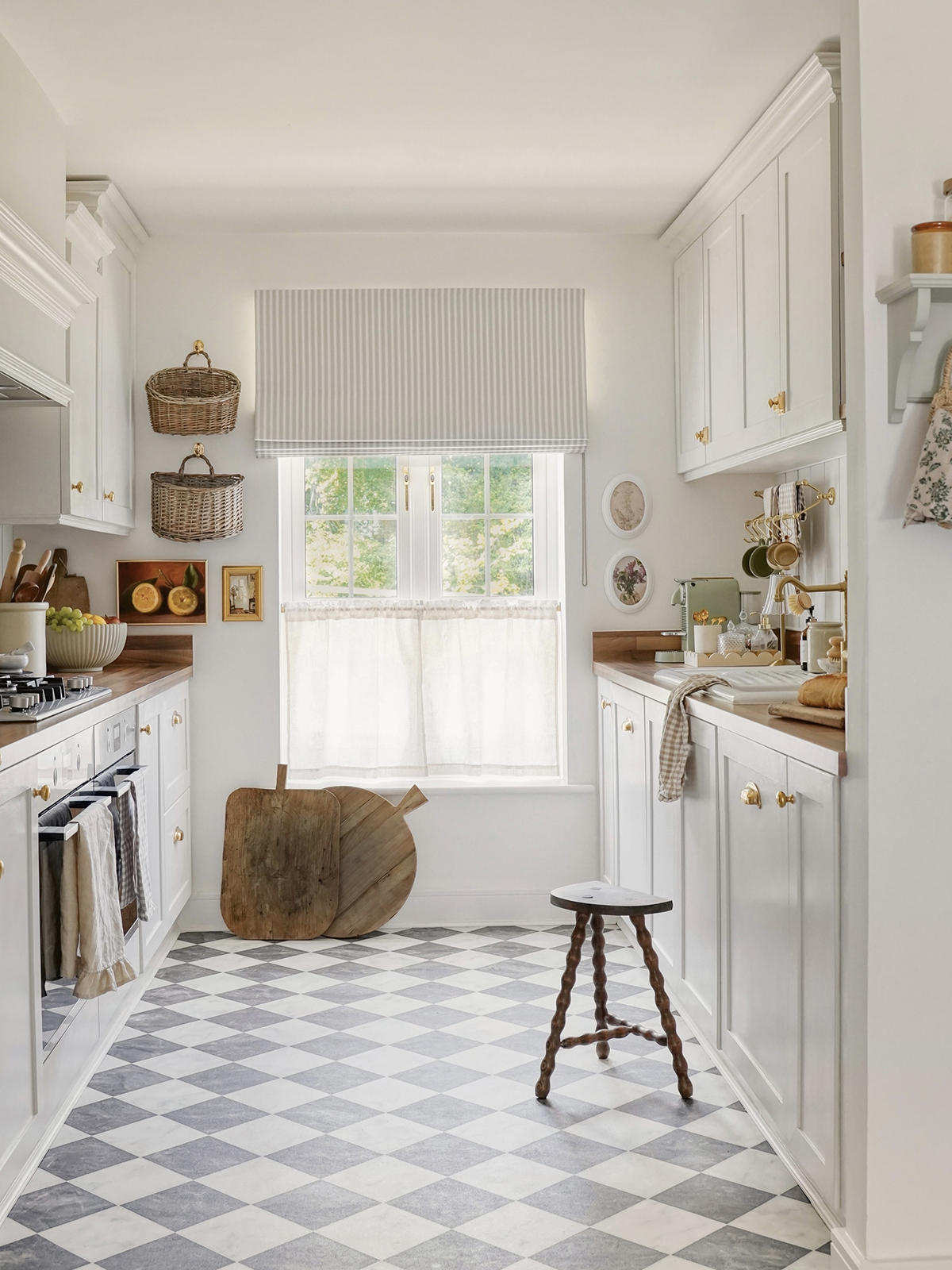
Another highly recommended and beginner-friendly option is the application of peel-and-stick tiles. This method allows for a complete change in flooring appearance by covering the existing tiles. Similar to painting, proper preparation is key. The floor must be meticulously cleaned and degreased before application. Once prepared, the peel-and-stick tiles should be carefully placed edge-to-edge, starting from a corner, and pressed firmly to remove any air bubbles. While peel-and-stick tiles provide an affordable and aesthetically pleasing update, they may also experience wear and tear, such as lifting seams or fading patterns, requiring occasional maintenance.
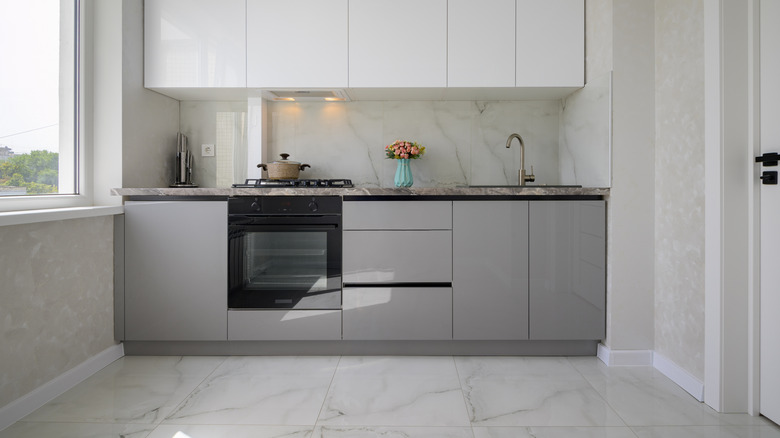
For a more durable and long-lasting solution, especially in a high-traffic, moisture-prone area like a kitchen, vinyl planks are an excellent choice. Vinyl planks are renowned for their durability and high moisture resistance, making them ideal for kitchen environments exposed to frequent spills and steam. They can be installed directly over existing tile flooring. However, the existing floor must be primarily flat for optimal results; otherwise, a self-leveling layer may be necessary to create an even surface. For DIY enthusiasts, adhesive vinyl planks are often recommended over lock-in-place options due to their easier installation process.
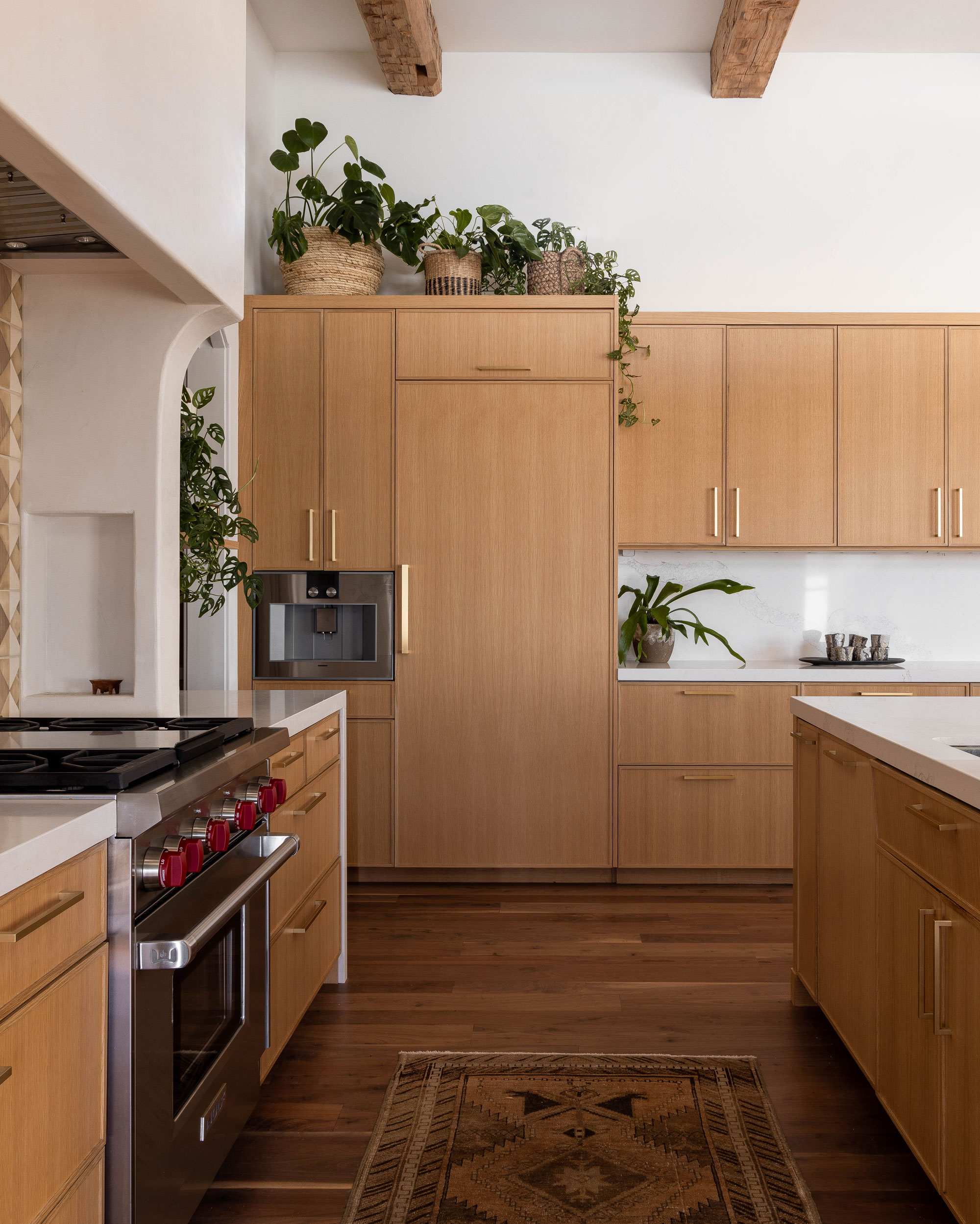
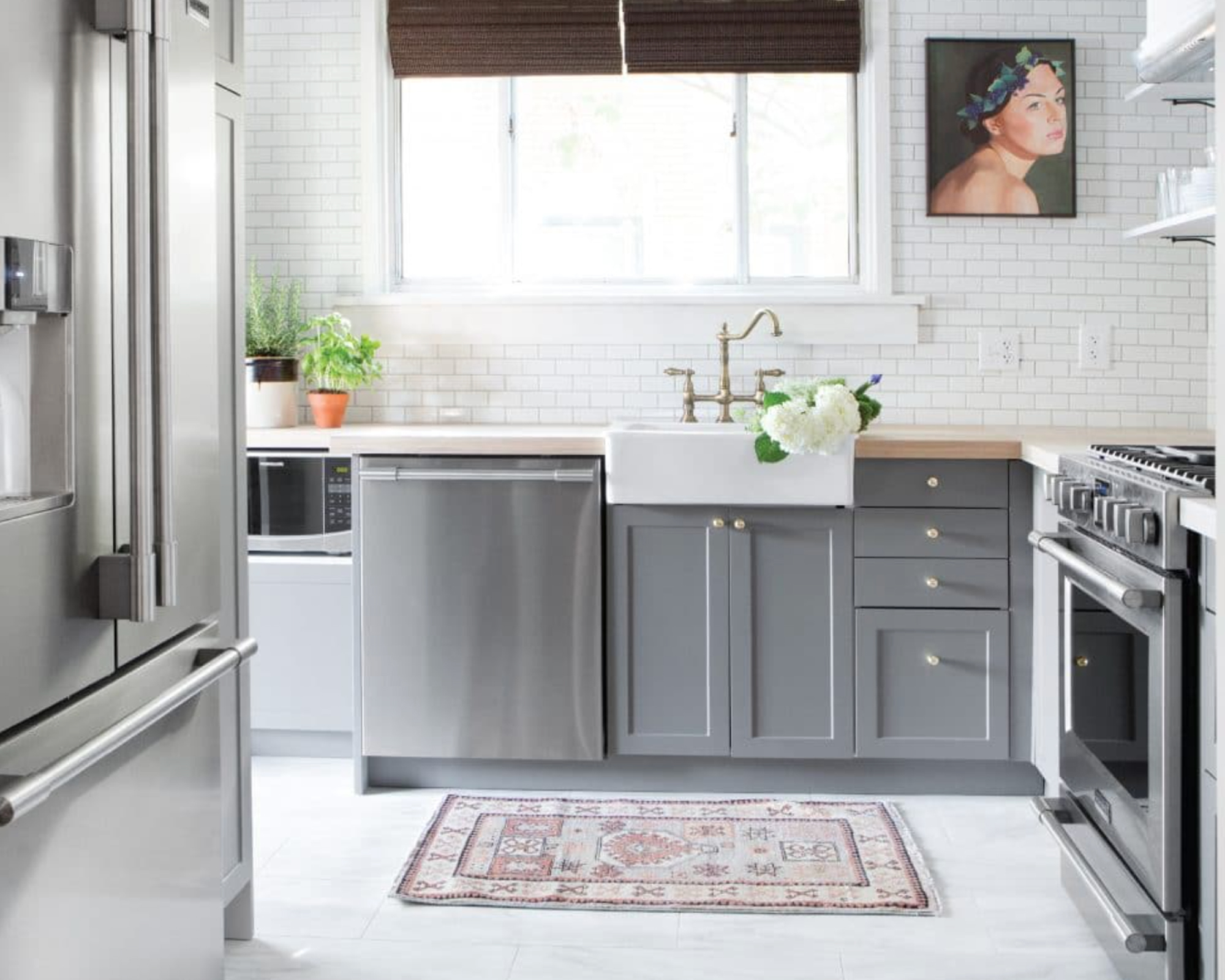
For those on a very strict budget or looking for less extensive interventions, decorative touches can significantly improve the appearance of existing dingy tiles. Incorporating an area rug can effectively draw attention away from the floor and add design elements to the room. Additionally, giving the existing tiles a deep clean, touching up grout lines, and applying an epoxy coating can freshen up the floor's appearance without a significant financial outlay. These methods offer varying degrees of cost, effort, and durability, providing homeowners with flexible options to revitalize their kitchen floor tiles without a full renovation.
#KitchenDesign #FloorTiles #DIYHomeImprovement #HomeRenovation #InteriorDesign #BudgetDecor #PeelAndStickTiles #VinylPlanks #HomeDecor #KitchenDesign #FloorTiles #DIYHomeImprovement #HomeRenovation #InteriorDesign #BudgetDecor #PeelAndStickTiles #VinylPlanks #HomeDecor
0 comment in total
 No comments yet
You may also like
These Designer-Approved Flooring Ideas Look Great in ANY Kitchen
6 expert tips for buying tiles online - designers on how to avoid expensive mistakes


Are Tile Countertops Coming Back In Style?
10 kitchen flooring ideas for a refreshed look
Transform the look of your kitchen with a new backsplash | Produced by Seattle Times Marketing

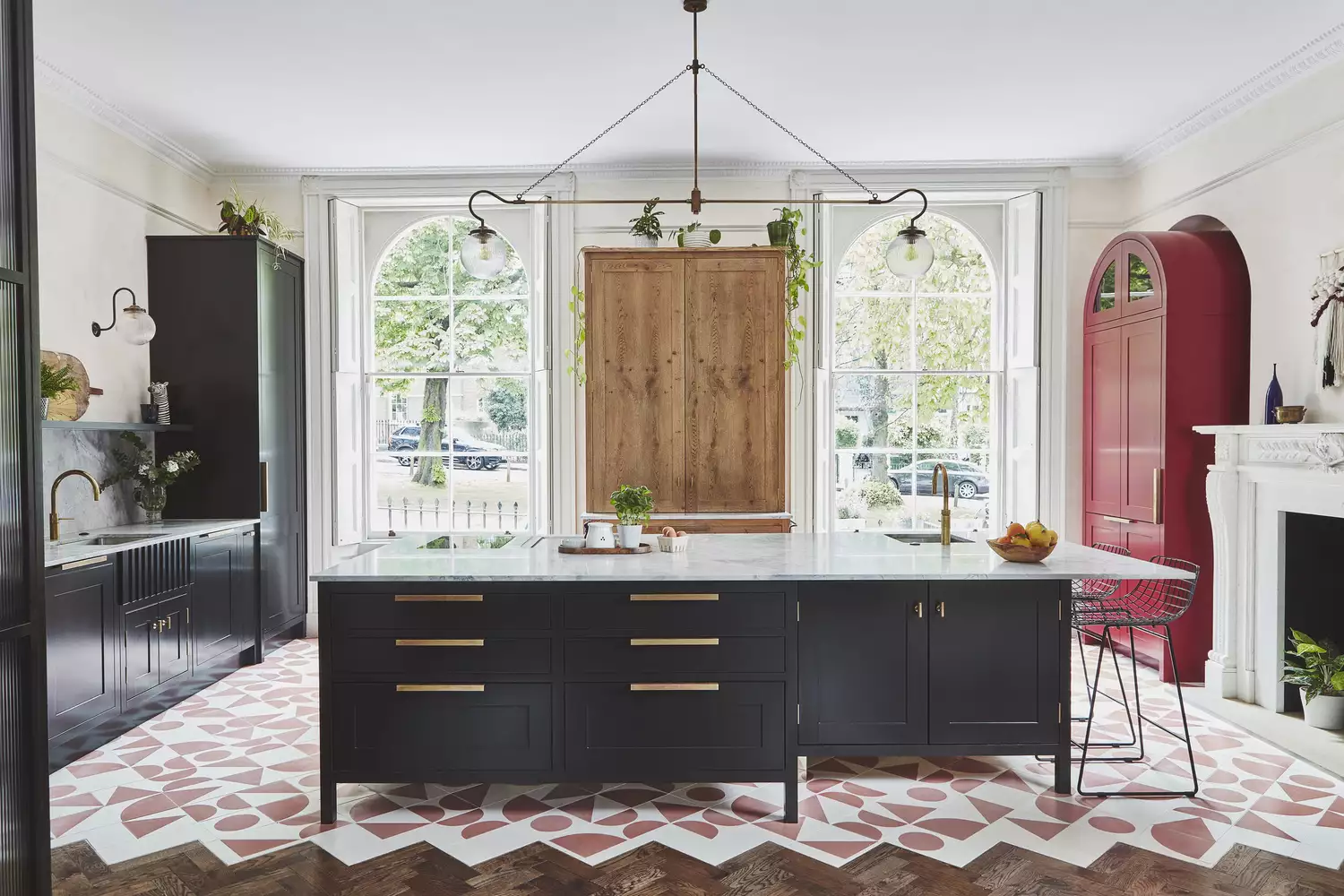
37 Kitchen Floor Tile Ideas for Every Style and Budget
15 Modern Kitchen Flooring Ideas

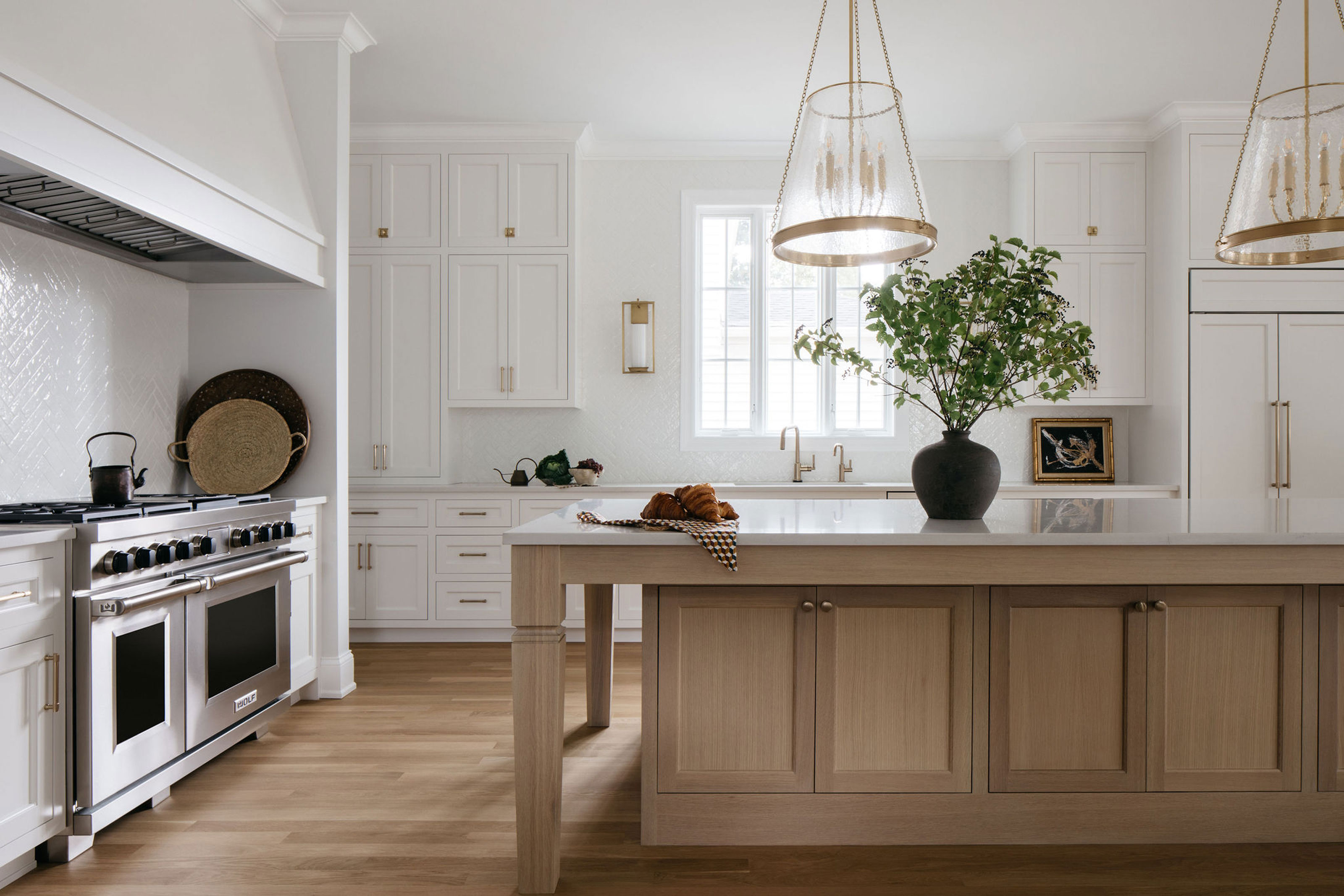
Should You Put Flooring Under Kitchen Cabinets? It All Depends on the Type of Floor, Say Professional Remodelers
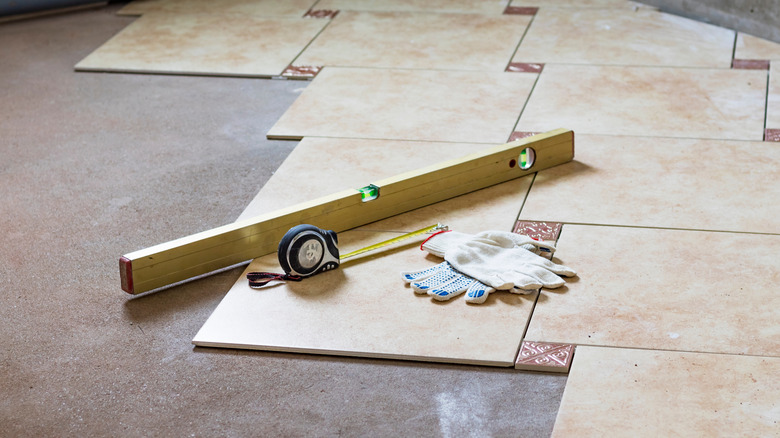
How To Configure Kitchen Tiles So The Room Seems Much Larger

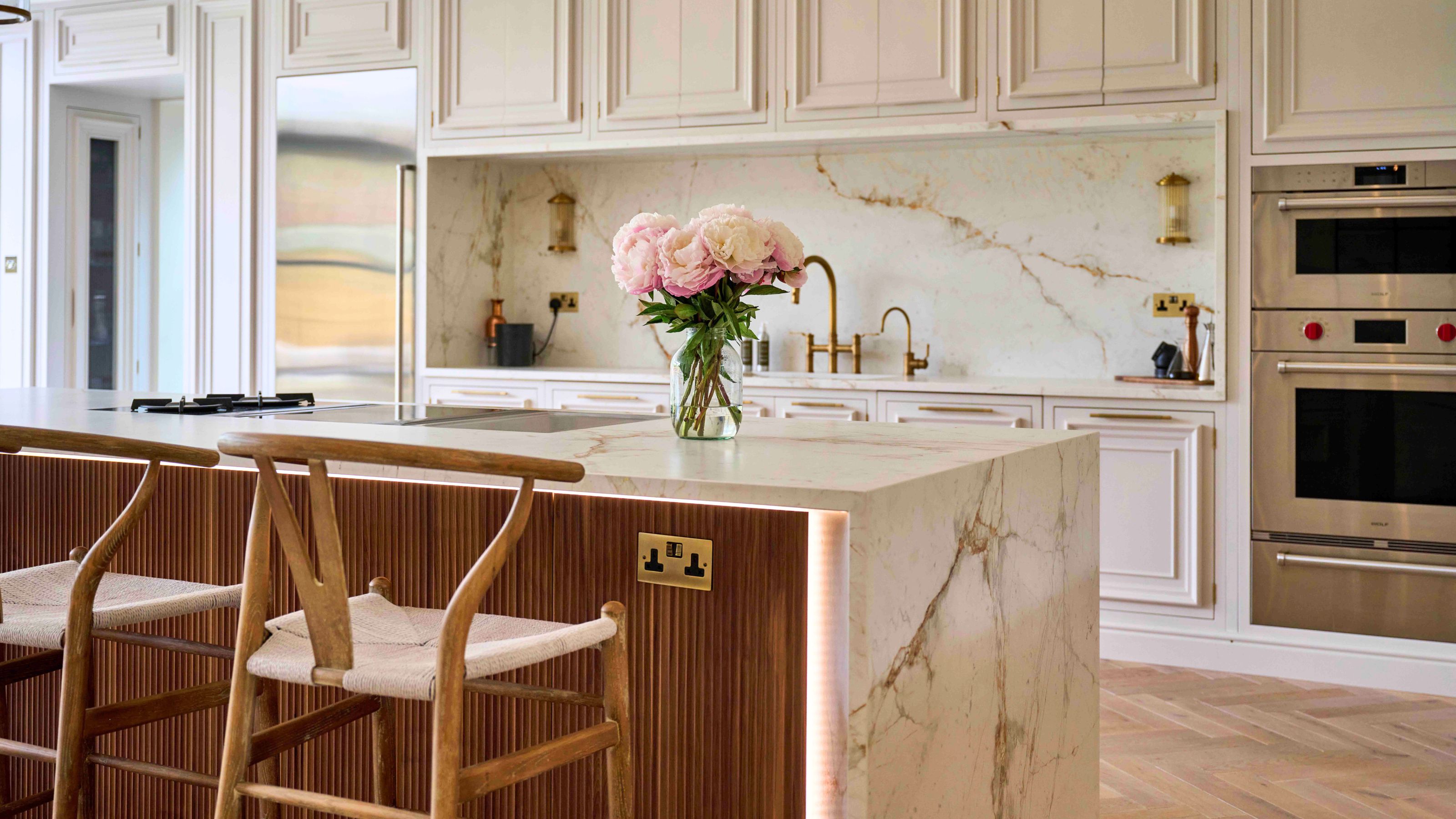
What kitchen floor colors make a small space look bigger? Interior pros spill their secrets

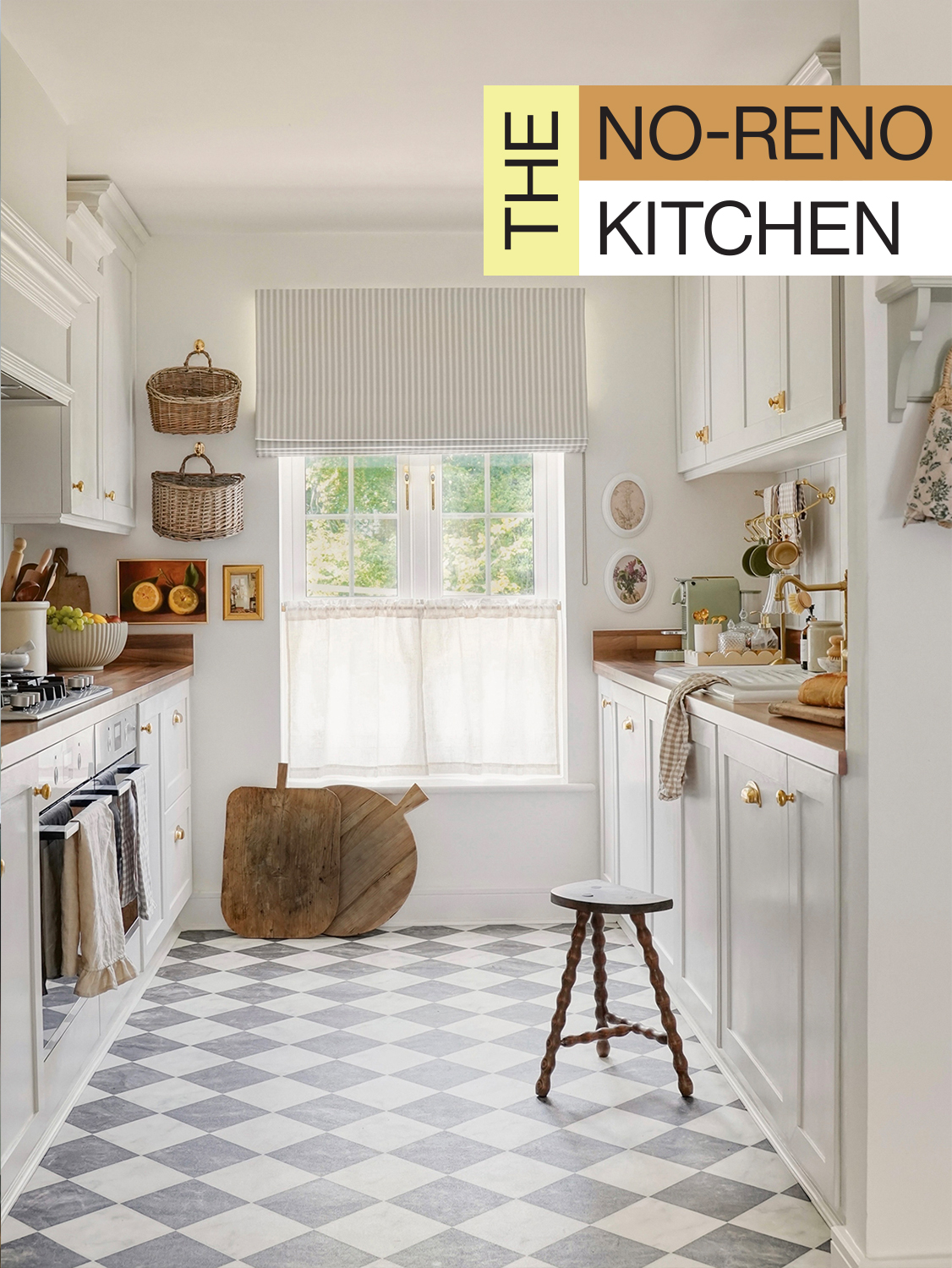
This Designer Didn’t Have to Demo Her Porcelain Kitchen Floors to Get Rid of Them

Thinking About Painting Tile Floors? Here's Why Experts Warn Against It

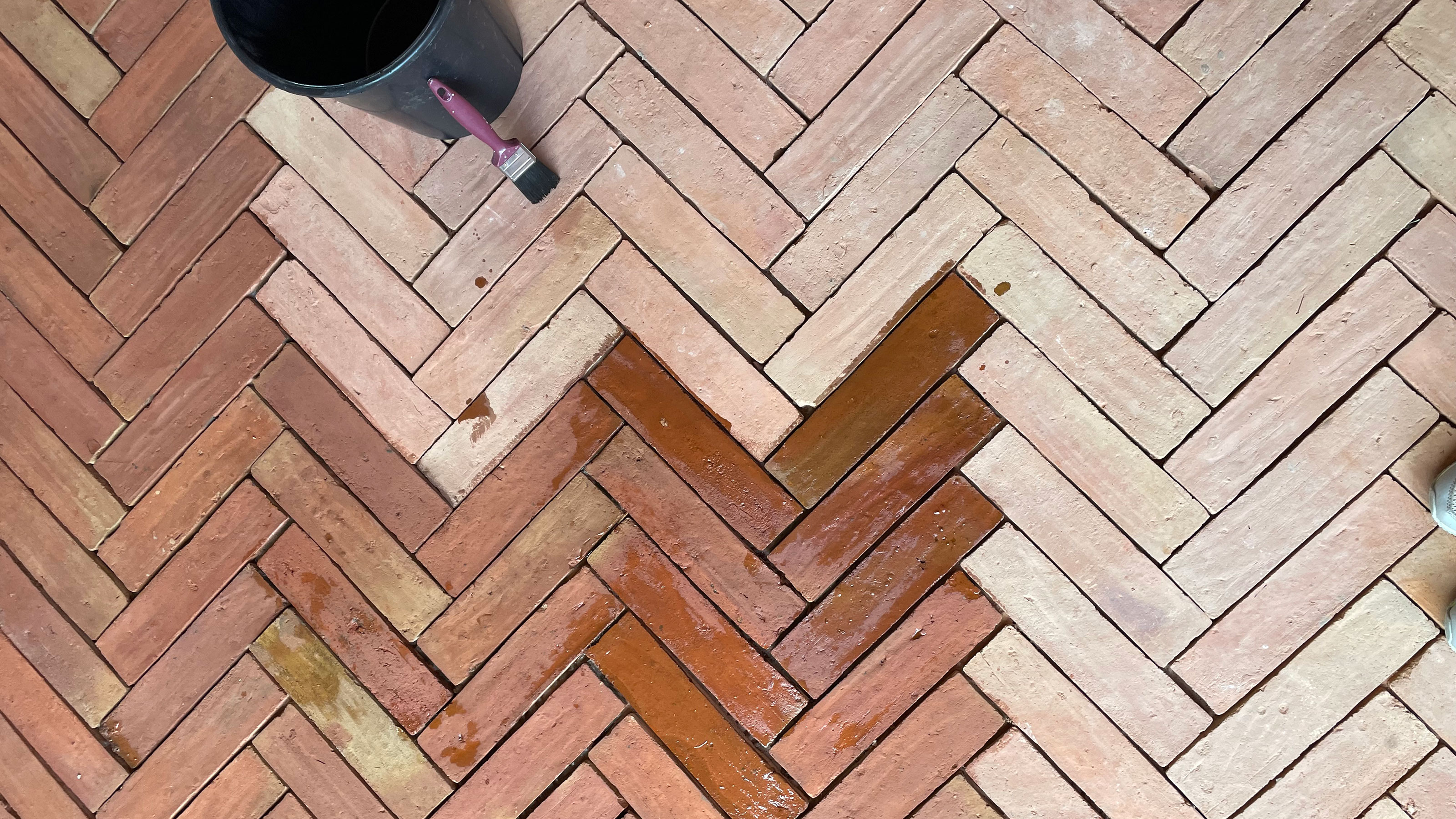
I'm longing to tile the kitchen but no budget to actually do it, so here's what I'm doing instead

6 Kitchen Flooring Options That Are Durable And Stylish

I look at kitchen tiles day in, day out – these are the 5 best places to buy kitchen tiles for any design scheme
The Most Popular Kitchen Flooring Ideas for Every Style

5 Problems With Tiled Backsplashes in Kitchens That No One Ever Talks About
9 inexpensive kitchen flooring options – budget-friendly ideas you can DIY
7 Easy Ways to Update Old Tile Floors Without Breaking Your Budget