Thinking About Painting Tile Floors? Here's Why Experts Warn Against It
The idea of painting tile floors often arises as a seemingly straightforward and budget-friendly solution to outdated or undesirable flooring in areas like bathrooms, kitchens, or entryways. While painting walls or doors is a common DIY task, applying paint to floor tiles presents unique challenges and potential drawbacks. Despite the growing interest in painted tile floors and the abundance of online DIY guides since 2018, experts caution against this approach due to issues that can compromise the longevity and appearance of the painted surface.
One primary concern is the susceptibility of painted tile floors to peeling and bubbling. Hunter Macfarlane, a project expert at Lowe's, highlights that high-traffic areas, such as bathrooms and kitchens, expose floors to frequent scratching and moisture, making painted surfaces vulnerable to damage. Even with multiple layers of paint, the immediate aesthetic improvements are likely to be short-lived.
Adherence is another significant problem, particularly with porcelain tiles. Ben and Erin Napier of HGTV's 'Home Town' express skepticism regarding paint adhesion to such surfaces. While acknowledging that painting might be considered for less critical areas like a back porch or sunroom, Ben Napier generally advises against it.
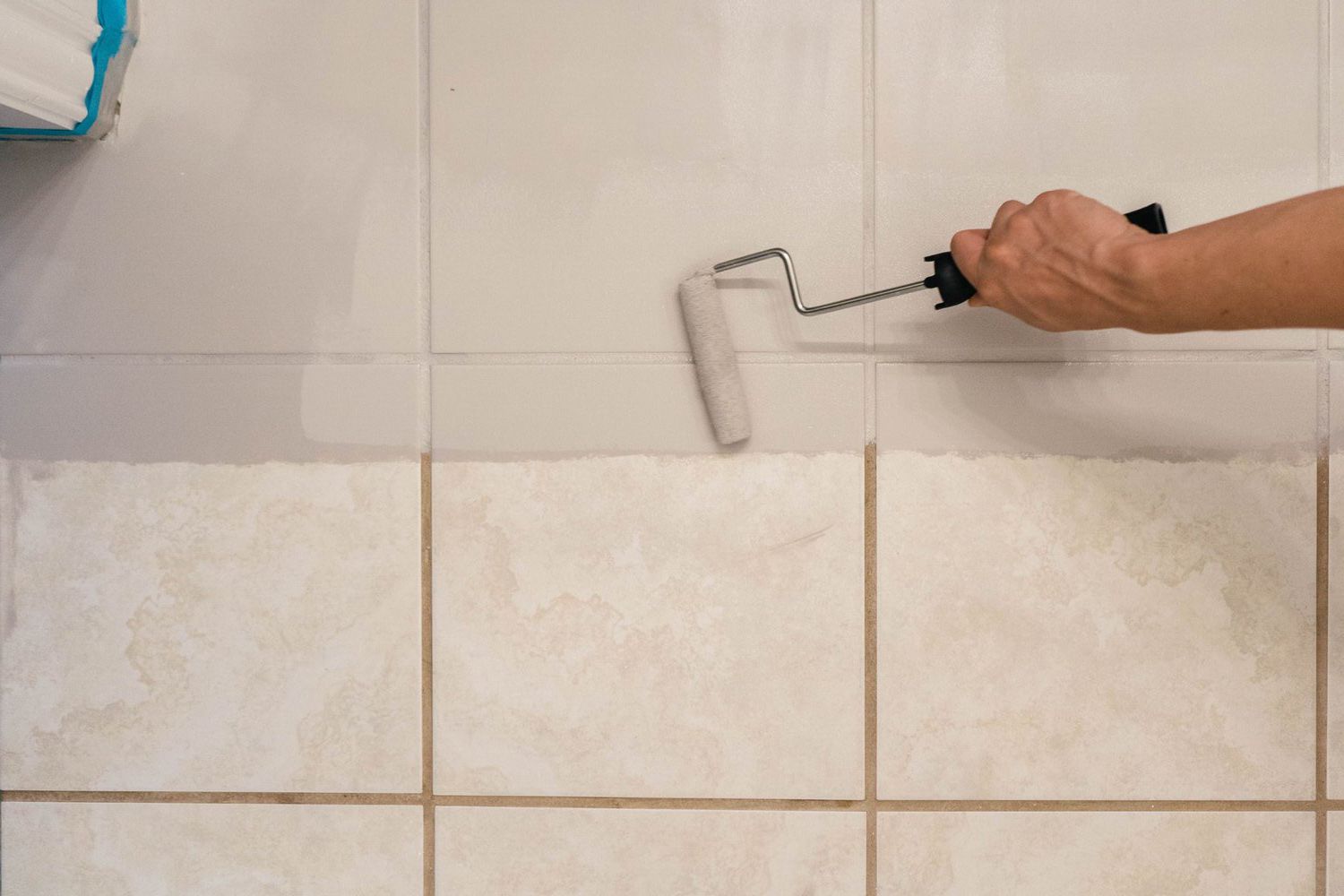
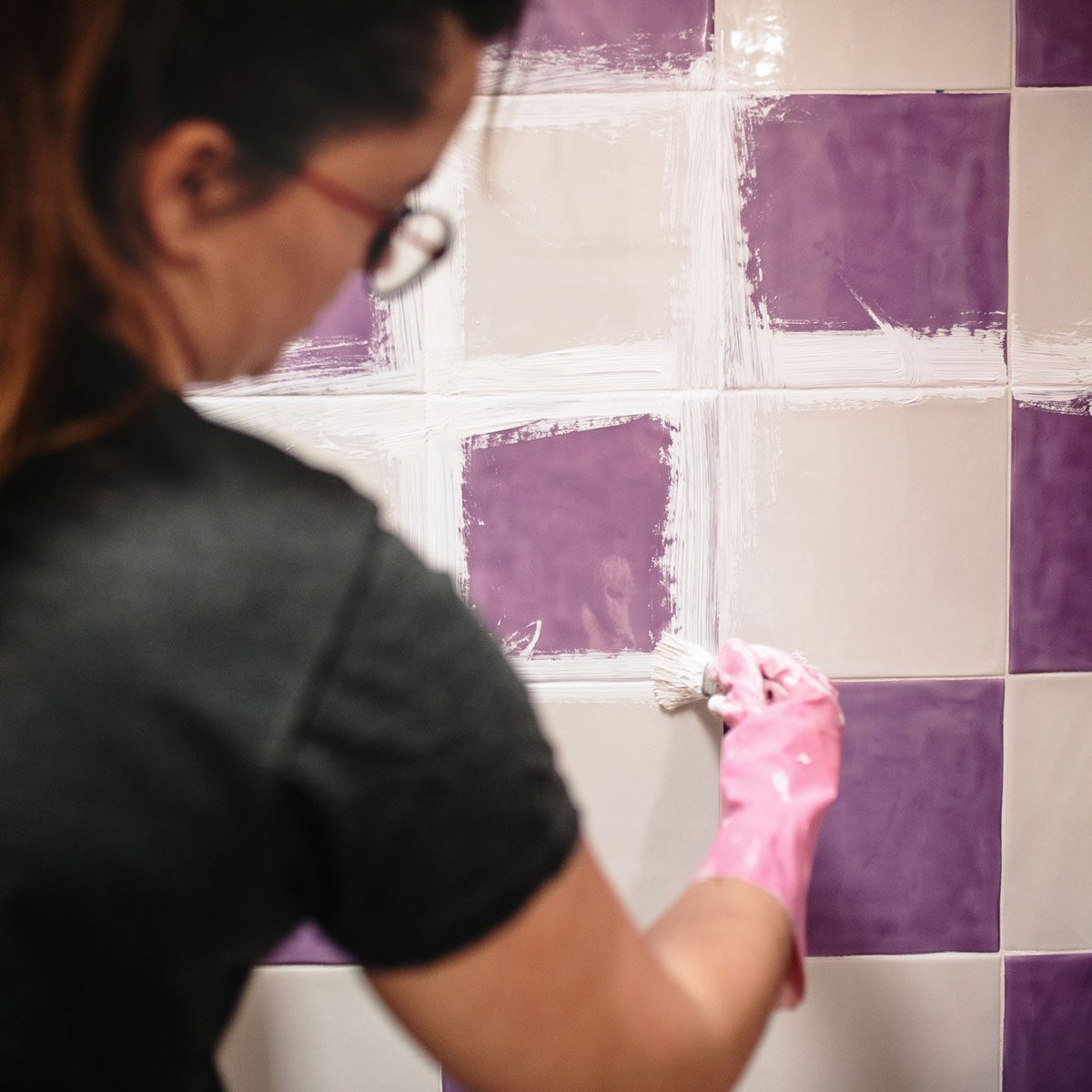
Successful painting of tile floors demands extensive and meticulous preparation. This preparatory work includes thorough cleaning, repairing any existing damage, sanding the tiles, and applying a bonding primer. Any oversight or mistake in these steps can undermine the entire project, leading to premature peeling or bubbling of the paint. The labor-intensive nature of this preparation often outweighs the perceived ease of the painting process.
Beyond aesthetic and durability issues, painted tile floors can introduce maintenance and health concerns. Chipping and peeling paint not only look unsightly but can also pose health risks, especially in households with children or pets. The particles from flaking paint can be ingested, leading to potential health issues.
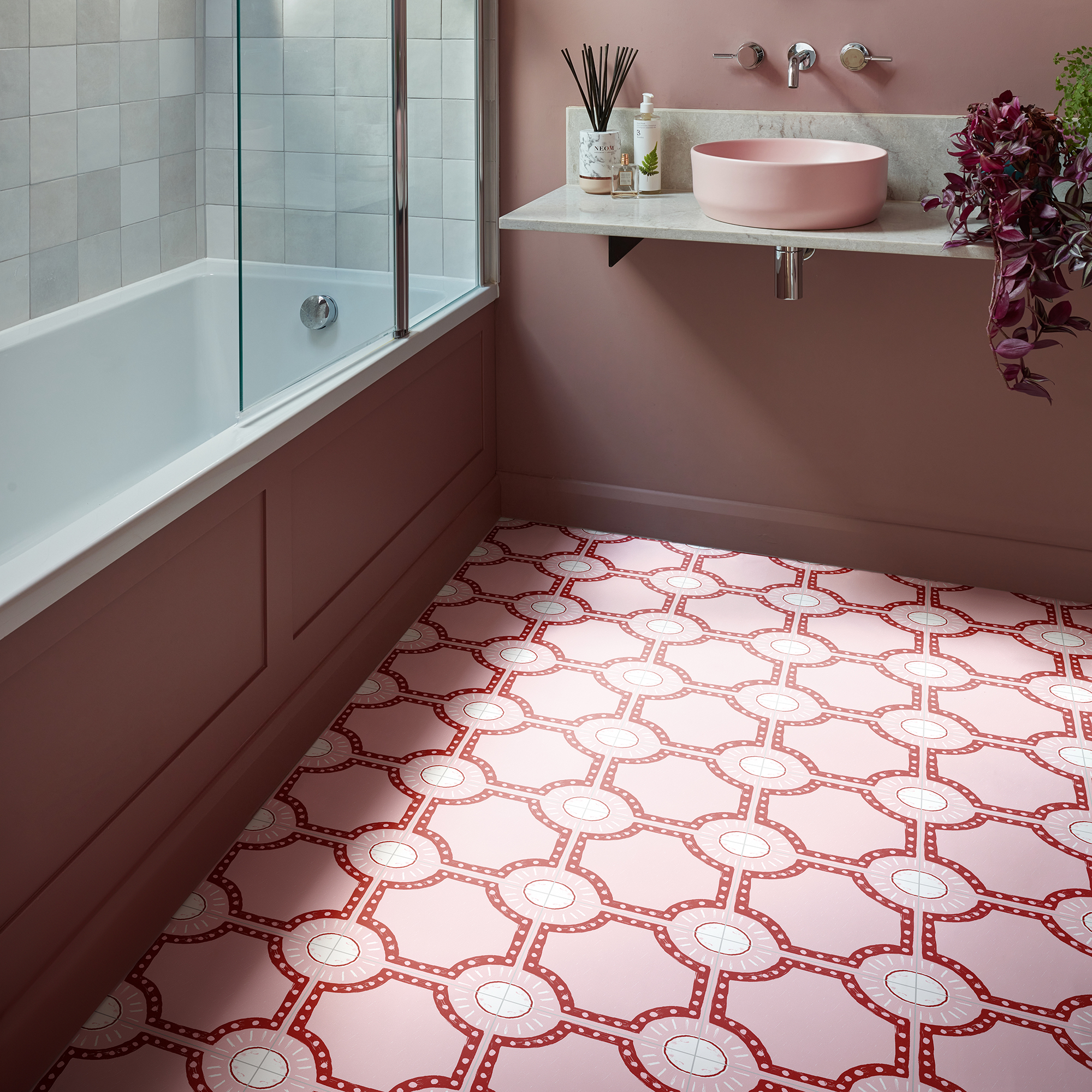
Given these challenges, experts suggest several alternatives that offer more reliable and lasting results. Replacing the floor entirely is presented as the most durable solution, with services available from retailers like The Home Depot. For those seeking a less intensive change, peel-and-stick tile decals can provide a temporary cosmetic improvement. Covering unsightly floors with affordable area rugs is another practical option. Sometimes, a thorough deep cleaning of the existing tiles can significantly enhance their appearance. Additionally, changing the wall color in a room can alter the perception of the floor, addressing potential clashes in undertones and improving the overall room design more reliably than painting the floor itself.
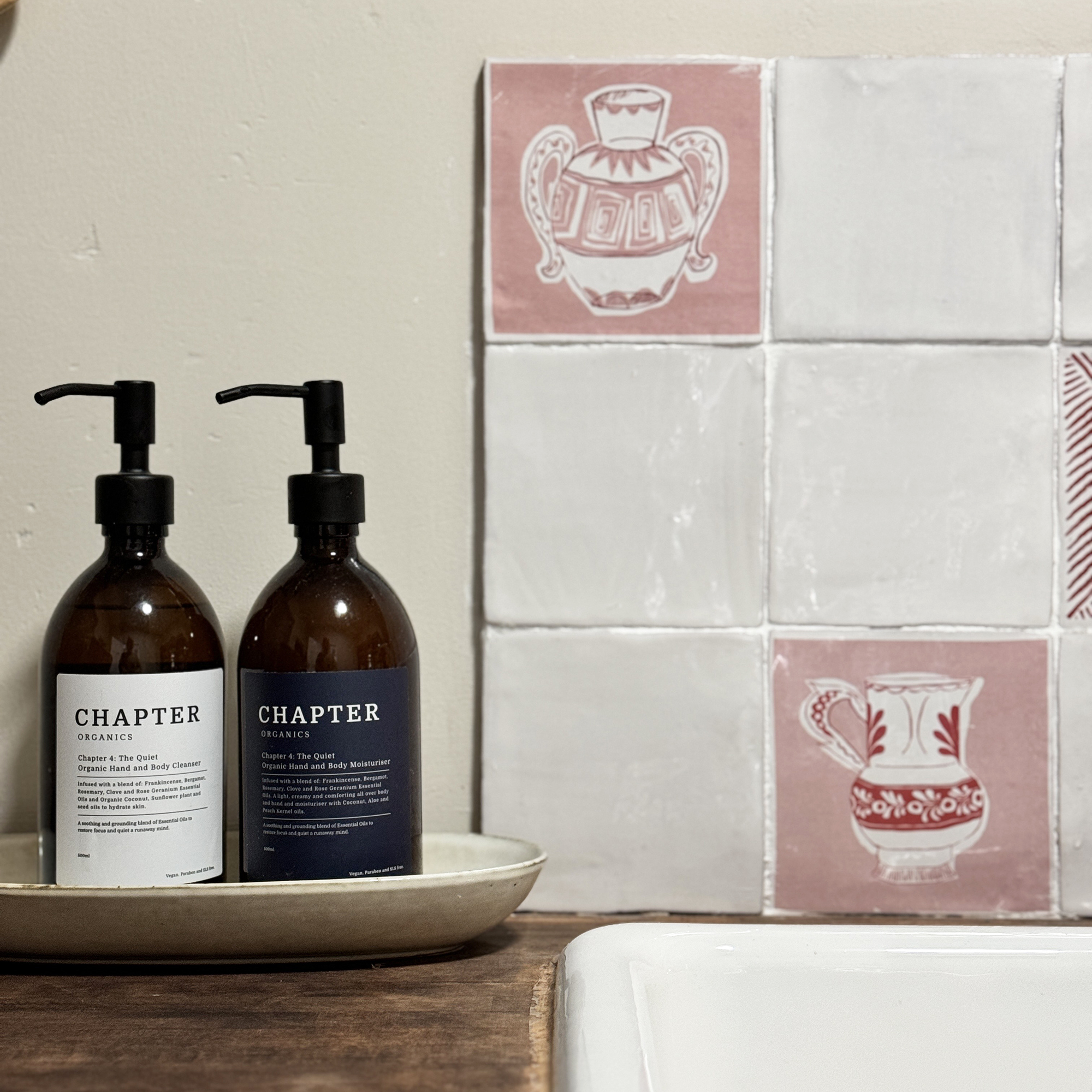
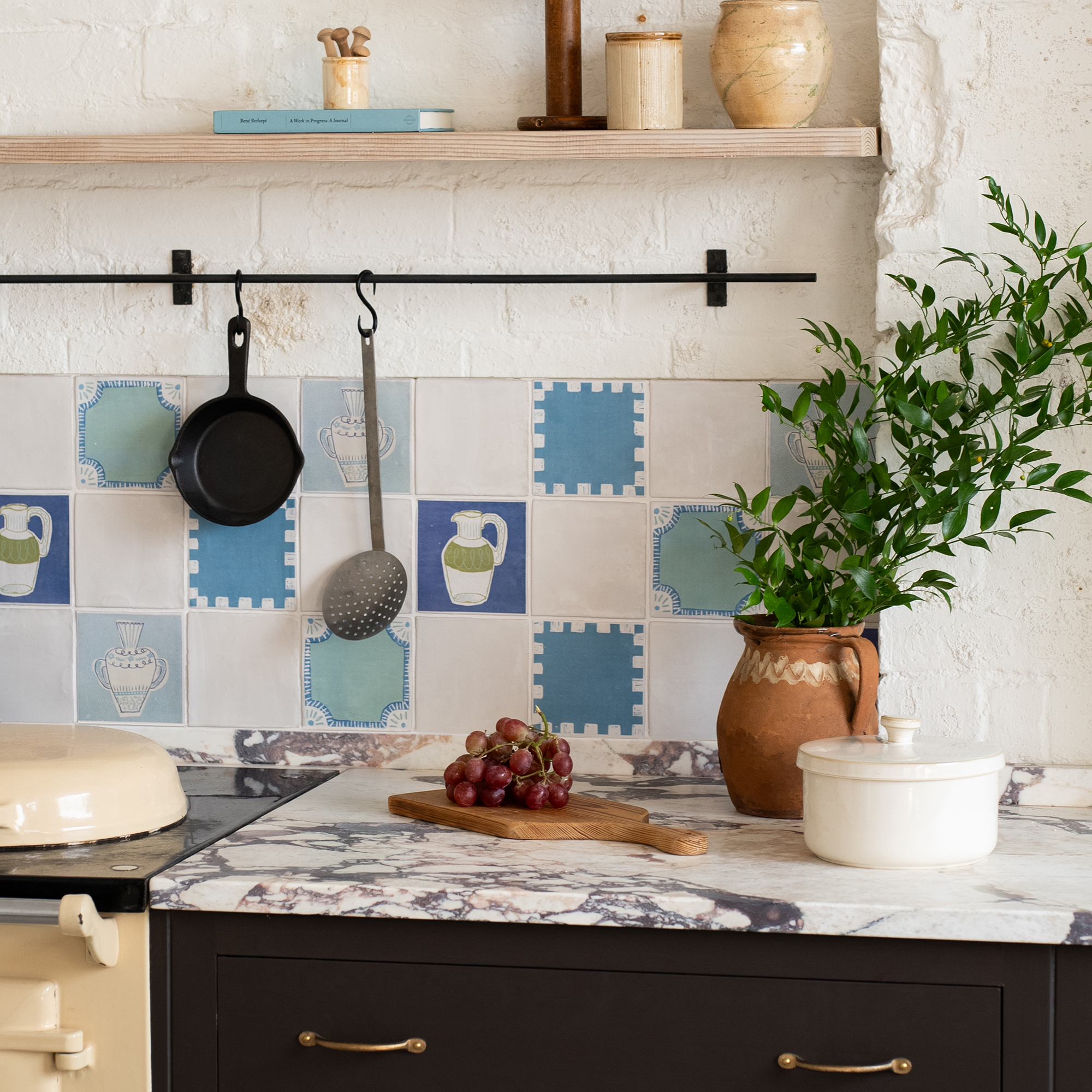
If the decision to paint tile floors is firm, it is recommended to proceed with extreme caution and consider professional help. Macfarlane advises working with professional painters who specialize in ceramic tile surfaces and ensuring the area remains unused for several days to allow the paint to fully cure. While painting wall or backsplash tiles for decorative patterns might be acceptable, applying paint to the entirety of floor tiles is generally not recommended, regardless of how appealing it may appear in online examples.
#TileFloors #PaintingTiles #HomeImprovement #DIYHomeDecor #BathroomDecorating #KitchenDecor #InteriorDesignTips #FlooringAlternatives #HomeMaintenance #TileFloors #PaintingTiles #HomeImprovement #DIYHomeDecor #BathroomDecorating #KitchenDecor #InteriorDesignTips #FlooringAlternatives #HomeMaintenance
0 comment in total
 No comments yet
You may also like
Can you plaster over tiles? The experts issue a surprising warning...
You should never paint your hallway this colour, according to colour psychologists
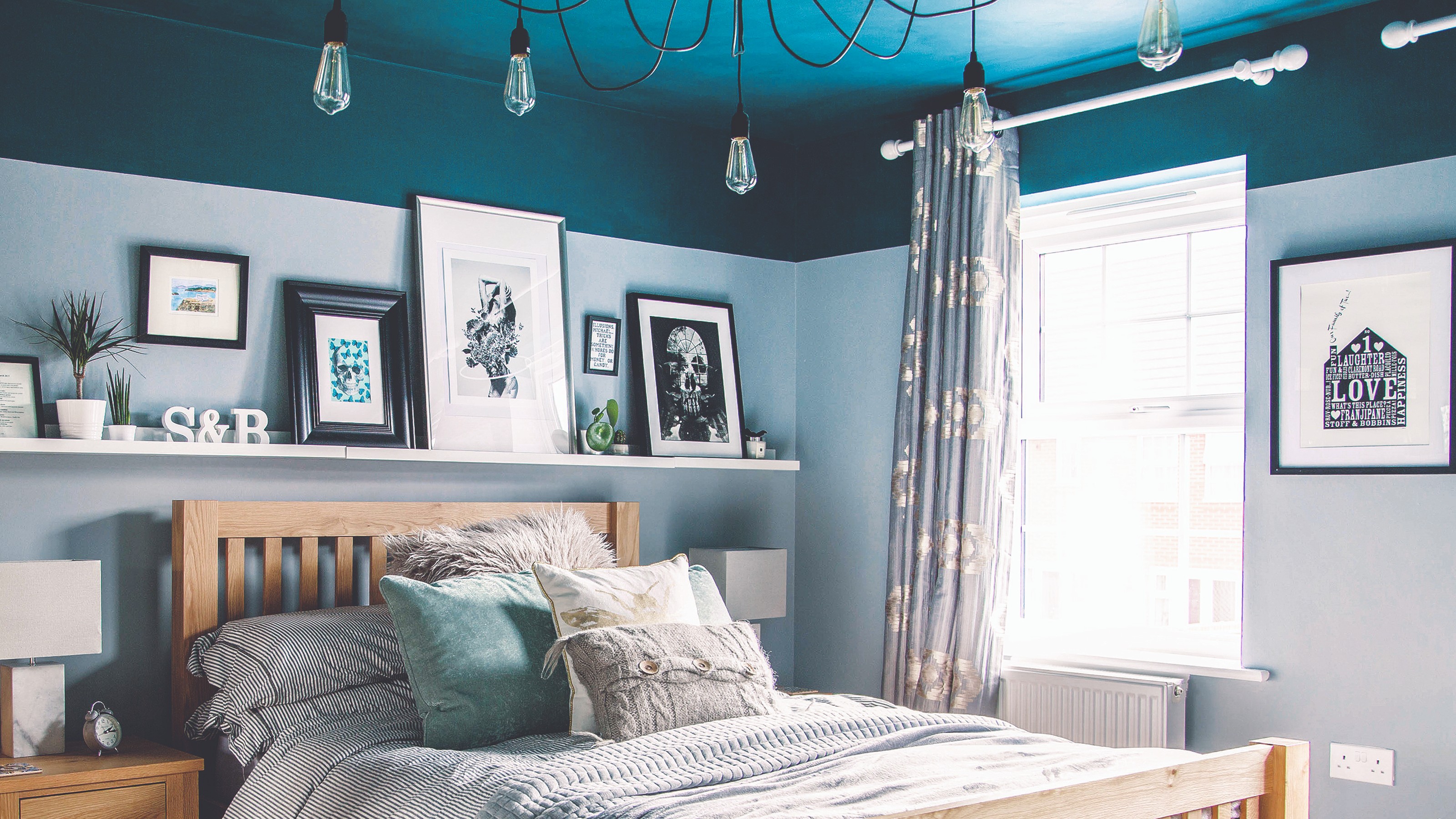
Should you paint your ceiling a different colour to the walls? Experts explain why everyone should consider it

Floor Paints | Floor Tile & Garage Floor Paint

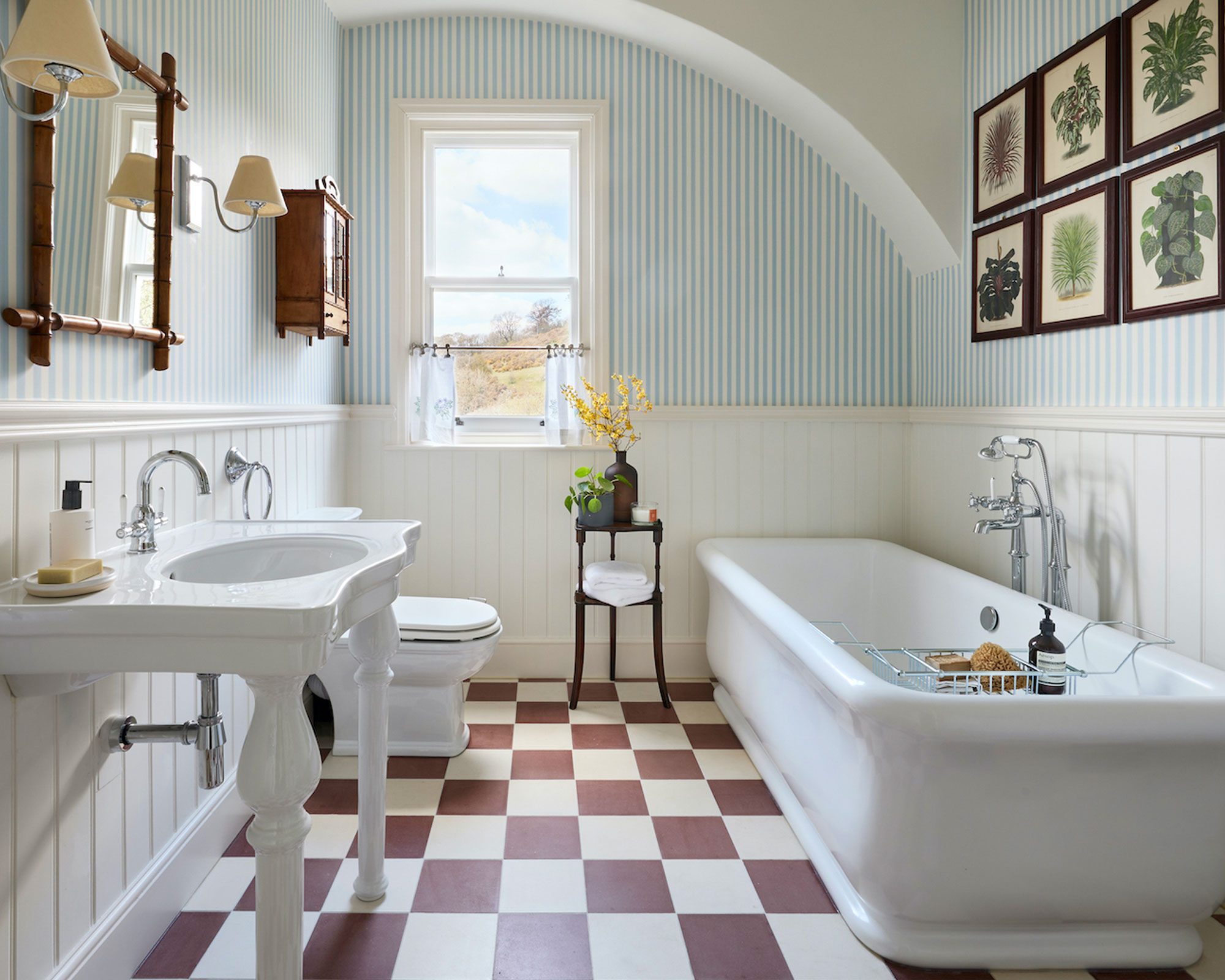
Can you paint a tile floor? Expert advice for a durable, long lasting finish

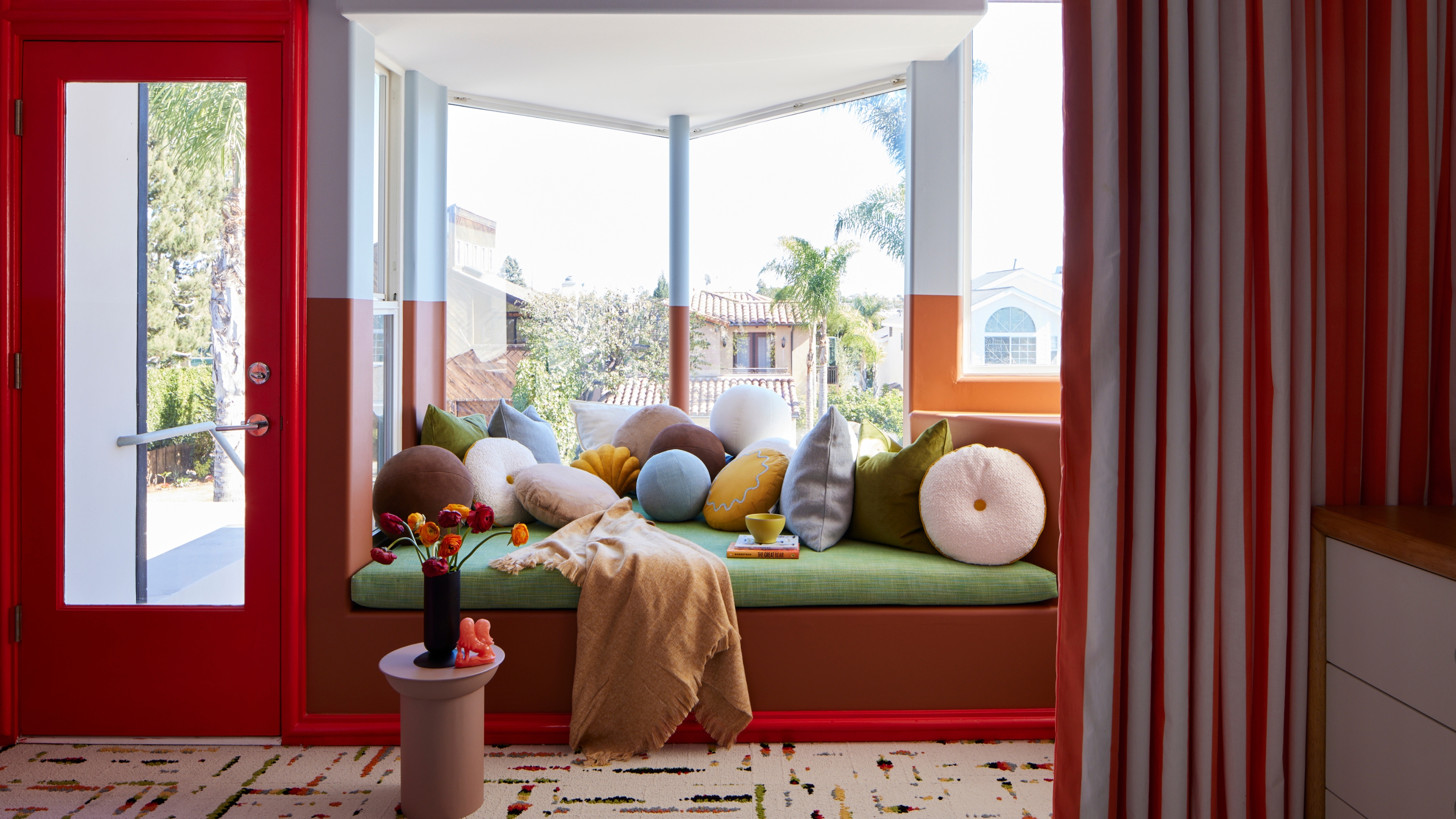
Stop! Step Away From the Paintbrush — Here's 4 Things Interior Designers Would Never, Ever Paint Around the Home

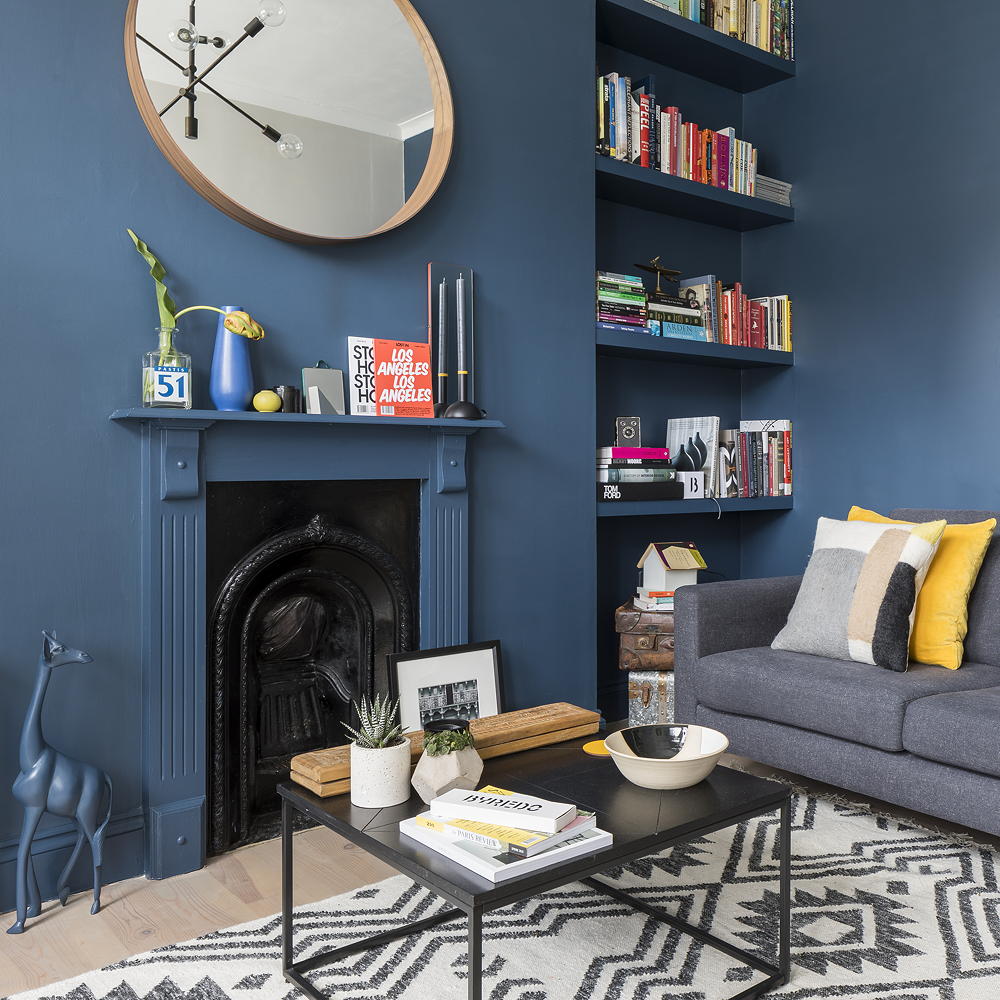
An interior expert reveals the one thing you should never do when painting your walls
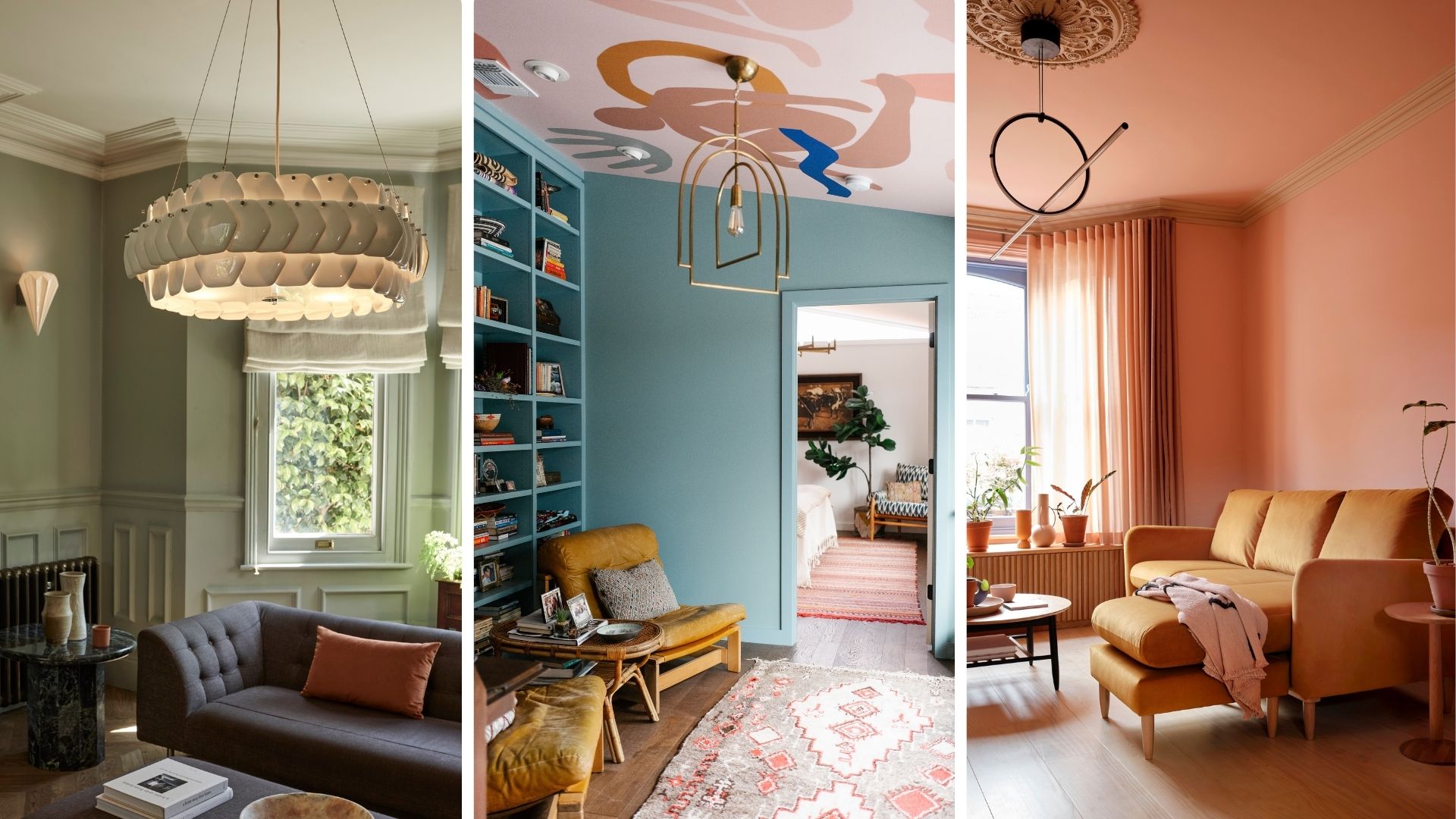
When you should and shouldn't paint your ceiling, according to interior designers

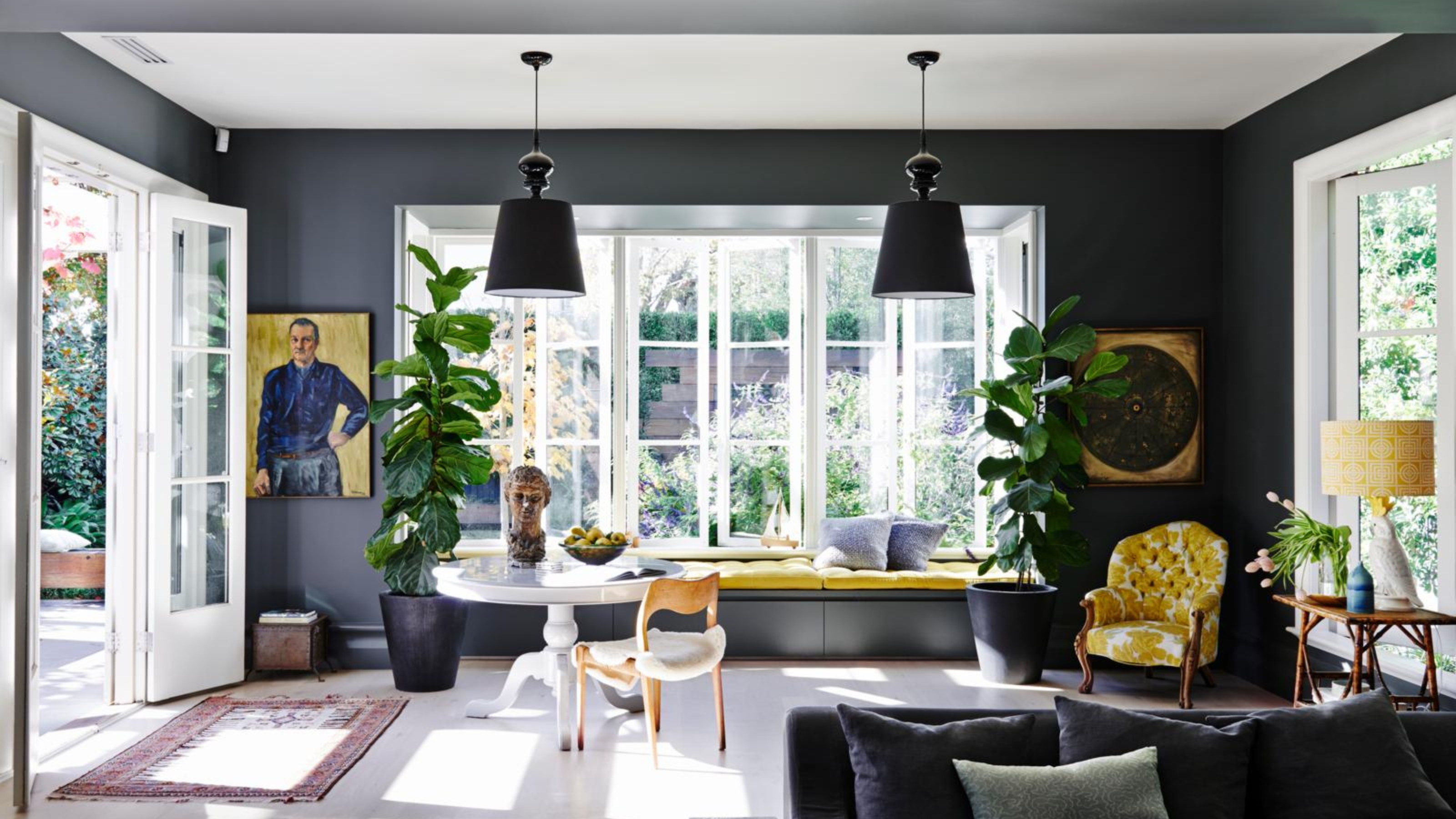
4 Times Designers Say You Definitely Shouldn't Paint Your Walls and Ceiling in the Same Color

If You Hate Your Floors, Why Don't You Paint Them?

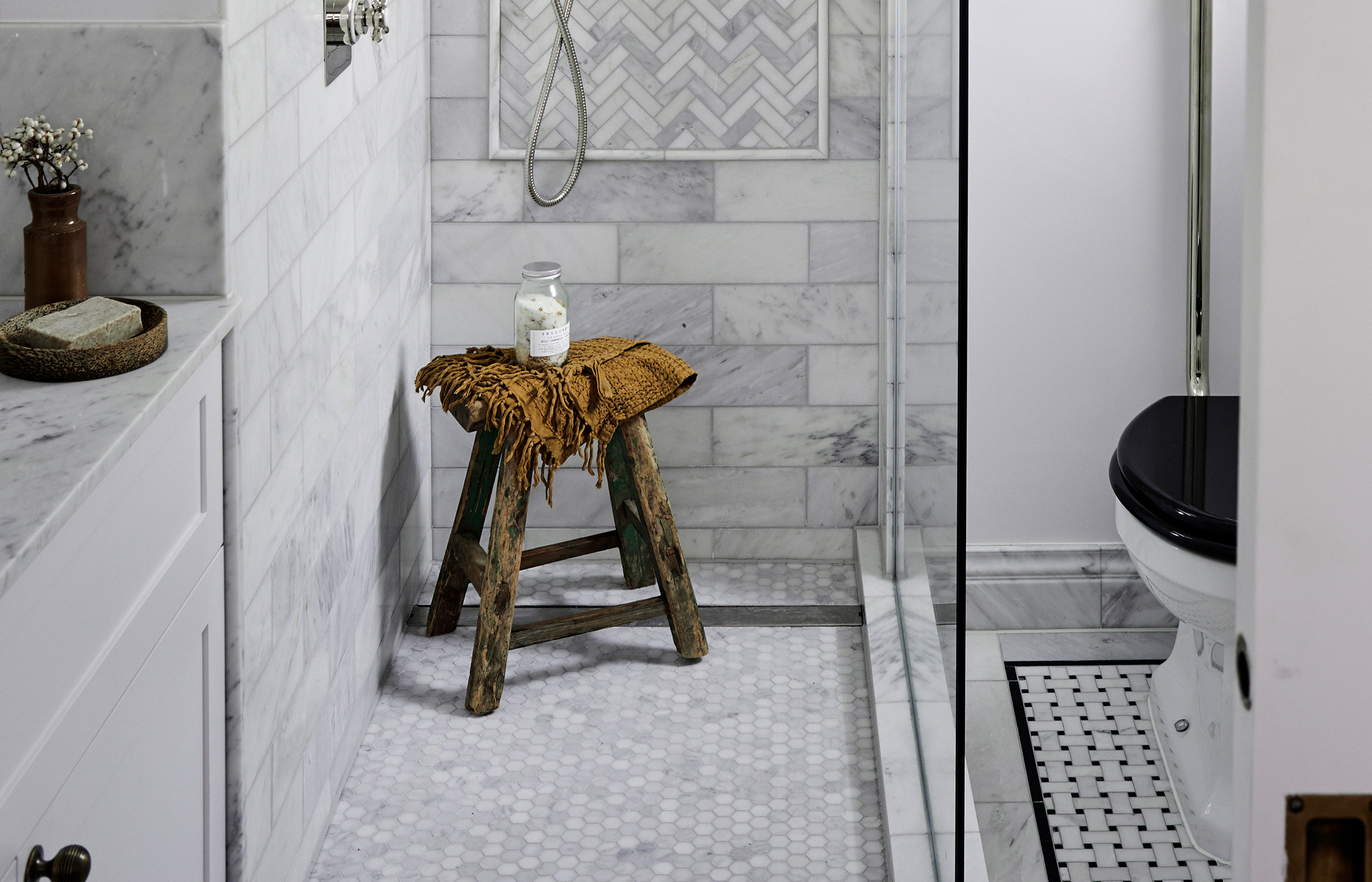
Can I use mosaic tiles on the floor? Expert advice you need to know before making your decision
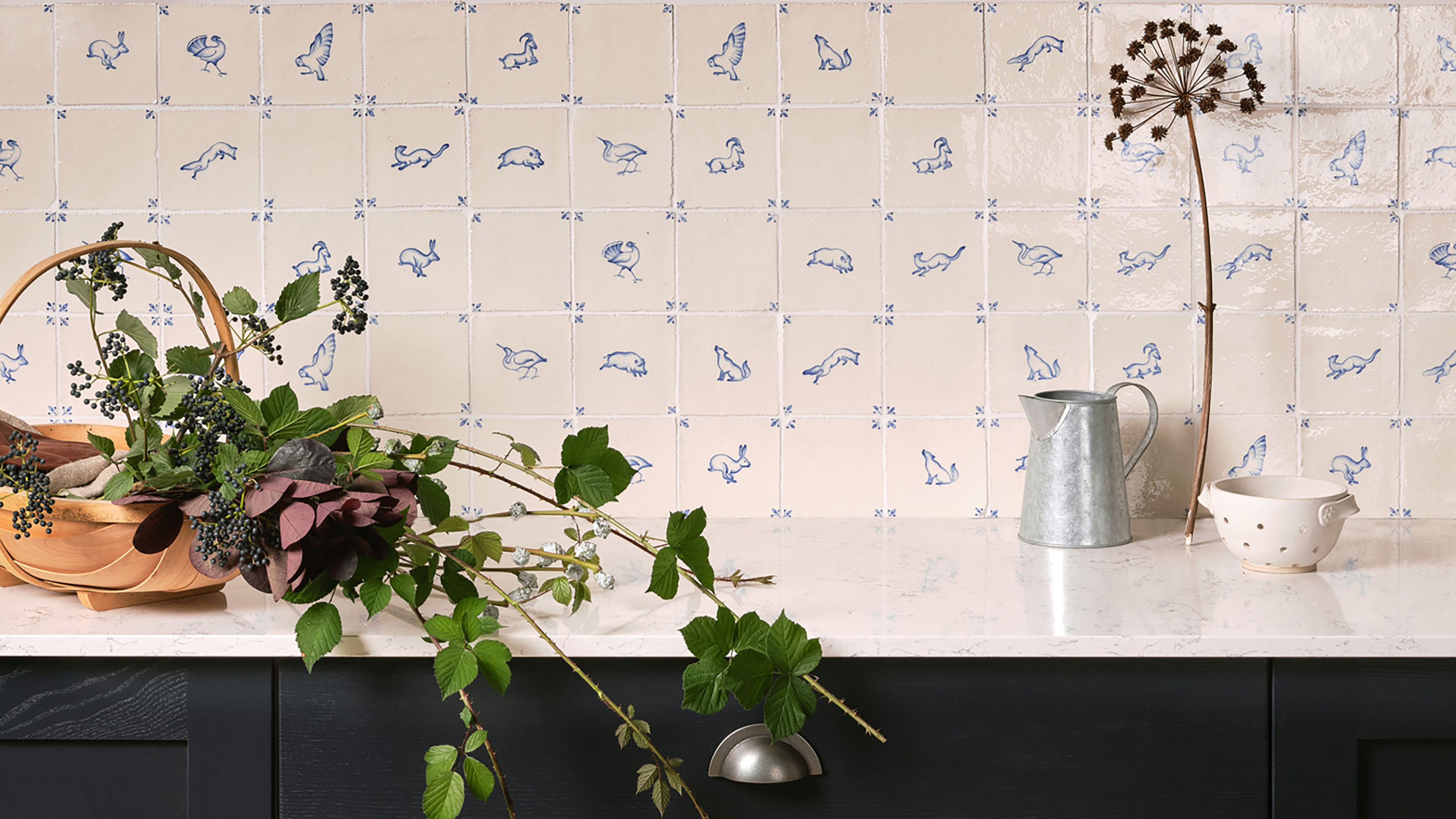
Hand-painted tiles are the ultimate kitsch design feature - here's how to make them feel trendy
Can You Paint A Tile Floor? An Expert Weighs In
5 reasons why you should never paint a ceiling white, reveals a leading paint and color expert
Should you choose your bathroom paint color or tiles first?
This is the colour you should paint skirting boards instead of 'uninspired' white, according to experts

The 10 Best Paints for Tile, According to Experts

Should You Paint Ceilings and Walls the Same Color? Experts Give Their Verdict
Painted floor ideas – 10 ways to bring personality to your space
Should You Install Peel and Stick Floor Tile? An Interior Designer Shares Some Pros and Cons