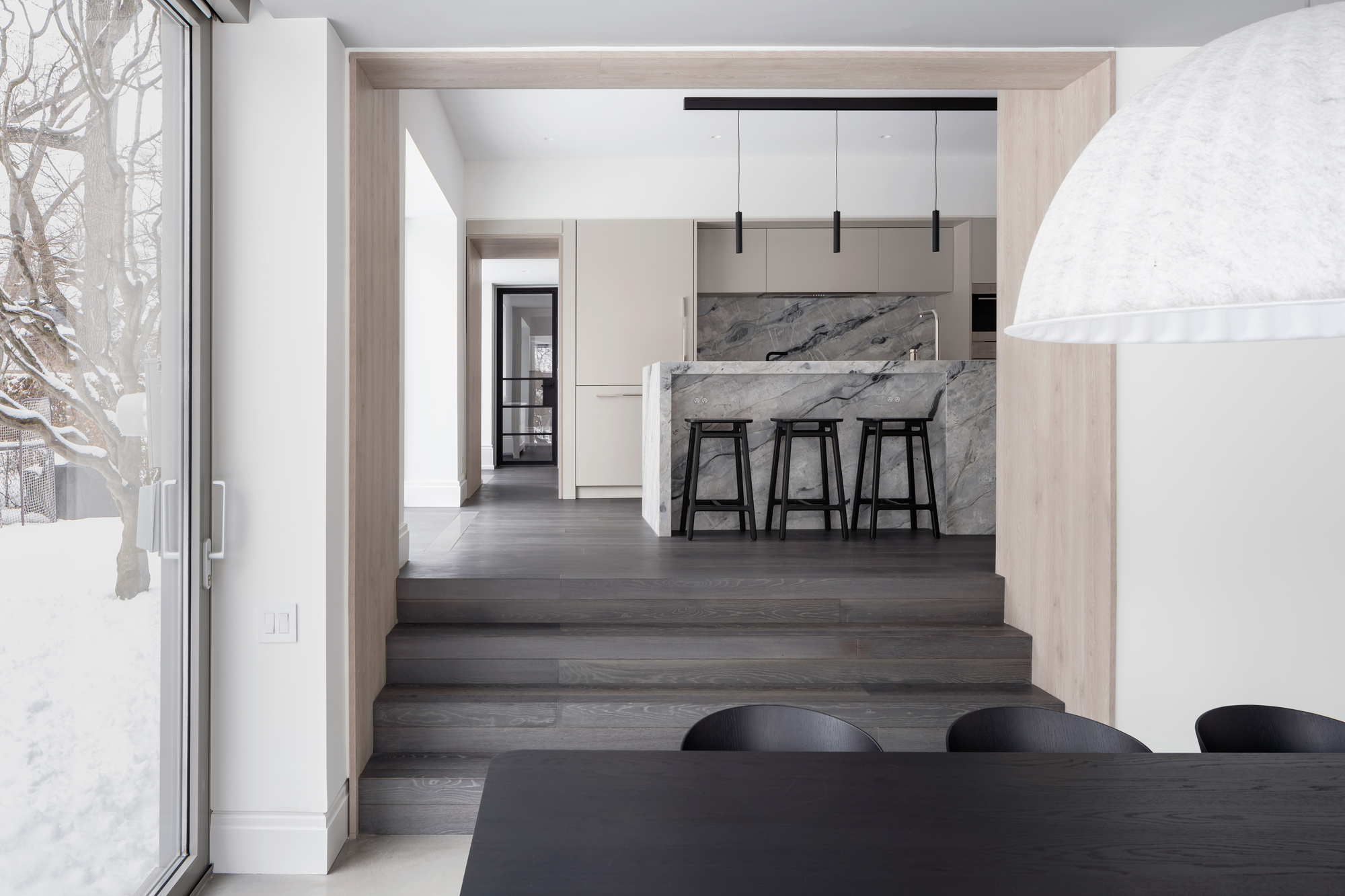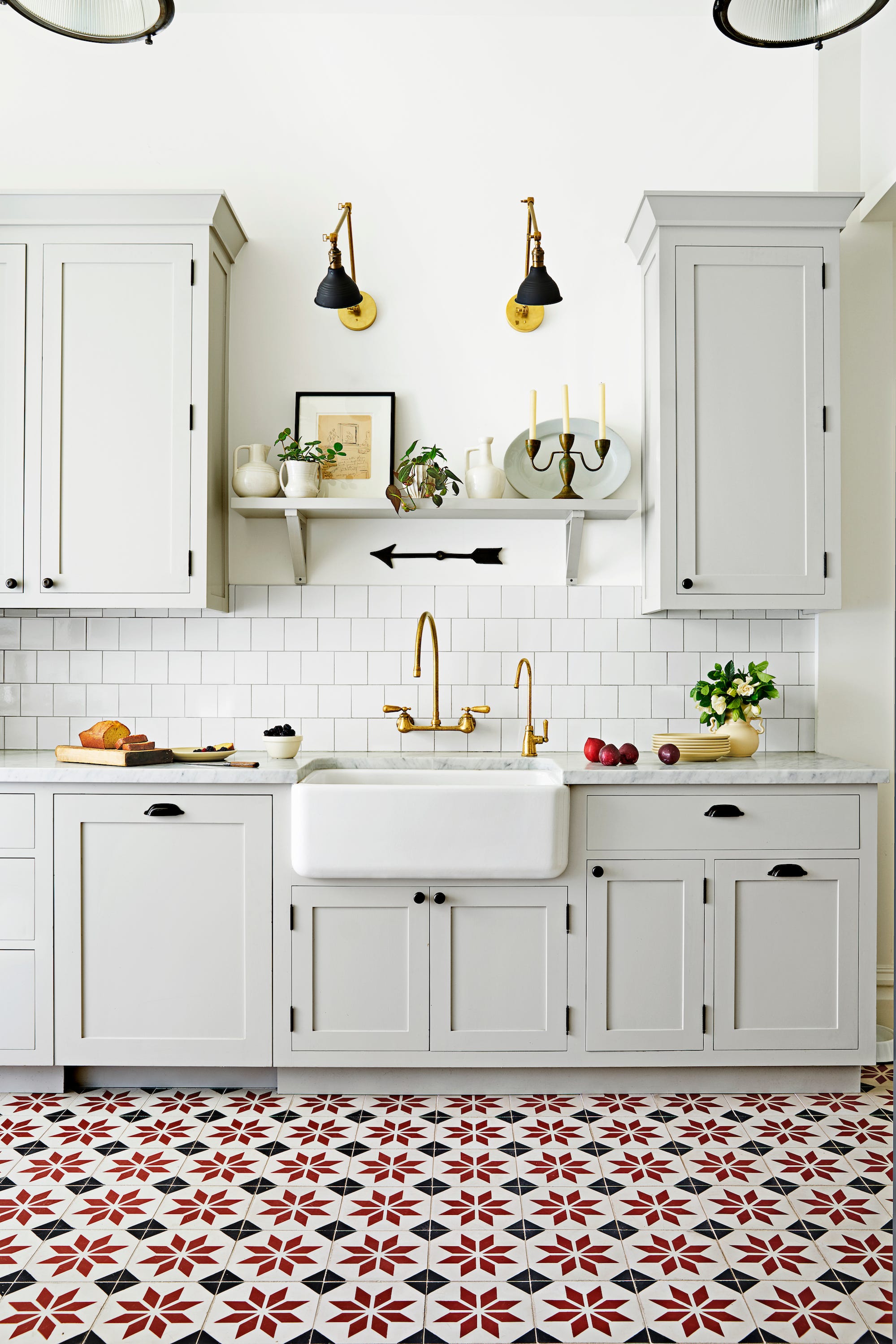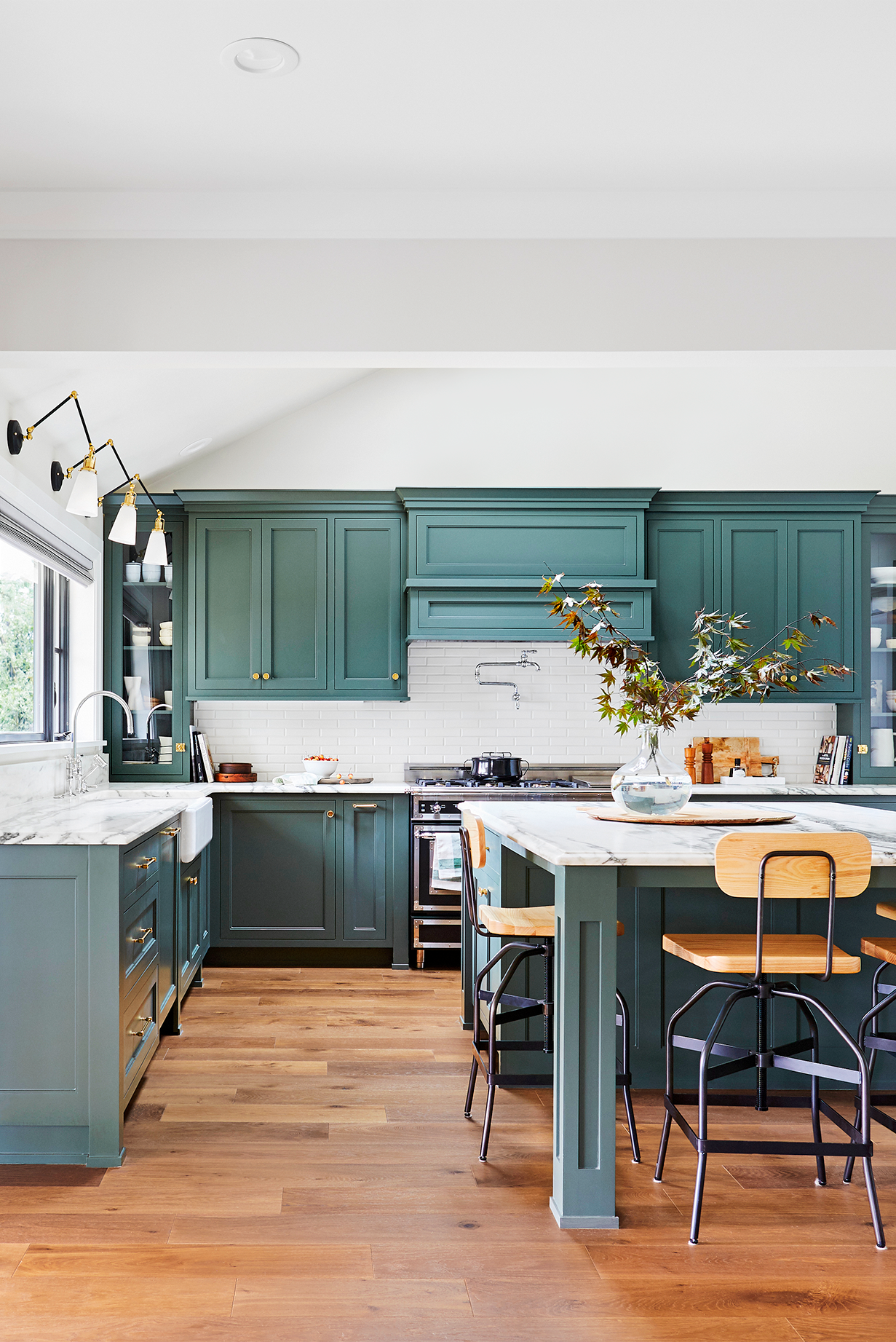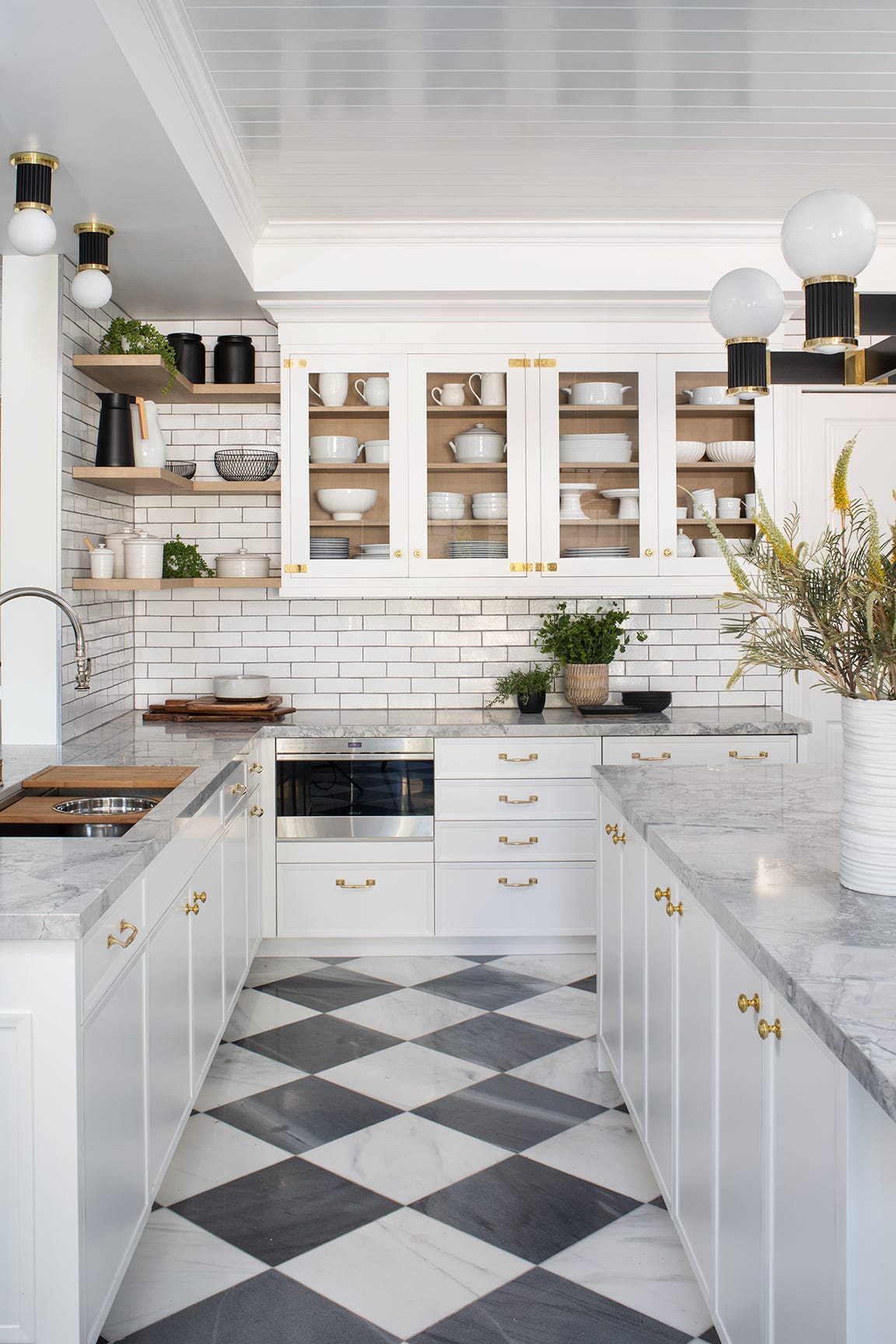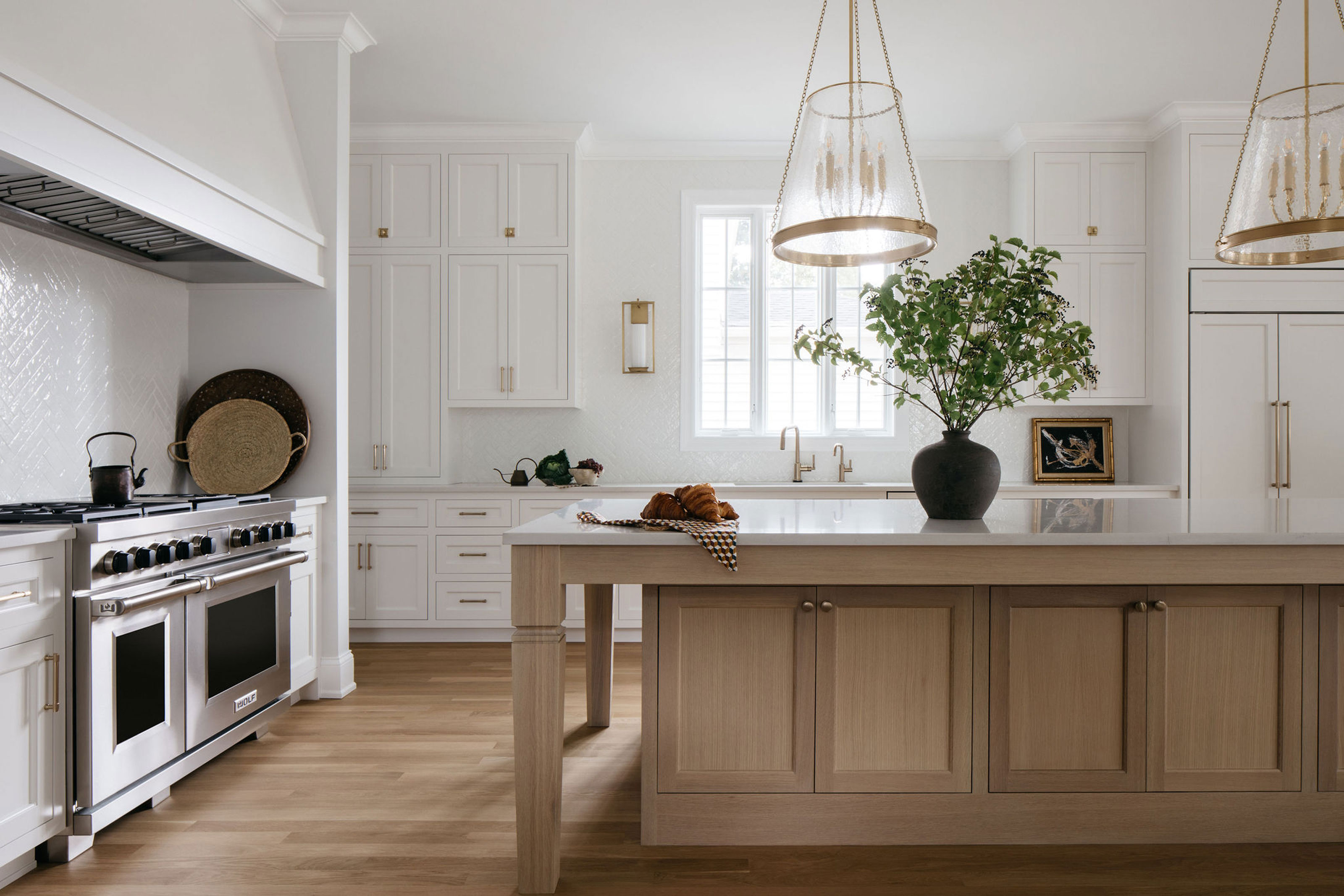
1/4
Should You Put Flooring Under Kitchen Cabinets? It All Depends on the Type of Floor, Say Professional Remodelers
The article addresses a common dilemma in kitchen remodeling: whether to install flooring under kitchen cabinets. This seemingly simple question has a nuanced answer, depending primarily on the type of flooring, the method of cabinet installation, and long-term design plans. Professional remodelers emphasize that while general advice often leans towards installing flooring first, specific circumstances dictate the best approach.
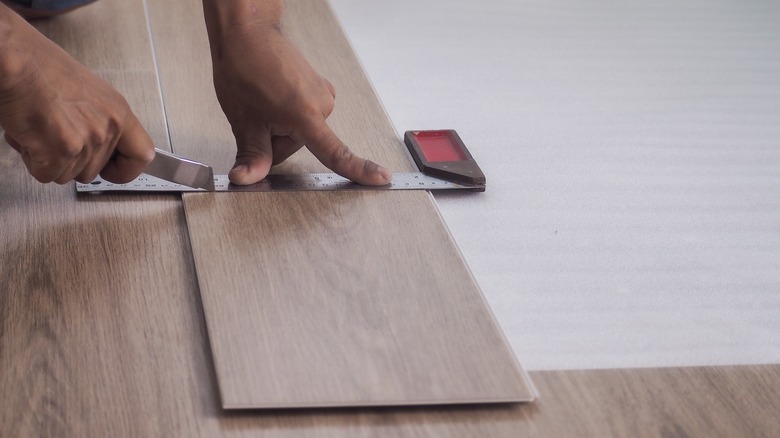
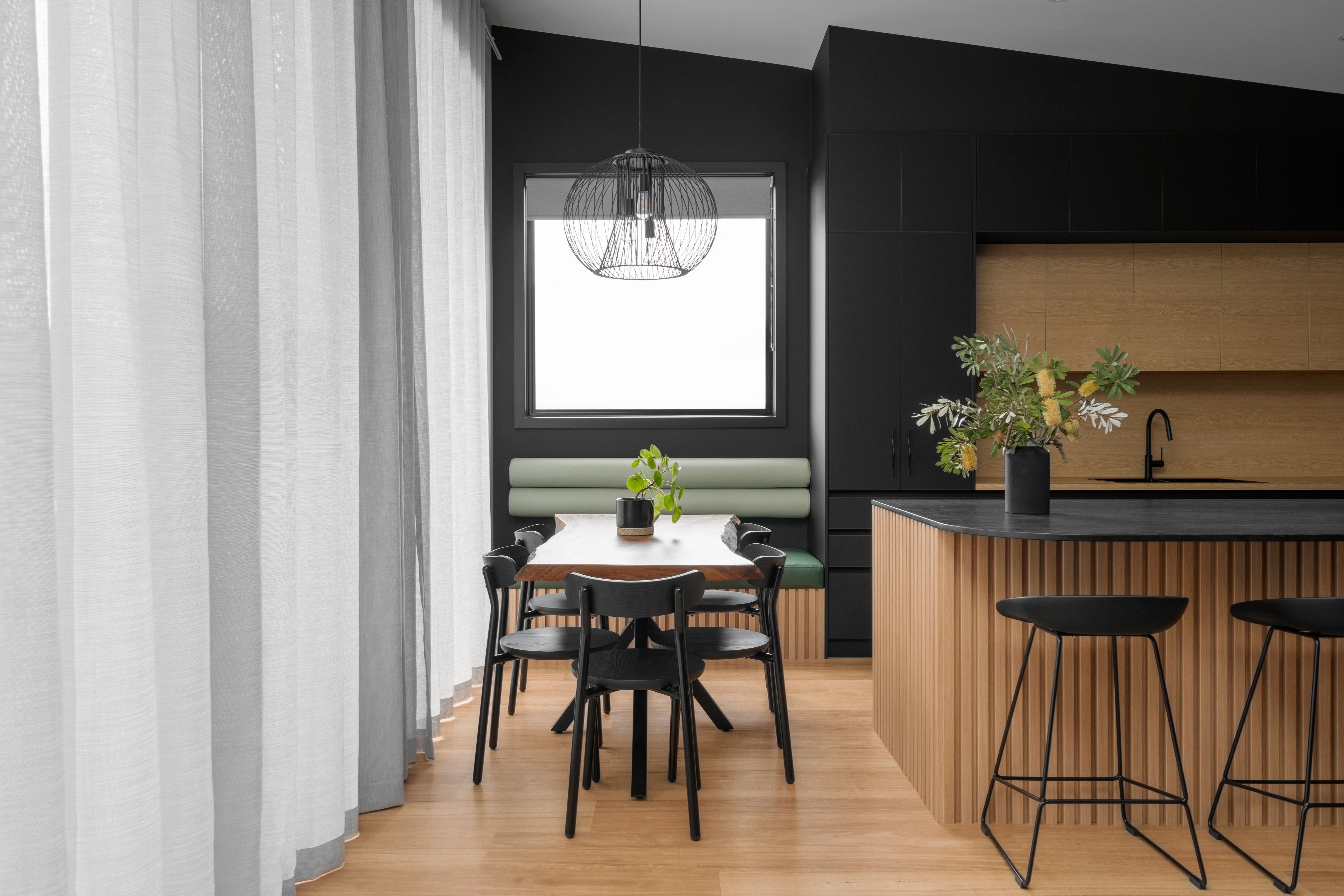
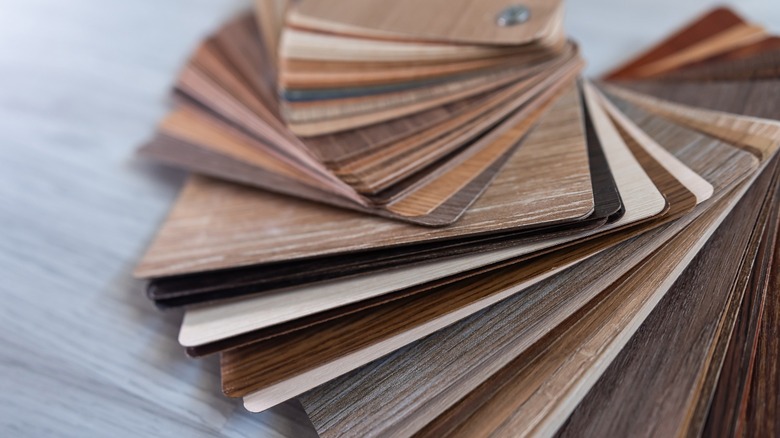
The core of the decision lies with 'floating floors,' such as click-together wood, vinyl, or laminate. These floor types are not permanently attached to the subfloor and are designed to expand and contract with environmental changes. Installing cabinets directly on top of floating floors can restrict this natural movement, potentially leading to warping, buckling, or even voiding the manufacturer's warranty. Experts like Joseph Patrick of Lamont Bros. Design and Construction and Brandon Walker of ASAP Restoration LLC strongly advise against fixing cabinets onto floating floors if the cabinets are to be secured to the floor. However, a workaround exists: if cabinets are primarily wall-mounted and use leg levelers for support, a floating floor can be extended underneath, provided there's sufficient space for movement. Another suggested alternative for floating floors is to drill large holes where cabinet fasteners are placed, allowing the flooring to move freely, or to fix the floating floor only around the room's perimeter where cabinets will sit.
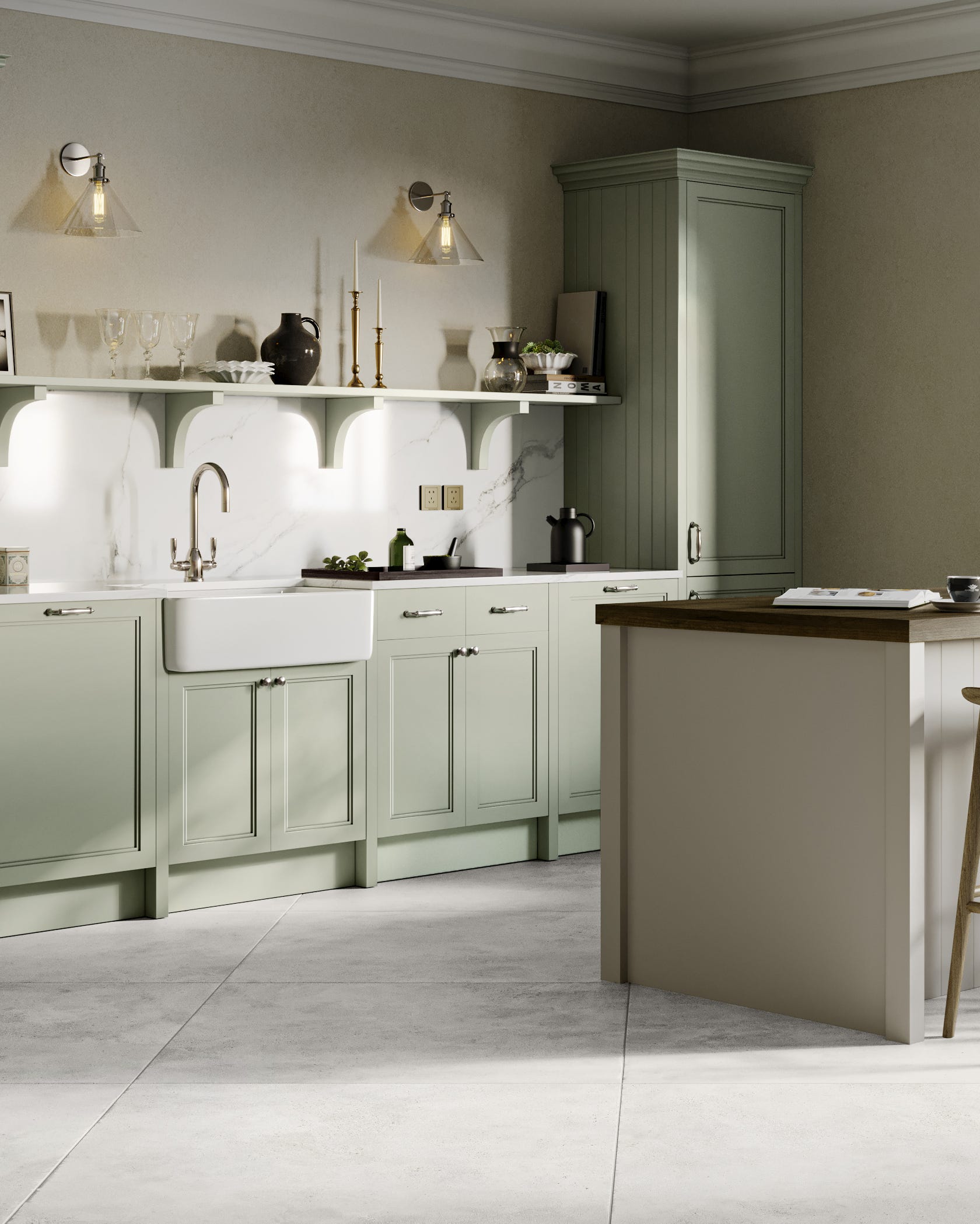
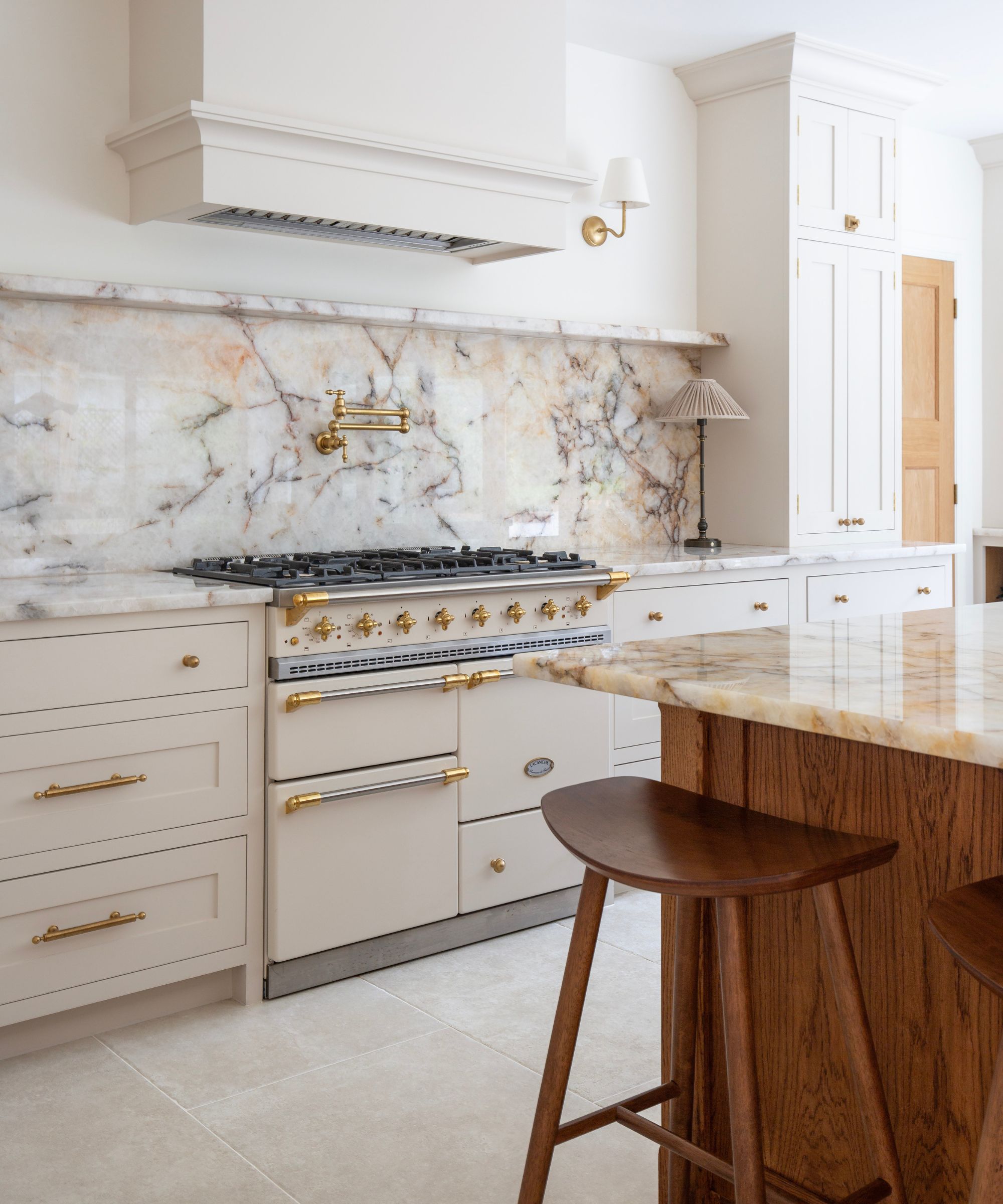
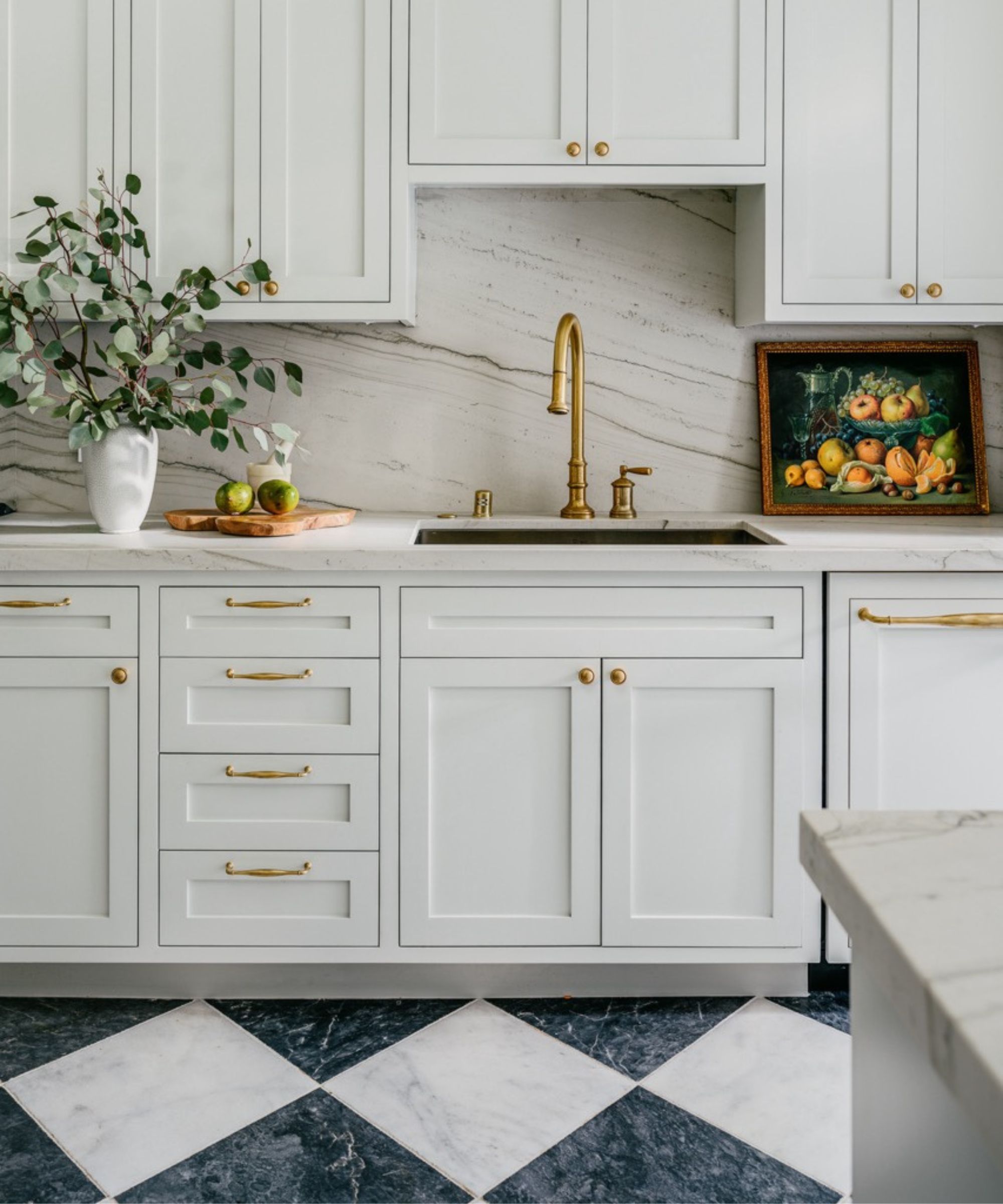
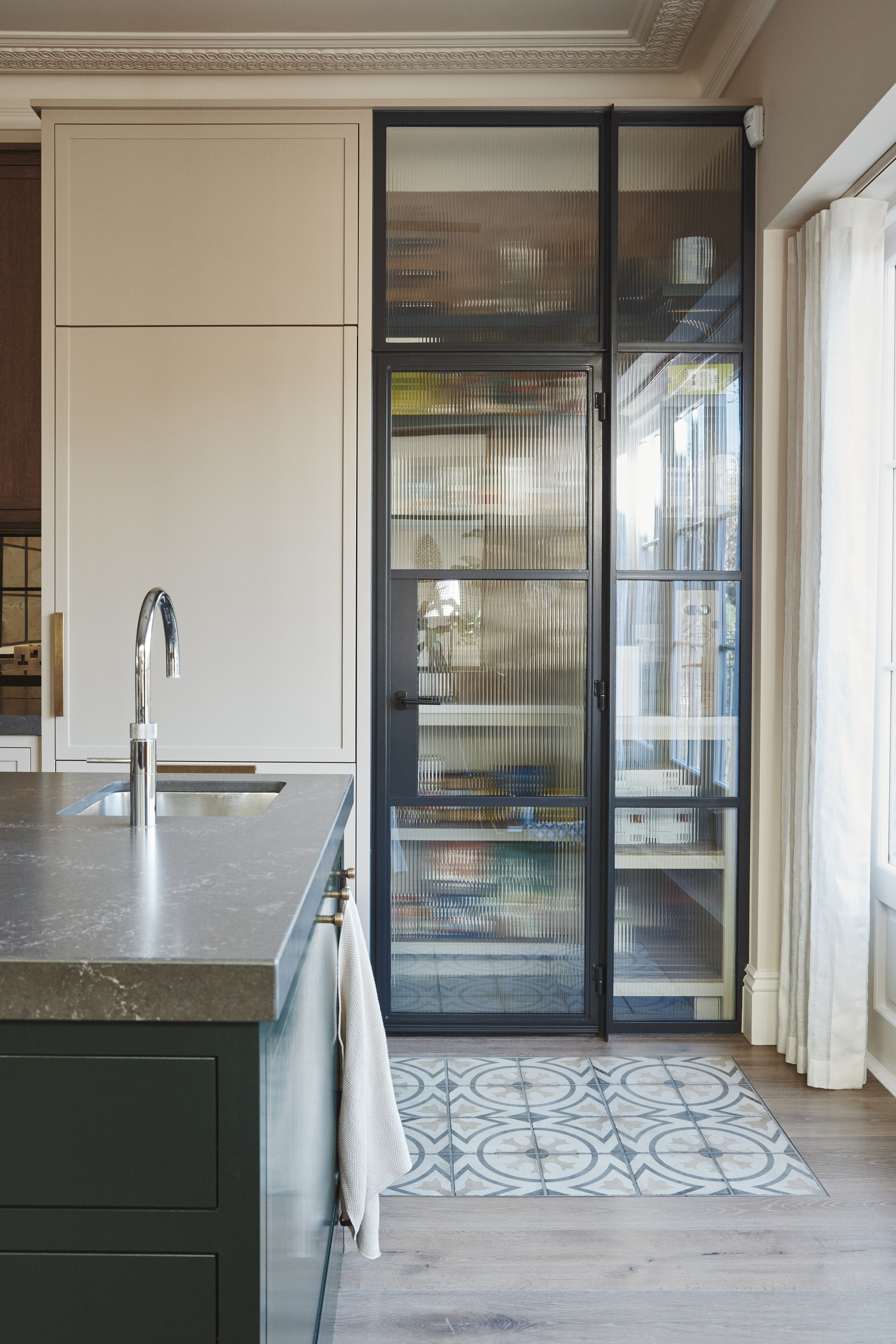
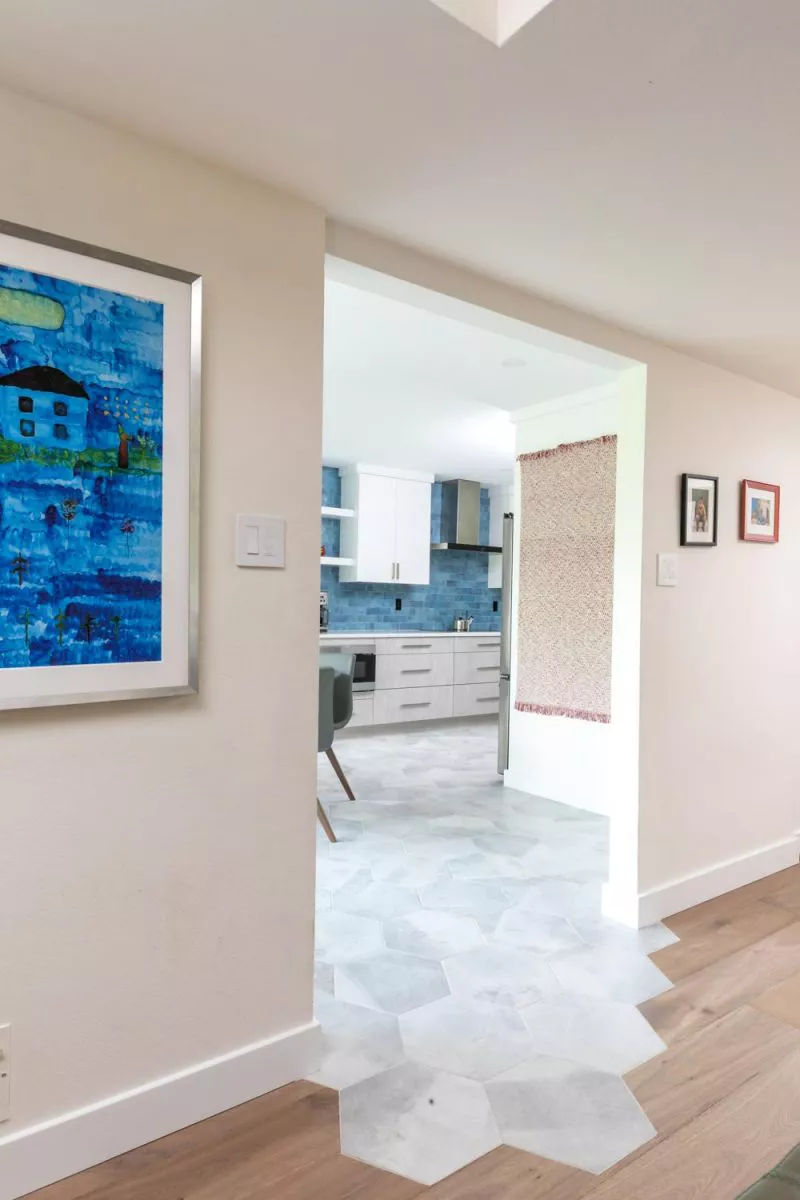
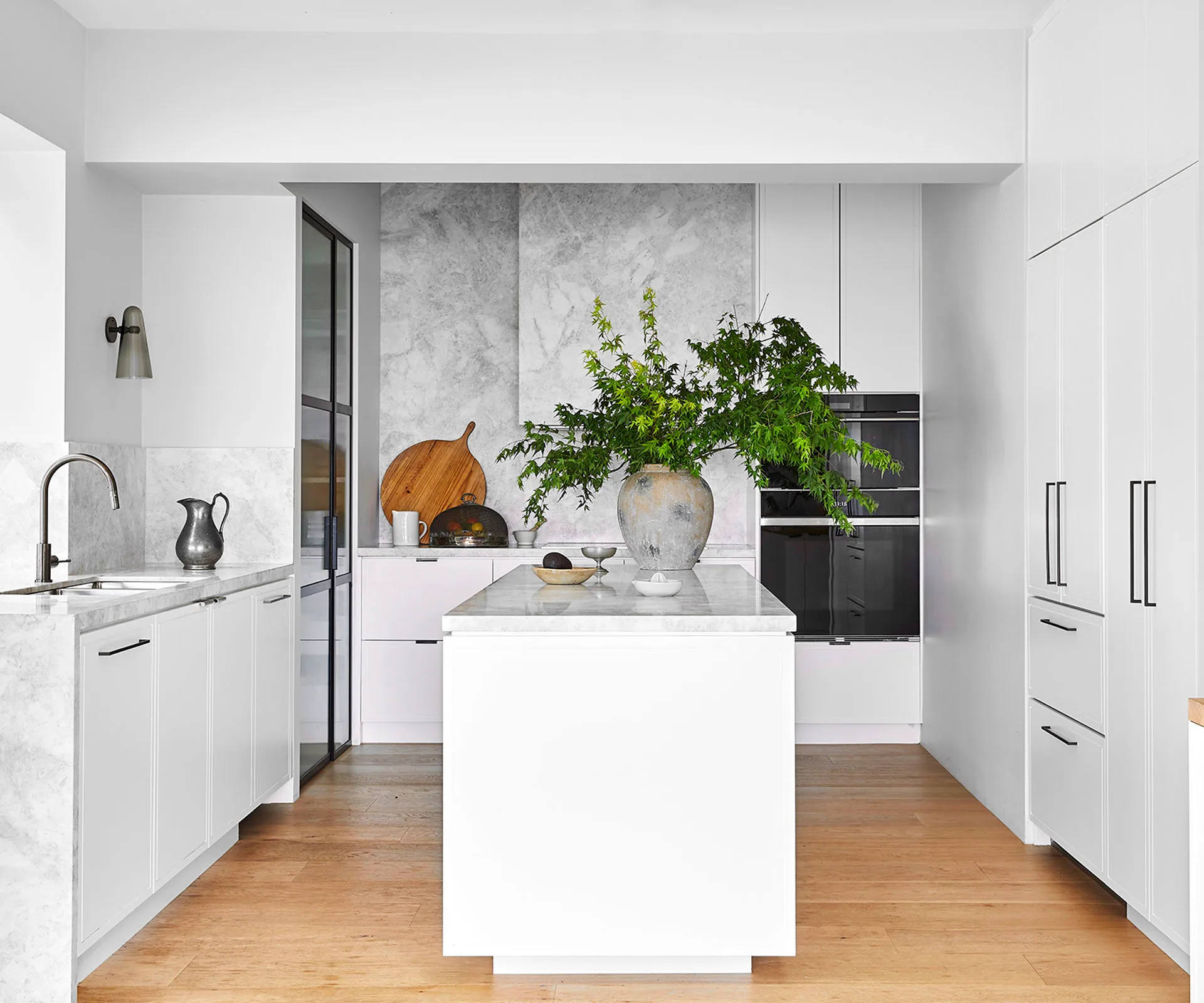
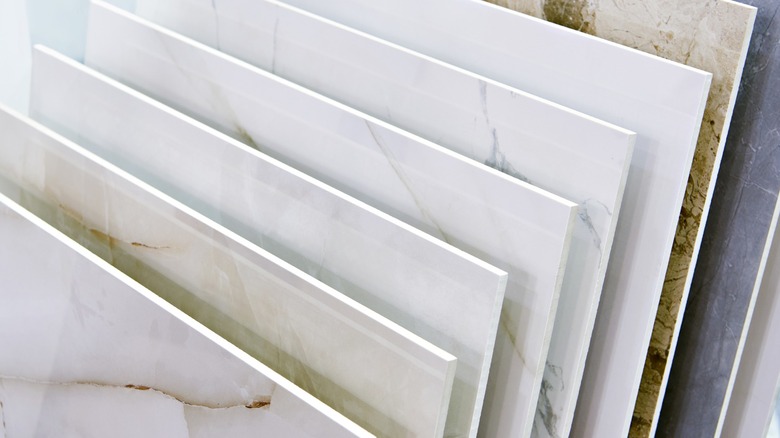
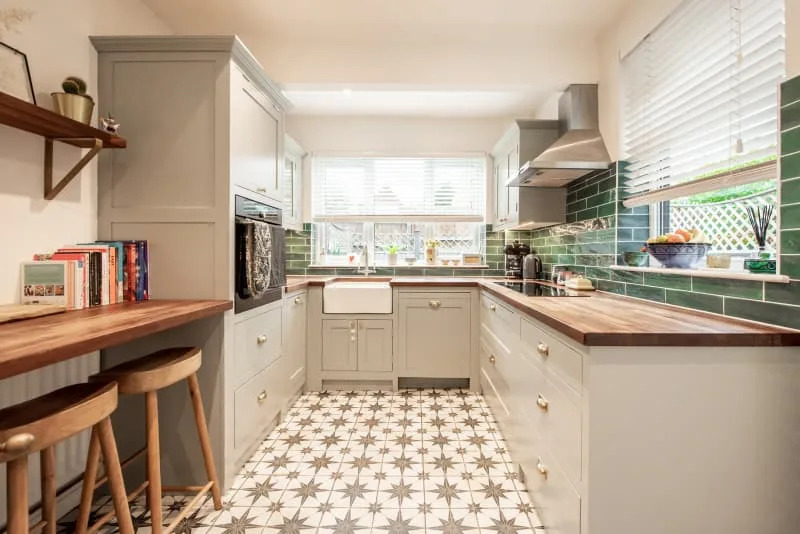
Conversely, installing flooring under cabinets is generally preferred for more permanent flooring materials, such as tile. This approach ensures a level surface for the cabinets, simplifies future replacements or shifts of cabinetry, and creates a more cohesive look. For timeless tile designs paired with high-quality, long-lasting cabinets, laying the tile first is often the recommended option. Similarly, if a continuous wood floor runs throughout the main level, installing cabinets on top of it, especially for kitchens with a shorter lifespan like IKEA kitchens, can prevent mismatched flooring issues if the kitchen layout is updated in the future.
There are specific scenarios where installing flooring under cabinets might not be advisable. If cabinets are not being replaced during a flooring upgrade, the new flooring can be butted against the existing cabinets and concealed by toe kicks, eliminating the need to extend it fully underneath. Another critical consideration is functionality, particularly concerning appliance heights. Dishwashers and most kitchen appliances are designed to fit standard countertop heights when placed on finished floors. If the new flooring significantly alters the floor level, it could create height conflicts with existing countertops or appliances, necessitating a change in flooring choice or subfloor modification beneath the countertops.
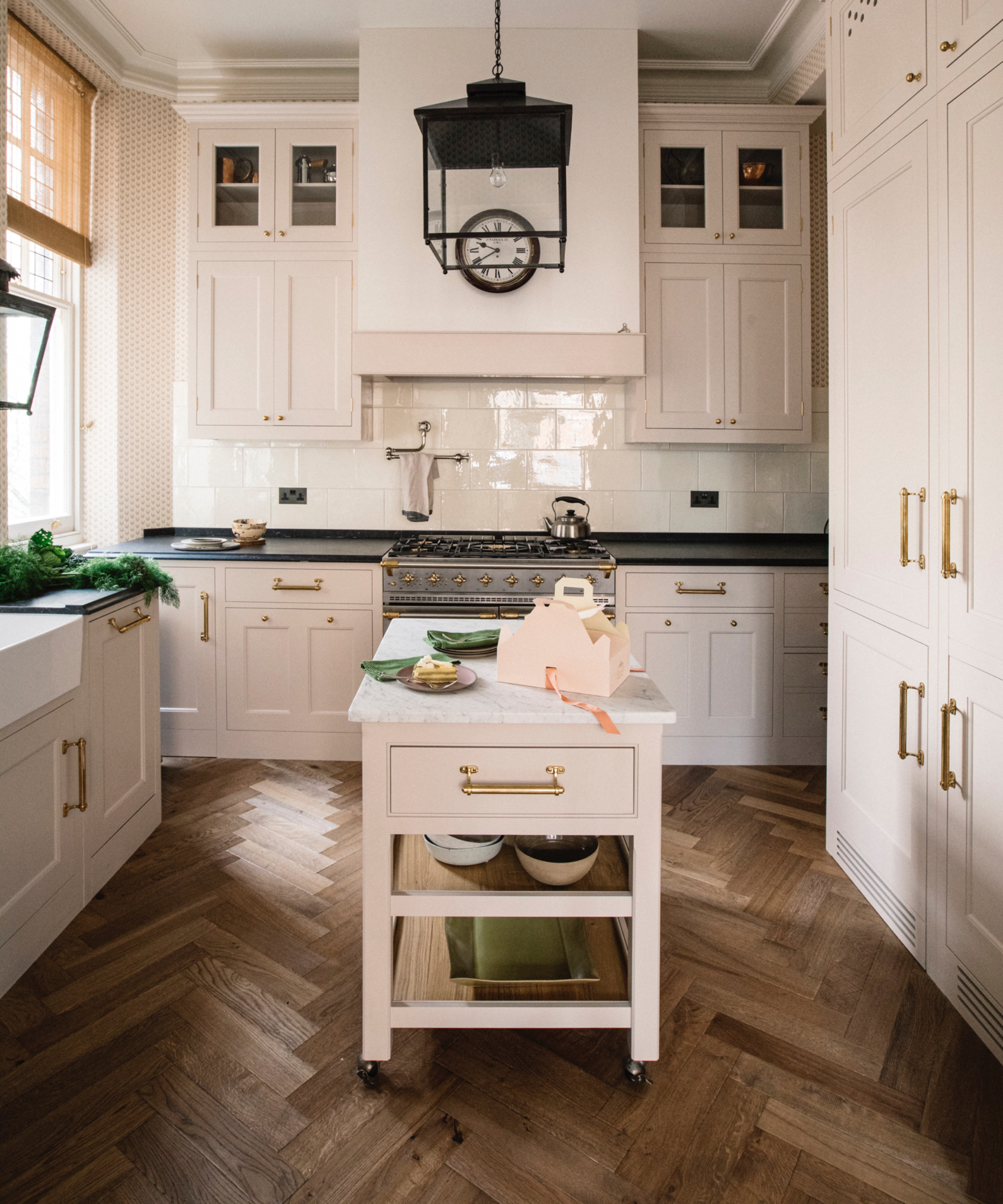
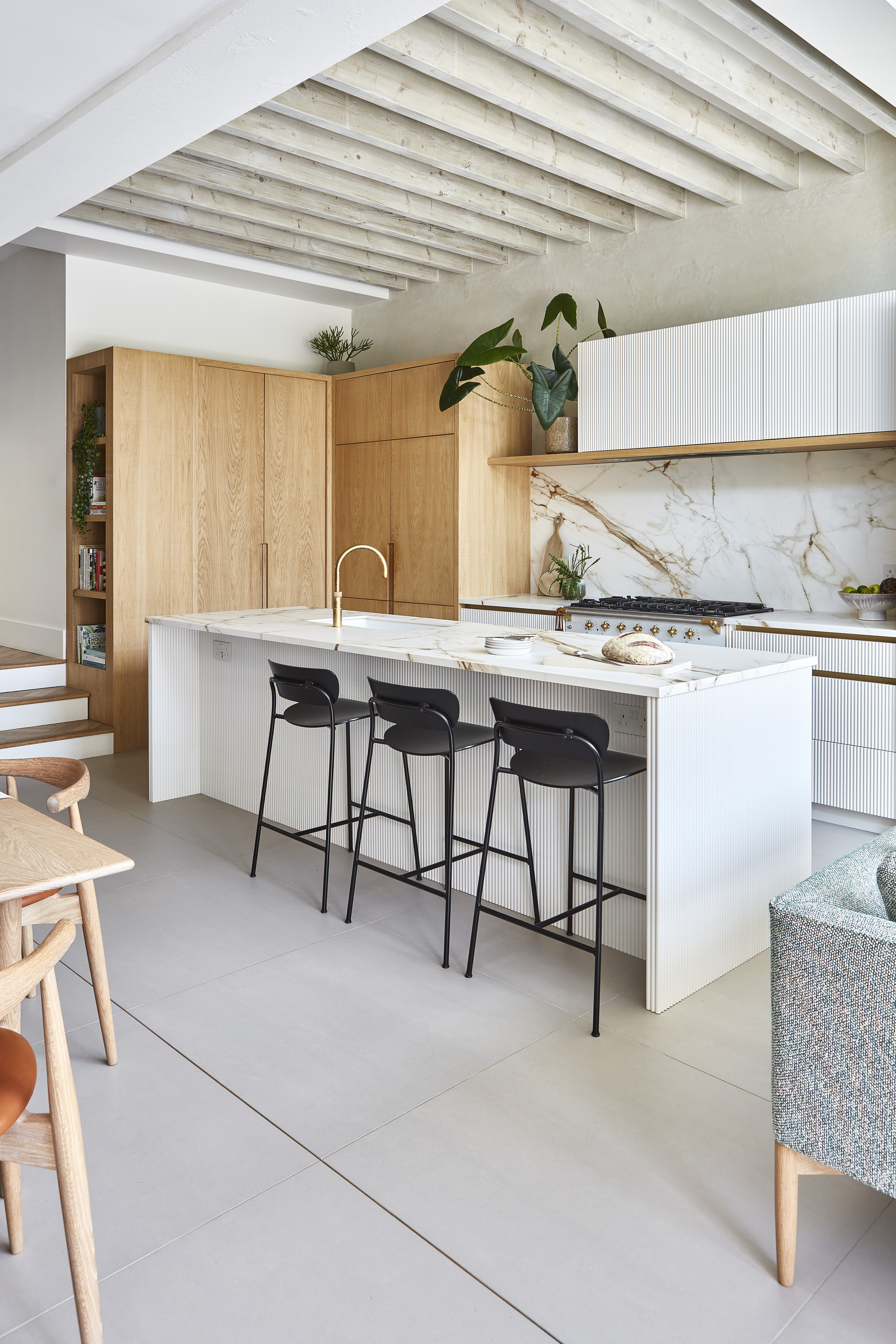
Regarding the sequence of installation, the standard practice in new constructions or remodels is to install floors before cabinets to maximize efficiency and prevent damage. This also simplifies planning by ensuring a consistent grade across the entire flooring area. For hardwood floors finished on-site, a slight variation in this sequence may occur, with finishers often preferring to work after cabinets are installed to avoid damage, although this might delay the installation of toe kicks and quarter rounds. The principles applied to wall cabinets largely extend to kitchen islands; if an island is fixed to the floor, floating floors pose similar challenges, necessitating careful planning or alternative installation methods to accommodate floor movement.
#KitchenFlooring #KitchenCabinets #HomeRemodeling #FloatingFloors #InteriorDesignAdvice #KitchenDesign #ConstructionTips #HomeImprovement #FlooringInstallation #KitchenFlooring #KitchenCabinets #HomeRemodeling #FloatingFloors #InteriorDesignAdvice #KitchenDesign #ConstructionTips #HomeImprovement #FlooringInstallation
0 comment in total
 No comments yet
You may also like
Should Your Kitchen Floors Be Darker Than Your Cabinets?
15 Modern Kitchen Flooring Ideas

9 Durable Kitchen Flooring Finishes That Interior Designers Swear Will Look Good for Longer
Vinyl Flooring Is the Top Choice for Kitchens—and 5 More Design Trends to Look Forward to This Year

Our Real Estate Expert Names The Kitchen Flooring Choice That Can Hurt Your Resale Value
6 Outdated Kitchen Flooring Ideas in 2025 That Threaten to Turn Back the Clock — Plus What to Choose Instead
All the Kitchen Tile to Wood Floor Transition Ideas You Should Try for a Seamless Look

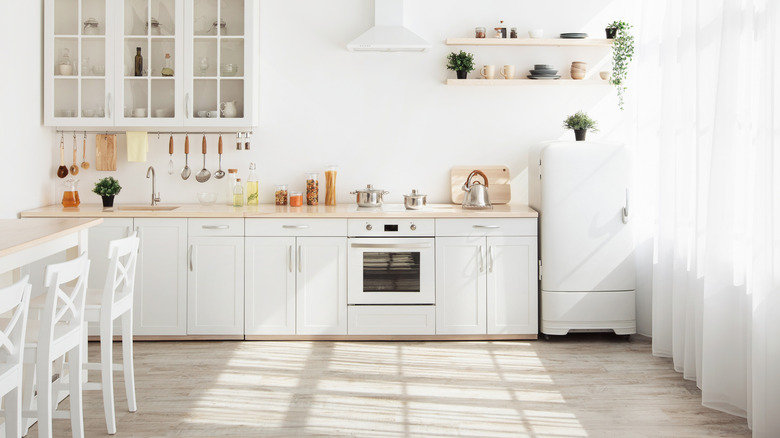
6 Kitchen Flooring Options That Are Durable And Stylish

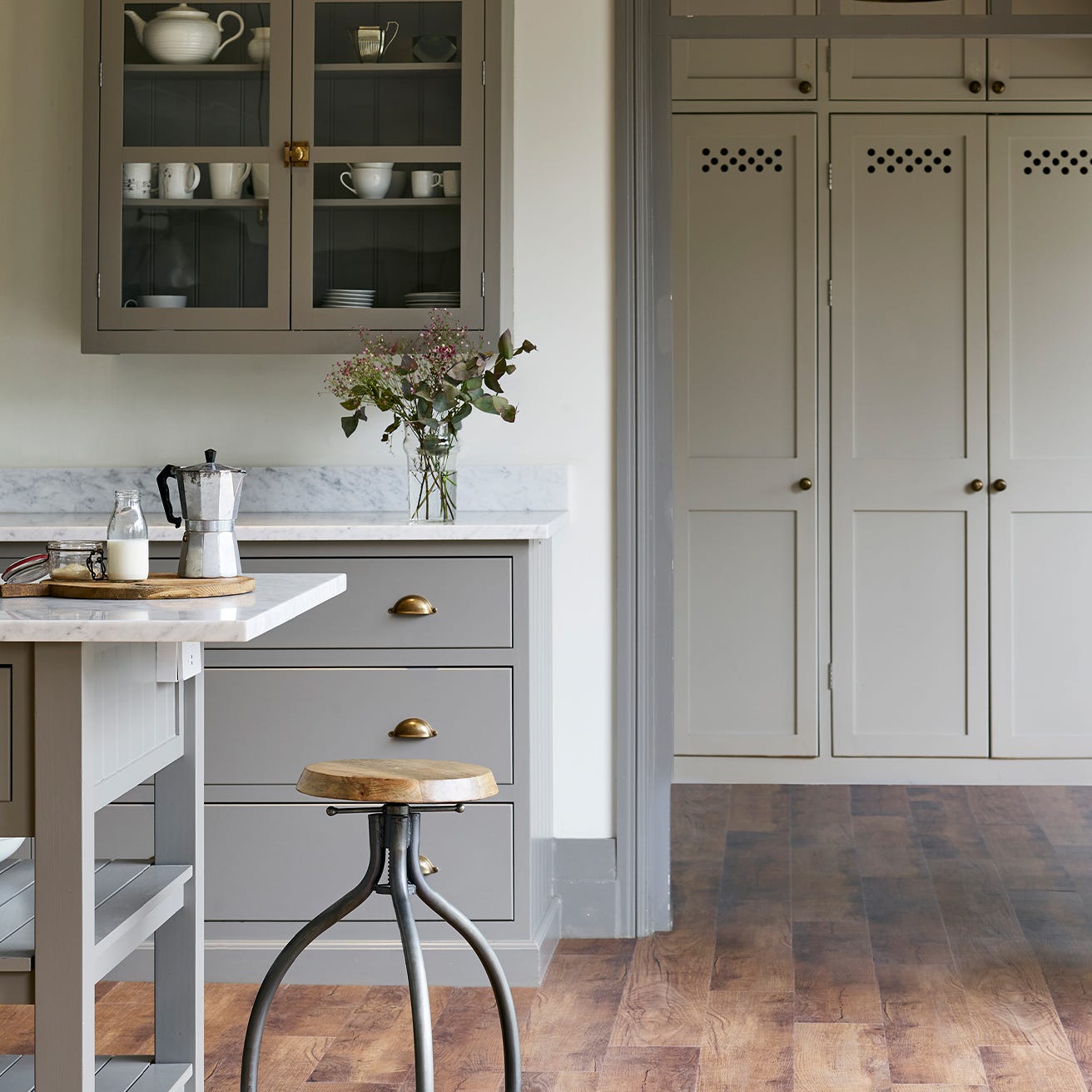
10 kitchen flooring ideas for a refreshed look
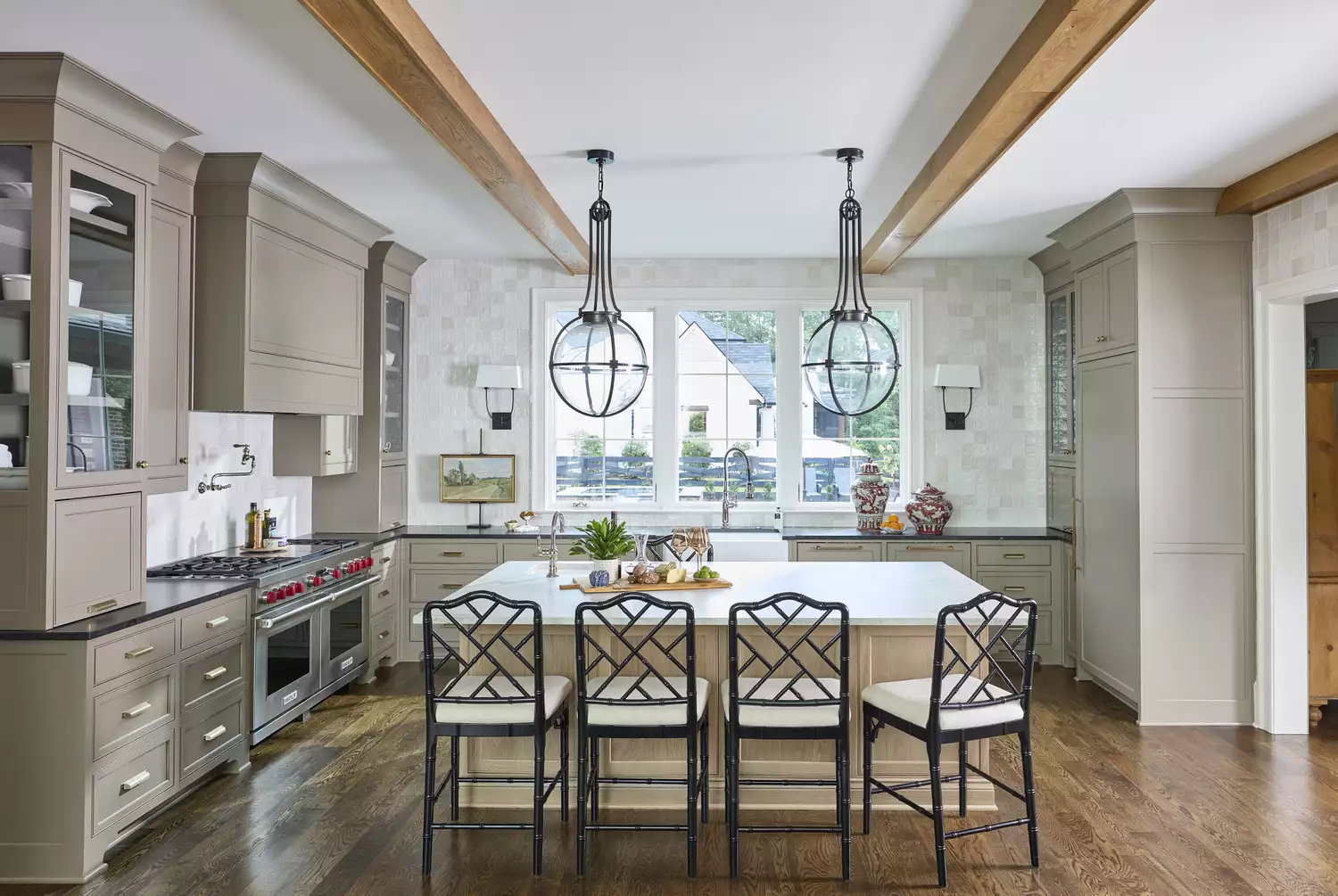
15 Kitchen Flooring Ideas For A Practical And Stylish Space
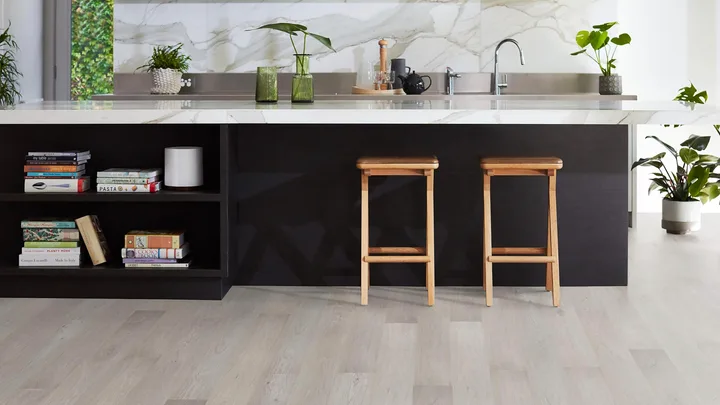
How to choose kitchen flooring that makes sense with your lifestyle

This Once-Taboo Kitchen Flooring Is Climbing the Ranks
Your kitchen cabinets don't have to be white

8 kitchen flooring trends for 2024 - durable, beautiful and designer-approved
Do White kitchen Cabinets With Dark Flooring Work? Embrace or Avoid - This is Interior Designers' Verdict
4 Kitchen Flooring Trends That Are on Their Way Out (and 3 Replacing Them)

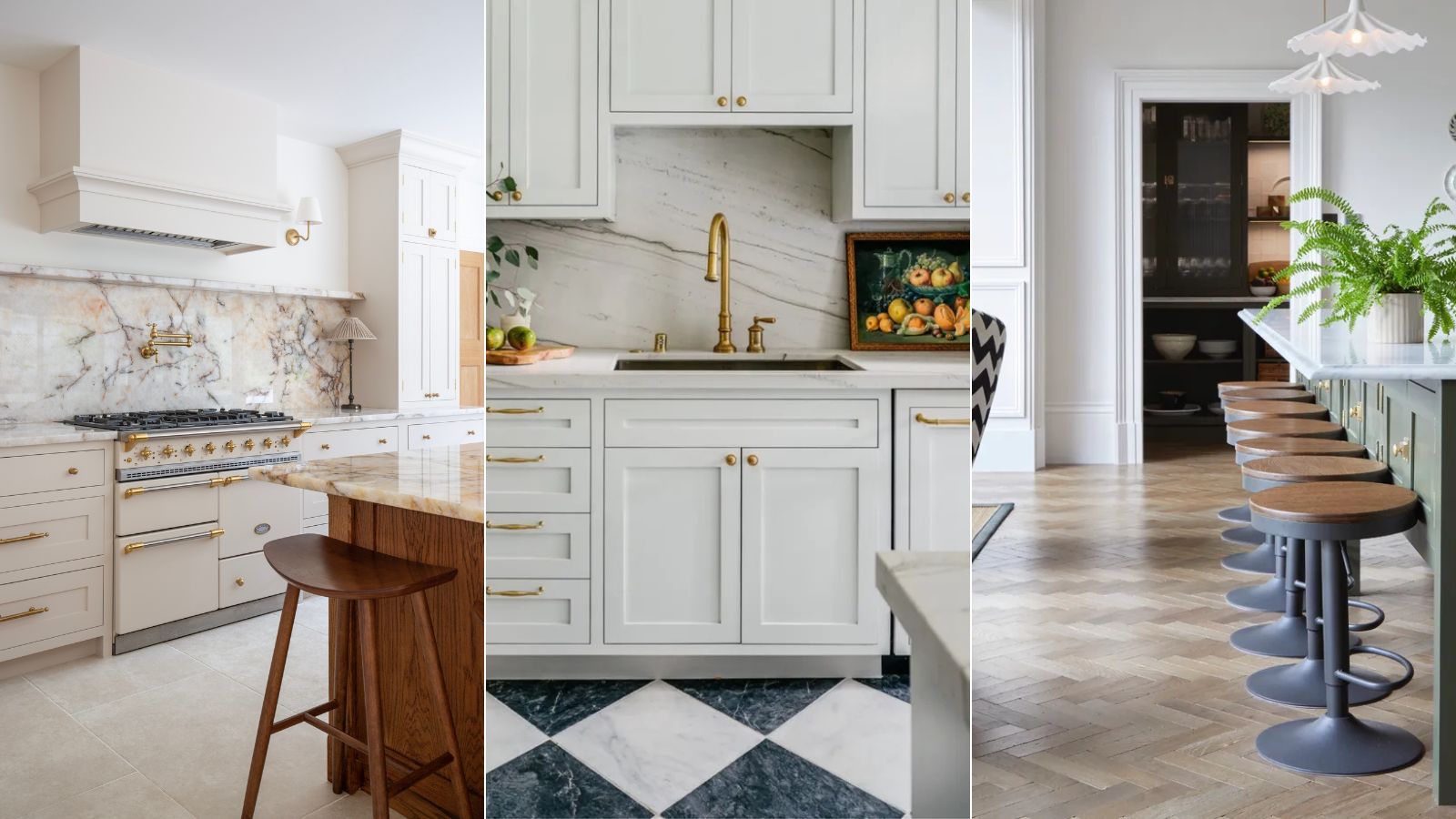
5 dated kitchen flooring trends to avoid in 2025 – and what experts say you should choose instead

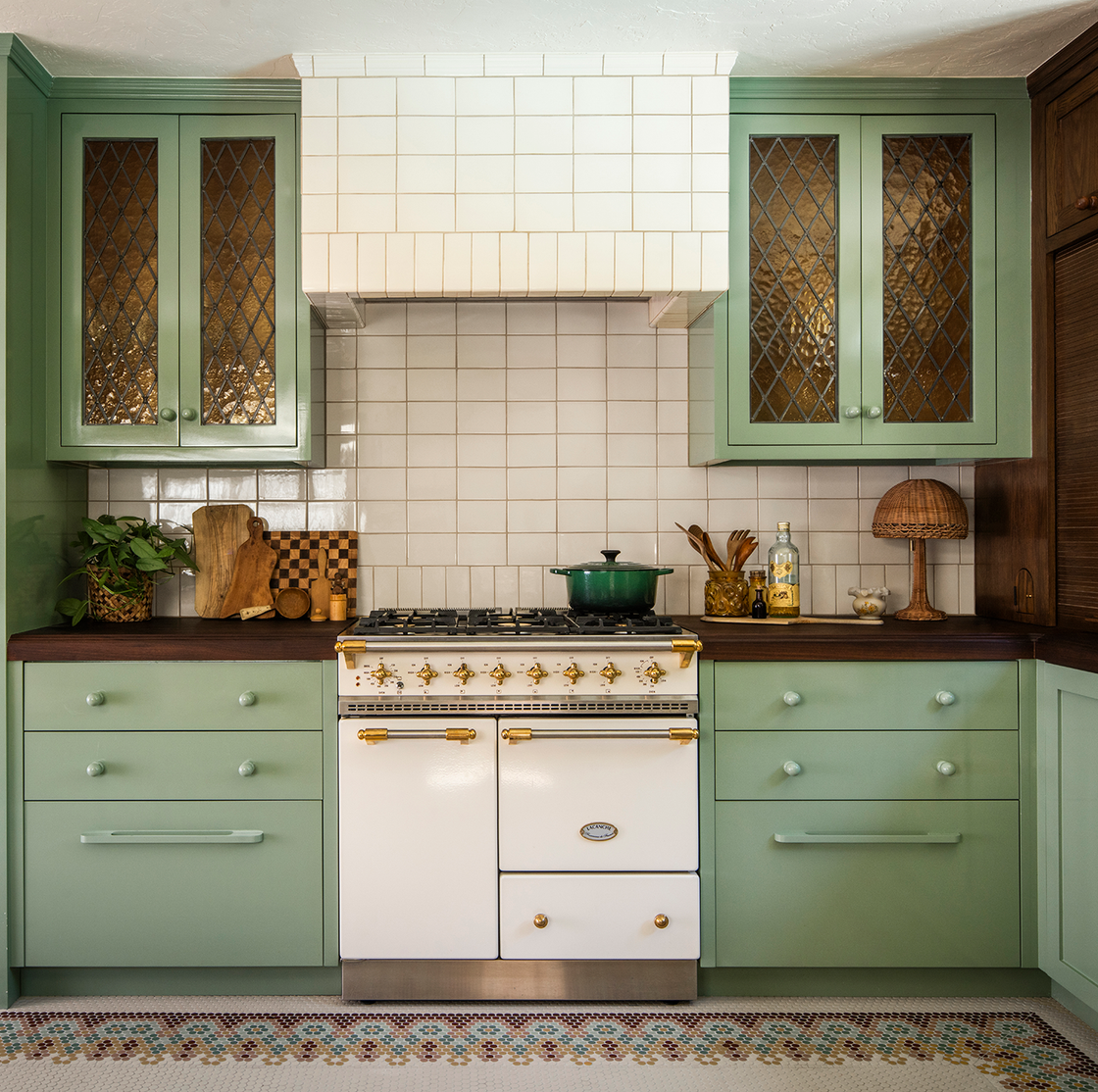
These Designer-Approved Flooring Ideas Look Great in ANY Kitchen
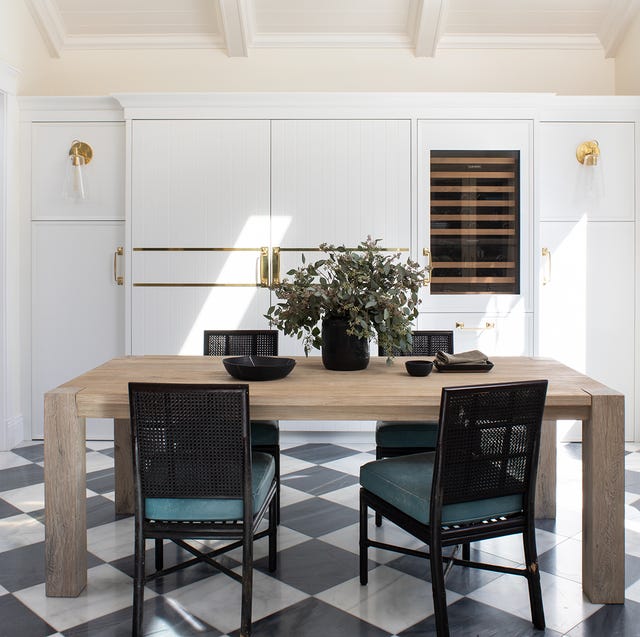
The Most Popular Kitchen Flooring Ideas for Every Style

Kitchen cabinets? Or open shelving? We asked an expert for the pros and cons.