20 Years of Concrete Contractor Magazine
The article reflects on the significant changes and advancements in the concrete construction industry over the past two decades, coinciding with the 20th anniversary of Concrete Contractor magazine, originally known as Concrete Concepts until 2002. Key industry insiders provide insights into technological progress, environmental initiatives, labor challenges, and future trends.
Efficiency has been a major focus, driven by technological advancements. Keith Armishaw, North American Business Development Manager at Aquajet, highlights how modern technology offers greater efficiency, flexibility, and ease of use. He cites improvements in hydrodemolition equipment, such as the Aqua Cutter 750V's Infinity oscillation system, which enhances the bonding surface for concrete repairs and minimizes rebar shadowing. Additionally, Aquajet developed the EcoClear, a fully automated water treatment system, in response to growing environmental concerns, allowing for the collection and treatment of wastewater for safe release or recirculation.
Environmental sustainability has become a critical aspect of the industry. The Portland Cement Association (PCA) launched its "Roadmap to Carbon Neutrality" in October 2021, aiming for carbon neutrality by 2050. Mike Ireland, PCA President and CEO, emphasizes the ongoing research and development in lower-carbon cements, alternative fuels, and carbon capture technologies. Achieving net-zero goals requires collaborative efforts across the entire cement-concrete-construction value chain, including policy support from government officials.
Equipment manufacturers like Wirtgen America have adapted their designs to market changes, such as a shift towards more reconstruction projects rather than new construction. Tim Nash, Director of Concrete Products at Wirtgen America, notes the integration of stringless control technologies, improved transportability of slipform pavers, and quicker paving width change times. These innovations reduce project time and cost, addressing the challenges posed by fragmented job sites. A strong emphasis is also placed on sustainability, reduced emissions, and increased automation to counteract the skilled labor shortage.
The construction industry continues to grapple with a significant shortage of skilled labor, an issue that predates the global pandemic but was exacerbated by it. While training programs are being implemented, meaningful results are expected to take time. Safety and health regulations have also evolved, with increased awareness of issues like silica exposure. Manufacturers have responded by developing solutions such as dust suppression systems and remote operation capabilities to protect workers and ensure compliance with environmental regulations.
Looking ahead, the concrete industry anticipates further evolution in material sourcing and construction methods, driven by sustainability concerns. Keith Armishaw foresees structures being designed for longer lifespans, with repair procedures integrated into the initial design process. Automated processes are expected to enhance safety by reducing physical strain and injury, boosting overall job site efficiency. Mike Ireland predicts a move towards greater digitalization, with reduced reliance on paper for documentation, scheduling, and blueprints. Affordable and scalable software solutions are becoming more accessible to companies of all sizes.
Future developments also include advanced sustainable technologies such as 3D imaging and carbon capture systems. Several carbon capture projects are currently funded by the Department of Energy, some at PCA member companies, indicating a strong industry commitment to reducing environmental impact. Tim Nash suggests that carbon emissions will be quantified at various levels of construction, potentially influencing bidding processes and incentive programs. Other anticipated advancements include onsite crushing and reclamation of materials, and optimization through machine learning for processes like batching and hauling. Concrete Contractor magazine plans to continue its coverage of these innovations and projects in both constructive and decorative concrete sectors, inviting submissions from contractors to share their stories.
#ConcreteConstruction #ConstructionTechnology #EnvironmentalSustainability #CarbonNeutrality #SkilledLaborShortage #WorkplaceSafety #Digitalization #AutomatedConstruction #IndustryTrends #ConcreteConstruction #ConstructionTechnology #EnvironmentalSustainability #CarbonNeutrality #SkilledLaborShortage #WorkplaceSafety #Digitalization #AutomatedConstruction #IndustryTrends
0 comment in total
 No comments yet
You may also like
Material Guide: The Benefits of Building With Concrete

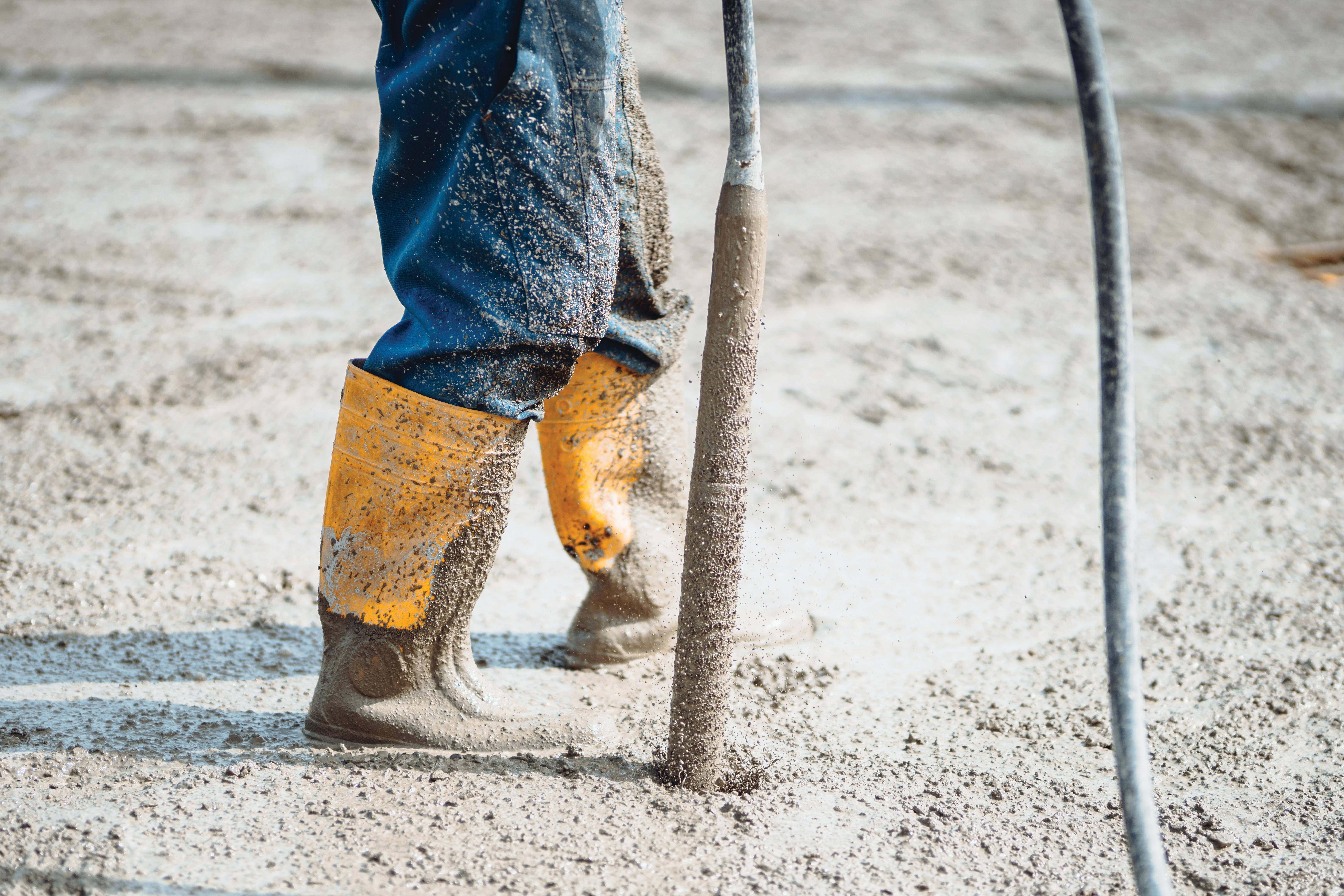
An Outlook on 2025 - Is 2025 Looking Good For Concrete Contractors?
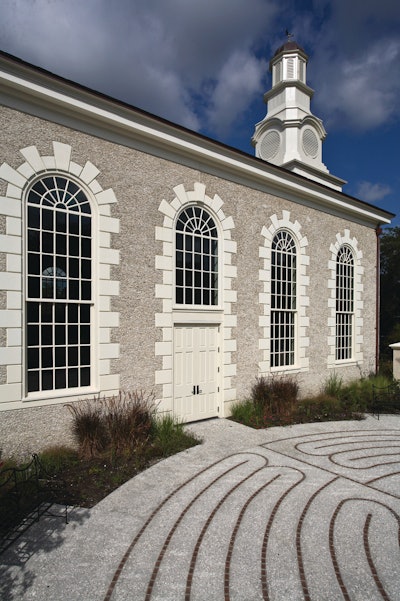
Tilt-Up Concrete: A Unique Opportunity for the Resurgence of Craftsmanship in Construction
The Evolution of a Poured Wall Contractor

On the tiles: a force in American interiors celebrates its 20th birthday in style
One Thing at a Time | Concrete Contractor July/August/September 2022 Editor's Log
Concrete Landscape Logs From: The Concrete Edge Company

Top General Contractors


Concrete design ideas: how to make them work in any home


Jonathan Kozlowski
How Formwork Works

Sustainable Construction in Concrete - A Greener Future
The 10 Biggest Concrete Contractors in the U.S. in 2023
Decorative concrete contractor
Concrete Screed Maintenance Checklist

Decorative Concrete: Concreting in the Caribbean

Concrete Events & Tradeshows for 2026
Hindman Concrete Construction offers a variety of concrete improvement options
Turning Gray to Great

Concrete Podcast Report: 4 Podcasts To Check Out