
1/2
Decorative Concrete: Concreting in the Caribbean
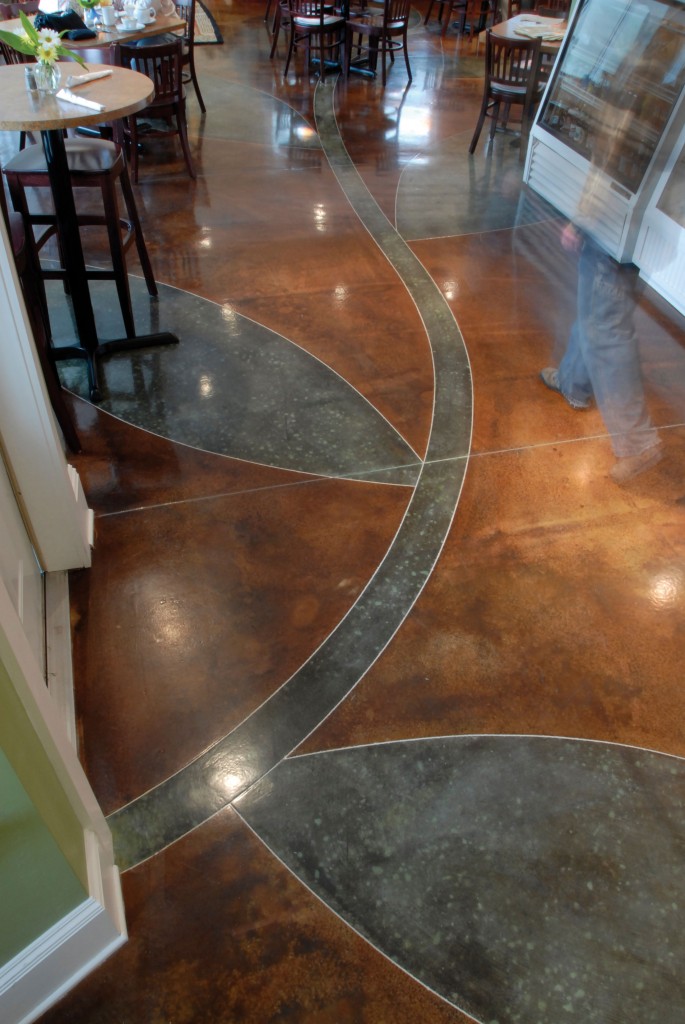
The article presents an interview with Scott Barlass, a full-time resident on the Caribbean island of Bonaire, discussing his experiences with decorative concrete installation for his beachfront home. The decision to use decorative concrete throughout the home was driven by two main factors: the desire for a unique and varied aesthetic, and the significant cost savings compared to importing tiles. Importing over 5,000 square feet of tile would have cost more than $50,000, plus an additional 30% in import duties and $10,000 to $15,000 in shipping costs. Furthermore, there was a high risk of tile breakage during transit, necessitating an additional 20% order to cover potential damage.
Barlass highlights the stark differences in labor practices between Bonaire and the United States. In the US, his prior experience with concrete contractors involved issues with supervisor engagement, material coordination, and worker consistency. In contrast, Bonaire's construction culture heavily relies on concrete, which is used for floors, walls, and sometimes even ceilings due to the scarcity of wood. Local laborers are motivated to develop detailed concrete finishing skills to improve their pay scales, with skilled finishers earning about $11 per hour and common laborers making $3 to $3.50 per hour.
Production methods also vary significantly. In the US, ready-mix concrete is typically delivered by truck for quick installation. In Bonaire, only one ready-mix plant exists, and drivers often discharge loads quickly, leaving a reservoir of concrete. Most concrete is mixed by hand using mortar mixers. Raw materials present further challenges; cement is imported from Venezuela, while aggregate and sand are derived from crushed coral, leading to high salt content. Workers must use homemade sieves (3- by 4-ft. screens) to filter the sand before mixing. Due to manual mixing and varying material consistency, each batch of concrete can differ, though workers rely on their experience to achieve approximate consistency.
Despite these challenges, Barlass expresses overall satisfaction with the quality of his concrete installations, although he notes that most of it is less than three years old. He emphasizes the need for constant oversight during the concreting process, recounting an instance where workers mixed dirt instead of sand due to the contractor running out of funds. Material availability is a persistent issue; sand, produced by crushing coral rocks, has been scarce, with a three-month shortage experienced previously. A new environmental regulation will soon prohibit coral crushing for sand production, necessitating expensive sand imports at $600 per cubic meter.
Sourcing tools and supplies is another hurdle. Basic tools like trowels and shovels are available locally, but specialized items such as stains, dyes, and stamping mats must be imported from the United States, incurring at least a two-week delay. The island currently lacks educational opportunities for advanced concrete science or artistic installation, leading to a limited market for high-end decorative concrete finishes, though this is expected to evolve with increased education and artistic installations.
Language barriers and financial considerations also pose significant difficulties. Few workers speak English, forcing Barlass to improve his Spanish over three years of construction. US companies often do not accept non-US credit cards, requiring Barlass to make personal purchases and seek reimbursement from builders or workers. These logistical and operational complexities highlight the advantages of construction resources readily available in the United States, prompting a reflection on the comparative ease of concreting practices there.
#DecorativeConcrete #CaribbeanConstruction #BonaireConstruction #ConcreteInstallation #ConstructionChallenges #MaterialSourcing #LaborPractices #IslandLiving #DecorativeConcrete #CaribbeanConstruction #BonaireConstruction #ConcreteInstallation #ConstructionChallenges #MaterialSourcing #LaborPractices #IslandLiving
0 comment in total
 No comments yet
You may also like
How to Apply Multi-Color Dyes to Polished Concrete
Material Guide: The Benefits of Building With Concrete

Slabs of corduroy-textured concrete encase a Spanish home by Muka Arquitectura
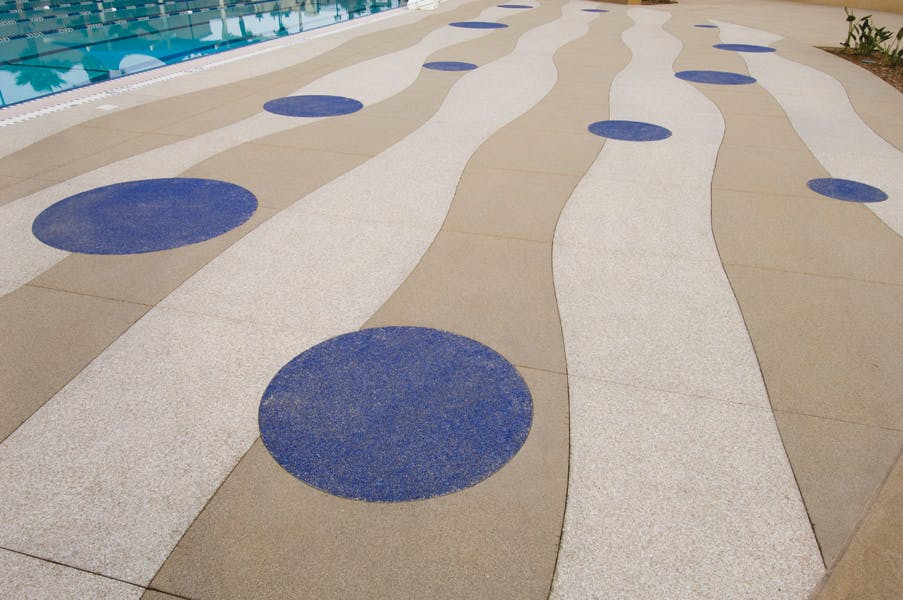
Successful Staining
Concrete design ideas: how to make them work in any home

Are concrete kitchen countertops a good idea?

Concrete Landscape Logs From: The Concrete Edge Company
Patterned Concrete and Geometric Tiles Turn This California Renovation Into a Cheerful Oasis
Dwell and Concrete Collaborative Announce a New Line of Tiles Inspired by Surfboard Design
How to Choose a Concrete Countertop Mix Design
Everything You Need to Know About Concrete Worktops

8 concrete flooring ideas that will convince you this style can be surprisingly luxurious
Decorative concrete contractor
This Underutilized Countertop Looks Great, but "It's Not the Material for Everyone" — The Pros and Cons of Concrete, Explained by a Specialist

This nearly 100-year-old tile company owes its beginnings to India’s freedom struggle

A Tile Collection That Takes on Architecture’s Oldest Embellishments

Sustainable Concrete Panel Construction | Spotlight on Nexii and Vero Building Systems
Creative Concrete: Poetry in Non-Motion

K-Studio pairs stone with concrete for Greek holiday home
Decorative Contractors Get Creative with Concrete Countertops