How to Choose a Concrete Countertop Mix Design
The increasing popularity of decorative concrete in various applications, from countertops to fireplace surrounds, highlights the importance of selecting the appropriate mix design for precast projects. Contractors have two primary options: a made-from-scratch mix or a pre-packaged bag mix, each with distinct advantages and disadvantages.
Made-from-scratch mixes offer cost reduction and flexibility, allowing contractors to purchase individual ingredients such as gravel, sand, and cement. Jeff Girard, president of The Concrete Countertop Institute, advocates for teaching students to create both aggregate-based and sand-based mixes. He emphasizes that decorative concrete mixes differ significantly from standard concrete, urging contractors to avoid using sidewalk concrete for high-quality countertops due to client expectations. While designing one's own mix can save money, it demands a higher skill level, akin to a ready-mix plant's trained professionals who engineer concrete mixes.
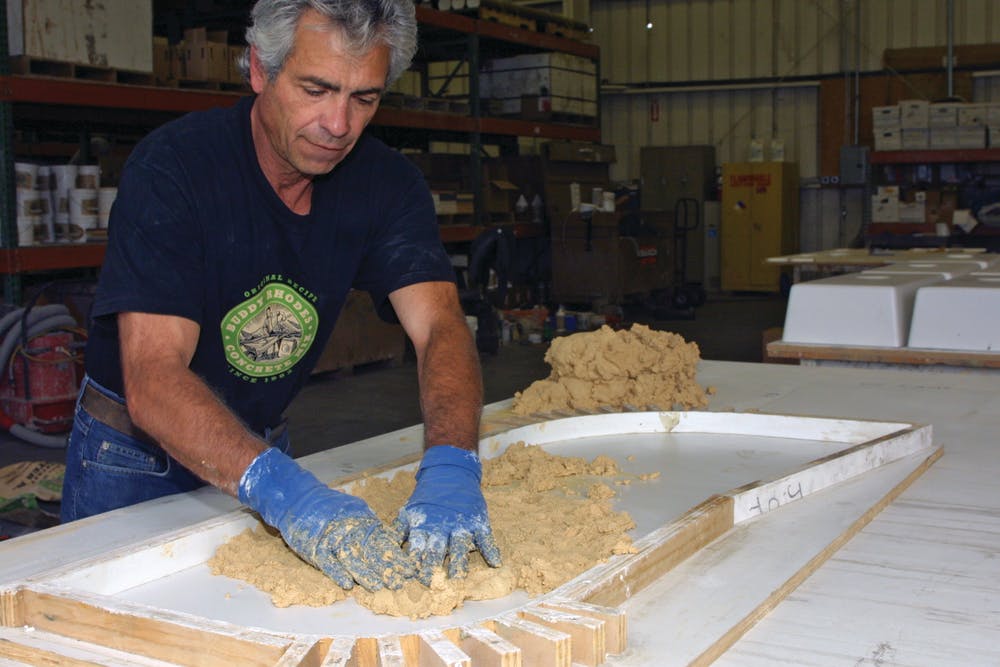
Conversely, bag mixes provide consistency and ease of use. Buddy Rhodes, owner of Buddy Rhodes Concrete Products, notes that white cement-based bag mixes, when combined with consistent water and pigment amounts, yield dependable results, unlike Portland gray cement mixes which can lead to slight color variations. He suggests that bag mixes allow contractors to concentrate on the finishing process rather than the complexities of mix design. Mike Heidebrink of Cheng Concrete agrees, stating that bag mixes enable contractors to focus on the overall product quality, freeing them from the chemistry involved. Doug Bannister of enCOUNTER highlights the security, reliability, and dependability of bag mixes, particularly for contractors less familiar with concrete chemistry, allowing them to understand the limits of their work.
Regardless of the chosen mix type, several admixtures are crucial. Pozzolans are essential mineral powders that replace a portion of the cement, enhancing the concrete's long-term quality by reacting with its by-products. Superplasticizers are another vital admixture, enabling workability without the detrimental addition of excessive water, which can weaken the concrete. Polymers can be added to improve the concrete's flexural strength, and pigments are commonly used for coloring. The aggregate size is also a critical factor for precast projects like countertops, with Heidebrink recommending 3/8-inch aggregate or smaller for wet cast concrete to prevent cracking, while Rhodes typically works with ¼-inch aggregate for dense, polishable mixes. Ultimately, the choice between mix types depends on the contractor's comfort level and expertise, with a deeper understanding of concrete mechanics leading to better outcomes.
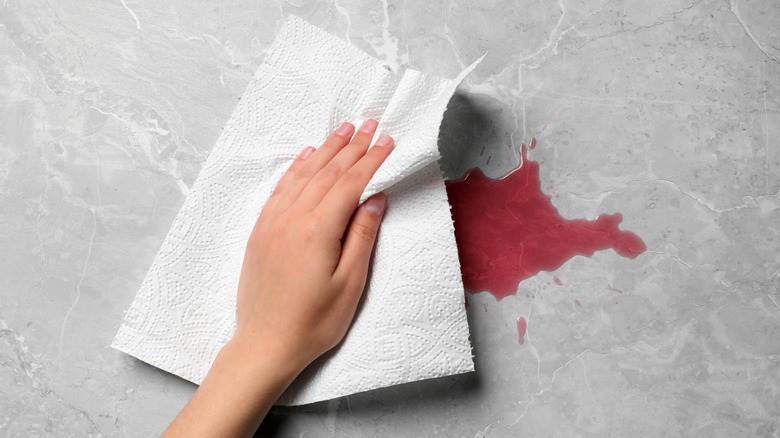
To ensure successful precast projects, contractors should adhere to five key tips: avoiding excessive water by using superplasticizers to maintain workability, achieving a well-graded mix to ensure tightly packed particles and reduced paste needs, curing slowly to allow concrete to reach its full strength, using the proper amount of cement to prevent cracking (while being mindful that more cement requires more water), and educating clients about concrete's susceptibility to staining to manage expectations.
#ConcreteCountertops #DecorativeConcrete #MixDesign #Admixtures #ConcreteCuring #ConstructionMaterials #BuildingTechniques #MaterialSelection #ConcreteCountertops #DecorativeConcrete #MixDesign #Admixtures #ConcreteCuring #ConstructionMaterials #BuildingTechniques #MaterialSelection
0 comment in total
 No comments yet
You may also like
How To Pick The Perfect Countertop Material For Your Kitchen

A Crash Course in Choosing Kitchen Countertops
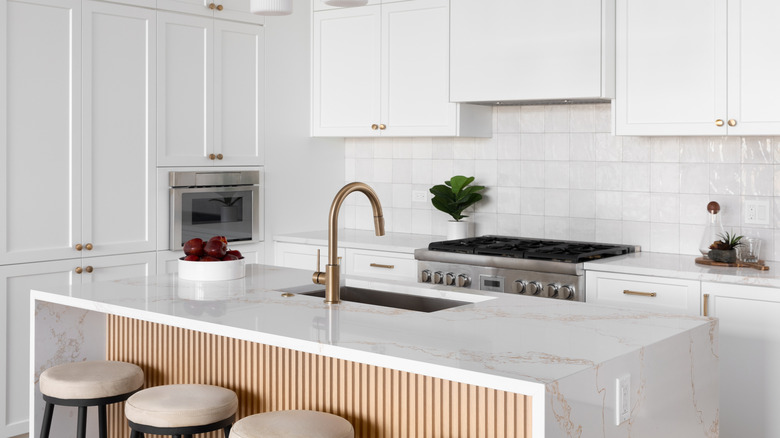
5 Outdated Countertop Trends To Avoid And 5 To Try Instead

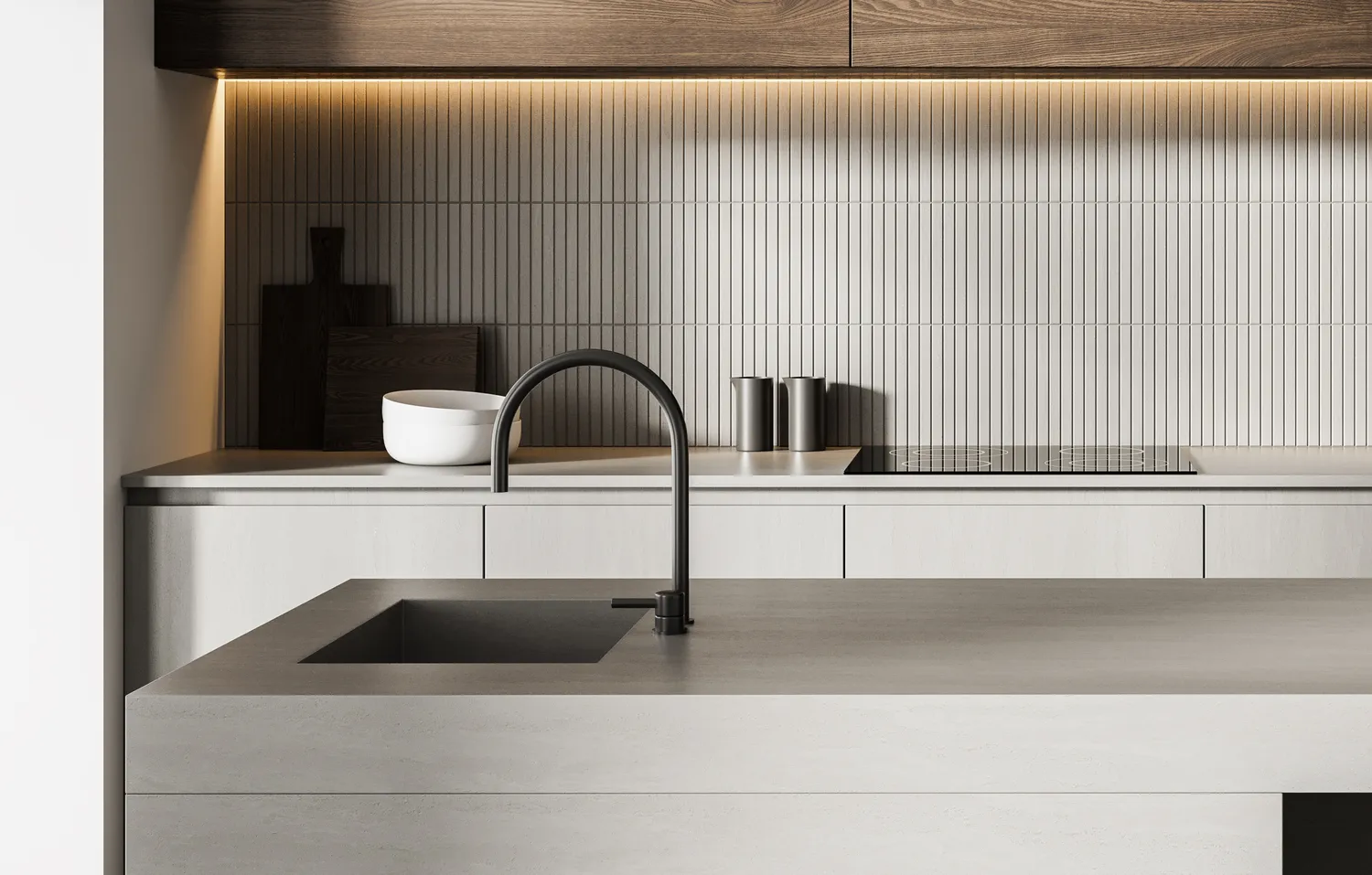
The 1 Kitchen Countertop Trend We Hope Never Comes Back
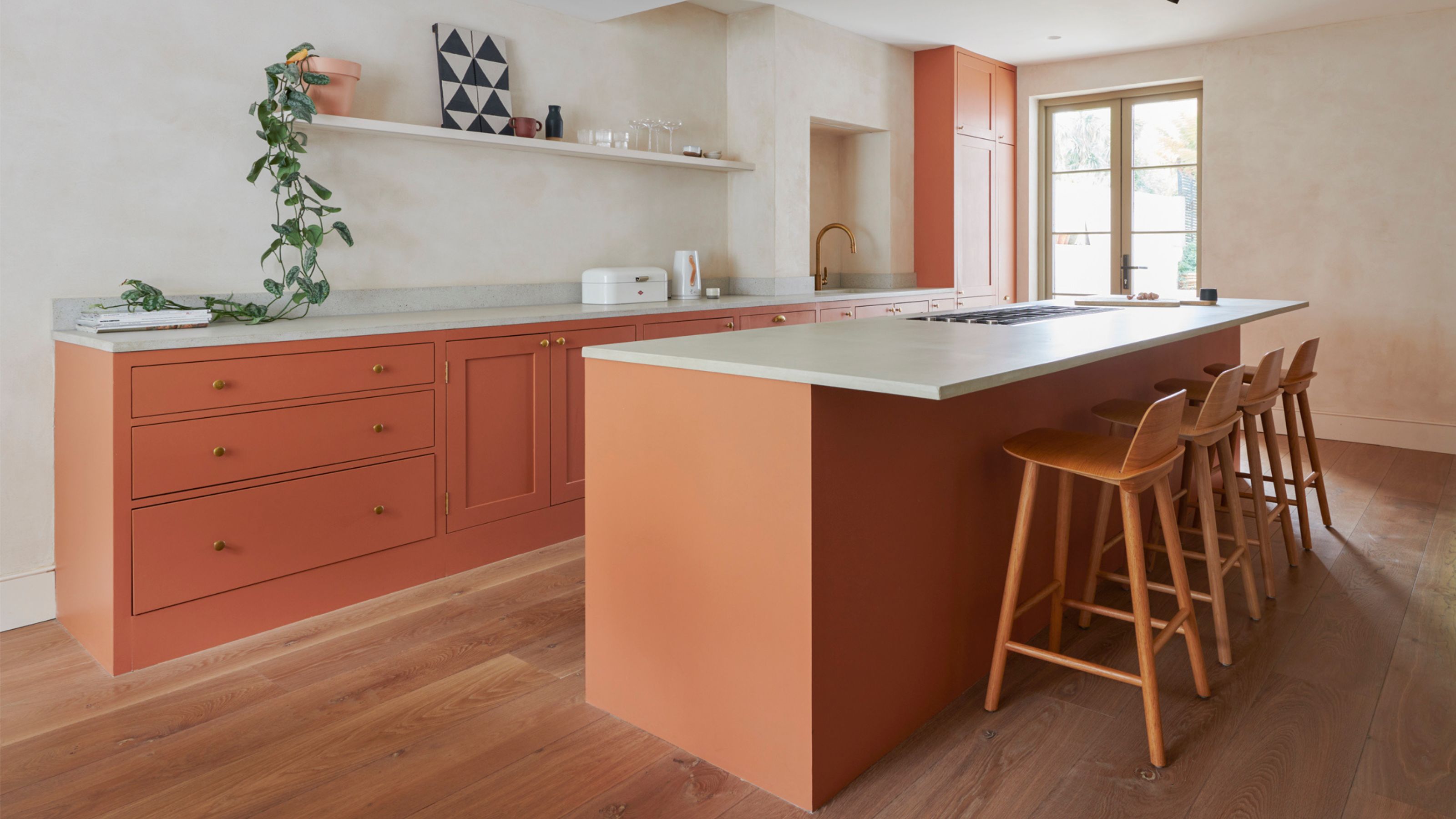
This Underutilized Countertop Looks Great, but "It's Not the Material for Everyone" — The Pros and Cons of Concrete, Explained by a Specialist

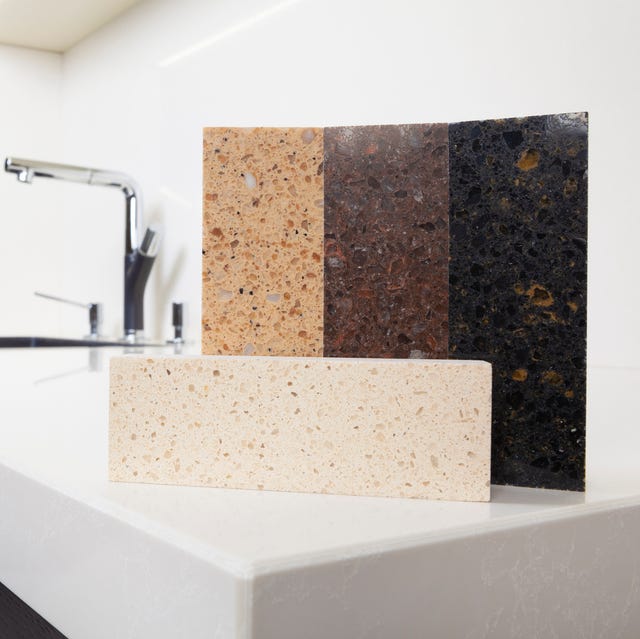
From Natural Stone to Plastic Laminate, We're Helping You Choose the Best Countertop Material for Your Kitchen
Thinking About Upgrading Your Kitchen Countertops? Here Are 15 Types to Consider

Kitchen Concrete Counters Ceramic Tile Backsplashes Design Photos and Ideas

Are concrete kitchen countertops a good idea?

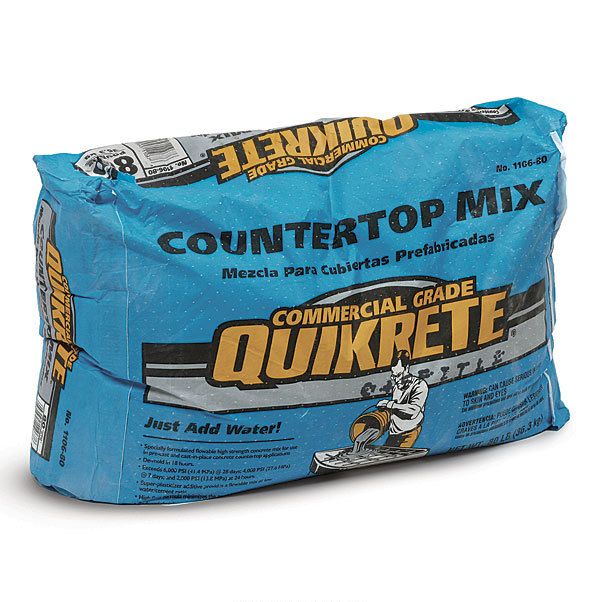
Quikrete Countertop Mix

Kitchen countertop ideas – 21 worktops in marble, granite and composite materials
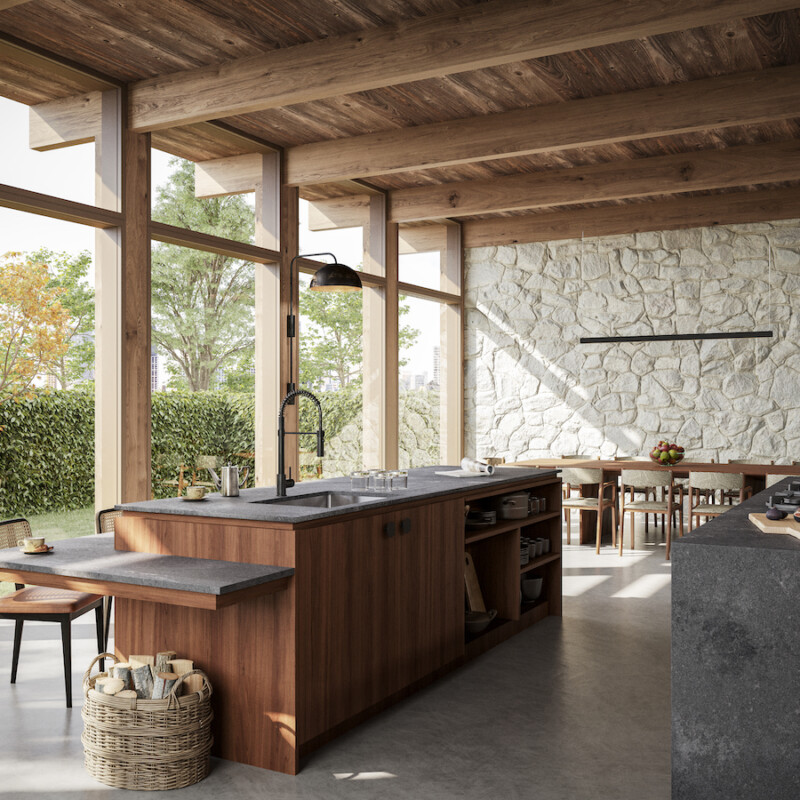
Countertops Can Set the Tone for Your Whole Kitchen—Here’s How to Choose the Right One

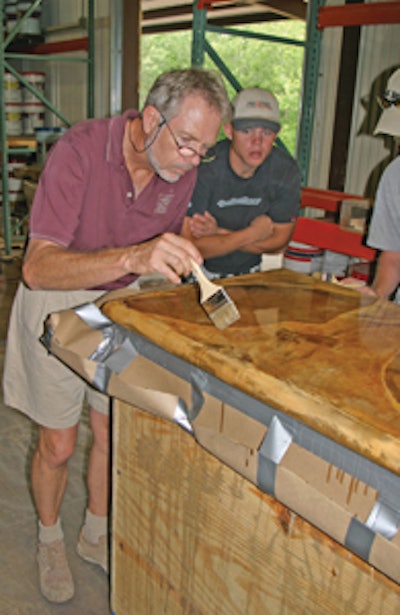
Getting Started In Decorative Concrete Countertops
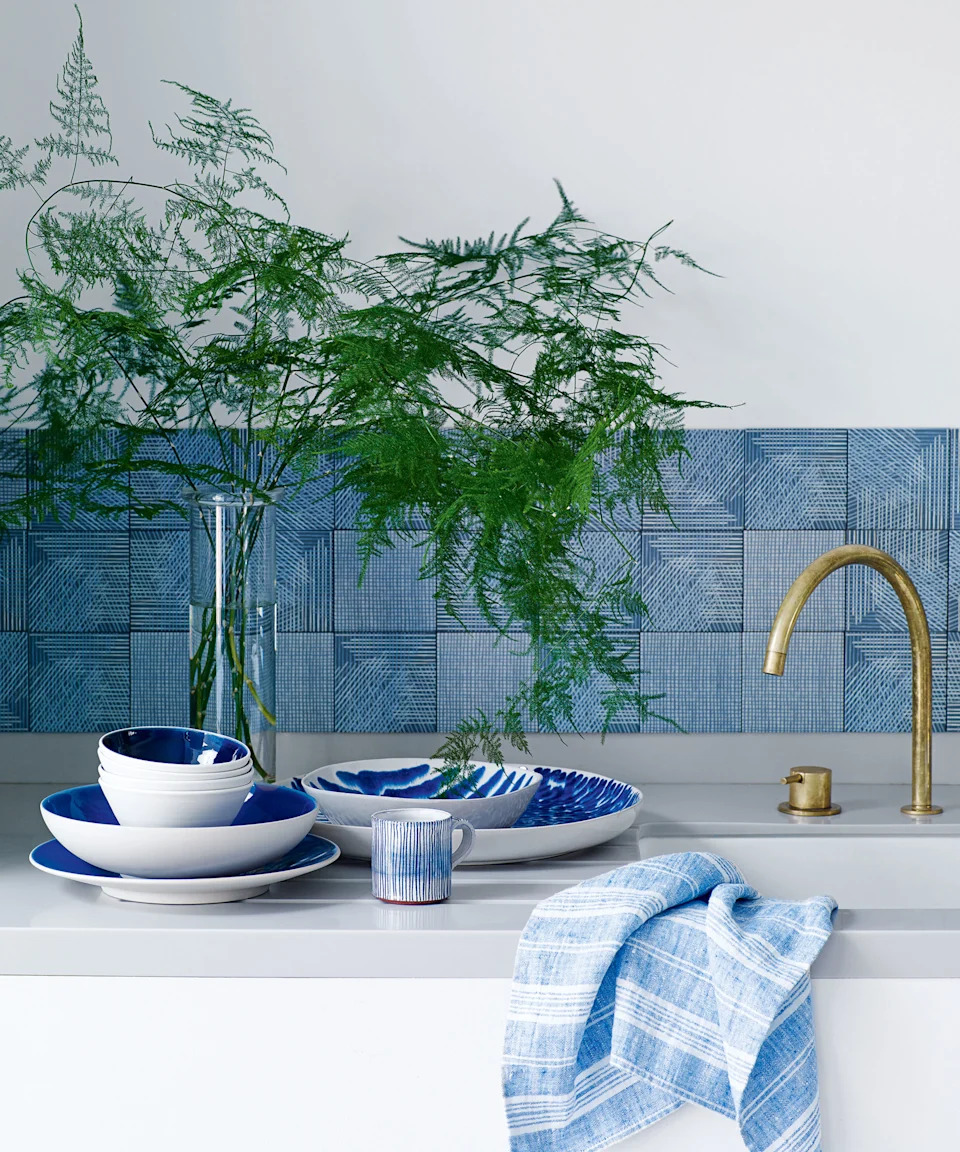
Kitchen countertop ideas – 14 worktops in marble, granite and composite materials
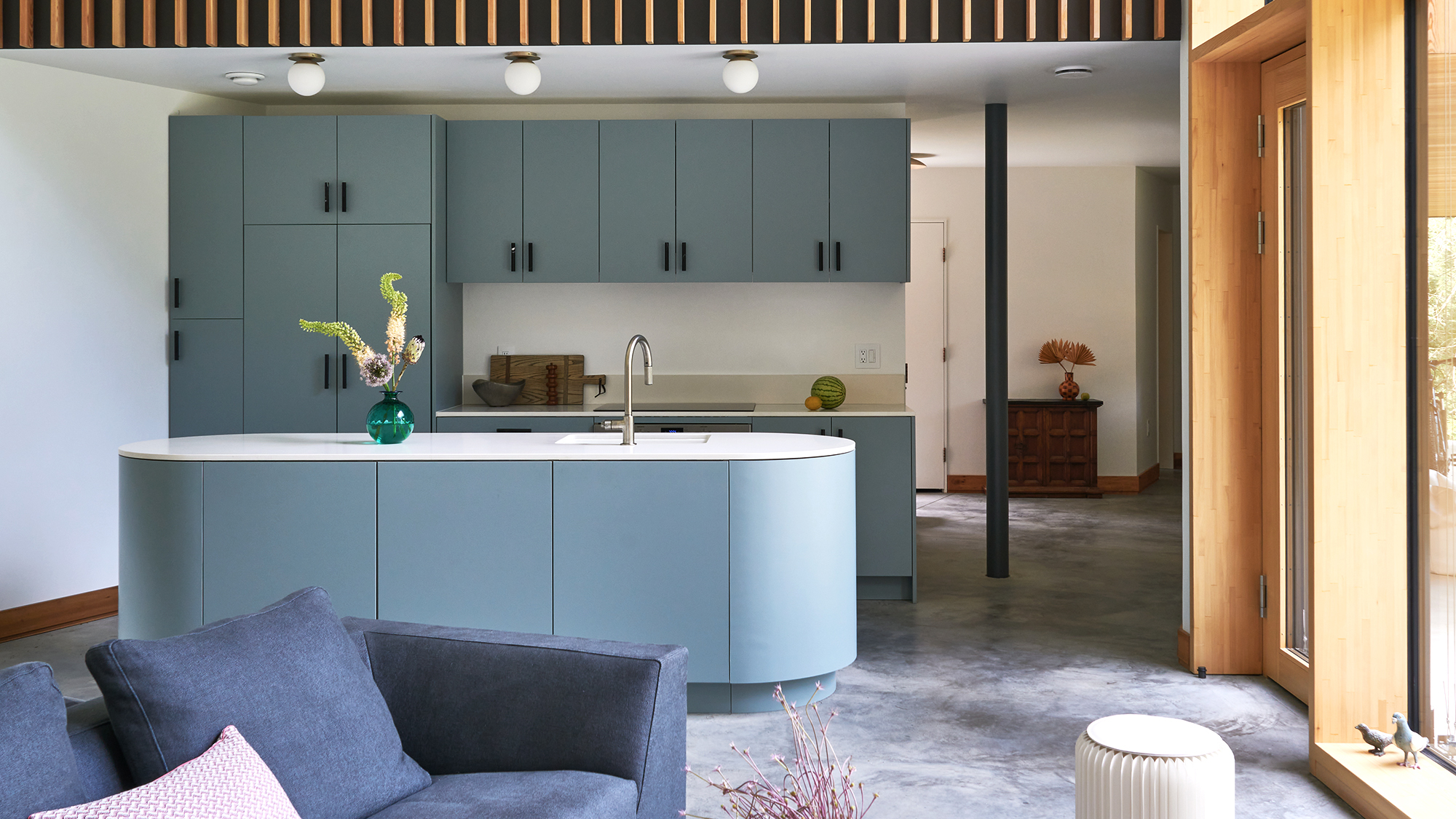
Which wall colors work best with concrete floors? Pairings to complement and elevate this industrial finish
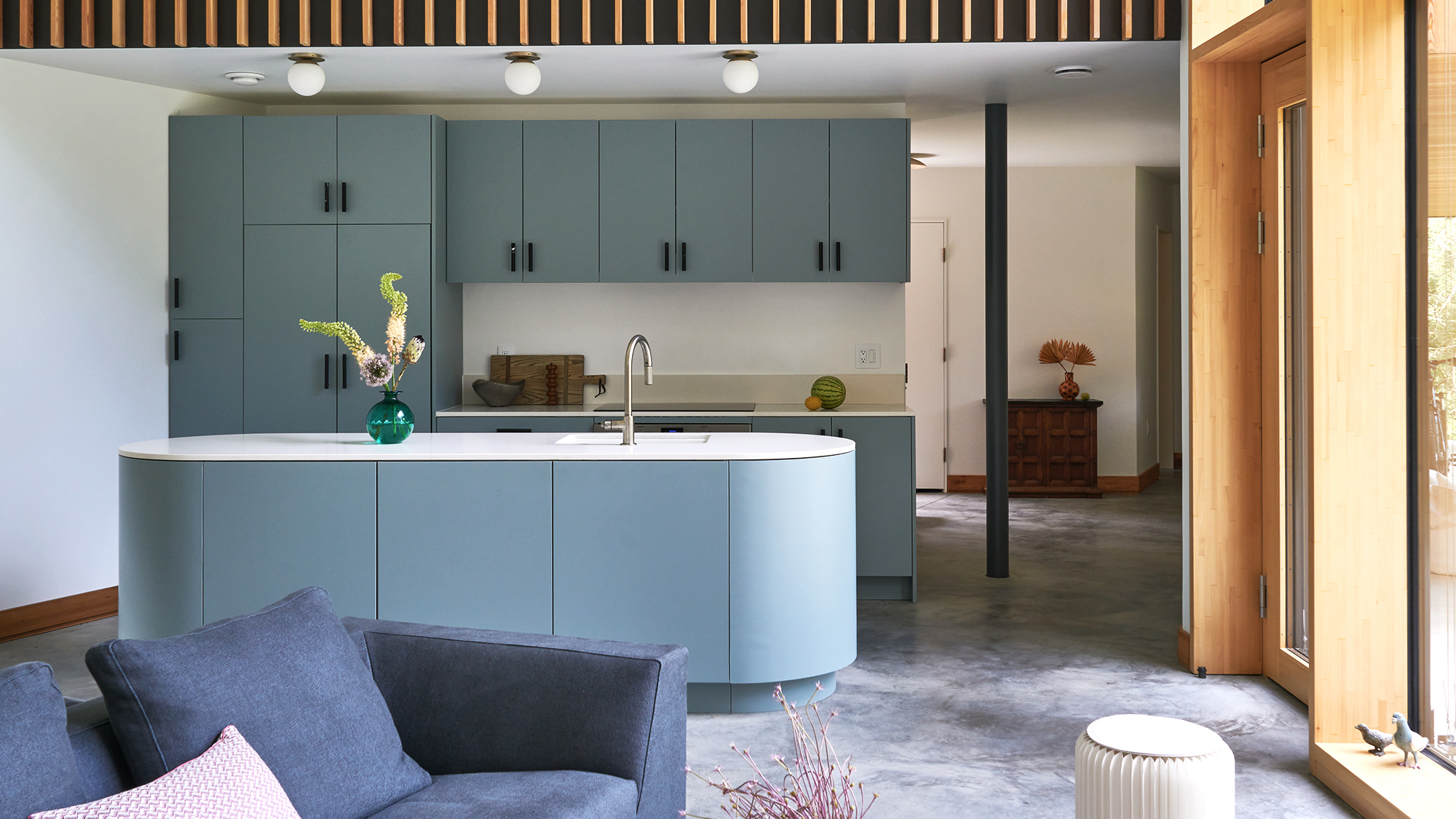
Which wall colors work best with concrete floors? Pairings to complement and elevate this industrial finish
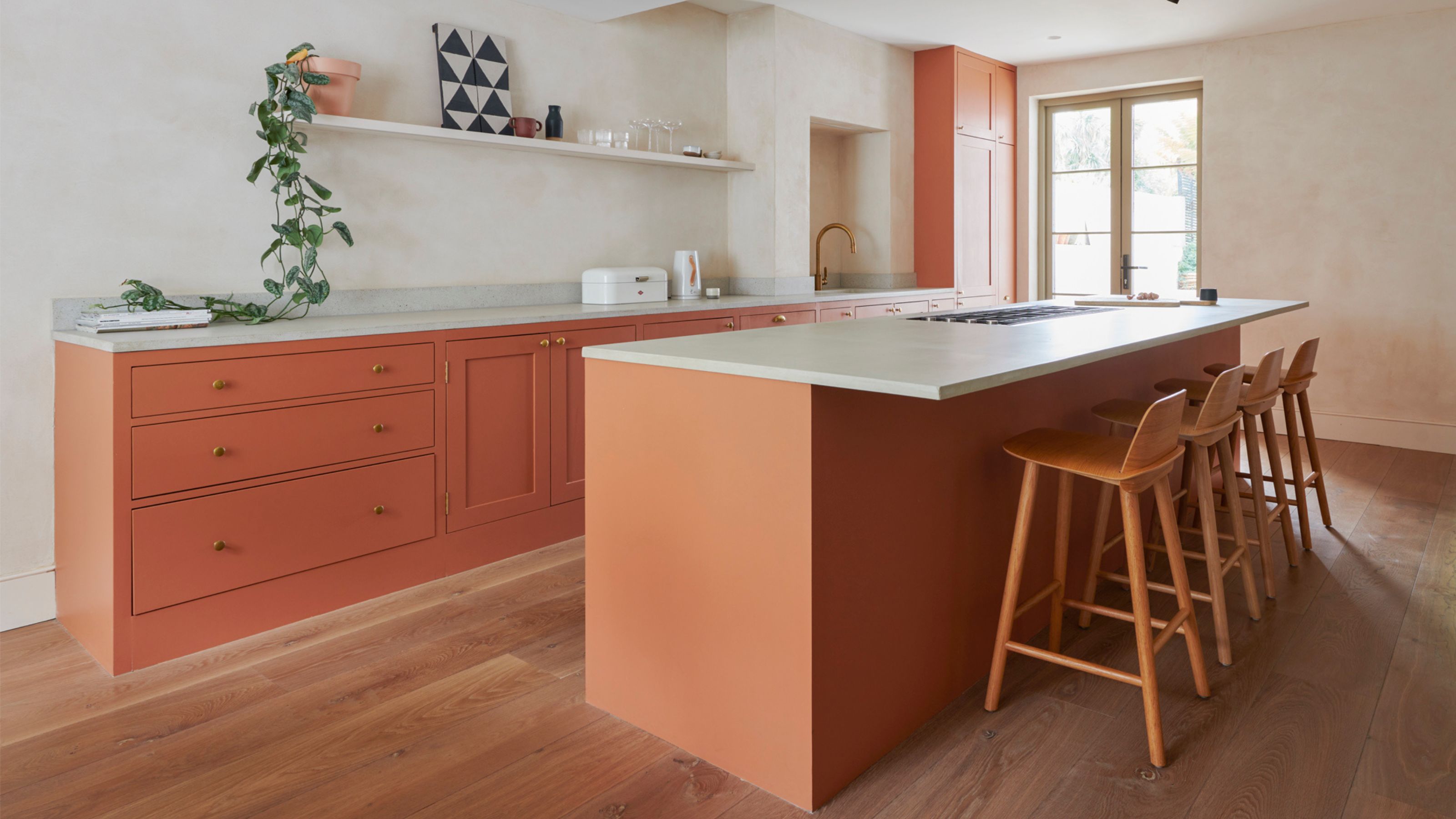
Everything You Need to Know About Concrete Worktops
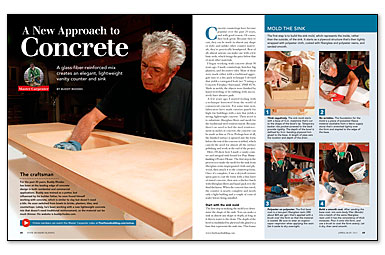
Video Series: How to Create a Lightweight Concrete Countertop
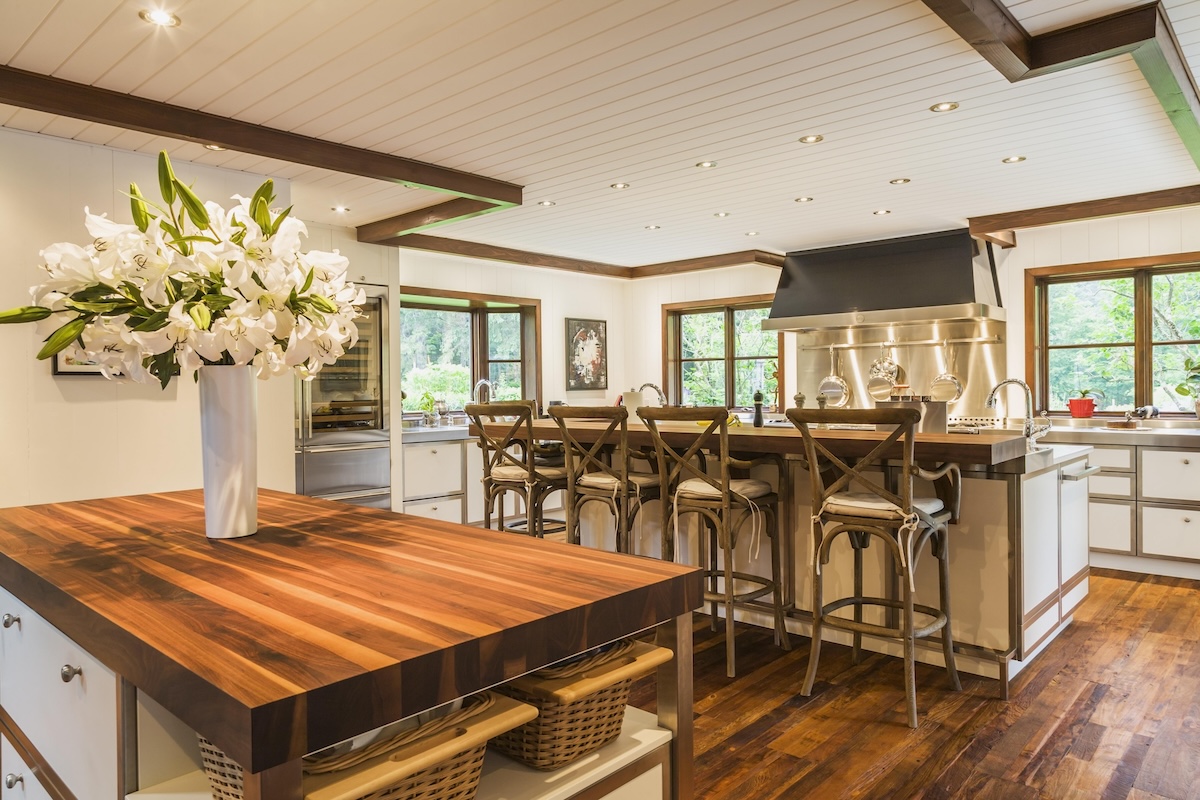
The Best Countertop Materials for Every Type of Kitchen

Natural or engineered? The pros and cons for the different types of kitchen-countertop materials