1/4
Everything You Need to Know About Concrete Worktops
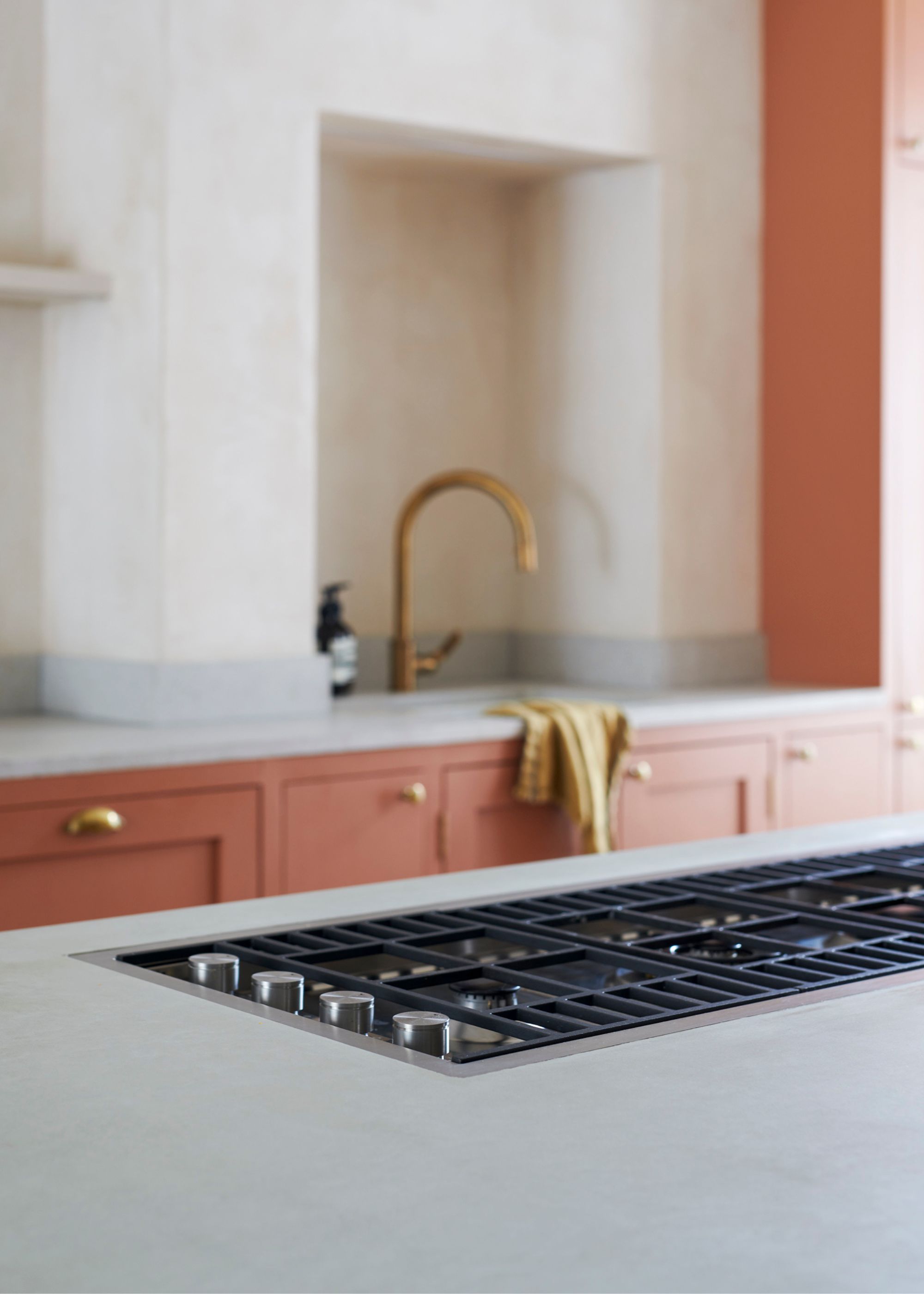
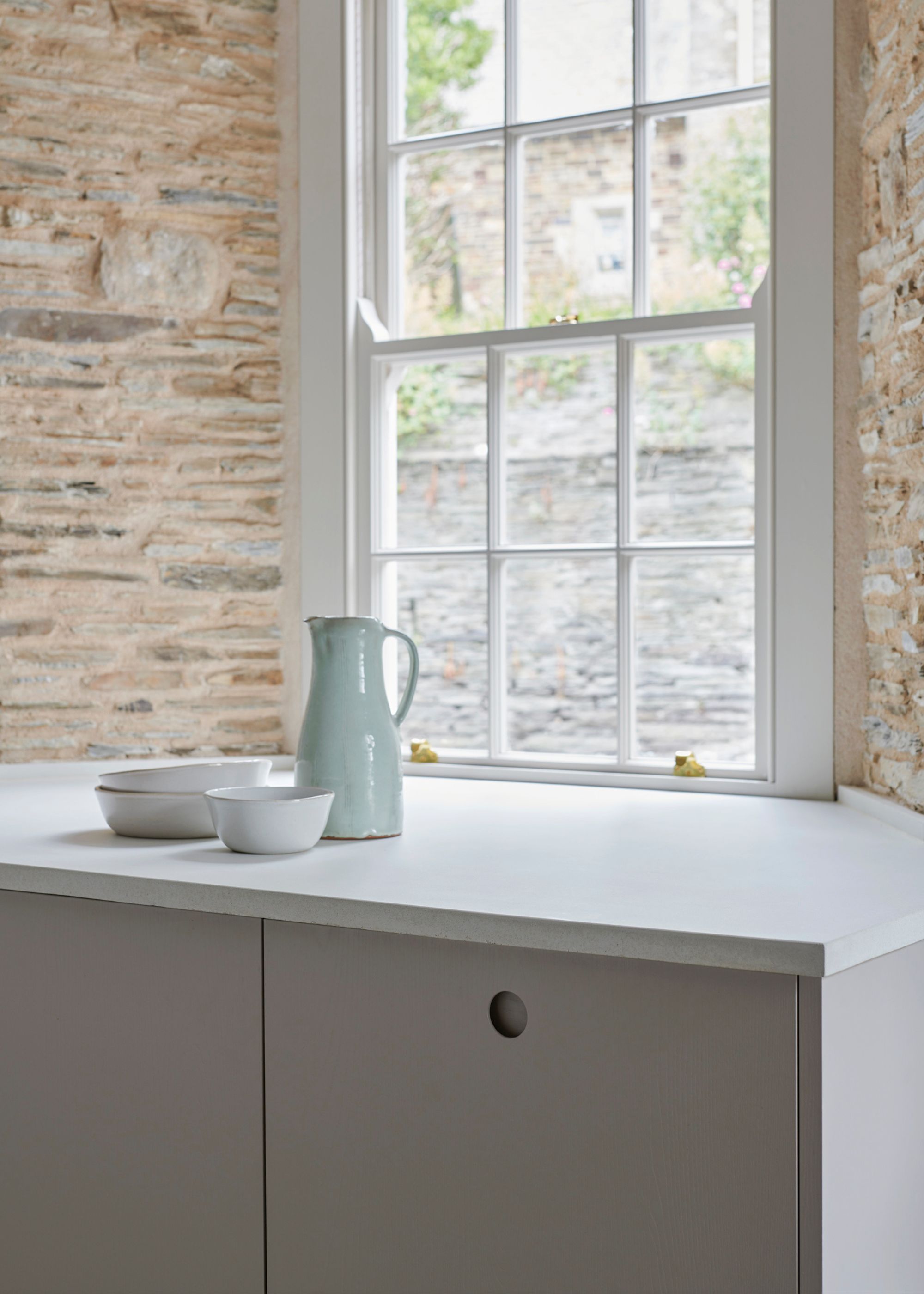
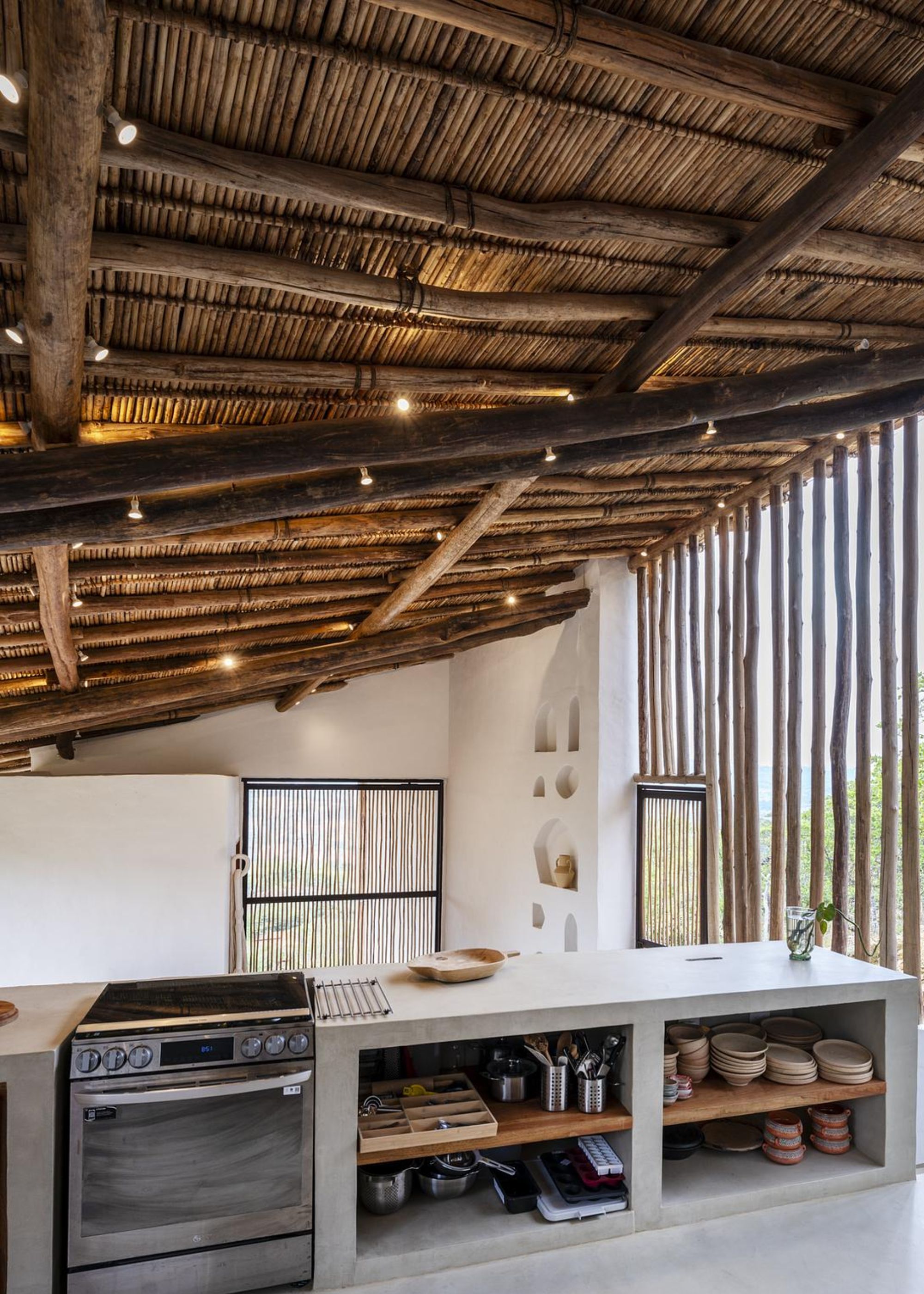
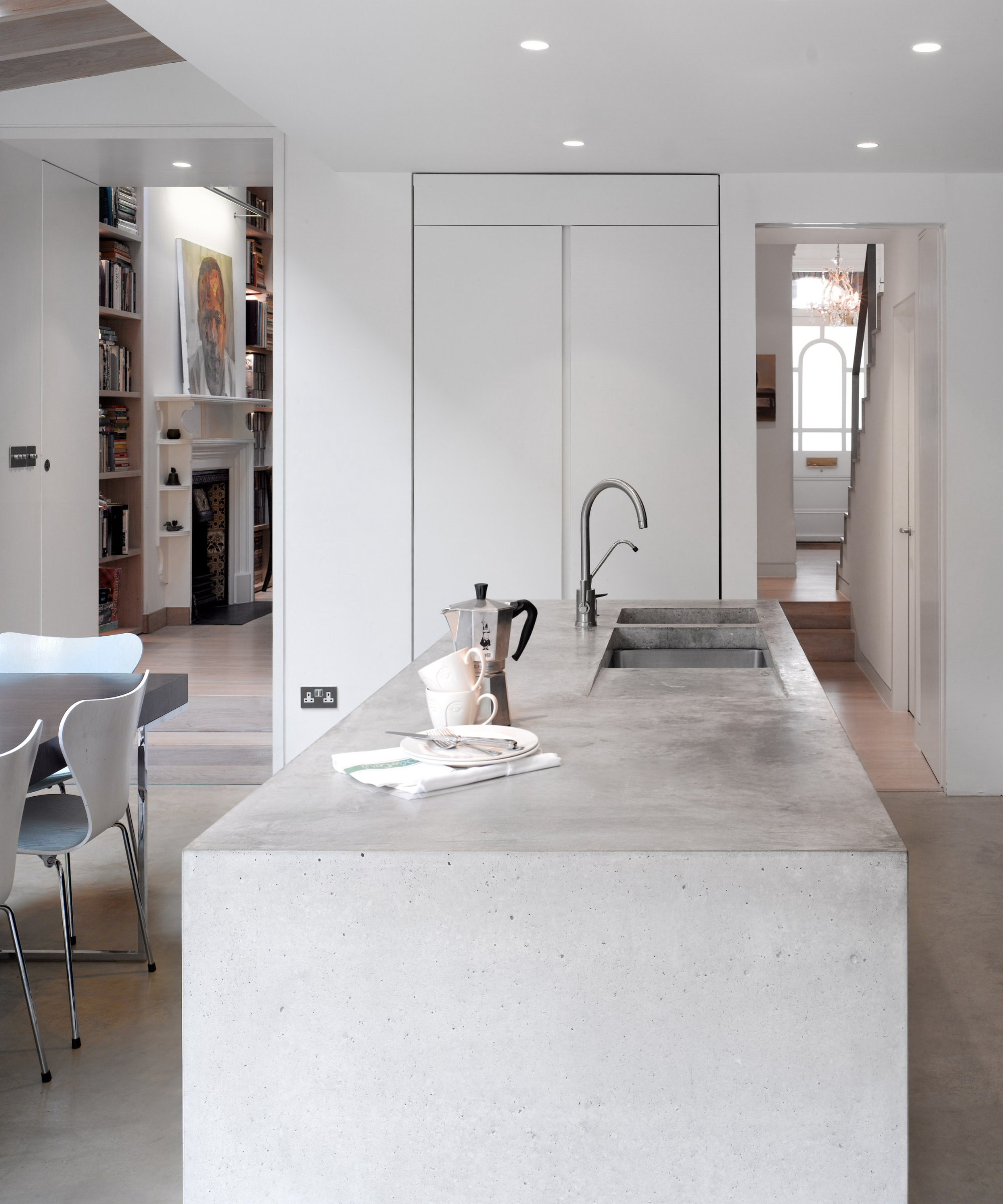
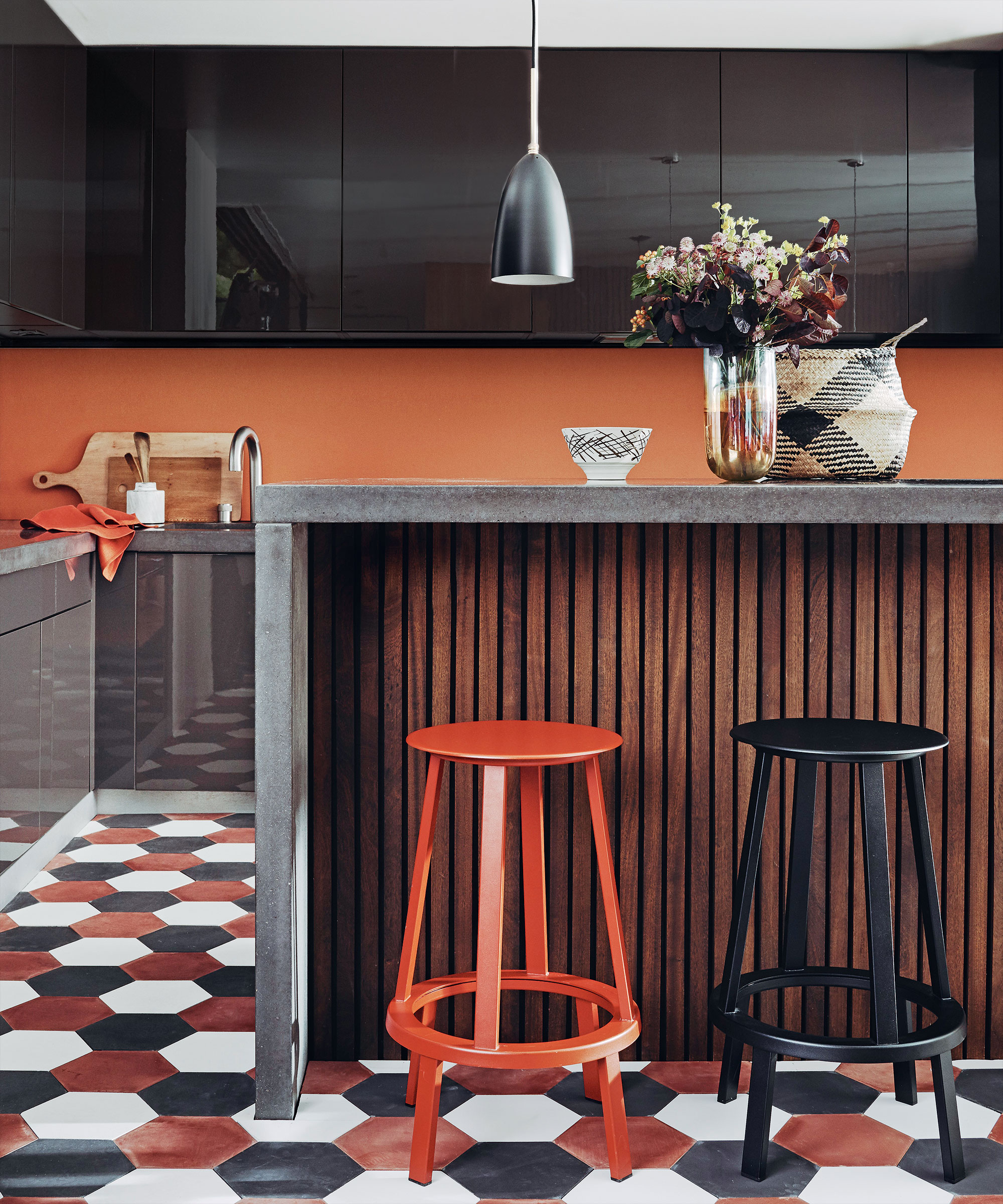
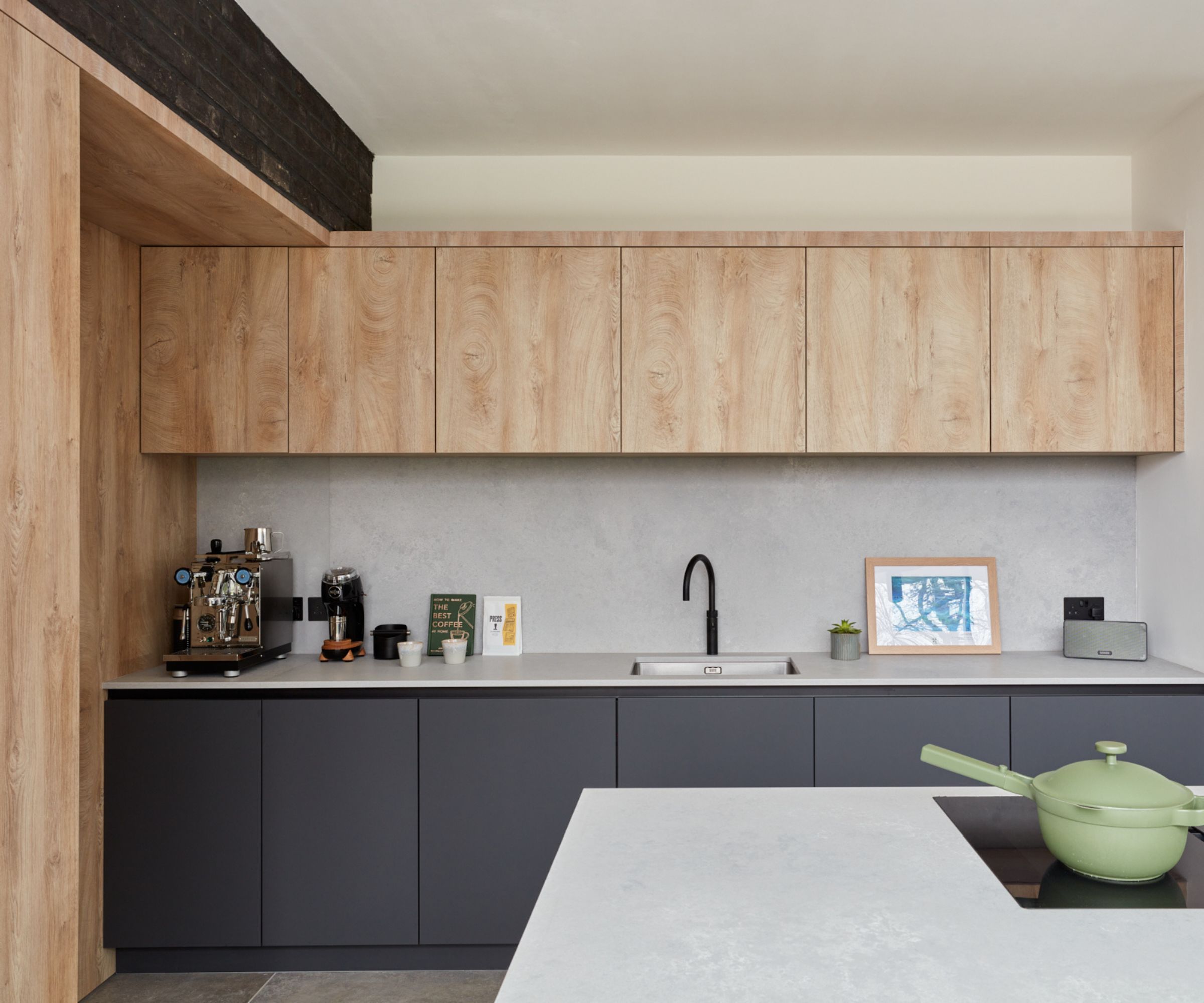
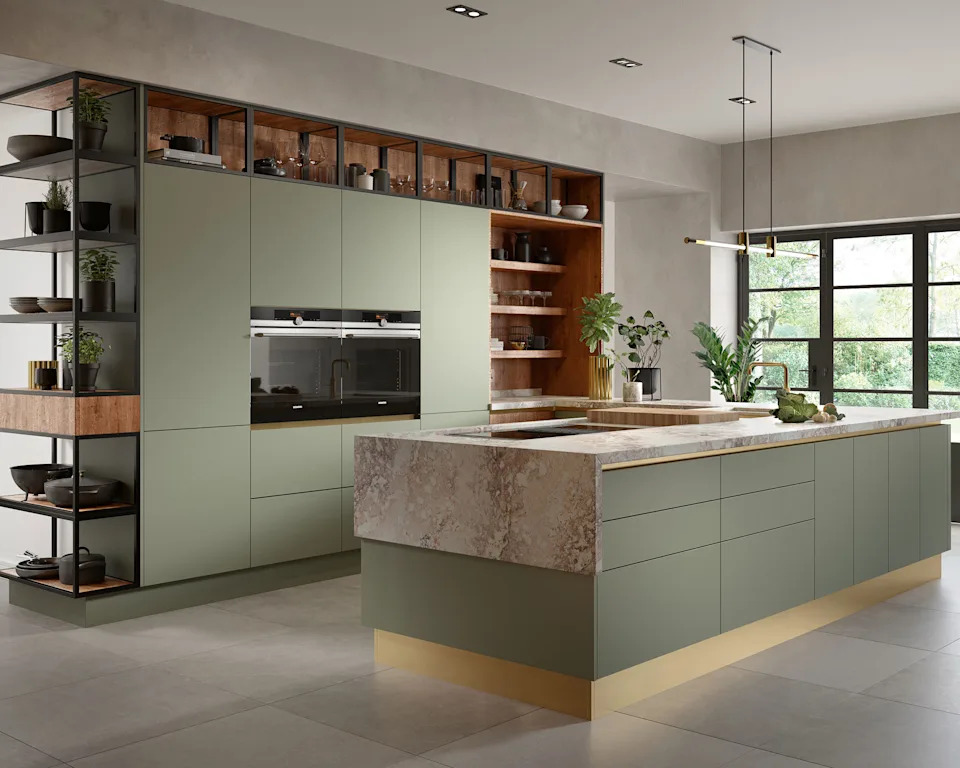
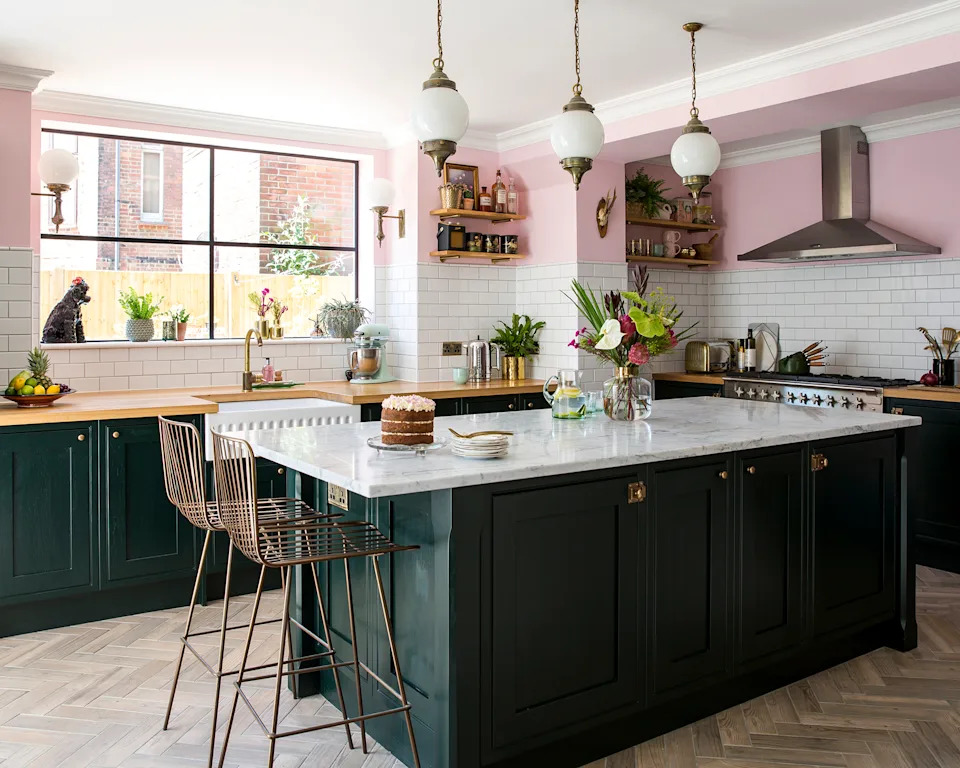
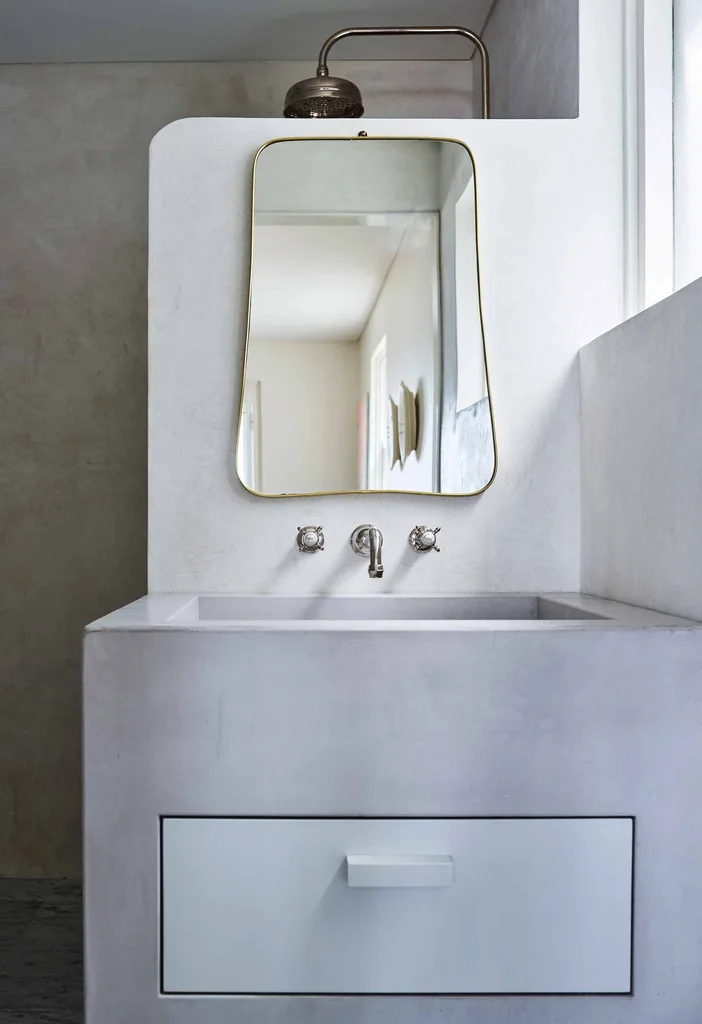
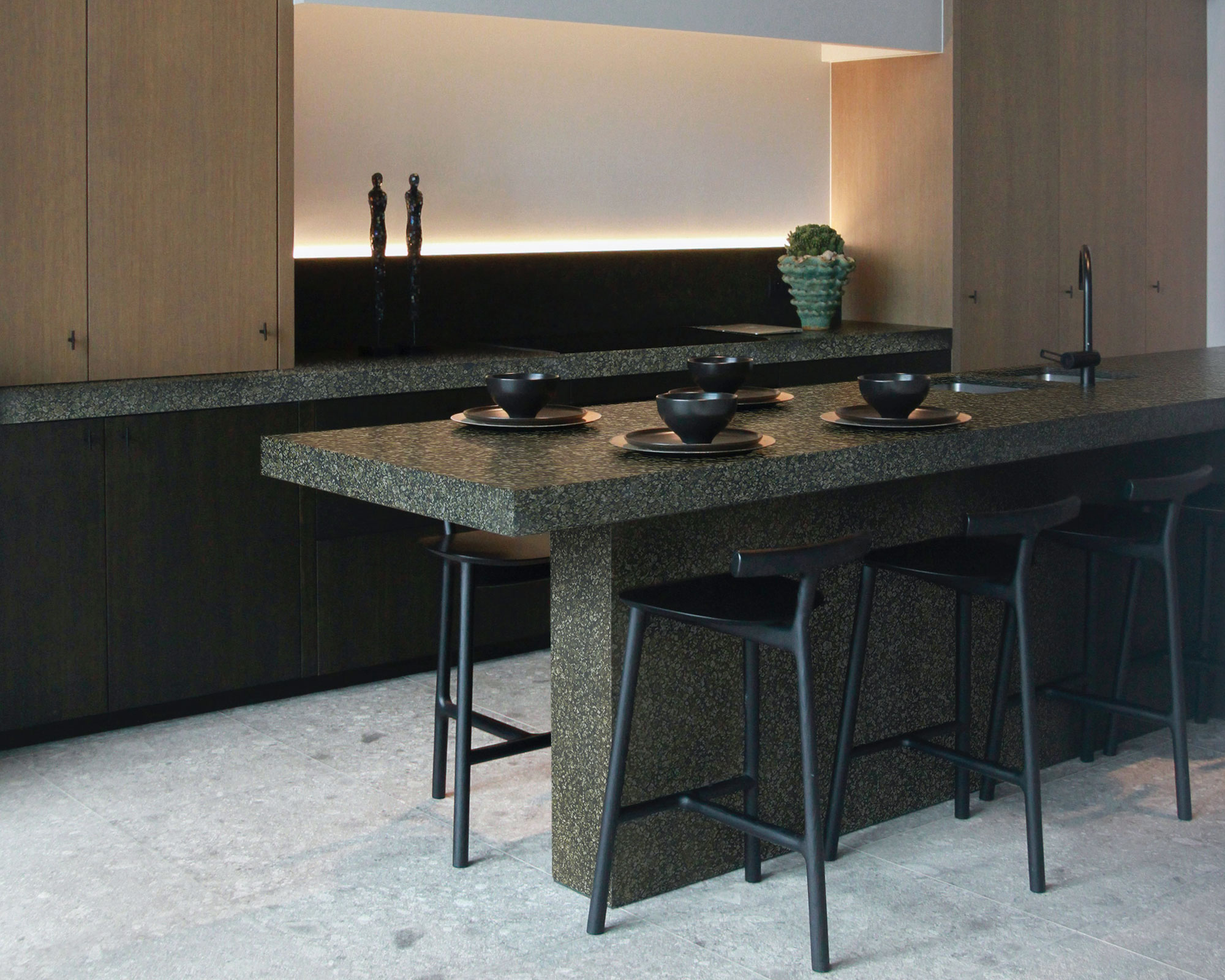
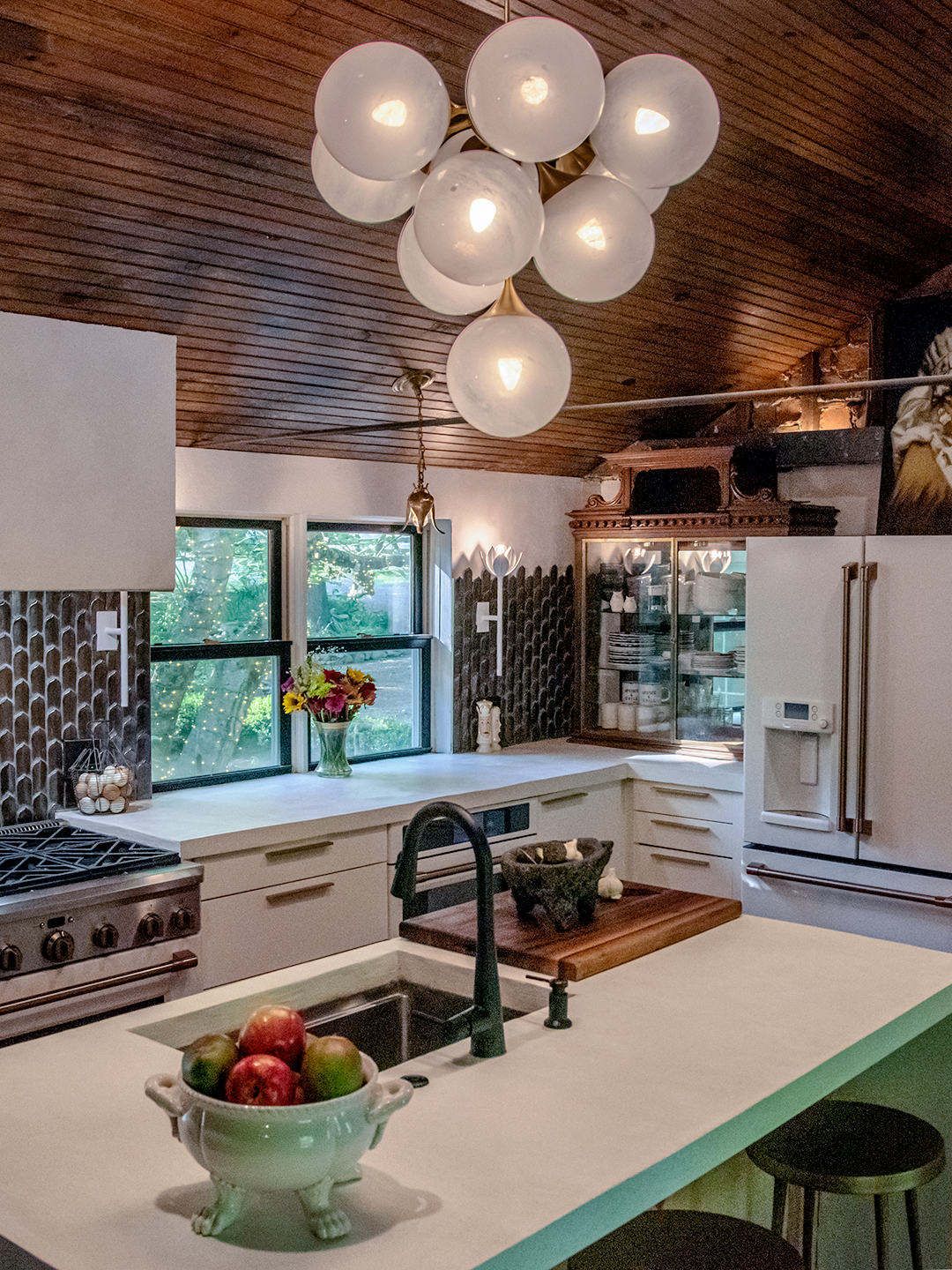
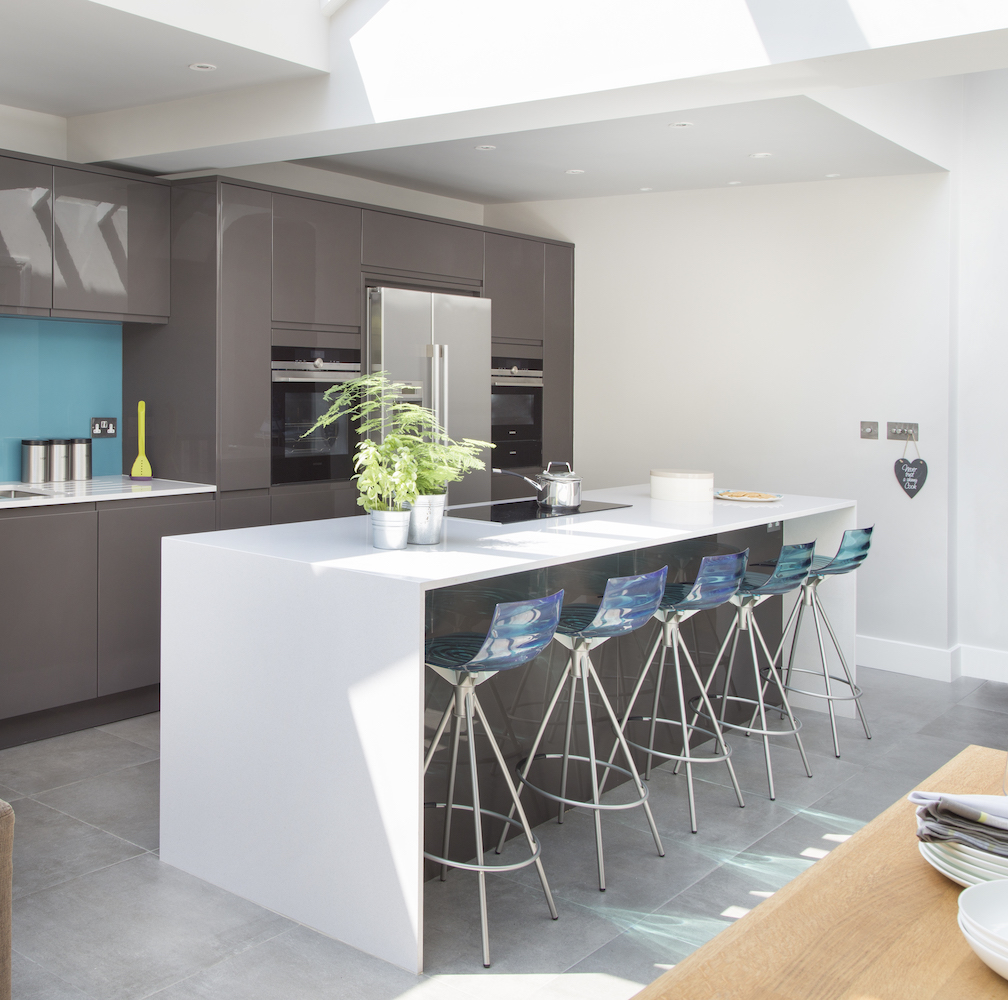
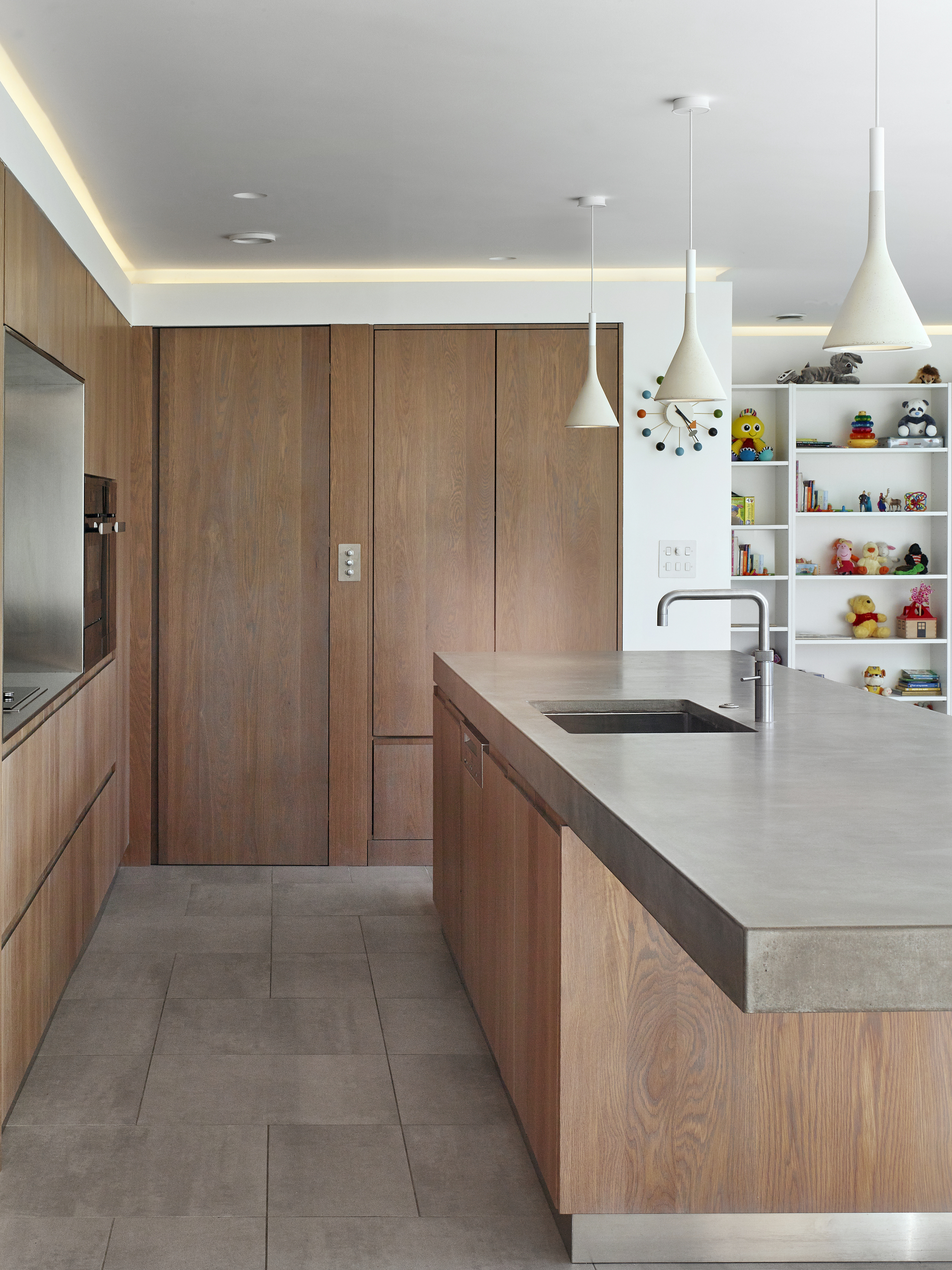
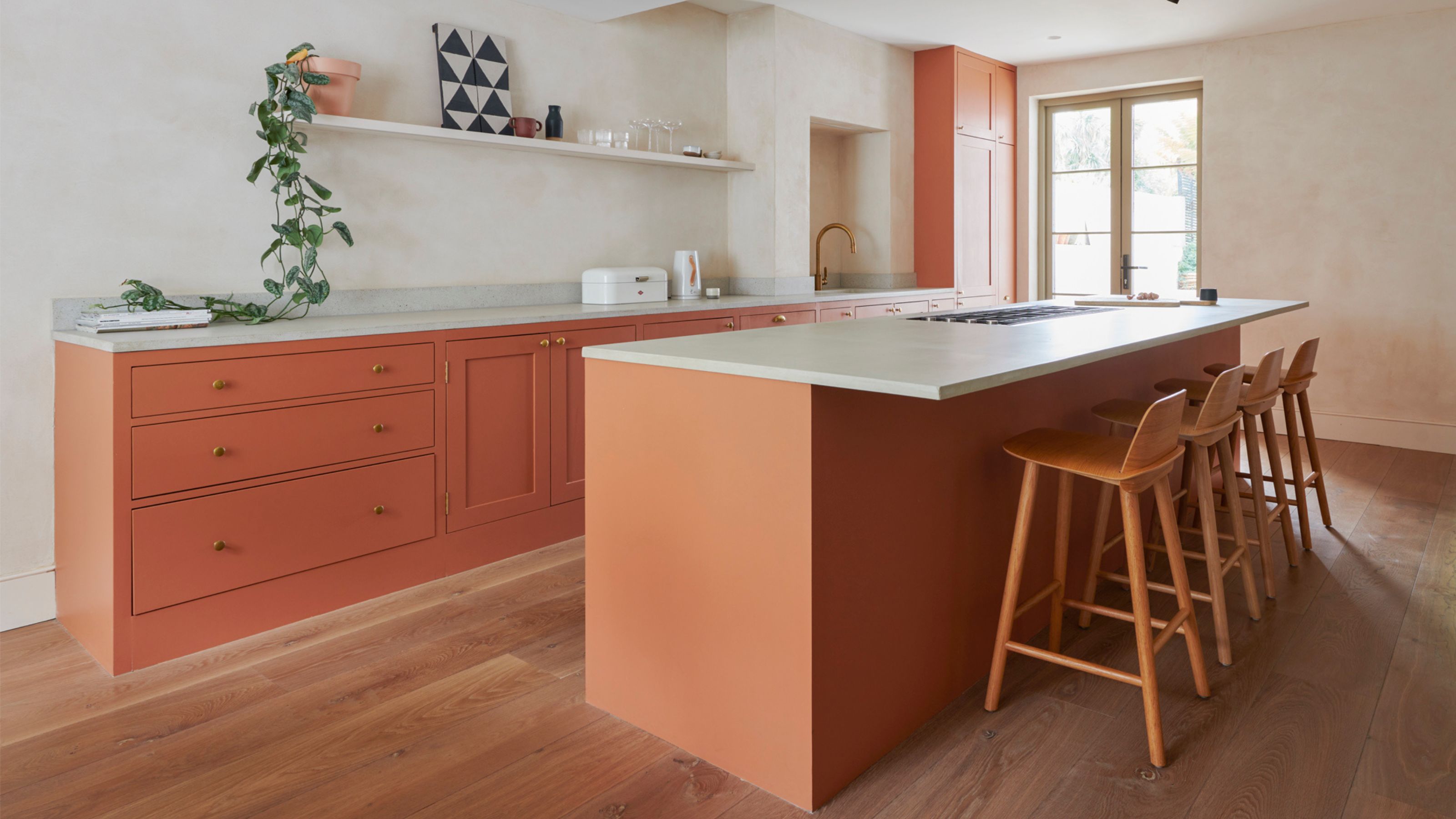
Concrete countertops are gaining popularity in modern kitchens due to their versatility, durability, and aesthetic appeal, offering an industrial yet elegant feel. However, like all materials, they come with a unique set of pros and cons, particularly regarding installation, maintenance, and longevity. Izzy Taylor-Wood, managing director at Woody’s Concrete Company, a specialist in polished concrete, provides comprehensive insights into what prospective homeowners should know before committing to this material for their kitchen or bathroom surfaces.
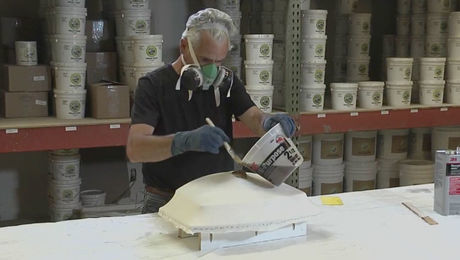
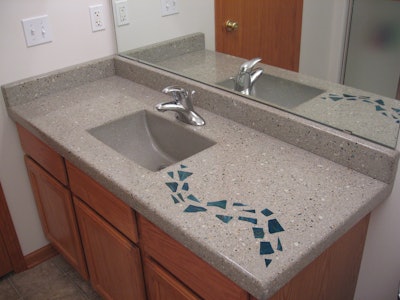
According to Taylor-Wood, concrete worktops, when properly designed and installed, can introduce a touch of luxury and a unique tactile experience, feeling solid yet smooth. Their customizability is a significant advantage, allowing for various shapes, integrated features like drains, and decorative elements, making each installation distinct. Furthermore, when crafted using Glass-Fiber Reinforced Concrete (GFRC), they are surprisingly lightweight compared to traditional concrete, which eases the installation process without compromising their premium feel and strength. Properly processed and sealed concrete offers excellent resistance to stains and heat, a crucial factor for kitchen surfaces.
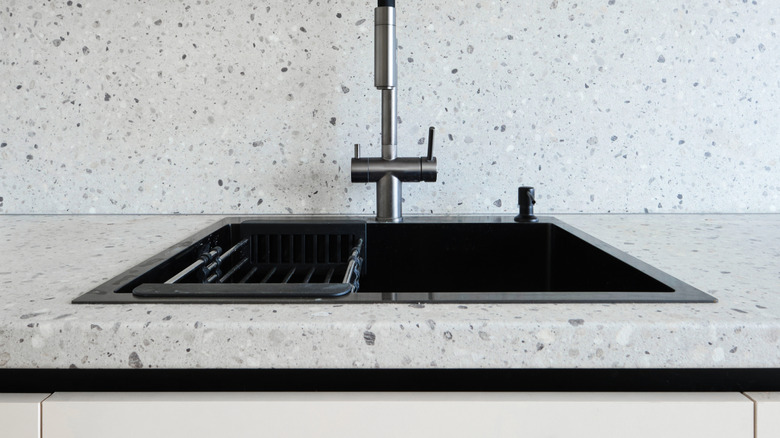
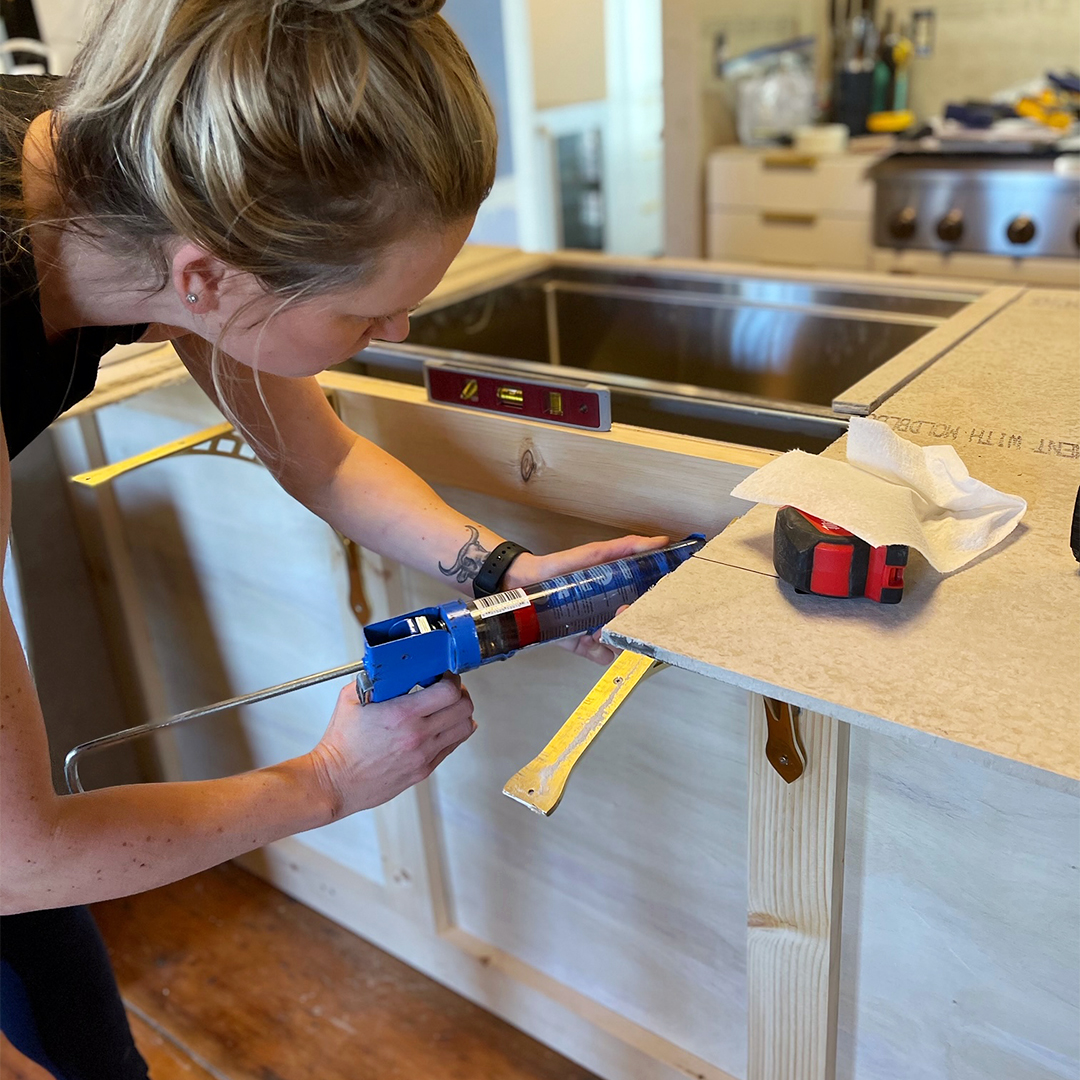
However, concrete is not a material for everyone, primarily due to its inherent porosity. Spills from oil, wine, or acidic liquids can lead to temporary staining if the surface is not adequately sealed and cleaned promptly. Additionally, minor hairline cracks may develop over time as the concrete cures or due to structural shifts, though these are typically cosmetic rather than functional issues. The installation, while lighter with GFRC, still requires specialized expertise and can be more labor-intensive and costly than other standard materials.
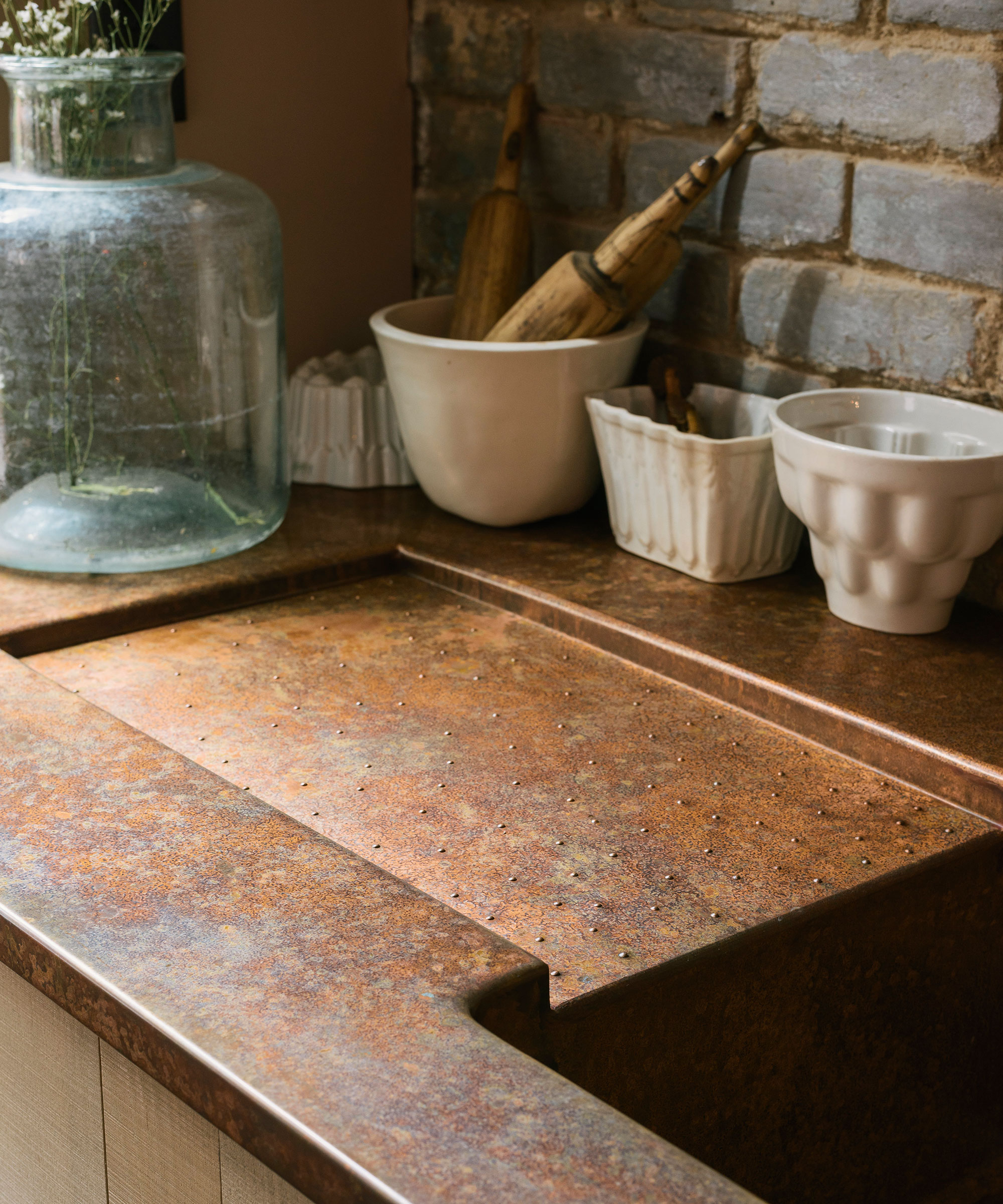
Despite these considerations, the maintenance of concrete countertops is often a common misconception. Taylor-Wood clarifies that daily care is comparable to that of other luxury surfaces like quartz. Essential upkeep includes promptly cleaning spills, avoiding direct chopping, refraining from using harsh scouring pads, and utilizing trivets or mats for hot pans. Adhering to these practices allows concrete surfaces to age gracefully, developing a natural patina that many homeowners find desirable and enhances the kitchen's character.
Regarding longevity, concrete worktops can last for several decades, often outperforming many alternative materials. The structural integrity of the slab is extremely durable, with the finish requiring occasional refreshing or resealing based on usage. Many clients opt for refurbishment over replacement, extending the life of a single worktop for 20 to 40 years or more, making it a sustainable choice in a market prone to frequent material turnover. Concrete's natural heat resistance means it will not burn or warp easily; however, the protective sealant can discolor with prolonged exposure to very high temperatures, necessitating the use of trivets for hot cookware to preserve the finish.
#ConcreteCountertops #KitchenDesign #HomeRenovation #InteriorDesign #CountertopMaterials #GFRCConcrete #HomeDecor #KitchenCountertops #KitchenAdvice #ConcreteCountertops #KitchenDesign #HomeRenovation #InteriorDesign #CountertopMaterials #GFRCConcrete #HomeDecor #KitchenCountertops #KitchenAdvice
0 comment in total
 No comments yet
You may also like
This Underutilized Countertop Looks Great, but "It's Not the Material for Everyone" — The Pros and Cons of Concrete, Explained by a Specialist
Kitchen countertop ideas – 14 worktops in marble, granite and composite materials
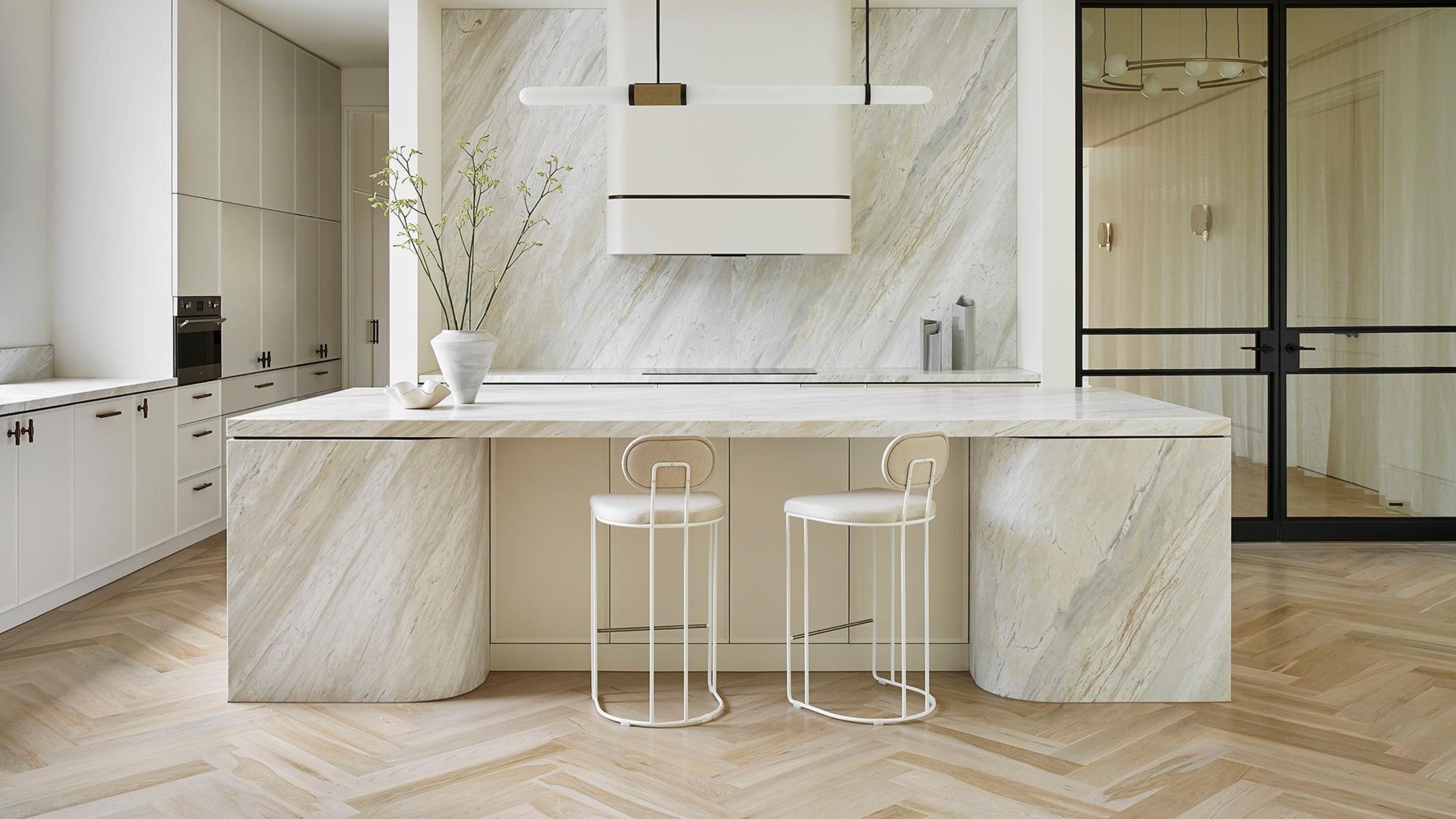
11 Countertop Ideas That You'll Find in the Best-Looking Kitchens in 2025 |
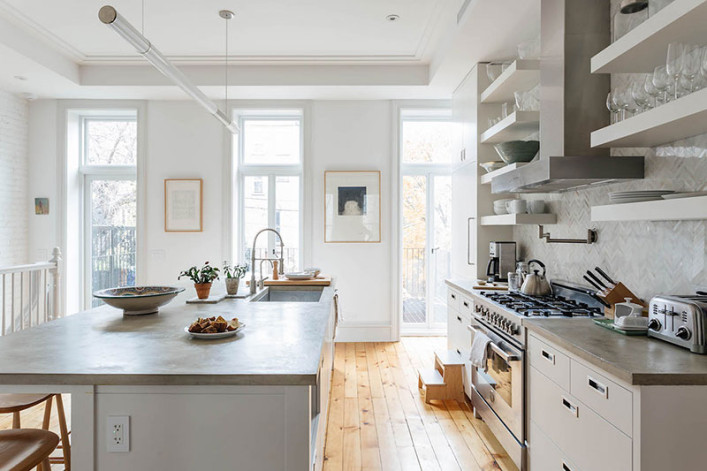
The pros and cons of putting a concrete countertop in your NYC apartment
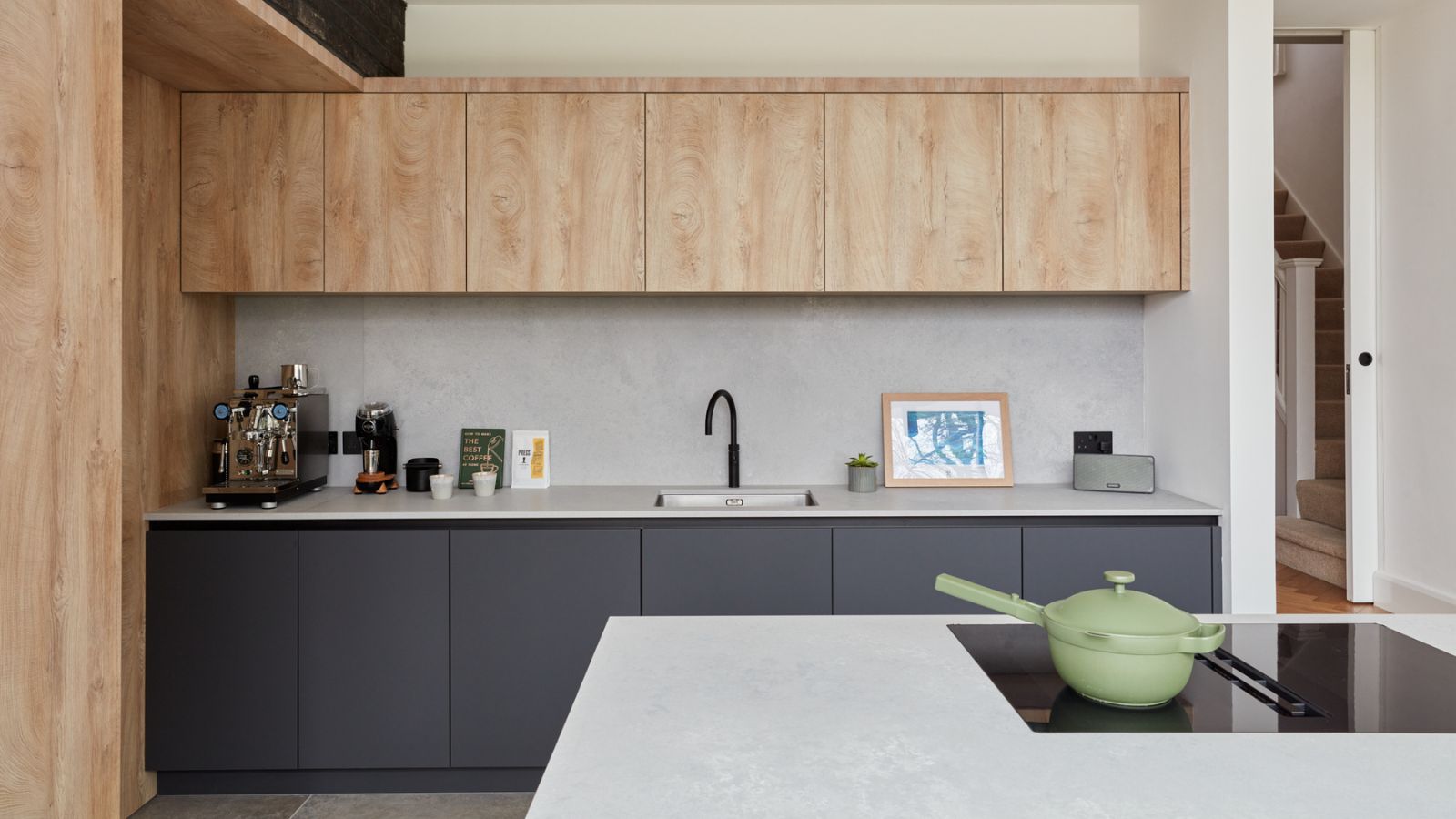
Are concrete kitchen countertops a good idea?

Video Series: How to Create a Lightweight Concrete Countertop

How to Choose a Concrete Countertop Mix Design

Concrete kitchen floor ideas – 17 ways to introduce this popular style
Concrete Floors: The Hot And Cold Of Them

Getting Started In Decorative Concrete Countertops
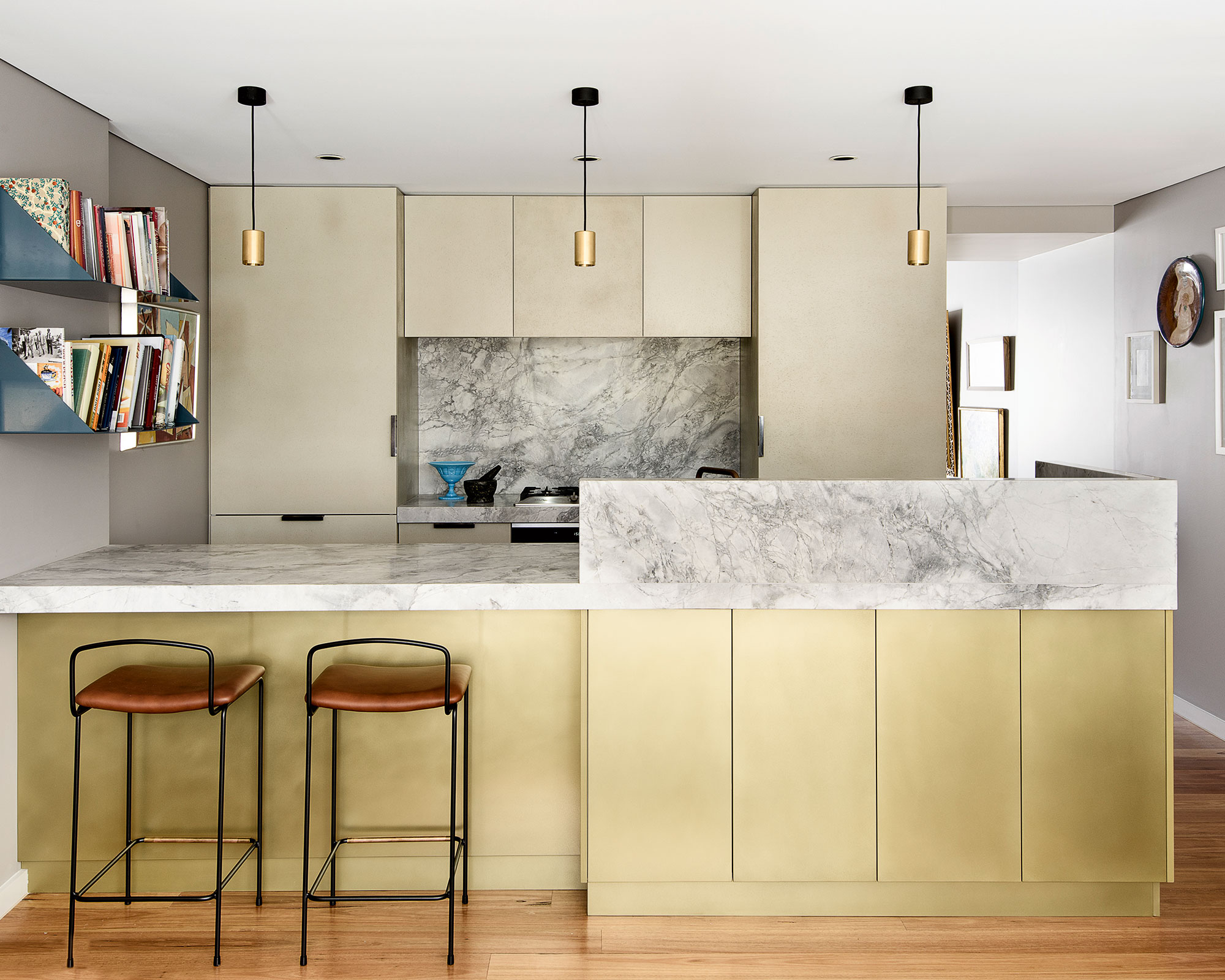
Kitchen countertop ideas – 21 worktops in marble, granite and composite materials
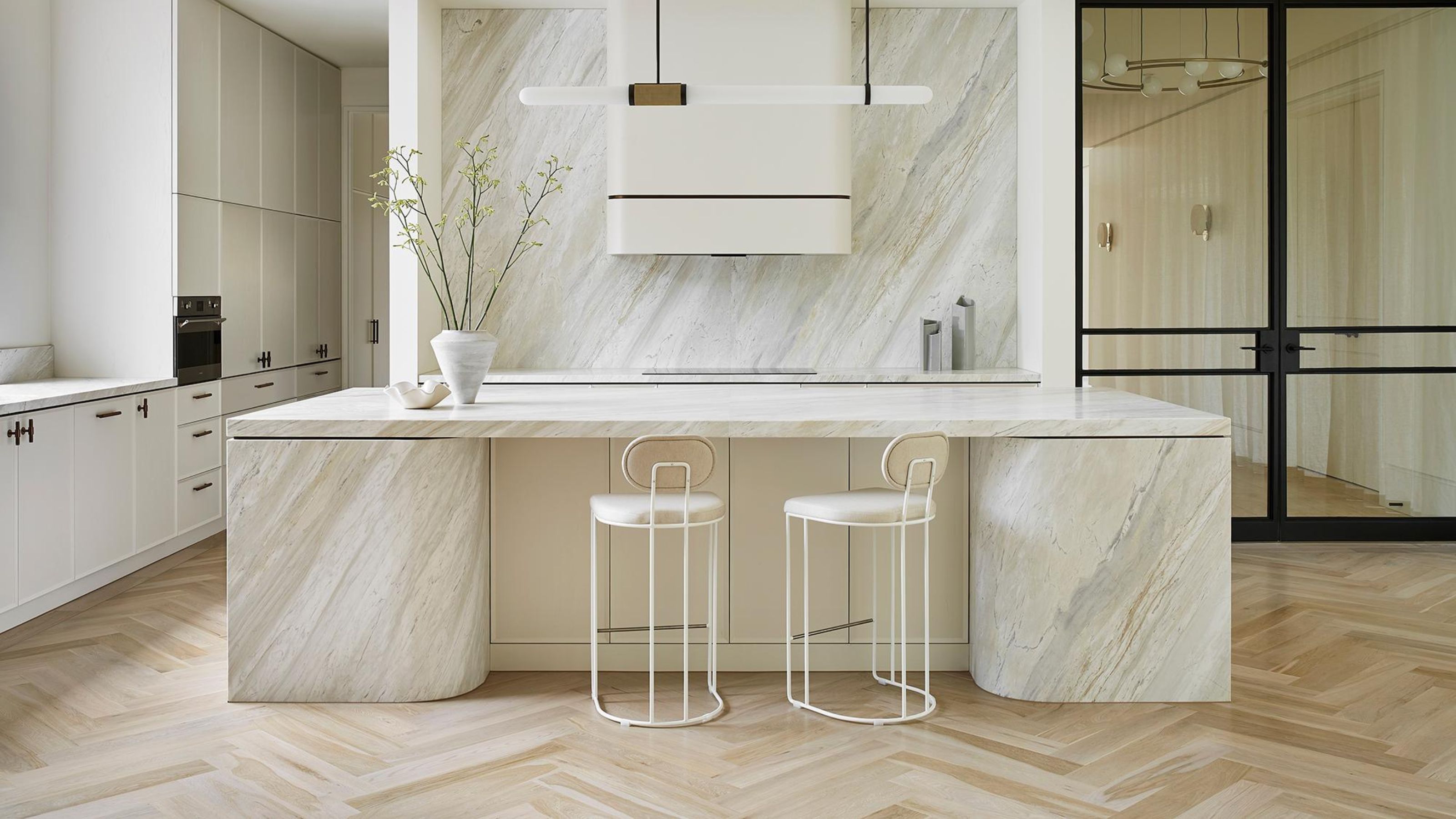
11 Countertop Ideas That You'll Find in the Best-Looking Kitchens
Decorative Contractors Get Creative with Concrete Countertops
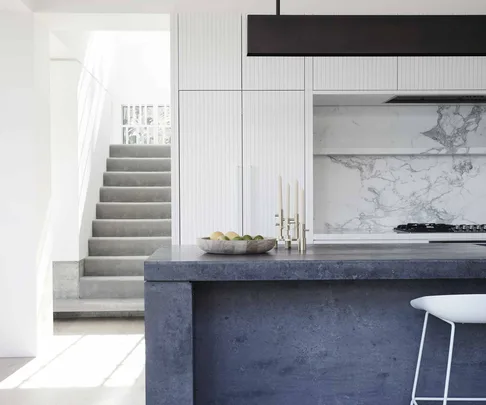
Concrete design ideas: how to make them work in any home

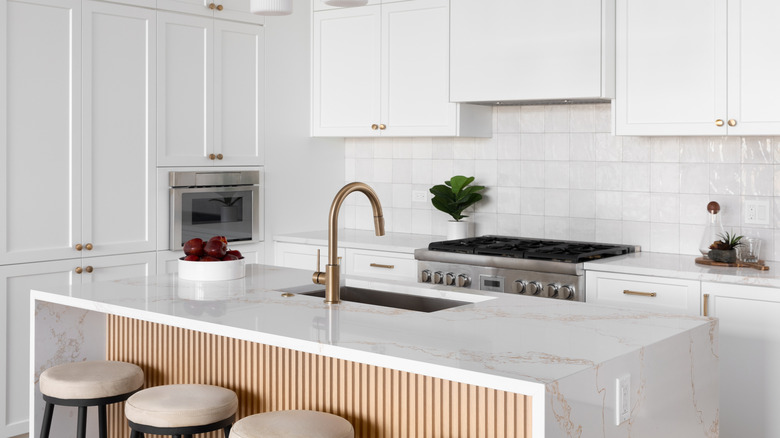
5 Outdated Countertop Trends To Avoid And 5 To Try Instead

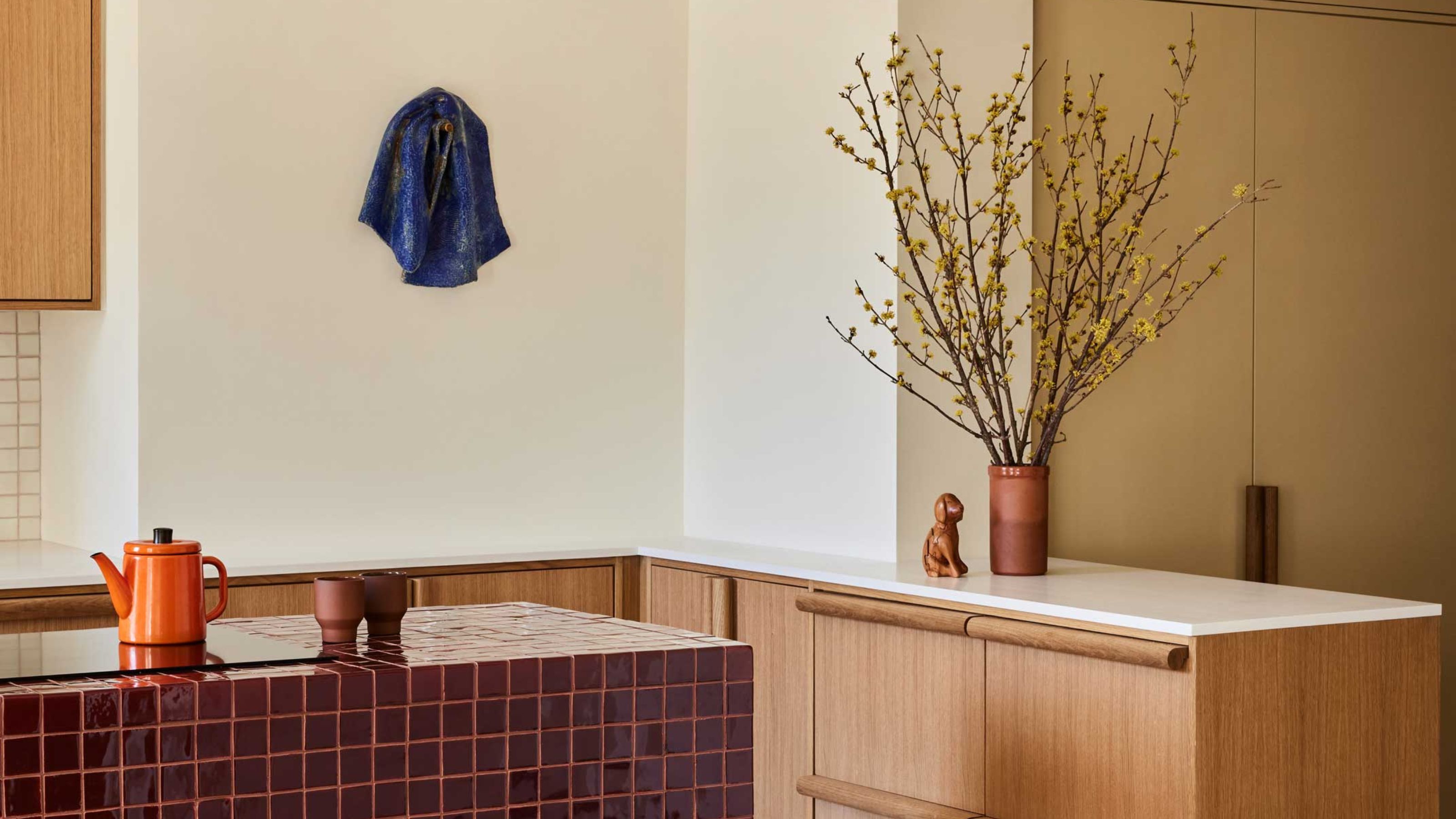
Move Over Granite (and Quartz)! These Alternatives Are What We're Dreaming of For Design-Forward Kitchens
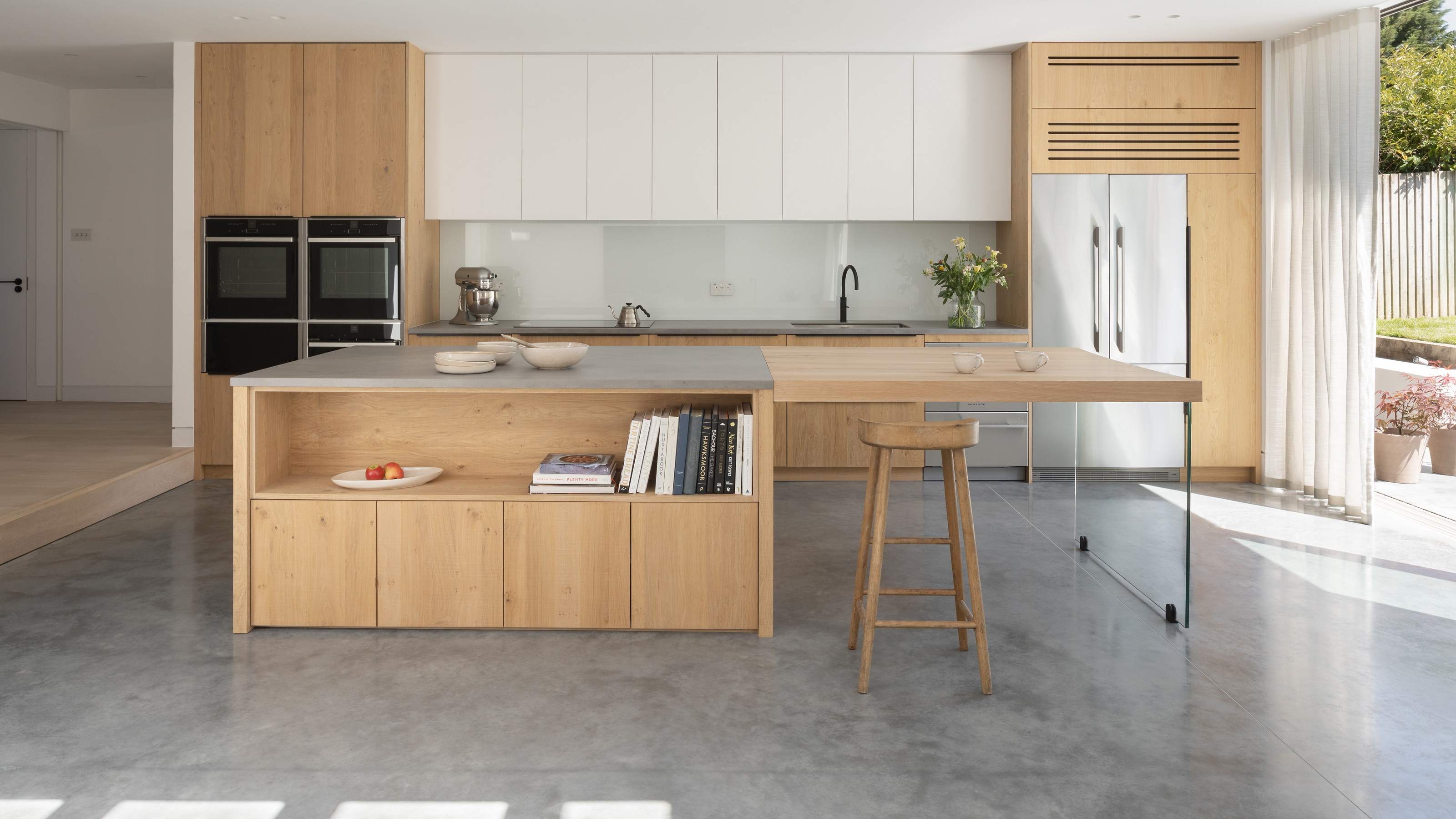
Polished concrete floors – experts explain what you need to know about this modern flooring type

All Kitchen worktops

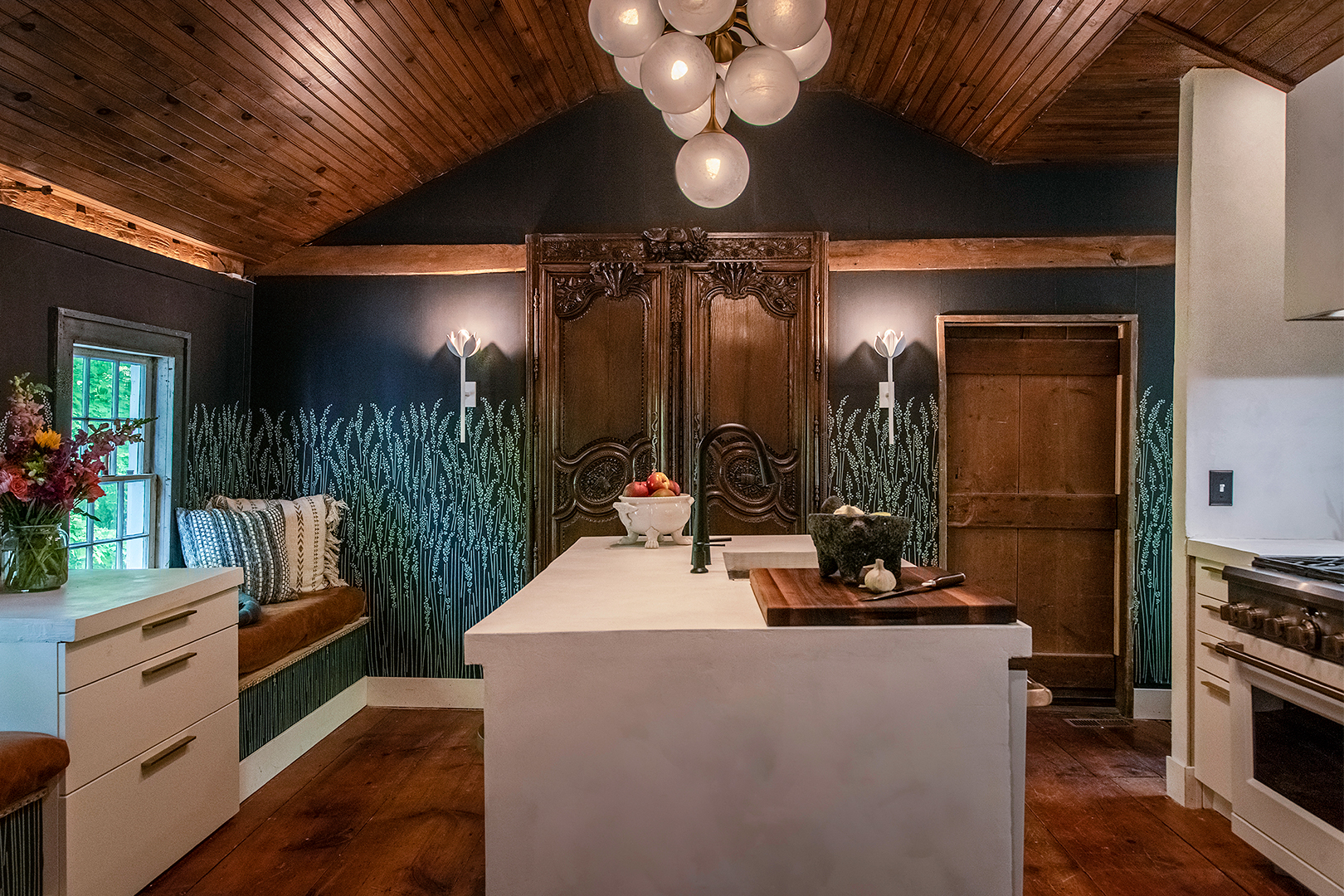
How to Cheat Your Way to DIY Concrete Countertops That Look Like Stone
Concrete Countertop Fills Role of Night Light