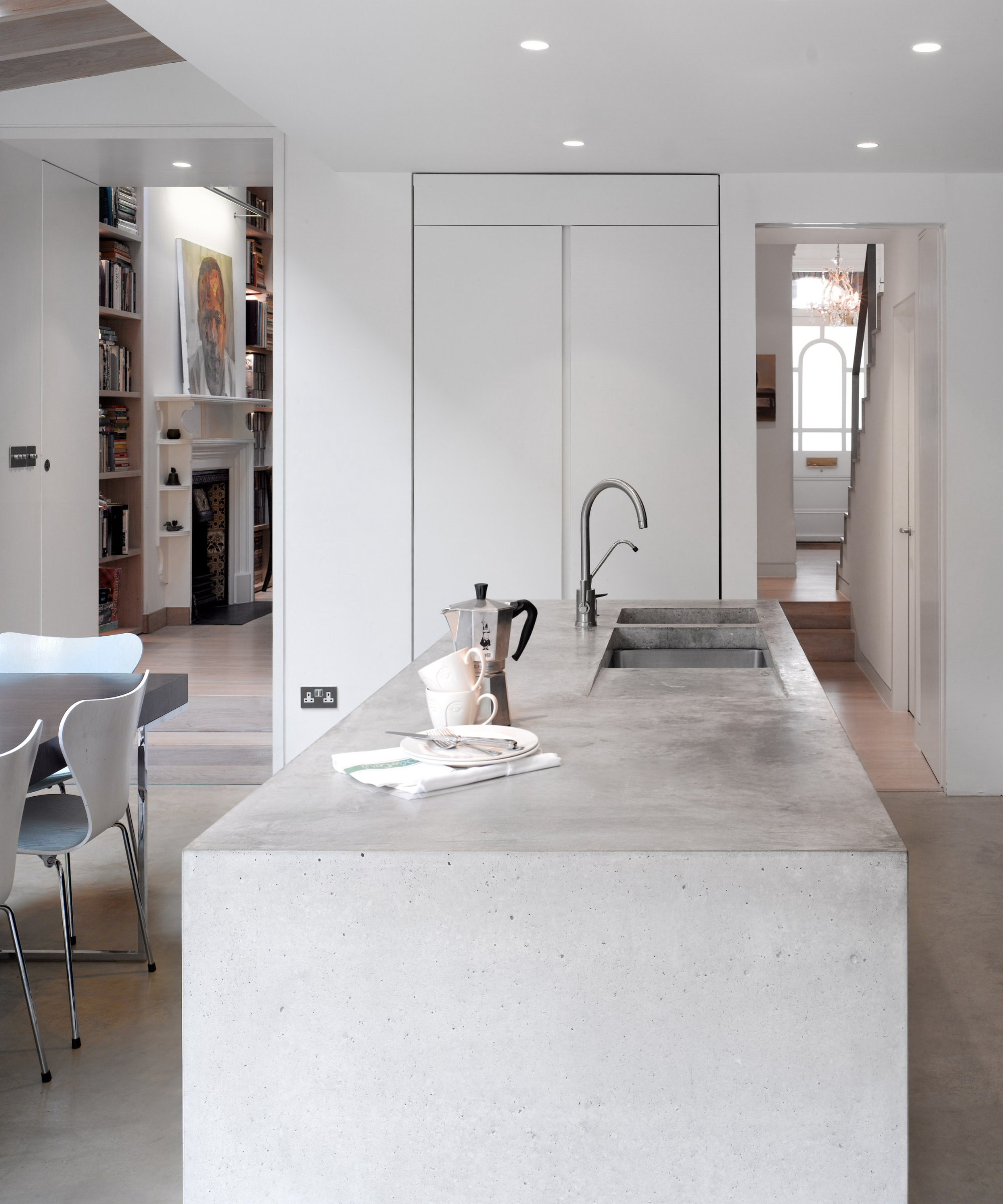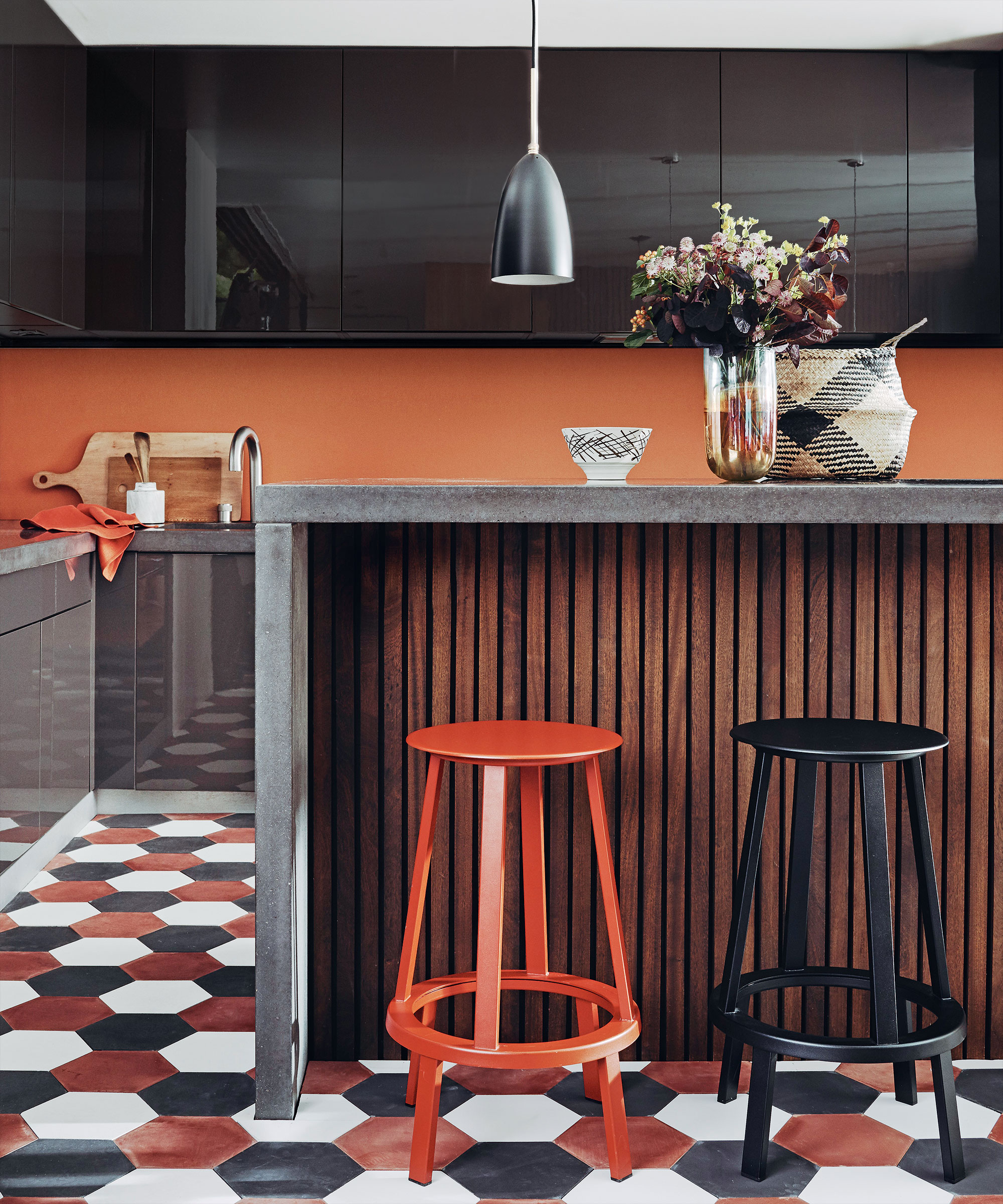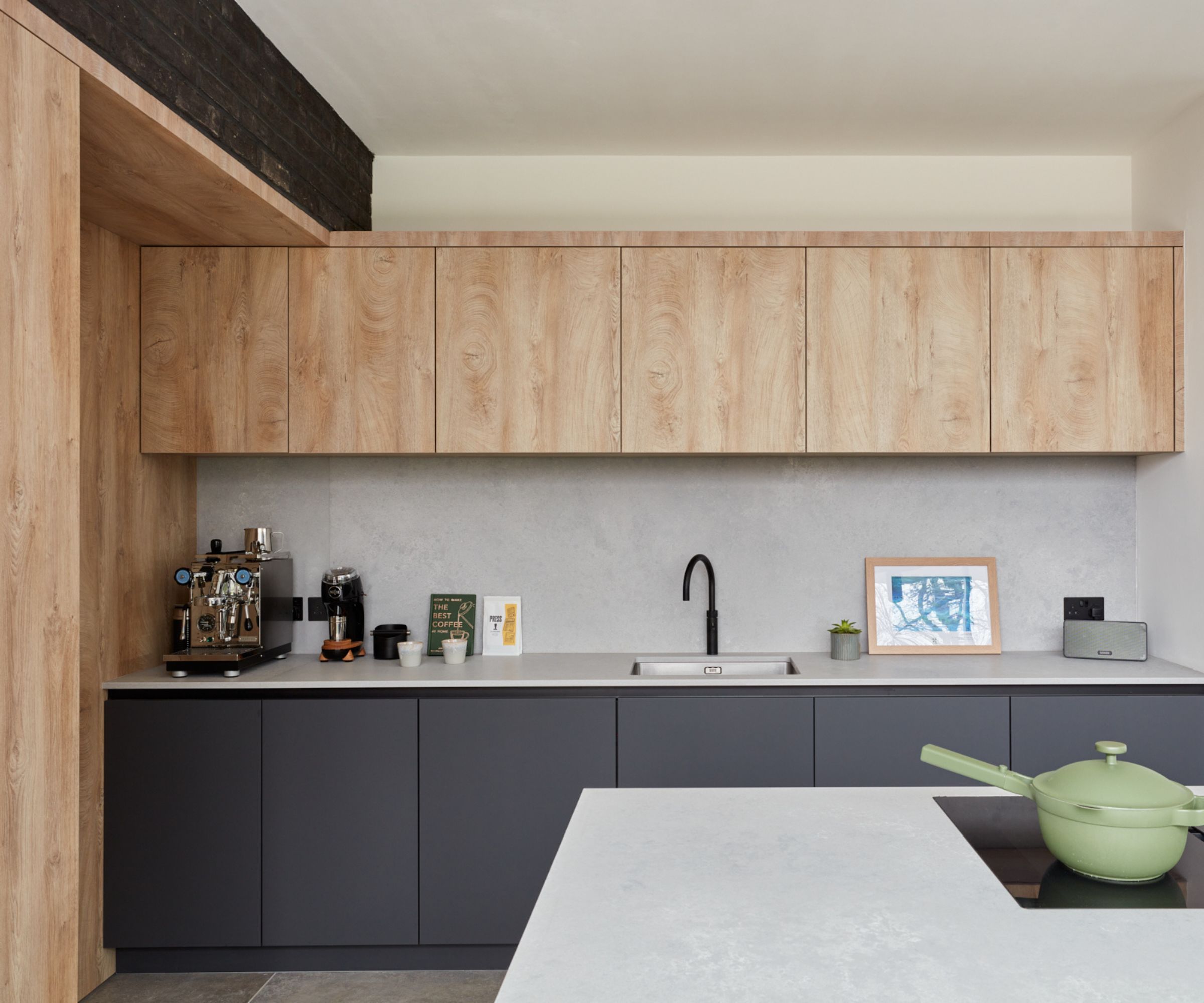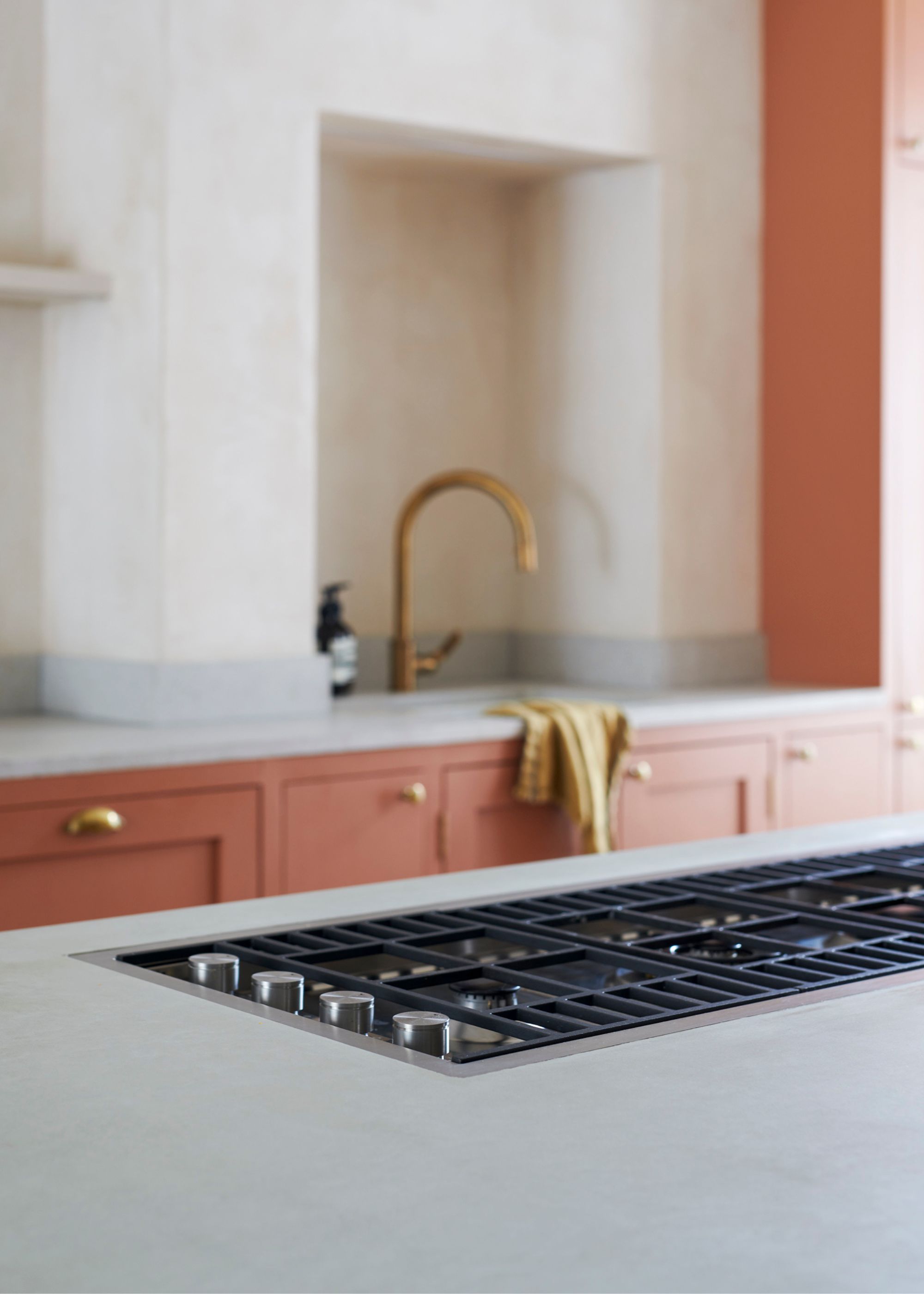
Getting Started In Decorative Concrete Countertops
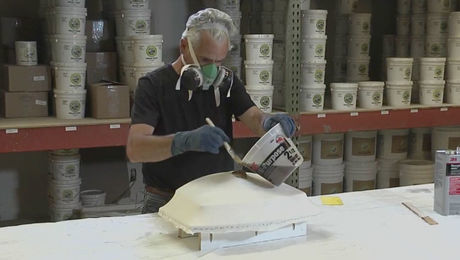
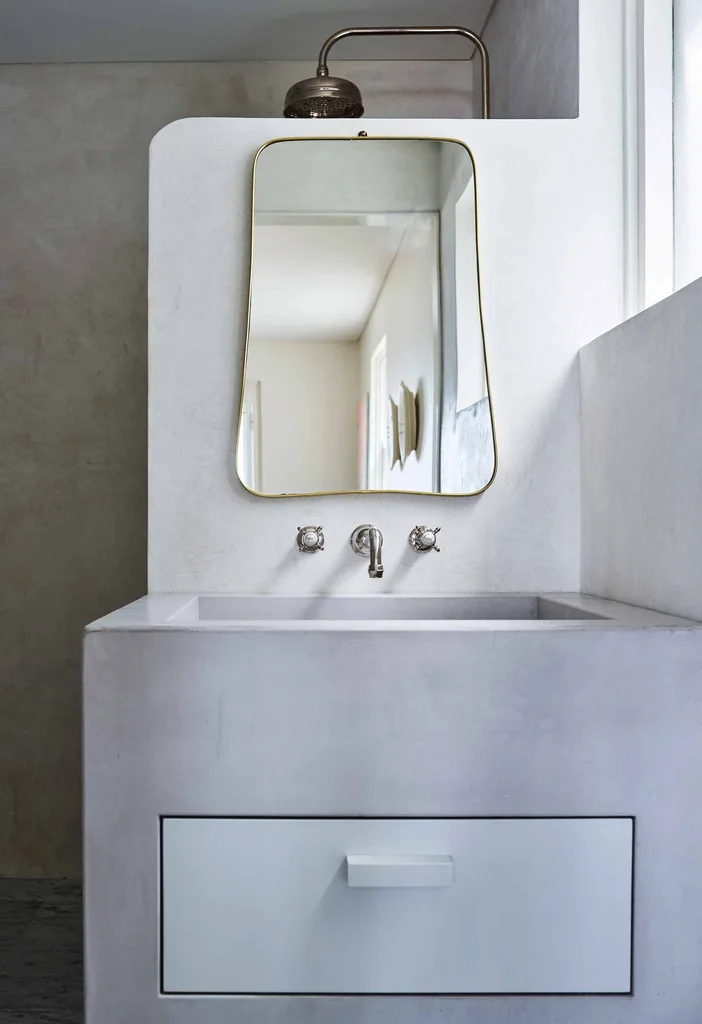
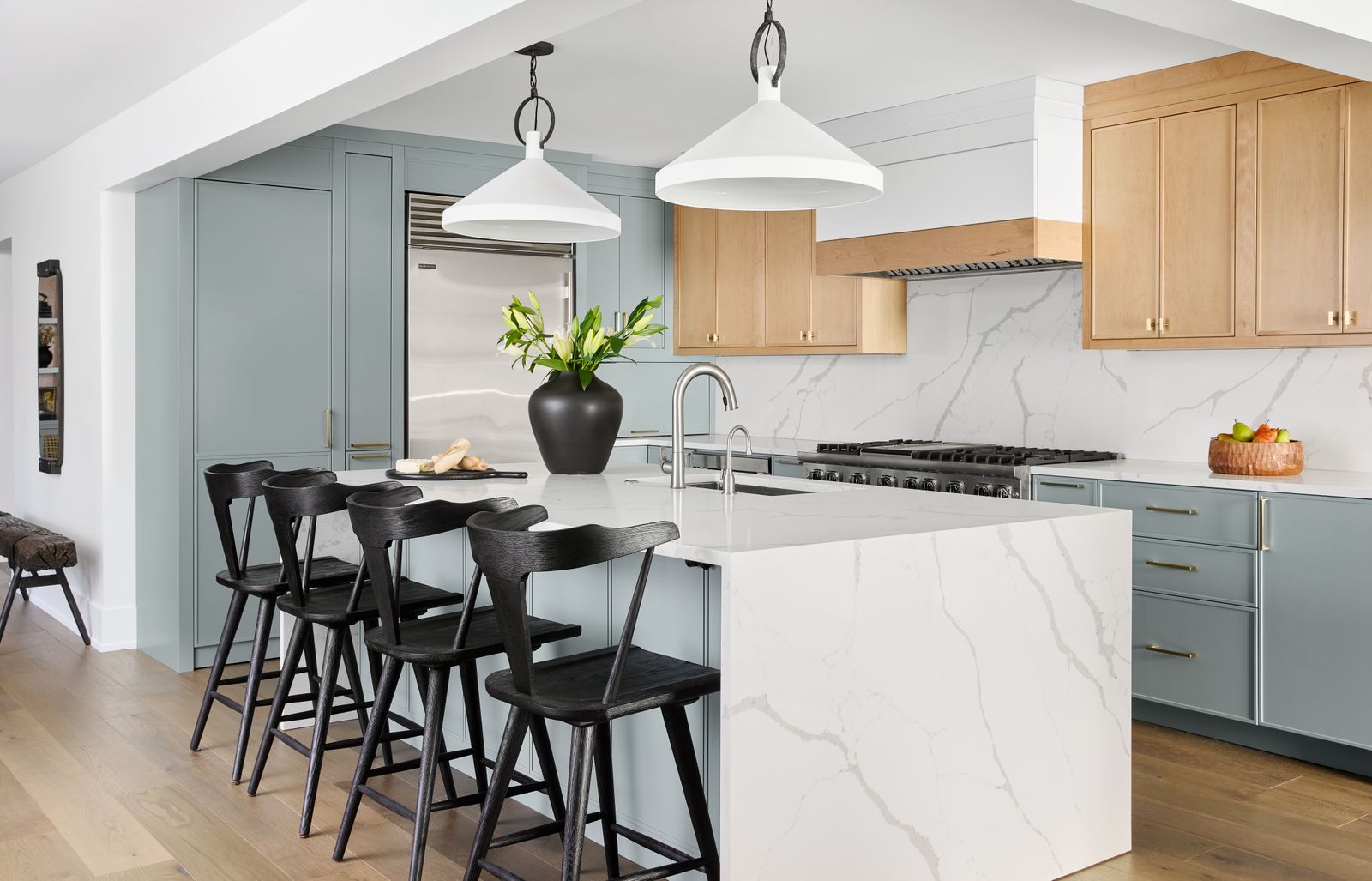
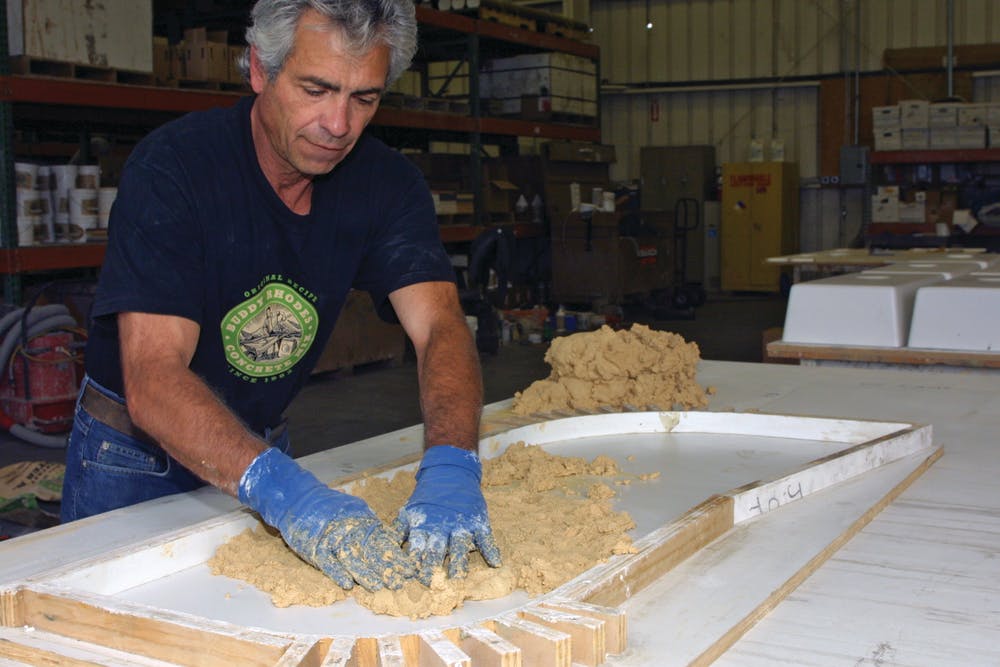
This article discusses the burgeoning market for decorative concrete countertops and provides essential guidance for contractors considering entering this niche. It emphasizes the importance of comprehensive training, recommending attendance at multiple classes from various sources. Experienced concrete contractors still need specialized training because countertop mixes and finishing techniques differ significantly from traditional concrete work. A common mistake highlighted is using mixes that are too wet, as countertop applications require drier consistencies.
Reinforcement is another critical aspect addressed, with a focus on treating countertops as structural beams rather than mere slabs. Insufficient reinforcement is a frequent error among beginners. The article mentions different reinforcement methods, such as rebar and welded ladder wire, and introduces C-Grid, a carbon fiber product offering additional reinforcement and corrosion resistance, particularly beneficial for thinner applications and during transportation of precast countertops.
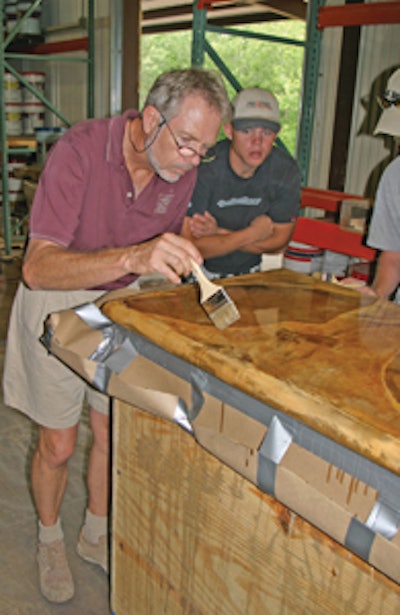
The article also underscores the importance of managing client expectations regarding the final finish. Concrete countertops are handcrafted products, meaning slight imperfections are more noticeable due to their prominent placement. Contractors are advised to dedicate more time and effort to achieving a high-quality finish and to communicate clearly with clients about the nature of the product to avoid dissatisfaction.
From a business perspective, the article highlights the unique challenges of the concrete countertop market. While the high per-square-foot pricing might seem attractive, the typical job size is much smaller than for other decorative concrete projects like patios or floors. Contractors need to develop strong sales and marketing skills and understand their target market's specific needs. The workload can be intense, requiring significant effort in a short timeframe to achieve profitability comparable to other decorative concrete ventures.
Lastly, the article advises contractors to approach product selection with skepticism. It recommends thoroughly vetting suppliers and their products by asking detailed questions about mix properties, crack resistance, stain-proofing, and touch-up options. The distinction between precast and cast-in-place methods is also explored, with both having their advantages and disadvantages regarding convenience, control over the environment, and seamlessness. A list of essential tools for starting in the concrete countertop business is also provided.
#DecorativeConcrete #ConcreteCountertops #ConstructionTraining #ReinforcementTechniques #ClientExpectations #BusinessDevelopment #ProductSelection #PrecastConcrete #CastInPlace #ConstructionTools #DecorativeConcrete #ConcreteCountertops #ConstructionTraining #ReinforcementTechniques #ClientExpectations #BusinessDevelopment #ProductSelection #PrecastConcrete #CastInPlace #ConstructionTools
0 comment in total
 No comments yet
You may also like
Are concrete kitchen countertops a good idea?


How to Cheat Your Way to DIY Concrete Countertops That Look Like Stone

Kitchen Concrete Counters Ceramic Tile Backsplashes Design Photos and Ideas

How to Choose a Concrete Countertop Mix Design
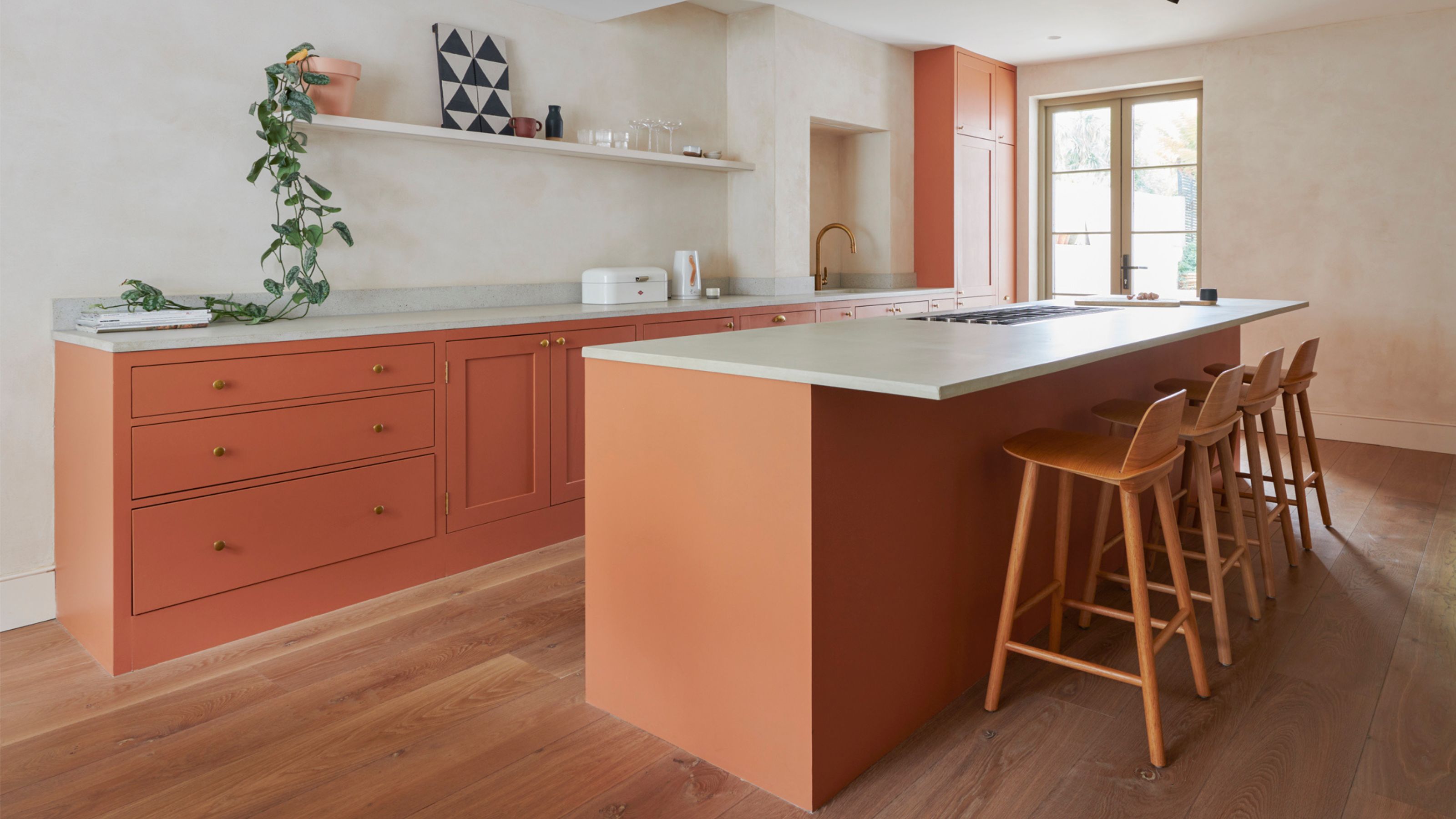
This Underutilized Countertop Looks Great, but "It's Not the Material for Everyone" — The Pros and Cons of Concrete, Explained by a Specialist

5 Outdated Countertop Trends To Avoid And 5 To Try Instead

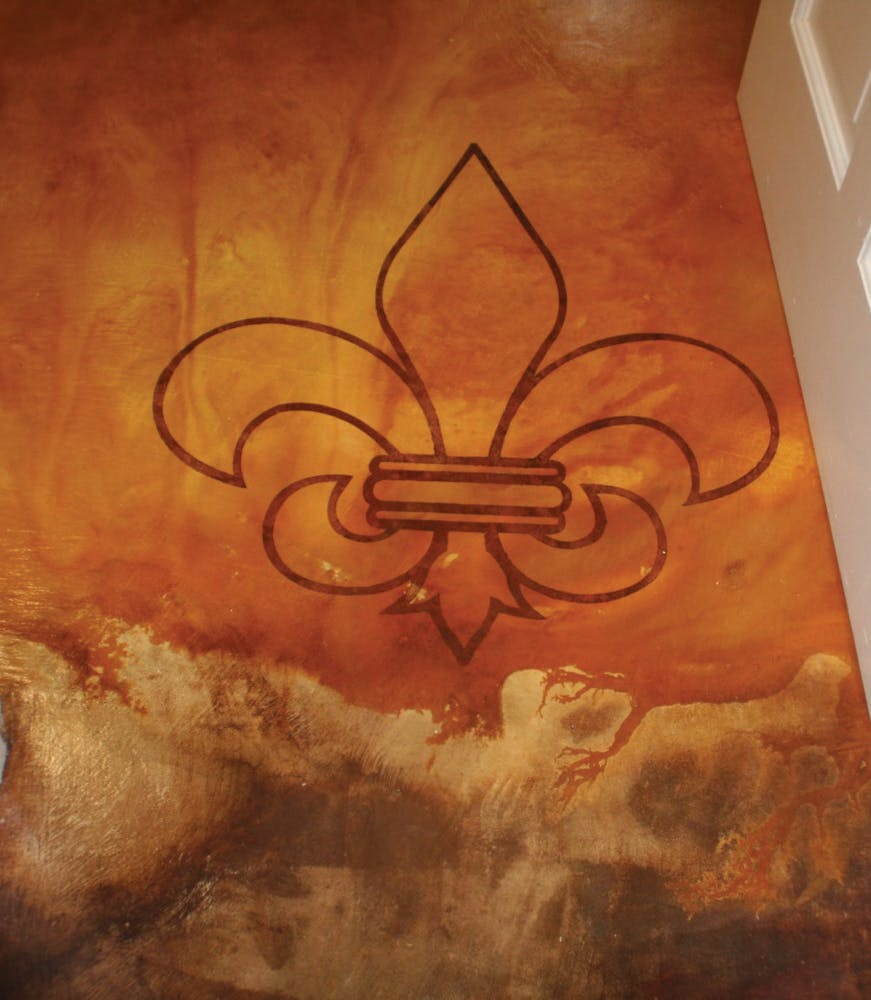
Decorative concrete contractor
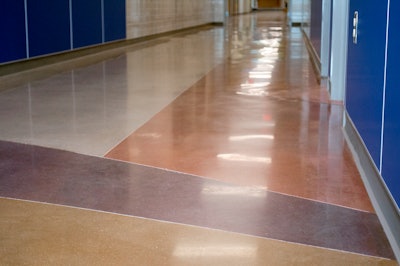
How to Apply Multi-Color Dyes to Polished Concrete
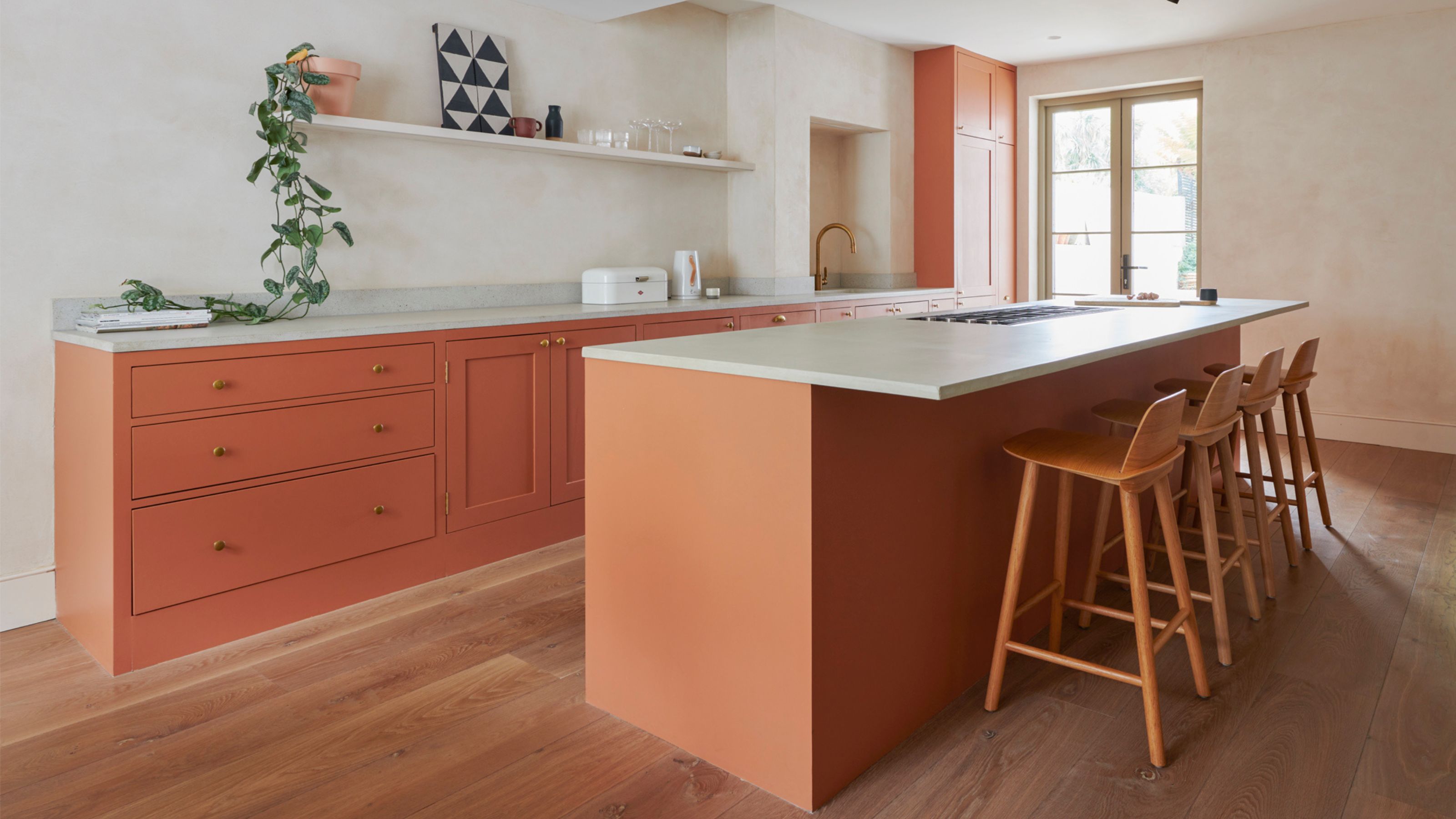
Everything You Need to Know About Concrete Worktops
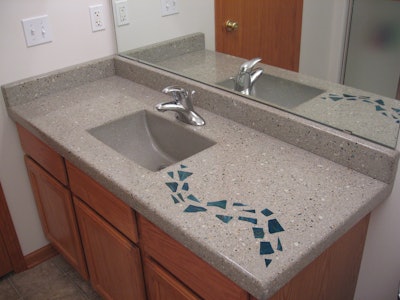
Concrete Countertop Fills Role of Night Light

Concrete kitchen floor ideas – 17 ways to introduce this popular style

Marble Countertops: 9 Tips for Choosing a White Marble Slab

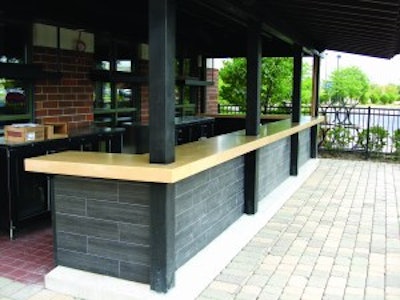
Decorative Contractors Get Creative with Concrete Countertops
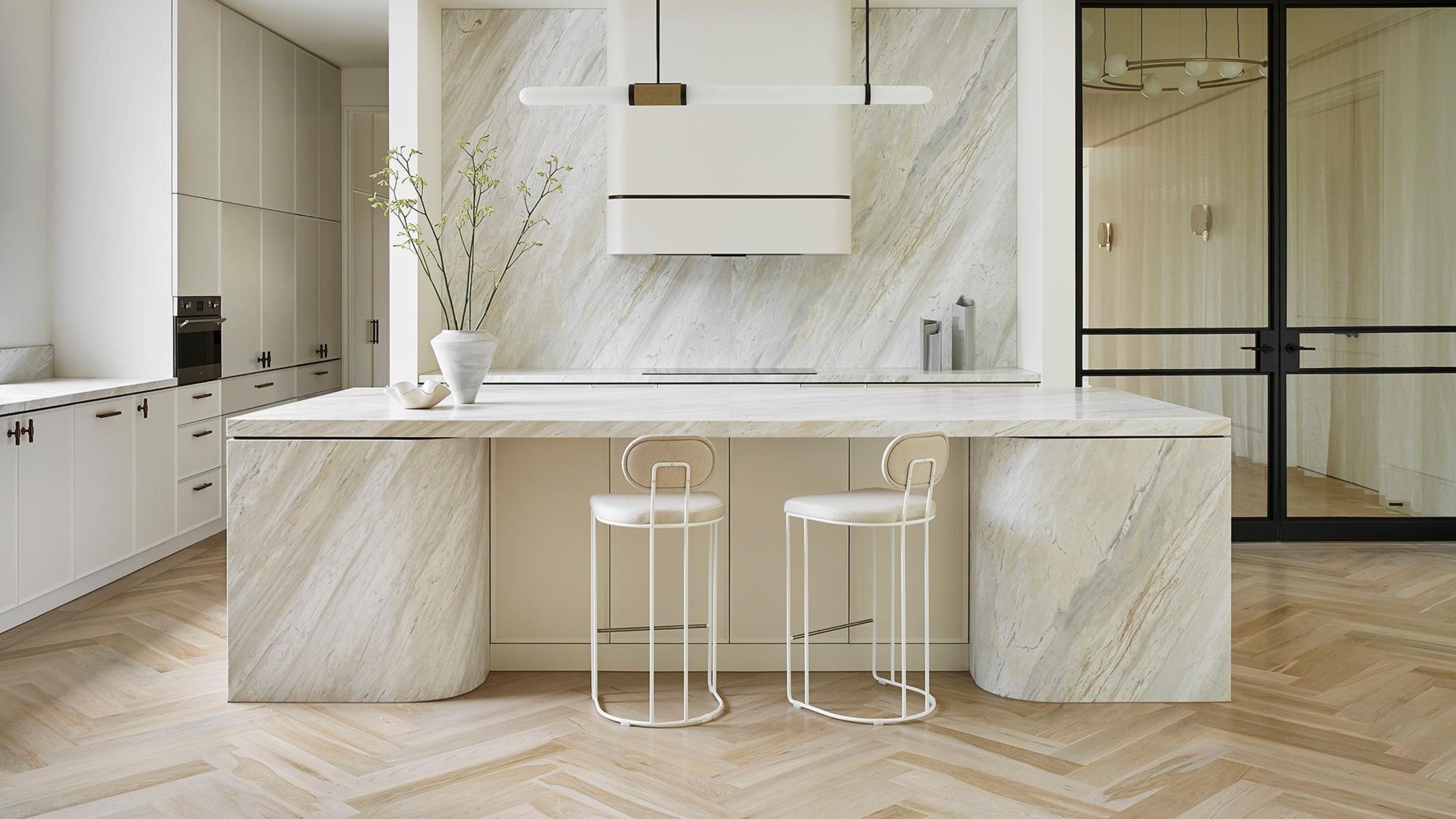
11 Countertop Ideas That You'll Find in the Best-Looking Kitchens in 2025 |

What Designers Call the "Little Black Dress" of Bathroom Countertops

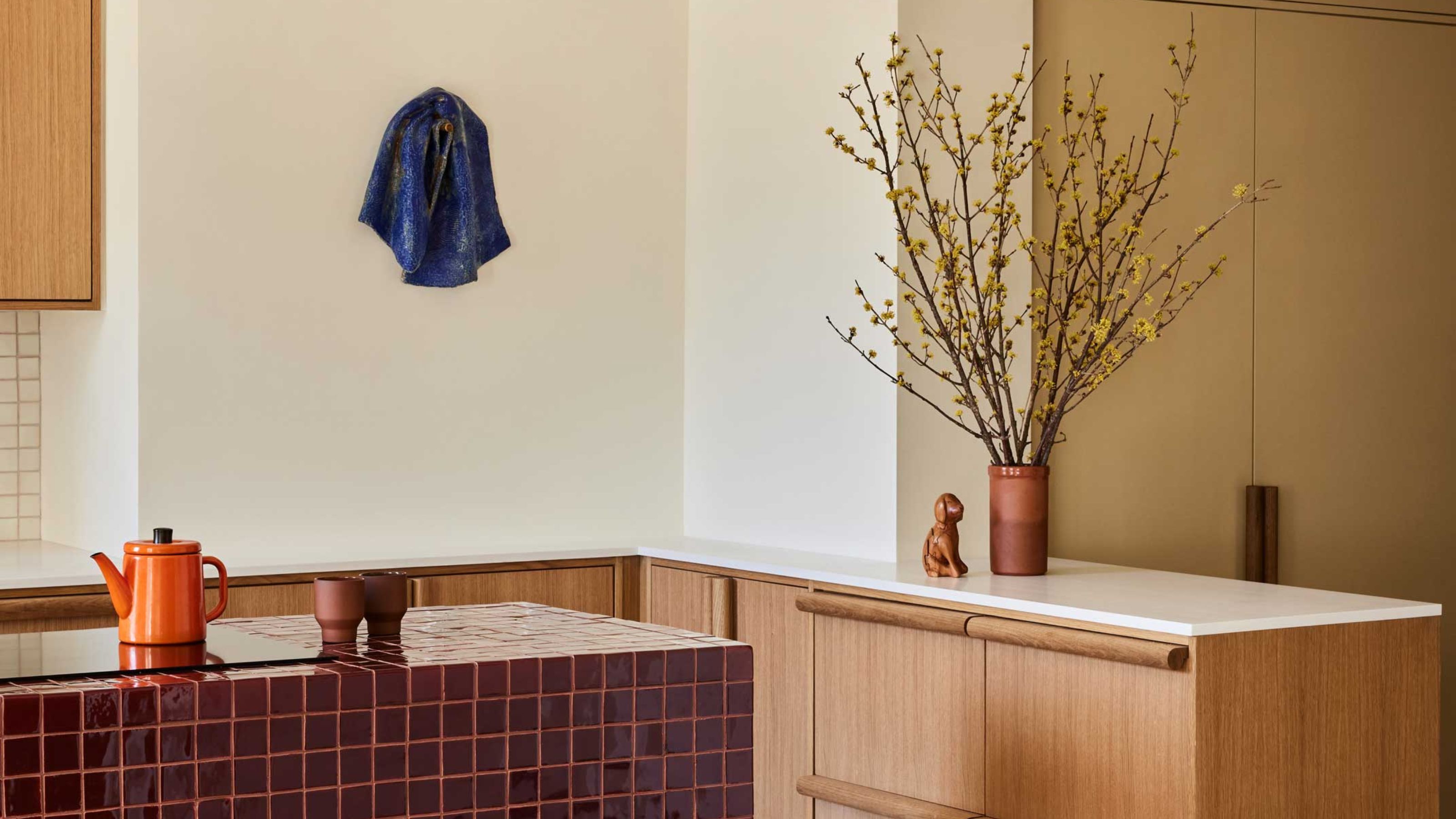
Move Over Granite (and Quartz)! These Alternatives Are What We're Dreaming of For Design-Forward Kitchens
Video Series: How to Create a Lightweight Concrete Countertop

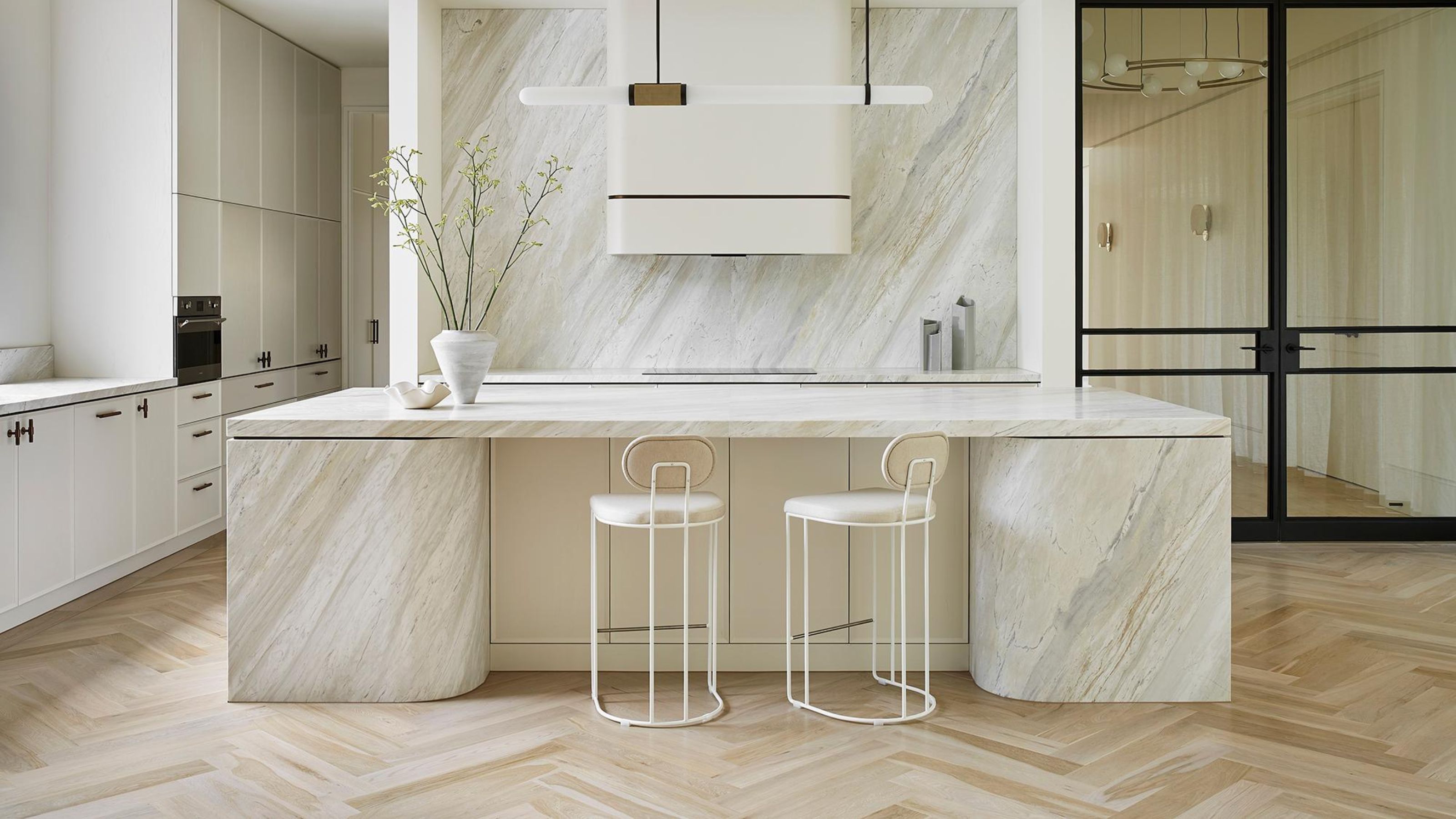
11 Countertop Ideas That You'll Find in the Best-Looking Kitchens
Concrete design ideas: how to make them work in any home


The pros and cons of putting a concrete countertop in your NYC apartment