1/6
What Designers Call the "Little Black Dress" of Bathroom Countertops
This article discusses various bathroom countertop materials favored by interior designers, providing insights into their pros and cons. It highlights the importance of considering both aesthetic appeal and practical aspects like cost-effectiveness, durability, and maintenance when selecting a countertop. Designers emphasize that countertops can either serve as a focal point or subtly complement other elements in a bathroom, advising consumers to consider their overall design vision.
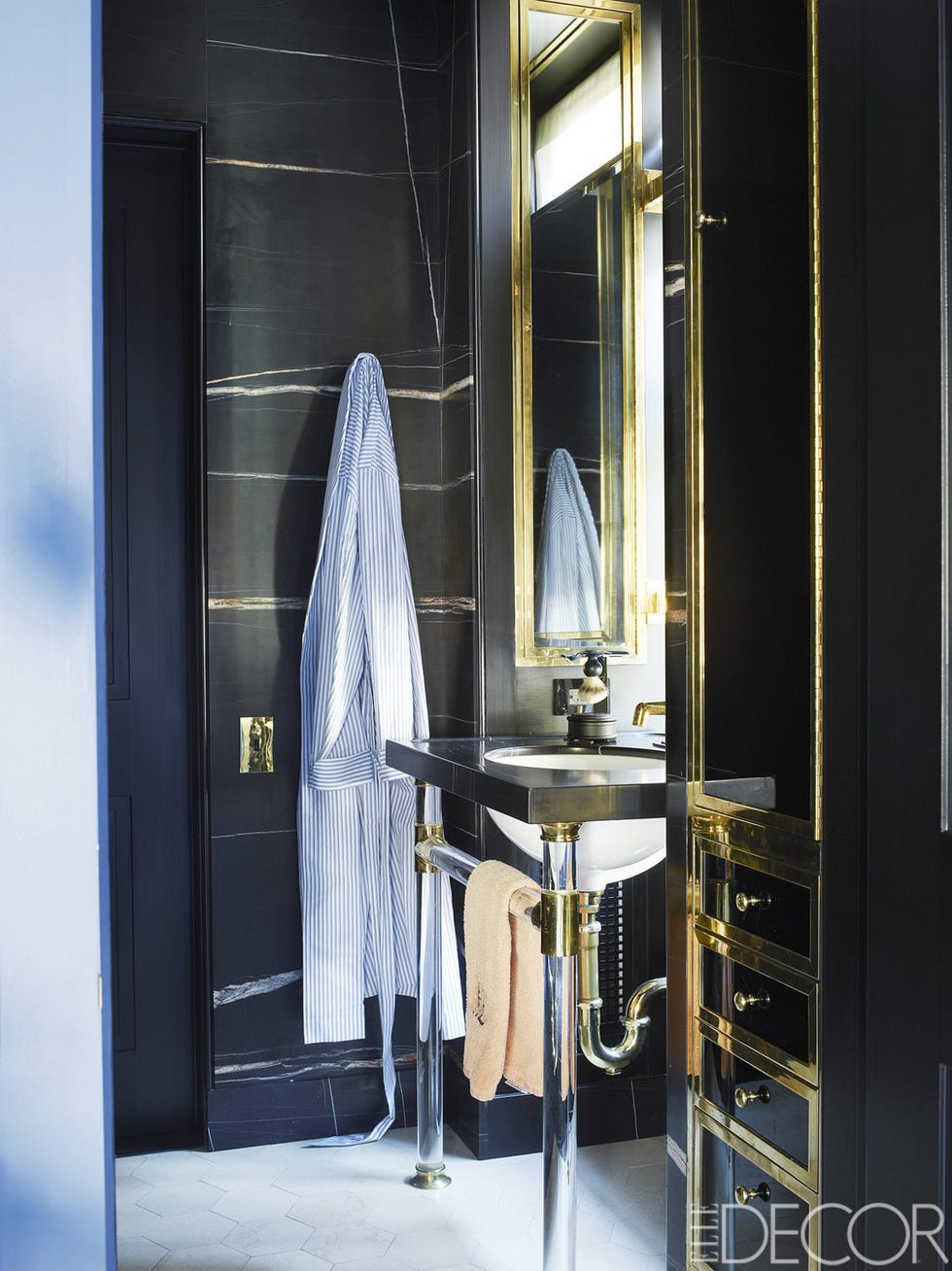
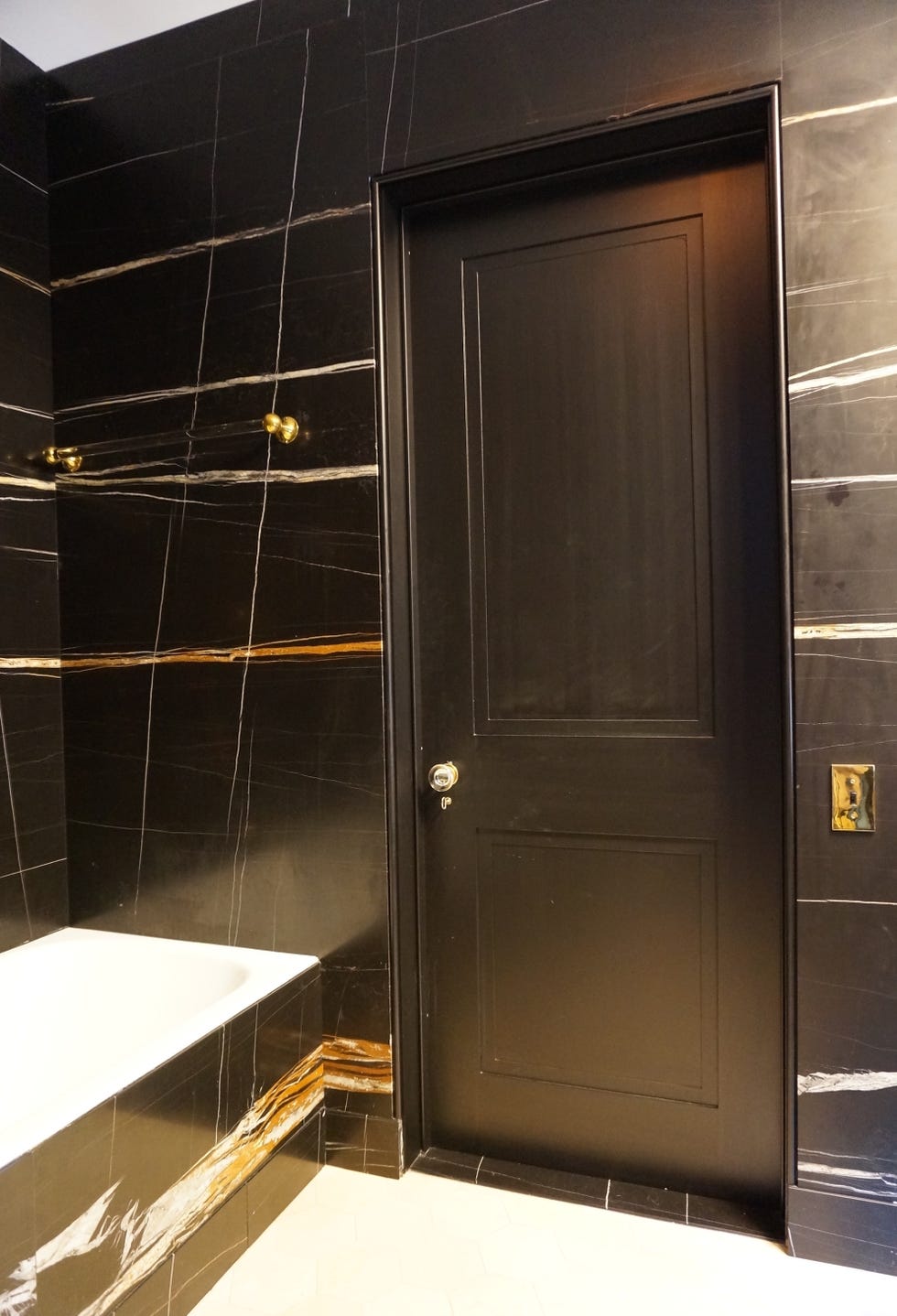
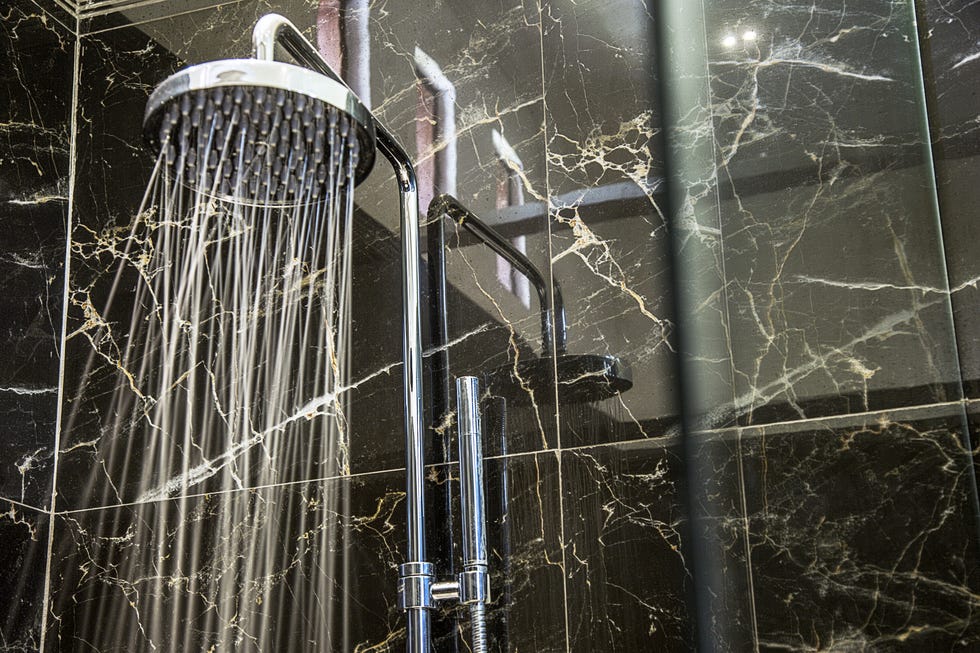
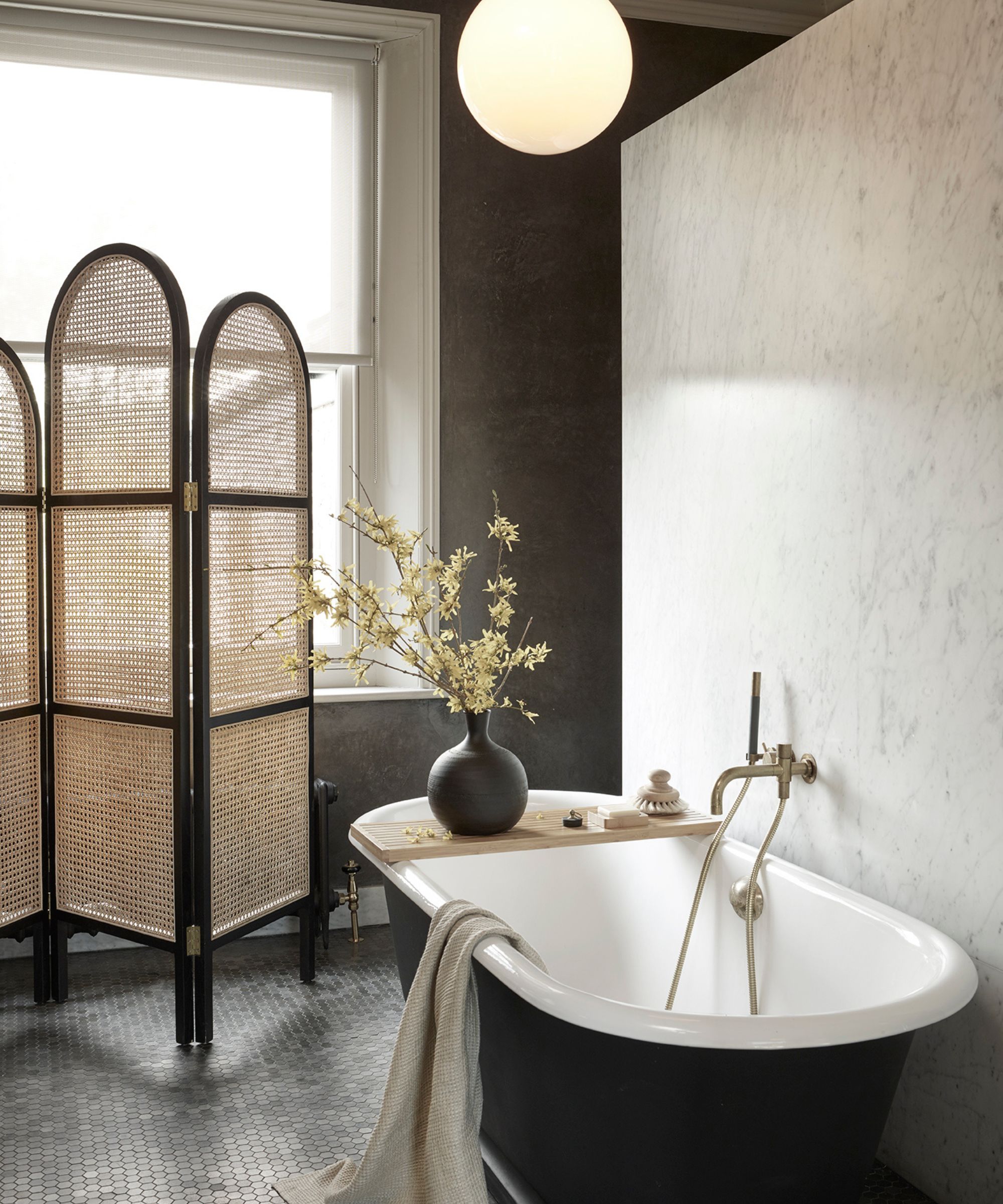
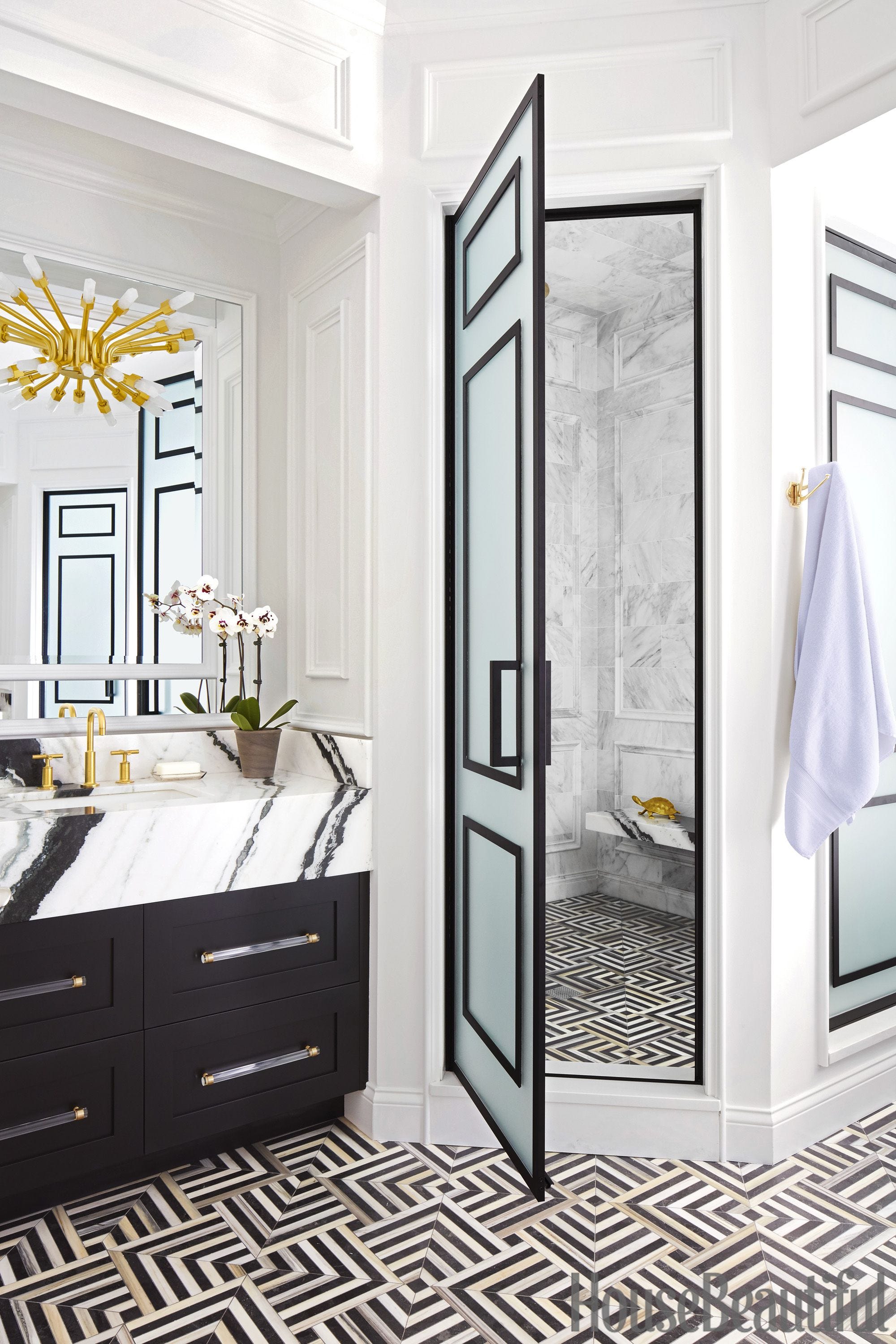
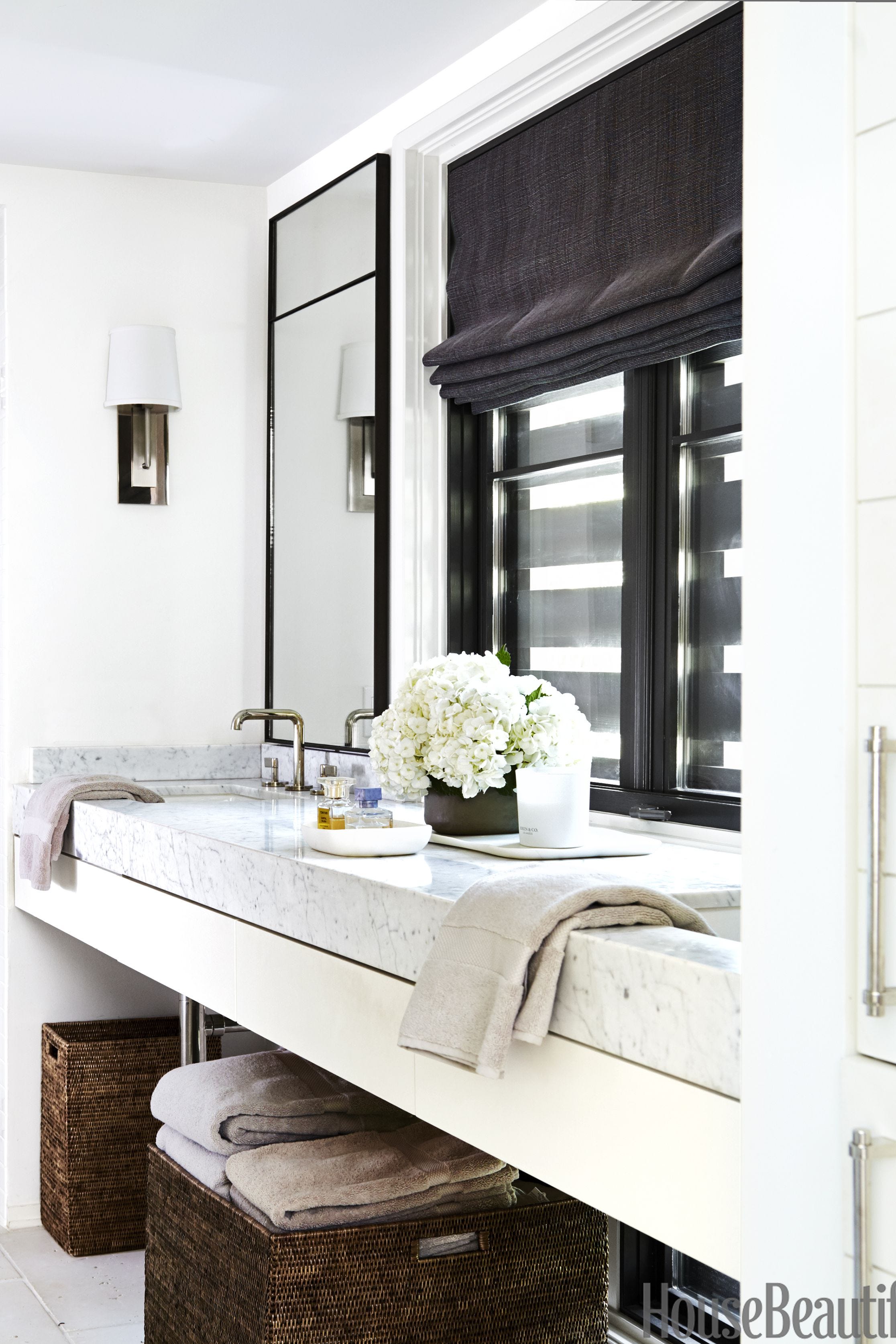
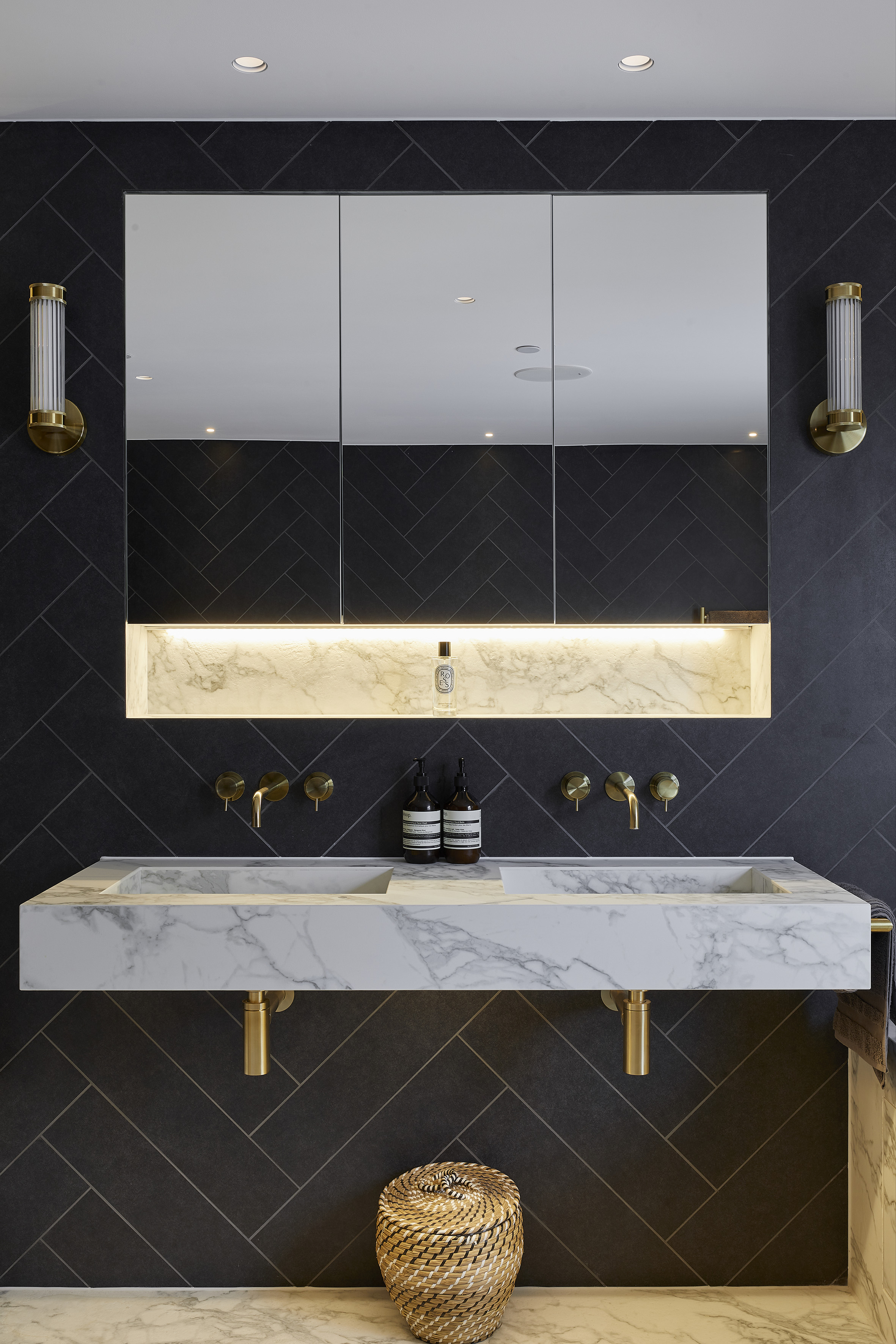
Marble is presented as a classic and versatile choice, available in many varieties. Its timeless aesthetic is a major draw, with designers like Lindsey Black appreciating its aging process that contributes to a 'lived-in' feel. Naomi Rigas of Envy Interior Design Studio notes marble's ability to set a bathroom's mood through color and veining. However, marble is susceptible to staining and etching and requires regular resealing and prompt wiping of moisture to maintain its appearance.
Quartzite is highlighted for its marble-like appearance but superior durability. Momoko Wong of Momo Wong Design describes it as a dense stone that resists etching and staining more effectively than marble, also praising its elegant movement and crystalline sparkle. The primary drawback of quartzite is its cost, with pure white varieties reaching high prices per slab.
Granite is identified as a popular and more affordable option. It is easy to clean, dense, and less prone to etching or staining compared to marble. Wong points out that unique granite slabs can create a striking visual impact. Quartz is lauded for its low maintenance, resilience against staining and etching, and consistent new appearance. Lindsey Black indicates that while traditionally a background accent, newer quartz designs are increasingly mimicking natural materials.
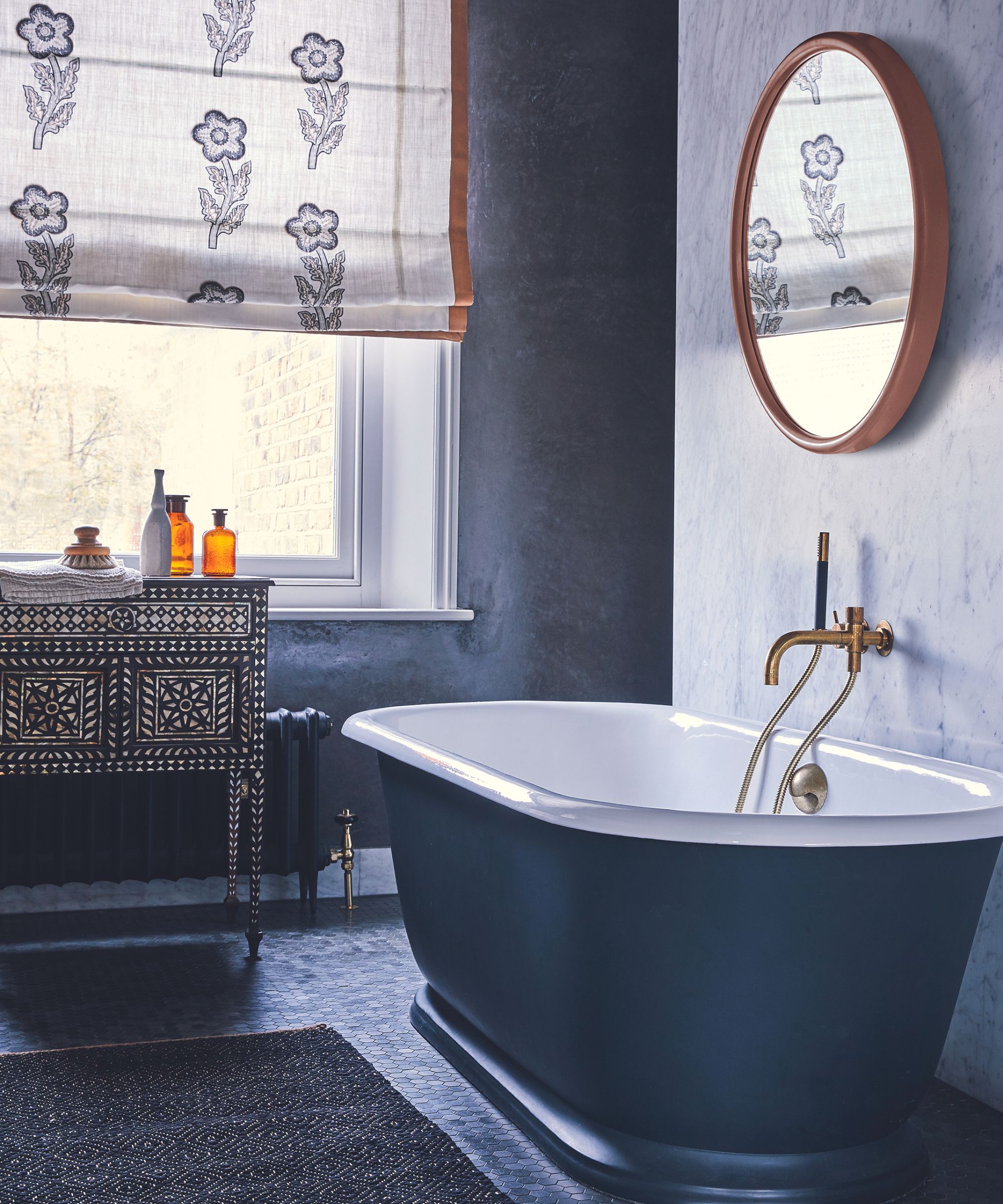
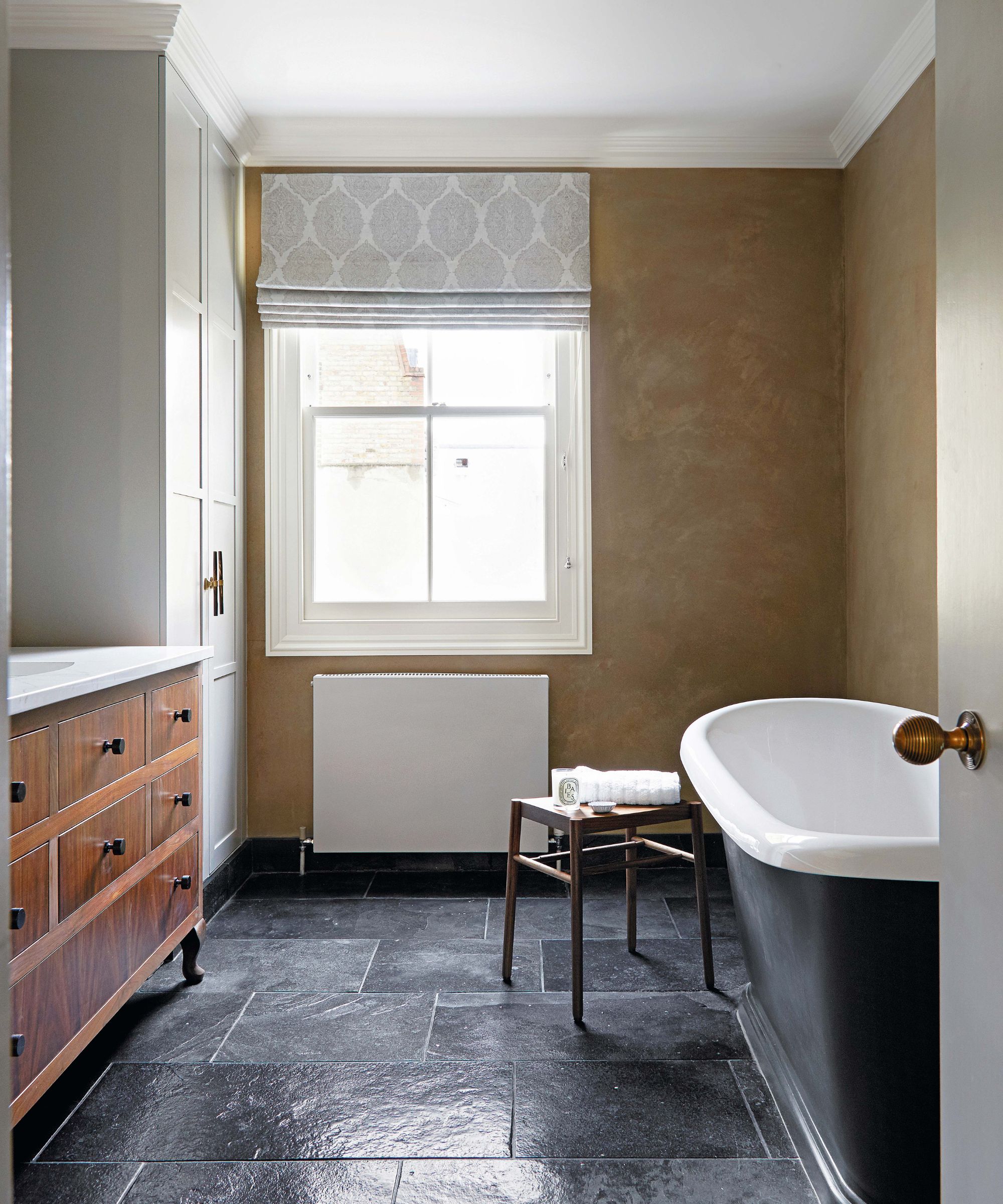
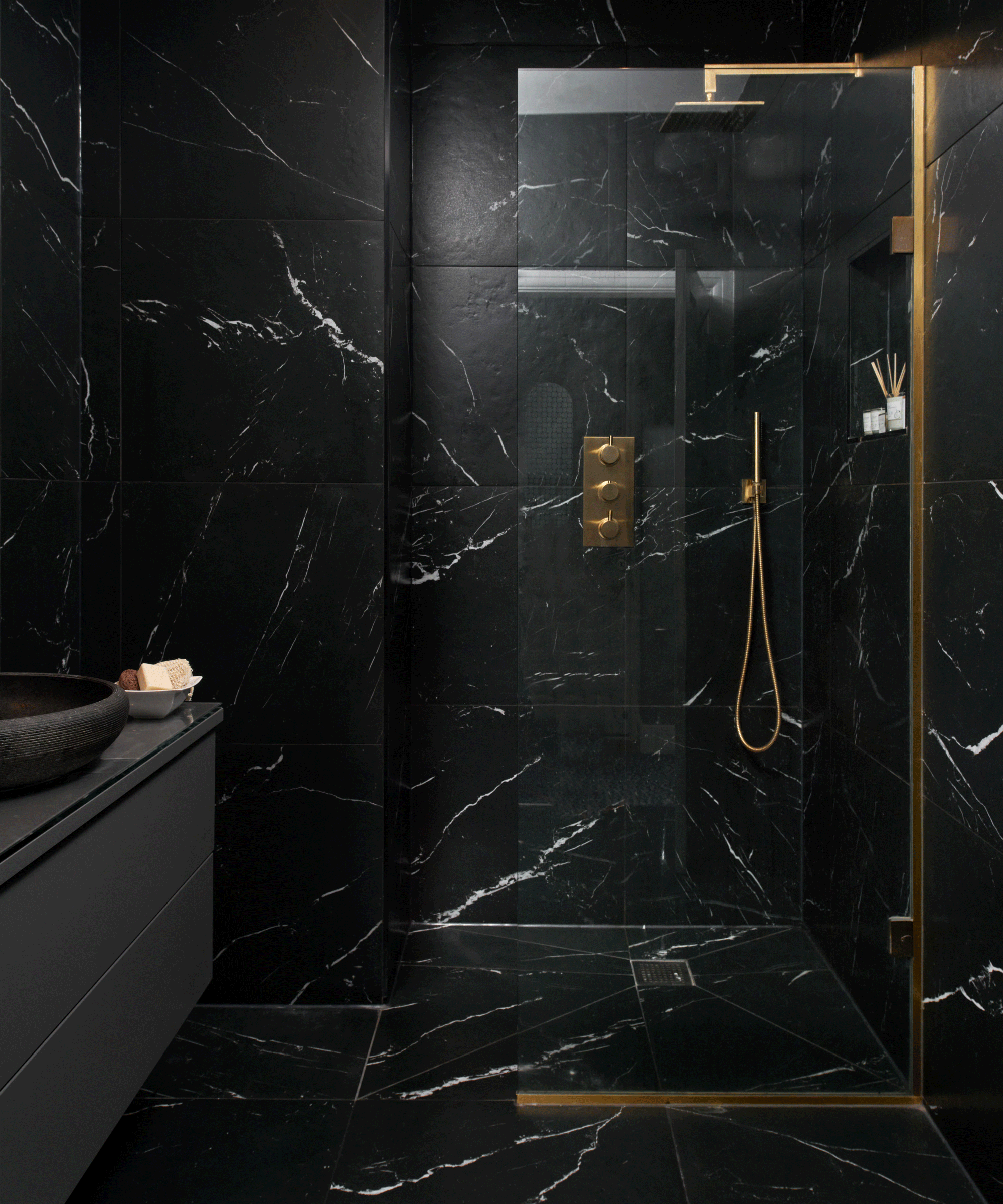
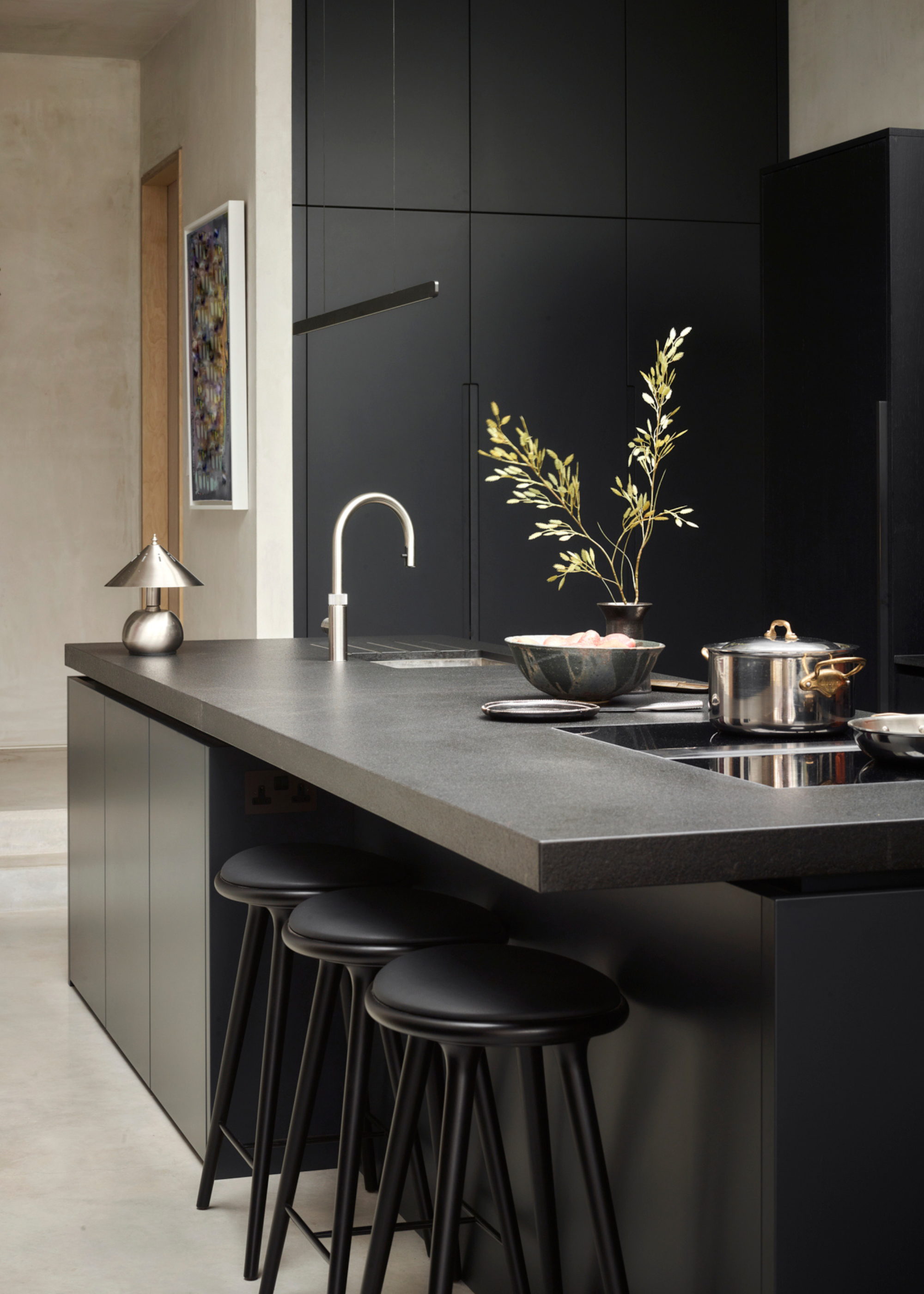
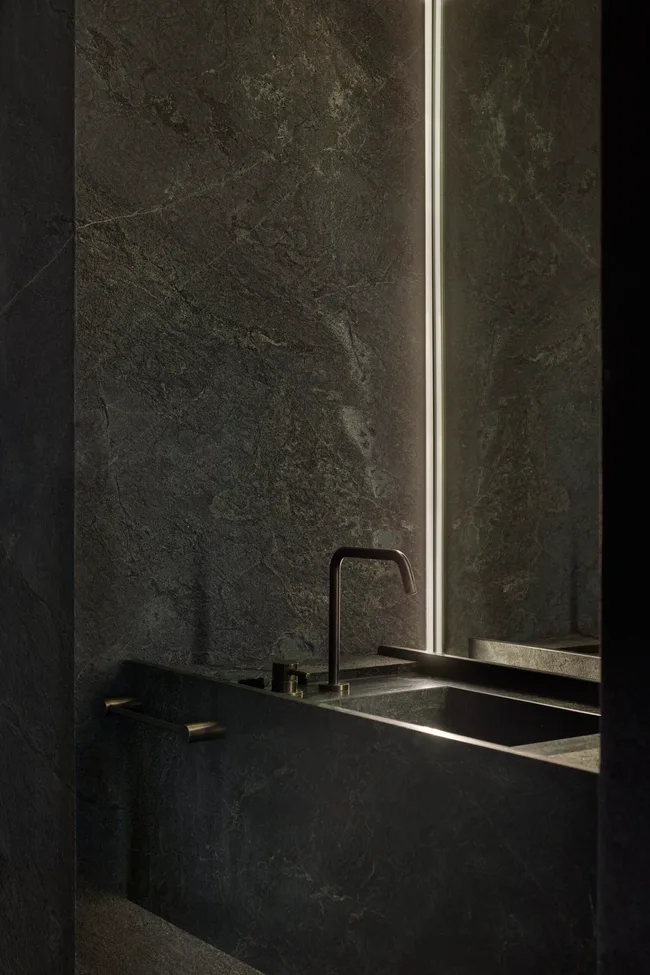
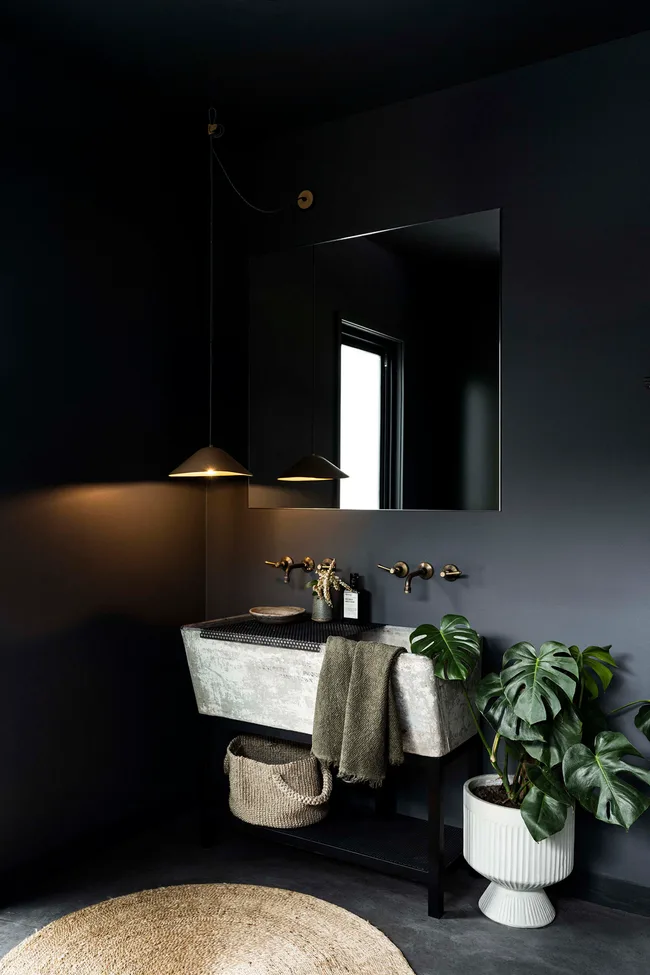
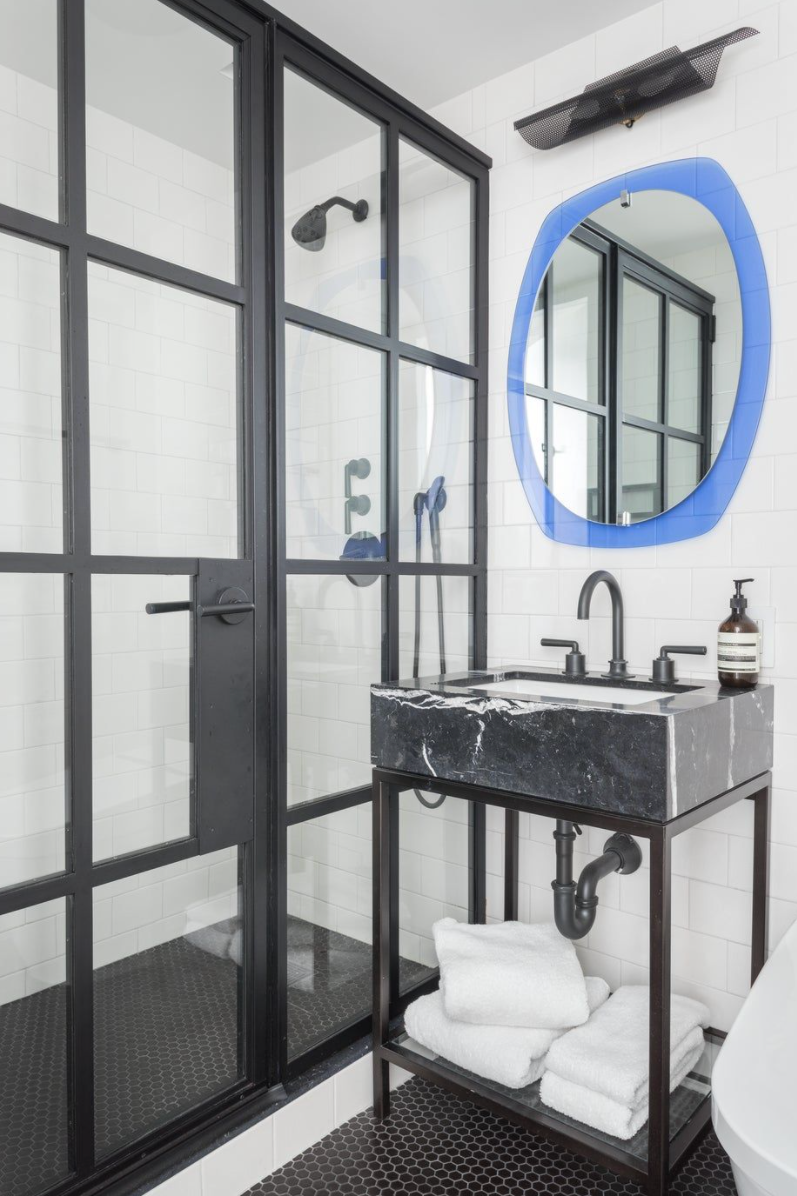
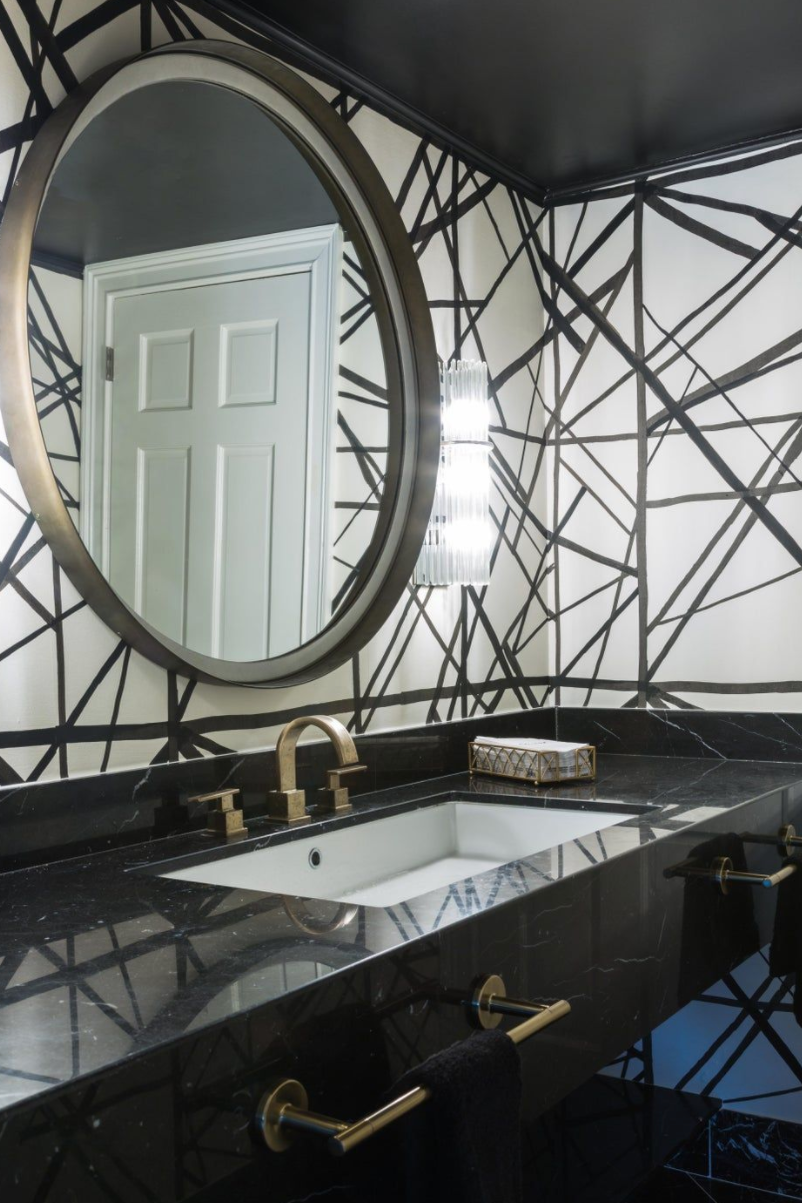
Concrete offers a customizable and durable solution that can range from industrial to polished in aesthetic. Its main considerations are its significant weight, requiring careful vanity or support design, and its need for proper sealing to prevent stains. It is particularly suitable for wet environments like pool bathrooms due to its unique feel and water resistance. Soapstone, described by Lissette Fernandez and Chelsea Murawski of Together Home as the "little black dress of bathroom countertops," is praised for its versatility and indestructibility. It comes in various moody shades from gray to black and pairs well with polished nickel hardware, though it requires annual resealing.
#BathroomCountertops #InteriorDesign #HomeRenovation #Marble #Quartzite #Granite #Quartz #Concrete #Soapstone #BathroomCountertops #InteriorDesign #HomeRenovation #Marble #Quartzite #Granite #Quartz #Concrete #Soapstone
0 comment in total
 No comments yet
You may also like

Chrome Accents Are the Little Black Dress of Interior Design

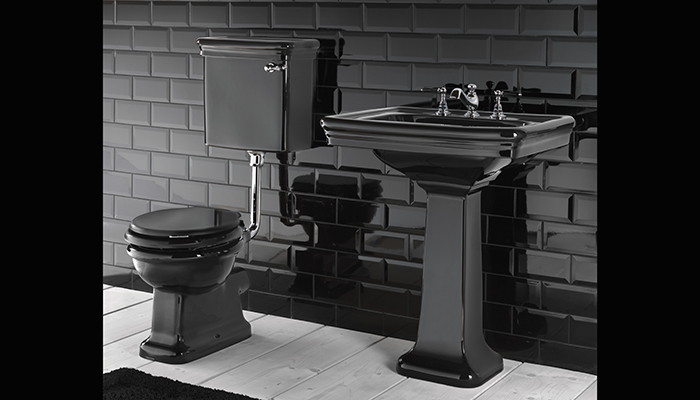
Dark secrets: Making the most of black products in bathroom design
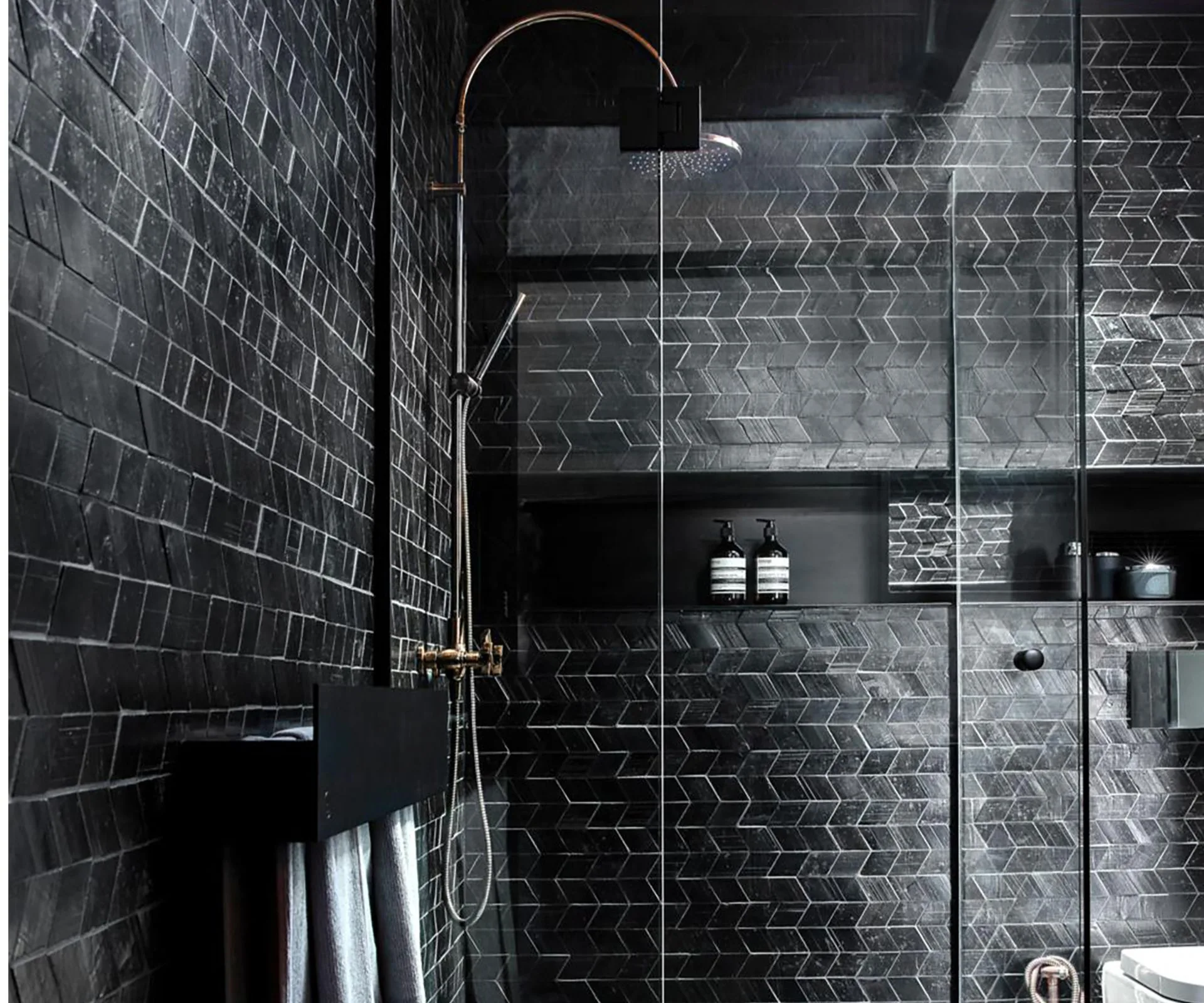
14 black bathroom design ideas to inspire you to go to the dark side

How to Decorate With One of 2018’s Most Popular Colors | domino
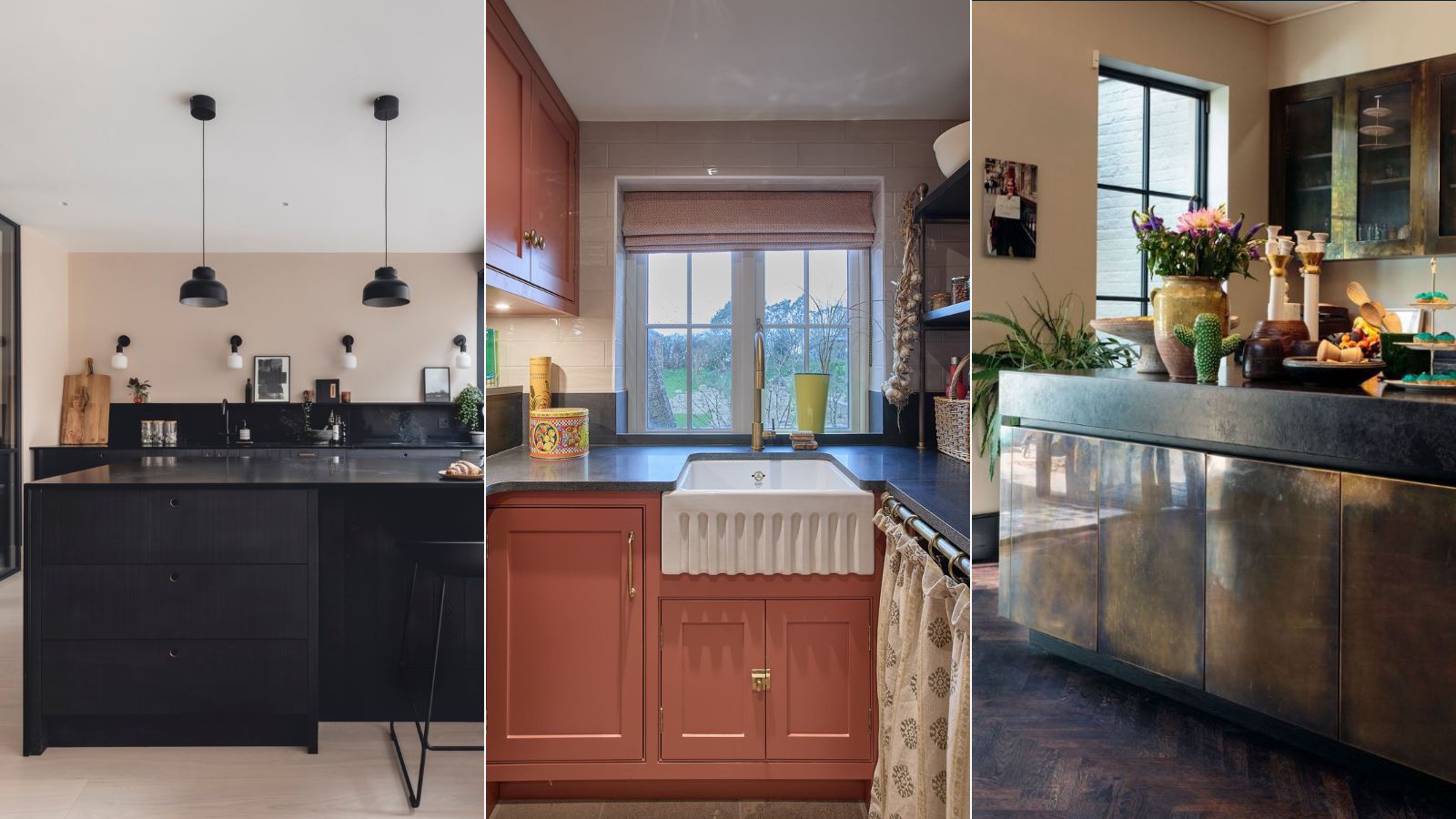
Are black kitchen countertops back in style? Interior designers share their thoughts on this once-dated look
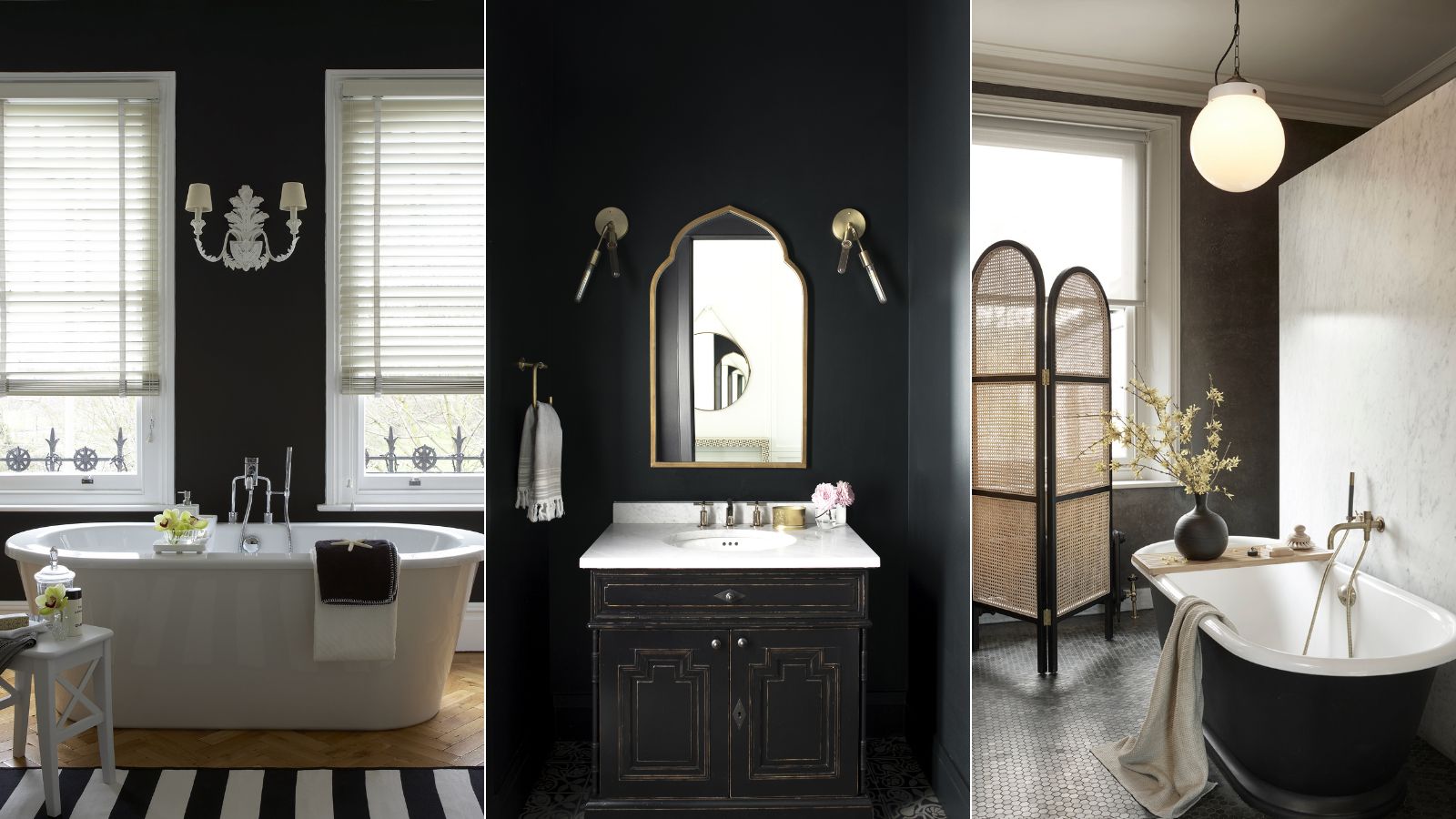
Is black a good color for a bathroom? Experts weigh in on whether you should decorate with this moody hue

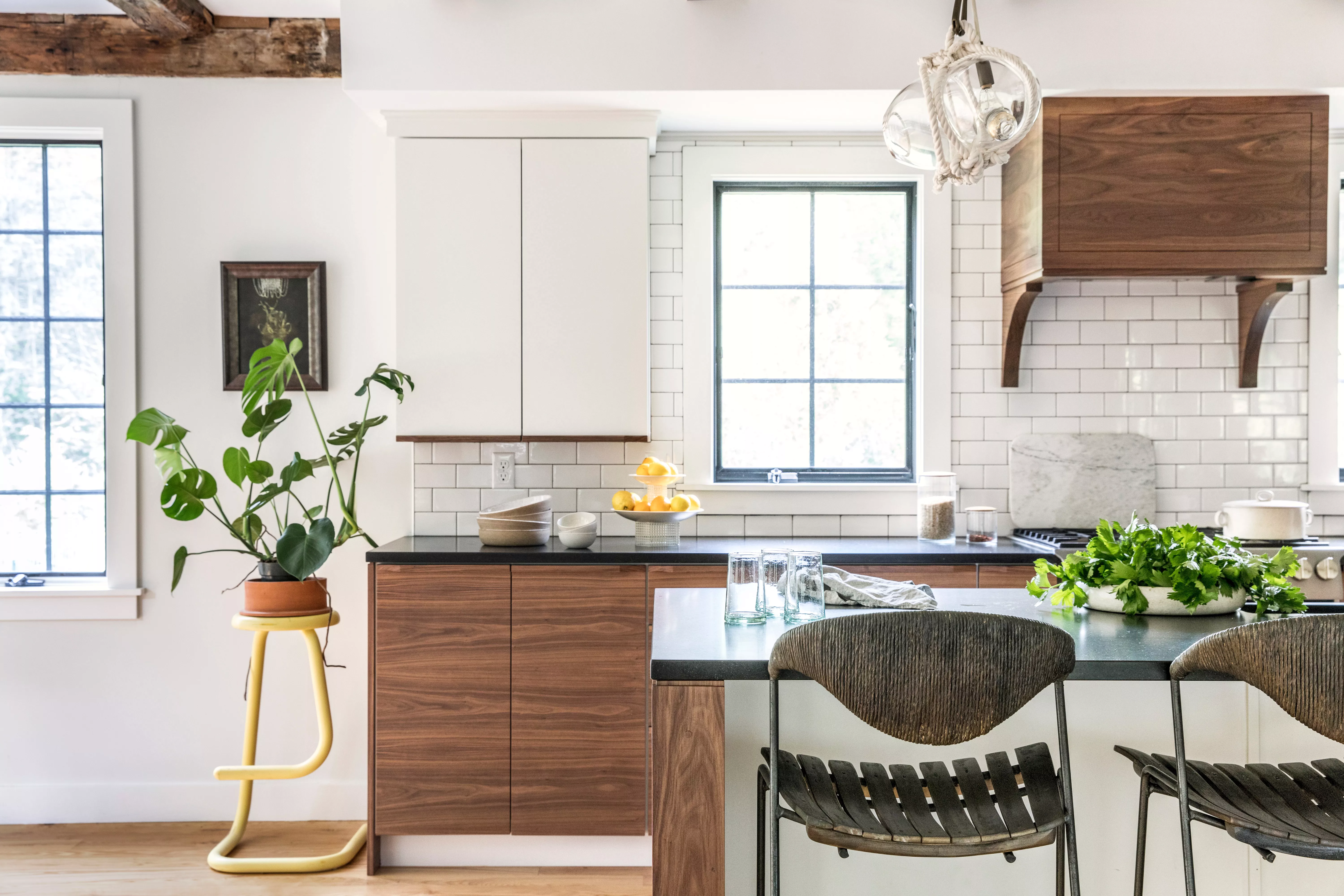
Black Countertops: A Stylish Way to Elevate Your Kitchen

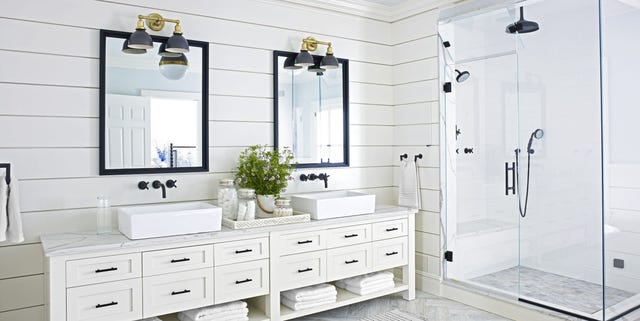
15 Black and White Bathrooms That Feel Fresh and Luxurious
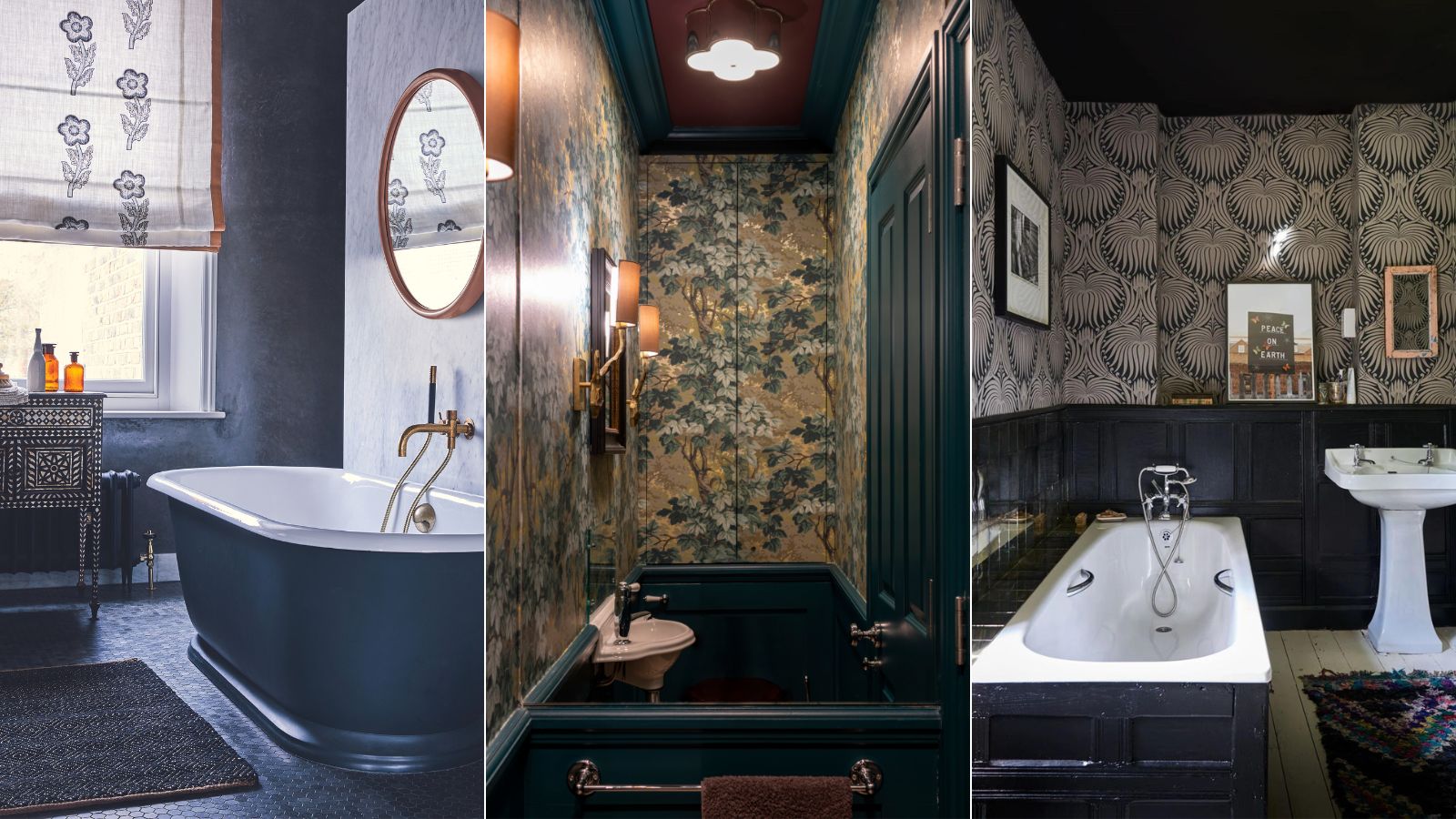
10 black bathroom ideas for a chic and sophisticated color scheme
Top Reasons to Choose Black Countertops, According to Experts
15 black bathroom accessories you need right now
Turn Up the Drama With Black Kitchen Cabinets
29 Black Bathrooms for an Ultra Chic Oasis

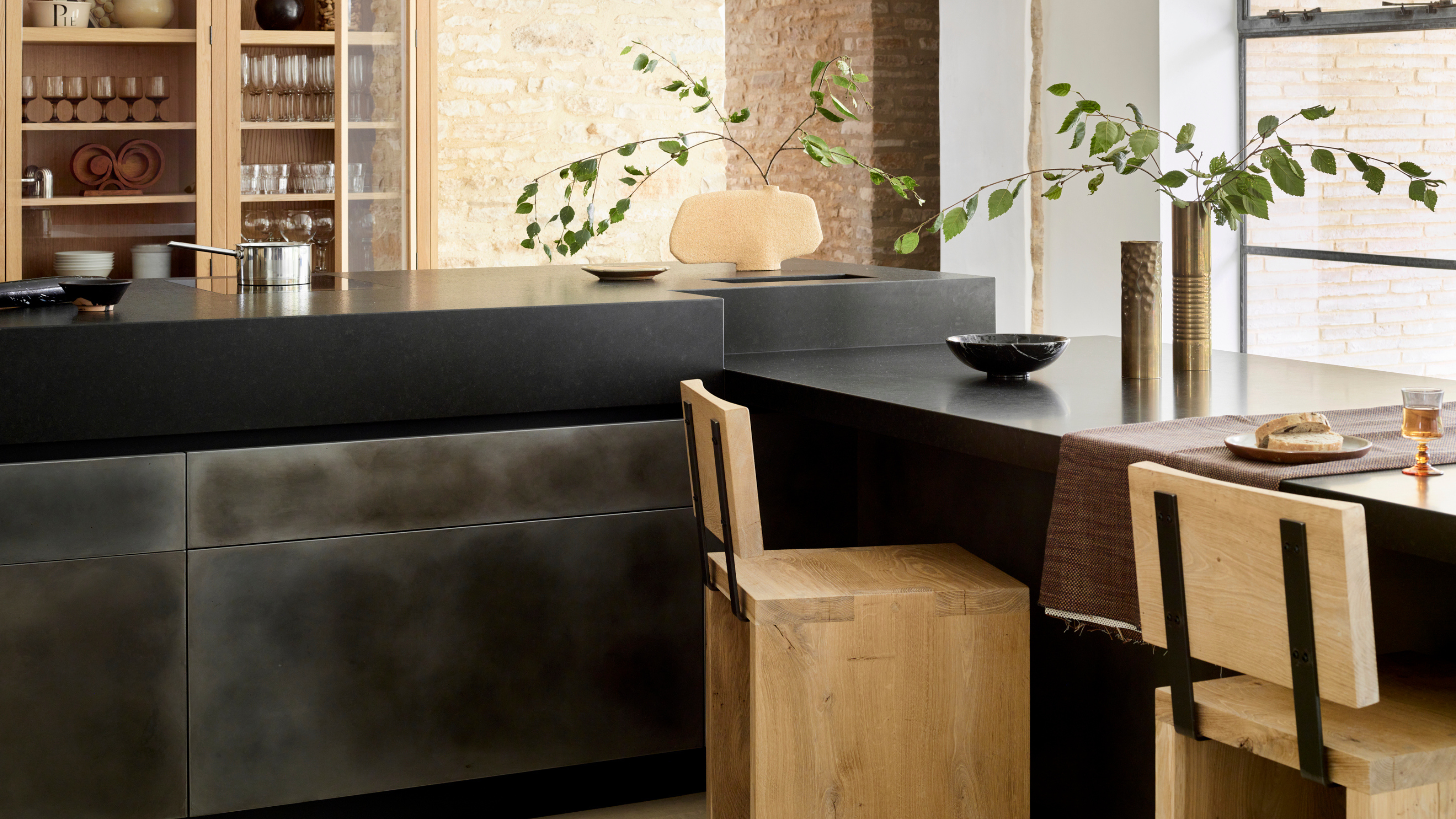
Are Black Countertops Still in Style? Here's How Designers Are Using Them That Feel Right for 2026-Ready Kitchens

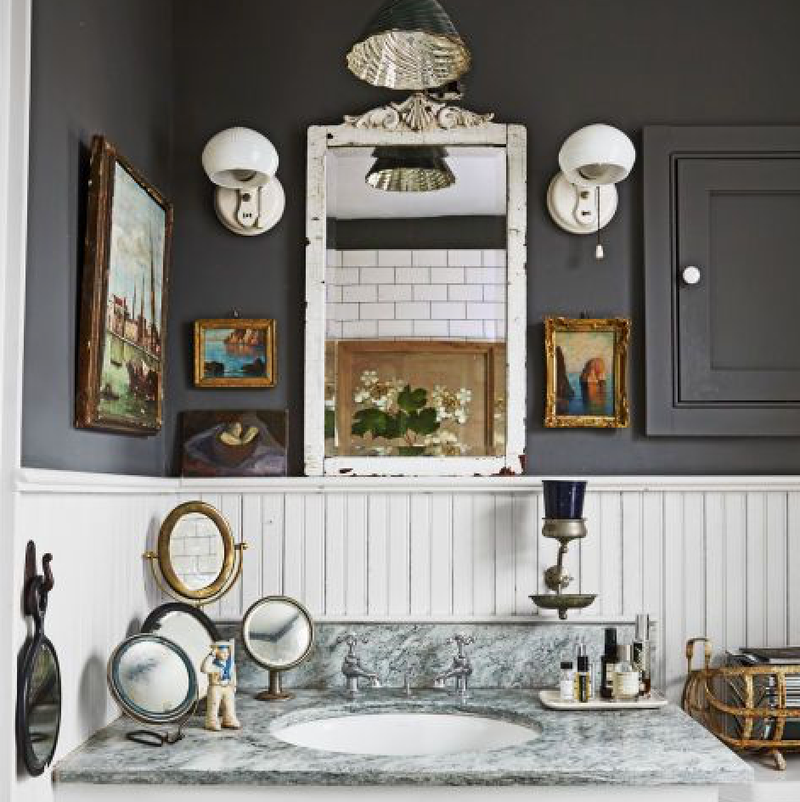
These Must-See Black Bathroom Design Ideas Are Timeless

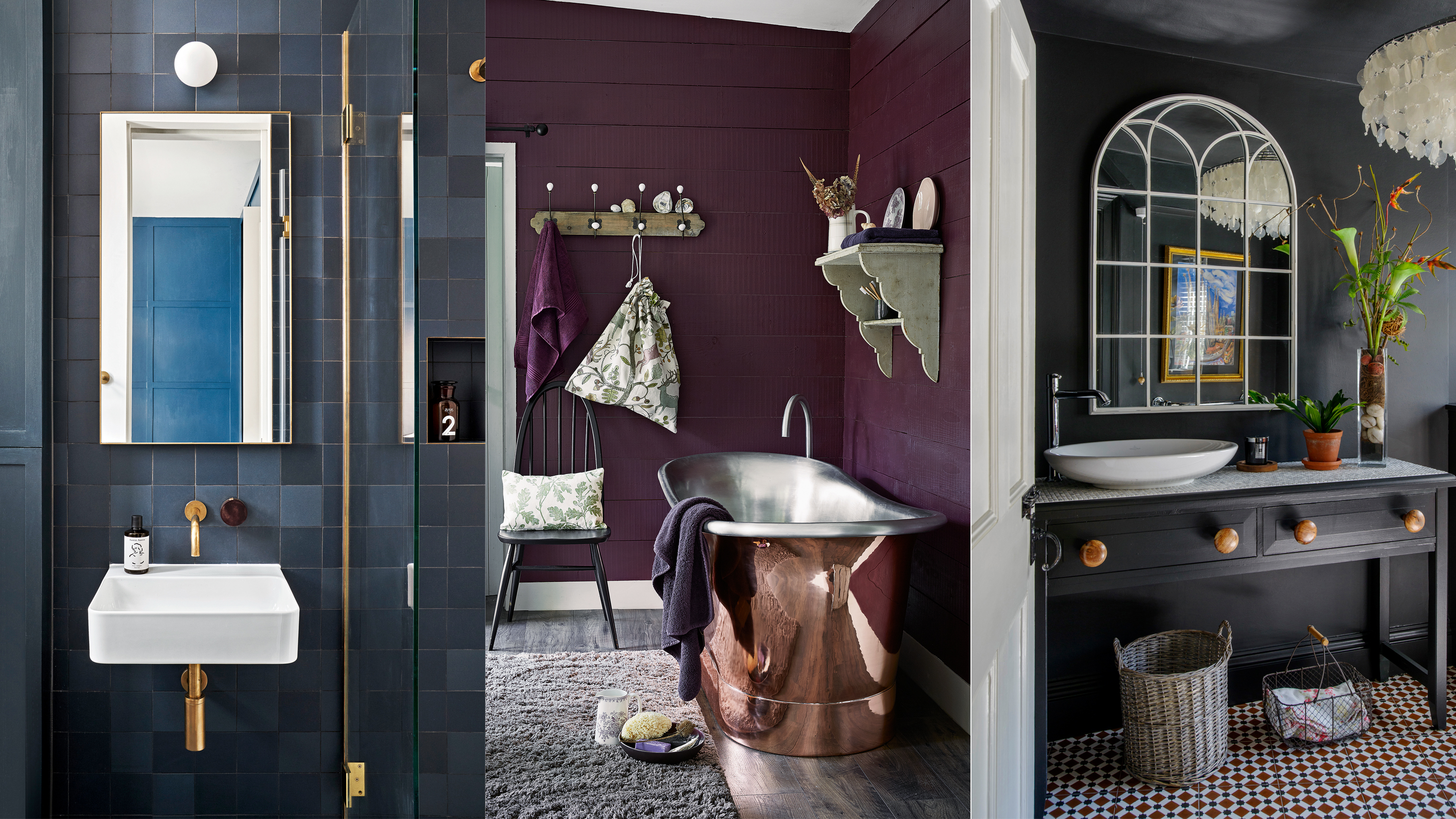
Dark bathroom ideas – 10 ways to turn your washroom into a dramatic space
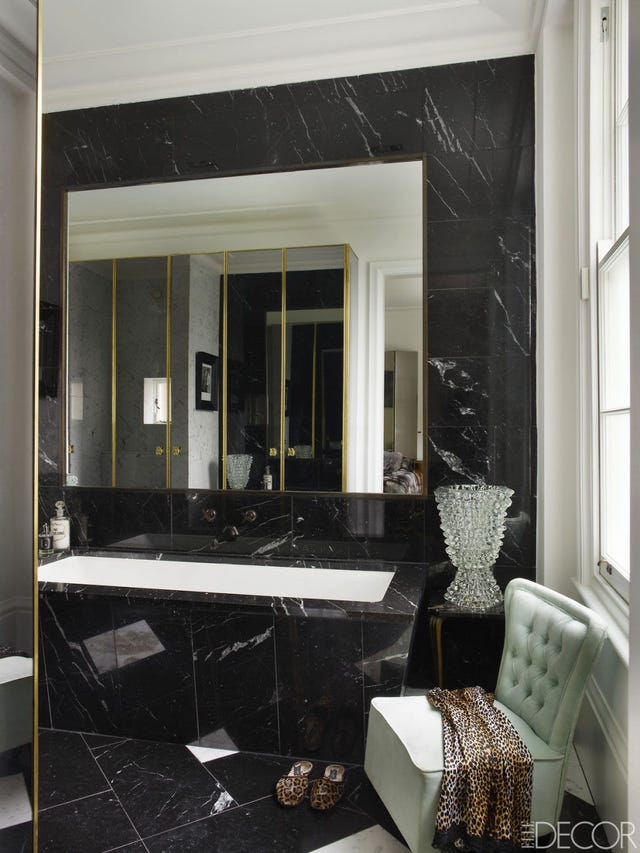
How To Pull Off A Black Bathroom (That Doesn't Look Like It Belongs In A Nightclub)
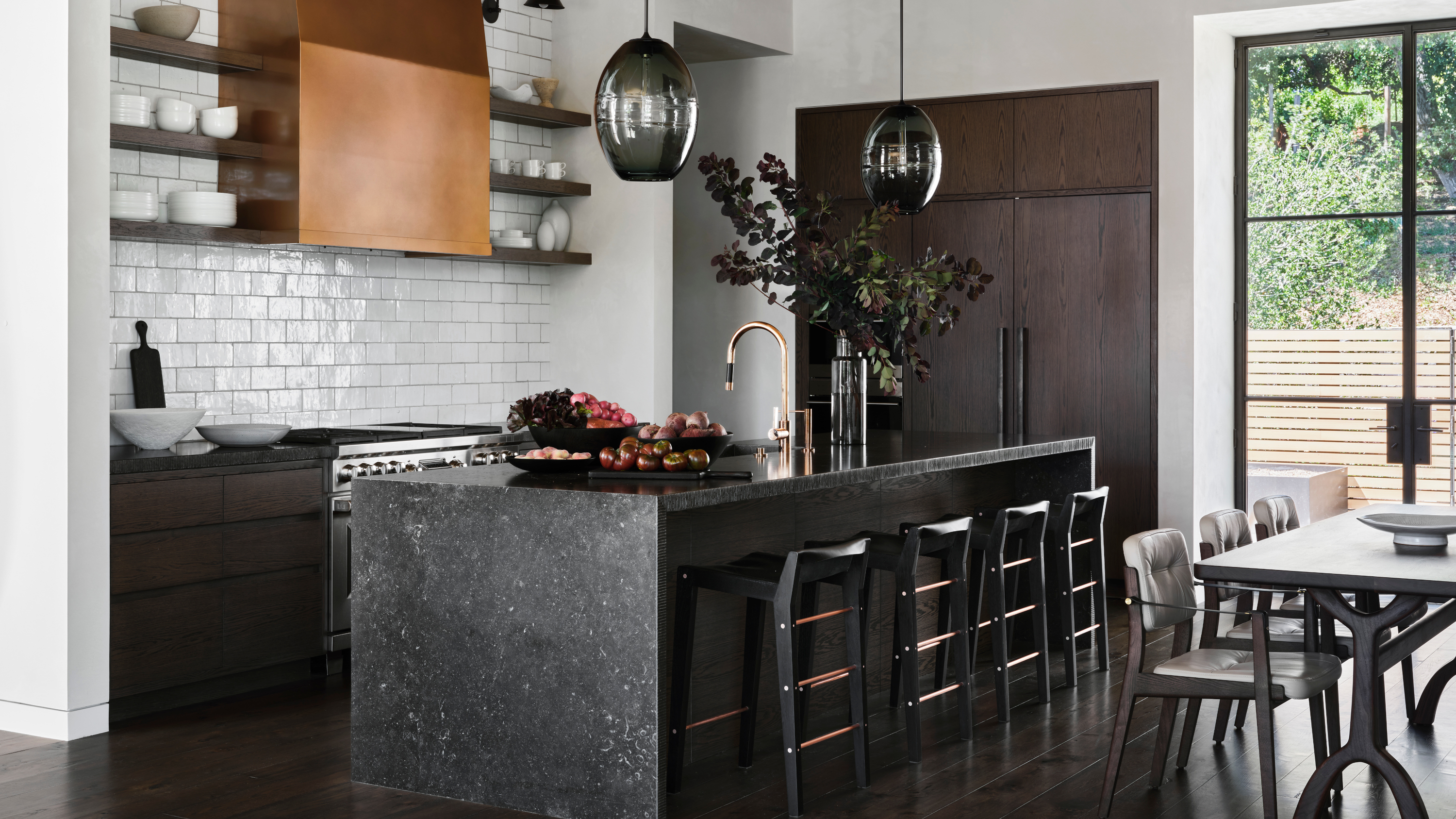
Black kitchen countertop ideas – 10 designer-approved looks that make the case for going dark
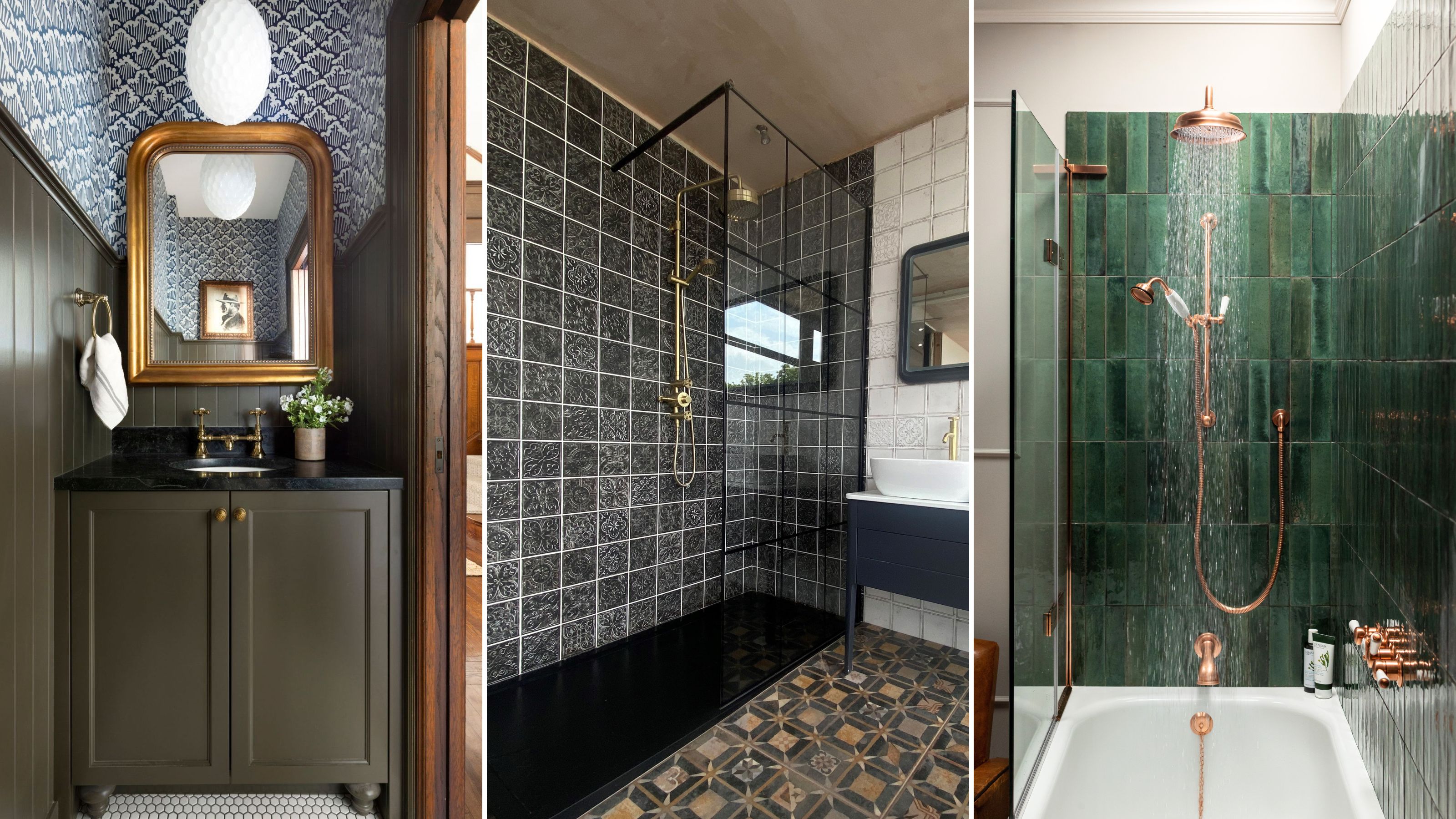
7 stunning dark small bathroom ideas — designers love using this aesthetic to give small spaces a "luxurious depth"

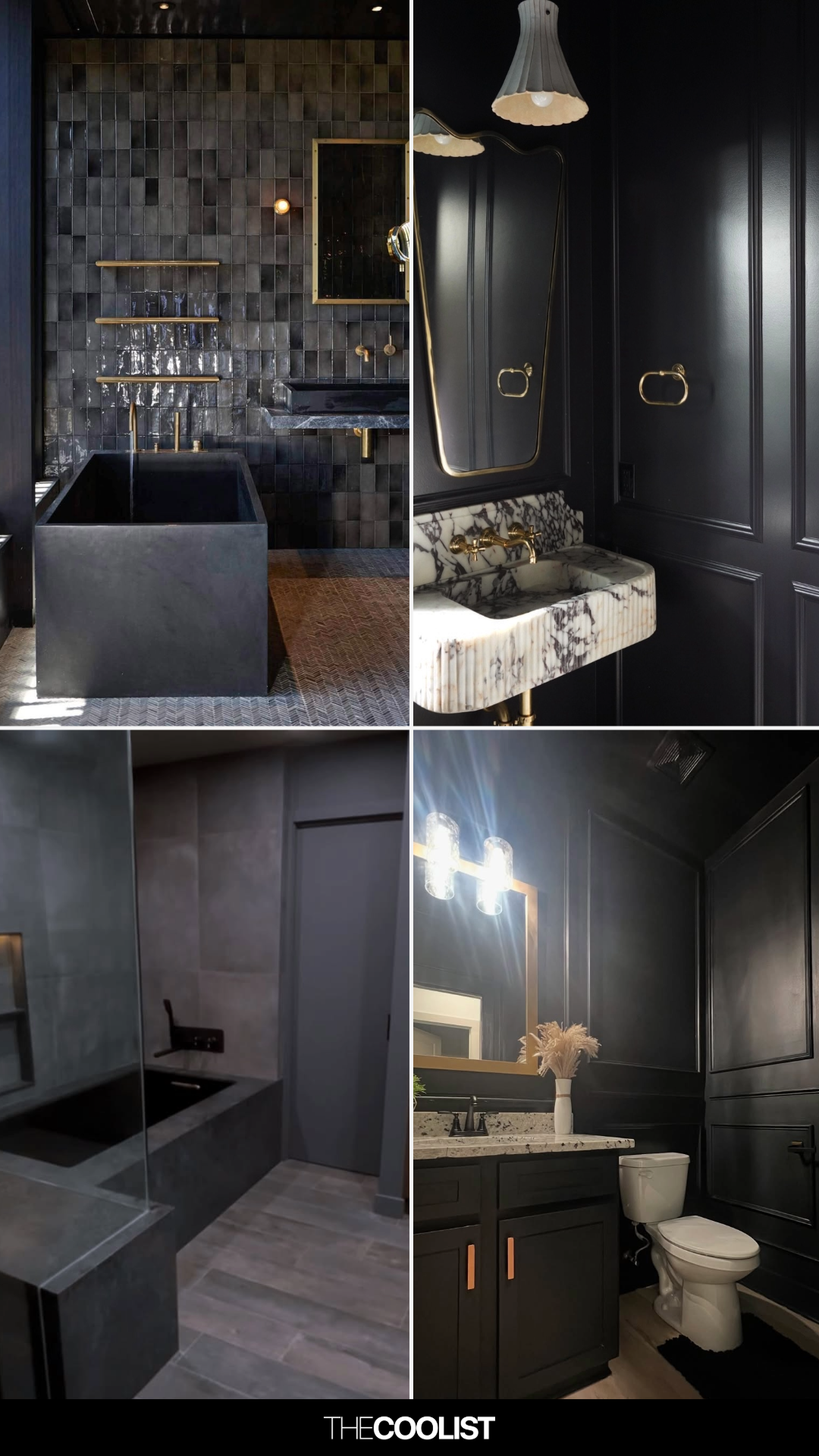
29 Dark Bathroom Ideas That Instantly Add Texture, Warmth, and Personality