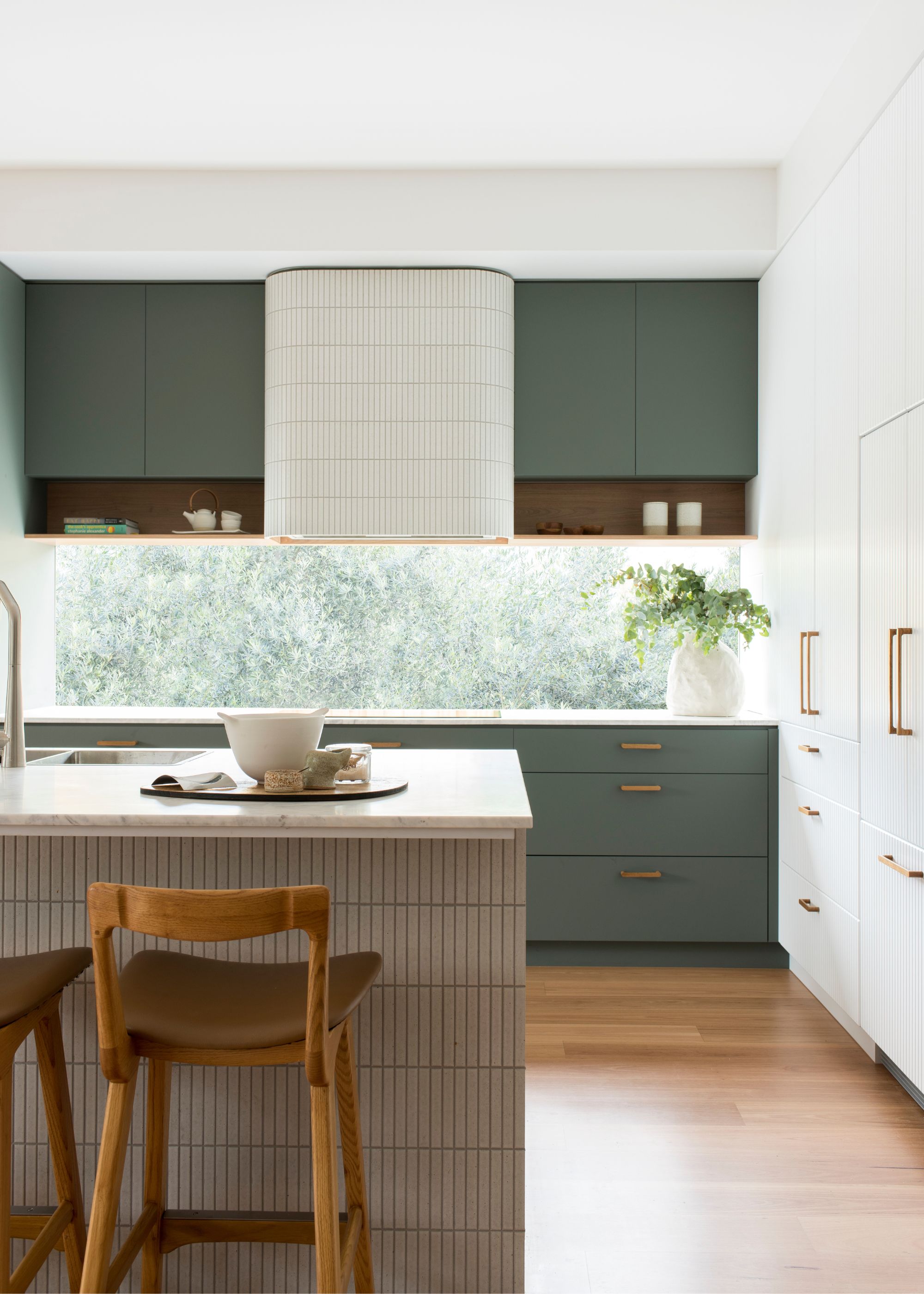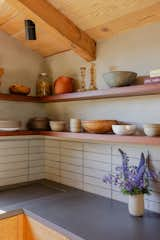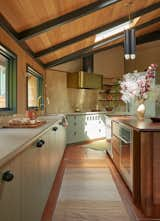
1/8
Are concrete kitchen countertops a good idea?
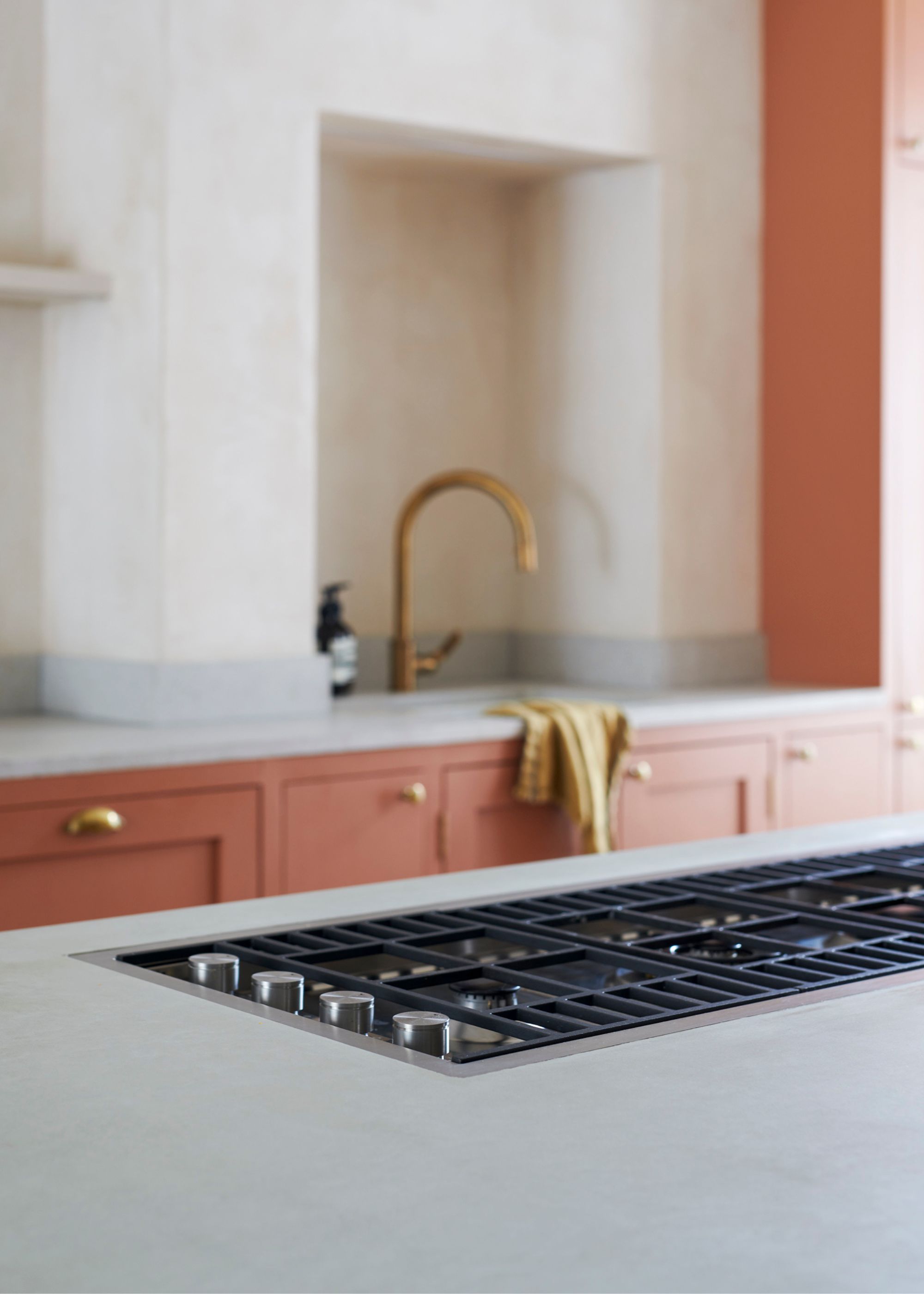
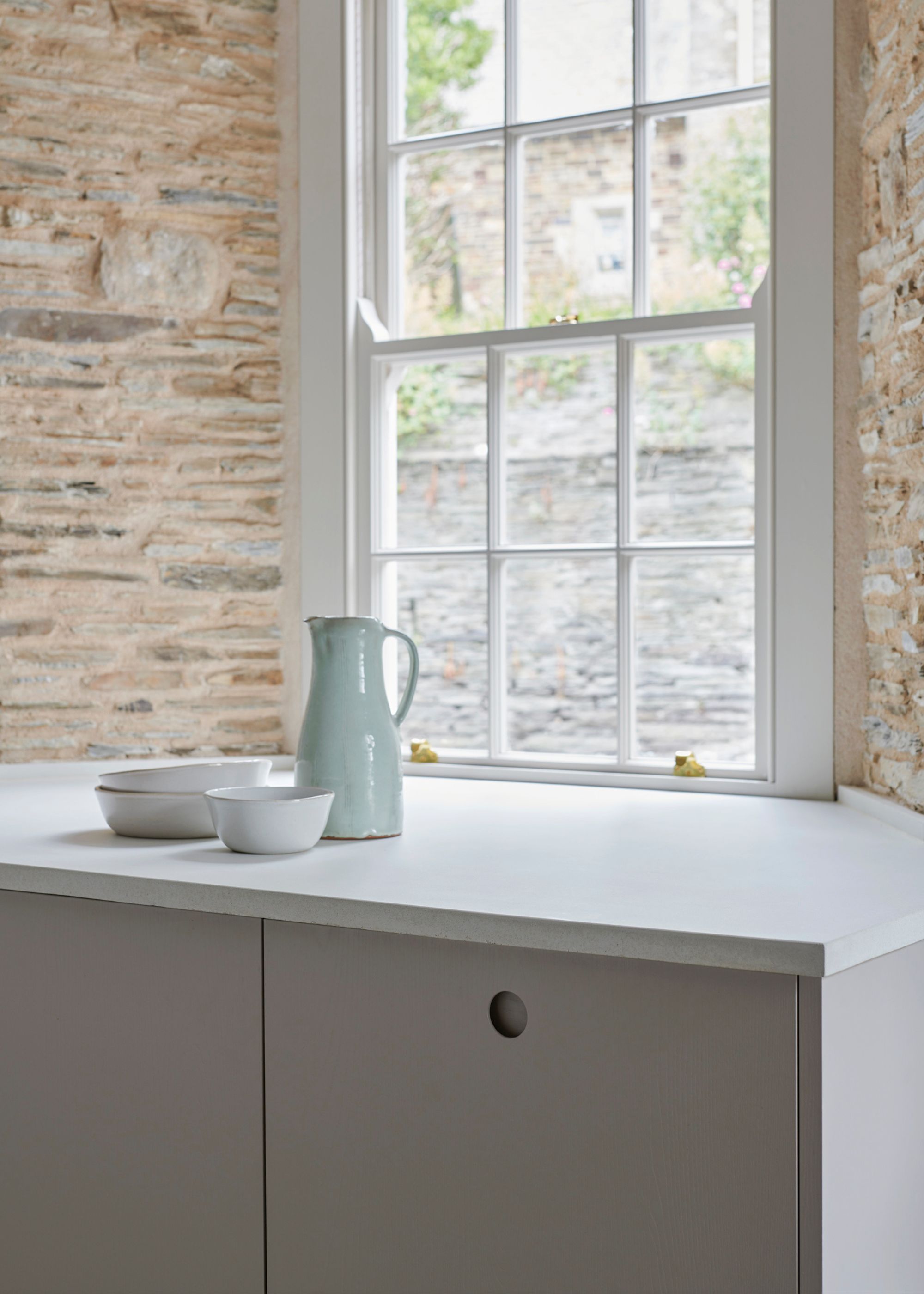
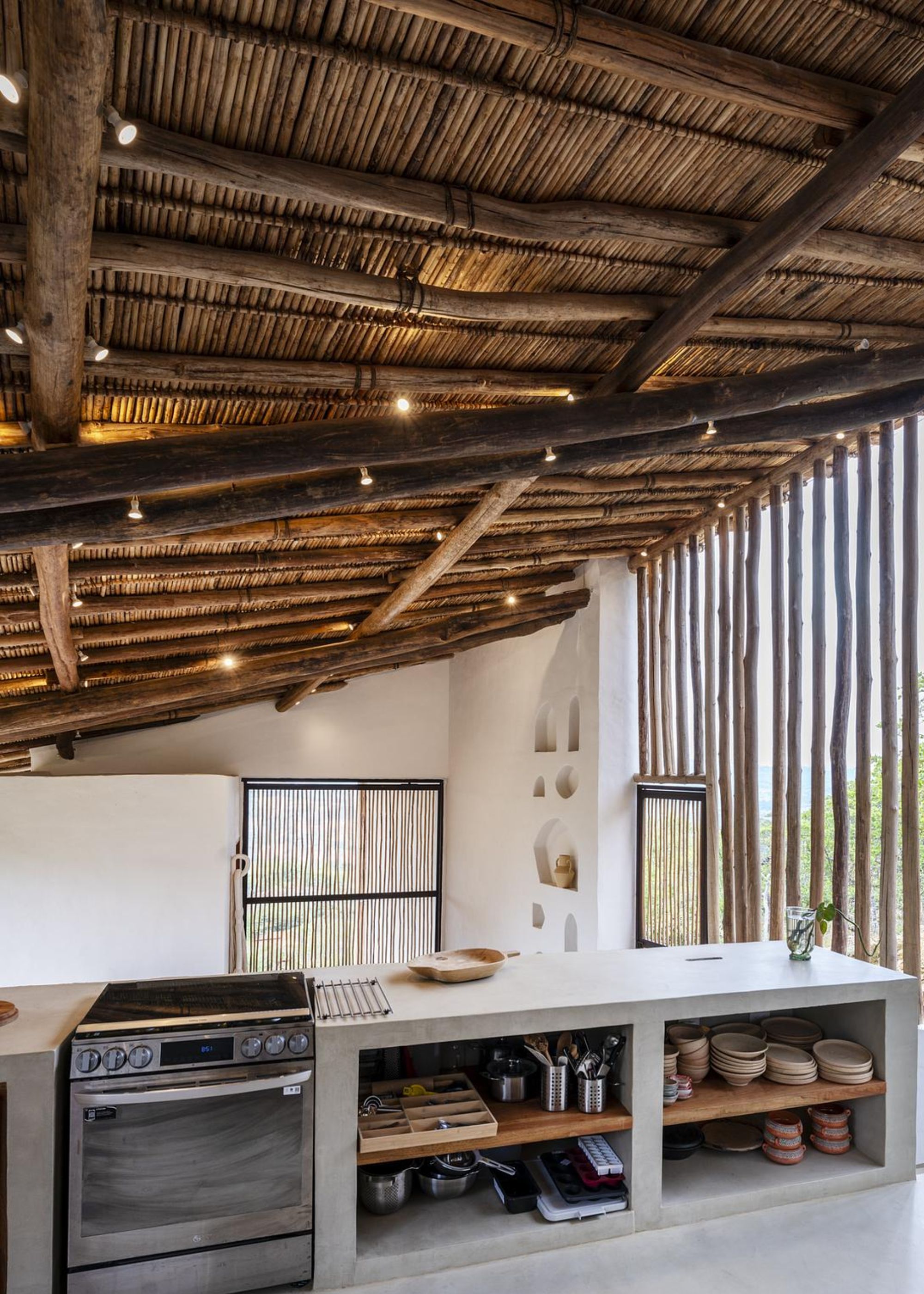
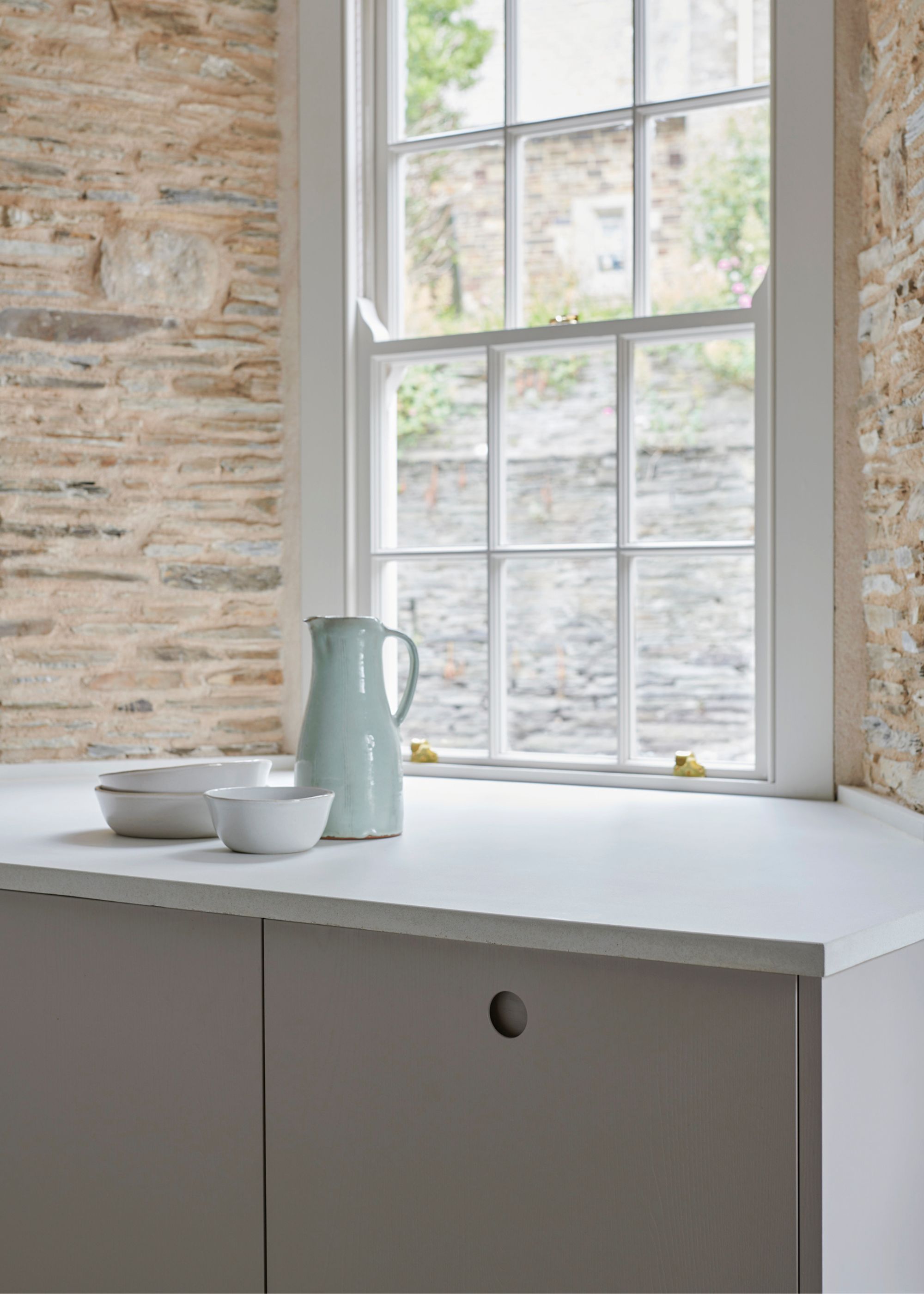
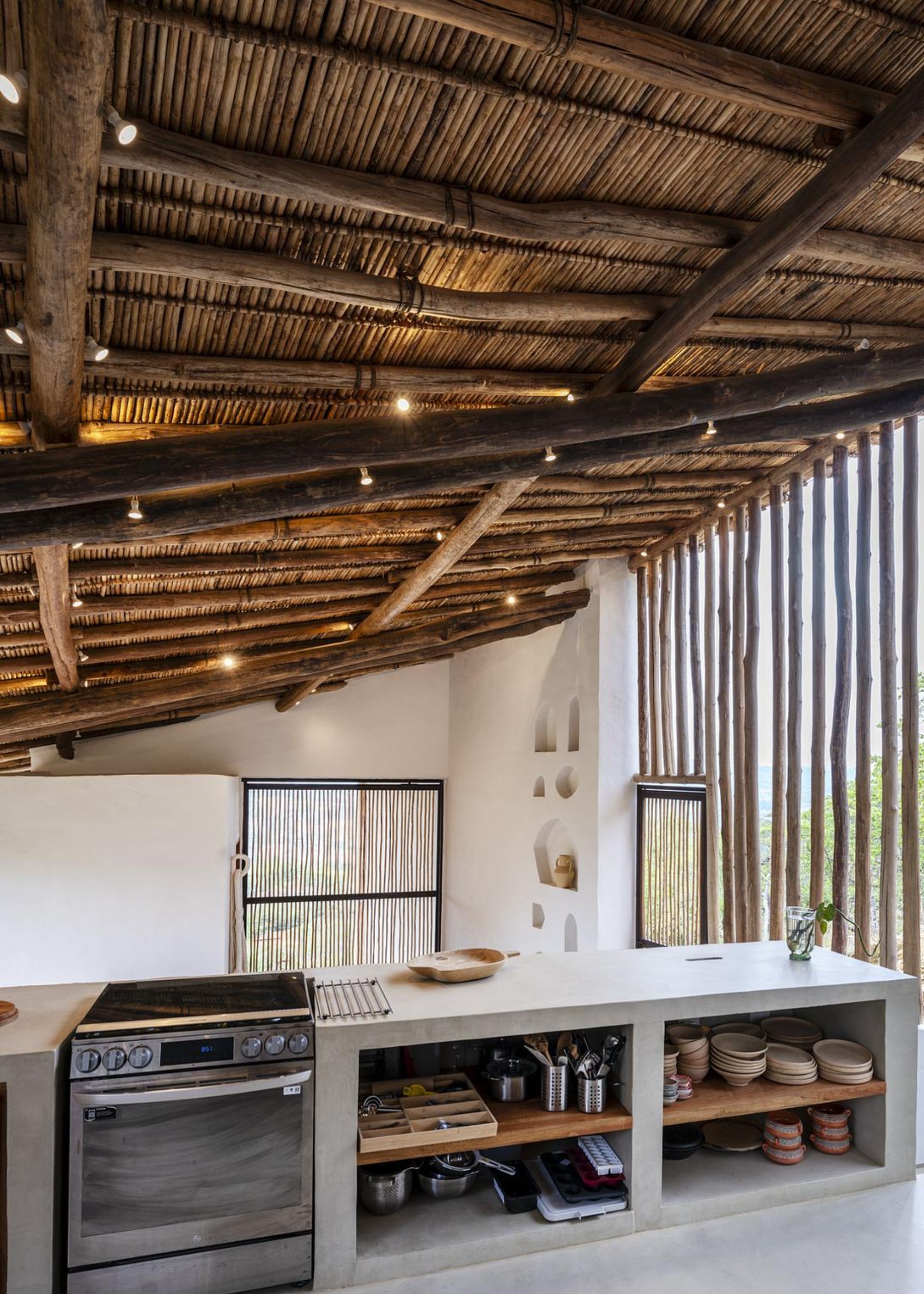
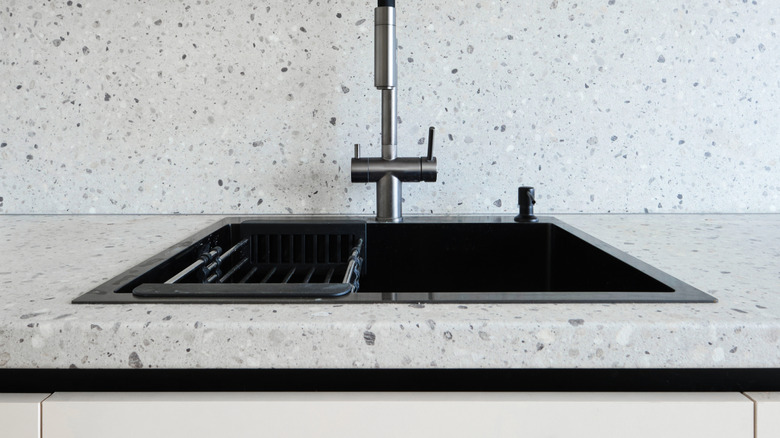
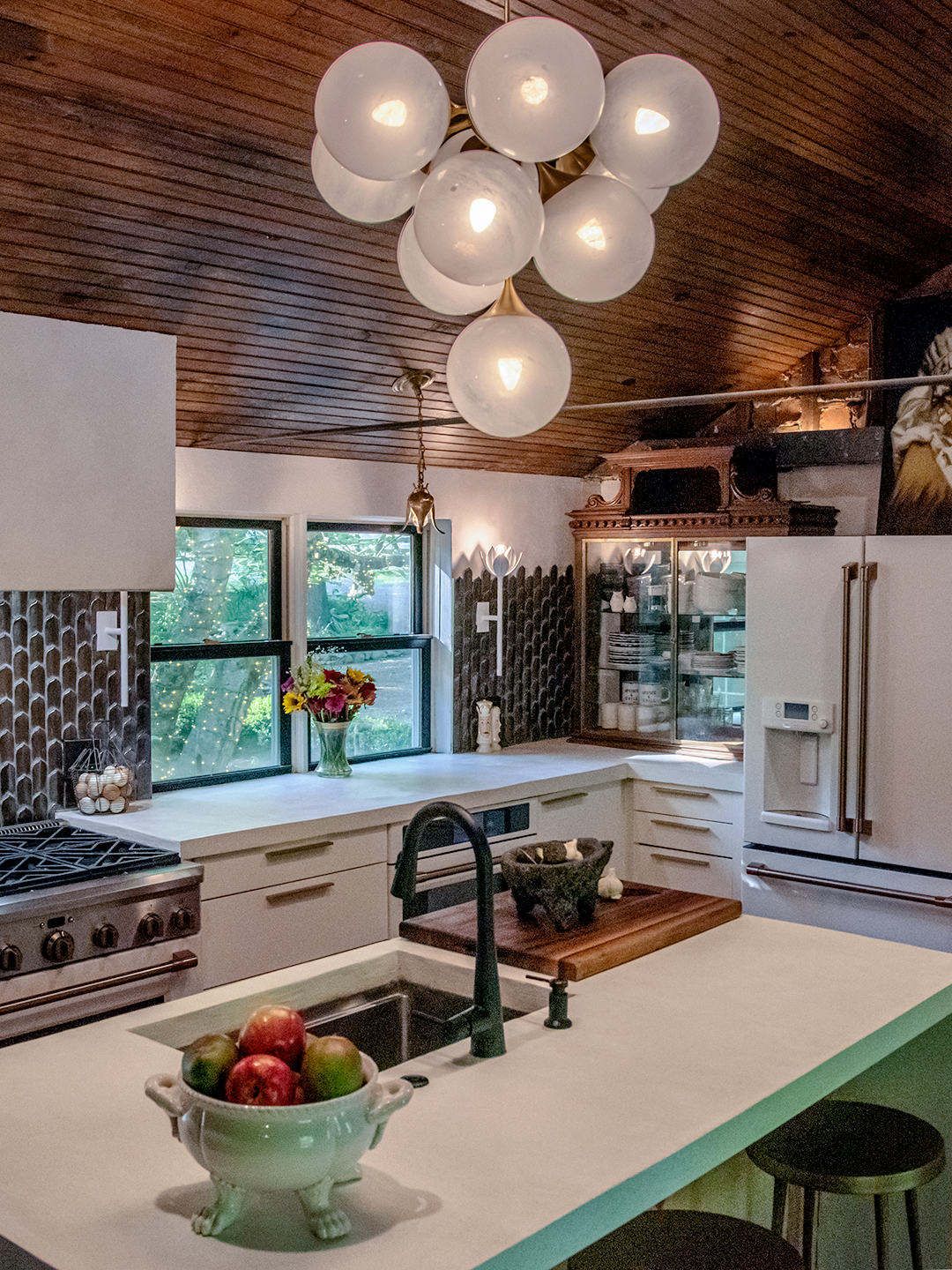
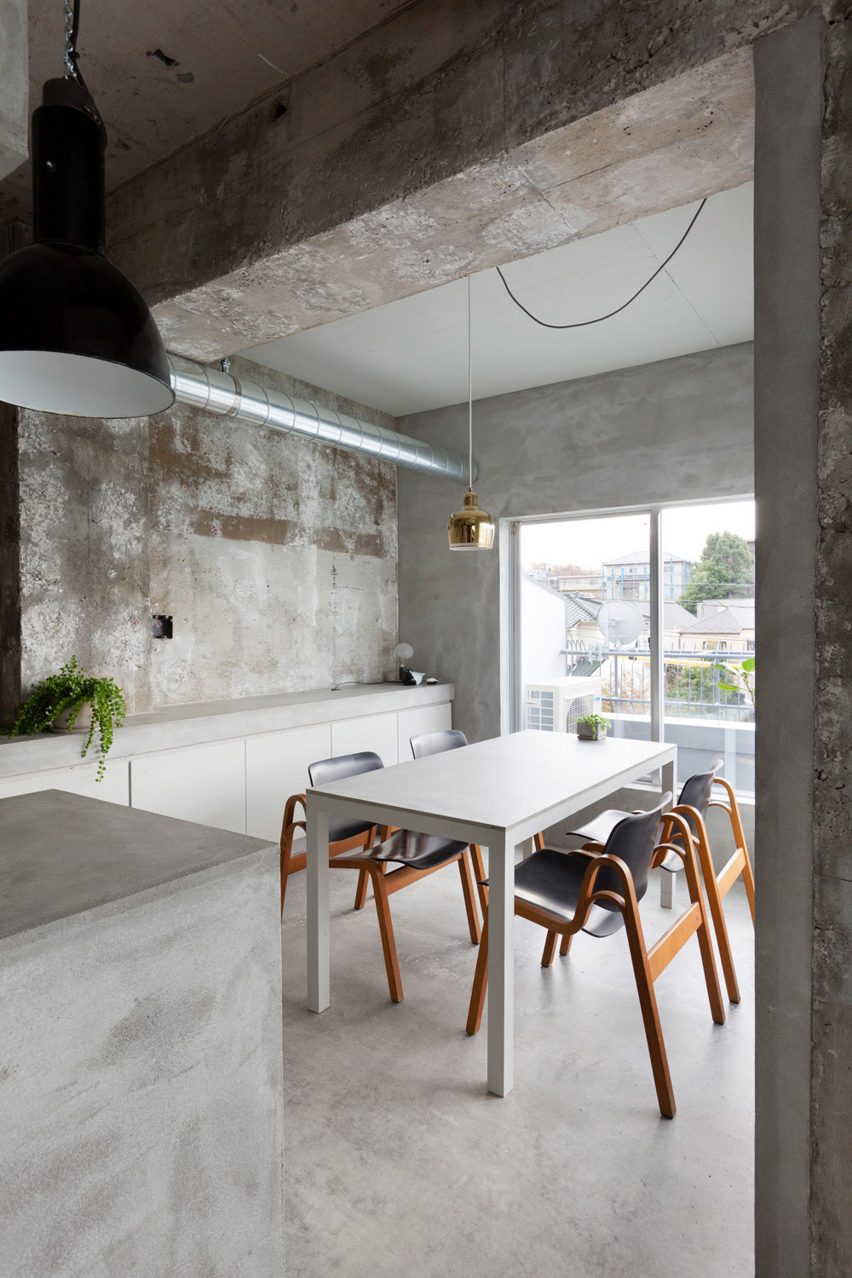
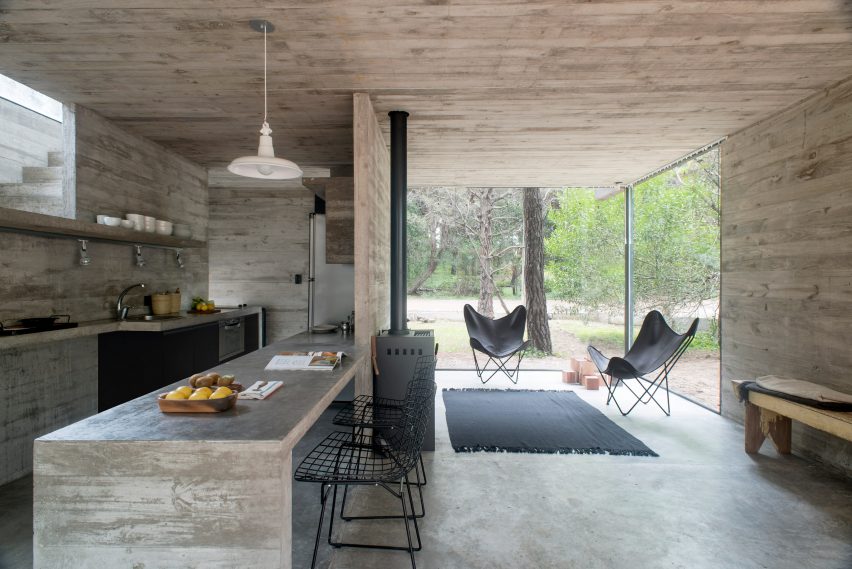
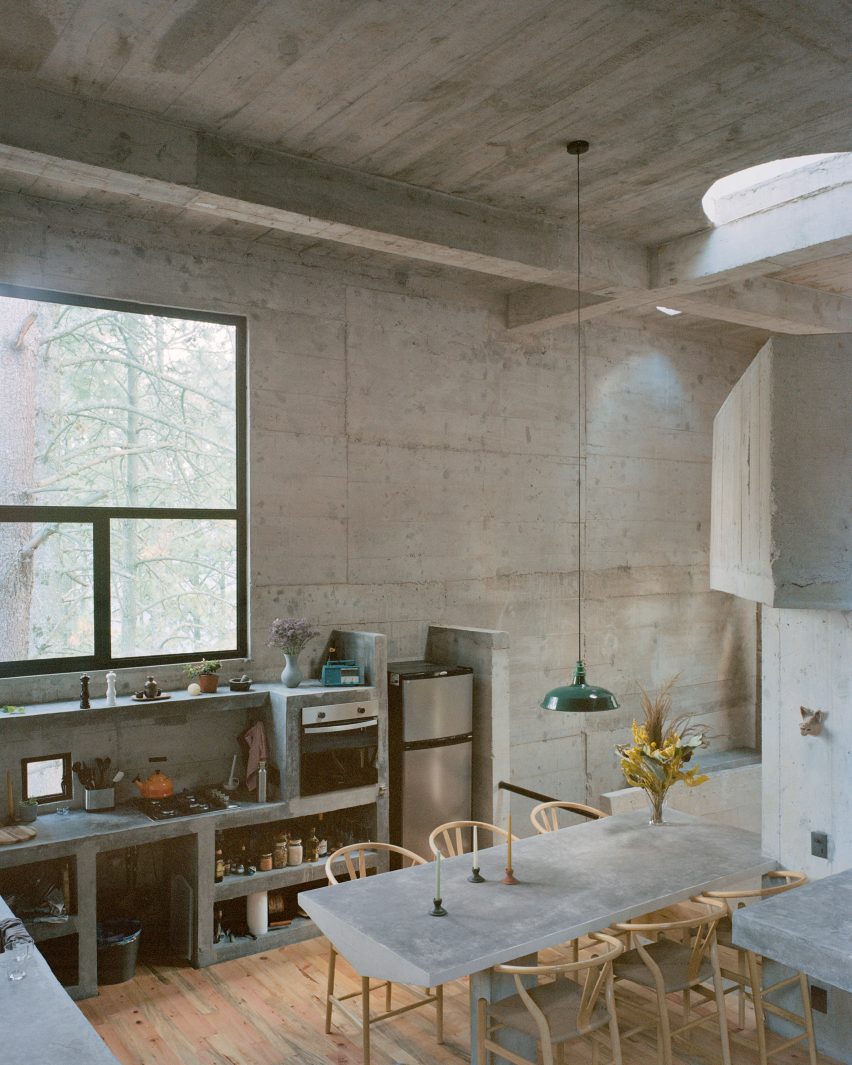
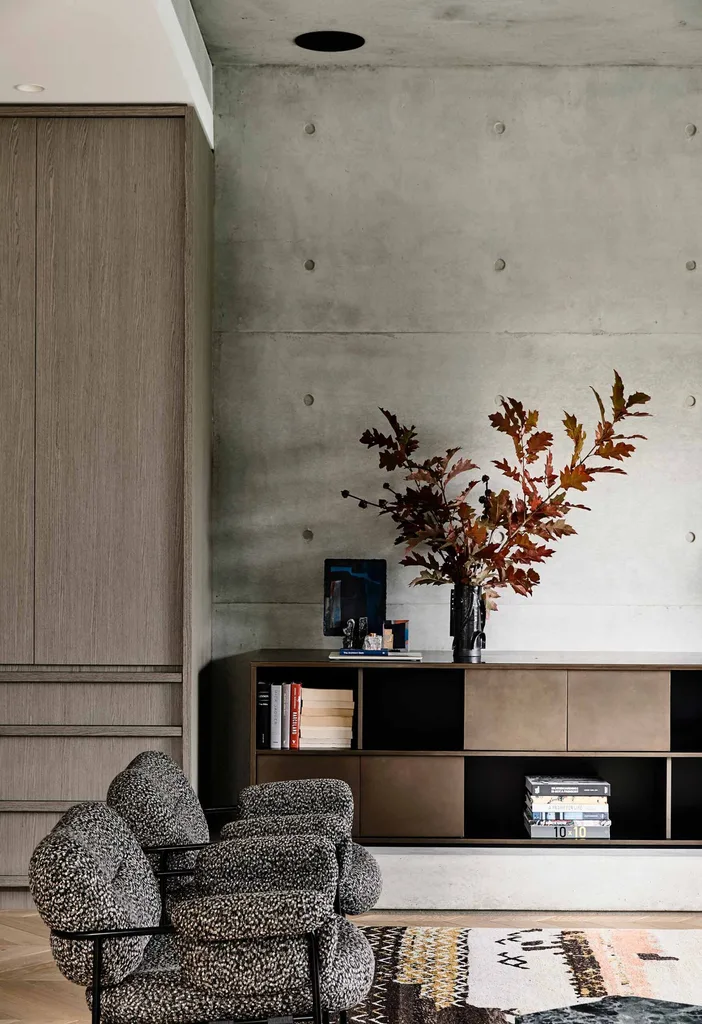
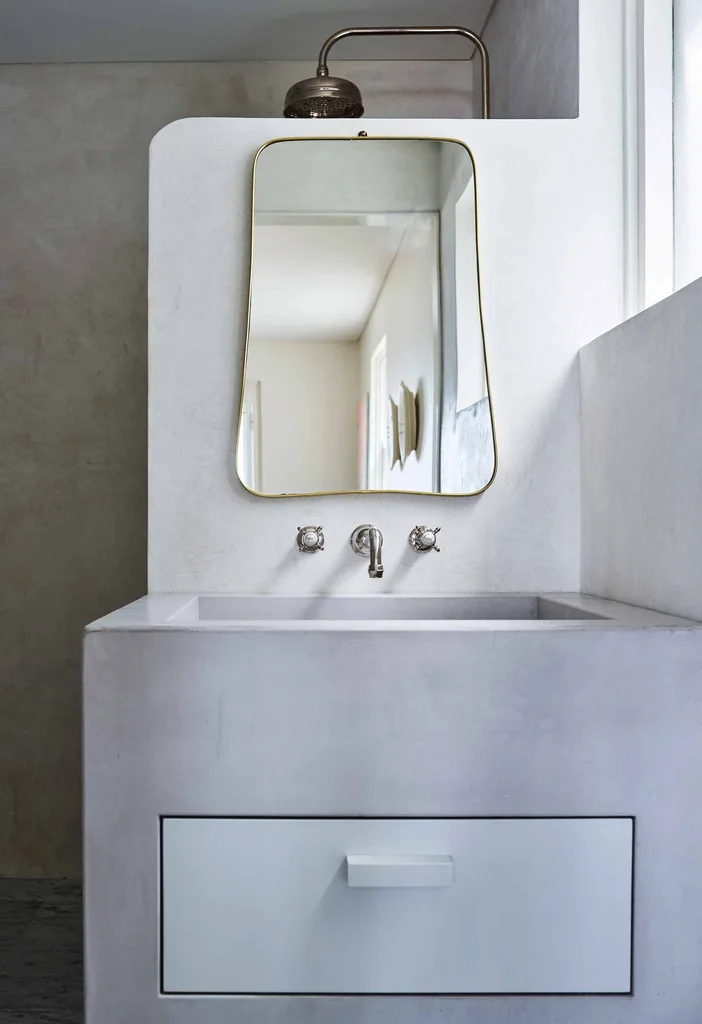
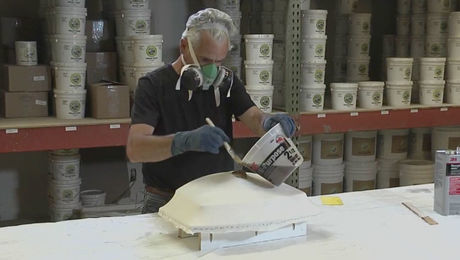
The article explores the rising trend of concrete kitchen countertops and consults designers to assess their practicality and aesthetic appeal. Concrete countertops are gaining popularity due to their architectural feel, sculptural quality, and unique textured finish, offering a stark contrast to traditional sleek surfaces like marble or metallic. Each concrete pour is unique, providing a bespoke, one-of-a-kind character that appeals to a desire for raw, authentic materials in design. They are versatile, complementing various styles such as industrial lofts, minimalist Scandinavian spaces, and even classic farmhouse designs as an alternative to marble.
However, designers highlight significant practical drawbacks. Concrete is naturally porous, making it susceptible to absorbing spills, which can foster bacteria growth and lead to stubborn stains from substances like red wine, coffee, and oils. Even with sealing, these countertops remain prone to scratches, chipping, and cracking, necessitating regular maintenance and potentially increasing long-term costs. Unlike more forgiving materials such as quartz or quartzite, concrete is not considered a low-maintenance option and may not be suitable for those who prefer flawless surfaces or for busy family kitchens.
Ultimately, the suitability of concrete countertops depends on individual lifestyle and aesthetic preferences. Those who appreciate natural aging, marking, and imperfections, similar to the appeal of marble, may find concrete a characterful addition. Homeowners must be prepared for the material to change over time, potentially developing cracks, stains, or darkening in areas. If a perfect, uniform look is desired, concrete may not be the right choice.
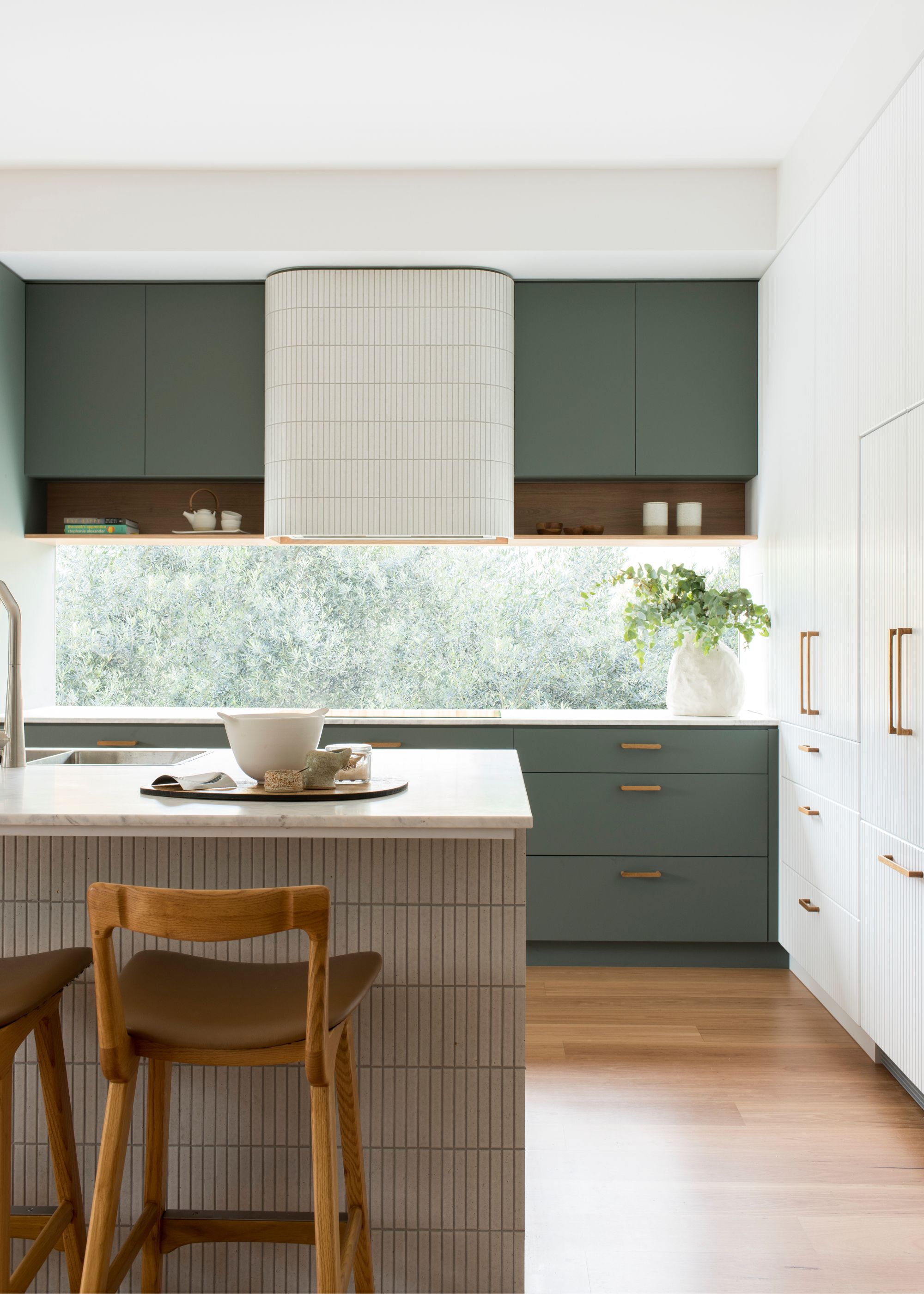
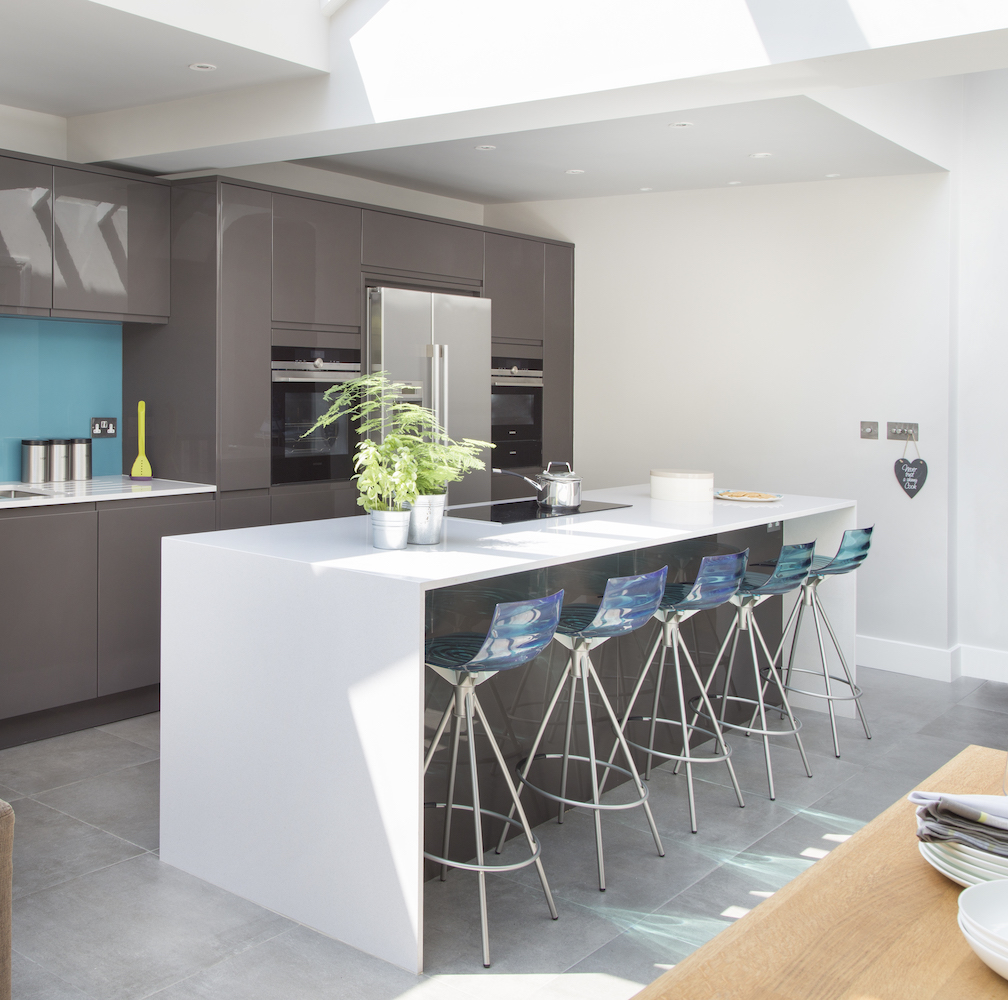
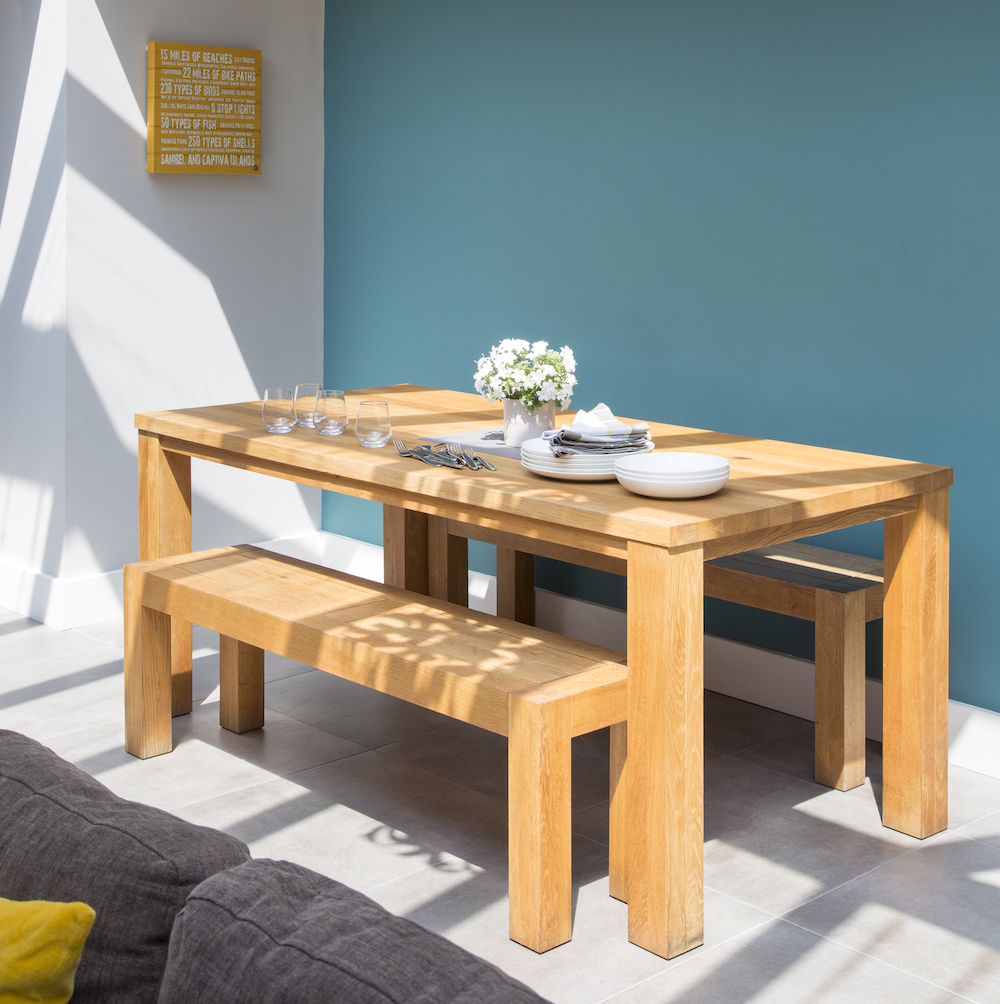
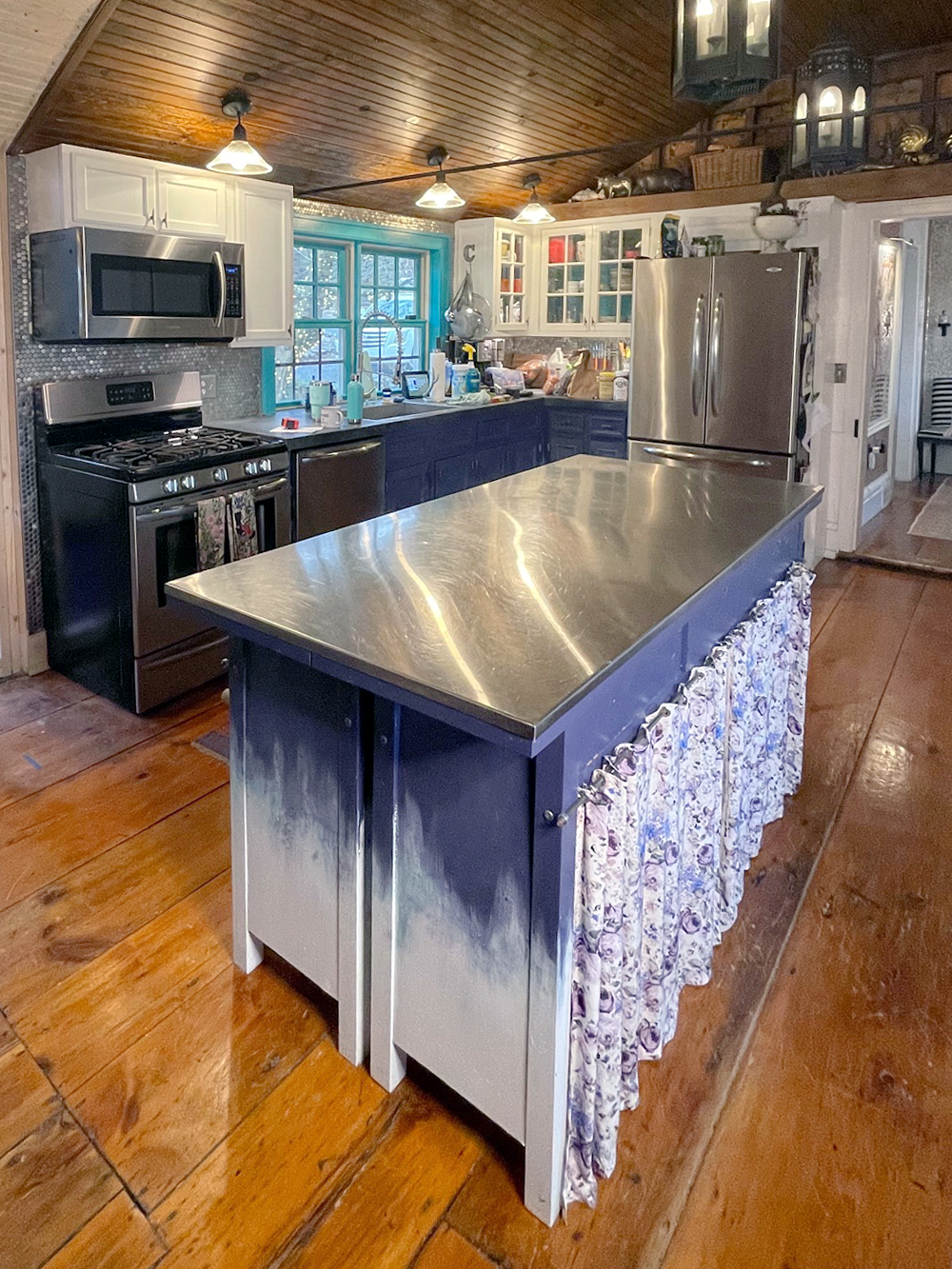
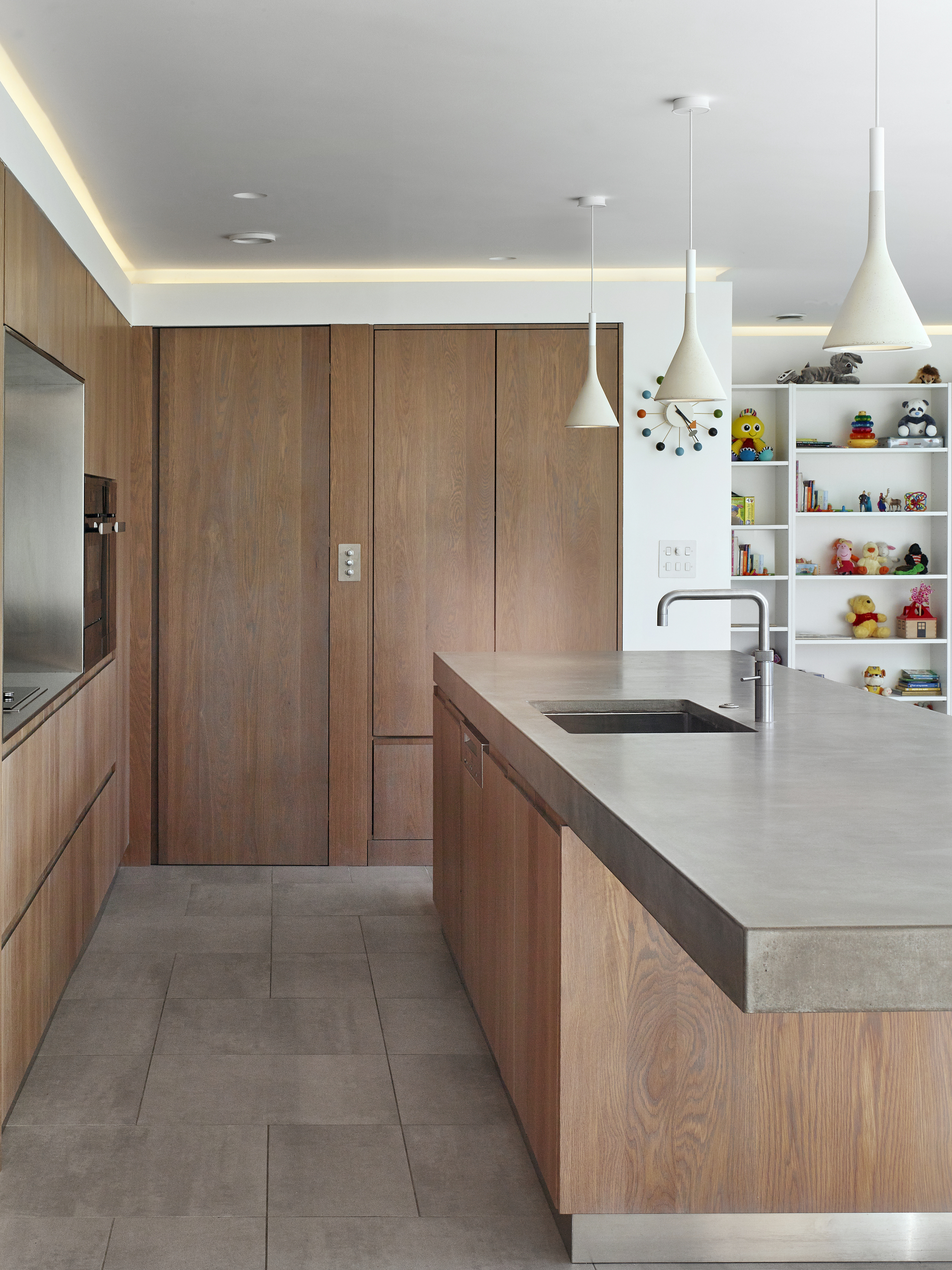
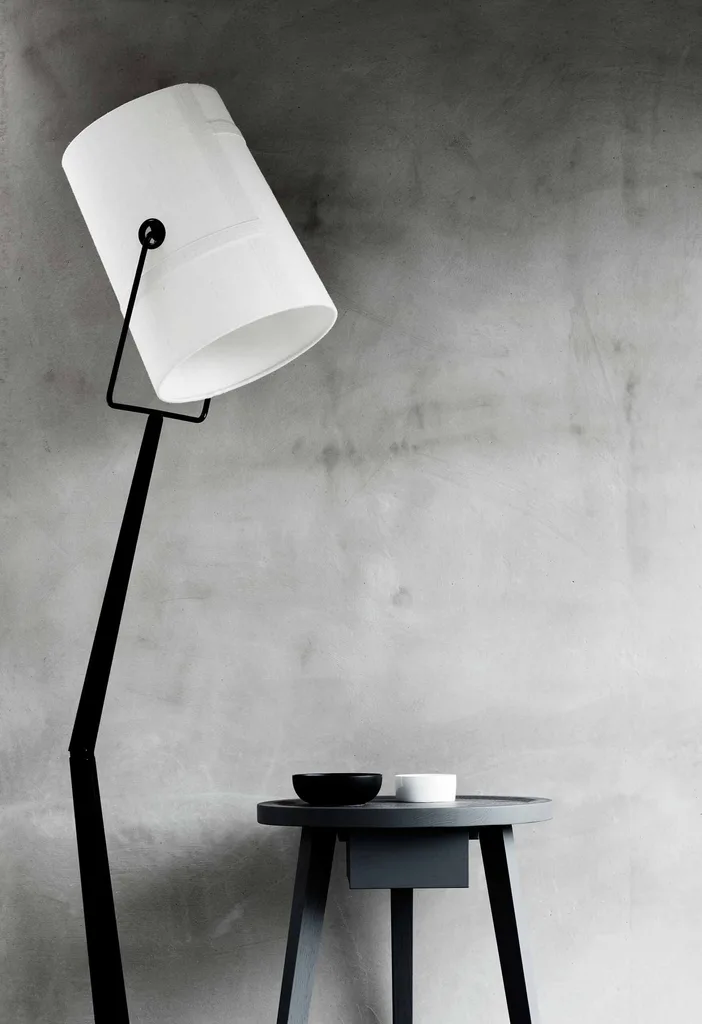
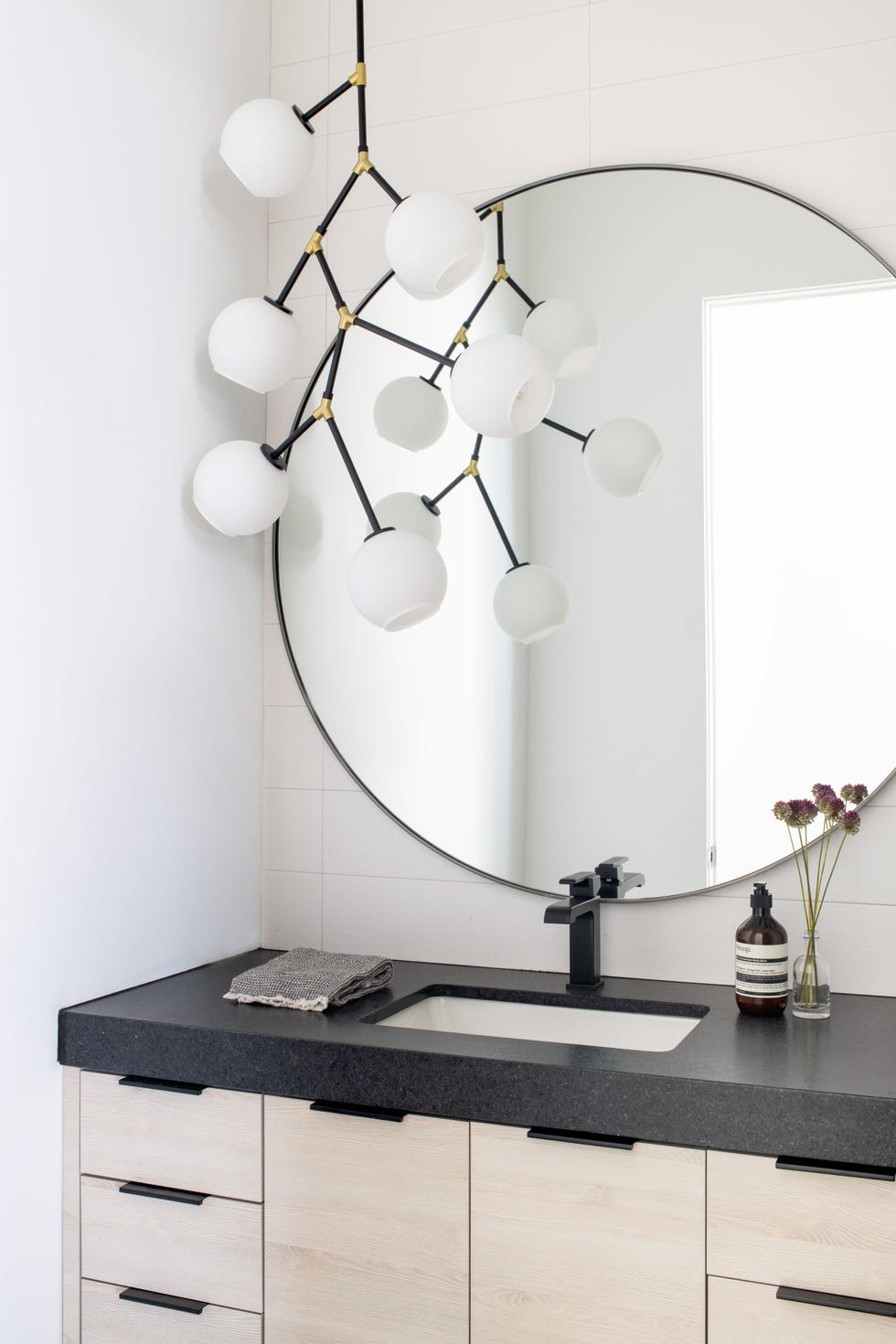
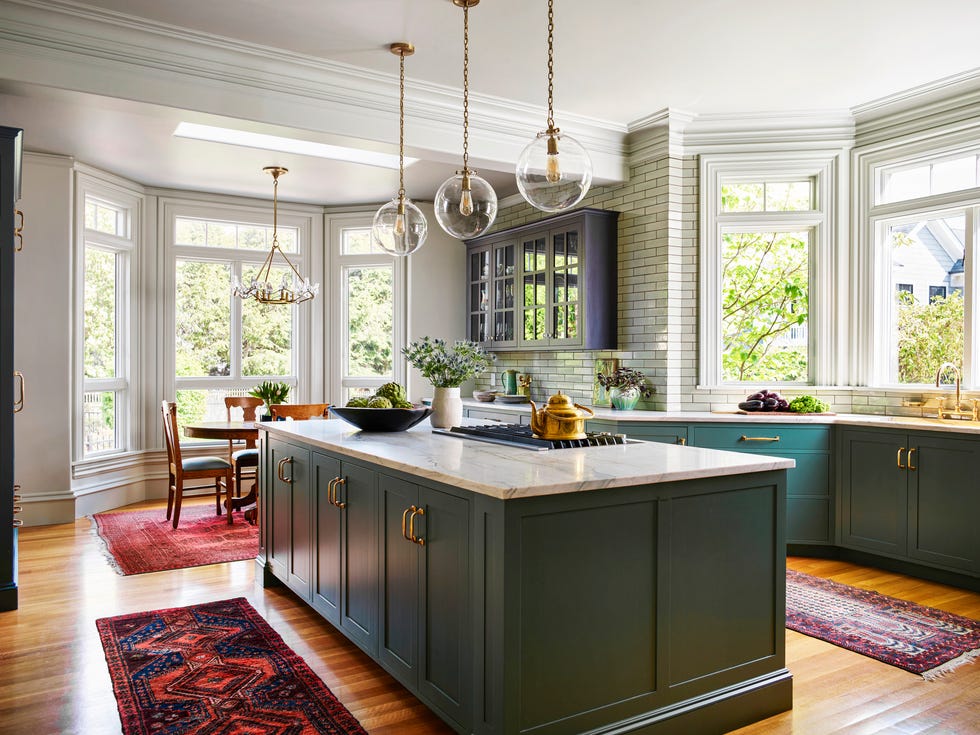
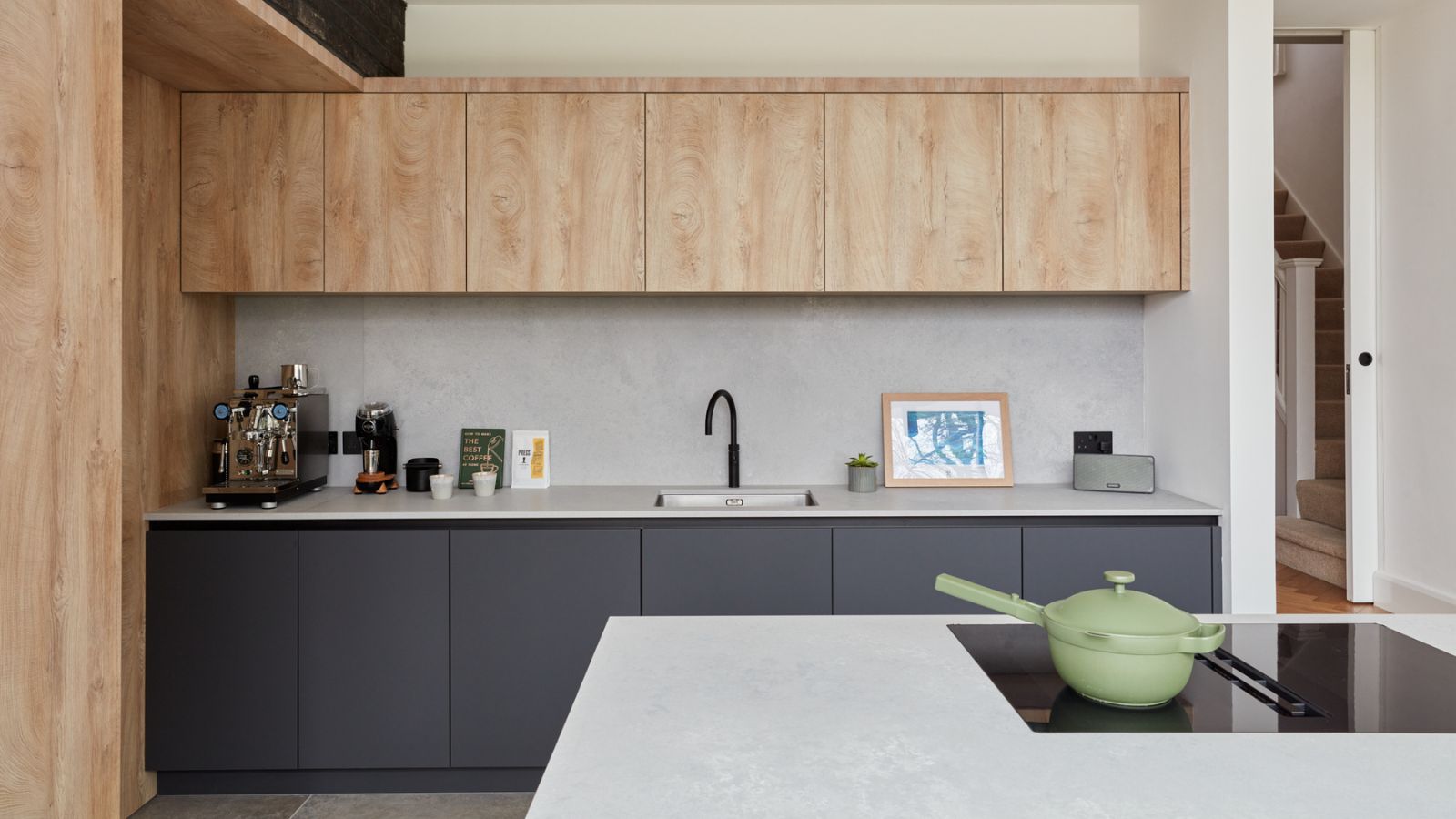
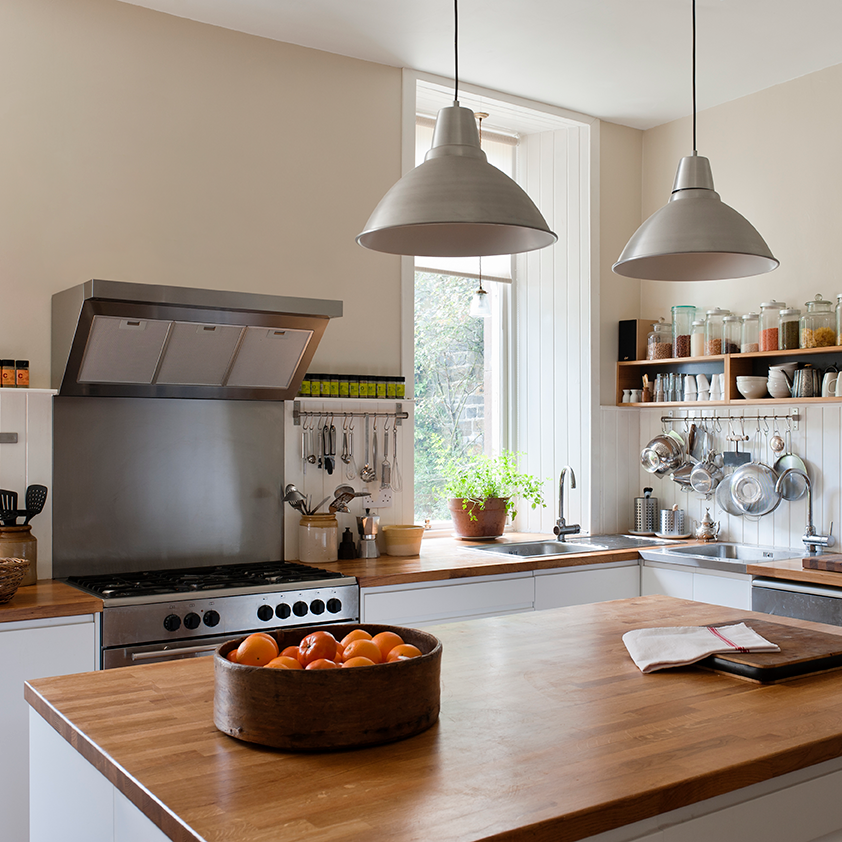
For individuals seeking the aesthetic of concrete without the associated maintenance challenges, alternative options exist, such as concrete-inspired porcelain or mineral countertops. These engineered stone designs offer a similar raw, urban look while providing enhanced durability and ease of care. If concrete is still desired, it can be incorporated in more manageable ways, such as a statement kitchen island, allowing the rest of the countertops to be made of a more resilient material. The article suggests pairing concrete with warm, organic wood elements, particularly lighter woods like dove-gray countertops with pale oak cabinets, to balance its cool, stark nature and create an inviting atmosphere. Decorative concrete accents, such as dining tables, pendant lights, or sinks, are also presented as ways to integrate the trend without a full kitchen remodel.
#ConcreteCountertops #KitchenDesign #HomeDecor #InteriorDesignTrends #CountertopMaterials #KitchenRemodel #MaterialDurability #AestheticVsPracticality #ConcreteCountertops #KitchenDesign #HomeDecor #InteriorDesignTrends #CountertopMaterials #KitchenRemodel #MaterialDurability #AestheticVsPracticality
0 comment in total
 No comments yet
You may also like
This Underutilized Countertop Looks Great, but "It's Not the Material for Everyone" — The Pros and Cons of Concrete, Explained by a Specialist

11 Countertop Ideas That You'll Find in the Best-Looking Kitchens
The Best Countertop Materials for Every Type of Kitchen

The 1 Kitchen Countertop Trend We Hope Never Comes Back

Everything You Need to Know About Concrete Worktops
5 Outdated Countertop Trends To Avoid And 5 To Try Instead

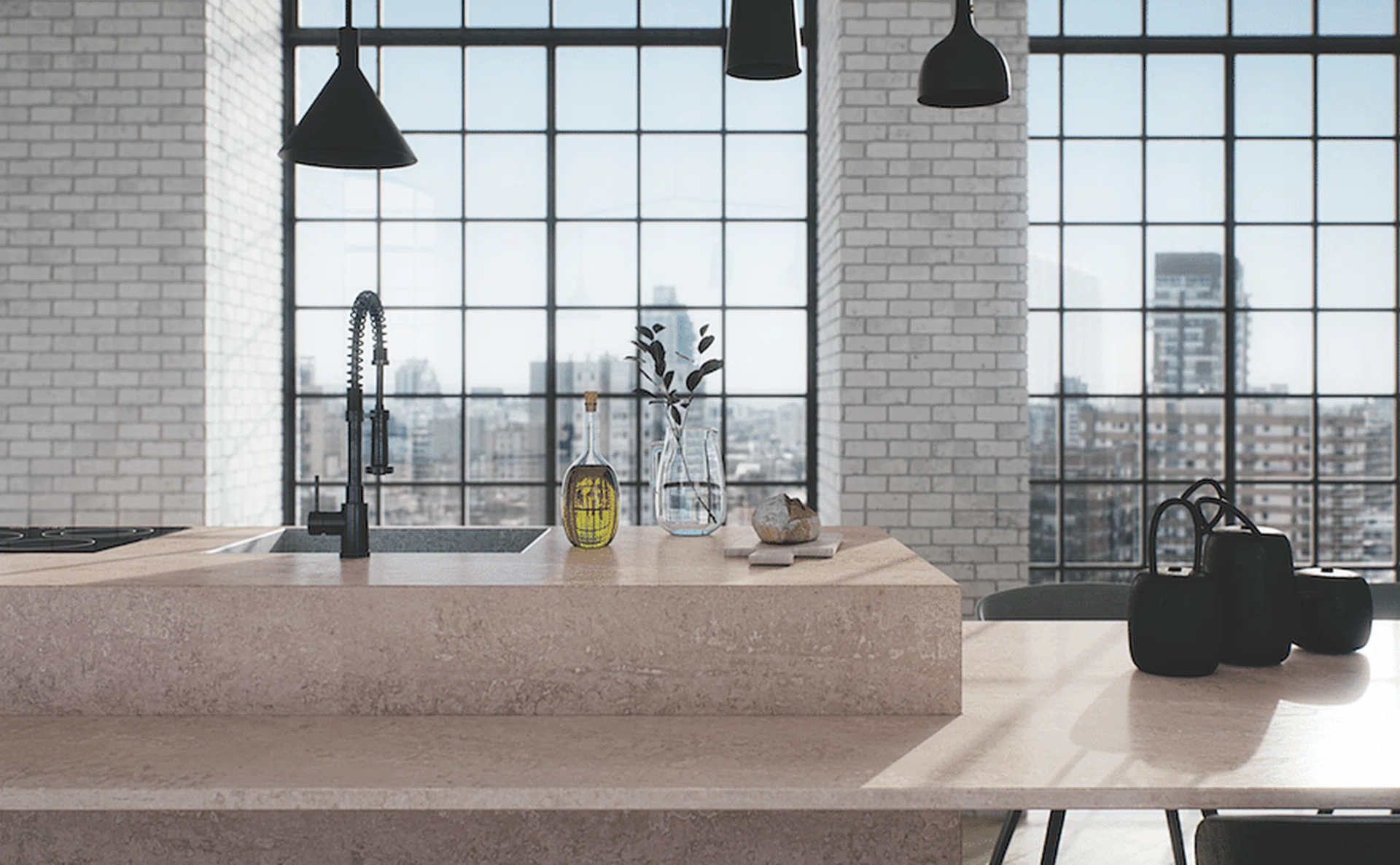
Love the idea of concrete countertops? Check out these lookalike versions, made in quartz!
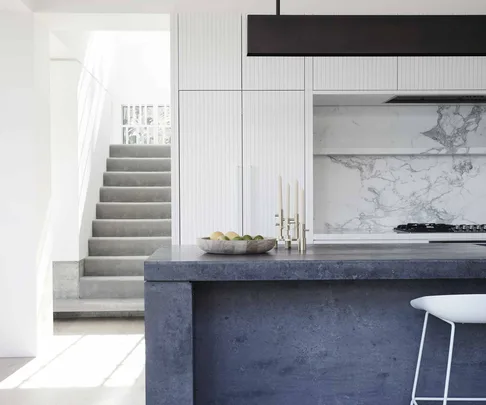
Concrete design ideas: how to make them work in any home

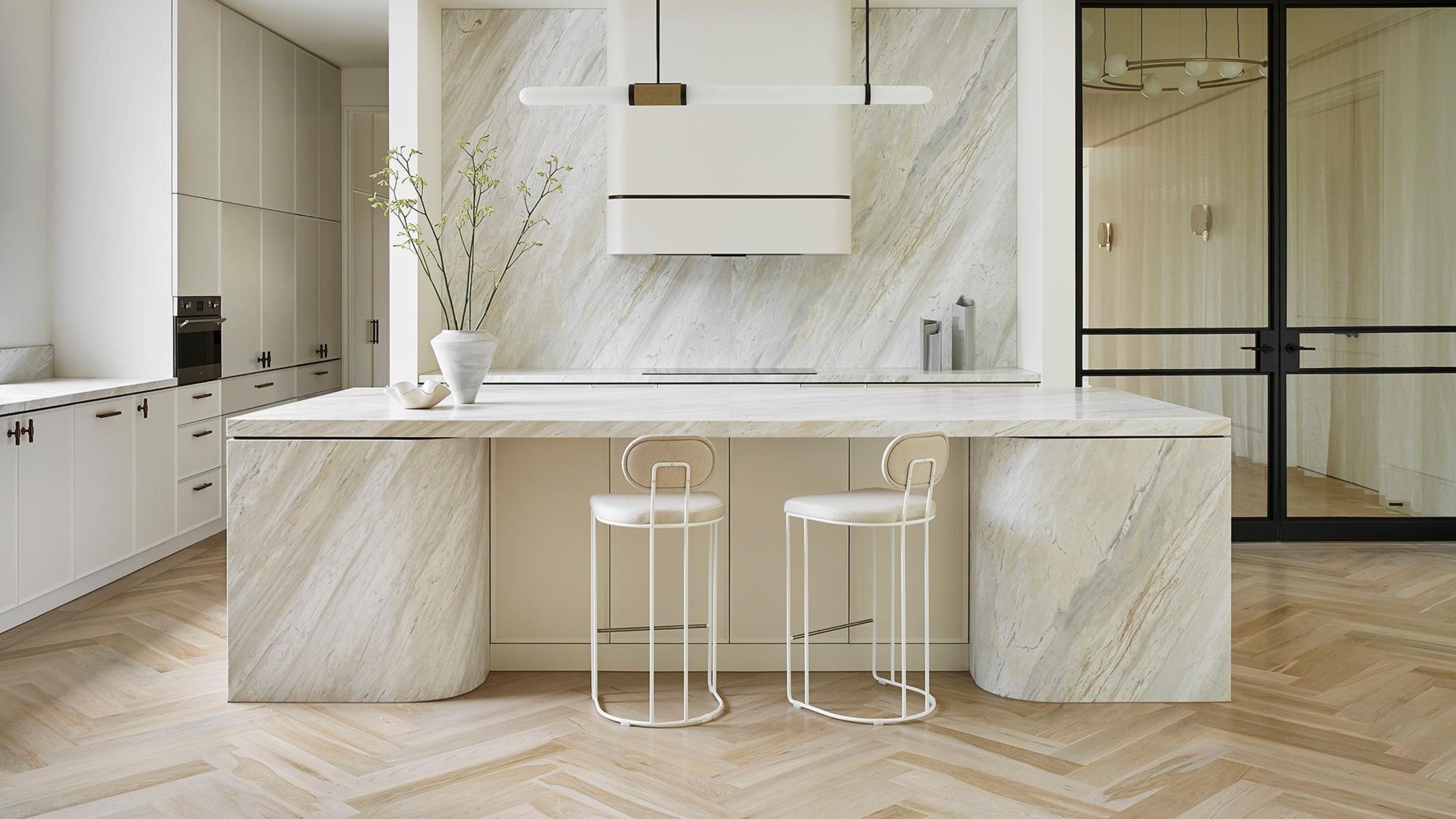
11 Countertop Ideas That You'll Find in the Best-Looking Kitchens in 2025 |
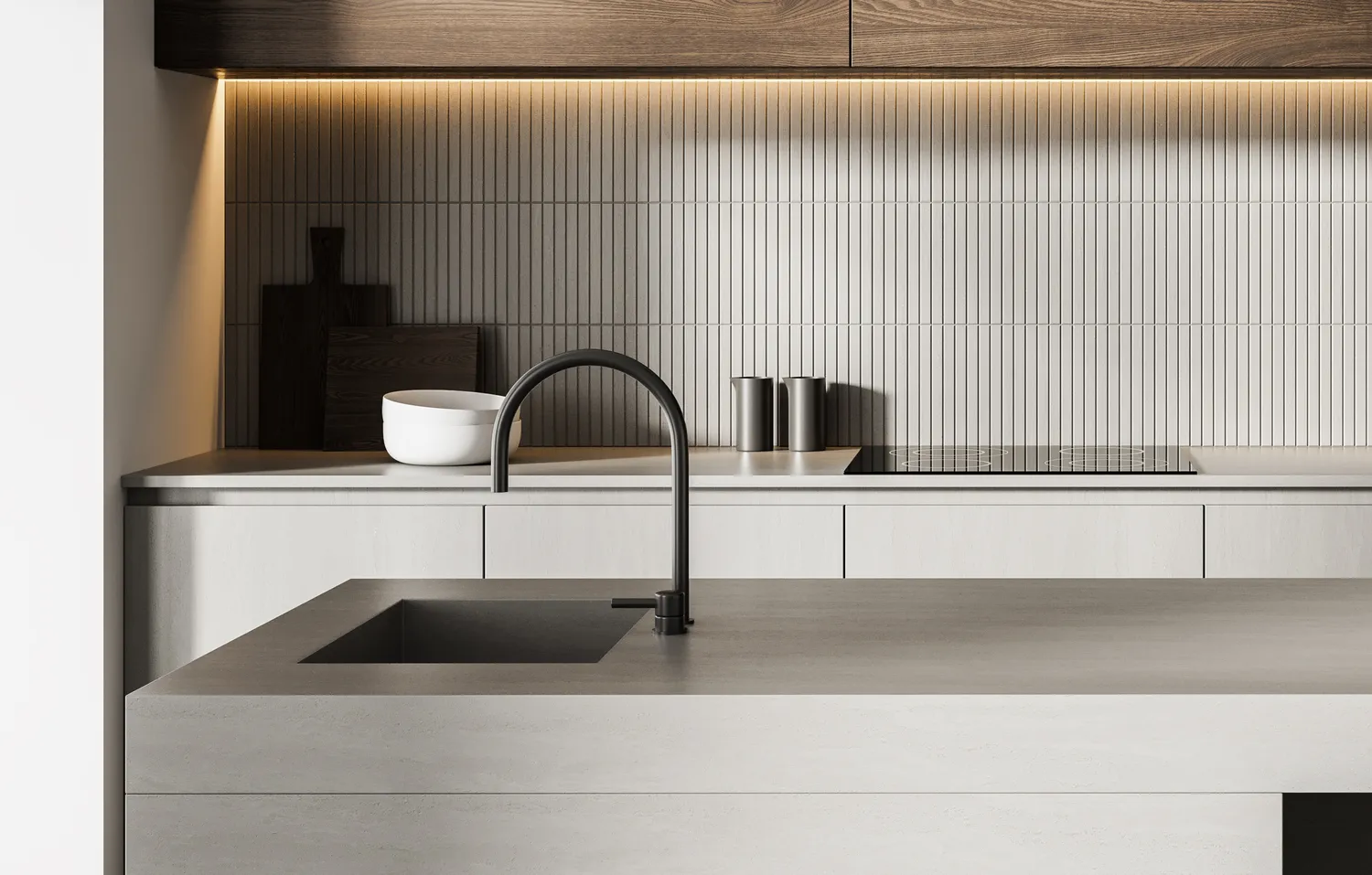
The 1 Kitchen Countertop Trend We Hope Never Comes Back
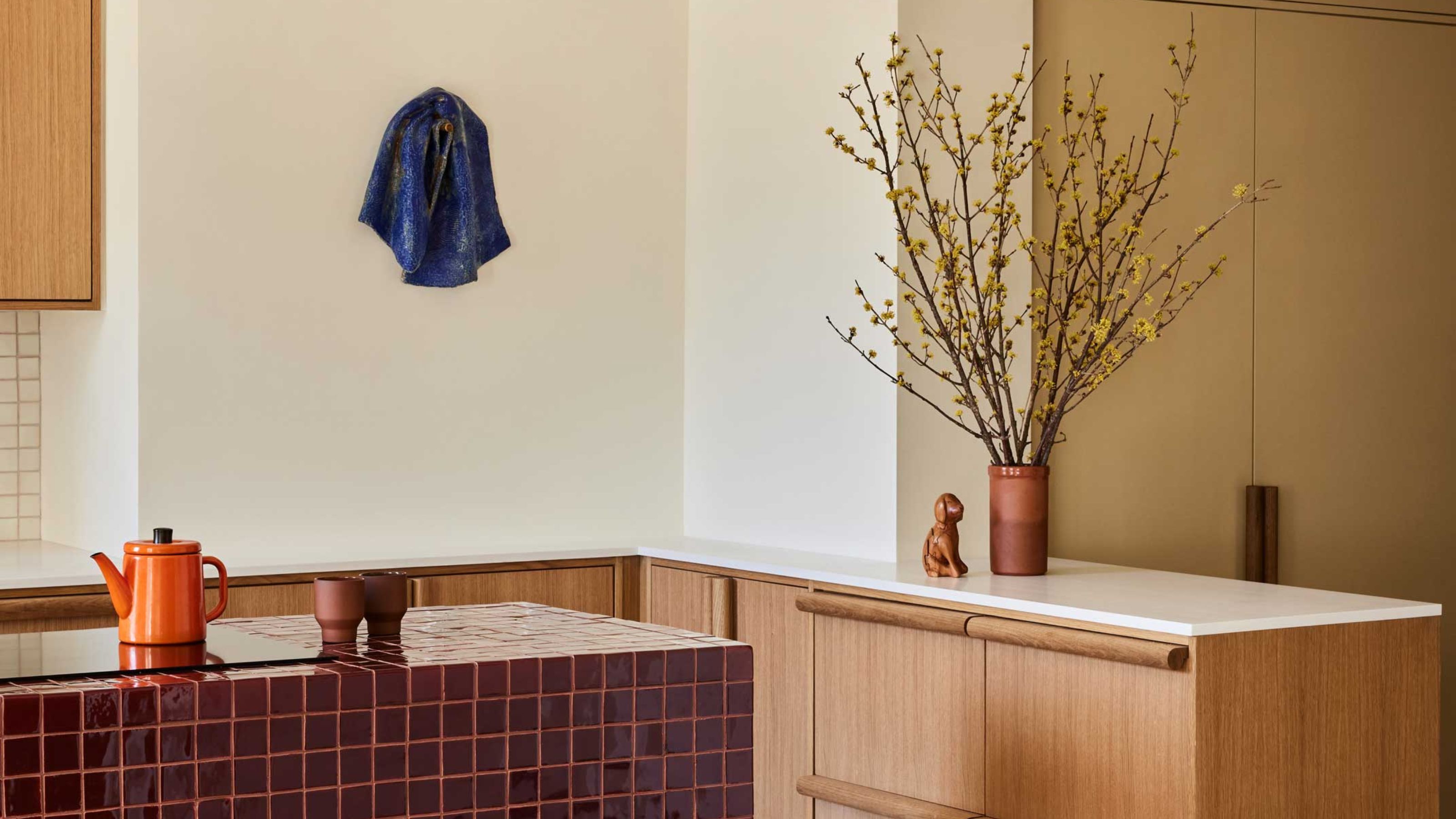
Move Over Granite (and Quartz)! These Alternatives Are What We're Dreaming of For Design-Forward Kitchens
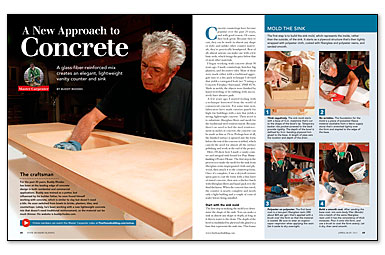
Video Series: How to Create a Lightweight Concrete Countertop

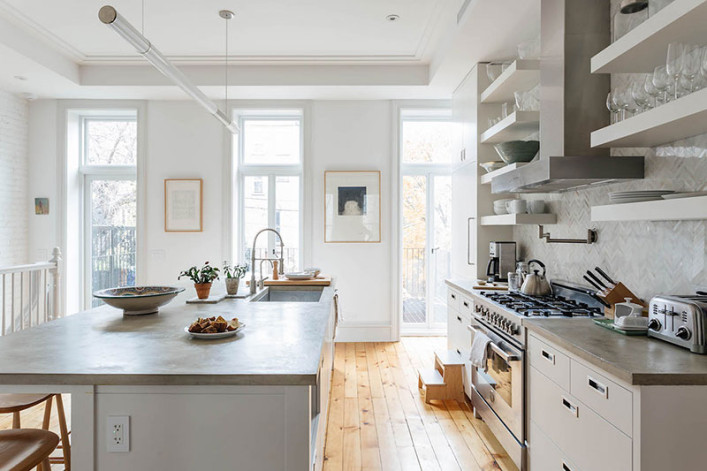
The pros and cons of putting a concrete countertop in your NYC apartment
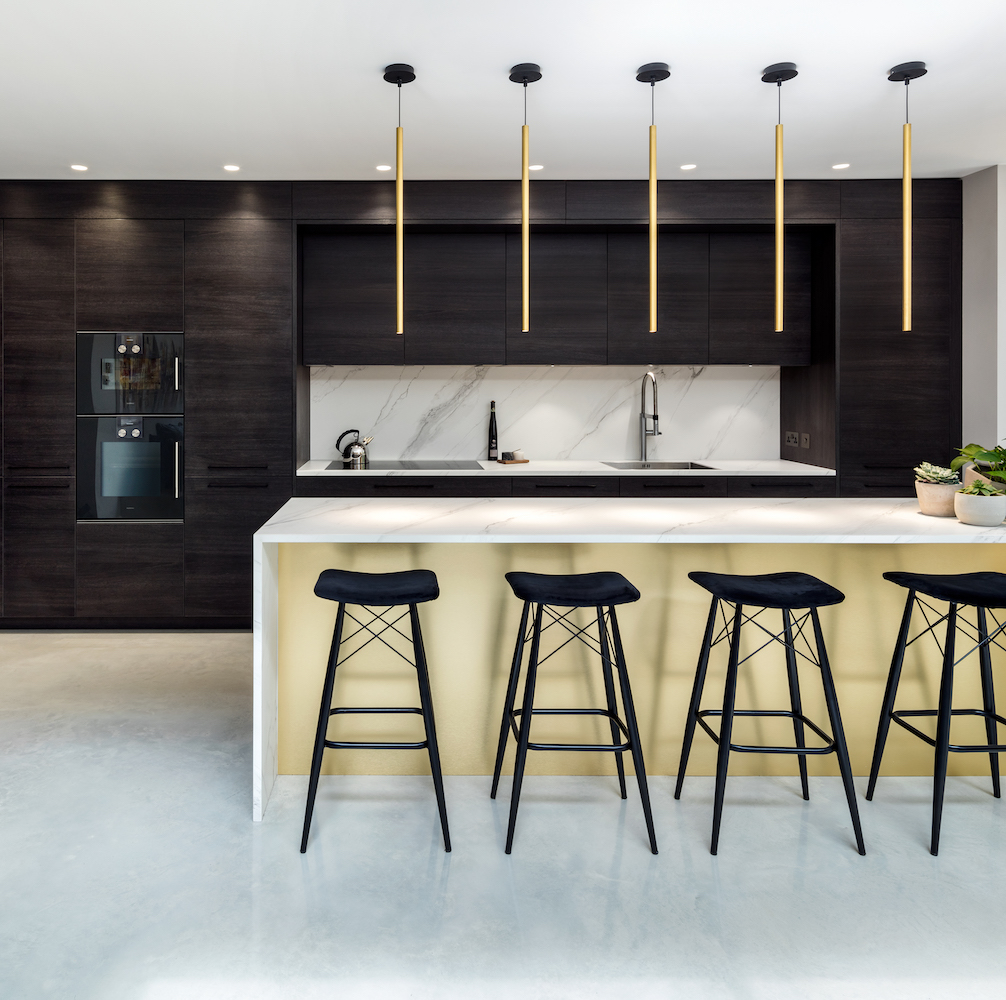
Concrete kitchen floor ideas – 17 ways to introduce this popular style
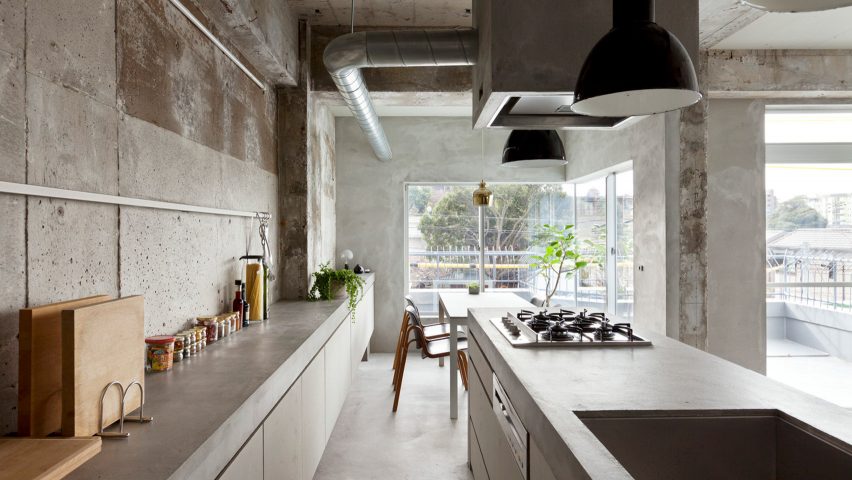
Eight concrete kitchens with raw and tactile surfaces
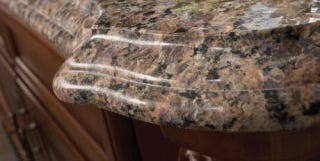
Are Granite Countertops Outdated?

Kitchen Concrete Counters Ceramic Tile Backsplashes Design Photos and Ideas

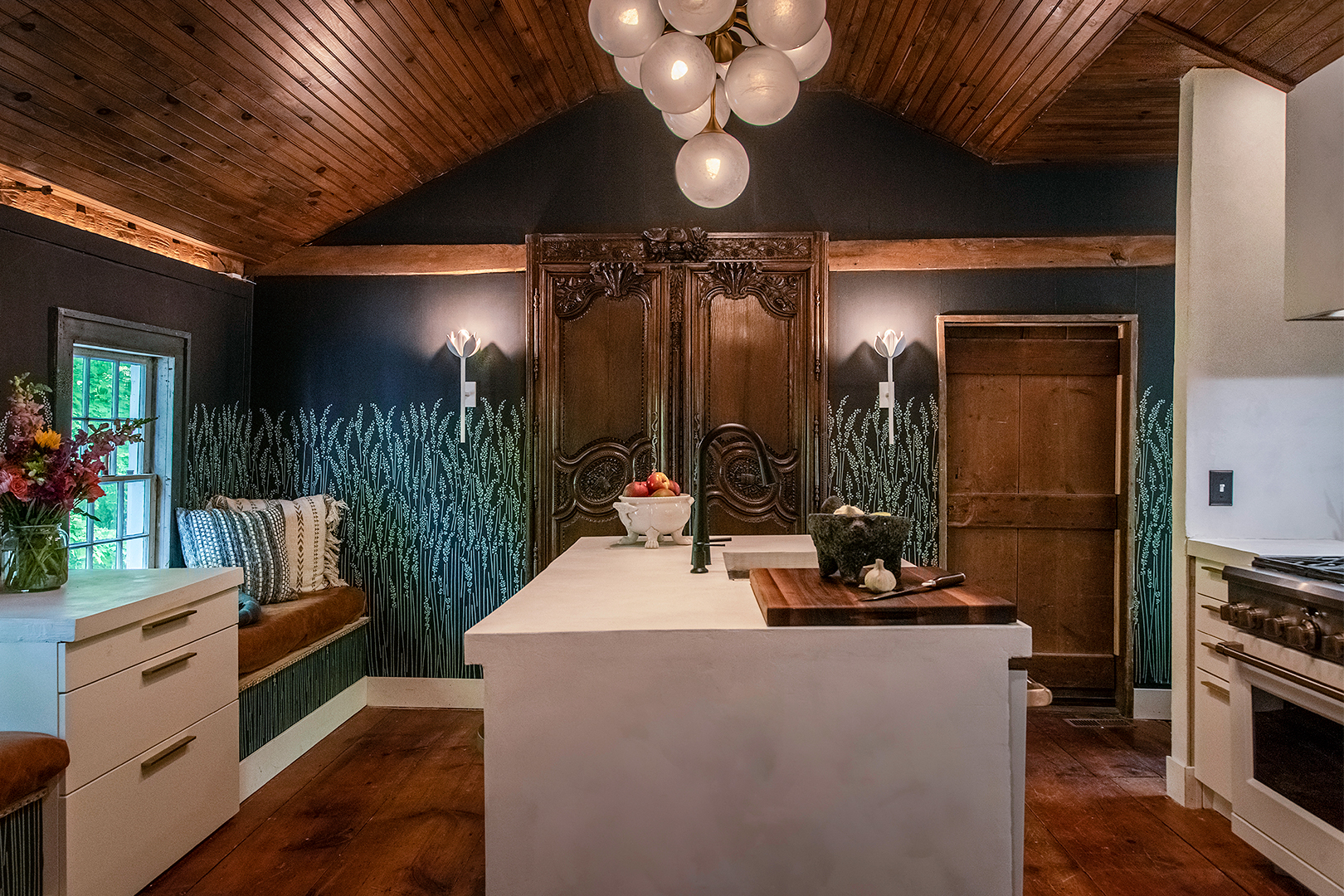
How to Cheat Your Way to DIY Concrete Countertops That Look Like Stone
The Best Types of Kitchen Countertops

How to Choose a Concrete Countertop Mix Design