1/4
This Underutilized Countertop Looks Great, but "It's Not the Material for Everyone" — The Pros and Cons of Concrete, Explained by a Specialist
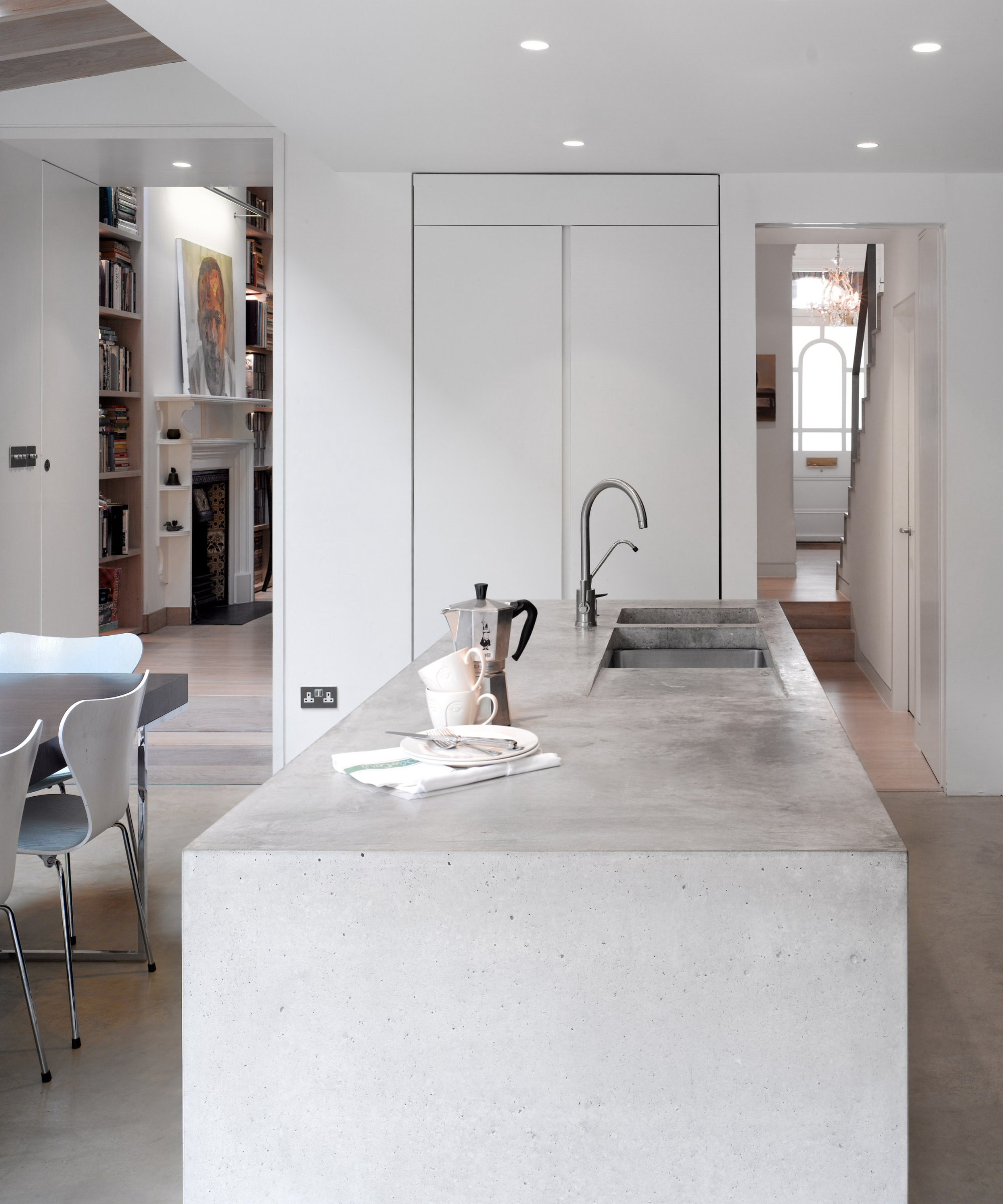
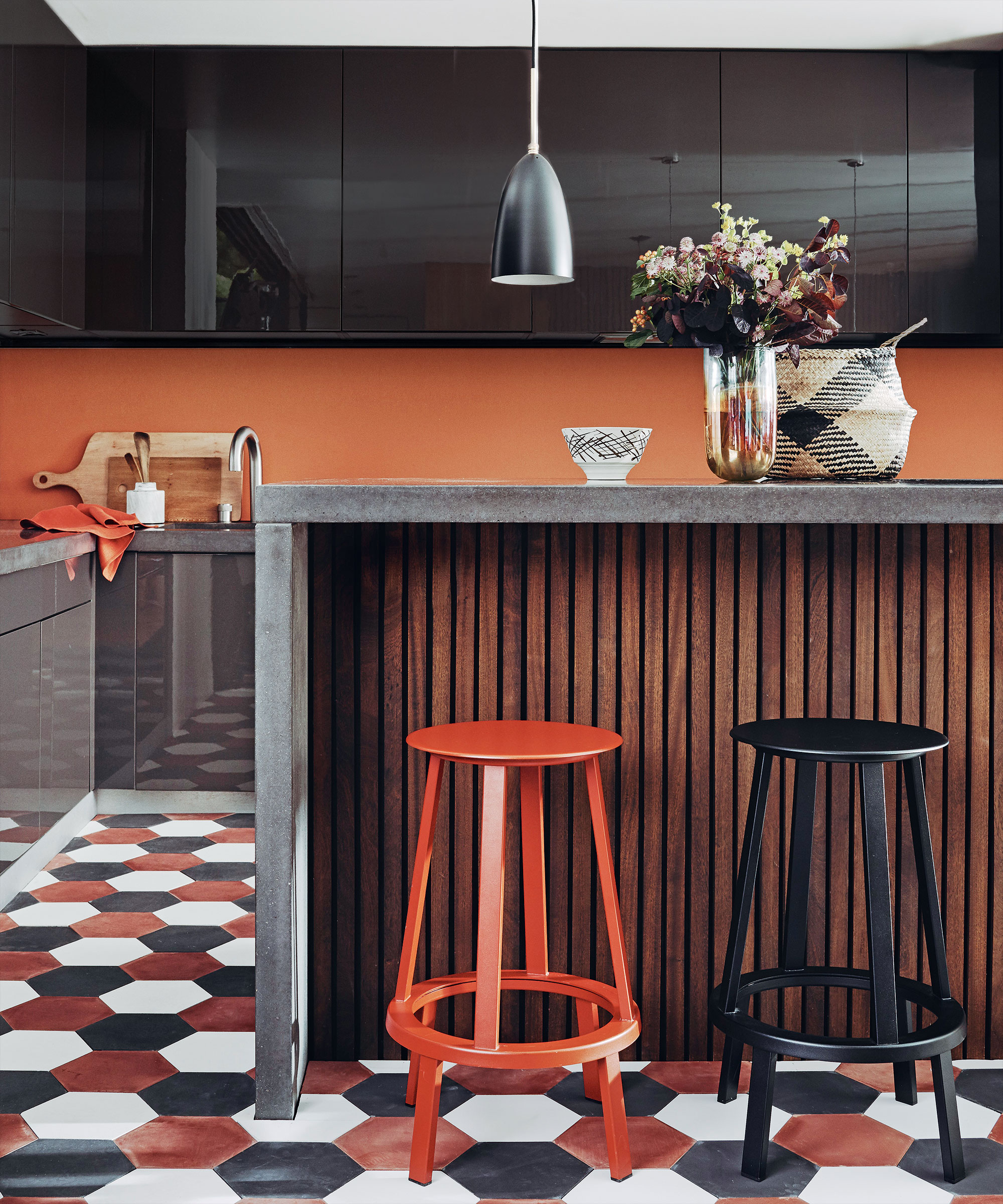
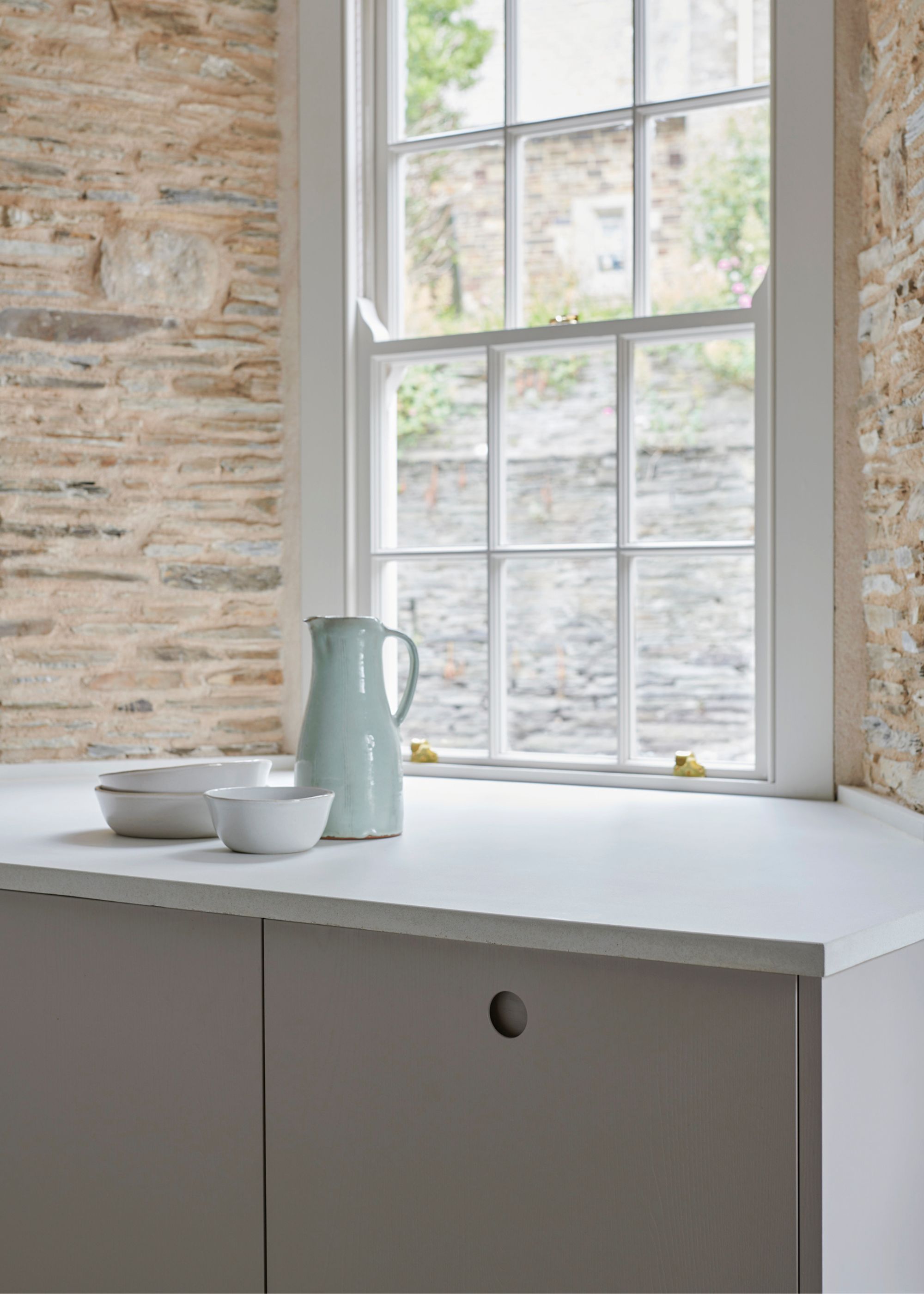
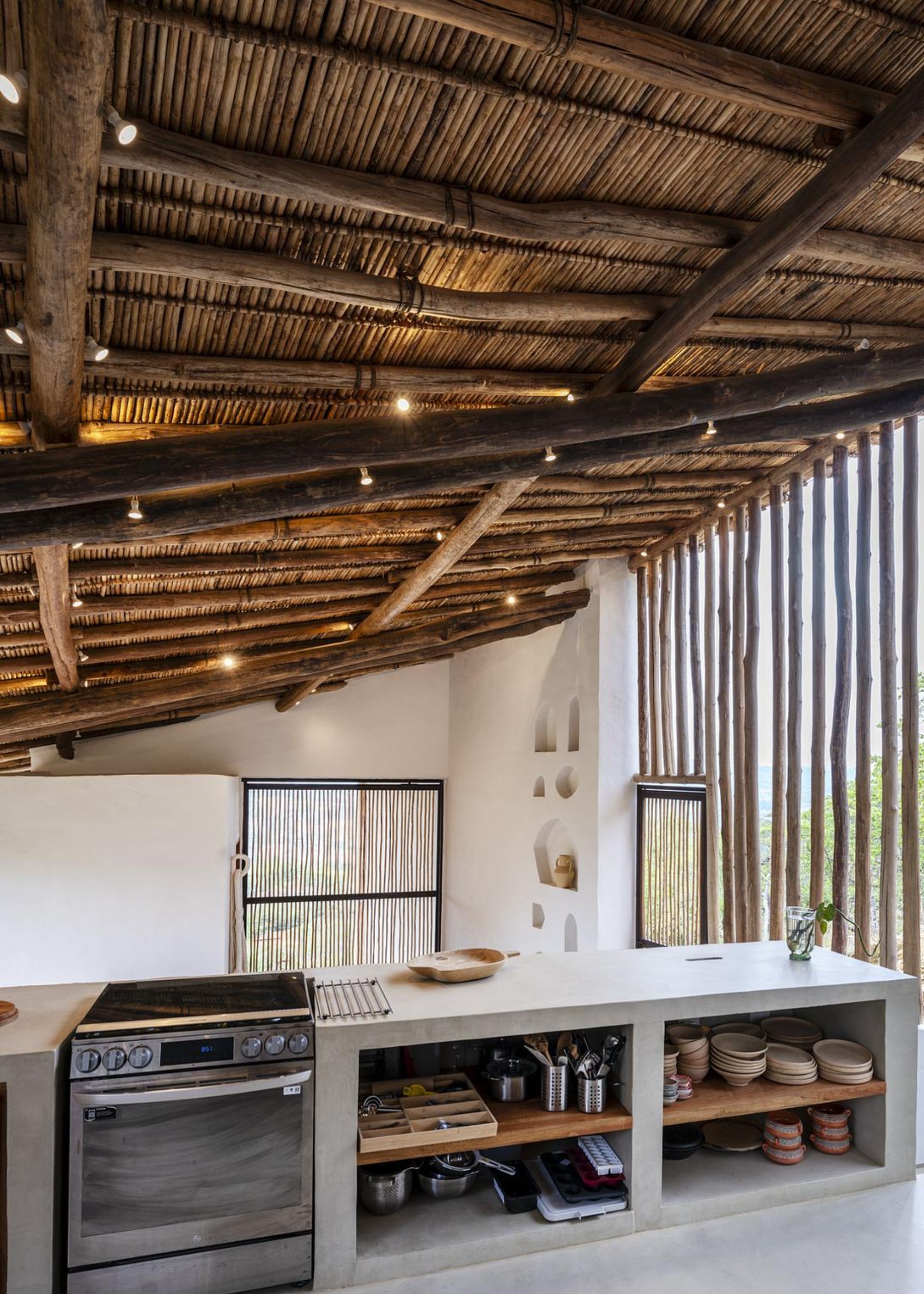
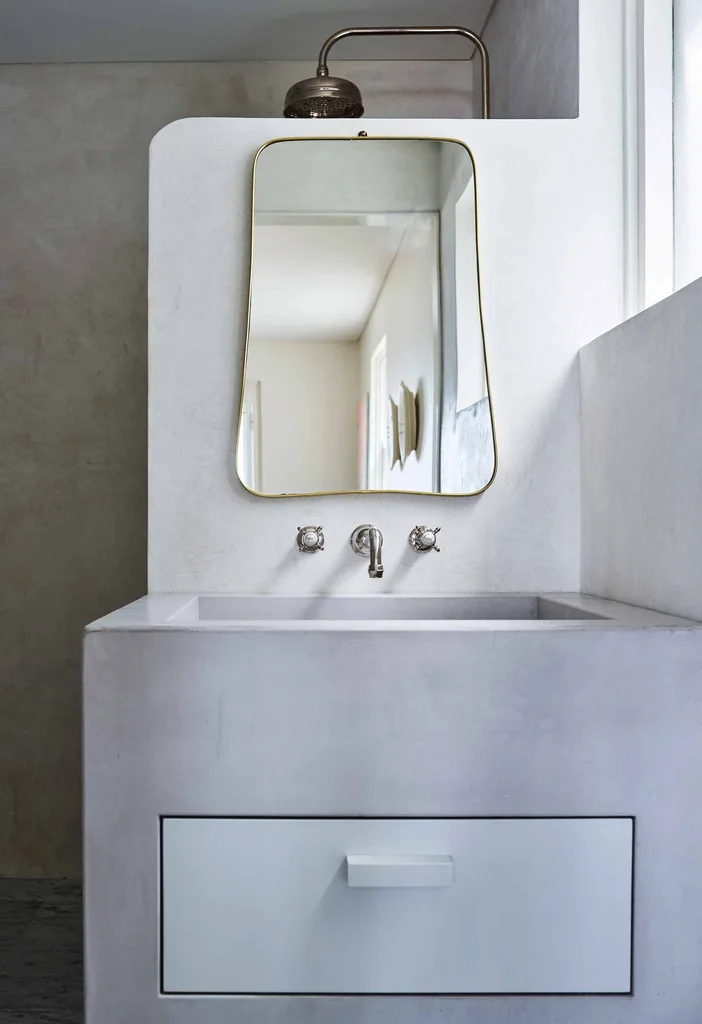
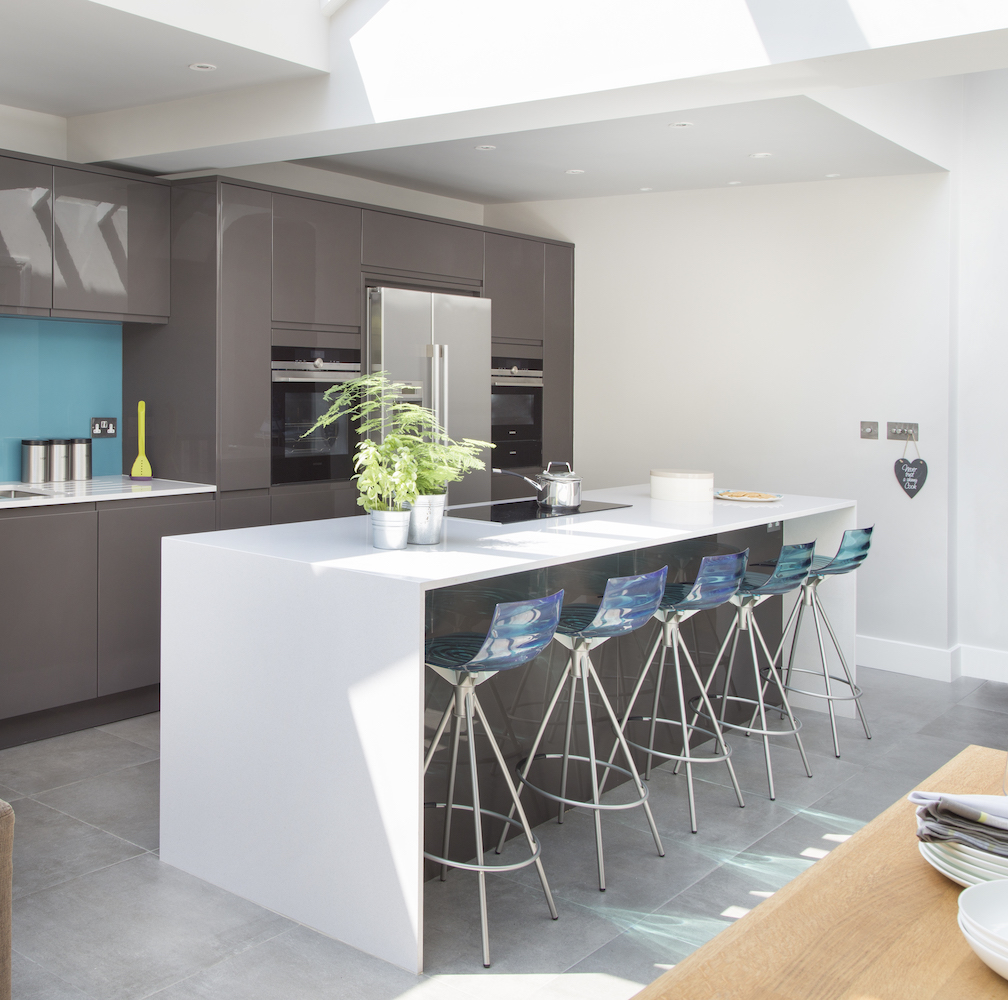
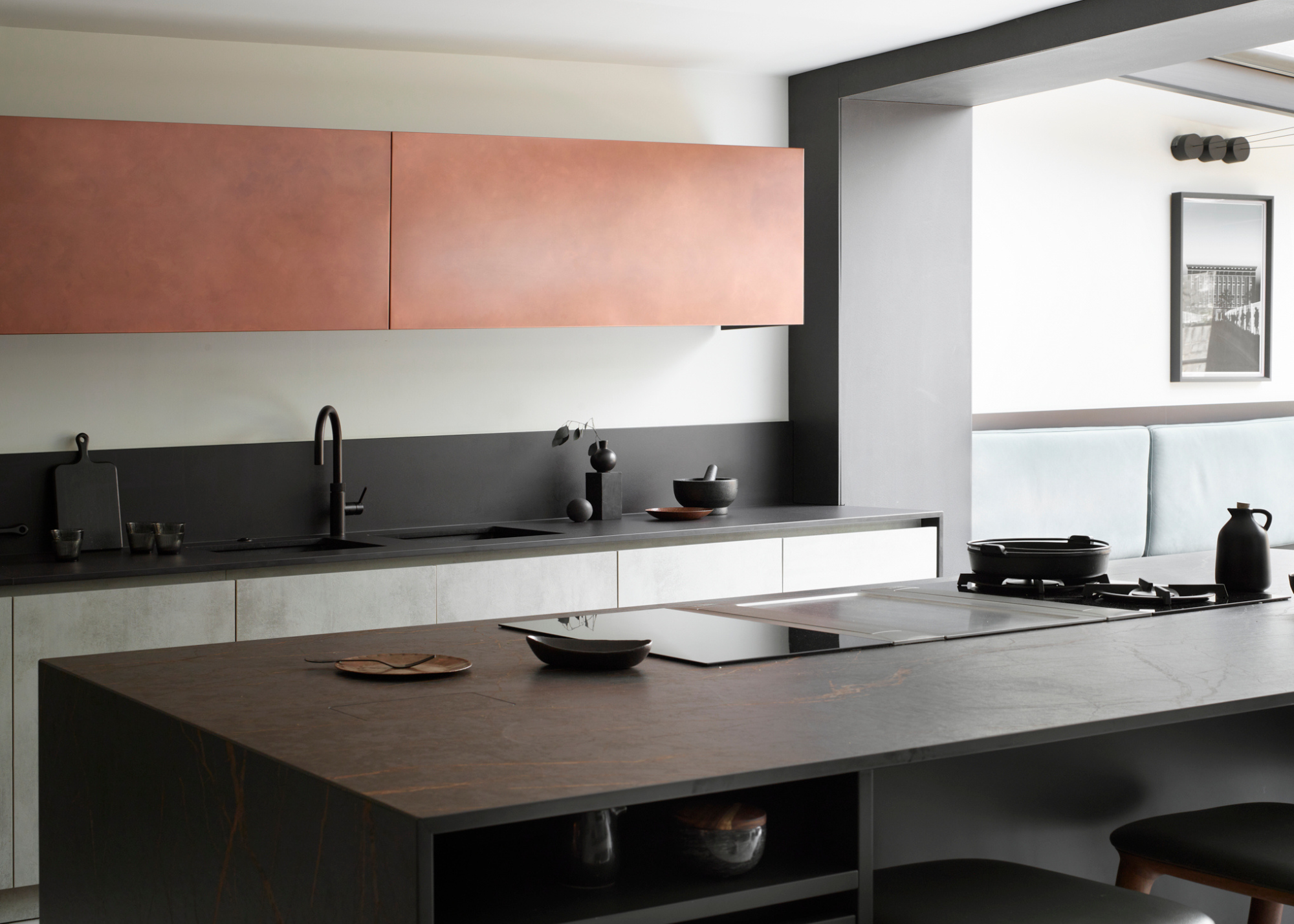
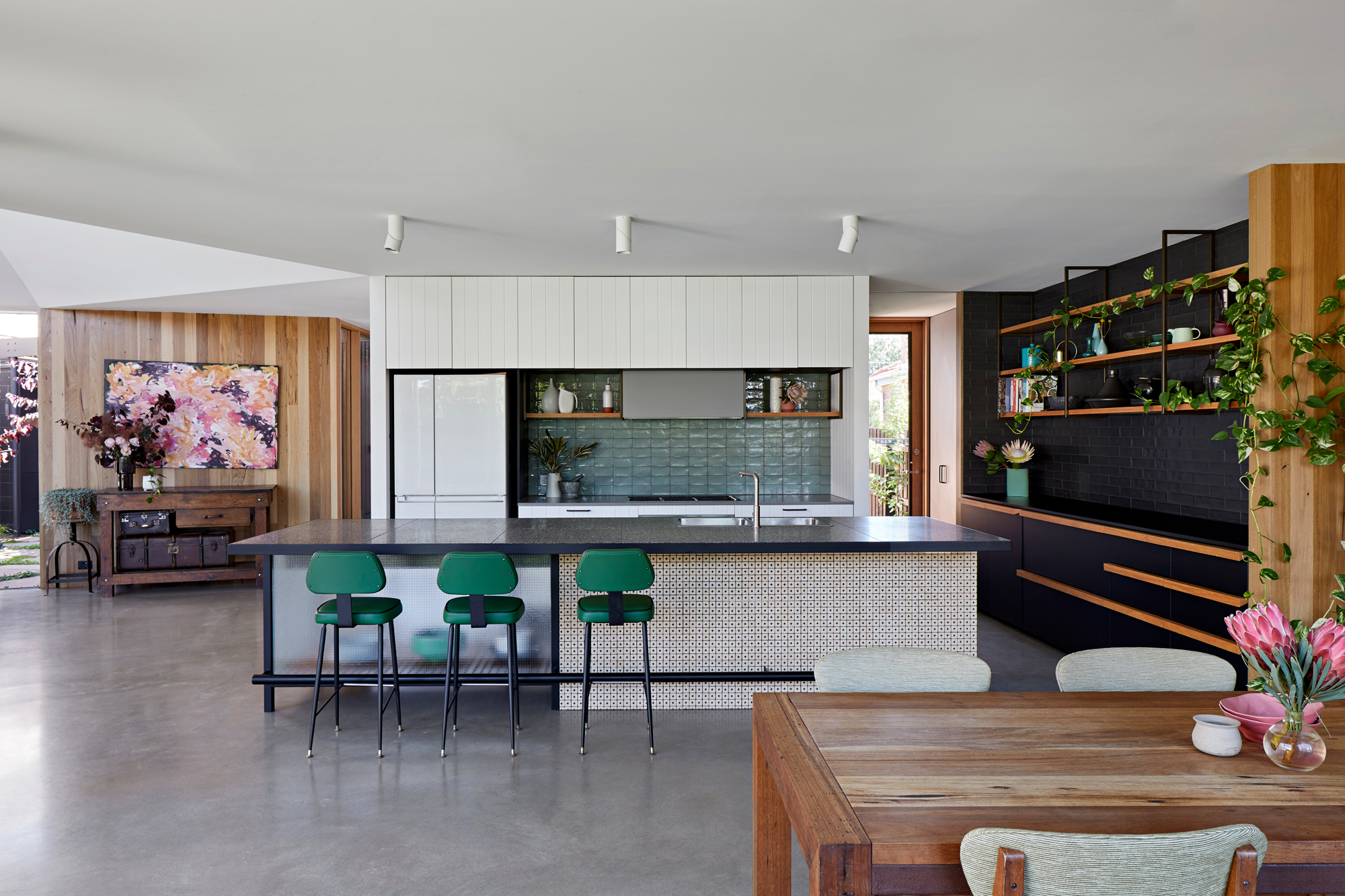
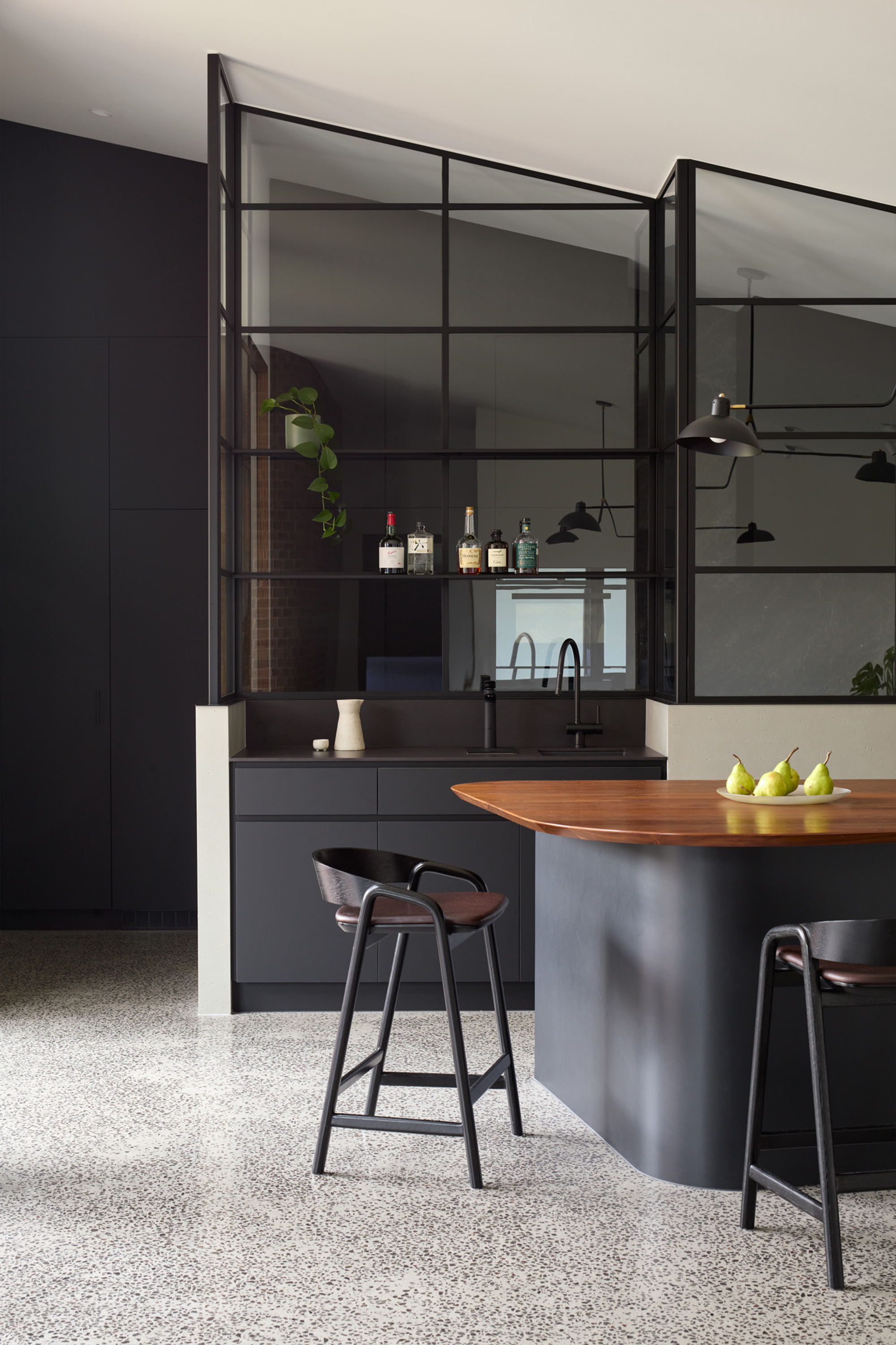
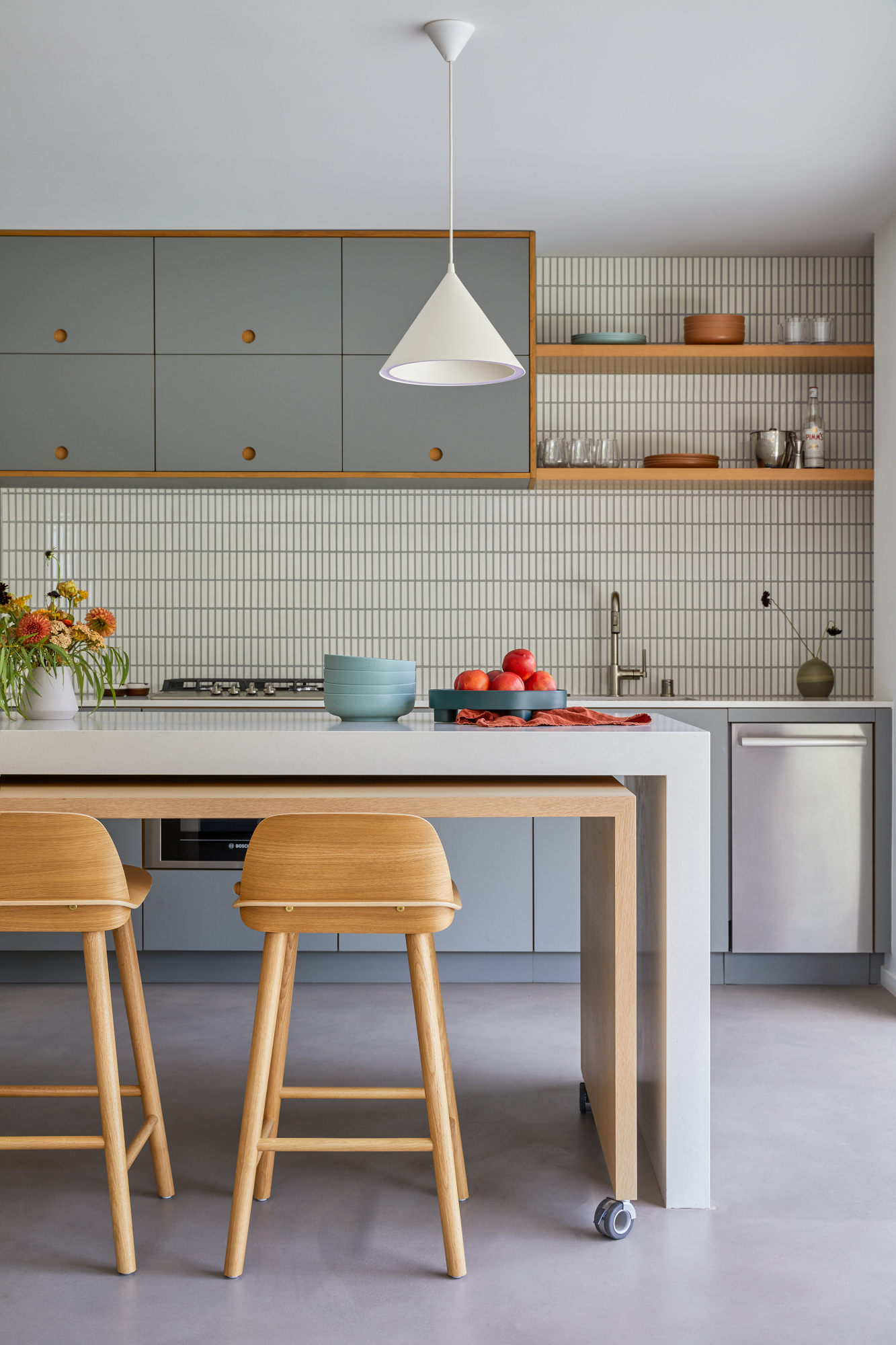
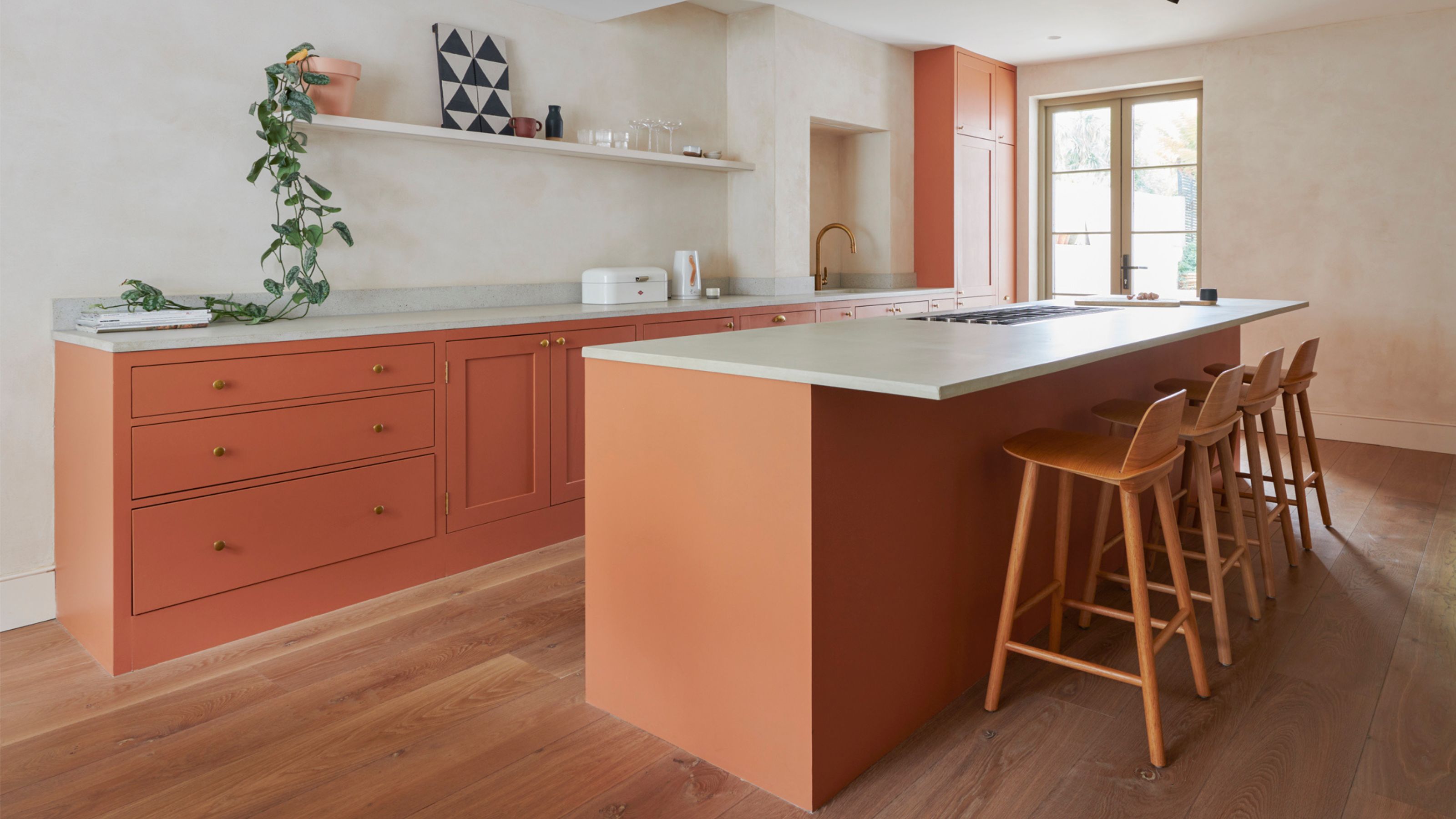
Concrete countertops are gaining traction in modern kitchen and bathroom designs for their versatile, durable, and industrial aesthetic. However, prospective homeowners should be aware of both the advantages and disadvantages before committing to this material. Izzy Taylor-Wood, managing director at Woody’s Concrete Company, a specialist in polished concrete, provides an in-depth guide on the topic.
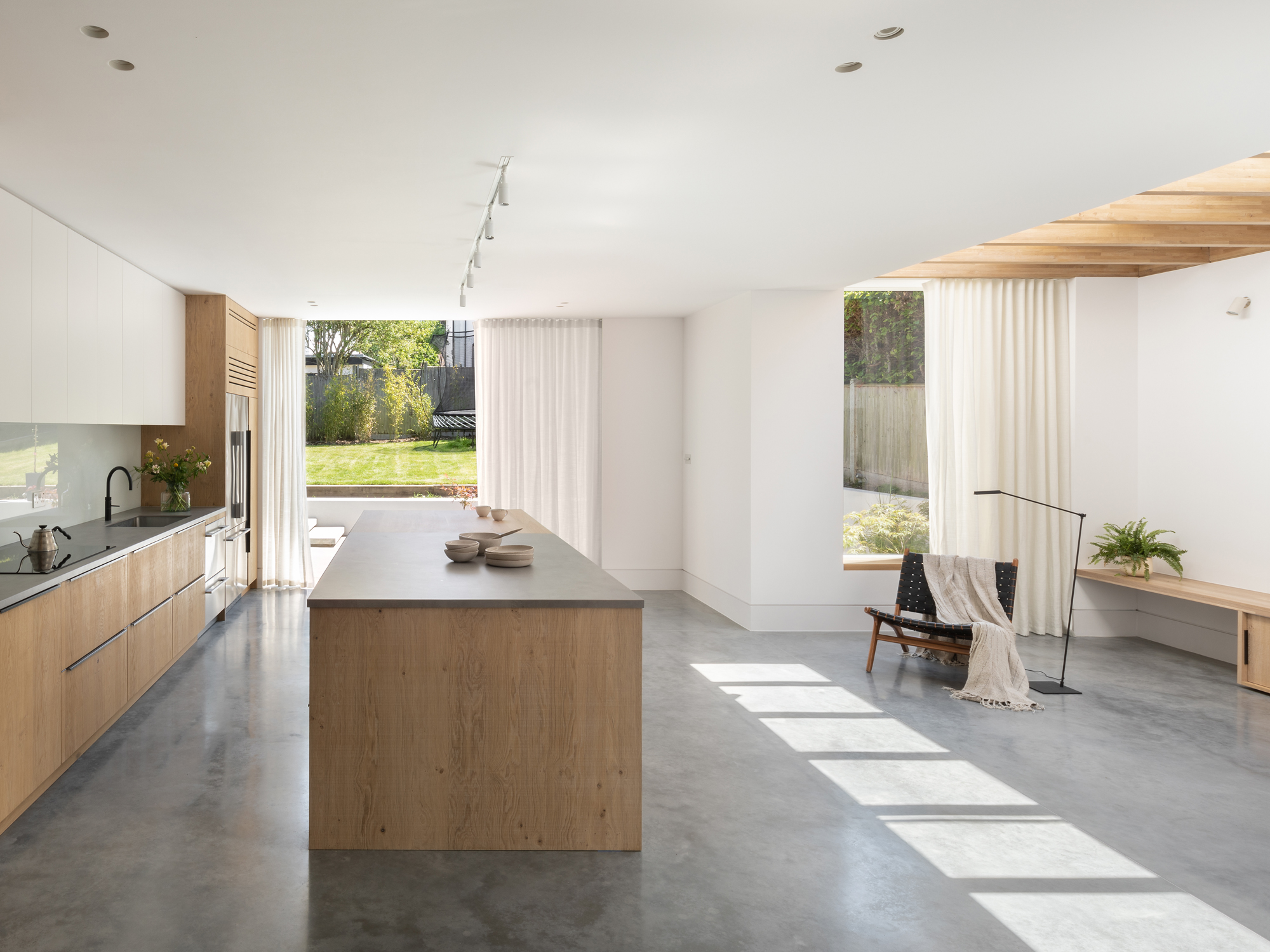
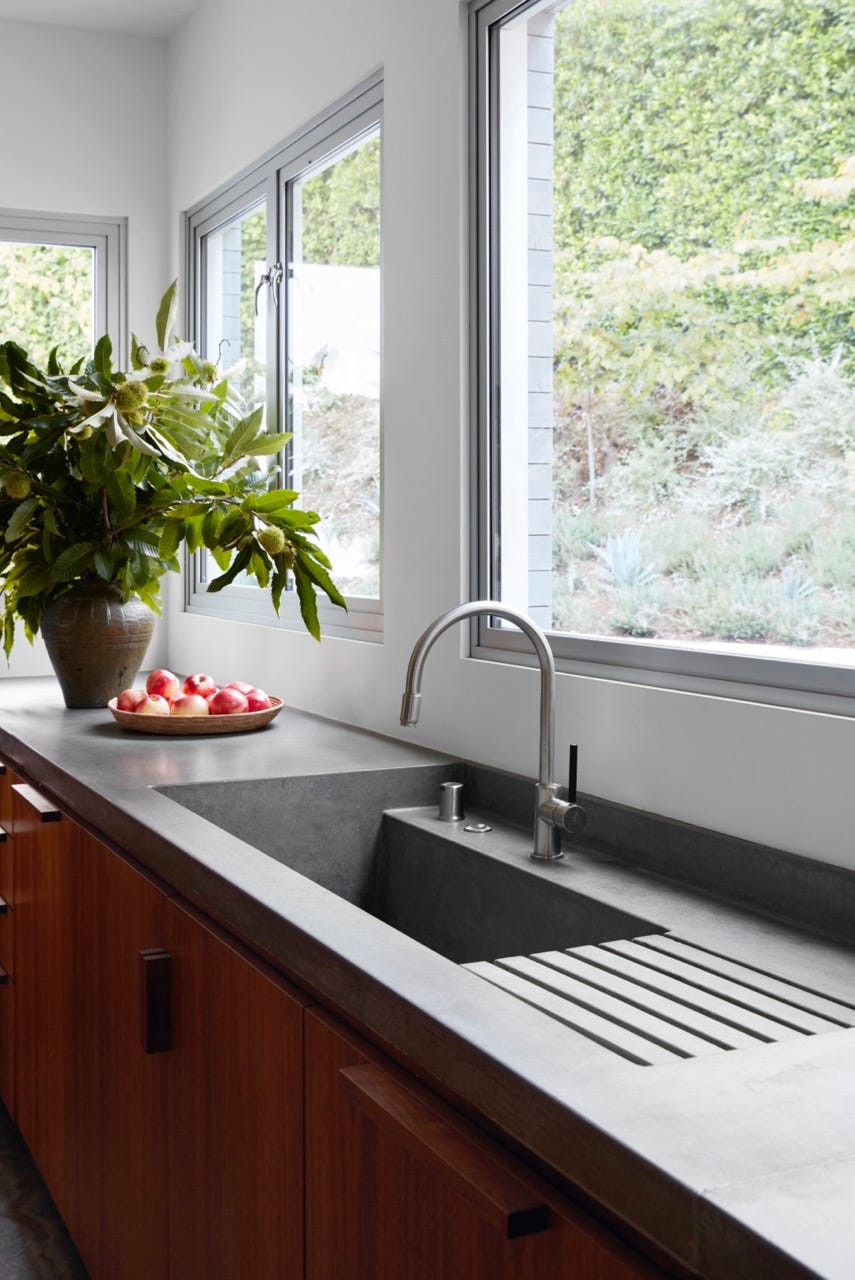
Concrete worktops are lauded for their high customizability, allowing for unique shapes, seamless integration, integrated drainage, and decorative inlays, making each piece one-of-a-kind. When fabricated with Glass-Fiber Reinforced Concrete (GFRC) instead of traditional concrete, they are surprisingly lightweight, which simplifies installation while retaining a premium, solid feel. Furthermore, expertly processed and sealed concrete offers excellent stain and heat resistance. Should minor accidents occur, concrete can be refinished, and its appearance improves over time as it develops a natural patina, which many homeowners appreciate for adding character.
Despite these benefits, concrete is not without its drawbacks. Its porous nature means that spills from oil, wine, or acidic liquids can cause temporary staining if not promptly cleaned, even with proper sealing. Small hairline cracks may emerge as the concrete cures or due to structural movement; these are typically cosmetic and do not affect functionality. Additionally, while GFRC is lighter than traditional concrete, the installation process remains labor-intensive and requires specialized expertise, potentially making it more costly than standard countertop installations.
Regarding maintenance, there is a common misconception that concrete worktops are extremely high-maintenance. Izzy Taylor-Wood clarifies that daily care is comparable to other luxury surfaces like quartz. Essential maintenance involves cleaning spills as they occur, avoiding direct chopping on the surface, refraining from abrasive cleaning tools like scouring pads, and using trivets or mats for hot pans. Adhering to these simple practices ensures the concrete ages gracefully and maintains its aesthetic appeal. Homeowners are advised to consult their supplier if they experience issues with watermarking, scratching, or staining and to research sealants thoroughly to ensure confidence in daily use.
Concrete countertops offer significant longevity; with appropriate care and installation, they can last for several decades. The structural slab itself is exceptionally durable, often enduring for 20–40 years or more, with the finish requiring occasional refreshing or resealing. This durability makes concrete a sustainable choice, as refurbishment is often preferred over complete replacement. Furthermore, concrete is inherently heat-resistant and can withstand typical cooking temperatures without burning or warping. However, the protective sealant can be vulnerable to high heat, which may cause discoloration or marking, emphasizing the importance of using trivets for hot cookware to preserve the finish.
In conclusion, concrete countertops present a unique blend of aesthetic appeal, customization, and durability. While they require specific installation expertise and a degree of mindful maintenance, their long lifespan and ability to develop a distinct character over time make them an attractive option for those seeking a luxurious and personalized design element in their homes.
#ConcreteCountertops #KitchenDesign #HomeRenovation #InteriorDesign #CountertopMaterials #MaterialProsAndCons #KitchenMaintenance #DurableSurfaces #ConcreteCountertops #KitchenDesign #HomeRenovation #InteriorDesign #CountertopMaterials #MaterialProsAndCons #KitchenMaintenance #DurableSurfaces
0 comment in total
 No comments yet
You may also like
Are concrete kitchen countertops a good idea?

Concrete kitchen floor ideas – 17 ways to introduce this popular style
I'm Calling It, Porcelain Is the Most Underrated Material for Countertops — These Are the Pros and Cons to Know

The 1 Kitchen Countertop Trend We Hope Never Comes Back

Everything You Need to Know About Concrete Worktops

What Designers Call the "Little Black Dress" of Bathroom Countertops

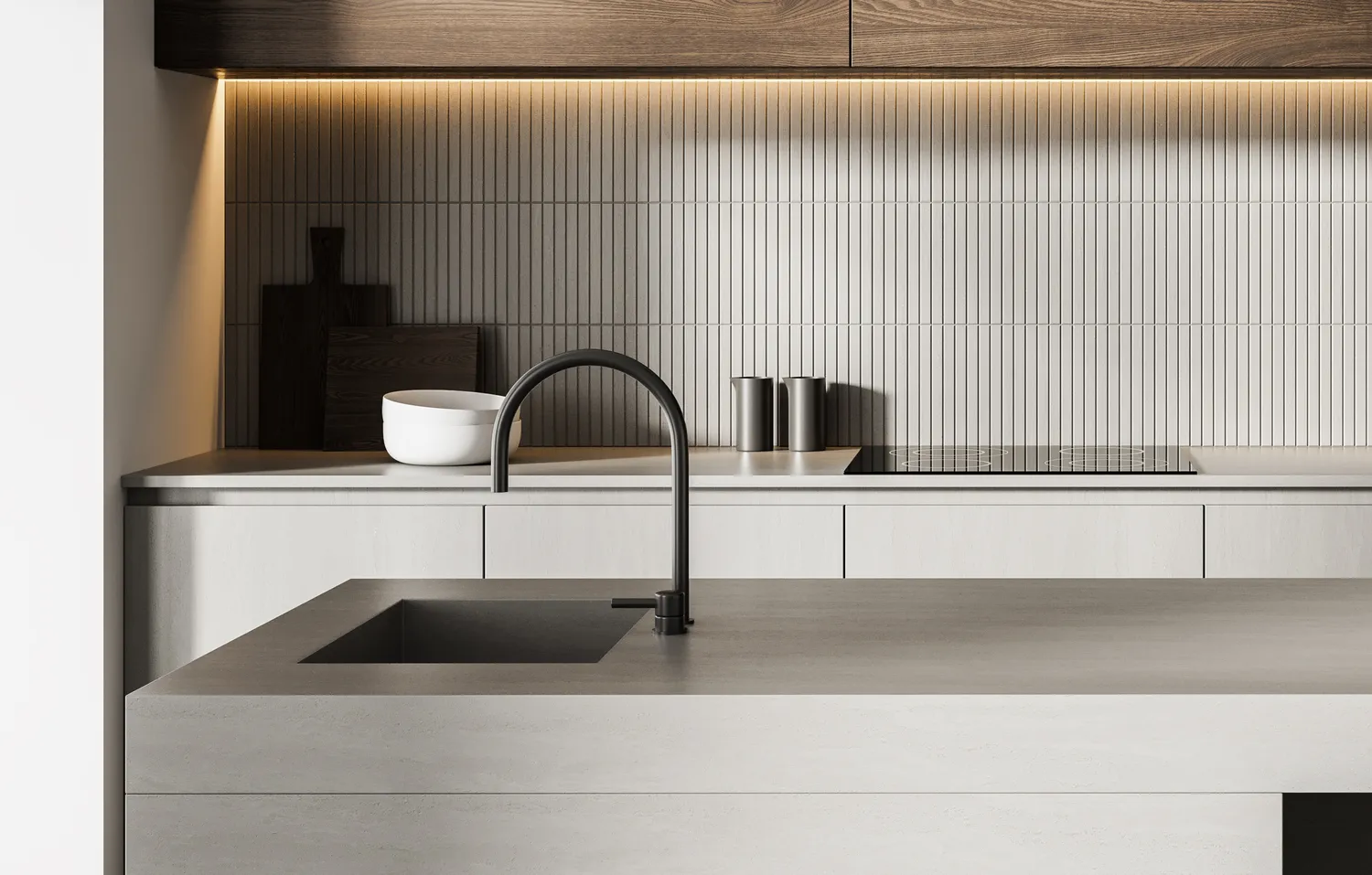
The 1 Kitchen Countertop Trend We Hope Never Comes Back
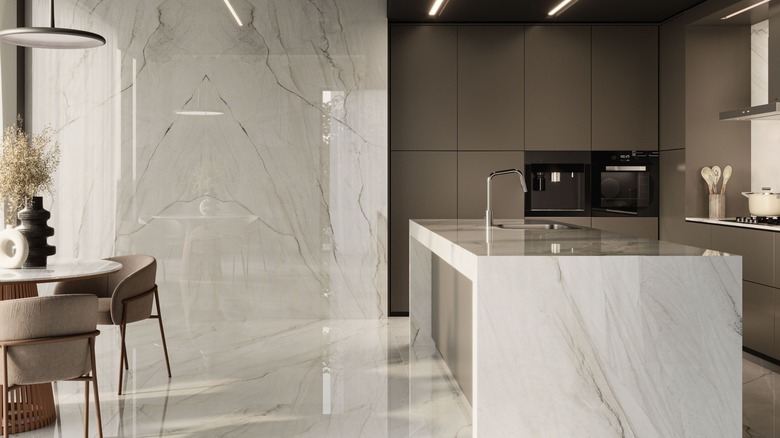
7 Stunning Countertops That Mimic The Beauty Of Marble (And 2 We'd Avoid)
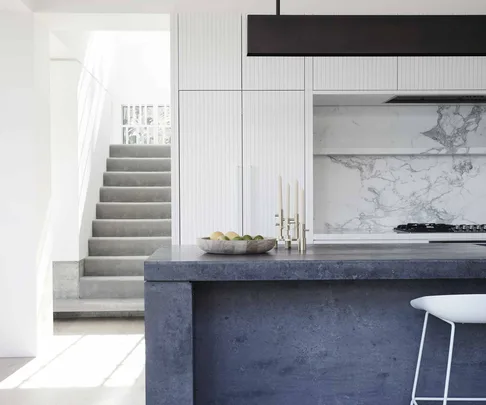
Concrete design ideas: how to make them work in any home

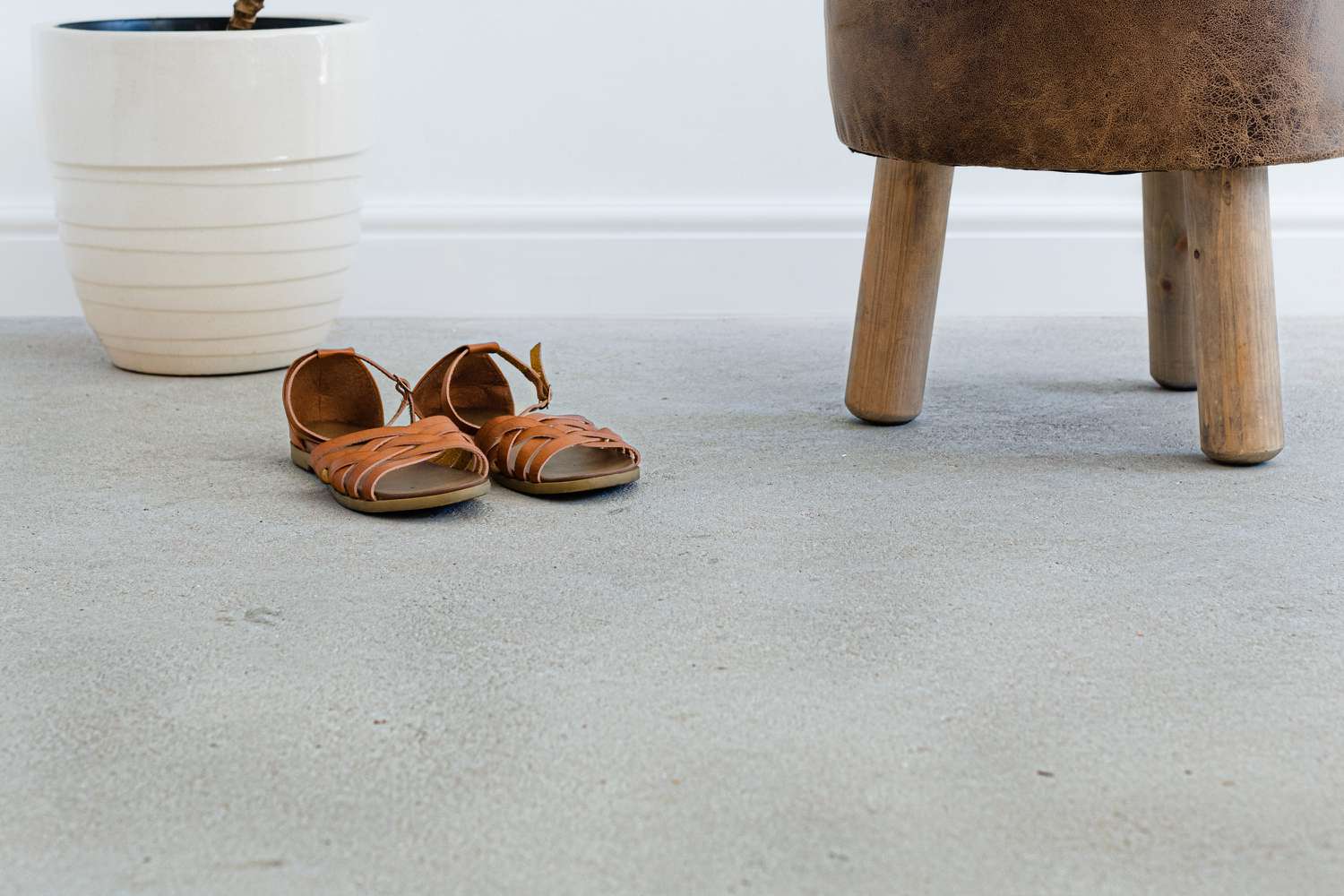
An In-Depth Look at the Pros and Cons of Concrete Flooring

How to Apply Multi-Color Dyes to Polished Concrete

10 Kitchen Countertop Trends You'll See Everywhere This Year, According to Experts
The pros and cons of putting a concrete countertop in your NYC apartment
8 concrete flooring ideas that will convince you this style can be surprisingly luxurious
Polished concrete floors – experts explain what you need to know about this modern flooring type
How Good Is INSL-X Paint by Benjamin Moore? A Tested Review

Material Guide: The Benefits of Building With Concrete

Concrete Floors: The Hot And Cold Of Them

Which wall colors work best with concrete floors? Pairings to complement and elevate this industrial finish
Concrete Floors Are Trending—Here's Why You Should Consider This Affordable Alternative to Hardwood and Tile