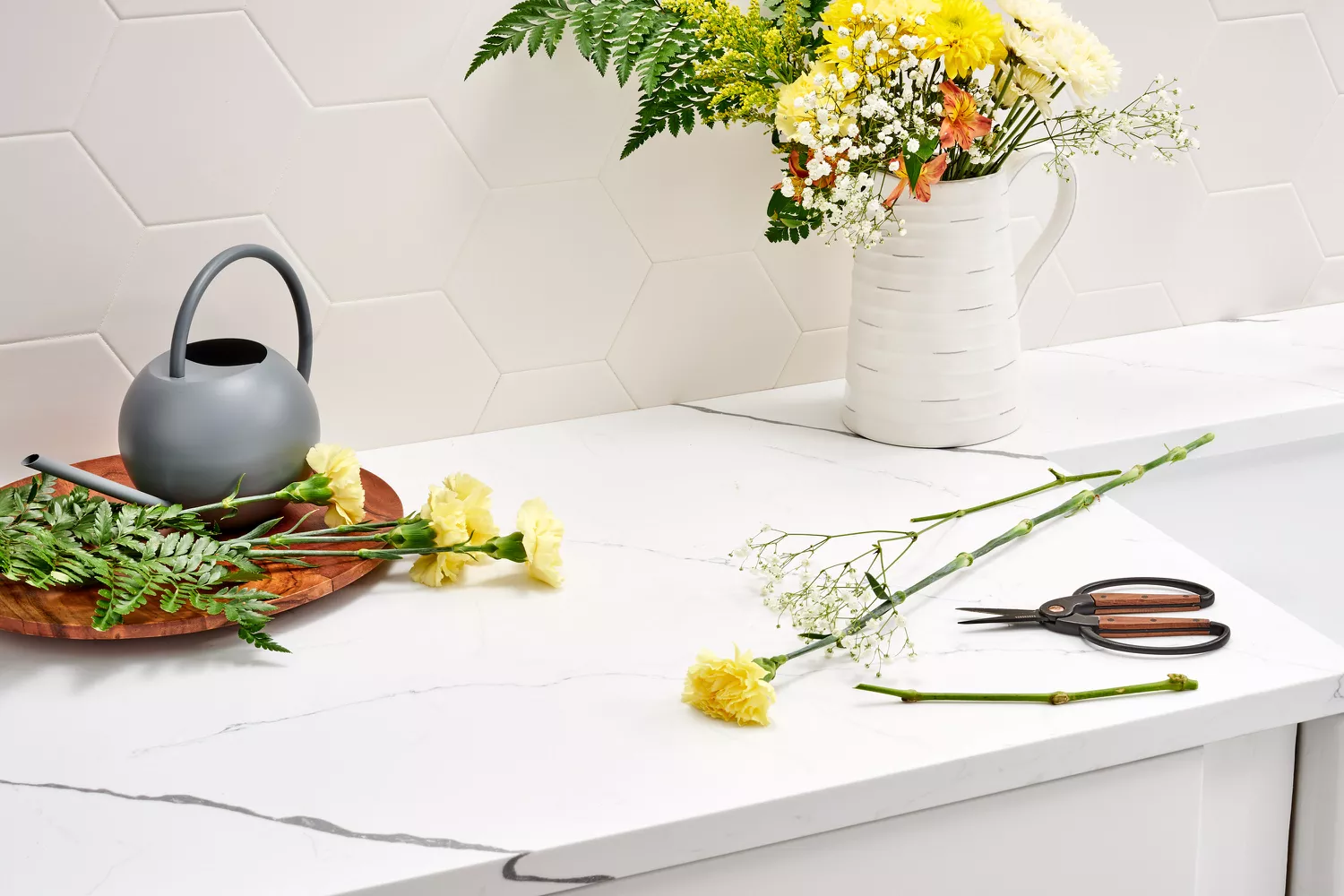
Thinking About Upgrading Your Kitchen Countertops? Here Are 15 Types to Consider
Choosing the ideal countertop material for a kitchen involves evaluating various factors such as durability, cost, installation requirements, appearance, longevity, resistance to damage, and maintenance needs. Each material offers distinct benefits and drawbacks, making the selection process dependent on individual preferences and practical considerations. The options range from natural stones like granite and marble to engineered materials such as quartz and solid-surface, as well as unique choices like concrete, glass, and recycled materials.
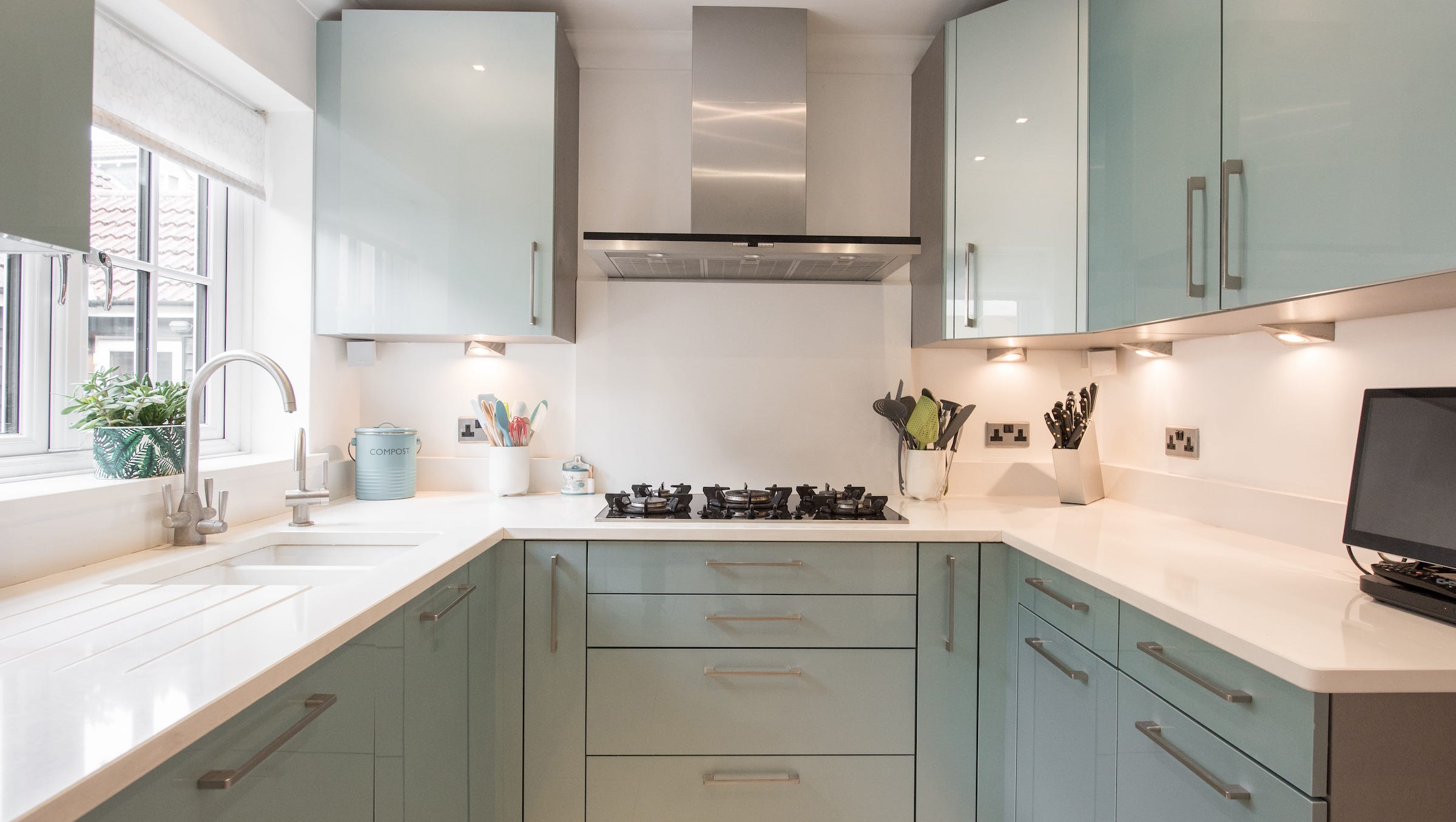
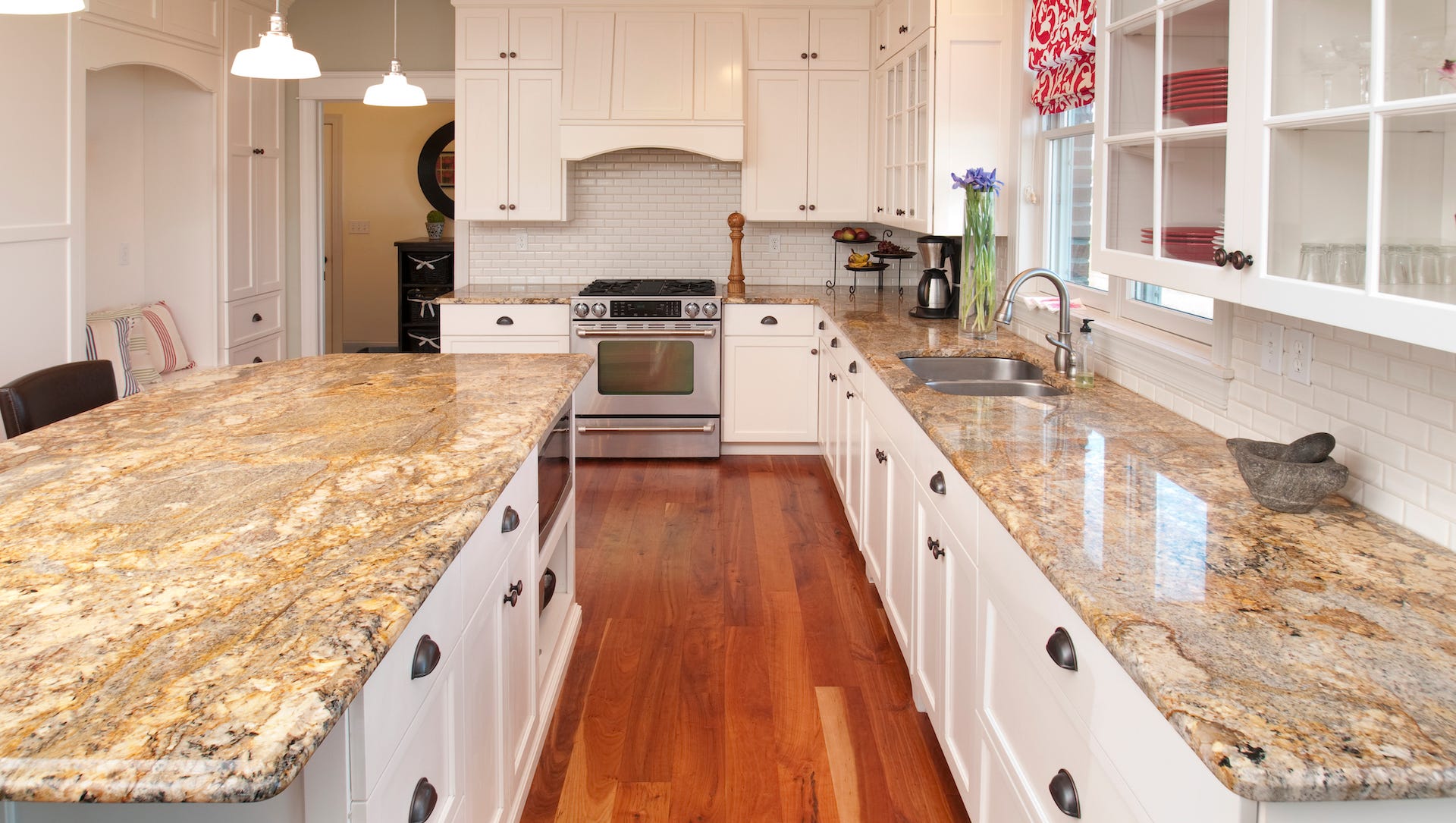
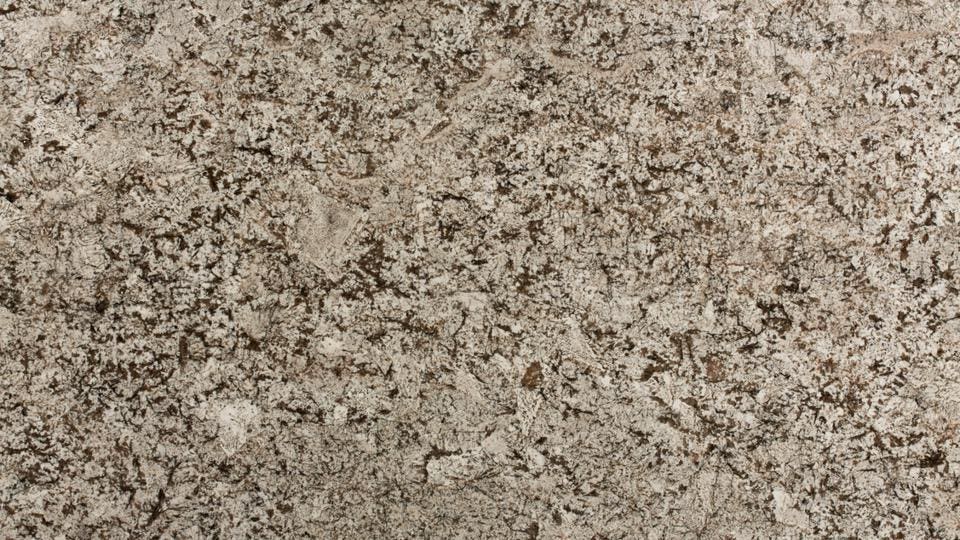
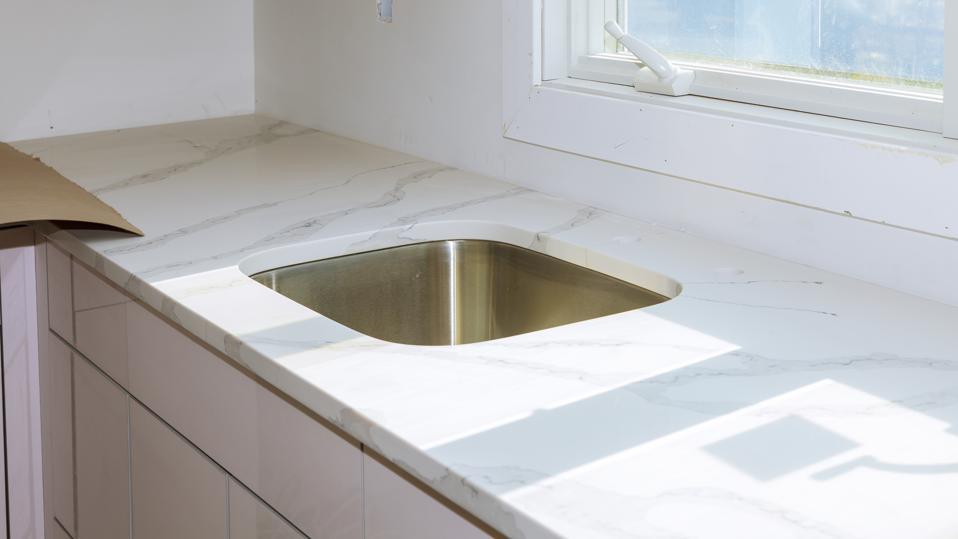
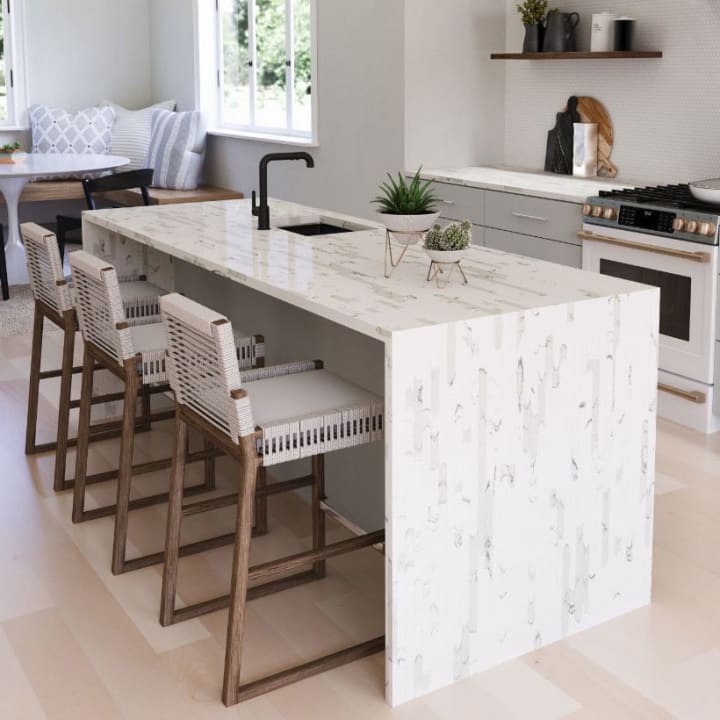
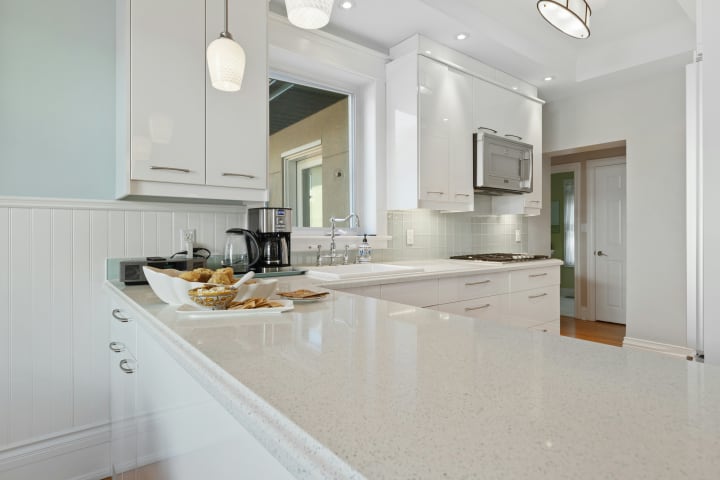
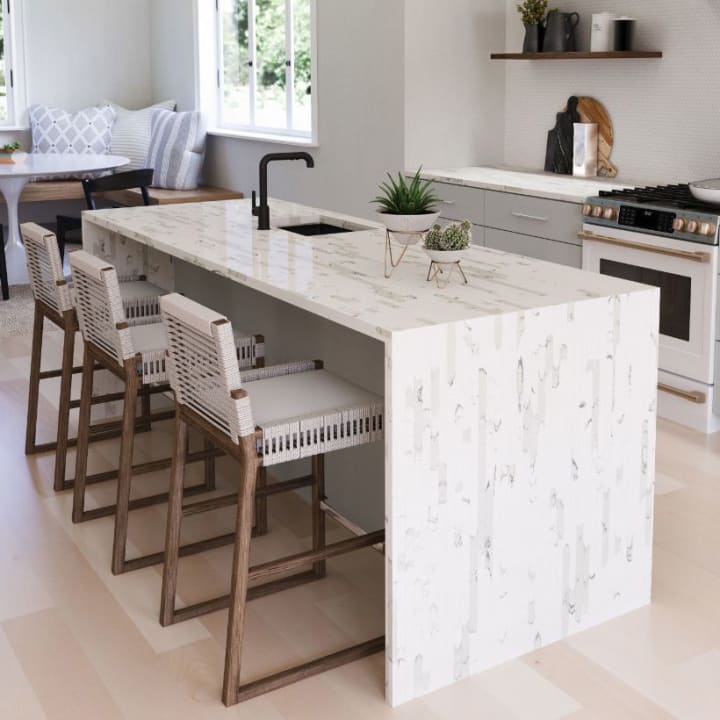
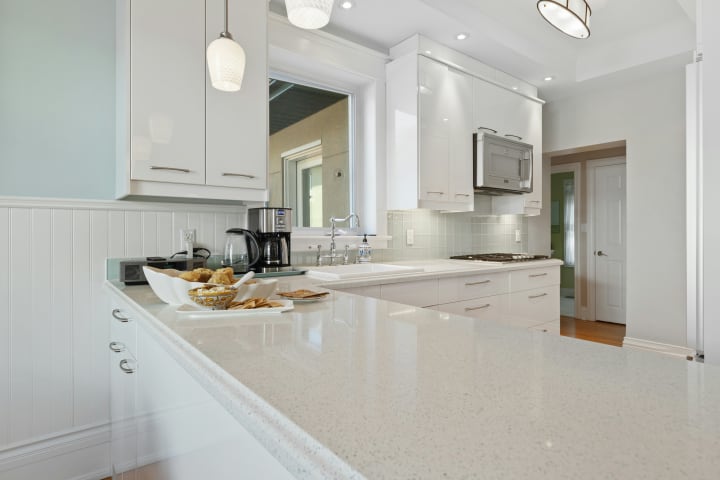
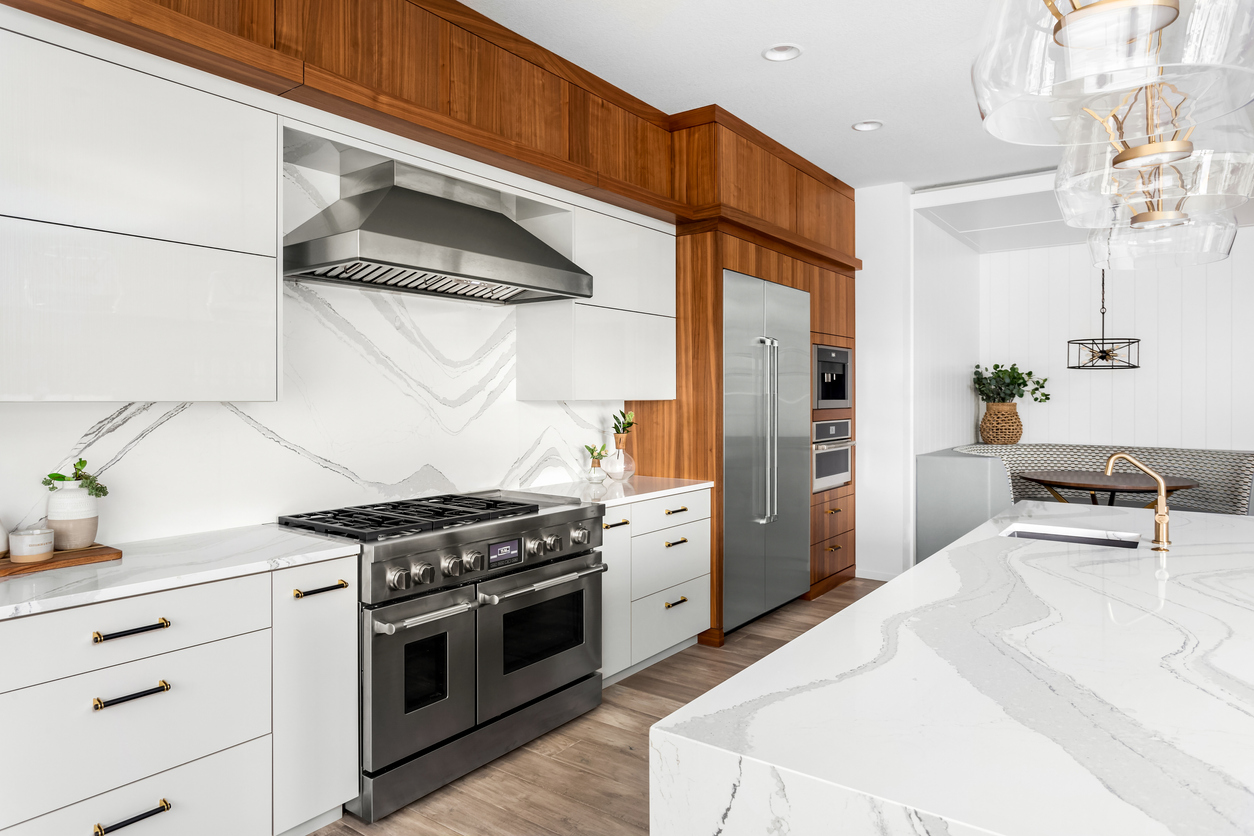
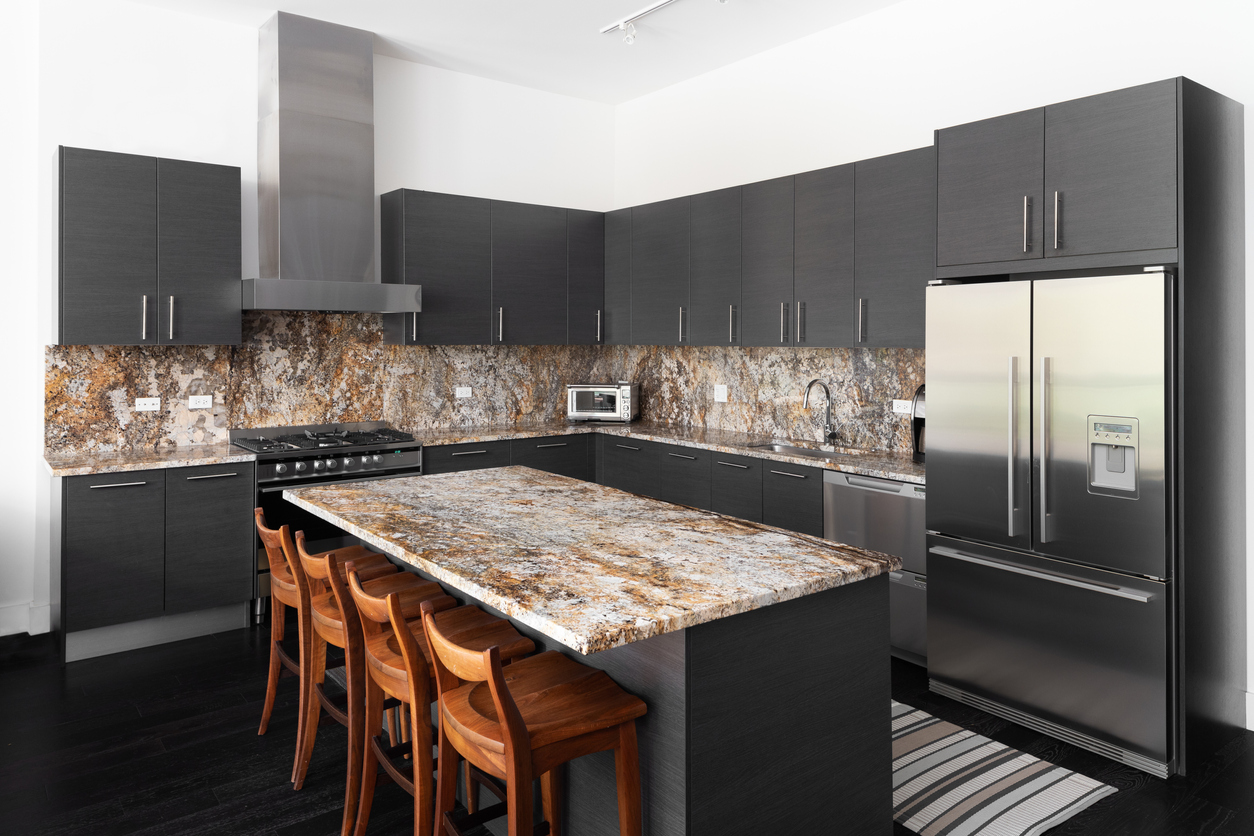
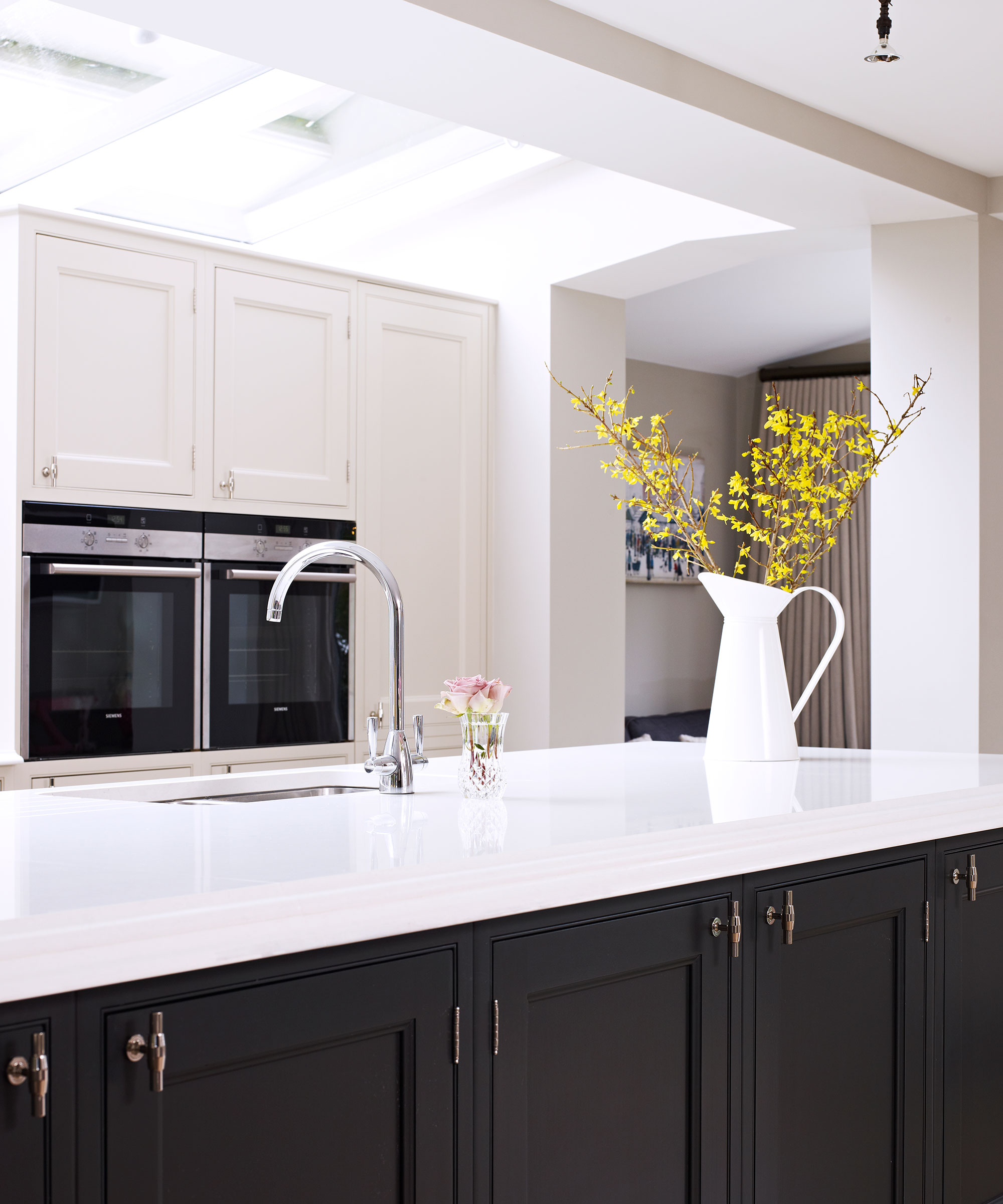
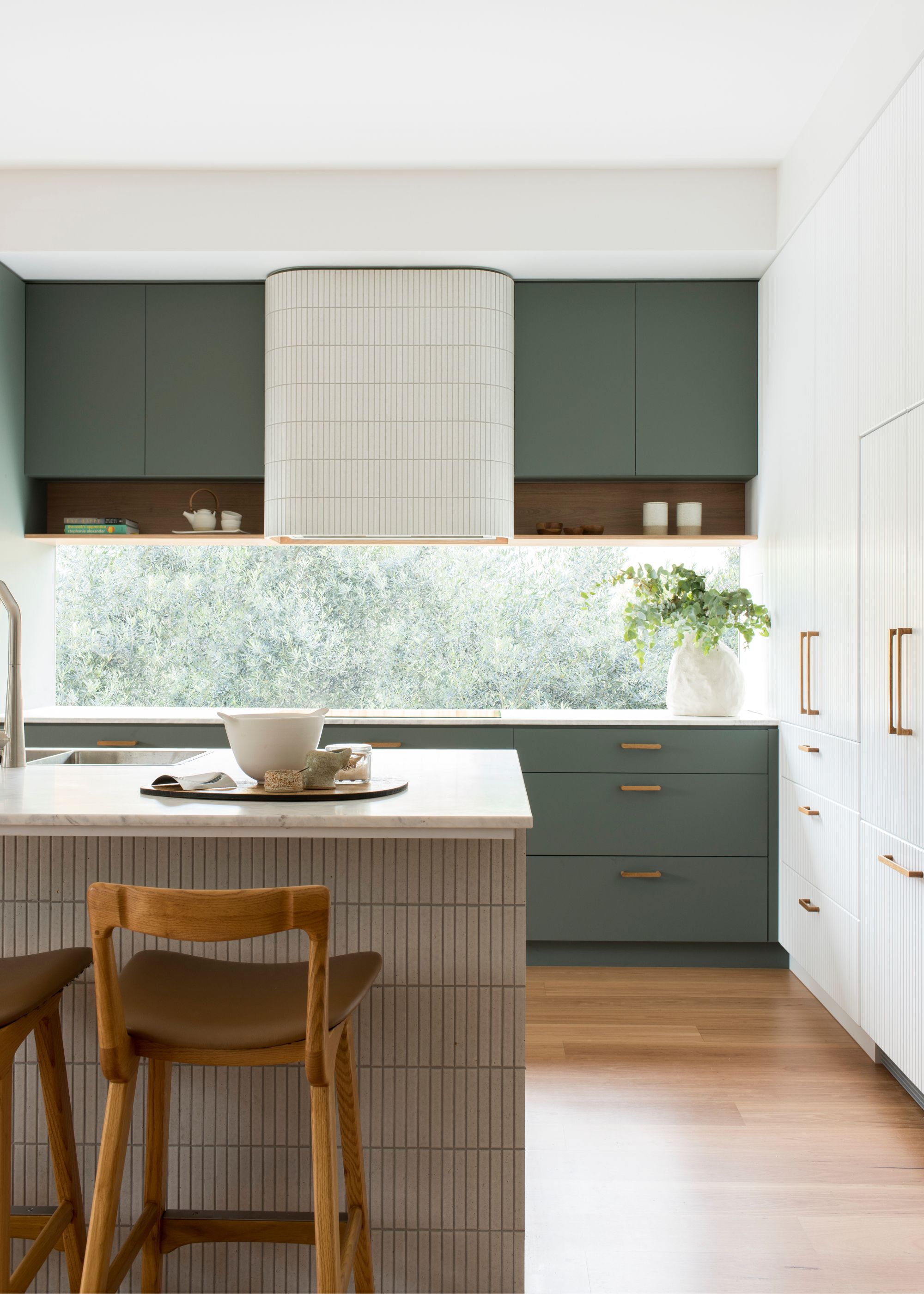
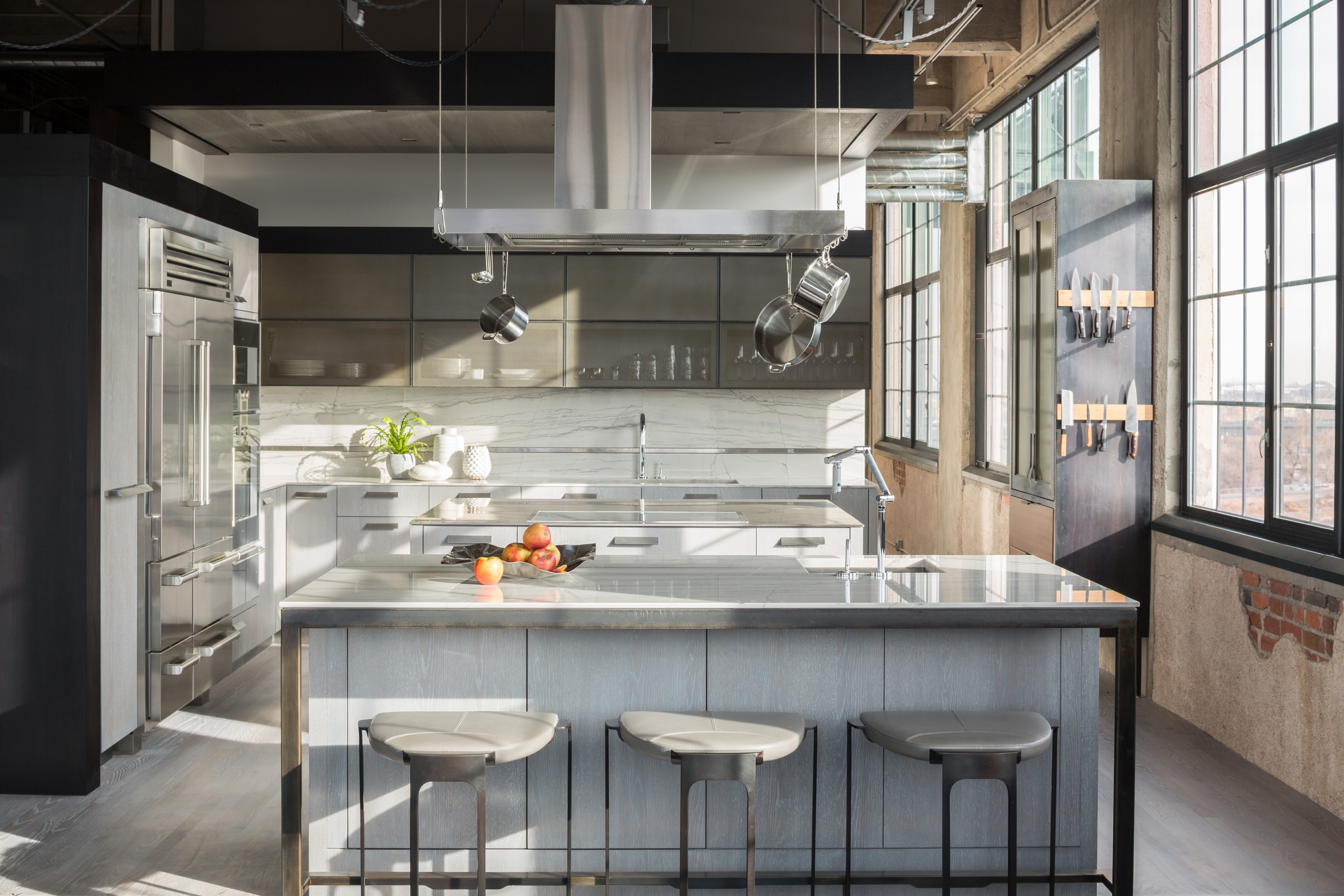
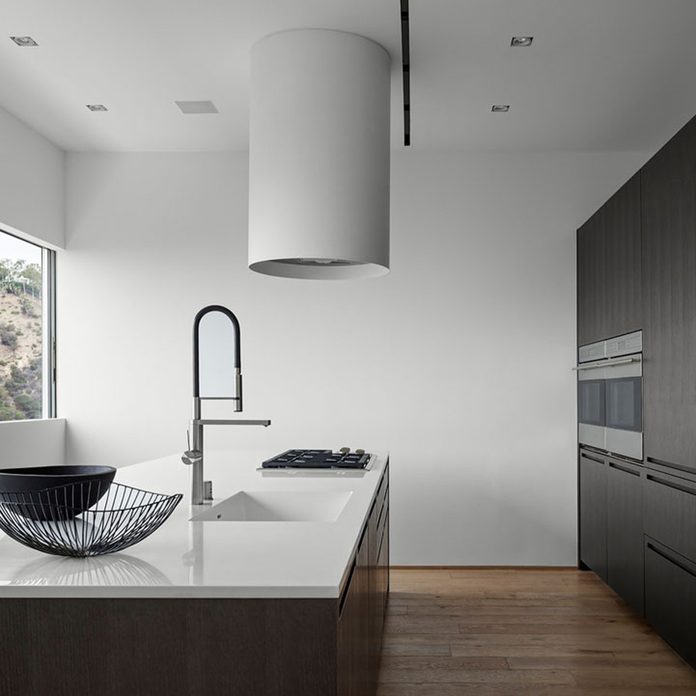
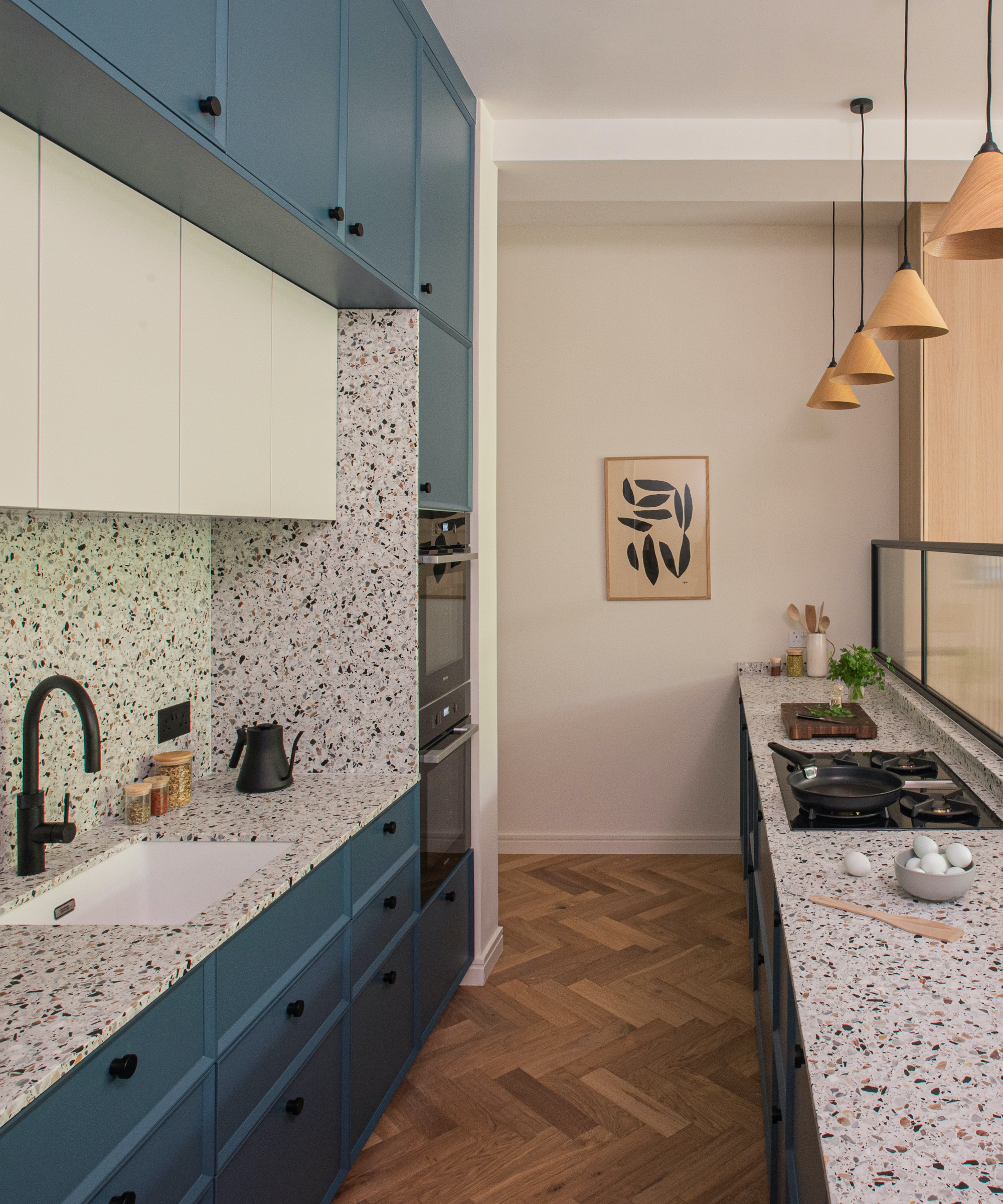
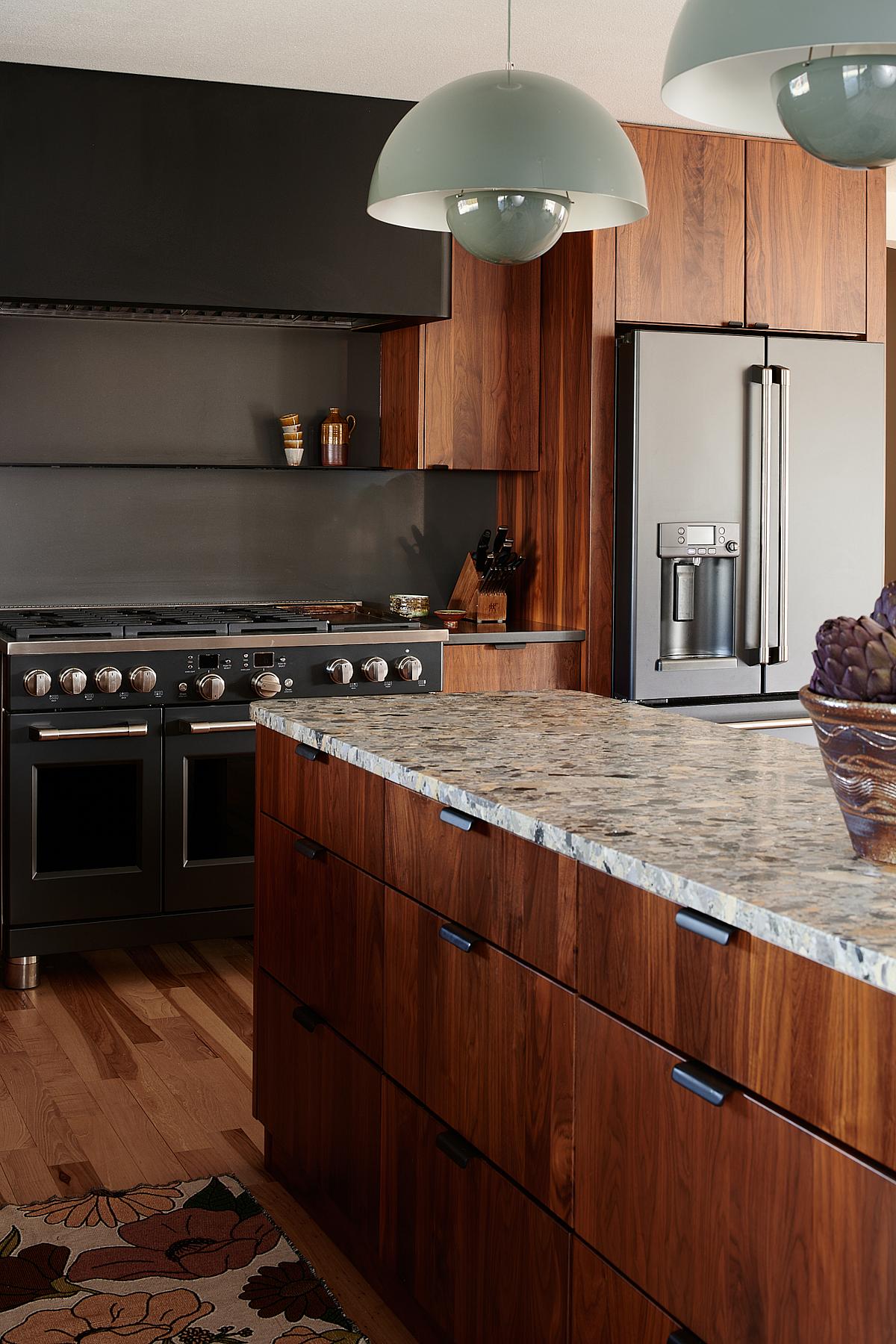
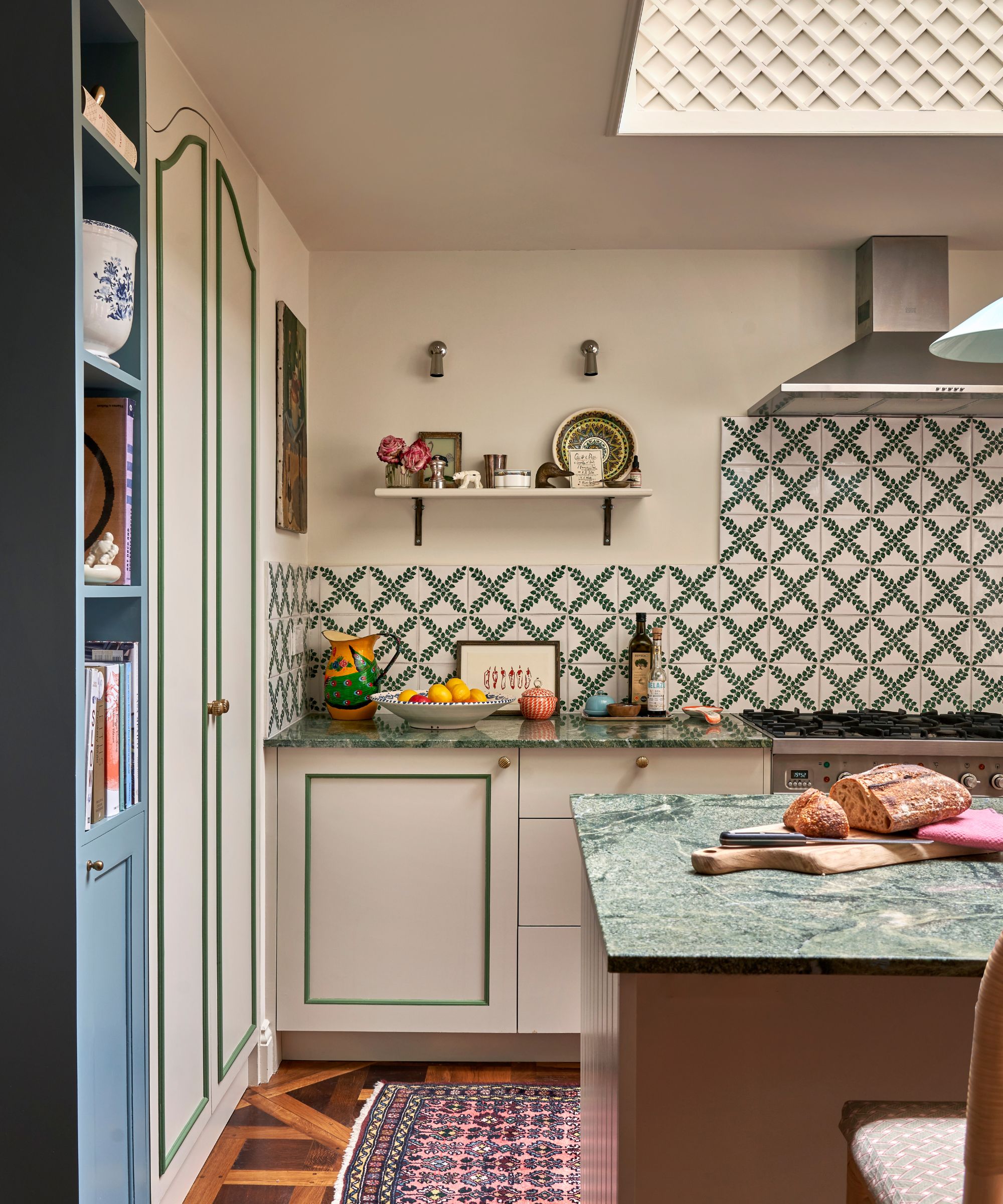
Quartz, an engineered stone, combines natural quartz particles with other minerals to create a durable, stain-resistant, and non-porous surface. It is easy to maintain, resistant to mold, mildew, and stains, and available in a wide array of colors and patterns. However, it can be susceptible to heat damage, scratches, and fading in direct sunlight. Granite, a popular natural stone, is known for its durability, heat resistance, and unique aesthetic, but it requires regular sealing due to its porous nature and comes at a higher price point.
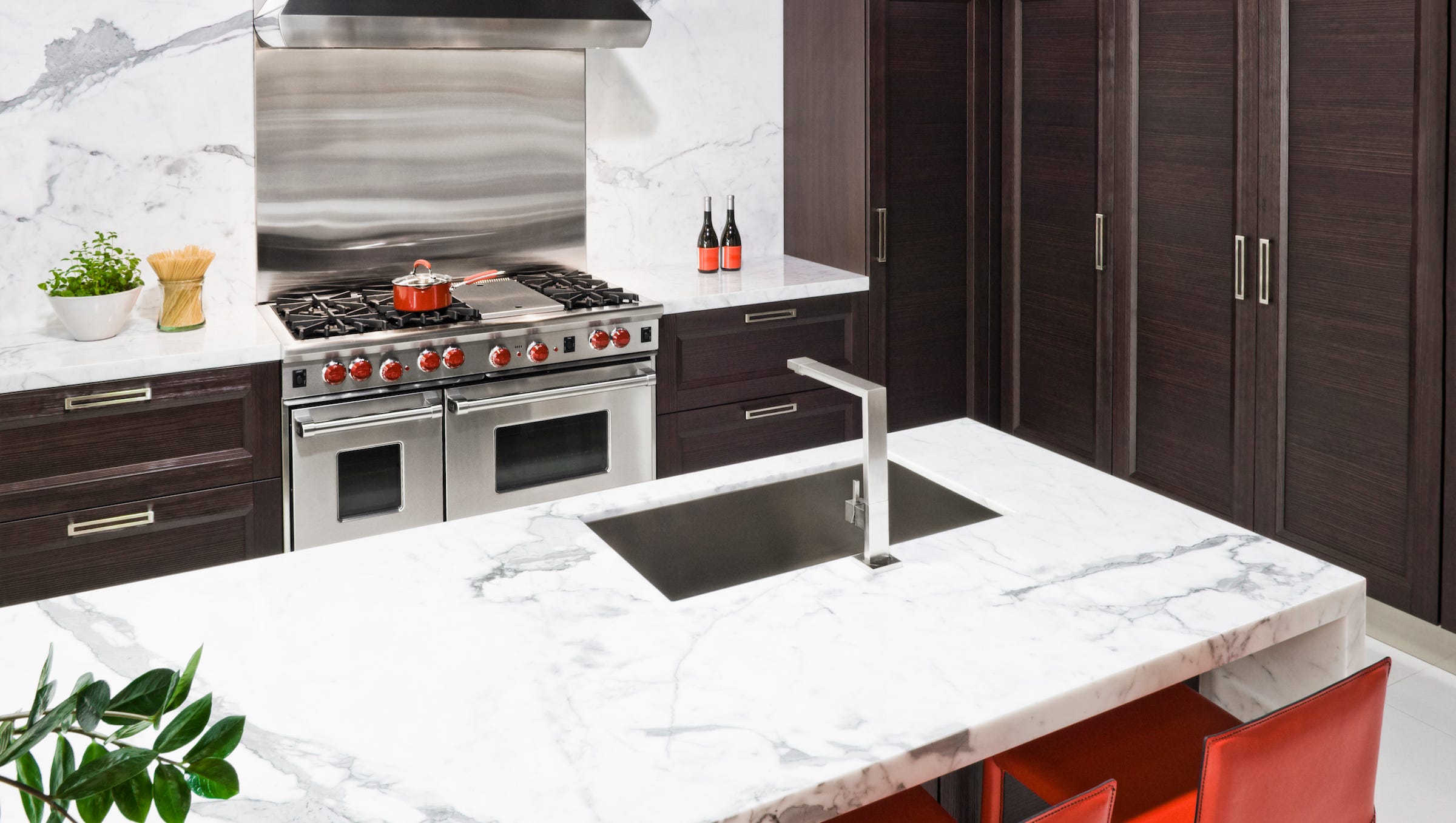
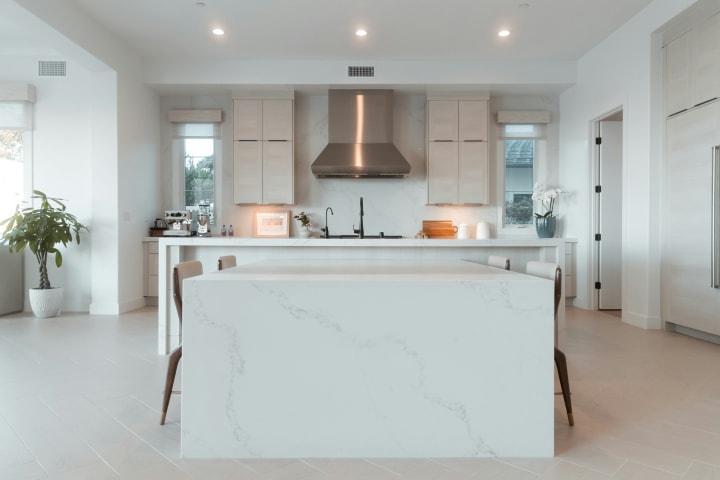
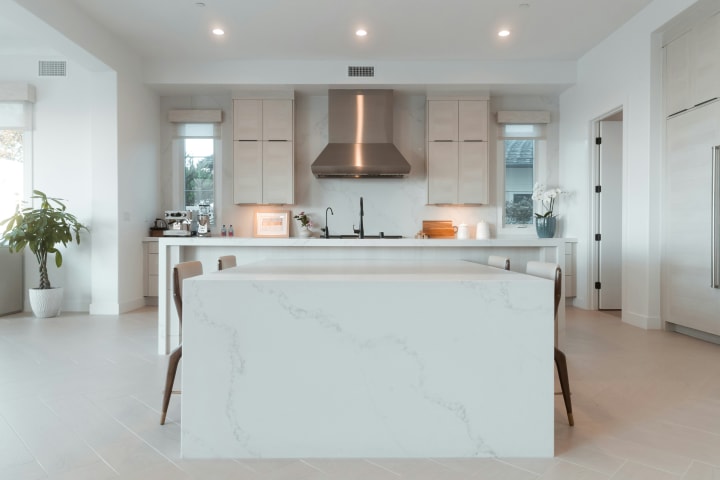
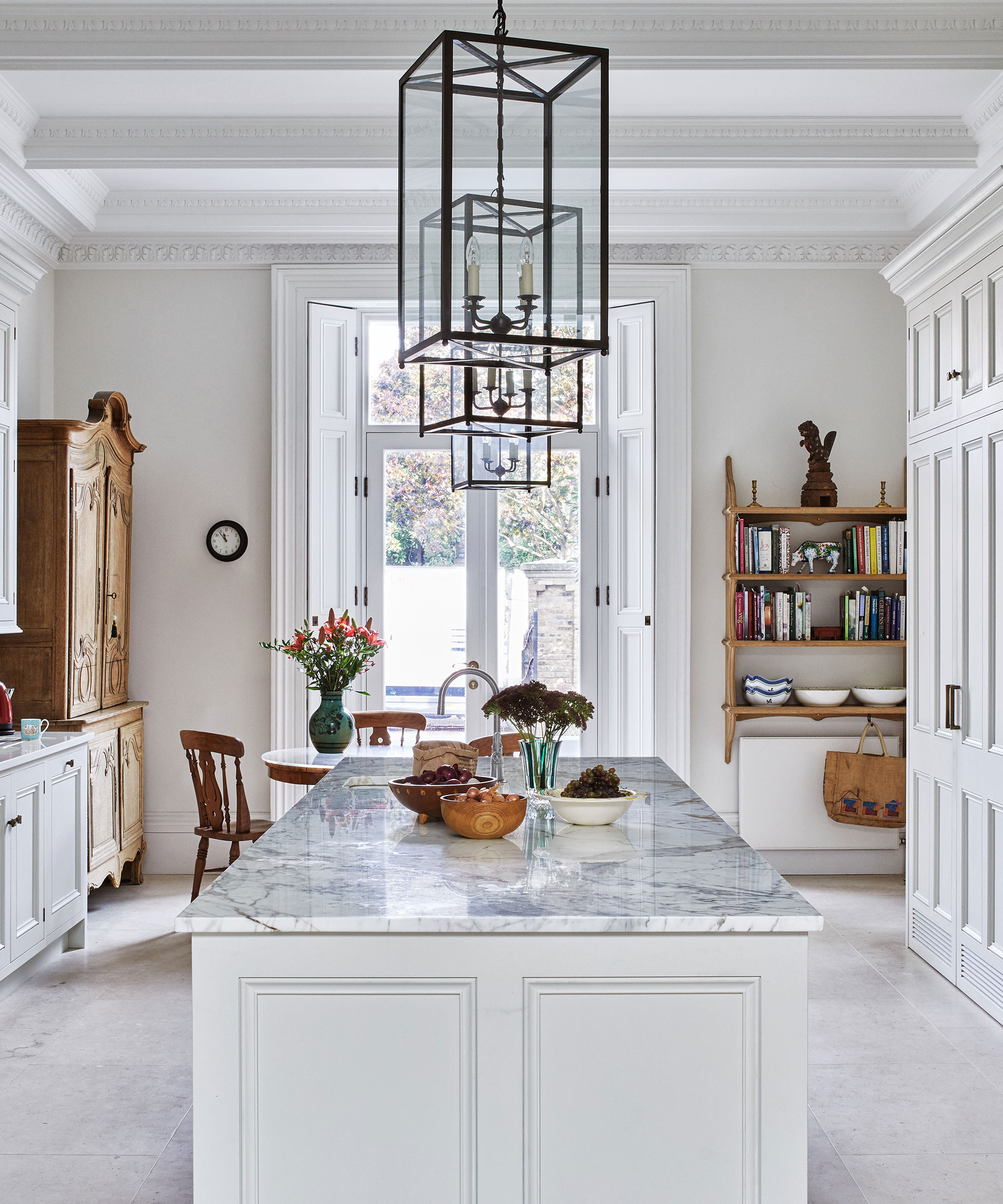
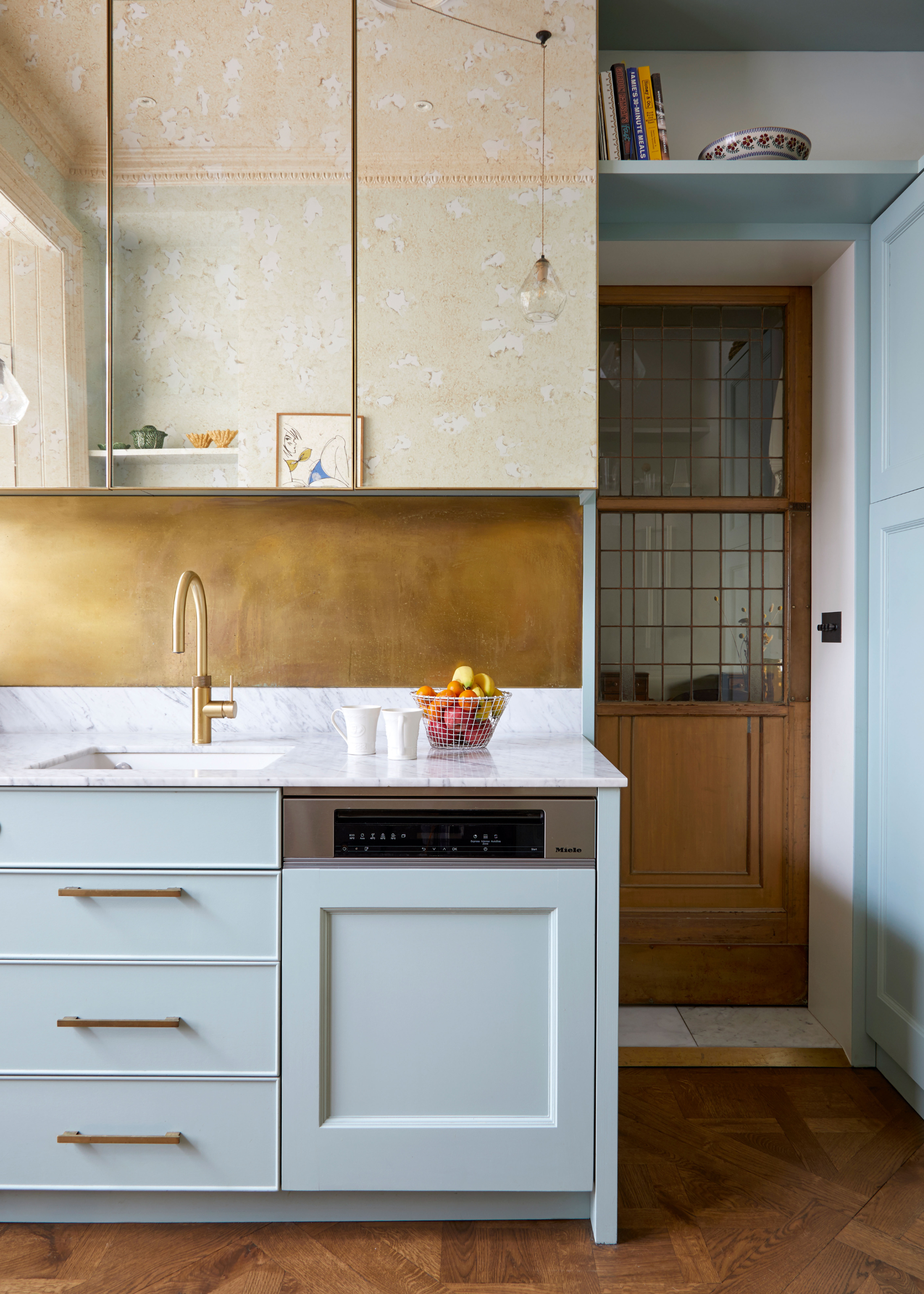
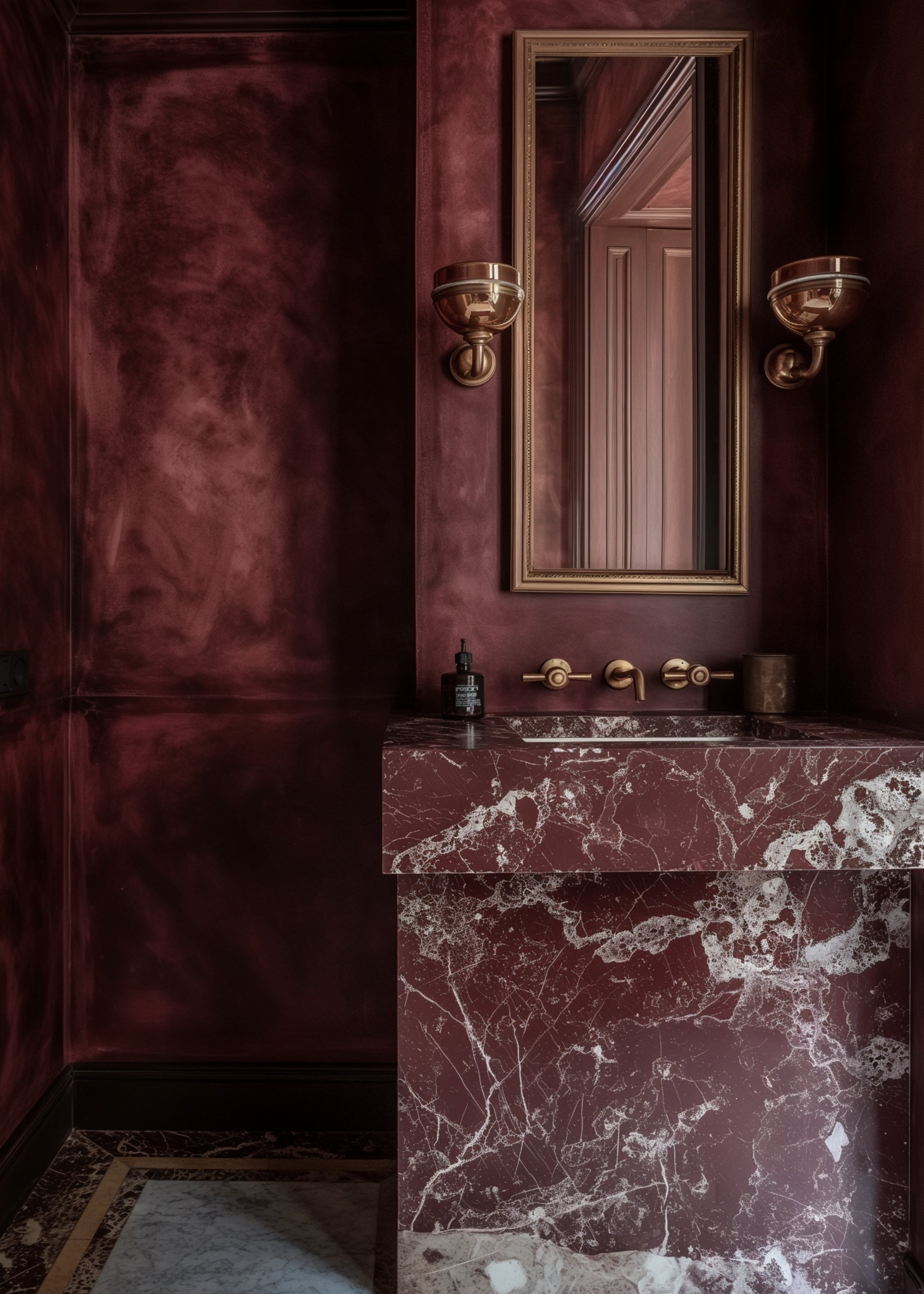
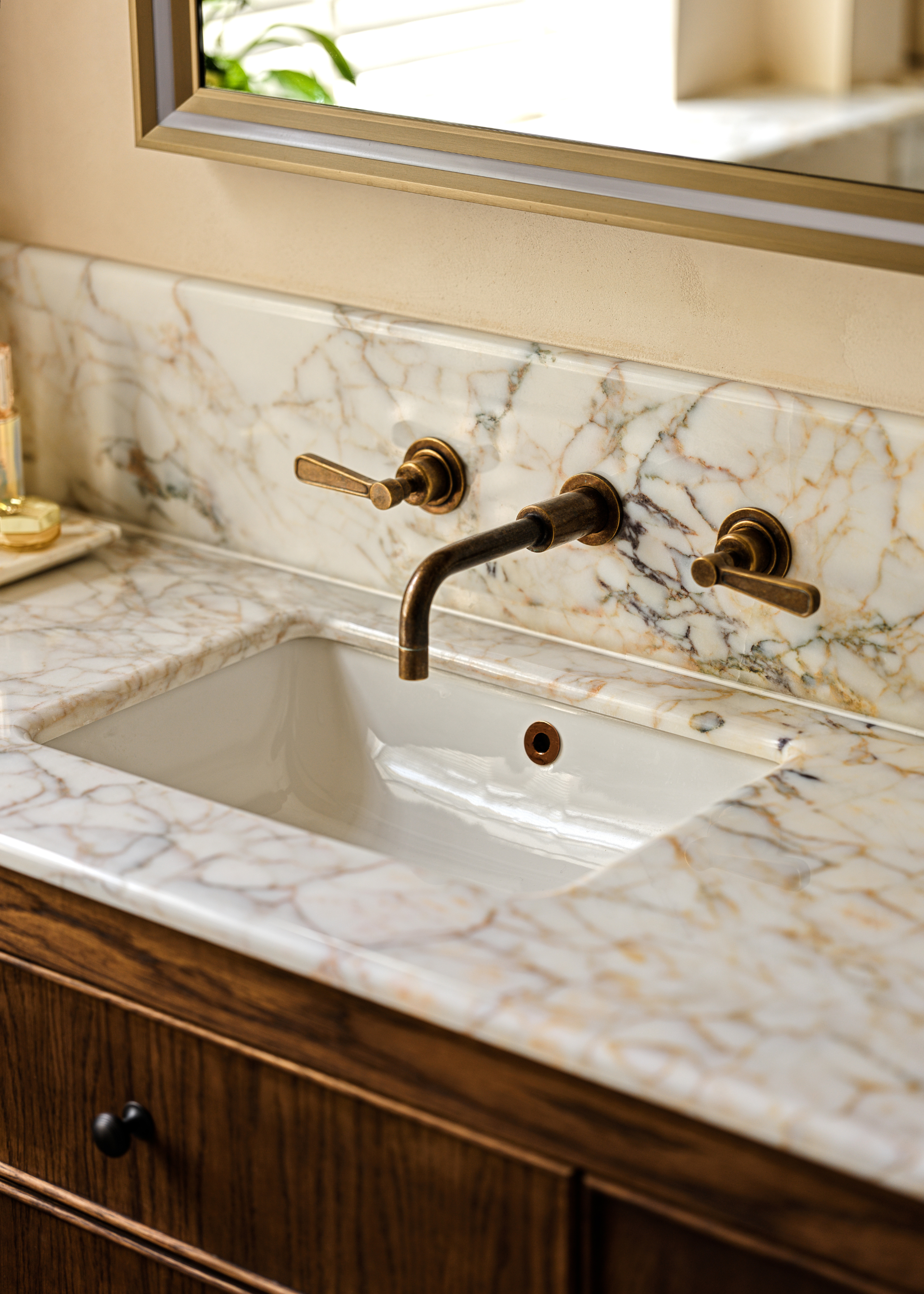
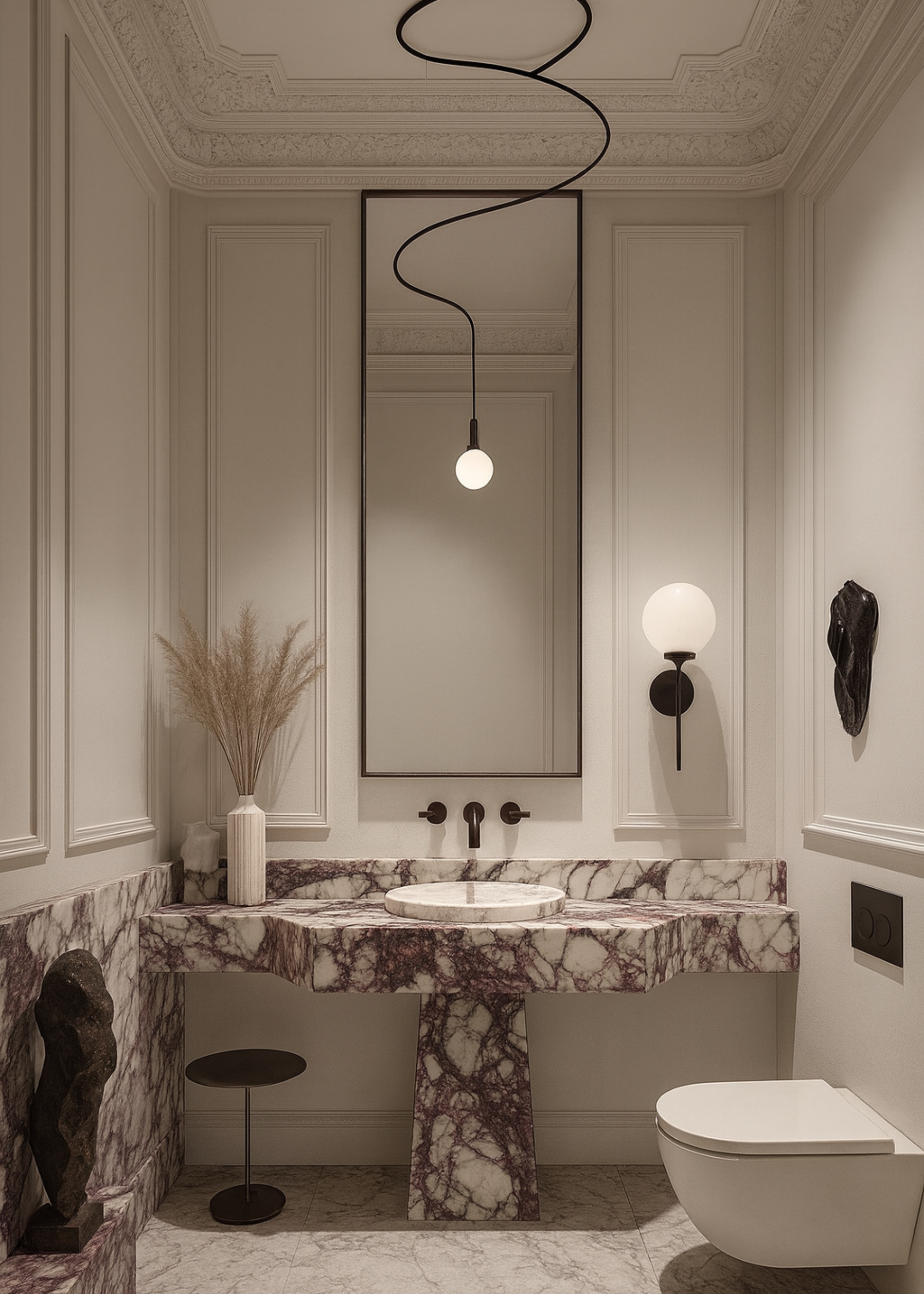
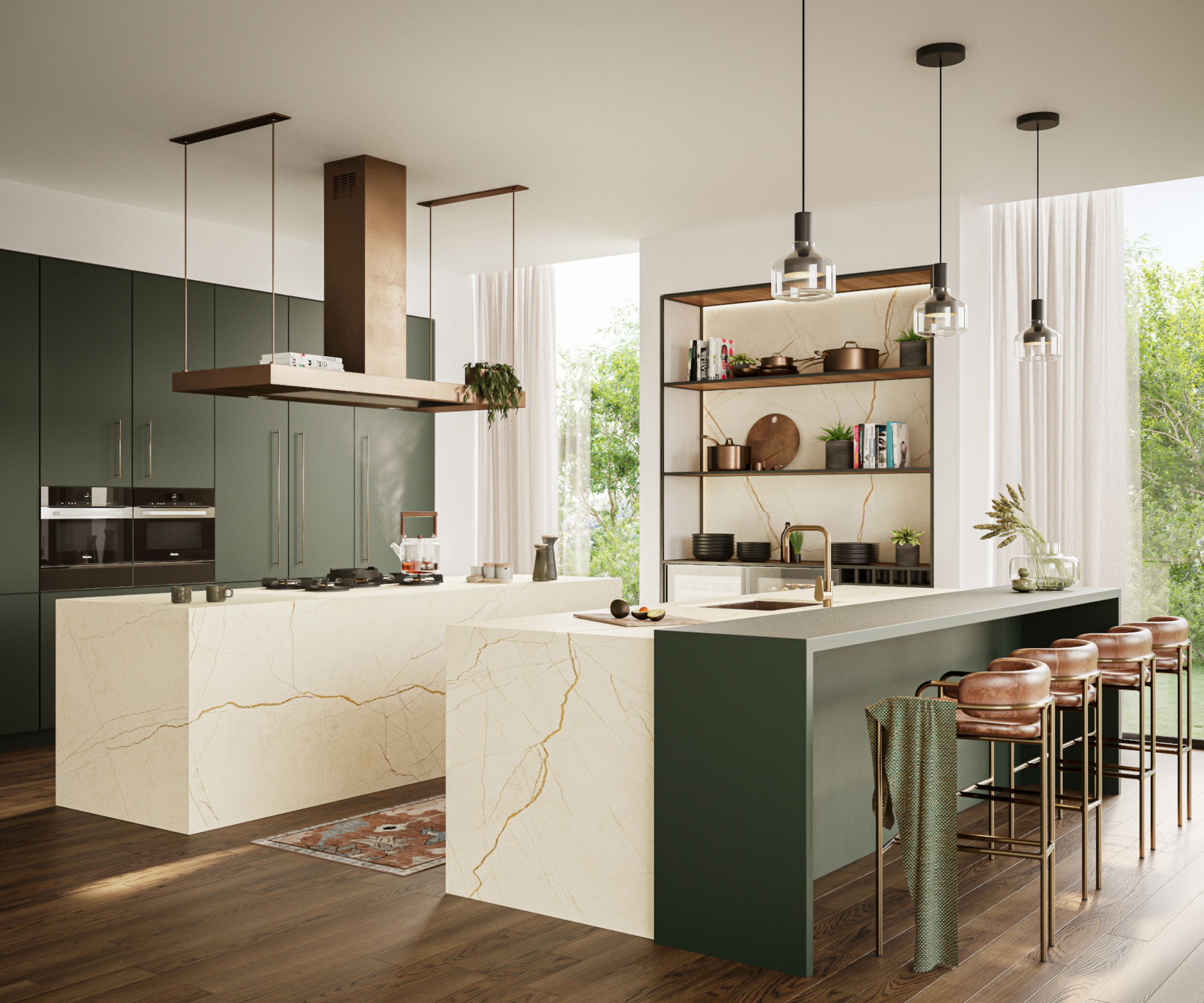
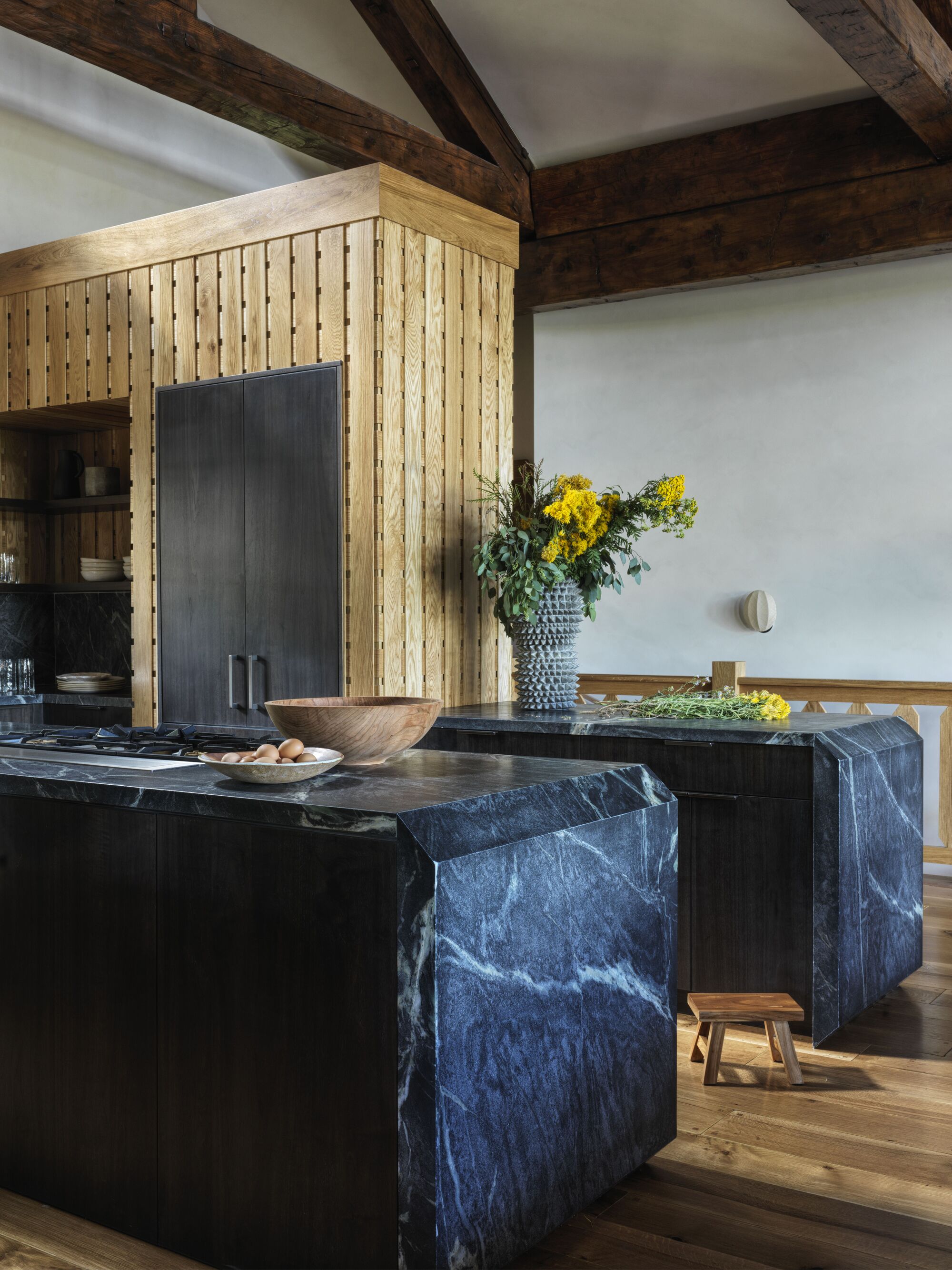
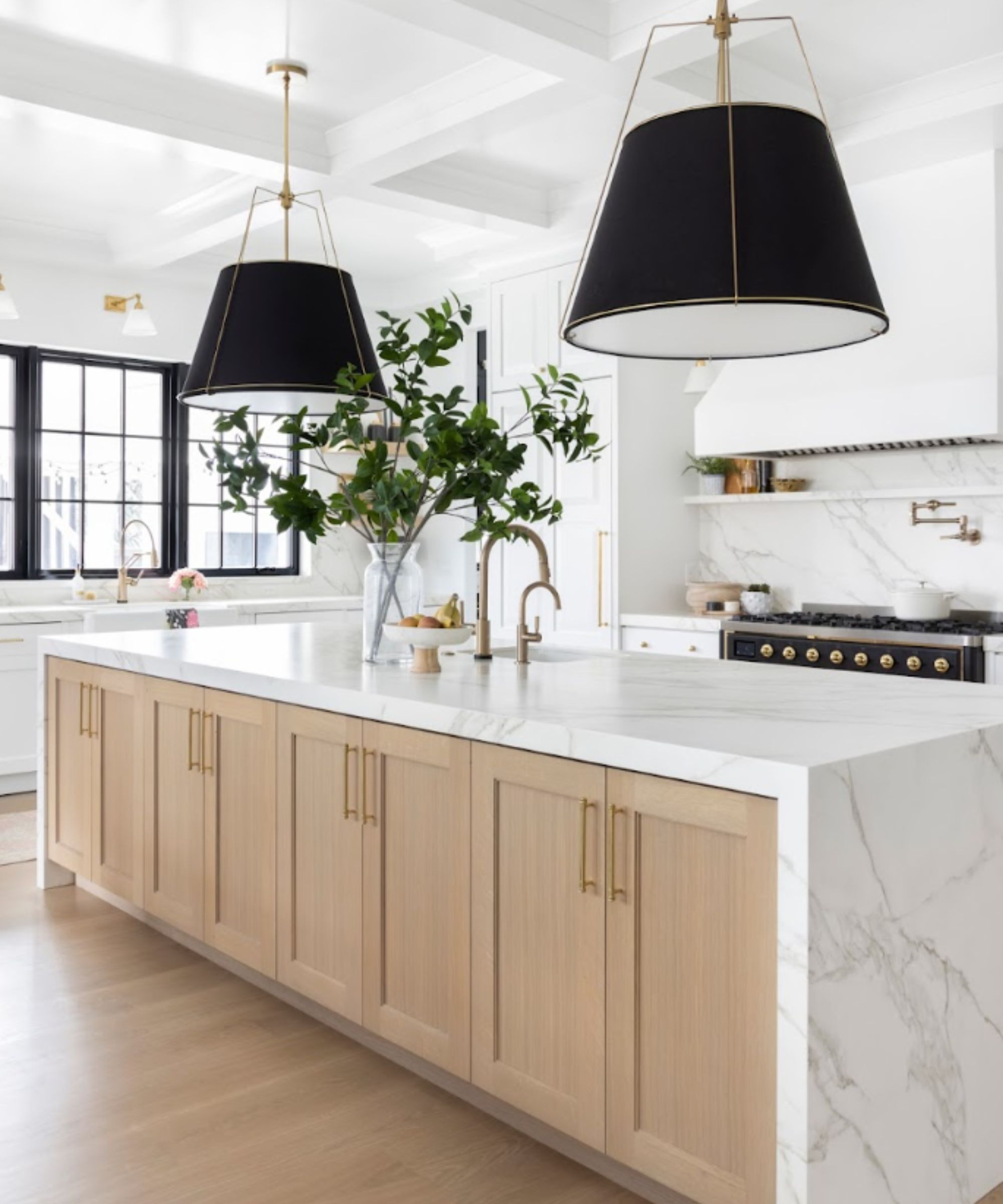
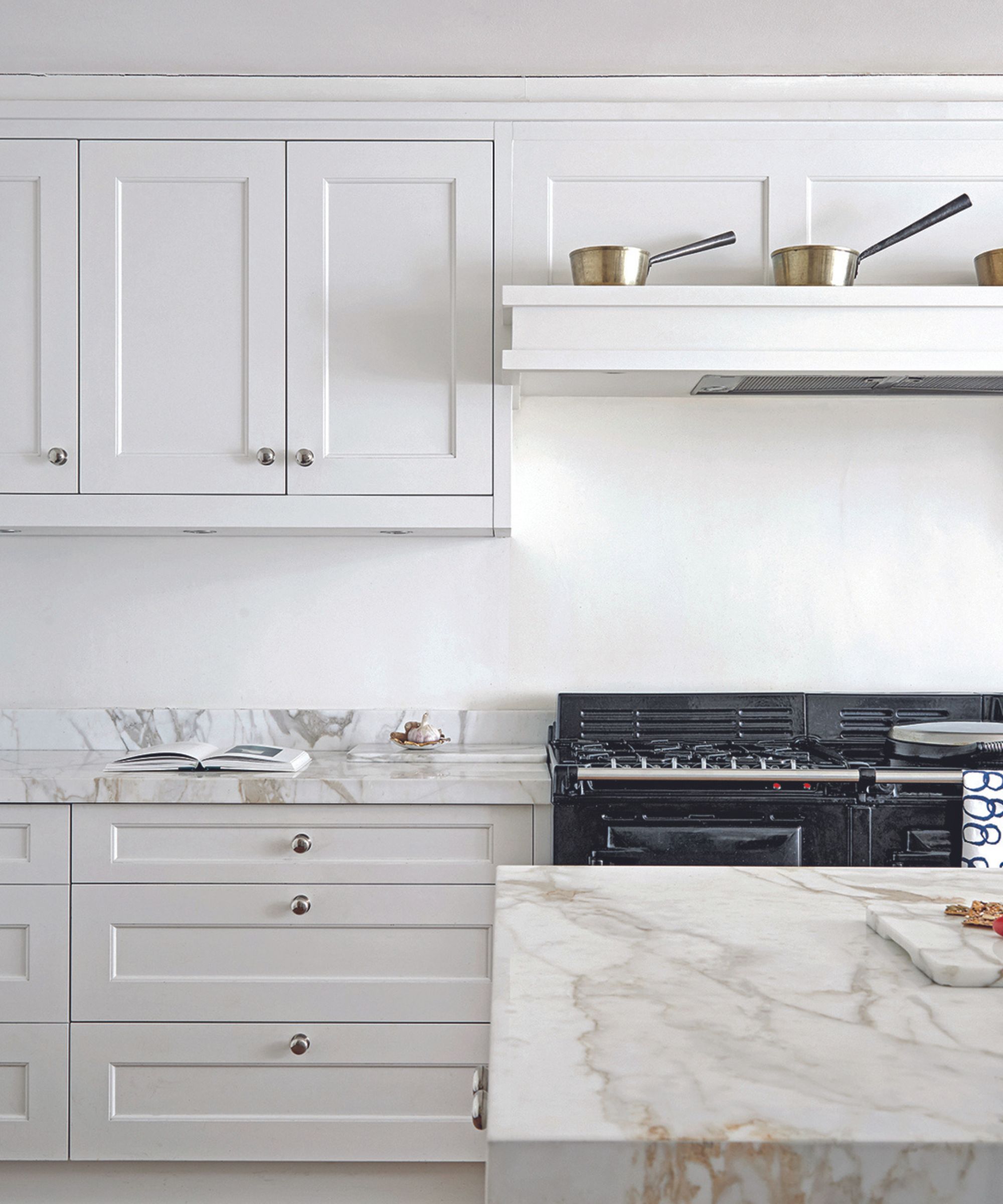
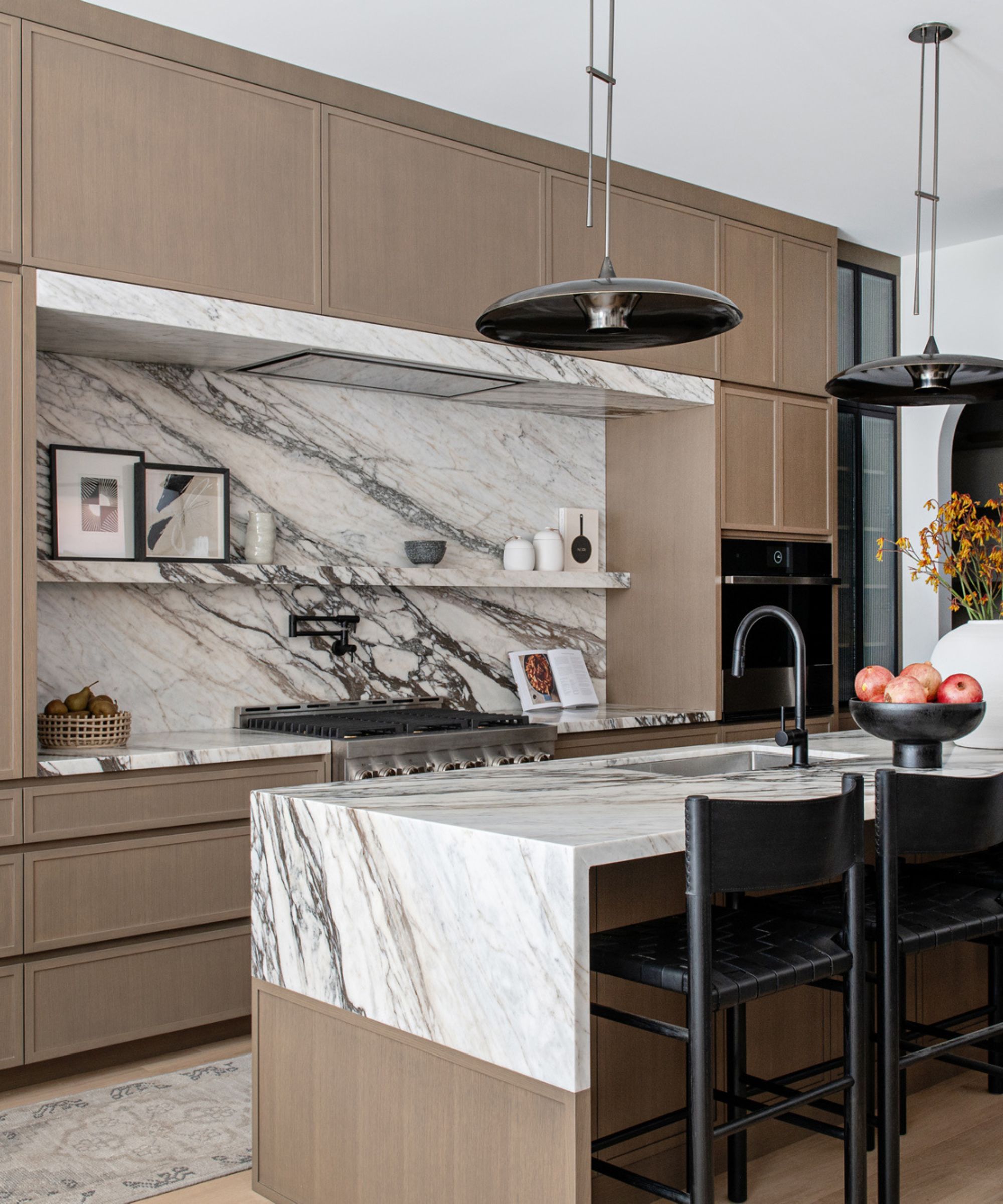
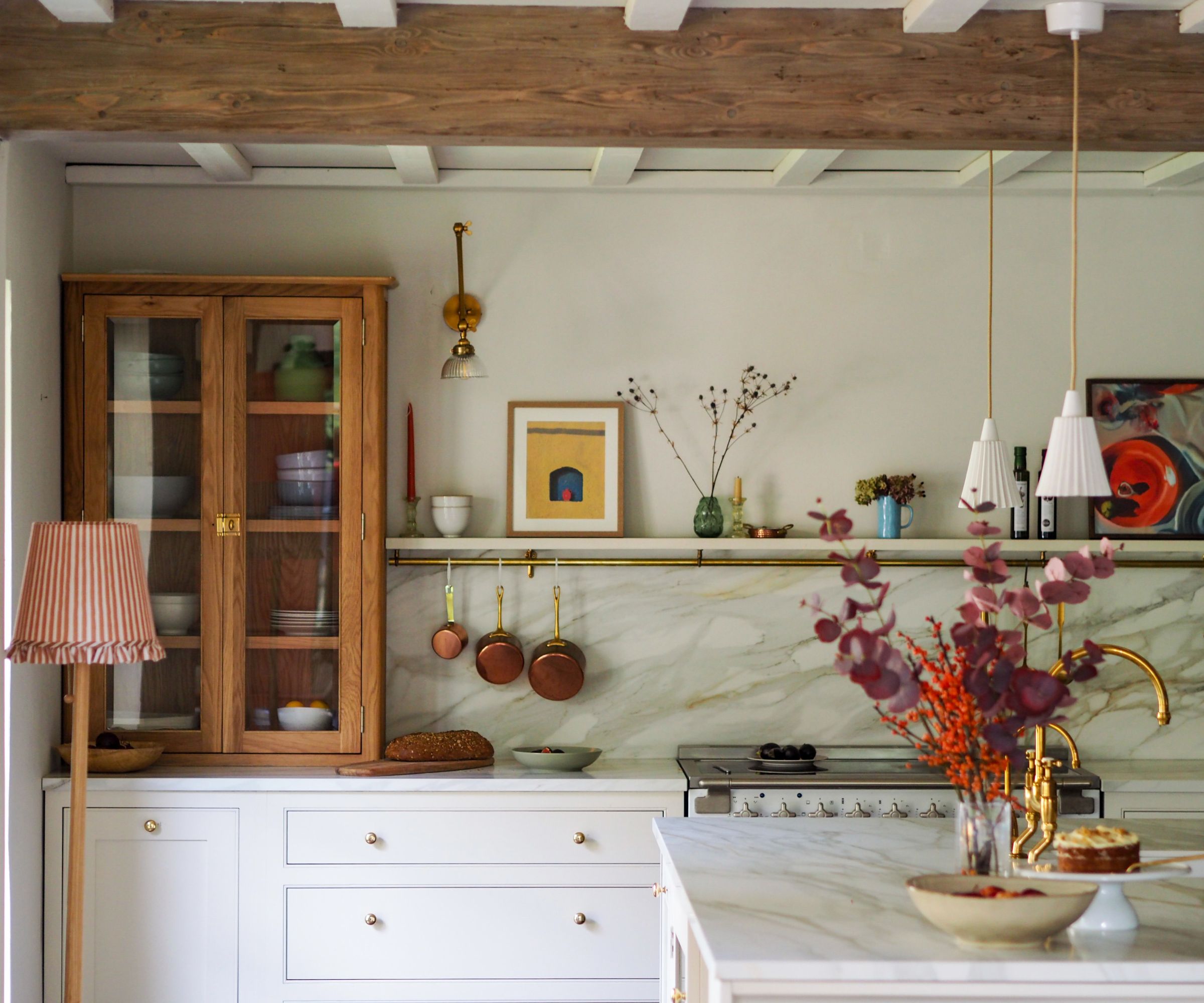
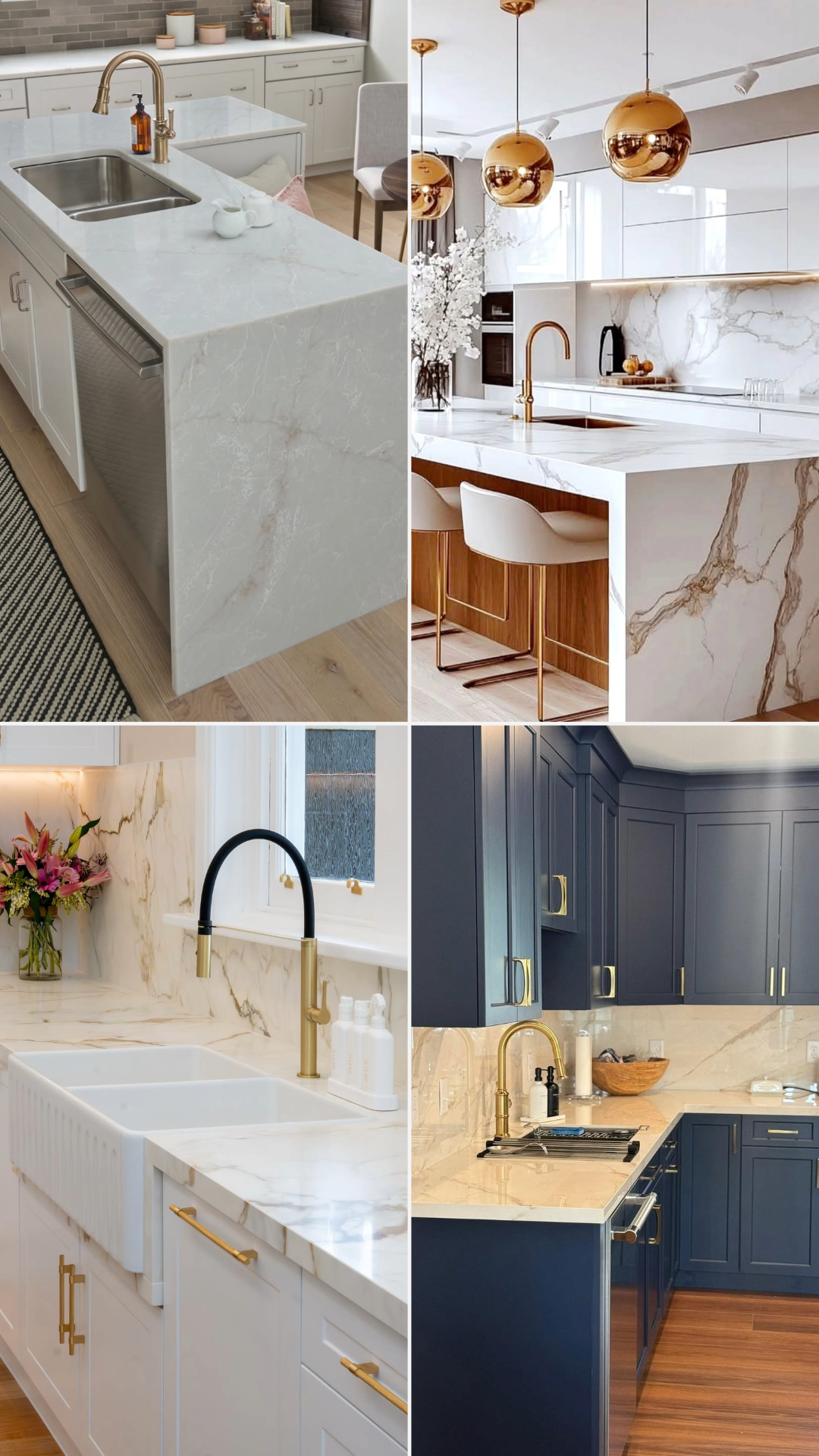
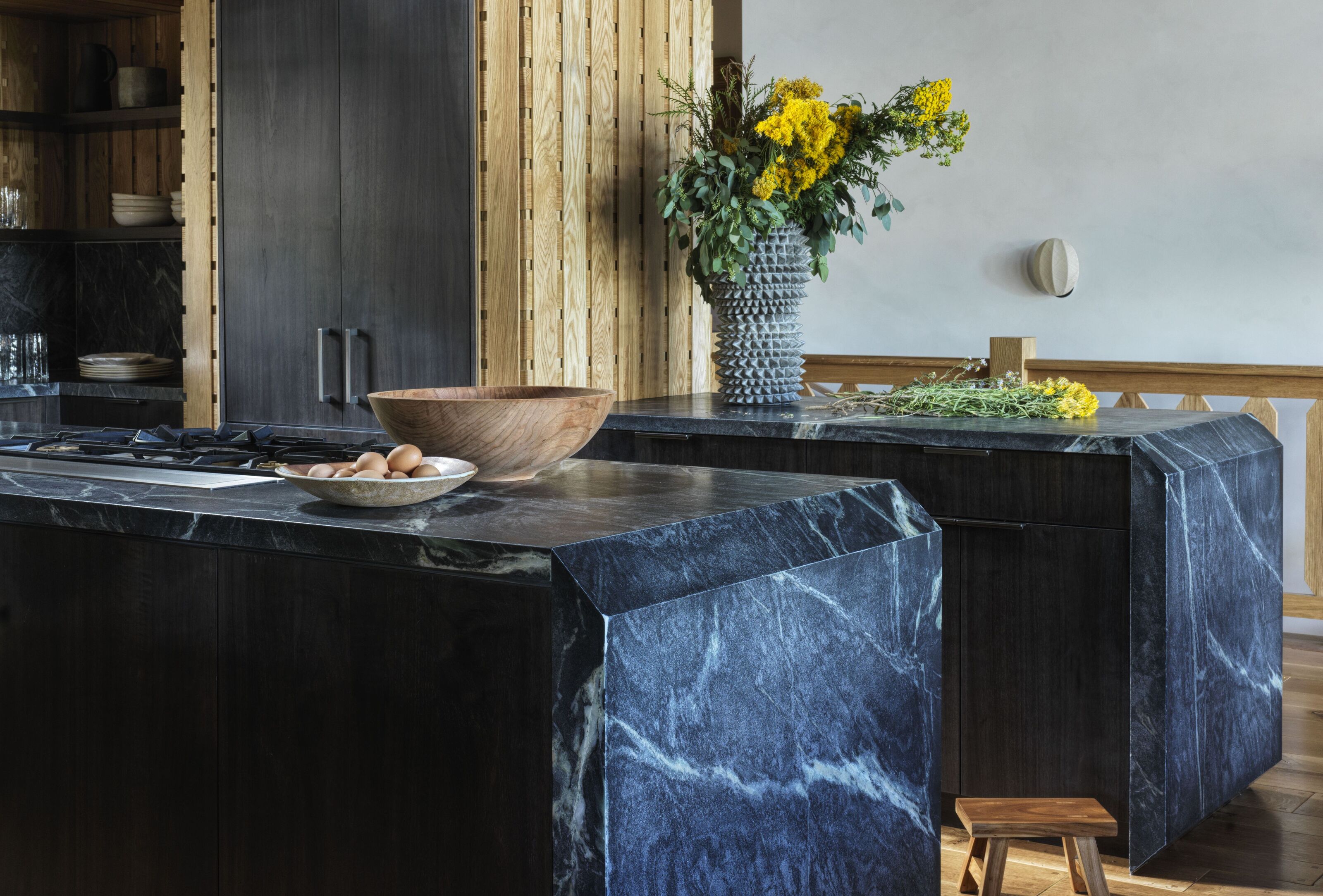
Soapstone is a non-porous natural stone that resists heat and bacteria, offering a soft, unique texture and developing a distinctive patina over time. It requires monthly mineral oil treatments during its first year to maintain its appearance and is vulnerable to scratches and dents. Marble, a high-end natural stone, offers aesthetic appeal with unique veining and is resistant to heat, cracking, and breaking. It is, however, susceptible to scratches and staining, necessitating annual sealing and regular maintenance.
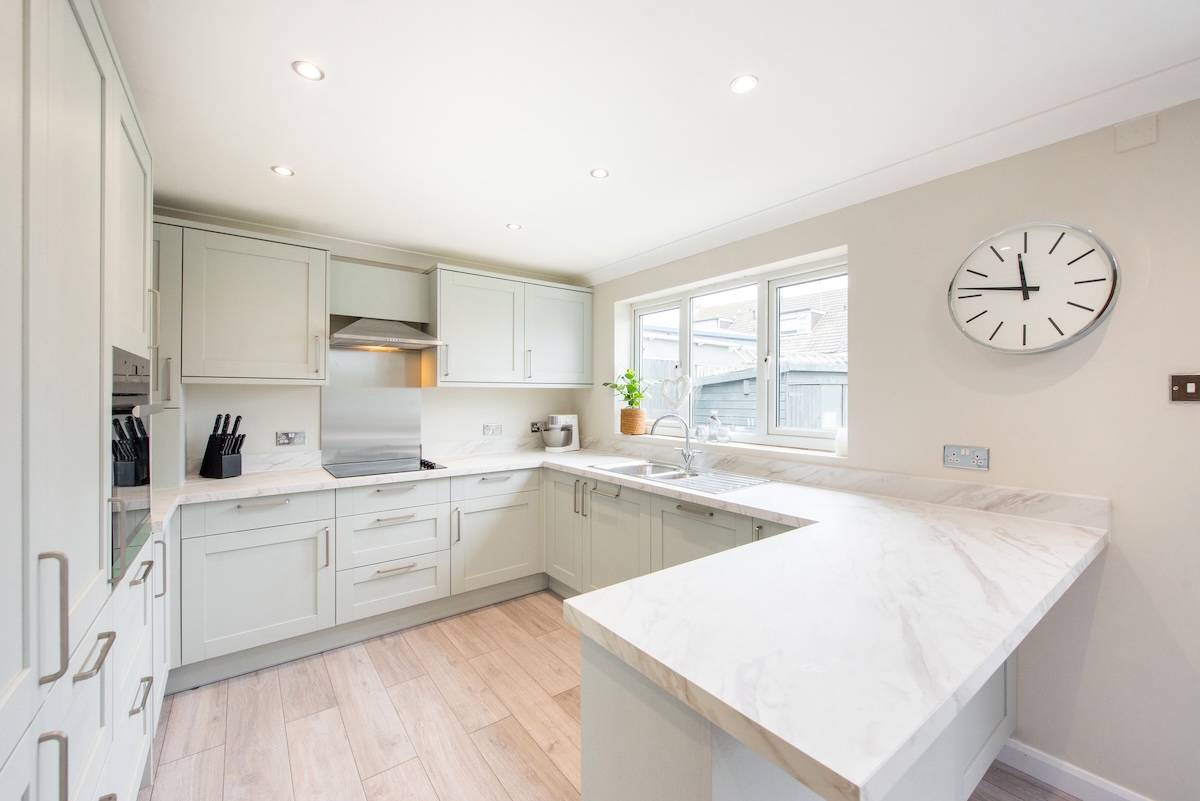
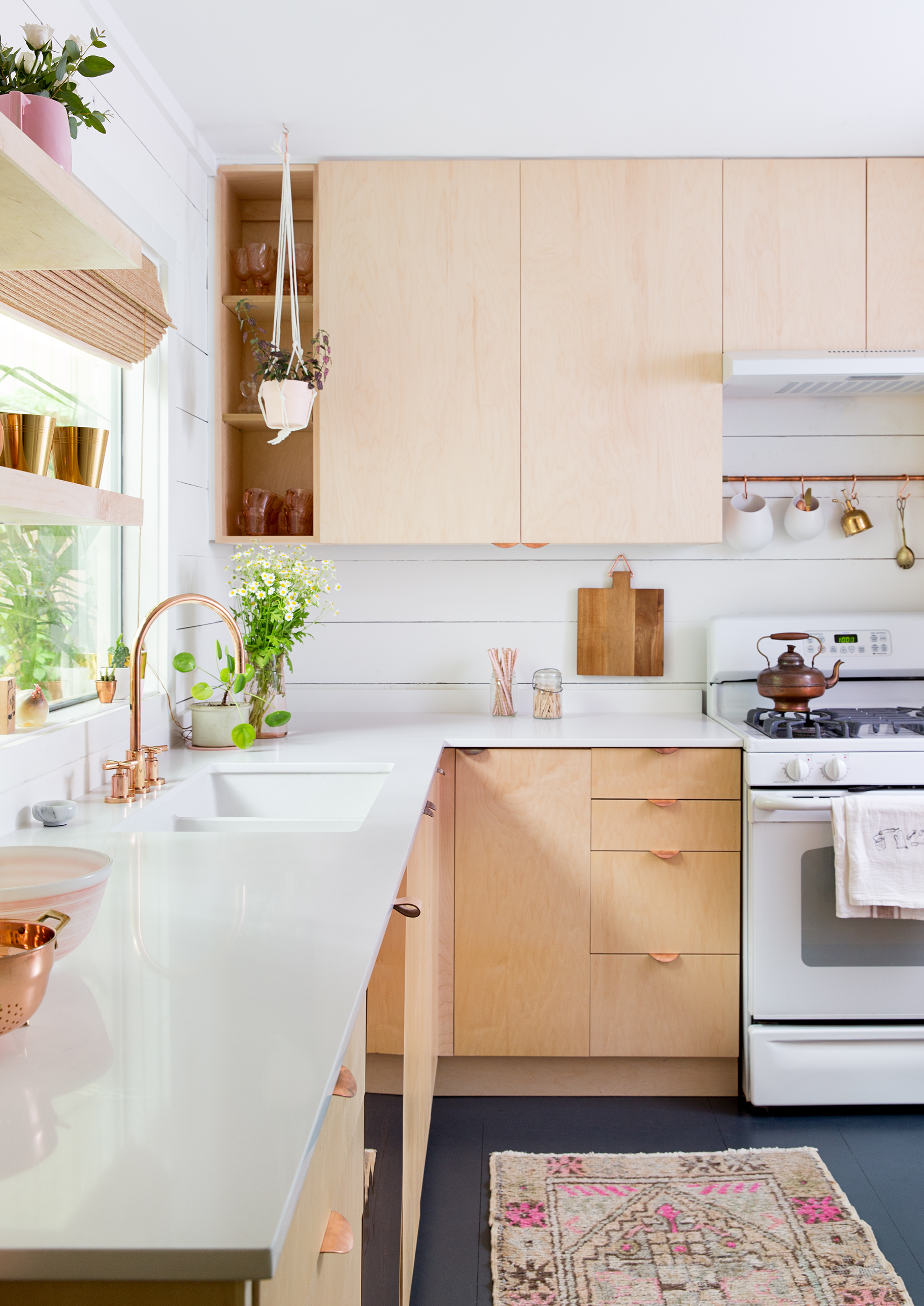
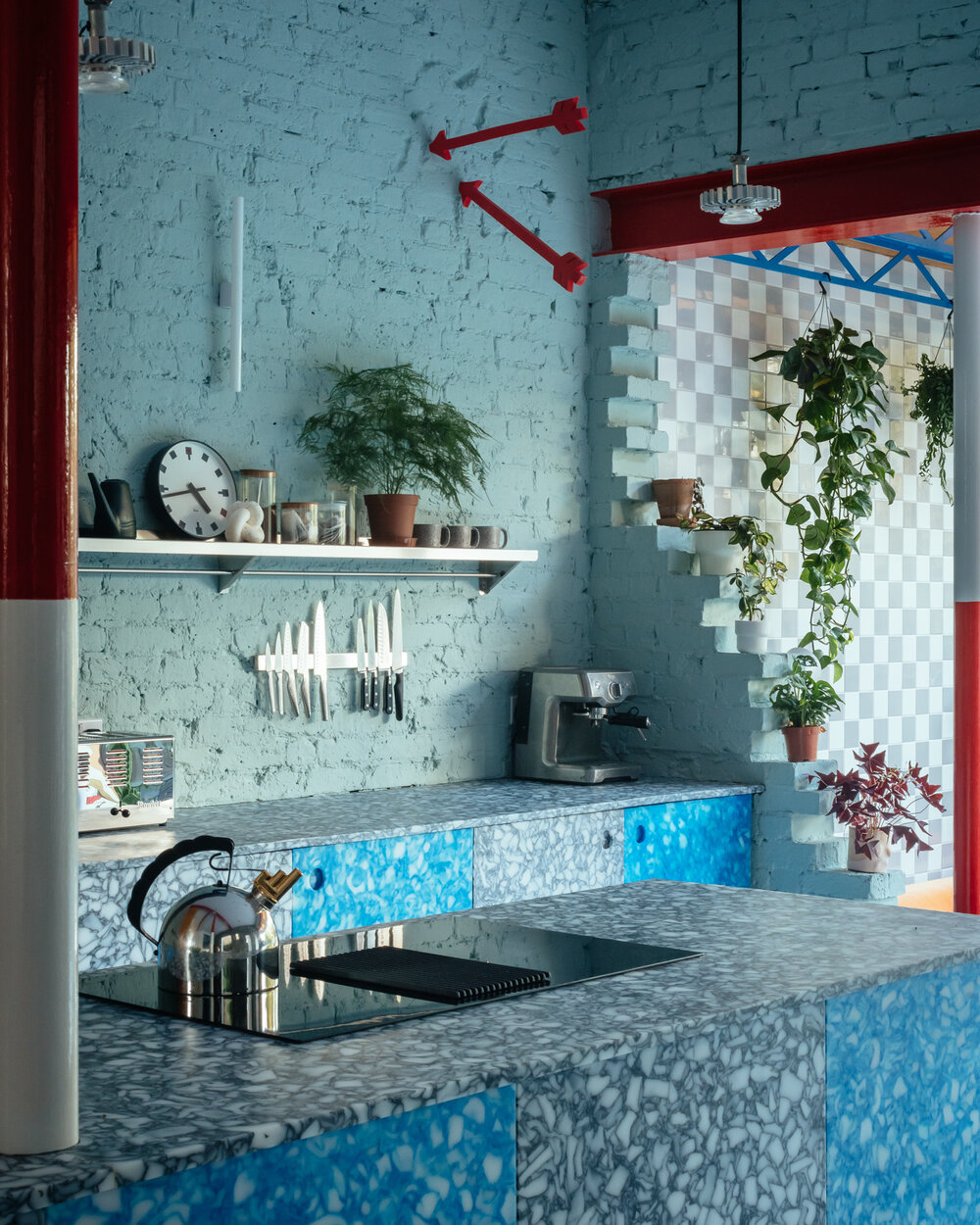
Solid-surface material, composed of acrylic particles and resins, mimics natural stone at a more affordable price. It is stain-resistant with nearly invisible seams and available in numerous styles, but it is not heat-resistant and prone to abrasive damage. Ceramic tile is an inexpensive, durable, and heat-resistant option that can be DIY-installed. Its drawbacks include brittle tiles, grout lines prone to staining, and potential functionality issues due to tile size. Laminate, an inexpensive and easy-to-install option, offers a non-porous, stain-resistant surface, but it is vulnerable to heat, peeling, and a shorter lifespan.
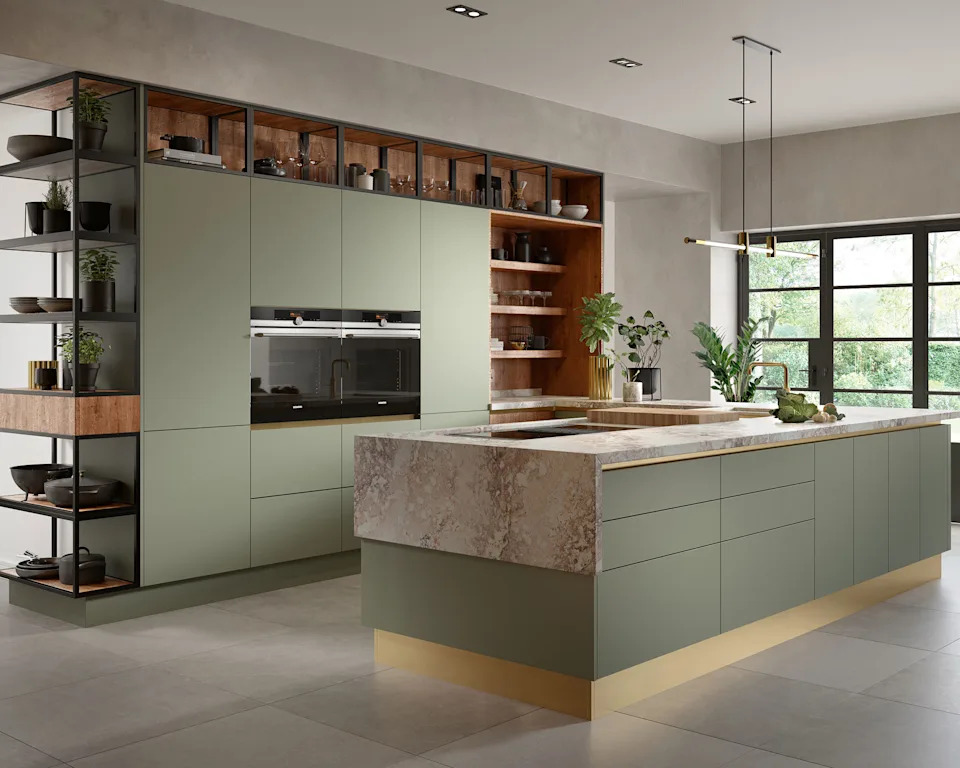
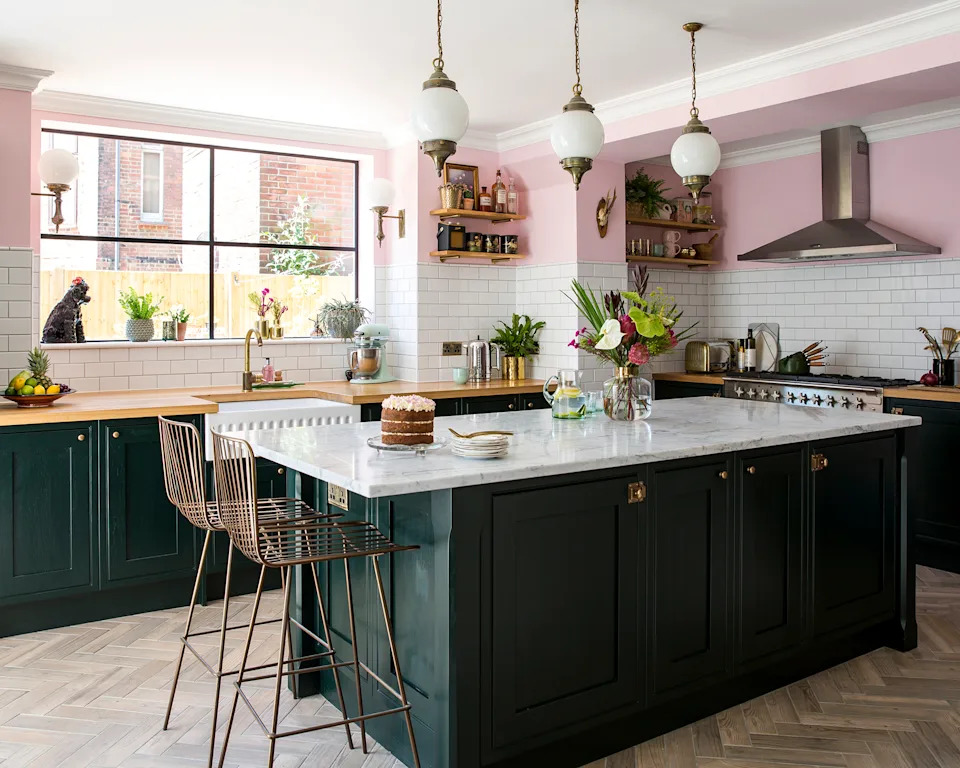
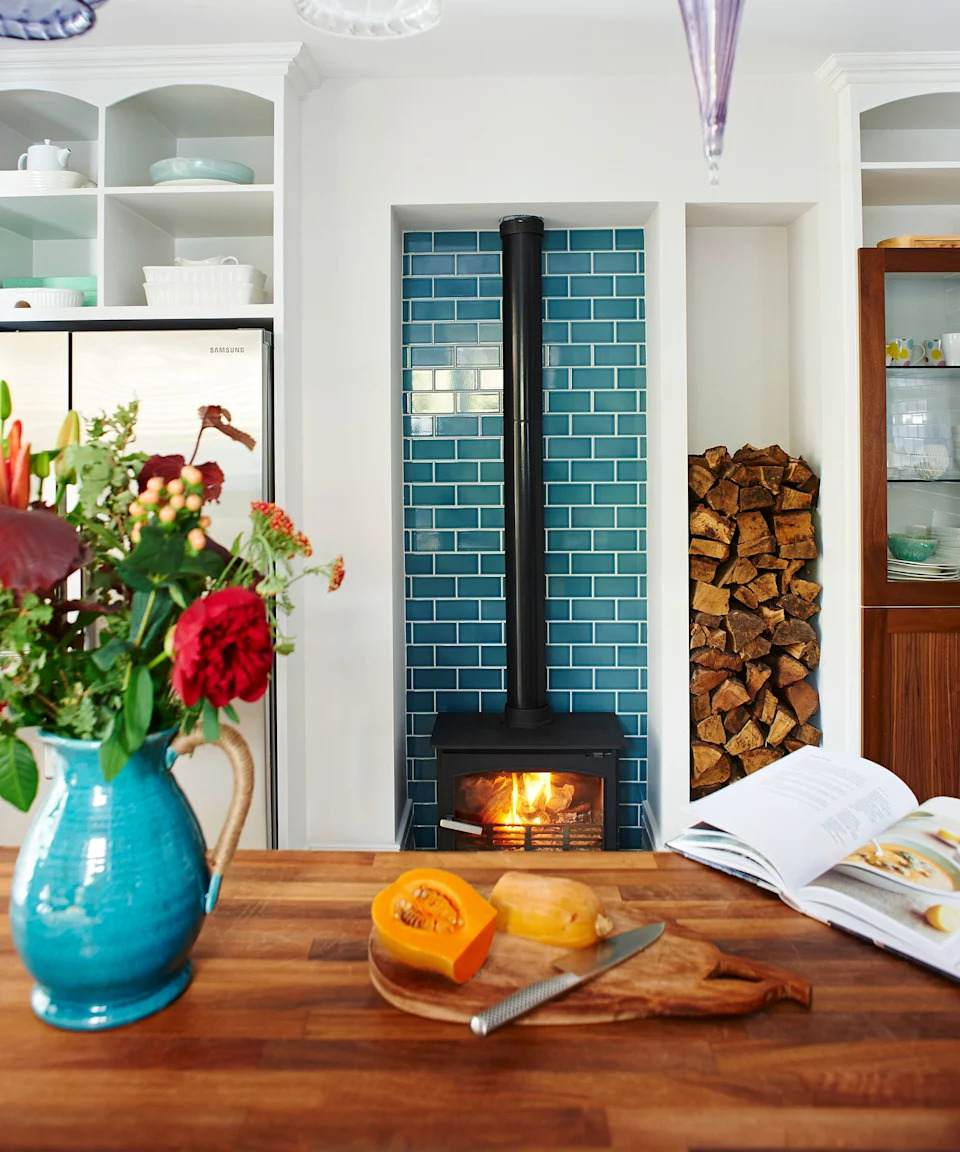
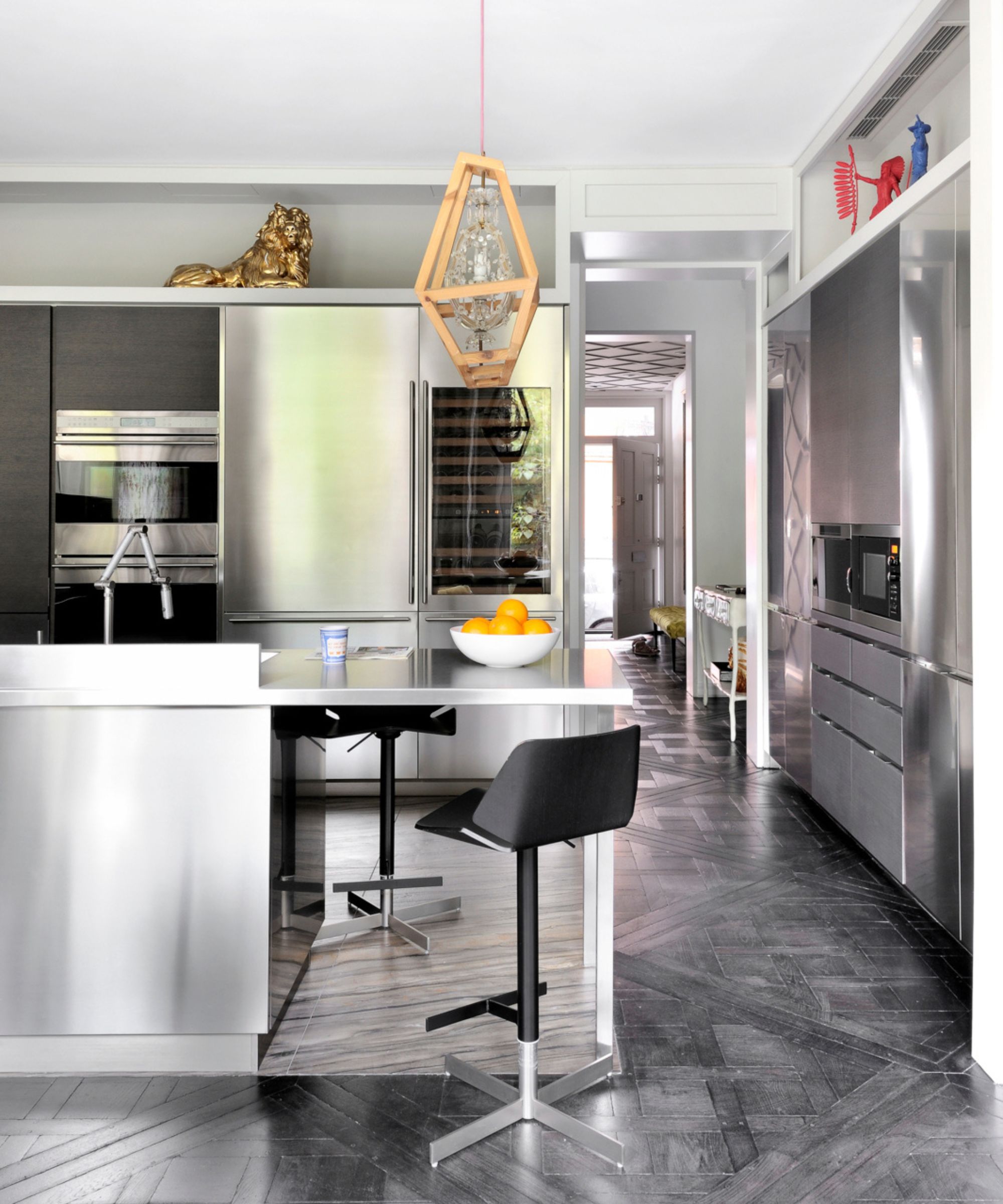
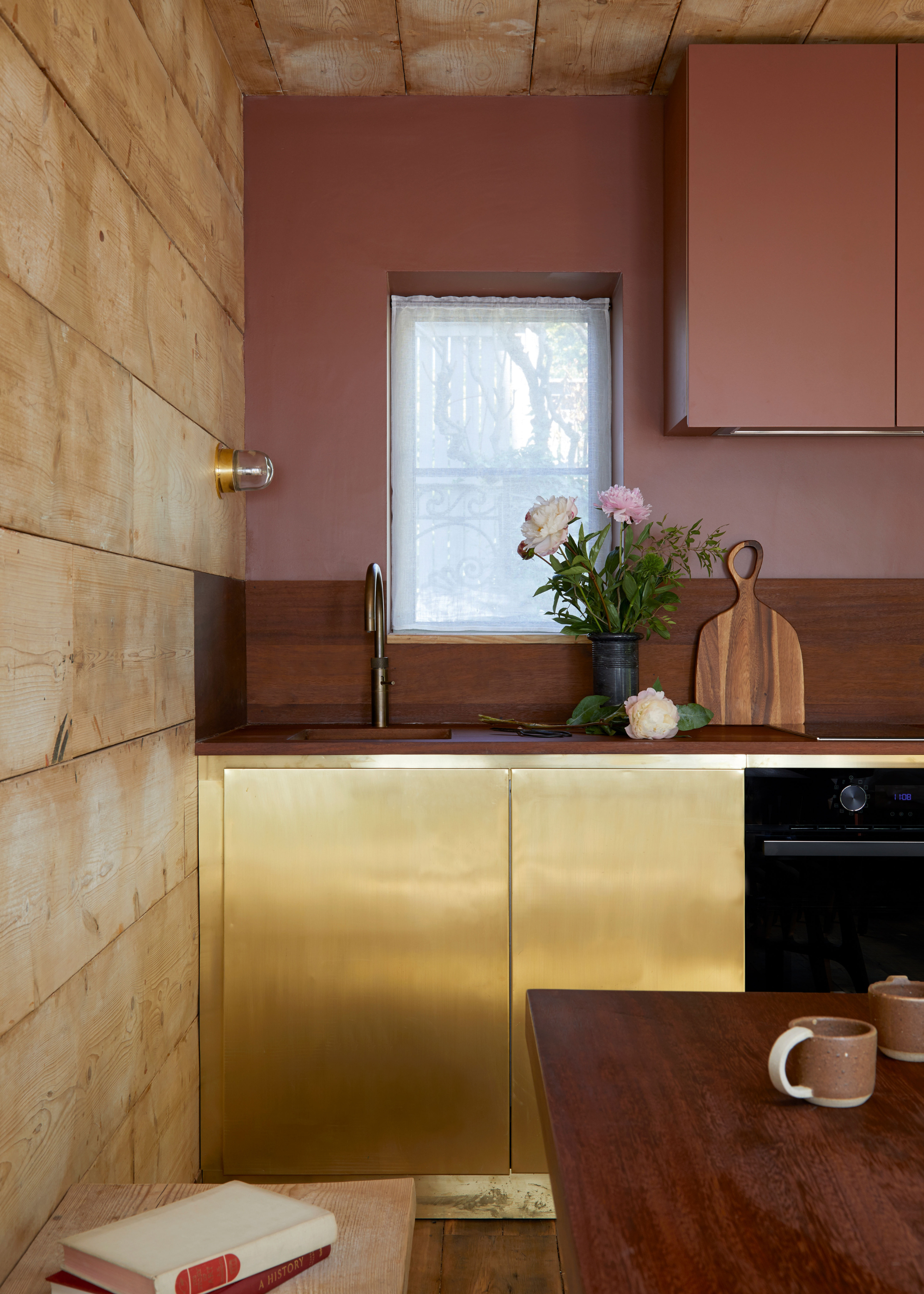
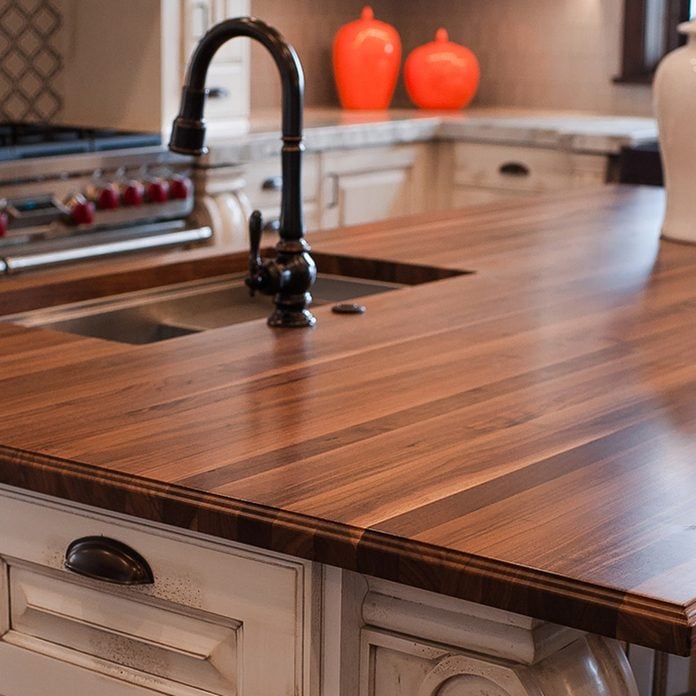
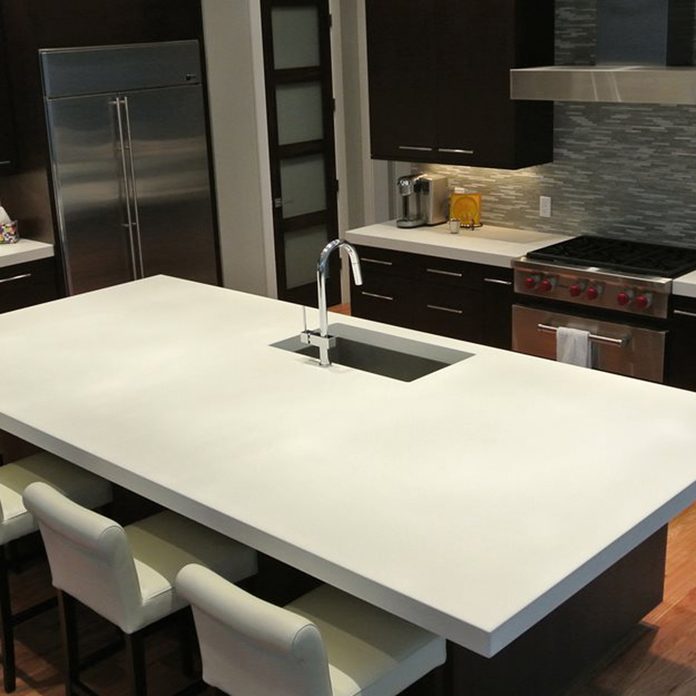
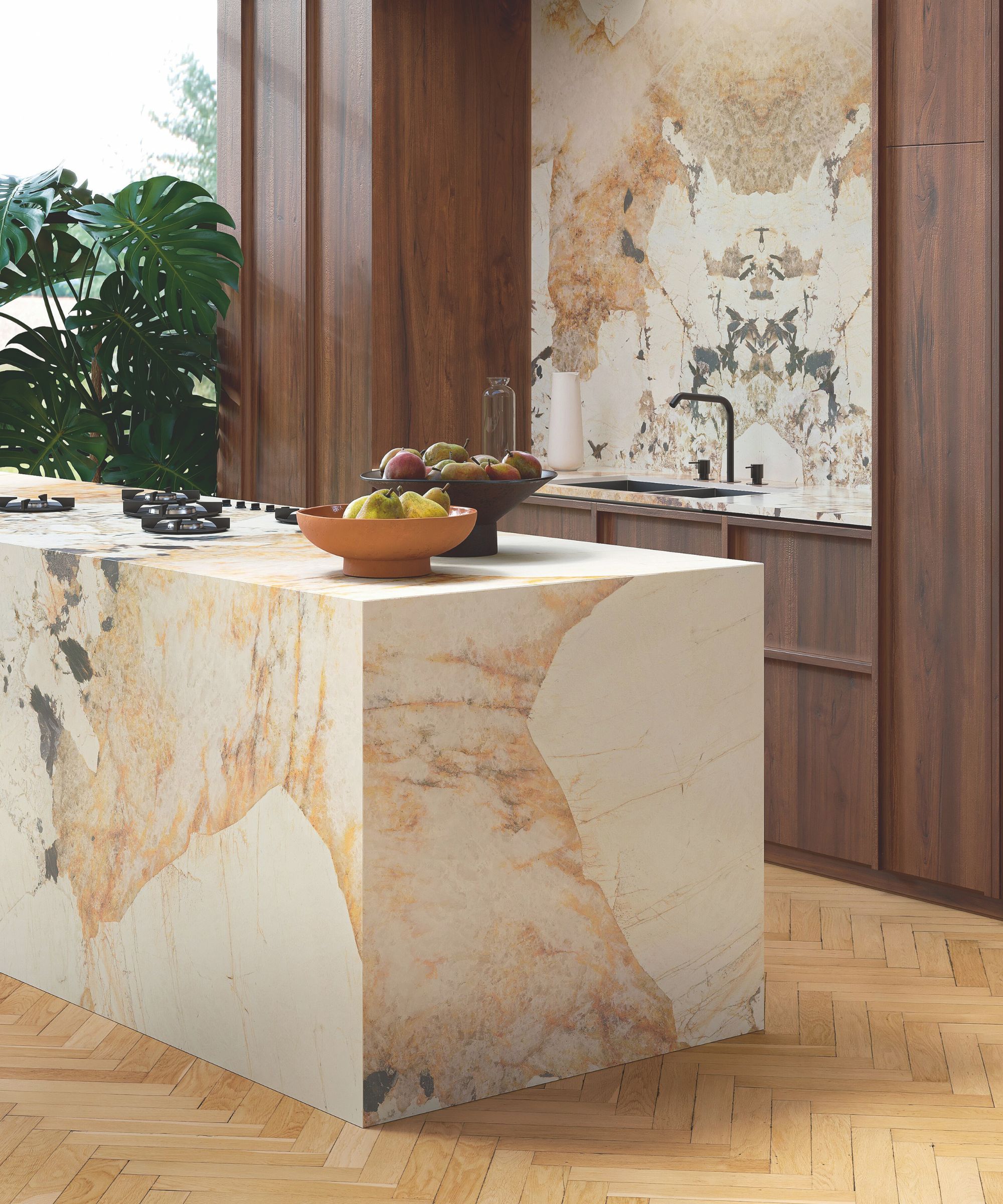
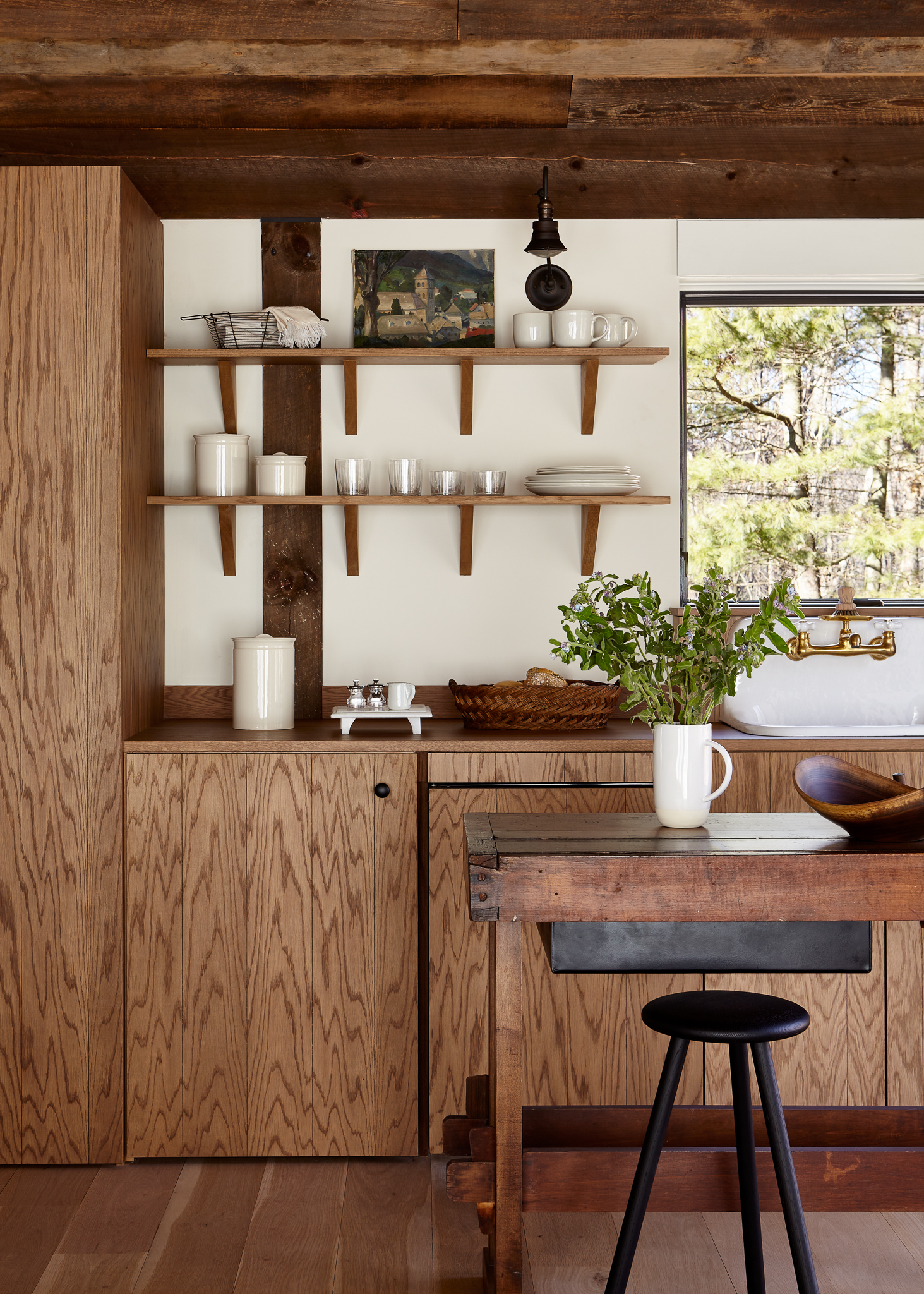
Wood or butcher block countertops, typically made from maple, oak, or bamboo, are durable but susceptible to scratches, stains, and burns. They require frequent oiling and sealing to prevent moisture damage and bacterial growth. Stainless steel, favored in commercial kitchens for its non-porous, heat-resistant, and easy-to-clean properties, is expensive and prone to scratches, dents, fingerprints, and water spots. Concrete countertops offer a unique industrial look, are heat and scratch-resistant, but are expensive, high-maintenance, and require regular sealing to combat porosity and potential cracking. Glass countertops are highly versatile, durable, and heat-resistant, but costly to install and repair. Recycled materials, such as glass, paper, or bamboo, offer an eco-friendly and often budget-friendly option, with specific care requirements varying by material. Onyx is a lightweight, durable natural stone, but it is costly, difficult to install, and requires significant maintenance. Dolomite, another natural stone, is affordable and heat-resistant, but lacks scratch resistance and is prone to stains, chipping, and cracking. Lastly, quartzite, a metamorphic rock, provides a durable and aesthetically pleasing alternative to quartz, with excellent scratch and heat tolerance, though it is porous, expensive, and challenging to install.
When selecting a countertop, key considerations include durability, which encompasses resistance to cracks, heat, warping, and stains; the level of maintenance required, particularly for porous materials; adherence to a budget, exploring options within chosen material categories; the desired aesthetic and visual interest; and ensuring the material complements the home's architectural style and age.
#KitchenCountertops #HomeImprovement #KitchenDesign #MaterialGuide #InteriorDecorating #Renovation #HomeDesign #DurableSurfaces #KitchenRemodel #KitchenCountertops #HomeImprovement #KitchenDesign #MaterialGuide #InteriorDecorating #Renovation #HomeDesign #DurableSurfaces #KitchenRemodel
0 comment in total
 No comments yet
You may also like
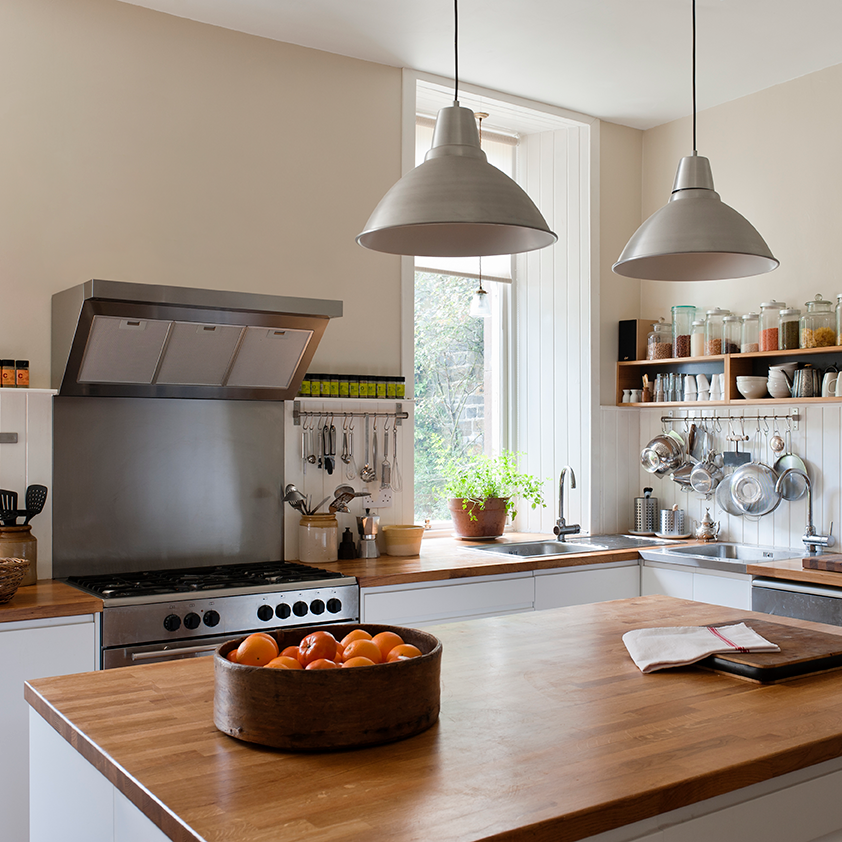
The Best Types of Kitchen Countertops

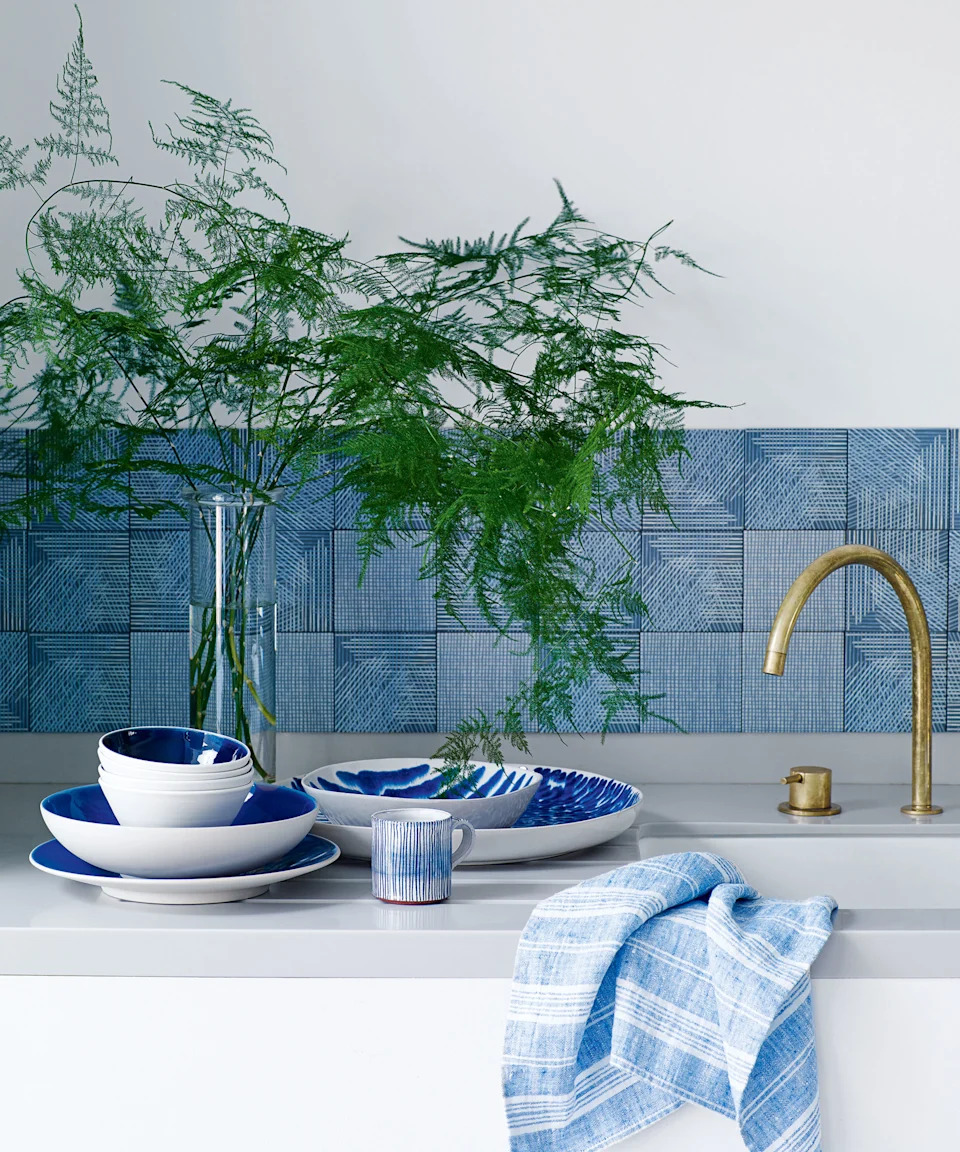
Kitchen countertop ideas – 14 worktops in marble, granite and composite materials
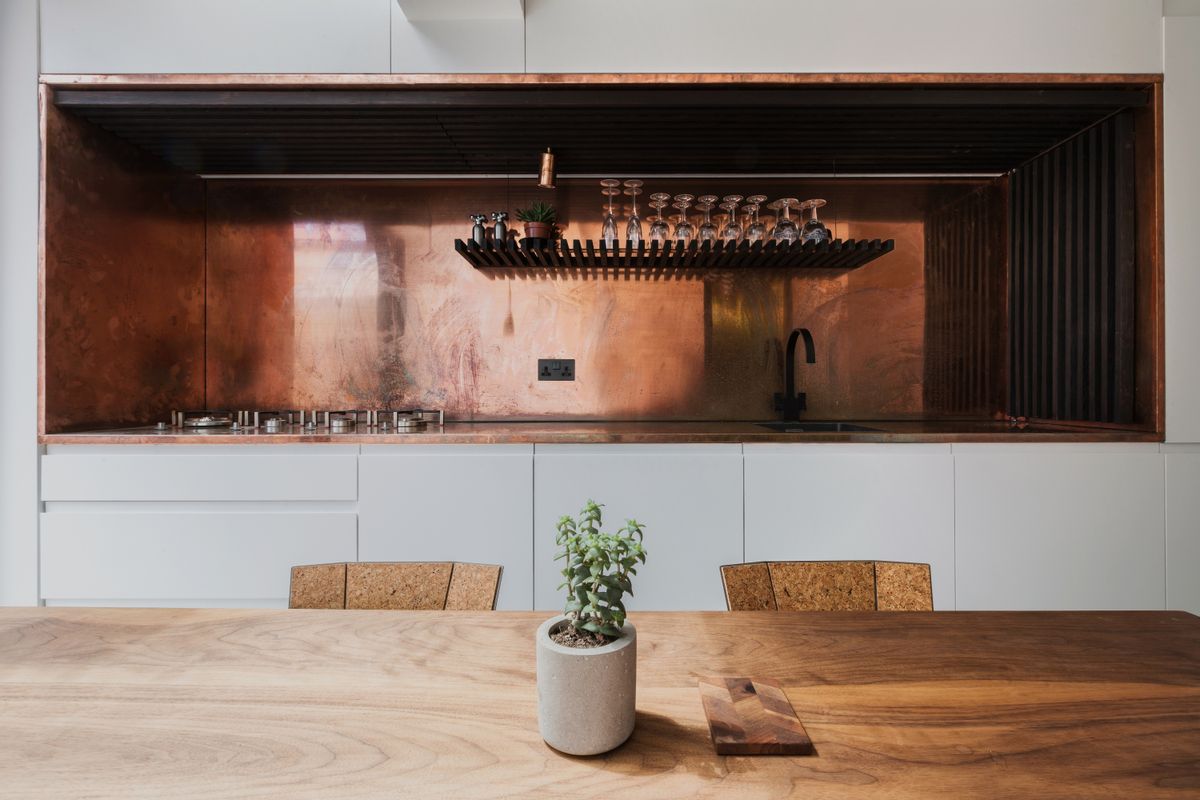
10 unusual kitchen materials - beautiful new design trends set to level up your counters and cabinets

30 Kitchen Countertop Ideas You Should See Before Picking a Slab, Color, or Pattern
9 Best Types Of Kitchen Countertops

The Best Countertop Materials for Every Type of Kitchen

20 Countertop Ideas That Will Instantly Make Your Kitchen Feel More Luxe

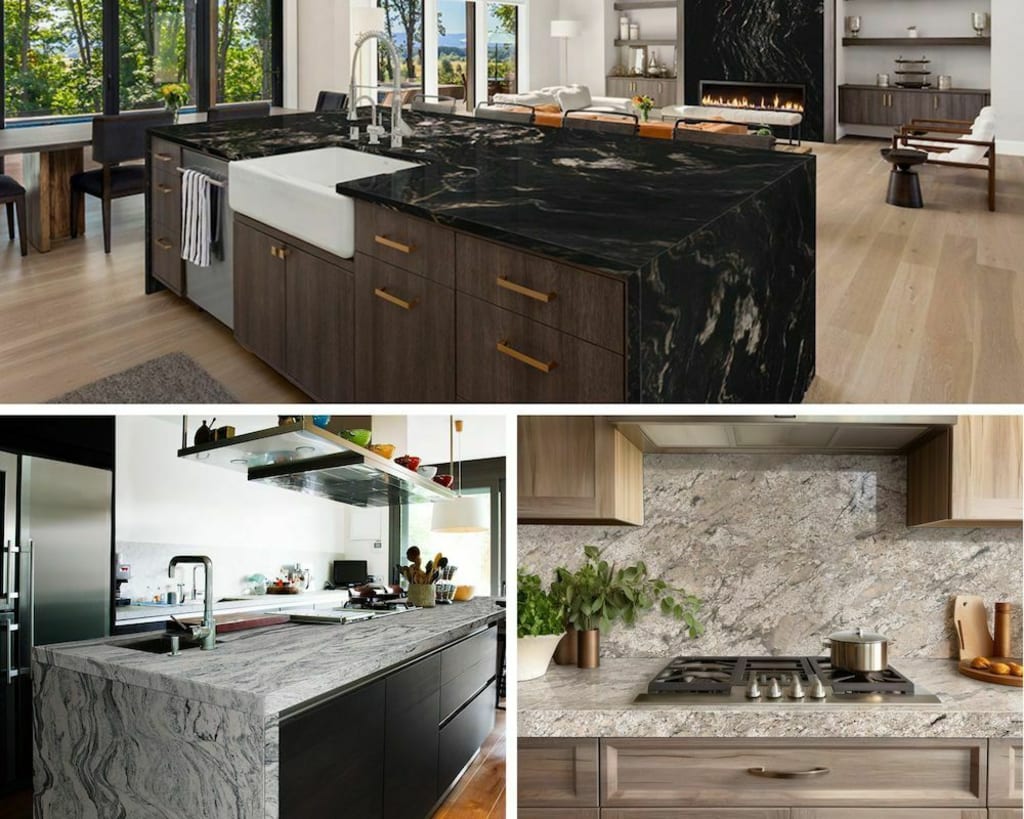
Countertop Trends — 8 of the Chicest Finishes That will be Wowing the Design World in 2025
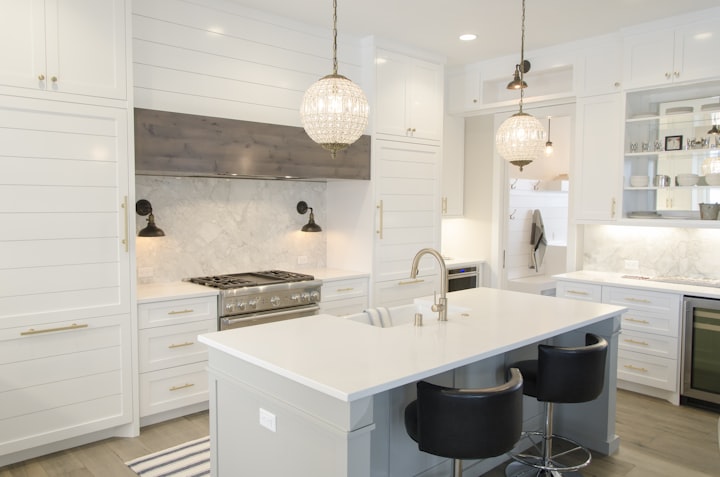
Top 10 Countertop Ideas to Transform Your Kitchen in 2025

7 Top Kitchen Countertop Trends In 2021
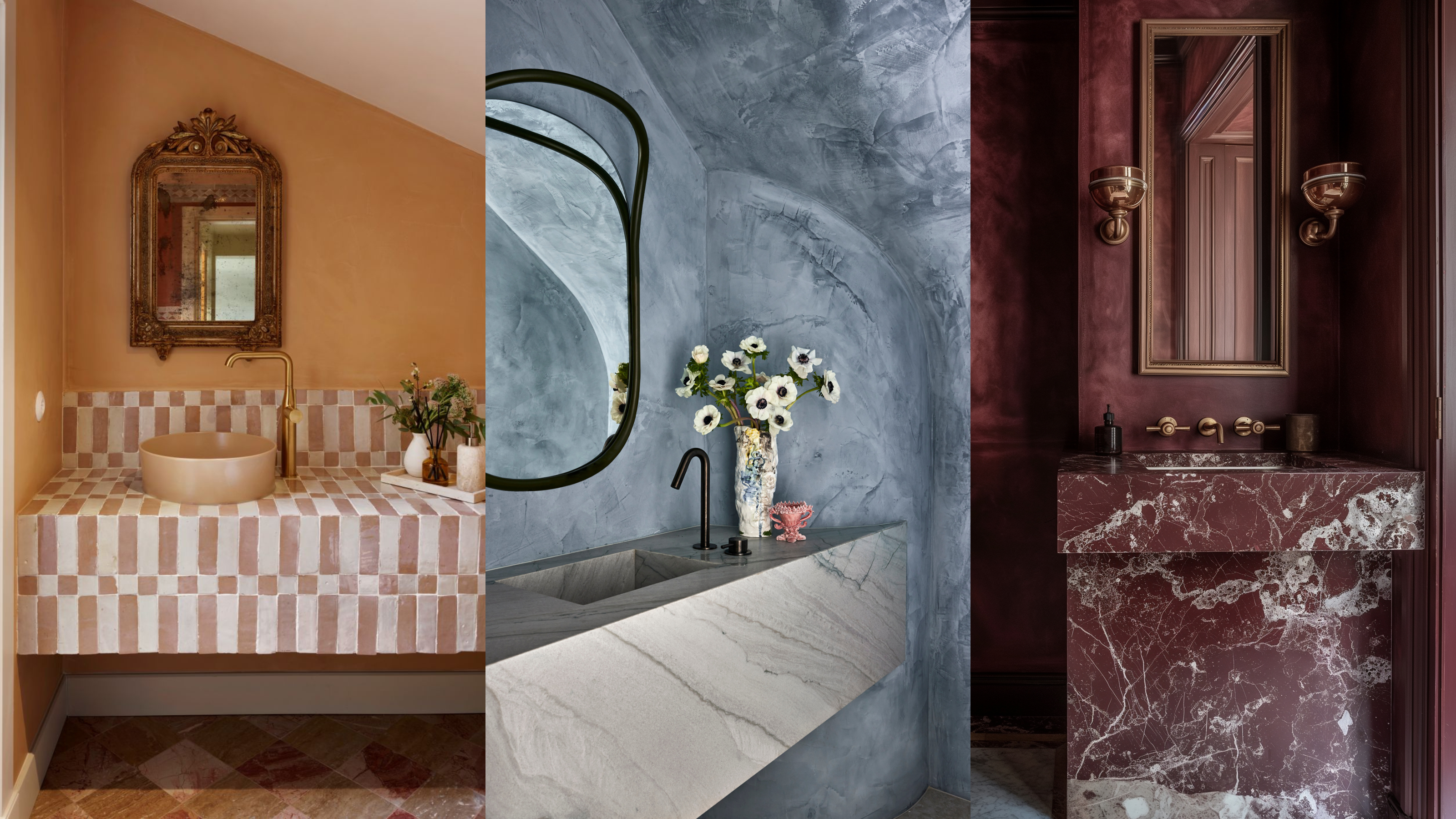
7 Material Options for Your Bathroom Countertops
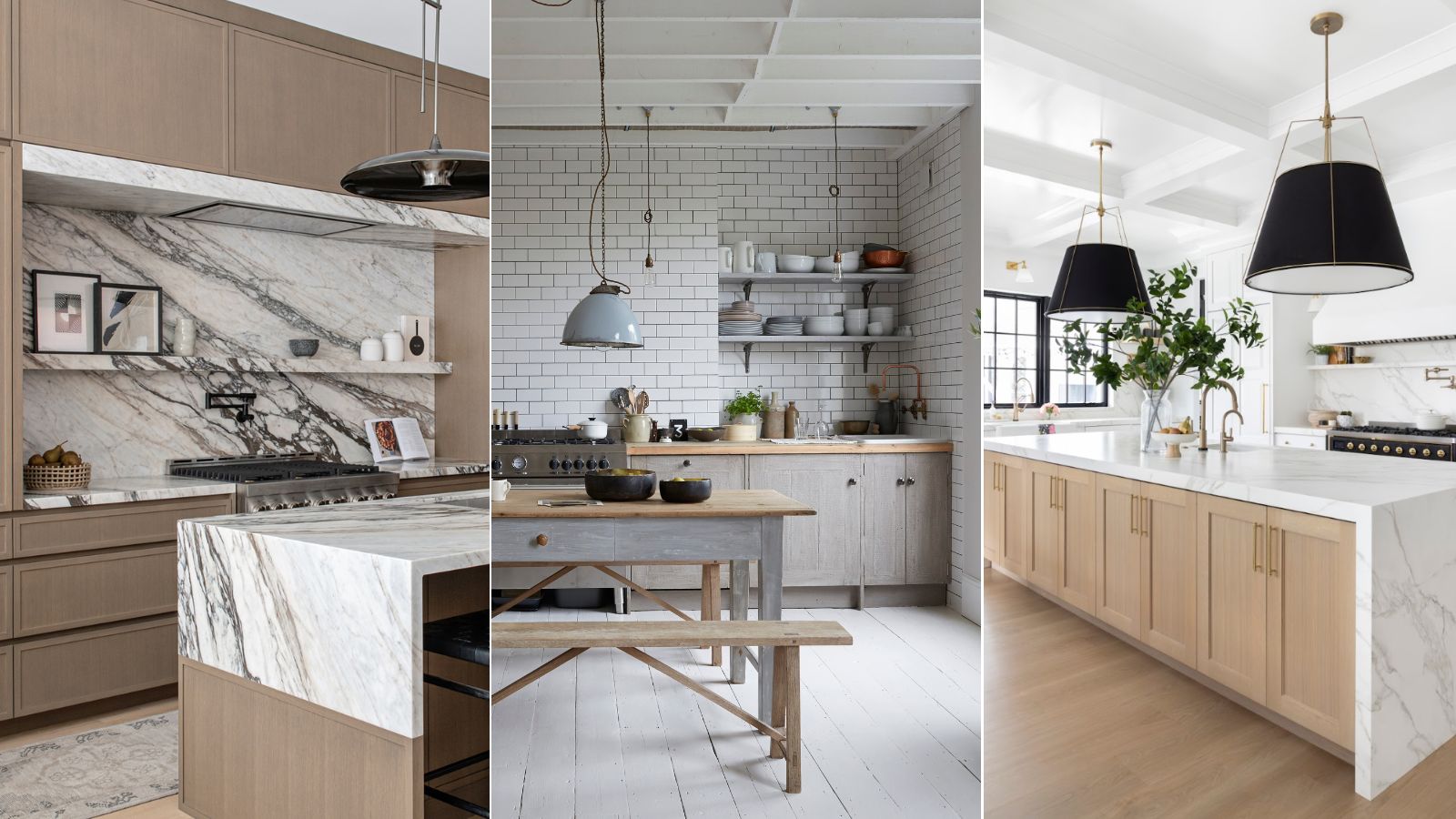
What's replacing granite countertops? These are the materials interior designers want to see more of

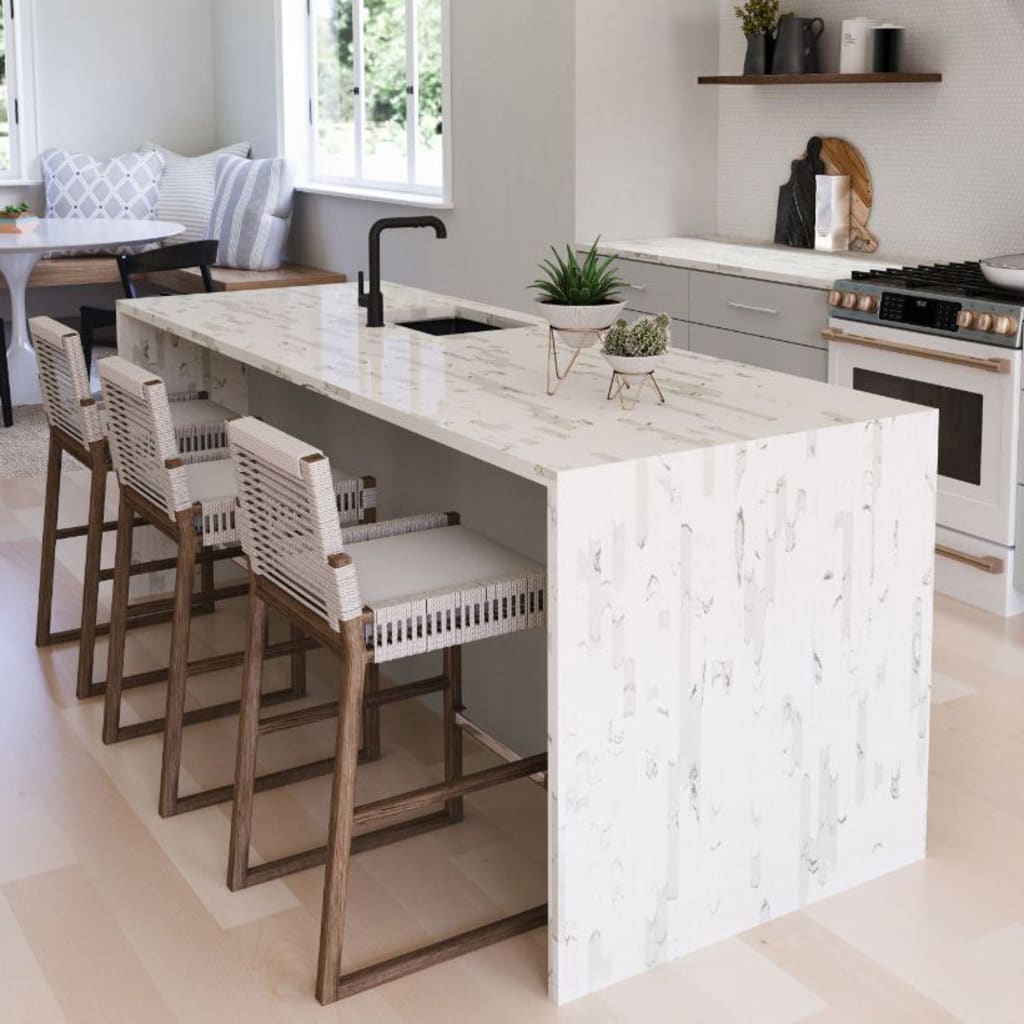
Best 5 Quartz Countertops to Upgrade Your Kitchen

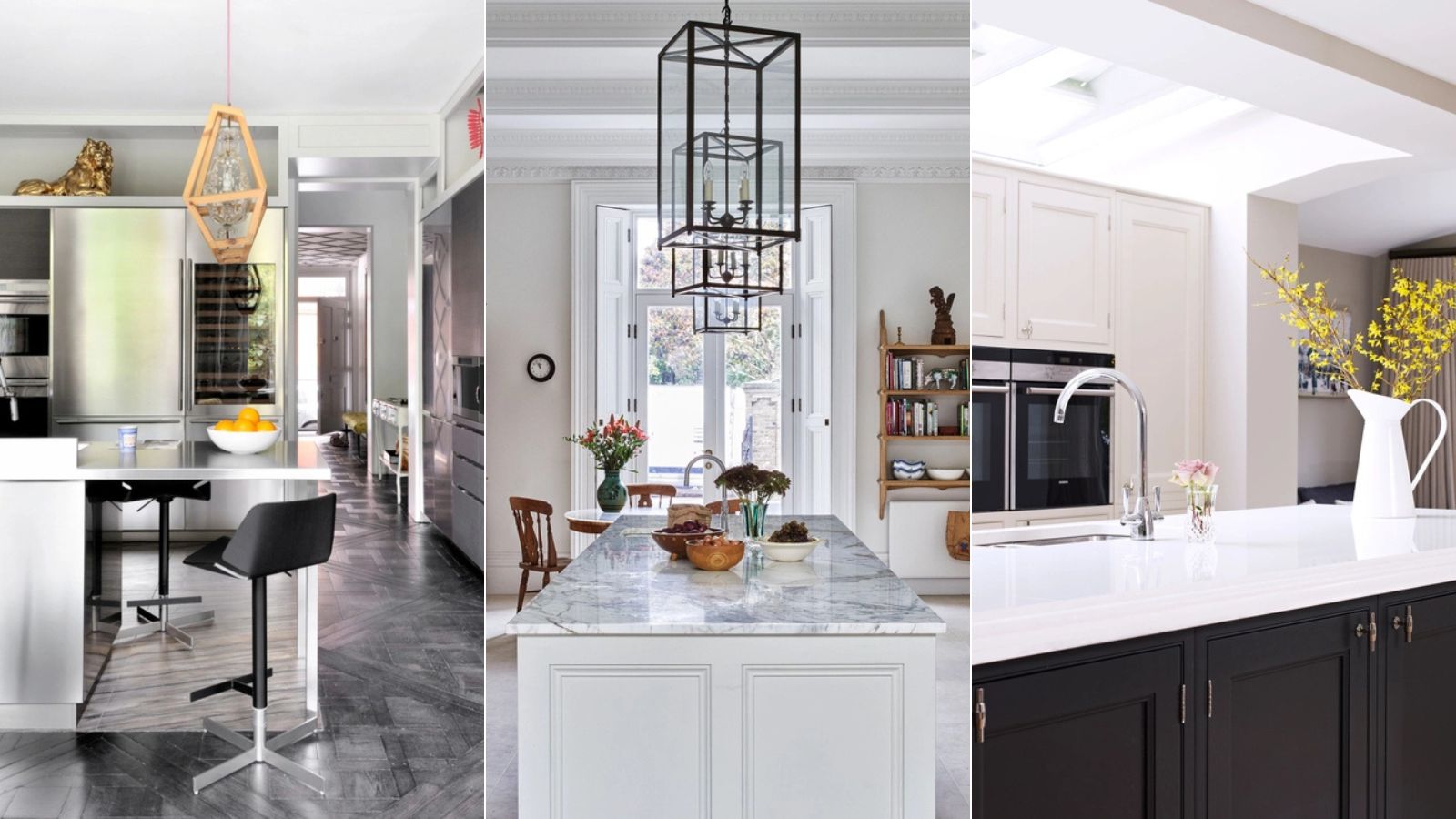
6 outdated kitchen countertop trends to leave behind in 2025
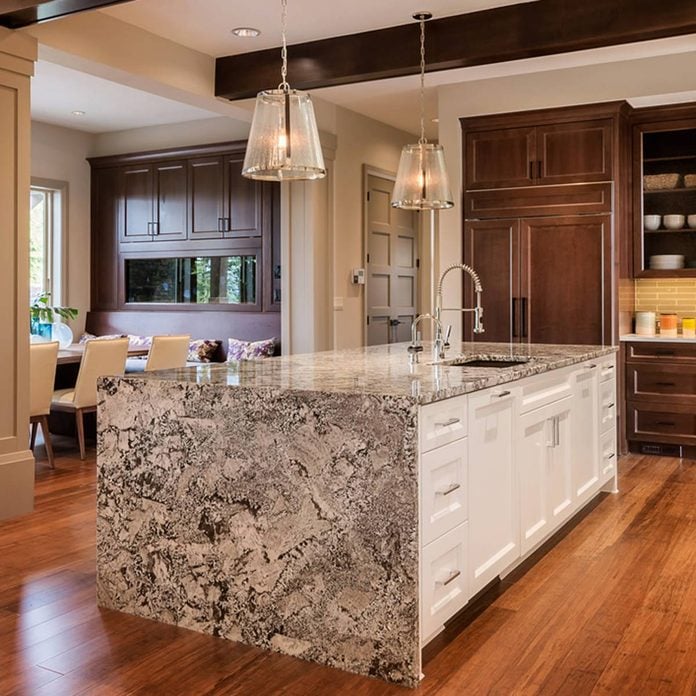
10 Kitchen Countertop Ideas People Are Doing Right Now

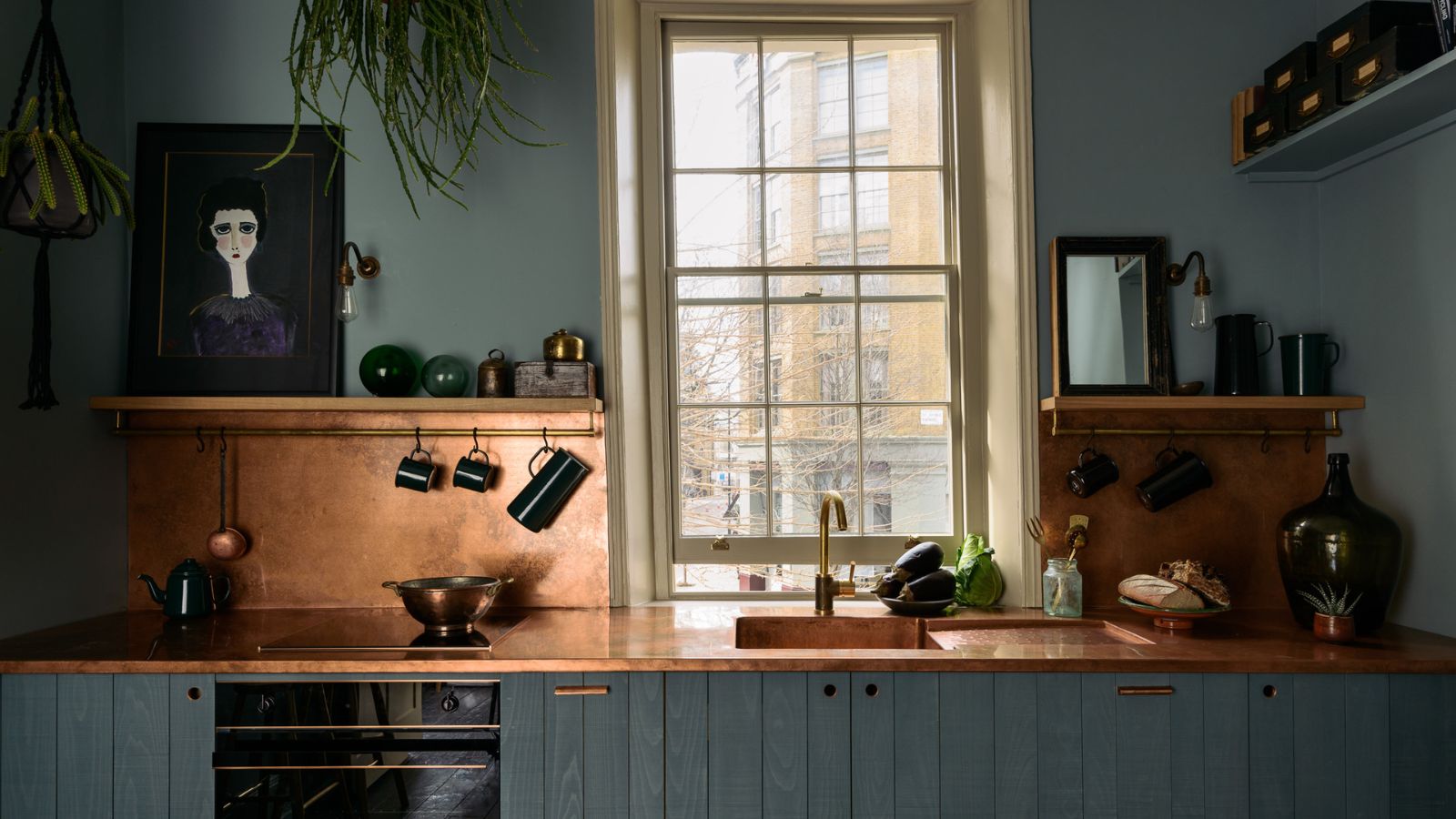
Designers say to ditch black kitchen countertops and try these 5 alternatives instead
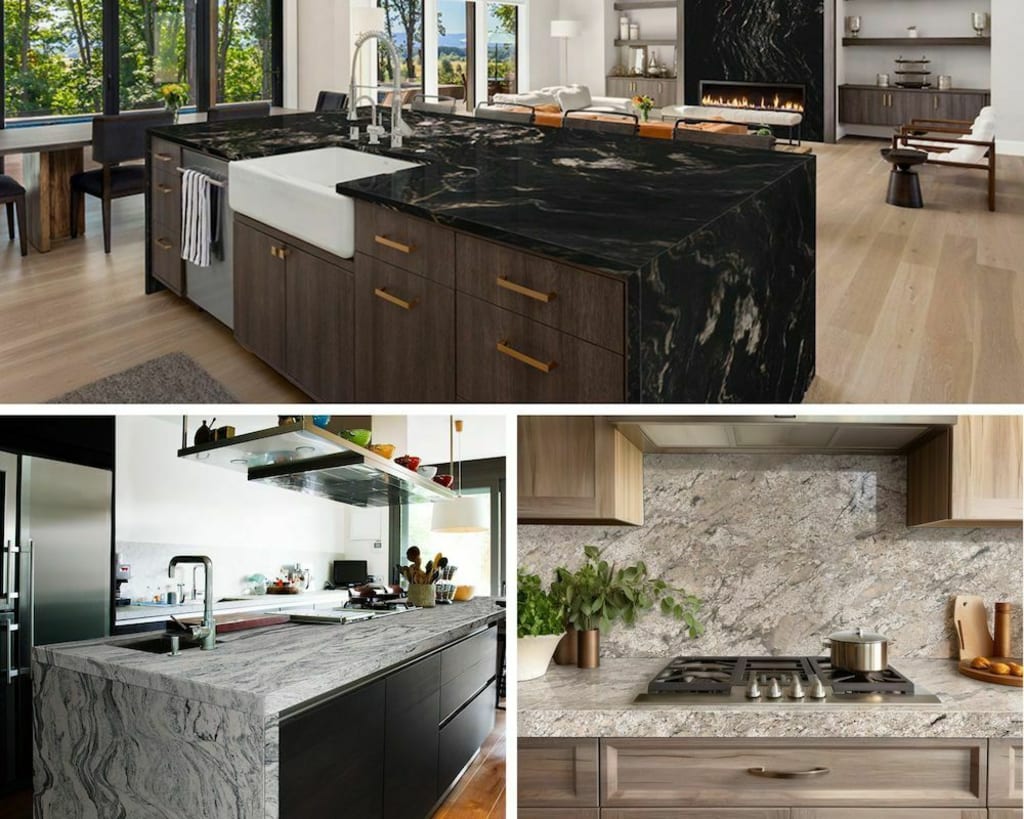
Top 10 Countertop Ideas to Transform Your Kitchen in 2025
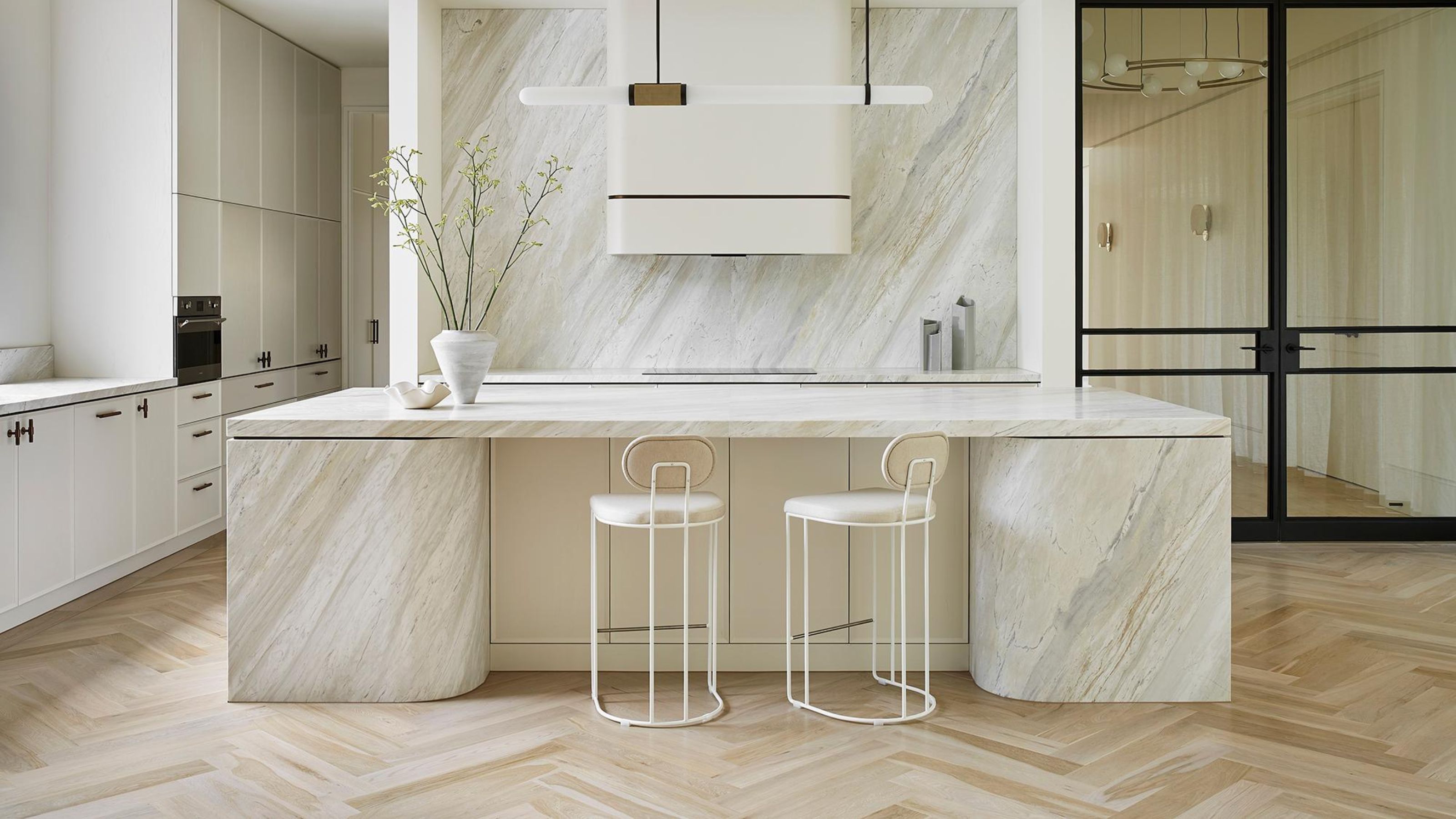
11 Countertop Ideas That You'll Find in the Best-Looking Kitchens
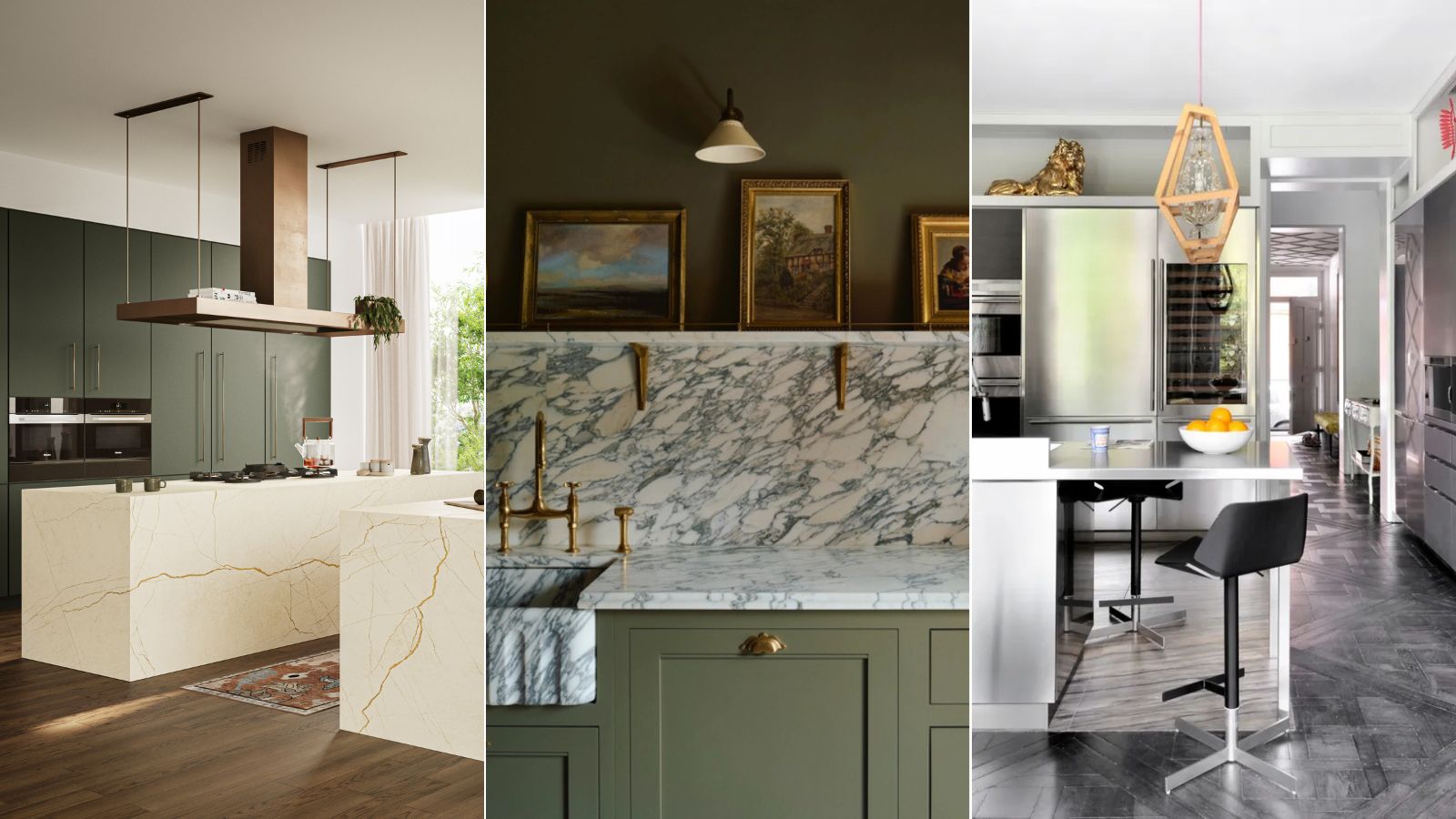
11 expert-approved kitchen countertop trends for 2025
The 1 Kitchen Countertop Trend We Hope Never Comes Back