1/10
10 unusual kitchen materials - beautiful new design trends set to level up your counters and cabinets
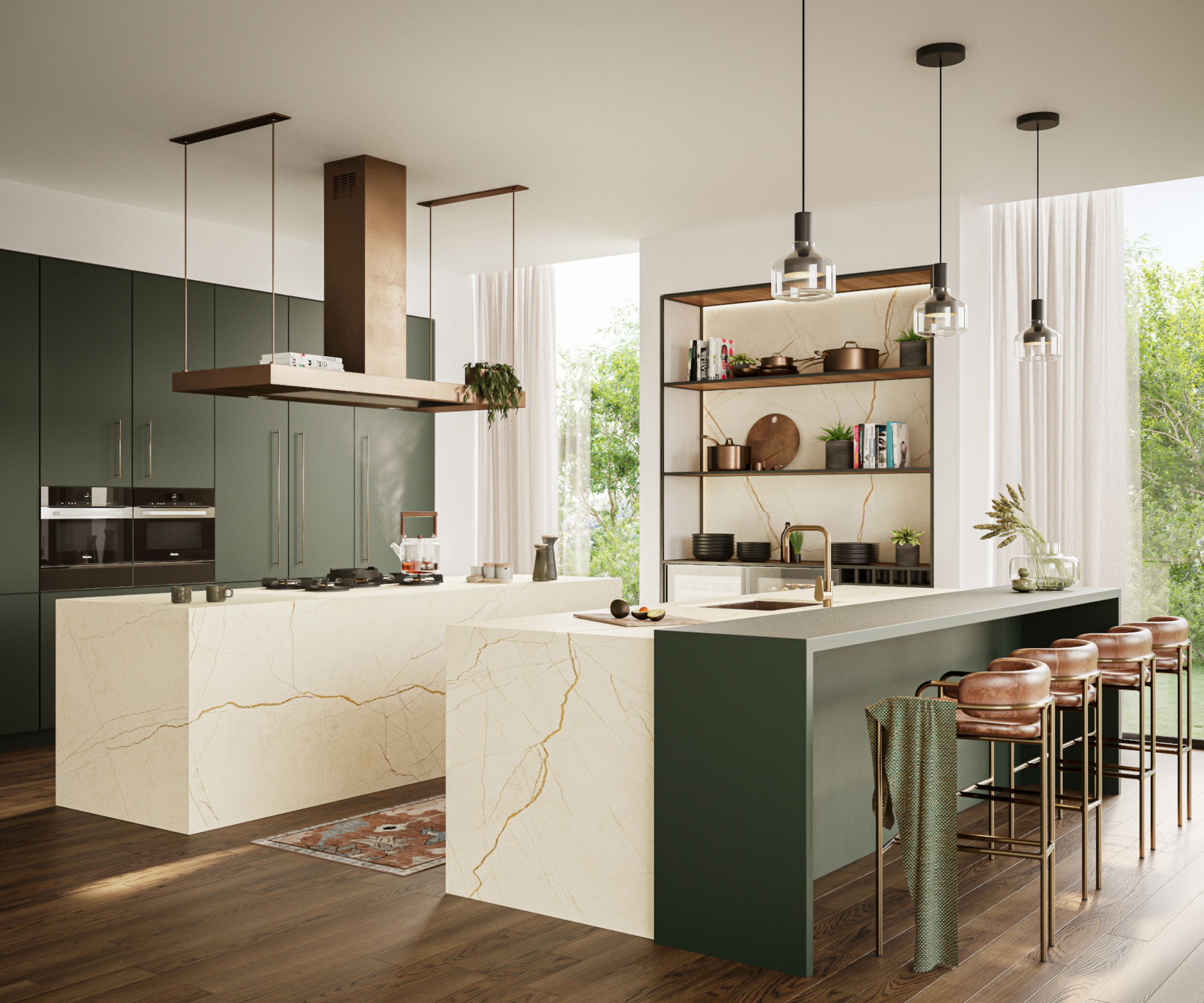
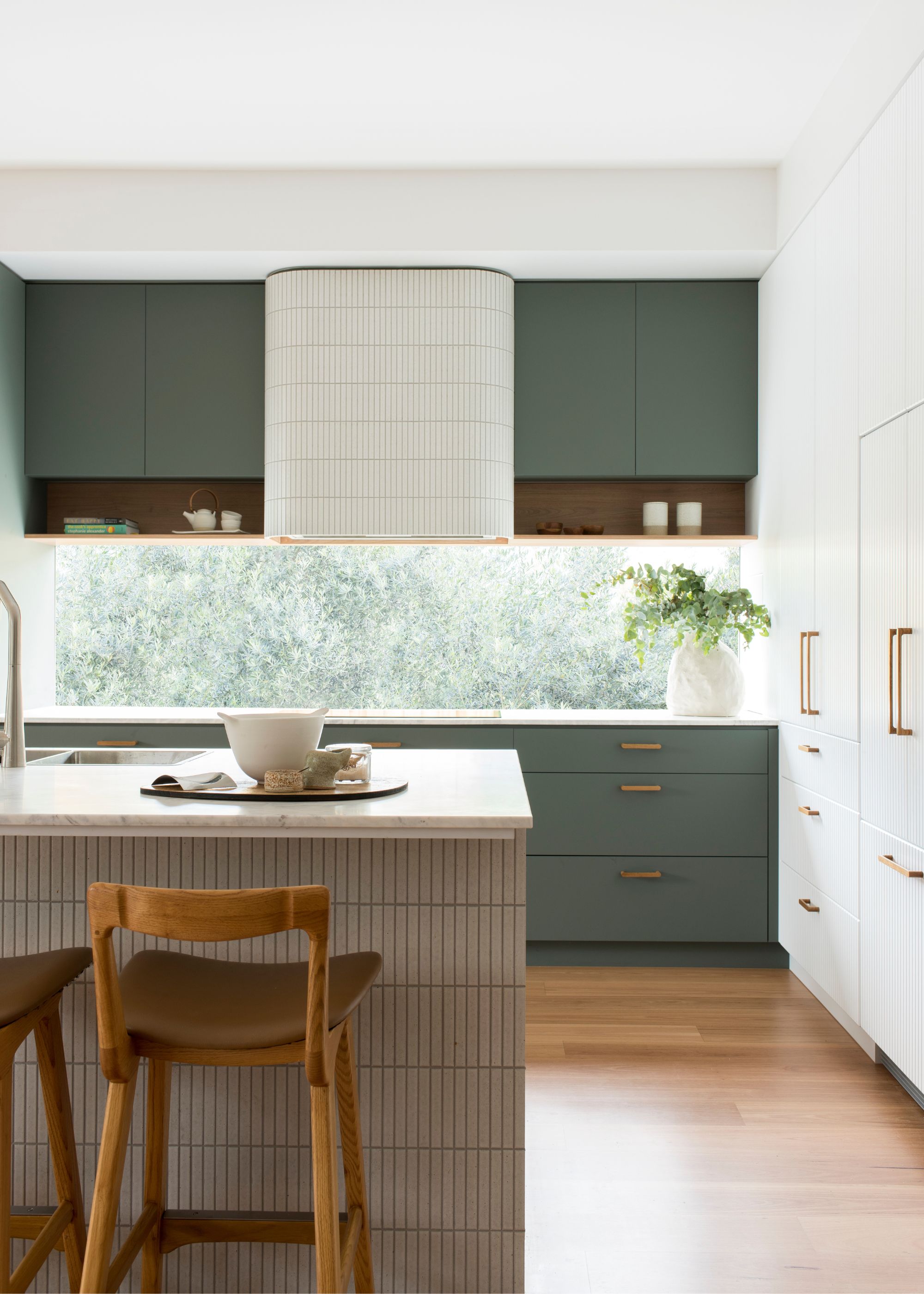
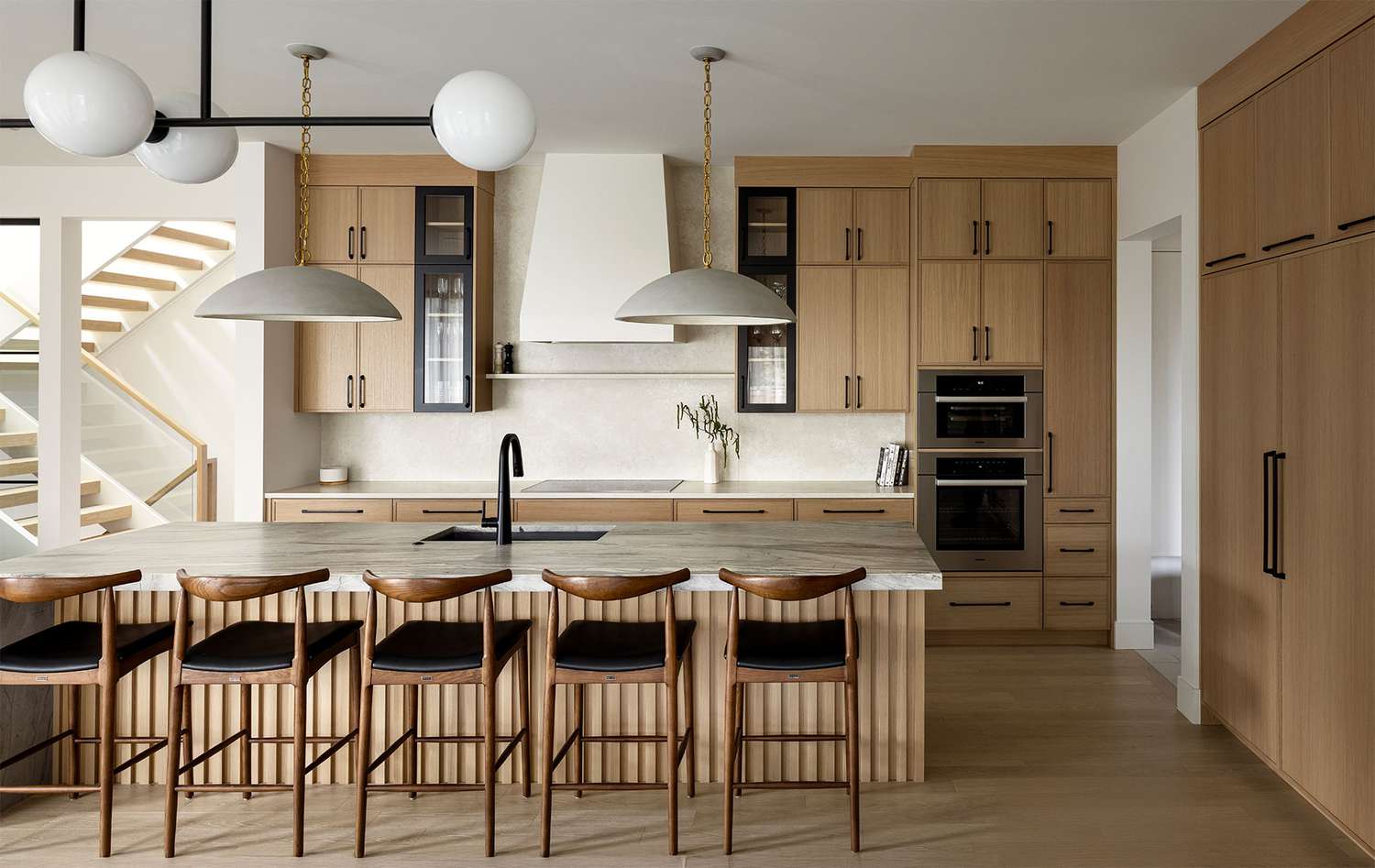
The article explores a range of unusual kitchen materials that designers are increasingly adopting for countertops and cabinets, moving beyond conventional choices. It emphasizes that while kitchen renovations can lead to decision paralysis, there's a wider array of durable, hygienic, heat-resistant, and water-resistant materials available than commonly perceived. The article highlights that the limited adoption of these alternative materials is often due to convention rather than cost.
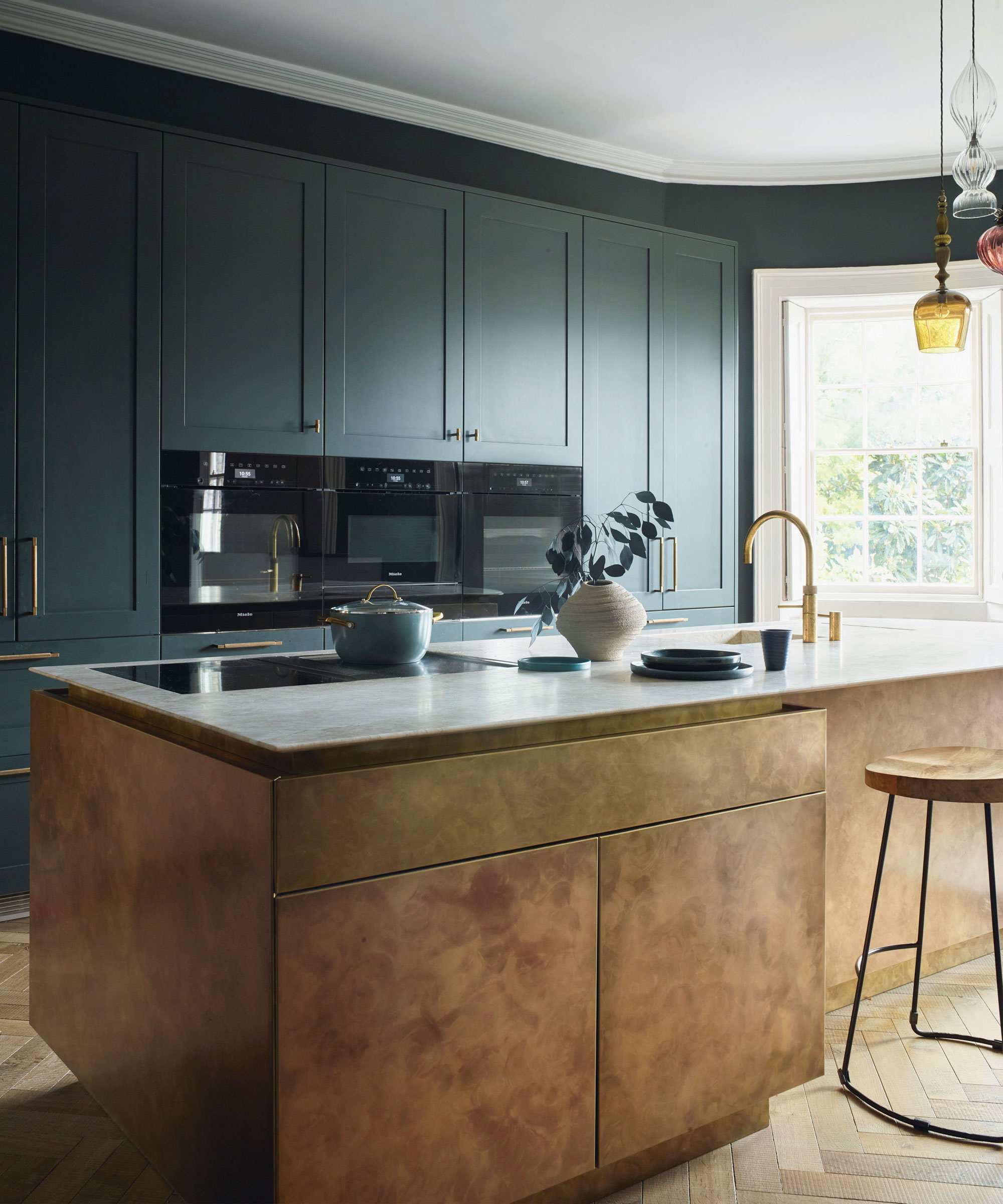
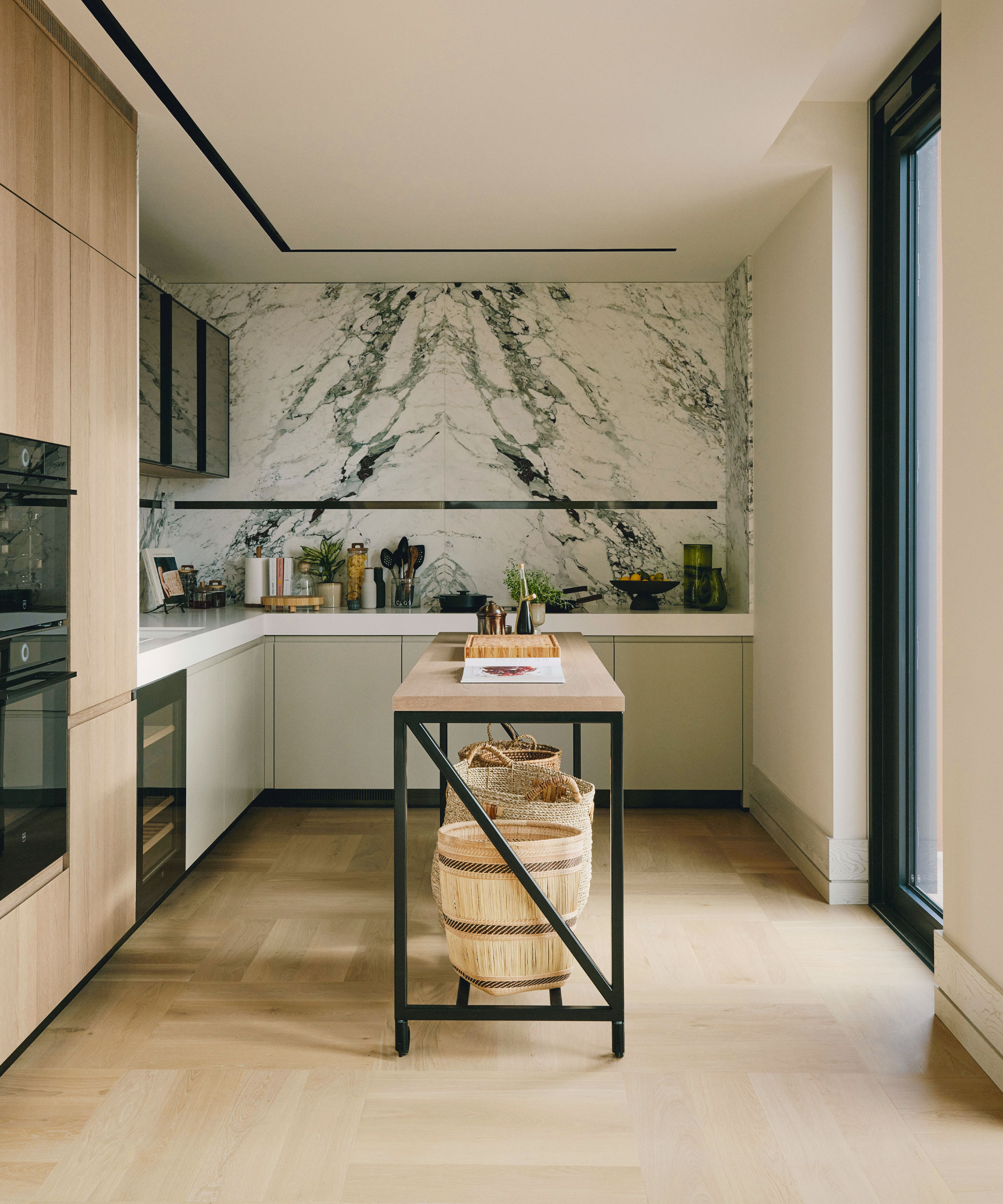
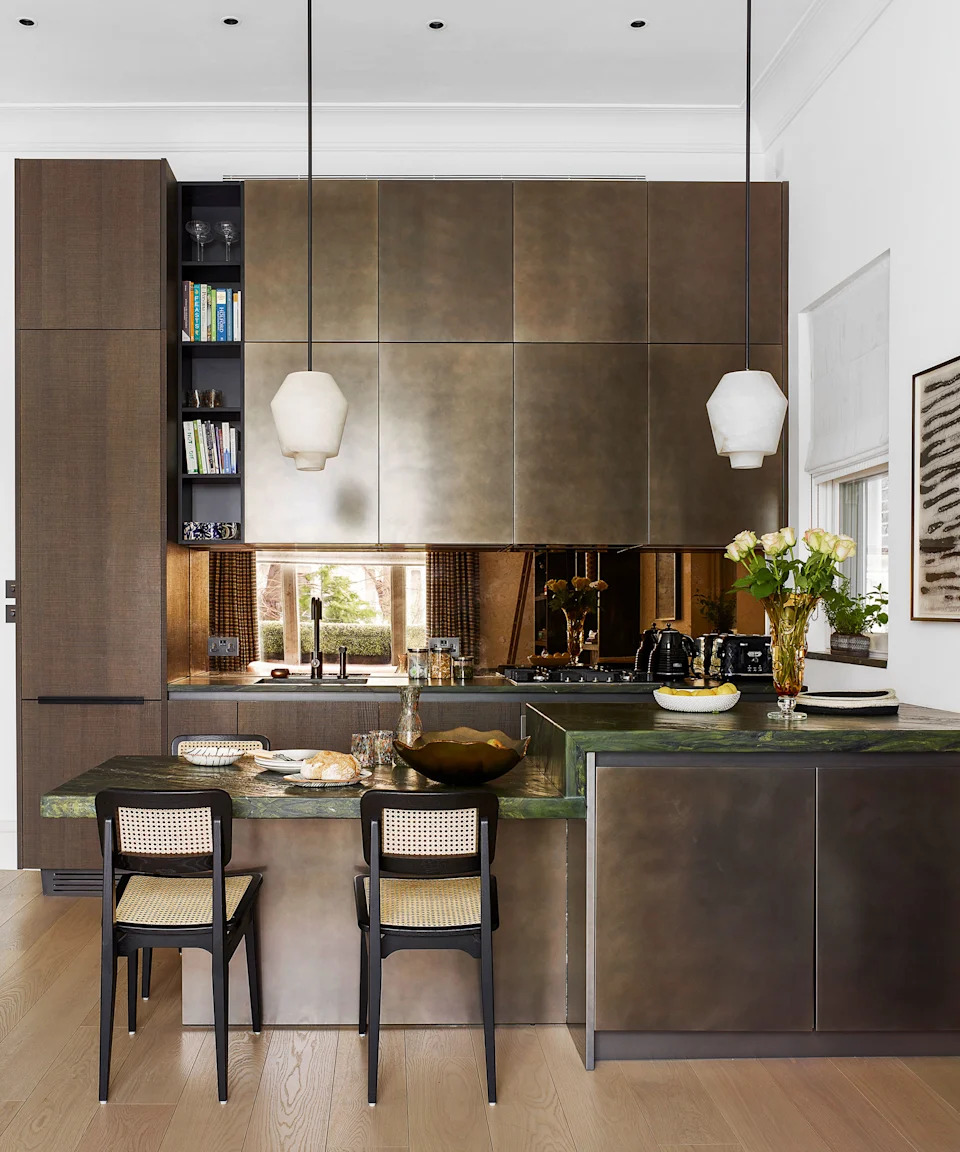
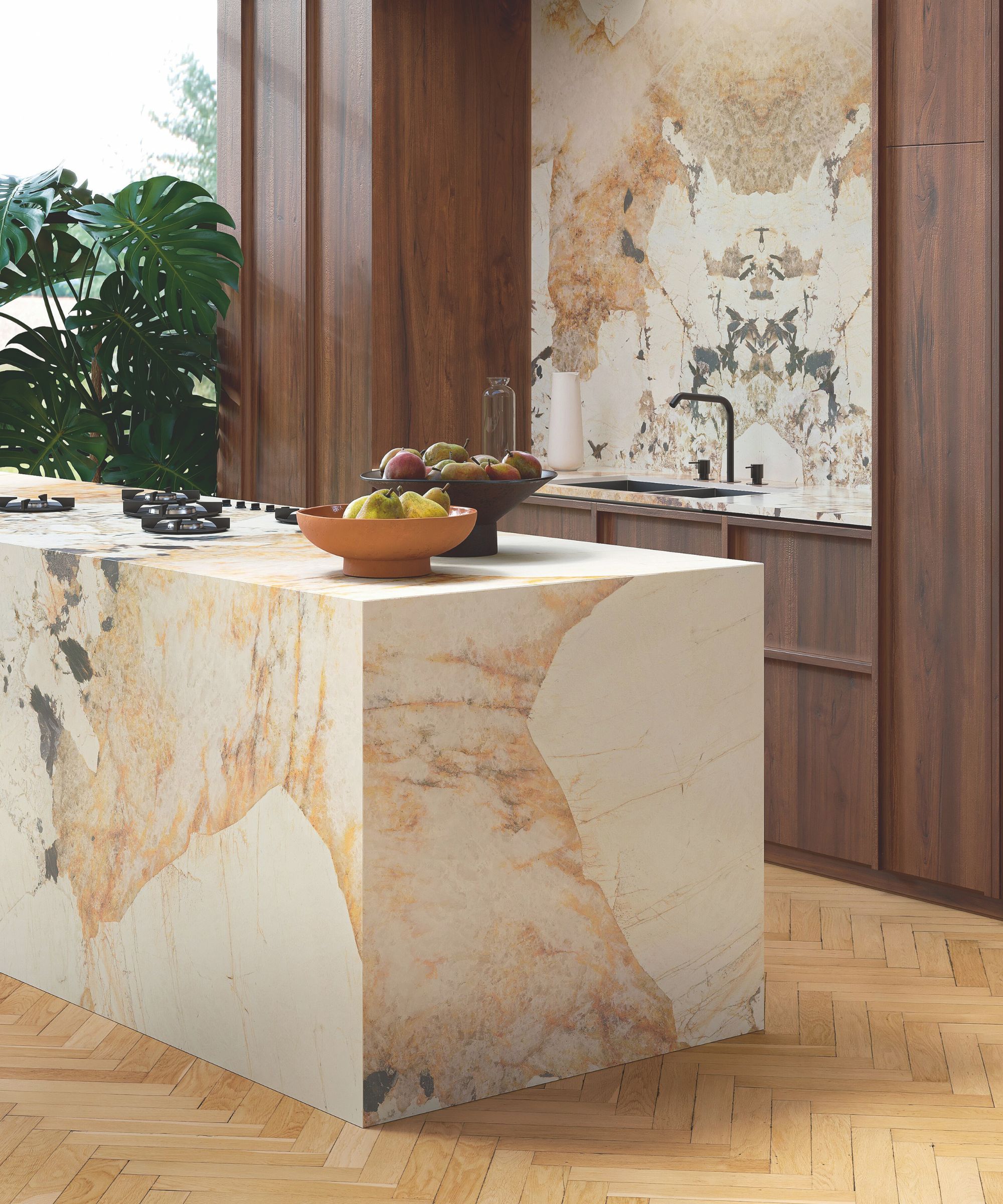
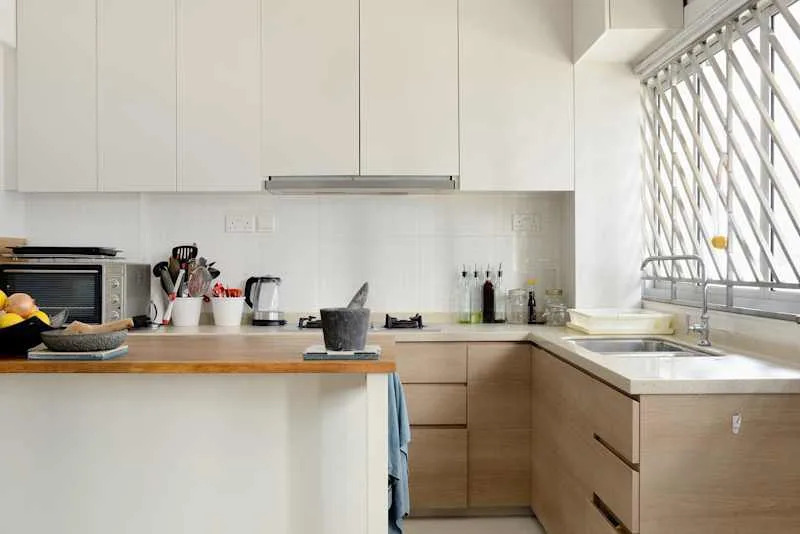
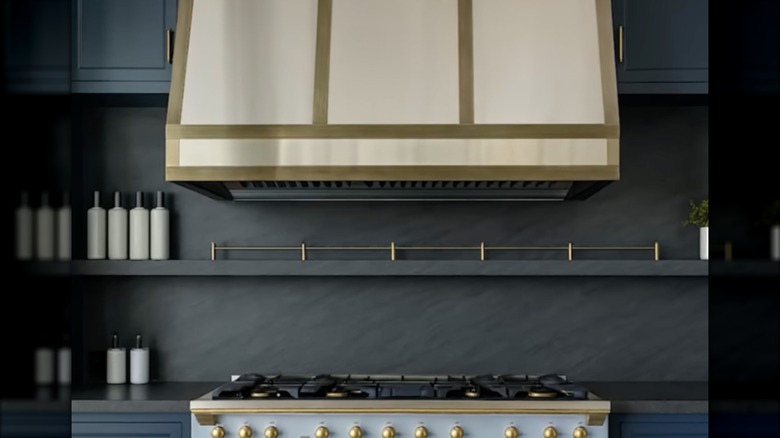
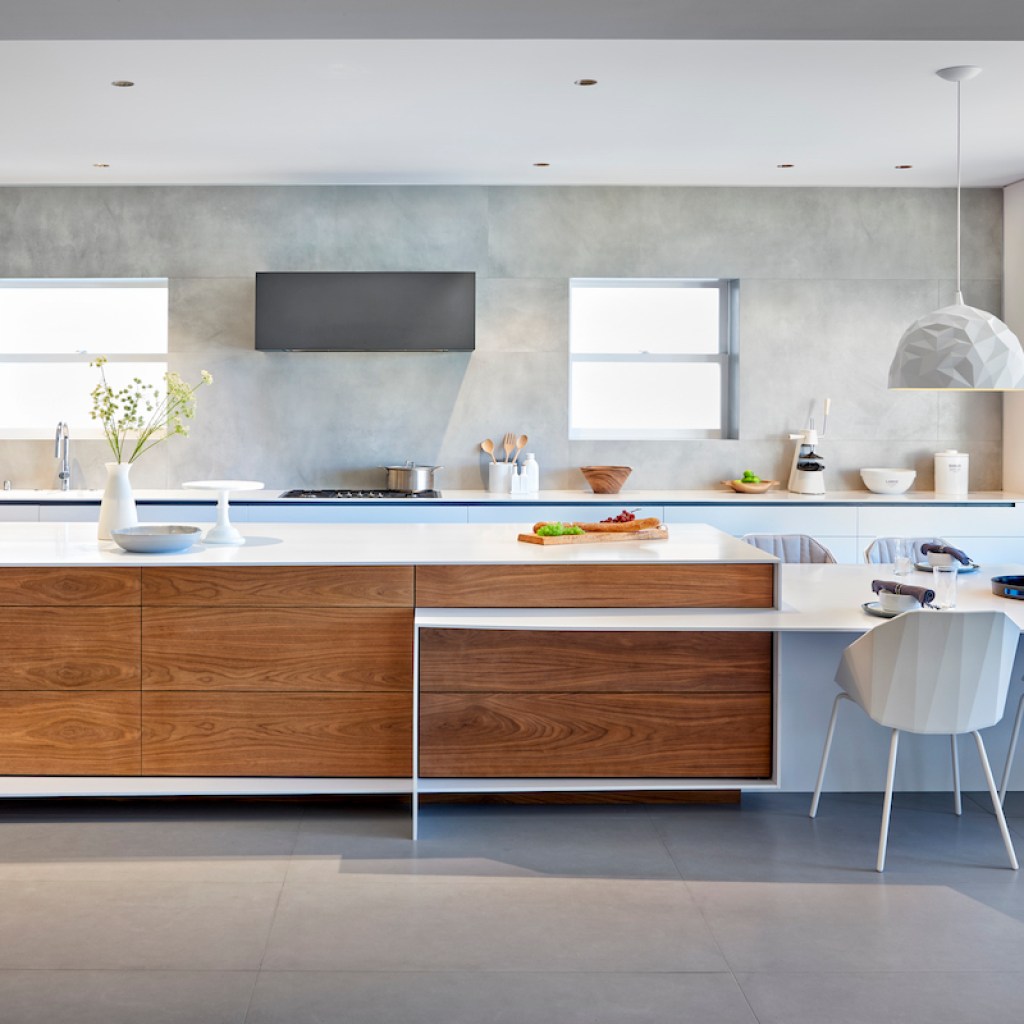
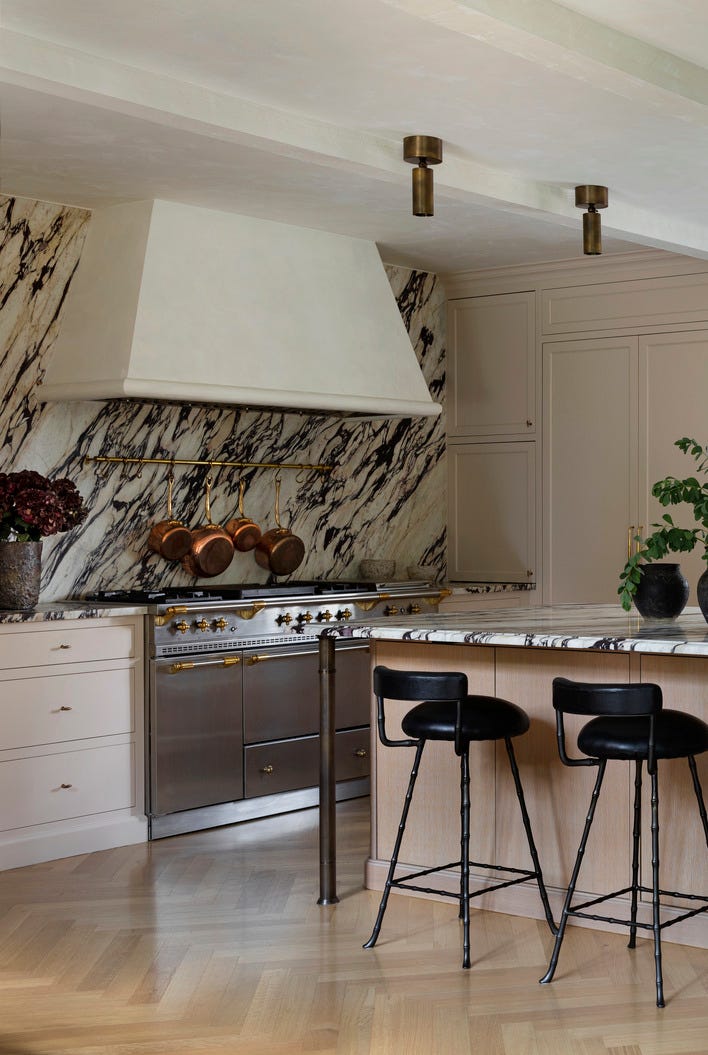
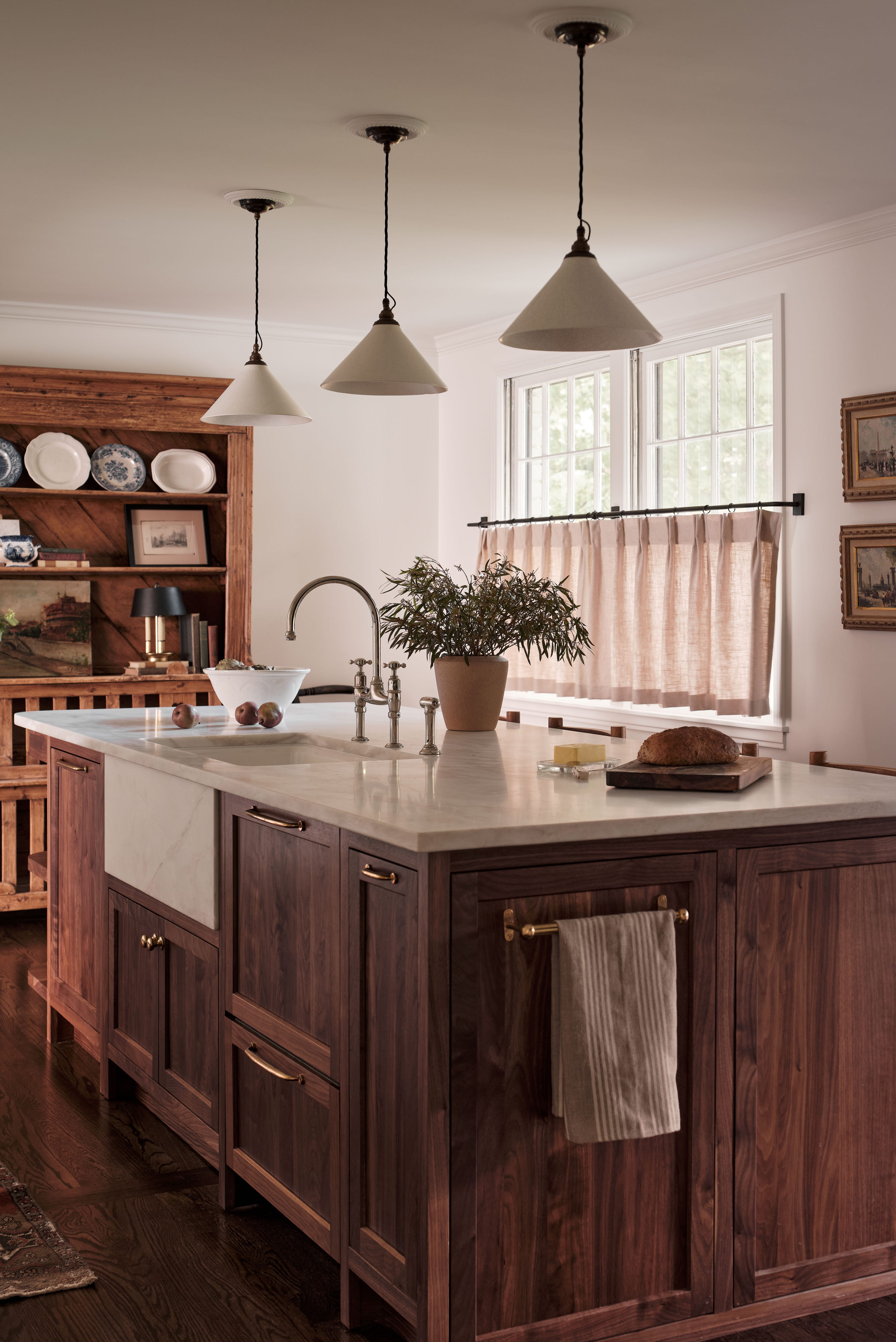
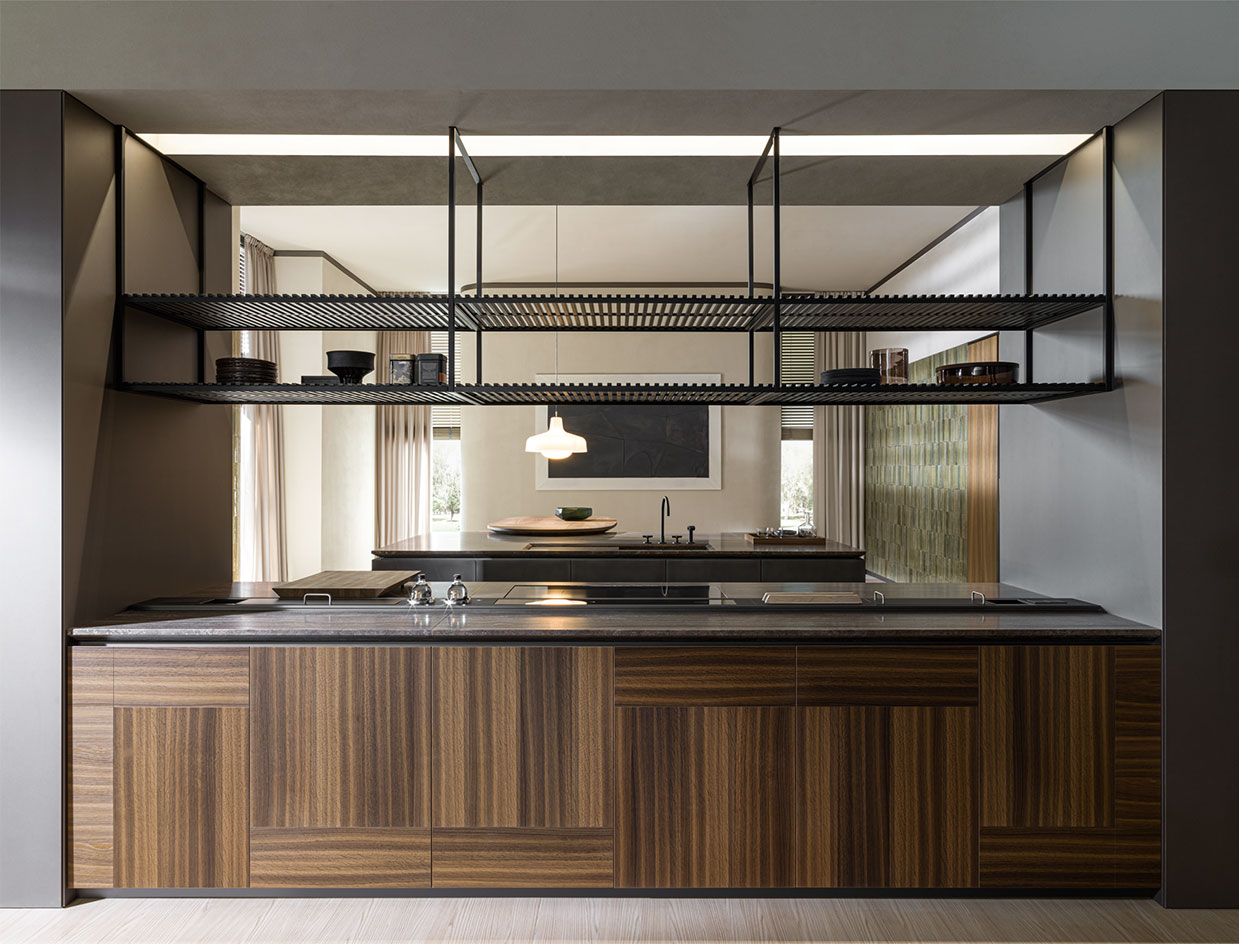
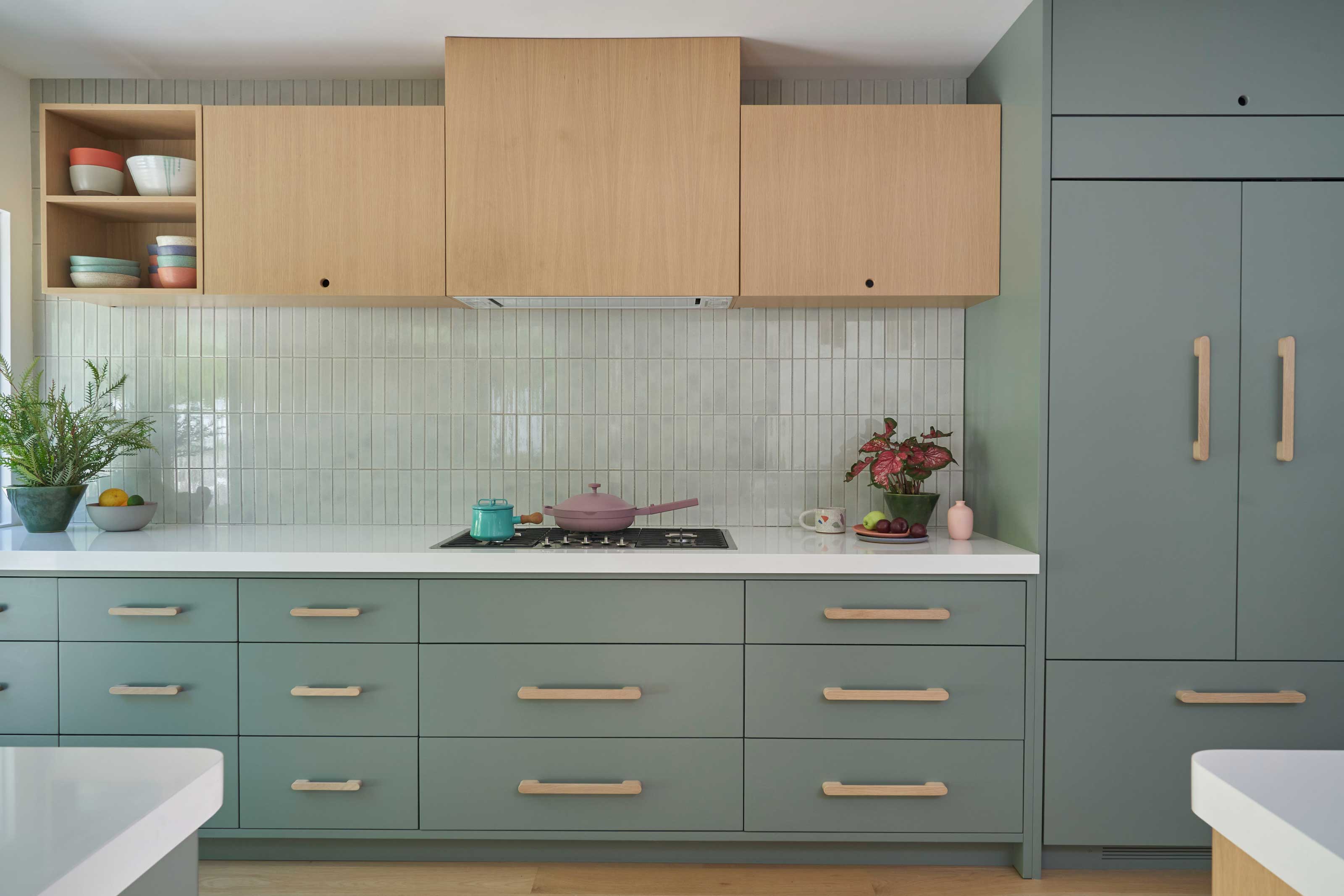
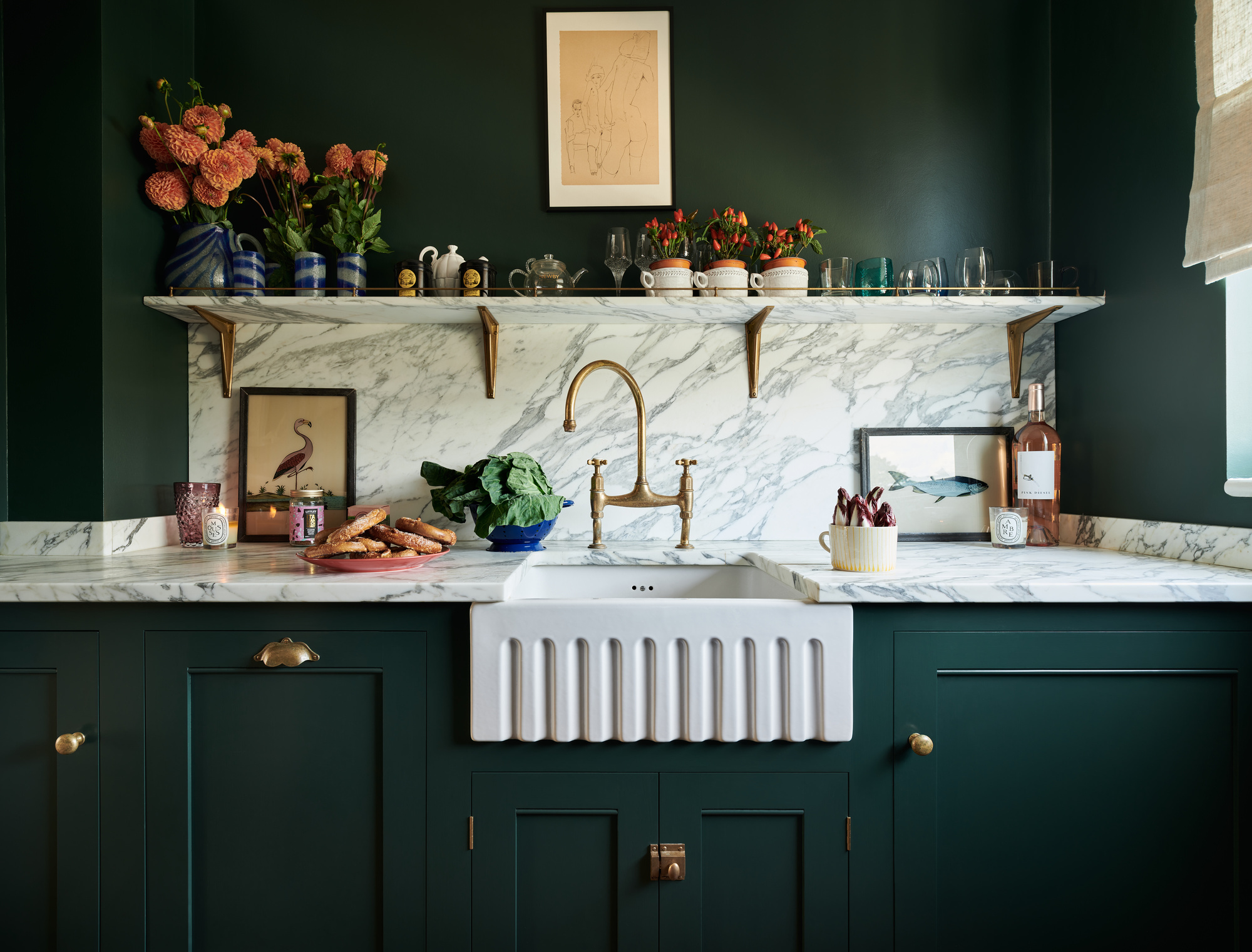
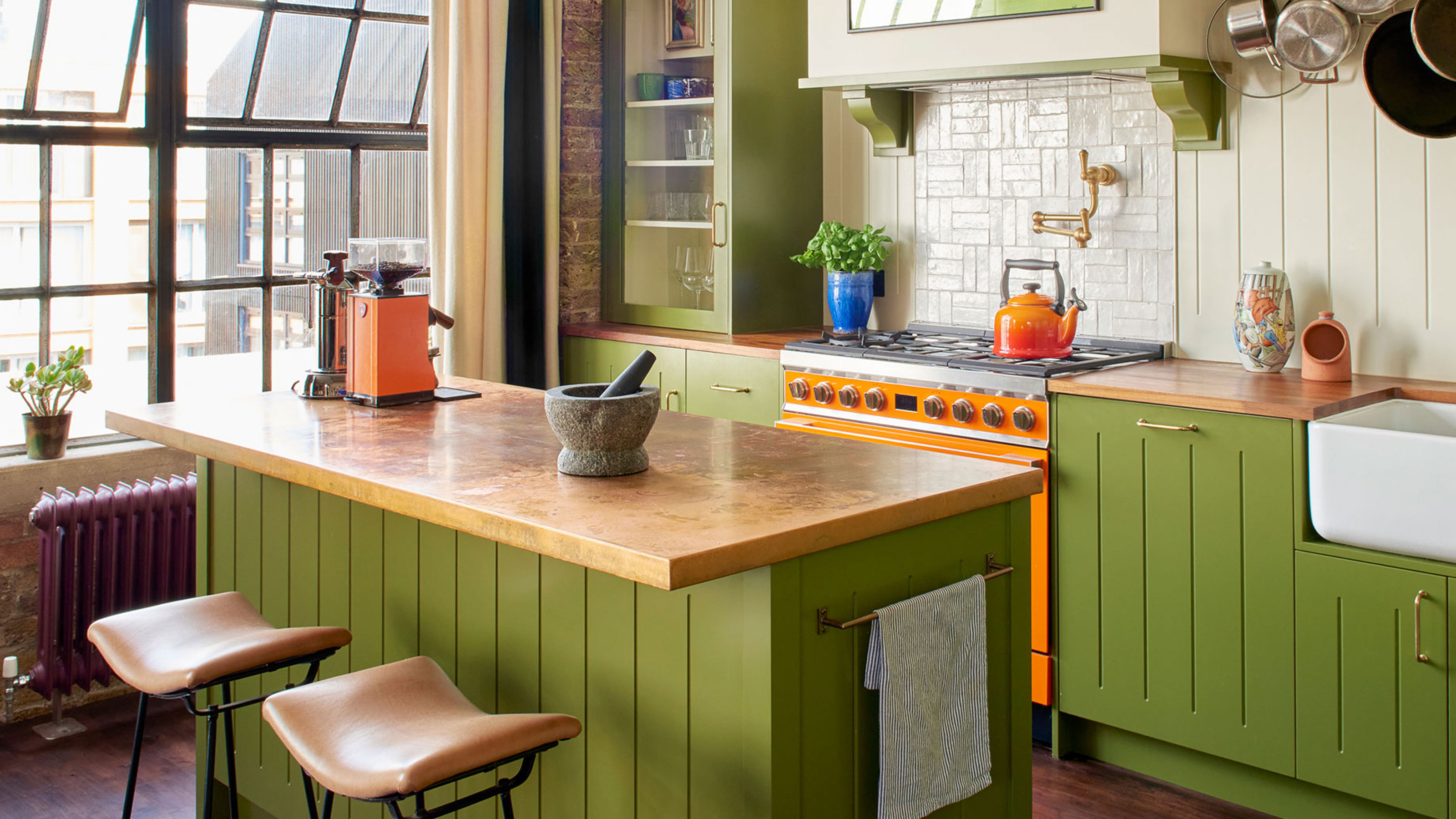
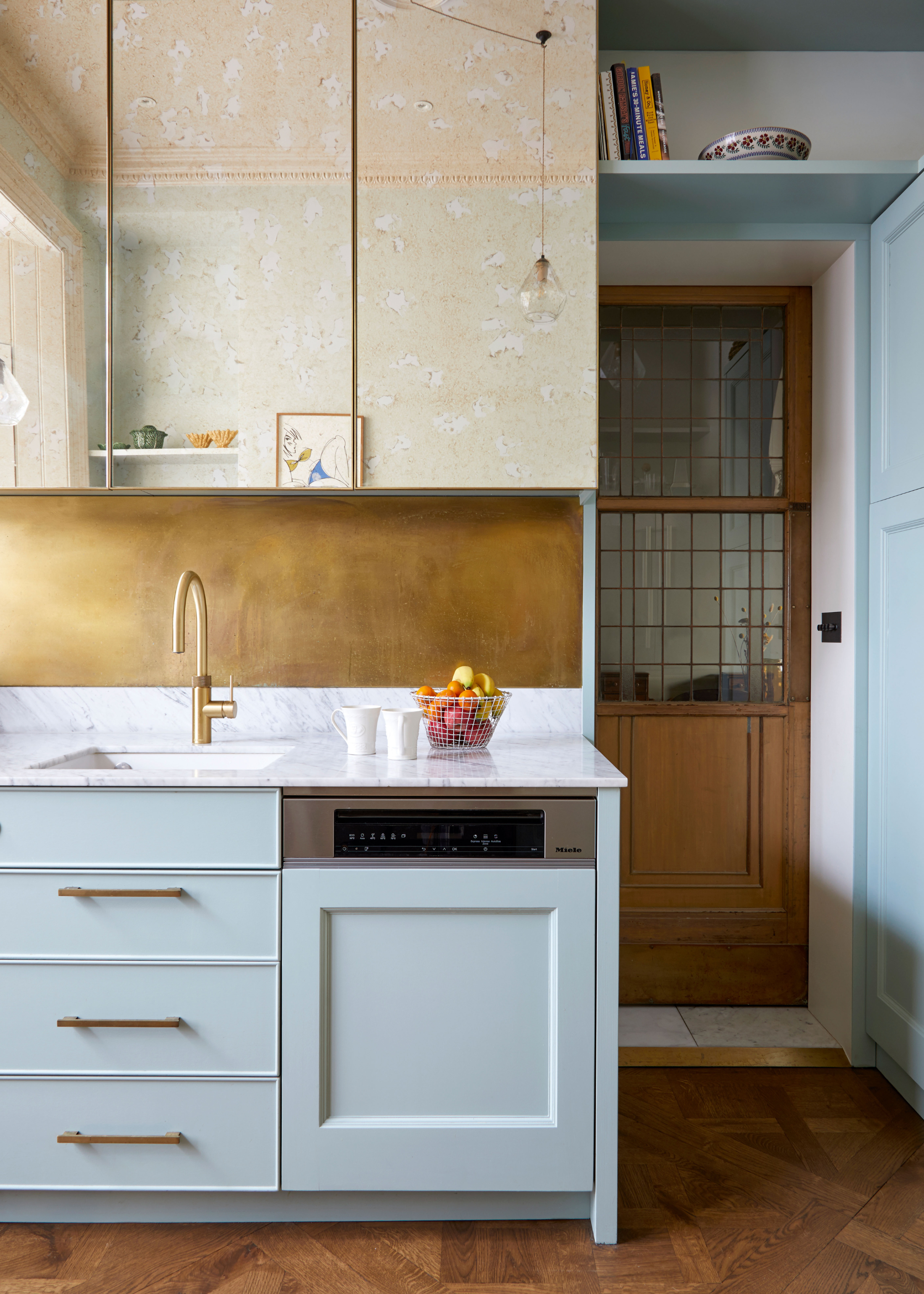
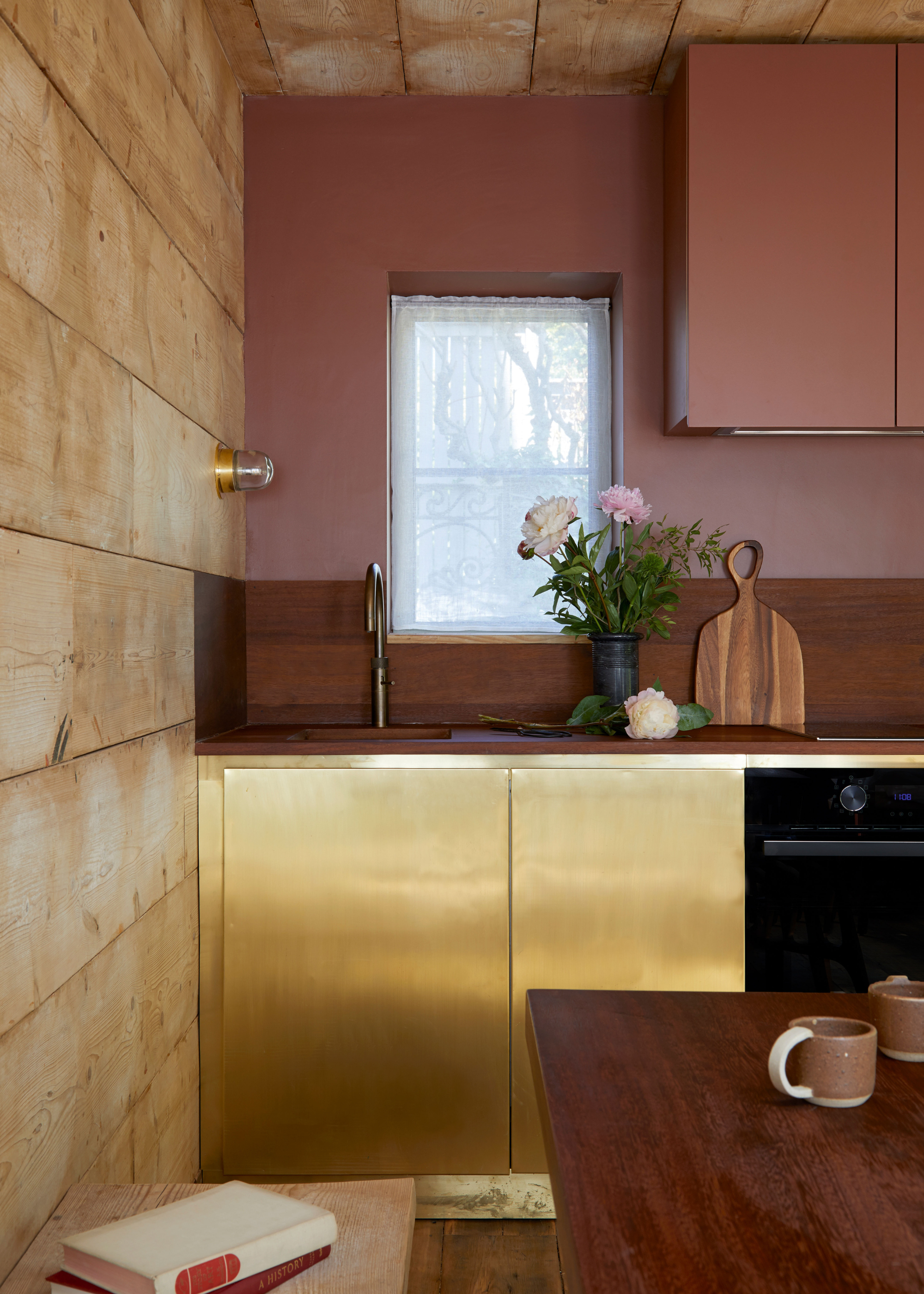
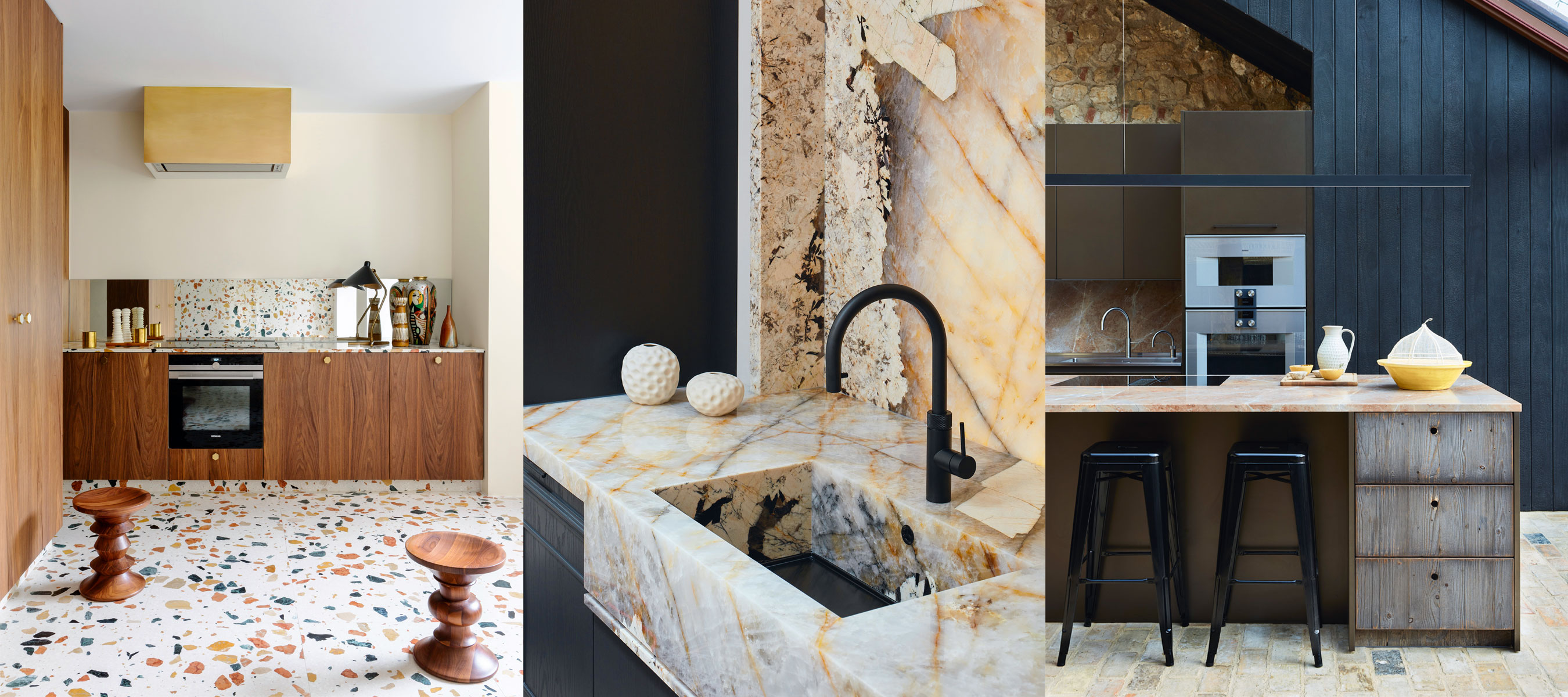
Ten distinct materials are showcased, offering unique aesthetic and functional properties. Brass is presented as a luxurious material for kitchen islands, noted for its beautiful aging process and patination over time. An example illustrates its use in combination with hand-broken marble for a distinctive backsplash. Plywood is discussed as an affordable and versatile option for cabinets, capable of achieving both raw and refined looks, especially when regularly sealed. Its cost-effectiveness and adaptability are key benefits.
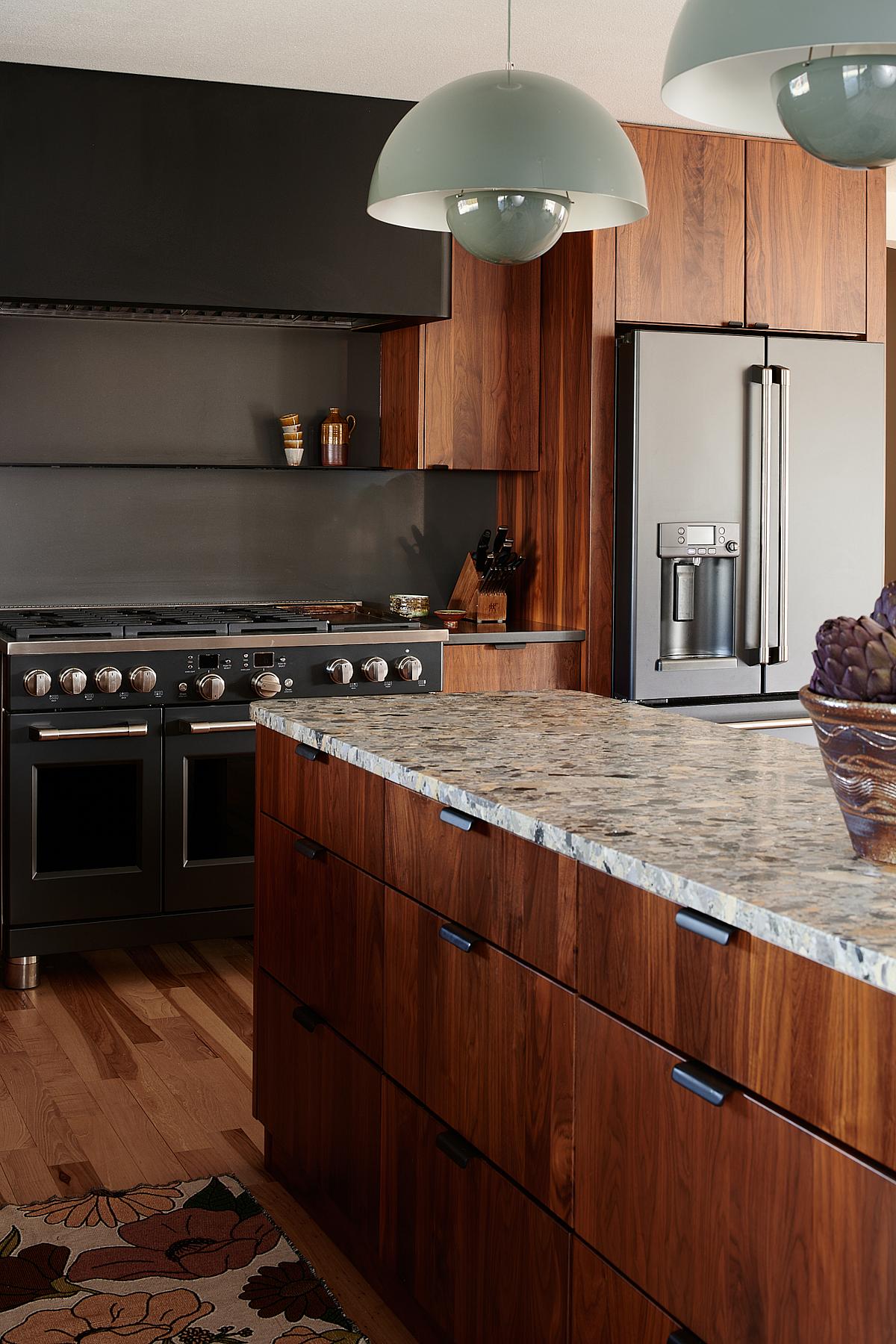
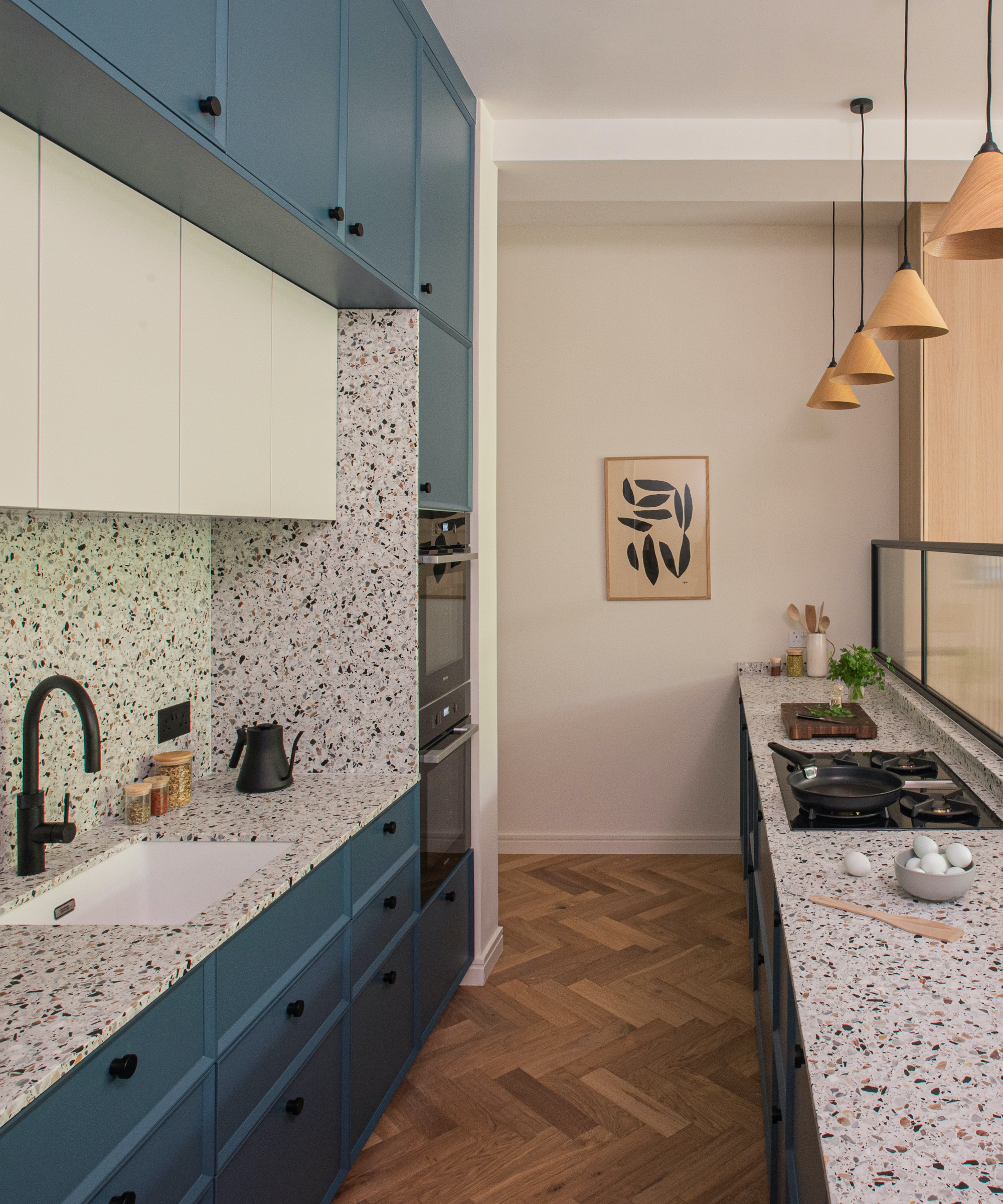
Recycled plastic emerges as an environmentally conscious choice, with an architect sharing his experience of using terrazzo-like recycled plastic countertops made from items like chopping boards and milk bottle tops. This material offers a "closed loop" approach to sustainability, featuring a graphic pattern that is forgiving and generally more affordable than many widely used materials.
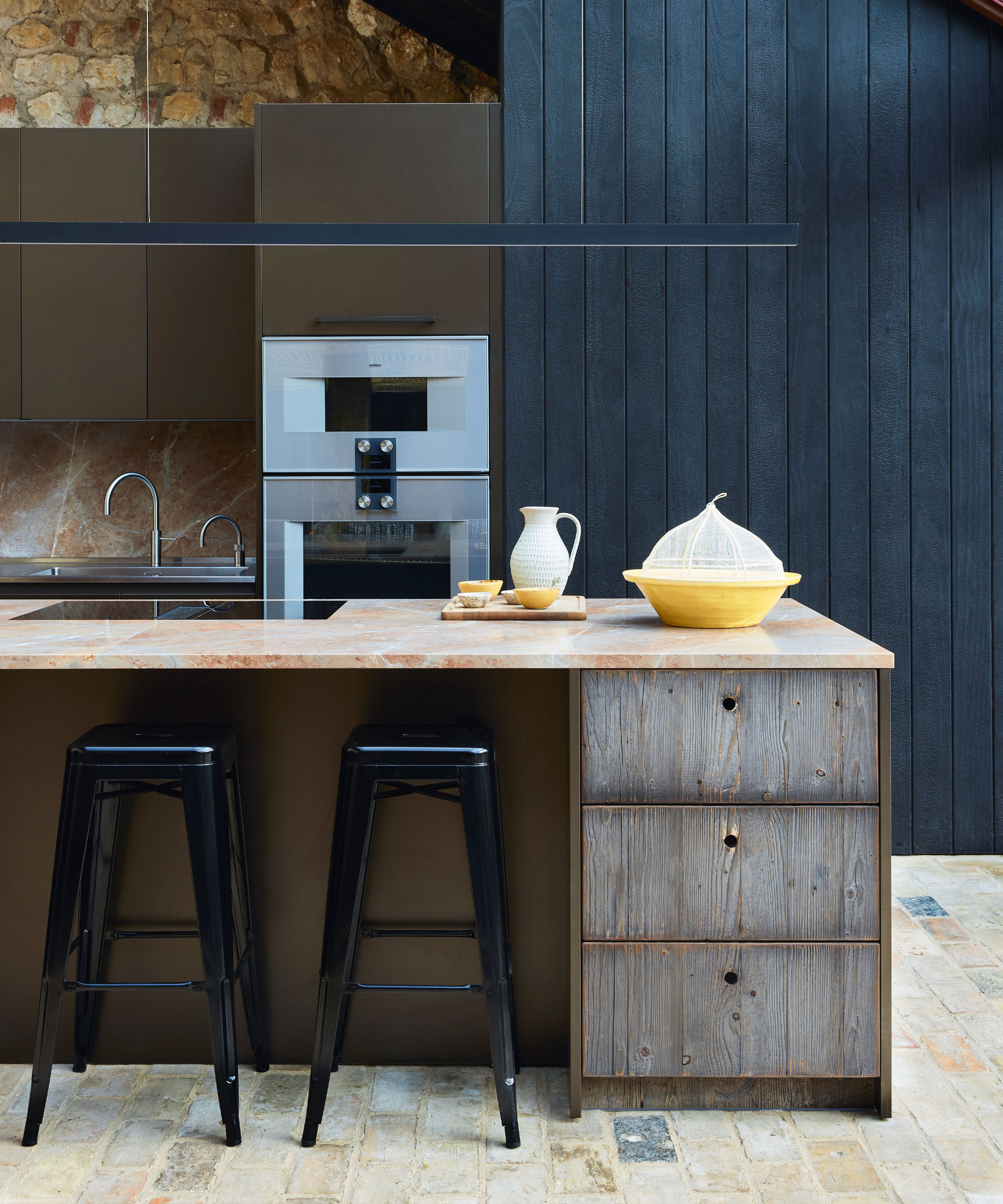
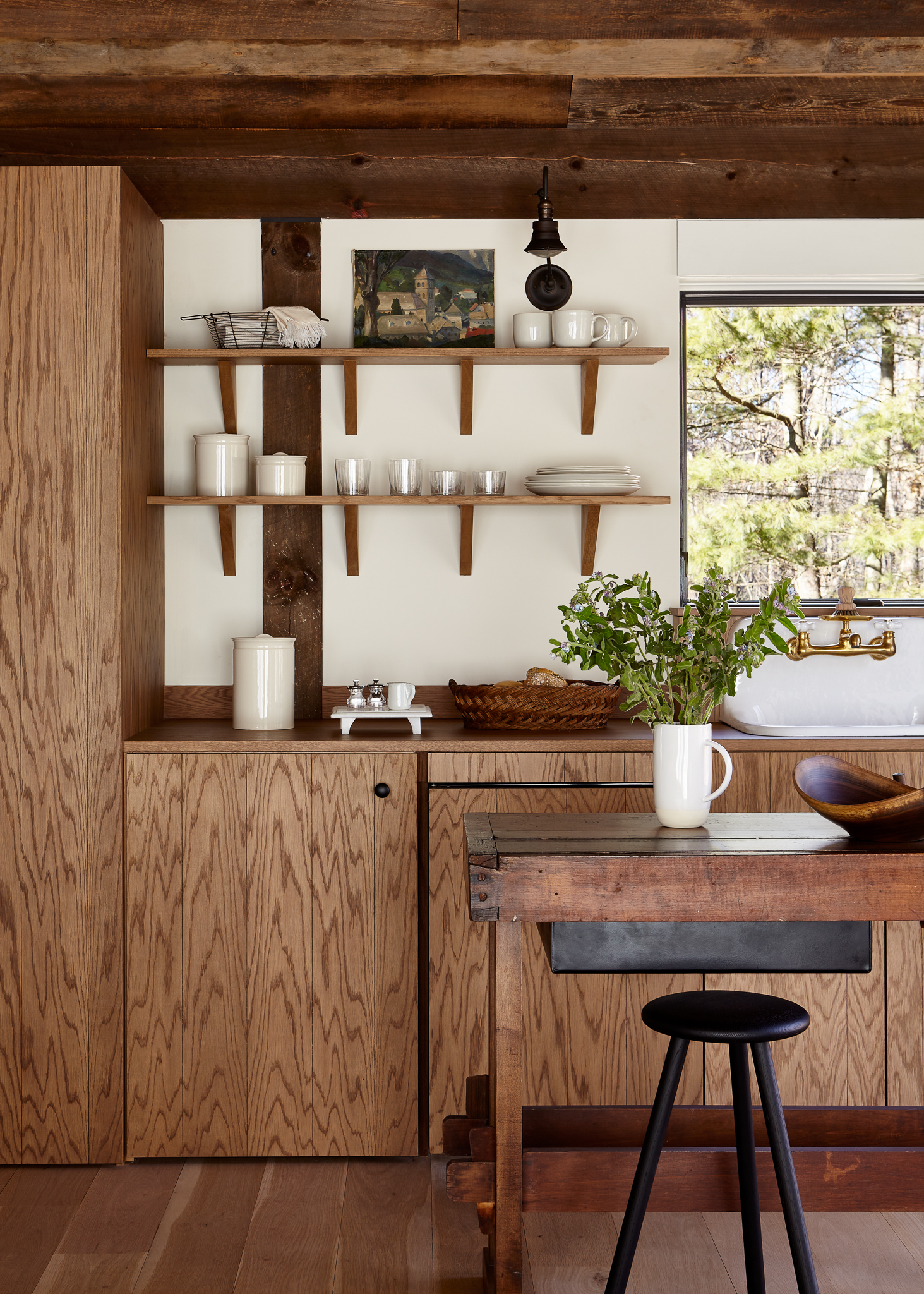
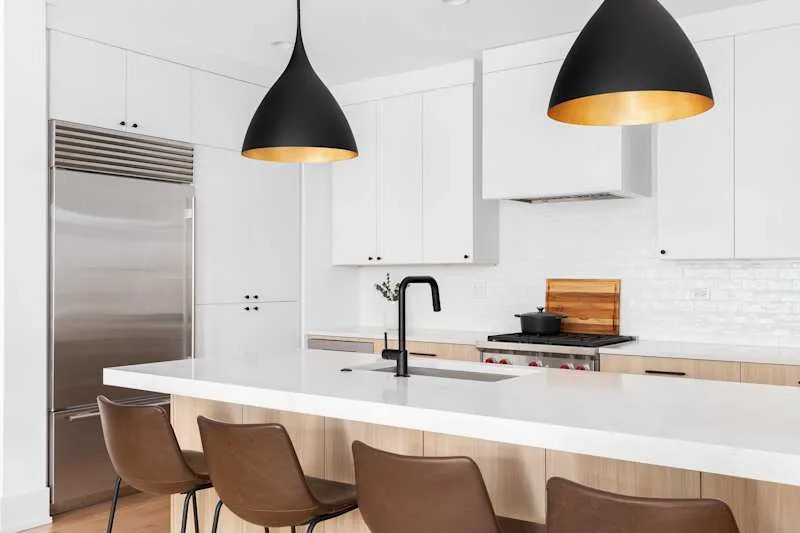
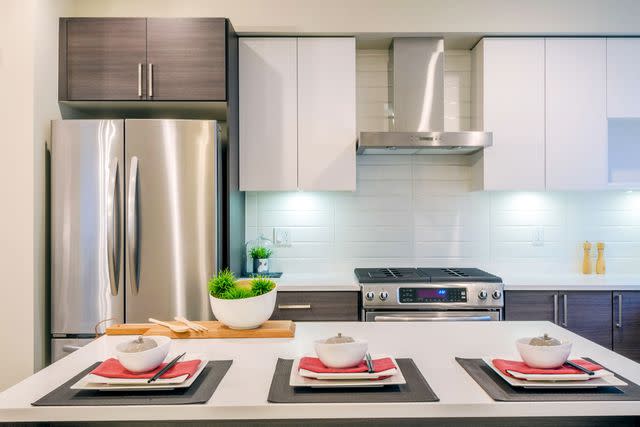
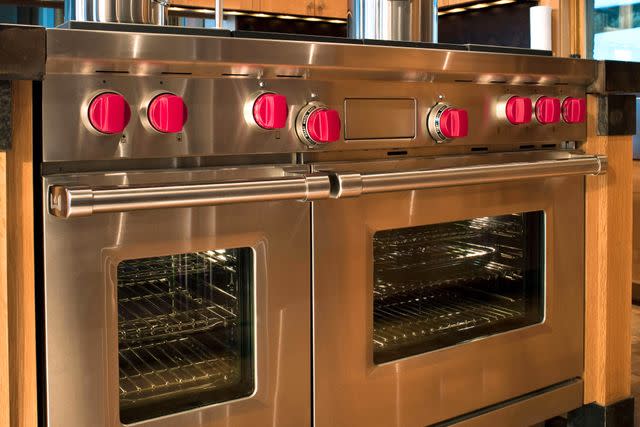
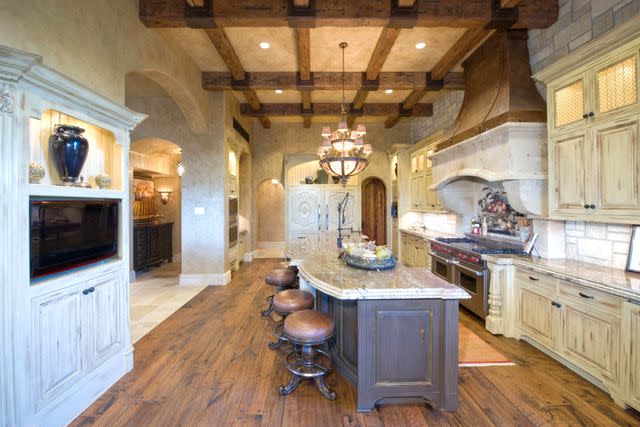
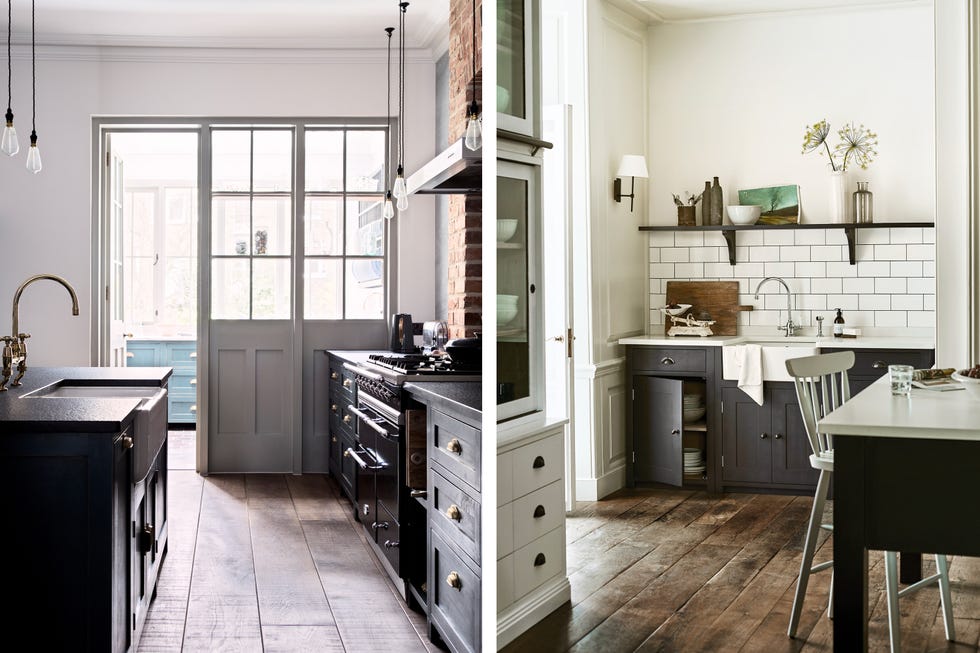
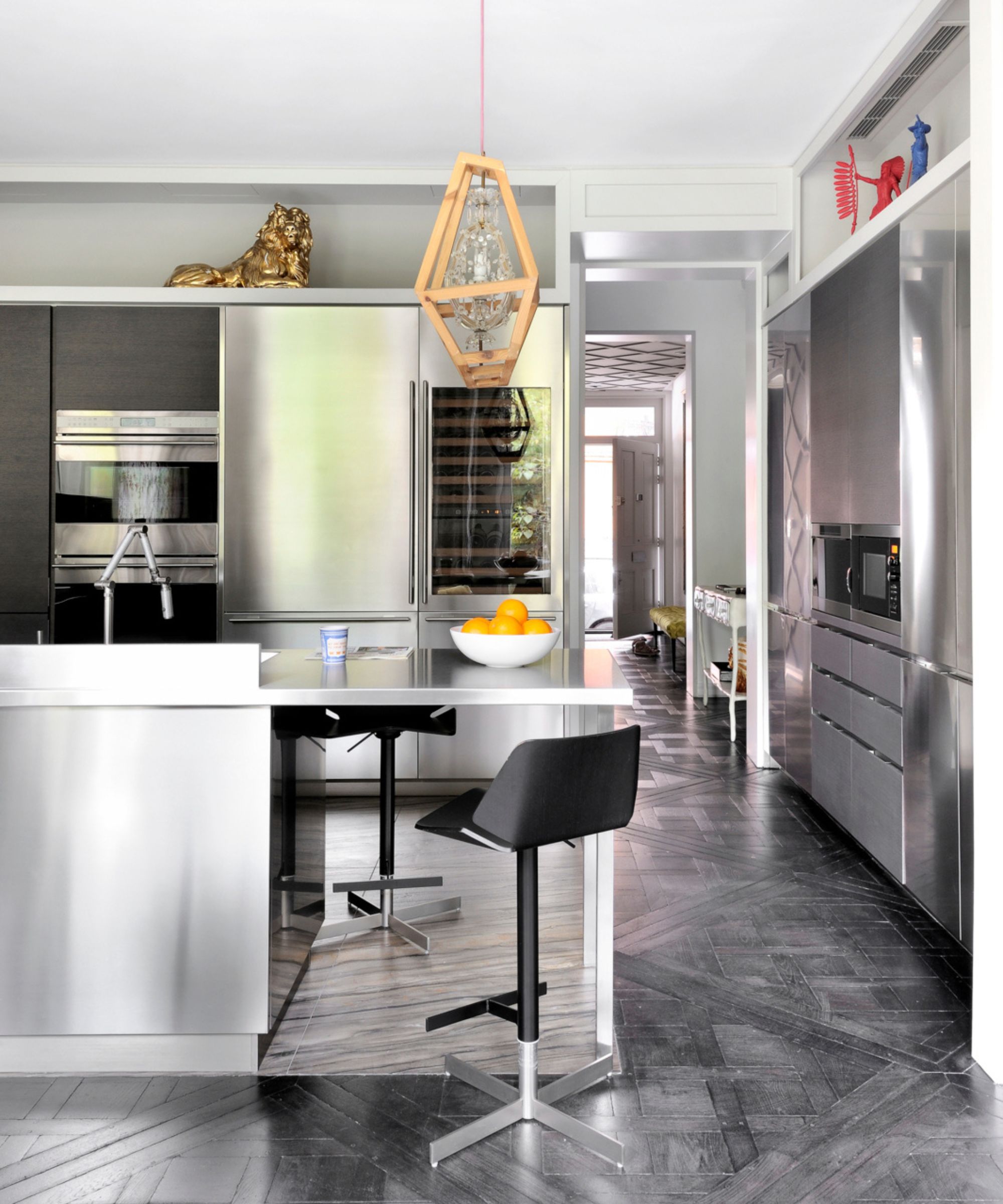
Stainless steel, while traditionally associated with commercial kitchens, is highlighted for its extreme durability and resistance to water stains and heat, making it ideal for avid home chefs. The article acknowledges that it can be prone to scratches, but its resilience is unmatched. Reclaimed wood is presented as a material that brings warmth, texture, and patina to a kitchen, encouraging the reuse of materials from demolished buildings. Specialists are recommended for sourcing the best pieces, with advice to use the material with minimal cutting and to prioritize screw fixings for future reuse.
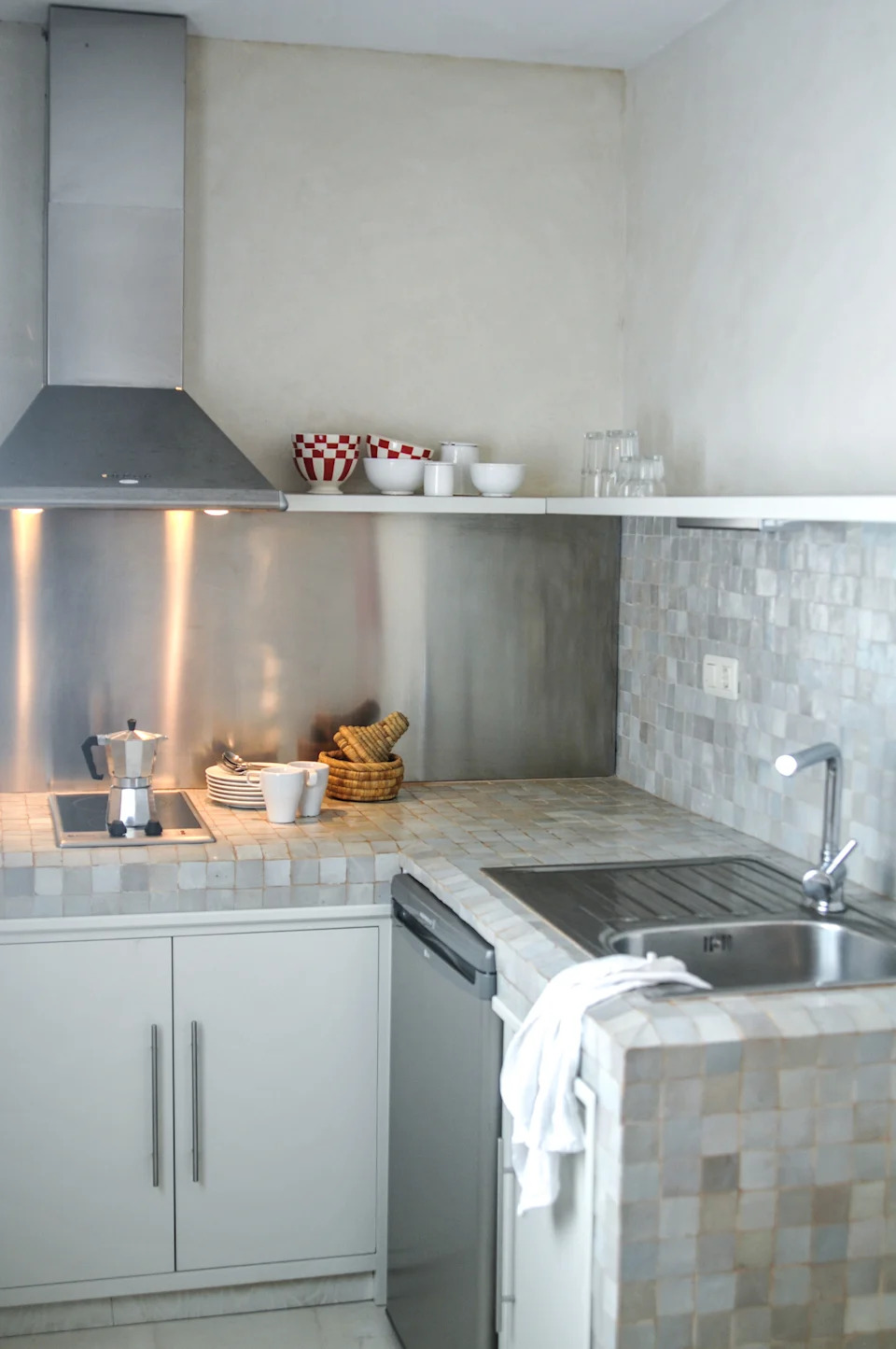
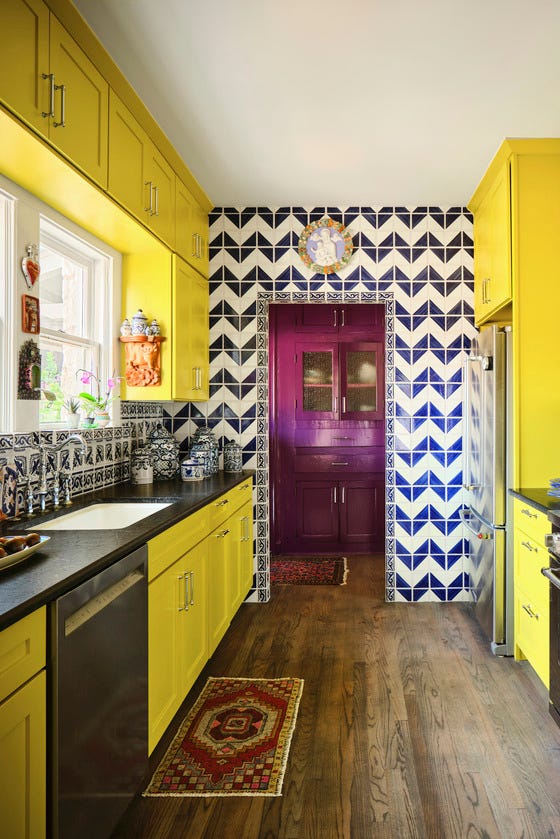
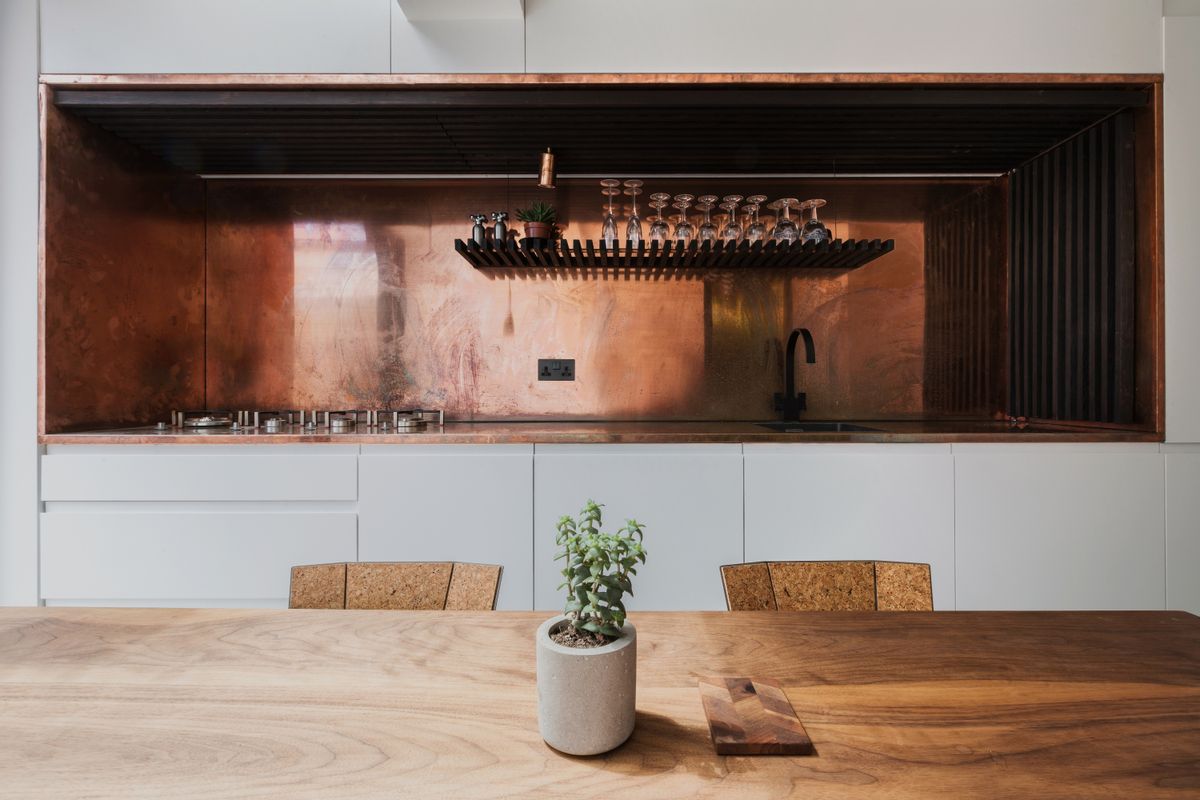
Aluminum is introduced as a more affordable alternative to stainless steel, sharing many of its benefits like being rustproof, non-porous, hygienic, and fire-resistant. It is lighter and develops a unique matte patina over time, with changes in texture based on usage. Tiles are re-imagined for countertops, not just backsplashes, offering a hardworking, heat, and water-impervious surface that can lend a uniform aesthetic, with advice on smoothing edges and transitions.
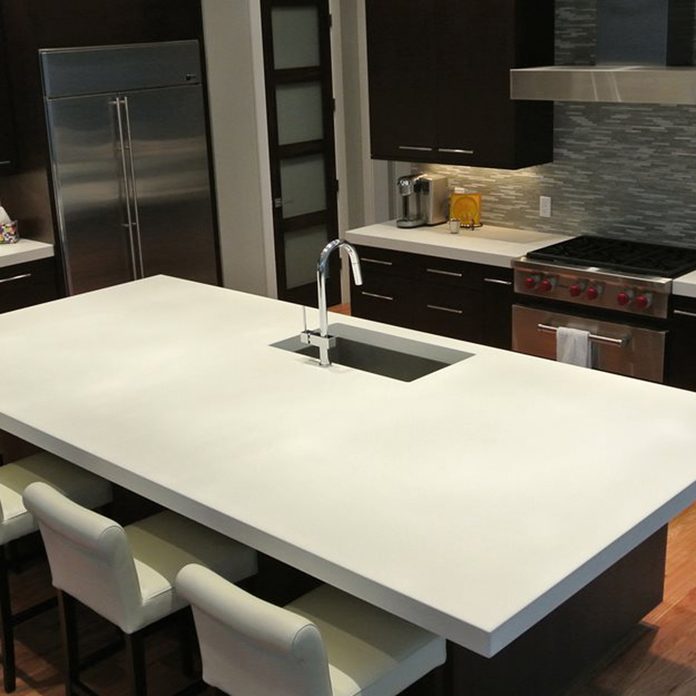
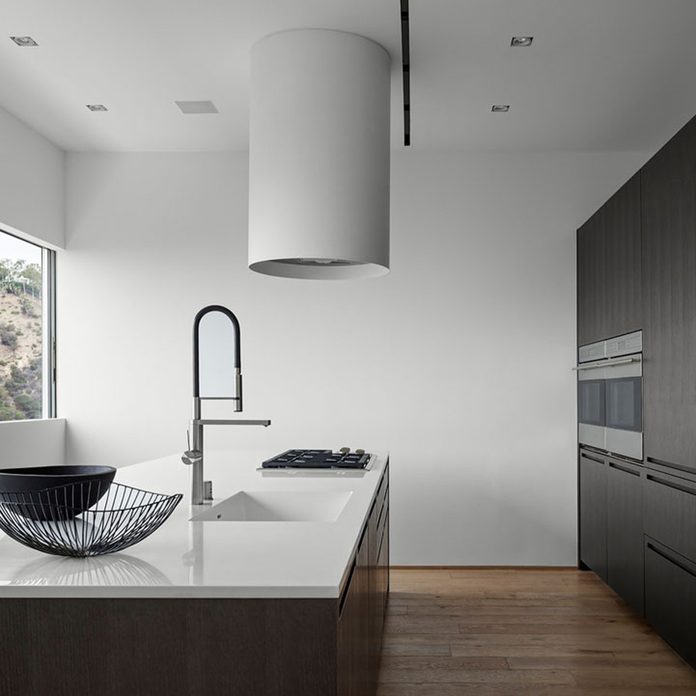
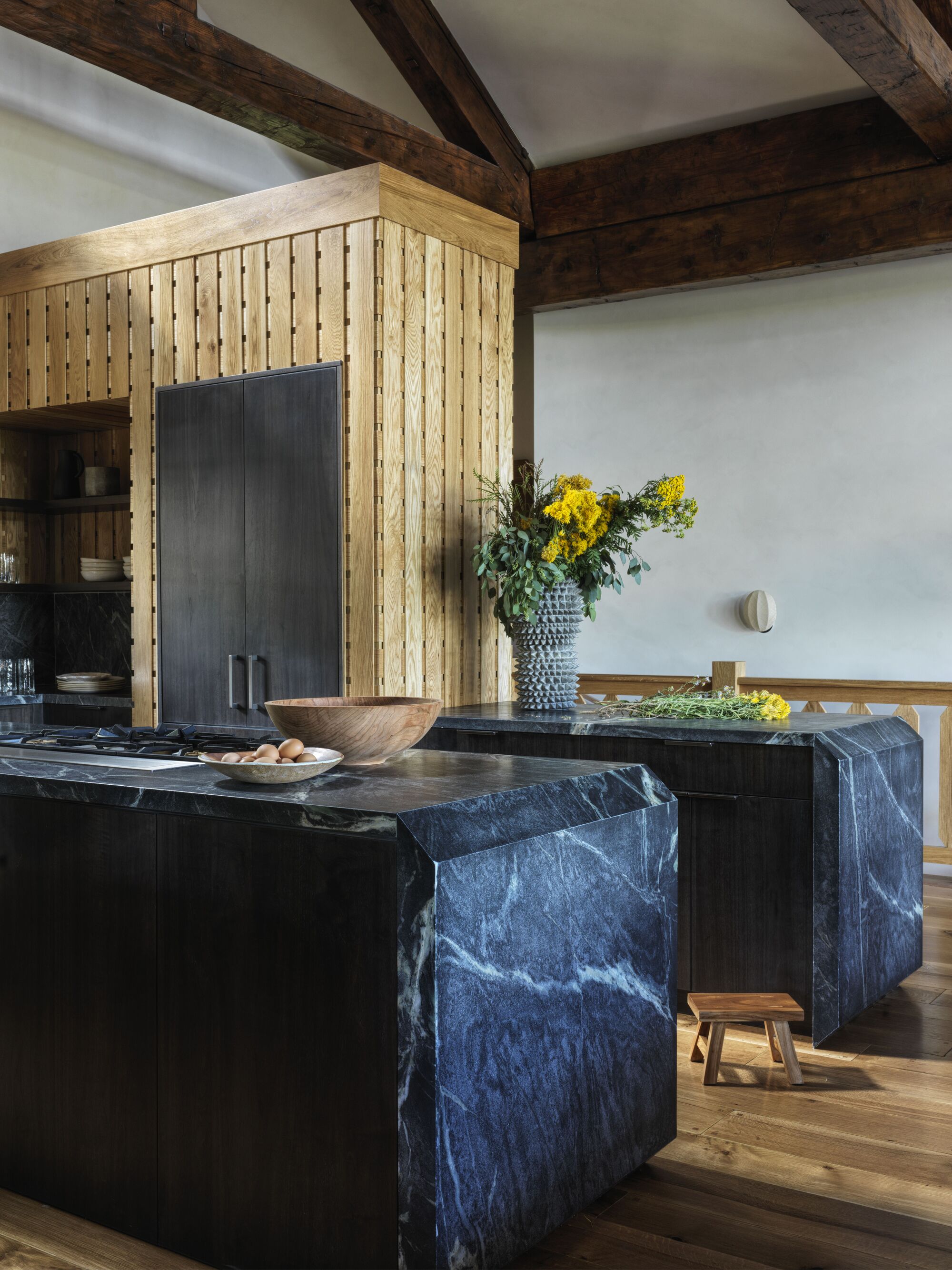
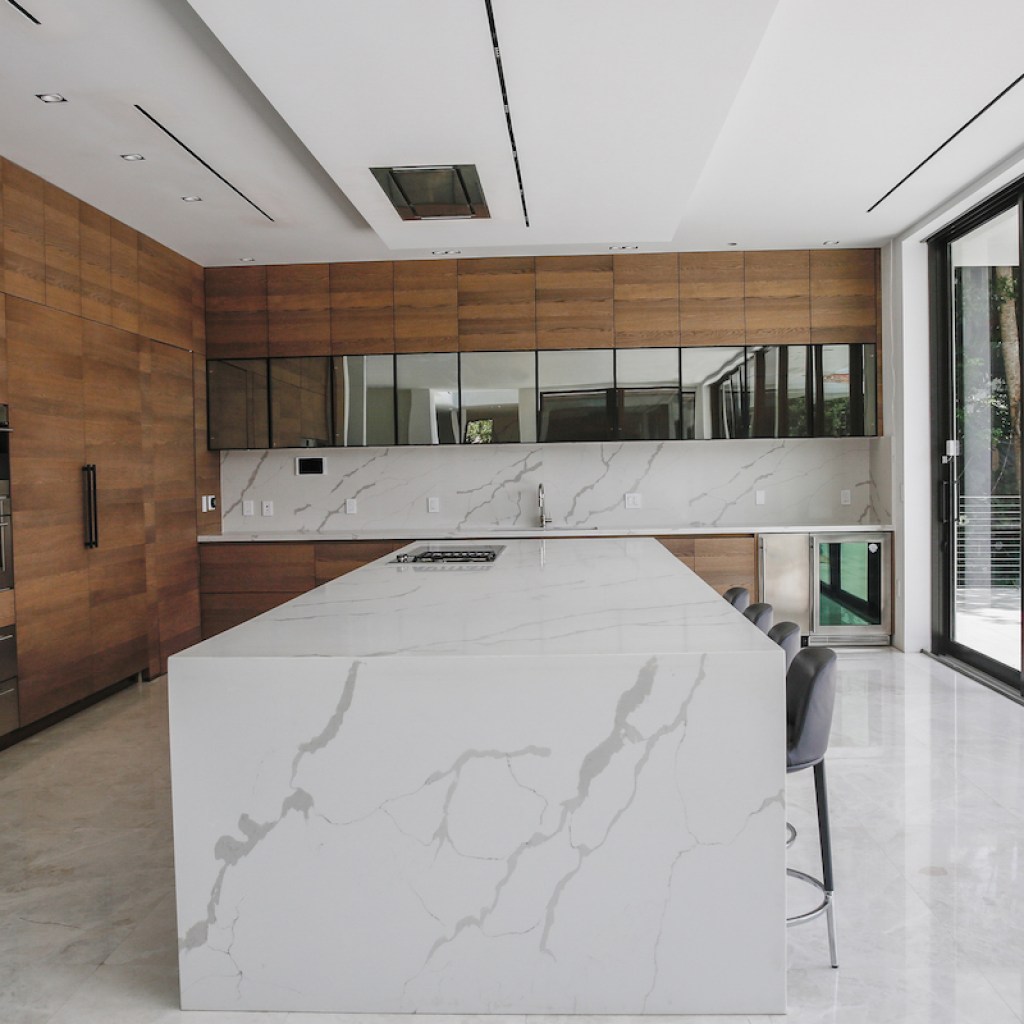
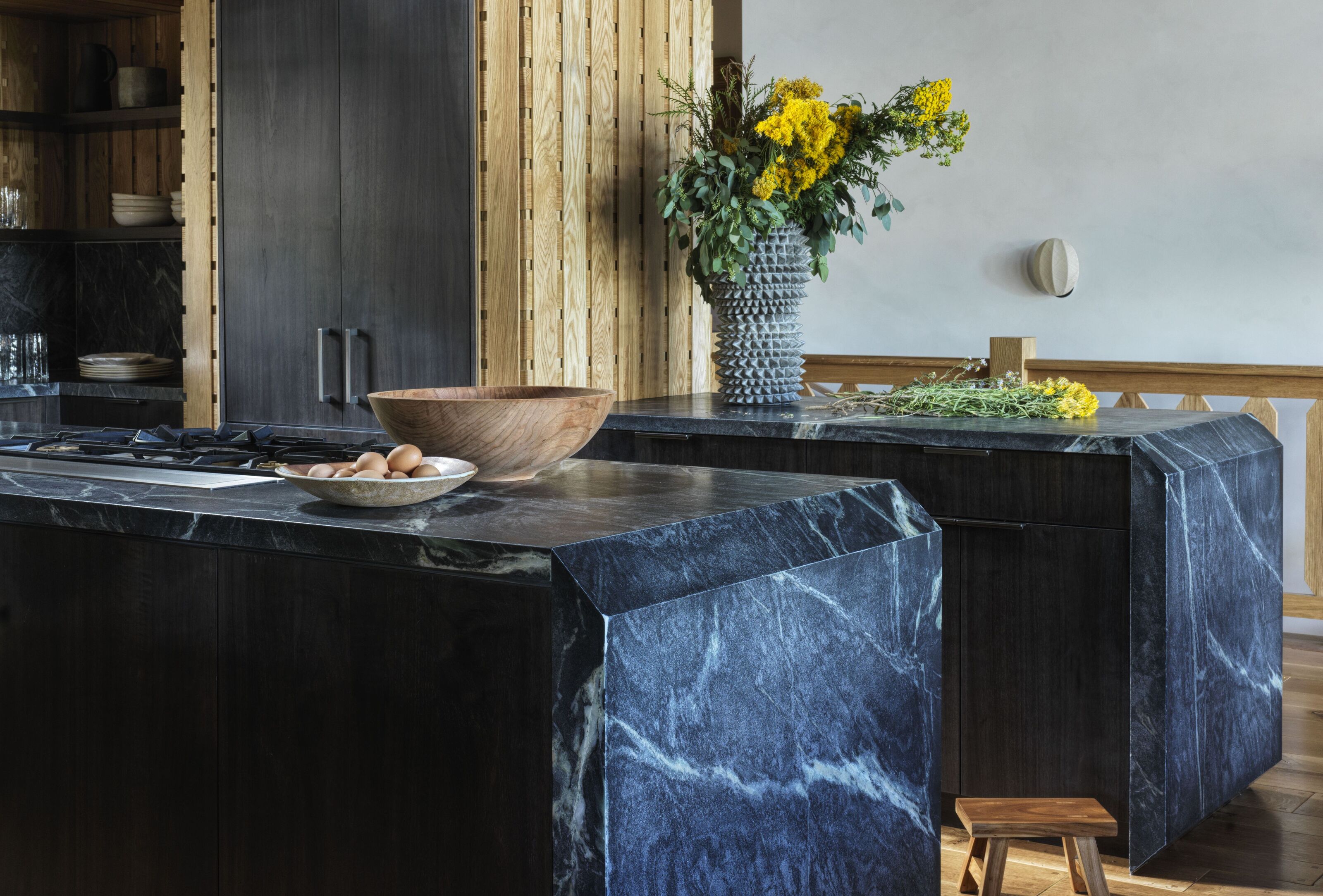
Pigmented concrete is explored for its raw aesthetic and the availability of vibrant colors, offering durability similar to natural stone. It patinas beautifully with age, with stains often fading or being removable. The article mentions its advantage of being polishable back to its original state. Zinc is presented as an alternative to stainless steel, chosen for its ability to illuminate and reflect light, possessing a warmer tone and aging gracefully over time. Like stainless steel, it is susceptible to scratches but offers a less clinical feel. Finally, textured granite is featured for its extreme durability and ability to link interior spaces to natural landscapes, with different finishes used for countertops (honed) and vertical surfaces (textured) to add depth and visual interest while maintaining practicality.
#KitchenDesign #UnusualMaterials #Countertops #Cabinets #InteriorDesignTrends #SustainableMaterials #RenovationIdeas #ModernKitchen #MaterialInnovation #KitchenDesign #UnusualMaterials #Countertops #Cabinets #InteriorDesignTrends #SustainableMaterials #RenovationIdeas #ModernKitchen #MaterialInnovation
0 comment in total
 No comments yet
You may also like
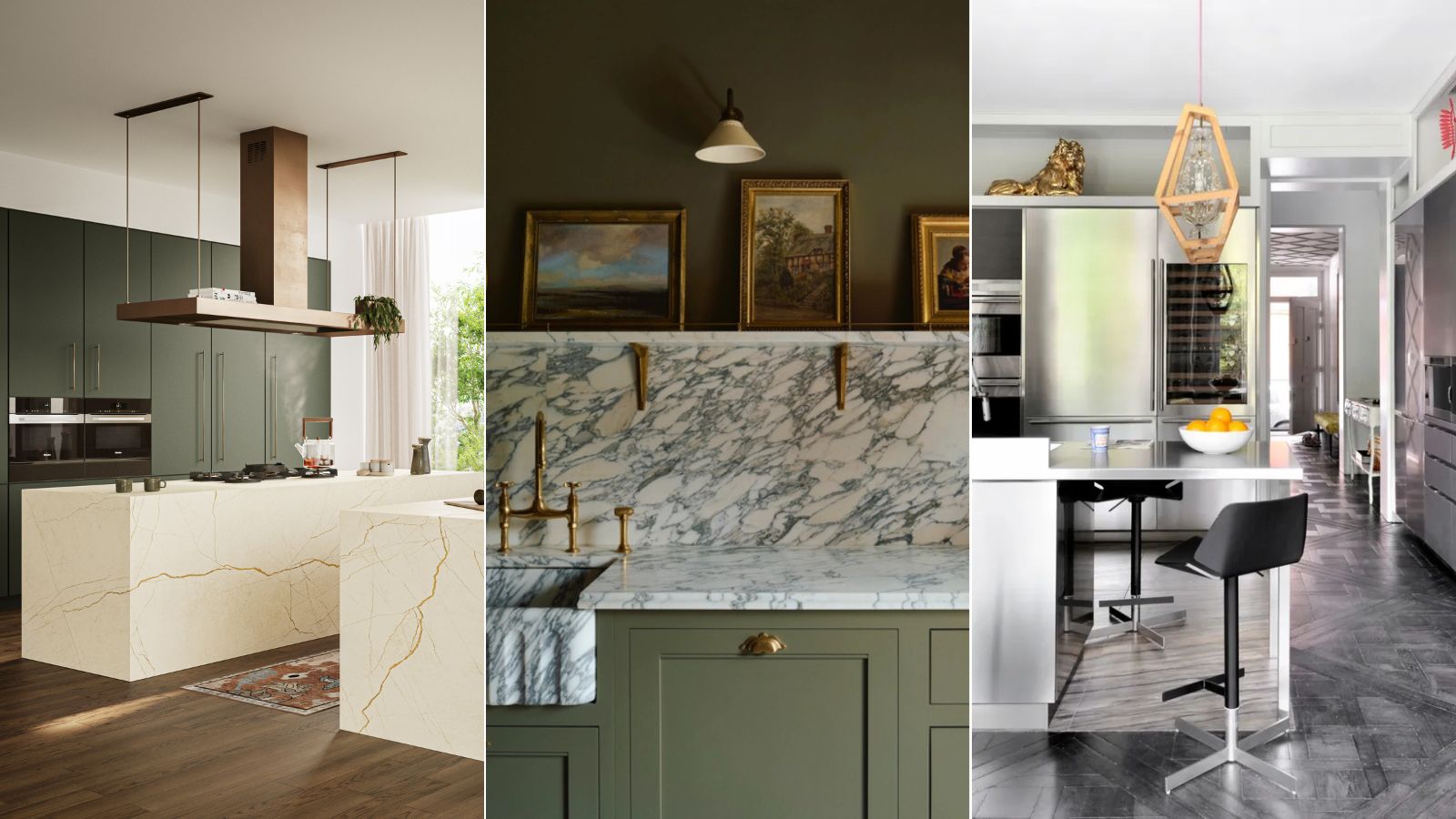
For statement, superior kitchen surfaces, explore the 10 new materials changing the face of kitchen design

11 expert-approved kitchen countertop trends for 2025
The Top 25 Kitchen Design Trends That Defined the Past 25 Years

Expansive, Expressive Surfaces

10 Kitchen Countertop Ideas People Are Doing Right Now

5 Kitchen Countertop Trends on Their Way Out in 2025 (and What’s Replacing Them)
See the latest trends in kitchen design

Designers are leaving these outdated kitchen trends in 2022 – some of their choices might shock you
Designers reveal the outdated countertop materials we should all be avoiding in 2024

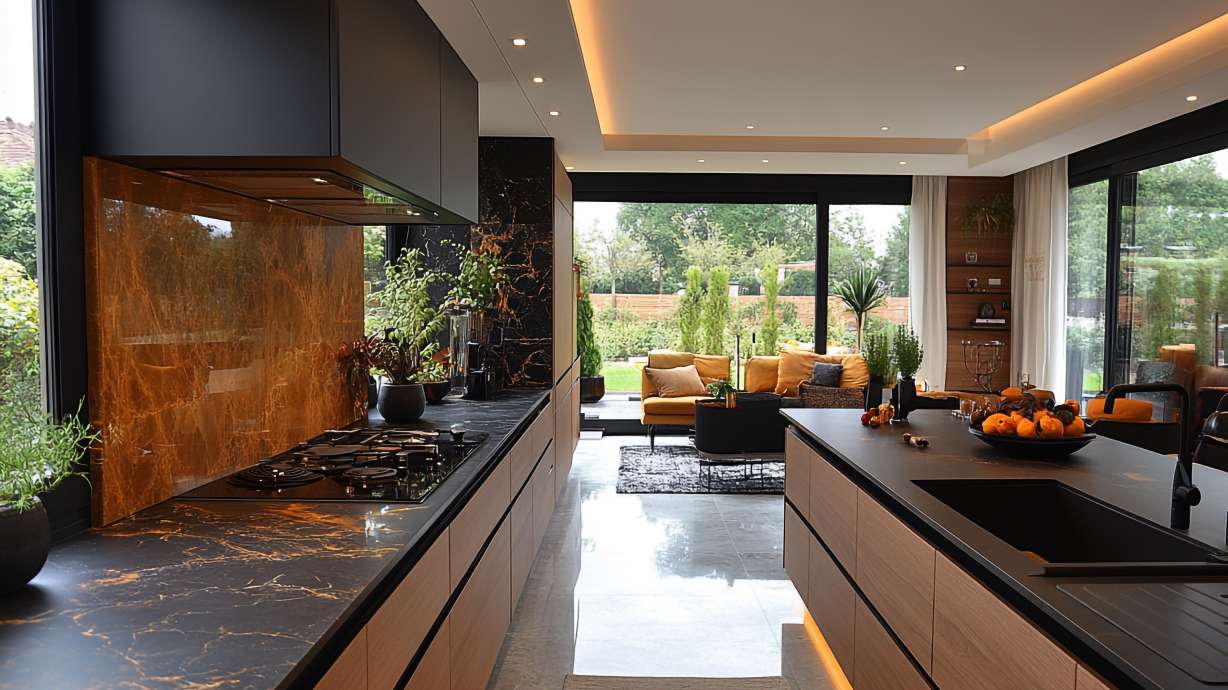
All-White Kitchens Are Officially Out: The Moody Countertop Trend Taking Over

Key emerging trends in kitchen countertop design for 2025

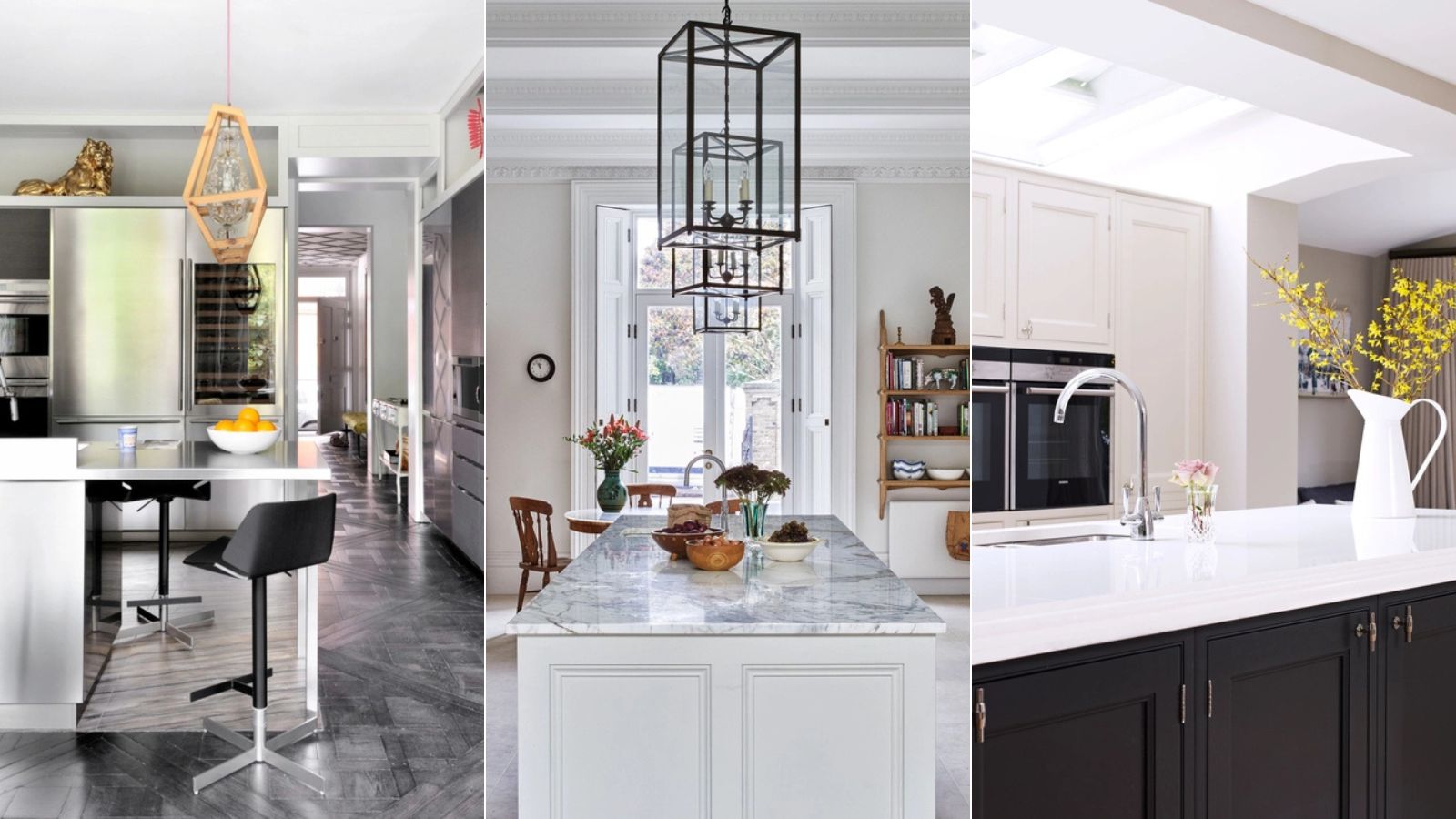
6 outdated kitchen countertop trends to leave behind in 2025
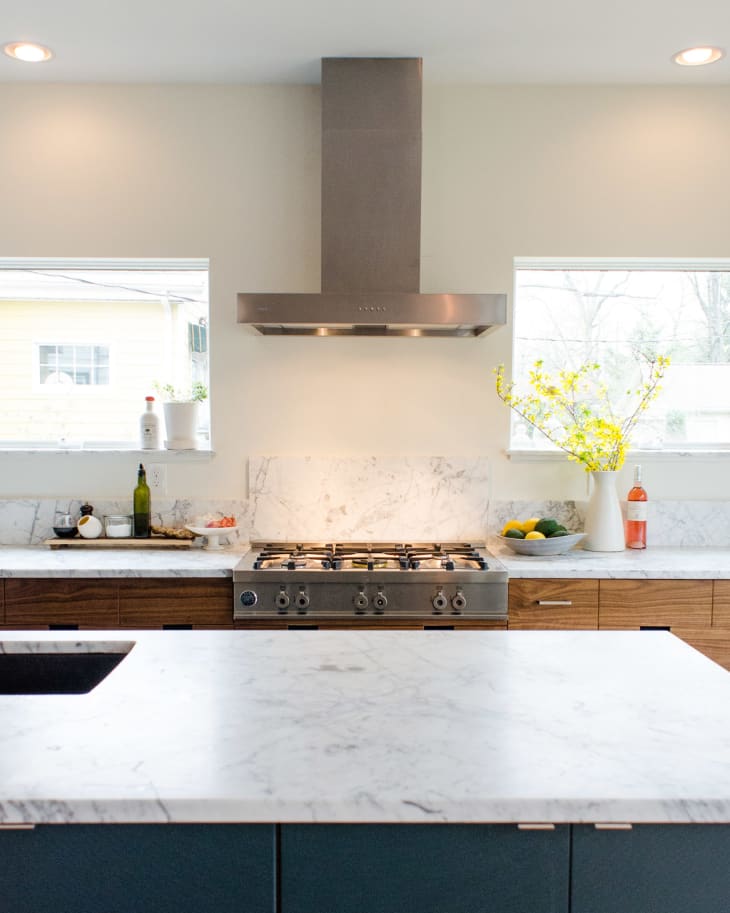
7 Unusual Kitchen Countertops That Totally Work
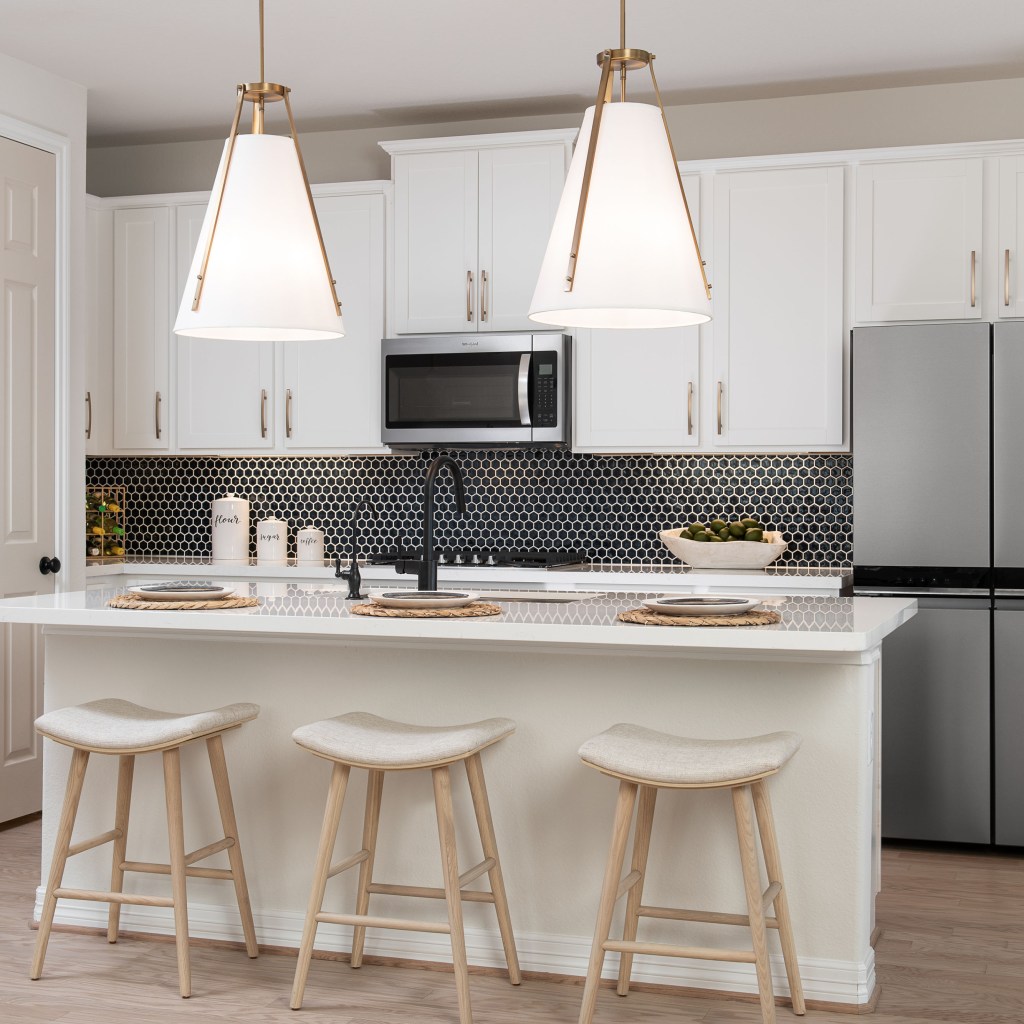
These are the kitchen trends designers say will elevate your design
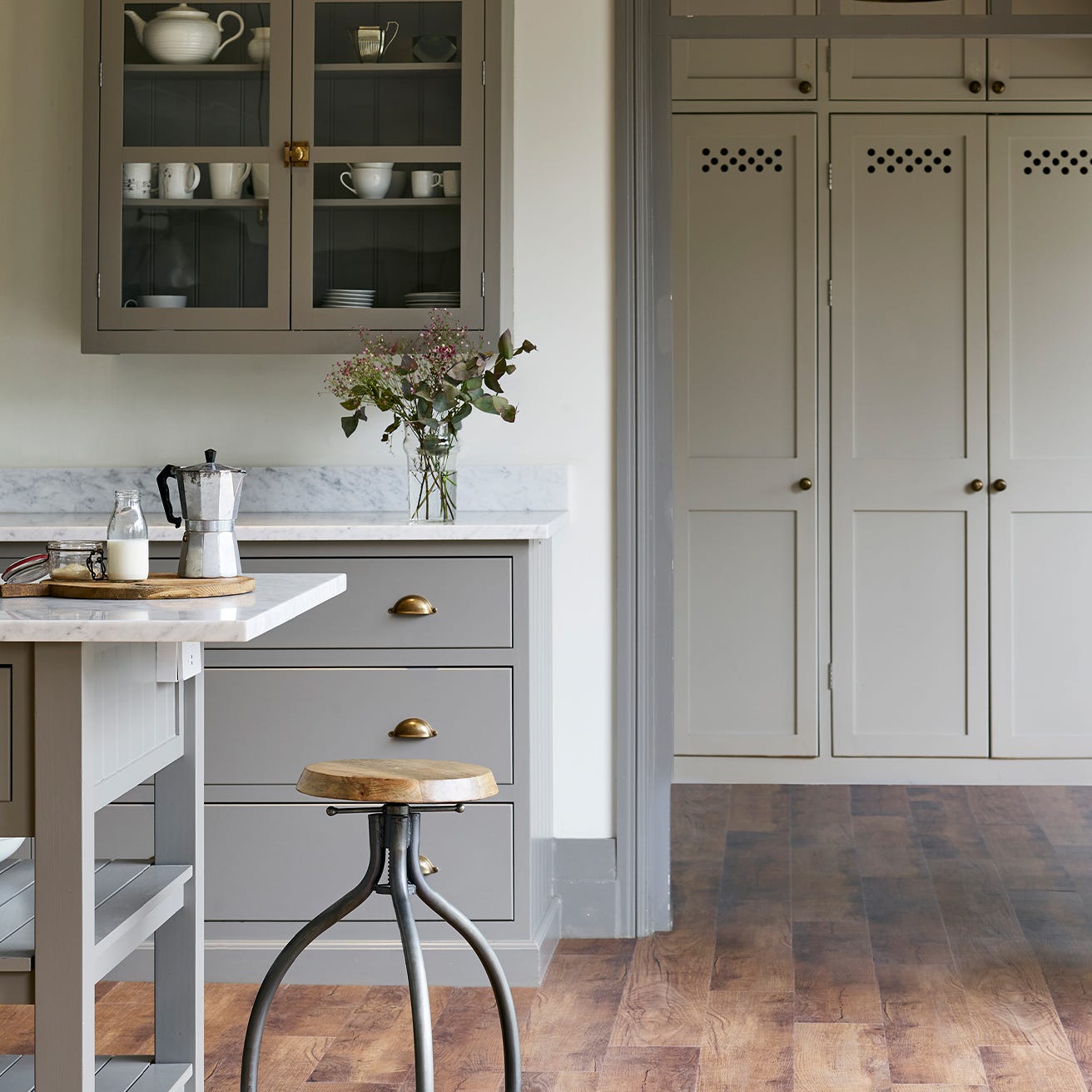
10 kitchen flooring ideas for a refreshed look
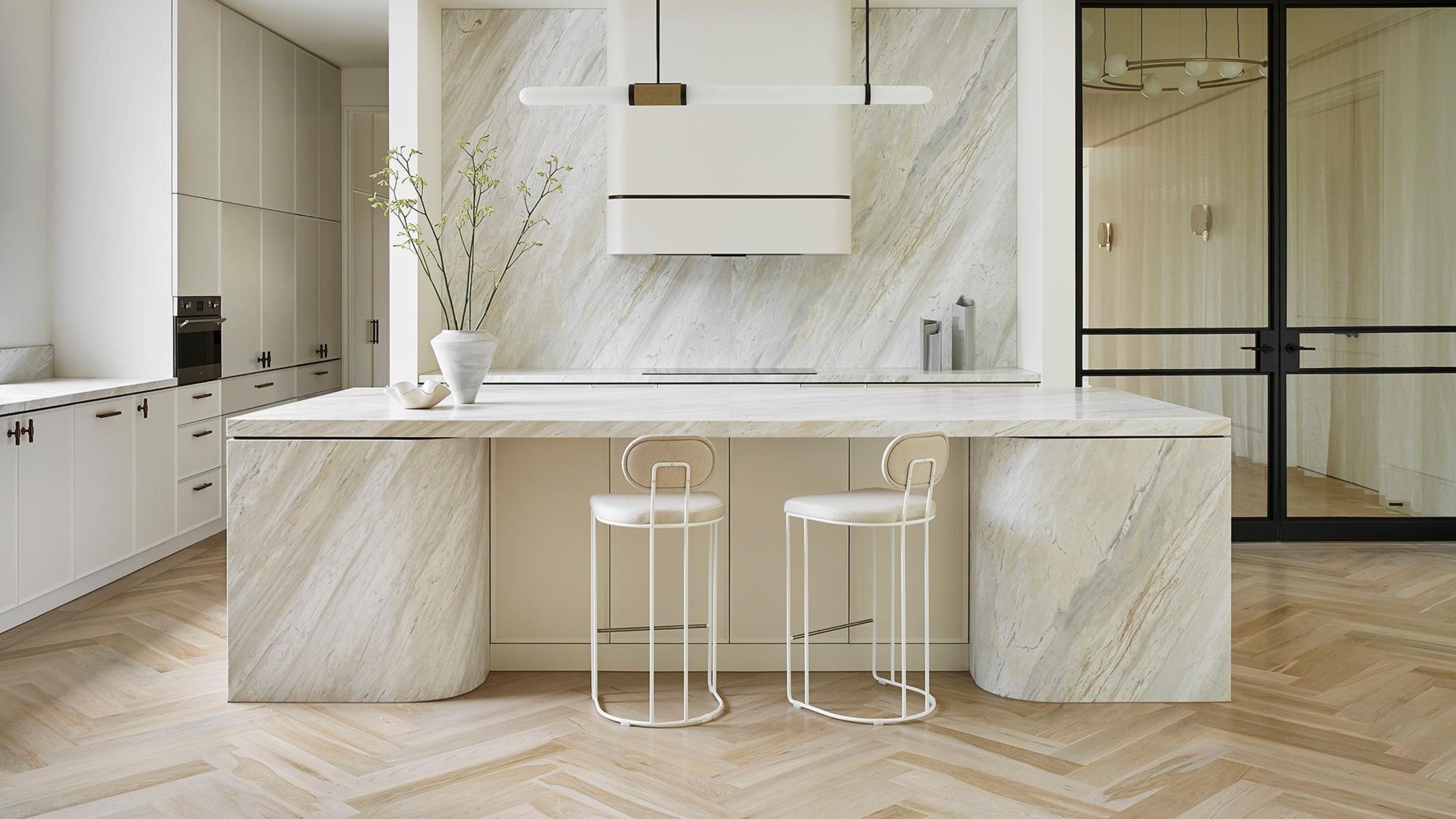
11 Countertop Ideas That You'll Find in the Best-Looking Kitchens in 2025 |
Countertop Trends — 8 of the Chicest Finishes That will be Wowing the Design World in 2025
10 Modern Cabinet Ideas That'll Freshen Up Your Kitchen

The latest sensational kitchen design ideas to inspire your home renovation

We Asked Designers If Kitchens Can Have Mismatched Countertops, and They All Agreed