1/2
We Asked Designers If Kitchens Can Have Mismatched Countertops, and They All Agreed
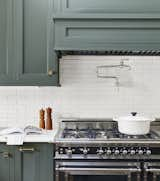
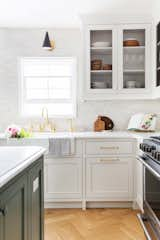
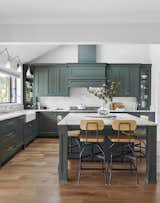
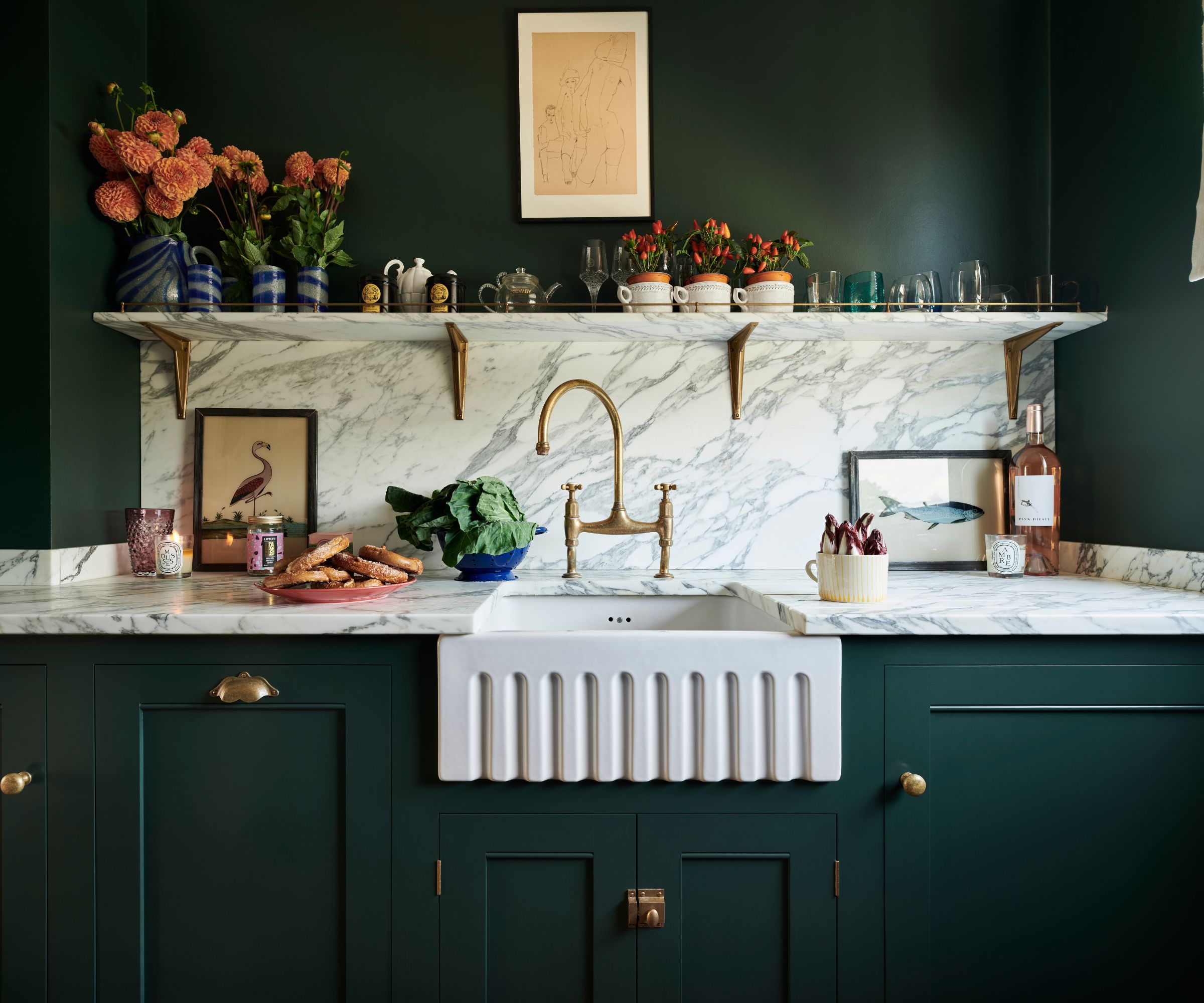
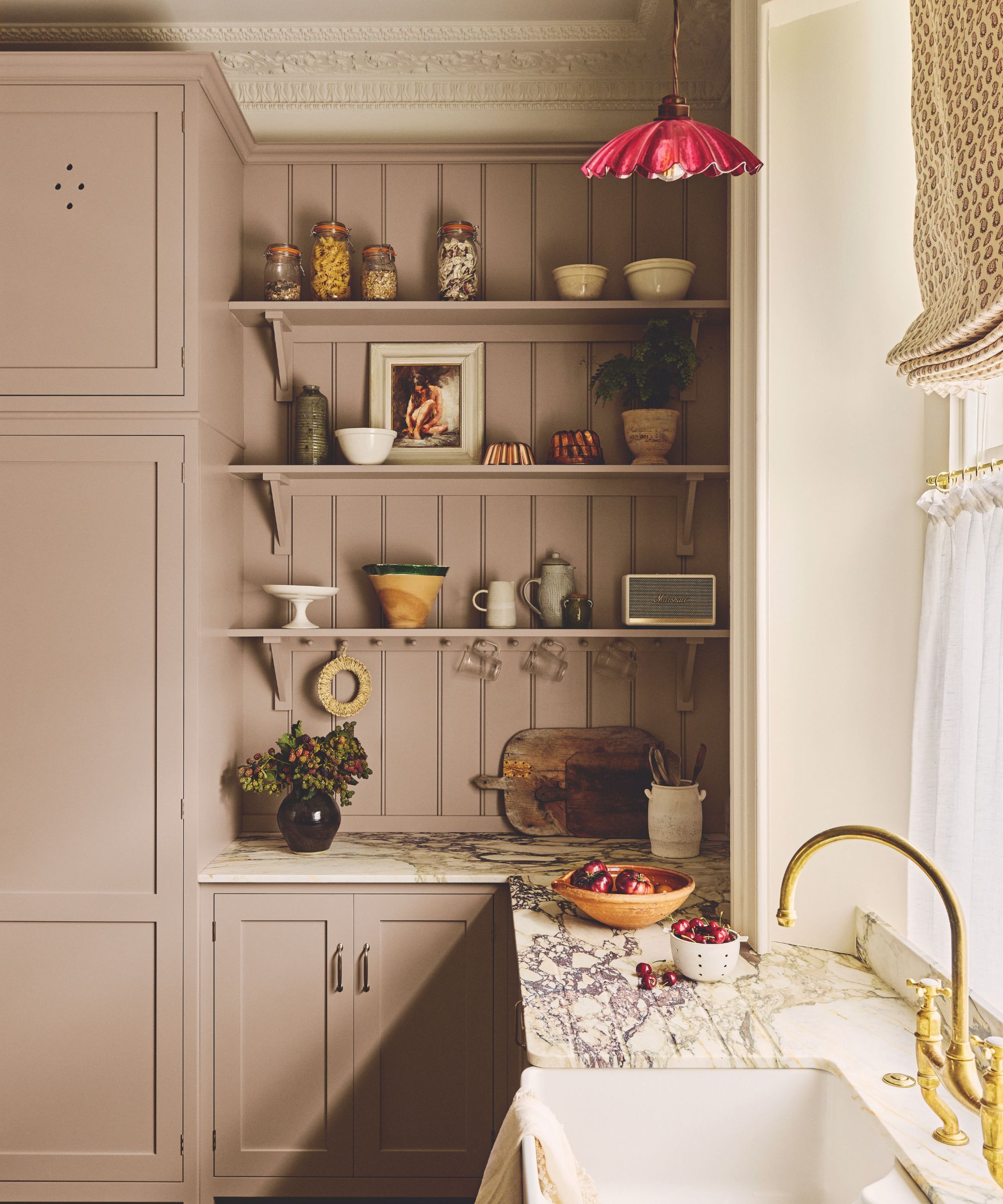
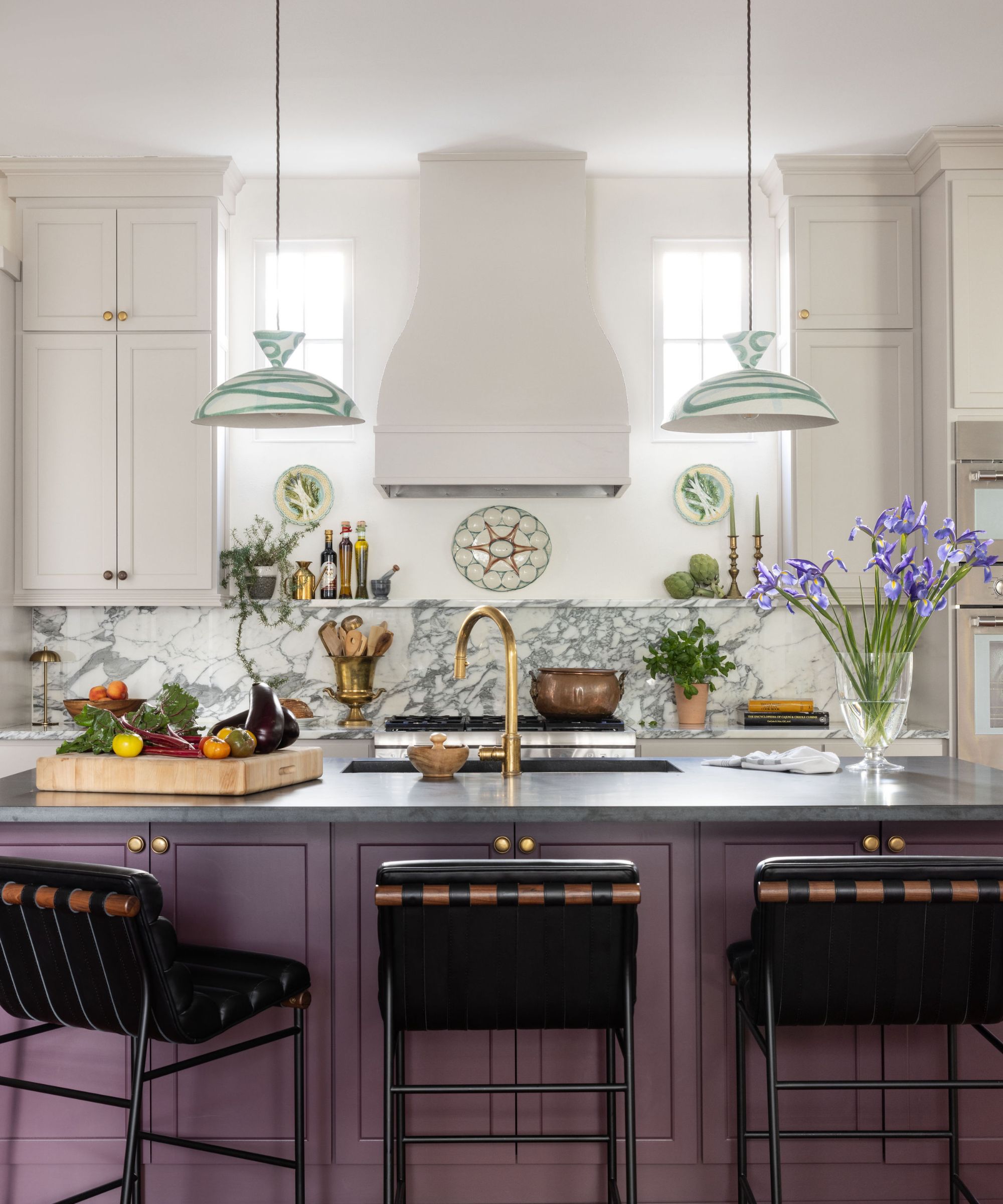
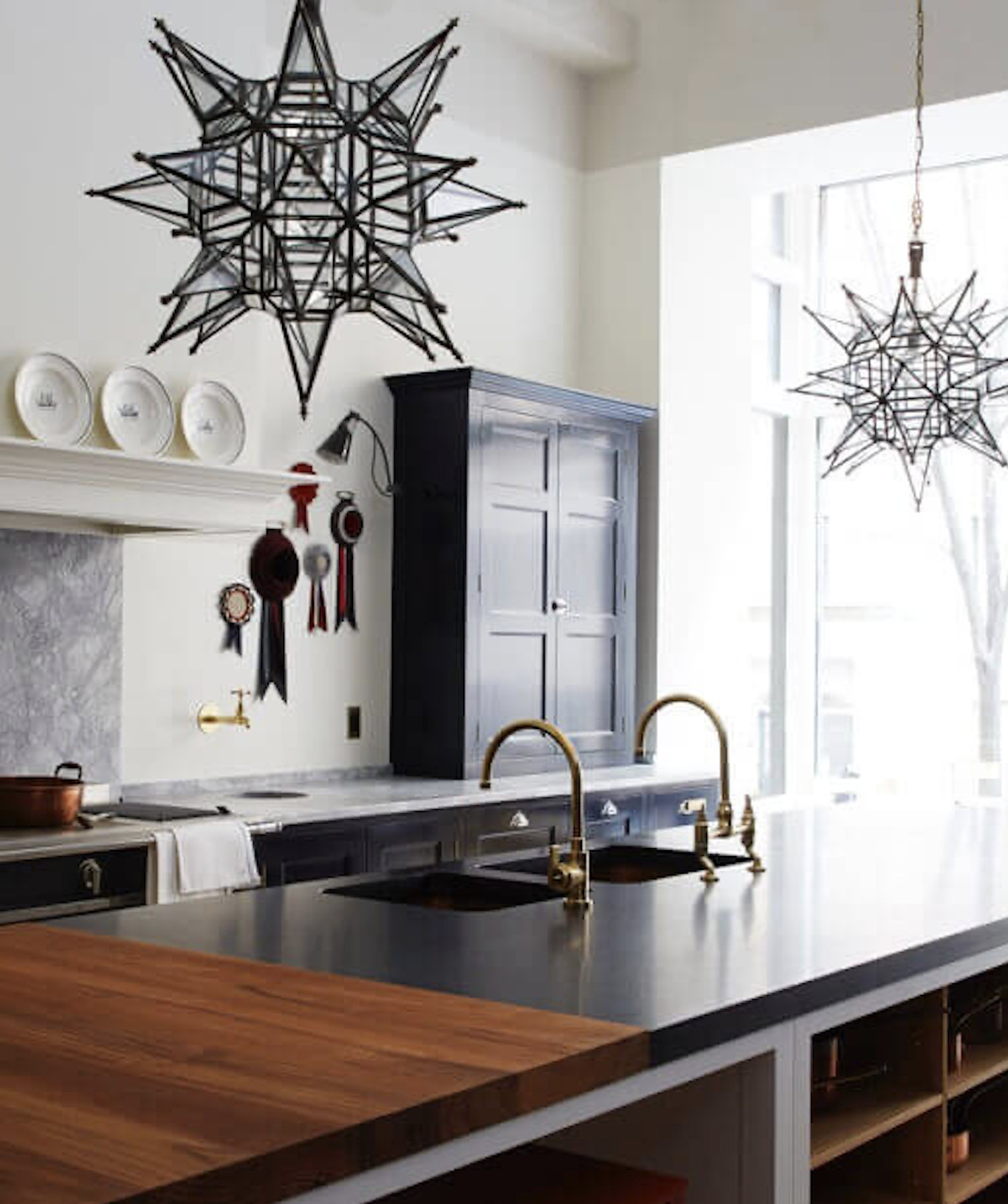
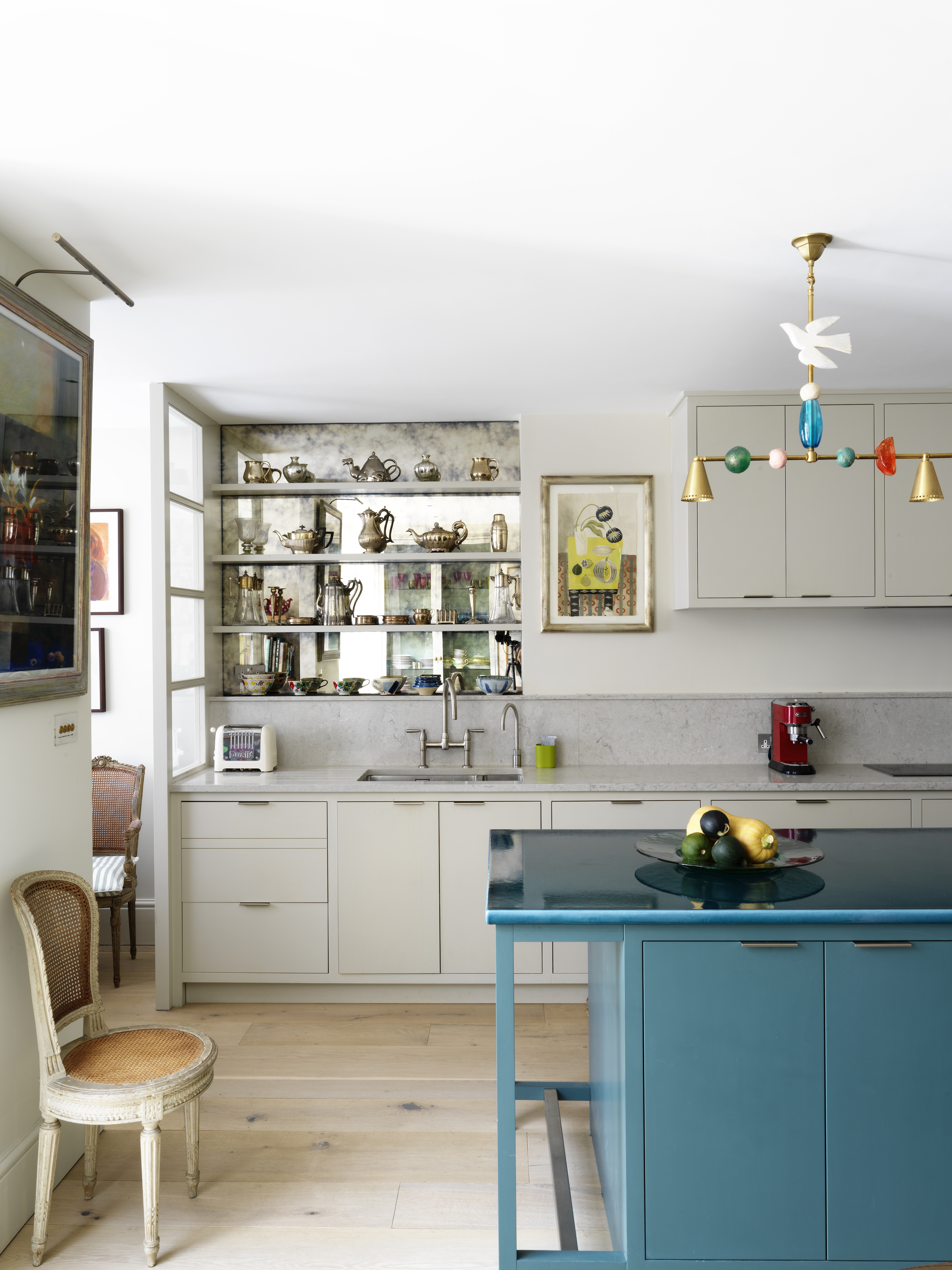
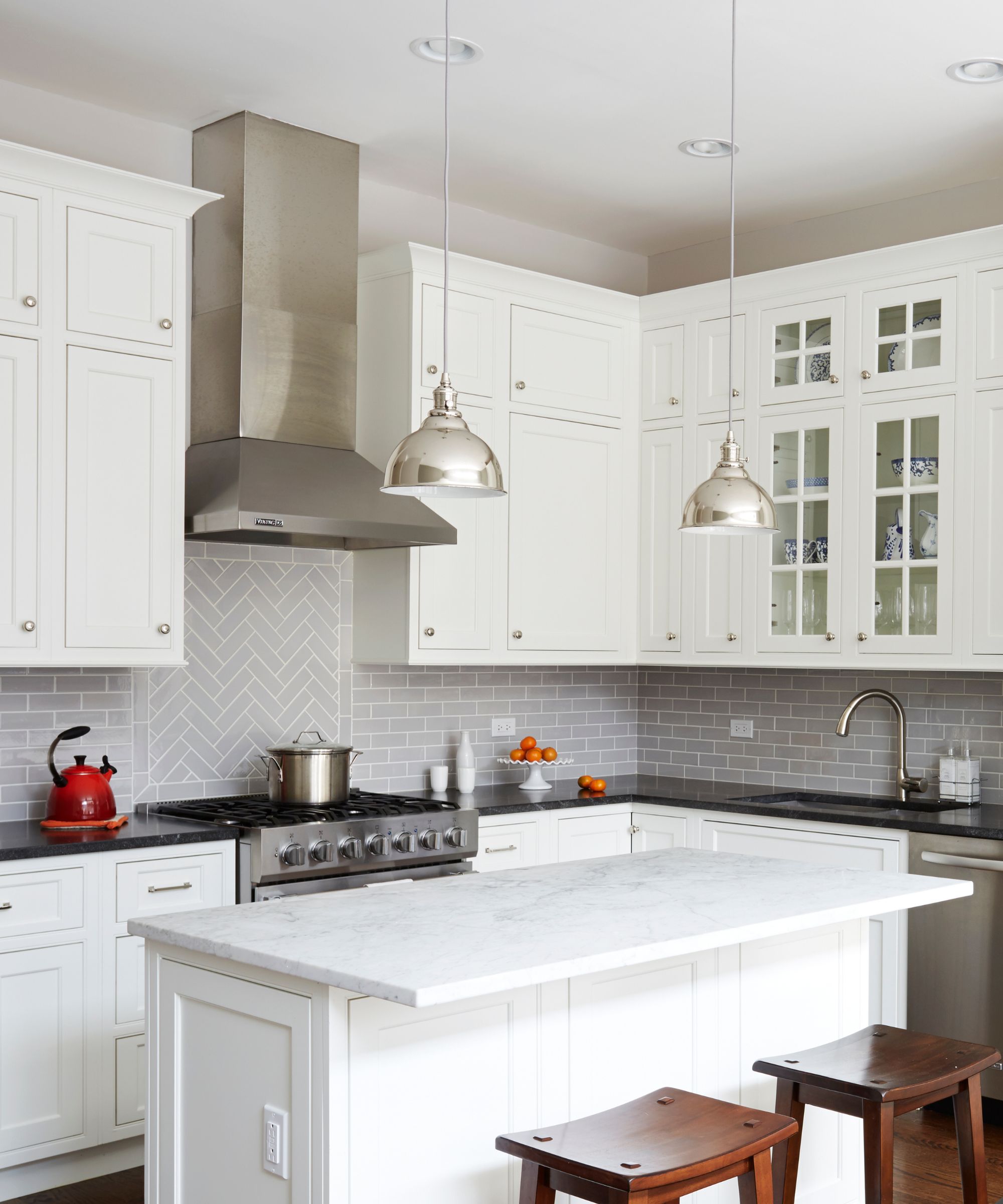
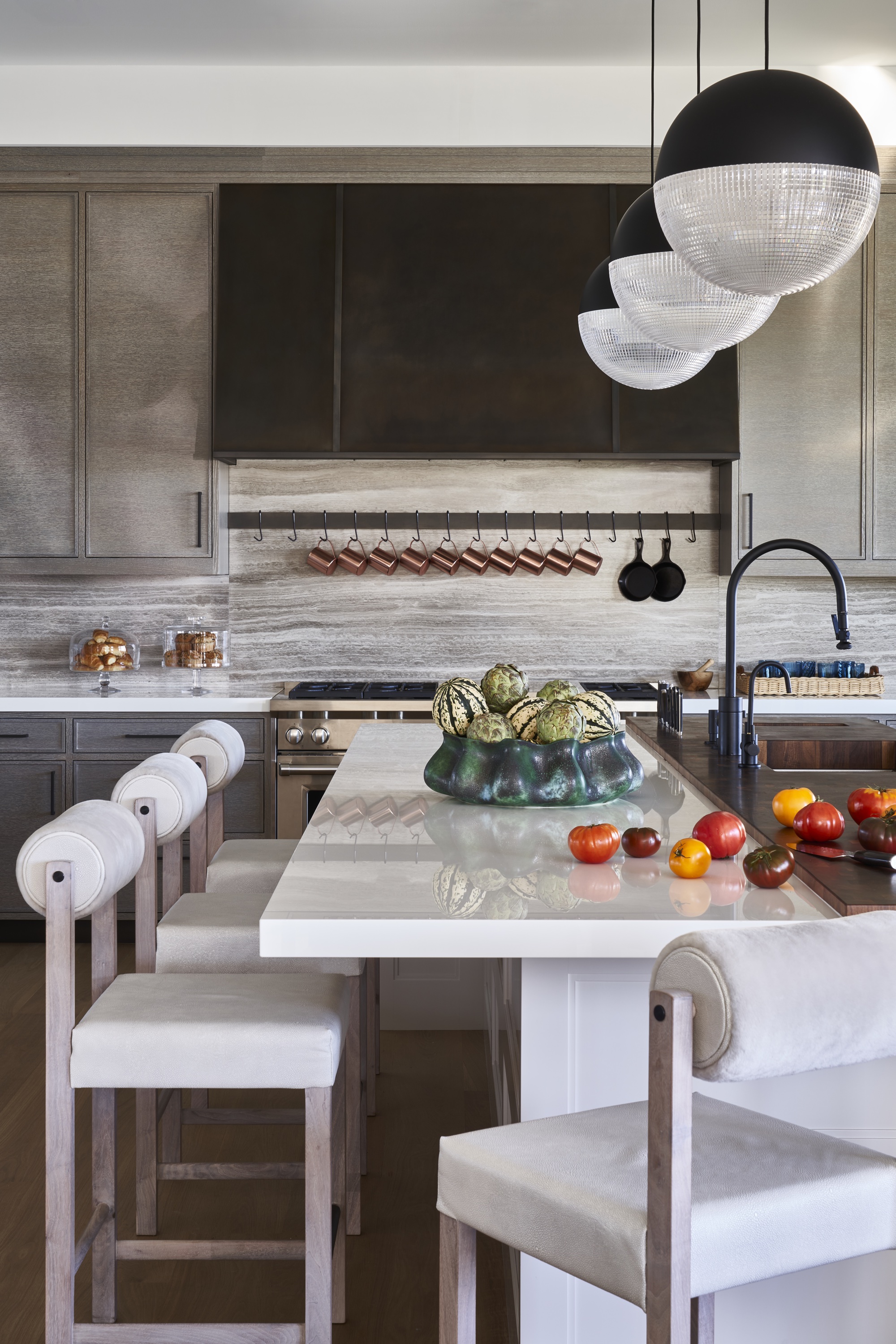
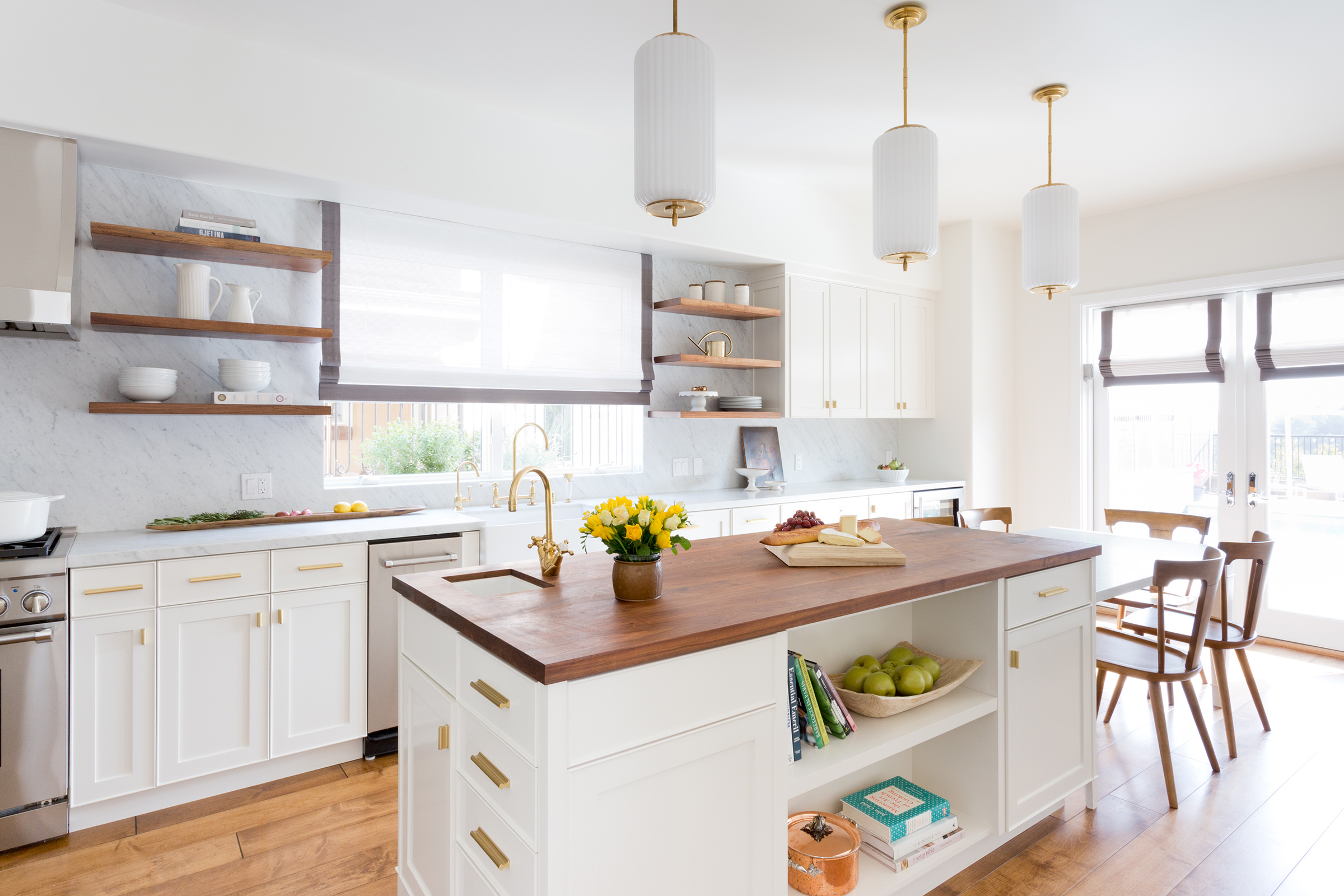
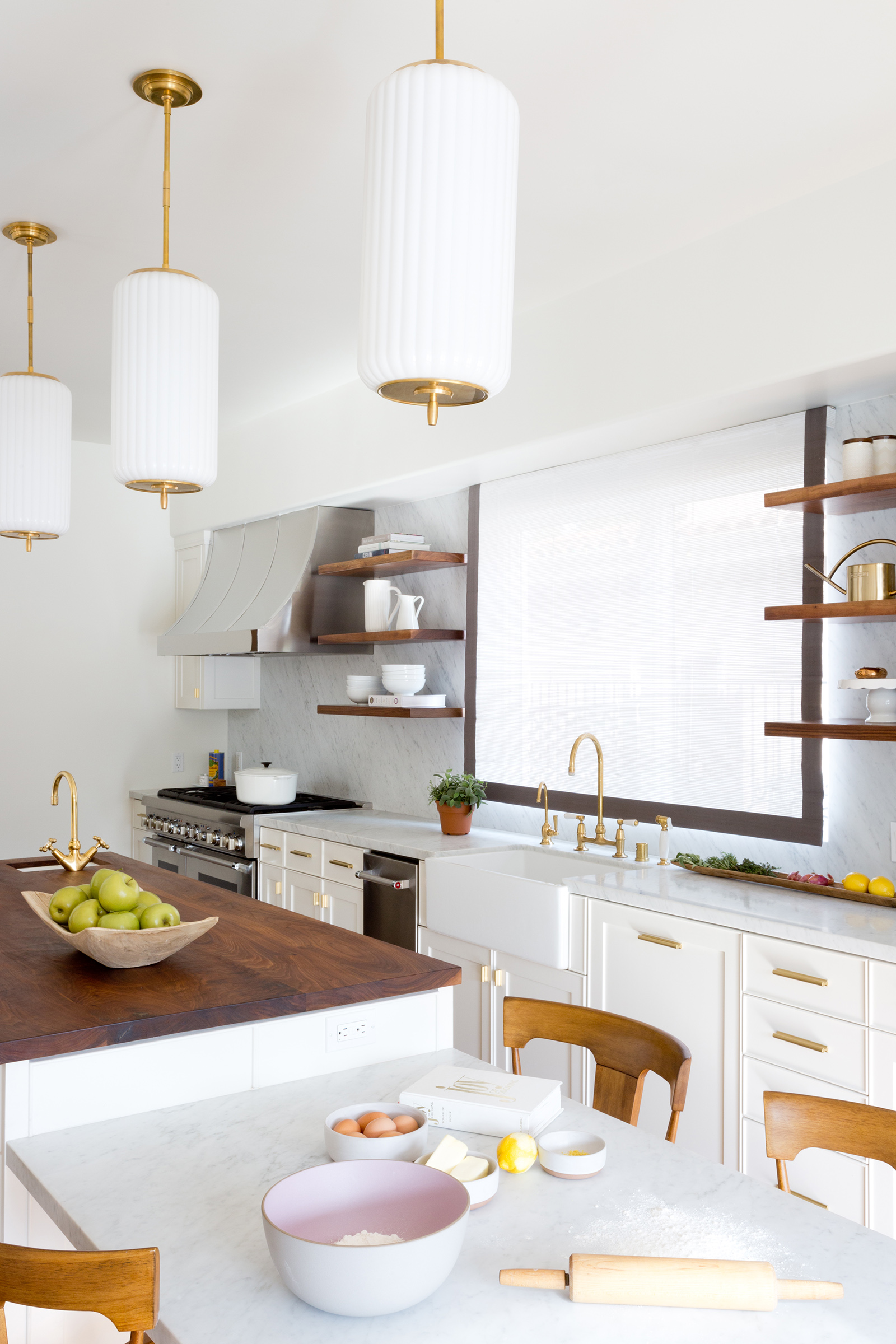
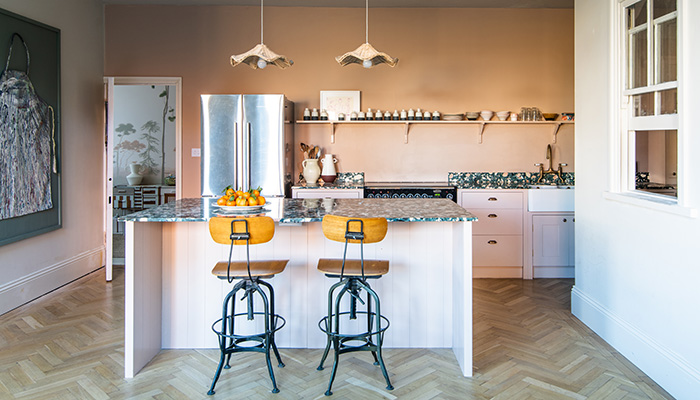
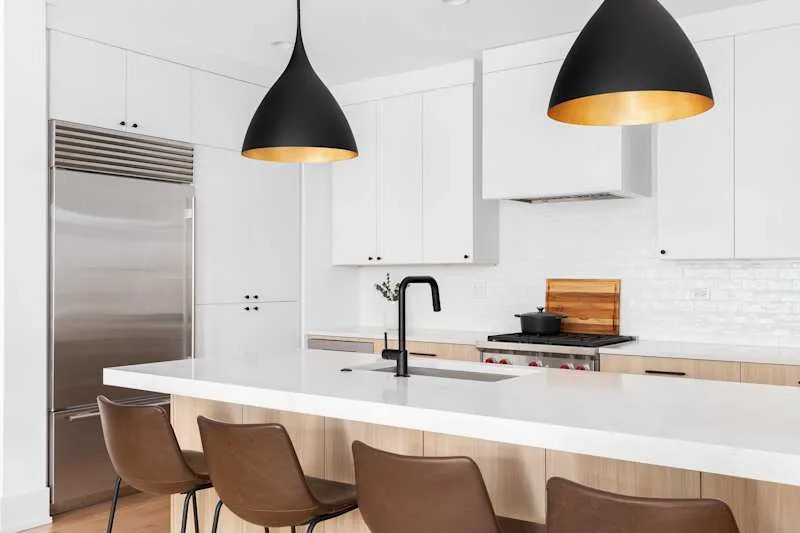
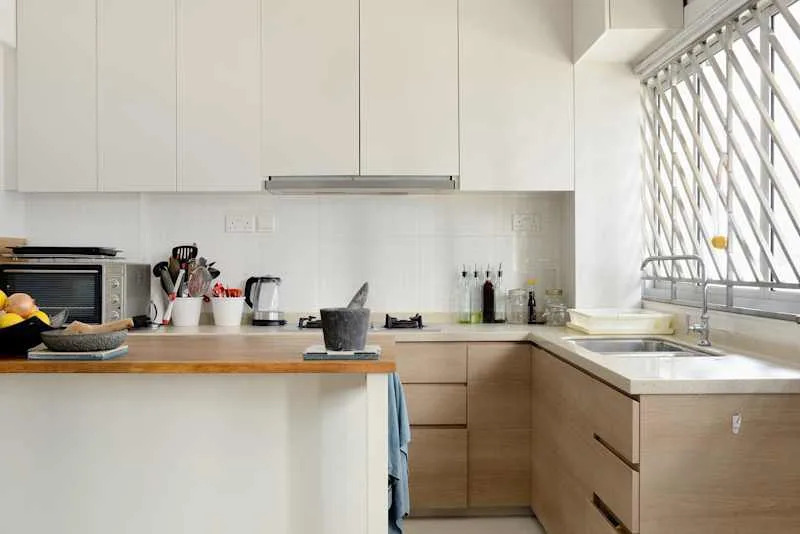
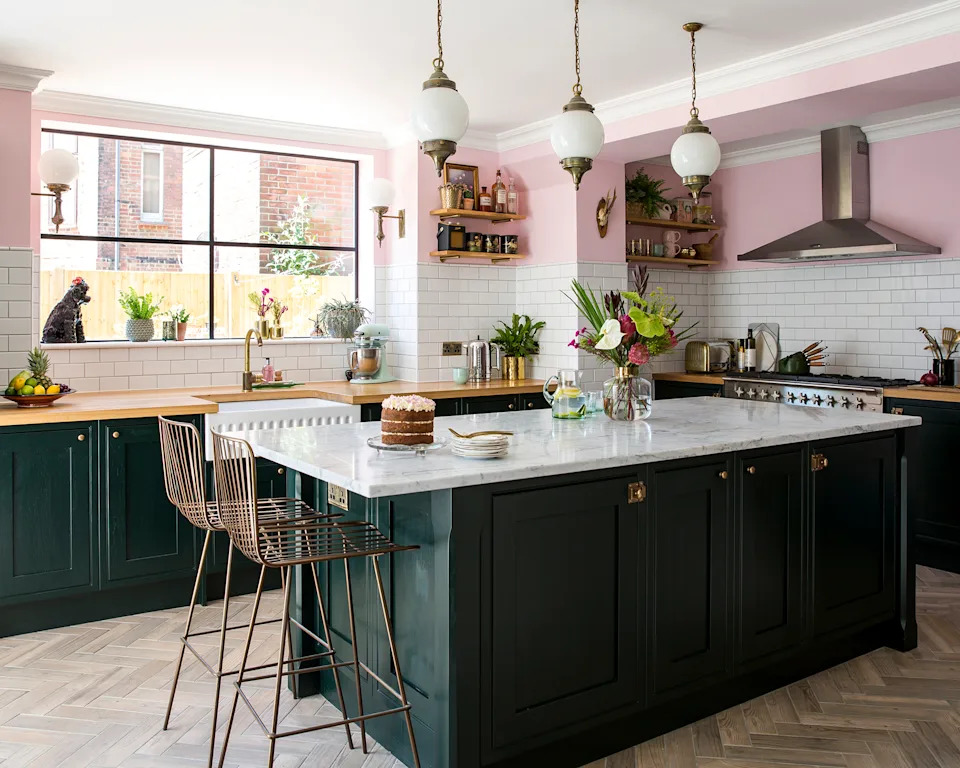
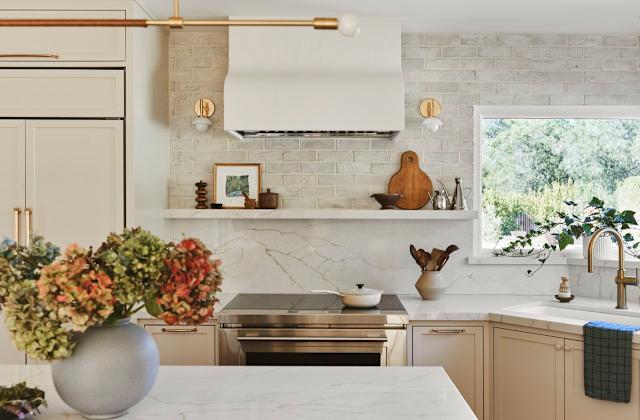
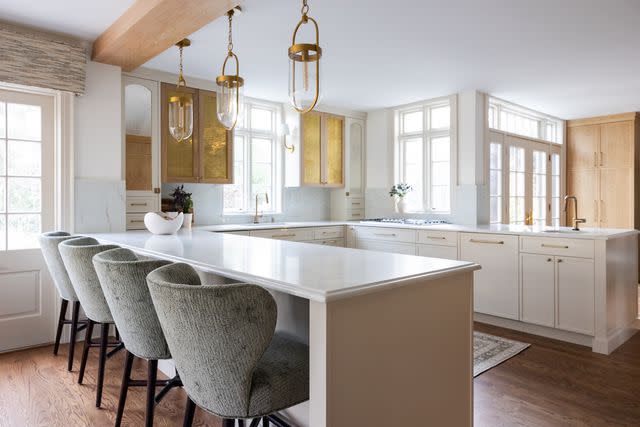
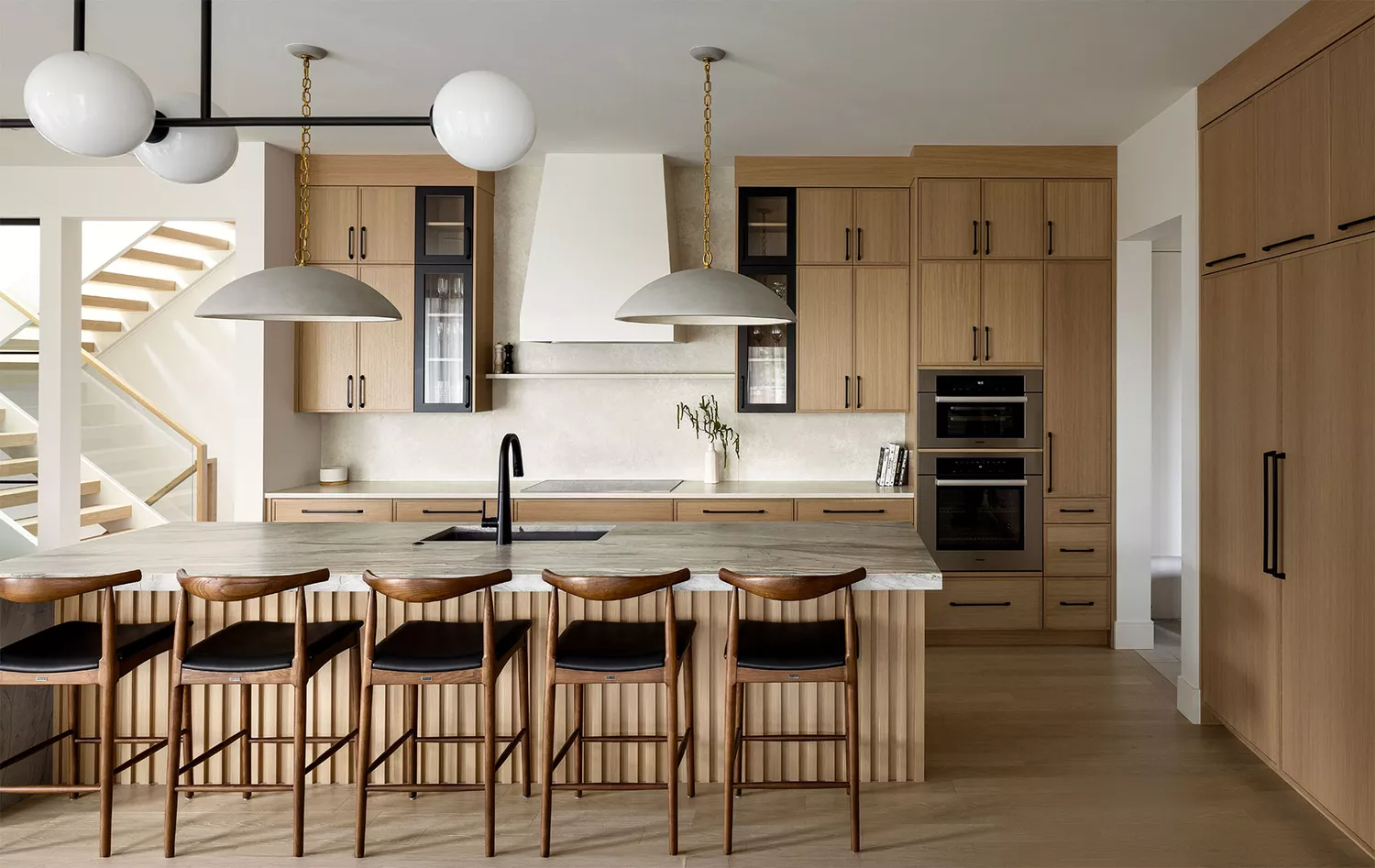
The article discusses the design trend of using mismatched countertops in kitchens, specifically exploring whether a kitchen island can feature a different surface than the surrounding counters. Three design experts, Esther Ellard, Louis Duncan-He, and Catherine B. de la Sablonnière, unanimously agree that this approach is not only acceptable but can also be an intentional and stylish design choice. They emphasize that a contrasting island surface can introduce visual interest, serve as a focal point, and elevate the overall kitchen aesthetic. Furthermore, it offers an opportunity to experiment with diverse textures and integrate personality into the space, while also designating the island as a versatile zone for various activities like gathering, food preparation, or working from home.
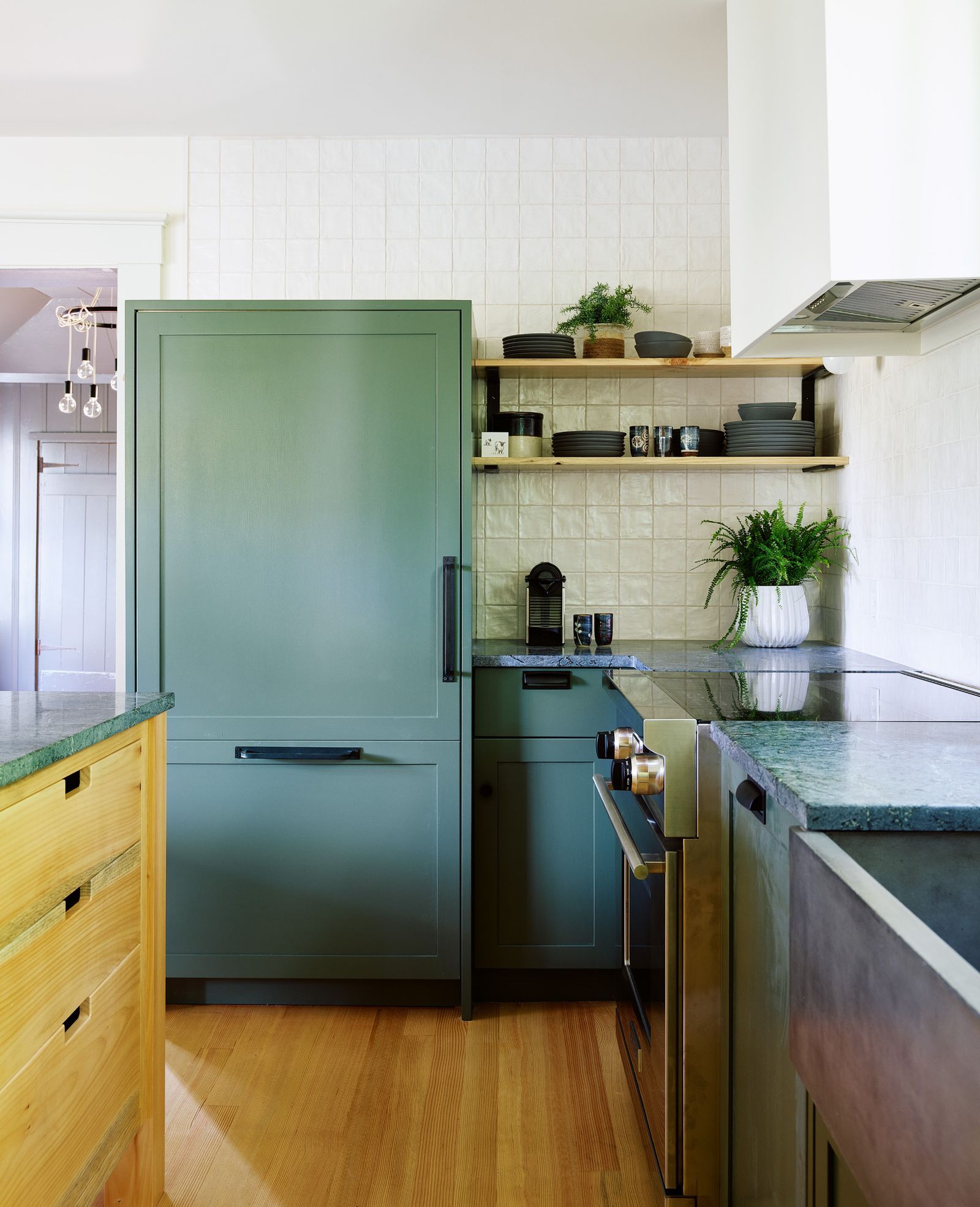
According to Louis Duncan-He, opting for a distinct countertop material for the kitchen island can be a strategic financial decision, especially when incorporating natural stone. This allows homeowners to invest in a highly desired, premium material for a smaller, central area without incurring the significant cost of using it across all kitchen surfaces. Catherine B. de la Sablonnière highlights the importance of intention and balance when mixing materials. She likens each material and finish to a 'note in the same composition,' emphasizing that the success of mismatched countertops lies in their harmonious interplay rather than individual selection. The goal is to achieve an effortlessly stylish outcome through thoughtful material choices.
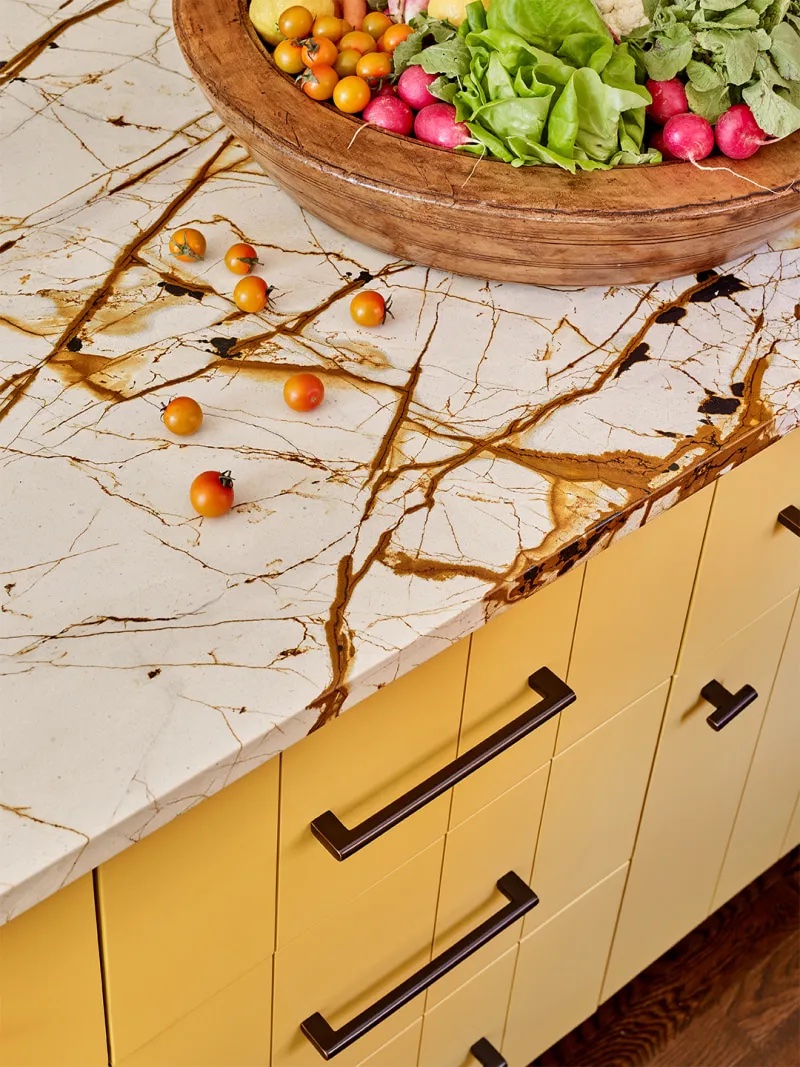
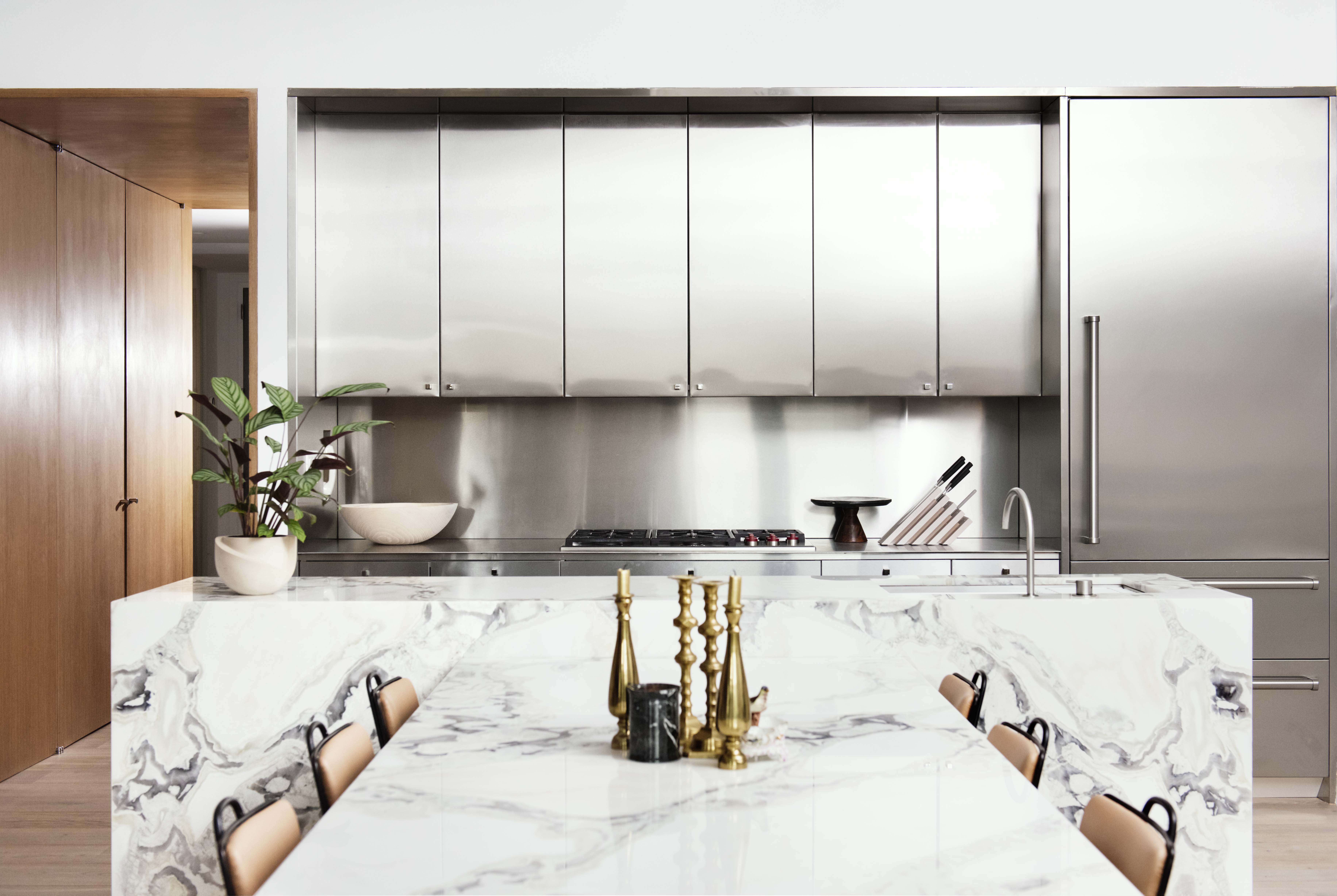
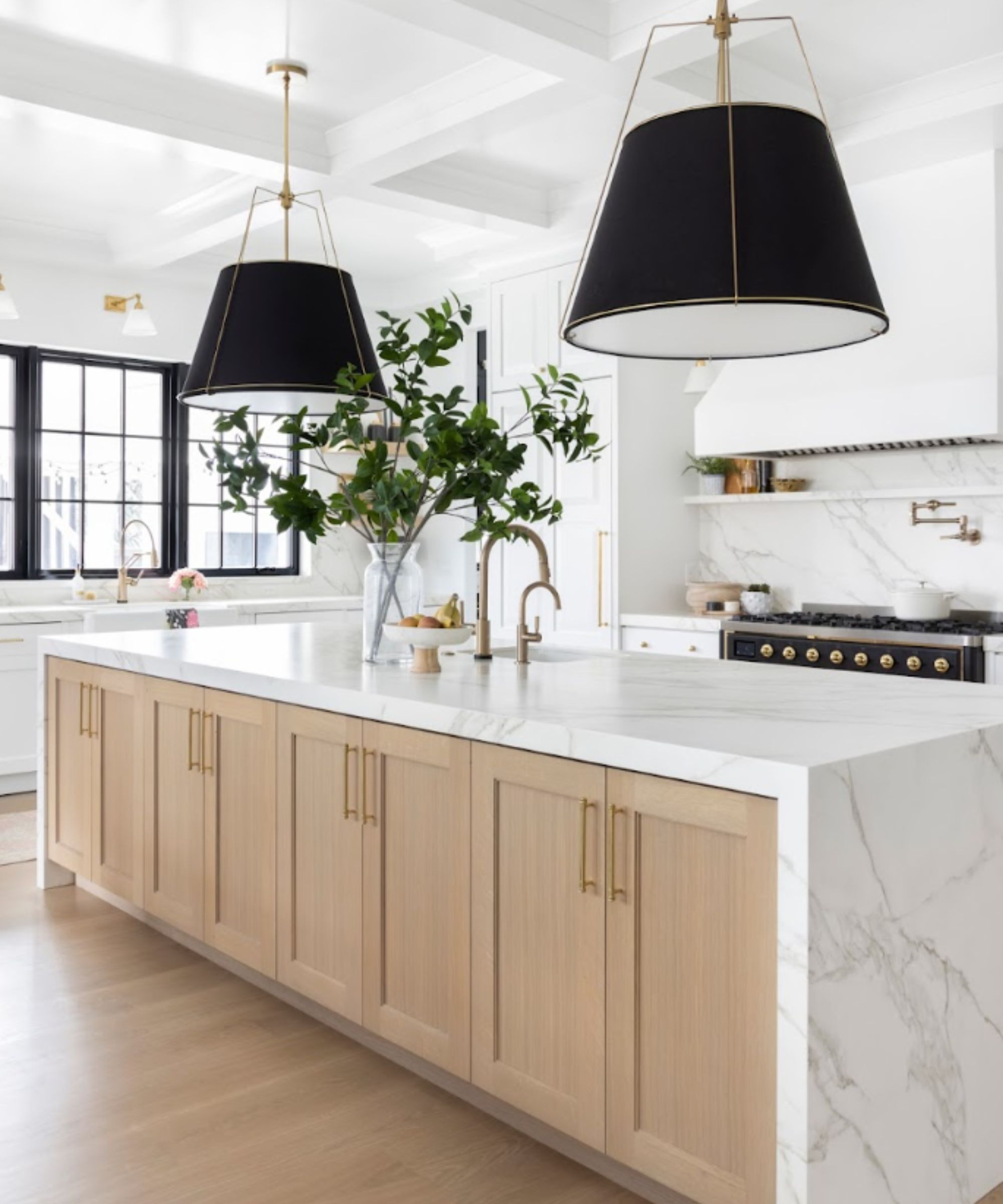
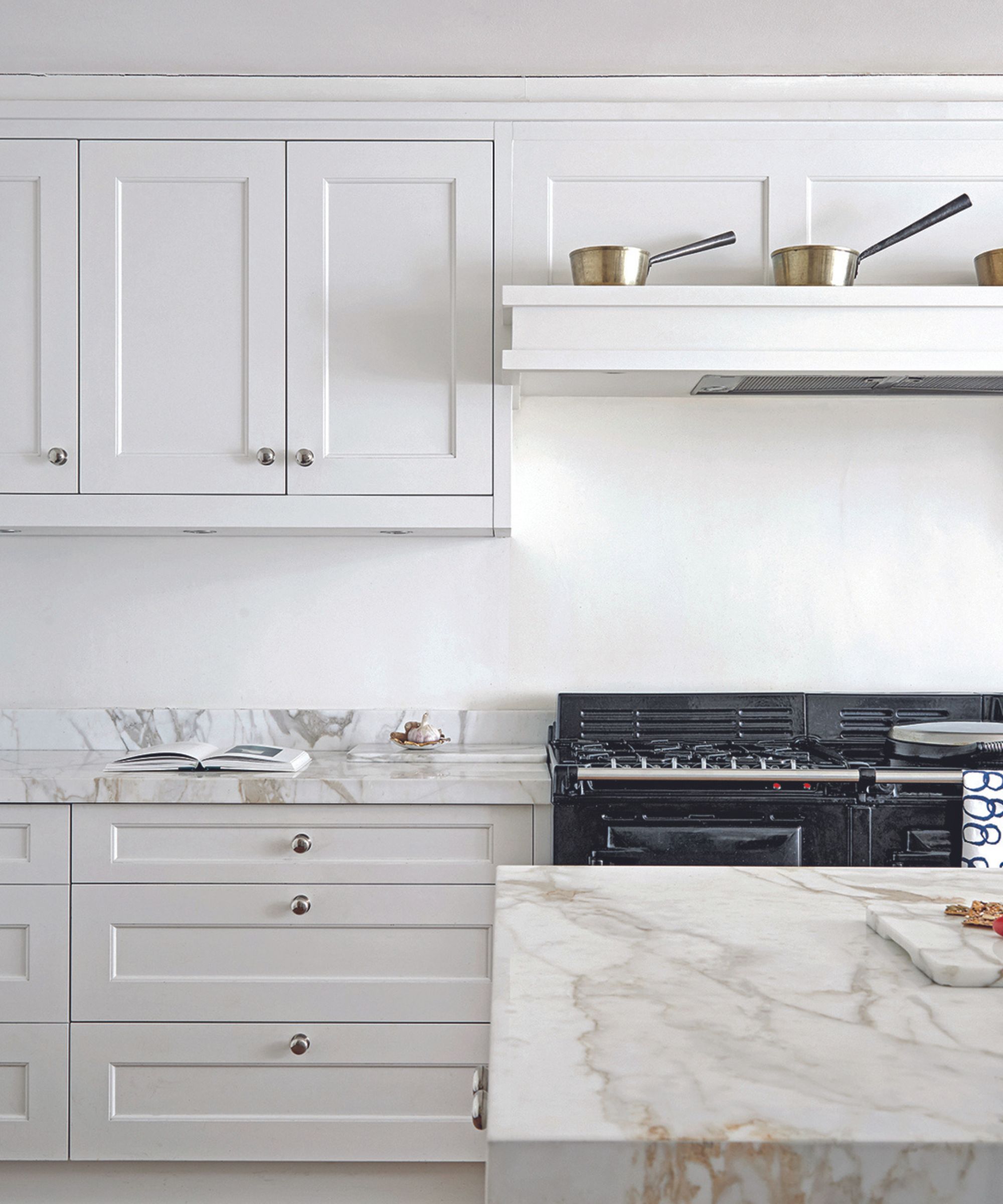
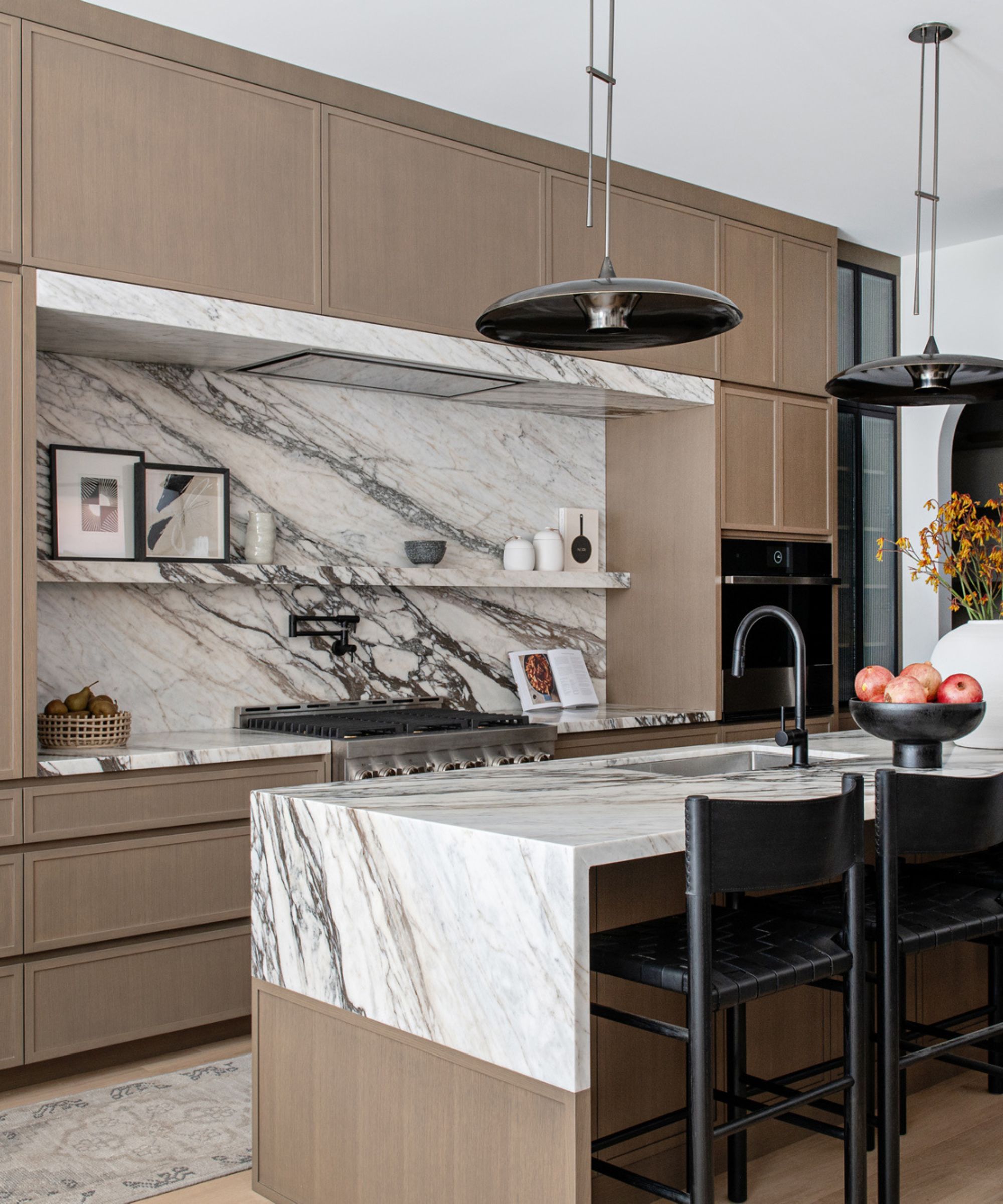
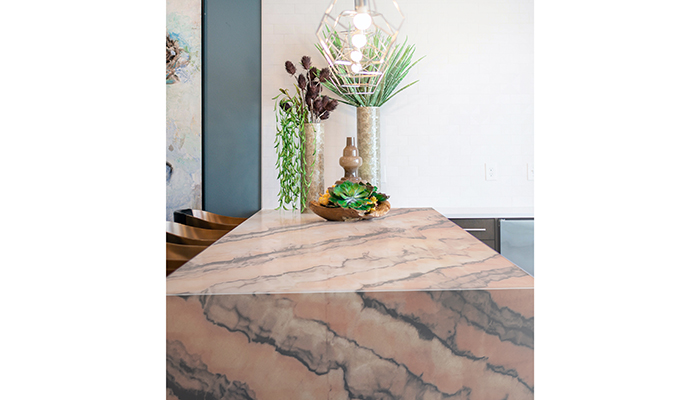
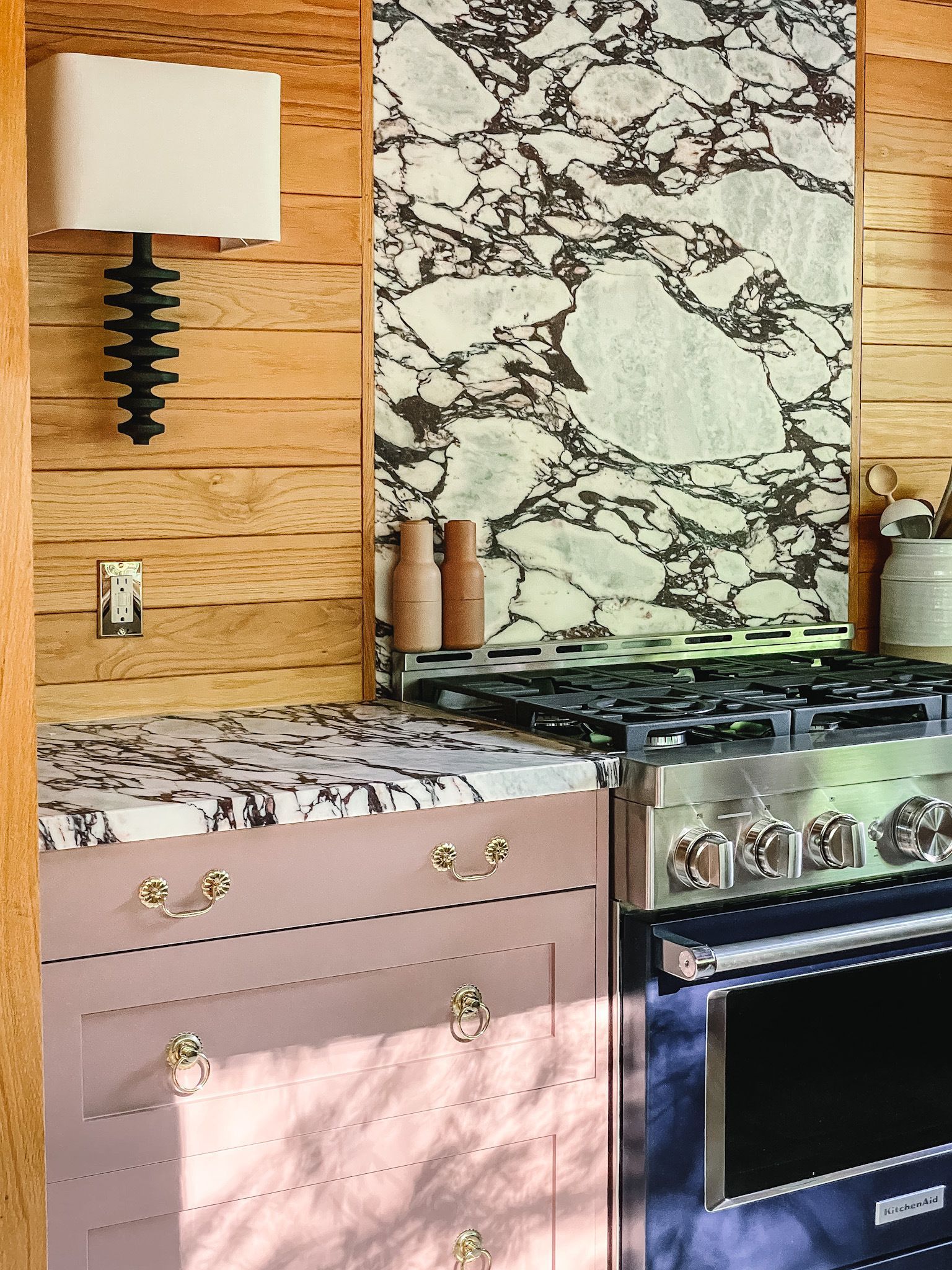
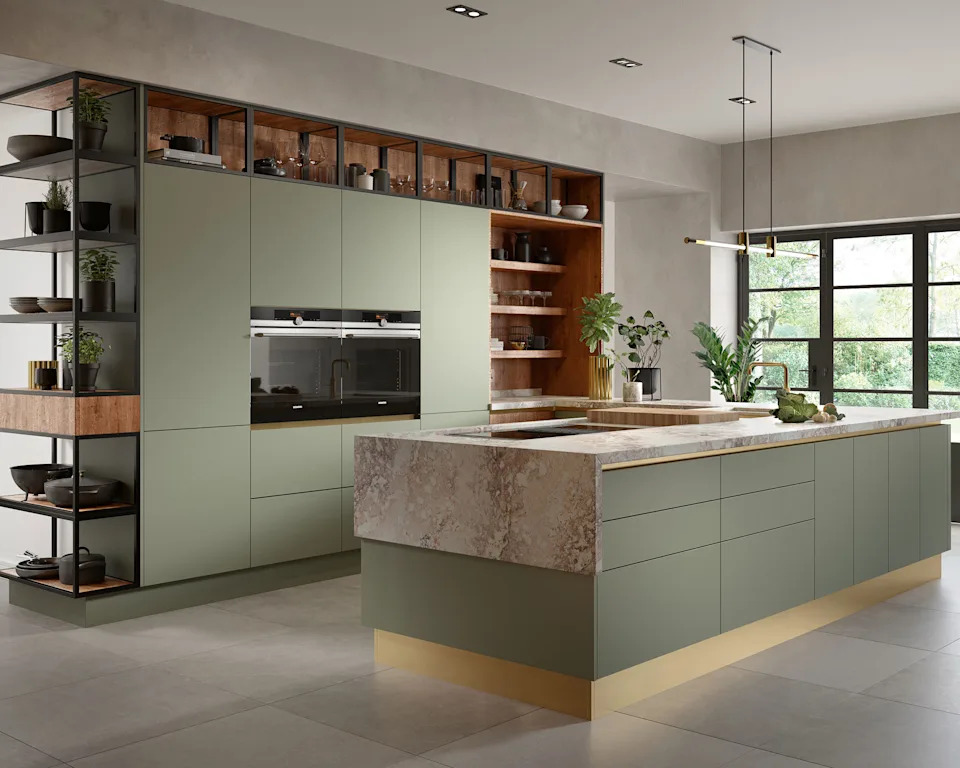
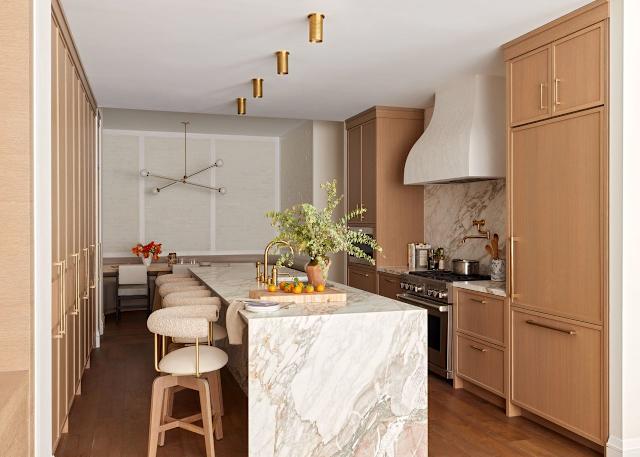
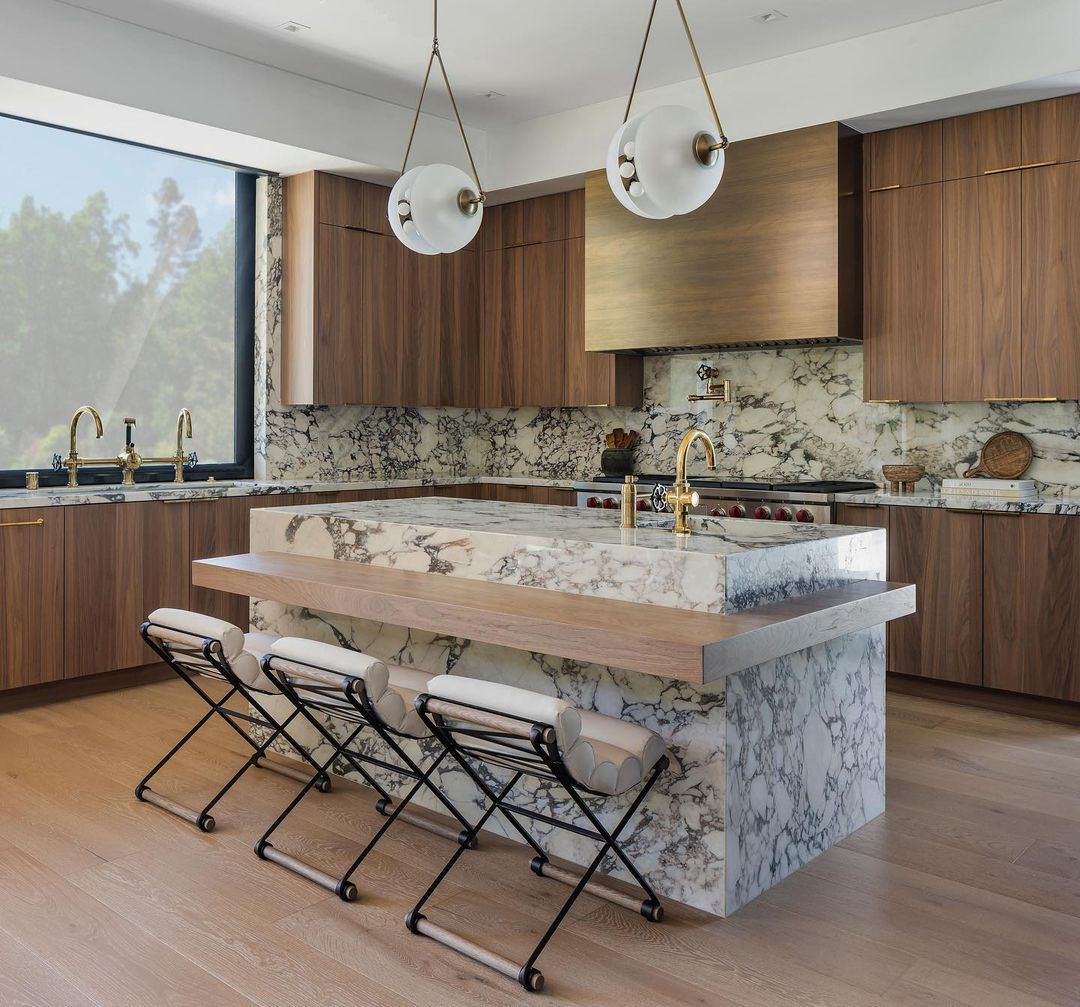
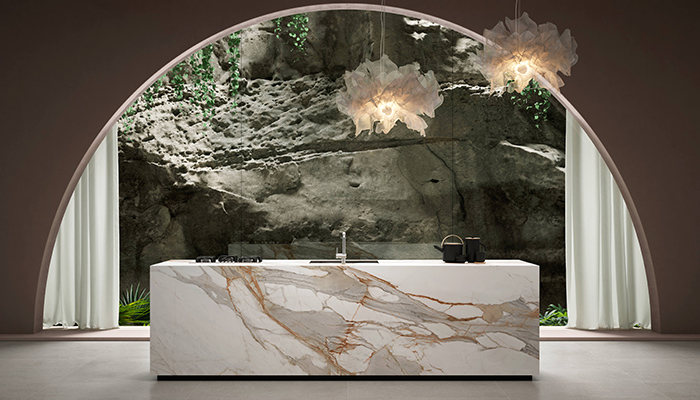
The designers provide several recommendations for successful island and counter combinations. For a bold statement or to anchor the kitchen, a sculptural or expressive island is suggested. Duncan-He mentions using a dramatic slab with a mitered edge and waterfall detail to instantly elevate the kitchen, especially when paired with simpler perimeter counters and an understated backsplash. De la Sablonnière advises selecting a surface with distinct character, a unique thickness, or a striking silhouette to ensure the island commands presence. Functionality is also a critical factor in material selection. For islands intended for heavy use, such as hosting, cooking, or gathering, durable materials like Dekton are recommended due to their resilience and aesthetic appeal.
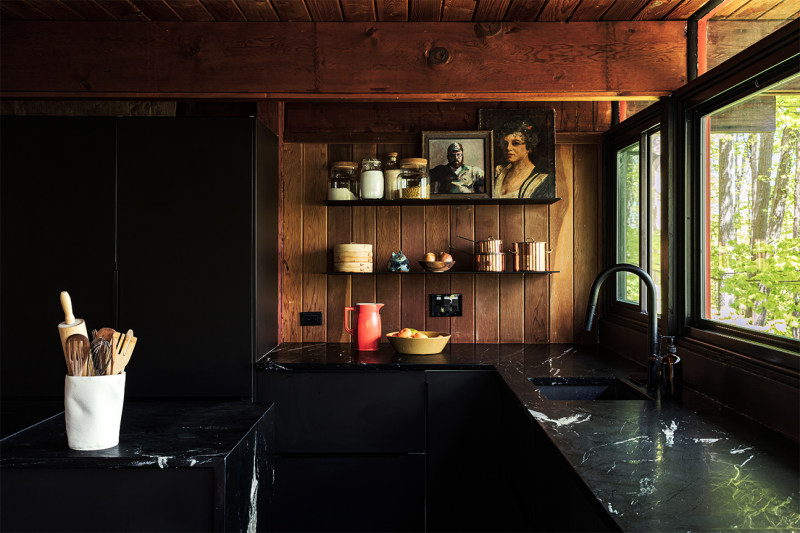
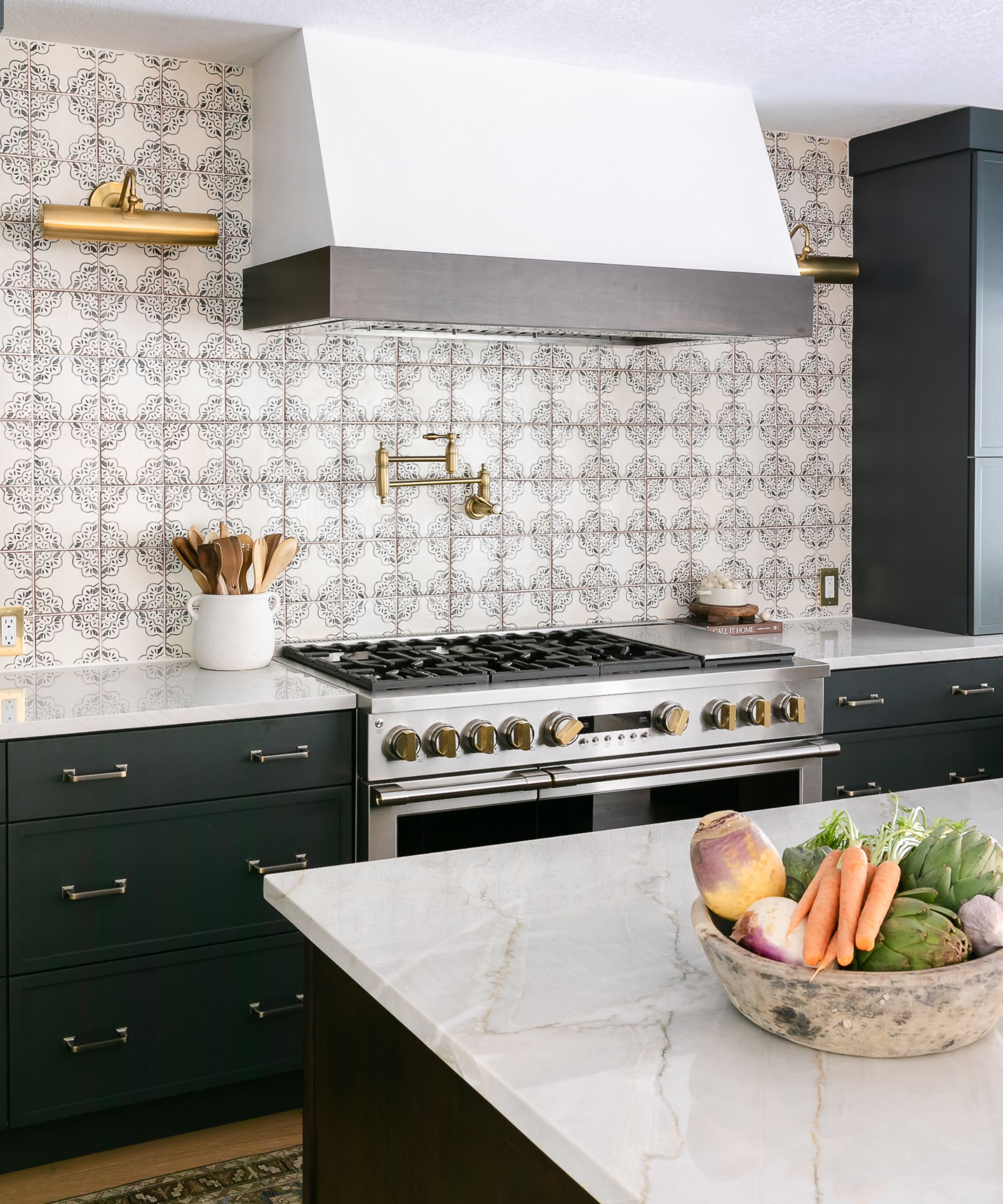
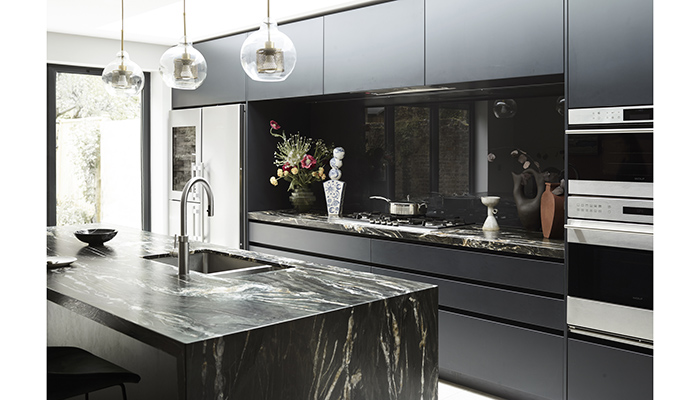
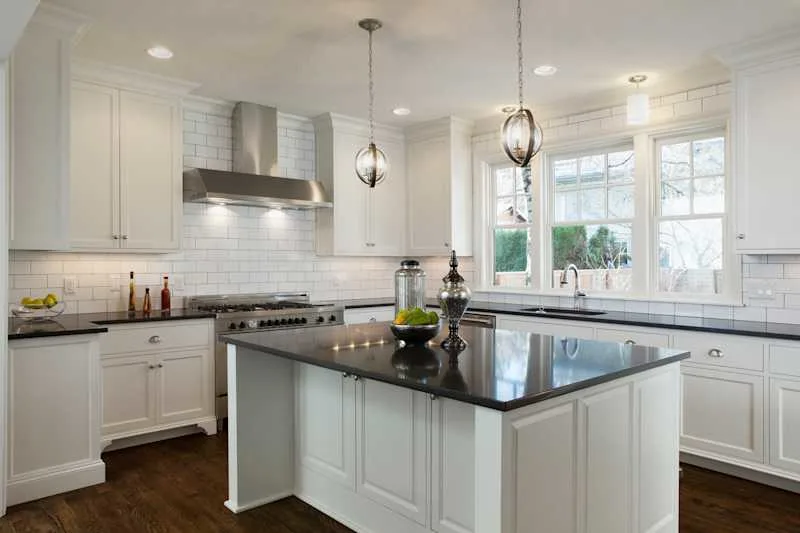
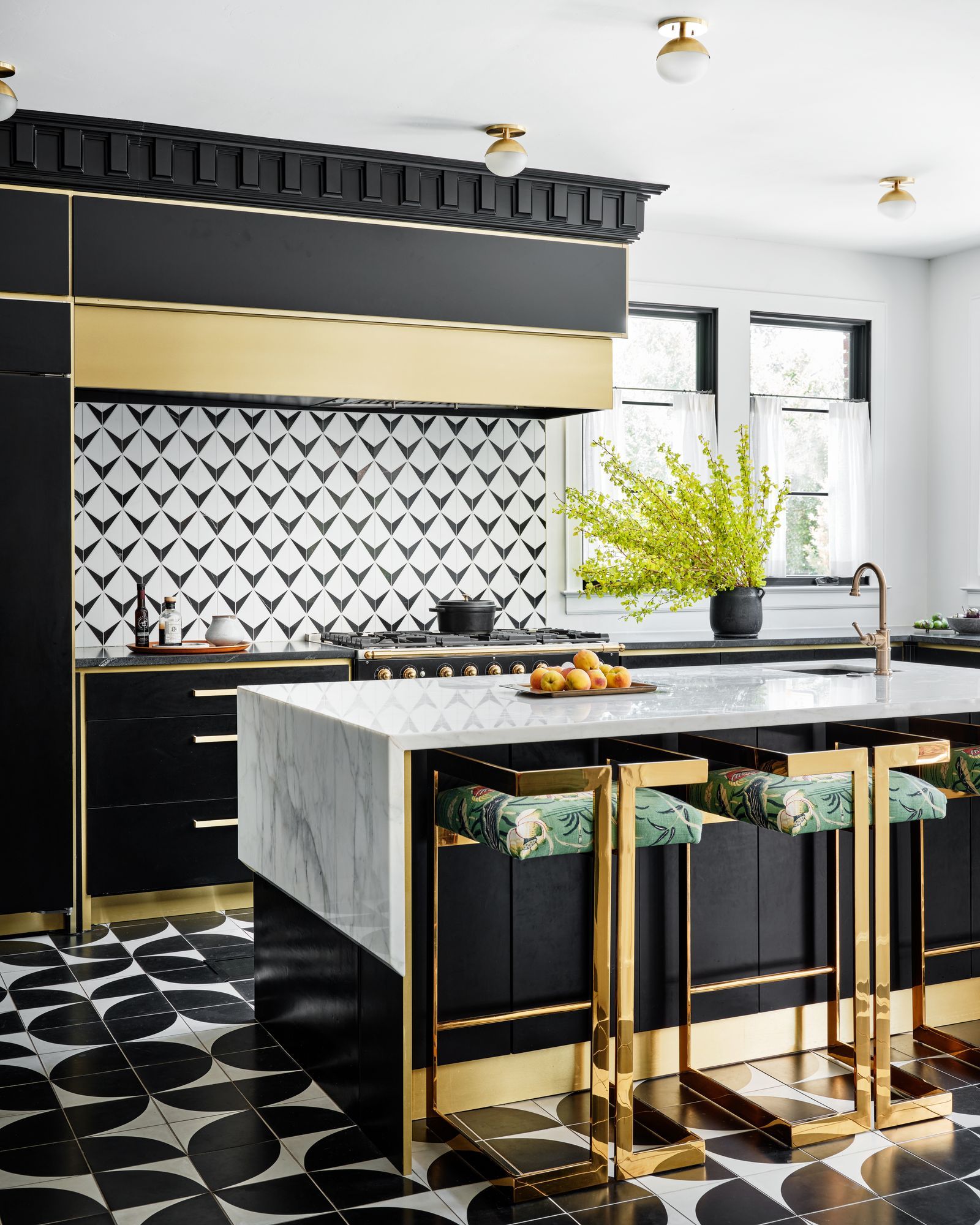
Esther Ellard suggests pairings like a dark, single-tone quartz for the island complemented by a lighter, patterned stone for the surrounding countertops. This combination creates a subtle drama with the dark tone and adds elegance and warmth through the patterned stone, achieving a sophisticated balance. A crucial piece of advice from Ellard is to prioritize practicality, especially in active households. She cautions against mixing materials like marble with quartz if all surfaces will experience similar wear and tear, as marble is less durable than quartz. Instead, she recommends sourcing materials that are not only aesthetically compatible but also offer comparable durability and quality. This ensures that mixed materials can withstand the demands of daily life without sacrificing style. The article concludes by reinforcing that while aesthetic appeal is important, the longevity and suitability of materials for a homeowner's lifestyle should be a primary consideration when designing a kitchen with mismatched countertops.
#KitchenDesign #InteriorDesign #CountertopMaterials #HomeDecor #KitchenIsland #DesignTrends #MaterialSelection #KitchenRemodel #KitchenDesign #InteriorDesign #CountertopMaterials #HomeDecor #KitchenIsland #DesignTrends #MaterialSelection #KitchenRemodel
0 comment in total
 No comments yet
You may also like
Three Interior Designers Discuss the Dynamics of Choosing a Kitchen Backsplash

Should kitchen counter colors match an island? Interior designers weigh in on whether to complement or contrast

5 Kitchen Countertop Trends on Their Way Out in 2025 (and What’s Replacing Them)
2 Kitchen Countertops Designers Never Choose for Busy Families—Plus the 2 That Can Handle Anything

5 kitchen countertop mistakes designers warn to avoid

What's the best material for split-level kitchen islands? Designers on getting this luxe decor trend exactly right

We Asked Pro Chefs for the Worst Kitchen Design Trends They've Ever Seen—And We're Shocked
Kitchen countertop ideas – 14 worktops in marble, granite and composite materials
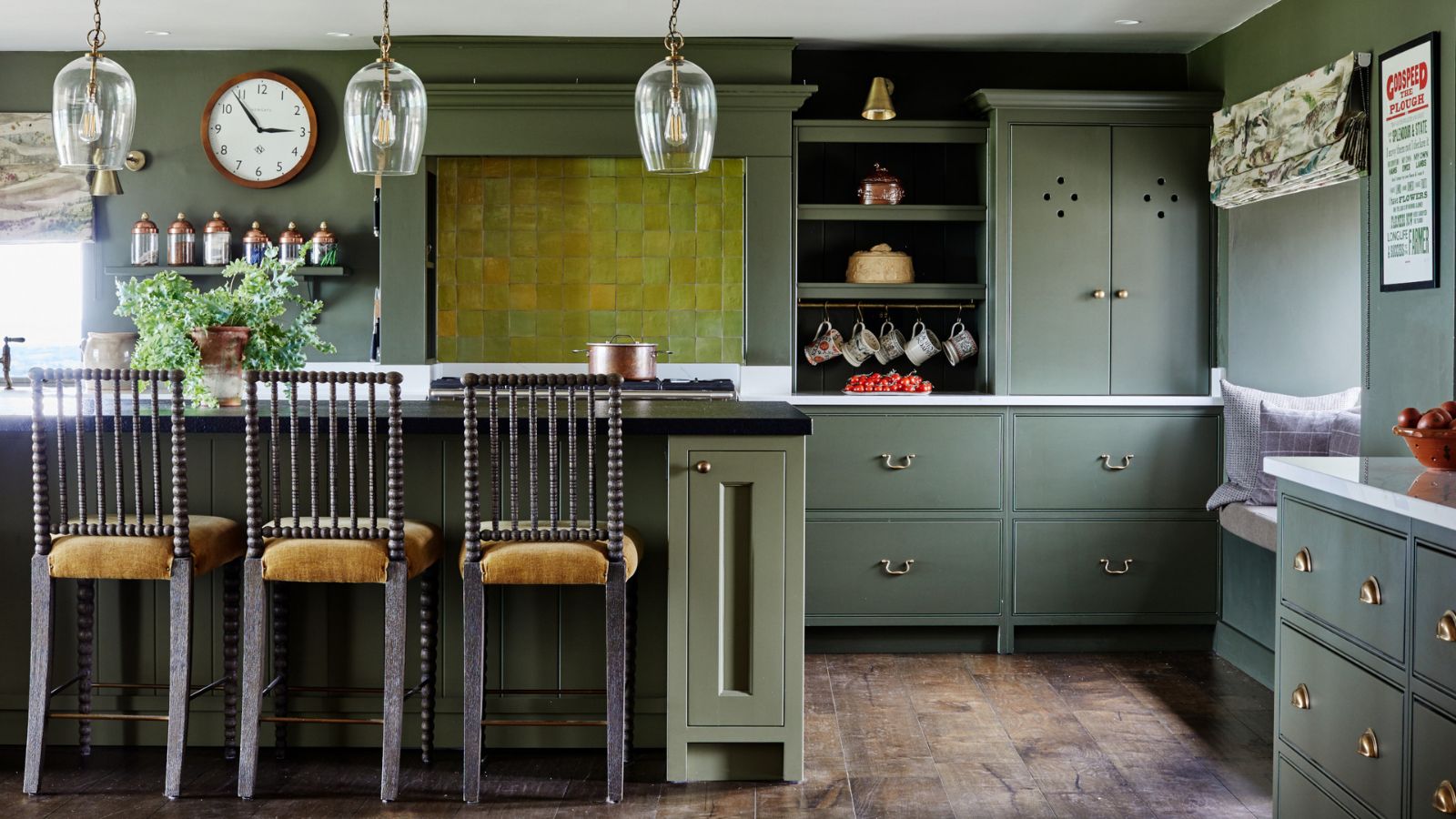
Can a kitchen island have a different countertop? These are the rules on mixing
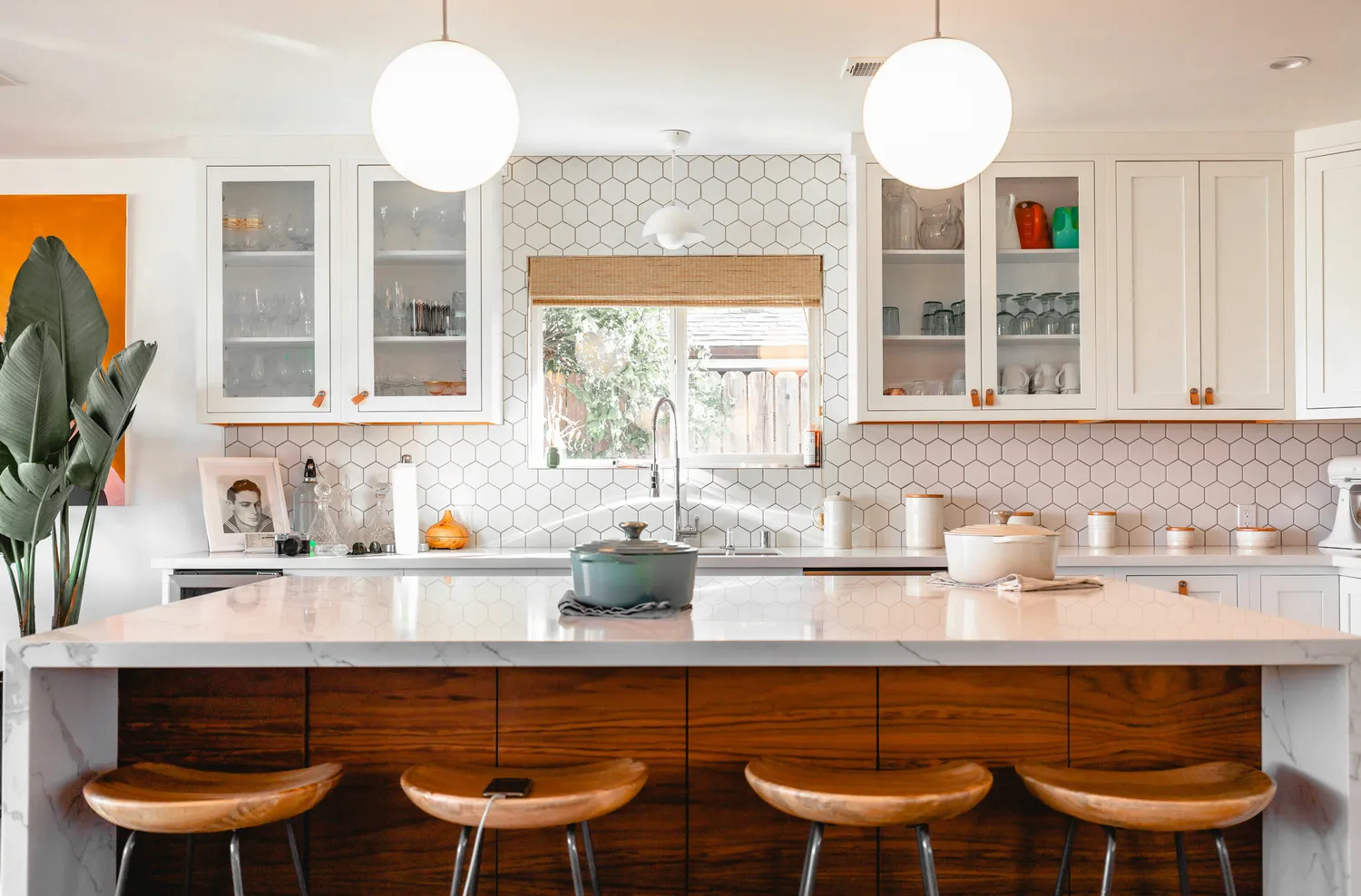
We Asked Designers Which Kitchen Features People Regret Most, and Now We Can't Unsee the Mistakes
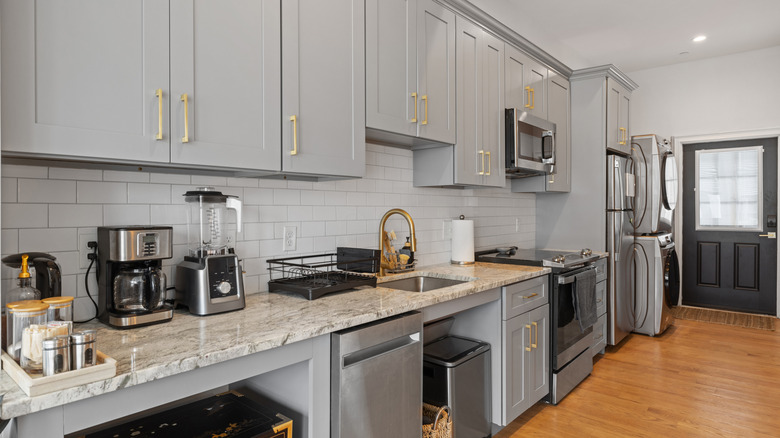
The 6 Kitchen Trends That Get The Most Hate Online

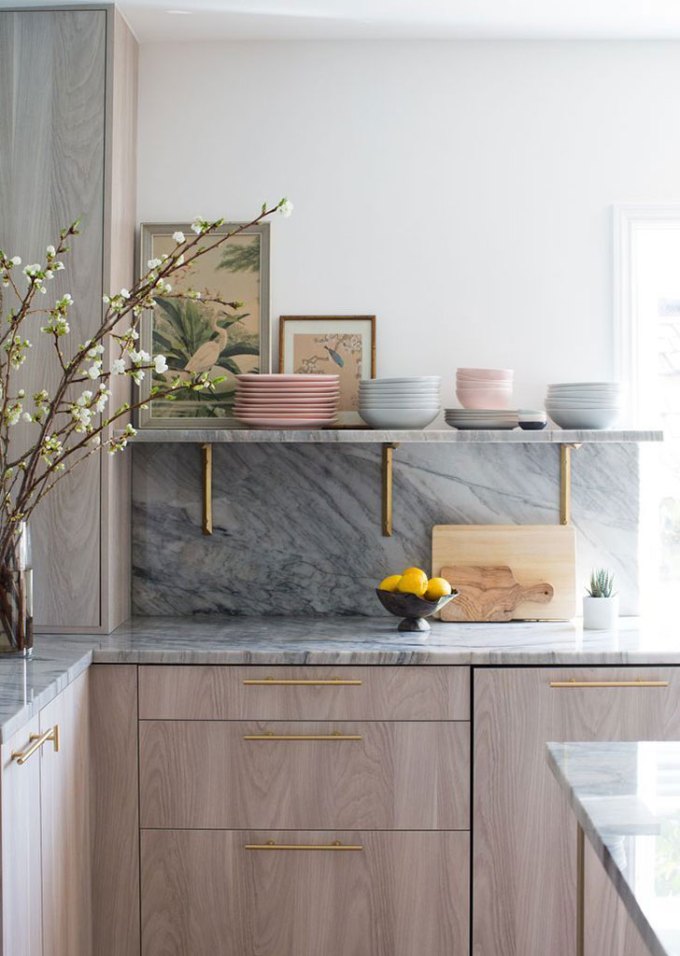
The Controversial Kitchen Trend the Design World Is Buzzing Over

We Asked Designers If Matching Furniture Looks Outdated, and They All Agreed
What's replacing granite countertops? These are the materials interior designers want to see more of
Kitchen cabinets and countertops: 13 combos that look good together

We Asked Designers What Kitchen Countertop Materials Are Out in 2026—Their Answers May Surprise You

For Every Kitchen Cabinet Style, We Found the Perfect Countertop

10 statement island worktops for the ultimate kitchen centrepiece
4 Kitchen Countertop Materials About to Make a Comeback

We Asked Designers for the Countertop Colors That Instantly Upgrade a Kitchen—And They Chose These 4