1/6
Three Interior Designers Discuss the Dynamics of Choosing a Kitchen Backsplash
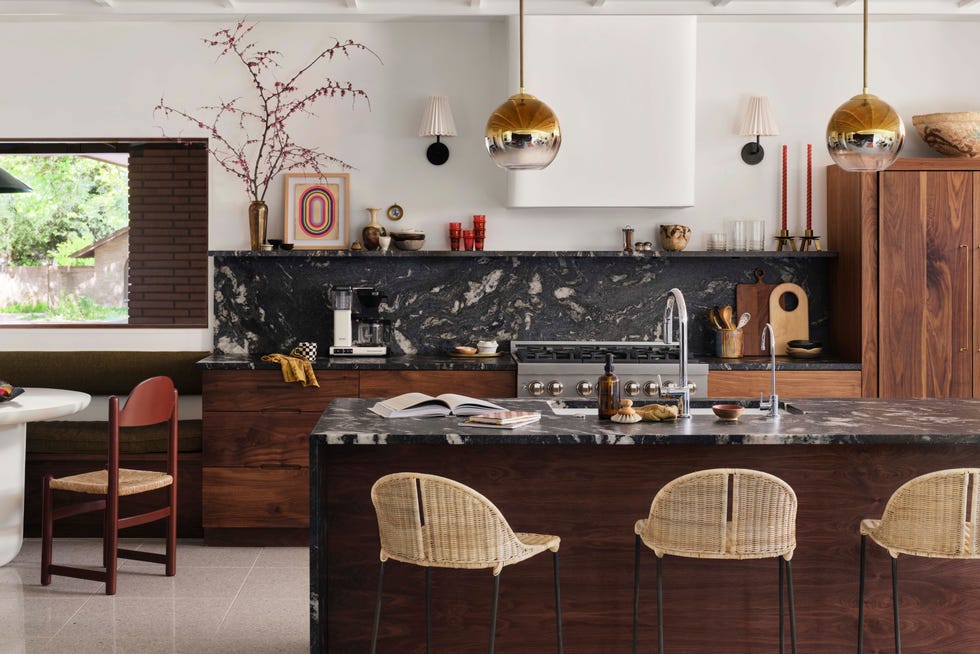
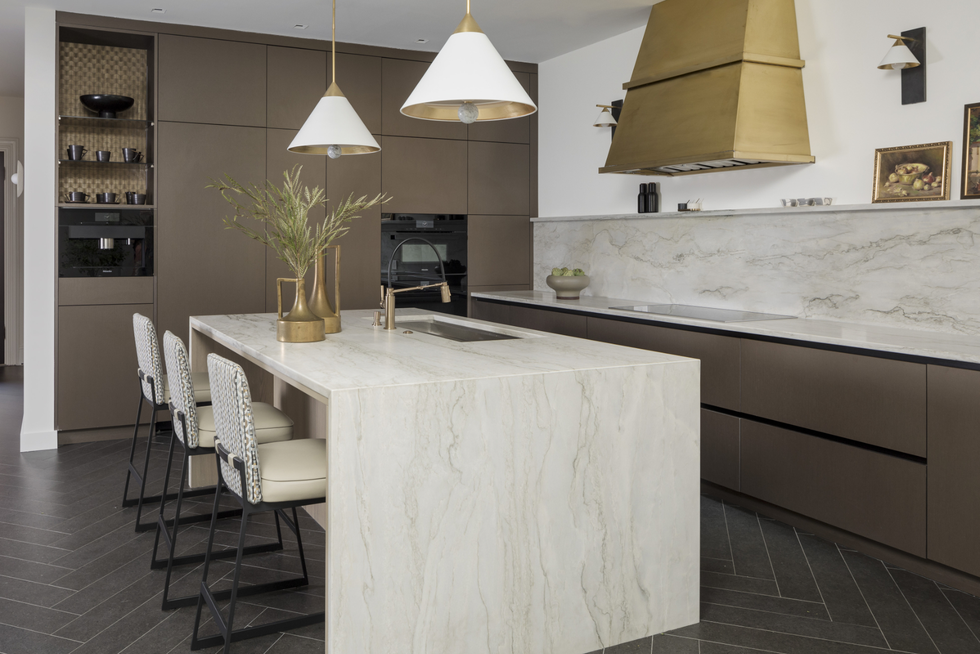
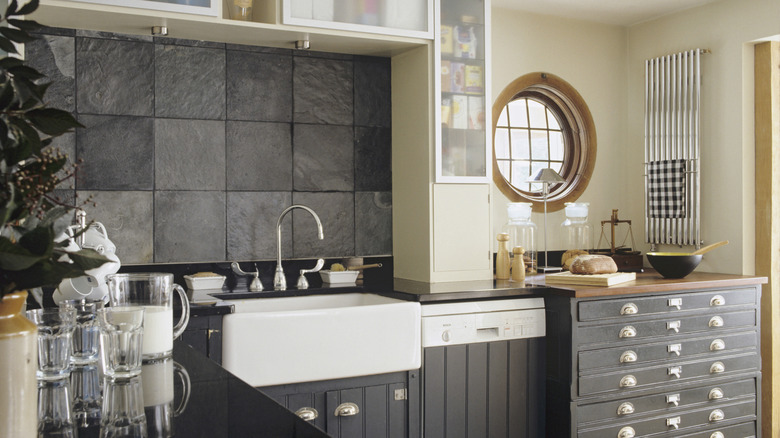
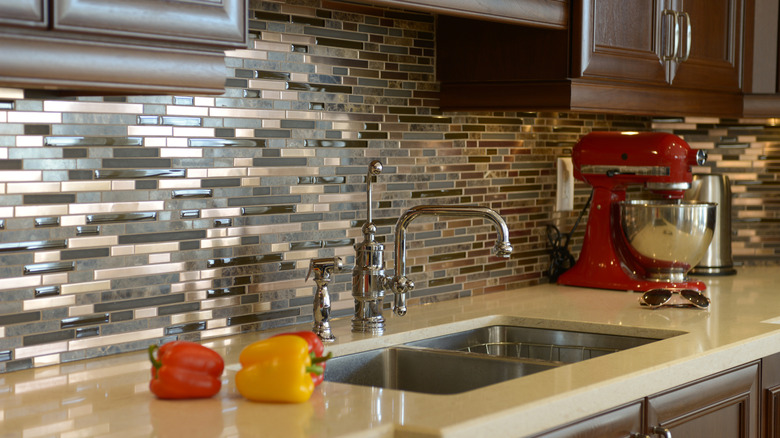
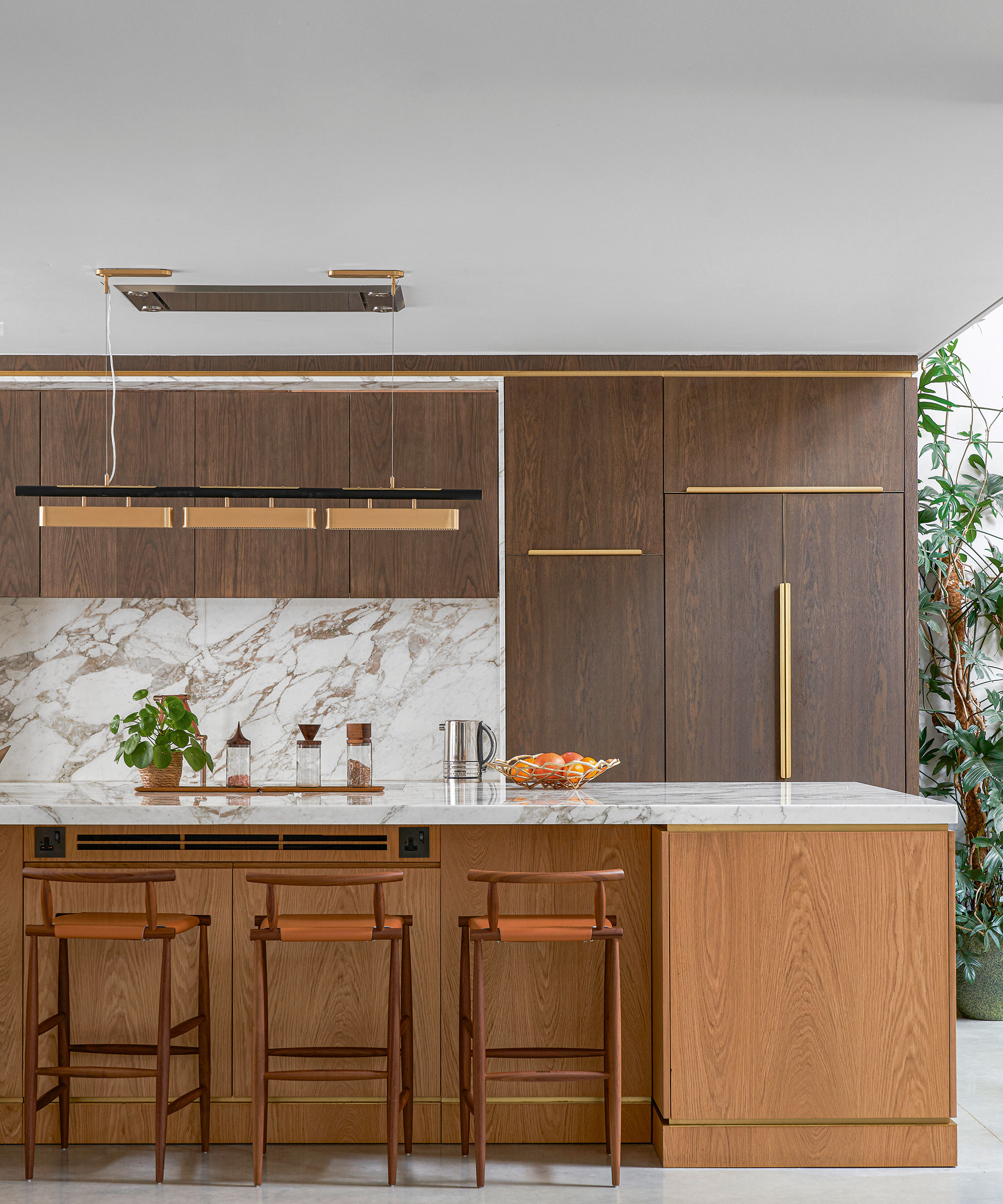
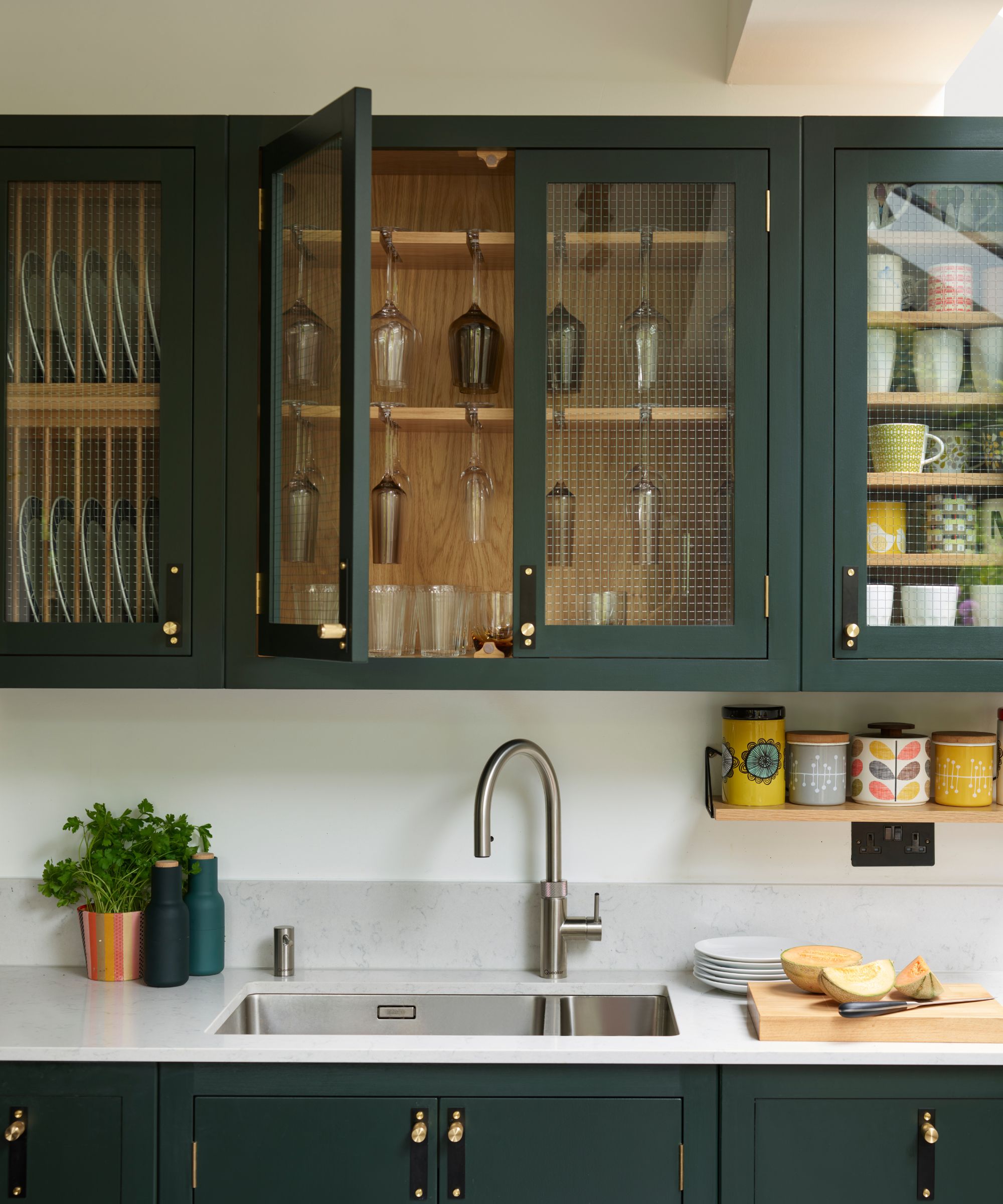
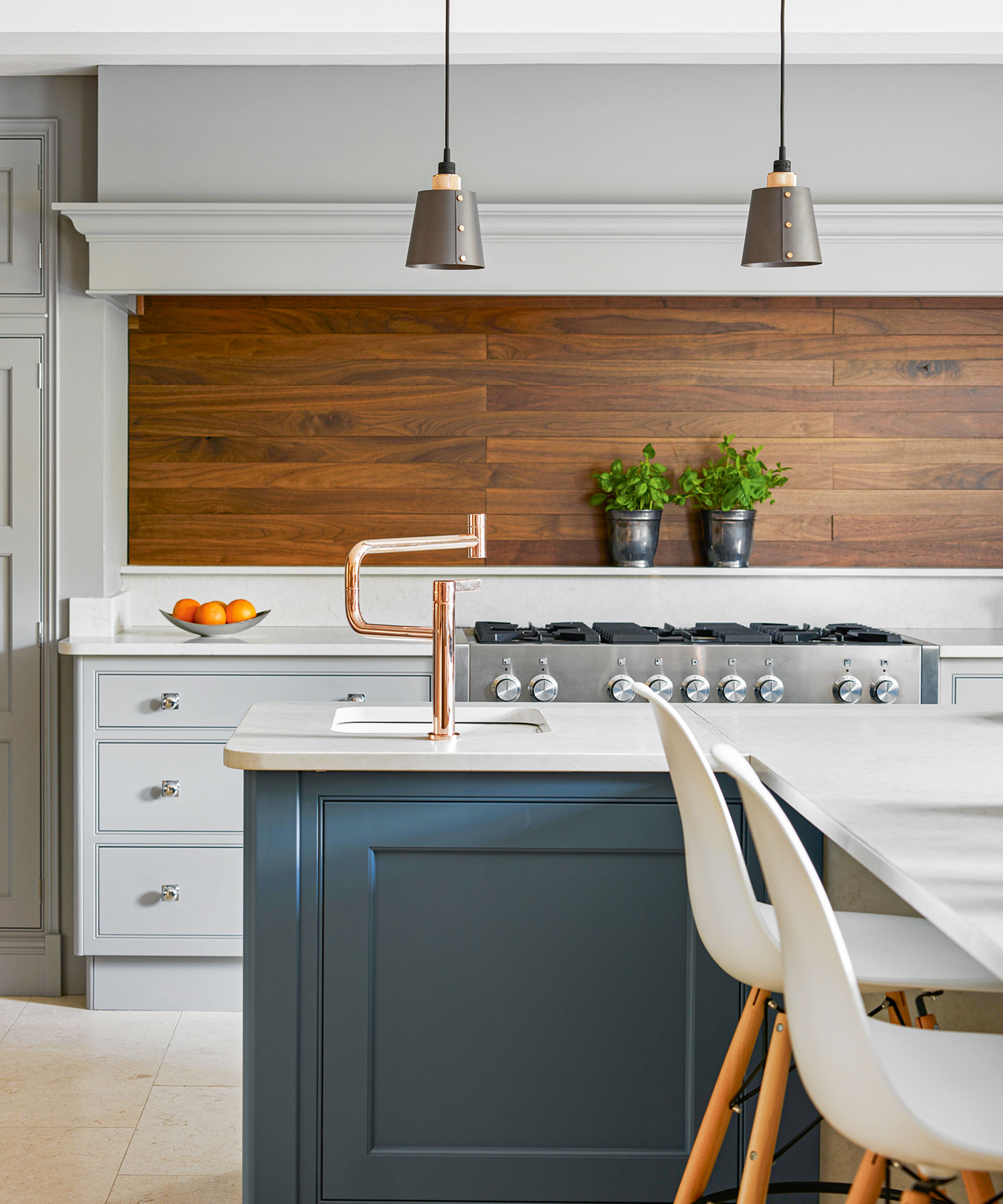
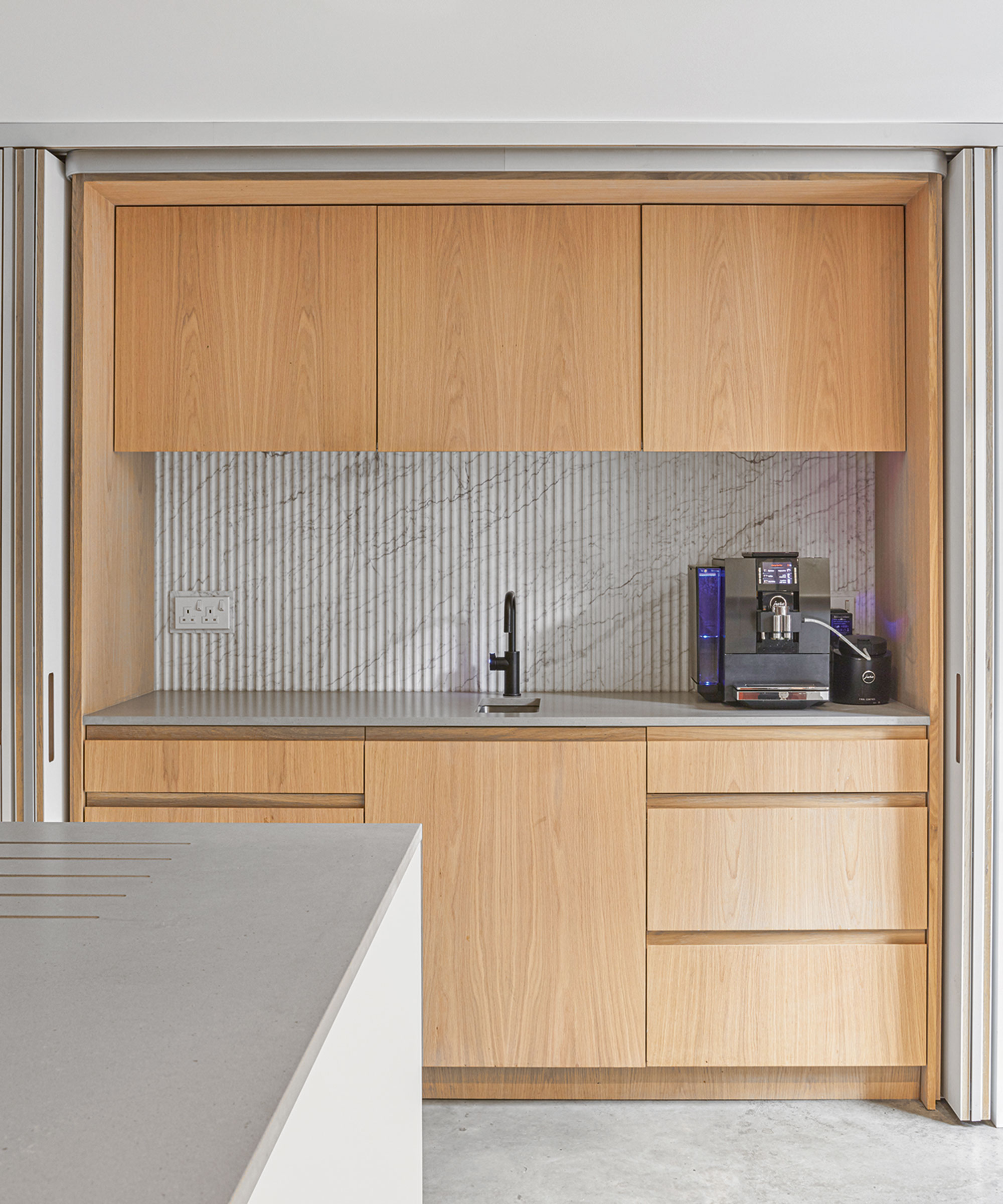
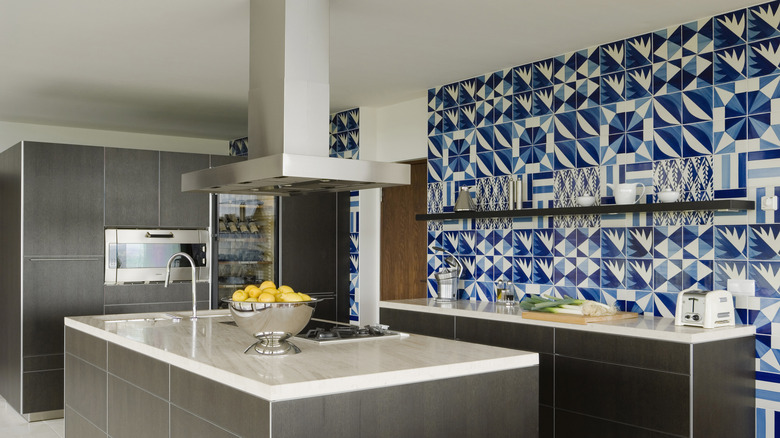
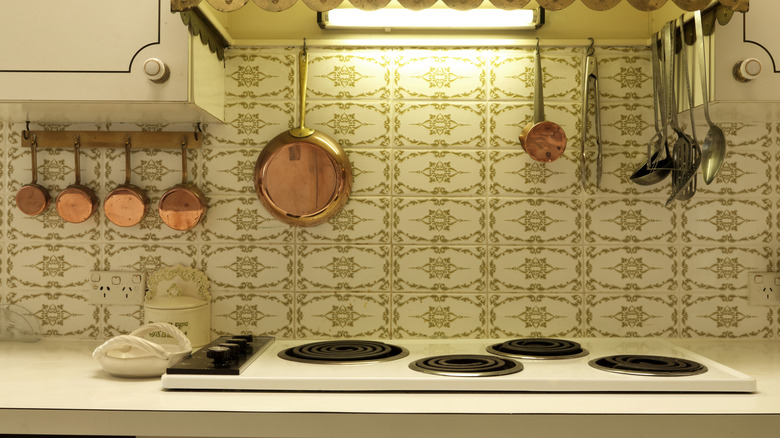
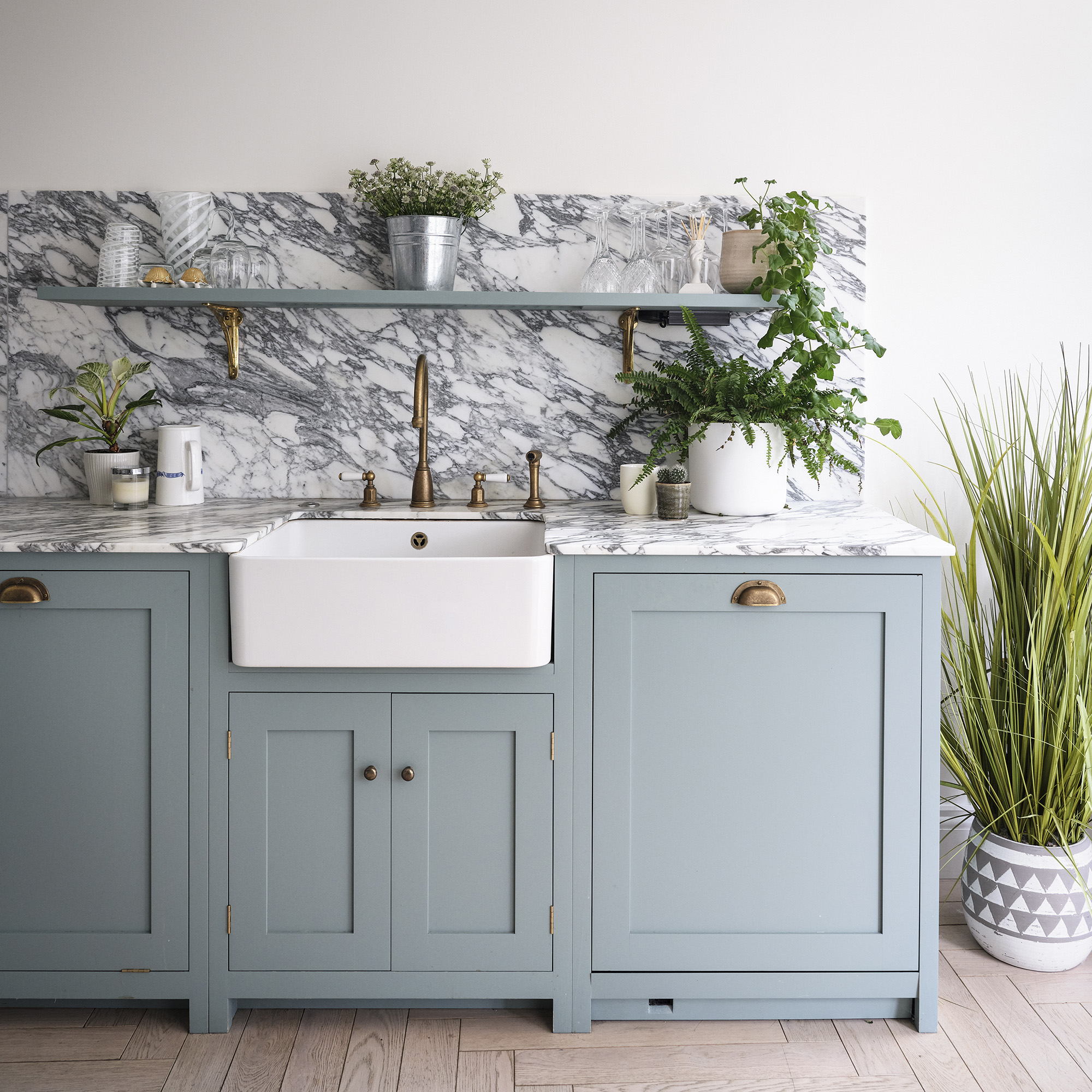
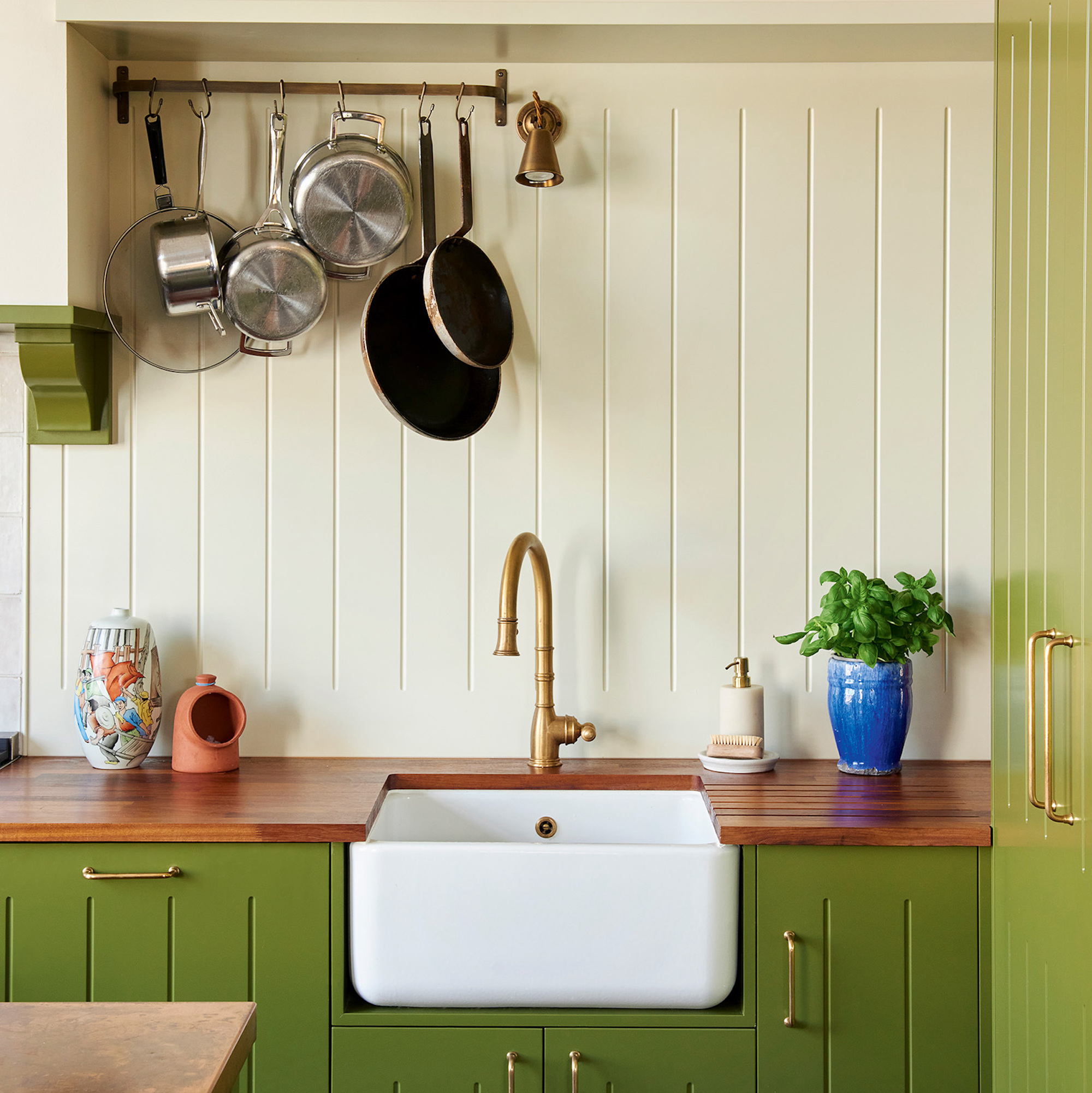
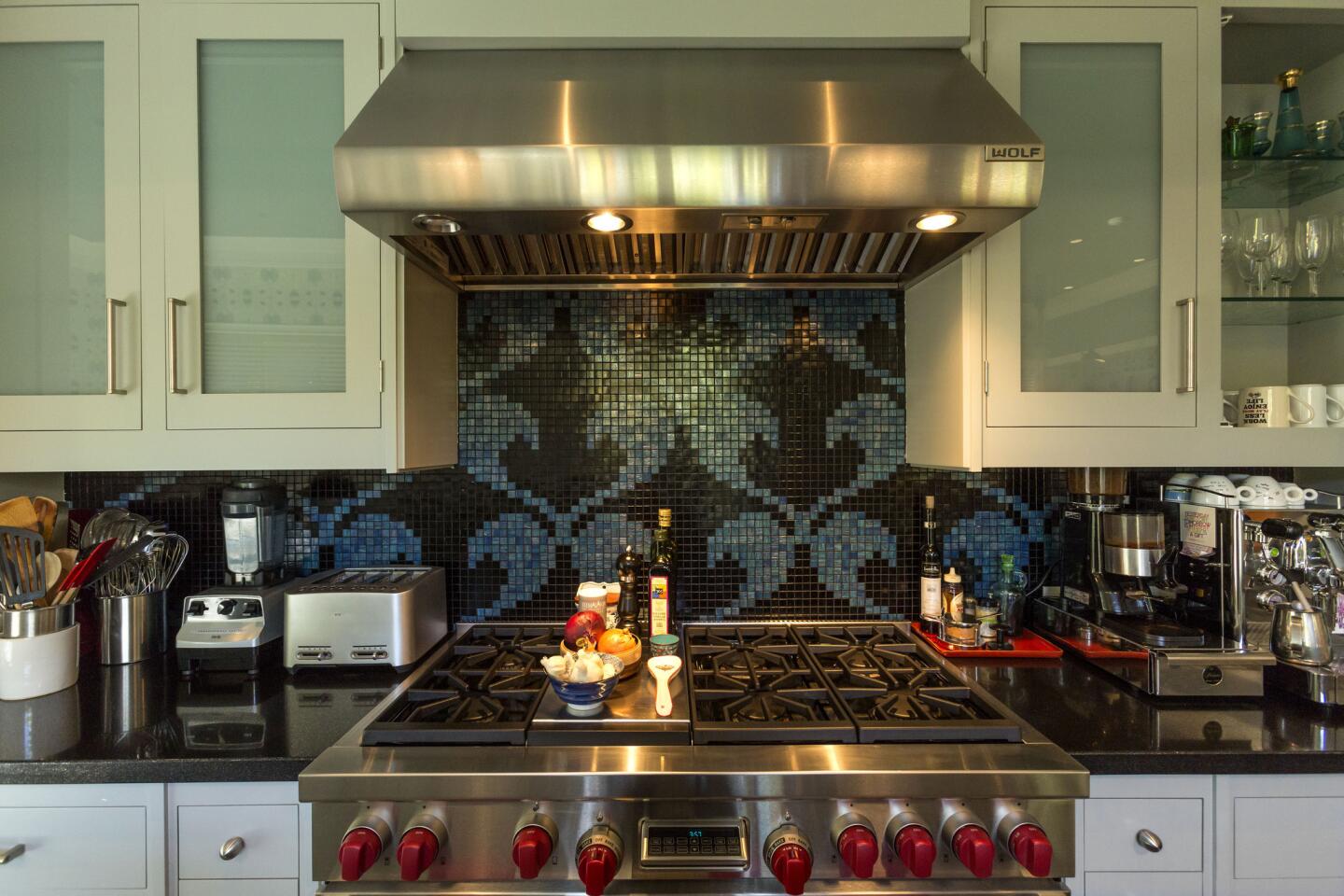
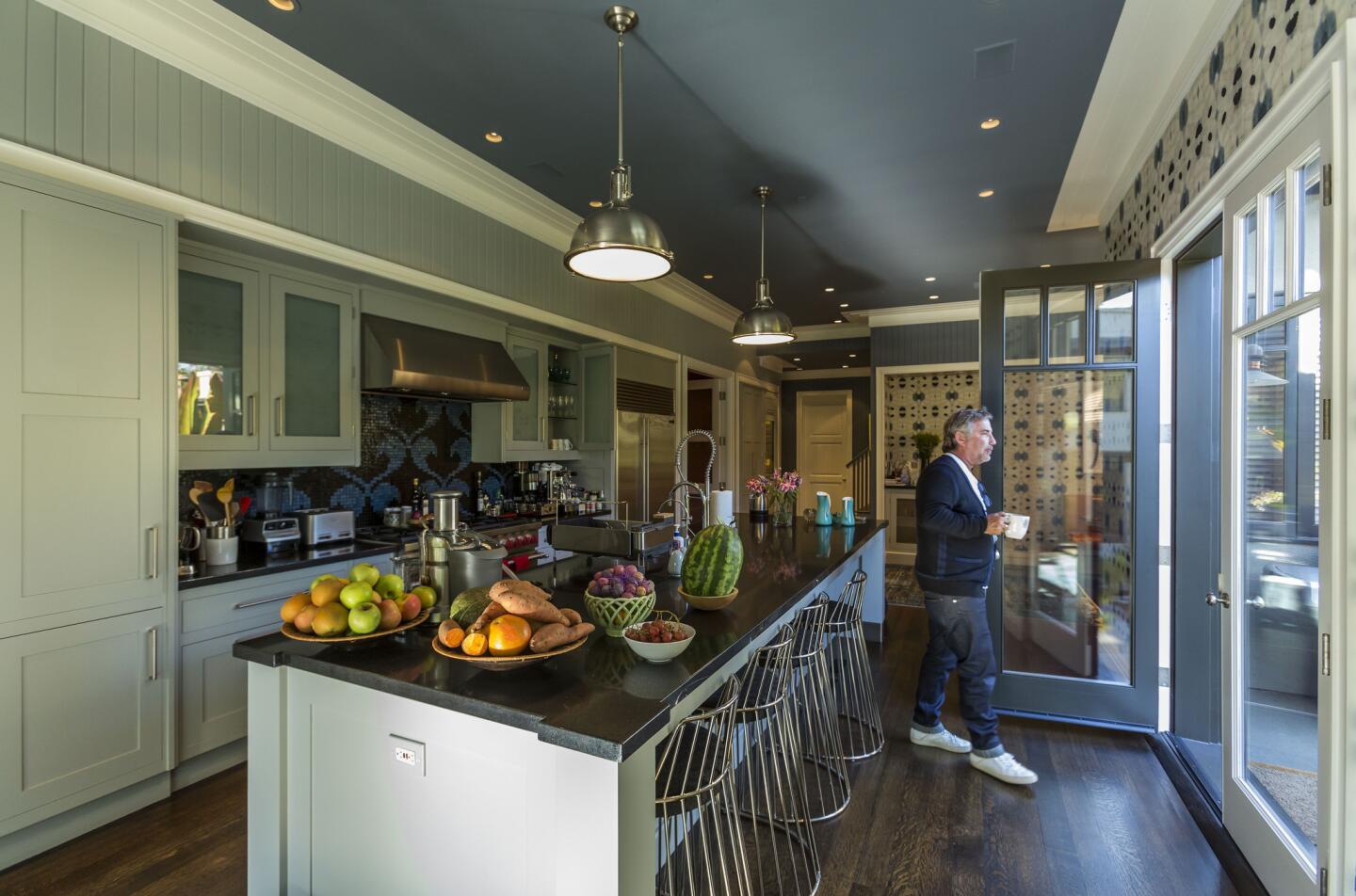
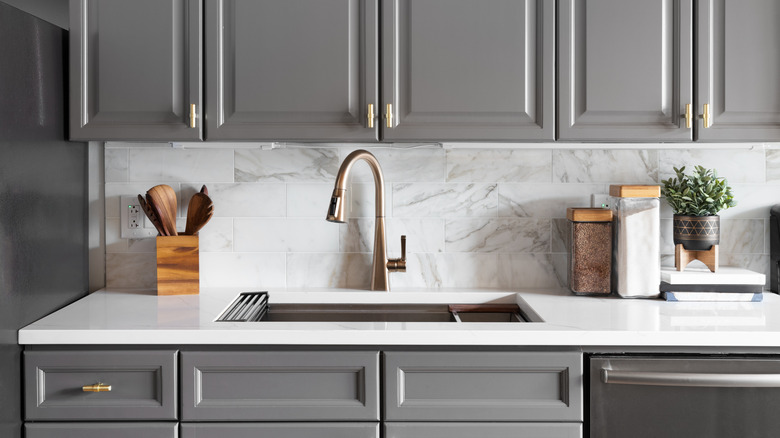
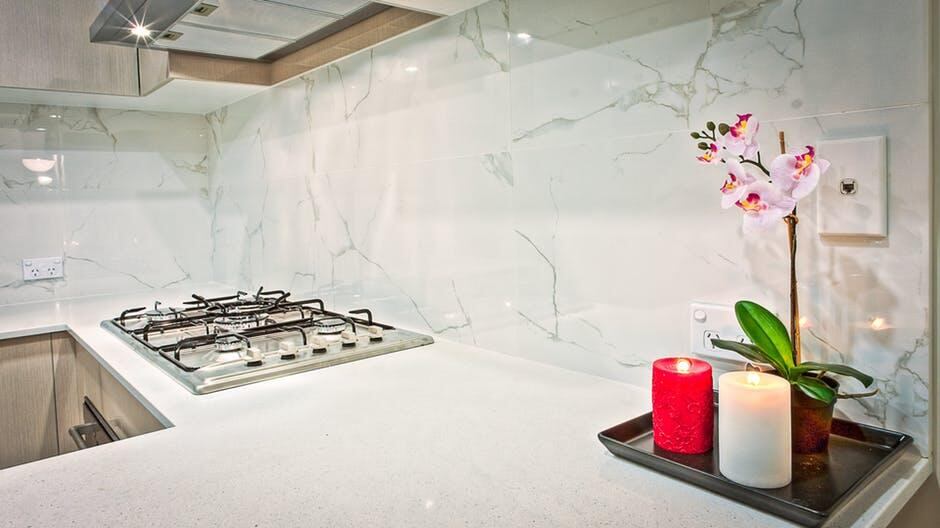
The kitchen backsplash, traditionally a subtle functional element protecting walls from cooking splatters, has evolved into a prominent design feature. With the rise of open-plan kitchens, where cooking often becomes a social activity, backsplashes are now seen as a crucial backdrop that enhances the overall aesthetic. Interior designers Emily Henderson, Bobby Berk, and Katie Hodges offer expert advice on selecting backsplashes based on color, design, and budget, helping homeowners make informed decisions to create a visually appealing and functional kitchen space.
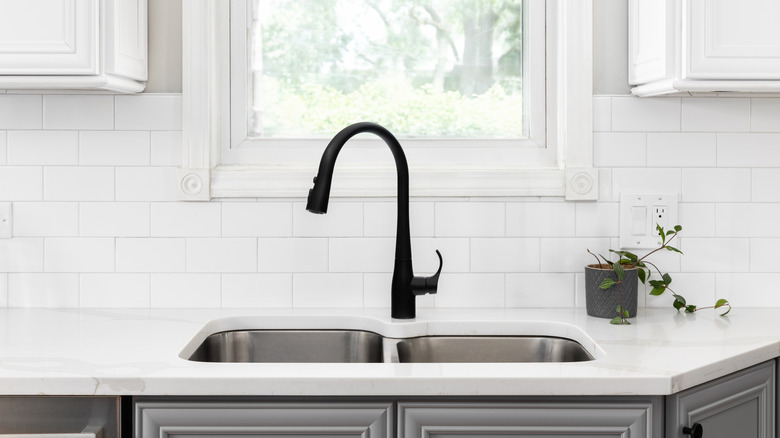
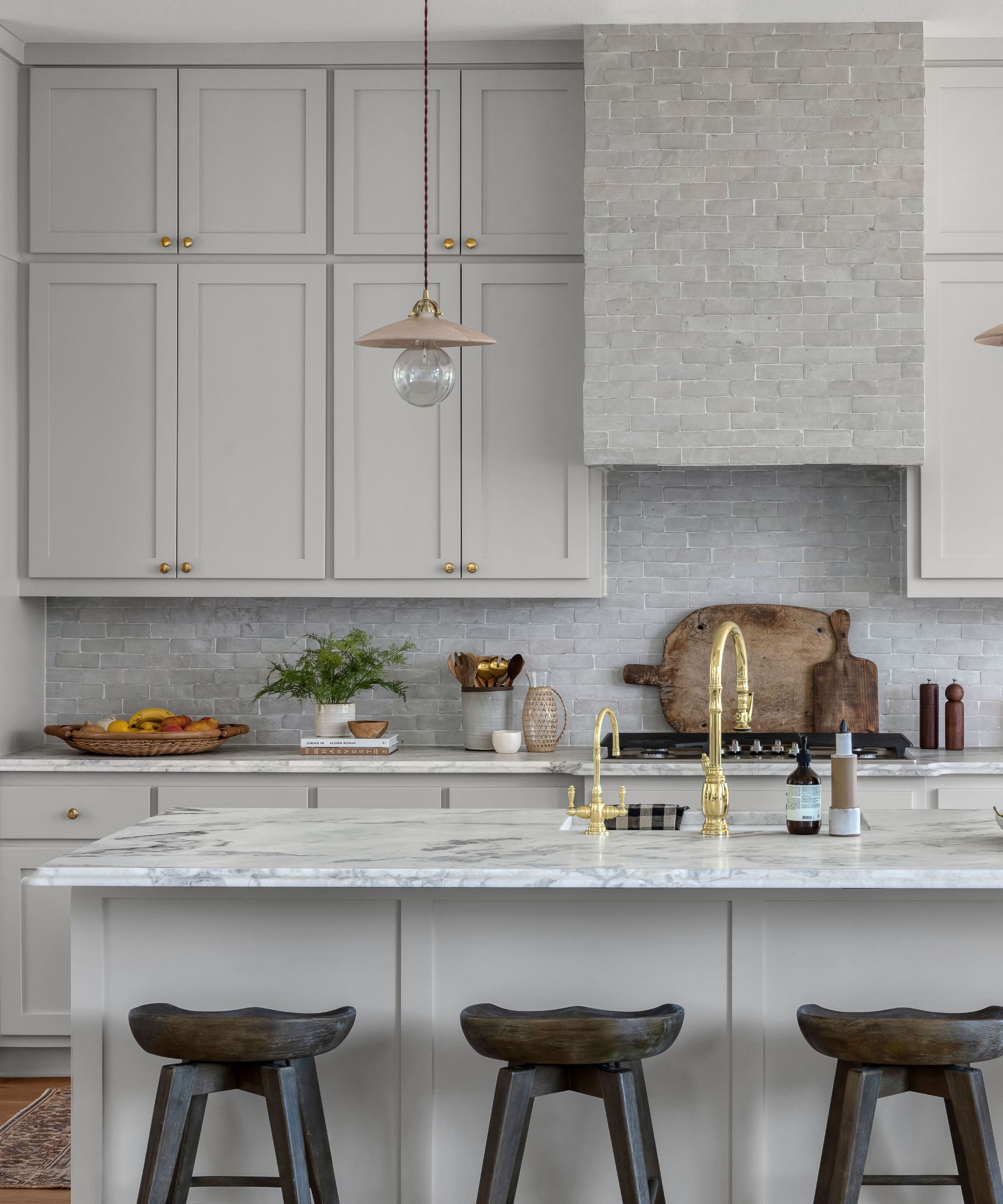
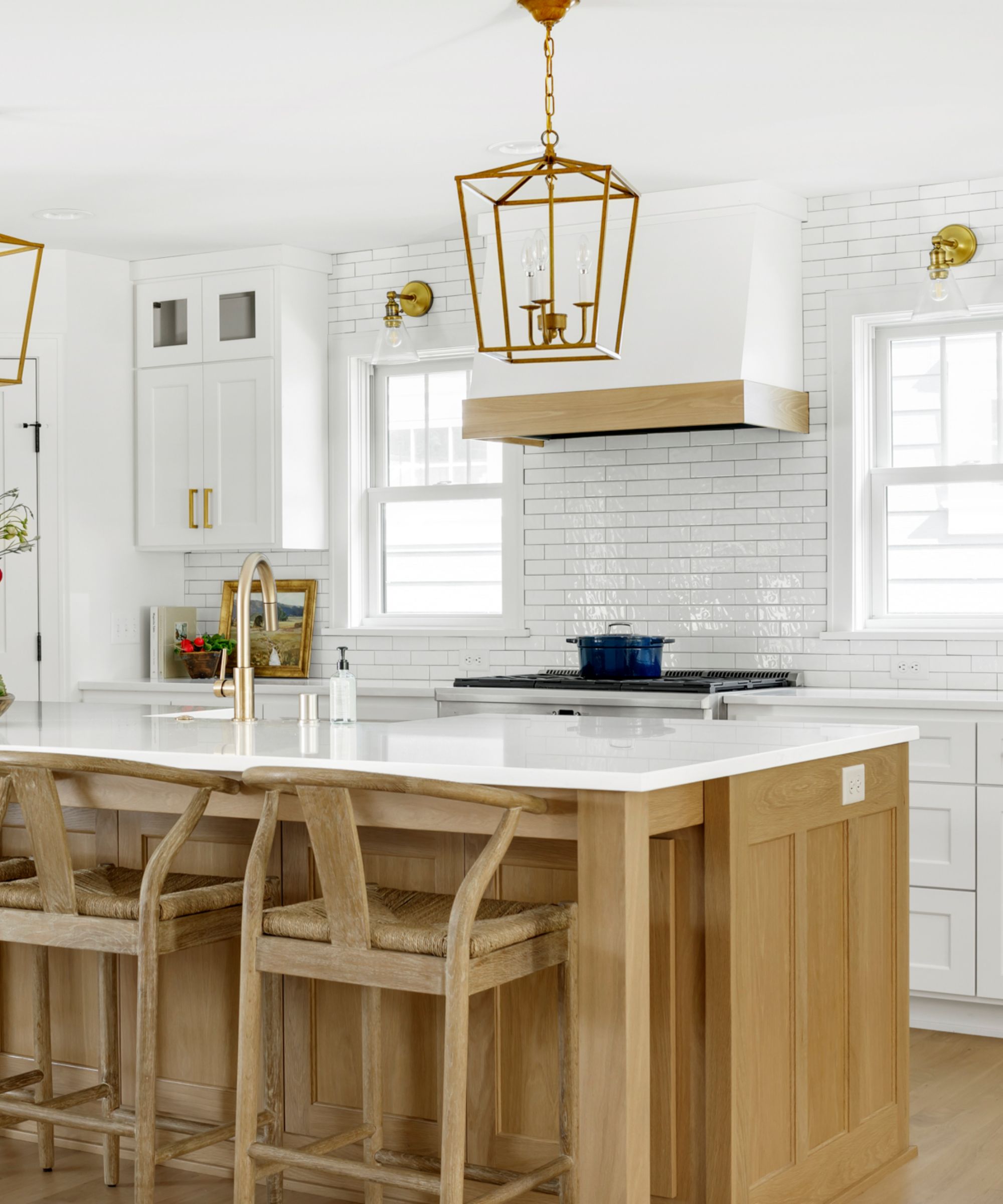
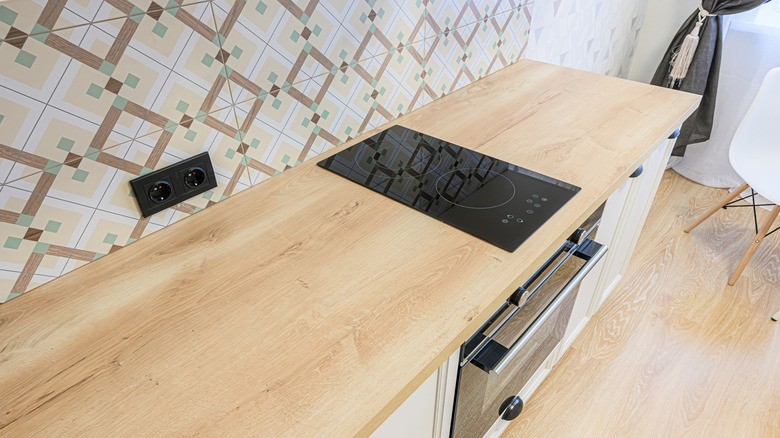
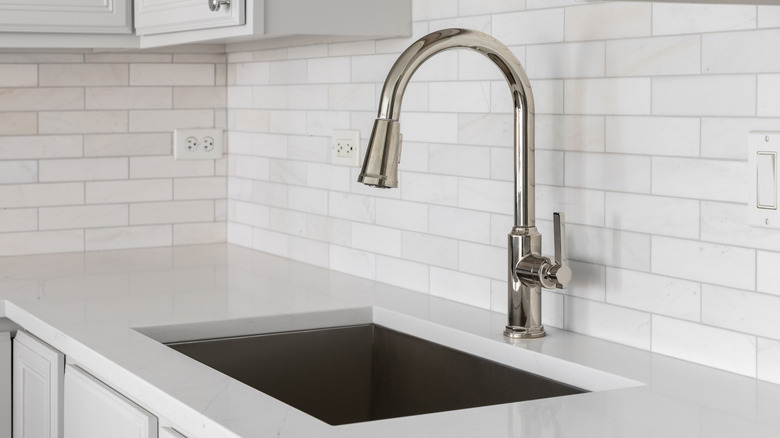
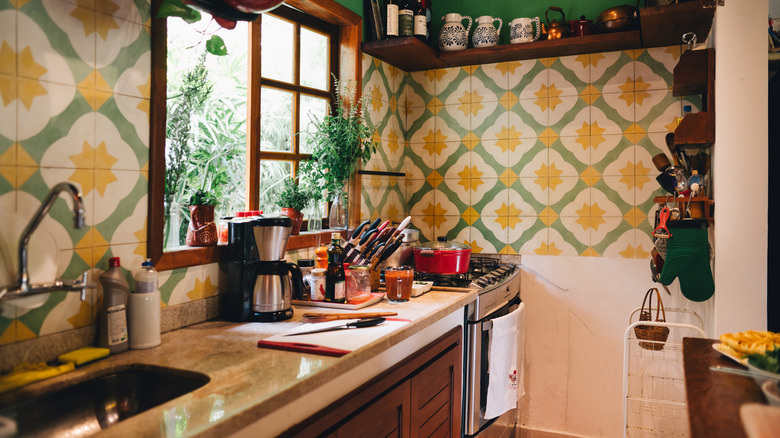
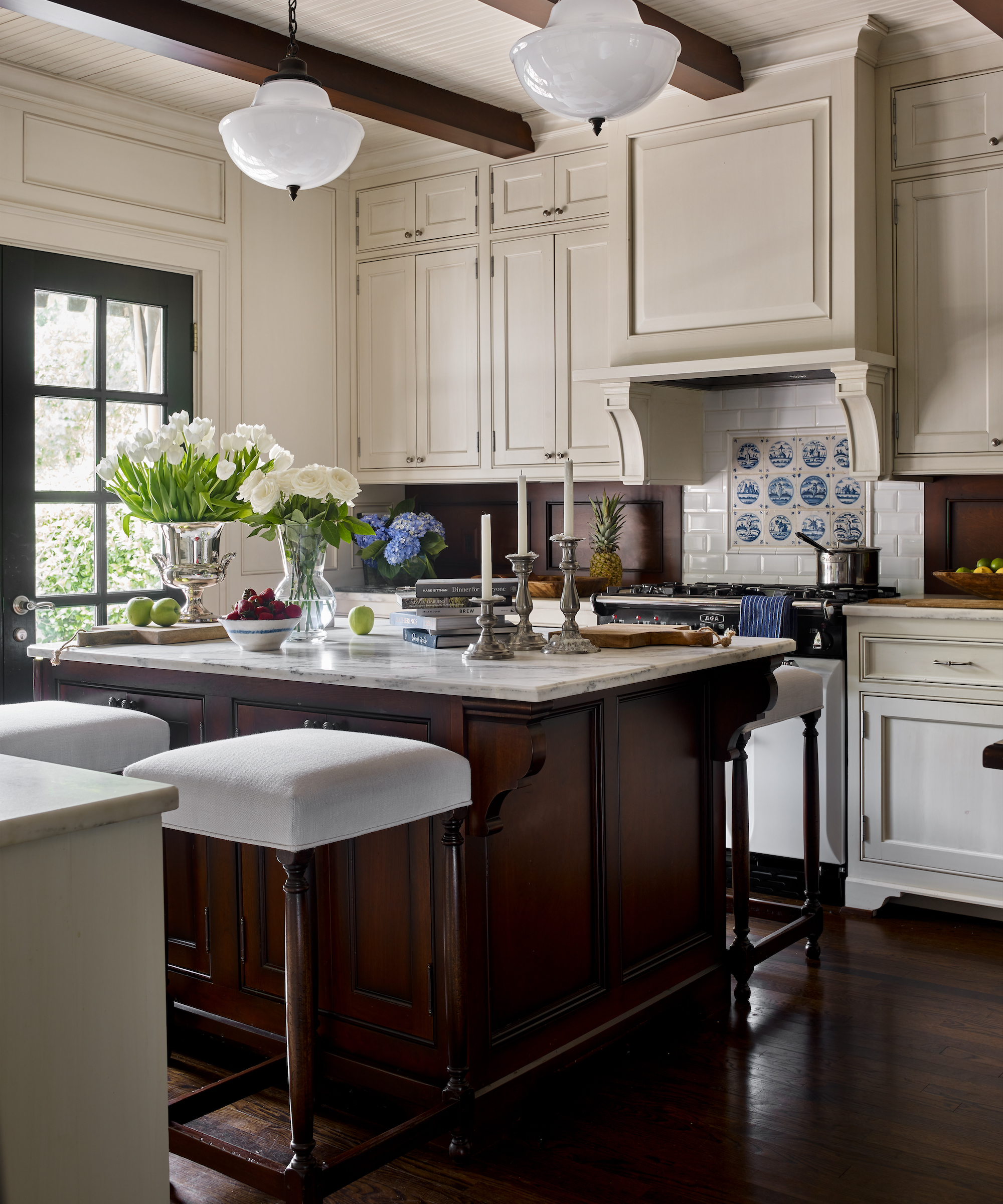
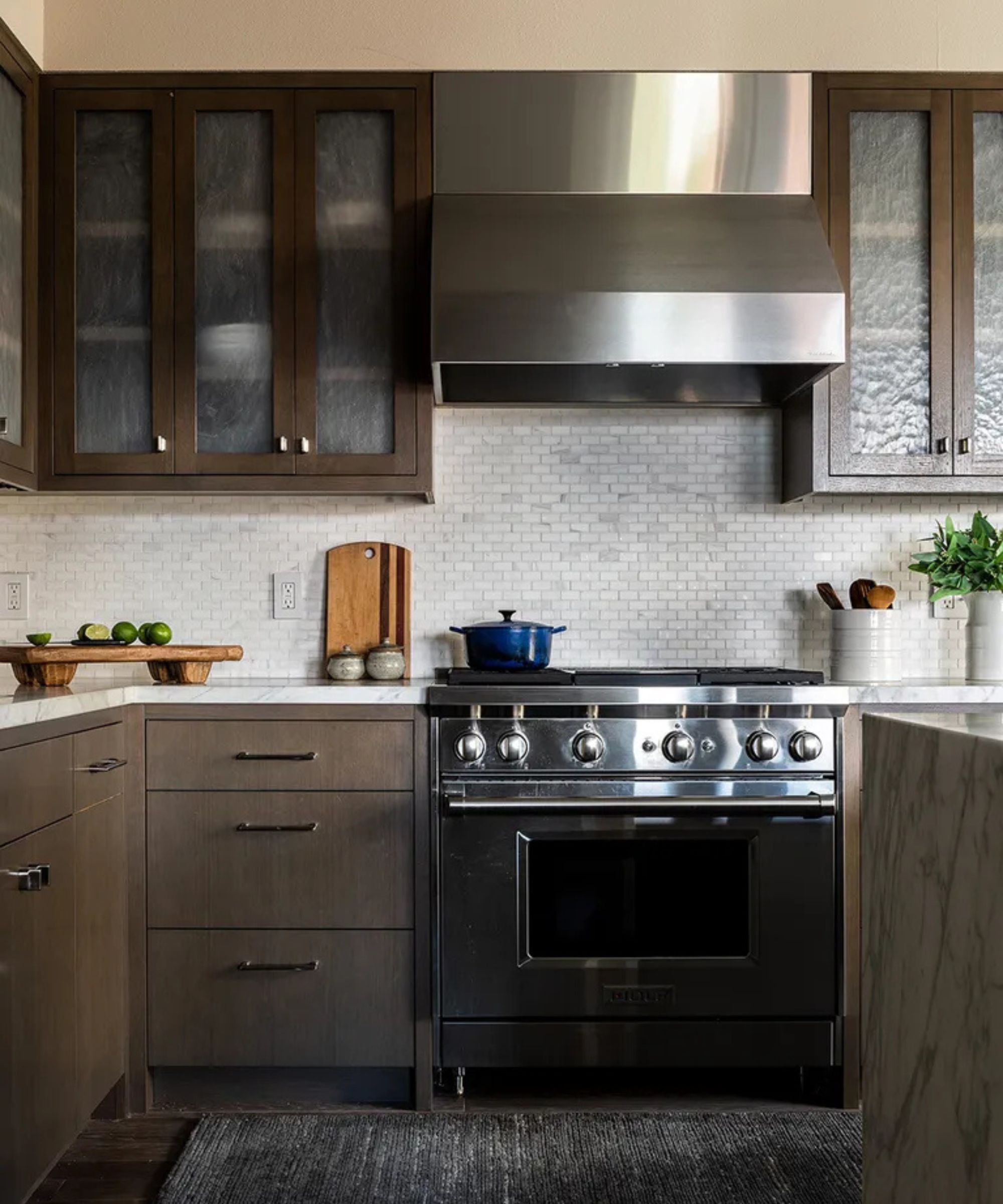
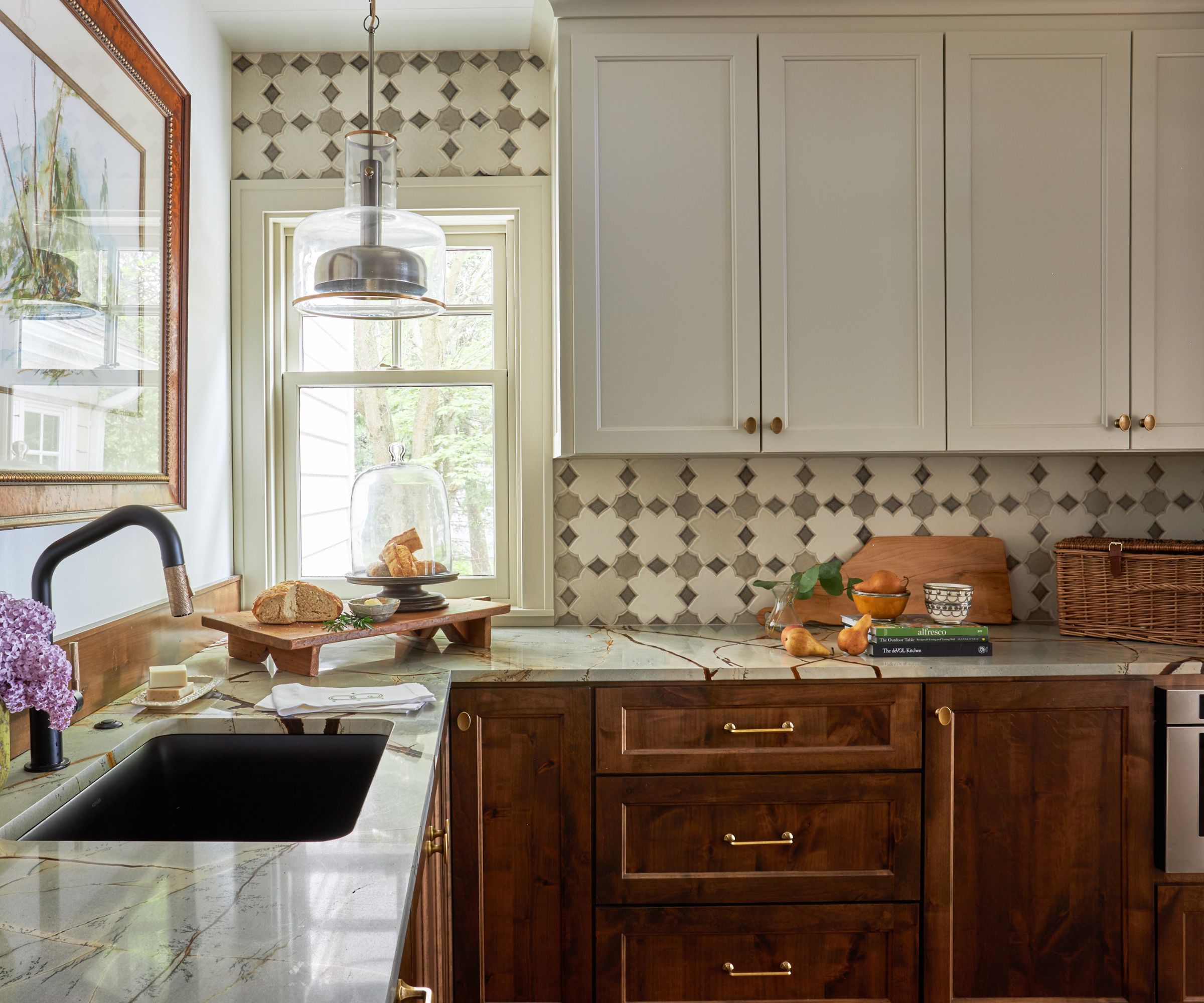
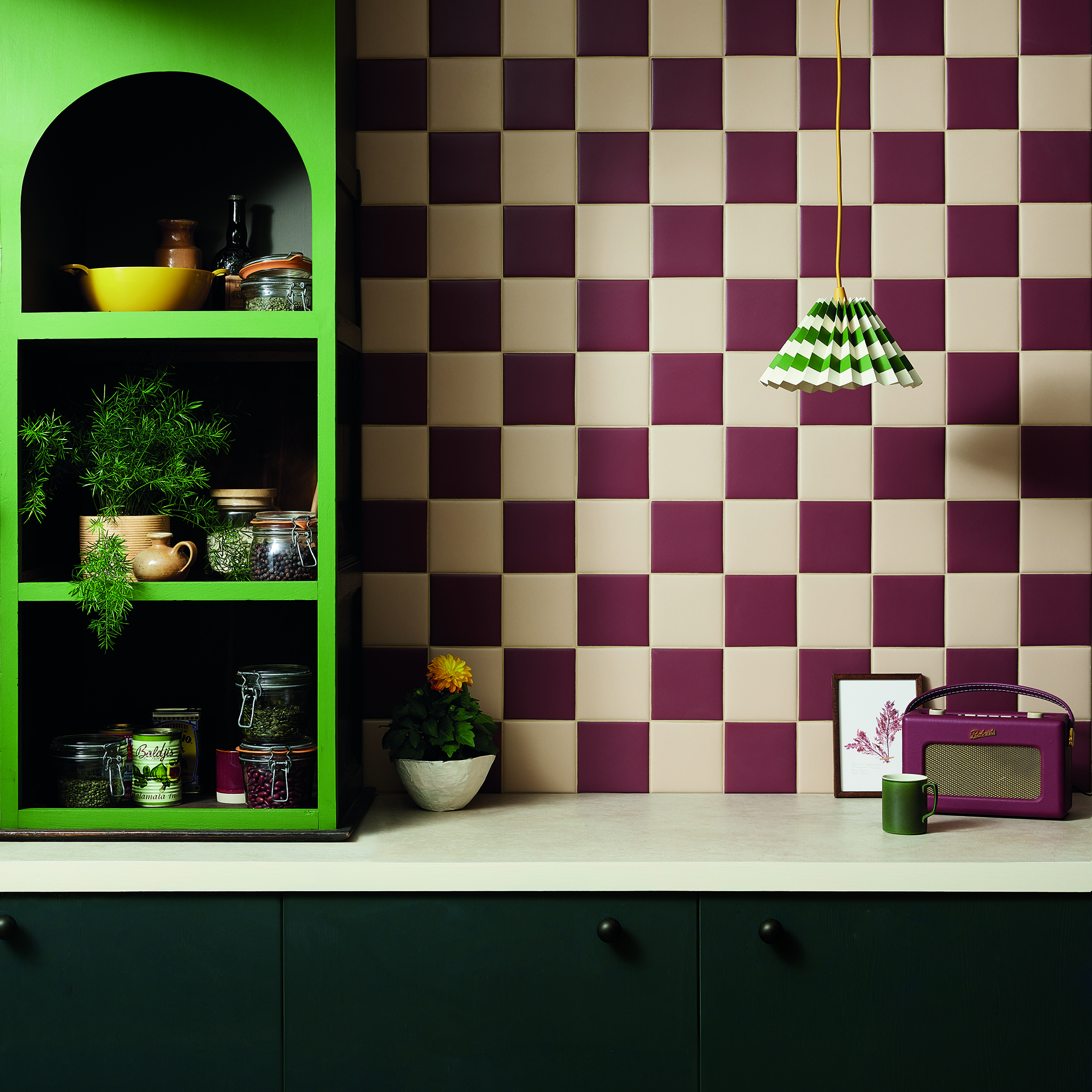
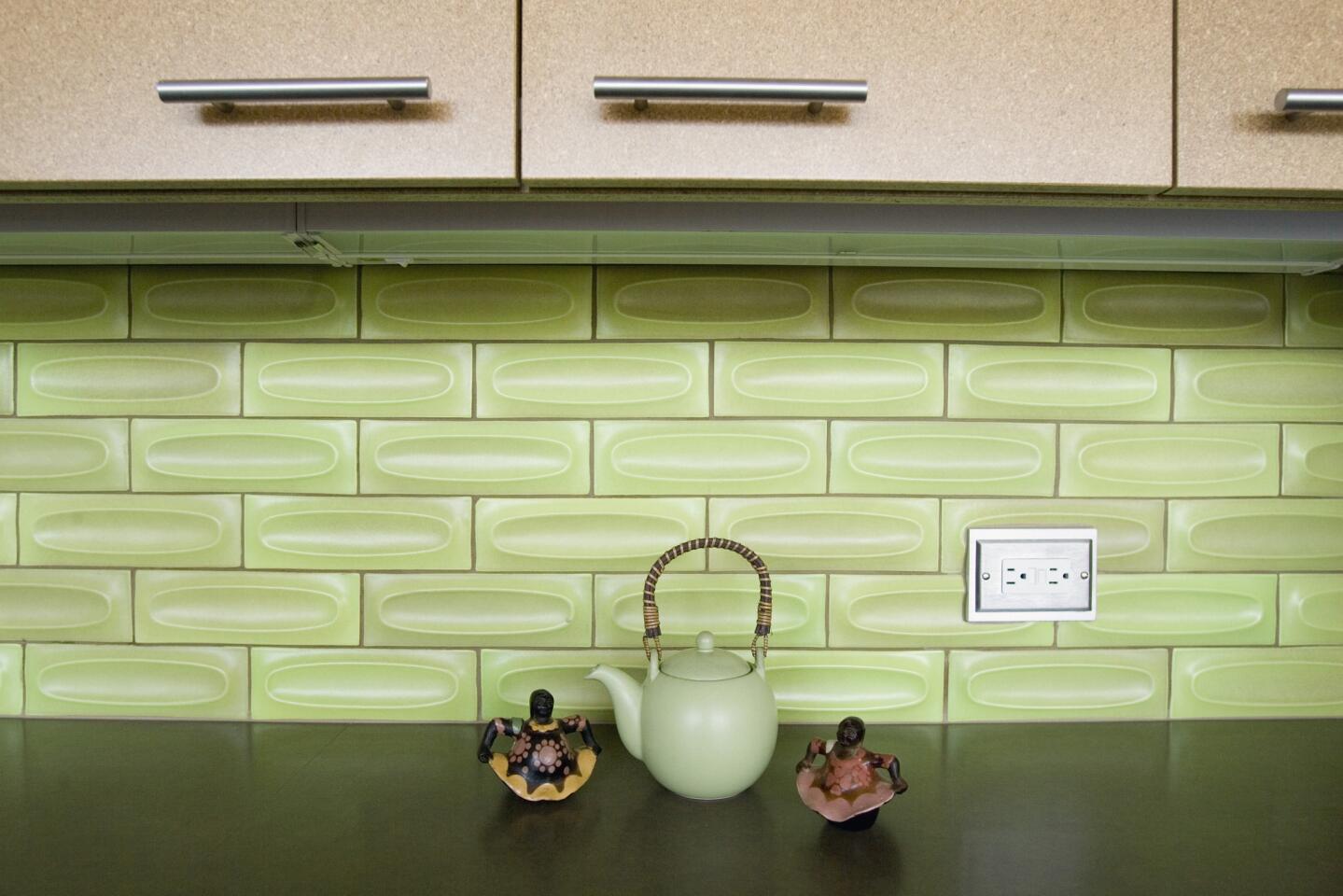
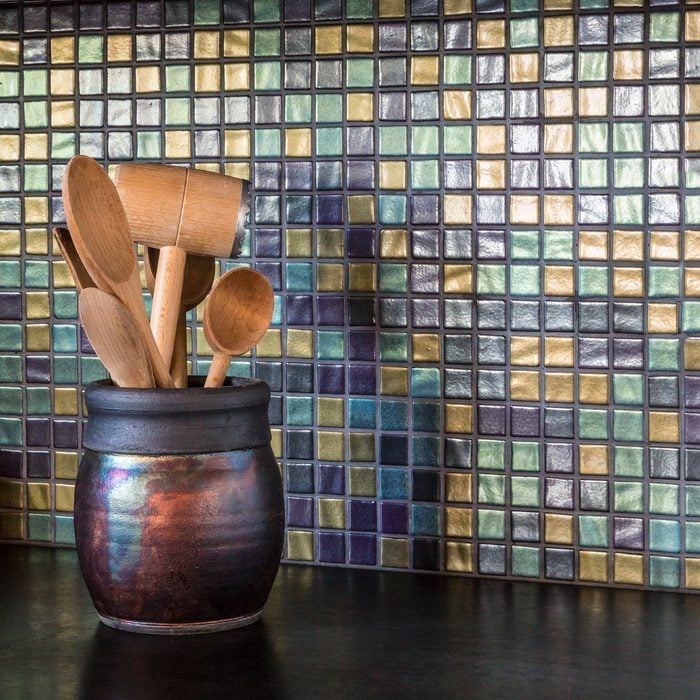
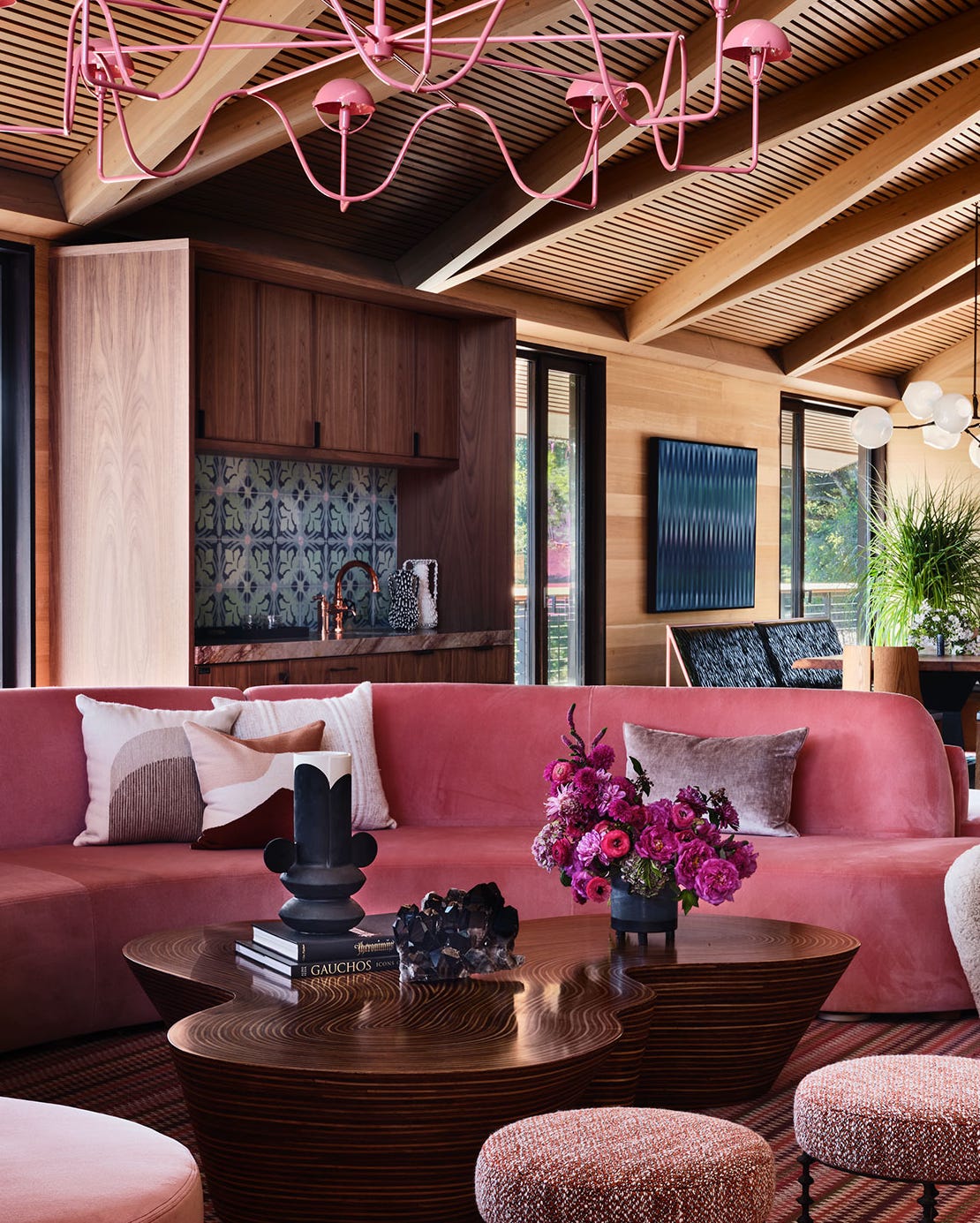
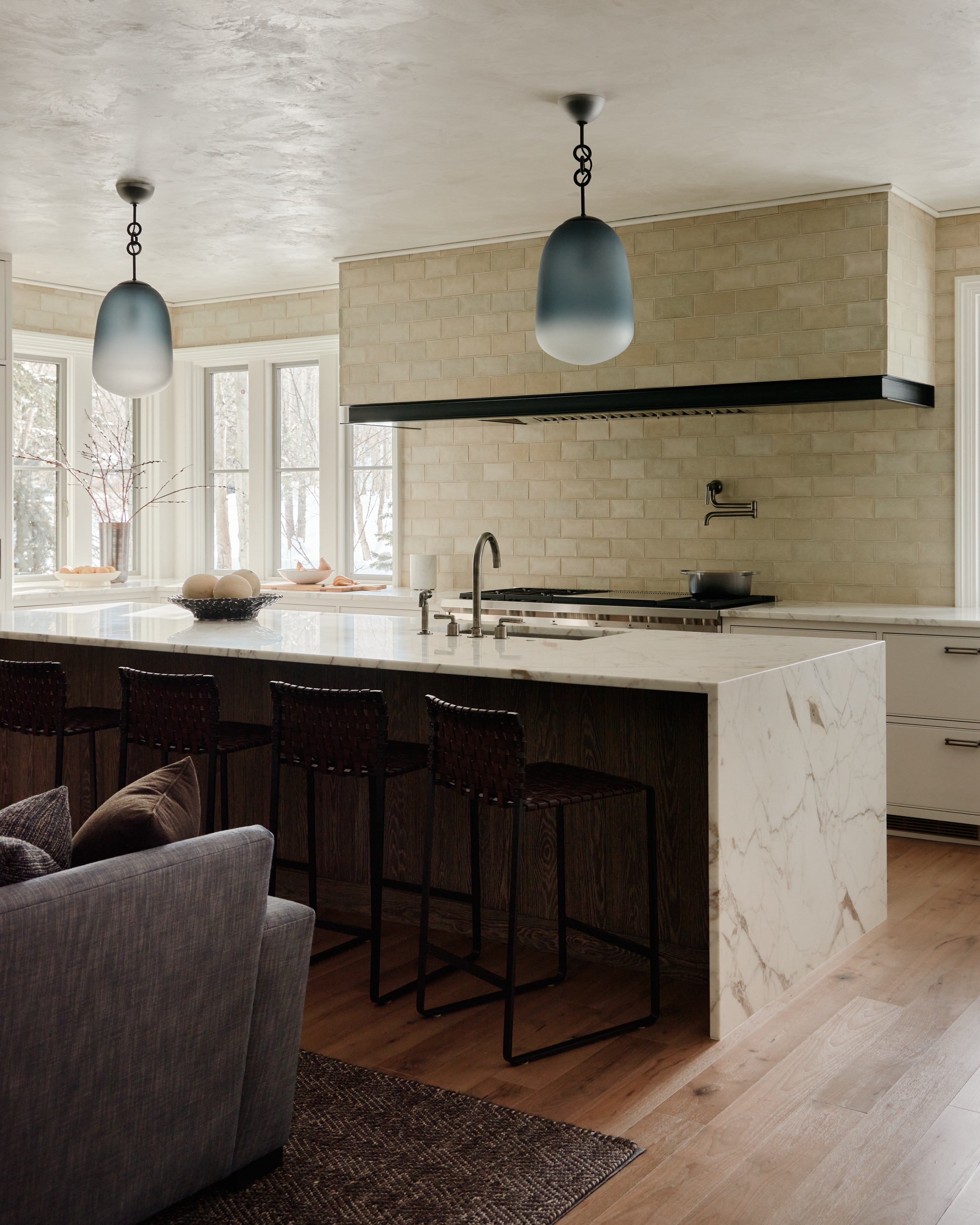
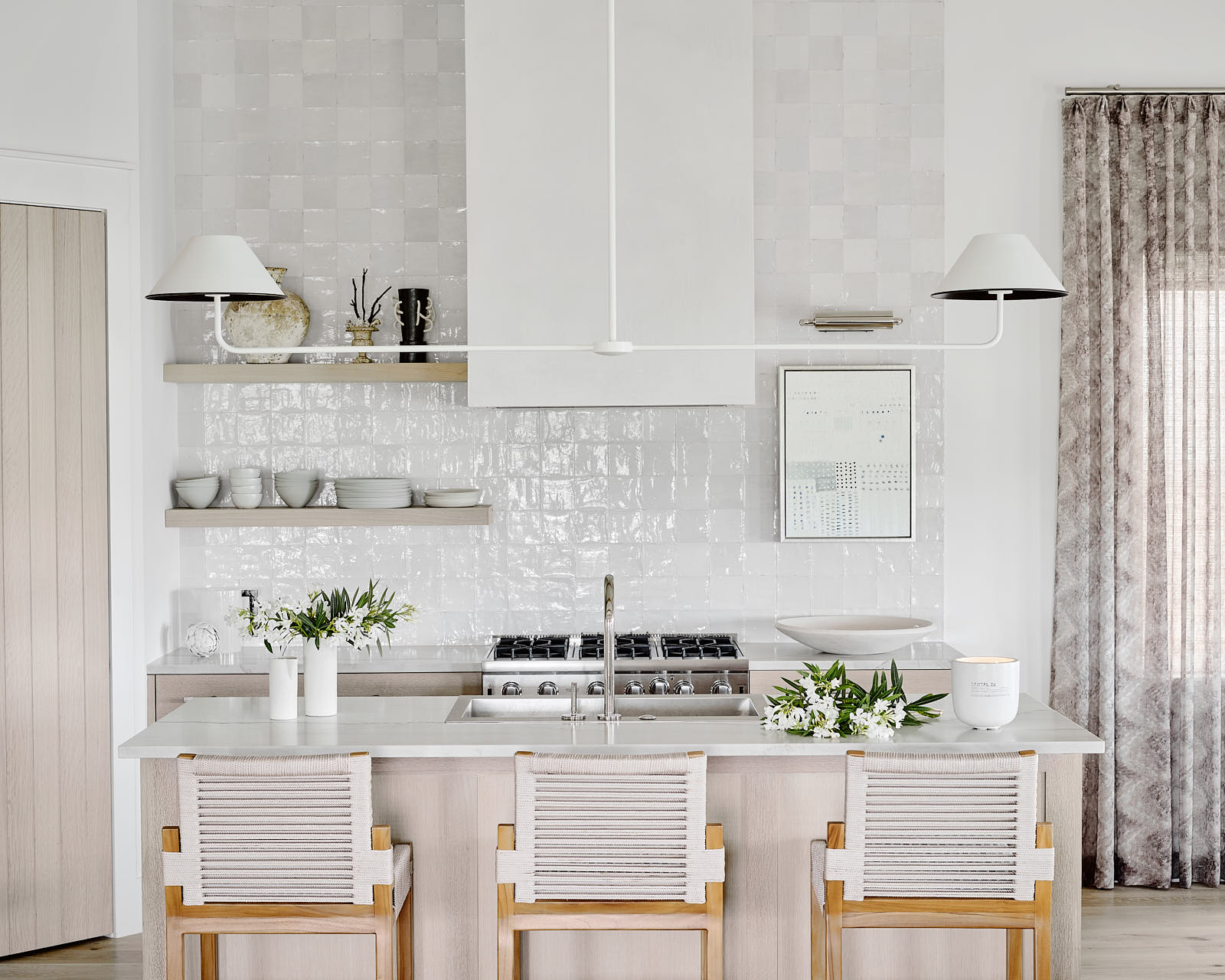
Emily Henderson emphasizes careful consideration of color, starting with the countertop to decide between a seamless or contrasting look. She advises caution against fleeting trends, as tile and installation can be costly, and suggests prioritizing personal preference over current fads. Henderson recommends testing tile samples in different lighting conditions and pairing them with countertop samples to ensure color harmony. She also encourages embracing colorful tiles if they align with personal taste, noting that a home should reflect its inhabitants. For those seeking visual interest without bold colors, patterned or textured neutral tiles, such as subway tiles with beveled edges or hand-applied glazes, are good alternatives. The choice of grout color is also critical; a contrasting grout highlights the tile pattern, while a matching grout emphasizes the tile's color and texture. For classic white subway tiles, Henderson suggests selecting a shade that complements the home's style (e.g., bone for traditional, high-gloss ultra-white for modern) and paying attention to undertones (blue for bright white, yellow for softer white) and glazes (high gloss or matte).
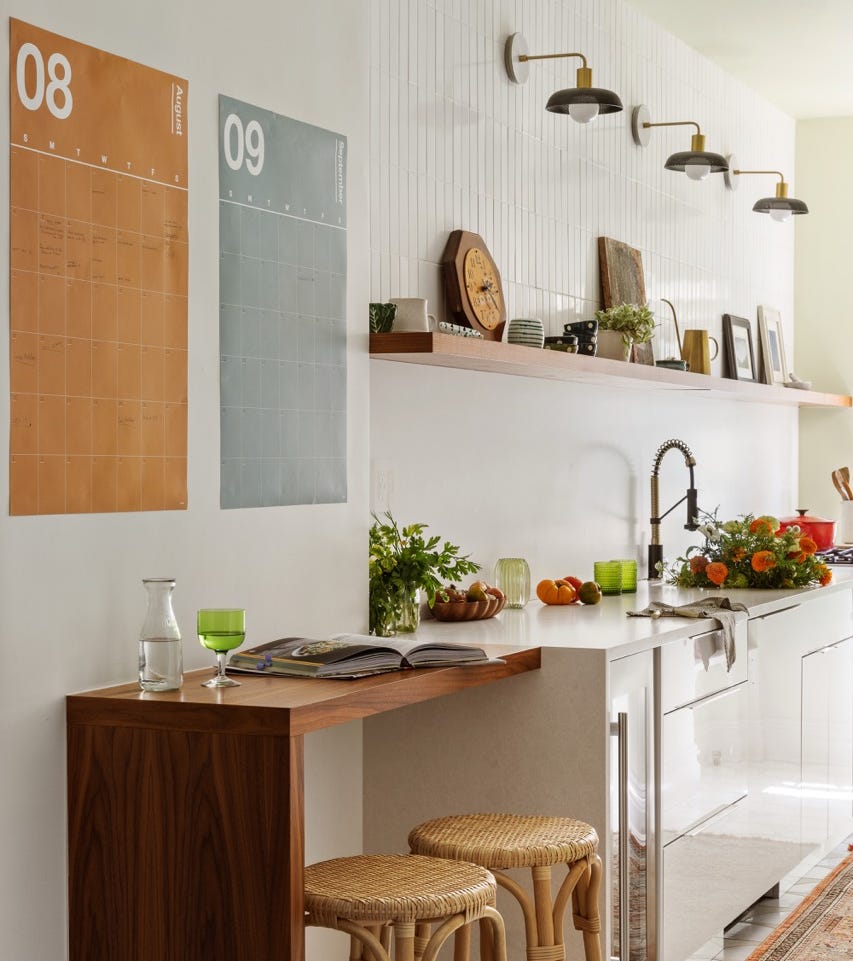
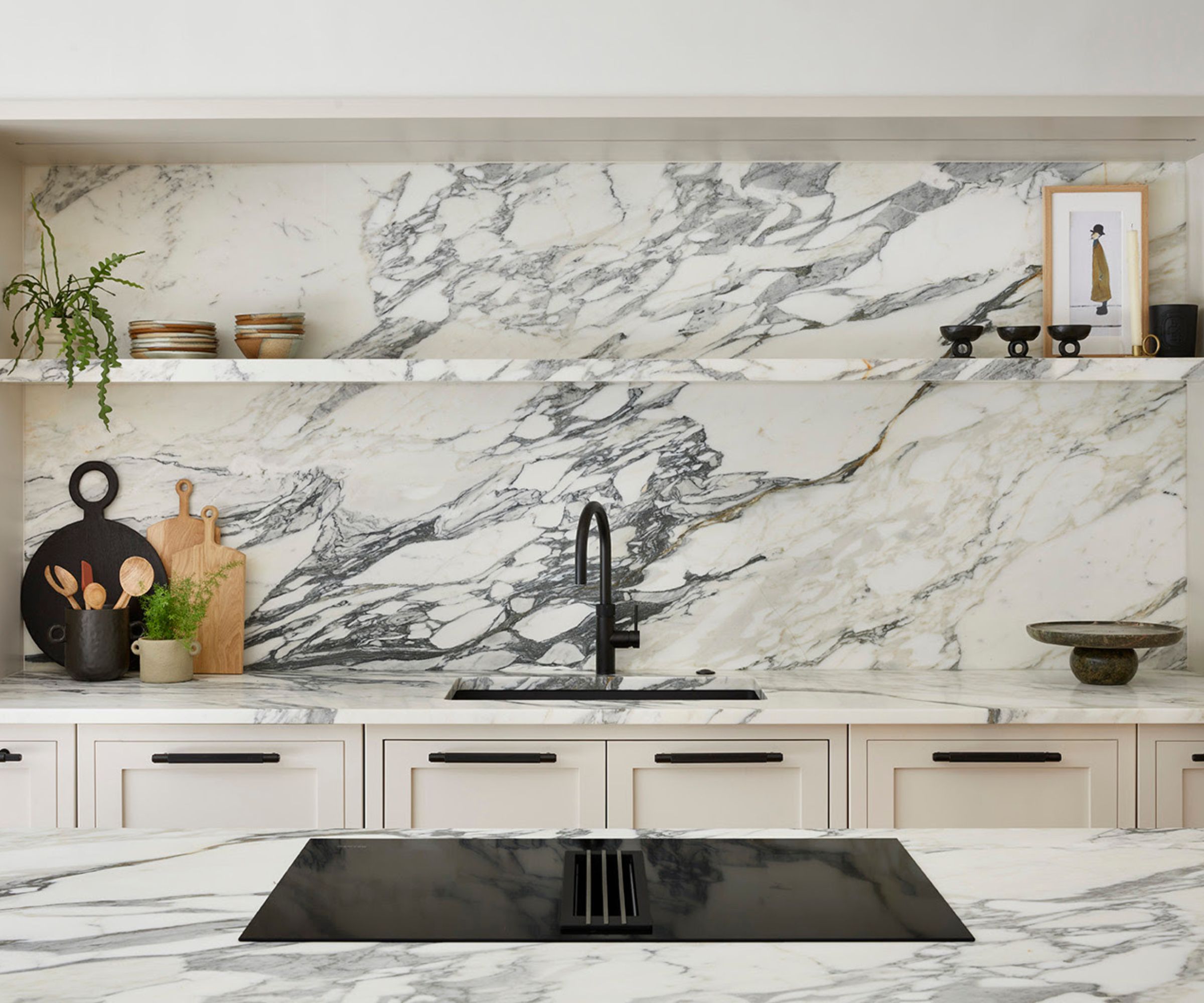
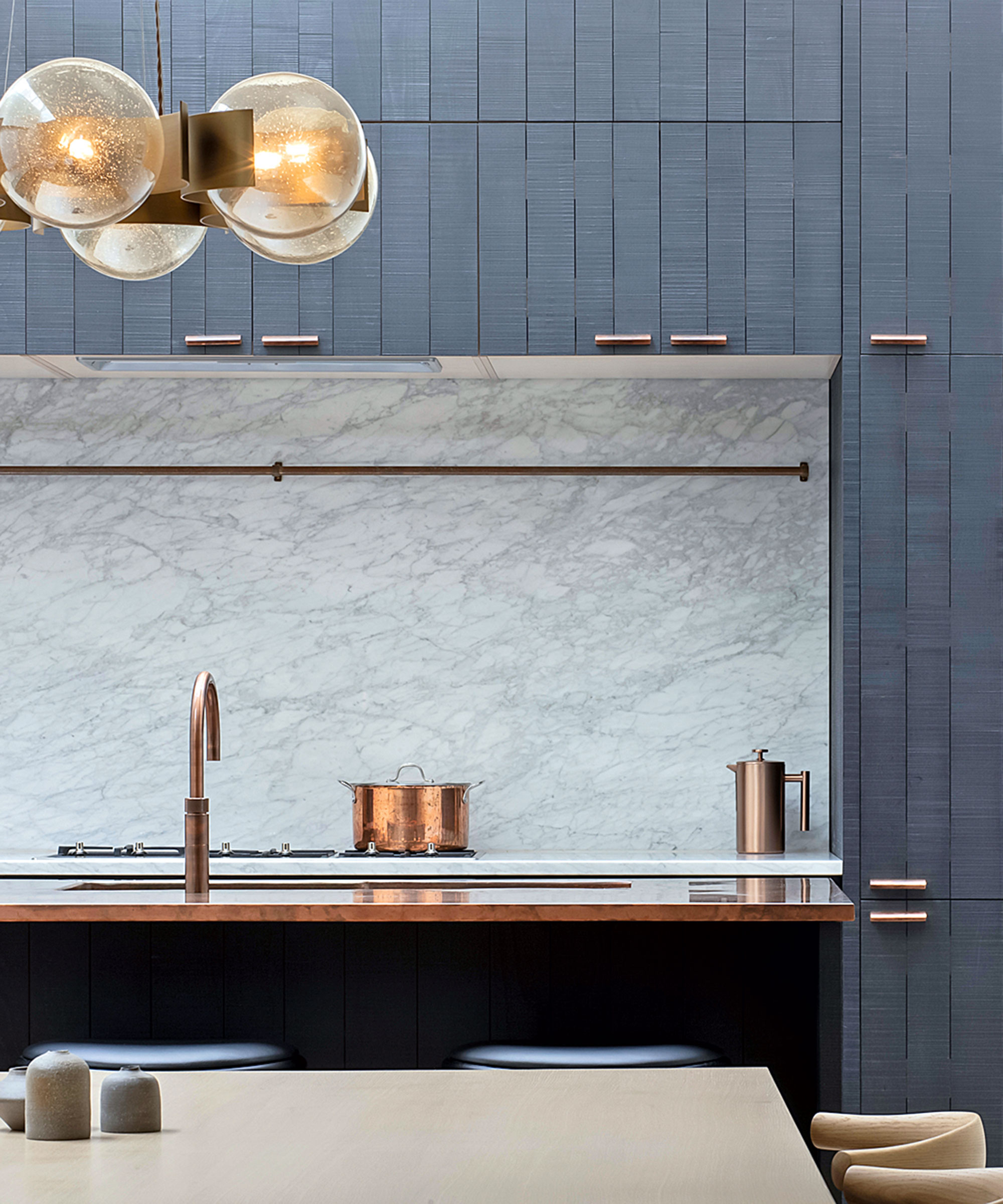
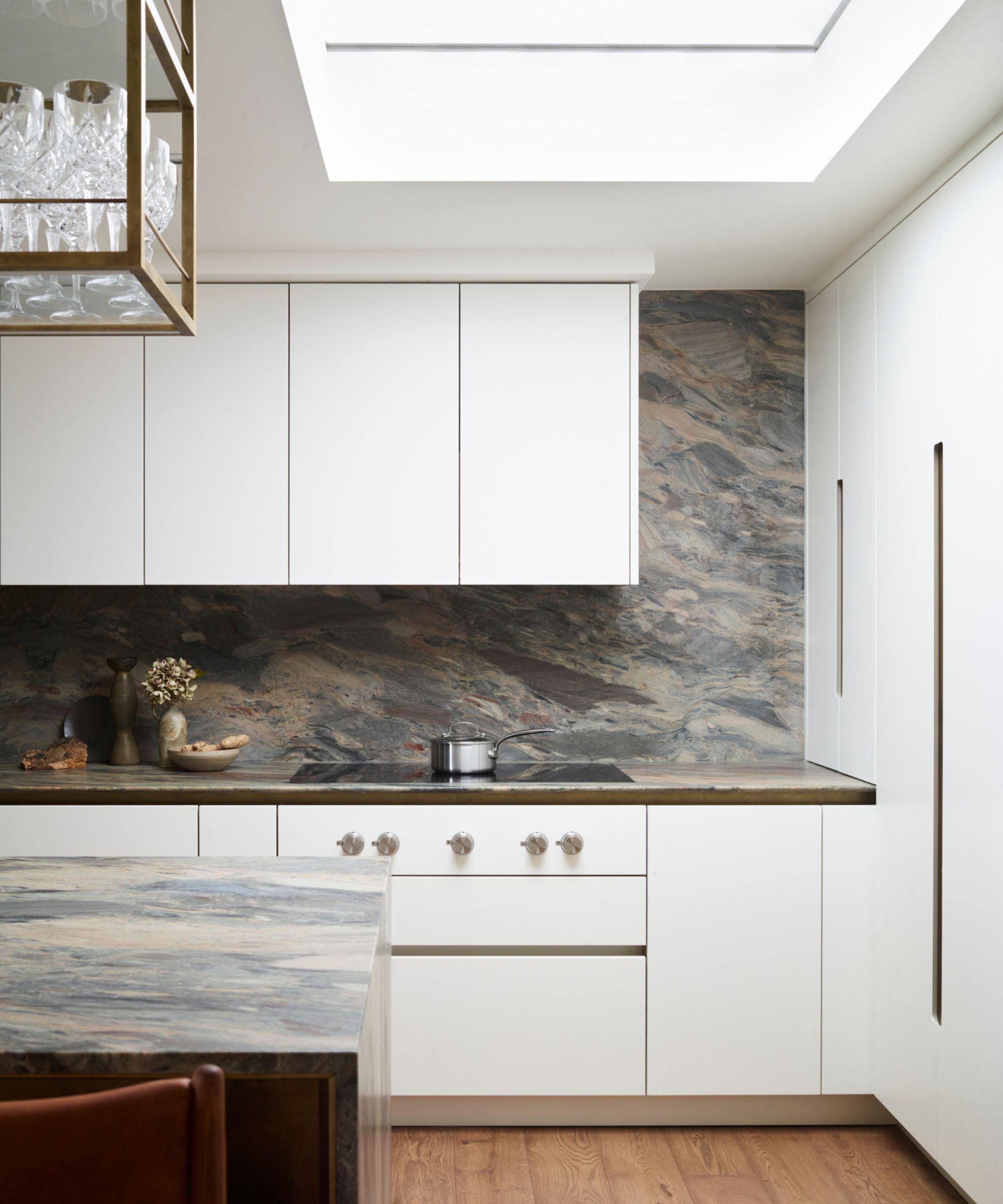
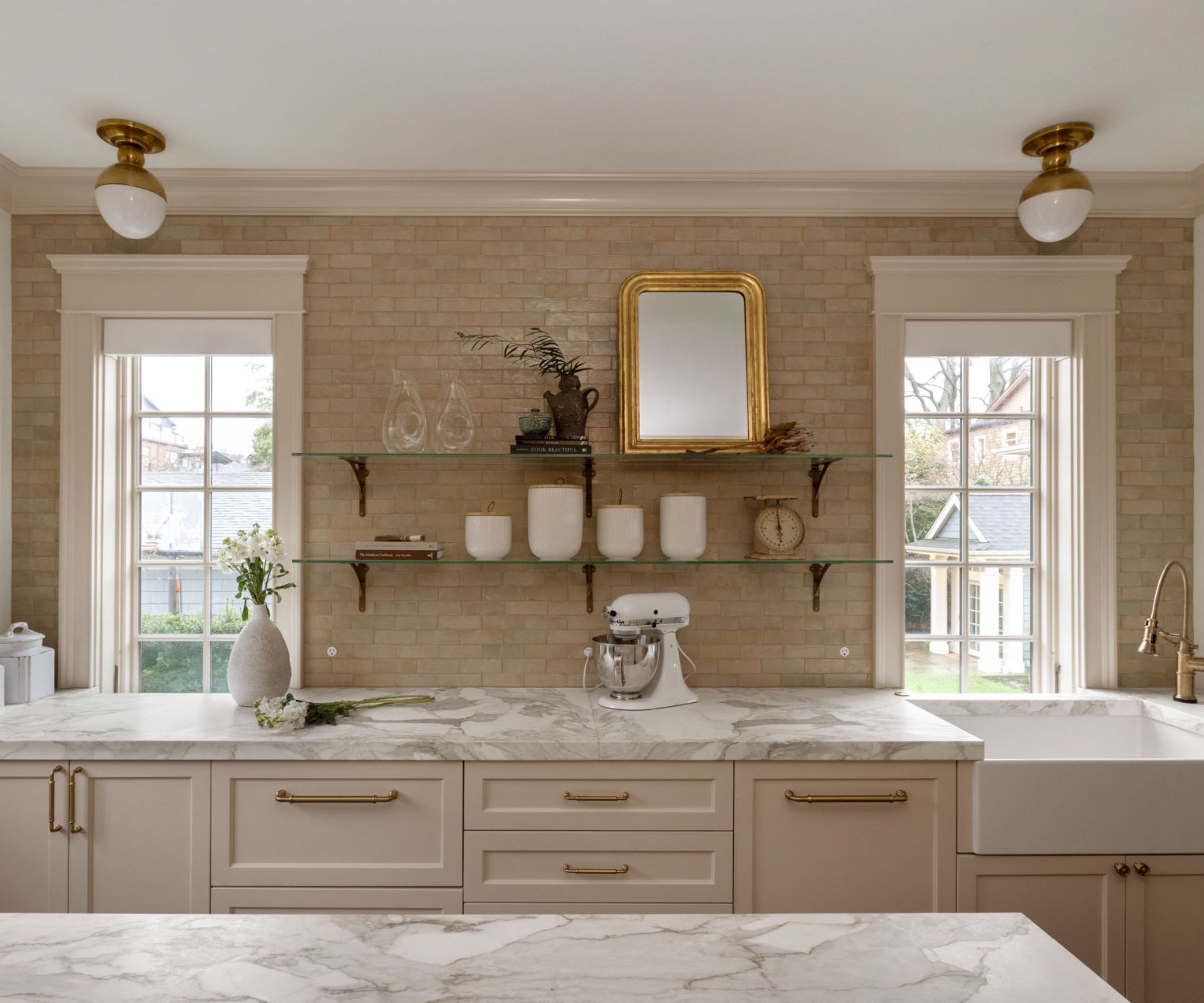
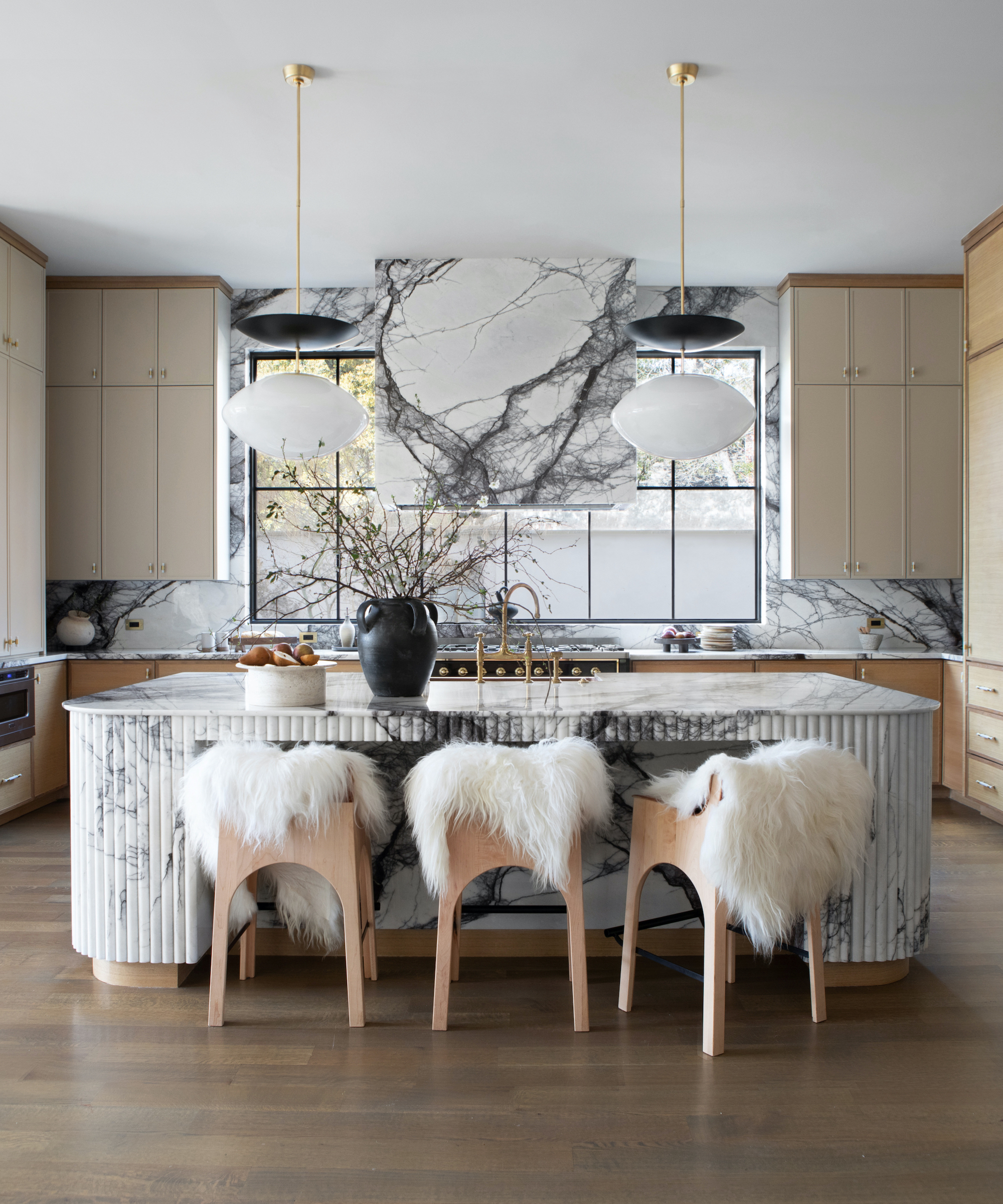
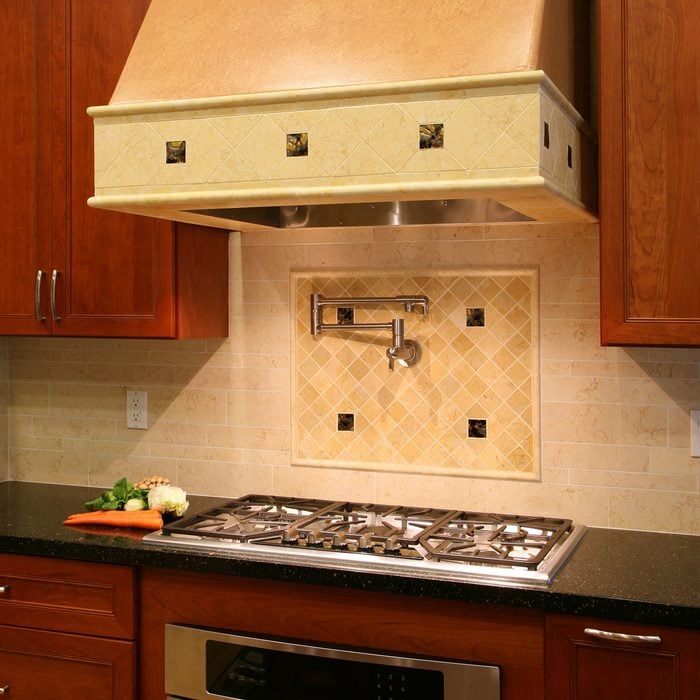
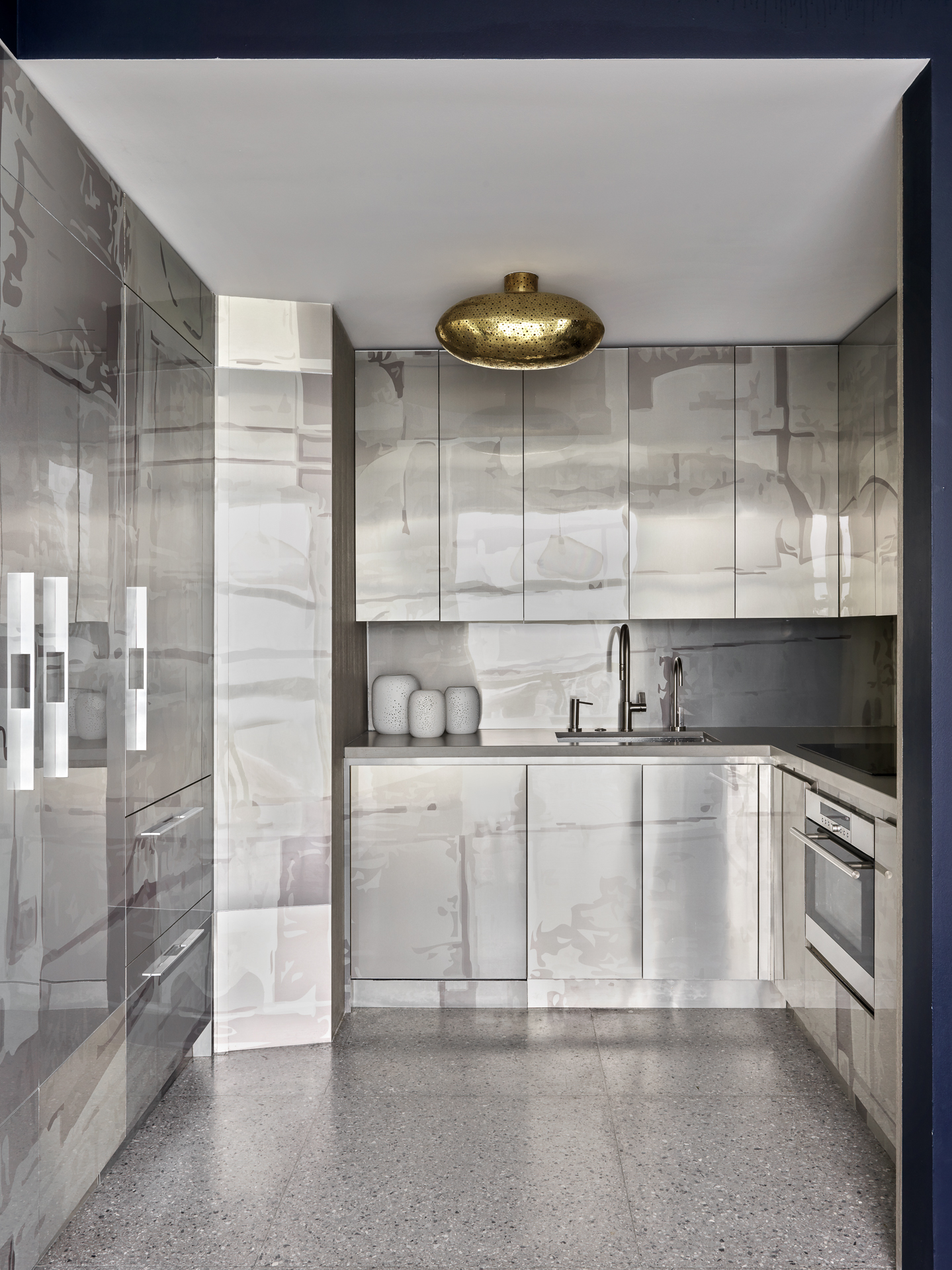
Bobby Berk focuses on design and layout, advising homeowners to let the room's natural characteristics guide their choices. In kitchens without upper cabinets, extending the backsplash to the ceiling can create an illusion of height. For open shelving, the backsplash can extend to the bottom of the first shelf, making the design intentional. Berk suggests analyzing the room's needs, such as creating the illusion of wider or taller spaces, and recommends maintaining a consistent tile direction throughout the kitchen. He provides guidance on standard layouts: horizontal for wider spaces, vertical for emphasizing height, staggered for a classic and clean look, and herringbone for accent walls where a subtle impact is desired.
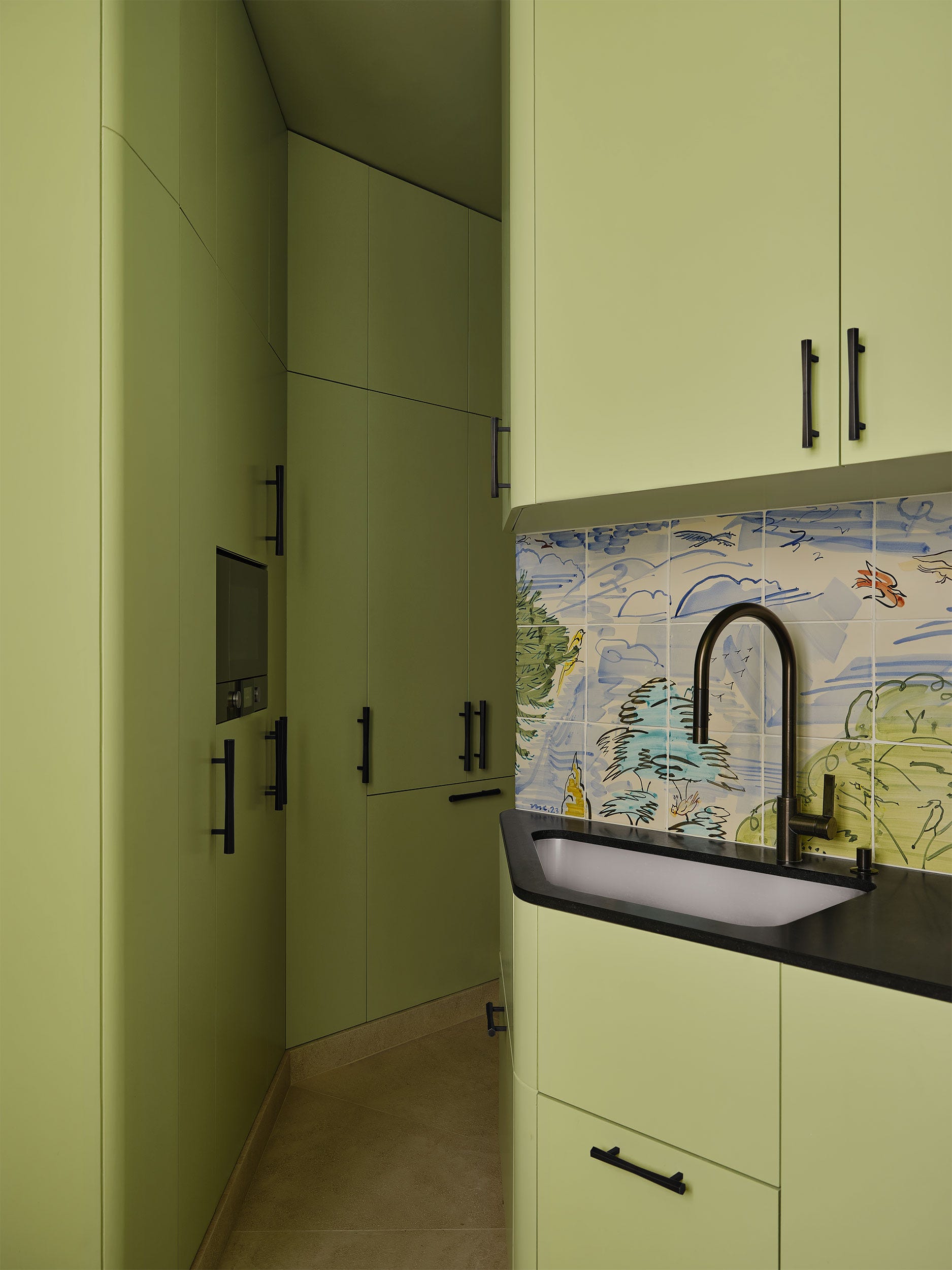
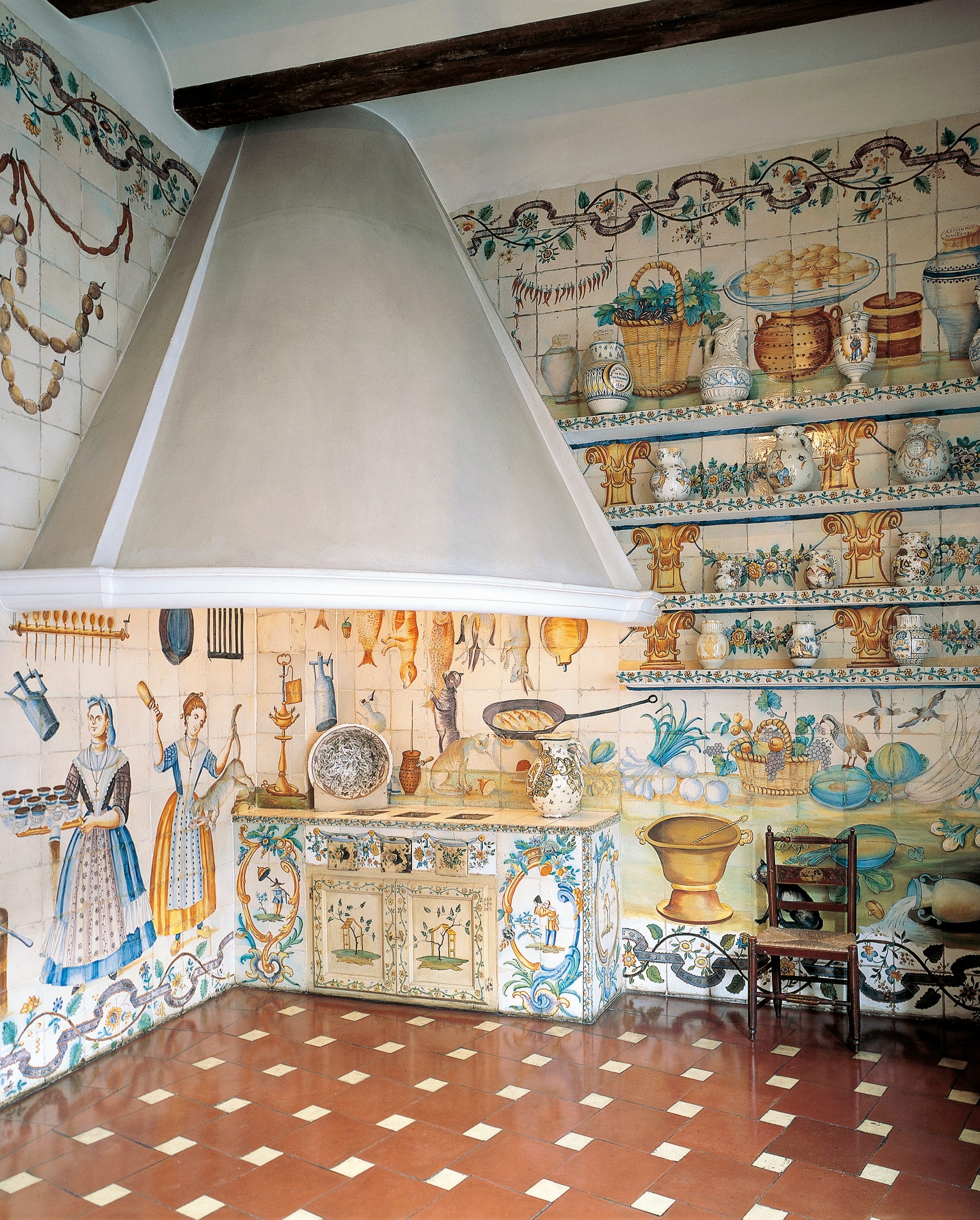
Katie Hodges addresses the budget aspect of backsplash selection. She notes that costs for quality handmade tiles, like Heath or Fireclay, can range around $45 per square foot, while more budget-friendly options can be found for about $15 per square foot. Hodges advises identifying the 'lead element' in the kitchen's design—whether it's cabinetry, stone, or tile—to prioritize spending. If high-end cabinetry is the focal point, a less extravagant backsplash might be sufficient. For those on a tight budget, she recommends vertical tile stacking for a clean silhouette, non-traditional shapes like penny tiles or hexagons, and using alternative grout colors such as Delorean grey or driftwood for contrast without being overly bold. For those able to splurge, Hodges suggests investing in handmade tiles with custom colors for their unique variability, custom-patterned tiles in a bespoke color palette to create a focal point, or glazed brick tiles as a sophisticated alternative to traditional subway tiles.
#KitchenDesign #BacksplashIdeas #InteriorDesign #TileSelection #HomeRenovation #ColorTheory #BudgetFriendly #DesignTips #KitchenDecor #KitchenDesign #BacksplashIdeas #InteriorDesign #TileSelection #HomeRenovation #ColorTheory #BudgetFriendly #DesignTips #KitchenDecor
0 comment in total
 No comments yet
You may also like
Why Half Backsplashes Are Taking Over Kitchen Design, According to Experts

10 Kitchen Backsplash Trends That Are Out In 2025

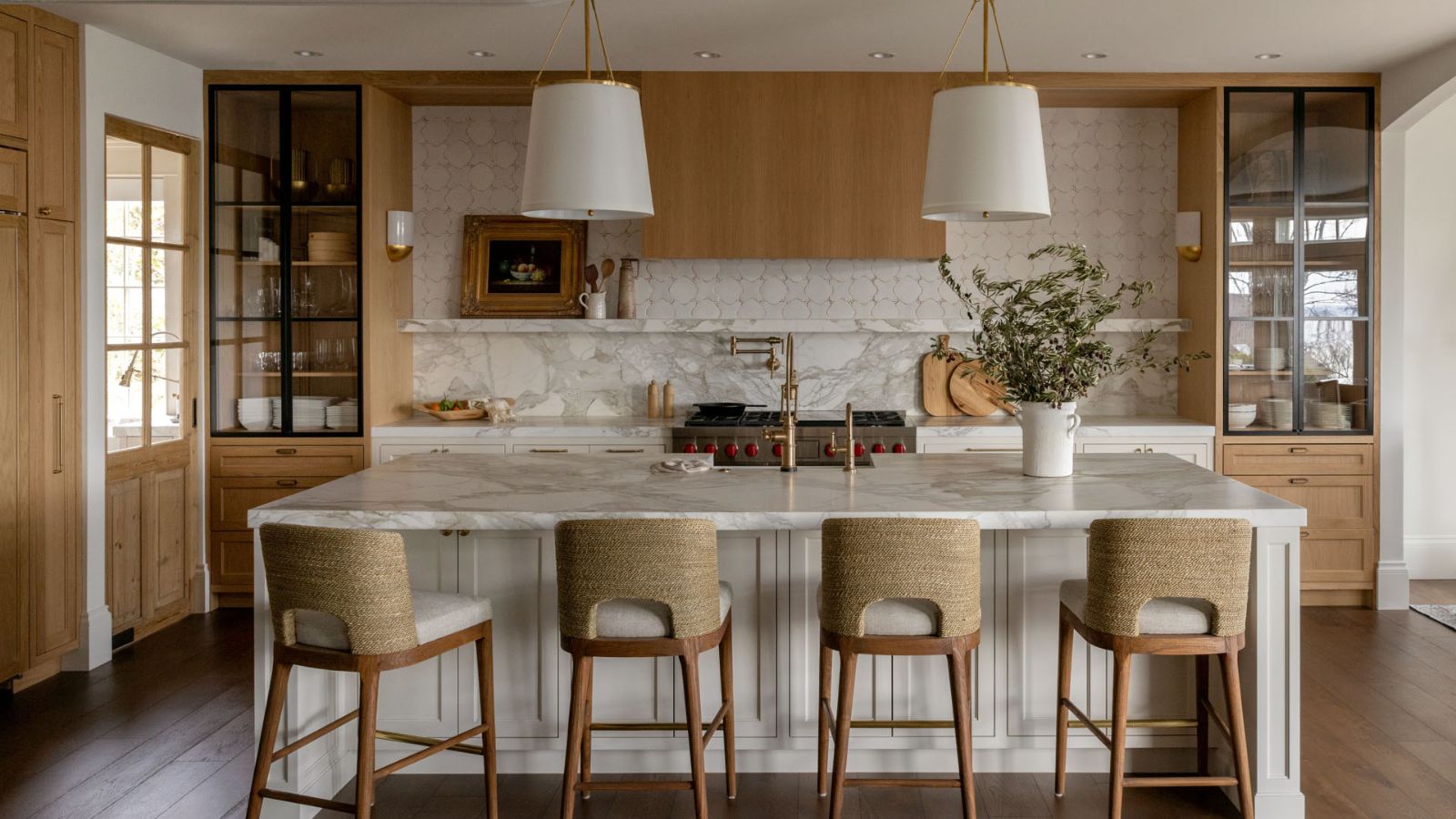
The Most Stylish Kitchens Right Now Feature This Striking Backsplash Trend – And Designers Swear By It For a Bold-Meets-Timeless Scheme

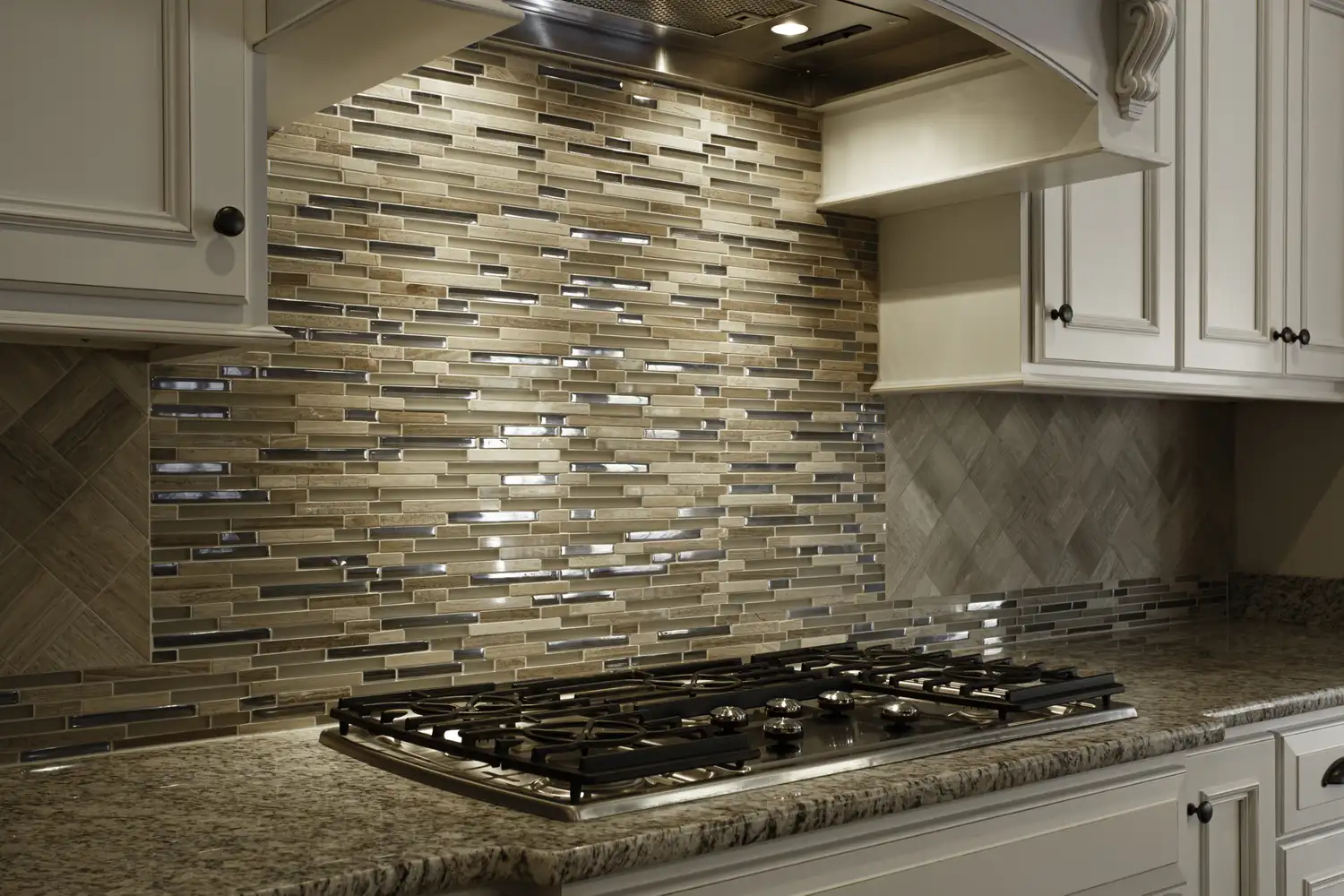
8 Backsplash Styles Designers Say Are Dating Your Kitchen
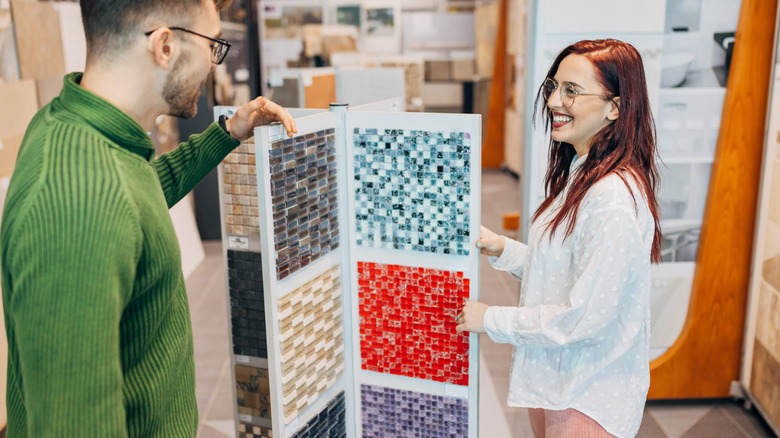
Ditch These Dated Backsplash Trends For Timeless Alternatives
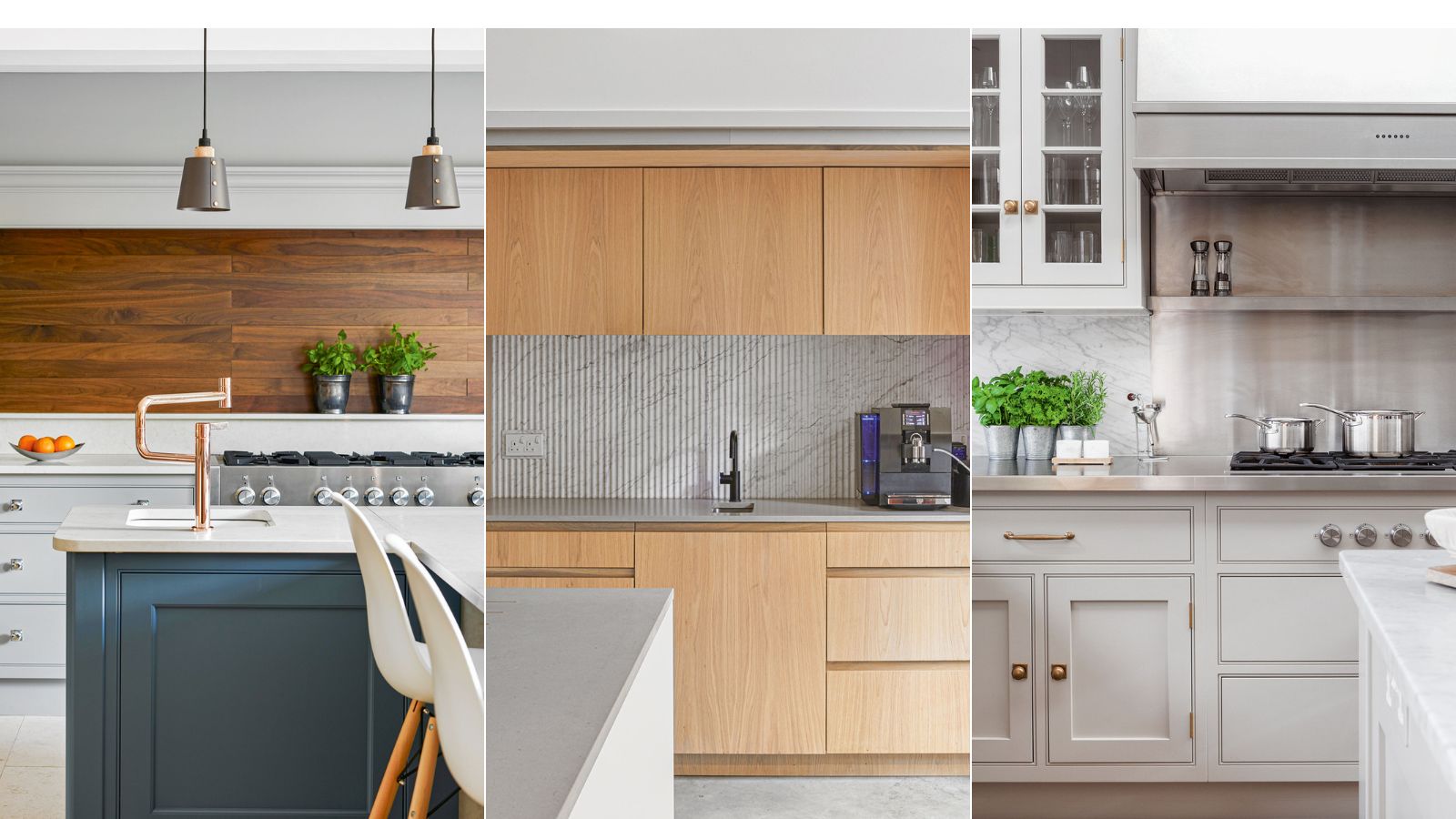
The 'wallpaper' of the kitchen – why choosing the right kitchen backsplash can make or break a space
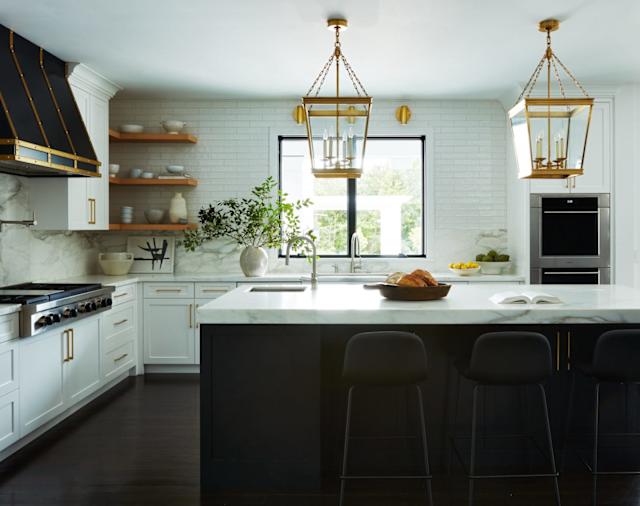
Designers Are Calling It: Here Are the Biggest Kitchen Backsplash Trends for 2026
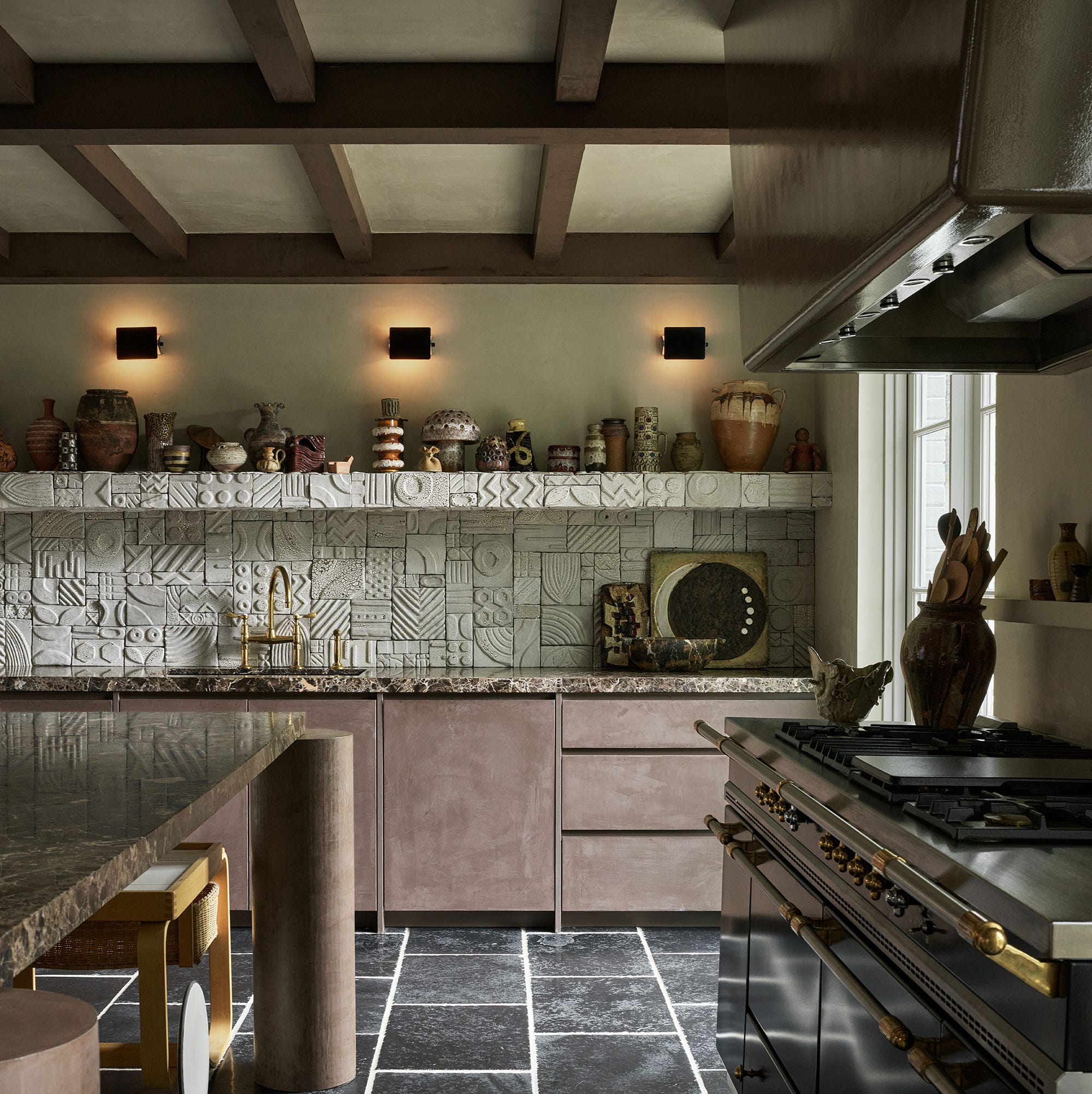
75 Kitchen Tile Backsplash Ideas for the Ultimate Culinary Refresh
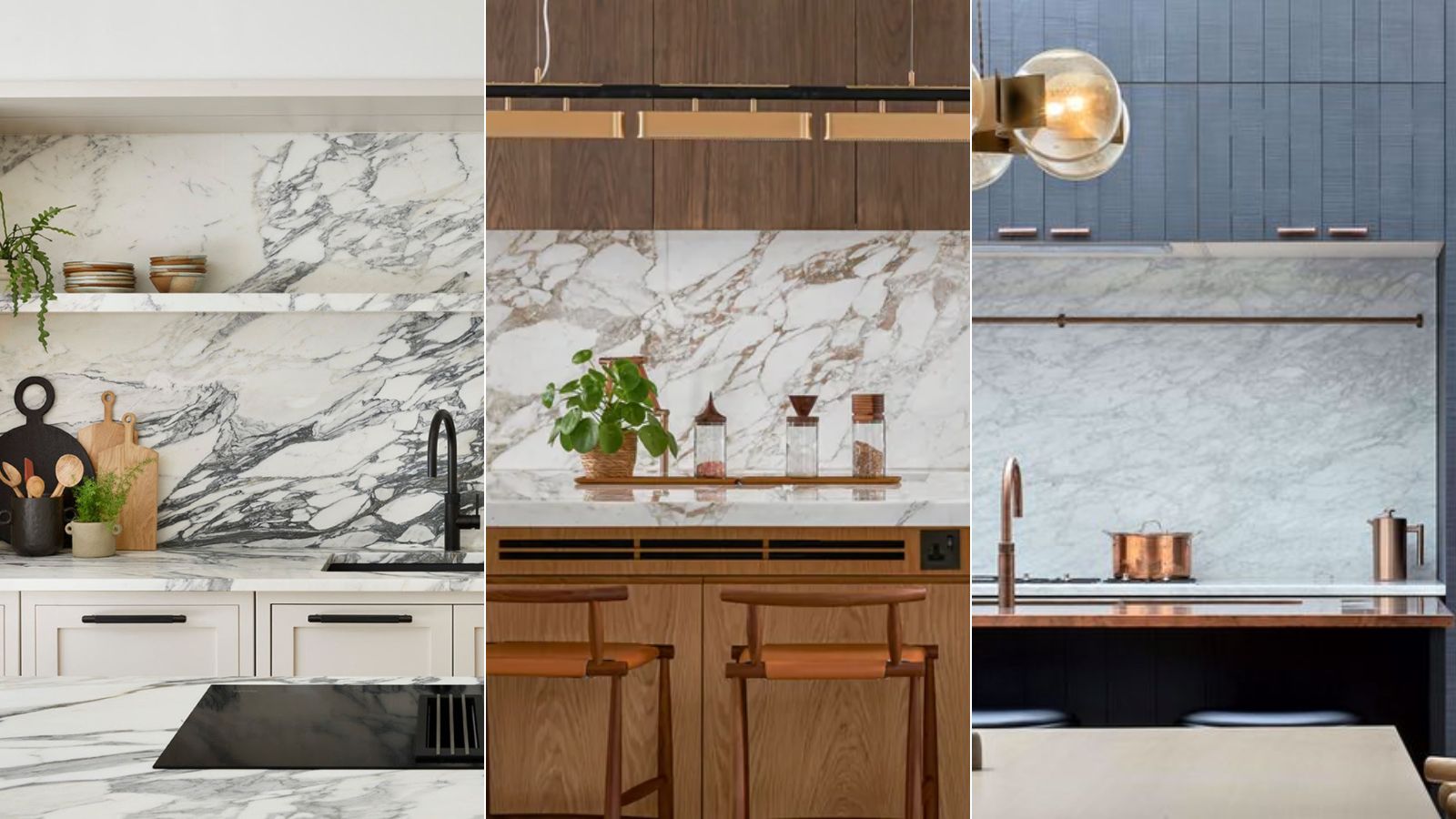
Blended backsplashes are trending in kitchen design – this is what you should know
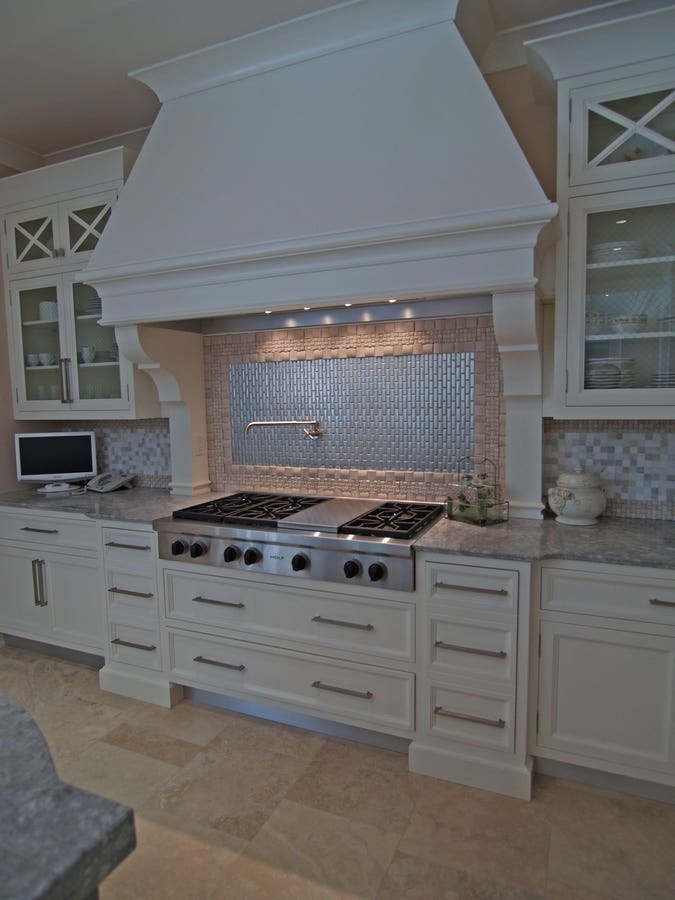
Six Tips To Finding The Right Backsplash For Your Kitchen Or Bath

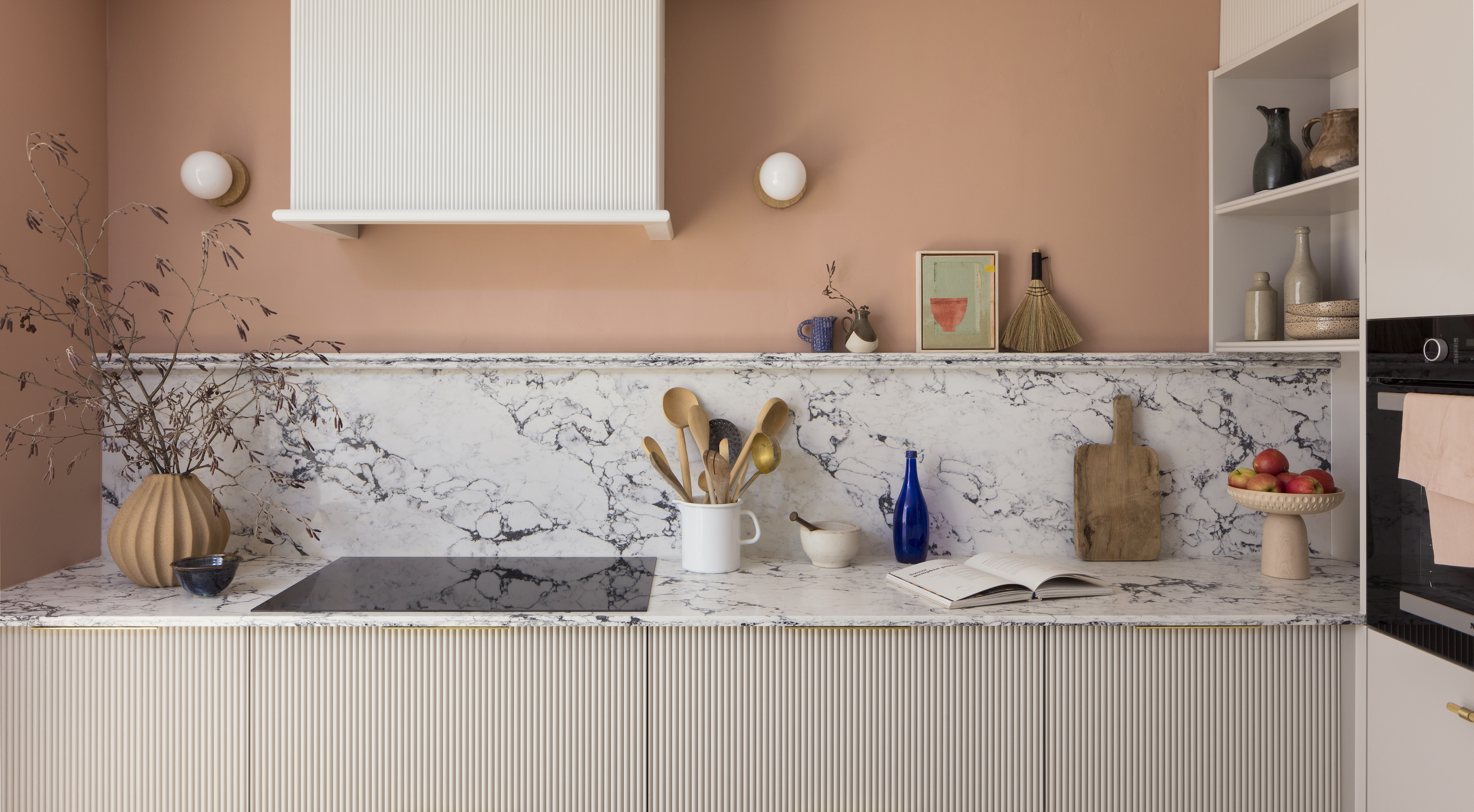
Kitchen splashback ideas for beautiful wall protection that is packed with style
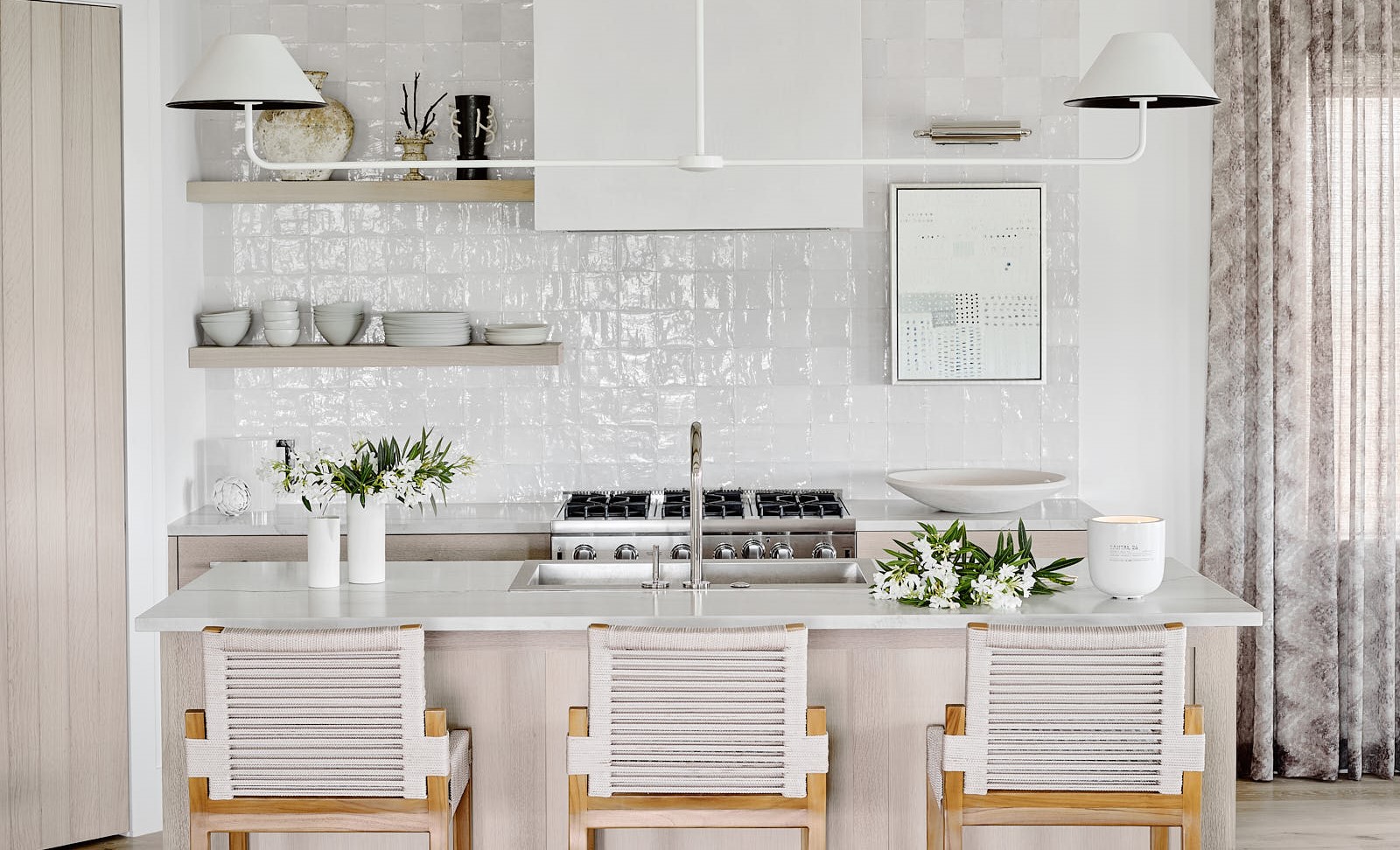
Kitchens Without Backsplashes — 15 Attractive Alternatives That Throw Out the Rule Book

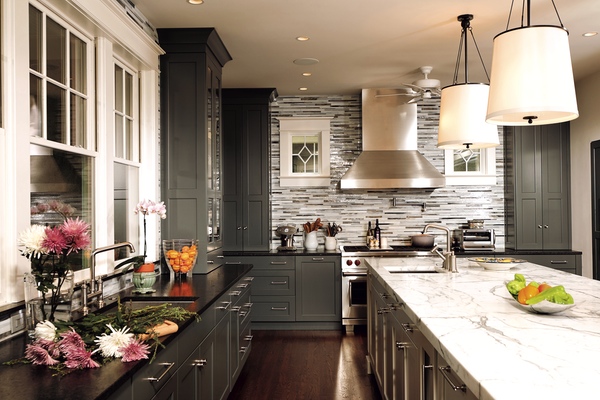
Choosing the Best Backsplash for Your Kitchen


Quirky Kitchen Backsplash Designs Are Making A Comeback. Here Are Our 12 Favorite Options
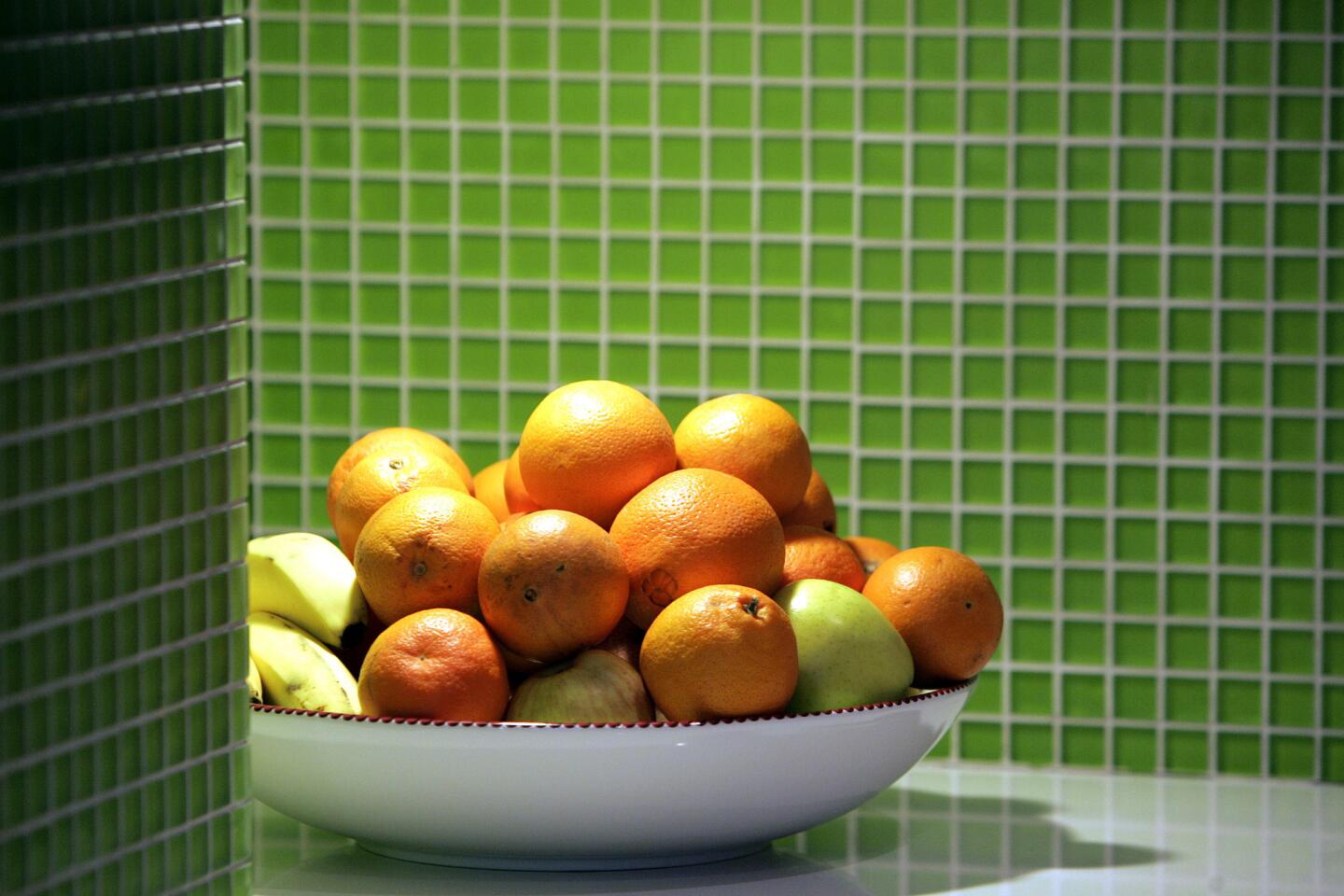
12 colorful kitchen backsplash ideas

The 6 Kitchen Trends That Get The Most Hate Online

6 outdated kitchen backsplash designs that can bring down a whole room
8 kitchen backsplash mistakes to always avoid, according to interior designers
8 Backsplashes to Avoid, According to Interior Designers

Common kitchen backsplash trends to avoid in 2025