1/5
The Most Stylish Kitchens Right Now Feature This Striking Backsplash Trend – And Designers Swear By It For a Bold-Meets-Timeless Scheme
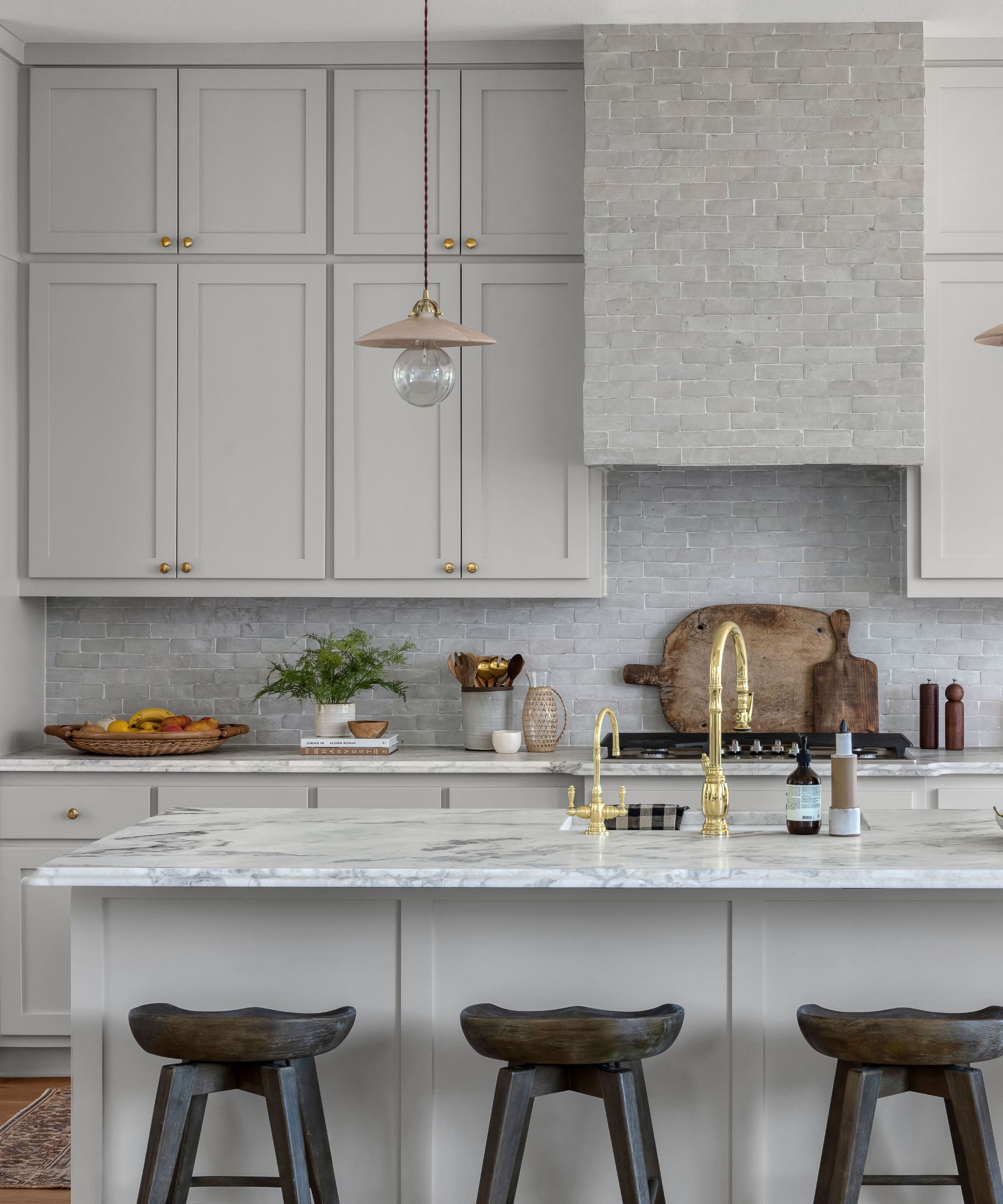
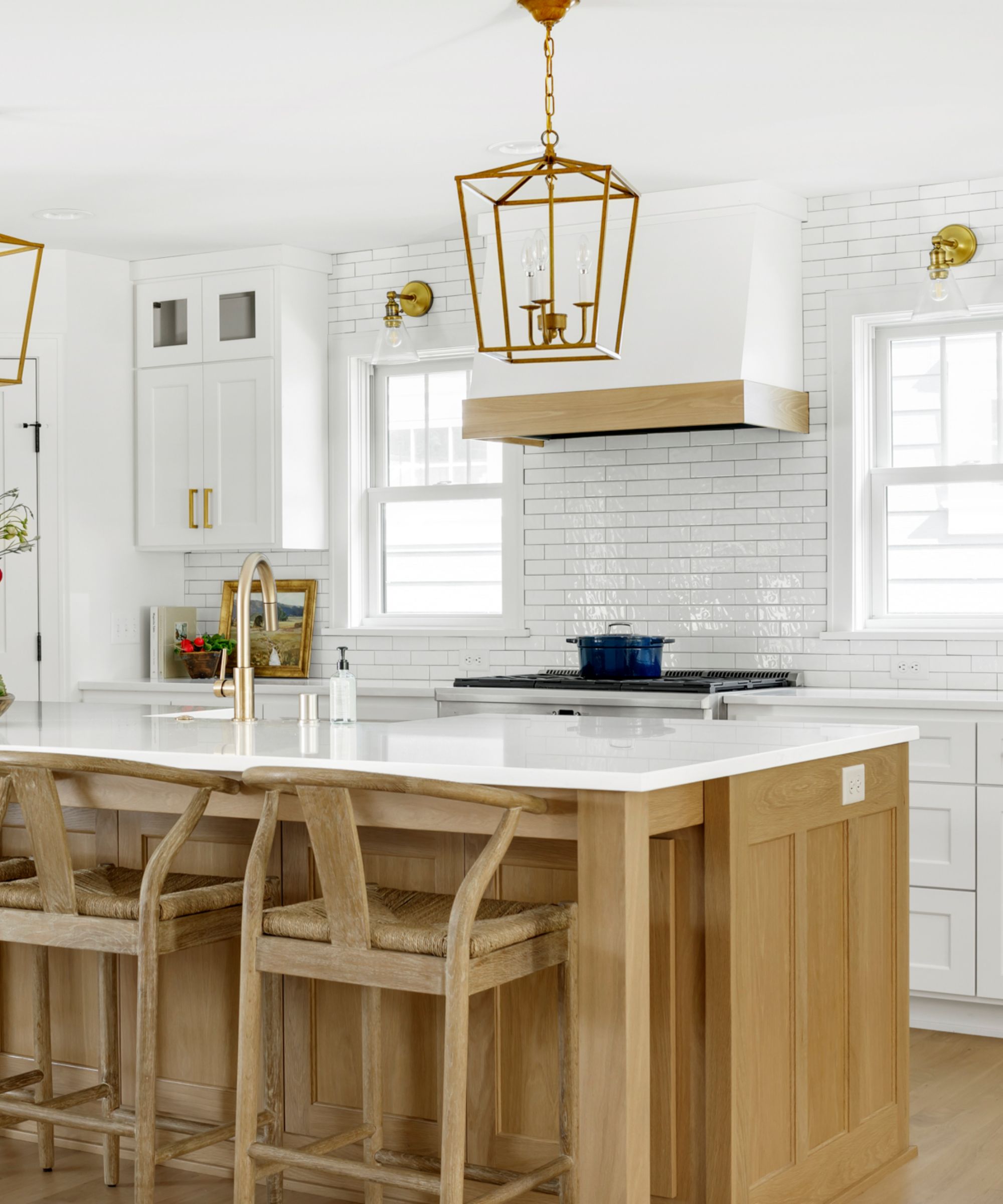
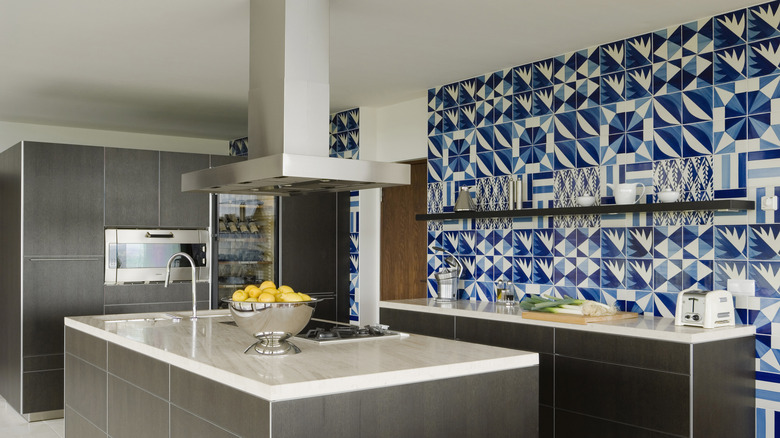
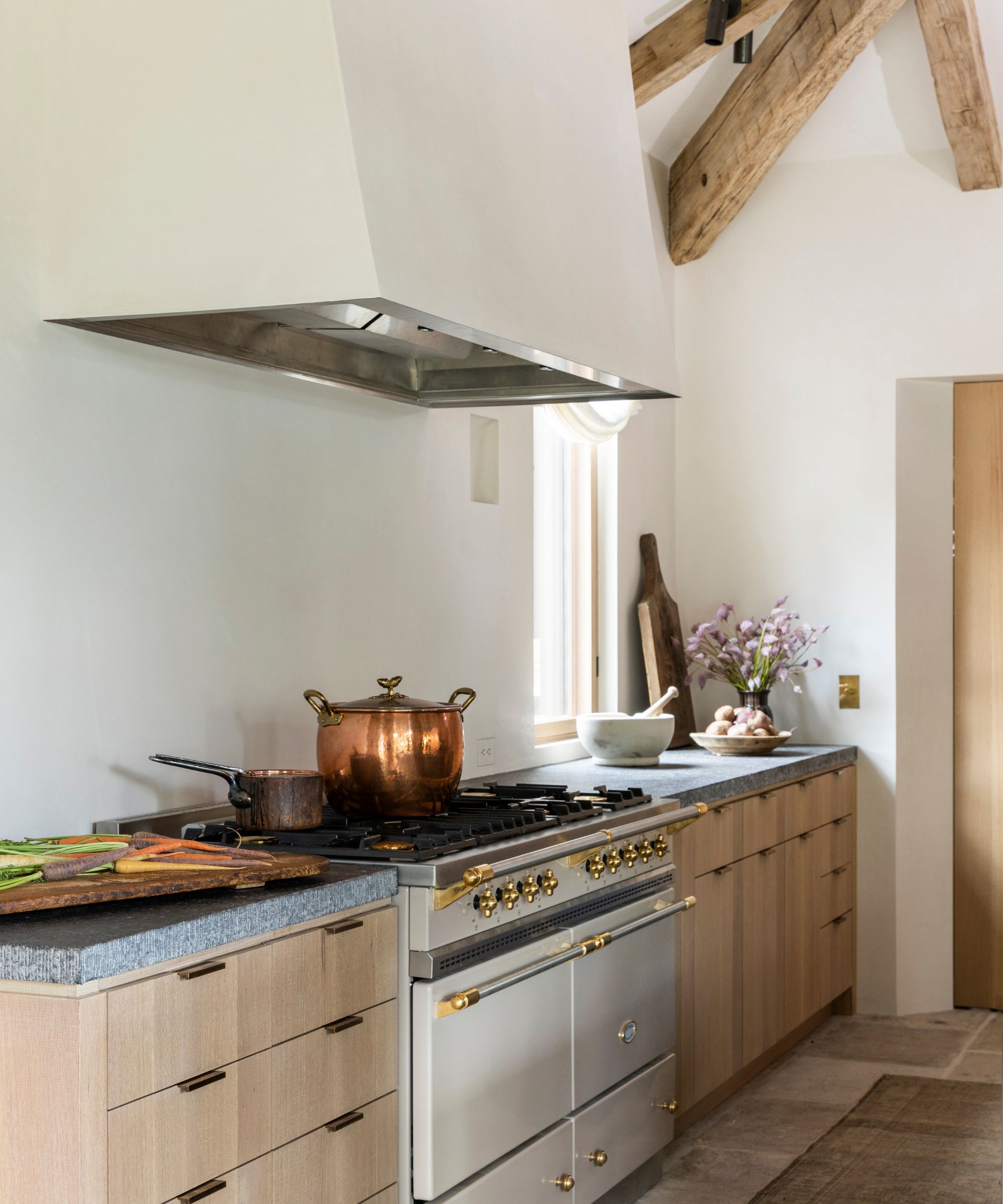
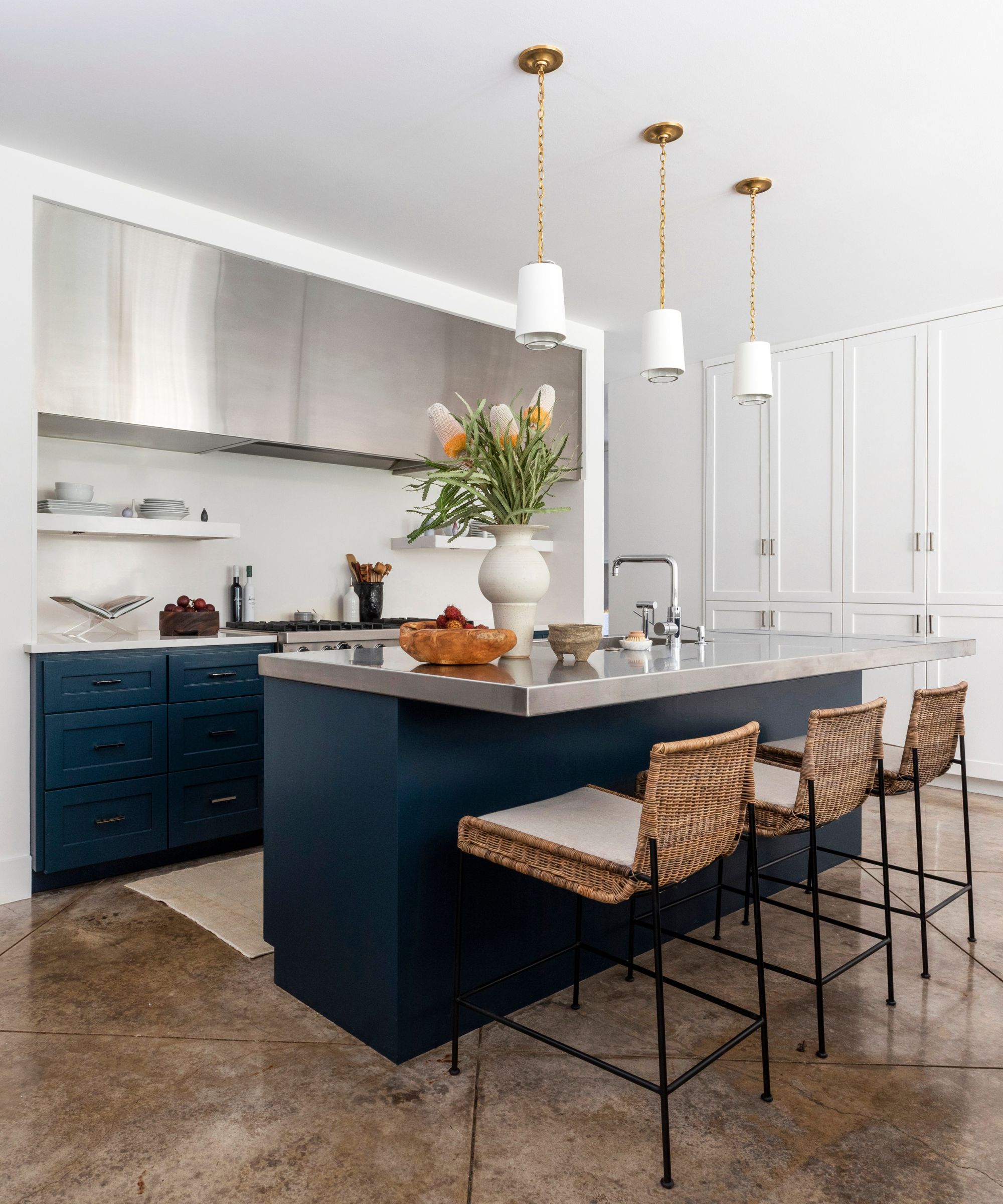
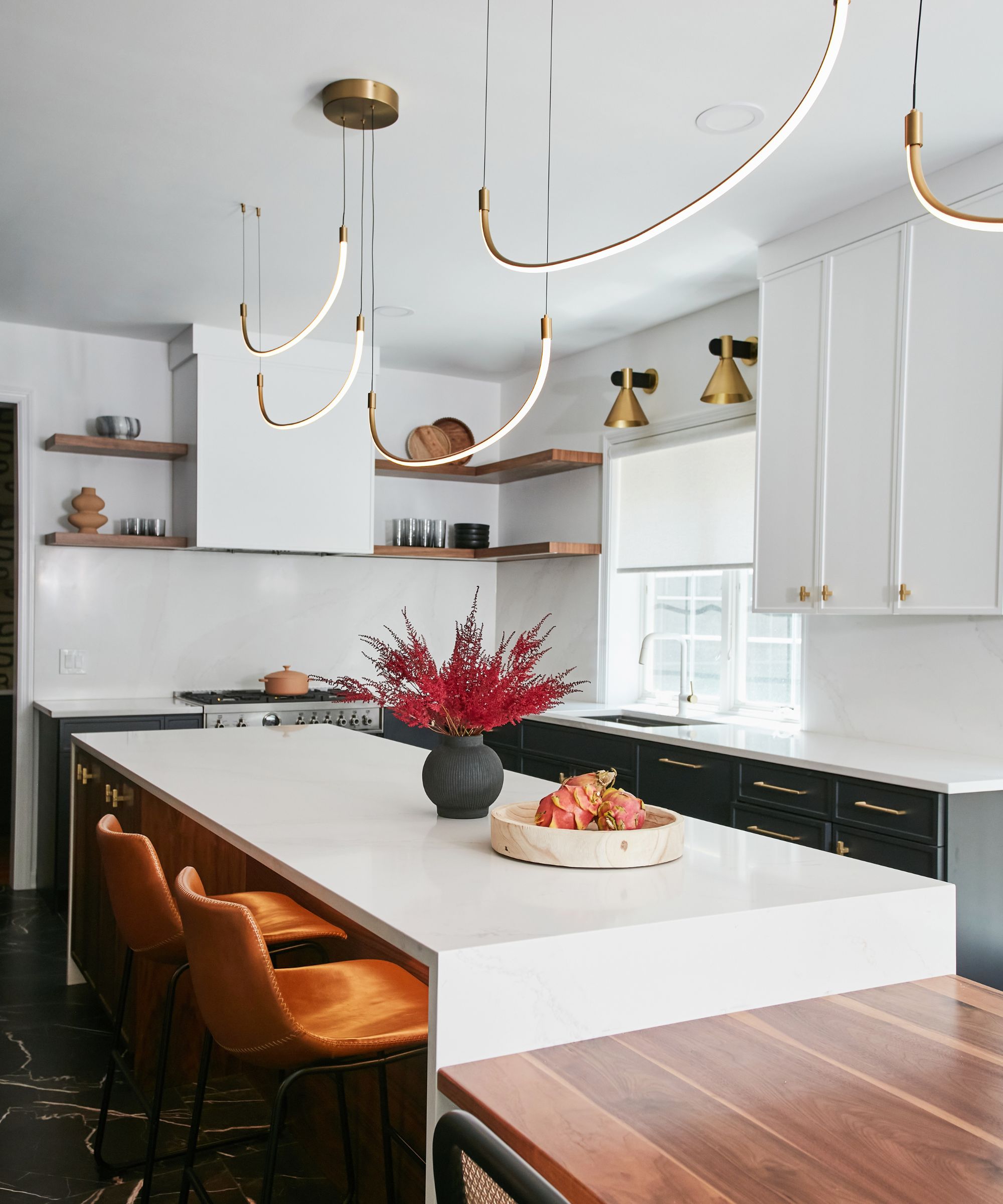
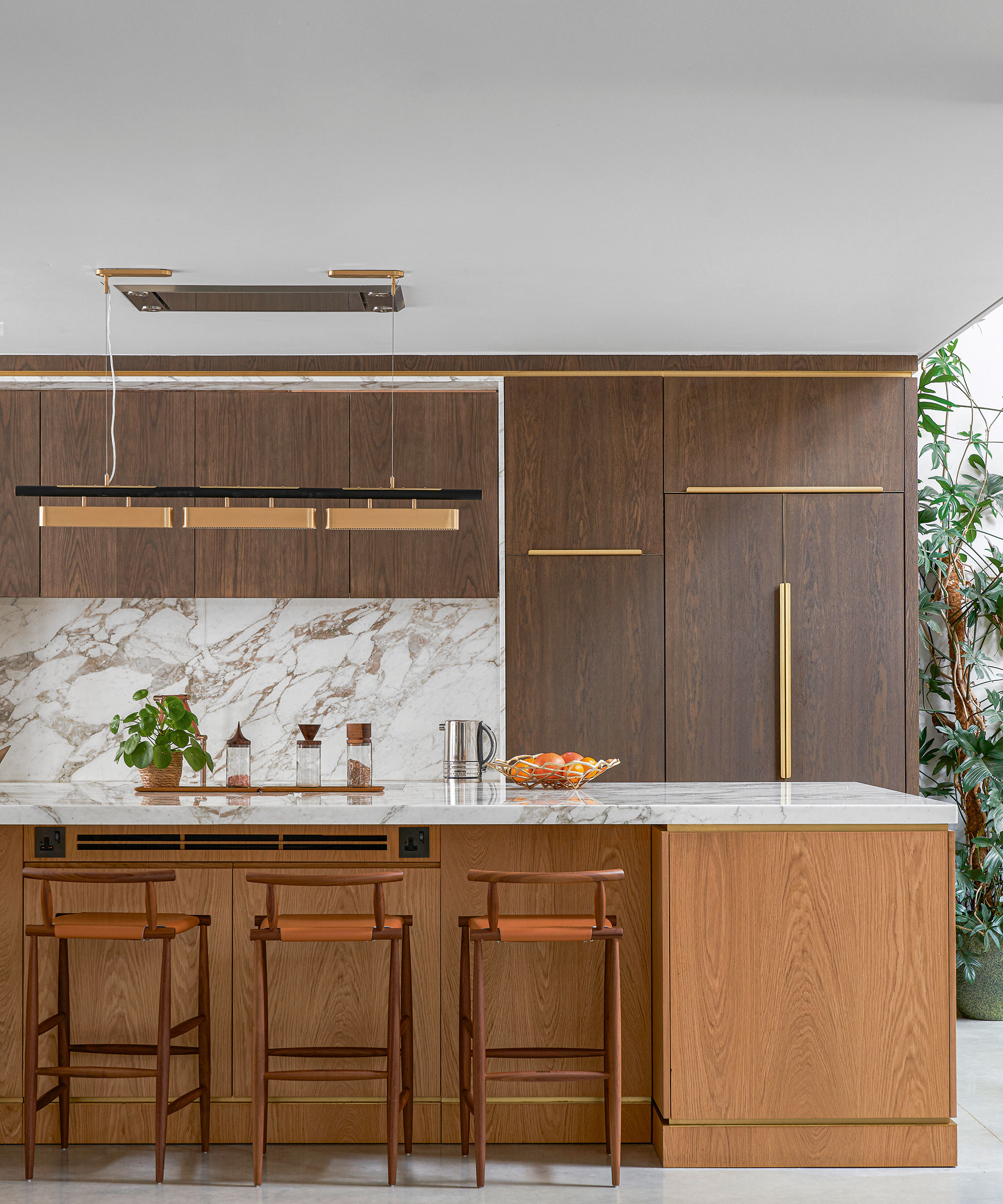
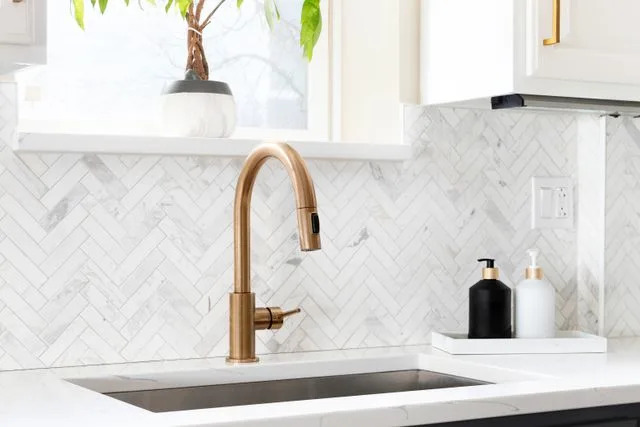
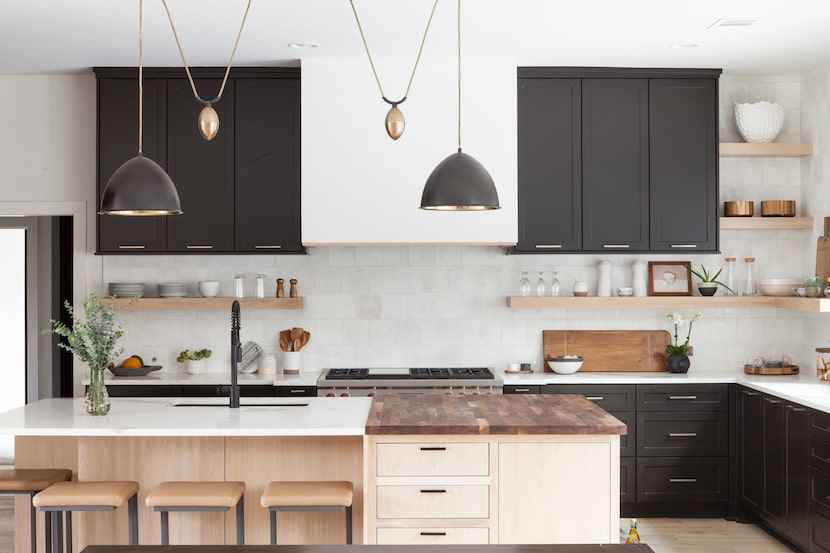
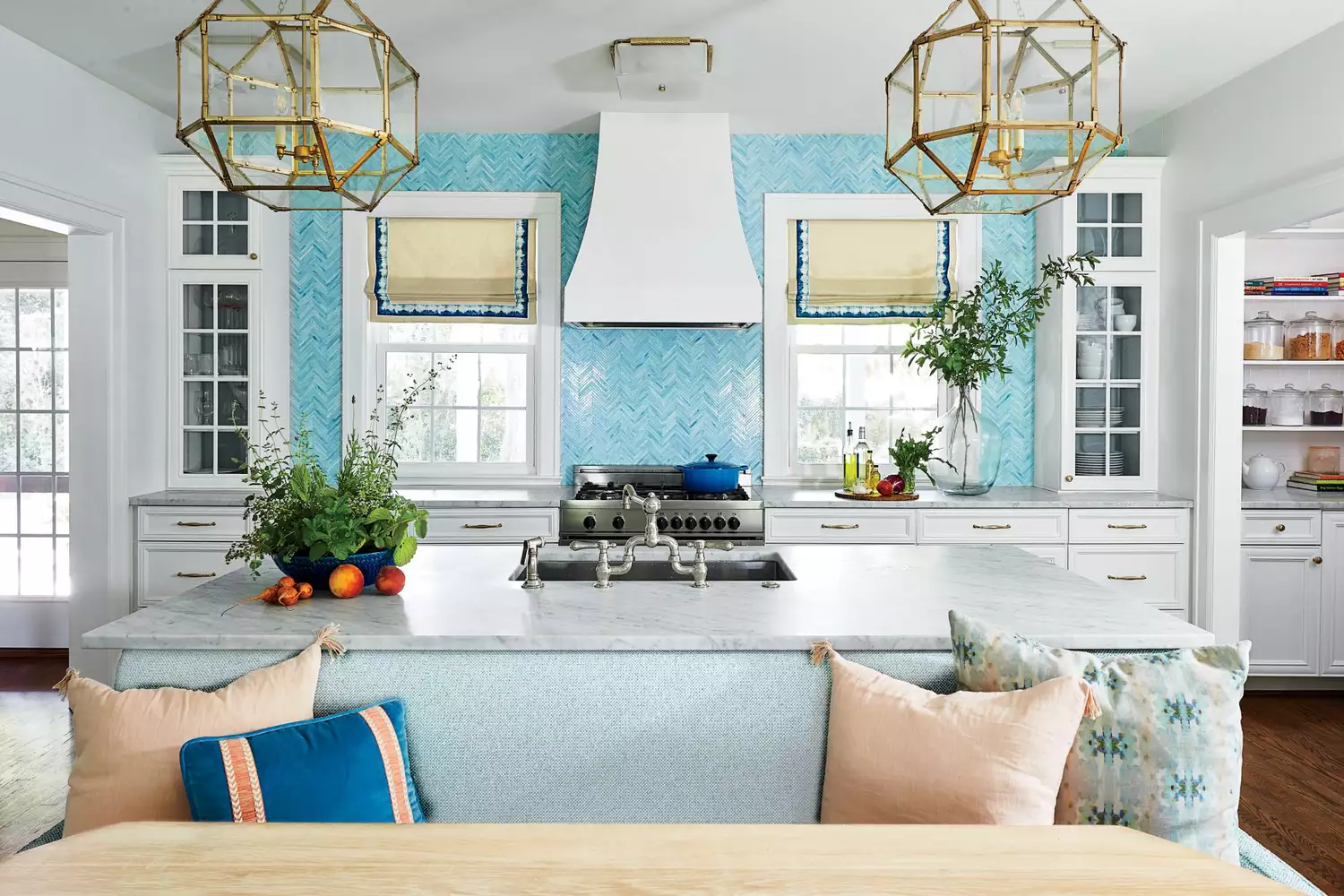
The article highlights the emerging trend of extending kitchen backsplashes to the ceiling, a design choice gaining popularity among interior designers for its aesthetic and practical benefits. Traditionally, kitchen backsplashes served a functional purpose, covering a limited area above the countertop, typically 4 to 15 inches tall. However, the modern approach transforms this utilitarian element into a significant design feature, extending it vertically to create a bold and impactful statement within the kitchen space.
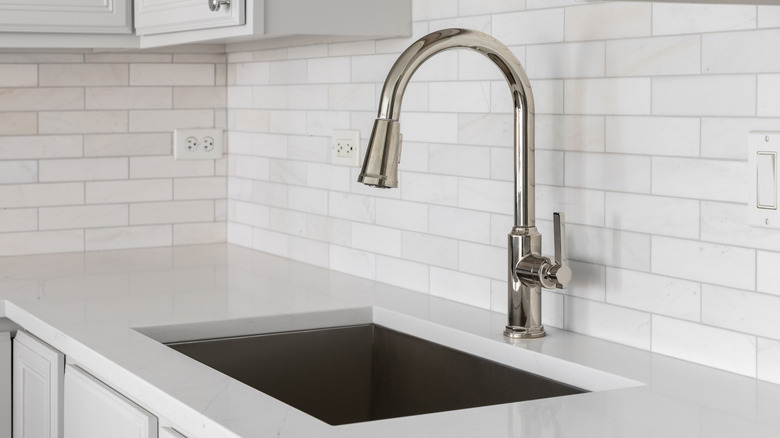
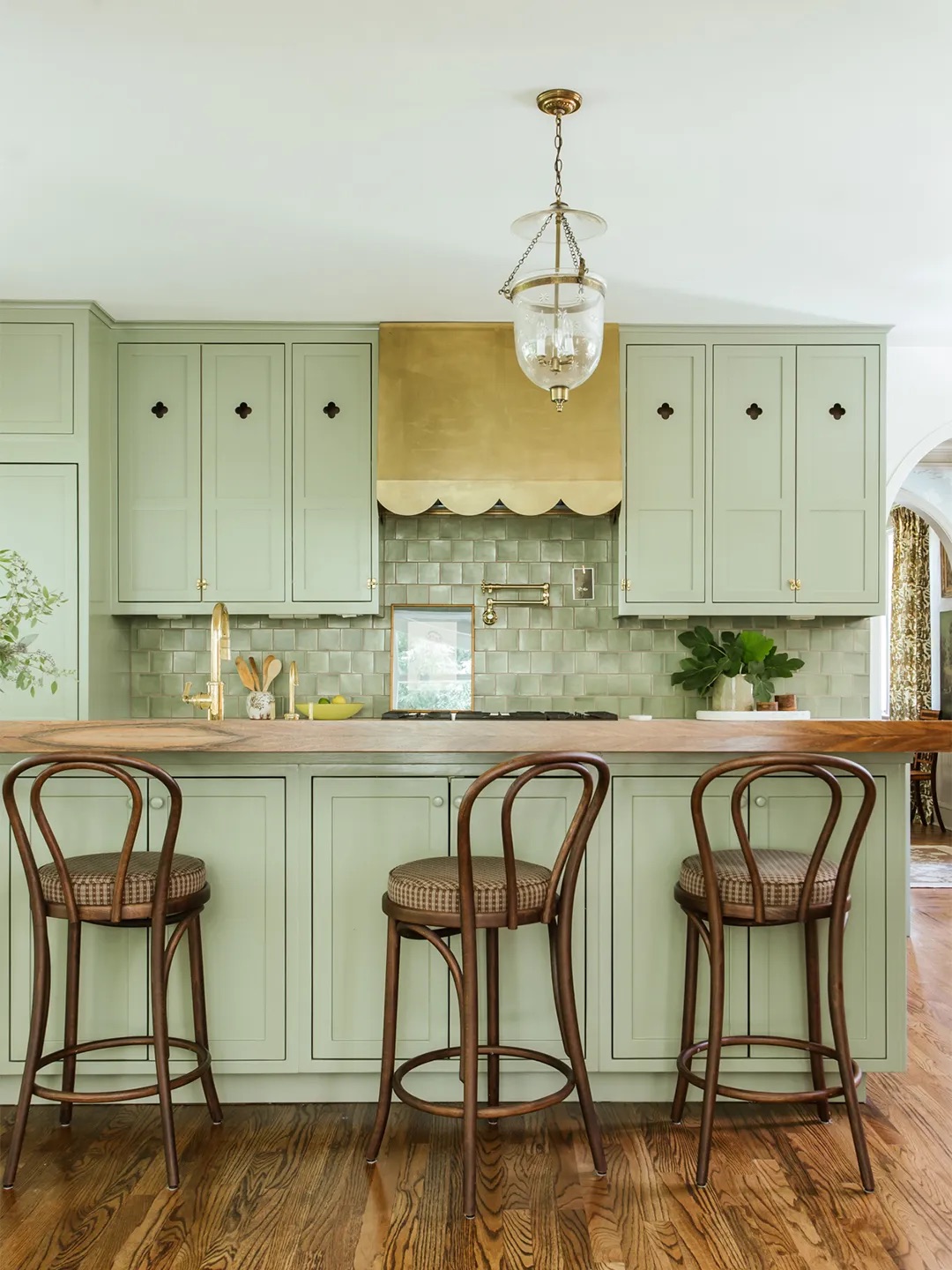
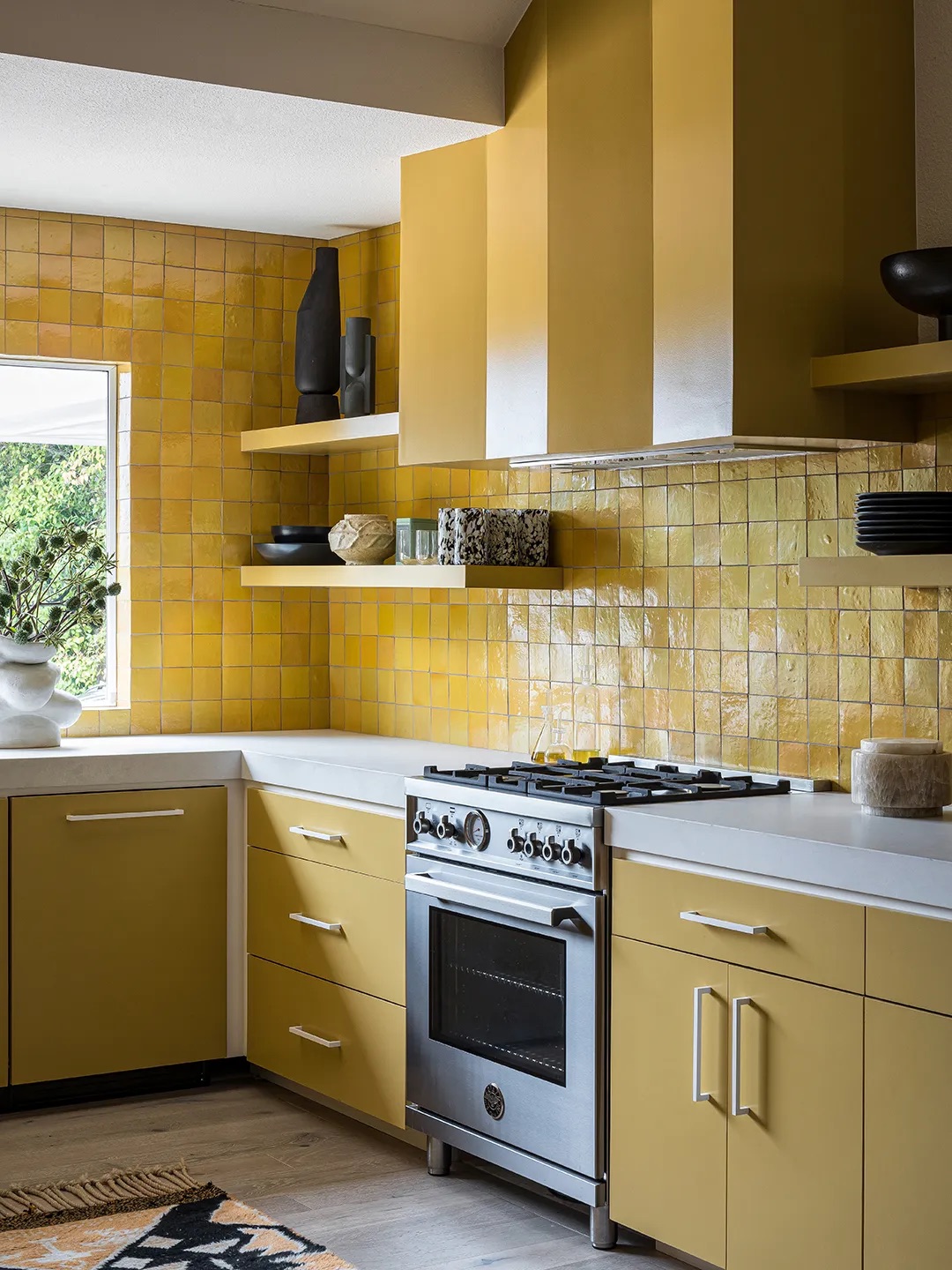
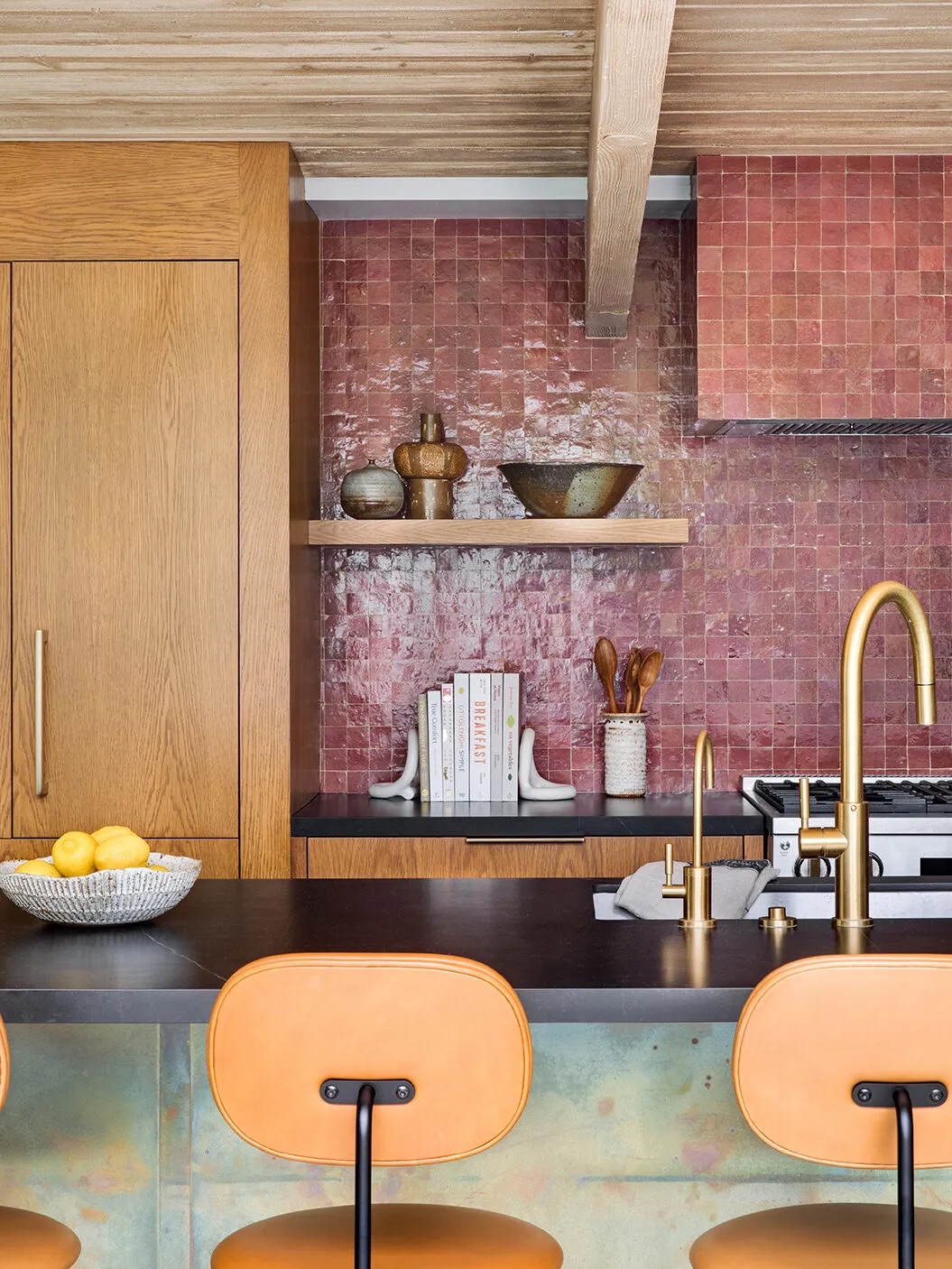
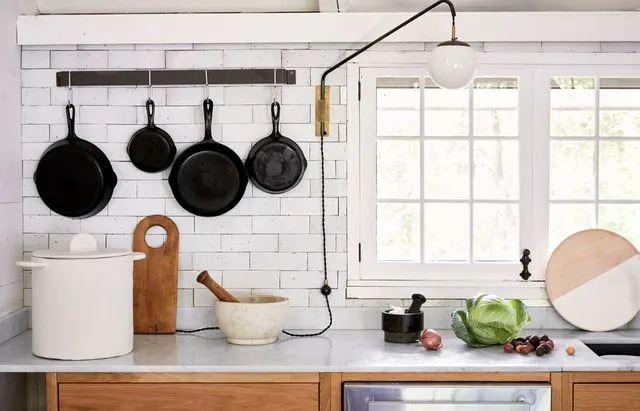
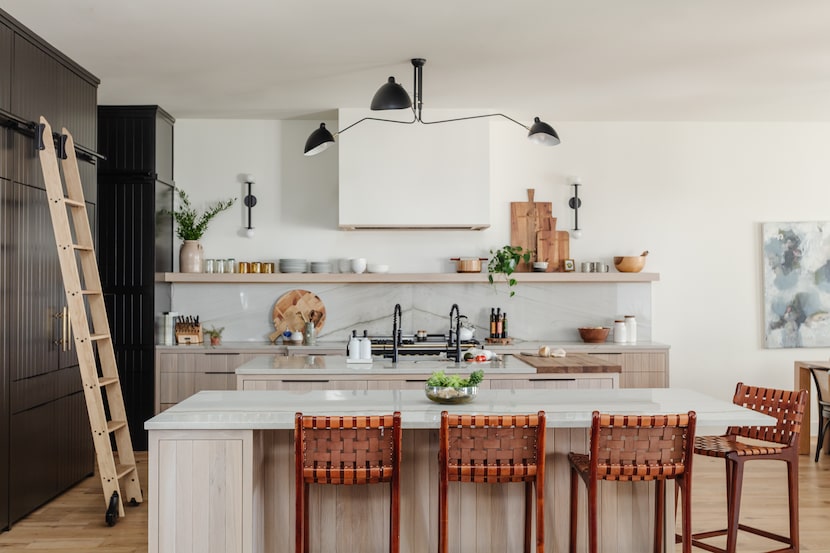
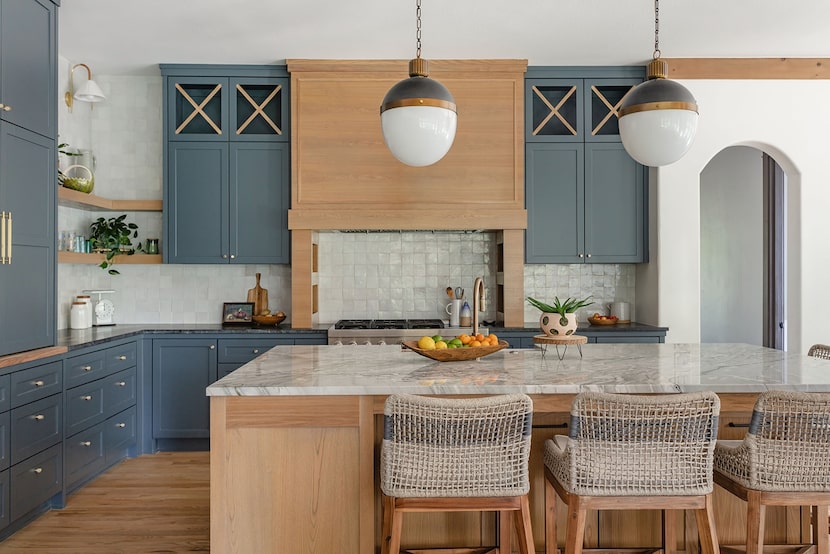
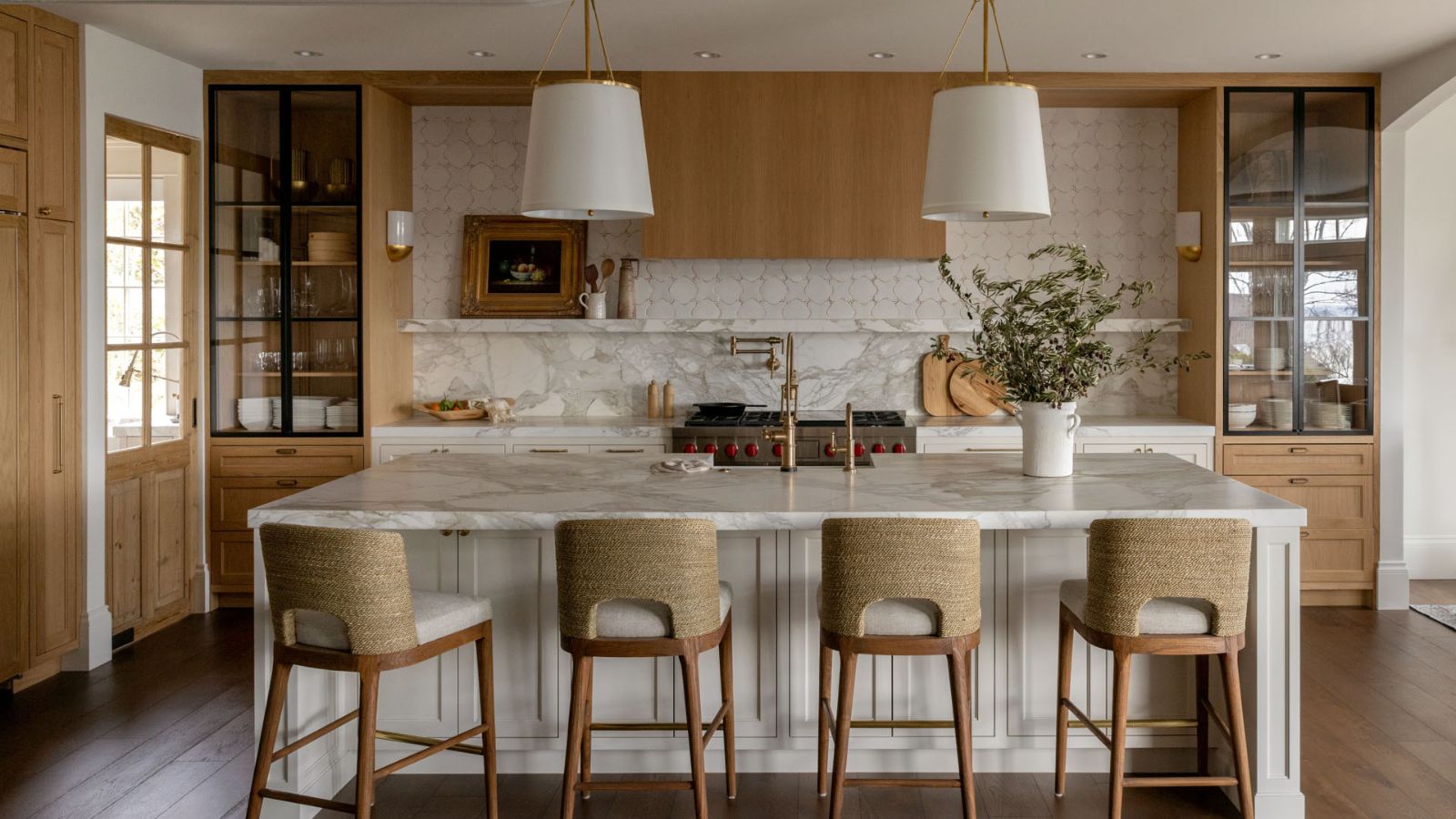
This extended backsplash trend is seen as a natural evolution in kitchen design, following other recent styles like the sleek countersplash and country-inspired paneled backsplashes. The primary appeal of this design lies in its ability to enhance visual height, making kitchens, especially smaller ones, appear larger and more luxurious. Interior designer Allison Lind notes that a full-height backsplash draws the eye upwards, emphasizing taller ceilings or creating the illusion of height. Jamie Chappell of Fireclay Tile reinforces this, stating that a counter-to-ceiling backsplash makes a space feel more custom and boosts visual height, a particularly effective strategy for small kitchens.
Beyond aesthetics, the extended backsplash offers increased durability and ease of maintenance. Kitchens are prone to steam, splashes, and general grime, and extending hard surfaces like tiles or stone to the ceiling provides more wipeable area, simplifying cleaning and protecting a larger portion of the wall. This practical aspect contributes to the trend's appeal, combining form with function effectively.
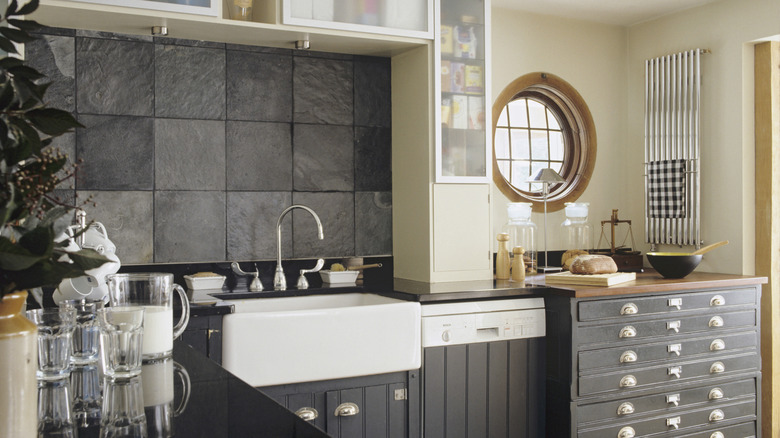
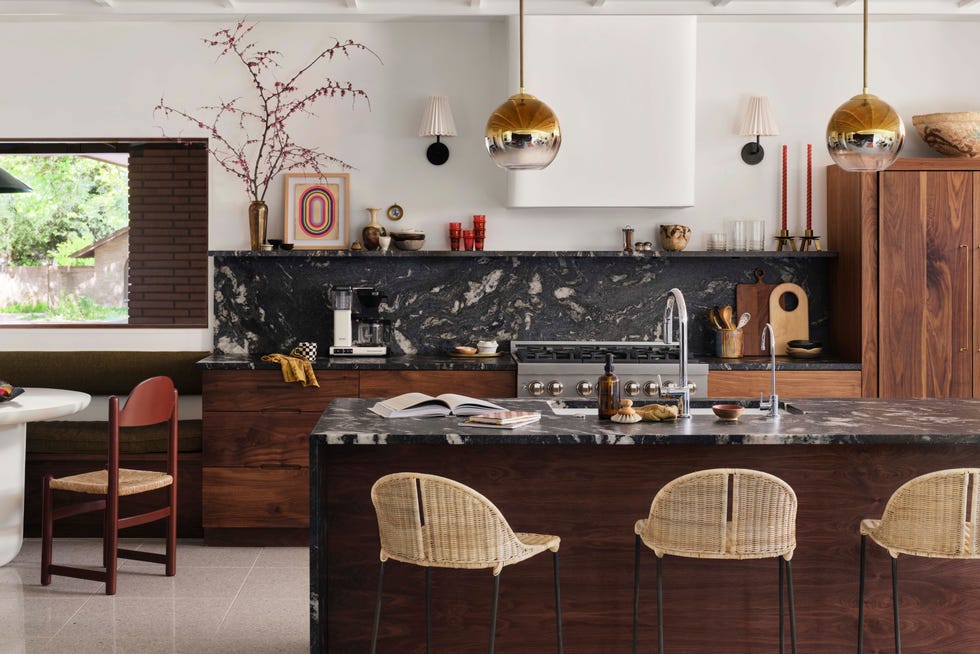
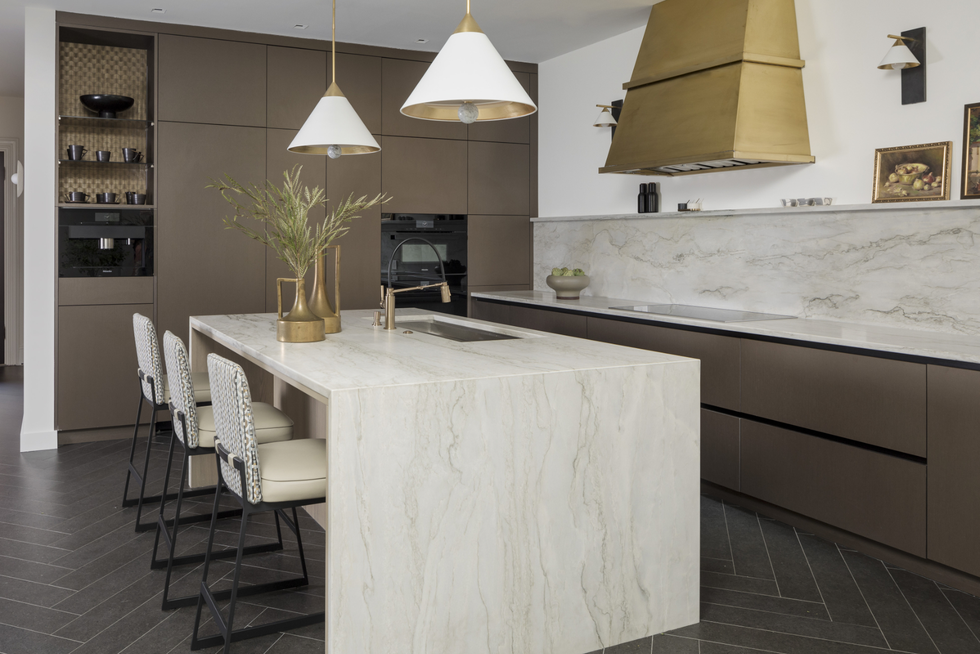
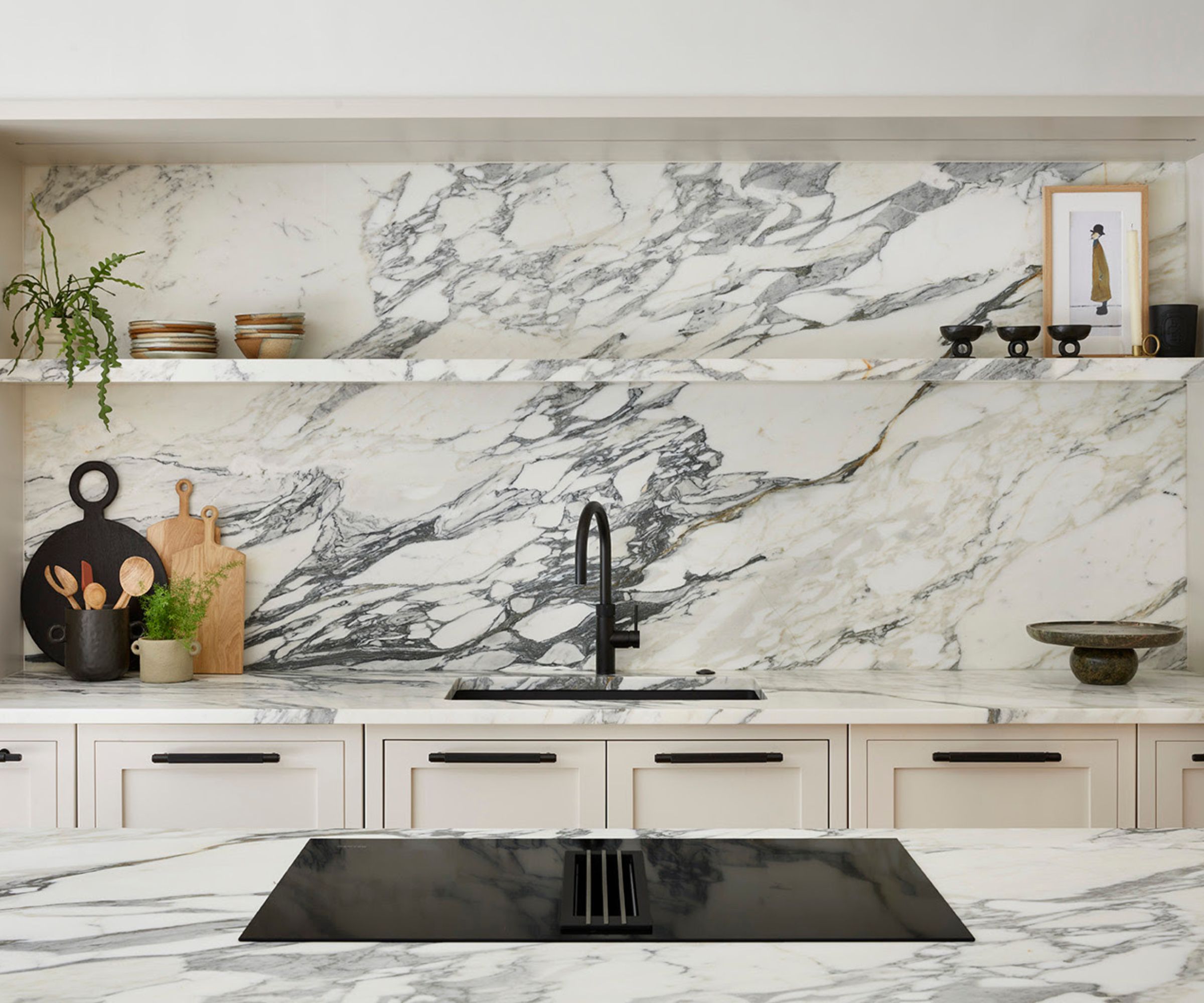
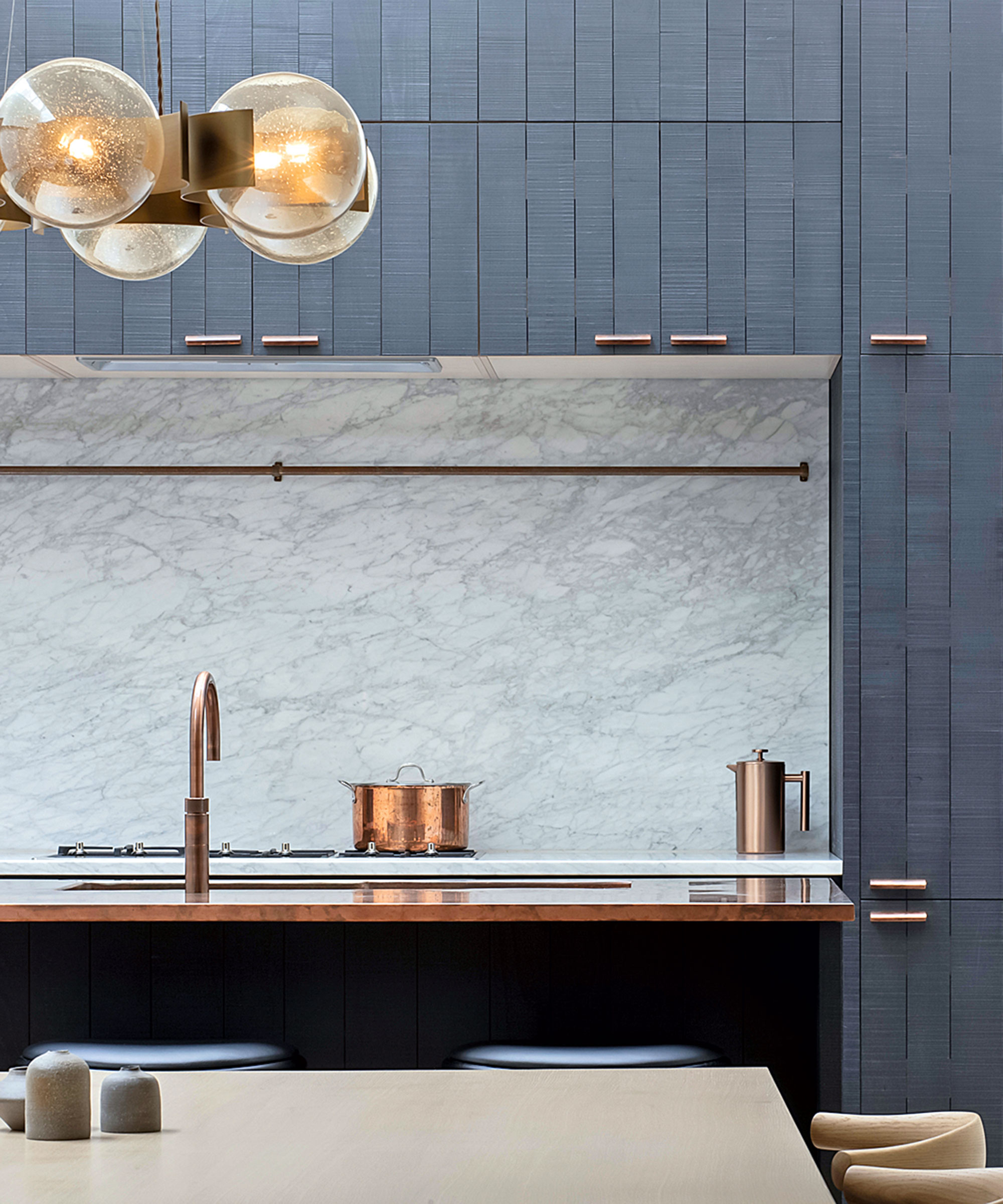
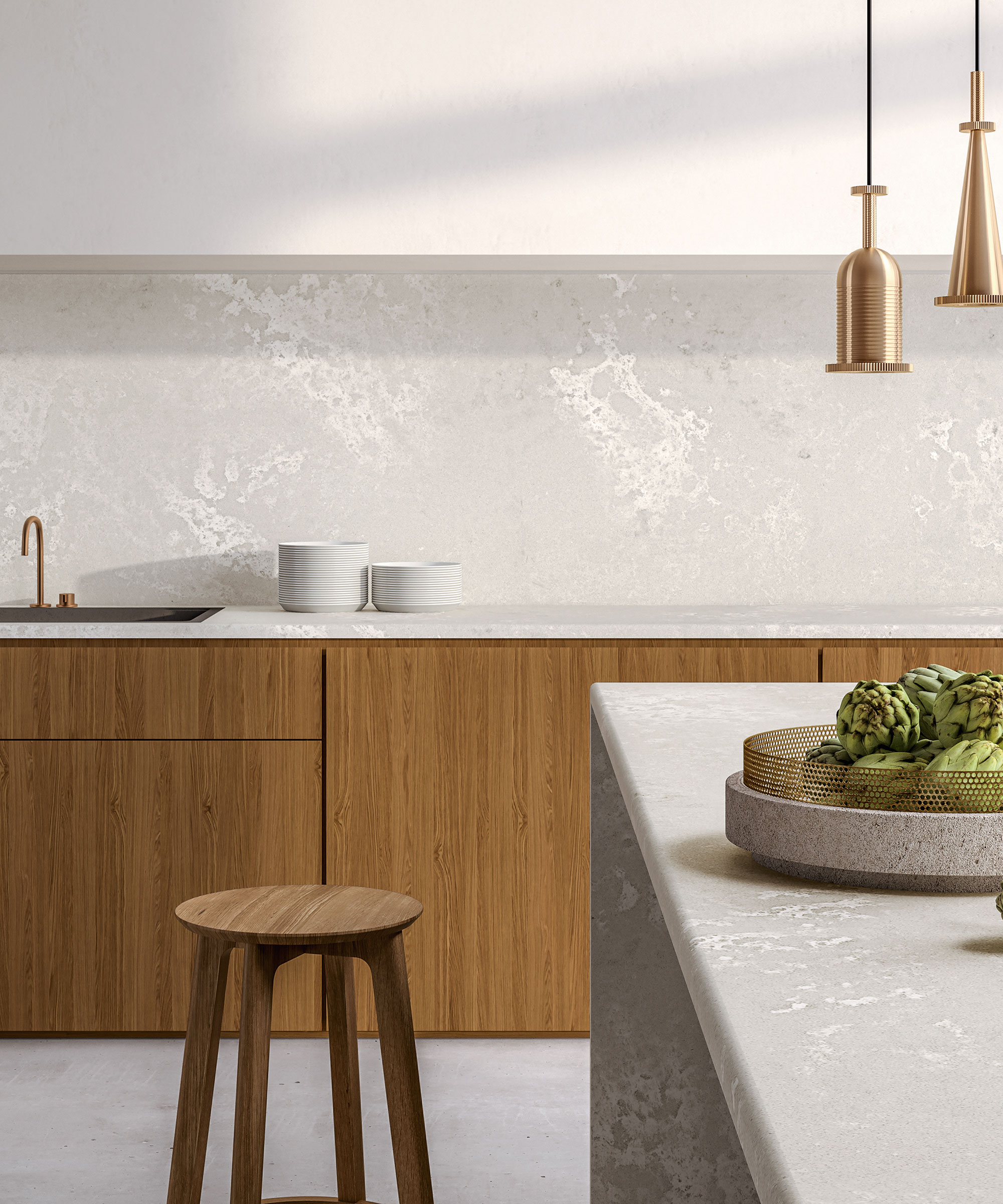
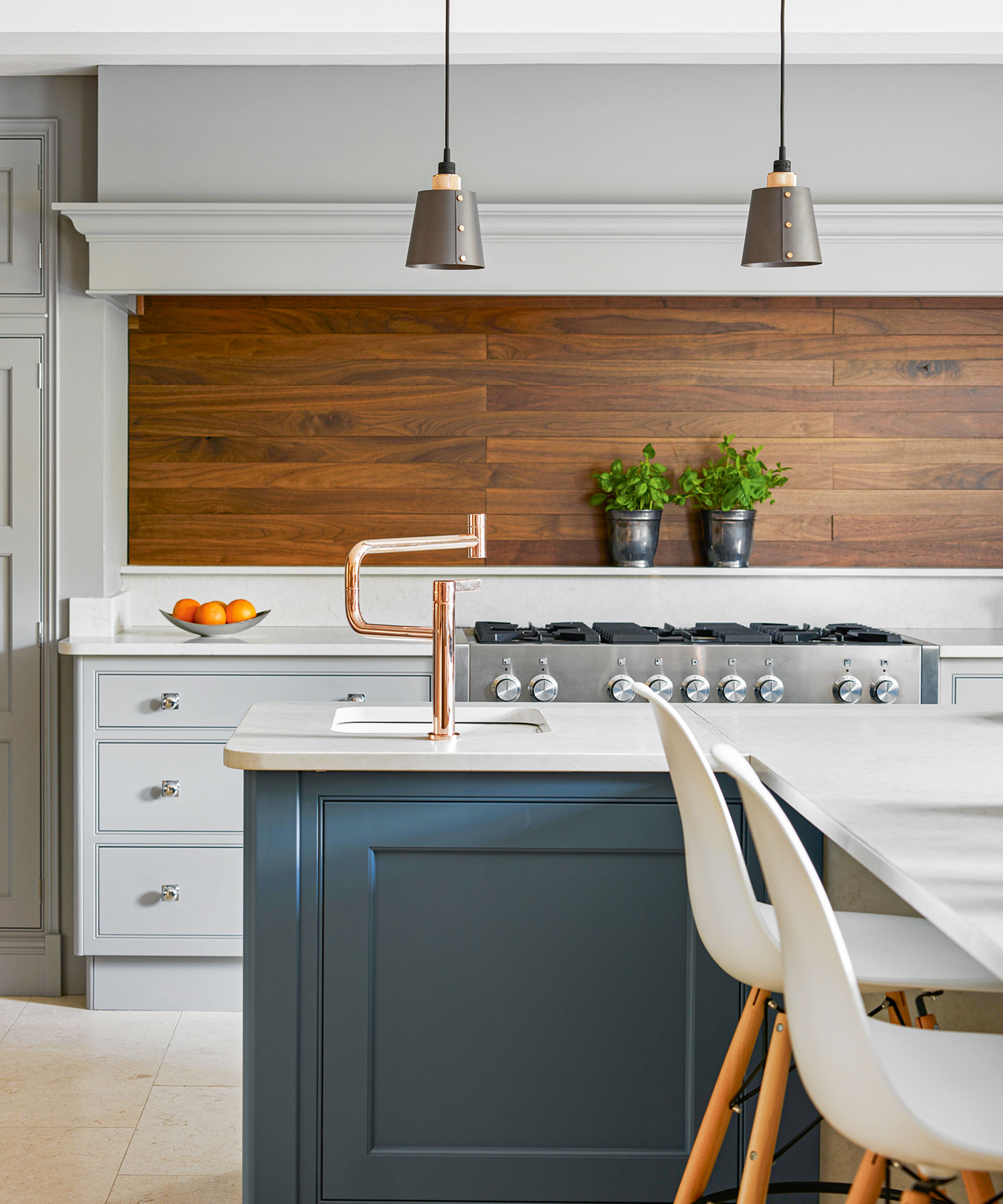
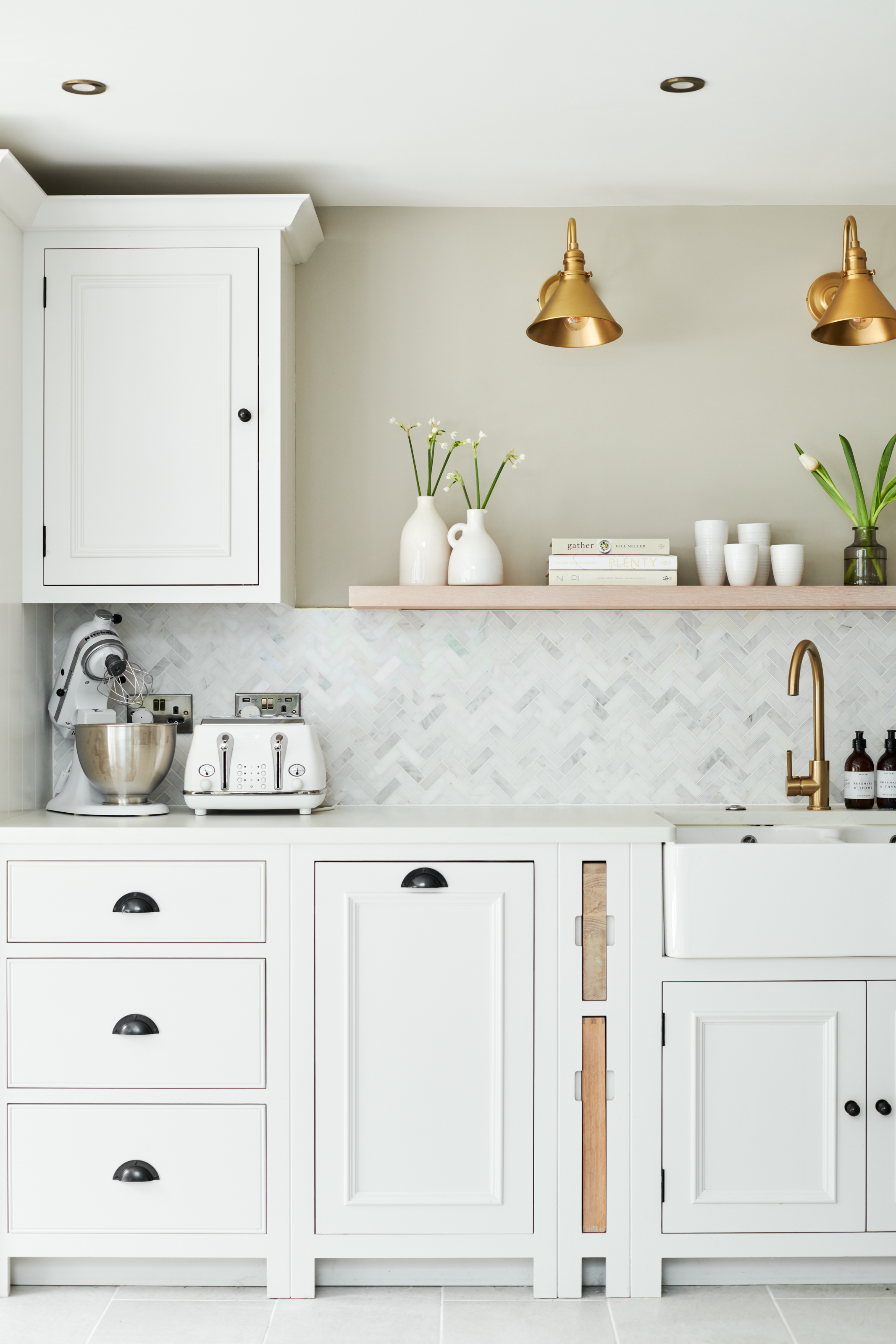
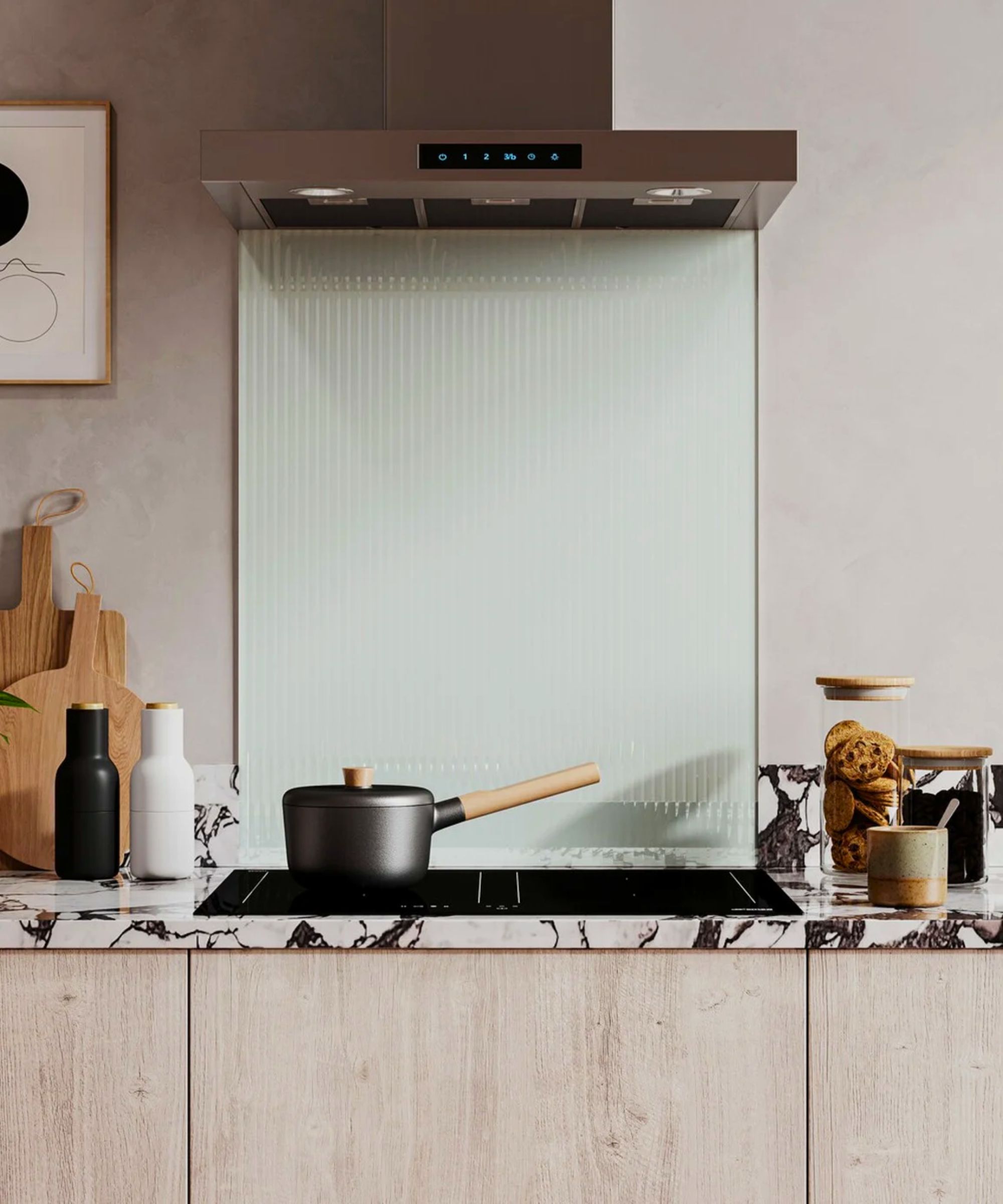
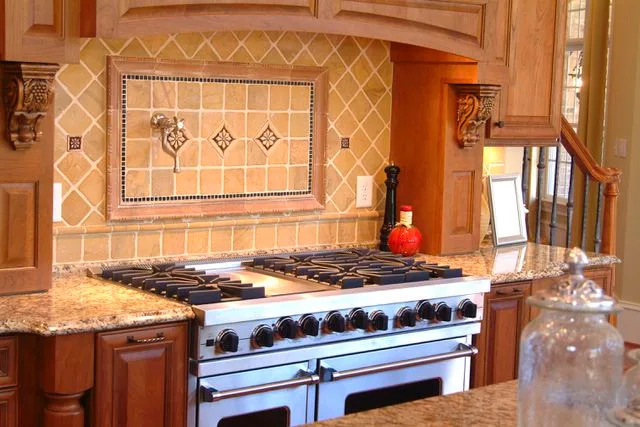
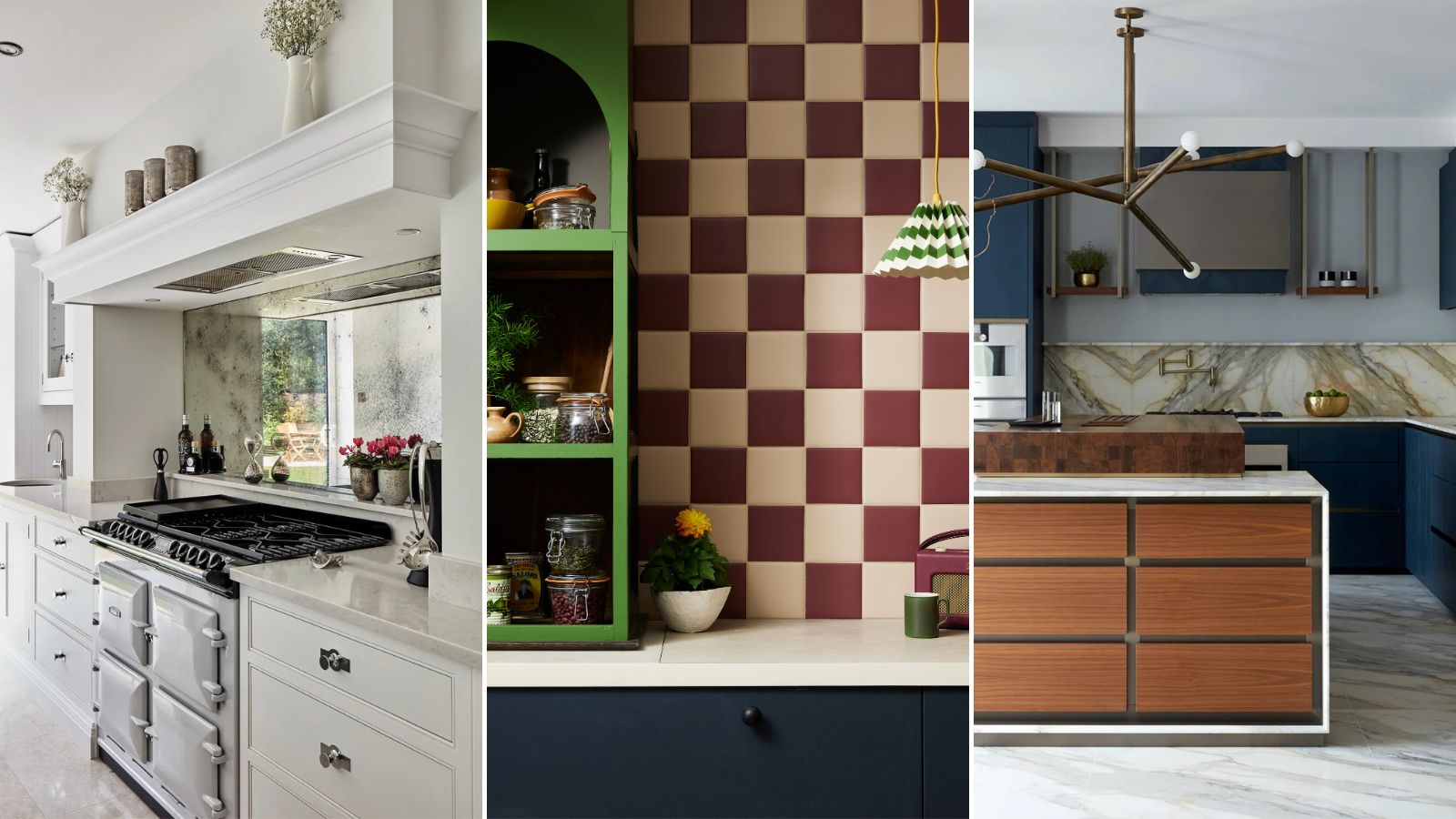
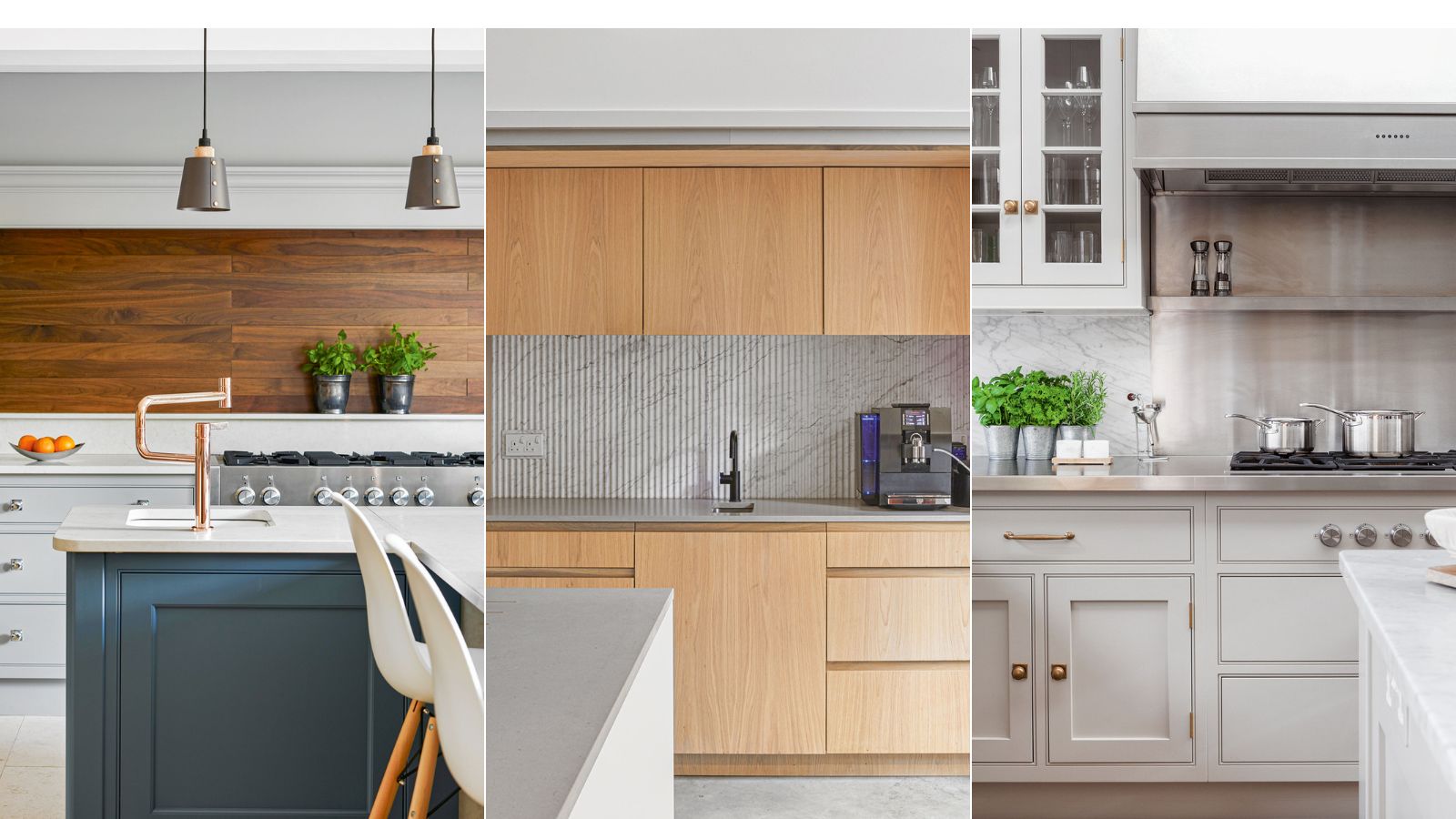
The versatility of the extended backsplash trend allows it to be integrated into various kitchen styles, including traditional, modern, industrial, and vintage-inspired designs. The key lies in selecting the appropriate material. For modern kitchens, a solid marble or quartzite slab is recommended to introduce beauty and drama. In contrast, transitional or traditional kitchens can benefit from a mix of materials, adding layers of interest and elegance.
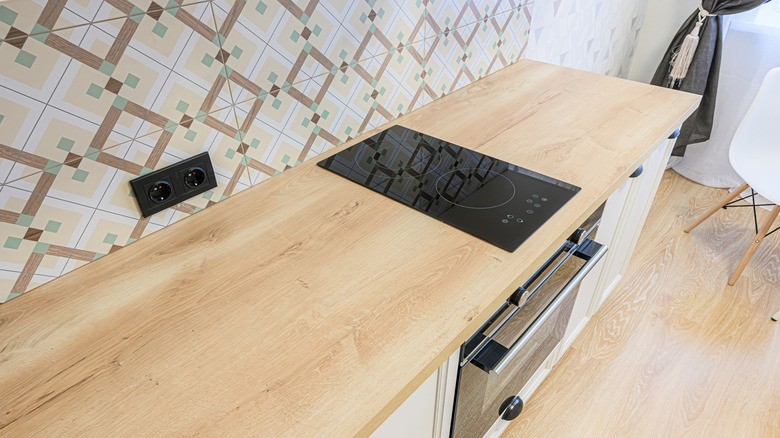
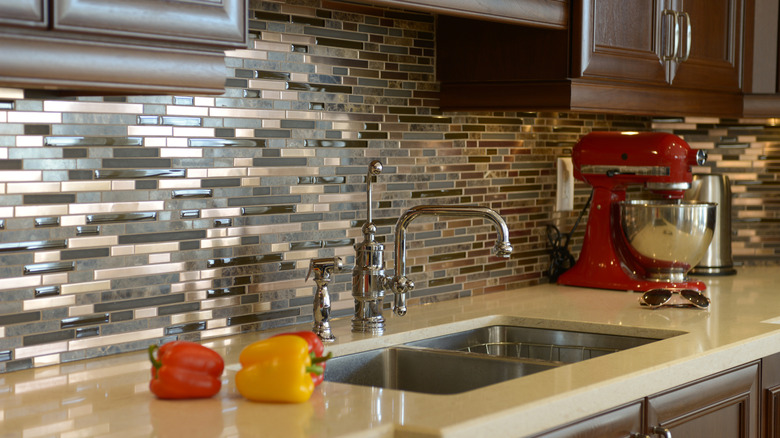
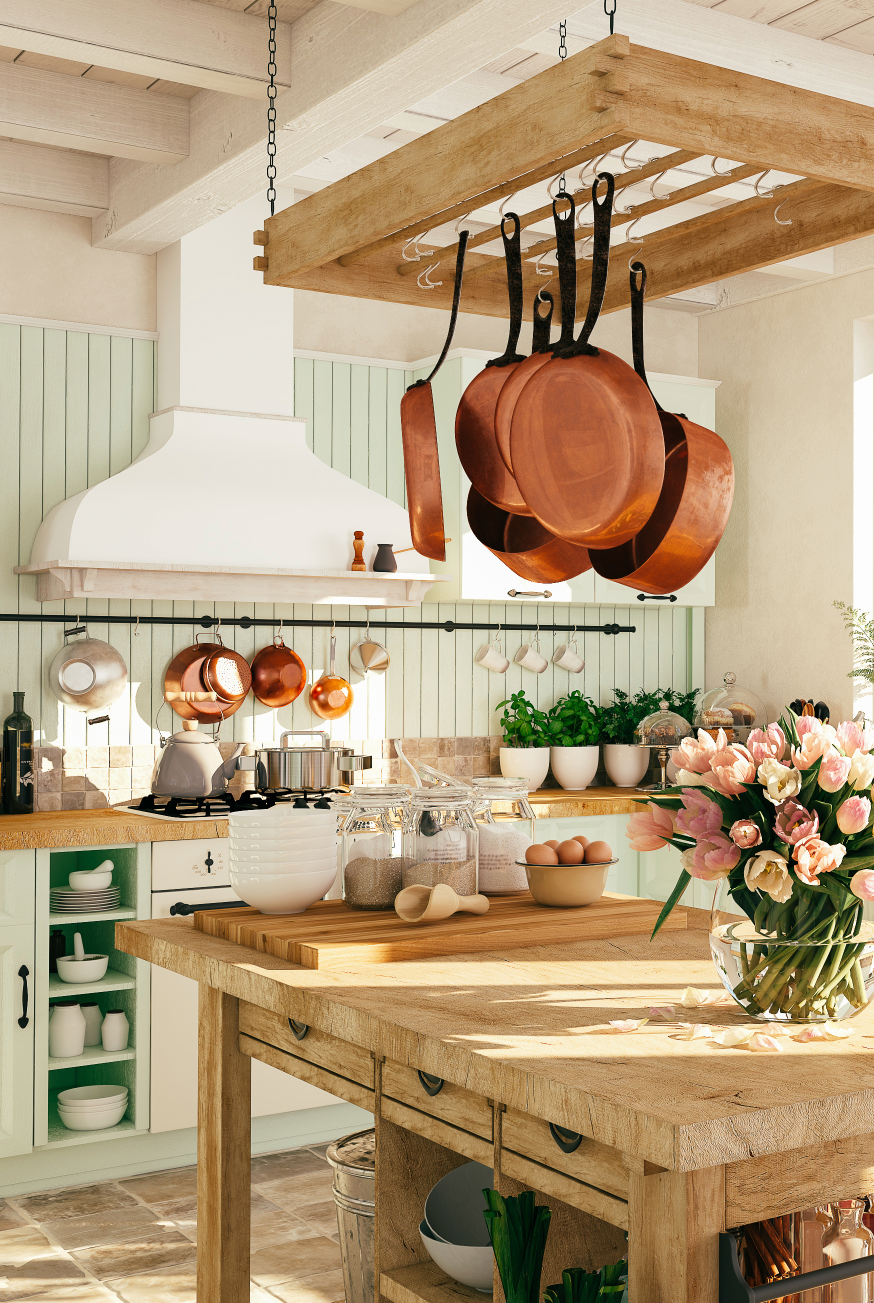
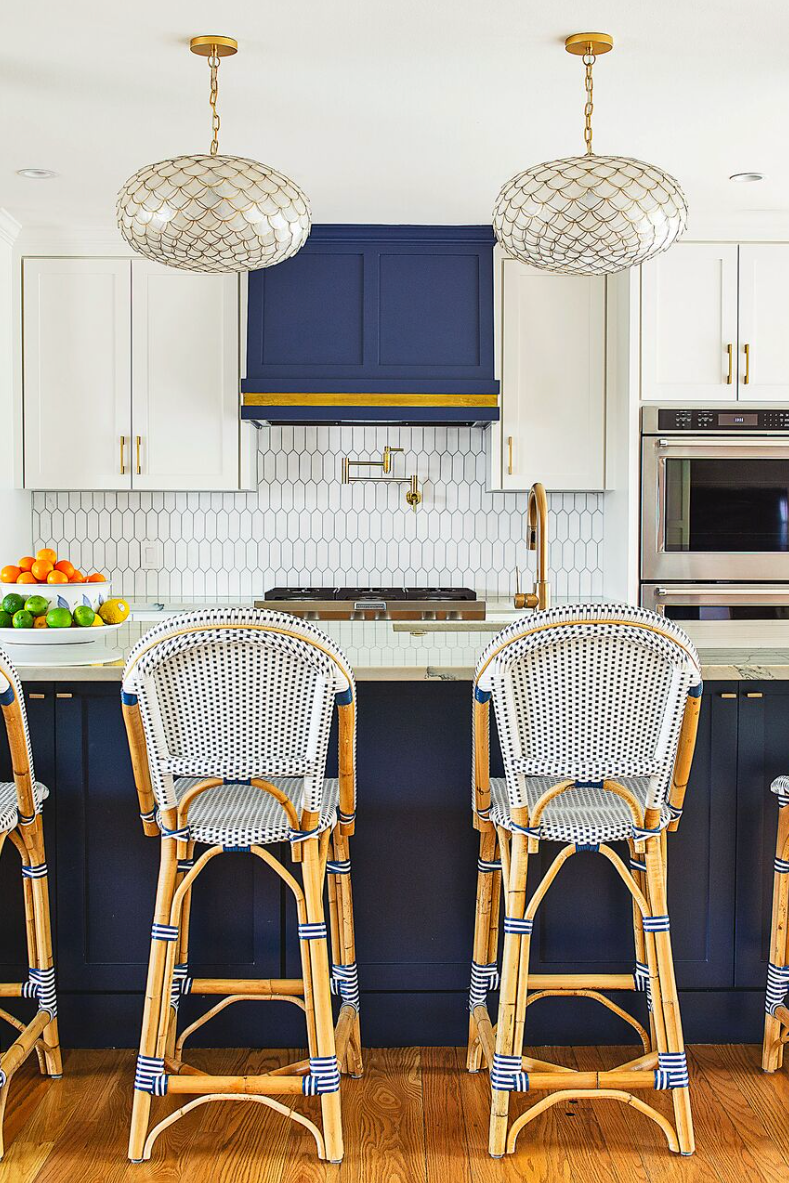
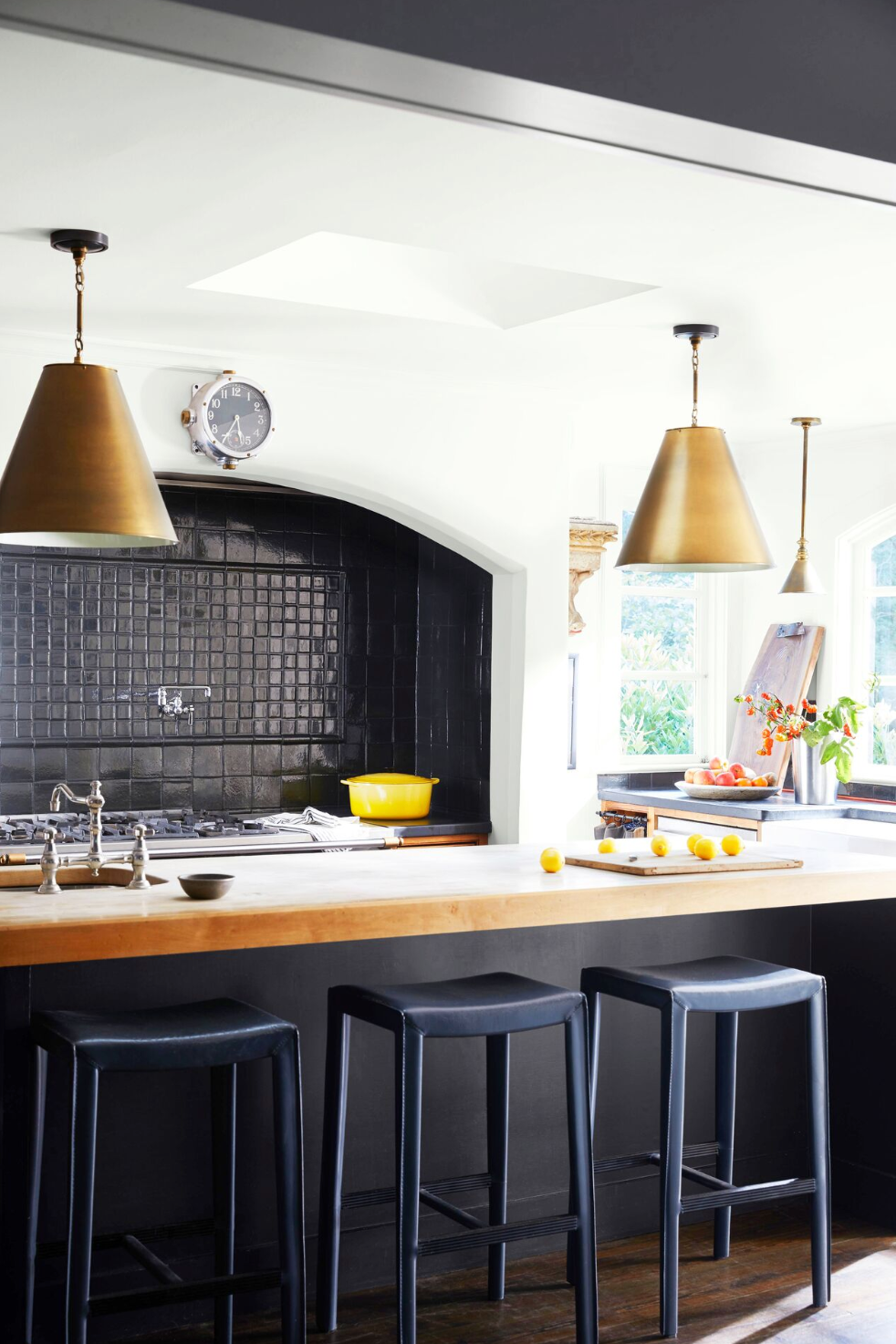
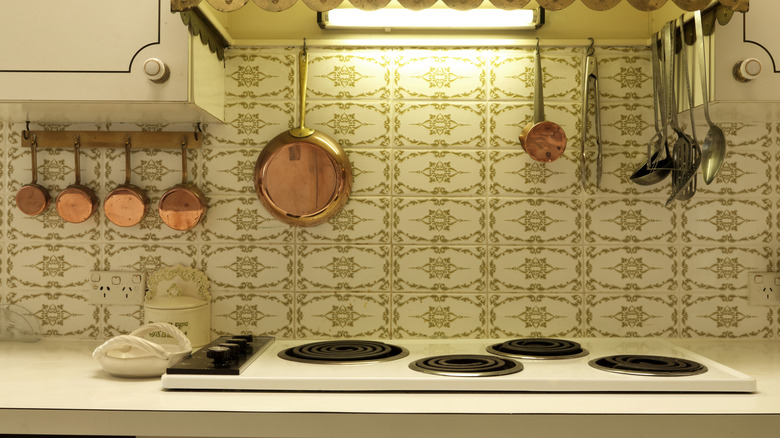
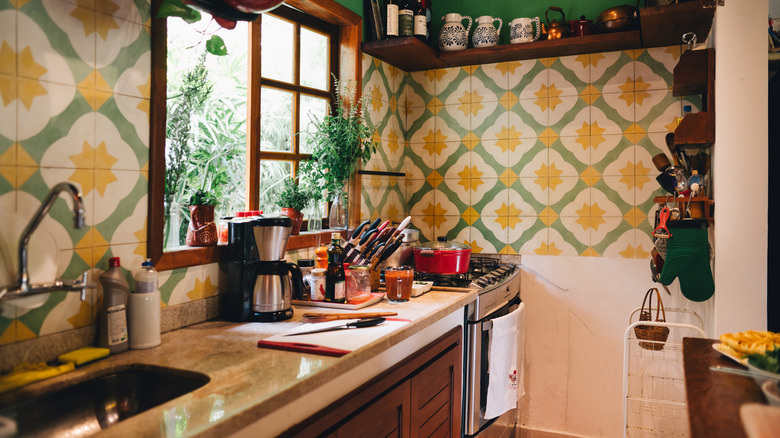
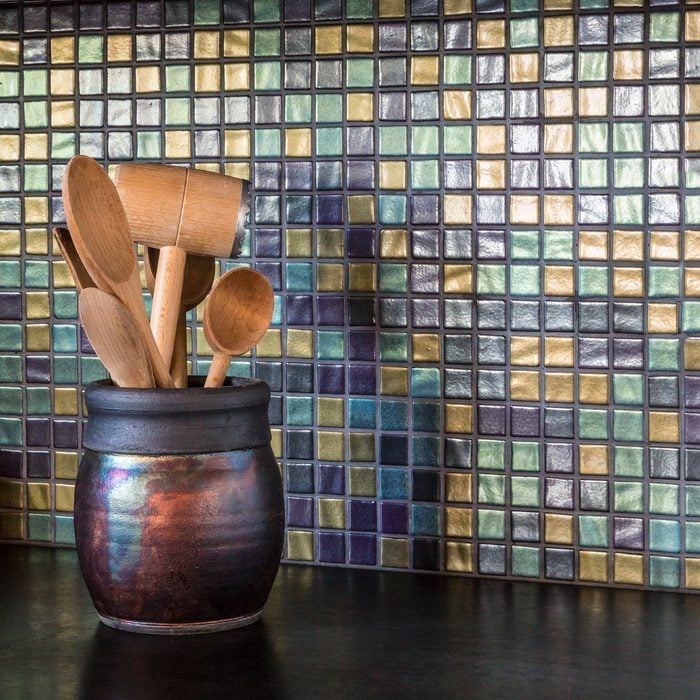
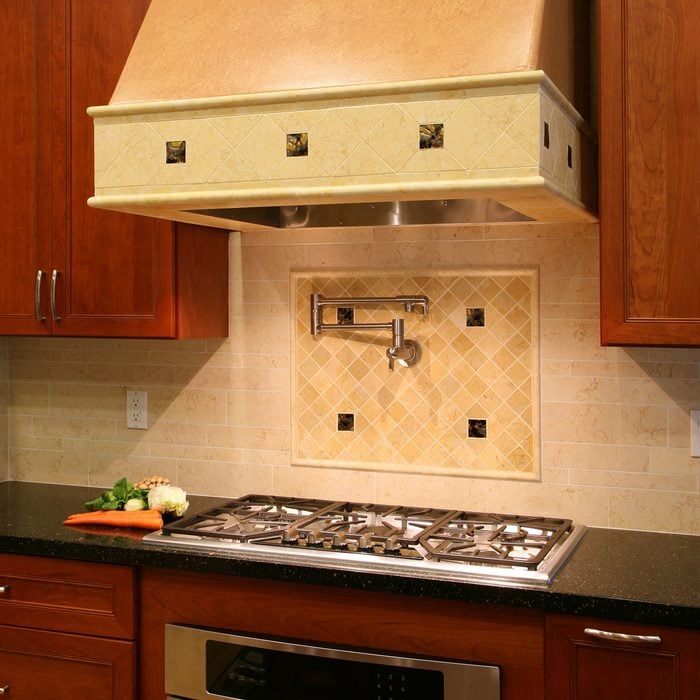
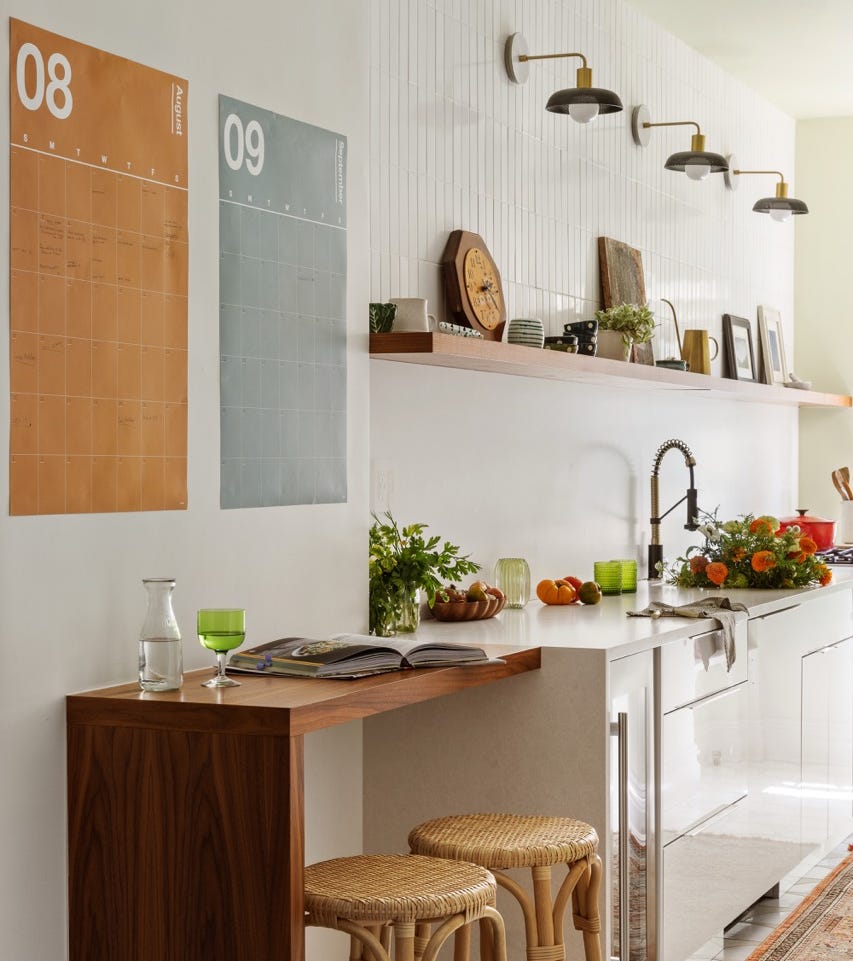
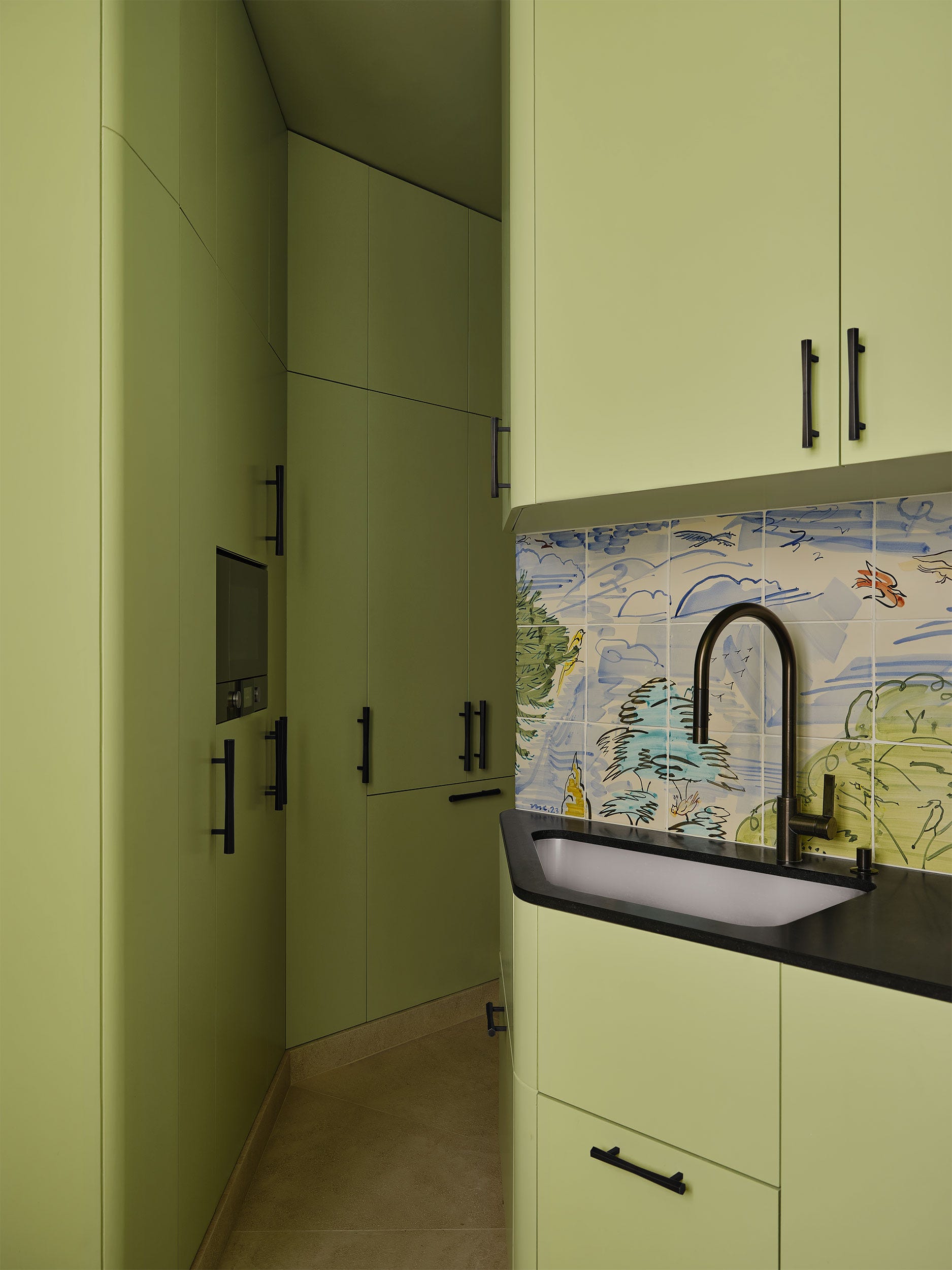
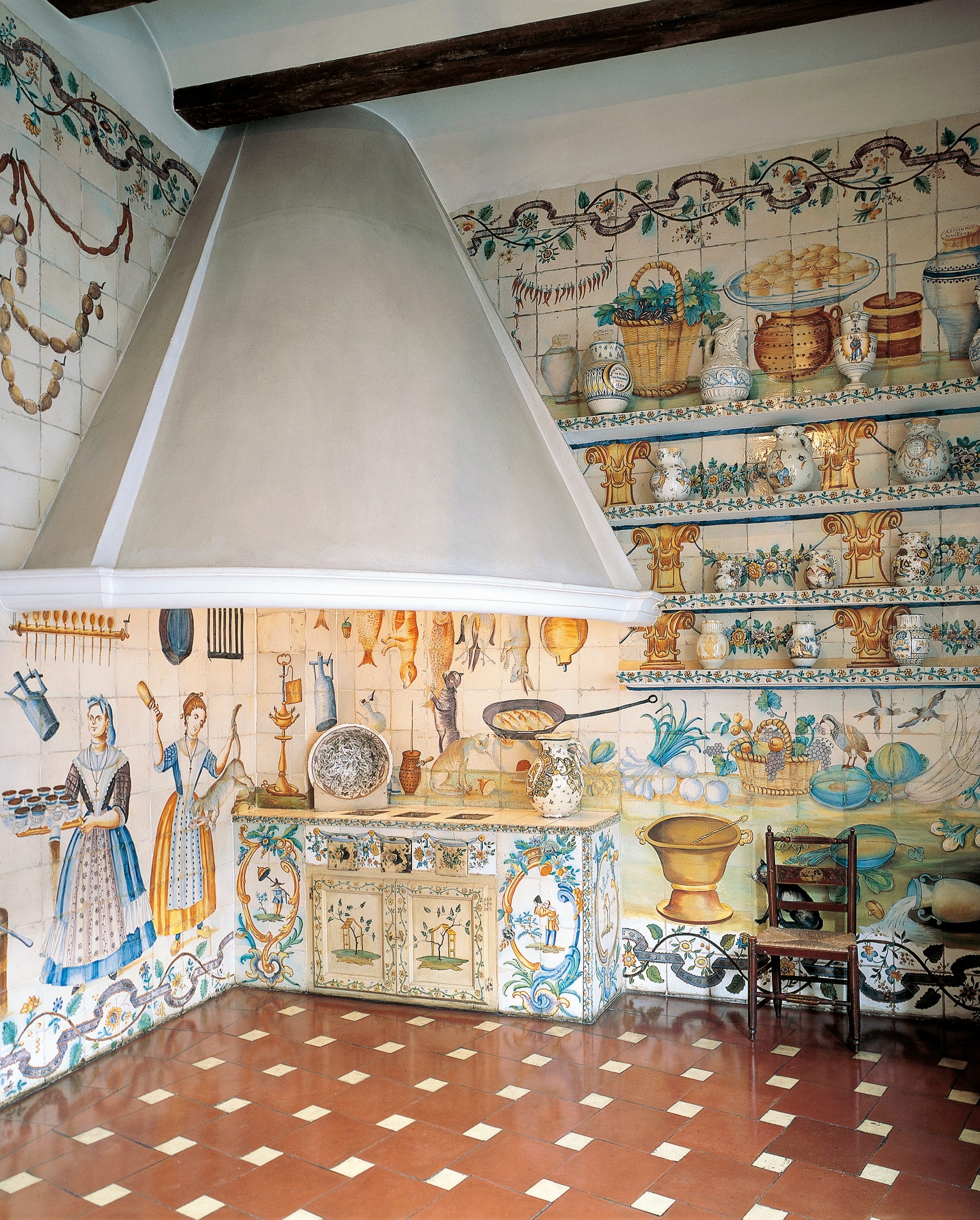
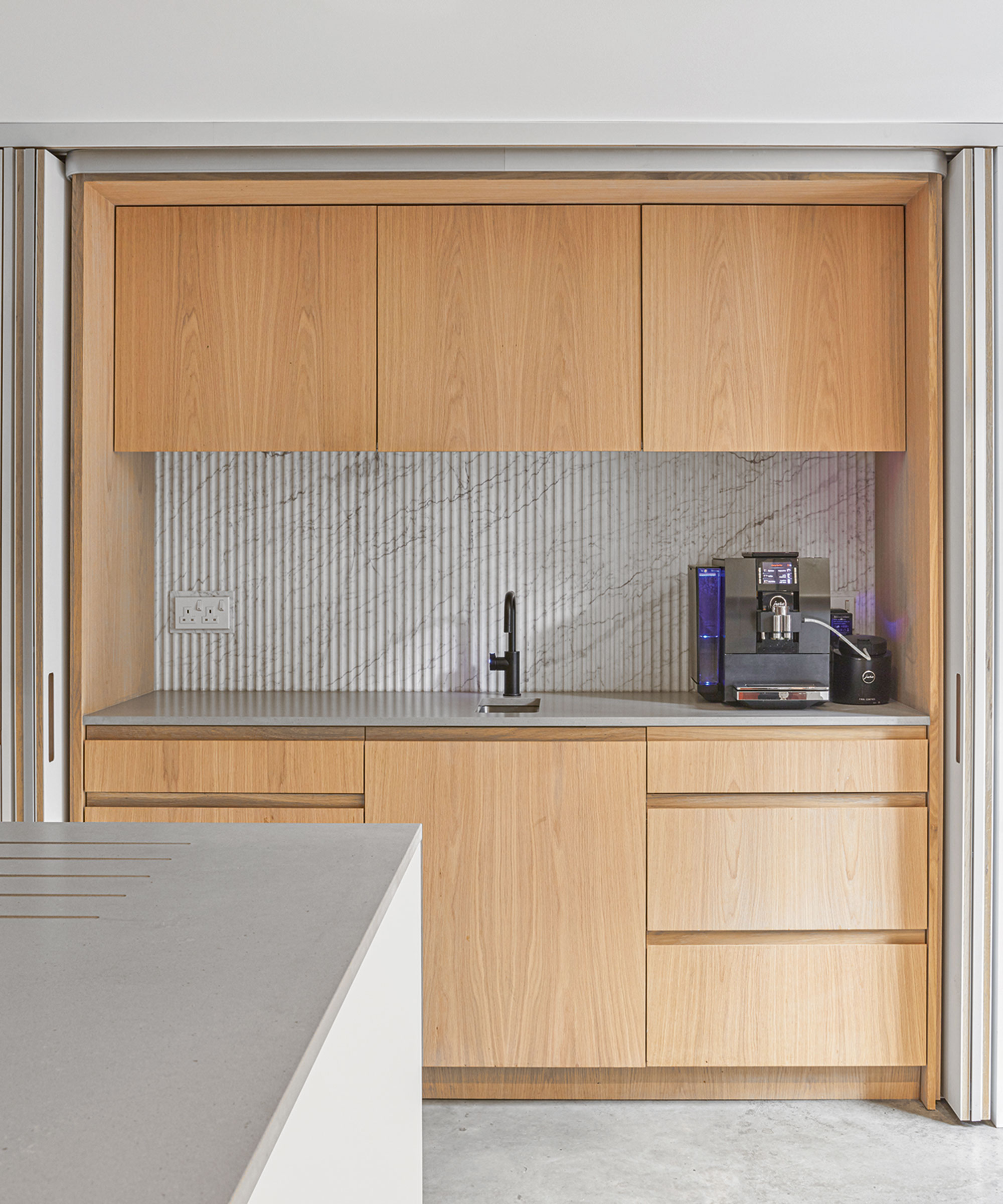
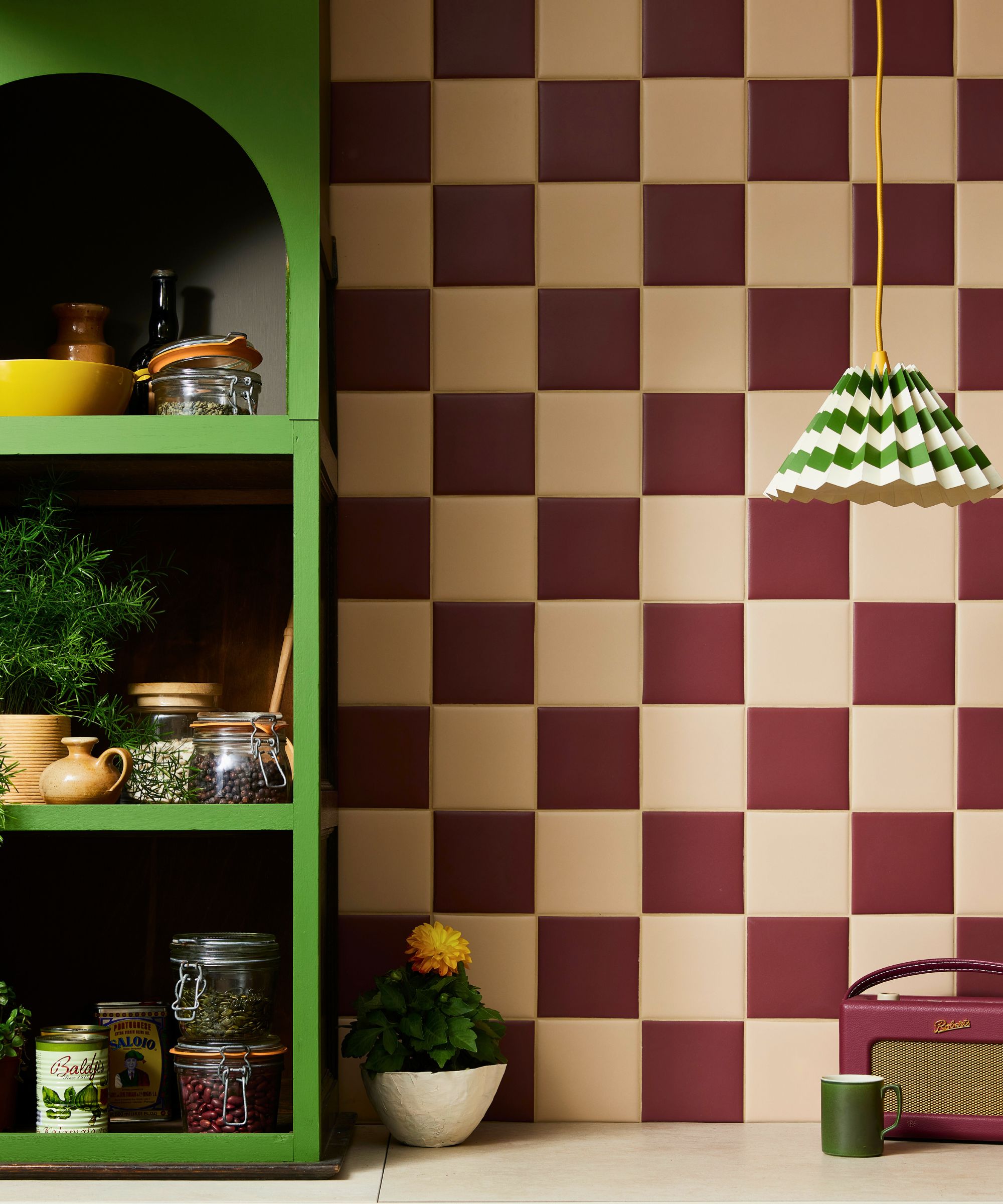
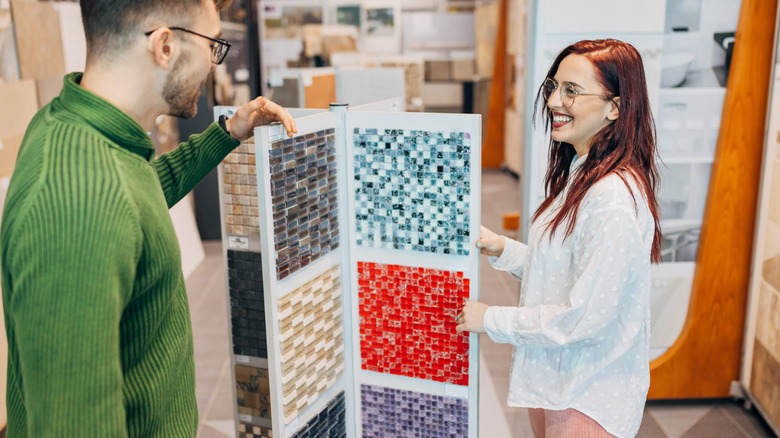
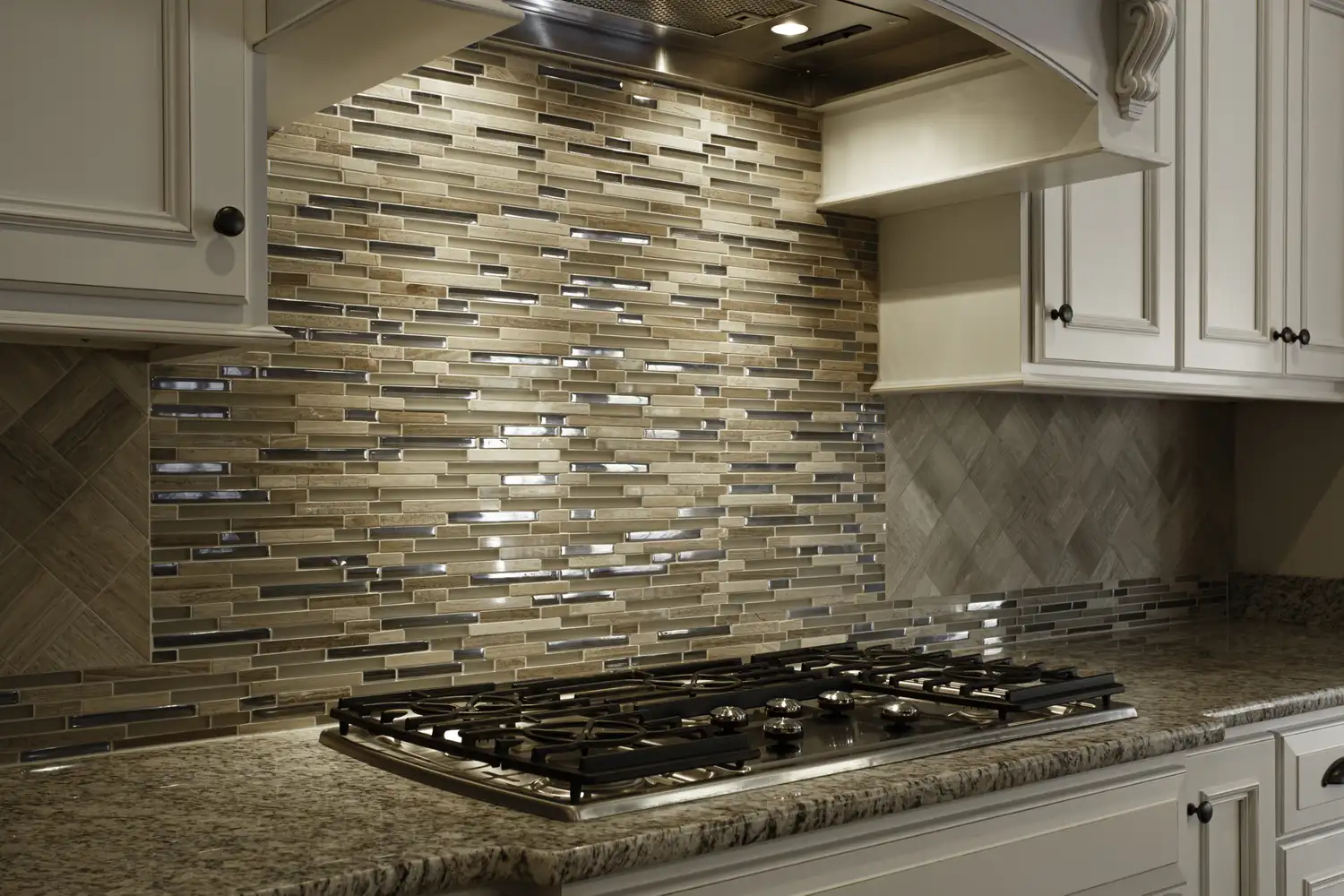
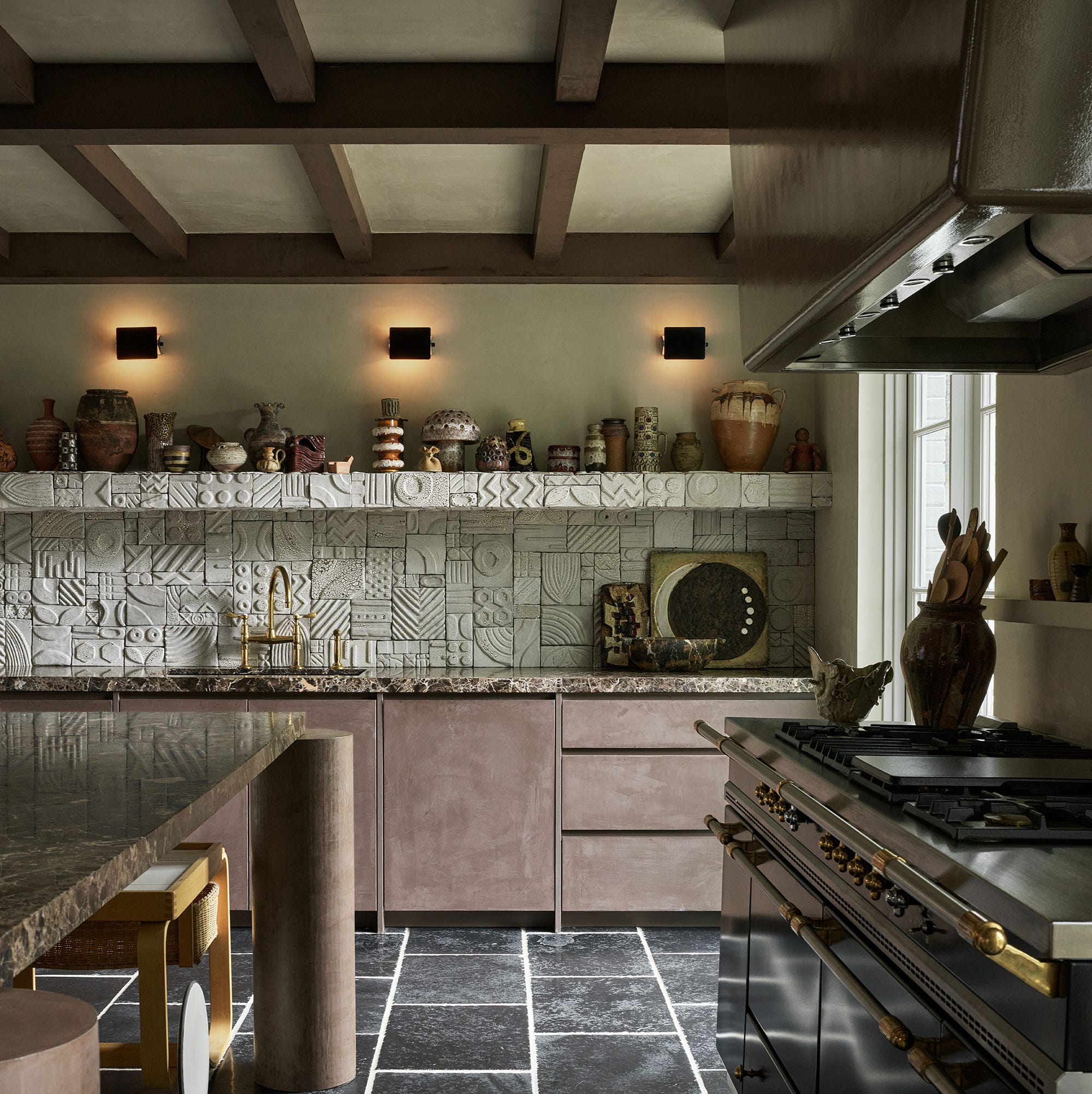
Tiles are a particularly popular choice for extended backsplashes due to their ability to add contrast and texture. Jamie Chappell suggests using tiles with visual movement or rich texture, such as handcrafted ceramic or hand-painted options, to maximize the impact of the larger canvas. He also recommends a vertical stack pattern for rectangular tiles to further emphasize ceiling height. Glossy tiles, like artisanal ceramic subway tiles or red iron oxide gloss tiles, are cited as favorable options for their dramatic effect. Allison Lind further advises on mixing materials, suggesting rustic or reclaimed tiles (tumbled stone, terracotta, thin brick) to create a juxtaposition with more graceful, elegant natural stone. When combining different materials, it is crucial to ensure that their thickness differentials are not too great to avoid an awkward visual depth. If thickness varies significantly, adding a stone shelf can serve as a visual break. For slab backsplashes, considering the direction of veining is important; vertical veining is recommended for tall or narrow wall spaces.
Ultimately, whether utilizing seamlessly installed stone or intricately tiled surfaces, extending the backsplash to the ceiling is presented as a sophisticated and dramatic design choice. Its adaptability and timeless aesthetic make it a favorite among designers, offering a compelling option for those planning kitchen updates.
#KitchenDesign #BacksplashTrends #InteriorDesign #HomeDecor #KitchenRemodel #TileDesign #StoneBacksplash #SpaceMaximization #ModernKitchens #KitchenDesign #BacksplashTrends #InteriorDesign #HomeDecor #KitchenRemodel #TileDesign #StoneBacksplash #SpaceMaximization #ModernKitchens
0 comment in total
 No comments yet
You may also like
10 Kitchen Backsplash Trends That Are Out In 2025

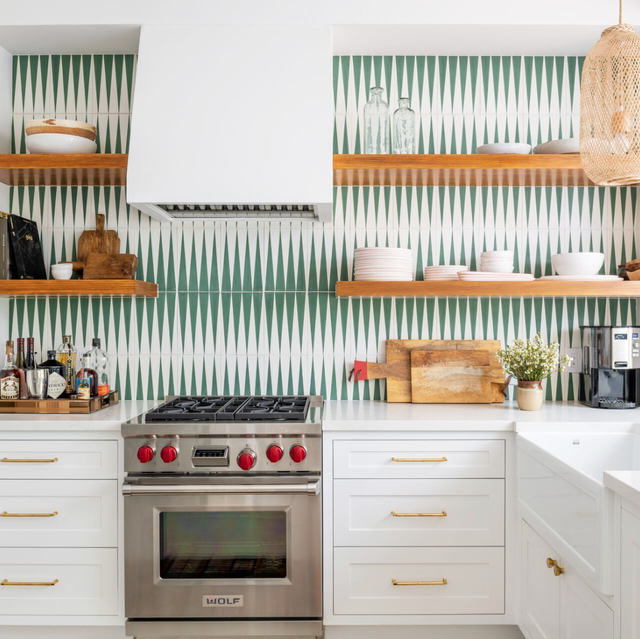
This Striking Geometric Backsplash Is Just the Thing to Upgrade Your Kitchen

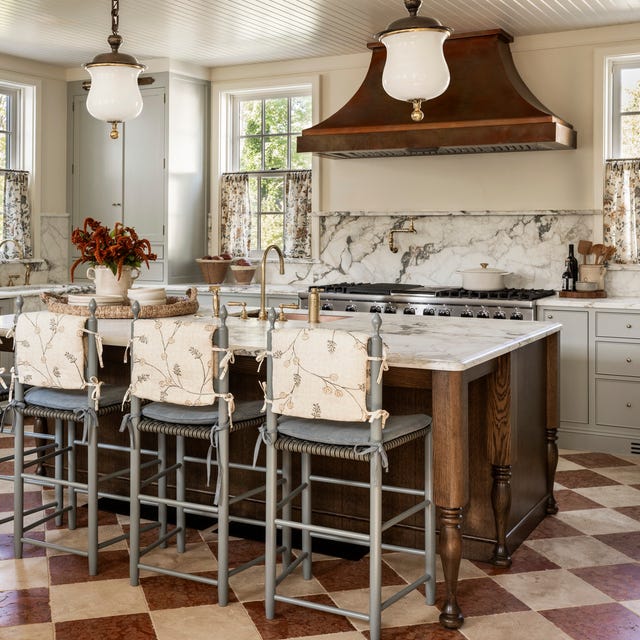
Why Half Backsplashes Are Taking Over Kitchen Design, According to Experts

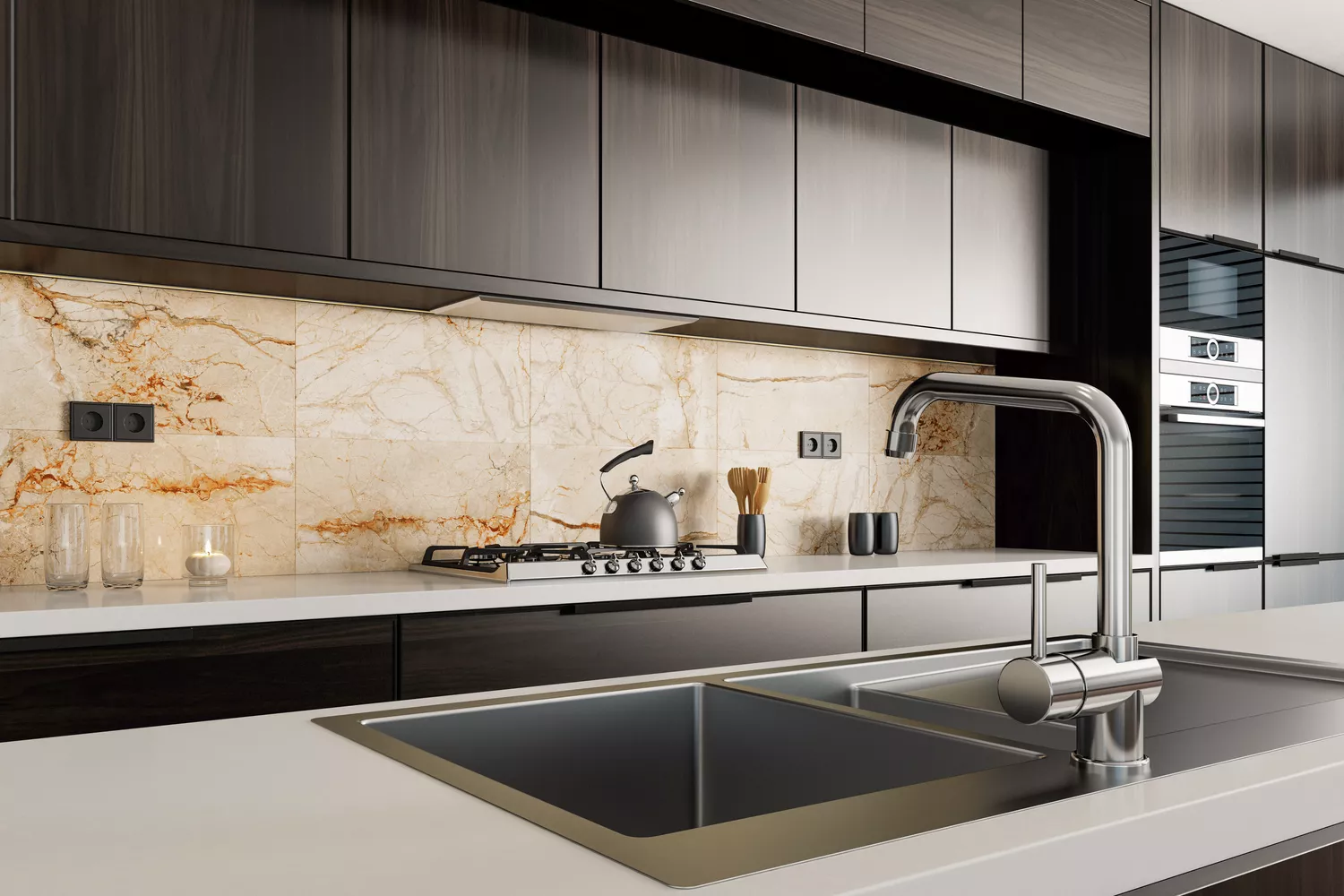
12 Gorgeous Kitchen Backsplash Trends Interior Designers Love
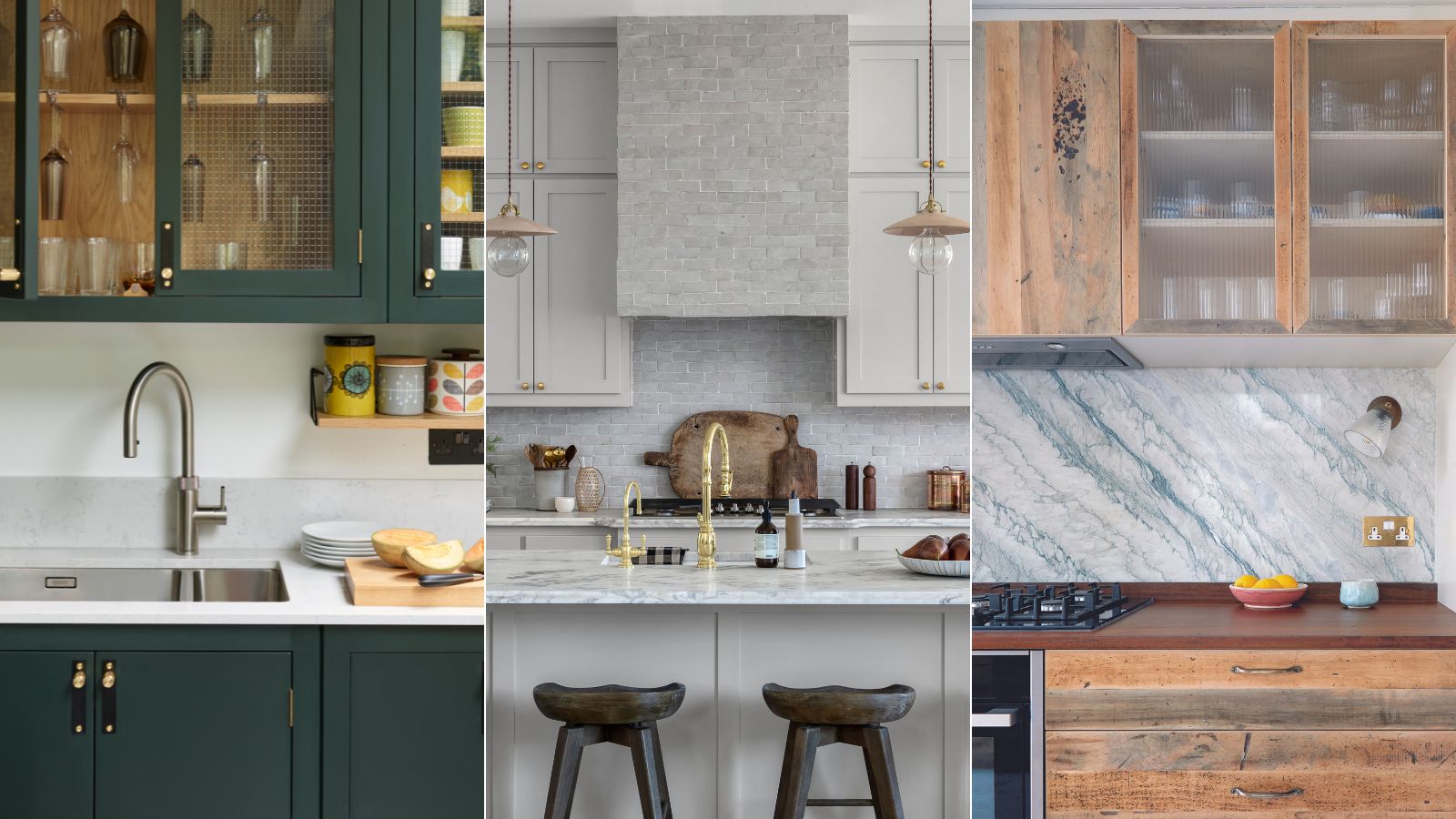
6 outdated kitchen backsplash designs that can bring down a whole room

Quirky Kitchen Backsplash Designs Are Making A Comeback. Here Are Our 12 Favorite Options
7 Backsplash Mistakes That Will Date Your Kitchen
12 beautiful kitchen backsplash ideas that will instantly elevate your space
Ditch These Dated Backsplash Trends For Timeless Alternatives
8 Backsplash Styles Designers Say Are Dating Your Kitchen
75 Kitchen Tile Backsplash Ideas for the Ultimate Culinary Refresh
5 Outdated Kitchen Tile Trends to Retire, According to Interior Designers

Common kitchen backsplash trends to avoid in 2025

8 Backsplashes to Avoid, According to Interior Designers

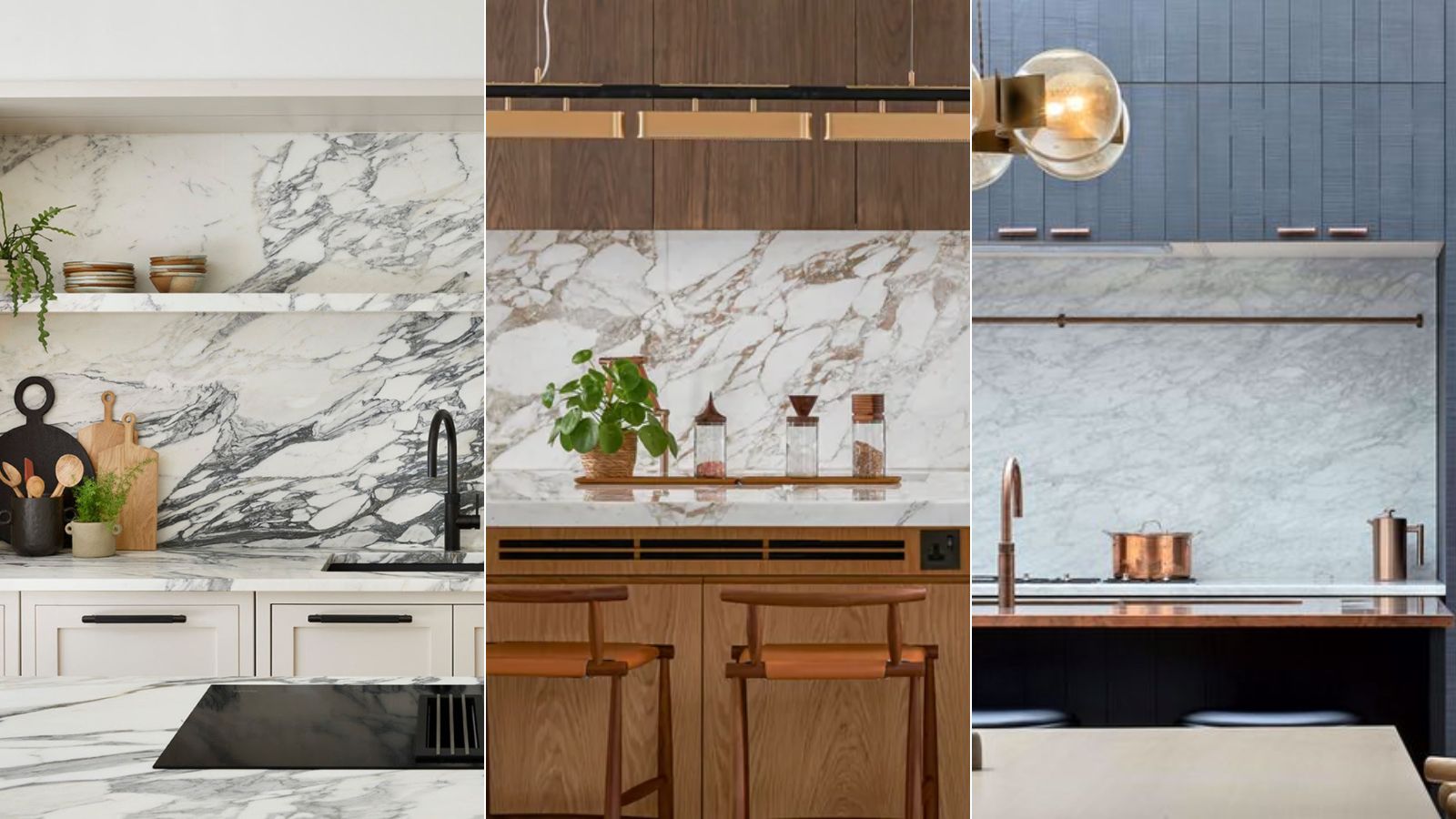
Blended backsplashes are trending in kitchen design – this is what you should know
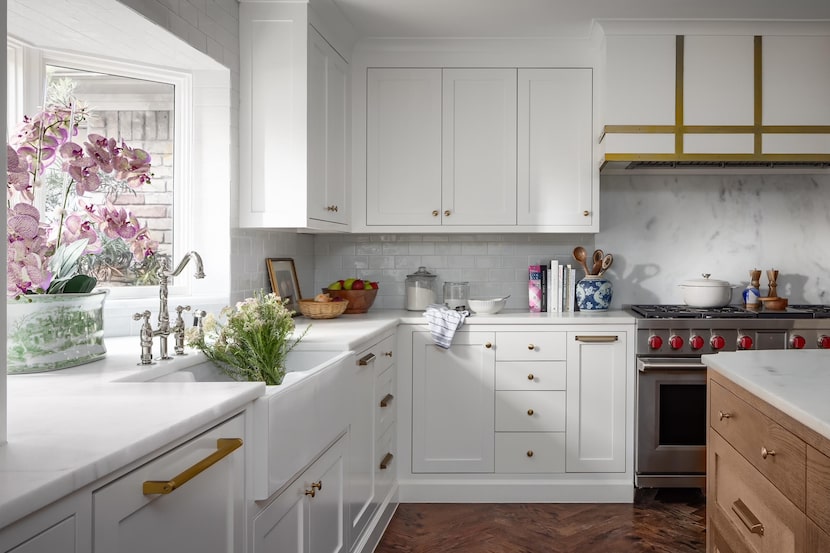
Freshen up the look of your kitchen with a unique backsplash

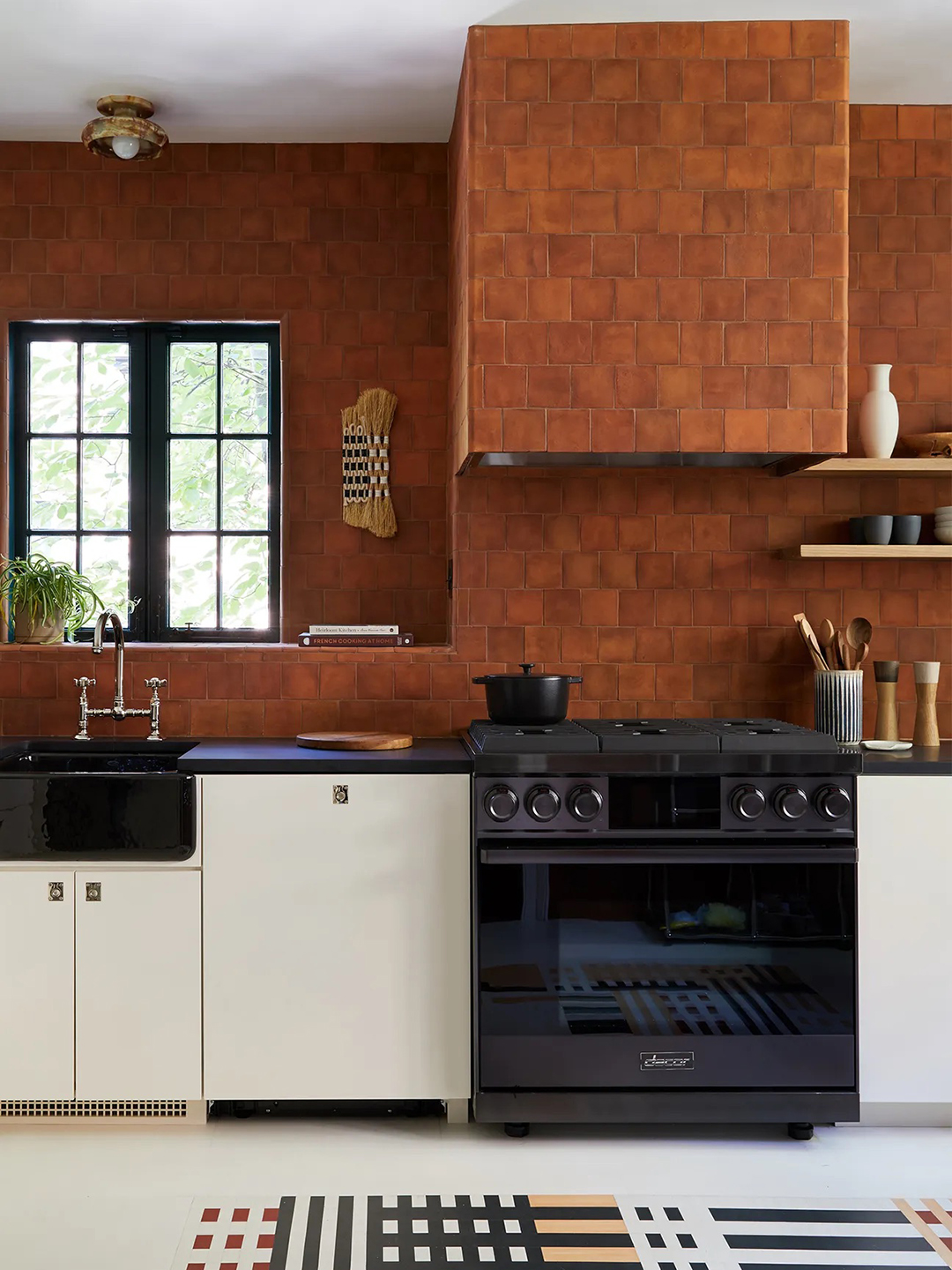
67% of Renovators Are Abandoning Standard Backsplashes for This Maximalist Look

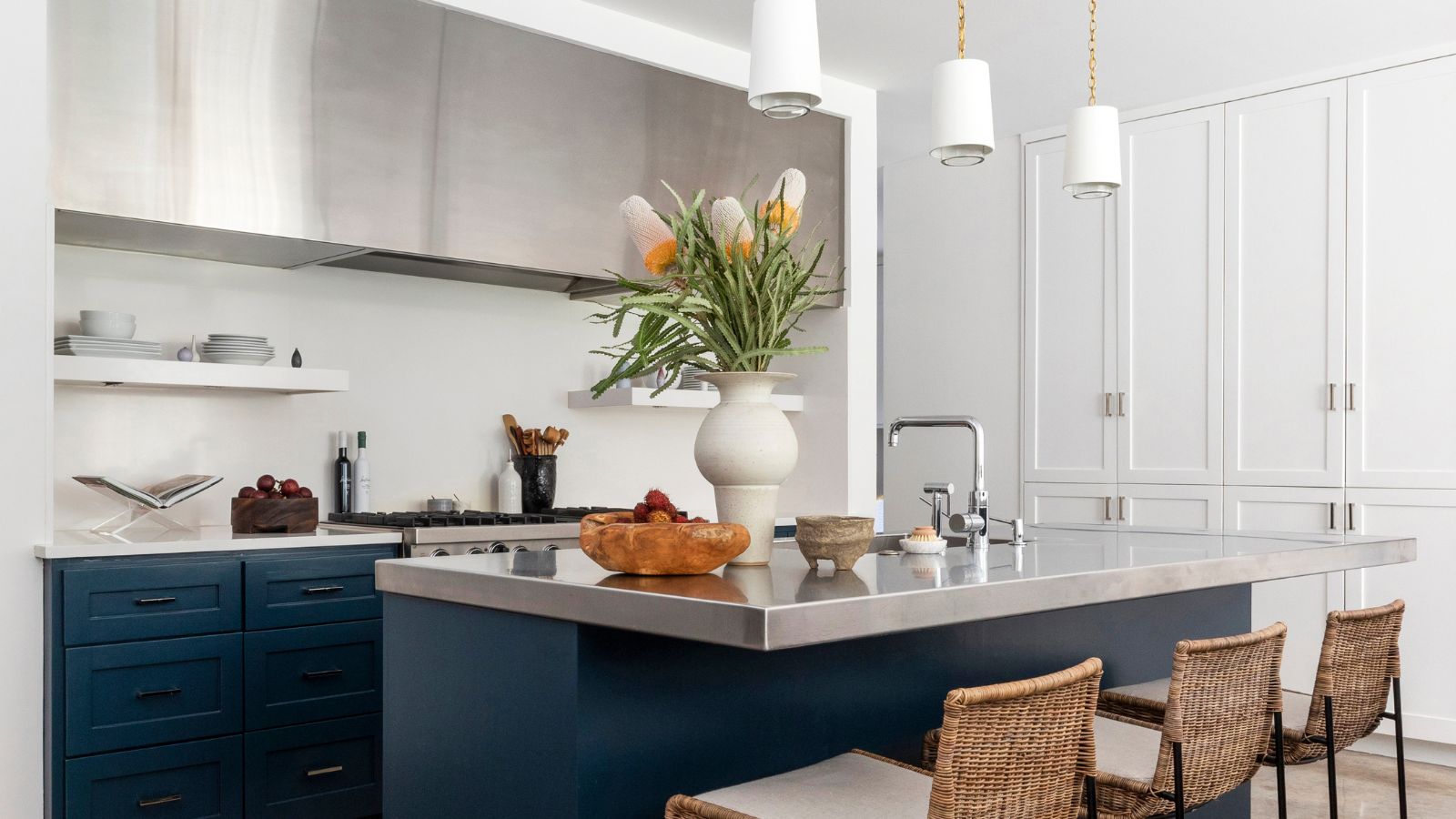
All the most stylish kitchens in 2025 forgo this key feature
The 'wallpaper' of the kitchen – why choosing the right kitchen backsplash can make or break a space
6 Kitchen Backsplash Colors That Are No Longer in Style, Designers Say