1/4
5 Outdated Kitchen Tile Trends to Retire, According to Interior Designers
The article outlines five kitchen tile trends that interior designers consider outdated and suggest retiring them. While some tile styles achieve timeless appeal, others, once popular, can detract from modern designs. Today's preferred tile choices emphasize warmth, texture, and authenticity, favoring natural stone, handcrafted finishes, and grounded color palettes over overly trendy or gimmicky options.
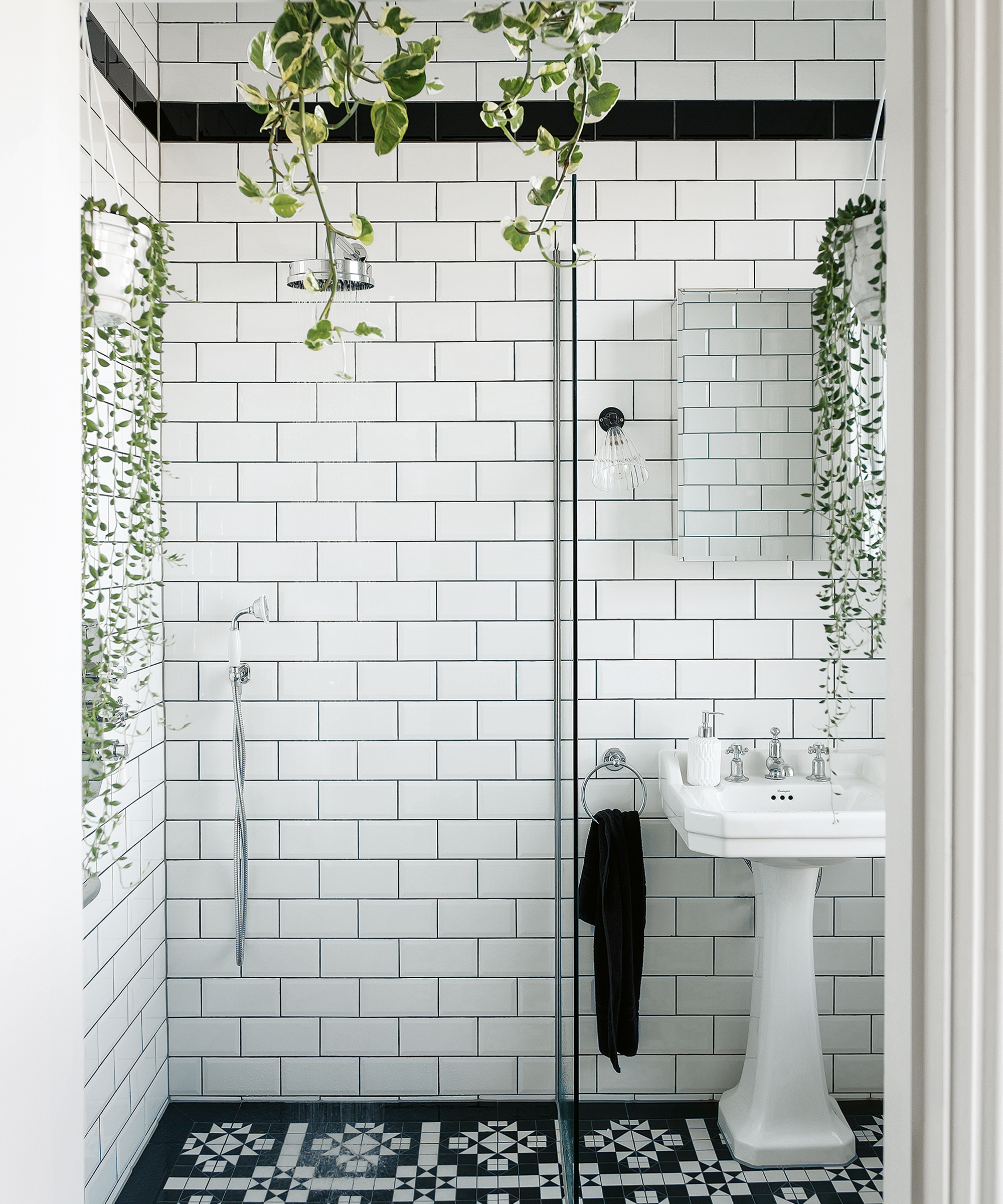
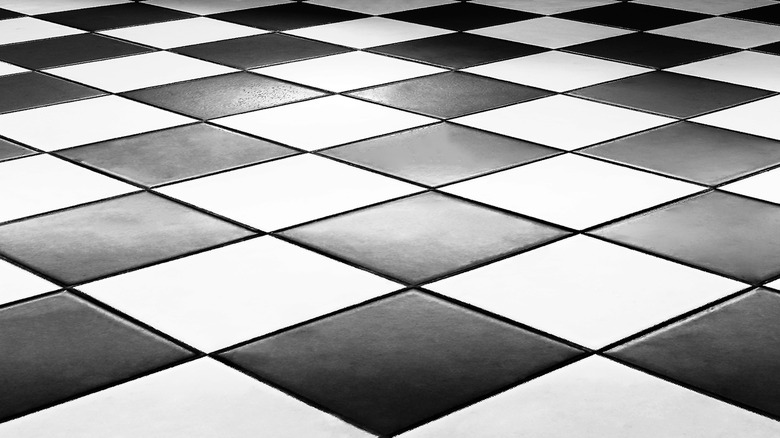
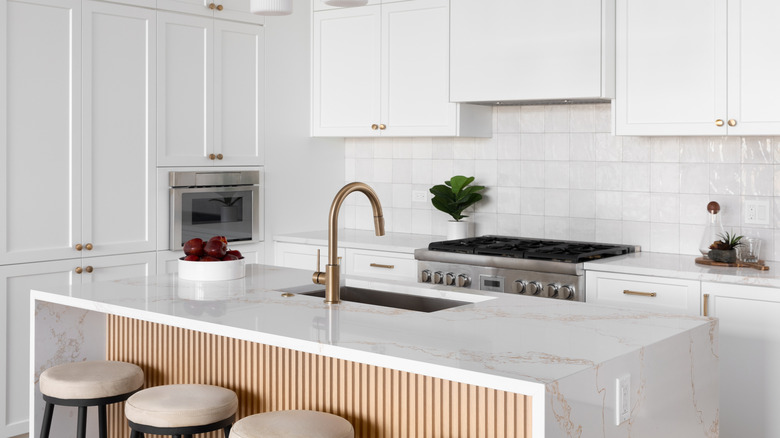
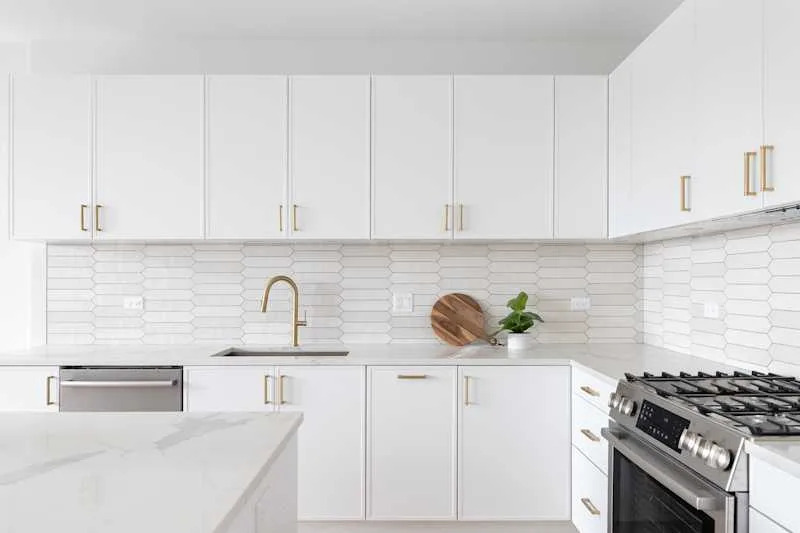
White subway tile, a staple during the all-white kitchen trend, is now seen as overused. Designers note its impracticality, highlighting how it easily shows dirt and pasta sauce, with grout that is difficult to clean. Beyond functional concerns, its aesthetic has lost its spirit, often making kitchens feel like a quick renovation rather than a thoughtfully designed space. The prevalence of white subway tile now evokes a "spec home" feel rather than unique character.
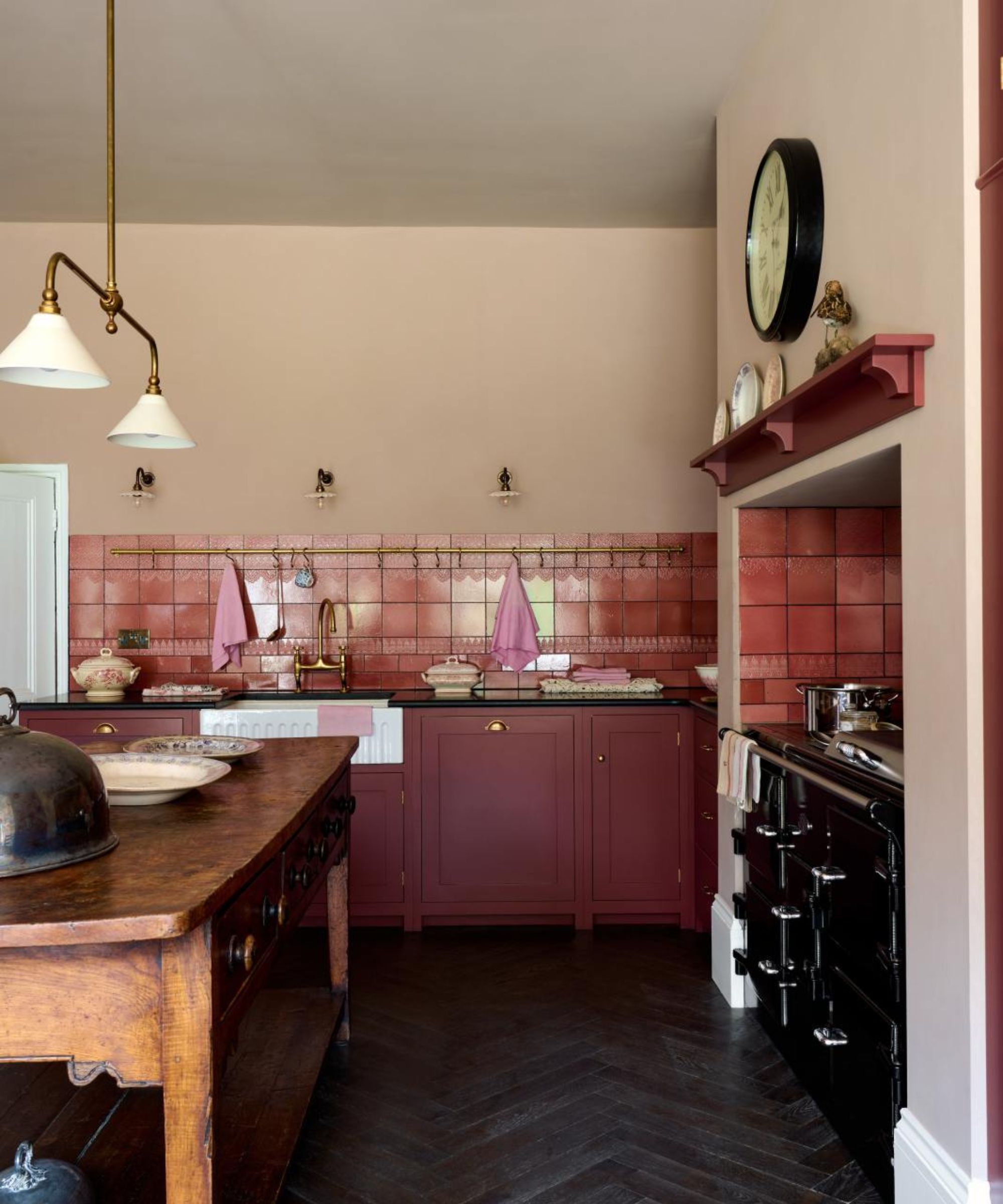
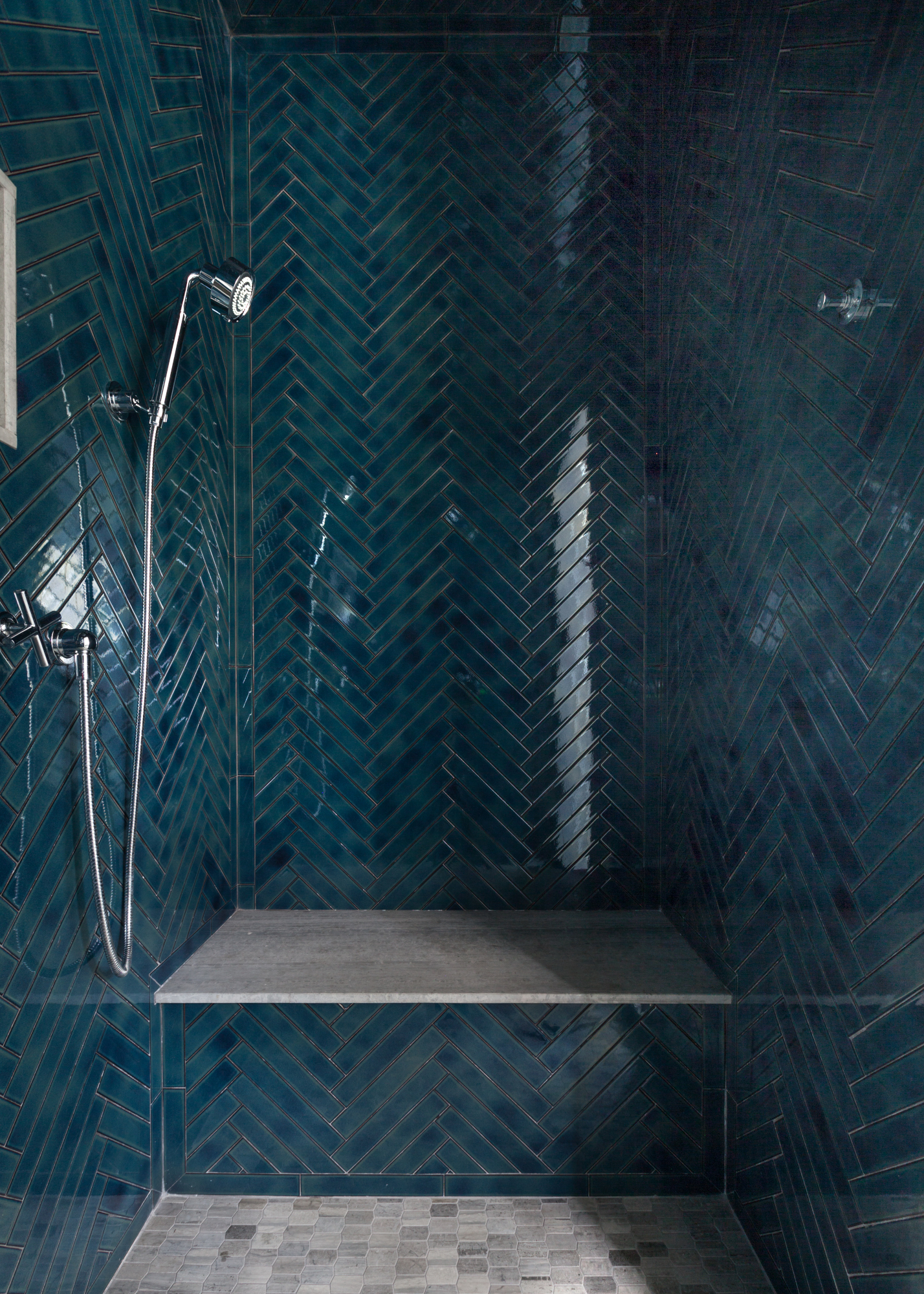
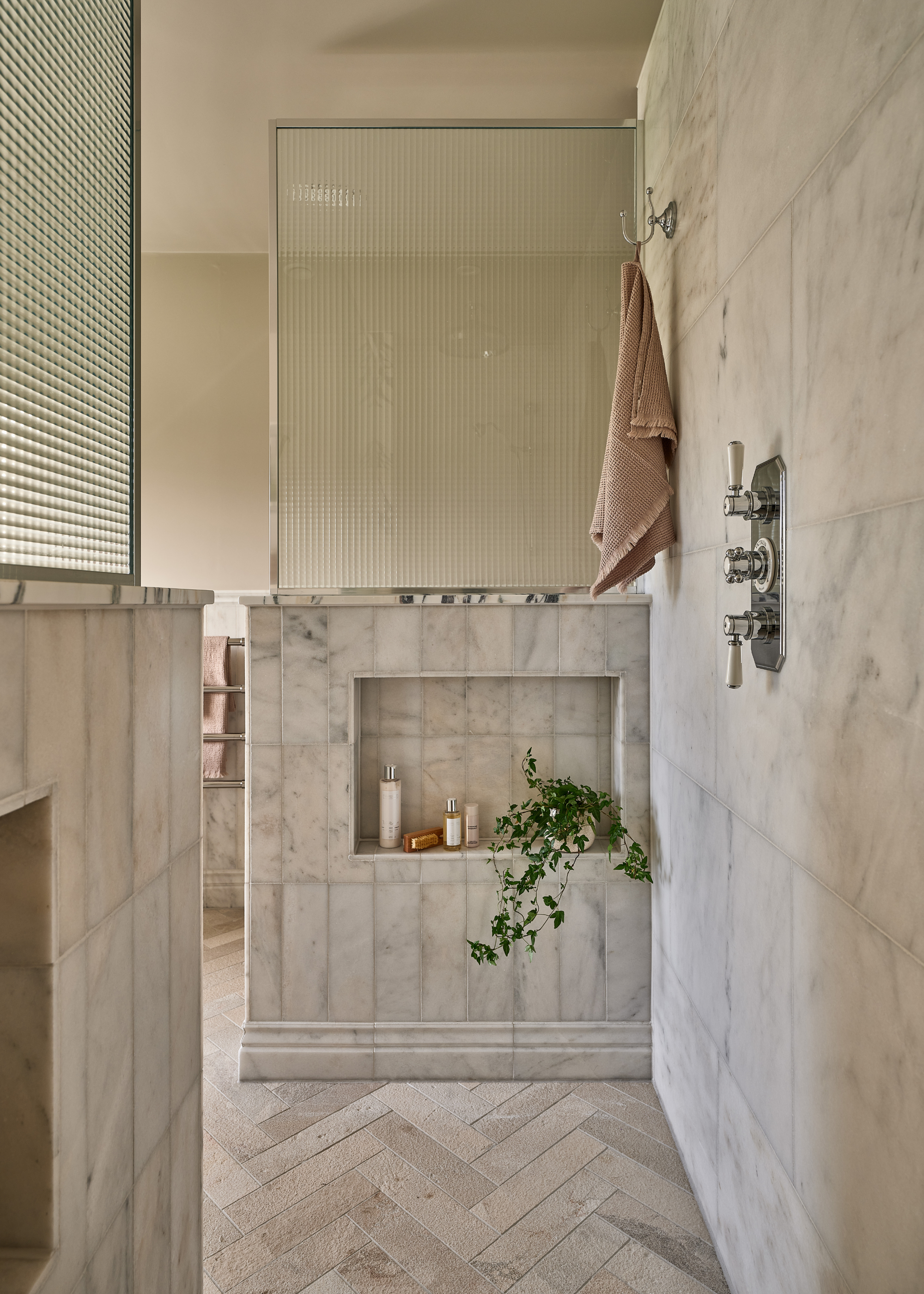
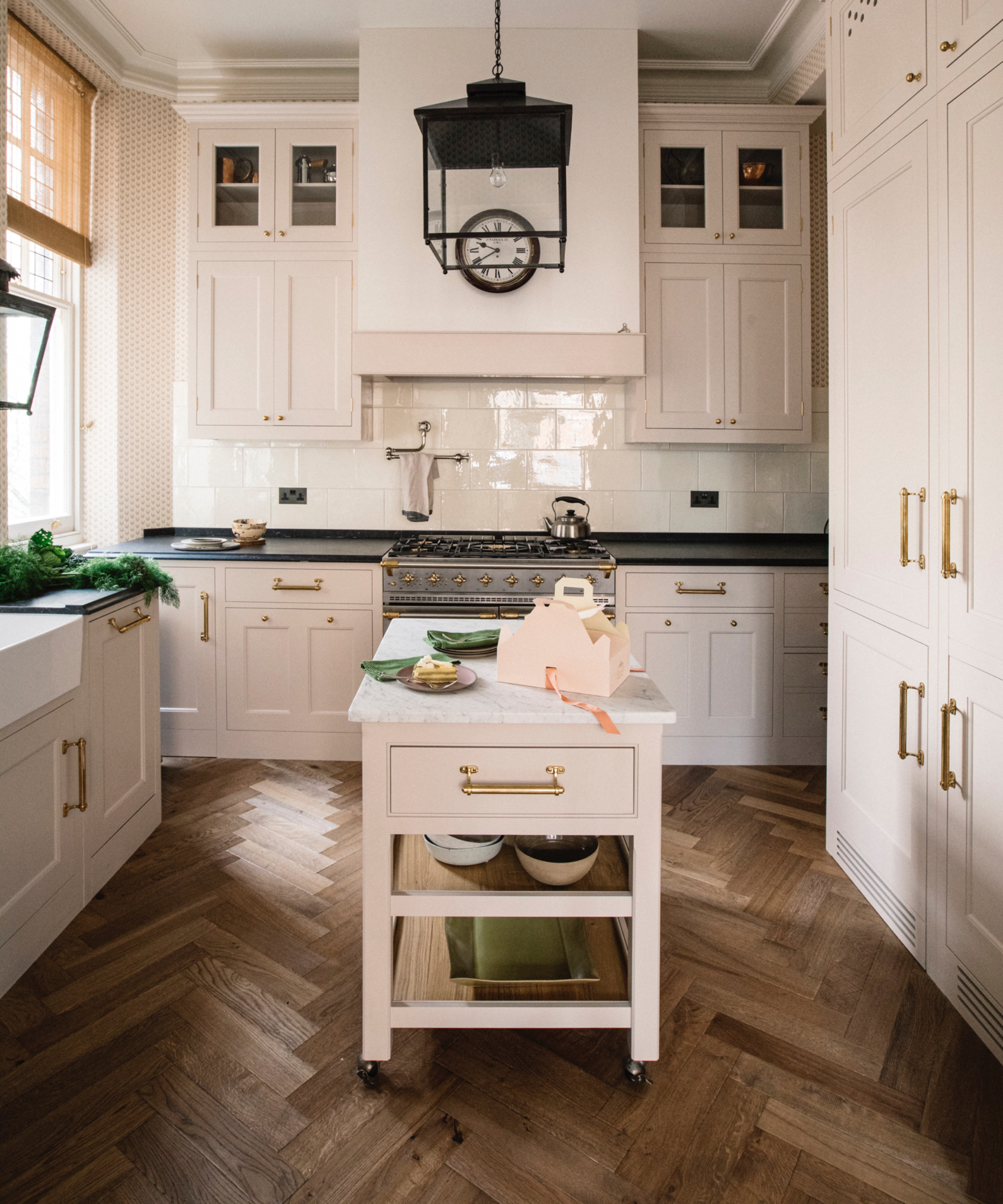
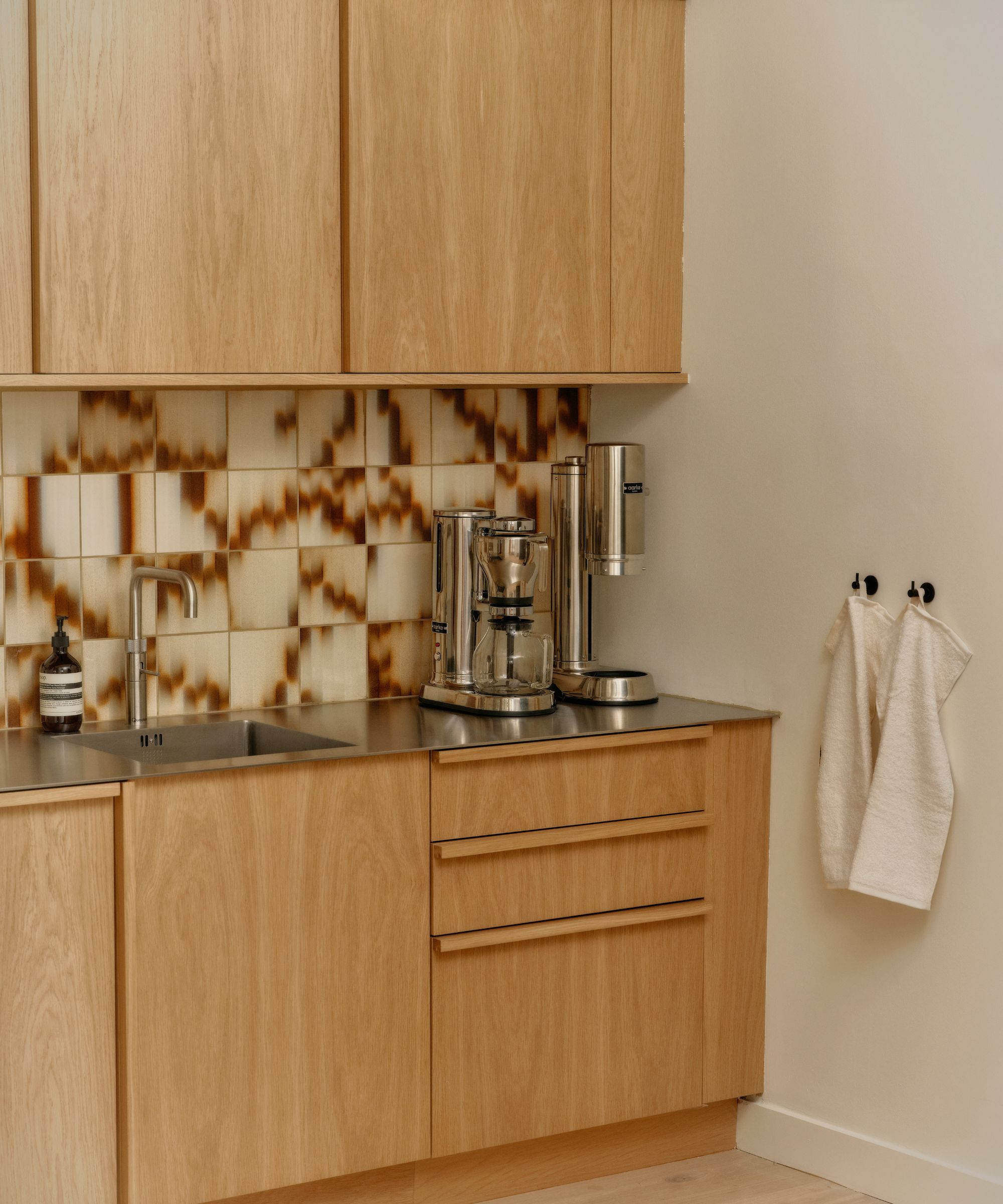
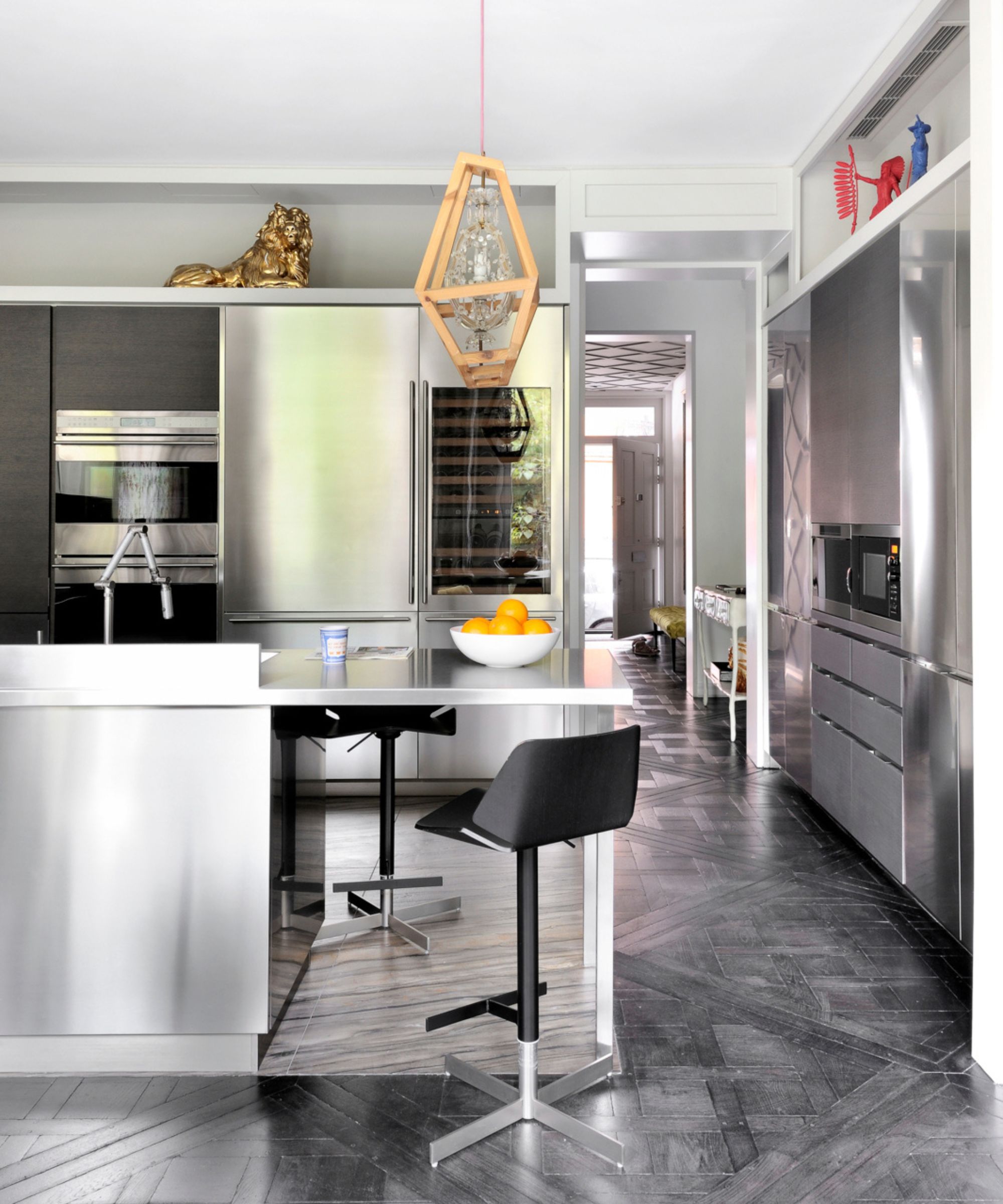
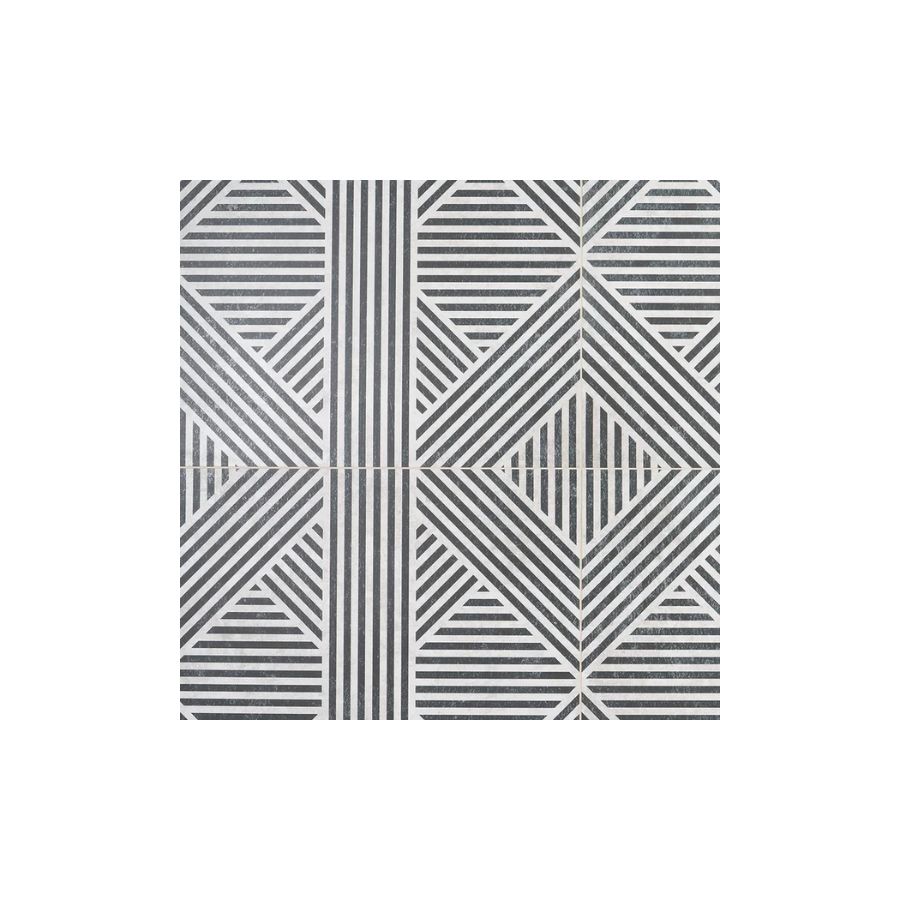
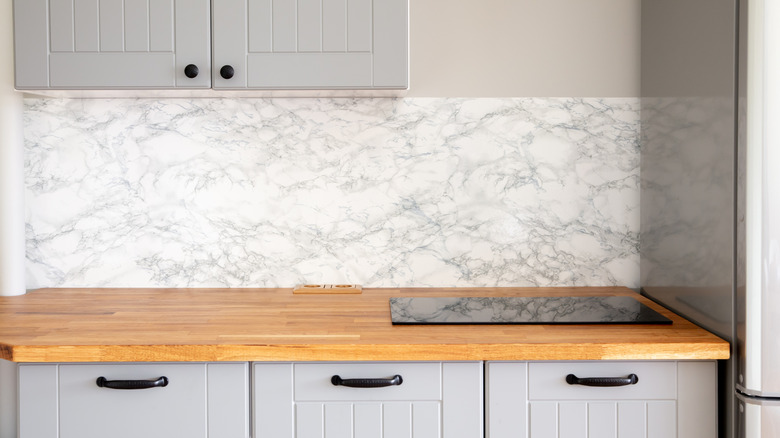
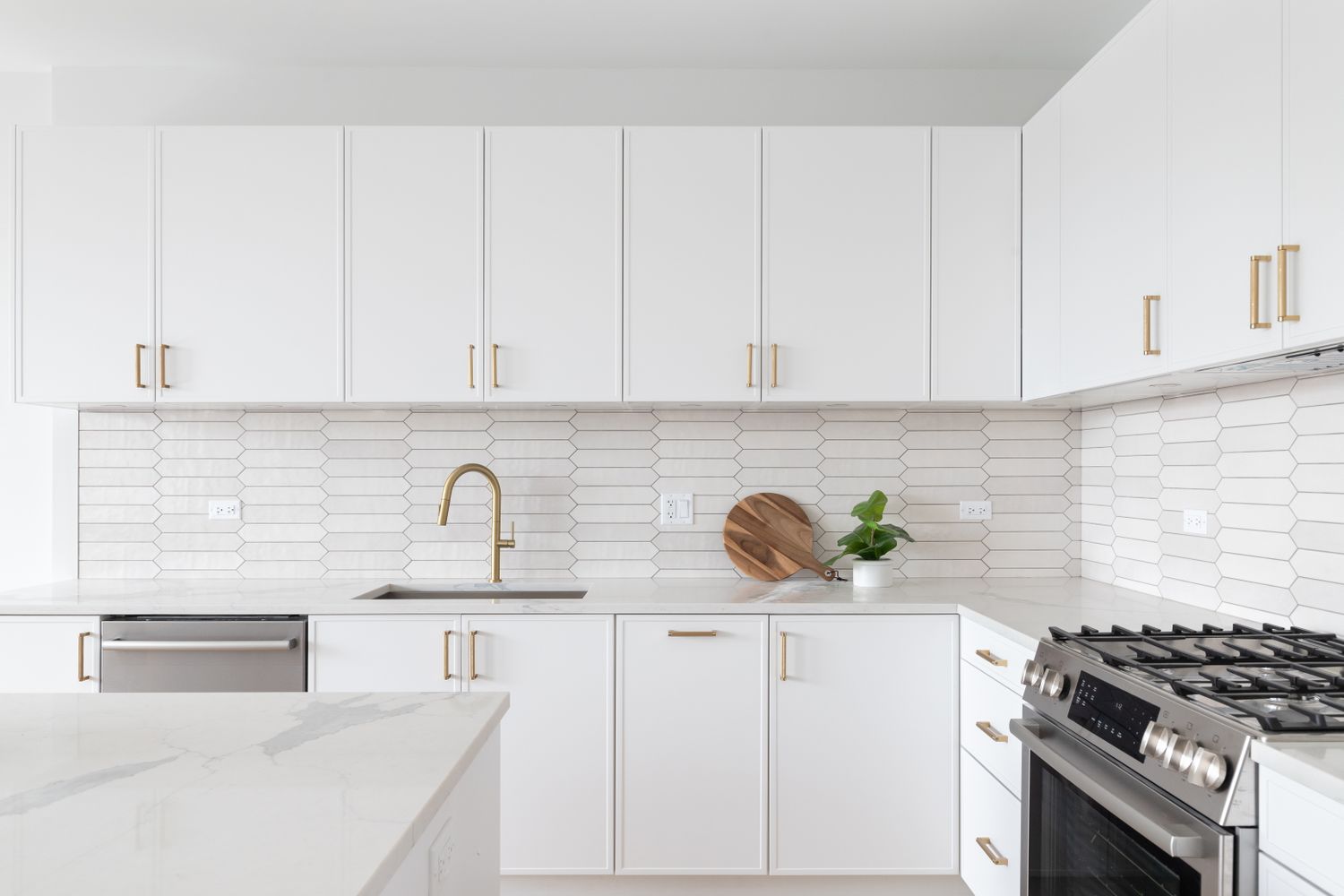
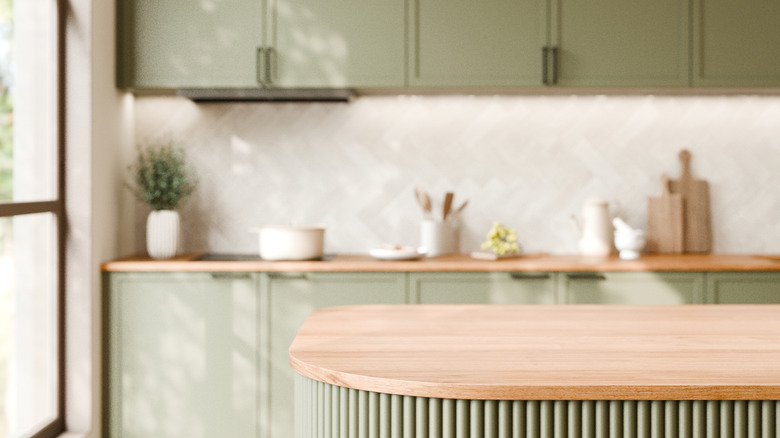
The herringbone pattern, once used to add visual interest, is also losing favor. Designers find it can appear visually chaotic, especially when paired with white or faux marble tiles, leading to an overly styled appearance. As design trends lean towards more organic and flowing aesthetics, rigid geometric layouts like herringbone are perceived as less desirable. Designers are now moving towards tiles with organic textures, tonal variations, and unconventional patterns that bring depth, warmth, and character to a space.
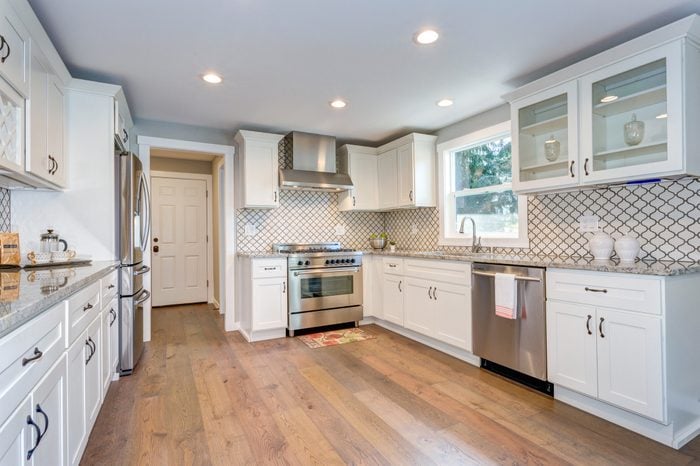
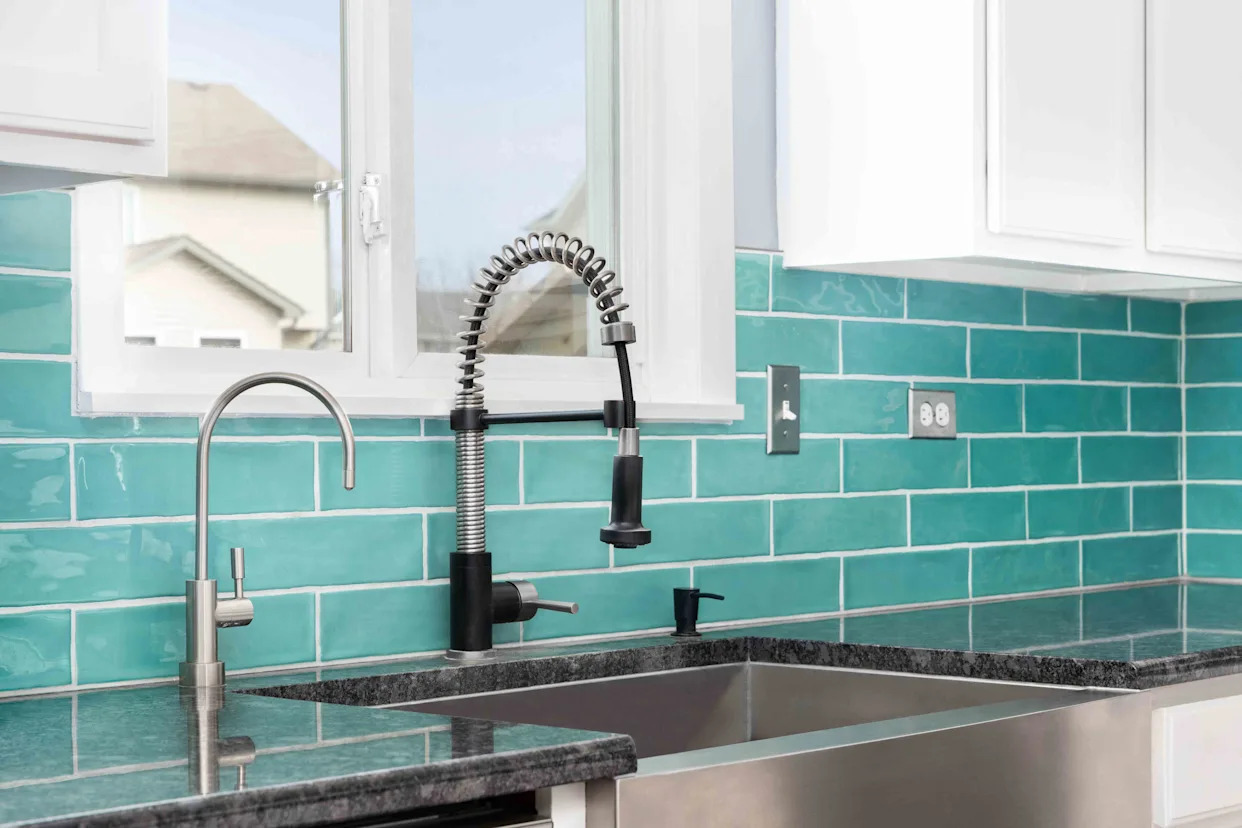
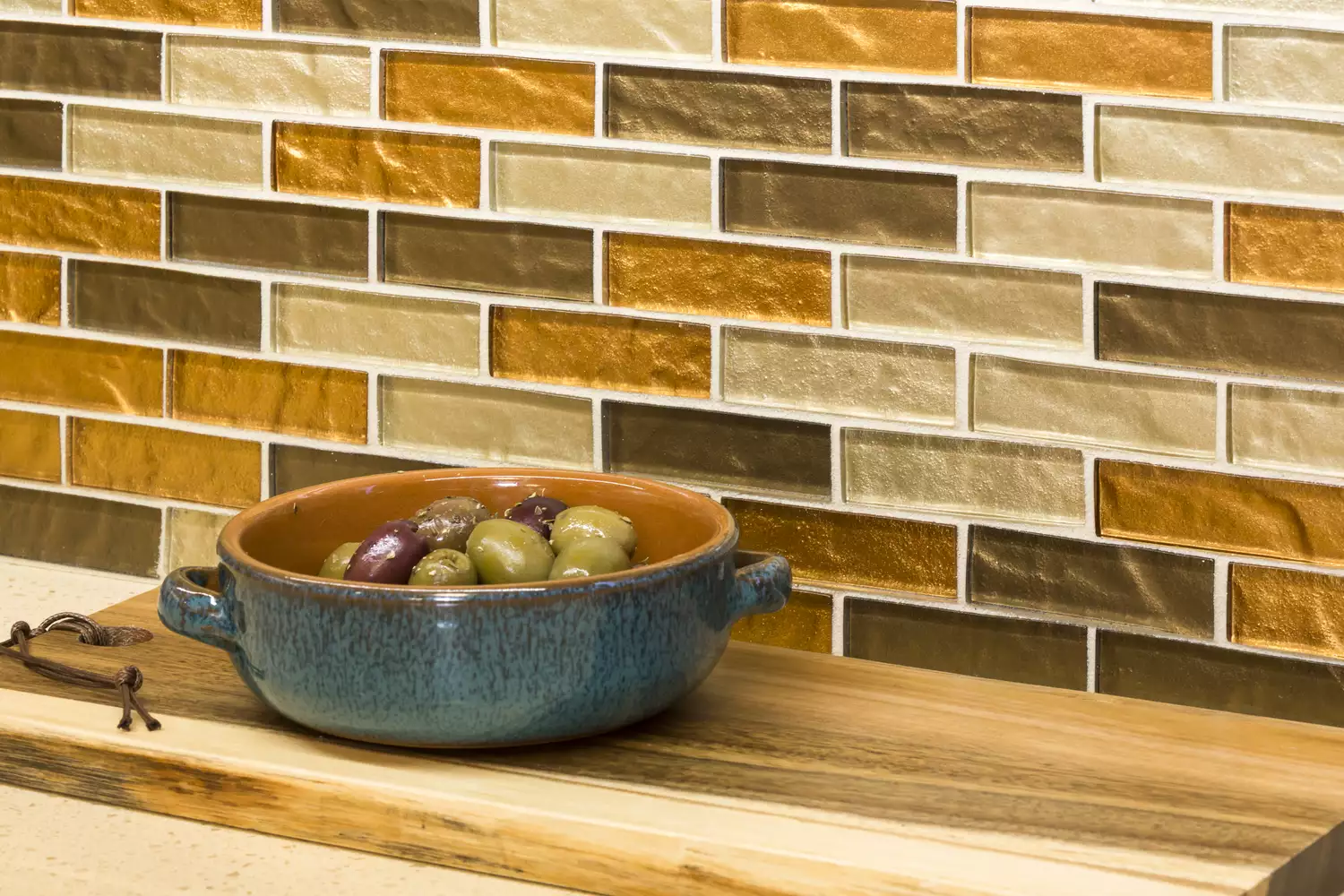
Glass mosaic tiles, particularly small, shiny, and multi-material varieties, are considered design relics. These tiles are difficult to clean and can look messy. They also don't hold up well in real-life conditions, with glass tiles behind ranges prone to yellowing or degrading due to heat. The excessive grout associated with mosaics makes cleaning tedious, and narrow glass mosaic strip tiles, especially in garish color combinations, contribute to visual clutter. The current preference is for sleek slabs and larger-format tiles, which offer easier maintenance and a calmer visual appeal.
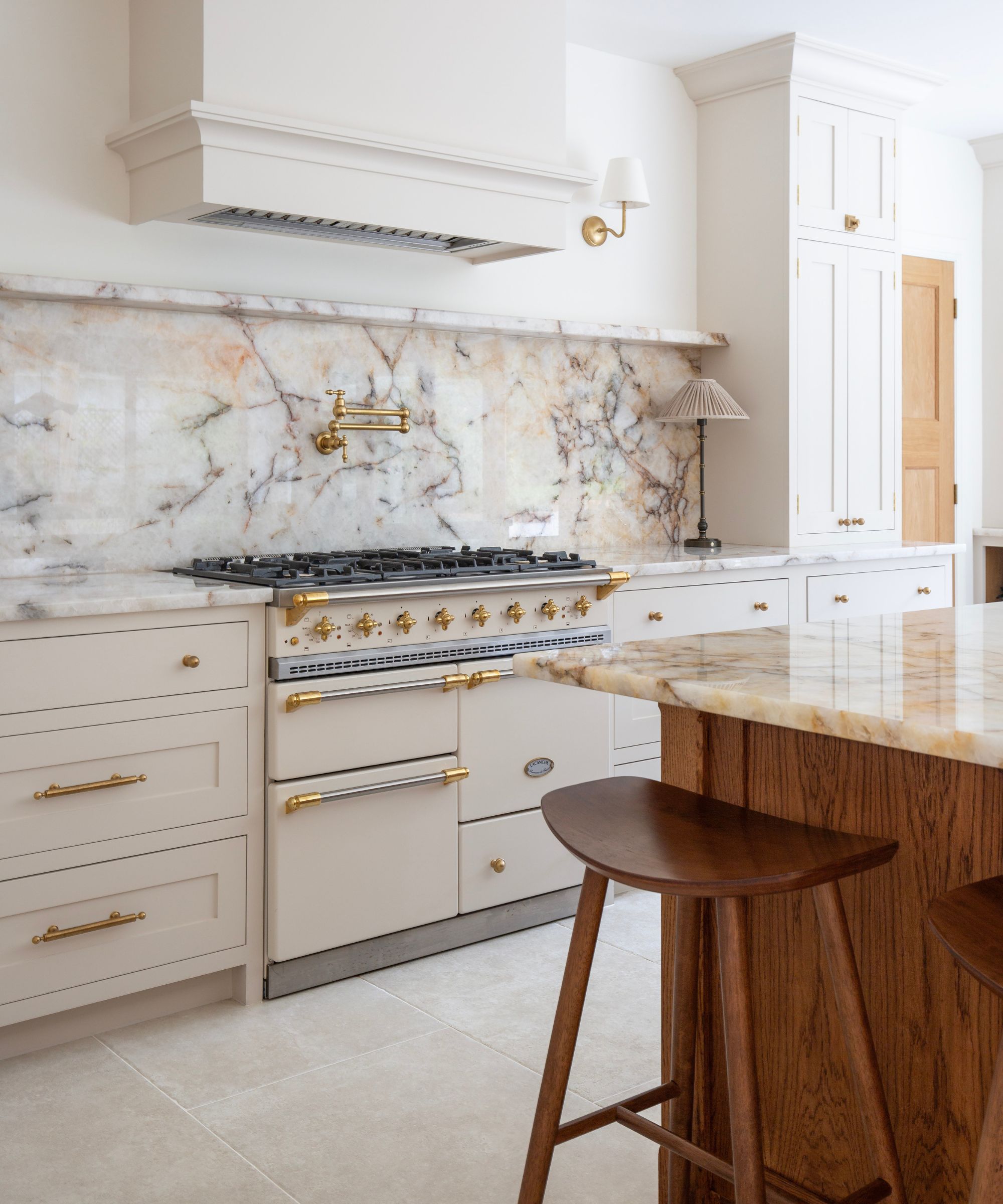
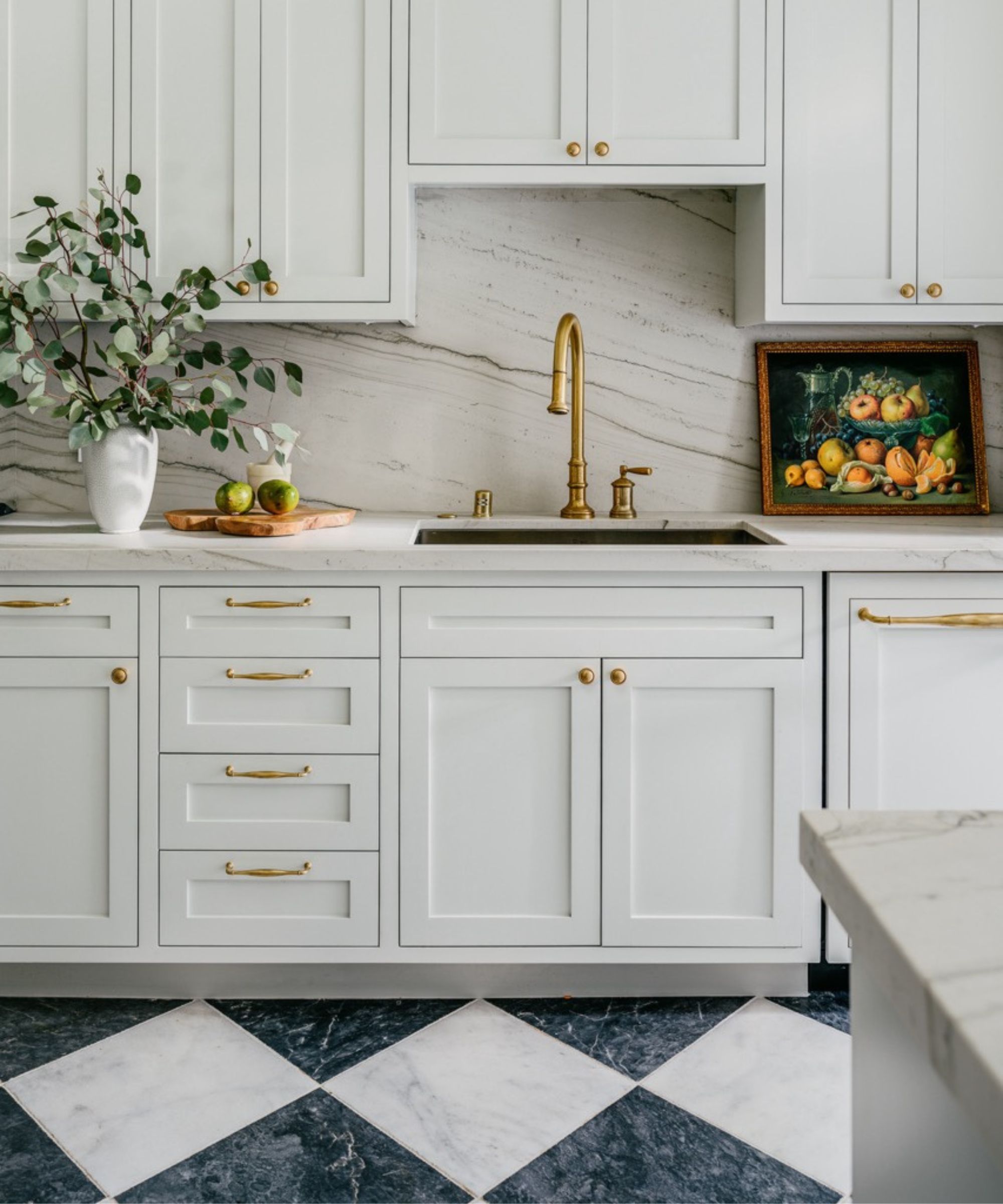
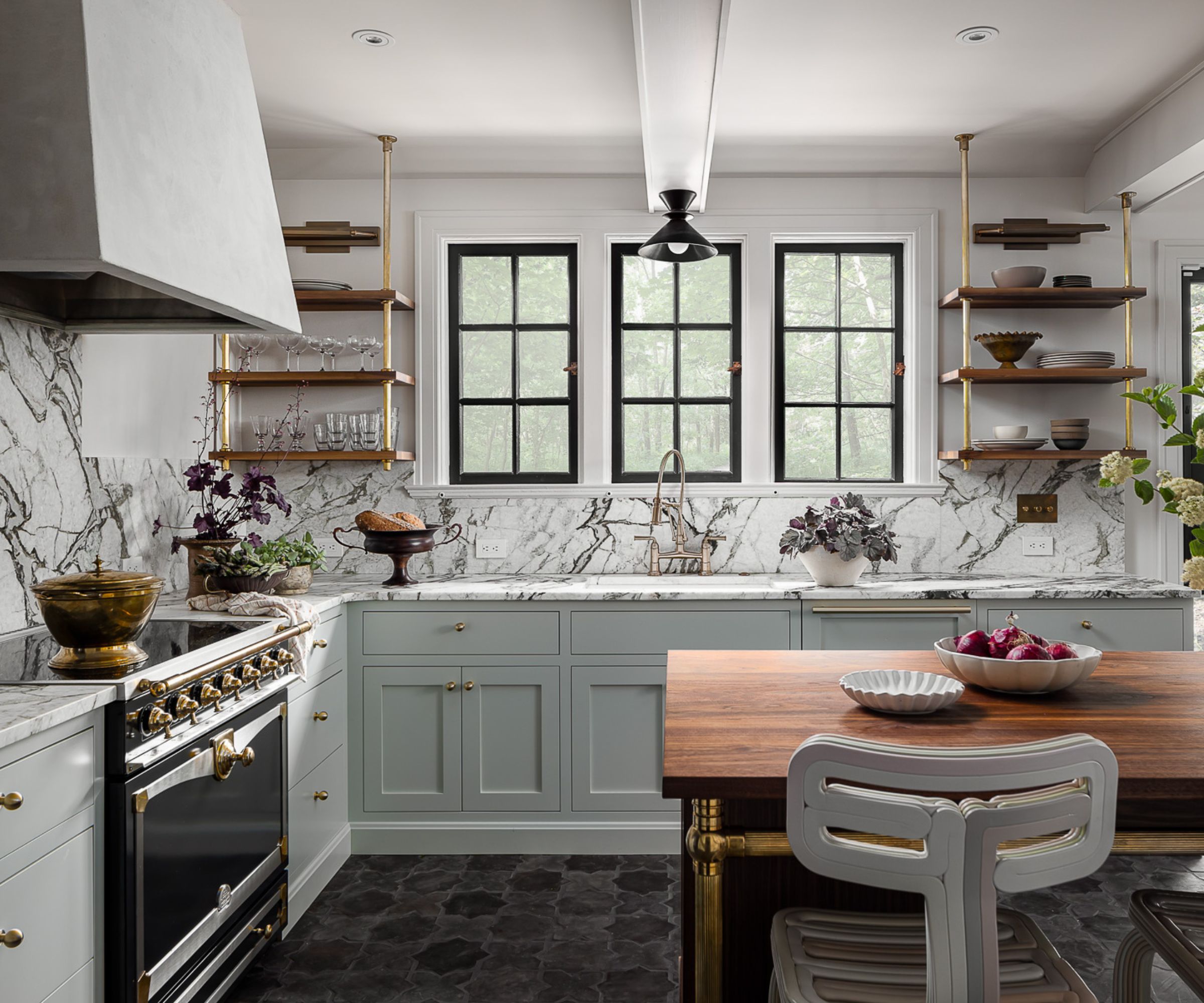
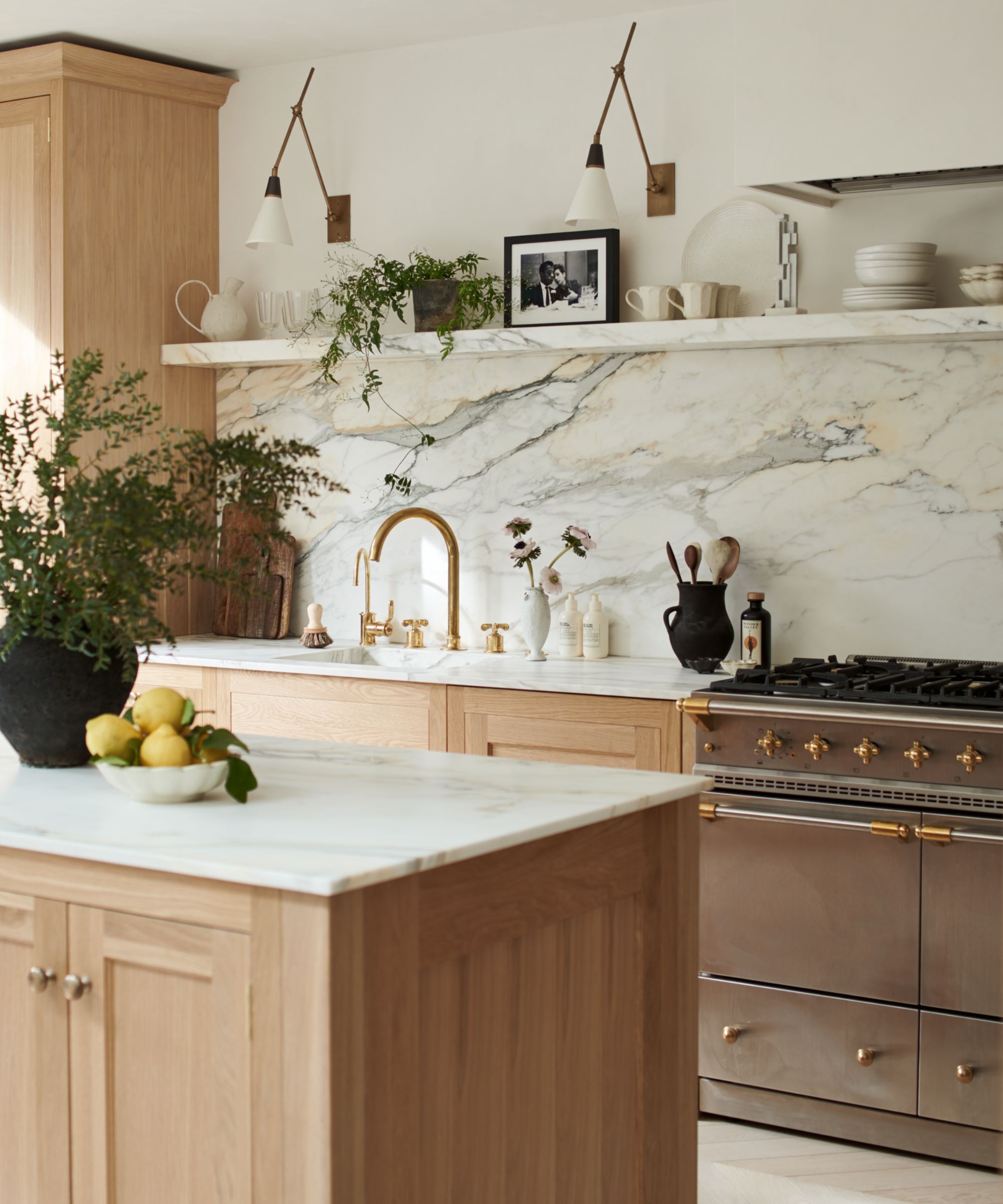
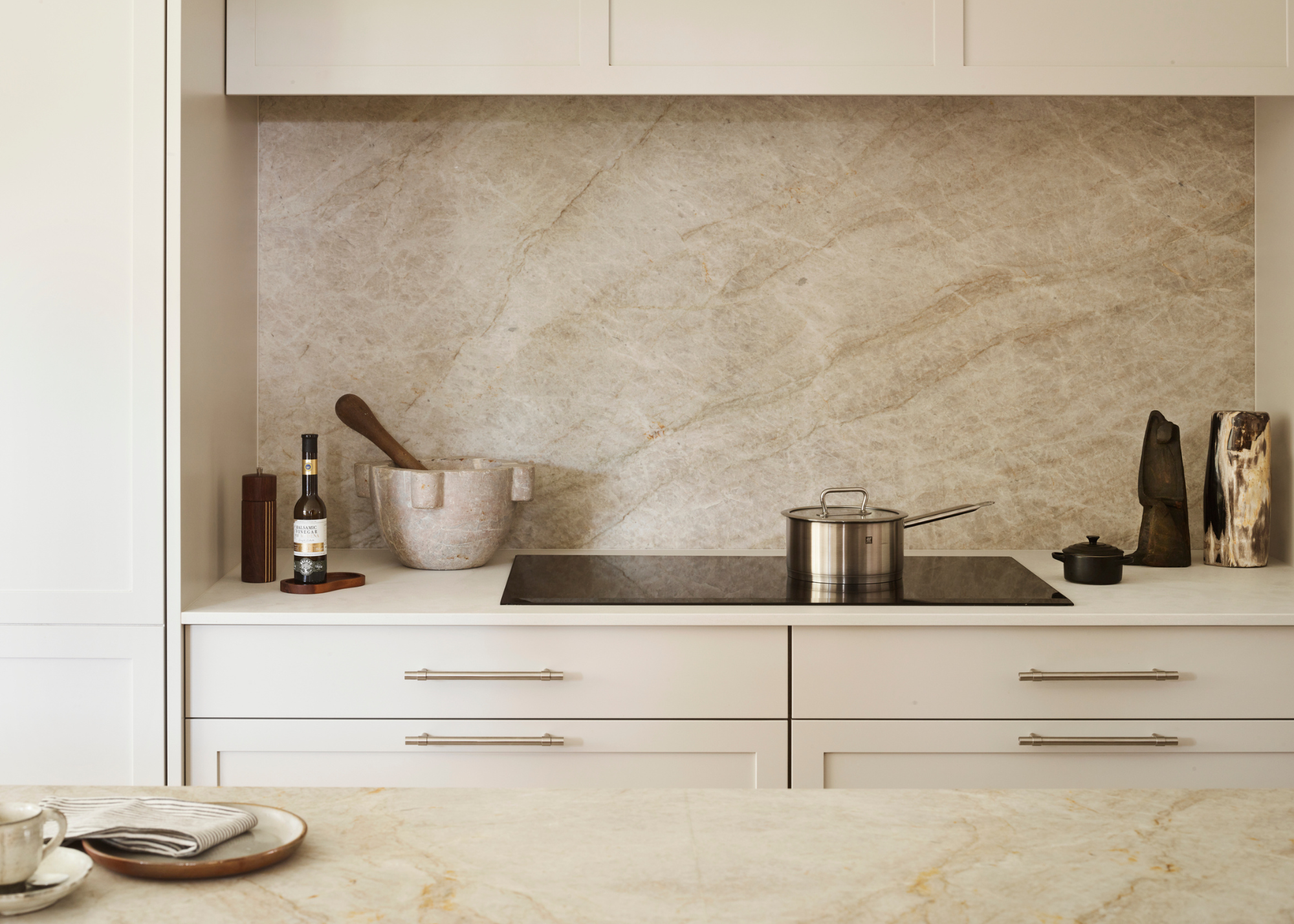
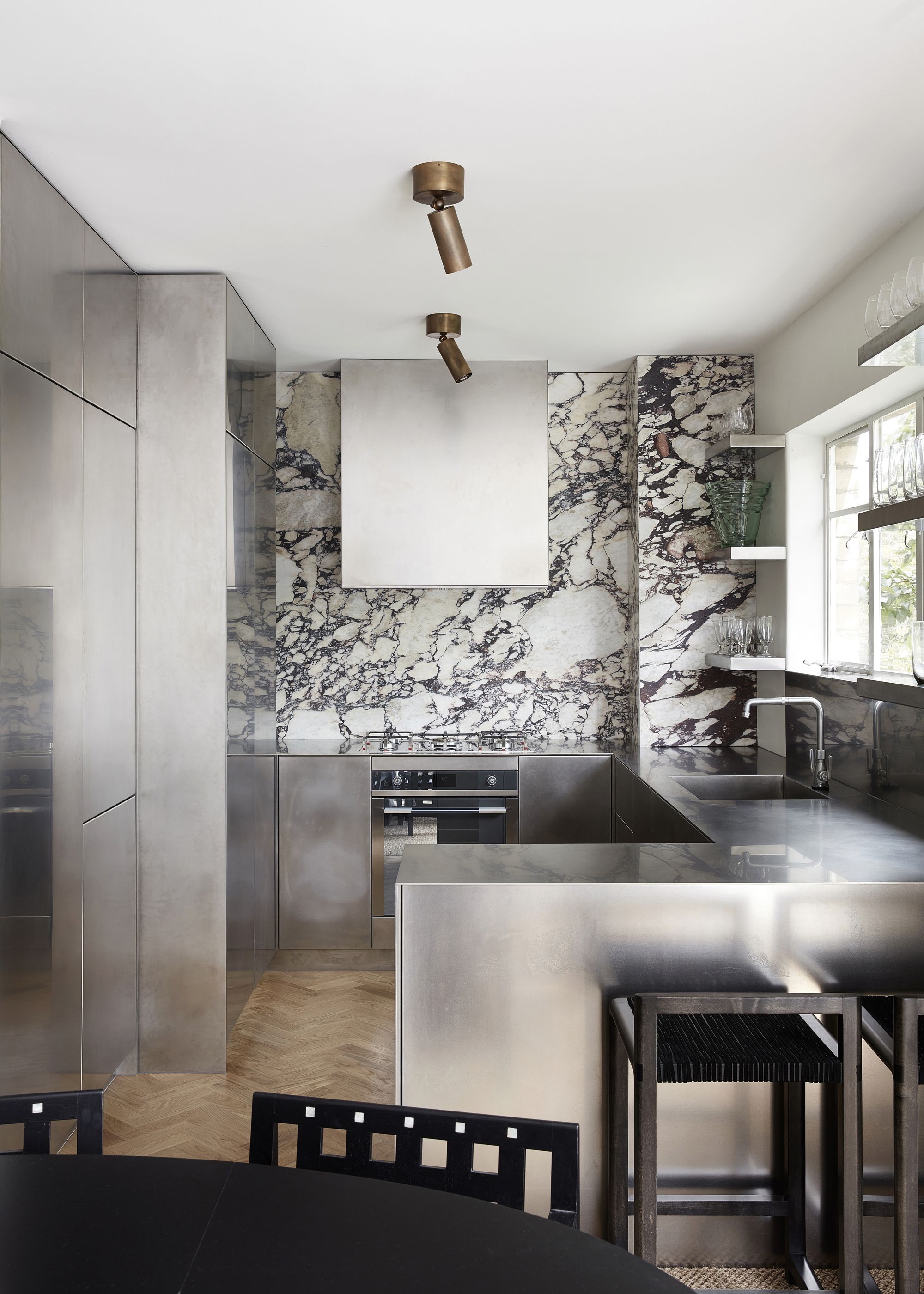
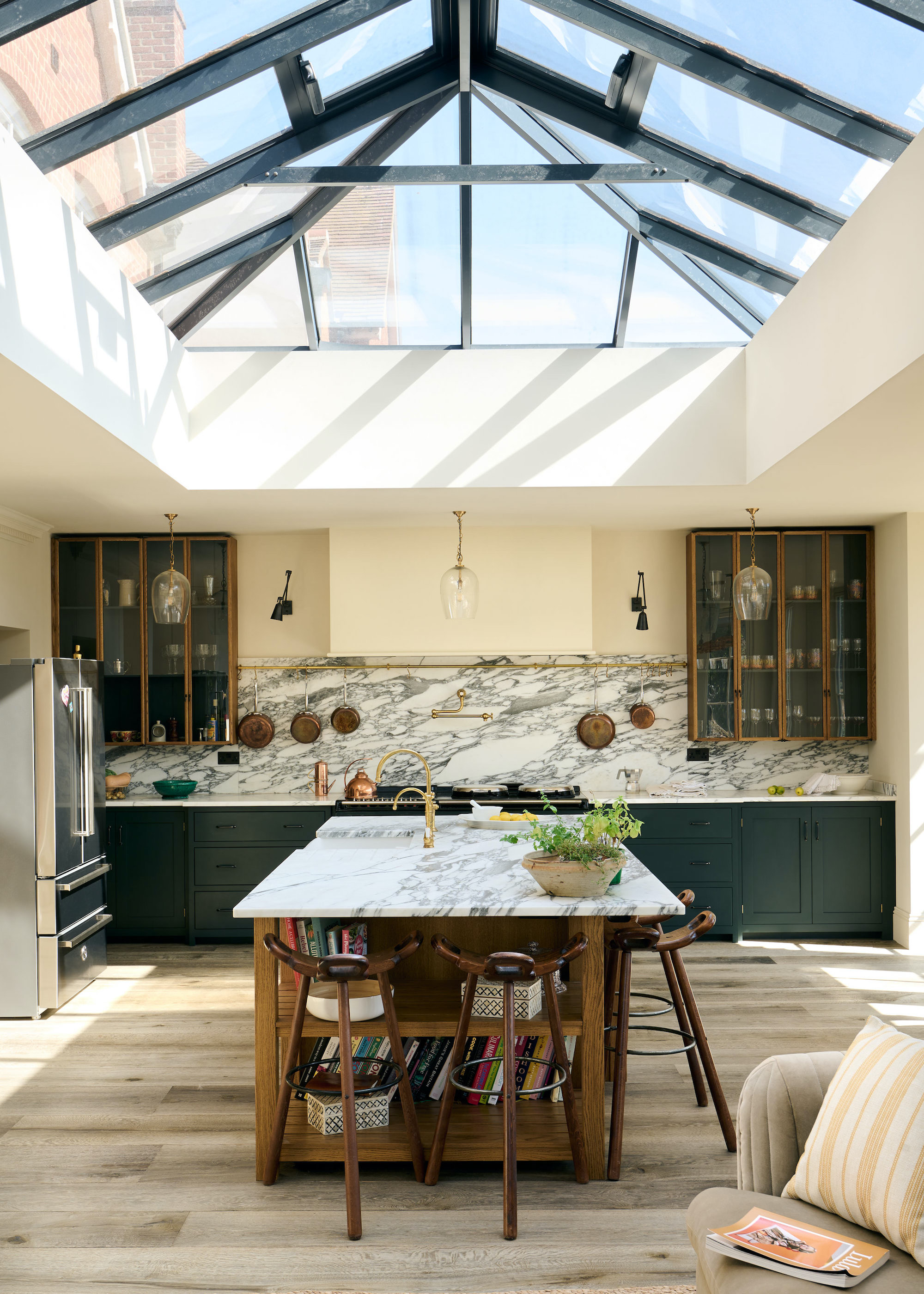
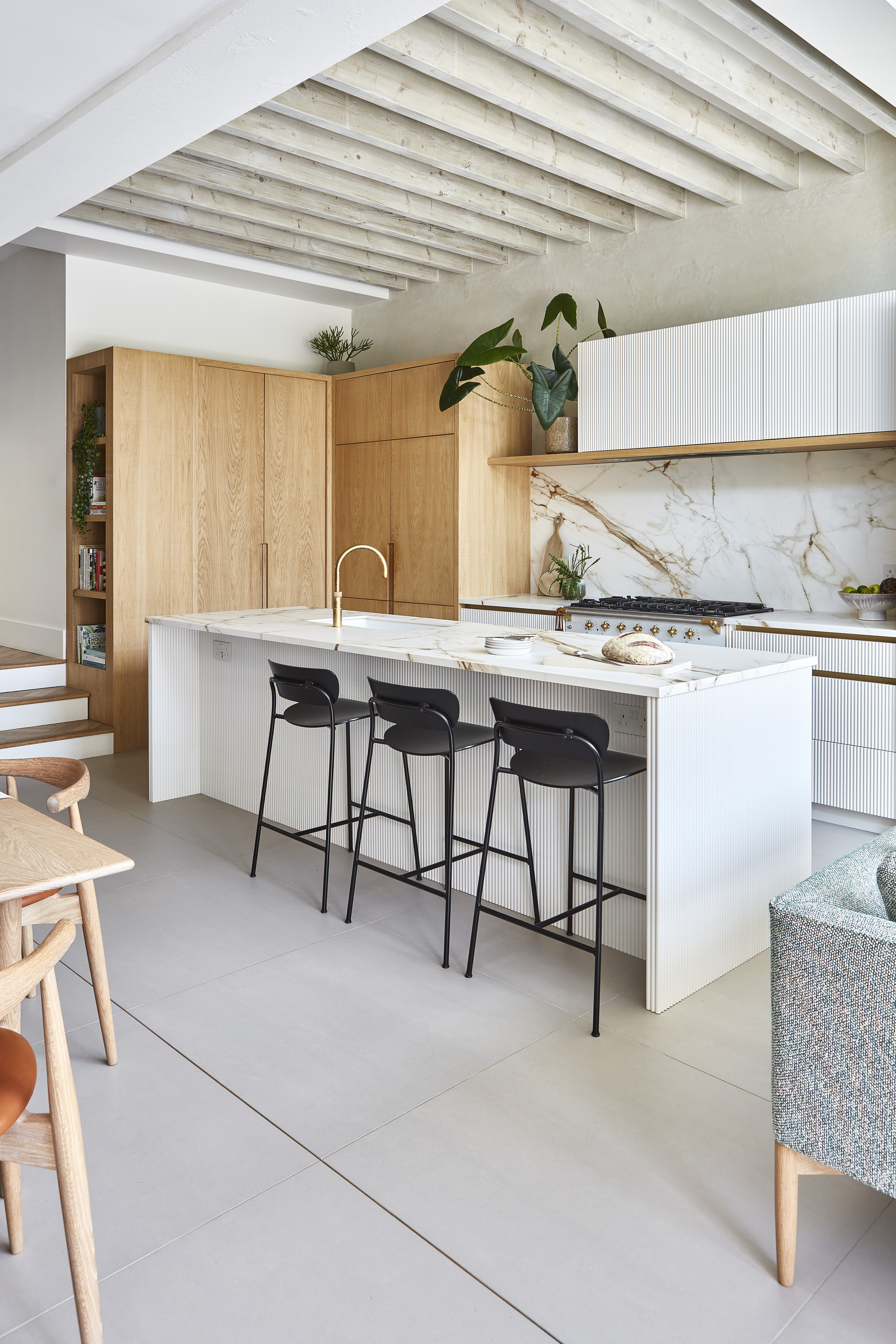
Framed inlays, once a popular way to add interest above a cooktop, are now seen as outdated and distracting. Designers explain that these inlays draw attention to an area that can often be grimy or poorly lit, disrupting the clean lines and thoughtful flow of modern kitchens. In an age of sophisticated lighting, striking countertops, and expressive hardware, dedicating backsplash space to a framed inlay is considered misguided. Streamlined, full-height backsplashes using a consistent material are now preferred for their simplicity and elegance.
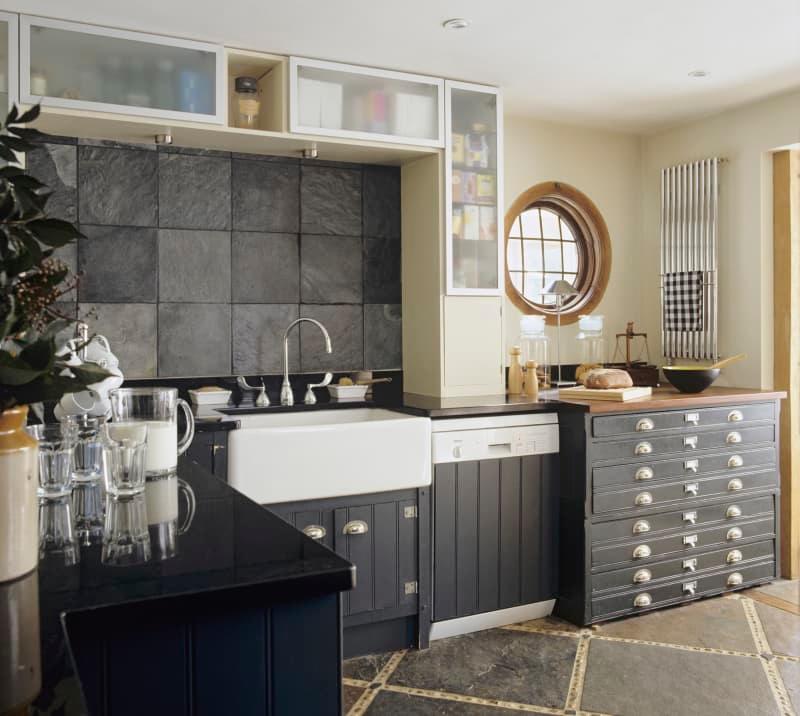
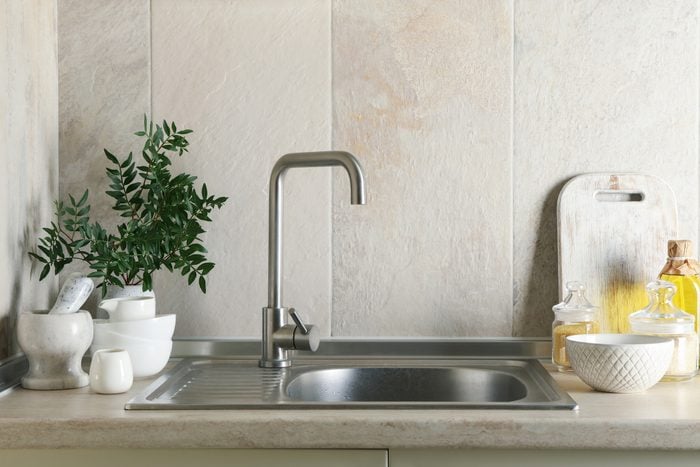
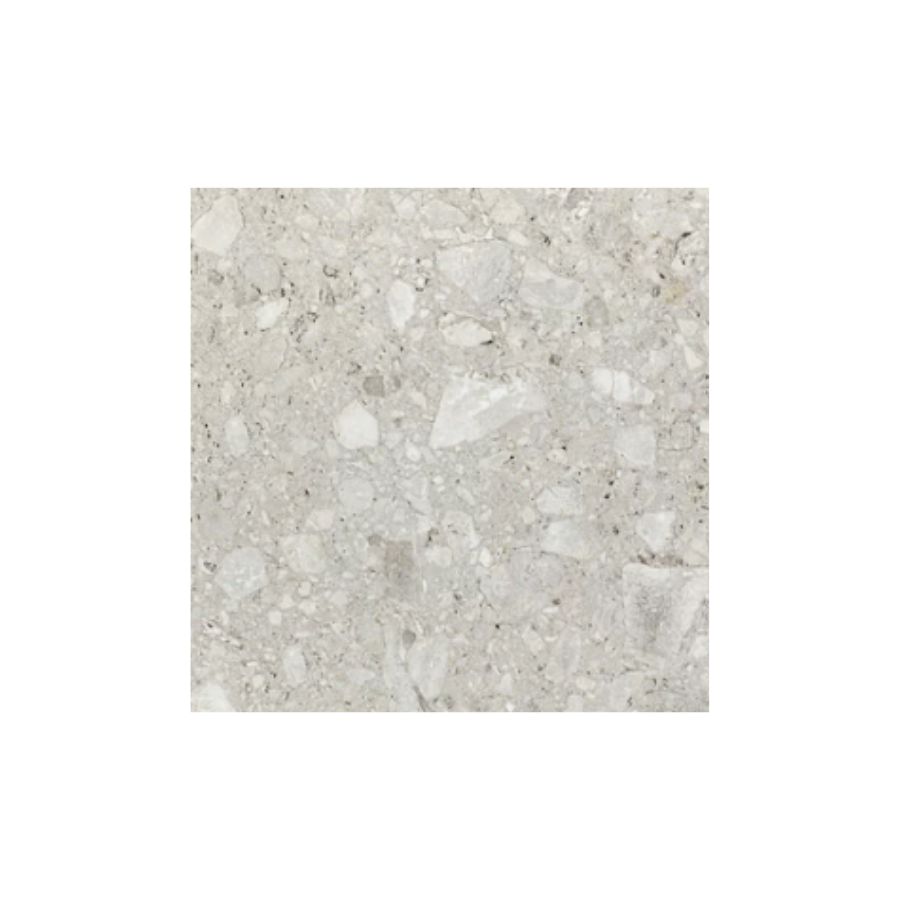
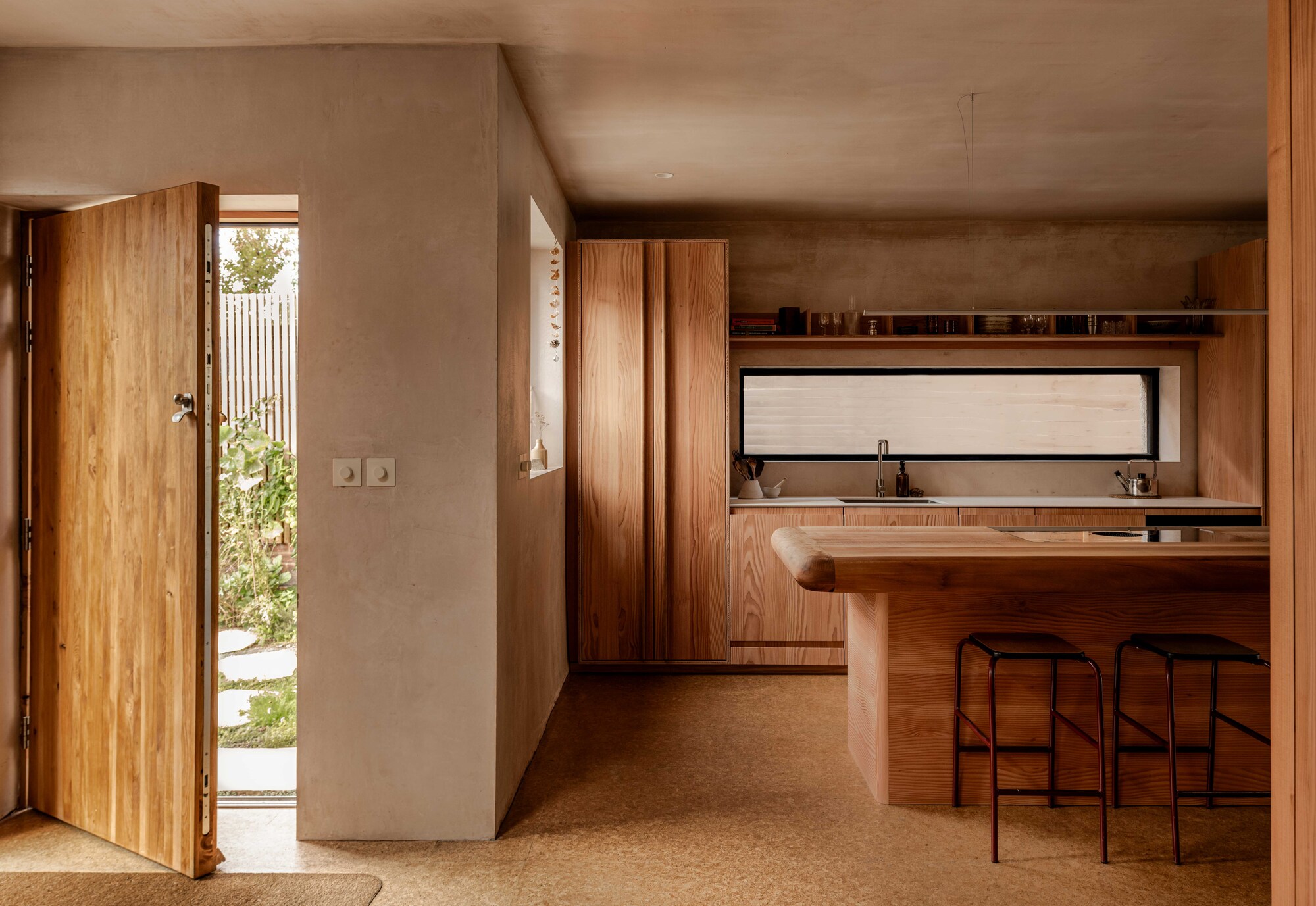
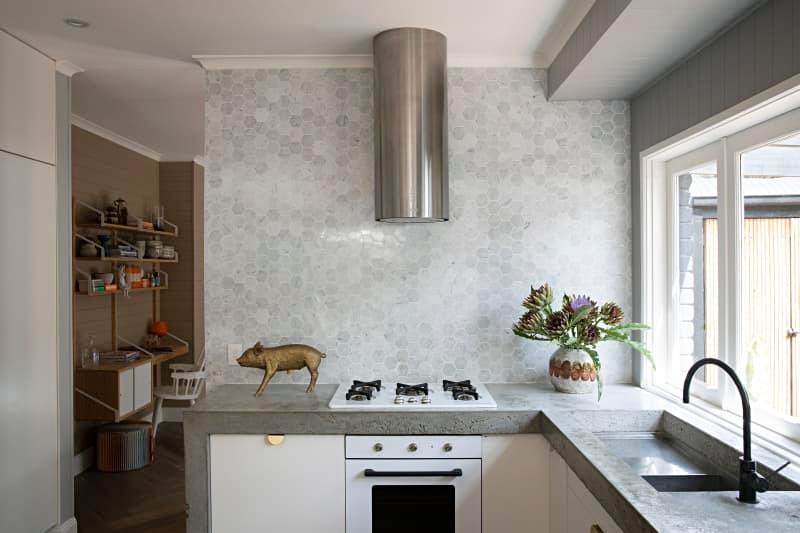
Finally, the Tuscan style, characterized by faux-rustic, tumbled stone and slate, is firmly out of fashion. This aesthetic, prevalent in 2000s kitchen design, is perceived as making kitchens feel dark and dated due to its heavy textures, warm yellow undertones, and mosaic patterns. Designers describe it as having a "Fred Flintstone" vibe, clunky and heavy-handed, clashing with contemporary clean lines and furnishings. Instead, modern designs favor natural materials like honed marble, limestone, or travertine in lighter, softer tones, offering organic appeal with more subtlety and refinement.
#KitchenDesign #TileTrends #InteriorDesign #HomeRenovation #OutdatedTrends #KitchenBacksplash #HomeDecor #DesignTips #KitchenDesign #TileTrends #InteriorDesign #HomeRenovation #OutdatedTrends #KitchenBacksplash #HomeDecor #DesignTips
0 comment in total
 No comments yet
You may also like
5 outdated tile trends that are letting your kitchens and bathrooms down

5 Outdated Tile Trends Designers Are Still Noticing in 2025 That Can Make Your Space Look Old-Fashioned
5 Outdated Countertop Trends To Avoid And 5 To Try Instead

5 Outdated Kitchen Trends Interior Designers Hope Never Come Back

3 Kitchen Tile Trends On Their Way Out This Year (and What to Do Instead), According to Interior Designers

5 dated kitchen flooring trends to avoid in 2025 – and what experts say you should choose instead
4 Kitchen Tile Trends on Their Way Out (and What’s Replacing Them), According to Designers
10 Outdated Kitchen Trends Making A Comeback, According To A Design Expert

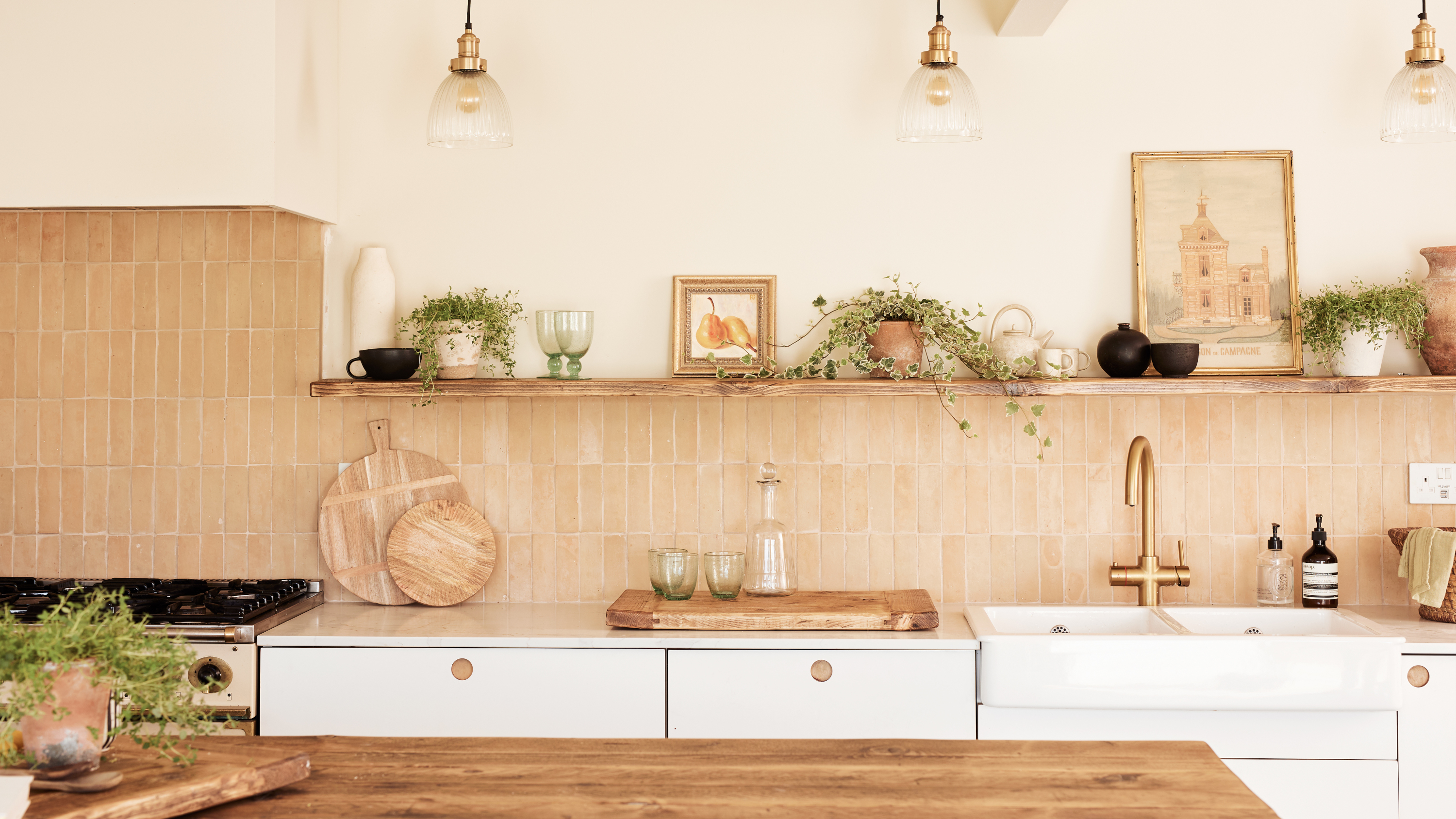
6 Outdated Tile Choices That Interior Designers Aren't Using Anymore — And What They Say to Try Instead

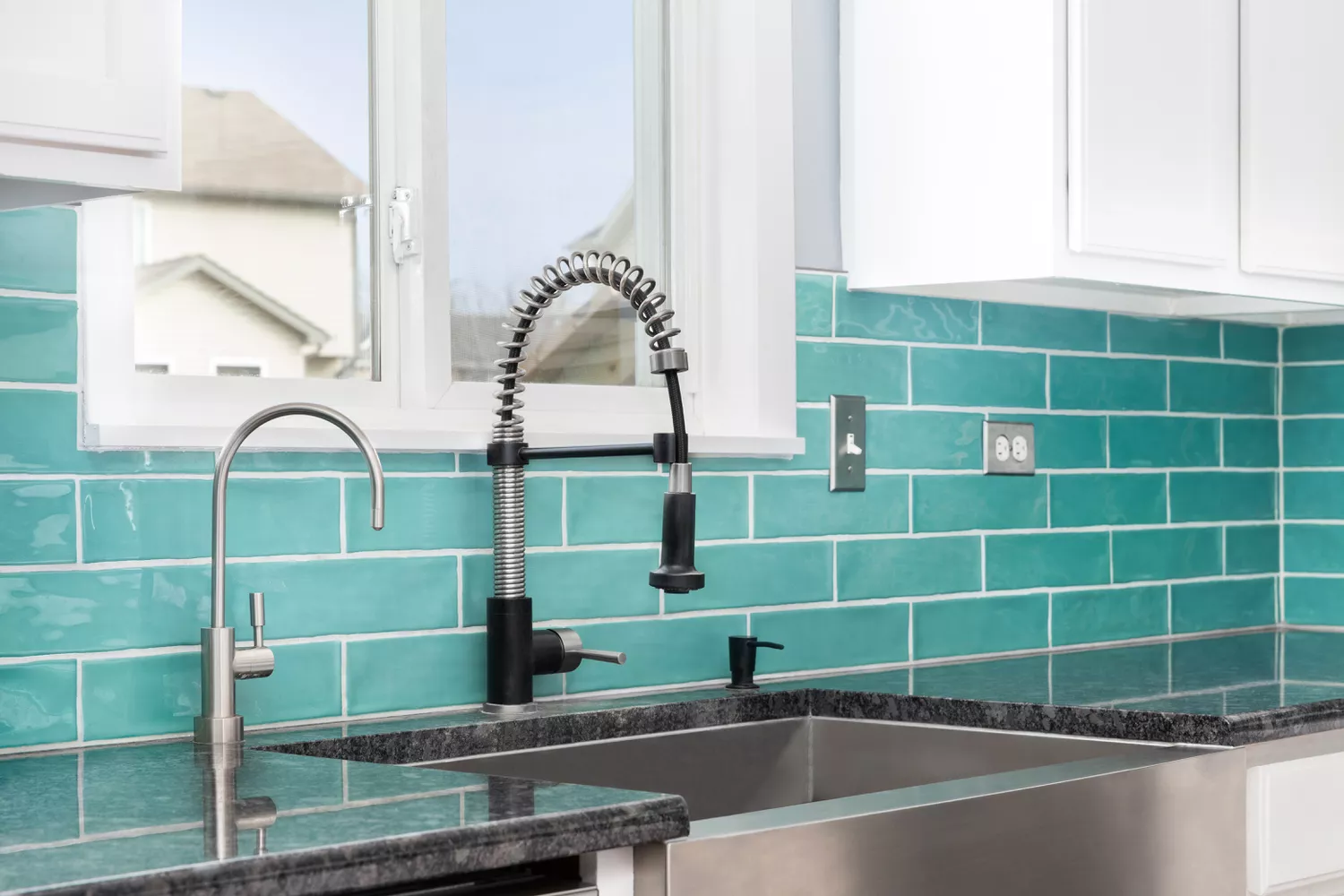
5 Outdated Kitchen Tile Trends to Retire, According to Interior Designers
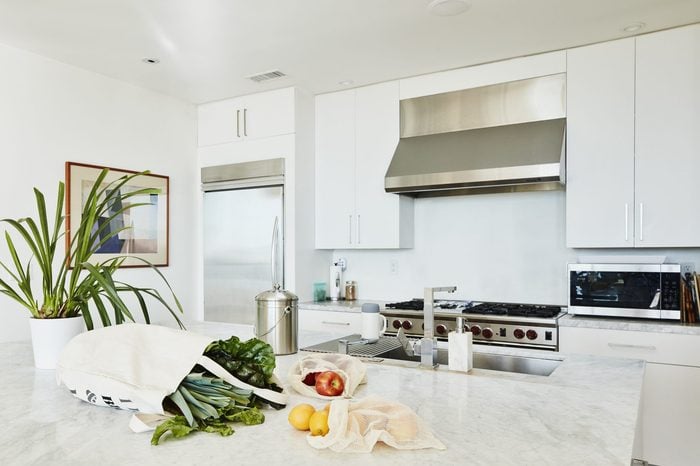
9 Outdated Kitchen Trends to Watch Out For

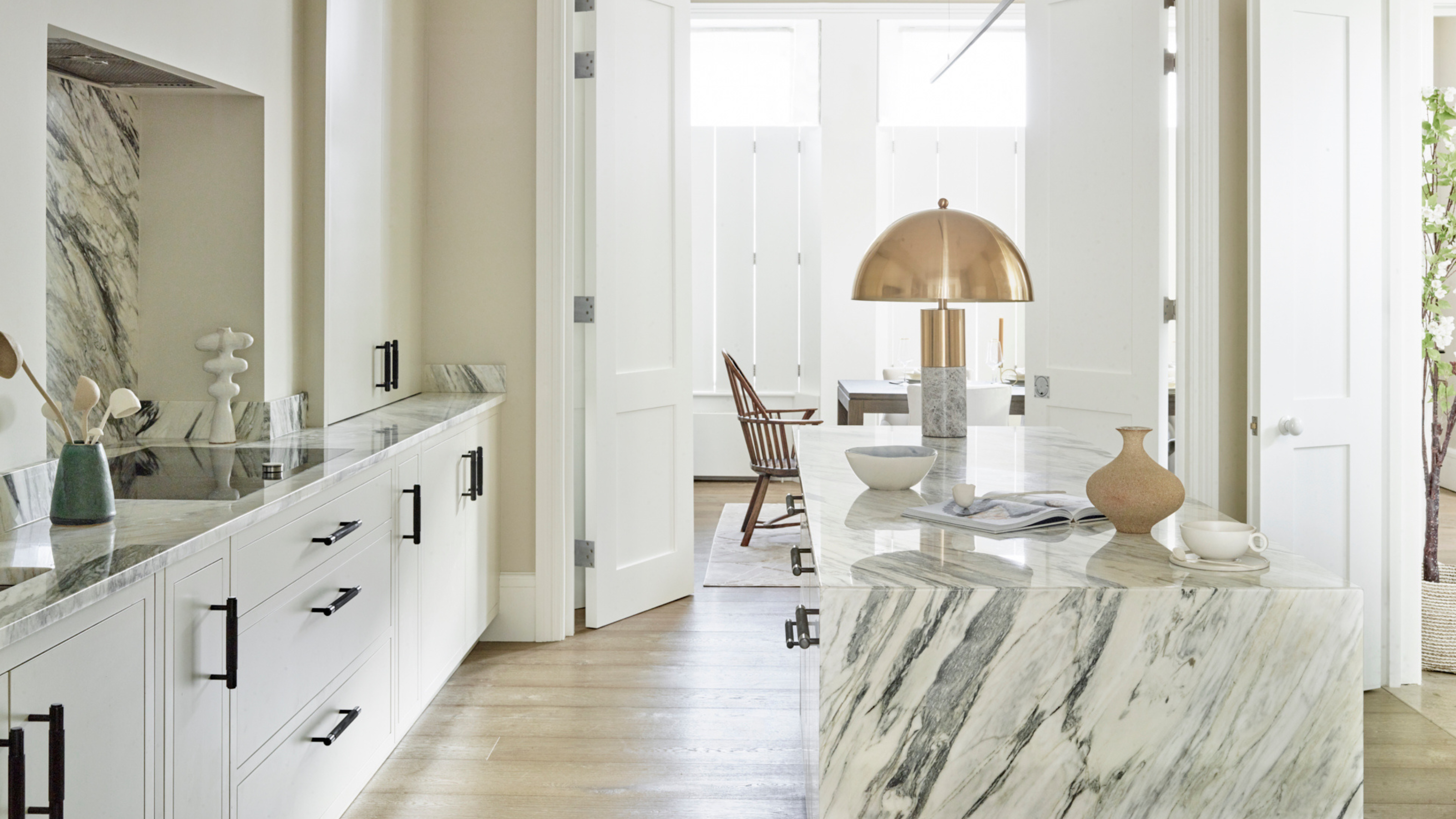
5 Countertop Colors That Are Going Out of Style, and What You Should Choose Instead — According to Kitchen Designers
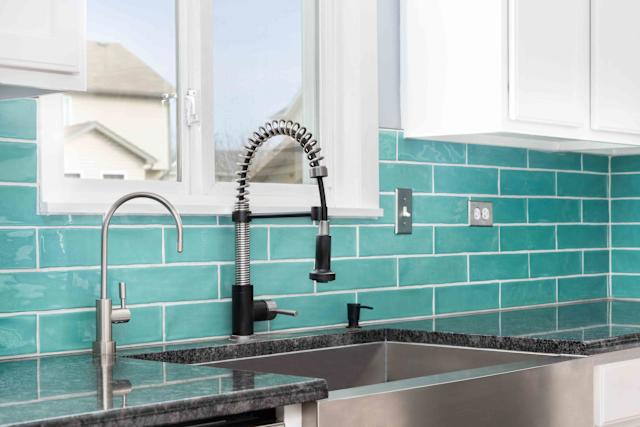
5 Outdated Kitchen Tile Trends to Retire, According to Interior Designers
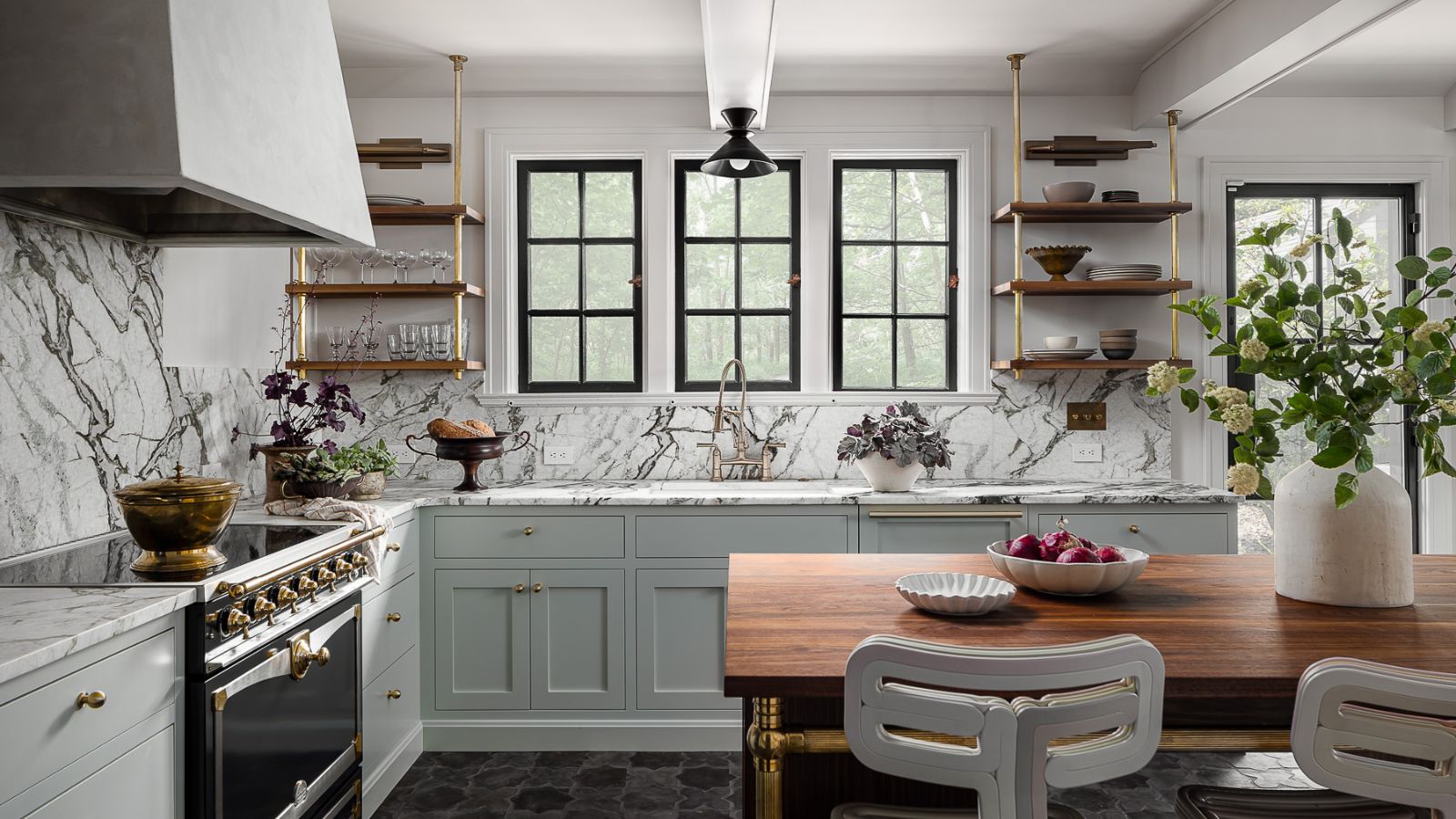
5 kitchen countertop materials that are out of style for 2025, according to designers
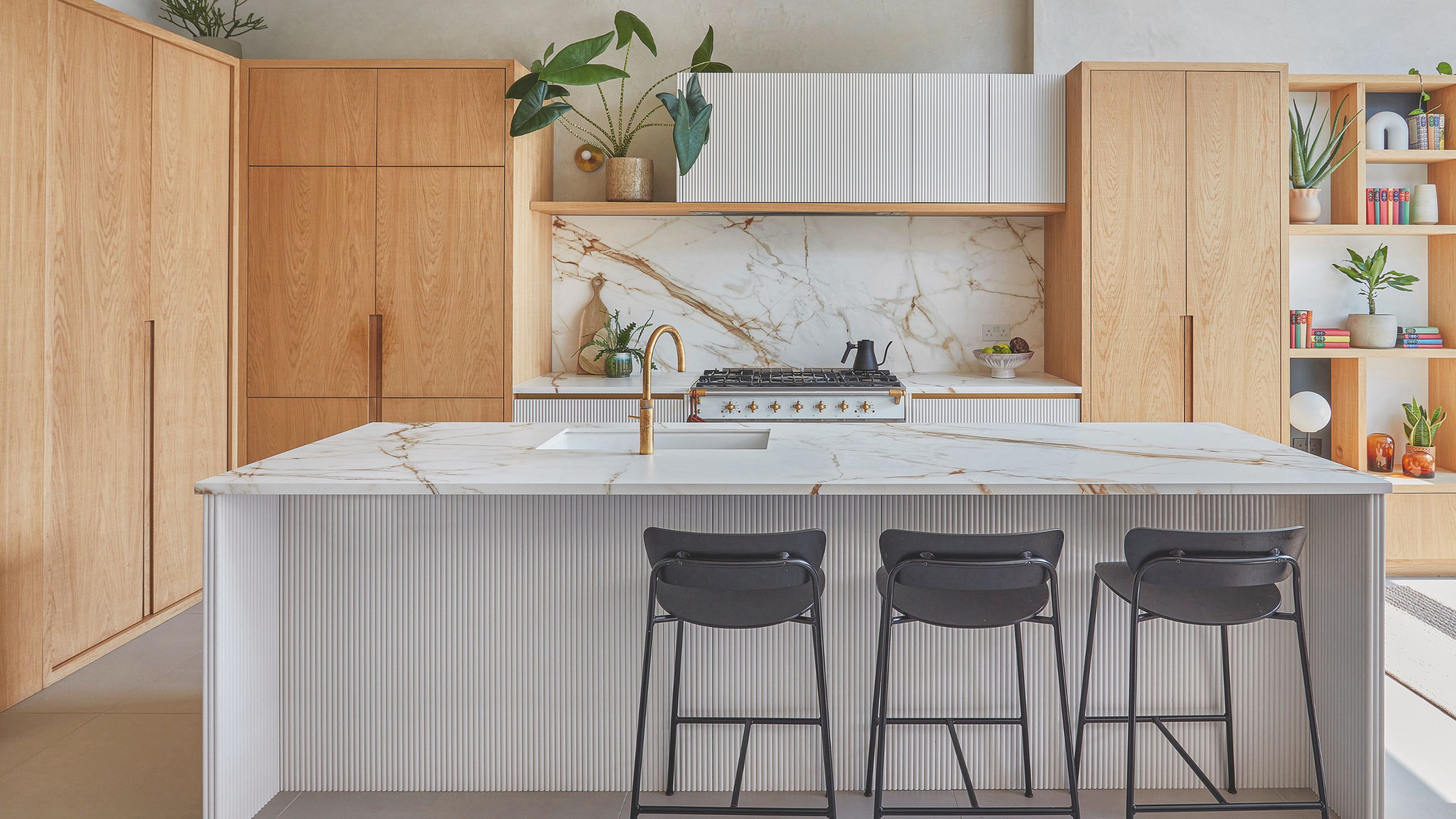
Kitchen Tile Trends for 2025 — 5 Popular New Styles That "Blend Artistry With Function"
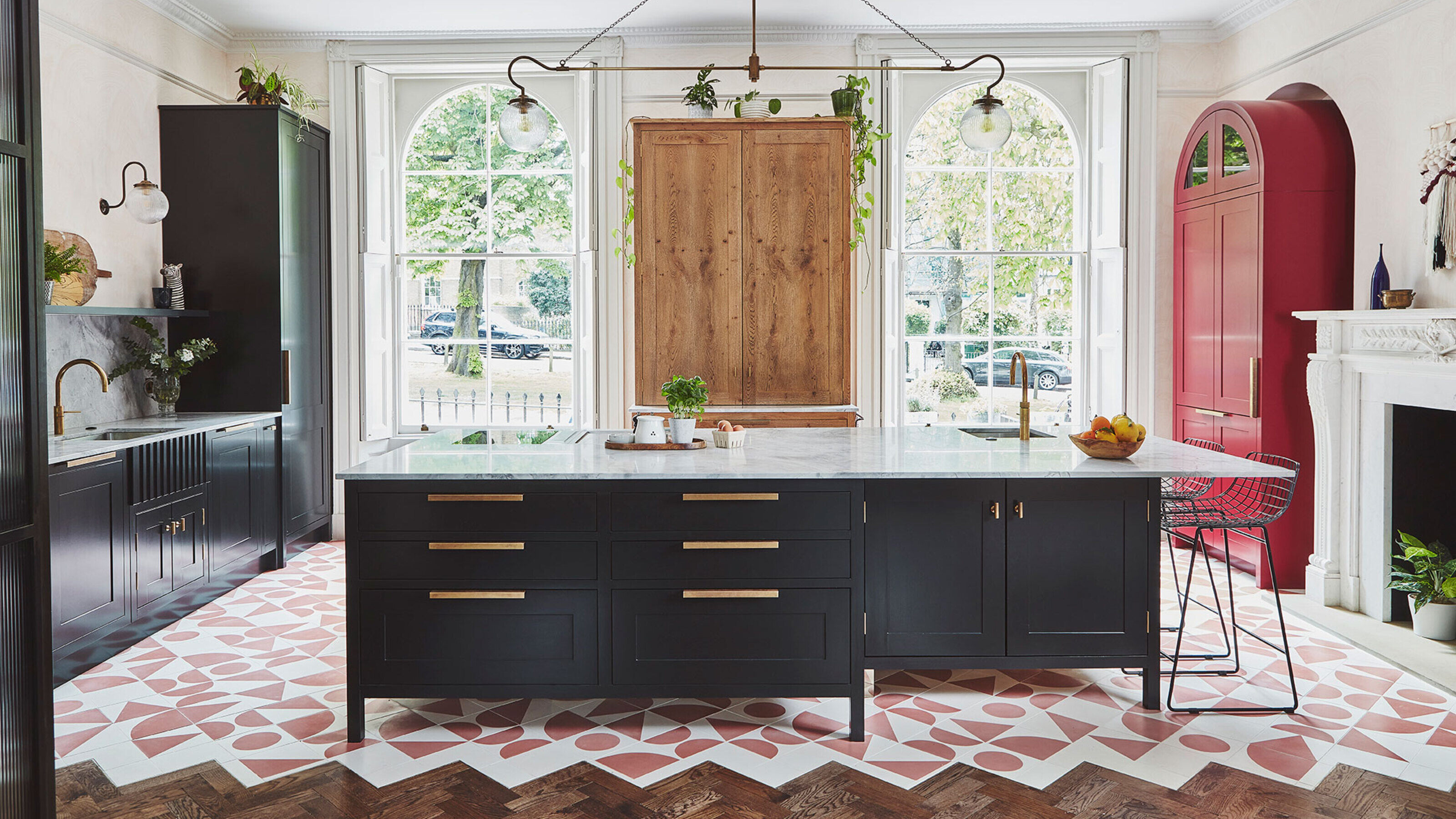
6 Outdated Kitchen Flooring Ideas in 2025 That Threaten to Turn Back the Clock — Plus What to Choose Instead
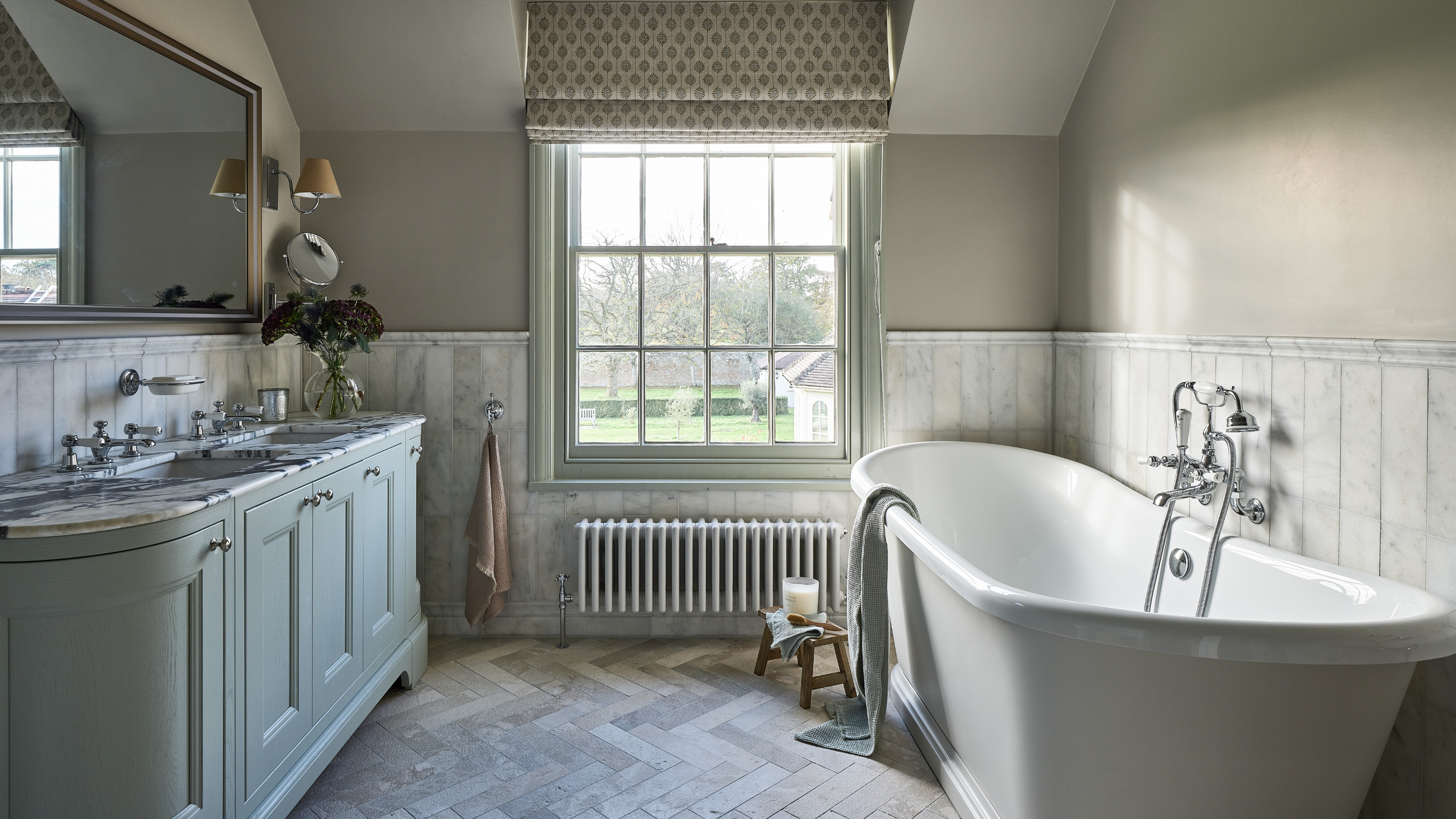
5 Outdated Tile Trends Designers Are Still Noticing in 2025 That Can Make Your Space Look Old-Fashioned
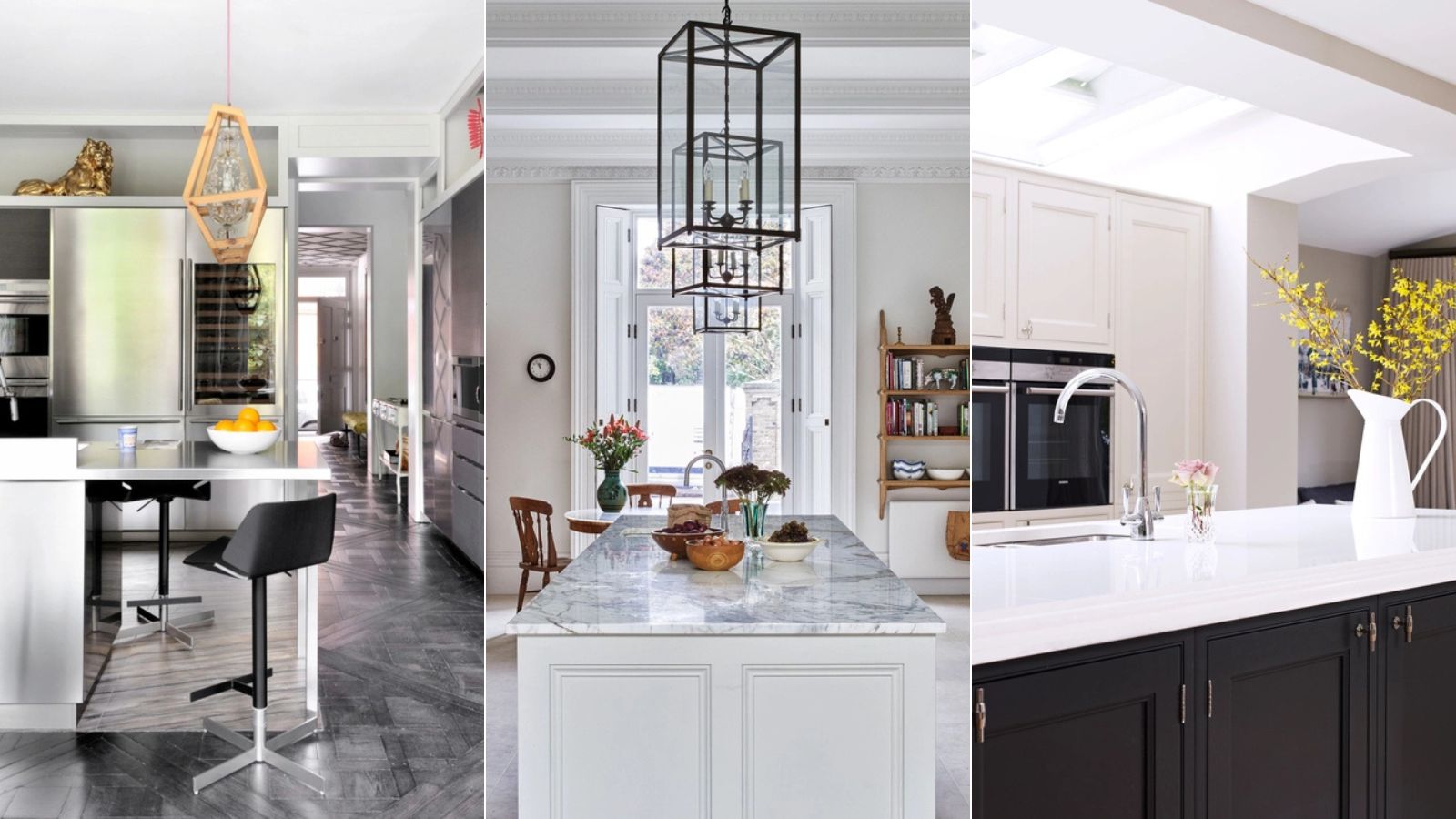
6 outdated kitchen countertop trends to leave behind in 2025
12 "Outdated" Kitchen Trends You Should Ditch In 2025 (But You Probably Have)

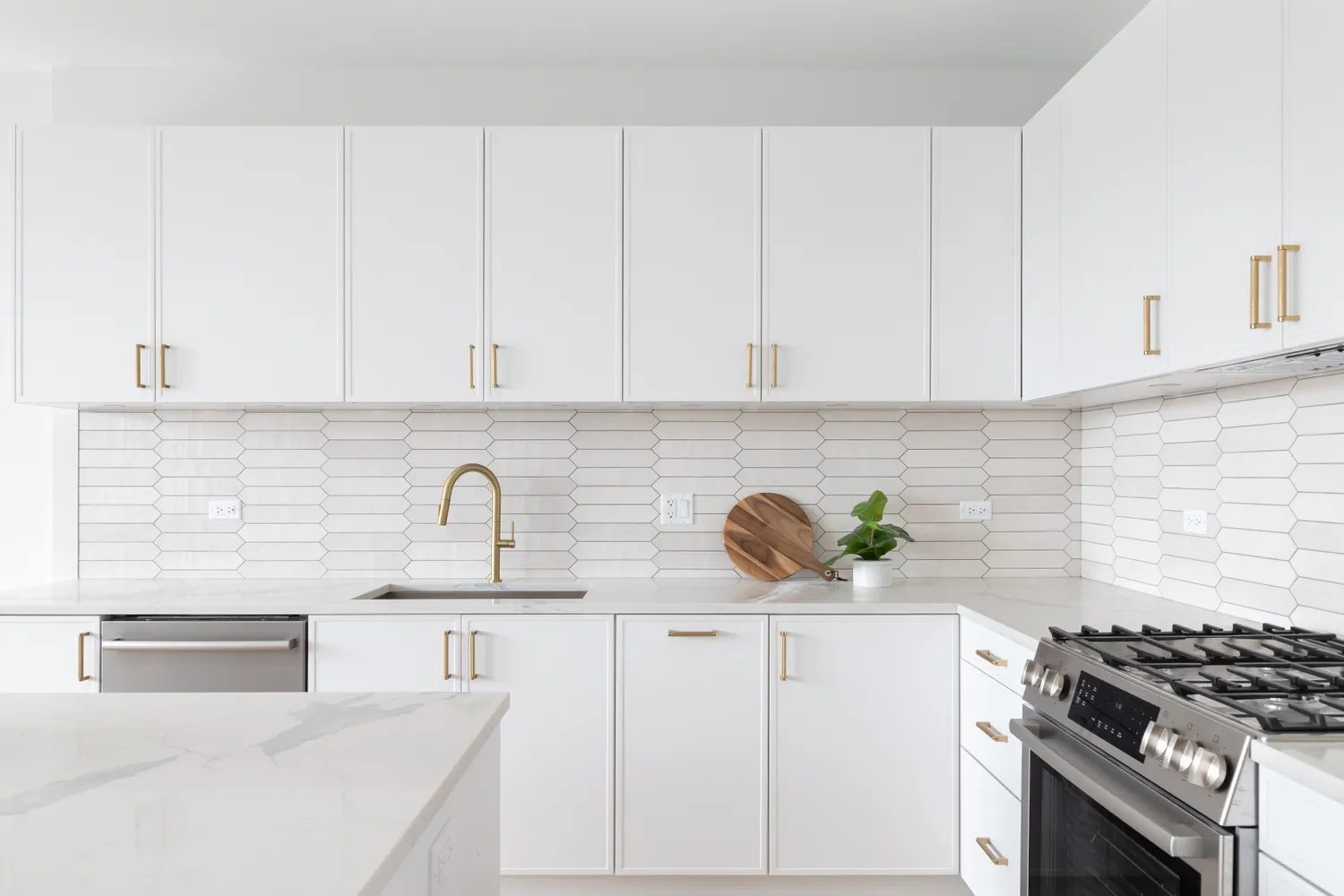
5 Kitchen Styles That Are Definitely Out of Style, Designers Say