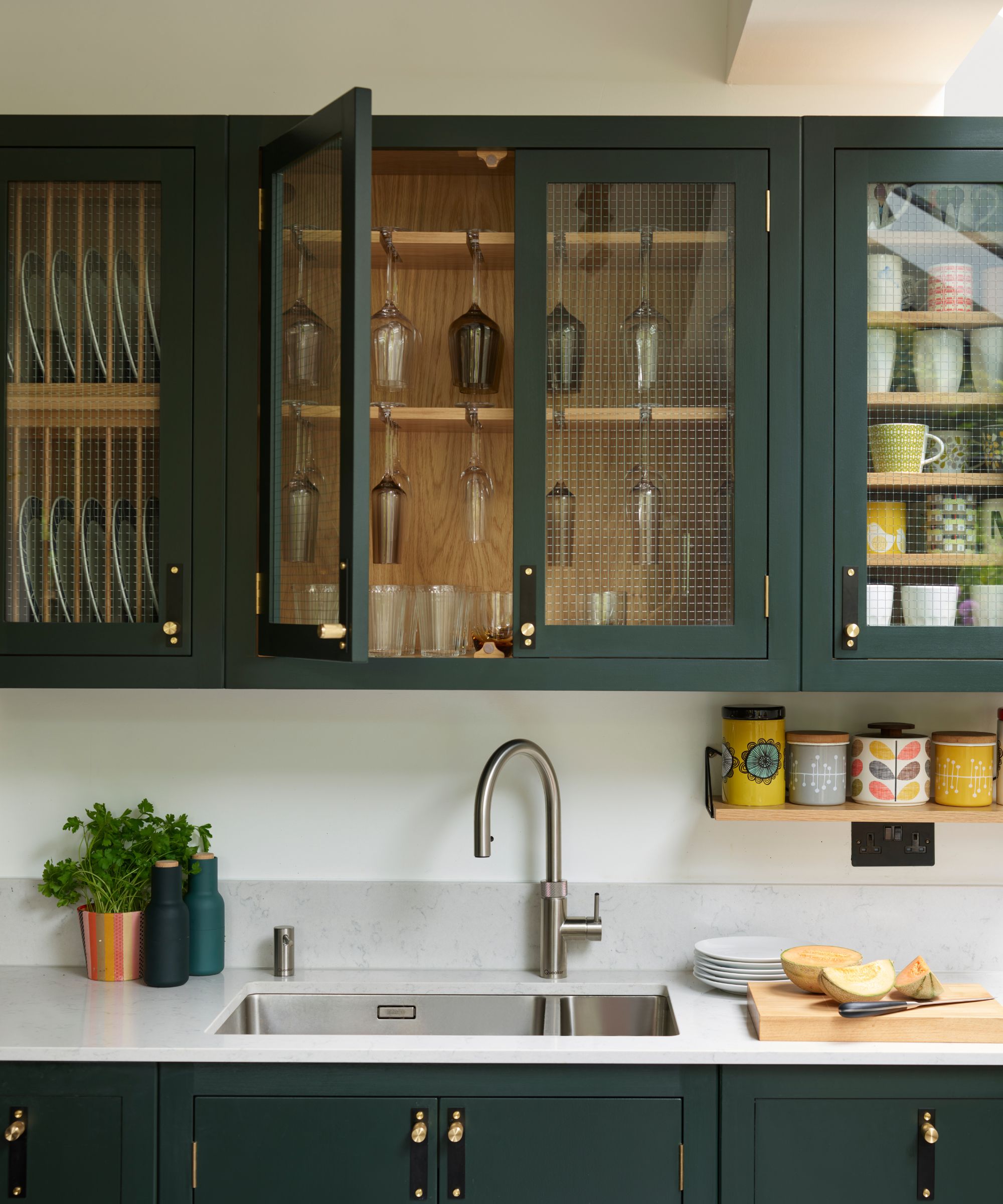
1/9
The 'wallpaper' of the kitchen – why choosing the right kitchen backsplash can make or break a space
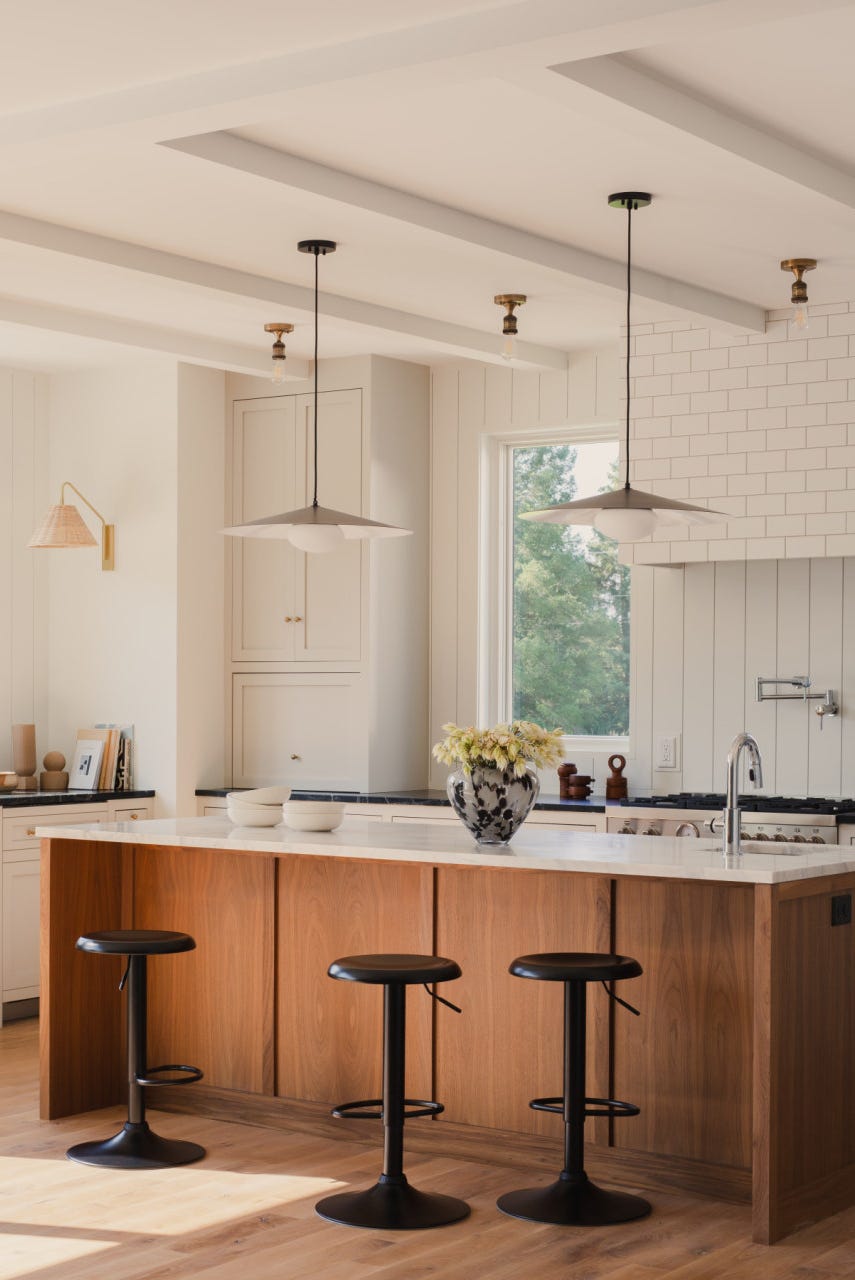
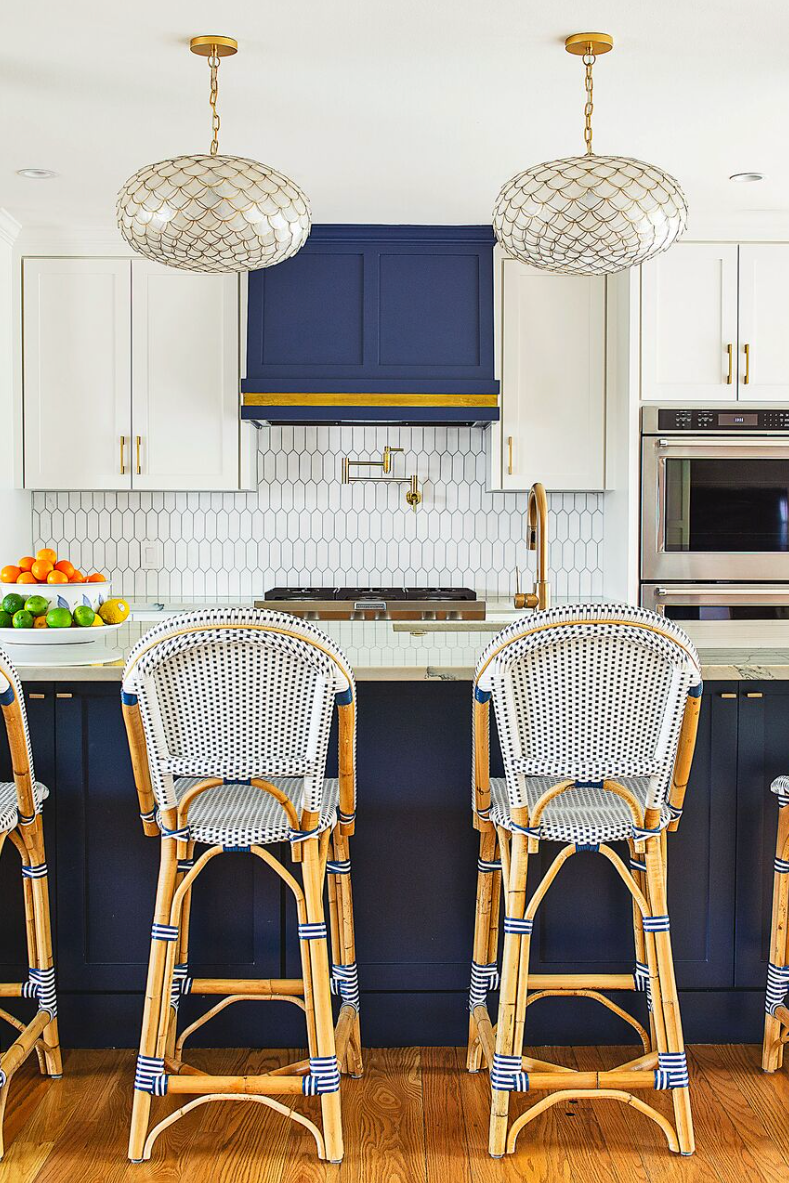
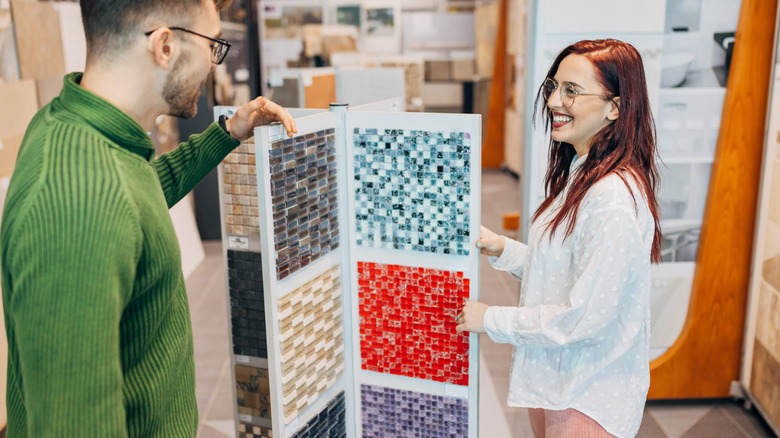
The kitchen backsplash, once a purely functional element designed to protect walls from spills and splatters, has evolved into a significant design feature capable of defining the aesthetic of an entire kitchen. Its role now extends beyond practicality, serving as either a subtle backdrop that complements the overall design or a striking focal point that draws immediate attention. The market offers a diverse range of materials for backsplashes, moving beyond traditional options to include innovative choices that cater to various design preferences and functional needs. The process of selecting the ideal backsplash involves considering not only the material itself but also the scale of the area to be covered, the visibility of joins, and how well it integrates with existing countertops and the broader kitchen design. The ultimate goal is to achieve a cohesive and visually appealing result that also meets practical requirements.
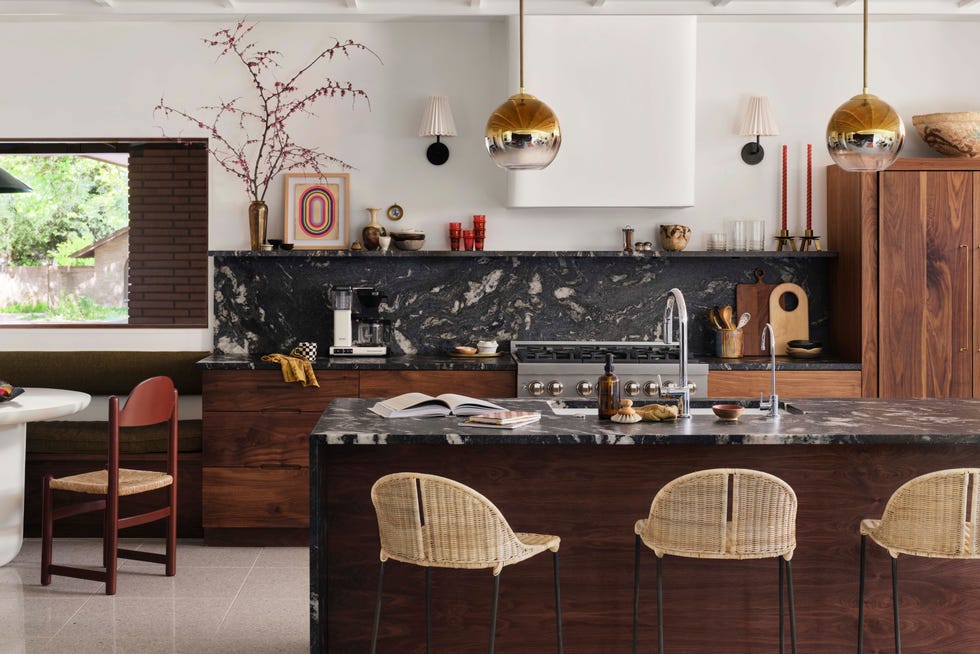
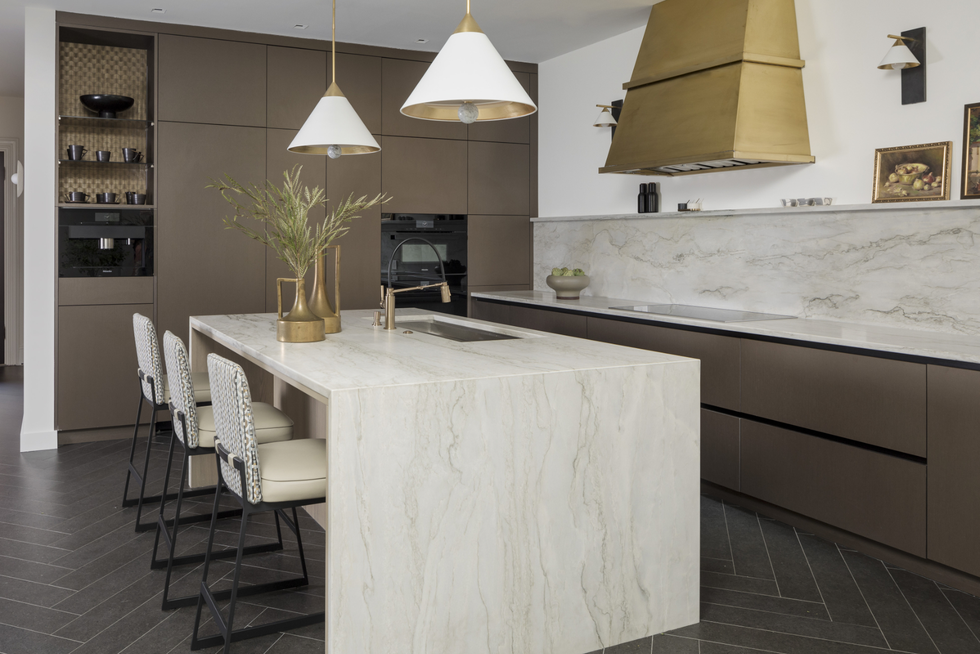
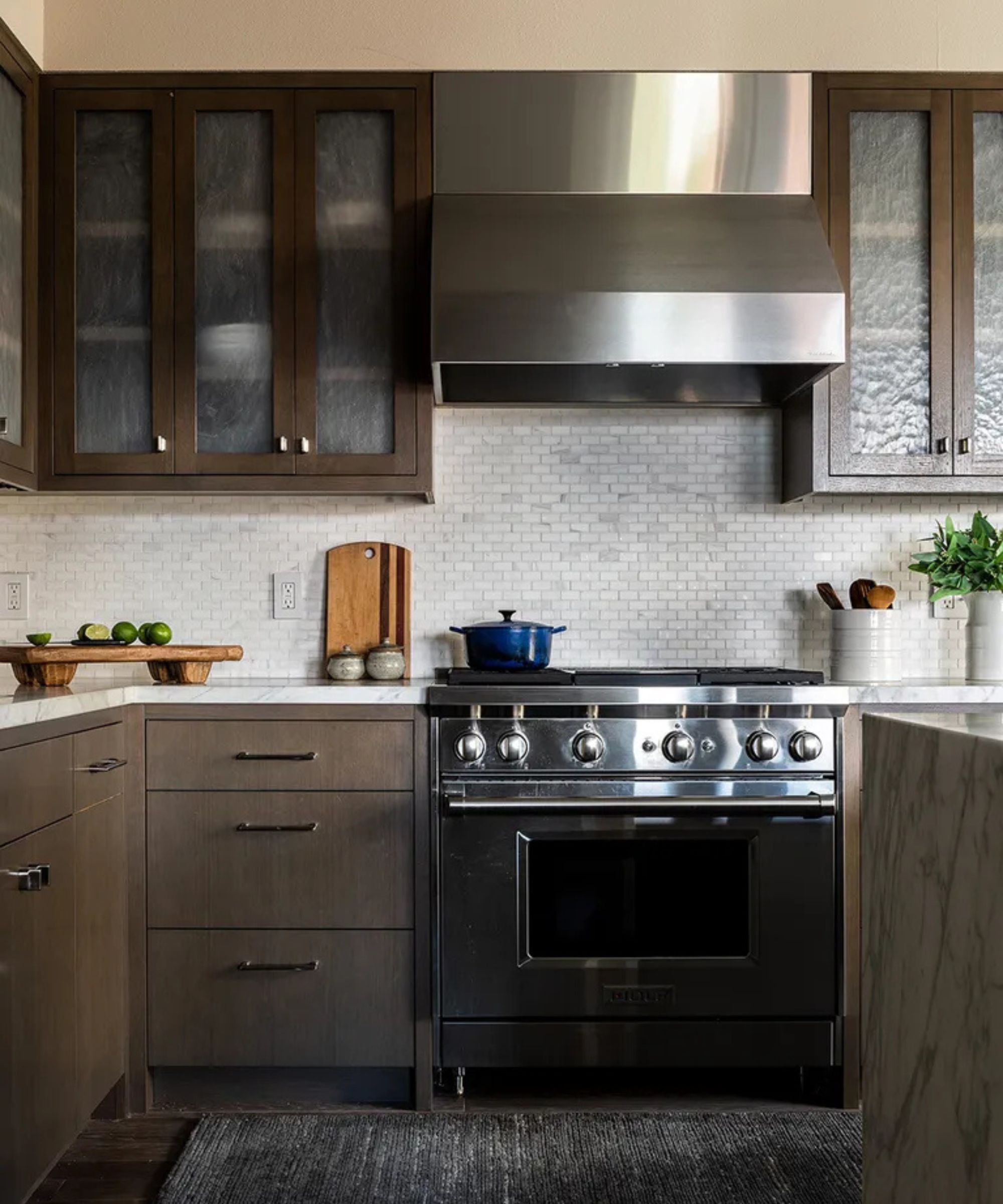
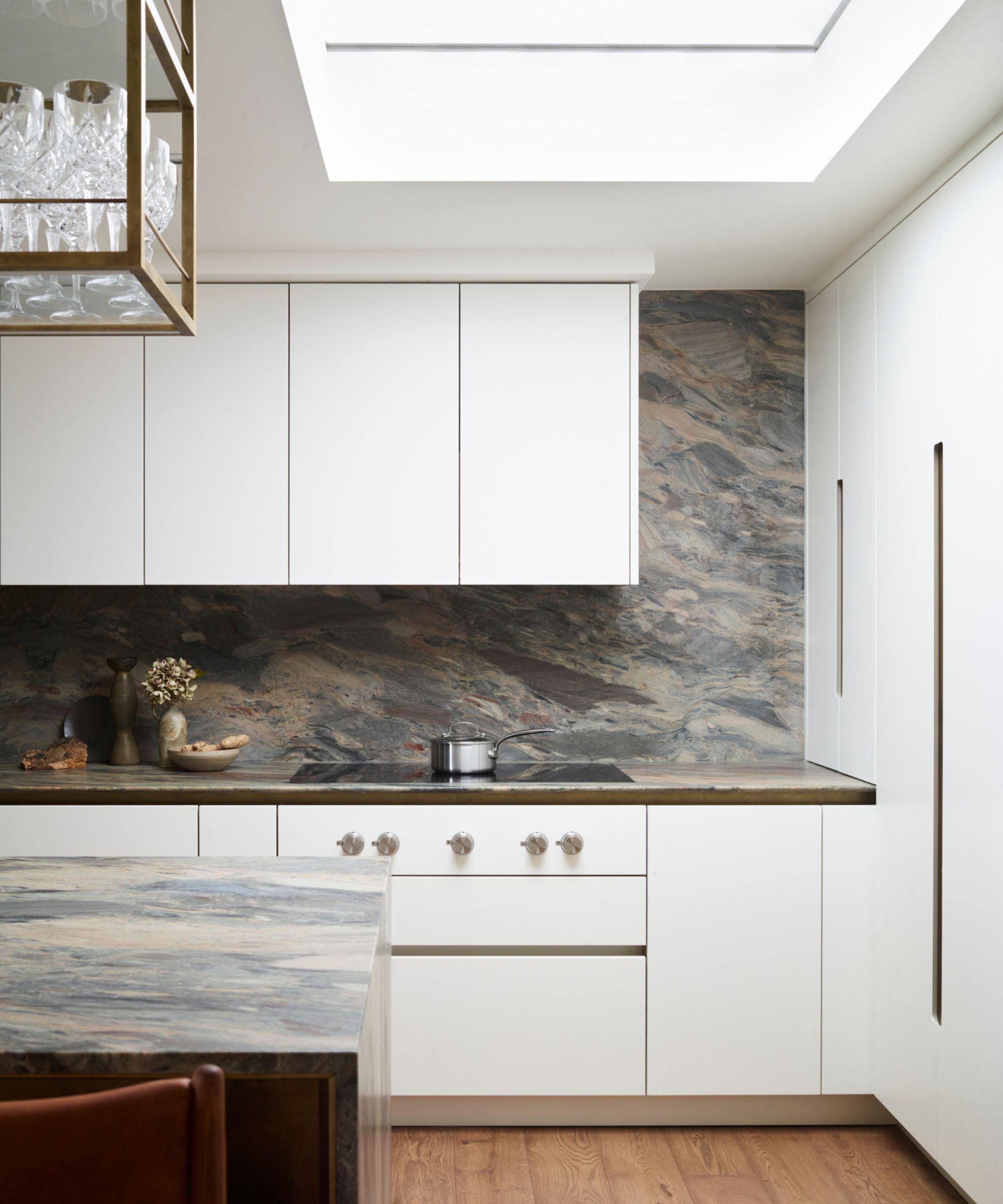
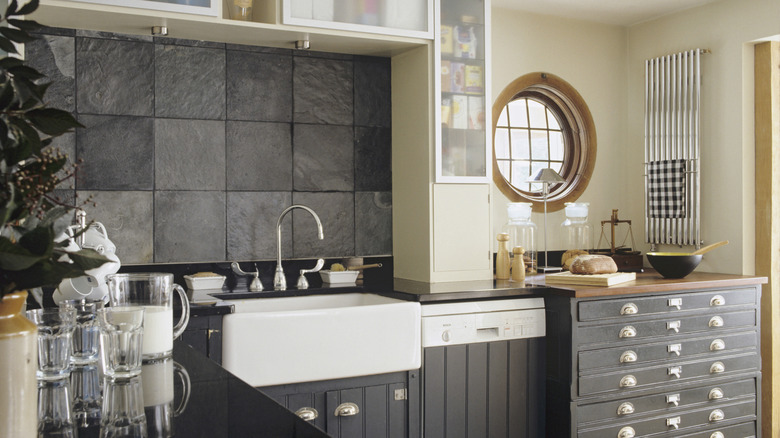
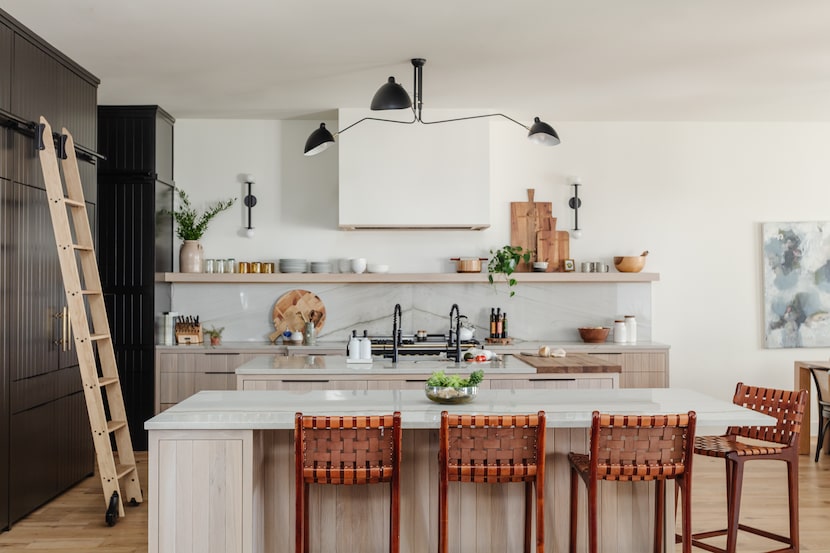
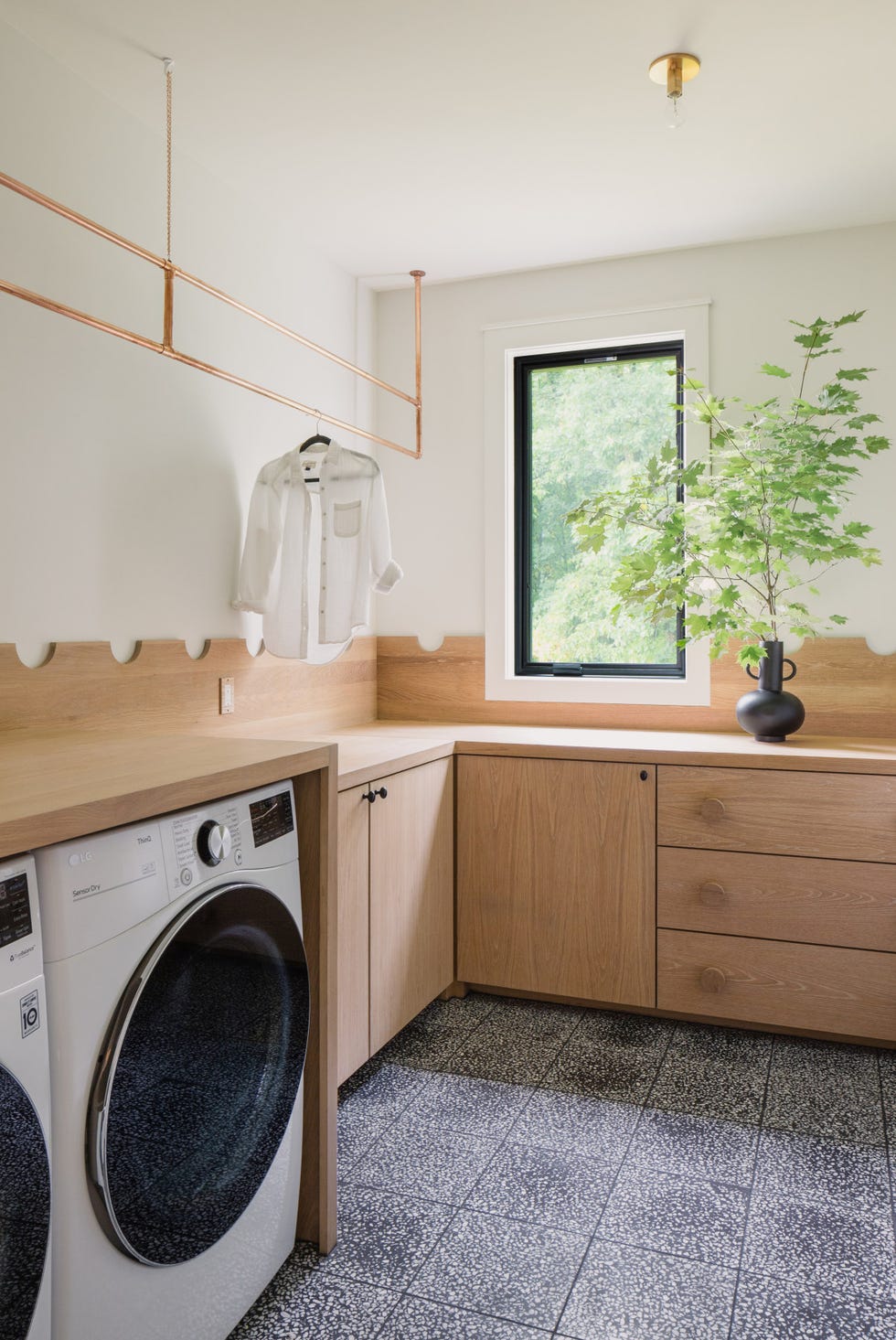
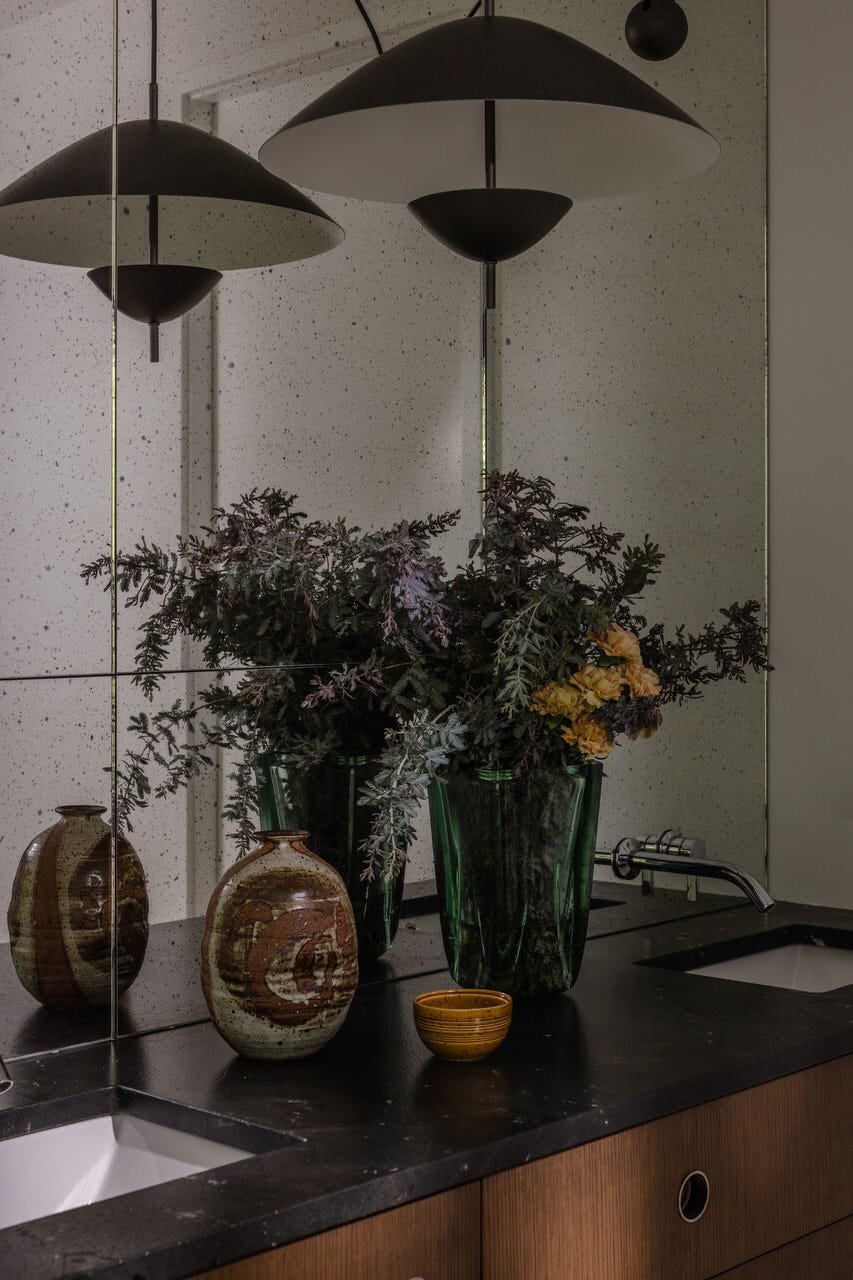
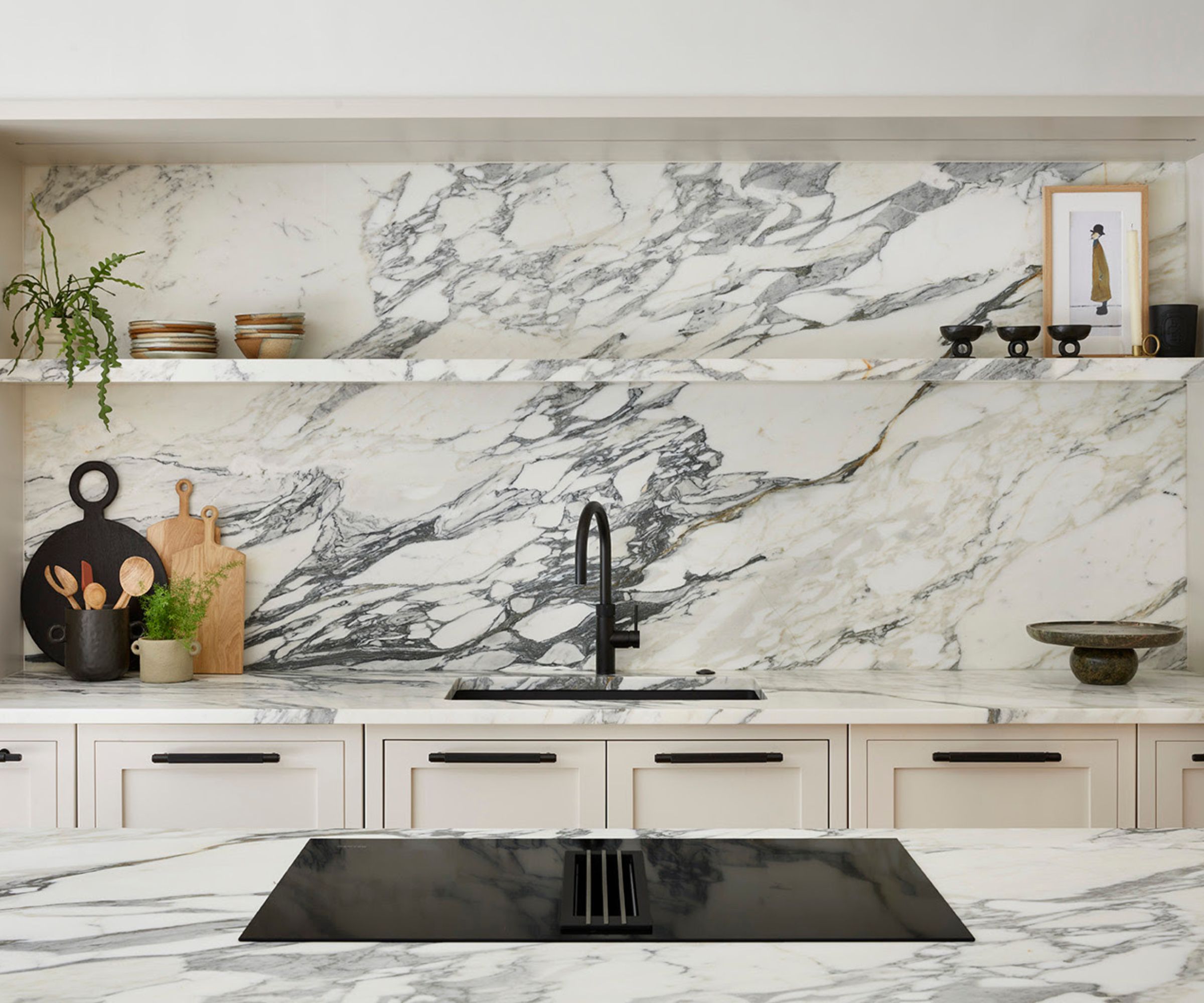
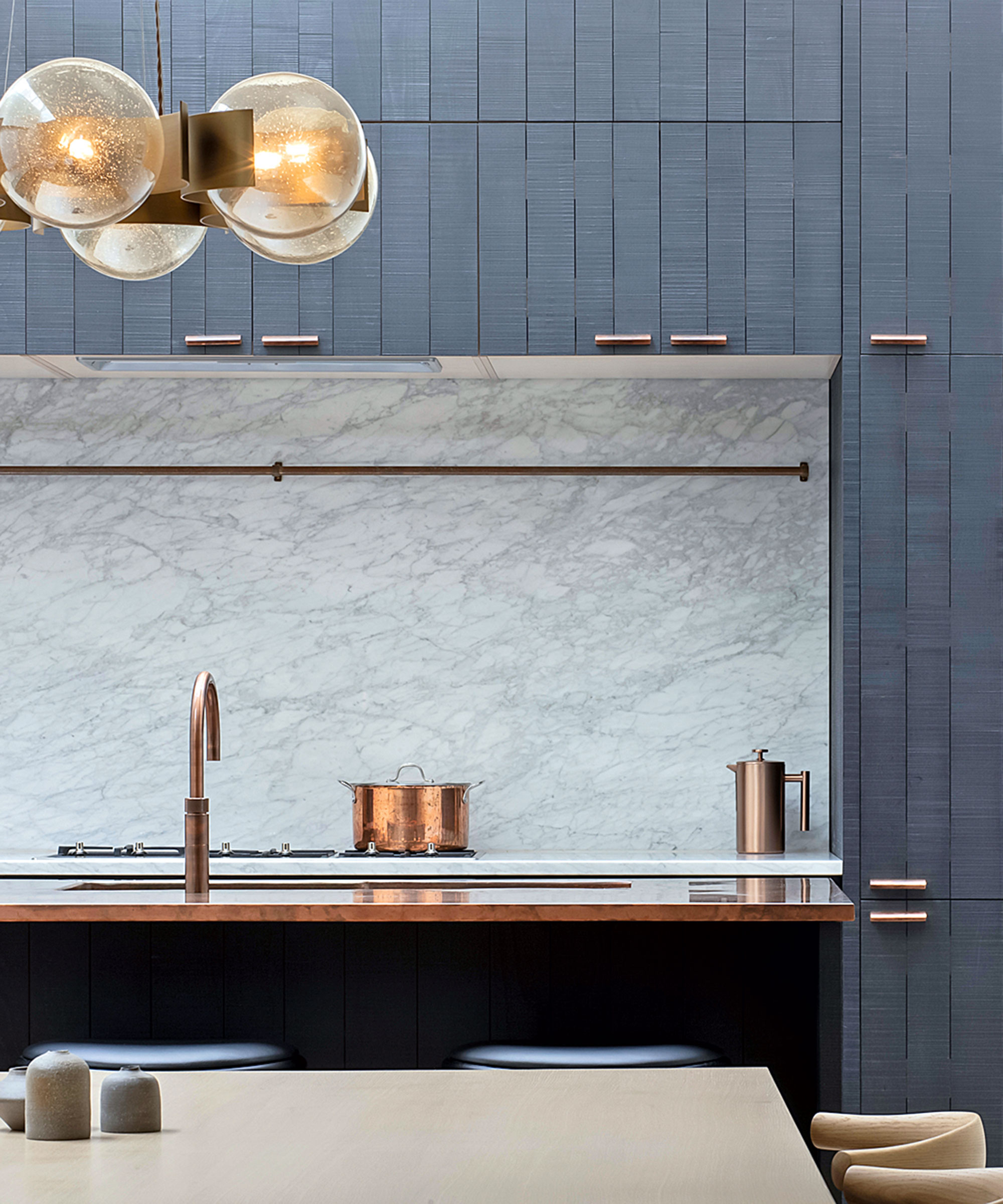
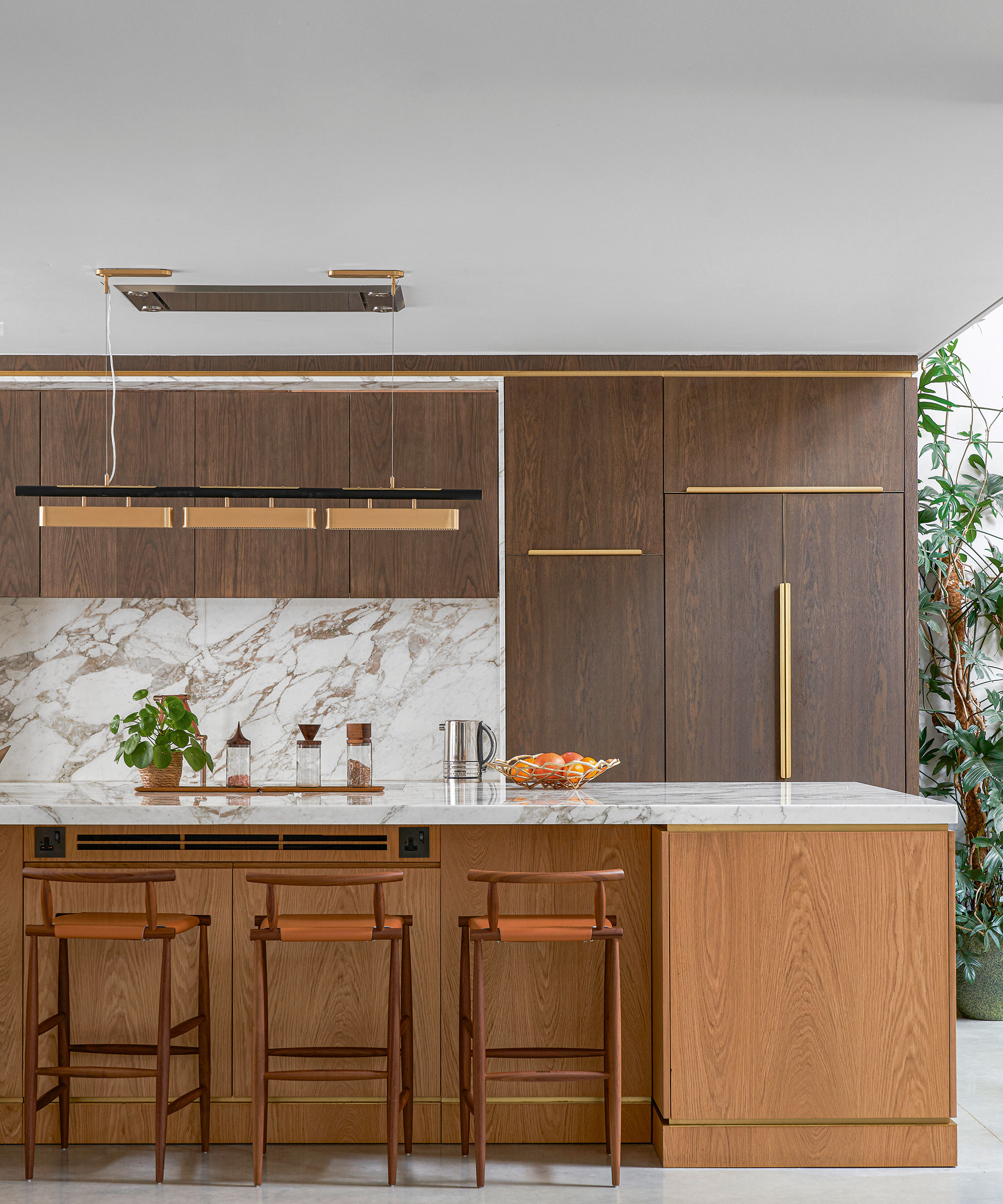
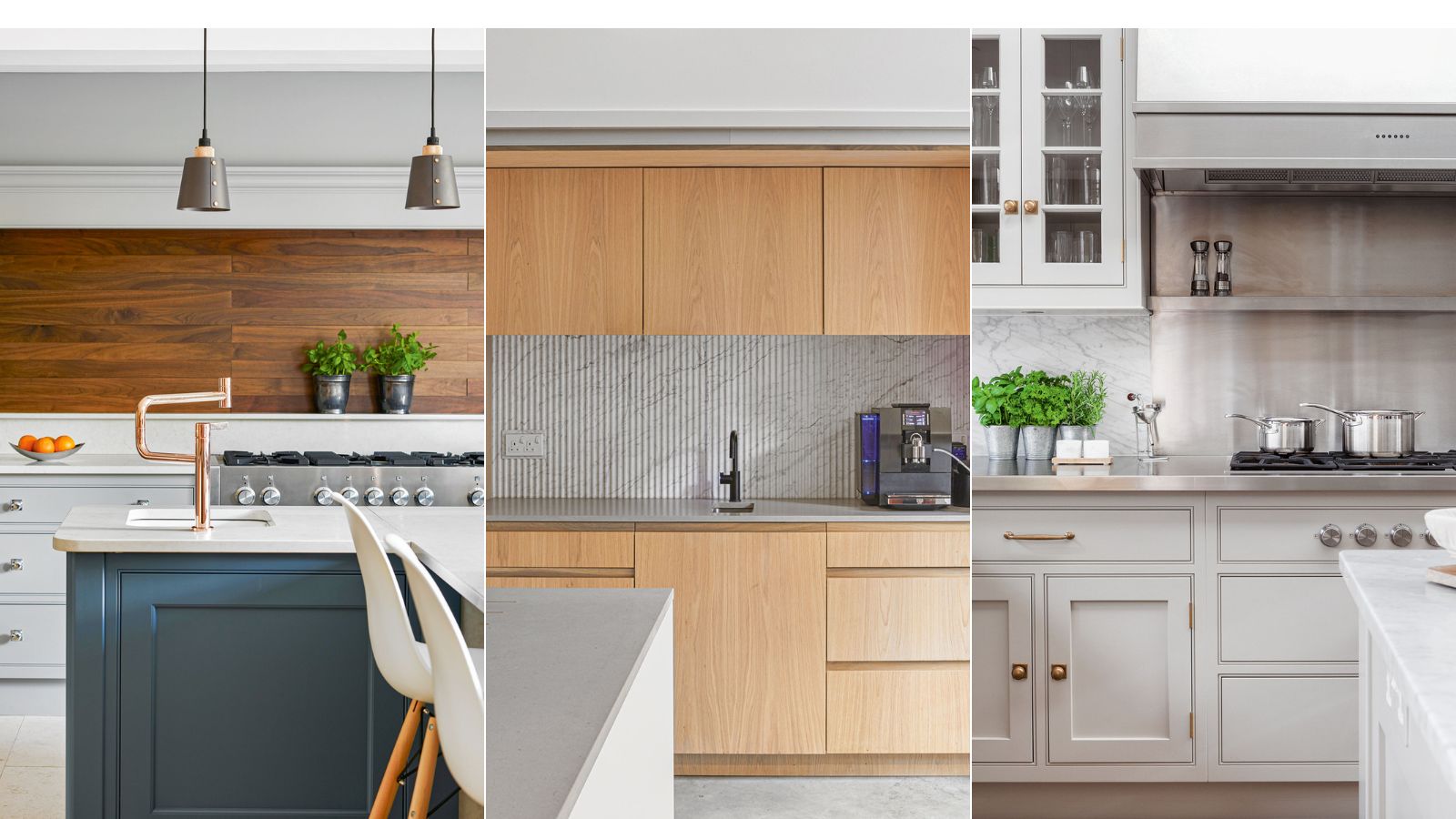
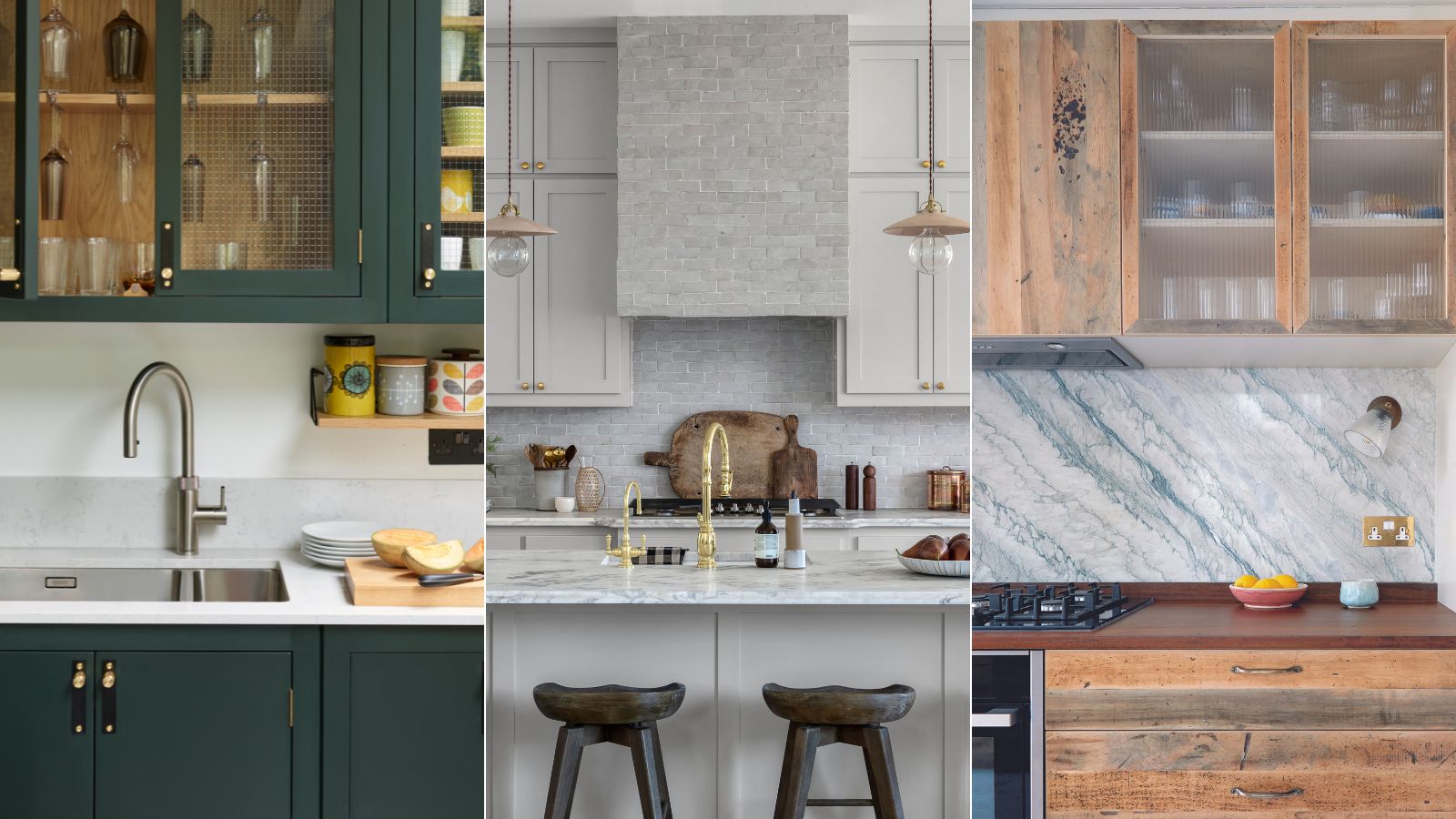
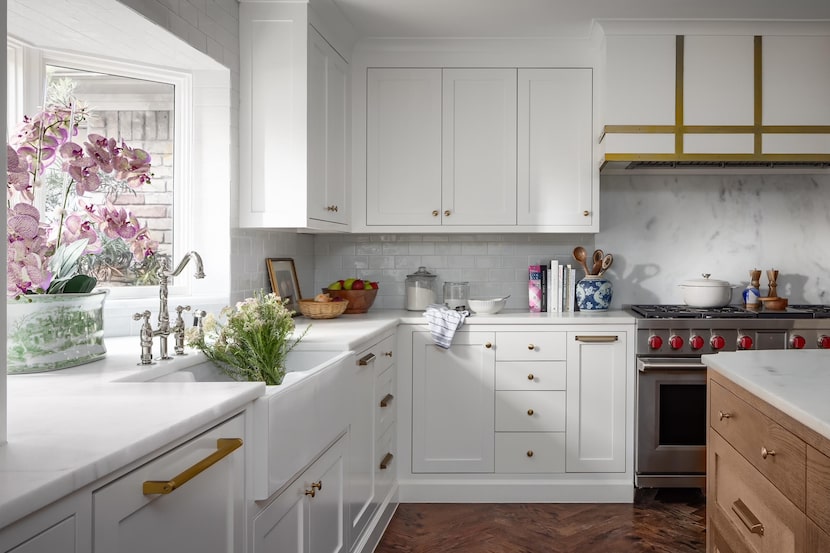
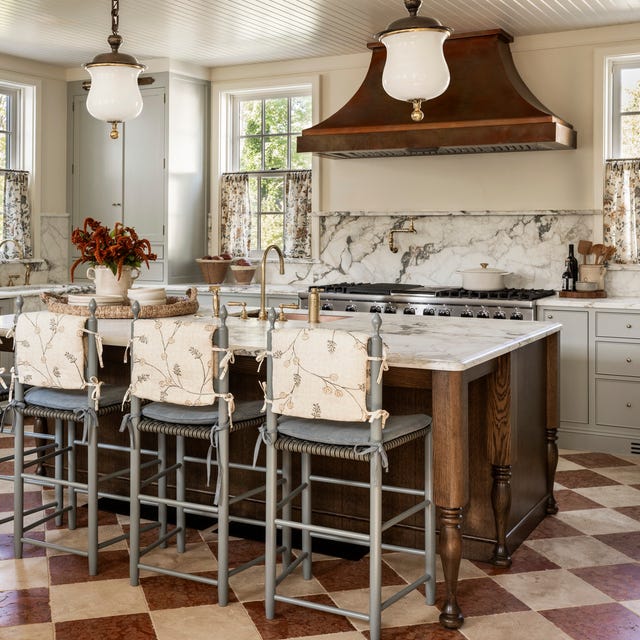
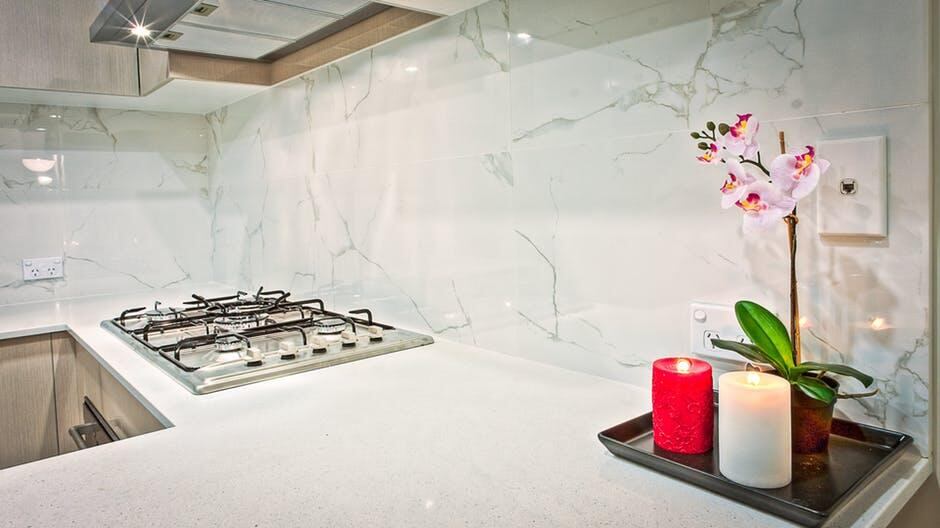
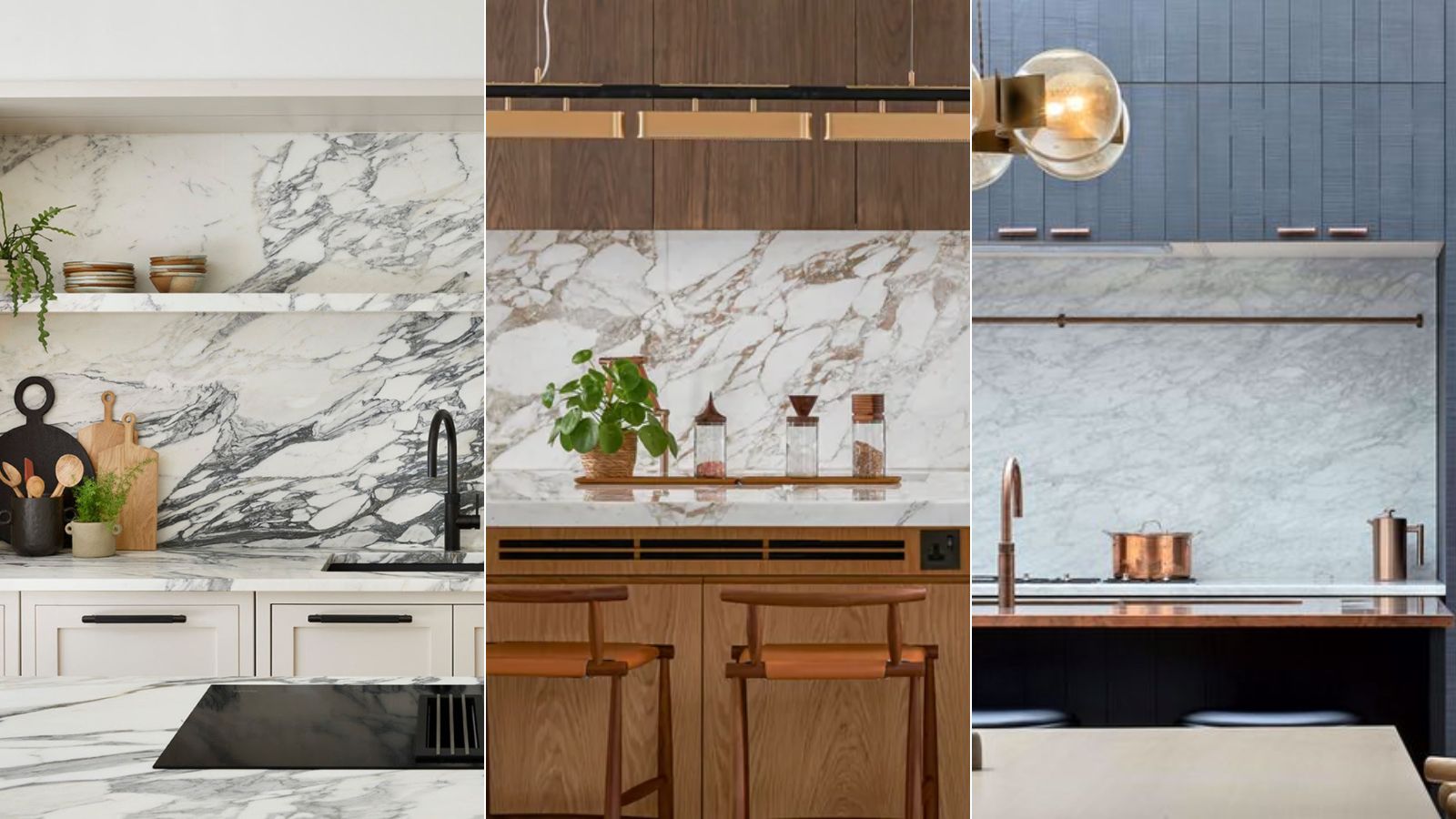
Material selection is paramount for a kitchen backsplash, with each option offering distinct advantages. Man-made quartz, for instance, is highly regarded for its strength, durability, non-porous nature, and ease of cleaning, making it resistant to cracks, scratches, and staining. Modern quartz production techniques have also introduced greater realism and fluidity in design, mimicking natural stone with improved aesthetic credibility. Timber, while seemingly an unconventional choice, can introduce warmth and textural depth to a kitchen, particularly when treated with fire-rated lacquer finishes for durability and easy maintenance. Fluted marble, often seen in contemporary kitchens, adds visual interest and a tactile quality through its linear design, creating plays of light and shadow that highlight the stone's natural veining and coloration.
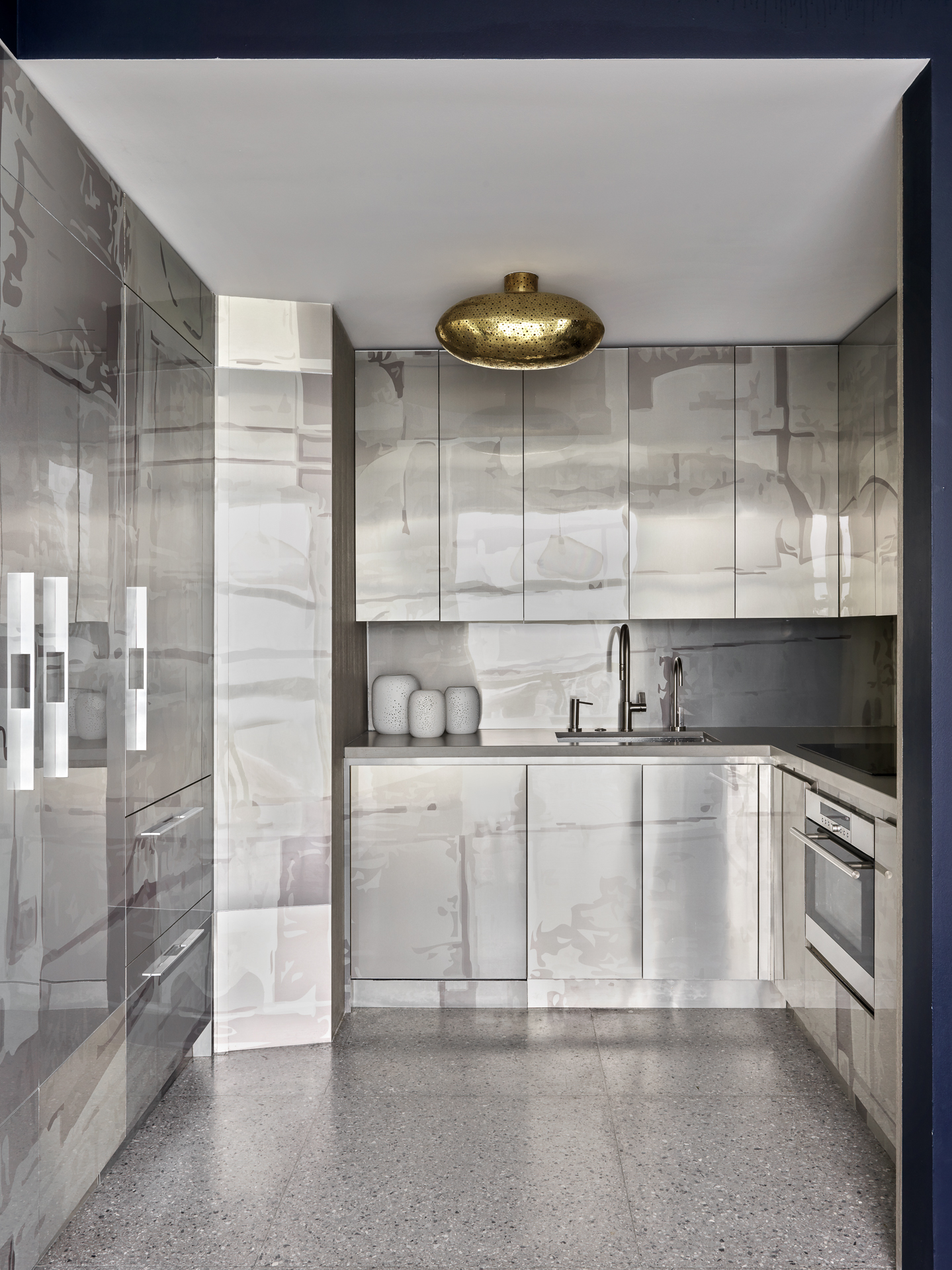
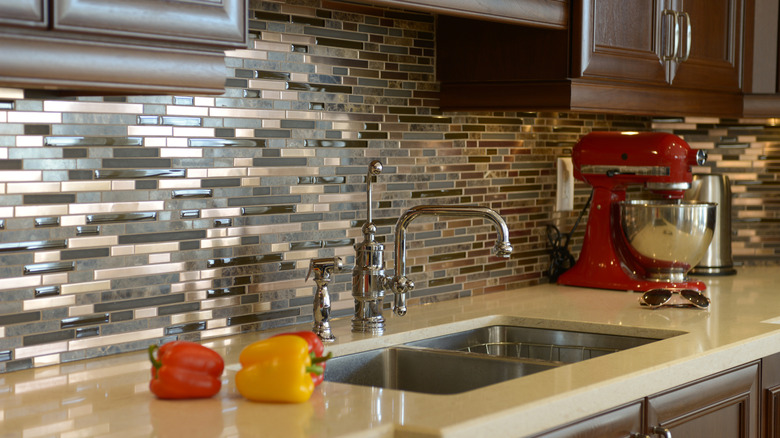
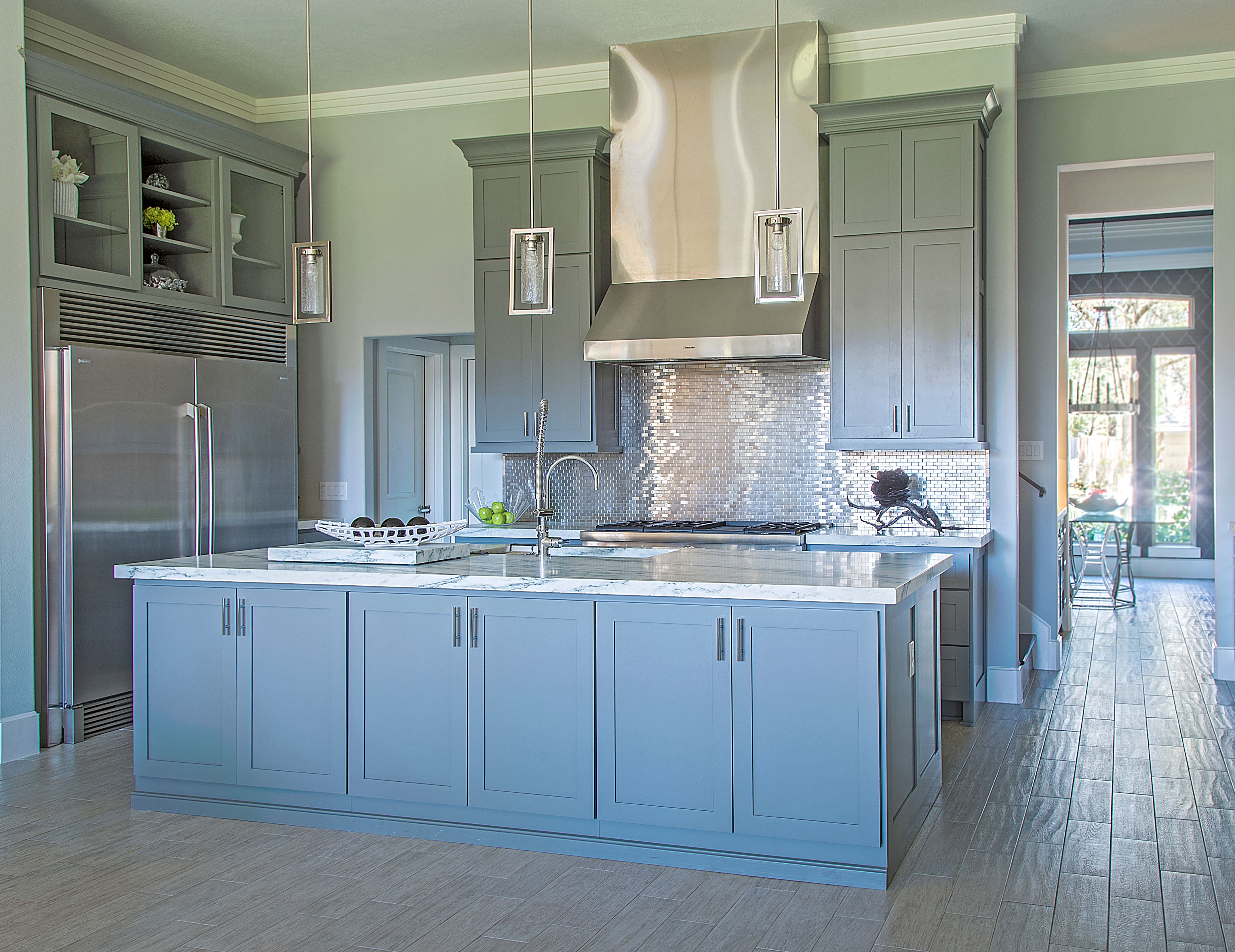
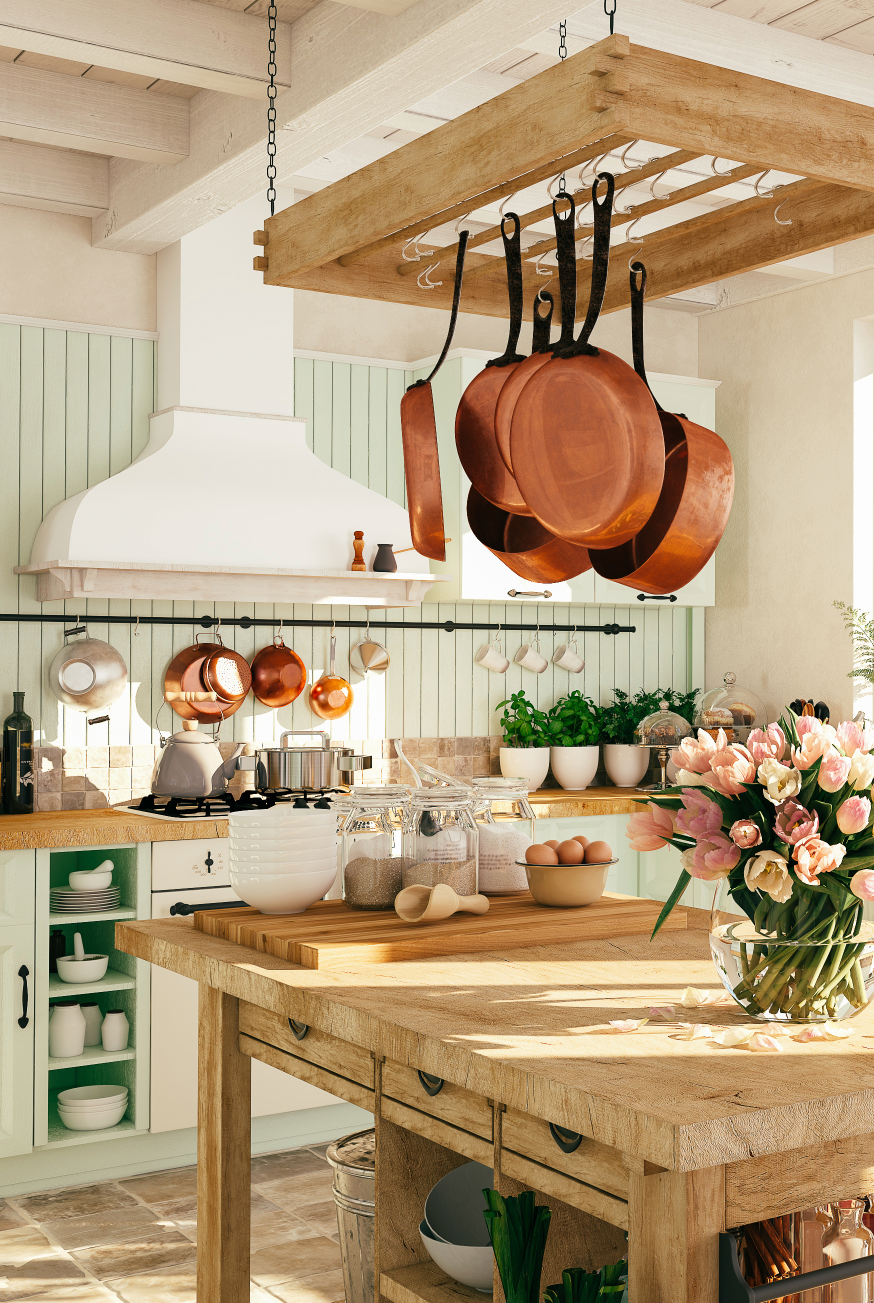
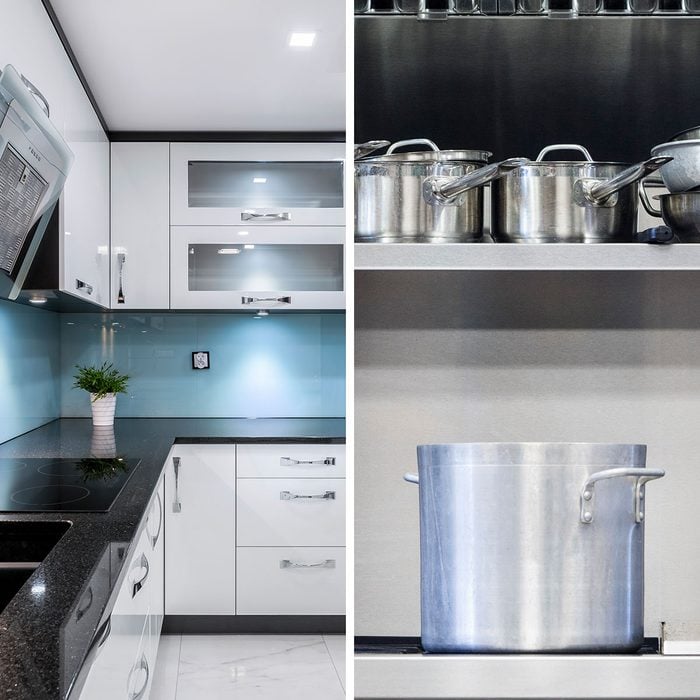
Stainless steel remains a top choice for those prioritizing hygiene and low maintenance, especially in chef-inspired kitchens. Its durability and ability to be fabricated into large, seamless pieces help minimize areas where dirt and bacteria can accumulate. Despite its association with modern aesthetics, stainless steel can also provide a contemporary edge to traditional cabinetry, developing a mellow patina over time. For a bolder statement, aged-copper backsplashes offer unique natural pigmentations and imperfections, ideal for creating an individual look. These metal options can integrate into various decor styles, from industrial to classic, adding character and warmth. Brass, a relative newcomer, also provides a warm metallic finish that can be customized through pre-aging, requiring minimal maintenance to retain its luster.
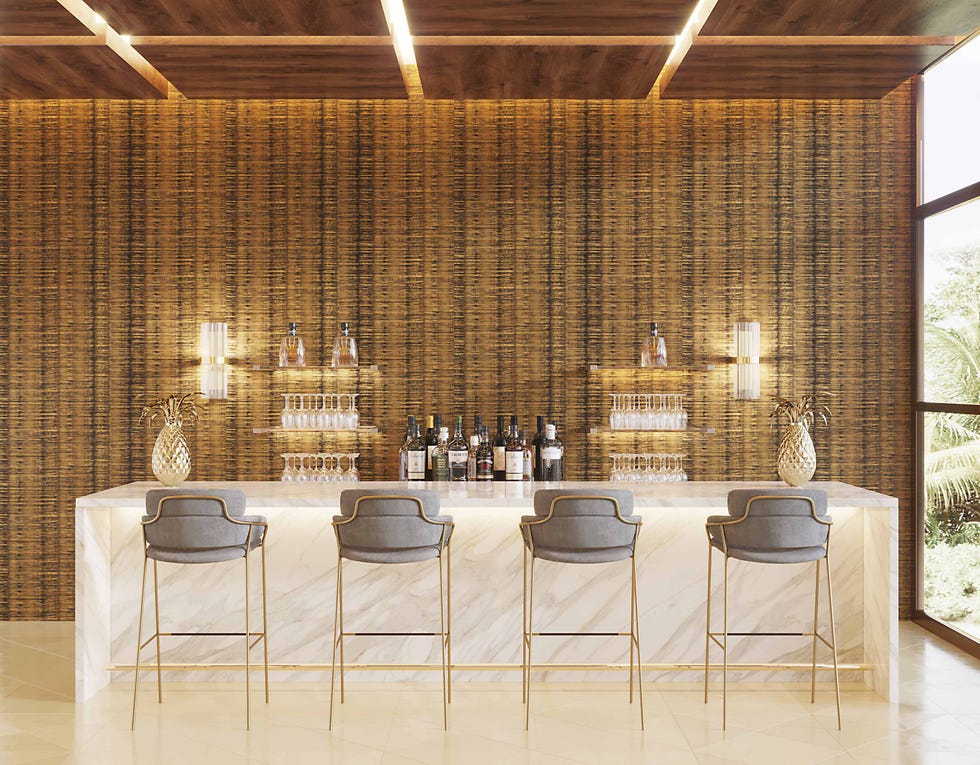
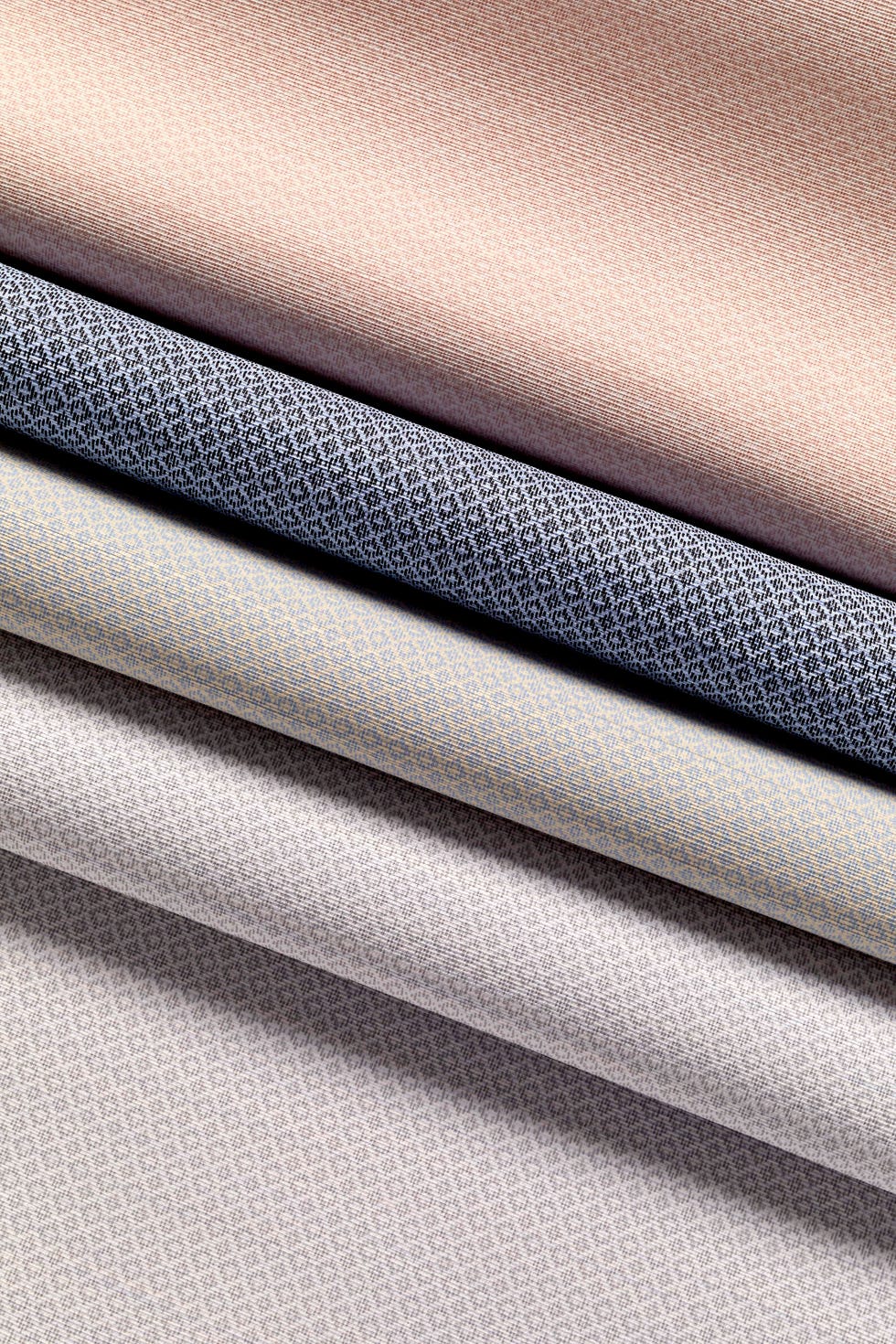
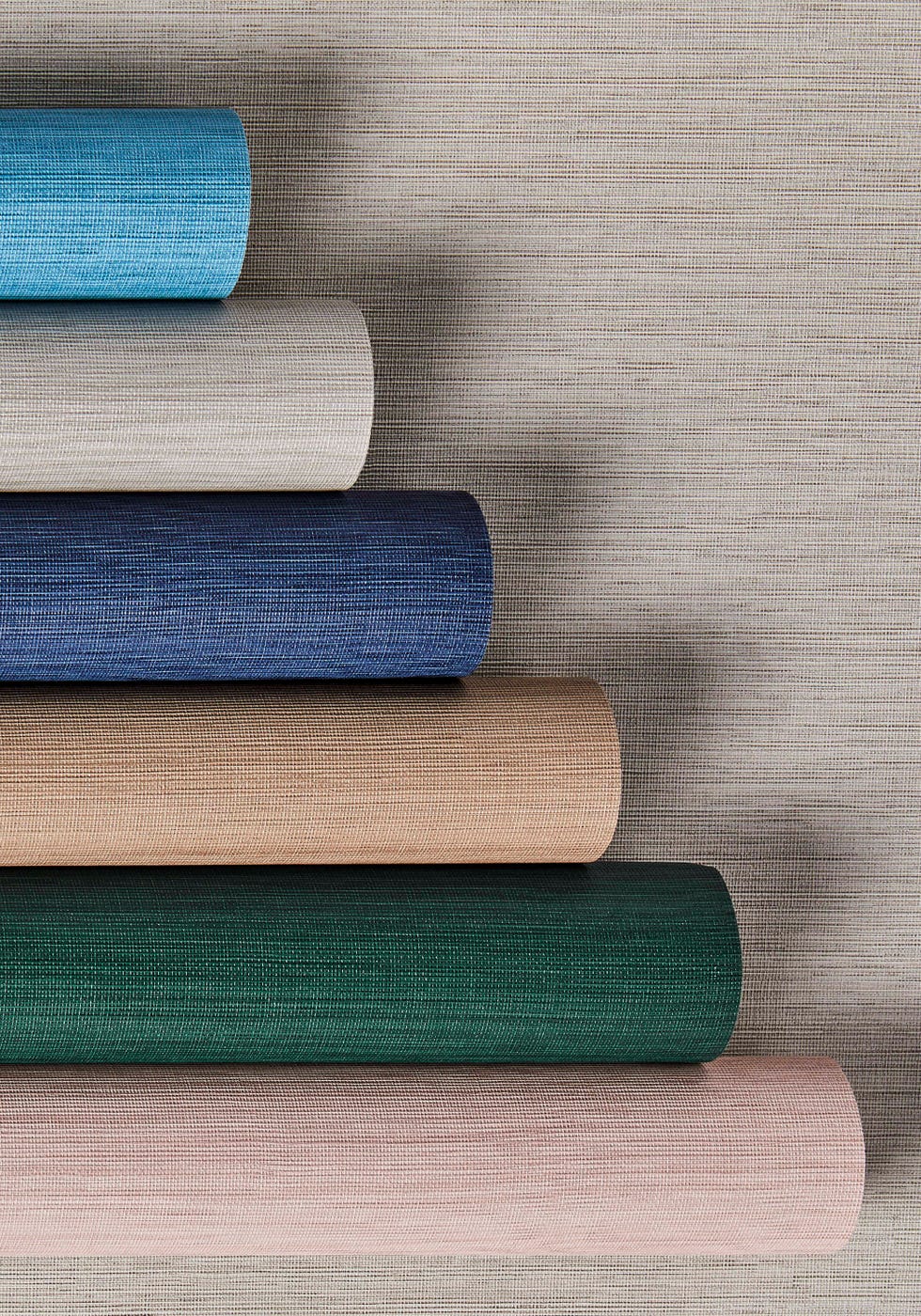
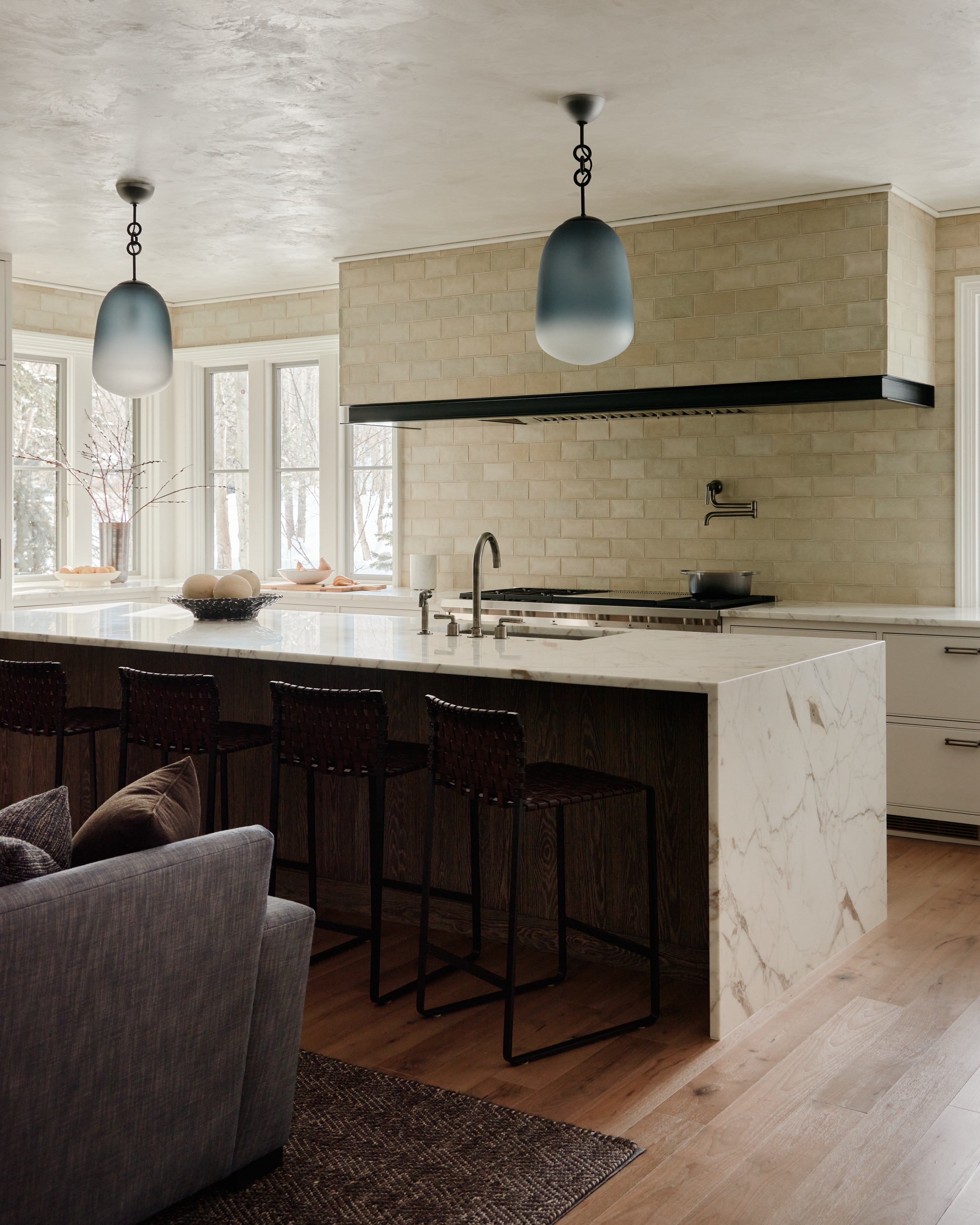
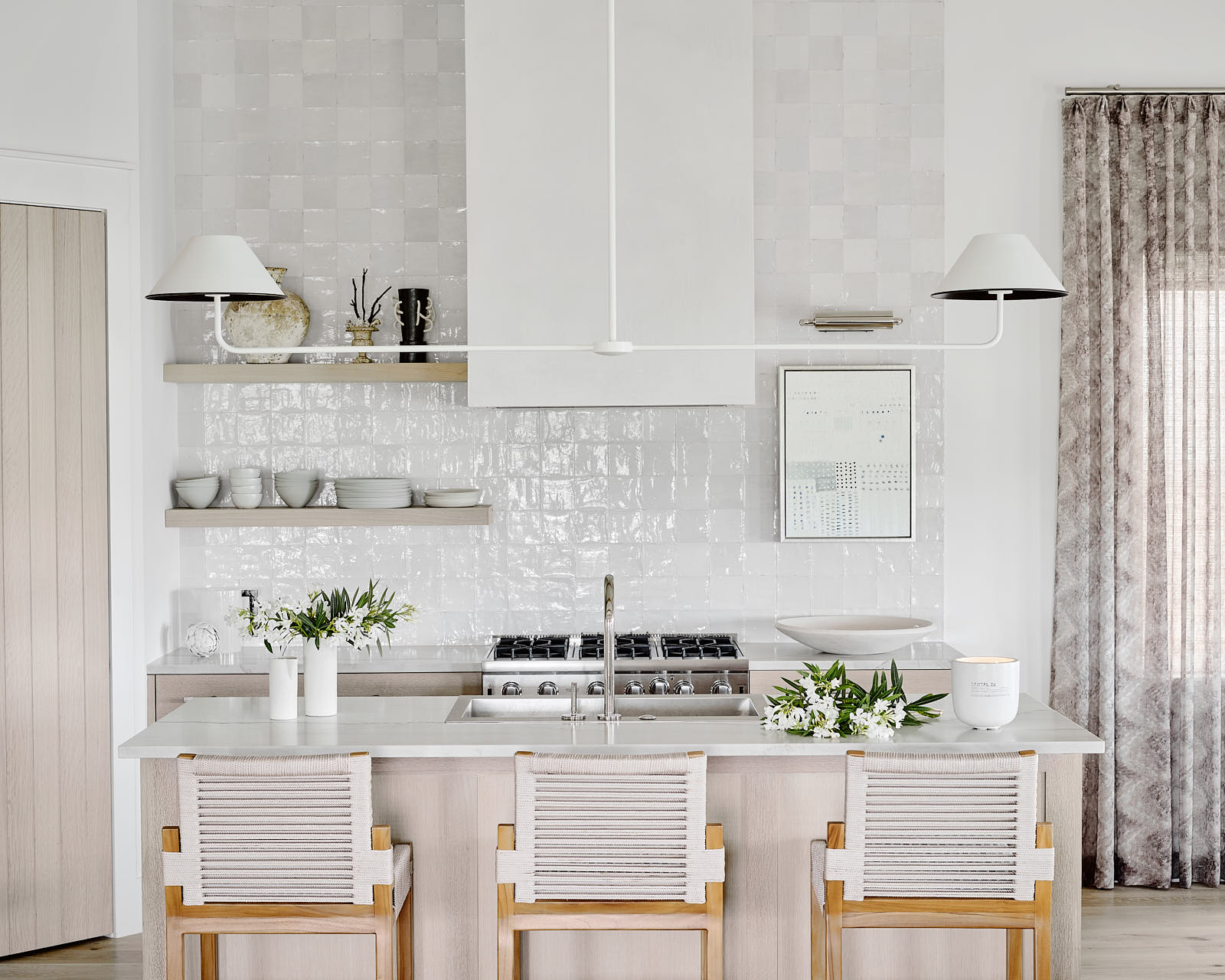
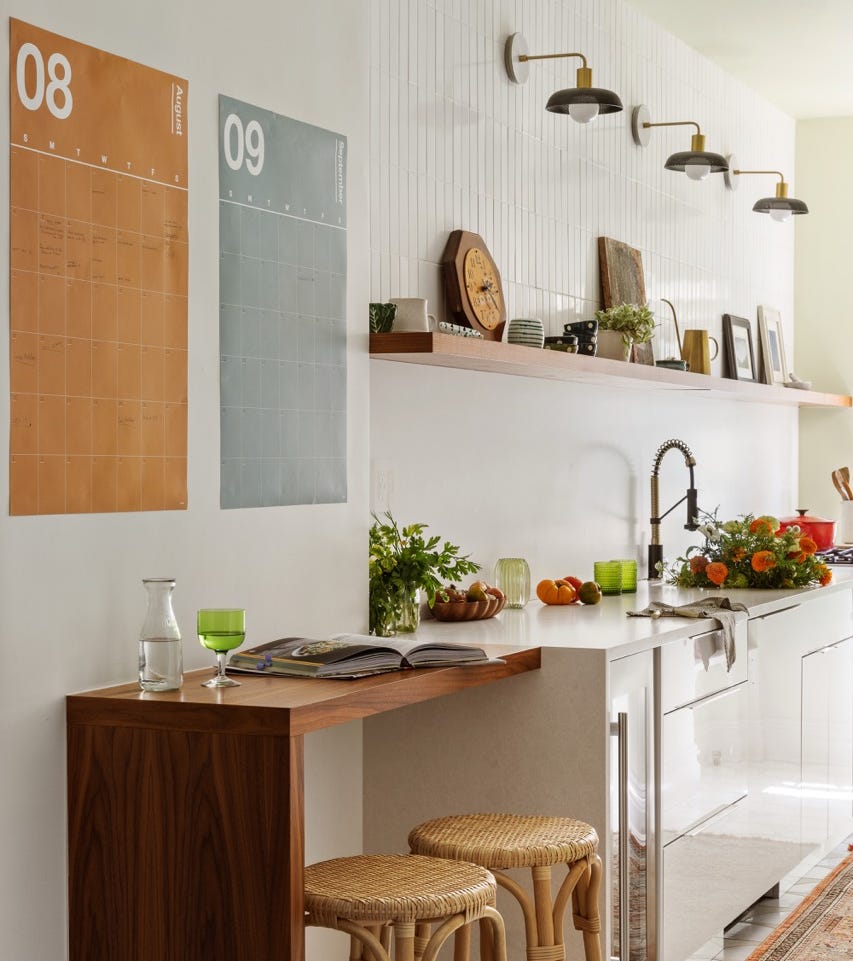
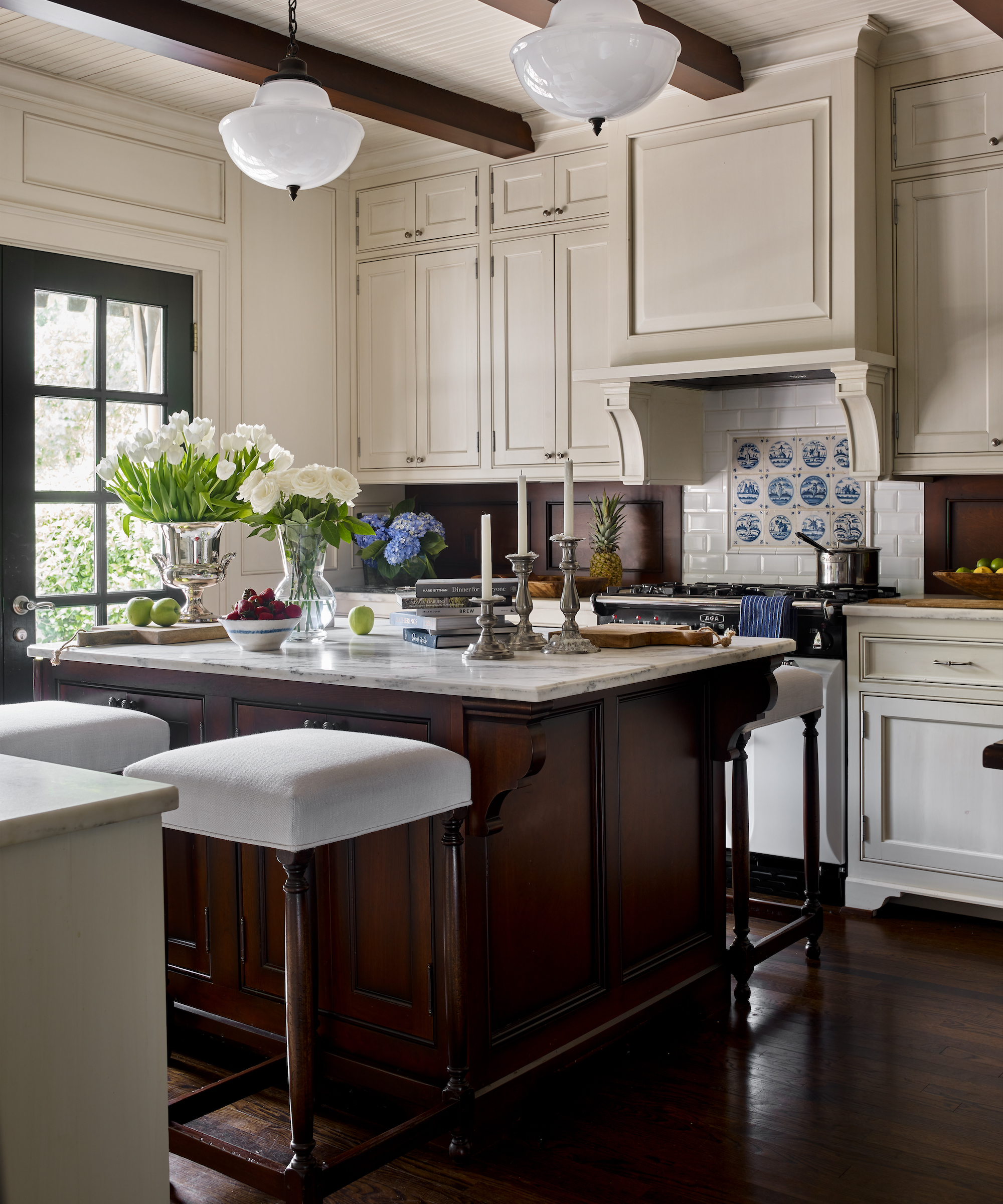
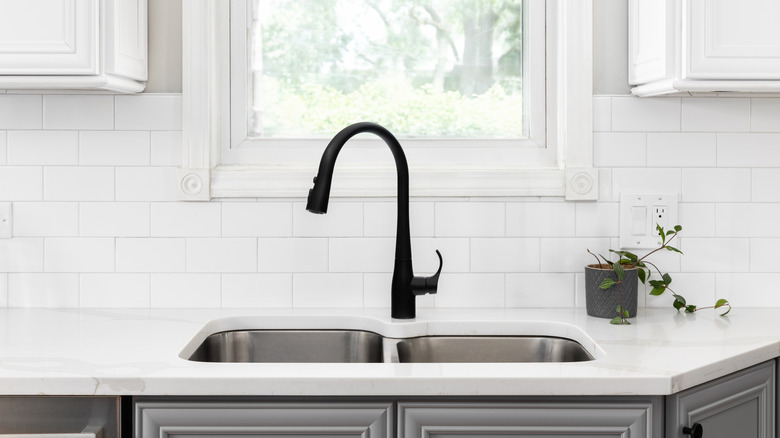
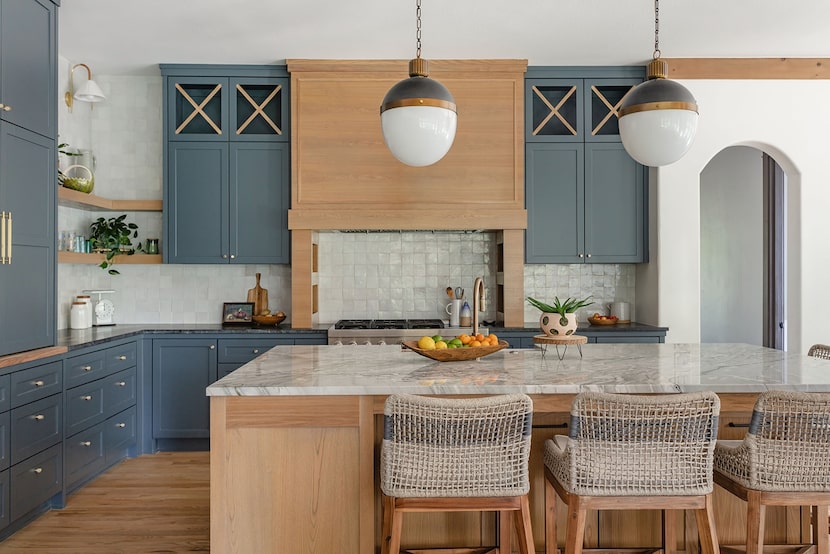
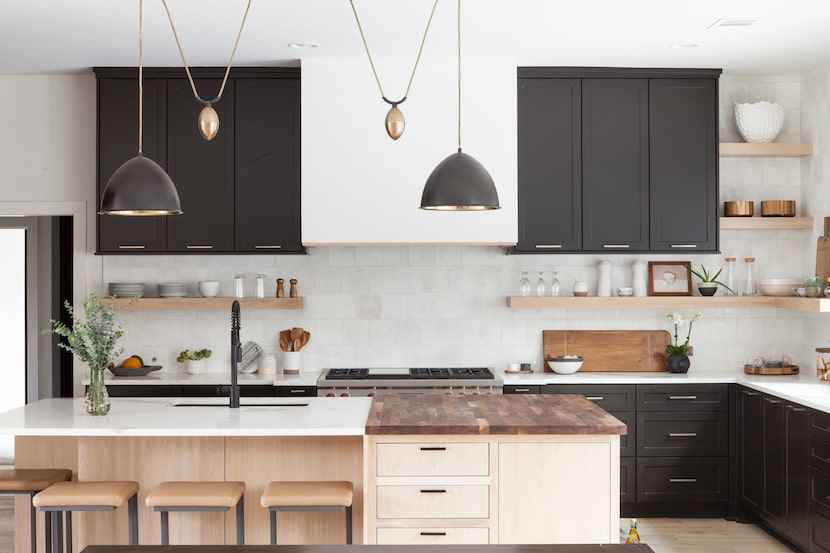
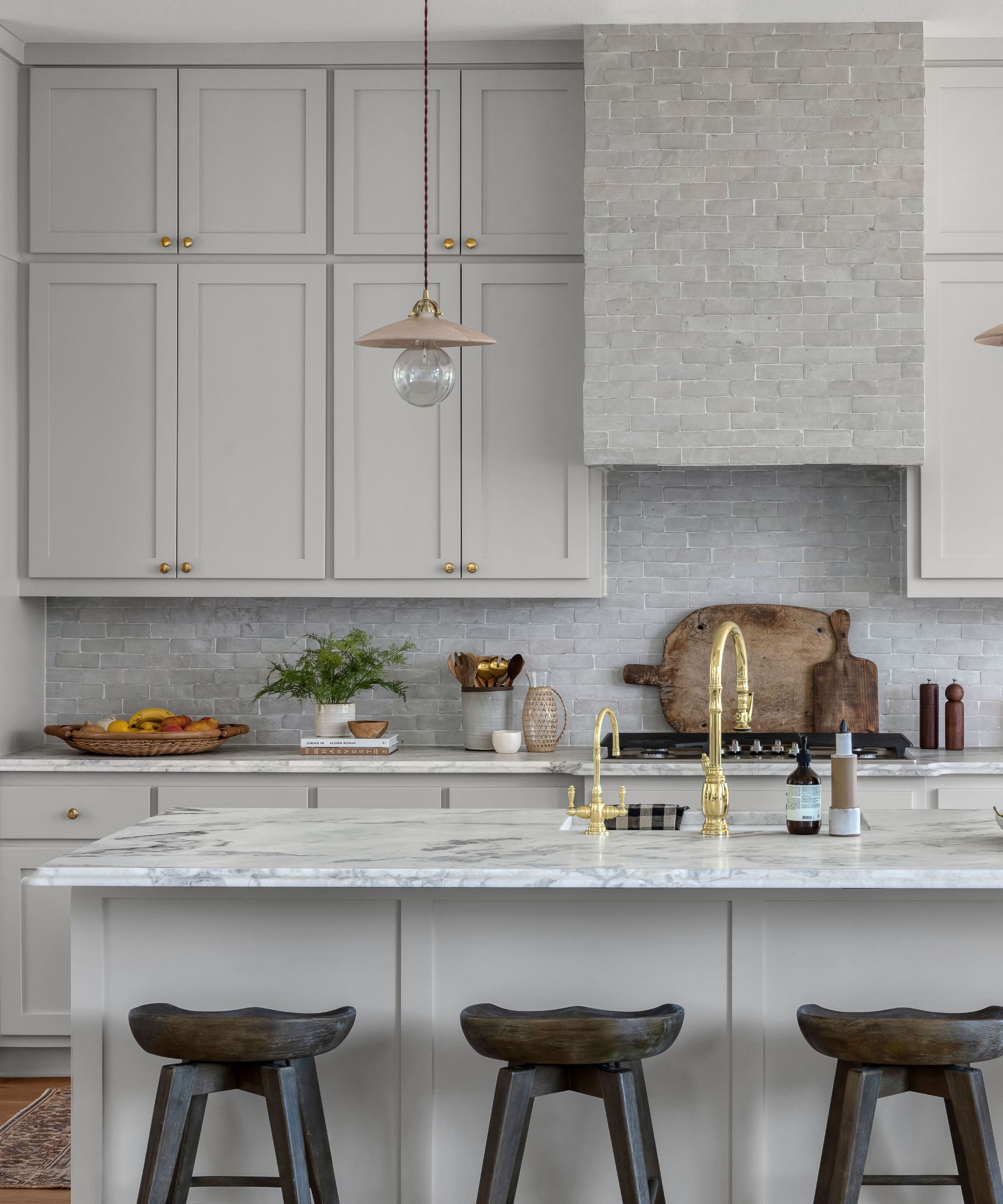
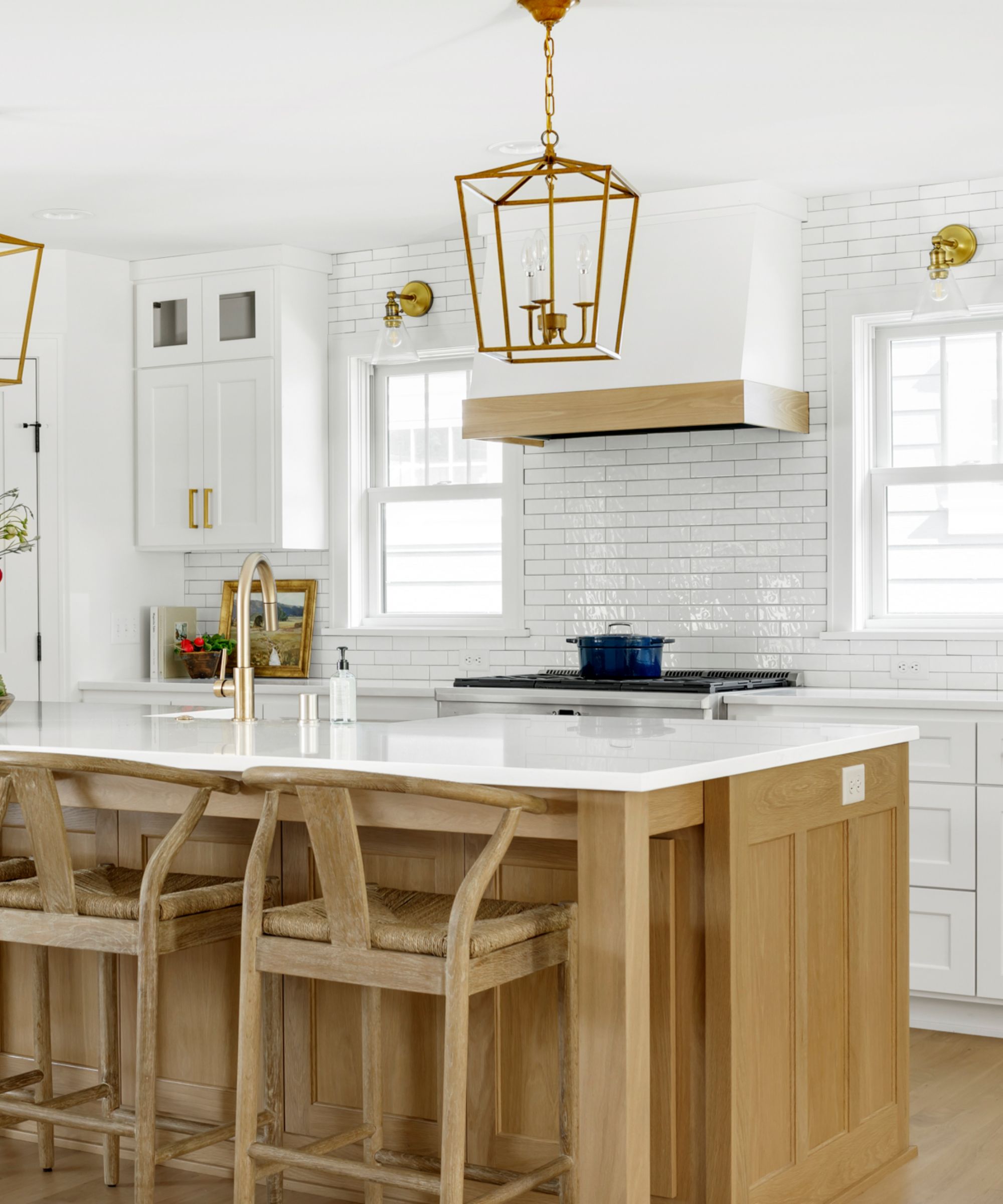
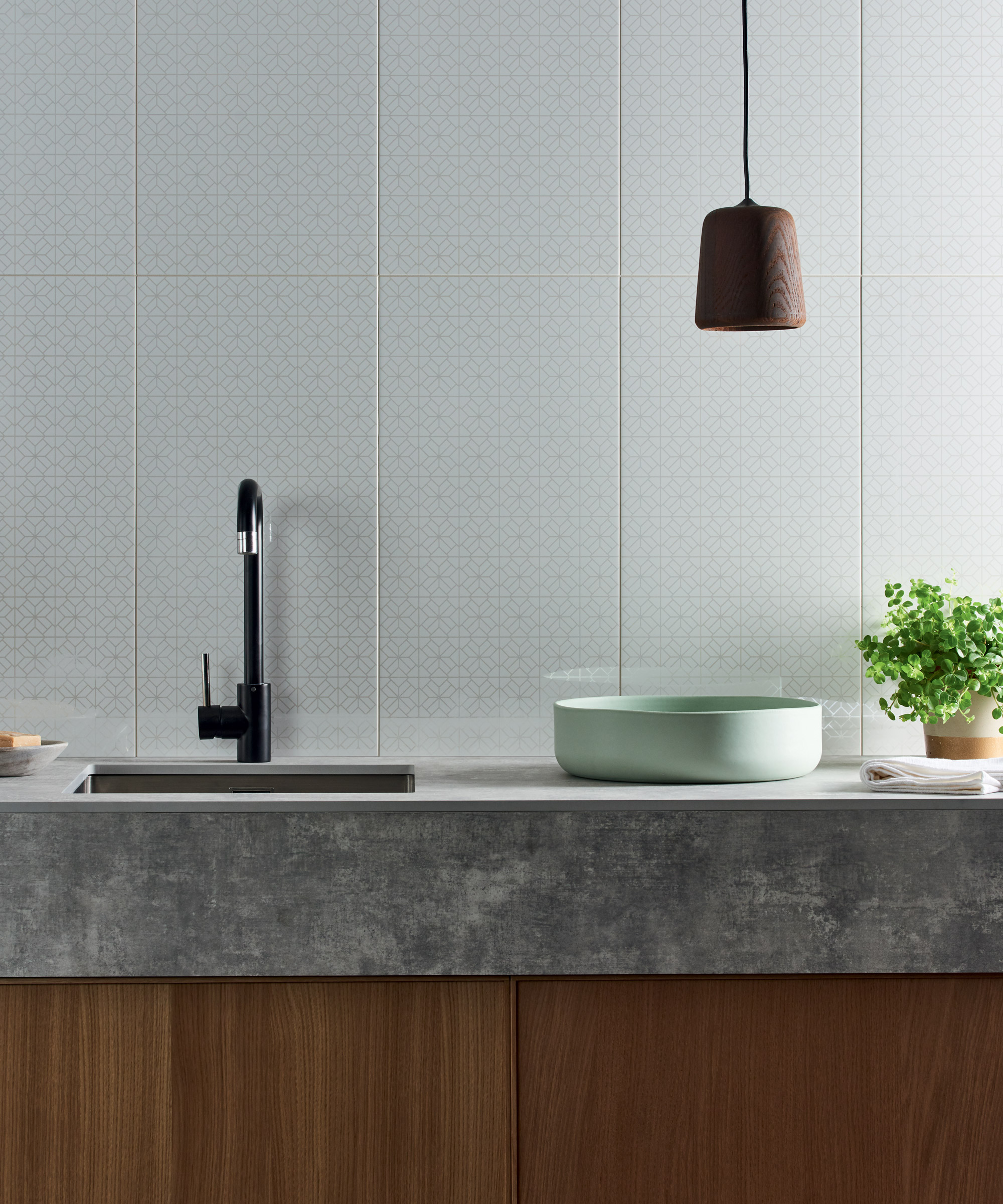
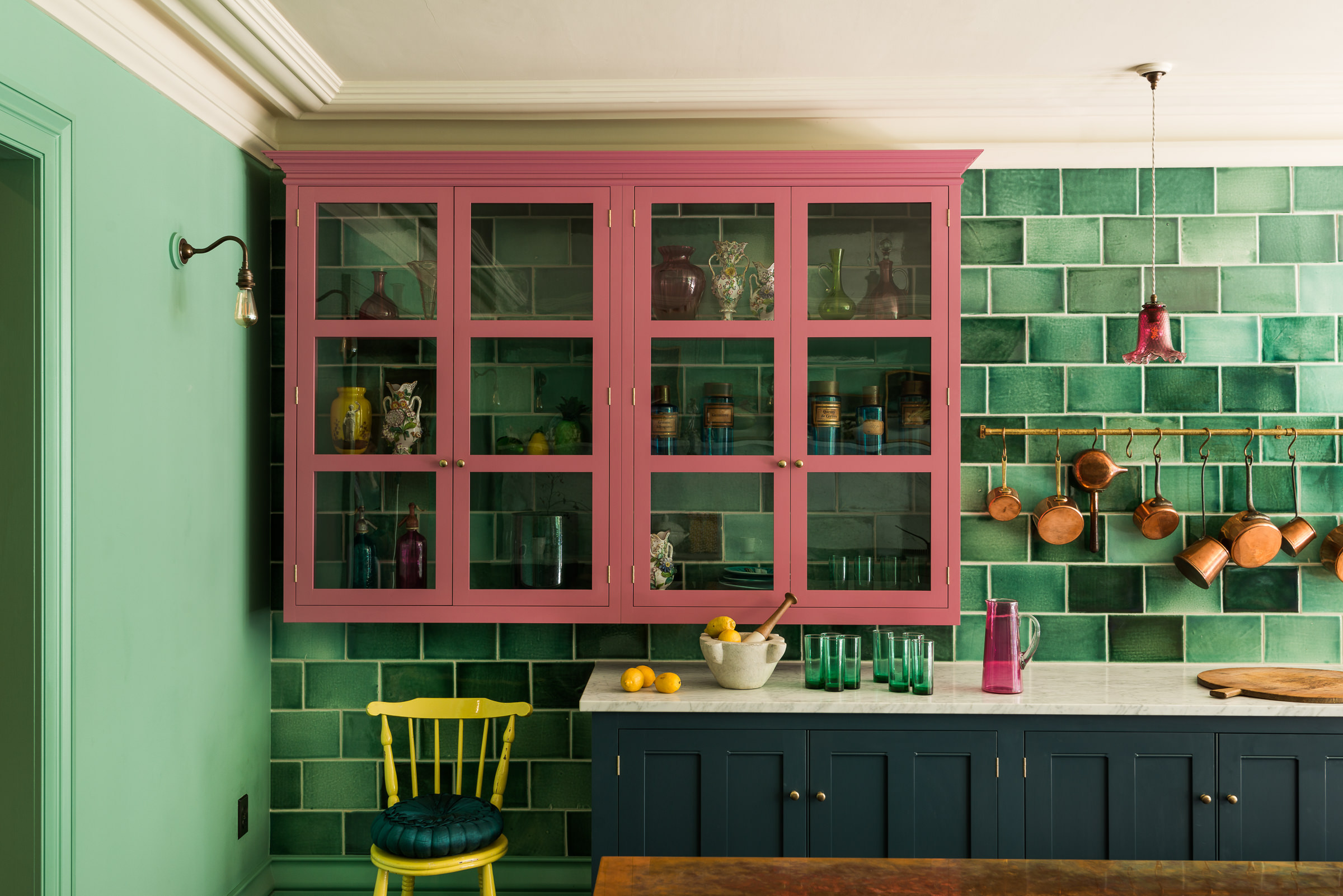
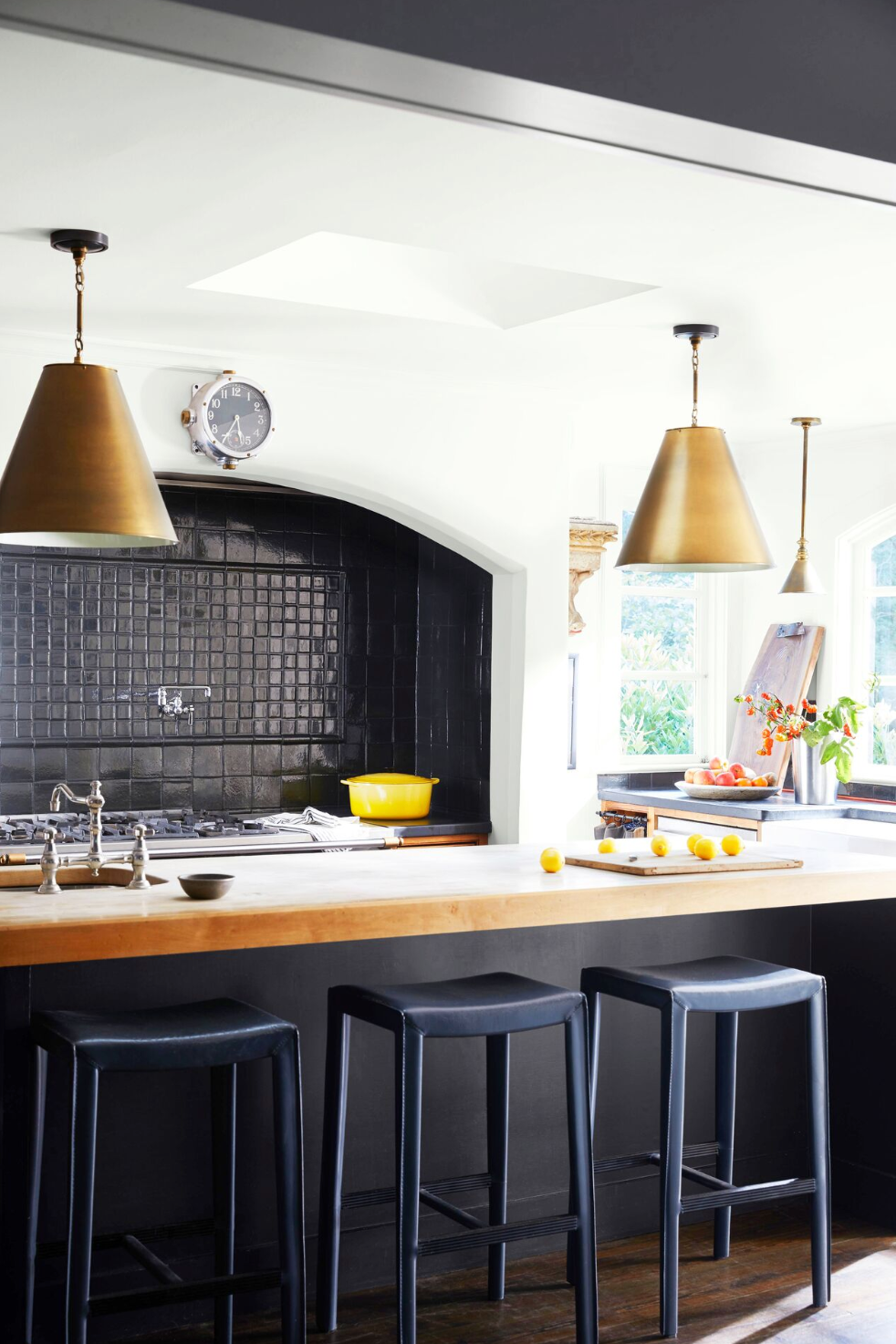
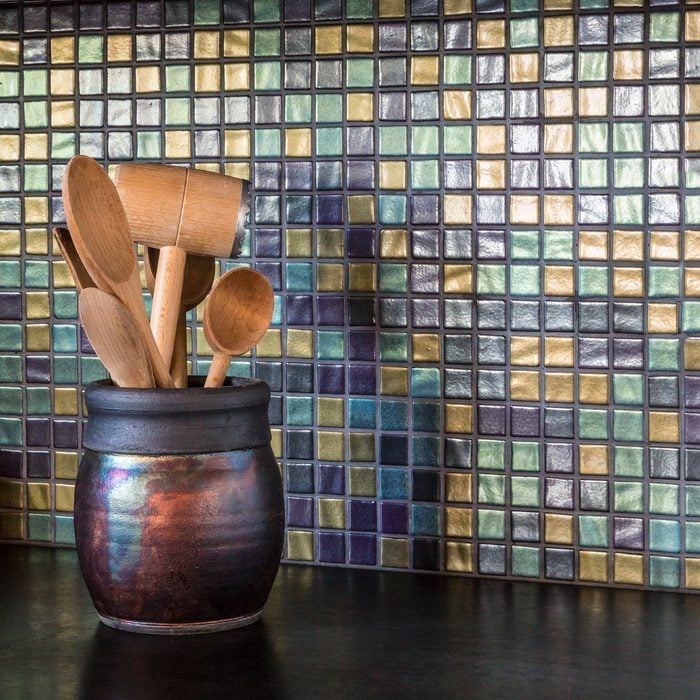
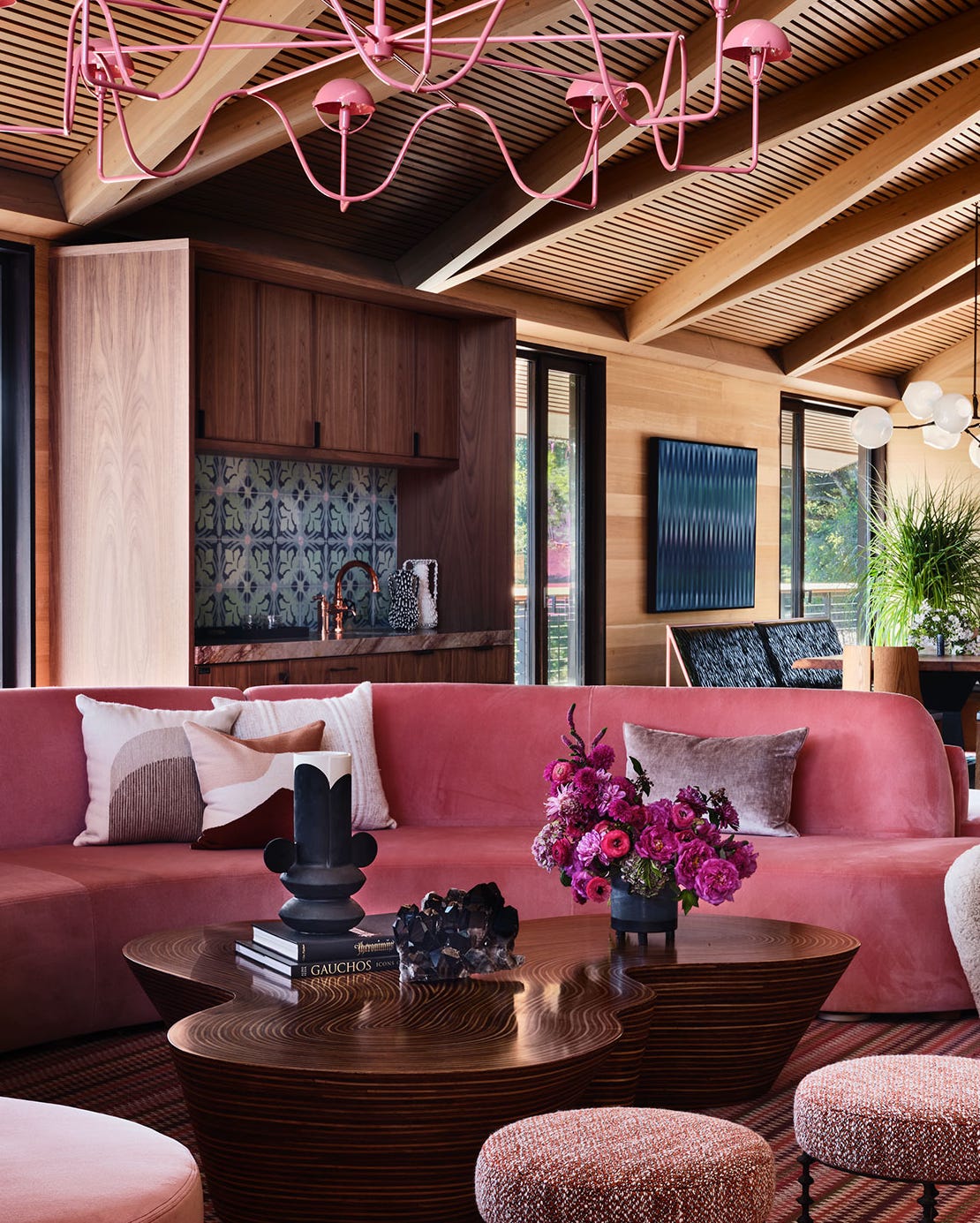
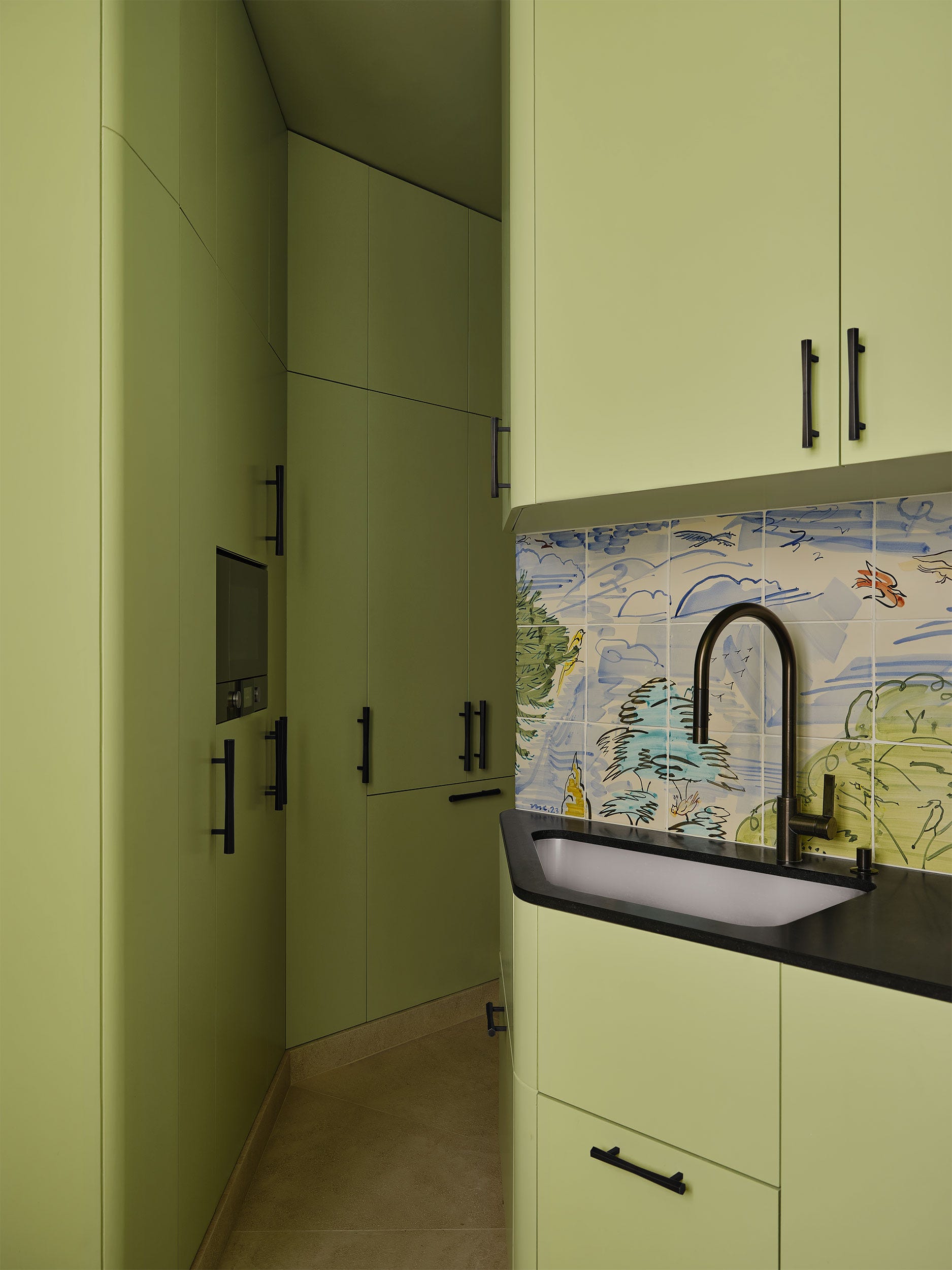
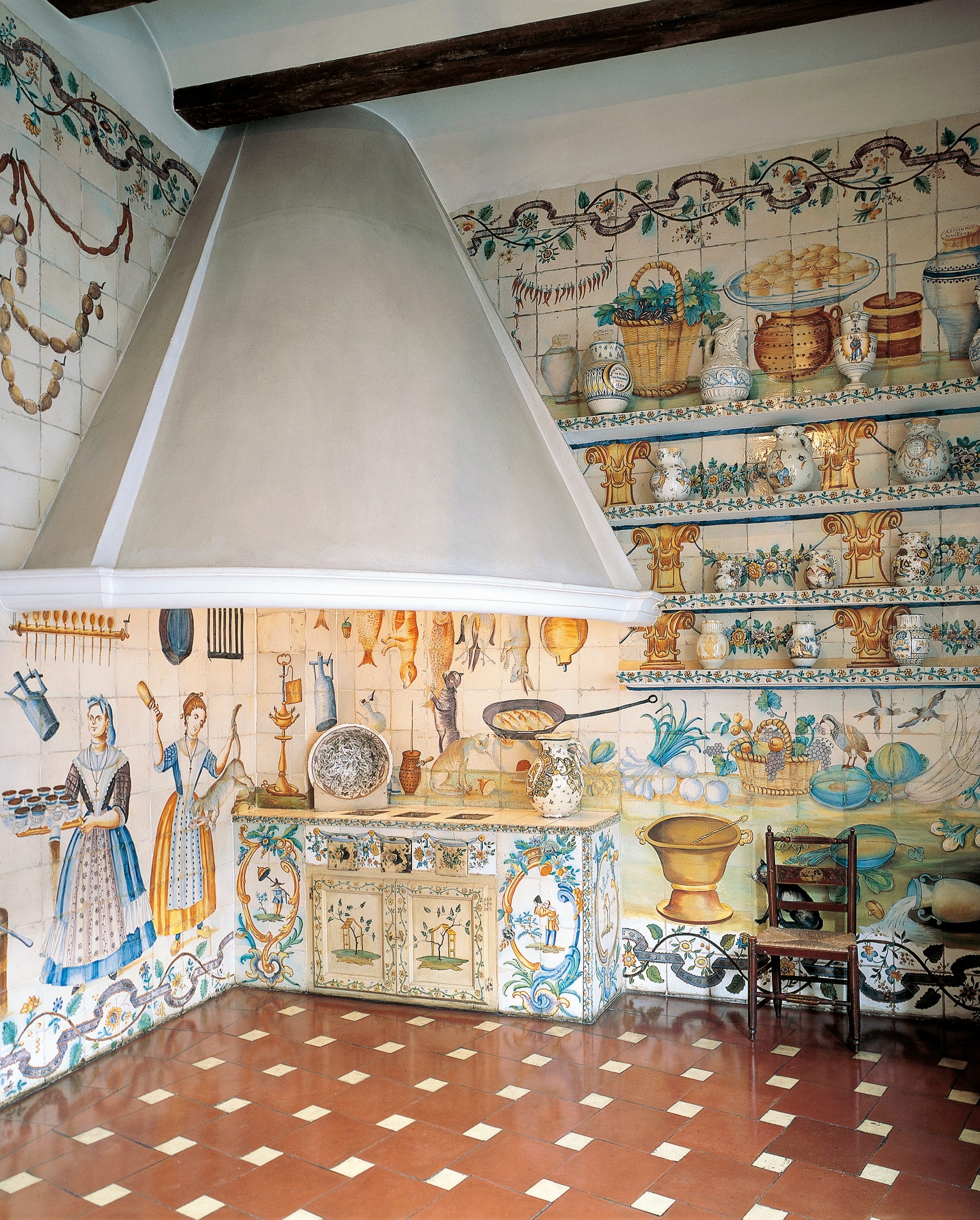
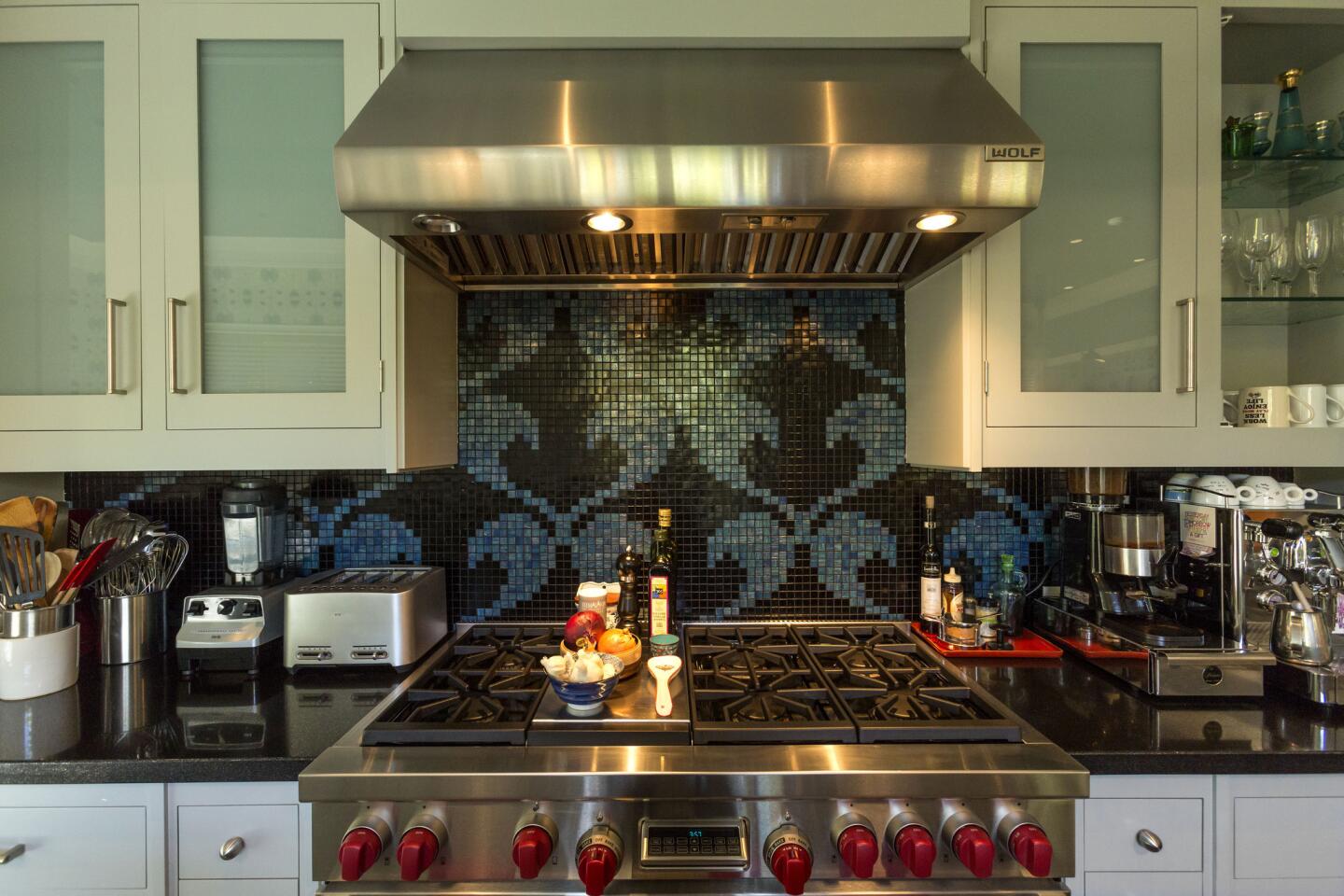
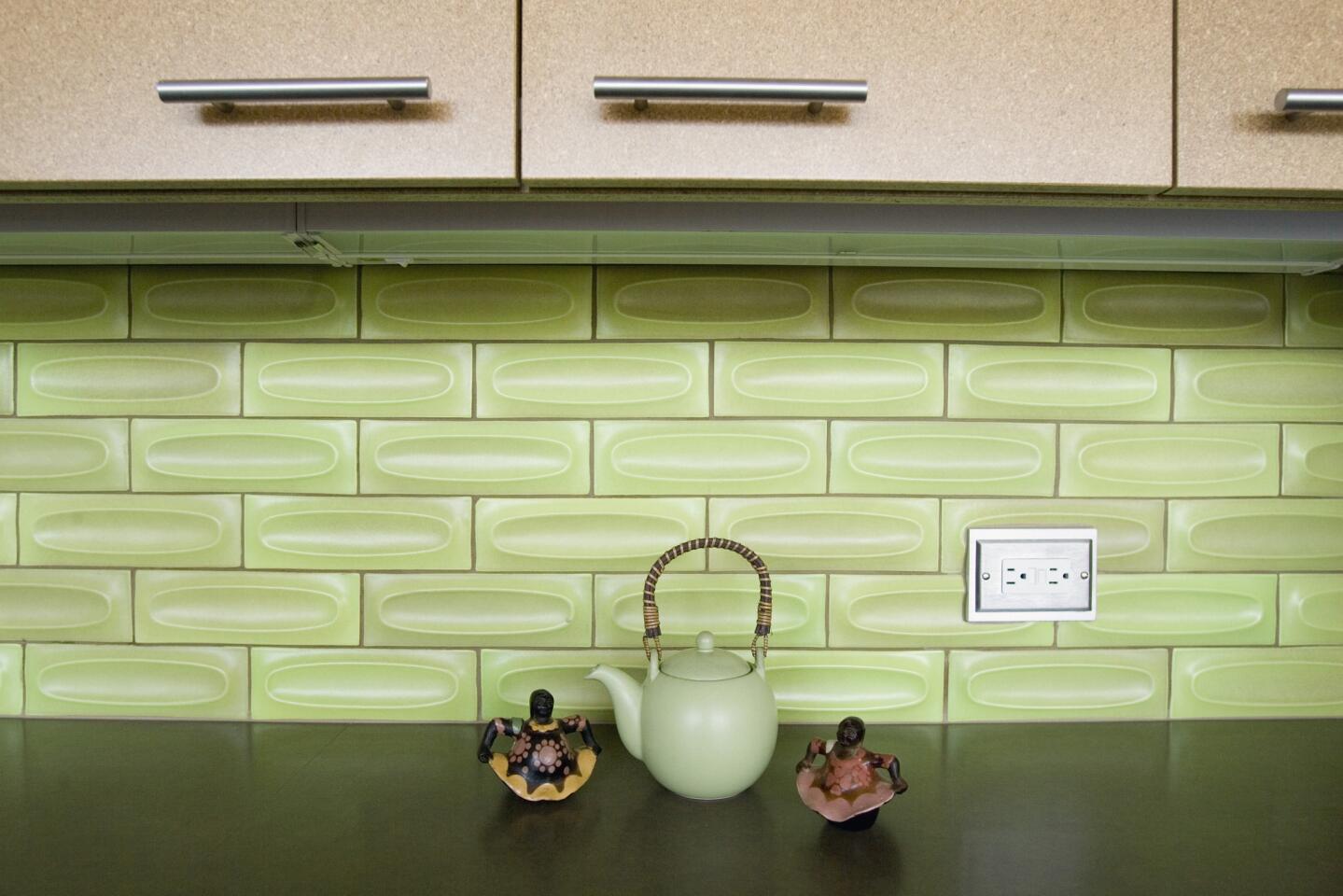
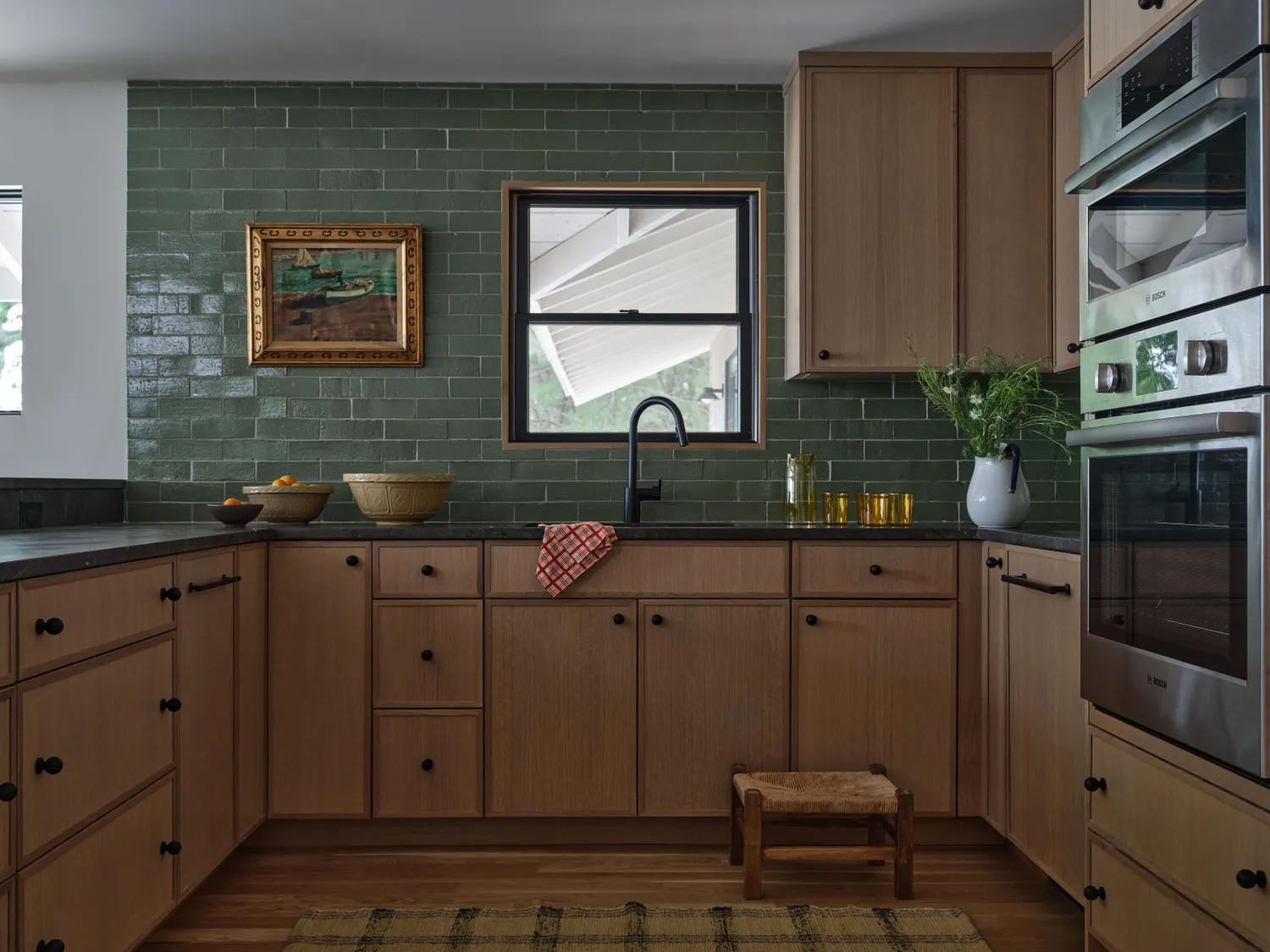
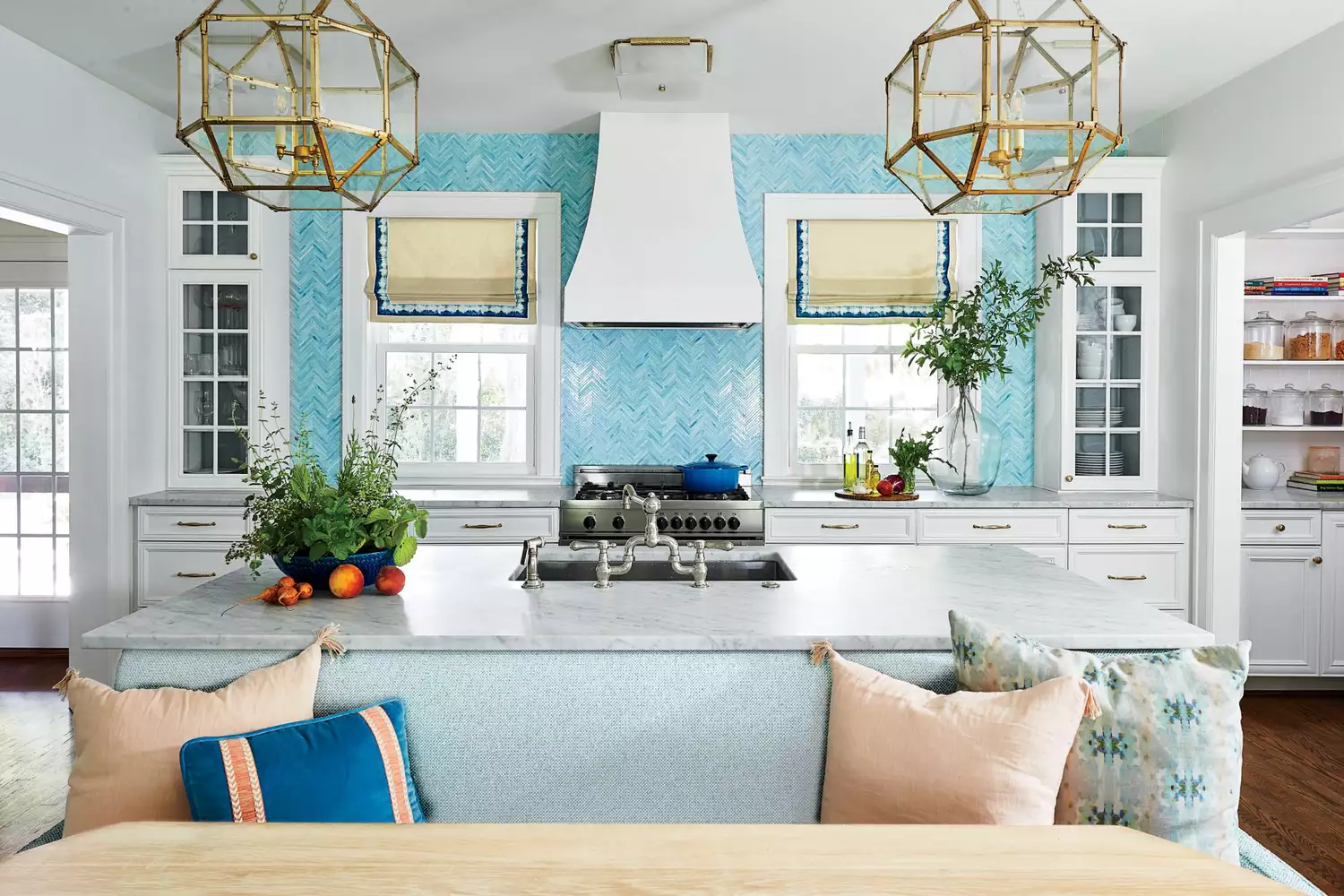
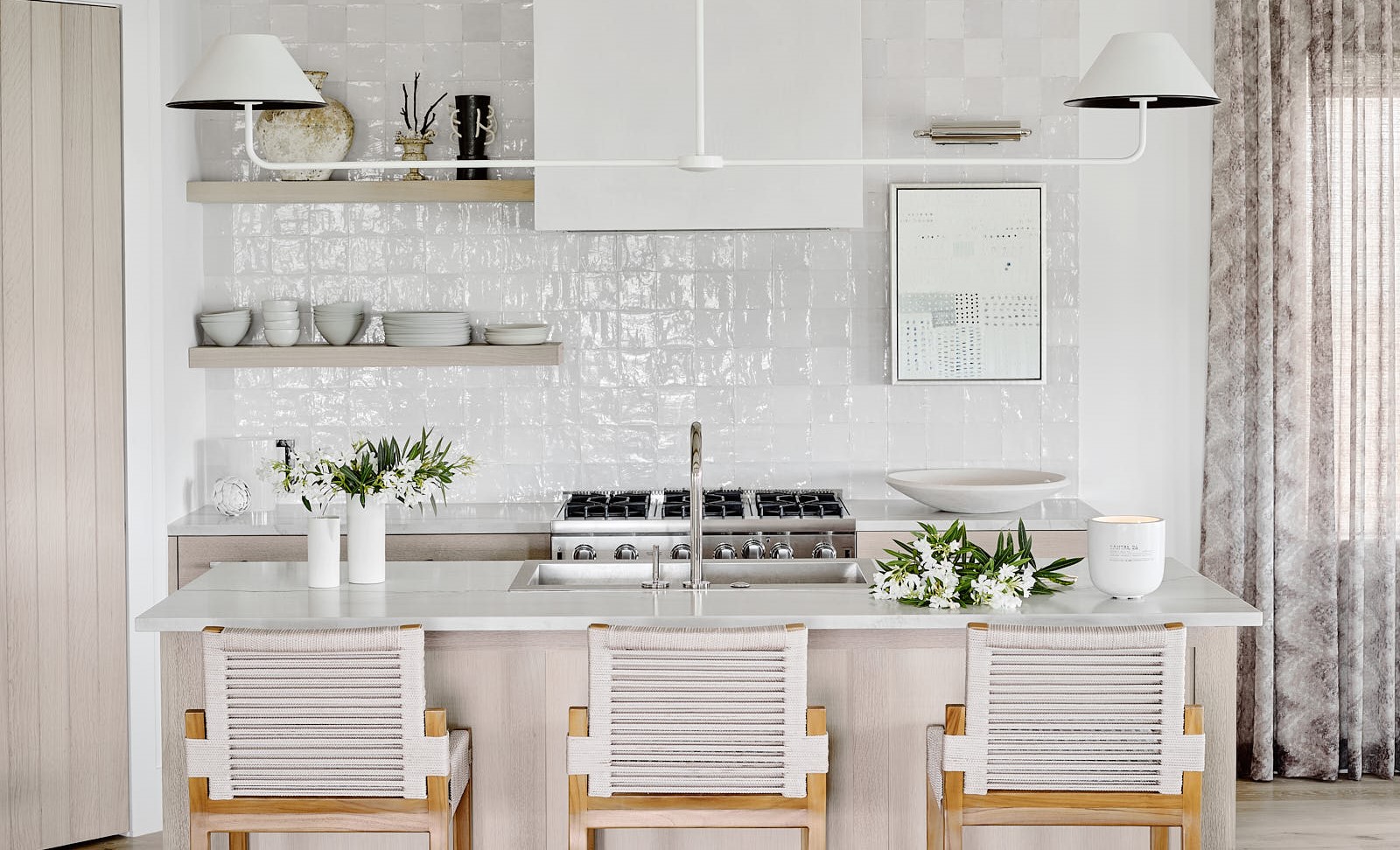
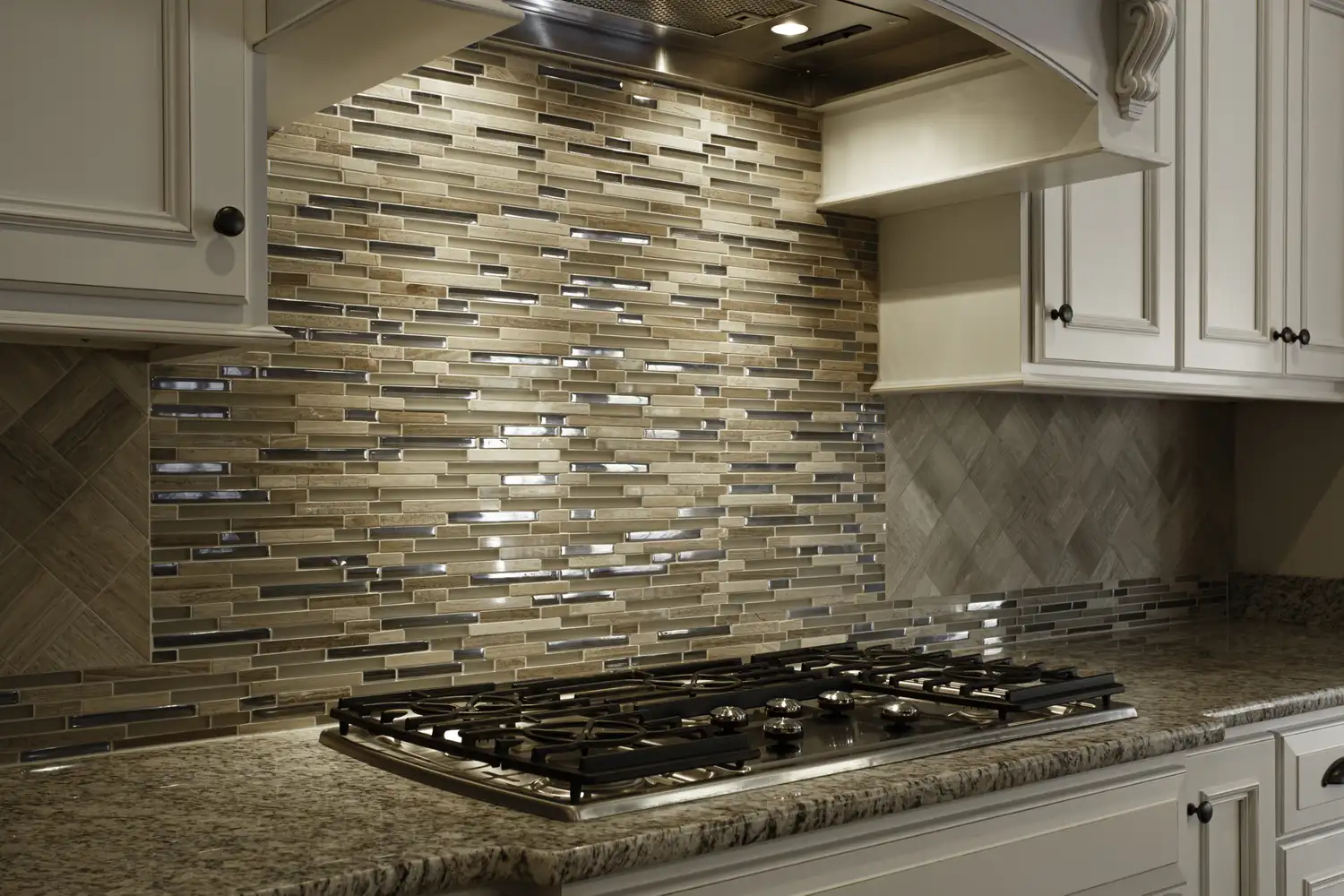
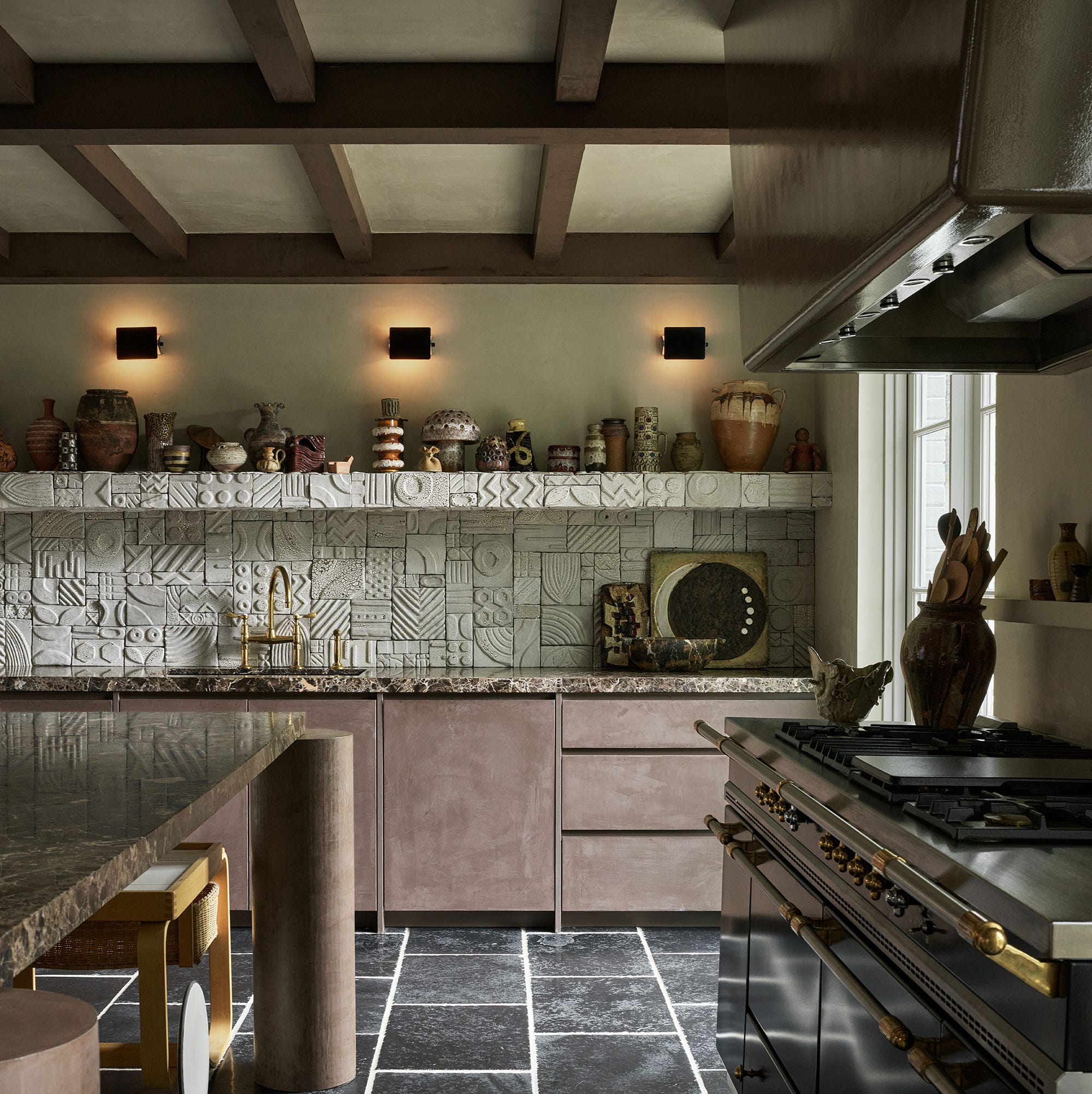
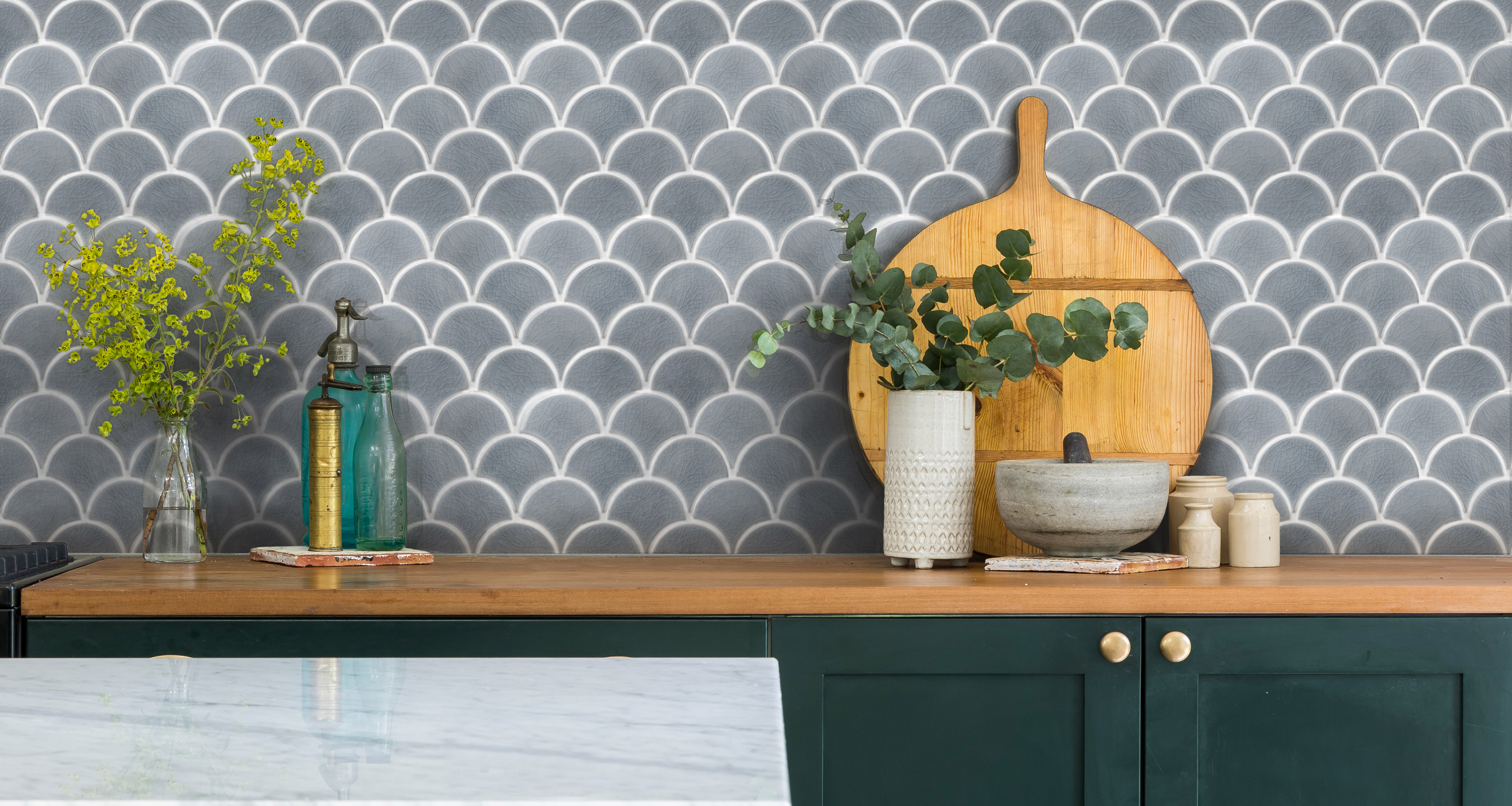
Tiled backsplashes are experiencing a resurgence, with a notable shift towards glazed finishes. Glazed tiles are not only easy to clean but also reflect light, enhancing the brightness of a room regardless of their color. Hand-made tiles, like those from Florence or Moroccan Zelliges, introduce rich hues, varying tones, and artisan textures, creating a contrast with other kitchen elements such as rustic wood or marble. For those seeking pattern and personalization, wallpaper can be used behind a protective toughened glass screen, offering a low-maintenance way to incorporate botanical prints, geometric designs, or metallic foils. This approach allows for creative expression without compromising the backsplash's protective function.
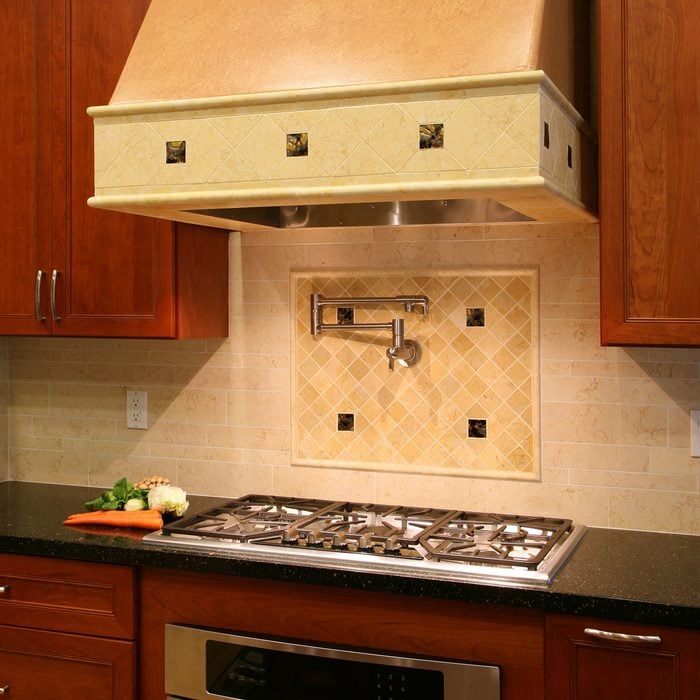
When considering maintenance, stainless steel, ceramic, glass, and porcelain are among the easiest materials to care for, requiring specific cleaning agents to prevent damage to their surfaces. The key takeaway is that the kitchen backsplash is no longer just a functional component but a significant design opportunity. Its strategic placement at eye level makes it a primary visual element, offering a chance to introduce color, texture, and personality to the kitchen. Even small areas, such as above a stove or sink, can be transformed into impactful design statements, allowing homeowners to incorporate luxurious materials that might otherwise be cost-prohibitive for larger surfaces like countertops. Ultimately, the right backsplash choice can profoundly enhance both the practicality and aesthetic appeal of a kitchen, making it a space that is both beautiful and functional.
#KitchenDesign #BacksplashIdeas #InteriorDesign #KitchenMaterials #HomeRenovation #DesignTrends #KitchenDecor #MaterialSelection #KitchenUpgrades #KitchenDesign #BacksplashIdeas #InteriorDesign #KitchenMaterials #HomeRenovation #DesignTrends #KitchenDecor #MaterialSelection #KitchenUpgrades
0 comment in total
 No comments yet
You may also like
Here's Why You Should Be Using Wallpaper as Your Kitchen Backsplash
Ditch These Dated Backsplash Trends For Timeless Alternatives
6 outdated kitchen backsplash designs that can bring down a whole room
7 Backsplash Mistakes That Will Date Your Kitchen
Kitchens Without Backsplashes — 15 Attractive Alternatives That Throw Out the Rule Book

Freshen up the look of your kitchen with a unique backsplash

8 Backsplash Styles Designers Say Are Dating Your Kitchen
75 Kitchen Tile Backsplash Ideas for the Ultimate Culinary Refresh
Why Half Backsplashes Are Taking Over Kitchen Design, According to Experts

Common kitchen backsplash trends to avoid in 2025

Kitchen wall tile ideas – bring color, pattern and style to vertical surfaces
Blended backsplashes are trending in kitchen design – this is what you should know
Choosing the Best Backsplash for Your Kitchen

Your Backsplash Is Cheapening Your Kitchen—Here's How to Fix It, According to Designers
This Striking Geometric Backsplash Is Just the Thing to Upgrade Your Kitchen

12 colorful kitchen backsplash ideas

8 kitchen backsplash mistakes to always avoid, according to interior designers
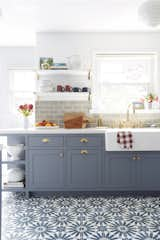
Three Interior Designers Discuss the Dynamics of Choosing a Kitchen Backsplash

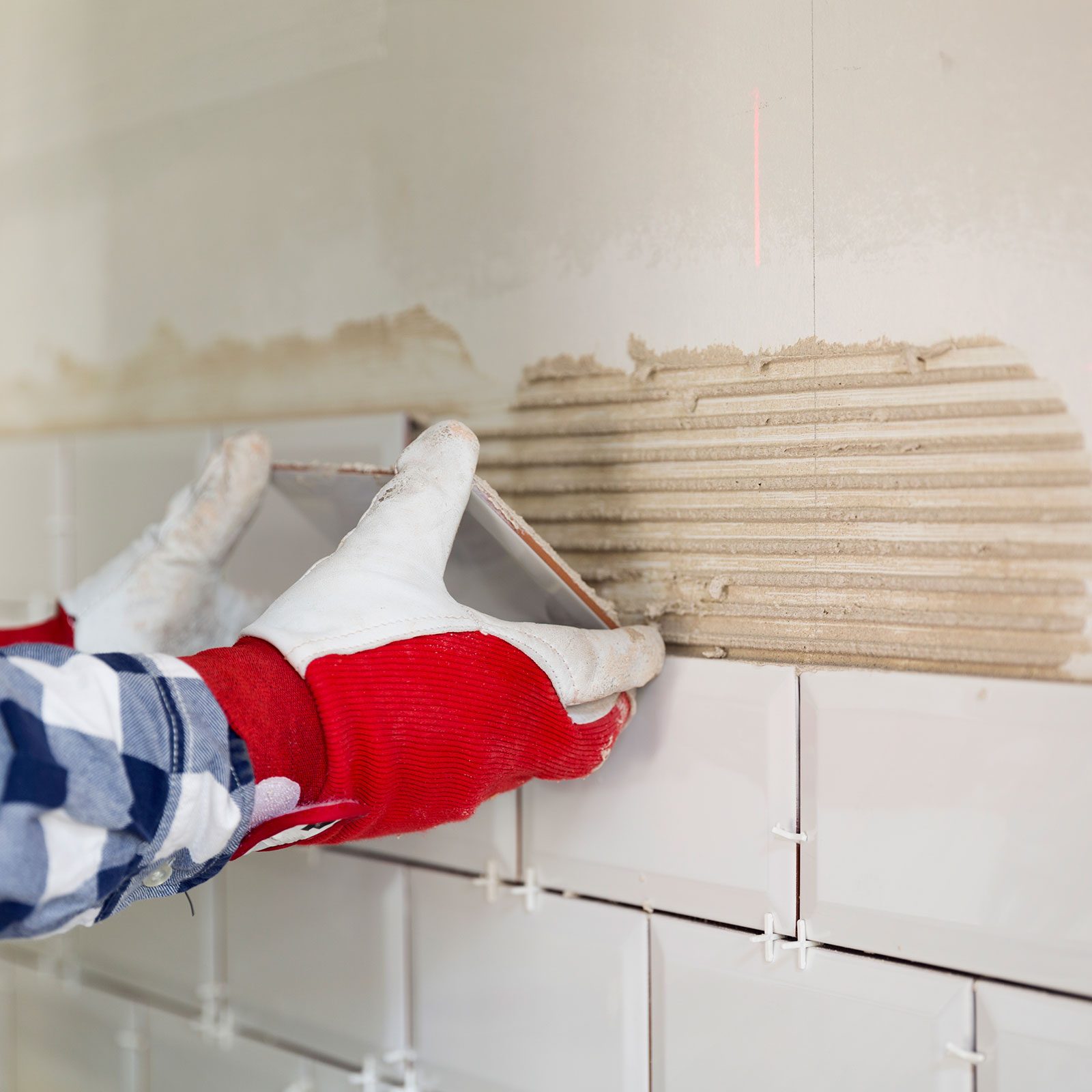
8 Backsplashes to Avoid, According to Interior Designers

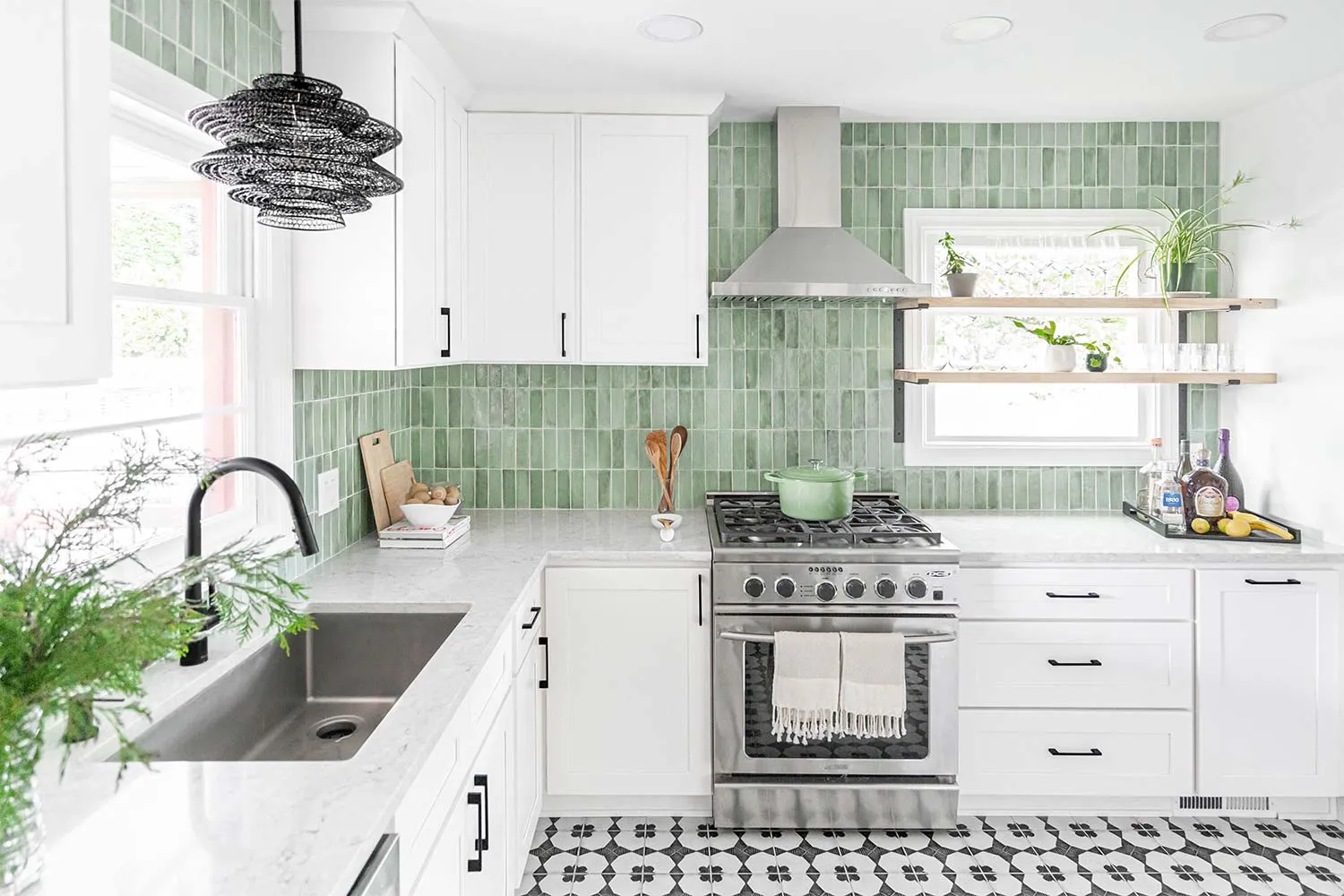
9 Kitchen Backsplashes That Will Never Go Out of Style, According to Designers