Six Tips To Finding The Right Backsplash For Your Kitchen Or Bath
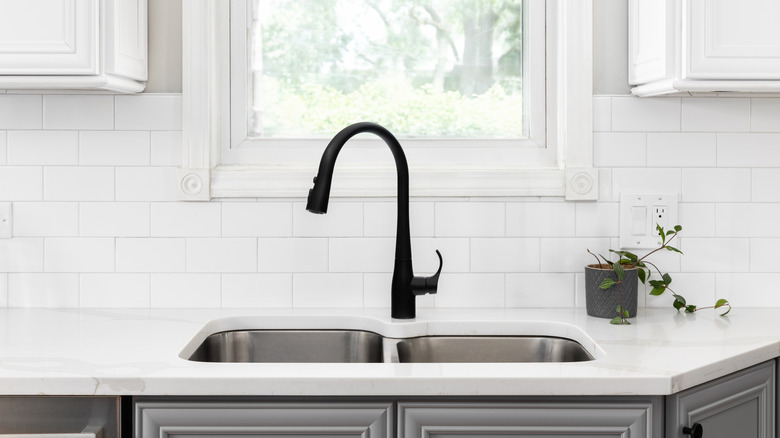
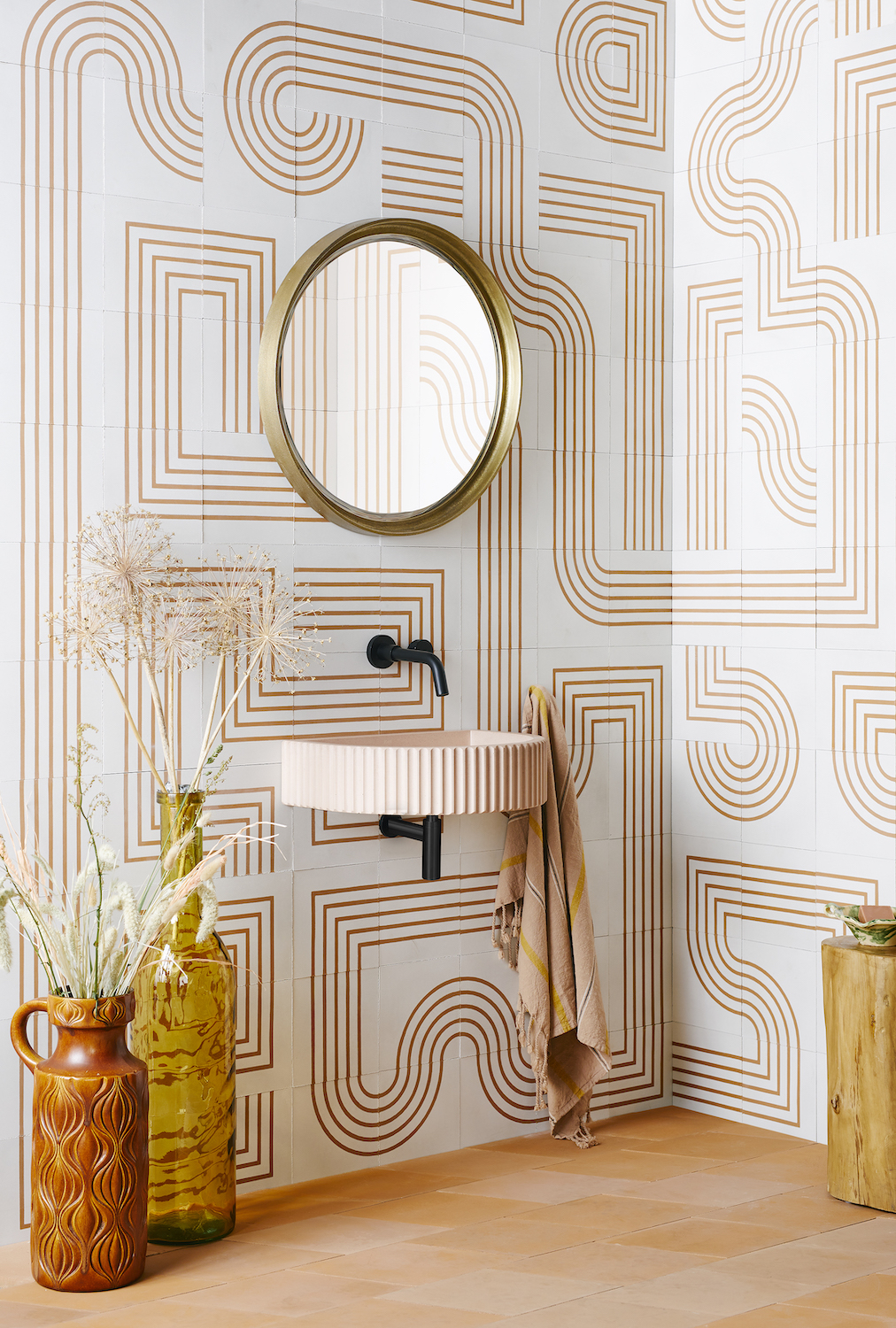
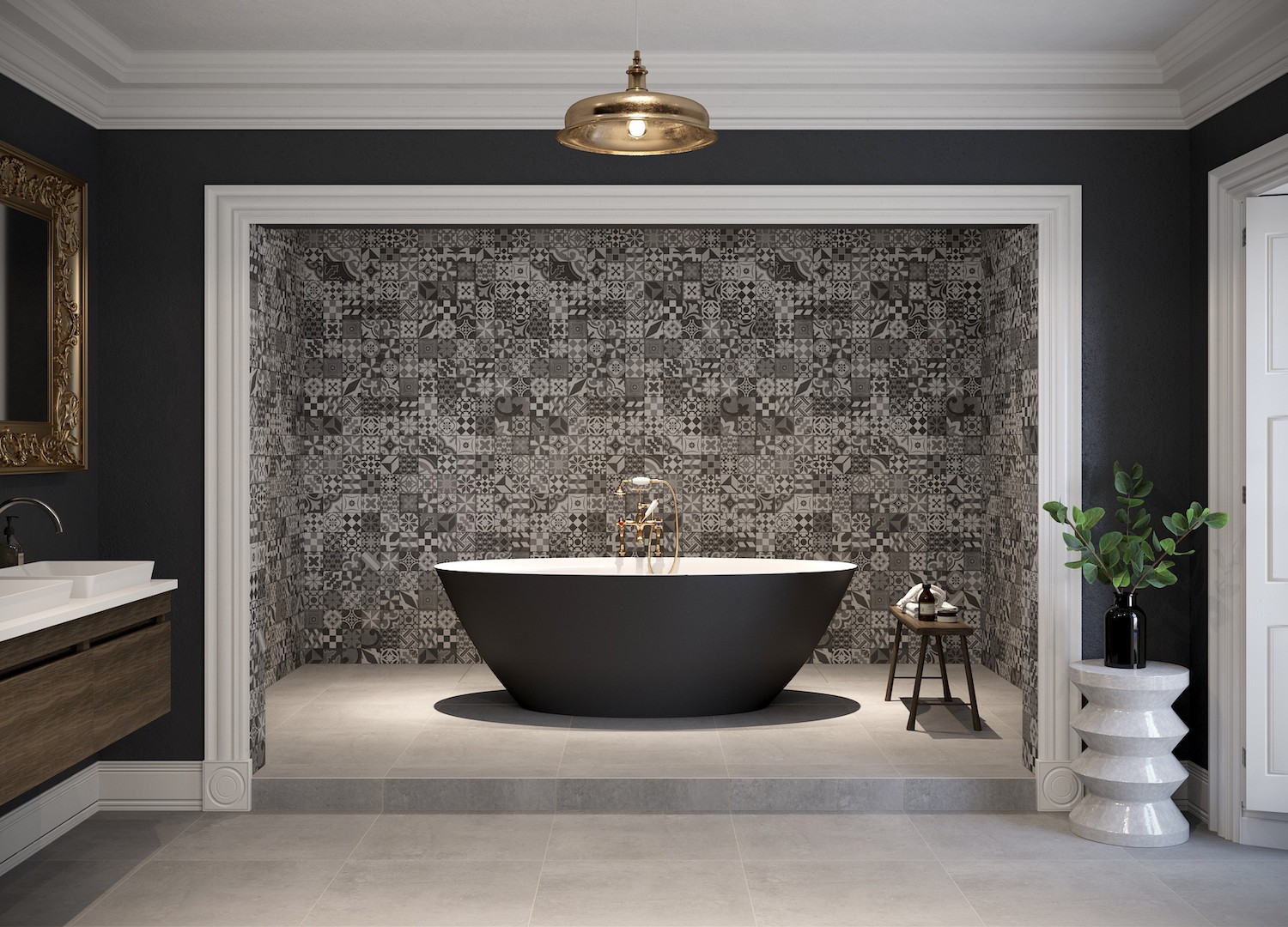
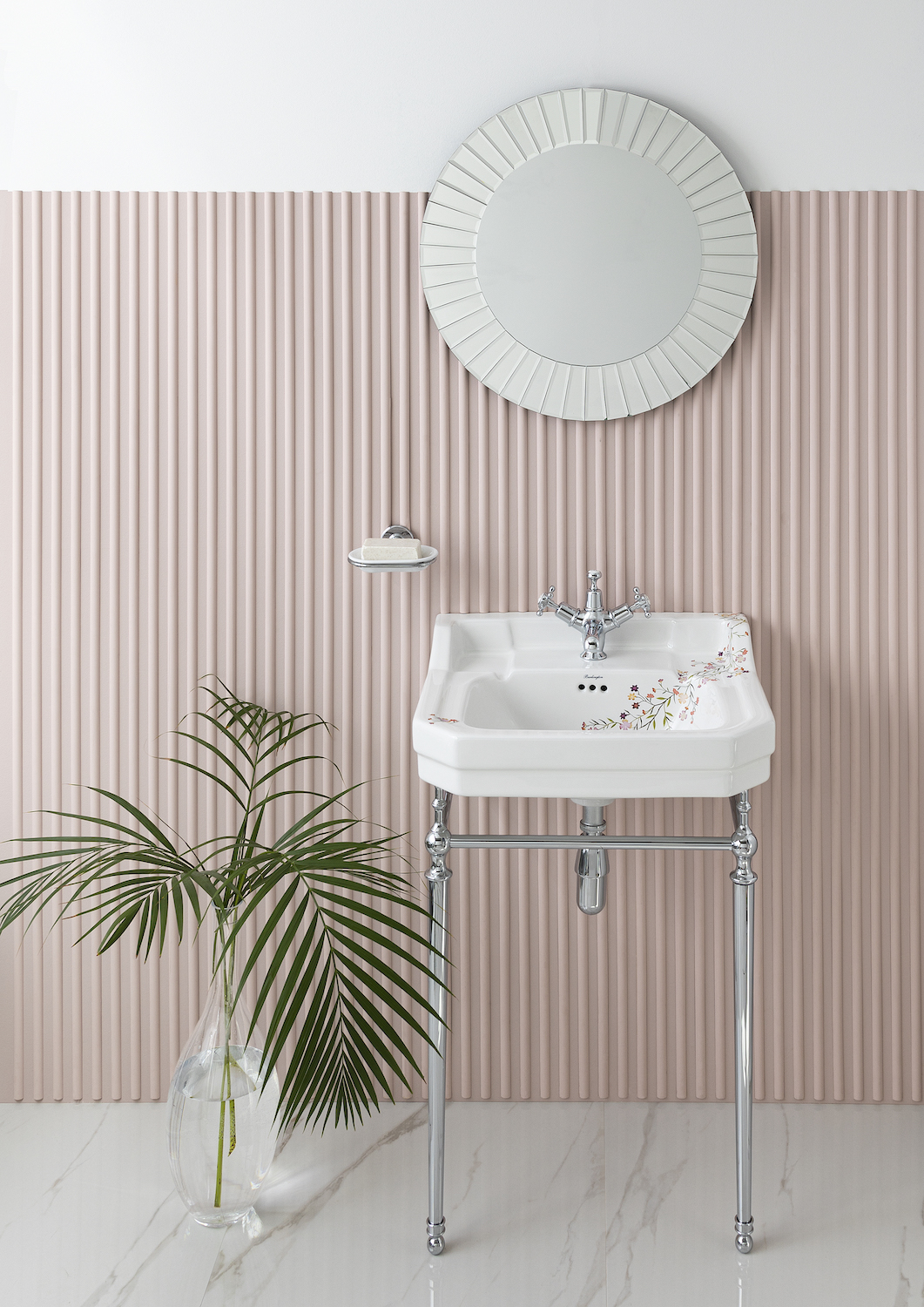
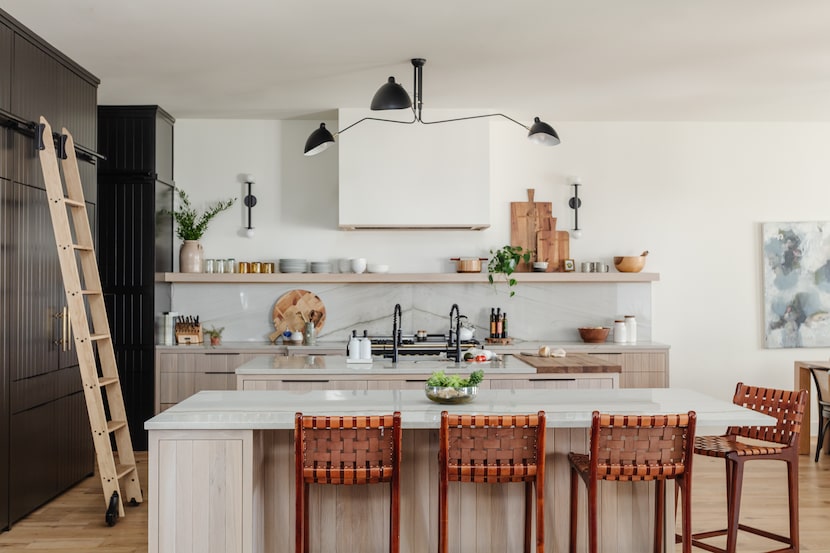
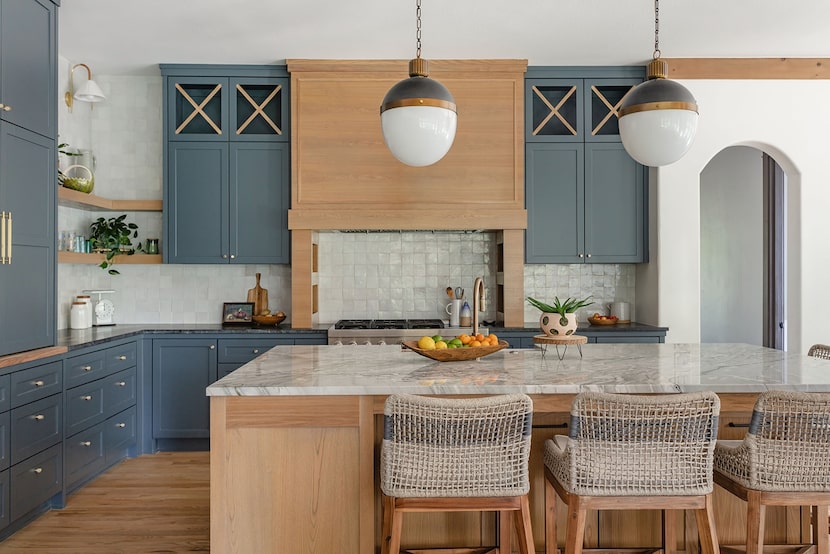
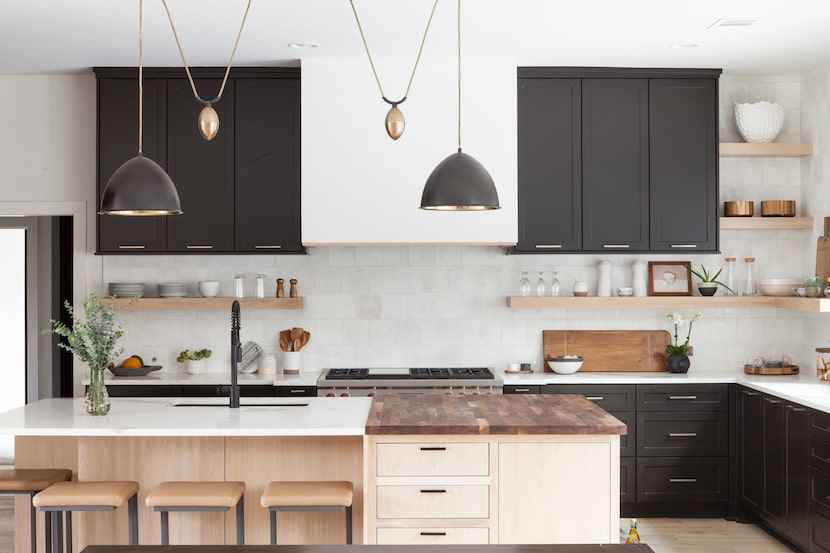
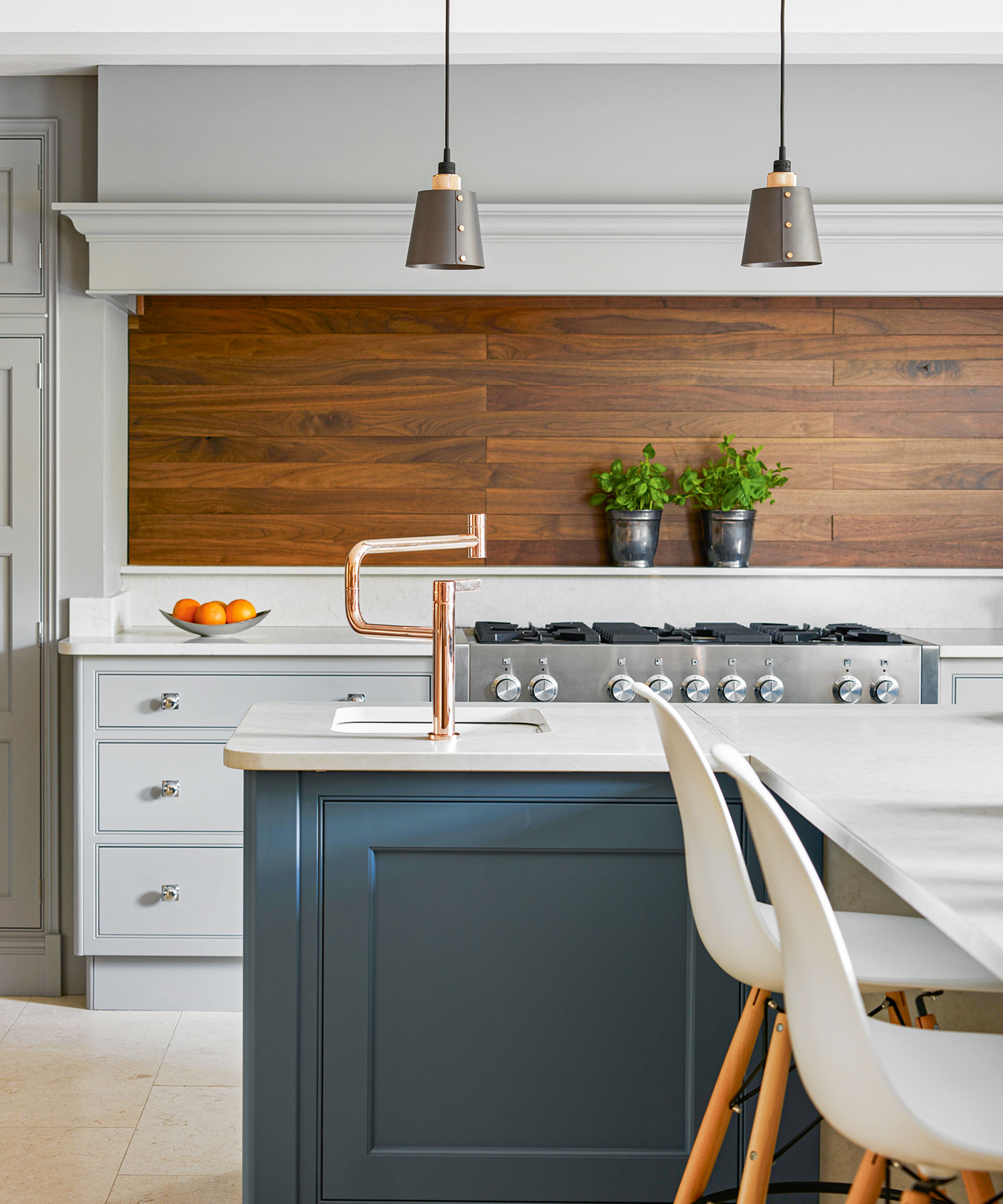
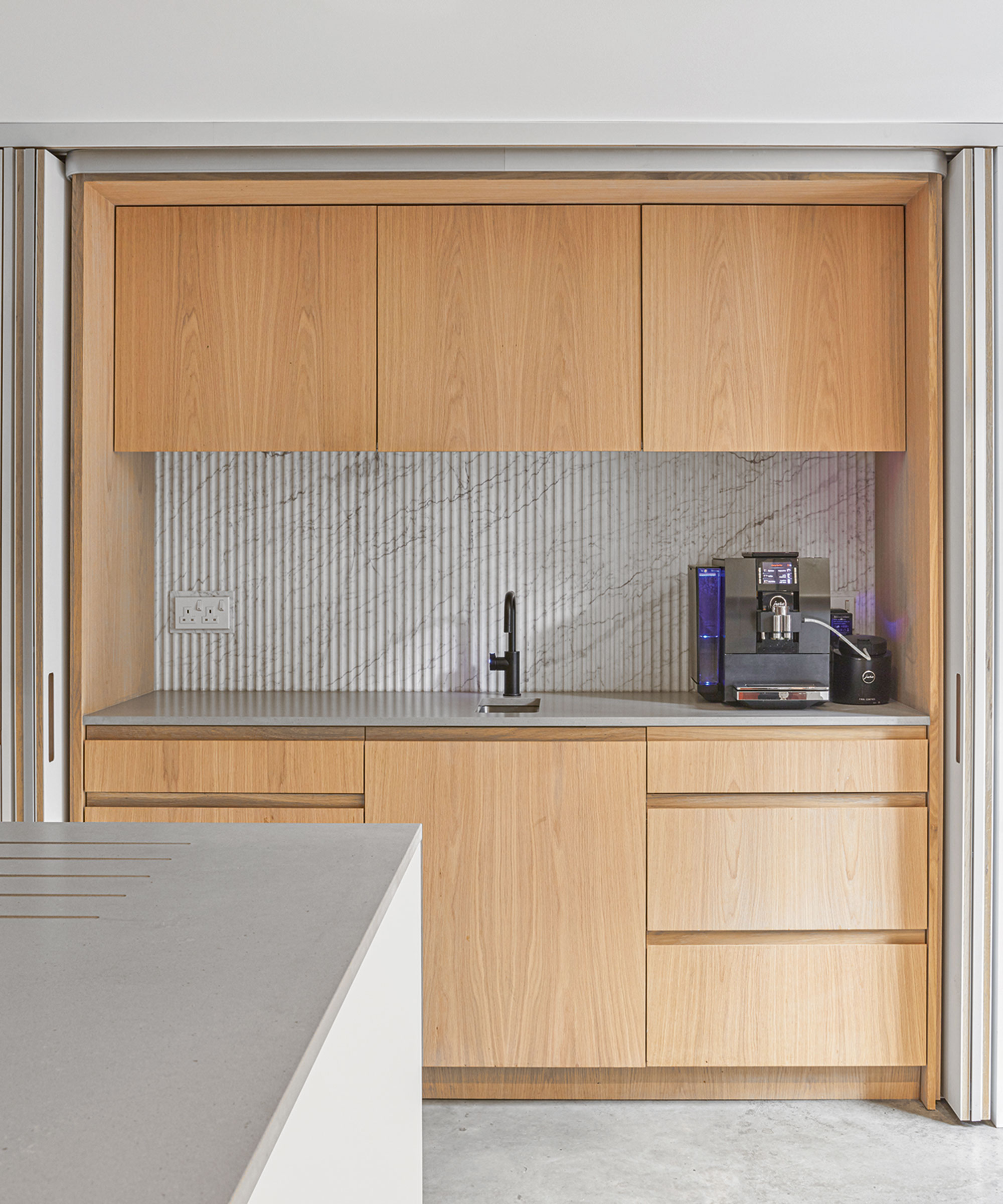
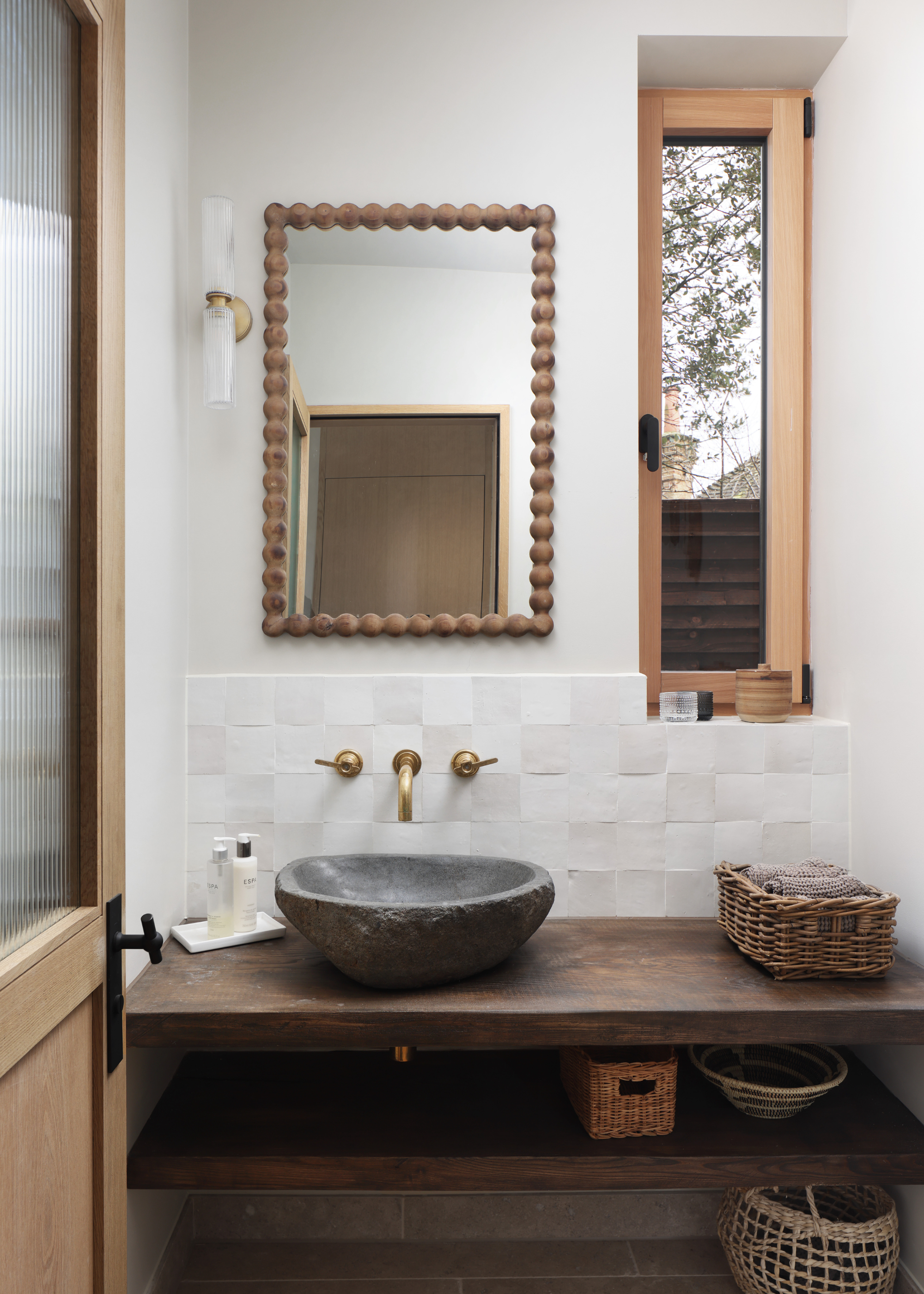
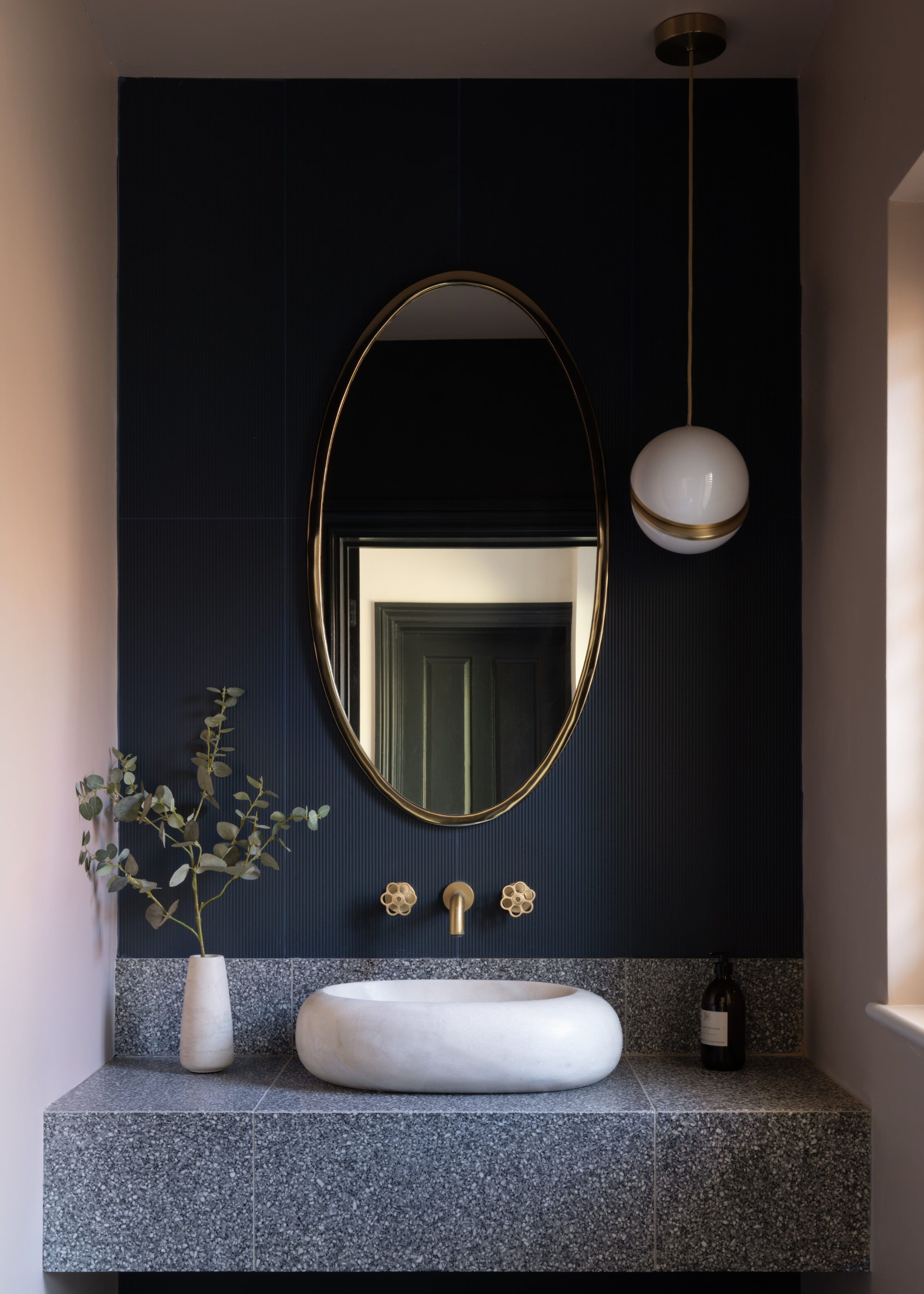
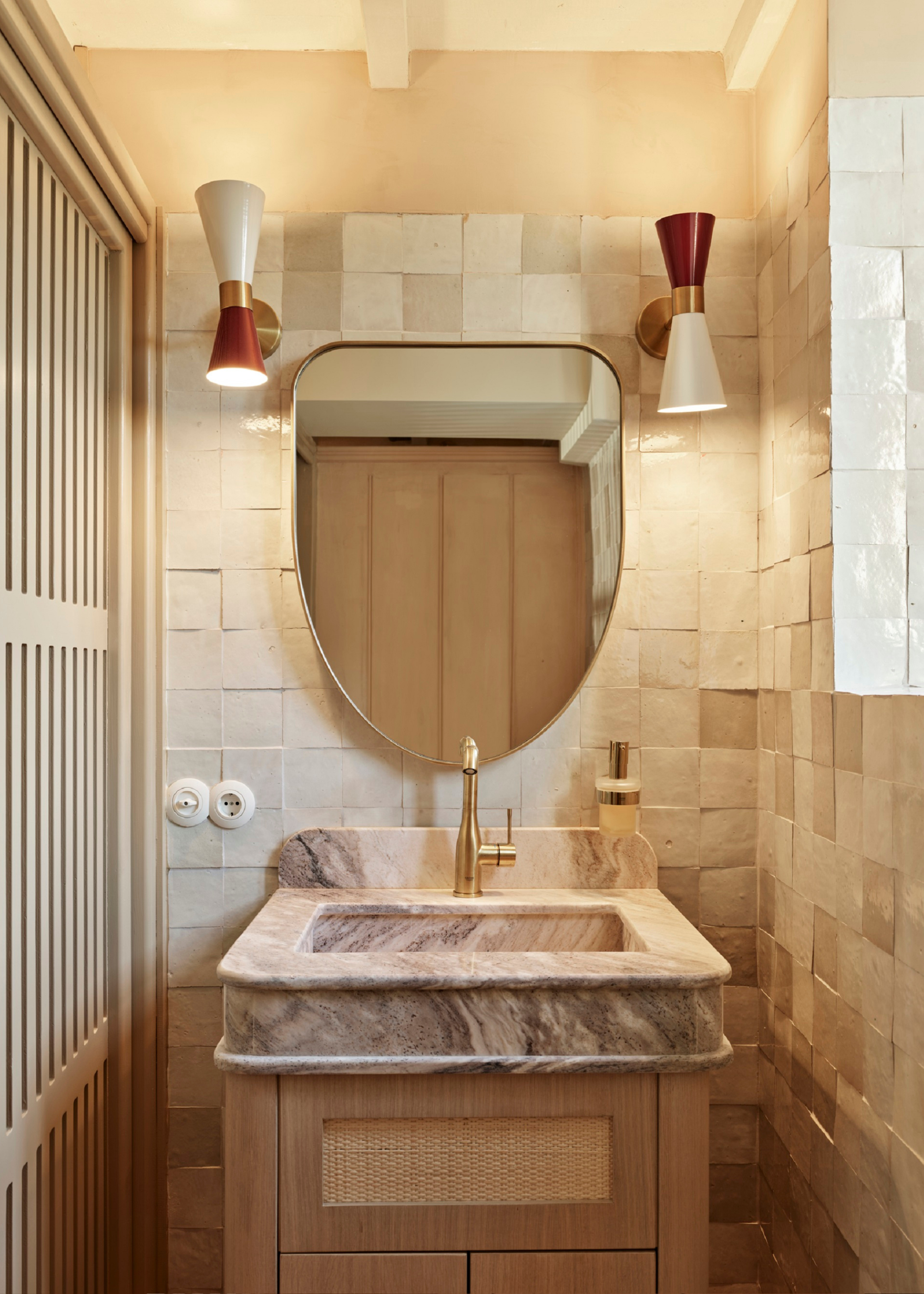
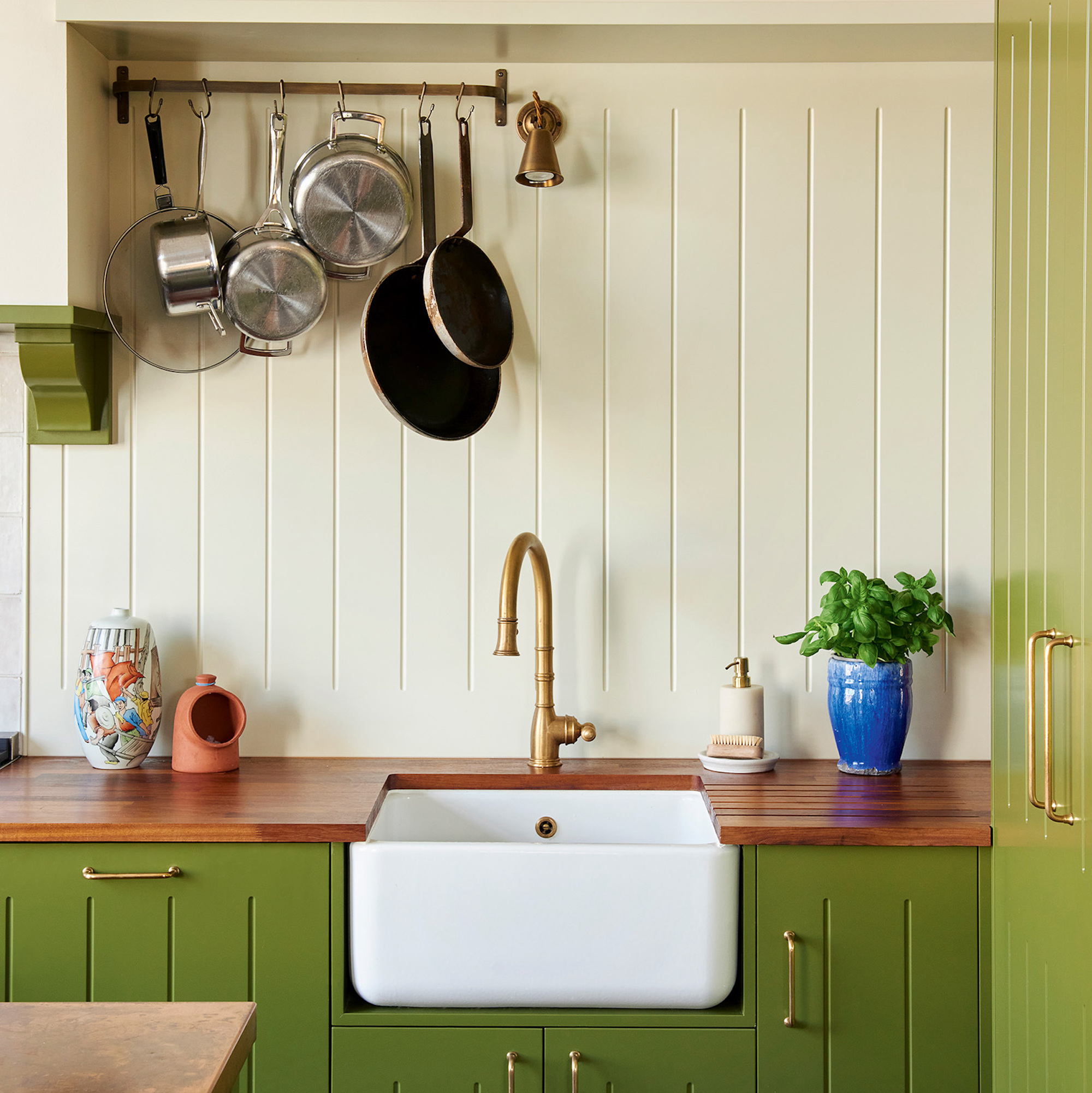
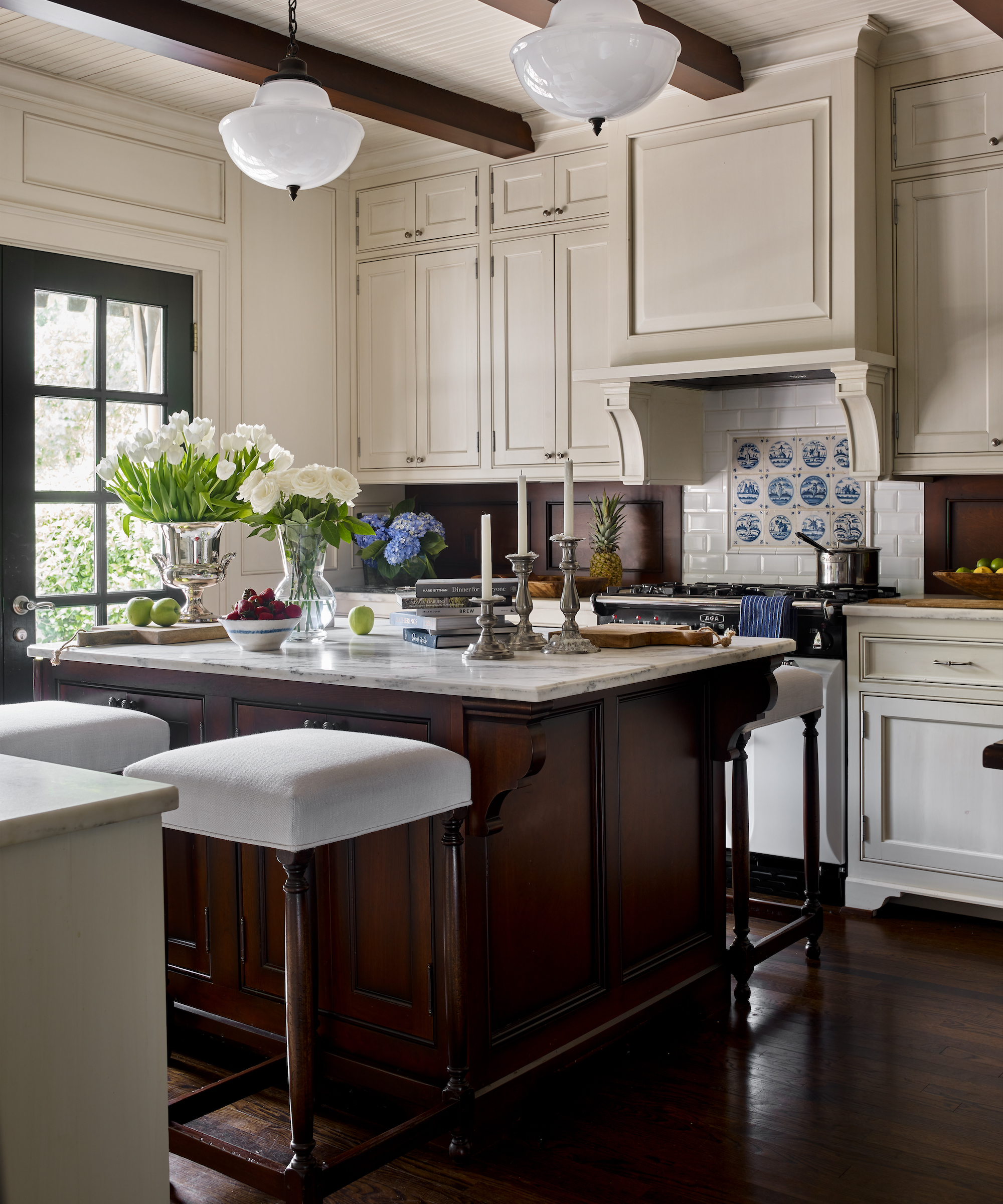
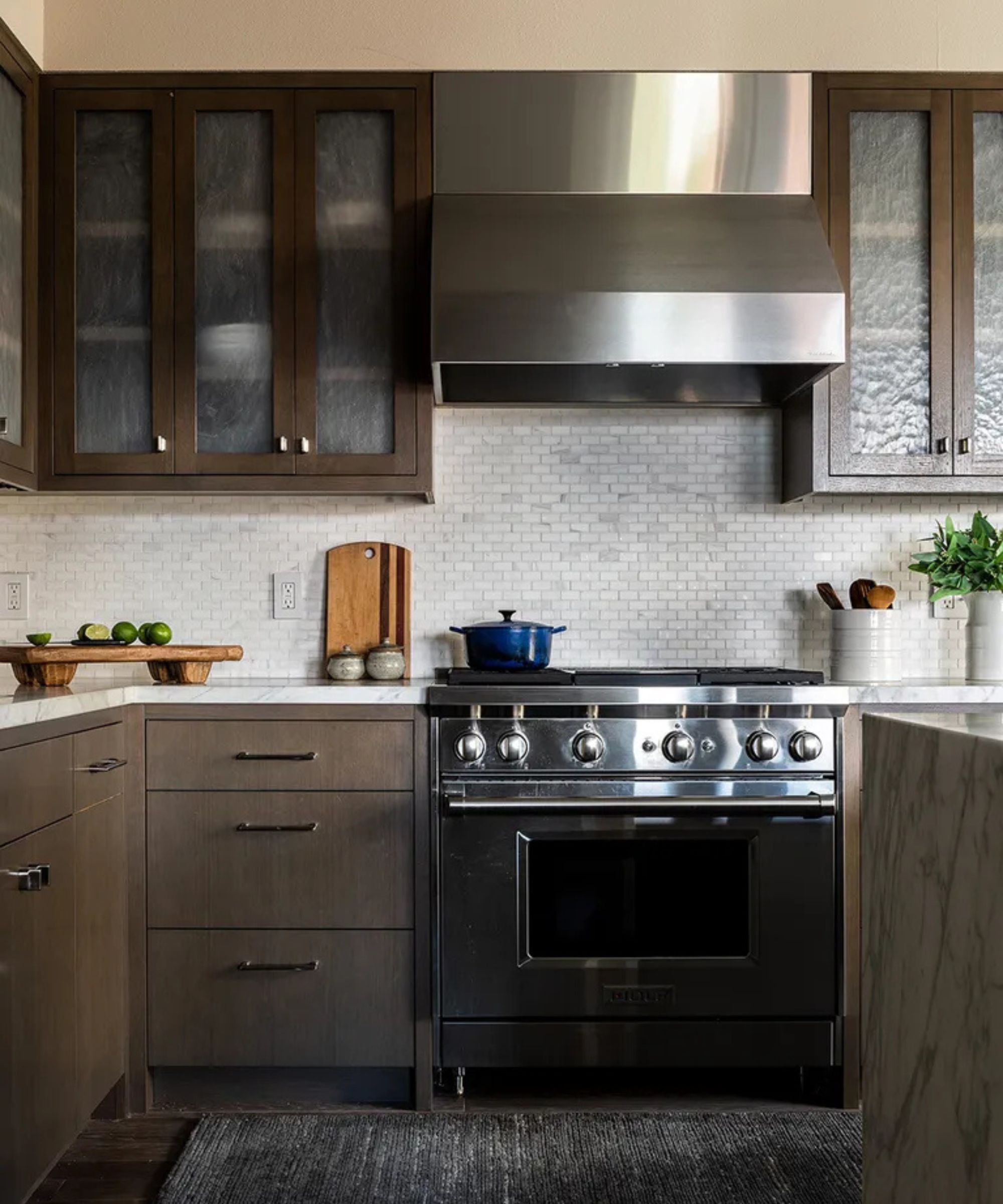
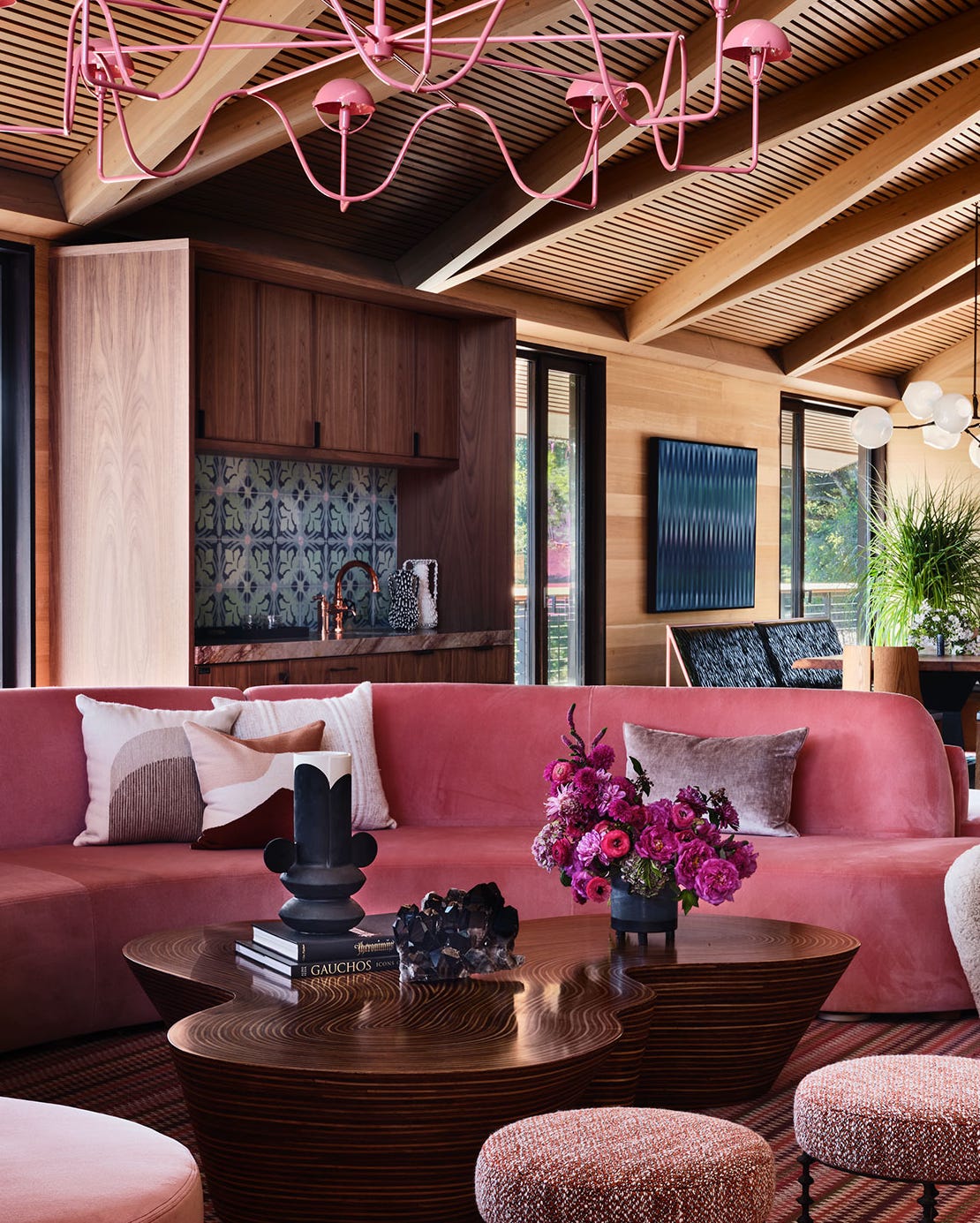
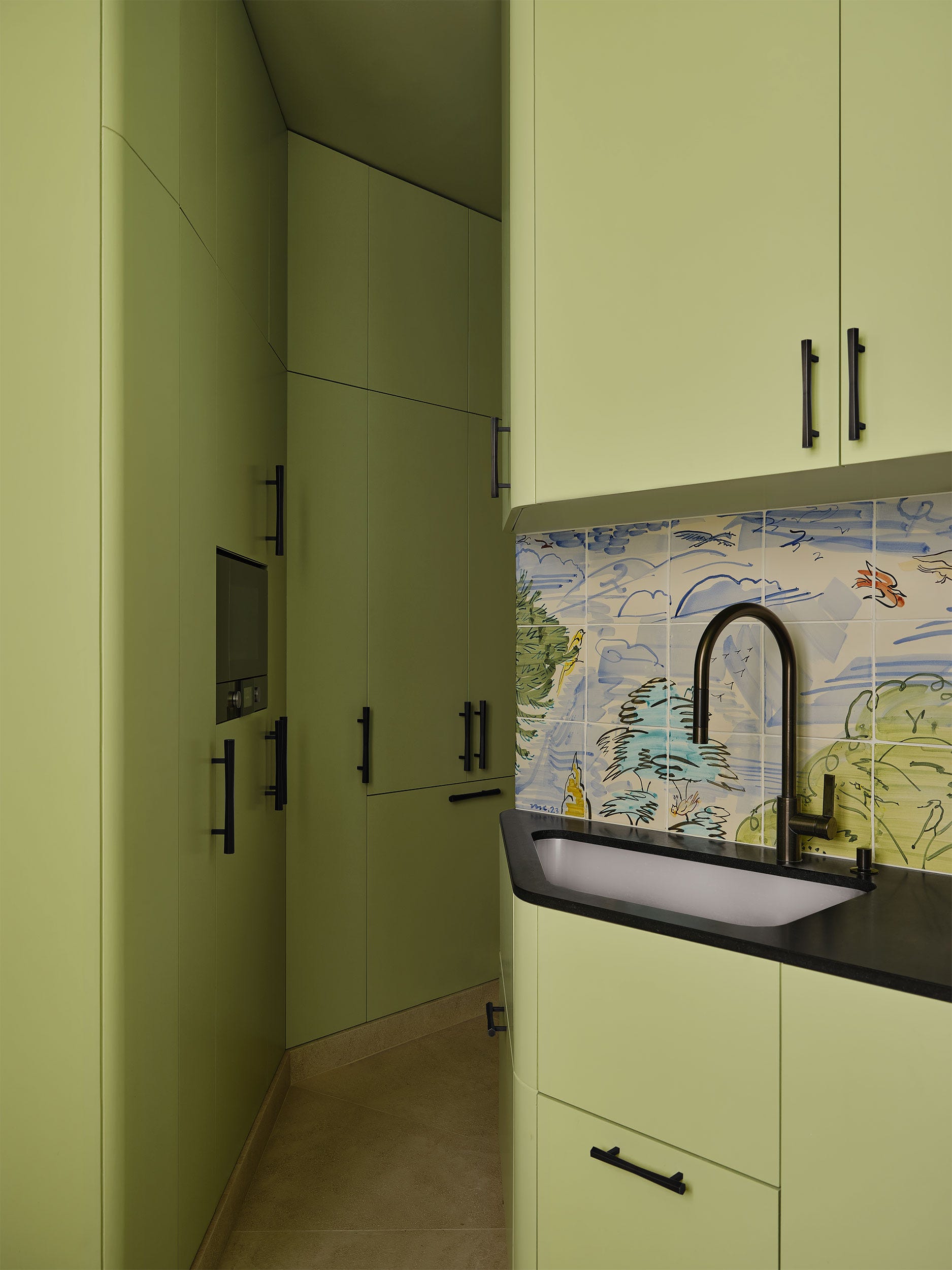
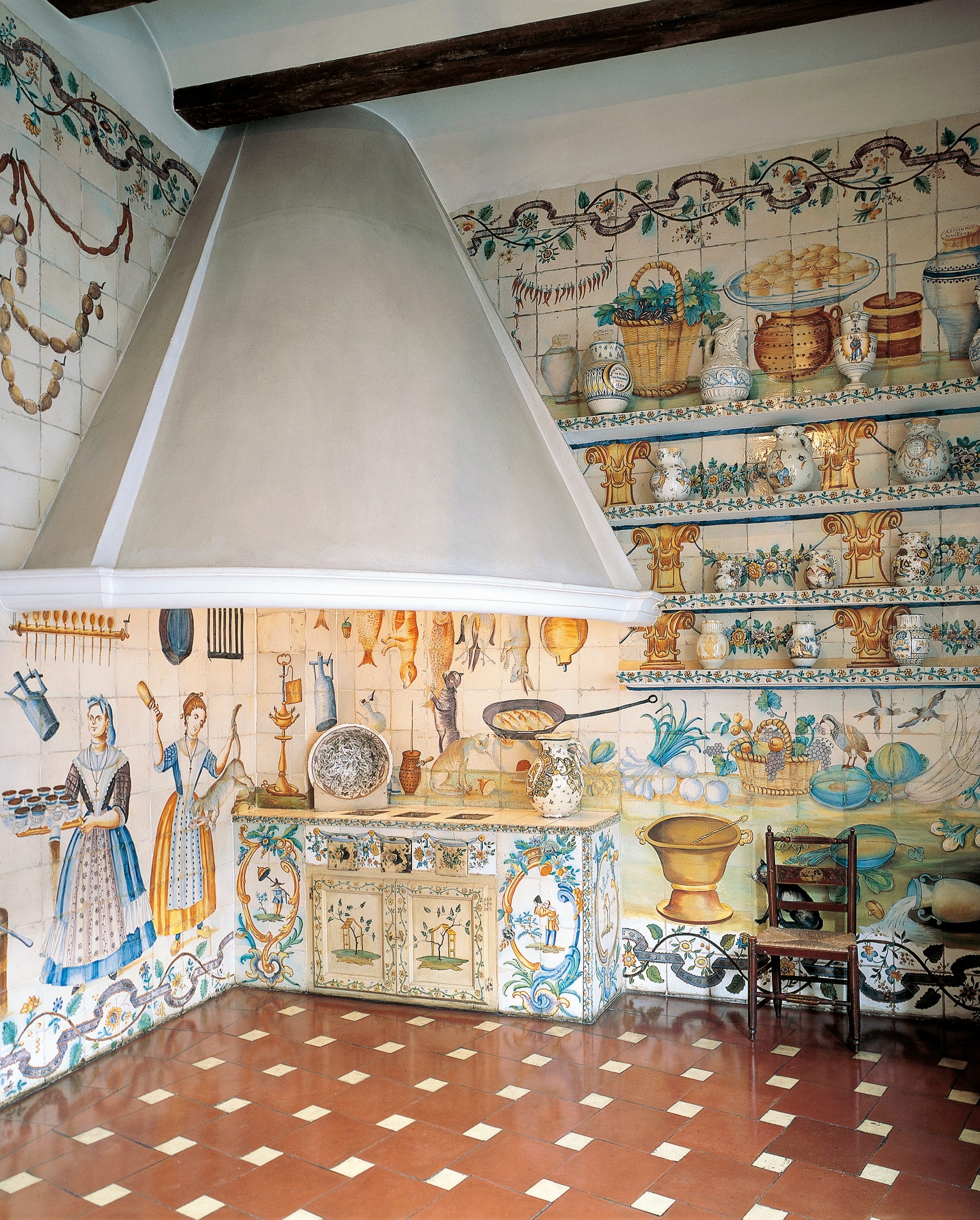
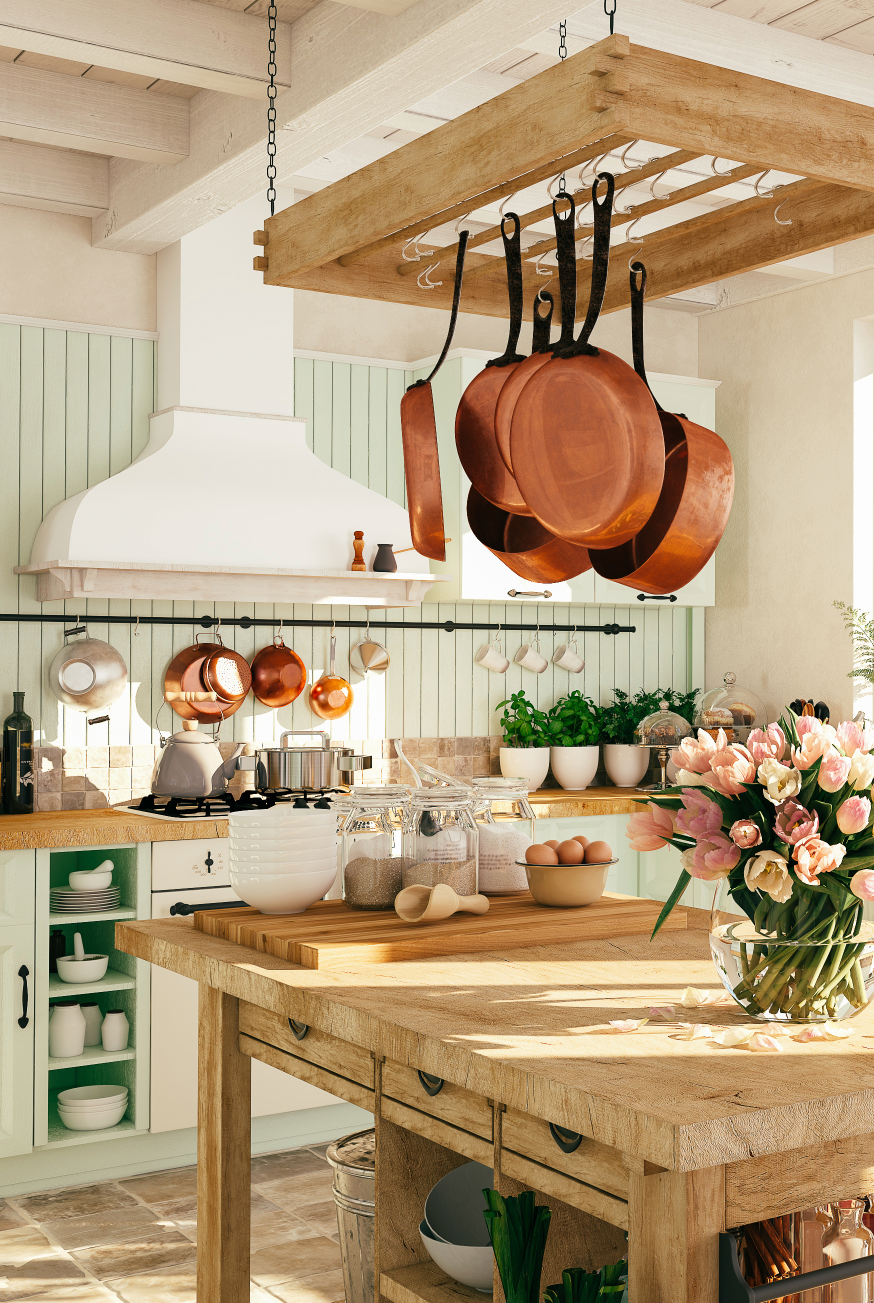
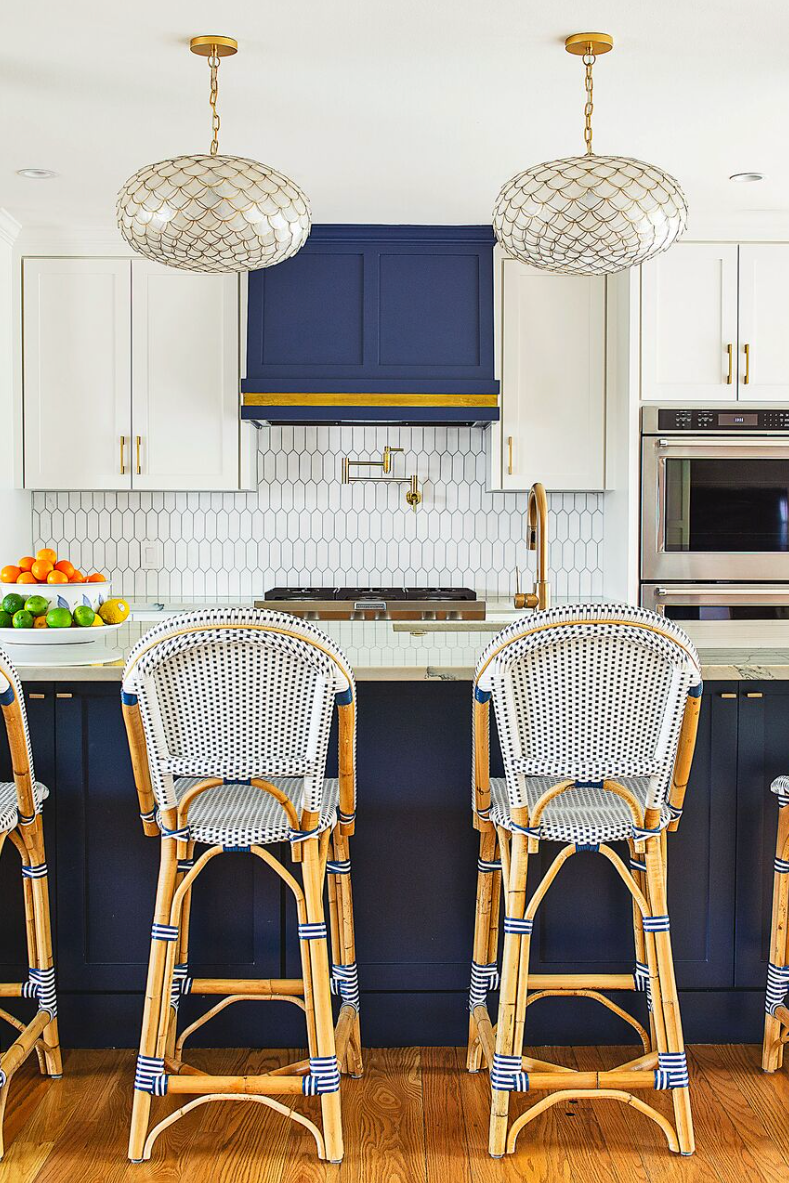
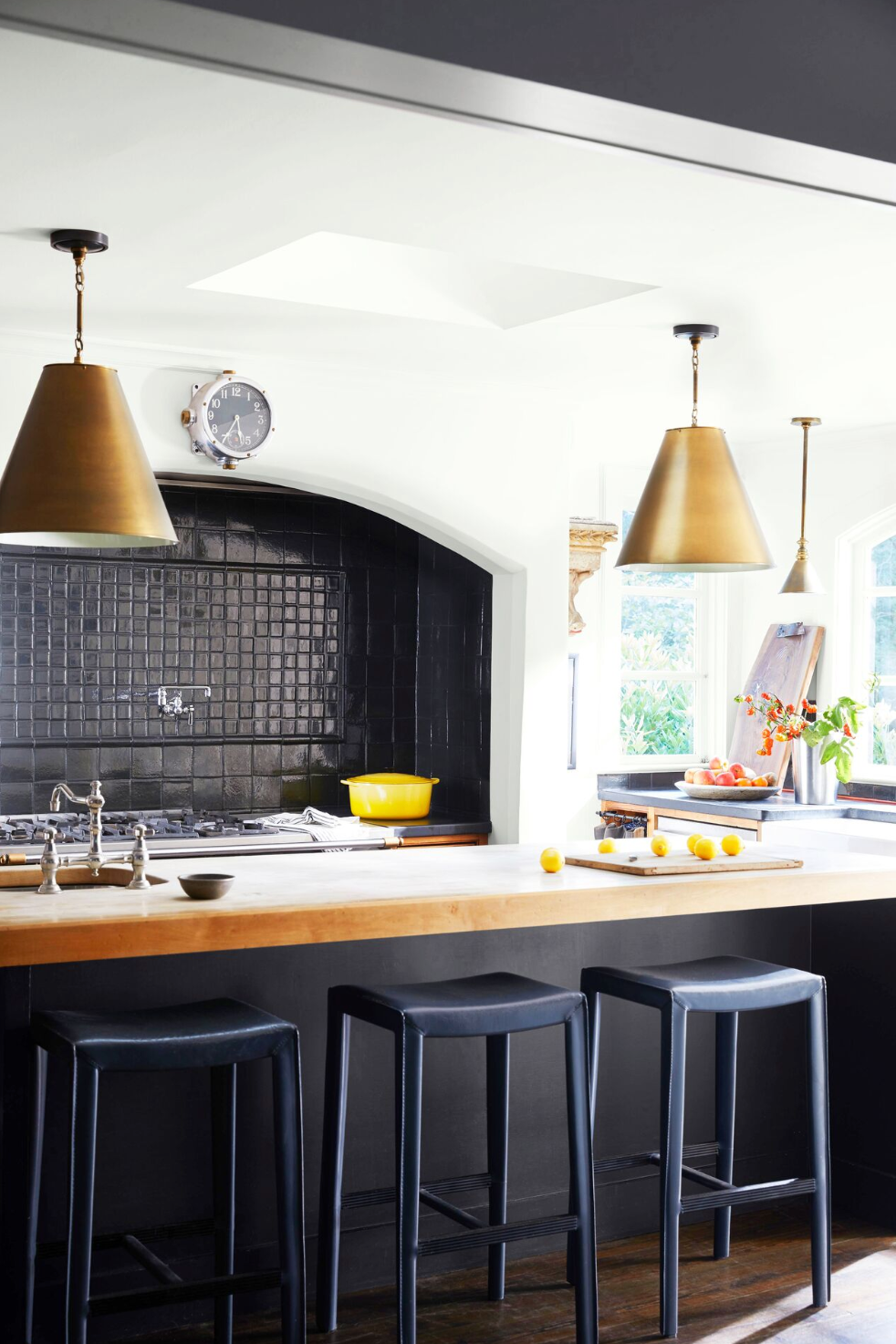
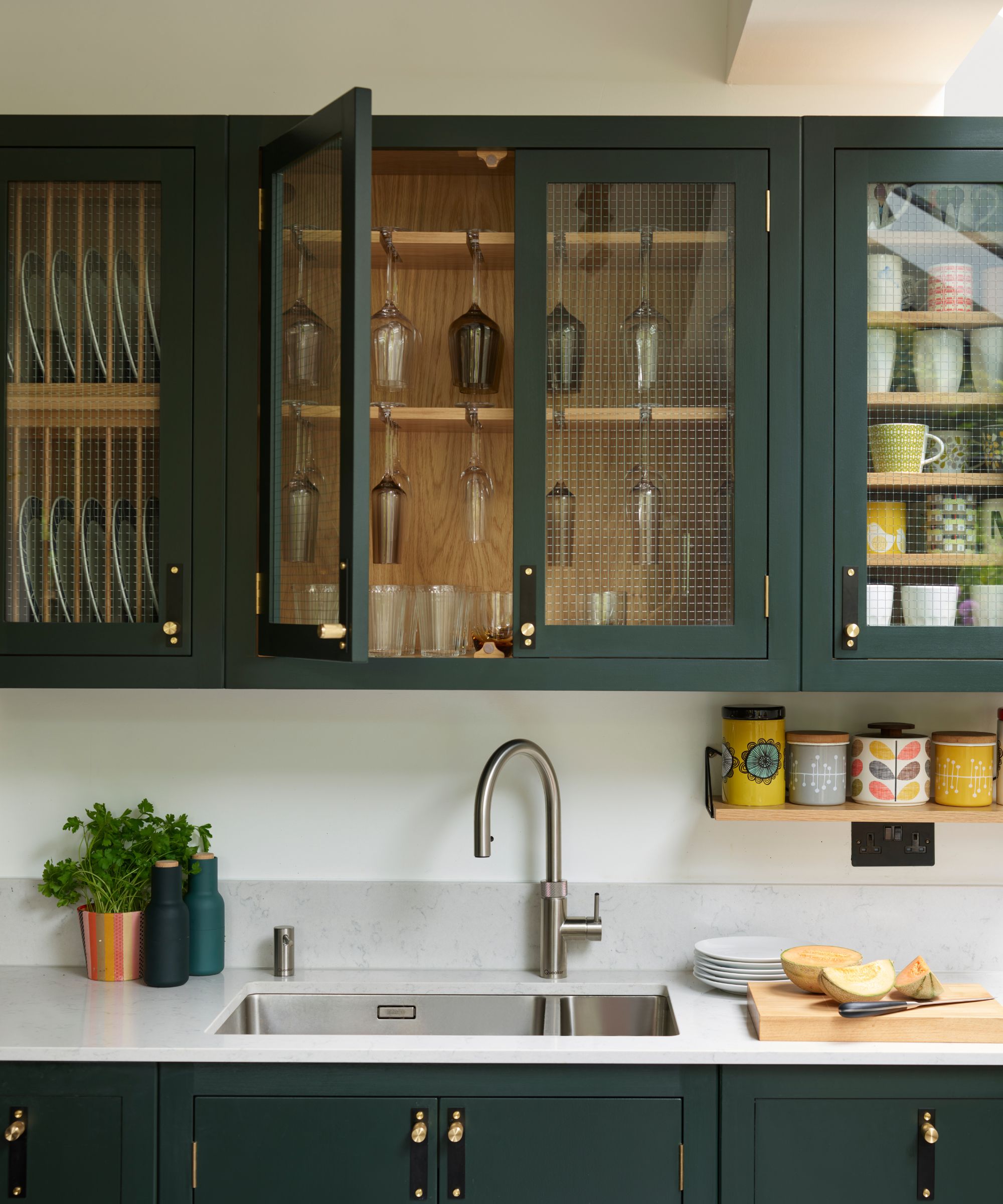
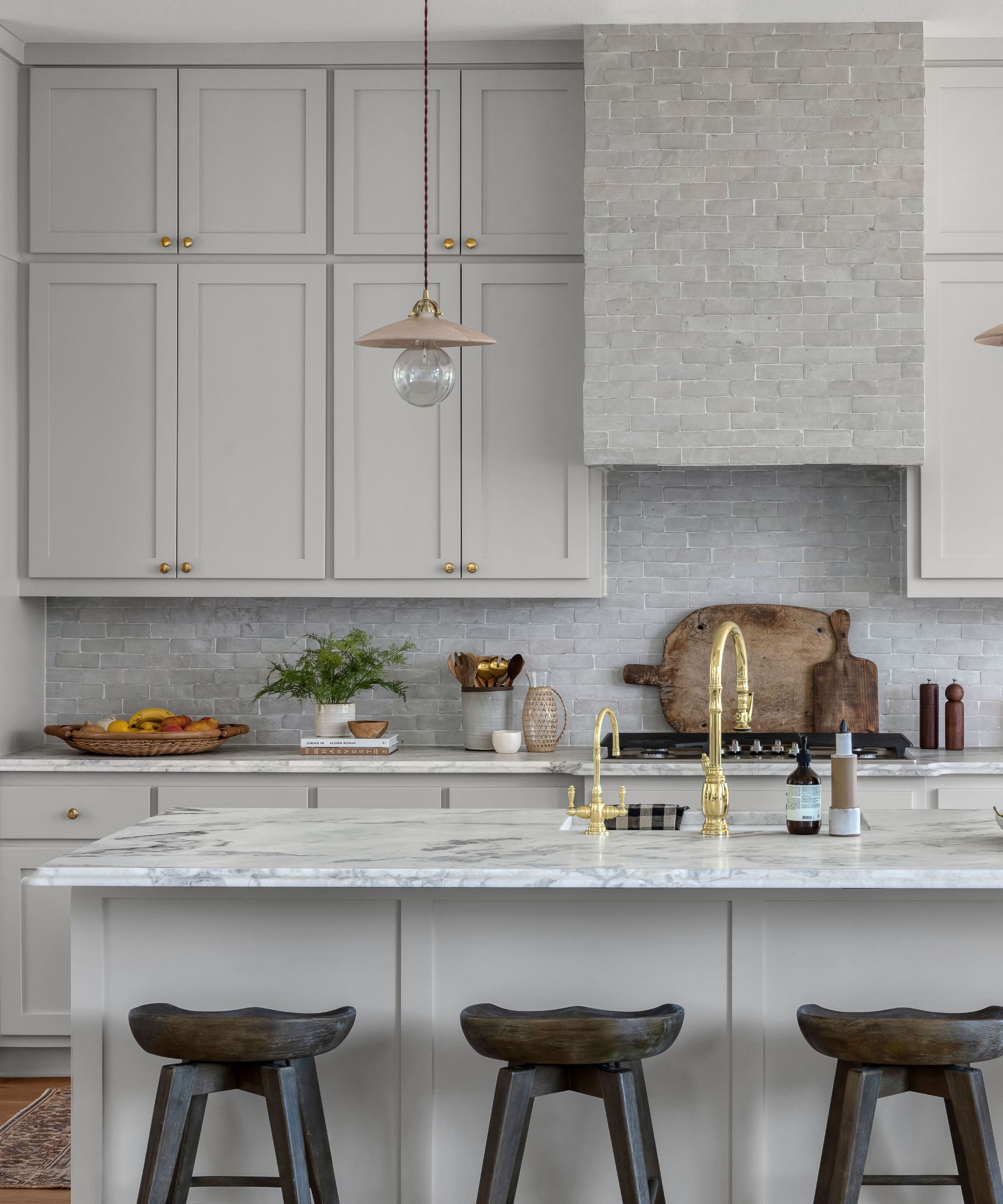
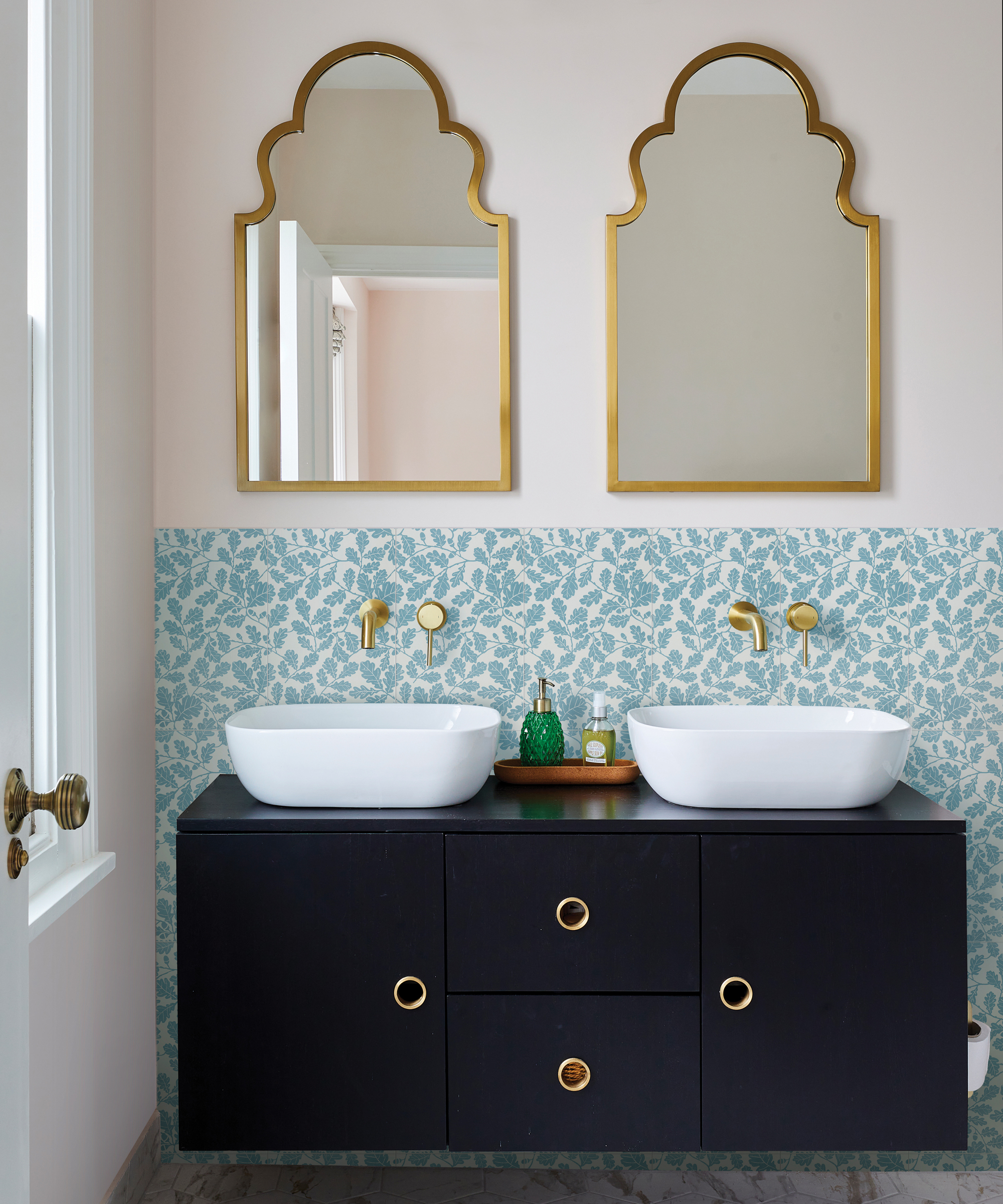
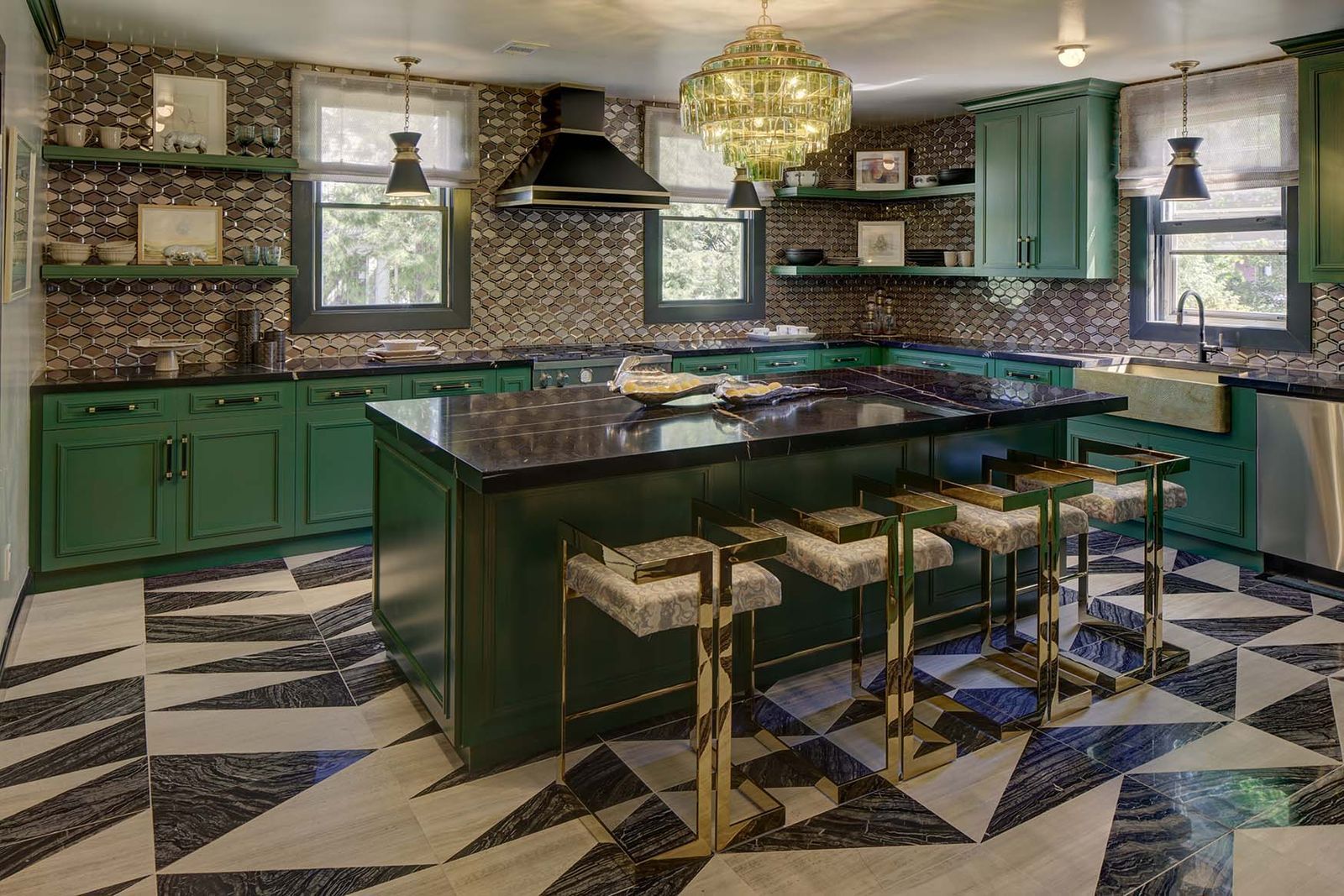
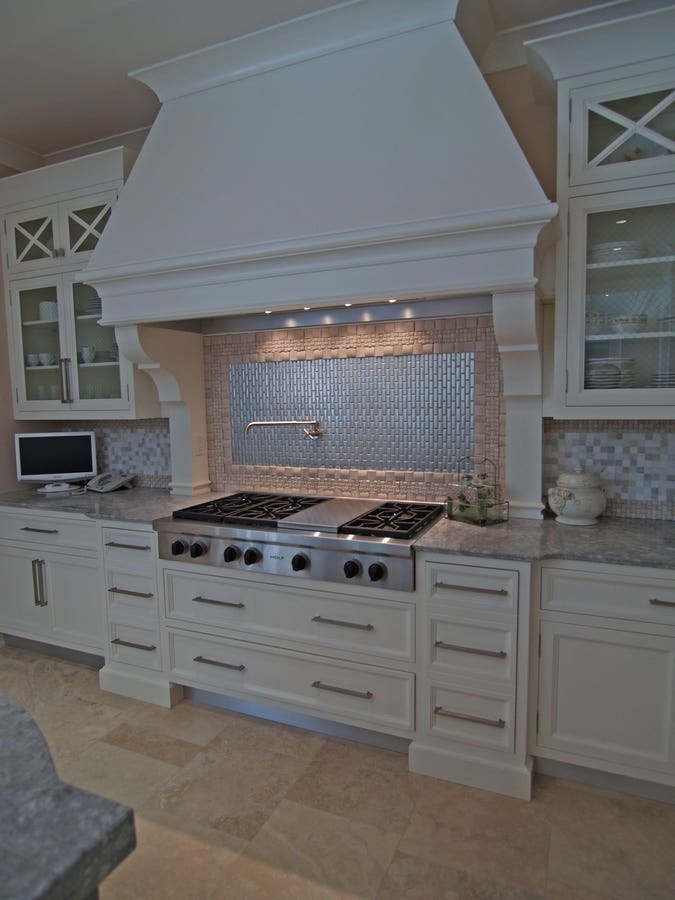
Homeowners today have access to a vast array of materials for designing kitchen and bathroom backsplashes, moving beyond simple tiles to more elaborate and elegant options. When selecting a backsplash, several key considerations can help ensure a successful and aesthetically pleasing outcome. The first tip involves choosing a backsplash that complements the overall style of the home, whether it be traditional, transitional, contemporary, or modern. A backsplash should seamlessly integrate with existing design elements rather than clashing with them. It is important to consider the existing color palette, textures, and architectural details to create a cohesive look.
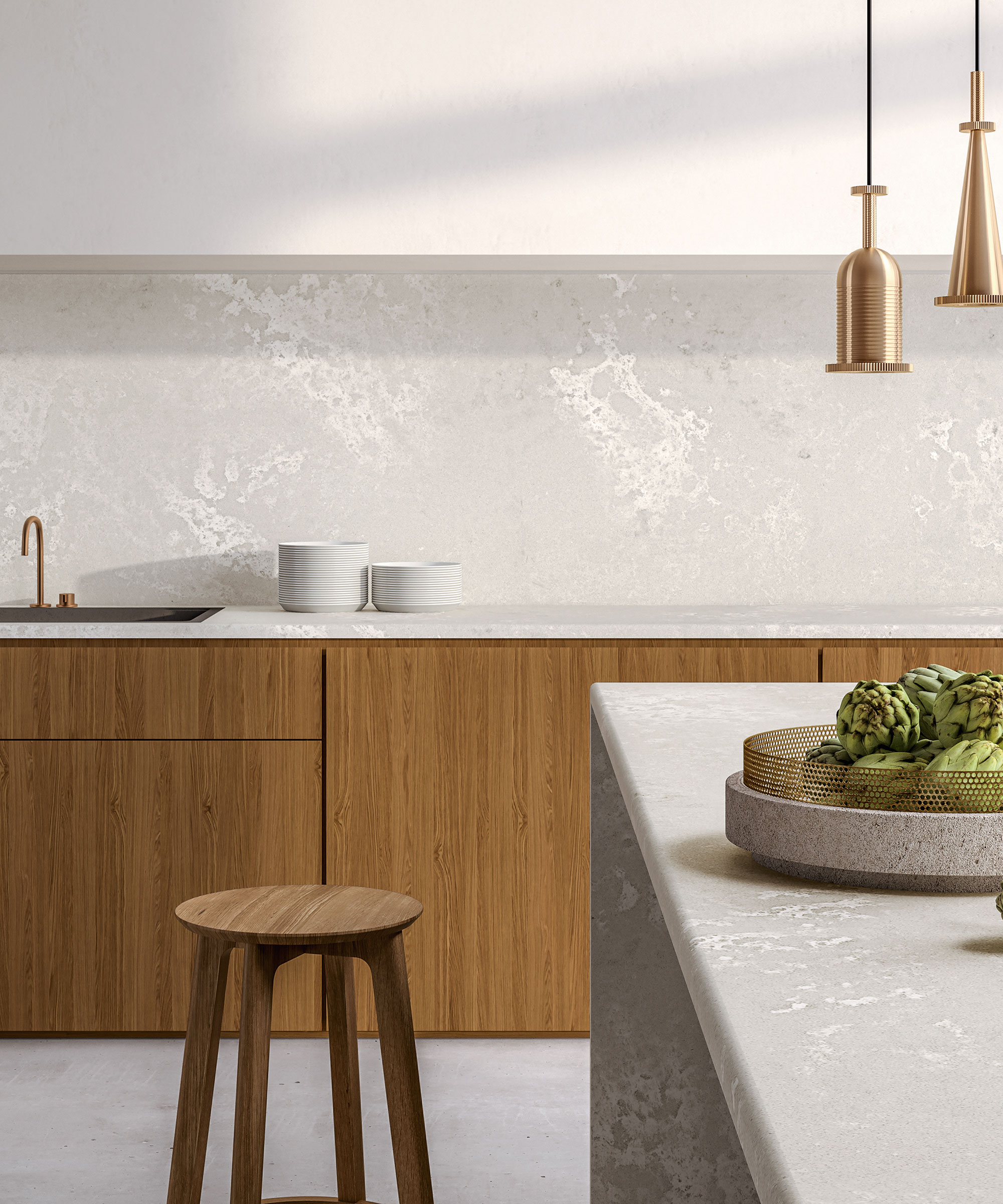
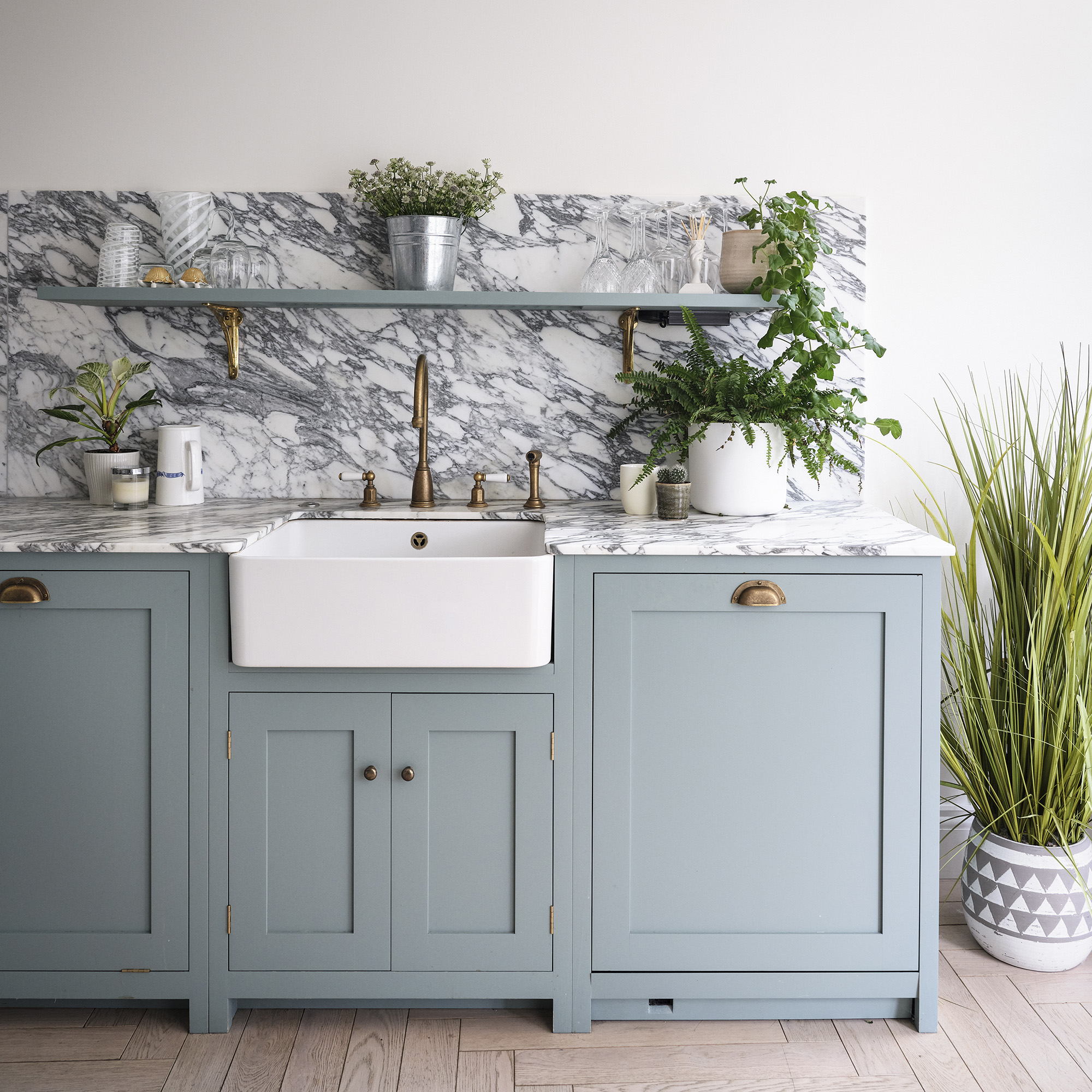
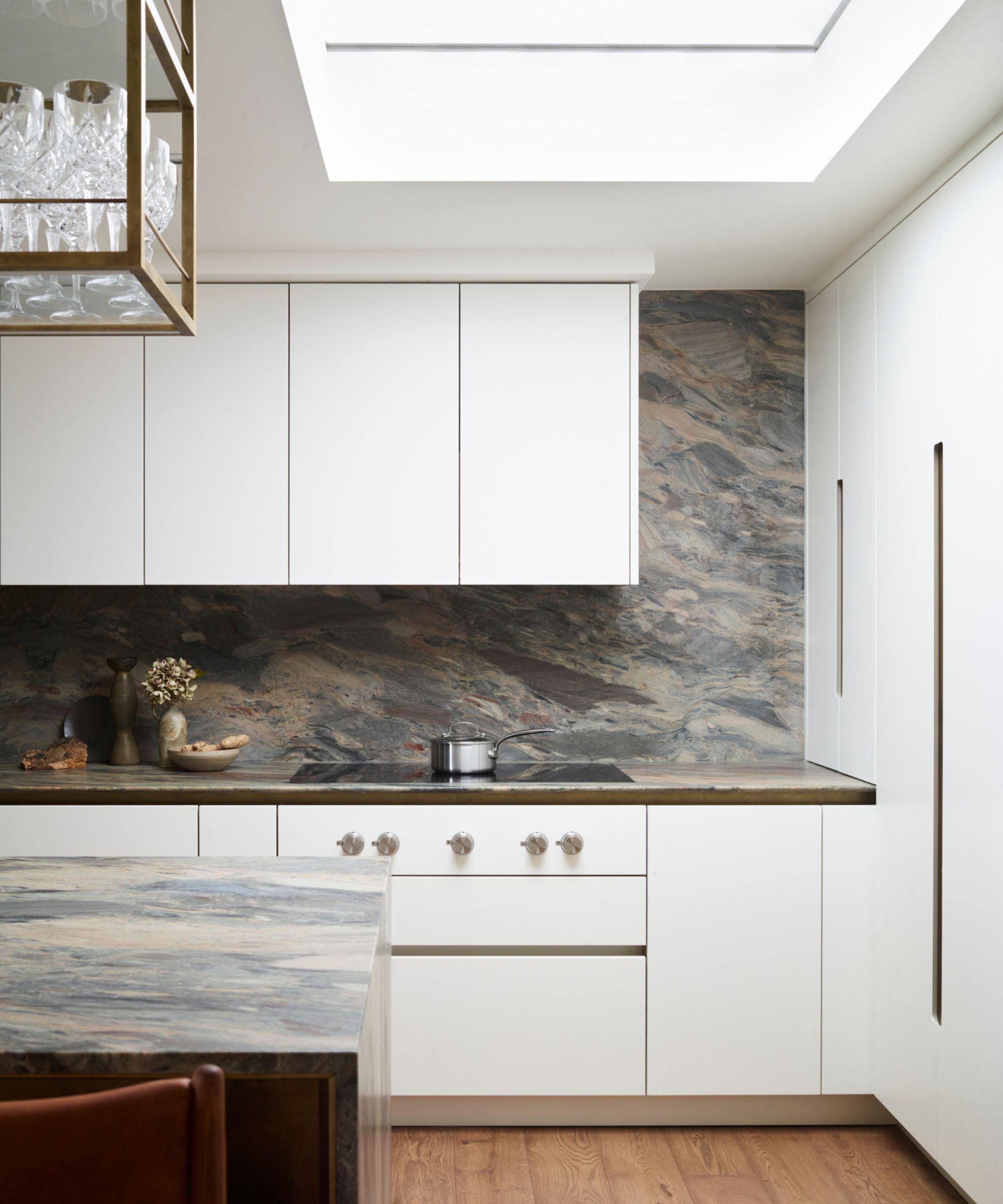
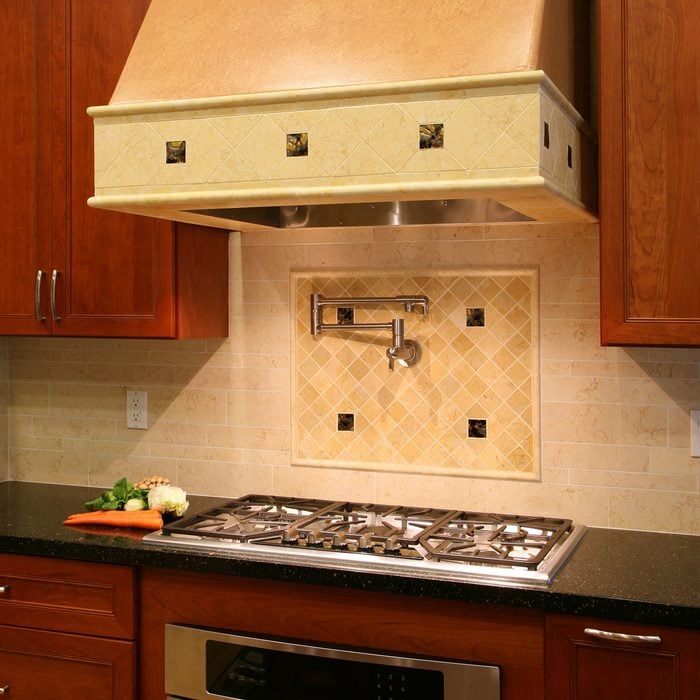
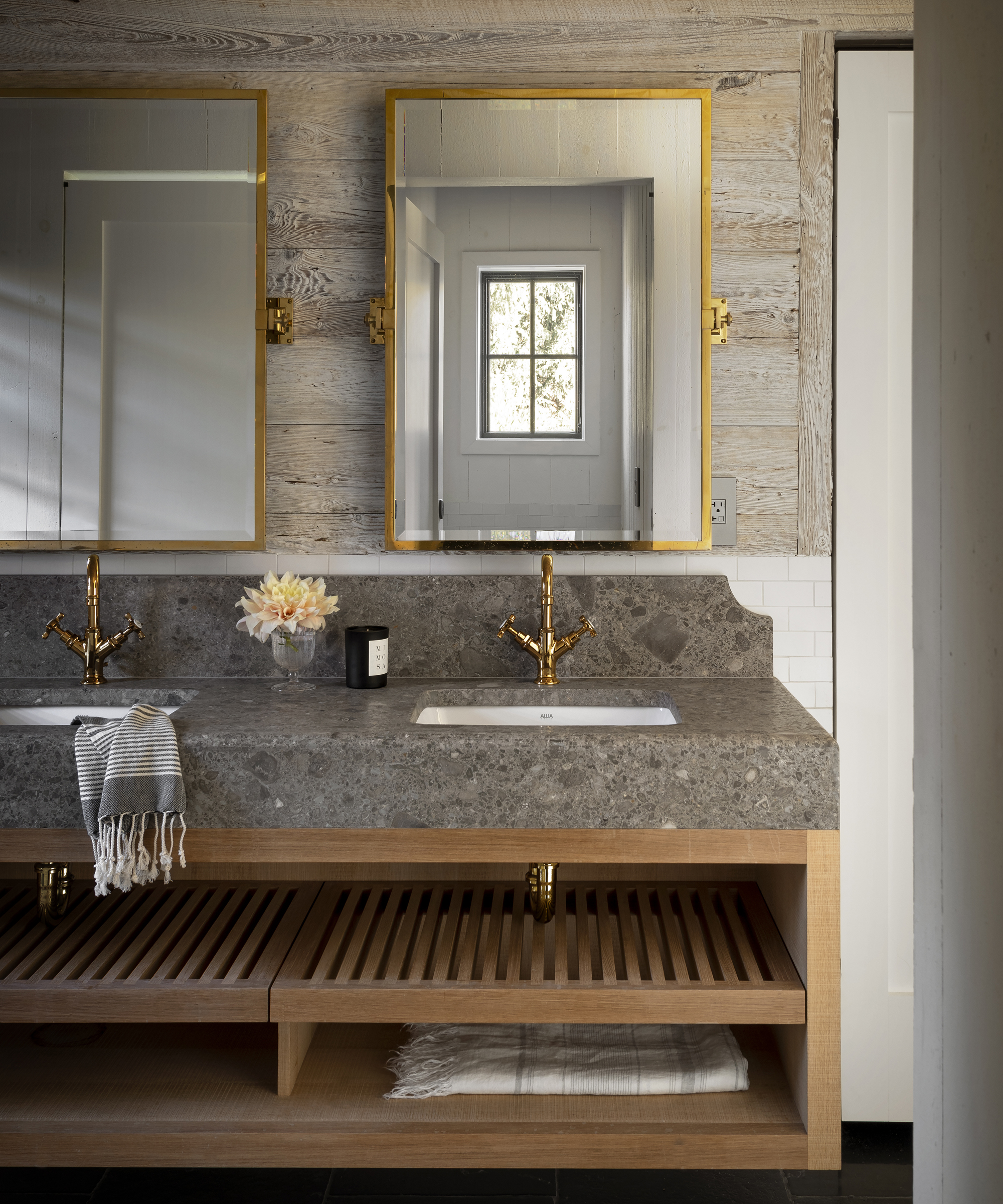
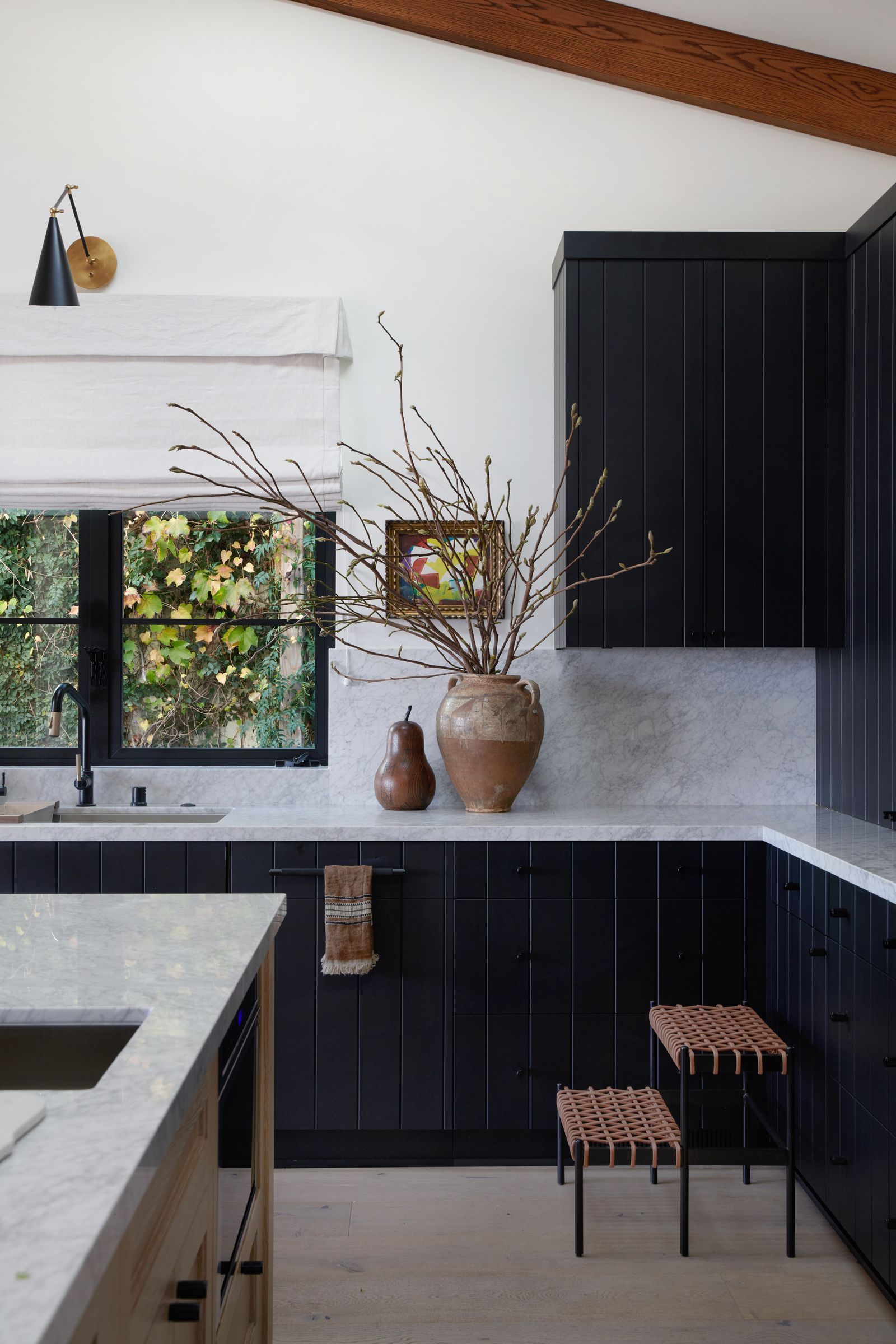
The second tip focuses on harmonizing the backsplash with the existing countertop. The two elements are in close proximity and should work together. If the countertop has a busy pattern, a more subdued backsplash might be appropriate, and vice versa. Matching undertones and ensuring a balanced visual weight between the countertop and backsplash are crucial for a unified appearance. The third tip suggests taking into account the flooring material and color. The backsplash, countertop, and flooring form a trifecta of surfaces that define the room's aesthetic. Maintaining continuity or creating a deliberate contrast can enhance the design, but clashing materials or colors should be avoided.
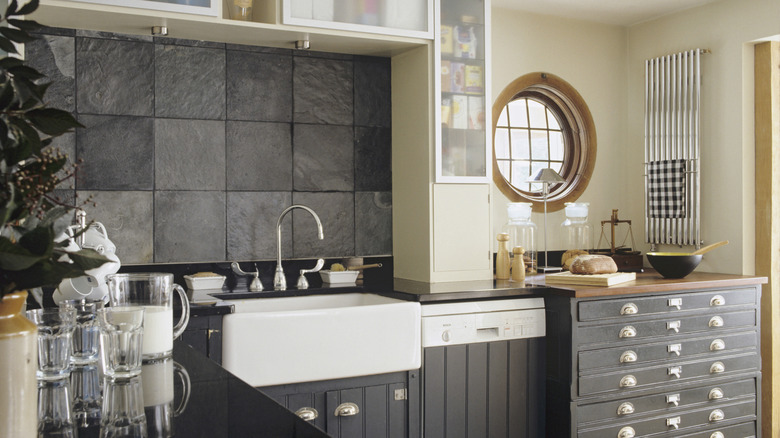
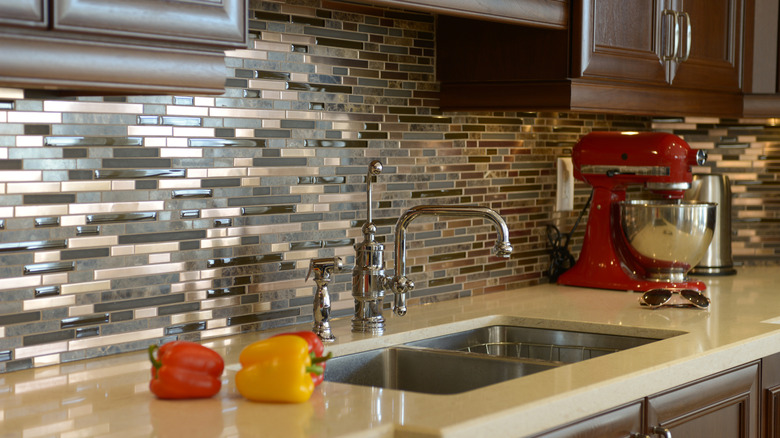
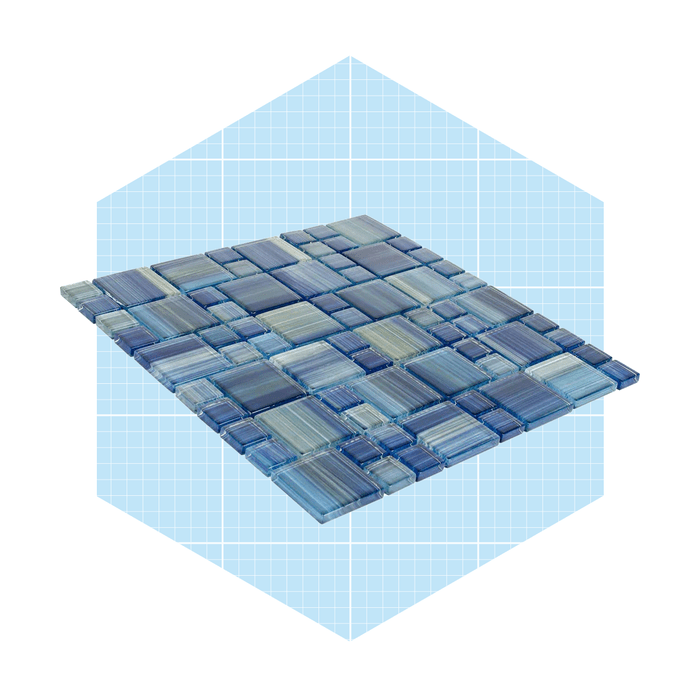
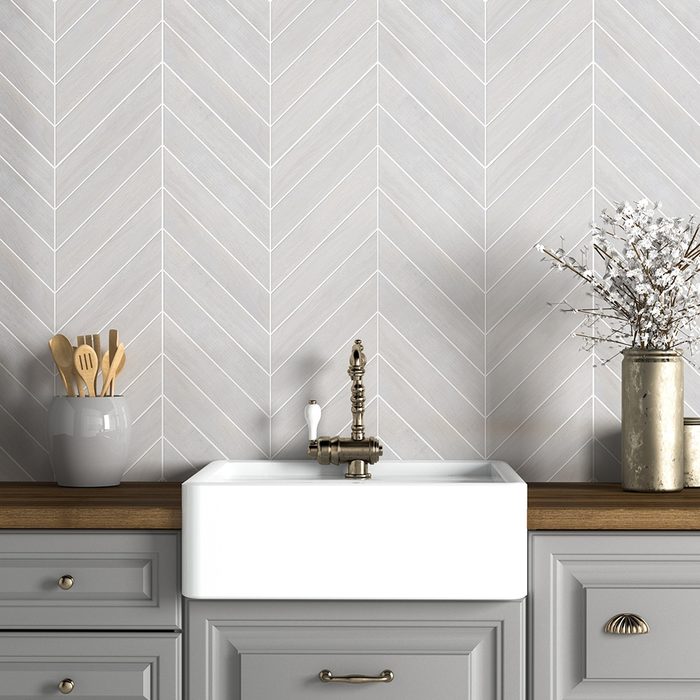
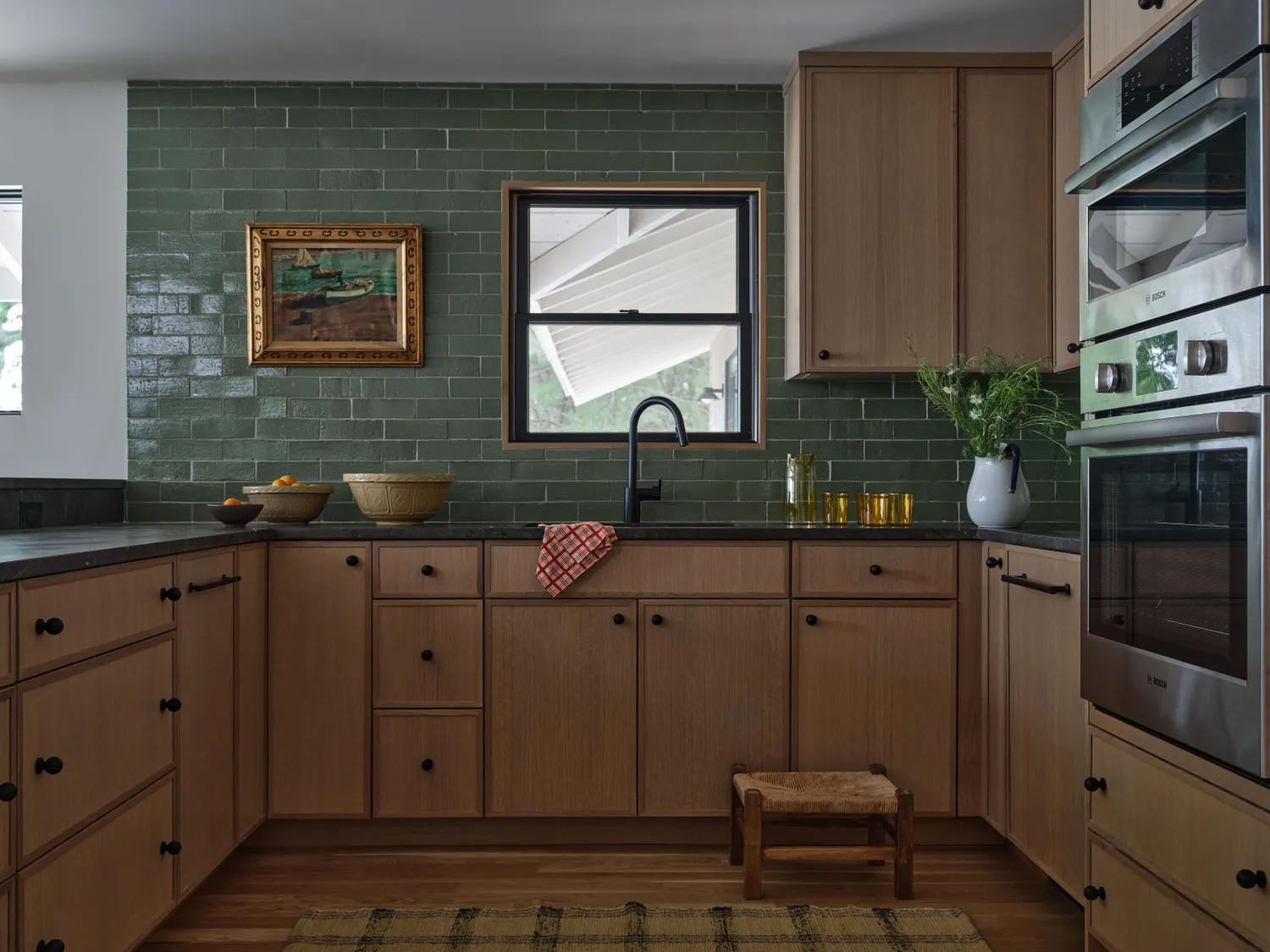
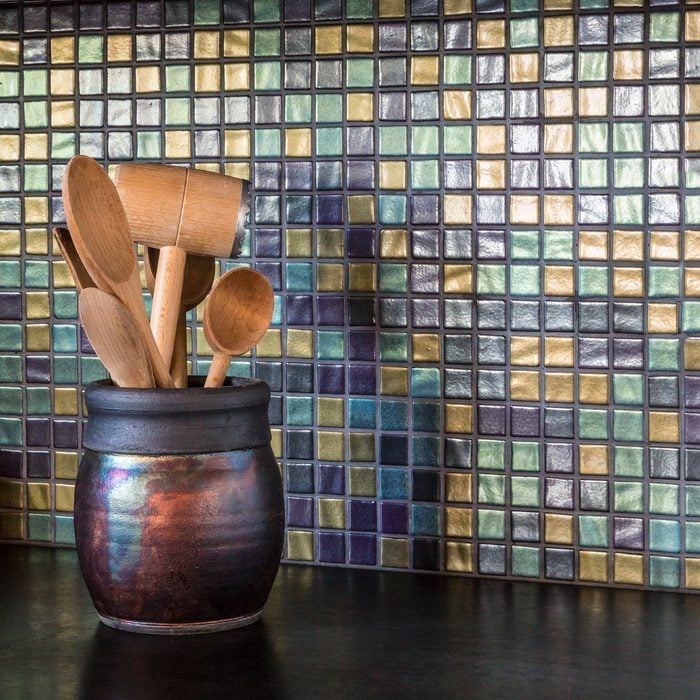
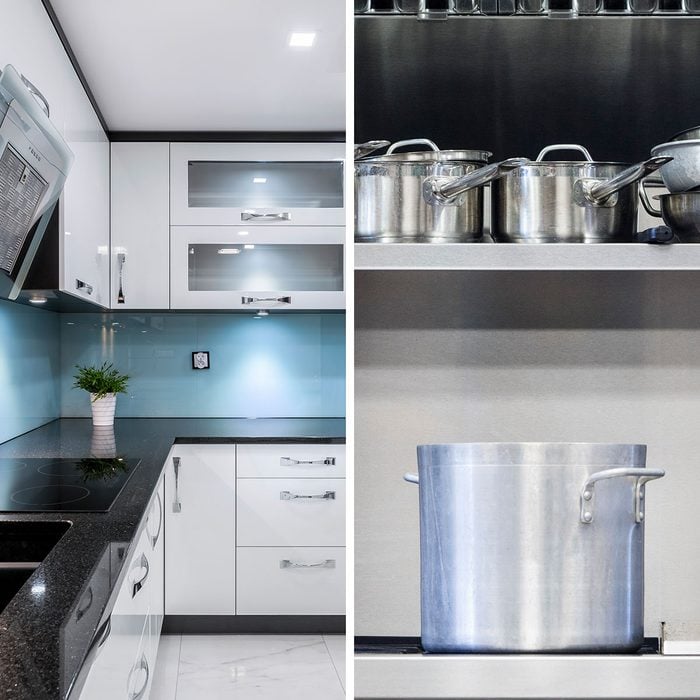
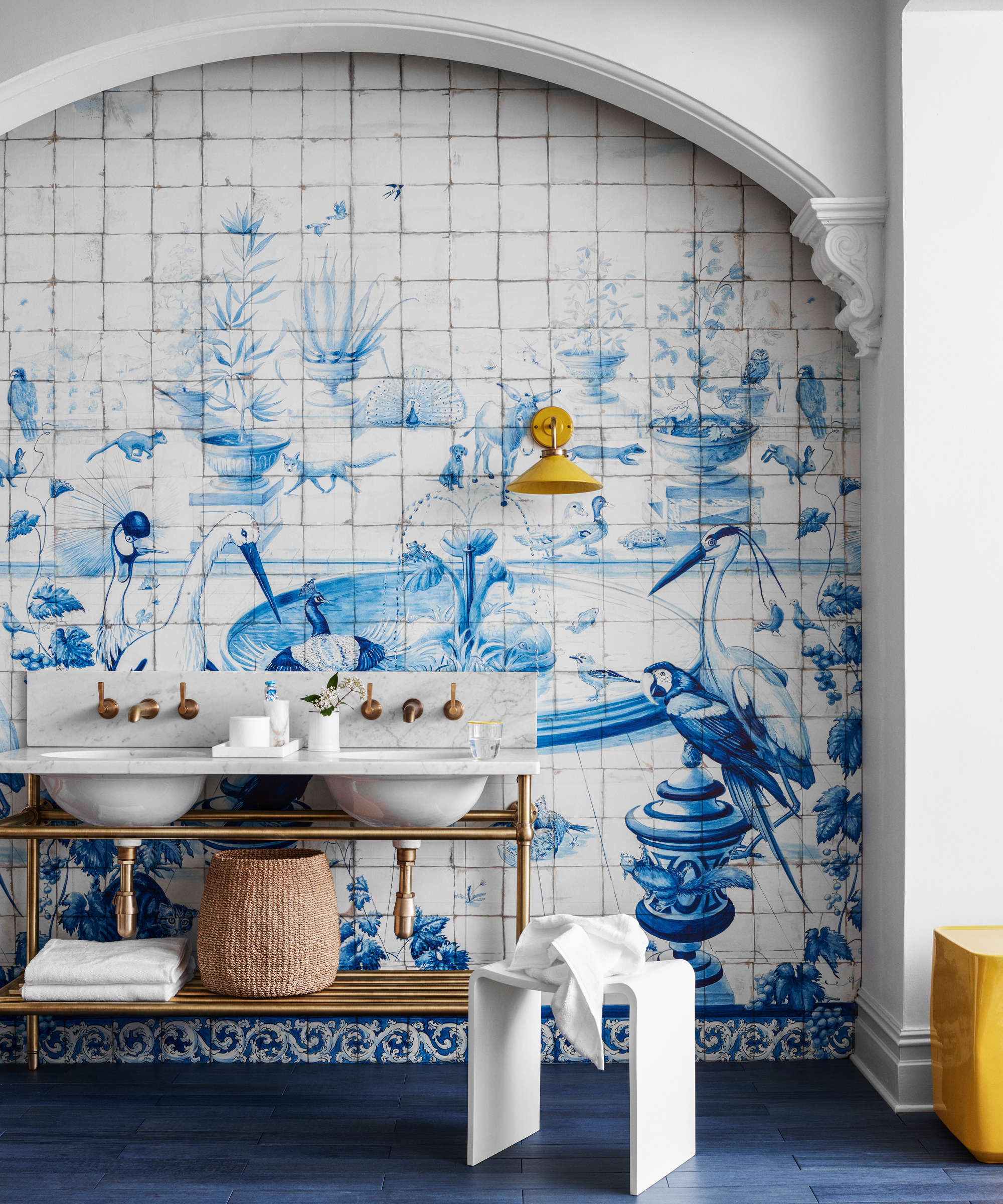
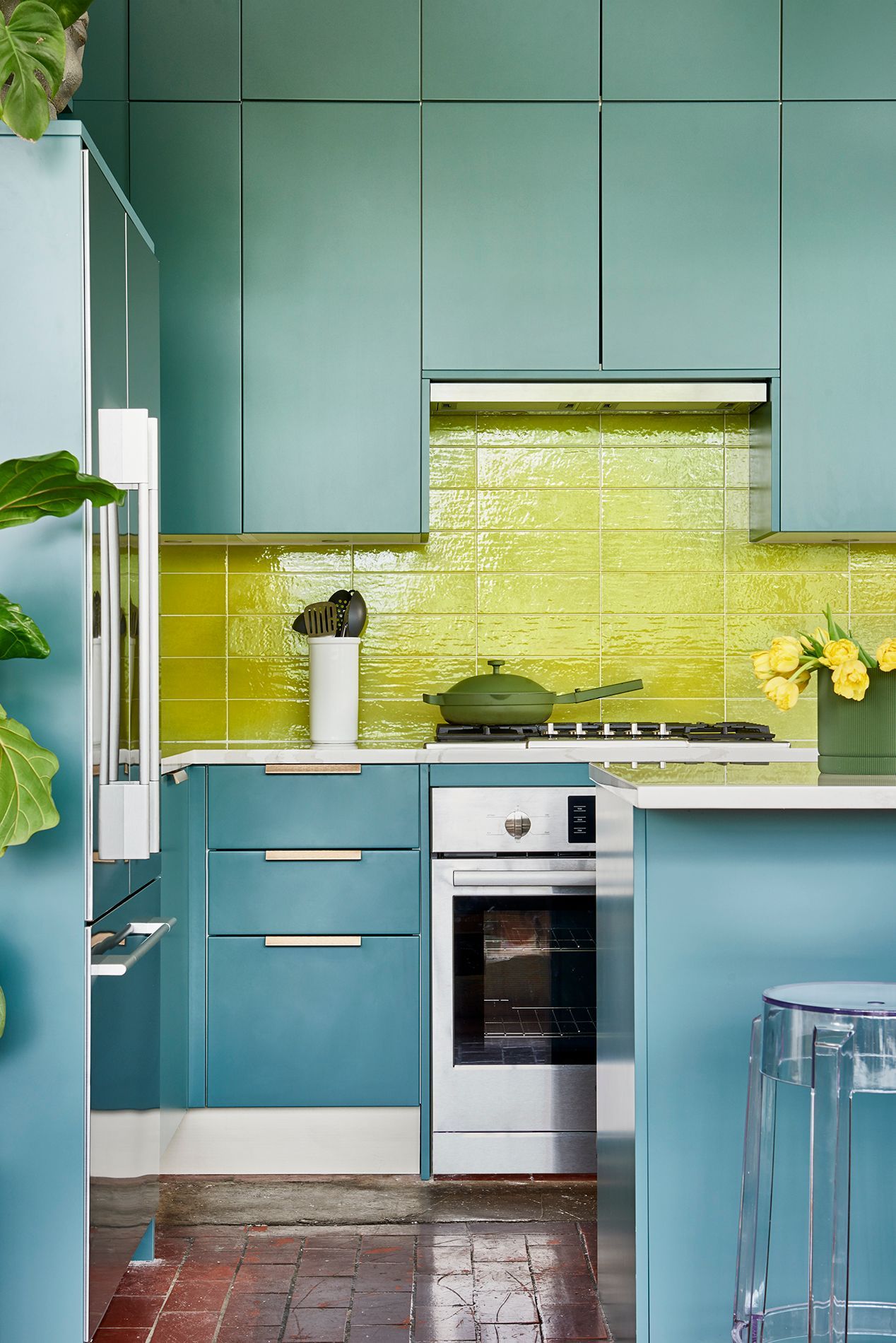
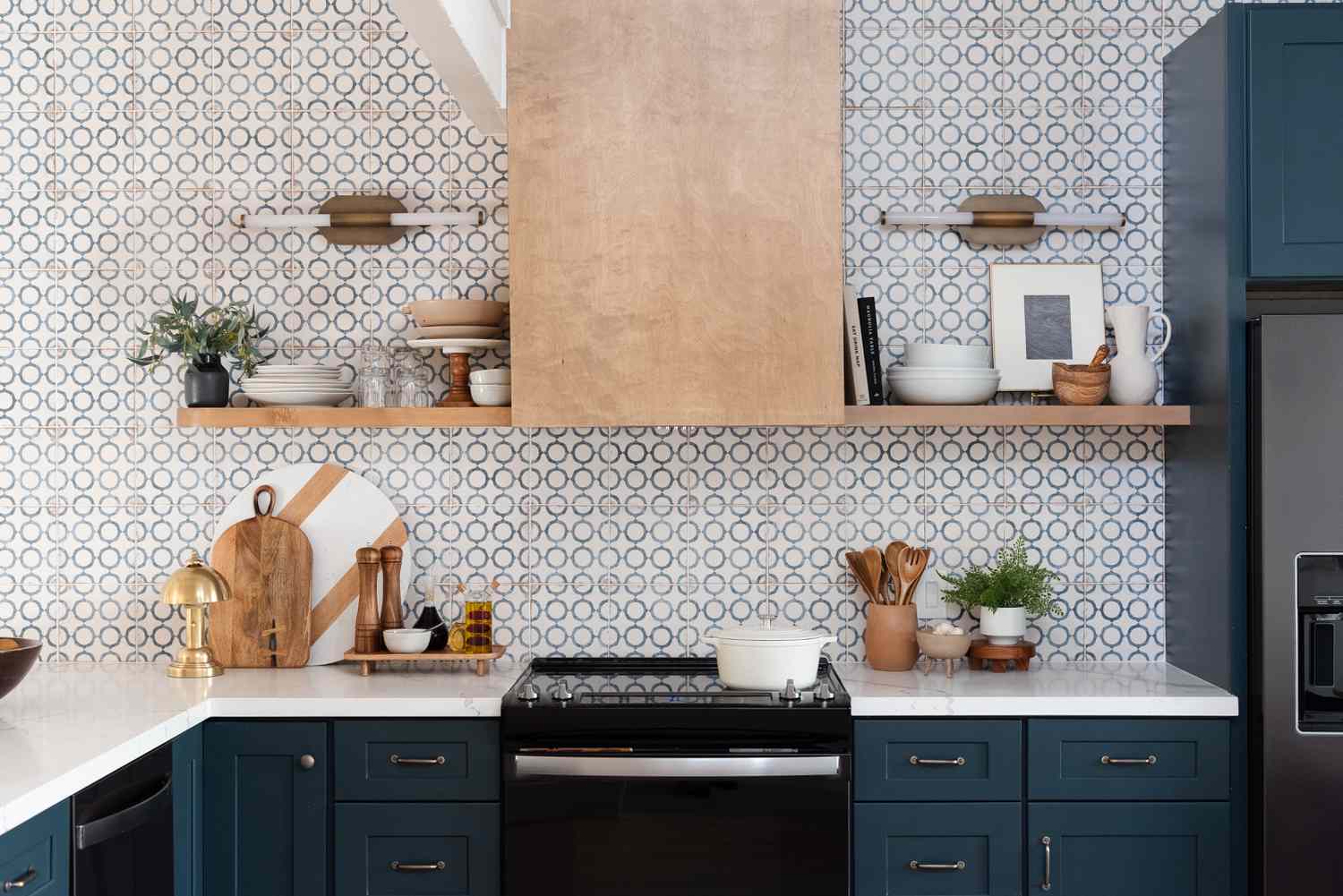
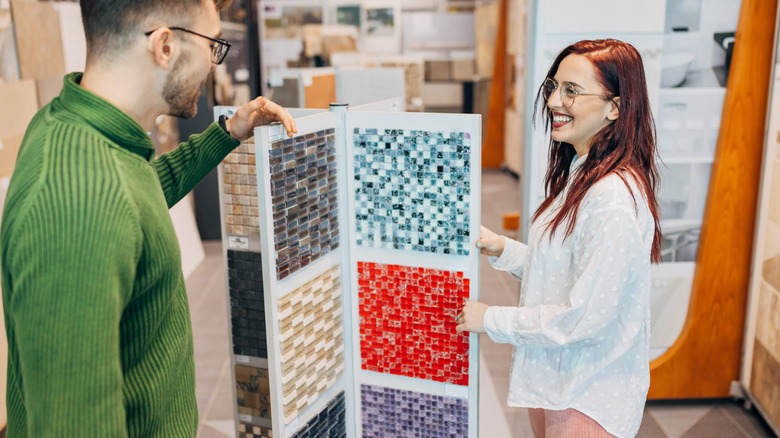
Material selection is the fourth important tip. Options range from ceramic, porcelain, and glass tiles to natural stone, metal, and even reclaimed wood or wallpaper. Each material offers unique characteristics in terms of durability, maintenance, and aesthetic appeal. Ceramic and porcelain are versatile and come in numerous colors and patterns. Glass tiles add sparkle and depth, while natural stone offers a timeless, earthy feel. Metal backsplashes can provide an industrial or modern edge, and for those seeking a unique touch, specialty materials like wallpaper under glass or salvaged wood can be considered.
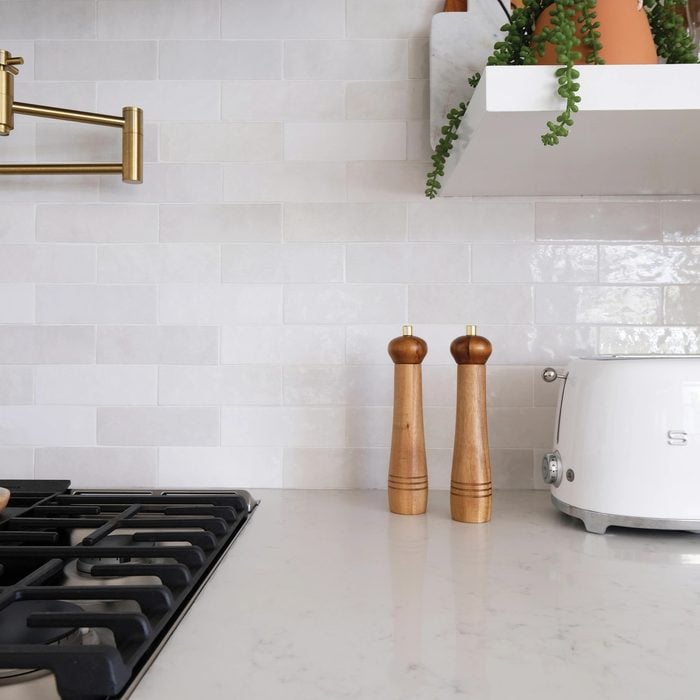
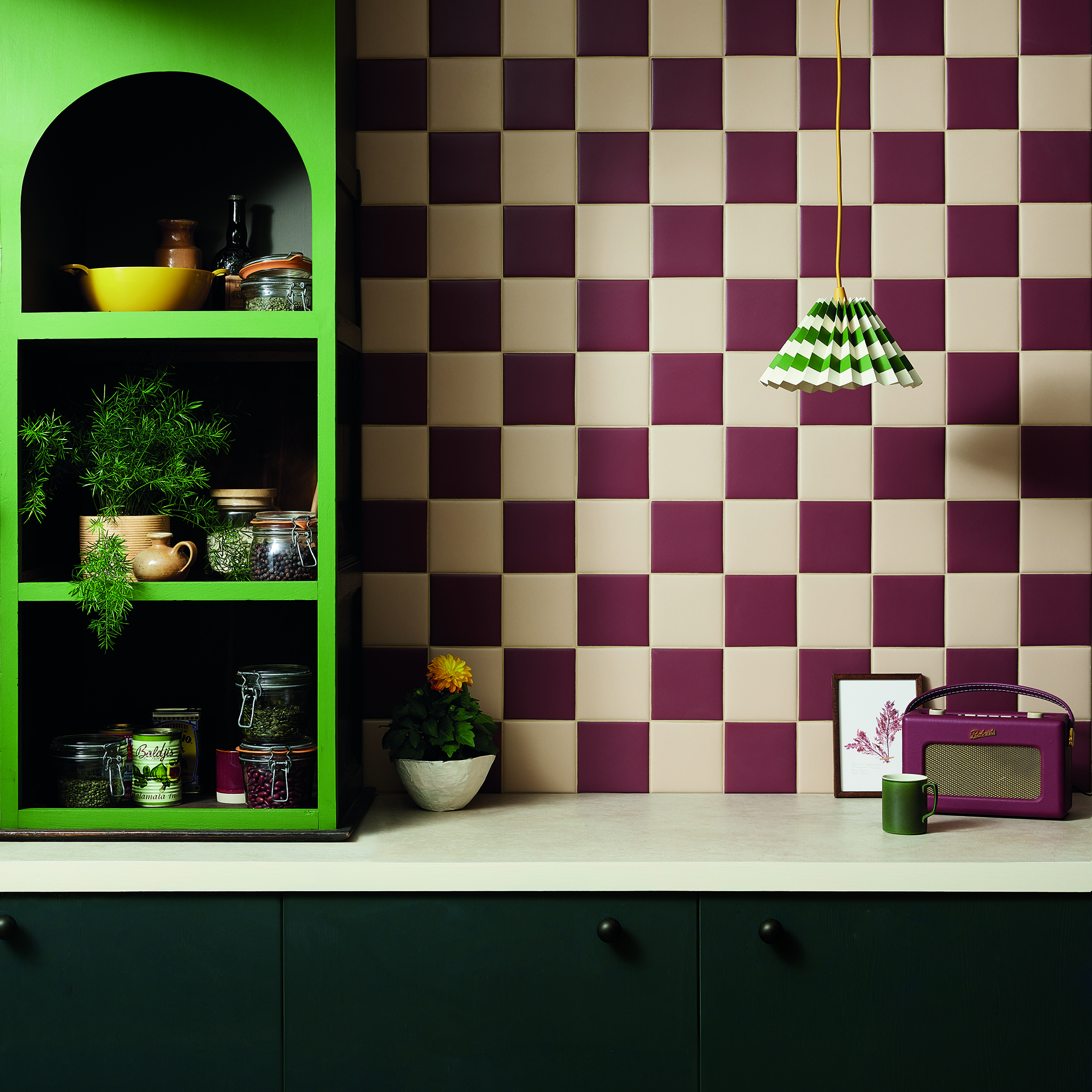
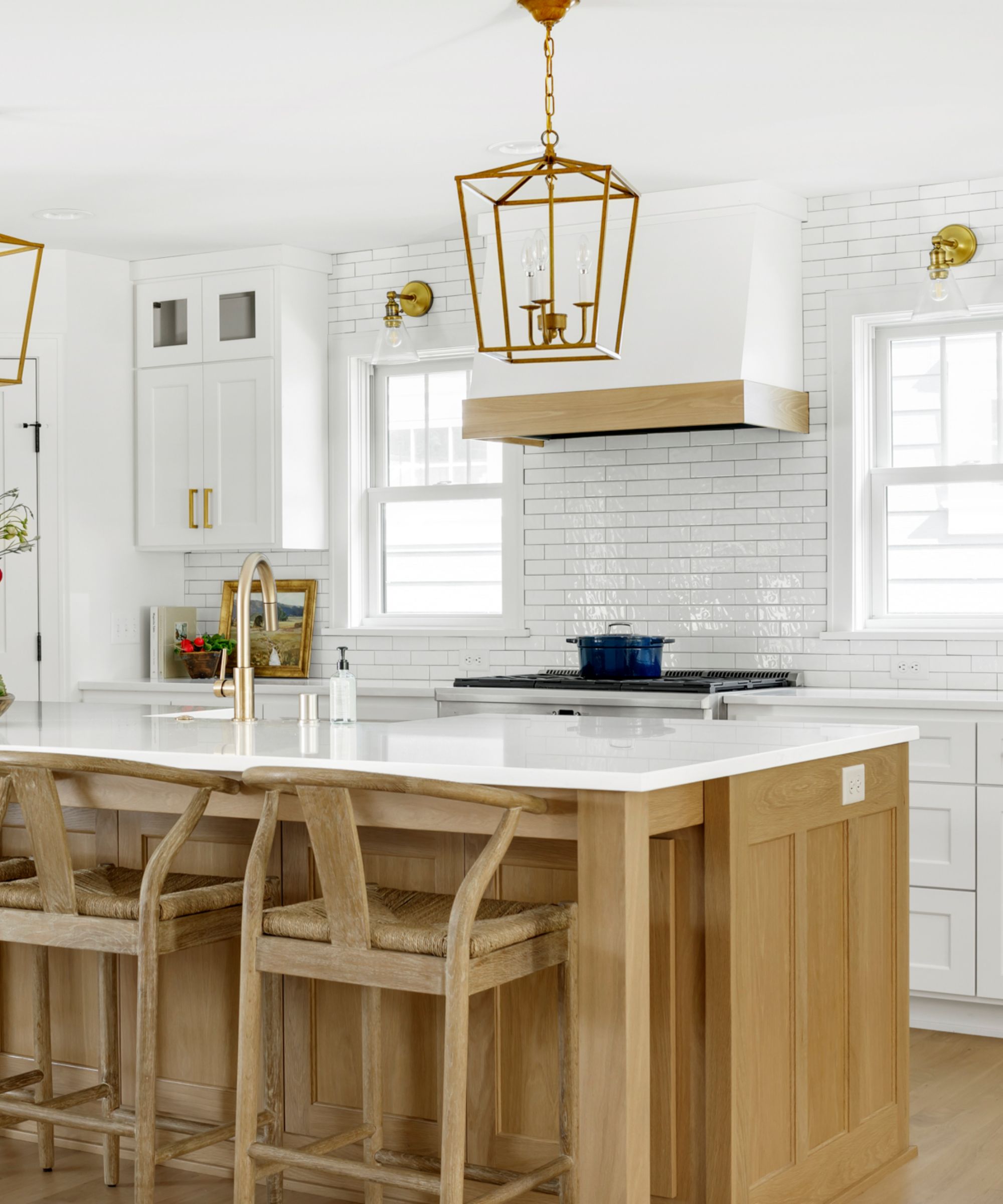
The fifth tip emphasizes the importance of grout color. Grout is not merely a functional element but a design choice that significantly impacts the backsplash's final look. A contrasting grout color can highlight the shape and pattern of individual tiles, while a matching grout color can create a more seamless, monolithic appearance. The choice depends on whether the homeowner wants the backsplash pattern to stand out or blend in. Finally, the sixth tip advises ensuring that the selected materials are appropriate for the environment. In kitchens and bathrooms, backsplashes are exposed to moisture, heat, and splashes. Therefore, the chosen material should be durable, easy to clean, and resistant to stains and water damage to ensure longevity and maintain its appearance over time. Considering these tips can guide homeowners in selecting a backsplash that is both functional and visually appealing, enhancing the overall design of their kitchen or bath.
#KitchenDesign #BathroomDesign #BacksplashIdeas #HomeImprovement #TileDesign #InteriorDesignTips #MaterialSelection #DIYHome #KitchenDesign #BathroomDesign #BacksplashIdeas #HomeImprovement #TileDesign #InteriorDesignTips #MaterialSelection #DIYHome
0 comment in total
 No comments yet
You may also like
Ditch These Dated Backsplash Trends For Timeless Alternatives
Freshen up the look of your kitchen with a unique backsplash

8 kitchen backsplash mistakes to always avoid, according to interior designers

8 Backsplash Styles Designers Say Are Dating Your Kitchen
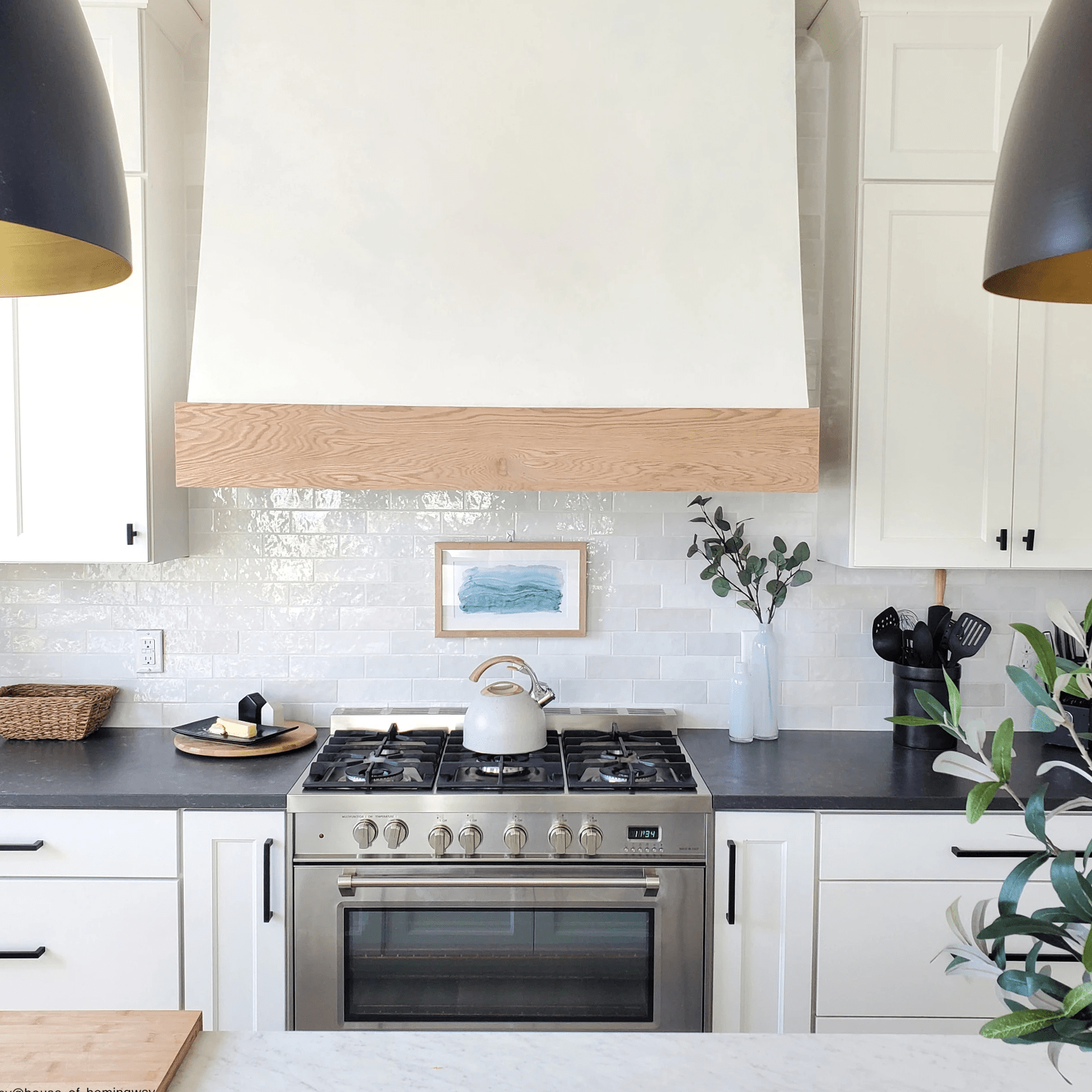
These Are the Best Tile Options for Your Kitchen Backsplash

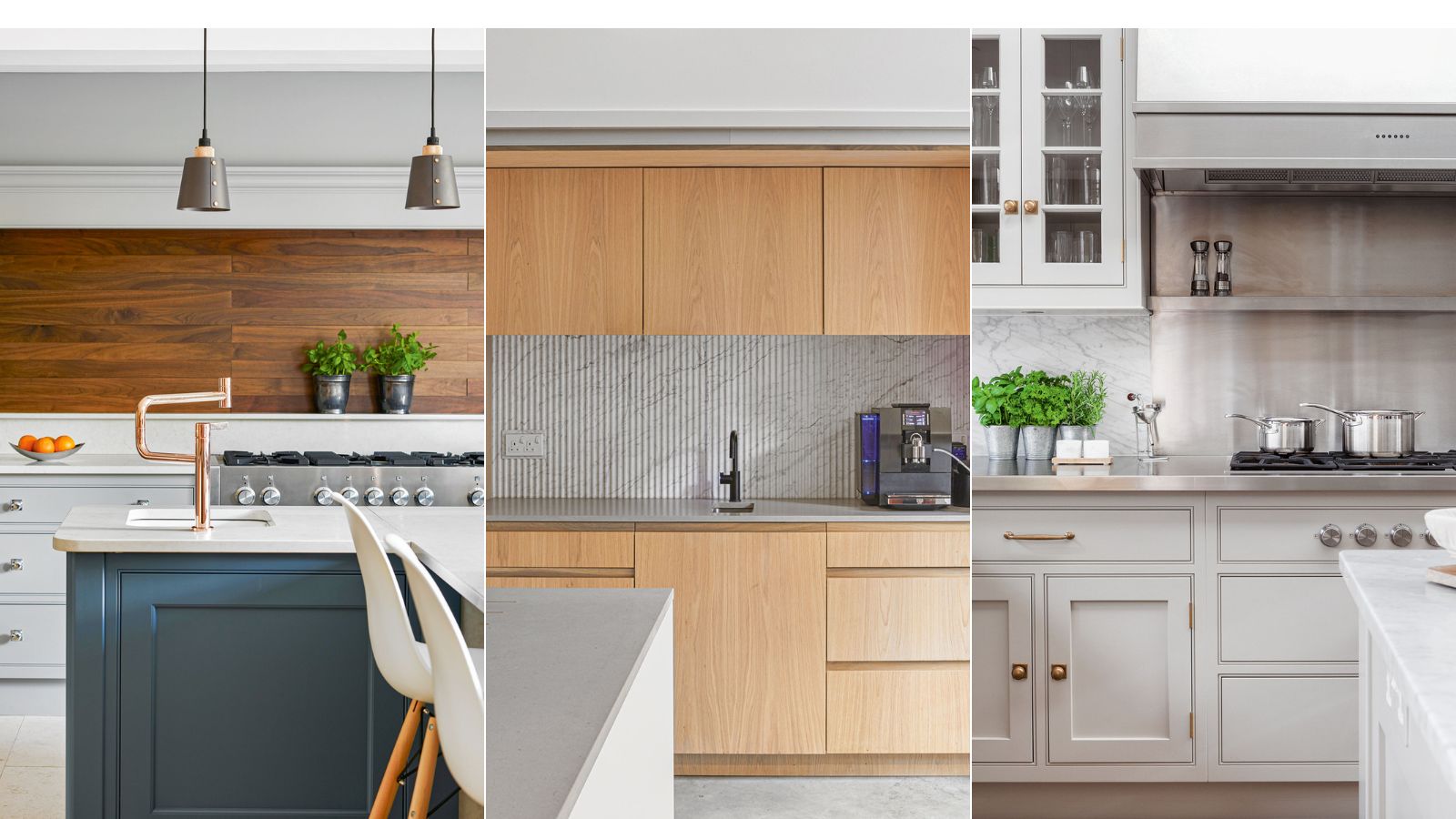
The 'wallpaper' of the kitchen – why choosing the right kitchen backsplash can make or break a space
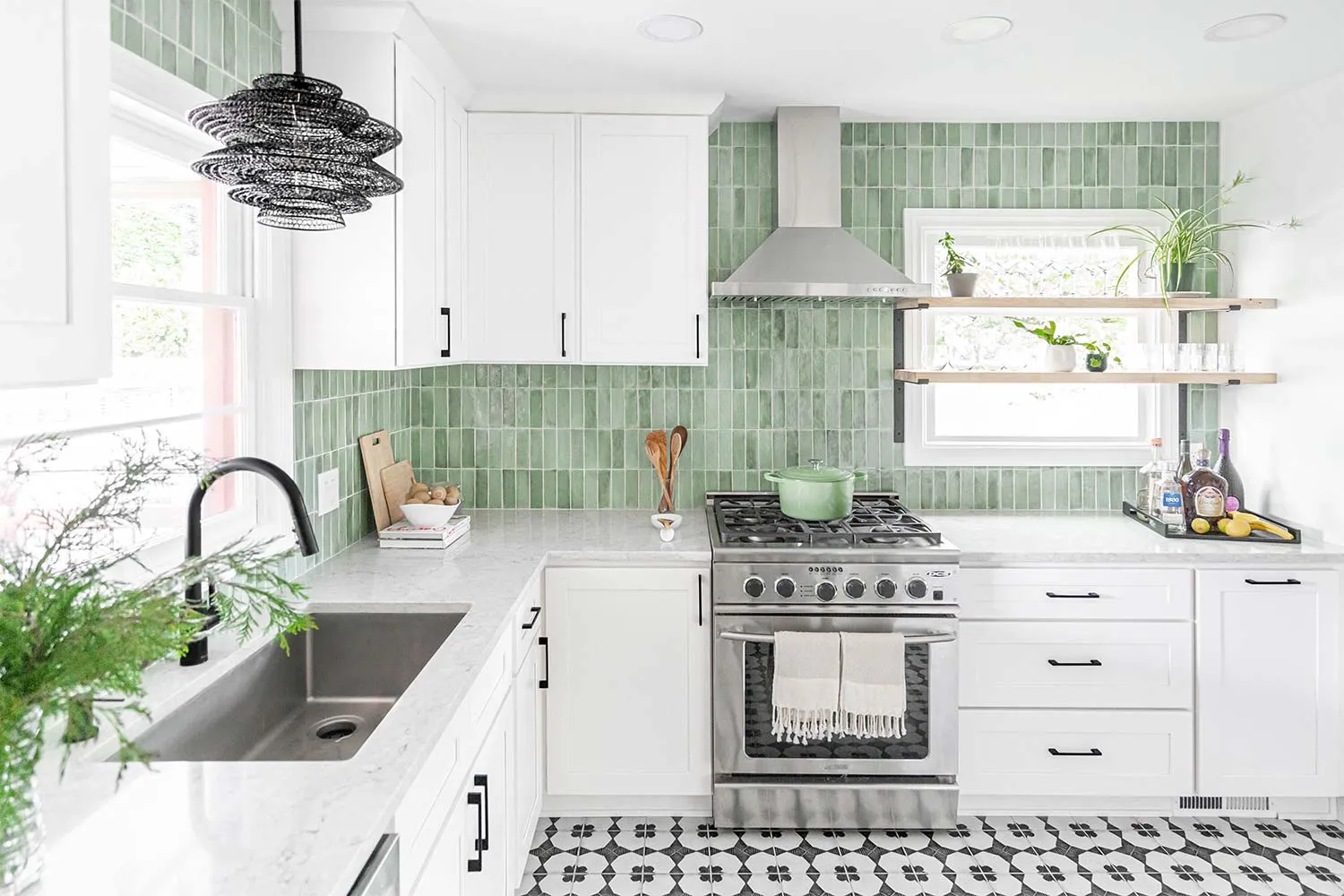
9 Kitchen Backsplashes That Will Never Go Out of Style, According to Designers

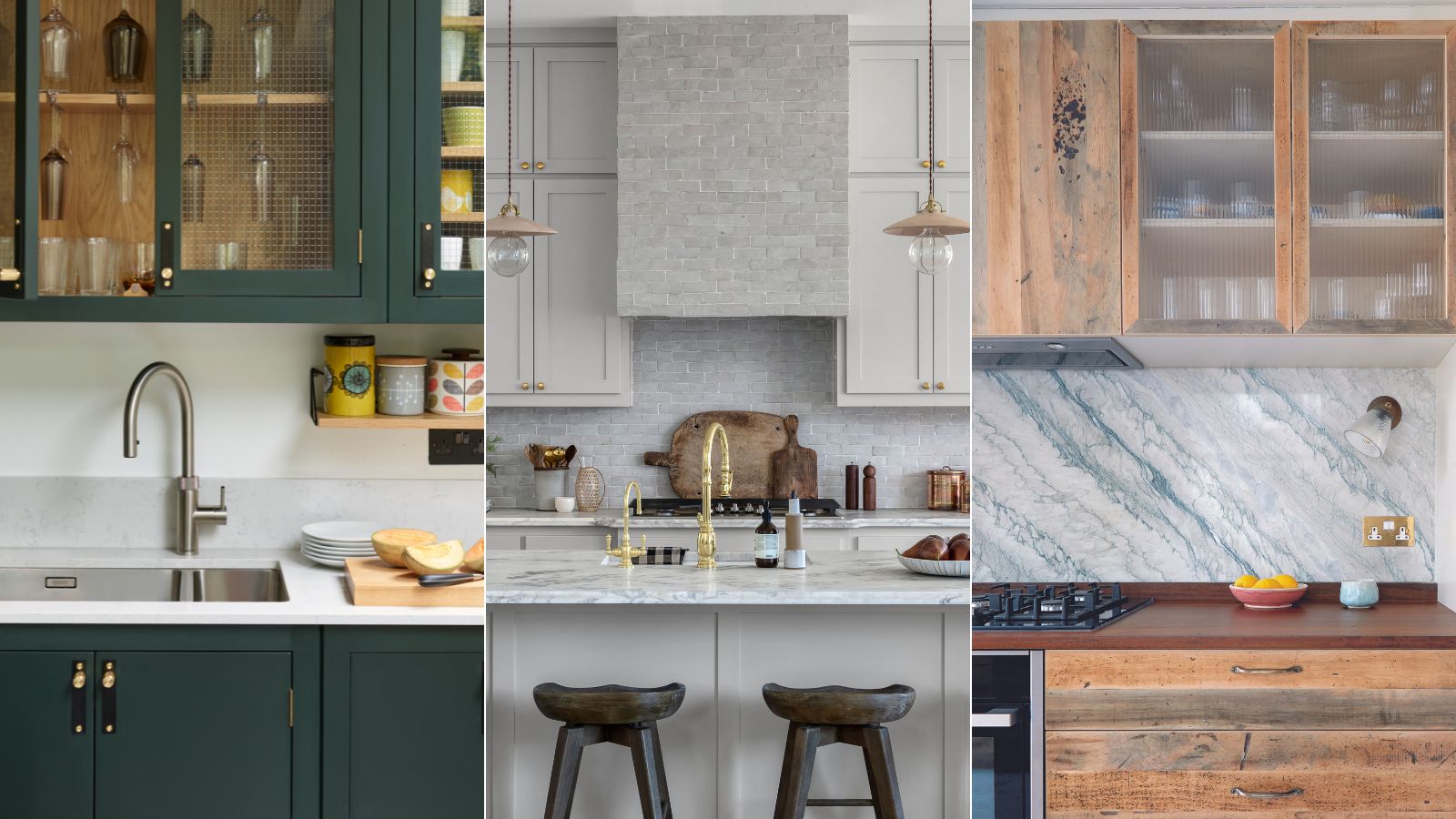
6 outdated kitchen backsplash designs that can bring down a whole room
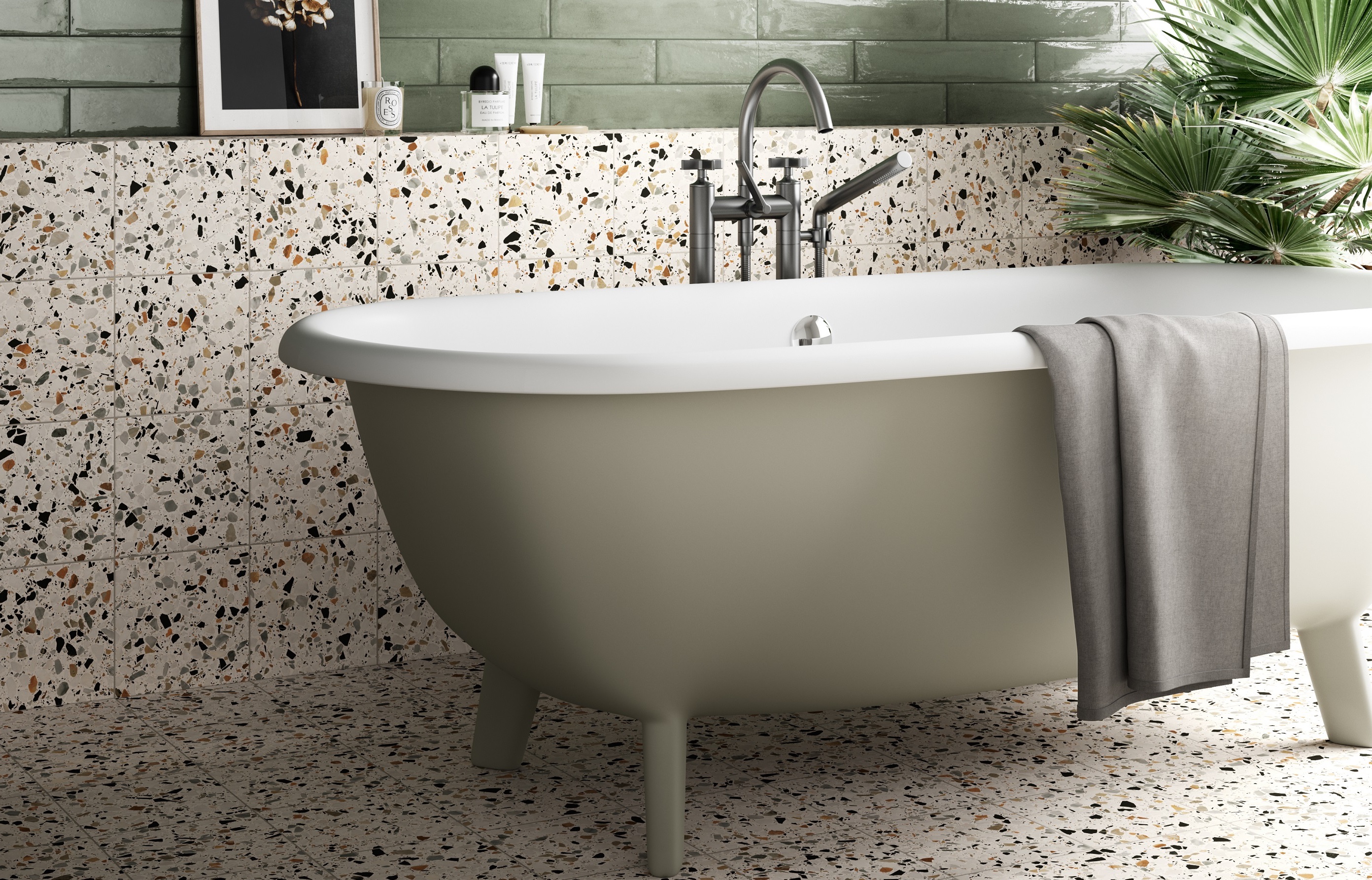
Bathroom backsplash ideas - designers explain the best styles for behind baths and basins

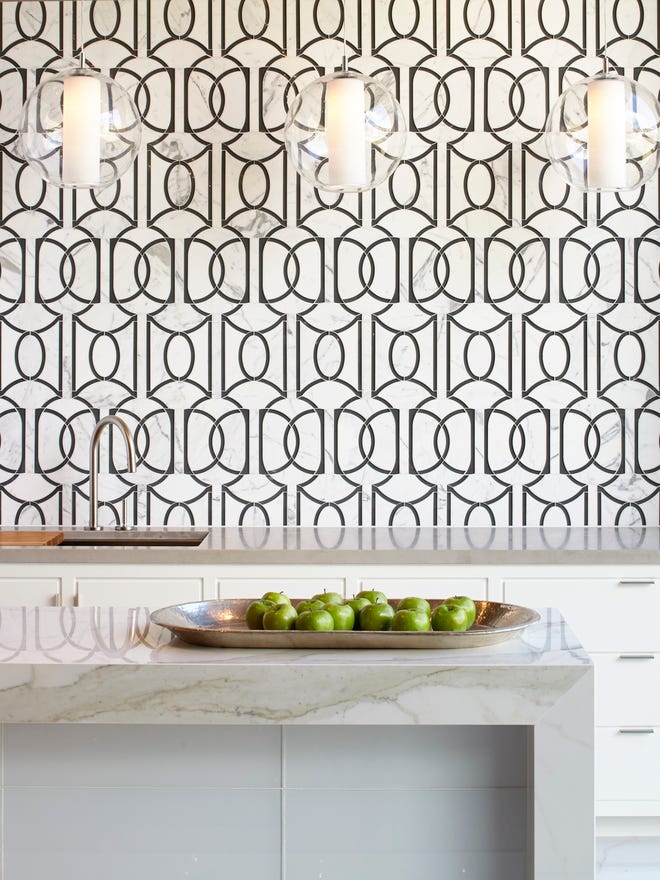
Backsplash gives your kitchen a smooth finish
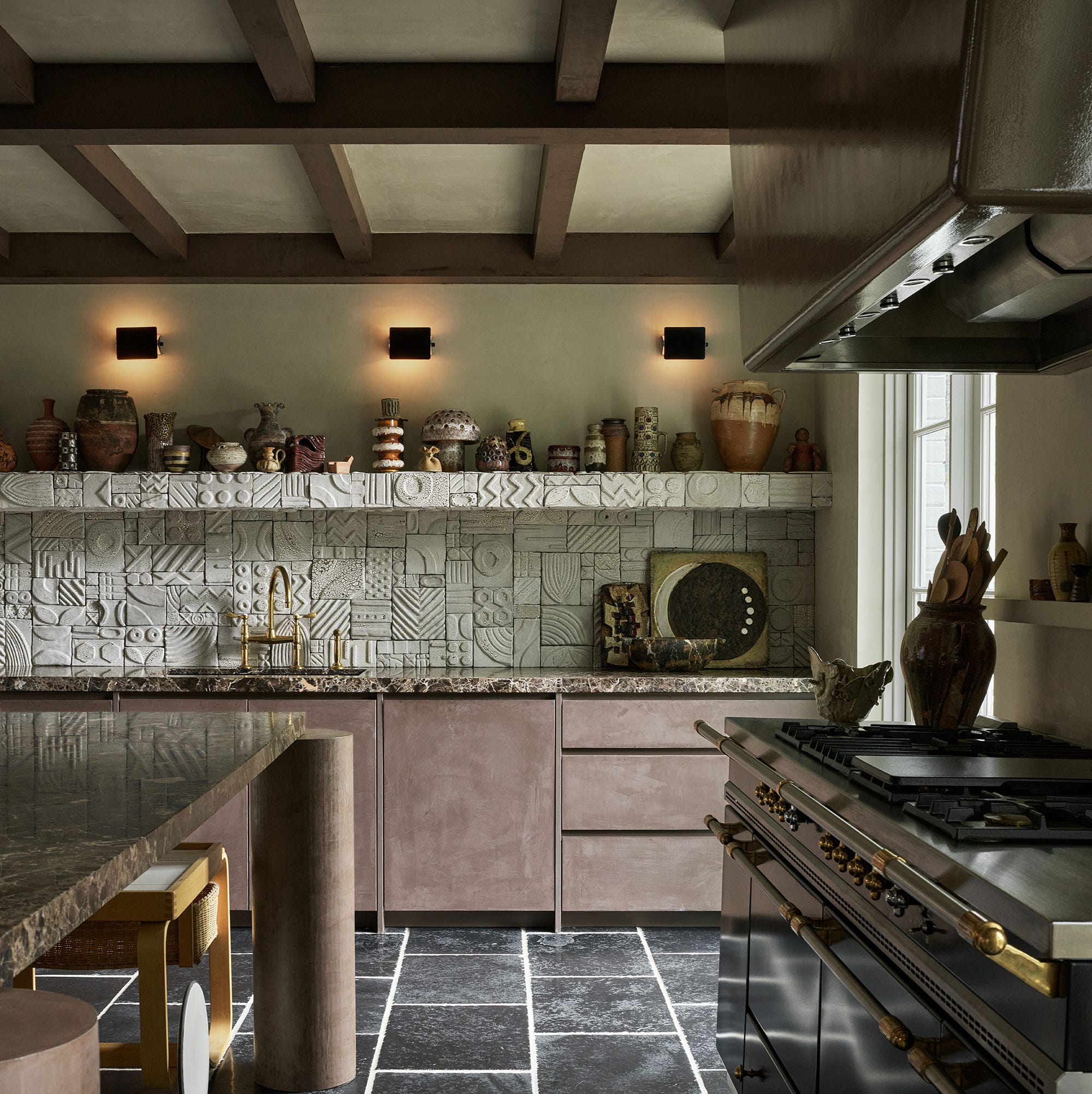
75 Kitchen Tile Backsplash Ideas for the Ultimate Culinary Refresh
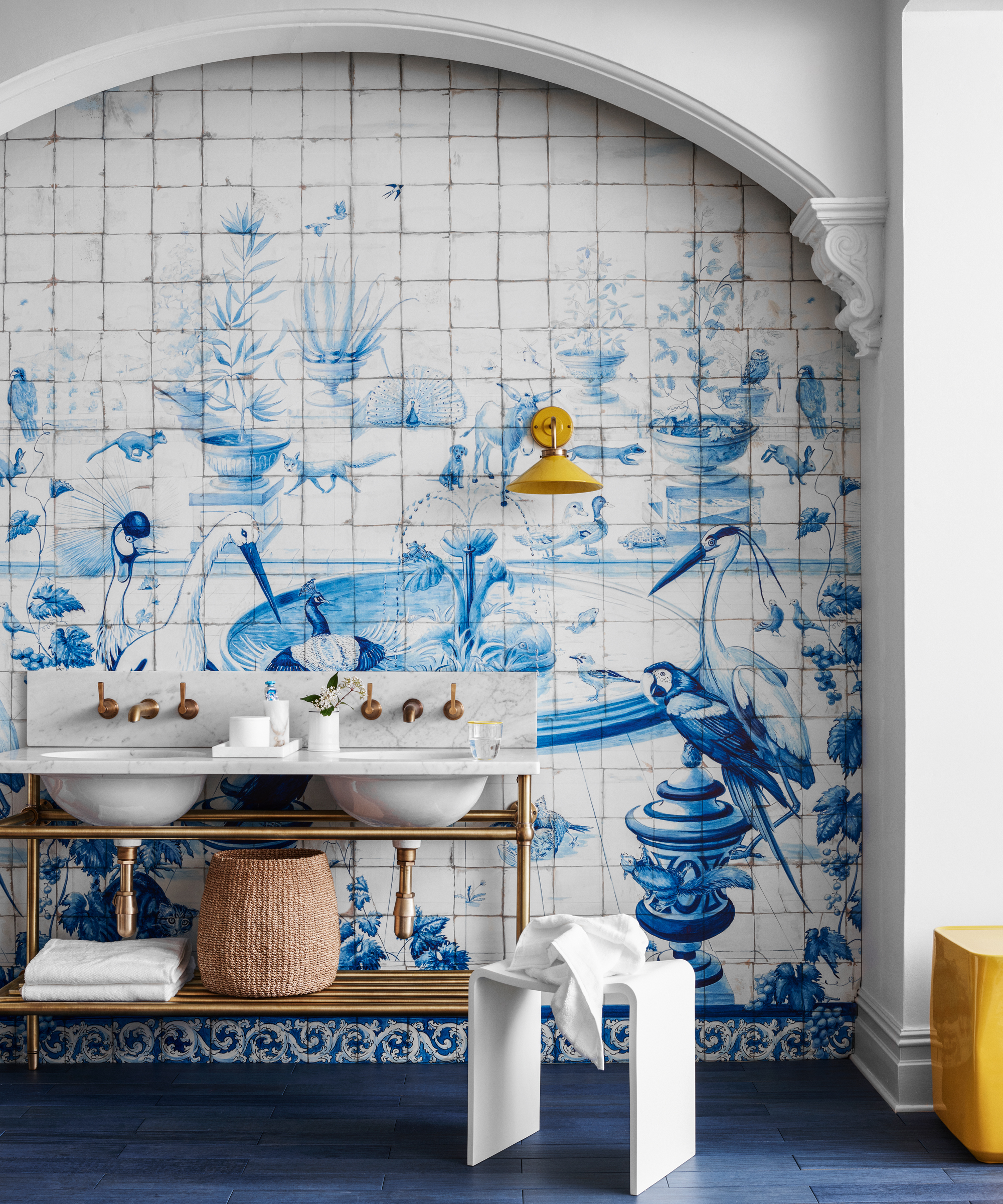
Bathroom backsplash ideas – 10 tips for stylish splashproof surfaces
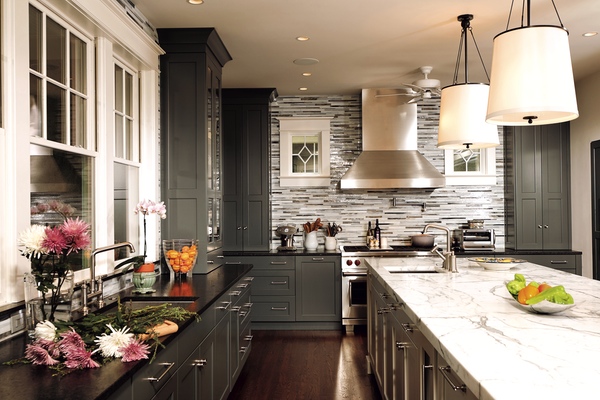
Choosing the Best Backsplash for Your Kitchen

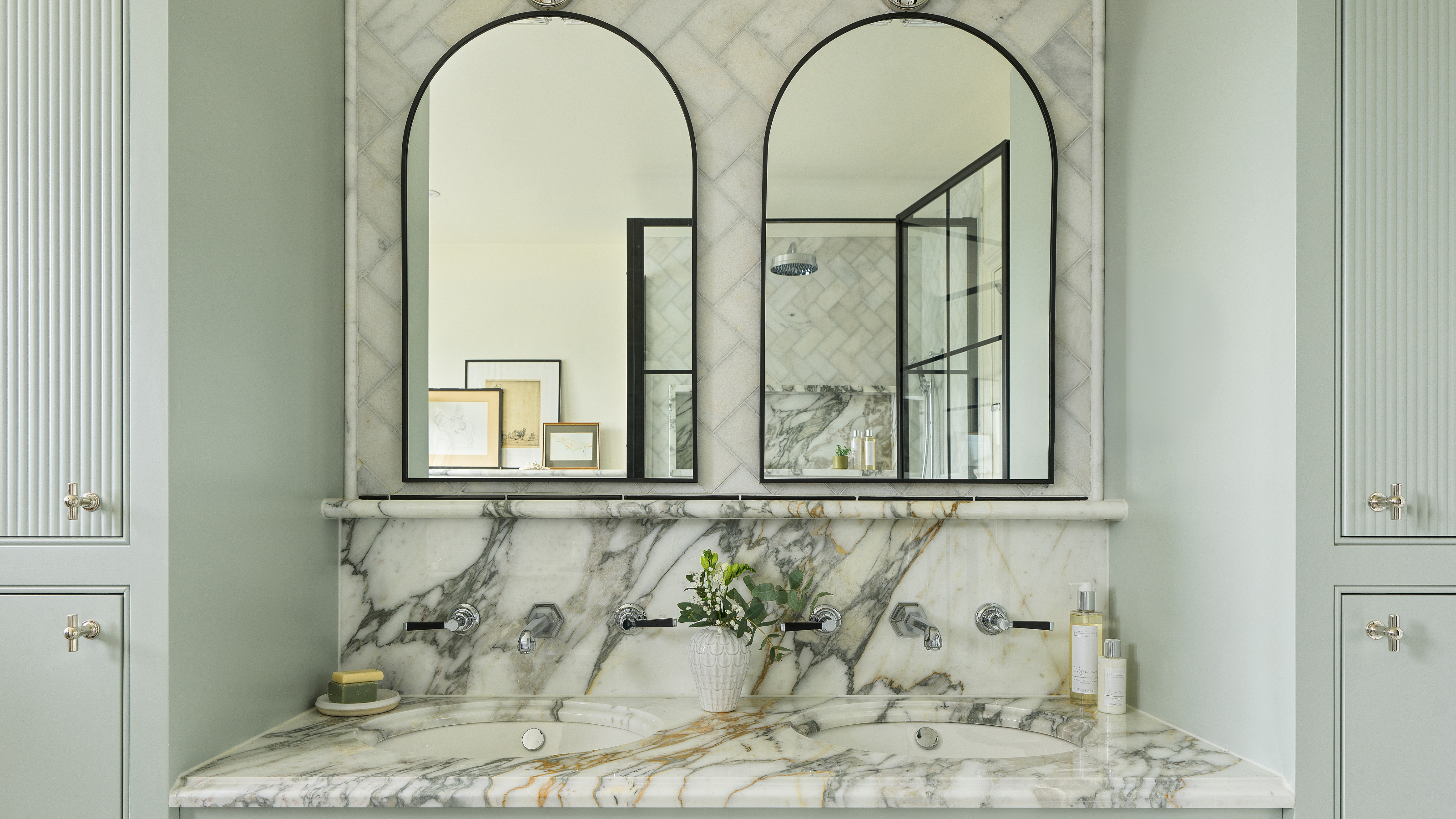
5 Bathroom Backsplash Materials Designers Tend to Avoid for Practical Reasons — And What They're Choosing Instead When Renovating
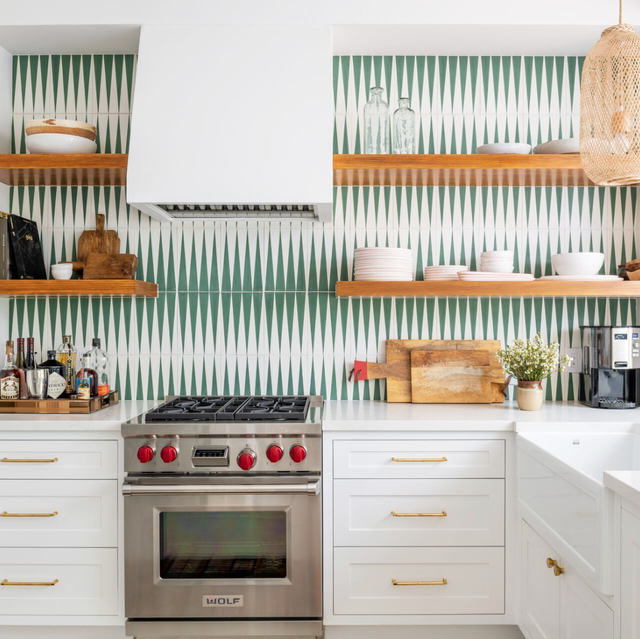
This Striking Geometric Backsplash Is Just the Thing to Upgrade Your Kitchen

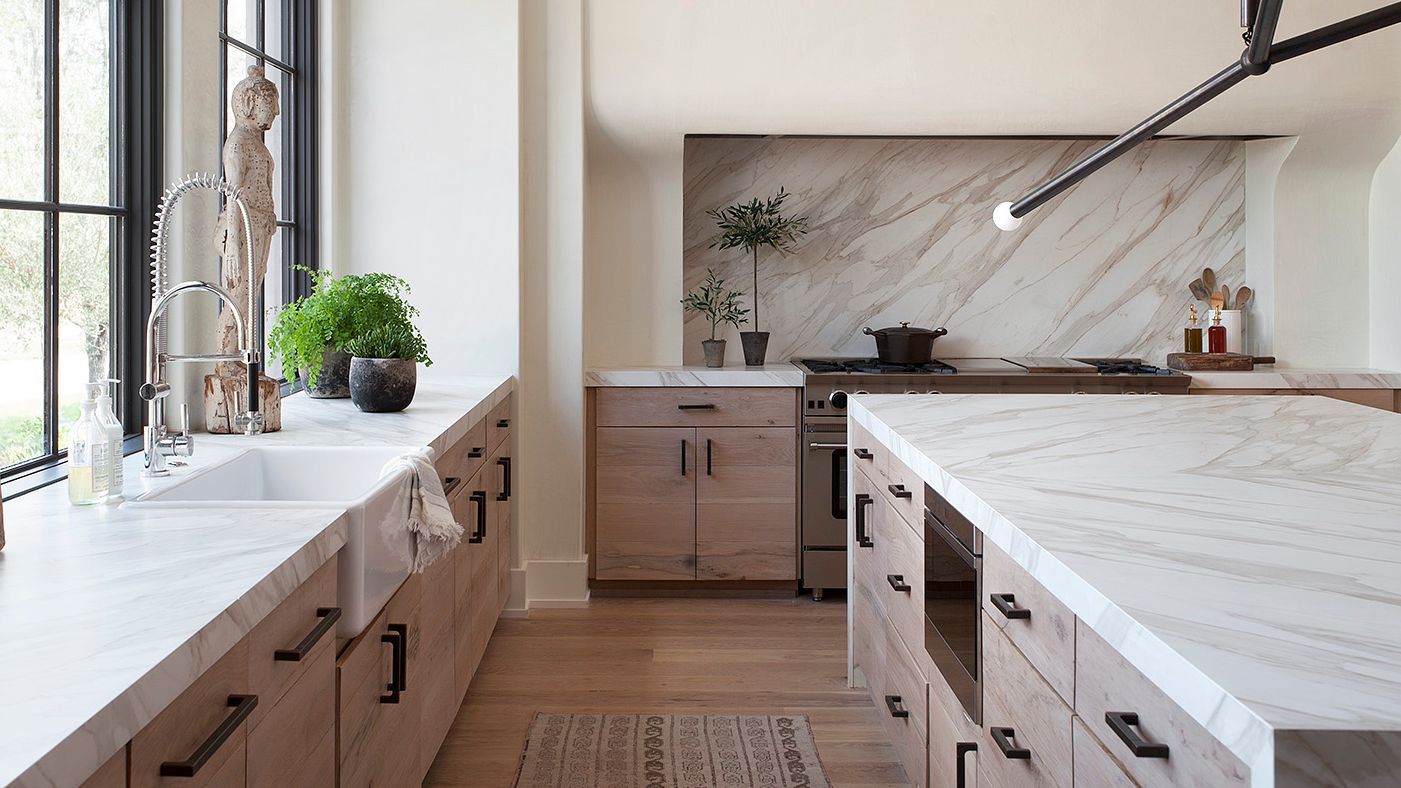
35 kitchen backsplash ideas for every kind of aesthetic

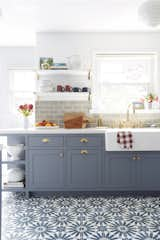
Three Interior Designers Discuss the Dynamics of Choosing a Kitchen Backsplash

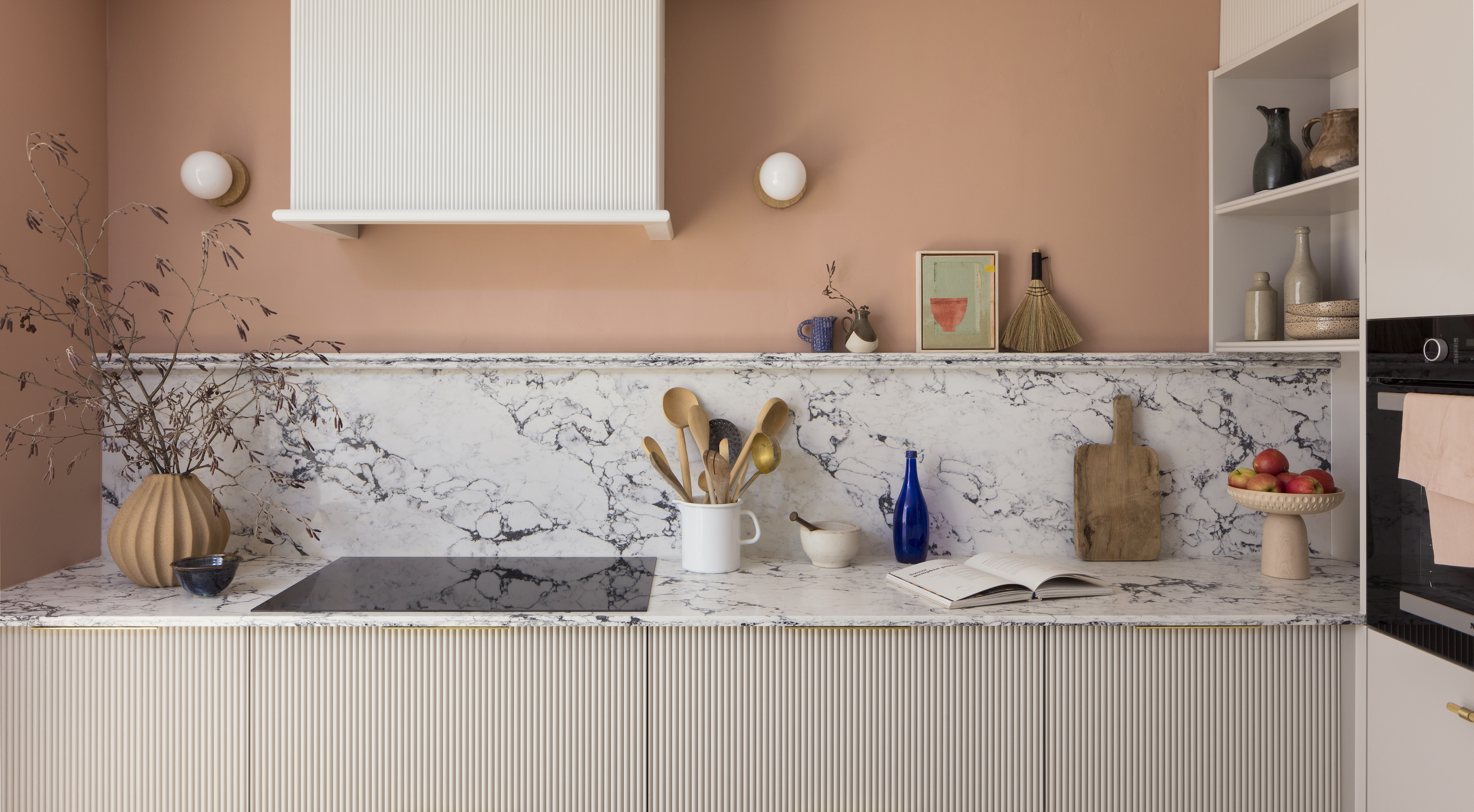
Kitchen splashback ideas for beautiful wall protection that is packed with style
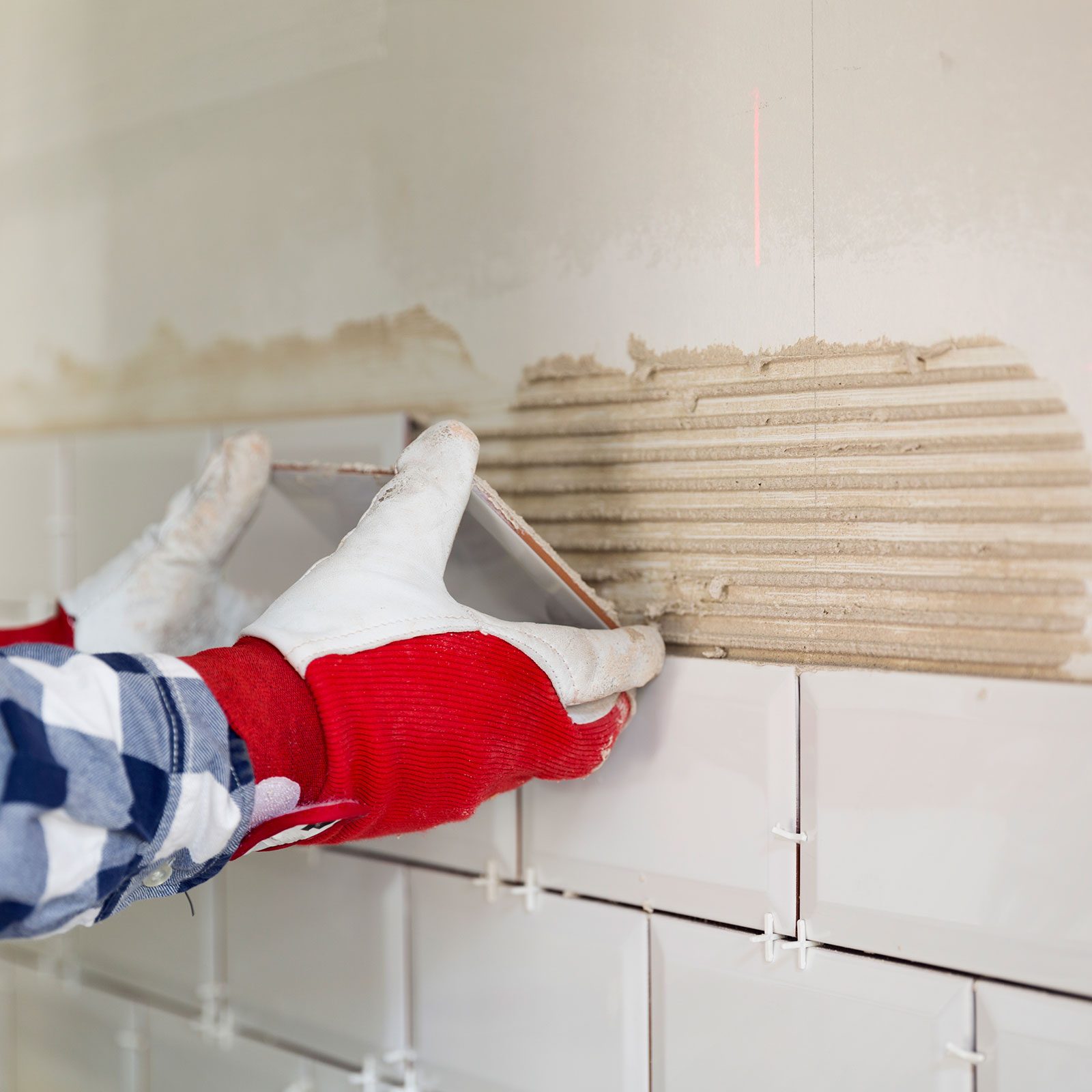
8 Backsplashes to Avoid, According to Interior Designers
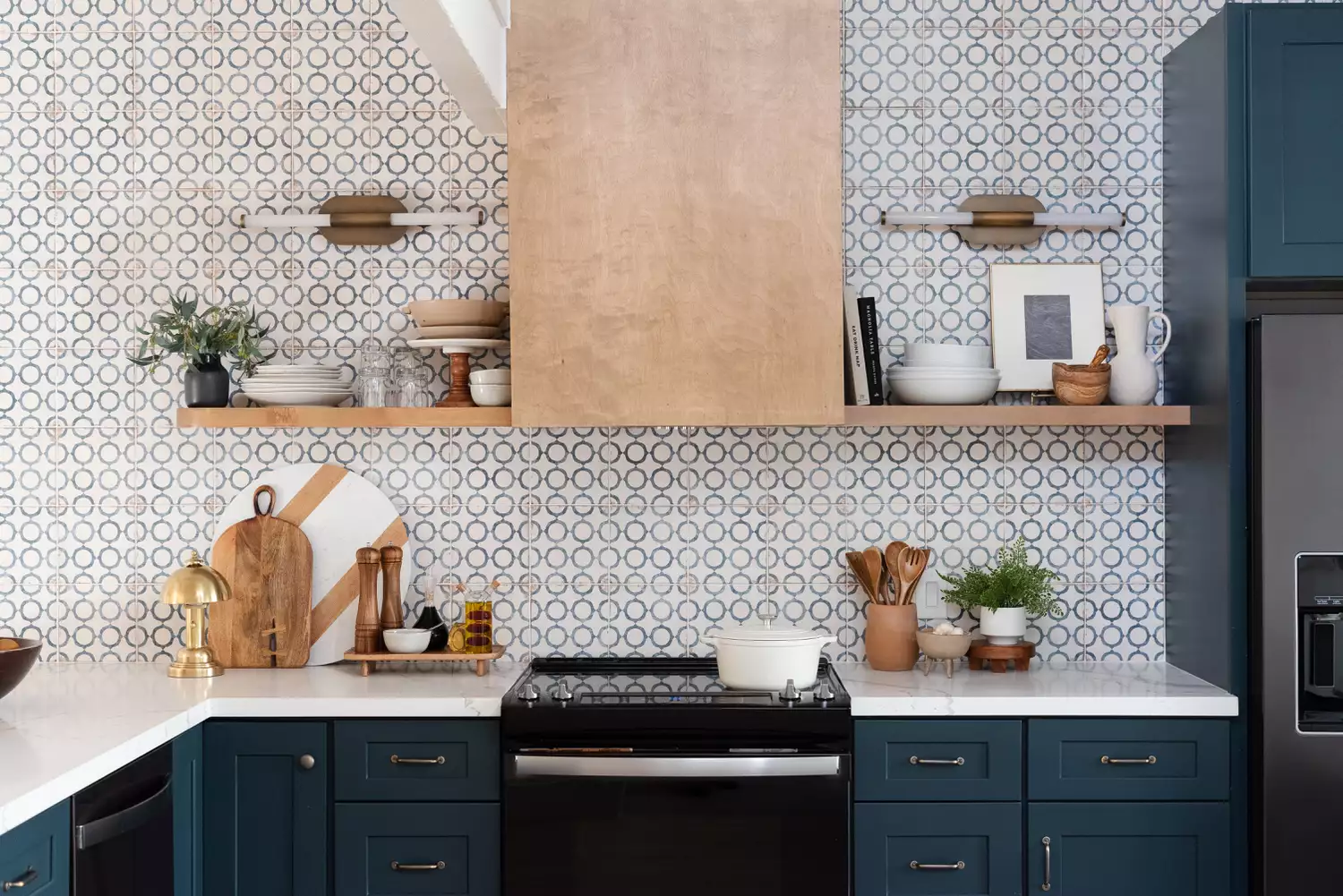
55 Kitchen Backsplash Tile Ideas You Should Bookmark for Your Next Renovation