1/24
The Top 25 Kitchen Design Trends That Defined the Past 25 Years
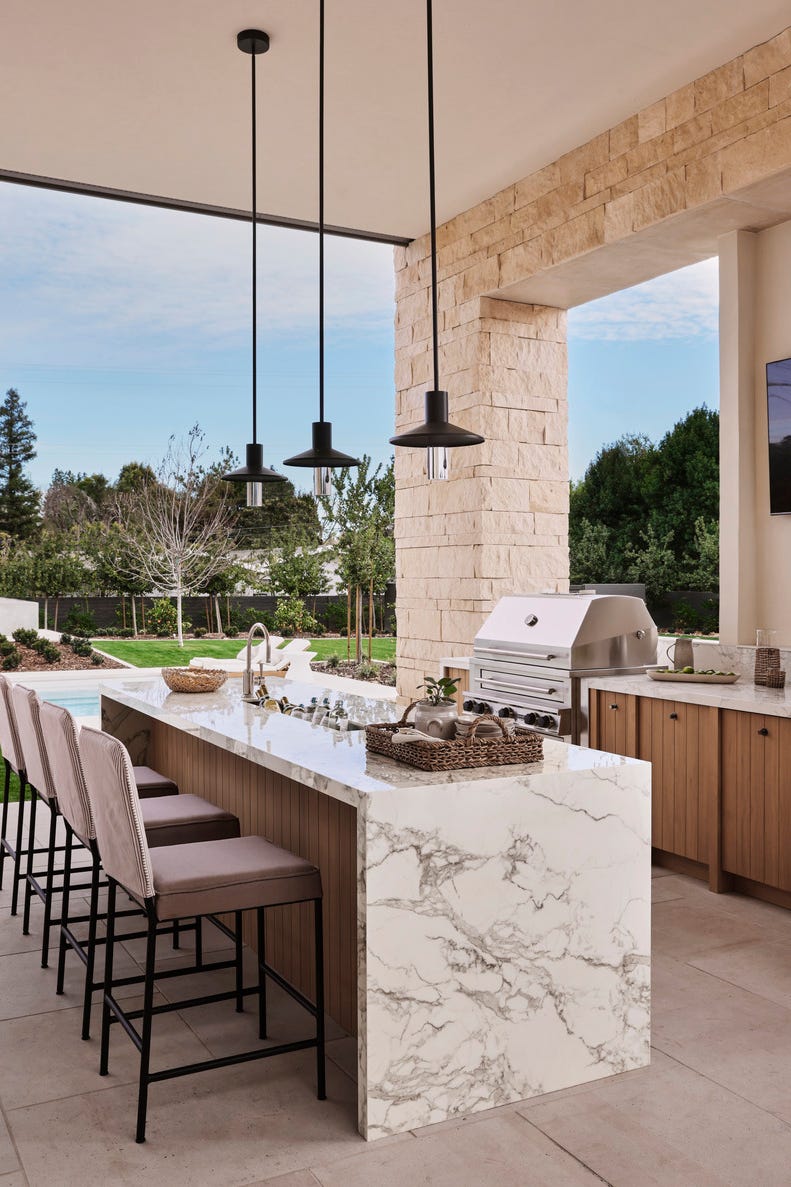
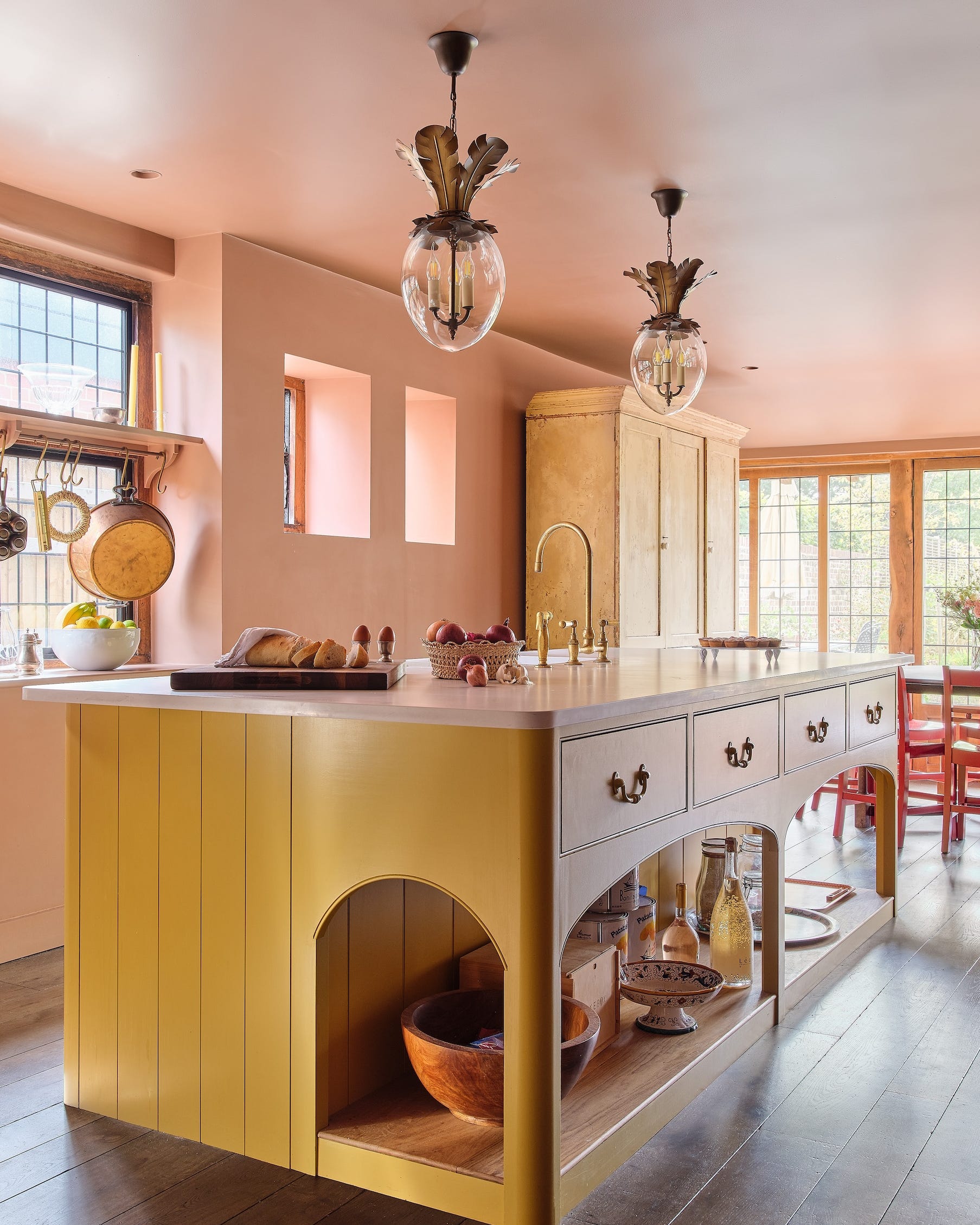
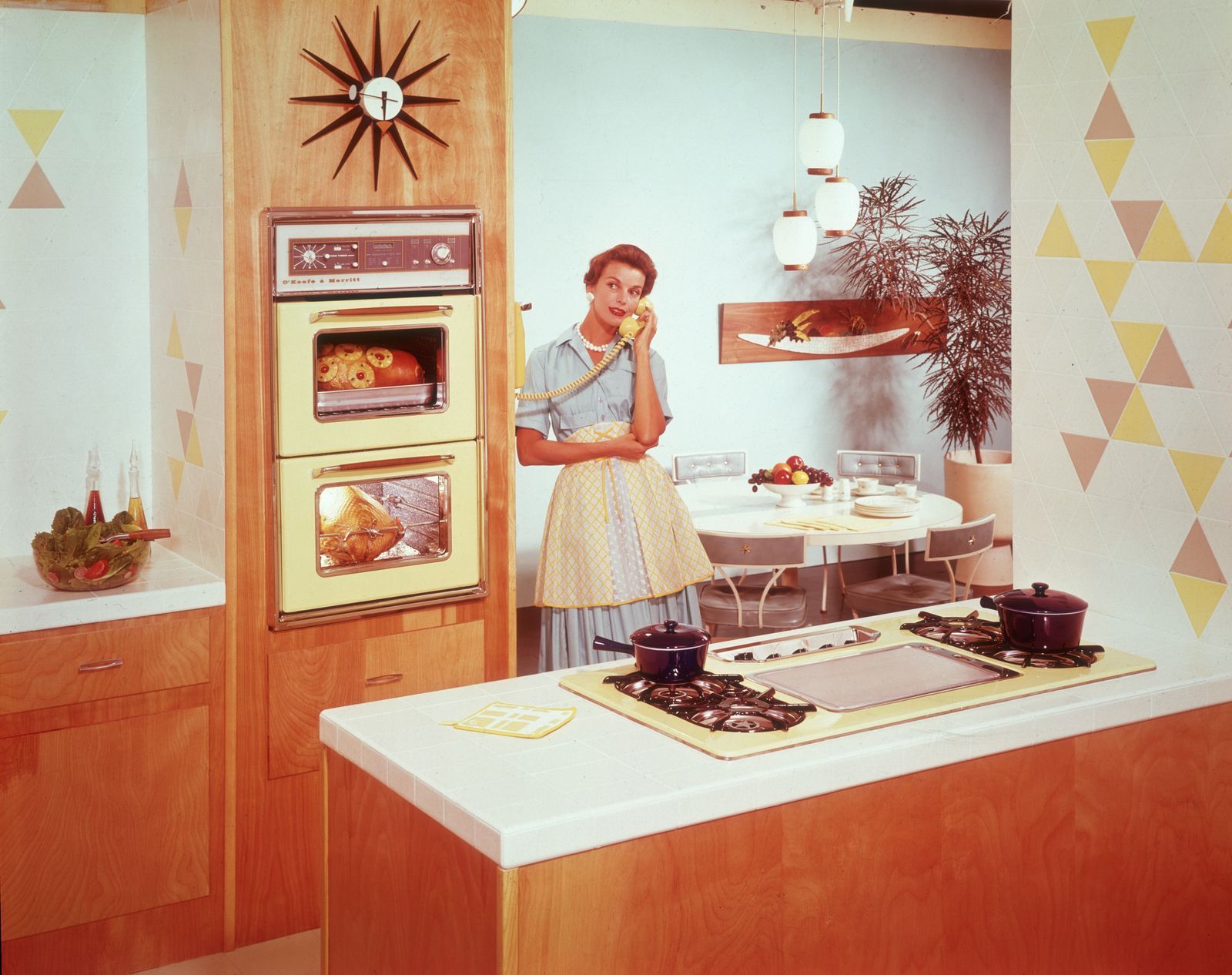
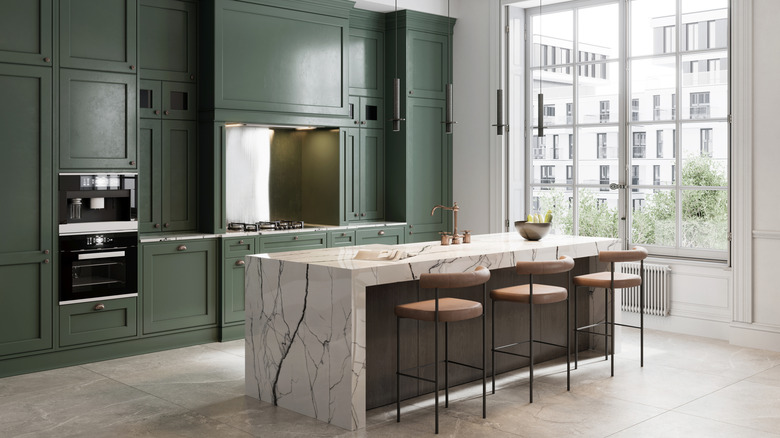
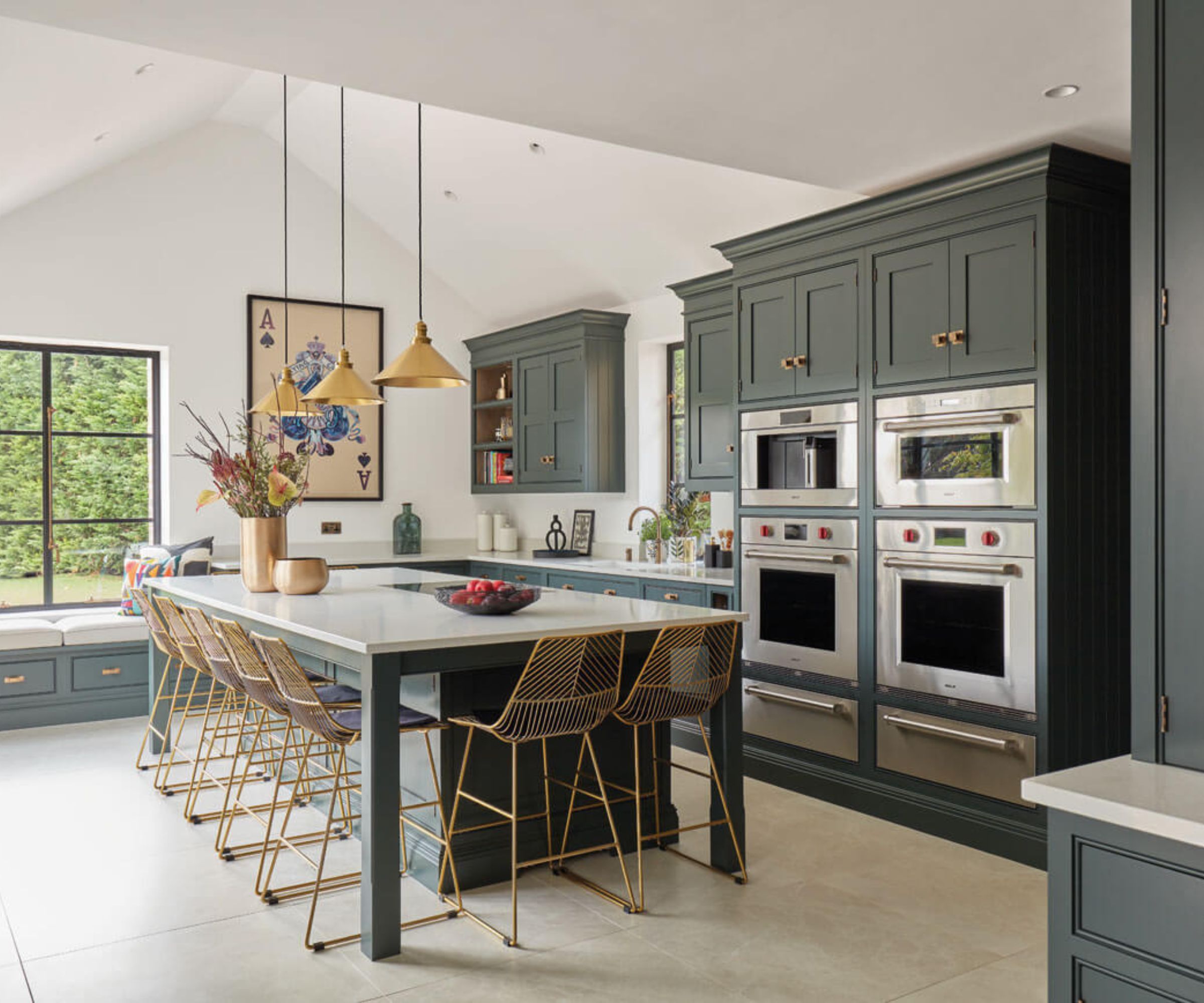
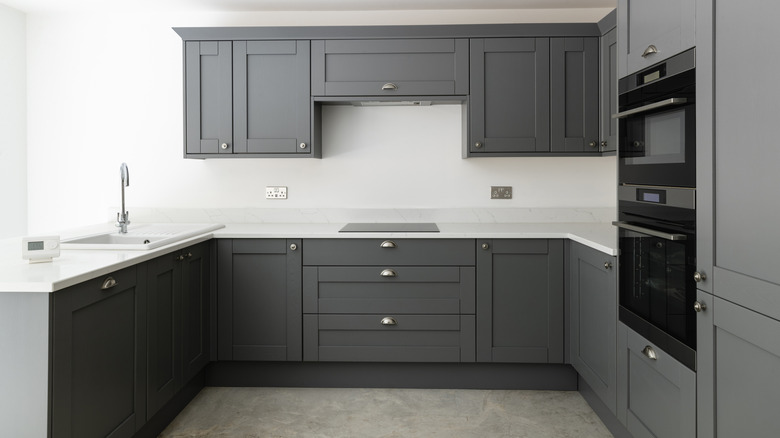
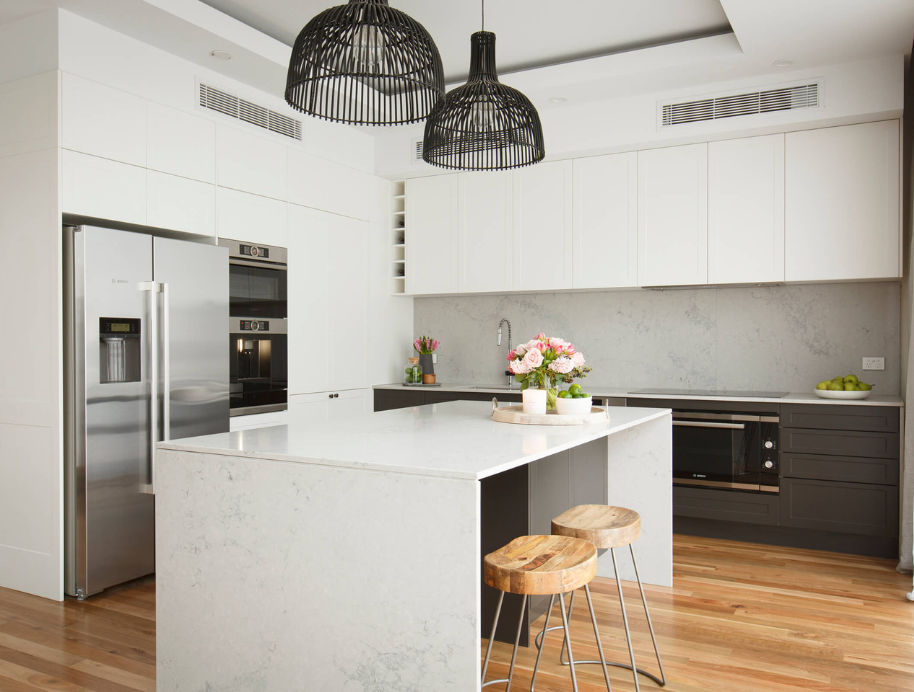
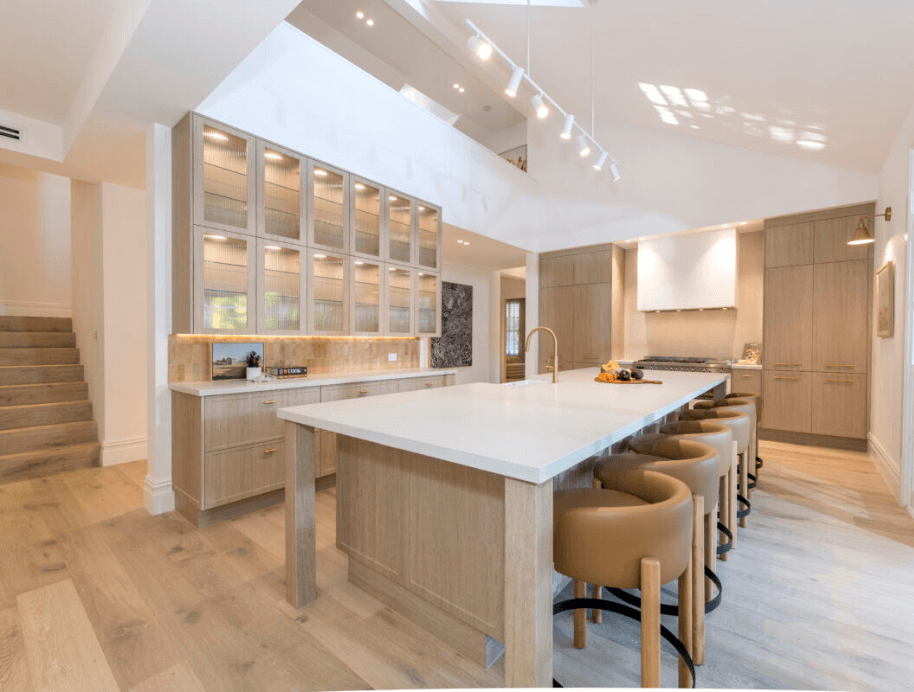
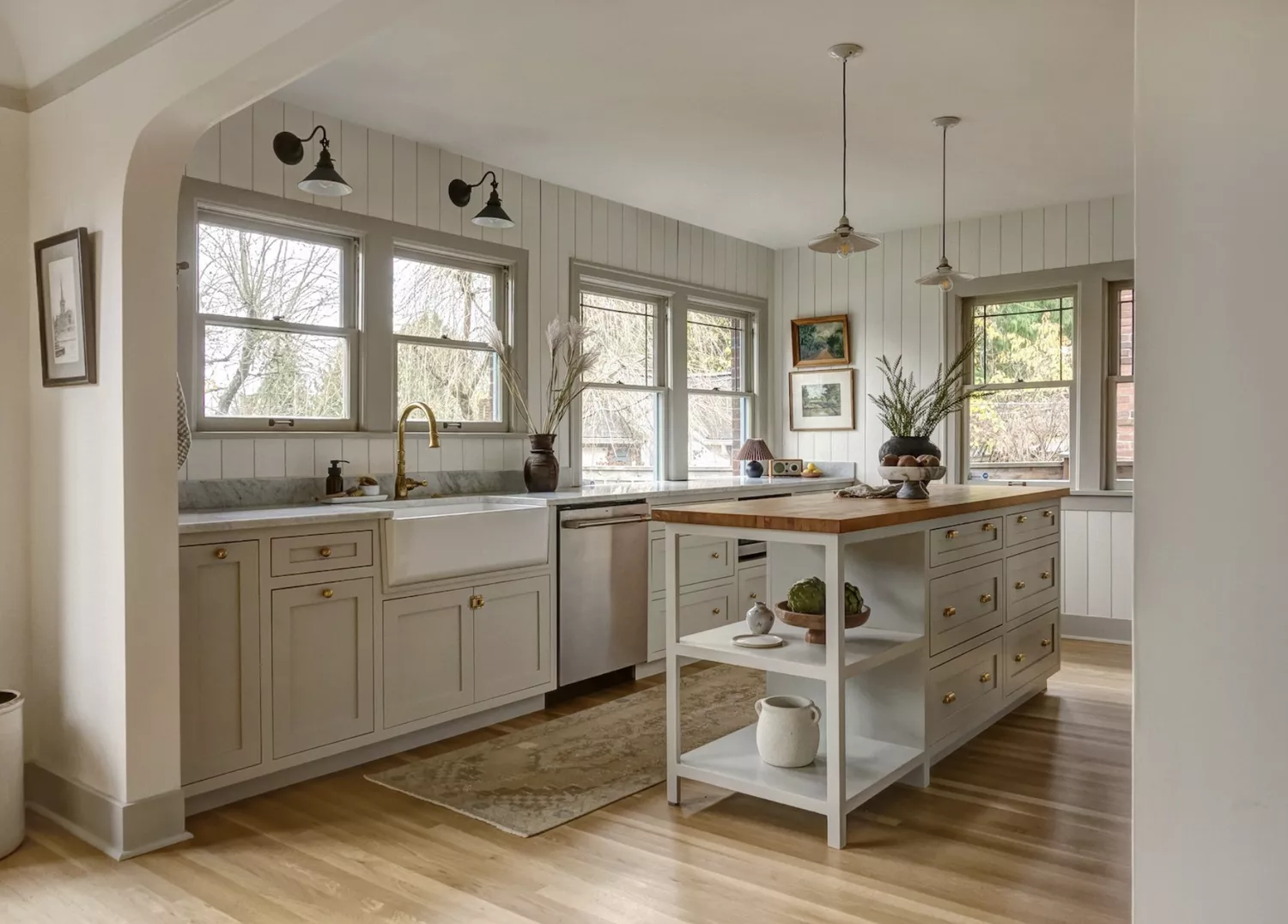
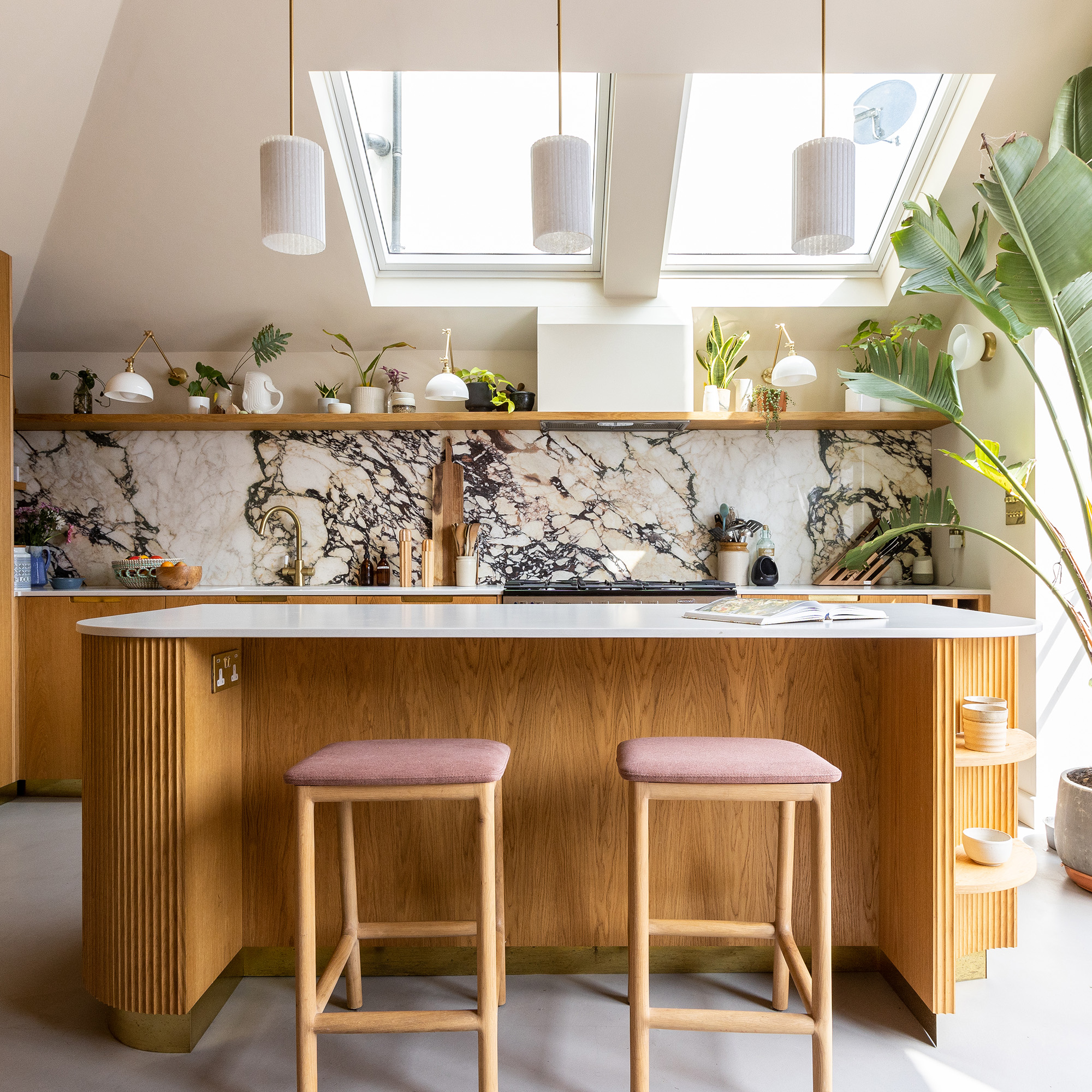
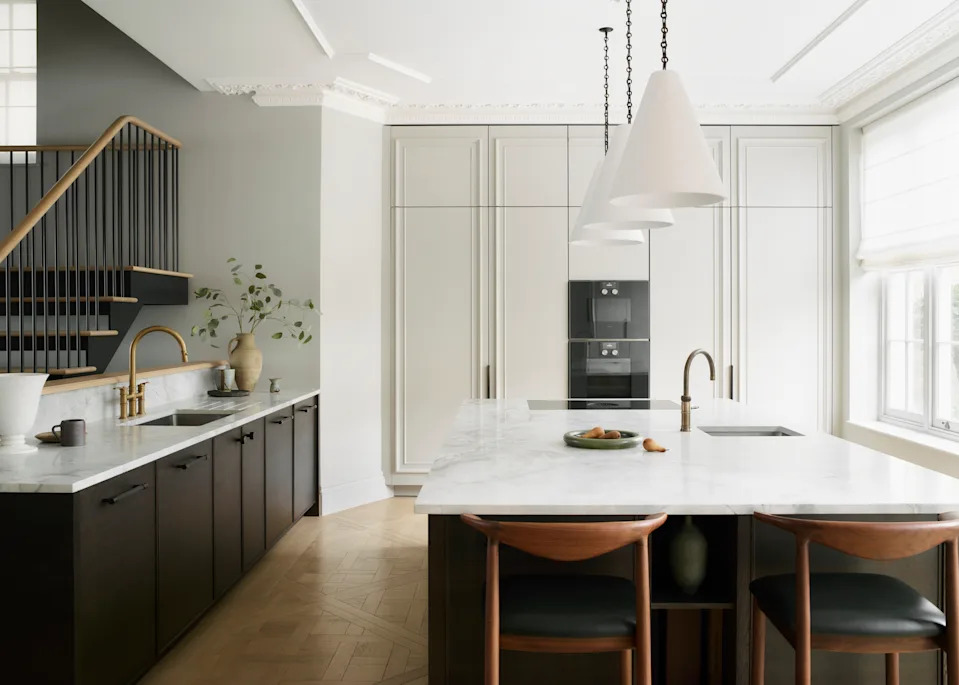
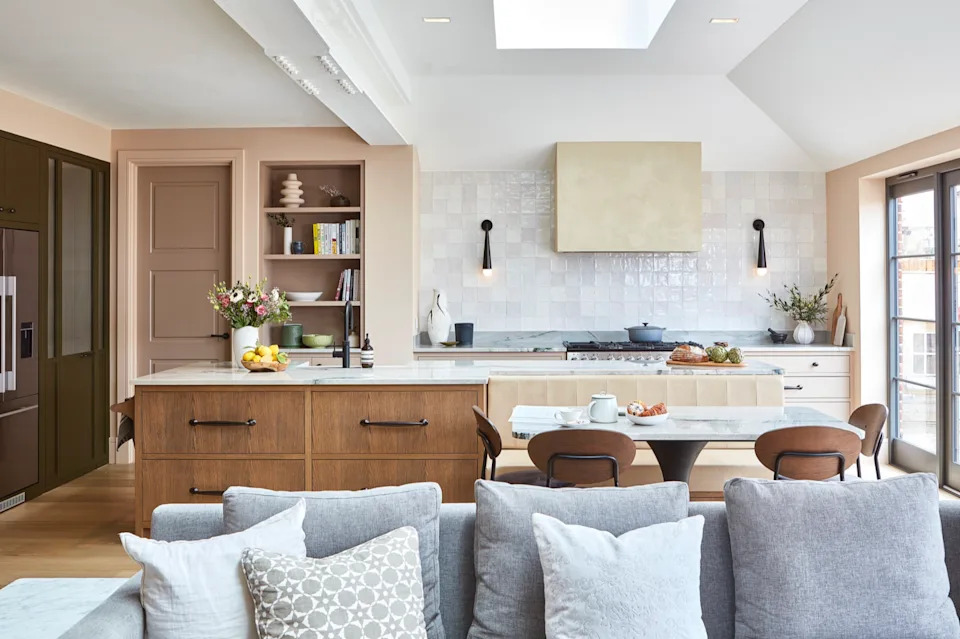
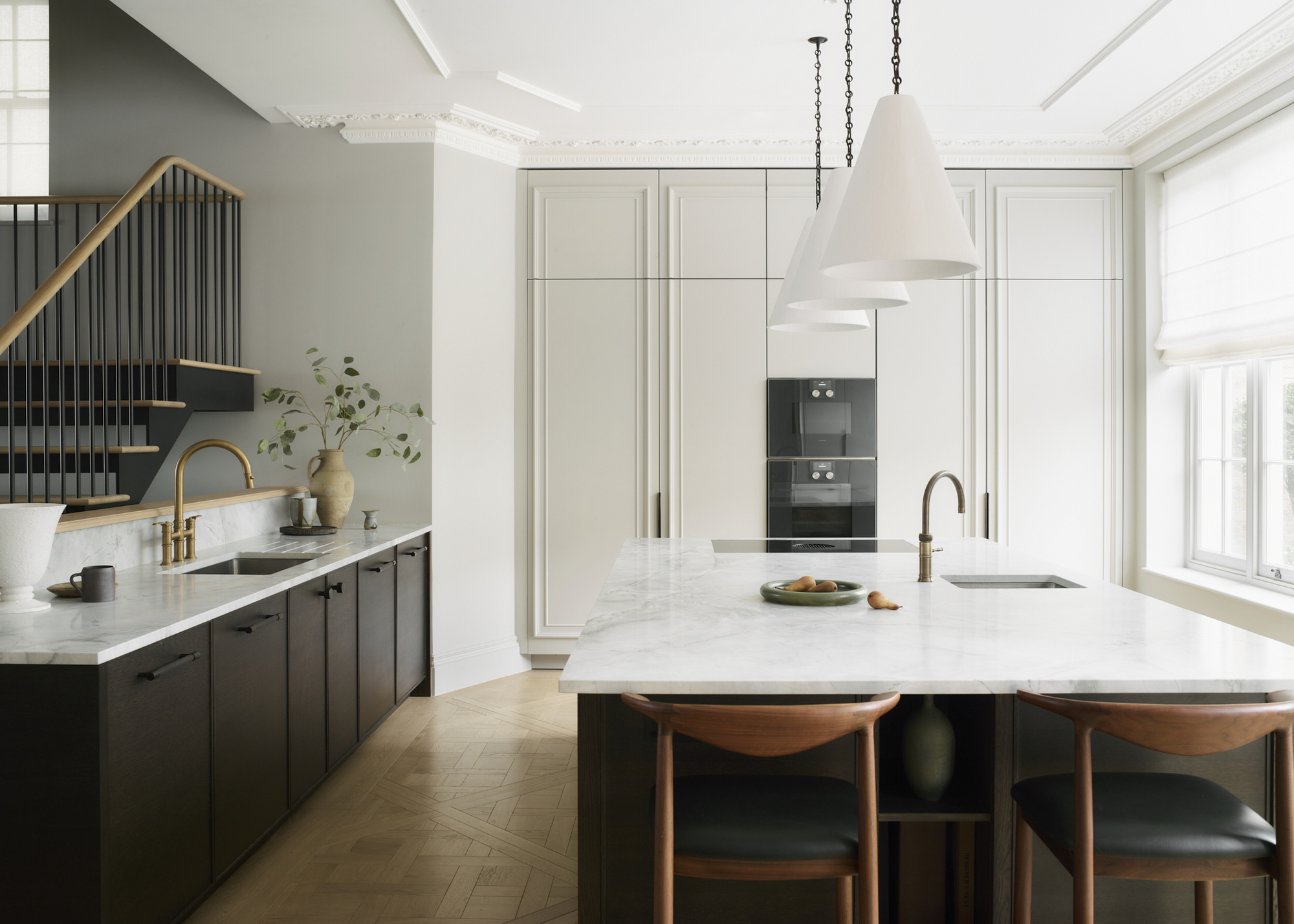
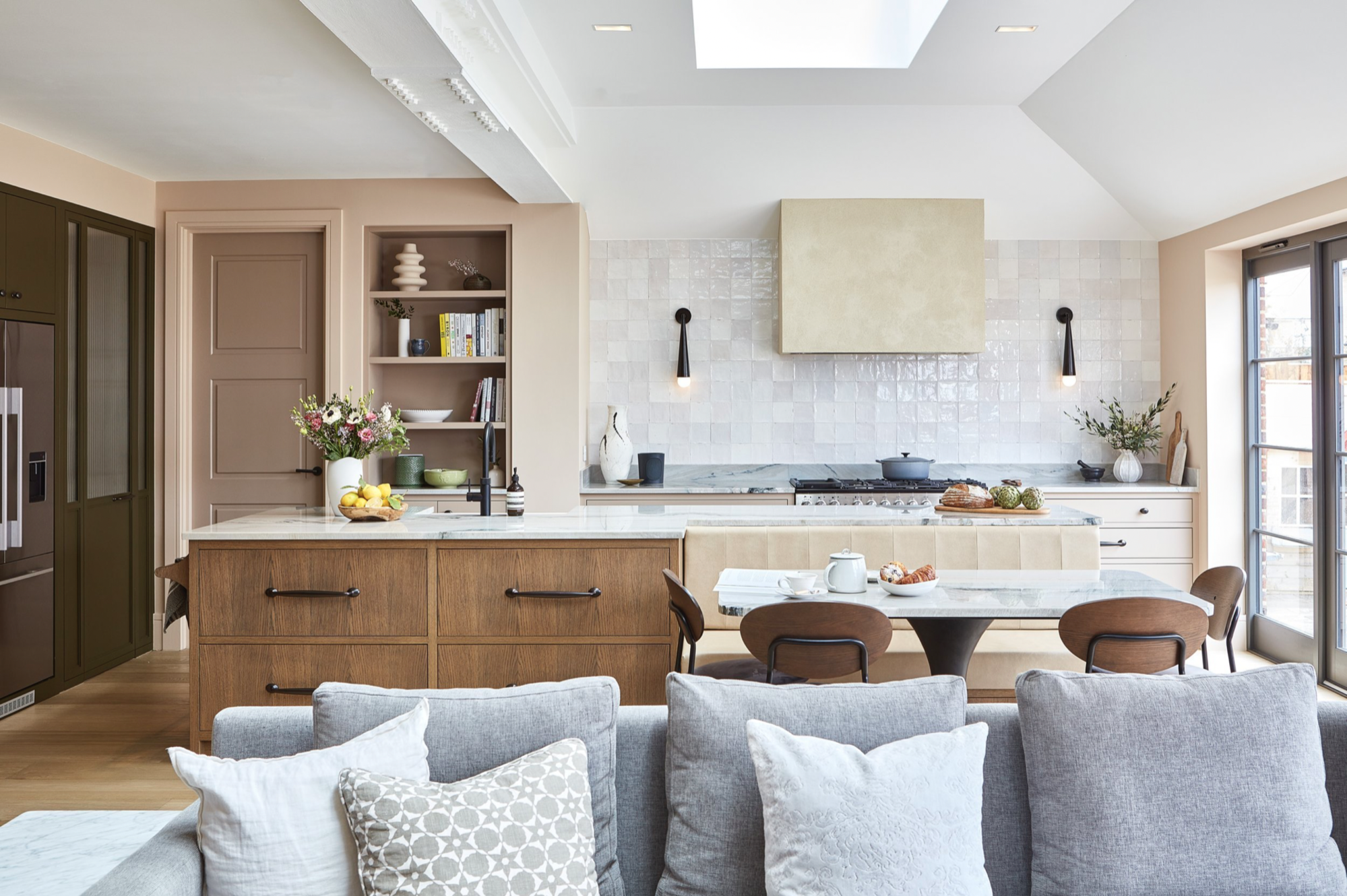
Over the past quarter-century, the kitchen has undergone a significant transformation, evolving from a functional back-of-house area into the central hub of the modern home. This evolution reflects advancements in technology and materials, coupled with shifting lifestyle preferences and aesthetic tastes. In the early 2000s, a major shift occurred with the removal of walls, integrating kitchens into open-plan living spaces. The kitchen island emerged as a versatile command center, supporting meal preparation, entertaining, and even serving as a homework station, demonstrating a clear move towards multi-functional spaces.
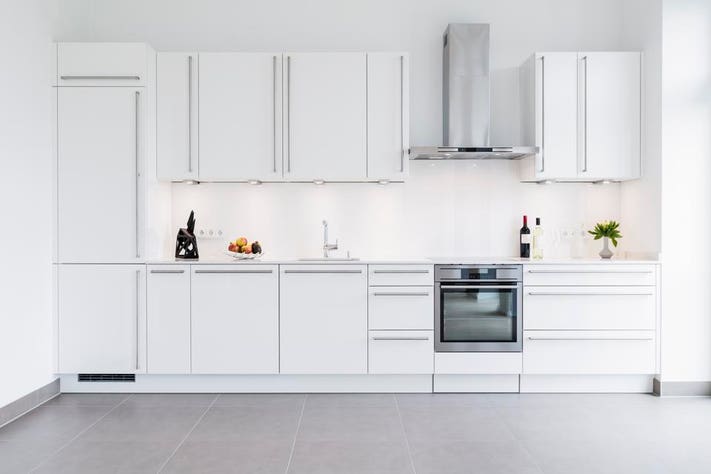
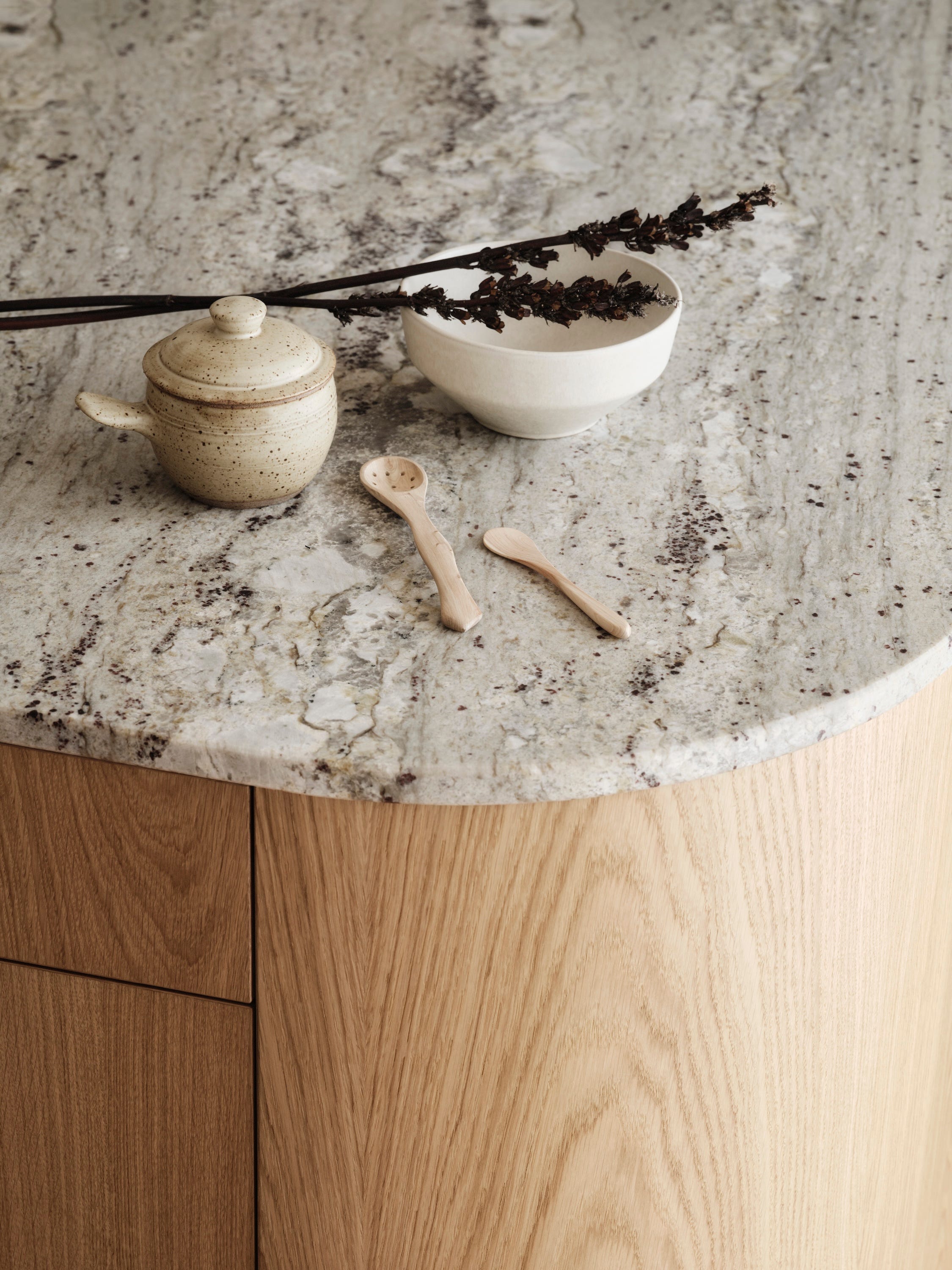
The early 2000s also saw the rise of stainless-steel appliances, mirroring commercial restaurant kitchens, and the widespread popularity of granite countertops, appreciated for their luxurious appearance, durability, and relatively easy maintenance. Farmhouse sinks became a visually appealing focal point, and magnetic knife strips offered both practicality and a professional aesthetic. As the decade progressed, kitchen designs became more integrated and polished, featuring white-on-white color schemes, glossy subway tiles, and industrial accents that combined style with utility.
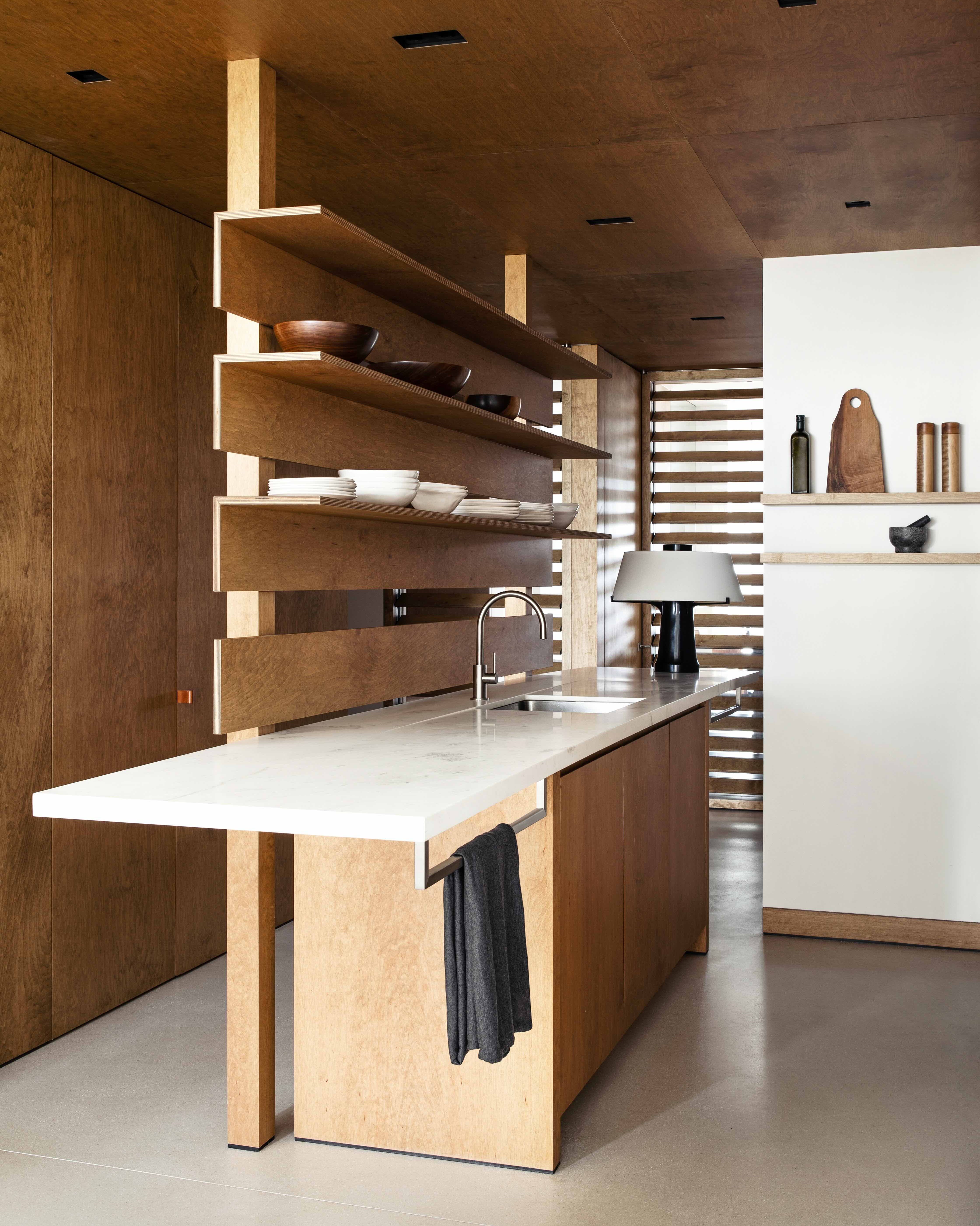

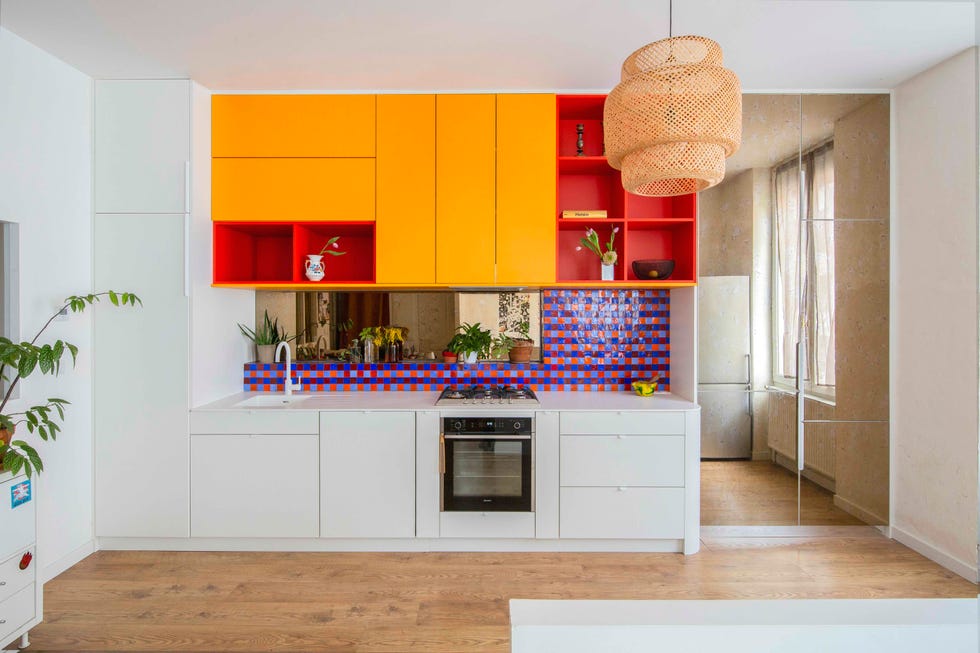
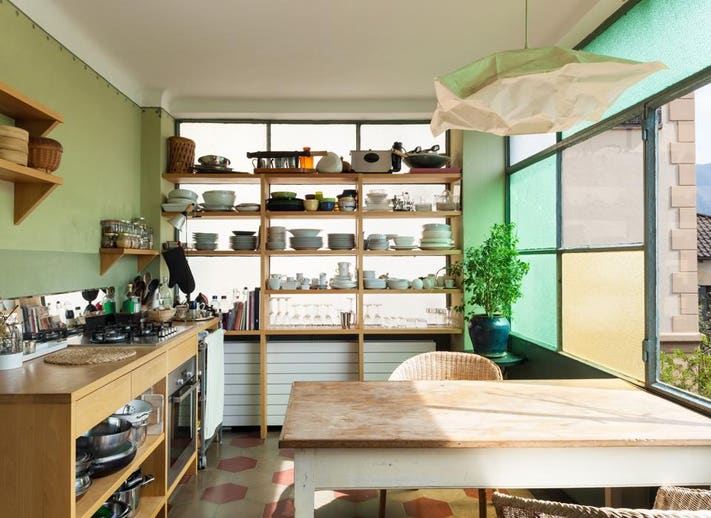
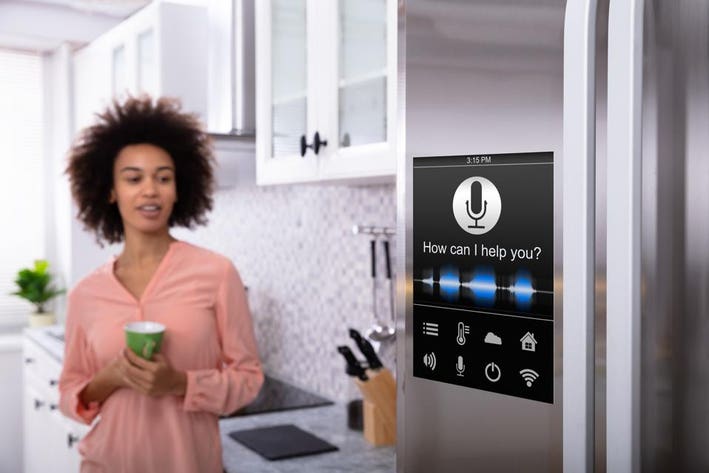
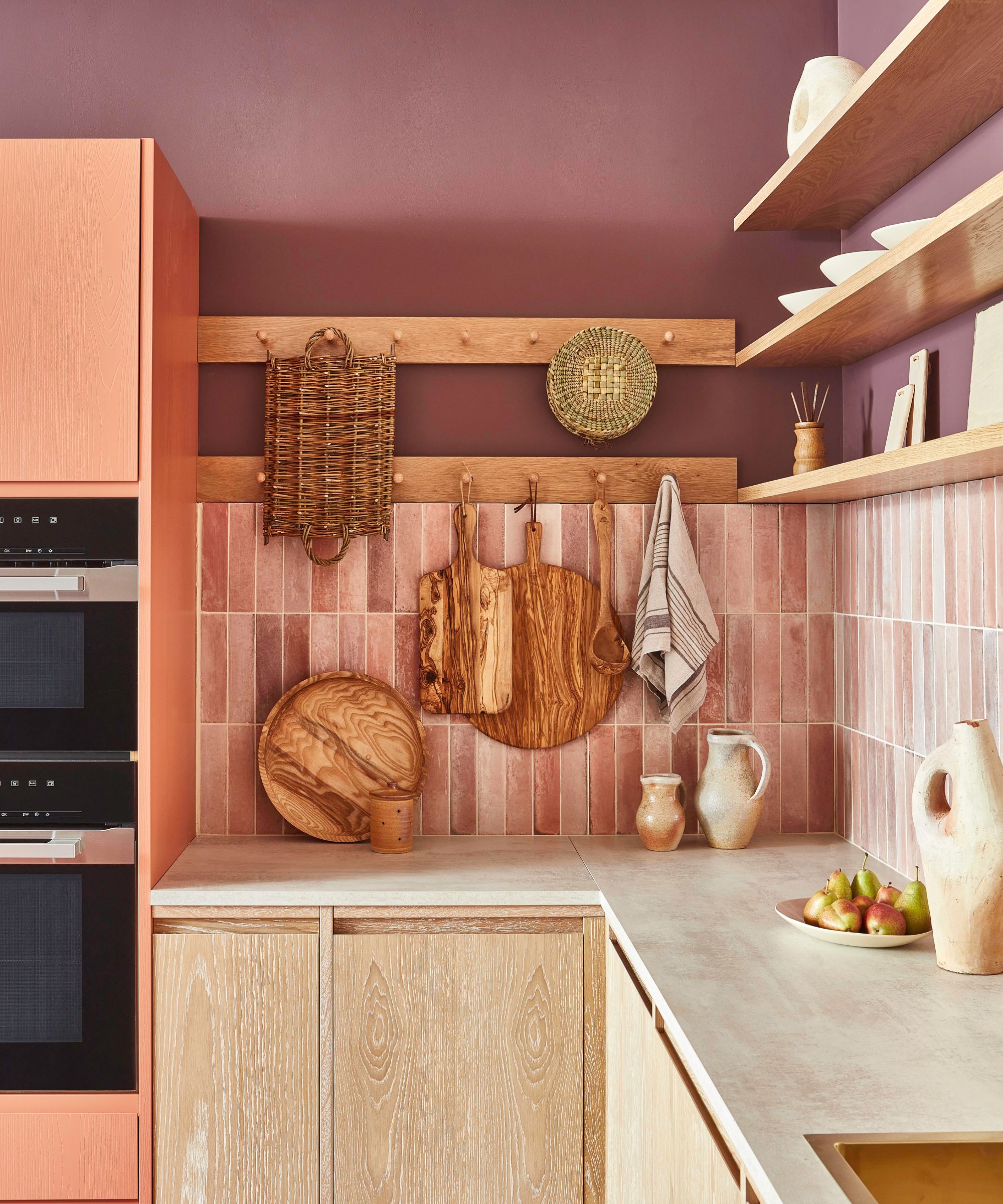
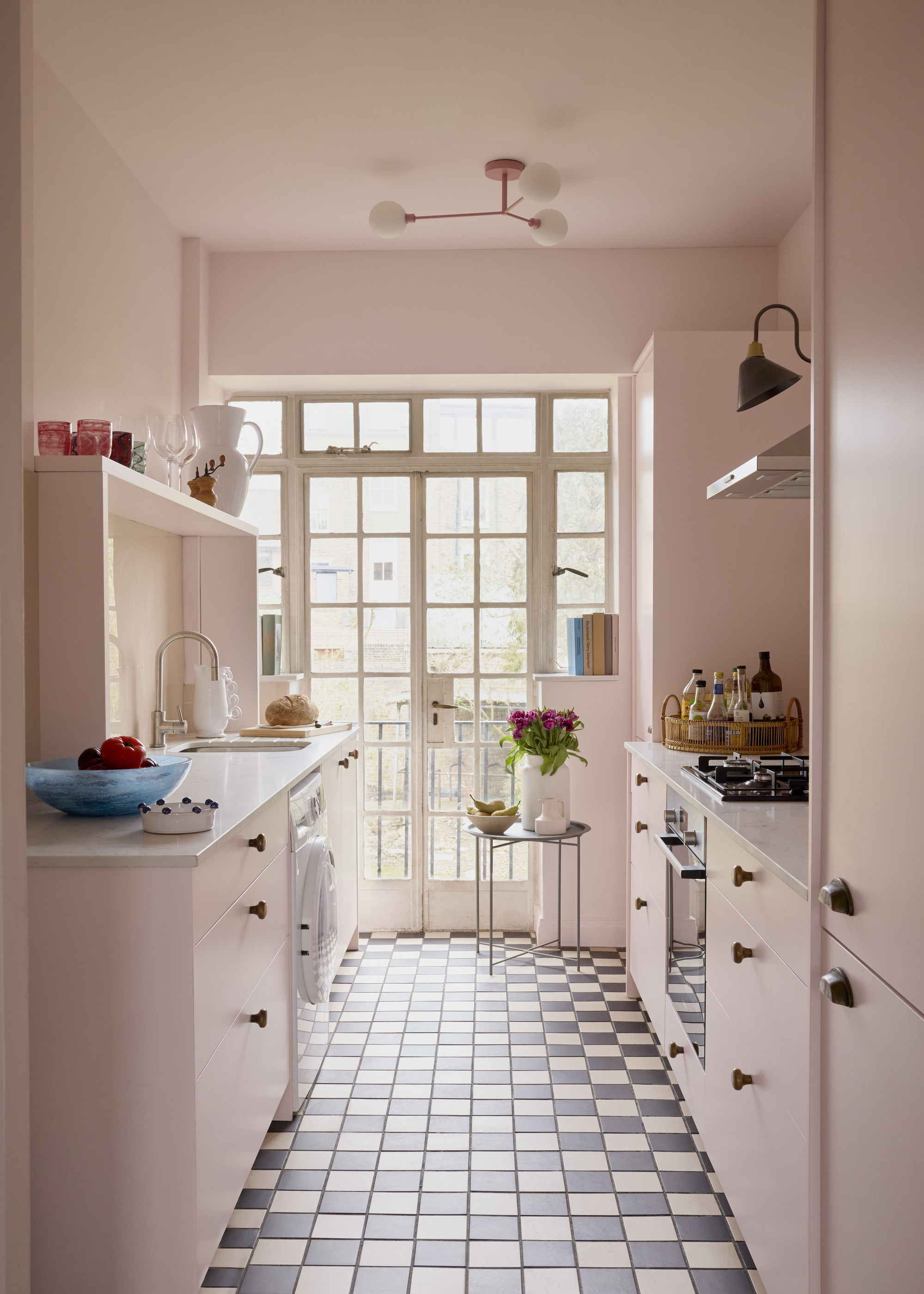
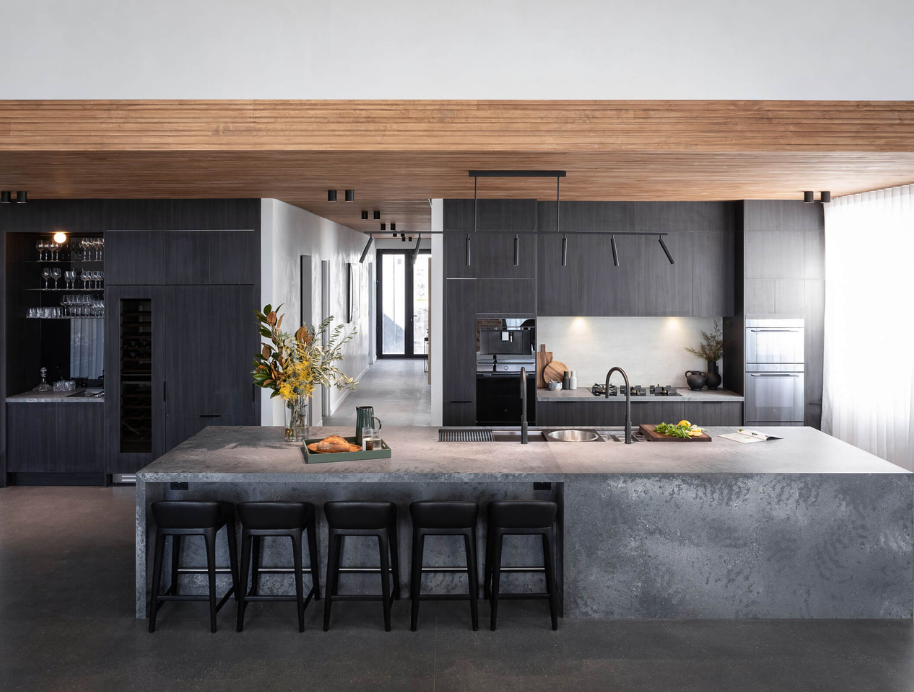
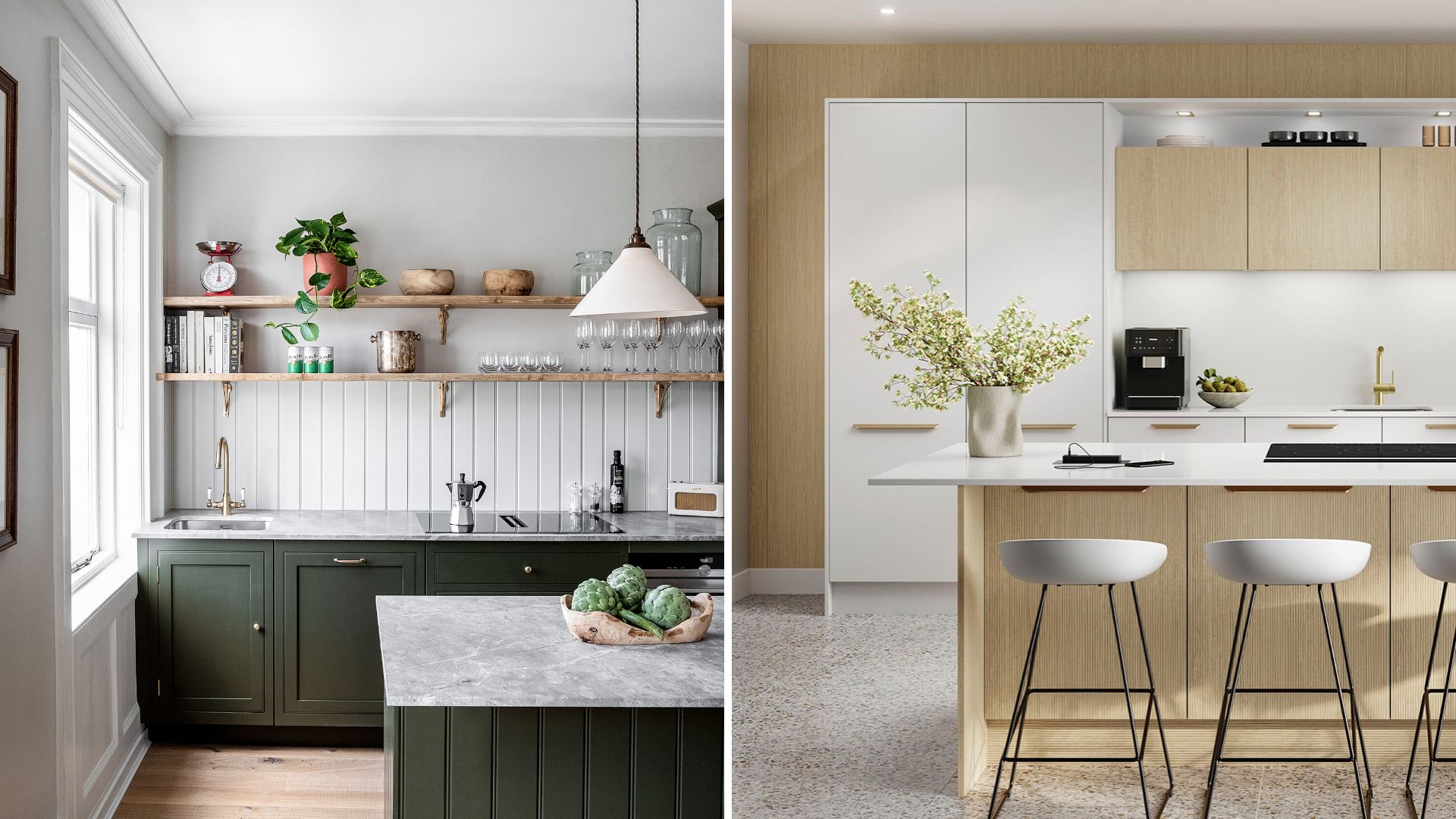
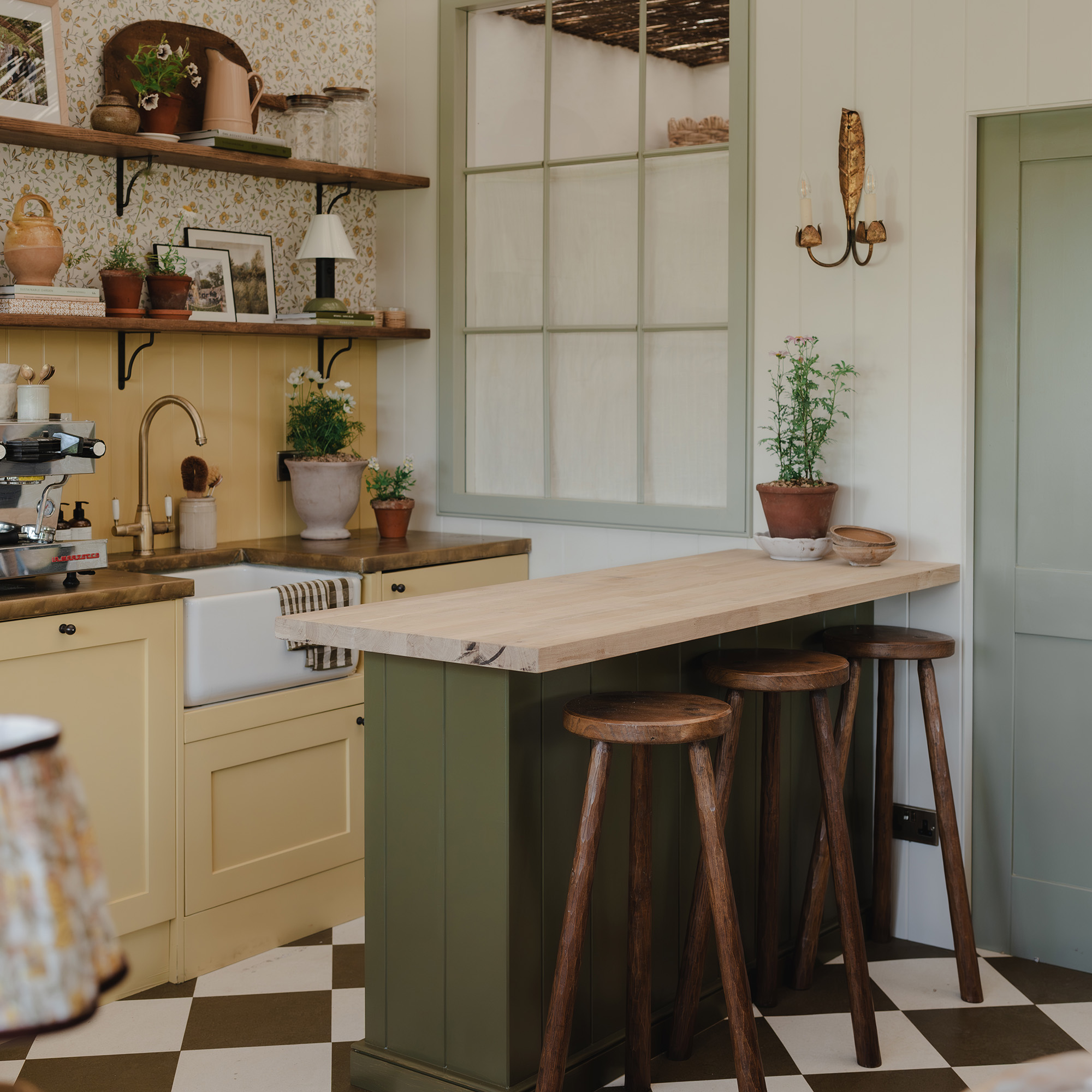
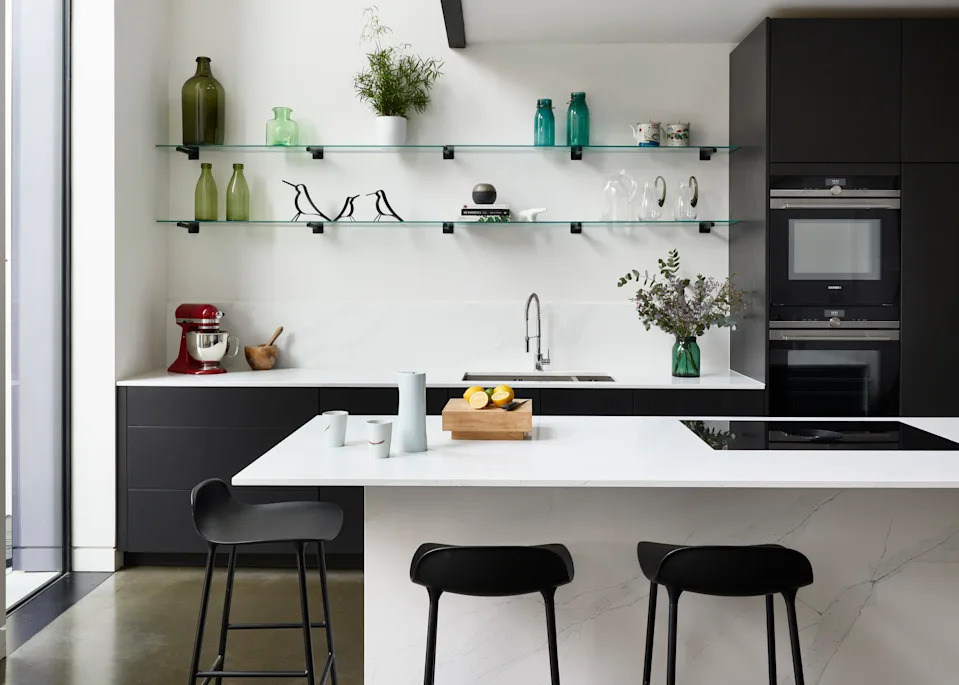
Moving into the present day, kitchen design emphasizes smart technology, bold aesthetics, and personalized touches. Open shelving is now common, showcasing ceramics and cookbooks, while backsplashes have become prominent statement pieces. Colorful cabinetry and appliances allow for greater personalization. Technological integration has advanced significantly, with smart appliances capable of features like voice-activated recipe dictation, inventory management, and automated cooking functions, enhancing convenience and efficiency.
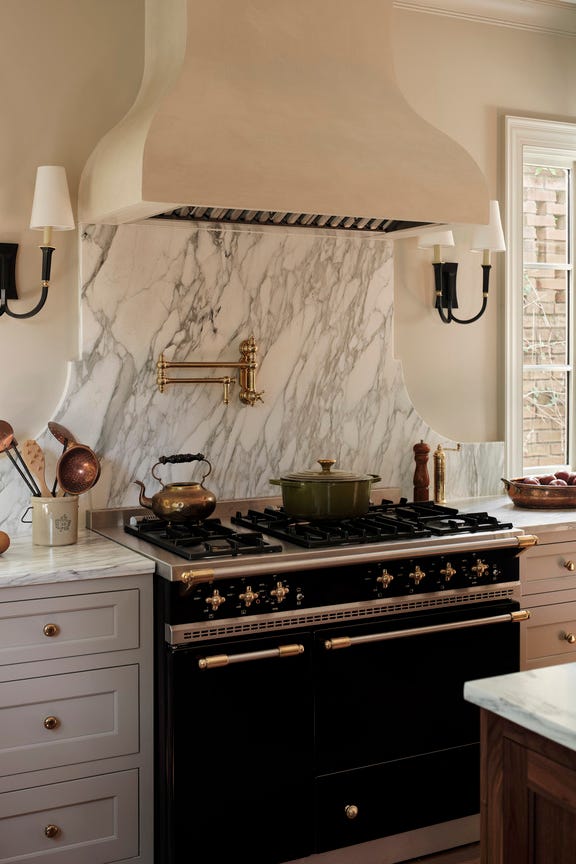
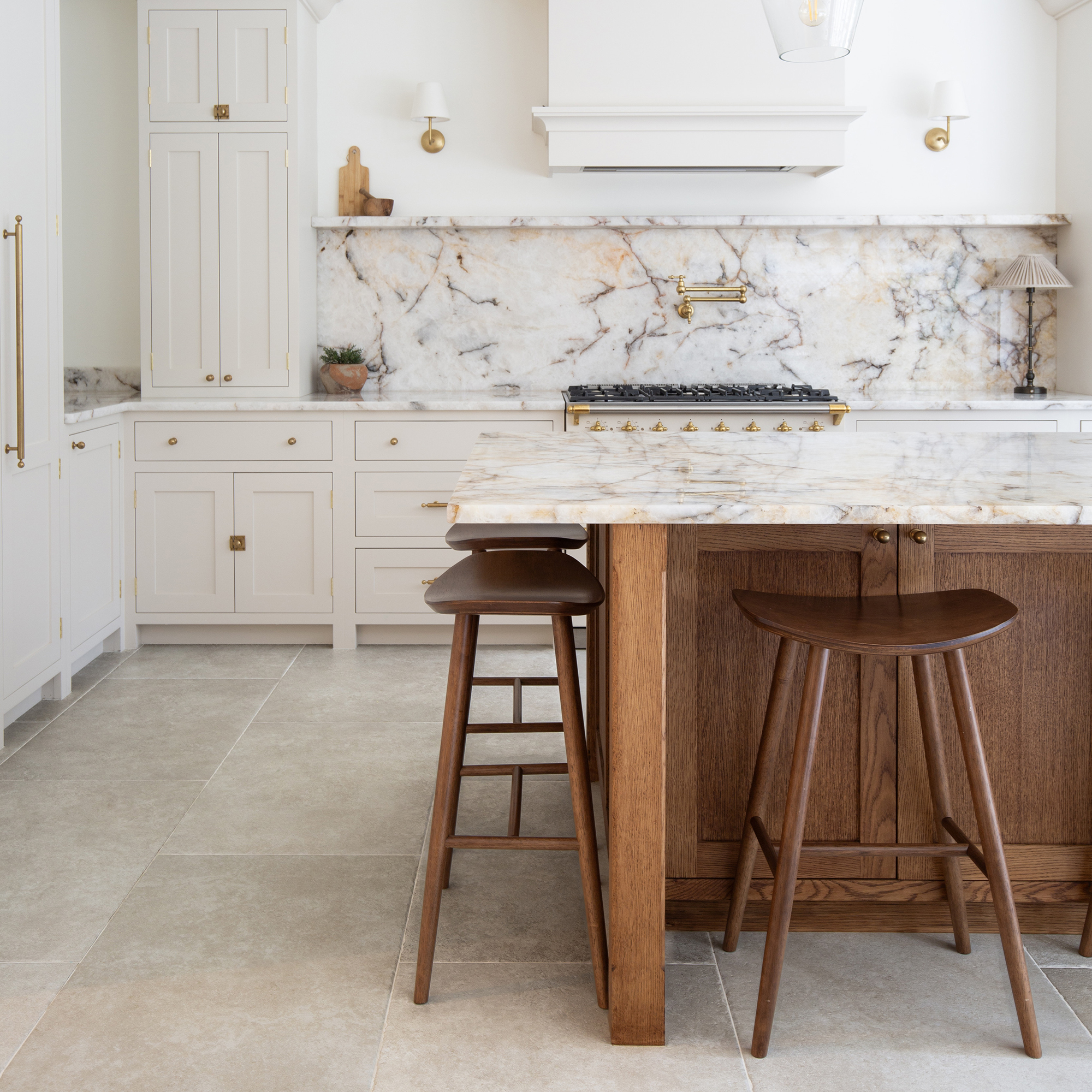
Specific trends that shaped this period include the dominance of stainless steel appliances, the aspirational status of high-end range cookers like Wolf with their distinctive red knobs, and the fleeting popularity of Tuscan-inspired kitchens with their warm, rustic elements. The open-plan kitchen cemented its role as the home's social center, with the island adapting to numerous roles. Integrated trash and recycling systems became standard, promoting tidiness and environmental consciousness. Magnetic knife strips offered practical, space-saving storage, freeing up counter space previously occupied by traditional knife blocks.
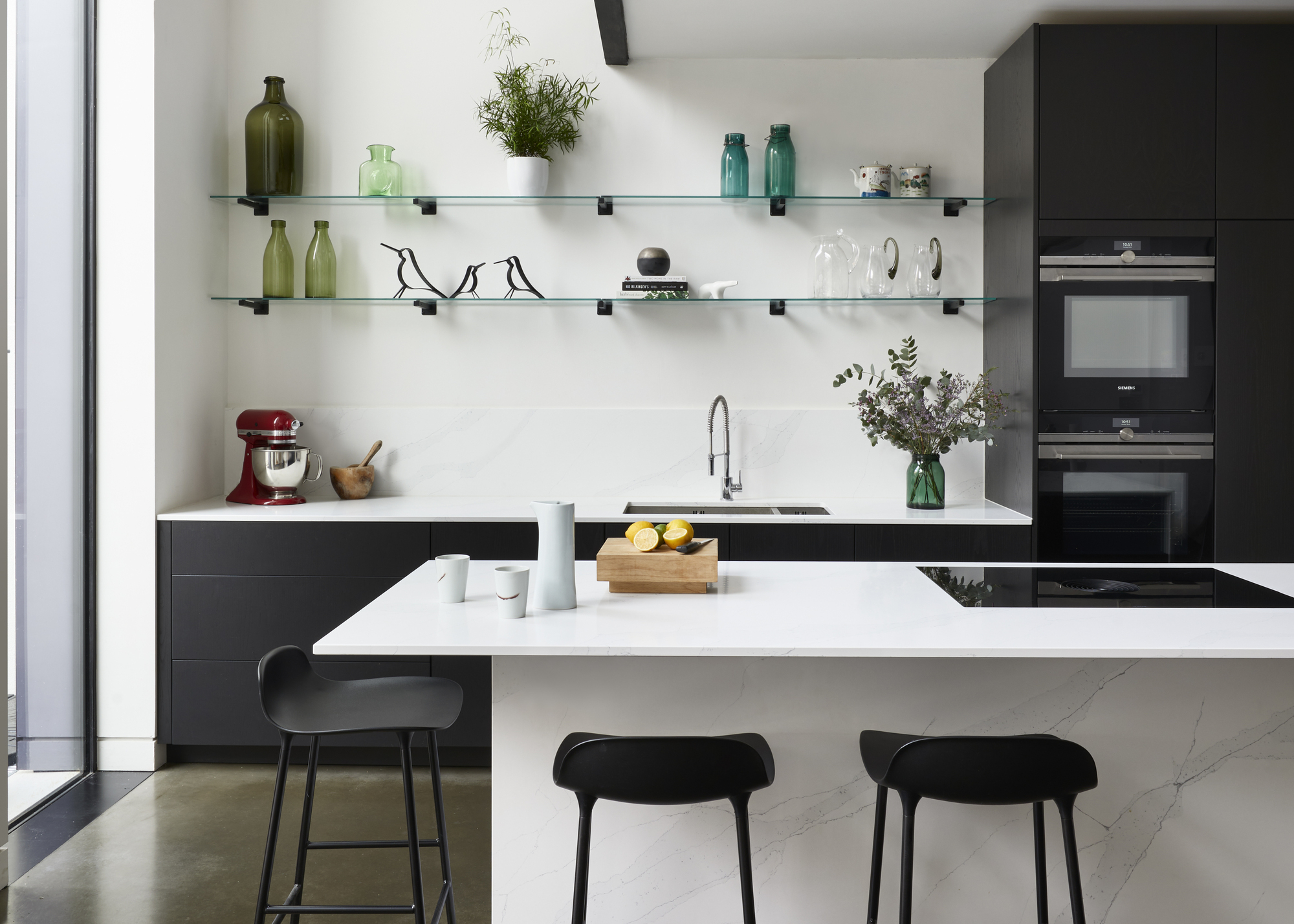
The "white kitchen" trend, amplified by social media and design magazines, became an emblem of modern sophistication, offering a clean and bright aesthetic that remains popular. The modern-farmhouse style, popularized by shows like HGTV's *Fixer Upper*, brought elements like warm lighting, neutral tones, barn doors, and vintage-industrial accents to a broader audience. Hidden appliances and "invisible kitchens" maximized visual sleekness, while matte black finishes gained traction for their modern, industrial look and easy maintenance. Efficient pantry storage solutions, such as pull-out and revolving pantries, optimized space in smaller kitchens.
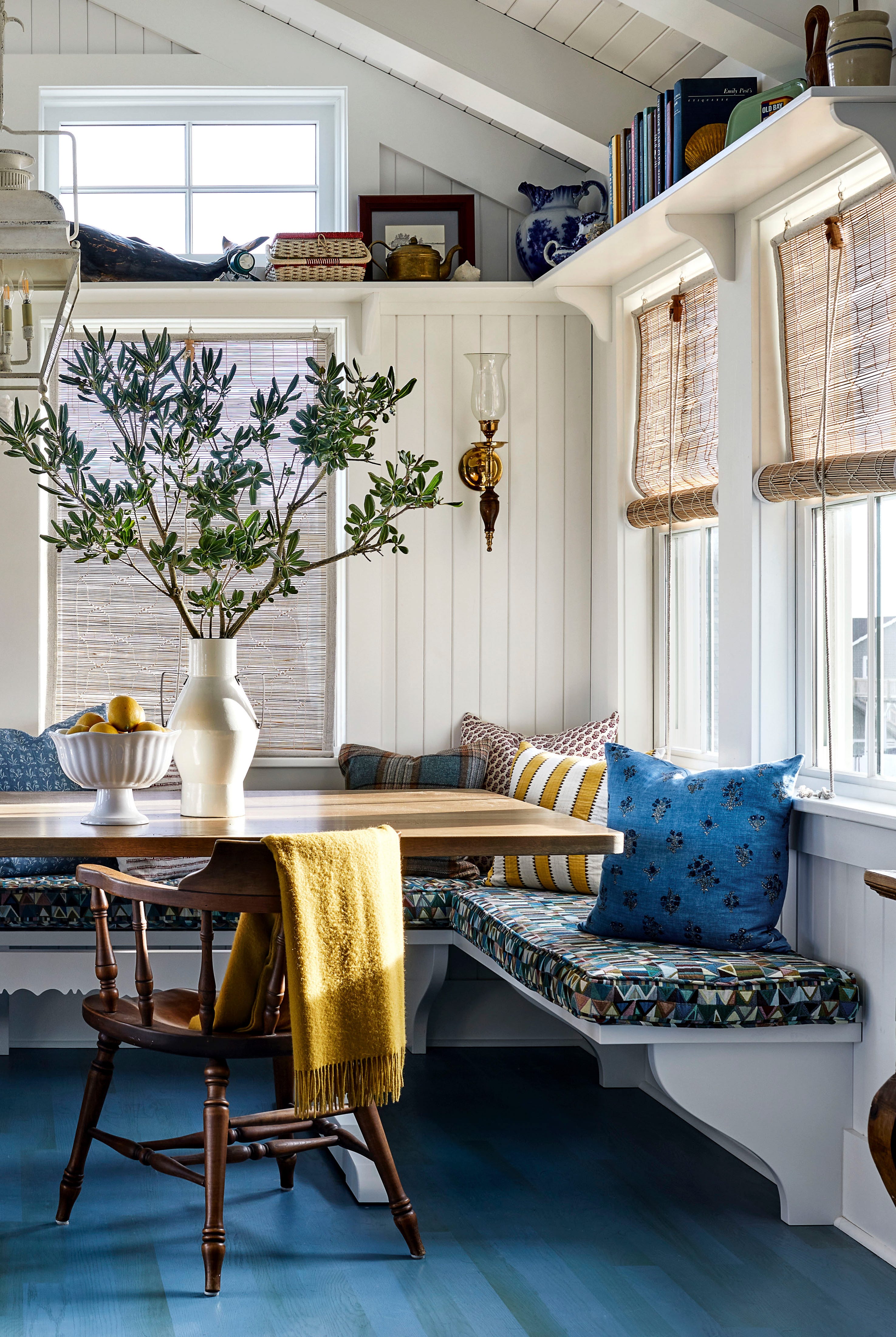
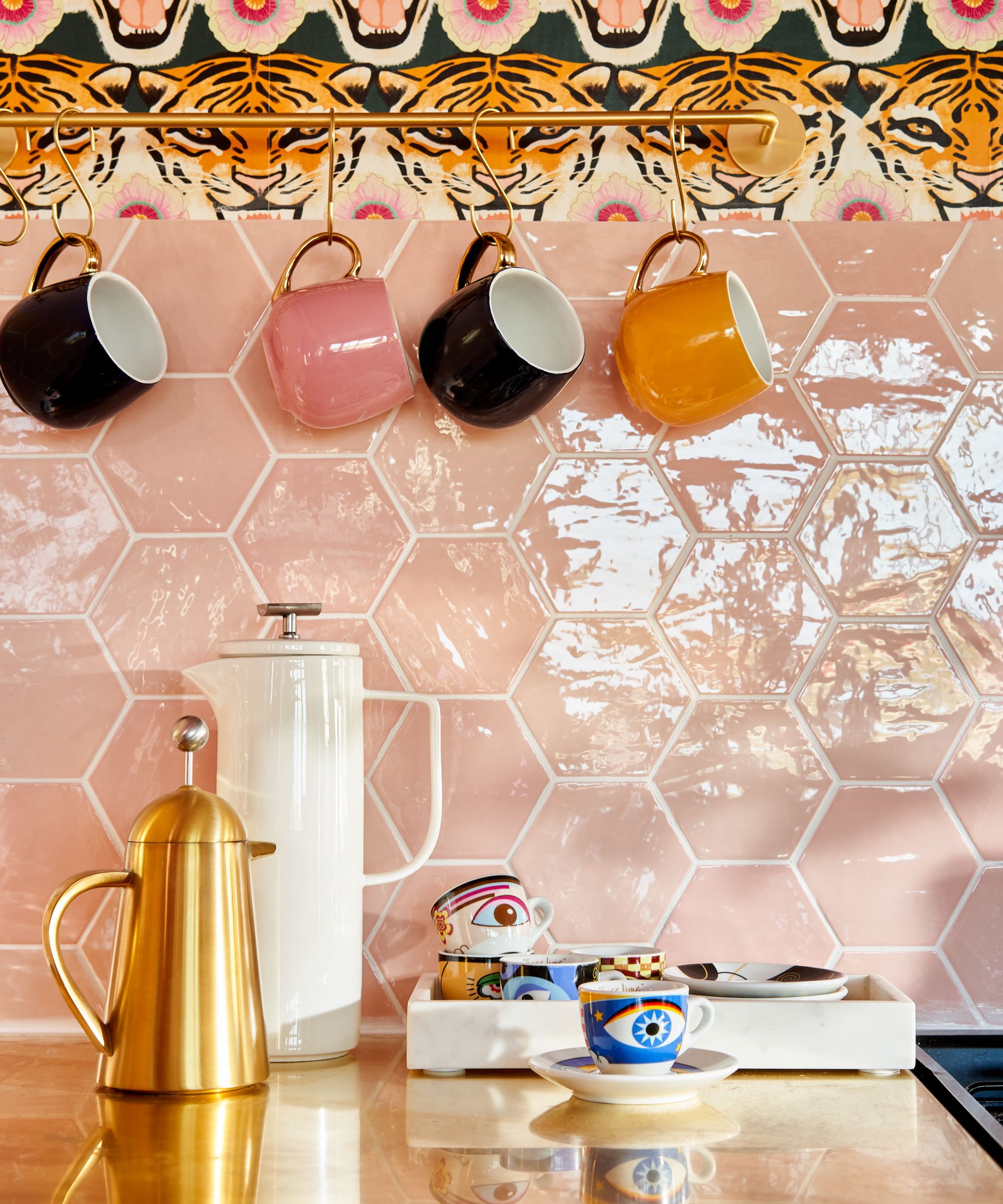
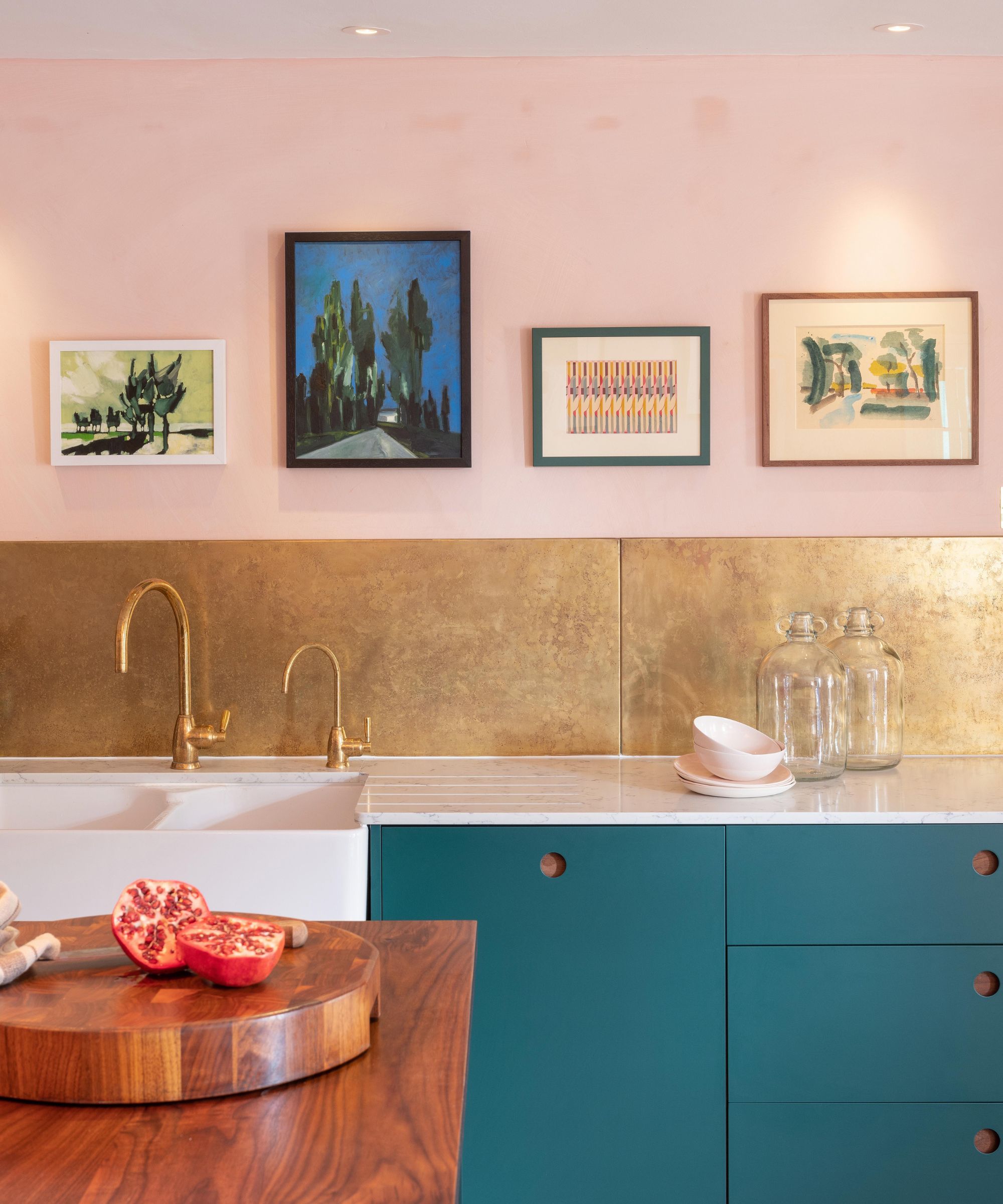
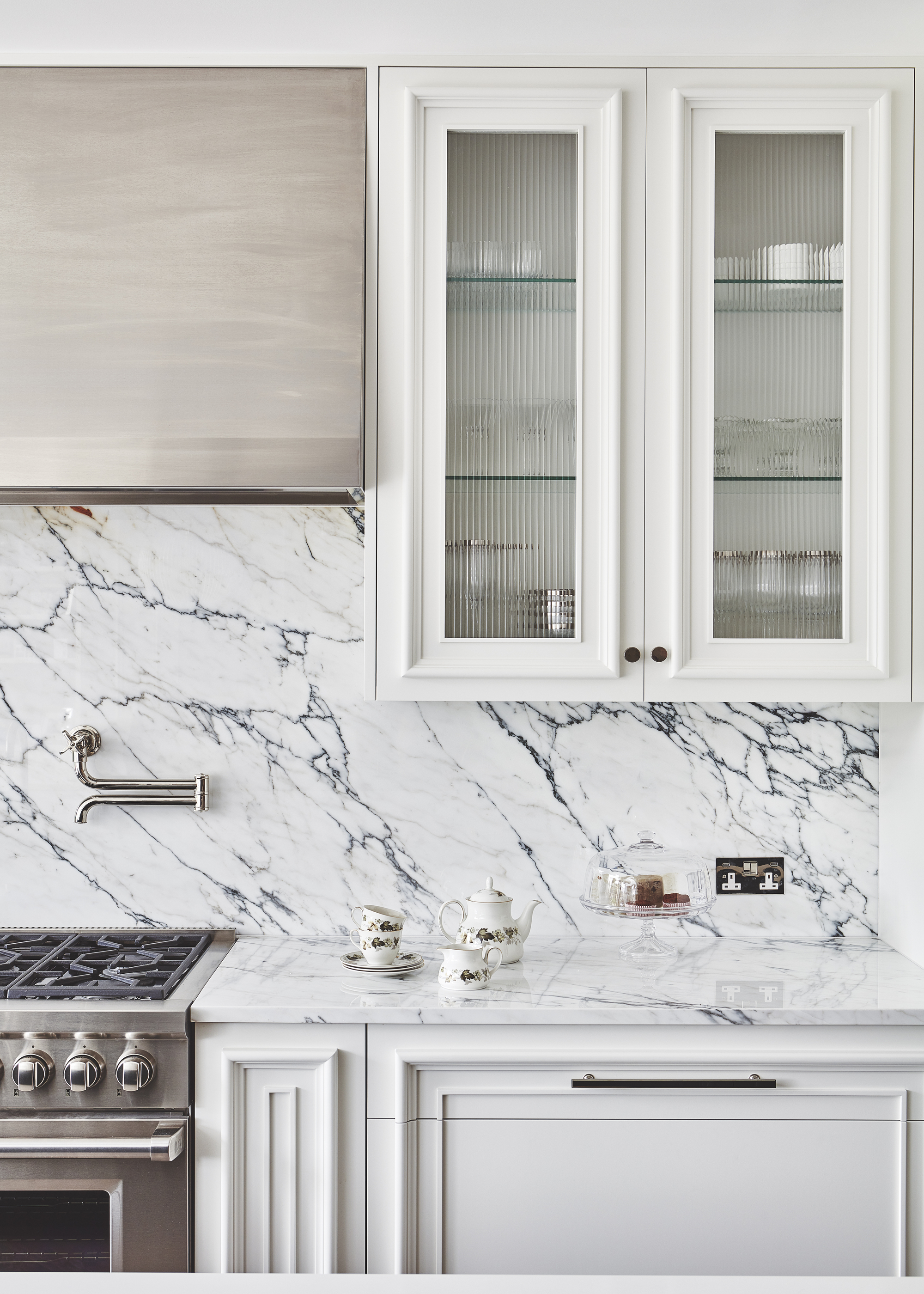
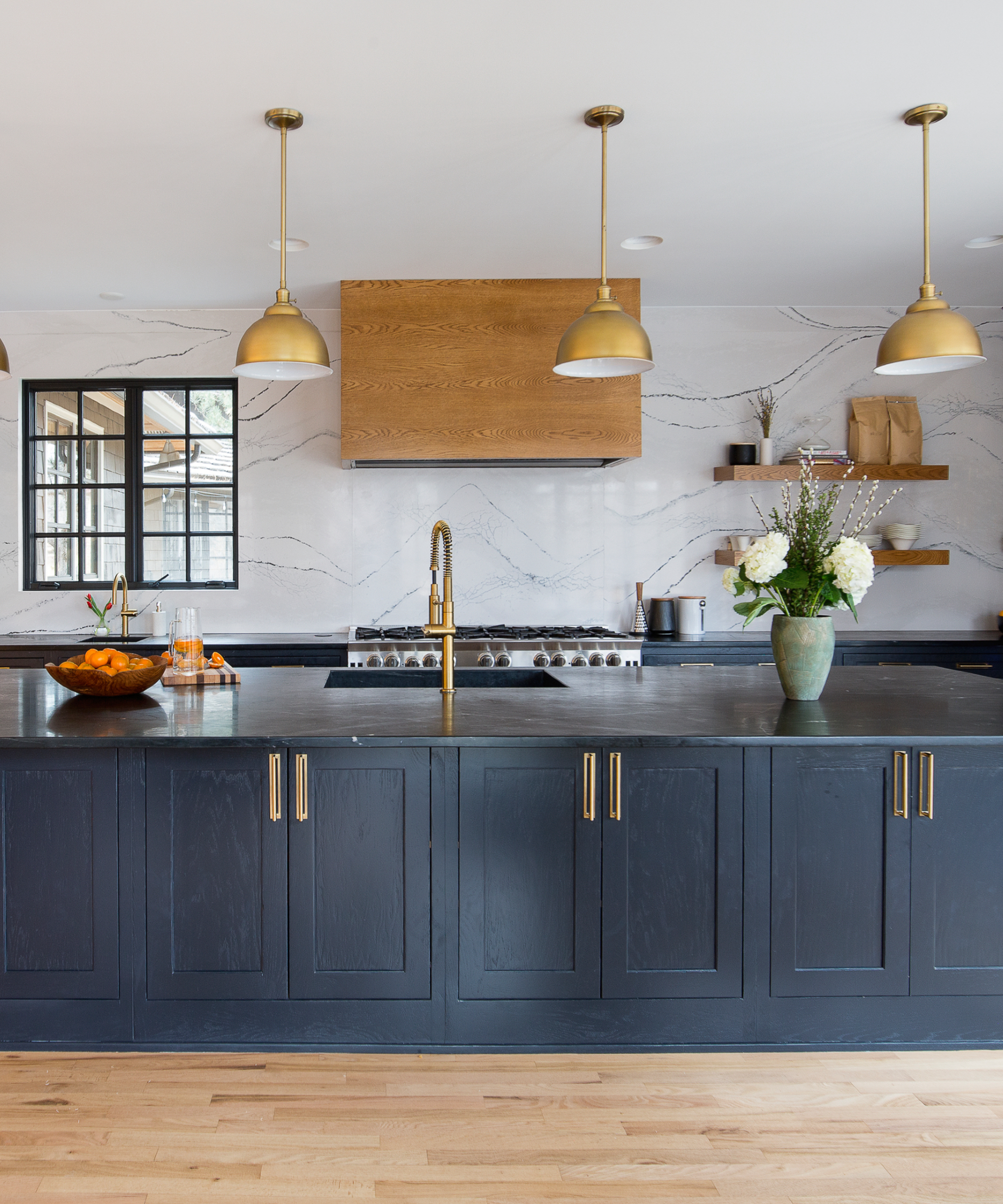
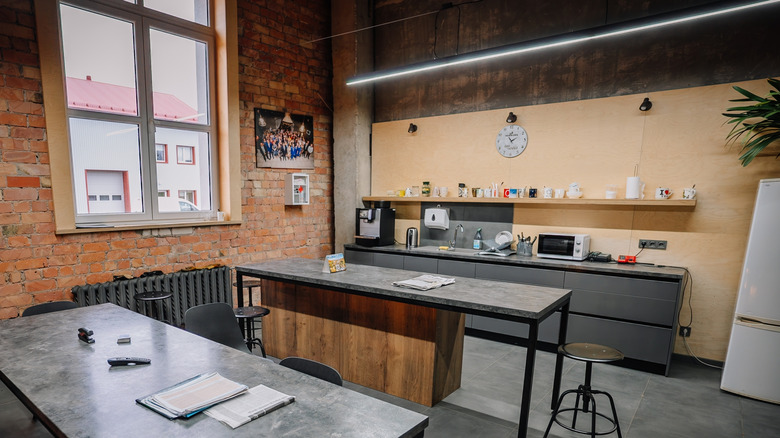
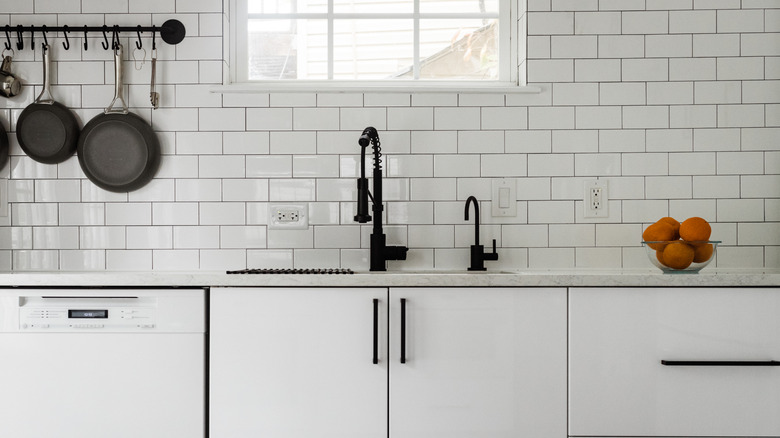
The "Brooklyn industrial chic" aesthetic, inspired by urban lofts, introduced elements like exposed beams, concrete floors, and Edison bulbs into suburban homes. Subway tiles experienced a resurgence, appreciated for their timeless appeal and versatility. Quartz emerged as a preferred countertop material, offering the aesthetics of natural stone with enhanced durability and ease of maintenance. Open shelving replaced bulky upper cabinets, creating an airy feel and providing opportunities for decorative displays. Statement backsplashes, utilizing various materials from full-slab marble to handmade zellige, transformed utilitarian surfaces into artistic focal points.
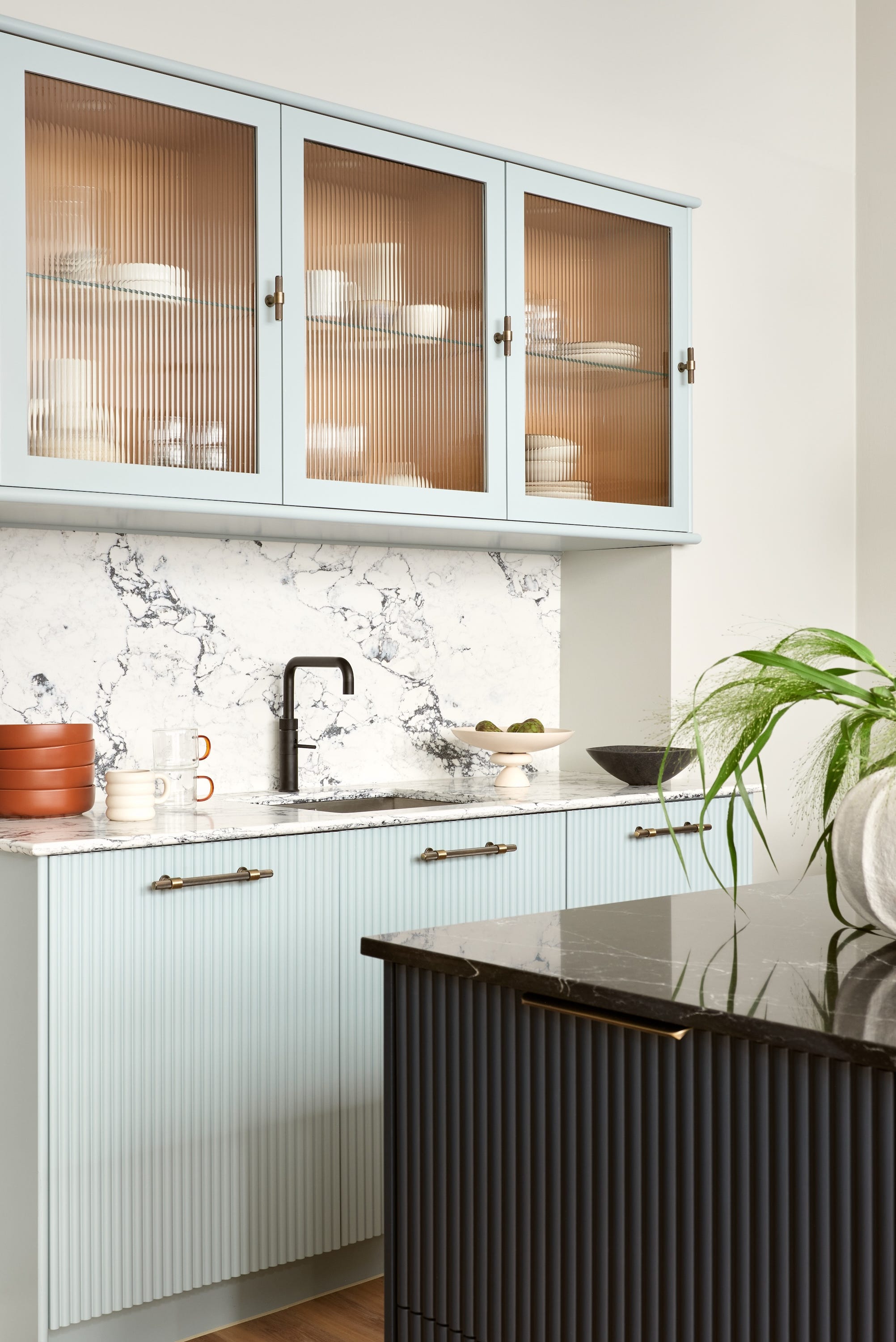
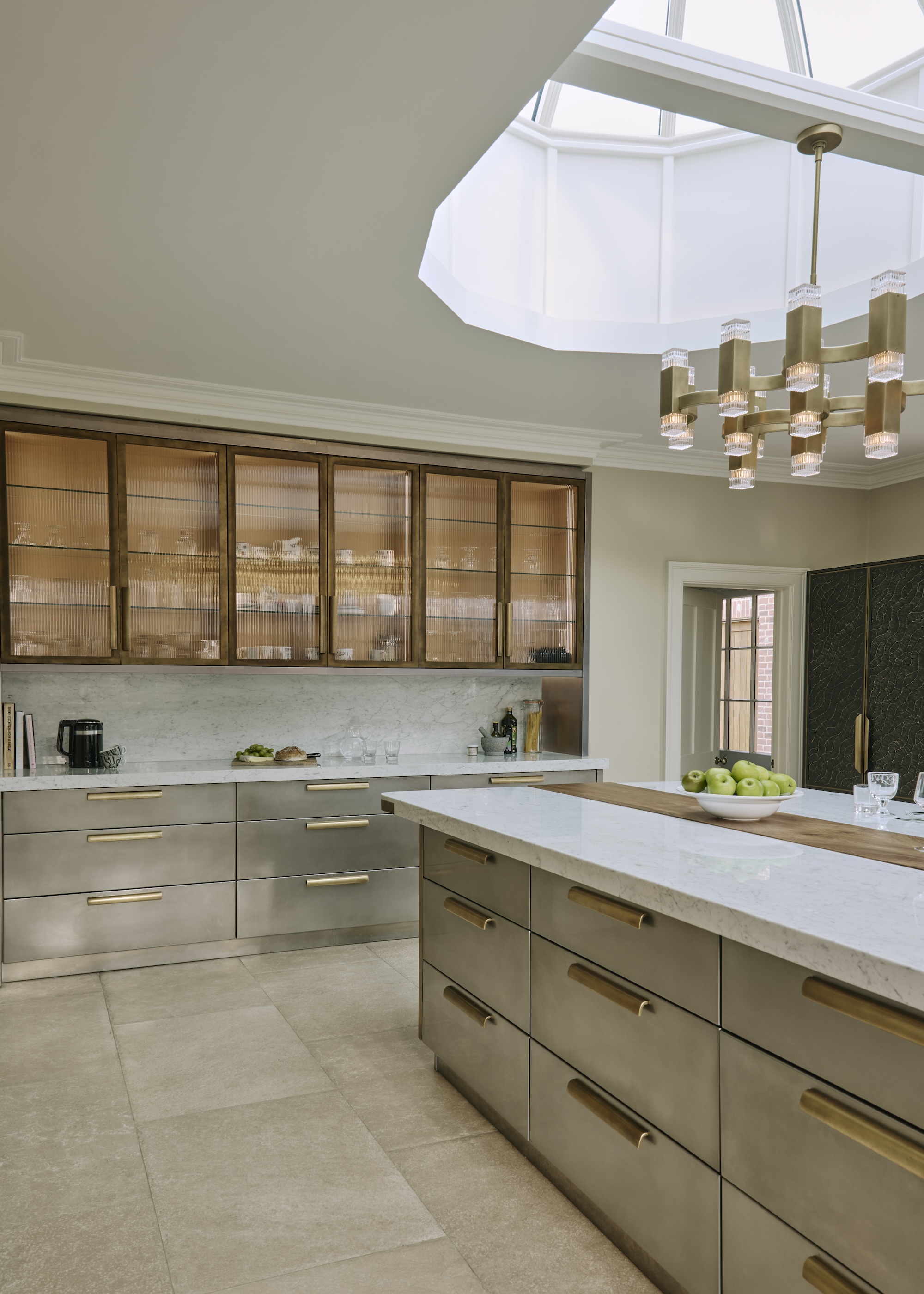
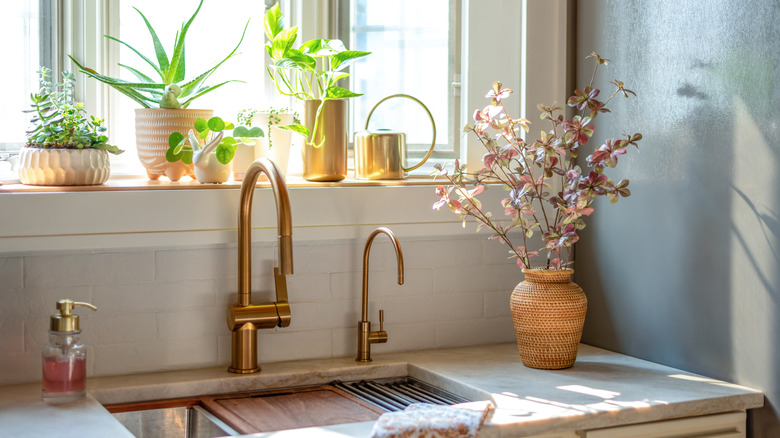
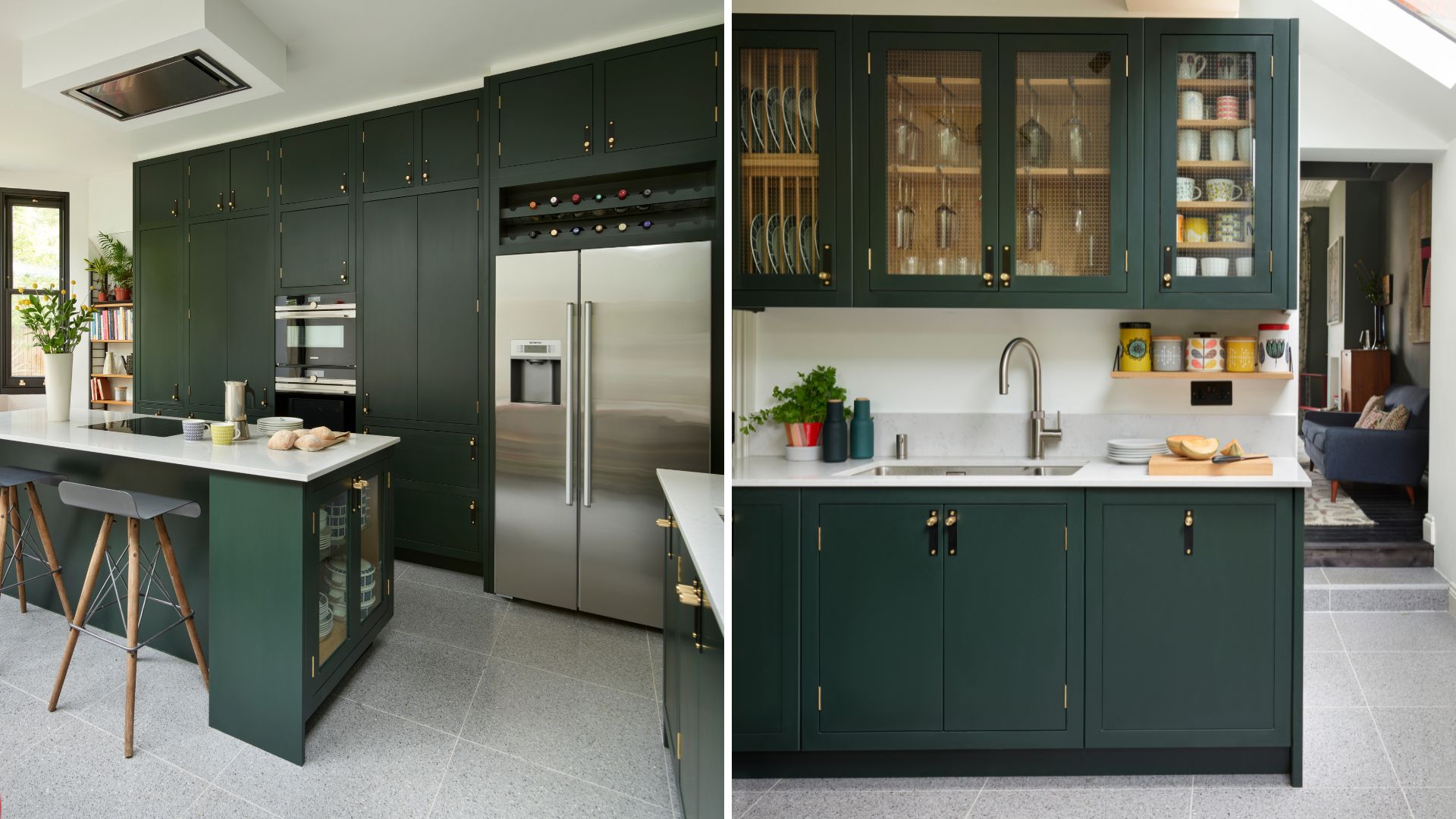
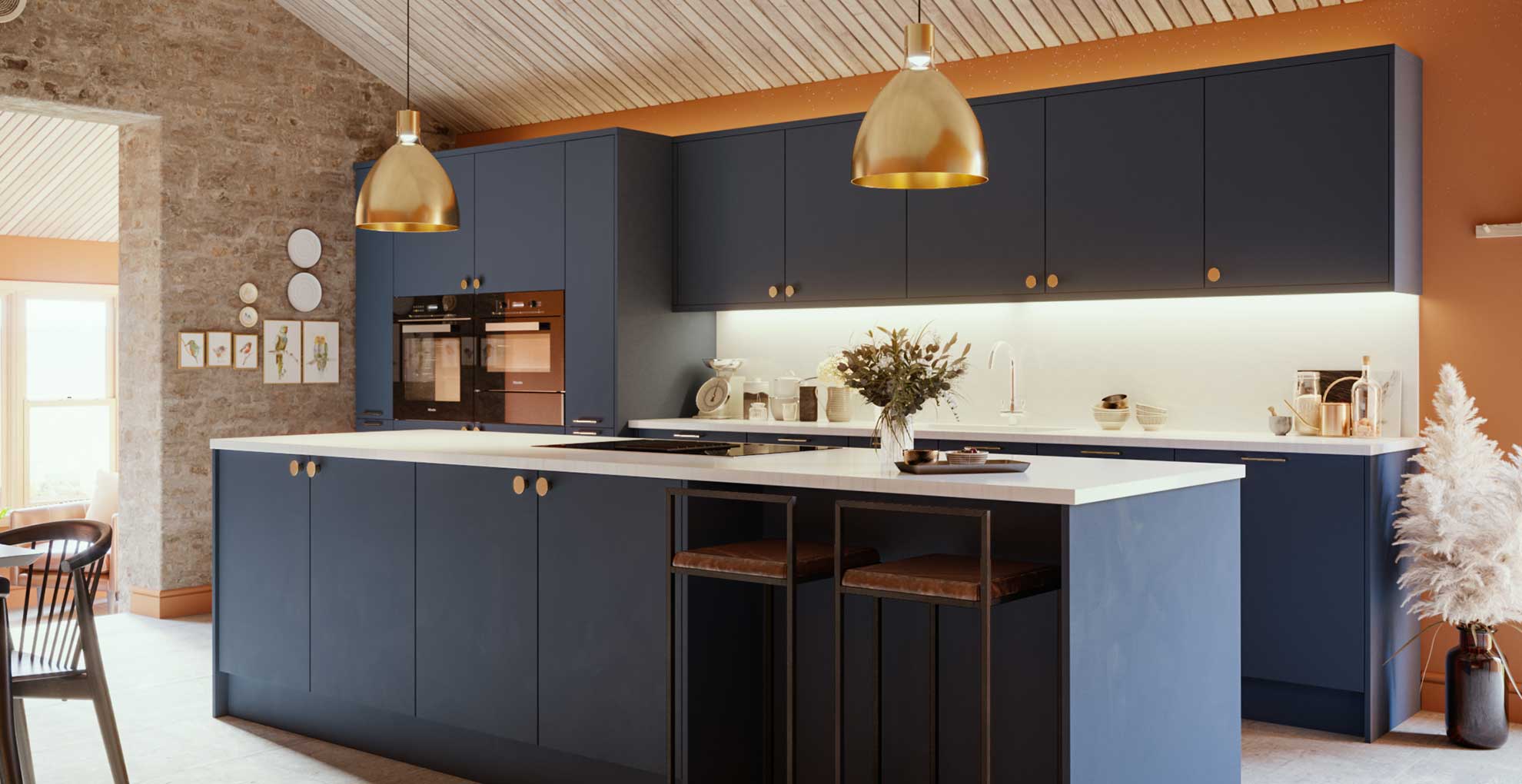
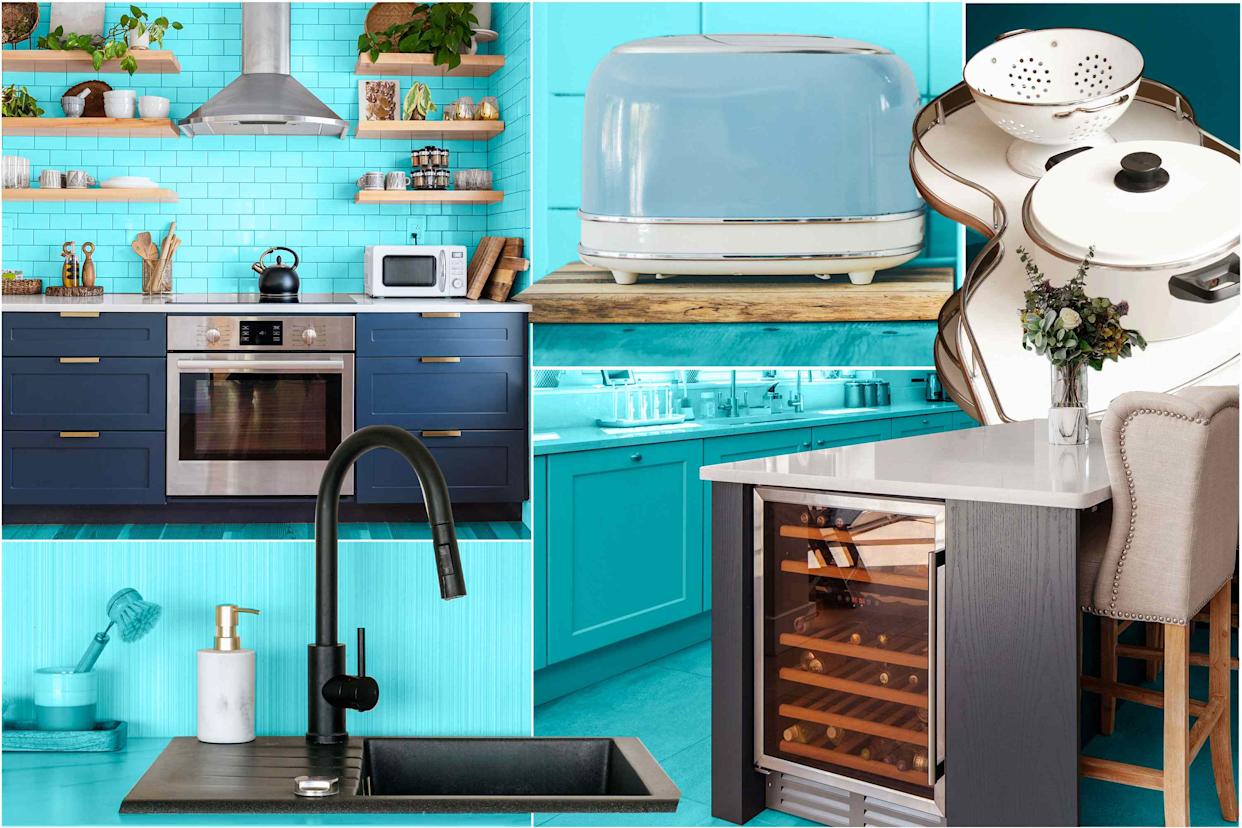
White appliances have also made a stylish comeback with modern designs and matte finishes. The "smart kitchen" concept continues to evolve, integrating advanced AI-driven technologies for cooking and food management. Mixed metals in hardware and fixtures added color and contrast without extensive renovation, while bold colors in appliances and cabinetry injected personality into kitchen spaces. Wine storage also became more sophisticated with built-in wine fridges. Finally, induction cooking technology has seen a revolution, driven by environmental and health concerns, with appliance manufacturers responding to increasing demand and regulatory changes in some regions.
#KitchenDesignTrends #HomeRenovation #InteriorDesign #SmartKitchen #ApplianceInnovation #OpenPlanLiving #KitchenAesthetics #CountertopMaterials #CabinetryDesign #KitchenDesignTrends #HomeRenovation #InteriorDesign #SmartKitchen #ApplianceInnovation #OpenPlanLiving #KitchenAesthetics #CountertopMaterials #CabinetryDesign
0 comment in total
 No comments yet
You may also like
The big kitchen trends of 2025 explained by top designers

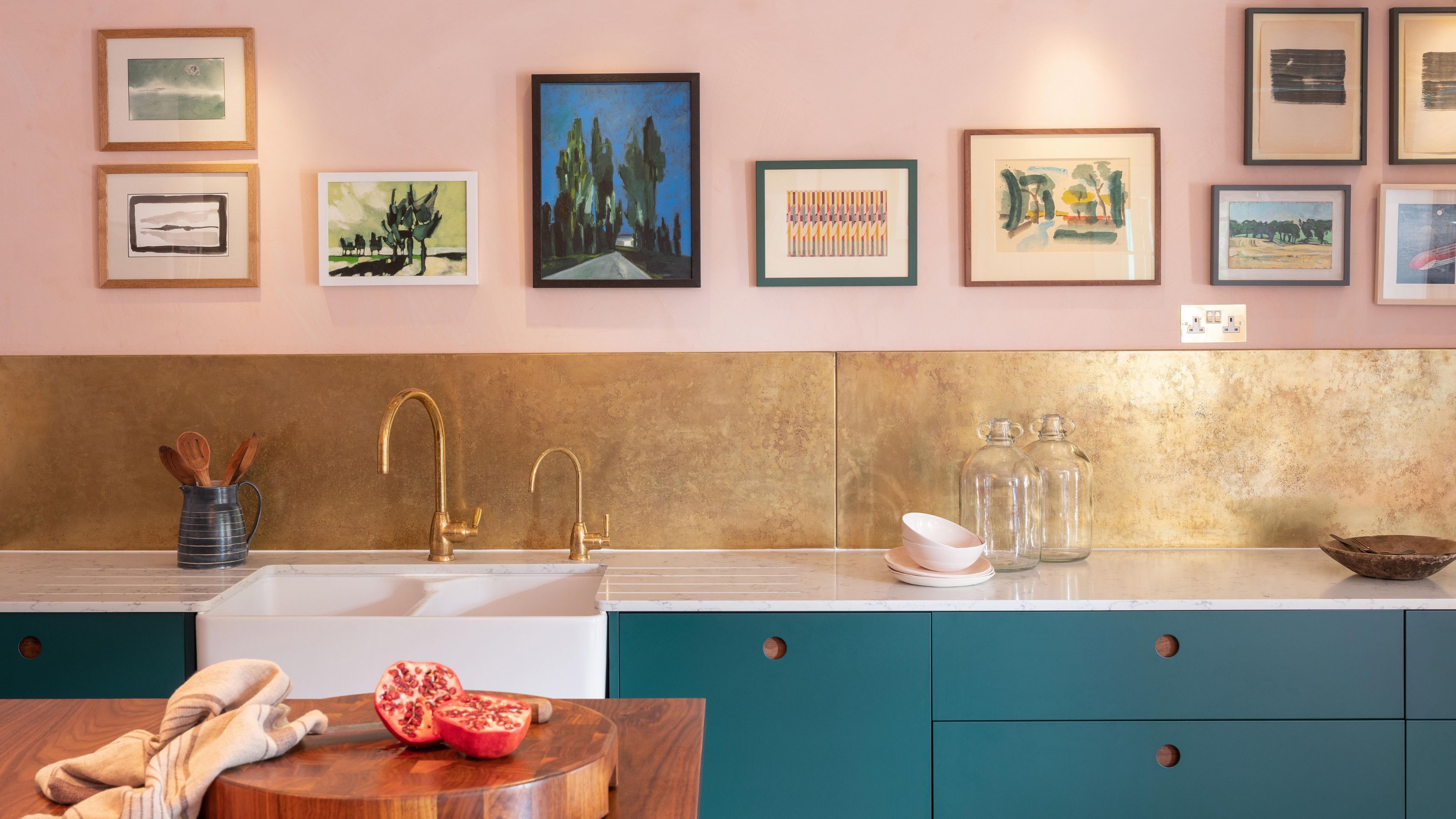
The 5 kitchen trends designers say will be huge in 2025

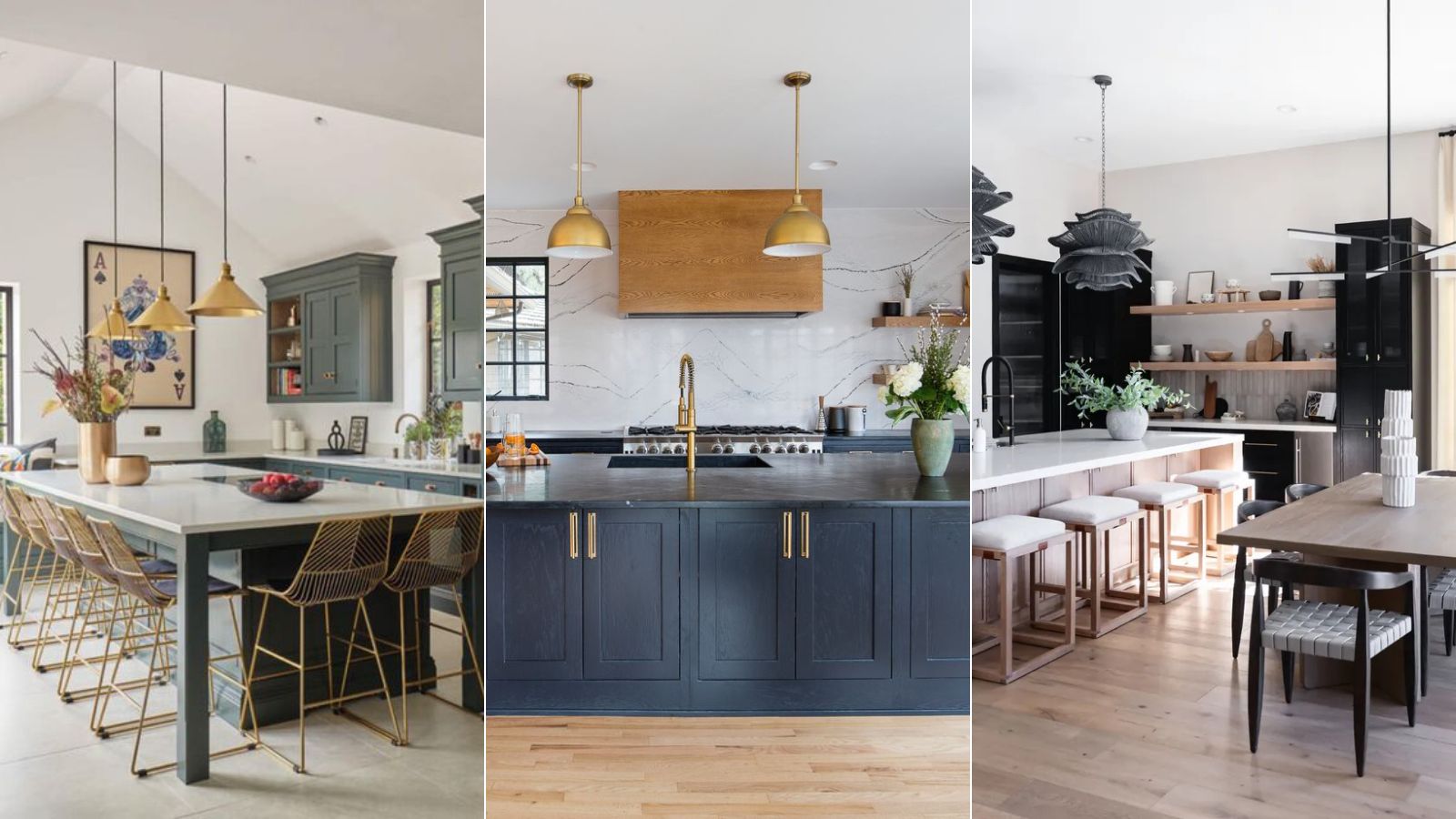
9 kitchen layout trends to have on your radar for 2025, according to designers
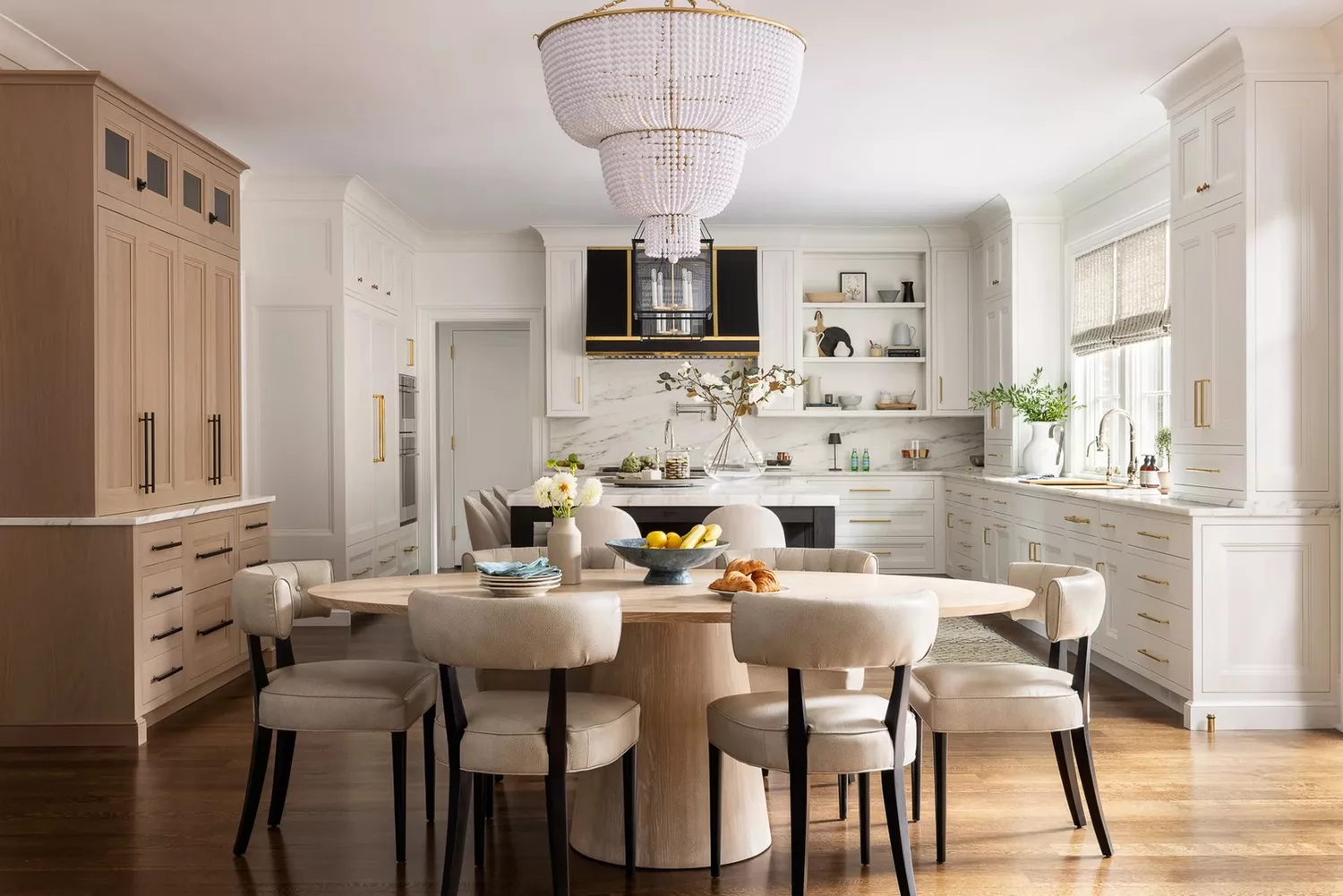
It’s Time for a Kitchen Refresh — All the Styles You Should Know for a 2025 Makeover

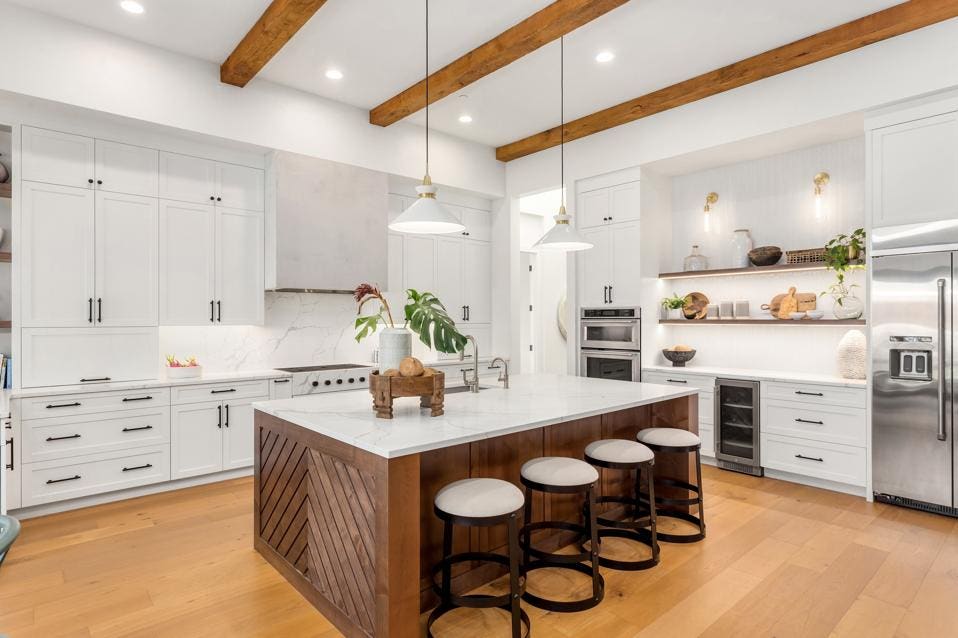
10 Kitchen Design Trends Going Out Of Style In 2025

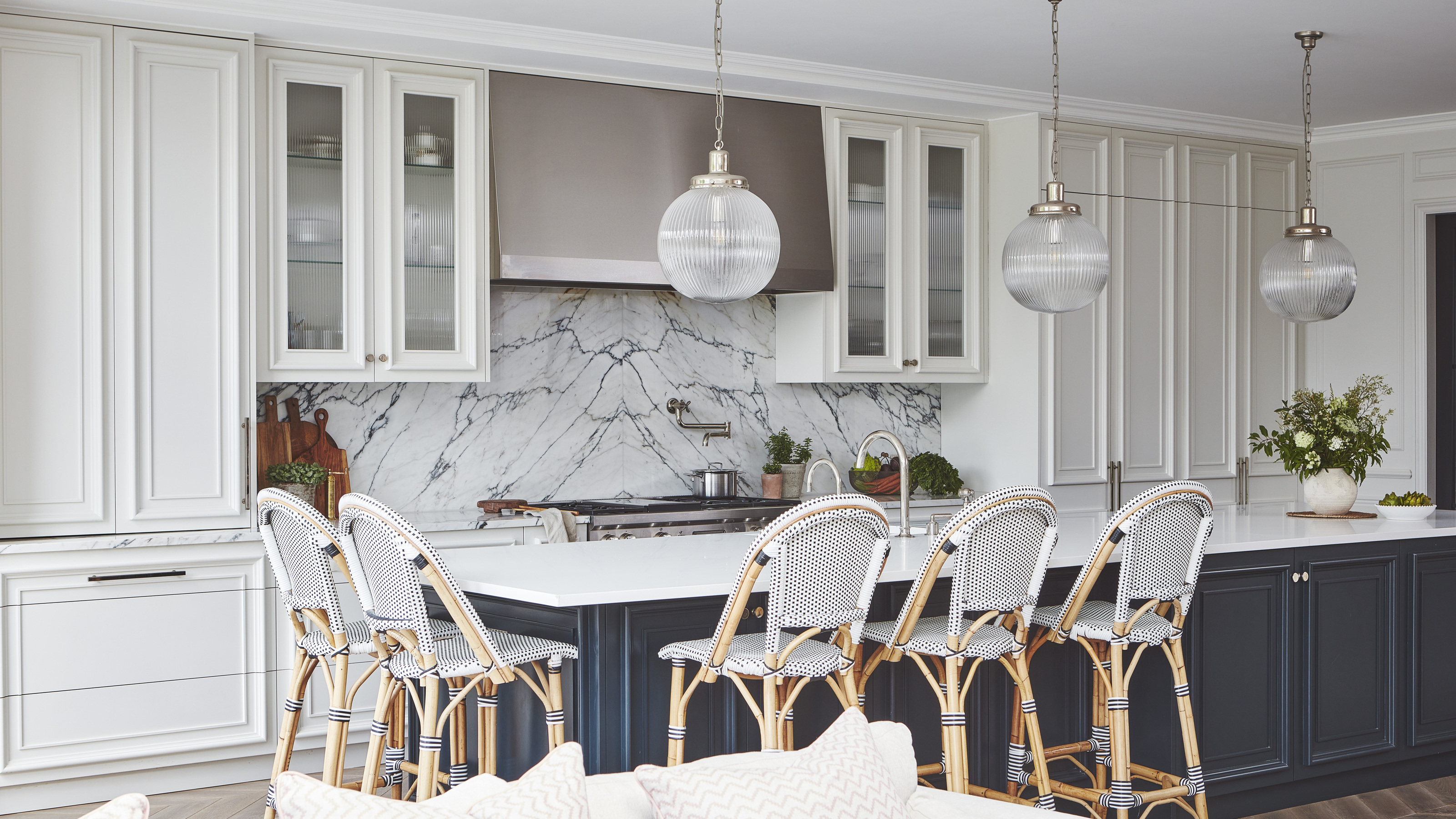
The 90s Kitchen Trends We're Seeing Come Back in 2025 — 5 Features Making Waves in Modern Designs

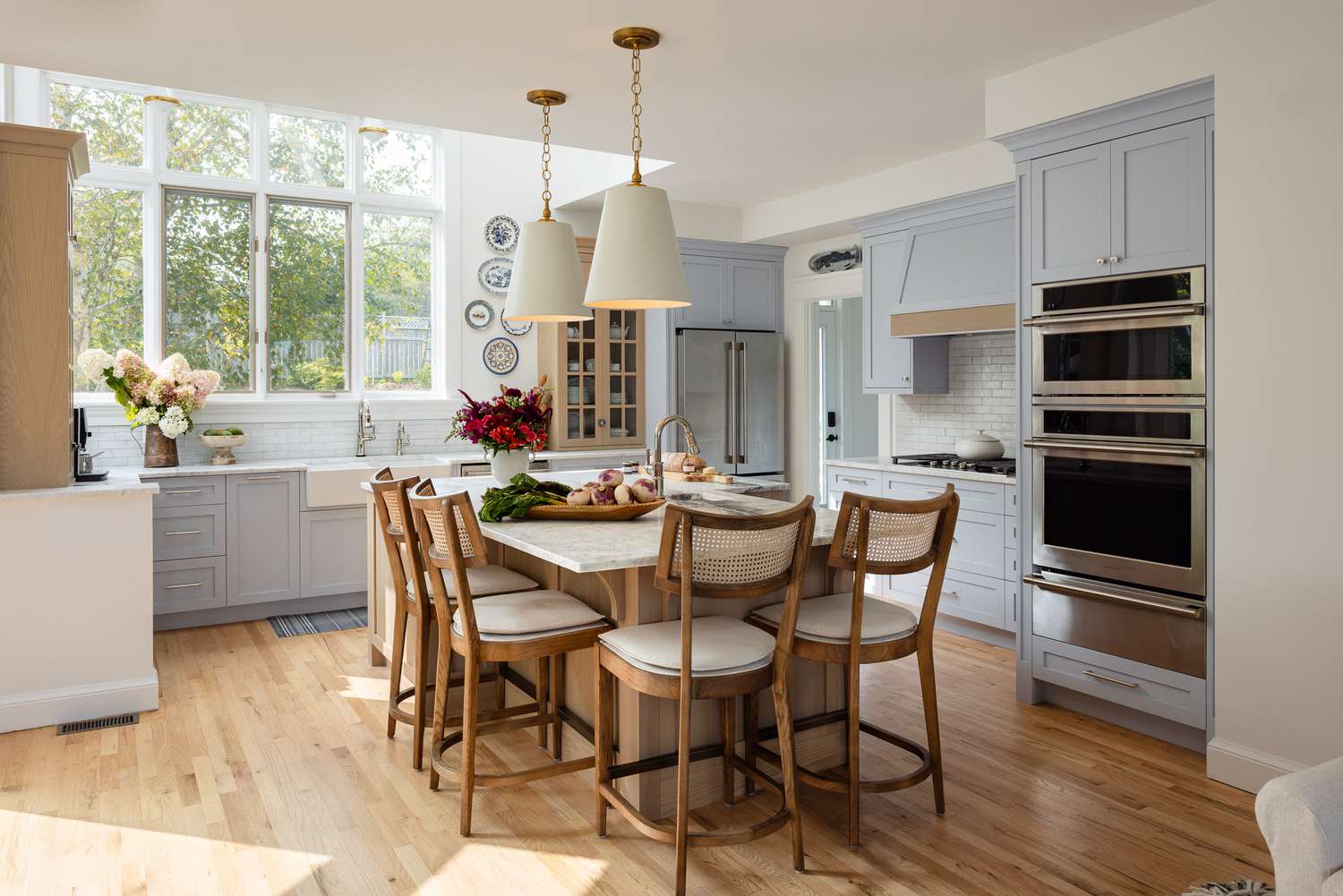
7 Kitchen Renovation Trends That Are Taking Over 2025, According to Designers
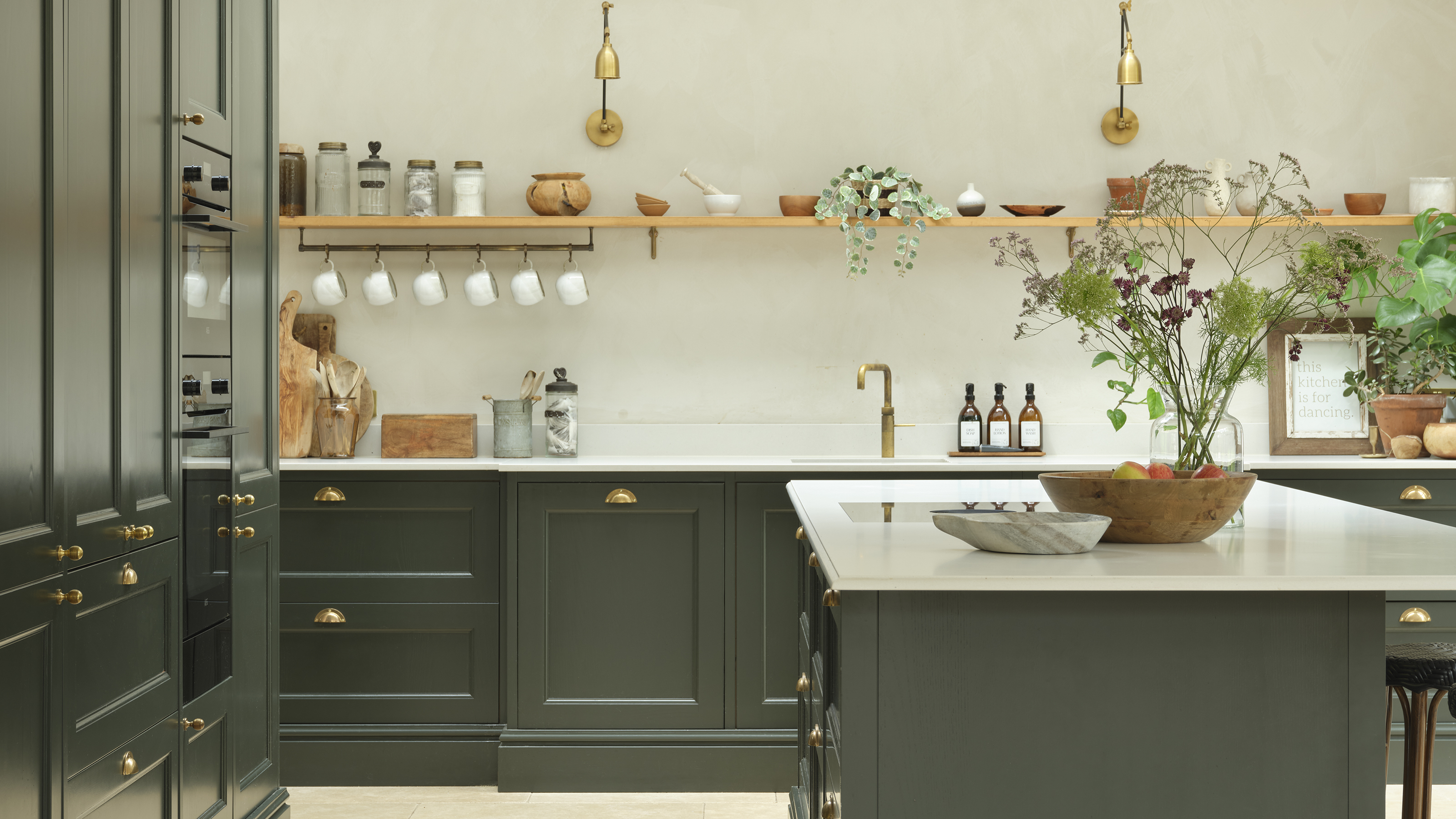
10 kitchen trends we're seeing everywhere in 2025 - create a stylish cooking space with the latest styles
20 Kitchen Design Trends You’ll See Everywhere in 2025, According to Experts

Kitchen design trends to know for 2024

Kitchen Trends That Are Being Left Behind In 2025 And Beyond
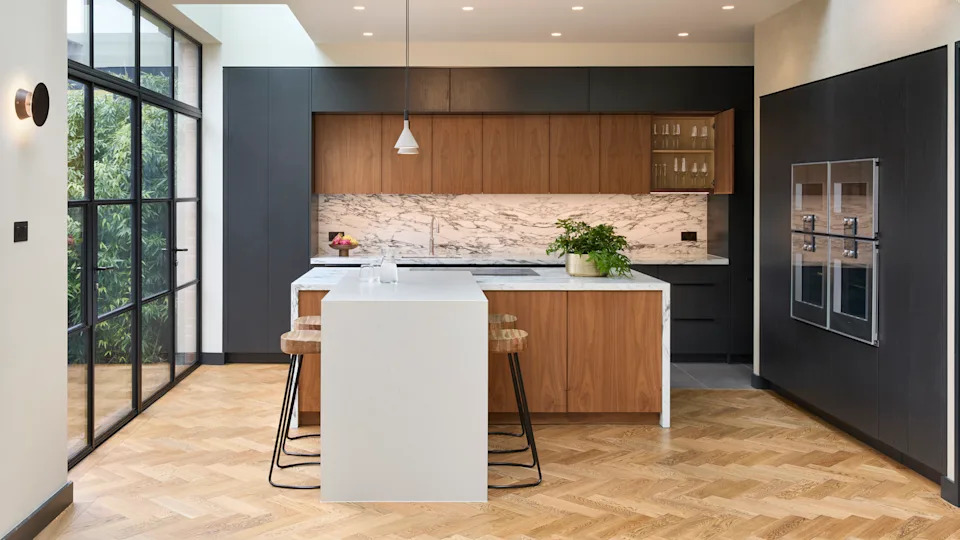
5 Kitchen Layouts That Are Dated in 2025 — Plus the Contemporary Blueprints Designers Are Choosing Instead
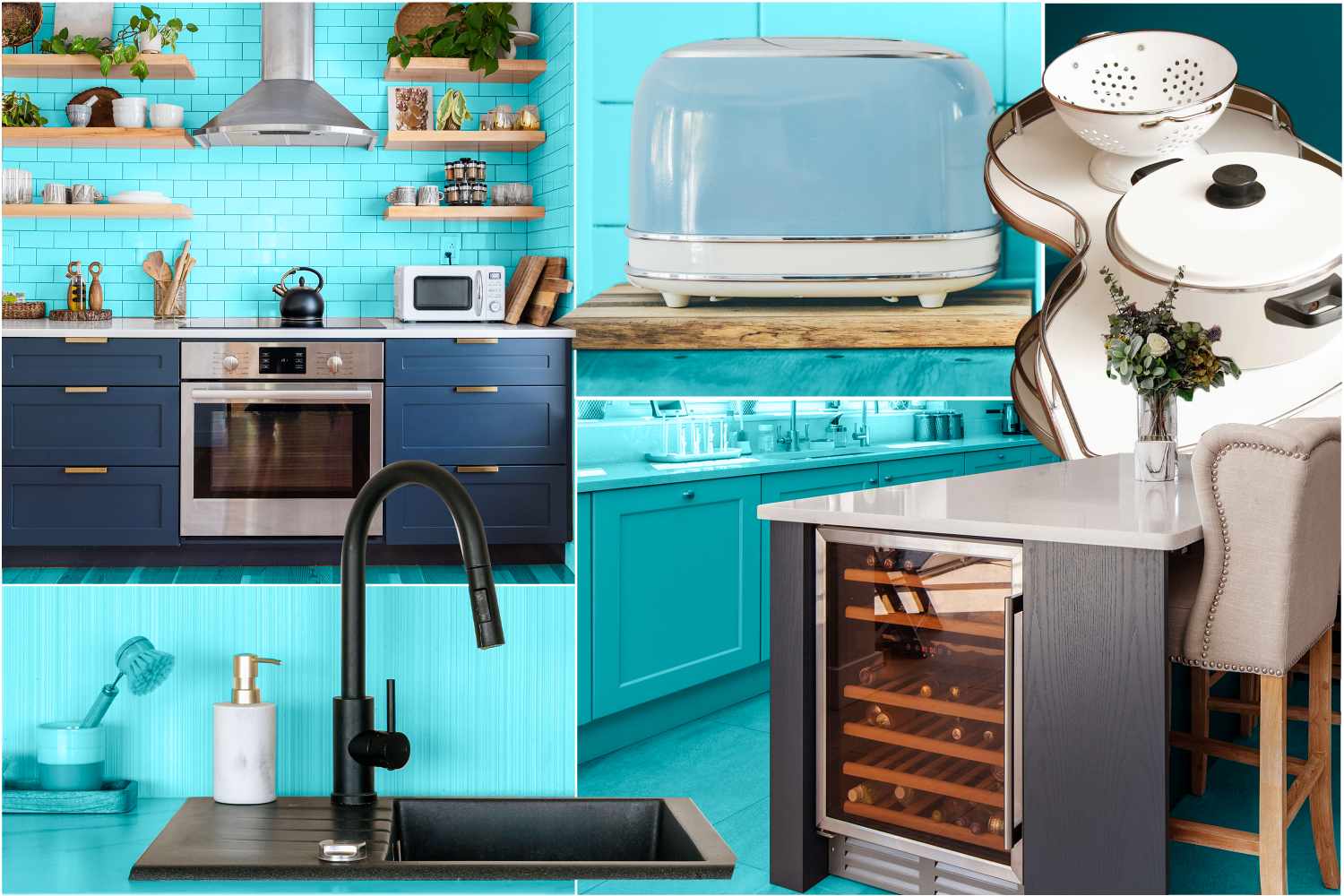
Open Shelves, Farmhouse Sinks, Wolf Ranges — 25 Trends That Changed Home Kitchens in the 2000s

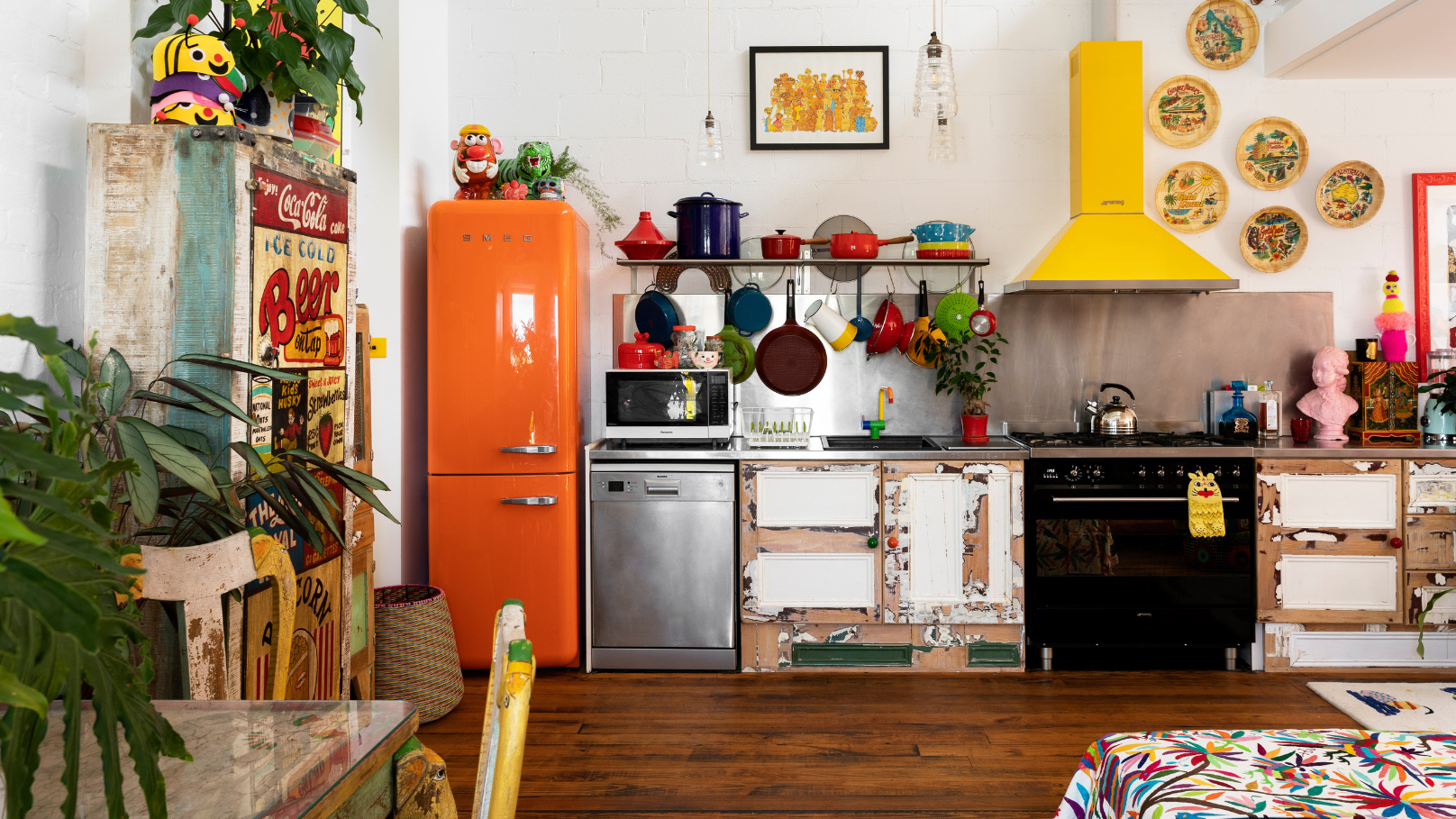
1920s and now: Kitchen design trends through the decades

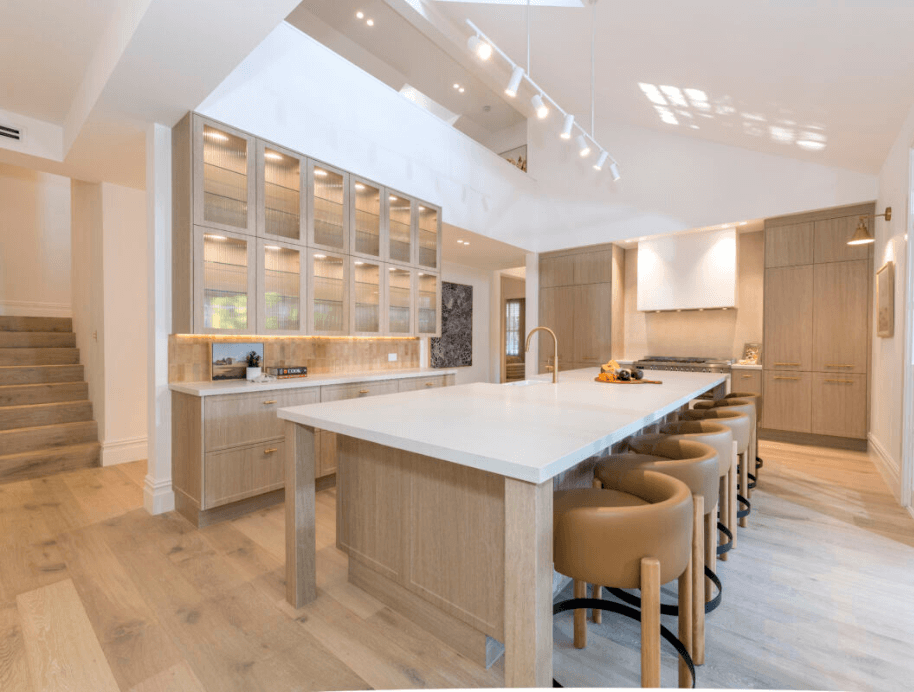
Kitchen Trends in 2025
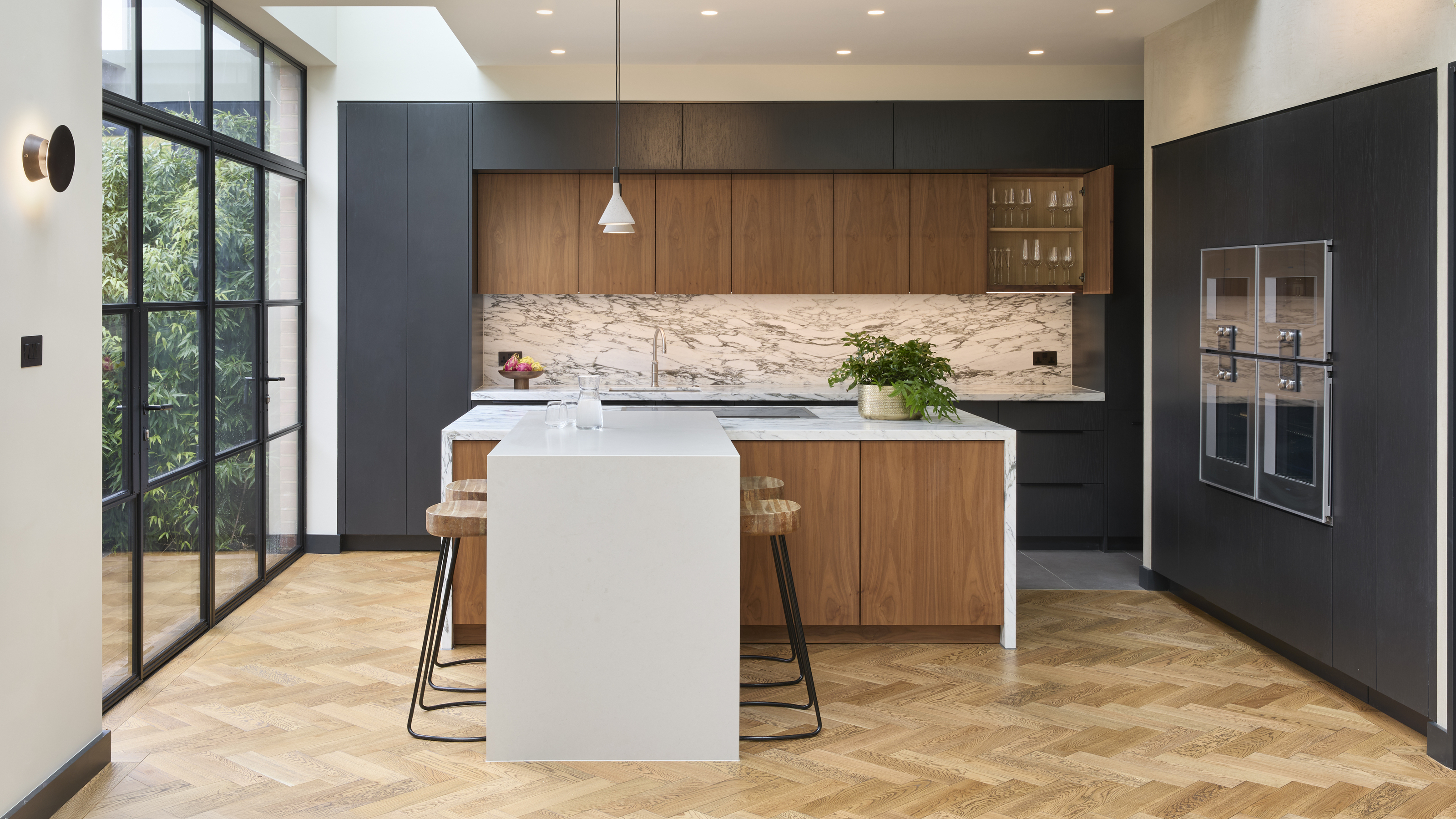
5 Kitchen Layouts That Are Dated in 2025 — Plus the Contemporary Blueprints Designers Are Choosing Instead
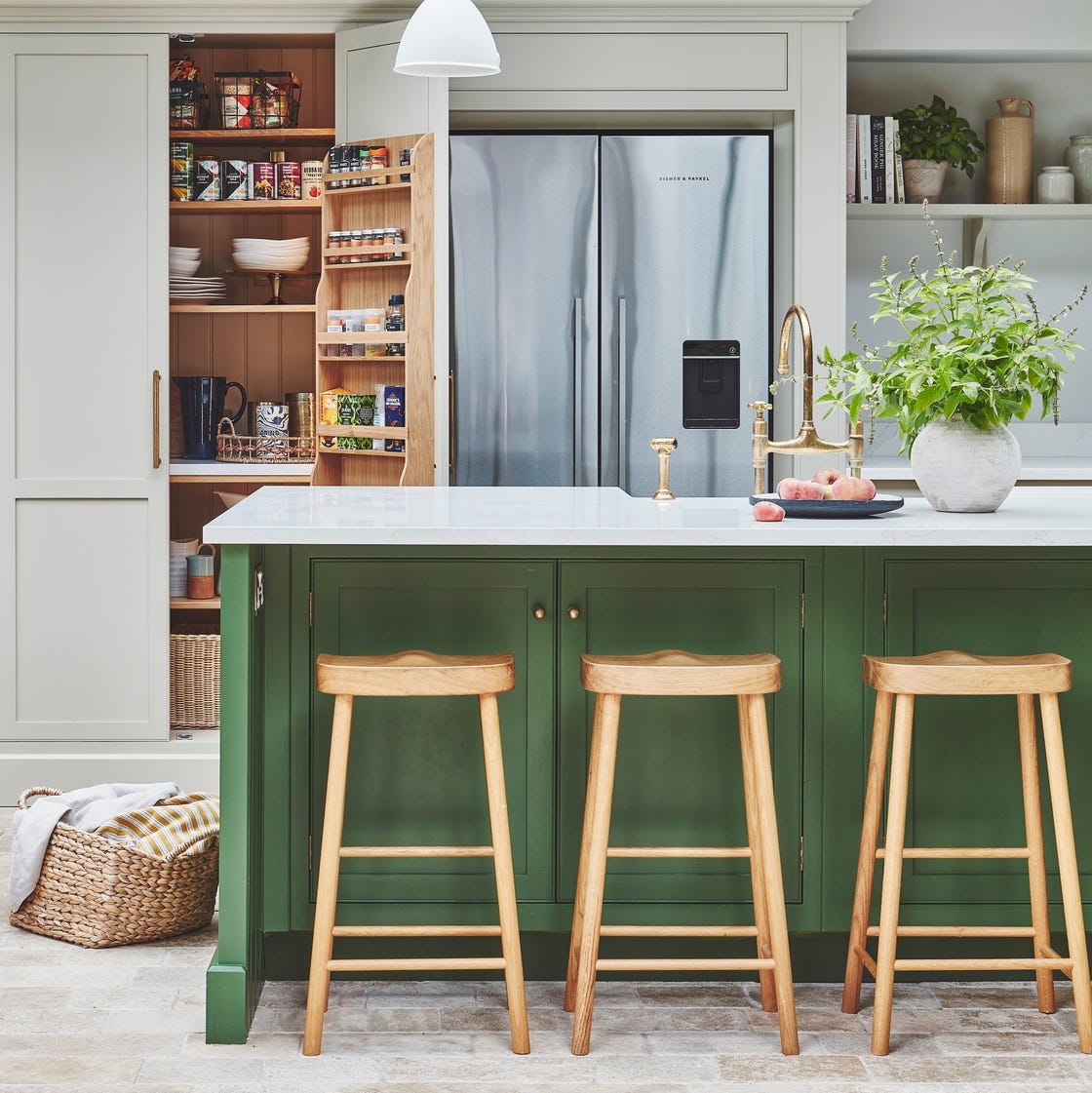
20 kitchen design trends you'll see everywhere in 2025, according to experts
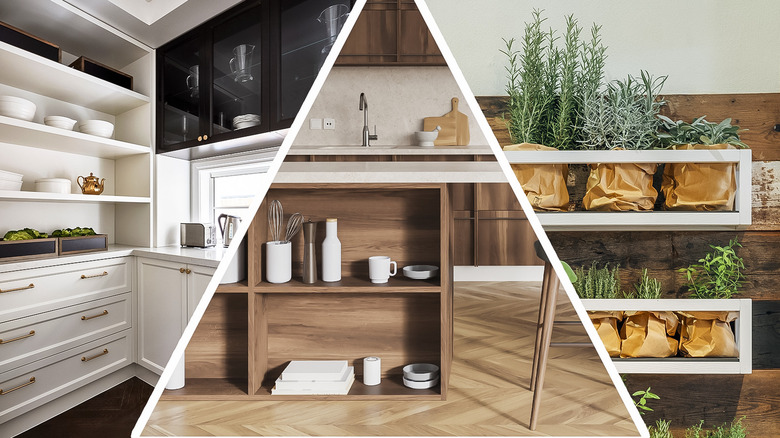
13 Kitchen Trends That We Are Following In 2025

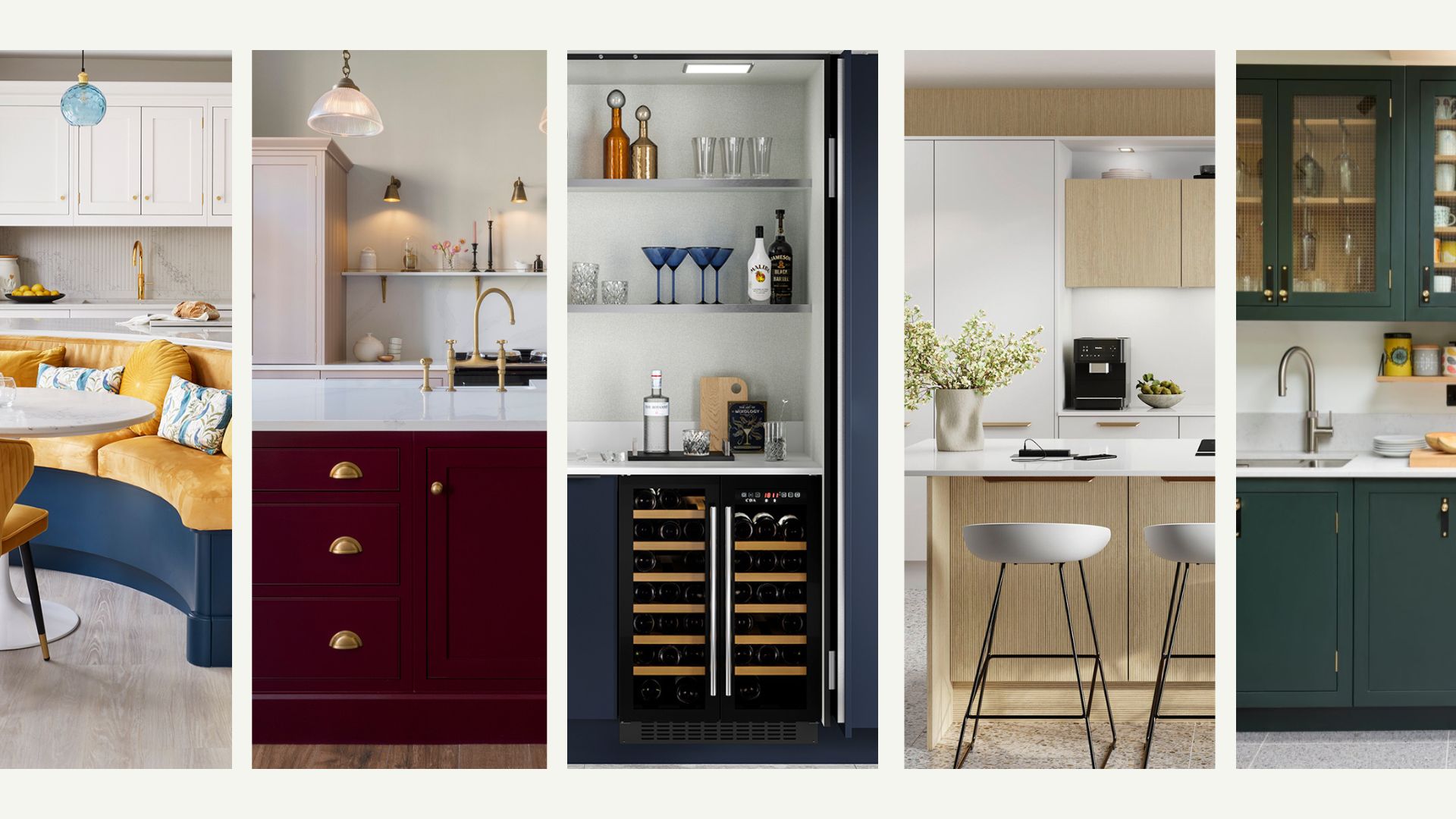
Kitchen Trends 2025: standout designs and colours inspiring home improvement projects

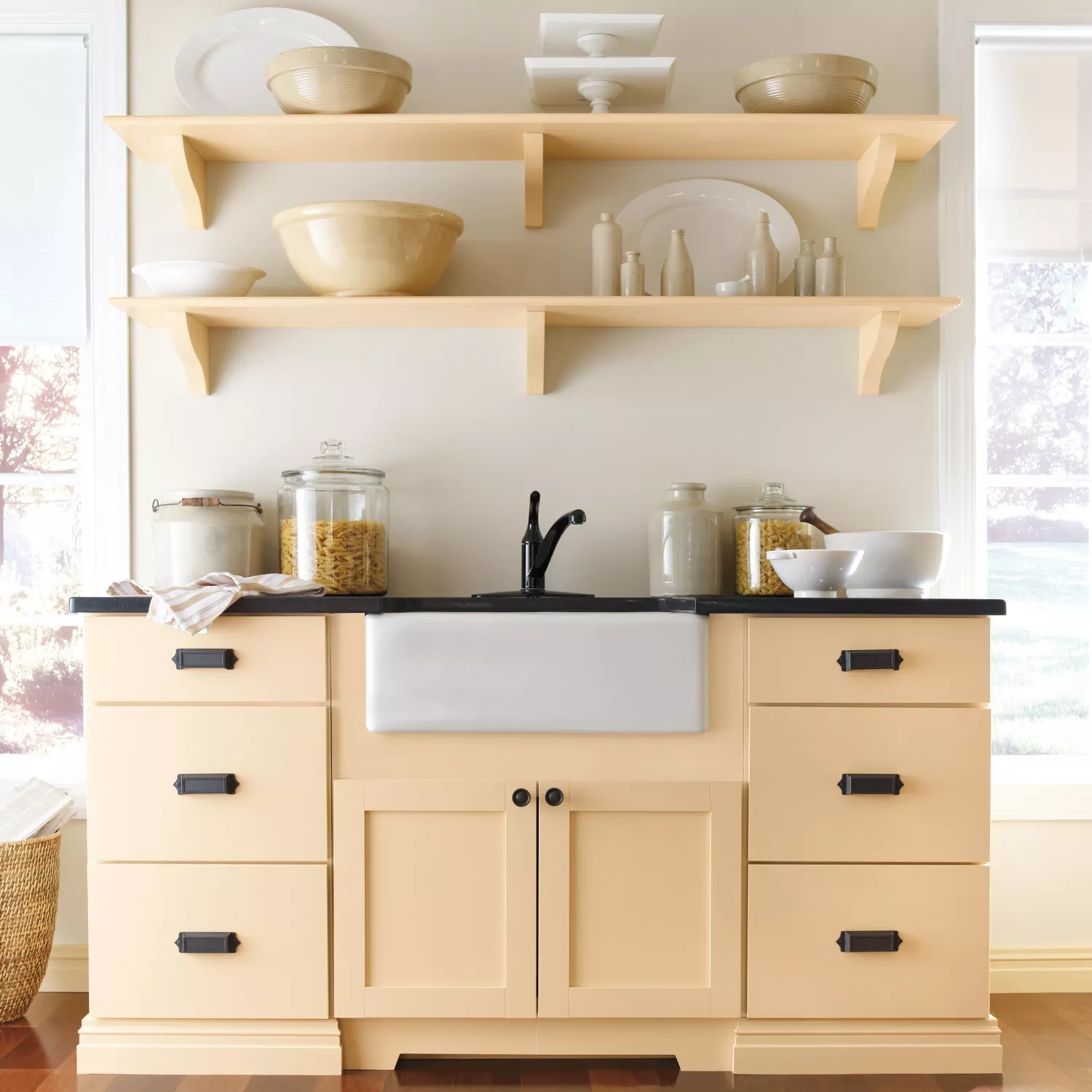
6 Kitchen Trends That Will Transform Your Space in 2025, According to Designers