1/8
Which wall colors work best with concrete floors? Pairings to complement and elevate this industrial finish
Concrete floors are a popular choice for contemporary interiors, offering a sleek and industrial aesthetic. However, their cool-toned and often unpredictable nature can make selecting complementary wall colors a nuanced task. This article explores expert recommendations for wall color pairings that harmonize with concrete flooring, focusing on enhancing its unique characteristics and creating a balanced living space.
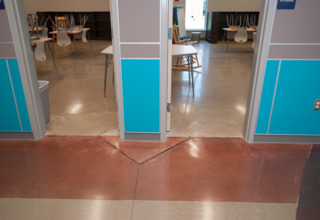
Concrete's inherent irregularities and inconsistencies contribute to its unique appeal. Interior designers emphasize the importance of highlighting these features rather than concealing them. A key consideration when working with concrete is its tendency to take on the opposite color of surrounding elements. For instance, a bright blue wall might cause the concrete to appear orange, underscoring the need for careful color testing and thoughtful integration within the overall design scheme.
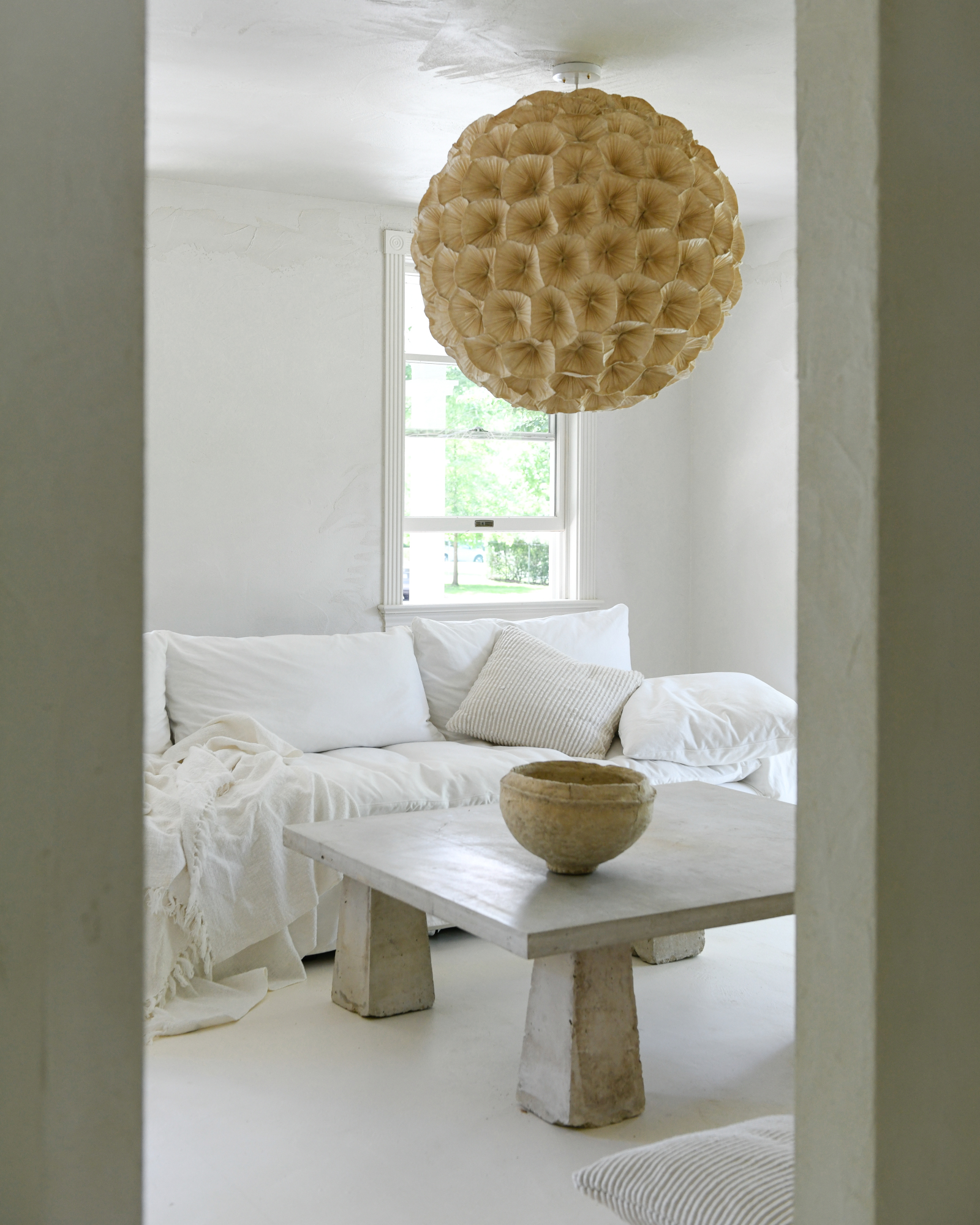
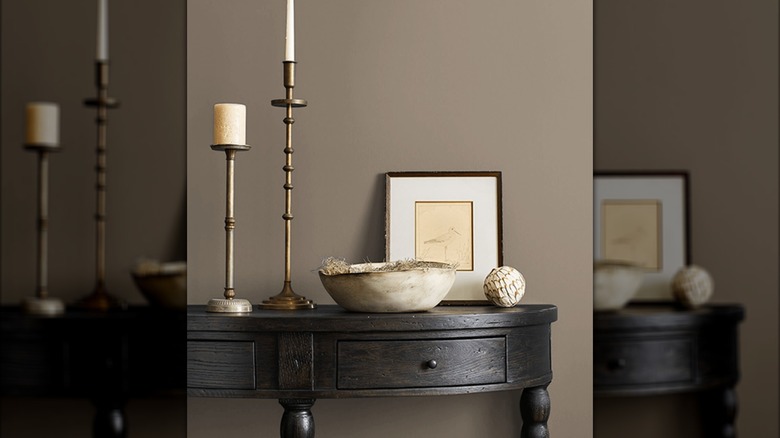
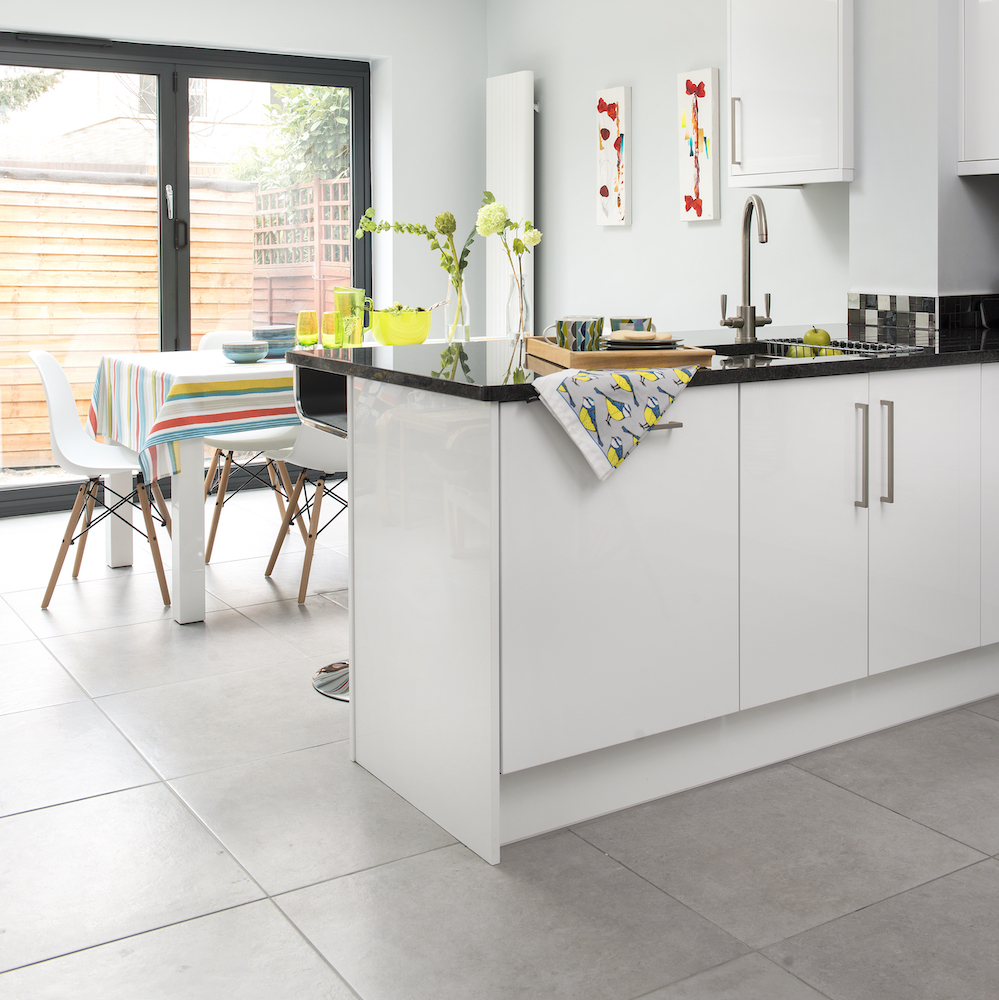
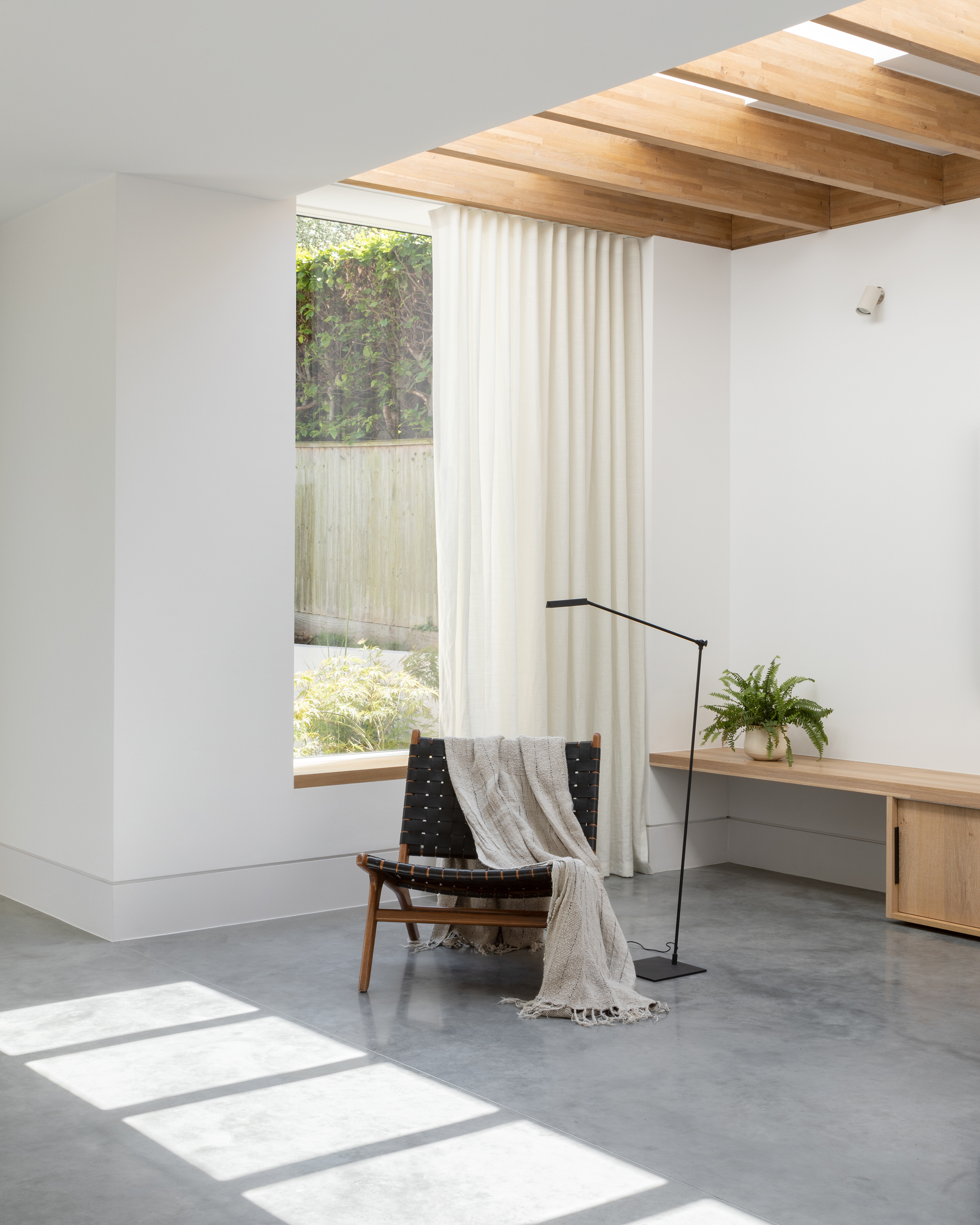
One of the most common and effective pairings for concrete floors is white. When opting for white walls, it is crucial to select the correct shade to maintain cohesive temperature. Warm concrete grays should be matched with warm whites, while cool-toned concrete benefits from crisper, cooler whites. Creamy white paints, such as Benjamin Moore's Simply White, can introduce warmth into a space that might otherwise feel stark due to the sleekness of concrete. To prevent a minimalist white and concrete scheme from becoming uninteresting, incorporating textures through furniture and soft furnishings like boucle, tweed, or sheepskin is recommended. Designers advise against whites with gray, blue, or green undertones when aiming for contrast with concrete.
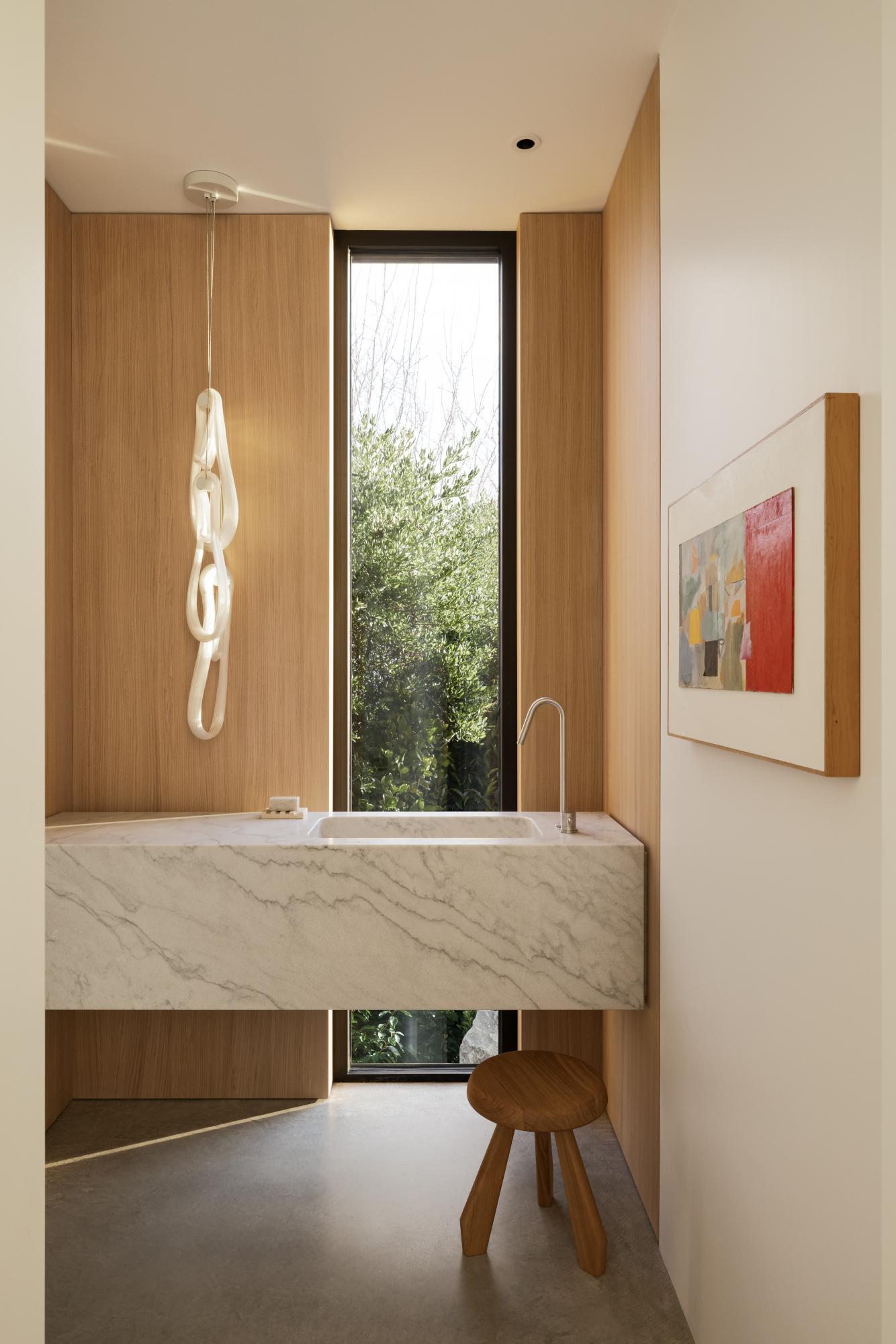
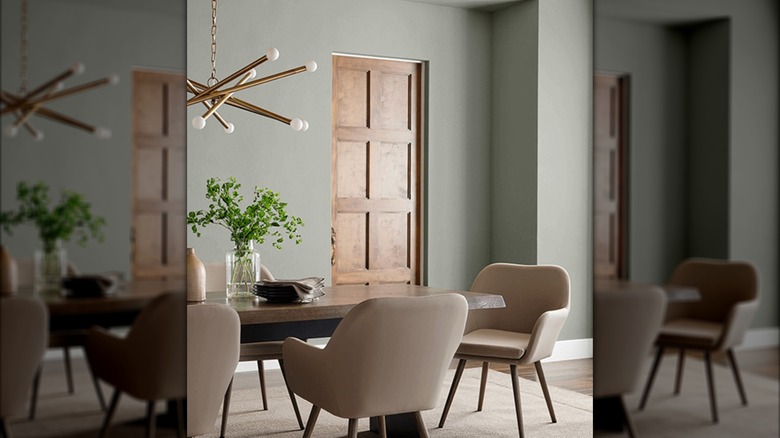
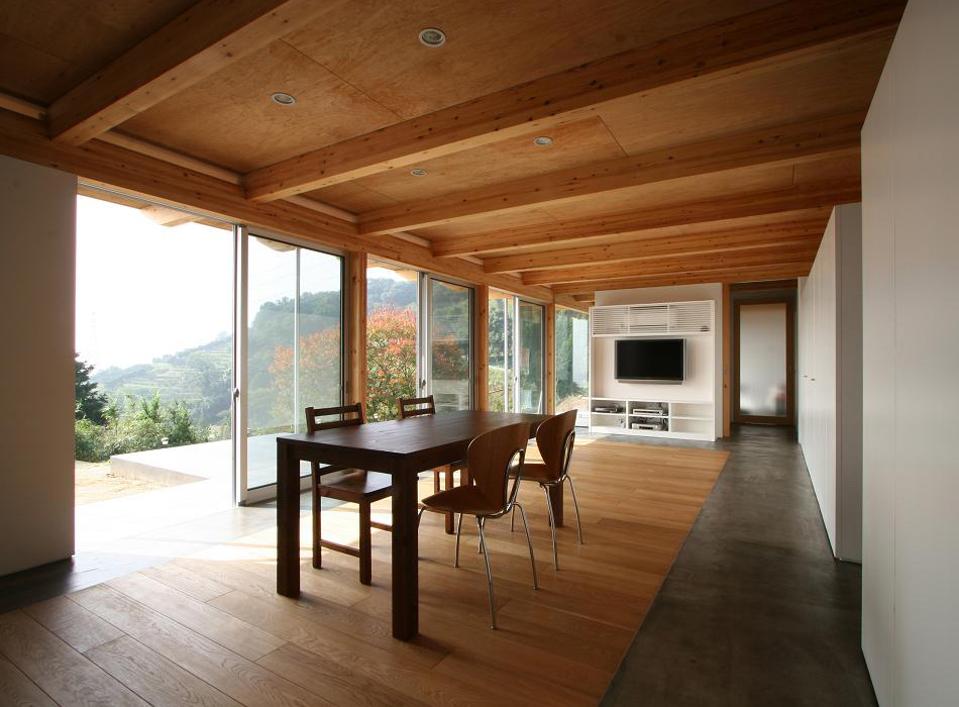
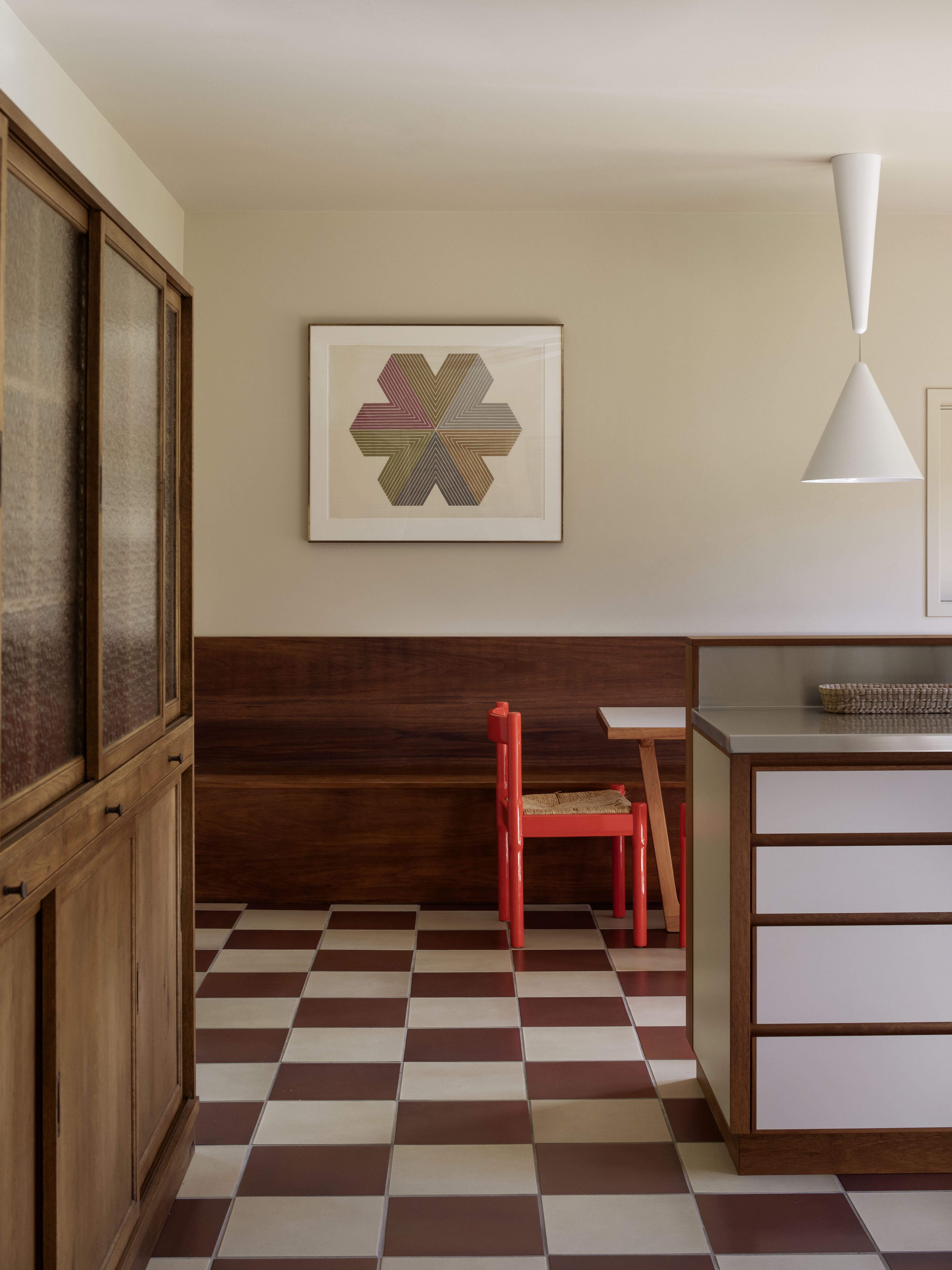
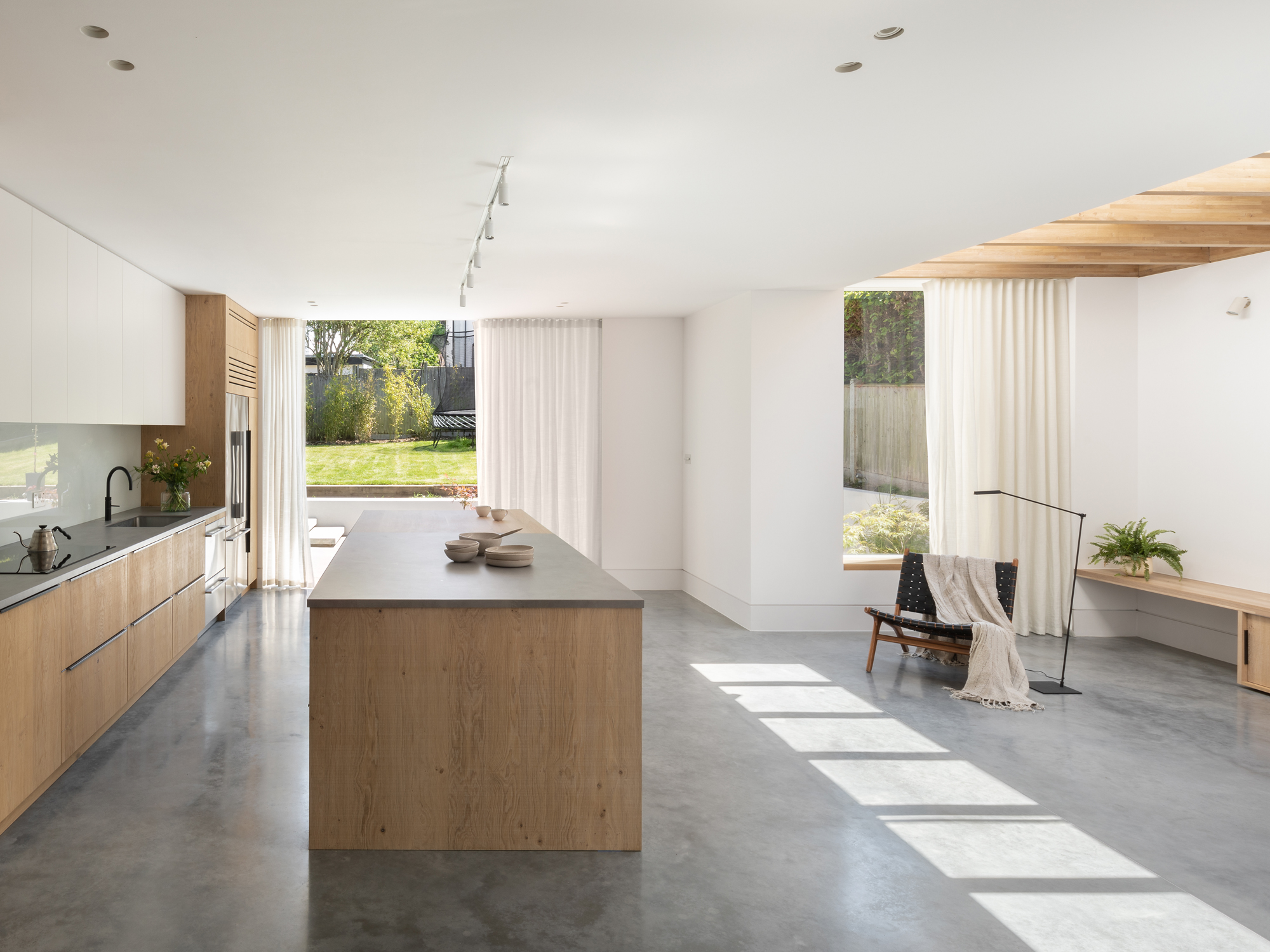
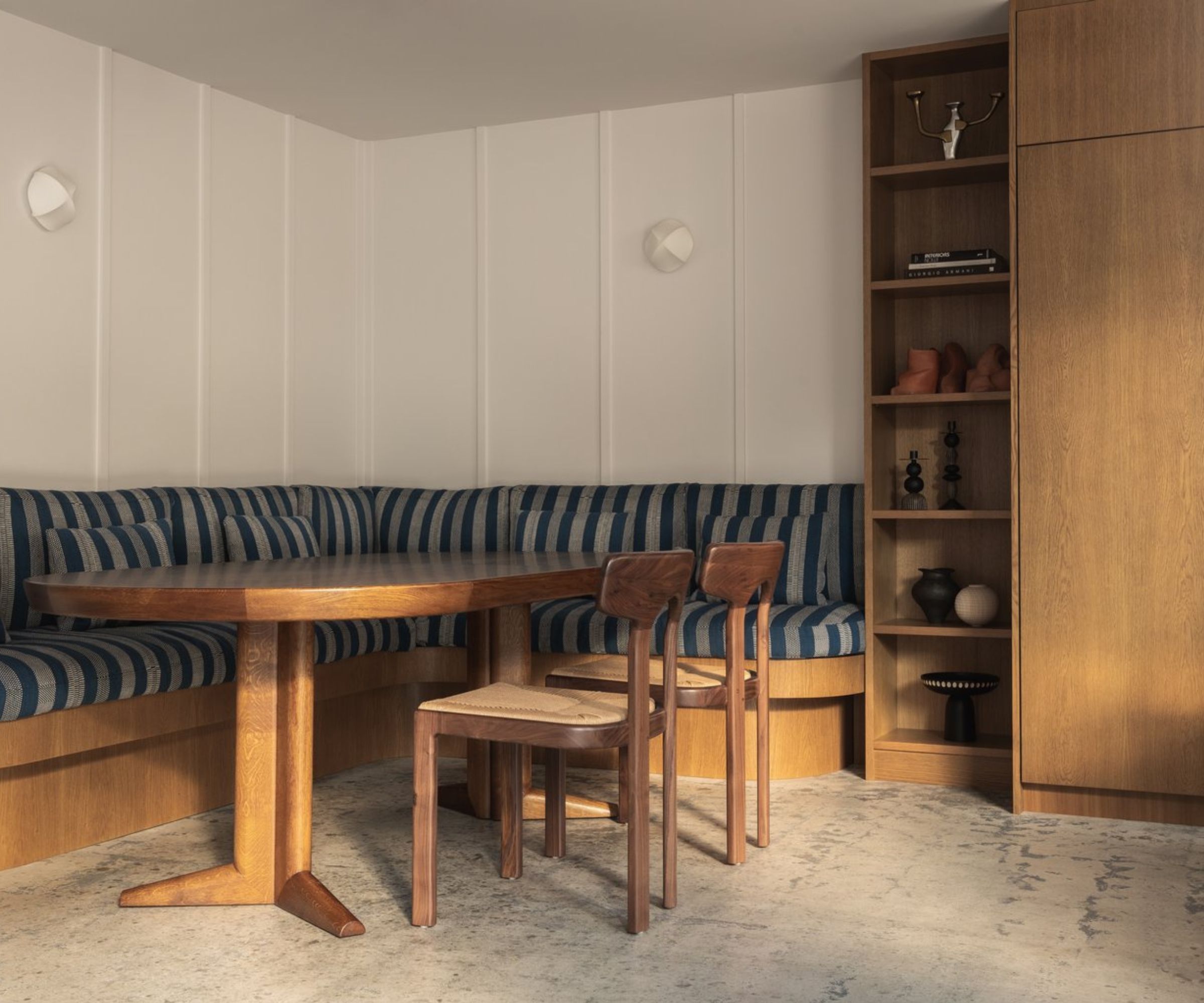
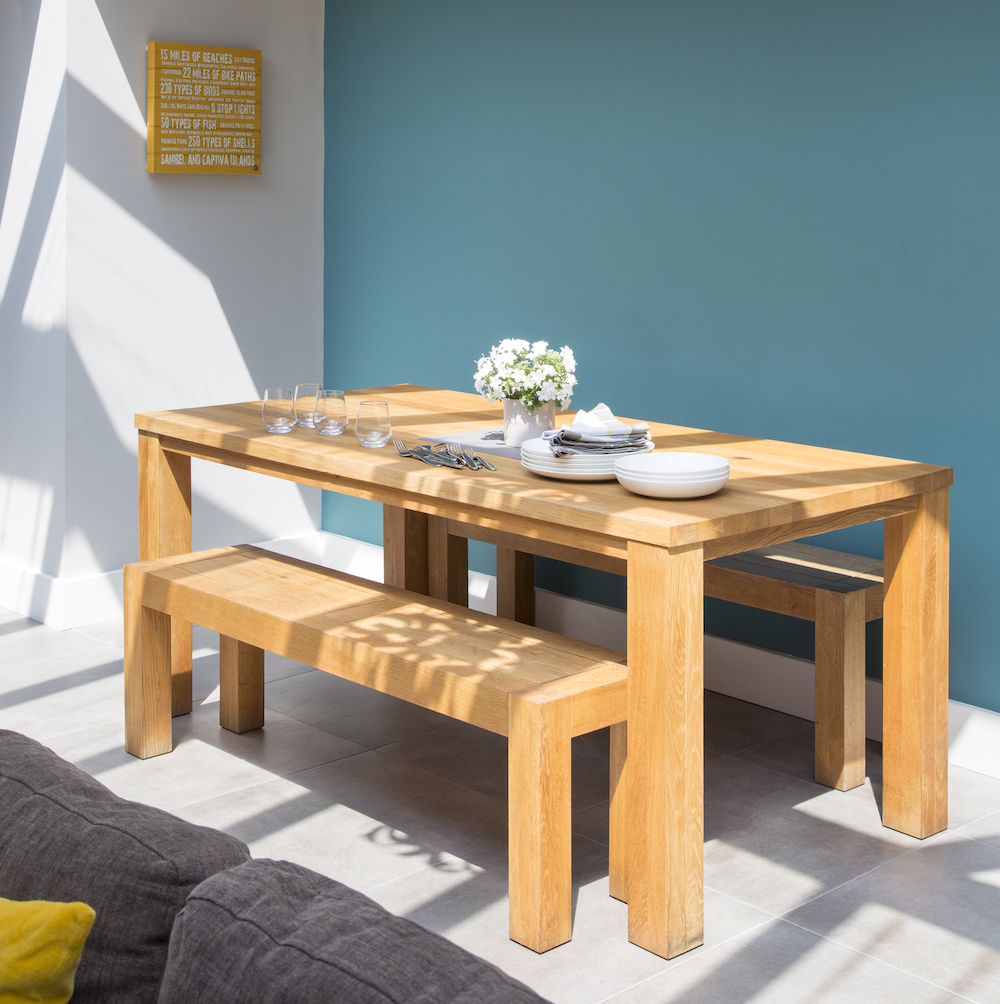
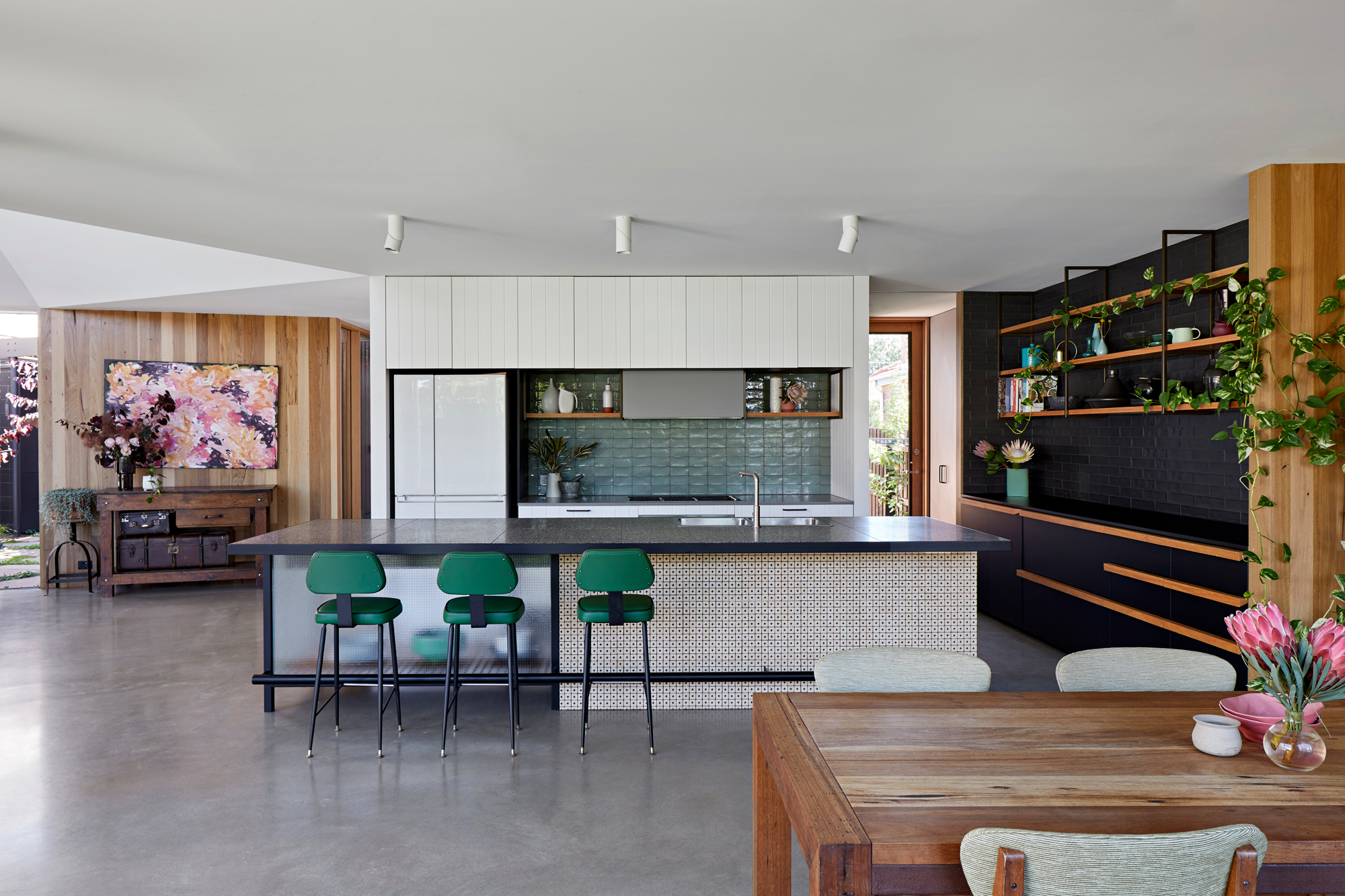
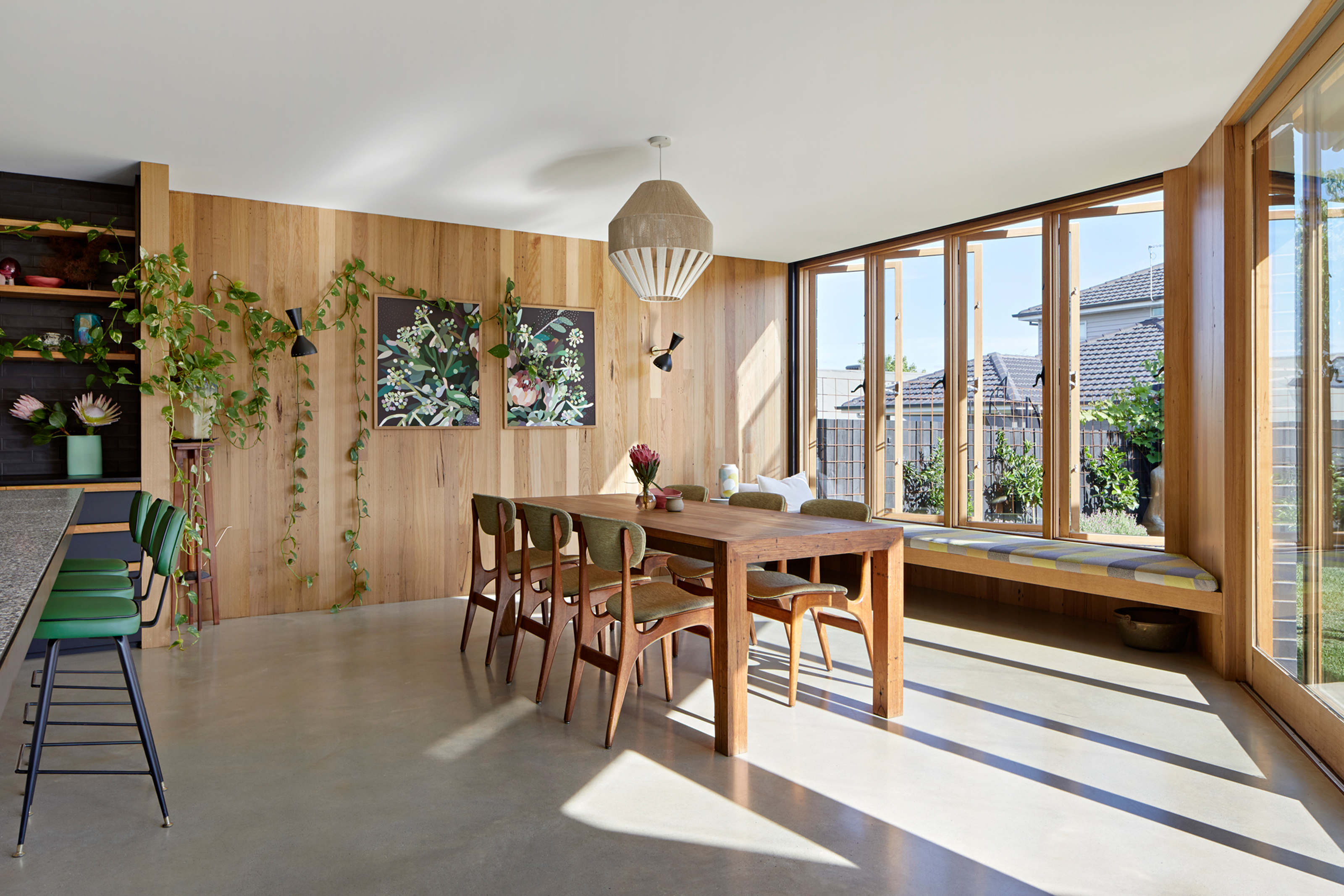
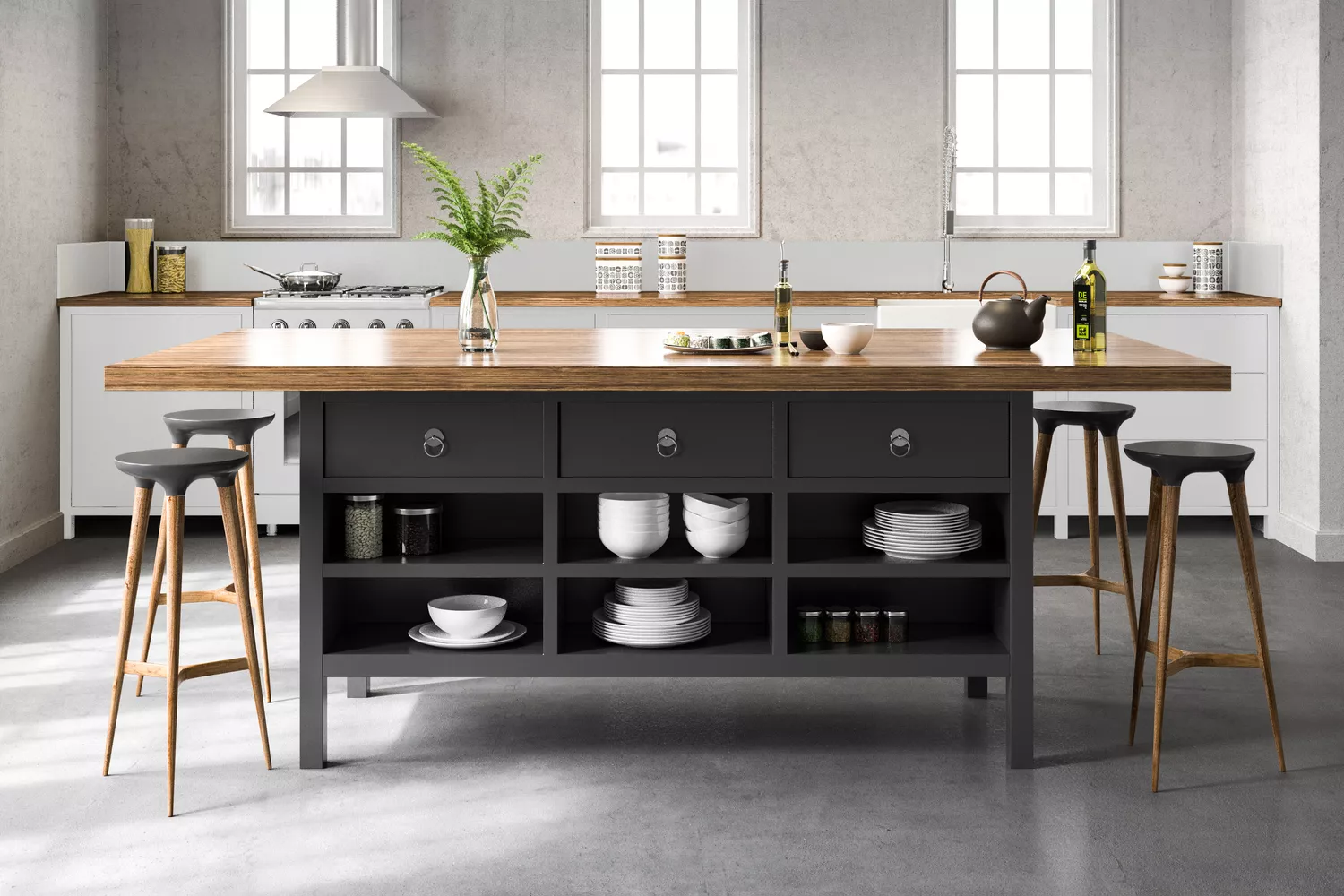
Wood tones are highly recommended by designers for their ability to introduce warmth and softness, creating a compelling contrast with the hard, gray qualities of concrete. This combination is lauded for its natural feel and complementary nature. White oak, with its warm undertones, is a particularly easy choice. The selection of wood should also consider the concrete's undertones; for warm concrete, lighter woods on ceilings and walls prevent a blue, cool appearance. Alternatively, warm, earthy paint colors with low contrast can mimic the effect of wood, providing a gentle visual relief that makes a space more inviting and less fatiguing to the eyes.
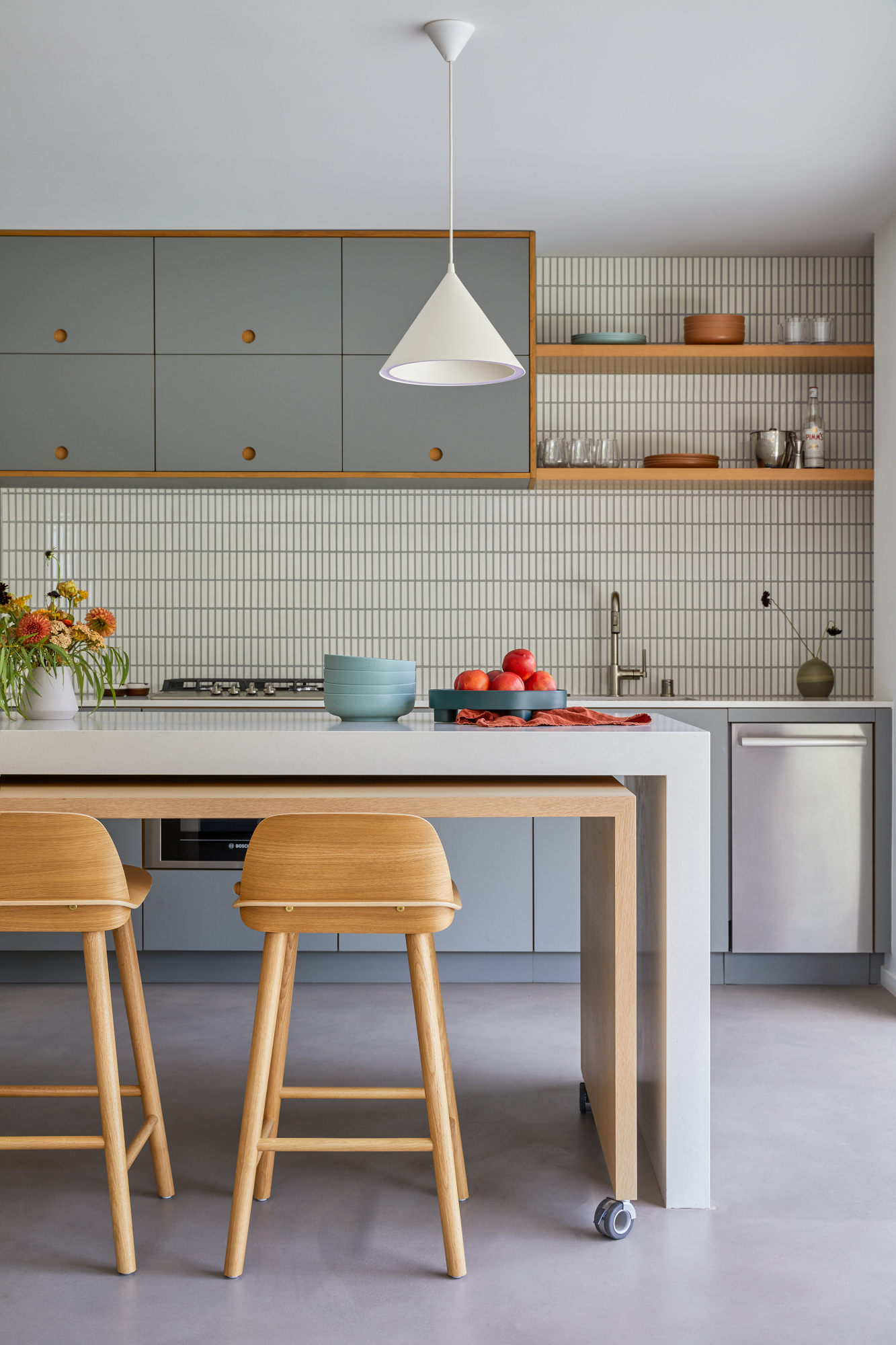
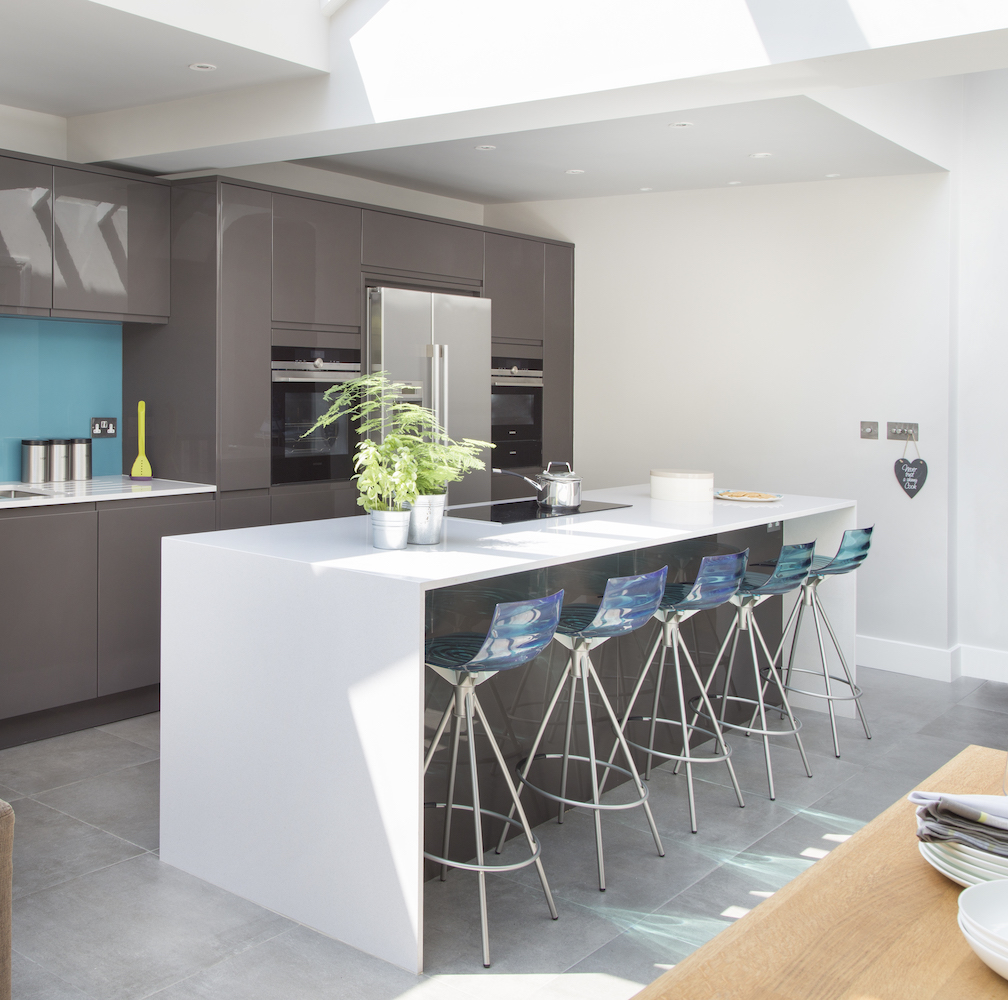
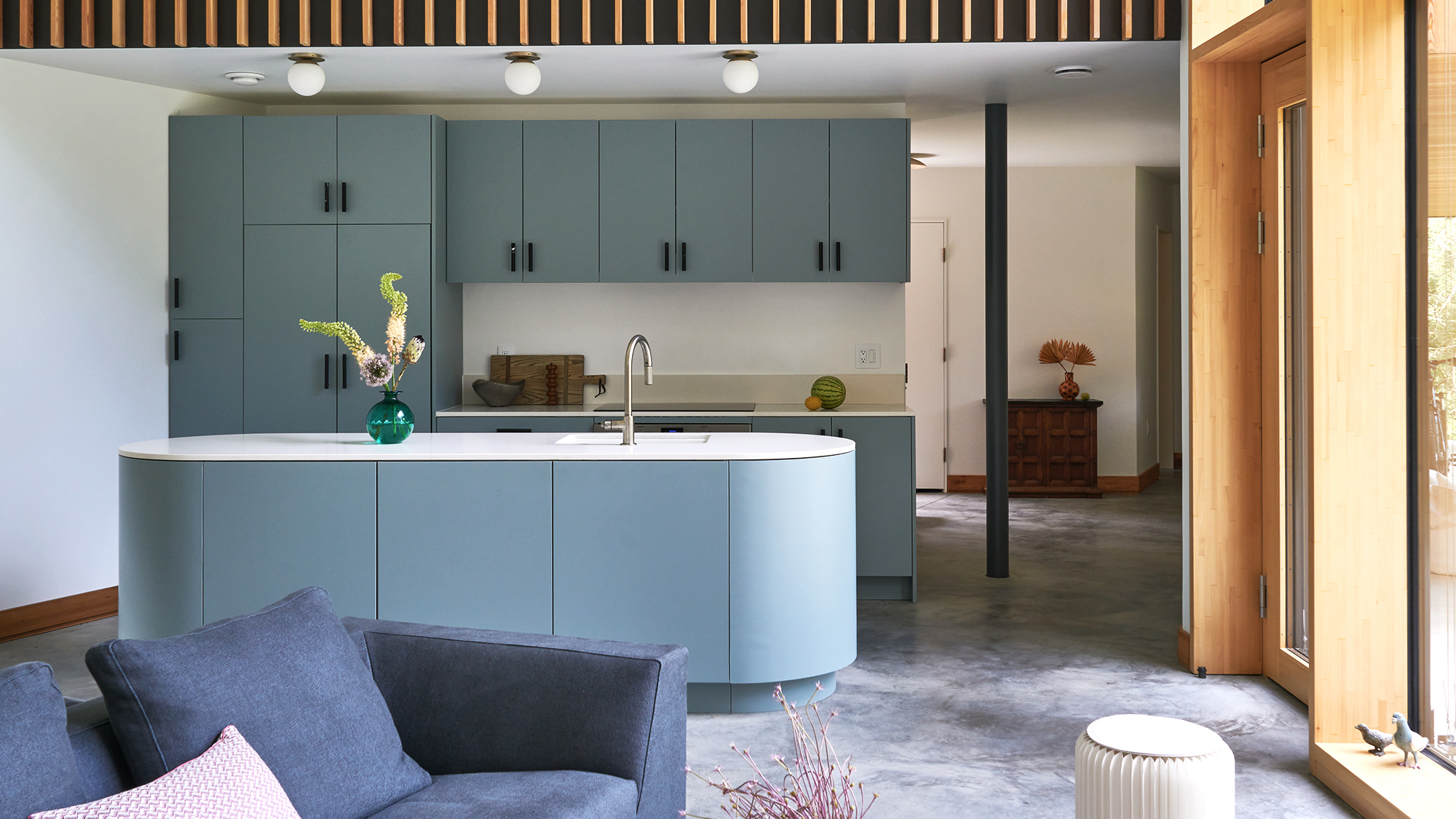
While sharing a similar hue, gray walls can work with concrete floors to create cool, contemporary spaces. This pairing is ideal for those not seeking a warm, cocooning ambiance. For example, blue-gray cabinets, complemented by tiling with gray grouting, can offer a subtle contrast to warmer concrete, as seen in modern kitchen designs. The overall palette can be kept neutral and warm with oak accents and warm whites, with colorful accessories adding vibrancy.
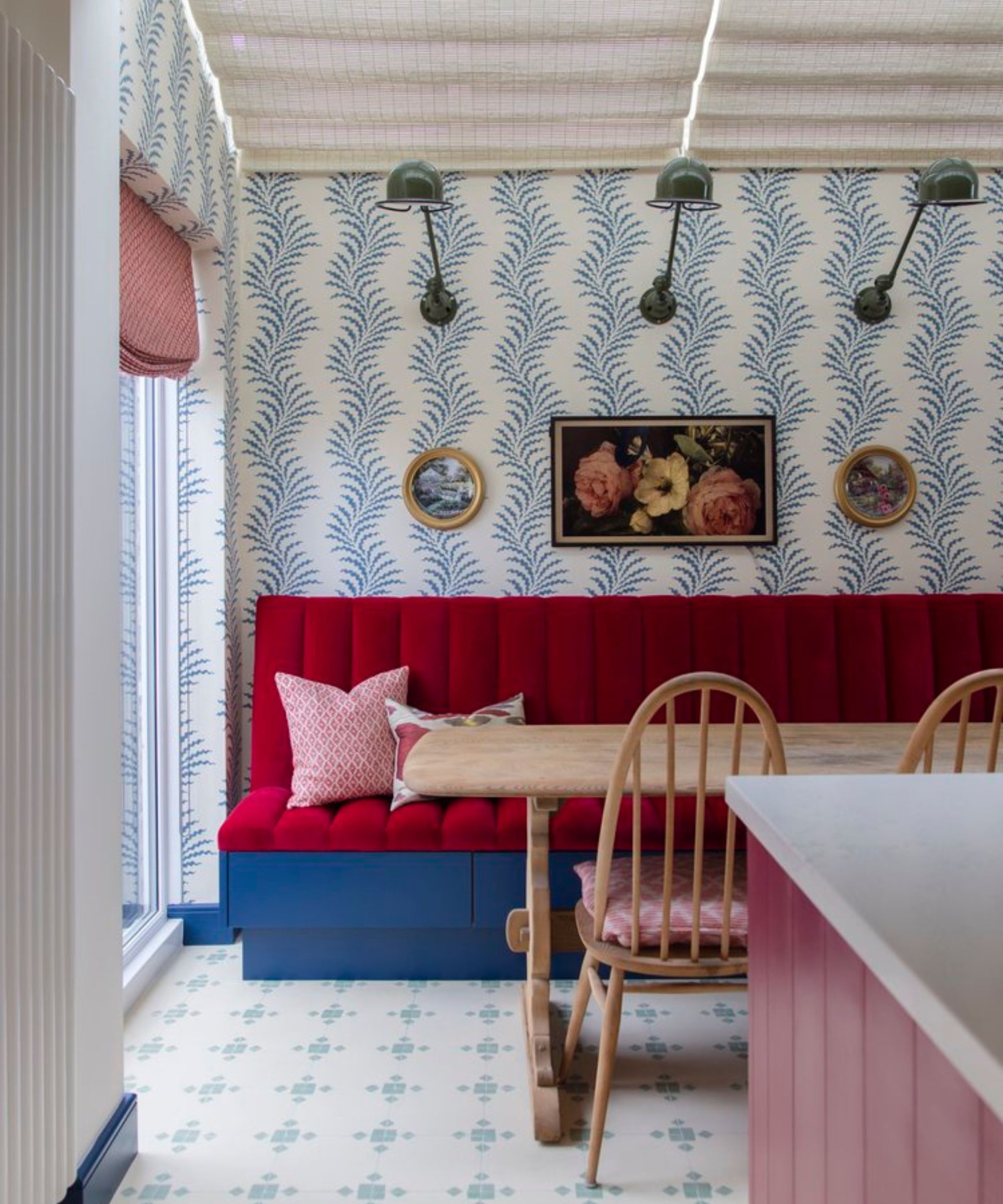
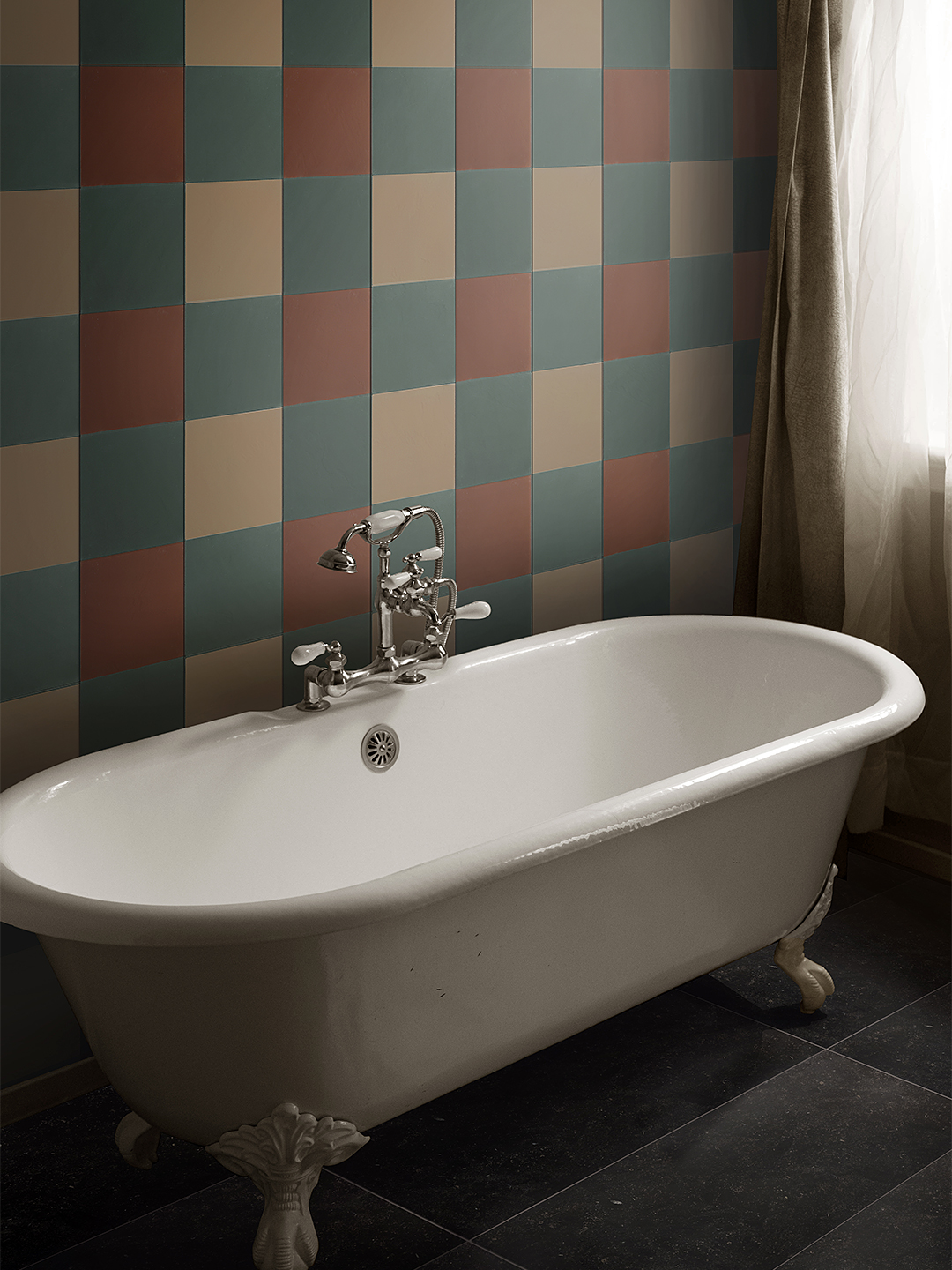
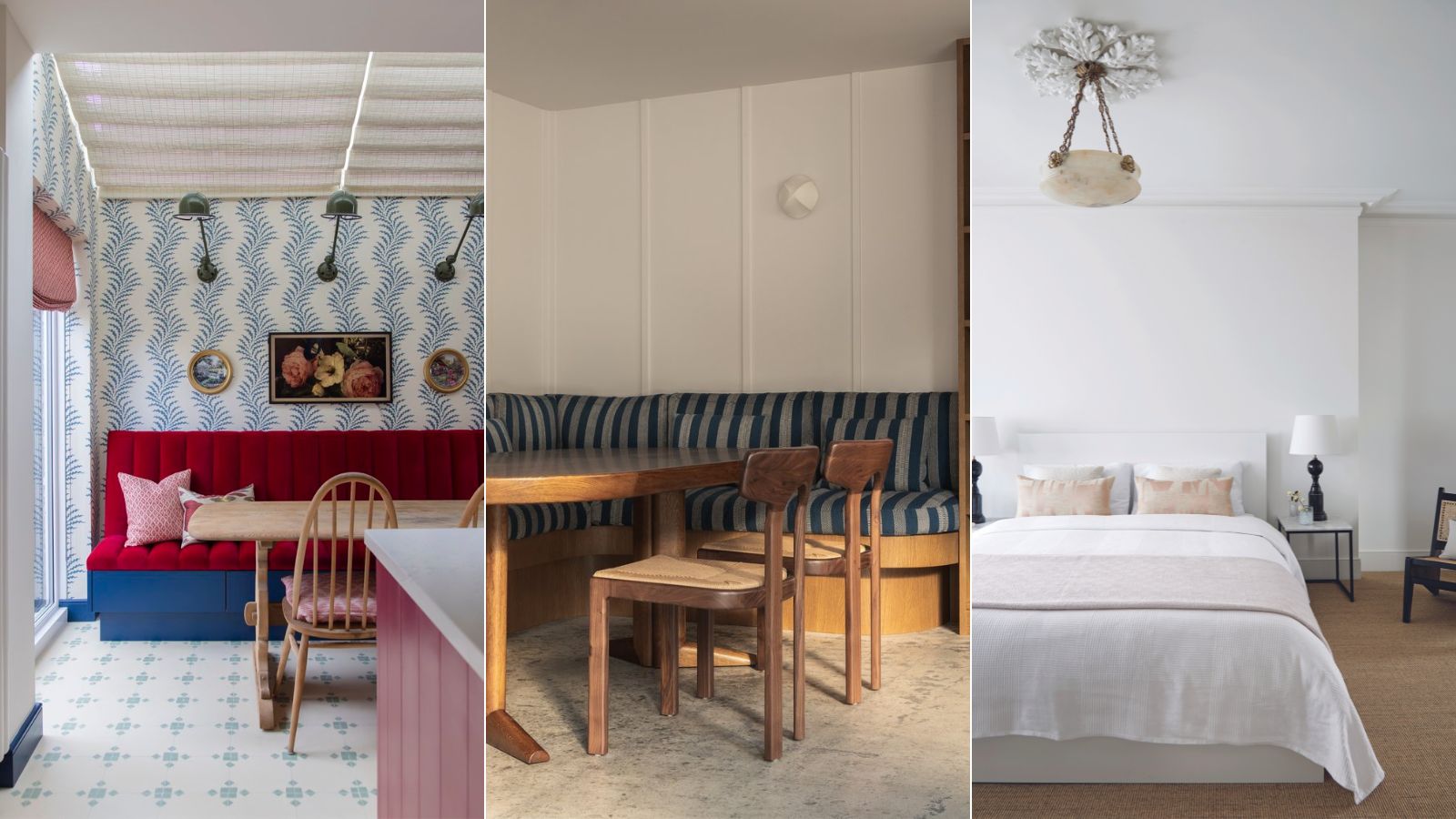
Blue is another color that effectively pairs with concrete. Embracing concrete's complementary tones, particularly its cool hue, can lead to dynamic results. Blues, greens, and darker maroons are cited as colors that enhance concrete's natural tone. Brighter blues, especially when incorporated through patterned wallpaper, can create a fresh and surprising contrast with warmer concrete floors, making a strong statement in entryways or other spaces.
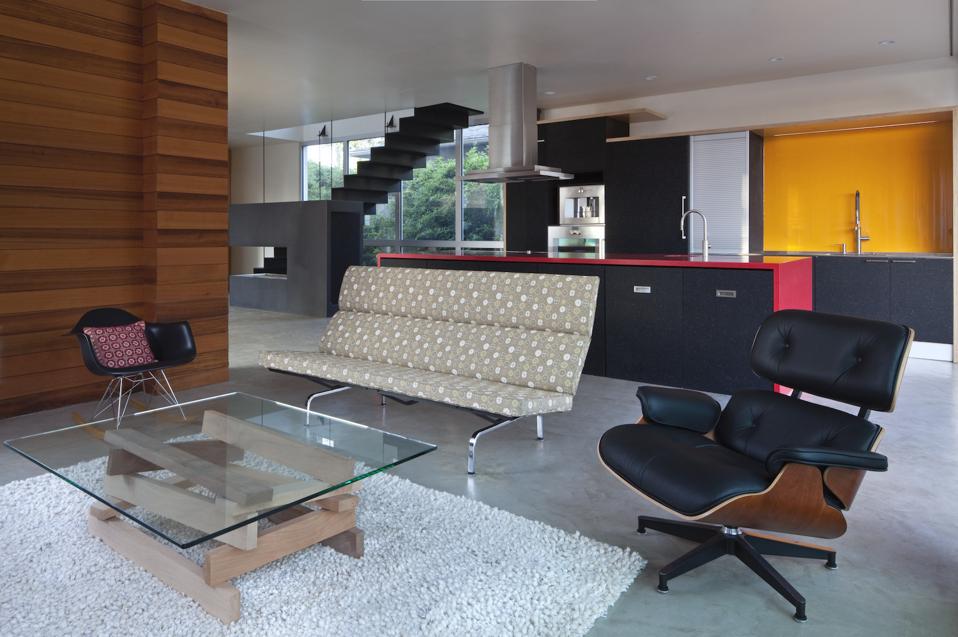
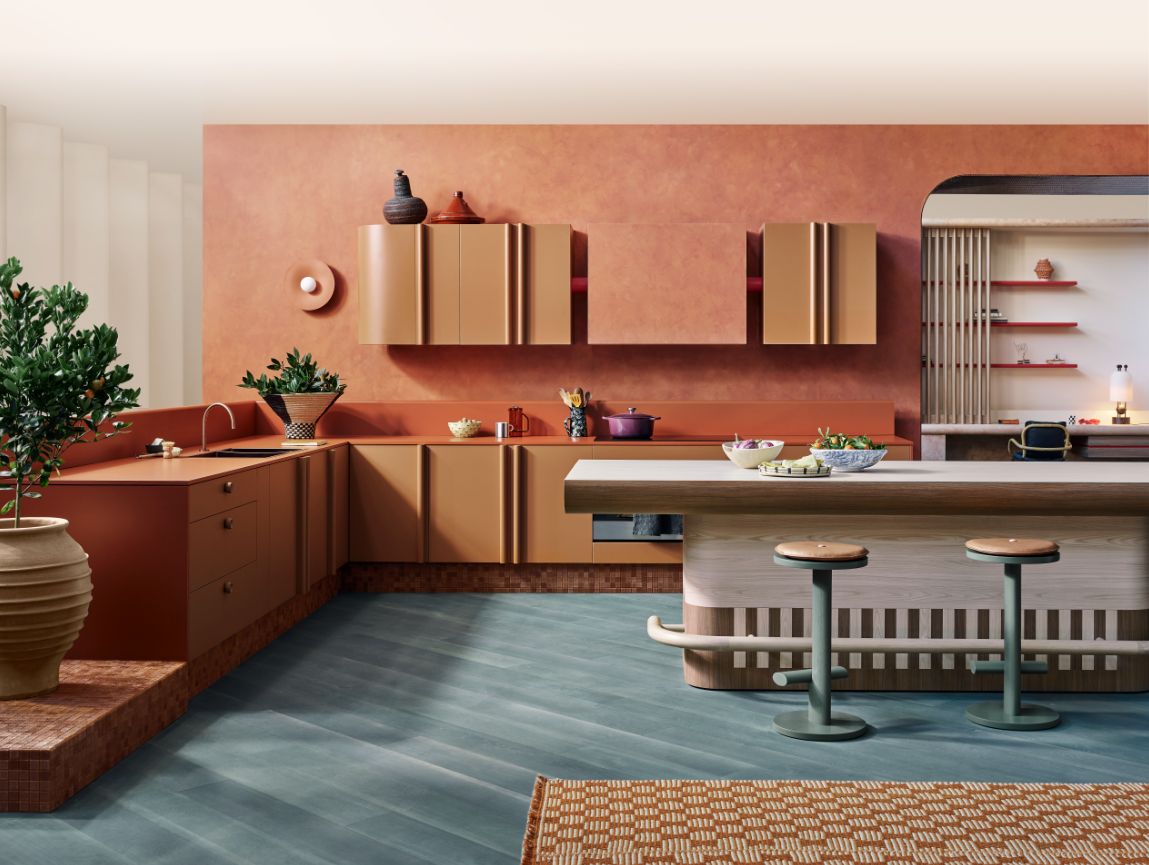
Yellow provides a dynamic, warm, and playful contrast to concrete. Given that gray and yellow are complementary colors, this combination can be particularly striking. Yellow can be introduced through wall paint, tiles in bathrooms, or even kitchen cabinetry. Saturated hues, in general, can create a strong dynamic contrast with concrete, making colors appear richer due to the concrete's unsaturated, gray backdrop.
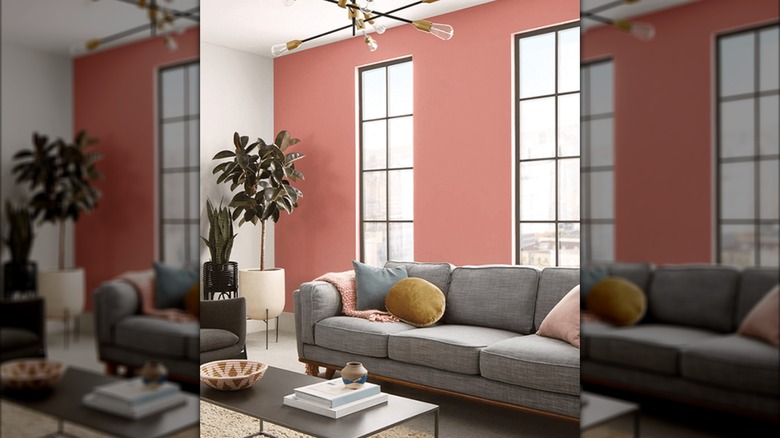
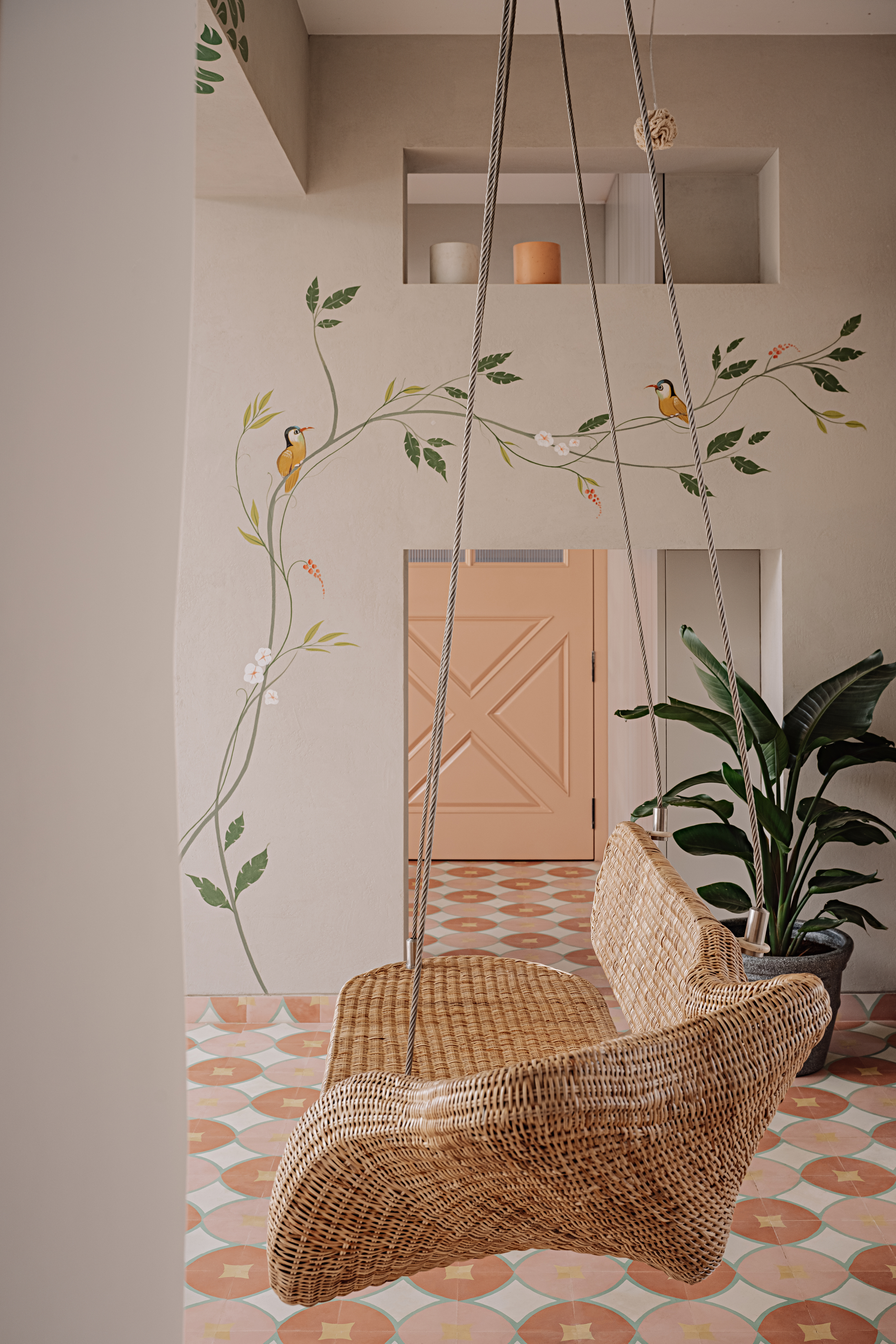
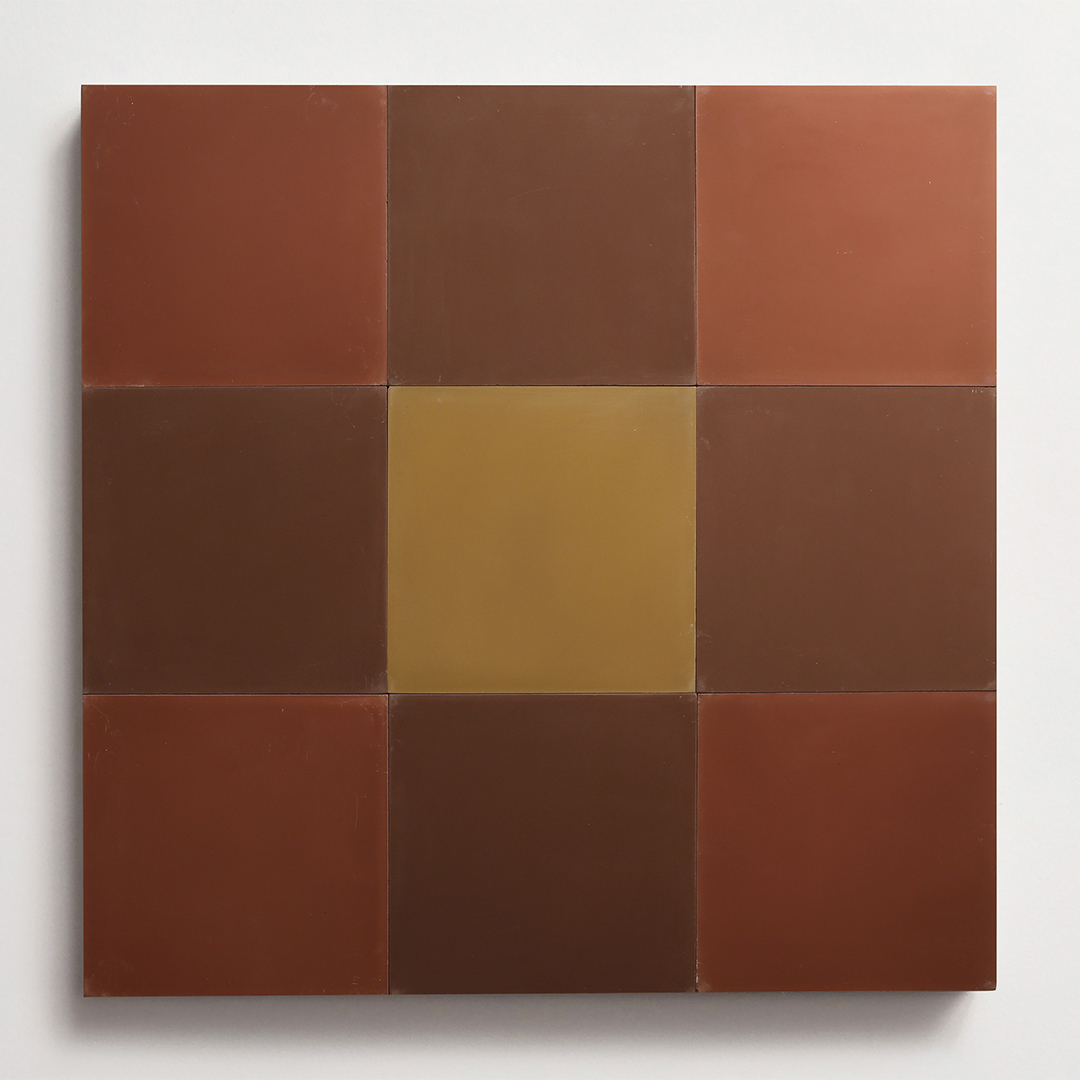
Pink, a softer pairing, also complements concrete, especially paler or earthier shades, to create soothing effects, particularly in bedrooms. Pink plaster or pink kitchen cabinetry, accented with gold hardware and soft woods, can create a balanced and sophisticated scheme. For colored concrete floors, it is generally advised to stick to neutral walls, typically white, ensuring the shade matches the floor's undertones. Alternatively, a tonally lighter shade than the flooring can add subtle depth without introducing new colors. For a bold, cohesive look, carrying the same color as the concrete up the walls and woodwork creates a cozy, cocooning, and trendy scheme.
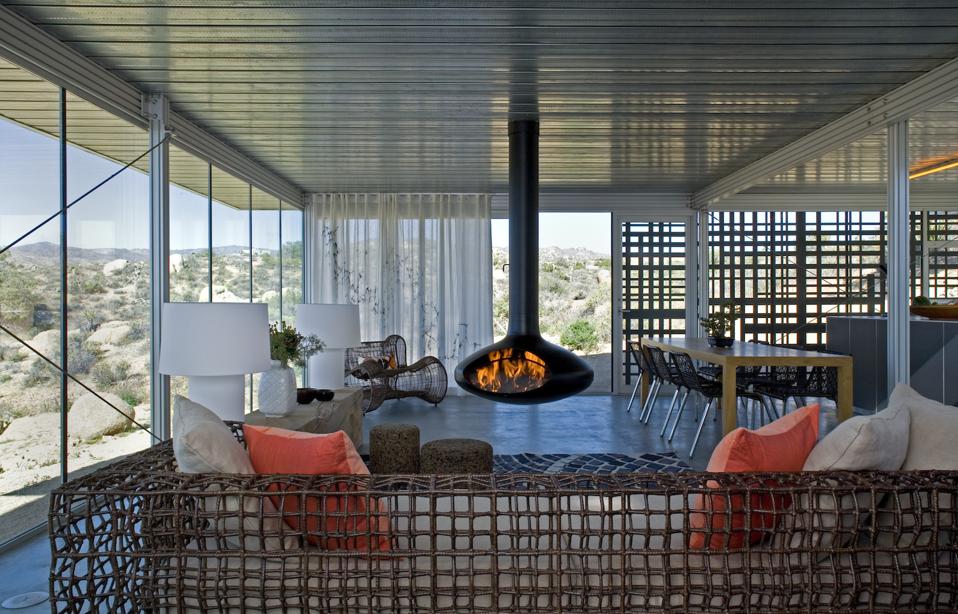
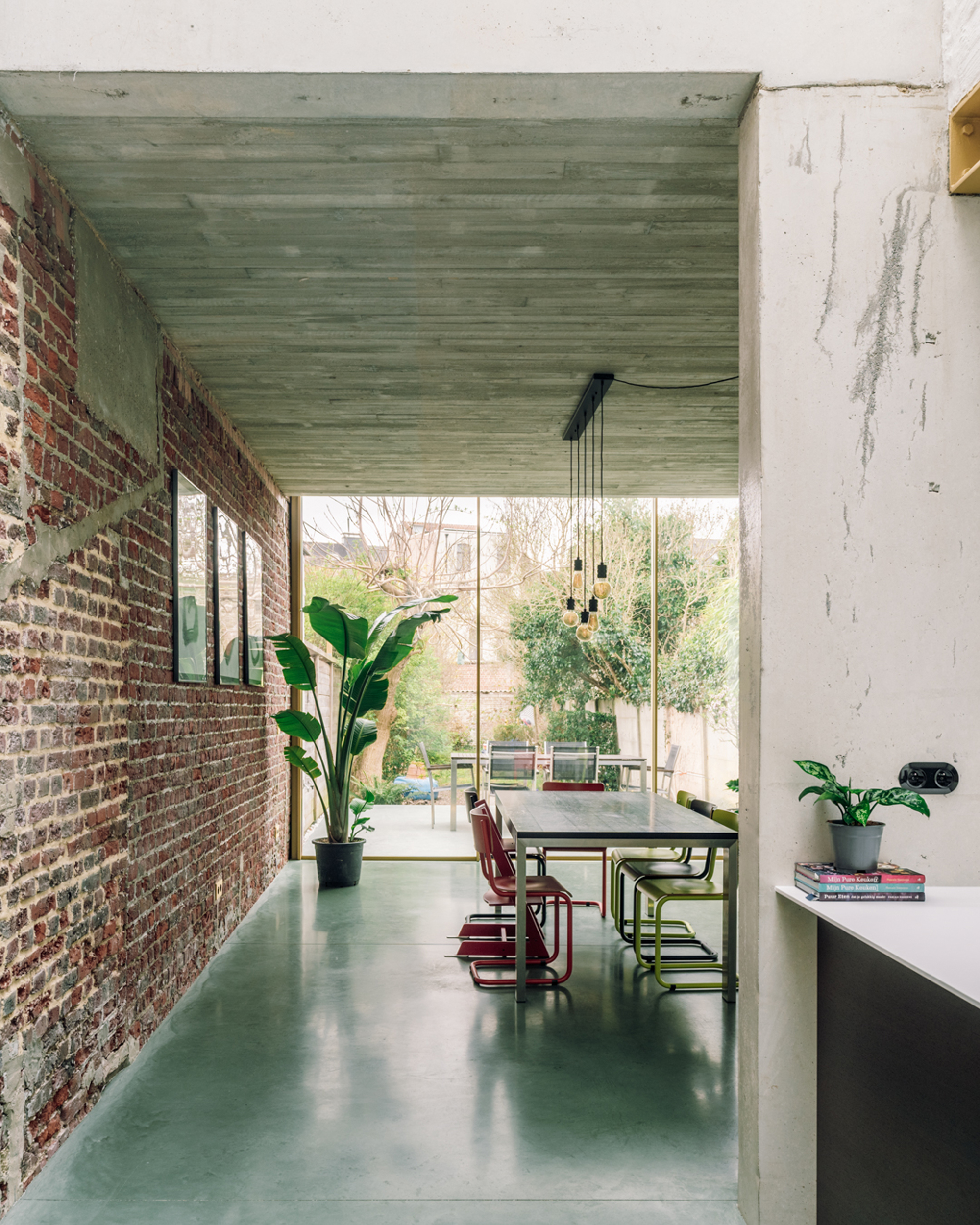
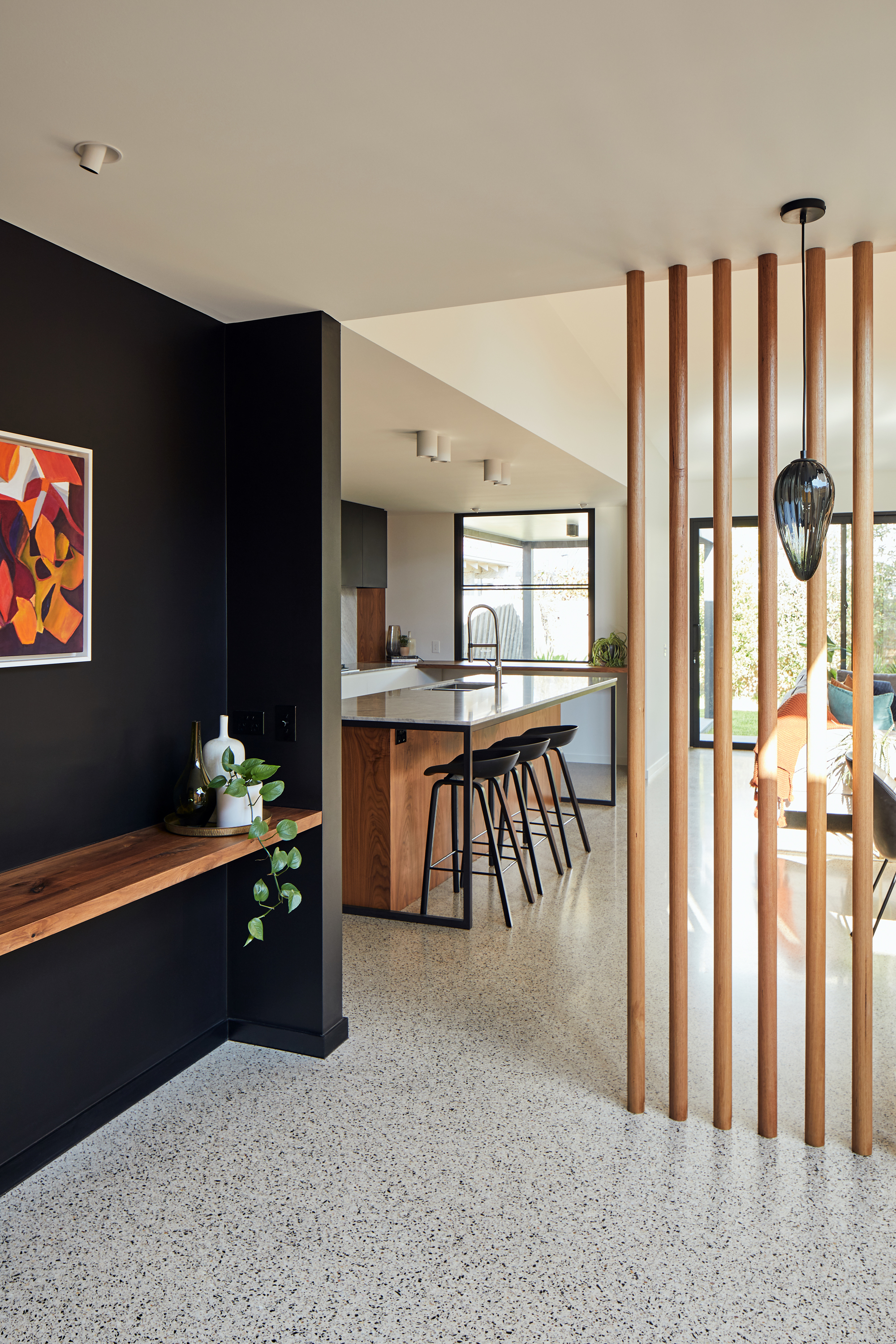
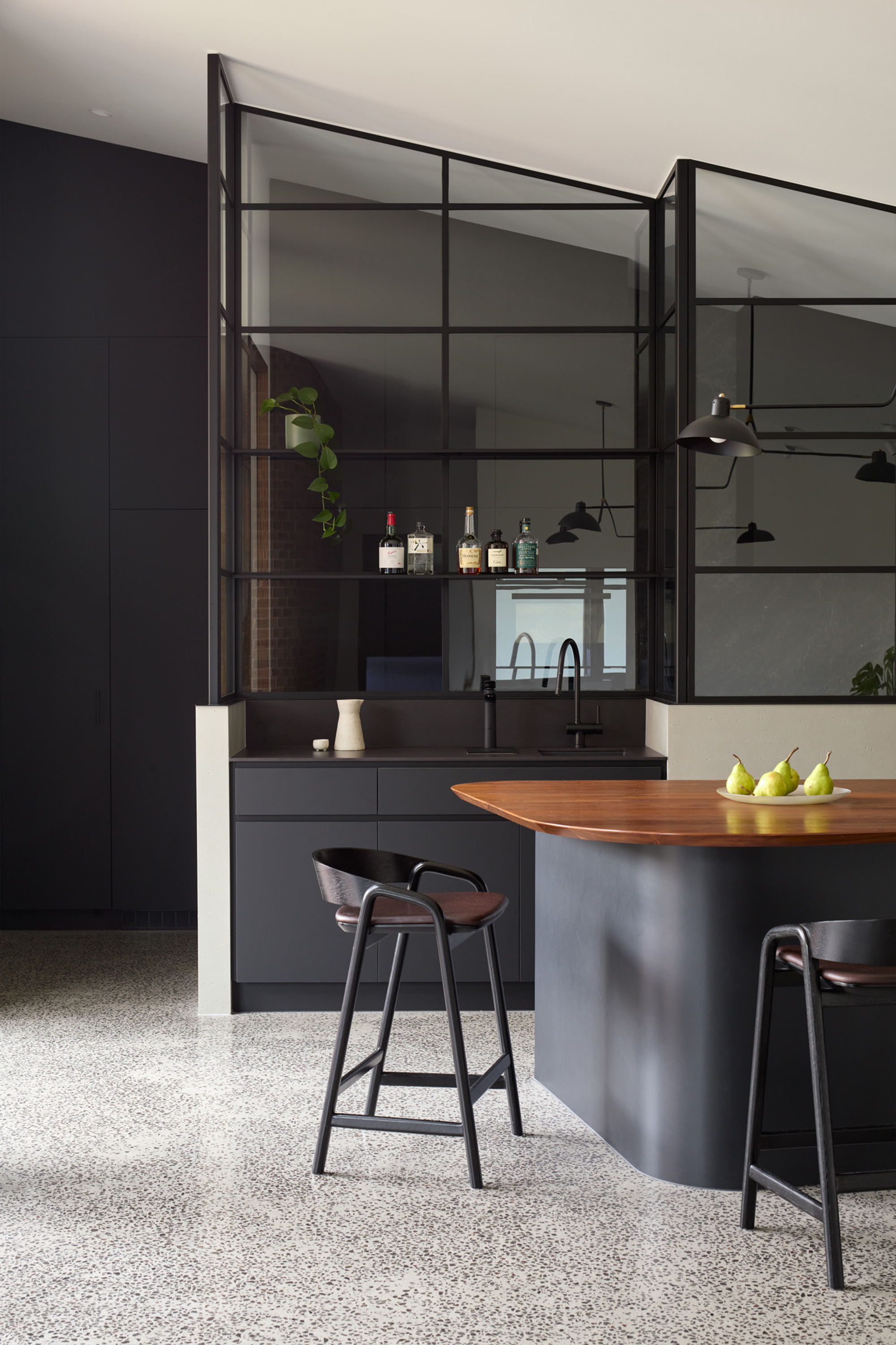
Finally, the smooth, polished finish of concrete floors serves as an excellent foundation for highly textural wall finishes. Hand-troweled plaster can add warmth and texture, while industrial materials like raw steel can create unexpected pairings. Mixing materials with balanced textural interest, such as concrete, stone, and steel, or juxtaposing indoor materials with natural outdoor elements, can lead to unique and elevated interiors. Pairing concrete with refined materials like marble and handblown glass can also create a sophisticated yet approachable aesthetic.
#ConcreteFloors #WallColors #InteriorDesign #HomeDecor #ColorPairing #ModernInteriors #IndustrialStyle #DesignTips #TexturalInteriors #ConcreteFloors #WallColors #InteriorDesign #HomeDecor #ColorPairing #ModernInteriors #IndustrialStyle #DesignTips #TexturalInteriors
0 comment in total
 No comments yet
You may also like
Which wall colors work best with concrete floors? Pairings to complement and elevate this industrial finish
Colorful floors are the joyful design trend our homes need right now – here's how 6 designers embraced 6 different colors
Concrete design ideas: how to make them work in any home

An In-Depth Look at the Pros and Cons of Concrete Flooring

The 12 Best Wall Paint Colors To Complement Your Gray Floors
8 concrete flooring ideas that will convince you this style can be surprisingly luxurious
Concrete solutions for attractive, durable finishes


Vivid 202: An unprecedented colour carpet tile range with 202 colours across six colour families
How to Apply Multi-Color Dyes to Polished Concrete

25 Concrete Floor Ideas for Home No One Shares Because Once You Live With Them, Other Floors Feel Fake

What's replacing wooden flooring? These are the 5 chic alternatives designers are switching to

Layer These Paint Colors for the Ultimate "Concrete" Fireplace
Concrete Floors Are Trending—Here's Why You Should Consider This Affordable Alternative to Hardwood and Tile

The Best Concrete Paints for Masonry Surfaces, Tested

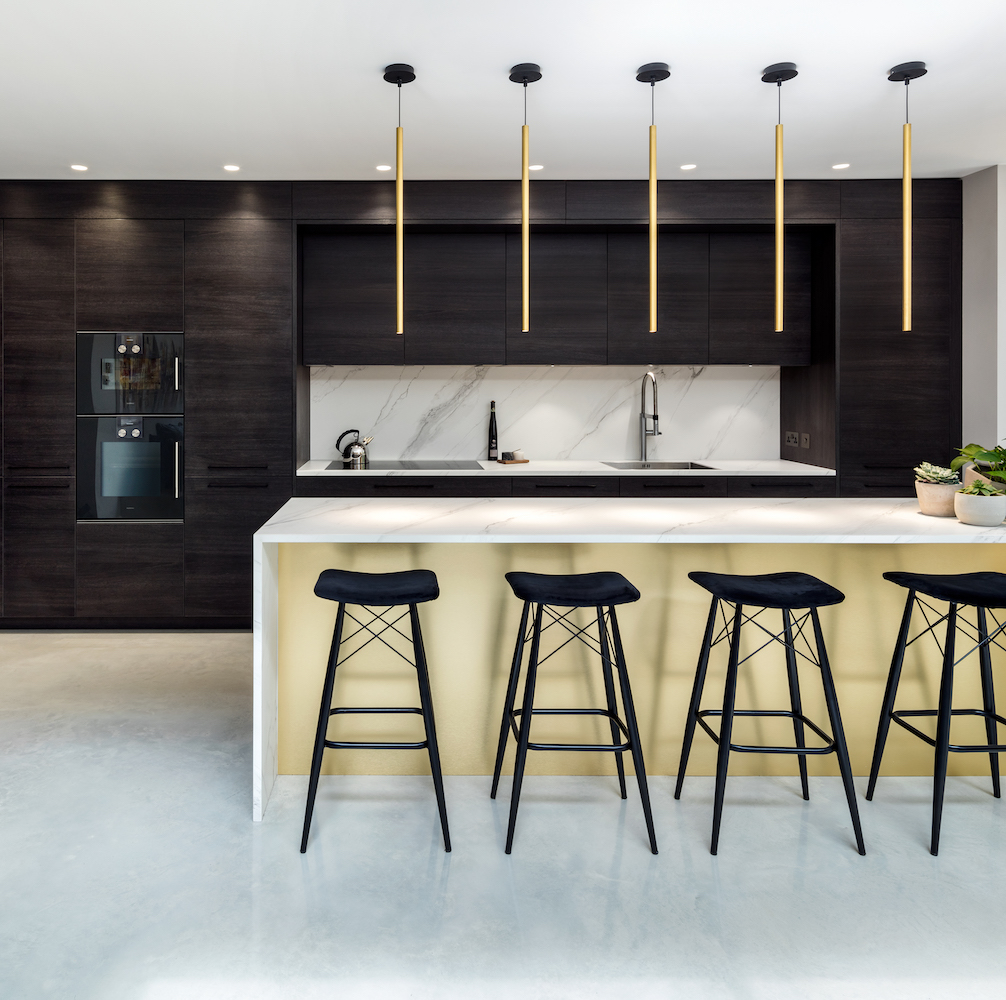
Concrete kitchen floor ideas – 17 ways to introduce this popular style
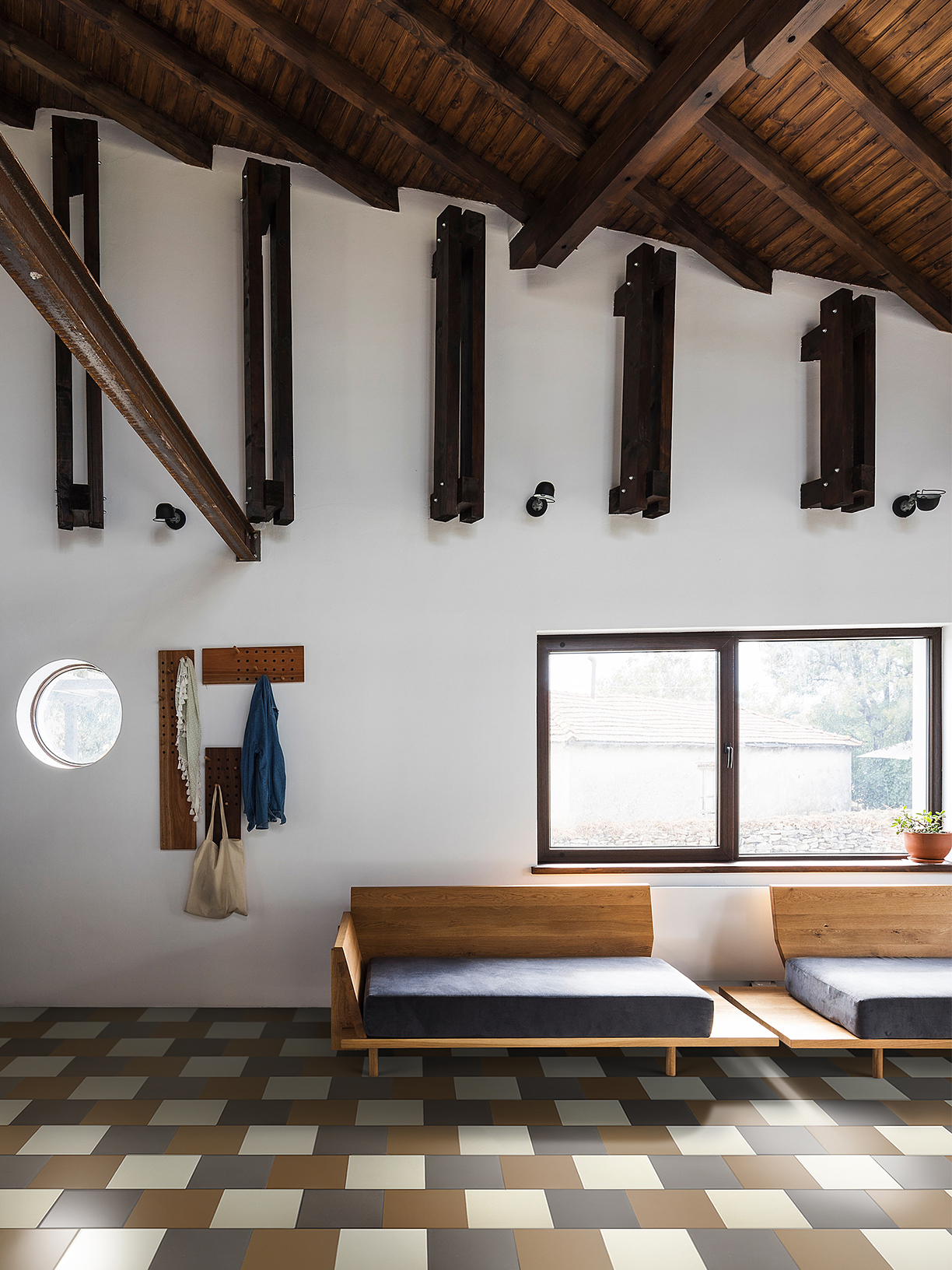
This New Tile Collection Holds the Secret to Spicing Up Checkerboard Floors

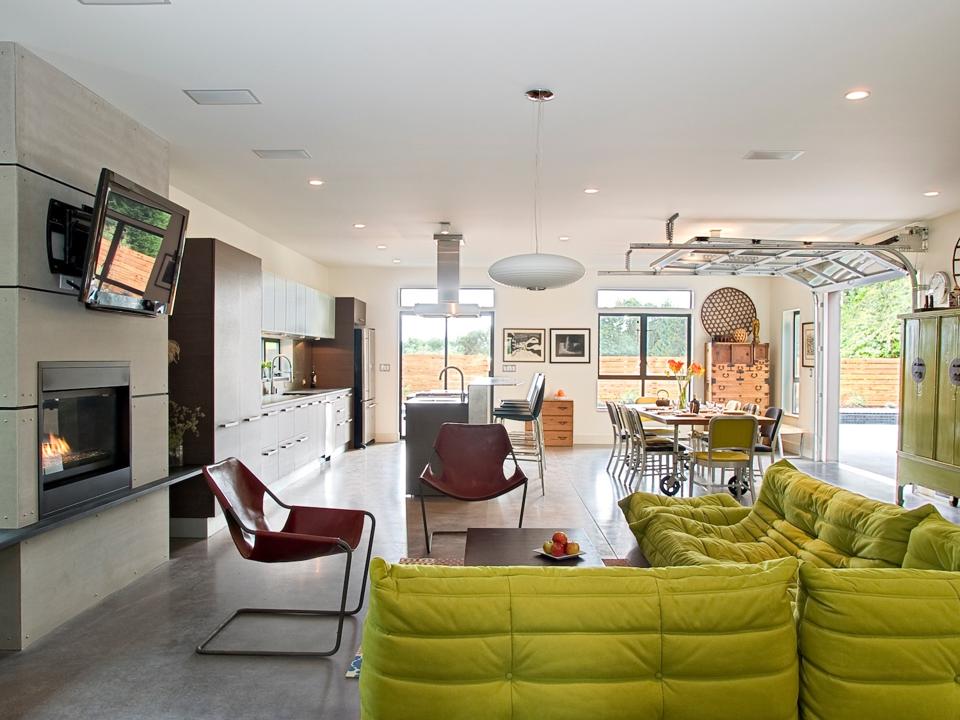
Concrete Floors: The Hot And Cold Of Them


The 10 Best Concrete Paints That Seal the Deal

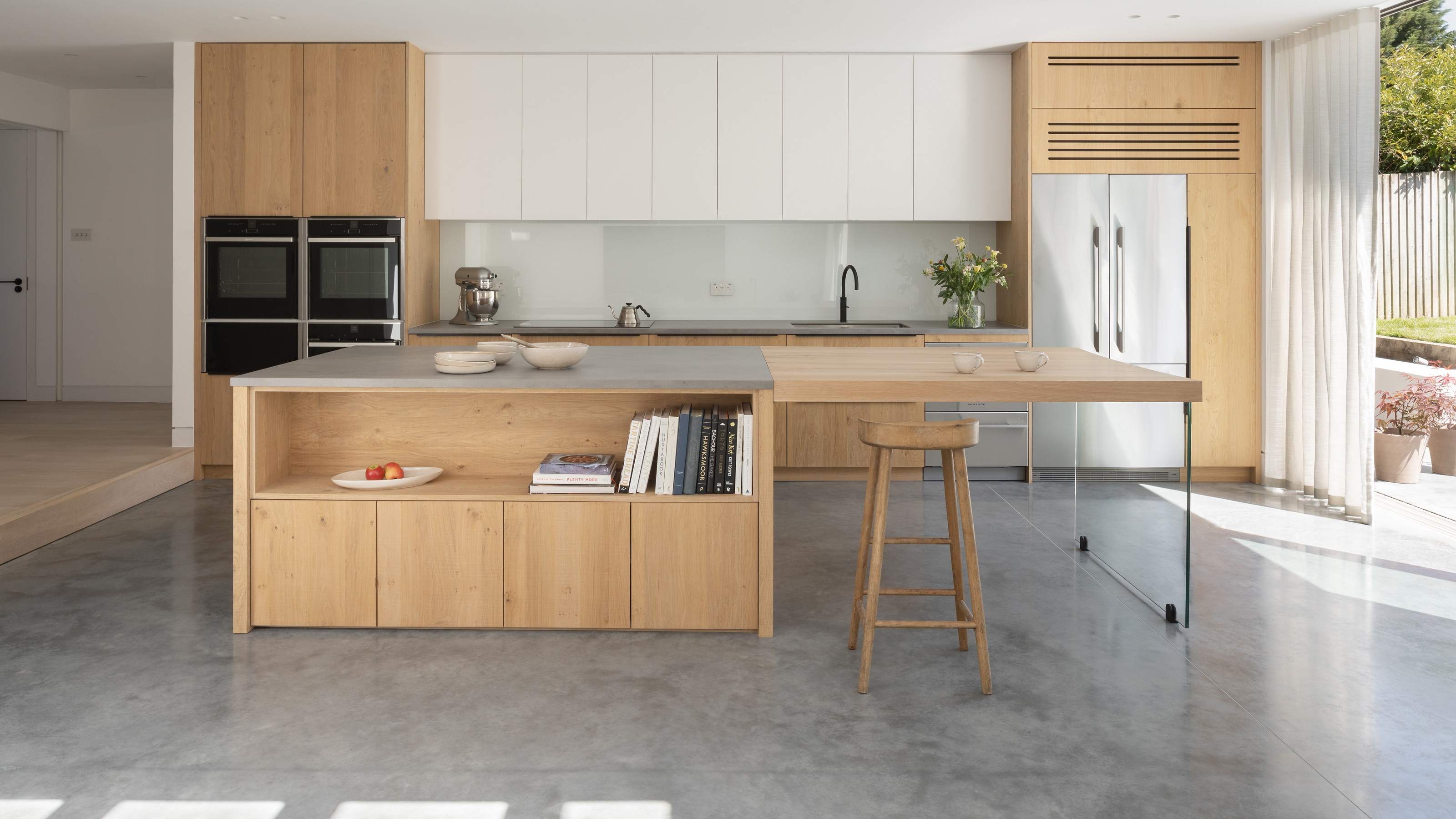
Polished concrete floors – experts explain what you need to know about this modern flooring type

Floor Paints | Floor Tile & Garage Floor Paint