1/9
Cost-effectiveness and affordability evaluation of a residential prototype built with compressed earth bricks, hybrid roofs and palm midribs
The rising costs of housing and construction materials are global challenges, particularly exacerbated in developing nations by rapid urbanization and significant variations in building technologies. The building and construction sector contributes a substantial 37% of global CO2 emissions, with manufacturing processes for materials like concrete, steel, and fired bricks being major contributors to embodied carbon. Conversely, wood is environmentally friendly but often unsustainable when imported due to transportation emissions. The increasing prices of construction materials and green buildings further compound issues of housing affordability, especially in regions like Africa and Asia, which exhibit high price-to-income ratios. Traditional vernacular building materials and techniques, such as earth construction, are being reconsidered in developed countries for their environmental and economic benefits. However, in developing countries like Egypt, these methods were largely supplanted by modern concrete, fired bricks, and steel. Egypt, in particular, relies heavily on imported wood and faces significant housing unaffordability.
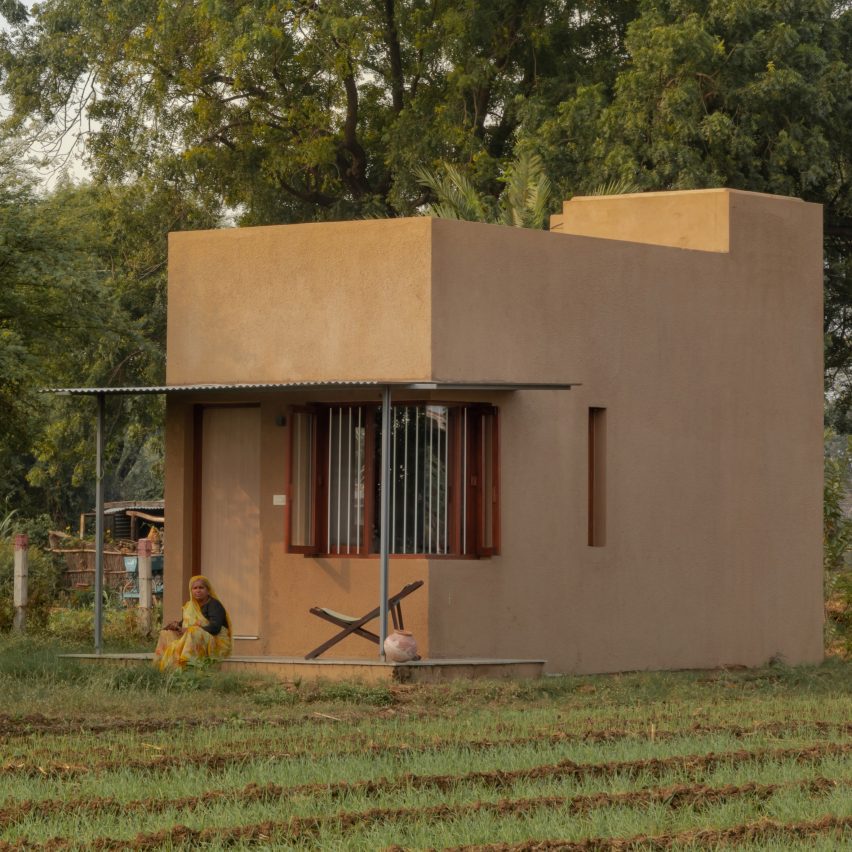
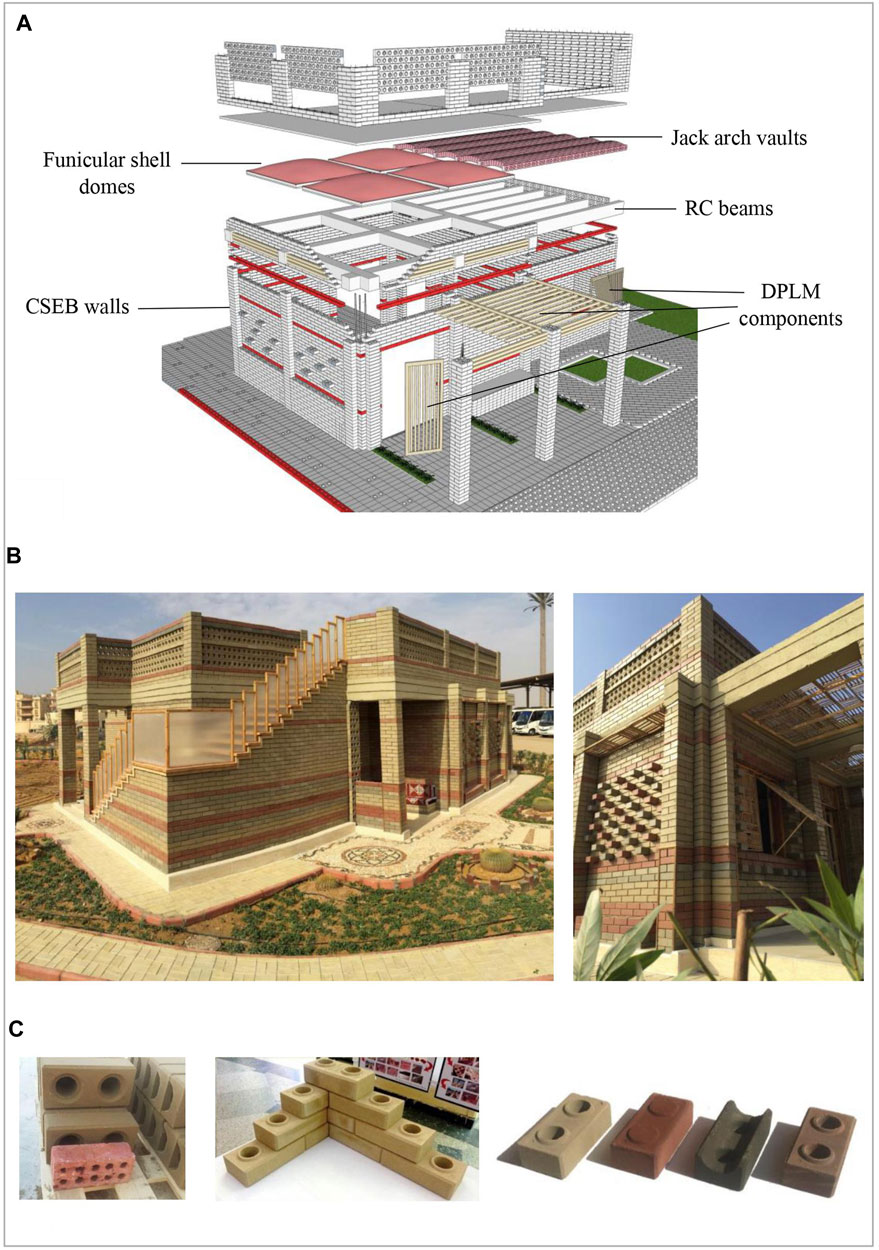
In response to these challenges, a rural prototype house, the Ecofordable House (EH), was constructed in the western desert zone of Giza, Egypt. This house integrates enhanced vernacular technologies, including interlocking compressed stabilized earth brick (ICSEB) walls, partially reinforced, hybrid jack arch and funicular shell roofs, and date palm midribs for openings and pergolas. These alternatives aim to reduce the reliance on steel, fired bricks, cement, and imported wood. The research evaluates the EH's construction cost-effectiveness and affordability by analyzing real-world data on material quantities, labor, and costs, comparing them with conventional building methods. The "price-to-income ratio" serves as the primary indicator for affordability.
For walling, ICSEB walls demonstrated significant cost reductions. Producing bricks on-site through self-help (SHP) methods reduced brick costs by 61% compared to labor-produced bricks. The overall ICSEB masonry, without reinforcement, saved 34.5% for 12.5 cm walls and 37.9% for 25 cm walls when using SHP bricks, compared to traditional methods. When considering the fully reinforced ICSEB walling system, including microcolumns and brick beams, the EH achieved savings of 26.3% with SHP bricks. The hybrid roofing system, comprising 15 jack arches and six funicular shells, reduced costs by an average of 23.3% compared to conventional RC flat slabs. This system also significantly cut the volume of reinforced concrete by 67%, leading to substantial savings in steel. Date palm midribs (DPLM) used for doors, shutters, and pergolas proved to be highly cost-effective, saving 58% for paneled doors and 70% for shutters and pergolas compared to wooden alternatives.
Cumulatively, the alternative systems in the EH, with labor-produced bricks, resulted in a 39.5% saving, which increased to 47.5% with SHP bricks, compared to conventional systems. Including the costs of common components found in both EH and conventional houses, such as foundations, flooring, and electrical/plumbing installations, the total cost of the EH was 23.8% lower than a conventional counterpart, increasing to 28.7% with SHP bricks. Beyond cost savings, the alternative technologies reduced the weight of cement by 27%, steel by 68%, and fired bricks by 80%, leading to a 71.4% reduction in the combined weight of these materials, indicating a considerably lower embodied energy footprint.
From an affordability perspective in Egypt, the EH with SHP bricks demonstrated a price-to-income ratio (PIR) between 2.4 and 6.7, making it affordable for all ten income brackets and even cheap for seven of them, as it fell below the UN-Habitat's affordable range of 5-7. The standard EH was affordable for nine income brackets and borderline expensive for the lowest. In contrast, a conventional house had a PIR between 3.4 and 9.4, making it expensive for the lowest three income brackets. This study, while a case study in Egypt, offers valuable insights for other regions considering sustainable and affordable building alternatives.
#EcofordableHouse #SustainableConstruction #AffordableHousing #CompressedEarthBricks #HybridRoofs #PalmMidribs #CostEffectiveness #VernacularTechnologies #ReducedEmbodiedEnergy #EcofordableHouse #SustainableConstruction #AffordableHousing #CompressedEarthBricks #HybridRoofs #PalmMidribs #CostEffectiveness #VernacularTechnologies #ReducedEmbodiedEnergy
0 comment in total
 No comments yet
You may also like
7 Best Roofing Materials For Durability & Longevity (2025 Review)

“Cannabis walls” add warmth to this eco-friendly home in Israel
Eco-friendly guesthouse sports a green roof and rammed earth walls
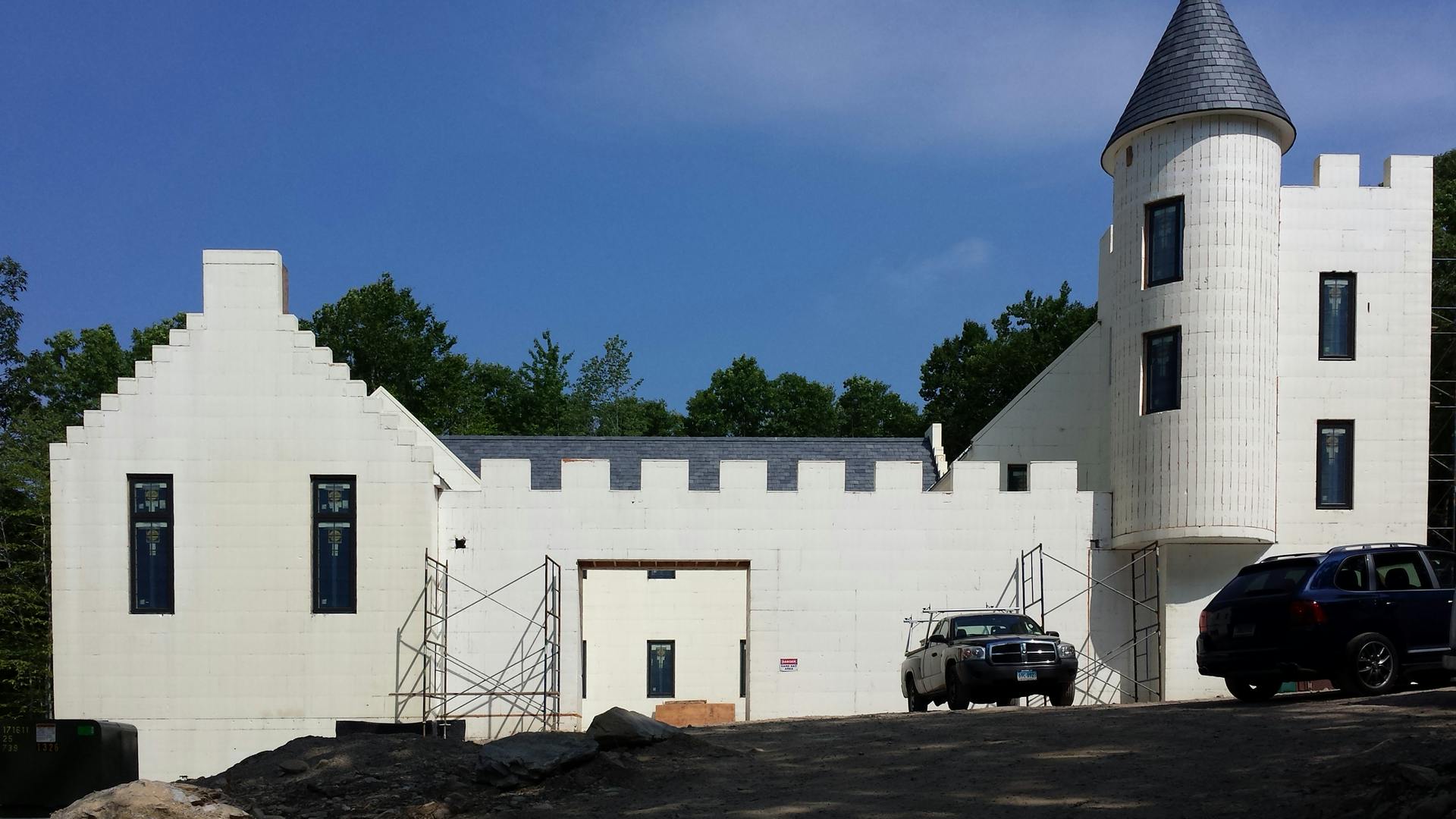
Building a Concrete Castle

Nestron’s Plug-and-Play Prefabs Start at $40K and Don’t Require a Foundation

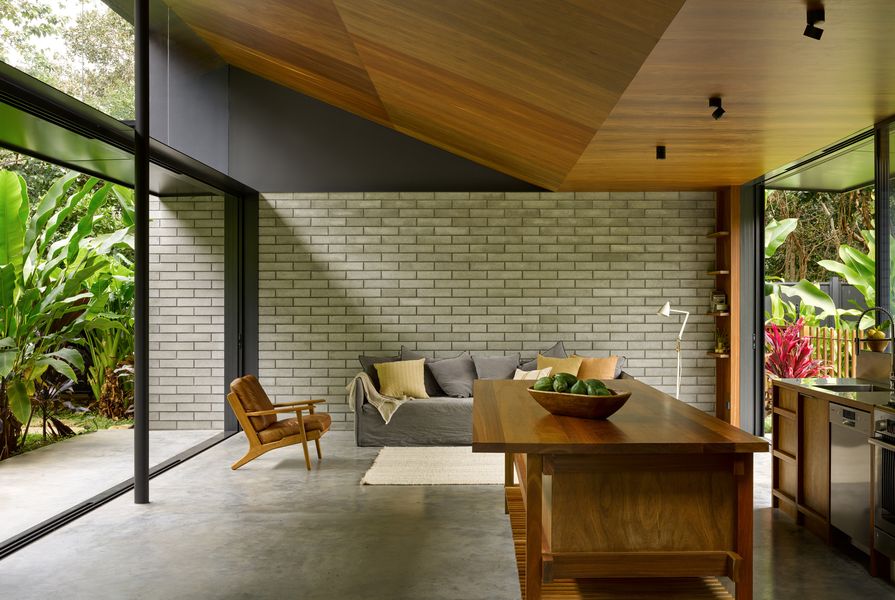
Muli Muli by DFJ Architects
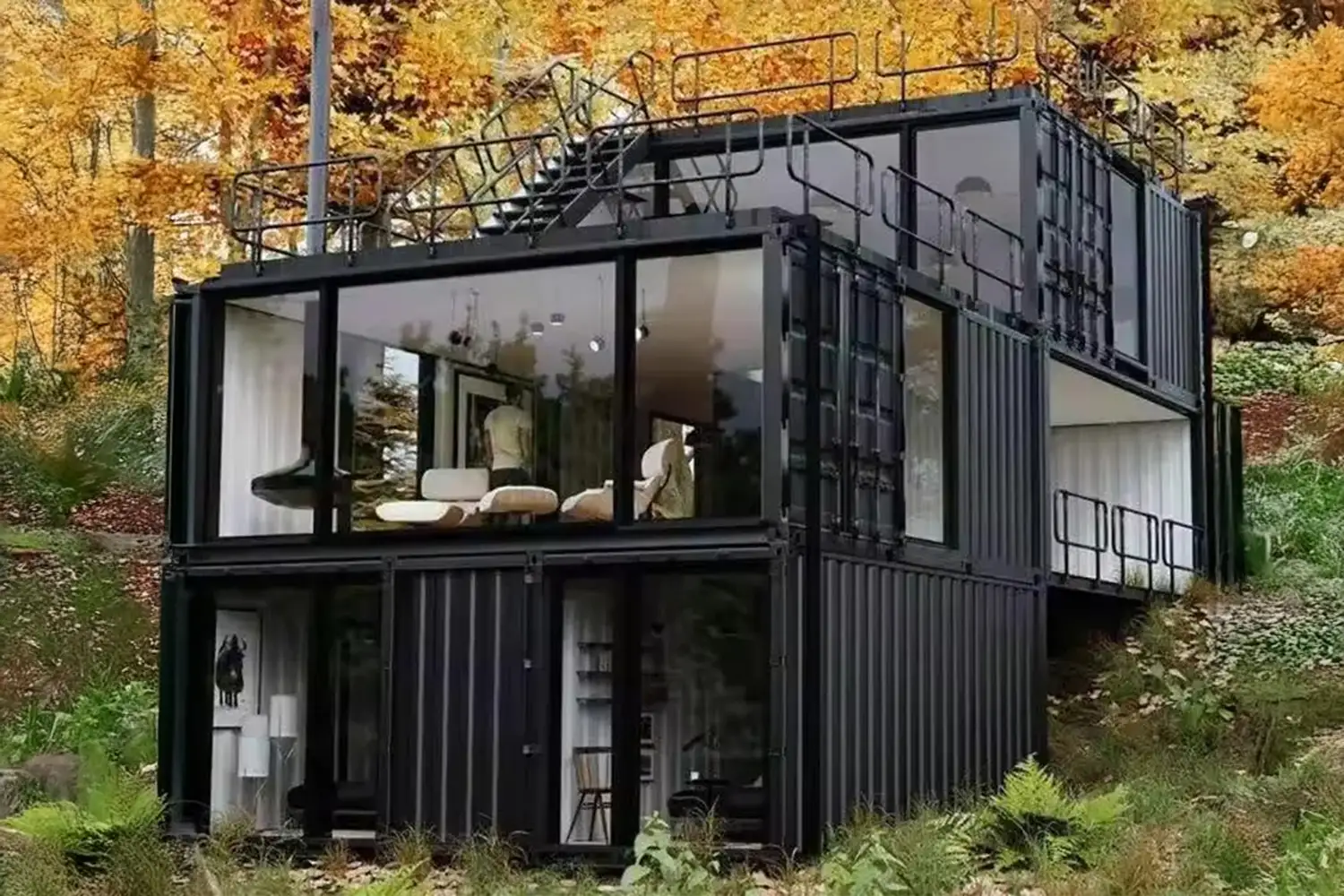
Yes, You Can Get a 3-Story Tiny Home with a Rooftop Deck Made for Sunset Views for Under $50K at Amazon
Sustainable building, sustainable living: La Borda, Barcelona by Lacol
The Sand Castle -Bar Harbor, Maine

Are prefab homes killing the construction industry?

The ins and outs of the new Houston Ballet Center for Dance from architectMarshall Strabala

7 Concrete Alternatives

The I-Beam Cabin: Gambrel Roof doubles storage and Dormers add light and space

A Simple DIY Modular Home Kit That’s Anything but Mundane
Eight monolithic houses coated in earth-toned plaster and render
Masonry reinvented: One brick at a time
MIMA Light: A sculptural house with a flexible floor plan
Prefab Builder Blend Projects Makes Tiny Cabins and Full-Blown Homes Made of Healthy Materials
Fibre-cement tiles create a latticed facade for Leeuw House by NU Architectuuratelier
A Slab Appeals to Potential Buyers