How to Assess a Home’s Sustainability to Choose One That’s Right for You
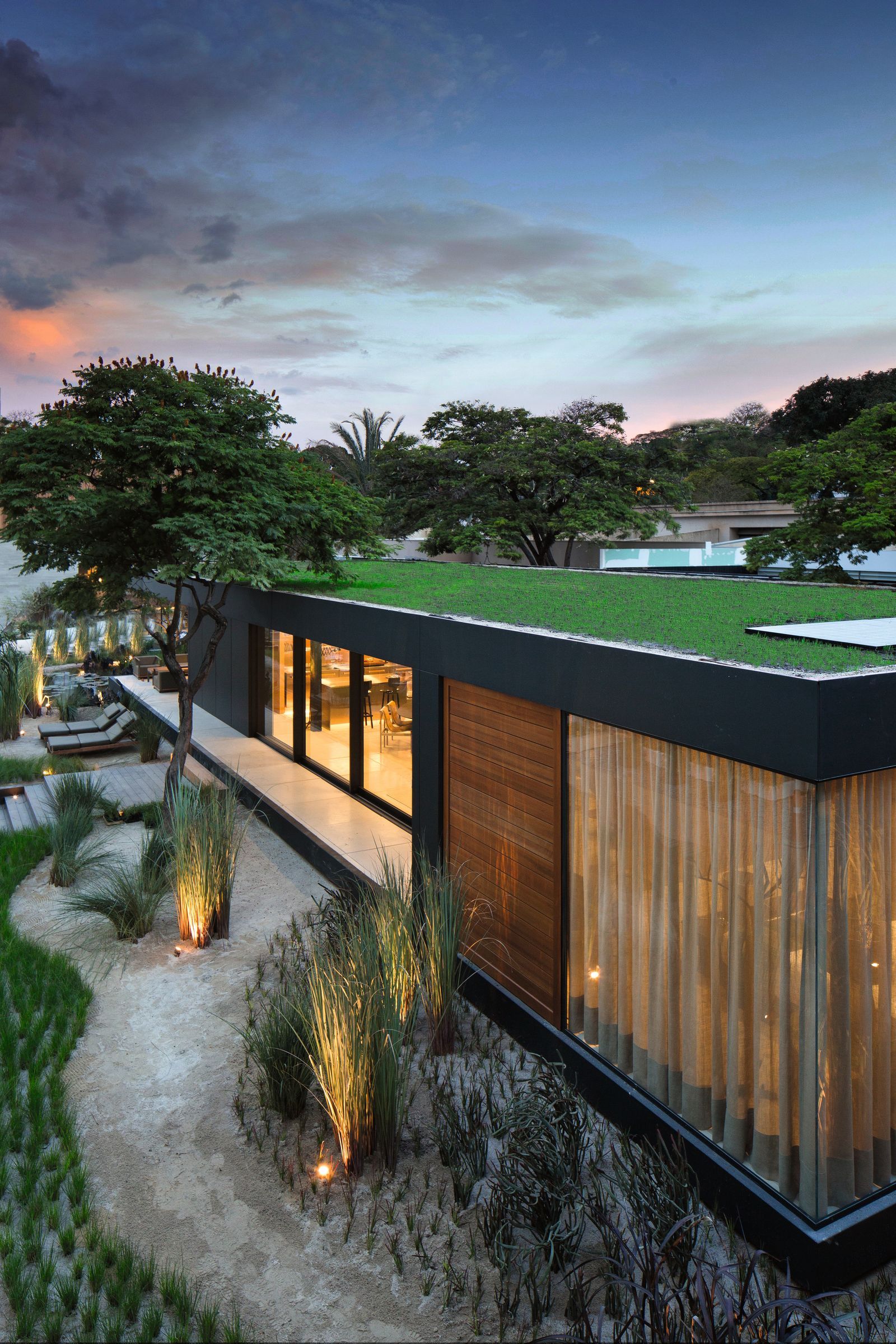
The concept of home sustainability, encompassing both environmental impact and energy efficiency, has become a significant factor for home buyers. A sustainable home is built or maintained with efficient resource use in mind, reducing electricity consumption for temperature control, conserving water, and minimizing waste. While many buyers are motivated by potential savings on utility bills, true energy efficiency offers long-term benefits in comfort and resale value.
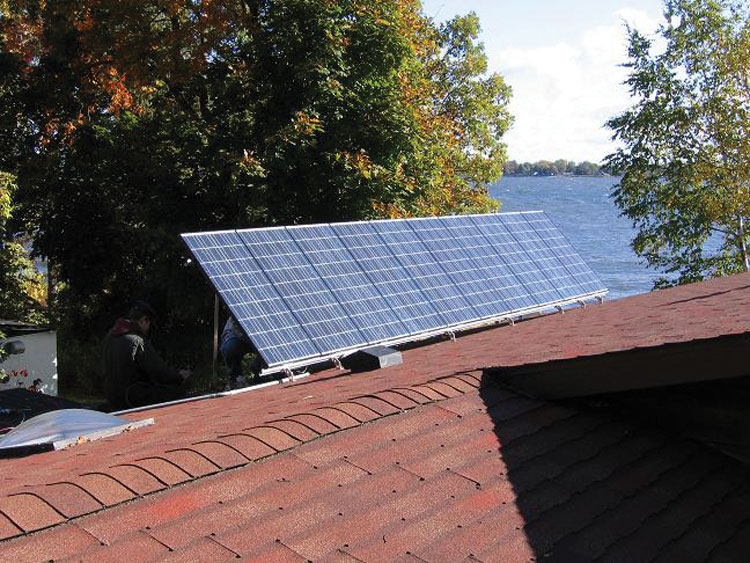
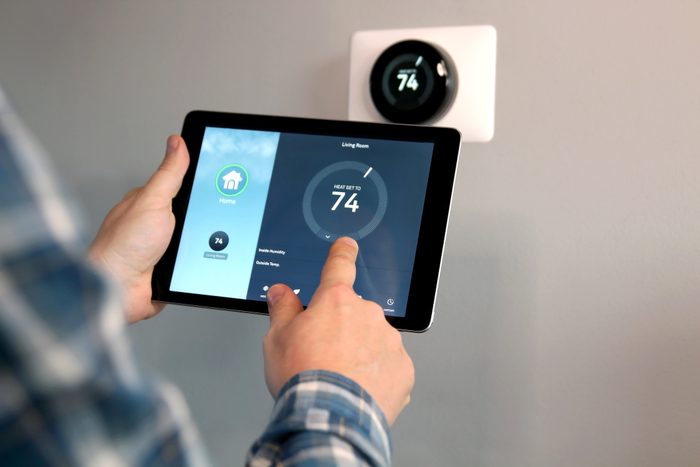
Evaluating a home's sustainability involves examining several key components. The HVAC system is crucial, with its age and efficiency rating directly impacting utility costs, particularly in regions with extreme weather. Old, inefficient systems can lead to high monthly bills. Window quality and proper insulation are also vital; new, energy-efficient windows help regulate indoor temperatures, reducing the strain on heating and cooling systems. Similarly, good insulation prevents heat loss in winter and heat gain in summer, while outdated or damaged insulation can lead to higher energy consumption and potential issues like mold. Smart energy-saving features, such as smart thermostats and solar panels, can contribute to long-term savings, though the ownership model of solar panels (leased vs. owned) can affect future home sales.
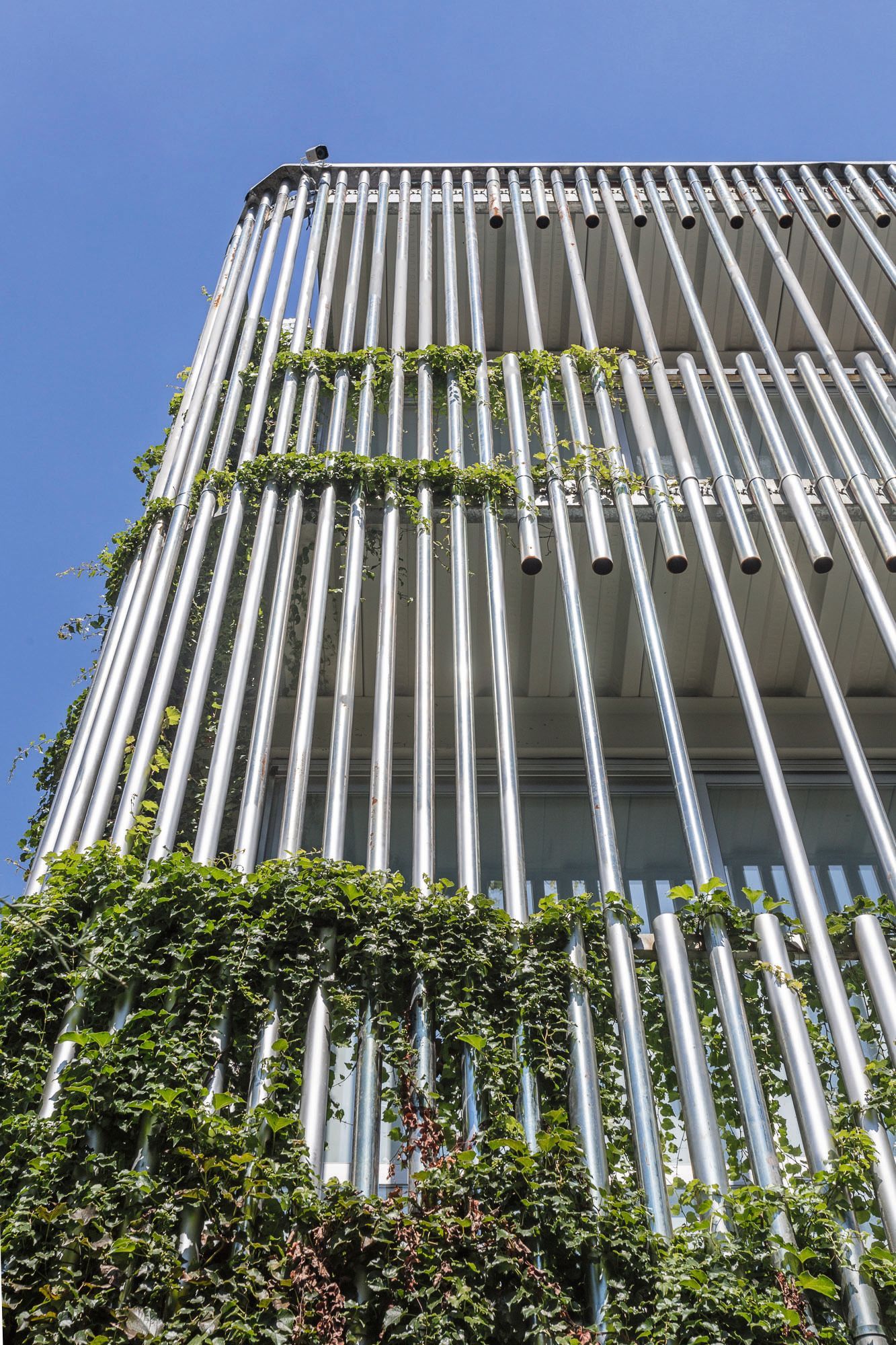
Assessing the home's overall "envelope" is also important. Air infiltration through gaps around windows, doors, crawl spaces, and attics can significantly compromise energy efficiency. Drafty rooms often indicate poor sealing and insulation. To gain a clearer picture of a home's energy performance, prospective buyers can request utility bills from current homeowners to compare them with similar-sized homes in the area; unusually high bills signal inefficiencies in systems like HVAC.
When considering a sustainable home, buyers should weigh the pros and cons. Purchasing a larger home than necessary, with unused rooms, is inherently less sustainable due to increased energy expenditure. Achieving high-performance sustainability can involve higher upfront costs for quality materials and upgrades. Therefore, it is important to factor in the affordability of necessary improvements and ongoing maintenance. Engaging a real estate agent knowledgeable in sustainable features and obtaining a thorough home inspection that includes an assessment of running costs and areas for improvement, especially insulation, are recommended steps.
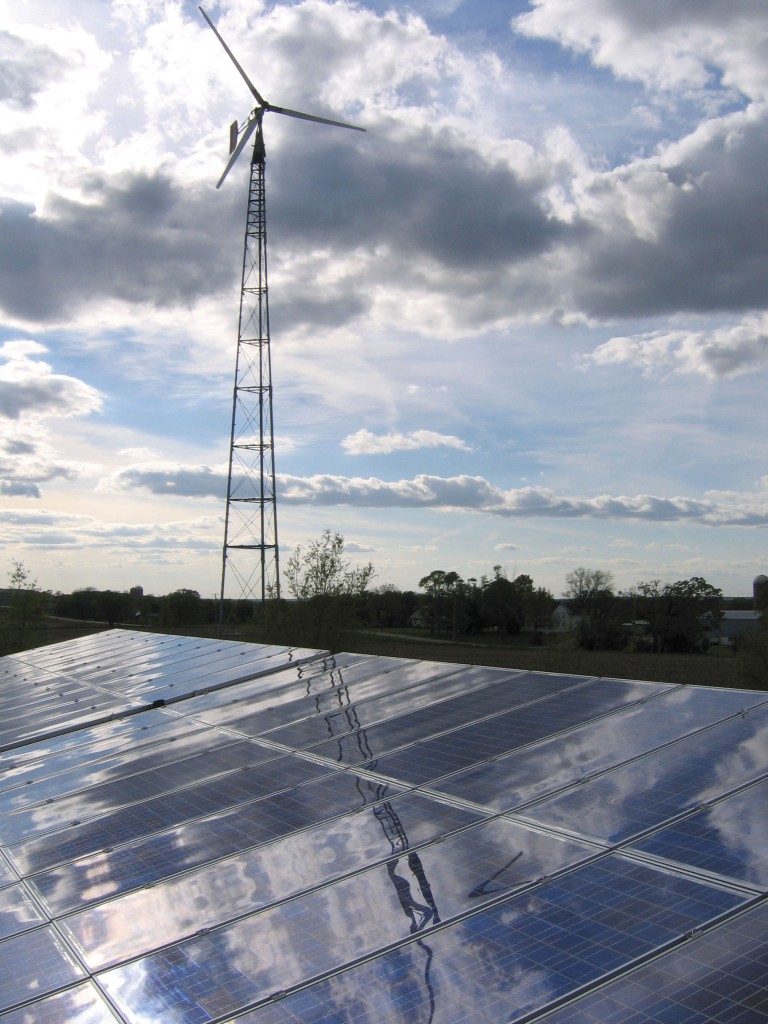
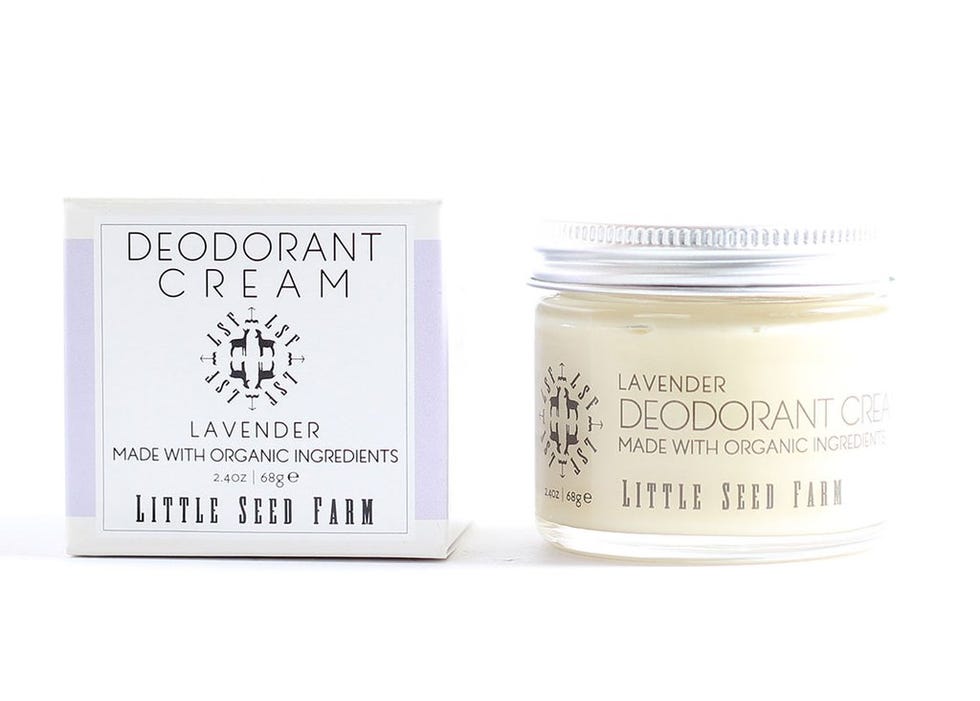
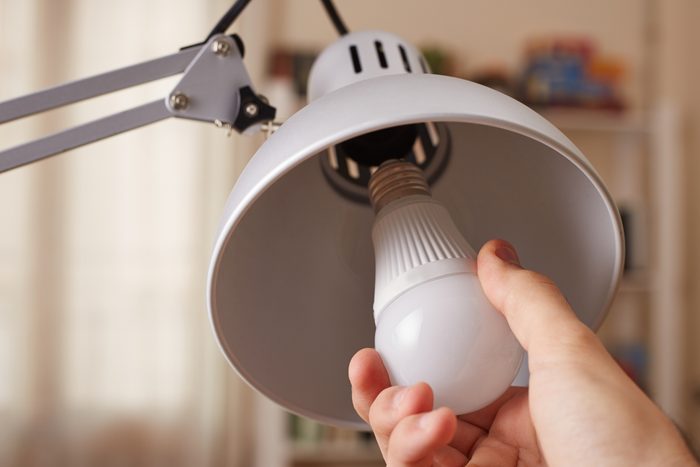
For homeowners in less-than-green properties, several upgrades can enhance sustainability. Prioritizing energy-saving appliances, plumbing fixtures, and toilets significantly improves efficiency. Exploring deeper into product choices, such as sustainably sourced wood furniture (indicated by FSC labels) and low chemical emission products (Greenguard certified), contributes to better indoor air quality and reduced environmental impact. Considering solar power for the HVAC system is another significant step. Beyond major investments, lifestyle adjustments like minimizing waste, composting, recycling, and buying secondhand items can collectively lead to a more sustainable household. While evaluating the sustainability of materials can be complex due to factors like origin and production, supporting transparent brands with clear sustainability practices is a practical approach.
#HomeSustainability #EnergyEfficiency #GreenLiving #HomeImprovement #SustainableDesign #HVACSystem #SmartHomeTechnology #EcoFriendlyHomes #RealEstate #HomeSustainability #EnergyEfficiency #GreenLiving #HomeImprovement #SustainableDesign #HVACSystem #SmartHomeTechnology #EcoFriendlyHomes #RealEstate
0 comment in total
 No comments yet
You may also like
Sustainable Homes
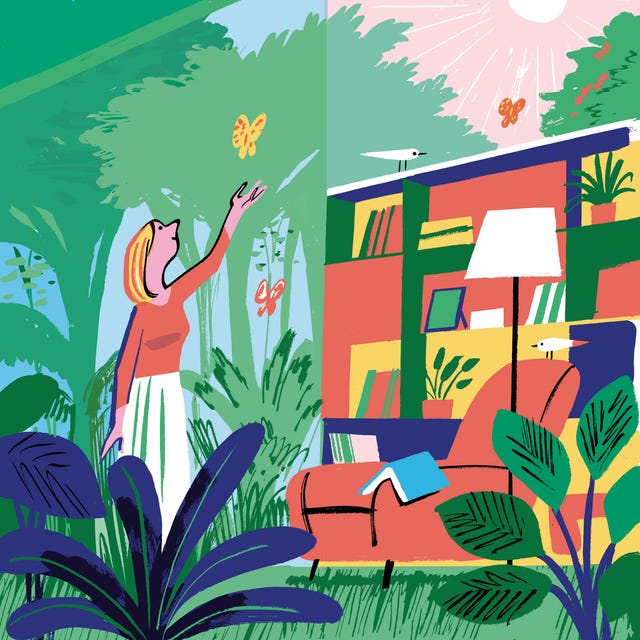
Here Are 37 Ways to Make Your Home More Earth-Friendly

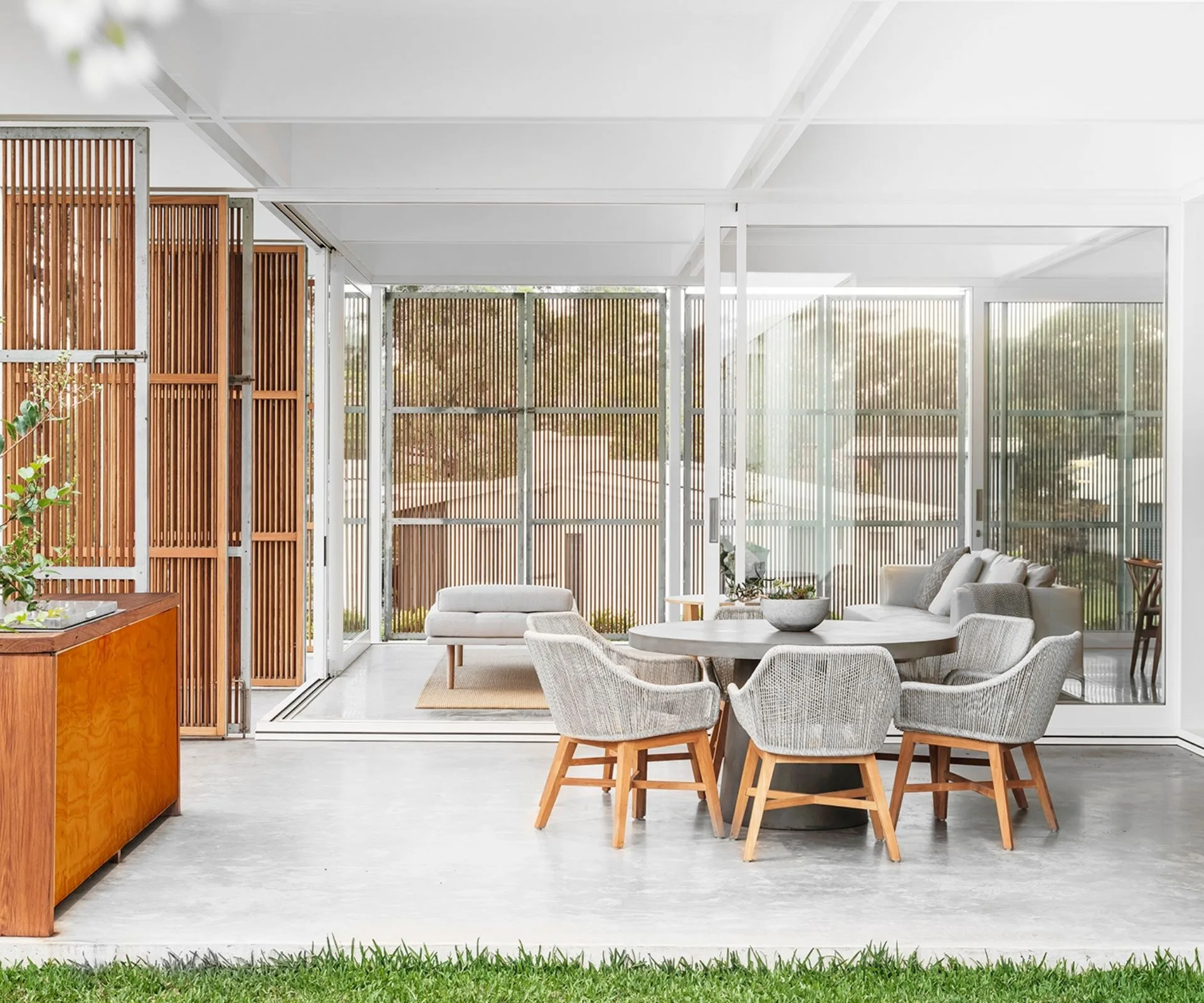
7 sustainable homes with style

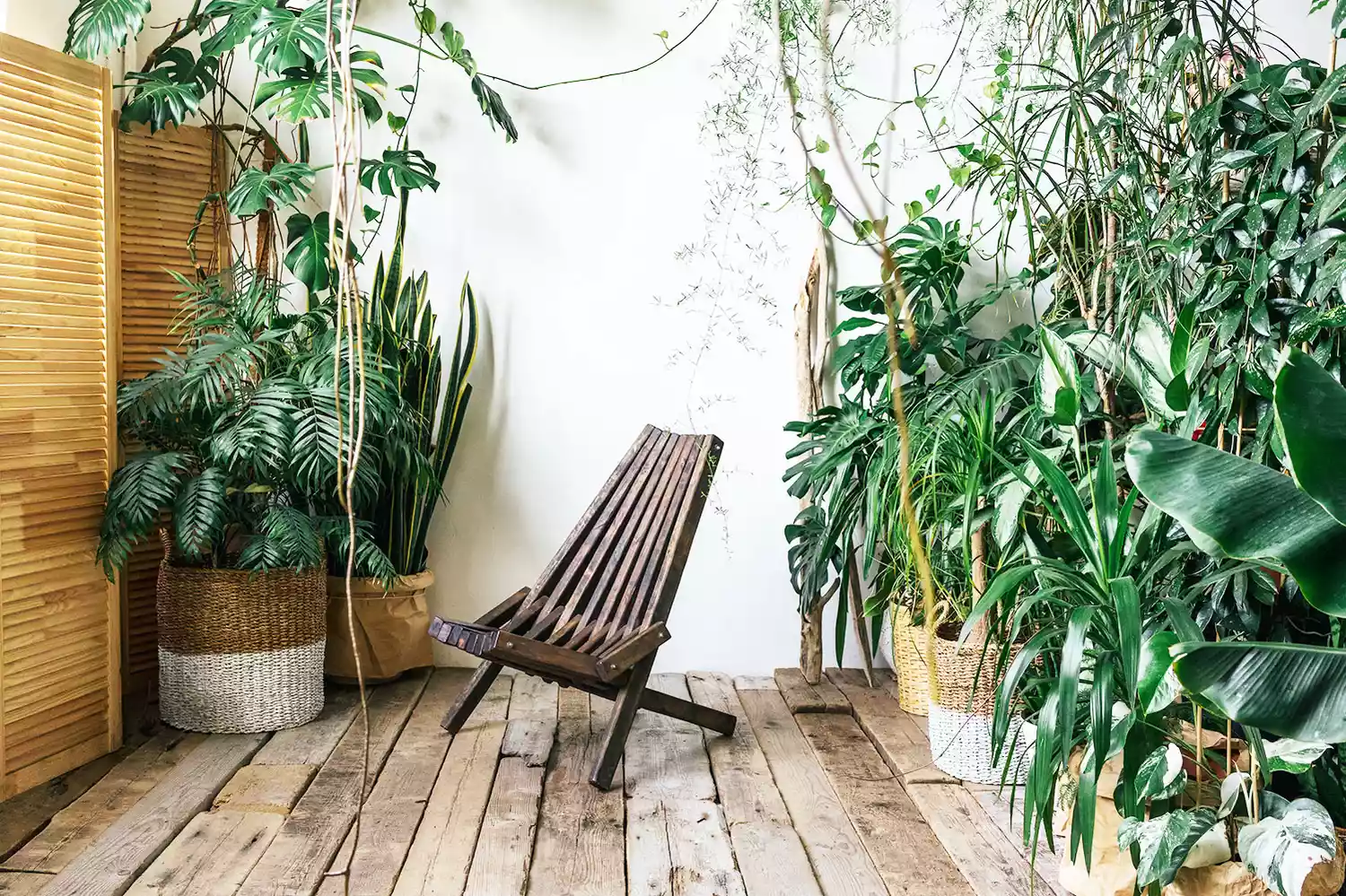
7 Design Trends That Will Make Your Home More Sustainable
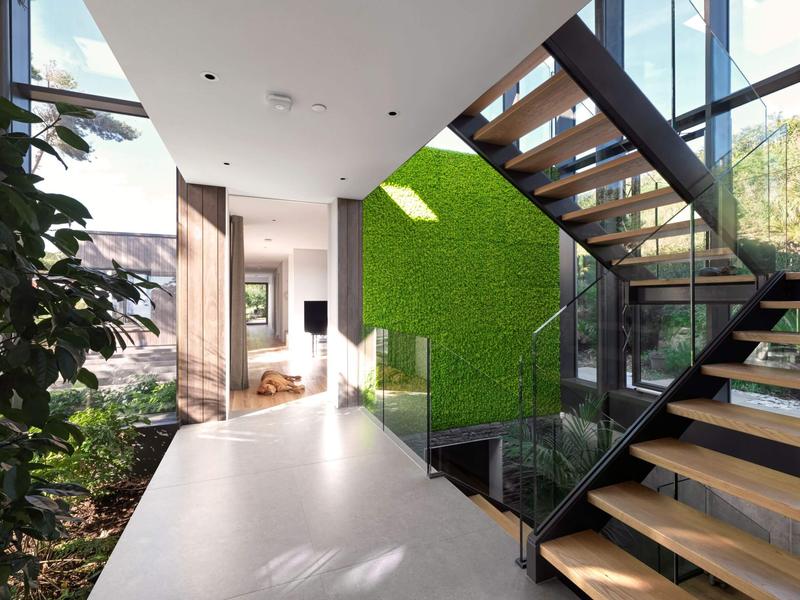
10 ways to make your home more sustainable
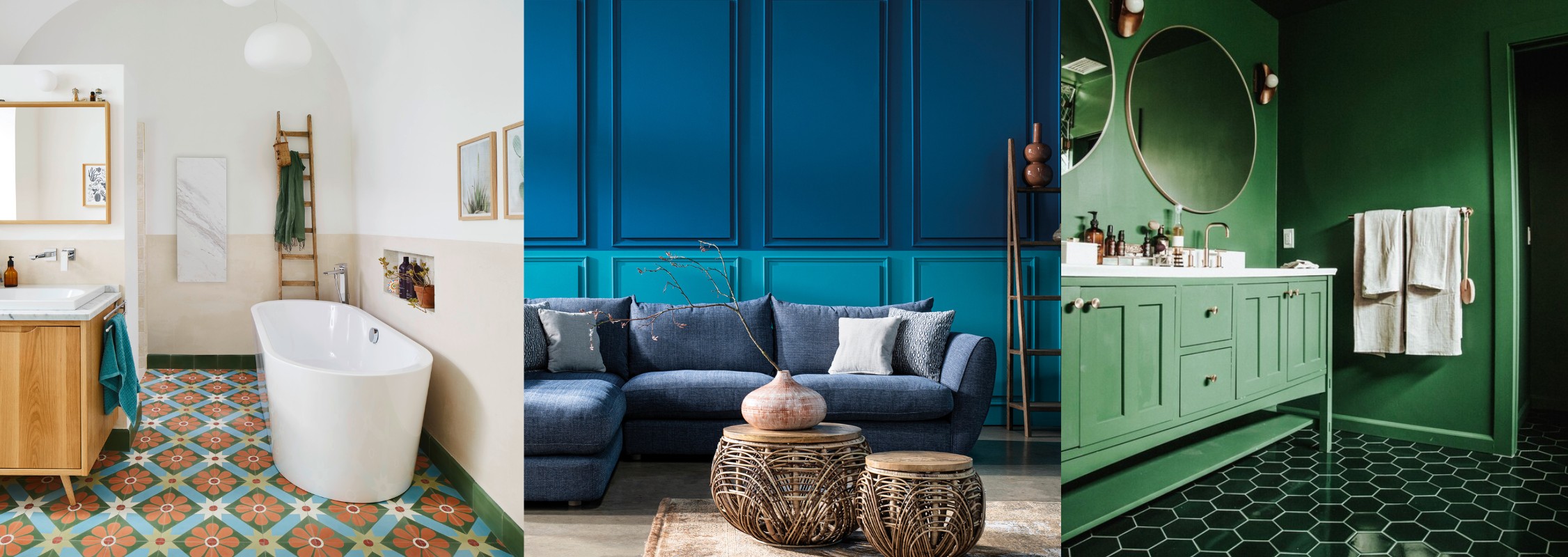
How to shop sustainably for your home – 12 stylish ways to make a statement

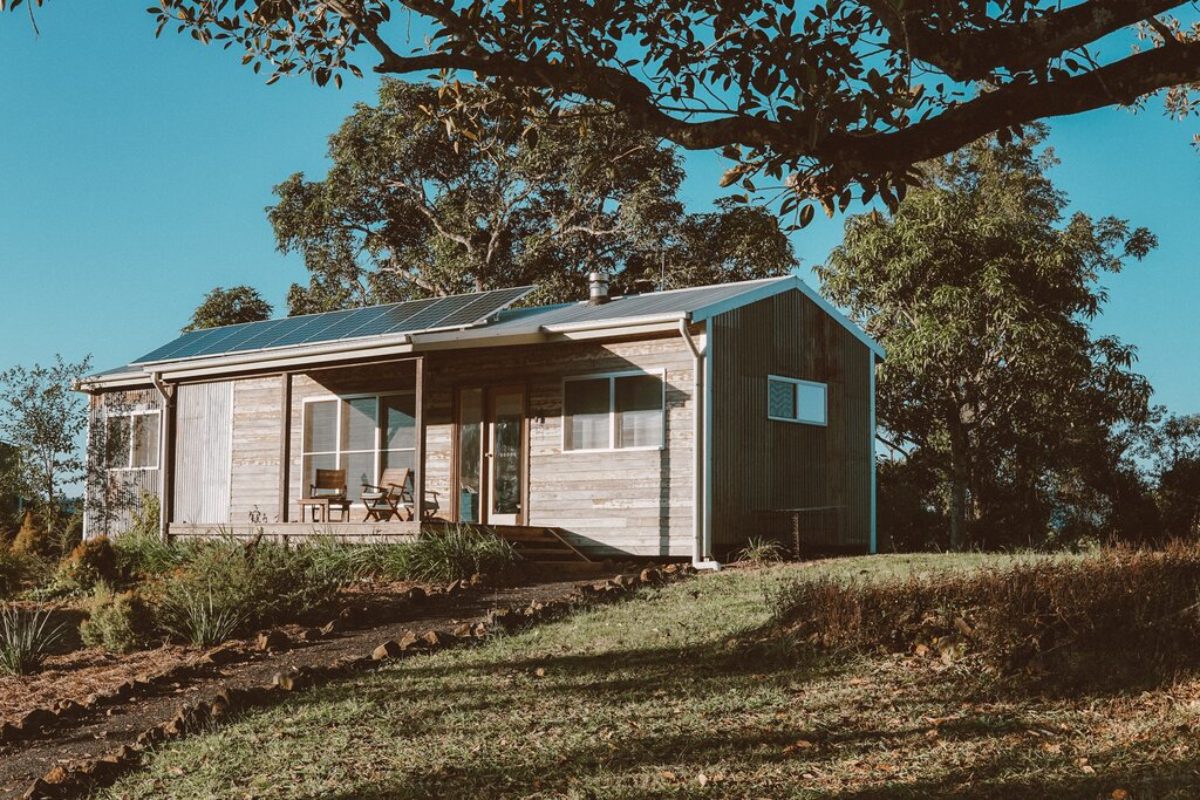
How To Reduce Your Carbon Footprint with Sustainable Housing


6 Simple Principles To Consider For An Eco-Friendly Home

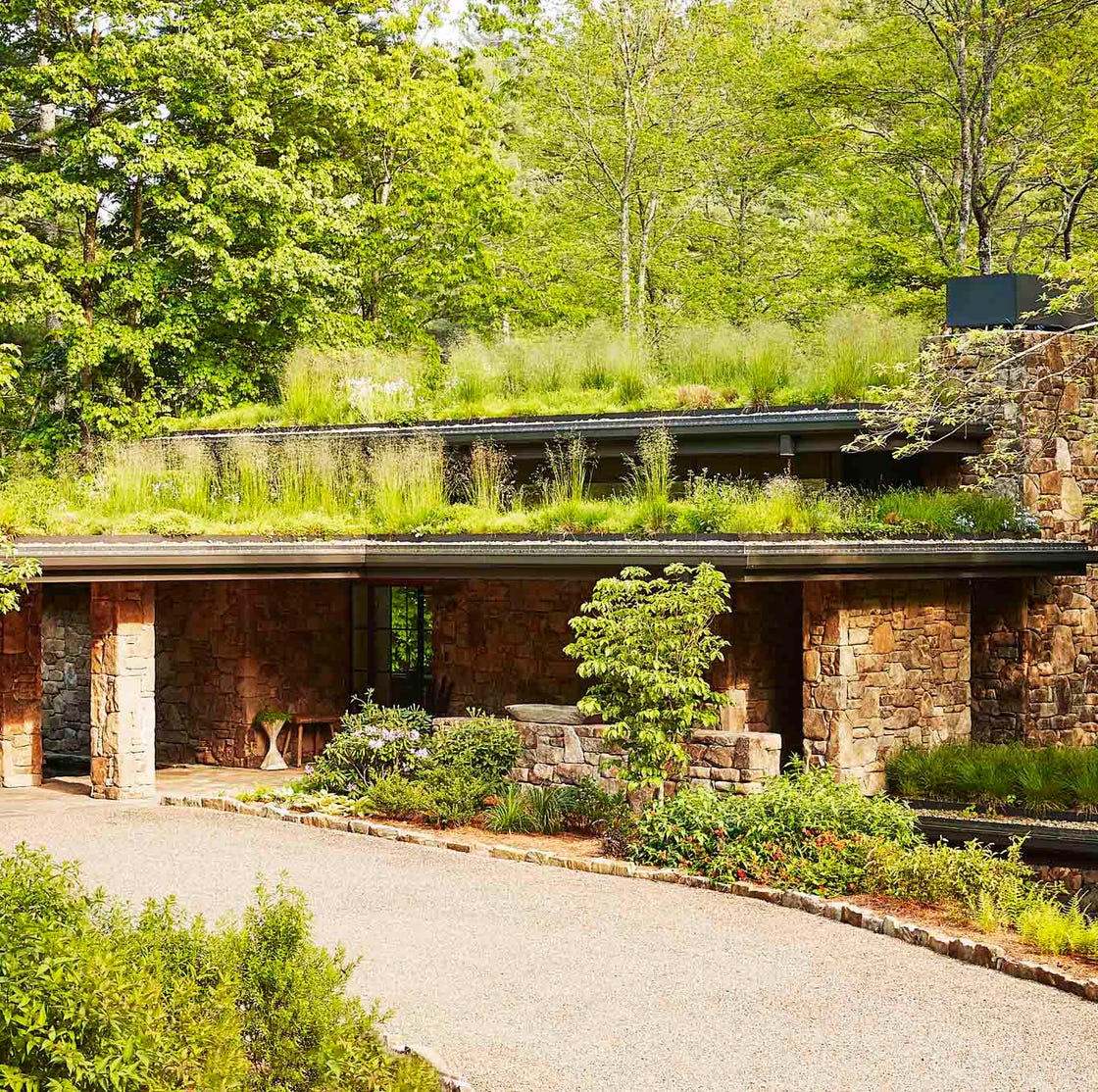
How to Make Your Home More Sustainable, According to Design Experts

Delaware Experts Share Advice on Creating a Sustainable Home
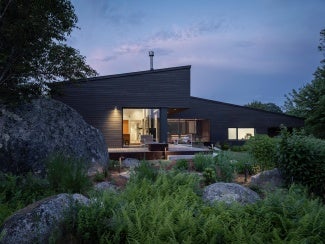
How residential design offers opportunities for sustainability
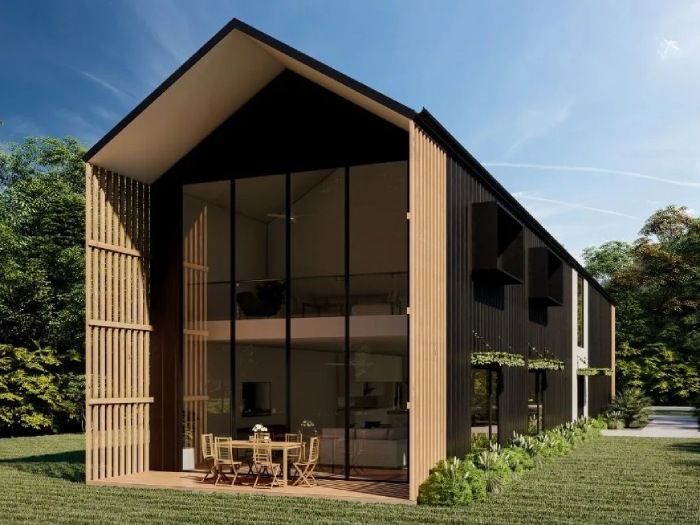
The Best Sustainable Home Builders In Australia
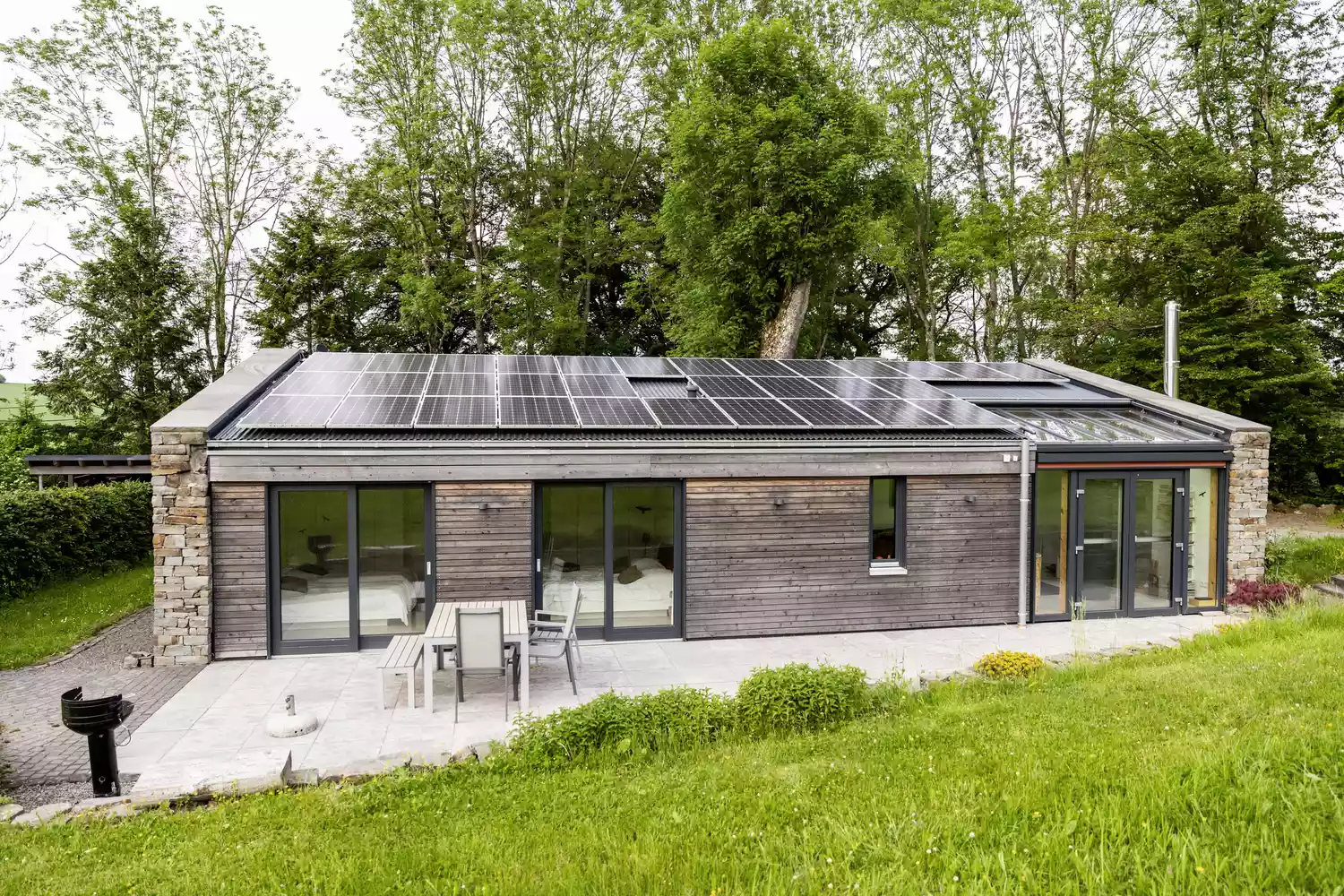
Want an Eco-Friendly Home? Everything You Should Know About Sustainable Architecture

9 ways to be sustainable at home
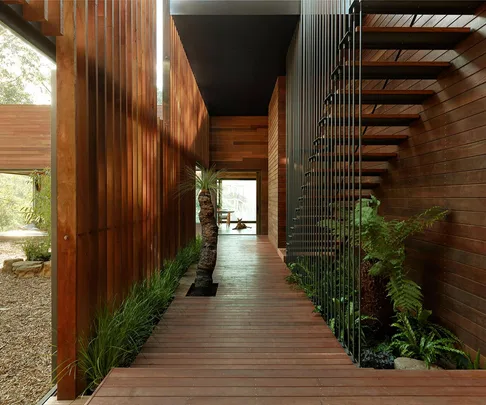
This sustainable home is at one with nature
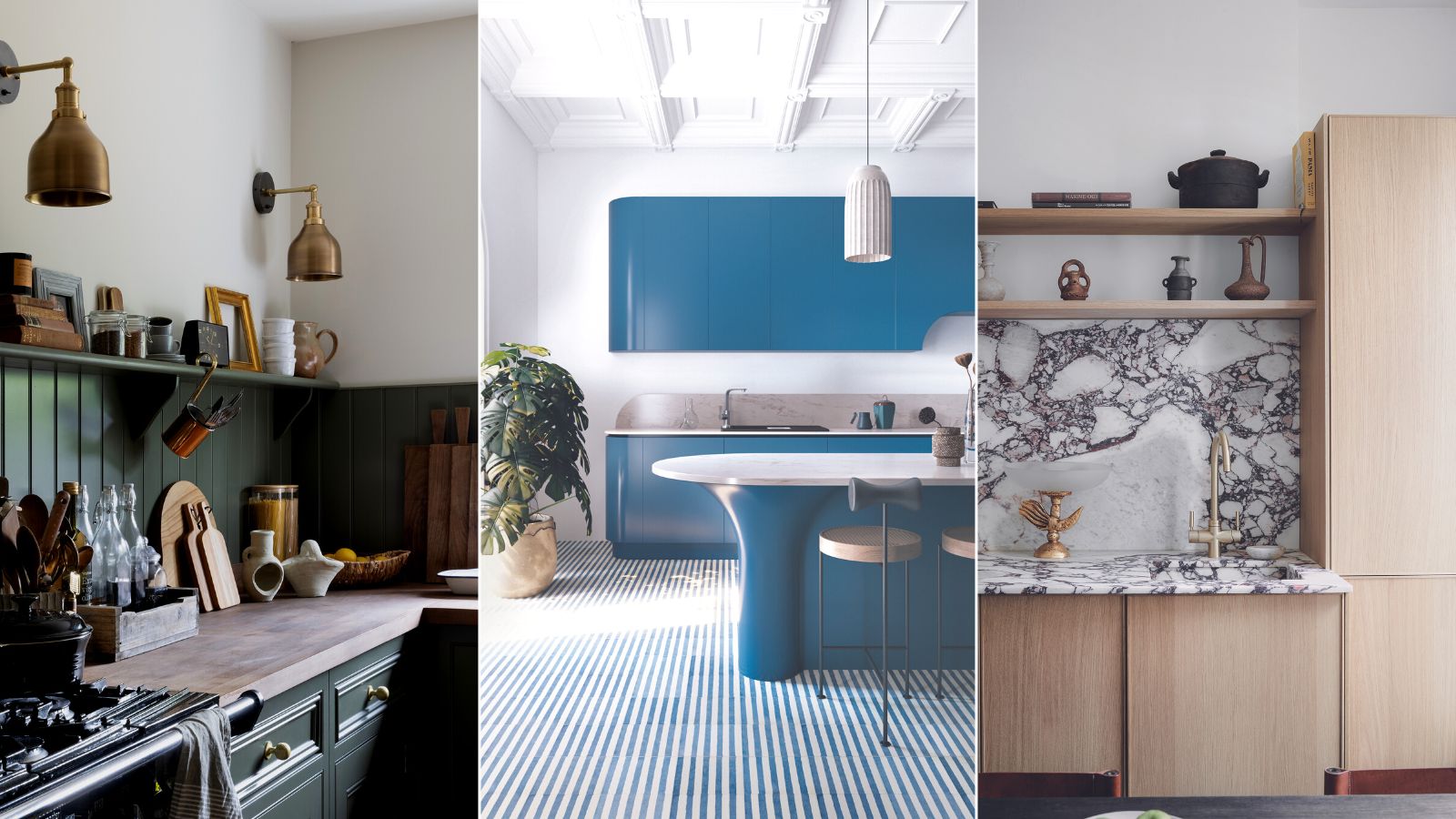
9 sustainable features you should consider for your eco-friendly remodel

12 Ways To Create a More Sustainable Home

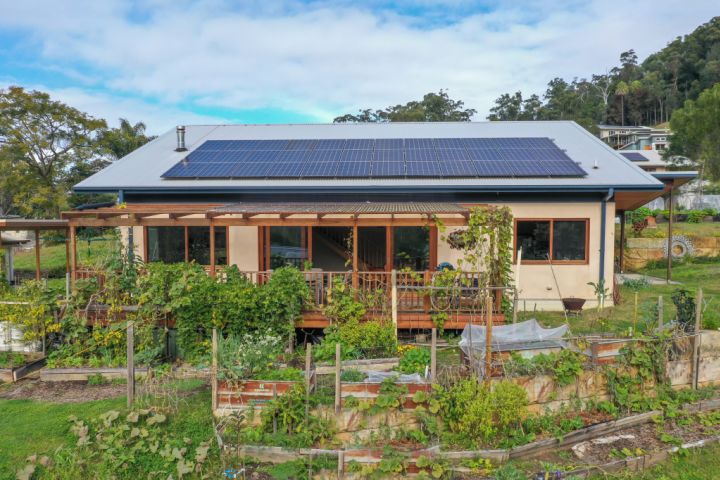
Sustainable House Day 2021: Top picks to explore this year

7 breathtaking sustainable homes around the world

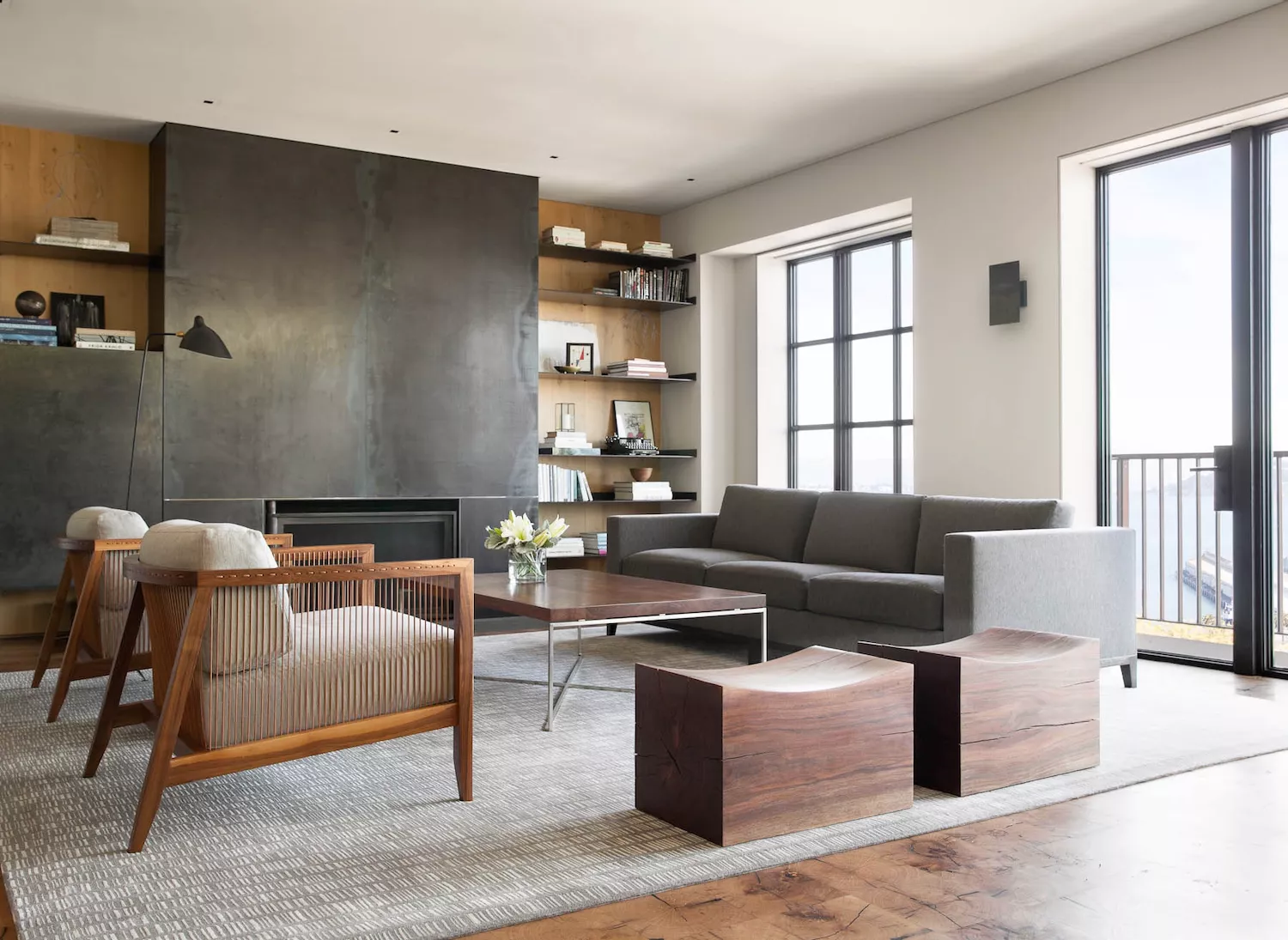
How to Renovate with Sustainability in Mind