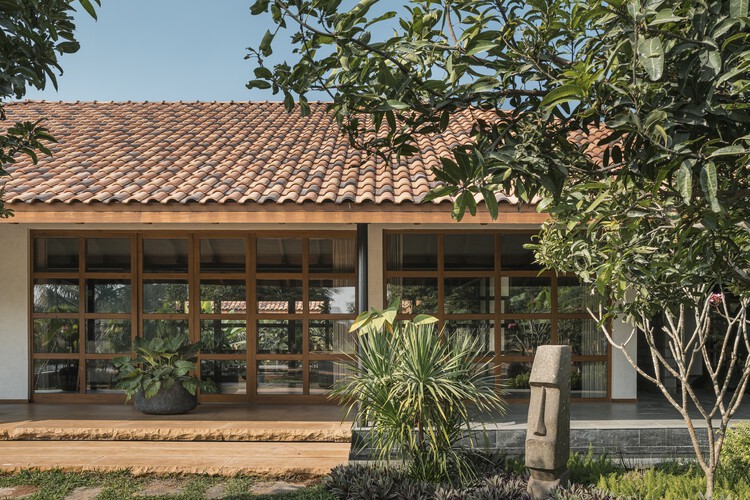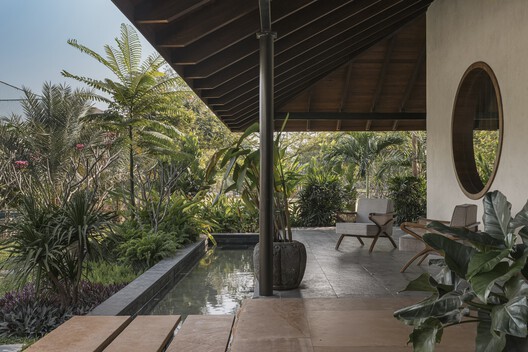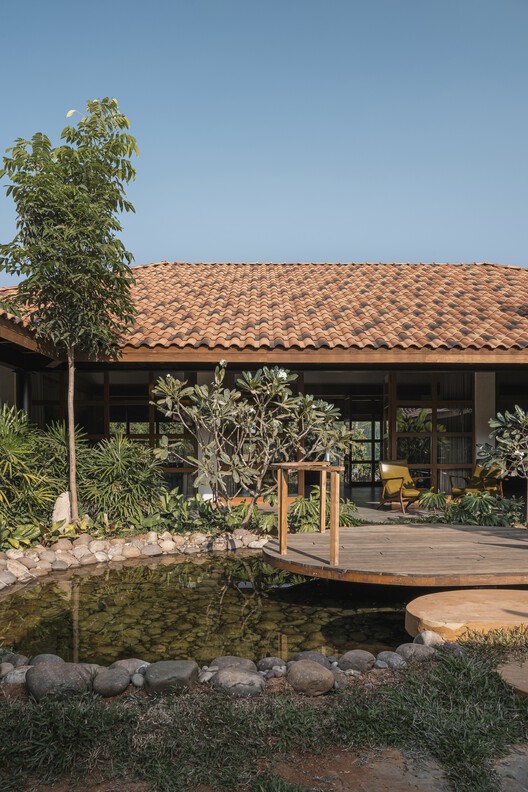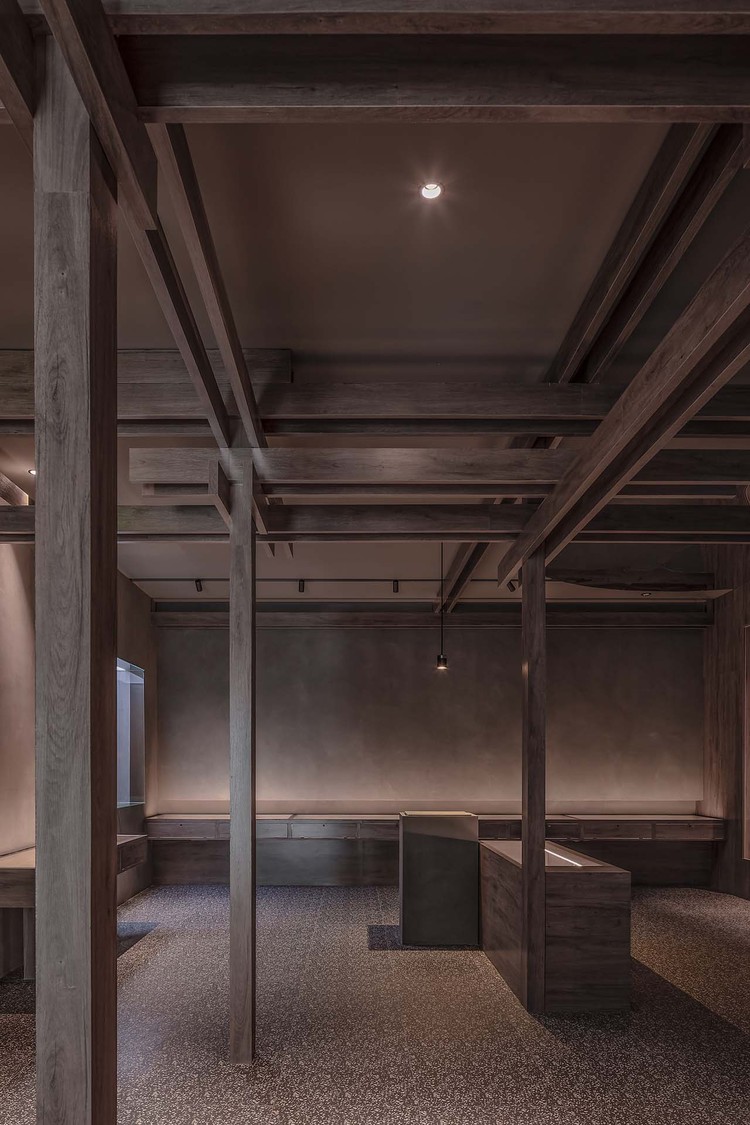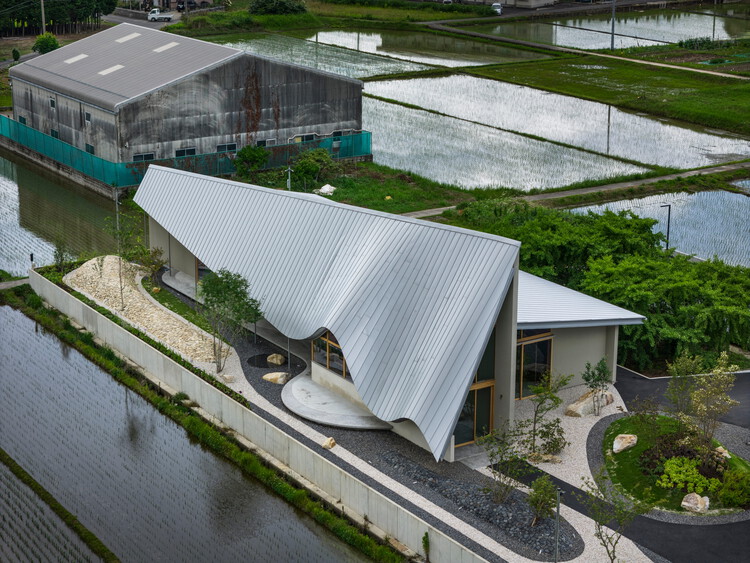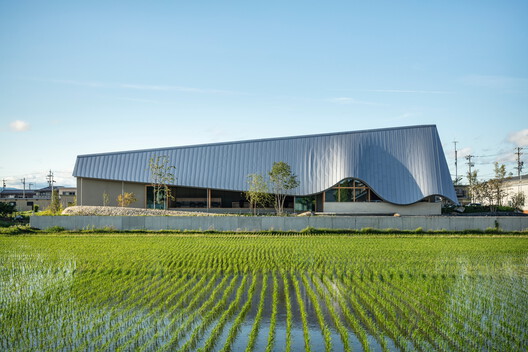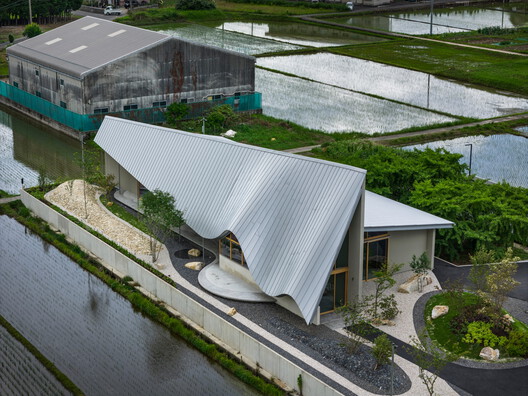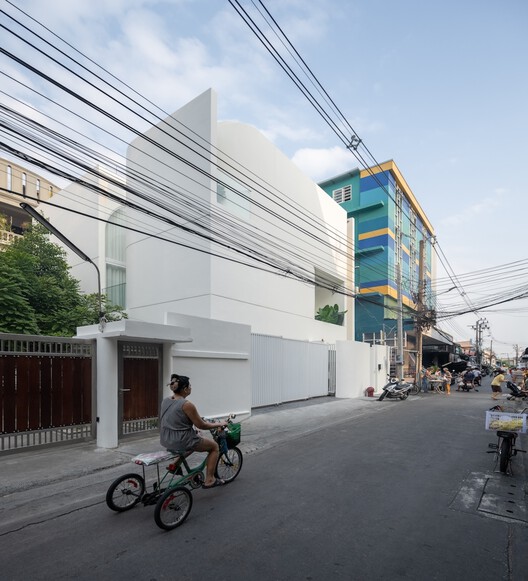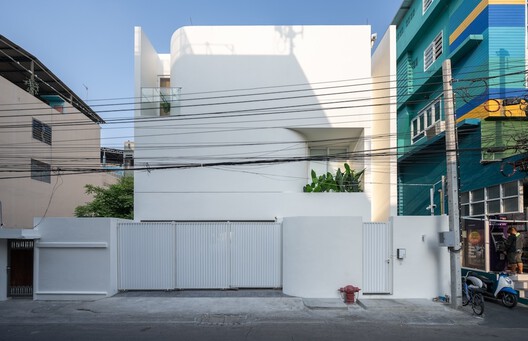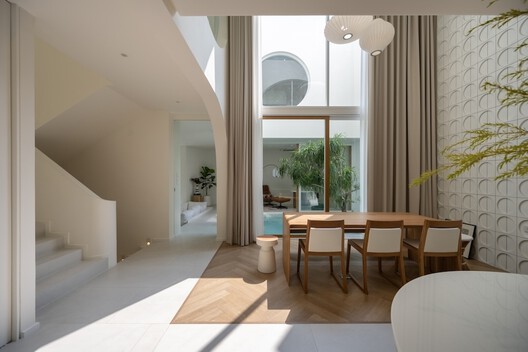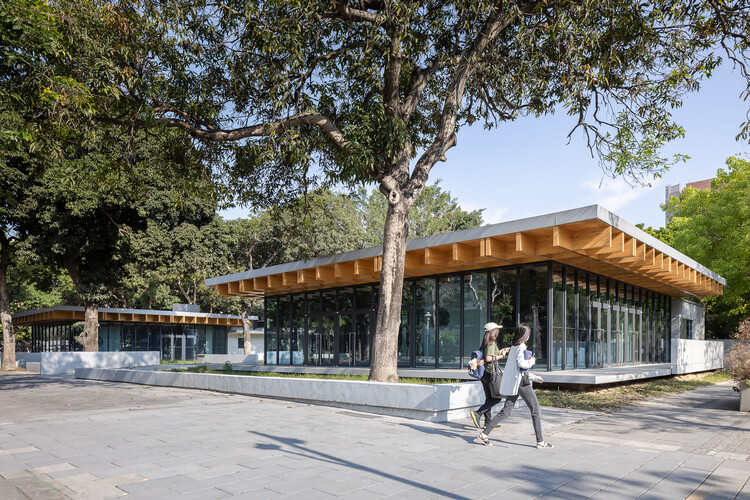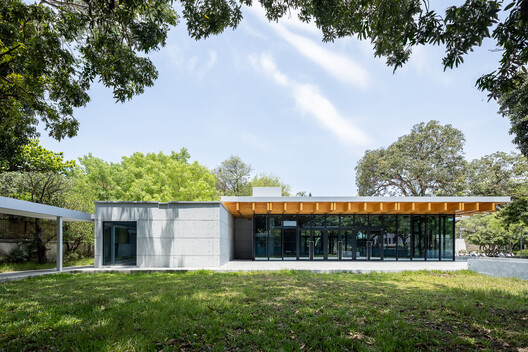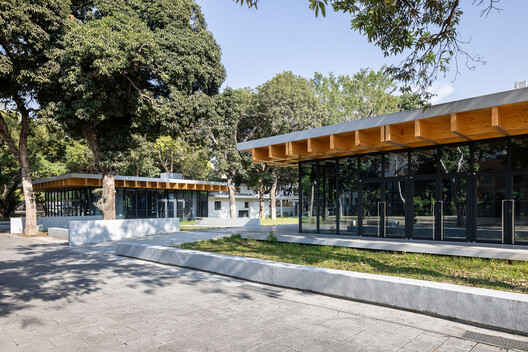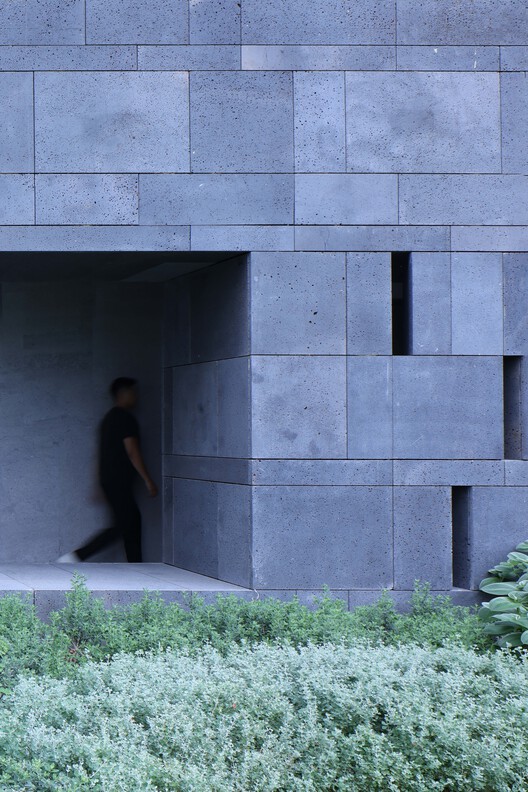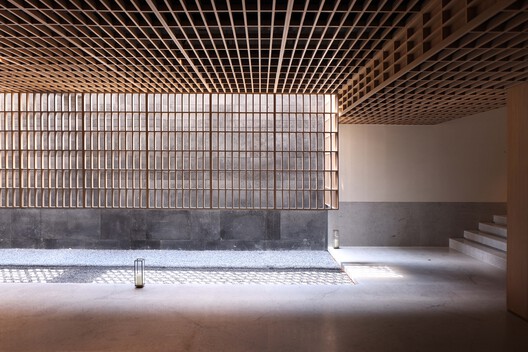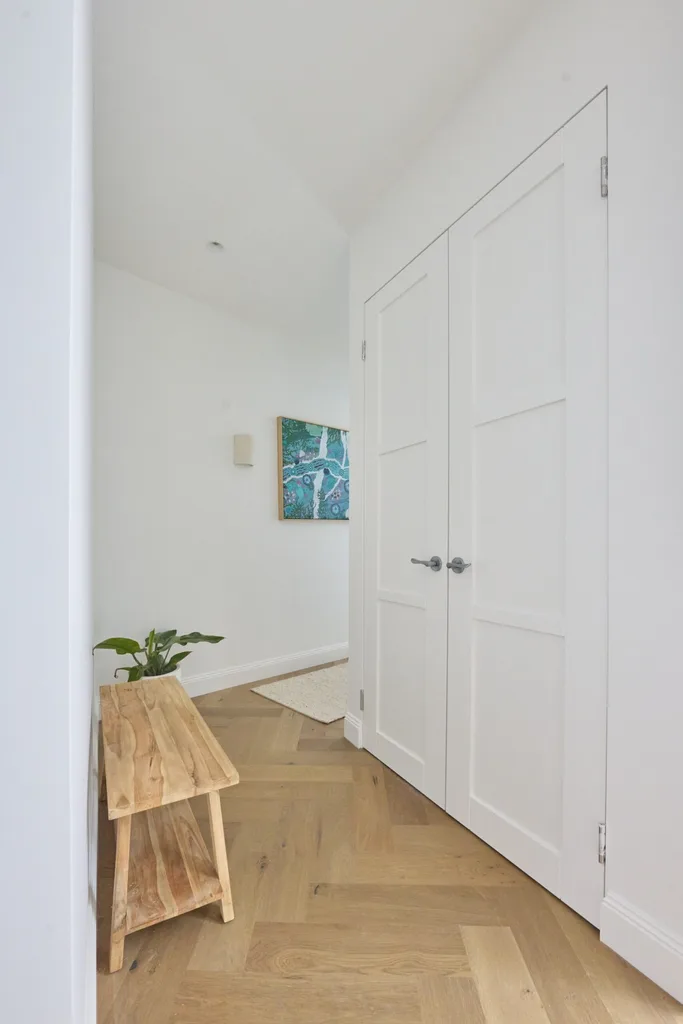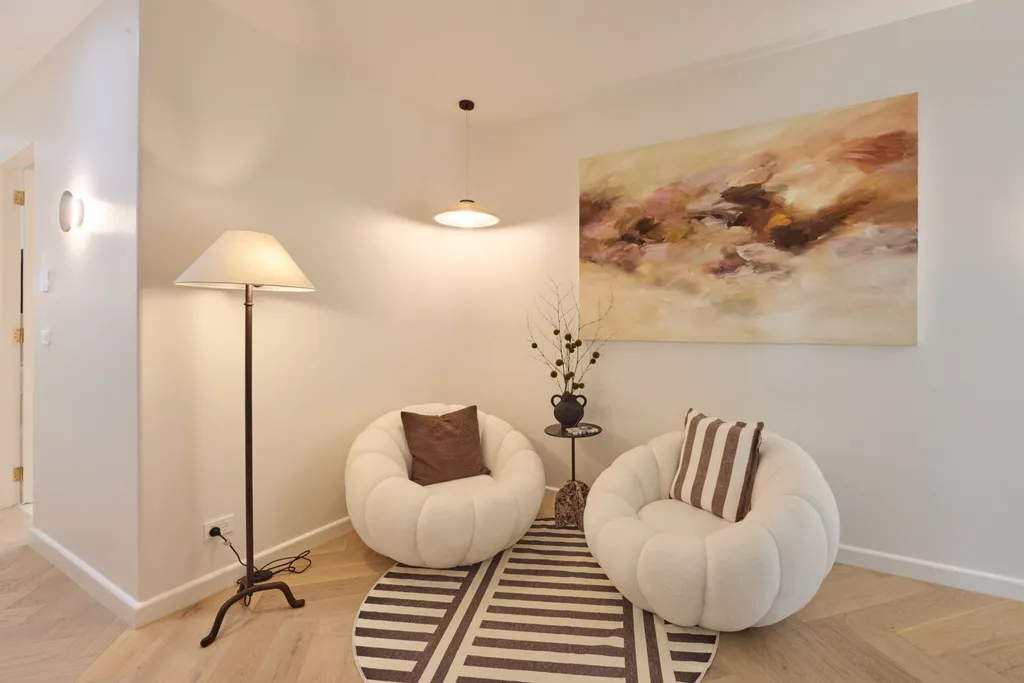

Gallery of Naju White House / PLAN Architects office - 23
The provided content discusses various JavaScript functionalities and components, primarily related to web development, user authentication, and interactive elements. It outlines the structure and behavior of a web application, including aspects such as user interaction tracking, user profile management, and dynamic content rendering.
Key functionalities include an authentication system, `AD`, which handles user login, signup, and session management. This system supports different user tiers and integrates with social login providers. It also manages user preferences, such as language and device type, and provides mechanisms for tracking user activity and displaying personalized content. The authentication system uses a custom `AD` object to manage user data, API calls, and UI updates, ensuring a consistent user experience across the platform.
The content also delves into a `Swiper` implementation, a popular JavaScript library for creating touch-enabled sliders and carousels. It covers various aspects of Swiper's configuration and functionality, including slide navigation, touch events, autoplay, and different visual effects like fade, cube, flip, and coverflow. The Swiper component is designed to be highly customizable, allowing developers to control its behavior and appearance through a comprehensive set of parameters. It also includes modules for accessibility, history, hash navigation, and lazy loading, enhancing the user experience and optimizing performance.
Furthermore, the content describes a bookmarking feature that allows users to save and organize content into folders. This feature includes functionalities for adding, removing, and updating bookmarks, as well as creating and managing folders. It integrates with the user authentication system to ensure personalized content management and provides a dropdown interface for quick saving and folder selection. The bookmarking system leverages micro-templates for rendering UI elements, enabling dynamic updates and a responsive user interface.
Another significant part of the content focuses on an insights tracking system, `adInsights`, which monitors user interactions and behavior on the website. This system records various events, such as clicks, page views, and form submissions, and sends this data to an analytics server. It uses an encoder to serialize data and ensures that user activity is tracked accurately and efficiently. The insights system is crucial for understanding user engagement and improving the overall user experience.
Finally, the content touches upon a survey mechanism, `Survey`, designed to collect user feedback and demographic information, such as occupation. This survey is presented to users based on specific conditions, such as their login status and previous interactions, to ensure targeted data collection. It supports multiple steps and different types of questions, allowing for comprehensive data gathering. The survey system integrates with the user profile management to update user information and personalize content delivery.
Overall, the provided JavaScript code and configurations demonstrate a complex web application architecture that combines user authentication, interactive UI components, content management, and analytics to deliver a rich and engaging user experience.
#WebDevelopment #JavaScript #UserAuthentication #UIComponents #ContentManagement #Analytics #Swiper #Bookmarking #UserExperience #FrontEnd #WebDevelopment #JavaScript #UserAuthentication #UIComponents #ContentManagement #Analytics #Swiper #Bookmarking #UserExperience #FrontEnd
0 comment in total
 No comments yet
You may also like
Courtyard House / 23 Degrees Design Shift
Office in Hashima / PERMANENT Co., Ltd. + Atelier Nagara Architectural Design Office

Setting the Scene


Arts & Architecture: Wheeler Kearns’ ‘Case Study’ House

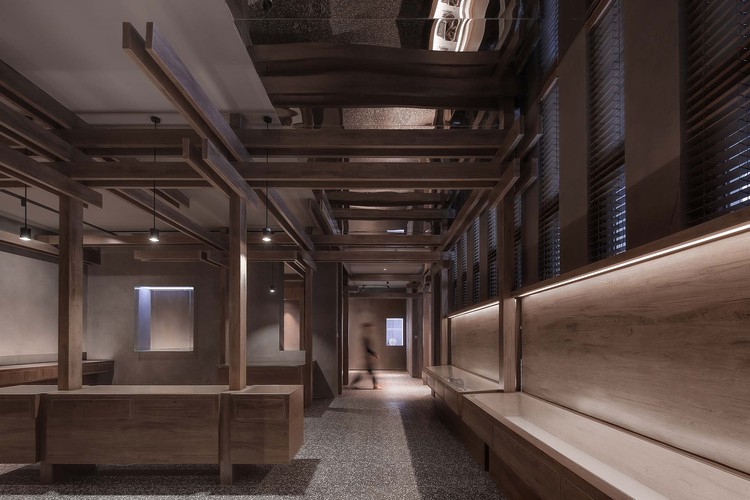
Nanjing Jingjian Lawyer Museum / Inch Condensation Architectural Design
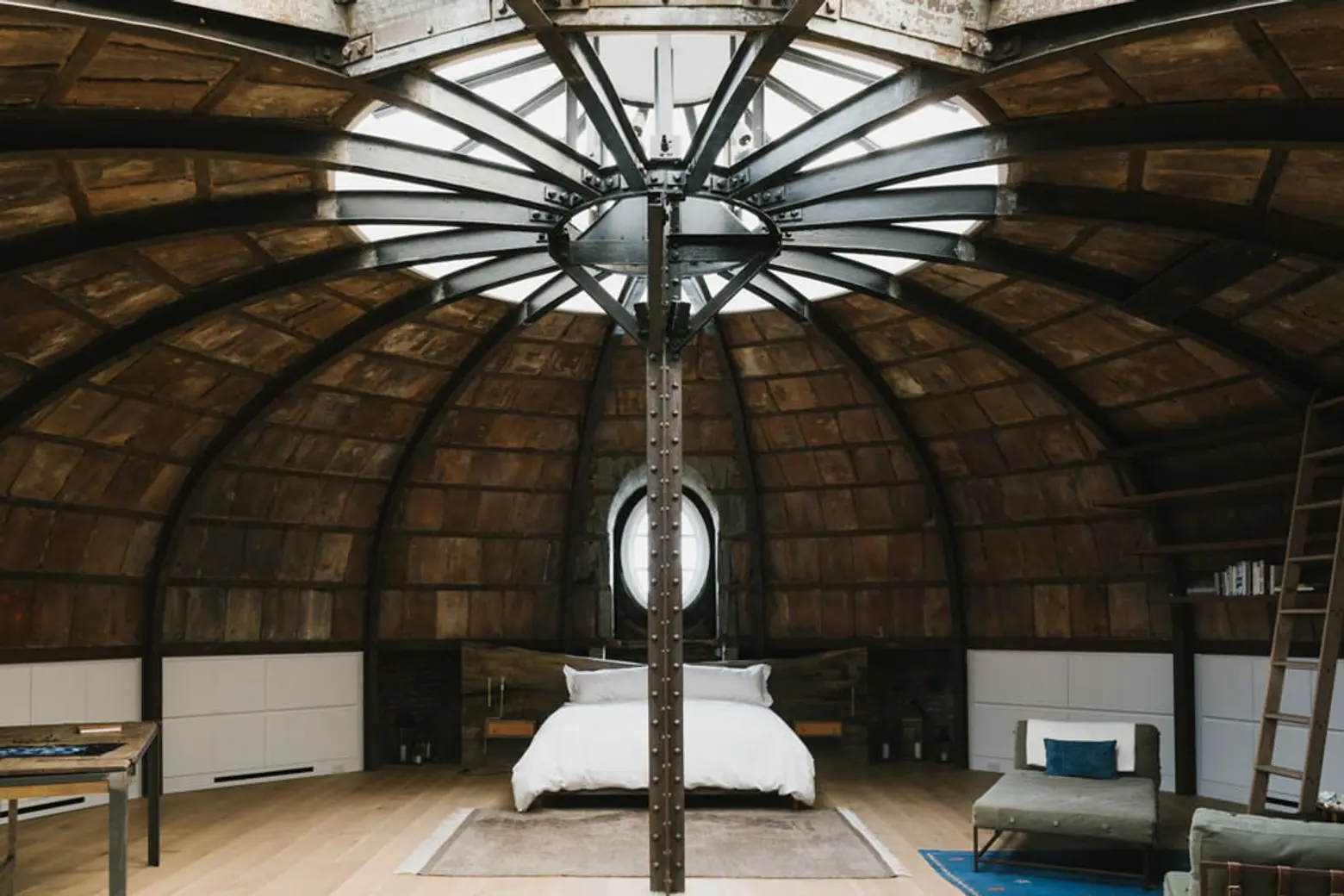
RAAD Studio’s Centre Street Loft Redesign with Stunning Wooden Dome is…..Arresting

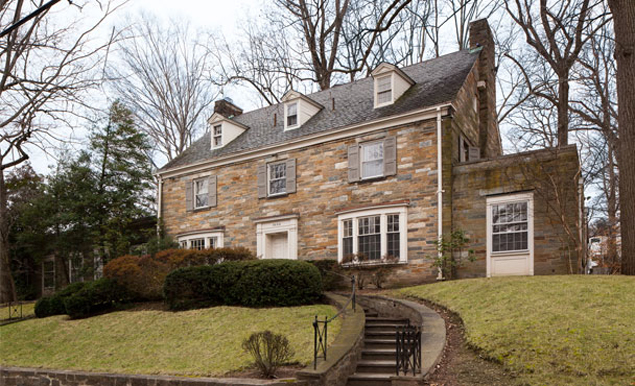
DC Design House: A First Look at the 2014 Showhouse
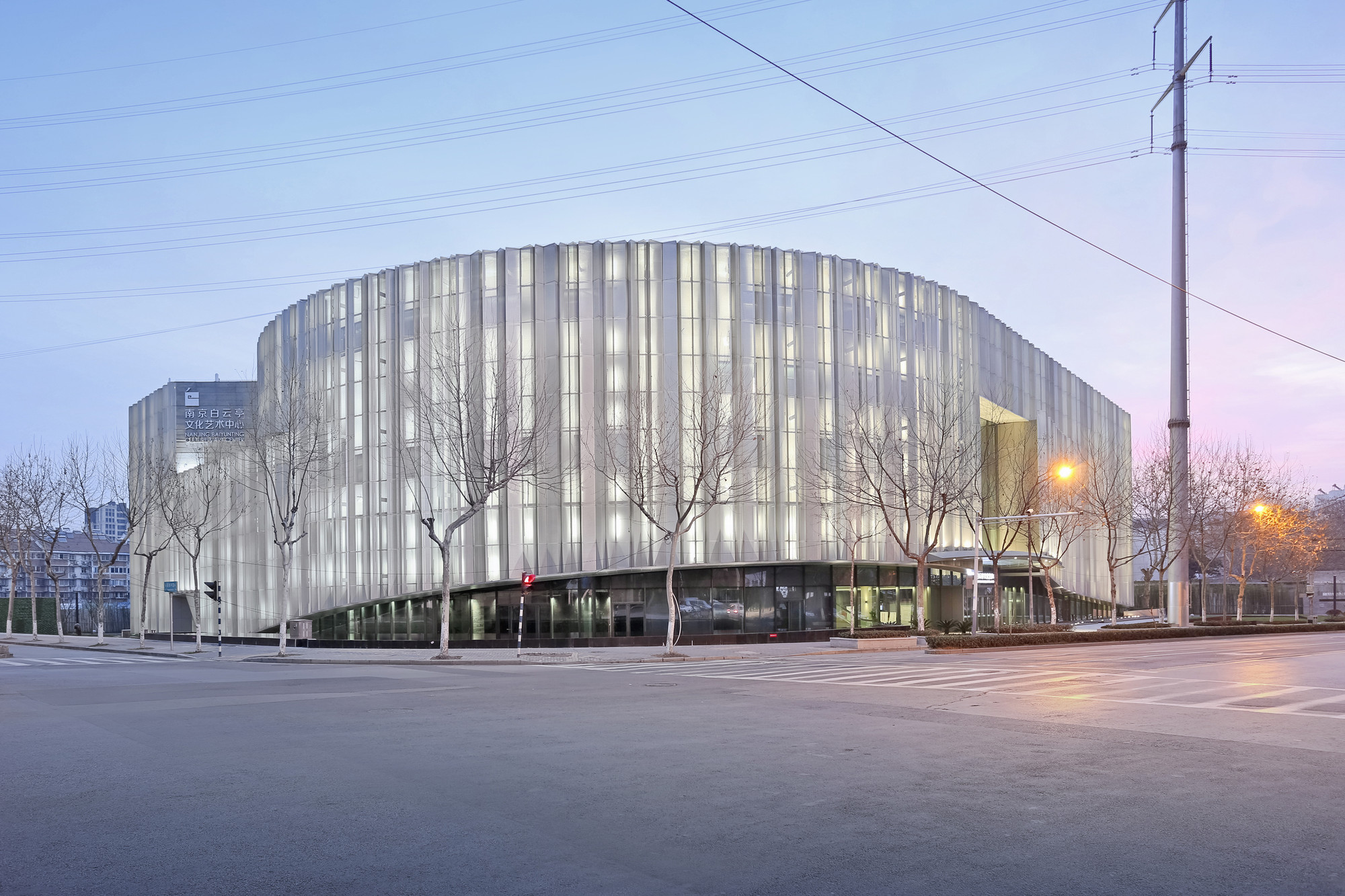
Baiyunting Culture and Art Center / Dushe Architectural Design Co

2023 Idea House: Room-By-Room Source Guide

Gallery of Naju White House / PLAN Architects office - 12
NCKU Art Lounges Da Hsin Yuan / MAYU architects

8 White House Exteriors That Are Just as Dramatic as Black


Gallery of Naju White House / PLAN Architects office - 25
MN House / Sata Na Architect
NArchitekTURA Distills the Nature of Katsushika Hokusai for an Exhibition of His Prints at the National Museum in Krakow
The Block 2024 Hallway Reveals

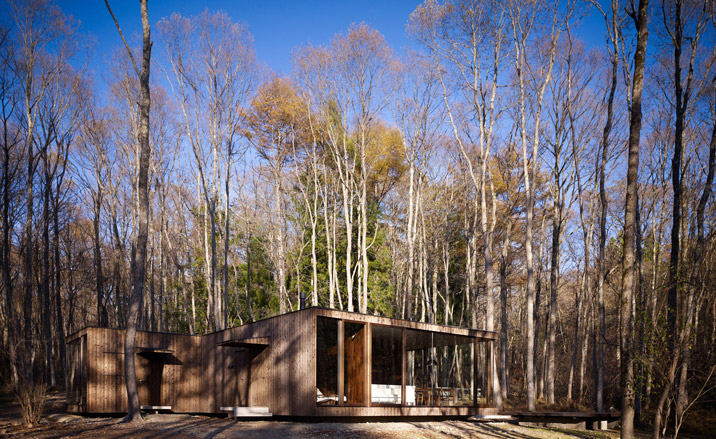
Interactive floor plan: Division House, Nagano

The Many White House Renovations Through the Years

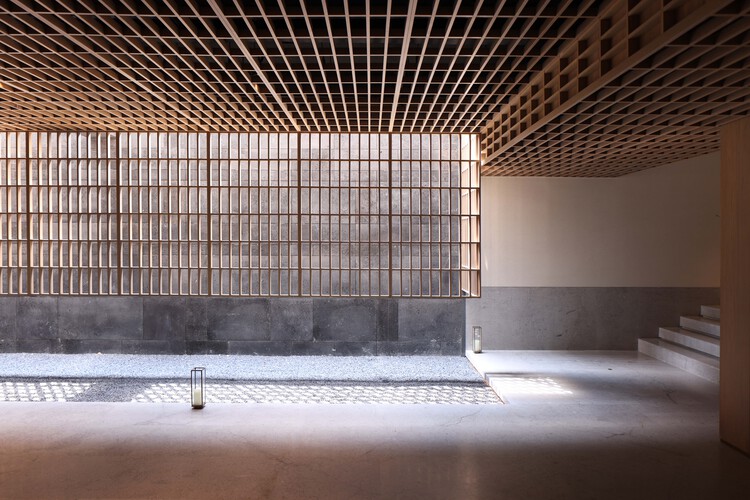
Sunlight Courtyard, Entrance Lobby of Aranya / SHISUO design office

Attorney updated historic Park Avenue home into law office