1/42
Setting the Scene
This article provides an in-depth look into the meticulous renovation of Washington Hall, a 143-year-old auditorium at the University of Notre Dame. The project aims to modernize the auditorium for contemporary audiences while faithfully restoring its high Victorian interior artistic details, originally added in 1894 by Italian artists Luigi Gregori and Louis Rusca. These ornate artworks, including portraits, floral scenes, filigree, and scrollwork, were painted over in 1956 and subsequently hidden for decades.
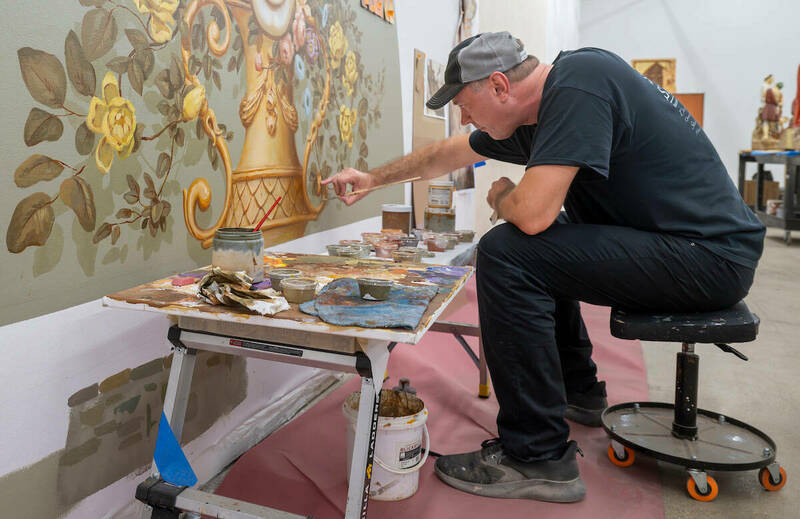
The renovation began with an initial exploration in February, during which artists from Conrad Schmitt Studios carefully chipped away at layers of paint in various sections of the auditorium. This process revealed the buried 1890s artwork underneath, providing crucial insights into the original aesthetic. The article highlights the work of Oleksandr Lytvynenko, a mural artist at Conrad Schmitt Studios in New Berlin, Wisconsin, who is creating new murals and medallions for Washington Hall. These pieces, including depictions of theatrical comedy and tragedy masks, Greek god Dionysus, and St. Genesius, are crafted with precision to fit the historical context and recreate the grandeur of the original decor. The design process for the renovation was significantly guided by a sharply detailed, black-and-white photograph from the Notre Dame Archives, dating back to circa 1895. This photograph, showcasing the stage and northeast section of the auditorium with its intricate details, served as the primary reference. Aidan Gruber, a historic decorative digital designer at Conrad Schmitt Studios, developed a comprehensive decorative plan based on this image. As more of the original artwork was uncovered on-site, the plan was updated to incorporate the newly revealed color schemes and patterns of Gregori and Rusca, transforming monochrome elements into vibrant multi-colored designs. For instance, a gold filigree above the stage was re-envisioned with intertwining hues of gold, plum, and green, and a ceiling flower transitioned from a single color to a bold yellow on a sky-blue background.
Artists on campus also created tracings of the uncovered artwork, which Gruber used to accurately size new stylized murals and medallions, ensuring they fit precisely into the spaces where original portraits once hung. The process involved a collaborative effort, with workers on campus sending close-up images of geometric designs to Gruber, who then integrated these motifs into the overall plan like pieces of a jigsaw puzzle. While some surfaces within Washington Hall are still undergoing paint stripping and cleaning, final artistic elements are simultaneously being added. Inga Belozerova, an artist based in New Jersey, hand-painted a colorful scene of flowers and grasses on the ceiling's inner dome, drawing inspiration from the 1890s photograph. Additionally, a trompe l'oeil mural of Pegasus, the winged horse from Greek mythology, is being developed near the stage. Other ongoing work includes the precise application of stenciled patterns in chocolate brown over a dusty salmon background on the crown molding and the painstaking process of applying powder-thin layers of bright gold leaf to wooden edging. Aidan Gruber, the digital artist, expresses his anticipation to visit Notre Dame upon the project's completion to witness the tangible results of his design efforts, emphasizing the goal of blending the energy of the original murals with a more contemporary style.
#WashingtonHall #NotreDame #HistoricRenovation #ArchitecturalRestoration #MuralArt #VictorianDesign #InteriorDesign #ConradSchmittStudios #ArtConservation #WashingtonHall #NotreDame #HistoricRenovation #ArchitecturalRestoration #MuralArt #VictorianDesign #InteriorDesign #ConradSchmittStudios #ArtConservation
 No comments yet
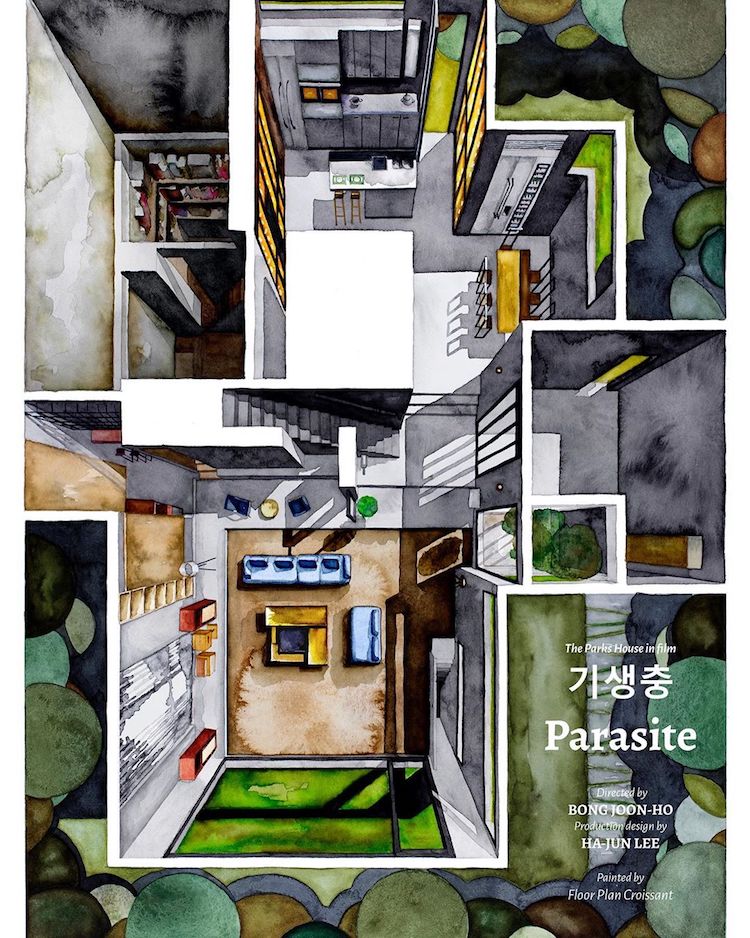
Illustrated Floor Plans Feature Architecture and Set Design of Beloved Films

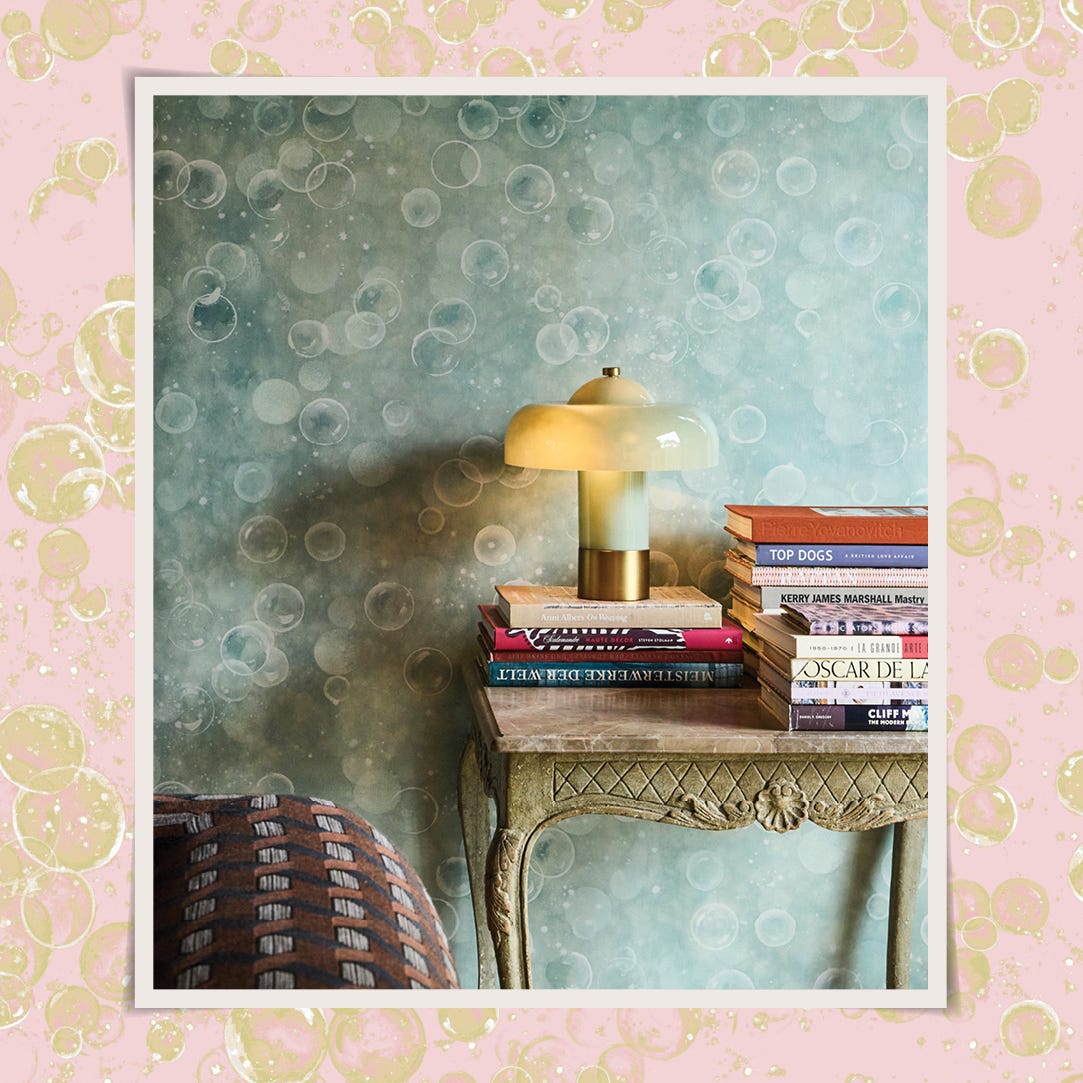
A Broadway Set Designer Shares His Best Tips for Decorating with Drama

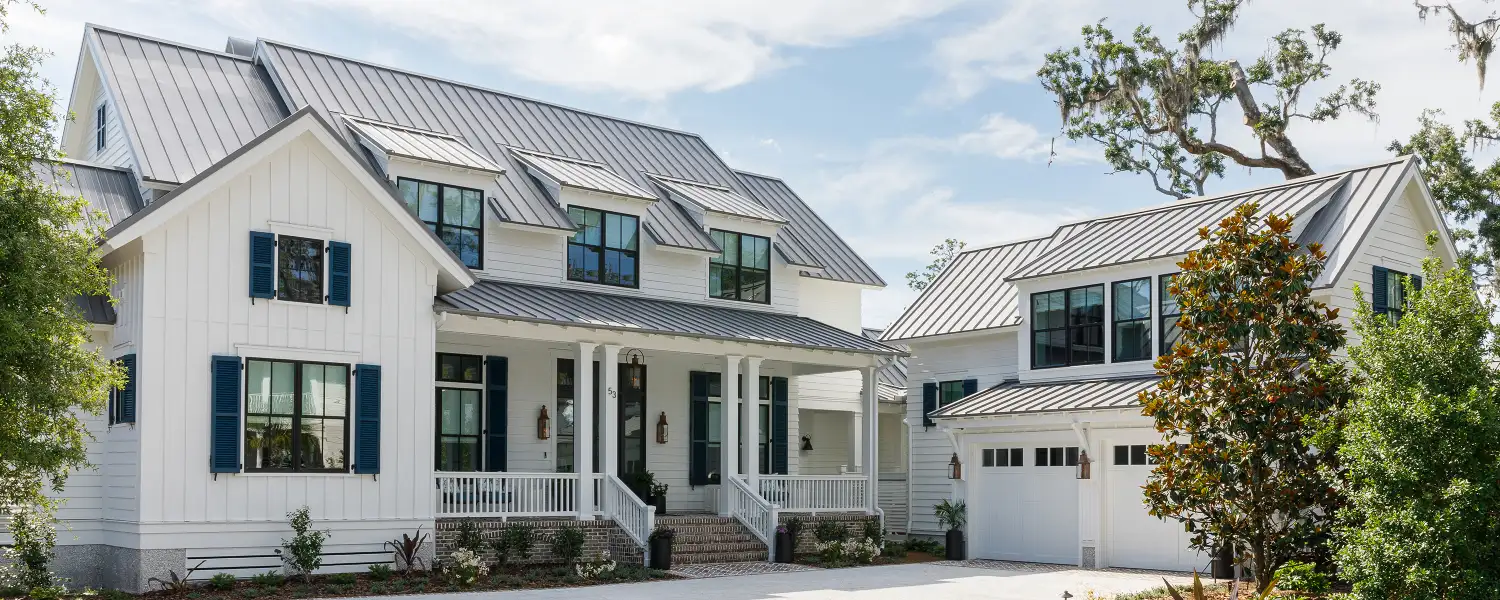
The Build Up
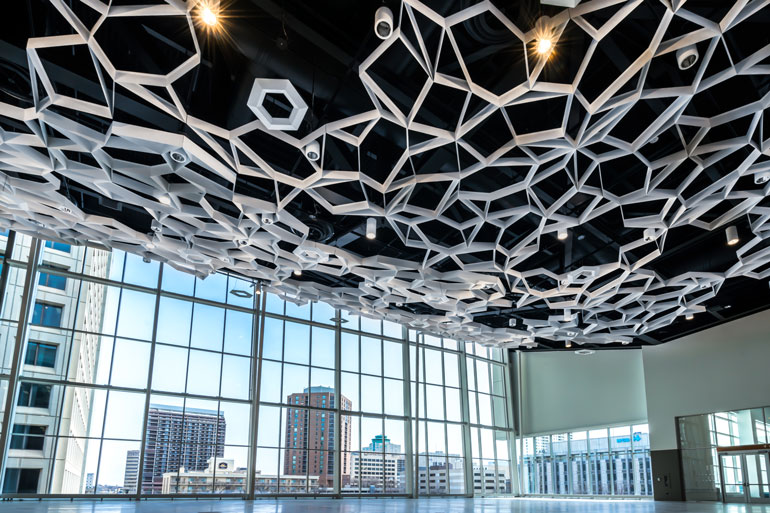
Eventscape Crafts Graceful Geometry Overhead


The Art of Staging

DRAMA IN THE SIMPLE – AROUND THE FRAME