
1/2
The Art of Staging
The real estate market is witnessing a transformation in how homes are sold, with a growing emphasis on creating an emotional connection with potential buyers through home staging. This approach moves beyond simply cleaning and tidying a house, evolving into a sophisticated strategy that curates an aspirational lifestyle within the property.
Staging professionals employ various techniques to evoke specific feelings in buyers. These include sensory elements like nostalgic music and the scent of baked goods, as well as visual cues like luxury toiletries, open books in cozy nooks, and fresh flower bouquets. Anthea Click, an interior designer, highlights that buyers are seeking a lifestyle rather than just a structure. Orli Shoshan, a staging expert, notes that the expectations of preparing a home for sale have increased significantly beyond basic maintenance.
Today, staging involves meticulously arranged details, such as luxury bathrobes or breakfast trays, designed to present an idealized living scenario. Shoshan observes that buyers are increasingly interested in purchasing the décor used in staging, indicating a desire to instantly acquire the presented lifestyle. Real estate agent Olga Abezgauz emphasizes that the goal of staging is to cultivate a feeling of immediate ownership, allowing buyers to envision themselves living in the space. This psychological strategy helps establish a memorable connection with the property.
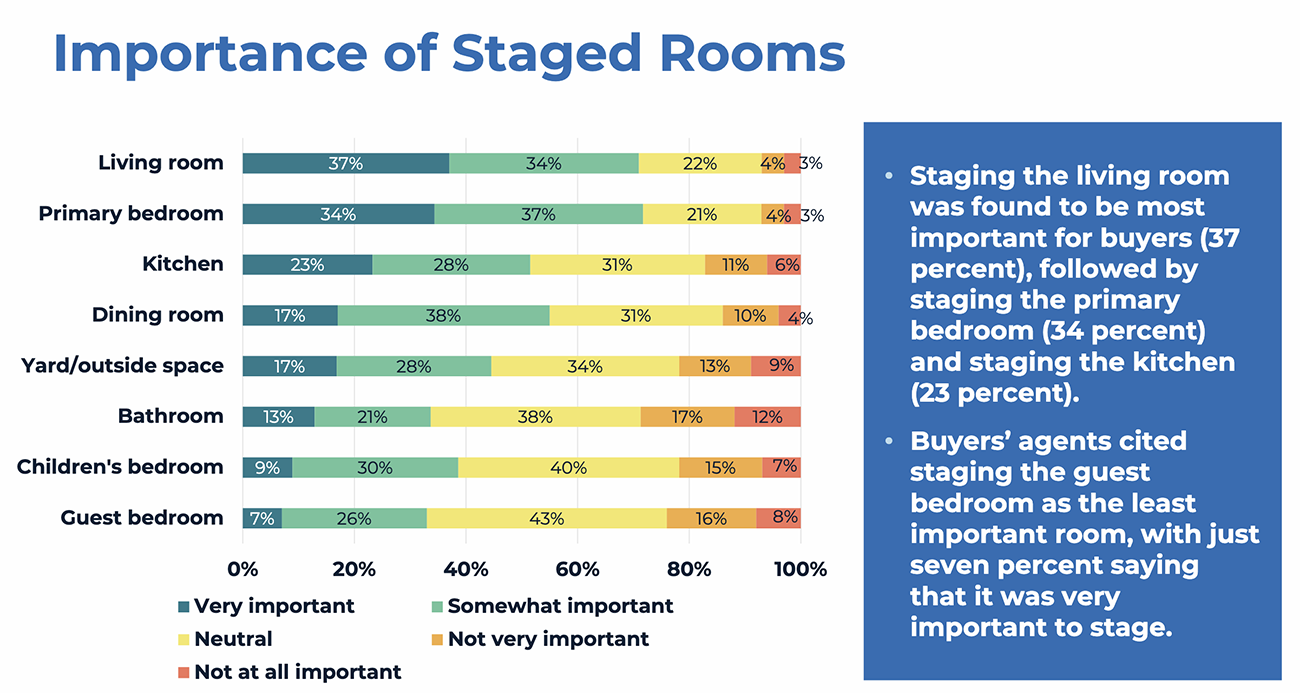
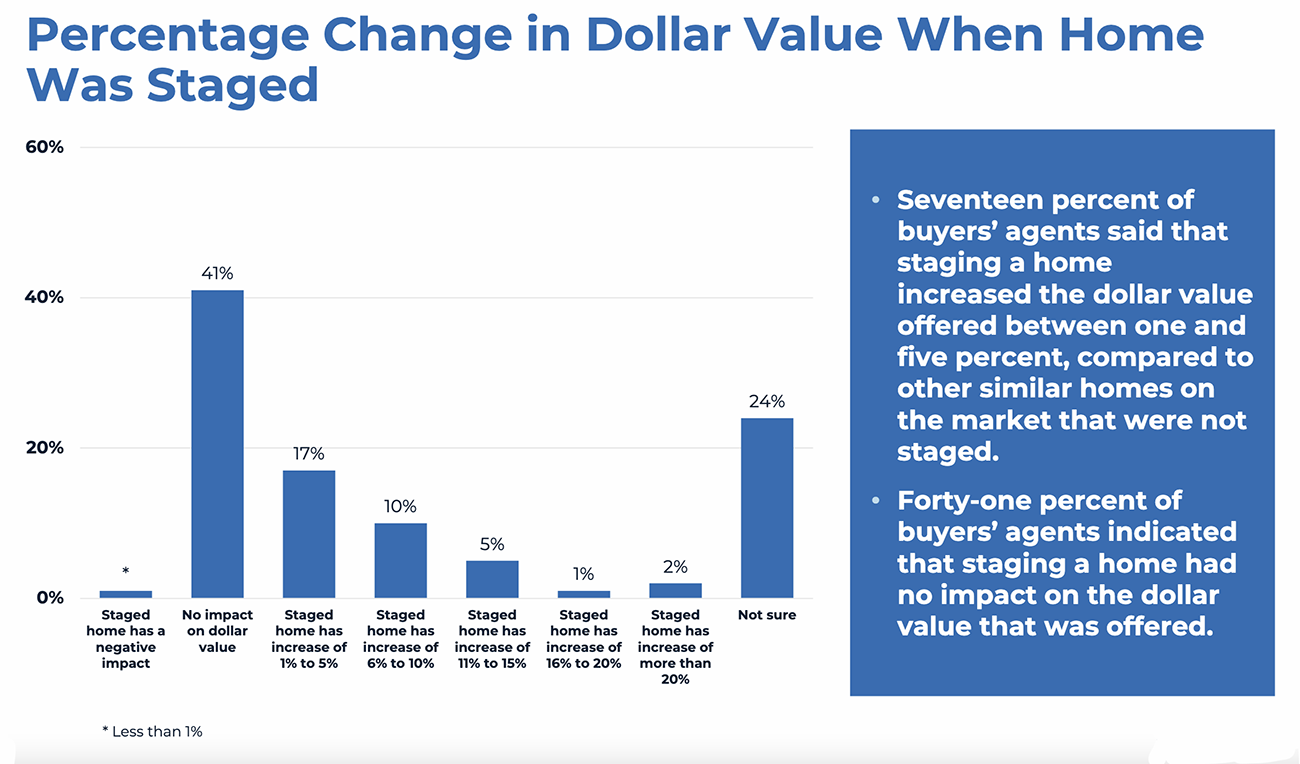
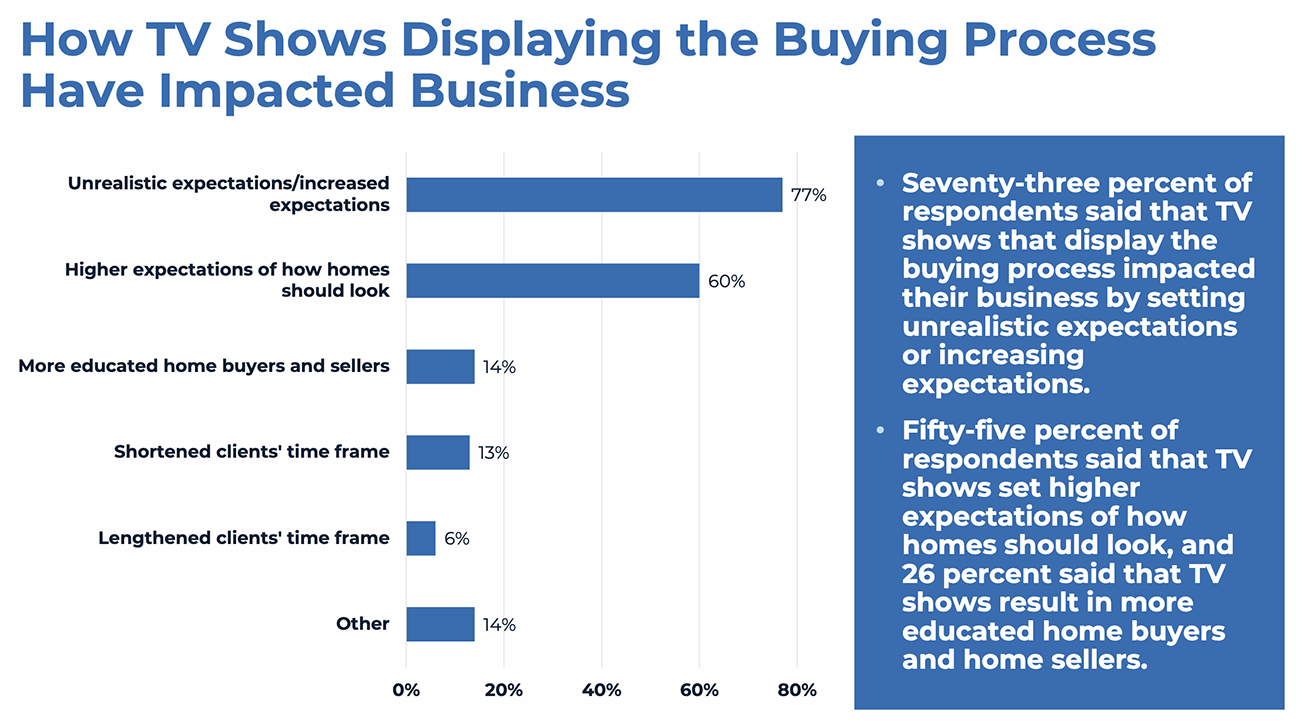
A key aspect of effective staging is the removal of personal items like family photos or toys, which enables potential buyers to project their own lives onto the blank canvas of the home. Abezgauz recounts instances where buyers were uncertain if a staged home was still occupied, demonstrating the success of this depersonalization. Data from the National Association of Realtors in 2017 supports the effectiveness of staging, with 77% of agents reporting that it helps buyers visualize a future home and 31% indicating it leads to higher selling prices.
However, staging can also be used to strategically alter perceptions. Abezgauz points out that elements like full-length curtains can mask undesirable views or add perceived height to rooms, while oversized mirrors can create the illusion of more space. Awareness of these tactics can empower buyers to look beyond the immediate presentation.
The advent of social media has further elevated the importance of sophisticated home staging. Anthea Click notes that the visual nature of platforms like Instagram necessitates properties that stand out. This has led to the integration of virtual reality (VR) into the staging process. Companies like VisualStager offer prospective buyers the opportunity to virtually stage a home to their preferences before a physical purchase. CEO Parag Topé explains that this allows buyers to experiment with different layouts and décor using VR headsets, building confidence in their decision. This shift places the power of customization into the hands of the buyer, allowing them to truly visualize the home as their own, even before moving in.
#HomeStaging #RealEstate #InteriorDesign #PropertySales #LifestyleMarketing #VirtualReality #SocialMediaMarketing #BuyerPsychology #HomeStaging #RealEstate #InteriorDesign #PropertySales #LifestyleMarketing #VirtualReality #SocialMediaMarketing #BuyerPsychology
0 comment in total
 No comments yet
You may also like

Ann's Performing Arts Centre is Designed for Dancing

I’m at the hot tub. I’m at the art installation. I’m at the combination hot tub-art installation

You Have to See How a Stager Flipped This Living Room (It’s So Eclectic!)

Setting the Scene

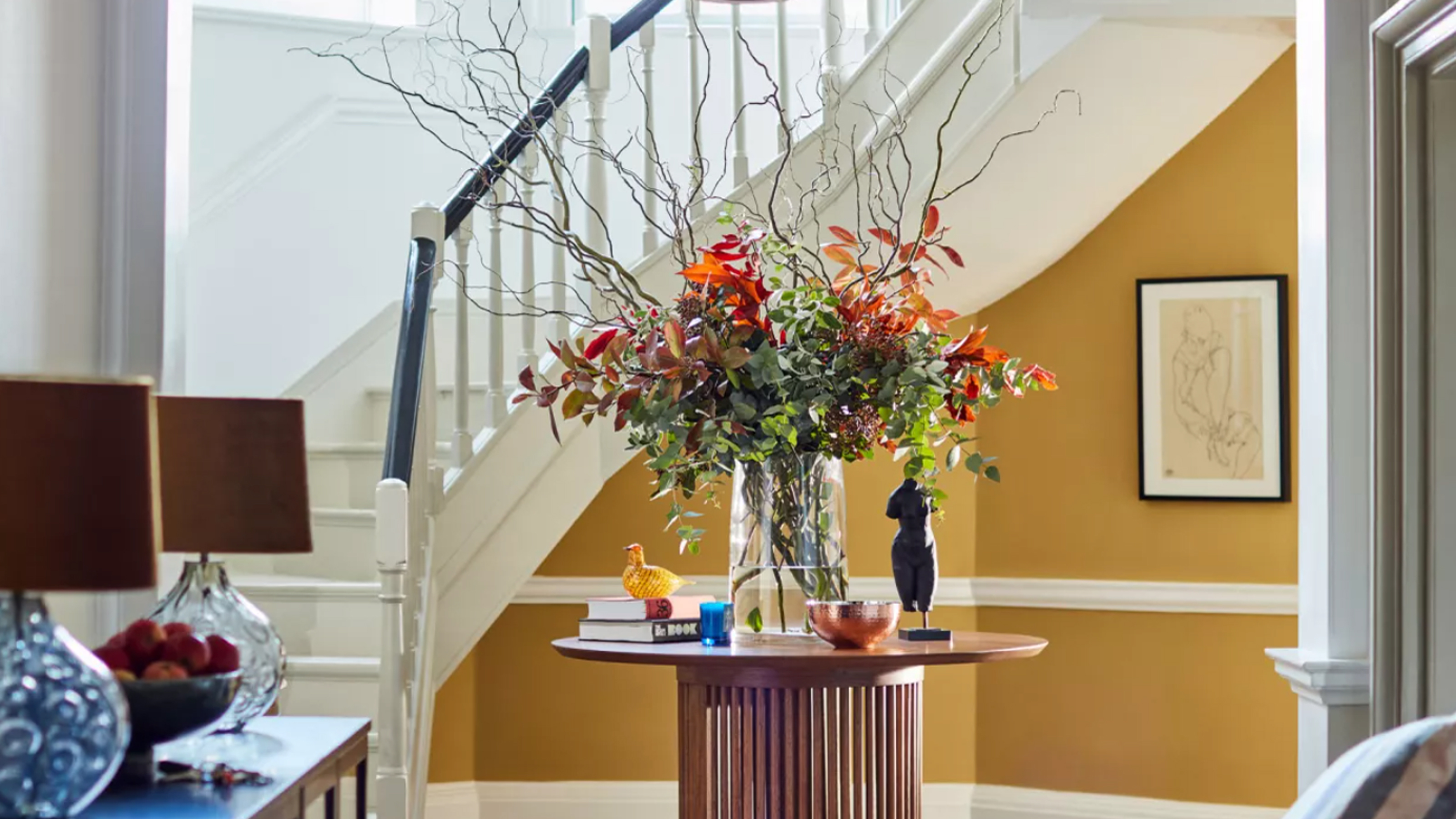
Staging a hallway – top tips from real estate professionals

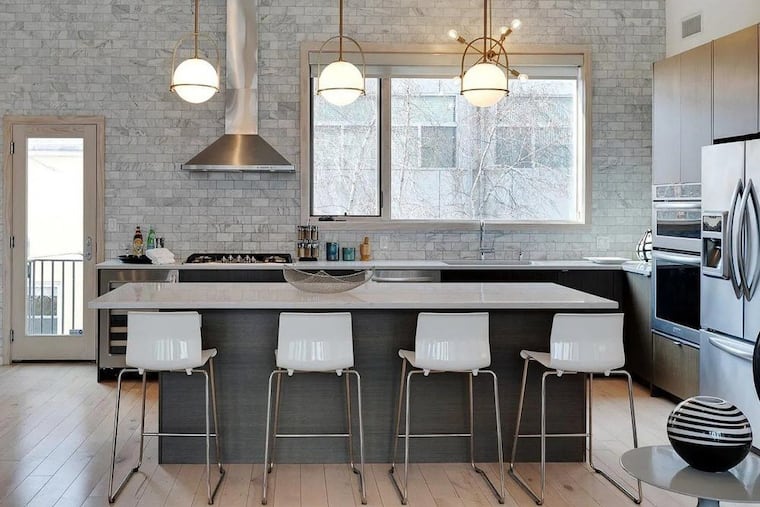
Home staging tips from someone who’s been getting homes sold for two decades

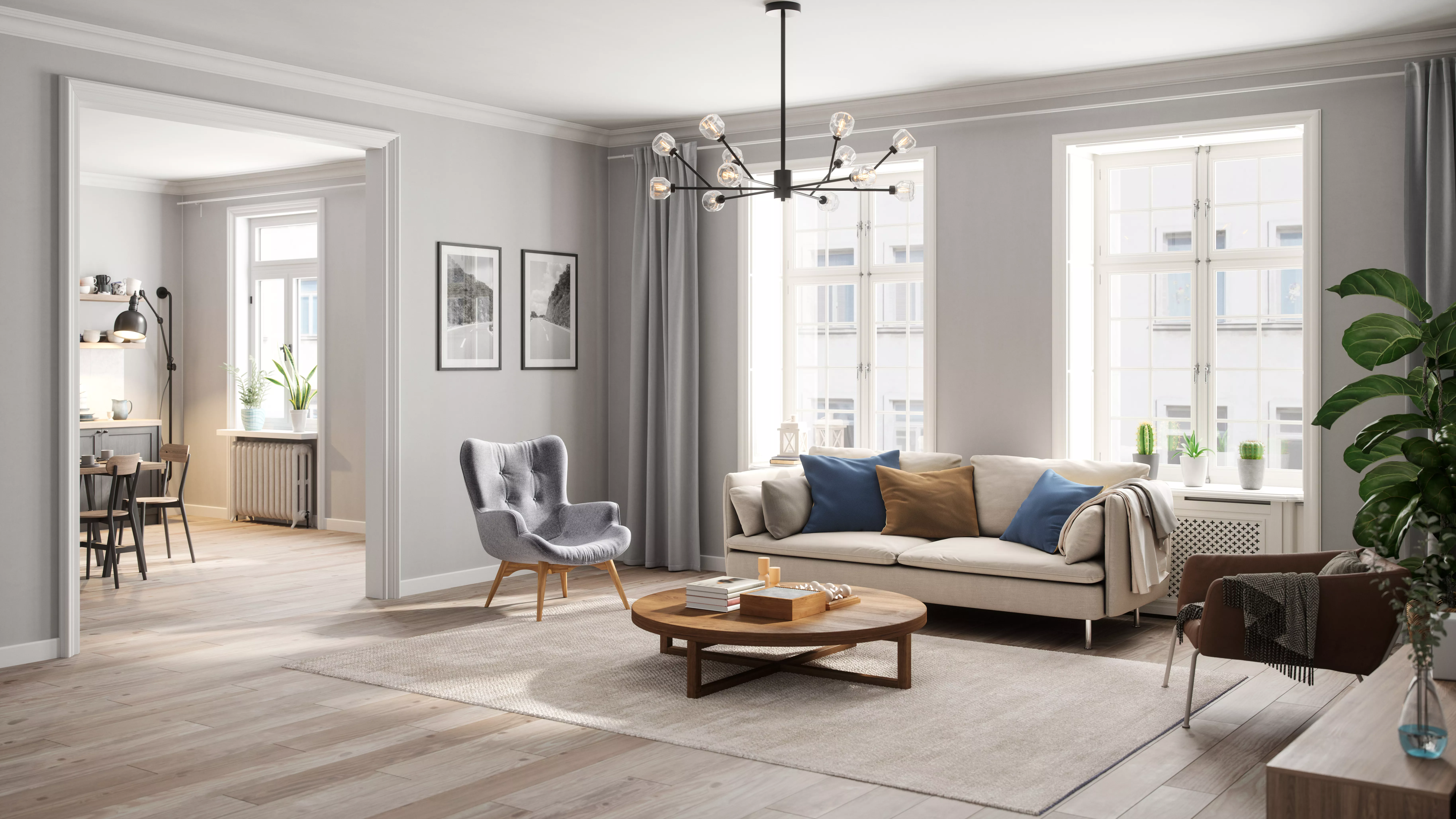
Virtual Staging Could Help You Sell Your Home—Here's What to Consider

A Broadway Set Designer Shares His Best Tips for Decorating with Drama


Home staging: Yes, it’s worth it

How a Former N.F.L. Player Started Designing Sculptural Furniture (Published 2024)

Virtual Staging: The Top 10 Apps That Can Help You And Your Home

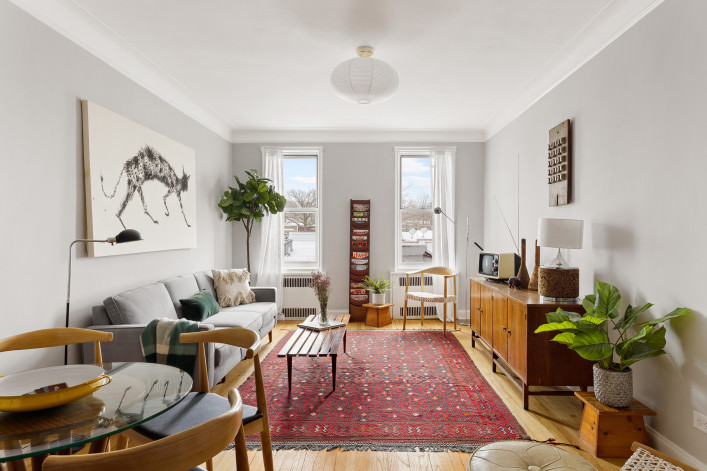
How much does it cost to stage your NYC apartment or brownstone?
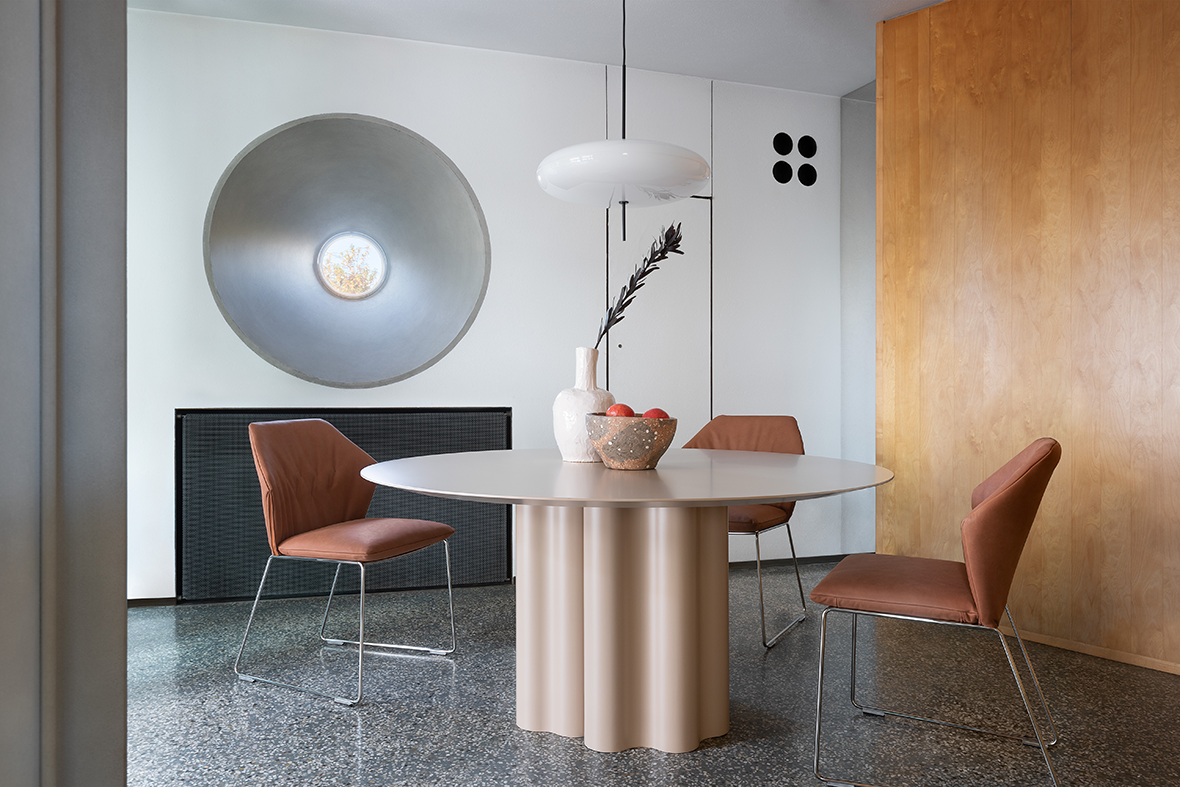
The Teatro Magico Table Is Sculptural Furniture at Its Best


How to Hang an Art Collection Like an Expert

Every Wall is a Door

Profile of Home Staging

Interactive floor plan: Artist studio, Australia

When Selling Your Home, Staging Matters

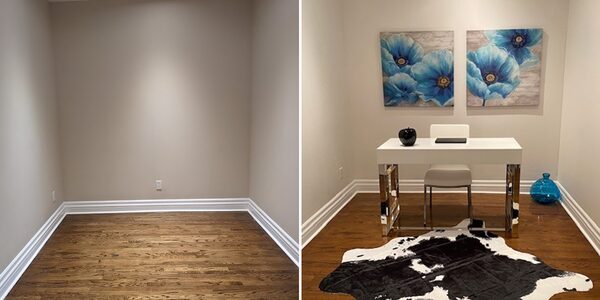
Should you stage your home when selling?