
Arts & Architecture: Wheeler Kearns’ ‘Case Study’ House
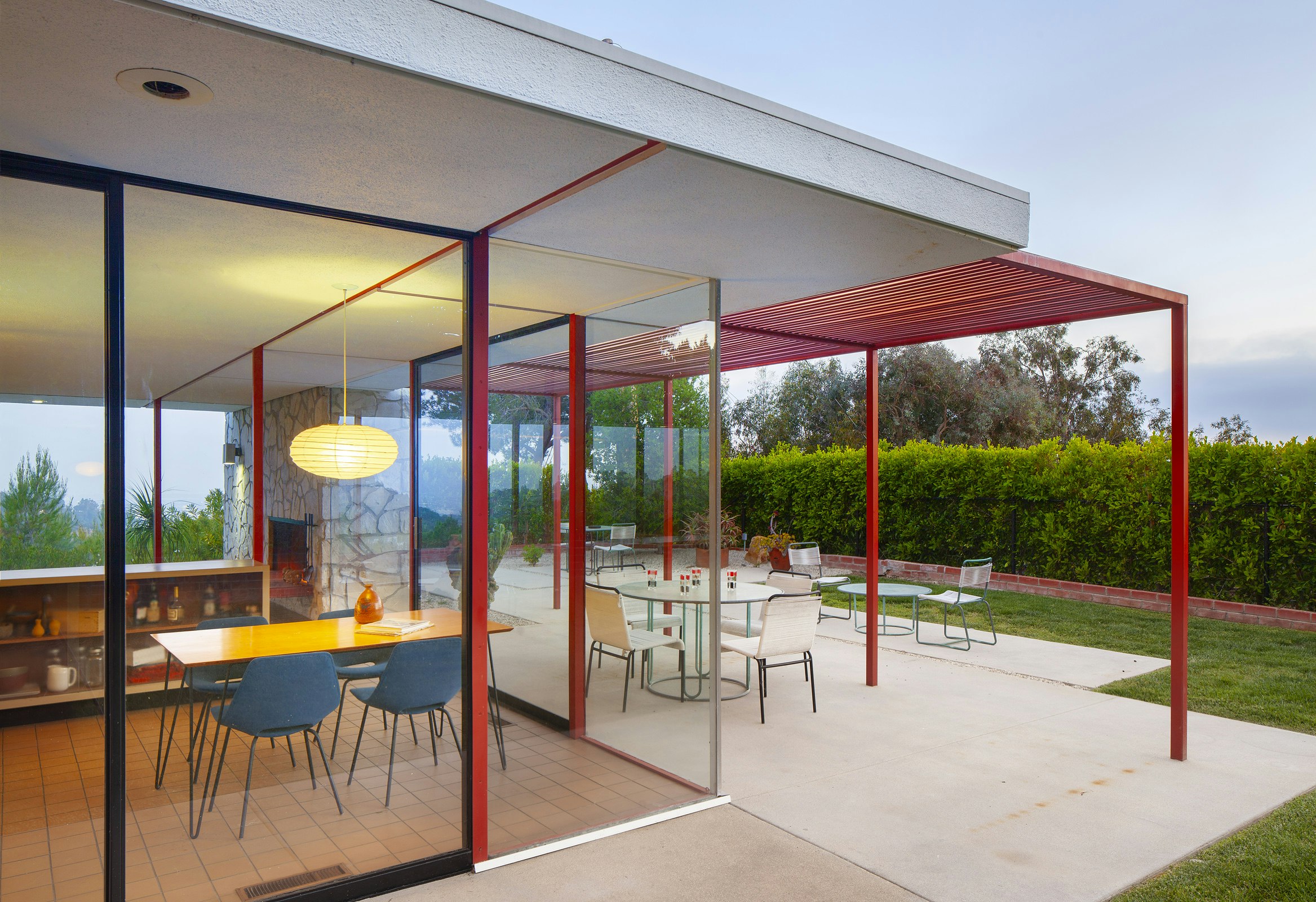
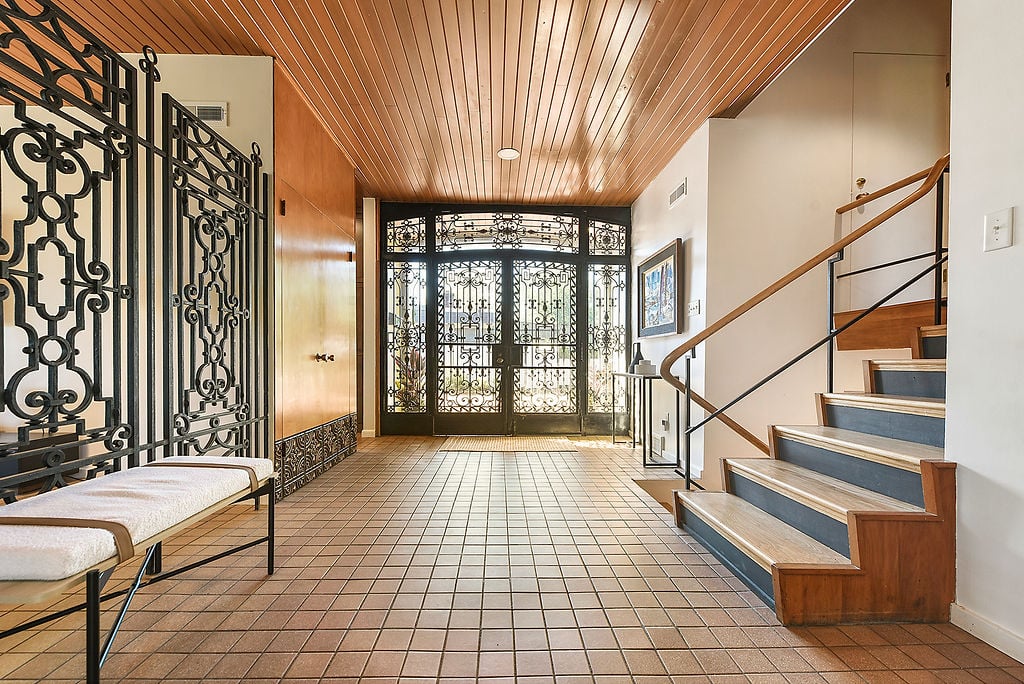
The article details the 'Case Study' house designed by Wheeler Kearns Architects in a prominent Chicago neighborhood. Named by Dan Wheeler, the project aimed to honor the experimental Case Study Houses of mid-century masters like Richard Neutra and Pierre Koenig, while evolving into a structure reminiscent of the Seagram Building, featuring art, sumptuous walnut, limestone, and bronze. The 12,700-square-foot residence emphasizes bespoke details, with even ventilation grilles and ceiling fixtures custom-designed. The project required extensive architectural and engineering drawings, totaling around 700, and involved numerous consultants, including Leslie Jones & Associates for interiors.
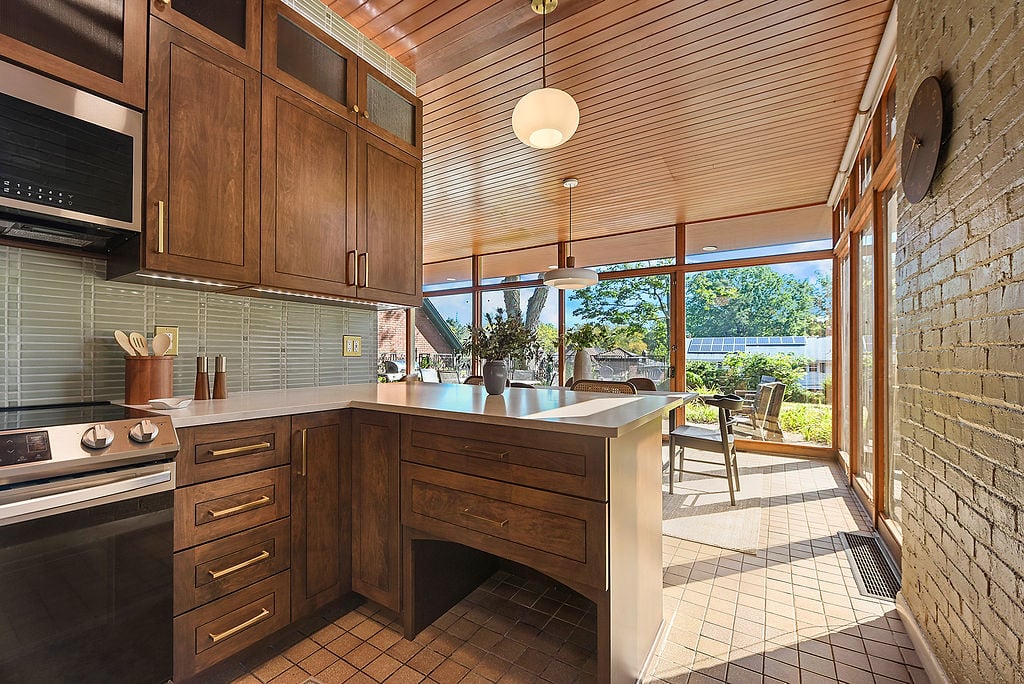
A significant structural modification was made to eliminate columns in the living and breakfast areas, which would have obstructed the glass curtain wall. This ambitious and costly redesign involved a cantilever spanning over 40 feet and vertical post-tensioning of concrete caissons, extending 35 feet into bedrock. This allowed for vast, column-free public spaces and an impressive expanse of glass, crucial for the clients, who are major modern and contemporary art collectors from a philanthropic Chicago family.
The house serves as a departure from the family’s previous Victorian home, adopting multiple modernist influences, including Mexican courtyard houses by Luis Barragán, Alvar Aalto’s Villa Mairea, Carlo Scarpa’s Banca Populare di Verona, and Eero Saarinen’s Indiana house. A key design element is the strong connection to the landscape, with half of the 1/3-acre property dedicated to a south-facing sculpture garden. This garden seamlessly integrates with the interior through low-iron glass walls and bronze-framed doors that open to connect the breakfast area to an outdoor dining arbor with a fireplace. Tawny limestone pavers, quarried near Dijon, France, used both inside and in the garden, further blur the lines between indoor and outdoor spaces.
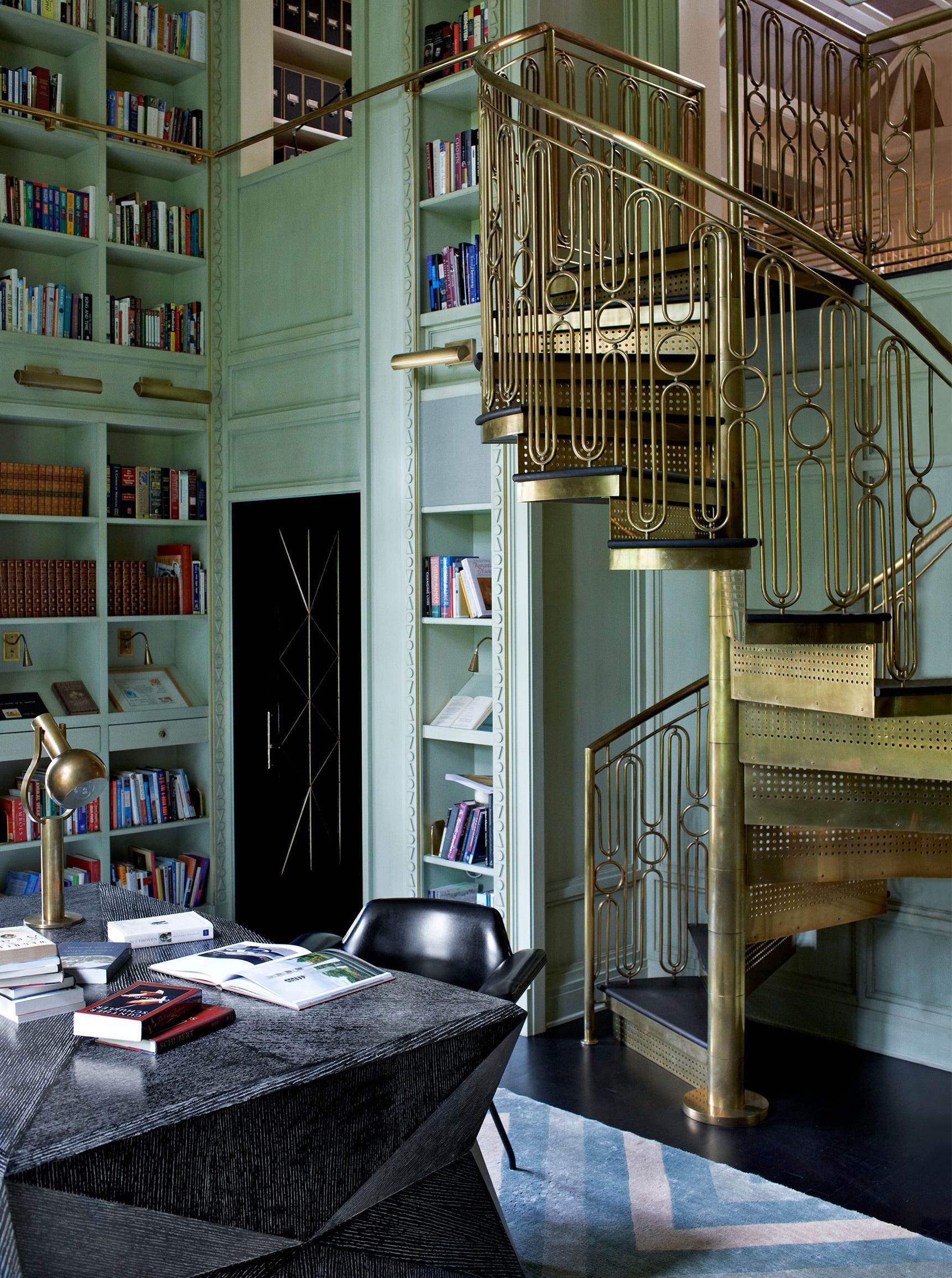
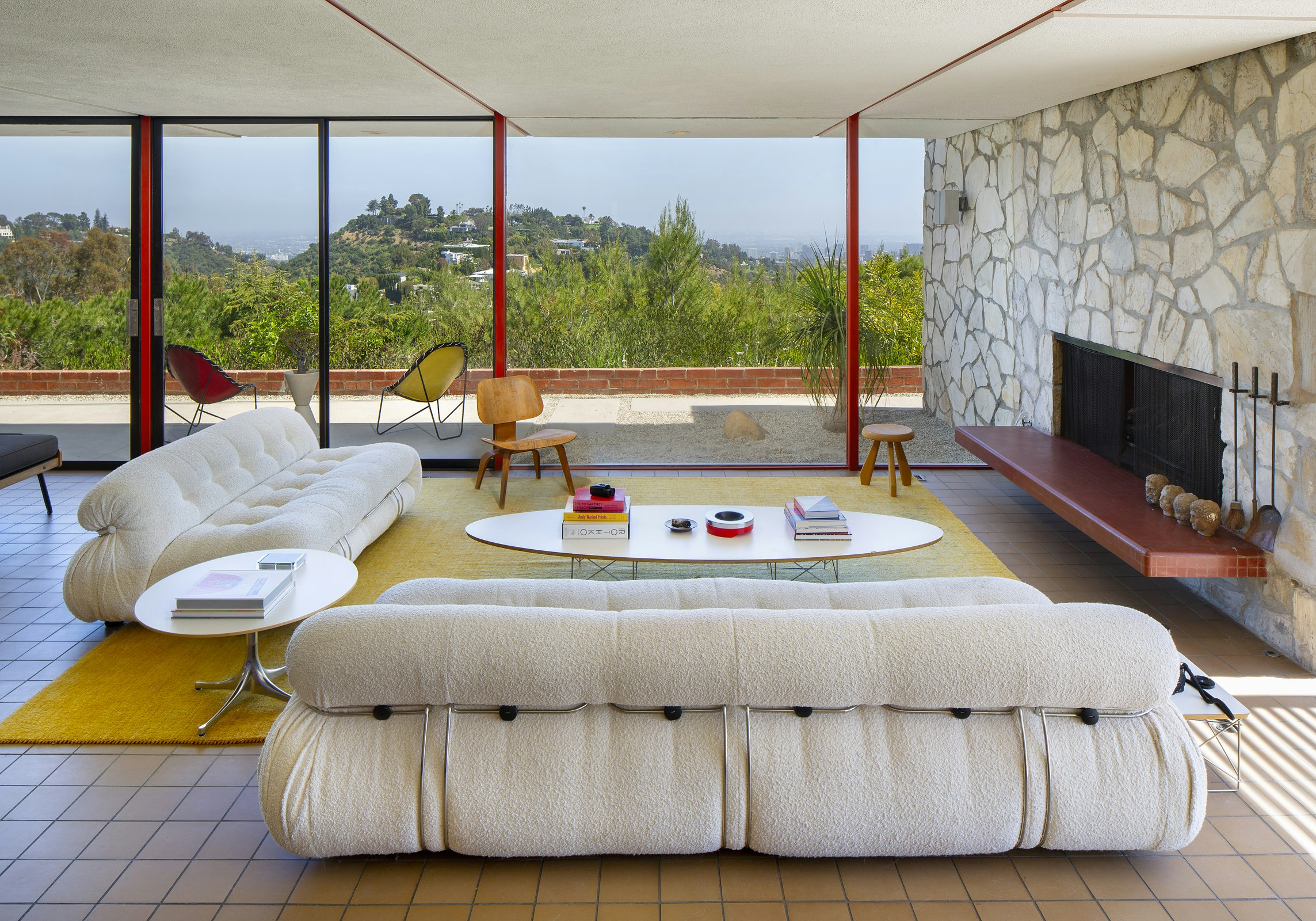
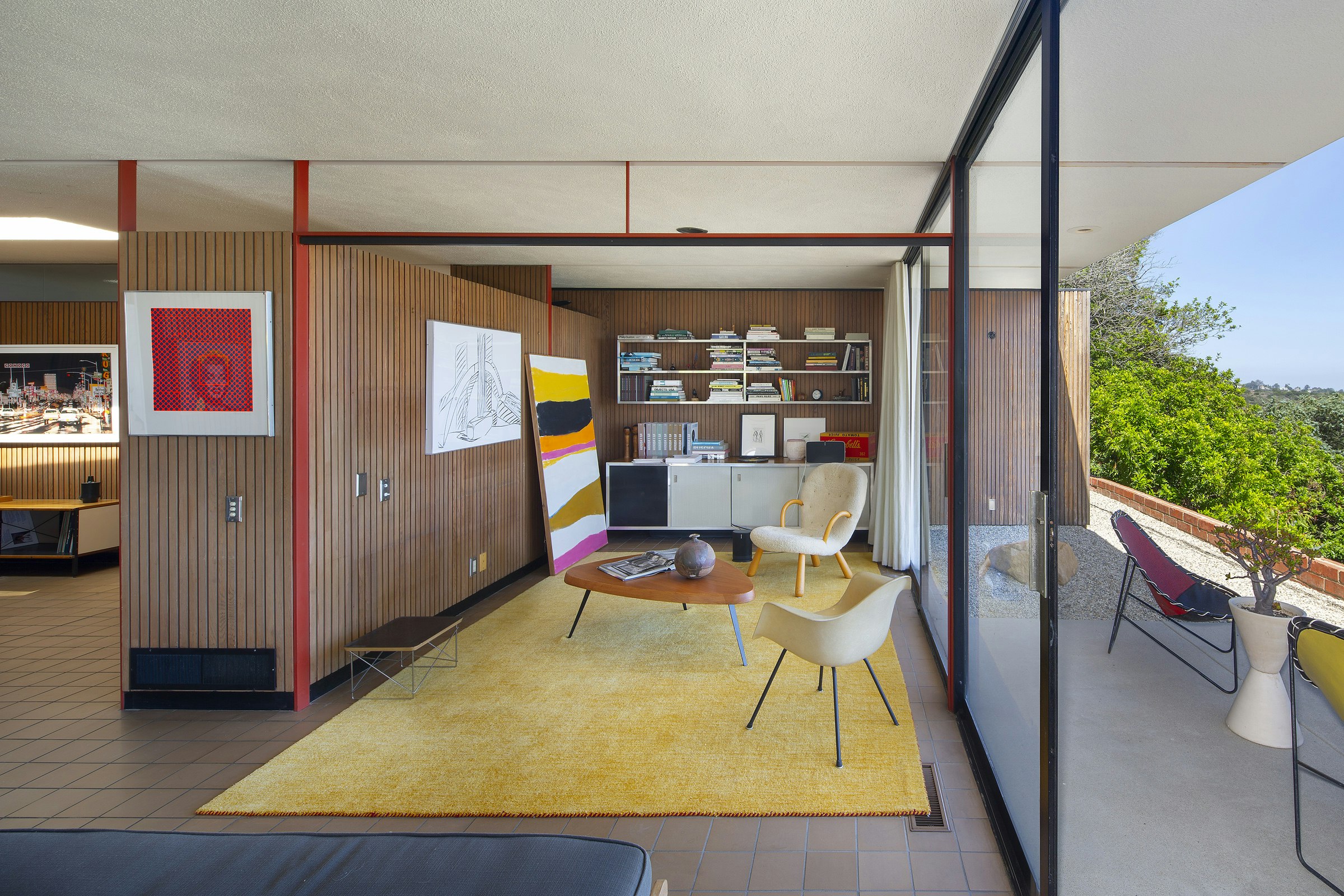
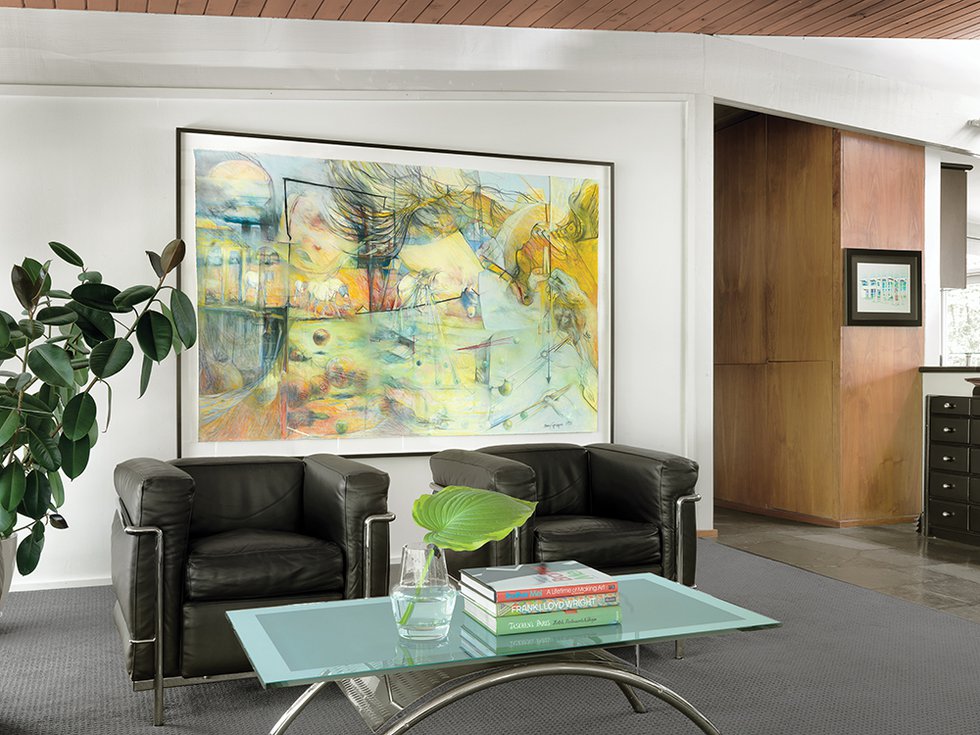
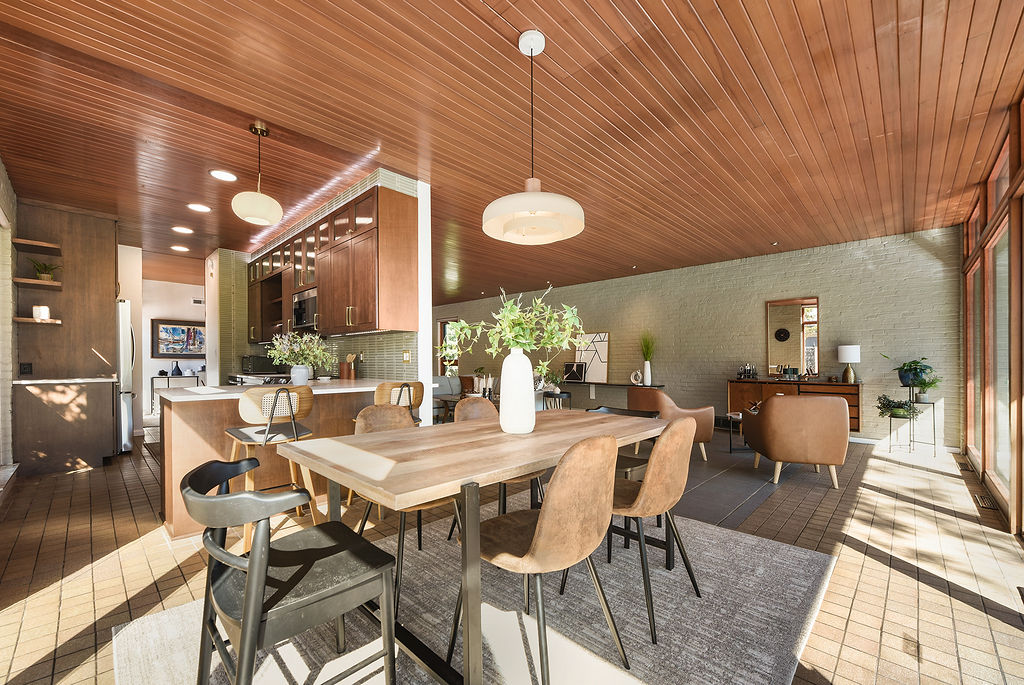
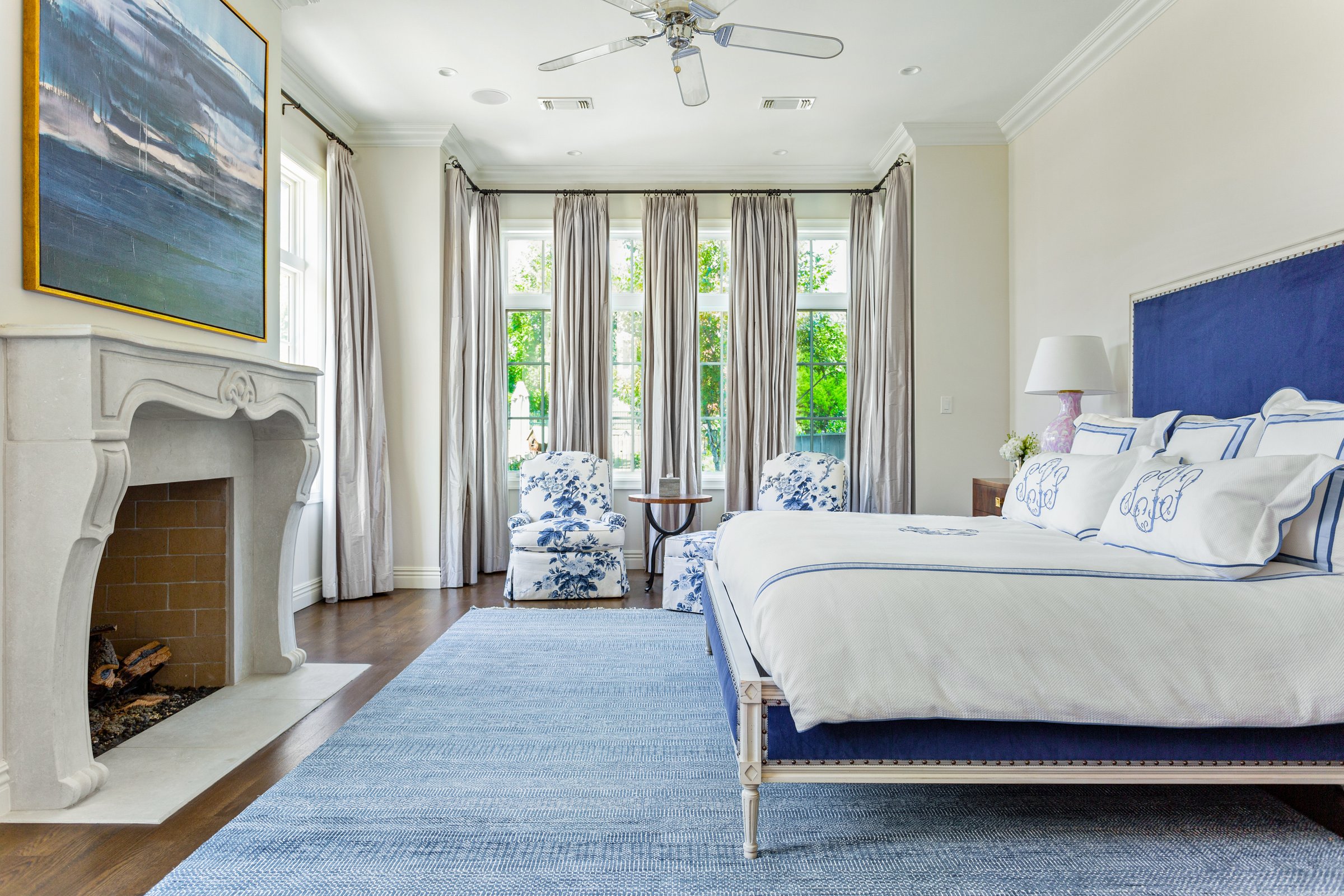
The open-plan house is designed to accommodate both daily family life and large-scale fundraisers for up to 200 guests, boasting museum-quality detailing. The ground level features a 10 ½-foot ceiling and extensive glass, while the double-height dining area is flanked by towering bookshelves made of oil-rubbed bronze. In contrast, the two upstairs bedroom levels are inwardly focused and concealed behind stucco walls, with light wells and interior courtyards providing natural light. Natural materials like stained American walnut for interior walls and ubiquitous bronze elements—from door pulls to sliding panels—connect the interior with the exterior palette. Furnishings, chosen by Leslie Jones, feature organic colors and forms, with wool rugs echoing the sculpture garden's layout. The furniture ranges from Wiener Werkstätte pieces to mid-century chairs by Franco Albini and Osvaldo Borsani, alongside custom seating in luxurious materials such as eel skin, goatskin, suede, and mohair. Jones deliberately kept furniture profiles simple to complement the diverse art collection, ensuring that the furnishings acted as sculptures themselves, mirroring the house's overall artistic integrity.
#Architecture #ModernDesign #CaseStudyHouse #ChicagoArchitecture #LuxuryHomes #ArtCollection #LandscapeIntegration #InteriorDesign #Architecture #ModernDesign #CaseStudyHouse #ChicagoArchitecture #LuxuryHomes #ArtCollection #LandscapeIntegration #InteriorDesign
0 comment in total
 No comments yet
You may also like
Revisited: Carpenter Hall House
Craig Ellwood’s Best-Preserved Case Study House Seeks $5.4M in L.A.

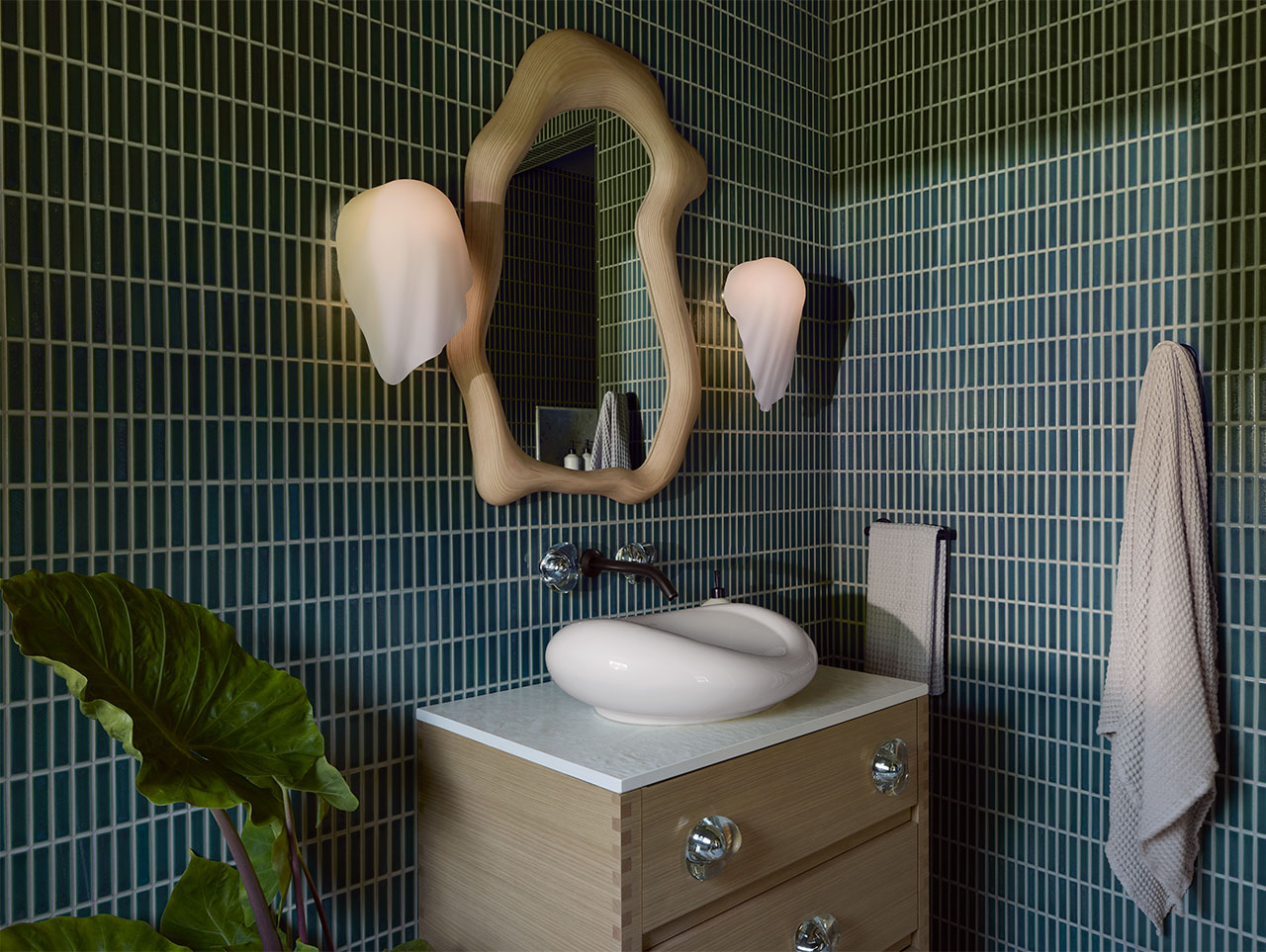
Daniel Arsham Designs Kohler Bath Collection + a Cabin to Go With It

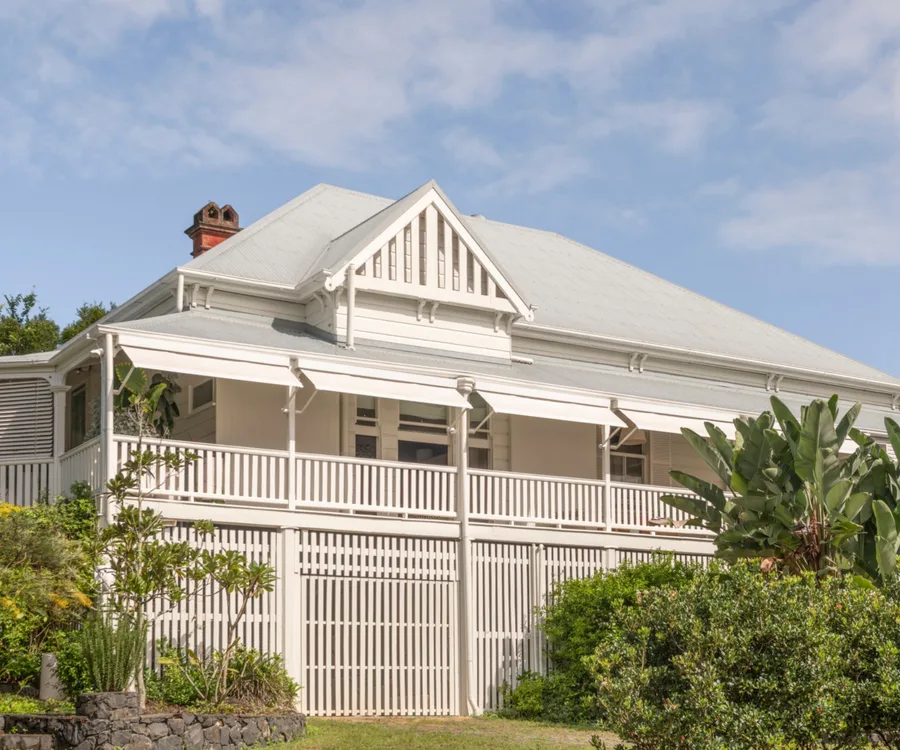
Inside the Frankie4 founder’s Queenslander home, where interiors are guided by art

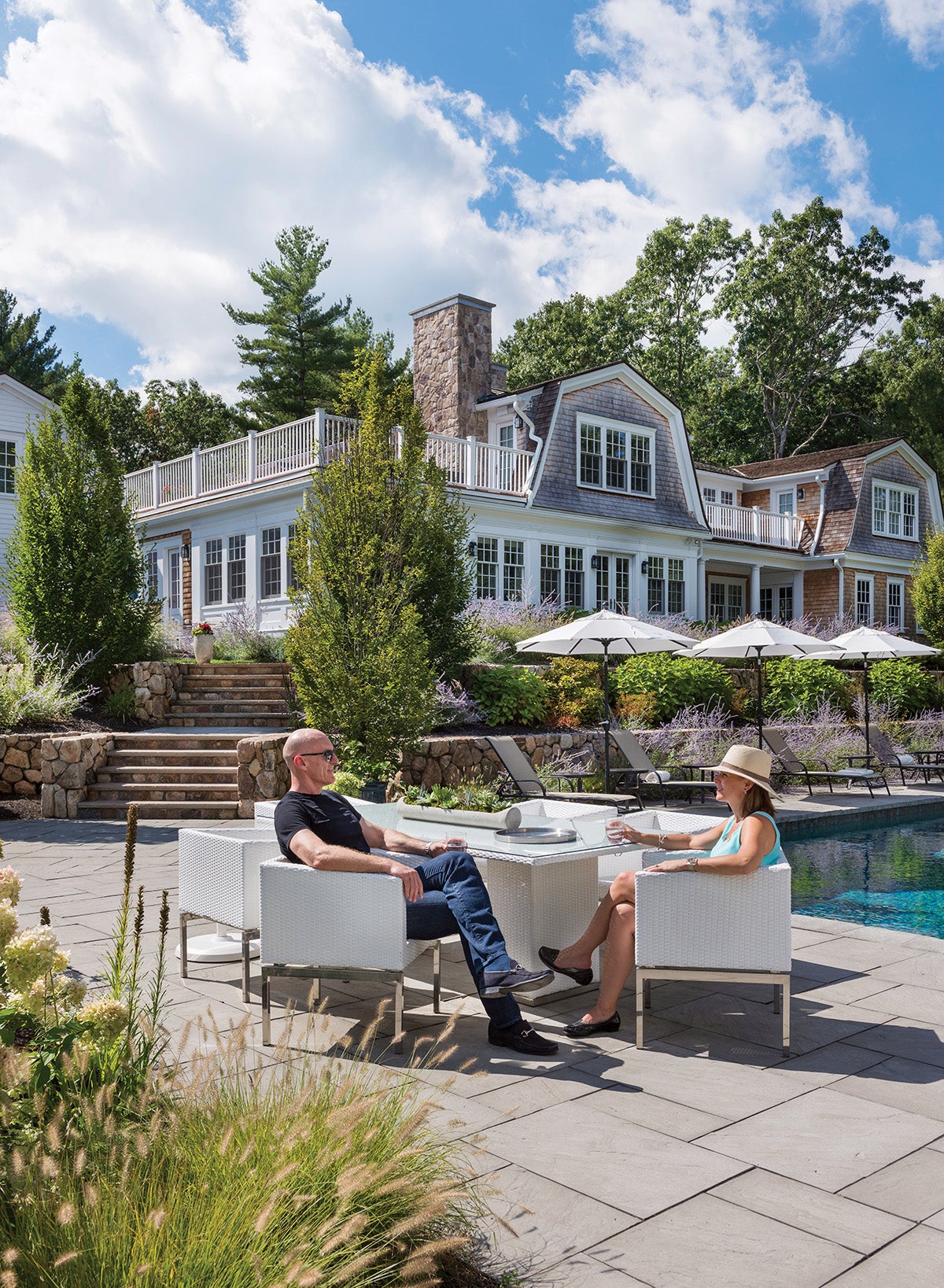
A Look at Peter Donohoe’s Carlisle Property

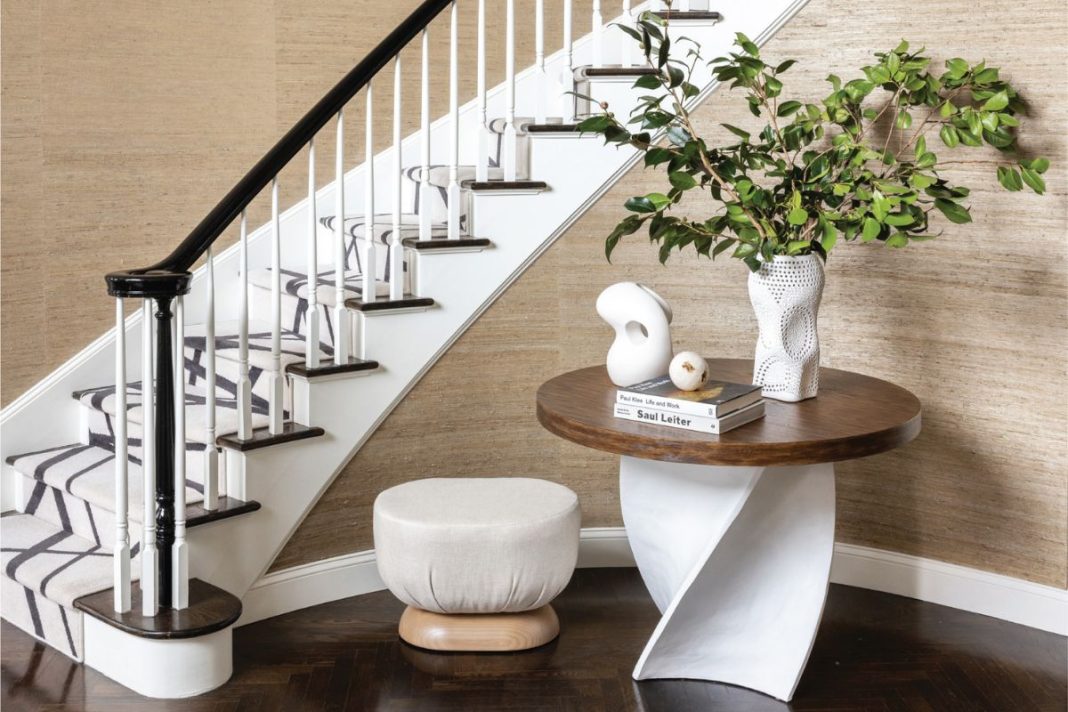
This West Harrison Home Design Is Filled With Creative Spirit

Austin Apartment by Page Southerland Page and Furman + Keil Masters the Details
Westlake couple personalizes floor plan, style in English-inspired home

From the Archive: This Early Kelly Wearstler Project Glimmers with Gilded Finishes and Rich Textures
2024 Idea House: Room-By-Room Source Guide
bohemian art house 'maison colbert' summons wes anderson's eclectic taste in london
Clifton Hill Courtyard House / Studio mkn + Eliza Blair Architecture

Believing In Design As Storytelling, Kelly Wearstler Has Revolutionized Modern American Design

Fall in Love with the East Hampton Home of Designers Delphine and Reed Krakoff

Built in 1908, This Former Carriage House has a Surprise Mid-Century Modern Interior

The Catskill Home of Artist Jesse Bransford
Hedgemoor Cottage Becomes Family's Dream Home

In Kirkwood’s Architects’ Alley, nature is a backdrop to everyday life


Inside Kris Jenner's ultra-modern mega-mansions with boyfriend Corey Gamble


Architectural Design Studios