1/11
How to create a Japandi kitchen: 10 simple ways to style this serene, on-trend look
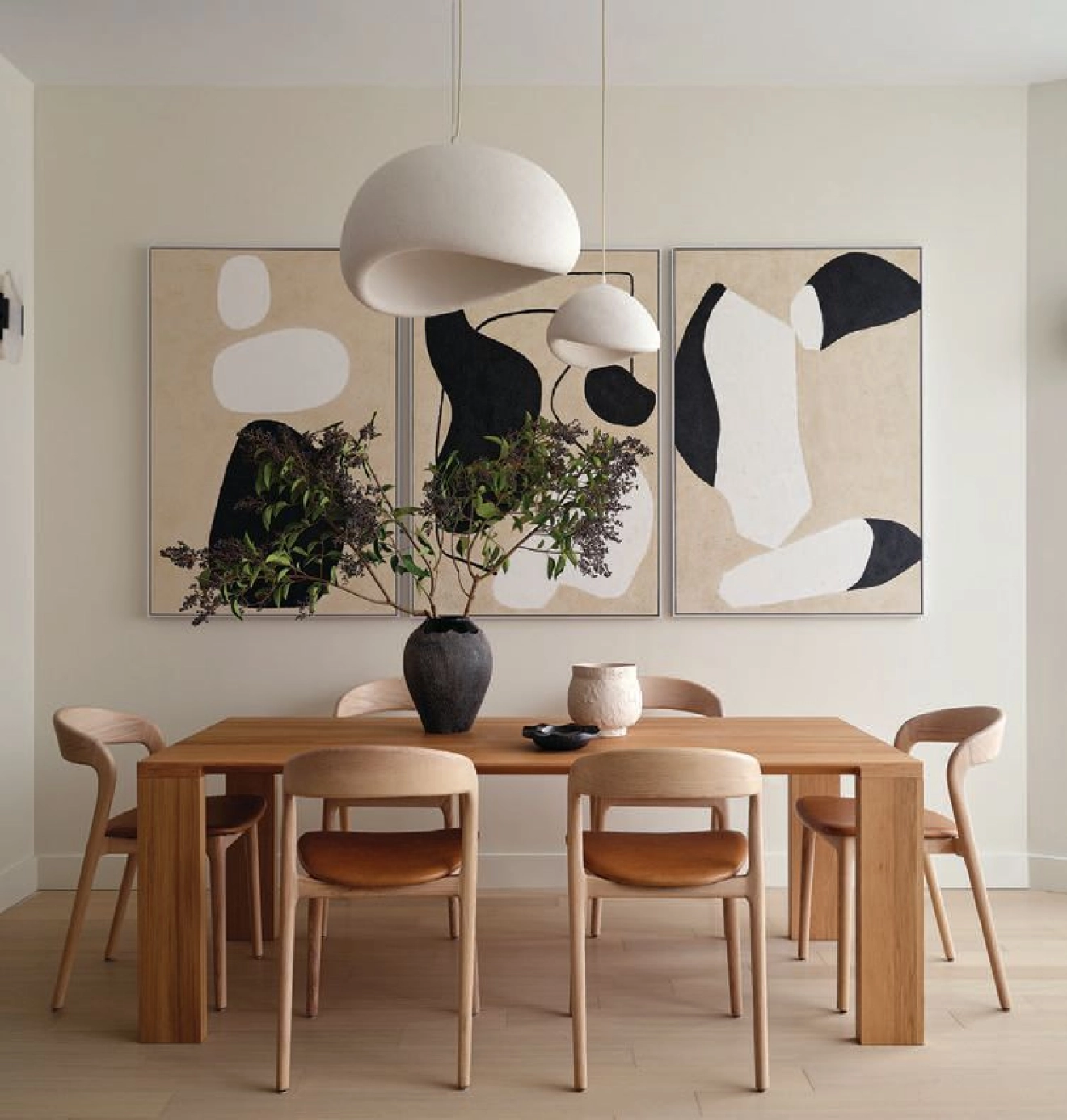
The Japandi kitchen design, a fusion of Japanese and Scandinavian styles, has gained significant popularity among homeowners due to its emphasis on functionality, minimalism, and natural elements. This aesthetic is rooted in the Japanese philosophy of wabi-sabi, which cherishes simplicity and contentment, and the Scandinavian concept of hygge, focusing on well-being and coziness. Both philosophies advocate for embracing nature and integrating practical items that enhance daily life, making Japandi an eco-friendly choice.
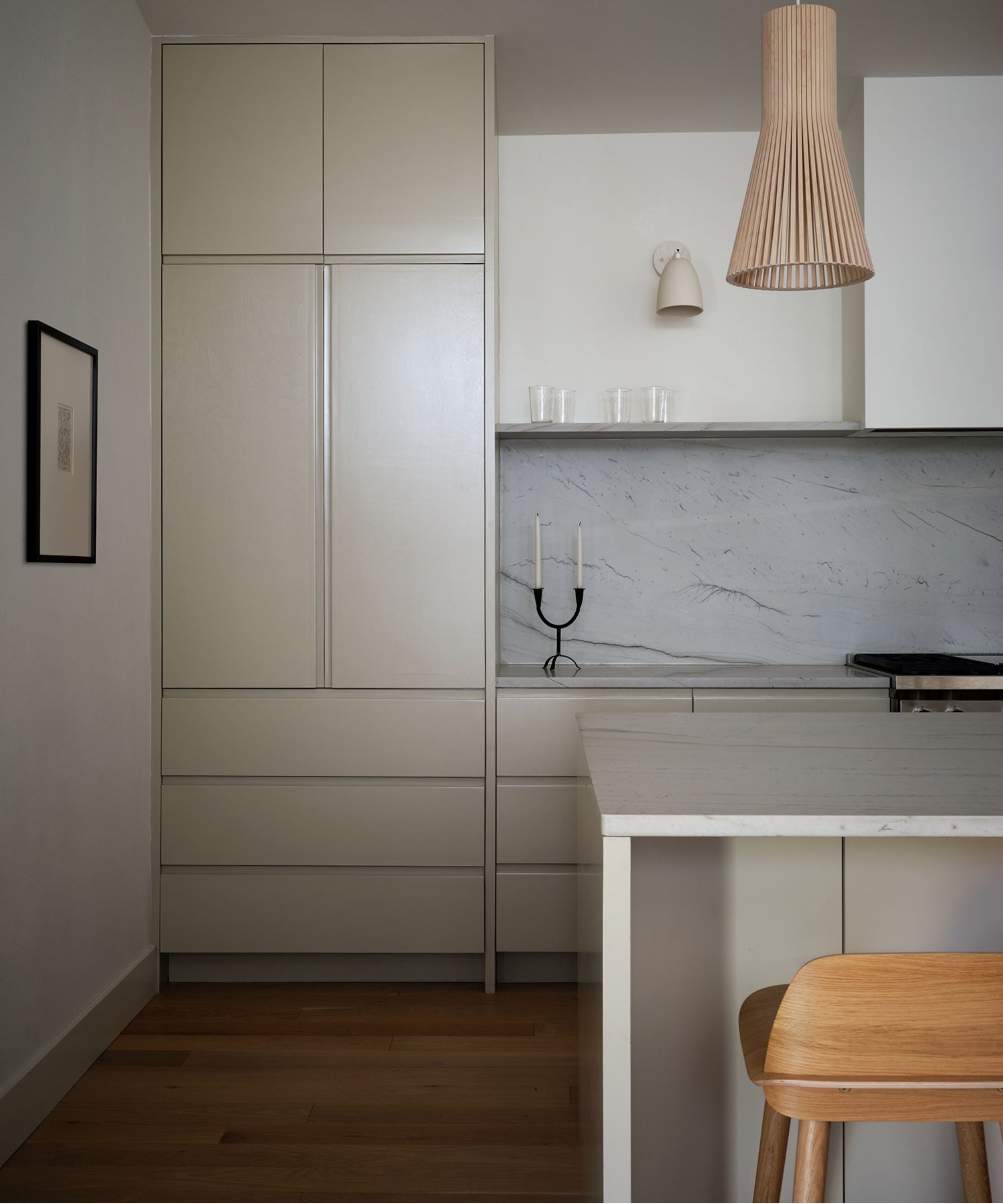
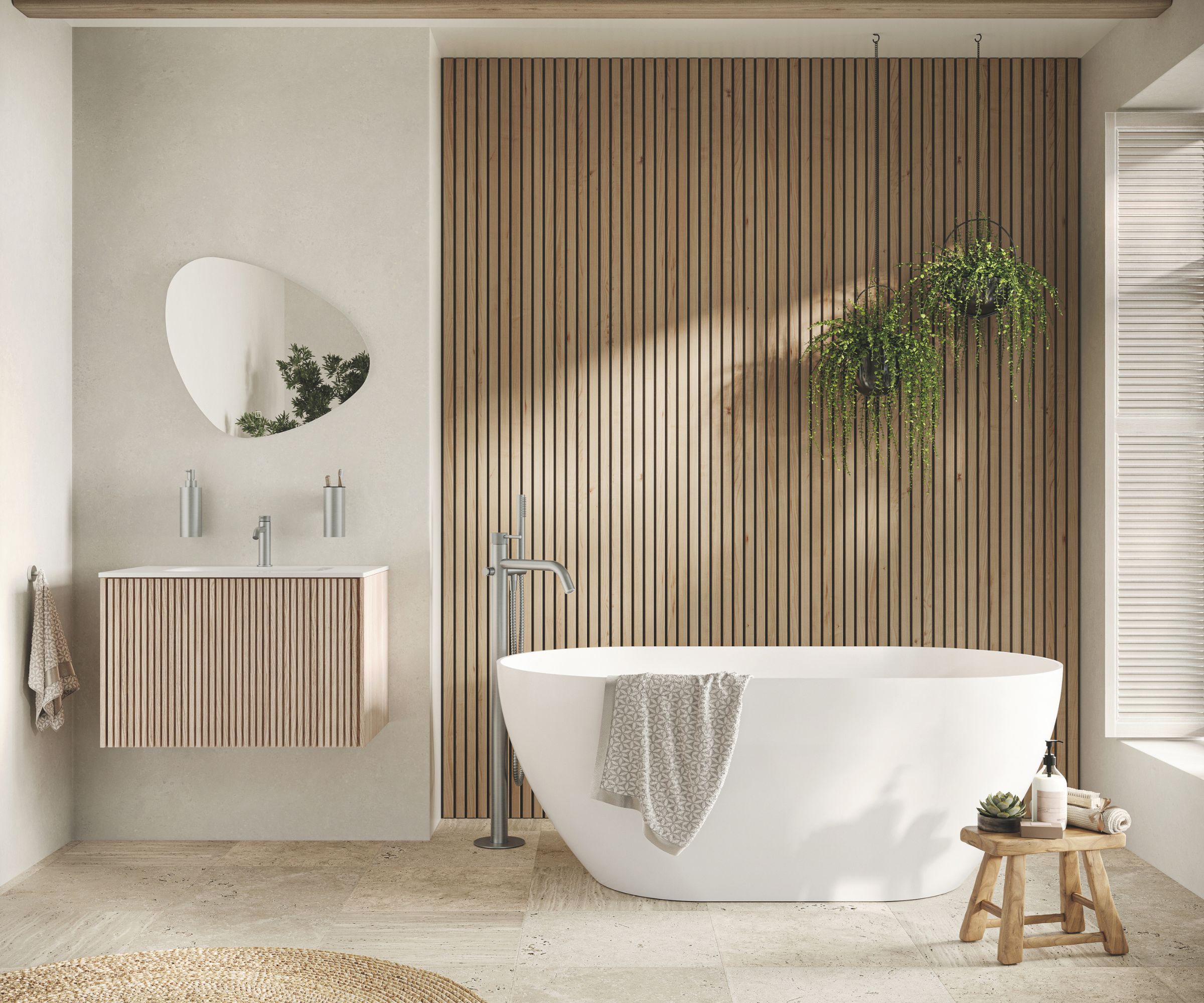
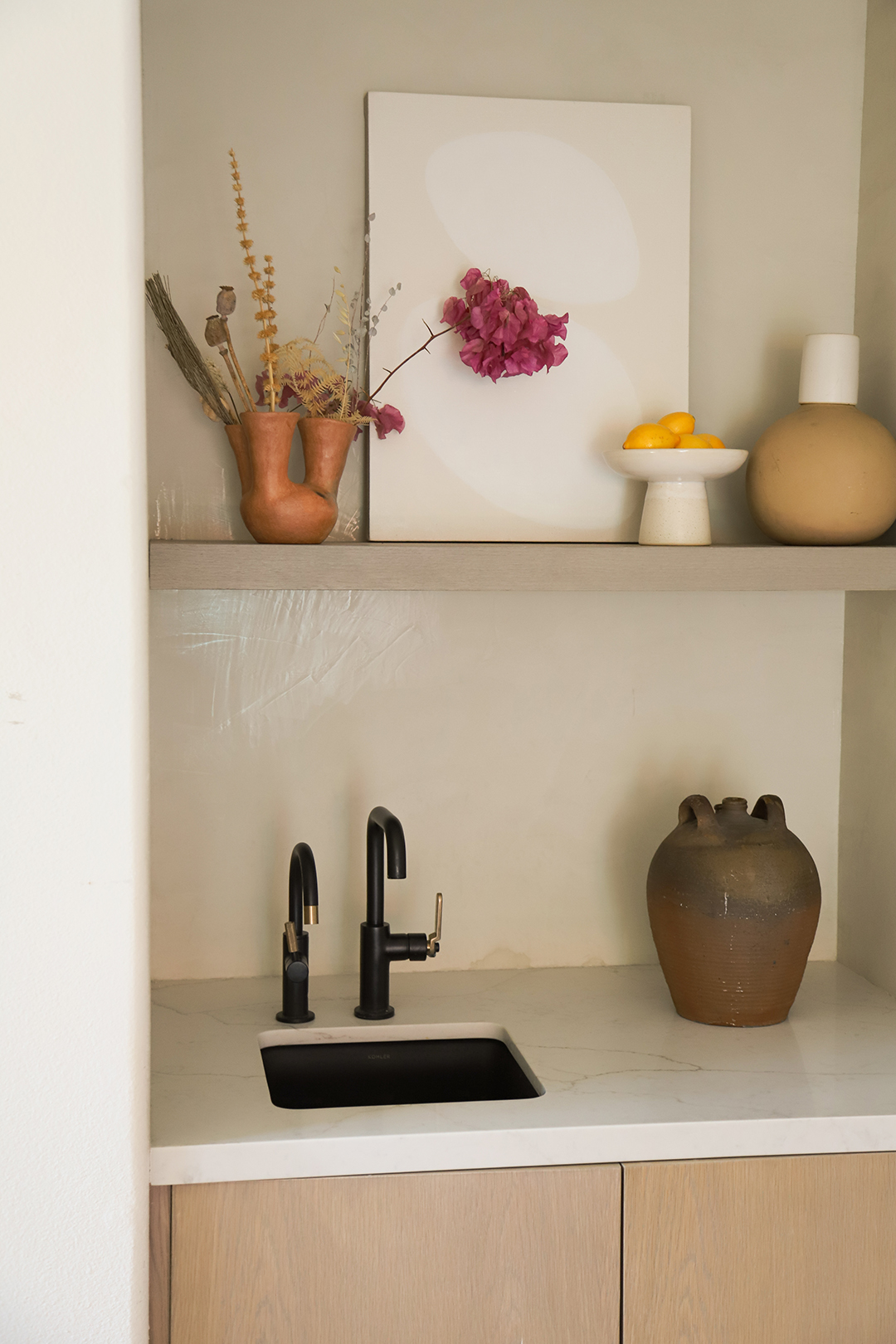
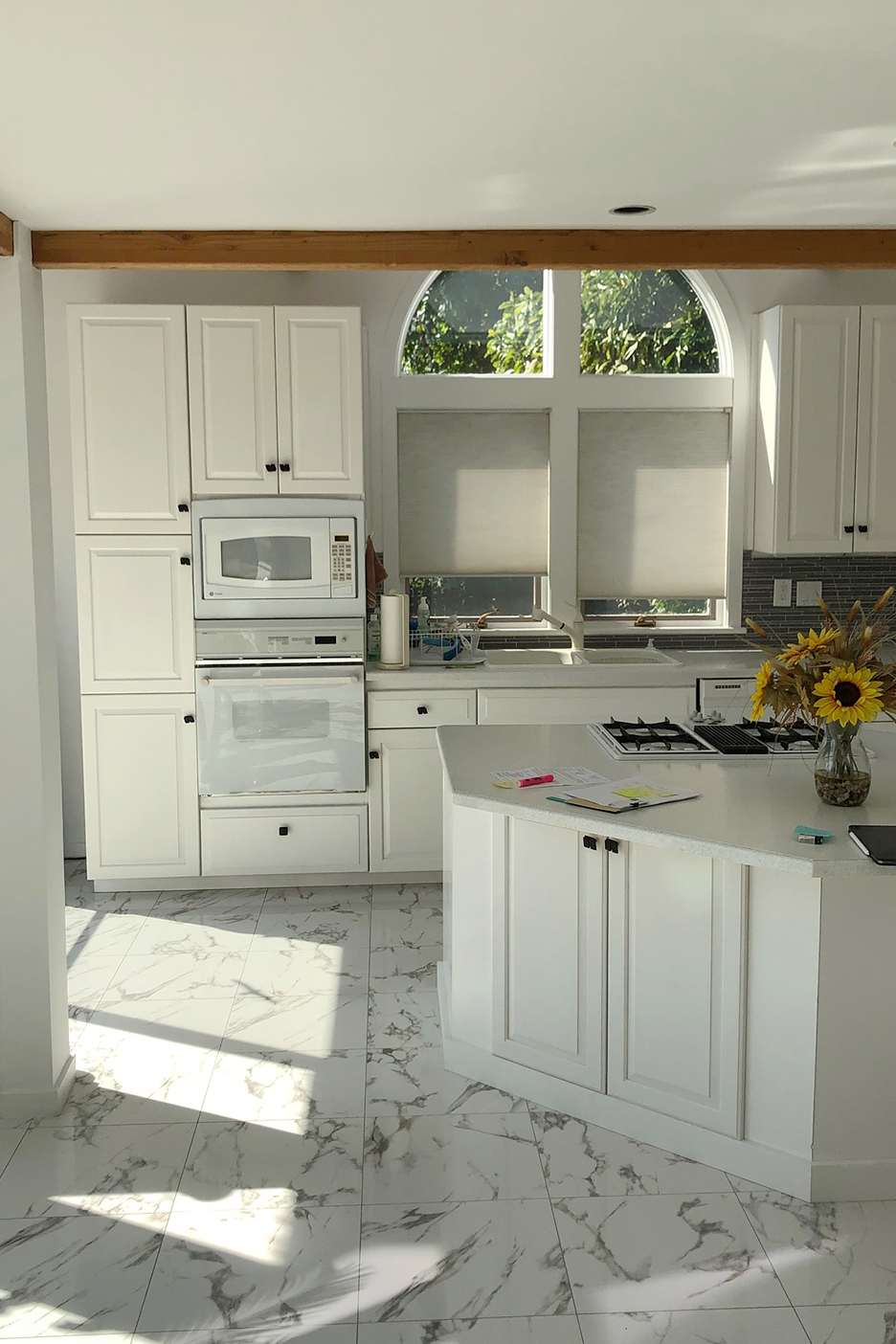
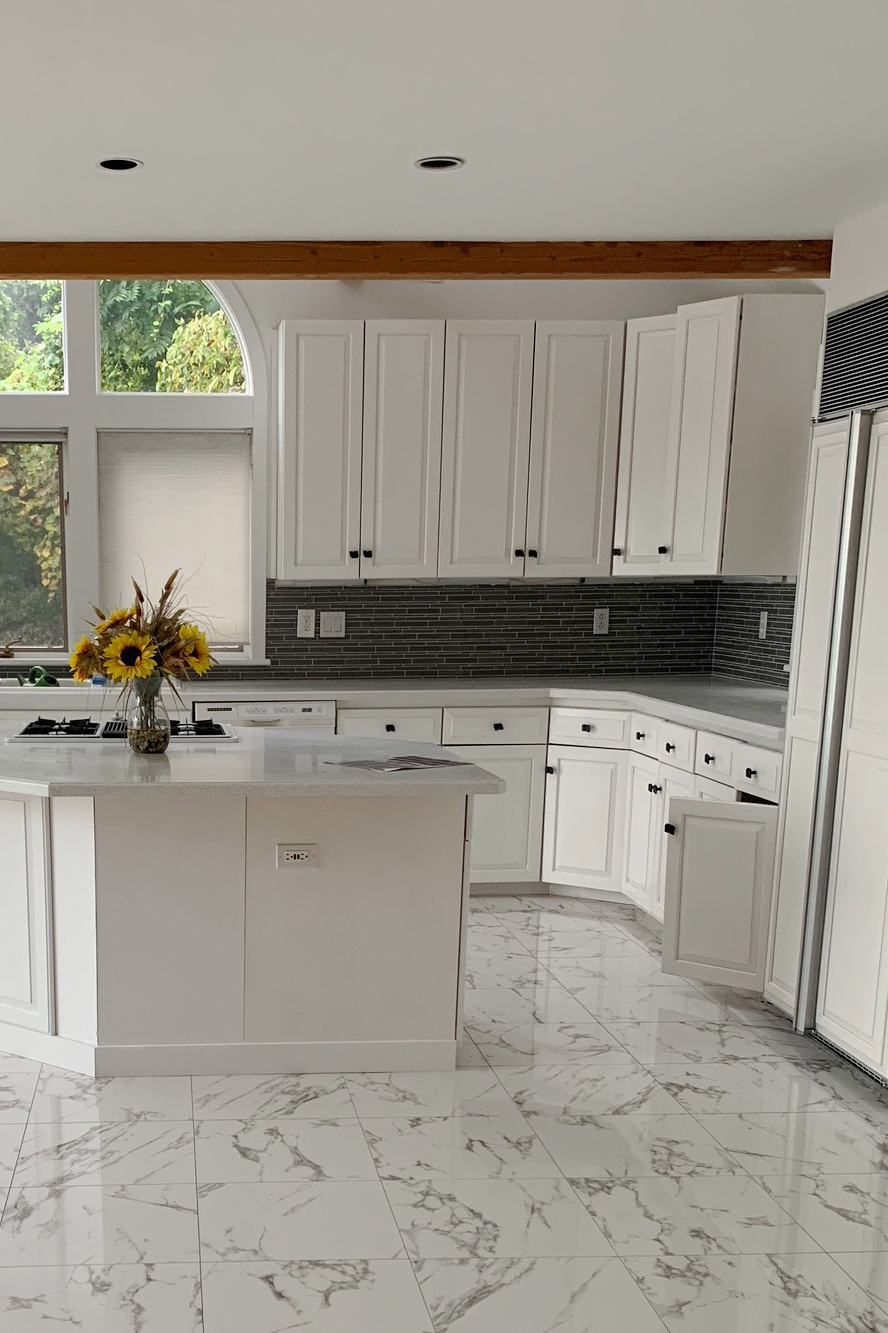
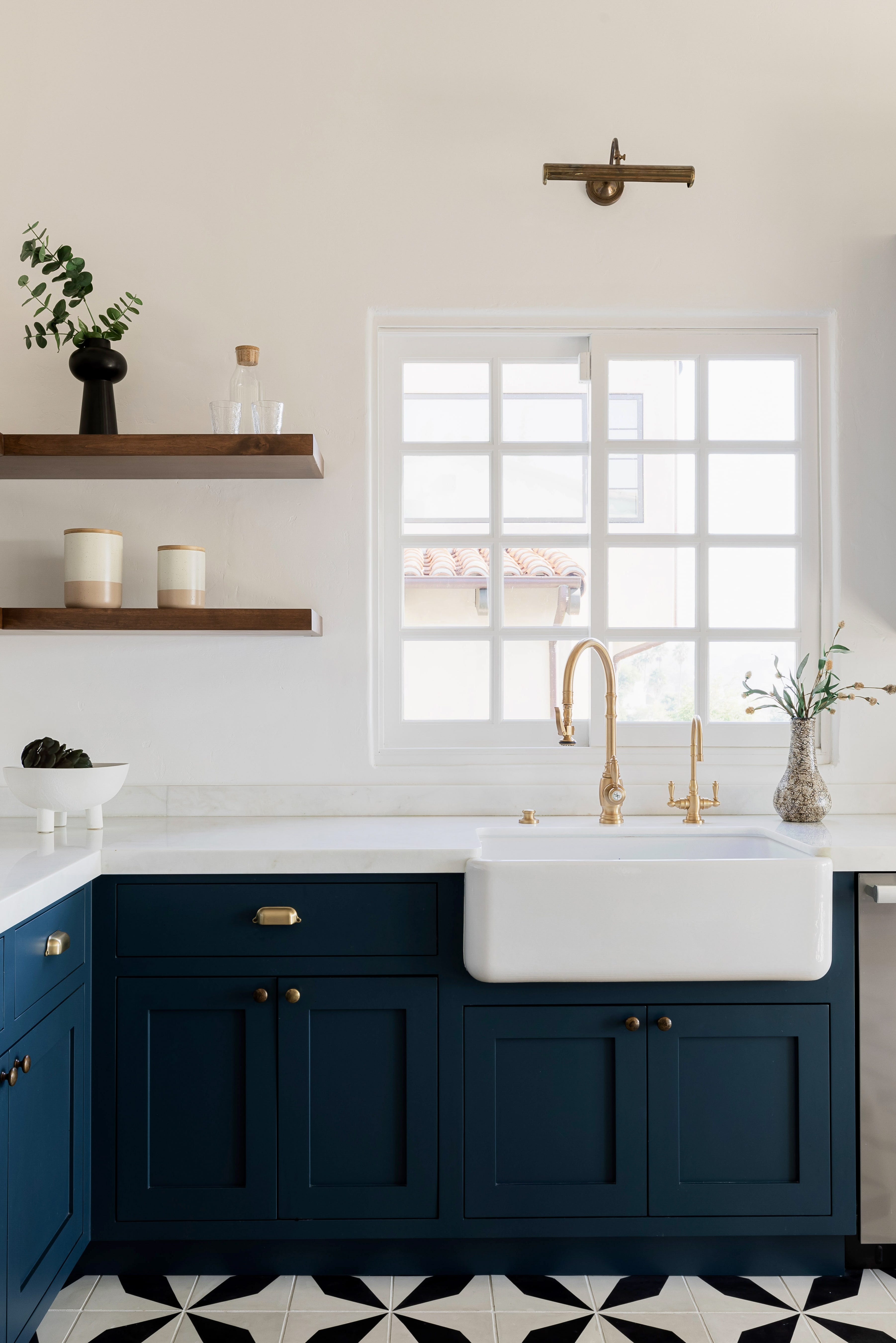
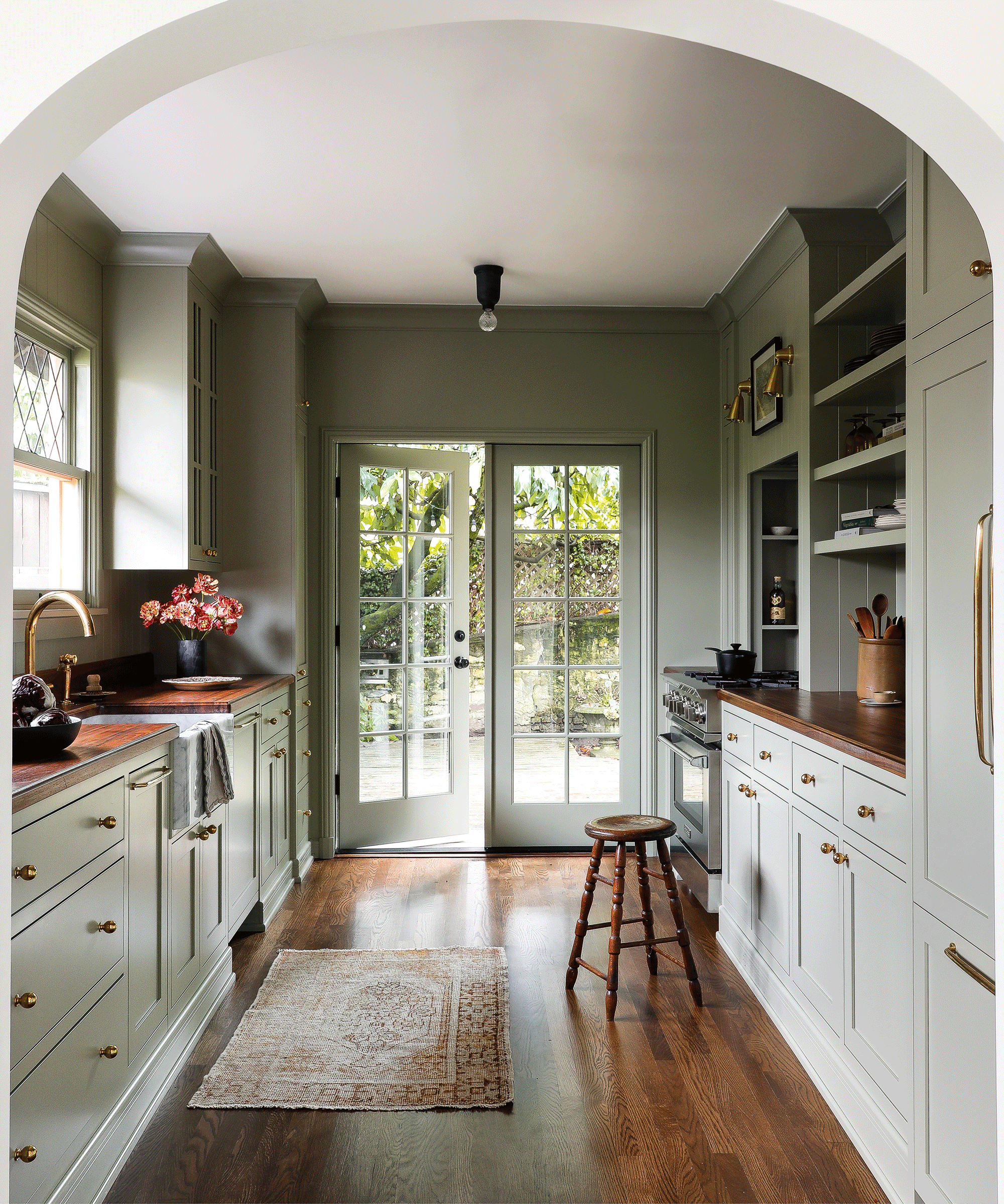
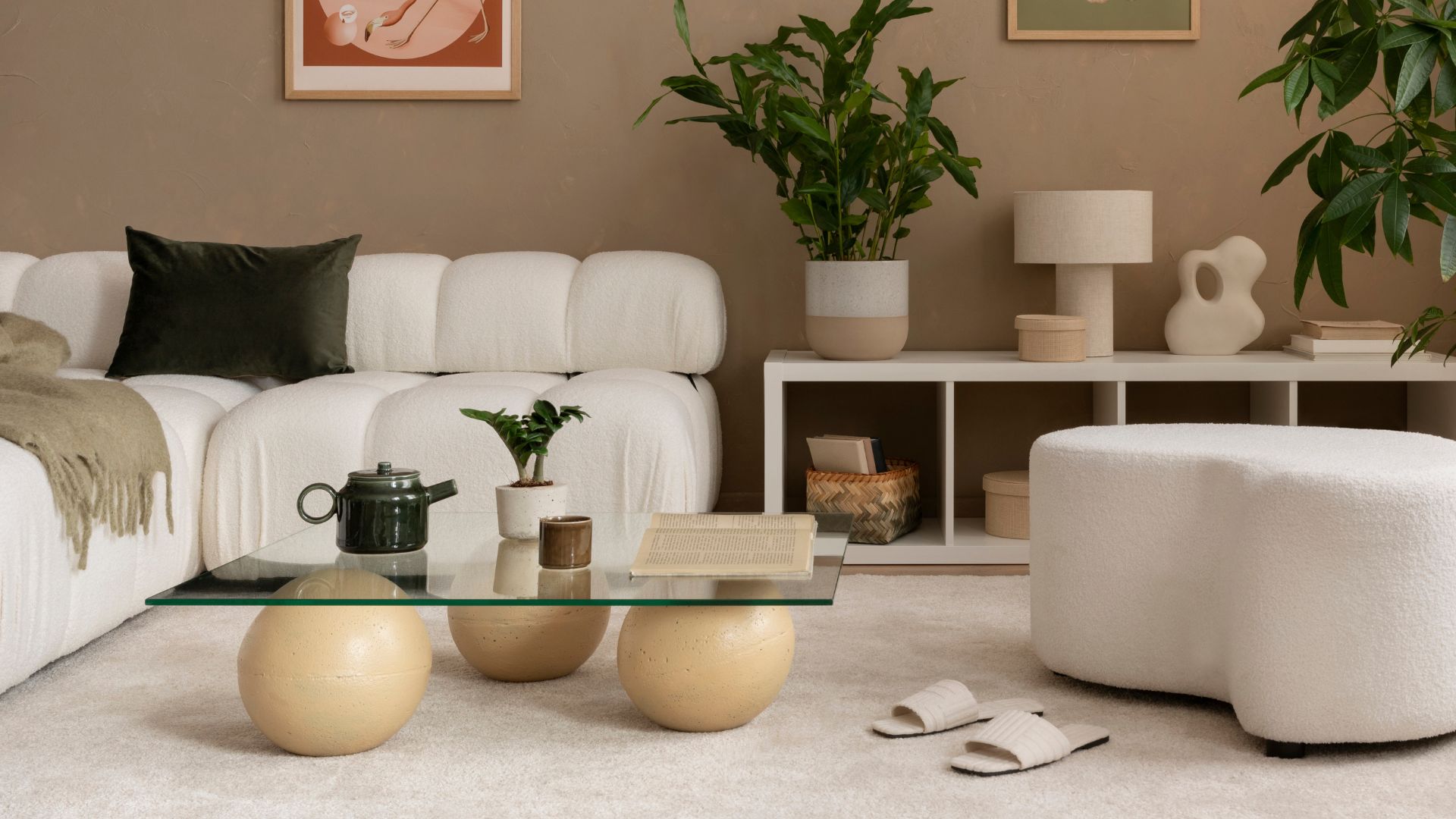
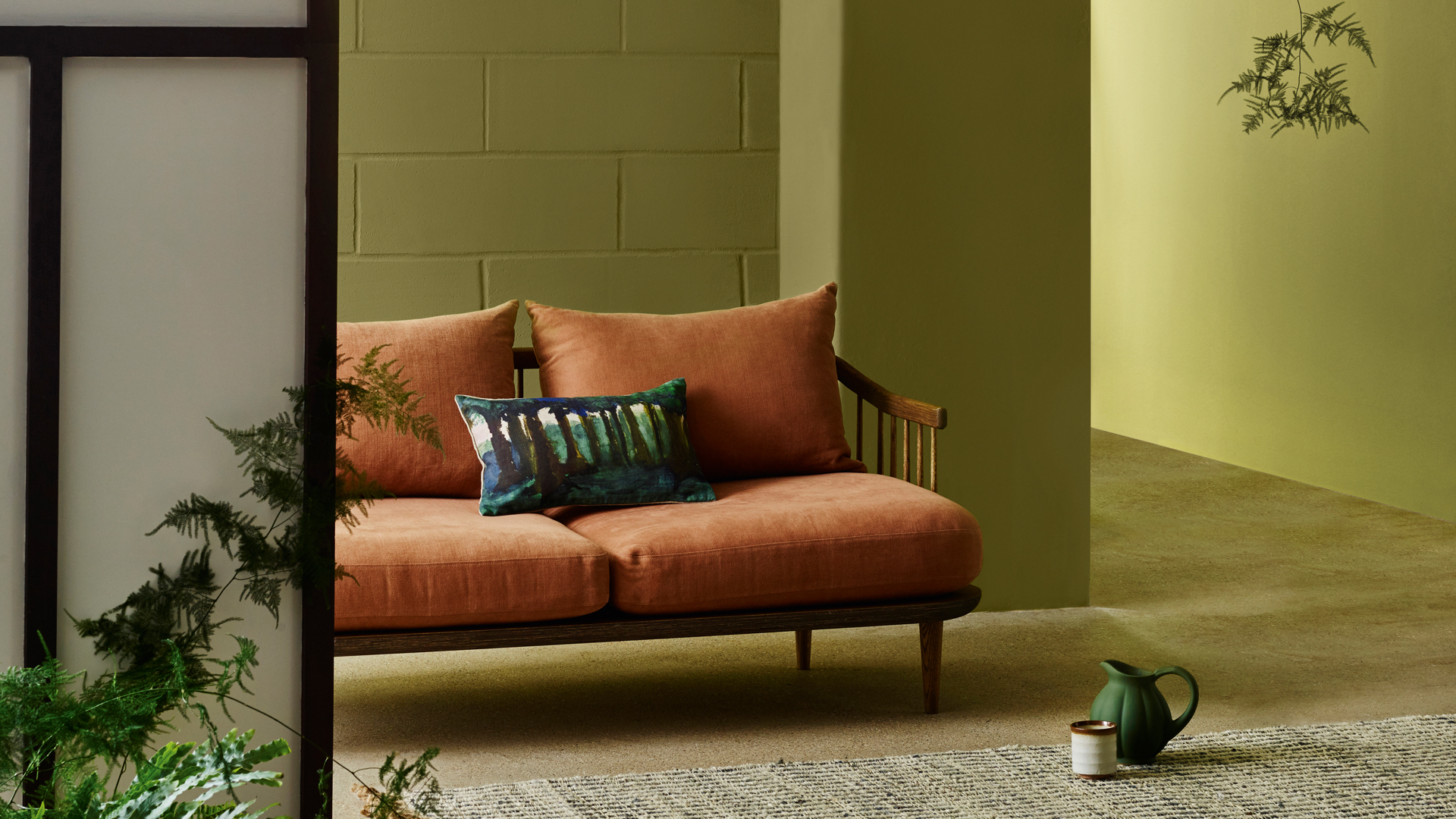
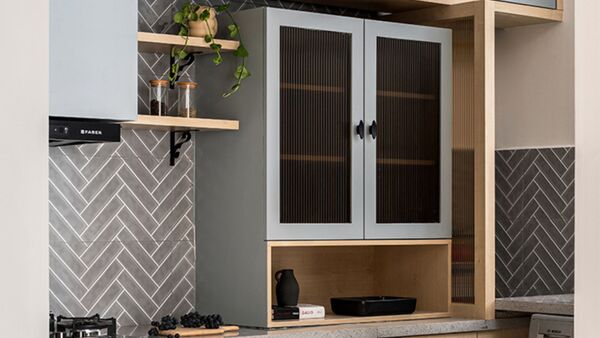
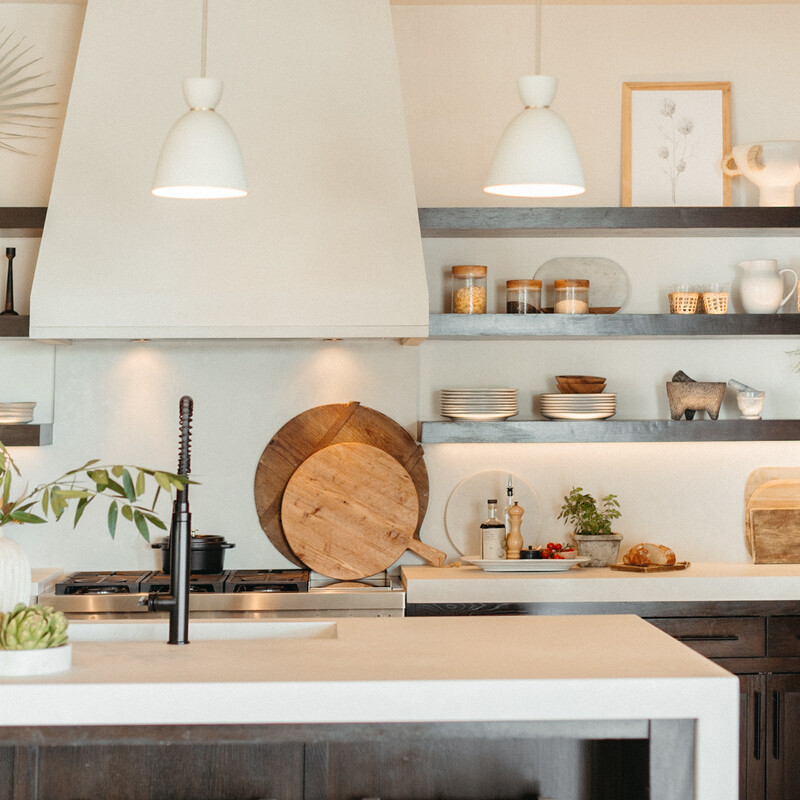
To achieve a Japandi kitchen, a neutral color palette is essential. Soft shades like beiges, taupes, and pale greens, particularly pistachio green, create a calming and cozy atmosphere. It is crucial to select colors with warm undertones to maintain the inviting essence of the style. These neutral tones provide a versatile backdrop, allowing for the easy integration of accessories and textiles in complementary accent colors. Even budget-friendly updates, such as new tiles or different paint colors for walls and cabinets, can introduce these muted hues.
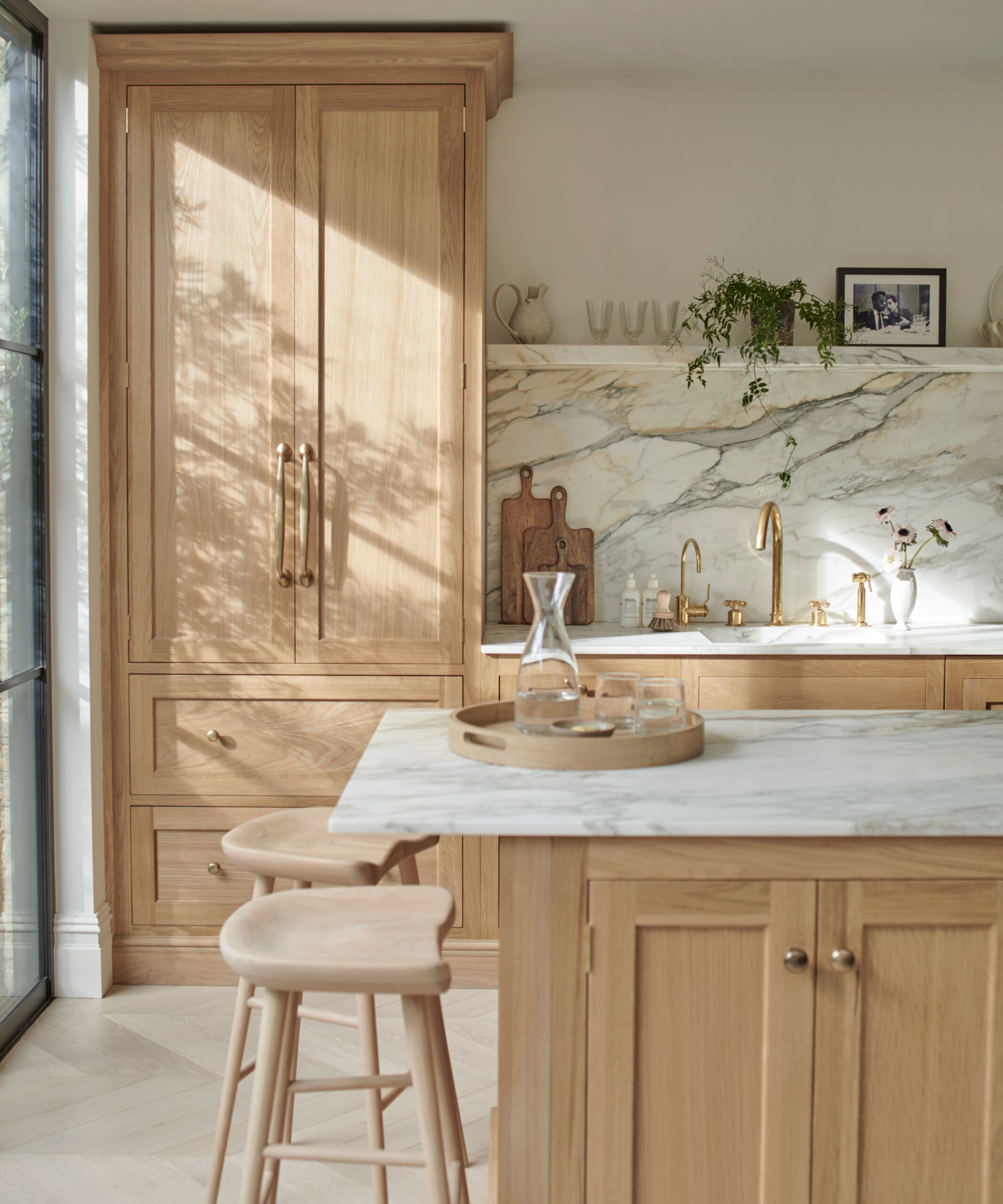
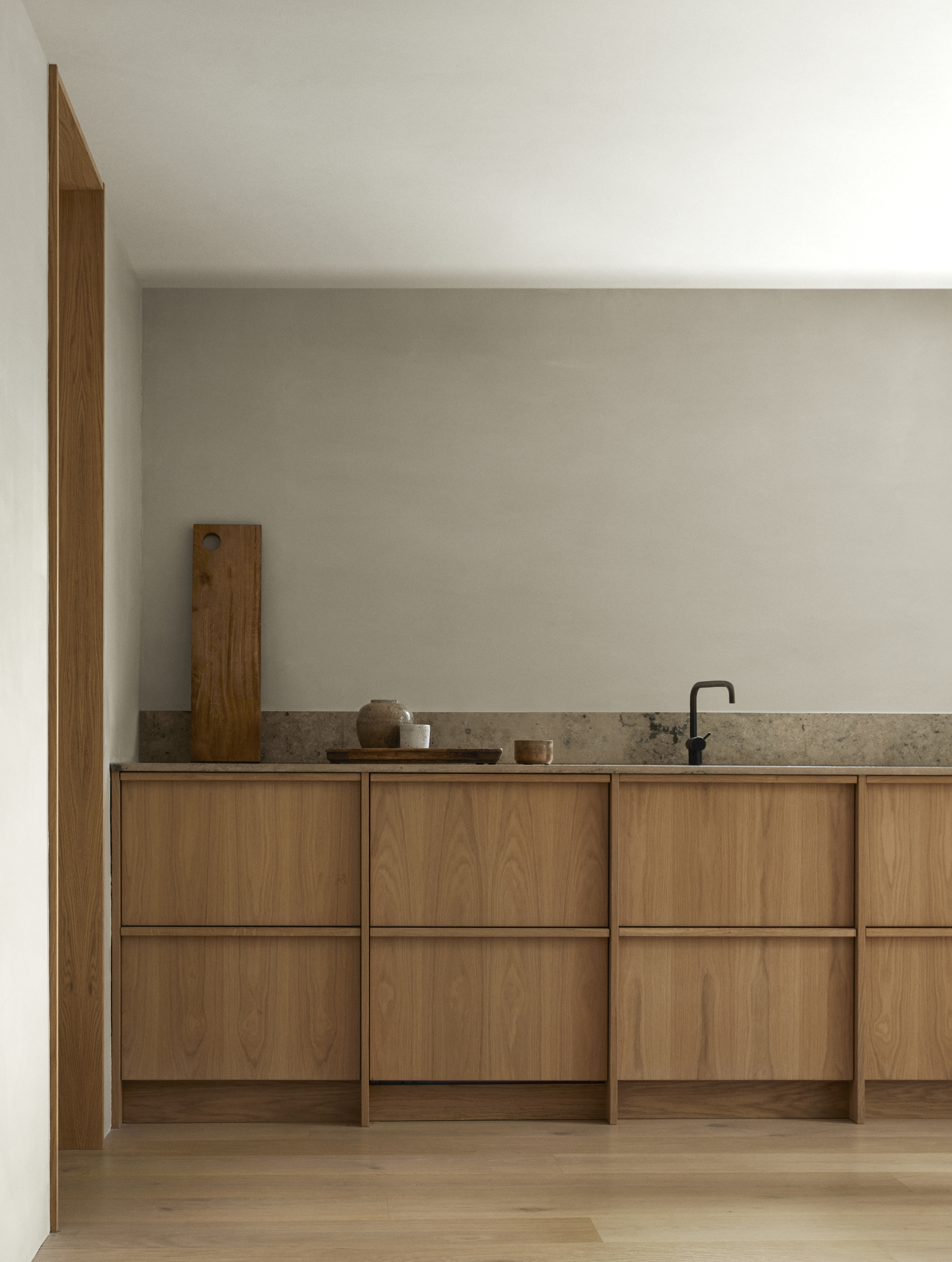
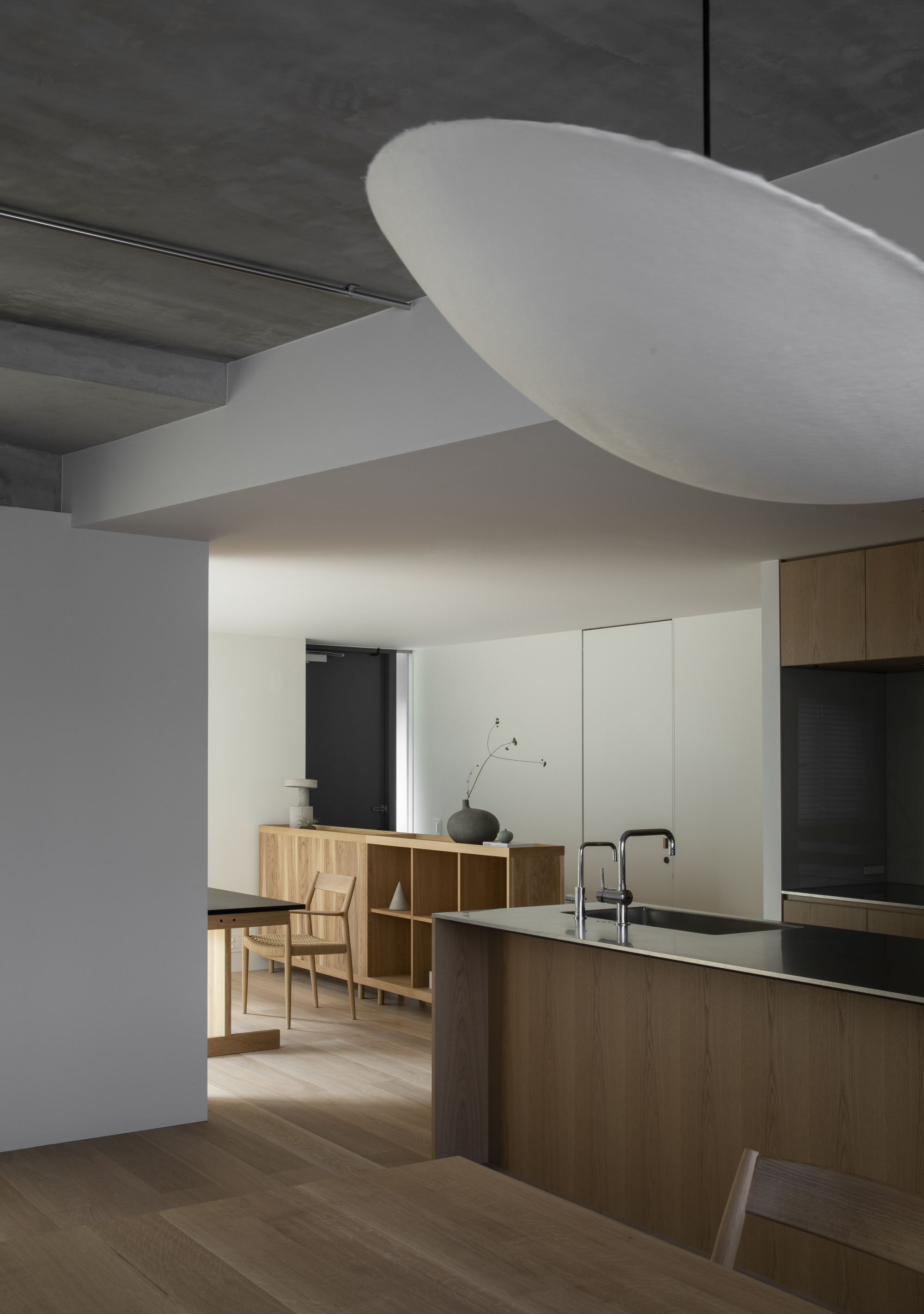
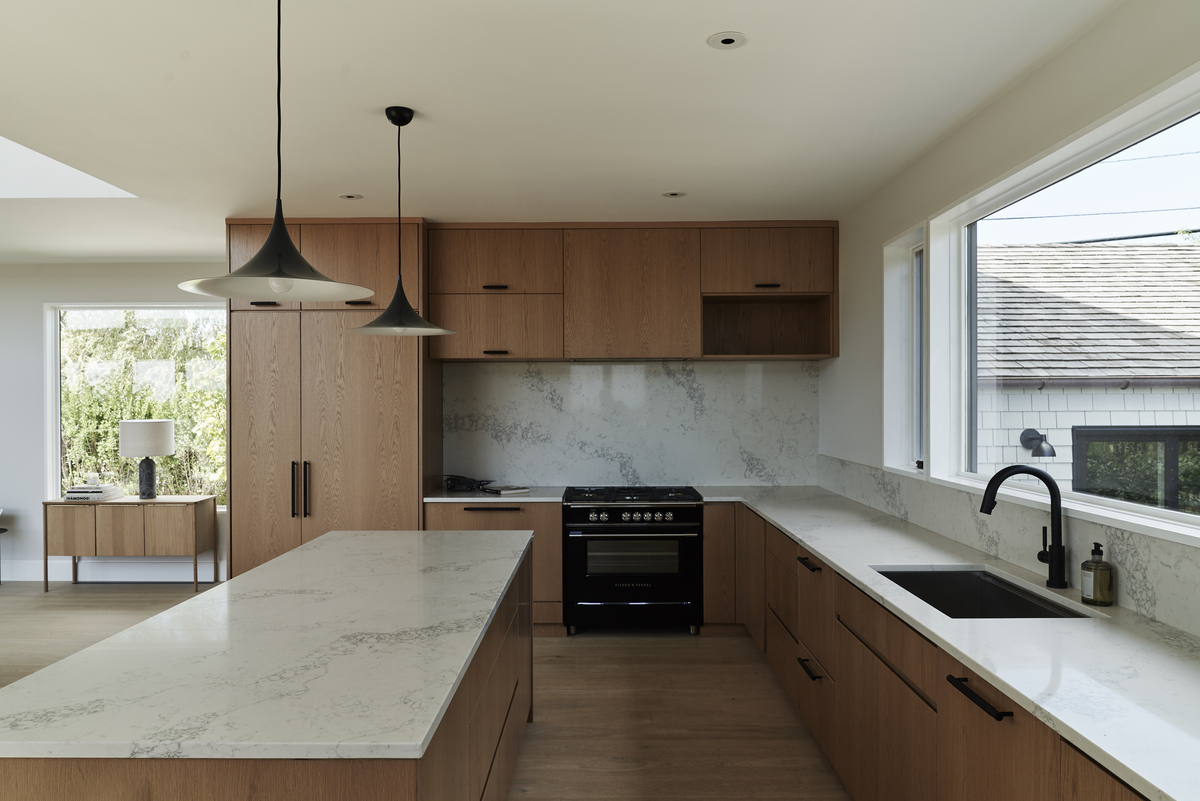
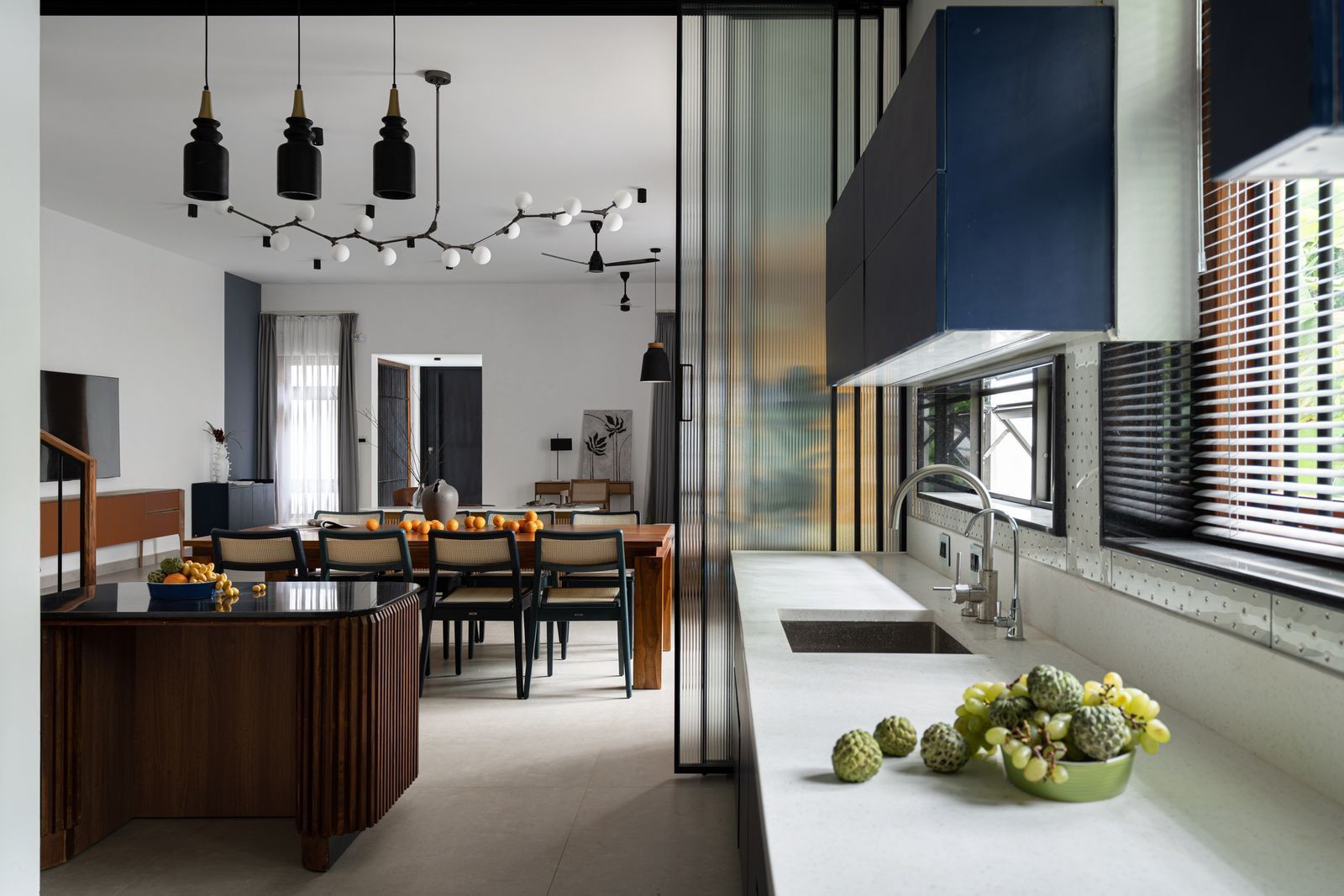
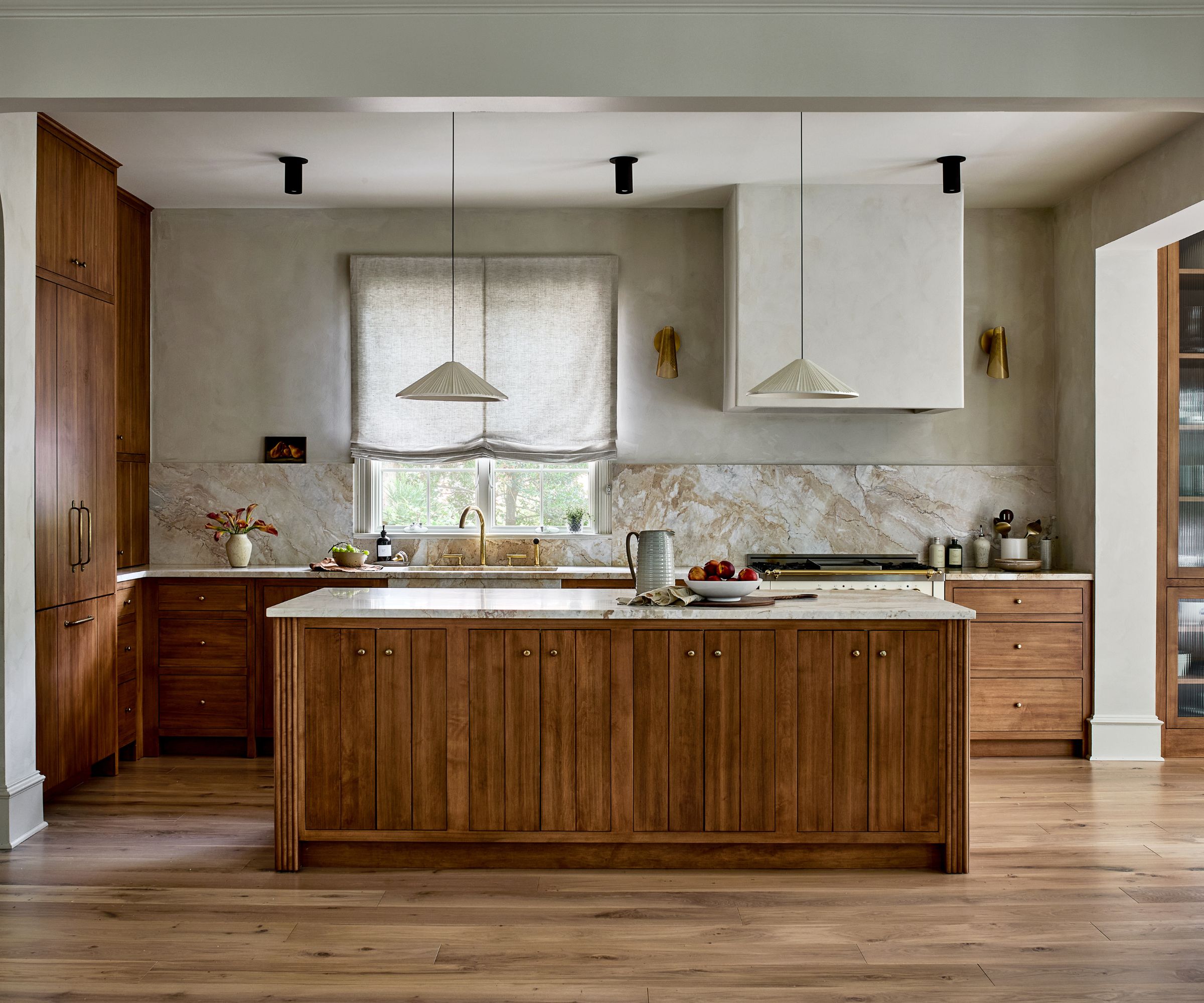
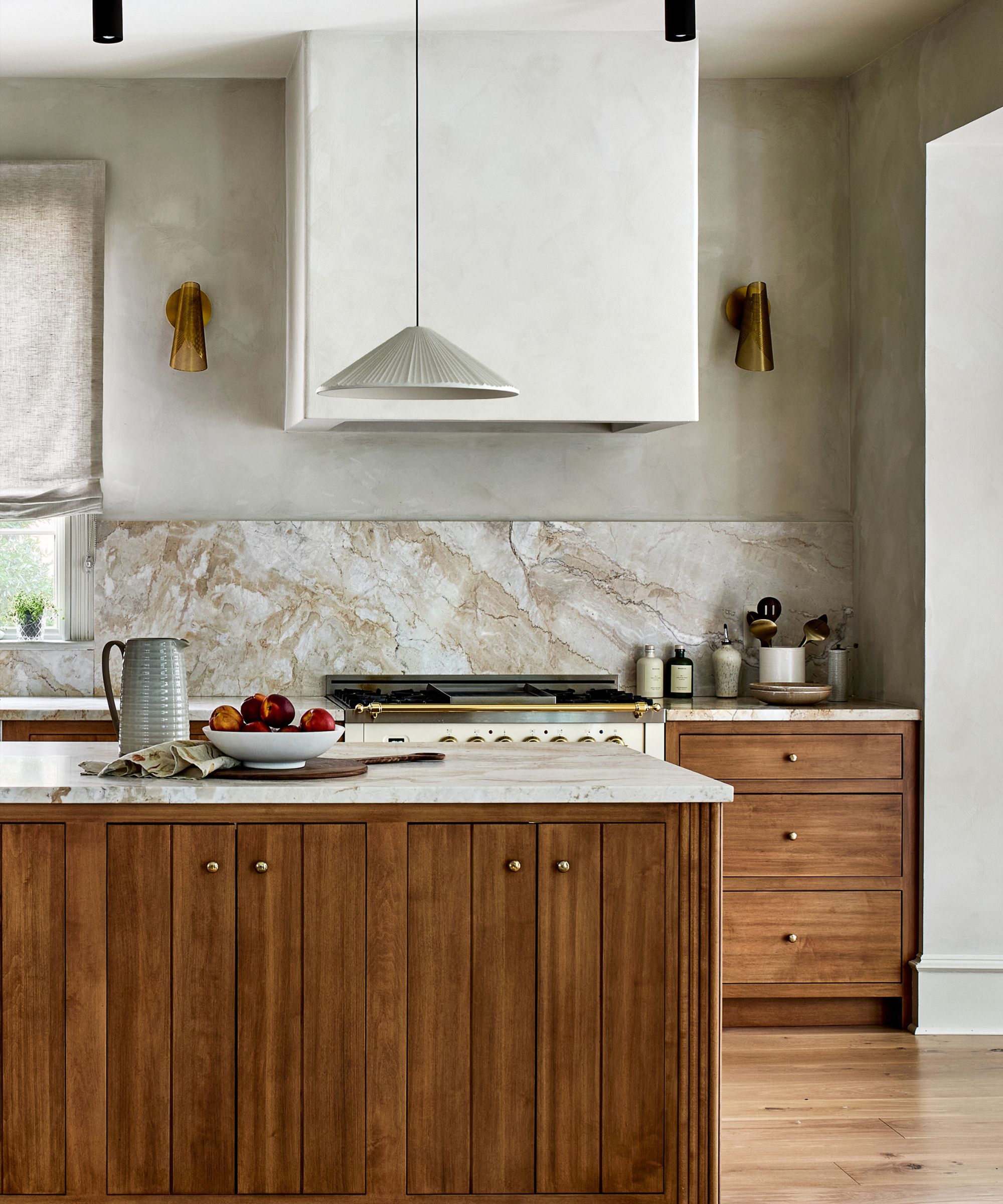
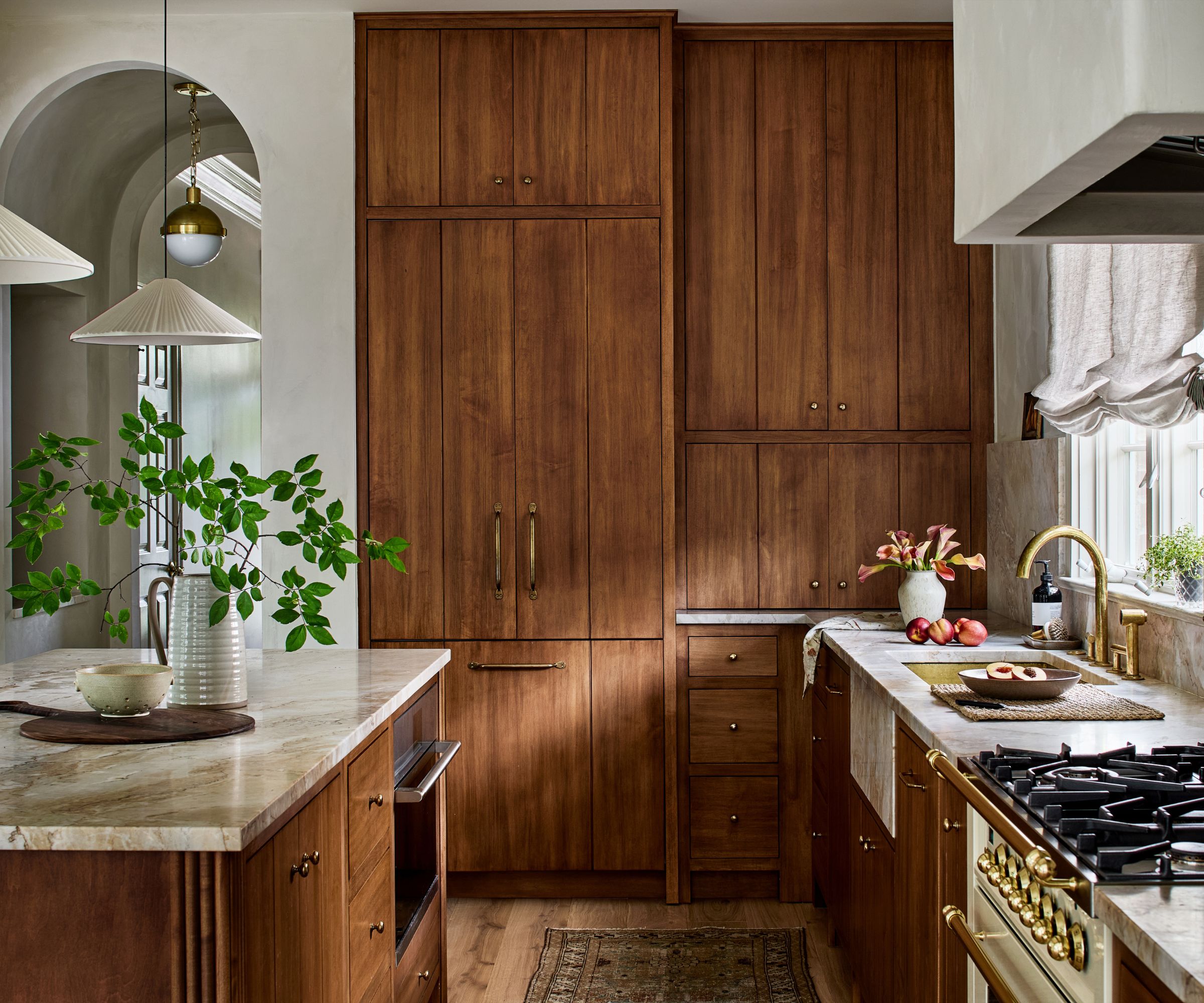
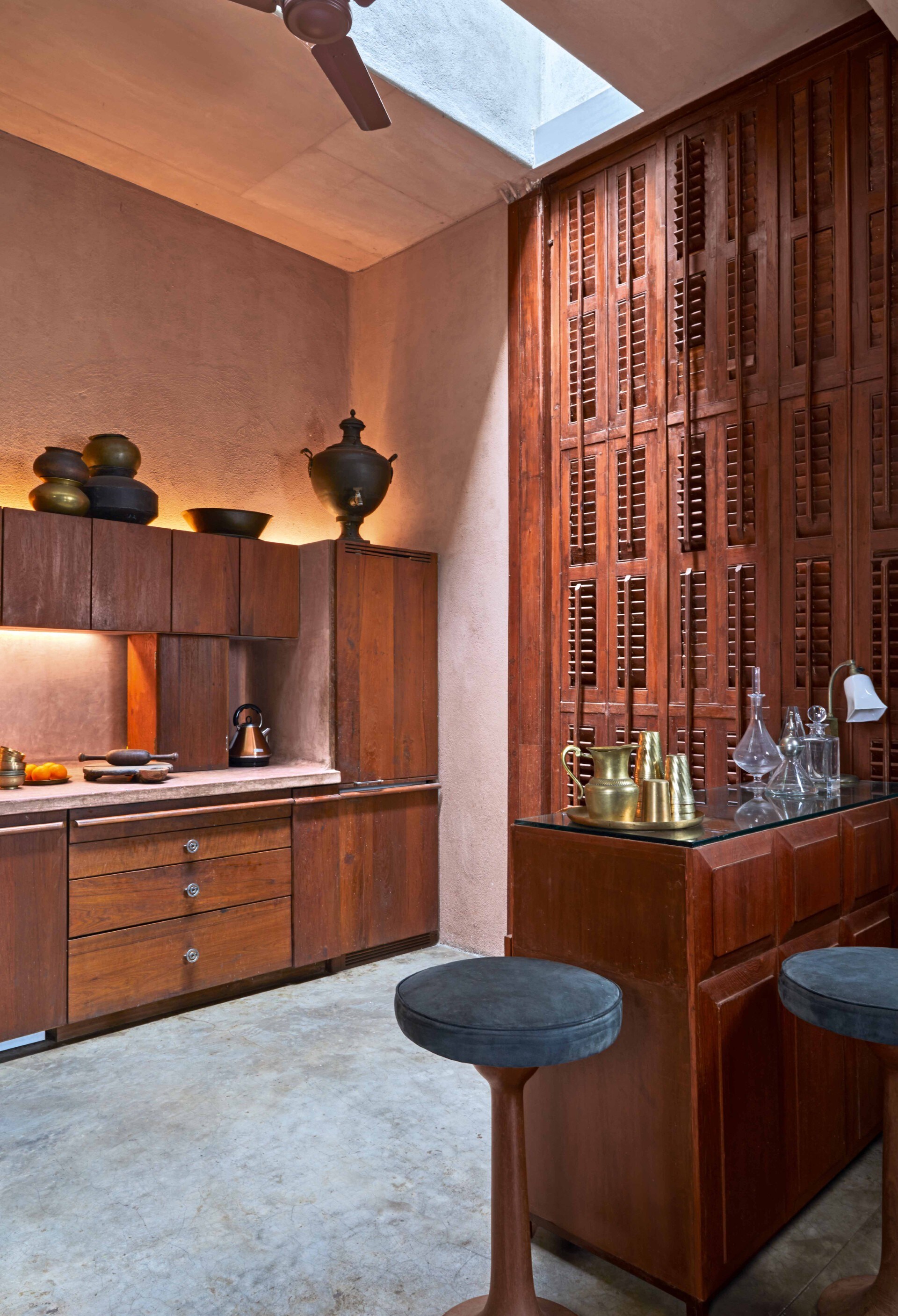
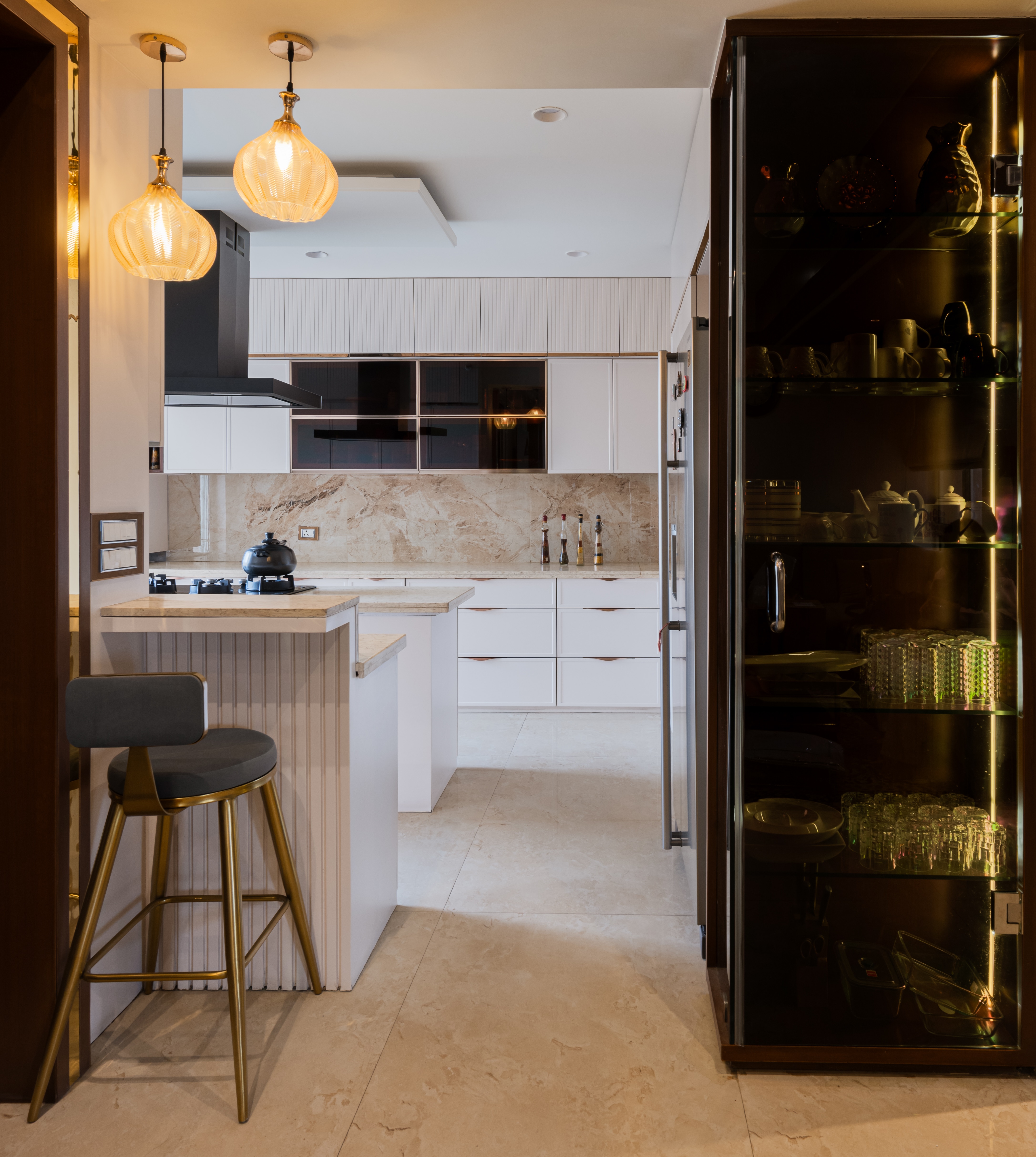
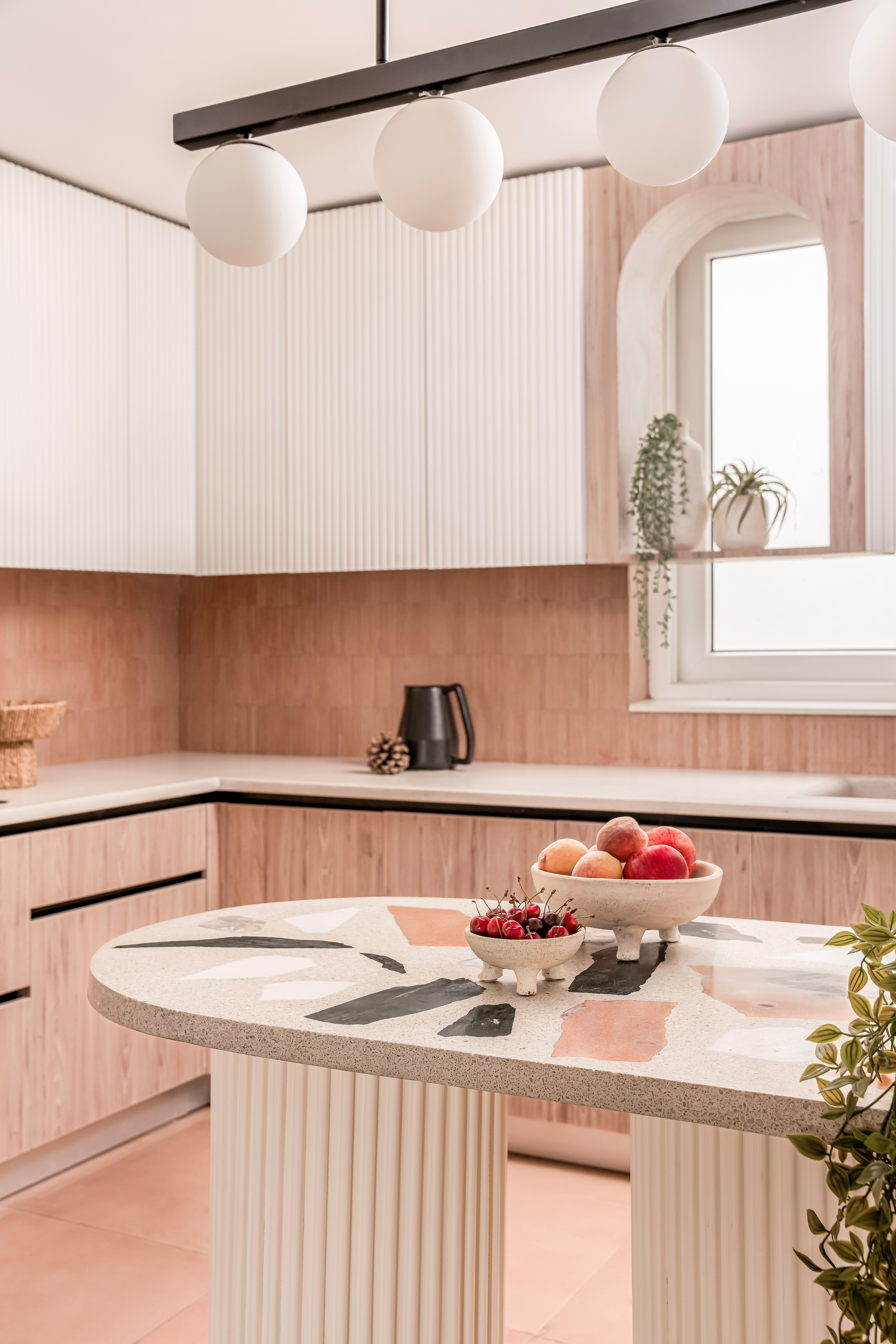
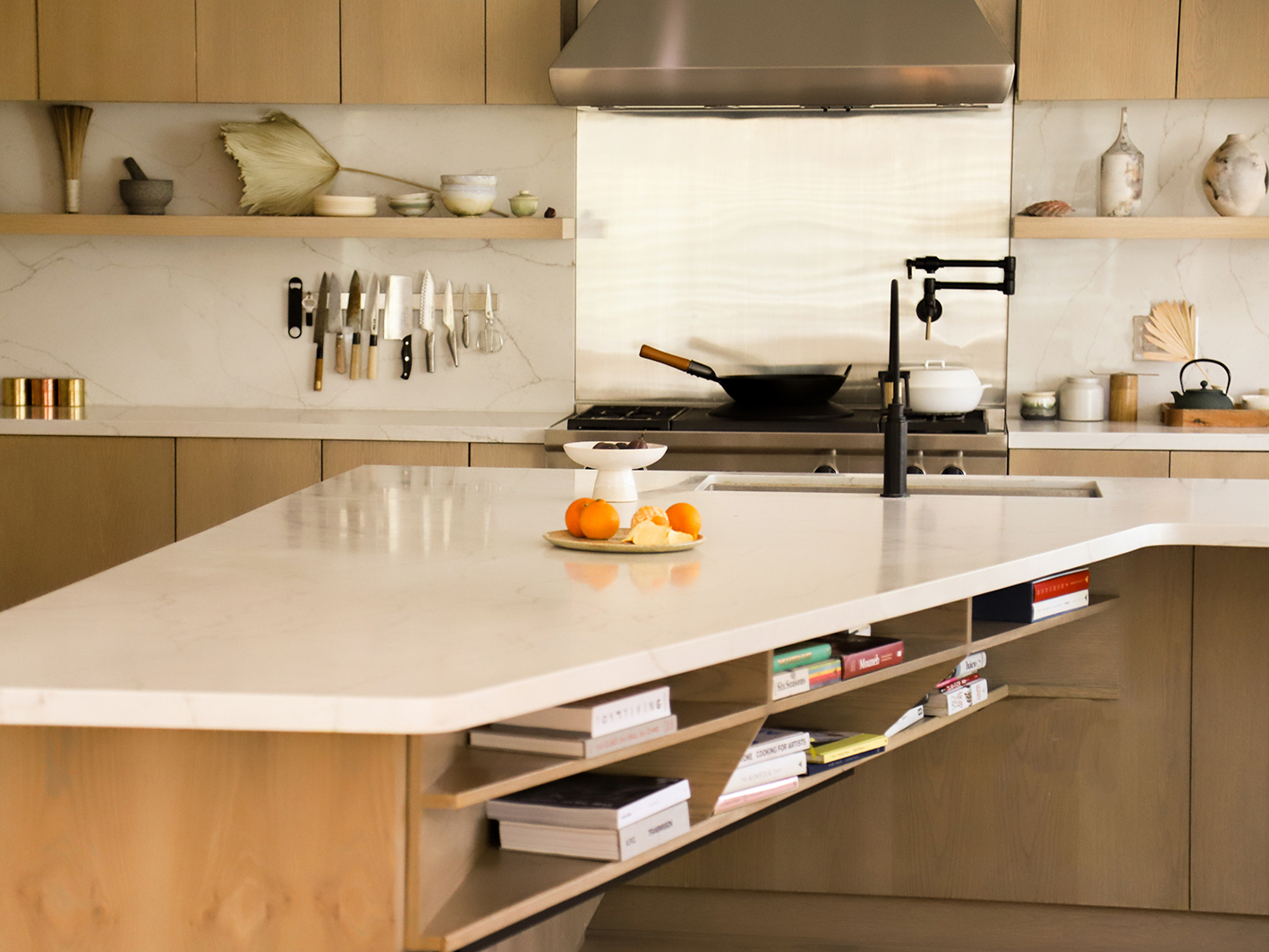
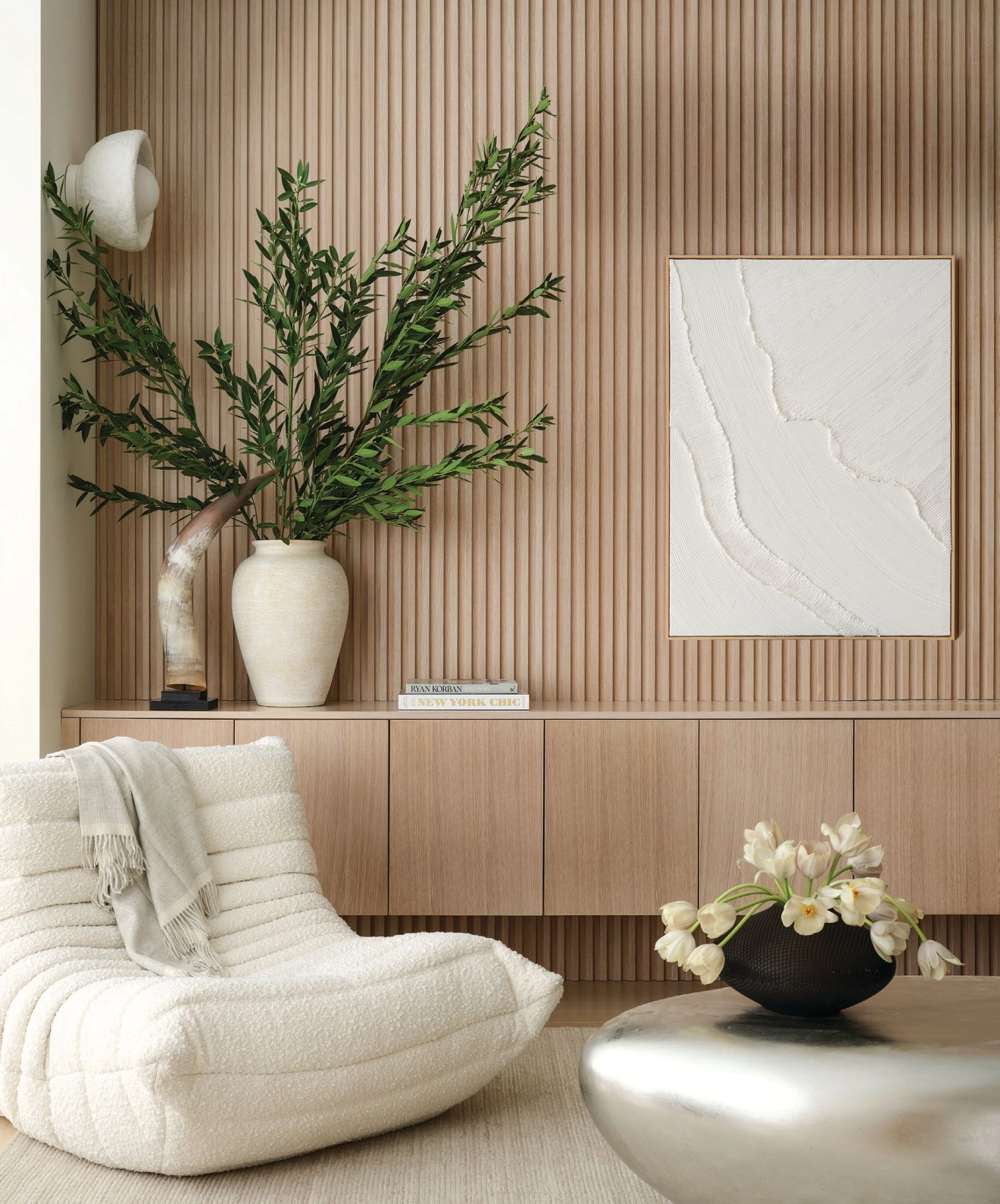
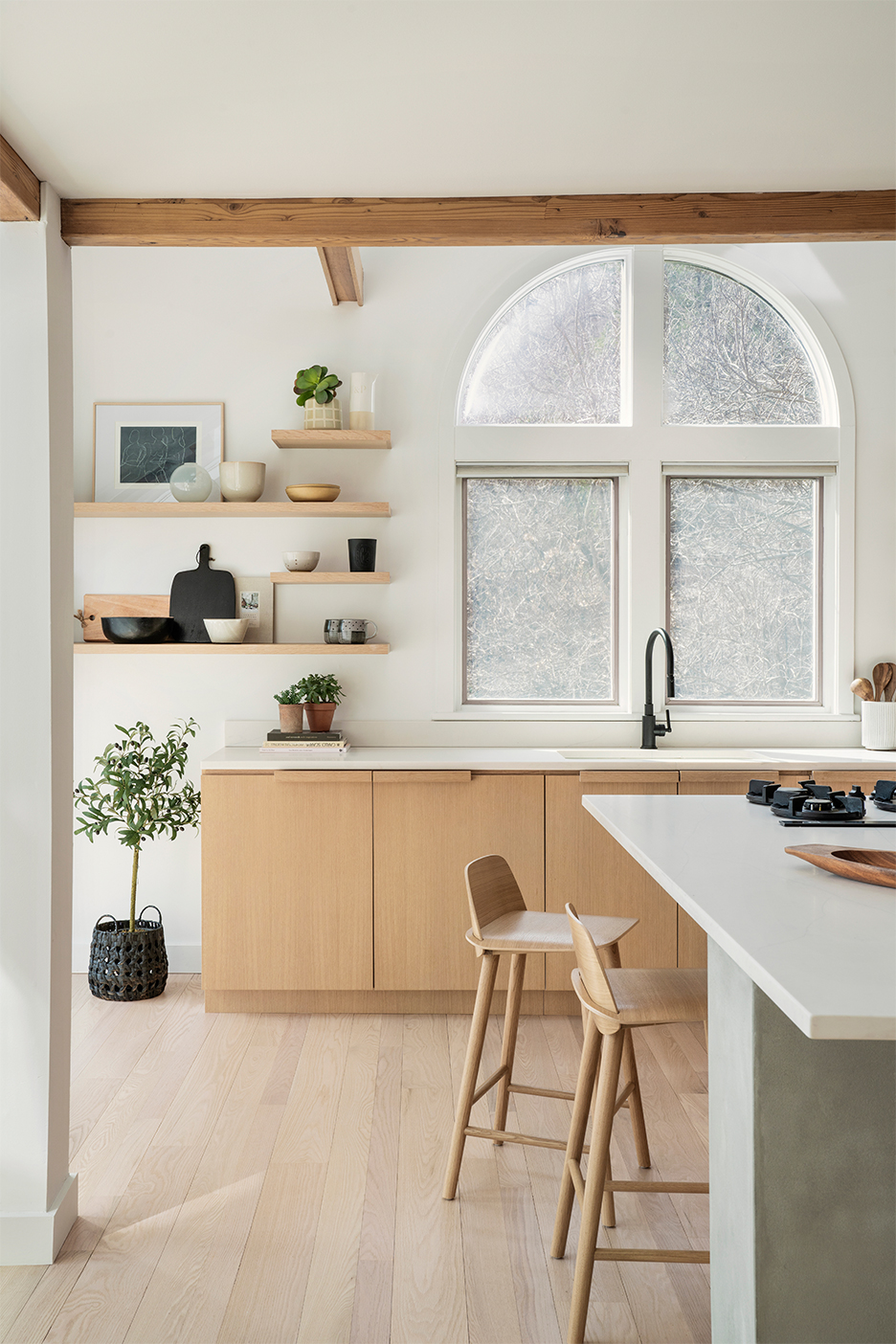
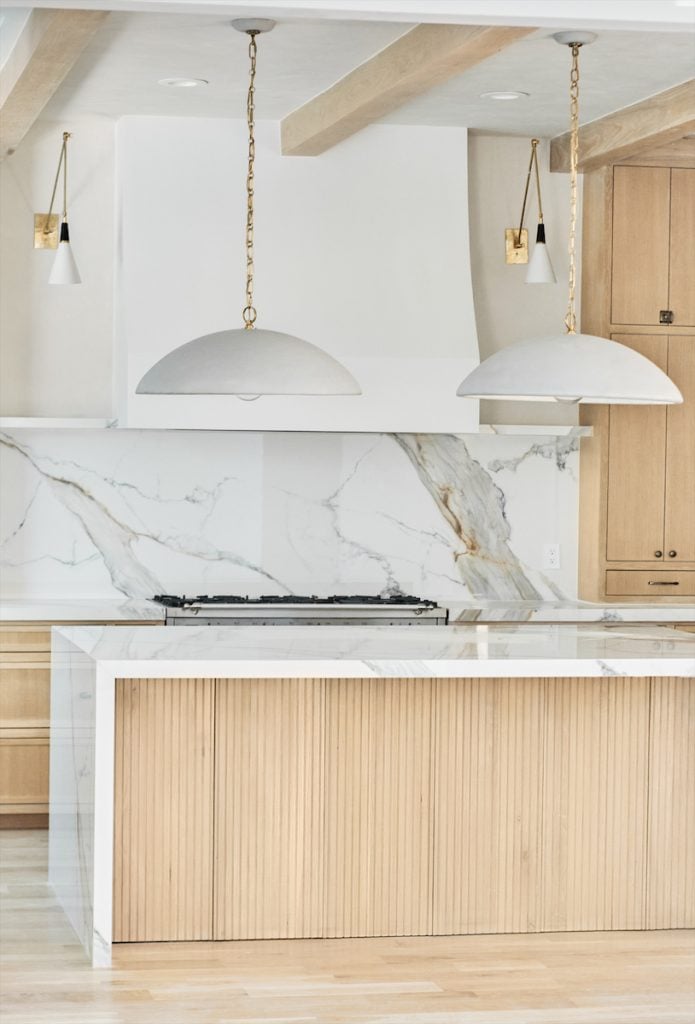
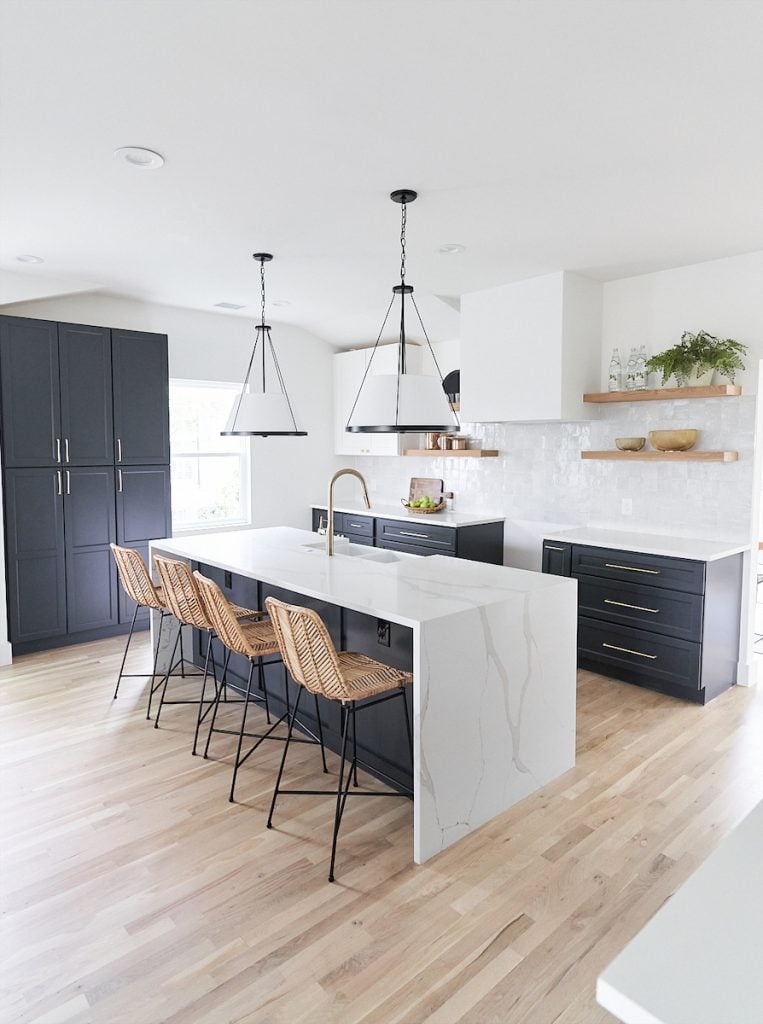
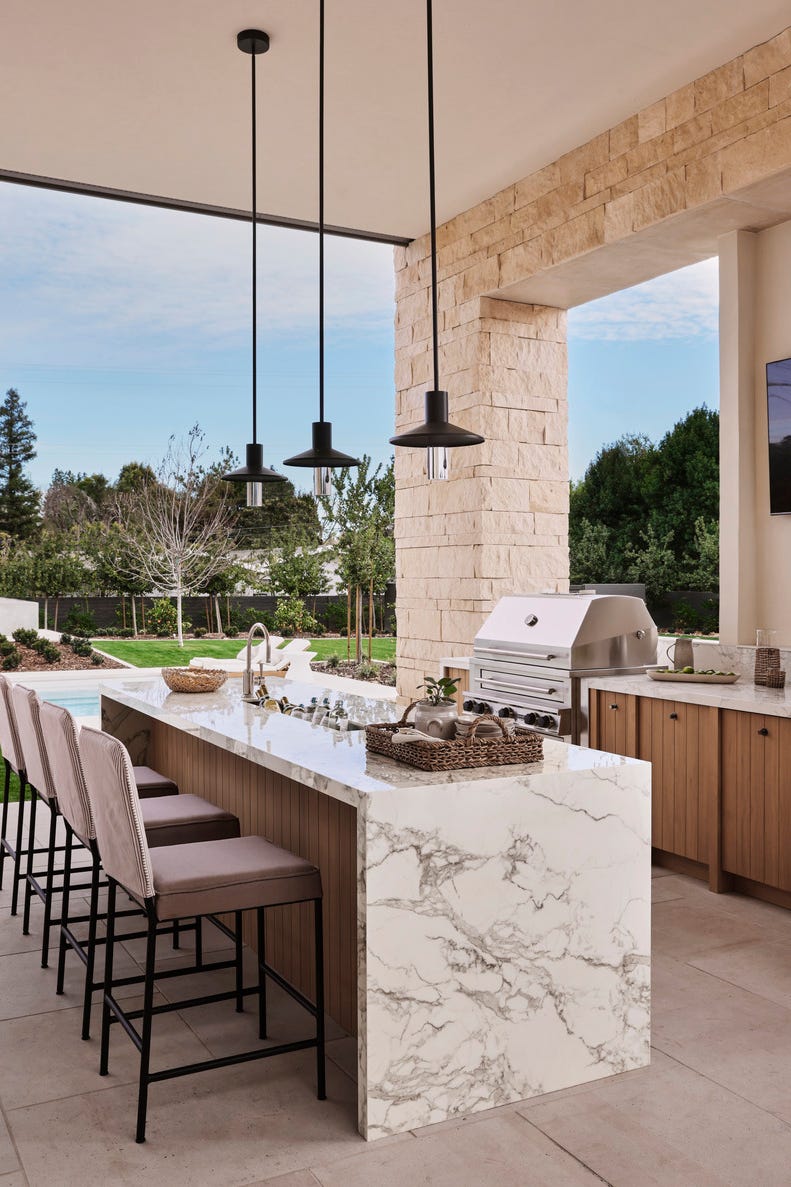
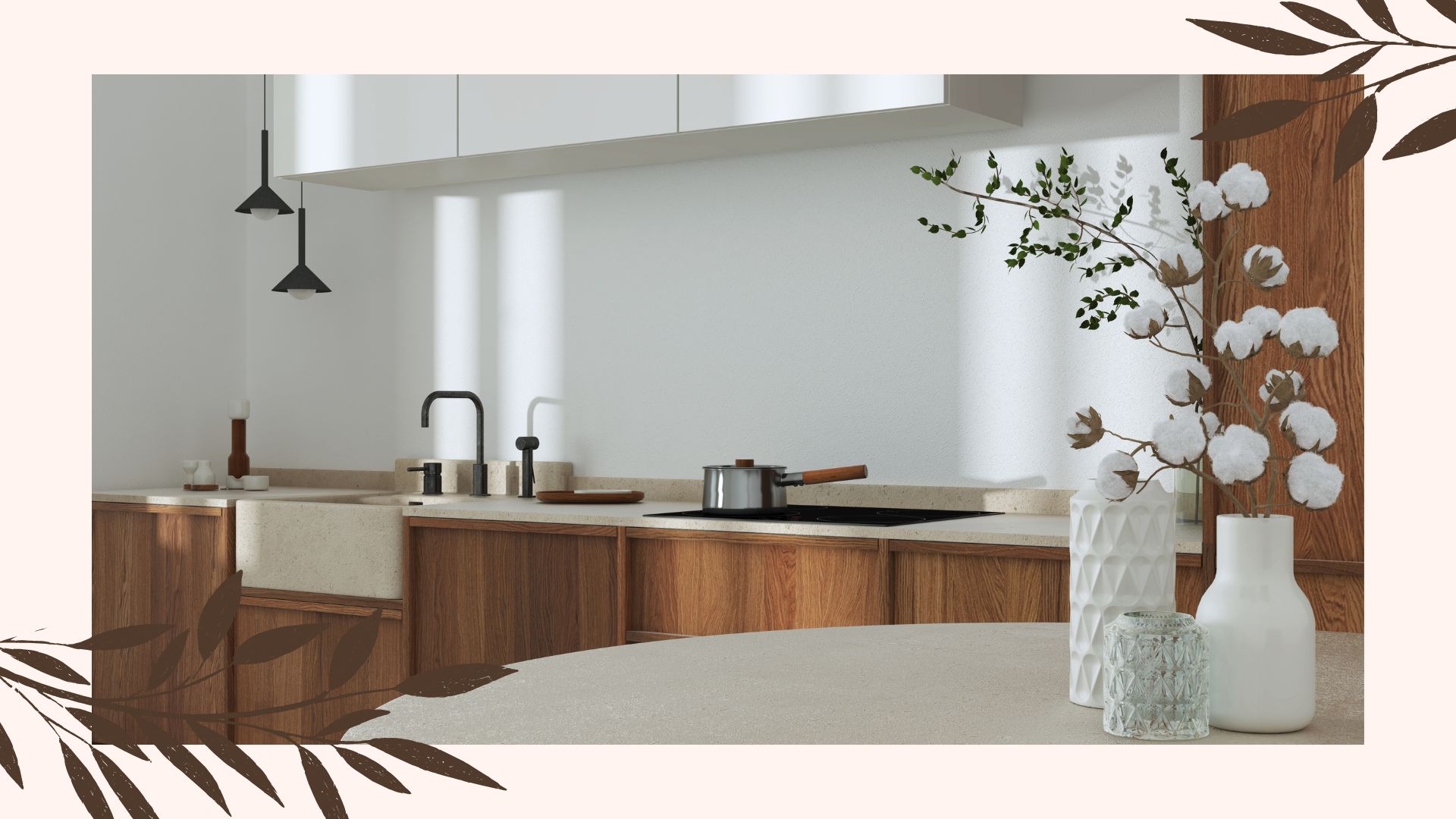
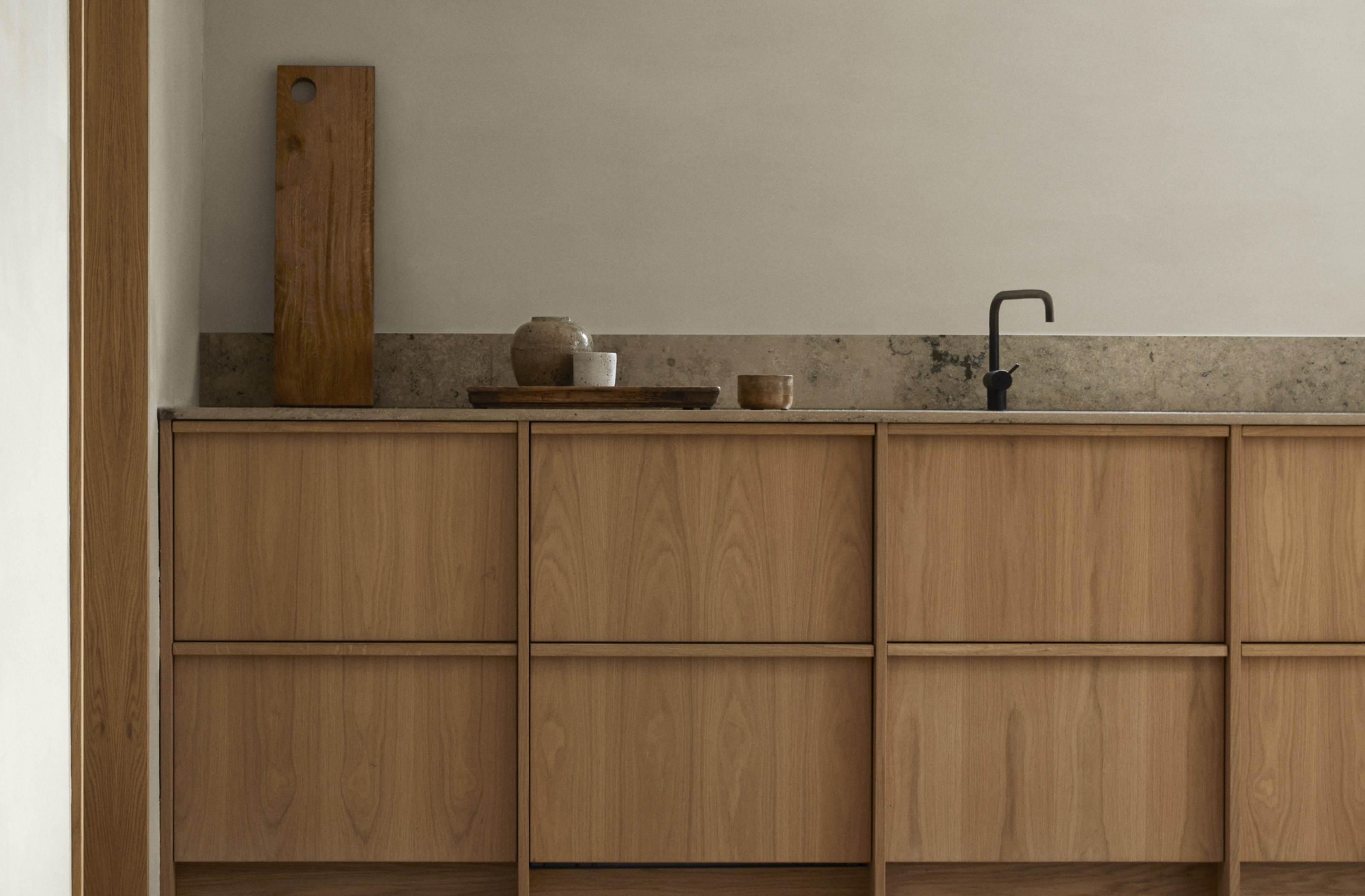
Cabinets play a pivotal role in a Japandi kitchen. Wood, a natural material, is an ideal choice, offering warmth and texture. Options include vertical wooden ridges for added texture or combining different wood tones for flooring and cabinetry. Handleless cabinets further contribute to the clean and sleek minimalist aesthetic. For those on a budget, replacing cabinet doors with Japandi-inspired styles can significantly transform the kitchen's look.
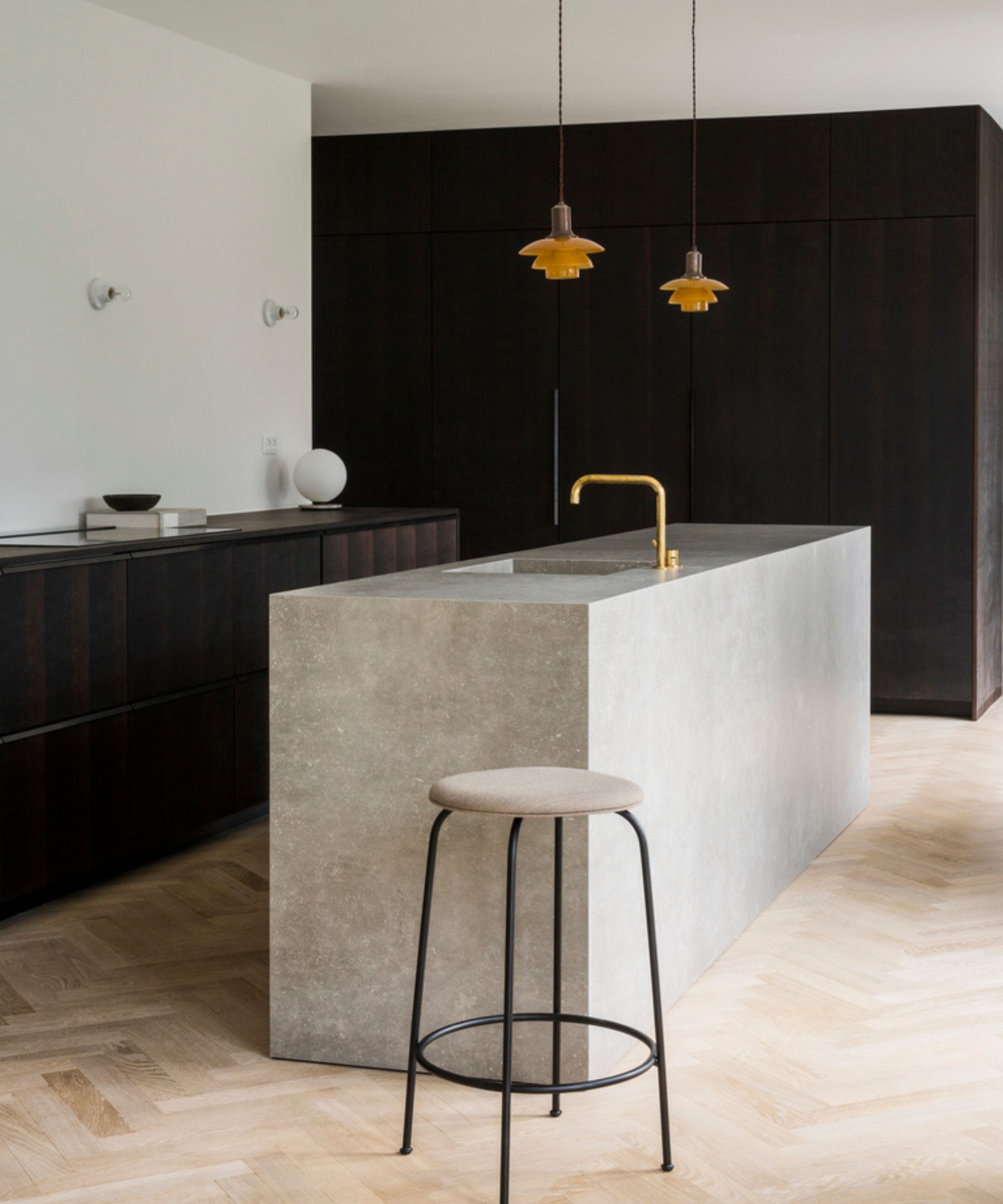
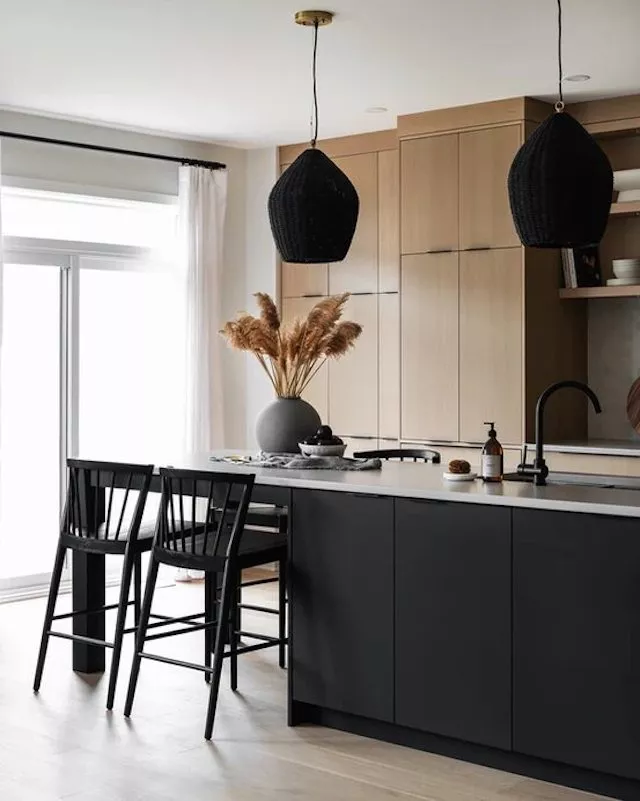
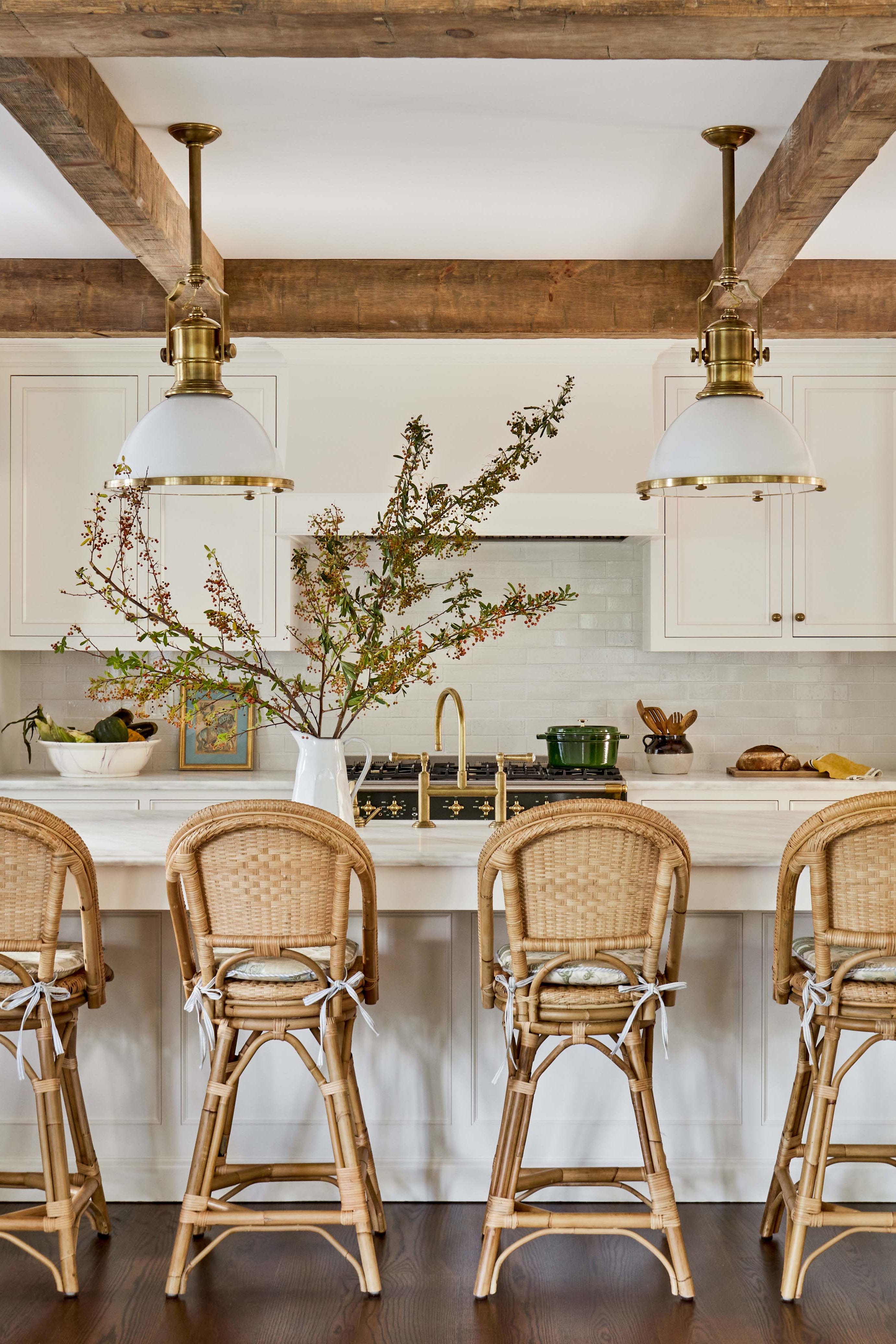
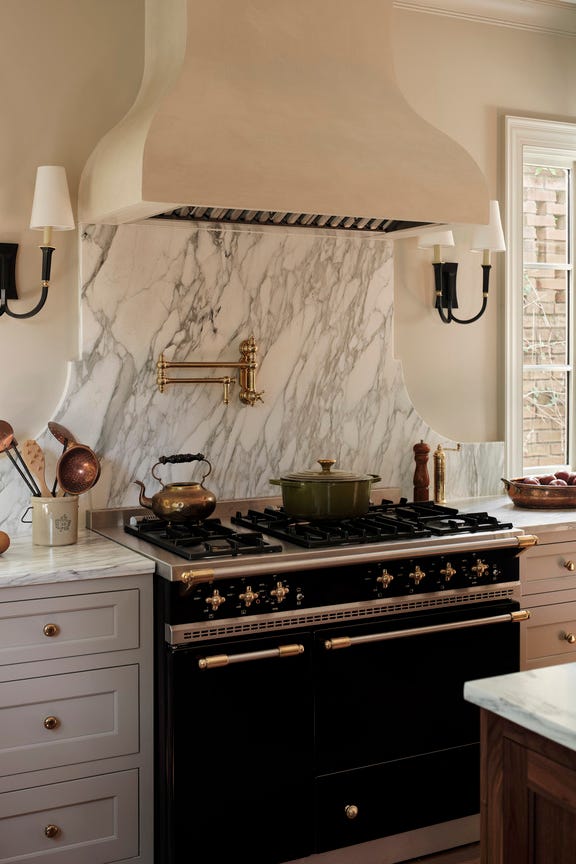
Worktops should prioritize quality craftsmanship and natural materials, reflecting the Japandi commitment to durability. Quartz is a popular choice due to its hard-wearing and low-maintenance properties. Selecting marble or granite designs in muted tones ensures a cohesive and tranquil appearance. Integrating natural elements by bringing plants and foliage into the kitchen is another core principle. Plants like aloe vera, ivy, and spider plants thrive in most kitchen environments. Accessories such as rattan light shades and fruit bowls can also infuse natural textures and an outdoor feel into the space, even without extensive renovations.
An "invisible" kitchen concept aligns perfectly with the Japandi theme, emphasizing hidden storage to maintain a clutter-free environment. Large cupboards and pantries can conceal appliances, including microwaves and fridge freezers, contributing to a spacious and minimal feel. Under-mounted sinks also enhance this clean aesthetic. Decluttering is a fundamental step, ensuring that only necessary items are kept, and organizing them for easy access and visibility. Maintaining clear surfaces by placing minimal decorative items and establishing a nightly tidy-up routine prevents clutter accumulation.
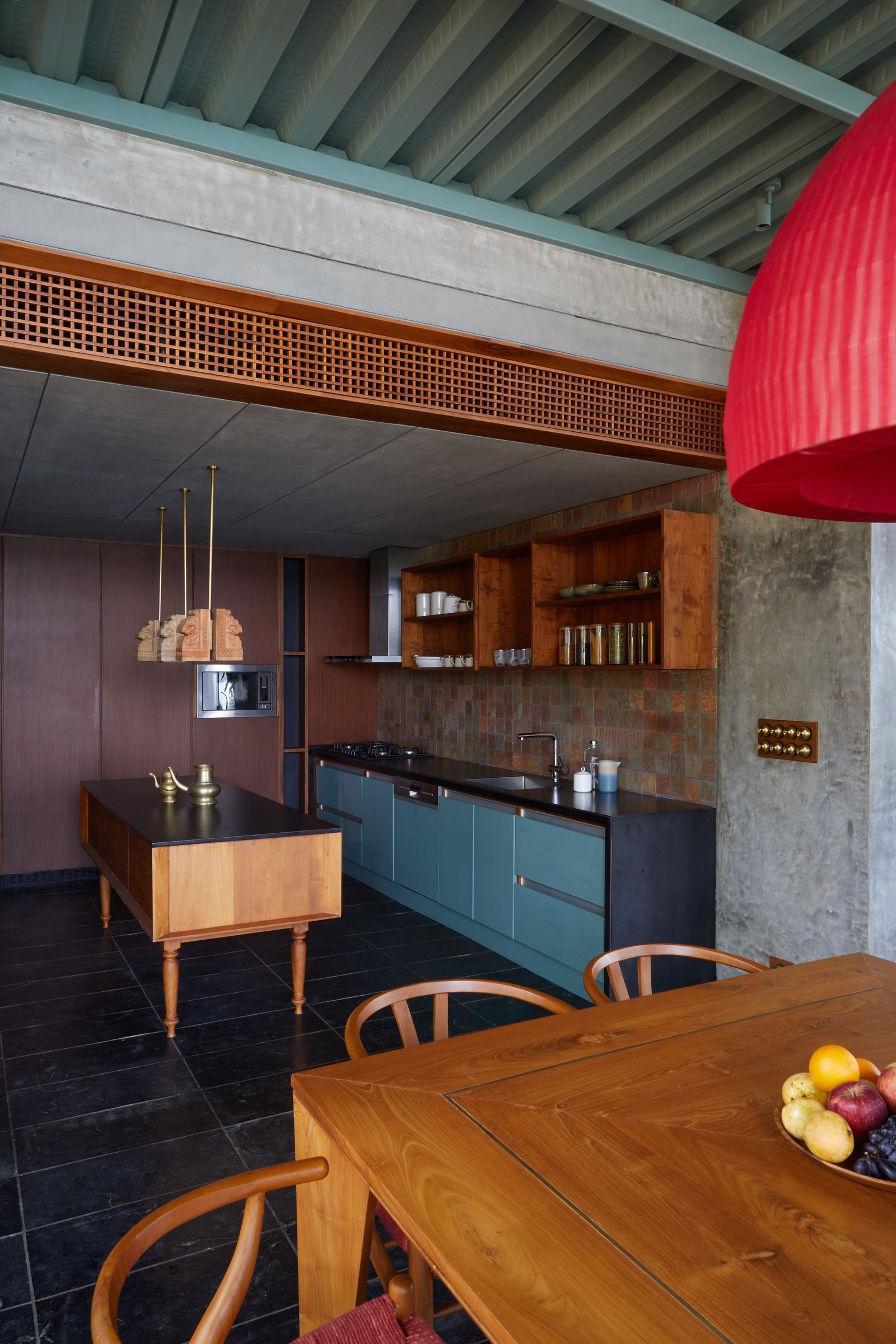
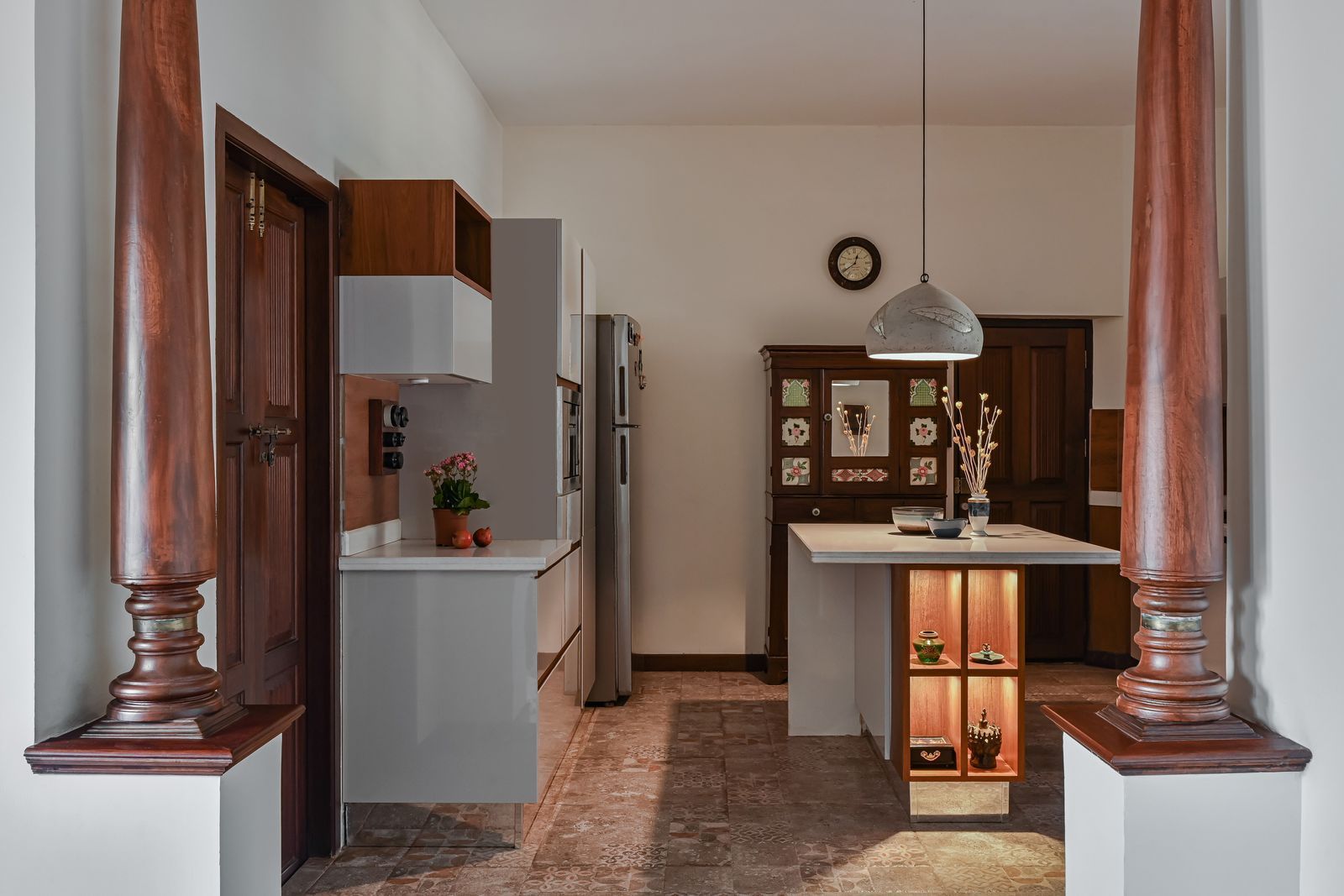
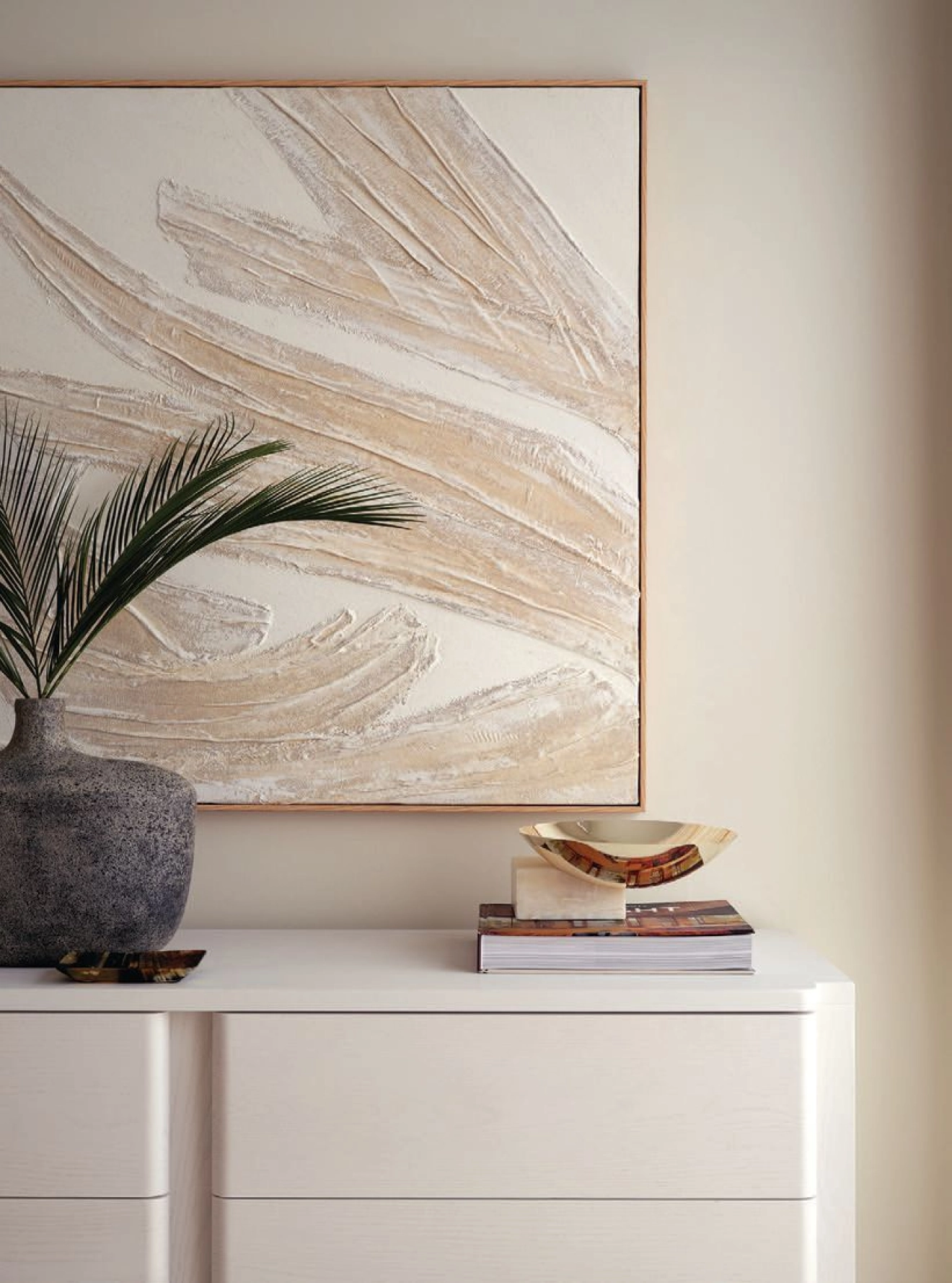
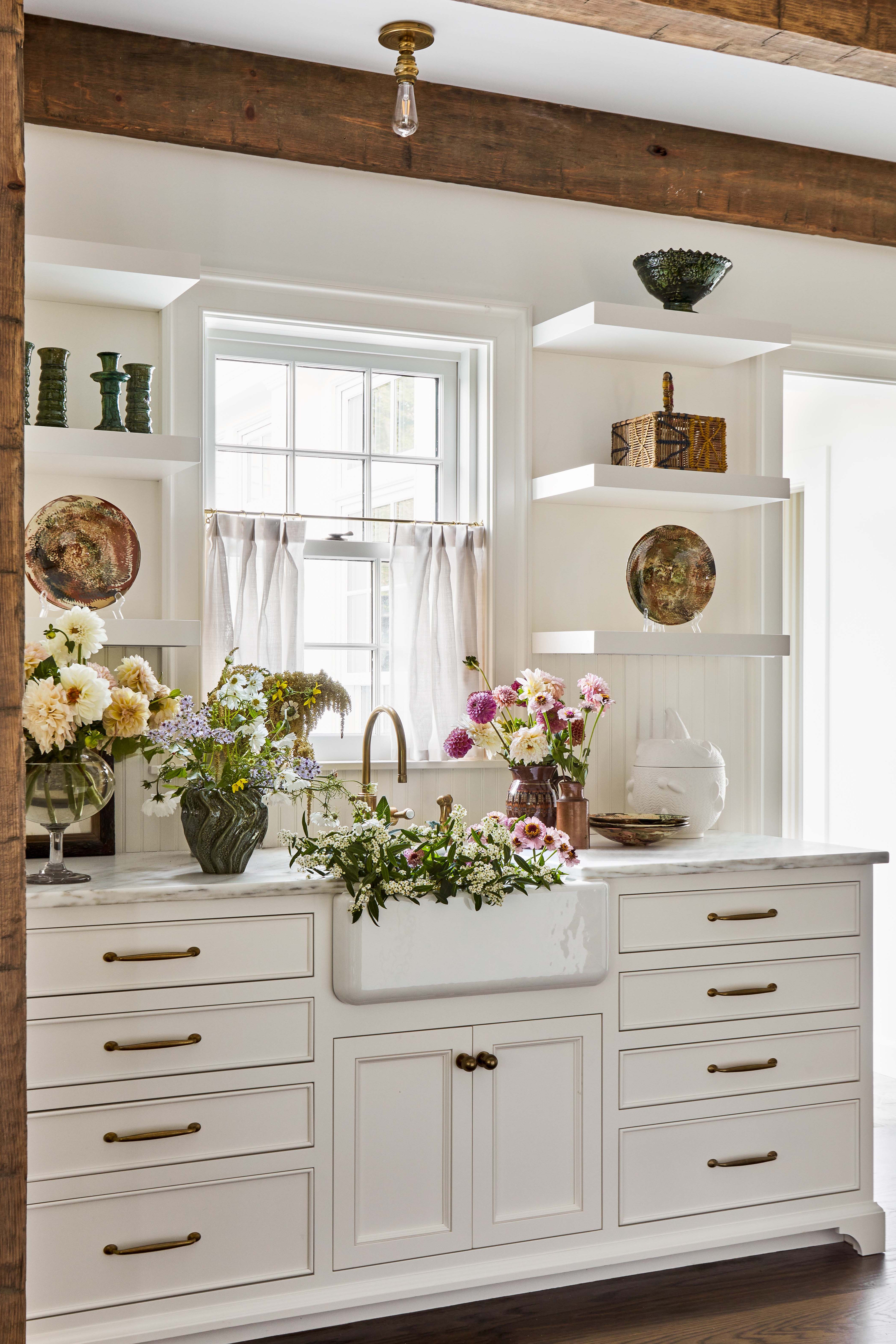
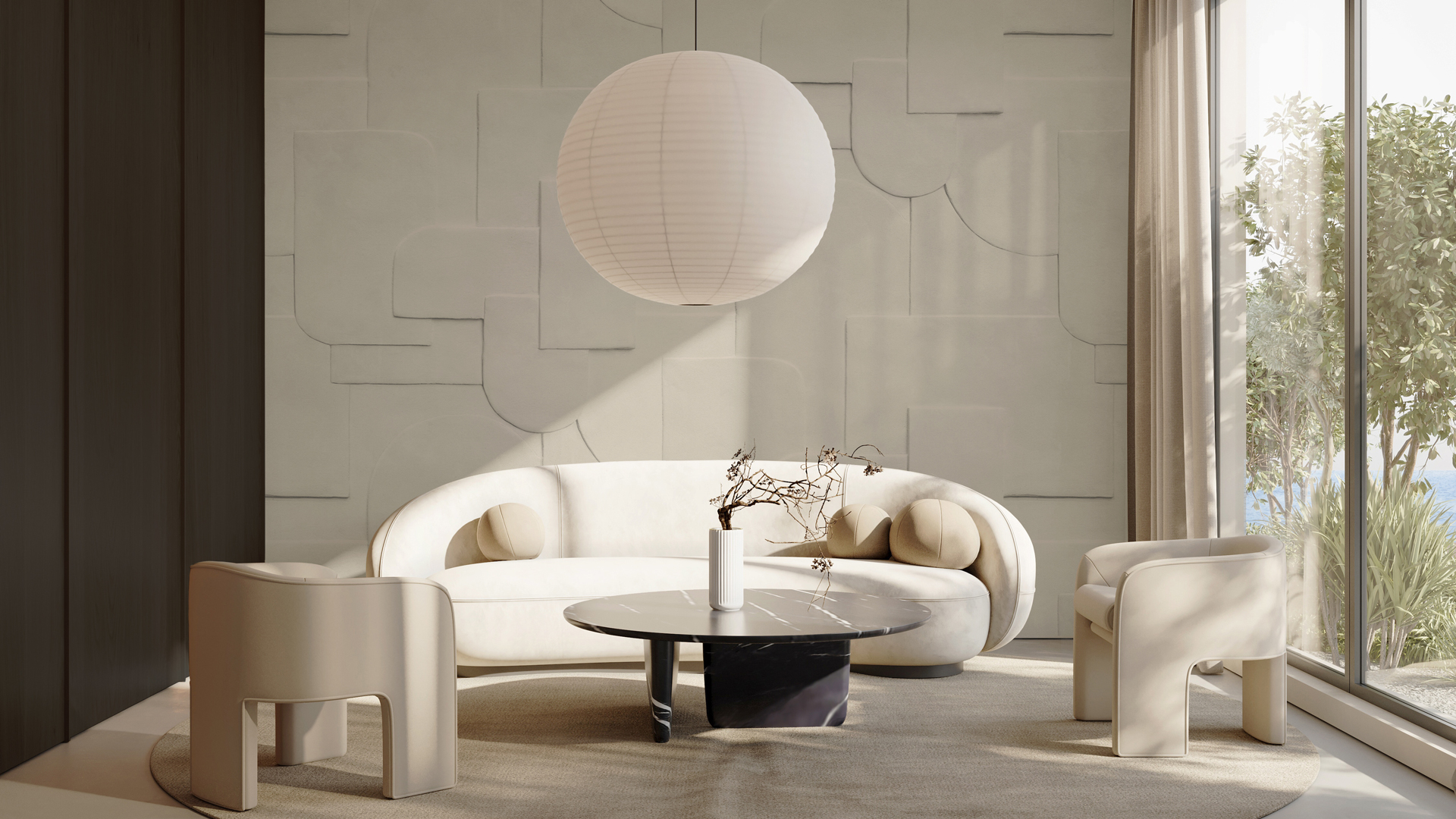
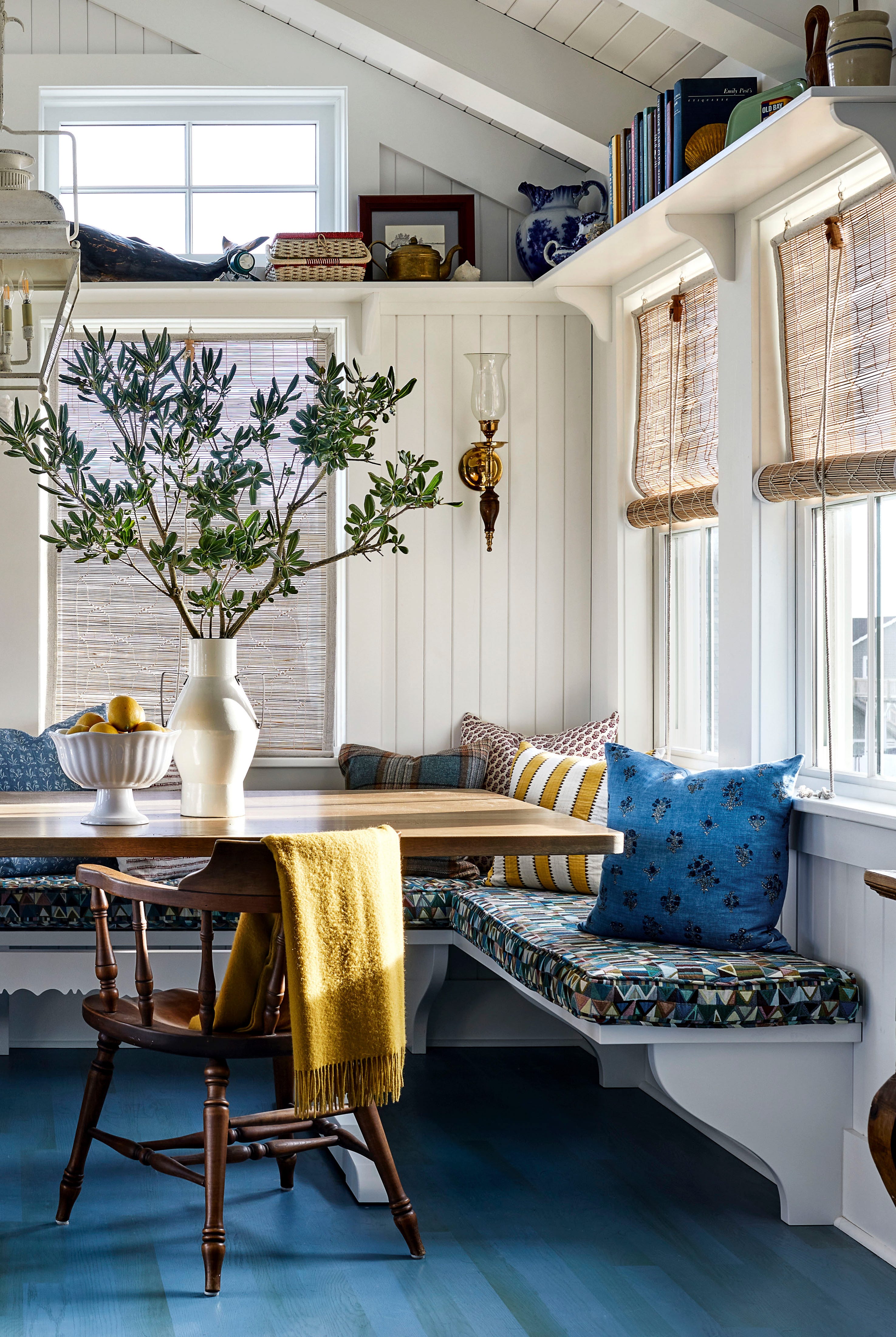
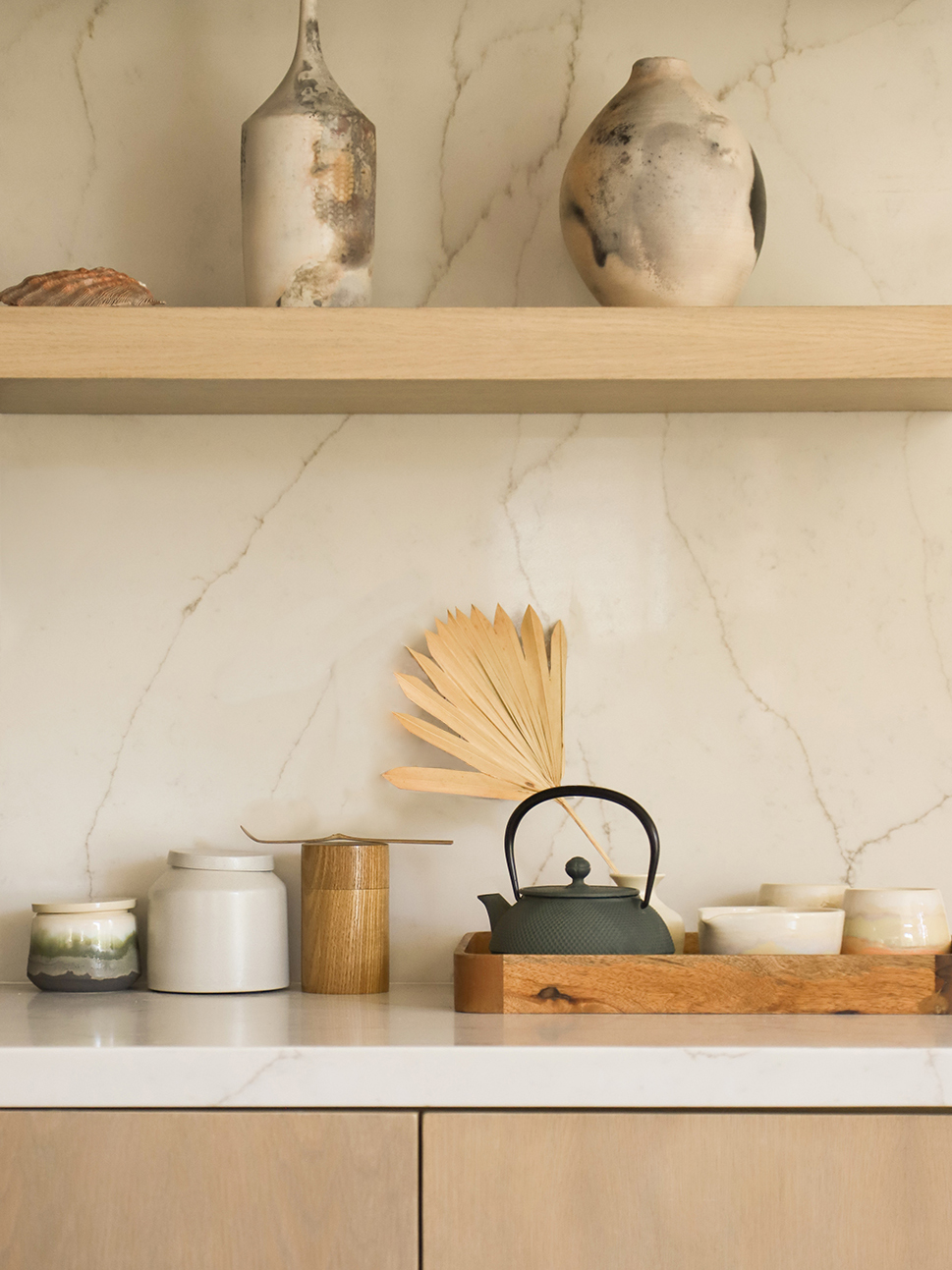
Texture is key to creating a warm and inviting Japandi kitchen. Natural wood and soft fabrics contribute to comfort. While opportunities for fabric use may be limited in a kitchen compared to a living room, elements like curtains, tablecloths, and rugs can introduce warmth. Tableware with irregular shapes, unglazed finishes, and textured glassware also adds interest and texture, reinforcing the 'unfinished' beauty inherent in the design. Thoughtful lighting is crucial; instead of harsh spotlights, warm, ambient, and layered lighting schemes are preferred. Natural materials like wood and linen for light fixtures enhance the Japandi feel. Dressing windows with natural fabrics such as linen in muted shades, using heavier curtains over voile layers, or natural-colored blinds under sheer curtains, adds coziness and ensures privacy. Finally, adding unique styling touches like ornamental vases or art can personalize the space without overcrowding it. Layering different textures and shapes in a muted palette on shelves and surfaces completes the serene and stylish Japandi look.
#JapandiKitchen #InteriorDesign #HomeDecor #Minimalism #ScandinavianStyle #JapaneseAesthetic #NaturalMaterials #Decluttering #KitchenRemodel #SustainableDesign #JapandiKitchen #InteriorDesign #HomeDecor #Minimalism #ScandinavianStyle #JapaneseAesthetic #NaturalMaterials #Decluttering #KitchenRemodel #SustainableDesign
0 comment in total
 No comments yet
You may also like
How to create a Japandi kitchen – 6 design ideas to nail this simple-yet-soothing look

Japanese bathroom design is trending – here's everything you need to know to recreate this serene, mindful style
An Upstate New York Kitchen Once Worthy of the ’80s Is Now a Japandi Dream
29 Kitchen Door Decor Ideas That Will Make You Look at Your Door Completely Differently

5 Things Japandi Designers do in Their Kitchens That Make Them Minimalist and Serene

Design ideas for a big kitchen makeover
Kitchen trends
10 essential Japandi living room design tips to create a sense of calm and restfulness
5 kitchen design ideas that will completely transform the heart of your home

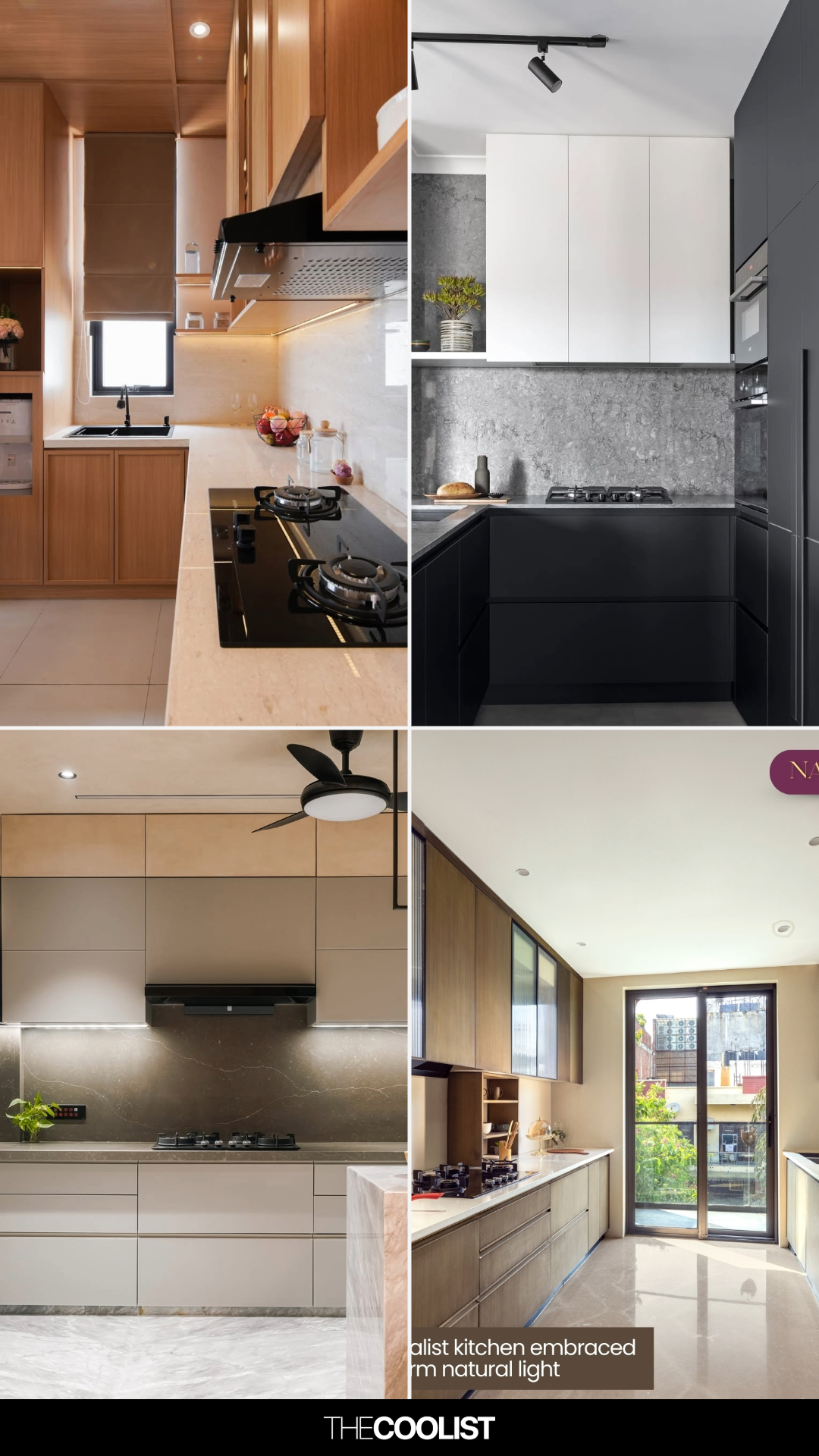
20 Breathtaking Minimalist Kitchen Ideas That Look Million-Dollar Without the Price Tag
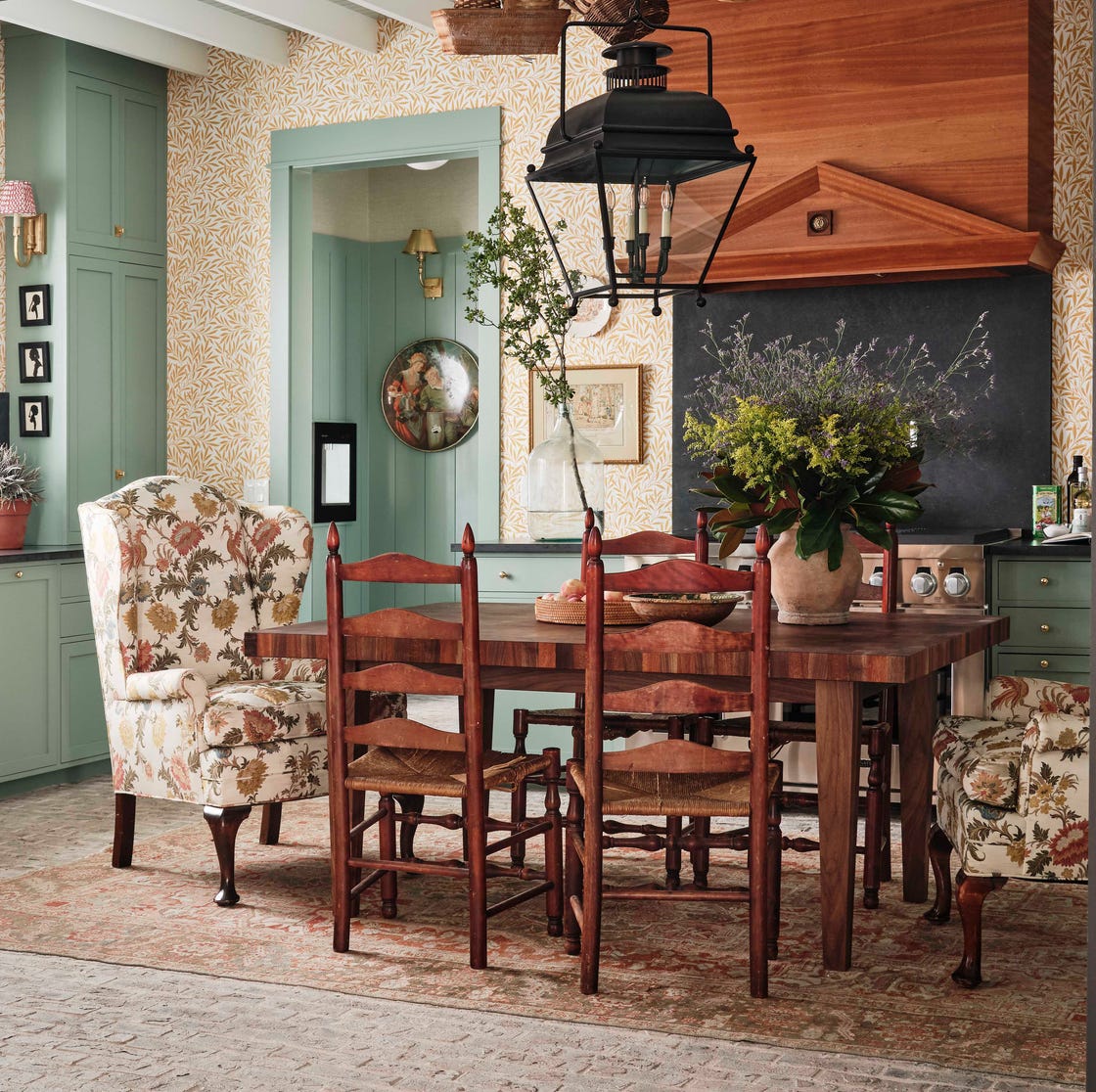
For a Homey and Charming Kitchen Vibe, Designers Say to Choose This Aesthetic

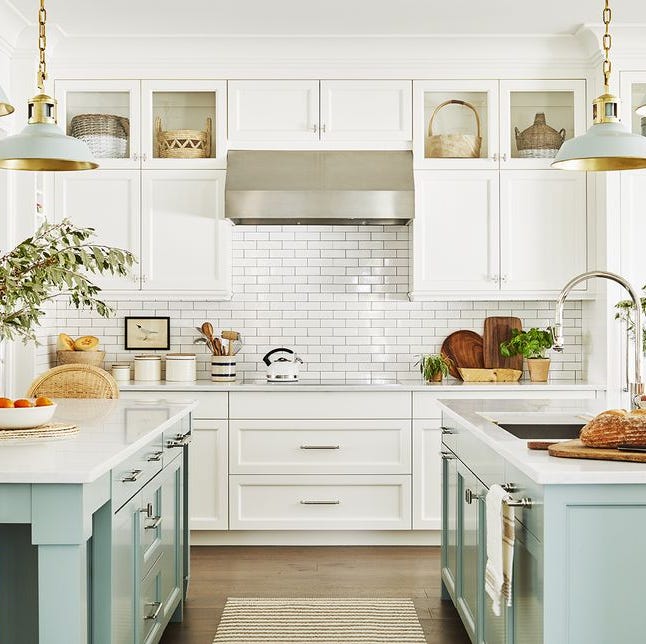
20 Kitchen Design Trends You’ll See Everywhere in 2025, According to Experts

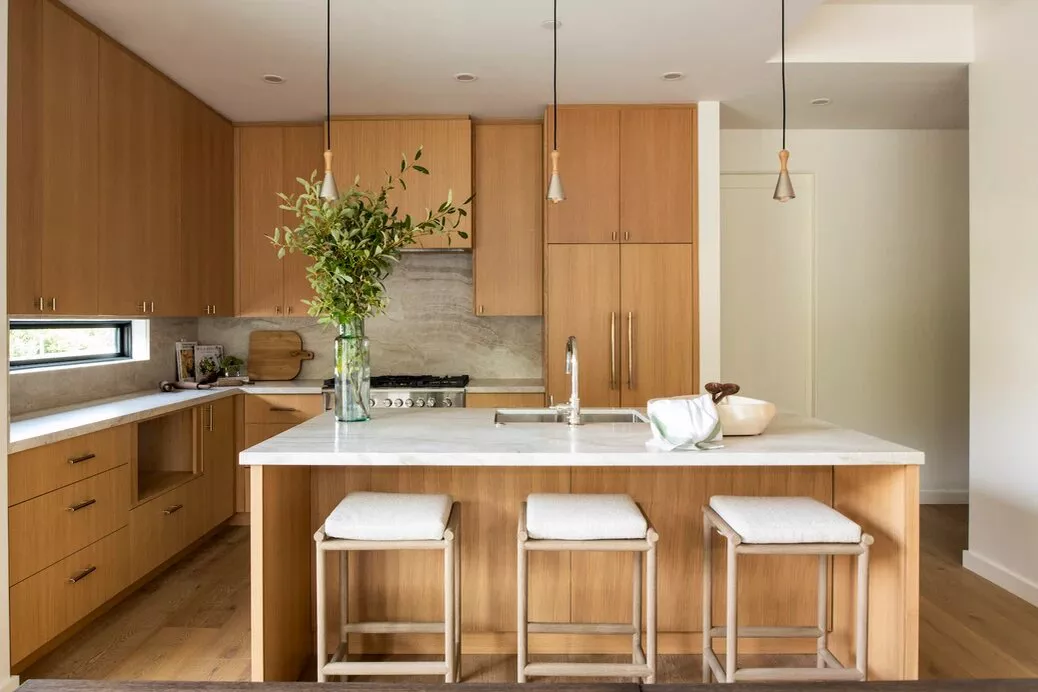
36 Serene Japandi Kitchens That Could Make Any Cooking Task a Breeze

Turning This Rectangular Kitchen Island Into a Trapezoid Maximized Stealthy Storage

Kitchen ideas – leading designers reveal the 34 most stylish looks which will inspire your next kitchen remodel

Kitchen Trends That Are Being Left Behind In 2025 And Beyond
This kitchen has been transformed from cramped and outdated to warm and welcoming – and it's all thanks to a few thoughtful Japandi-style features
Japandi-Inspired New Hampshire Pied-à-Terre Design
This Modern Design Trend Adds Wow Factor to Any Kitchen

Japandi merges the comfort of hygge with zen minimalism