1/2
36 Serene Japandi Kitchens That Could Make Any Cooking Task a Breeze
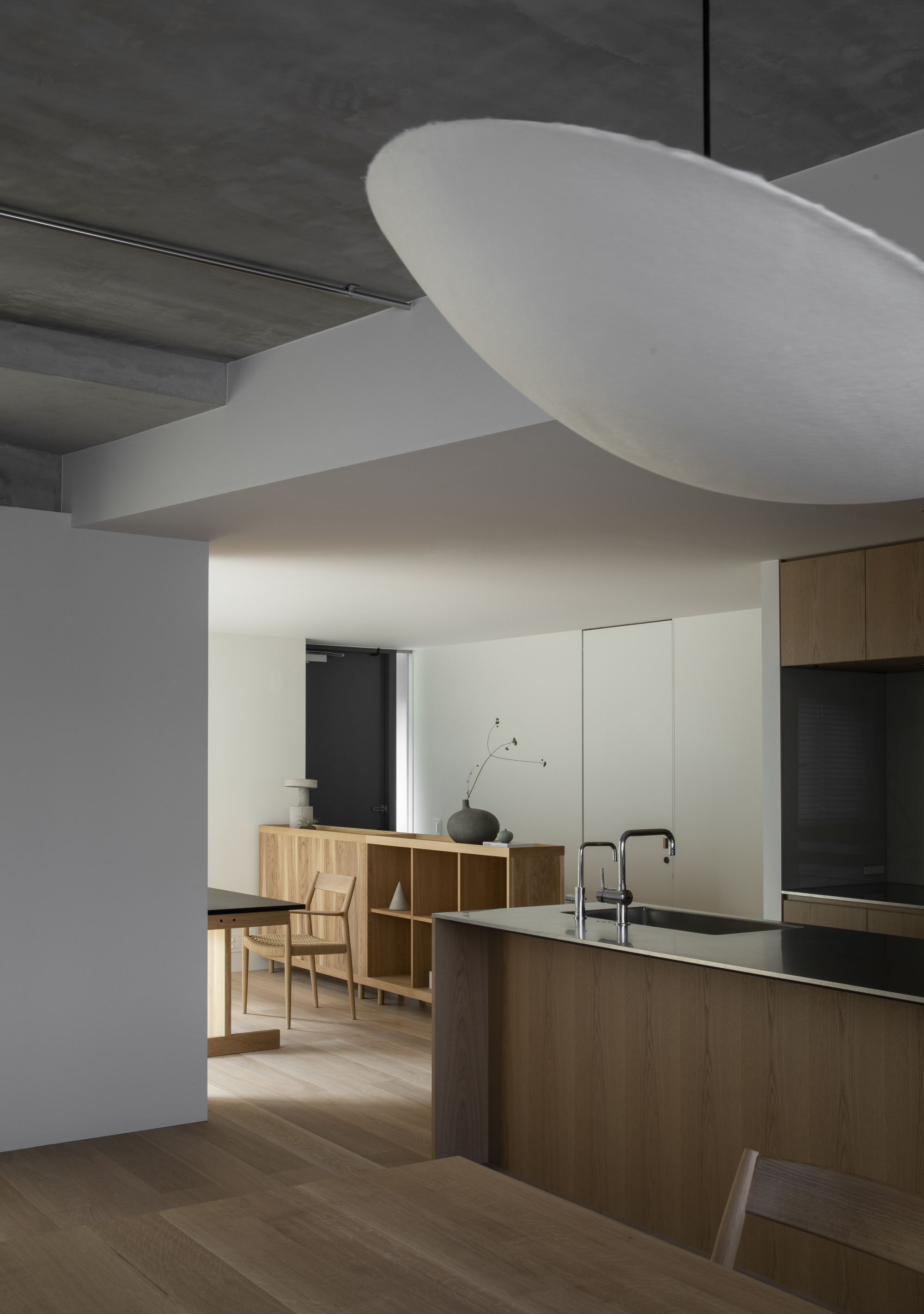
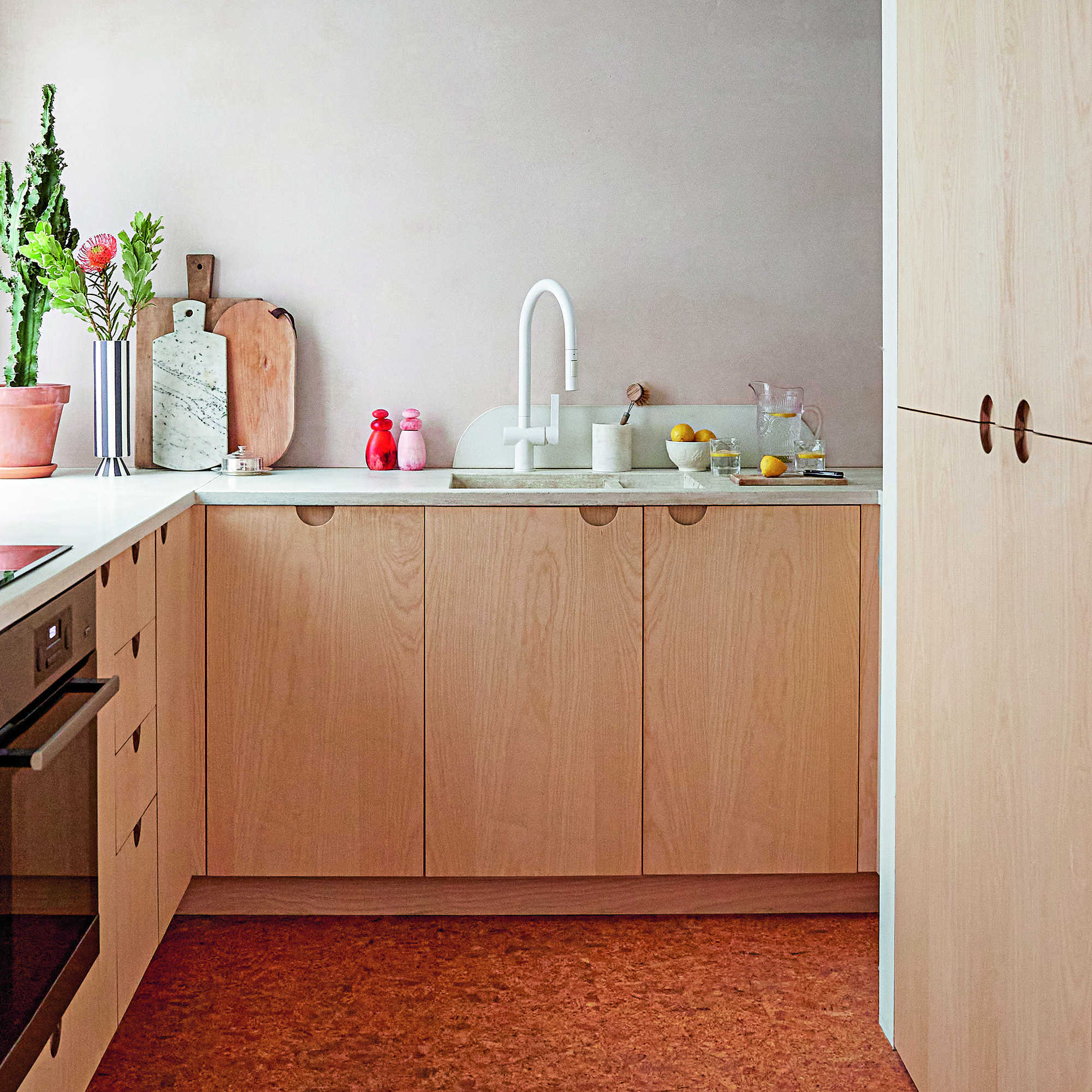
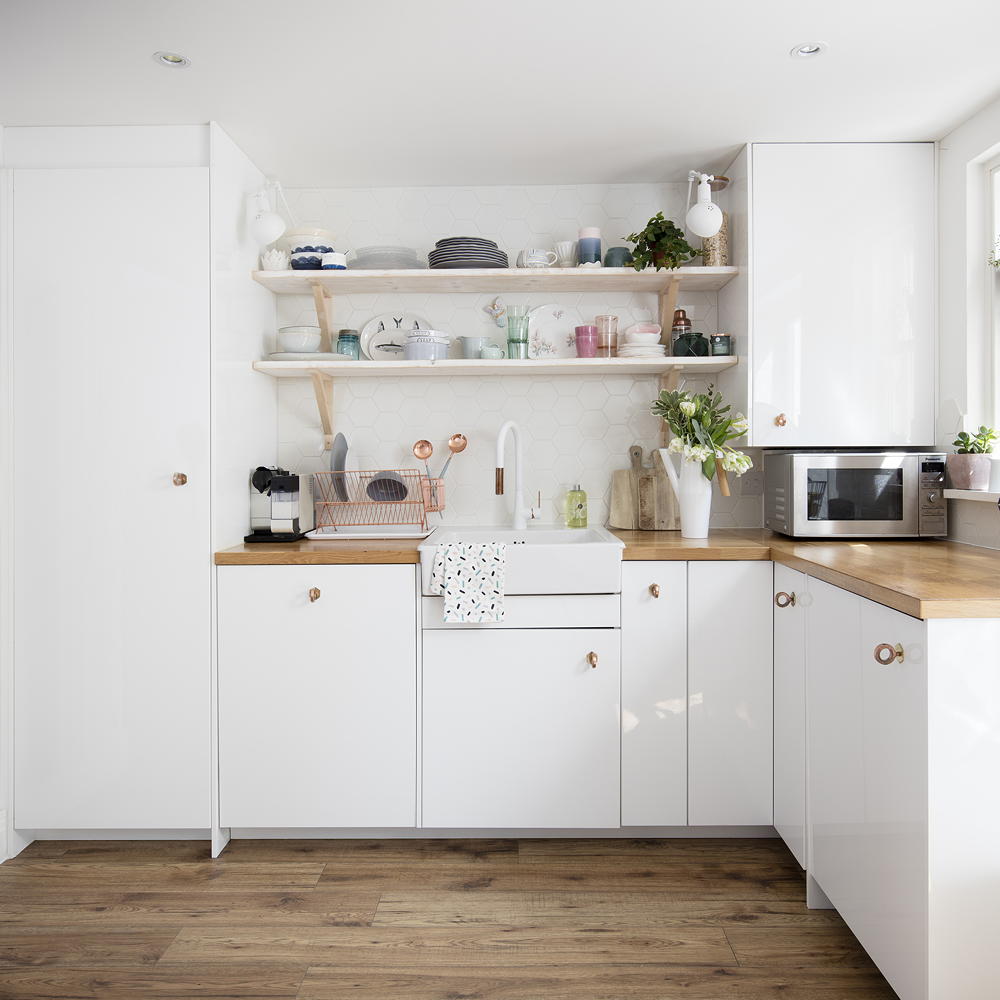
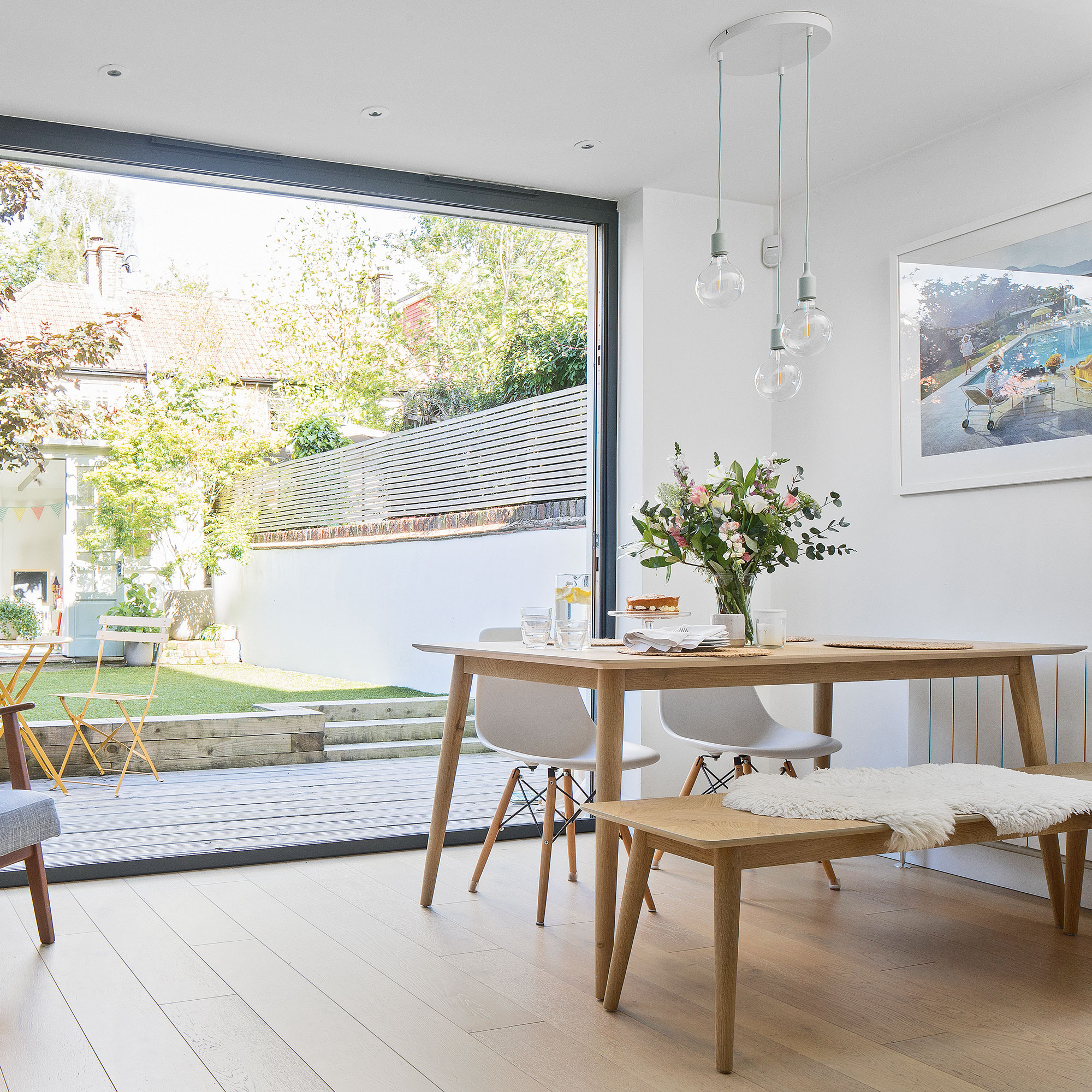
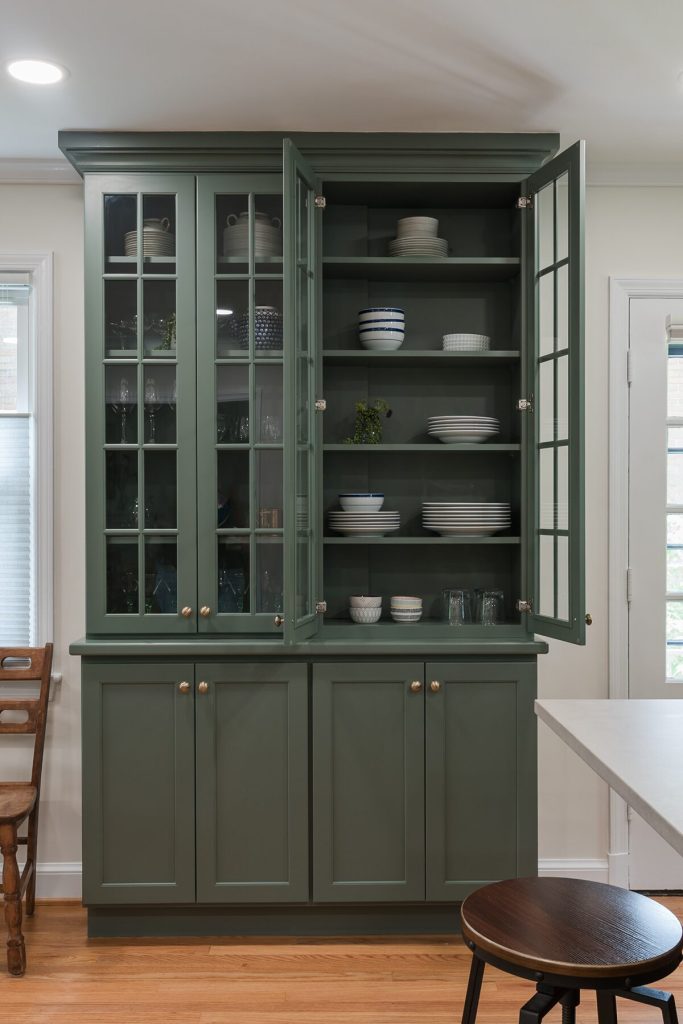
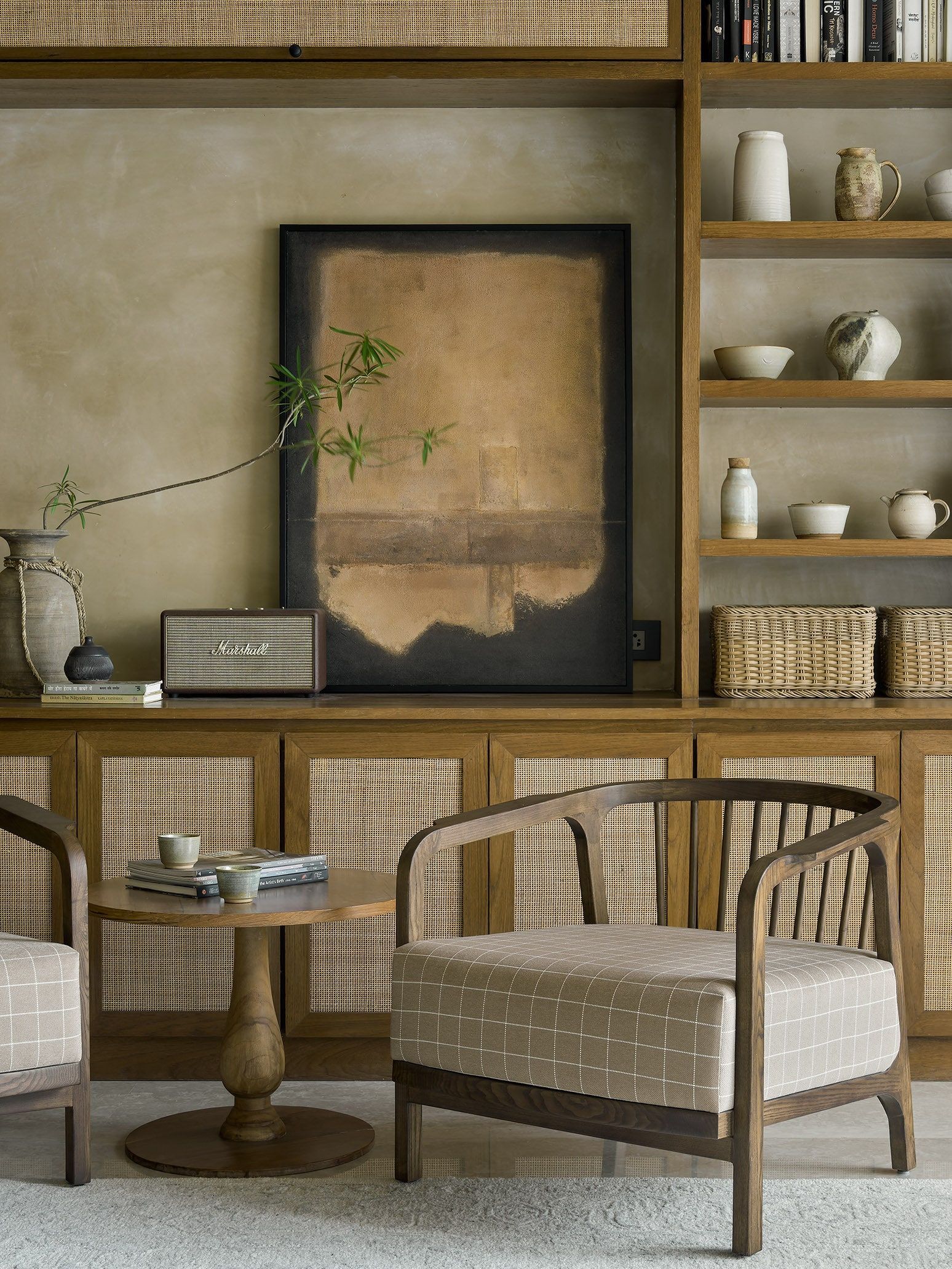
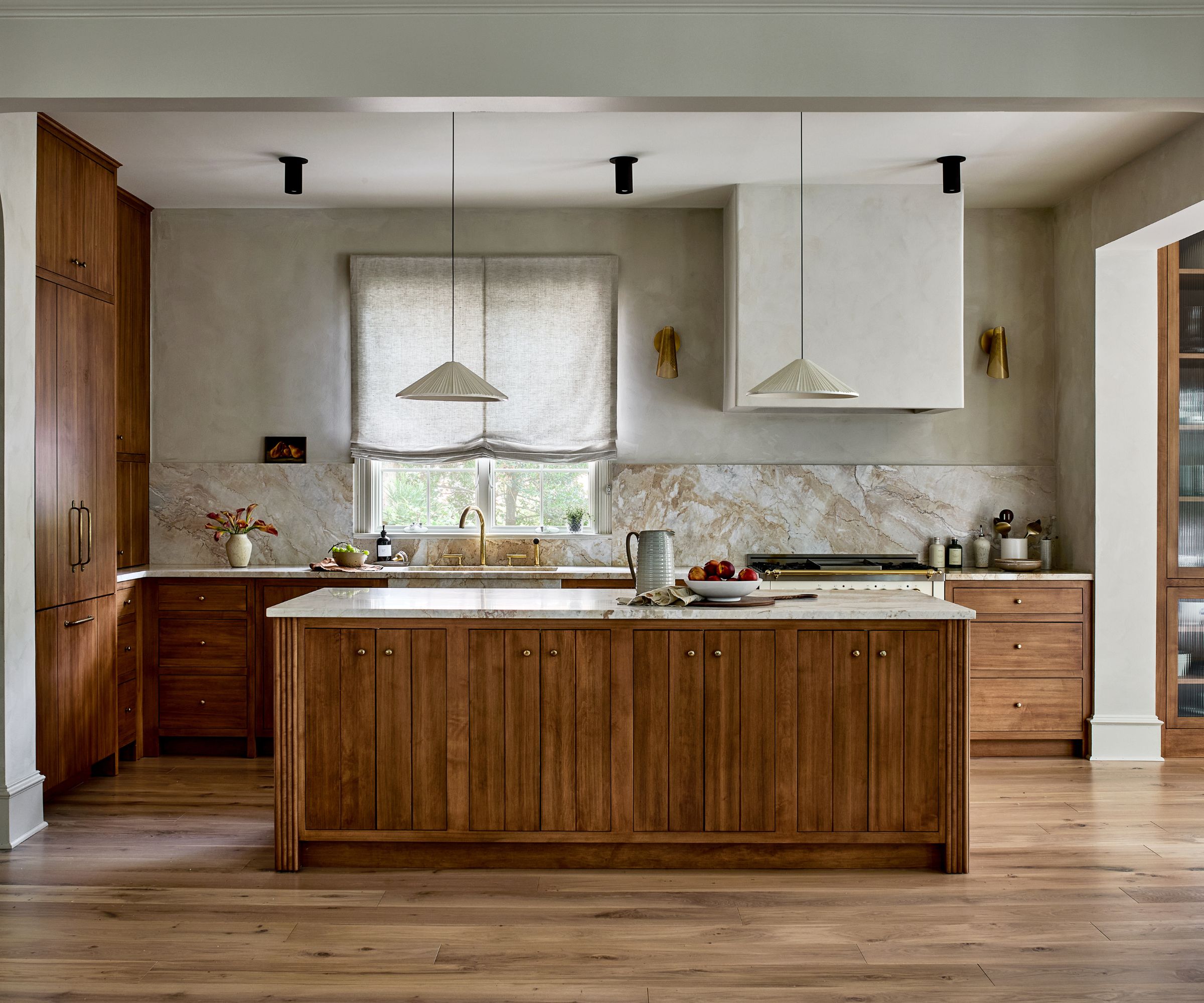
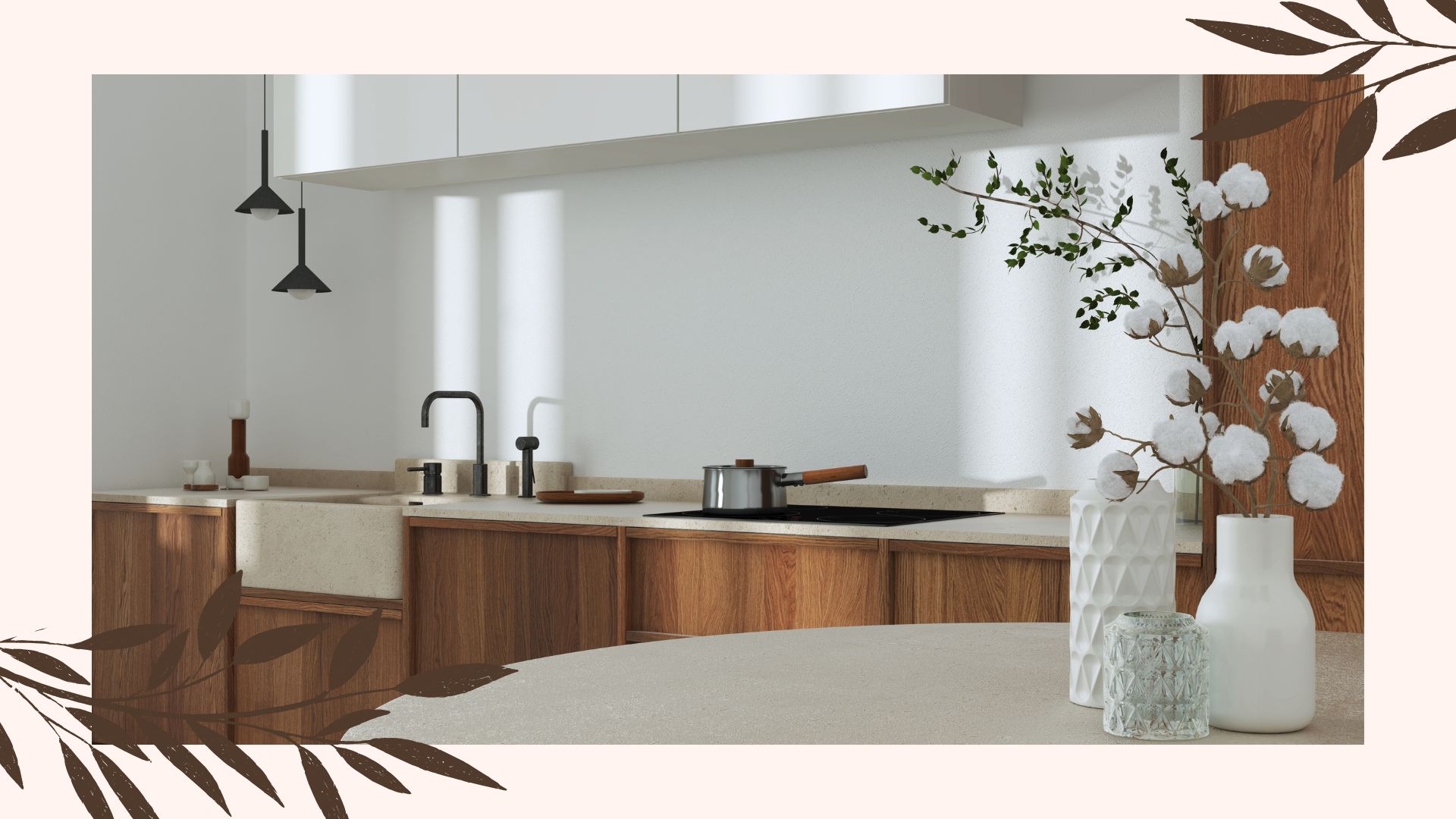
Japandi design, a fusion of Japanese and Scandinavian aesthetics, emphasizes minimalism, natural materials, and balance, creating serene and timeless spaces. This design philosophy is particularly well-suited for kitchens, fostering an atmosphere that is both calming and highly functional. Mihoko Iida, author of 'Japanese Interiors,' notes that Japandi is a concept that emerged from an appreciation for the shared values between Japanese and Scandinavian cultures, particularly their love for minimalistic and functional designs, natural elements, and textures, often with a playful touch.
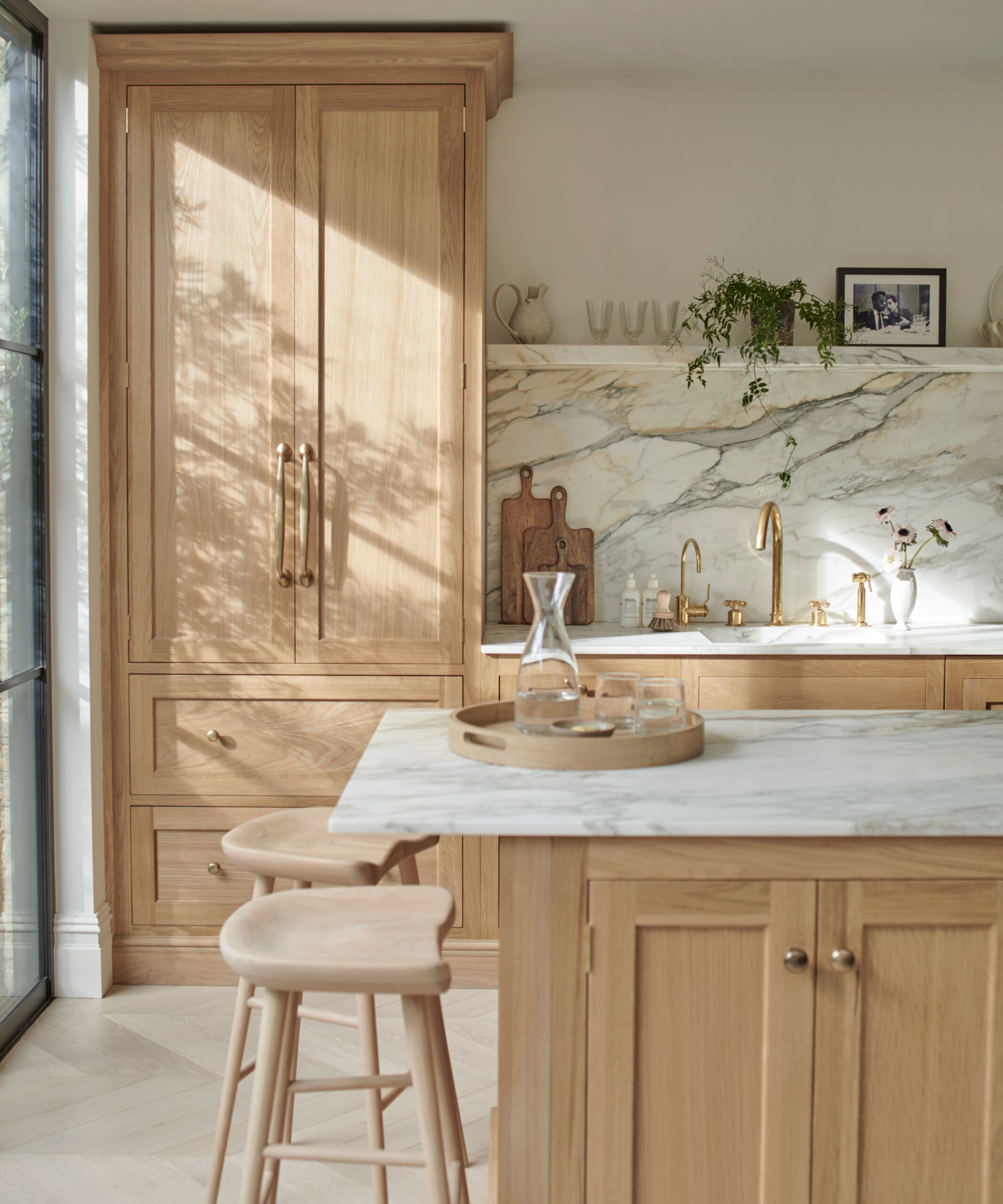
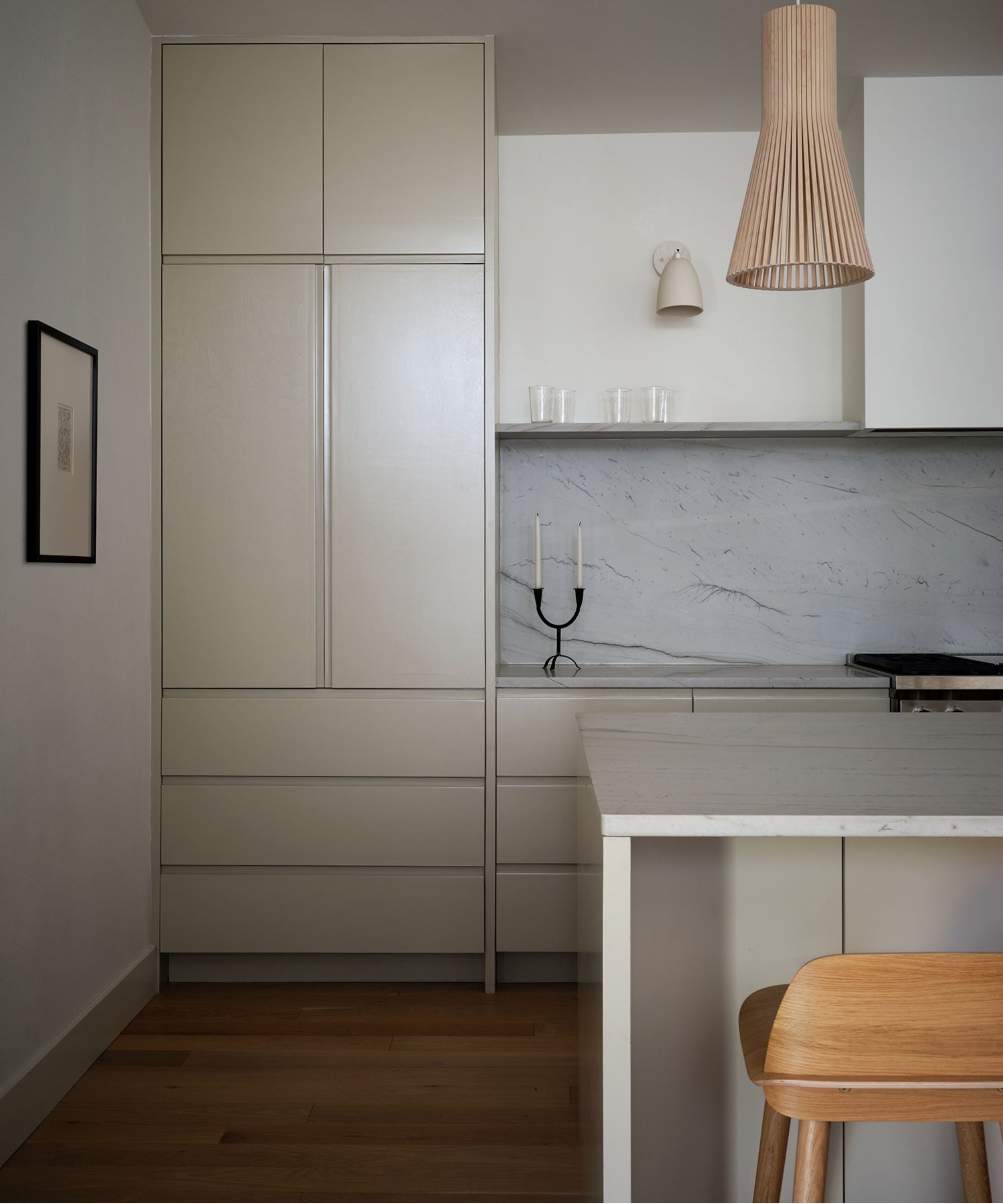
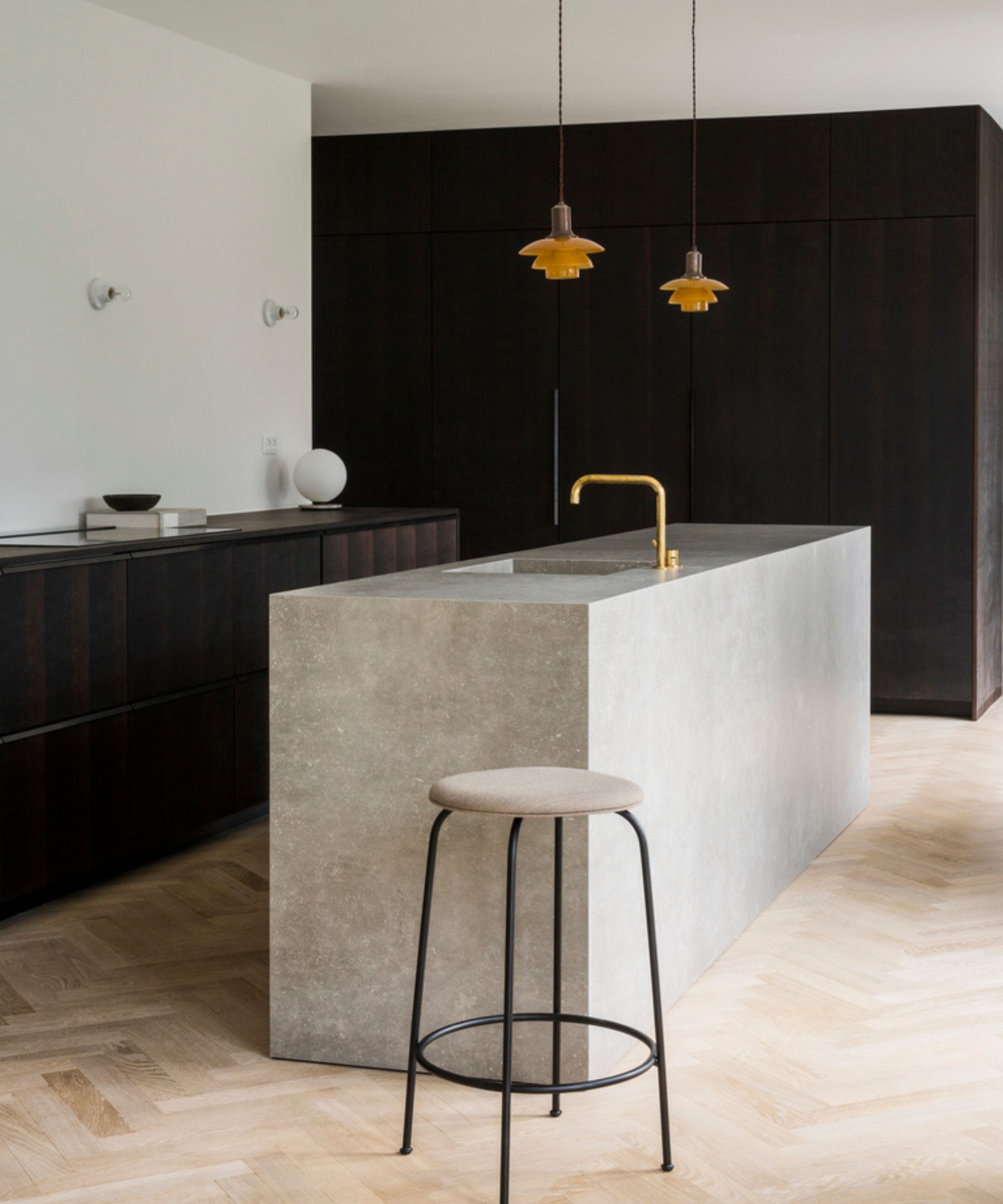
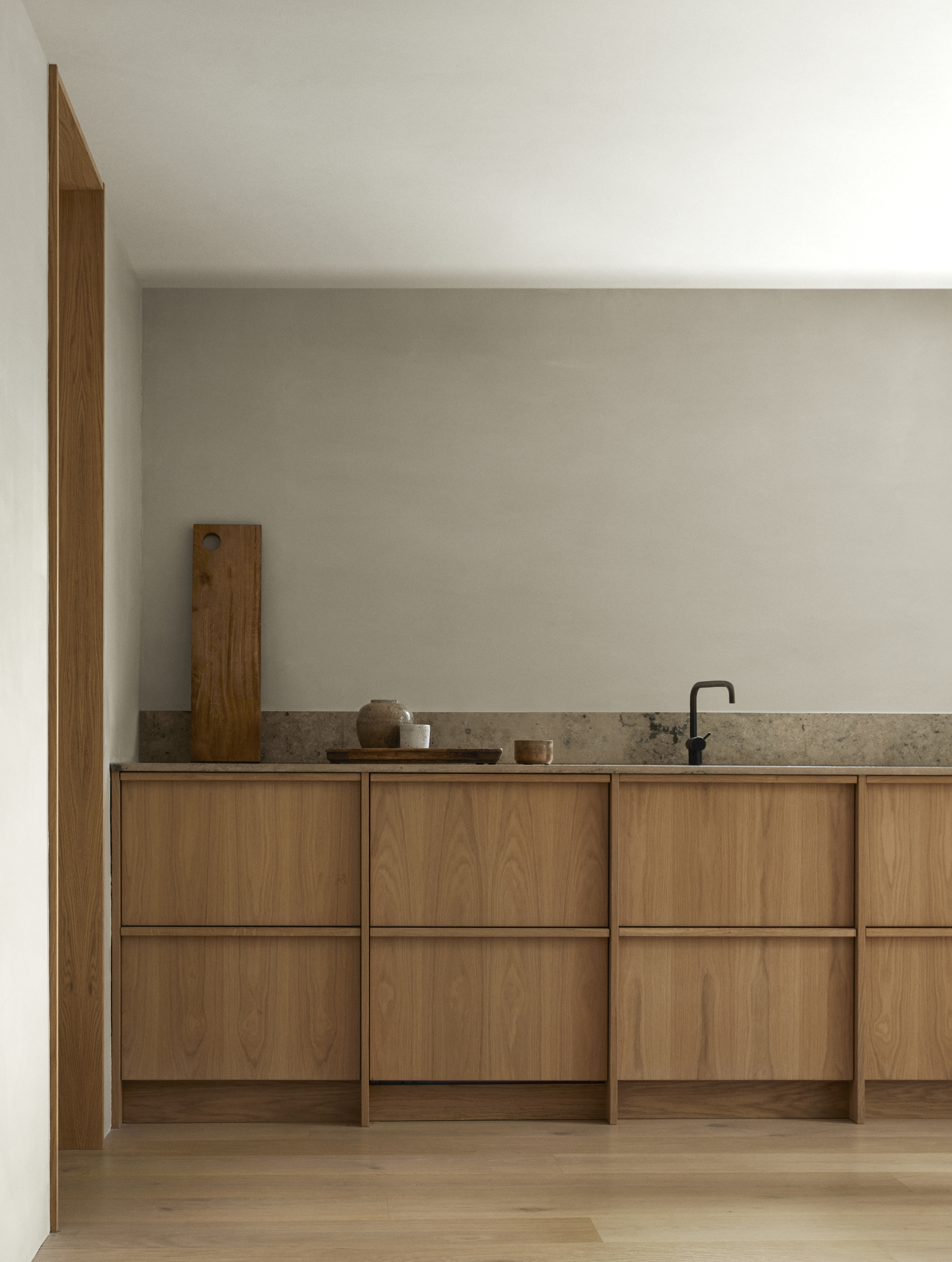
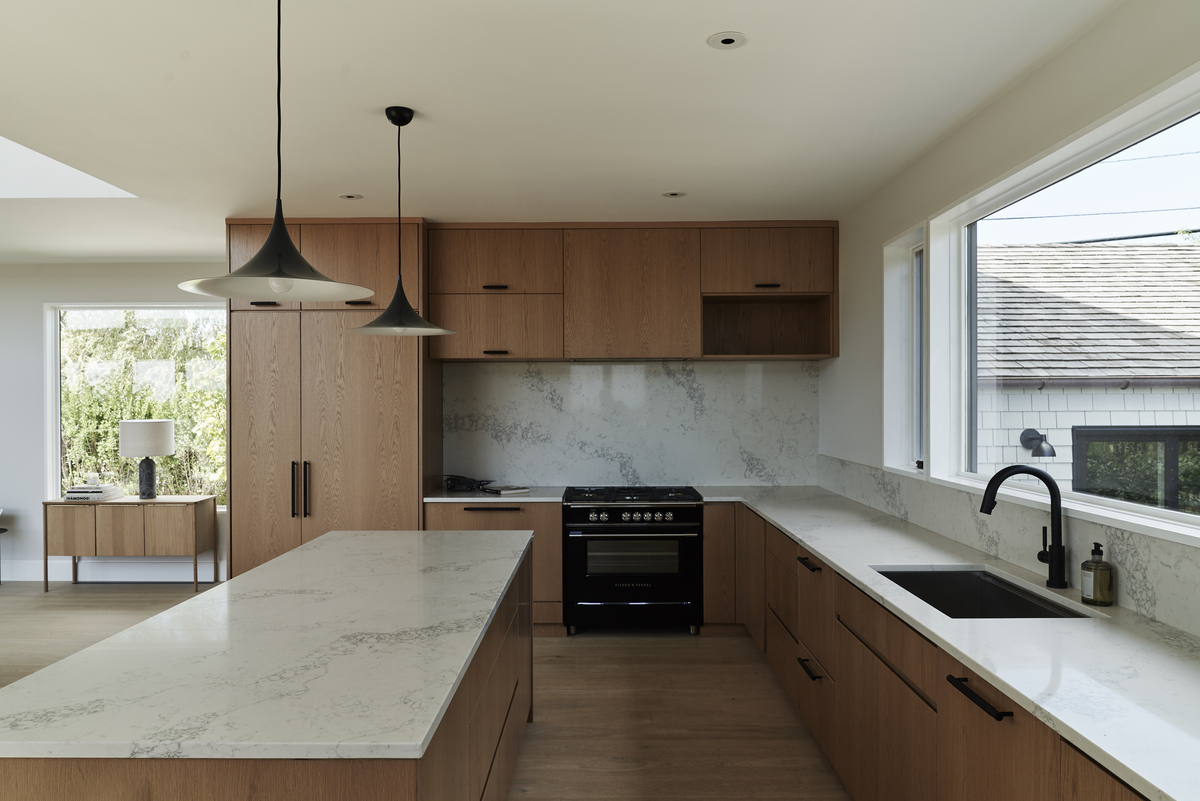
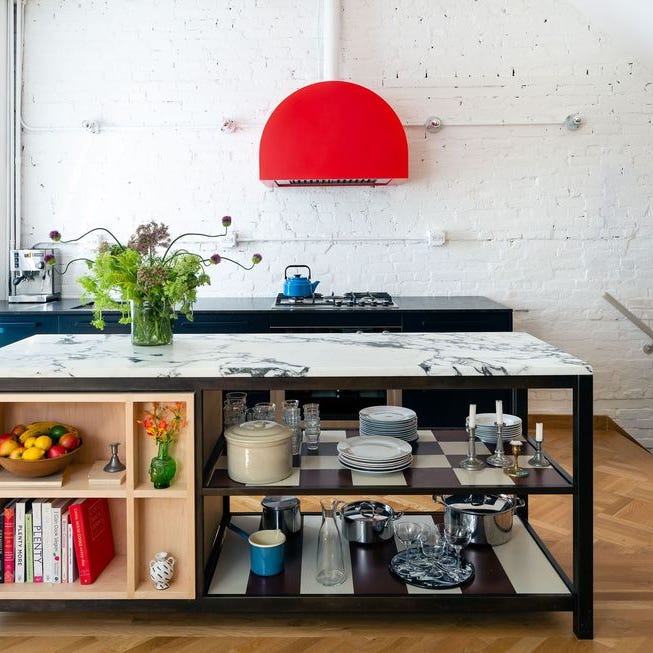
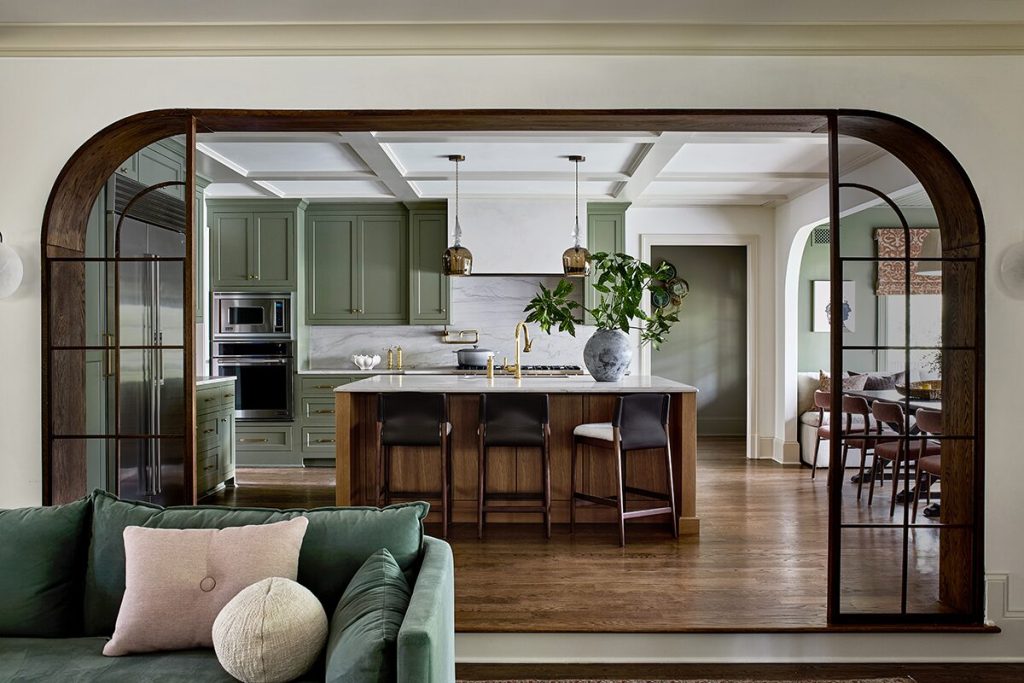
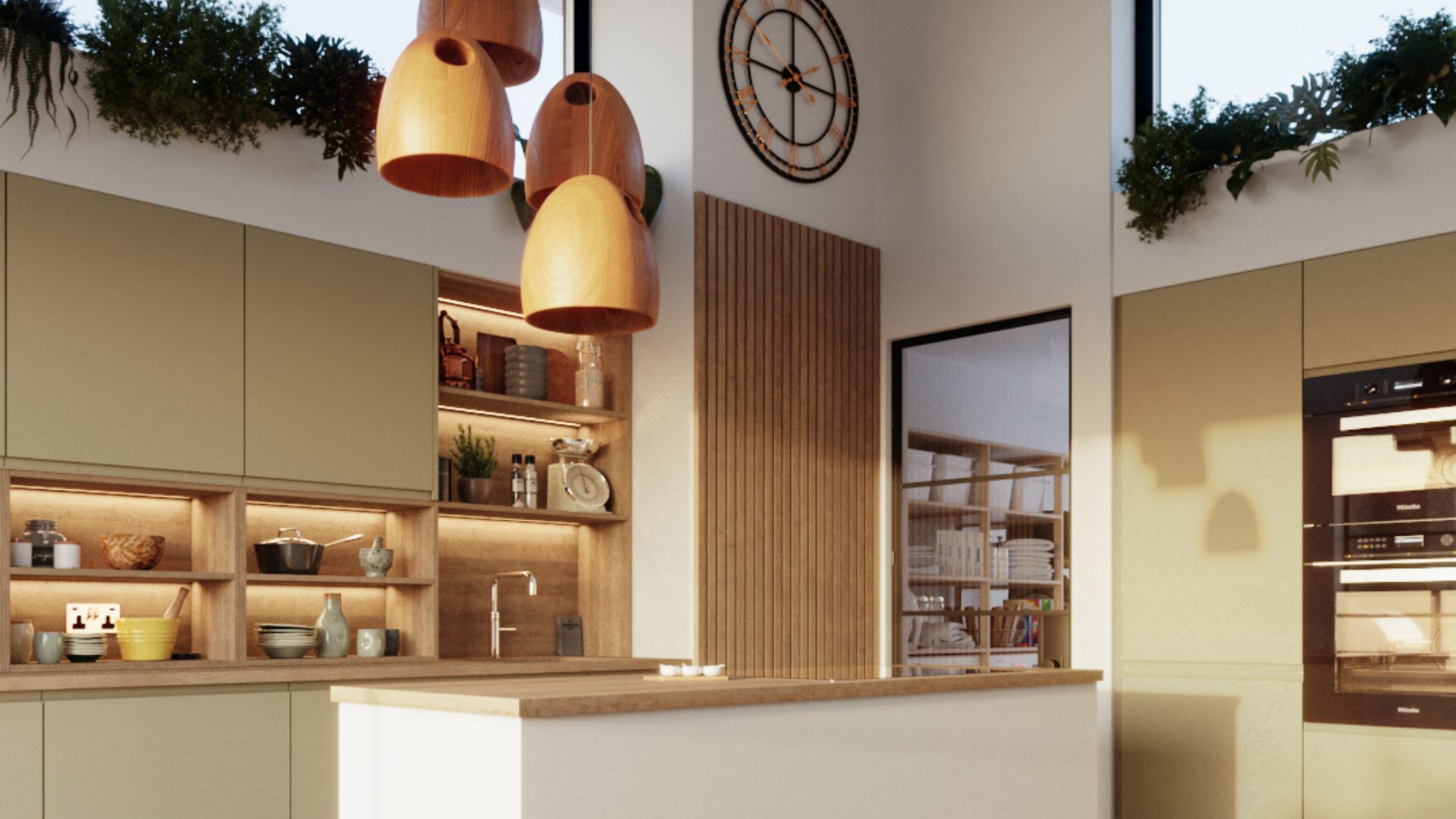
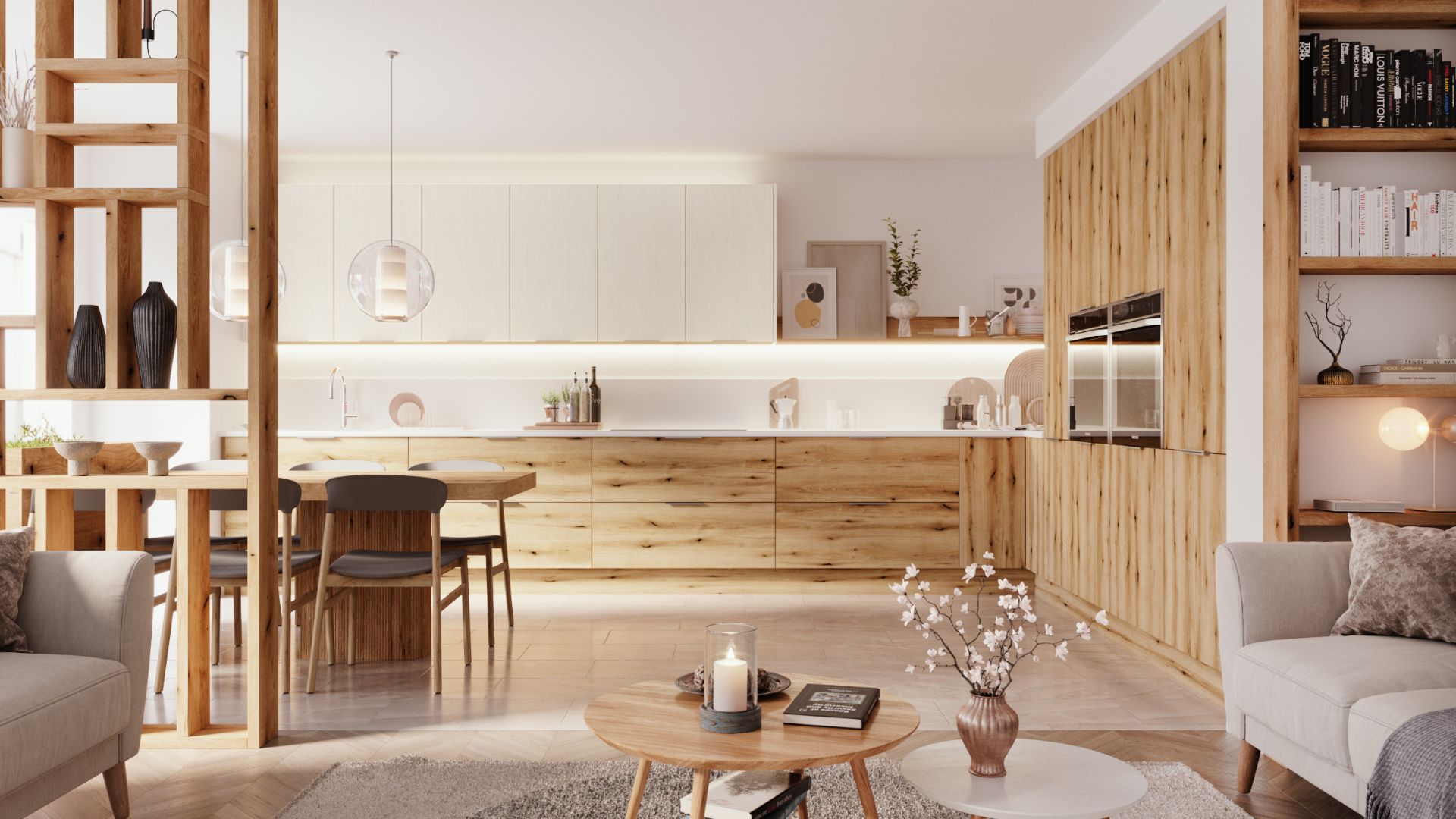
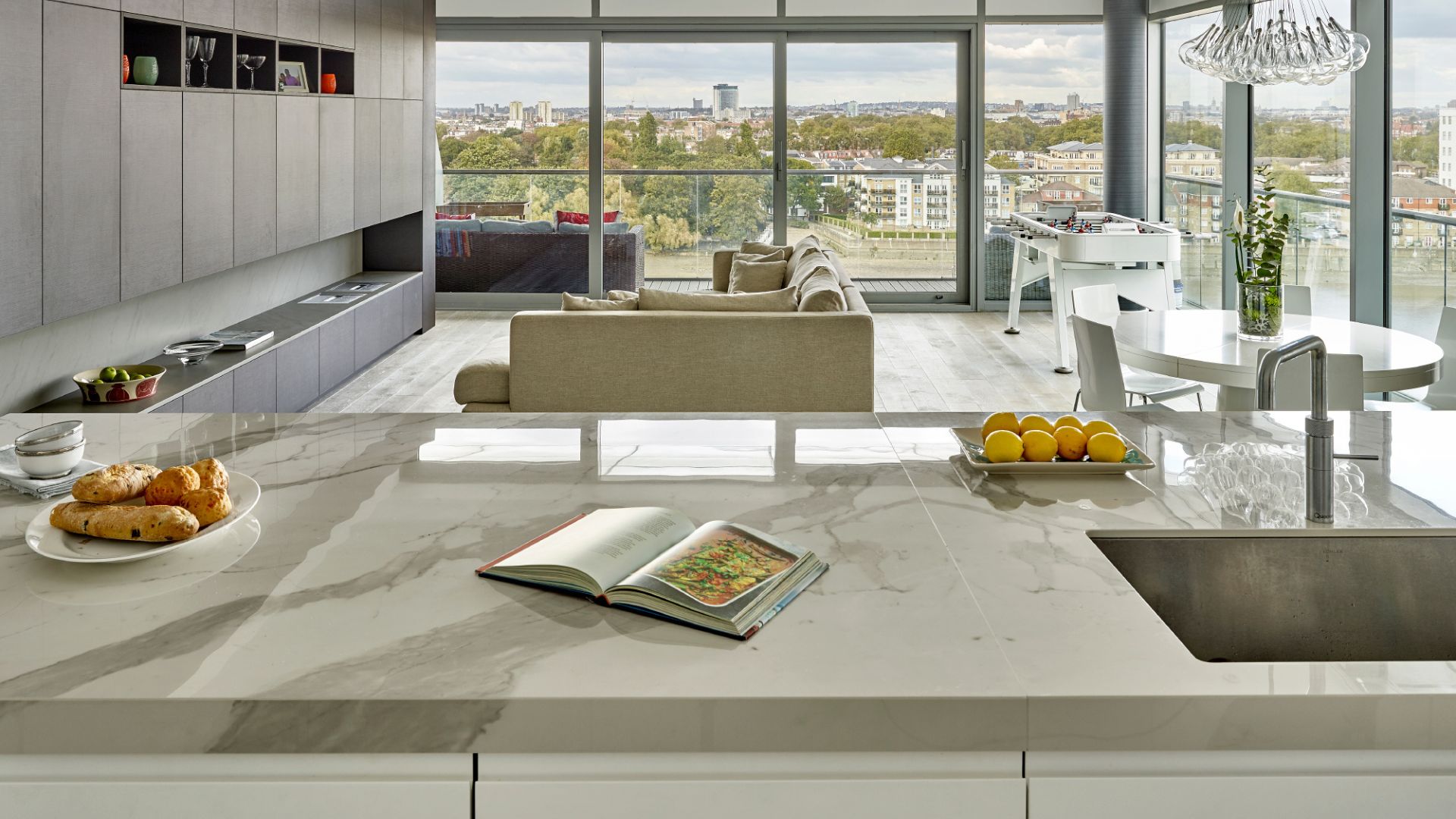
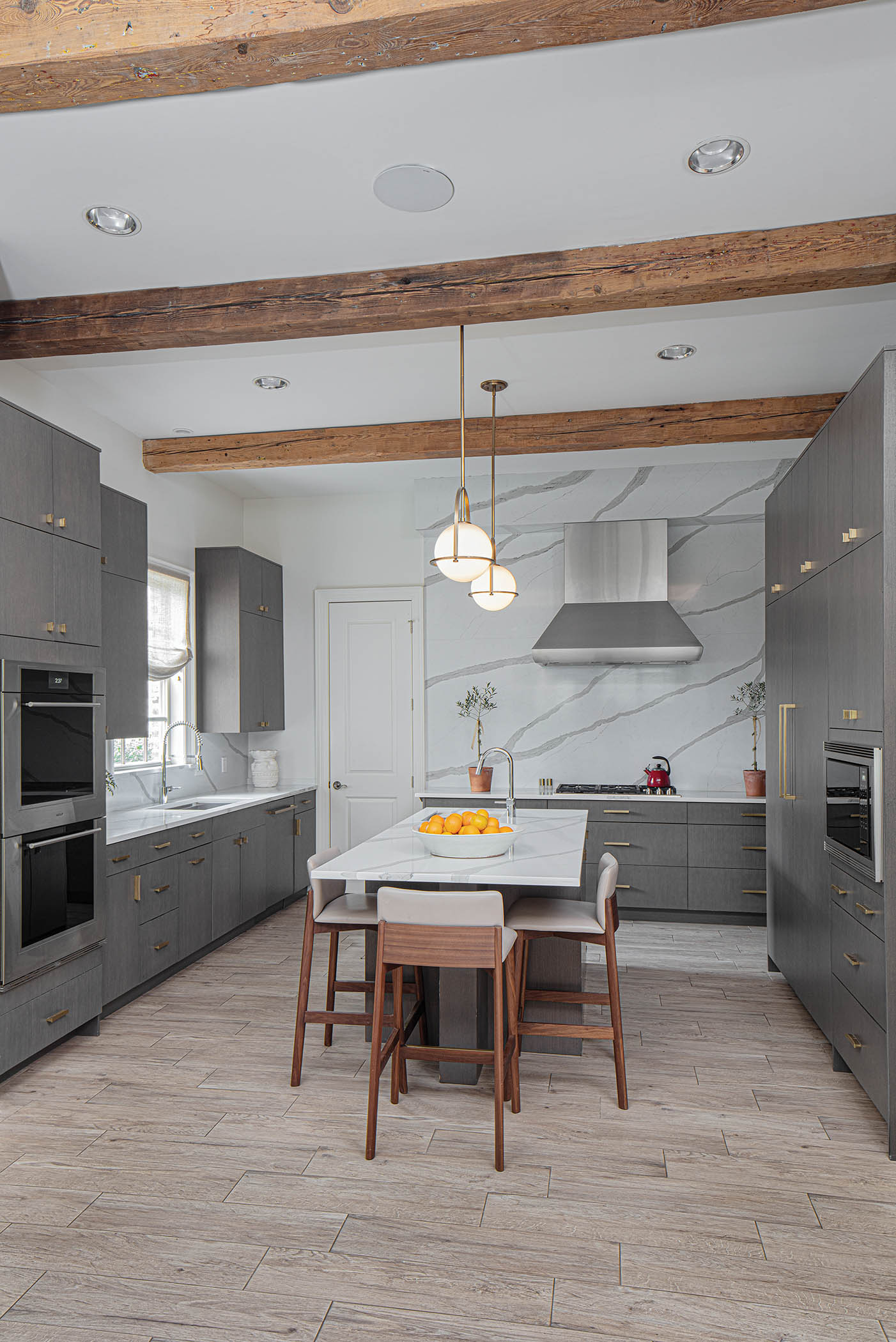
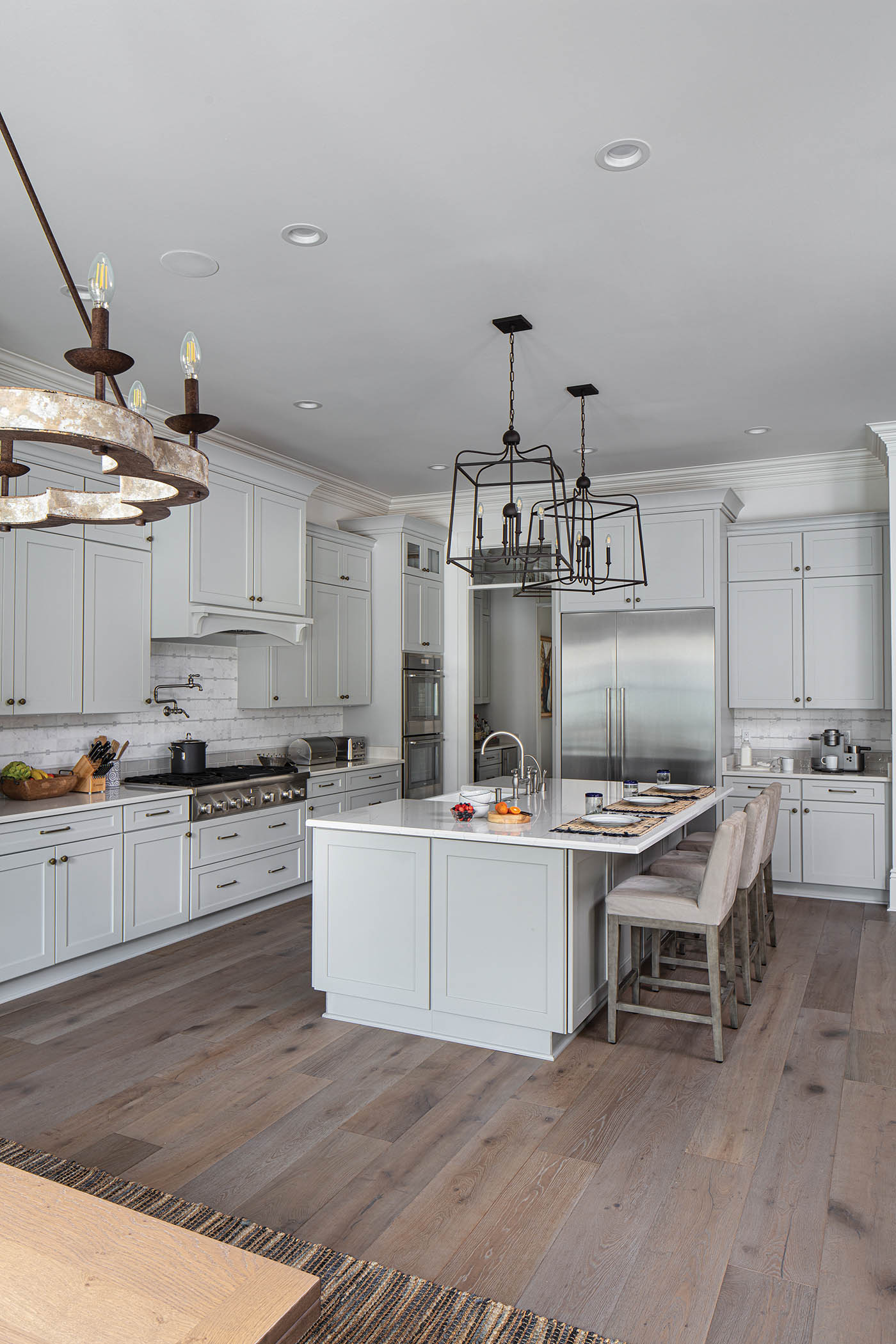
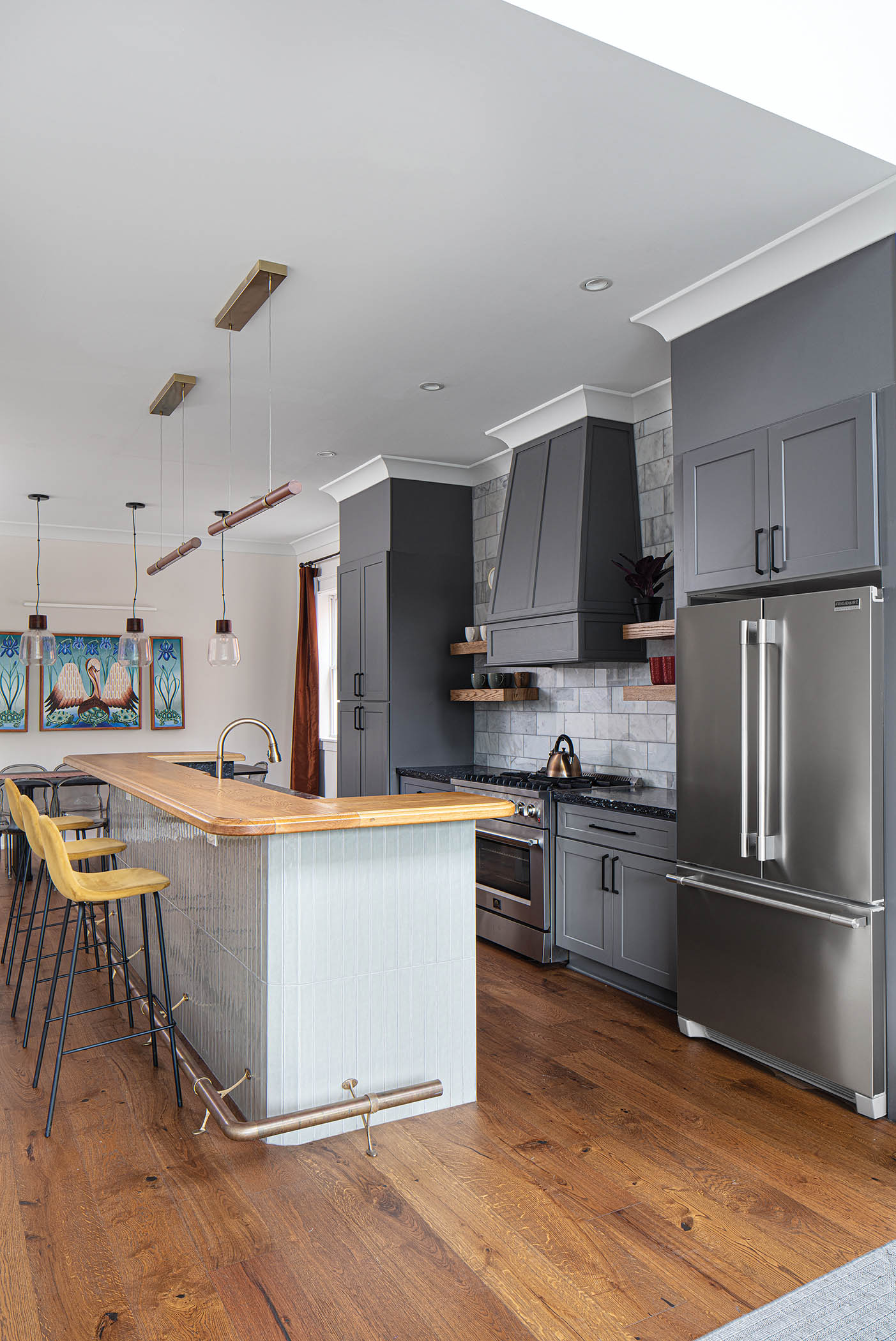
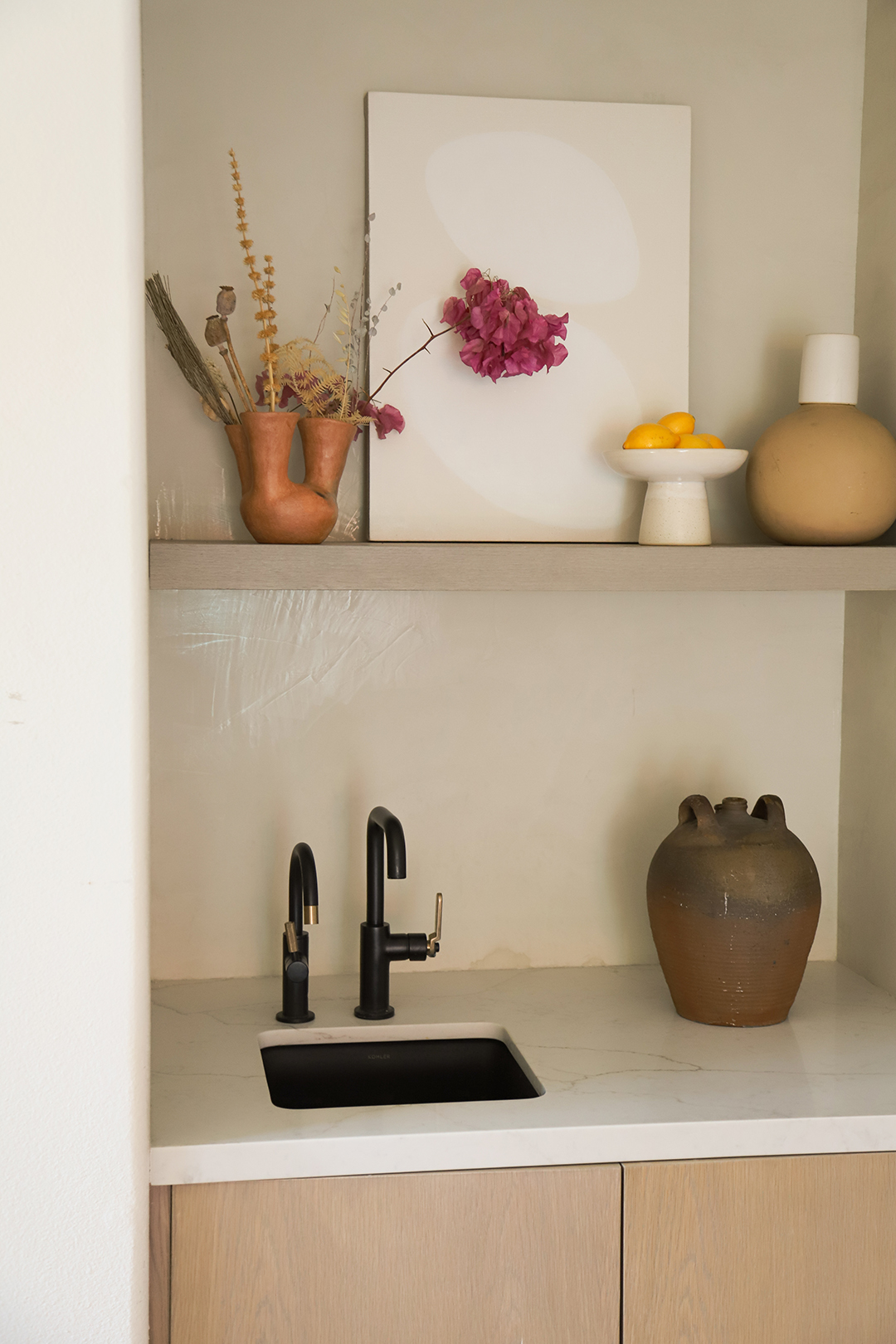
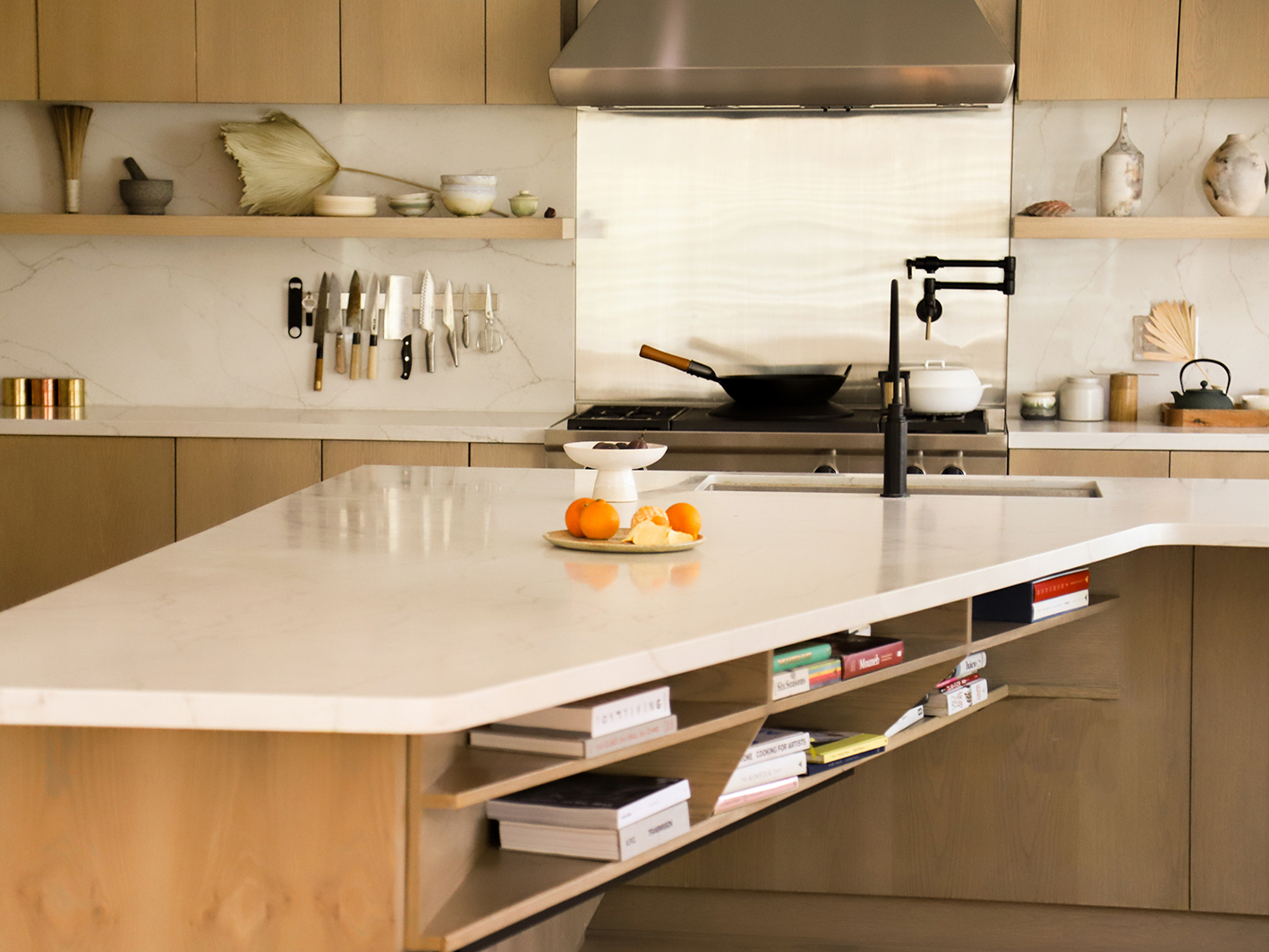
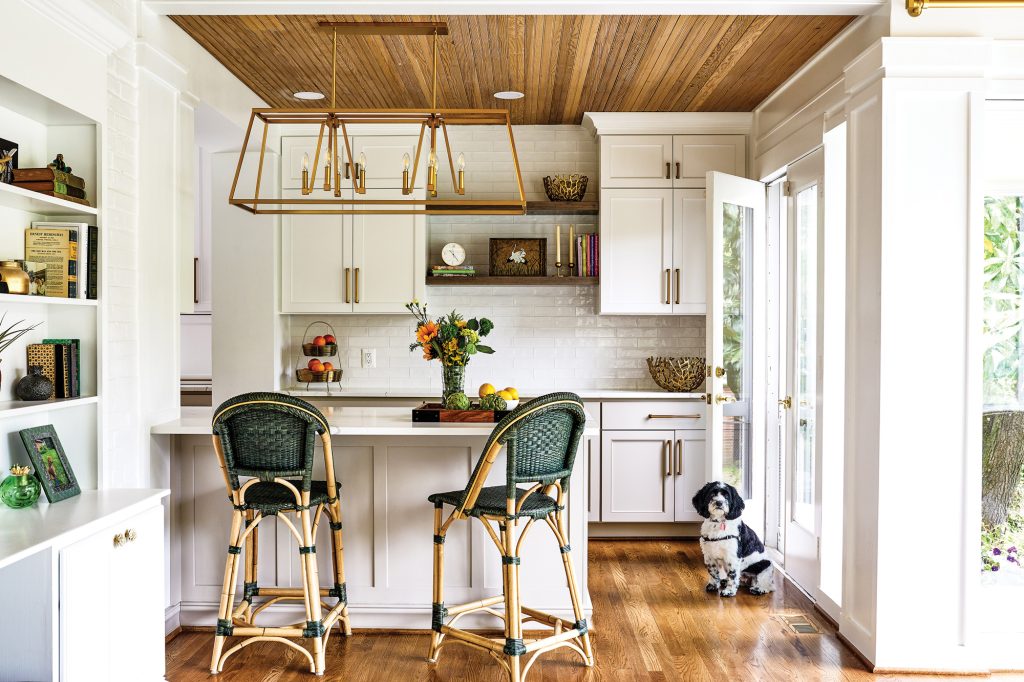
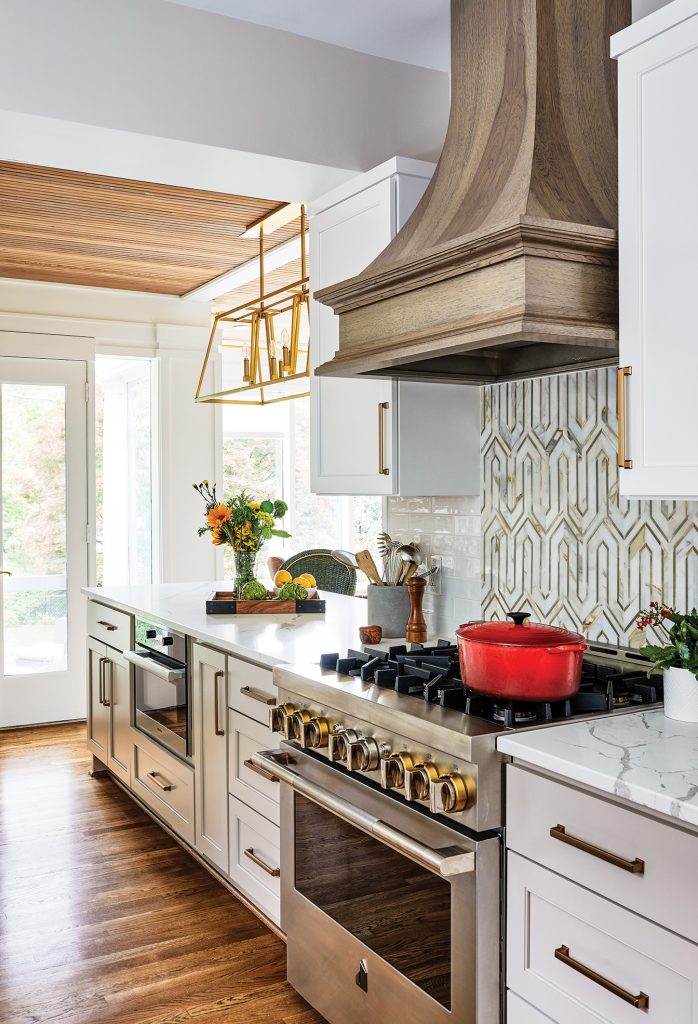
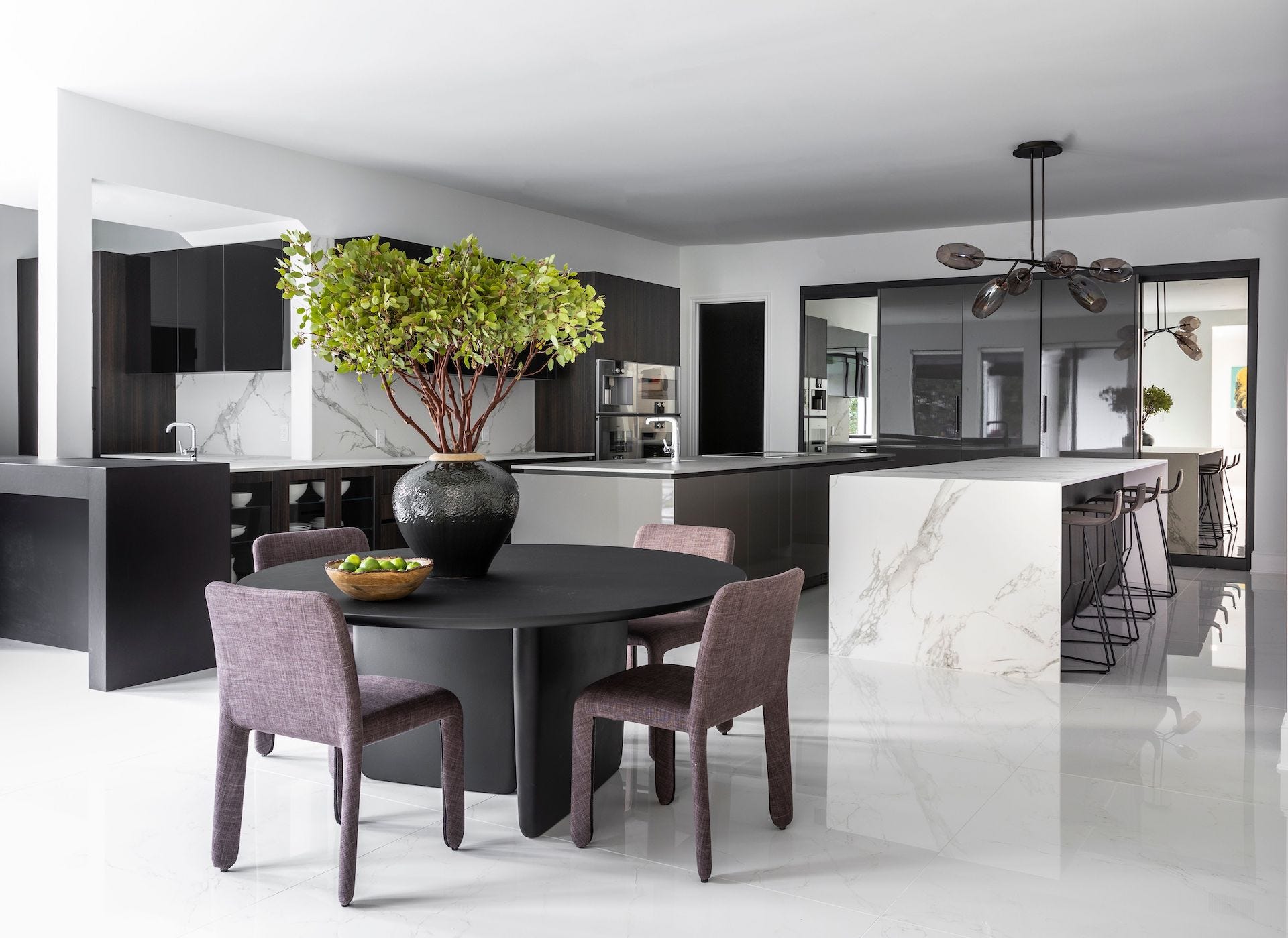
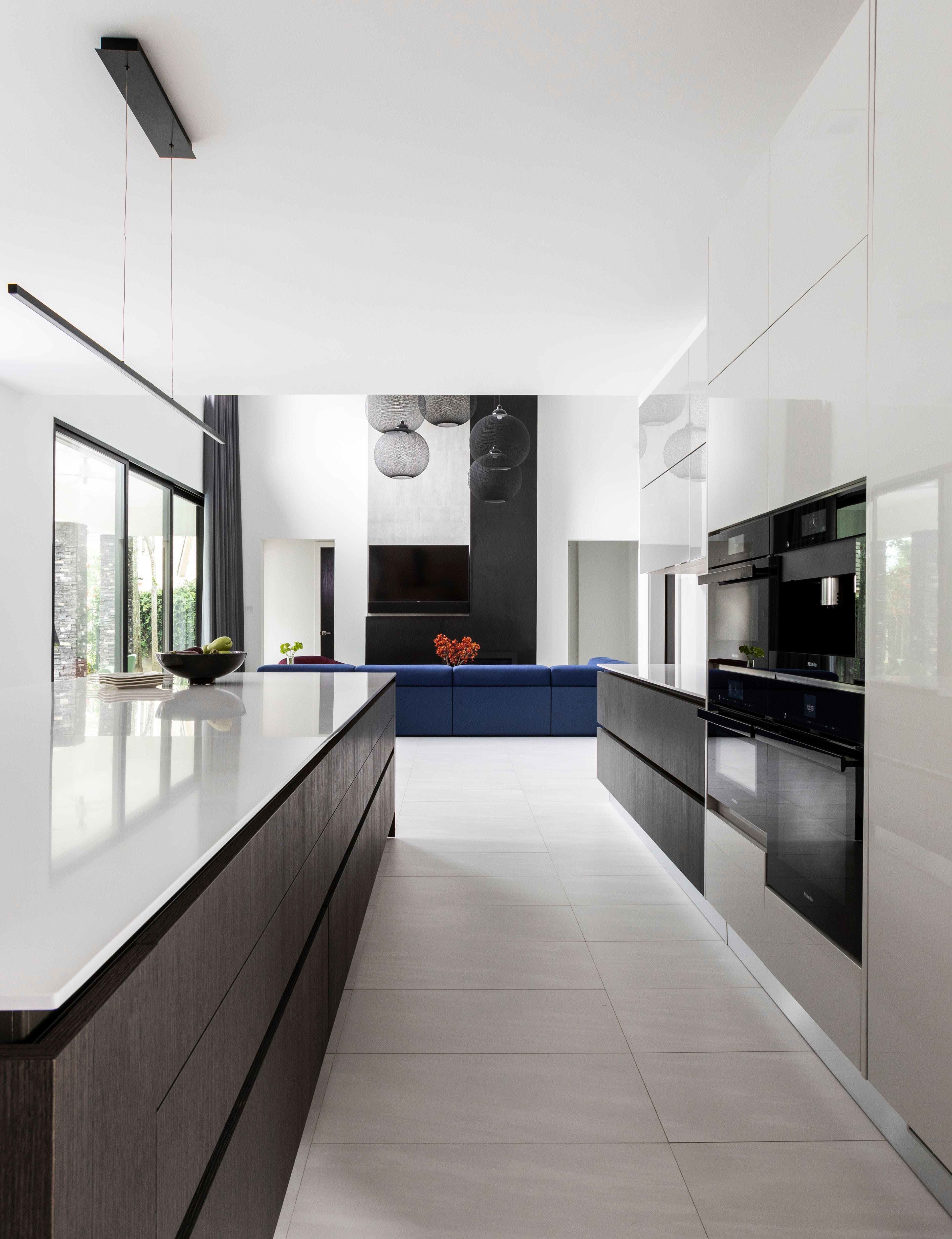
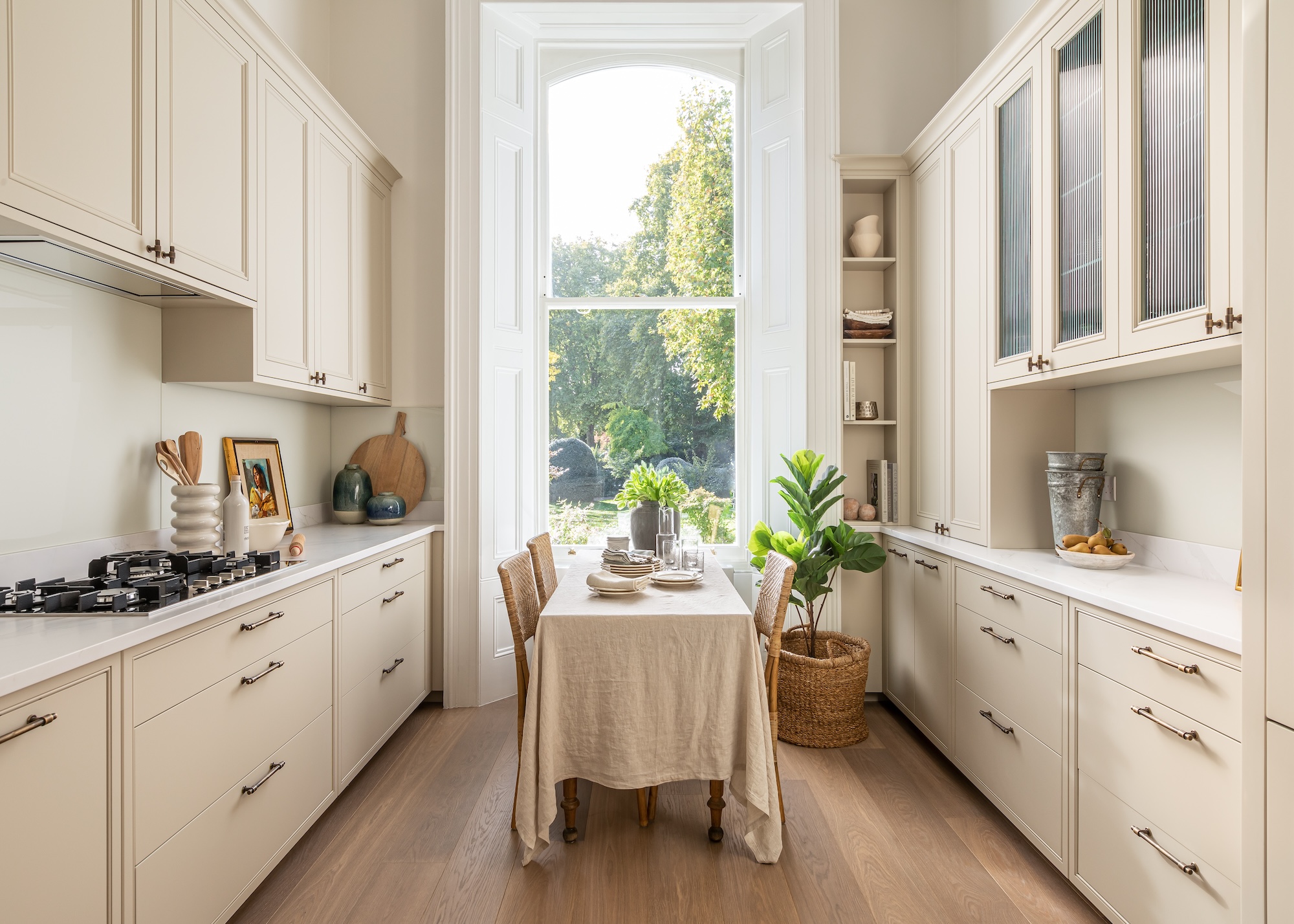
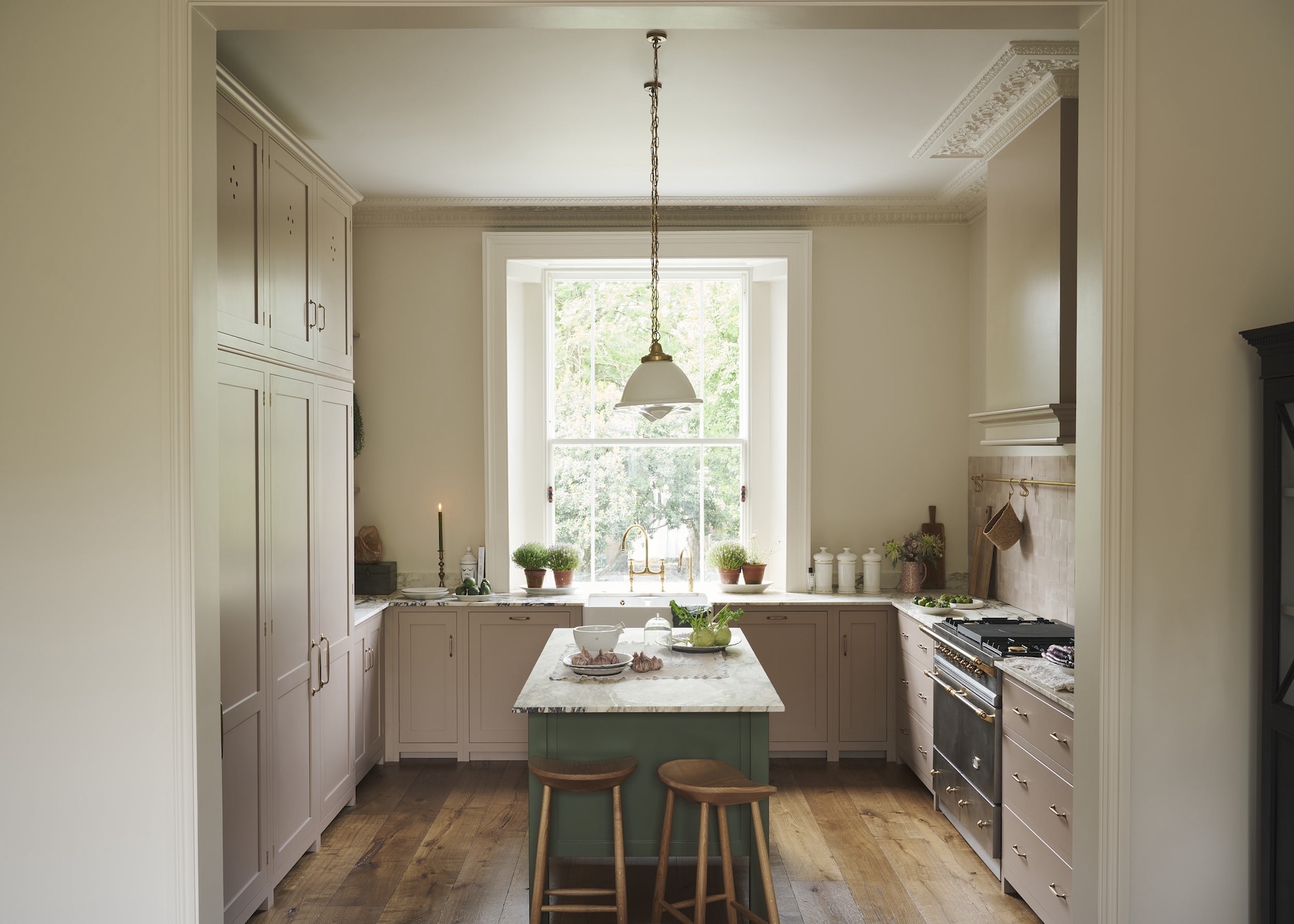
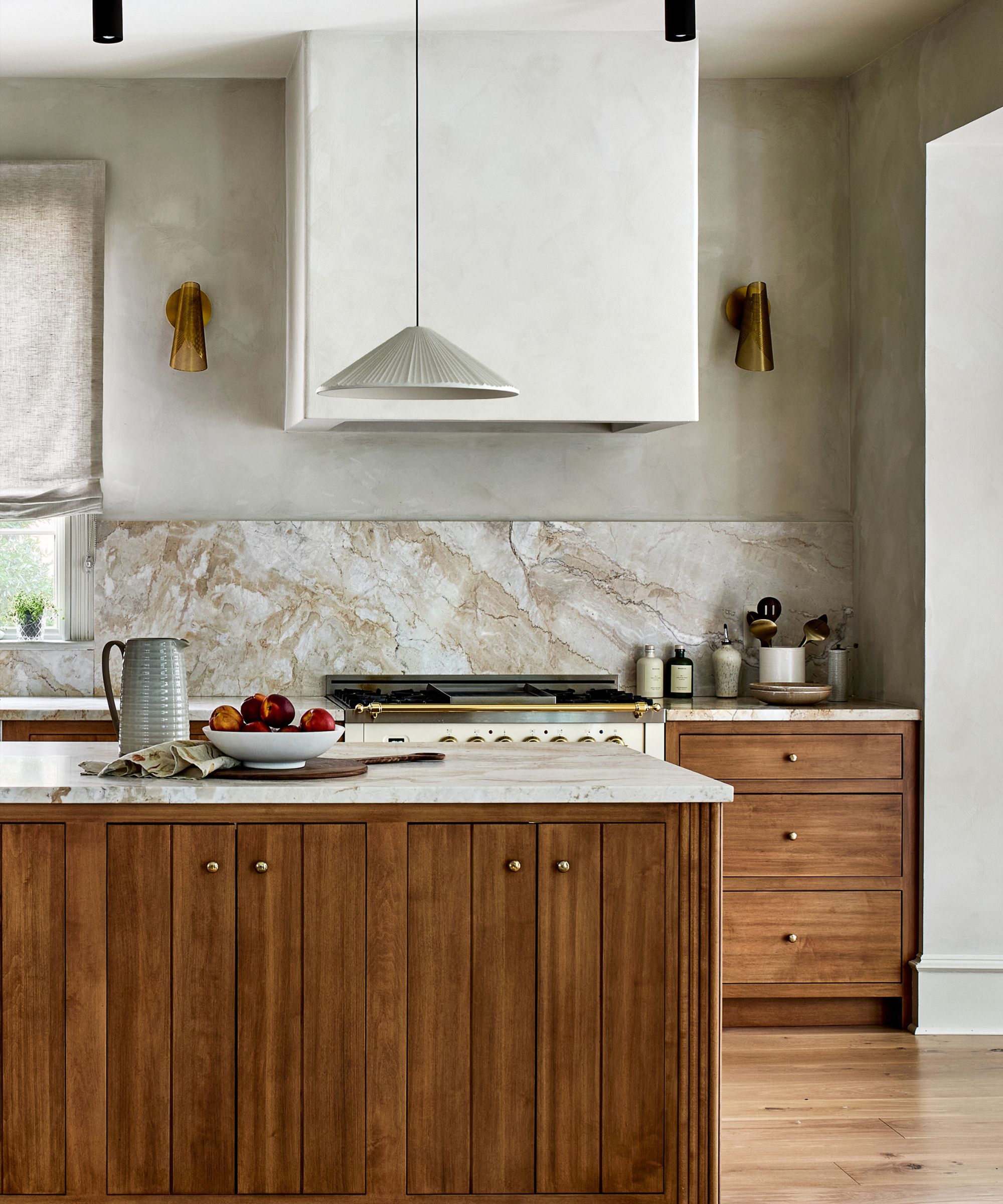
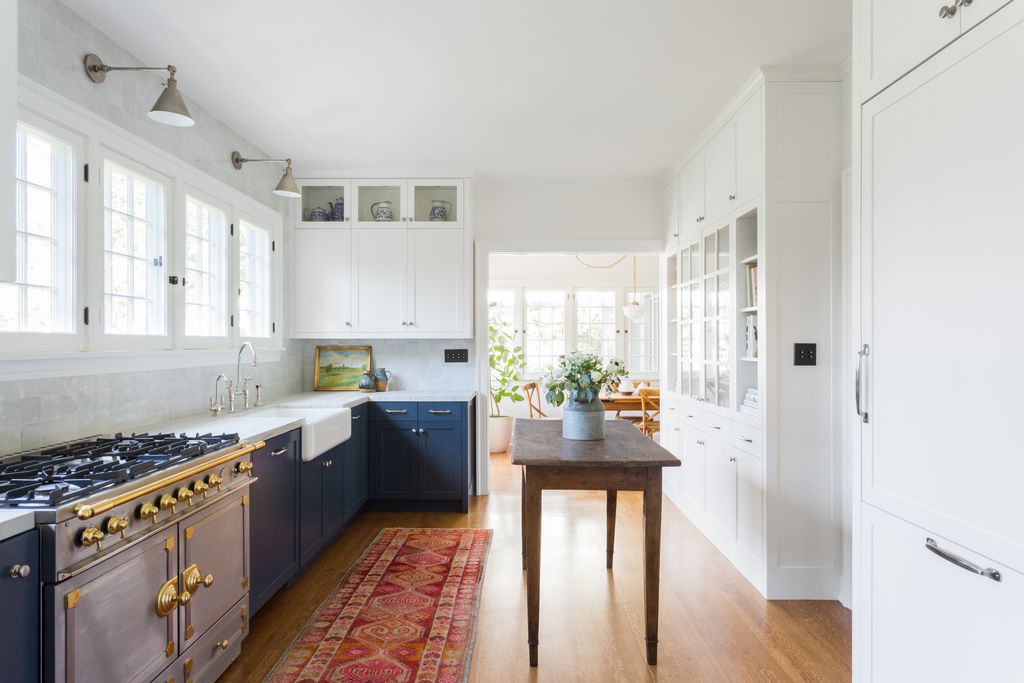
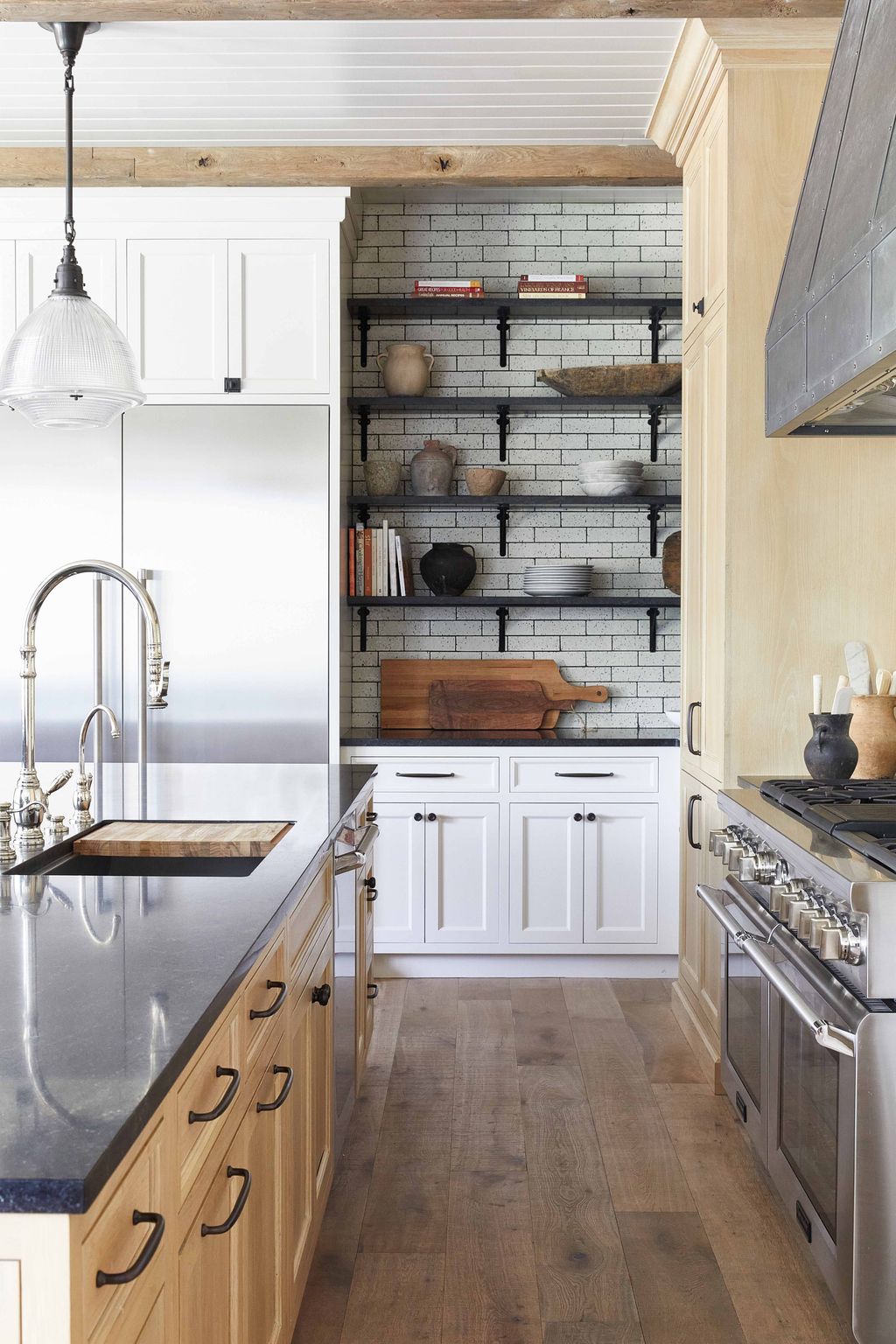
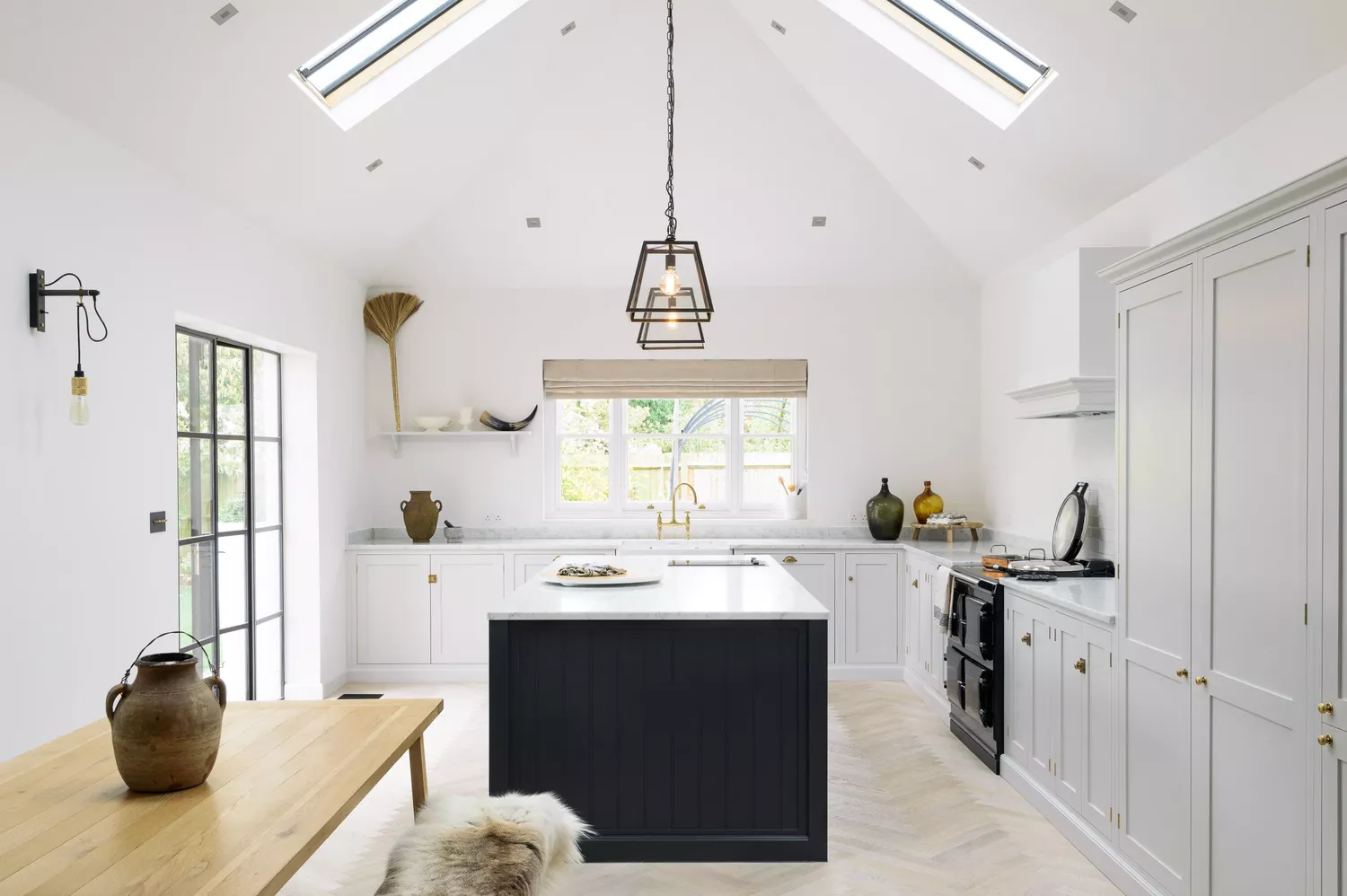
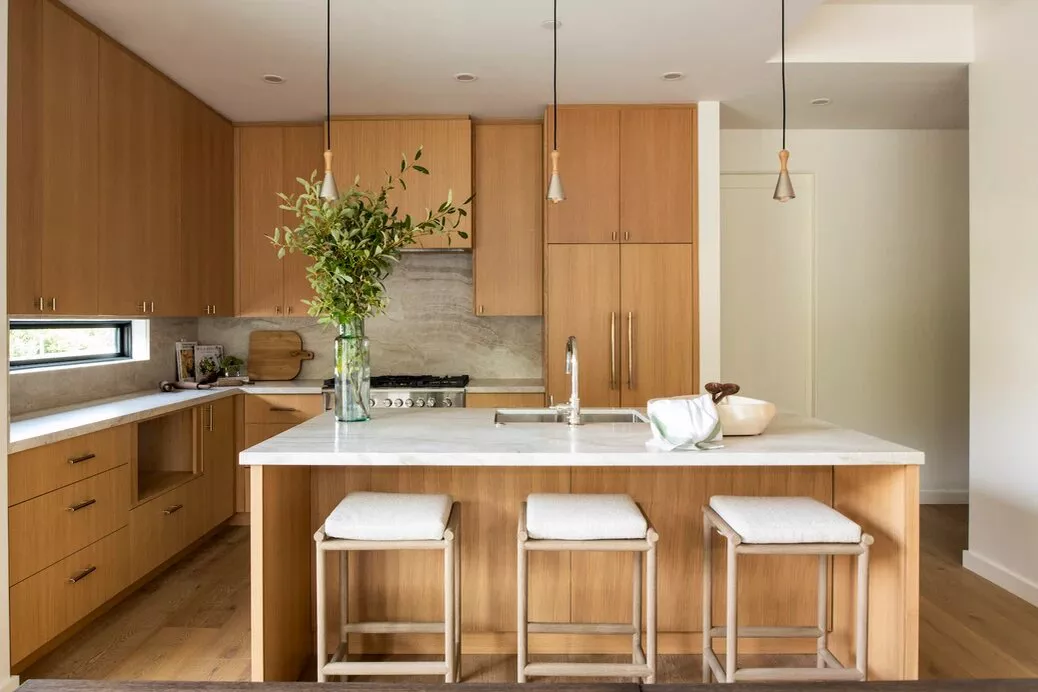
Creating a Japandi-style kitchen involves several key characteristics, as highlighted by interior designer Niki Tashe. The foundation lies in simplicity, clean lines, and the use of natural materials such as wood, stone, and ceramic. Lighting plays a crucial role, often implemented through a layered approach, combining ambient lighting with task lighting and statement pendant lights featuring minimal shapes and warm, earthy materials. Wood is a prevalent element, appearing in wall panels, countertops, and islands, grounding the space with its natural beauty. Stone, with its subtle striations, introduces texture without disrupting the minimalist aesthetic. A monochromatic black palette can also be used dramatically, balanced with minimal color accents like wooden stools or colorful knobs.
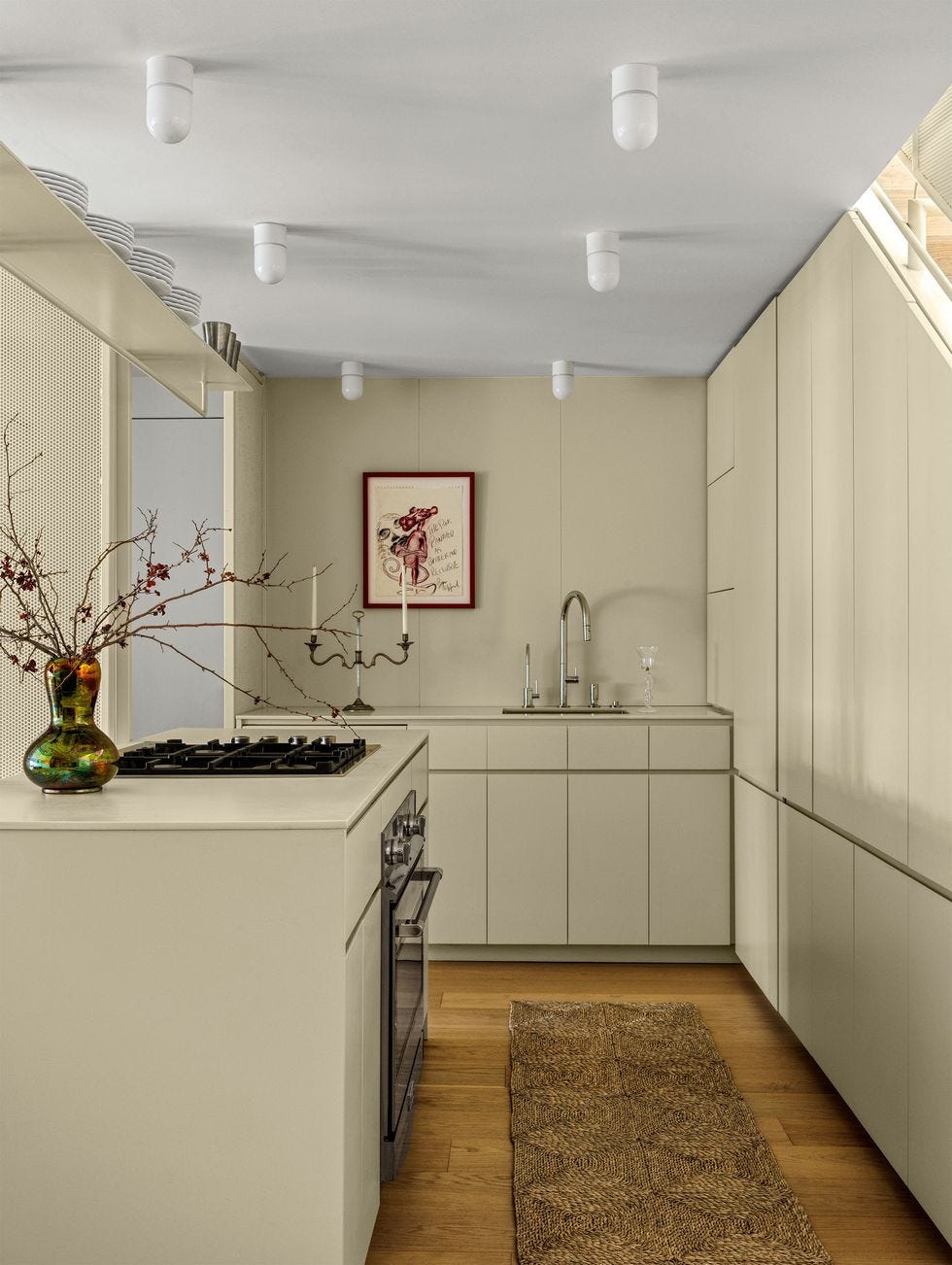
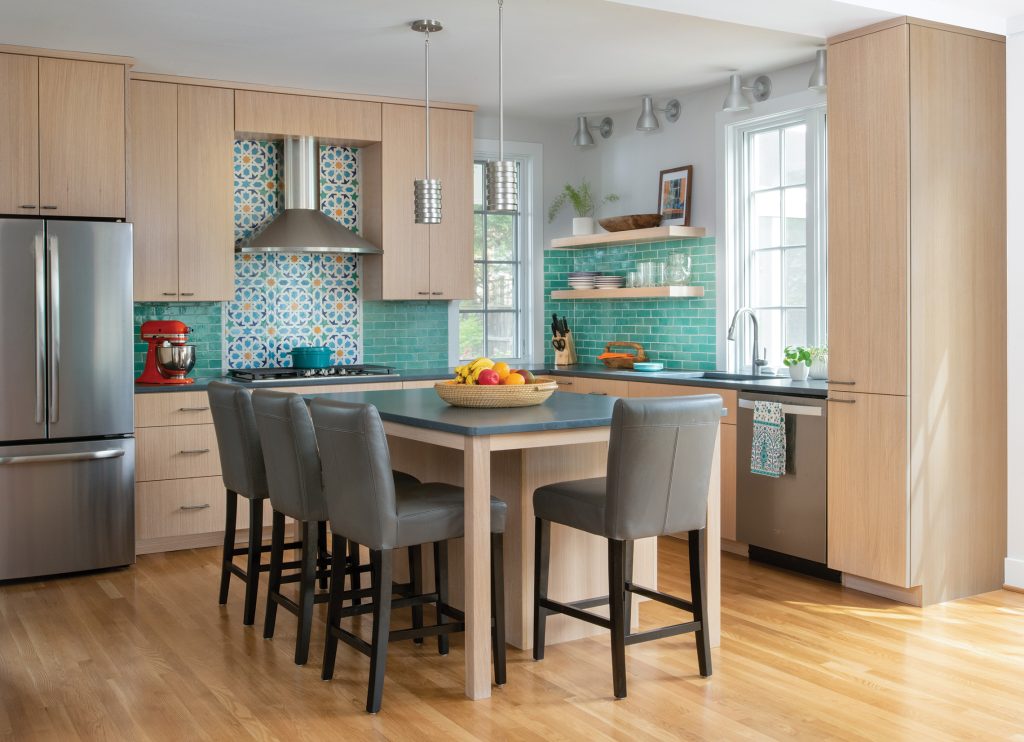
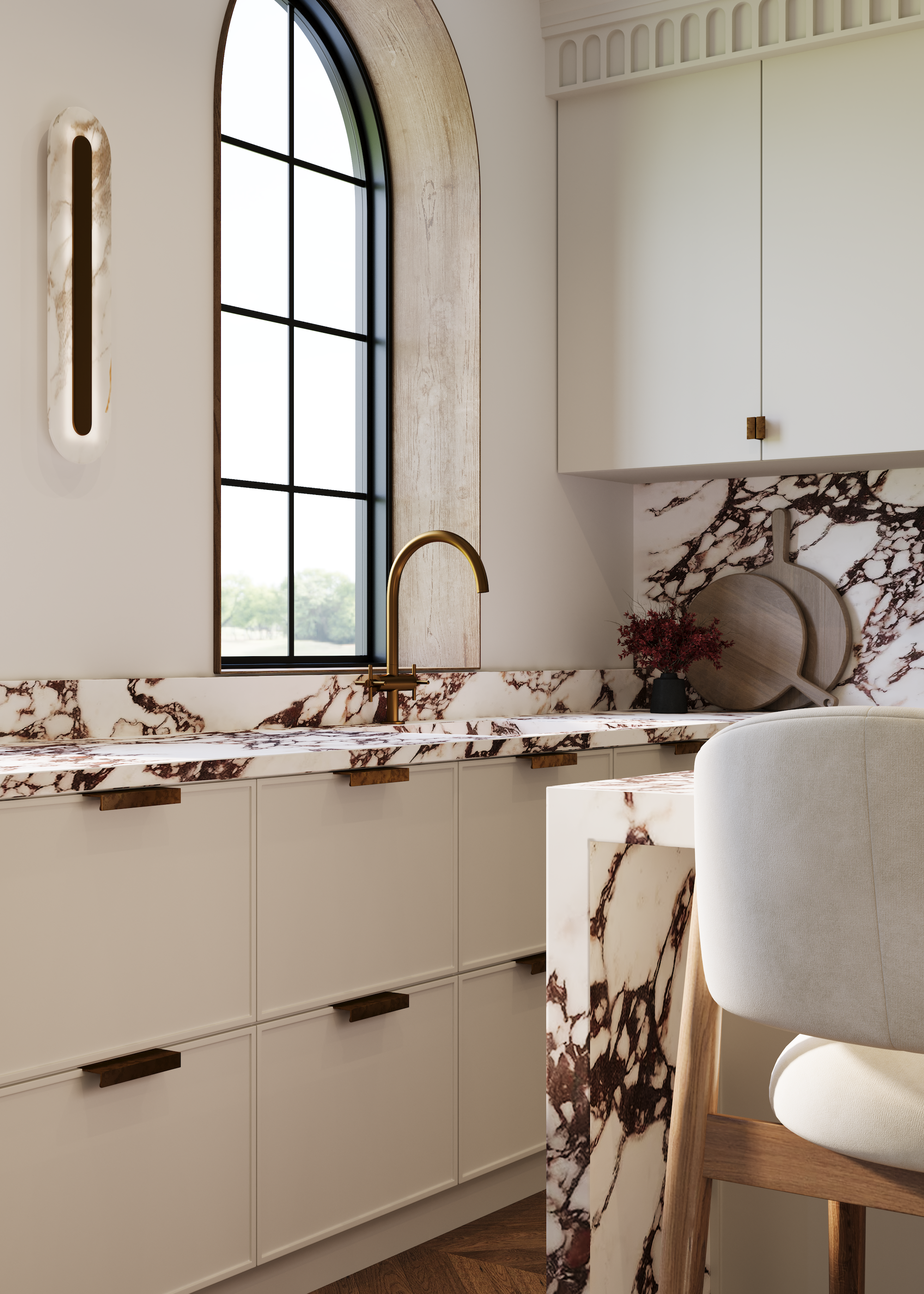
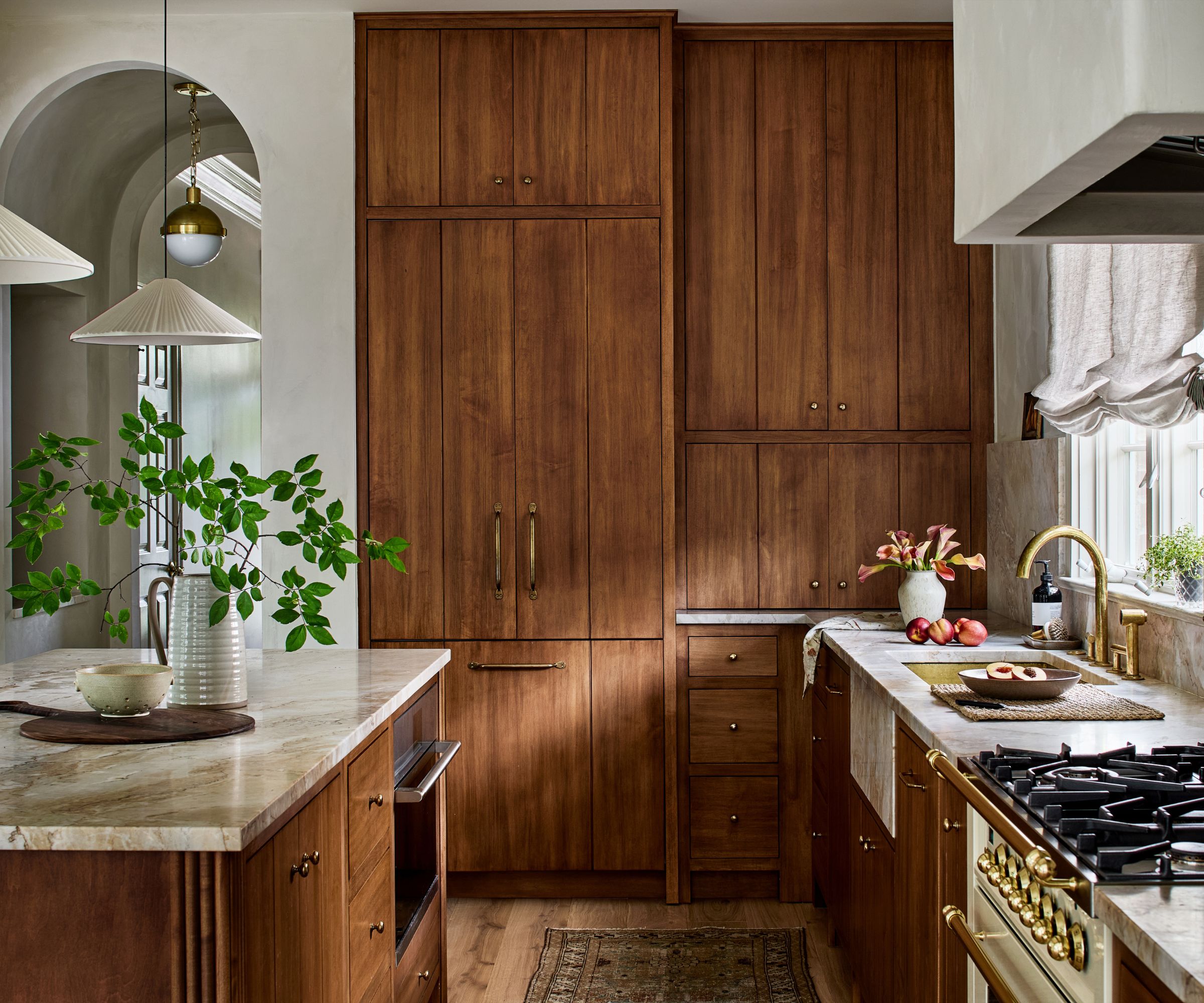
Incorporating nature is another essential aspect, with large plants or fresh flowers adding a touch of natural beauty. The backsplash offers an opportunity to integrate traditional Japanese elements like washi paper or ceramic tiles arranged asymmetrically, typically in quiet tones of white, cream, beige, black, or gray, and in simple geometric shapes. Minimalism dictates that the kitchen should not feel busy or cluttered; hidden appliances and utensils contribute to a streamlined look. Sleek surfaces, achieved through deeply saturated but neutral colors in stone, matte paint, or glossy tiles, maintain a sharp appearance. Simple, straight lines form the structural basis, complemented by occasional curves from decorative elements.
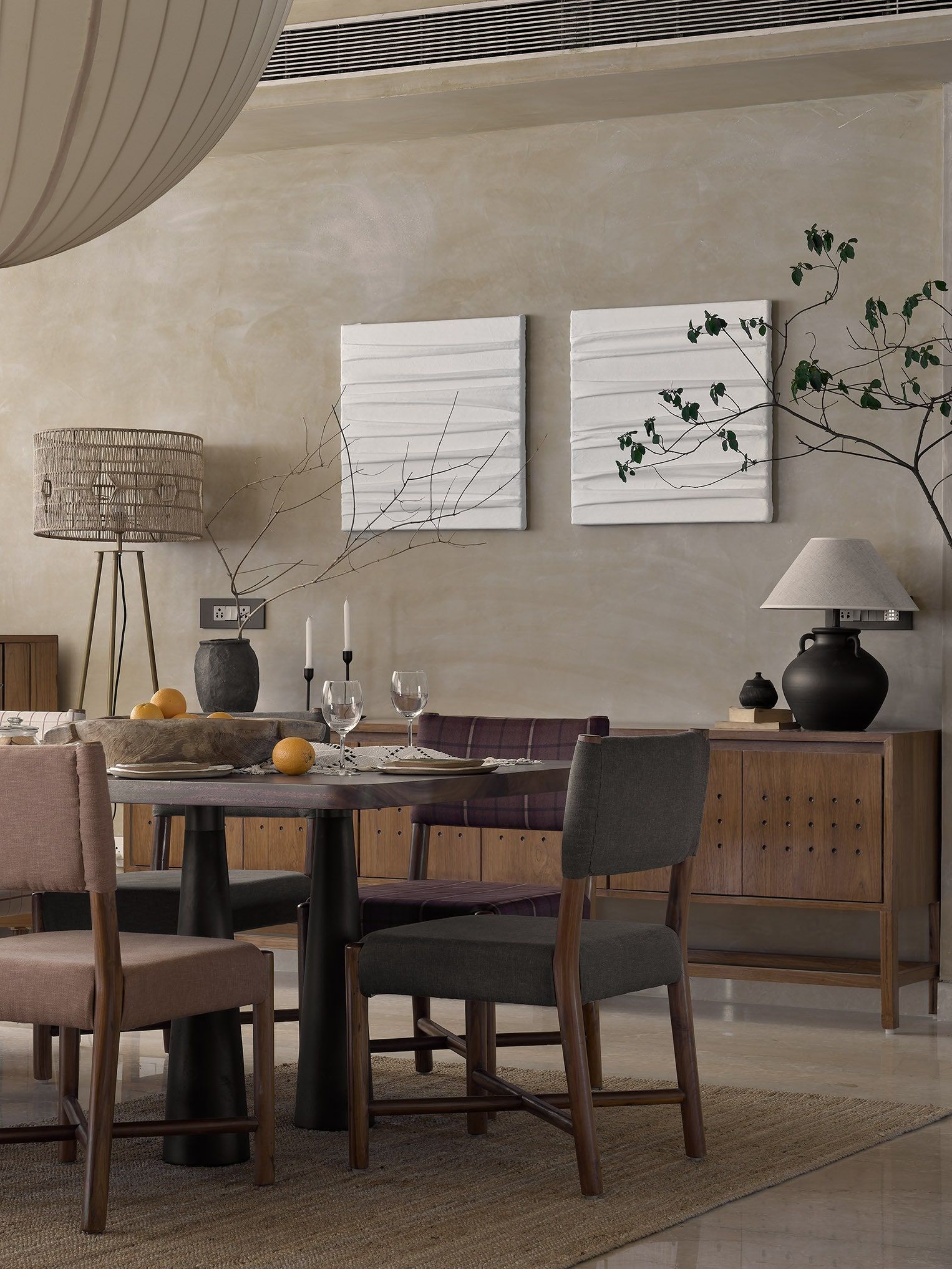
Visual depth is created through layering elements like islands, tables, shelves, and lights, even within a modest color palette. While Japandi generally avoids flashy finishes, a subtle metallic twist can be introduced through gold knobs or traditional faucets. Decor is chosen intentionally, with each item serving a purpose and contributing to the overall aesthetic. Consistent patterns, such as symmetrical tiles or wood plank orientation, are crucial for maintaining a cohesive Japandi feel. Careful consideration of undertones in paint, tile, and wood ensures a fluid color palette. Balancing contrasting colors like black and white, giving equal attention to both, can create equilibrium, warmed by wooden elements.
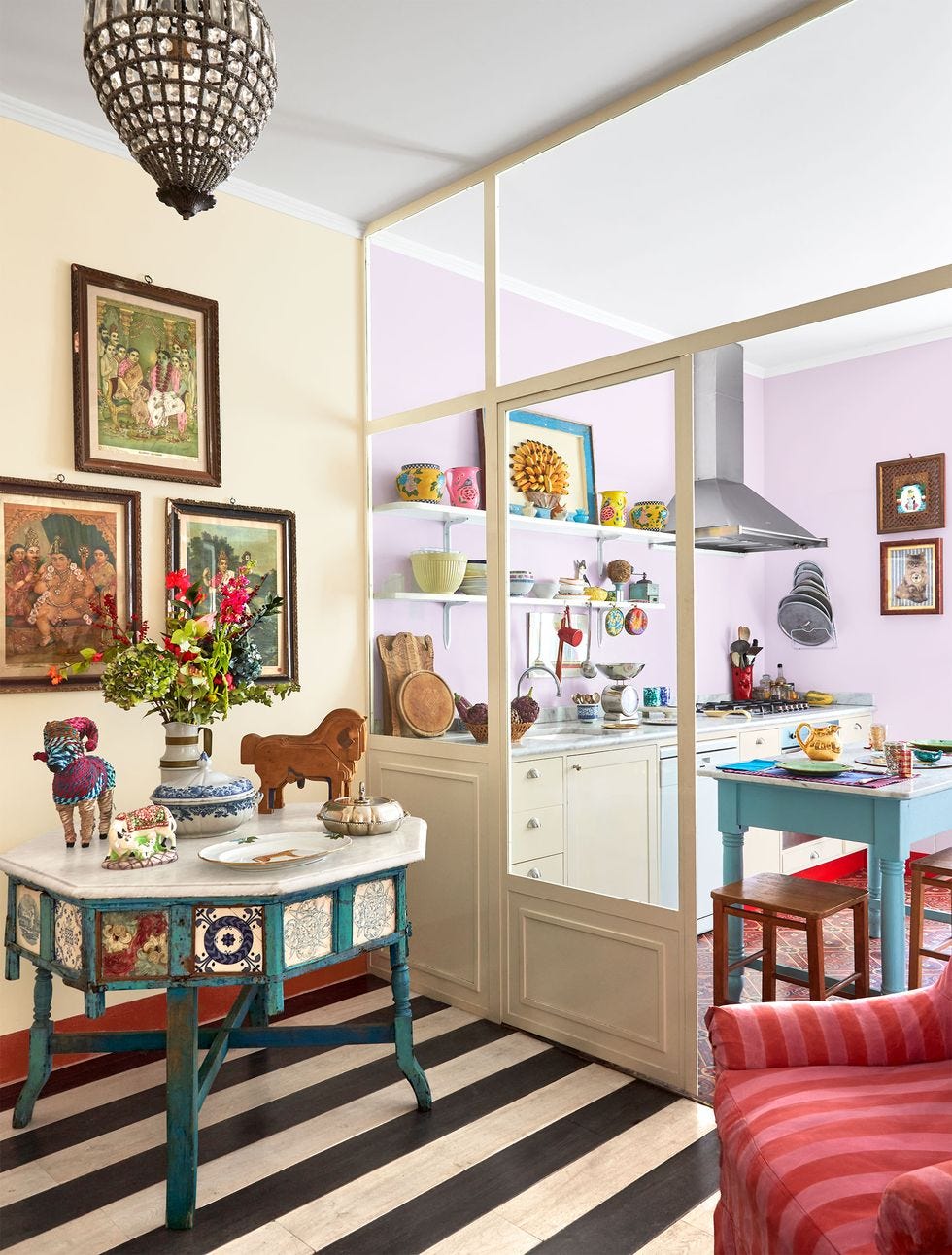
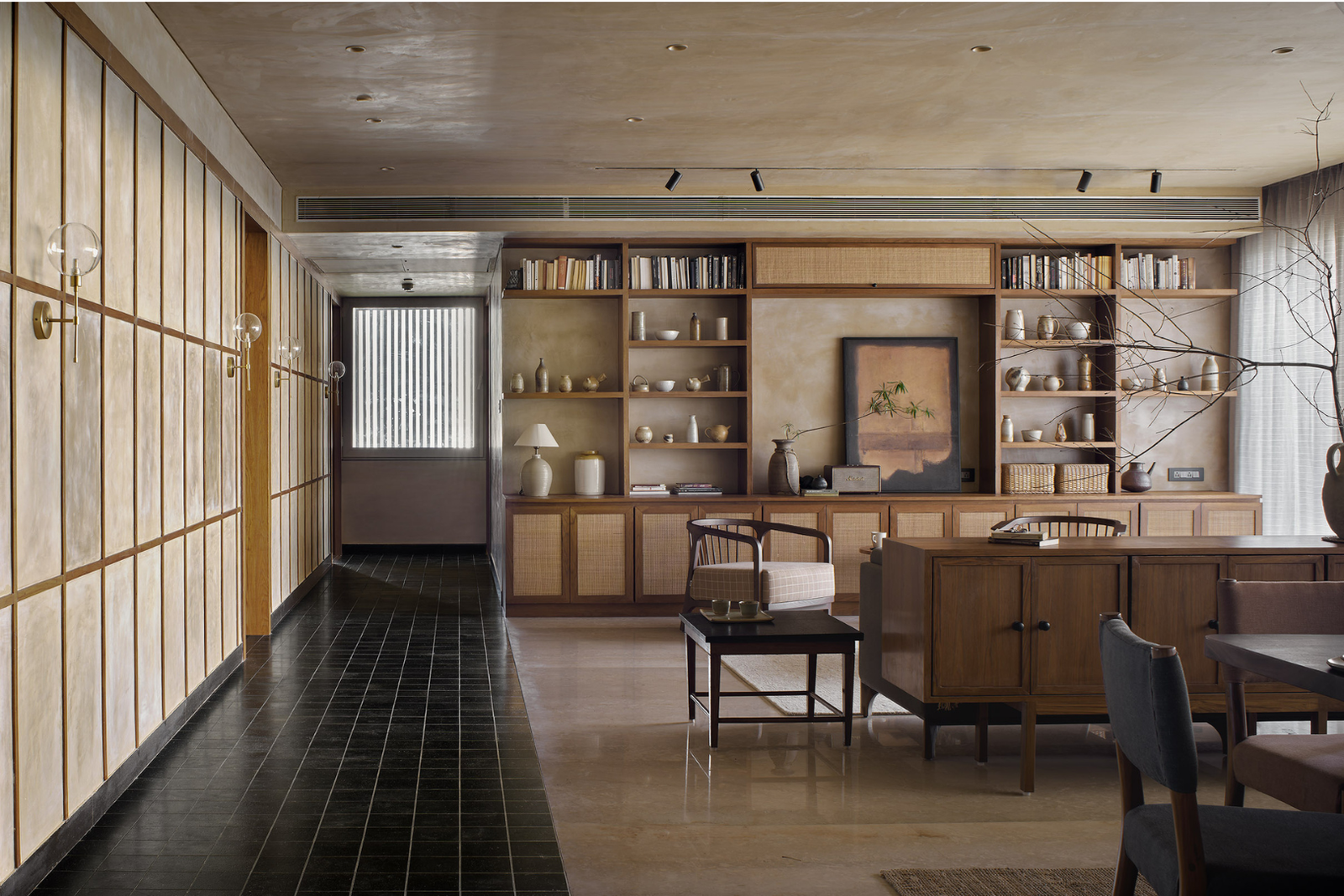
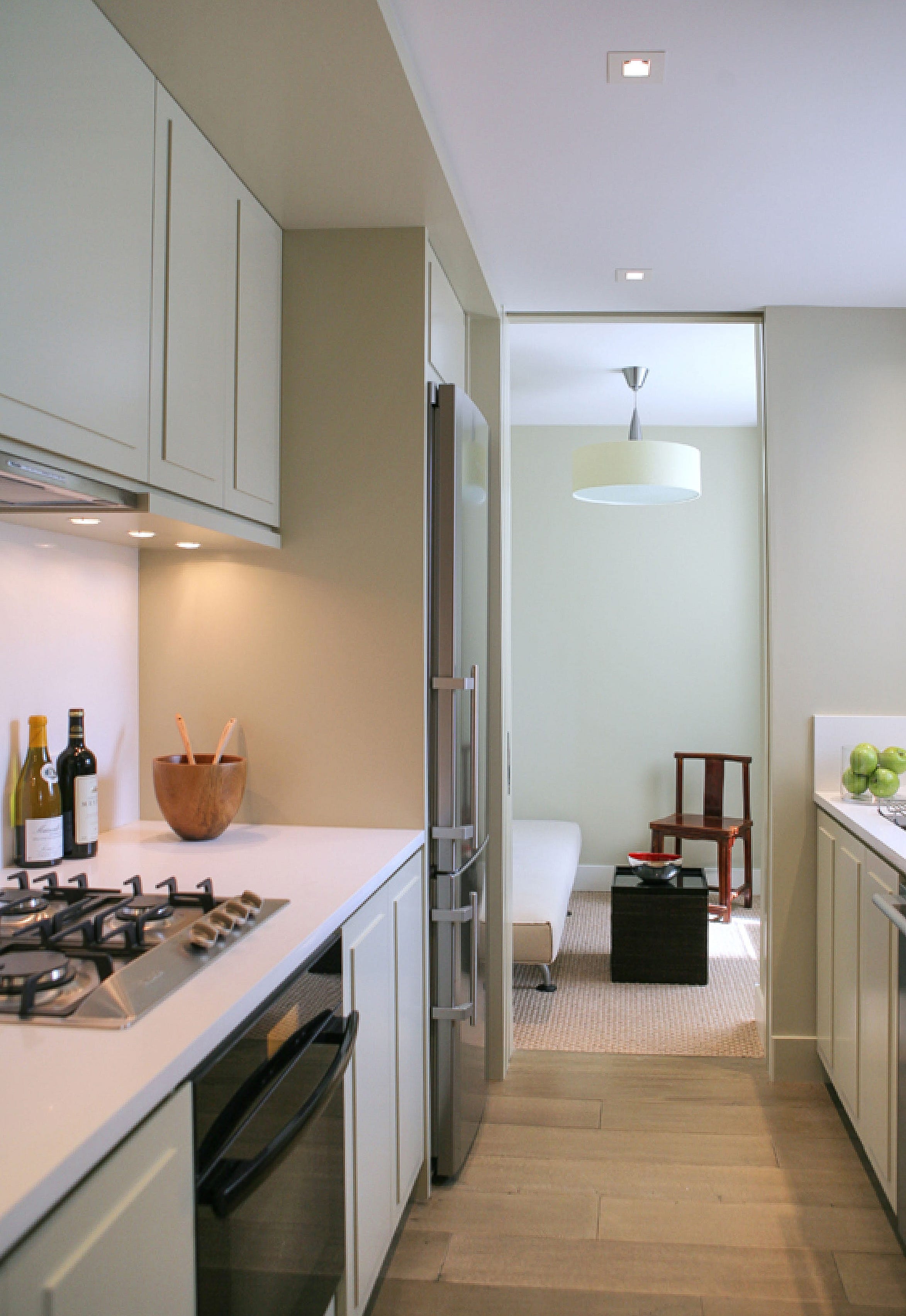
Experimentation with color is possible, opting for subtler, dustier, or toned-down shades. Sleek light fixtures, such as linear rods or slim vertical pendants, can either make a statement or blend seamlessly. Even in small kitchens, consistency in color palette and details, from cabinets to coffee machines, is vital. Unique details, like wall-mounted lamps or distinctive plants, personalize the space while adhering to the style. Overall balance is paramount, ensuring that every element, from fridge handles to shelves, is aligned and cohesive. Introducing movement through furniture with wavy shapes or rounded lanterns can provide visual interest against angular surfaces. Appliances can be integrated into the Japandi aesthetic through wooden panels or sleek black finishes. Simple hardware with brushed or muted finishes is preferred. While angles are dominant, a few rounded shapes can add softness. Mixing warm and cool tones, if done thoughtfully with supporting elements, can create intriguing contrasts. Avoiding intricate structures, ornate cabinets, or flashy fixtures maintains the minimalist integrity. Stone slab walls or backsplashes offer a chic alternative to smaller tiles. Mixing different wood types can be effective if tones are harmonized. Ultimately, maintaining a functional flow and movement within the cooking space is as important as the aesthetics, reflecting the emphasis on practicality in both Japanese and Scandinavian designs.
#JapandiDesign #KitchenDesign #InteriorDesign #Minimalism #ScandinavianDesign #JapaneseDesign #NaturalMaterials #HomeDecor #KitchenRemodel #JapandiDesign #KitchenDesign #InteriorDesign #Minimalism #ScandinavianDesign #JapaneseDesign #NaturalMaterials #HomeDecor #KitchenRemodel
0 comment in total
 No comments yet
You may also like
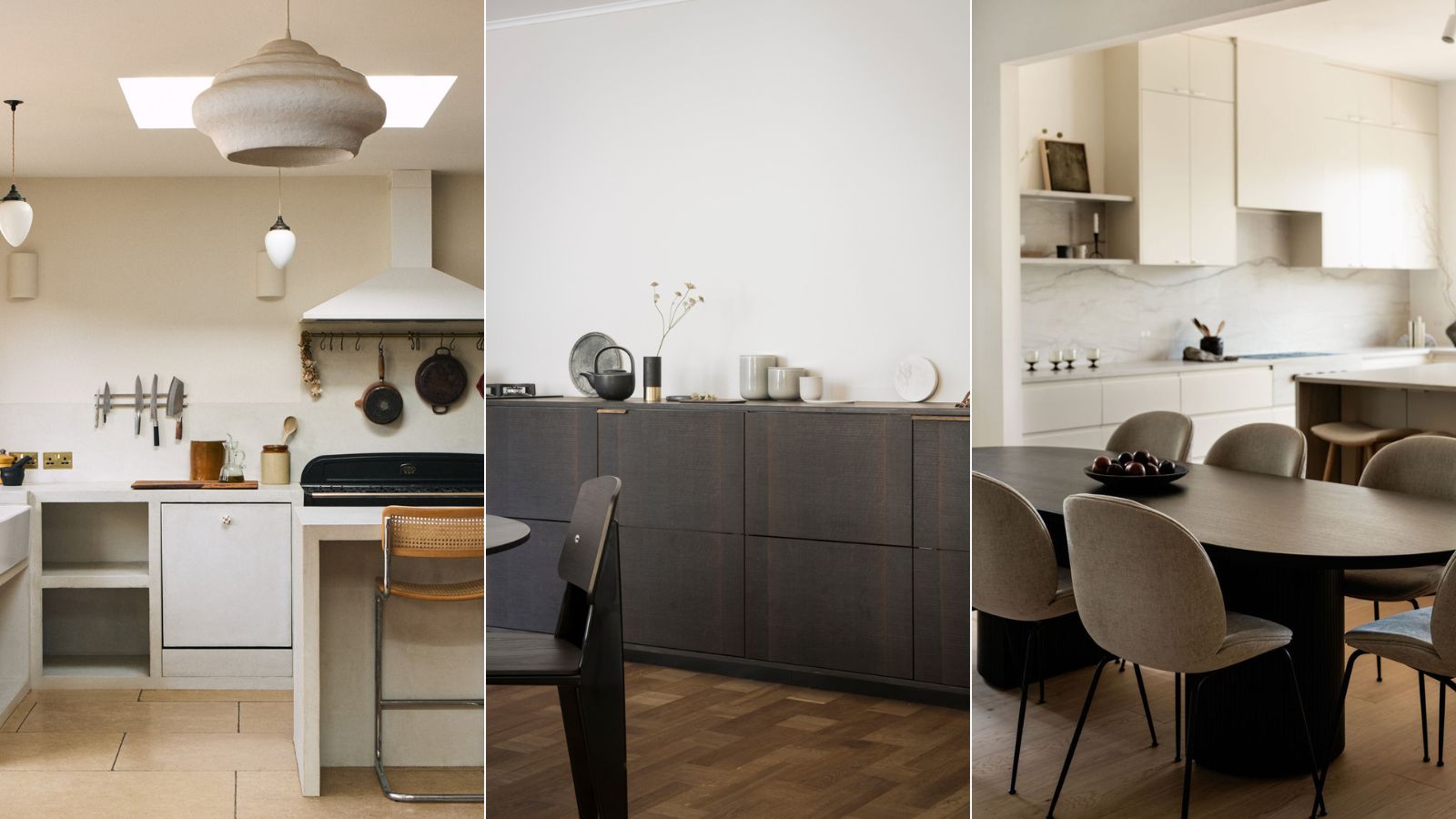
How to create a Japandi kitchen – 6 design ideas to nail this simple-yet-soothing look

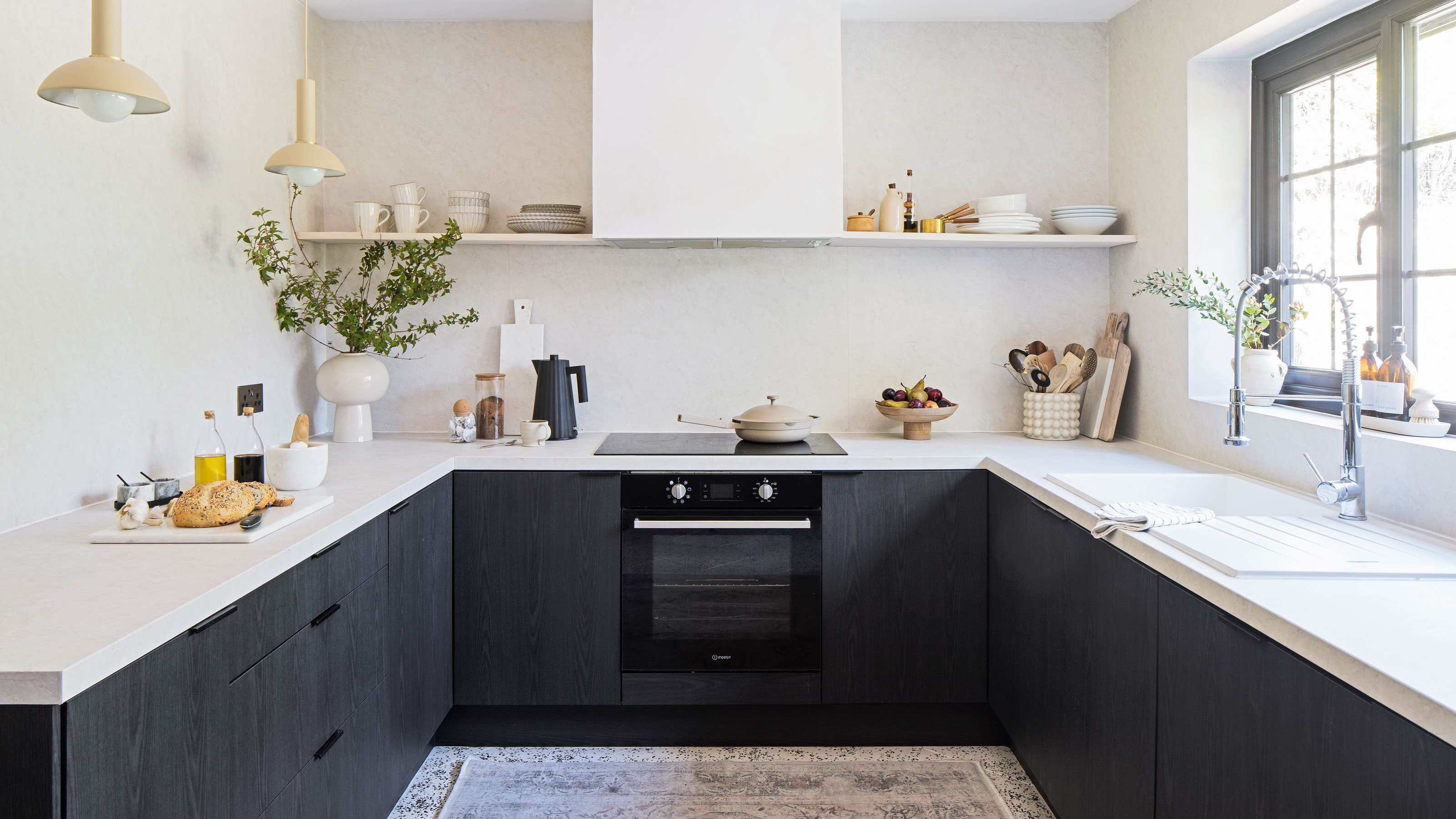
20 Scandi kitchen ideas to channel a cool, calm and clutter-free cooking space
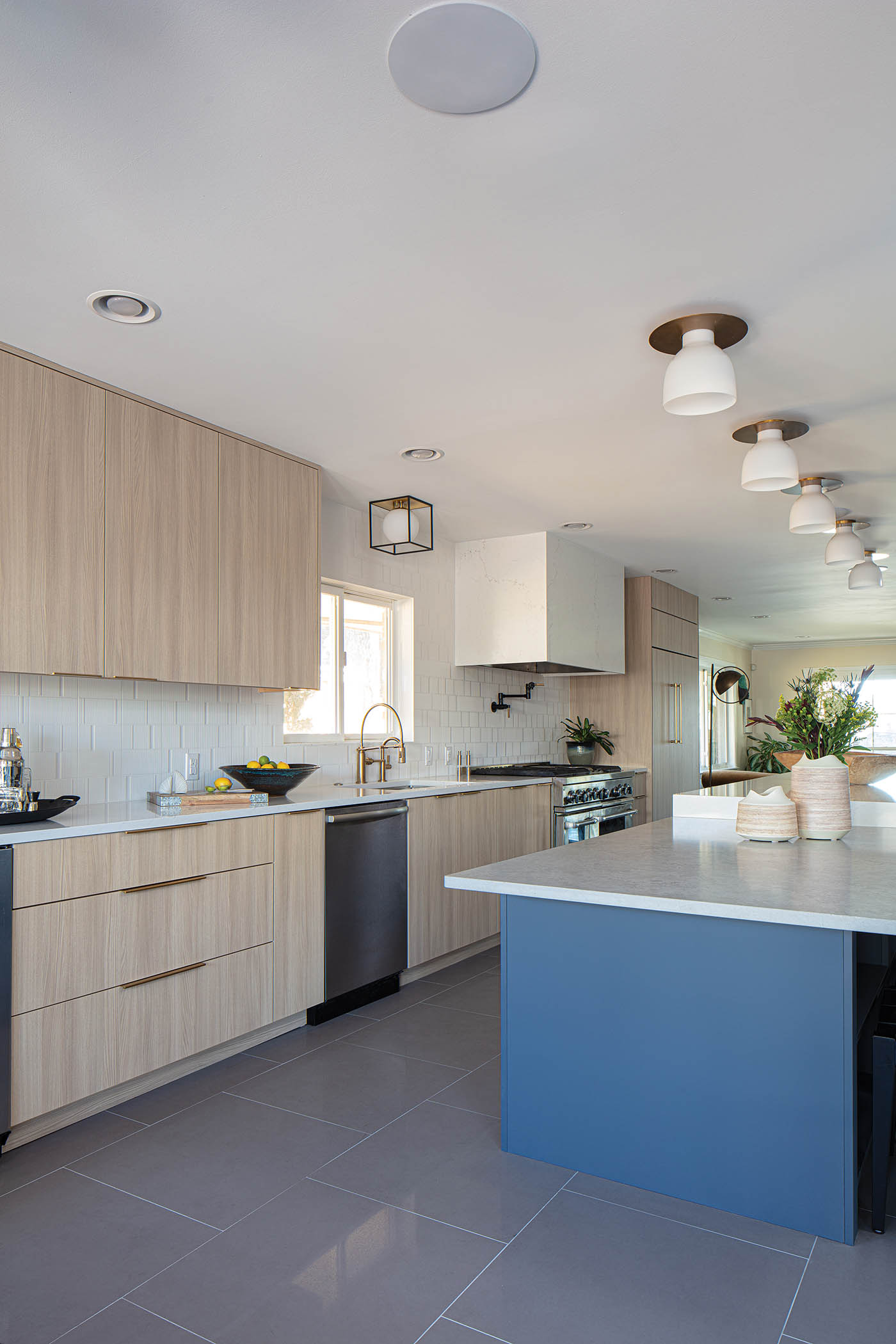
Kitchens


8 Best Japanese Kitchen Gadgets & Tools That Make Cooking Feel Zen

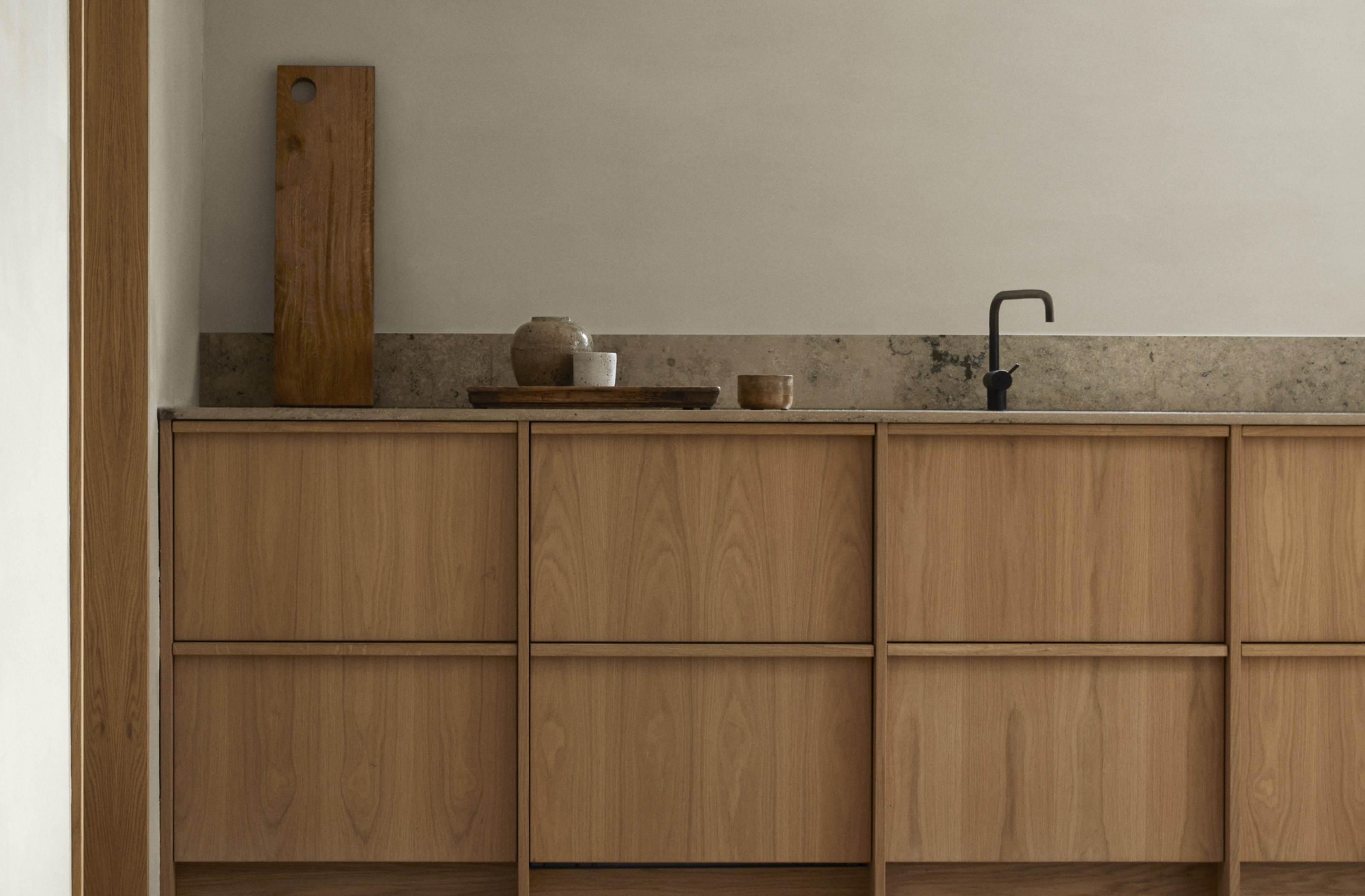
5 Things Japandi Designers do in Their Kitchens That Make Them Minimalist and Serene

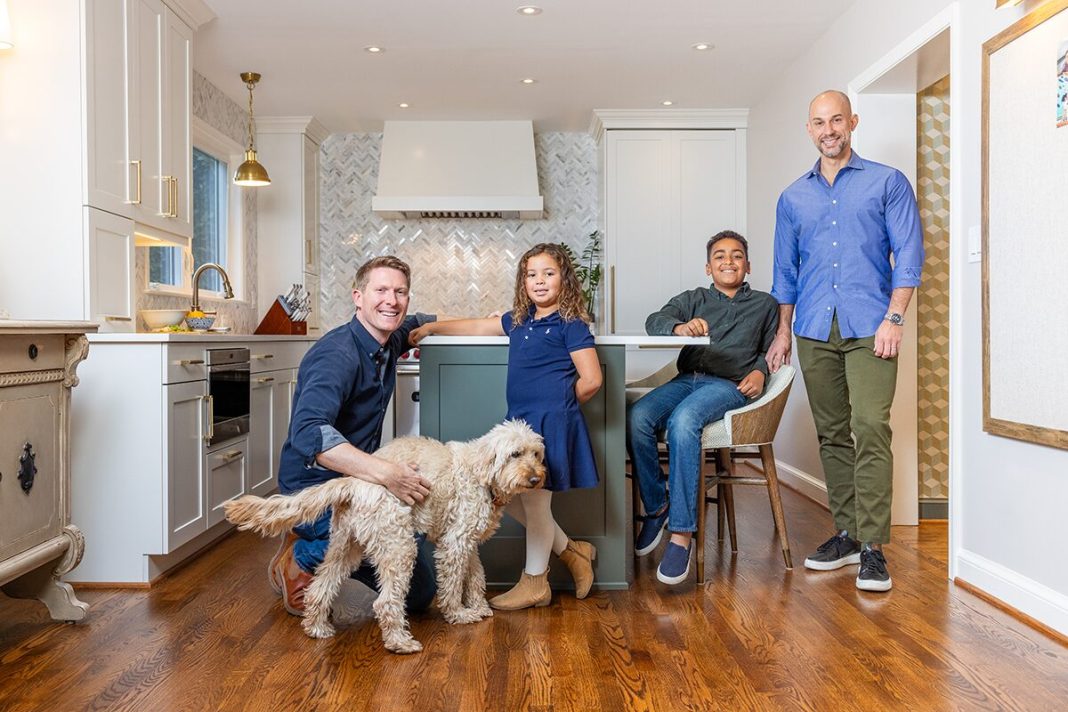
Green and serene kitchens

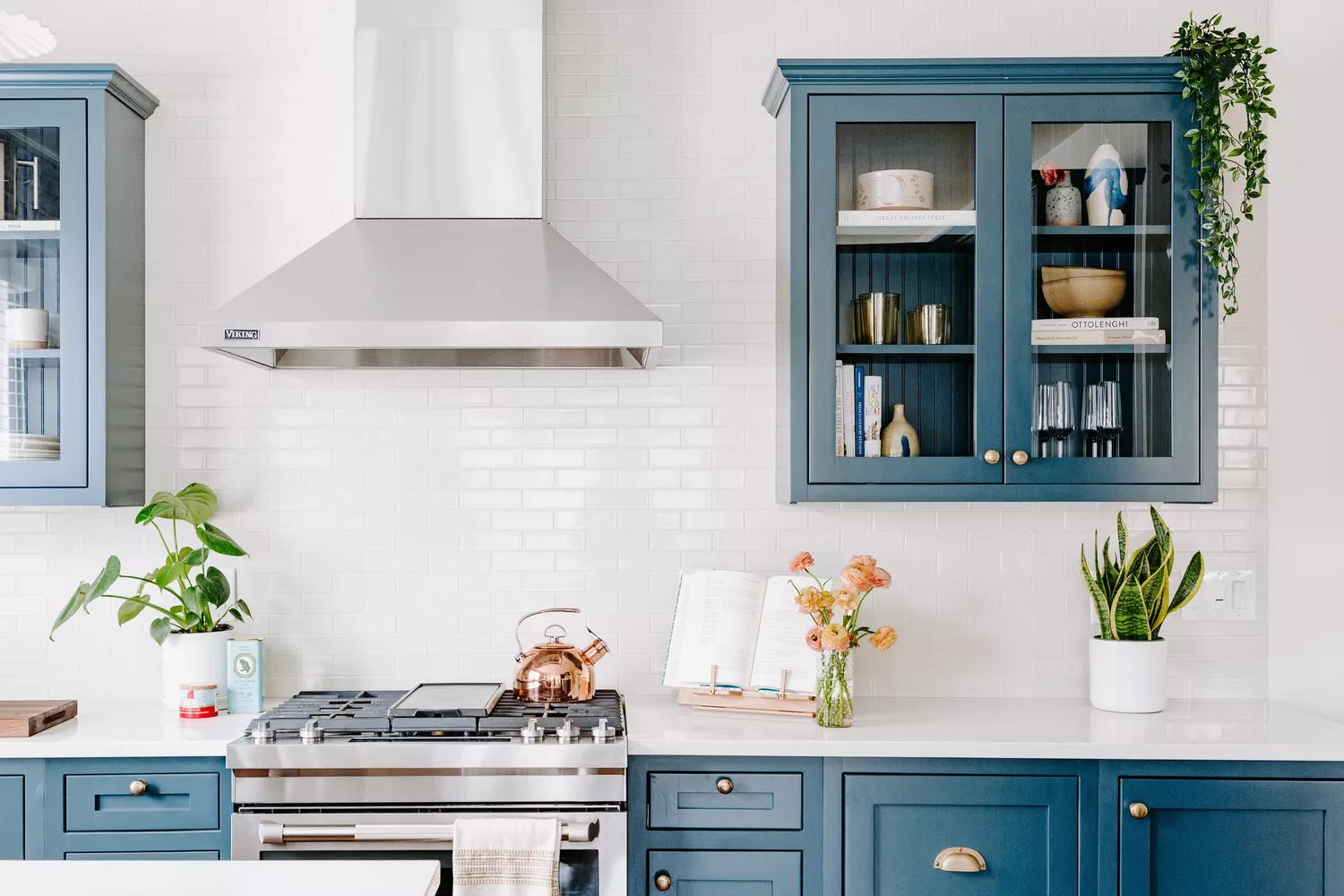
34 Beautiful, Functional Kitchens to Inspire Your Own

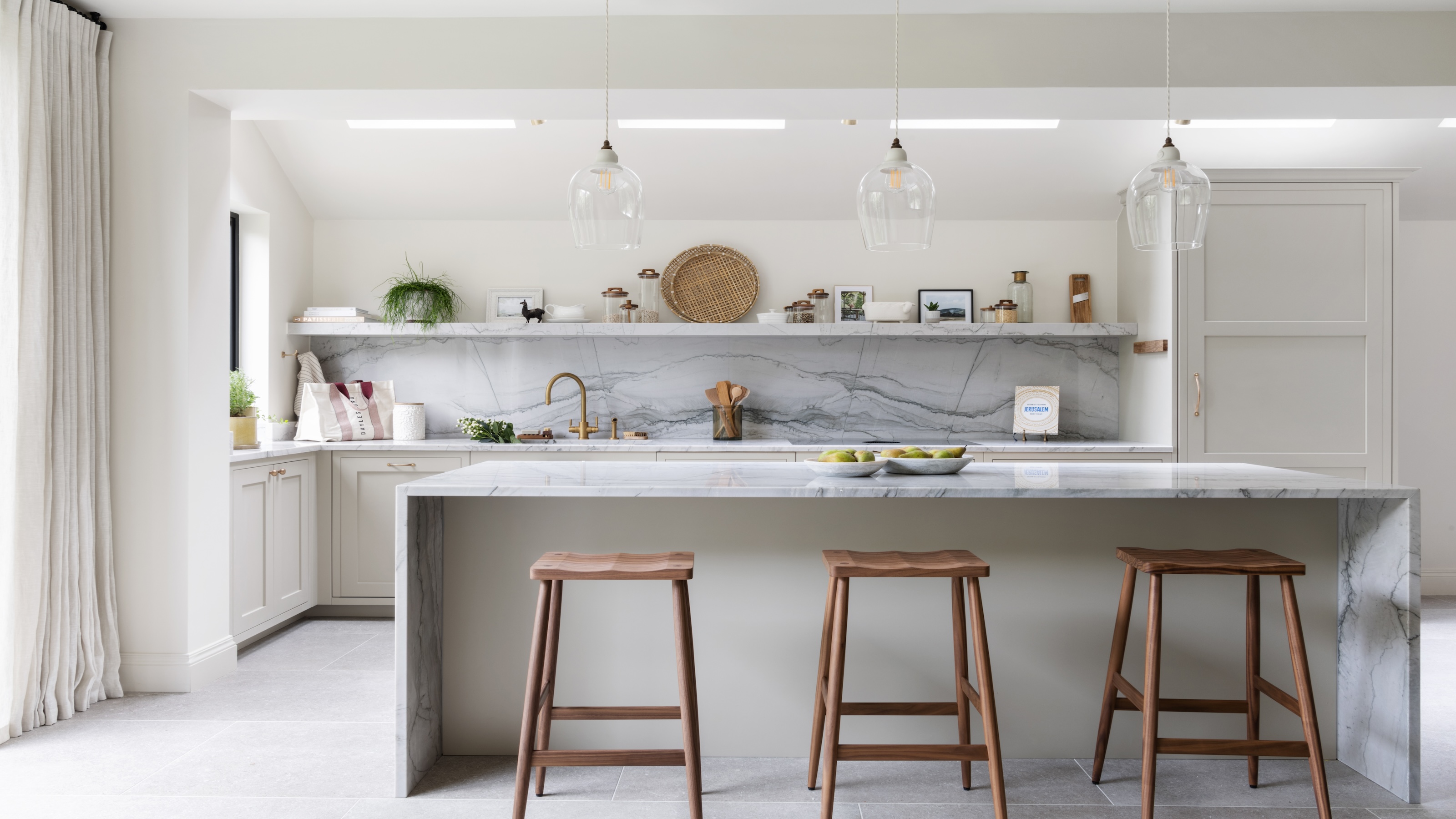
10 Quiet Luxury Kitchen Ideas for Understated Elegance
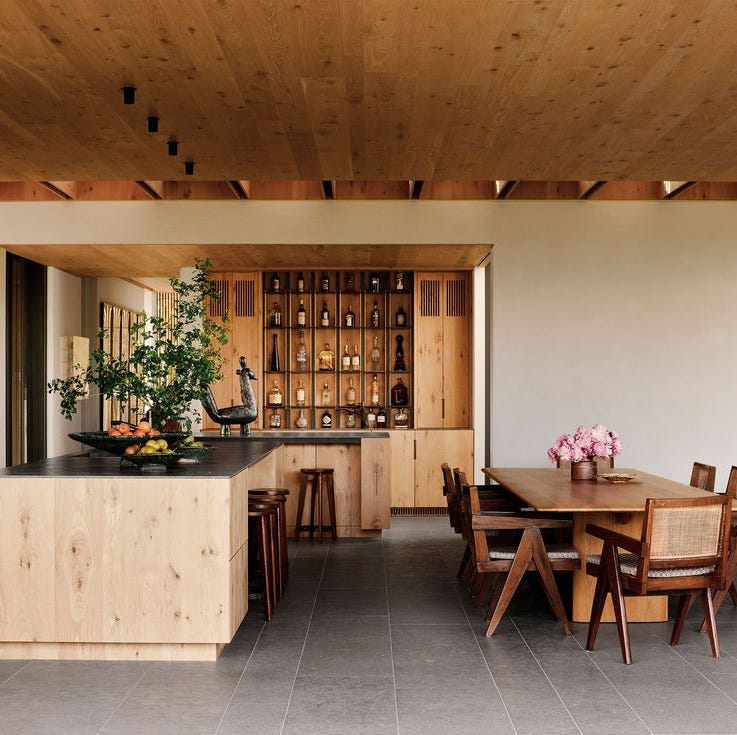
35 Open Kitchen Ideas For the Ultimate Entertaining Home

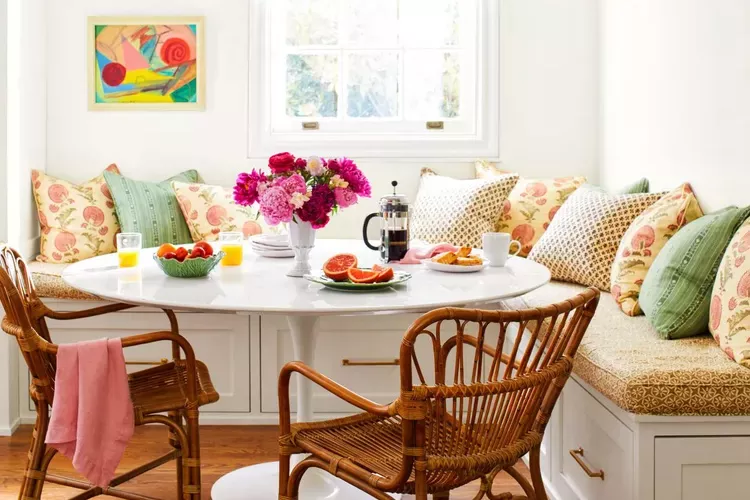
35 Welcoming Eat-In Kitchen Ideas For Any Space
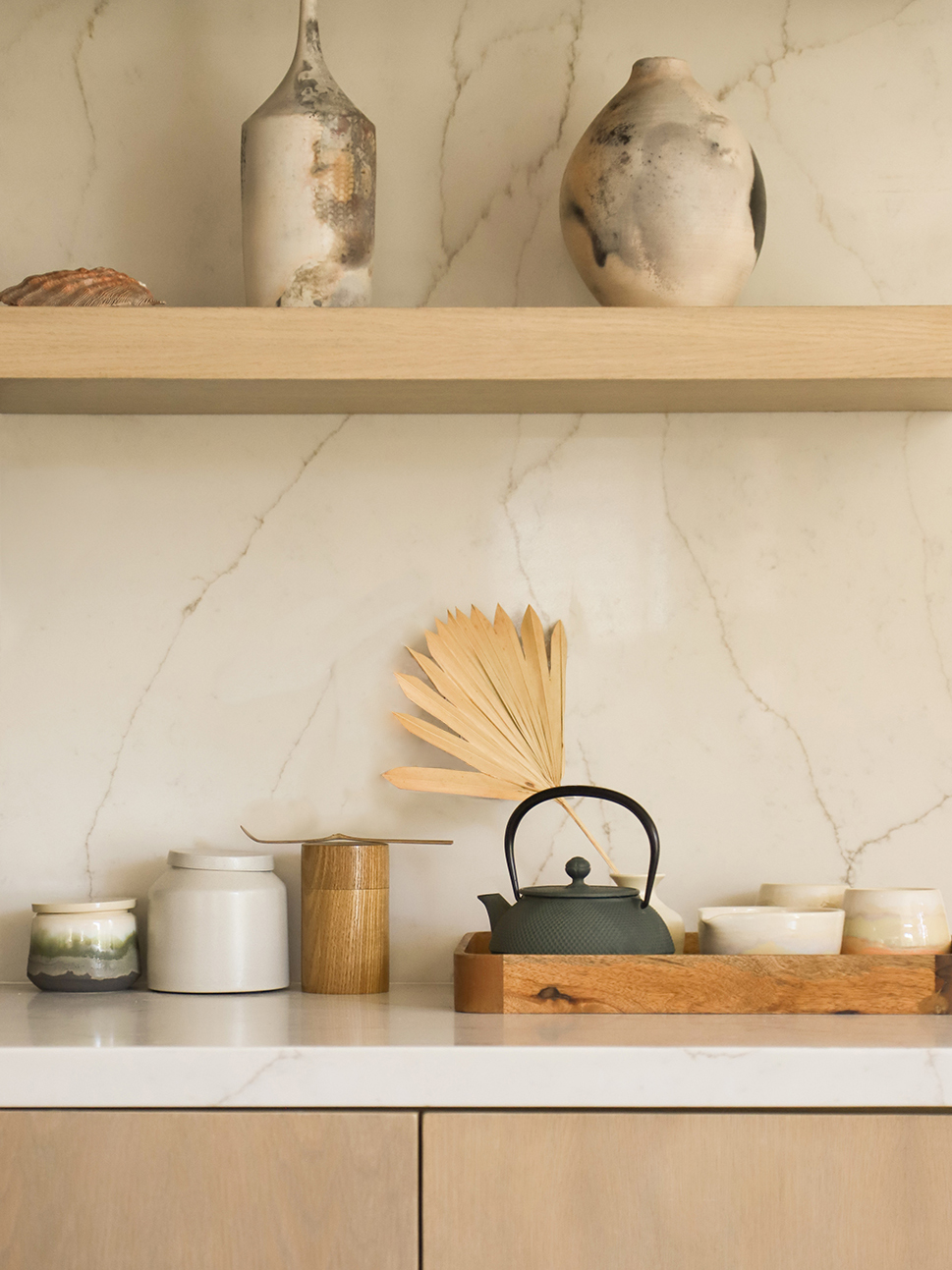
Turning This Rectangular Kitchen Island Into a Trapezoid Maximized Stealthy Storage

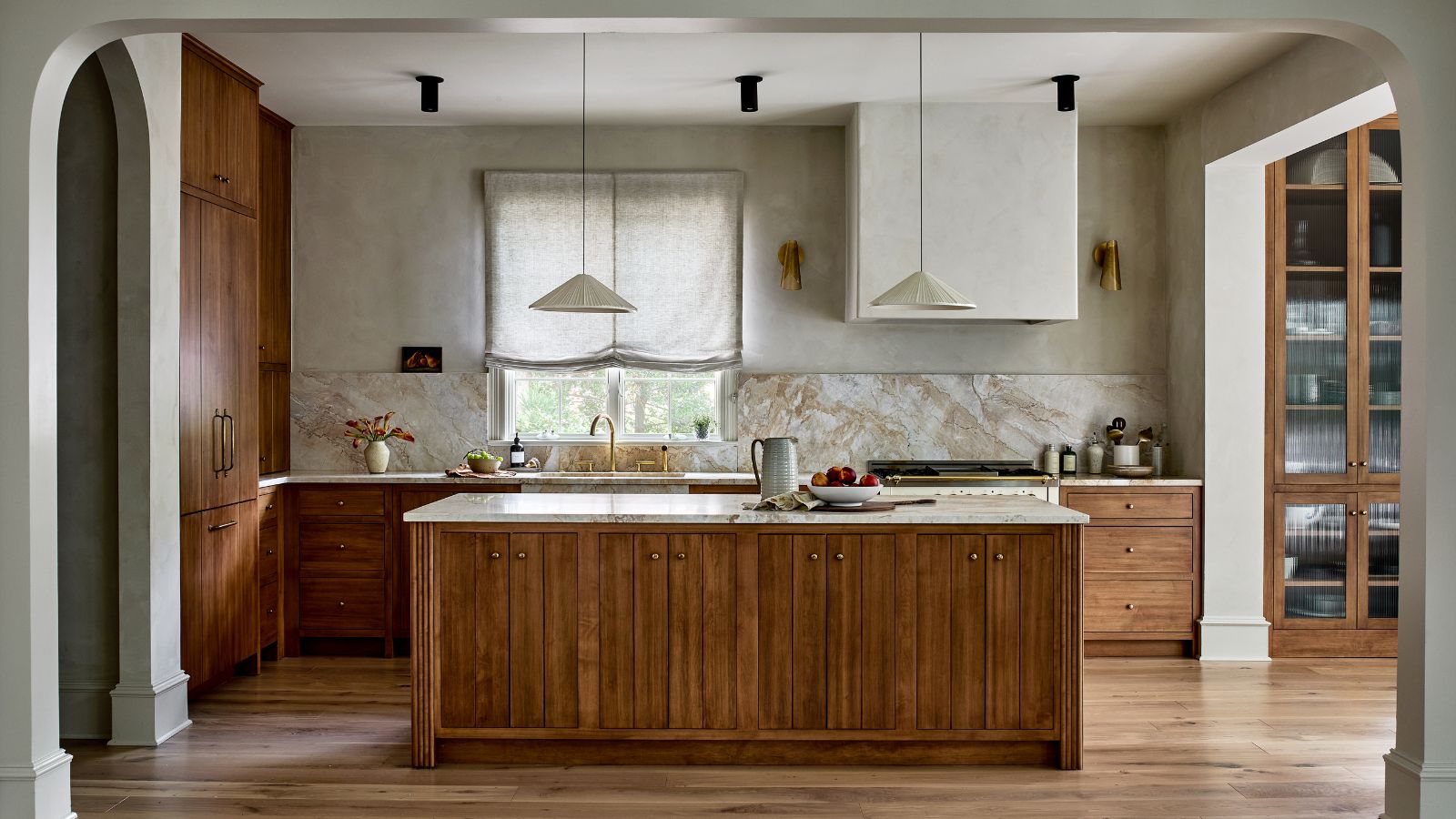
This kitchen has been transformed from cramped and outdated to warm and welcoming – and it's all thanks to a few thoughtful Japandi-style features
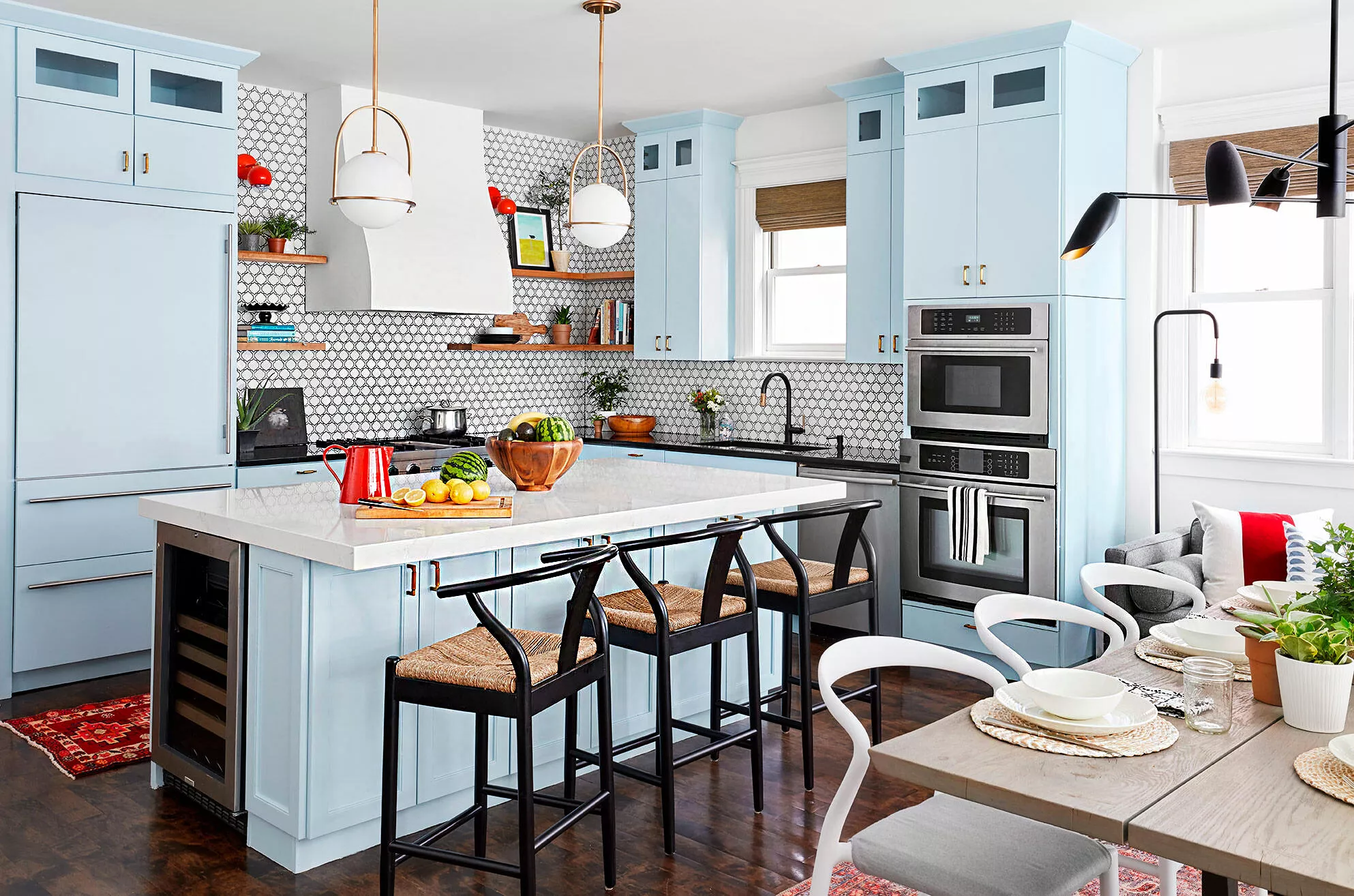
36 Open Kitchen Ideas for Easy Cooking and Entertaining
How to create a Japandi kitchen: 10 simple ways to style this serene, on-trend look

Peek inside these four fresh kitchens

35 Soulful Rustic Kitchen Ideas You’ll Want to Copy

Six Stylish Kitchens
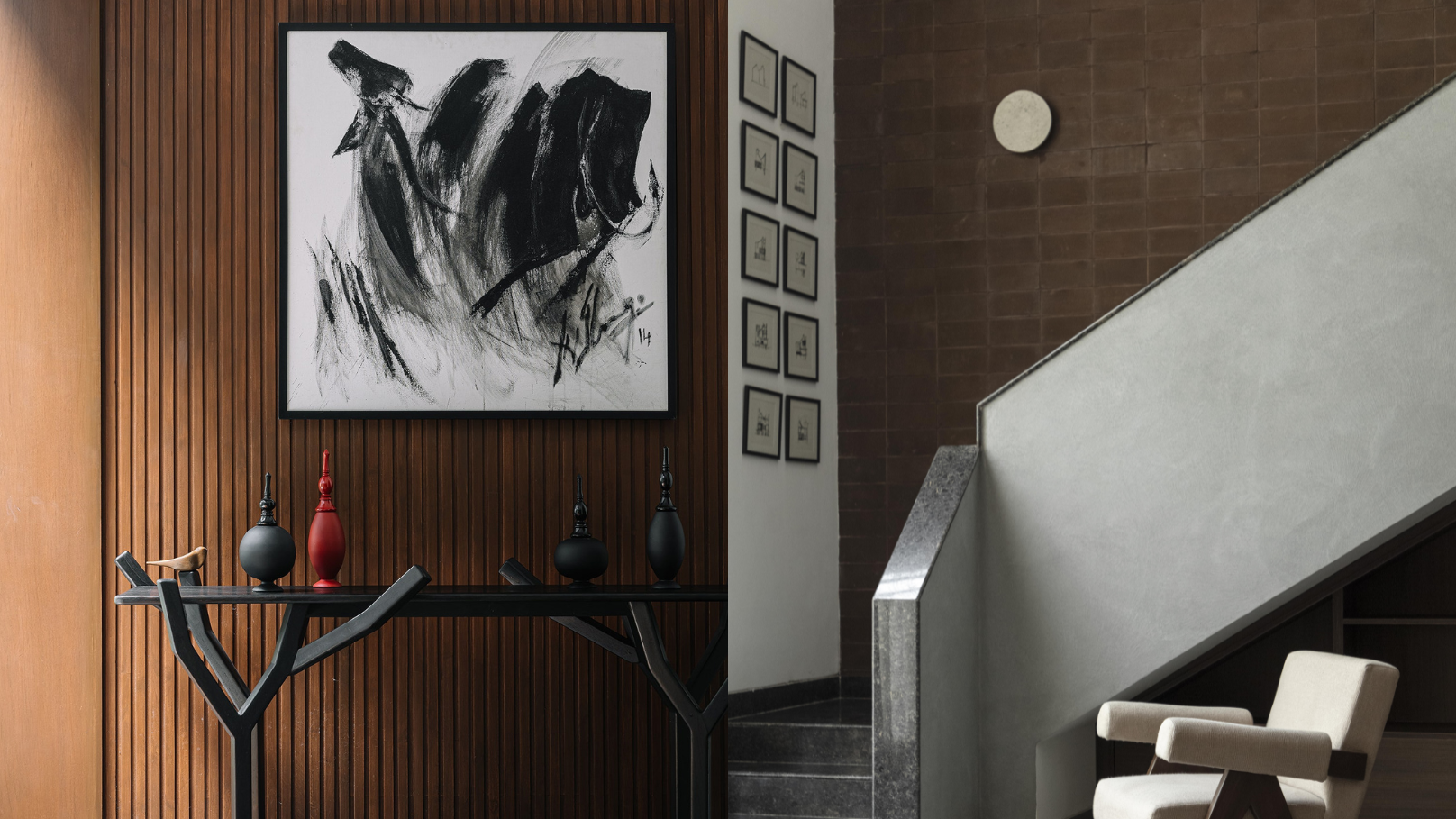
5 homes that bring serene Japanese-inspired design to life

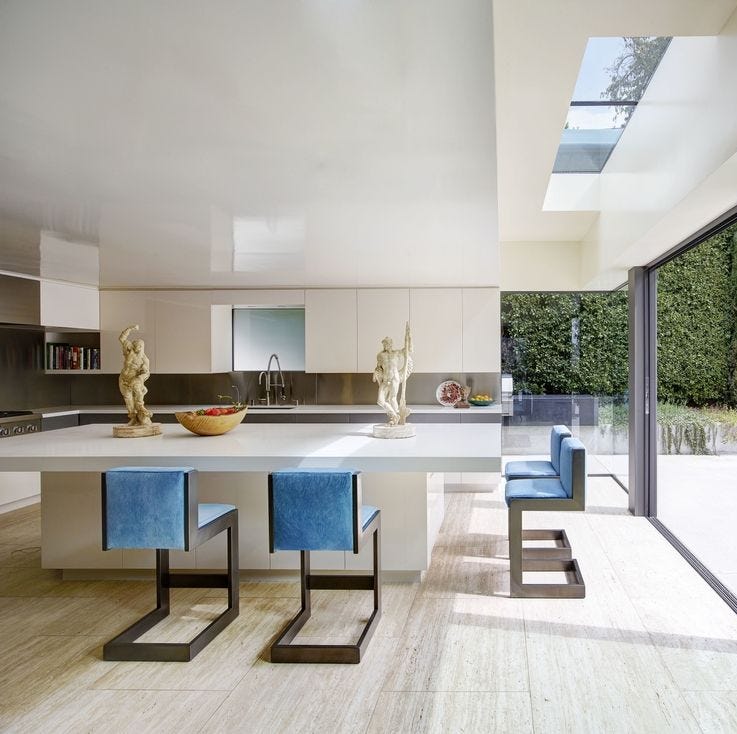
These Minimalist Kitchens Are Super Sexy
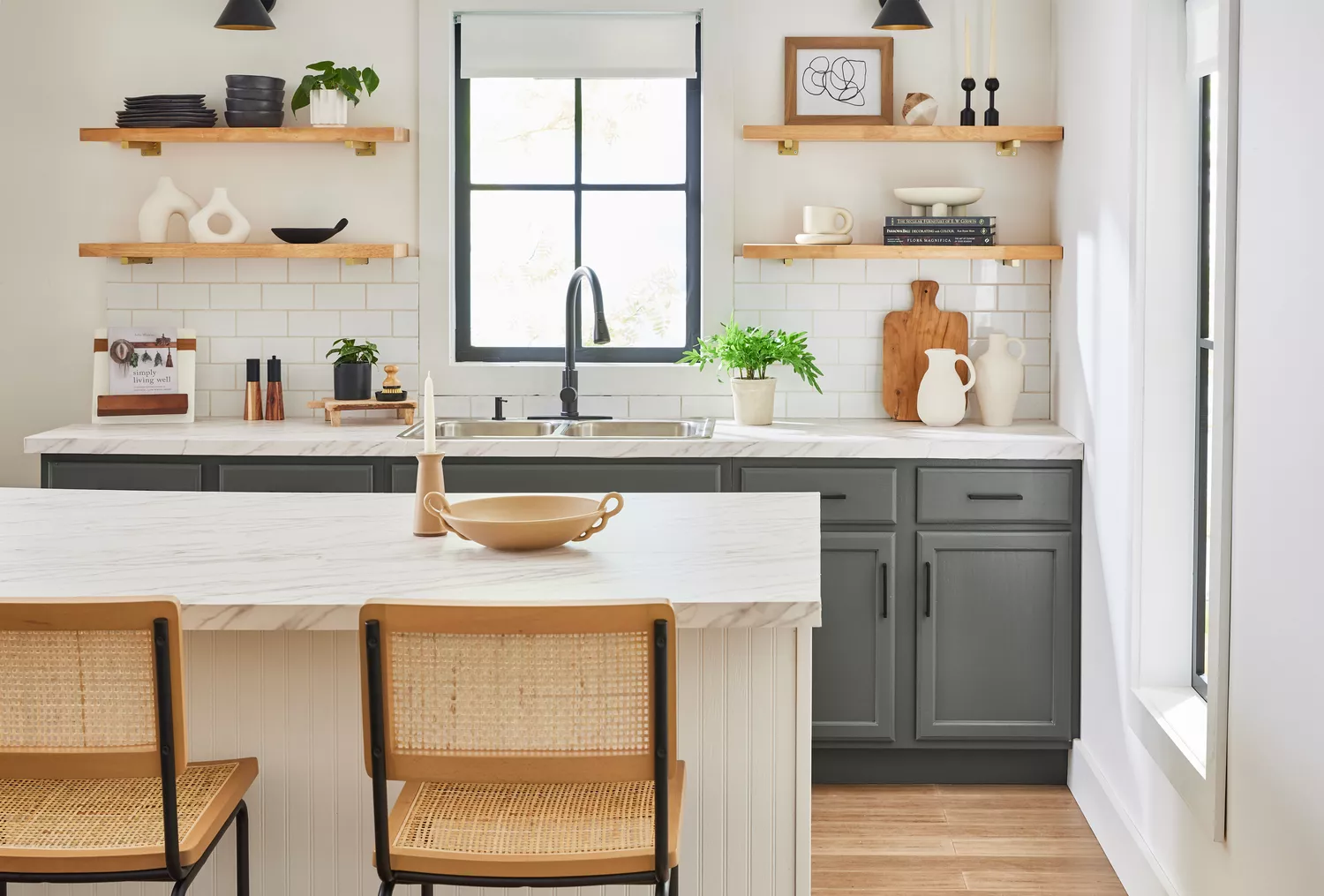
41 Minimalist Kitchens With Maximum Style