1/9
5 Things Japandi Designers do in Their Kitchens That Make Them Minimalist and Serene
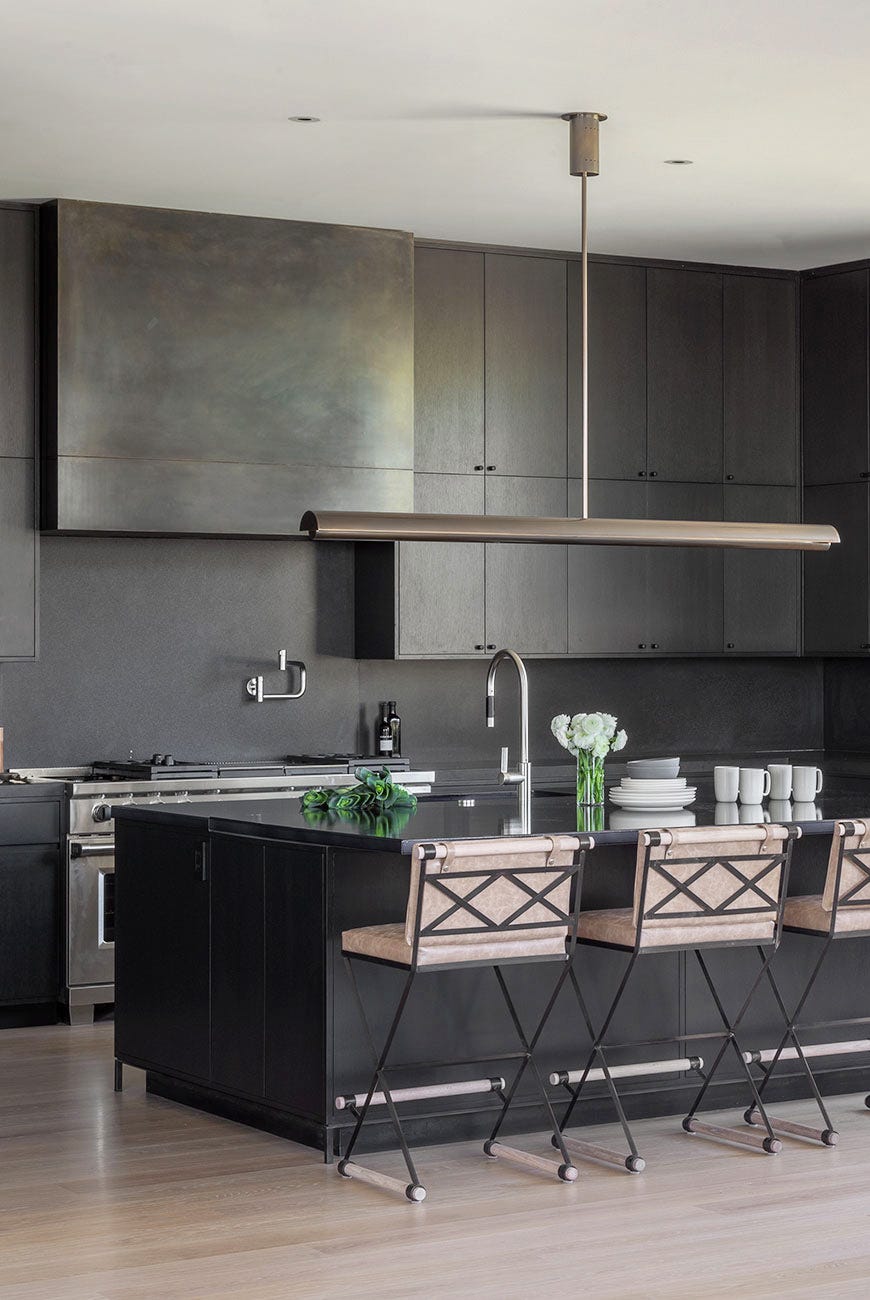
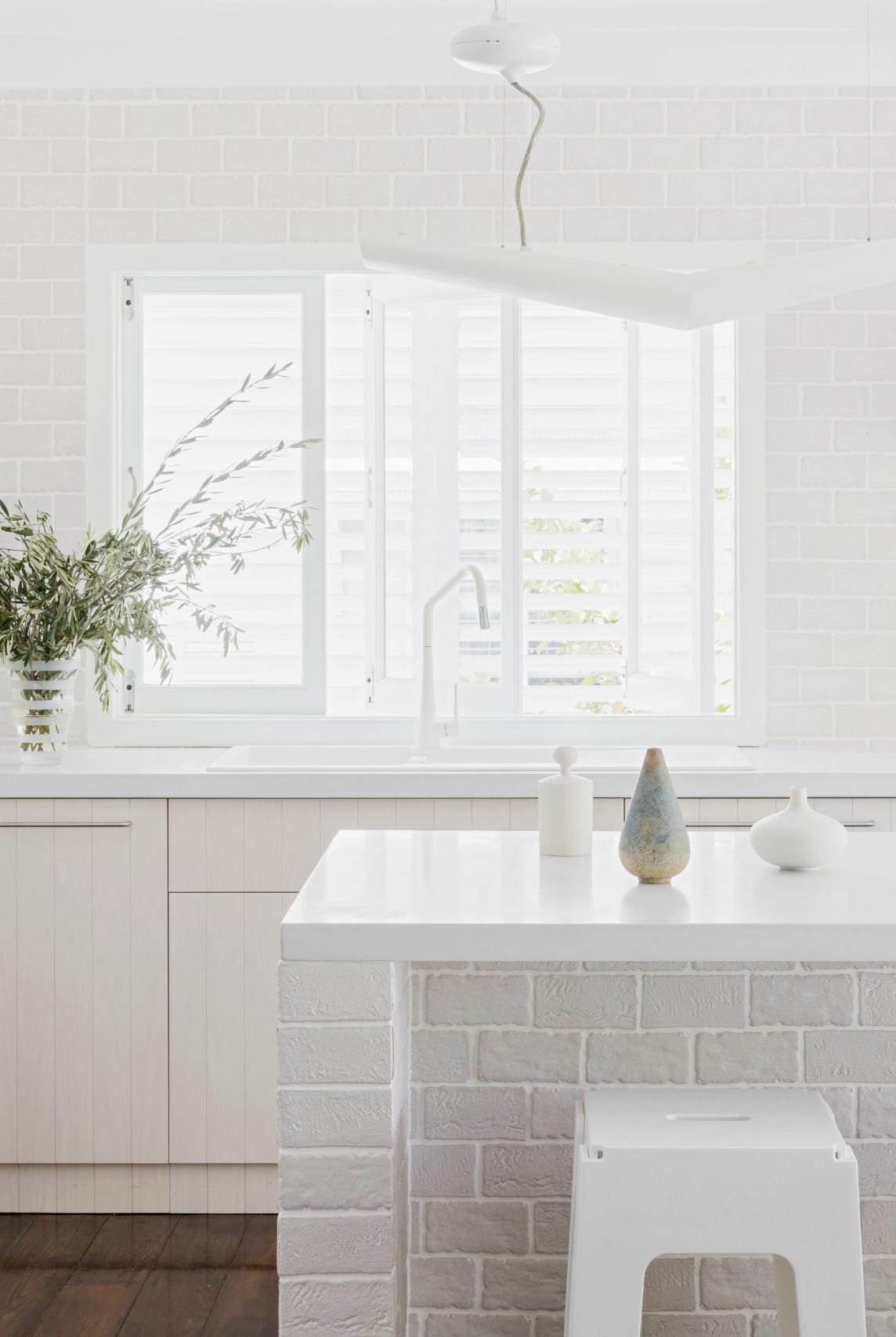
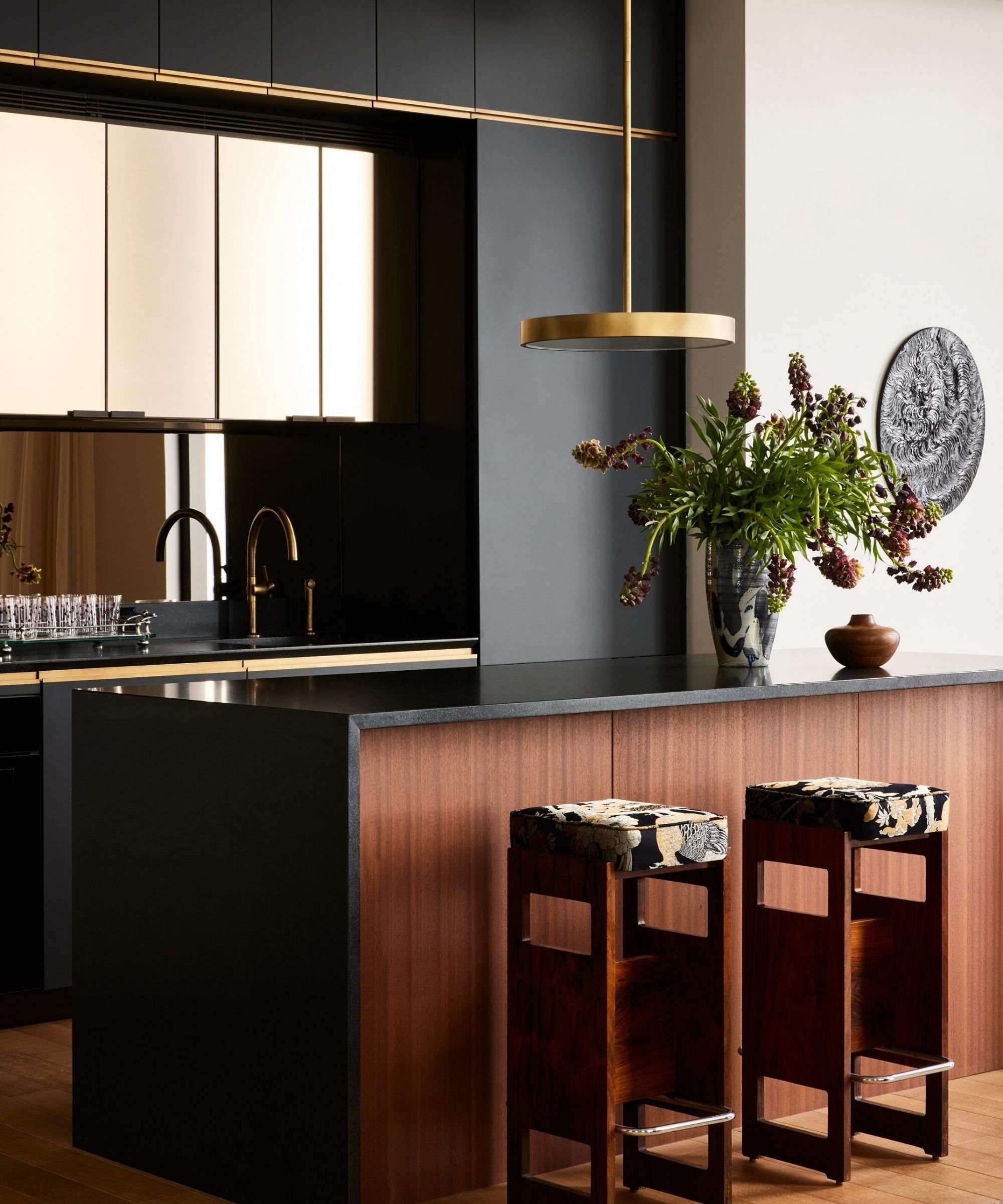
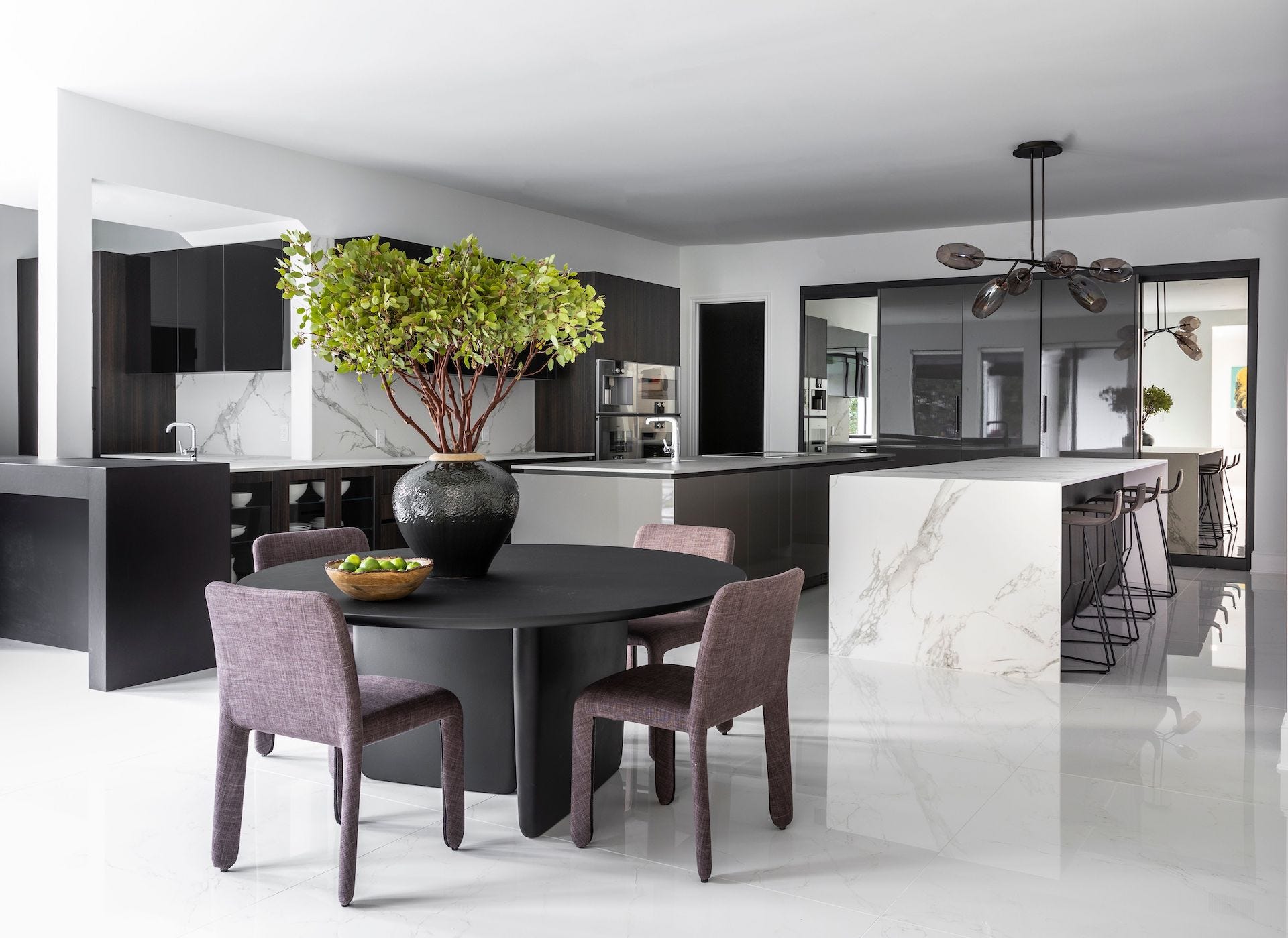
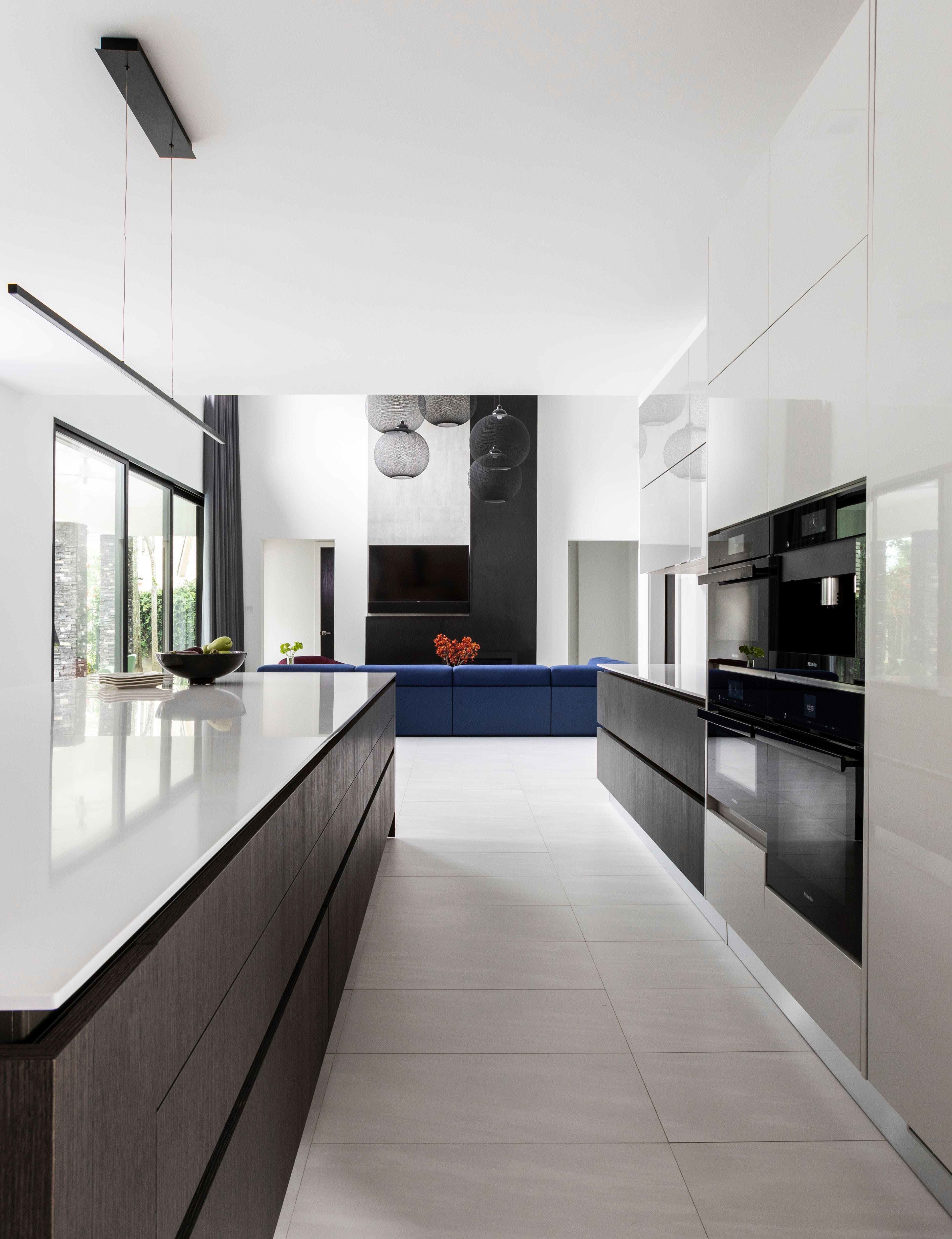
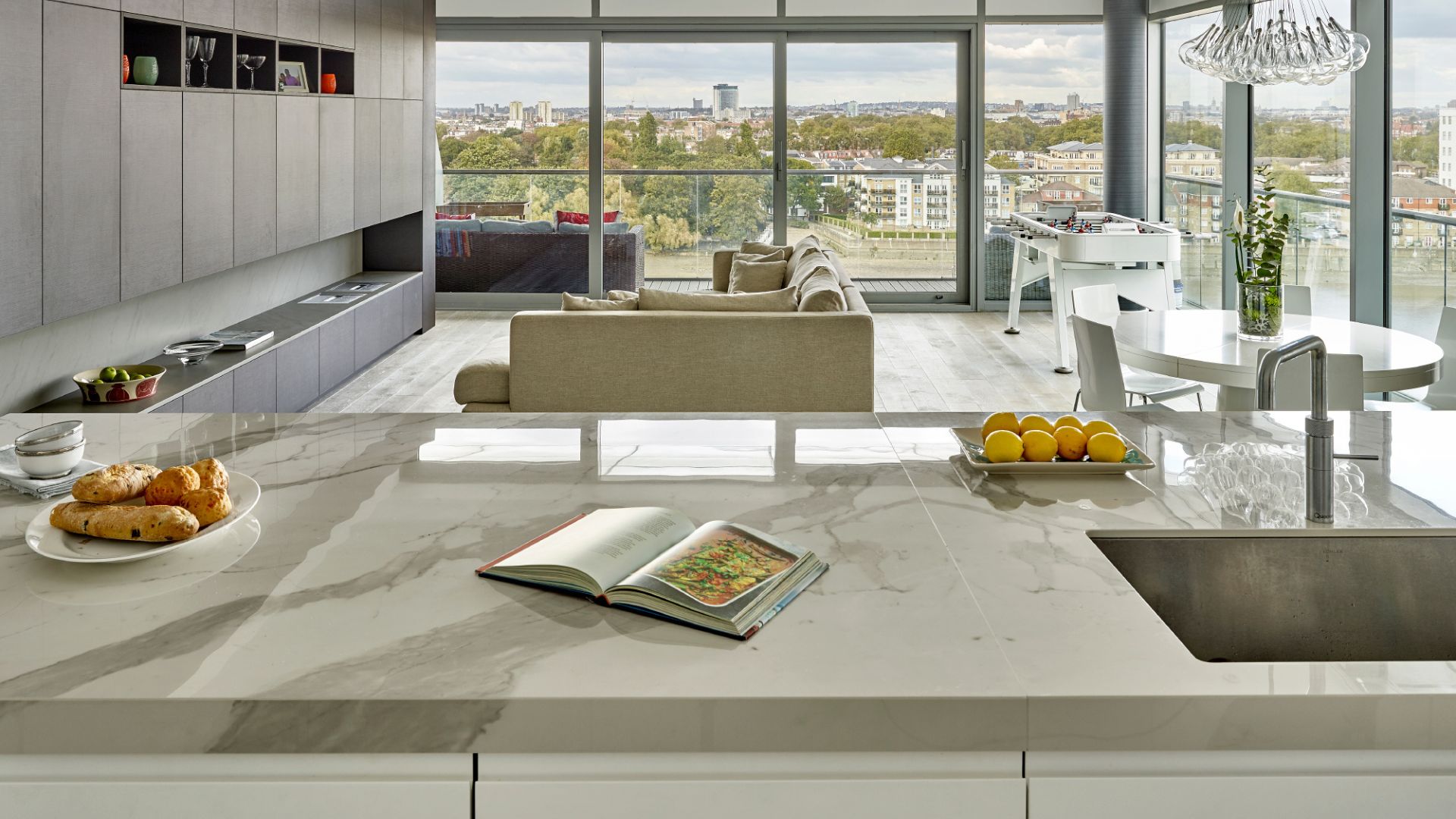
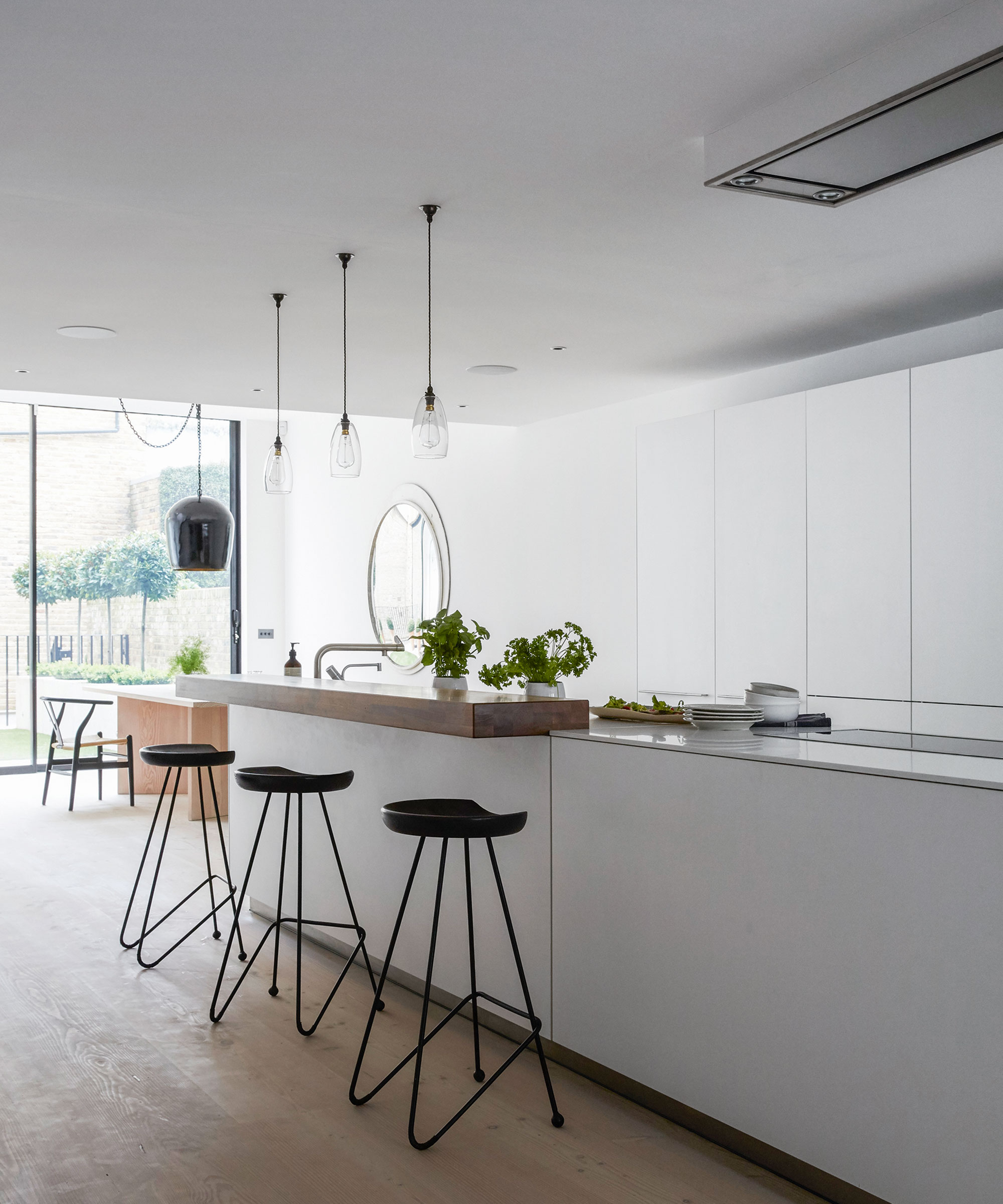
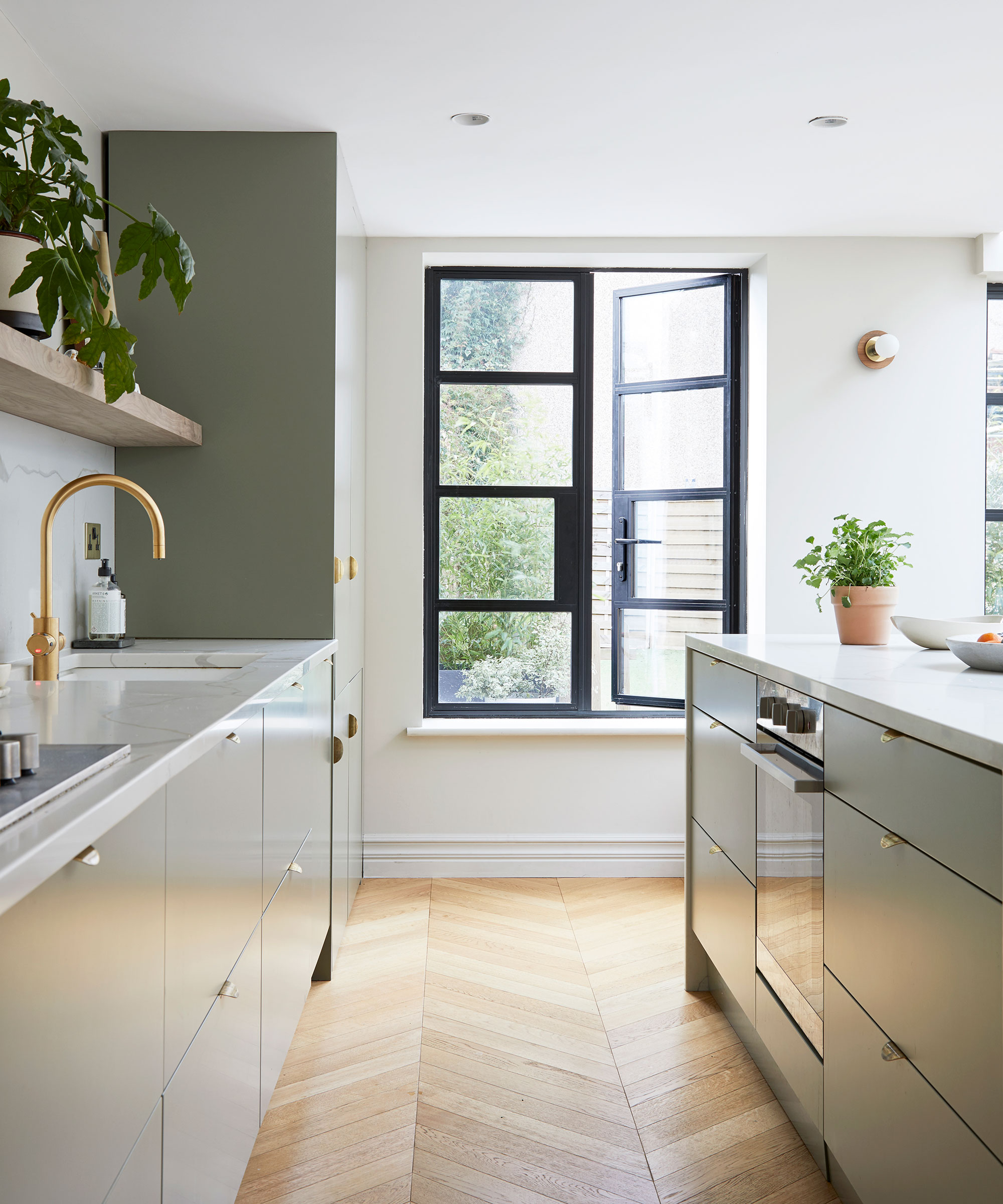
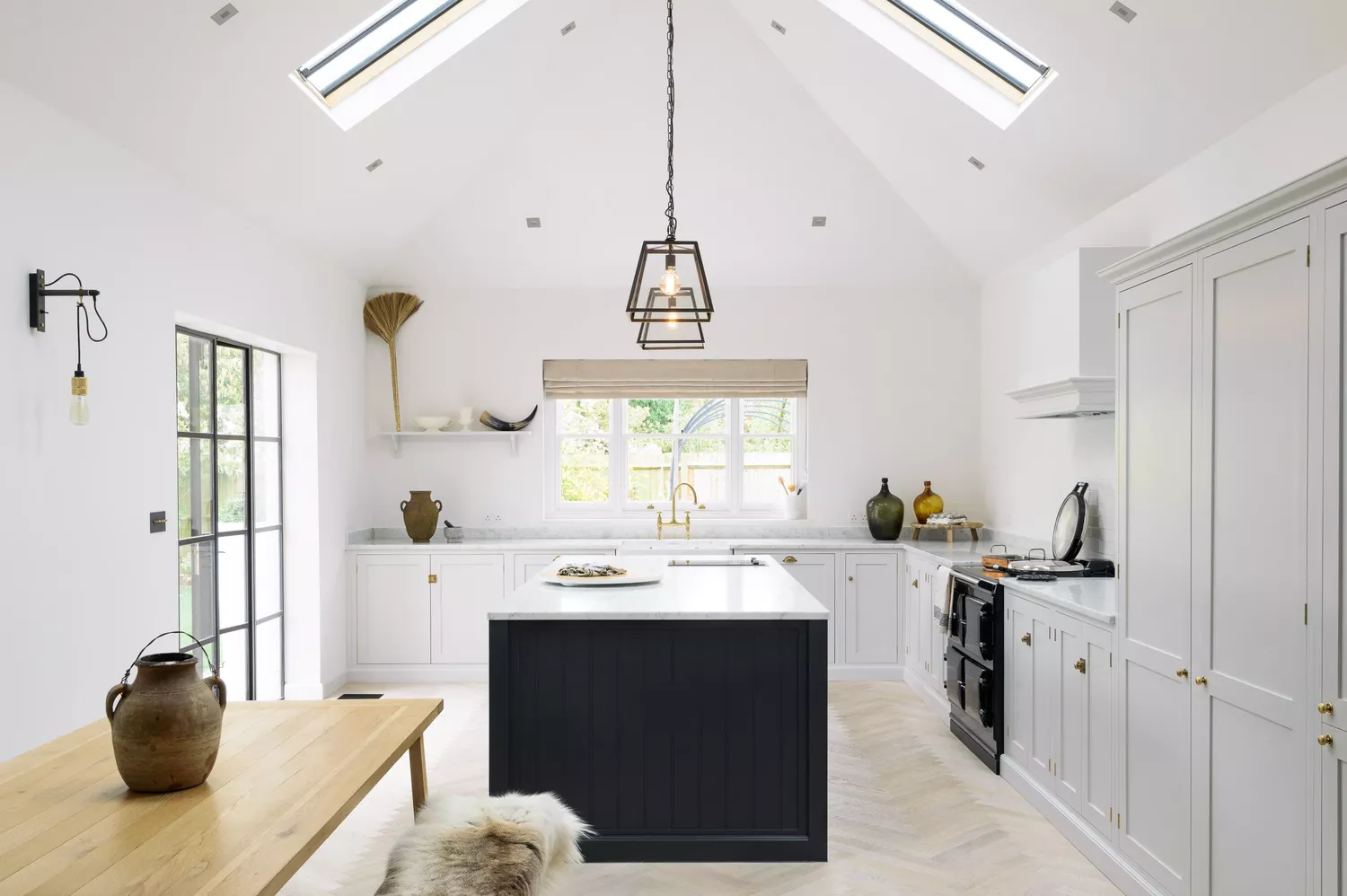
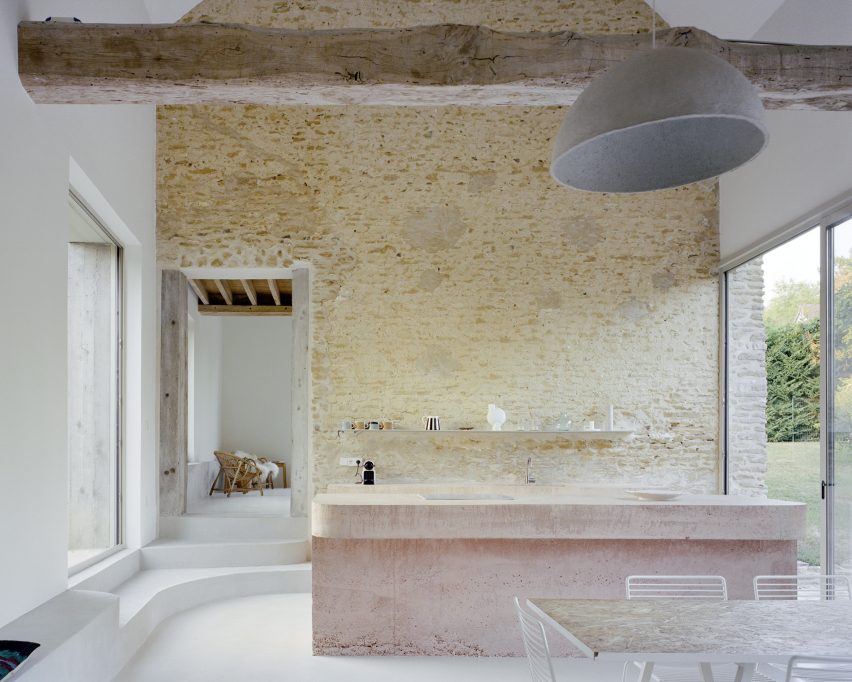
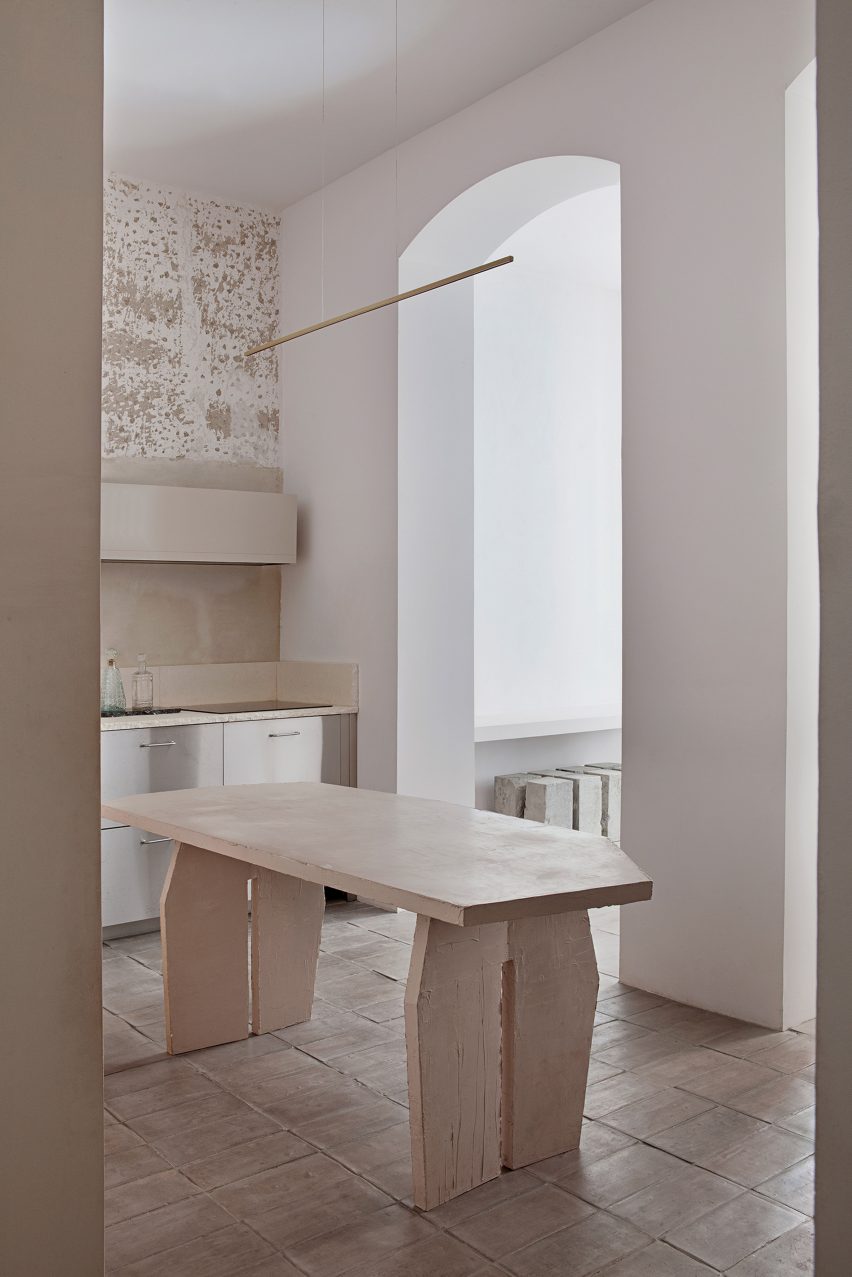
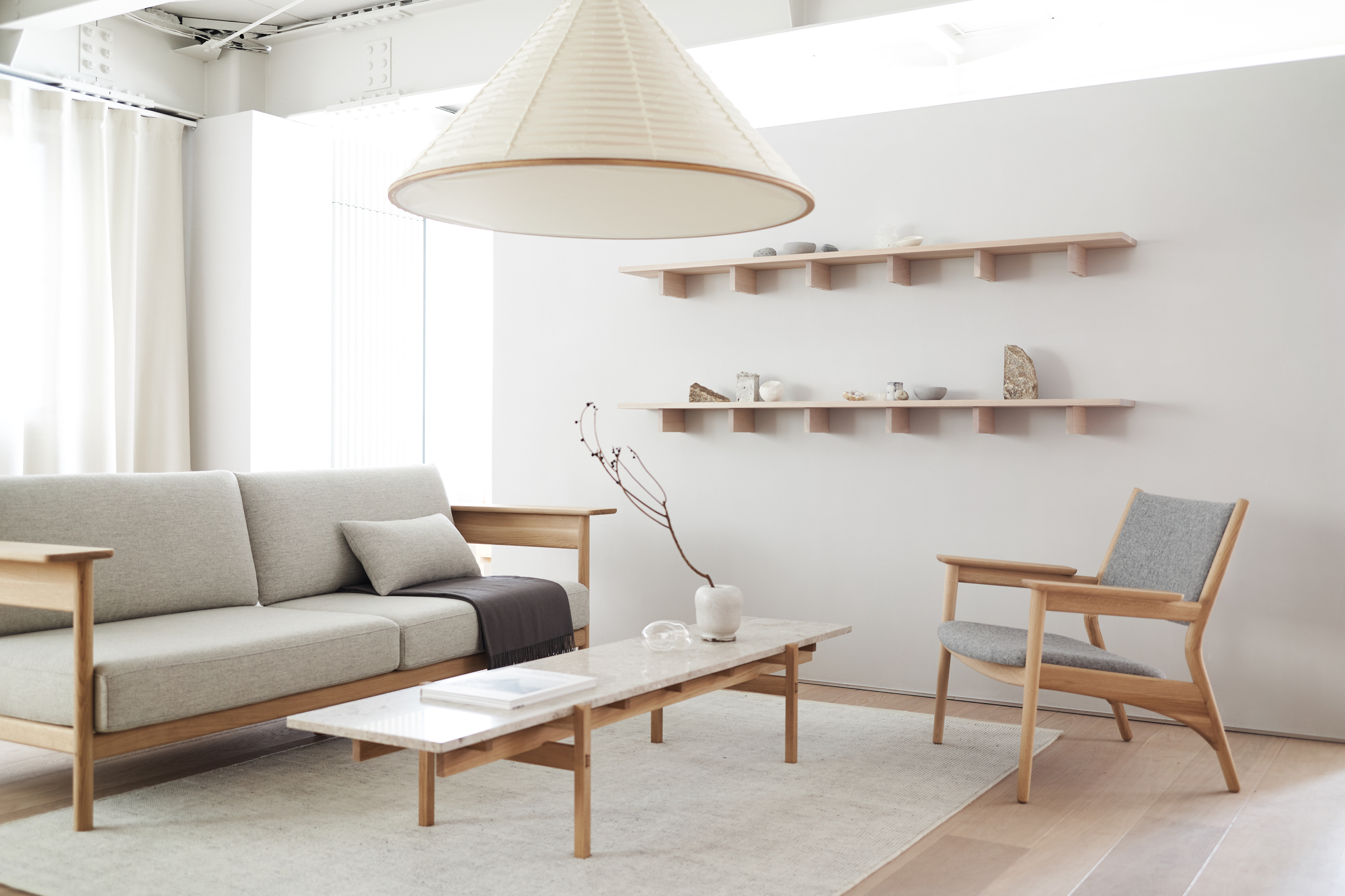
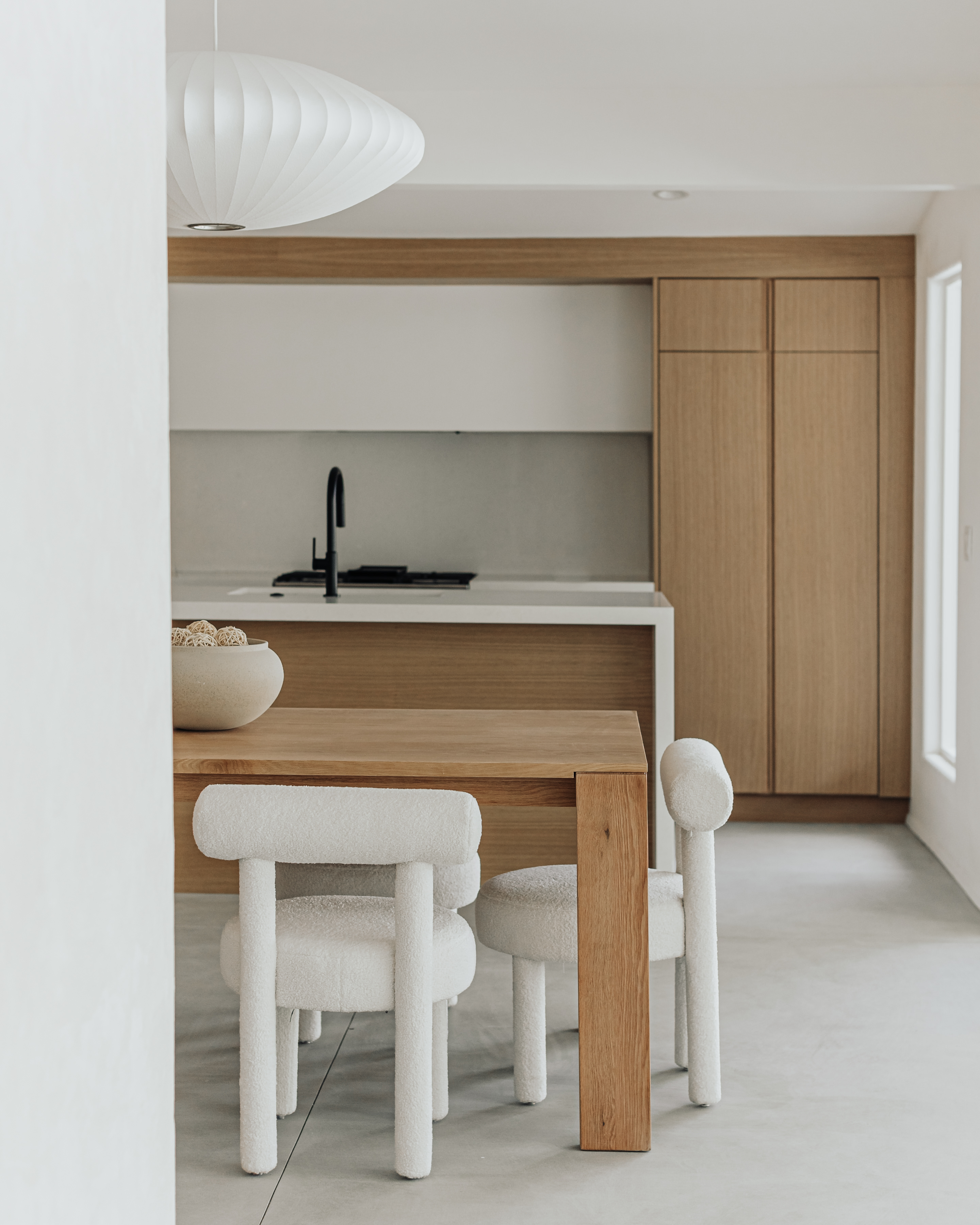
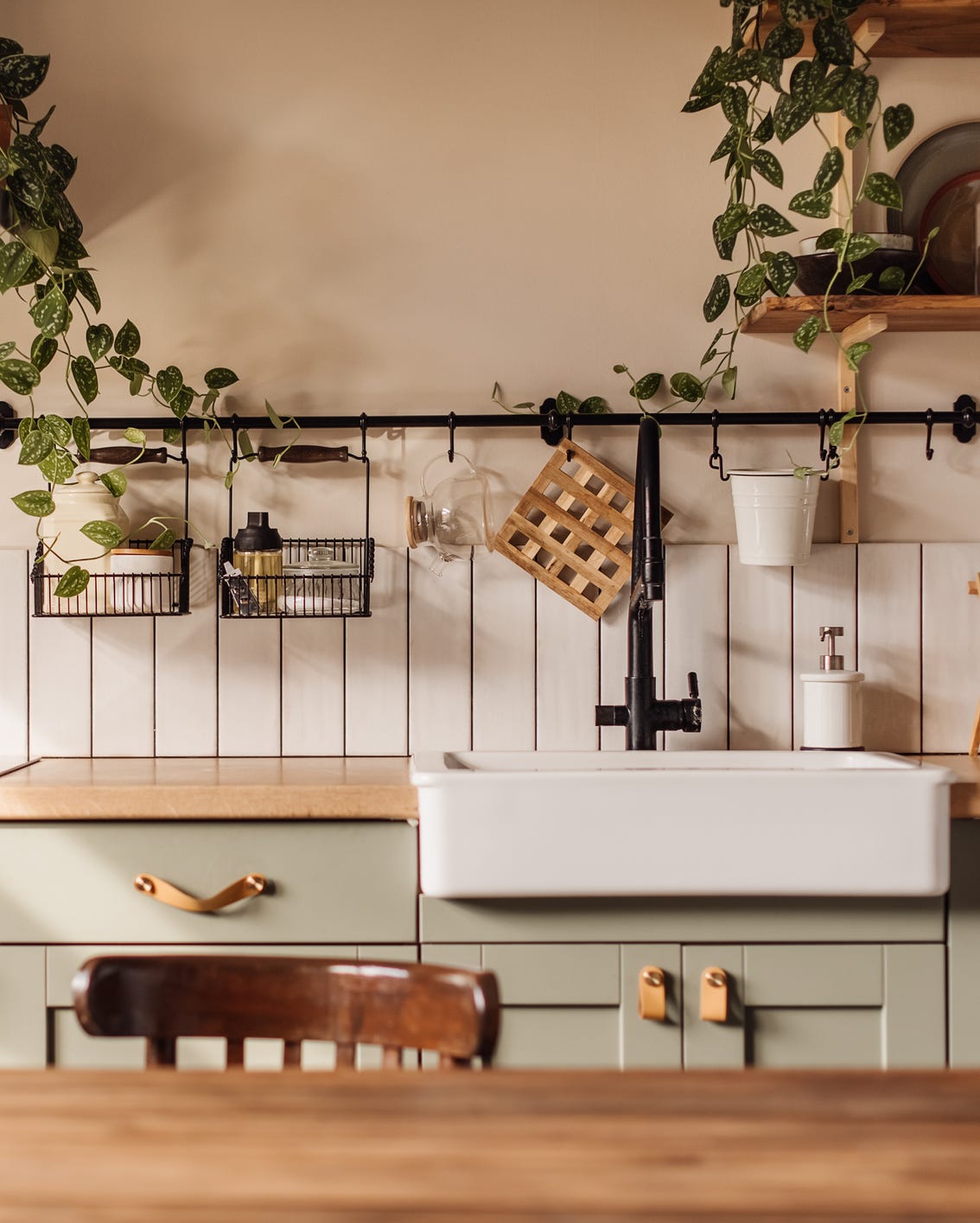
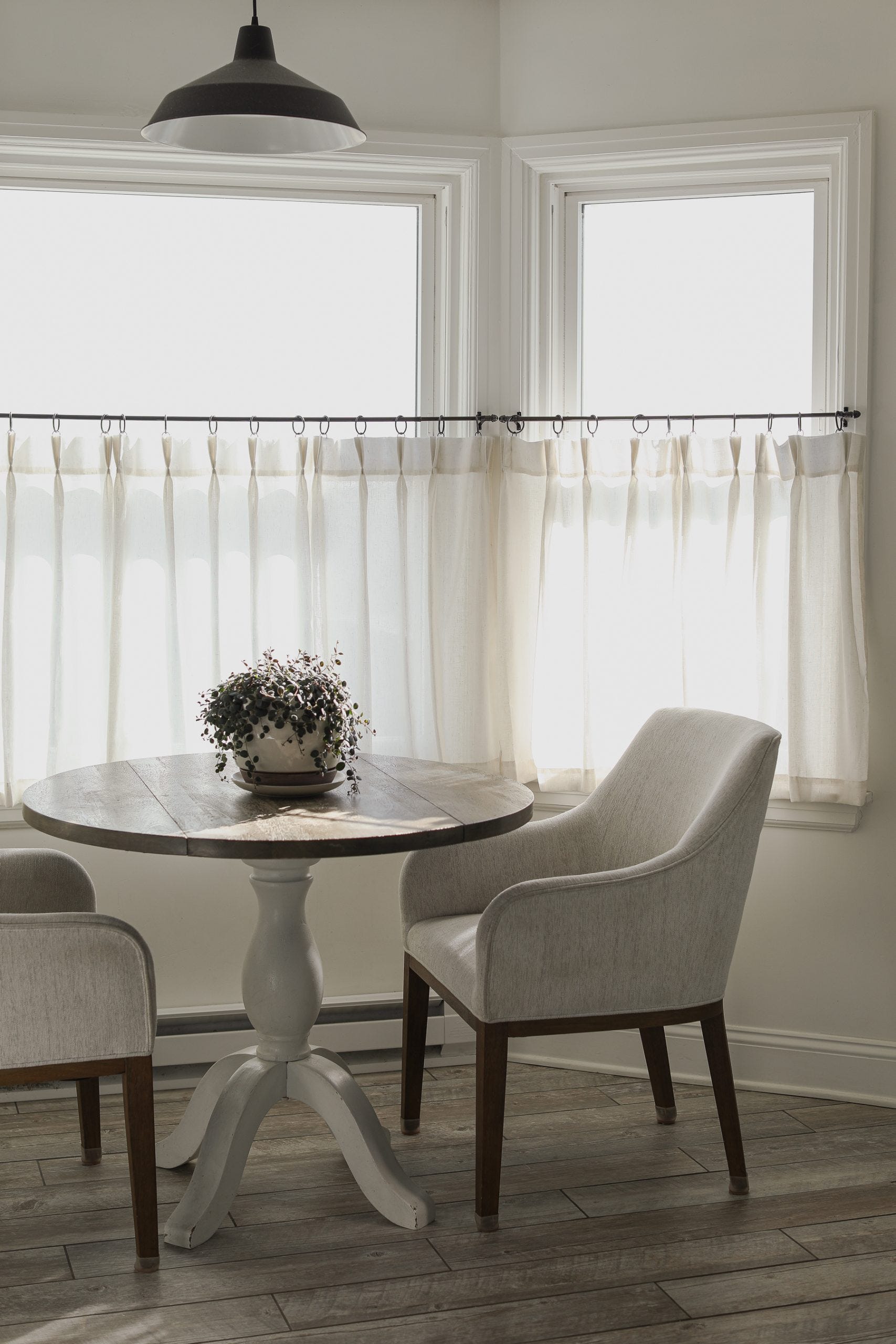
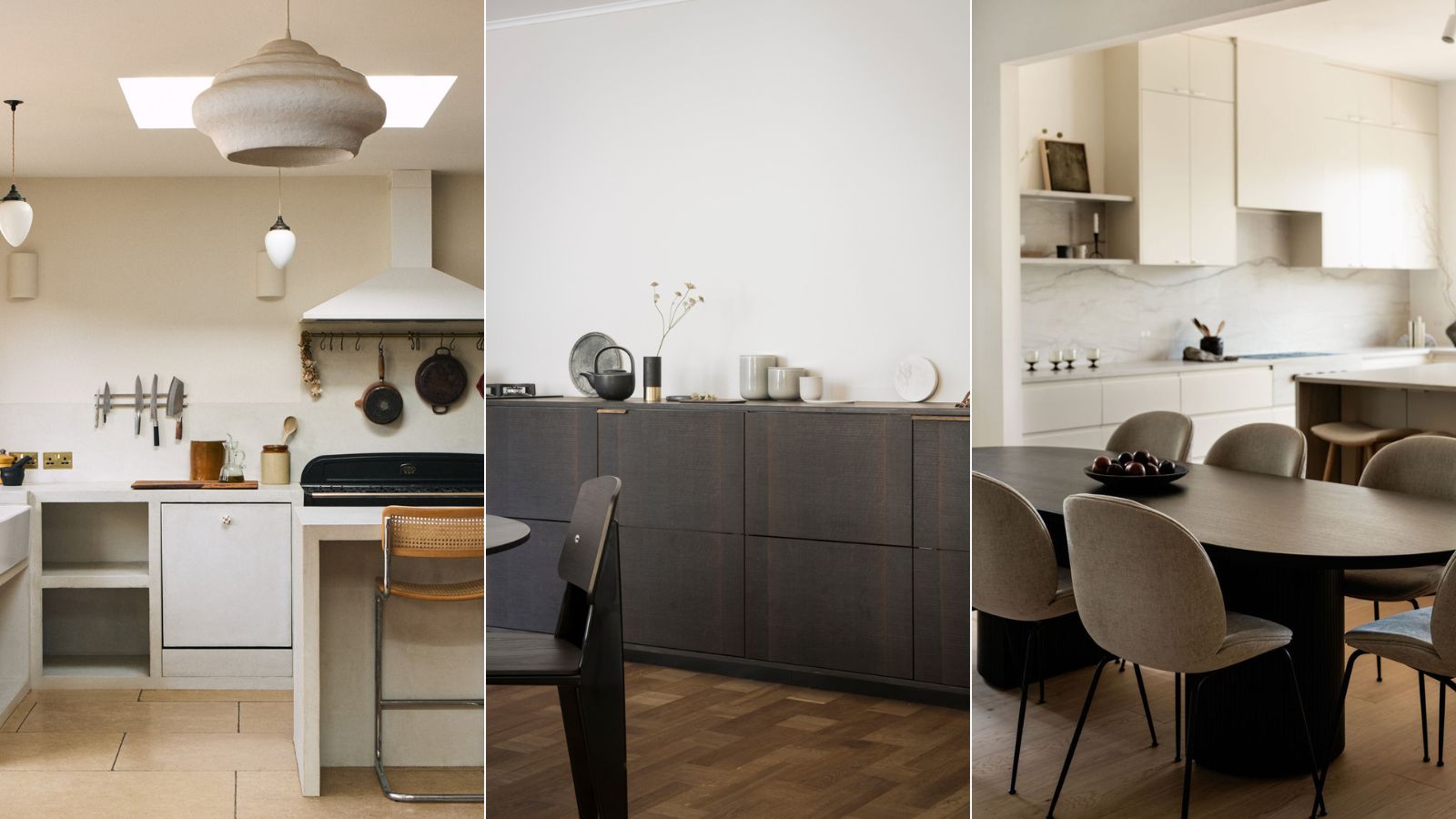
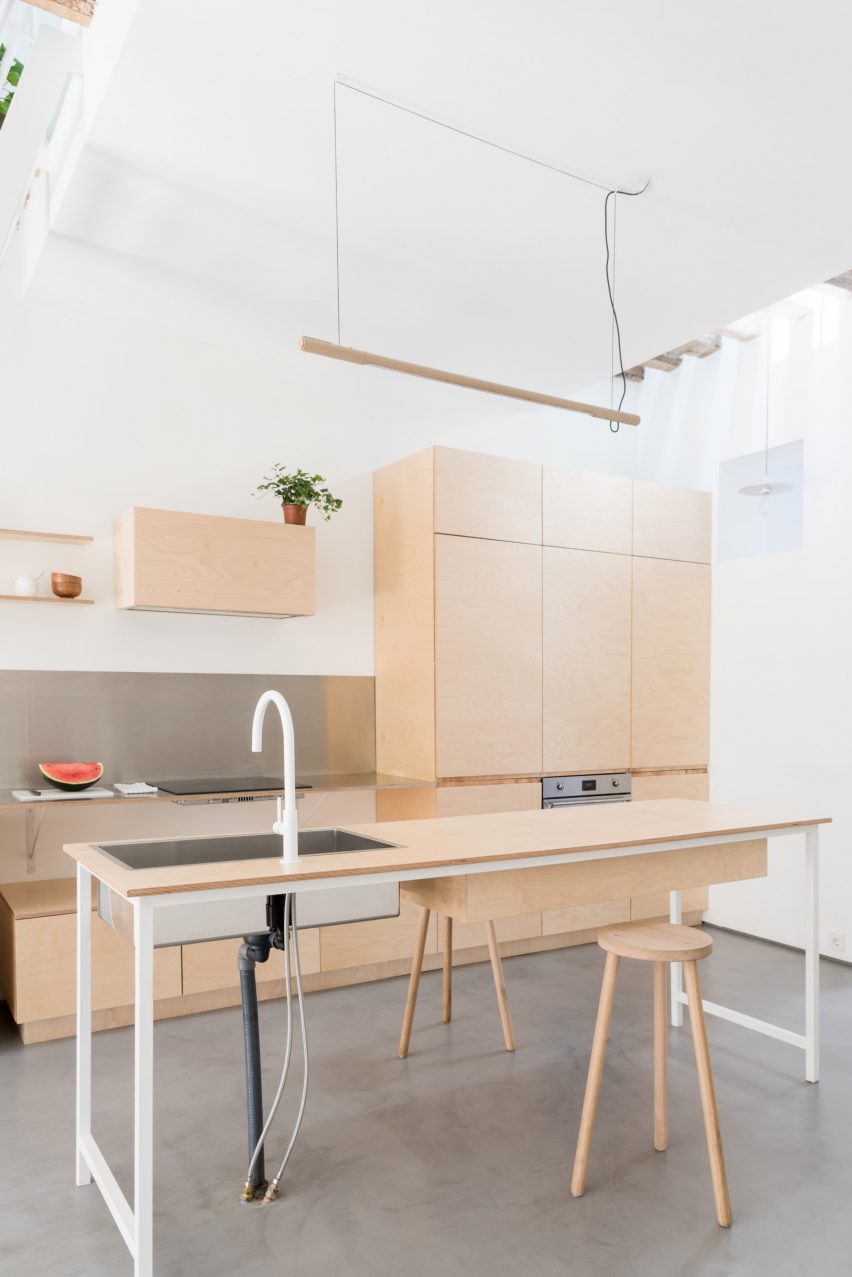
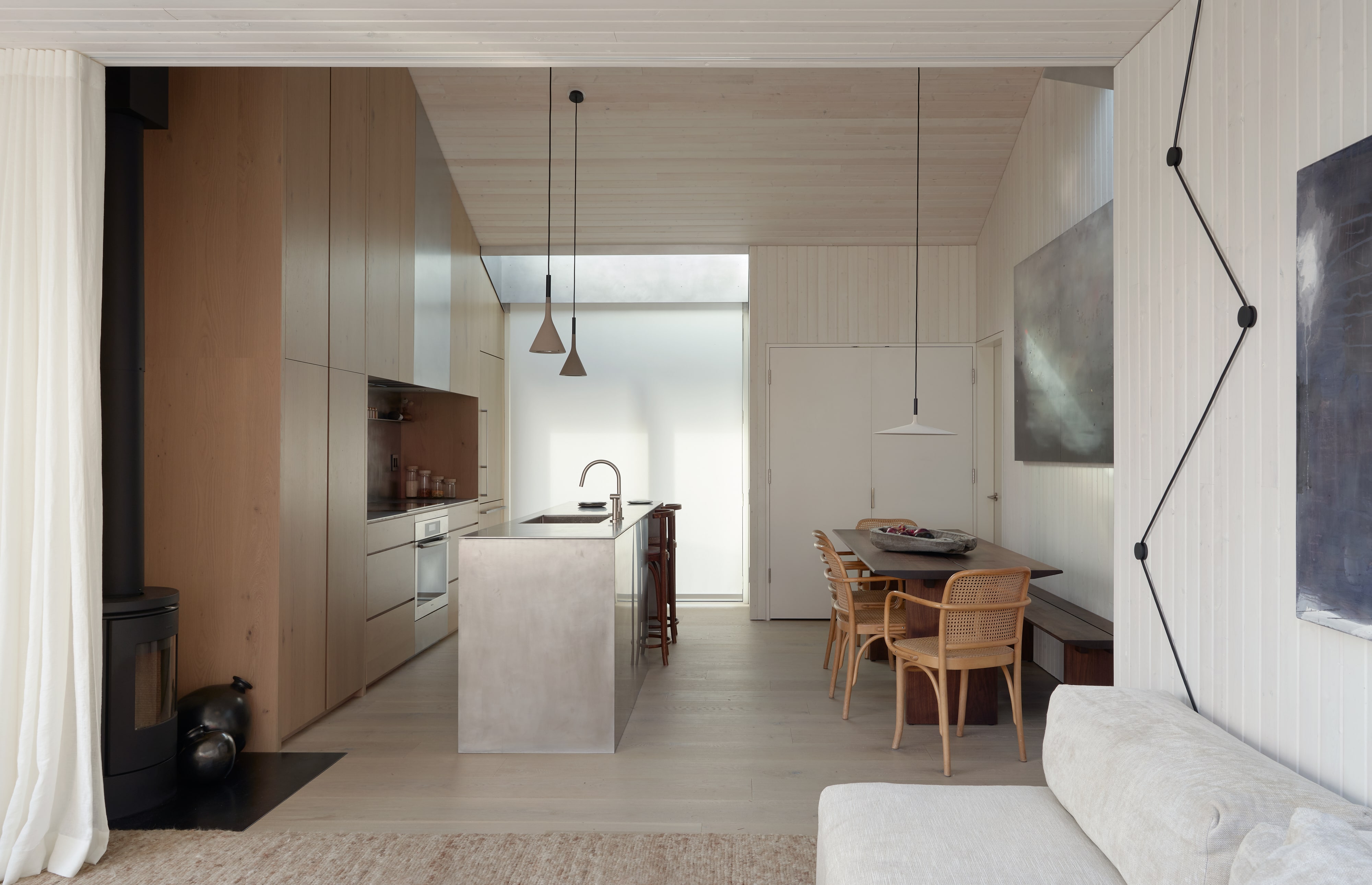
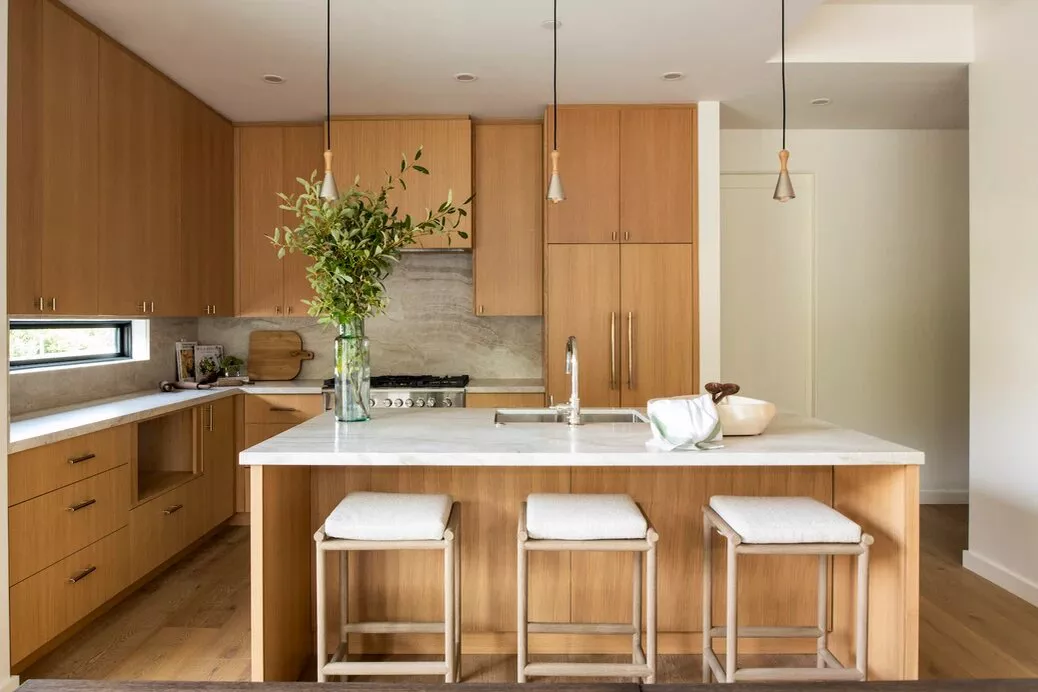
Japandi interior design, a fusion of Japanese and Scandinavian aesthetics, emphasizes nature, craftsmanship, and a calm atmosphere. This blog post delves into five core principles employed by Japandi designers to create minimalist and serene kitchens. The first principle involves the use of neutral colors. The Japandi palette draws inspiration from nature, featuring muted, earthy tones such as beige and tan, complemented by soft off-whites and dark black accents. These colors contribute to a calming and serene environment. Natural elements like plants are often introduced to provide subtle pops of green, enhancing visual interest and freshness without disrupting the minimalist theme. Jonas Bjerre-Poulsen of Norm Architects highlights the importance of extracting colors from nature and the inherent hues of materials used.
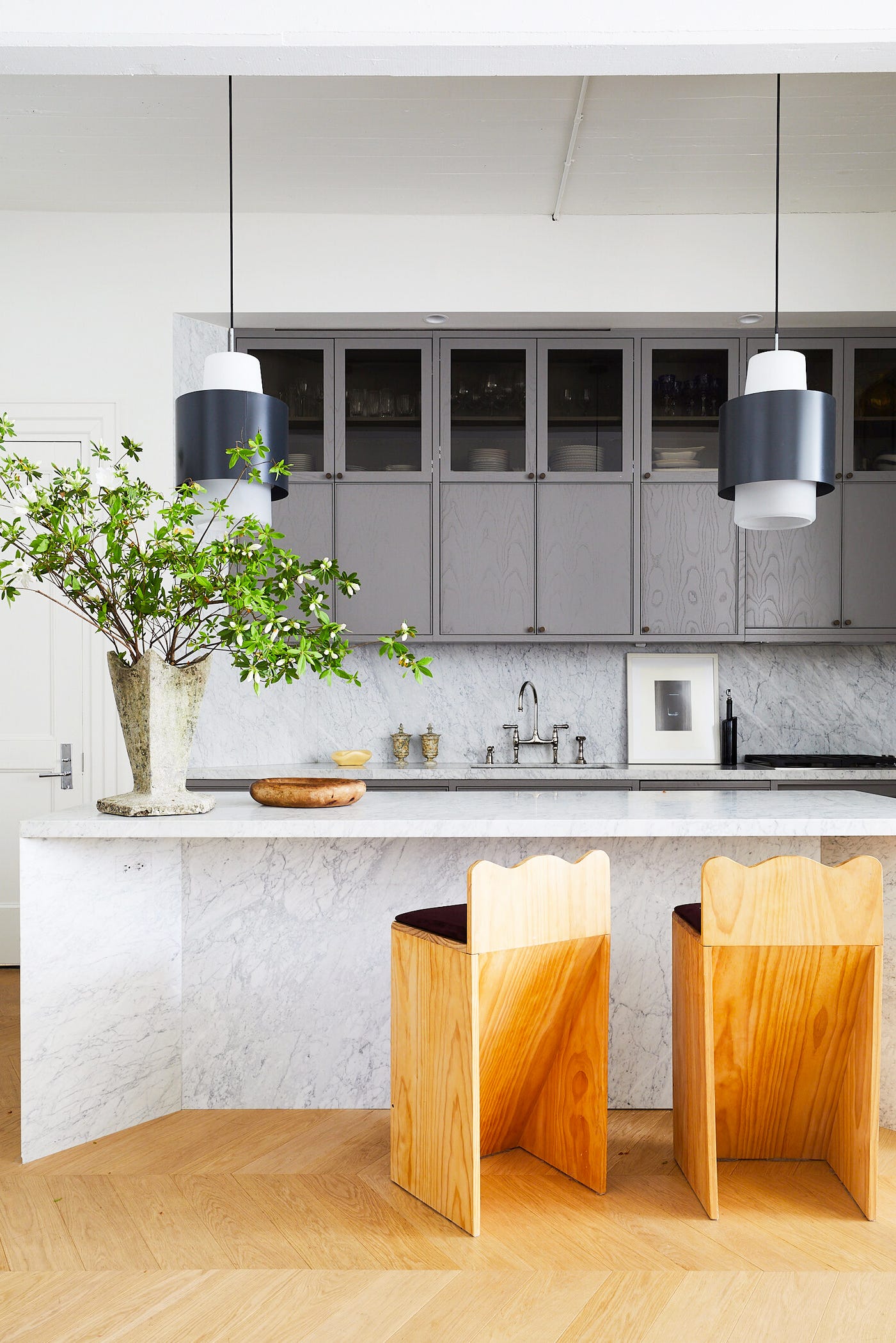
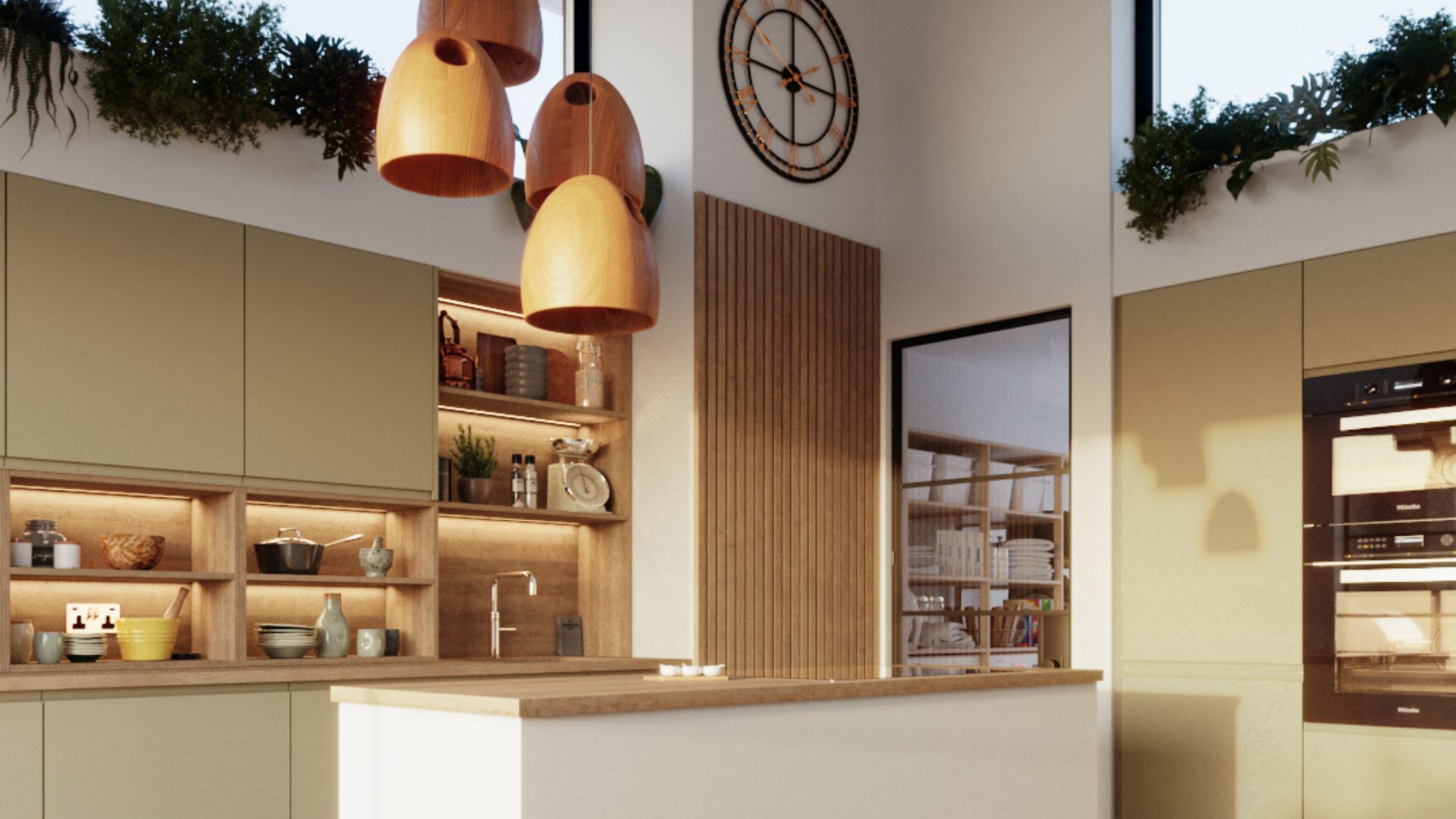
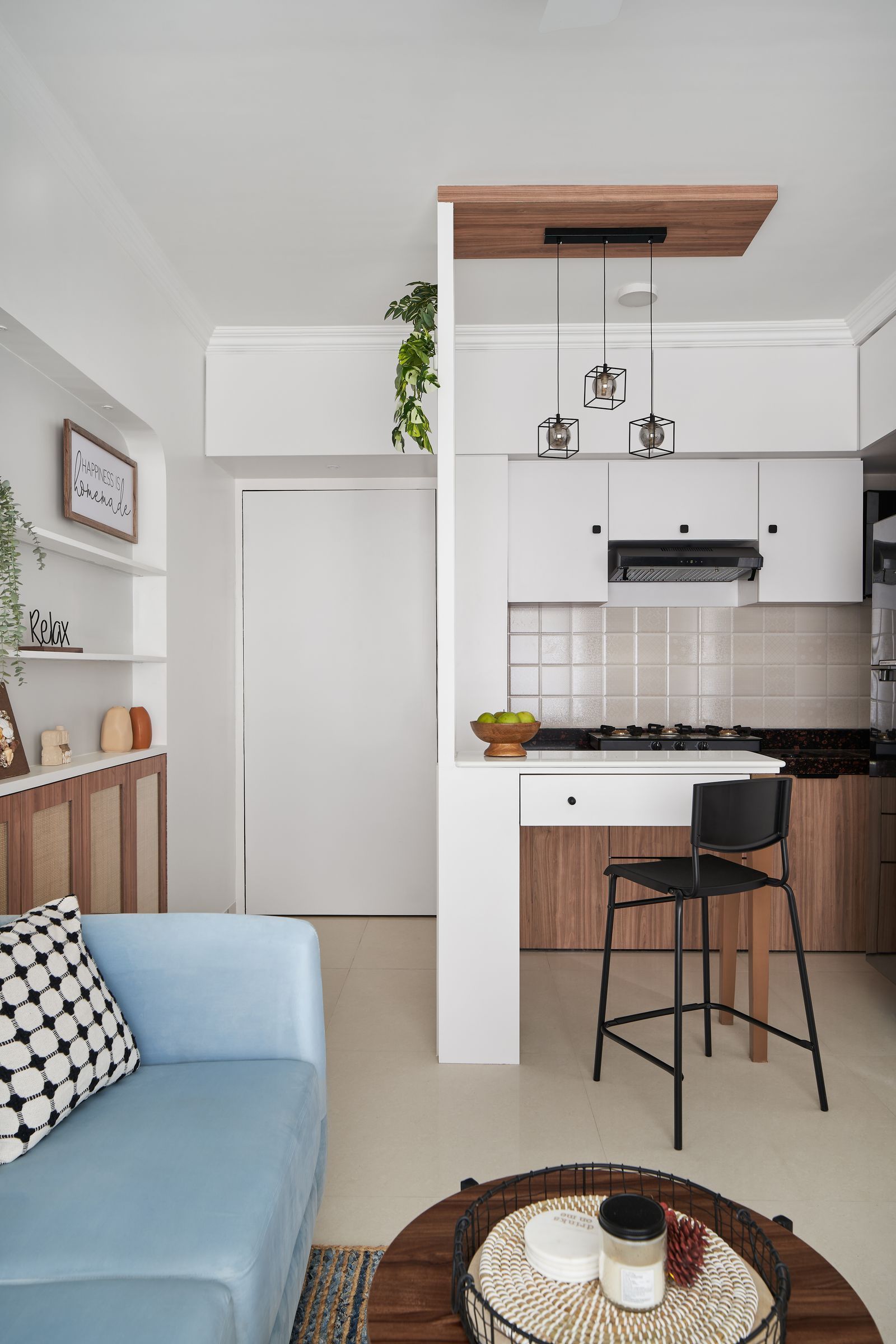
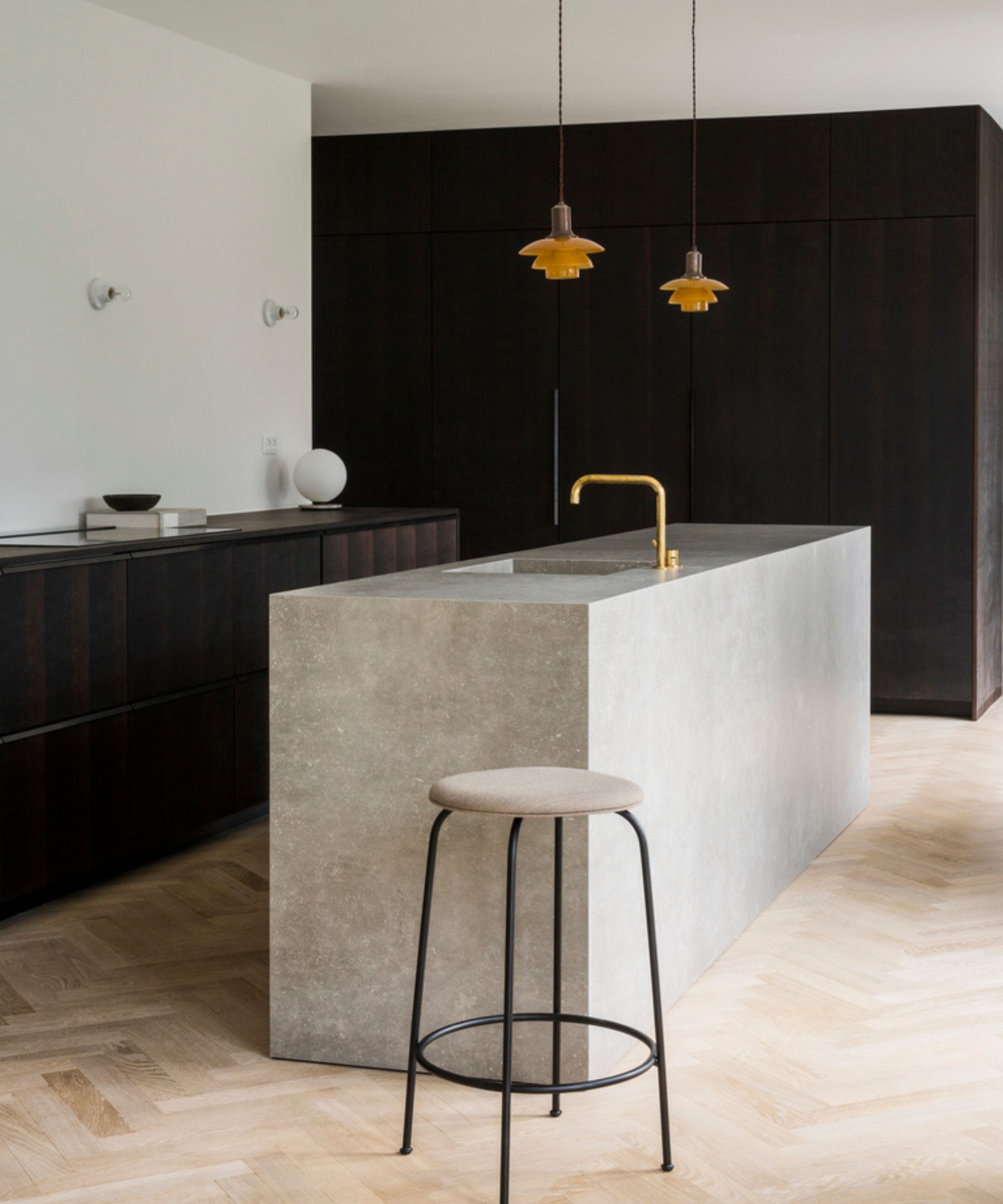
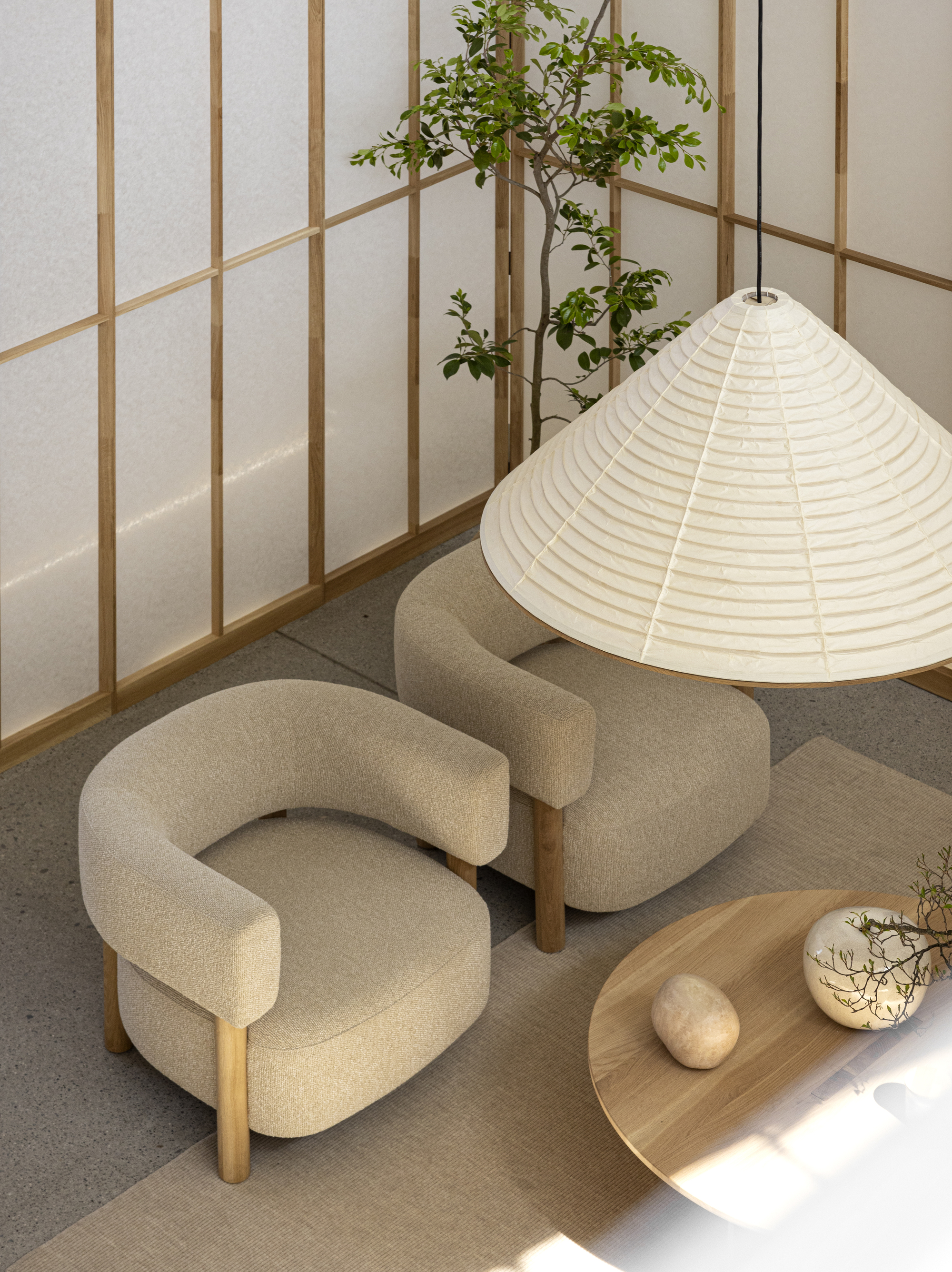
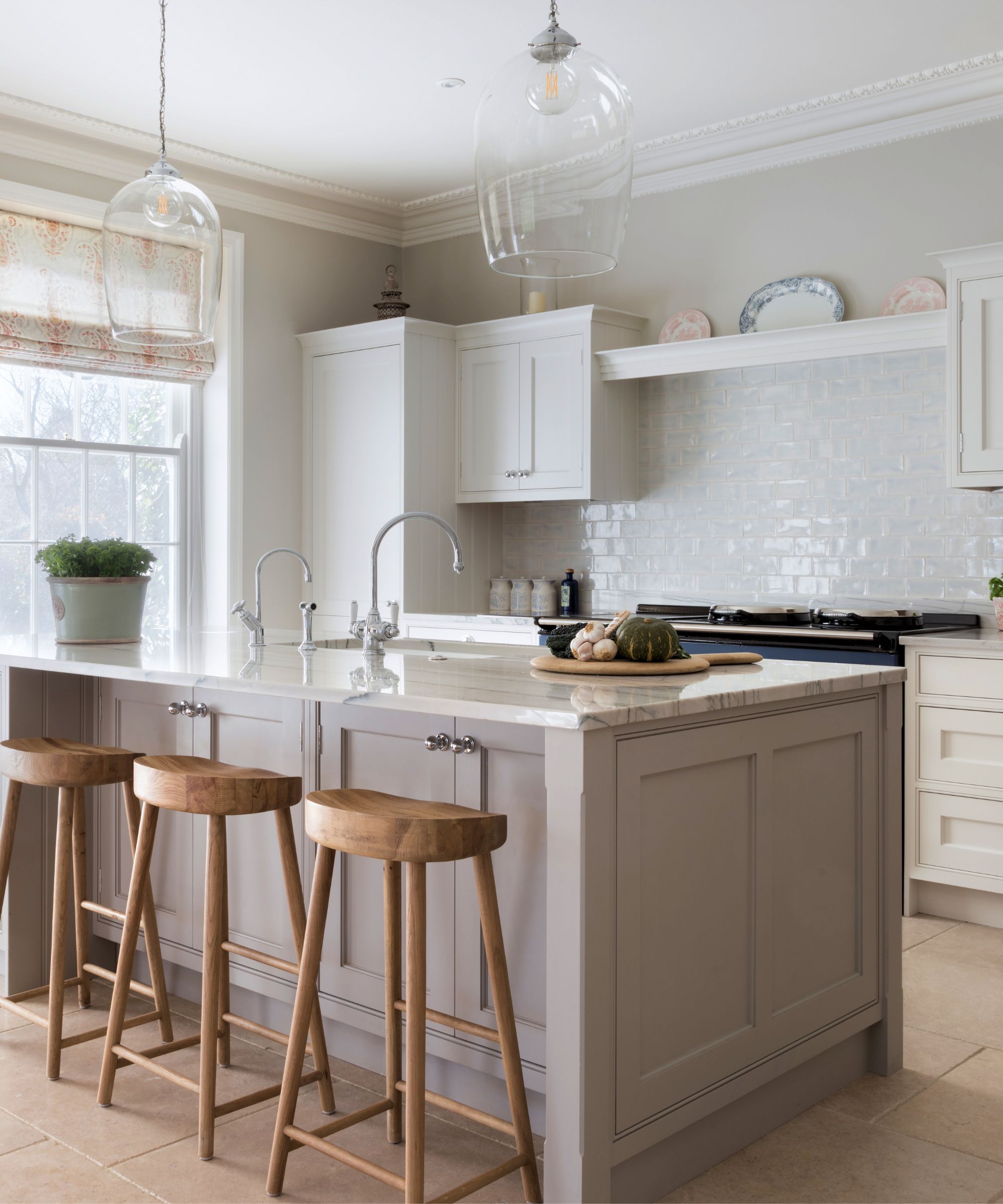
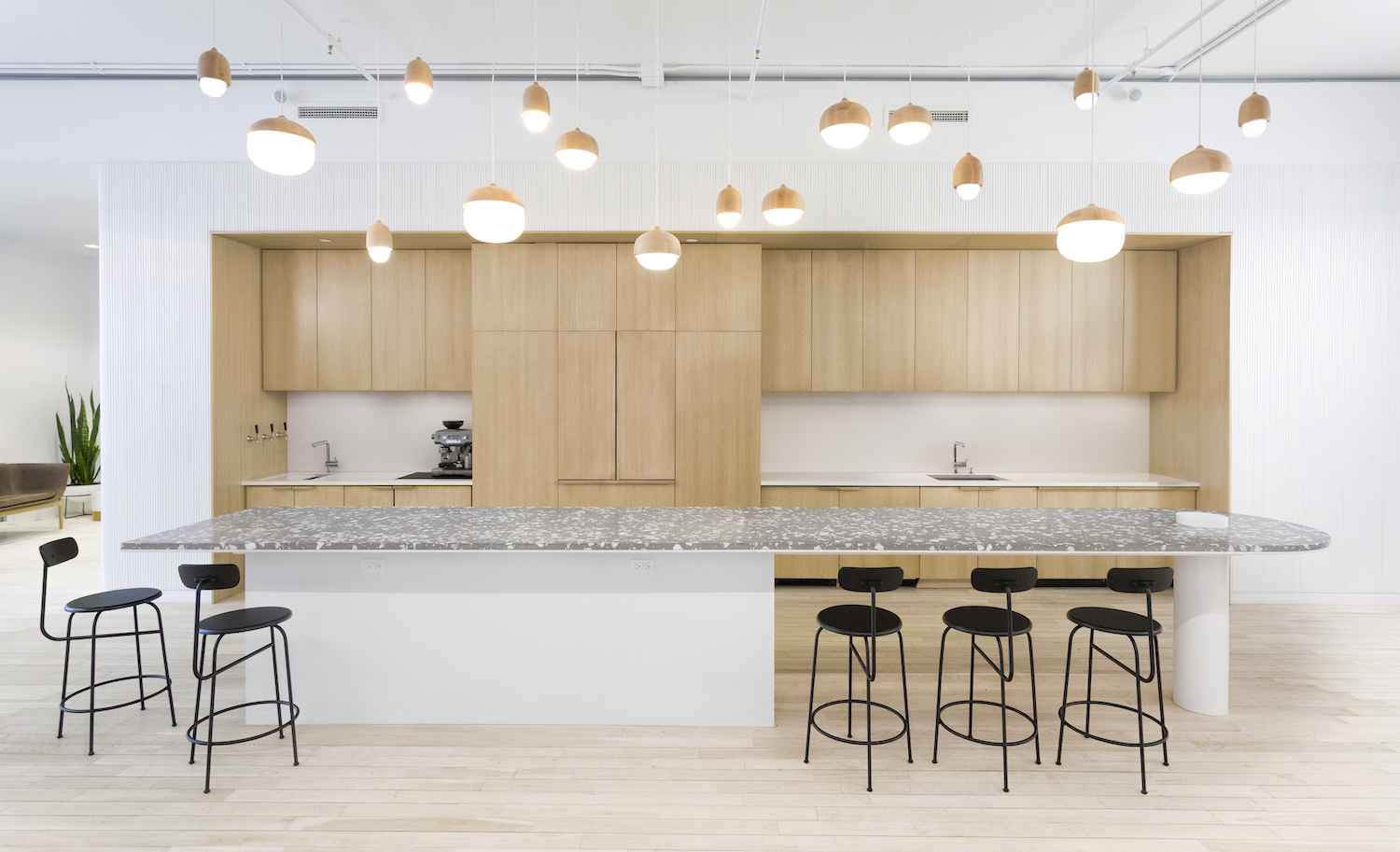
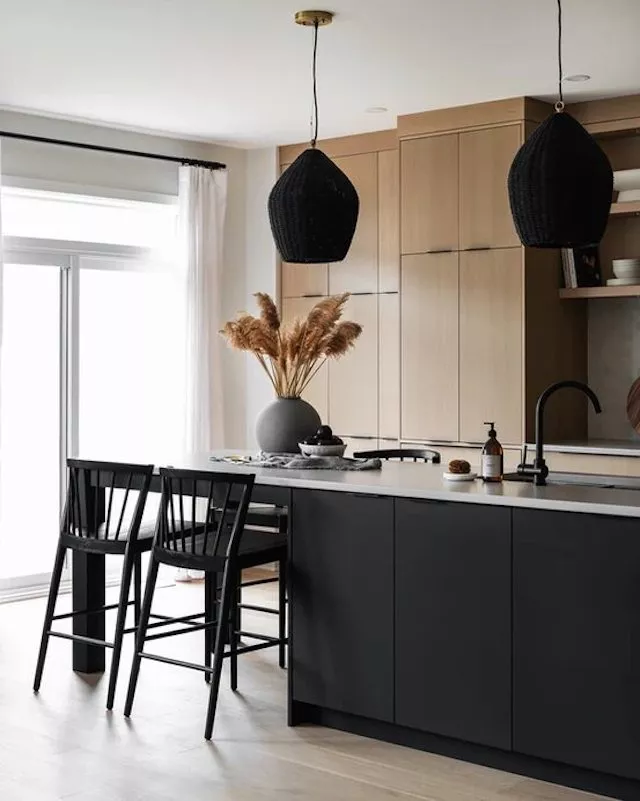
The second principle focuses on incorporating functional yet beautiful lighting. Japandi lighting prioritizes creating a relaxing ambiance through warm, diffused light, reminiscent of lanterns. This approach integrates decorative, task, and accent lighting to achieve a harmonious balance between style and comfort, all while maintaining a subtle and sculptural presence. The goal is to provide adequate illumination without overwhelming the space, reinforcing the minimalist ethos.
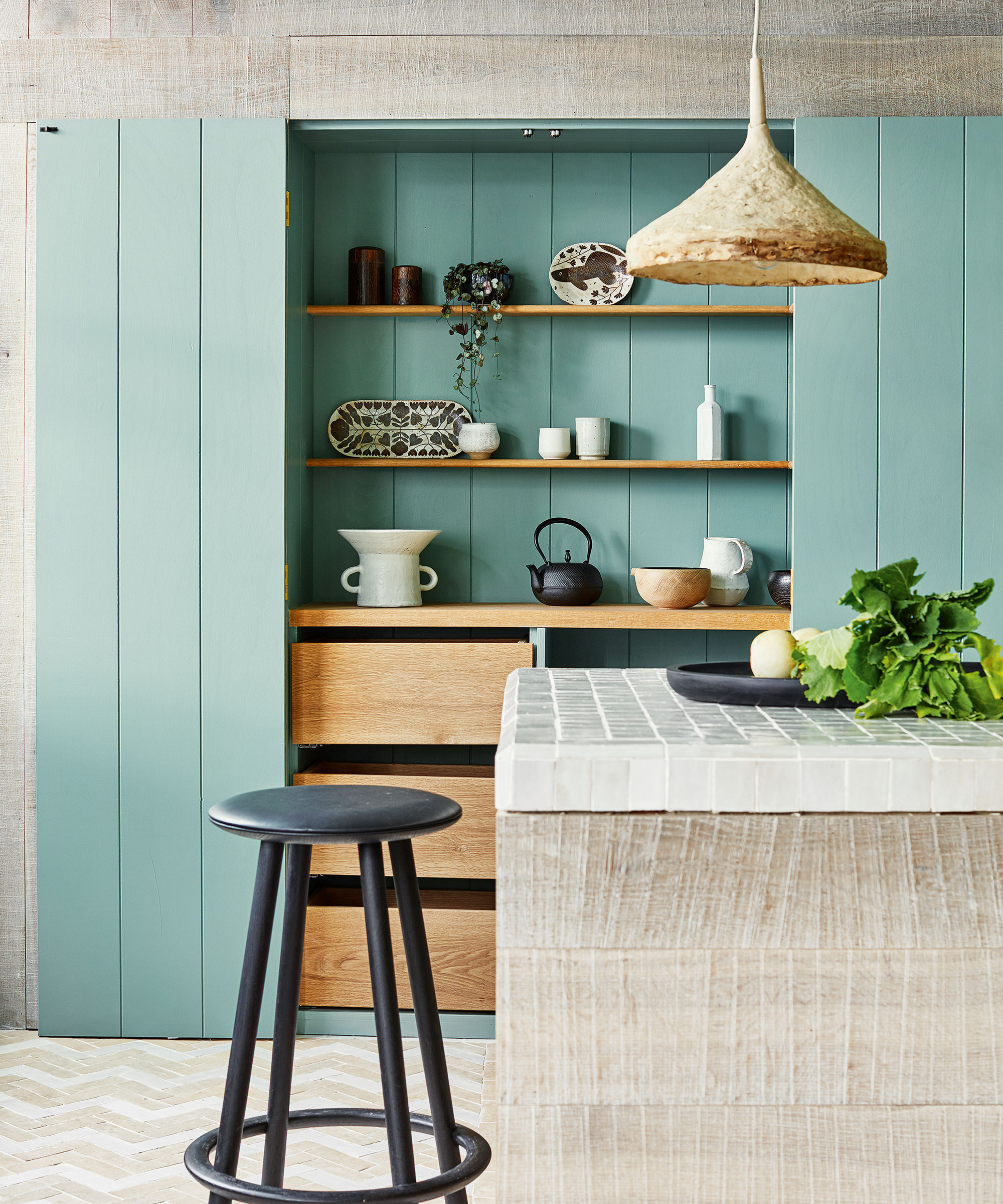
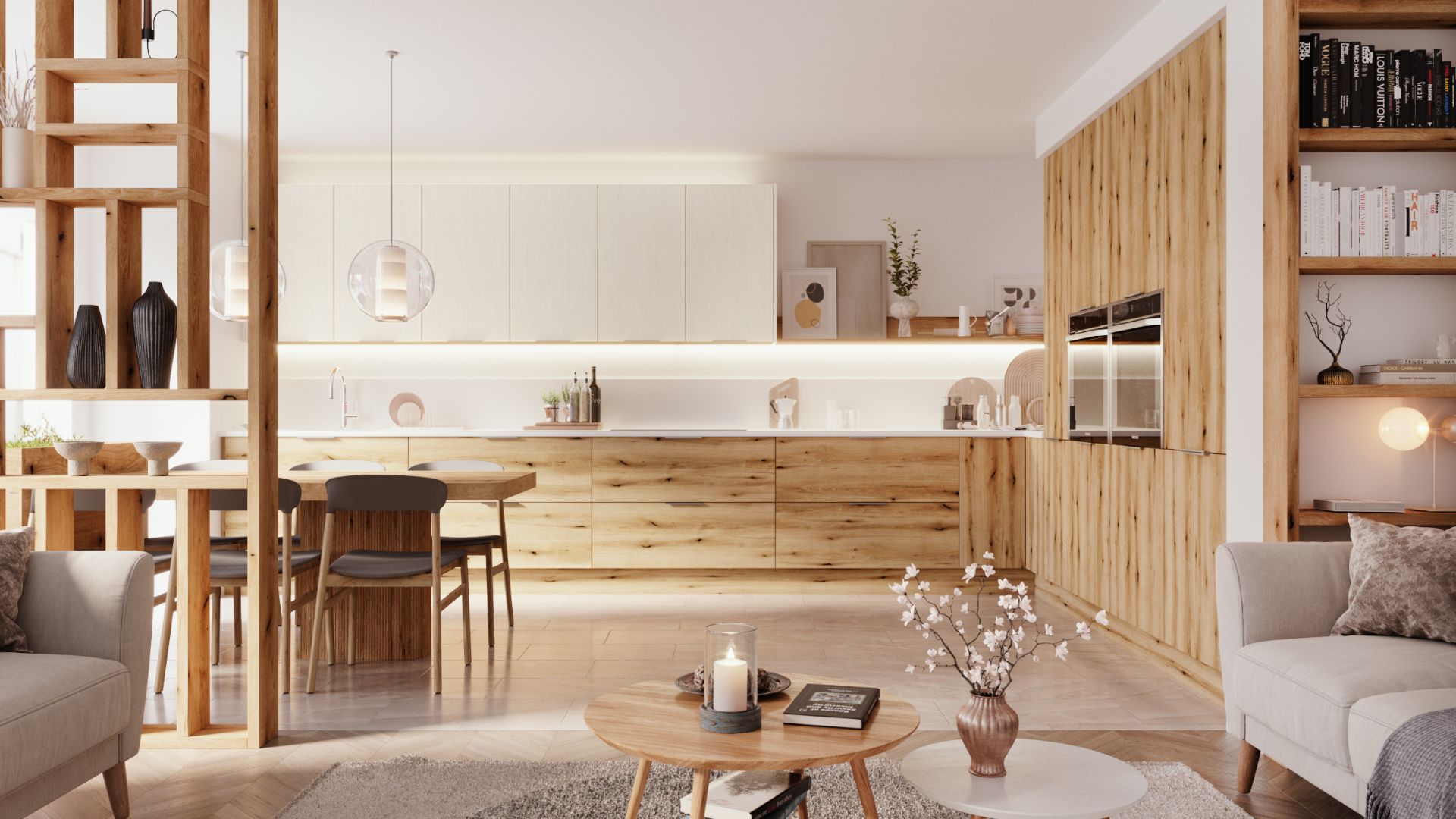
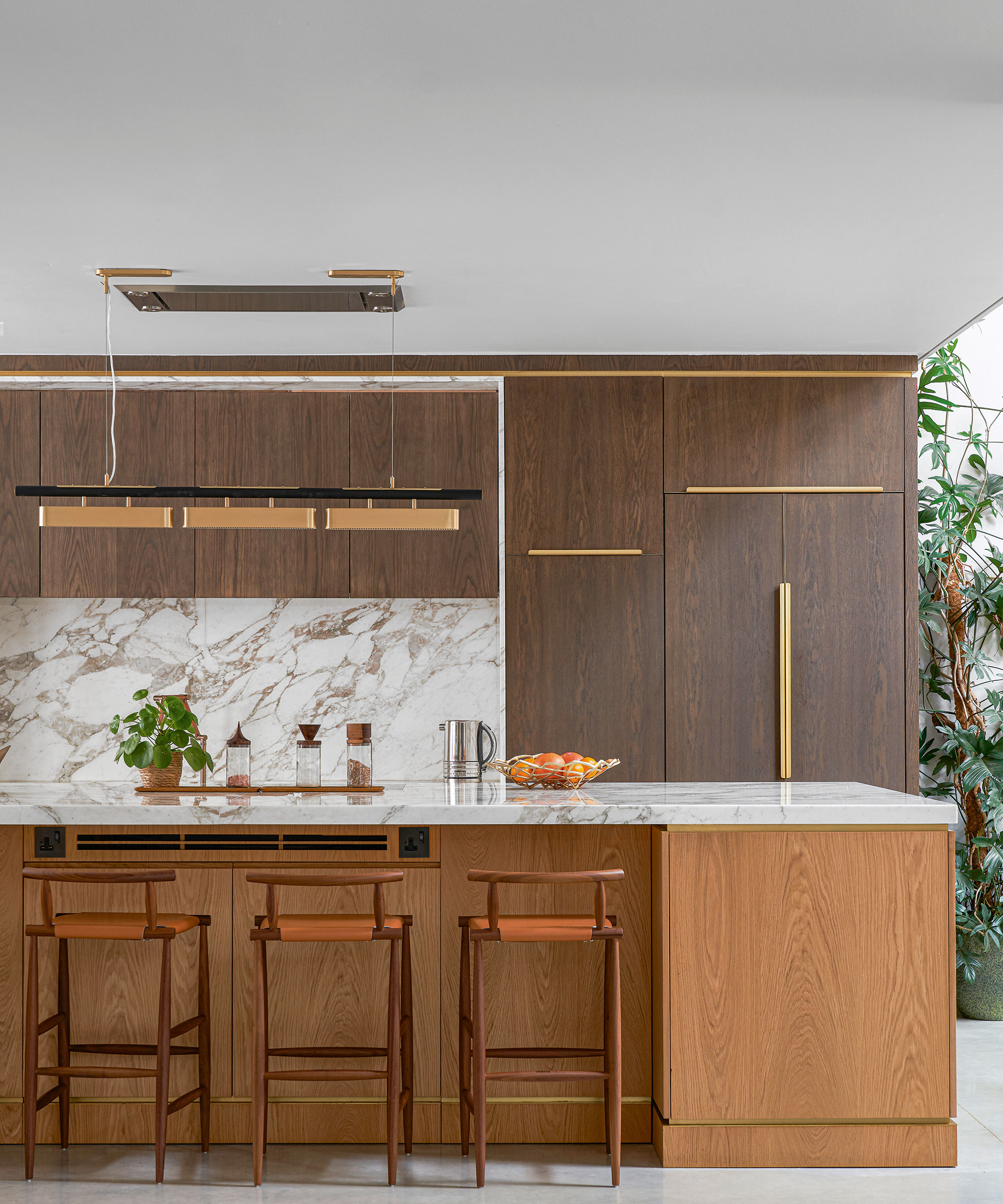
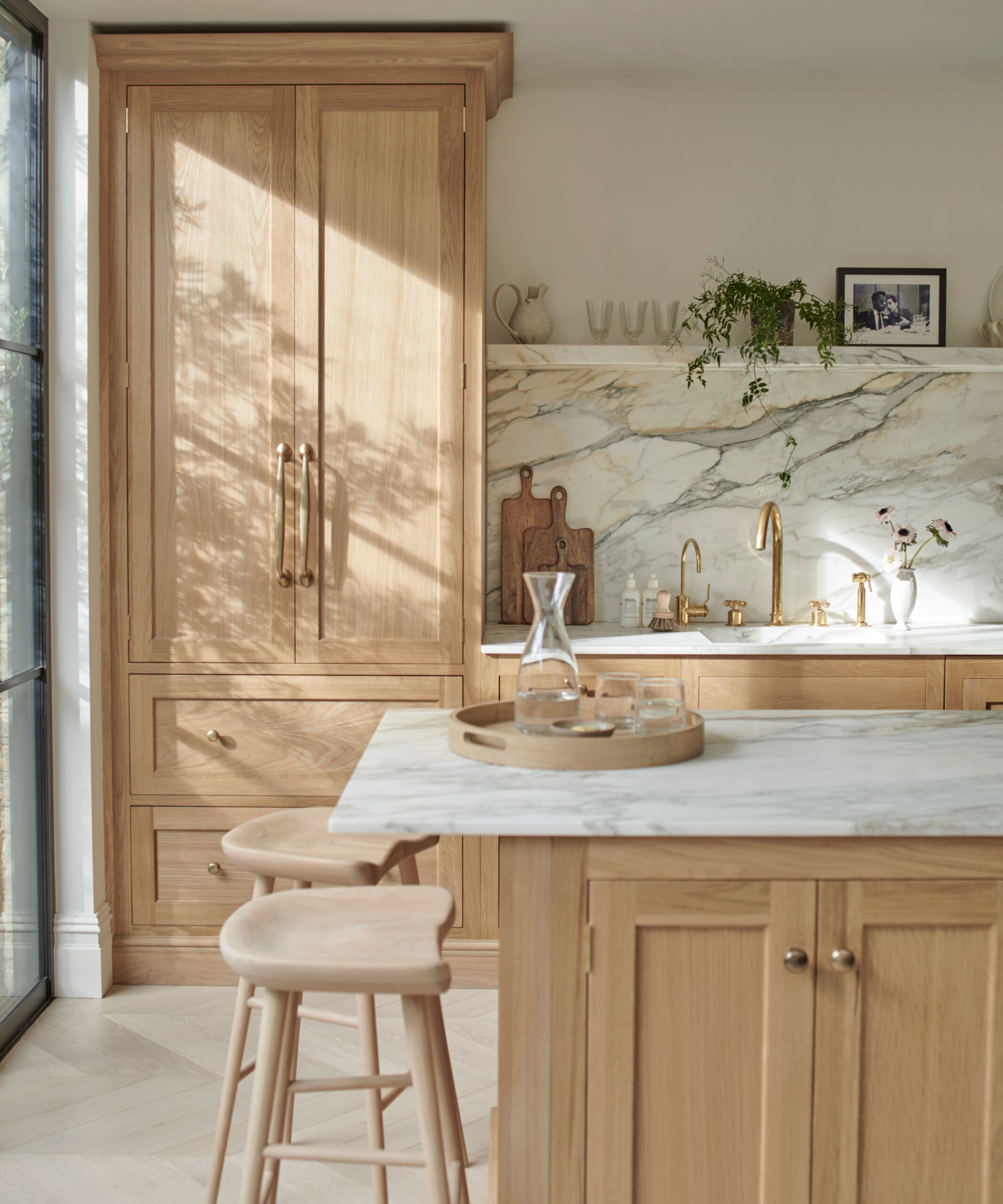
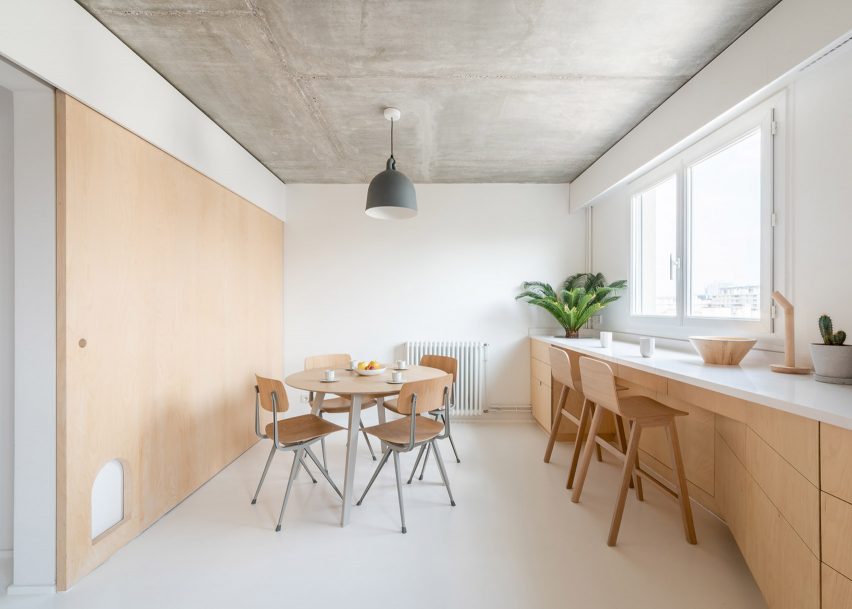
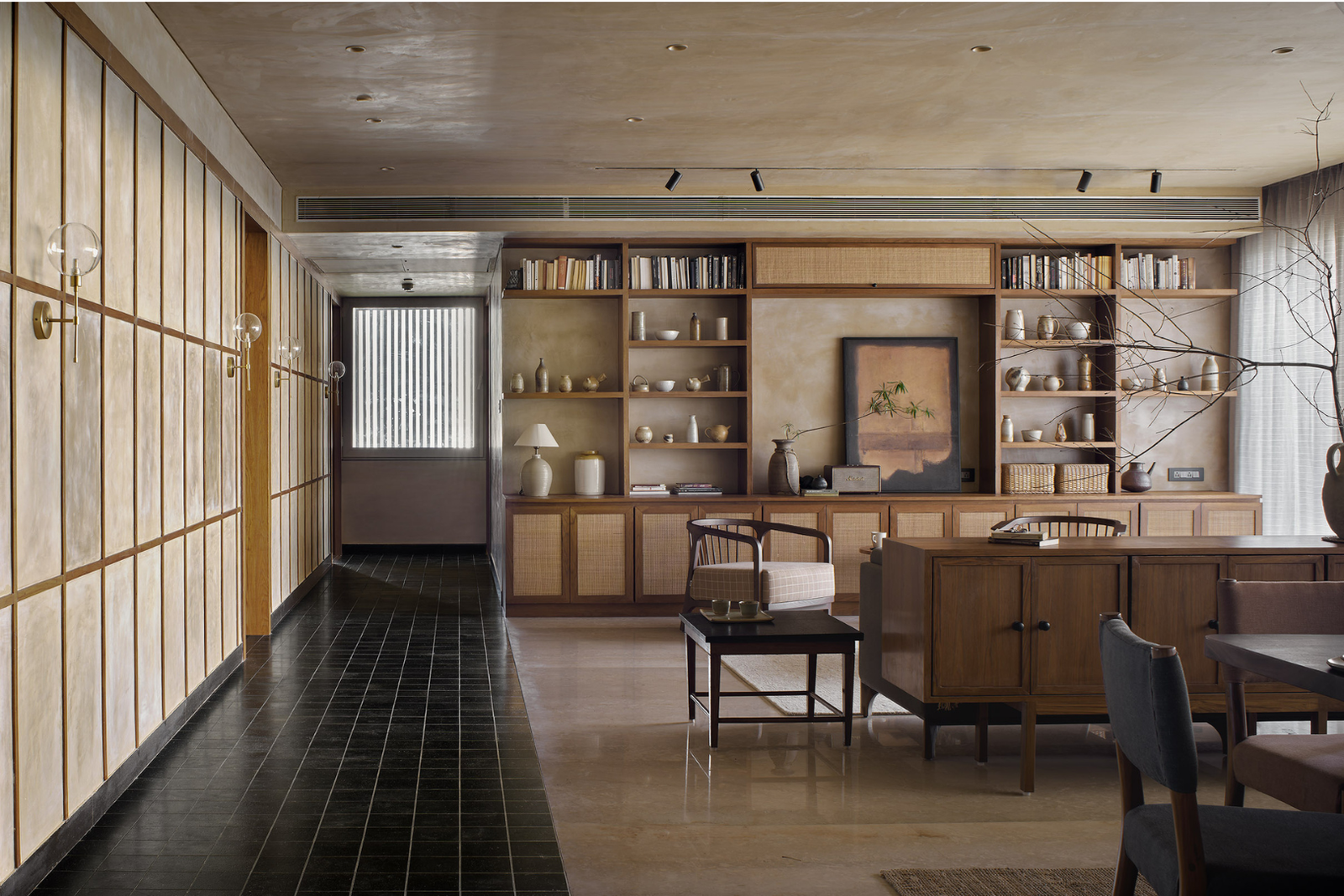
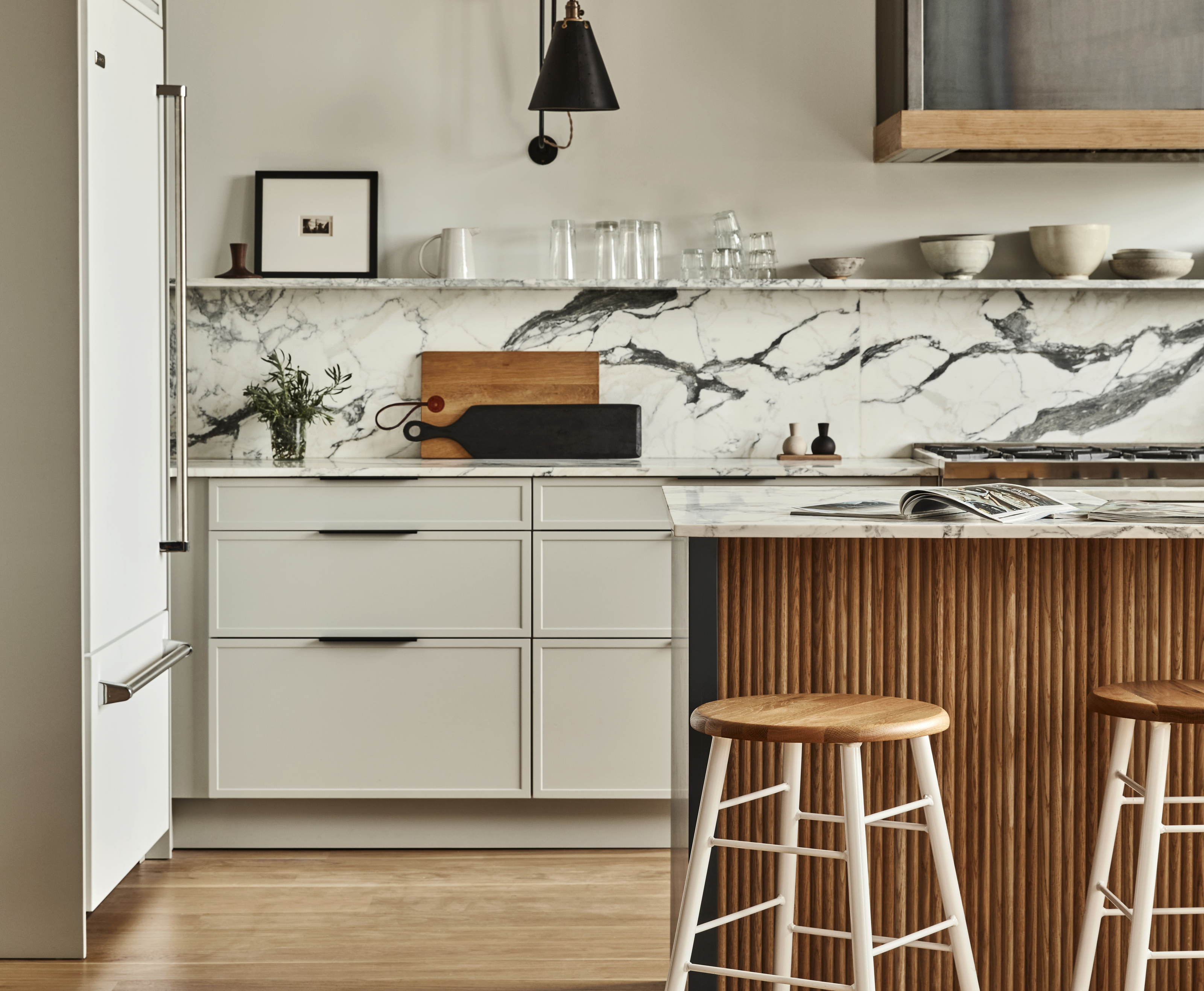
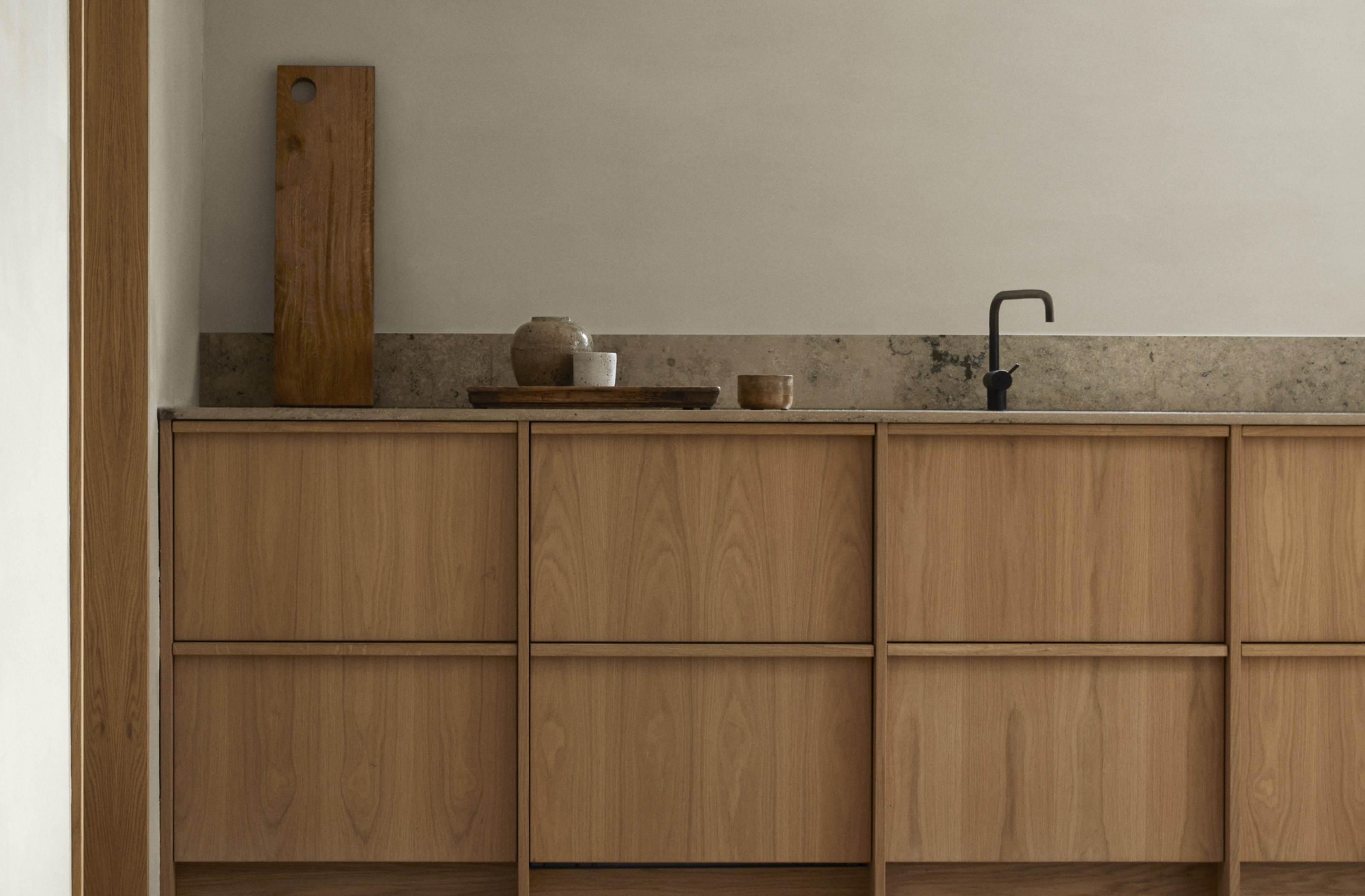
Thirdly, the article highlights the importance of warmth through the extensive use of wood. Natural materials are central to Japandi design, with wood being a key element. Materials like accoya wood and white oak, known for their pale coloring and natural grain, are favored for flooring, cabinetry, and countertops. The integration of wood connects the interior to nature, a shared value in both Japanese and Scandinavian cultures. Complementary natural materials such as rattan and bamboo are also used to add texture, as exemplified by a Studio Zung design featuring a wood-clad kitchen with a distinctive grain pattern.
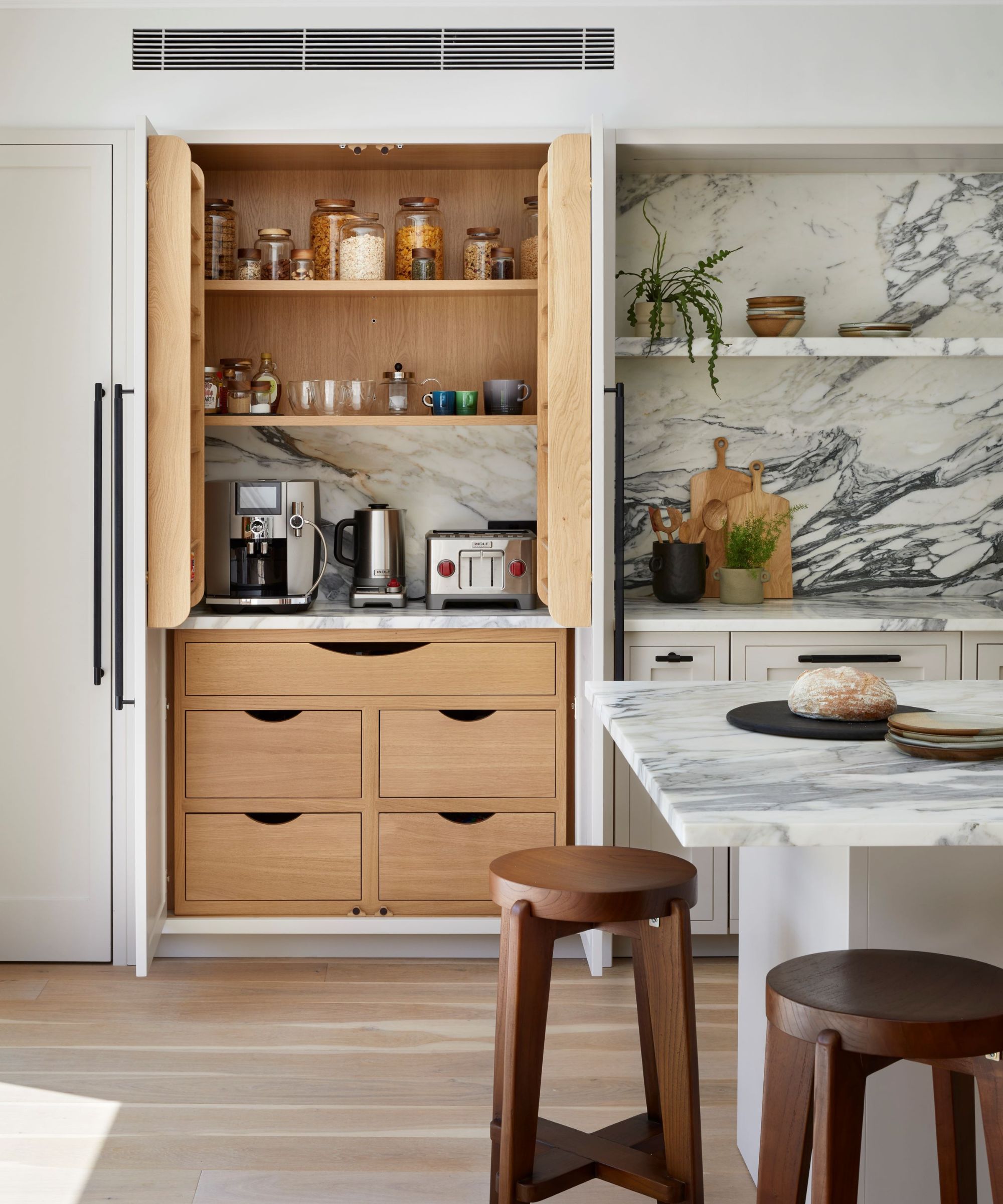
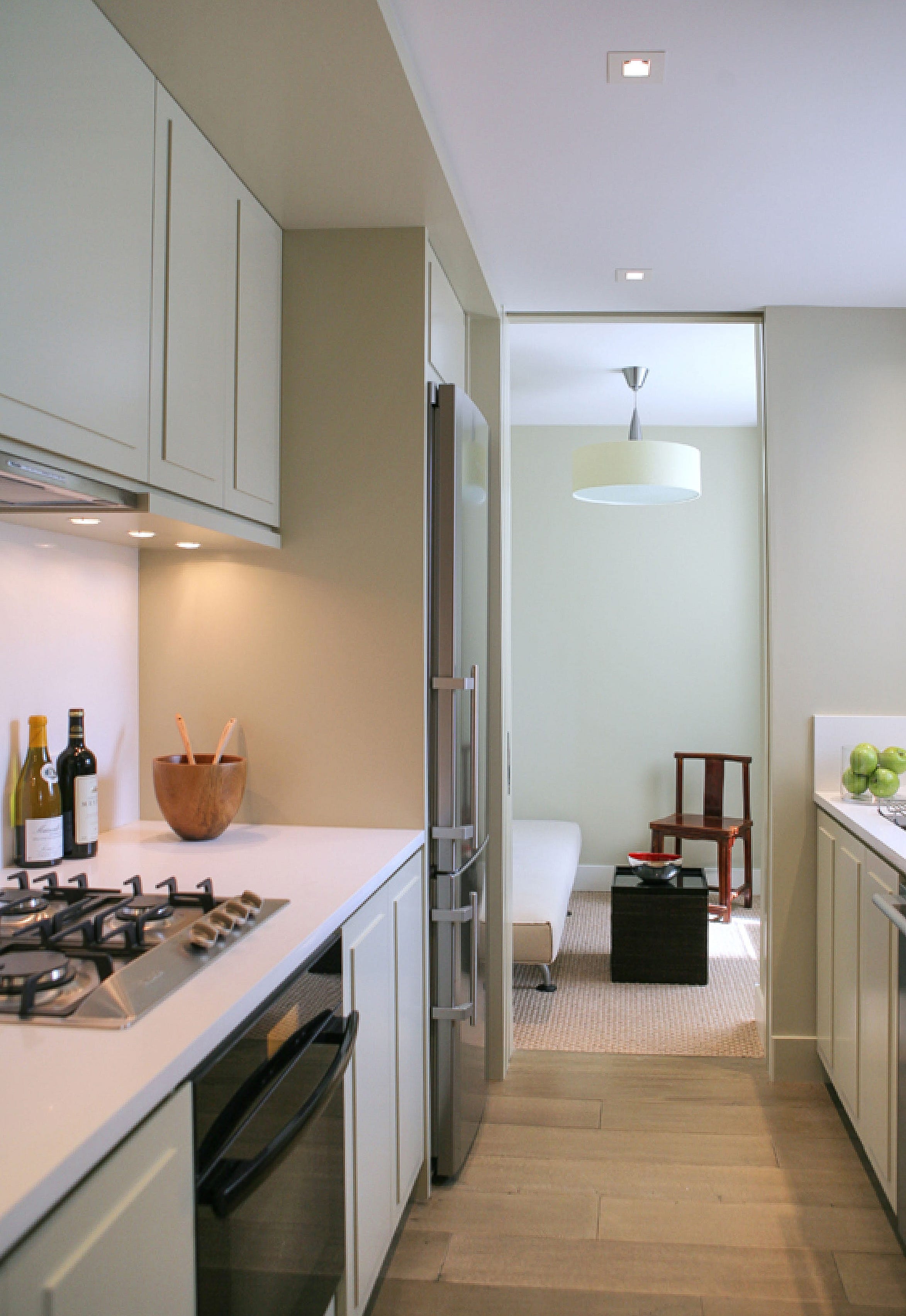
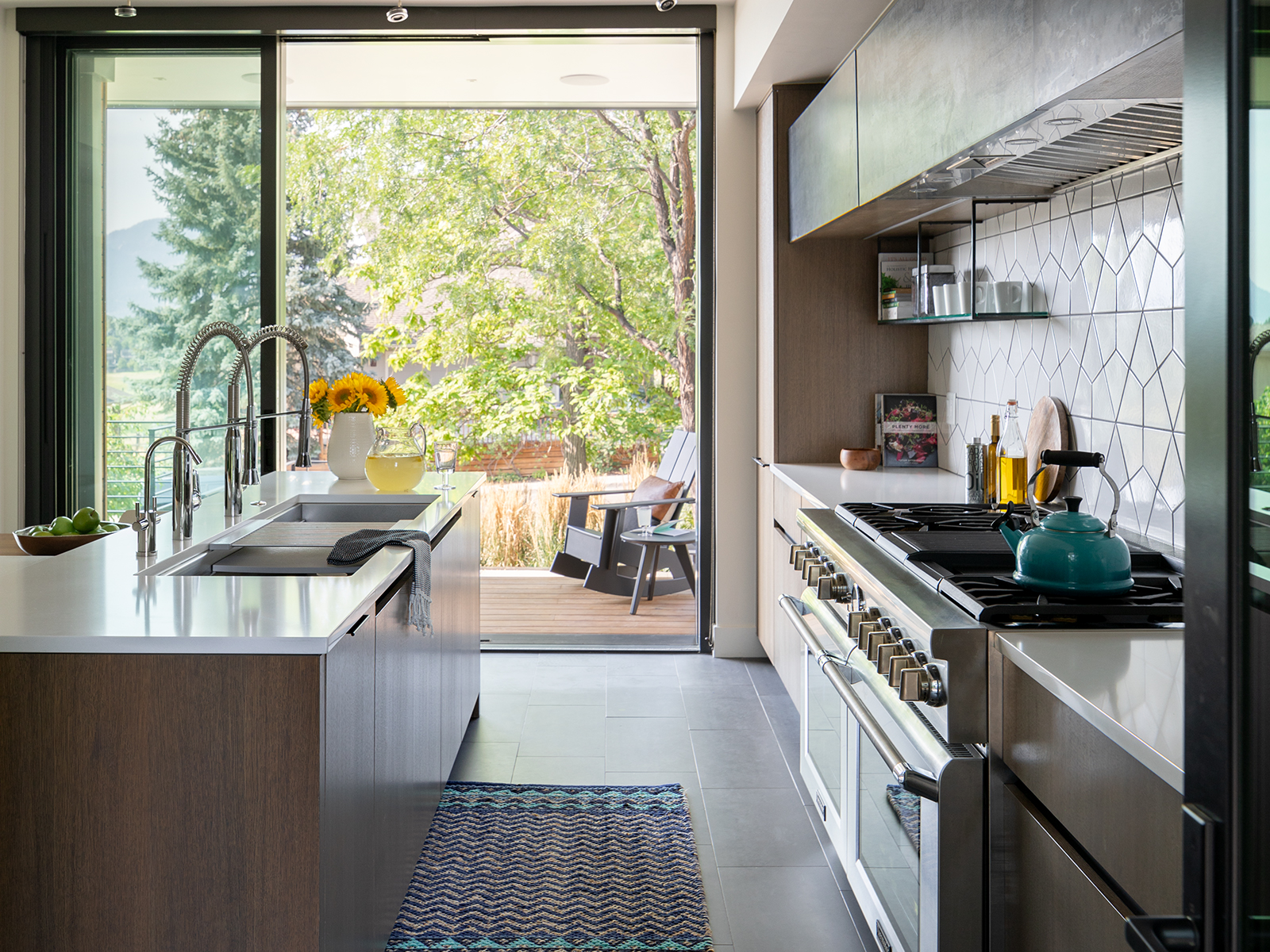
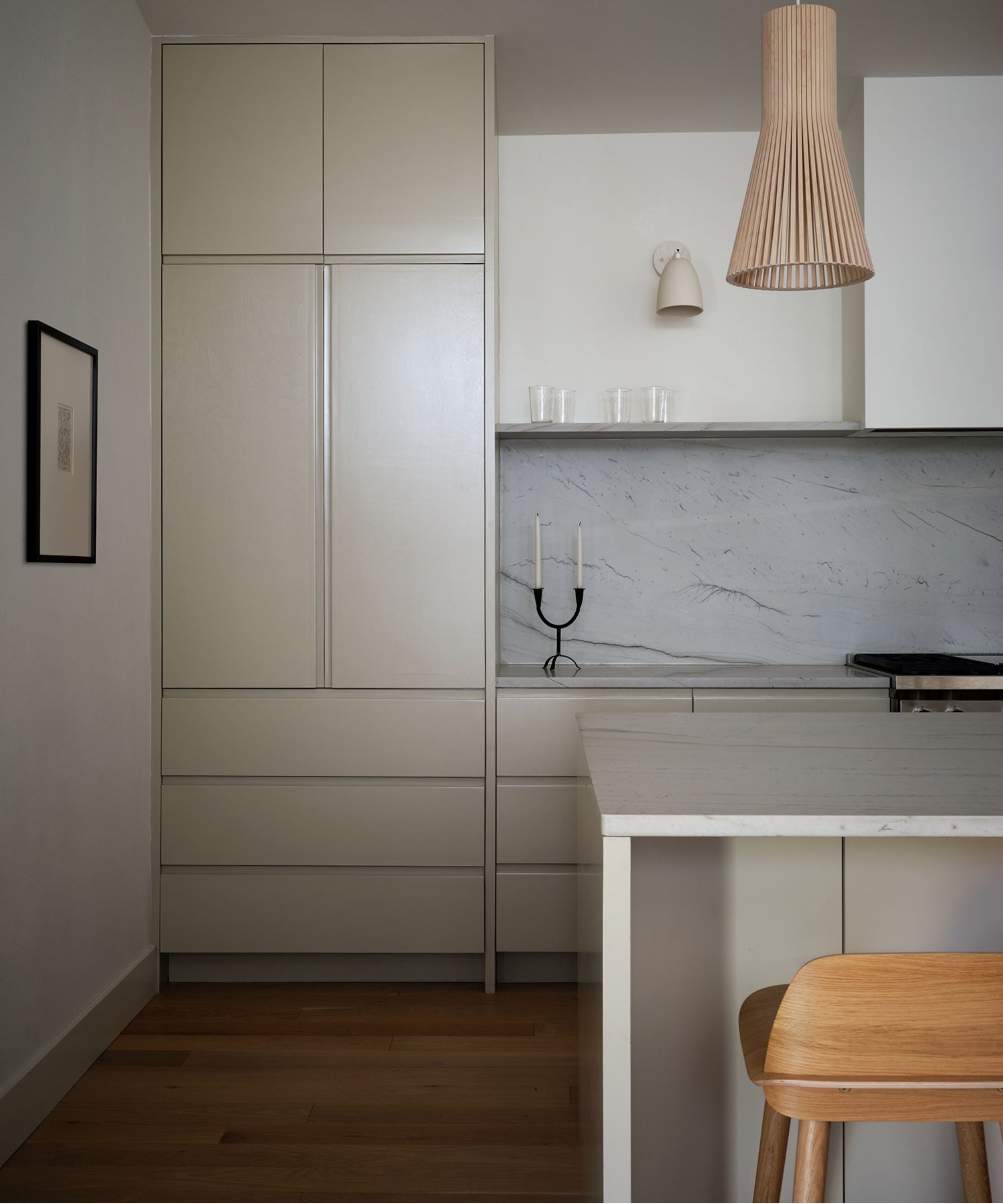
The fourth principle revolves around functionality, particularly in kitchen storage. Efficient storage is crucial for maintaining the seamless and uncluttered aesthetic of a Japandi kitchen. Keiji Ashizawa, an architect and product designer, notes the necessity of ample storage for various cooking tools, especially in Japanese cuisine. Designers emphasize the need for sufficient storage to keep countertops clear, though some items are intentionally displayed as functional decor. Cabinetry in Japandi kitchens is typically sleek and minimalist, characterized by clean lines, unadorned surfaces, and often handleless designs to minimize visual clutter and enhance the streamlined look.
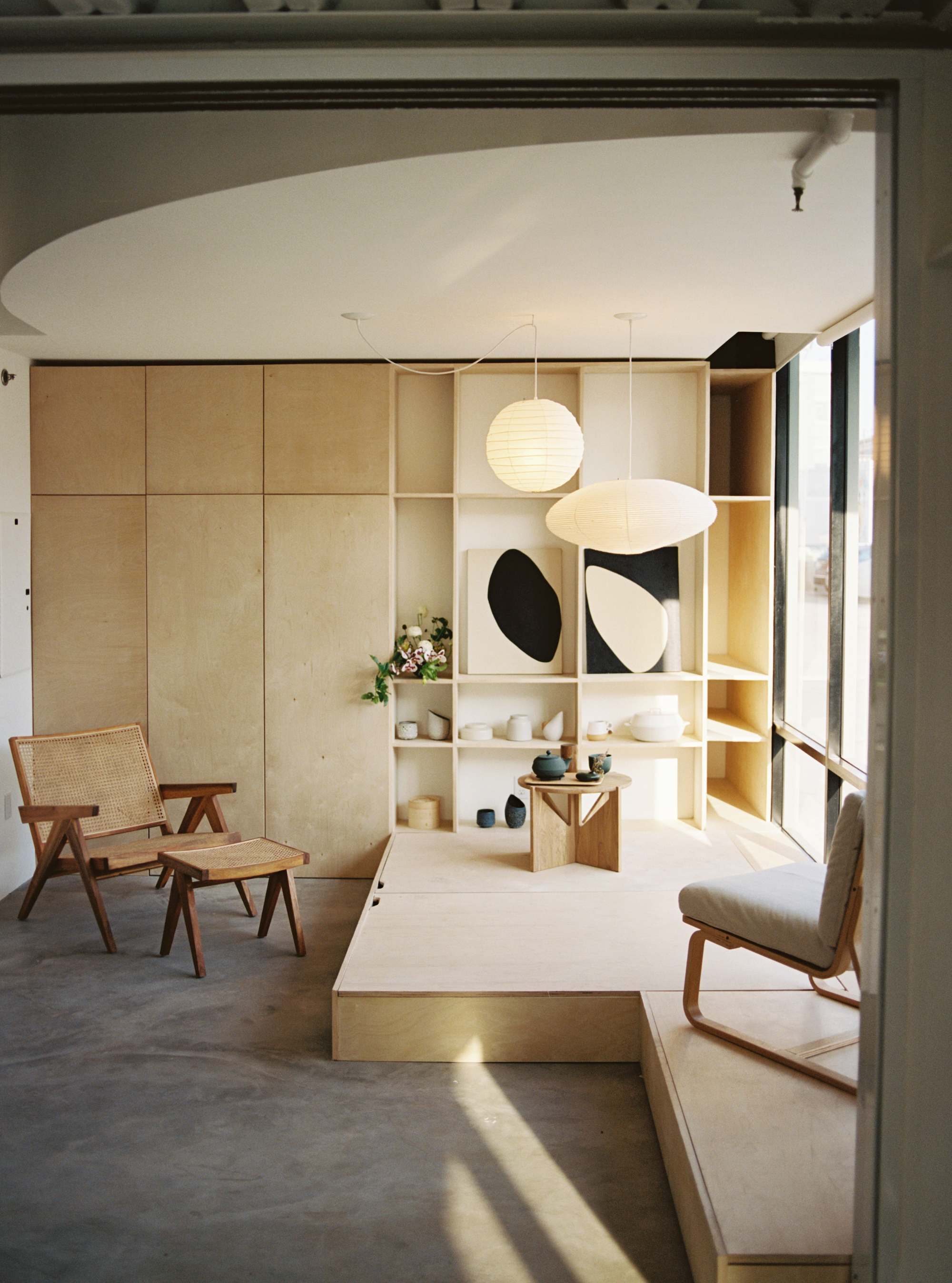
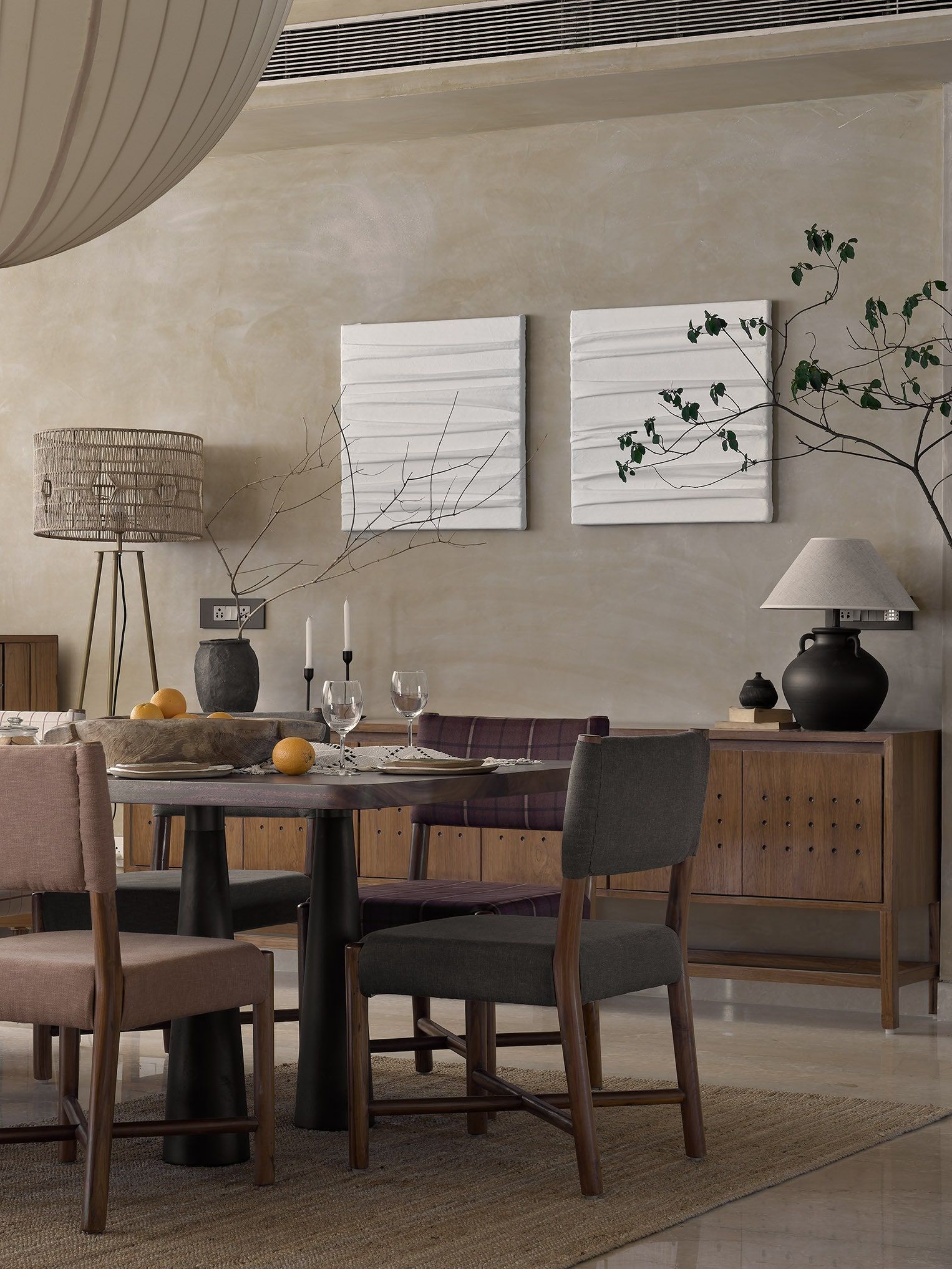
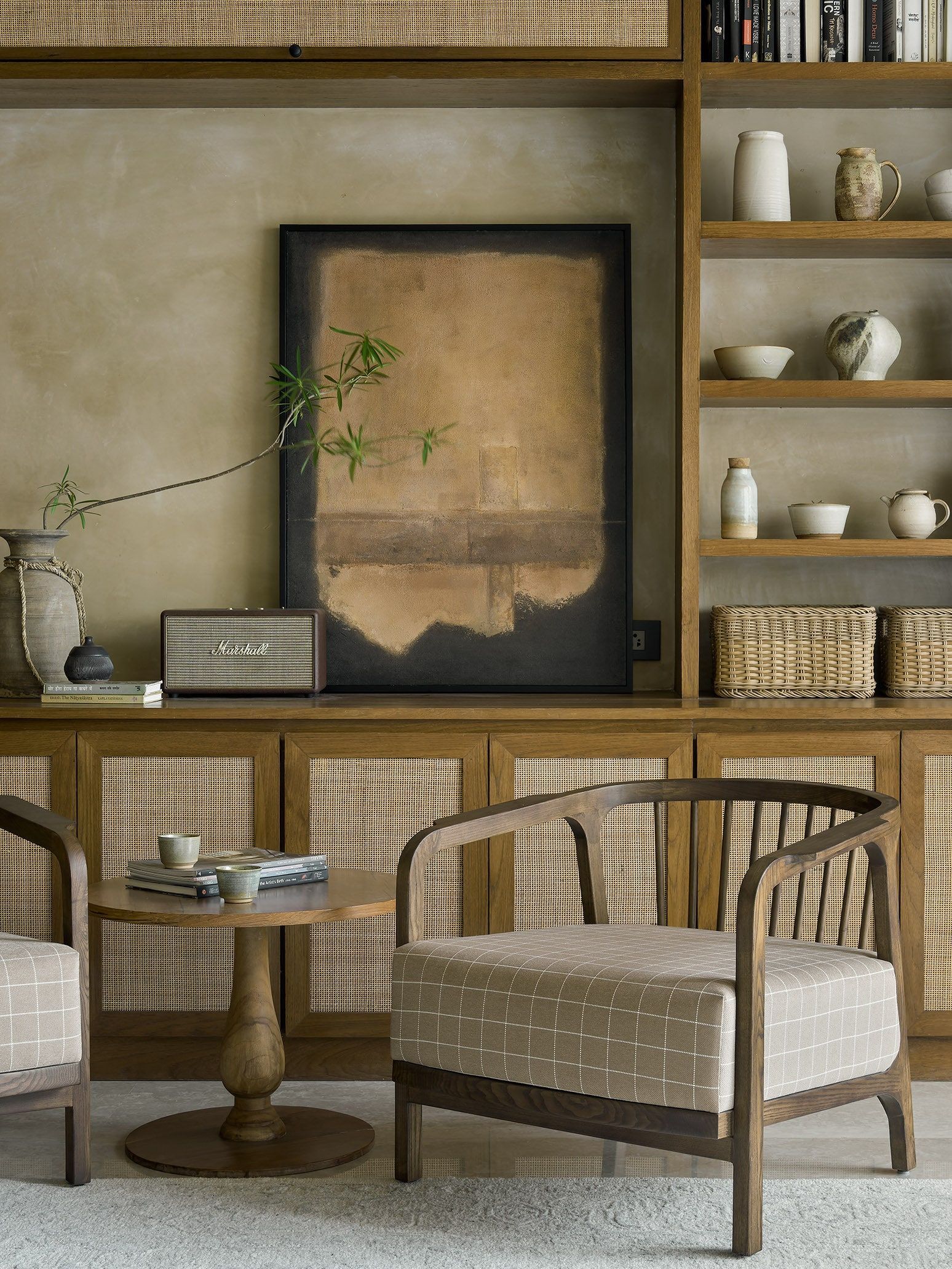
Finally, the concept of functional decor is explored. In Japandi interiors, decorative items are selected for their purpose and craftsmanship. Examples include ceramic cups, teapots, and books, which serve both aesthetic and practical functions. Interior designer Kathy Kuo suggests investing in items like elegant knife blocks, reclaimed wood cutting boards, shibori-patterned dish towels, and handmade pottery to achieve the Japandi look. Kiyomi Tanigawa of Studio Orb illustrates this with a kitchen shelf designed to showcase Japanese craft accessories, where deliberate void spaces allow these items to stand out, reinforcing the balance between functionality, craftsmanship, and minimalist design in a serene kitchen environment.
#JapandiStyle #KitchenDesign #MinimalistInterior #ScandinavianDesign #JapaneseAesthetics #NeutralColors #NaturalMaterials #FunctionalDecor #InteriorDesignTrends #JapandiStyle #KitchenDesign #MinimalistInterior #ScandinavianDesign #JapaneseAesthetics #NeutralColors #NaturalMaterials #FunctionalDecor #InteriorDesignTrends
0 comment in total
 No comments yet
You may also like
15 Minimalist Kitchens That Will Make You Want to Purge Everything

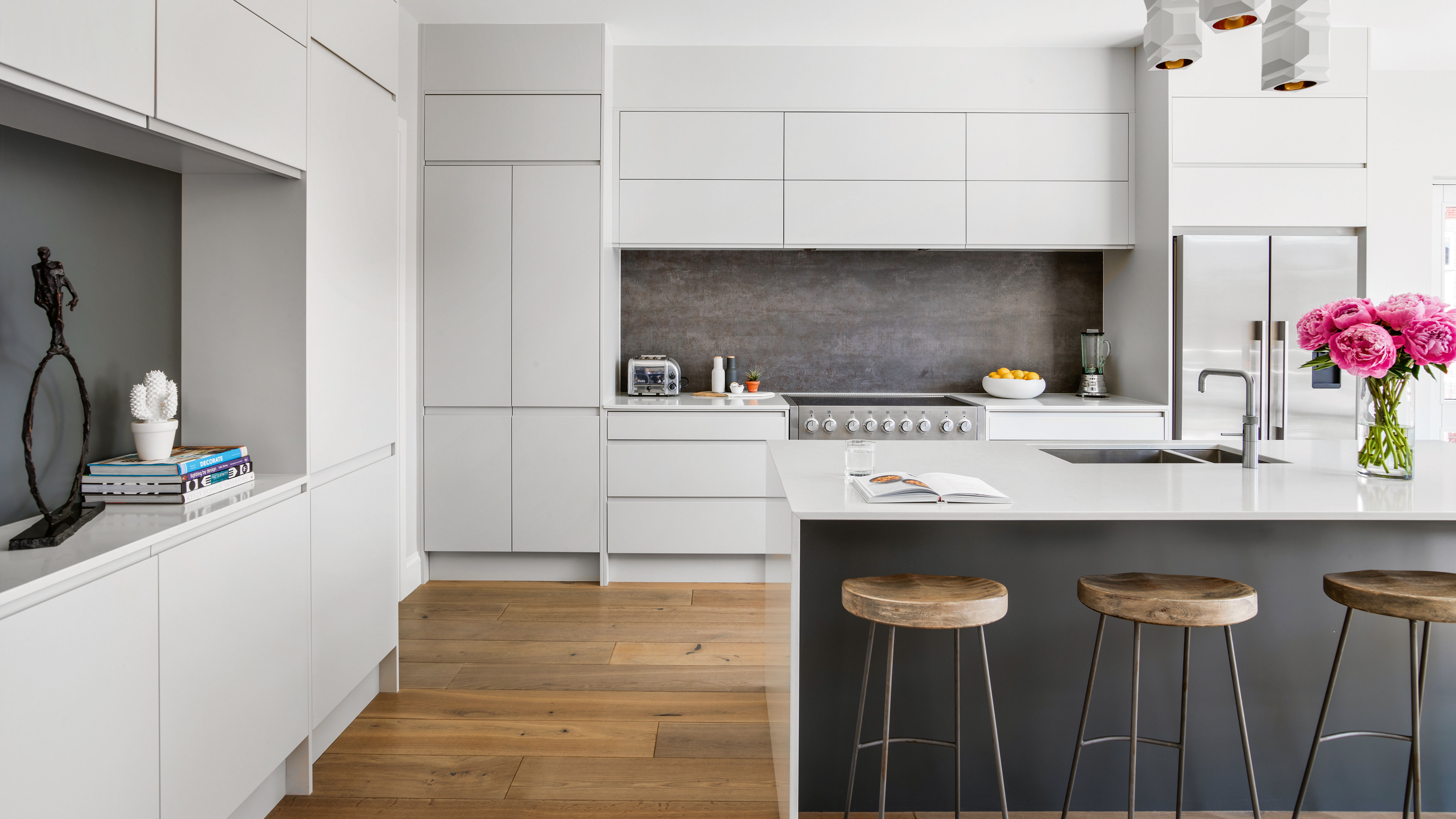
Minimalist kitchen ideas – 10 simple schemes for the modern home

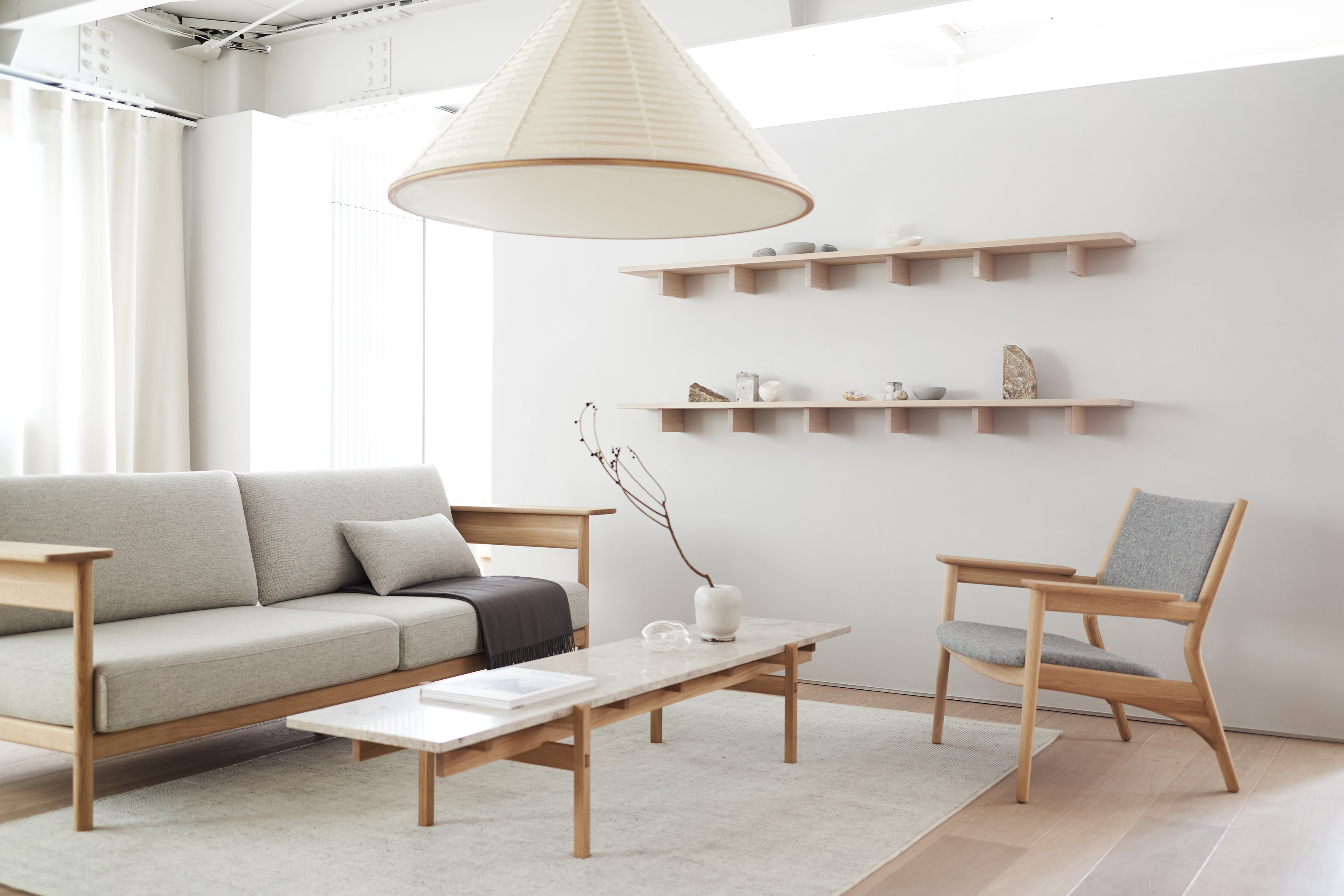
5 Design Rules Japanese-Style Living Rooms Always Follow — "This Approach Makes Any Home So Calming"
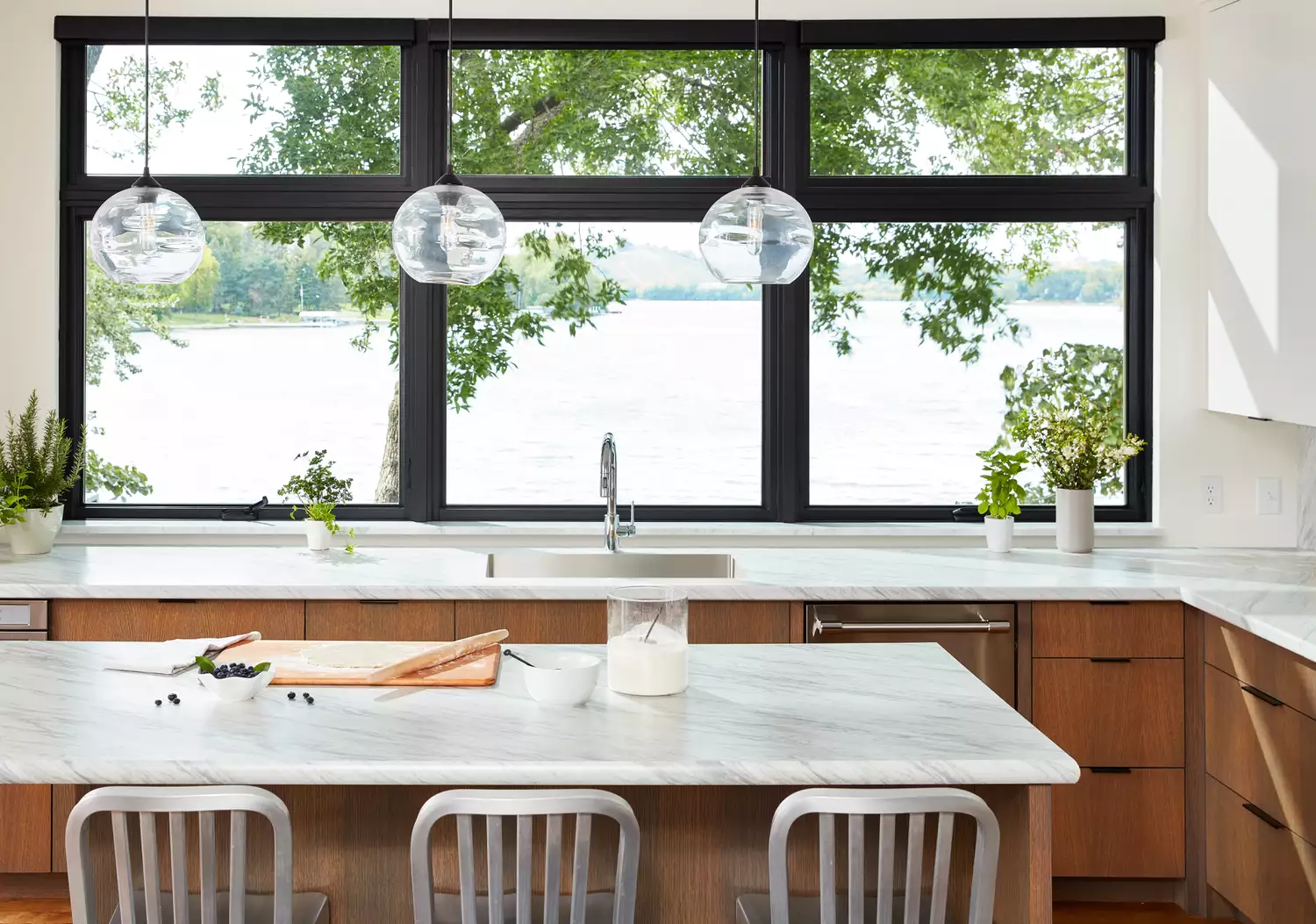
How to Create a Minimalist Kitchen—and Why You Should, According to Experts

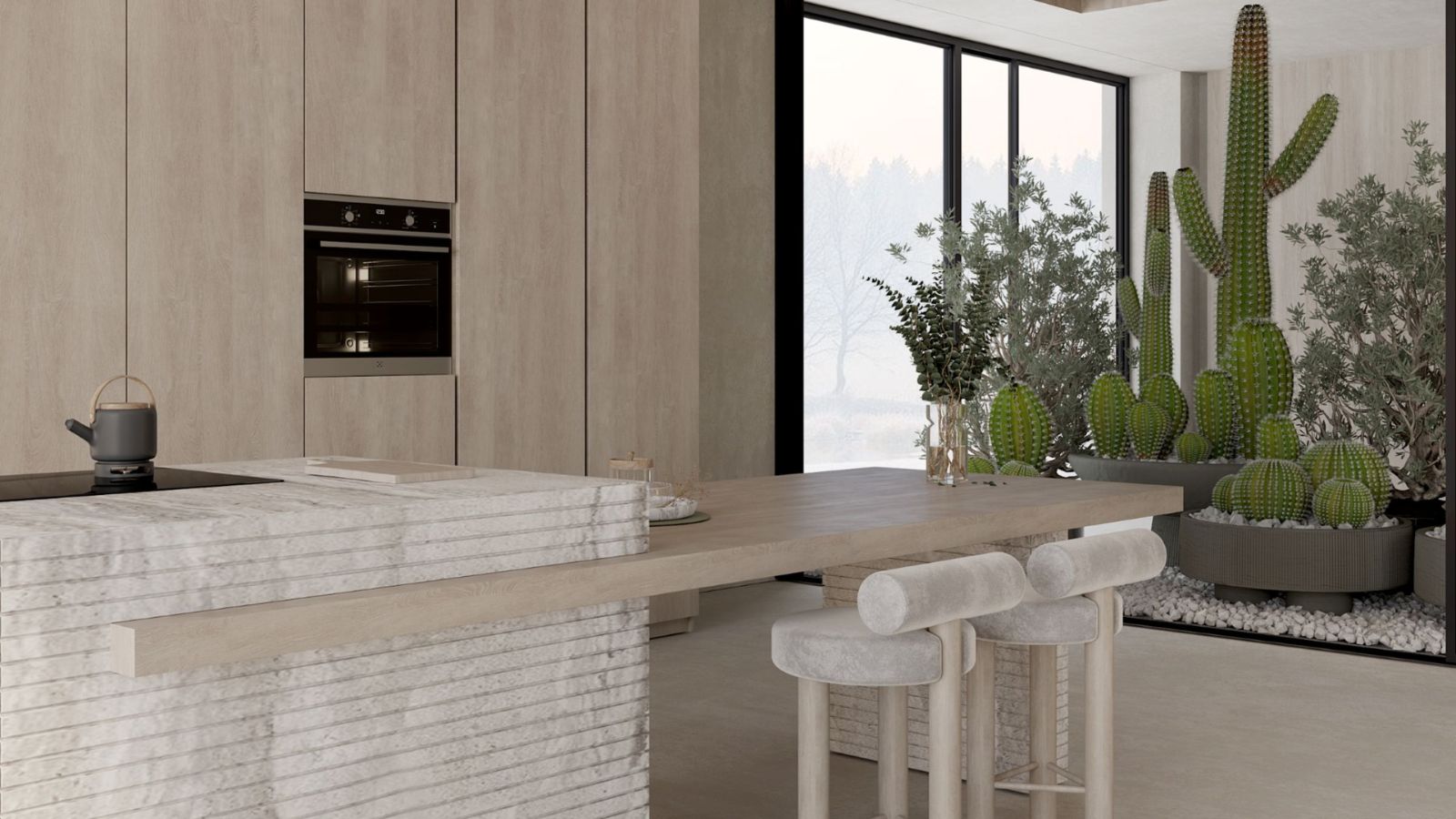
6 things minimalists never have in a kitchen – and what to use instead
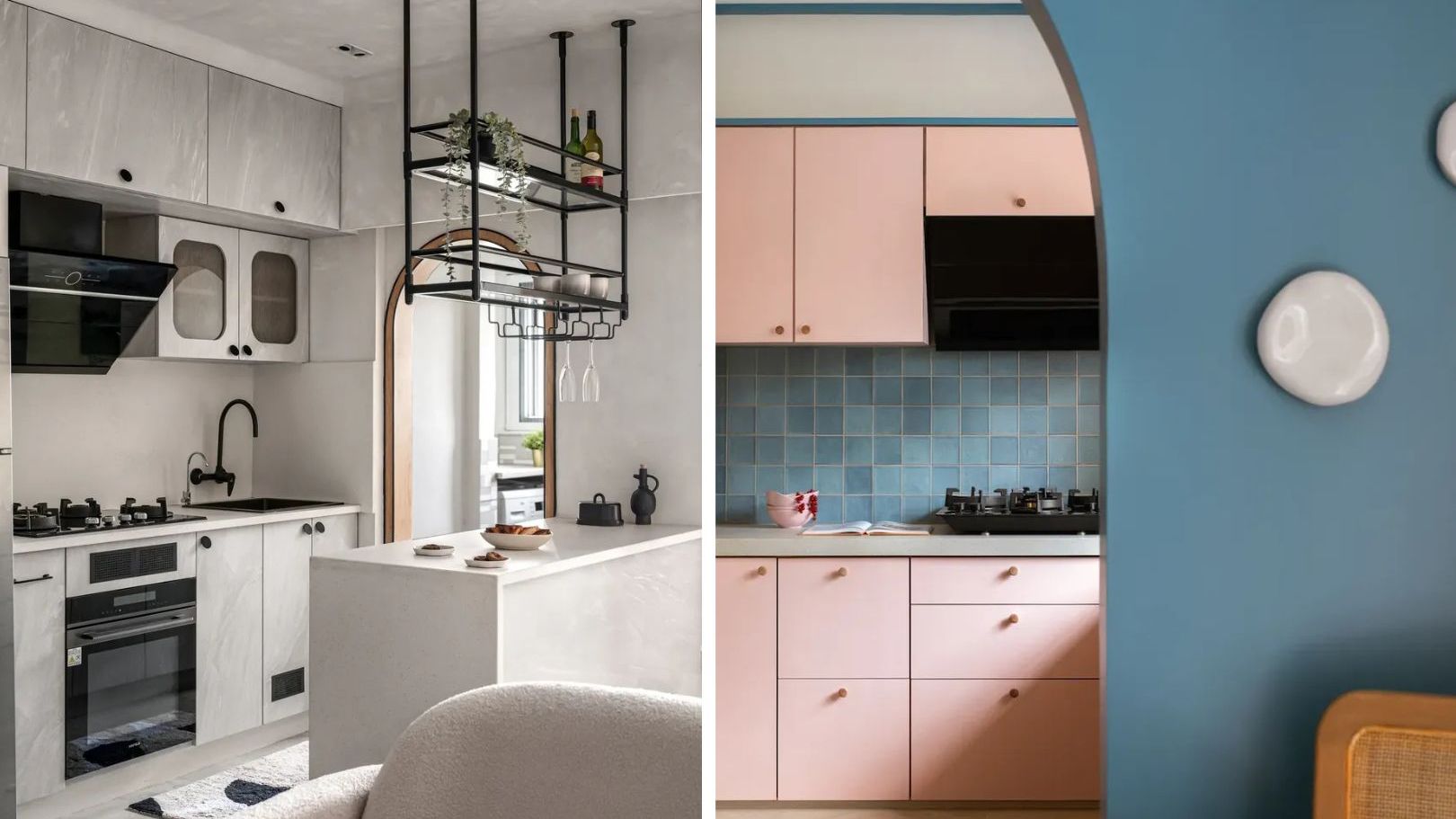
5 small kitchen ideas that make the most of a compact space

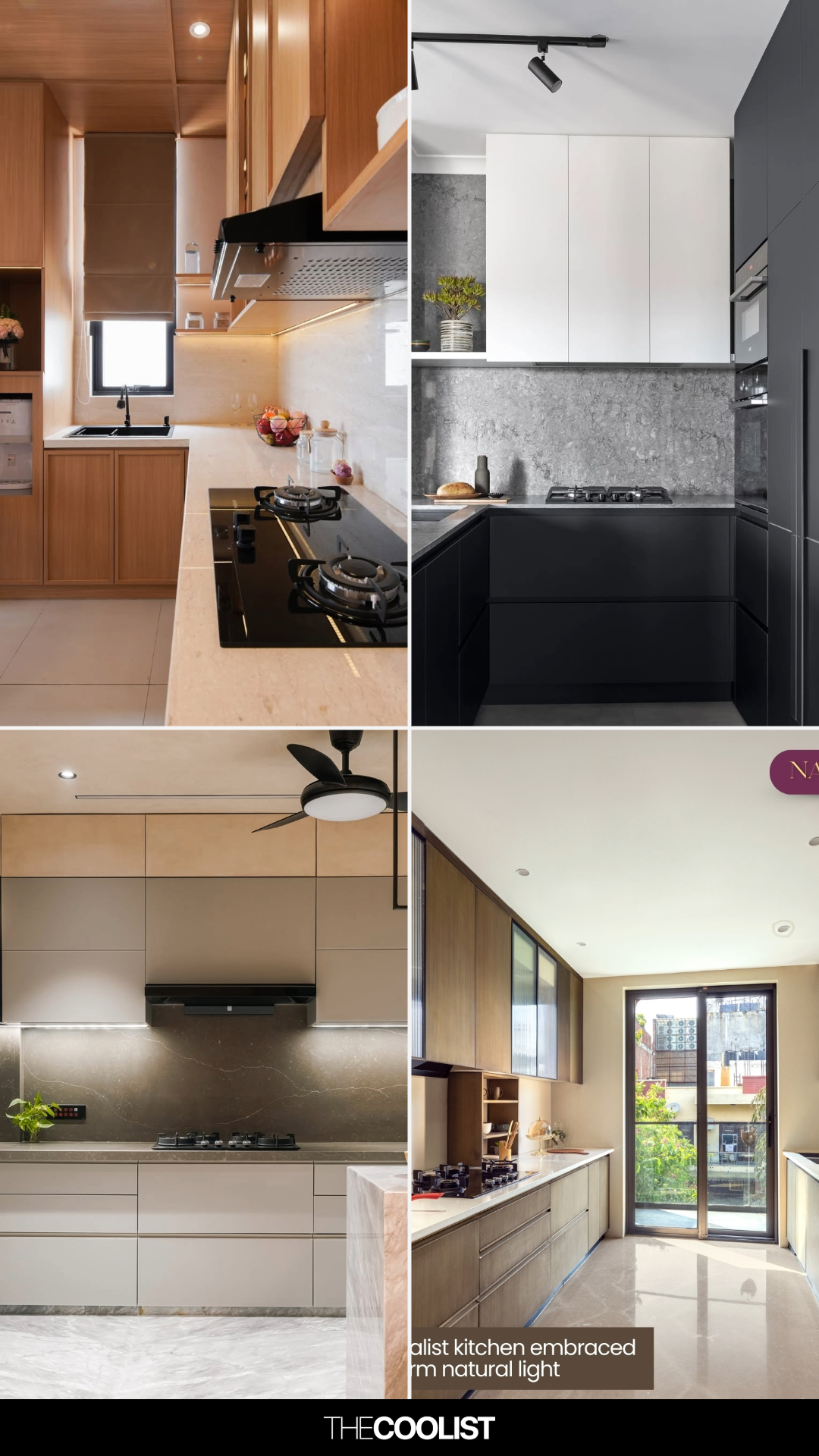
20 Breathtaking Minimalist Kitchen Ideas That Look Million-Dollar Without the Price Tag
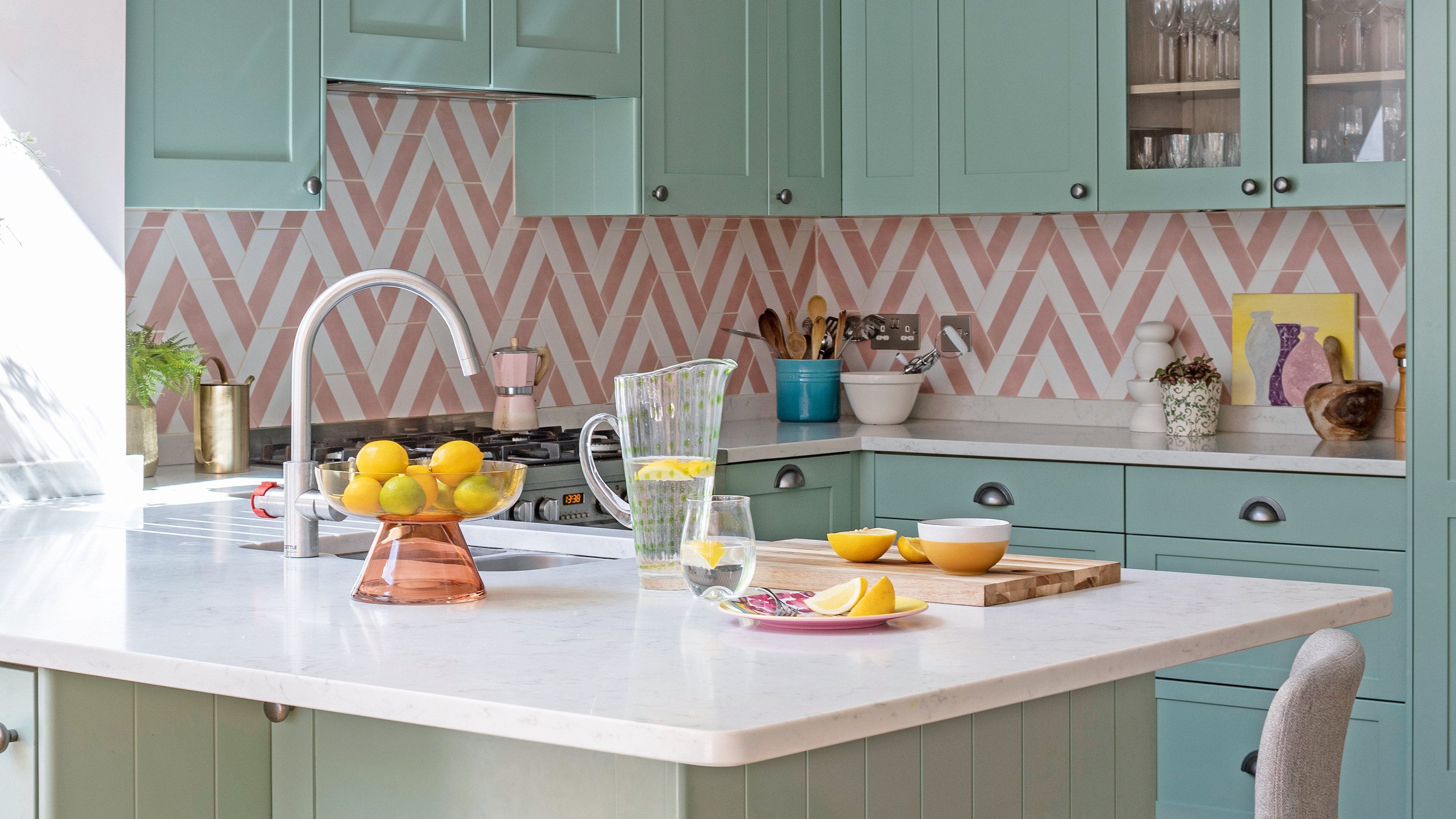
Clever small kitchen layouts that will maximise even the tiniest of spaces
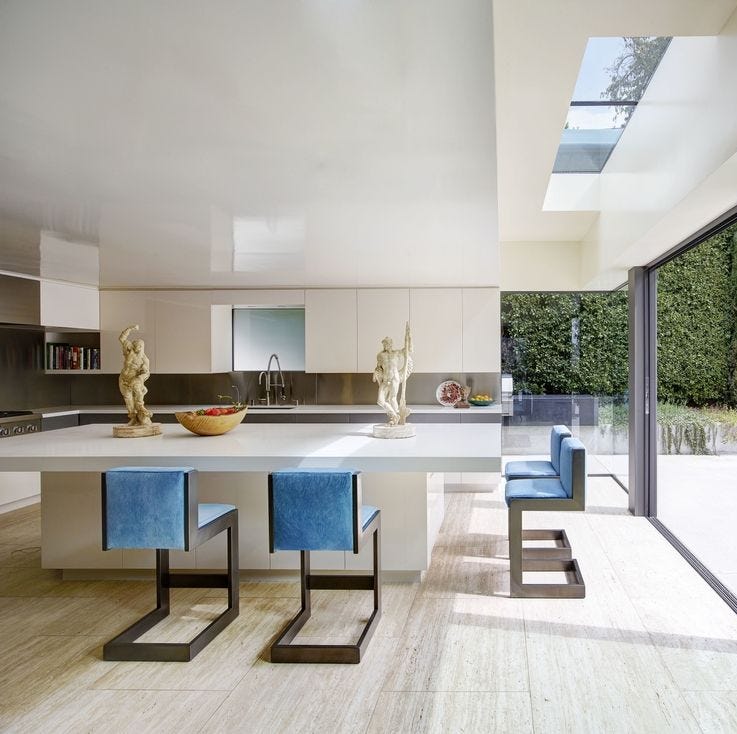
These Minimalist Kitchens Are Super Sexy
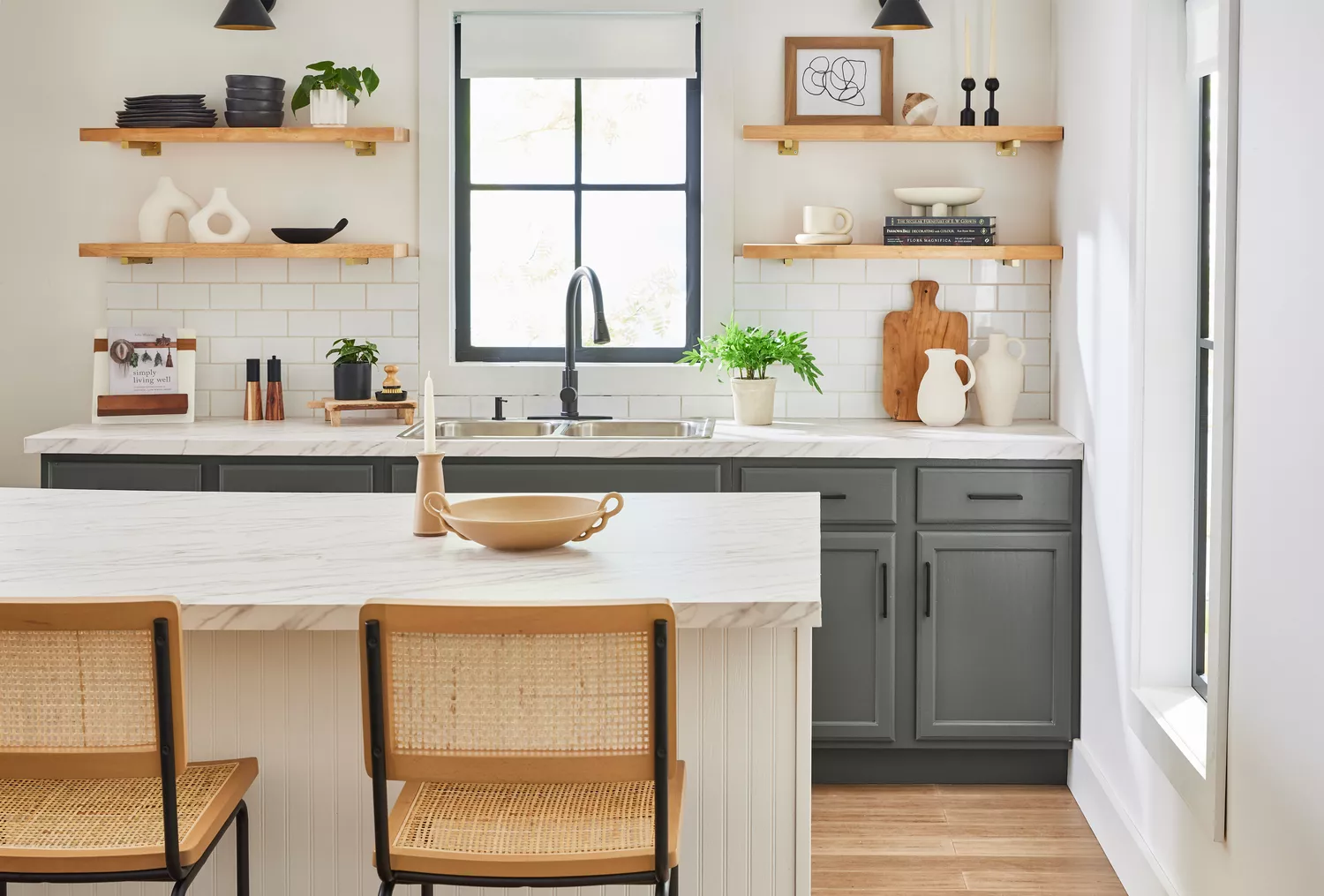
41 Minimalist Kitchens With Maximum Style

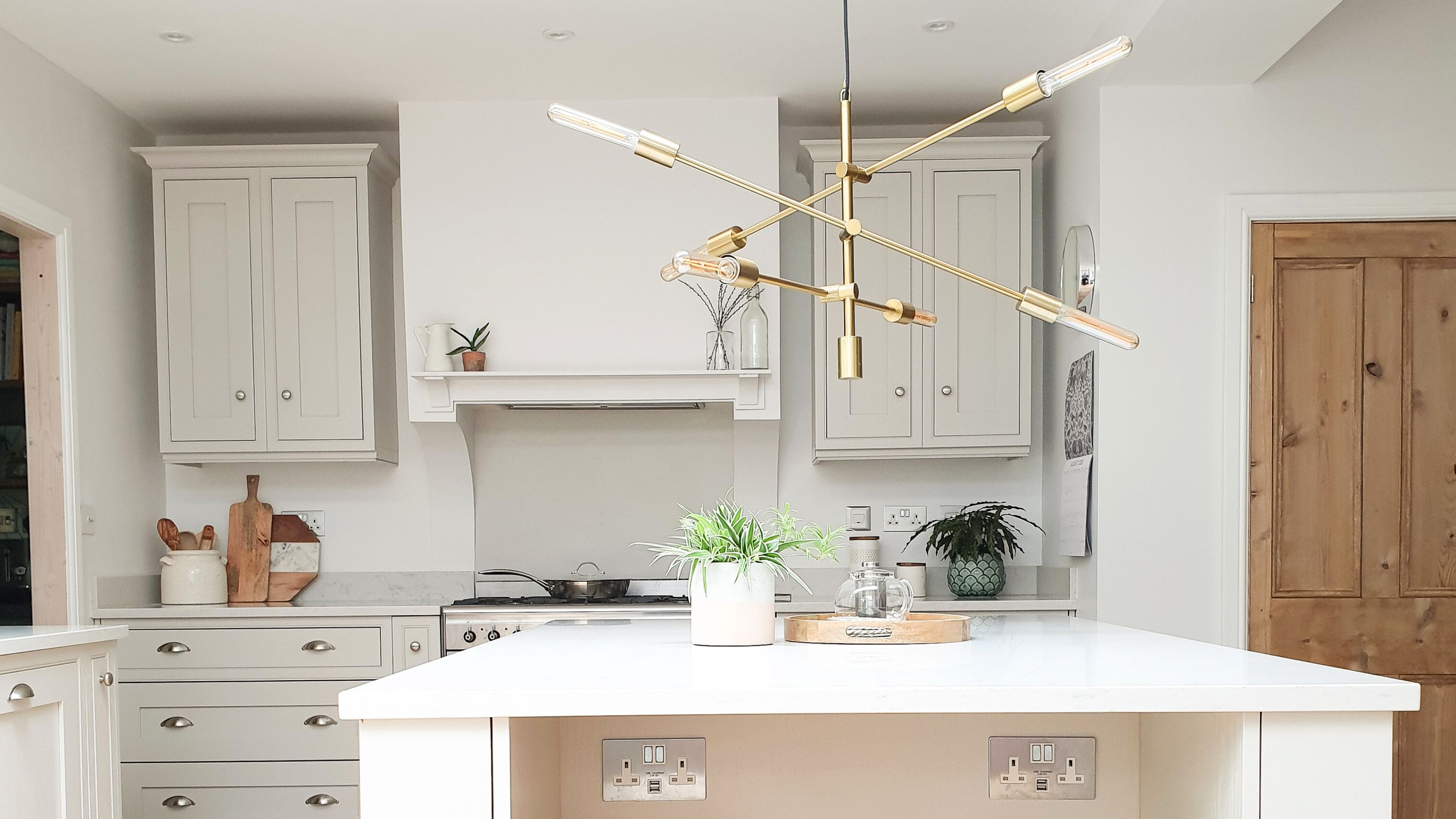
Minimalist kitchen island ideas — 7 ways to create a sleek and serene space

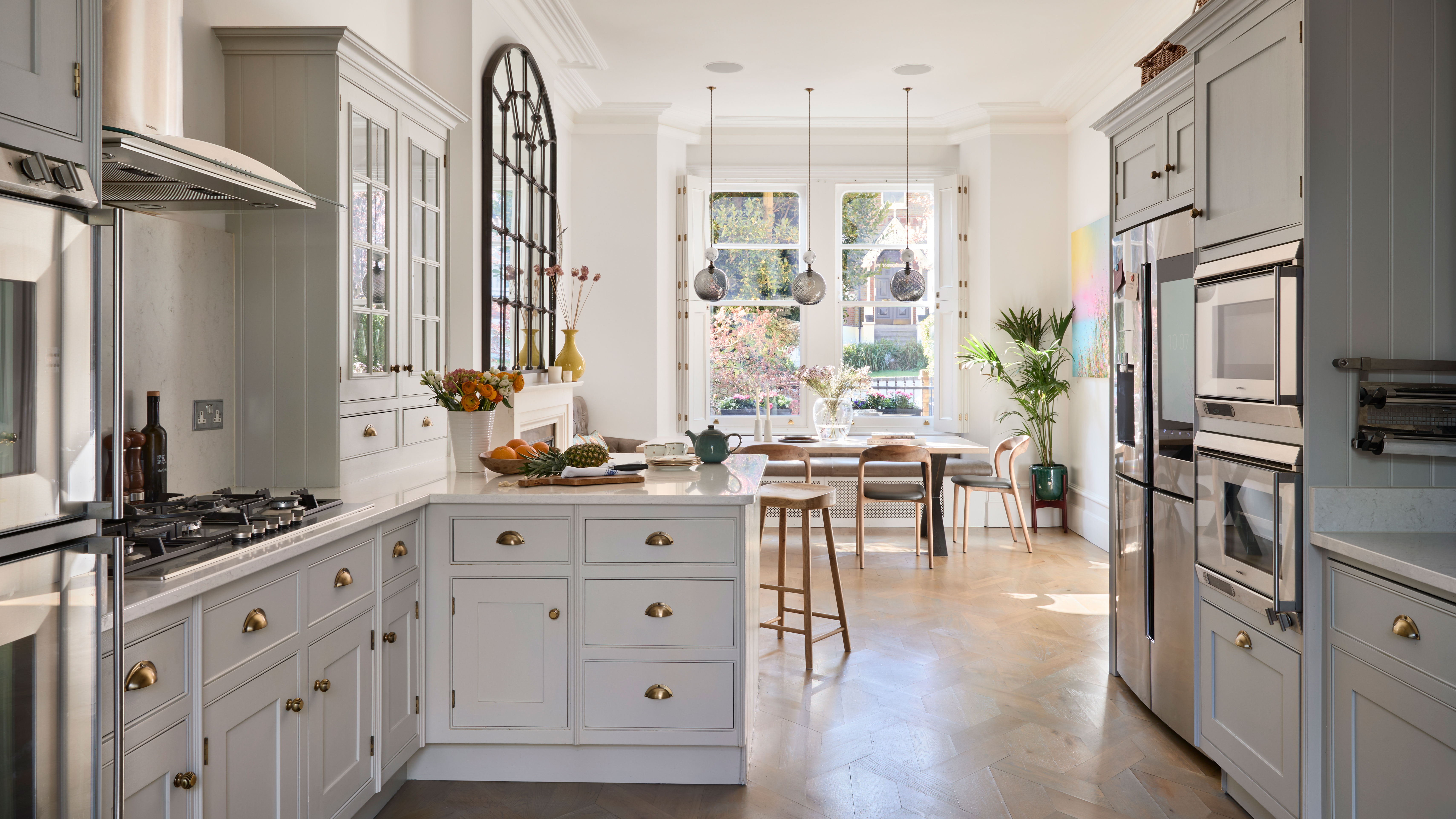
How to make a kitchen more relaxing – 12 designer tips to create a zen-like space
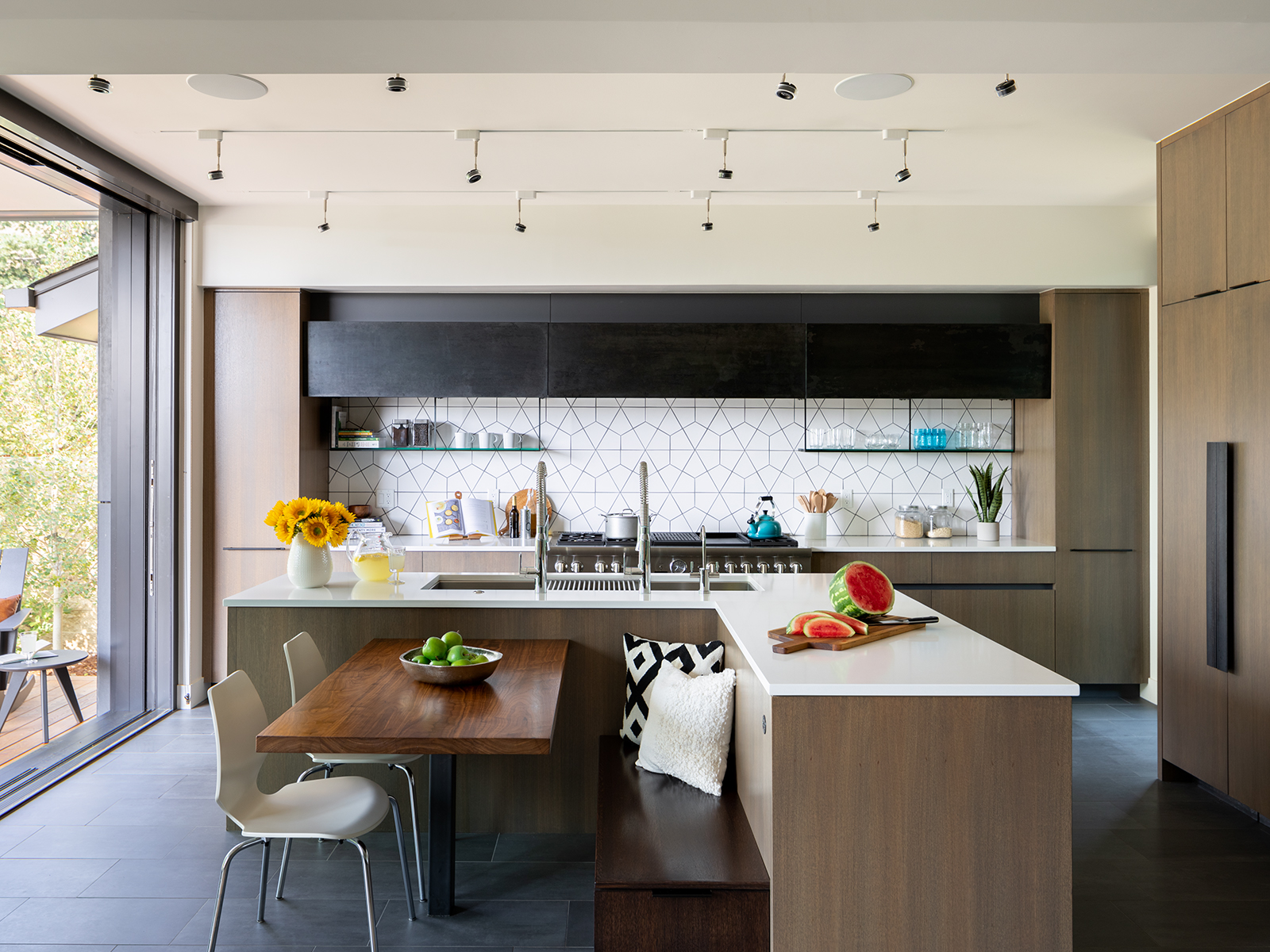
5 (Fresh!) Tips for a Minimalist Kitchen

How to create a Japandi kitchen – 6 design ideas to nail this simple-yet-soothing look
5 homes that bring serene Japanese-inspired design to life
These Smart Small Kitchen Ideas Prove Size Isn't Everything

How to create a Japandi kitchen: 10 simple ways to style this serene, on-trend look

Eight minimalist kitchens where materials provide the decoration
6 things to get rid of from your kitchen today so that you can embrace a more minimalist way of living
36 Serene Japandi Kitchens That Could Make Any Cooking Task a Breeze