1/7
How to create a Japandi kitchen – 6 design ideas to nail this simple-yet-soothing look
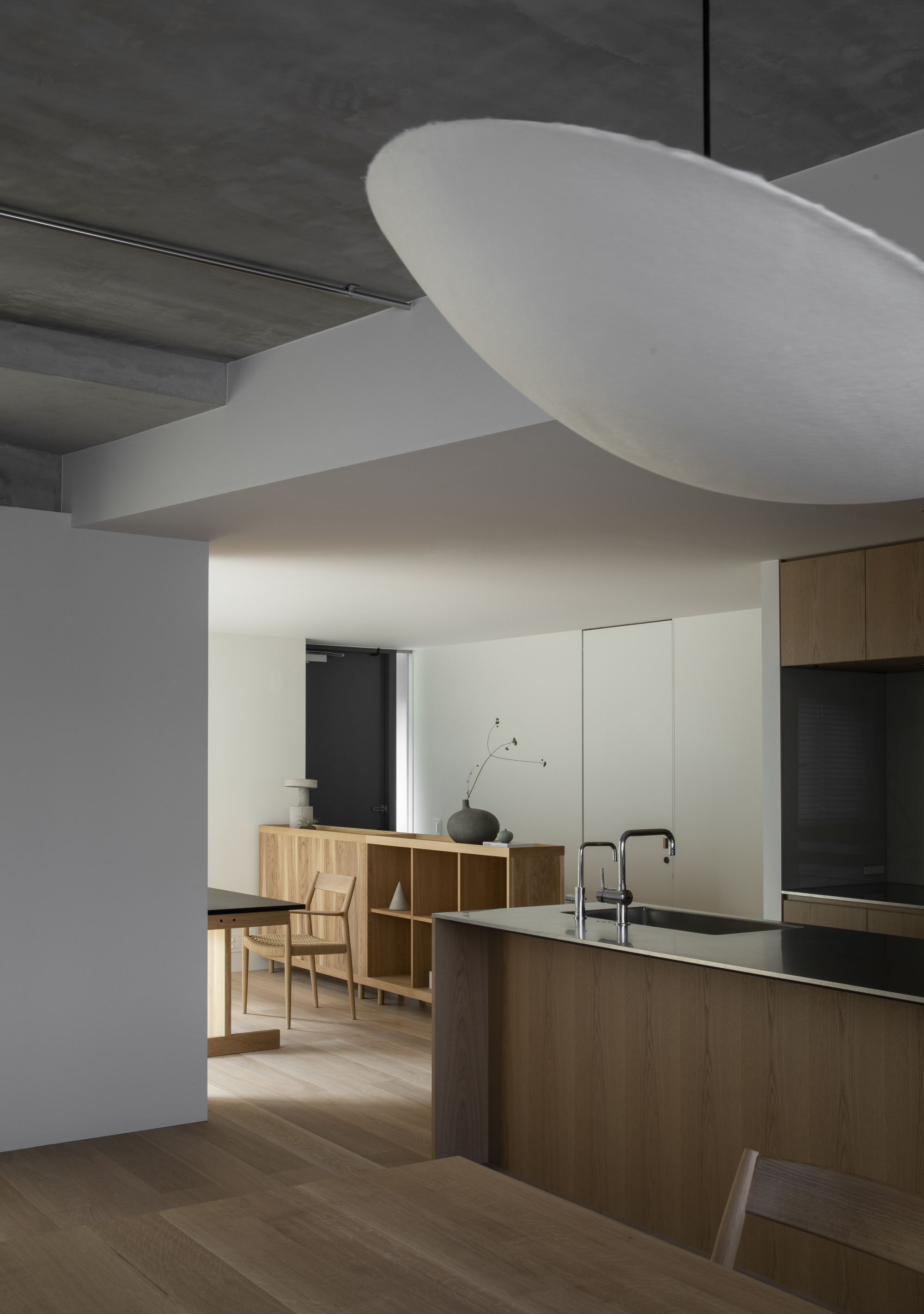
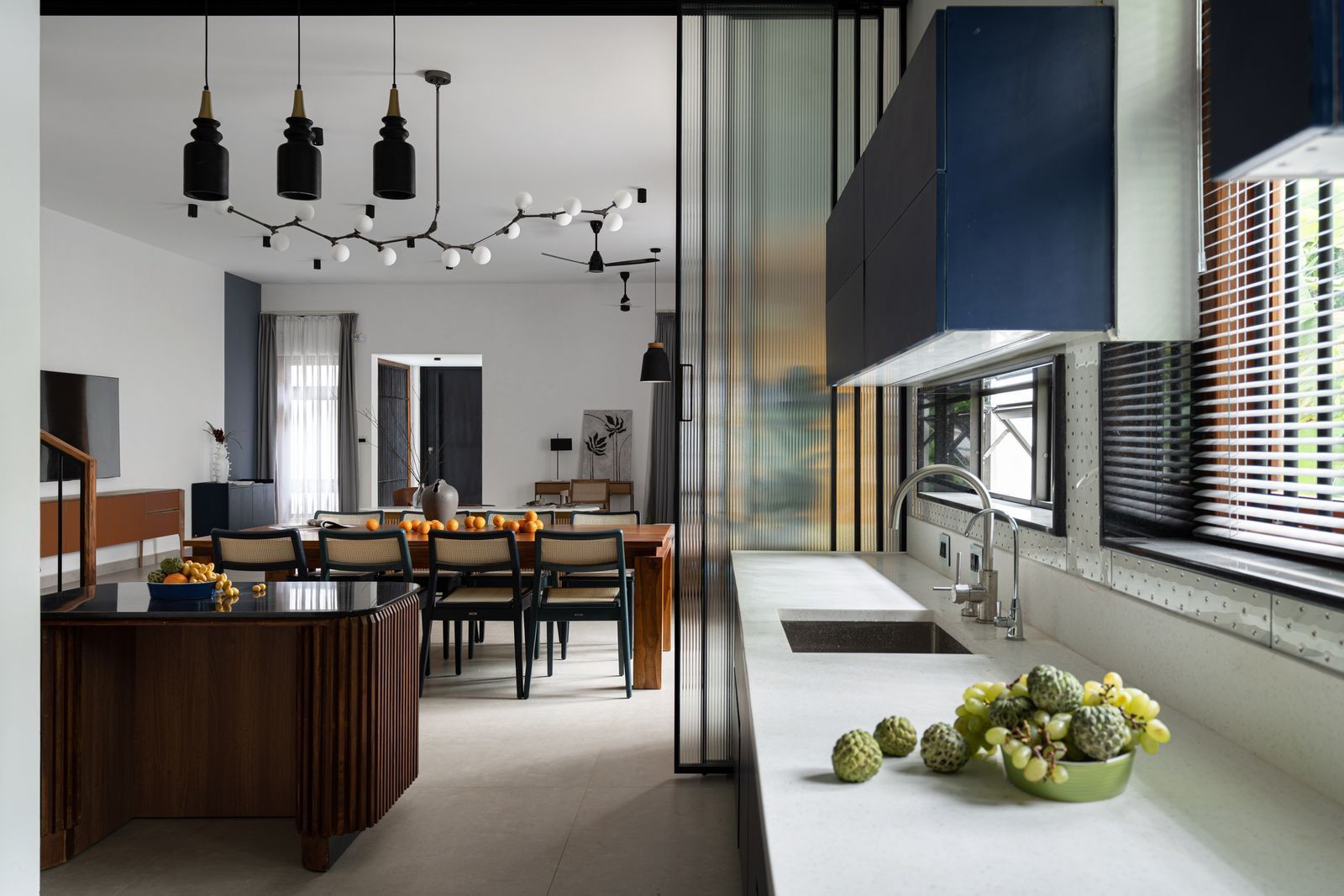
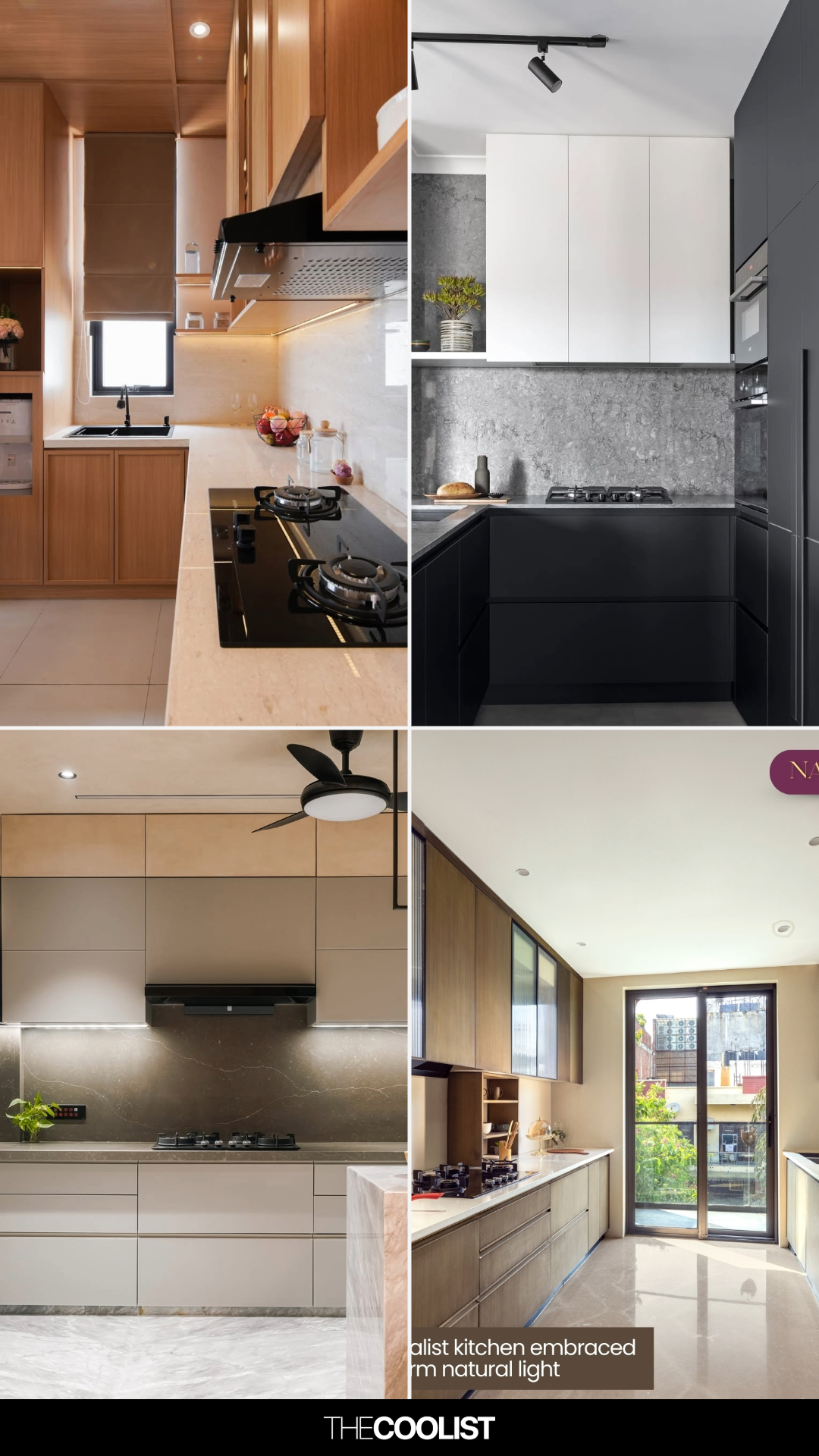
The Japandi kitchen aesthetic, a blend of Japanese and Scandinavian interior styles, offers a harmonious, functional, and calming approach to kitchen design. This fusion prioritizes clean lines, neutral color palettes, natural materials, and a strong connection to the outdoors. The style aims for a simple, yet soothing space, creating a zen-like tranquility in the home.
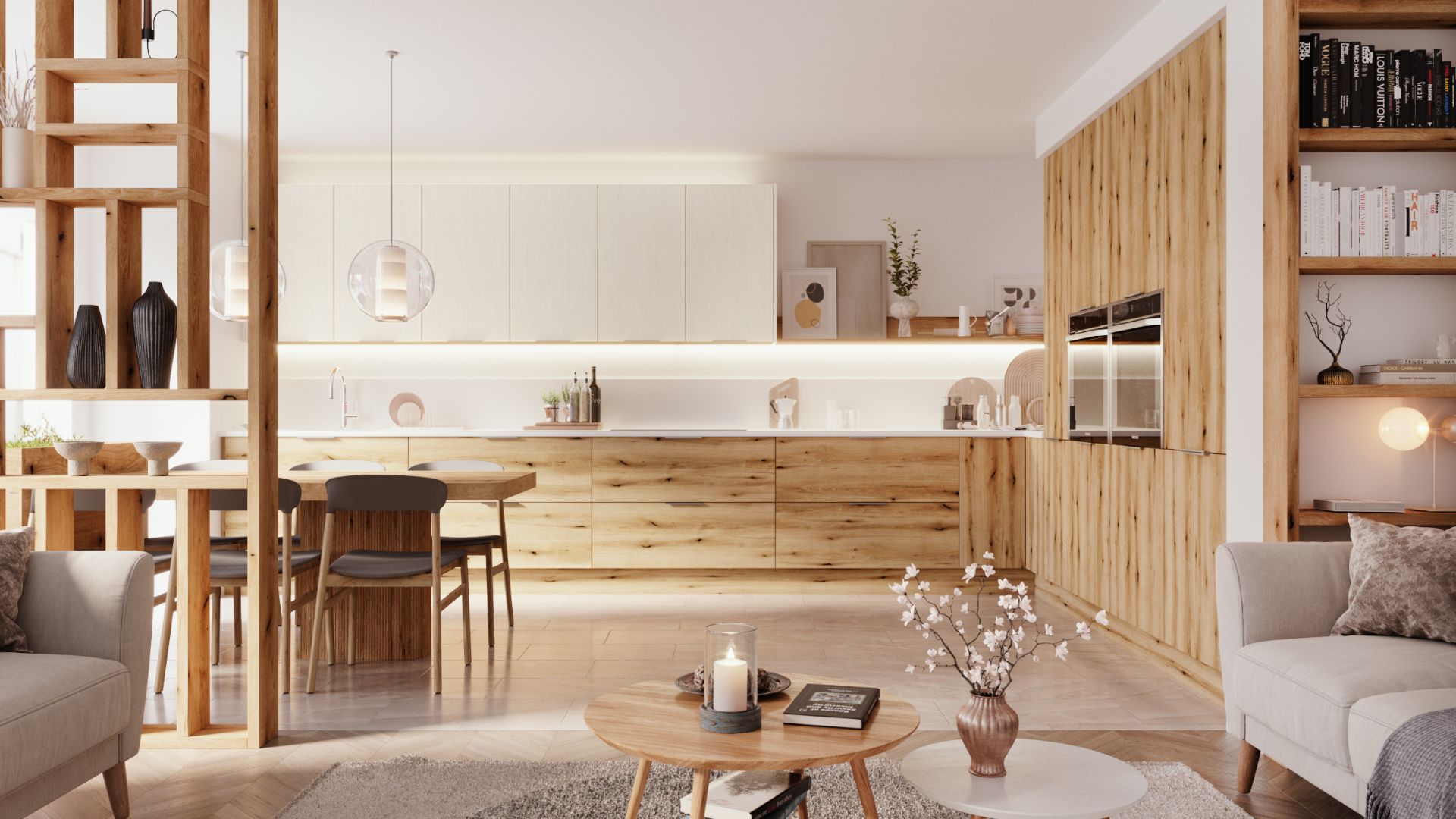
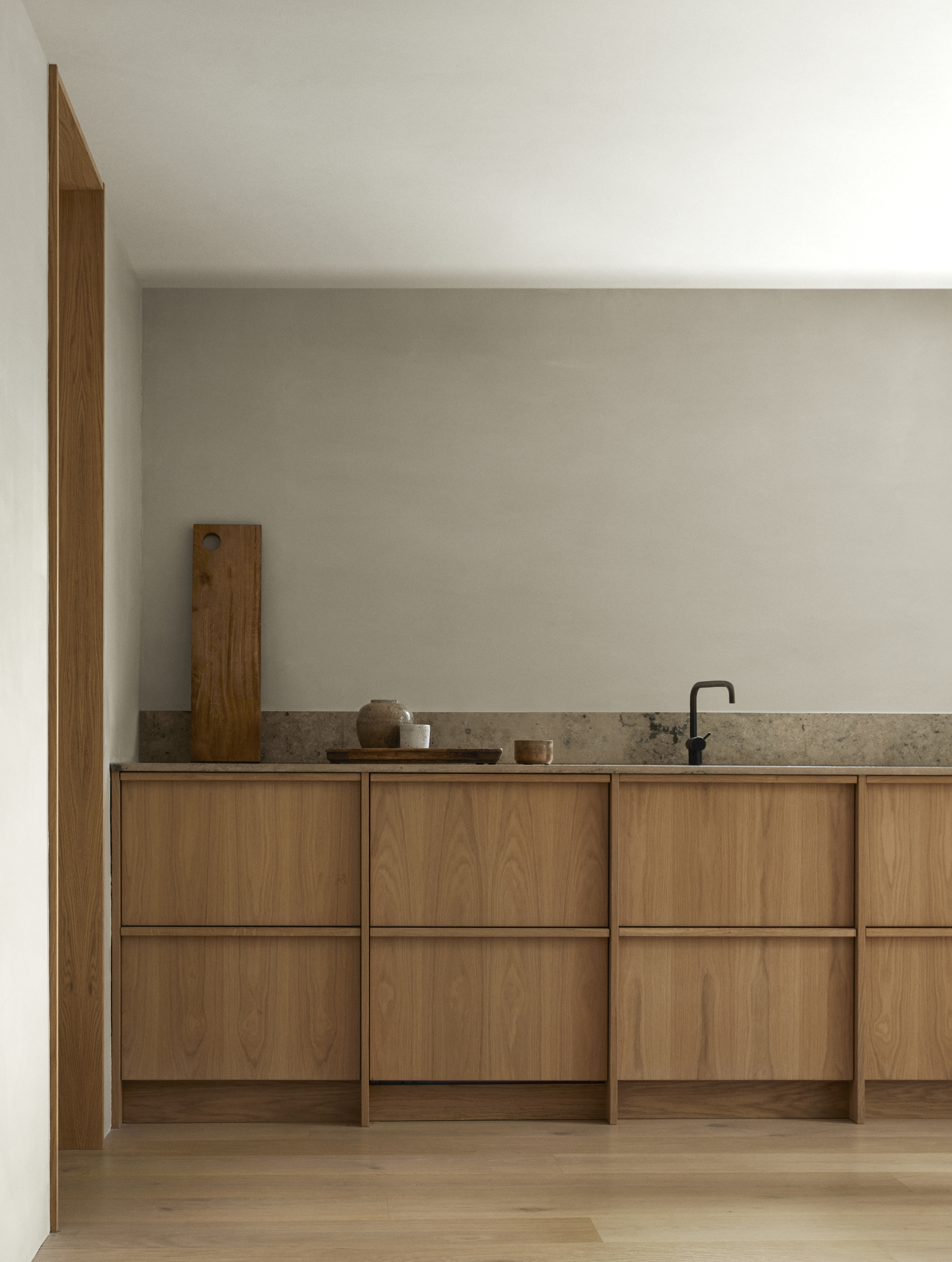
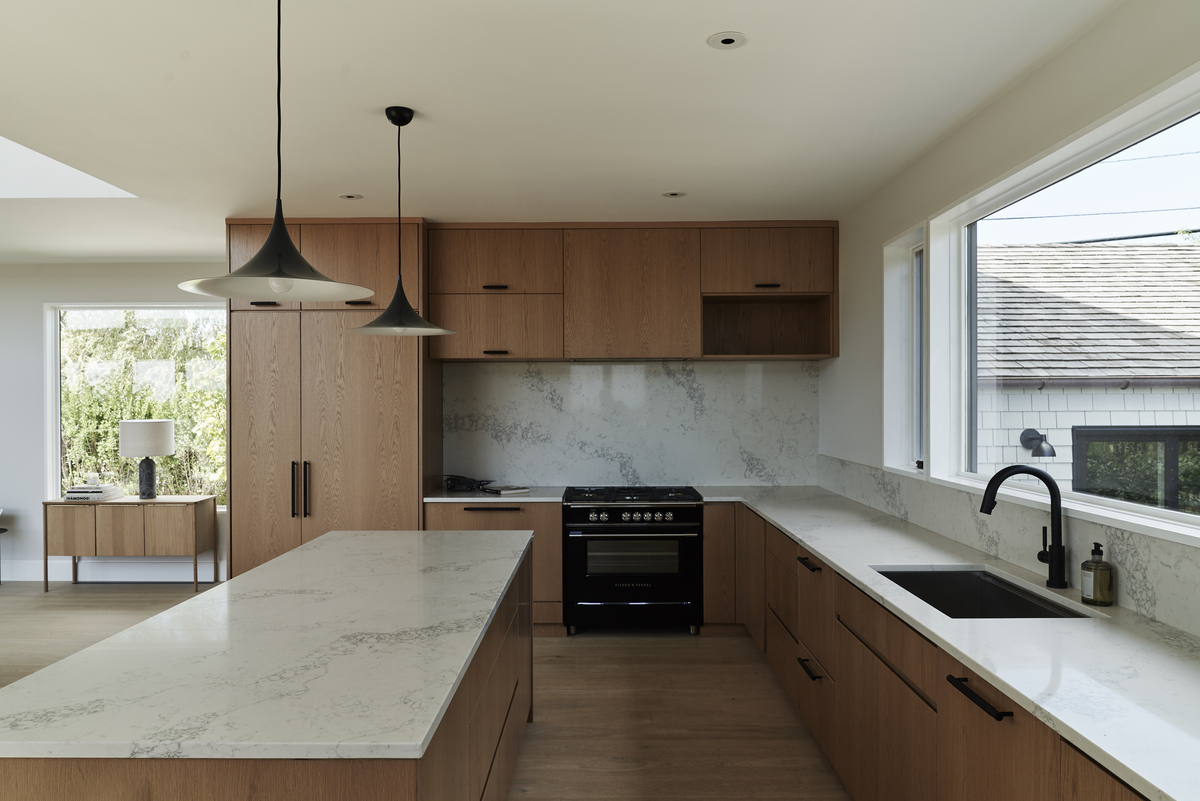
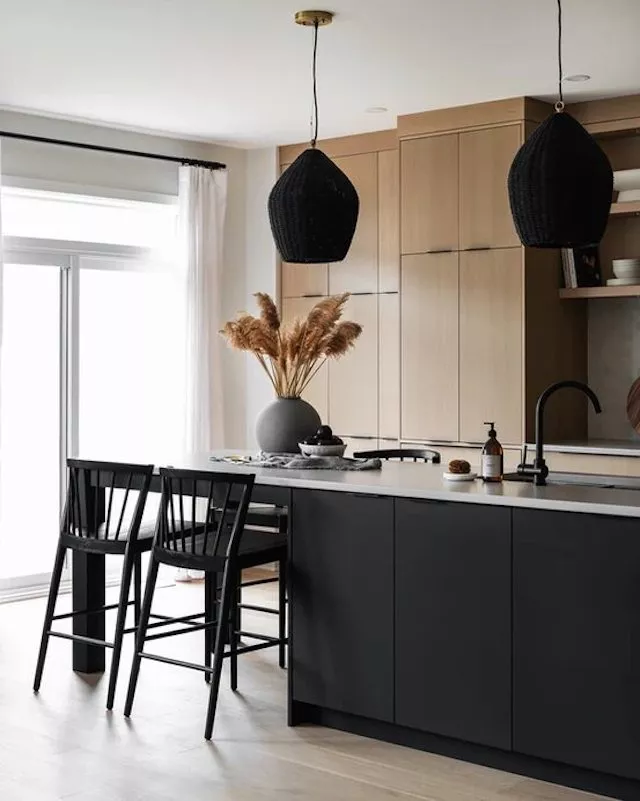
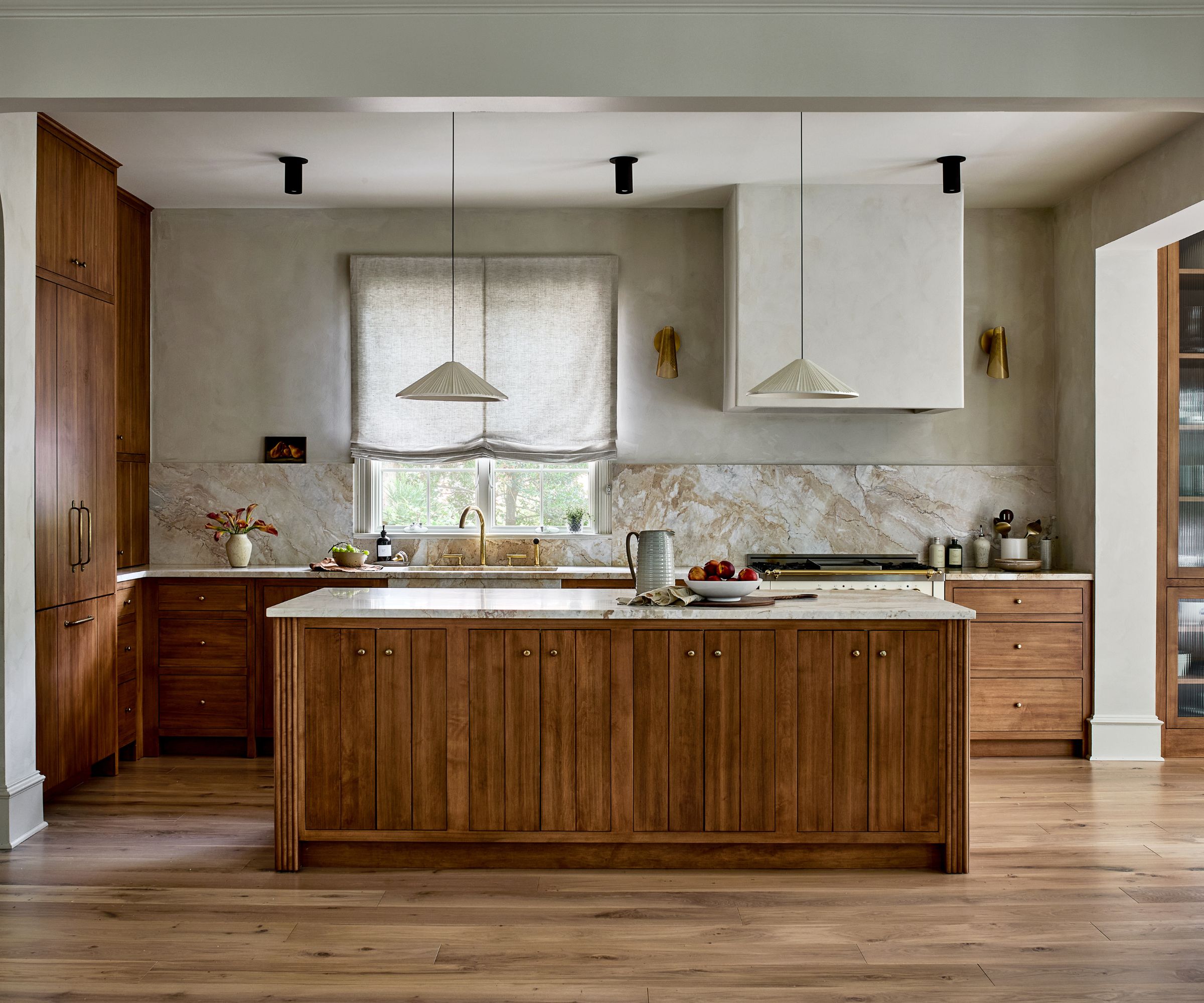
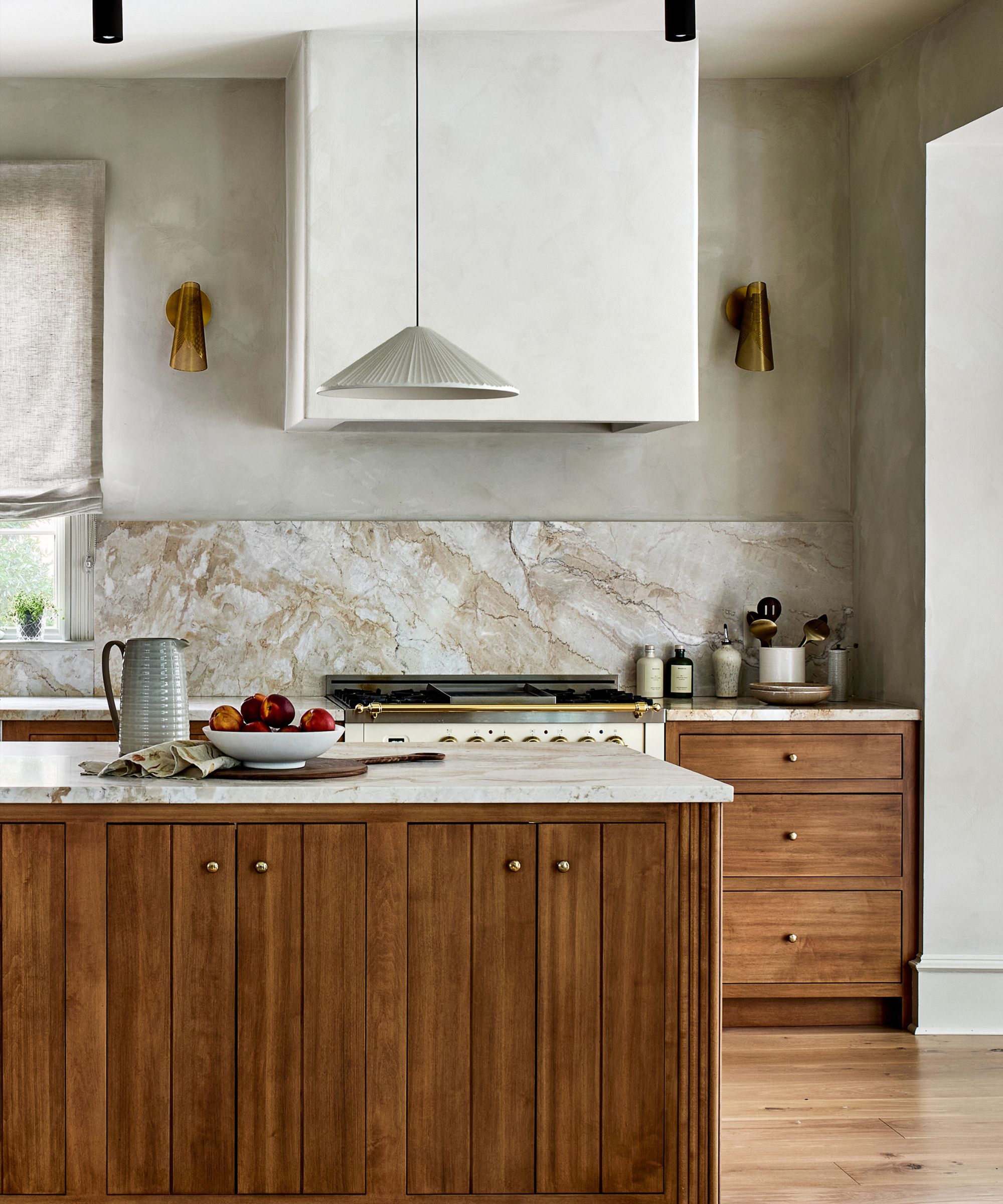
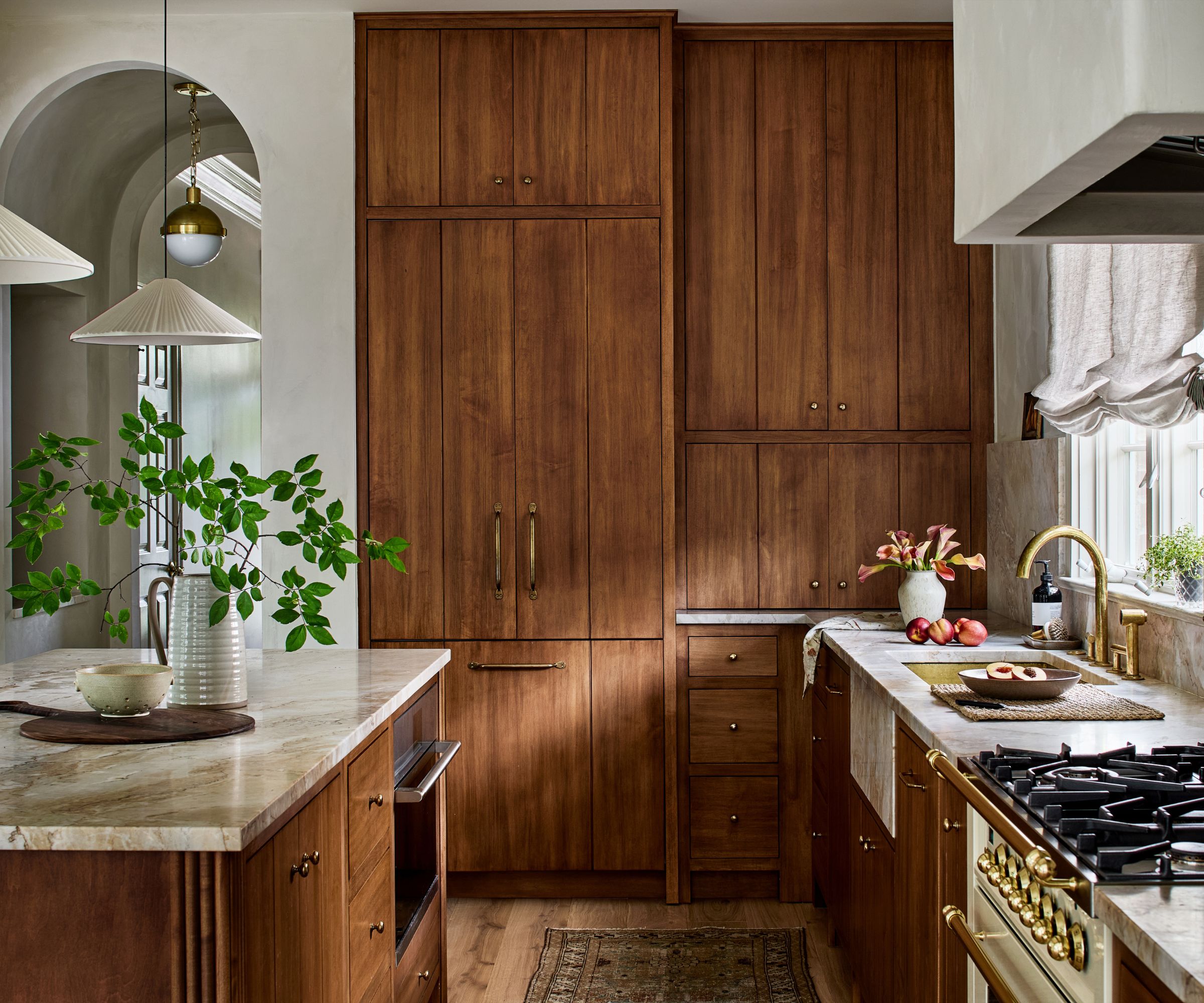
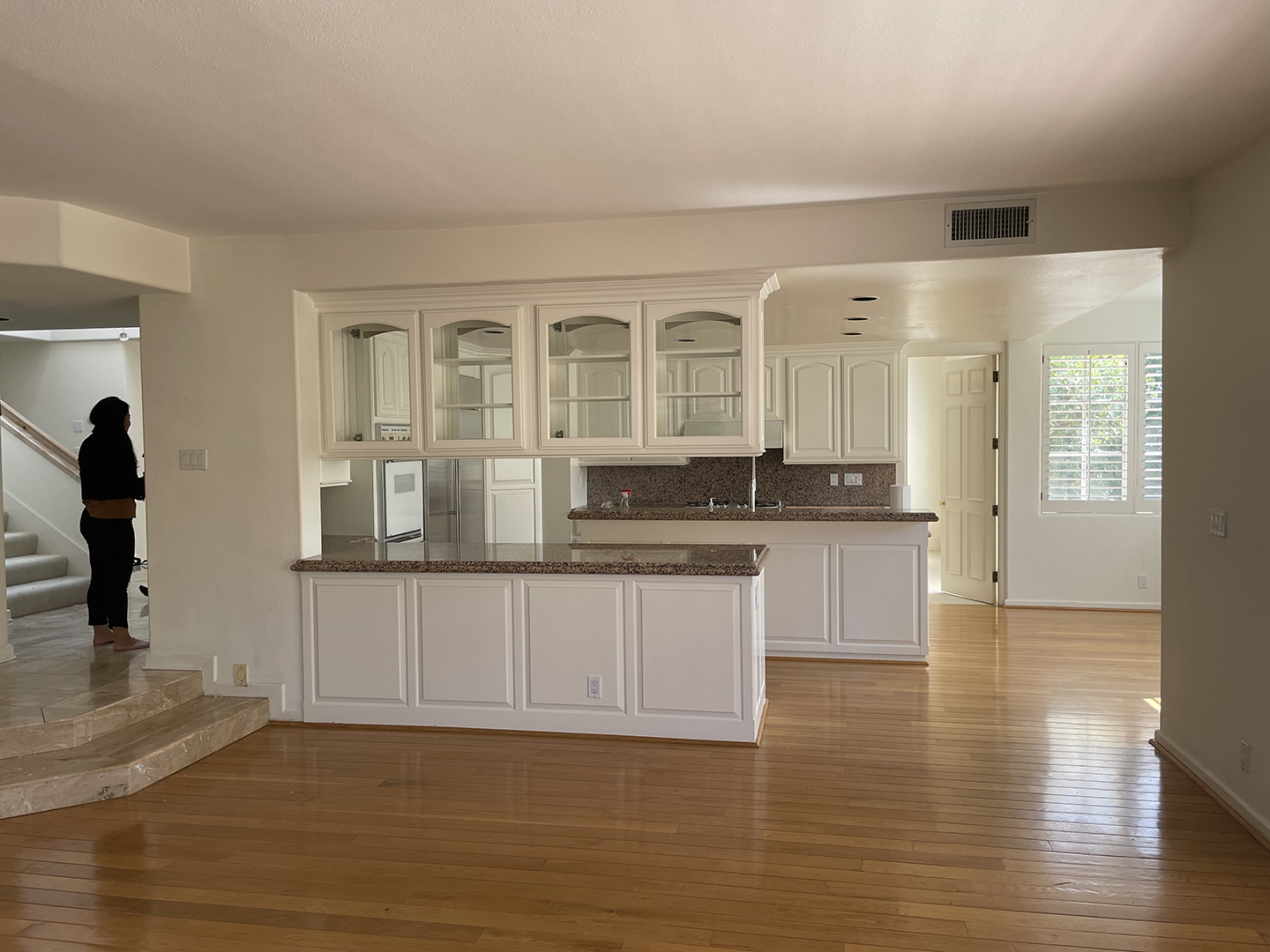
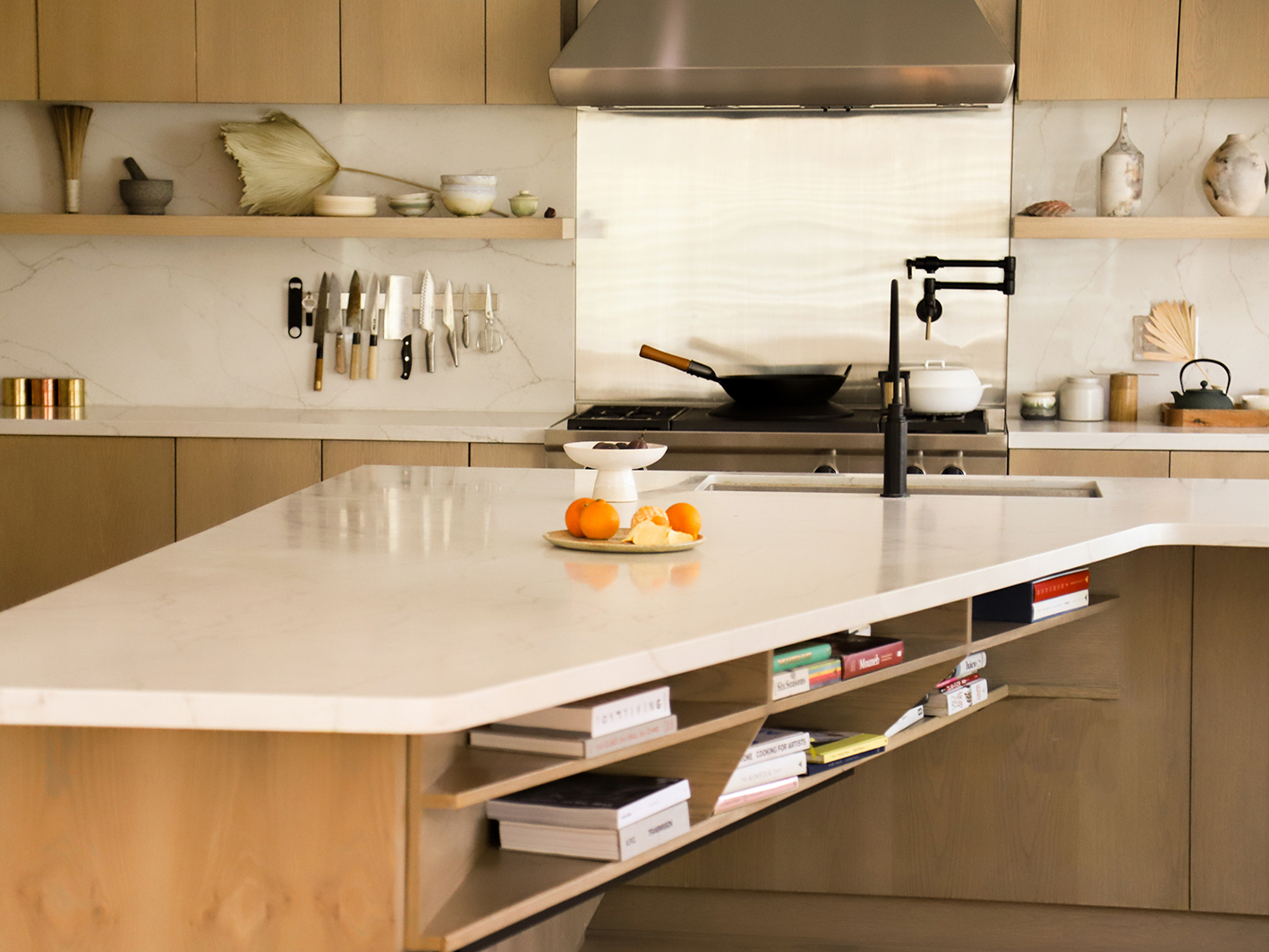
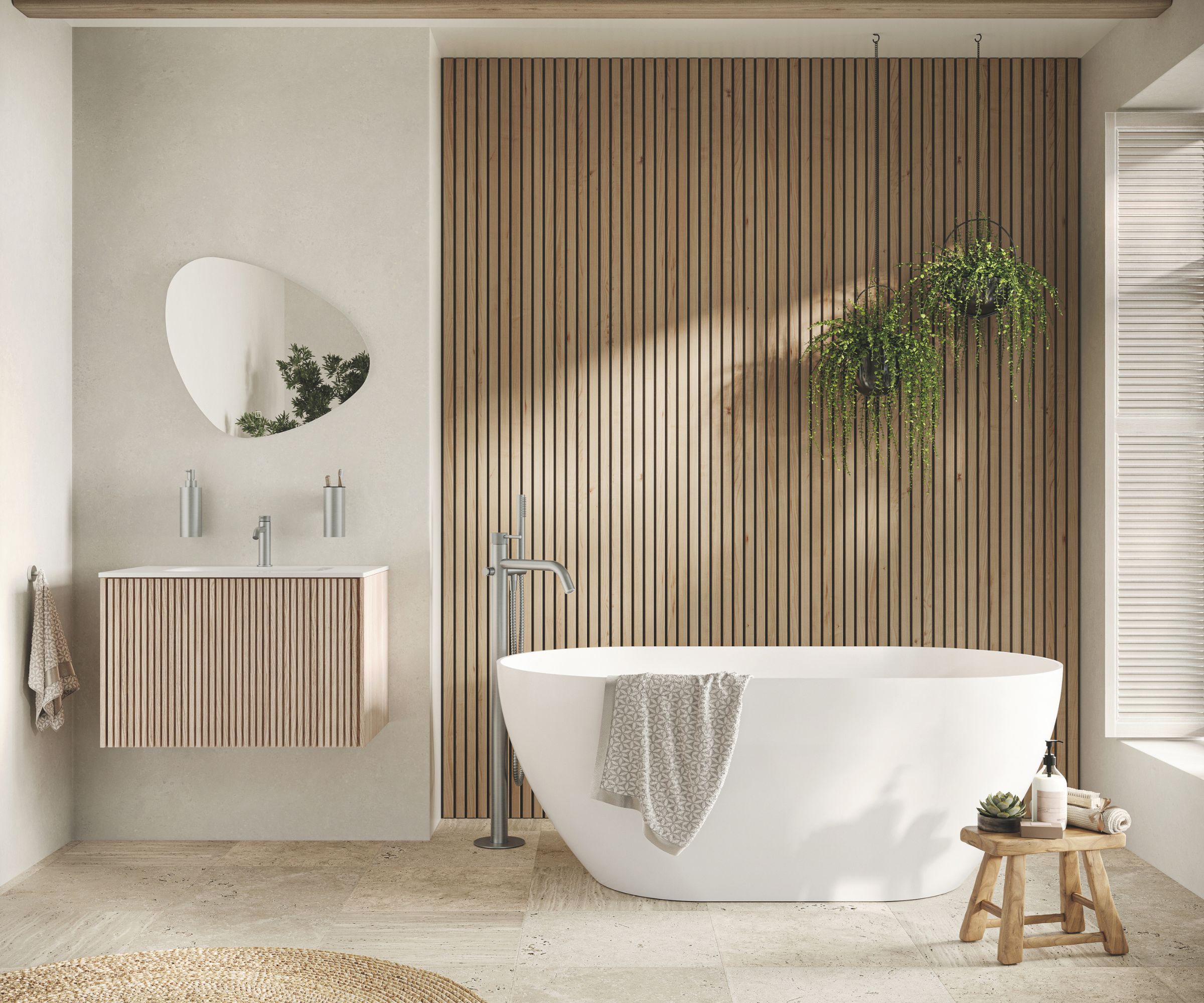
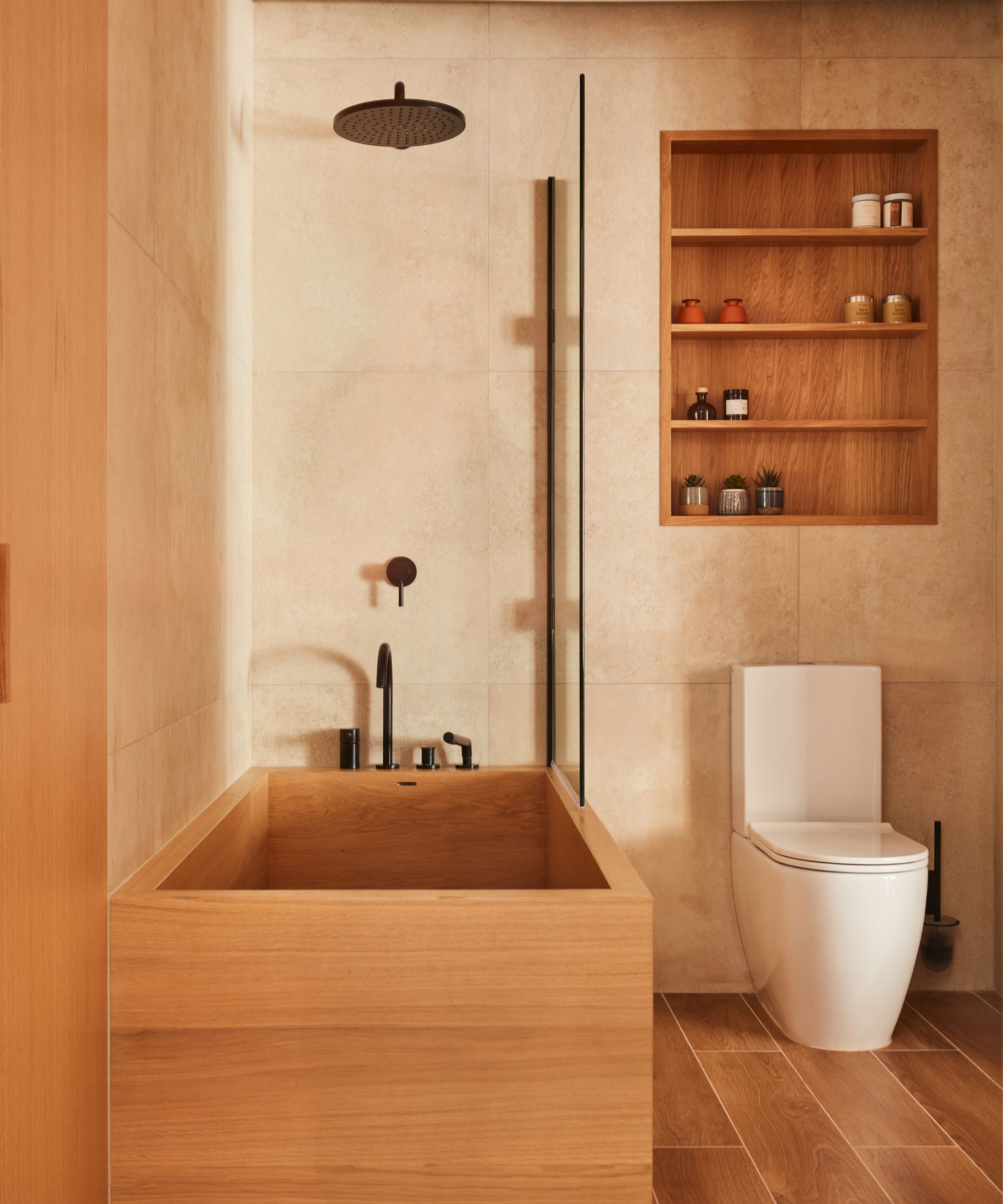
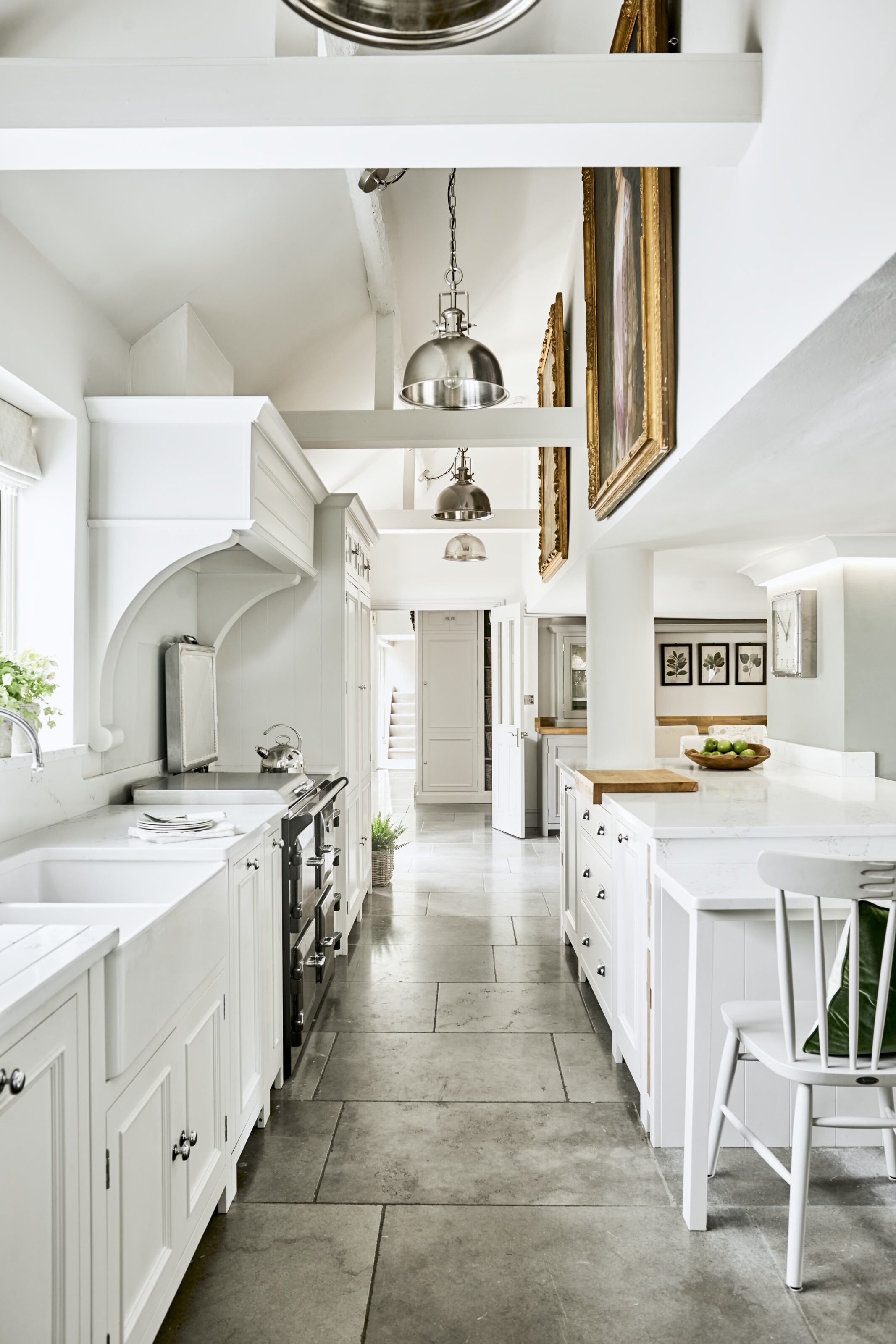
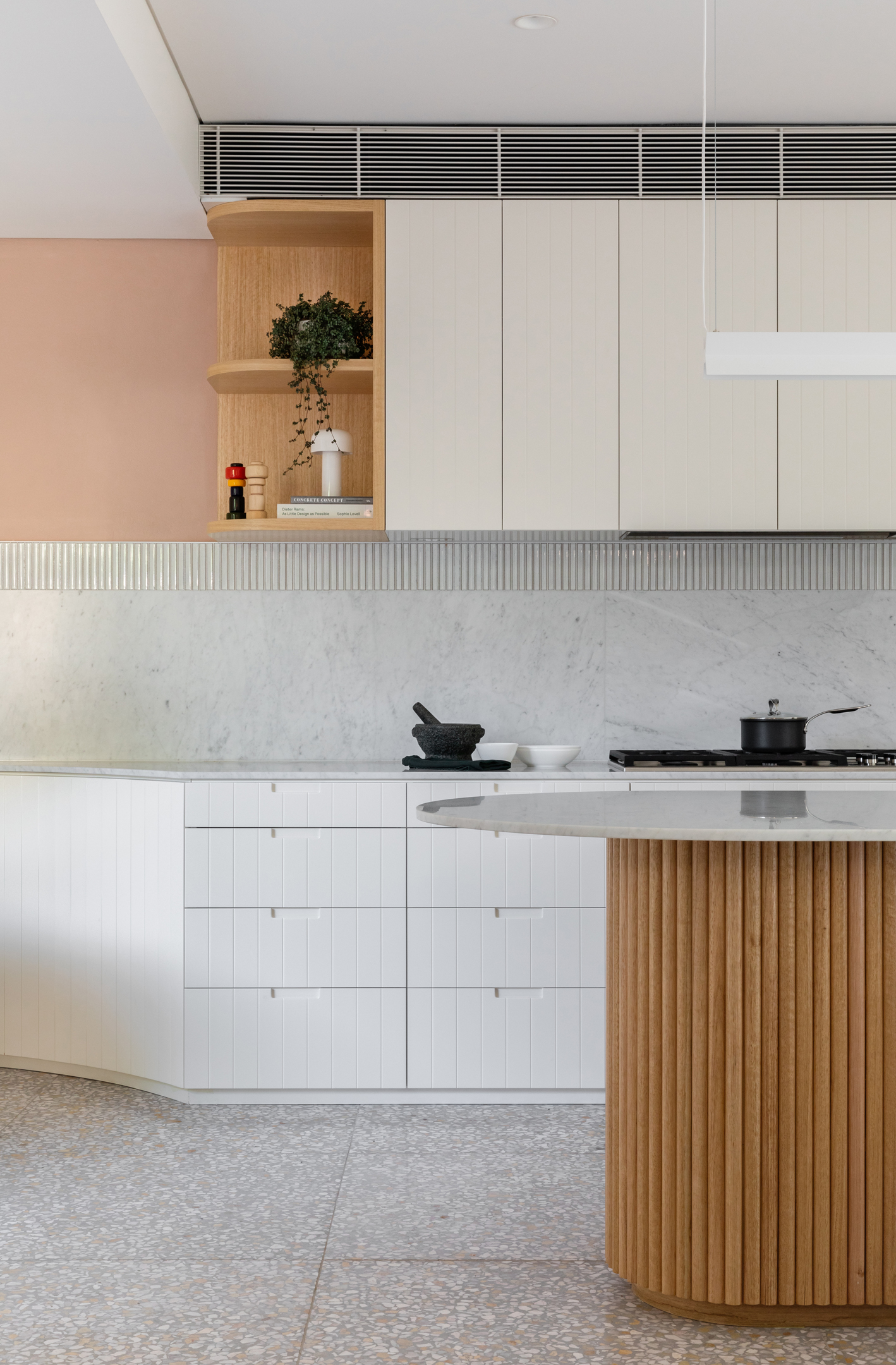
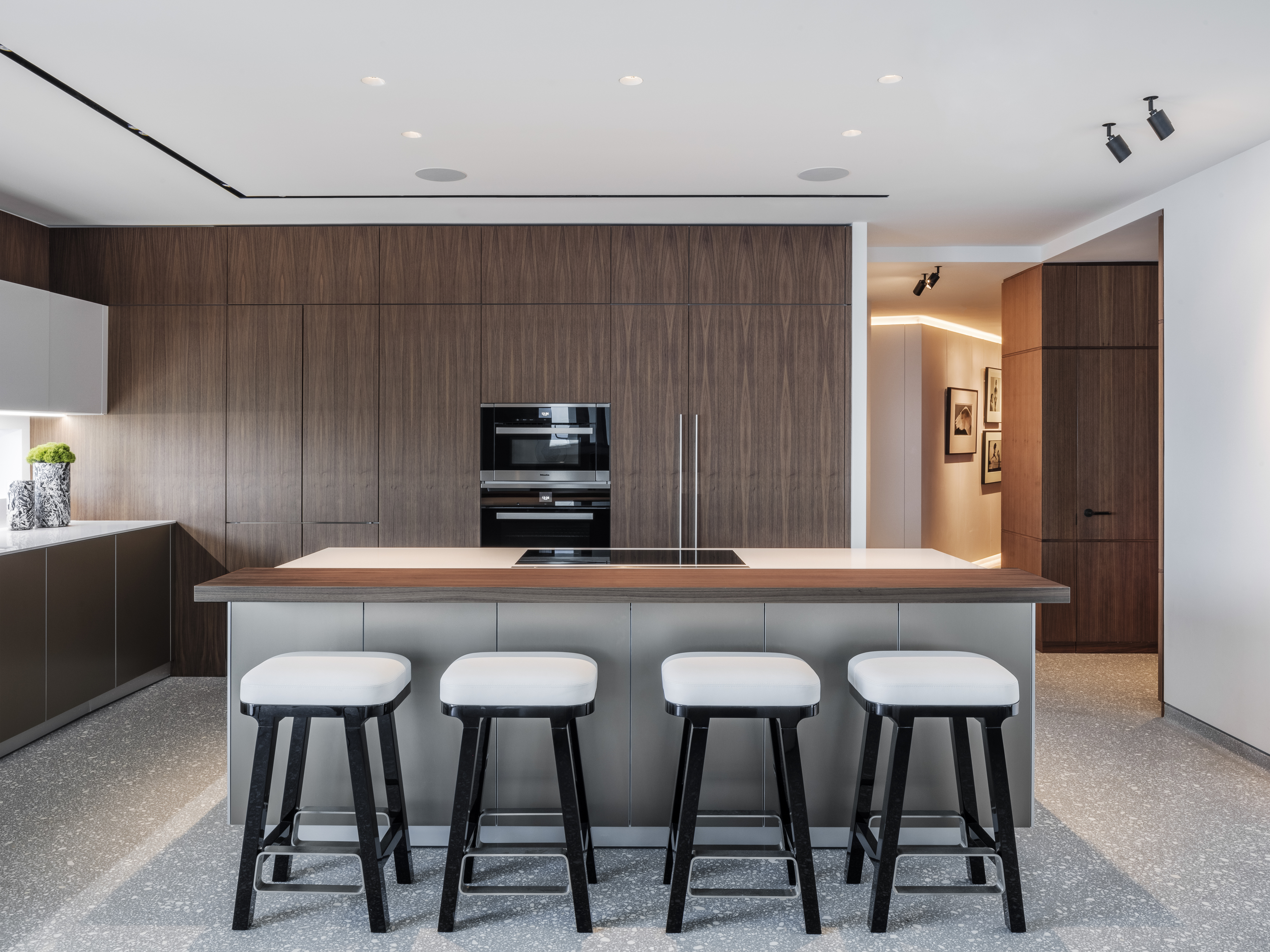
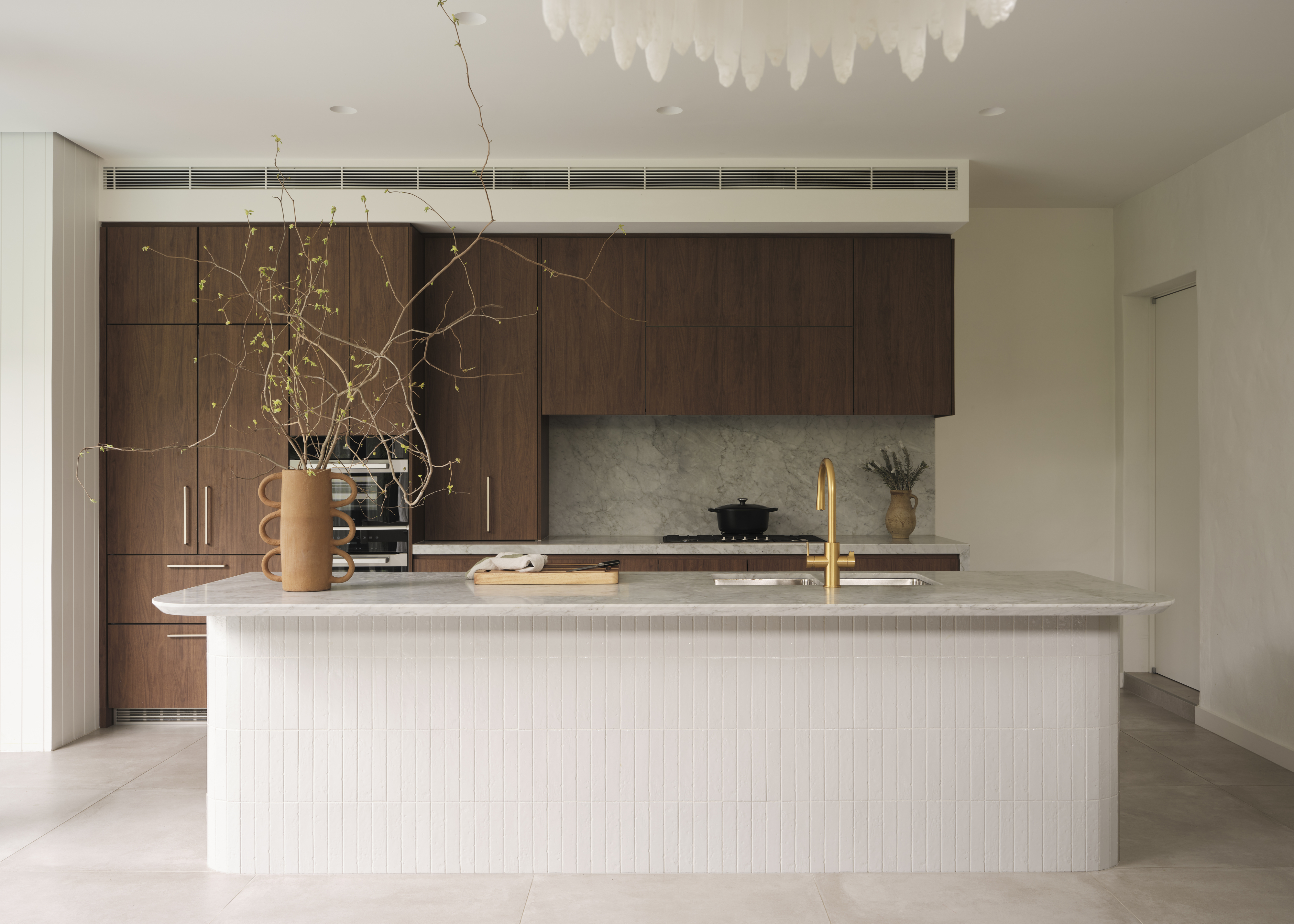
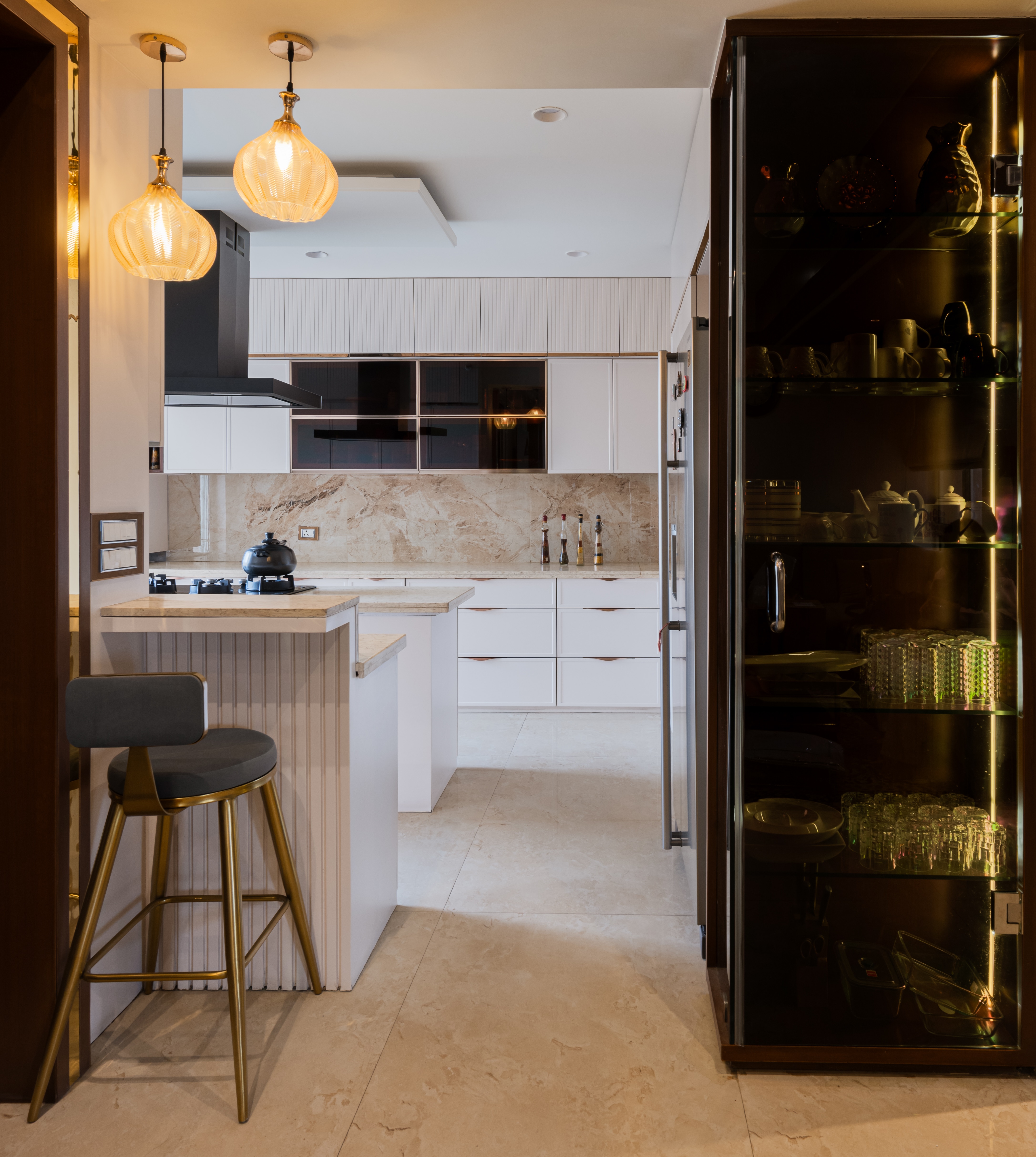
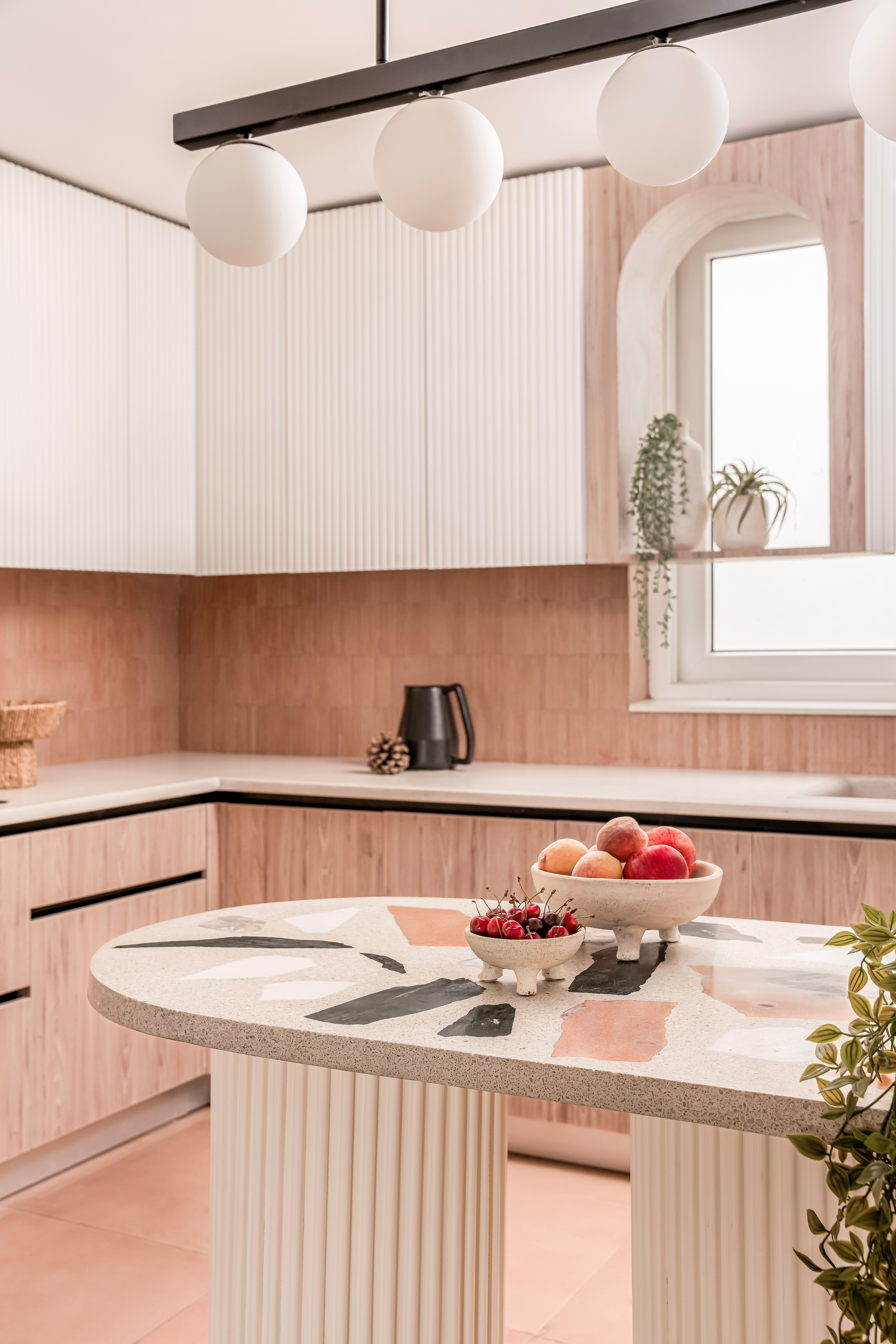
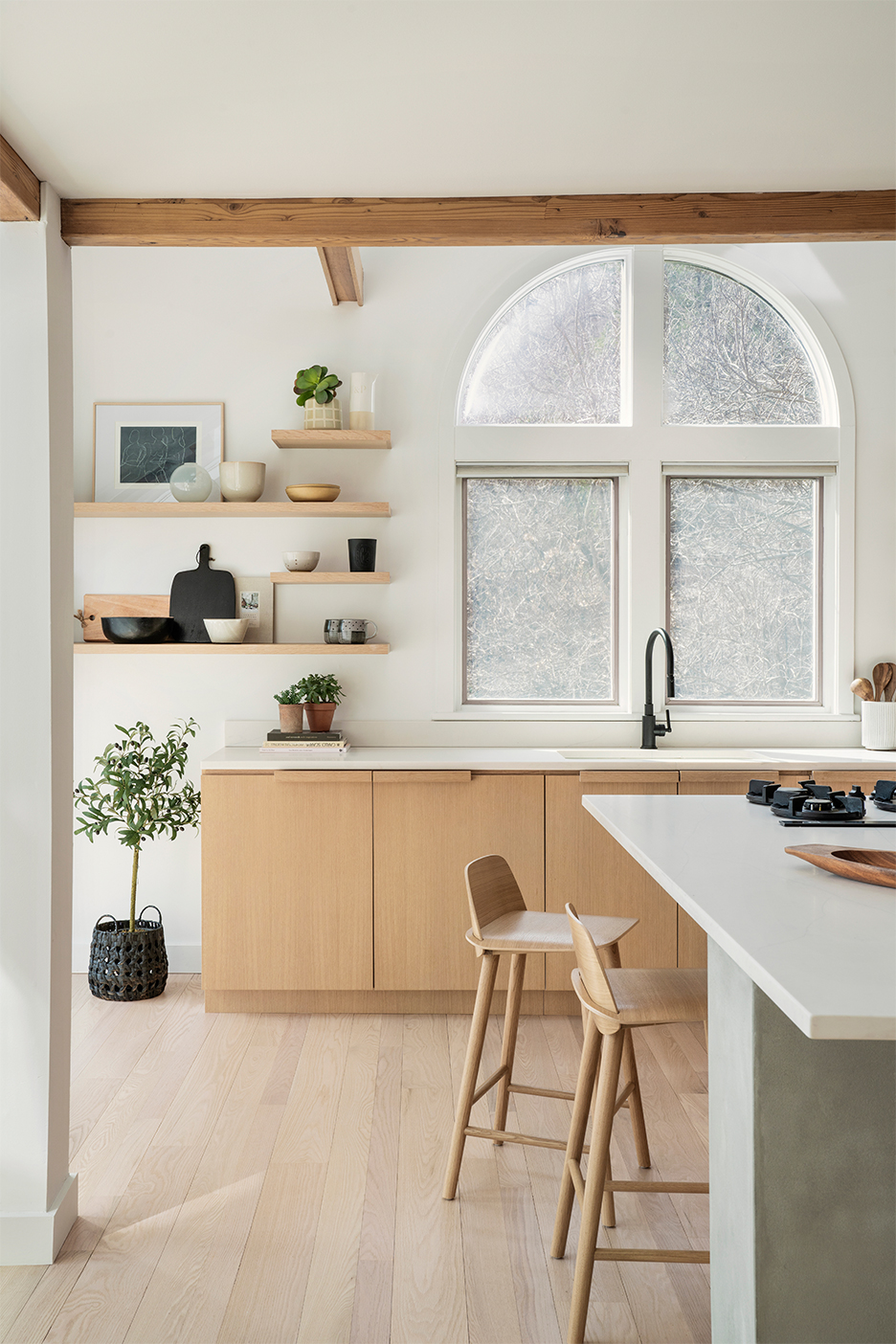
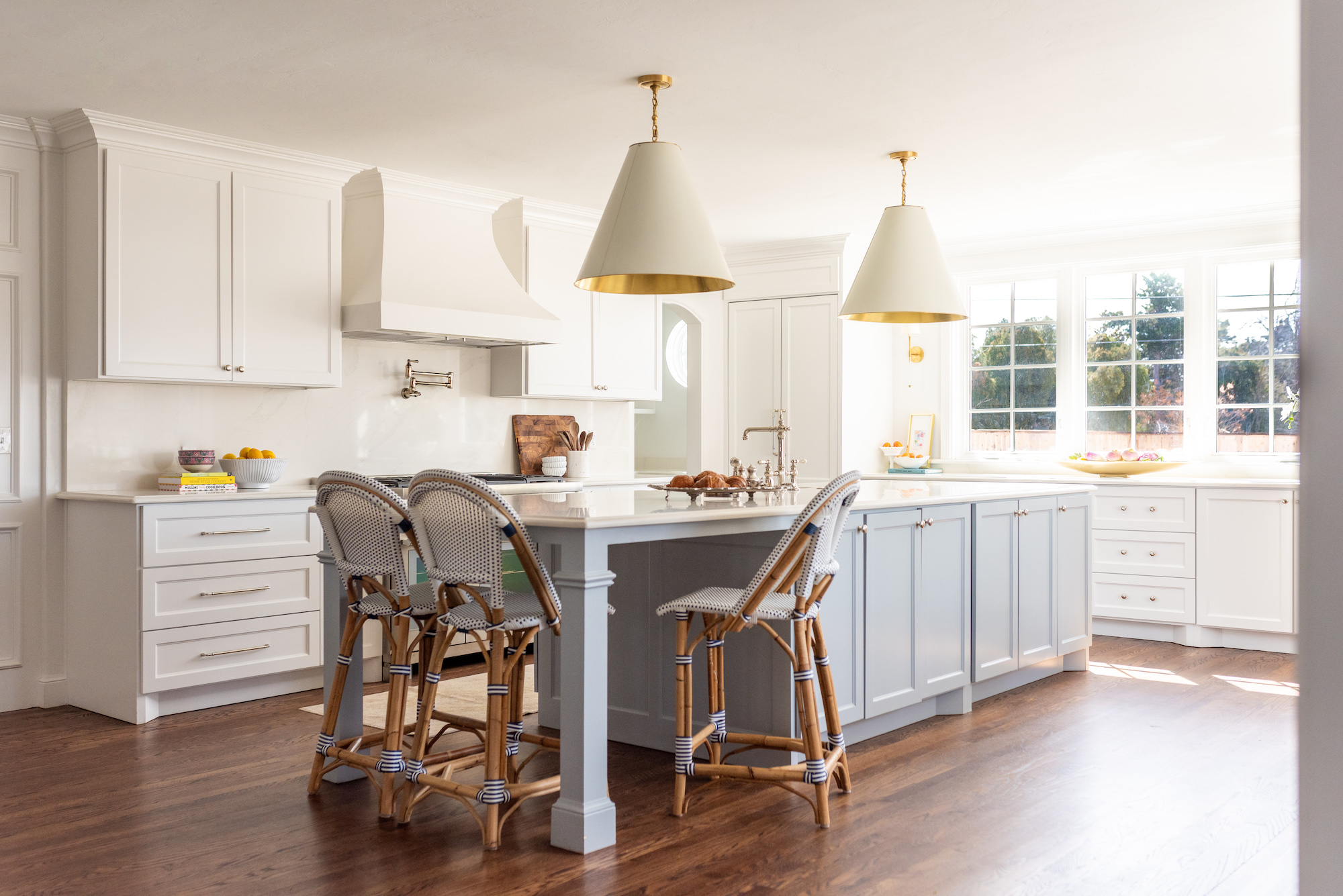
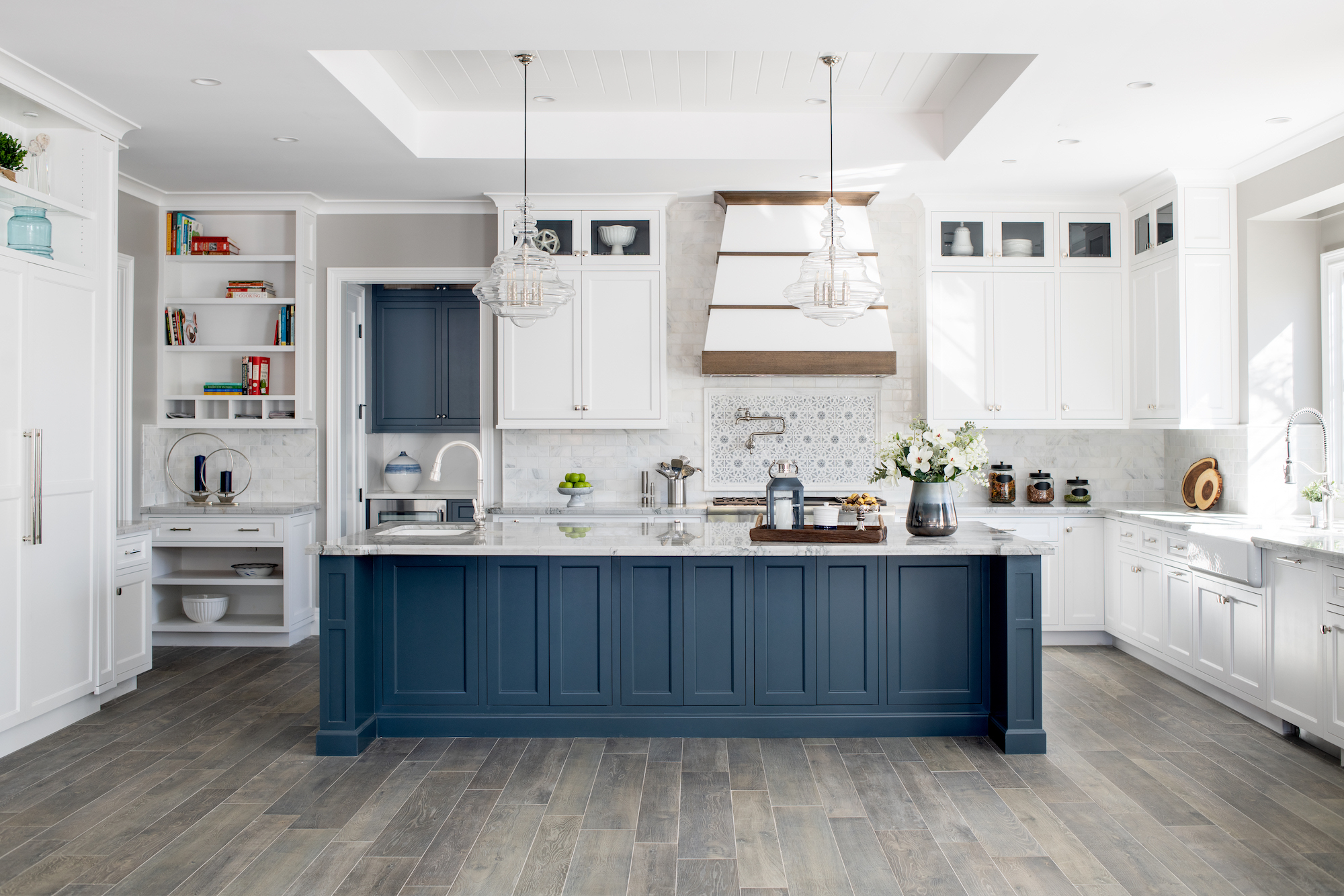
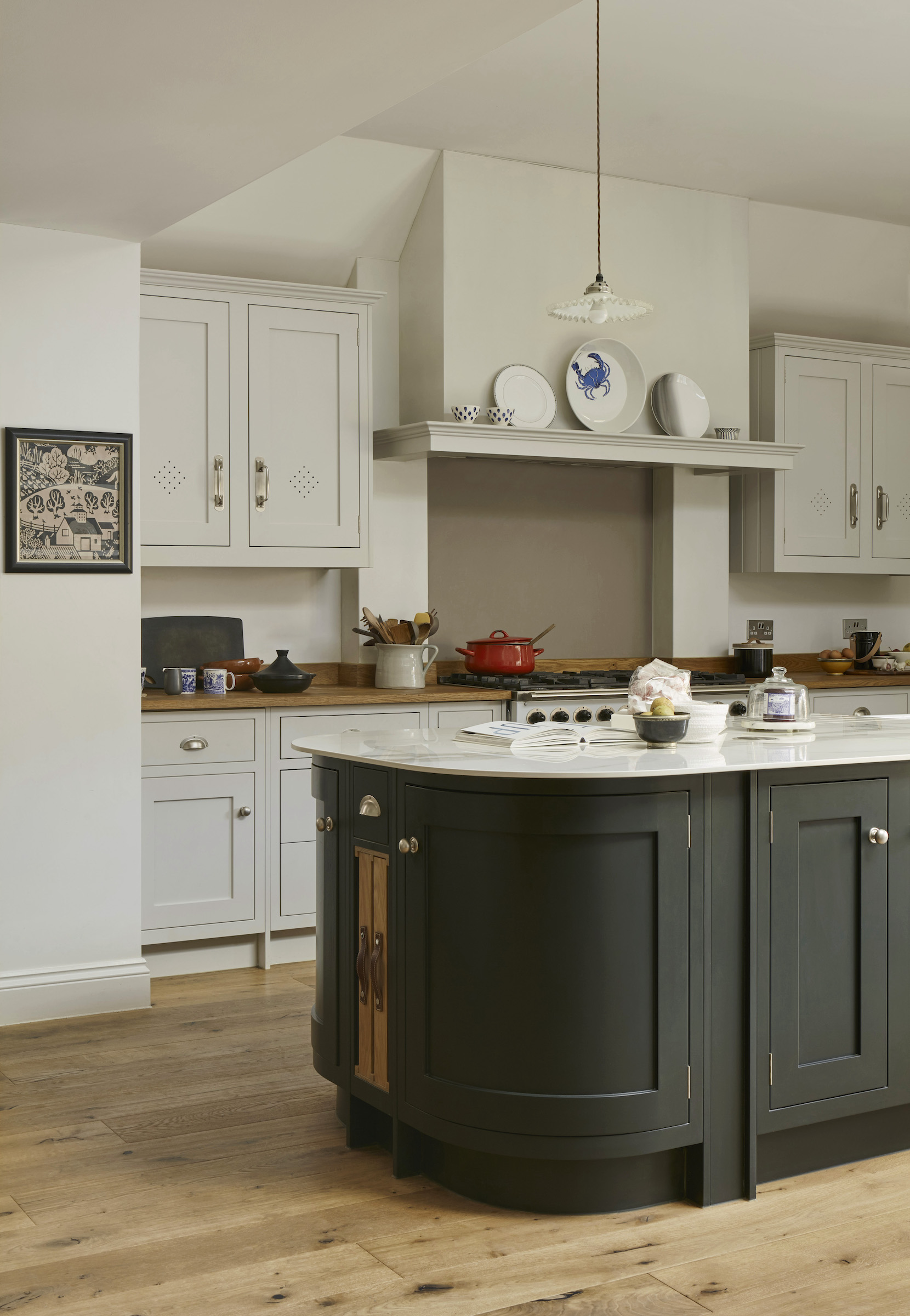
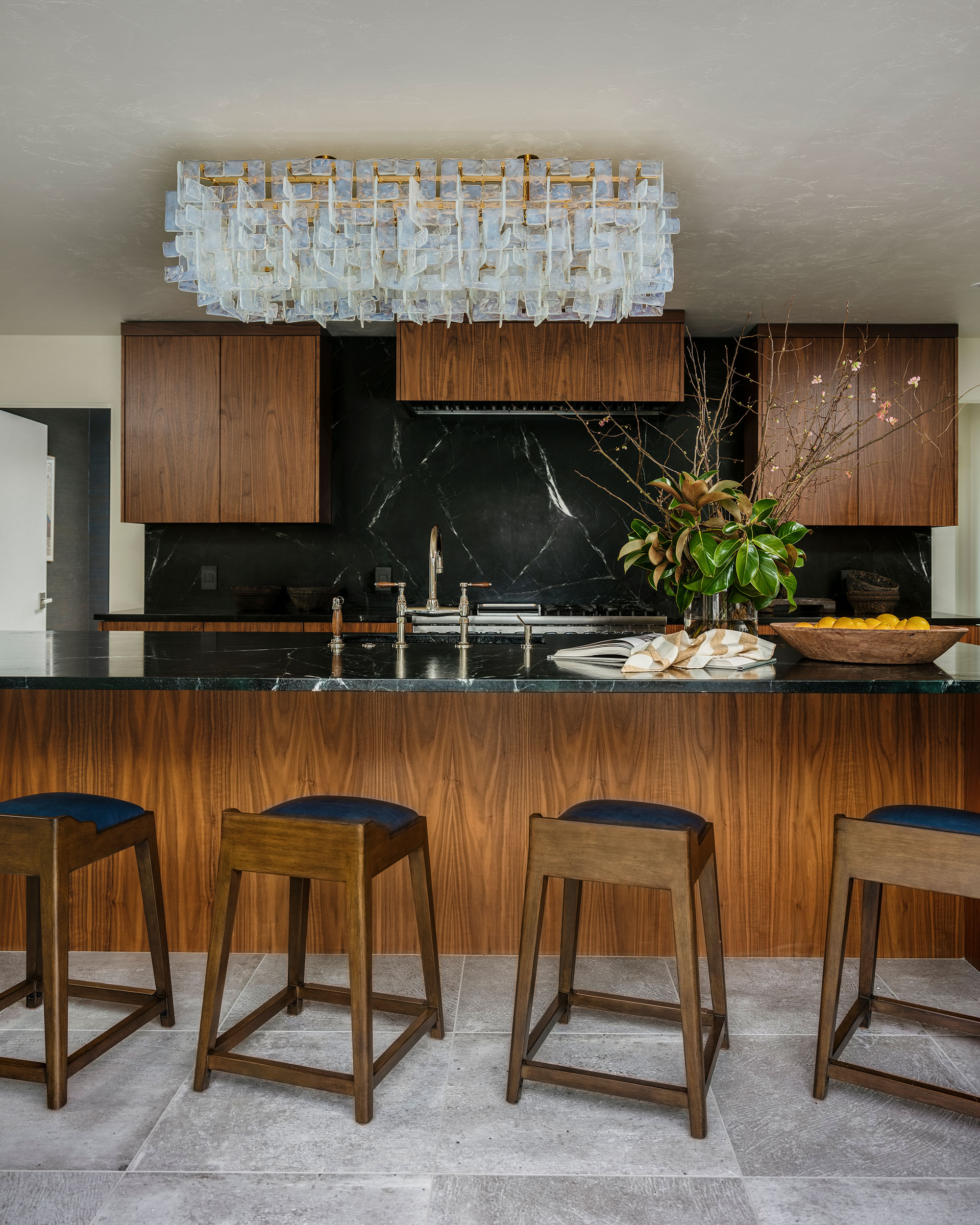
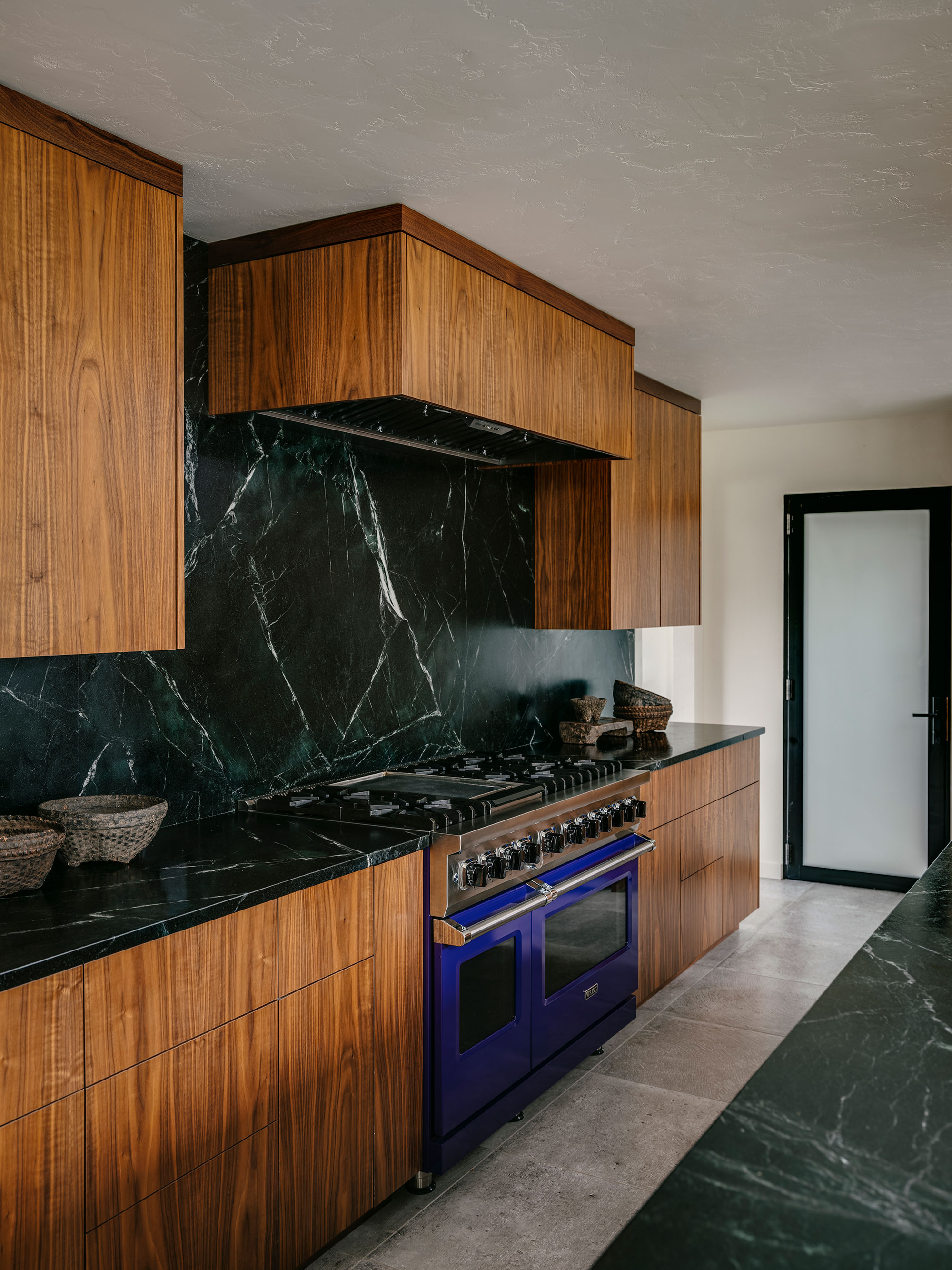
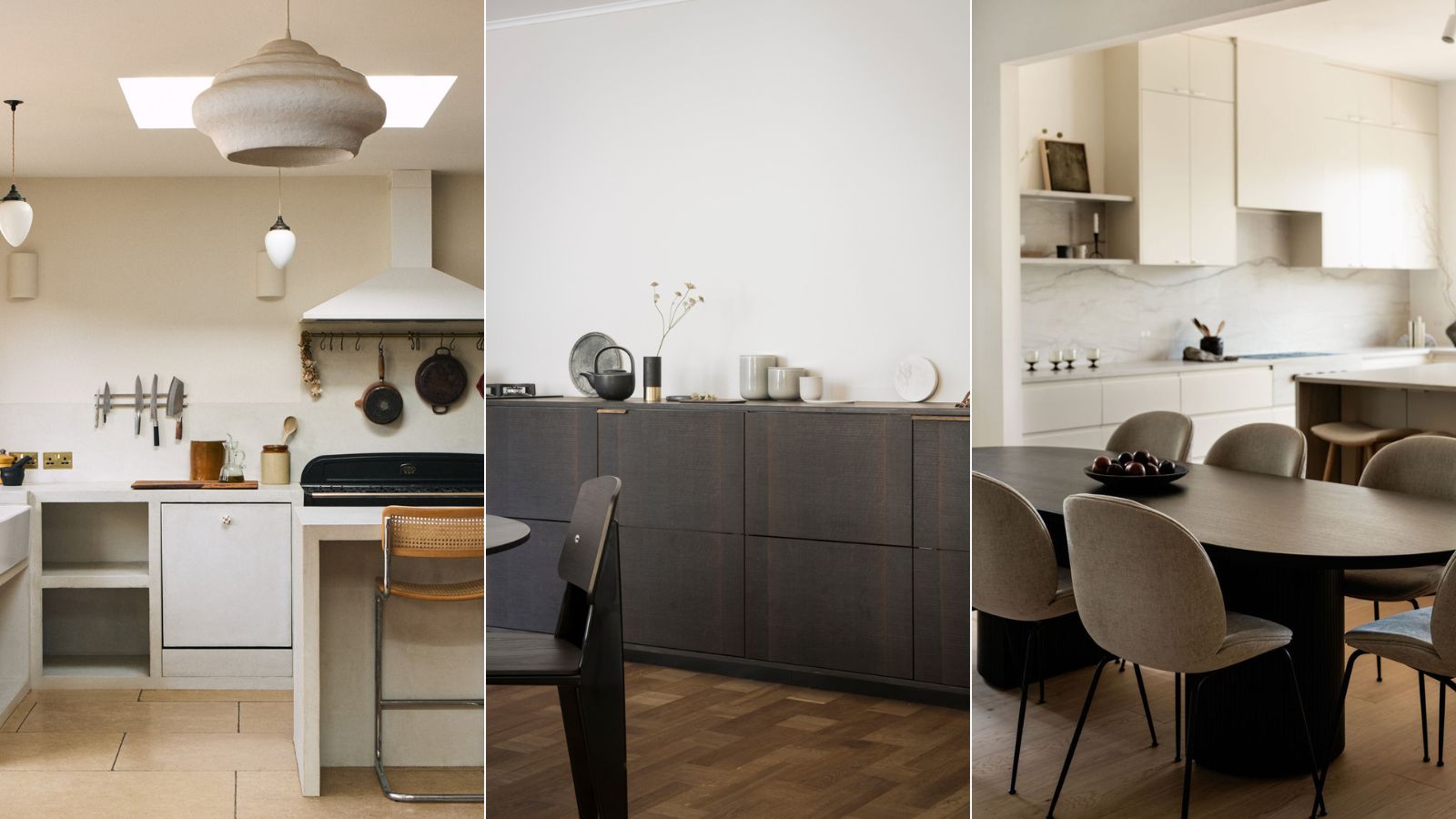
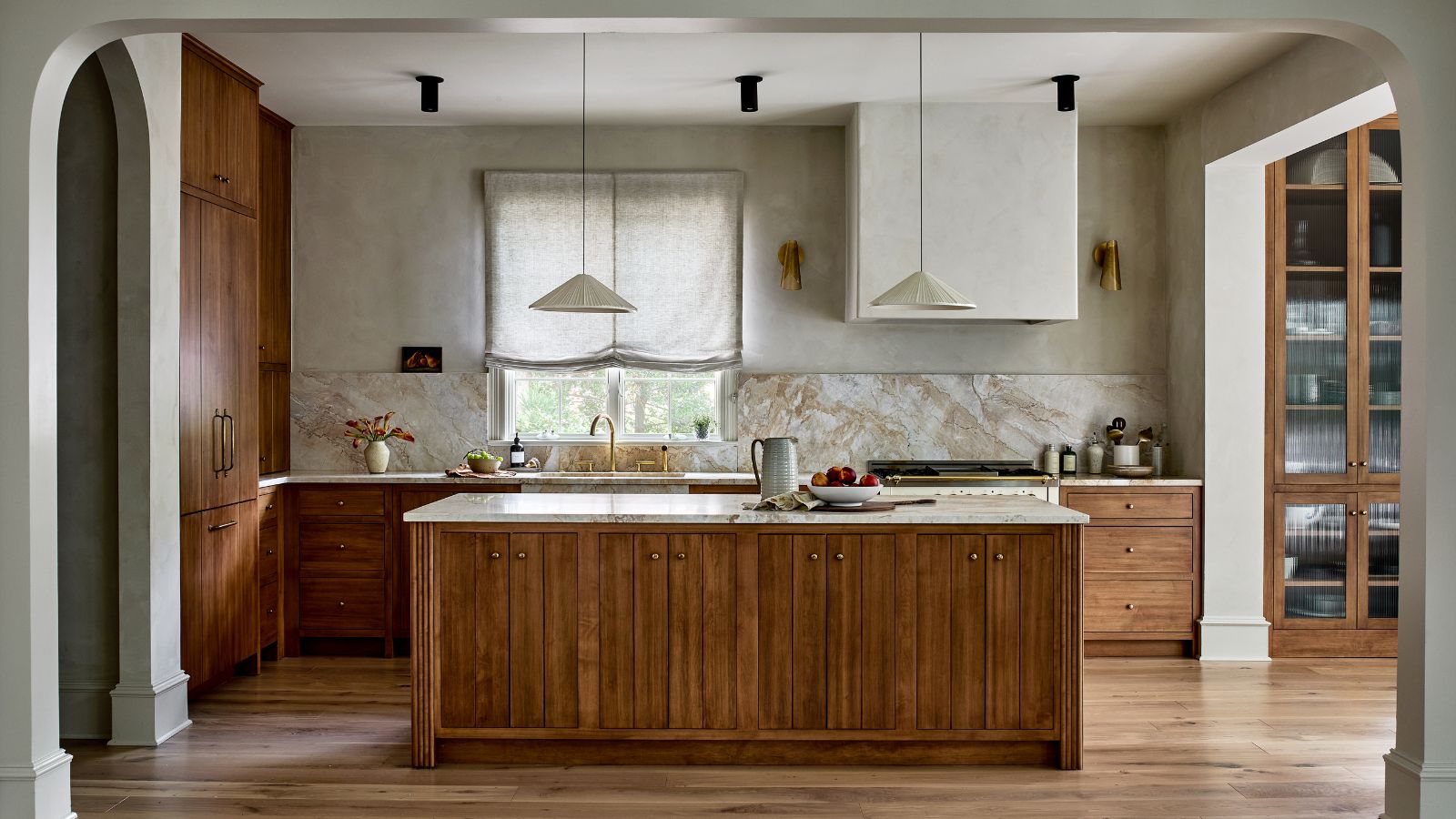
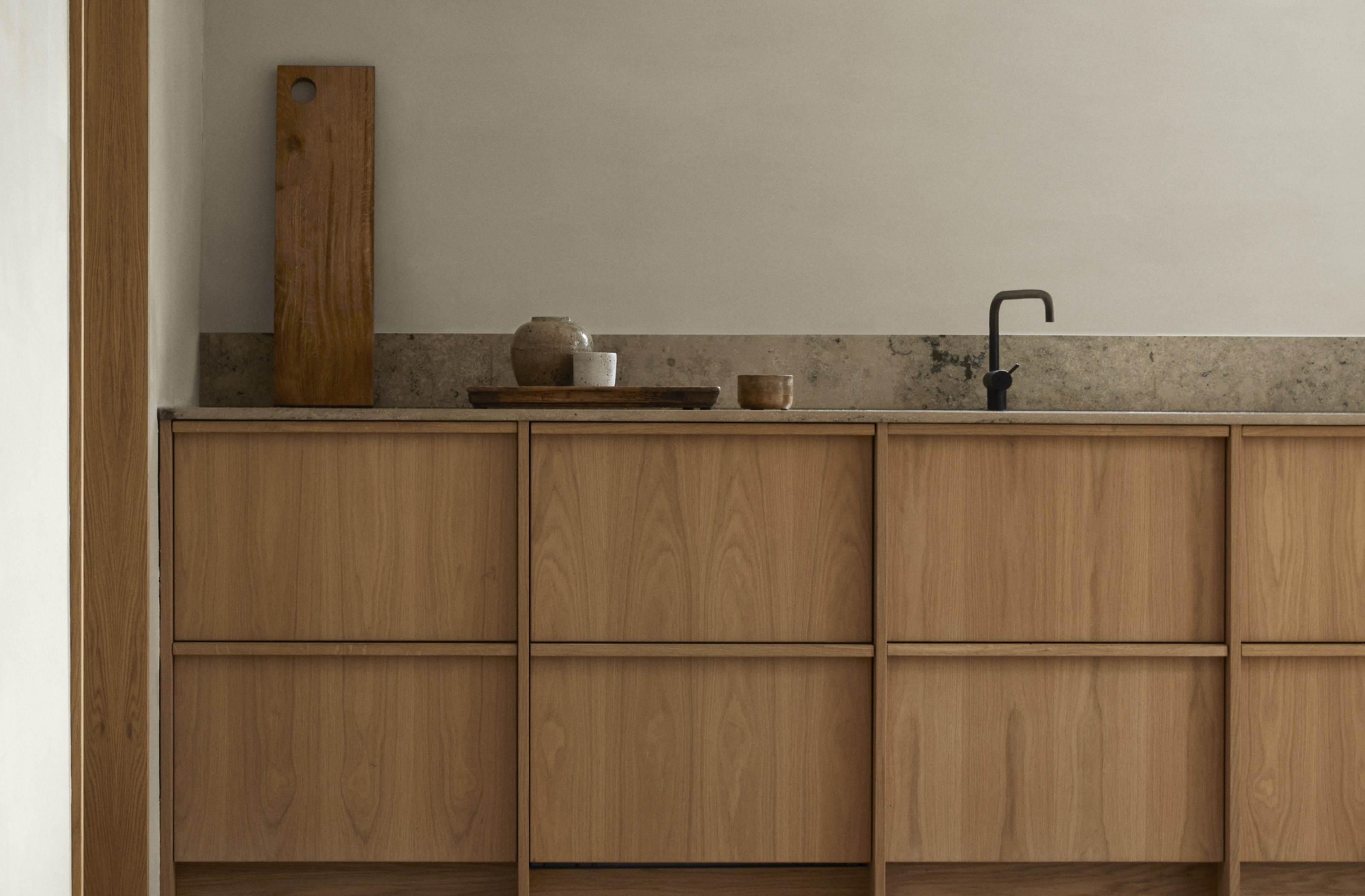
Central to the Japandi kitchen is a color palette derived from nature, combining the warmth of natural wood tones with serene neutrals like soft beiges, greiges, or muted whites. This creates an atmosphere that is both warm and sophisticated, reflecting core Japandi design principles. Minimalist cabinetry is essential, featuring clean lines and unadorned surfaces. Handle-less cabinets or those with pared-back hardware enhance the streamlined look, contributing to overall simplicity and functionality. Flat panel cabinet styles are preferred, ensuring that chunky hardware does not interfere with the clean aesthetic. Some designers suggest incorporating glass-front cabinets for an added sense of openness and lightness.
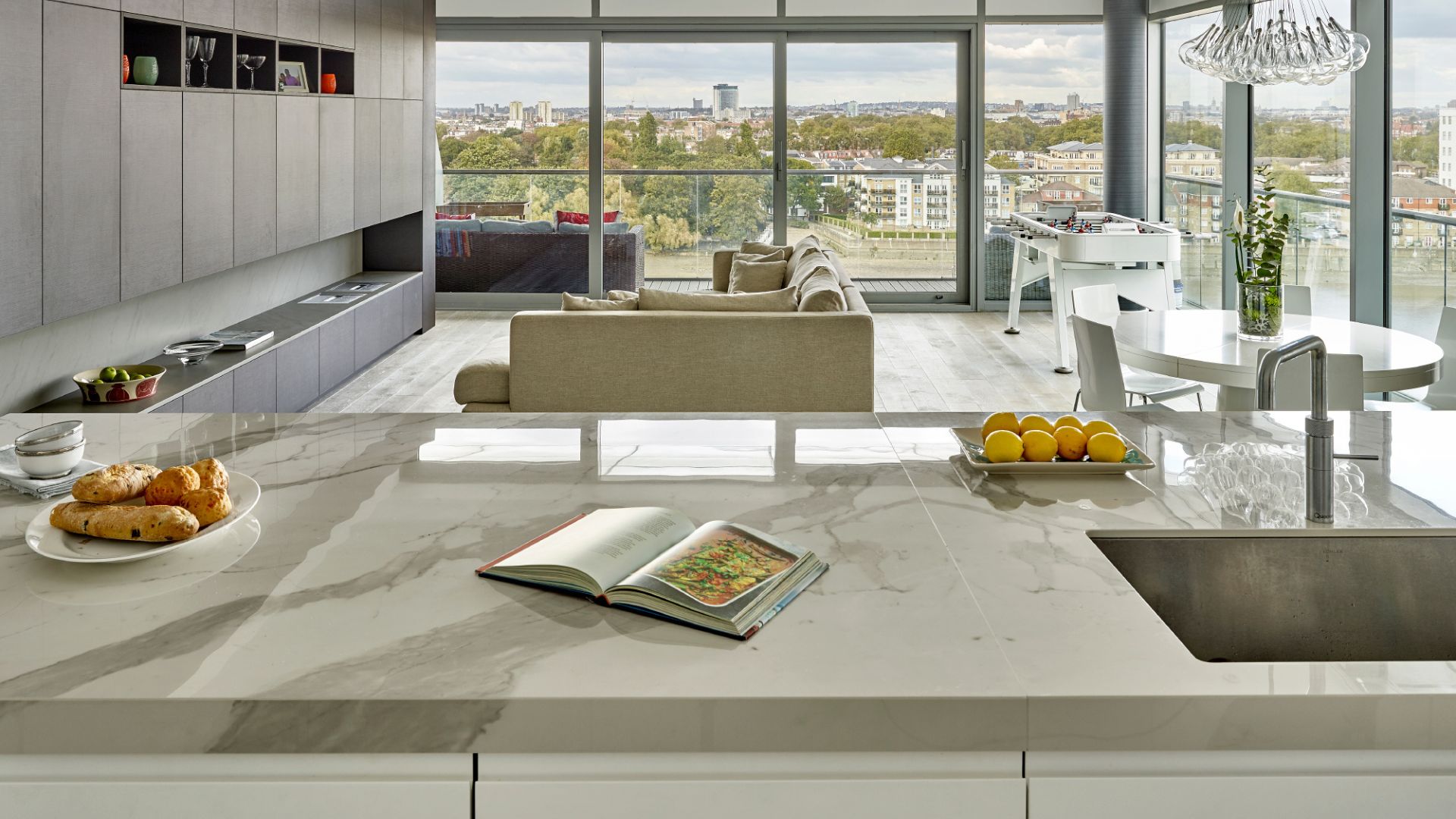
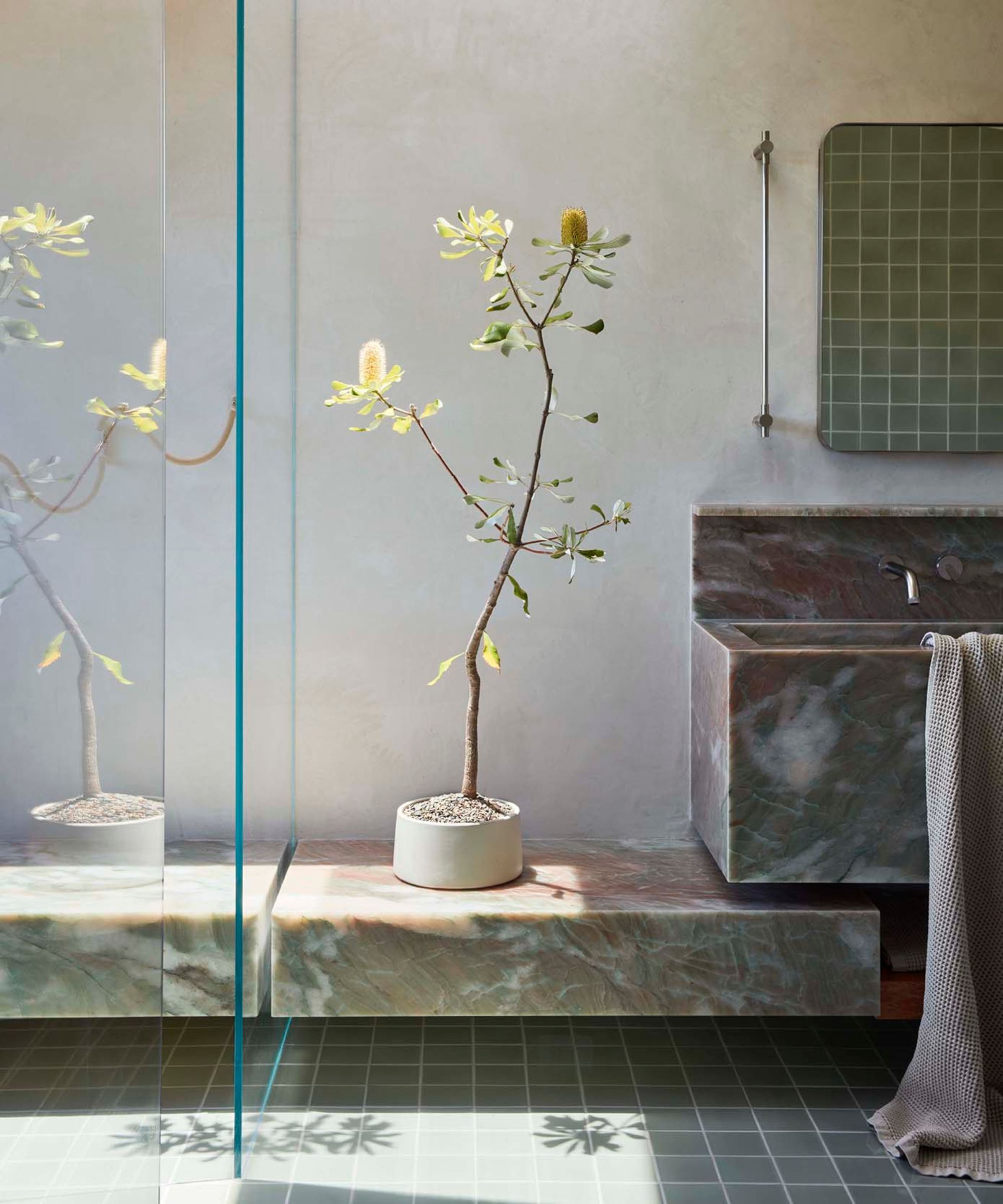
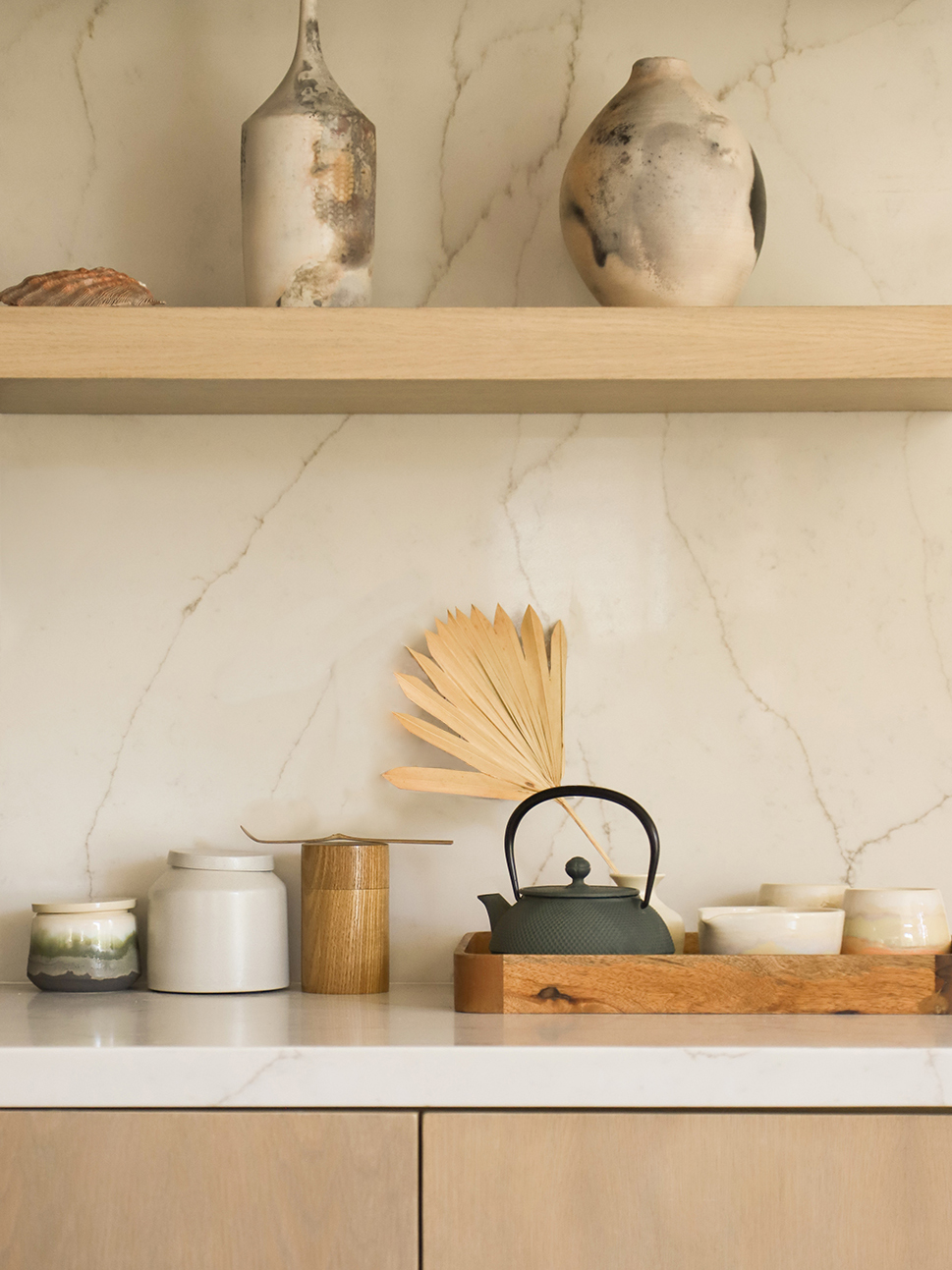
For countertops, natural materials such as stone (marble, quartz, granite), wood, or even concrete are favored. These choices contribute to the tactile and visual richness of the Japandi aesthetic, promoting sustainable design and aligning with the neutral color palette. Blending these materials establishes a connection with nature, bringing tranquility into the heart of the home, and emphasizing beauty and longevity.
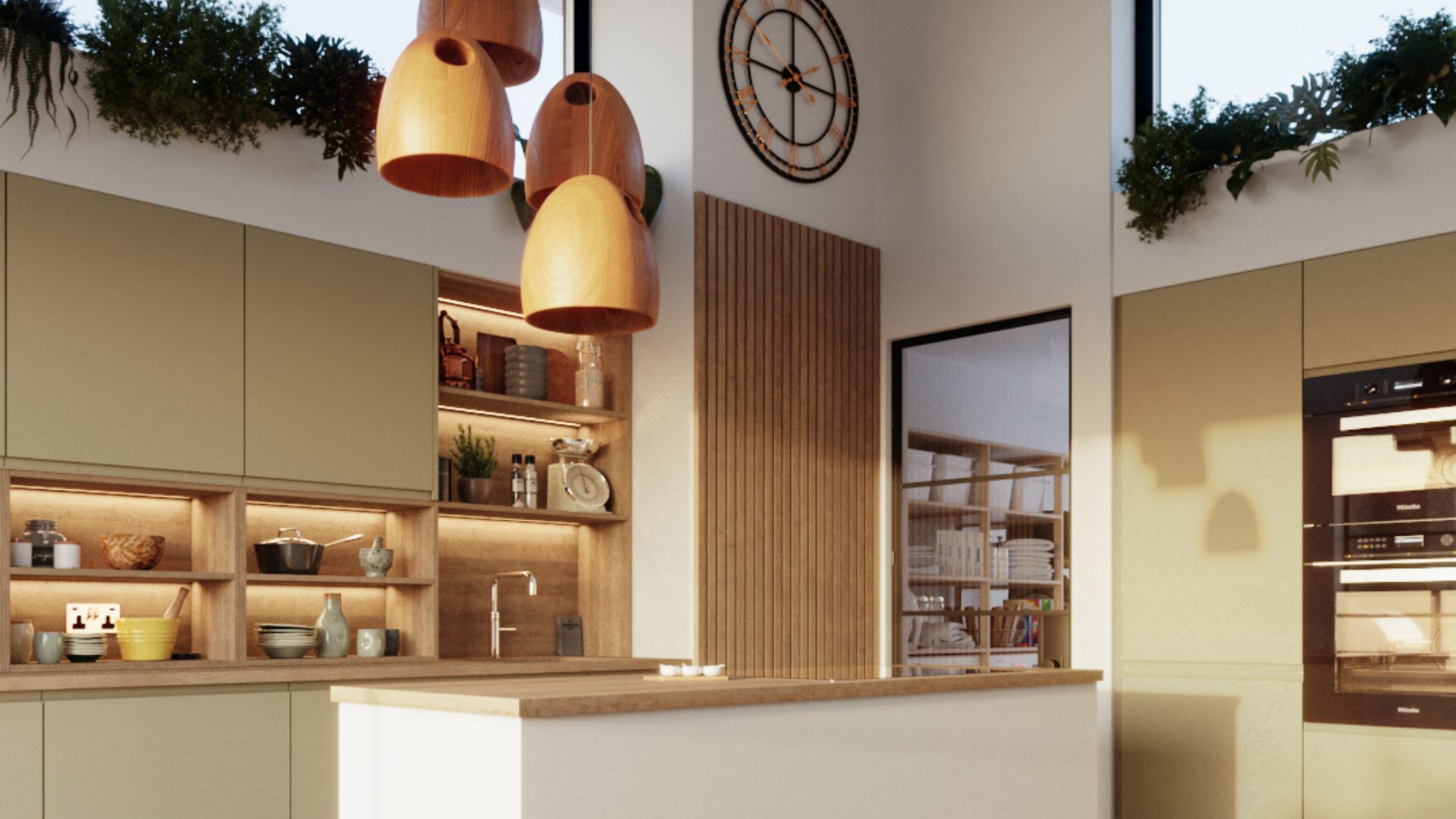
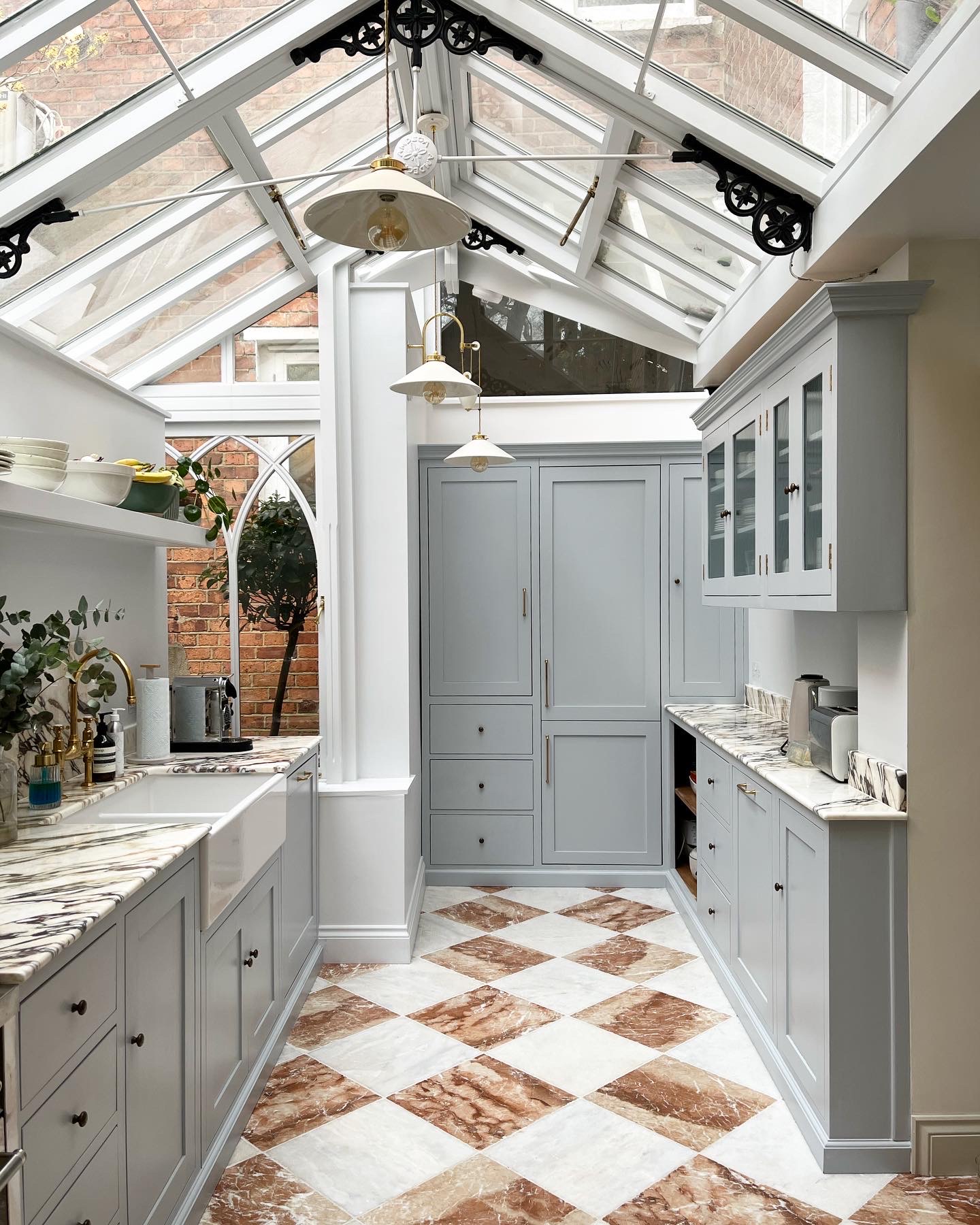
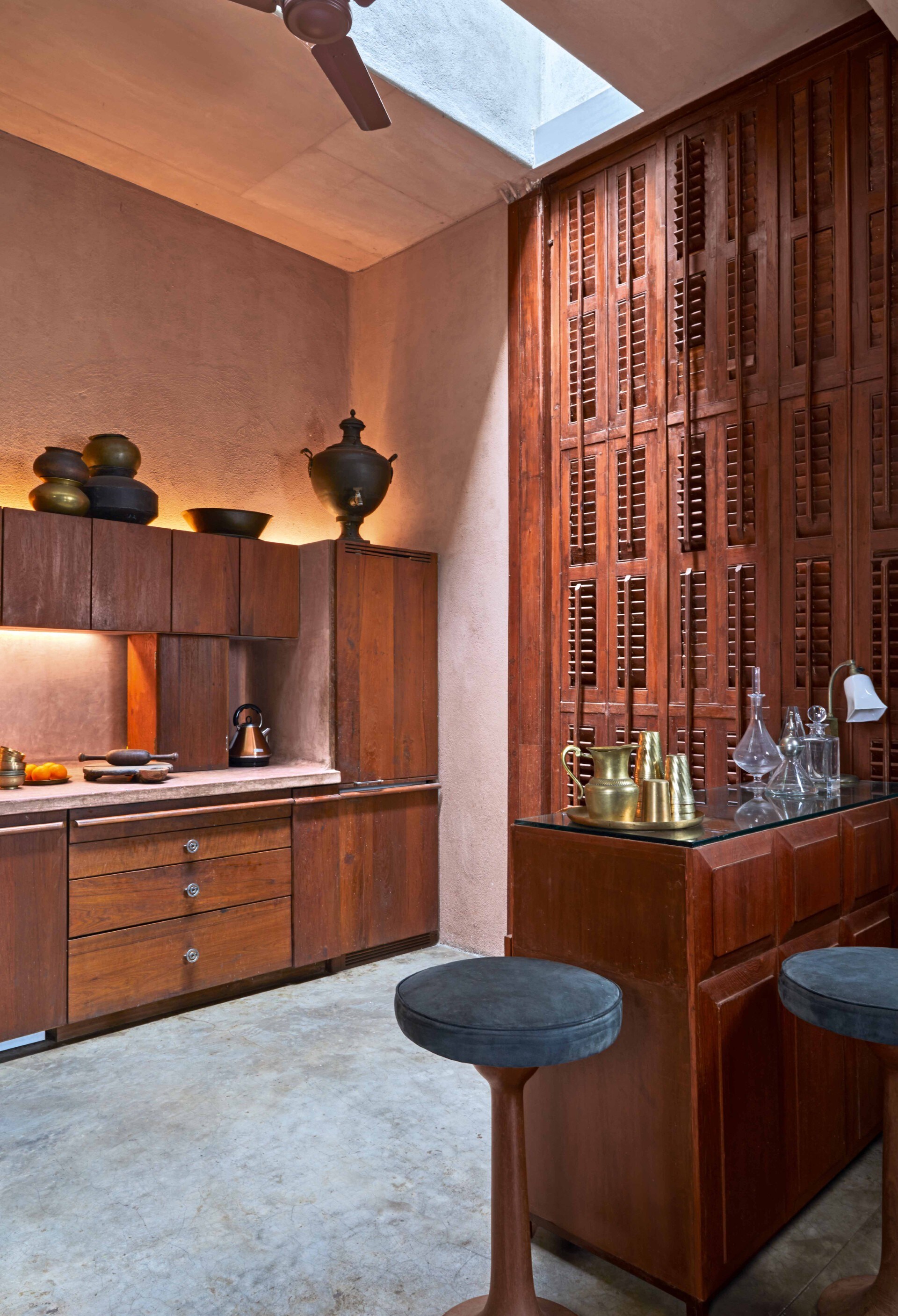
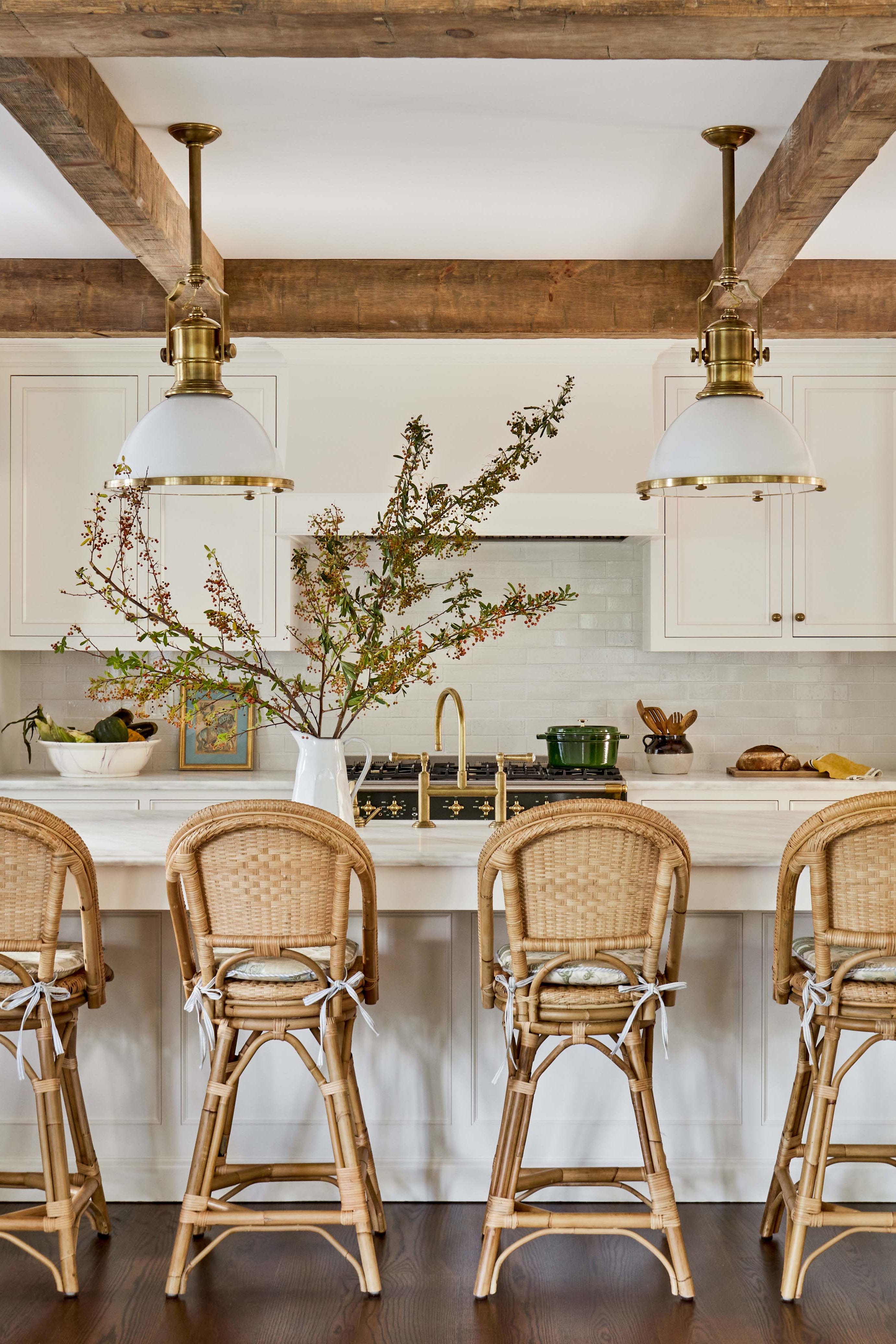
Lighting in a Japandi kitchen is both functional and a design statement. Multiple light fixtures are used in layers, combining clean-lined pendant lights with sconces made from natural materials. The design emphasizes maximizing natural light through elements like skylights or large, panel-less windows. Strategically placed artificial lighting, such as spotlights and wall sconces, is used to illuminate areas that receive less natural light. Light wood tones in fixtures, influenced by Scandinavian design, enhance the kitchen's airy feel with a warm glow.
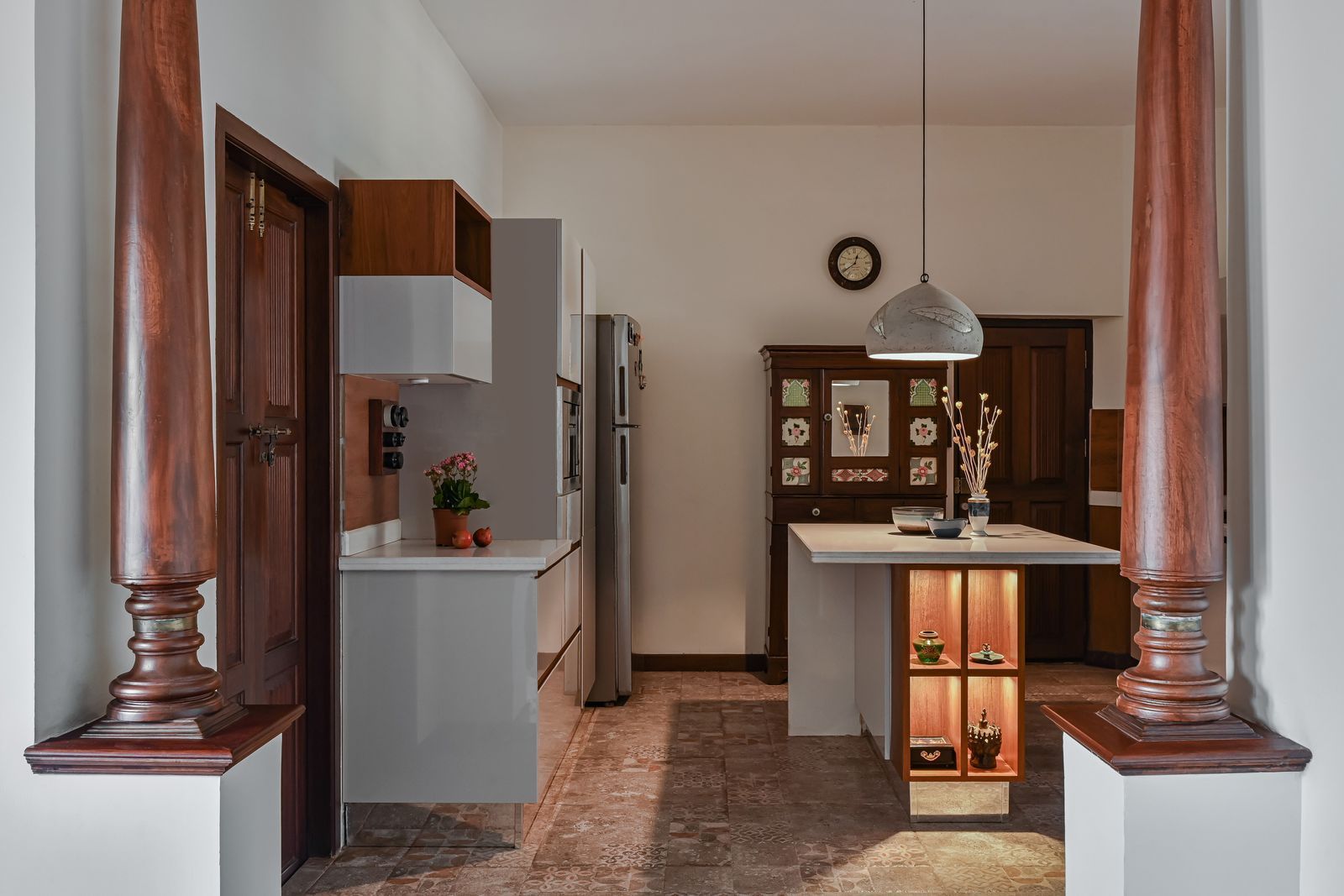
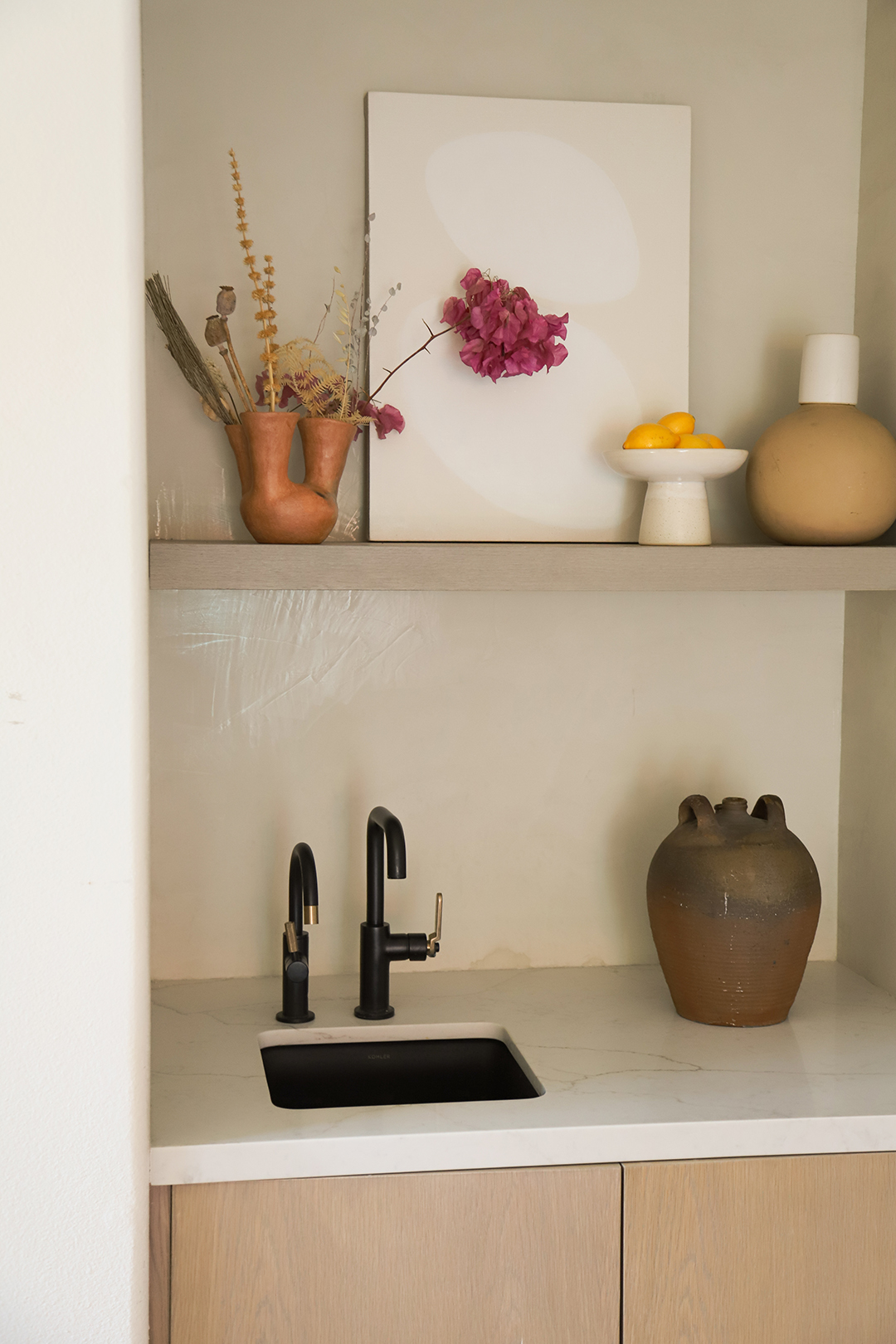
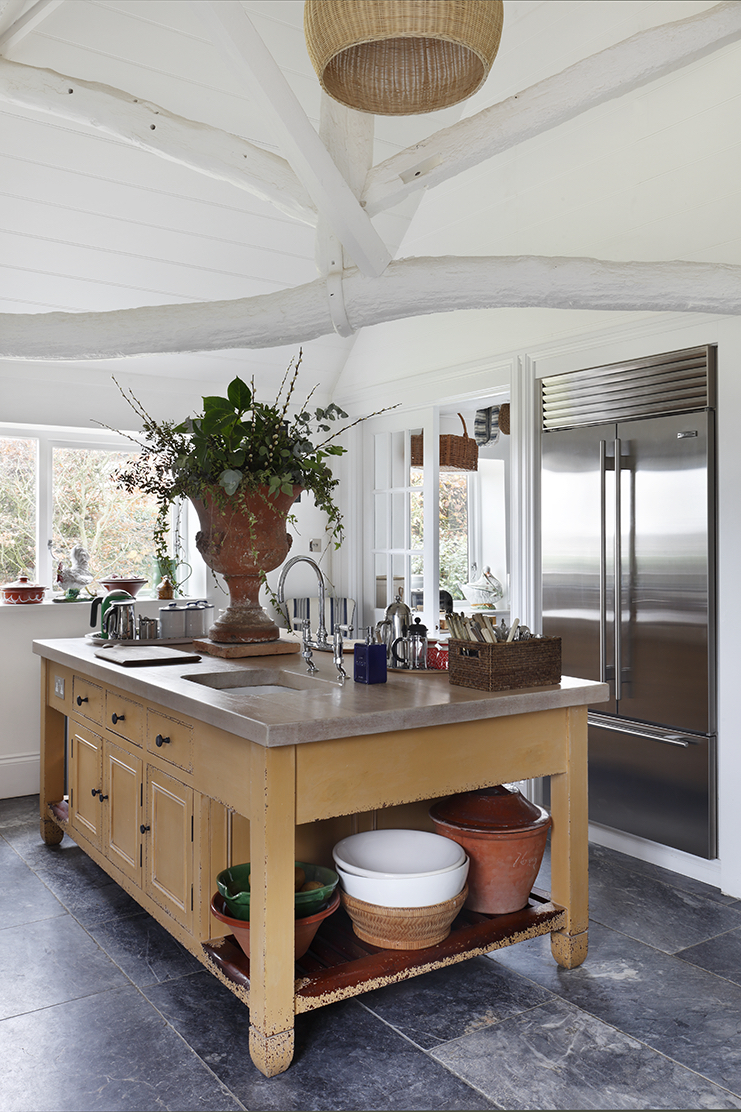
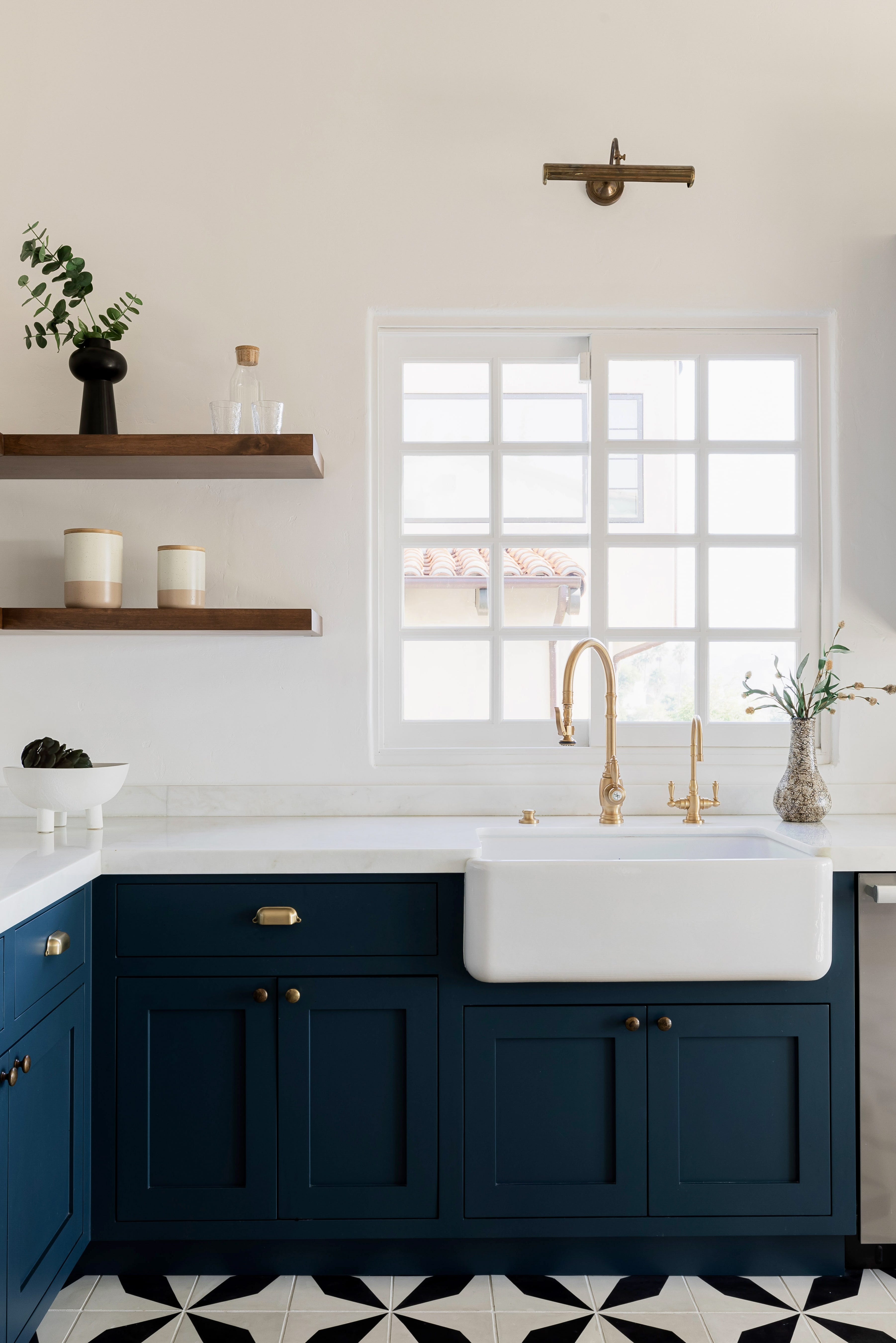
Small details play a significant role in elevating the design, particularly in neutral kitchens. Curated accessories like handmade ceramics, minimalist containers, and wooden utensils contribute to an intentional and welcoming space. These pieces should possess both thoughtful design and clear function, with an emphasis on treasuring imperfections and the patina of natural materials. Open shelving can display beautiful ceramics and cookbooks, while incorporating art treats the kitchen as a fully integrated room within the home. Individual furniture pieces, such as antique wooden larders, are preferred over fully built-in kitchens for their natural style, sustainability, and flexibility.
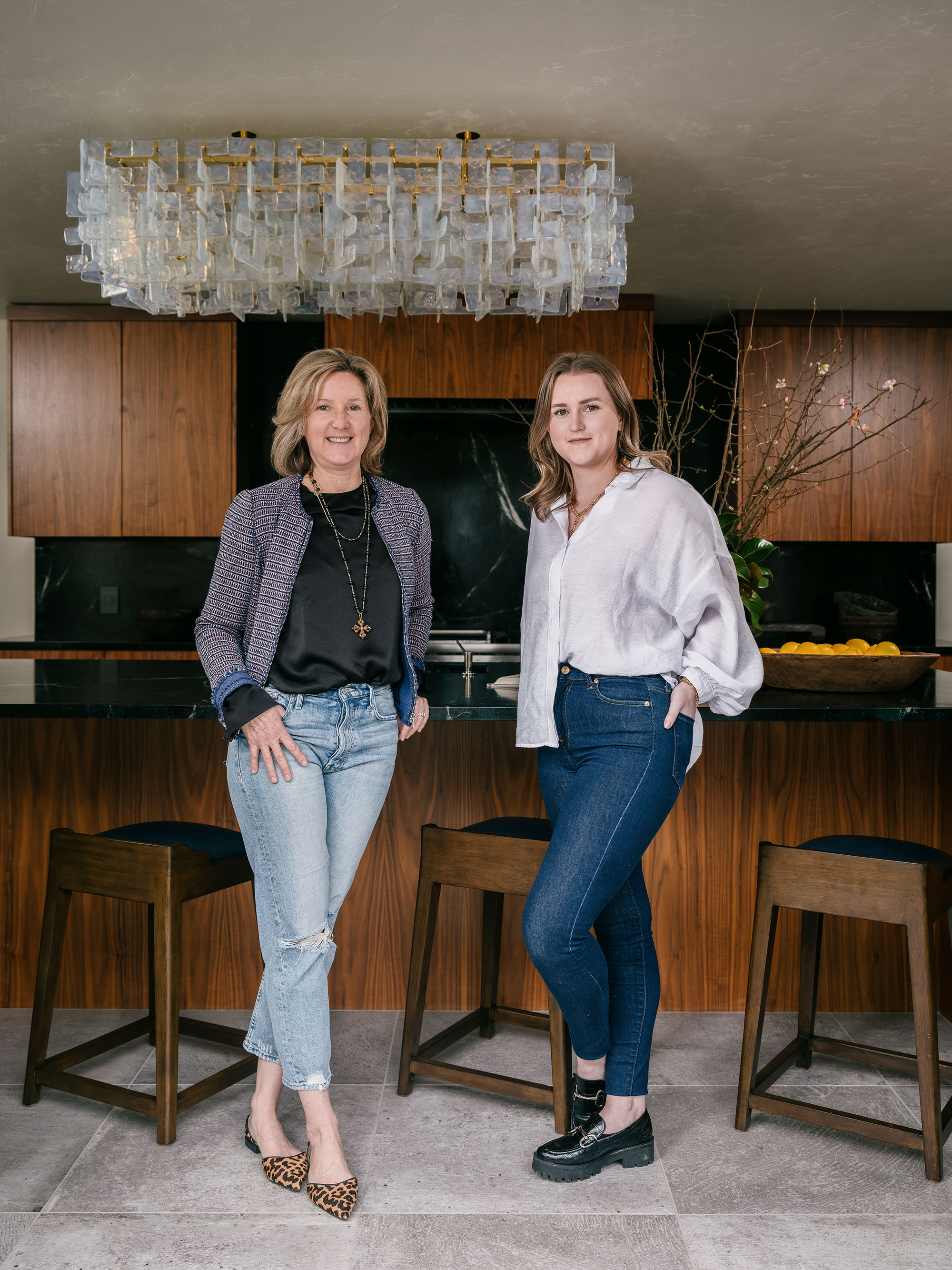
Furniture, like light oak or blackened wooden kitchen tables and sleek bar stools, enhances functionality and contributes to a cohesive cooking and dining area. High-quality, responsibly produced natural materials are recommended for furniture, not just for investment and environmental concerns but also for well-being. The overall design prioritizes simplicity and efficiency, with clean lines and uncluttered surfaces promoting an organized space. Modular storage solutions and multifunctional elements reflect the commitment to practical design found in both Scandinavian and Japanese styles. Embracing these principles allows for the creation of a Japandi-inspired kitchen that seamlessly combines calming aesthetics with soothing simplicity.
#JapandiKitchen #InteriorDesign #KitchenDesign #MinimalistDesign #ScandinavianDesign #JapaneseDesign #NaturalMaterials #NeutralPalette #HomeDecor #JapandiKitchen #InteriorDesign #KitchenDesign #MinimalistDesign #ScandinavianDesign #JapaneseDesign #NaturalMaterials #NeutralPalette #HomeDecor
0 comment in total
 No comments yet
You may also like
How to create a Japandi kitchen: 10 simple ways to style this serene, on-trend look

This kitchen has been transformed from cramped and outdated to warm and welcoming – and it's all thanks to a few thoughtful Japandi-style features
How to make a kitchen more relaxing – 12 designer tips to create a zen-like space
Kitchen Decorating and Design Ideas

5 Things Japandi Designers do in Their Kitchens That Make Them Minimalist and Serene

Turning This Rectangular Kitchen Island Into a Trapezoid Maximized Stealthy Storage

29 Kitchen Door Decor Ideas That Will Make You Look at Your Door Completely Differently

An Upstate New York Kitchen Once Worthy of the ’80s Is Now a Japandi Dream
5 kitchen design ideas that will completely transform the heart of your home

20 Breathtaking Minimalist Kitchen Ideas That Look Million-Dollar Without the Price Tag
6 ways to have a low-maintenance kitchen that looks good for years to come
Traditional kitchen ideas – 20 classic ways to create a characterful feel
36 Serene Japandi Kitchens That Could Make Any Cooking Task a Breeze

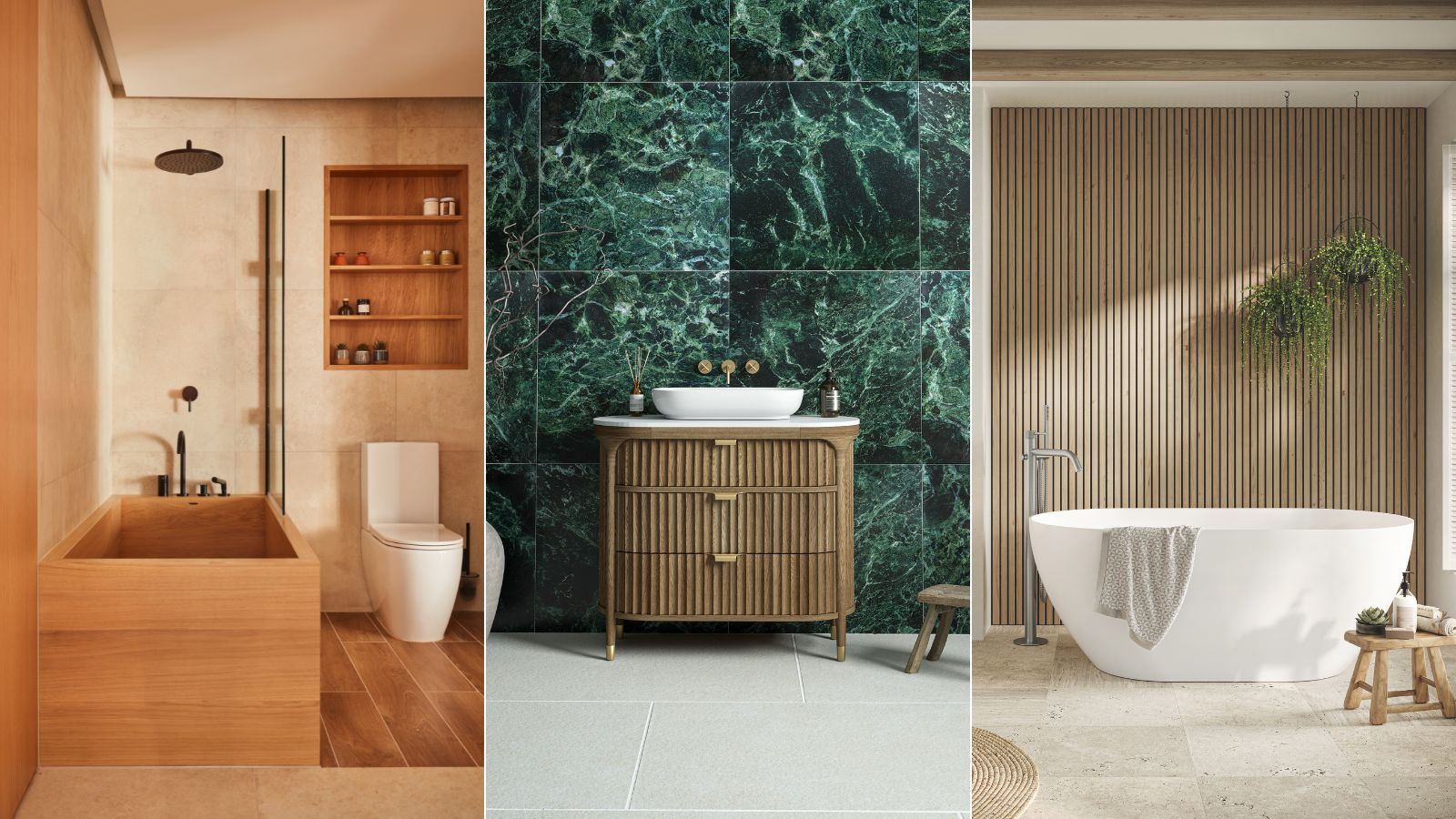
Japanese bathroom design is trending – here's everything you need to know to recreate this serene, mindful style
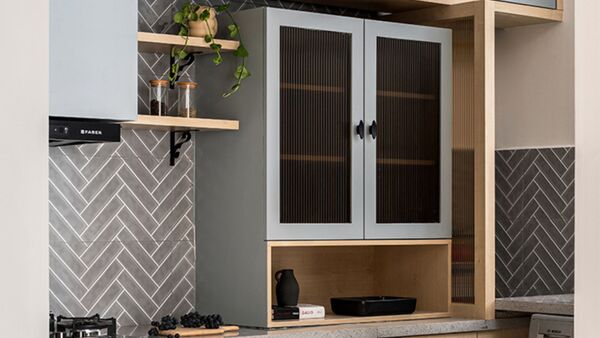
Design ideas for a big kitchen makeover
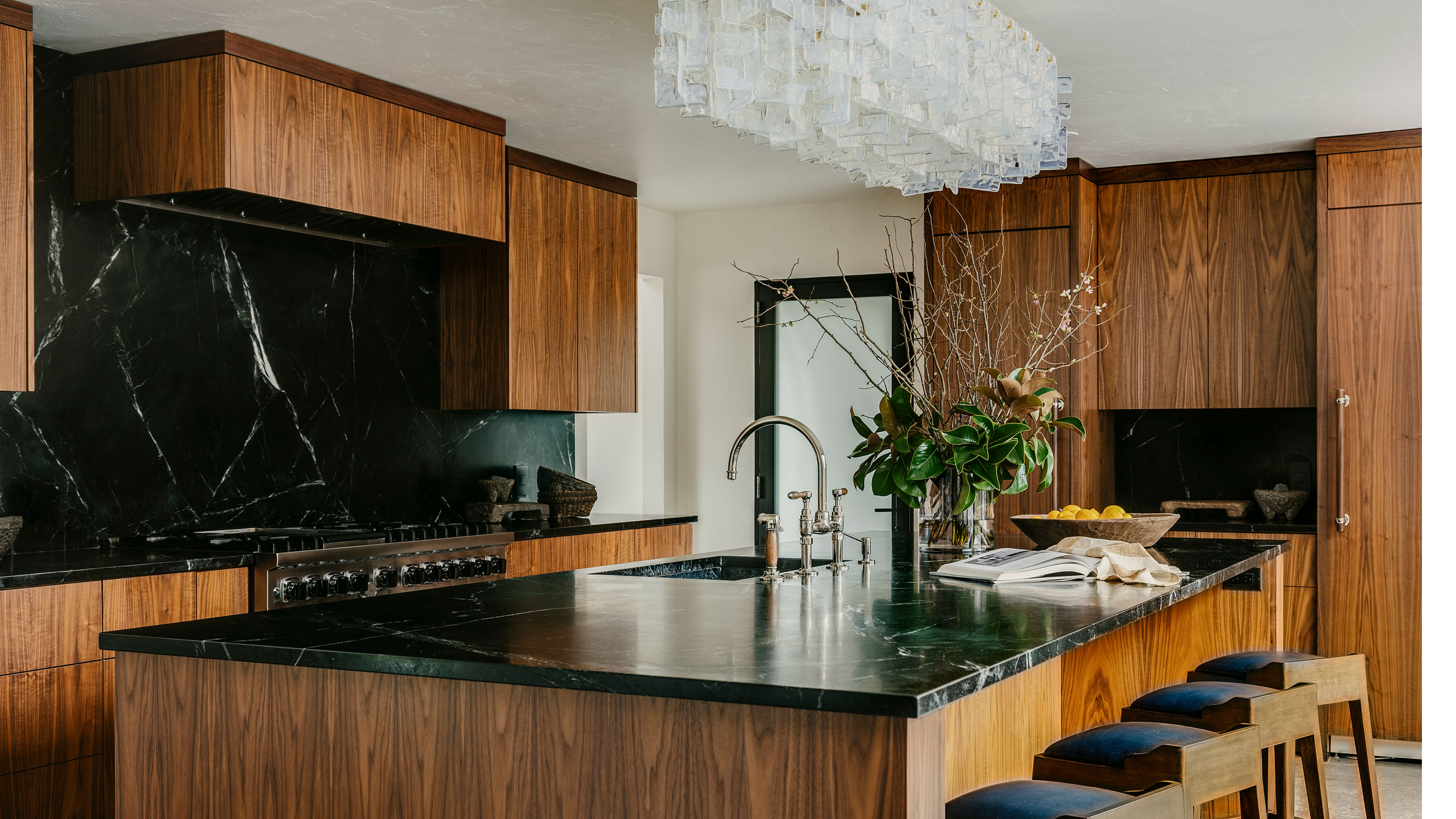
6 lessons in retro style from a smart, smooth kitchen with a hint of 50s glamor
Six Stylish Kitchens
6 ways to a more luxurious kitchen
For a Homey and Charming Kitchen Vibe, Designers Say to Choose This Aesthetic

30 Gorgeous Décor Ideas to Make Your Kitchen More Inviting