1/7
Japanese bathroom design is trending – here's everything you need to know to recreate this serene, mindful style
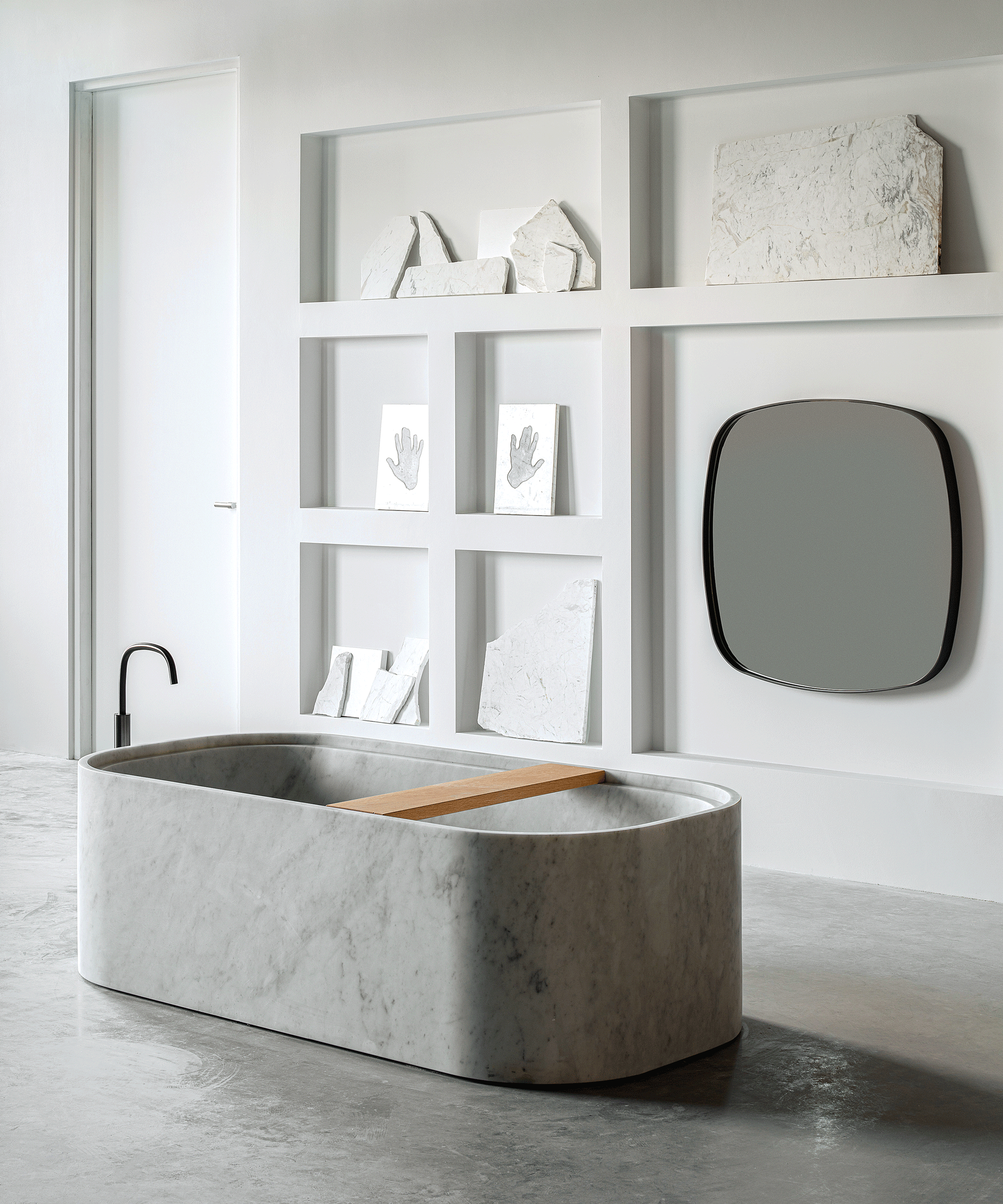
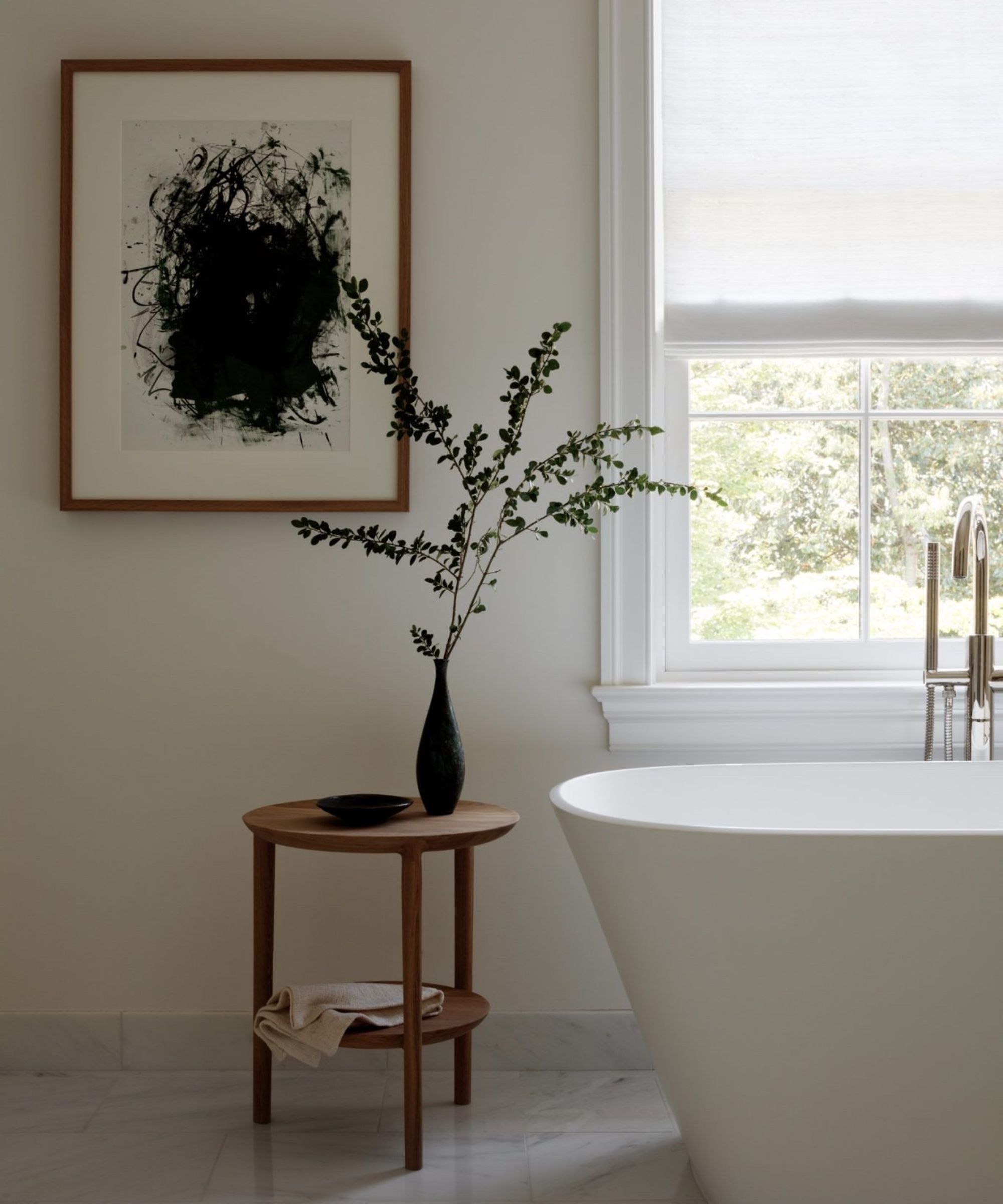
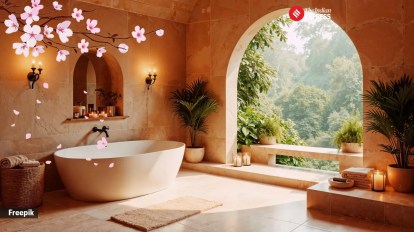
Japanese bathroom design is gaining popularity for its focus on simplicity, mindfulness, and tranquility, aiming to transform a functional space into a restorative retreat. This aesthetic blends natural materials, soft textures, and neutral tones to foster a sense of calm, prioritizing relaxation and balance. Designers emphasize that these bathrooms are more than just functional spaces; they are designed for rejuvenation through peaceful rituals.
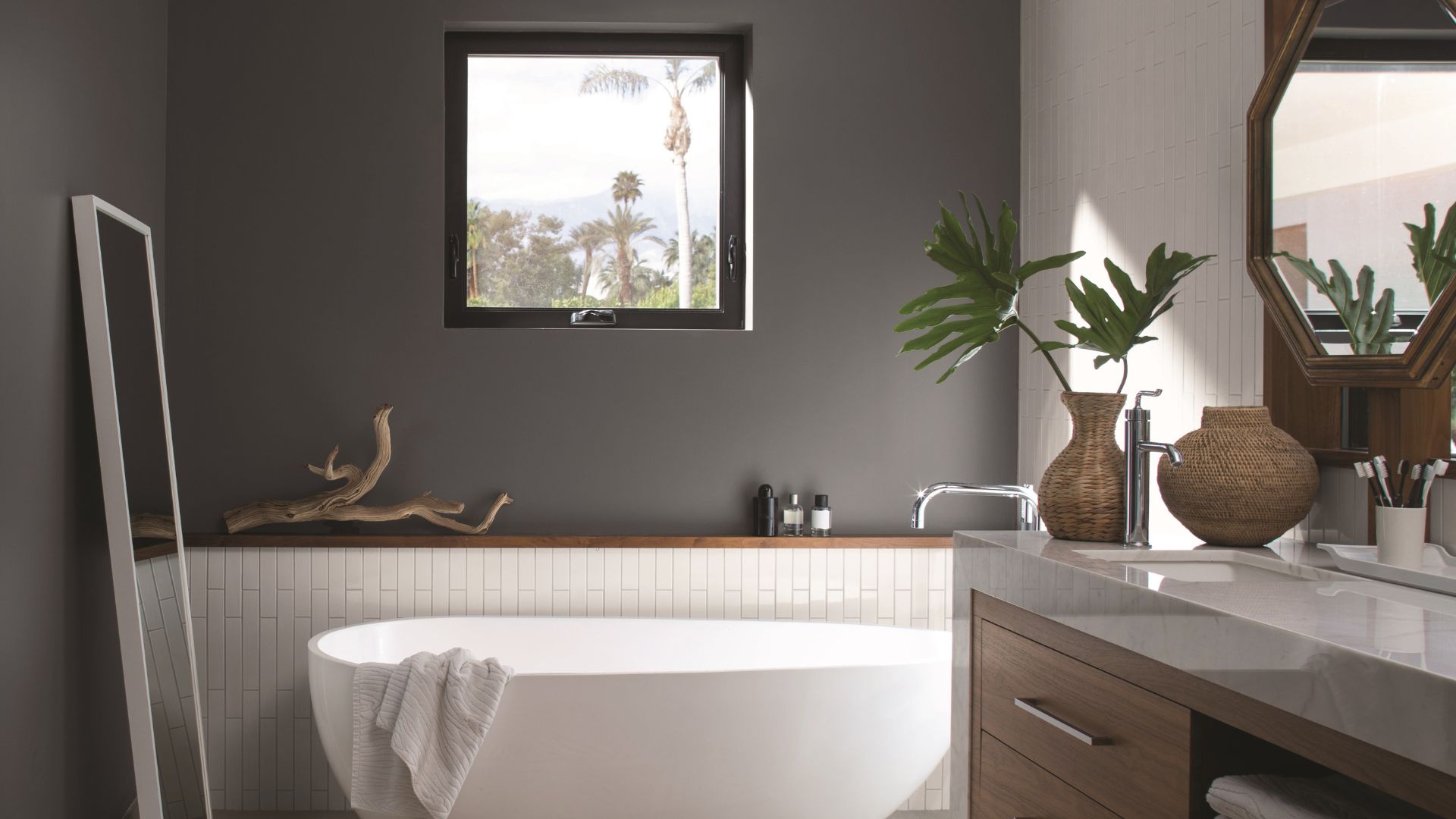
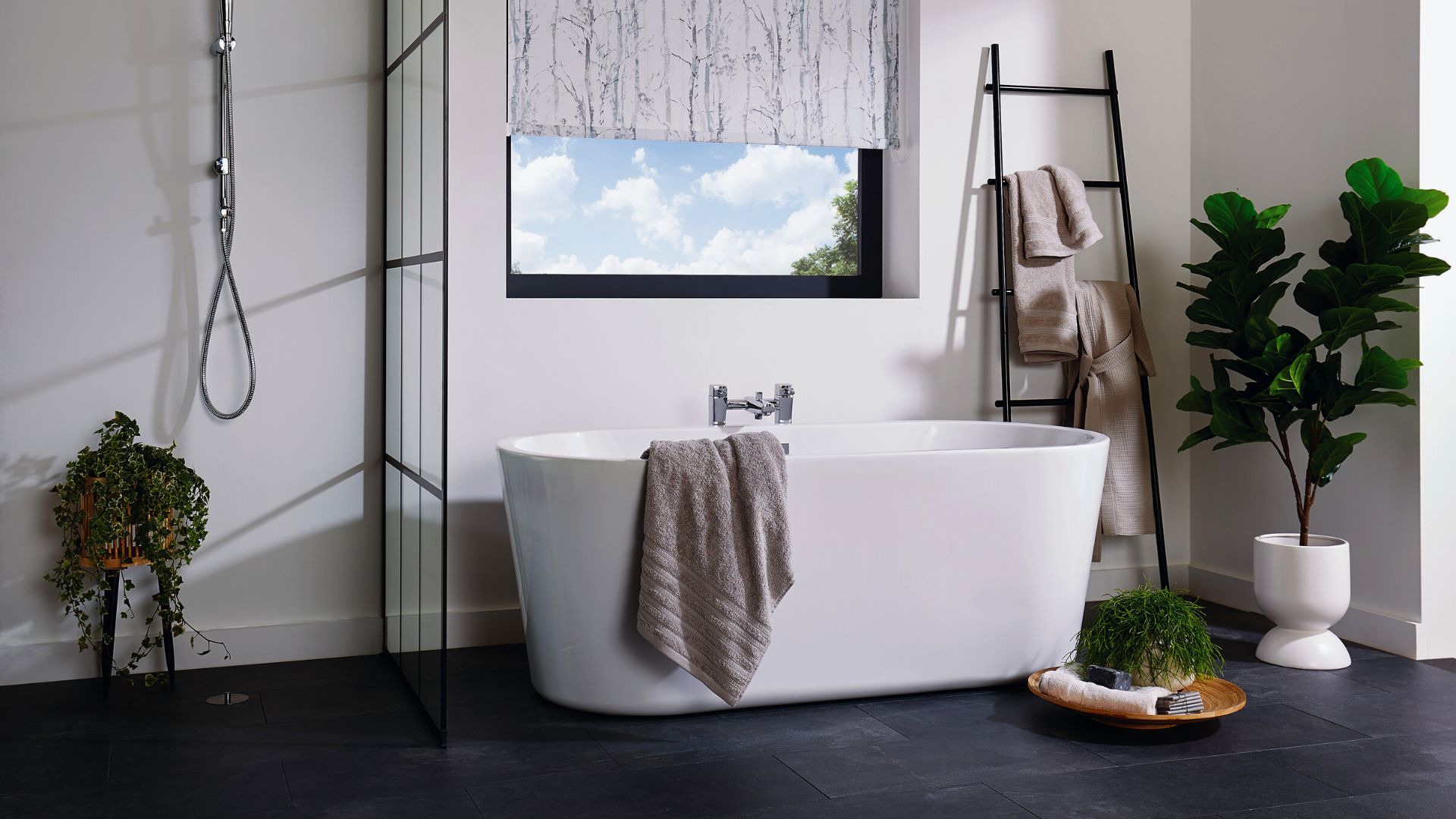
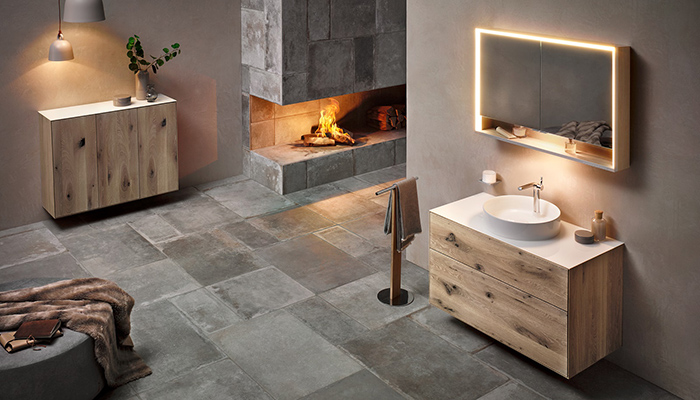
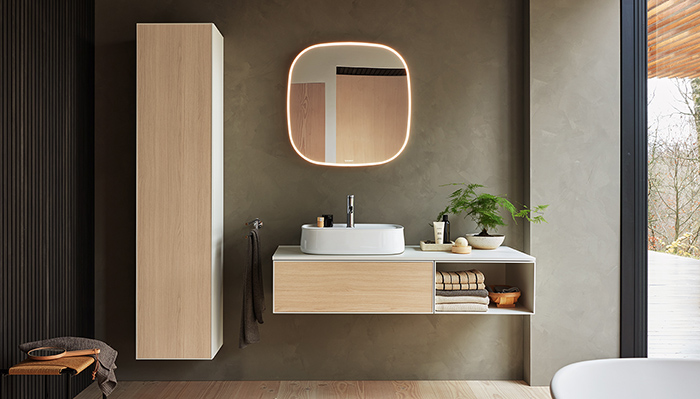
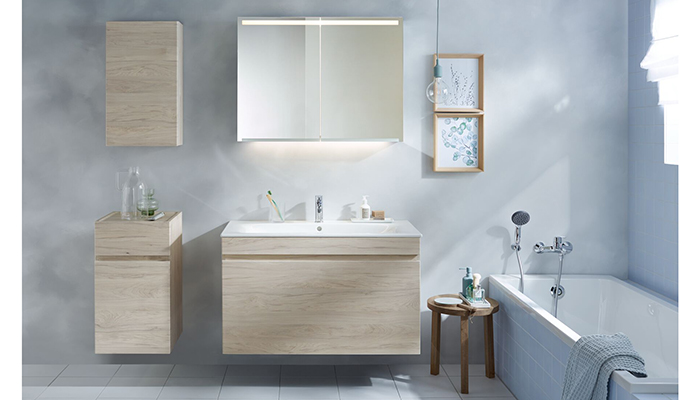
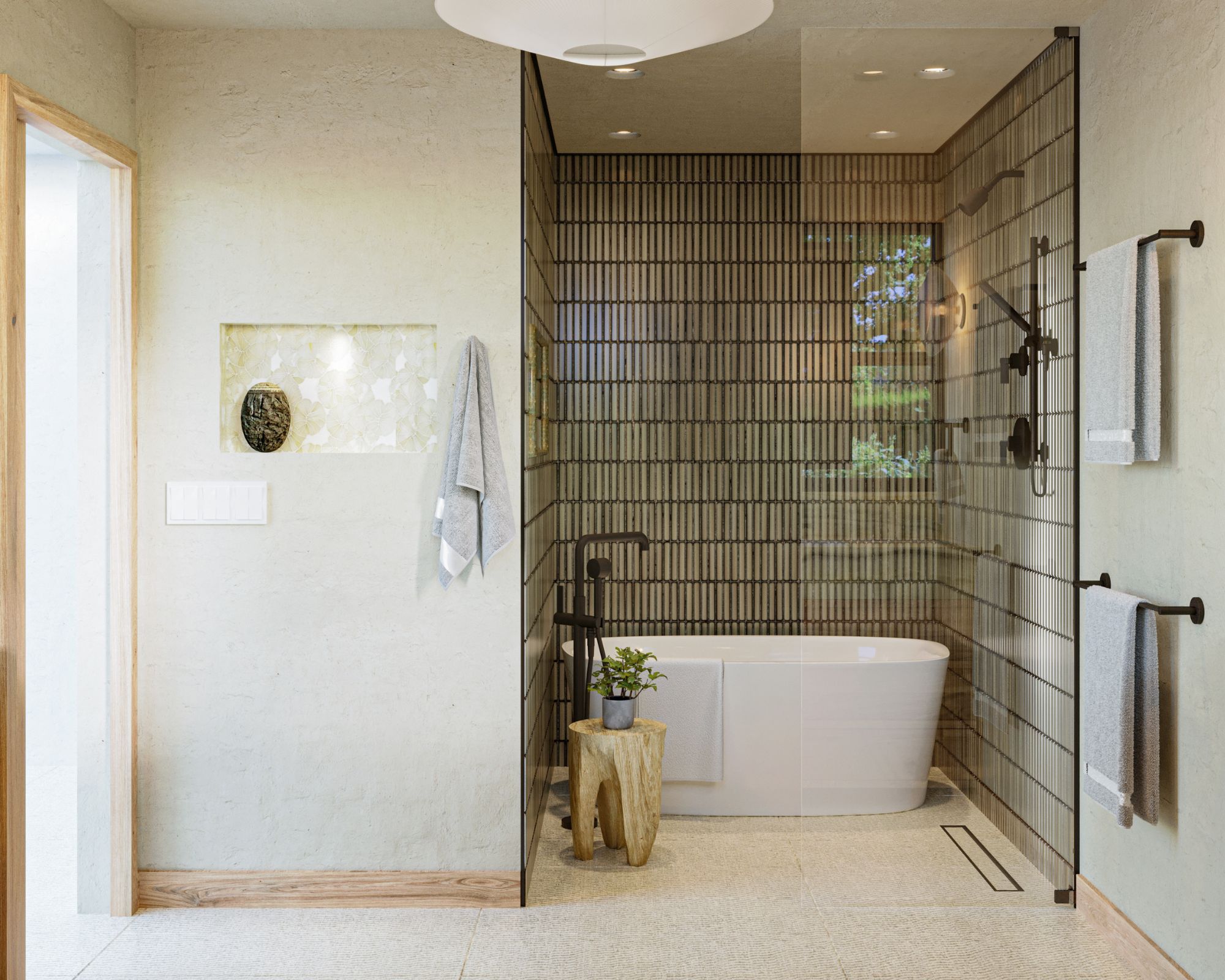
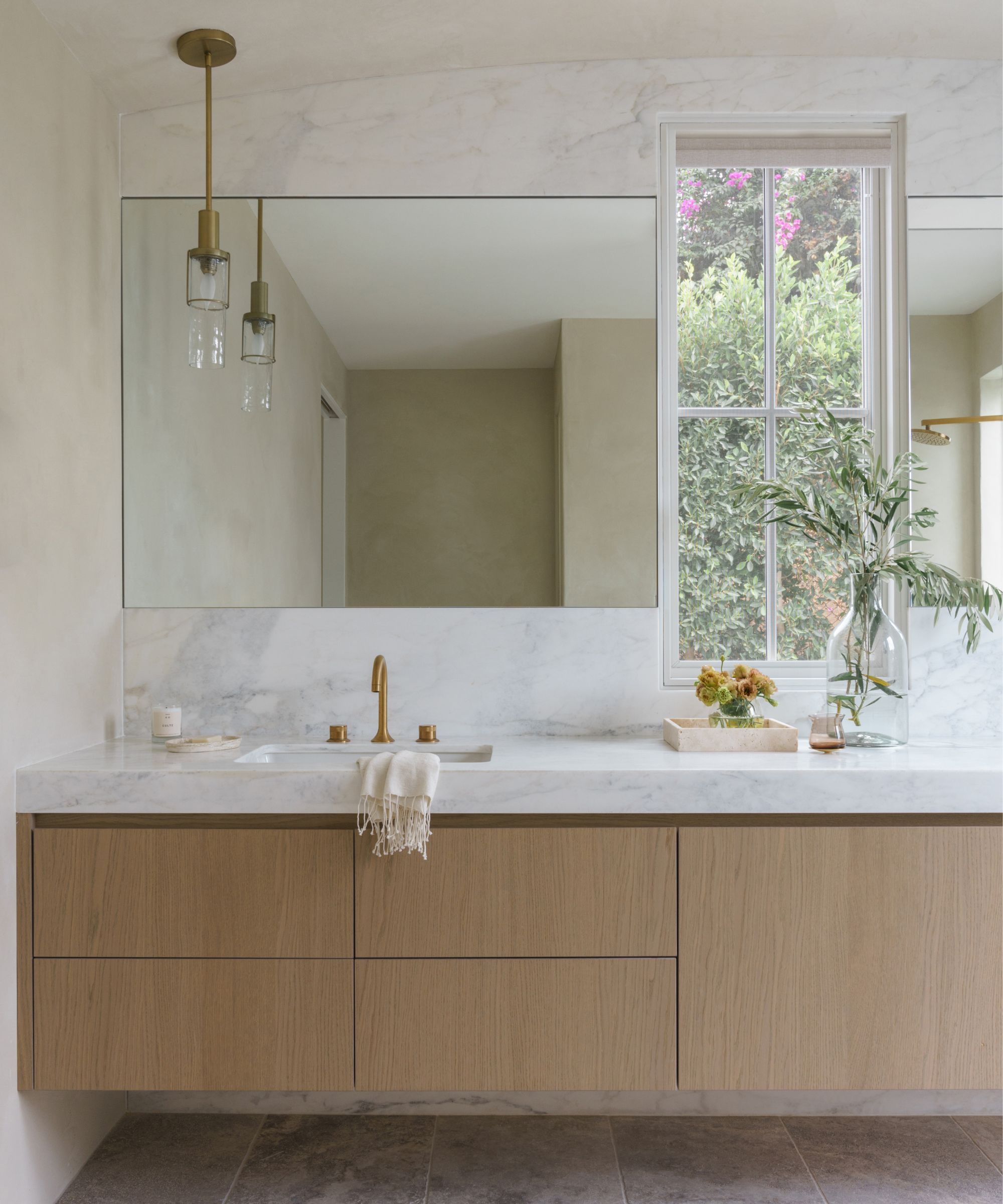
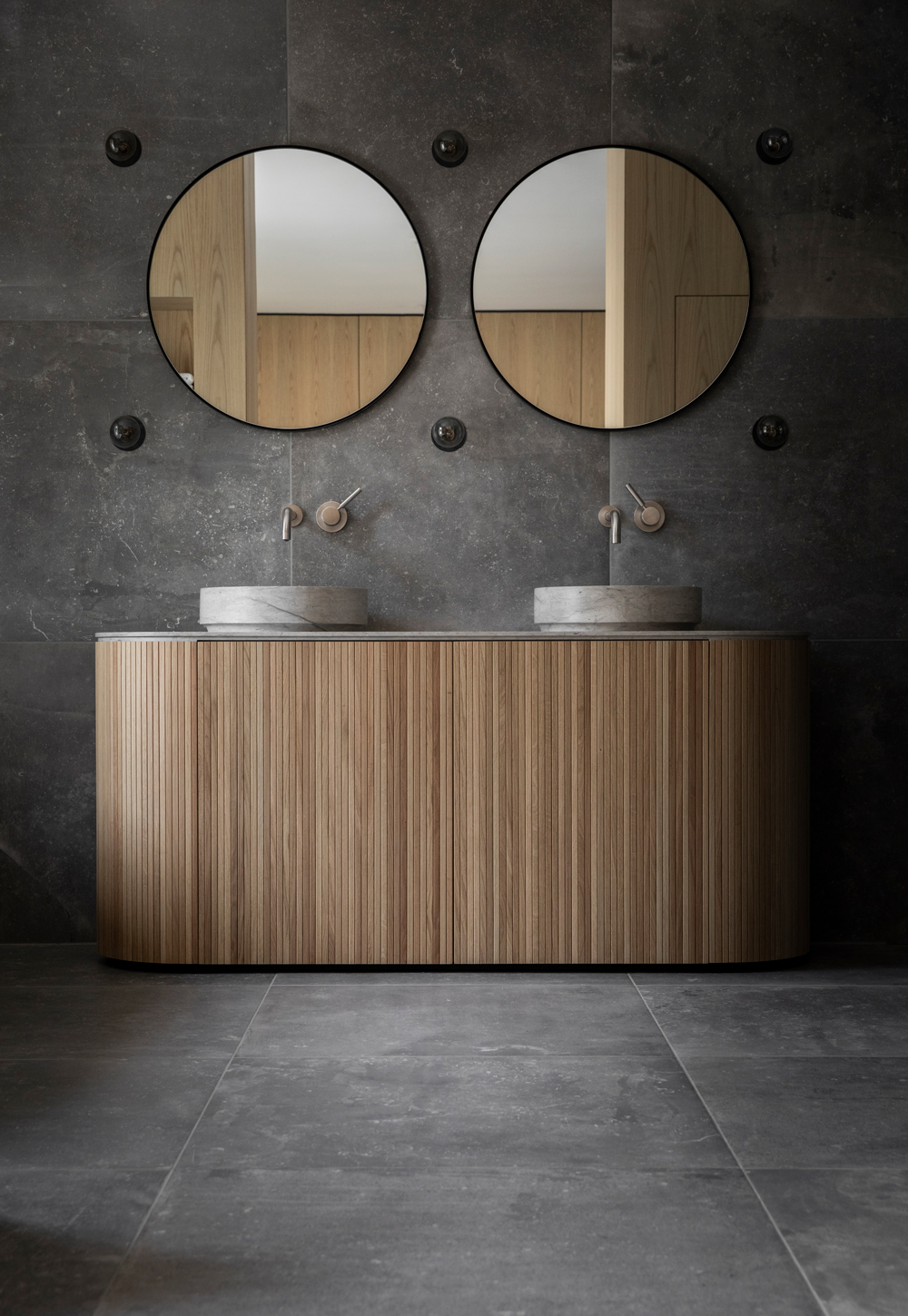
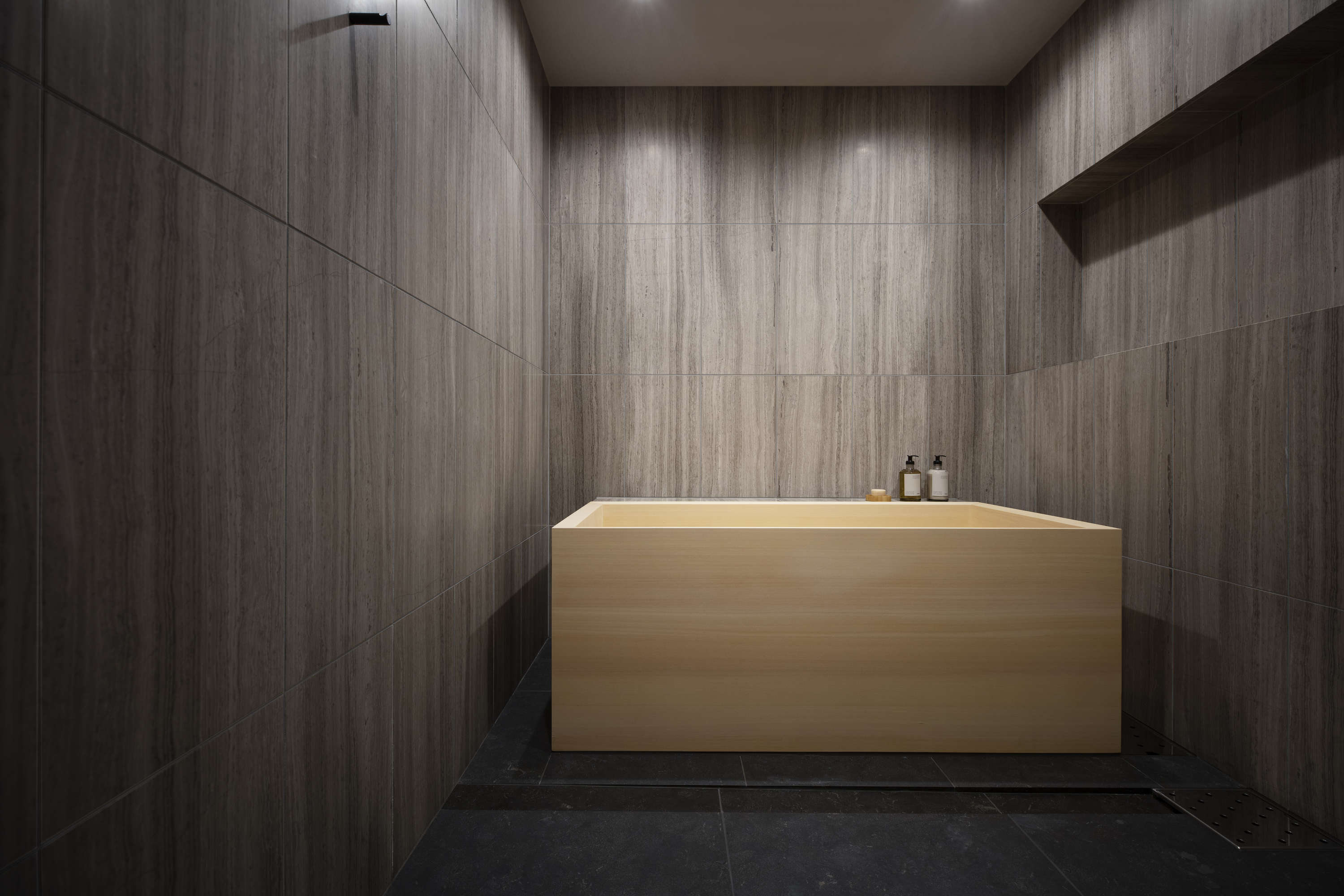
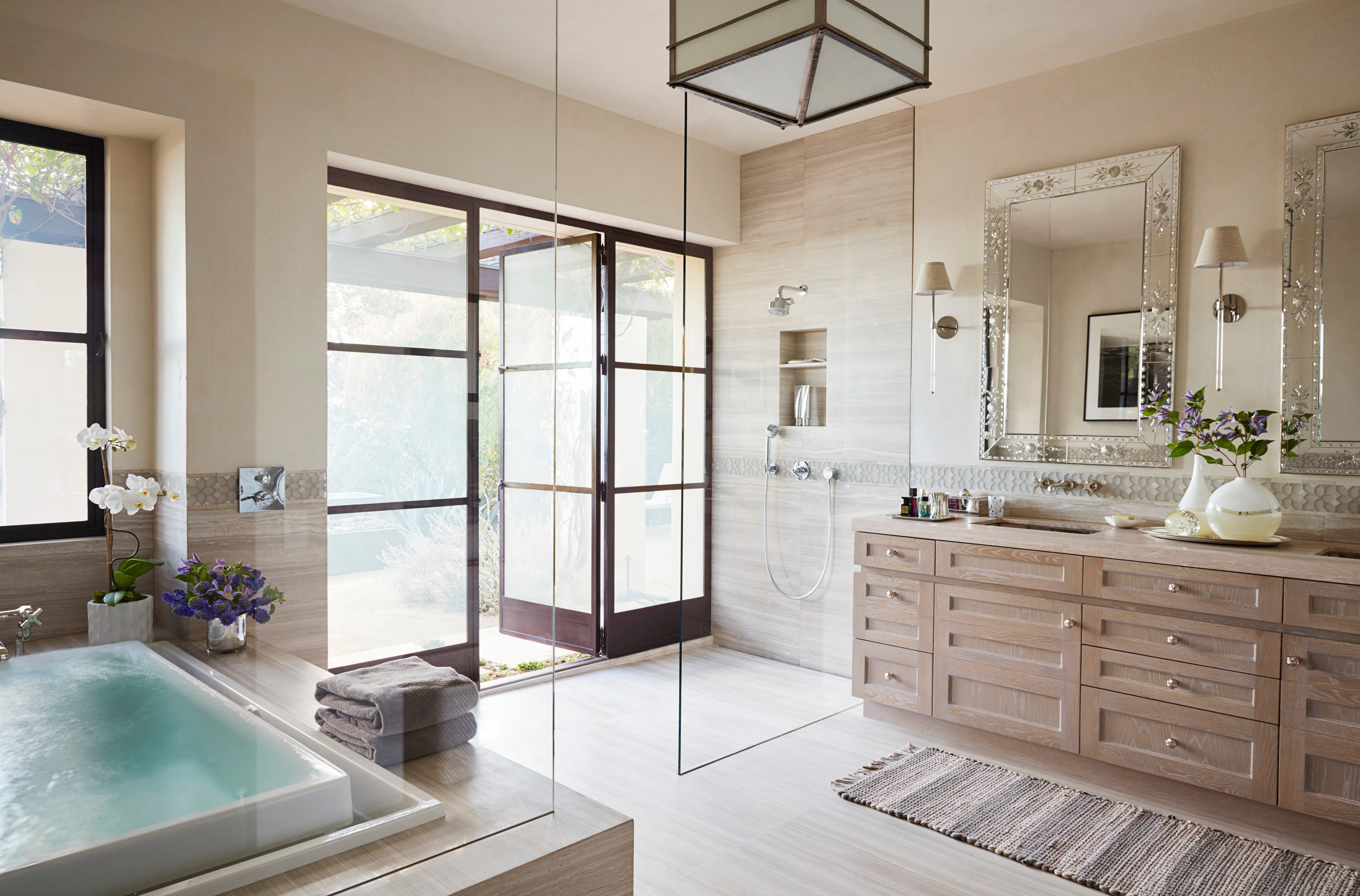
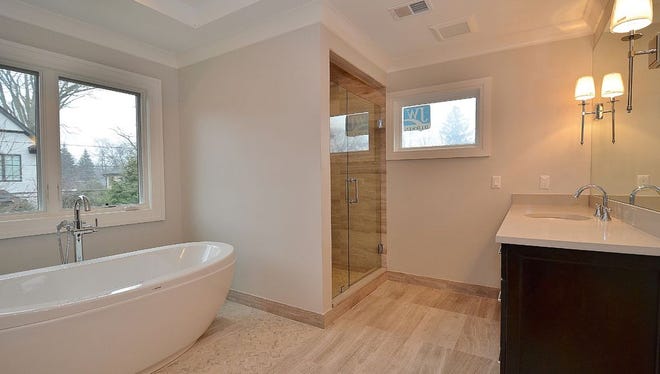
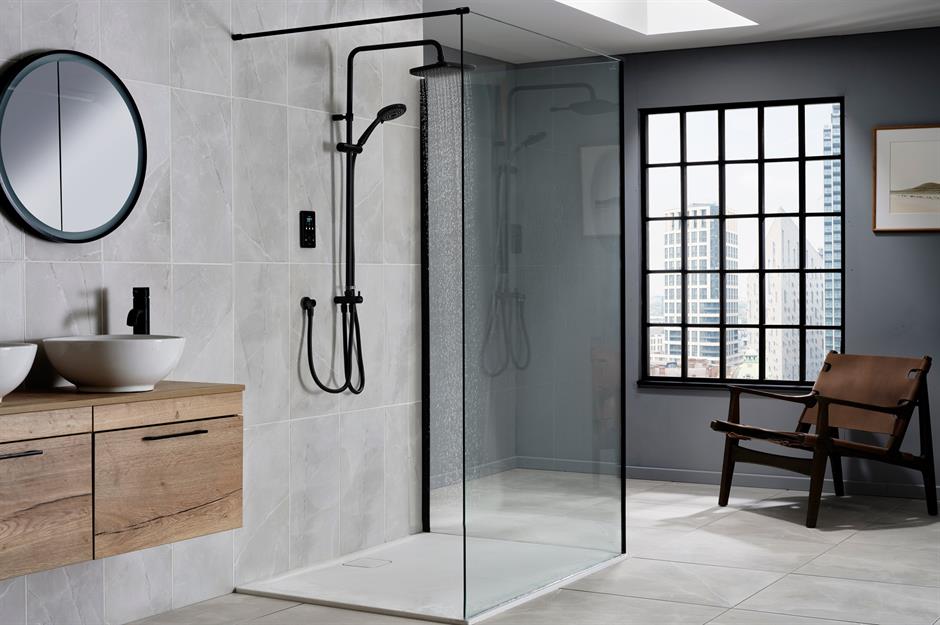
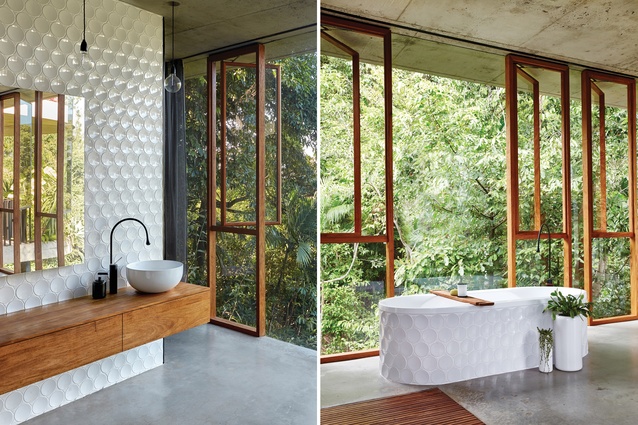
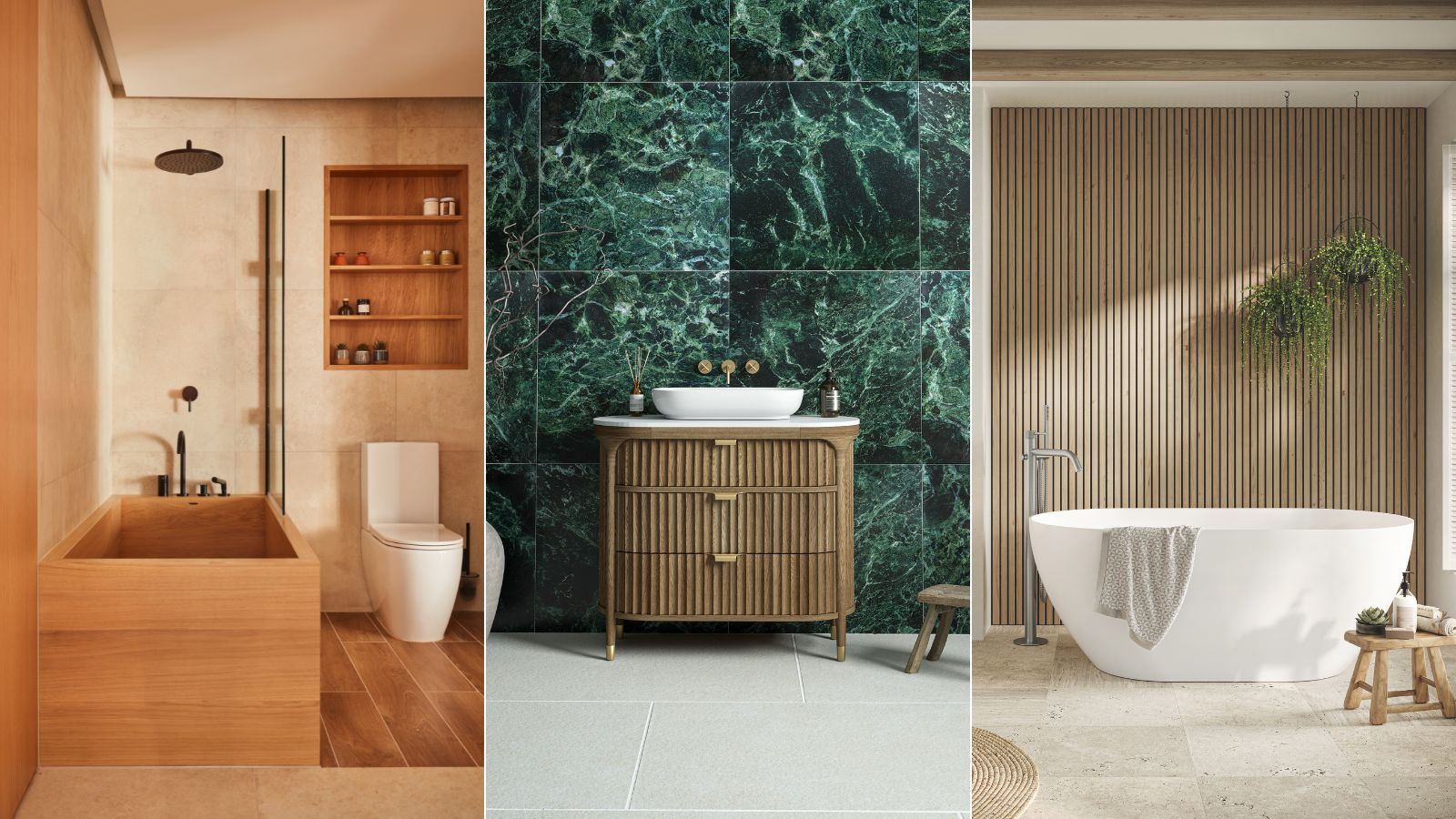
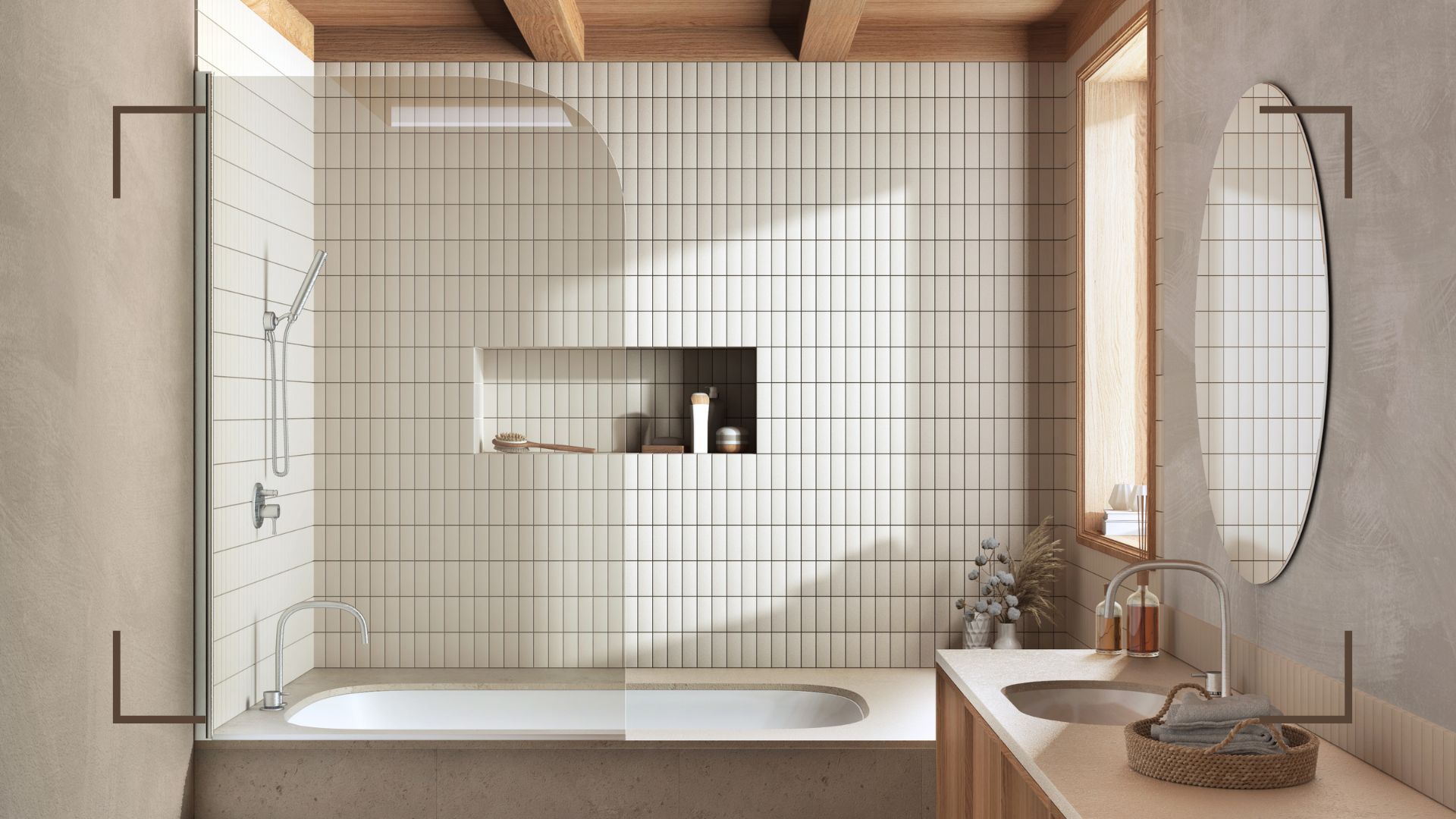
Key design elements to achieve a Japanese-inspired bathroom include the integration of natural materials such as wood, stone, and ceramic, which bring a natural warmth to the space. The design also often incorporates a clear separation of areas for the toilet, shower, and bathing to enhance cleanliness and privacy. For instance, a wooden-clad bathtub might be paired with a sleek, minimalist shower area, demonstrating the deliberate organization of elements.
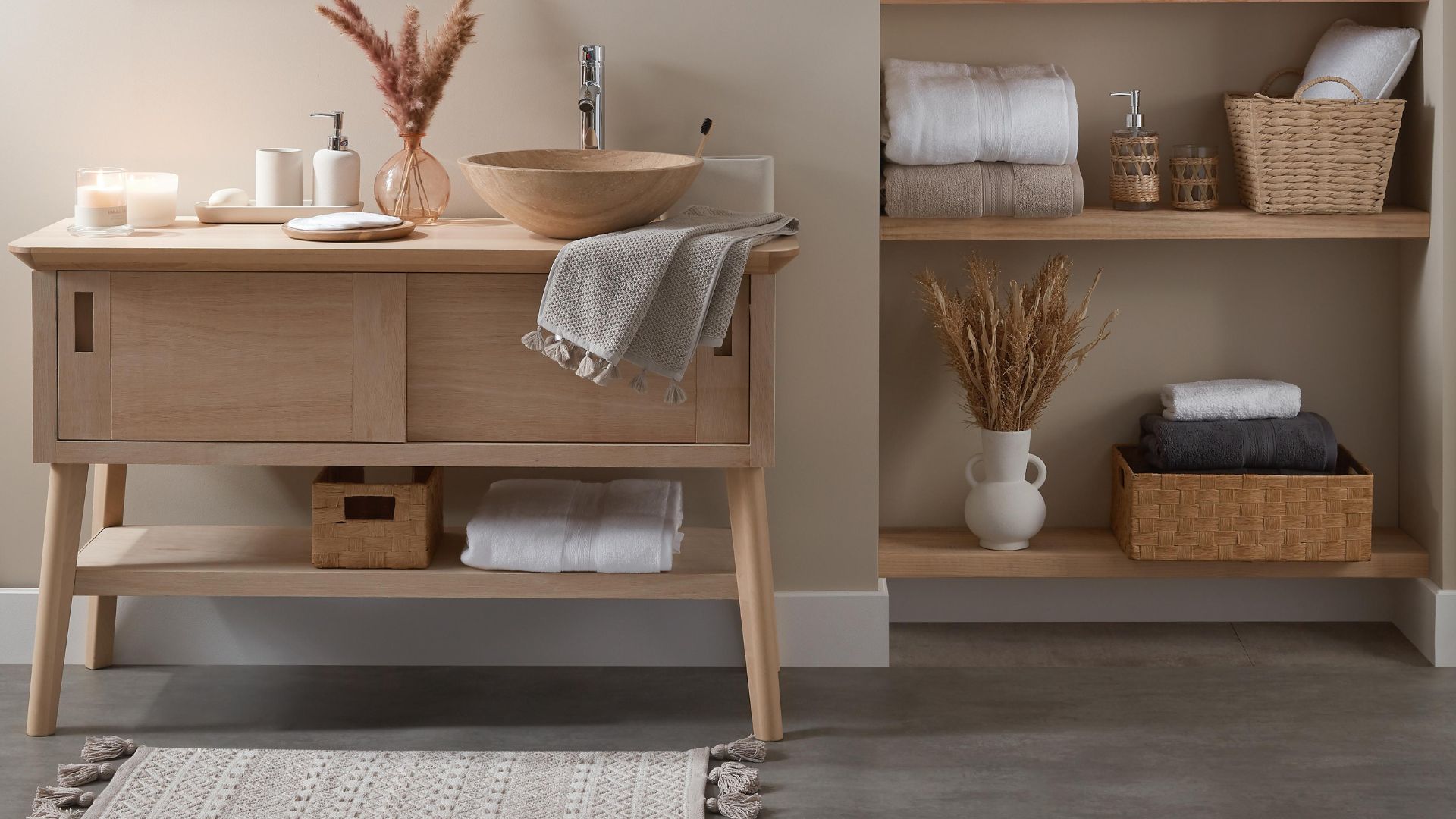
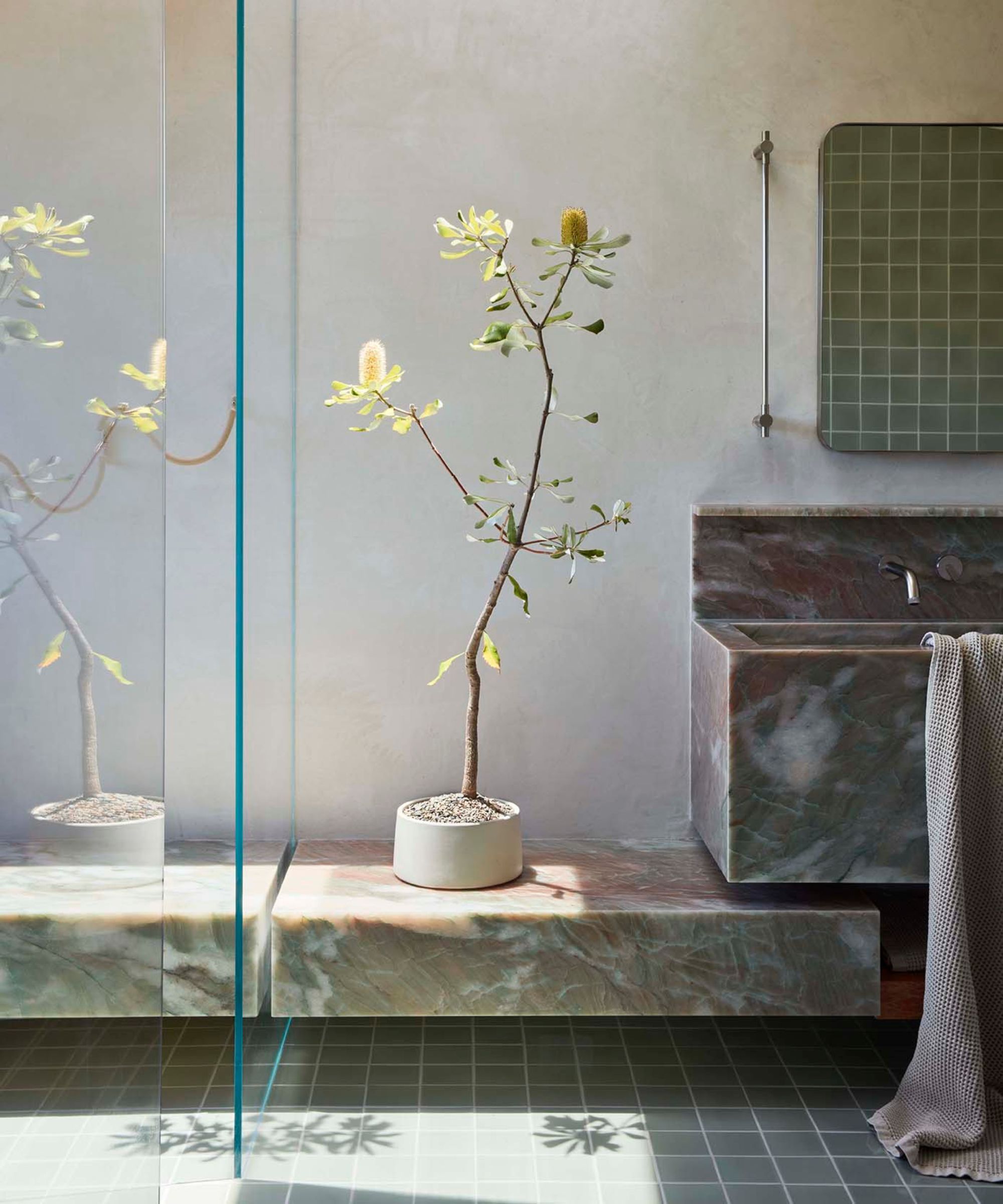
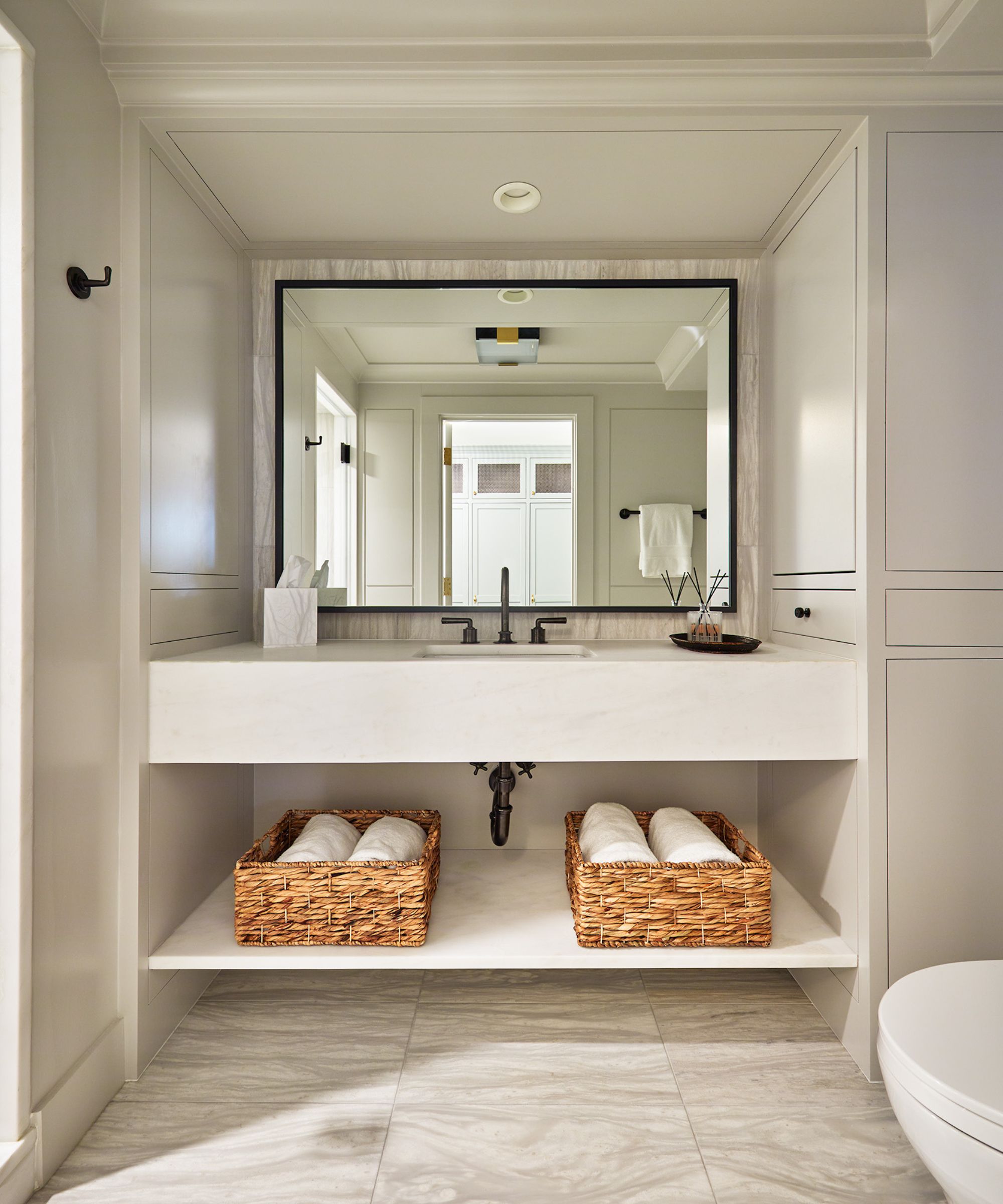
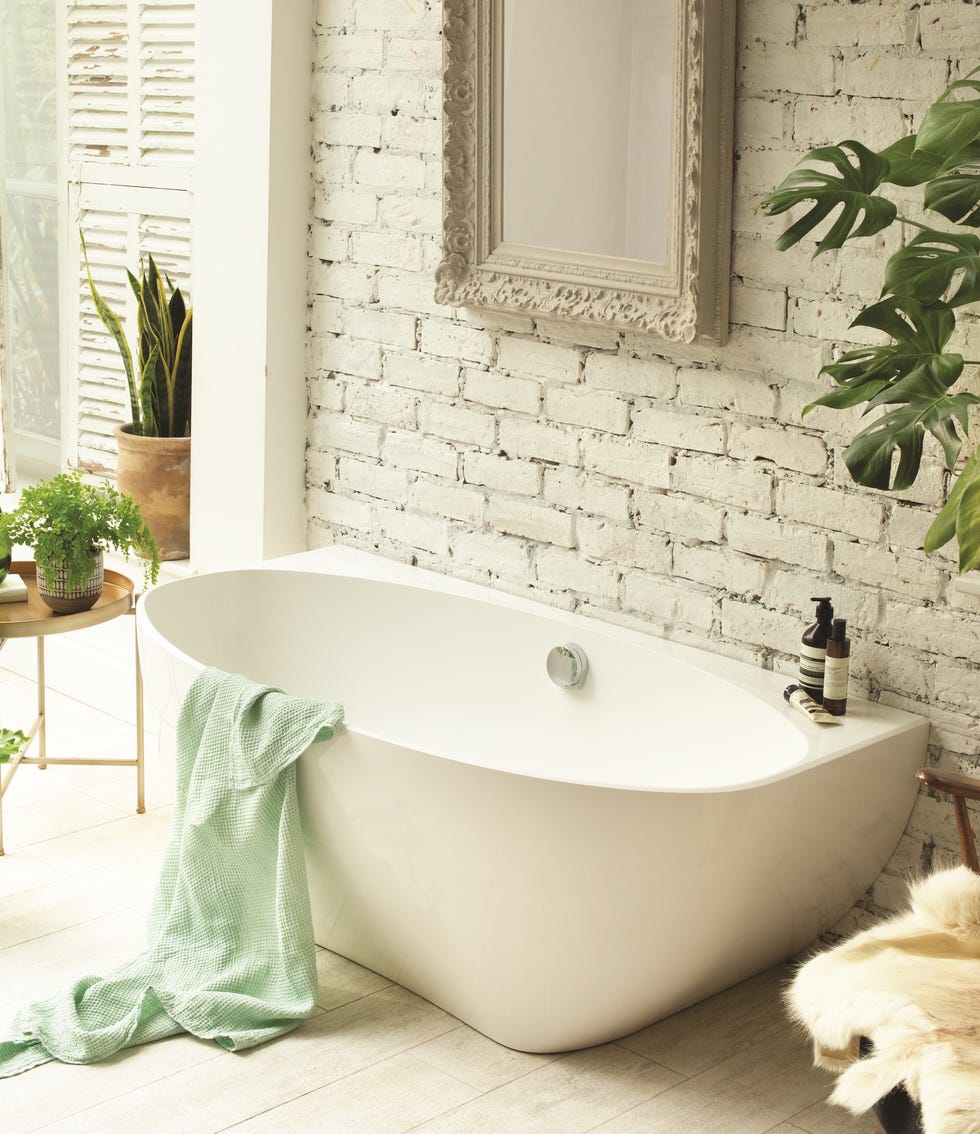
Biophilic design is another crucial component, connecting the interior space with nature. This involves adding indoor plants to create a calming atmosphere. Soft, diffused lighting and clean, minimalist lines are also vital for emphasizing a sense of calm, while effective bathroom storage solutions help maintain a clutter-free environment. The overall goal is to evoke the serenity of the natural world within the bathroom.
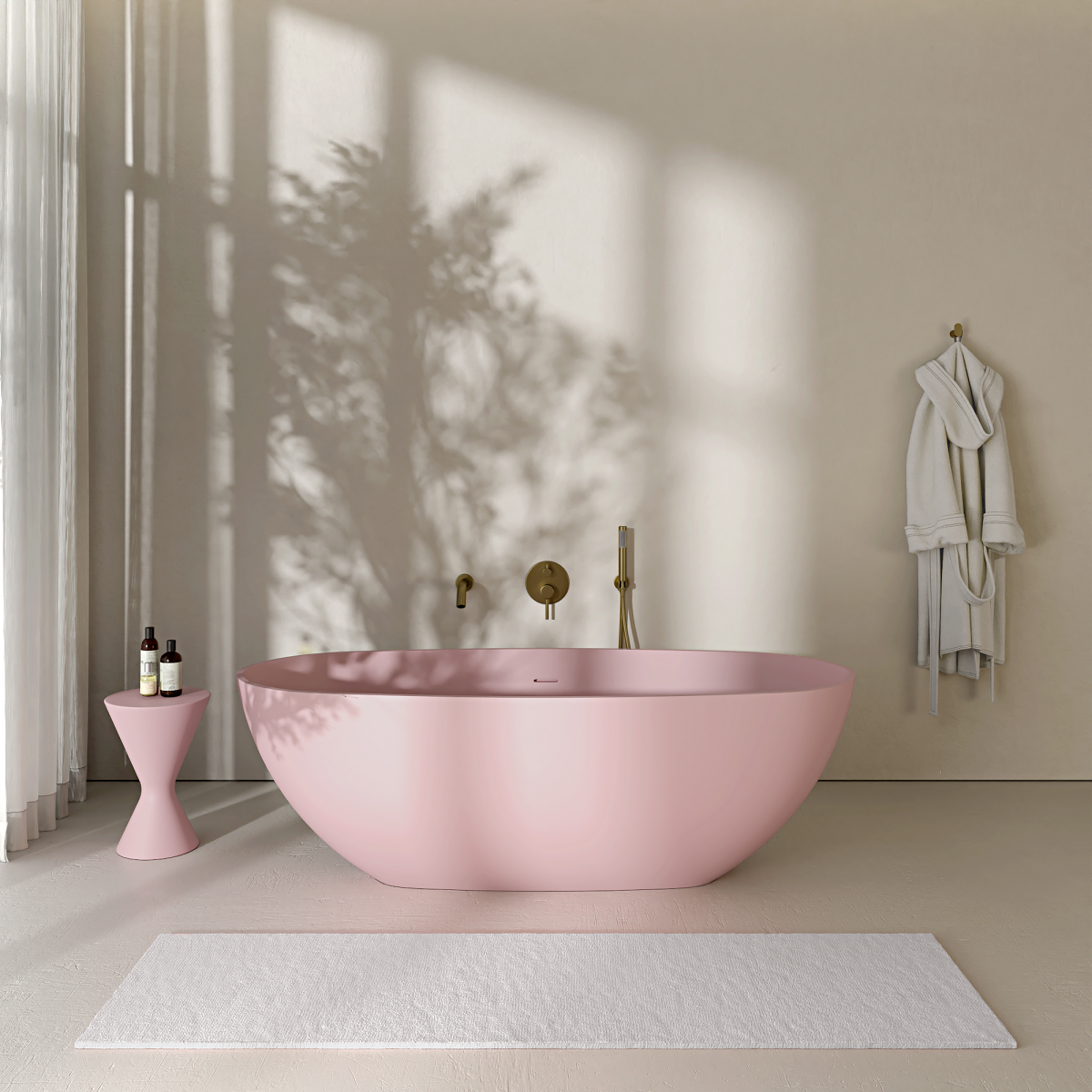
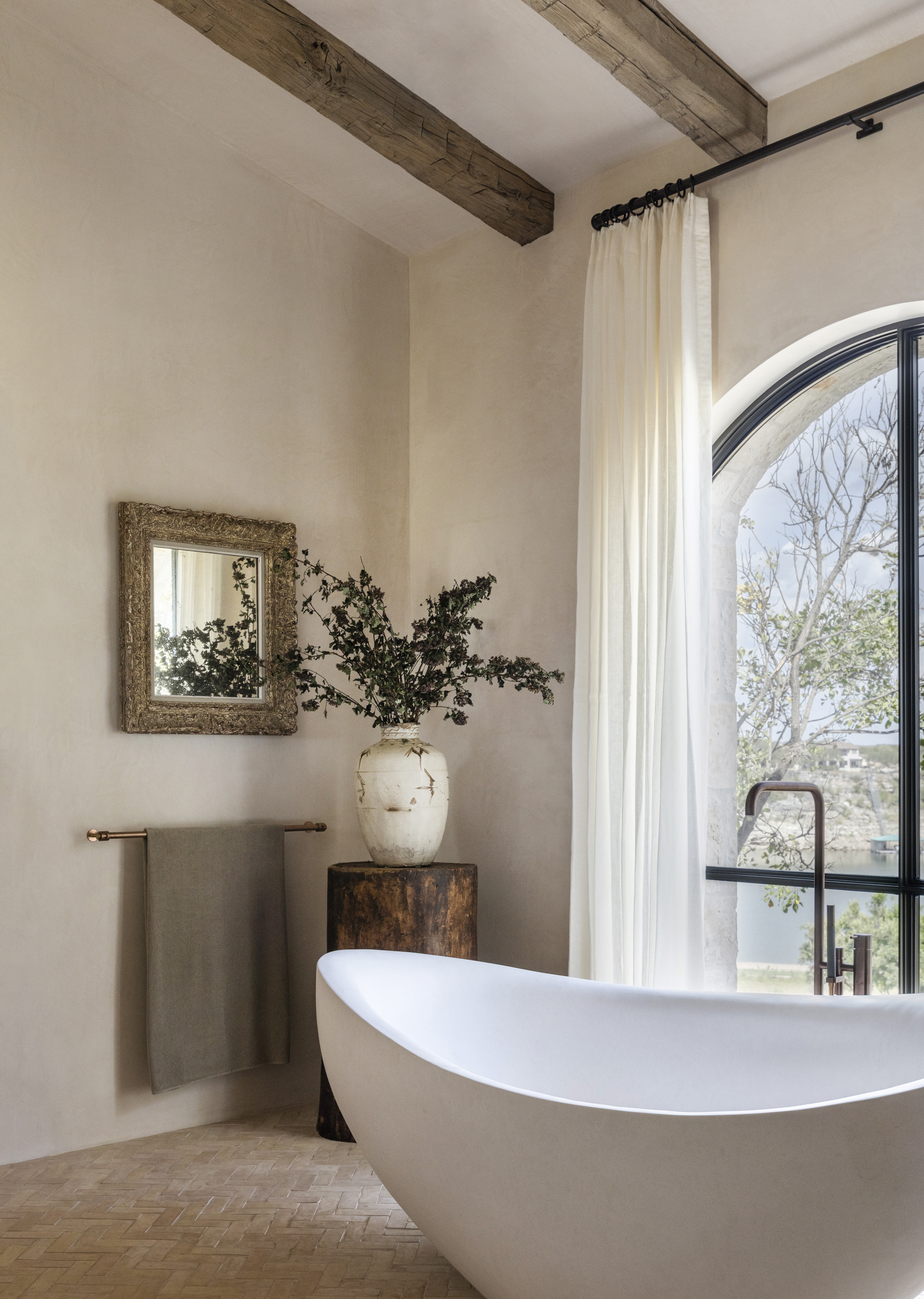
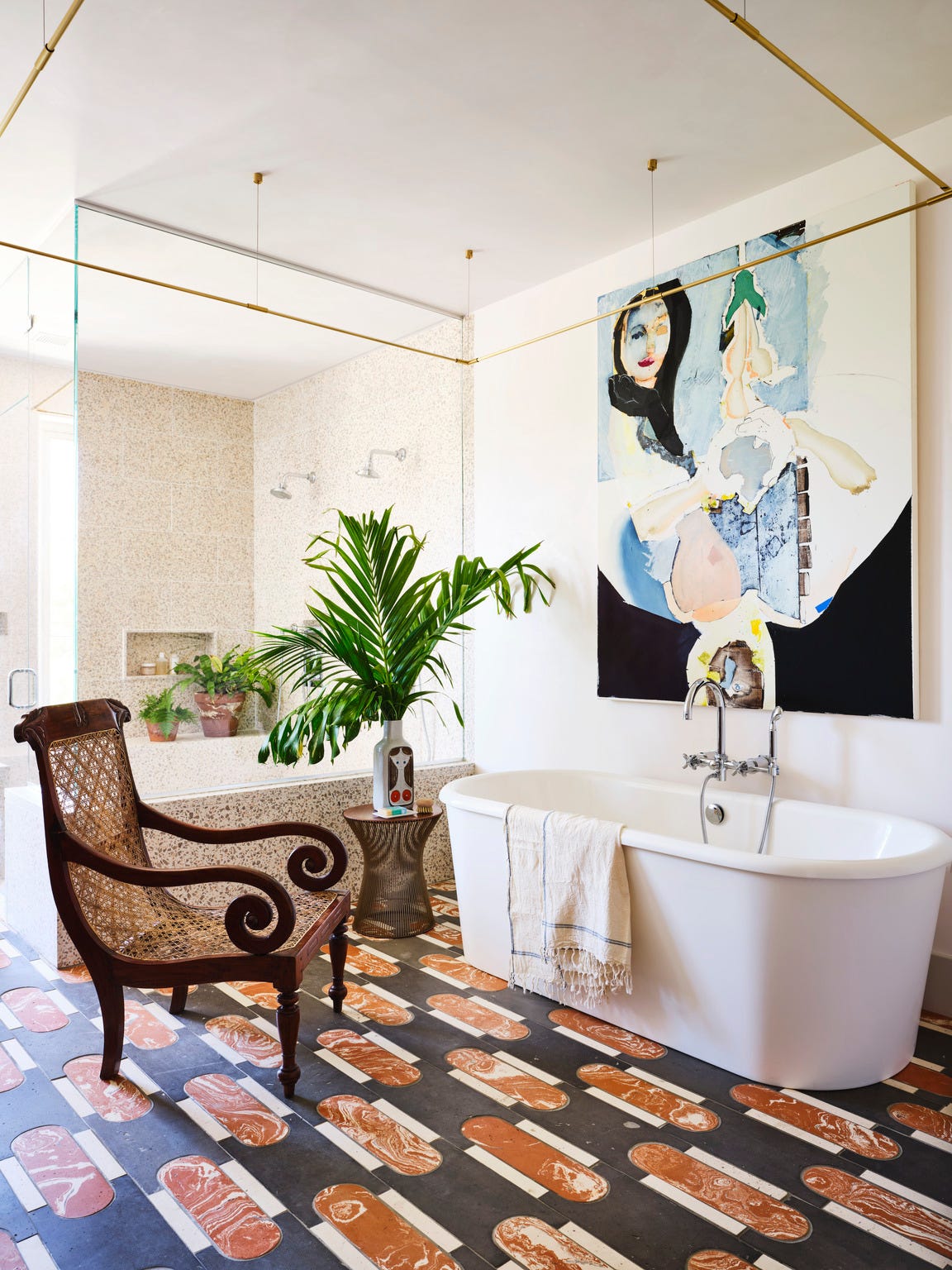
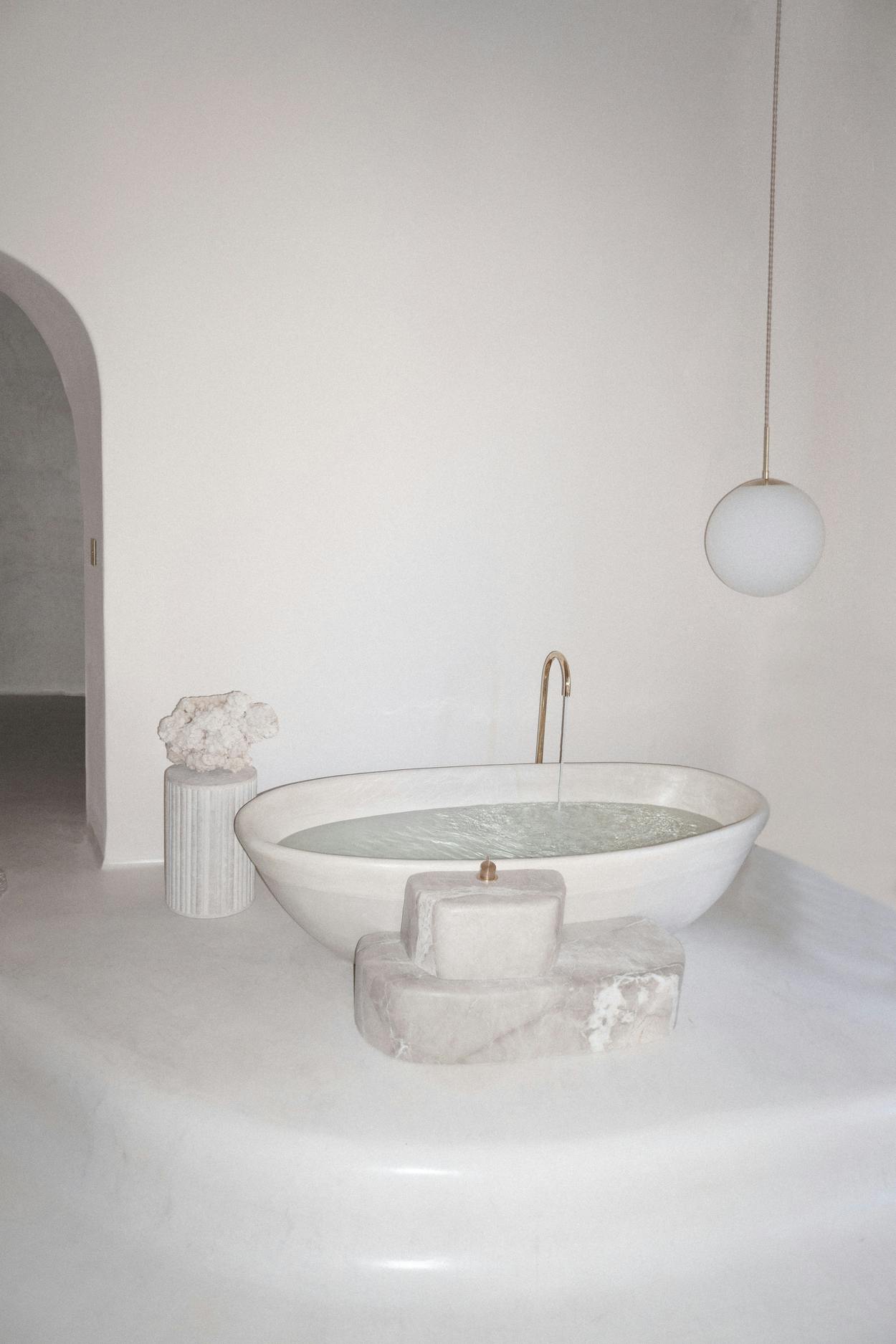
A distinctive feature of traditional Japanese bathrooms is the *ofuro*, a deep soaking tub that serves as a luxurious and meditative centerpiece. These tubs are typically taller and more circular, often resembling a barrel. To highlight the *ofuro*, the surrounding space is kept neutral and pared-back, reinforcing the minimalist and tranquil ambiance. This design approach creates a grounded and peaceful feeling.
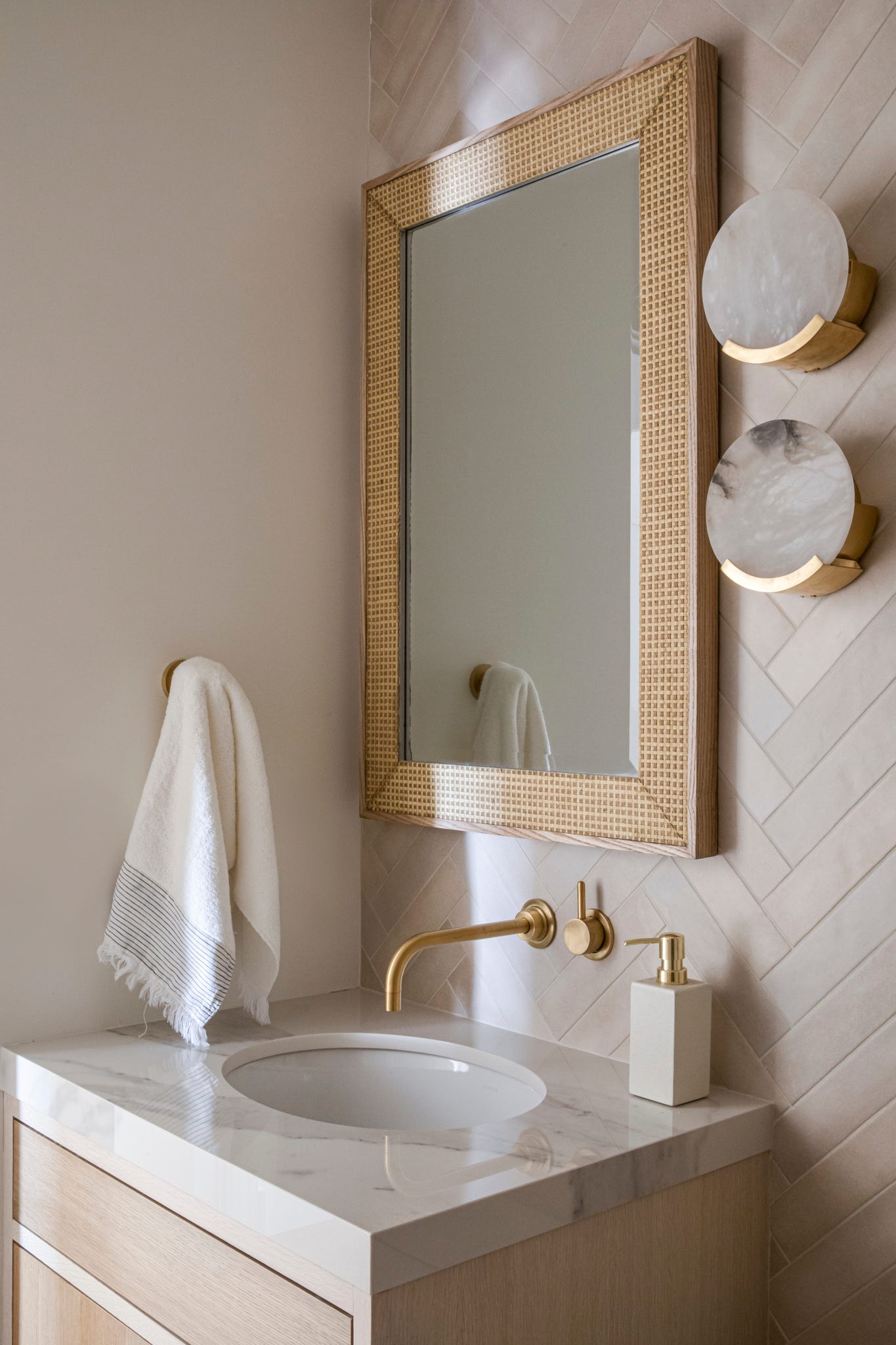
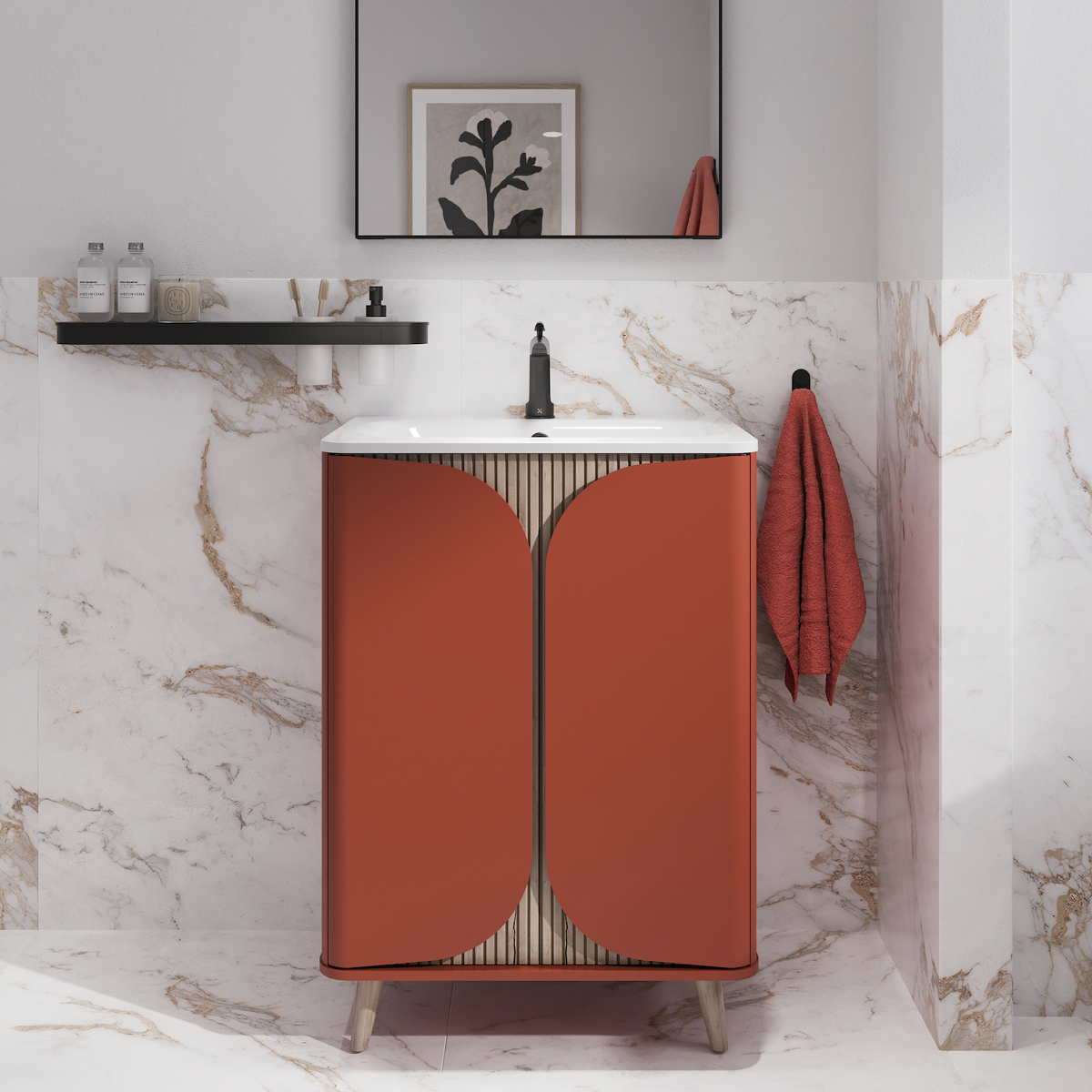
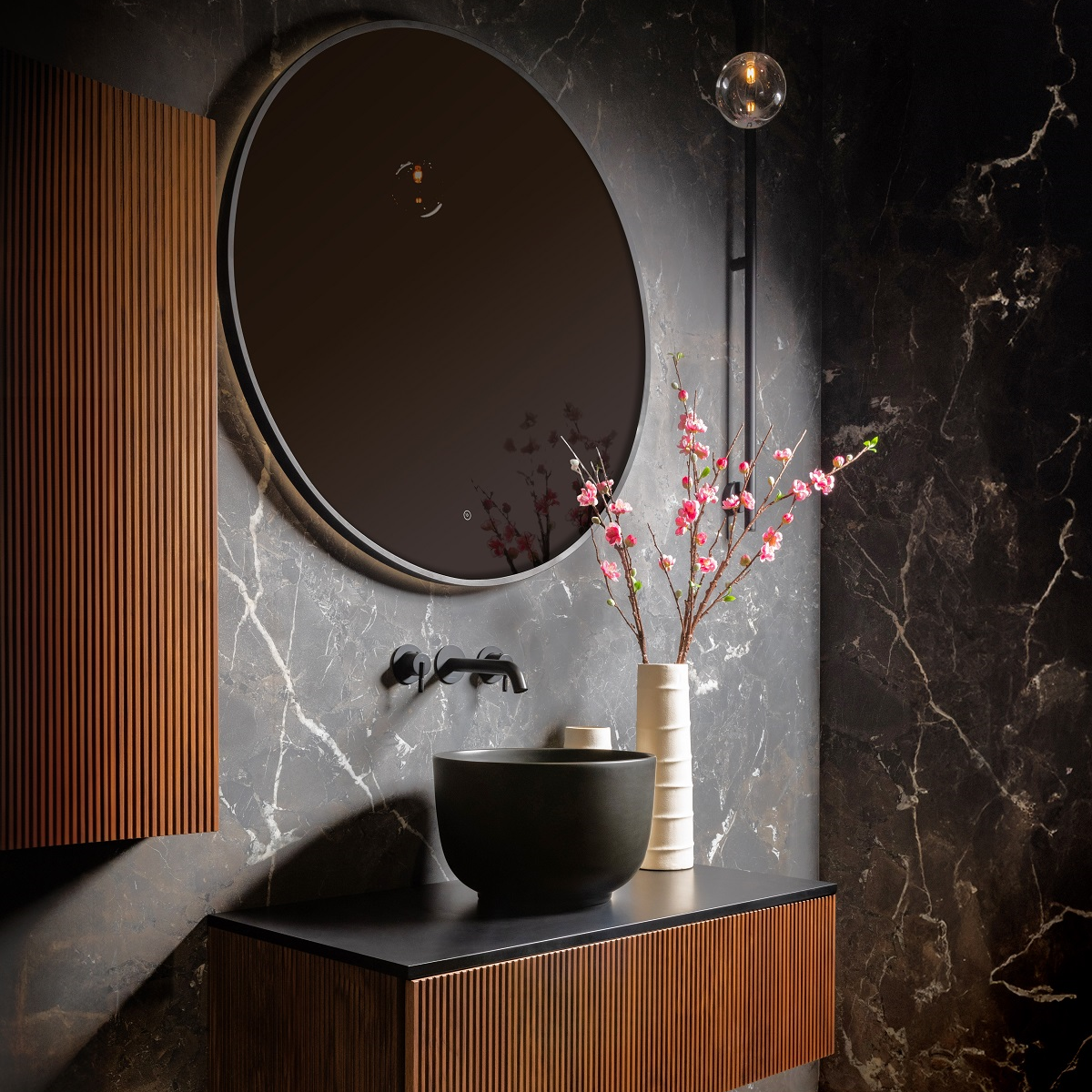
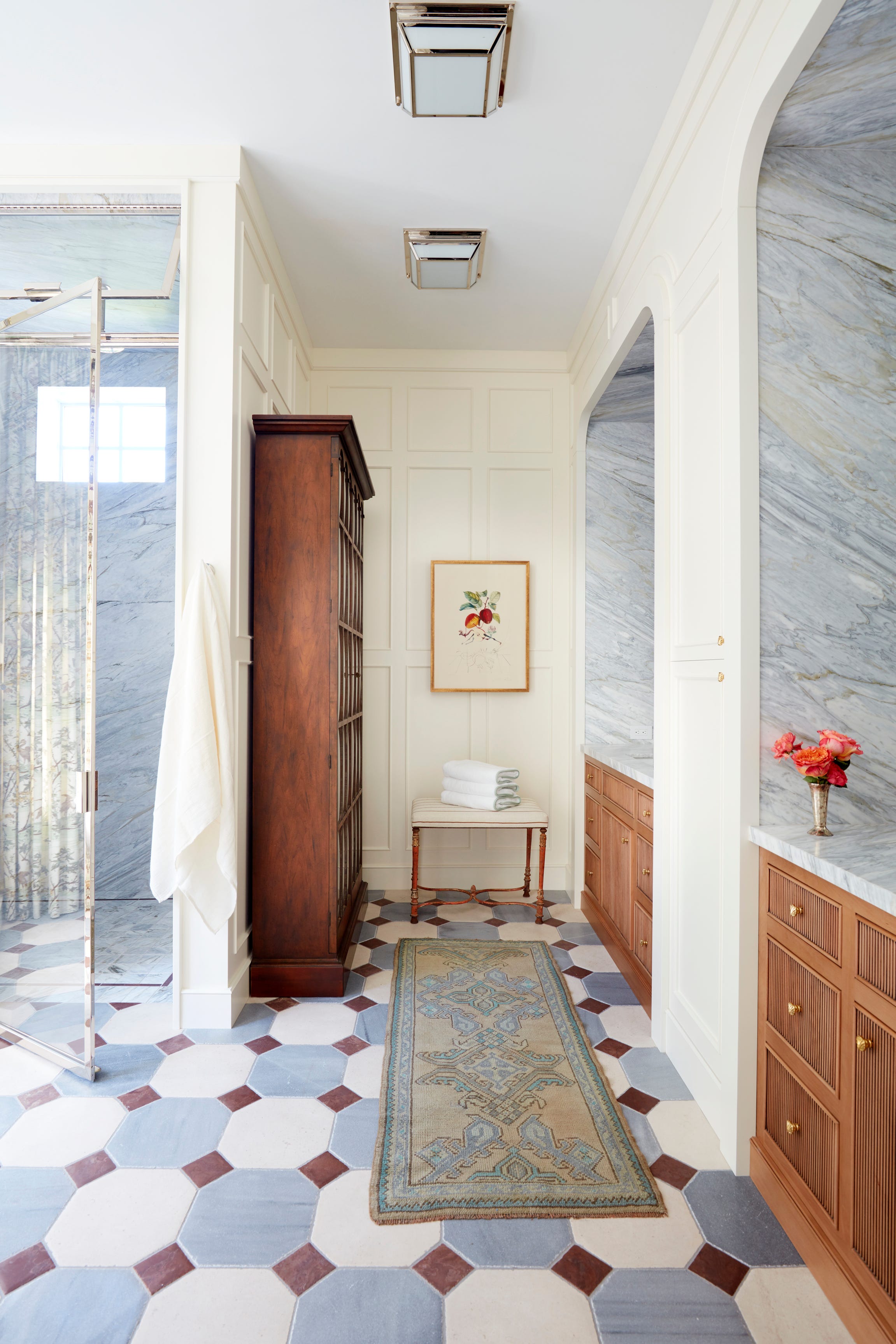
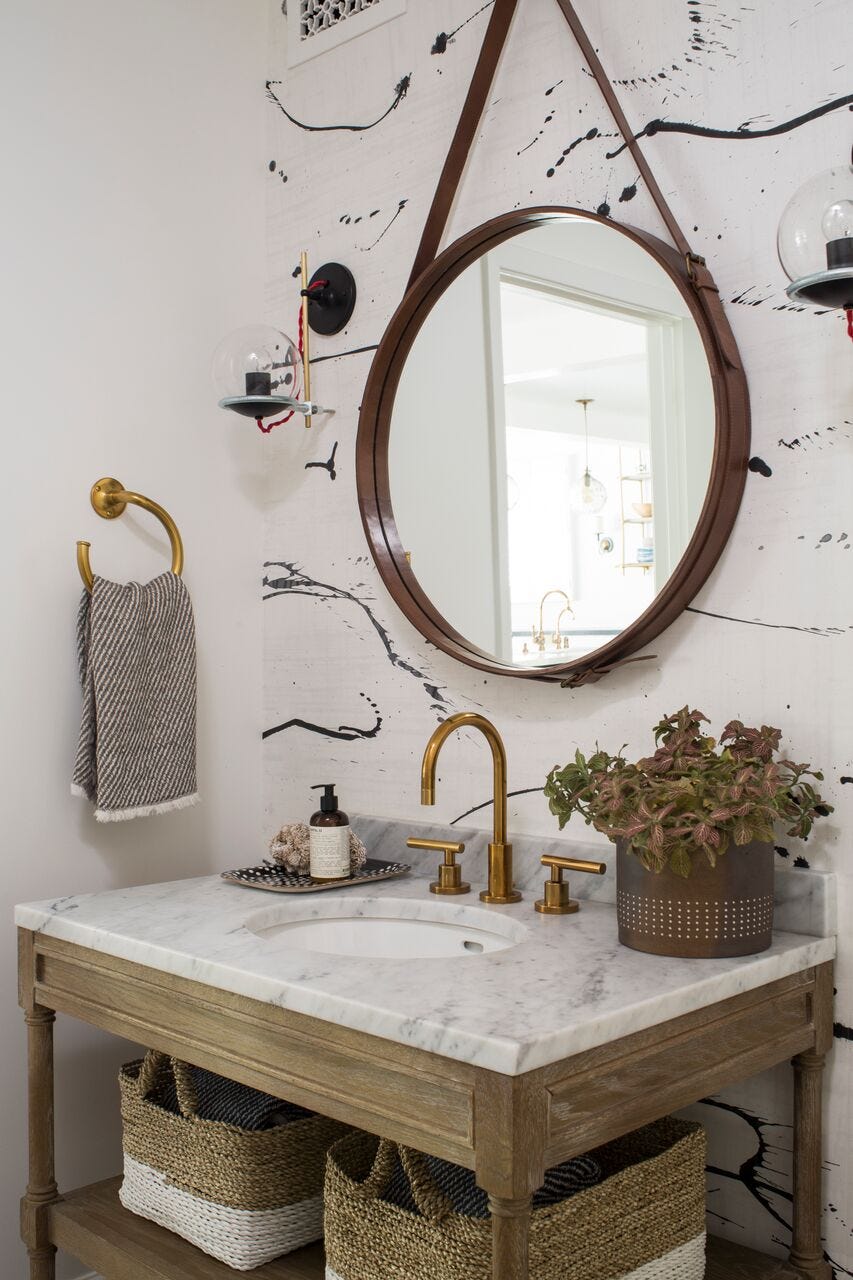
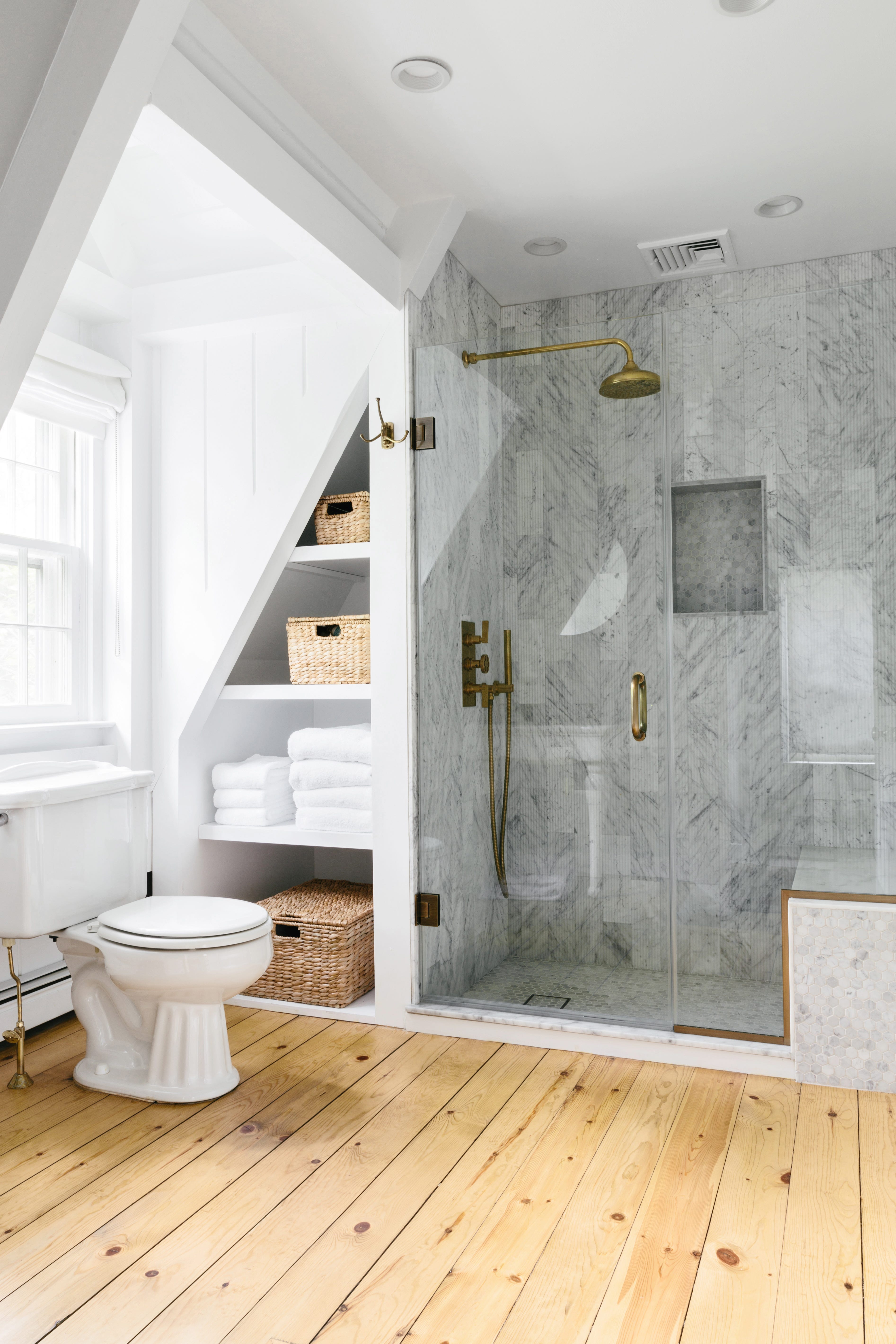
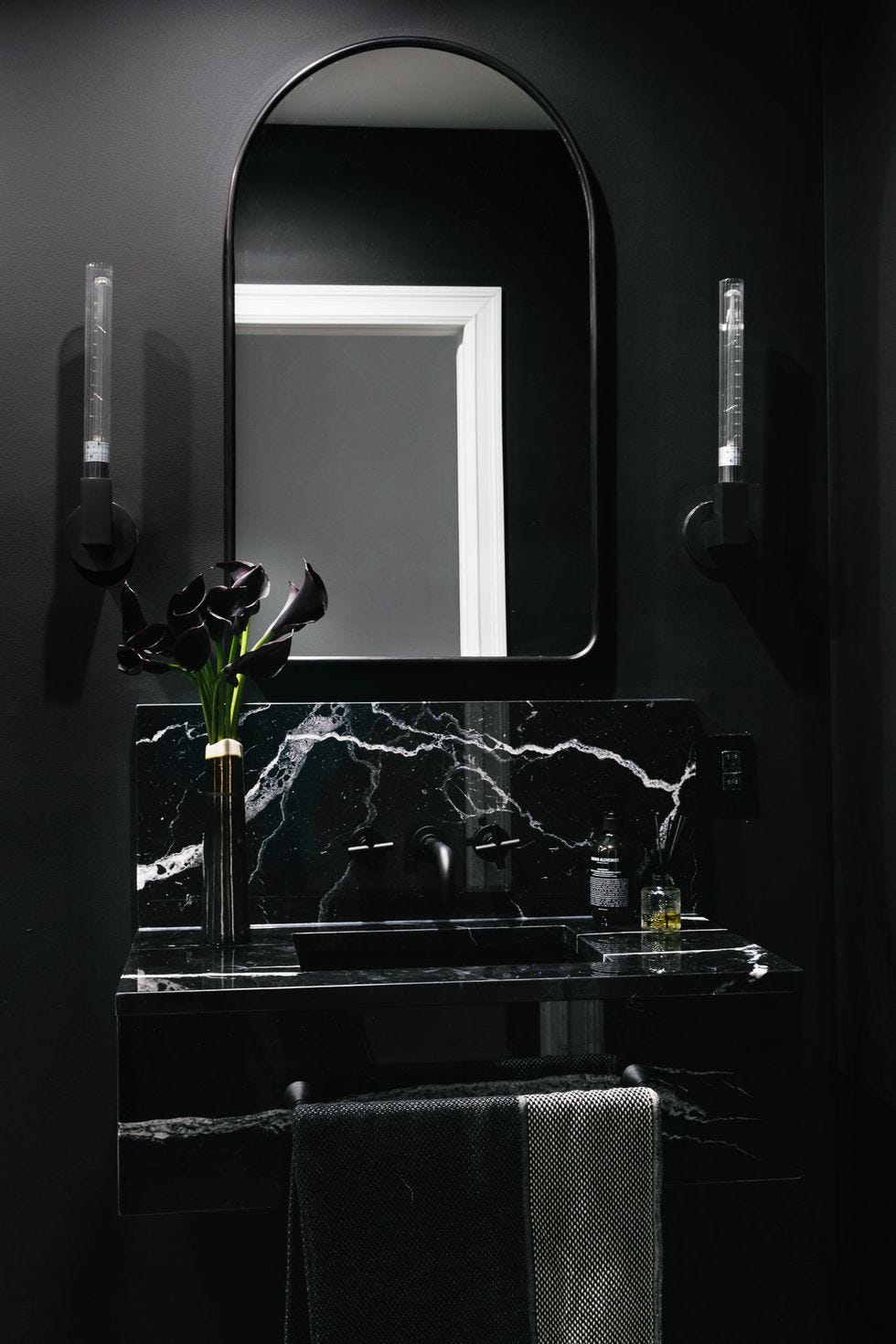
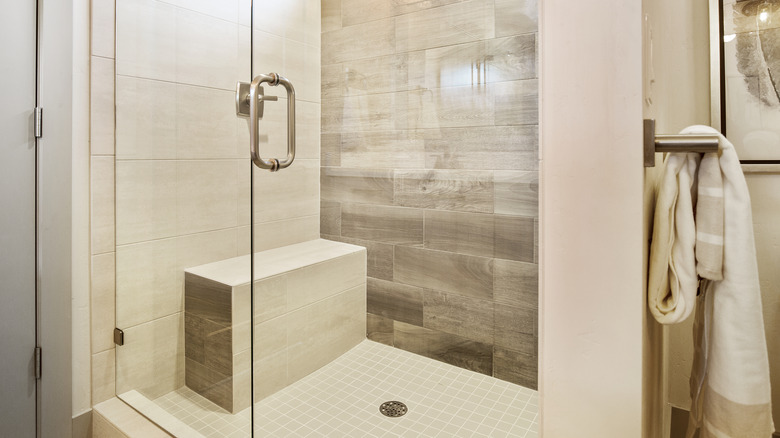
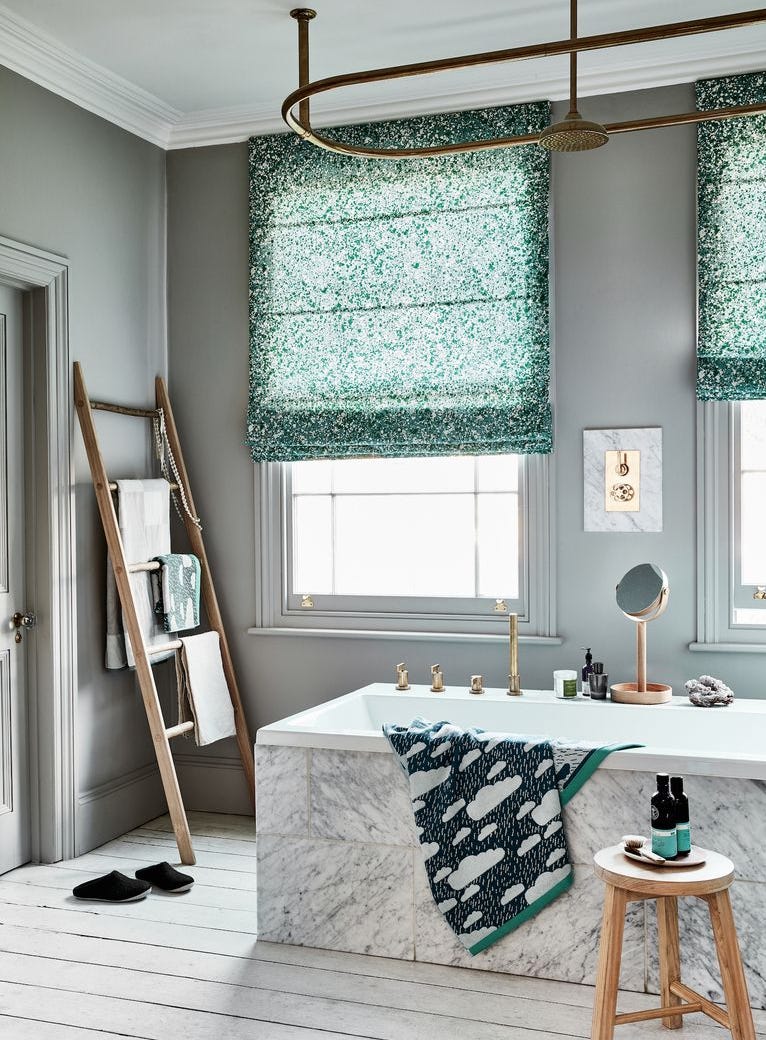
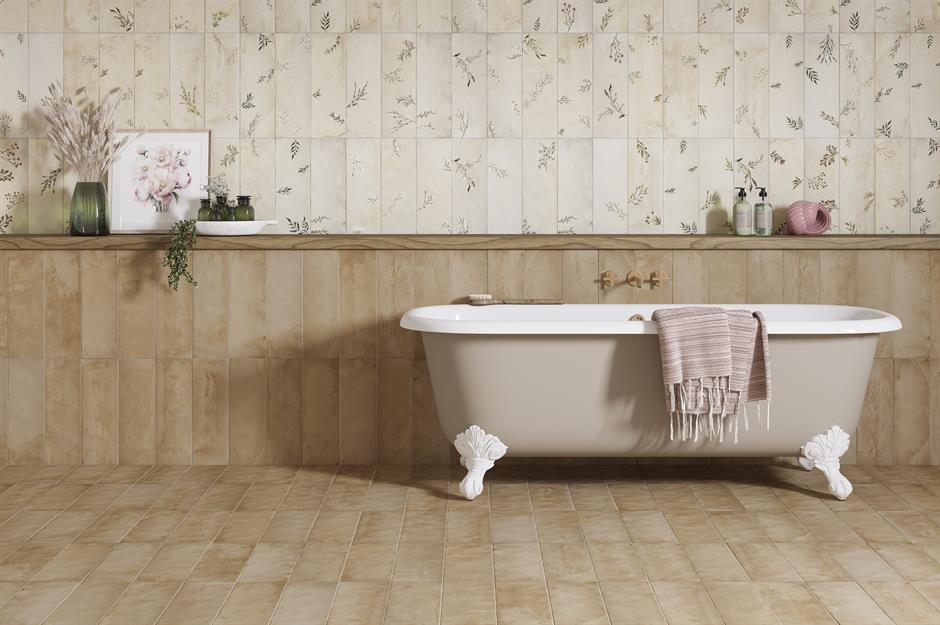
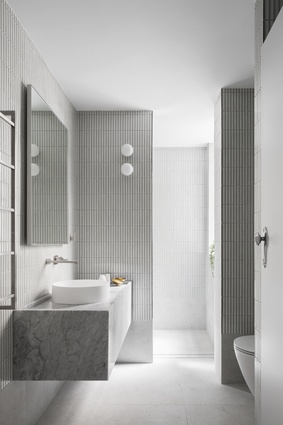
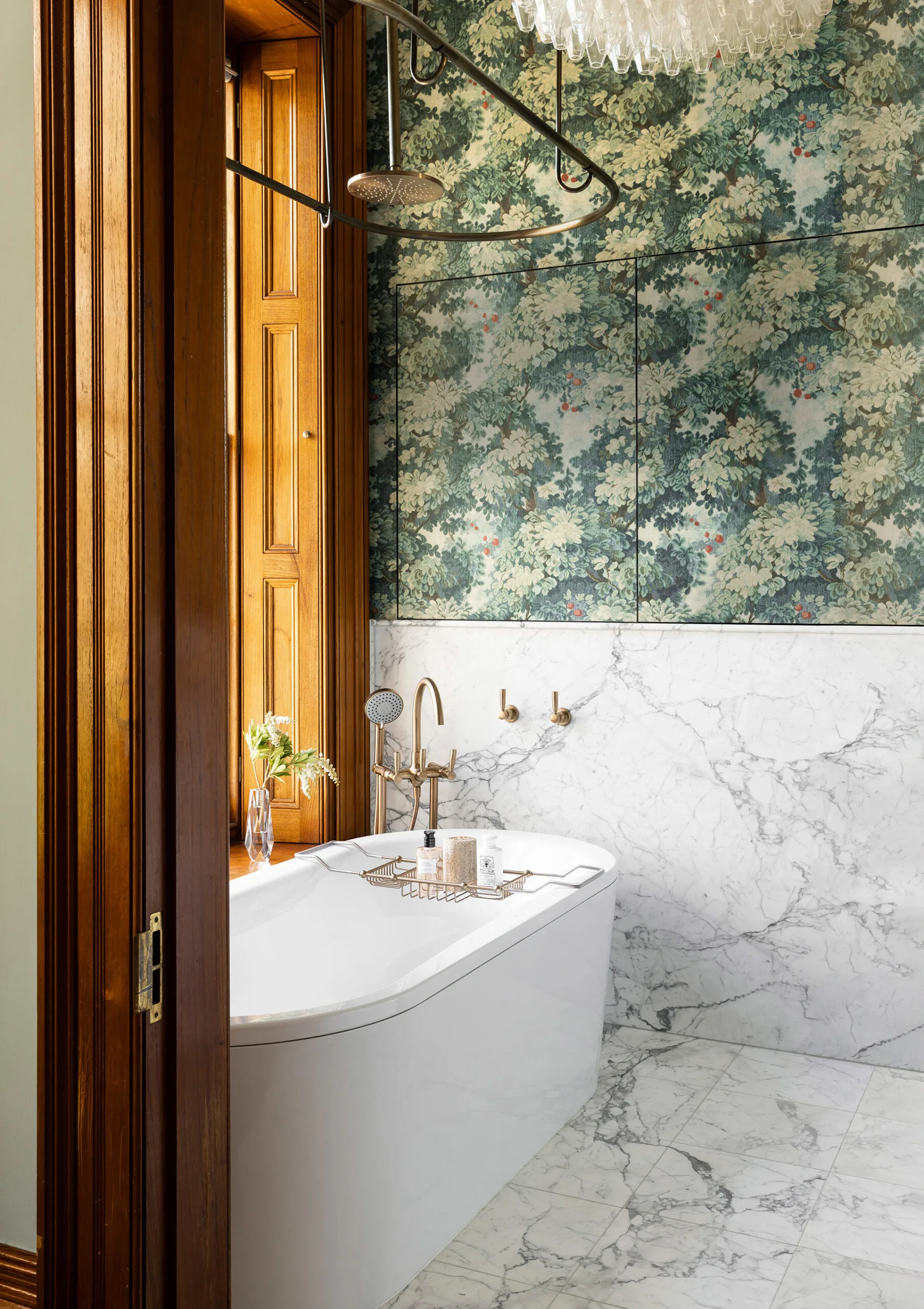
Color palettes and textures draw inspiration from nature, utilizing stylish and luxurious elements like tiles and paneling. Options such as slatted wood-effect tiles can add warmth, while dark green marble-effect tiles introduce a serene, cocooning effect. These textures contribute to a luxurious finish and reinforce the natural aesthetic. Finally, maintaining a clutter-free environment is essential for achieving the mindful serenity of Japanese design. Embracing minimalism, decluttering, and using a neutral, earthy color palette are fundamental steps. Greenery, soft lighting, and even small water features further enhance the calming connection to nature, making the bathroom a space for relaxation. #JapaneseBathroomDesign #MindfulLiving #InteriorDesignTrends #NaturalMaterials #BiophilicDesign #OfuroBathtub #MinimalistAesthetics #BathroomDecor
0 comment in total
 No comments yet
You may also like
Japandi bathroom ideas : 11 ways to create a calming sanctuary

Japandi bathroom ideas – 8 ways to create a nature-inspired, calming sanctuary
The Bathroom Trends To Keep On Your Radar in 2019

7 Bathroom Trends Designers Are Leaving Behind In 2026
Here Are the Hottest Bathroom Trends for 2023, According to Design Pros

5 Japandi Bathroom Ideas for Minimalist, Calming Spaces You'll Love to Spend Time in

The Bathroom Shower Upgrade That Is On Trend For 2026
2019 Bathroom focus: international trends
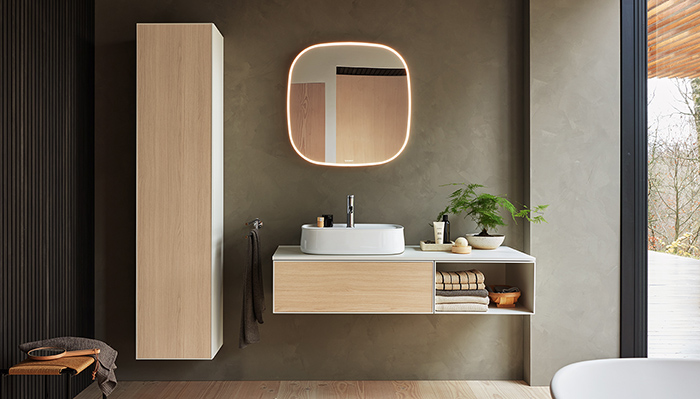
How consumers are embracing calm, minimal Japandi-style bathrooms
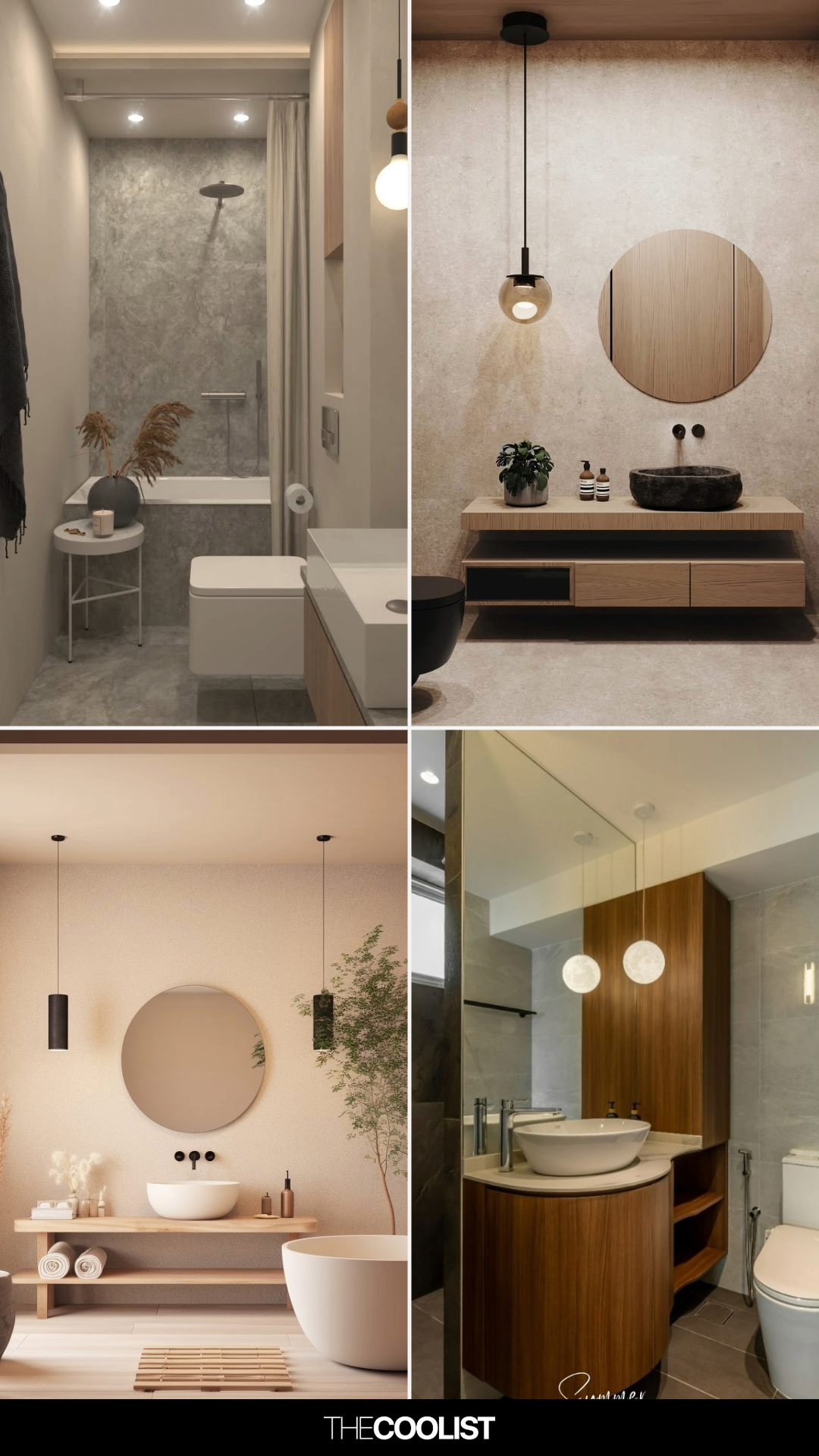
38 Show-Stealing Japandi Bathroom Ideas That Make Other Bathrooms Look Outdated

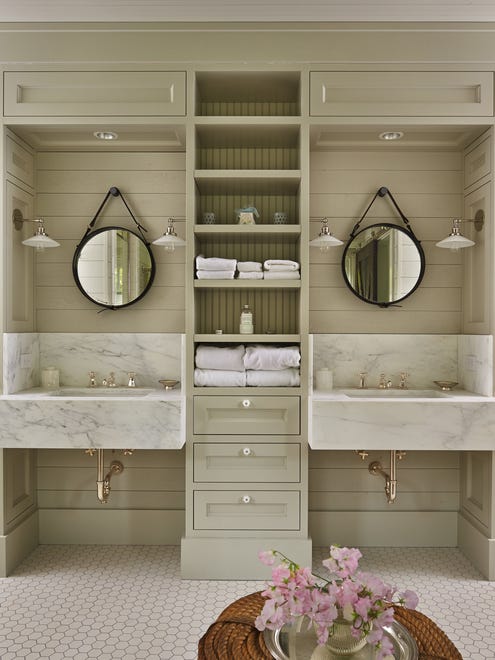
Bathroom Trends
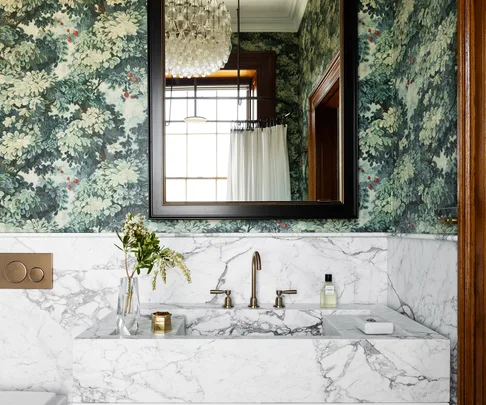
The bathroom trends set to dominate from now ’til the new year

7 Japanese real estate inspired bathroom decor ideas for a calm and mindful home
9 minimalist bathroom ideas that bring personality and interest to pared-back schemes
Modern Bathroom Ideas For Your Home In 2021

The Best Bathroom Ideas To Get The Glow-Up You Deserve
Year in review: 5 design-led bathroom products from 2024
The 5 Biggest Bathroom Trends for 2023, According to Designers
Beautiful new bathroom trends for 2025 | loveproperty.com
Bathroom trends for today and tomorrow